Category: Cat Diet

  • Can Cats Eat Cheesecake or Is It Dangerous for Them

    Can Cats Eat Cheesecake or Is It Dangerous for Them

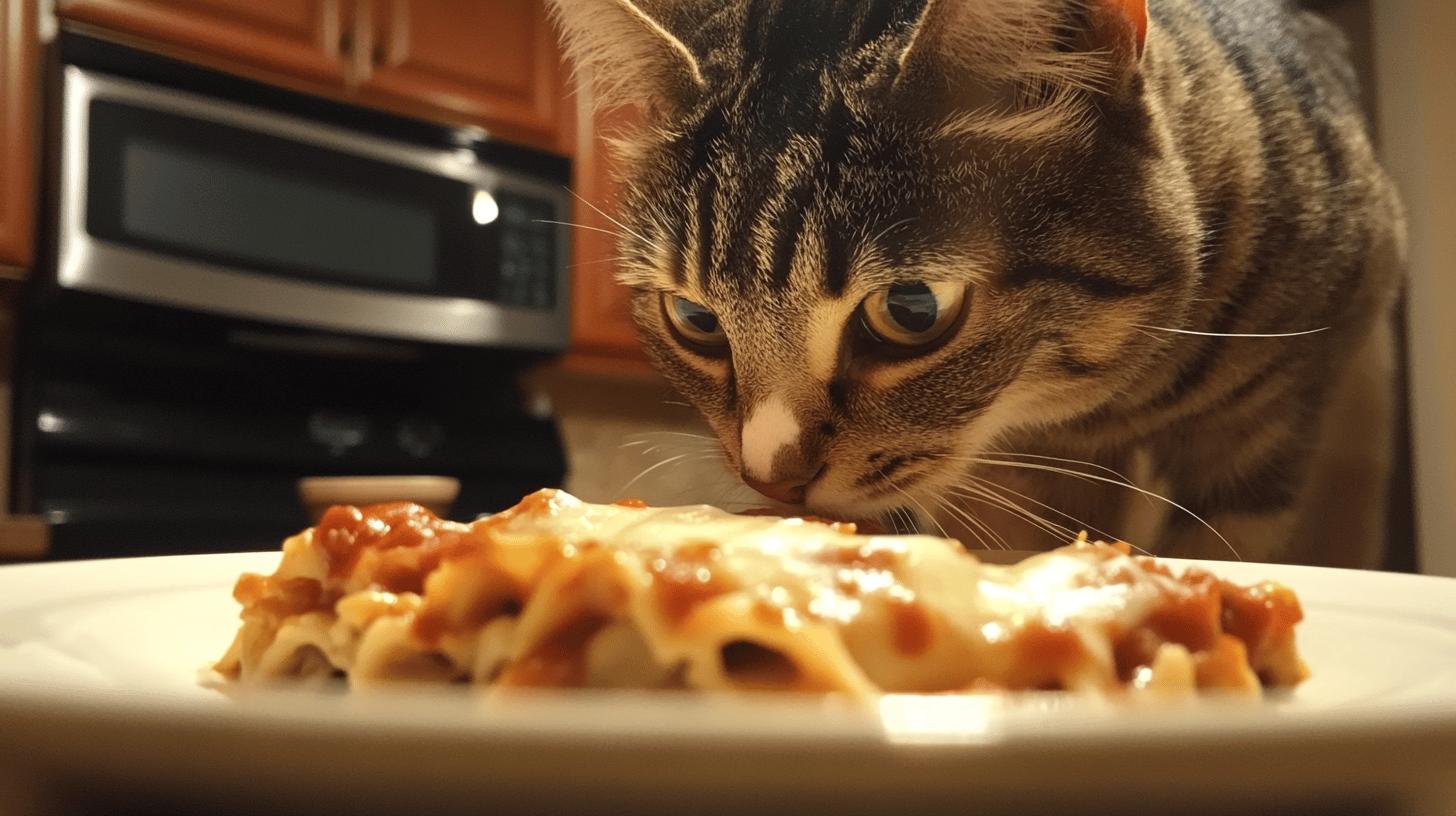
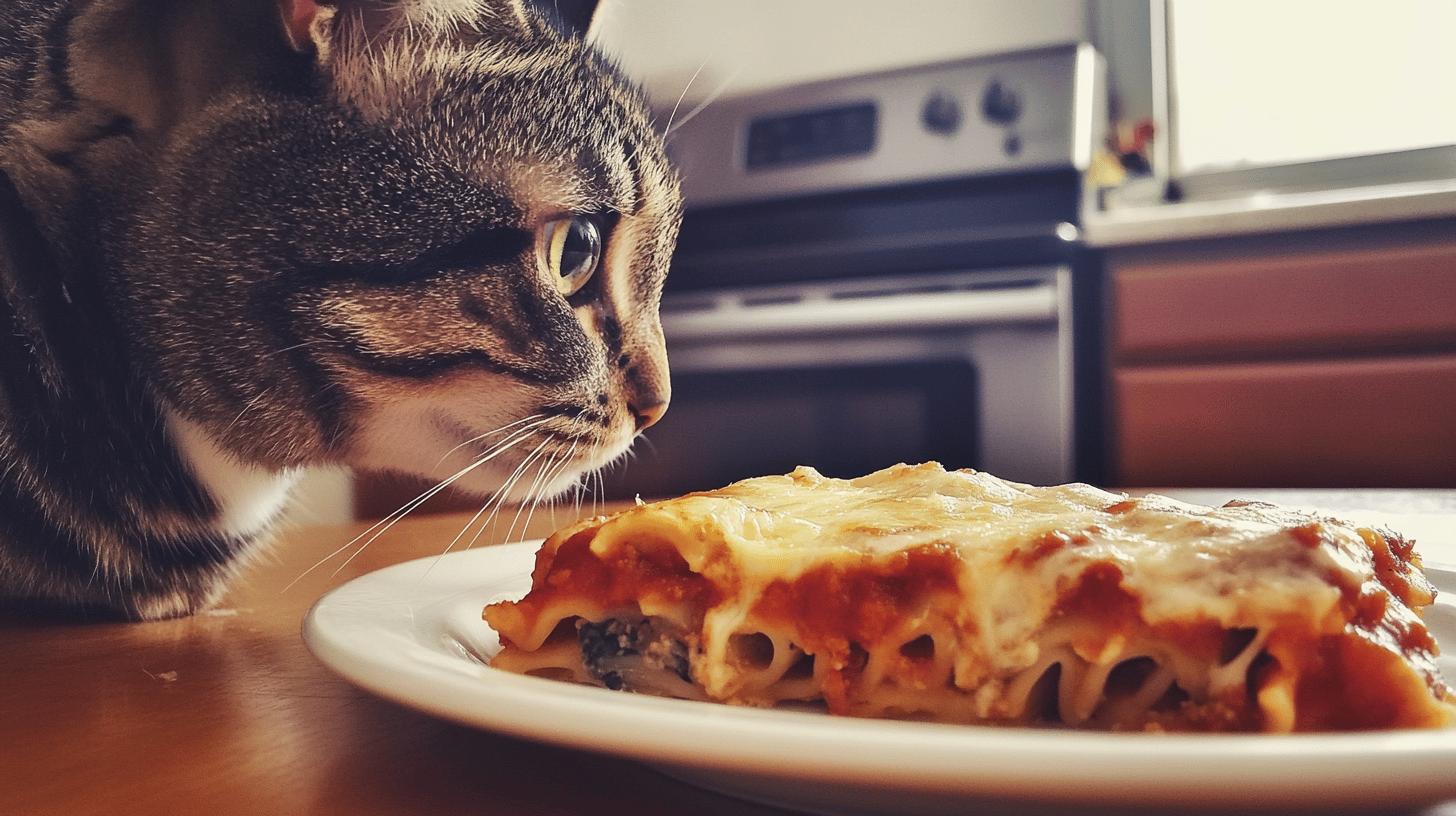
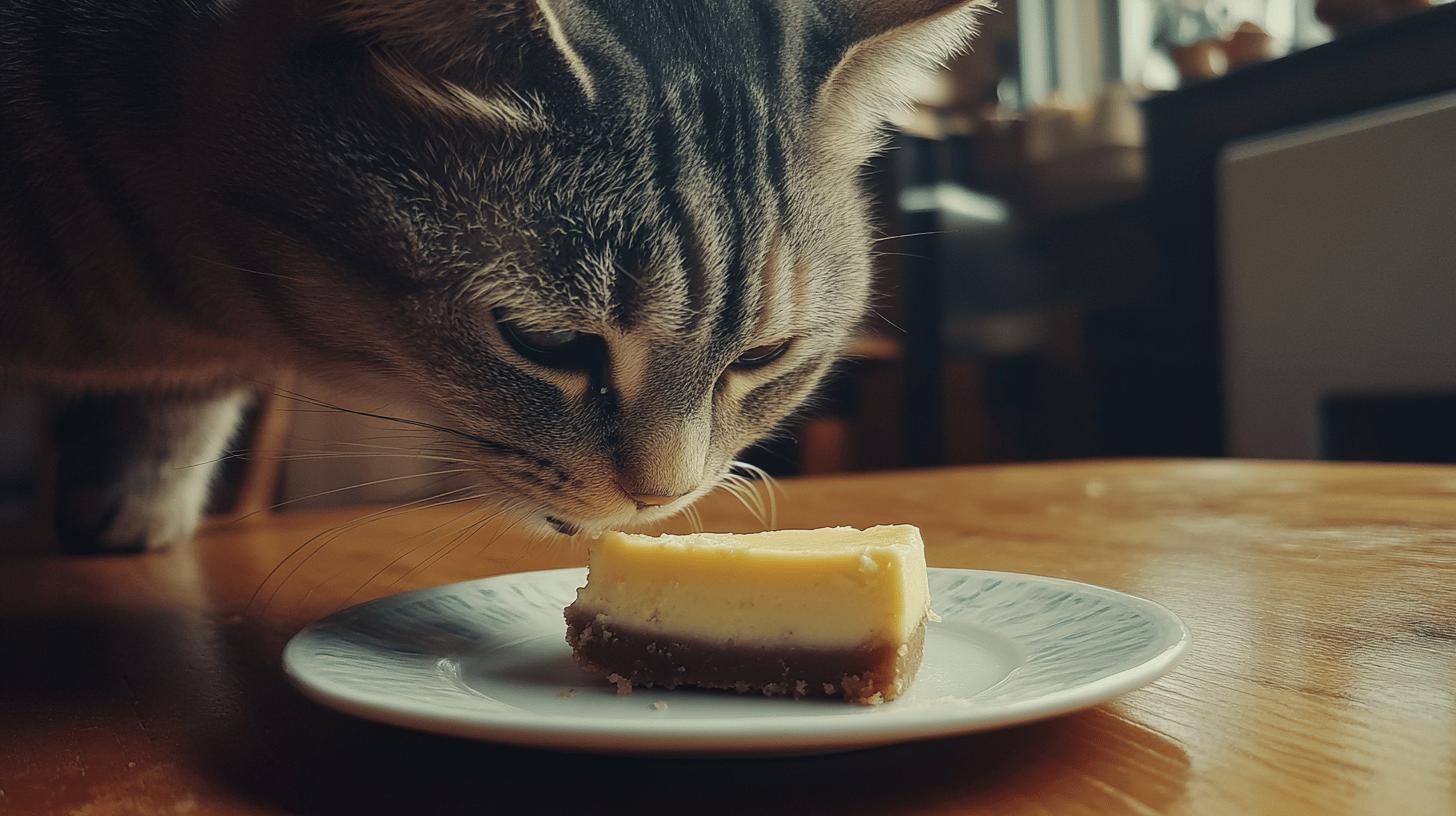
    Can cats indulge in the creamy delight of cheesecake, or is this beloved dessert a hidden danger? The answer is straightforward: cheesecake is not safe for cats. The combination of cream cheese, sugar, and potential chocolate, raisins, or xylitol makes cheesecake dangerous for cats. Every component creates health risks for feline bodies. From cream cheese to sugar to potential chocolate or raisins, nearly every component of cheesecake creates health risks for feline bodies. Understanding each ingredient individually reveals why cheesecake should never be offered to cats, not even a small taste.

    Cheesecake Ingredients Broken Down: What Each Component Does to Cats
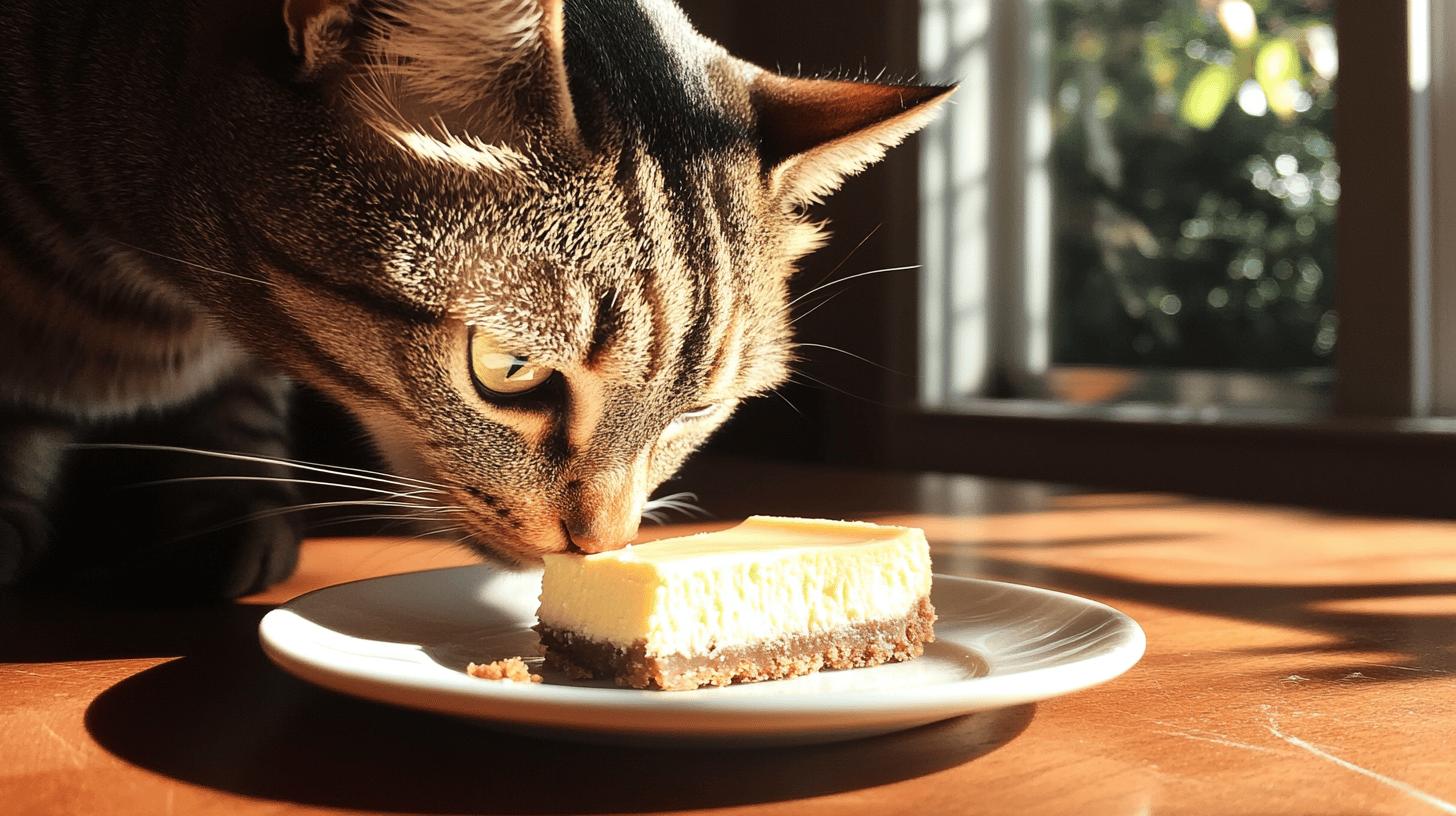
    Cheesecake ingredients and their effects on cats

    Cheesecake is a layered dessert with multiple problematic components. Let’s examine each ingredient individually:

    1. Cream Cheese (Primary Base)

    Cream cheese is roughly 70-80% fat and contains lactose. This combination makes it one of the most problematic dessert ingredients for feline consumption. Most adult cats are lactose intolerant, lacking sufficient lactase enzyme to digest dairy sugar. When a cat consumes cream cheese, the lactose passes undigested into the colon where bacteria ferment it. This produces gas, bloating, and osmotic diarrhea (watery, urgent). Even small amounts trigger digestive symptoms within 8-12 hours. Additionally, the high fat content (34g per 100g) overwhelms a cat’s delicate digestive system and can trigger pancreatitis (painful inflammation of the pancreas).

    2. Sugar (Filling Sweetener)

    Cheesecake typically contains 25-35g of sugar per slice. Cats have no nutritional requirement for carbohydrates or sugar. Their taste receptors don’t even perceive sweetness effectively (unlike humans). Sugar in a cat’s diet causes weight gain, obesity, and metabolic dysfunction. Over time, high sugar consumption increases diabetes risk by forcing the pancreas to produce excessive insulin. A cat eating cheesecake regularly will develop obesity within months (indoor cats already overweight gain 1-2 pounds per month with improper feeding). This leads to joint problems, arthritis, reduced mobility, and shortened lifespan.

    3. Graham Cracker Crust (Base Layer)

    Graham crackers contain refined grains, sugar (again), and are designed for human digestion. Cats receive zero nutritional benefit. The sugar and carbohydrate content contribute to obesity and diabetes risk. Additionally, many commercial graham crackers contain soy lecithin or other additives cats don’t tolerate well.

    4. Sour Cream (Optional Ingredient)

    When included, sour cream adds additional lactose and fat (20% lactose, 19g fat per 100g). This compounds the digestive distress from cream cheese alone. Cats consuming sour cream experience the same lactose intolerance symptoms.

    5. Chocolate (Topping or Swirl, TOXIC)

    Dark chocolate and cocoa powder contain theobromine, a methylxanthine compound toxic to cats. This alkaloid isn’t metabolized efficiently by feline livers. Even small amounts can cause serious poisoning. Toxicity depends on chocolate type and amount: dark chocolate is 10-17x more dangerous than milk chocolate. Symptoms of chocolate poisoning in cats include vomiting, diarrhea, restlessness, tremors, rapid heart rate (up to 220 bpm), seizures, and cardiac arrhythmias. Some cases result in death from cardiac complications.

    6. Raisins (Fruit Topping, HIGHLY TOXIC)

    Raisins, dried grapes, and grapes are among the most toxic foods for cats. The toxic agent is unknown but causes acute kidney injury (renal failure). Even tiny amounts, as little as ½ raisin per pound of body weight, can trigger poisoning. A single raisin can poison a 10-pound cat. Symptoms appear within 24-48 hours: vomiting, diarrhea, abdominal pain, loss of appetite, lethargy, and increased drinking/urination. Kidney failure can be irreversible, requiring emergency dialysis or resulting in death.

    7. Xylitol (Sugar-Free Cheesecakes, EXTREMELY TOXIC)

    This artificial sweetener is catastrophically toxic to all animals. In cats, it triggers rapid insulin release, causing severe hypoglycemia (dangerously low blood sugar) within 30 minutes. Symptoms include vomiting, weakness, seizures, collapse, and death. It also causes acute liver failure. As little as 0.1g per kilogram of body weight is toxic. A cat eating even a small piece of sugar-free cheesecake containing xylitol faces life-threatening emergency requiring immediate veterinary intervention.

    Cheesecake Ingredient Toxicity Matrix

    Ingredient Toxicity Level Health Effect on Cats Danger from Typical Slice
    Cream Cheese Moderate Lactose intolerance: diarrhea, gas, bloating. High fat: pancreatitis risk Digestive upset within 8-12 hours (not life-threatening but uncomfortable)
    Sugar Low-Moderate Weight gain, obesity, diabetes, metabolic dysfunction Single slice: minimal acute risk. Repeated exposure: serious long-term damage
    Sour Cream Moderate Additional lactose intolerance, high fat Compounds digestive upset with cream cheese
    Graham Crackers Low Empty carbohydrates, sugar, no nutritional value Contributes to obesity over time
    Chocolate HIGH Theobromine toxicity: vomiting, tremors, seizures, cardiac arrhythmias, death DANGEROUS: Dark chocolate can be fatal even in small amounts
    Raisins/Grapes CRITICAL Acute kidney failure, irreversible renal damage LIFE-THREATENING: Single raisin can poison a cat. No safe amount.
    Xylitol CRITICAL Severe hypoglycemia, liver failure, seizures, death LIFE-THREATENING: Requires emergency veterinary care. Minutes matter.

    What to Do If Your Cat Eats Cheesecake

    Why these precautions matter for your household: Cheesecake toxicity risk varies dramatically based on ingredients. Even a tiny piece containing raisins or xylitol represents a medical emergency. The delayed symptom presentation in raisin toxicity (24-48 hours) means you must treat any exposure as potentially serious. Never assume a cat is safe just because immediate symptoms don’t appear. Conversely, plain cream cheese alone is uncomfortable but not life-threatening. Your response must match the ingredients consumed.

    If your cat ate a tiny piece (cream cheese base only, no chocolate/raisins/xylitol):

    Why immediate monitoring matters: The first 24-48 hours after cheesecake ingestion are critical. Even if your cat appears fine initially, symptoms can develop suddenly. Raisin toxicity is dose-dependent and unpredictable. Some cats show no signs, while others develop life-threatening kidney failure from tiny amounts. This is why veterinary consultation is essential, even for small amounts. Your vet can run baseline kidney bloodwork (BUN and creatinine) to detect early kidney damage before visible symptoms appear. Early intervention with IV fluids and supportive care significantly improves survival rates.

    • Monitor for vomiting and diarrhea for next 24 hours
    • Offer water and their normal food
    • Contact vet if diarrhea persists beyond 12 hours or if vomiting occurs

    If your cat ate cheesecake containing chocolate, raisins, or xylitol:

    • Contact veterinary emergency clinic immediately (don’t wait for morning)
    • Tell them: how much ate, what type (dark/milk chocolate), when it happened
    • Expect emergency treatment: IV fluids, stomach pumping (gastric lavage), activated charcoal, monitoring
    • Be prepared for potential hospitalization

    Safe Treat Alternatives

    If you want to offer your cat treats:

    • Plain cooked chicken (small piece, no seasoning)
    • Canned tuna in water (occasional, not daily)
    • High-quality commercial cat treats (meat-based)
    • Cooked salmon (small portion)
    • Catnip or silvervine (enrichment, not nutritional)

    Final Words

    Cheesecake is not appropriate for cats. Every component creates problems: cream cheese causes lactose intolerance, sugar causes obesity and diabetes, and potential chocolate or raisins cause serious toxicity or death. Sugar-free cheesecake with xylitol is catastrophically dangerous. There is no “safe” amount of cheesecake for cats. Even a tiny taste isn’t worth the risk. Your cat’s health depends on appropriate nutrition. Stick to cat-specific treats.

    FAQ

    Can cats eat cheesecake?

    No. Cheesecake contains dairy (lactose intolerance), sugar (obesity/diabetes), and potentially chocolate or raisins (toxic). Never feed cheesecake to cats.

    Can cats eat cream cheese?

    Small amounts might not cause acute harm, but cream cheese is high in lactose and fat. Most cats are lactose intolerant and develop diarrhea. Better to avoid.

    Can cats eat cheese?

    Most cheese is too high in lactose and fat for cats. Few adult cats can digest dairy without issues. Plain, unseasoned cheese in tiny amounts might be tolerated, but it’s not recommended.

    Is chocolate toxic to cats?

    Yes, absolutely. Chocolate contains theobromine, toxic to cats. Dark chocolate is most dangerous. Symptoms: vomiting, tremors, seizures, rapid heart rate, death. Never feed chocolate to cats.

    Are raisins toxic to cats?

    Yes, critically toxic. Raisins cause acute kidney failure in cats. Even one raisin can poison a cat. Symptoms: vomiting, diarrhea, lethargy, kidney failure. Requires emergency vet care.

    Is xylitol toxic to cats?

    Yes, extremely toxic. Xylitol causes severe hypoglycemia and liver failure in cats. Never feed sugar-free products containing xylitol to cats.

    Understanding Cheesecake Exposure Risk Levels

    Not all cheesecake exposures carry equal risk. The severity depends entirely on which ingredients are present and the quantity consumed. A cat eating a plain cream cheese mixture without sugar, chocolate, raisins, or xylitol faces digestive discomfort but not life-threatening toxicity. However, even trace amounts of chocolate, raisins, or xylitol demand emergency veterinary attention. Understanding these risk tiers helps cat owners respond appropriately and prevents both unnecessary panic and dangerous delays in seeking care.

    Low-Risk Exposure (Plain Cream Cheese Only): If your cat ate a very small amount of plain cream cheese base (no other ingredients), expect possible digestive upset: loose stool, mild vomiting, or reduced appetite for 24-48 hours. Monitor hydration by checking skin turgor (gently pull the skin on the neck; it should snap back immediately, not tent). Offer water and wet food. Contact your vet if diarrhea persists beyond 24 hours or if vomiting continues. This is manageable at home in most cases.

    Moderate-Risk Exposure (With Sugar/Graham Crackers): Sugar and empty carbohydrates don’t cause acute toxicity but set up obesity and diabetes risk with repeated exposure. One slice is unlikely to cause immediate emergency symptoms, but monitor for vomiting or diarrhea over the next 48 hours. Inform your vet at the next routine visit about the exposure so they can adjust weight and metabolic monitoring.

    High-Risk Exposure (Chocolate, Raisins, or Xylitol Present): This is an emergency. Do not wait for symptoms to appear. Contact your emergency veterinary clinic immediately, even if your cat appears normal. Bring the cheesecake packaging or ingredients list so your vet can assess exact toxin exposure. Raisin toxicity causes delayed kidney failure; early aggressive treatment with IV fluids prevents irreversible renal damage. Chocolate toxicity causes cardiac arrhythmias and neurological symptoms. Xylitol causes life-threatening hypoglycemia.
    Related Articles

  • Can Cat Eat Croissant Understanding Feline Diet and Risks

    Can Cat Eat Croissant Understanding Feline Diet and Risks

    Is your kitty eyeing that buttery croissant on your breakfast table? It might seem harmless to share, but is it really safe for cats? Though croissants aren’t immediately toxic to cats, they’re not the right snack for our feline pals. These flaky pastries are loaded with carbs and fats that cats don’t need. In this article, I’ll break down why croissants and cats aren’t a match made in heaven. We’ll look at the ingredients, potential risks, and explore healthier alternatives for cat treats.

    Can Cats Eat Croissants? Understanding the Risks and Ingredients

    Can Cats Eat Croissants Understanding the Risks and Ingredients-1.jpg

    Croissants might be delicious to us, but they aren’t suitable for our feline friends. While not toxic, croissants provide no nutritional benefits for cats. They’re packed with ingredients that don’t align with a cat’s dietary needs.

    Here are some reasons why croissants and cats don’t mix:

    1. High Carbohydrate Content: Cats are obligate carnivores, meaning their diet should primarily consist of protein and fat. Croissants, however, are full of carbohydrates, which cats can’t effectively process. This can lead to unnecessary weight gain.
    2. Butter and Sugar: These ingredients contribute to a high-fat content not suitable for cats. Excess fat can lead to obesity and other health issues in felines.
    3. Salt: Croissants contain salt, which, in high amounts, can be harmful to cats. Excessive sodium intake can lead to increased thirst, urination, or more severe health problems.
    1. Yeast: The yeast used in croissants can cause issues if ingested by a cat. It might lead to bloating and gas, making your cat uncomfortable.
    2. Raw Dough: If a cat accidentally consumes raw dough, it can rise in their stomach. This can produce gases, causing the stomach to expand and potentially leading to a life-threatening rupture.

    Though your cat might show interest in your breakfast, croissants offer no health benefits. The high carbohydrate and fat content, along with toxic ingredients, make them unsuitable. Always be cautious of raw dough, which poses significant health risks. Instead, opt for healthier, cat-friendly treats that align with their dietary needs.

    Safe Alternatives to Croissants for Cats and Understanding Feline Dietary Needs

    Safe Alternatives to Croissants for Cats and Understanding Feline Dietary Needs-1.jpg

    Cats, with their unique dietary needs, thrive on a diet rich in animal-based proteins and fats. While croissants may be tempting, they’re not the best choice for our feline companions. Instead, there are plenty of nutritious and cat-friendly snacks that cater to their needs.

    Alternative Cat Treats

    1. Bonito Flakes: A fantastic treat option, bonito flakes are rich in omega-3 fatty acids and taurine. These nutrients support heart health, vision, and overall vitality in cats.
    2. Soft Cat Treats: Ideal for older cats, these treats are easy to digest and gentle on sensitive teeth. They provide a chewy texture that many cats enjoy without the risk of dental issues.
    3. Commercial Baked Goods for Cats: Available in pet stores, these treats are specifically designed for feline dietary needs. They often contain essential nutrients without the unnecessary carbohydrates found in human pastries.

    Homemade Cat Treat Recipes

    Creating homemade cat treats can be a rewarding way to ensure your pet receives wholesome ingredients.

    1. Tuna Bites: Mix canned tuna with a small amount of oat flour and bake until firm. These treats are protein-rich and sure to delight your cat.
    2. Chicken and Catnip Balls: Combine cooked chicken with catnip and a binding agent like egg. Form small balls and bake for a healthy, enticing snack.
    Nutrient Importance Recommended Sources
    Protein Supports muscle growth and repair Animal meat, fish
    Fats Provides energy and supports skin health Fish oil, animal fat
    Vitamins Essential for overall health Liver, egg yolks
    Minerals Supports bone and immune health Organ meats, bone meal

    Choosing these alternatives over croissants not only aligns with the nutritional needs of cats but also respects their dietary restrictions. Cats often face challenges like lactose intolerance and sensitivity to certain grains, which makes tailored treats essential. By focusing on nutrient-dense options, you ensure your cat leads a healthy, happy life without the unnecessary risks associated with human foods like croissants.

    Consulting Experts on Cat Nutrition

    When considering your cat’s diet, professional guidance is invaluable. A veterinarian or pet nutritionist can offer tailored dietary advice to suit your cat’s specific needs. Their expertise ensures that your cat’s diet aligns with its age, health status, and activity level.

    Here are three ways a vet can assist with feline nutrition:

    • Personalized Diet Plans: Vets can design a diet plan that meets your cat’s nutritional requirements, taking into account any health conditions or dietary restrictions.
    • Nutritional Supplements: They can recommend supplements to address deficiencies and support overall health.
    • Monitoring and Adjustments: Regular check-ups allow vets to monitor your cat’s health and make necessary dietary adjustments.

    Recognizing signs of food intolerance is crucial. Symptoms like vomiting, diarrhea, or skin irritations indicate a need for dietary evaluation. Regular consultations with a vet help maintain your cat’s health and adapt its diet to any changes in health or lifestyle.

    Final Words

    Exploring the question, “Can cat eat croissant?” helps us understand the risks of feeding croissants to cats. These pastries don’t offer the nutrients cats need and can pose health dangers due to ingredients like butter and salt. Safer options include cat-friendly treats like bonito flakes, which align with feline dietary needs.

    Professional guidance from veterinarians is crucial, helping tailor your cat’s diet for optimal health. With informed choices and expert advice, you can ensure your cat stays happy, healthy, and safe from unsuitable snacks. Let’s keep our feline friends thriving with the right nutrition!

    FAQ

    Can I give my cat a piece of croissant?

    A: Cats should not eat croissants. They contain high carbohydrates and fats, which are not beneficial for cats. These ingredients also lack the essential nutrients cats require.

    Can cats eat pastries?

    A: Pastries, including croissants, aren’t good for cats. They are high in sugar, salt, and butter, all of which aren’t suitable for feline health and can lead to obesity or digestive problems.

    Is it okay for a cat to eat bread?

    A: Bread is not toxic to cats but offers no nutritional benefits. Cats are obligate carnivores needing nutrients from meat, so bread can fill them up without providing necessary nutrients.

    Is it okay for cats to eat butter?

    A: Butter isn’t recommended for cats. It’s high in fat, which can contribute to obesity and other health issues. Cats need animal-based proteins and fats, not excess dairy fats.

    What can cats eat?

    A: Cats should eat a balanced diet of high-quality cat food containing animal-based proteins and fats. Safe treats include bonito flakes and soft cat treats designed for feline dietary needs.

    Can cats eat chocolate?

    A: Chocolate is toxic to cats. It contains theobromine, which cats cannot metabolize effectively, leading to serious health issues like nausea, seizures, or even death. Always keep chocolate away from cats.

    Related Articles

  • Can Cat Eat Nectarine Safely Understanding Nectarine Safety for Cats

    Can Cat Eat Nectarine Safely Understanding Nectarine Safety for Cats

    Are nectarines a sweet treat your cat can safely enjoy? While cats can eat nectarines, there are important precautions to take before sharing this fruit with your furry friend. Nectarines have pits, leaves, and stems that could be dangerous if ingested, so understanding how to prepare them properly is key.

    In this post, we’ll break down everything you need to know about feeding nectarines to your cat safely, ensuring they enjoy these occasional bites without any health risks. Let's explore how to keep your cat both safe and satisfied.

    Can Cats Eat Nectarines? Understanding Nectarine Safety for Cats

    Can Cats Eat Nectarines Understanding Nectarine Safety for Cats-3.jpg

    Cats can eat nectarines without experiencing major health problems, but safety precautions are a must. The main concern lies with the pits, leaves, and stems of the fruit, which contain amygdalin, a compound that releases cyanide. To keep your feline friend safe, always remove the pit and any other non-flesh parts before offering nectarines. Feeding only the flesh in small amounts is recommended. A fingertip-sized piece every week or two should suffice as a safe treat.

    Monitoring your cat for any adverse reactions is crucial when introducing nectarines into their diet. Keep an eye out for signs like vomiting or diarrhea, which could indicate a problem. If you notice any unusual behavior or symptoms, consult your veterinarian right away. It's always a good idea to discuss any new additions to your cat's diet with a vet, ensuring you’re keeping your furry companion healthy and happy.

    Nutritional Benefits and Potential Risks of Nectarines for Cats

    Nutritional Benefits and Potential Risks of Nectarines for Cats-1.jpg

    Nectarines offer some nutritional perks for our feline pals. They're packed with vitamins A and C, which can help boost a cat's immune system and keep their skin and vision in check. These fruits also provide hydration, crucial for kidney health and overall well-being, especially for cats that don't drink much water. Even with these benefits, remember that cats thrive on a meat-based diet for their primary nutrition.

    • Digestive issues: Too much can cause diarrhea or an upset stomach.
    • Choking hazards: The pits pose serious risks.
    • Cyanide exposure: Pits, leaves, and stems release cyanide.
    • Allergic reactions: Some cats might itch or swell.
    • Sugar content: Excessive sugar could lead to obesity or diabetes.

    Moderation is the name of the game when feeding nectarines. A fingertip-sized piece of nectarine flesh once every week or two is generally safe. This small portion lets them enjoy a tasty treat without the risks of larger amounts. Always take out the pit and any other non-edible parts before serving. This keeps their diet balanced and centered on essential animal protein.

    Alternatives and Precautions When Feeding Fruits to Cats

    Alternatives and Precautions When Feeding Fruits to Cats-1.jpg

    While nectarines can be a safe treat in moderation, there are other fruits that cats might enjoy. Safe fruits for cats include small amounts of blueberries, which are low in sugar and rich in antioxidants, and watermelon, which provides hydration and vitamins.

    Apples, sans seeds and core, can also be a crunchy treat. Bananas, with their soft texture, offer potassium and are generally well-tolerated by felines. Always ensure that these fruits are given in small amounts and cut into bite-sized pieces to minimize any choking hazards.

    When choosing fruits for your cat, it's crucial to know which ones to avoid:

    • Cherries: These contain high levels of cyanide, especially in the pits, and are toxic to cats.
    • Plums: Similar to cherries, the pits, stems, and leaves are dangerous due to cyanide content.
    • Grapes and raisins: Known to cause kidney failure in some pets, it's best to skip these altogether.
    • Citrus fruits: Oranges, lemons, and limes can upset your cat's stomach and cause discomfort.

    For those looking to expand their pet's palate beyond fruits, consider alternative treats like cooked chicken or turkey, small pieces of cheese, or commercial cat treats designed for feline nutrition. Always introduce new foods slowly and observe your cat for any signs of intolerance, such as vomiting or changes in stool. Consulting with a veterinarian can help tailor these treats to your cat’s dietary needs, ensuring they remain safe and healthy.

    Can Cats Eat Nectarines?

    Expert Advice and Common Signs of Food Intolerance in Cats-3.jpg

    Before adding nectarines to your cat's diet, seek guidance from a veterinarian. Each cat has unique dietary needs, and a vet can give personalized advice based on your cat's health history. This step helps avoid introducing foods that might cause health issues.

    Watch for signs of food intolerance when introducing nectarines. Symptoms like diarrhea, vomiting, or changes in appetite could indicate a problem. Itching, excessive licking, or unusual lethargy are also signs that the food might not agree with your cat. Consult your vet if any of these occur.

    Offer a small piece of nectarine and monitor your cat's reaction. Keeping a food diary can help track changes in behavior or health, such as stool or energy levels. Regular vet check-ups ensure any issues are caught early and your cat's diet can be adjusted for their well-being.

    Nutritional Benefits and Potential Risks of Nectarines for Cats

    Keeping a food diary and scheduling regular vet check-ups can help monitor your cat's health after introducing nectarines. This practice ensures any issues are detected early, allowing for adjustments to maintain your cat's well-being.

    Final Words

    Exploring if can cat eat nectarine led us through key safety tips and nutrition insights. Cats can enjoy nectarine flesh in tiny amounts, but remember to steer clear of pits and stems due to amygdalin. Nectarines offer vitamins for boosting their health, but too much can upset their stomach.

    We covered how moderation is crucial and looked at safe fruit alternatives and potential risks. It's wise to consult a vet before introducing new foods and watch for signs of intolerance. Providing your cat with occasional treats can bring variety without compromising their health.

    FAQ

    Can cat eat nectarine seeds?

    A: Cats should not eat nectarine seeds. They contain amygdalin which releases cyanide when digested and can be harmful.

    Can cat eat nectarine leaves?

    A: Cats should not eat nectarine leaves. They contain amygdalin, which releases cyanide and poses a risk to cats.

    Can cat eat nectarine juice?

    A: Cats can have a small taste of nectarine juice, but it's best to avoid regular consumption due to high sugar content.

    What fruits can cats not eat?

    A: Cats should avoid grapes, raisins, cherries, and citrus fruits, as they can be toxic or upsetting to their digestive systems.

    Can cats eat peaches?

    A: Cats can eat small amounts of peach flesh, but avoid pits, seeds, and leaves as they are harmful.

    What fruits can cats eat?

    A: Cats can safely eat small amounts of strawberries, blueberries, and apples (without seeds), but always in moderation.

    Can cats eat strawberries?

    A: Cats can eat strawberries in small amounts. They should be fresh and washed to ensure they're safe.

    Can cats eat blackberries?

    A: Blackberries are safe for cats in small quantities. They offer vitamins but should be given in moderation.

    What fruit is toxic to cats?

    A: Fruits like grapes, raisins, and cherries are toxic to cats and should be strictly avoided.

    Is it OK for cats to eat peaches?

    A: It's okay for cats to eat small pieces of peach flesh, but always keep away from pits and leaves.

    Are nectarine trees poisonous to cats?

    A: Yes, parts of nectarine trees, like leaves and pits, are poisonous due to cyanide-producing compounds.

    Why can't cats eat fruit?

    A: Cats are obligate carnivores and lack the enzymes needed to digest fruits properly, which can cause digestive issues.

    Related Articles

  • Can Cat Eat Cold Food Safety and Preferences Explained

    Can Cat Eat Cold Food Safety and Preferences Explained

    Is serving your cat cold food from the fridge doing them any favors? While it's generally safe, the real question lies in what your feline friend prefers. Cats often favor their grub at a warmer temperature, not just for flavor but due to their inherent instincts.

    Much like how fresh-caught prey would be warm, serving food at 'mouse temperature' – about 100-102°F – can make meals more enticing for your cat. Understanding this nuance could be the key to enhancing your cat's meal times and ensuring they savor every bite.

    Is Cold Food Safe for Cats and Optimal Temperature for Cat Meals?

    Is Cold Food Safe for Cats and Optimal Temperature for Cat Meals-3.jpg

    Feeding cats cold food from the fridge is generally safe. There are no specific health risks directly associated with it. However, cats often prefer their meals to be at a warmer temperature. This preference is not just about taste but also relates to their natural instincts.

    Warmer food mimics the body temperature of freshly caught prey, which is typically around 100-102°F. This temperature is often referred to as 'mouse temperature.' Serving food at this warmth can make meals more appealing to cats.

    While eating cold food is not harmful, it may simply be less enticing for them. Cats are obligate carnivores, and their natural diet would involve eating freshly caught animals, which are naturally warm. Therefore, serving food at room temperature or slightly warmer can encourage more enthusiastic eating behavior.

    The optimal temperature for cat meals is crucial for their enjoyment and willingness to eat. Cats are picky eaters, and the temperature of their food plays a significant role. Warm food releases more aroma, which can be a big motivator for cats to eat.

    If a meal is too cold, it may not give off enough scent to attract them. By warming food to about 100-102°F, you're aligning with what a cat would naturally seek out in the wild. This not only satisfies their taste preferences but also contributes to their overall eating satisfaction.

    To achieve the optimal temperature for cat meals, consider warming their food slightly before serving. You can do this by letting the food sit at room temperature for a short while or gently warming it in the microwave for a few seconds.

    Be cautious not to overheat, as food that is too hot can harm your cat's mouth. Stir the food well to ensure even warmth and always test it before serving. This small effort can make a big difference in your cat's dining experience, encouraging them to eat more readily.

    How to Warm Up Cat Food Safely

    How to Warm Up Cat Food Safely-1.jpg

    Warming cat food is not just about making it more appetizing for your feline friend. It also ensures that the food is at a safe temperature for eating. Cats generally prefer their food slightly warm, as it mimics the natural warmth of fresh prey. This makes warming up refrigerated cat food a practical step in enhancing their dining experience.

    Safe Warming Methods

    One of the most common methods for warming cat food is using a microwave. When microwaving, it's important to use a microwave-safe dish and heat the food for a few seconds at a time. Stir the food thoroughly to distribute the heat evenly and test the temperature before serving to ensure it isn't too hot. This prevents overheating, which could burn your cat's mouth.

    Another safe method involves using a pet food warmer. These devices are specifically designed to warm pet food gently and evenly. The advantage of using a pet food warmer is that it minimizes the risk of overheating, providing a consistent temperature that is often ideal for cats.

    Improper warming can pose several risks. Overheated food can cause burns, while uneven heating might leave some parts too cold, which can still be unappealing to cats. Additionally, leaving wet food out for too long during the warming process can lead to bacterial growth. It's crucial to warm the food right before serving and not let it sit out for extended periods.

    Maintaining safety while warming cat food involves monitoring the time and temperature closely. Always test the food's warmth before giving it to your cat. If using a microwave, avoid using metal or foil containers, and regularly check the food's texture and smell for freshness. By following these best practices, you ensure that your cat enjoys their meal safely and comfortably.

    Storage Tips for Wet Cat Food

    Storage Tips for Wet Cat Food-3.jpg

    Proper storage of wet cat food is essential for maintaining its freshness and ensuring the health of your feline friend. Once a can or pouch of wet cat food is opened, it becomes vulnerable to bacterial growth, which can pose a risk to your pet if not handled correctly.

    Leaving wet food out for more than 1-2 hours can allow bacteria to multiply, leading to potential health issues. Therefore, it is critical to store opened wet cat food safely to prevent spoilage and protect your cat from any digestive problems.

    The best way to store wet cat food after opening is by transferring it into an airtight container and refrigerating it. This method helps retain the food's moisture and flavor while keeping bacteria at bay. Wet cat food can be safely stored in the fridge for 2-3 days.

    It's important to avoid leaving the food in the opened can, as this can lead to contamination and loss of taste. Using a lid or a resealable bag can also help if you don't have an airtight container readily available.

    Tips Details
    Refrigerate Promptly Store in an airtight container immediately after opening.
    Limit Room Exposure Do not leave out for more than 1-2 hours.
    Check for Freshness Use within 2-3 days to ensure quality and safety.

    Maintaining the freshness of wet cat food is vital not only for your cat's pleasure but for its health as well. Fresh food reduces the risk of spoilage and keeps your cat's diet nutritious and appealing. By following these storage tips, you ensure that your cat receives the safest and most enjoyable meals possible.

    Understanding Cat Food Preferences

    Understanding Cat Food Preferences-2.jpg

    Some cats might show a preference for cold food, and while this seems unusual, it can be attributed to individual differences. Just like humans, cats have their unique tastes and habits. A cat might prefer the texture of cold food or even find it refreshing. It's also possible that a cat's preference for cold food could be linked to their previous experiences or simply the way they were introduced to certain types of food.

    Factors influencing cat food preferences include:

    • Temperature
    • Texture
    • Smell
    • Type of dish
    • Feeding routine

    To cater to these preferences while ensuring a cat's nutritional needs are met, it's crucial to observe and understand what your cat enjoys. Offering a variety of textures and flavors can keep meals interesting and satisfying for your cat. Make sure that the food you provide is nutritionally complete, regardless of whether it's served warm or cold.

    Additionally, having a consistent feeding routine helps maintain your cat's interest in their food and allows you to monitor their dietary intake effectively. By paying attention to your cat's preferences, you can create a feeding plan that is both enjoyable and healthy.

    Final Words

    Understanding the optimal temperature for cat meals plays a big role in your kitty's dining pleasure. While a cat can eat cold food without major health risks, they usually enjoy warmer meals that imitate the warmth of freshly caught prey. Ensuring your cat's food is at a temperature they like enhances their eating experience.

    Warming food safely is key, so use the microwave carefully or try a pet food warmer. Enhance their mealtime by storing wet food properly to maintain freshness. Following these tips helps keep your feline friend happy and healthy.

    FAQ

    Can cats eat cold wet food?

    A: Cats can eat cold wet food, but they often prefer it warmed. Warmer food mimics the body temperature of prey, making it more appealing and enhancing their eating experience.

    Can cold food make cats sick?

    A: Cold food generally doesn't make cats sick, but they may eat less of it. Opt for warming food to room temperature to boost their appetite and meal enjoyment.

    Should I feed my cat cold food?

    A: Feeding cats cold food is safe but not preferred. Cats tend to favor meals at room temperature as it more closely resembles fresh prey, encouraging better eating habits.

    Can cats eat food out of the fridge?

    A: Cats can eat food from the fridge, but warming it up is ideal. Room-temperature food releases aromas better, making it more enticing for cats to eat.

    Do cats prefer warm or cold food?

    A: Cats typically prefer warm food as it enhances smell and mimics natural prey temperatures (around 100-102°F). It often improves their willingness to eat and overall meal satisfaction.

    Can kittens eat cold wet food?

    A: Kittens can eat cold wet food, but warming it is recommended. Room temperature or slightly warmer food is usually more appealing and helps them eat more effectively.

    Can you keep wet cat food in the fridge?

    A: Yes, storing wet cat food in an airtight container in the fridge is best. Use it within 2-3 days to keep it fresh and safe.

    Can I microwave cat food?

    A: You can microwave cat food but do so carefully to prevent overheating. Heat in short bursts and check the temperature to avoid hot spots.

    My cat won't eat cold wet food; what should I do?

    A: If your cat won't eat cold food, try warming it to room temperature. This change can make the food more appealing due to the enhanced smell and texture.

    Related Articles

  • Can Cat Eat Hummus Exploring Safety and Risks

    Can Cat Eat Hummus Exploring Safety and Risks

    Can cats munch on hummus, or is it a risky snack? While hummus is a tasty, nutritious dip for us, it poses several safety concerns for our feline friends. Cats are natural meat-eaters, and ingredients like chickpeas and tahini won't cut it for their nutritional needs. Plus, garlic in hummus can be downright dangerous, leading to serious health problems. In this article, we'll dive into the details, exploring the safety and potential risks of hummus for cats and why this creamy spread might not be the best treat for your whiskered buddy.

    Can Cats Eat Hummus? Understanding the Risks and Ingredients

    Can Cats Eat Hummus Understanding the Risks and Ingredients-1.jpg

    Hummus is a popular spread made from chickpeas, tahini, lemon juice, garlic, and olive oil. While it's a healthy snack for humans, the same can't be said for cats. Cats are obligate carnivores, which means their bodies are designed to thrive on diets rich in animal protein. The ingredients in hummus do not align with these dietary needs. Chickpeas, the main component of hummus, are not toxic to cats if consumed in moderation, but they provide minimal nutritional benefits. Chickpeas lack essential amino acids like taurine, which cats require from animal sources. So, even if your cat shows curiosity about hummus, it's not the best choice for them.

    Garlic is one of the most concerning ingredients in hummus when it comes to feline safety. It's toxic to cats and can cause oxidative damage to their red blood cells, leading to a condition called Heinz body anemia. Symptoms of garlic toxicity include lethargy, weakness, and breathing difficulties. Immediate veterinary care is essential if a cat ingests garlic. Tahini, made from sesame seeds, can also upset a cat's digestive system due to its high fat and oil content, resulting in diarrhea or vomiting. While not toxic, tahini doesn't offer any nutritional benefits to cats, making it another ingredient that's best avoided.

    • Chickpeas: Minimal health benefits; not harmful in small amounts.
    • Tahini: Can upset digestion; high in fats and oils.
    • Garlic: Toxic; causes Heinz body anemia.
    • Lemon Juice: Potential to irritate stomach; not beneficial.
    • Olive Oil: May cause digestive upset; unnecessary in a cat’s diet.

    Hummus, even when devoid of harmful ingredients like garlic, is still unsuitable for cats. Experts agree that cats need diets based on animal proteins to thrive, and hummus simply doesn't meet this requirement. Cats require certain nutrients that plant-based foods can't provide, and regular consumption of hummus could lead to nutritional deficiencies. It's best to stick to treats formulated specifically for feline dietary needs. If your cat accidentally consumes a small amount of hummus without harmful ingredients, it's unlikely to cause significant harm, but it shouldn't be offered as a treat. Always consult with a veterinarian if you're considering introducing new foods into your cat's diet to ensure their health and safety.

    Veterinary Advice: Safe Alternatives to Hummus for Cats

    Veterinary Advice Safe Alternatives to Hummus for Cats-1.jpg

    If you're looking for safe and nutritious treats for your feline friend, skip the hummus and consider options that align with their carnivorous diet. Commercial cat treats are specifically formulated to meet a cat's nutritional needs, providing essential vitamins and proteins. Another great option is small amounts of cooked meats like chicken, turkey, or beef, which offer high-quality protein that cats thrive on. These alternatives not only satisfy your cat's craving for variety but also support their health by providing the amino acids they need.

    Alternative Treat Nutritional Benefit
    Commercial Cat Treats Balanced vitamins and proteins
    Cooked Chicken High protein, easy to digest
    Cooked Turkey Lean protein, rich in taurine
    Cooked Beef Iron-rich, supports muscle health
    Freeze-Dried Fish Omega-3 fatty acids, promotes a healthy coat

    It's crucial to consult with a veterinarian before making any significant changes to your cat's diet. Veterinarians can provide personalized advice based on your cat's specific dietary needs. Ensuring a protein-rich diet from animal sources is key to a healthy cat. Avoid sharing human foods that could disrupt their nutritional balance. By focusing on appropriate, safe alternatives, you can keep your feline friend healthy and happy.

    Signs of Food Toxicity in Cats: What to Watch For

    Signs of Food Toxicity in Cats What to Watch For-1.jpg

    Recognizing the signs of food toxicity in cats is crucial for any pet owner. Cats are curious creatures, and they might occasionally ingest something they shouldn't. Knowing the symptoms of potential toxicity can help you act quickly to protect your feline friend’s health.

    Common symptoms of food toxicity in cats can vary but often include some key signs. These symptoms might appear shortly after your cat has consumed a harmful substance. Here are some of the most common indicators to watch for:

    • Vomiting: Often one of the first signs something is wrong.
    • Diarrhea: Can lead to dehydration if not addressed.
    • Lethargy: Your cat may seem unusually tired or weak.
    • Drooling: Excessive saliva can indicate irritation or poisoning.

    If you observe any of these symptoms in your cat, it's essential to seek veterinary care immediately. Quick intervention can make a significant difference in your cat’s recovery. Always err on the side of caution when it comes to your pet’s health, and consult with your veterinarian if you suspect food toxicity.

    Common Human Foods to Avoid in Cat Diets

    Common Human Foods to Avoid in Cat Diets-1.jpg

    Feeding cats human food can be tempting, but many common ingredients found in our kitchens can pose serious risks to feline health. Cats have unique dietary requirements that differ significantly from humans. Their bodies are designed to process a diet high in animal proteins and low in carbohydrates, which means that many human foods can disrupt their nutritional balance. Some ingredients might seem harmless but can lead to toxicity or other health issues. It's crucial to understand which foods are off-limits to ensure your cat's well-being.

    Here are six common foods that should be avoided in cat diets:

    • Garlic: Toxic to cats and can cause anemia.
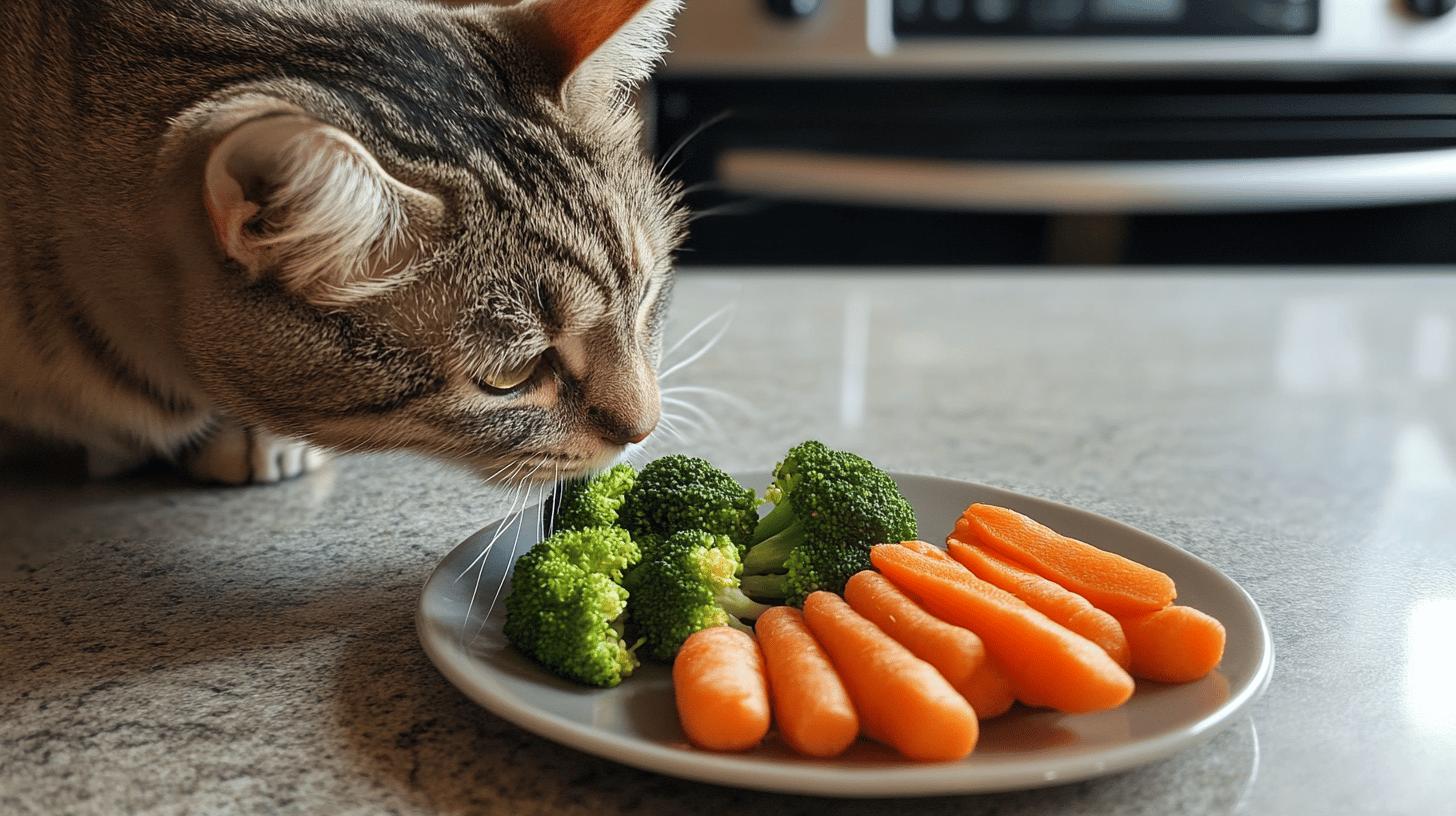
    • Onions: Similar to garlic, they can damage red blood cells.
    • Chocolate: Contains theobromine, which is harmful to cats.
    • Grapes and Raisins: Can cause kidney failure.
    • Alcohol: Even small amounts can be fatal.
    • Caffeine: Found in coffee, tea, and certain sodas, it's toxic to cats.

    Sharing human foods with your cat might seem like a treat, but it often comes with hidden dangers. Cats require a diet tailored to their specific needs, focusing on high-quality protein sources. Introducing inappropriate foods can lead to nutritional imbalances, health complications, or even poisoning. It's always safer to stick to cat-specific treats and consult with a veterinarian when considering any dietary changes for your feline friend.

    Final Words

    Exploring whether a cat can eat hummus reveals serious risks. Ingredients like garlic and tahini aren't cat-friendly. These can cause harm, such as garlic toxicity. Chickpeas and tahini don't offer much to cats either. Cats need protein-rich diets tailored to their needs.

    Safe treats include commercial cat snacks or cooked meats. Always consult with a vet for dietary guidance.

    Recognizing toxicity signs like vomiting and lethargy is crucial. Foods such as garlic and chocolate should never be shared. Keeping your cat's diet safe ensures better health and happiness.

    FAQ

    Can hummus harm my cat if eaten?

    If your cat eats hummus, it may experience digestive upset. Ingredients like garlic are toxic to cats and can cause serious health issues. Always keep hummus away from your cat.

    Is it safe for cats to consume chickpeas?

    Cats can eat chickpeas, but these provide minimal health benefits. Cats need diets rich in animal protein, not plant-based foods like chickpeas.

    What happens if a cat consumes garlic?

    Garlic can harm cats, leading to Heinz body anemia and digestive problems. Even small amounts can be dangerous, so avoid giving cats garlic or foods containing it.

    Can I give my cat pita chips as a snack?

    Pita chips are not ideal for cats. They are high in salt and carbohydrates, which aren't suitable for a cat's nutritional needs.

    Are carrots a good treat for cats?

    Carrots are not harmful and are safe for cats in small amounts. However, cats primarily require animal proteins for a balanced diet.

    What should I do if my cat shows signs of food toxicity?

    Look for symptoms such as vomiting, diarrhea, lethargy, or drooling. Seek immediate veterinary care if you observe these signs.

    What human foods should I avoid giving my cat?

    Avoid these human foods for your cat's safety:

    • Garlic
    • Onions
    • Chocolate
    • Grapes and raisins
    • Raw eggs
    • Alcohol

    Are there any safe treats I can give my cat instead of hummus?

    Yes, safe alternatives include commercial cat treats or small amounts of cooked meat. Consult your veterinarian for specific diet recommendations.

    Related Articles

  • Can Cat Eat Roses Understanding Pet Safety and Risks

    Can Cat Eat Roses Understanding Pet Safety and Risks

    Are roses a little bouquet of safety or a hidden danger for our whiskered companions? Many cat lovers adore having roses around their homes, delighting in their beauty and fragrance. But when curious paws and noses get involved, questions arise about the safety of these blooms. In this post, we explore whether cats can safely munch on roses and the potential risks involved. Join me as we uncover the truth about roses, helping you ensure a safe and joyful environment for your feline friend.

    Can Cats Eat Roses? Understanding the Safety

    Can Cats Eat Roses Understanding the Safety-1.jpg

    Roses are generally non-toxic to cats, which means that the petals, leaves, and stems are safe if your feline friend decides to nibble on them. This is reassuring news for cat owners who enjoy having roses in their homes or gardens. The non-toxic nature of roses ensures that, in the event of accidental ingestion, your cat will not suffer from poisoning or severe adverse effects.

    That said, it's important to recognize that while roses are safe, they are not a part of a cat's regular diet. Eating roses might cause stomach upset, leading to mild digestive issues like vomiting or diarrhea. Furthermore, roses offer no nutritional benefits for cats, so it's best not to encourage them to munch on these flowers.
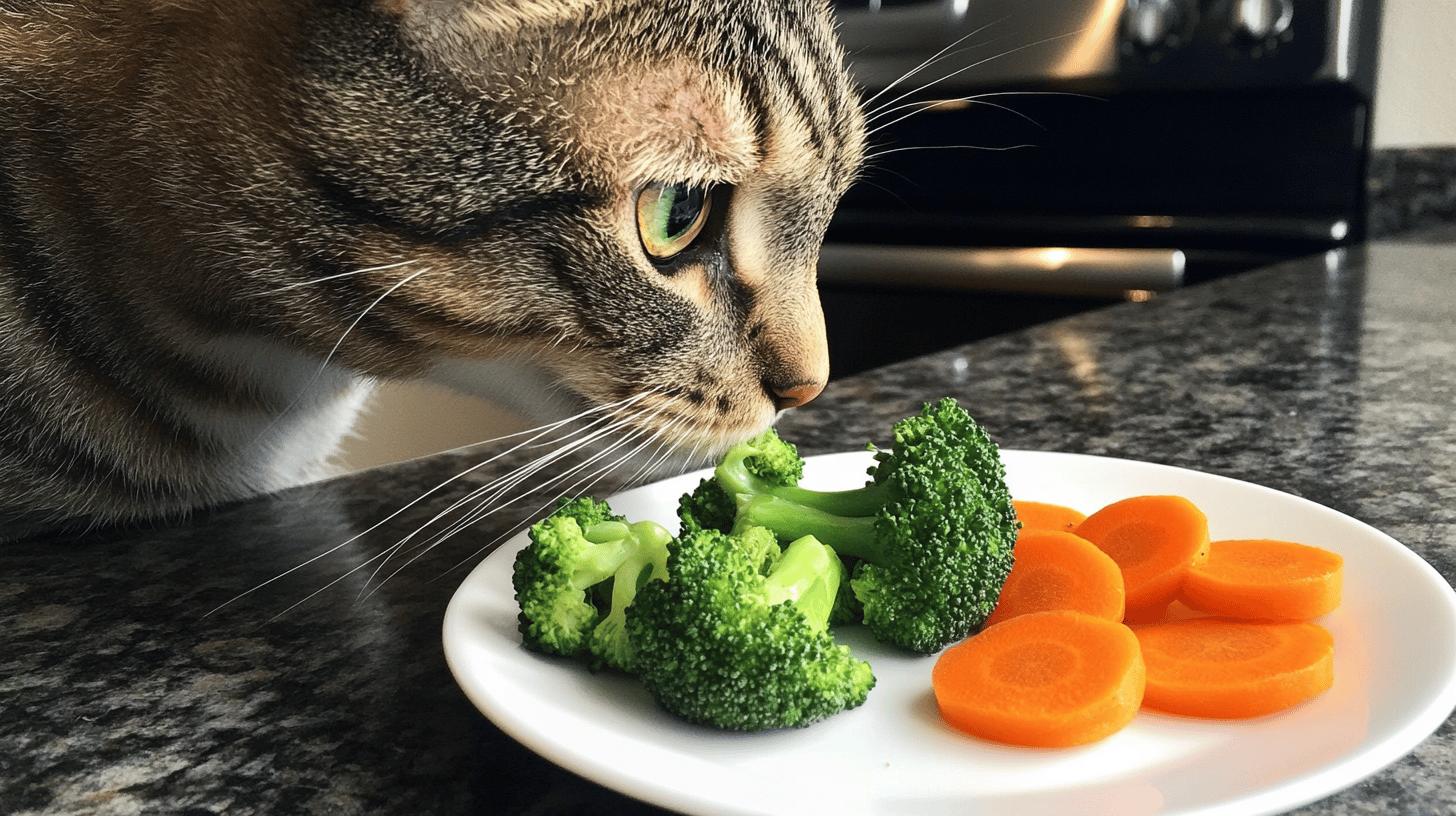
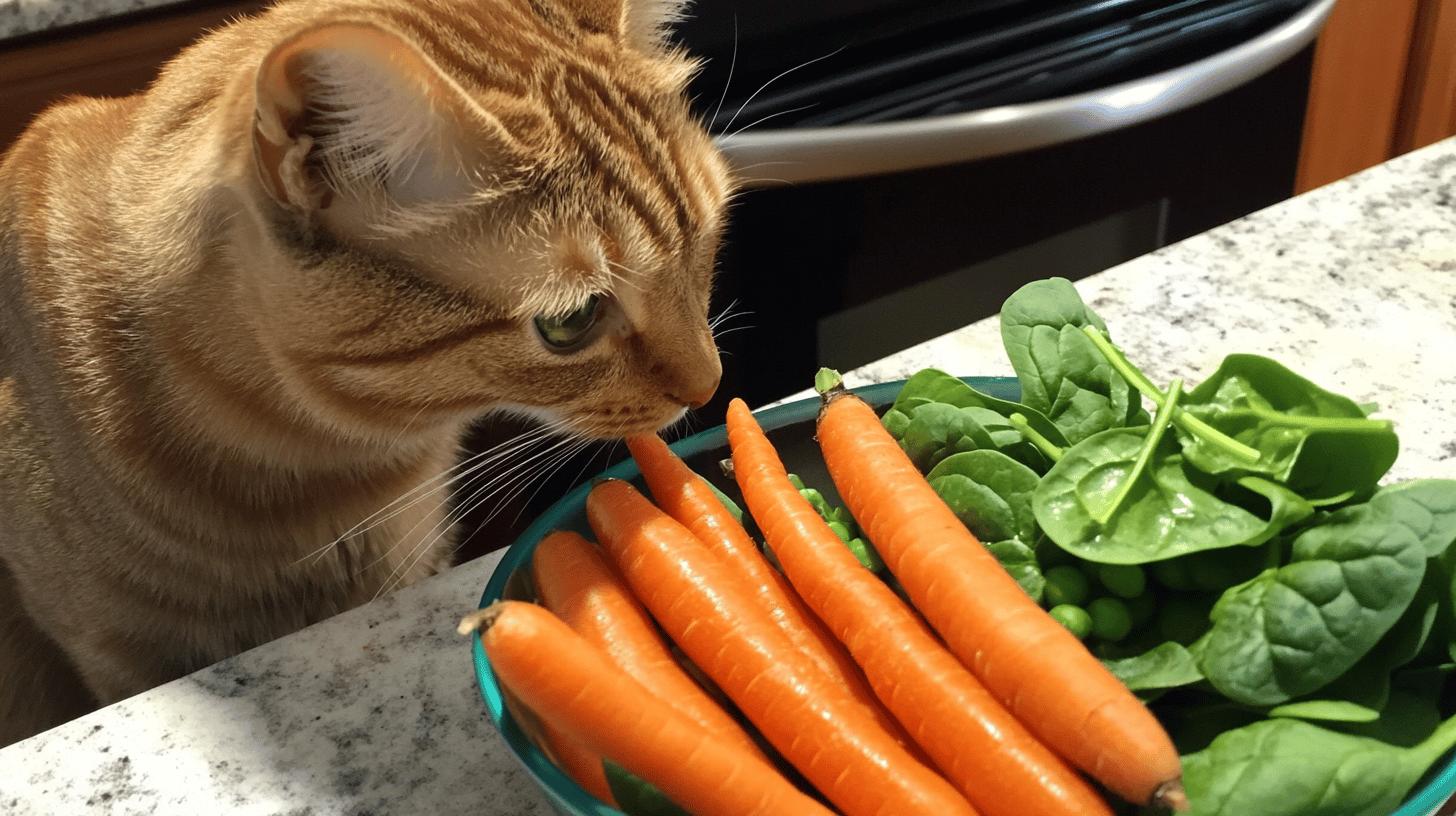
    While the rose itself is safe, there are other potential risks to consider. The thorns on rose stems can cause physical harm, such as pricks or scratches, which could be painful for your cat. Additionally, if roses have been treated with pesticides, these chemicals might pose a risk of poisoning if ingested. For these reasons, it's wise to be cautious when it comes to rose treatments and ensure that any roses accessible to your cat are free from harmful chemicals.

    Identifying Toxic Plants and Flowers for Cats

    Identifying Toxic Plants and Flowers for Cats-1.jpg

    Roses themselves are non-toxic to cats, making them a safe option for homes and gardens. However, not every plant with "rose" in its name is safe for our feline friends. Several plants that include "rose" in their name can be harmful to cats if ingested. This distinction is crucial for cat owners to understand, as the potential for harm doesn't come from the rose you're familiar with, but from these similarly named plants.

    • Christmas Rose: Can cause vomiting, diarrhea, and lethargy.
    • Moss Rose: Known to affect the digestive system and cause irritation.
    • Primrose: May lead to gastrointestinal upset and skin irritation.
    • Rosebay: Can cause serious issues like vomiting, diarrhea, and even affect the heart.
    • Rose of Sharon: May result in nausea and vomiting.

    Recognizing the symptoms of plant toxicity in cats is essential for their safety. Common symptoms include vomiting, diarrhea, and lethargy. These signs indicate that a cat may have ingested a toxic plant and needs immediate attention. Being vigilant about these symptoms can help in taking swift action and seeking veterinary care, ensuring your cat remains healthy and safe.

    Managing and Preventing Rose-Related Risks for Cats-1.jpg

    If your cat eats part of a rose, it's crucial to monitor them closely for several hours to ensure they don't experience any adverse effects. Cats are naturally curious, and ingestion of non-food items can sometimes lead to discomfort. Look for signs of an upset stomach, such as vomiting or diarrhea. If your cat shows any signs of distress or if the roses were treated with pesticides, it's important to contact your veterinarian promptly for advice.

    • Vomiting
    • Diarrhea
    • Lethargy
    • Loss of appetite

    Preventive measures can significantly reduce the risk of your cat being harmed by roses. Avoid using pesticides on any roses that your cat might access, as these chemicals can be toxic if ingested. Consider using natural deterrents to keep your cat away from the roses. Certain scents, such as citrus, are generally disliked by cats and can be used to discourage them from approaching rose plants.

    • Prickly garden beds to discourage digging
    • Scent deterrents like citrus oils
    • Physical barriers like chicken wire fencing

    Creating a safe garden environment is key to ensuring your cat can explore without risking harm. Keep an eye on your cat's interactions with the garden, especially if roses or other potentially harmful plants are present. Providing cat-friendly alternatives, such as dedicated play areas or safe plants like catnip, can help redirect your cat's interest away from roses and toward safer options. This balance allows both your garden and your cat to coexist peacefully.

    Safe Plant Alternatives for Cat-Friendly Homes

    Safe Plant Alternatives for Cat-Friendly Homes-1.jpg

    When it comes to creating a safe environment for your feline friends, selecting non-toxic plants is a priority. Cats are naturally curious and tend to explore their surroundings, sometimes nibbling on leaves or flowers. Having pet-friendly flowers ensures that even if your cat decides to sample your greenery, they won't suffer from any toxic effects. This consideration is especially important for indoor plants, where cats have more access and are more likely to interact with them.

    There are plenty of cat-safe plants that you can introduce into your home. African Violets, for example, are not only beautiful but also completely safe for cats. Areca Palms and Spider Plants are other excellent choices, known for their air-purifying qualities and non-toxic nature. Additionally, Catnip and Cat Grass can be both fun and stimulating for your cat, offering safe options for them to chew on without any risk to their health.

    Plant Name Safety for Cats
    African Violets Safe
    Areca Palms Safe
    Spider Plants Safe

    To ensure that your home remains a safe haven for your cat, utilize resources like the ASPCA's list of non-toxic plants. This list can guide you in selecting plants that are both visually appealing and safe for your cat. By choosing cat-friendly plants, you can enjoy a vibrant home while keeping your feline companion safe and healthy.

    Final Words

    Roses are generally non-toxic to cats, which makes them safe for homes with pets. However, while roses won't poison your feline friend, they might cause an upset stomach if eaten. Plus, thorns and pesticides could pose other risks, so it's best to be cautious.

    Understanding the difference between safe and toxic plants is key. Many plants with "rose" in their name are harmful to cats. Always monitor your cat if they nibble on plants, and make sure to keep dangerous ones out of reach.

    There are plenty of cat-safe plants to choose from. By selecting the right ones, you can create a safe and enjoyable environment for your furry friend.

    FAQ

    Can cats eat roses in water?

    A: Cats can eat roses in water, but roses themselves aren't toxic. However, they might get an upset stomach if ingested.

    Are roses harmful to cats?

    A: Roses are generally non-toxic to cats. The petals, leaves, and stems are safe. Thorns can harm, and pesticides might pose risks.

    What flowers are safe for cats?

    A: Safe flowers for cats include African Violets, Areca Palms, and Spider Plants. These are non-toxic and suitable for homes with cats.

    Are rose petals safe for cats?

    A: Rose petals are safe for cats as they are non-toxic. However, they can cause mild stomach upset if eaten.

    What flowers are toxic to cats?

    A: Flowers toxic to cats include Christmas Rose, Moss Rose, Primrose, Rosebay, and Rose of Sharon. They can cause various health issues.

    Why do cats like eating roses?

    A: Cats might eat roses out of curiosity or for fun. Roses are fragrant and colorful, attracting a cat's attention.

    How many rose petals can a cat eat?

    A: While non-toxic, eating large amounts might cause stomach upset. It's best to keep rose petal consumption minimal.

    Can cats eat dry roses?

    A: Cats can chew on dry roses, but ingesting them isn't recommended due to possible digestive discomfort.

    Are red, yellow, or mini roses toxic to cats?

    A: Red, yellow, and mini roses are not toxic to cats. Rose thorns or pesticides pose a greater concern than the plants themselves.

    Related Articles

  • Can Cat Eat Lasagna Understanding the Risks and Harmful Ingredients

    Can Cat Eat Lasagna Understanding the Risks and Harmful Ingredients

    Ever caught your cat eyeing your plate of lasagna and wondered, "Could they actually have a bite?" At first glance, sharing might seem harmless, but it poses a bigger risk than you'd think. Our feline friends face threats from common lasagna ingredients like onions, garlic, and tomato sauce. These can lead to serious health issues, including digestive problems and anemia. In this post, we’ll delve into why lasagna isn't cat-friendly. Let's protect our cats by understanding the risks hidden in this tasty dish.

    Can Cats Eat Lasagna? Understanding the Risks and Harmful Ingredients

    Can Cats Eat Lasagna Understanding the Risks and Harmful Ingredients-1.jpg

    Lasagna is not safe for cats. This popular dish contains several ingredients that can be harmful to our feline friends. Key ingredients like onions, garlic, tomato sauce, and cheese pose potential health risks. These components can lead to digestive issues, anemia, and other serious health problems. Additionally, pasta, which is a major component of lasagna, is high in carbohydrates and not suitable for cats, given their dietary needs as obligate carnivores.

    Onions and garlic are two of the most dangerous ingredients found in lasagna for cats. These items are toxic and can cause oxidative damage to red blood cells, leading to a condition known as Heinz body anemia. Even small amounts can be harmful, causing lethargy, weakness, and a reduced appetite. It's crucial to keep these ingredients away from your cat, as their bodies cannot process them safely.

    Tomato sauce, a staple in lasagna, contains solanine, which is toxic to cats. The stems, leaves, and unripe fruit of the tomato plant are particularly rich in this compound. Consumption can lead to gastrointestinal distress, lethargy, or an abnormal heart rate. Furthermore, many tomato sauces contain added seasonings like garlic and onions, compounding the risk for cats.

    Cheese is another problematic ingredient in lasagna. While not toxic, most cats are lactose intolerant. Consuming cheese can lead to digestive issues such as diarrhea and stomach upset. Though some cats might tolerate small amounts of cheese, it is not advisable to include it in their diet given the potential for discomfort and digestive problems.

    Pasta in lasagna is primarily made of wheat, which is high in carbohydrates. Cats, being obligate carnivores, require a diet rich in animal-based proteins and fats, not carbs. Feeding them pasta can lead to weight gain and gastrointestinal issues. Seasonings and herbs often found in lasagna, such as pepper, oregano, and basil, can also upset a cat's stomach.

    Here's a list of five harmful ingredients commonly found in lasagna:

    • Onions
    • Garlic
    • Tomato sauce
    • Cheese
    • Seasonings and herbs

    Cats should avoid lasagna to prevent these health risks. Their diet should remain focused on animal proteins to maintain optimal health.

    Evaluating the Nutritional Needs of Cats

    Evaluating the Nutritional Needs of Cats-1.jpg

    Cats are obligate carnivores, which means their bodies are designed to thrive on a diet rich in animal-based proteins and fats. Protein is crucial for maintaining their muscle mass, supporting their immune system, and providing energy. Fats are equally important as they supply essential fatty acids and help in the absorption of fat-soluble vitamins. A well-balanced cat diet should consist of at least 50% animal-based protein and up to 20% fat. This balance ensures that cats receive the nutrients they need for optimal health and vitality.

    Carbohydrates, such as those found in pasta and other components of lasagna, are not necessary for a cat's diet. In fact, cats have limited ability to digest carbohydrates, and a diet high in carbohydrates can lead to obesity and gastrointestinal issues. Their digestive systems are not equipped to handle significant amounts of starch, which can result in weight gain and potentially irritate their digestive tract. Providing a diet low in carbohydrates and focused on protein and fat is key to maintaining a cat's health.

    Nutrient Percentage of Diet
    Animal-based Protein 50% or more
    Fat Up to 20%
    Carbohydrates Minimal

    Safe Alternatives to Lasagna for Cats

    Safe Alternatives to Lasagna for Cats-1.jpg

    Specially formulated cat foods are the best option for ensuring your feline friend gets all the nutrients they need. These foods are designed to meet the specific dietary requirements of cats, providing a balanced mix of proteins, fats, and essential vitamins. They eliminate the risk of harmful ingredients found in human foods like lasagna, keeping your kitty healthy and happy. Opting for high-quality cat food ensures your cat receives the right nutrition without any adverse effects from unsuitable human delicacies.

    For those who prefer a more hands-on approach, homemade meals can be a great alternative. Focus on cooked meats, such as chicken, turkey, or fish, and avoid any seasonings that could be harmful. Homemade meals allow you to control the ingredients and ensure your cat gets a wholesome, nutritious diet. Offering safe treats in moderation can also be a delightful way to bond with your pet.

    Here are four safe alternative foods or treats for your cat:

    • Plain cooked chicken
    • Plain cooked turkey
    • Plain cooked fish
    • Specially formulated cat treats

    These options provide a safe and enjoyable diet for your cat, steering clear of the risks associated with feeding them lasagna.

    Recognizing Symptoms and Taking Action if a Cat Eats Lasagna

    Recognizing Symptoms and Taking Action if a Cat Eats Lasagna-2.jpg

    If your cat sneaks a bite of lasagna, it's important to be on the lookout for symptoms of food poisoning. Common signs include vomiting, diarrhea, lethargy, or a slower heart rate. These symptoms can indicate that your cat's body is reacting to the toxic ingredients commonly found in lasagna, such as garlic and onions. These ingredients can cause significant health issues, including damage to red blood cells and anemia. It's essential to monitor your cat closely for any signs of distress or discomfort.

    If you notice any of these symptoms after your cat has consumed lasagna, it's crucial to consult with a veterinarian immediately. Quick action can make a big difference in your cat's health outcome. Be prepared to provide the vet with information about what your cat ate and when, as well as any specific symptoms you have observed. The vet may recommend treatments to manage symptoms and prevent further complications. Taking swift and appropriate action ensures the best possible care for your feline friend in the event of a common pet poisoning incident.

    Final Words

    In the action of unraveling whether can cat eat lasagna, it's clear that this Italian dish poses risks to our feline friends. Onions, garlic, and tomatoes are harmful ingredients that can lead to serious health issues in cats. Their nutritional needs demand a diet high in protein and low in carbohydrates, unlike lasagna. Safe food alternatives, like specially formulated cat foods and plain cooked meats, are better options.

    If a cat mistakenly munches on lasagna, recognizing symptoms and contacting a vet promptly is crucial. Making informed food choices keeps our cats healthy and thriving.

    FAQ

    Is it safe to feed a cat lasagna?

    A: Lasagna is not safe for cats. It contains harmful ingredients like onions, garlic, tomato sauce, and cheese which can cause health issues.

    Can cats eat pasta?

    A: Cats can eat small amounts of plain pasta without seasoning. However, pasta is high in carbs and doesn't meet their nutritional needs.

    Which cat eats lasagna?

    A: The cartoon character Garfield is known for eating lasagna. But real cats should avoid it due to harmful ingredients.

    Can cats eat tomato pasta?

    A: Tomato pasta can be harmful to cats. It may contain ingredients like garlic and onions which are toxic to them.

    Can dogs eat lasagna?

    A: Just like cats, dogs shouldn't eat lasagna due to potentially harmful ingredients like garlic, onions, and high-fat cheese.

    Can cats eat lasagna without garlic?

    A: Even without garlic, lasagna is not recommended for cats. It still has ingredients like onions and cheese that are unsuitable for them.

    Are there safe alternatives to lasagna for cats?

    A: Safe alternatives for cats include plain cooked chicken, turkey, fish, or specially formulated cat foods without harmful seasonings.

    Related Articles

  • Can Cat Eat Green Onion Understanding the Dangers and Safety

    Can Cat Eat Green Onion Understanding the Dangers and Safety

    Can your furry friend safely nibble on a green onion? While you might assume that a small bite won't harm them, green onions pose a hidden threat to cats. Ingesting even a tiny amount can lead to severe health problems. The key danger comes from a compound called N-propyl disulfide, which can damage a cat's red blood cells. This blog post will uncover why green onions are unsafe for cats and how to keep them out of harm's way. Let's dive into the risks and signs of green onion toxicity in cats.

    Can Cats Eat Green Onion Safely?

    Can Cats Eat Green Onion Safely-1.jpg

    Green onions are highly toxic to cats and should never be part of their diet. The danger lies in a compound called N-propyl disulfide, which causes oxidative damage to a cat's red blood cells, leading to a condition known as hemolytic anemia.

    When a cat ingests any form of onion, the N-propyl disulfide interferes with the oxygen-carrying capacity of their red blood cells. This results in the destruction of these cells, severely affecting the cat's ability to circulate oxygen throughout their body. The damage may not be immediate, but it can lead to serious health issues if not addressed promptly.

    Here's a list of onion forms that are harmful to cats:

    • Raw onions
    • Cooked onions
    • Onion powder
    • Dried onions
    • Freeze-dried onions

    The risks associated with green onion ingestion are significant. Even a small amount can be dangerous, leading to life-threatening anemia. It's crucial to keep all forms of onions away from your cat to prevent accidental ingestion. Always be vigilant about what your cat might have access to, ensuring that their environment is free from such toxic substances.

    Symptoms of Green Onion Toxicity in Cats

    Symptoms of Green Onion Toxicity in Cats-1.jpg

    When a cat ingests green onions, the symptoms of toxicity might not show up immediately. They can appear as soon as 12 hours after ingestion, but sometimes take up to five days. This timeline makes it crucial to monitor your cat closely if you suspect they have consumed any form of onion. Once symptoms begin, they can escalate quickly, leading to more serious health issues.

    Common symptoms of green onion poisoning in cats include:

    • Vomiting
    • Diarrhea
    • Lethargy
    • Pale gums
    • Rapid breathing
    • Collapse

    These symptoms can vary greatly depending on the amount of onion consumed and the individual sensitivity of the cat. Some cats might show only mild signs, while others could experience severe reactions. The variability in symptoms underscores the importance of prompt veterinary care, as even small amounts can lead to significant health problems. If your cat demonstrates any of these symptoms, especially after potential exposure to onions, it's essential to seek medical advice immediately. Monitoring your cat's health and maintaining awareness of their symptoms can make a significant difference in their recovery.

    What to Do if Your Cat Eats Green Onion

    What to Do if Your Cat Eats Green Onion-1.jpg

    If you suspect your cat has eaten green onion, it's crucial to act quickly. Immediate veterinary care is essential, as onion ingestion can lead to serious health issues like hemolytic anemia. The sooner you contact a veterinarian, the better the chances of a positive outcome for your furry friend. Delaying treatment can lead to more severe symptoms and complications.

    Here are the steps you should take if your cat ingests green onion:

    1. Secure the Source: Remove any remaining onion from your cat's reach to prevent further ingestion.
    2. Contact a Veterinarian: Call your vet immediately to discuss the situation and get advice on the next steps.
    3. Do Not Induce Vomiting: Unless specifically advised by your vet, do not attempt to make your cat vomit, as it could cause more harm.
    4. Monitor Your Cat: Keep a close eye on your cat's behavior and look for symptoms like vomiting, lethargy, or rapid breathing.
    5. Prepare for a Vet Visit: Be ready to take your cat to the veterinary clinic for treatment if advised.

    Veterinary treatment for onion poisoning may involve several approaches. Your vet might induce vomiting or administer activated charcoal to limit toxin absorption. In more severe cases, treatments such as intravenous fluids, blood transfusions, and supplemental oxygen might be necessary. These procedures are critical for managing the symptoms and supporting your cat's recovery. Always rely on professional veterinary care to ensure the best possible outcome.

    Safe Foods for Cats: Alternatives to Onions

    Safe Foods for Cats Alternatives to Onions-1.jpg

    When it comes to feeding our feline friends, safety is paramount. Onions are a definite no-go due to their toxic nature, but there are plenty of safe and healthy alternatives. Choosing the right vegetables can contribute to a balanced diet and support overall cat health.

    Here are some vegetables that are generally safe for cats:

    • Carrots
    • Peas
    • Cucumbers
    • Zucchini
    • Squash
    • Broccoli
    • Green beans

    While these vegetables can be beneficial, it's always wise to introduce them gradually and in moderation. Each cat's dietary needs can vary, so consulting with a veterinarian ensures that your furry companion receives a diet tailored to their specific health requirements. Regular vet check-ups can help maintain their well-being and adjust their diet as needed.

    Prevention and Long-term Effects of Onion Ingestion in Cats

    Prevention and Long-term Effects of Onion Ingestion in Cats-1.jpg

    Preventing your cat from eating onions is crucial, given the potential toxicity. Start by ensuring all onions, whether whole or chopped, are stored securely out of reach. Be mindful of onion inclusion in foods like soups or sauces and avoid leaving these unattended around your cat. Awareness is key; educate family members and visitors about the dangers of onions to cats. This vigilance can significantly reduce the risk of accidental ingestion.

    Monitoring your cat's diet is essential for their overall health and safety. Regularly check the ingredients of any commercial cat foods or treats to confirm there are no harmful additives. A balanced diet tailored to your cat's specific needs can prevent nutritional gaps that might lead them to explore unsafe foods.

    The long-term effects of onion ingestion, if untreated, can be severe. Cats may develop hemolytic anemia due to the destruction of red blood cells, leading to fatigue and weakness. In more severe cases, liver damage can occur, requiring intensive medical intervention. Regular veterinary check-ups are vital for early detection of any health issues, ensuring any adverse effects are managed promptly. This proactive approach helps safeguard your cat's health and well-being over time.

    Final Words

    Green onions pose significant risks to cats due to the compound N-propyl disulfide. This compound damages their blood cells, making ingestion dangerous. Symptoms like vomiting and lethargy can develop, sometimes leading to severe consequences. Immediate vet care is crucial if your cat eats green onions to prevent serious health issues.

    Instead, offer safe vegetable alternatives to your feline friend, like carrots or peas. Ensuring safe food choices will keep your cat healthy. Always monitor their diet and keep harmful foods out of reach. With proper care, you can avoid the dangers of green onions and ensure your cat's well-being.

    FAQ

    Can cats eat green onions?

    Cats should not eat green onions. They are highly toxic, causing damage to red blood cells and potentially leading to anemia.

    What happens if my cat eats green onions?

    If a cat eats green onions, it may experience vomiting, lethargy, and pale gums. Immediate veterinary care is critical to manage potential poisoning.

    Is the green onion plant safe for cats?

    No, the green onion plant is not safe for cats. It contains N-propyl disulfide, which is toxic to them.

    Are green onions toxic to pets?

    Yes, green onions are toxic to pets, including cats and dogs. They can cause significant health issues.

    What should I do if my cat chewed on green onion?

    If a cat chews on green onion, contact a vet immediately. Follow professional advice about necessary steps, which may include bringing your cat in for treatment.

    What are the symptoms of green onion poisoning in cats?

    Symptoms of onion poisoning can show 12 hours to 5 days after ingestion. Watch for vomiting, diarrhea, lethargy, pale gums, rapid breathing, and possible collapse.

    Can one piece of onion hurt my cat?

    Yes, even one piece of onion can harm a cat, depending on the size of the cat and the amount of onion. Always consult a vet if ingestion occurs.

    Can cats eat chives or green peppers?

    Cats should not eat chives, as they are toxic like onions. Green peppers are generally safe but should be given in moderation after vet consultation.

    Related Articles

  • What Vegetables Can Cat Eat Safely and Nutritionally

    What Vegetables Can Cat Eat Safely and Nutritionally

    Is it really necessary to consider vegetables in your cat's diet? Surprisingly, a few well-chosen veggies can complement their meaty meals. As a cat owner committed to your pet's well-being, you might wonder, "What vegetables are both safe and nutritious for my feline friend?" Let me guide you through which veggies are friends and which to avoid. We'll explore preparation tips and the unique benefits each option brings, ensuring your cat's diet remains balanced, tasty, and safe with Titan Claws' help.

    Safe Vegetables Cats Can Eat

    Safe Vegetables Cats Can Eat-1.jpg

    When it comes to feeding cats vegetables, moderation and proper preparation are key. Here are some vegetables that are safe for cats to enjoy, along with their nutritional benefits and preparation tips:

    • Broccoli: Cooked broccoli is a great option for cats. It aids digestion and can help soothe stomach issues. Make sure it's cooled before serving.

    • Peas: These are low-calorie treats that many cats enjoy. Peas can be fed cooked or fresh, but always in moderation.

    • Cooked Carrots: Packed with vitamins, carrots should be cooked to prevent choking hazards. They can be a healthy addition to your cat's diet.

    • Cucumber: This vegetable provides moisture and can be served raw. Peel and wash the cucumber before offering it to your cat.

    • Asparagus: Cooked asparagus can help deter plant chewing and aid with stomach issues. Always cook asparagus to prevent choking.

    • Zucchini: A low-calorie and hydrating option. Make sure to cook it before serving to your feline friend.

    Steps for Introducing Vegetables

    Introducing vegetables to your cat should be done gradually to ensure they tolerate them well. Here are some tips:

    • Start with small amounts to assess your cat's tolerance.
    • Steaming is a preferred cooking method as it preserves the nutritional content of the vegetables.
    • Serve vegetables plain, without seasoning or additives, which can be harmful to cats.
    • Monitor your cat for any signs of digestive distress or allergies. If your cat shows any adverse reactions, discontinue the vegetable and consult your veterinarian.

    Feeding cats vegetables can be a healthy practice if done right. Remember, vegetables should only be an occasional treat, up to three times a week, and should never replace the primary meat-based diet cats require. Keep an eye on your cat's reaction to new foods and ensure their diet remains balanced and nutritious.

    Vegetables Cats Should Avoid

    Safe Vegetables Cats Can Eat-3.jpg

    Certain vegetables pose significant health risks to cats, and it's crucial to keep them out of your feline friend's diet. Cats have specific dietary needs as obligate carnivores, meaning they thrive on a meat-based diet. Introducing toxic vegetables into their meals can lead to severe health issues, including gastrointestinal distress and even more serious conditions. Understanding which vegetables are harmful is essential for any cat owner.

    • Garlic: Garlic can cause gastrointestinal upset and has the potential to damage red blood cells in cats, leading to a condition known as hemolytic anemia.

    • Tomatoes: Unripe tomatoes and the tomato plant itself contain solanine, which is toxic to cats. Consumption can result in nausea, vomiting, and other digestive issues.

    • Onions: Onions are highly toxic to cats and can cause anemia and serious digestive problems. Even small amounts can be harmful, as they damage red blood cells.

    It's vital to avoid feeding these vegetables to your cat entirely. While some human foods can be shared with our feline companions, these particular vegetables should never be part of their diet. Always be cautious about what your cat has access to, ensuring that any food within their reach is safe and free from harmful ingredients. If you suspect your cat has ingested any of these toxic vegetables, seek veterinary assistance immediately.

    Nutritional Benefits of Vegetables for Cats

    Nutritional Benefits of Vegetables for Cats-1.jpg

    Carrots

    Carrots are rich in beta-carotene, which is converted into vitamin A. This nutrient is vital for enhancing skin and fur health in cats. While they also support vision and immune function, cooked carrots can be a tasty way to improve your cat’s coat and skin.

    Spinach

    Spinach is a staple in many cat foods due to its high nutritional content. It provides iron and calcium, crucial for healthy blood and bones. The vitamins A, C, and K found in spinach contribute to overall well-being. Feed it in moderation, especially to cats with urinary tract concerns, as it contains calcium oxalate.

    Green Beans

    Green beans have a nutrient-dense profile beneficial for weight control. They are low in calories and high in fiber, which aids digestion and helps cats feel full, reducing overeating tendencies. Fresh or cooked green beans can be a crunchy addition, delivering essential vitamins and minerals.

    Vegetable Nutrient Benefits
    Carrots Beta-Carotene for Skin and Fur Health
    Spinach Iron and Calcium for Blood and Bone Health
    Green Beans Fiber for Weight Management and Digestion

    Common Questions About Cats and Vegetables

    Common Questions About Cats and Vegetables-1.jpg

    Introducing Vegetables to Cats

    When adding vegetables to a cat's diet, cat owners often wonder how to do it correctly. Start by offering small, cooked pieces of safe vegetables like carrots or peas. Always monitor your cat's reaction, as some might show preferences or aversions.

    Behavioral Changes with Vegetable Consumption

    Some cats might experience behavioral changes when consuming vegetables. Increased energy or a more playful demeanor can occur due to the added fiber or hydration. If you notice any negative changes, such as digestive issues or lethargy, discontinue the vegetable treats and consult your vet.

    Balancing Diet with Vegetable Treats

    To balance a cat's diet while including vegetables, use them as occasional treats rather than a staple. Ensure the core diet remains rich in animal protein, with vegetables making up a minor portion. This approach ensures your cat receives all necessary nutrients without over-reliance on non-meat foods.

    Final Words

    Exploring what vegetables can cats eat reveals some safe and beneficial options. We've learned about broccoli, peas, and other veggies that provide health benefits, from aiding digestion to hydrating your feline friend. Remember the importance of moderation and safe preparation.

    Equally important is avoiding harmful vegetables like garlic and onions, which could harm your cat. Vegetables aren't necessary for a cat's diet, but they can offer supplemental benefits when used wisely. Embrace this knowledge to enhance your cat's playtime and overall well-being.

    FAQ

    What vegetables can cats eat raw?

    Cats can safely eat raw vegetables like cucumber and zucchini. These can provide moisture and should be peeled and washed before serving.

    What human food can cats eat every day?

    Cats can occasionally have small amounts of plain cooked meats like chicken and turkey. Always ensure it's free of seasoning or sauces.

    What vegetables can cats eat every day?

    While not daily, cats can have small portions of cooked carrots, peas, or steamed broccoli a few times a week.

    What fruits can cats eat?

    Cats can have small portions of fruits like blueberries or watermelon. Always remove seeds and serve in moderation.

    Which vegetables are good for cats?

    Some good vegetables for cats include broccoli, peas, cooked carrots, cucumber, asparagus, and zucchini. Each offers unique benefits like aiding digestion or hydration.

    What vegetables can cats not eat?

    Garlic, onions, and unripe tomatoes are toxic to cats. Avoid these entirely as they can cause severe health issues.

    Should cats eat vegetables every day?

    Cats should not eat vegetables every day. Offering them a few times a week in small amounts is sufficient.

    Why can't cats eat vegetables?

    Cats are obligate carnivores, and their diet is primarily meat-based. Vegetables can be included occasionally but shouldn't replace their main diet.

    Do cats eat vegetables in the wild?

    Cats in the wild may eat plants occasionally, mainly for their digestive benefits, but they rely on meat as their primary nutrition source.

    Related Articles

  • Can Cat Eat Lizard Safely and What Owners Should Know

    Can Cat Eat Lizard Safely and What Owners Should Know

    Can your cat chow down on a lizard and be safe, or are there hidden dangers lurking? These slinky reptiles might seem like a healthy snack rooted in wild cat tradition, offering protein and excitement for your feline friend. But before letting your cat go on a lizard hunt, there's more you need to know. I'll unravel the facts about potential risks, such as parasites and the rare venomous species, so you can make sure your cat enjoys a safe and fun playtime experience. Let's dive into what every cat owner should be aware of.

    Can Cats Eat Lizards Safely?

    Can Cats Eat Lizards Safely-1.jpg

    Cats can safely eat lizards. Lizards are a natural part of the diet for wild and feral cats, including their ancestors, the African wildcats. These reptiles provide valuable protein, making them an appealing snack for many felines. Most lizards are not poisonous to cats, and venomous lizards are rare, especially in urban areas where pets are more likely to roam. While lizard consumption is generally safe, it's important for cat owners to be aware of potential risks and take necessary precautions.

    Here are some considerations for cat owners regarding lizard consumption:

    • Monitor your cat's behavior after eating a lizard to detect any unusual symptoms.
    • Ensure your cat's vaccinations are up-to-date to reduce the risk of infections.
    • Keep your cat indoors in areas known for venomous or toxic lizard species.
    • Provide alternative toys and activities to satisfy your cat's hunting instincts safely.
    • Consult your veterinarian if you have concerns about lizards in your area.

    Potential risks of cats eating lizards include parasites and toxins, although these are uncommon. Parasites such as liver flukes can pose a health threat, particularly in regions where they are more prevalent. Additionally, certain tropical lizards may carry toxins that could be harmful if ingested. Despite these risks, serious health issues from lizard consumption are rare. By remaining vigilant and taking preventive measures, cat owners can minimize any potential dangers and keep their feline friends safe.

    Health Risks and Symptoms in Cats from Eating Lizards

    Health Risks and Symptoms in Cats from Eating Lizards-1.jpg

    Liver flukes are a potential risk for cats that consume lizards. These parasites are more common in certain regions, such as Texas, Louisiana, Alabama, Florida, Hawaii, and parts of Mexico. In these areas, the infection rate in cats can range from 15% to 85%. Liver flukes can migrate to a cat's liver and cause significant health issues if present in large numbers. While cats with fewer than 125 liver flukes typically show no symptoms, larger infestations can lead to liver damage and other serious complications over time.

    Aside from liver flukes, lizards can also carry salmonella, a bacterium that poses a risk to cats. While salmonella infections are not very common, they can occur, particularly in young kittens or cats with compromised immune systems. Infected cats might exhibit mild symptoms like fever and diarrhea. Additionally, some cats may experience minor digestive issues after eating a lizard, which is generally due to dietary unfamiliarity rather than a direct health threat.

    Here are four severe symptoms that require immediate veterinary attention:

    • Severe pain or discomfort
    • Rapid or labored breathing
    • Irregular heartbeat or heart palpitations
    • Signs of paralysis or extreme weakness

    Common symptoms of illness in cats after eating a lizard include vomiting, diarrhea, lethargy, and loss of appetite. These symptoms are often mild and resolve on their own, but they can indicate more serious issues if they persist or worsen. It's important for cat owners to keep an eye on their pets and note any changes in behavior or health that might suggest an adverse reaction to lizard consumption.

    Timely observation is crucial in preventing serious health issues in cats that have eaten lizards. If you notice any troubling symptoms, it's best to consult a veterinarian promptly. They can assess the situation and provide the necessary treatment to ensure your cat's well-being. Understanding the potential risks and staying vigilant can help you protect your feline friend from the more serious consequences of eating lizards.

    Preventive Measures to Protect Cats from Eating Lizards

    Preventive Measures to Protect Cats from Eating Lizards-1.jpg

    Keeping your cat indoors can be one of the most effective ways to prevent them from encountering lizards. Indoor cats are less exposed to potential risks like parasites or toxins, which some lizards might carry. By staying inside, cats are also spared from other outdoor dangers like traffic and predators. This controlled environment allows cat owners to keep a closer eye on their pets' health and behavior, minimizing the chances of them catching and eating lizards.

    To satisfy a cat's natural hunting instincts without the associated risks, consider these alternative activities and toys:

    • Interactive toys like feather wands or laser pointers can engage a cat's prey drive.
    • Puzzle feeders that dispense treats provide mental stimulation and mimic hunting.
    • Catnip-filled toys can stimulate play and exercise.
    • Climbing trees or scratching posts offer physical activity and exploration.
    • Scheduled playtime with you can strengthen the bond and provide exercise.

    For those who want their cats to enjoy some outdoor time, supervision is key. Consider creating a safe outdoor space, like a catio, which allows your cat to experience fresh air without the risk of catching lizards or other wildlife. If a catio isn't an option, supervised leash walks can be a good alternative. Additionally, keeping your yard tidy by trimming bushes and removing debris can reduce lizard habitats, limiting your cat's exposure to them. These adaptations can help keep your feline friend safe while still allowing them to enjoy their natural curiosity and playfulness.

    Veterinarian Advice on Cats and Lizards

    Veterinarian Advice on Cats and Lizards-1.jpg

    If your cat displays severe symptoms like continuous vomiting or lethargy after eating a lizard, see a vet immediately. These could indicate serious issues like liver fluke or salmonella infections. Acting quickly can help the vet diagnose and treat your cat, ensuring a speedy recovery.

    To reduce risks, keep your cat indoors or supervise their time outside. Offer protein-rich meals to lessen hunting urges. Providing interactive toys can divert your cat's prey drive from reptiles, enhancing their safety and wellbeing.

    Final Words

    Understanding if a cat can eat lizard safely is key for pet owners. We've learned that lizards generally pose low toxicity risks to cats, offering beneficial protein. Though rare, issues like liver flukes or salmonella can occur, making observation crucial. By keeping indoor cats and providing engaging toys, we can manage these risks effectively. If any symptoms arise, seeking veterinary advice promptly ensures your feline's well-being. Creating a safe environment enriches your cat's life, allowing them to thrive with minimal health concerns.

    FAQ

    Q: What happens if my cat eats a lizard?

    A: Eating a lizard generally doesn't harm cats as lizards offer protein and are often part of their natural diet. Most lizards aren't toxic, but watch for illness in rare cases.

    Q: Can a cat die from eating a lizard?

    A: It's rare for cats to die from eating lizards. Watch for symptoms like vomiting, lethargy, or diarrhea and consult a vet if they appear.

    Q: Why do cats like to eat lizards?

    A: Cats eat lizards due to their hunting instincts. Lizards provide protein, which matches a cat's natural diet and can satisfy their prey drive.

    Q: Should I let my cat eat a gecko?

    A: It's generally safe, but not necessary. Consider keeping your cat away from geckos to avoid potential health risks and provide toys to fulfill their hunting urges.

    Q: Is it okay for cats to hunt lizards?

    A: Hunting lizards can be safe but poses minimal health risks like parasites. It's best to observe your cat and provide alternative activities.

    Q: What are symptoms of a cat eating a lizard?

    A: Symptoms of illness include vomiting, diarrhea, lethargy, and loss of appetite. If severe symptoms arise, seek veterinary care immediately.

    Q: How to prevent my cat from eating lizards?

    A: Keep your cat indoors, supervise outdoor activities, and use engaging toys to satisfy their hunting instinct safely.

    Related Articles