Category: Cat Diet

  • Can Cat Eat Blueberries Safely Benefits Risks and Feeding Tips

    Can Cat Eat Blueberries Safely Benefits Risks and Feeding Tips

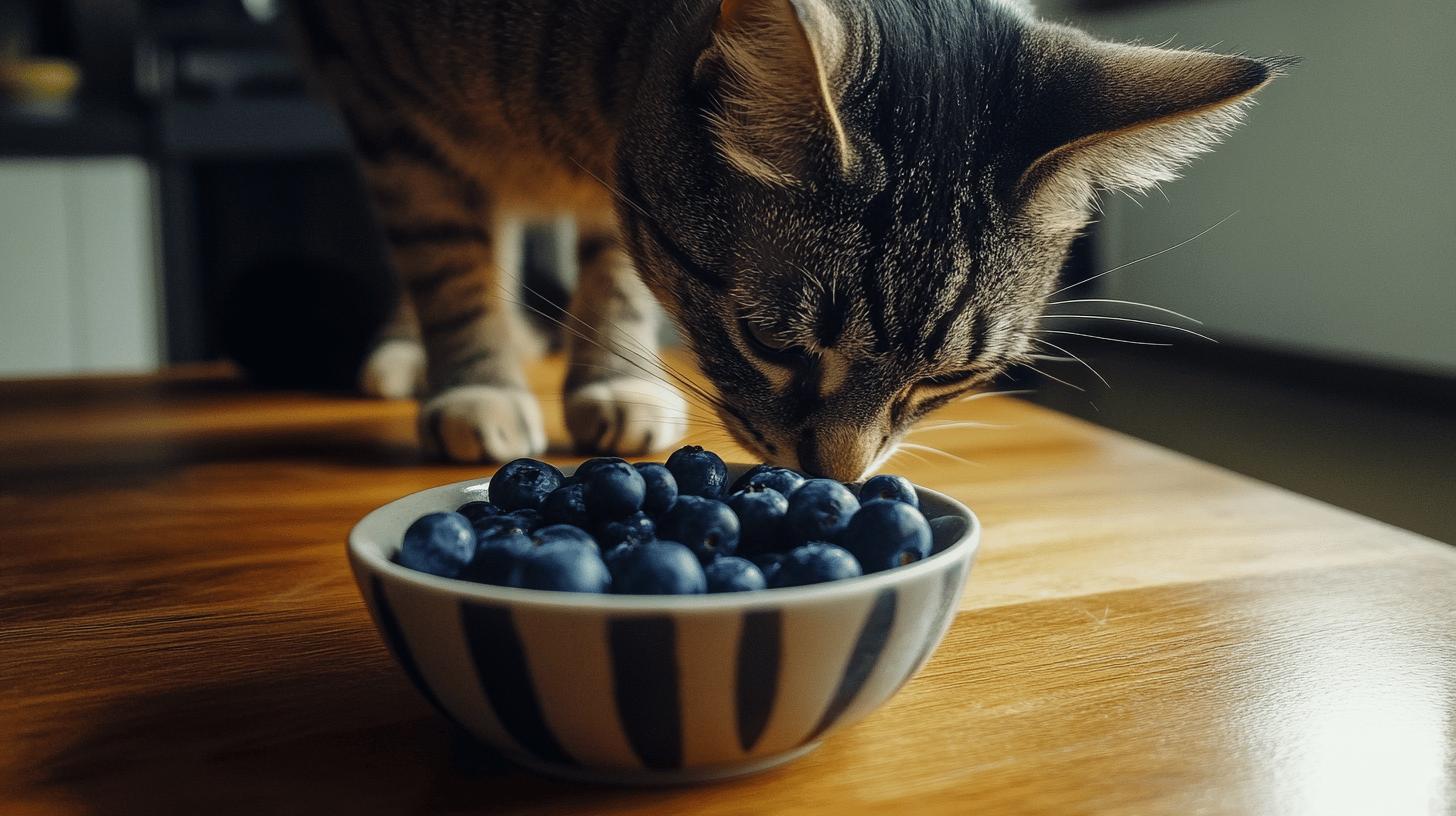
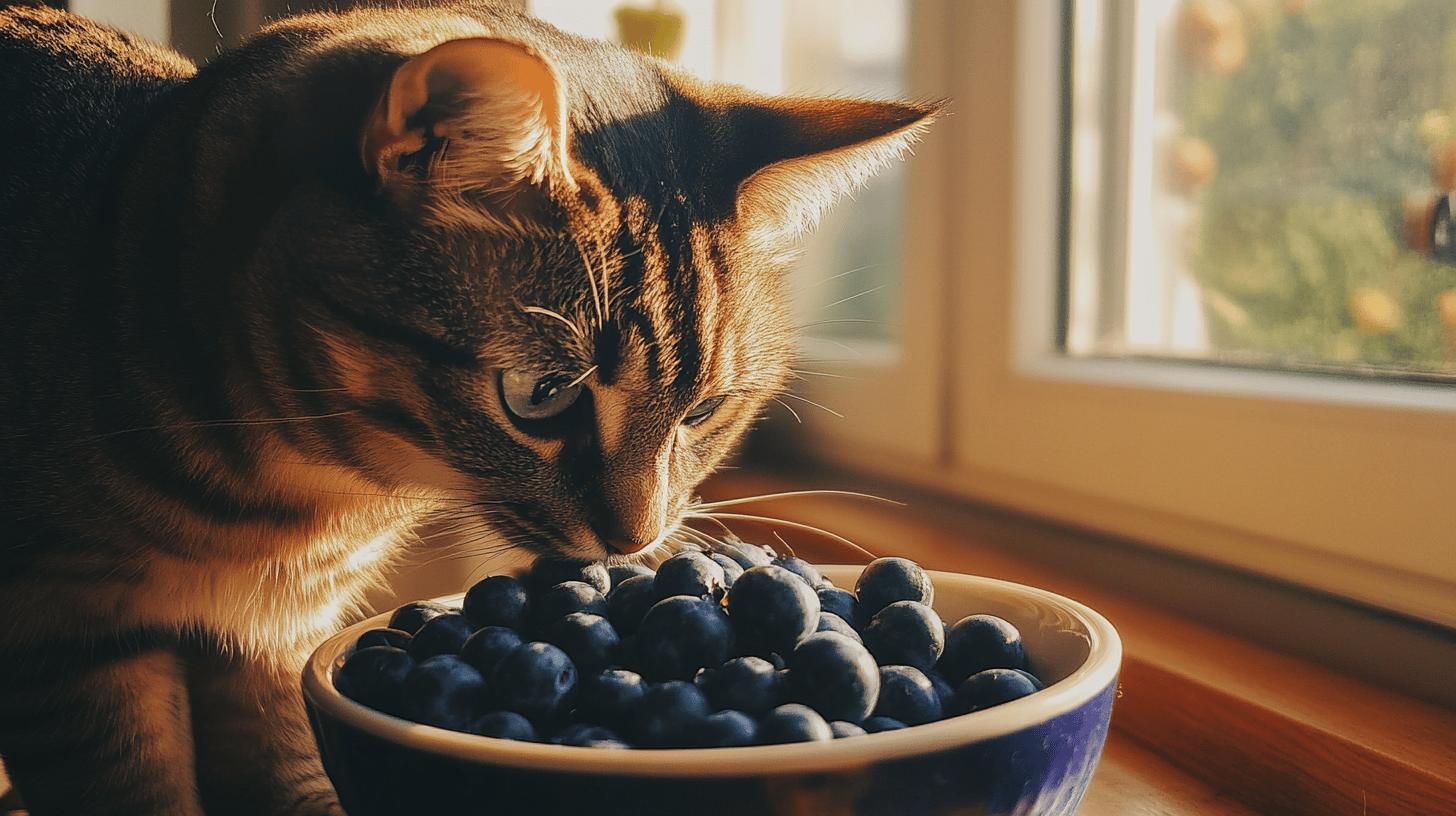
    Can cats safely munch on blueberries, or should this "superfruit" remain a human treat? The answer might surprise you. While cats are natural carnivores, incorporating small, controlled portions of blueberries into their diet can offer some surprising health benefits.

    Packed with antioxidants and nutrients, these berries can boost a cat's immune system and support healthy digestion—when given in moderation. But, as with any treat, there are risks to consider. Let's explore the benefits, potential risks, and tips for safely feeding blueberries to your feline friend.

    Blueberries for Cats: Benefits and Risks
    Blueberries for Cats Benefits and Risks-1.jpg

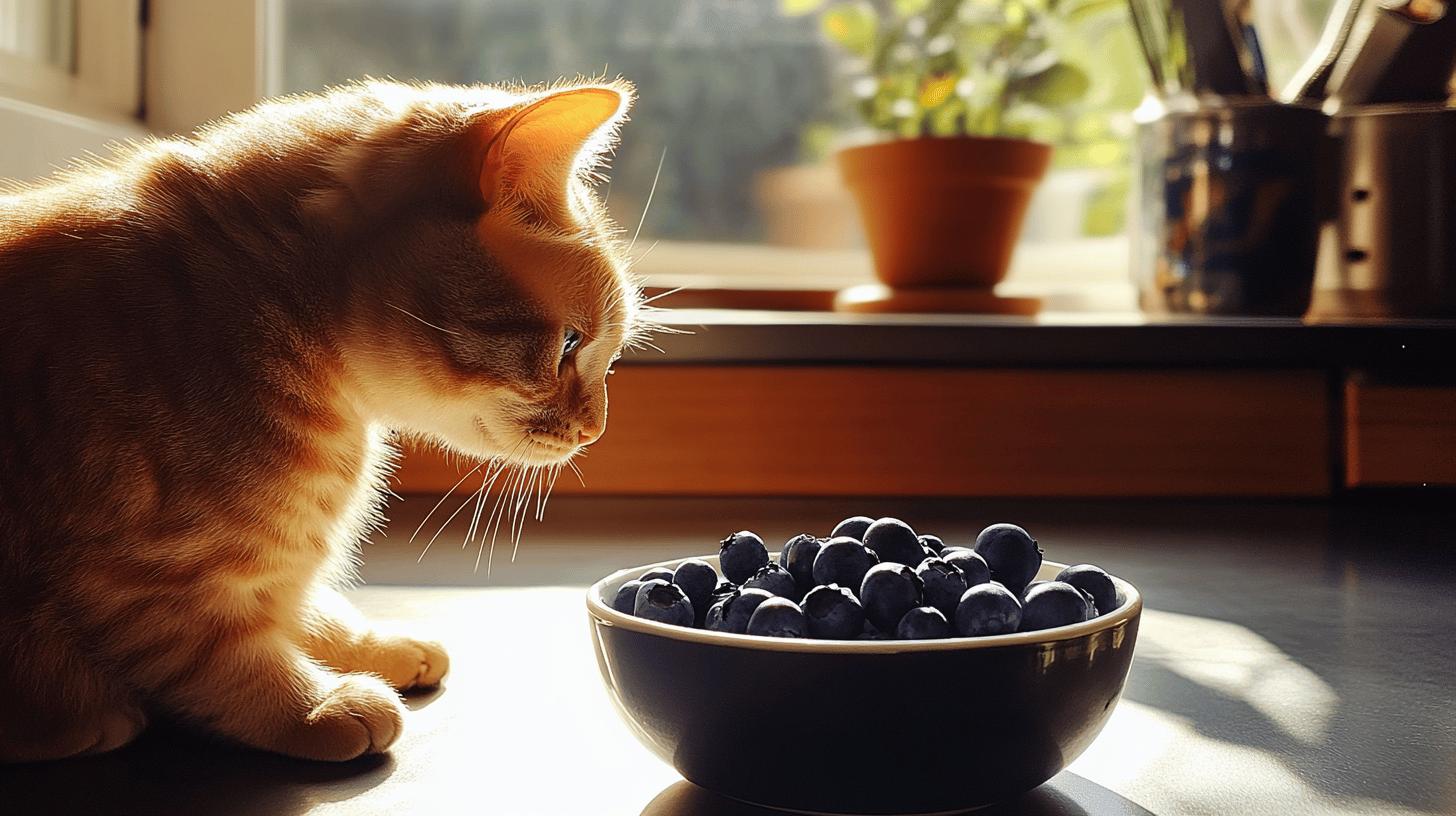
    Blueberries are often hailed as a "superfood" because of their high levels of antioxidants, which help fight aging and reduce the risk of cancer. For cats, these small fruits offer a variety of health benefits. While cats are carnivorous and typically don't have a natural preference for sweet foods, blueberries can provide vital nutrients. They are packed with Vitamin C, Vitamin K, fiber, and manganese. These components can support a cat's immune system, maintain healthy digestion, and promote overall well-being.

    Key Health Benefits of Blueberries for Cats:

    • High in antioxidants
    • Rich in Vitamin C
    • Source of dietary fiber
    • Contains Vitamin K
    • Low in calories

    Even though blueberries are beneficial, they should only be given to cats in moderation. Cats might experience digestive issues if they consume them in large quantities. Blueberries can cause gastrointestinal upsets like vomiting or diarrhea, especially if introduced too quickly or in excessive amounts. It's essential to limit blueberries to an occasional treat, ensuring that they do not become a significant part of your cat's diet.

    Common Symptoms of Blueberry Allergies in Cats:

    • Itching or skin irritation
    • Vomiting
    • Diarrhea
    • Lethargy

    When introducing blueberries to your cat's diet, it's crucial to monitor them for any adverse reactions. Start with a small portion and watch for any symptoms of discomfort or allergy. If your cat shows signs of digestive distress or allergic reactions, discontinue feeding them blueberries immediately. As a guideline, blueberries should not make up more than 10% of your cat's daily diet. Always observe your cat's behavior and health when trying out new foods, and consult with a veterinarian if you're uncertain about including blueberries in their diet.

    Feeding Blueberries to Cats: Preparation and Portion Sizes
    Feeding Blueberries to Cats Preparation and Portion Sizes-1.jpg

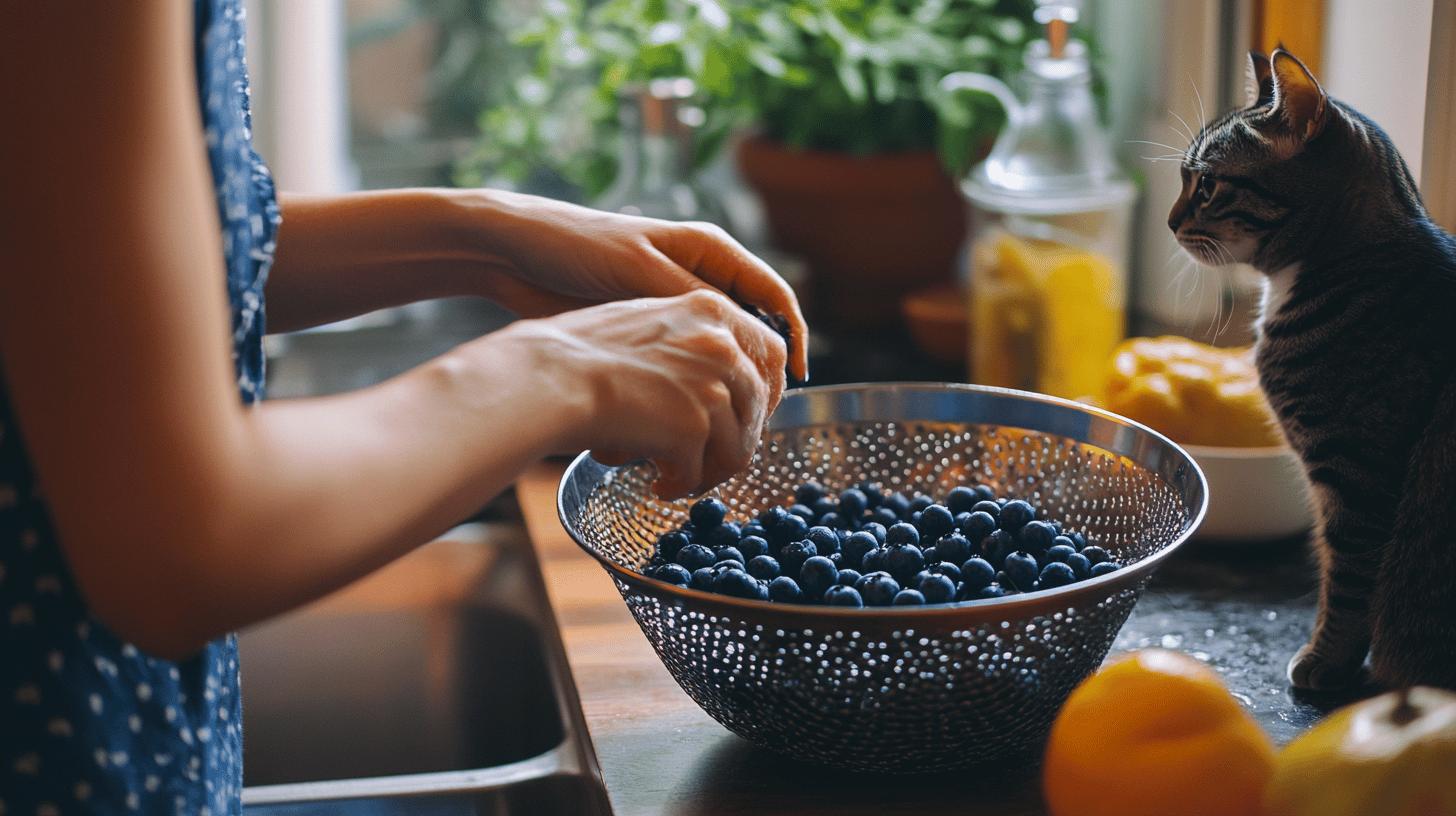
    When preparing blueberries for your cat, it's crucial to ensure they are fresh and clean. Always wash the blueberries thoroughly to remove any pesticides or residues that might linger on their surface. This not only keeps your pet safe from harmful chemicals but also ensures they're getting the pure nutritional benefits of the fruit. You can offer blueberries whole or mash them and mix with your cat's regular food to add a new texture and flavor.

    Steps to Introduce Blueberries to Your Cat's Diet:

    1. Wash blueberries thoroughly to remove any pesticides.
    2. Offer whole or mash and mix with regular cat food.
    3. Start with a small amount and monitor for reactions.

    Portion control is key when feeding blueberries to cats. These fruits should not make up more than 10% of your cat's daily diet, as cats primarily need protein from meat. Starting with a small serving size, like one or two blueberries, allows your cat to safely experience this new treat without overwhelming their digestive system.

    After feeding your cat blueberries, always observe their reaction. Look for any signs of discomfort, such as changes in appetite, vomiting, or diarrhea. If you notice any adverse reactions, stop feeding blueberries immediately and consult with a veterinarian if necessary. Adjust portions according to how your cat responds, ensuring their diet remains balanced and enjoyable.

    Alternative Fruits for Cats
    Alternative Fruits for Cats-1.jpg

    Adding variety to your cat's treats can be a great way to enhance their diet and provide them with different nutrients. While cats are primarily carnivores, some fruits can be included as occasional treats to offer a change of texture and taste. Fruits are generally low in sugar, making them a safe choice in small quantities. This can be especially helpful if your cat enjoys the occasional fruity snack and you're looking for alternatives to blueberries.

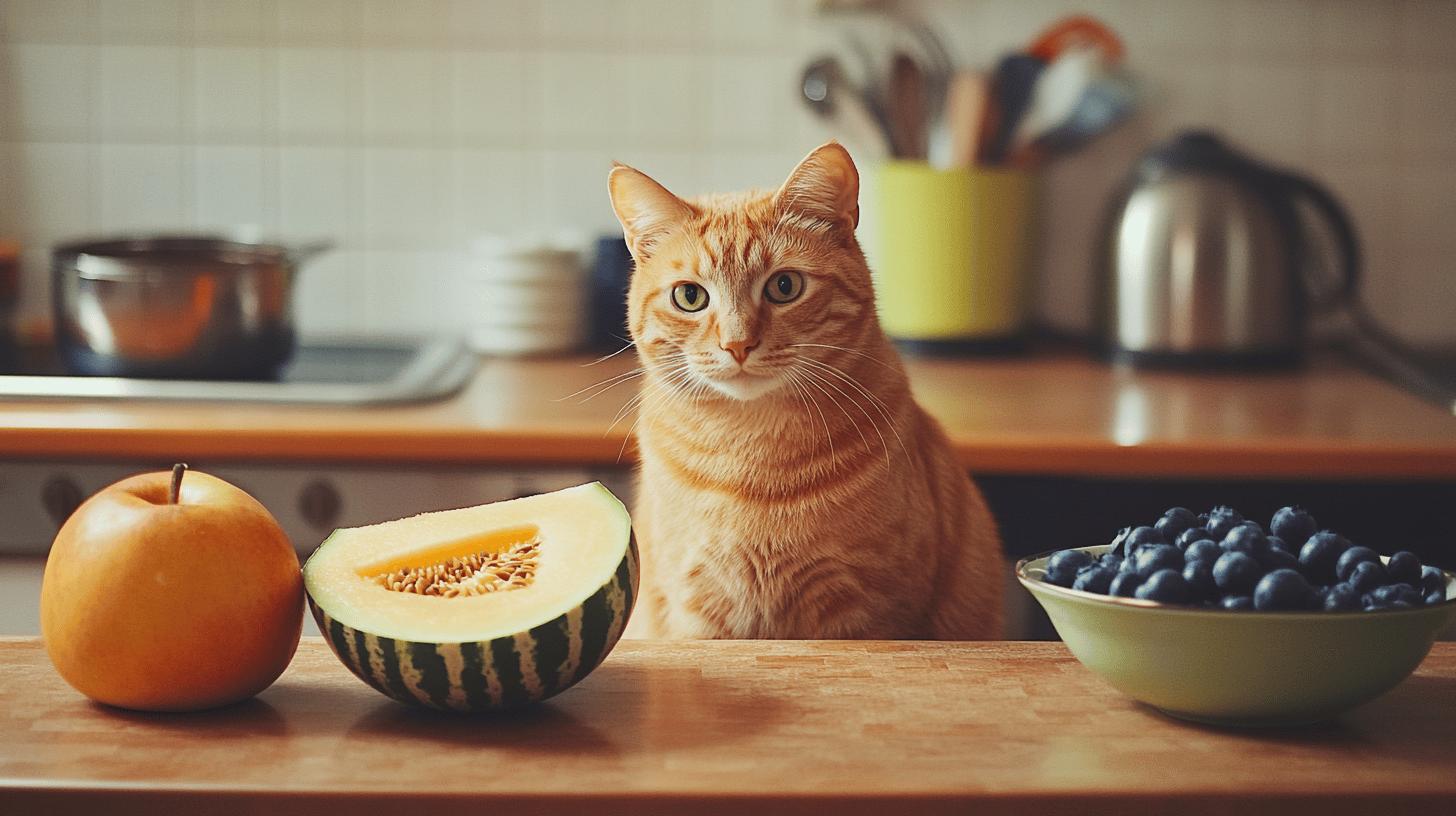
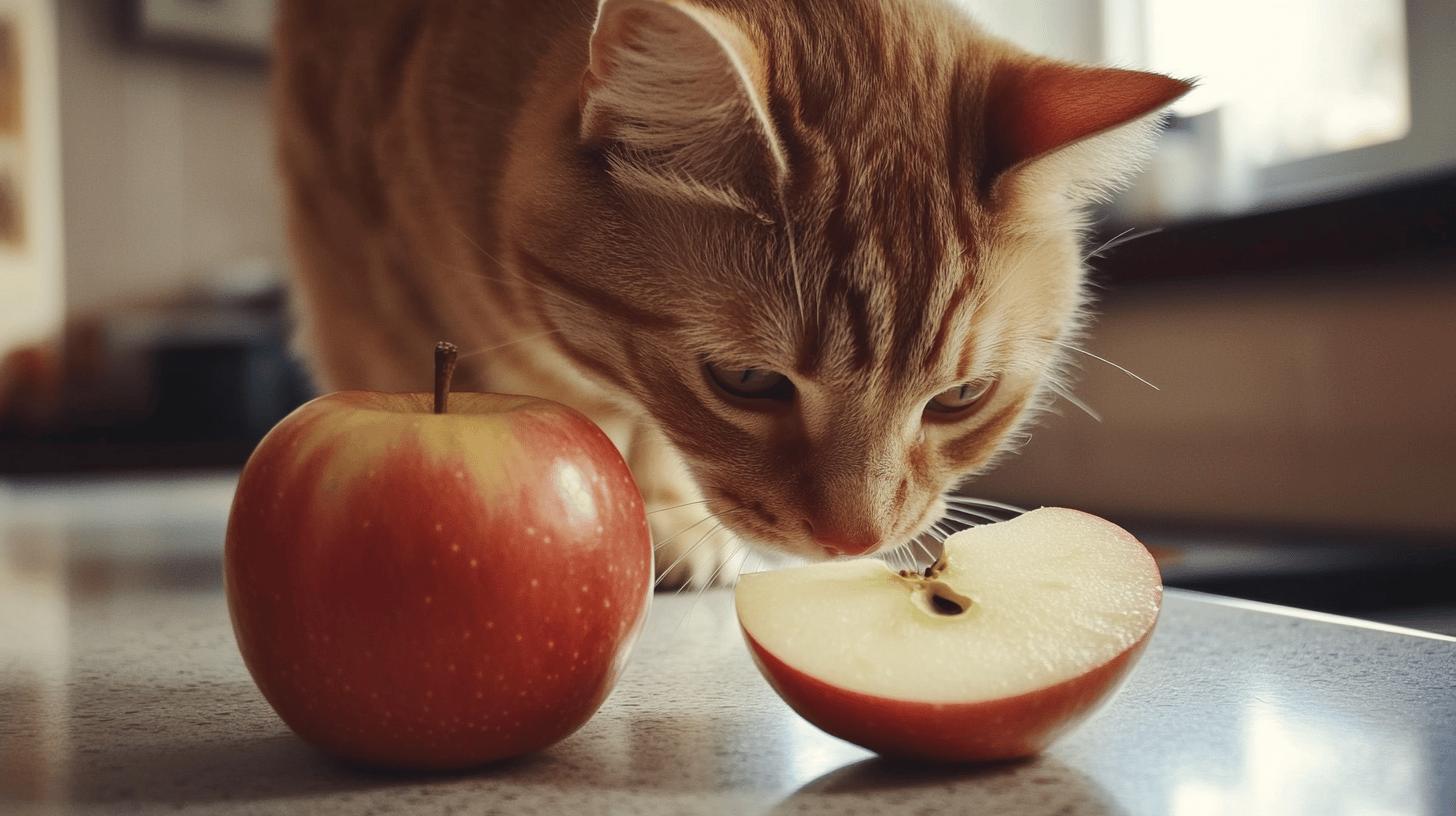
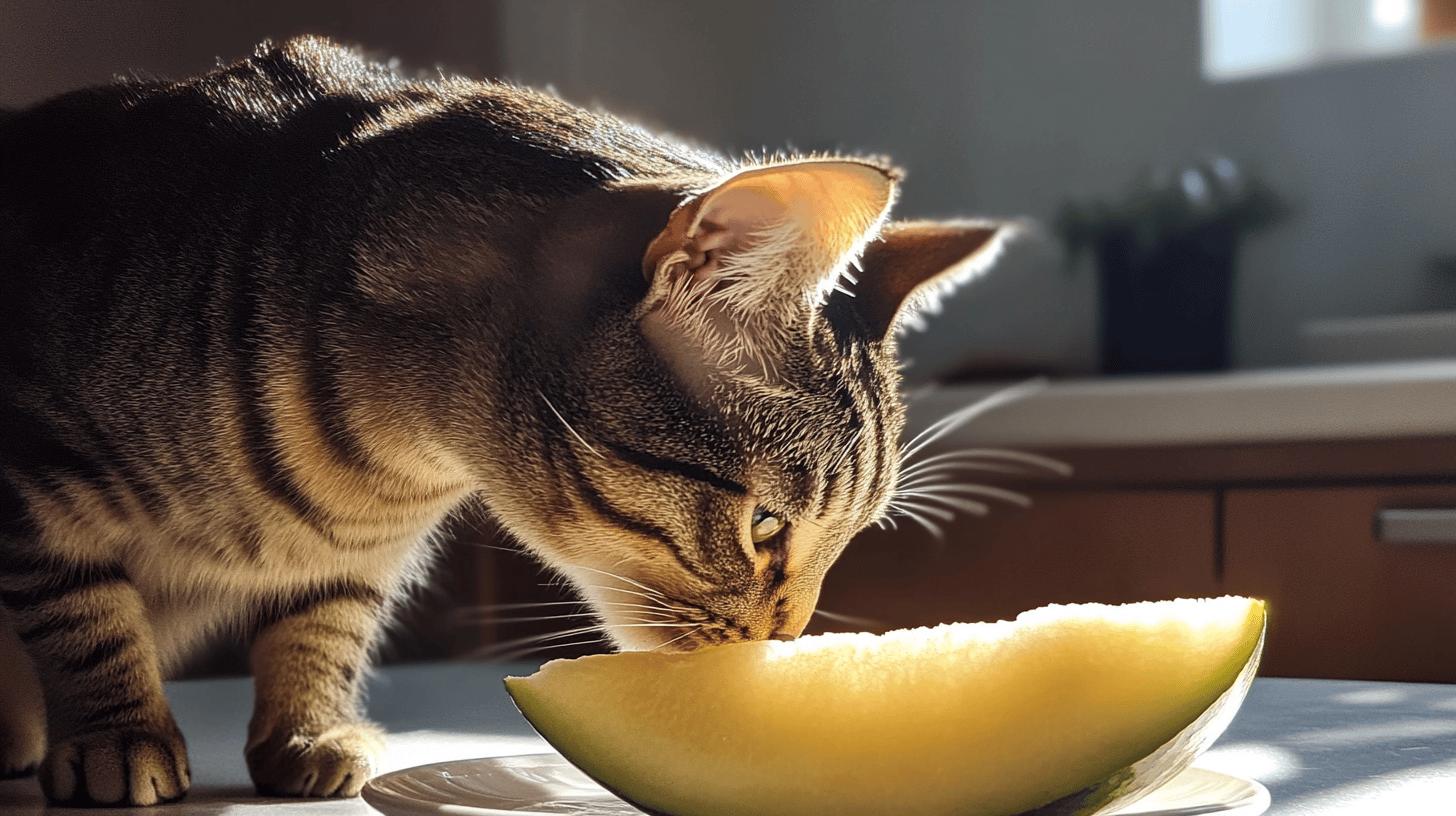
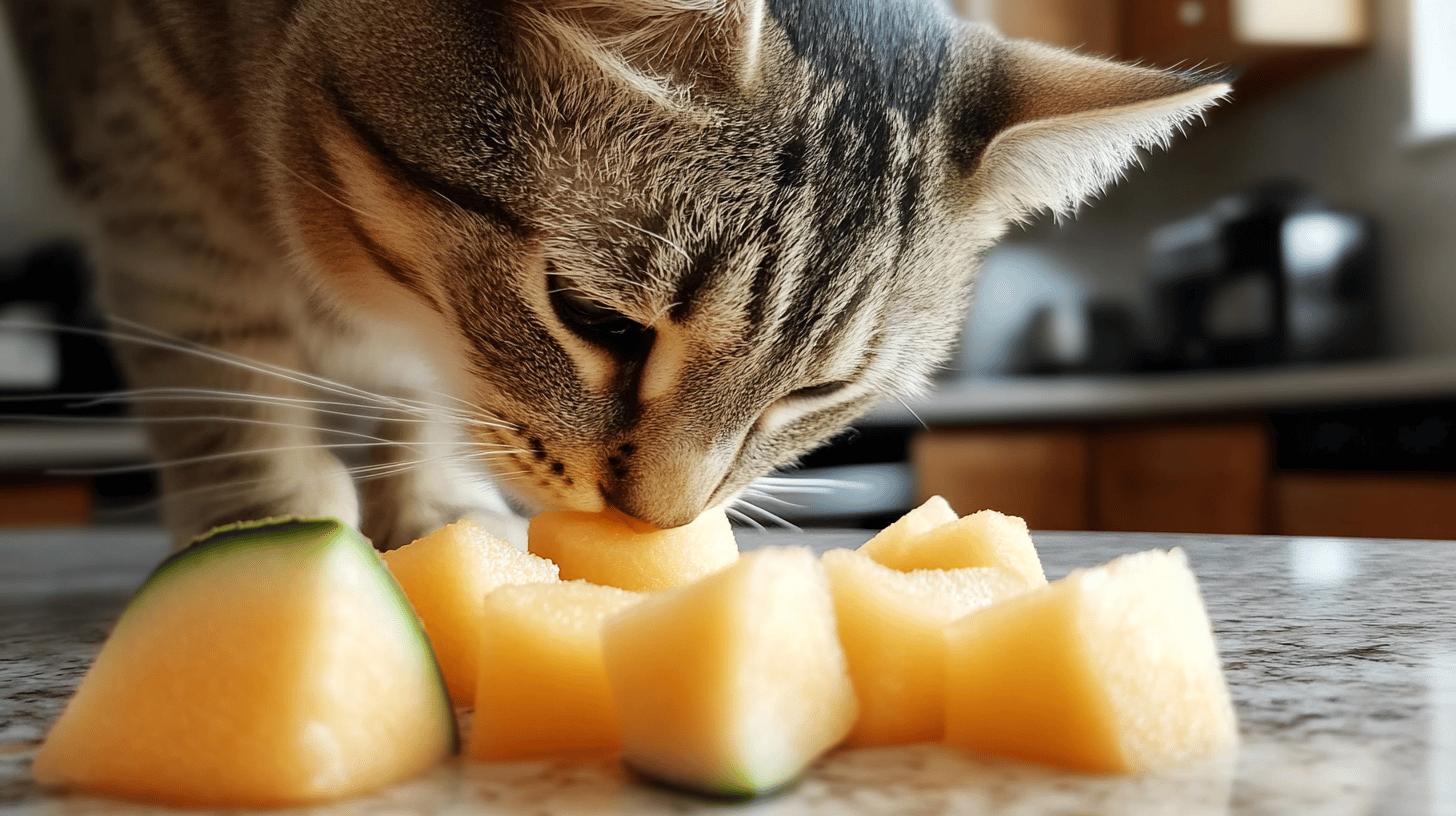
    Safe fruits for cats include apples, bananas, and melons. These fruits, when offered in small portions, can provide essential vitamins and minerals without overwhelming your cat's digestive system. Always ensure to remove any seeds or pits, as these can be harmful.

    Fruit Benefits
    Apples Rich in Vitamin C and fiber, supports digestion
    Bananas High in potassium, aids in heart health
    Melons Hydrating and low in calories
    Pumpkin Great source of fiber, helps with digestion

    Introducing these fruits into your cat's diet should be done with care. Start with small pieces and observe your cat for any reactions. It's crucial to watch for any signs of digestive upset or allergies. By doing so, you can adjust the serving size or discontinue a particular fruit if necessary. Always aim to keep these fruit treats as a minor part of their diet, ensuring that the primary focus remains on high-quality, protein-based nutrition.

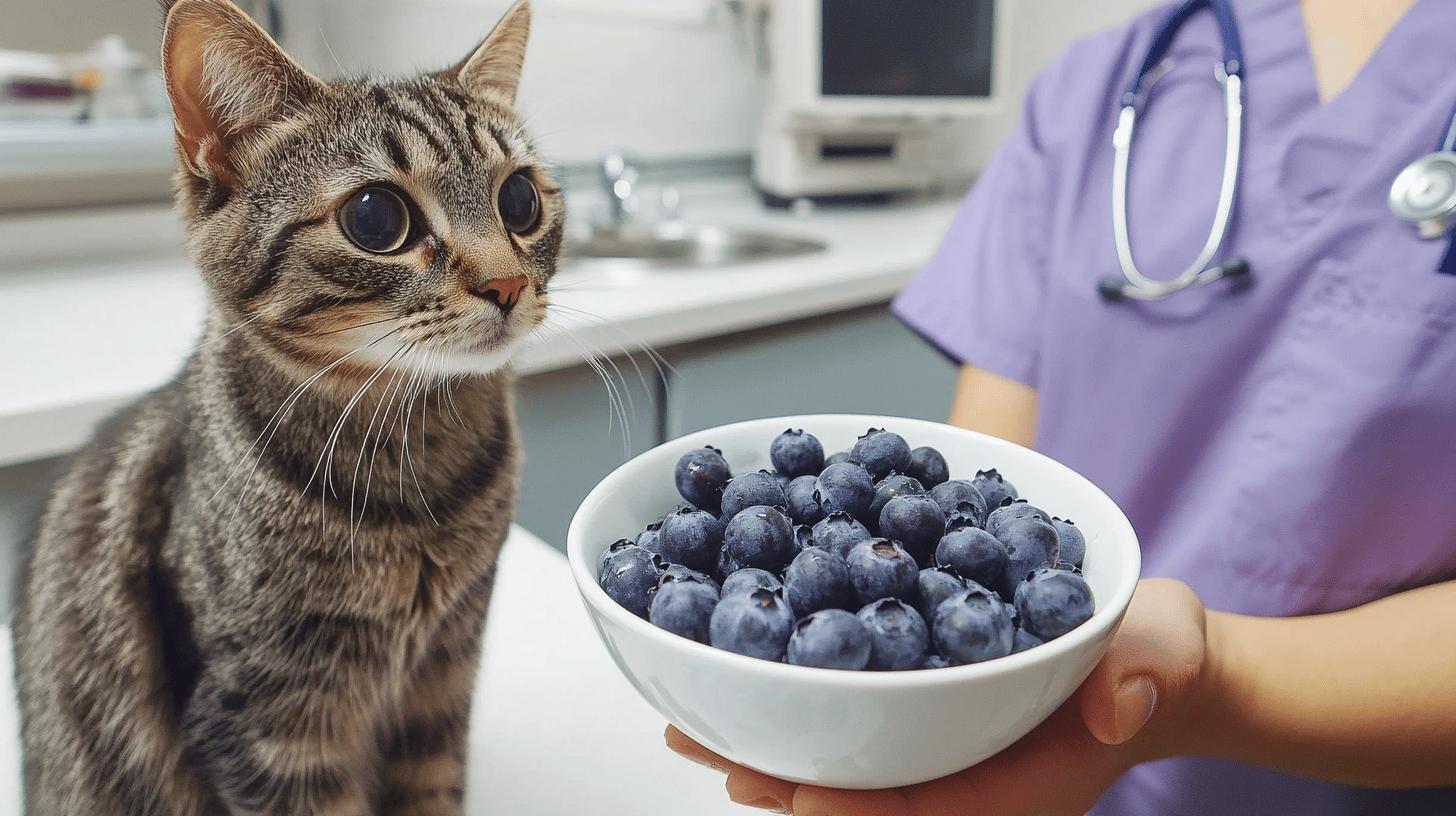
    Veterinarian Insights on Blueberries in Cat Diets
    Veterinarian Insights on Blueberries in Cat Diets-1.jpg

    Consulting a veterinarian is crucial when considering dietary changes for your cat, including the introduction of blueberries. Veterinarians can provide guidance based on your cat's specific health needs. Blueberries, though nutritious, should be fed in moderation to avoid disrupting the necessary balance of a protein-rich diet.

    • Blueberries should only be a minor component of a cat's diet.
    • Monitor your cat for any unusual reactions to new foods.
    • Prioritize protein-rich, meat-based foods over fruit treats.

    Maintaining a balanced diet is key to your cat's health. Blueberries can offer antioxidants and vitamins but should not replace the essential meat-based nutrition cats need. Keep fruit treats like blueberries as an occasional addition, ensuring your cat receives all necessary nutrients without risking digestive issues or imbalances. Always seek veterinary advice before making dietary changes.

    Final Words

    Offering blueberries to your cat can be a rewarding experience. This little fruit provides antioxidants and vitamins. But, remember moderation is crucial. While blueberries are generally safe for cats, some might face digestive issues or allergic reactions.

    When you think, "can cat eat blueberries," the answer is yes, but in small amounts. Always wash them well, start small, and watch your cat's reaction. If you’re unsure, chatting with your vet can give more peace of mind.

    By providing balanced nutrition and paying attention to their health, your cat can safely enjoy some fruity treats.

    FAQ

    Can cats eat strawberries?

    Cats can eat strawberries in small amounts. They are not toxic but should be given only as an occasional treat due to sugar content.

    Can cats eat blueberries raw?

    Yes, cats can eat raw blueberries. Ensure they are washed thoroughly to remove any pesticides or residues before offering them to your cat.

    Can cats eat blueberries every day?

    Cats should not eat blueberries every day. Blueberries should only be an occasional treat and should not exceed 10% of their daily diet.

    Can cats eat blueberry muffins?

    Cats should not eat blueberry muffins. Muffins contain sugars and other ingredients not suitable for cats.

    Can cats eat raspberries?

    Cats can eat raspberries in moderation. However, due to sugar content, they should be given sparingly as treats.

    Can cats eat blueberry yogurt?

    Cats can have small amounts of blueberry yogurt if it's plain and unsweetened. Dairy can cause digestive issues in some cats, so introduce sparingly.

    Can cats eat blackberries?

    Yes, cats can eat blackberries but in small quantities. Always wash the berries thoroughly before offering them to your cat.

    Can cats eat blueberries and apples?

    Cats can eat small amounts of blueberries and apples. Ensure apples are peeled and seeds are removed before giving them to your cat.

    Is blueberry toxic for cats?

    Blueberries are not toxic to cats. They are considered safe but should be offered in moderation.

    How many blueberries can I give my cat?

    Start with 1-2 blueberries and watch for any adverse reactions. Adjust quantity within the limit of not more than 10% of their diet.

    What fruit is not toxic to cats?

    Fruits like apples (without seeds), bananas, and melons are not toxic to cats and can be given in small amounts.

    Can cats eat banana peppers?

    Cats should not eat banana peppers. These can cause digestive distress and are not suitable for feline consumption.
    Related Articles

  • Can Cat Eat Peach Understanding the Risks and Safety Concerns

    Can Cat Eat Peach Understanding the Risks and Safety Concerns

    Is sharing a juicy peach with your cat safe, or could it lead to unexpected risks? While peaches are a delicious treat for humans, they pose potential dangers to cats. The flesh contains amygdalin, which can break down into harmful substances.

    Worse yet, peach pits are full of cyanide, which is toxic to our furry companions. As curious creatures, cats might nibble on them without knowing the danger. Understanding these risks helps ensure the safety of your feline friend and maintains their well-being during play and exploration.

    Can Cats Eat Peaches Safely and Risks Involved

    Can Cats Eat Peaches Safely and Risks Involved-3.jpg

    Peaches might seem like a harmless treat, but they can pose serious risks to our feline friends. Cats should not eat peaches because these fruits contain compounds that can be harmful. The pits or seeds of peaches are particularly dangerous as they contain cyanide, a toxic substance for cats.

    Even the flesh of the peach, if consumed in large quantities, can lead to health concerns due to the presence of amygdalin, which breaks down into hydrogen cyanide. Given their curious nature, cats might be tempted to bite into the fruit or the pit, leading to potential poisoning.

    The hazards of cat peach consumption extend beyond toxicity. Choking is another significant concern, especially with the pit, which can easily become lodged in a cat's throat.

    Additionally, peaches offer no substantial nutritional benefits for cats, who are obligate carnivores and derive their nutrients primarily from meat. The sweet nature of the fruit may be appealing, but it doesn't fit into a cat's dietary needs and can disrupt their digestive system.

    Symptoms of peach poisoning in cats can be alarming and require immediate attention. If a cat ingests parts of a peach, look out for the following signs:

    • Difficulty breathing

    • Vomiting

    • Diarrhea

    • Lethargy

    • Increased heart rate

    Avoiding peaches is crucial for ensuring the safety and health of our cats. Even small bites can lead to severe reactions, making it essential to keep peaches and any peach-containing products out of their reach. If you suspect your cat has eaten part of a peach, monitor them closely for any symptoms of toxicity. Quick action can prevent more severe complications.

    Monitoring cats for signs of ingestion is also vital. Cats often explore their environment using their mouths, which can lead them to chew on things they shouldn't. By keeping a close eye on them, especially in households where peaches are present, you can safeguard them from accidental consumption. Always consult with a veterinarian if there's any doubt about your cat's exposure to harmful foods.

    Safe Fruit Alternatives for Cats

    Safe Fruit Alternatives for Cats-4.jpg

    Choosing the right fruits for cats involves understanding their dietary needs. Cats are obligate carnivores, so their diet should mainly consist of meat-based proteins. Nonetheless, some fruits can be safely introduced as occasional treats. It's important to select fruits that don't pose any health risks.

    While peaches are harmful due to their toxic compounds, fruits like blueberries can be a safe option. Blueberries are not only rich in antioxidants but also low in calories, making them a healthier choice for our feline companions. Always remember that some fruits are toxic to cats and should be avoided entirely.

    Here are some fruits that are generally safe for cats:

    • Blueberries

    • Strawberries

    • Watermelon (seedless)

    • Cantaloupe

    • Bananas

    Even with these safe options, moderation is key. Fruits should not make up a significant portion of a cat's diet.

    Before introducing any new fruit, it's wise to consult a veterinarian to ensure it aligns with your cat's specific health needs. This helps prevent any allergic reactions or digestive issues, keeping your cat happy and healthy.

    Guidelines for Introducing New Foods to Cats

    Guidelines for Introducing New Foods to Cats-1.jpg

    When it comes to introducing new foods to cats, a veterinarian's guidance is invaluable. Cats have unique dietary needs, primarily requiring meat-based proteins. Before adding any new item to their diet, including fruits, it's essential to consult a veterinarian.

    This ensures that the chosen food aligns with your cat's health requirements and prevents any potential adverse effects. A vet can provide tailored advice based on your cat's age, weight, and medical history, making it a crucial step in maintaining their well-being.

    Once a new food is introduced, observing your cat for any signs of allergic reactions or digestive issues is critical. Cats may experience symptoms such as vomiting, diarrhea, or changes in behavior if they react negatively to a new food.

    Early detection of these signs allows for prompt intervention, preventing further discomfort or health complications. It's best to introduce one new item at a time, making it easier to identify the cause of any adverse reactions.

    Food Type Introduction Tips
    Meat Start with small, cooked pieces; avoid seasoning.
    Fruits Offer small quantities; ensure they are non-toxic.
    Vegetables Introduce cooked and chopped veggies; monitor for taste preference.

    Variety in a cat's diet can be beneficial, but moderation is key. Cats thrive on a diet rich in proteins and fats, with occasional treats like safe fruits and vegetables. These should not replace their main meals but rather complement them.

    By carefully monitoring portions and frequency, you ensure a balanced diet that supports your cat's health without overwhelming their system. Always keep an eye on their overall behavior and health to adjust their diet as necessary.

    Final Words

    Knowing if a cat can eat peach is crucial for their safety. Peaches have cyanide and other hazards that pose serious health risks to cats. Always be on the lookout for signs of toxicity, like vomiting or increased heart rate. It’s clear that the safest path is to avoid peaches altogether.

    Instead, explore cat-friendly fruits like blueberries in moderation and always consult a vet before introducing new foods. Keeping a cat's diet varied yet safe ensures their happiness and well-being, turning every mealtime into a positive experience.

    FAQ

    Can cats eat peach yogurt?

    Cats should not eat peach yogurt. Peaches contain amygdalin, leading to cyanide production, which is toxic. Dairy can also upset their stomach.

    Can cats eat peach fruit?

    Cats should not eat peach fruit. Peaches contain cyanide, especially in pits, causing severe health issues.

    Can cats have peach juice?

    Cats should avoid peach juice. Juices lack nutritional benefits and can contain harmful compounds like cyanide from traces of pits.

    Can cats eat peach seeds?

    Cats should never eat peach seeds. They contain amygdalin, breaking down into toxic hydrogen cyanide.

    Can cats eat peach leaves?

    Cats should stay away from peach leaves. Leaves also contain cyanide, which is highly toxic to cats.

    Can cats eat nectarines?

    Cats should not eat nectarines. They pose similar risks to peaches, containing toxic compounds like cyanide.

    Can cats eat canned peaches?

    Cats should avoid canned peaches. These may have added sugars and preservatives, offering no nutritional benefit and can be harmful.

    Is peach toxic to cats?

    Peaches are toxic to cats due to their cyanide content in pits and leaves, causing symptoms like vomiting and difficulty breathing.

    Can cats eat peaches and pears?

    Cats should not eat peaches or pears. Both fruits can be harmful; pears pose a risk similar to peaches.

    Are any fruits toxic to cats?

    Yes, fruits like grapes and apples can be toxic. Always research or consult a vet before giving fruits to cats.

    Can cats have peach skin?

    Cats should avoid peach skin. It still may contain harmful compounds that can lead to toxicity.

    What fruits are safe for cats?

    Safe fruits for cats include blueberries, apples (without seeds), bananas, watermelon, and strawberries. Always give in moderation and consult a vet first.

    Related Articles

  • Can Cat Eat Raw Meat Safely and What Are the Risks

    Can Cat Eat Raw Meat Safely and What Are the Risks

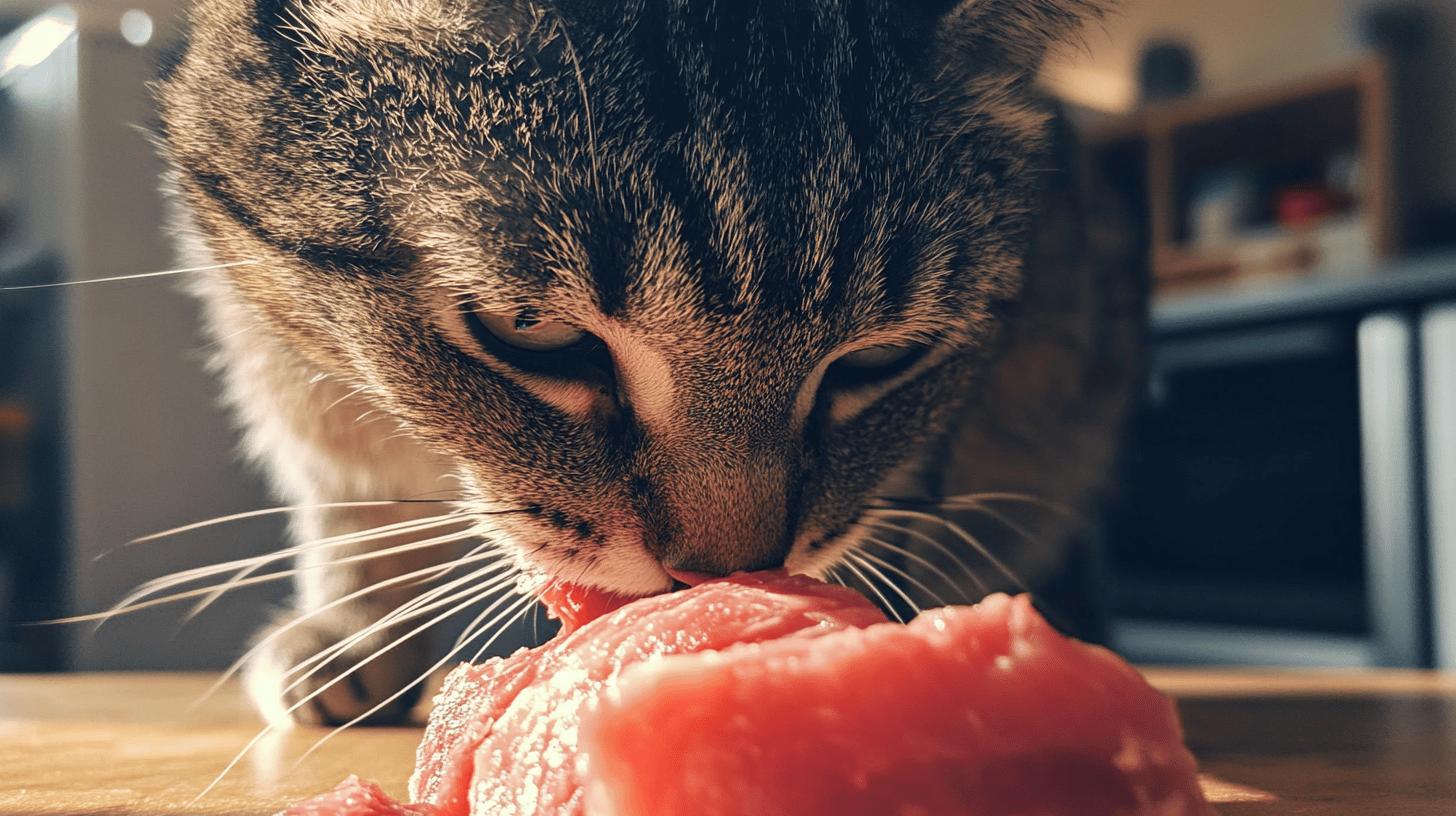
    Is raw meat safe for cats? This question sparks many debates among cat owners and experts alike. Just like their wild ancestors, cats have a stomach designed to handle raw meat.

    But feeding them like a lion in the savannah comes with risks. While raw meat can be nutritious, it also carries bacteria that could harm your cat and even you. In this post, we'll explore the safety of a raw meat diet for cats, weighing the perks against the potential risks to help you make an informed decision.

    Can Cats Safely Eat Raw Meat?

    Can Cats Safely Eat Raw Meat-1.jpg

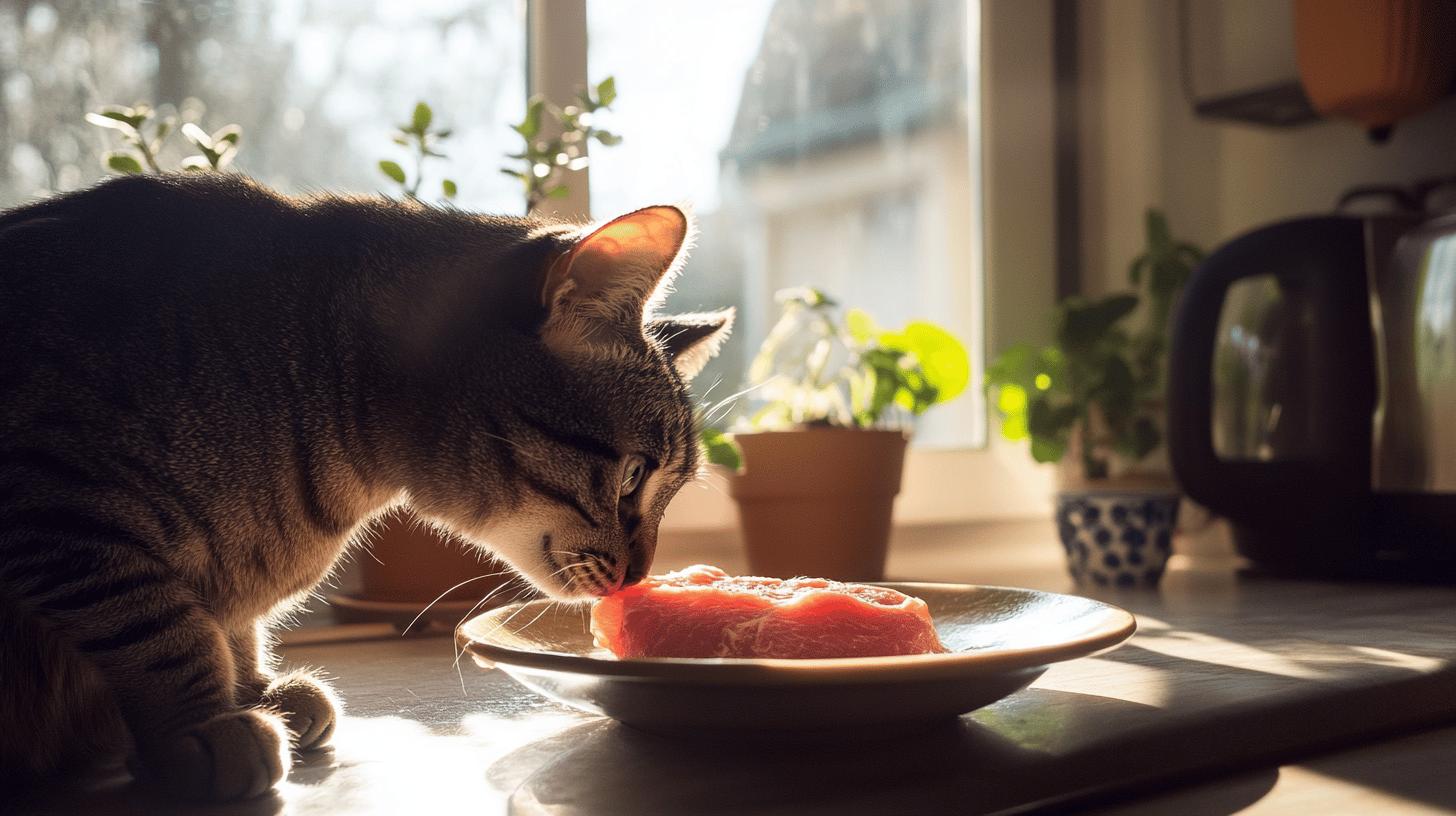
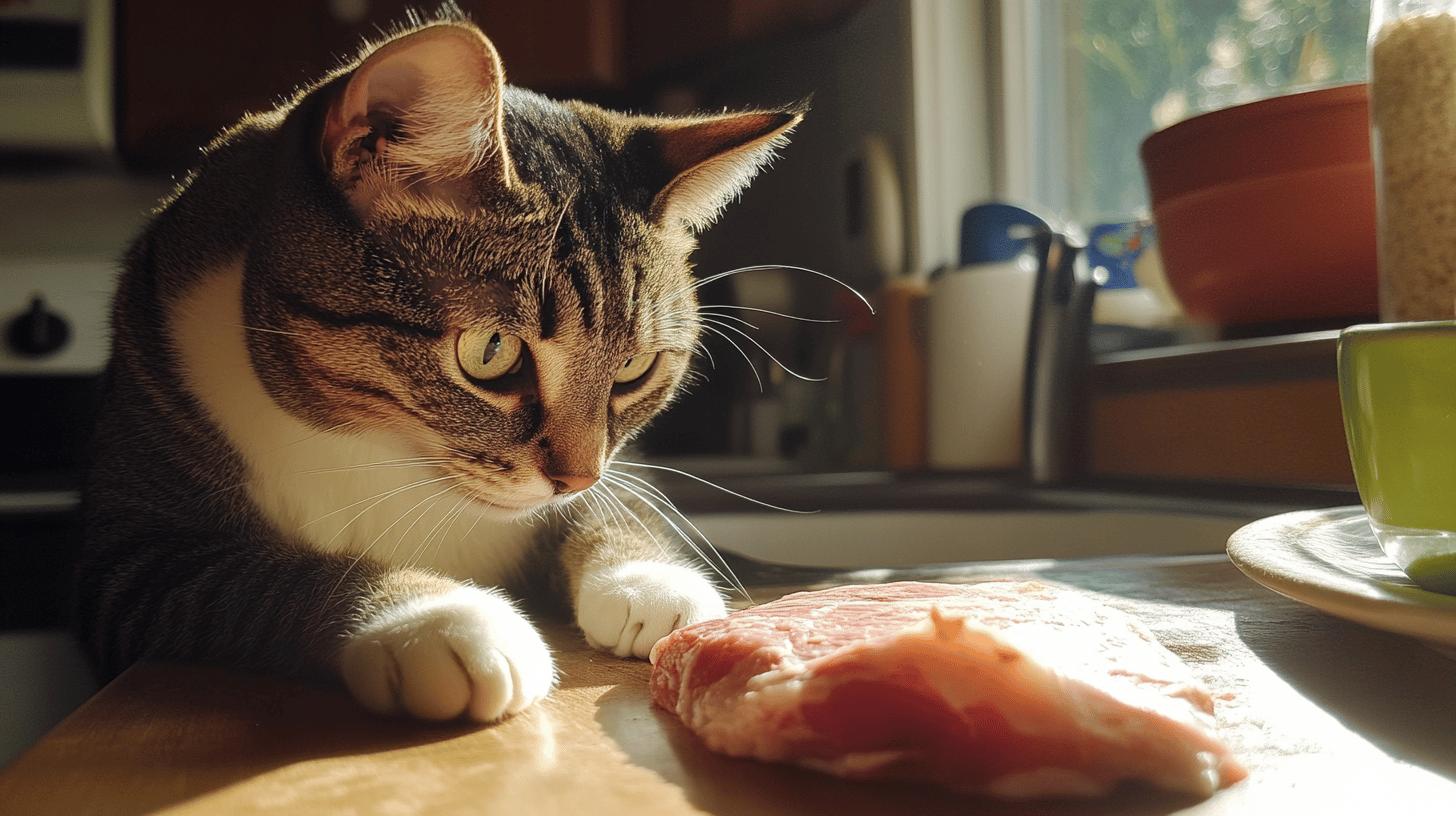
    Cats can indeed eat raw meat safely, given their natural digestive capabilities. Their short and acidic stomachs are designed to handle the bacteria present in raw meat, which mimics what they would consume in the wild.

    Despite this, there are significant risks involved, primarily due to bacterial infections such as Salmonella, Listeria, and E. coli. These bacteria can not only affect cats but also pose a health risk to humans. Thus, while a raw meat diet can be part of a cat's nutritional intake, it must be approached with caution to avoid these potential hazards.

    To ensure the safety of feeding raw meat to cats, consider the following key safety guidelines:

    • Hygienic Preparation: Always prepare raw meat on clean surfaces and use separate utensils to prevent cross-contamination.

    • Proper Storage: Store raw meat at appropriate temperatures to inhibit bacterial growth and spoilage.

    • Quality Sourcing: Purchase raw meat from reputable sources that adhere to strict quality control standards.

    Many pet owners worry about the safety of raw feeding due to the risk of bacterial infections. The concern is valid, as improper handling or preparation can lead to health issues for both cats and humans.

    It is essential to follow stringent hygiene practices and ensure that the meat is sourced from reliable suppliers. By doing so, you minimize the risk and ensure your cat benefits from the raw diet while keeping everyone safe.

    Nutritional Benefits and Concerns of Raw Meat for Cats

    Nutritional Benefits and Concerns of Raw Meat for Cats-3.jpg

    Feeding raw meat to cats can provide them with a diet that's rich in natural nutrients, reflecting what they might eat in the wild. A raw diet offers species-specific nutrition that includes high levels of protein, essential fatty acids, and vital vitamins. This nutritional profile supports various aspects of feline health, from maintaining muscle mass to ensuring a healthy coat.

    Importantly, these nutrients remain intact in raw meat, as cooking can denature some beneficial compounds. For many cat owners, the appeal of a raw diet lies in these natural, unprocessed ingredients that aim to align closely with a cat's ancestral eating habits.

    Key nutrients found in raw meat include:

    • Protein: Supports muscle development and overall growth.

    • Taurine: Essential for heart health, vision, and reproductive function.

    • Omega Fatty Acids: Promote healthy skin and a shiny coat.

    • Vitamins: Various B vitamins support energy metabolism and nervous system health.

    • Minerals: Such as zinc and selenium, which boost the immune system.

    Despite these benefits, there are concerns about nutritional imbalances in raw diets. Many raw diets do not meet the AAFCO standards for complete and balanced nutrition, which can lead to deficiencies if not properly managed. It's crucial to ensure that a cat's raw diet includes a full spectrum of necessary nutrients to maintain optimal health.

    This often requires careful planning and consultation with a veterinarian or pet nutritionist. By addressing these potential concerns, cat owners can better provide their pets with a satisfying and nutritionally complete raw diet.

    Types of Raw Meat Suitable for Cats

    Types of Raw Meat Suitable for Cats-3.jpg

    Choosing the right type of meat for your cat's raw diet is crucial for maintaining their health and well-being. Different meats offer varying nutritional benefits, so it's important to select those that provide the essential nutrients cats need.

    Cats are obligate carnivores, meaning their dietary needs are primarily met through meat consumption. This section will explore some of the best options for raw meats that are safe and beneficial for your feline friend.

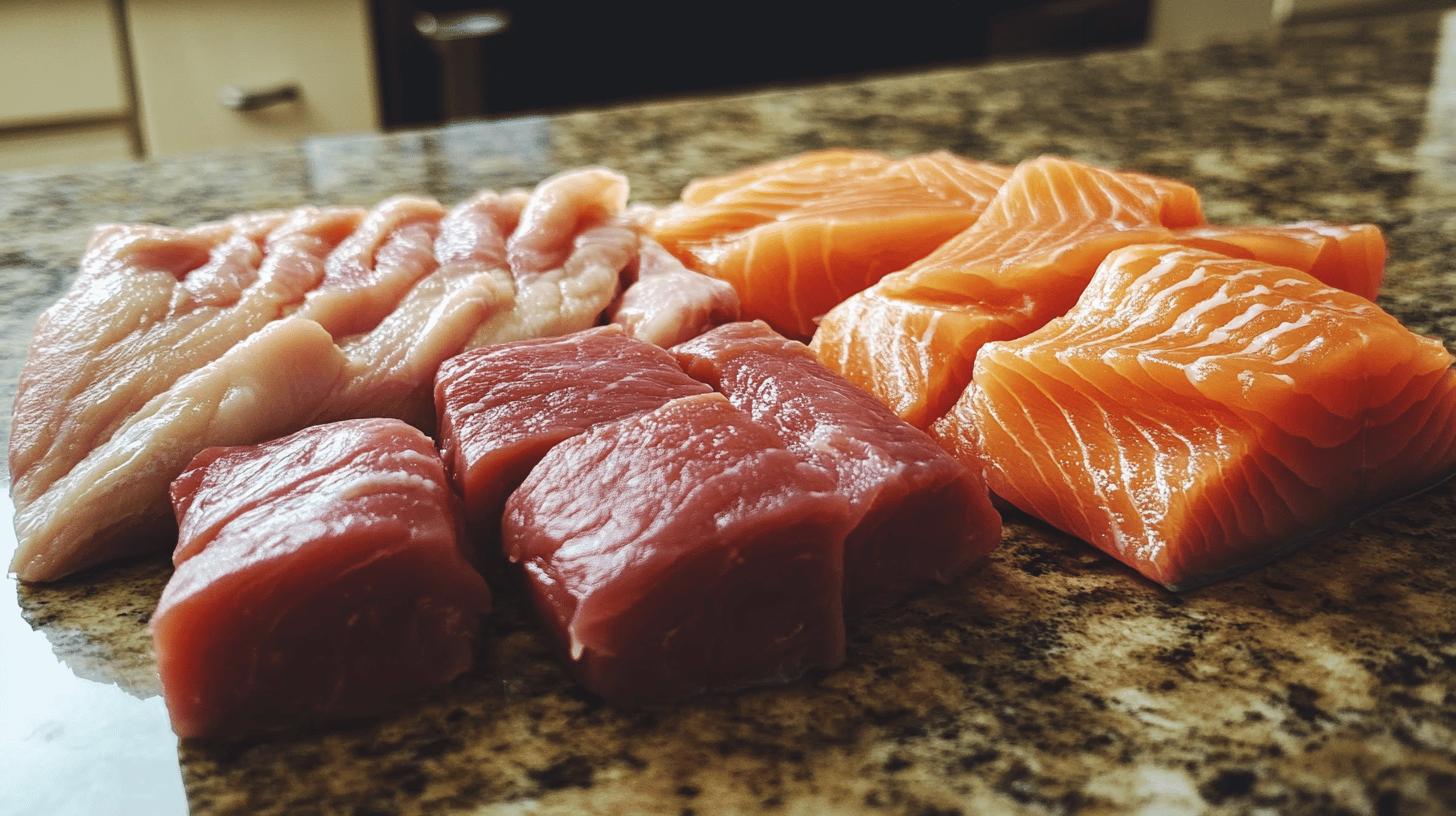
    Chicken

    Chicken is a popular choice for cat owners looking to feed raw meat. It's low in fat and sodium, making it a healthy option that is rich in protein and taurine, both crucial for your cat's health. Protein supports muscle development and energy, while taurine is essential for heart function, vision, and reproductive health. With its easy digestibility, chicken can be a staple in a cat's raw diet.

    Beef

    Beef is another excellent option for a raw diet, offering a multitude of benefits. It is rich in nutrients that promote heart health and support muscle growth. The high protein content in beef aids in maintaining strong muscles and tissues. Feeding raw beef can also contribute to a healthy reproductive system in cats, making it a valuable addition to their diet.

    Fish

    Fish, such as salmon, is prized for its high omega-three fatty acid content, which is beneficial for a cat's skin, coat, and immune system. These fatty acids help keep a cat's coat shiny and support overall health.

    Additionally, fish is a great source of protein, making it a strong contender for inclusion in your cat's diet. It's important, however, to ensure that the fish is fresh and free from any bones that could be harmful.

    Lamb/Duck

    Lamb and duck are both rich in vitamins and minerals that are vital for a cat's health. They provide B-group vitamins, including riboflavin, niacin, and vitamin B12, which support nervous system function and energy metabolism.

    The minerals found in these meats, such as zinc and selenium, help boost the immune system and keep your cat healthy and energetic. Both lamb and duck offer unique flavors that can keep your cat's diet interesting and nutritionally complete.

    Expert Opinions and Studies on Raw Diets for Cats

    Expert Opinions and Studies on Raw Diets for Cats-4.jpg

    In the world of feline nutrition, some experts, like Dr. Francis, a wildlife nutritionist, advocate for raw diets. Dr. Francis argues that raw diets provide essential nutrients that closely mimic what cats would consume in their natural environments.

    This perspective suggests that raw feeding can lead to noticeable improvements in a cat's coat health, energy levels, and overall vitality. The idea is that by feeding cats a diet similar to their wild ancestors, we fulfill their innate nutritional needs more effectively.

    Despite these claims, there is a lack of peer-reviewed studies that confirm the health benefits of raw diets for cats. Most of the positive outcomes associated with raw feeding are based on anecdotal evidence from pet owners who report visible improvements in their cats' health.

    While these personal accounts are valuable, they do not replace scientific research that rigorously tests and verifies these observations. This absence of formal studies leaves a gap in the scientific understanding of the true impacts of raw diets on feline health.

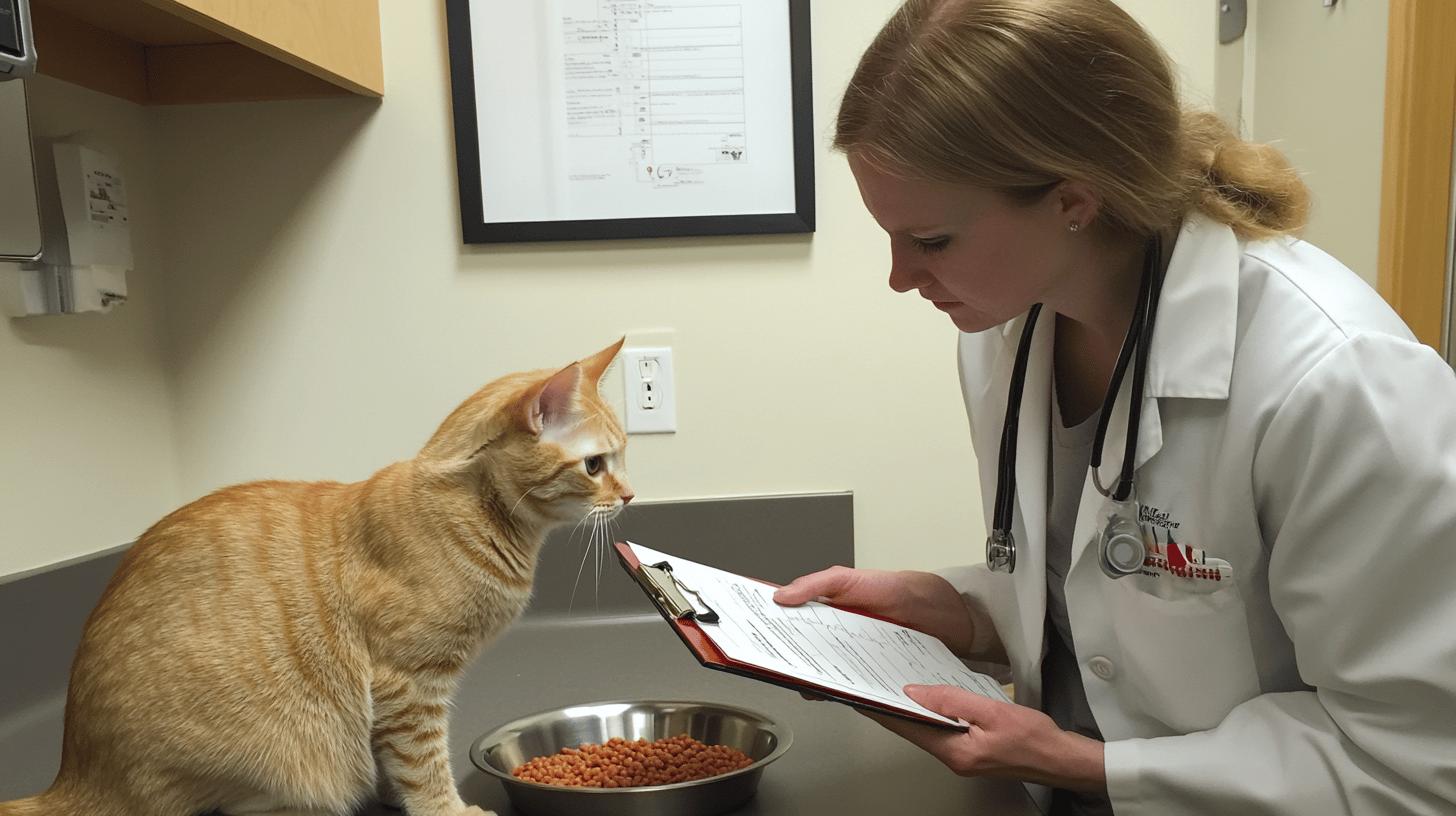
    Before switching to a raw diet for your cat, it's essential to consult with a veterinarian or a pet nutritionist. They can provide guidance tailored to your cat's specific health needs and help ensure that the diet is nutritionally balanced. This professional advice is crucial in navigating the potential risks and ensuring that your cat receives a safe and beneficial diet.

    Final Words

    Navigating the world of feeding raw meat to cats can feel overwhelming. Cats have a natural ability to digest raw meat, but there is always a risk of bacterial infections. Following hygiene guidelines helps. Raw diets can offer many nutritional benefits. These include essential proteins and fatty acids. But, you must balance the nutrients carefully.

    Different types of raw meat, like chicken and fish, are safe. They bring unique health benefits. Experts like Dr. Francis support raw diets but caution against risks. Always consult a vet before you decide. With the right approach, incorporating raw meat can be a healthy choice for your cat.

    FAQ

    Can cats eat raw meat?

    Cats can eat raw meat, but it should be hygienically prepared to avoid bacterial infections like Salmonella. Cats have short, acidic stomachs that can handle bacteria, but proper care is needed.

    Can I feed my cat raw meat from the grocery store?

    When feeding cats raw meat from the grocery store, use fresh cuts and practice good hygiene to reduce bacteria risk. Always check for freshness and store meat properly.

    Can cats eat raw chicken?

    Cats can eat raw chicken as it offers protein and taurine. However, ensure it's fresh and prepared safely to minimize bacterial infections.

    Can cats eat raw meat every day?

    Cats can eat raw meat daily if the diet is balanced and meets their nutritional needs. Work with a vet to ensure complete nutrition.

    Can cats eat raw egg?

    Cats can eat raw eggs, but it's safer when cooked. Raw eggs carry a risk of bacteria and should be given cautiously.

    Can cats eat raw ground beef?

    Cats can eat raw ground beef, which is high in protein for muscle development. Ensure it's fresh and handle it with care to prevent bacteria.

    Can cats eat raw fish?

    Cats can eat raw fish like salmon, which provides omega-three fatty acids beneficial for skin and coat health. Ensure fish is fresh and of good quality.

    Can kittens eat raw meat?

    Kittens can eat raw meat, but their diet needs more monitoring for balance. Consult your vet for guidance on kitten nutrition.

    What kind of raw meat can cats eat?

    Cats can eat chicken, beef, fish, lamb, and duck. Each offers unique nutrients, but freshness and hygiene practices are vital.

    What can happen if a cat eats raw meat?

    If improperly prepared, raw meat can cause bacterial infections in cats, leading to gastrointestinal issues. Always handle raw meat with care.

    Is it okay to give my cat raw chicken?

    Yes, it's okay to give your cat raw chicken if prepared safely. It's rich in protein and taurine but requires careful handling to avoid bacteria.

    Do cats eat raw or cooked?

    Cats can eat both raw and cooked meat. Cooked meat reduces bacteria risk, while raw meat retains more natural nutrients. Balance is key.

    Related Articles

  • Can Cats Eat Chicken Safely and What to Consider

    Can Cats Eat Chicken Safely and What to Consider

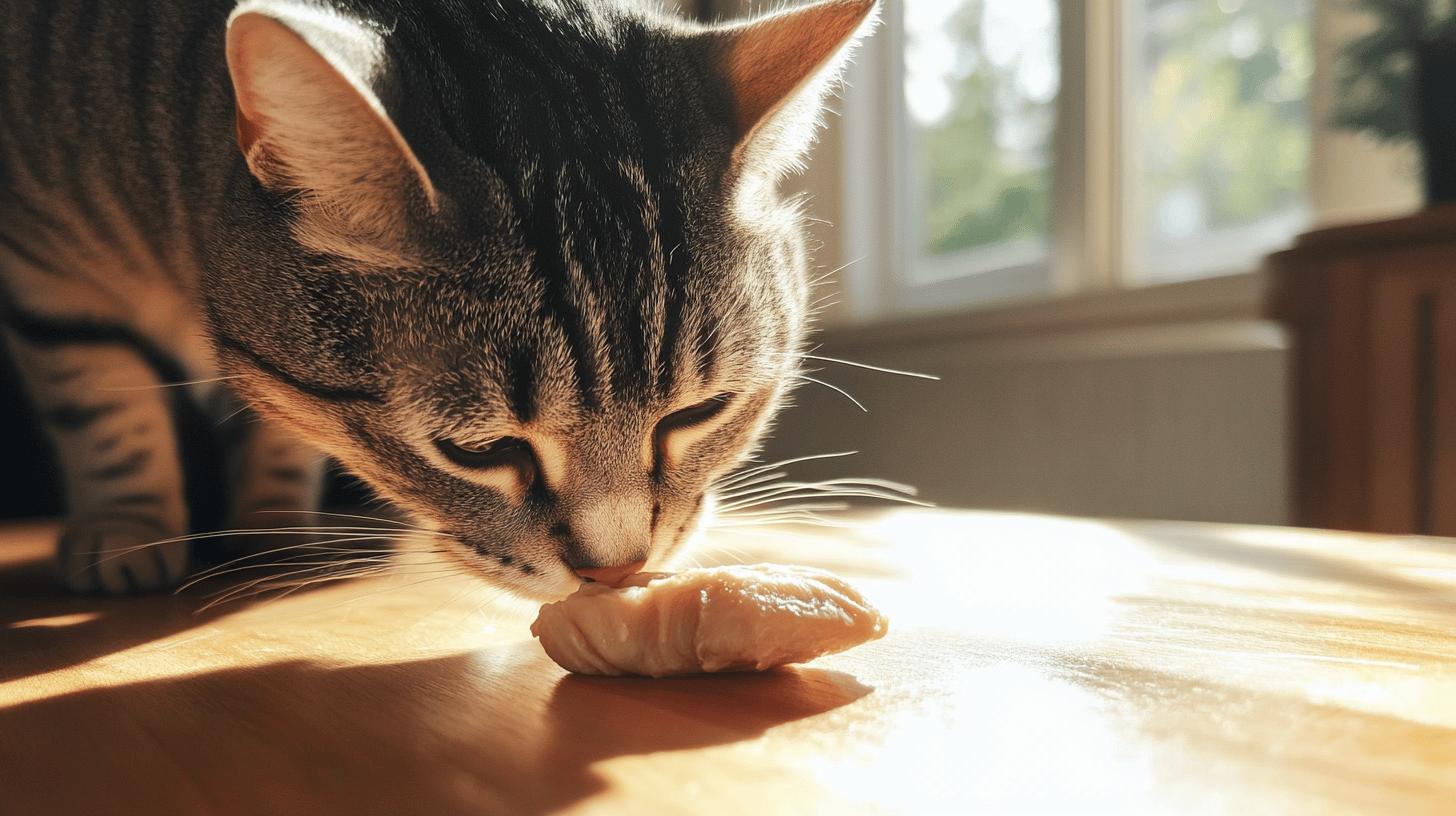
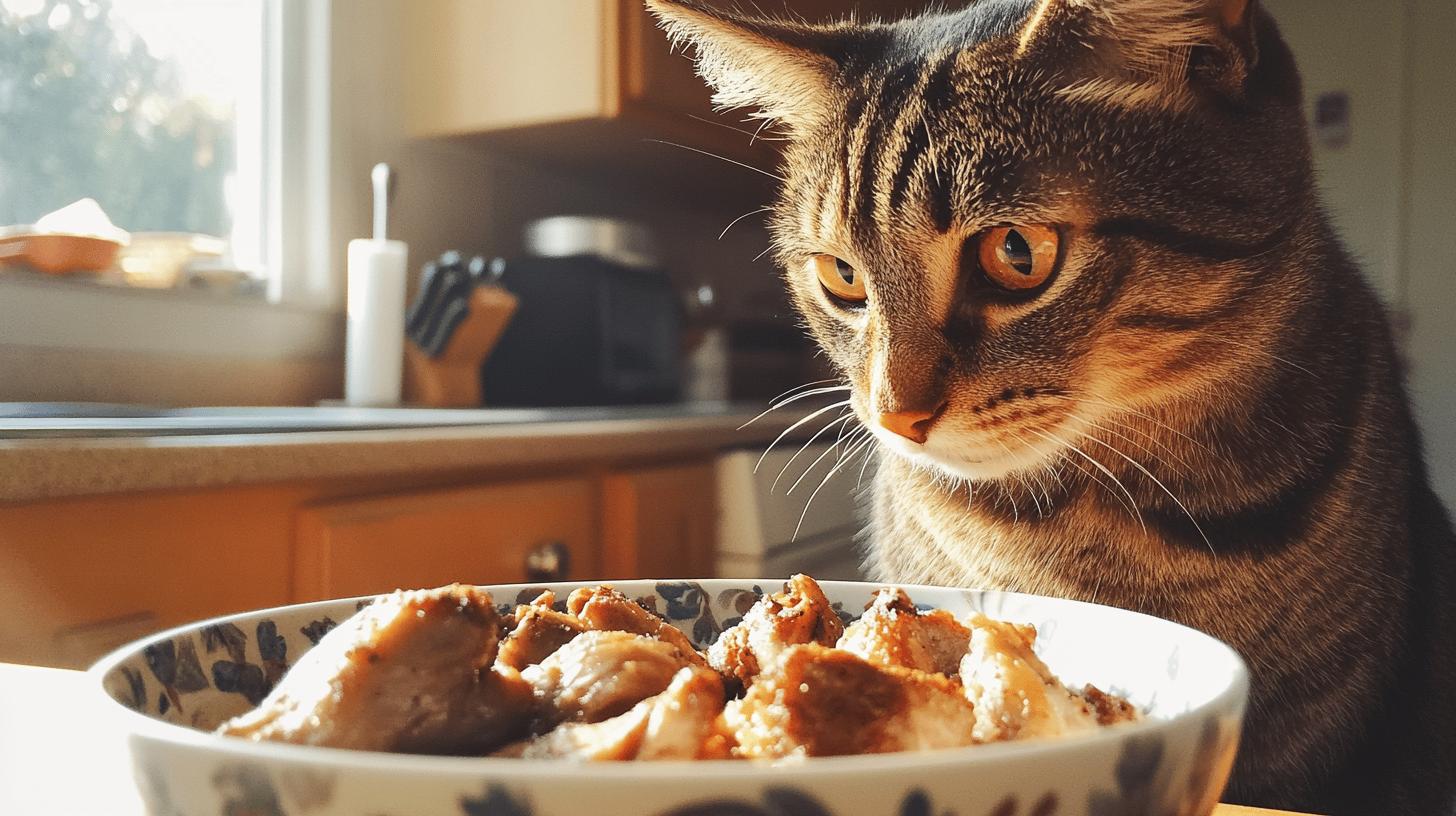
    Can cats eat chicken safely? Yes-chicken is one of the safest, most nutritionally appropriate foods for cats. As obligate carnivores, cats thrive on high-quality protein, and chicken delivers exactly that. Unlike many human foods, chicken aligns perfectly with feline biology. This guide covers preparation methods, portion guidelines, safety considerations, and how to incorporate chicken into your cat’s diet responsibly.

    Is Chicken Safe for Cats? The Nutritional Foundation

    Chicken is genuinely safe and beneficial for cats. Here’s why:

    Complete Protein Profile

    Chicken contains all 11 essential amino acids cats require, including taurine (which cats cannot synthesize). A 3.5oz serving of cooked chicken provides:

    • 31g protein: High-quality, complete protein supporting muscle maintenance
    • 0g carbohydrates: Perfect for obligate carnivores
    • Taurine: Critical for heart health and vision; deficiency causes blindness and cardiomyopathy
    • B vitamins: Support energy metabolism and nervous system health
    • Selenium & phosphorus: Support bone and thyroid health

    Chicken Organ Meats: Liver, Heart, and Gizzards

    While chicken breast and thighs are excellent protein sources, chicken organ meats offer superior nutritional density and are among the most bioavailable foods for cats.

    Chicken liver: Exceptionally rich in taurine (essential amino acid cats cannot synthesize), vitamin A, iron, and B vitamins. A small amount goes a long way. Offer no more than 5-10% of your cat’s diet as organ meat because of vitamin A concentration. Excessive vitamin A causes toxicity over time. Serve small portions (approximately pea-sized) as treats or meal toppers; some cats enjoy lightly cooked liver shreds mixed into wet food.

    Chicken heart: The single best natural source of taurine in the chicken family. Hearts are lean, protein-dense, and lower in vitamin A than liver, making them safer for frequent feeding. Whole chicken hearts can be a fun training treat or puzzle feeder enrichment for cats who enjoy hunting and chewing.

    Chicken gizzards: High in protein and iron but tougher texture than breast meat. Gizzards work well as slow-feed enrichment treats: the chewing effort stimulates jaw muscles and dental health. Some cats dislike the texture; observe your cat’s reaction before making them a regular addition.

    Preparation: Cook gently (boil or low-heat simmer) to eliminate bacteria; raw organ meats carry higher pathogenic risk than muscle meat. Never feed organ meats from factory-farmed chickens treated with antibiotics without consulting your vet.

    Digestibility

    Cats digest animal protein with exceptional efficiency. Chicken protein is digestible at 95%+ (humans digest plant protein at ~60-80%, animal protein at ~90%). Your cat’s body readily absorbs and utilizes chicken’s amino acids.

    Low Allergenic Risk

    Chicken is the least allergenic animal protein for cats. Food allergies in cats typically stem from grains, fillers, or fish-not chicken. This makes chicken ideal for cats with digestive sensitivities.

    Chicken Preparation: Raw vs. Cooked Safety

    Cooked Chicken (SAFEST OPTION)

    Best cooking methods:

    • Boiling (preferred): Place chicken breast in water, no salt or seasonings. Boil 12-15 minutes until internal temperature reaches 165°F. Shred into bite-sized pieces. Can add a tablespoon of cooking water to kibble for palatability.
    • Baking: 350°F for 20-25 minutes (uncovered). No oil, salt, or seasonings. Once cooked, shred before serving.
    • Slow cooker: Low heat 6-8 hours with water. Extremely tender; easy to shred.
    • Steaming: Preserves nutrients; 15-20 minutes until fully cooked.

    Safety guidelines:

    • Remove all bones: Cooked bones splinter dangerously. Even small fragments can perforate the intestines.
    • Remove skin: Skin is high fat; unnecessary and increases pancreatitis risk.
    • No seasoning: Salt, garlic, onion, spices are harmful. Plain chicken only.
    • Cool completely: Cats have less heat tolerance than humans; hot food causes mouth damage.
    • Store properly: Refrigerate up to 3 days; freeze up to 3 months. Use in 24 hours if thawed.
    • Portion control: 1-2 ounces per serving, 3-4x weekly maximum (see dosage section).

    Raw Chicken (ACCEPTABLE BUT WITH CAUTION)

    Some raw-food advocates recommend raw chicken for cats, arguing that cats in nature eat raw meat, which is partly true; however, there are important safety considerations:

    • Bacterial risk: Raw chicken frequently contains Salmonella and Campylobacter. While cats have strong stomach acid that kills many pathogens, they can still become carriers and shed bacteria, potentially infecting human family members.
    • Nutritional completeness: Raw chicken lacks the nutrient profile of a balanced diet. It must be part of a formulated raw diet including organs, bones, and supplements-not a standalone treat.
    • Parasite risk: Wild-caught raw chicken may contain parasites cats’ immune systems can handle but that you should avoid deliberately introducing.

    If pursuing raw feeding: Work with a veterinary nutritionist to ensure balanced macro/micro nutrients. Never feed raw chicken as a casual treat without the framework of a complete raw diet.

    For most owners: Cooked chicken is safer, equally nutritious, and requires zero additional supplementation.

    Portion & Frequency Guidelines (By Cat Weight & Age)

    Chicken should comprise 5-10% of daily calories, maximum. Never use chicken as a meal replacement for complete cat food.

    By Cat Weight

    Cat Weight Daily Calories Max Chicken/Day Recommended Serving
    5 lbs (underweight) 180-200 cal 15-20 cal 0.5oz every other day
    8 lbs (ideal) 240 cal 20-25 cal 1oz, 3-4x weekly
    10 lbs (ideal) 280 cal 25-30 cal 1oz, 3-4x weekly
    12 lbs (overweight) 250 cal (diet mode) 20-25 cal 0.75oz, 2-3x weekly
    15+ lbs (obese) 200-220 cal (strict diet) 15-20 cal 0.5oz, 2x weekly

    By Life Stage

    • Kittens (under 6 months): Higher protein needs but smaller portions. 0.25-0.5oz per serving, 3-4x weekly. No raw chicken (immune system still developing).
    • Adult cats (1-10 years): Use guidelines above. Both raw and cooked are acceptable if properly prepared.
    • Senior cats (over 10 years): Often appetite decreases. Chicken becomes important protein source if eating less kibble. 0.5-1oz, daily may be appropriate depending on overall diet. Cooked only (easier to digest).
    • Pregnant/nursing queens: Protein needs increase 25-50%. Up to 2oz daily of cooked chicken is appropriate. Work with your vet for complete nutrition during this critical period.

    Chicken as a Training Tool & Behavioral Reward

    Why Chicken Works for Training

    Chicken is high-value: cats prioritize it above kibble or standard treats. This makes it ideal for:

    • Teaching “Sit,” “Come,” or other behaviors
    • Rewarding desired behavior (using the litter box, entering carrier)
    • Building positive associations (vet visits, nail trimming)

    Training Portions

    For training, use pea-sized pieces of cooked chicken. Multiple small pieces achieve faster delivery than one larger treat, improving learning speed.

    Example training session: 5-minute “Come” training with 10 successful repetitions = 10 pea-sized pieces = ~5-10 calories total. This fits within daily treat allowance.

    Chicken vs. Other Proteins: Comparative Nutrition

    Protein Source Protein (per 3.5oz) Fat Taurine Best For
    Chicken 31g 3.6g High Daily treats; ideal baseline
    Turkey 29g 1.3g High Leaner alternative
    Beef 26g 11g High Occasional (iron overload risk)
    Salmon 25g 13g Medium Omega-3 boost; limit frequency (high fat)
    Lamb 25g 8g High Good alternative; less common

    Verdict: Chicken is the most balanced: high protein, moderate fat, excellent taurine, low allergy risk.

    Allergies & Health Conditions: When to Avoid or Limit

    Chicken Allergies (Rare but Possible)

    True chicken allergies are uncommon in cats (<5% of food allergies involve chicken). If your cat has a diagnosed chicken allergy, substitute turkey or another protein. Discuss with your vet before changing proteins.

    Signs of chicken allergy/sensitivity:

    • Vomiting within 1-2 hours of eating
    • Diarrhea or loose stools
    • Excessive itching or skin irritation (rare in food allergies but possible)
    • Consistent GI symptoms with chicken, resolved when removed

    Condition-Specific Considerations

    • Kidney disease: Moderate protein is usually recommended. Chicken is fine in appropriate portions (not as meal replacement). Work with your vet on overall diet.
    • Pancreatitis: Chicken breast (very lean) is safer than fattier meats. Limit to 0.5oz, 1-2x weekly. Avoid skin entirely.
    • Liver disease: Chicken is appropriate; high-quality protein supports liver function. Limit to 0.5-1oz daily depending on condition severity.
    • Diabetes: Chicken as a protein treat is excellent for diabetic cats. Zero carbs support blood sugar regulation.
    • Hyperthyroidism: Chicken is fine. Some cats benefit from iodine restriction-discuss with vet if using chicken as primary food source.

    Chicken Preparation & Storage Guide

    Weekly Preparation (Time-Saving Method)

    1. Cook 1 lb chicken breast using boiling or baking method (see above)
    2. Cool completely
    3. Shred into serving-size portions
    4. Store in airtight glass containers
    5. Refrigerate up to 3 days; freeze remaining portions in ice cube trays (each cube = 1oz)
    6. Thaw frozen cubes 2-4 hours before serving

    Food Safety

    • Never leave cooked chicken at room temperature >2 hours
    • Discard uneaten portions after 15 minutes
    • Freezing halts bacterial growth; use thawed chicken within 24 hours
    • Wash hands and surfaces after handling raw chicken (reduces human contamination risk)

    Frequently Asked Questions

    Can kittens eat chicken?

    Yes, cooked chicken is excellent for kittens; use smaller portions (0.25-0.5oz) due to smaller stomach capacity, avoid raw chicken while the immune system is still developing, and offer it 3-4x weekly at most.

    Can cats eat chicken bones?

    Never. Cooked bones splinter into sharp fragments that perforate the esophagus, stomach, or intestines. This requires emergency surgery, and even raw bones are less brittle but still dangerous and must be fully removed before serving.

    Is chicken skin safe for cats?

    Technically yes, but it is not recommended because skin is 50%+ fat, which is excessive for cats and can trigger pancreatitis. Always remove the skin before serving.

    Can cats eat rotisserie chicken?

    Rotisserie chicken from grocery stores contains garlic, onion, salt, and other seasonings harmful to cats. Never offer. Prepare your own unseasoned chicken instead.

    What about chicken broth?

    Plain chicken broth (no salt, seasonings, onion, garlic) is safe in small amounts (1-2 tablespoons). It adds flavor to kibble or serves as hydration. Many broths contain excessive salt-check labels.

    How much chicken per meal?

    Keep portions to 1oz maximum: chicken supplements meals rather than replacing them, so your cat still needs balanced commercial food for complete nutrition.

    Can cats eat chicken every day?

    3-4 times weekly is ideal. Daily chicken replaces other nutritionally complete foods. If offering daily, reduce to 0.5oz and ensure balanced kibble comprises bulk of diet.

    Behavioral Benefits: Chicken as Enrichment

    Beyond nutrition, chicken provides behavioral enrichment:

    • Mental stimulation: Working for chicken treats (training, puzzle feeders) provides cognitive engagement
    • Predatory satisfaction: Handling and consuming meat aligns with natural hunting behaviors
    • Bonding: Hand-feeding chicken creates positive association with you

    The Bottom Line

    Chicken is one of the safest, most nutritionally appropriate treats for cats. Properly prepared (cooked, boneless, unseasoned), chicken supports health and enriches your cat’s diet. Follow portion guidelines, maintain balance with complete food, and enjoy the confidence that you’re offering species-appropriate nutrition.

    Related Nutrition & Training Guides

    These practices will help you make informed decisions about your cat’s care and well-being.

    Consistent practice and patience are the keys to success with this approach.

  • Can Cat Eat Garlic Understanding the Risks and Safety Concerns

    Can Cat Eat Garlic Understanding the Risks and Safety Concerns

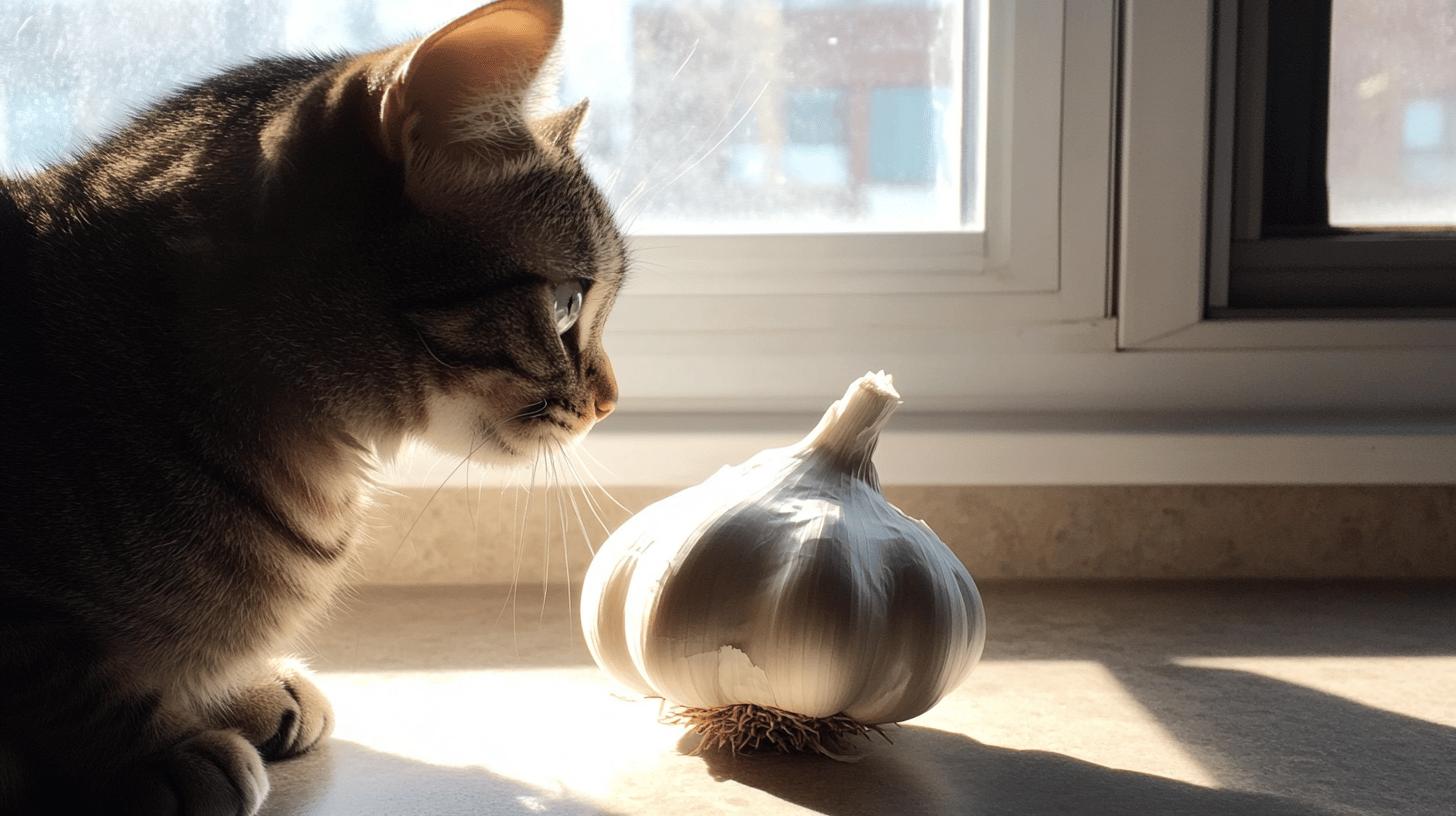
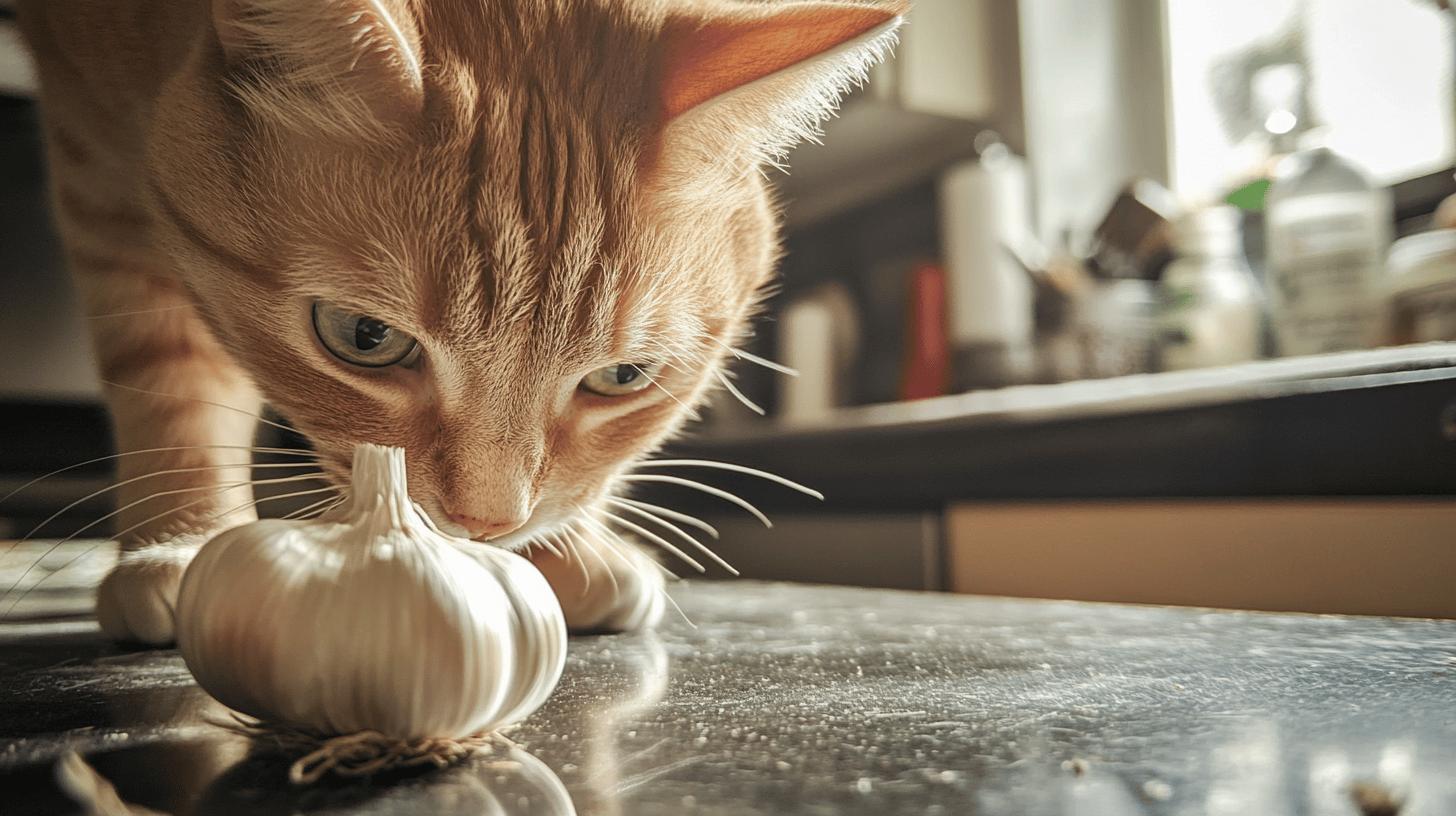
    Can cats eat garlic? You might think a small piece won't hurt, but garlic poses serious risks to our feline friends. While it may spice up your meals, garlic can be harmful to cats, leading to dangerous health issues.

    Much like poison, even tiny amounts can cause trouble. Understanding these risks is crucial for keeping your furry companion safe. Let's explore why garlic is a no-go for cats and learn how to ensure their well-being with a garlic-free diet.

    Is Garlic Safe for Cats?

    Is Garlic Safe for Cats-4.jpg

    Garlic is not safe for cats and should be kept out of their diet. Cats are particularly sensitive to the sulfur-containing compounds found in garlic. When ingested, these compounds can cause serious health problems, making garlic a dangerous food for our feline friends.

    • Anemia: Garlic can lead to the breakdown of red blood cells, causing anemia. This condition can be life-threatening if not treated promptly.

    • Red Blood Cell Damage: The compounds in garlic make red blood cells fragile, which can result in them bursting.

    • Oxidative Damage: Garlic can cause oxidative damage to a cat’s cells, leading to further complications.

    • Heinz Body Formation: This occurs when red blood cells are damaged, impacting their ability to function correctly.

    Given these risks, it's crucial to exclude garlic from your cat's diet entirely. Keeping your cat away from garlic and related foods ensures their health and well-being. Always consult with a veterinarian for safe dietary options for your pet.

    Symptoms of Garlic Poisoning in Cats

    Symptoms of Garlic Poisoning in Cats-2.jpg

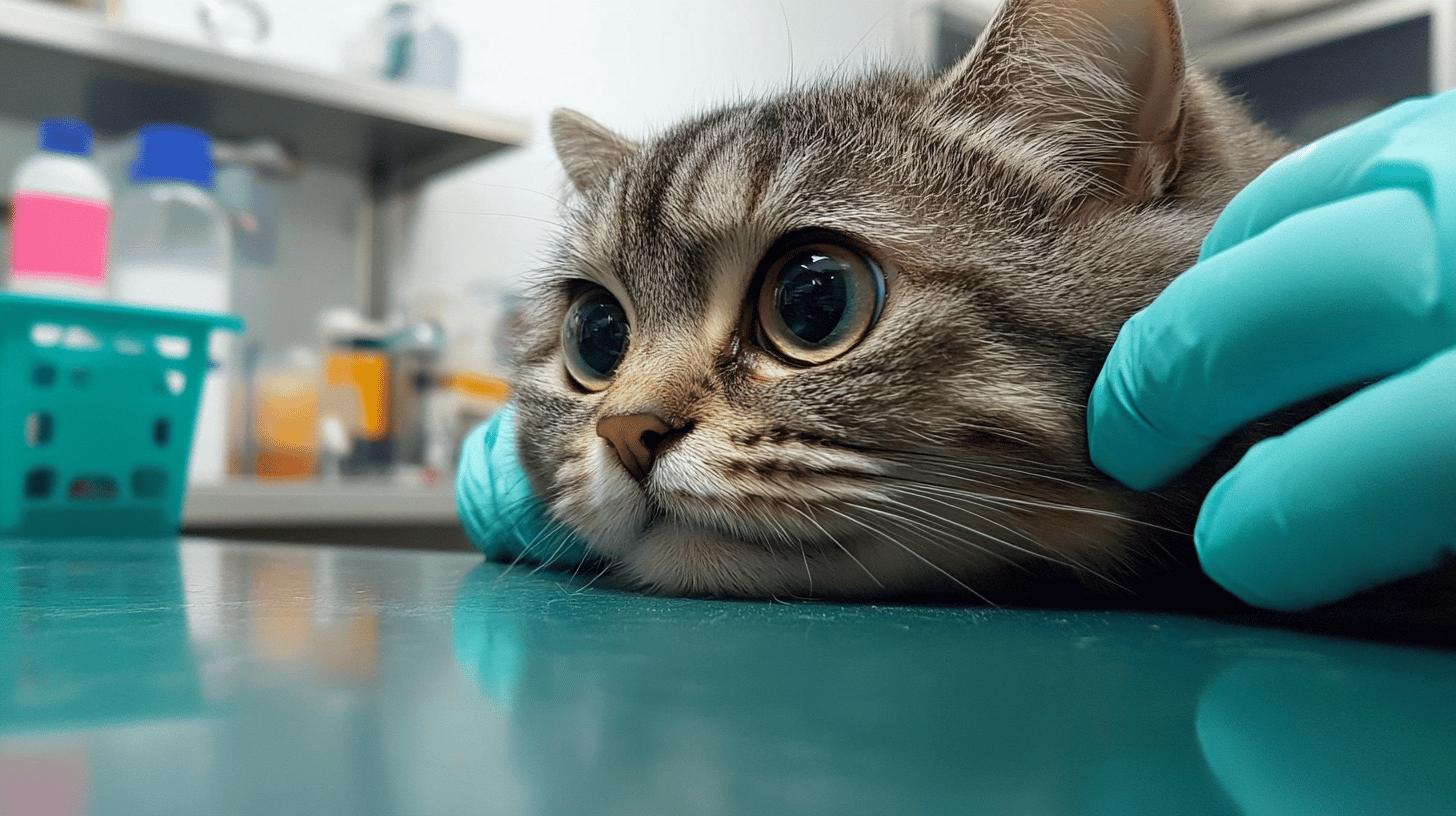
    Garlic poisoning in cats can be severe and requires immediate attention. Cats are sensitive to garlic and even small amounts can lead to toxicity. Recognizing the symptoms early can make a significant difference in the outcome of the treatment.

    • Lethargy: Cats may become unusually tired or sluggish, lacking their usual energy.

    • Weakness: Affected cats might appear weak and less active, struggling with basic movements.

    • Pale Gums: Check your cat’s gums; they may turn pale, indicating a reduction in red blood cells.

    • Drooling: Excessive drooling can occur as the body reacts to the toxins.

    • Vomiting: Upset stomach and vomiting are common as the body attempts to expel the garlic.

    • Diarrhea: Frequent and loose stools may be present, contributing to dehydration.

    • Increased Heart Rate: You might notice your cat's heart beating faster than usual, indicating distress.

    Recognizing these symptoms early is crucial. If you suspect your cat has ingested garlic, seek veterinary care immediately. Prompt action can prevent severe health issues, including oxidative damage to red blood cells and Heinz body formation, both of which can lead to anemia. Always prioritize your cat's health by being vigilant about what they consume.

    What to Do If Your Cat Eats Garlic

    What to Do If Your Cat Eats Garlic-4.jpg

    If your cat accidentally eats garlic, it's crucial to act quickly and consult a veterinarian right away. Cats are highly sensitive to garlic, and even a small amount can lead to serious health issues. Your vet will provide the best guidance and care, but here are some immediate steps to take:

    1. Contact Your Veterinarian Immediately: As soon as you suspect garlic ingestion, call your vet. They can offer specific advice based on your cat's situation.

    2. Monitor Your Cat's Symptoms: Keep a close eye on any signs of garlic poisoning, such as lethargy, vomiting, or pale gums. Document these symptoms to provide detailed information to your vet.

    3. Provide Information to the Vet: Be ready to share details about how much garlic your cat consumed and the time of ingestion. This information is vital for the vet to assess the situation accurately.

    1. Avoid Home Remedies: Do not attempt to treat your cat with home remedies or over-the-counter medications. These can worsen the condition and delay proper treatment.

    Once at the veterinary clinic, your cat may undergo a series of diagnostic tests, such as a complete blood count and urinalysis, to assess the extent of the poisoning. Treatments might include intravenous fluids, medications to prevent further absorption of garlic, and supportive care to address any symptoms like anemia. Remember, quick action can significantly impact your cat's recovery and overall health.

    Preventive Measures and Alternatives to Garlic for Cats

    Preventive Measures and Alternatives to Garlic for Cats-1.jpg

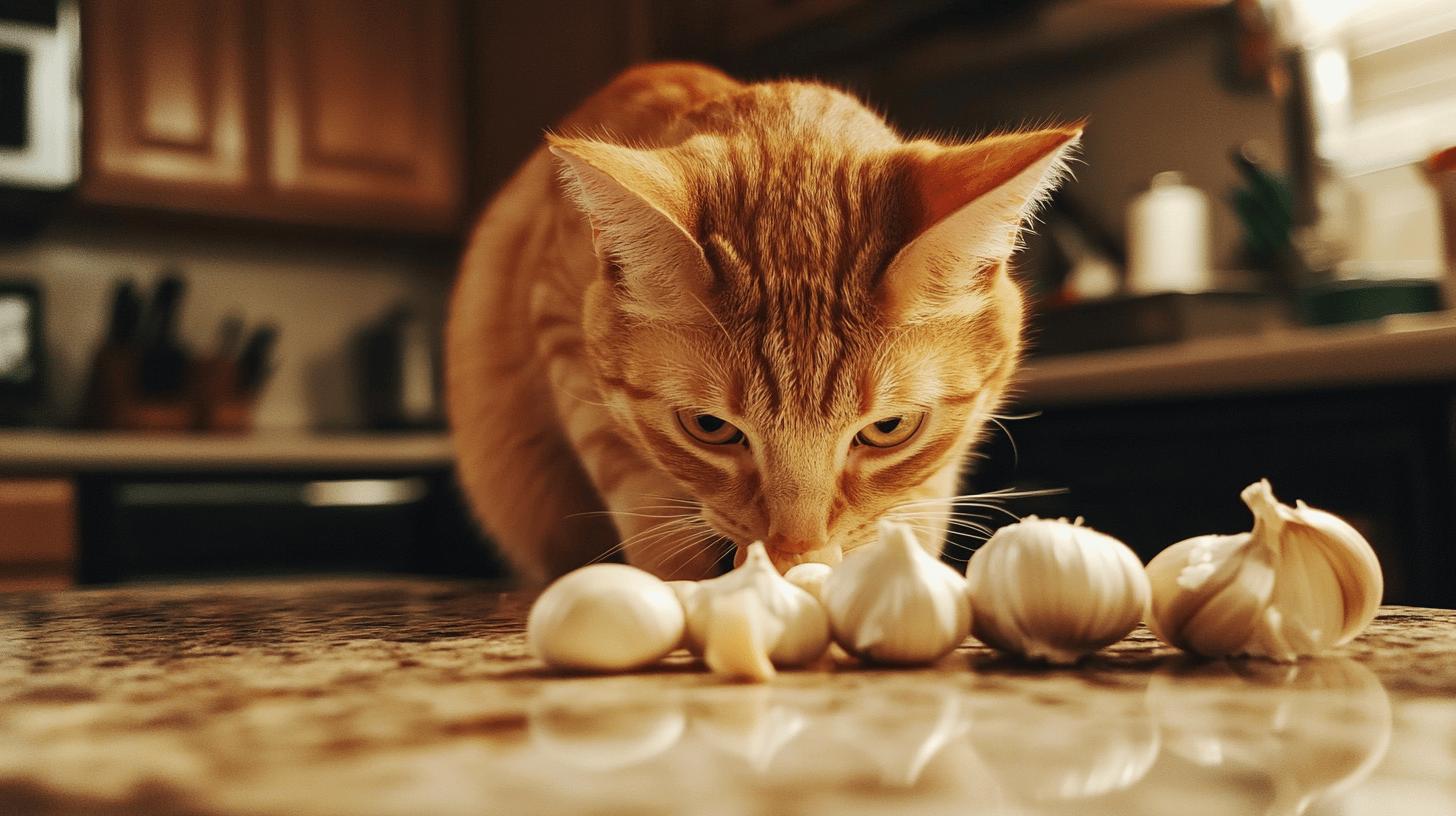
    To keep your cat safe from potential garlic toxicity, it's crucial to take preventative measures. Store garlic and related foods, like onions and shallots, in secure places where your cat can't access them.

    Regularly check your pantry and kitchen to ensure these foods are out of your cat's reach. Additionally, always read the labels on pet food and treats to ensure they don't contain garlic or onion powder, which can sometimes be hidden ingredients.

    Unsafe Foods Safe Alternatives
    Garlic Catnip
    Onions Parsley (in moderation)
    Chives Valerian Root

    For a balanced diet, focus on providing your cat with safe foods and herbs. If you're unsure about introducing new ingredients or need advice on a garlic-free diet, consult with a veterinarian. They can offer guidance tailored to your cat's specific dietary needs, ensuring your feline friend stays healthy and happy.

    Is Garlic Safe for Cats?

    Garlics Impact on Cats Health-3.jpg

    Garlic contains sulfur compounds that damage cats' red blood cells, leading to Heinz body formation and anemia. Here's a summary of these impacts:

    Health Aspect Effect of Garlic
    Blood Cells Oxidative damage and Heinz body formation, leading to anemia
    Liver Function Potential strain due to increased breakdown of damaged cells
    Overall Health Weakness, lethargy, and potential long-term health complications

    Cats may show symptoms like lethargy and gastrointestinal distress after garlic ingestion. This can worsen if they consume a lot or are exposed continuously. Such exposure can lead to rapid red blood cell destruction, worsening anemia.

    Long-term risks include liver dysfunction due to constant strain from processing damaged cells. Cats with existing conditions like anemia or liver disease, and young kittens, are more vulnerable. Keeping garlic out of their diet is crucial to prevent these issues.

    Final Words

    Learning how garlic affects cats is crucial. It's clear that garlic is not safe for our feline friends. It can damage their red blood cells, leading to anemia. Recognizing symptoms like lethargy and pale gums can save their lives. If a cat eats garlic, contact a vet immediately for the right treatment.

    Preventing garlic exposure is key. Use safer, cat-friendly food options.

    Being proactive helps ensure our cats stay healthy and happy without garlic’s risks. Understanding that a cat cannot eat garlic keeps them safer in the long run.

    FAQ

    Can cats eat garlic powder or garlic bread?

    Garlic, including powder and in bread, is not safe for cats. It can cause serious health problems like anemia. Always keep garlic products away from your pets.

    What should I do if my cat eats garlic?

    If your cat eats garlic, contact a veterinarian immediately. It's crucial to act fast to get proper care and treatment.

    What are the symptoms of garlic poisoning in cats?

    Symptoms of garlic poisoning in cats include lethargy, vomiting, diarrhea, weakness, pale gums, drooling, and increased heart rate. Severe cases can cause significant blood-related issues.

    How long after eating garlic will a cat get sick?

    Symptoms usually appear within 24 hours but can vary. Pay close attention and consult a vet at the first sign of trouble.

    Is cooked garlic bad for cats?

    Cooked garlic is also harmful to cats. Cooking does not remove its toxicity. Avoid feeding any form of garlic to your cat.

    What happens if cats eat garlic?

    Eating garlic can cause oxidative damage to your cat's red blood cells, leading to anemia and severe health complications.

    How much garlic and onion is toxic to cats?

    Even a small amount of garlic or onion can be toxic. It's best to keep these foods entirely out of your cat's diet.

    Can cats lick garlic bread?

    Garlic bread is not safe for cats to eat or lick due to its garlic content. Keep it out of their reach.

    Related Articles

  • Can Cat Eat Coconut Risks and Benefits Explained

    Can Cat Eat Coconut Risks and Benefits Explained

    Is feeding your cat coconut a tropical treat or a potential hazard? As cat lovers, we often wonder if our furry friends can share the foods we enjoy. While coconut might seem like a harmless indulgence, it doesn’t meet the specific dietary needs of our feline companions.

    Cats are obligate carnivores, needing diets rich in animal proteins. Coconut’s high potassium levels can upset this balance, posing health risks. In this article, I’ll explain the risks and benefits of coconut for cats, helping you make informed choices for their safety and well-being.

    Can Cats Eat Coconut Safely and Its Nutritional Impact?

    Can Cats Eat Coconut Safely and Its Nutritional Impact-1.jpg

    Coconut is generally not suitable for cats due to their unique dietary needs. Cats are obligate carnivores, meaning their diet should primarily consist of animal-based proteins. This is essential for maintaining their health and vitality.

    Coconut, being a plant-based food, does not fulfill these requirements. While it might seem like a tasty treat to us, it lacks the necessary nutrients that cats need to thrive.

    Feeding coconut to cats can pose several health risks. One major concern is its high potassium content, which can lead to imbalances and severe health issues such as hyperkalemia. This condition can affect a cat’s heart function and overall well-being.

    Additionally, cats have sensitive digestive systems, and introducing coconut into their diet can result in stomach upsets, including diarrhea and vomiting. These symptoms can be distressing both for the cat and the owner.

    Nutritionally, coconut contains some protein, iron, and manganese, but these are not sufficient for a cat’s dietary requirements. Cats need specific animal-based nutrients, such as taurine, which are not found in coconut.

    While coconut might offer some minerals, it cannot replace the essential vitamins and amino acids that cats obtain from meat. Relying on coconut as a regular food source would lead to nutritional deficiencies over time.

    Coconut oil, on the other hand, can be beneficial for a cat’s skin and coat health. When used in moderation, it may help improve fur texture and reduce dry skin. However, it should still be given cautiously.

    Excessive use of coconut oil can lead to weight gain and pancreatitis, as it is high in fat. It’s crucial to consult with a veterinarian before adding coconut oil to your cat’s diet to ensure it aligns with their health needs.

    • Cats’ unique dietary needs require animal-based proteins.
    • Coconut can cause potential health risks like digestive issues and potassium imbalance.
    • Nutritional deficiencies can occur as coconut lacks essential cat nutrients.
    • The importance of veterinarian consultation before introducing coconut.
    • Coconut oil can benefit skin and coat but must be used in moderation.

    Different Forms of Coconut and Their Effects on Cats

    Different Forms of Coconut and Their Effects on Cats-1.jpg

    Coconut milk is not suitable for cats. It’s high in fat and can upset their delicate digestive systems. Cats are often lactose intolerant, and coconut milk can lead to stomach issues similar to those caused by dairy products. If ingested, it might result in diarrhea or vomiting, making it a poor choice for a feline treat.

    Coconut water, despite being hydrating for humans, poses a risk for cats due to its high potassium content. This can lead to hyperkalemia, a condition that affects heart function and can be life-threatening. Cats do not require the electrolytes found in coconut water, and their bodies are not equipped to handle the excess potassium.

    Freshly shredded coconut can be a safe, occasional treat for cats, but only in small amounts. Its texture might be appealing to some cats, and it can provide a novel experience without significant health risks if given sparingly. Always monitor your cat for any adverse reactions after trying new foods.

    Coconut jelly is another form that should be approached with caution. While it might seem harmless, the added sugars and preservatives often found in commercial coconut jelly can be harmful to cats. It’s best to avoid giving coconut jelly to your feline friend to prevent potential digestive issues and other health concerns.

    Coconut Form Suitability for Cats
    Coconut Milk Not Suitable
    Coconut Water Not Suitable
    Freshly Shredded Coconut Occasional Treat in Small Amounts
    Coconut Jelly Not Suitable

    How to Safely Introduce Coconut to Your Cat’s Diet

    When integrating coconut into a cat’s diet, it’s important to focus on moderation and veterinarian guidance. While coconut can offer health benefits, cats require animal-based proteins to meet their nutritional needs. Consulting a veterinarian ensures that coconut is suitable for your cat and helps avoid adverse effects. Coconut should complement, not replace, the essential nutrients in your cat’s diet.

    To apply coconut oil safely, start with a small amount. A quarter teaspoon mixed into their food twice a week is a good starting point. Observe your cat’s reaction and adjust as necessary. Using pure coconut oil without additives is important. This practice can improve your cat’s skin and coat health without overwhelming their system.

    Offering freshly shredded coconut as a treat can add variety. Keep the serving size minimal to avoid digestive issues. If your cat enjoys it and shows no adverse reactions, it can remain a rare, enjoyable treat. Monitoring their response is crucial to ensure they tolerate coconut well.

    1. Consult a Veterinarian: Obtain professional advice to confirm coconut is safe for your cat.
    2. Start Small: Introduce a minimal amount of coconut oil or shredded coconut to gauge tolerance.
    3. Watch for Reactions: Monitor for digestive upset or allergic reactions.
    4. Adjust as Needed: If tolerated, continue offering coconut in moderation.
    5. Maintain a Balanced Diet: Ensure coconut does not replace essential nutrients.

    Alternatives to Coconut for Cats

    Alternatives to Coconut for Cats-2.jpg

    Cats are obligate carnivores, meaning their diet should be rich in animal-based proteins. This dietary requirement is crucial for maintaining their health and well-being. Coconut, while appealing to humans for its taste and supposed health benefits, does not meet these nutritional needs.

    It lacks essential amino acids, like taurine, that cats can only obtain from meat. Therefore, relying on coconut as a regular part of a cat’s diet is unsuitable and could lead to nutritional deficiencies.

    For cat owners looking for similar benefits to coconut, there are other oils and natural remedies that are safer and more beneficial. Fish oil, for instance, is an excellent alternative. It is rich in omega-3 fatty acids, which support healthy skin and coat, and also have anti-inflammatory properties.

    Other options include krill oil, which is also high in omega-3s, and olive oil, which can promote a shiny coat when used in moderation. Each of these oils can provide significant health benefits without the risks associated with coconut.

    • Fish Oil: Rich in omega-3 fatty acids, supports healthy skin and coat.
    • Krill Oil: High in omega-3s, beneficial for joint and heart health.
    • Olive Oil: Promotes a shiny coat, use in moderation.
    • Chicken Fat: Provides essential fatty acids and is highly palatable for cats.

    Final Words

    Delving into whether cats can eat coconut, it became clear that coconut isn’t an ideal food choice for them. It can cause stomach issues and potassium imbalances. Even though coconut has nutrients like protein and iron, cats need animal-based proteins. On a brighter note, coconut oil can help with skin and coat health when used carefully.

    When exploring different coconut forms, we learned that coconut milk and water aren’t safe. Yet, coconut shavings can be an occasional treat. Safe coconut introduction calls for moderation and vet advice, considering alternatives like fish oil for similar benefits without risks, ensuring our cat’s health always comes first.

    FAQ

    Are coconuts toxic to cats?

    Coconuts are not toxic to cats, but they are not suitable due to their digestive needs. Coconut can cause stomach issues and is not a necessary part of their diet.

    Can cats eat coconut oil?

    Cats can eat coconut oil in moderation. It can help with skin and coat health, but too much may cause digestive upset. Always consult a vet before adding it to their diet.

    Can cats eat coconut milk and coconut water?

    Coconut milk and water are not suitable for cats. Milk lacks nutrients they need, and water’s high potassium can cause health imbalances like hyperkalemia.

    Can cats eat fresh coconut or coconut biscuits?

    Fresh coconut should only be an occasional treat in small amounts, while coconut biscuits are usually too high in sugar and other ingredients not suitable for cats.

    Why do cats love coconut?

    Some cats may be attracted to the aroma or texture of coconut, but it does not provide essential nutrients they need. It can be given in limited amounts if tolerated.

    Is dry coconut good for cats?

    Dry coconut is not recommended for cats. It’s usually high in added sugars or additives that are inappropriate for feline consumption. Fresh, unsweetened coconut in small amounts is a safer option.
    Can dogs eat coconut?

    Dogs can eat coconut in moderation. It can provide some benefits like healthy fats, but too much can lead to digestive issues. Always consult with a vet before adding it to their diet.
    Related Articles

  • Can Cat Eat Salmon Skin Safely and Healthily

    Can Cat Eat Salmon Skin Safely and Healthily

    Ever wonder if feeding your cat salmon skin is a good idea? As a cat lover, you want what’s best for your feline friend, and salmon skin seems like a tasty treat.

    But is it safe and healthy? While salmon skin is rich in omega 3 and omega 6 fatty acids, which boost skin and coat health, moderation is crucial.

    Too much can lead to weight gain and other health problems. Let’s dive deeper into the benefits and potential risks of adding salmon skin to your cat’s diet.

    Can Cats Eat Salmon Skin Safely?

    Can Cats Eat Salmon Skin Safely-1.jpg

    Cats can indeed eat salmon skin safely, but there are important considerations to keep in mind. Salmon skin is packed with omega 3 and omega 6 fatty acids, which are beneficial for a cat’s skin and coat health.

    These nutrients support overall wellness and can be a valuable addition to a cat’s diet. However, feeding salmon skin should be done in moderation. The skin is high in fat, which, if consumed excessively, can lead to weight gain and gastrointestinal issues for your feline friend.
    Moderation is key when introducing salmon skin into a cat’s diet. While the fatty acids present are beneficial, too much fat can quickly become problematic. It’s important to keep portions small and occasional, ensuring that the overall diet remains balanced.

    Overindulgence can lead to obesity, which is a common concern for domesticated cats and can lead to other health issues over time.

    Benefits of Salmon Skin for Cats

    • Rich source of omega 3 fatty acids
    • Contains omega 6 fatty acids
    • High-quality protein content
    • Supports a healthy coat and skin
    • Enhances overall wellness

    Feeding raw salmon skin to cats is not recommended due to several risks. Raw skin can harbor harmful bacteria and parasites that may cause infections. Additionally, raw salmon contains an enzyme called thiaminase, which can break down thiamine (vitamin B1) in cats, potentially leading to a deficiency.

    Thiamine deficiency can result in serious health issues, including neurological disorders, so it’s crucial to avoid raw salmon products.

    To keep your cat healthy, balance is essential when offering salmon skin as a treat. Always ensure that the salmon skin is cooked thoroughly to eliminate any harmful pathogens.

    Consult with your veterinarian before introducing new foods into your cat’s diet to ensure it’s suitable and safe. This approach will allow your cat to enjoy the benefits of salmon skin without the associated risks.

    How to Prepare Salmon Skin for Cats

    Cooking salmon skin is essential for your cat’s safety. It eliminates harmful bacteria, parasites, and the enzyme thiaminase that could lead to thiamine deficiency. By cooking the salmon skin thoroughly, you make it a healthier option for your cat.

    Start by choosing fresh, high-quality salmon. Carefully remove any bones to avoid choking hazards. Cook the skin by baking, grilling, or steaming without adding any oils, seasonings, or toxic ingredients like garlic or onions. Keeping it plain ensures it’s safe and doesn’t upset your cat’s stomach.
    Preparation Tips
    Remove any bones from the salmon skin
    Cook the skin by baking, grilling, or steaming
    Avoid adding seasonings, oils, or toxic ingredients
    Allow the skin to cool before serving

    Serve salmon skin in moderation, as an occasional treat. Due to its high-fat content, overfeeding can lead to weight gain. Balance this treat with your cat’s regular meals to maintain a healthy diet. By controlling how much and how often you serve it, you can safely include salmon skin in your cat’s diet.
    Alternatives to Salmon Skin in a Cat’s Diet

    Alternatives to Salmon Skin in a Cats Diet-1.jpg

    Commercial salmon-based cat foods can be an excellent way to incorporate the benefits of salmon into your cat’s diet without the hassle of preparing salmon skin. These options often feature salmon as the primary ingredient, ensuring your feline gets the high-quality protein and omega fatty acids essential for their health.

    Many of the best salmon cat food brands focus on using sustainably sourced ingredients, providing peace of mind that you’re feeding your cat responsibly. These foods can support a cat’s skin, coat, and overall health while offering a balanced diet.

    Salmon oil supplements are another convenient alternative. These supplements are rich in omega-3 fatty acids, which are known to improve heart health, reduce inflammation, and support joint health in cats.

    The recommended dosage is typically about half a teaspoon per day, but it’s always best to consult with your vet before adding any supplement to your cat’s routine. Salmon oil can be easily mixed into your cat’s regular meals, providing a simple way to boost their nutritional intake.

    • Fish-first cat foods
    • Salmon toppers
    • Salmon-based treats
    • Canned salmon in water (without added salt)
    • Salmon oil supplements

    By exploring these alternatives, you can offer variety while ensuring your cat receives the benefits of salmon’s nutrients. These products make it easy to provide the goodness of salmon in a safe and convenient way, keeping your cat happy and healthy.

    Veterinary Insights on Feeding Salmon to Cats

    Veterinary Insights on Feeding Salmon to Cats-1.jpg

    Before introducing salmon or salmon skin into your cat’s diet, consulting with a veterinarian is crucial. Vets can provide personalized advice based on your cat’s specific health needs and dietary requirements.

    They can help determine the appropriate portion sizes and frequency to ensure that salmon becomes a healthy addition rather than a risk factor. Veterinary guidance ensures that salmon skin safely complements the overall diet without compromising your cat’s health.

    Monitoring your cat for potential allergies or adverse reactions is essential when introducing new foods like salmon skin. Cats can sometimes develop sensitivities or allergies to new proteins, even those as beneficial as salmon. It’s important to observe your cat closely after initial servings to catch any negative reactions early.

    Signs of Allergies or Adverse Reactions

    • Vomiting
    • Diarrhea
    • Skin irritation or itching

    By paying attention to these signs, you can promptly address any issues and consult your vet for further recommendations. This cautious approach helps maintain your cat’s health and well-being while enjoying the benefits of salmon.

    Final Words

    Exploring if cats can safely eat salmon skin, we learned it’s a tasty treat when prepared correctly. This skin brings health benefits like omega fatty acids but needs careful portioning due to fat content. It’s vital to avoid raw salmon, which poses health risks.

    Cooking salmon skin well is key, ensuring it’s plain and safe for your cat. There are also good alternatives, like salmon-based cat foods and supplements, to keep diets varied.

    Finally, always consult a vet when adding new foods to your cat’s menu, especially salmon skin, to keep your furry friend happy and healthy.

    FAQ

    Can cats eat salmon skin?

    Cats can eat salmon skin safely but in moderation. Salmon skin has omega fatty acids that are beneficial but also high in fat, which can lead to weight gain if eaten too much.

    Can cats eat salmon skin raw?

    Feeding raw salmon skin to cats is not safe. It might contain harmful bacteria, parasites, and thiaminase, which can cause a thiamine deficiency.

    Is it okay for cats to eat salmon skin every day?

    Feeding salmon skin daily is not advised. Although healthy, it is high in fat, and overconsumption can result in weight gain and other health issues.

    How to cook salmon skin for cats?

    Cooking salmon skin properly is crucial. Cook it plain without any seasonings like garlic or onion, which are toxic to cats. Ensure it’s fully cooked to eliminate pathogens.

    Can humans eat salmon skin?

    Yes, humans can eat salmon skin. It’s safe when cooked properly and offers nutritional benefits like omega-3 fatty acids and protein.

    How to cook salmon for cats?

    Cook salmon by removing bones and cooking it thoroughly. Keep the preparation simple and avoid any seasonings harmful to cats.

    Can dogs eat salmon skin?

    Dogs can eat salmon skin, but like cats, it should be cooked and fed in moderation due to its high-fat content. Avoid any added seasonings.

    Is salmon skin good for pets?

    Salmon skin offers nutritional benefits like omega-3 fatty acids for pets, which support coat health and overall well-being. Always feed it cooked and in moderation.

    Can I feed my cat fish skin?

    Yes, you can feed your cat fish skin if it’s cooked and plain. Raw fish skin is risky due to possible harmful bacteria and parasites. Always serve fish skin in moderation.

    Related Articles

  • Can Cat Eat Mouse Understanding Feline Hunting Instincts and Nutrition

    Can Cat Eat Mouse Understanding Feline Hunting Instincts and Nutrition

    Can your cat safely snack on a mouse? Cats are born hunters, and their instincts drive them to chase these little critters. But is it a good idea to let them munch on their catch? While it might seem natural, there are hidden dangers lurking in this wild treat.

    Our feline friends might be putting themselves at risk of catching parasites and diseases. As a responsible cat owner, understanding your cat’s hunting instincts and nutritional needs can help keep them safe and happy. Let's dig into the truth behind this classic cat-and-mouse tale.

    Can Cats Naturally Eat Mice and Understanding Their Prey Behavior

    Can Cats Naturally Eat Mice and Understanding Their Prey Behavior-1.jpg

    Cats are natural hunters, driven by instincts that trace back to their wild ancestors. Their prey drive makes them adept at stalking and catching small animals like mice. Eating mice, while natural, may not be entirely safe due to potential health risks.

    Mice can carry parasites and diseases, posing a threat to cats. It’s crucial for cat owners to be aware of these risks and take preventive measures to keep their feline friends safe.

    Reasons Why Cats May Hunt and Eat Mice:

    • Instinctual behavior
    • Lack of food
    • Play and practice
    • Pest control
    • Natural diet requirements

    The natural diet of cats is high in animal protein, and hunting is a behavior deeply ingrained in them. Outdoor cats often hunt more due to the availability of prey and the exercise of their instincts.

    In contrast, indoor cats may still exhibit hunting behavior by playing with toys or, occasionally, any unfortunate mouse that finds its way inside. Indoor cats might not need to hunt for food, but their instincts remain intact, leading them to engage with potential prey when given the opportunity.

    Many cat owners have experienced their pets bringing home dead mice. The reasons for this behavior aren’t entirely clear. Some experts suggest it’s a way for cats to show off their hunting skills or as an offering to their human companions.

    Others believe it mimics the way wild cats bring food back to their young. Regardless of the reason, it’s a reminder of the cat’s natural instincts and their role as hunters in the animal kingdom.

    Nutritional and Health Implications of Eating Mice

    Nutritional and Health Implications of Eating Mice-1.jpg

    Mice can provide several nutritional benefits for cats, aligning with their natural dietary needs as obligate carnivores. A mouse's body contains about 70% moisture, which helps meet a cat's hydration requirements, especially important since cats aren't big water drinkers.

    Mice are also a source of animal protein, which is crucial for maintaining a cat's muscle mass and overall health. Additionally, they offer essential fatty acids that are necessary for a cat’s coat and skin health, and they contain various vitamins and minerals that contribute to a cat's overall well-being.

    • High moisture content
    • Animal protein
    • Essential fatty acids
    • Vitamins and minerals

    While mice offer nutritional benefits, they are not a recommended or safe food source for cats. The risk of disease transmission poses significant health concerns. Mice can carry parasites and diseases that might be harmful to cats, such as ringworm or toxoplasmosis.

    Moreover, if a mouse has ingested rodenticide, it could lead to poisoning in cats. If your cat catches and eats a mouse, it's wise to stop them from consuming more and consult a veterinarian. This helps ensure any potential health risks are addressed promptly. Regular veterinary check-ups and deworming can help mitigate these risks and keep your cat healthy.

    Nutritional and Health Implications of Eating Mice

    Risks of Parasites and Diseases from Eating Mice-3.jpg

    Cats consuming mice can face health risks, mainly from diseases like ringworm and toxoplasmosis. These diseases can also pose risks to humans, underscoring the importance of understanding these hazards.

    Common Diseases Transmitted by Mice
    Ringworm
    Toxoplasmosis
    Rodenticide poisoning

    Another risk is rodenticide poisoning. If a cat eats a poisoned mouse, symptoms like lethargy, difficulty breathing, and bleeding may occur. Immediate veterinary care is crucial if poisoning is suspected.

    Preventative measures are vital. Regular deworming and check-ups can catch infections early. Keep indoor cats away from areas with mice and use non-toxic pest control to prevent poisoning. Monitoring your cat's health helps keep them safe from these potential hazards.

    Nutritional and Health Implications of Eating Mice

    What to Do if Your Cat Eats a Mouse-1.jpg

    If your cat eats a mouse, it's crucial to act swiftly to reduce health risks. Prevent further consumption of the mouse to limit exposure to potential diseases or toxins. Consult a veterinarian to discuss any immediate concerns and receive professional advice.

    They might suggest specific tests or treatments to ensure your cat's well-being. Keep an eye out for unusual symptoms like vomiting, diarrhea, or lethargy, and report any to your vet promptly.

    • Consult a veterinarian
    • Monitor for symptoms
    • Deworming and regular checkups
    • Provide alternative enrichment

    To curb future hunting, engage your cat with toys that mimic prey to satisfy their instincts safely. Feeding small, frequent meals can replicate their natural eating habits, reducing hunger-driven hunting behavior. By offering enrichment activities and maintaining a balanced diet, you can help manage their instincts effectively.

    Final Words

    Understanding if a cat can eat a mouse takes us into their natural hunting instincts. Cats hunt and eat mice because it's in their nature, whether they are indoor or outdoor explorers. Mice offer nutritional benefits to cats, but they also carry risks like diseases and poisons.

    Despite these dangers, engaging a cat's prey instincts with safe alternatives can be satisfying and protective. Knowing what to do if your cat eats a mouse can ensure their health. With the right care and precautions, we can create a safe and enriching environment for our feline friends.

    FAQ

    What parts of a mouse does a cat not eat?

    Cats may leave behind parts of a mouse such as the stomach and intestines due to their odor and taste. It varies from cat to cat.

    Do cats eat mice after they kill them?

    Yes, cats often eat mice after they kill them. This is part of their natural hunting behavior.

    Do cats eat mice whole?

    Cats can eat mice whole, but they may eat selective parts based on preference.

    Can a cat eat a mouse in the house?

    Yes, cats can eat mice in the house. They may do this instinctively as hunters.

    Is it safe for a cat to eat a mouse?

    Eating mice poses risks of parasites and disease, but it's instinctual. Monitor your cat's health closely.

    Will my cat get sick from a mouse?

    Cats can get sick from mice due to diseases like ringworm or toxoplasmosis. Watch for any symptoms.

    Can I feed my cat live mice?

    Feeding live mice isn't recommended due to potential injuries and disease risks.

    Is it normal for cats to eat the mice they catch?

    Yes, it's normal for cats to eat mice they catch. It's part of their instinctual behavior.

    My cat ate a mouse, what should I do?

    If your cat eats a mouse, consult a vet, monitor health, check for parasites, and ensure regular vet check-ups.

    What are the nutritional benefits mice provide to cats?

    Mice offer cats moisture, animal protein, essential fatty acids, and more.

    How do I know if my cat ate a mouse?

    Watch for clues like missing mice, droppings, or unusual cat behavior like playing with or hiding items.

    What are the risks of parasites and diseases from eating mice?

    Mice can transmit diseases like ringworm and toxoplasmosis. They can also cause rodenticide poisoning if ingested.

    Related Articles

  • Can Cat Eat Pepper Exploring Safety and Types for Your Feline

    Can Cat Eat Pepper Exploring Safety and Types for Your Feline

    Ever wondered if your curious cat can handle a taste of pepper? While some foods may be harmless, others can upset your feline friend's tummy. Cats and peppers can mix like oil and water when it comes to their sensitive digestive systems.

    In this article, we'll explore which types of peppers are safe or risky for cats and why they might not be the best snack. Let’s dig into what we know about peppers and how they can impact your cat's health and happiness.

    Can Cats Eat Pepper Safely and Types of Peppers and Their Effects on Cats

    Can Cats Eat Pepper Safely and Types of Peppers and Their Effects on Cats-1.jpg

    Cats can technically eat certain types of pepper, but it’s not something I would recommend including in their diet. Even though some peppers aren't toxic, they can lead to digestive issues.

    Cats have sensitive stomachs, and introducing spicy or unfamiliar foods could cause more harm than good. The lack of nutritional benefits from peppers makes them a poor choice for a regular treat.

    Starting with black and white pepper, these are not toxic in small amounts. However, they can cause gastrointestinal upset, including vomiting or diarrhea. The strong smell and taste might also be off-putting to some cats.

    Bell peppers, on the other hand, are non-toxic and safe for cats to eat in moderation. They can be a source of vitamins and fiber, but given that cats are obligate carnivores, they don't need the nutrients found in bell peppers.

    Jalapenos and chili peppers are a different story. While not toxic, their spiciness can cause considerable discomfort. Cats lack the taste receptors for spiciness, but these peppers can still irritate their digestive system.

    The intense aroma might deter cats from eating them, which is probably for the best. Paprika, made from dried bell peppers, is another spice that should be avoided. Although non-toxic, its powdery form could irritate a cat’s nose and airways.

    Veterinary advice suggests steering clear of seasoning your cat's food with any type of pepper. It’s best to stick to foods that are specifically designed for cats to ensure their health and well-being. Here’s a quick summary of the effects different types of peppers can have on cats:

    Pepper Type Effect on Cats
    Black Pepper Can cause gastrointestinal upset
    White Pepper May lead to vomiting or diarrhea
    Bell Peppers Safe in moderation, non-toxic
    Jalapenos Can cause discomfort due to spiciness
    Chili Peppers Likely to cause digestive irritation

    Always prioritize your cat's health by consulting with a vet before adding new foods or seasonings to their diet. It's a simple step that can help avoid unnecessary health risks.

    Potential Health Risks of Pepper for Cats

    Potential Health Risks of Pepper for Cats-2.jpg

    When cats consume pepper, they can experience unpleasant symptoms like vomiting and diarrhea. These reactions occur because cats' digestive systems are sensitive to spicy foods. If you see your cat licking or pawing at their mouth, it could be a sign of discomfort from the pepper. This behavior indicates irritation and distress caused by the pepper.

    For any symptoms after a cat consumes pepper, consulting a veterinarian is crucial. Overexposure can escalate health problems, highlighting the need for professional guidance. Pepper isn't necessary in a cat's diet, and to prevent health risks, it's best to avoid it. Keeping to a diet formulated for cats ensures their well-being and avoids complications from inappropriate foods.

    Understanding Cats' Sensitivity to Spicy Foods

    Understanding Cats Sensitivity to Spicy Foods-1.jpg

    Cats don't have taste receptors for spiciness like humans do. They can't feel the burning sensation we get from spicy foods. The lack of these receptors is due to physiological differences in their taste buds.

    When spicy foods are consumed, they can irritate a cat's digestive tract. This might lead to symptoms like vomiting or diarrhea. Cats' stomachs aren't designed to process the spices found in foods like chili peppers. Their digestive systems are specialized for breaking down meat, not handling spicy ingredients, which can cause discomfort.

    Their keen sense of smell acts as a natural deterrent. Cats can detect spicy or potentially harmful substances by scent alone, often avoiding them before tasting. This sensory ability helps them steer clear of spicy dishes, protecting them from unnecessary digestive distress.

    Final Words

    Exploring whether a cat can eat pepper reveals some interesting insights. While certain peppers, like bell peppers, are safe in moderation, others like black or white pepper can cause stomach upset. Spicy varieties such as jalapenos can lead to discomfort, as cats are sensitive to spiciness despite not tasting it. It's best to avoid adding pepper to your cat's diet to keep them safe and healthy. Remember to consult a vet if your cat shows any adverse symptoms. Understanding these details can help provide safe and enjoyable meals for your feline friend.

    FAQ

    Can cats eat pepper and salt?

    Cats can eat pepper and salt, but it's not recommended. Consumption may lead to gastrointestinal issues like vomiting and diarrhea. Pepper seasoning in cat food should be avoided to prevent health issues.

    Can cats eat pepper juice or seeds?

    Cats should avoid pepper juice and seeds. These can cause stomach upset and discomfort. Always remove seeds if providing small amounts of bell pepper, which is safe in moderation.

    My cat ate black pepper; is that safe?

    If your cat ate black pepper, it should be fine in small amounts. Watch for signs of stomach upset, such as vomiting or diarrhea. If symptoms occur, consult your vet.

    Can cats eat bell peppers raw or seeds?

    Cats can eat raw bell peppers in moderation. Bell peppers are non-toxic and safe. Remove seeds, as they can cause stomach upset if consumed in large quantities.

    Can a cat eat black pepper?

    Cats can consume black pepper in very small amounts, but it can cause digestive upset. It's best to keep black pepper away from your cat's diet to prevent discomfort.

    What happens if a cat eats a pepper?

    Eating pepper can cause vomiting, diarrhea, and discomfort in cats. Overconsumption or sensitivity may require vet attention. It's best to avoid peppers in a cat's diet.

    Can cats eat raw pepper?

    Cats can eat raw bell peppers safely in moderation. However, more potent types like jalapeños and chili peppers are not suitable due to irritation and discomfort risks.

    Related Articles

  • Can Cat Eat Melon A Safe Treat or Risky Snack

    Can Cat Eat Melon A Safe Treat or Risky Snack

    Can cats eat melon, or are we putting our furry pals at risk with this sweet treat? Many pet owners are curious about sharing their favorite fruits with their whiskered companions.

    Melon can be a juicy delight for humans, but is it safe for our cats? In this article, we'll explore whether the sweet allure of melon is worth the risk for your feline friend.

    We'll delve into the potential choking hazards, the effects of cyanide found in seeds, and the slim nutritional benefits these fruits offer to obligate carnivores. Let’s find out if melon can ever be more than an occasional indulgence.

    Can Cats Safely Eat Melon?

    Can Cats Safely Eat Melon-1.jpg

    Cats can safely eat small amounts of melon, including cantaloupe and watermelon. These fruits are non-toxic, but only the flesh should be fed to cats. Melon seeds contain small amounts of cyanide, and the rind can pose choking hazards or cause digestive issues.

    When considering whether melons are safe for cats, it is essential to focus on portion control and preparation. Avoid giving cats the seeds, as these contain cyanide, which is harmful. The rind should also be removed to prevent choking or gastrointestinal blockages.

    While melons do contain nutrients and water, they offer little nutritional value for cats, who are obligate carnivores. Their primary dietary needs are met through meat, so melon should be considered an occasional treat rather than a regular part of their diet.

    • Choking hazards from rind
    • Cyanide in seeds
    • Gastrointestinal upset from overconsumption
    • Lack of nutritional benefit for obligate carnivores
    • Monitoring cat's reaction post-consumption

    It's crucial to practice moderation when feeding melon to cats. Small, manageable pieces of melon flesh can be a refreshing treat, but too much can lead to stomach upset. Always monitor your cat after introducing any new food, including melon, to ensure there are no adverse reactions.

    Benefits of Melon for Cats

    Benefits of Melon for Cats-1.jpg

    Melons can provide some health benefits for our feline friends. They are packed with dietary fiber and essential vitamins such as B6, A, and C. Additionally, melons offer niacin and potassium, which contribute to overall health.

    While cats primarily need a meat-based diet, these nutrients can be a bonus when offered in moderation. The fiber in melon can support digestive health, helping to keep things moving smoothly.

    Melons also have a high water content, making them a refreshing treat, particularly during hot weather. This can aid in keeping your cat hydrated.

    While cats often get their hydration from their regular diet, a small amount of melon can supplement their water intake, especially for those who may not drink as much water as they should.

    Nutrient Benefit for Cats
    Vitamin A Supports vision and immune function
    Vitamin C Antioxidant that can boost immunity
    Vitamin B6 Essential for brain health
    Potassium Helps maintain fluid balance
    Niacin Supports energy metabolism

    While melons can offer these benefits, it's important to remember they should not replace a cat's primary diet. Offering melon as a treat, in small amounts, can provide a refreshing boost of hydration and nutrients. But always prioritize their meat-based meals to fulfill their essential dietary needs.

    How to Feed Melon to Your Cat

    How to Feed Melon to Your Cat-1.jpg

    When feeding melon to your cat, preparation is key. First, remove all the seeds and rind, as these parts can pose a choking hazard and contain harmful substances. Once that's done, cut the melon flesh into small, bite-sized cubes. This makes it easier for your cat to eat and reduces the risk of choking.

    Limit the serving to just one or two small cubes. This portion size allows your cat to enjoy a refreshing treat without replacing their primary meat-based diet. Remember, cats are obligate carnivores, so melon should only be an occasional treat.

    • Remove seeds and rind
    • Cut melon into small cubes
    • Start with a tiny amount for first-time feeding
    • Observe the cat for any adverse reactions
    • Consult a veterinarian if unsure

    Keep a close watch on your cat after introducing melon, especially if it's their first time. Look for any signs of stomach upset or allergic reactions, such as vomiting or diarrhea. If any unusual symptoms occur, consult a veterinarian to ensure your cat's health and safety.

    How to Feed Melon to Your Cat

    Monitoring Your Cats Reaction to Melon-2.jpg

    Introducing melon to your cat requires vigilance. While melon is typically safe, each cat can react differently. Watching for any signs of discomfort or illness helps ensure your cat's well-being.

    • Vomiting
    • Diarrhea
    • Lethargy
    • Loss of appetite

    If any of these symptoms occur, remove melon from their diet immediately. Monitor their behavior closely. If symptoms persist or worsen, consult your veterinarian promptly. Taking swift action can prevent more serious health issues.

    Comparing Melon to Other Cat-Safe Fruits

    Comparing Melon to Other Cat-Safe Fruits-1.jpg

    Melon is not the only fruit that can safely be offered to cats as an occasional treat. Other cat-safe fruits include blueberries, strawberries, and apples. These fruits provide a burst of vitamins and hydration, similar to melon, but should always be given in moderation.

    Cats are obligate carnivores, so their primary nutrition must come from meat. Fruits can serve as a fun and hydrating treat but should not replace their regular diet. Always ensure that any fruit given is properly prepared, with all seeds removed and cut into small, manageable pieces.

    While some fruits are safe, others can be harmful or even toxic to cats. It's important to be aware of which fruits to avoid to keep your feline friend healthy and safe.

    • Grapes
    • Raisins
    • Citrus fruits
    • Avocado
    • Cherries

    These fruits can cause a range of health issues, from stomach upset to more severe symptoms. Always double-check the safety of any new food before offering it to your cat. Keeping informed about which fruits are suitable can help you make the healthiest choices for your pet.

    Final Words

    Exploring whether cats can eat melon reveals that small, seedless pieces pose no toxicity threat and offer hydration benefits. Despite some potential risks like choking hazards from rind or seeds containing cyanide, melon can provide some vitamins. Always ensure moderation when sharing this treat with your feline friend.

    Introduce melon gradually to monitor any adverse reactions, as cats may vary in tolerance. Offering a variety means including other safe fruits and avoiding harmful ones like grapes. Understanding these guidelines enhances your cat's play and eating experience while keeping them healthy and happy.

    FAQ

    Can cats eat melon seeds?

    Cats should not eat melon seeds. The seeds contain small amounts of cyanide, which is toxic to cats. Always remove seeds before offering melon to your cat.

    Can cats have melon juice?

    Cats can have a small taste of melon juice, but it should be limited. Juice lacks fiber and can be high in sugar, which is unnecessary for cats.

    Can cats eat melon leaves?

    Cats should not eat melon leaves. The leaves can be tough and might cause digestive issues.

    What fruits can cats not eat?

    Cats should avoid grapes, raisins, citrus fruits, avocado, and cherries. These can be toxic or cause severe reactions.

    Can cats eat pineapple?

    Cats can have pineapple in small amounts. It's non-toxic, but the fruit should be served without the core and leaves.

    What fruits can cats eat?

    Cats can eat blueberries, strawberries, apples (without seeds), and melons in moderation. Always ensure fruits are prepared safely.

    Can kittens eat melon?

    Kittens can have small amounts of melon, but be cautious. Their digestive systems are still developing, so moderate and monitor their intake carefully.

    Can dogs eat melon?

    Yes, dogs can eat melon. Like with cats, ensure seeds are removed, and the melon is served in small, manageable pieces.

    Why do cats love melon?

    Cats may be attracted to the water content and aroma of melon. It can be refreshing and pleasant for them, especially in warm weather.

    Can cats eat honeydew melon?

    Cats can eat honeydew melon in small amounts. Ensure to remove the seeds and rind to avoid hazards.

    How much cantaloupe can a cat eat?

    Cats should eat cantaloupe in moderation. Offer no more than one or two small cubes occasionally. Observe your cat for any adverse reactions.

    Related Articles