Category: Cat Diet

  • Can Cat Eat Kitten Food Safely and Healthily

    Can Cat Eat Kitten Food Safely and Healthily

    Is feeding your adult cat kitten food a smart choice, or could it be doing more harm than good? Many cat owners grapple with this question, especially when curious cats seem more interested in kitten kibble. Kitten food is bursting with energy-rich nutrients, crafted for the needs of growing felines. While sneaking a bite here and there won't drastically harm an adult cat, consistently serving kitten chow might not be wise. This article will explore why kitten food shouldn’t be your adult cat’s go-to diet and how to keep their mealtime both safe and nutritious.

    Can Adult Cats Eat Kitten Food Safely?
    Can Adult Cats Eat Kitten Food Safely-1.jpg

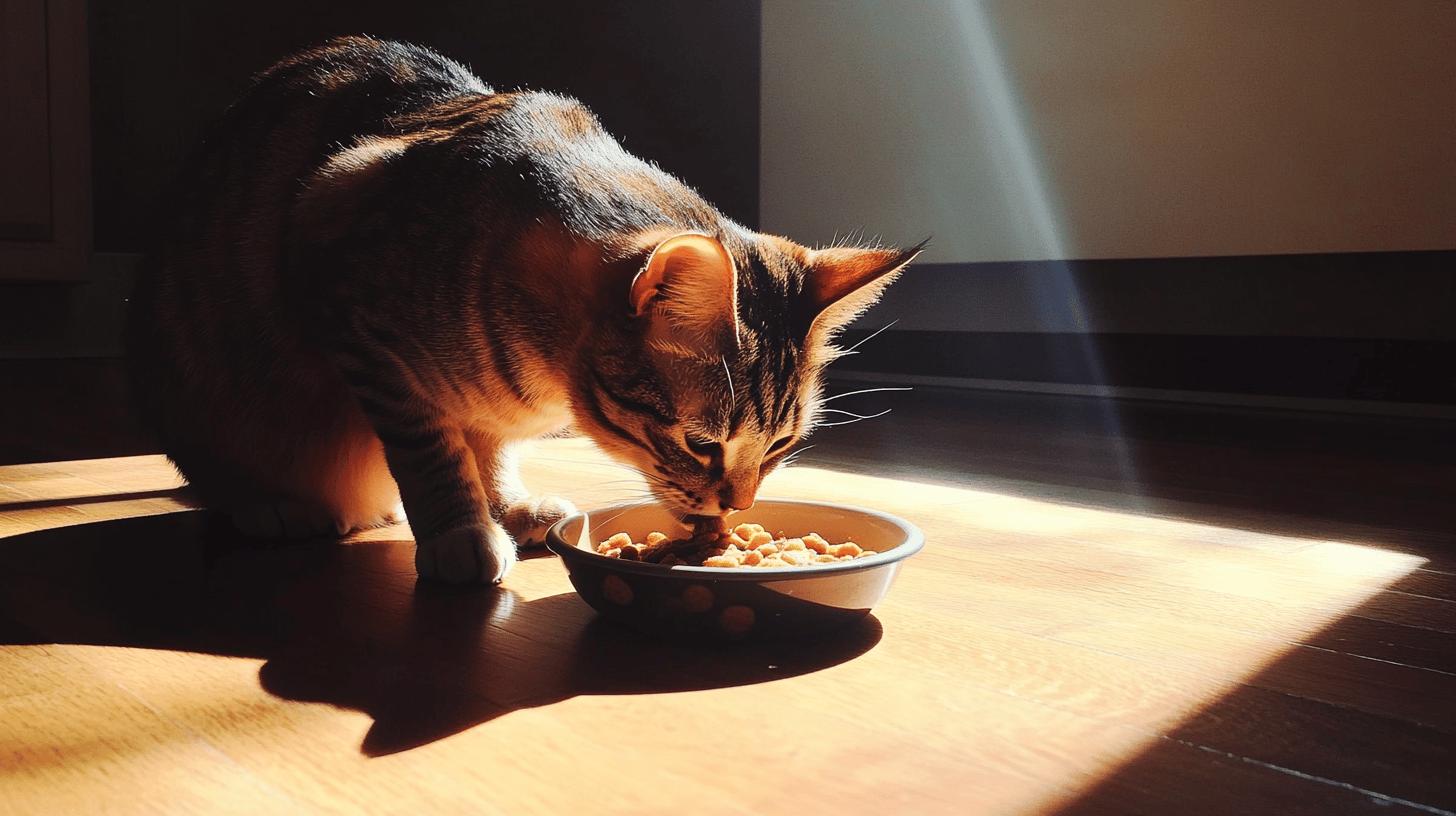
    Many cat owners wonder if it's safe for adult cats to eat kitten food. The answer is yes, but only occasionally. Kitten food is specially formulated to meet the high-energy needs of growing kittens. It is packed with protein, fat, and essential vitamins that help them grow strong and healthy. While an adult cat can handle kitten food once in a while without any harm, relying on it as their main diet isn't recommended. The rich nutrient content in kitten food doesn't align with an adult cat's dietary requirements.

    Adult cats and kittens have different nutritional needs, which is why their foods are formulated differently. Kitten food is designed to support rapid growth with higher levels of protein, fat, and calories. In contrast, adult cats require a maintenance diet that balances their energy needs without leading to weight gain. Feeding an adult cat kitten food regularly can disrupt this balance. The next section will delve deeper into these nutritional differences and why they matter for your cat's health.

    Feeding an adult cat kitten food on a regular basis can lead to several health issues, primarily obesity. The high caloric content of kitten food, when consumed by an adult cat, can cause unnecessary weight gain, which in turn may lead to arthritis and other obesity-related health problems. Maintaining a diet appropriate for their life stage is crucial to keeping them healthy and active. Always consult with a veterinarian before making any significant changes to your cat's diet.

    Nutritional Needs for Adult Cats vs. Kittens
    Nutritional Needs for Adult Cats vs Kittens-1.jpg

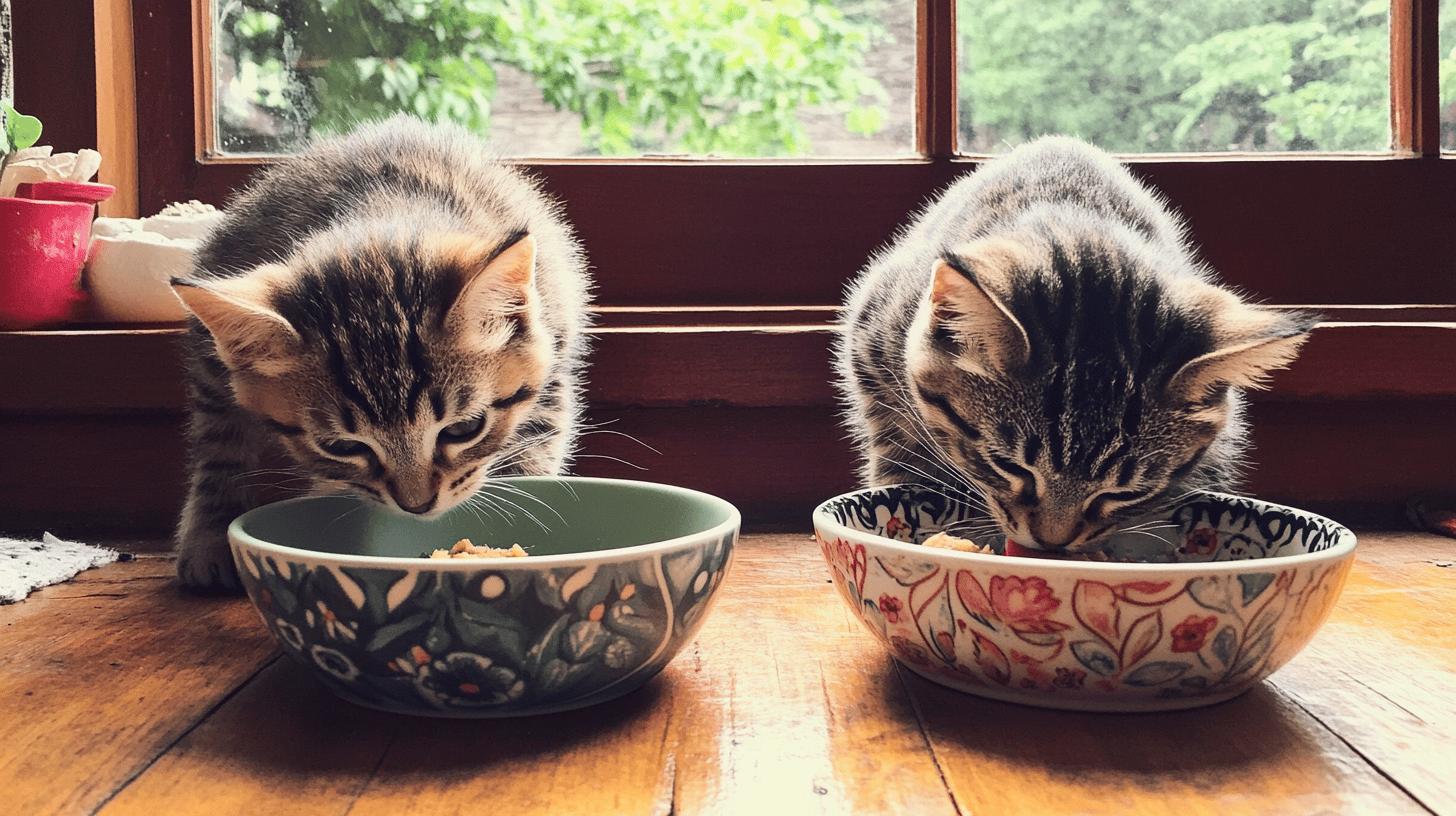
    Kitten food is designed to support rapid growth, loaded with high protein, fat, and calories. These nutrients act as a power surge, fueling kittens' development and supporting their energy demands. Kitten food often includes DHA, crucial for their brain and vision development. For adult cats, this dense nutrition isn't necessary. Their dietary needs shift towards maintaining health and preventing weight gain.

    Nutrient Kittens’ Needs Adults’ Needs
    Protein High for growth Moderate for maintenance
    Fat High for energy Moderate for balance
    Calories High for development Lower to prevent obesity
    DHA Included for brain development Not necessary

    Transitioning cats between life stage diets can be tricky but is essential for their health. Gradually mixing new food with the old over a week helps prevent digestive upset. Selecting appropriate food involves checking labels for lower calorie content in adult cat food to maintain a healthy weight. These adjustments ensure your adult cat thrives without the risk of obesity or related health issues.

    Can Adult Cats Eat Kitten Food Safely?
    Potential Risks of Kitten Food for Adult Cats-1.jpg

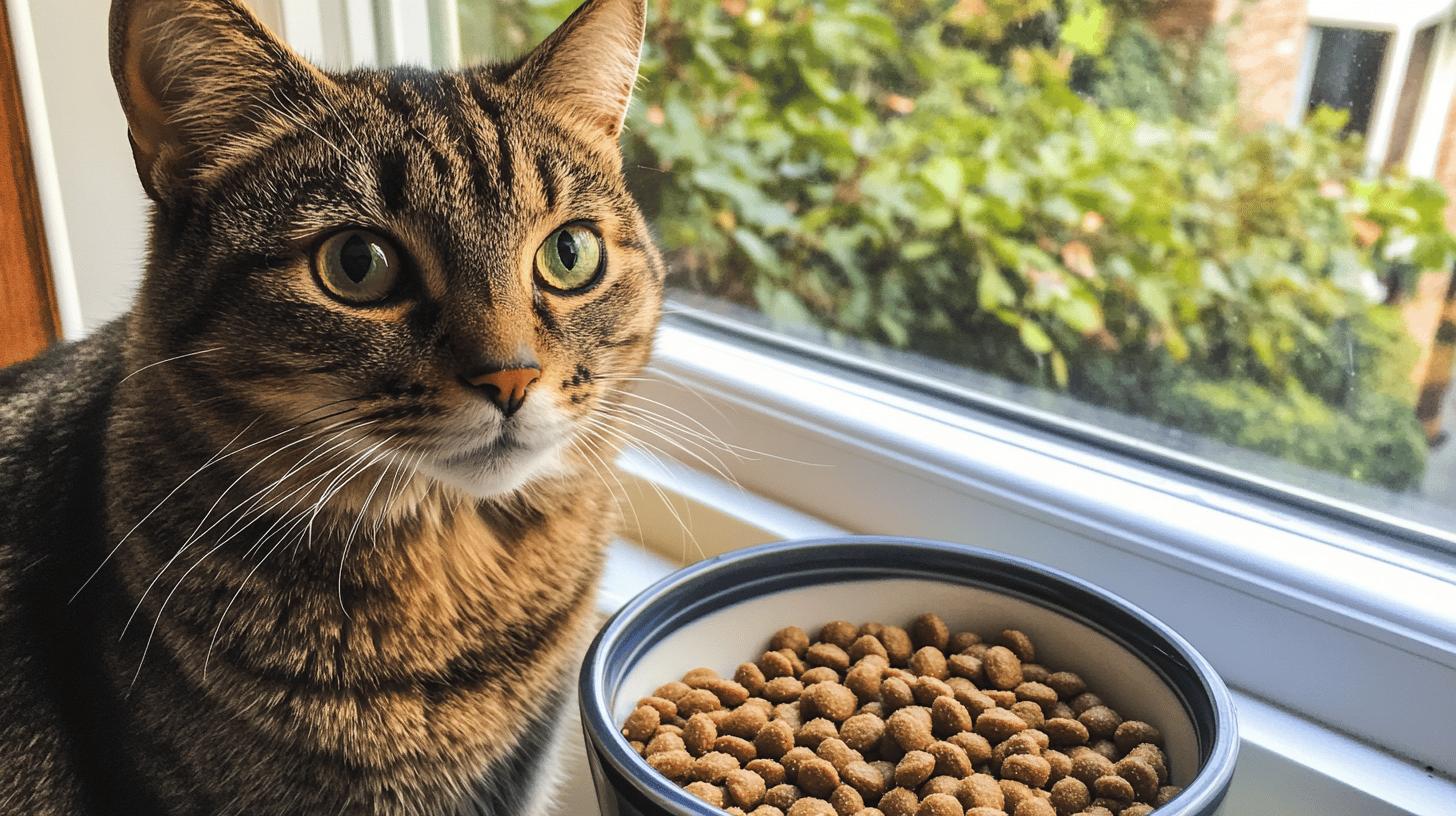
    Adult cats are better off with a diet that matches their life stage. Kitten food is high in proteins and fats, perfect for growing kittens but not ideal for adults. This nutrient overload can lead to obesity, causing health problems like arthritis. Such conditions impact their mobility and overall quality of life. It's key to ensure adult cats have a diet suited to their specific age to avoid these issues.

    High caloric content in kitten food also poses a risk. Adult cats need fewer calories to maintain their weight. Consuming kitten food can lead to excessive calorie intake, resulting in weight gain. Obesity from this can increase the risk of diabetes, heart disease, and liver problems. Keeping an eye on their diet and providing food tailored to their energy needs can help prevent these health concerns.

    When to Transition Cats from Kitten to Adult Food
    When to Transition Cats from Kitten to Adult Food-1.jpg

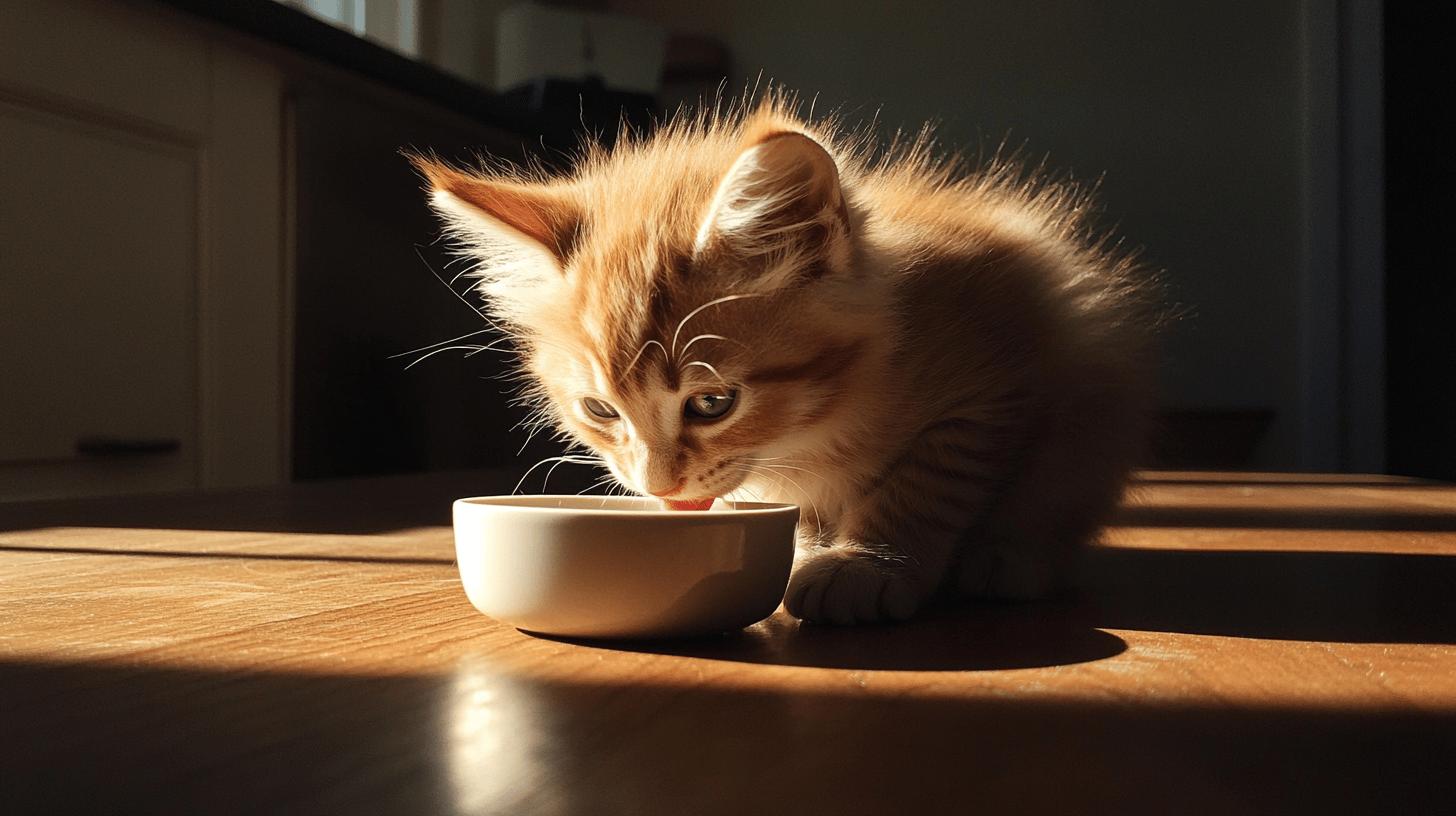
    Kittens grow quickly during their first year, which is why they need the nutrient-rich formulation of kitten food. Typically, most kittens should transition to adult cat food around their first birthday. This is when their growth rate slows down, and their nutritional needs change. However, some cats, especially larger breeds, might not be fully developed until they're 18 months old. These breeds may need to stay on kitten food for a bit longer to support their growth.

    Transitioning your kitten to adult cat food should be done gradually over 7-10 days to avoid digestive issues. Here are some tips to make the switch smooth and effective:

    • Gradual change over 7-10 days
    • Monitor for digestive issues
    • Consult a vet for specific breed needs
    • Ensure balanced nutrition

    Considering breed-specific needs is crucial. Larger breeds like Maine Coons may require kitten food for up to 18 months. Always consult with your veterinarian to determine the best timeline and approach for transitioning your kitten based on their growth and development. This ensures your cat receives the necessary nutrients to maintain health and avoid potential issues associated with premature dietary changes.

    Expert and Veterinarian Advice on Cat Feeding
    Expert and Veterinarian Advice on Cat Feeding-3.jpg

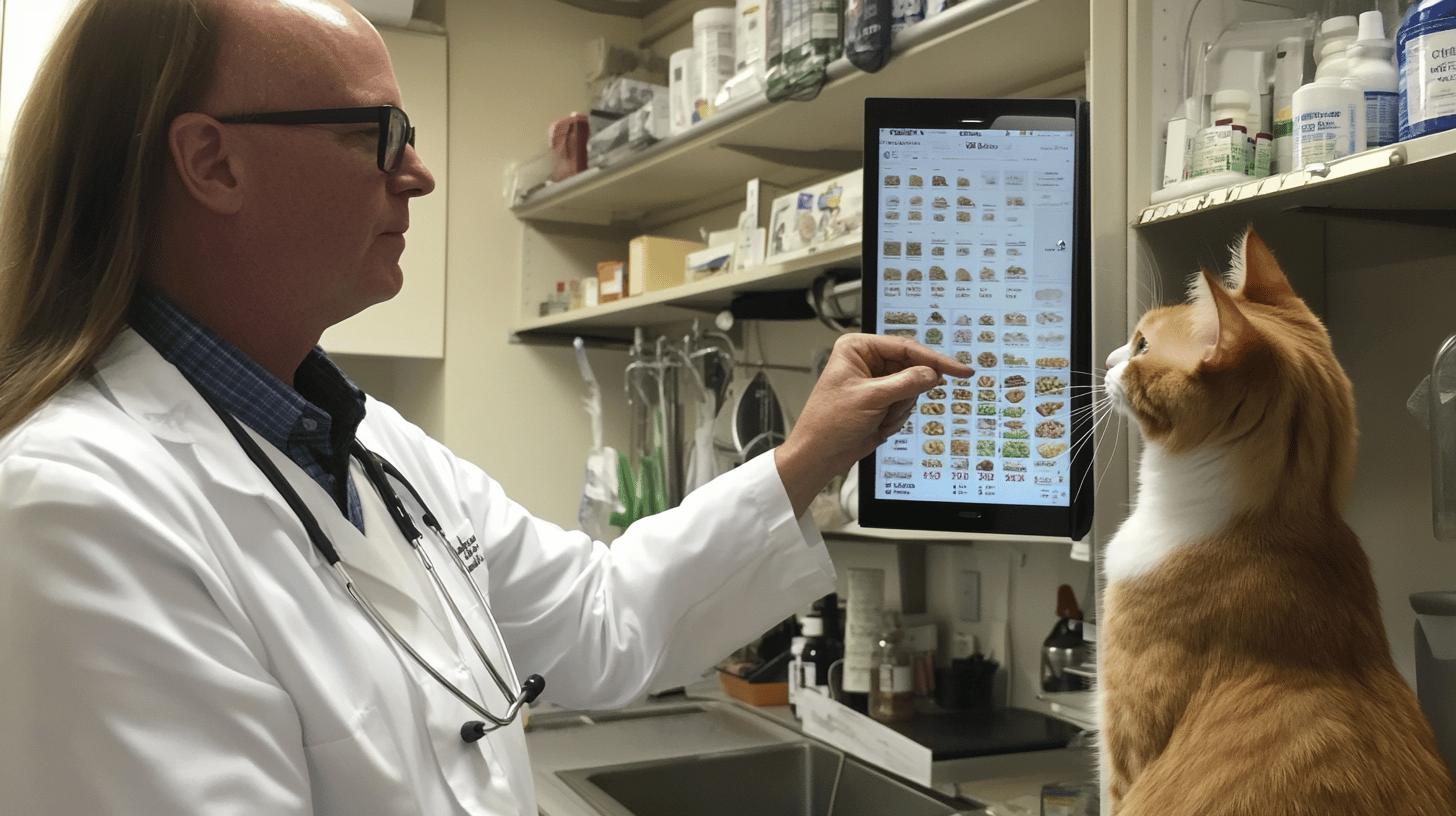
    When it comes to feeding your cat, consulting a veterinarian should be your first step. Vets have the expertise to tailor dietary plans based on your cat's specific needs, considering factors like age, health, and activity level. They can help navigate the complexities of choosing the right food, ensuring that your feline friend receives a balanced diet. This guidance is essential, especially when contemplating any major changes to your cat's diet, such as switching from kitten food to adult cat food.

    Here are some vet-recommended feeding practices that you can implement to keep your cat healthy:

    • Tailored diets based on age and health
    • Monitoring weight and health changes
    • Regular diet reviews
    • Considering activity levels
    • Preventing nutritional deficiencies

    Following these practices ensures that your cat's nutritional needs are met effectively. Expert advice is instrumental in maintaining your cat's well-being, as it can preempt potential health issues before they arise. By adhering to these guidelines, you're more likely to keep your pet in optimal health, promoting a long and happy life. Regular check-ins with your vet will also allow you to adjust feeding strategies as your cat grows and changes, making sure that their diet continually supports their health.

    Final Words

    Understanding if and when an adult cat can eat kitten food is crucial. Though it's fine occasionally, making it their primary diet isn't advisable. Adult cats and kittens differ in their nutritional needs. This affects their health, as kitten food can lead to obesity in adults.

    Transitioning your cat to adult food involves careful timing and monitoring. Consultation with a vet ensures your cat receives proper nutrition. Following these steps leads to a healthier and happier pet. Providing the right food promotes a balanced, enjoyable life for your feline friend.

    FAQ

    Q: Can adult cats eat kitten food safely?

    A: Adult cats can eat kitten food occasionally without harm. However, kitten food is higher in protein and fats, which could lead to obesity if regularly consumed by adult cats.

    Q: What's the difference between kitten food and cat food?

    A: Kitten food is designed with more protein, fat, and calories to support growth, while adult cat food focuses on maintenance with fewer calories to prevent obesity.

    Q: What happens if my cat eats kitten food?

    A: If your cat eats kitten food, it's generally safe in small amounts. Regularly eating it can cause weight gain and potential health issues like obesity.

    Q: Is kitten food ok for old cats?

    A: Kitten food isn't ideal for older cats as it may lead to excessive weight gain due to its high calorie and nutrient content designed for growth.

    Q: What age can cats get off kitten food?

    A: Cats typically transition to adult food around one year old. Some breeds may require a switch between 10-18 months, depending on their growth rate.

    Q: Can adult cats eat kitten food to gain weight?

    A: Adult cats can eat kitten food to gain weight, but it's not recommended as a long-term solution due to potential obesity and related health risks.

    Q: Can going from adult cat food to kitten food cause diarrhea?

    A: Switching from adult to kitten food can lead to diarrhea in adult cats due to nutritional imbalances and higher fat content in kitten food.
    Related Articles

  • Can Cat Eat Ground Beef Safety and Nutritional Insights

    Can Cat Eat Ground Beef Safety and Nutritional Insights

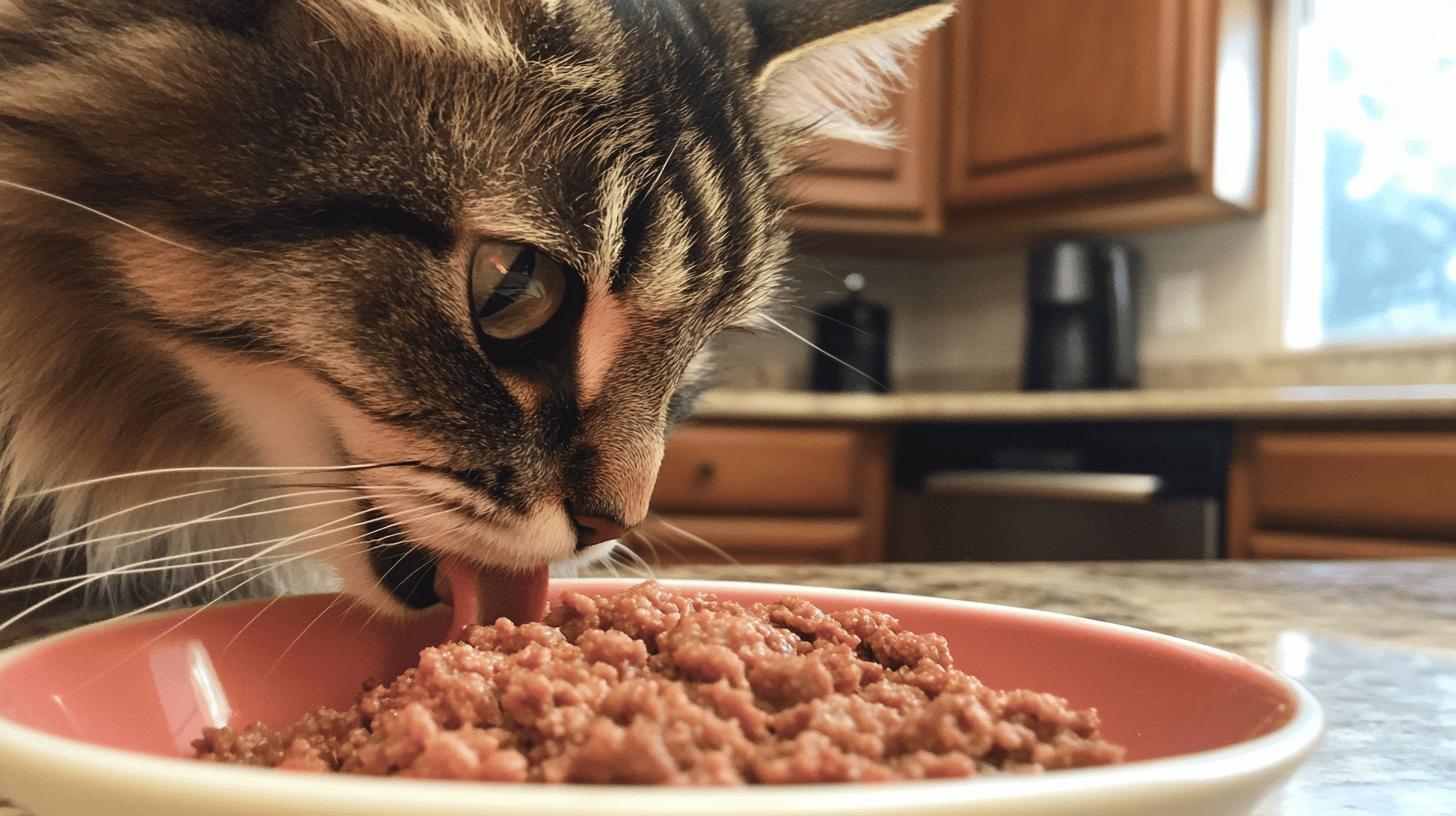
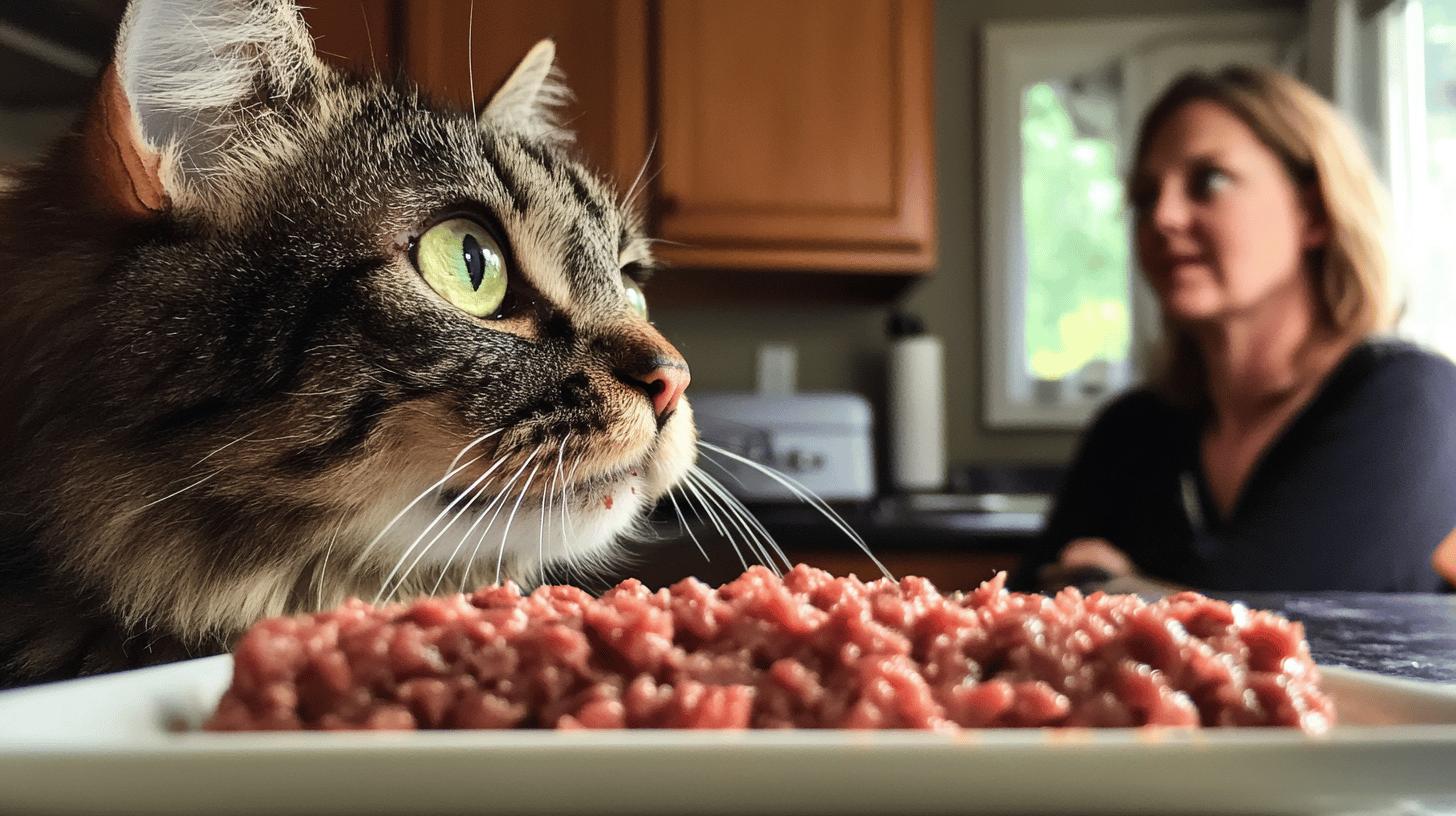
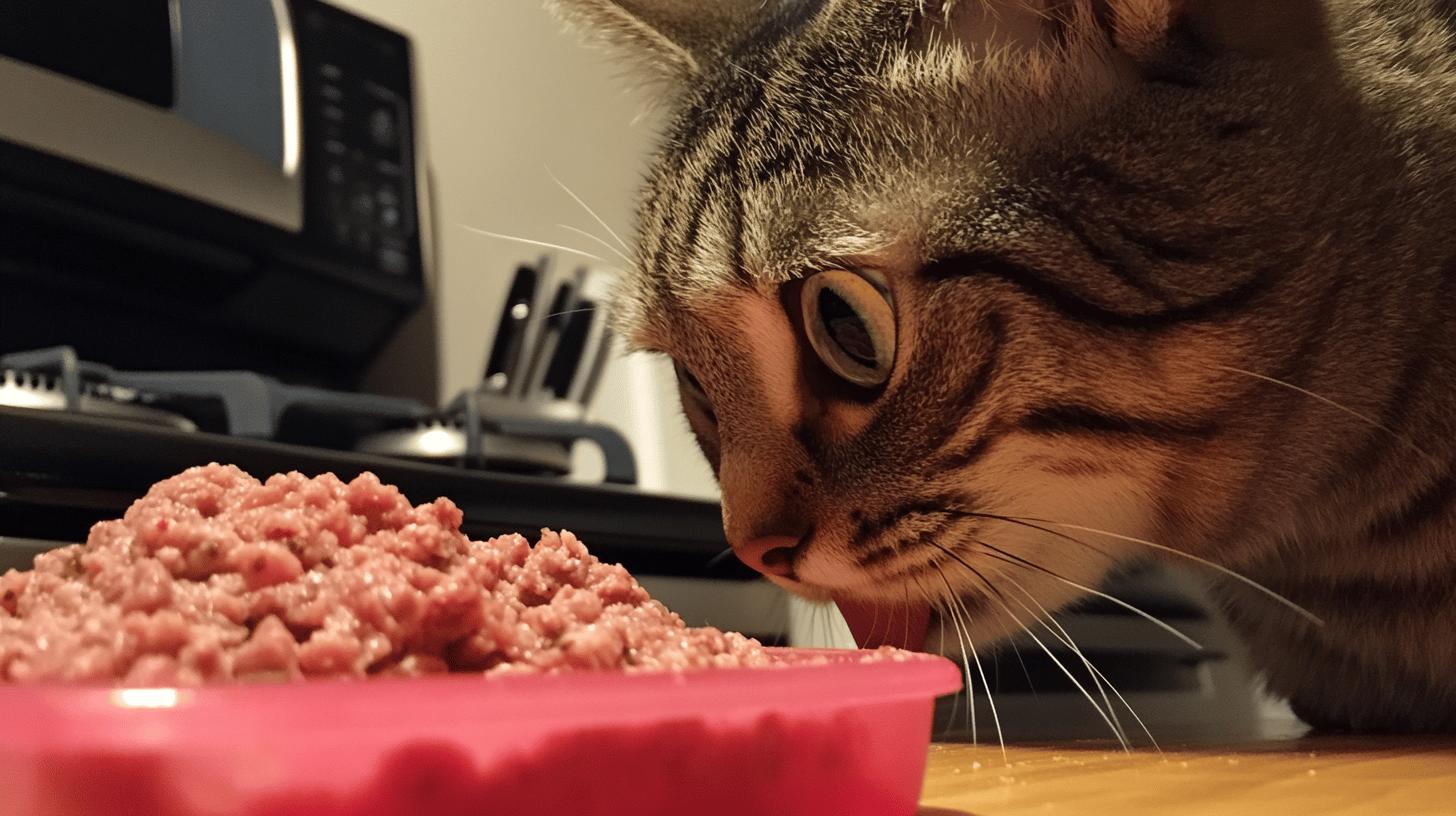
    Is ground beef a safe choice for your kitty, or is it a risky snack? The answer isn't as simple as a yes or no—it depends on how you prepare it. Ground beef, when cooked right, is safe for cats. It offers essential nutrients like protein and minerals. Yet, it must be free of harmful extras like salt and seasonings. In this post, we'll explore the safe preparation methods and health benefits of feeding cats ground beef. Let's ensure our feline friends get the best out of this tasty treat!

    Can Cats Safely Eat Ground Beef?

    Can Cats Safely Eat Ground Beef-1.jpg

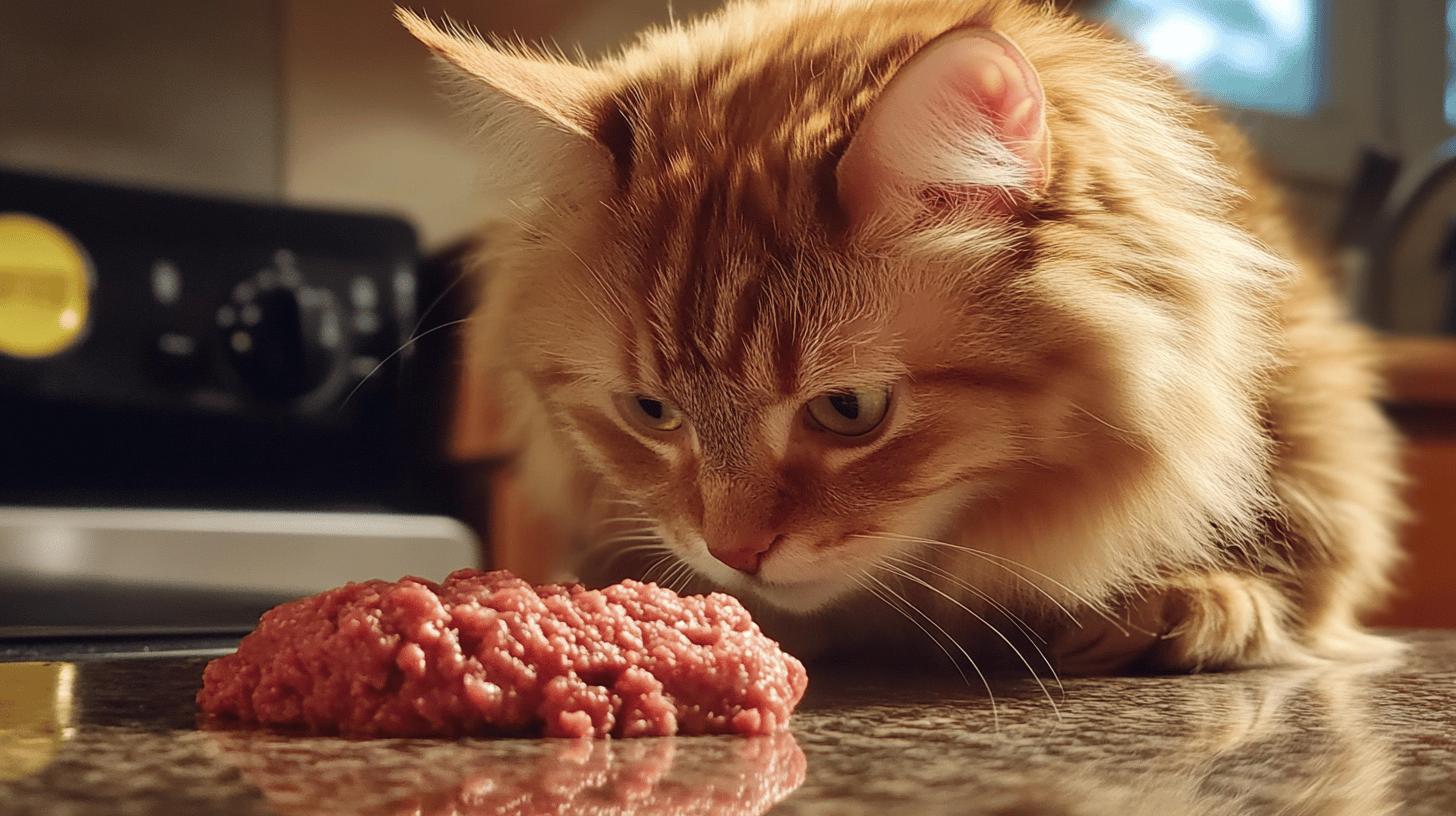
    Ground beef can be a safe addition to your cat's diet if prepared correctly. It's essential to serve it without any salt, seasonings, or oil, as these can be harmful to cats. Proper preparation is key to ensuring that your feline friend can enjoy this protein source without any adverse effects.

    Raw beef, including ground beef, carries risks due to potential bacteria like Salmonella and E.Coli. These can cause serious health issues in cats. Cooking the beef thoroughly eliminates these risks, making it much safer. Boiling is a preferred method as it avoids adding unhealthy fats or seasonings.

    Key Preparation Guidelines:

    • Cook ground beef thoroughly to eliminate bacteria.
    • Avoid adding salt, seasonings, or oils.
    • Use lean ground beef to reduce fat content.
    • Serve in moderation as part of a balanced diet.

    Lean ground beef is an excellent choice for cats as it provides protein while keeping fat levels lower. This makes it a healthier option that supports a cat's dietary needs without contributing to weight gain. By following these guidelines, you can safely introduce ground beef into your cat's meal plan.

    Nutritional Benefits of Ground Beef for Cats

    Nutritional Benefits of Ground Beef for Cats-1.jpg

    Ground beef is a powerhouse of protein, which is crucial for your cat's diet. A 100-gram serving of broiled, ground beef offers a rich source of protein along with essential minerals such as iron, zinc, manganese, and selenium. These minerals play a vital role in various bodily functions, helping to maintain your cat's health and vitality.

    The nutrients found in ground beef are significant for supporting muscle health and energy levels. Iron and zinc contribute to the production of red blood cells and immune function, ensuring that your cat stays active and healthy. Manganese and selenium are antioxidants that help reduce oxidative stress, promoting overall well-being and longevity in cats.

    Taurine, an essential amino acid present in ground beef, is especially important for a cat's diet. Cats cannot produce enough taurine on their own, so they rely on dietary sources. It supports vision, heart function, and reproductive health. Including ground beef in your cat's meals can help meet their taurine requirements, ensuring they get the nutrients necessary for a happy and healthy life.

    Potential Risks of Feeding Ground Beef to Cats

    Potential Risks of Feeding Ground Beef to Cats-1.jpg

    Feeding too much ground beef to your cat can lead to serious health problems. Overconsumption is linked to heart disease and cancer, conditions that can severely impact your cat's quality of life. The high-fat content in non-lean beef can also lead to obesity, increasing the risk of these diseases. It's crucial to control portions and ensure beef is part of a balanced diet to maintain your cat's health.

    While the risks of harmful bacteria like Salmonella and E.Coli in raw beef have been covered, overfeeding beef can still pose health issues. Parasites found in raw beef can complicate your cat's health further. Cooking beef thoroughly remains essential to eliminate these dangers. Focus on portion control and balance in your cat's diet to prevent obesity and associated health risks.

    How to Prepare Ground Beef for Cats

    How to Prepare Ground Beef for Cats-1.jpg

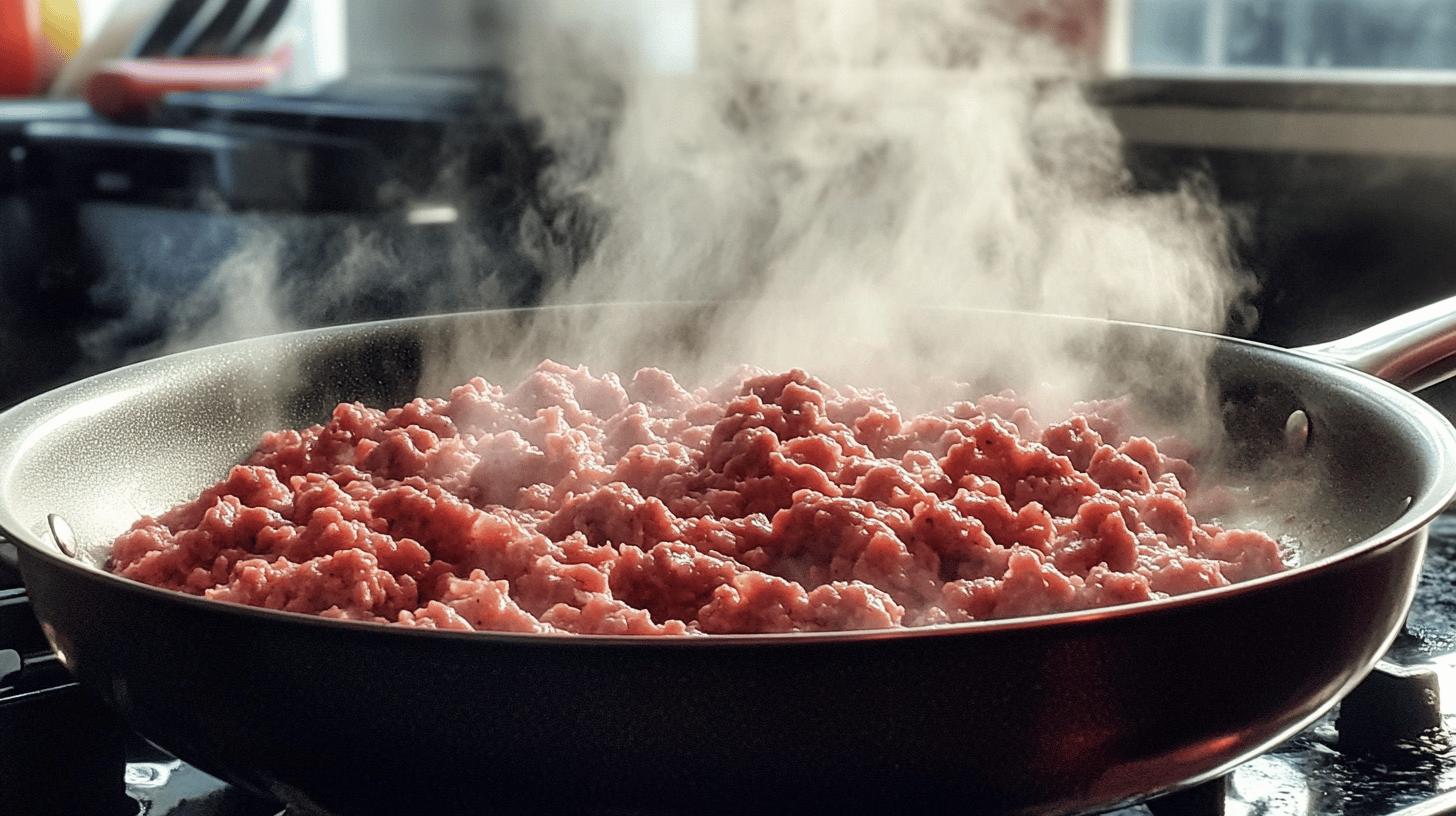
    Cooking methods are crucial when preparing ground beef for cats. Boiling is the best choice, as it cooks the meat thoroughly without adding fats or seasonings. Frying can introduce oils harmful to cats, making it a less suitable option. Properly cooked beef eliminates bacteria and parasites, providing a safer meal for your feline friend.

    Cooking Instructions

    To prepare ground beef for your cat, follow these steps:

    1. Select Lean Ground Beef: Choose beef with low-fat content to minimize excess calories.
    2. Boil the Beef: Place the ground beef in a pot, cover it with water, and bring it to a boil.
    3. Cook Fully: Let it simmer until the beef is entirely cooked with no pink areas.
    4. Drain and Cool: After cooking, drain the water and cool the beef completely before serving.

    Common Cooking Mistakes to Avoid:

    • Adding salt or seasonings that can upset your cat's stomach.
    • Using oils or frying the beef, increasing fat content.
    • Serving beef that is not fully cooked, risking bacteria.
    • Giving large portions that lead to overfeeding and health issues.

    Portion size is important when serving ground beef. A small portion, around a tablespoon or two, is usually enough for a single meal. Keep an eye on your cat for any allergic reactions or digestive issues after introducing ground beef. Adjust portions based on your cat's response to ensure a balanced and enjoyable meal.

    Comparing Ground Beef with Other Protein Sources for Cats

    Comparing Ground Beef with Other Protein Sources for Cats-1.jpg

    Cats are obligate carnivores, which means their diet should primarily consist of meat. While ground beef is a popular choice, there are several other protein sources that are suitable for cats. Options like chicken, lamb, turkey, and duck provide variety and nutritional benefits when properly cooked. Cooking is crucial, as it ensures that harmful bacteria and parasites are eliminated, making the food safe for your feline friend.

    Here's how beef stacks up against chicken, one of the most common meats in cat foods:

    Nutrient Ground Beef Chicken
    Protein Content High Very High
    Essential Amino Acids Rich Source Rich Source
    Fat Content Higher (Depends on Cut) Lower
    Minerals (Iron, Zinc) Rich Source Moderate Source

    Beef is a good protein source, offering essential amino acids and minerals like iron and zinc. However, it's not a natural prey for cats, unlike poultry. Chicken tends to have a slightly higher protein content and is lower in fat, making it a leaner option. Both beef and chicken can be incorporated into a cat's diet, but beef should be balanced with other meats to ensure a well-rounded intake of nutrients. By offering a variety of meats, you can cater to your cat's nutritional needs while also keeping their meals interesting and enjoyable.

    Final Words

    Ground beef can be a safe and nutritious option for cats if prepared correctly. It offers essential proteins and minerals, promoting muscle and overall health. Cooking ground beef properly is crucial to prevent any bacterial risks. Raw beef can pose health issues, so always choose to boil it without seasonings.

    Remember that while beef is beneficial, moderation is necessary to avoid potential health problems. Exploring other protein sources like chicken or turkey can provide variety. Overall, can cat eat ground beef? Yes, with the right preparation and care, it can be a delightful treat for your feline friend.

    FAQ

    Can cats eat ground beef?

    Cats can eat ground beef, but it should be cooked without salt or seasonings. Raw beef can be risky because of bacteria. Cooked lean ground beef is a safer choice for feeding cats.

    Can cats eat ground beef raw or cooked?

    Cats should eat ground beef cooked, not raw. Cooking helps kill any harmful bacteria and parasites. Avoid adding salt, seasonings, or oil when preparing.

    How do I cook ground beef for my cat?

    Boil the ground beef without salt or seasonings. Avoid frying or adding oil. Ensure the beef is thoroughly cooked to keep your cat safe from bacteria.

    Can cats have ground beef every day?

    Feeding cats ground beef daily is not encouraged. While it can be part of their diet, balance is key. Include other protein sources and check with a vet for proper nutrition.

    Can cats eat ground beef and rice?

    Yes, cats can eat ground beef with rice. Keep it plain without seasonings. This mixture can be a balanced meal if your cat tolerates rice well.

    How much ground beef should I feed my cat?

    The amount of ground beef depends on your cat's size and dietary needs. Consult with a vet for tailored feeding guidelines to ensure balanced nutrition.

    What meat should cats avoid?

    Cats should avoid meats high in fat and processed meats, like bacon or sausage. Always cook meat properly to prevent the risk of harmful bacteria.

    Related Articles

  • Can Cat Eat Papaya Safely as an Occasional Treat

    Can Cat Eat Papaya Safely as an Occasional Treat

    Can cats savor papaya safely, or should we stick to tuna treats instead? This juicy fruit might seem like a tasty treat, but it's not as simple as it appears. Cats are carnivores at heart, thriving on meats more than fruits. Papaya, though, can be a safe delight in tiny doses. It’s crucial to limit their intake to avoid any tummy troubles while ensuring their primary diet remains meaty. If you're curious whether this fruit can spice up their snacking, we’ve got the insights you need right here!

    Comprehensive Overview: Papaya and Cats

    Comprehensive Overview Papaya and Cats-1.jpg

    Papaya is a fruit that can be safely introduced to a cat's diet in small amounts. It makes for an interesting occasional treat, but there are a few things to keep in mind. Cats are obligate carnivores, which means their primary dietary needs are met through proteins found in meat rather than fruits. Papaya, when given sparingly, can be safe, but it should not exceed 10% of a cat's daily calorie intake. Overindulgence could lead to digestive issues. Also, papaya seeds are considered a choking hazard and should be avoided entirely. This fruit can be particularly appealing to cats due to its texture, yet it should be offered only in moderation.

    Nutritionally, papaya contains enzymes that might aid in a cat's digestion, particularly in older felines. However, it lacks any significant nutritional benefits for cats. While humans often consume papaya for its vitamins and fibers, cats do not require these in the same way. Cats naturally produce their own vitamin C, so the vitamin content in papaya is not necessary for them. The primary focus should remain on a diet rich in animal proteins and fats, which are more aligned with their natural dietary needs.

    Fruit Safety Level
    Papaya Safe in moderation
    Melon Safe in moderation
    Blueberries Safe
    Grapes Unsafe
    Apples (no seeds) Safe in moderation

    Feeding papaya to cats comes with potential risks and side effects. If given in large quantities, papaya might cause digestive upset, such as diarrhea. It's important to monitor any adverse reactions when offering new foods. Cats with sensitive stomachs, allergies, high blood sugar, or obesity should be particularly cautious. While the enzymes in papaya could theoretically benefit digestion, these are not essential for a cat's health and are unlikely to outweigh the potential downsides of overconsumption.

    Moderation is key when introducing papaya or any new treat to your cat's diet. Always start with small amounts and observe how your cat responds. Consulting a veterinarian before adding new foods to your cat's routine is a smart move. They can provide guidance tailored to your cat's specific health needs, ensuring that any dietary changes are safe and beneficial.

    How to Safely Introduce Papaya to Your Cat

    How to Safely Introduce Papaya to Your Cat-1.jpg

    Offering papaya to your cat can be a fun way to add variety to their diet, but serving size is crucial. A safe serving is just a few small chunks or bites, offered once or twice a week. This ensures your cat can enjoy the treat without upsetting their stomach or affecting their nutritional balance. Remember, while papaya is safe, it should not replace their main diet, which should be high in protein.

    Preparing Papaya for Cats

    To make papaya safe for your feline friend, it needs to be prepared properly.

    1. Select a ripe papaya: Choose one that is fresh and ripe, as unripe fruit can be harder for cats to digest.
    2. Wash the fruit: Rinse the papaya thoroughly under running water to remove any dirt or pesticides.
    3. Remove the seeds and skin: Both should be completely removed. The seeds can be harmful, and the skin is tough to digest.
    4. Cut into small pieces: Chop the flesh into small, bite-sized chunks that your cat can easily chew and swallow.

    After introducing papaya to your cat, it's important to watch for any adverse reactions. Monitor their behavior and health, looking for signs of digestive upset or allergies, such as vomiting or diarrhea. If your cat shows any negative symptoms, discontinue the treat and consult your veterinarian. They can provide tailored advice and ensure your cat's diet remains healthy and balanced.

    Final Words

    Understanding if cats can eat papaya involves recognizing that it is safe for them to consume in small portions. The fruit offers little nutritional value for cats but can aid digestion in moderation. Always remember that papayas should be an occasional treat, not a staple in their diet.

    When introducing papaya, start with tiny chunks, ensuring you monitor for any adverse reactions. By following these guidelines, you can occasionally share this treat with your cat safely. Keep your feline's health in mind and enjoy the bond over some refreshing papaya.

    FAQ

    Can cats eat papaya?

    Cats can eat papaya in small amounts as an occasional treat. It contains enzymes that may aid digestion but doesn't provide significant nutrition. Always keep papaya intake below 10% of their daily calorie intake.

    What fruits can cats eat?

    Cats can eat small amounts of fruits like papaya, apples (without seeds), and blueberries. Always ensure fruits are safe and given occasionally. Some fruits, like grapes and raisins, are toxic to cats.

    Is papaya good for cats to eat?

    Papaya is safe for cats but offers limited nutritional benefits. It's best as a treat, not a dietary staple, because cats are obligate carnivores needing meat-based nutrients.

    Can cat eat papaya seeds or leaves?

    Cats should not eat papaya seeds or leaves. Seeds can be a choking hazard and leaves are not safe for feline consumption.

    Can cat eat papaya juice?

    Papaya juice is not recommended for cats. It's best to avoid fruit juices as they often contain sugars and lack fiber present in the whole fruit.

    Can cats eat papaya skin?

    Cats should not eat papaya skin. The skin can be tough and hard to digest, potentially leading to stomach upset.

    Can kittens eat papaya?

    Kittens should not eat papaya. Their diet should focus on high-quality kitten food designed for growth and development without unnecessary foods like papaya.

    Can pets like dogs or other animals eat papaya?

    Many pets, including dogs, can eat papaya in moderation. Always consult a vet to ensure it's suitable for your specific pet's diet and health needs.

    What fruit is toxic to cats?

    Grapes, raisins, and citrus fruits are toxic to cats. Always avoid feeding these fruits, and consult a vet for a comprehensive list of unsafe foods.

    Related Articles

  • Can Cat Eat Sunflower Seed Safely and Effectively

    Can Cat Eat Sunflower Seed Safely and Effectively

    Are sunflower seeds a safe nibble for your cat, or could they be biting off more than they can chew? While sunflower seeds are non-toxic and may seem like a harmless treat, it’s crucial to understand the fine line between safety and excess. Discover how to balance offering these seeds without tipping the scales with too many calories. In this post, I will guide you through the safety of giving sunflower seeds to your cat and how to do so effectively, ensuring your furry friend stays happy and healthy.

    Can Cats Safely Eat Sunflower Seeds?

    Can Cats Safely Eat Sunflower Seeds-1.jpg

    Cats can safely nibble on sunflower seeds as they are non-toxic according to the ASPCA. This makes sunflower seeds for cats a safe treat option, but we should still be cautious about sunflower seed consumption. While they are safe, the high-calorie content means moderation is key.

    Sunflower seeds are calorie-dense, with a 30-gram serving packing in about 175 calories. For a 10-pound cat, that’s two-thirds of their daily caloric intake. Excessive consumption can lead to weight gain and other health issues. To avoid these problems, it’s best to offer sunflower seeds as an occasional treat rather than a regular part of their diet.

    Here are some key points on safely feeding sunflower seeds to cats:

    • Non-toxic confirmation: According to the ASPCA, sunflower seeds are non-toxic, making them safe for feline consumption.
    • Moderation is crucial: Due to their high-calorie content, feed sunflower seeds sparingly to prevent weight issues.
    • Plain and unsalted: Ensure the seeds are unsalted and plain. This avoids unnecessary sodium and flavor additives that aren’t beneficial for cats.
    • Monitor for reactions: Keep an eye on your cat for any digestive discomfort after eating sunflower seeds. If any issues arise, consult your vet.

    By following these guidelines, you can offer sunflower seeds as a safe and delightful treat for your feline friend.

    Nutritional Benefits and Risks of Sunflower Seeds for Cats

    Nutritional Benefits and Risks of Sunflower Seeds for Cats-1.jpg

    Sunflower seeds offer unique nutritional benefits that go beyond what’s already covered. They are rich in vitamin B6, which plays a crucial role in maintaining healthy brain function and red blood cell production in cats. The presence of magnesium supports muscle function and bone health, contributing to overall well-being.

    These nutrients can enhance your cat’s diet in specific ways. Vitamin B6 aids in the synthesis of neurotransmitters, which are vital for neurological health. Magnesium contributes to the structural development of bones and helps in energy production. Copper, often found in sunflower seeds, supports the formation of collagen, aiding in the maintenance of healthy joints and skin elasticity.

    While incorporating sunflower seeds into your cat’s diet can be beneficial, it’s important to be aware of possible risks associated with overconsumption:

    • High calorie content can lead to weight gain.
    • Potential digestive issues if too many seeds are consumed.
    • Excessive fats can contribute to obesity.
    • Choking hazards if seeds are not de-shelled.
    • Imbalanced diet if seeds replace core dietary components.

    Moderation remains crucial in introducing sunflower seeds to your cat’s diet. Stick to small, infrequent portions to prevent any adverse health effects. This way, sunflower seeds can serve as a nutritious supplement to your cat’s regular meals, supporting their health without compromising their dietary balance.

    Guidelines for Feeding Sunflower Seeds to Cats

    Portion control is essential when feeding sunflower seeds to your cat. Their high calorie content means that even a small serving, like a 30-gram portion with 175 calories, can take up a large part of a 10-pound cat’s daily calorie limit. This can help prevent unwanted weight gain.

    Here are three steps for safe feeding:

    1. De-shell seeds before feeding. Shells can pose choking hazards.
    2. Limit to 1-5 kernels occasionally. This keeps the diet balanced without adding too many calories.
    3. Monitor for any adverse reactions. Look out for signs of digestive discomfort.

    Introduce new treats with careful observation. Assess your cat’s reaction to eating sunflower seeds, noting any changes in behavior or digestion. If you have concerns or need guidance, consult your vet for personalized advice tailored to your cat’s dietary needs.

    Comparing Sunflower Seeds to Other Seeds and Nuts for Cats

    Comparing Sunflower Seeds to Other Seeds and Nuts for Cats-1.jpg

    Cats can enjoy a variety of seeds and nuts, but it’s crucial to know which ones are safe and how to serve them. Generally, seeds and nuts should be given in moderation to avoid any potential health risks. While some offer nutritional benefits, others are not ideal due to their high fat content. To make informed choices, let’s compare sunflower seeds with other popular options for feline diets.

    Pumpkin Seeds for Cats

    Pumpkin seeds can be a great addition to your cat’s diet. They are known for their digestive benefits, thanks to the high fiber content that can support a healthy gut. Offering pumpkin seeds in moderation can help maintain your cat’s digestive health without the risk of excessive calorie intake. Always ensure the seeds are unsalted and de-shelled.

    Sesame Seeds for Cats

    Sesame seeds can be fed to cats but should be treated with caution. They contain beneficial nutrients like calcium and iron, which can contribute to bone health and metabolism. However, the small size and calorie density mean they should be given sparingly. Monitor your cat for any signs of digestive discomfort when introducing sesame seeds.

    Other Nuts (e.g., Almonds, Cashews)

    While nuts like almonds and cashews might seem appealing, they are generally not recommended for cats. These nuts are high in fats, which can lead to weight gain and other health issues if consumed in large amounts. It’s best to avoid feeding nuts to cats or offer them only in very small quantities under supervision.

    Seed/Nut Type Benefits Risks
    Sunflower Seeds Rich in protein and vitamins High calorie content
    Pumpkin Seeds Supports digestion Moderation needed
    Sesame Seeds Contains calcium and iron Potential digestive issues

    Understanding these differences helps in choosing the right seeds and nuts for your cat. By carefully selecting and moderating these treats, you can provide a variety of nutritional snacks that support your cat’s health.

    Nutritious Alternatives to Sunflower Seeds for Cats

    Nutritious Alternatives to Sunflower Seeds for Cats-1.jpg

    A balanced diet is crucial for maintaining a cat’s health and vitality. While sunflower seeds can be a tasty treat in moderation, they shouldn’t be the mainstay of a cat’s diet. Ensuring that your feline friend receives a variety of nutrients is key to their overall well-being. This means offering snacks that complement their regular meals and don’t contribute to unwanted weight gain or health issues.

    Here are some healthy snacks that can be great alternatives to sunflower seeds:

    • Cooked chicken or turkey: These lean meats provide high-quality protein that supports muscle health.
    • Small amounts of tuna: Rich in omega-3 fatty acids, tuna can boost skin and coat health when given sparingly.
    • Commercial cat treats: Formulated to provide essential nutrients without extra calories, these are convenient and safe.
    • Cooked carrots or peas: These vegetables offer fiber and vitamins that aid digestion and overall health.
    • Catnip as an occasional treat: Besides being entertaining, catnip can stimulate activity and playfulness.

    Adding variety to a cat’s diet can have numerous benefits. By offering different types of nutrients and flavors, you keep your cat interested in their meals and ensure they receive a well-rounded diet. This helps prevent nutritional deficiencies and promotes a healthy lifestyle, ensuring your furry friend remains happy and thriving.

    Final Words

    Throughout this guide, we learned that sunflower seeds are safe for cats, but must be fed in moderation. They offer various nutrients but can be calorie-dense. Unsalted, plain seeds are best suitable as a treat. Always keep an eye on your cat for any digestion issues.

    Exploring the benefits revealed how proteins and fibers can boost health, while overconsumption can lead to problems. Understanding feeding tips helps ensure a balanced diet without excess fat intake.

    Remember, there are many other nutritious alternatives to sunflower seeds. Each can offer unique nutritional benefits to your cat. Always aim for a varied diet to keep your cat healthy and happy.

    FAQ

    Can cats have sunflower seeds?

    Cats can have sunflower seeds, but they should be de-shelled, unsalted, and given as an occasional treat. Monitor your cat for any digestive discomfort after consumption.

    Are sunflower seeds toxic to pets?

    Sunflower seeds are not toxic to cats, according to the ASPCA. Ensure they are plain and unsalted, and given in moderation to avoid health risks.

    Can cats eat sunflower seeds with shells?

    Cats should not eat sunflower seeds with shells. The shells can be tough to digest and might cause digestive problems. Always de-shell before offering them to your cat.

    Can cats eat salted sunflower seeds?

    Cats should not eat salted sunflower seeds. Salt can be harmful to cats, leading to potential health issues. Always choose unsalted seeds.

    What seeds are safe for cats?

    Safe seeds for cats, in moderation, include sunflower and pumpkin seeds. Always ensure they are de-shelled and free from added salt or seasoning.

    Can cats eat pumpkin seeds?

    Cats can eat pumpkin seeds. They provide digestive benefits and should be fed in moderation. Ensure seeds are plain and free of shells.

    Can cats eat sesame seeds?

    Cats can eat sesame seeds in small quantities. They are generally safe but should be offered sparingly to avoid any adverse effects.

    Can cats eat sunflower oil?

    Cats can consume sunflower oil in small amounts. It can add beneficial fats to their diet, but overconsumption may lead to health issues.

    What nuts are toxic to cats?

    Certain nuts like macadamia nuts can be toxic to cats. High fat content in many nuts can also lead to digestive problems, so they should be avoided.

    Can cats eat almonds?

    Cats should not eat almonds. They are not toxic but can cause digestive issues due to their high fat content and potential choking hazard.

    Related Articles

  • Can Cat Eat Ketchup Understanding Risks and Safety Concerns

    Can Cat Eat Ketchup Understanding Risks and Safety Concerns

    Can cats safely indulge in ketchup? It's a question you might find yourself asking when your curious kitty sniffs around your plate. Unfortunately, the answer isn't as sweet as the beloved condiment. Ketchup, while a kitchen staple for us, can pose risks for our feline friends due to harmful ingredients like onion and garlic powder. These can lead to severe health problems, including anemia. In this article, we'll dive into why cats and ketchup are a dangerous mix and explore ways to ensure your cat's safety. Let's keep our furry companions healthy and happy!

    Can Cats Eat Ketchup? Understanding the Risks

    Can Cats Eat Ketchup Understanding the Risks-1.jpg

    Ketchup may seem harmless, but it poses significant risks to our feline friends. The primary concern is its ingredients, particularly onion and garlic powder, which are toxic to cats. These can harm a cat's red blood cells, potentially leading to Heinz body anemia, a severe and sometimes fatal condition. Additionally, ketchup is packed with salt and sugar, which can cause a range of health issues for cats. Even a small lick can lead to dehydration or contribute to more severe problems like high blood pressure. For these reasons, it's clear that ketchup is not safe for cats and should be kept out of their reach.

    Here are some specific harmful effects that consuming ketchup can have on cats:

    • Heinz body anemia
    • Dehydration
    • High blood pressure
    • Obesity
    • Diabetes

    Given these potential health issues, it's evident that ketchup offers no benefits to a cat's diet. Cats are obligate carnivores, requiring a diet high in animal protein, and ketchup doesn't align with their dietary needs. The potential dangers far outweigh any perceived benefits, making it crucial for cat owners to avoid letting their pets consume ketchup. Keeping human foods like ketchup away from your cat can help maintain their health and prevent unnecessary complications.

    What to Do If Your Cat Eats Ketchup

    What to Do If Your Cat Eats Ketchup-3.jpg

    If you find that your cat has indulged in ketchup, swift action is necessary. First, remove any remaining ketchup from their reach to prevent further consumption. It's important to observe your cat closely for any signs of distress or unusual behavior. Cats can be sensitive to ingredients in ketchup, such as onion and garlic powder, which can trigger serious health issues. Keep an eye out for symptoms of food poisoning, and stay calm as you assess the situation.

    Symptom Action
    Vomiting Consult vet if persistent
    Diarrhea Ensure hydration
    Lethargy Seek vet advice
    Weakness Monitor closely
    Lack of appetite Vet consultation needed

    If any of these symptoms occur, it's wise to contact your veterinarian for guidance. A professional can provide the best course of action, whether it's a home remedy or a visit to their clinic. In cases of severe reactions, such as persistent vomiting or extreme lethargy, immediate veterinary attention is crucial. Being proactive can prevent further complications and ensure your furry friend's well-being.

    Why Human Foods Aren't Suitable for Cats

    Why Human Foods Like Ketchup Arent Suitable for Cats-1.jpg

    Cats are obligate carnivores with dietary needs that revolve around animal protein. Their bodies are efficient at processing nutrients from meat, not from plant-based or processed foods. Human foods often lack the essential proteins and nutrients cats require. Feeding your cat these foods can lead to deficiencies, as they displace the necessary amino acids vital for a cat's health.

    Many human foods pose significant risks to cats. Some of these include:

    • Chocolate
    • Alcohol
    • Caffeine
    • Grapes and raisins

    Human foods can seriously impact a cat's health. Ingredients common in these foods, like high salt and sugar, contribute to obesity, diabetes, and high blood pressure. Toxic components such as onion and garlic powder can result in gastrointestinal distress and, in severe cases, liver failure. To keep your cat healthy and safe, it's crucial to adhere to a diet specifically formulated for them, avoiding the hazards of human foods.

    Safe Alternatives to Ketchup for Cats

    Safe Alternatives to Ketchup for Cats-1.jpg

    When it comes to treating our feline friends, it's crucial to choose options that offer nutritional benefits and align with their dietary needs. Cats are obligate carnivores, meaning their diet should be rich in animal proteins. Unlike ketchup, which can harm them, there are plenty of safe and healthy snacks that cats can enjoy. Prioritizing nutritious treats not only supports their health but also ensures they receive the essential nutrients they need to thrive.

    Here are some safe alternatives to human foods that you can offer your cat:

    • Cooked tuna
    • Boiled chicken
    • Plain salmon
    • Cooked turkey
    • Cat-specific treats

    These alternatives provide the necessary protein without any harmful additives. Cooked and unseasoned fish or poultry are excellent choices that respect a cat's natural dietary habits. They deliver the amino acids and nutrients essential for maintaining strong muscles and supporting overall health. By choosing these options over human foods like ketchup, which can be harmful, you ensure your cat stays happy and healthy.

    Tips for Preventing Cats from Eating Unsafe Foods

    Tips for Preventing Cats from Eating Unsafe Foods-1.jpg

    Keeping our feline companions safe from harmful foods requires some proactive measures. Start by securing all snacks and human foods, ensuring they are stored out of reach. Educate everyone in your household about the specific dietary needs of cats and the potential dangers of human foods like ketchup. Remind them that even small amounts of certain ingredients can be toxic. This awareness can prevent accidental feeding and encourage healthy feeding practices. It's also wise to keep cats out of the kitchen and dining areas where they might encounter leftovers or spilled food.
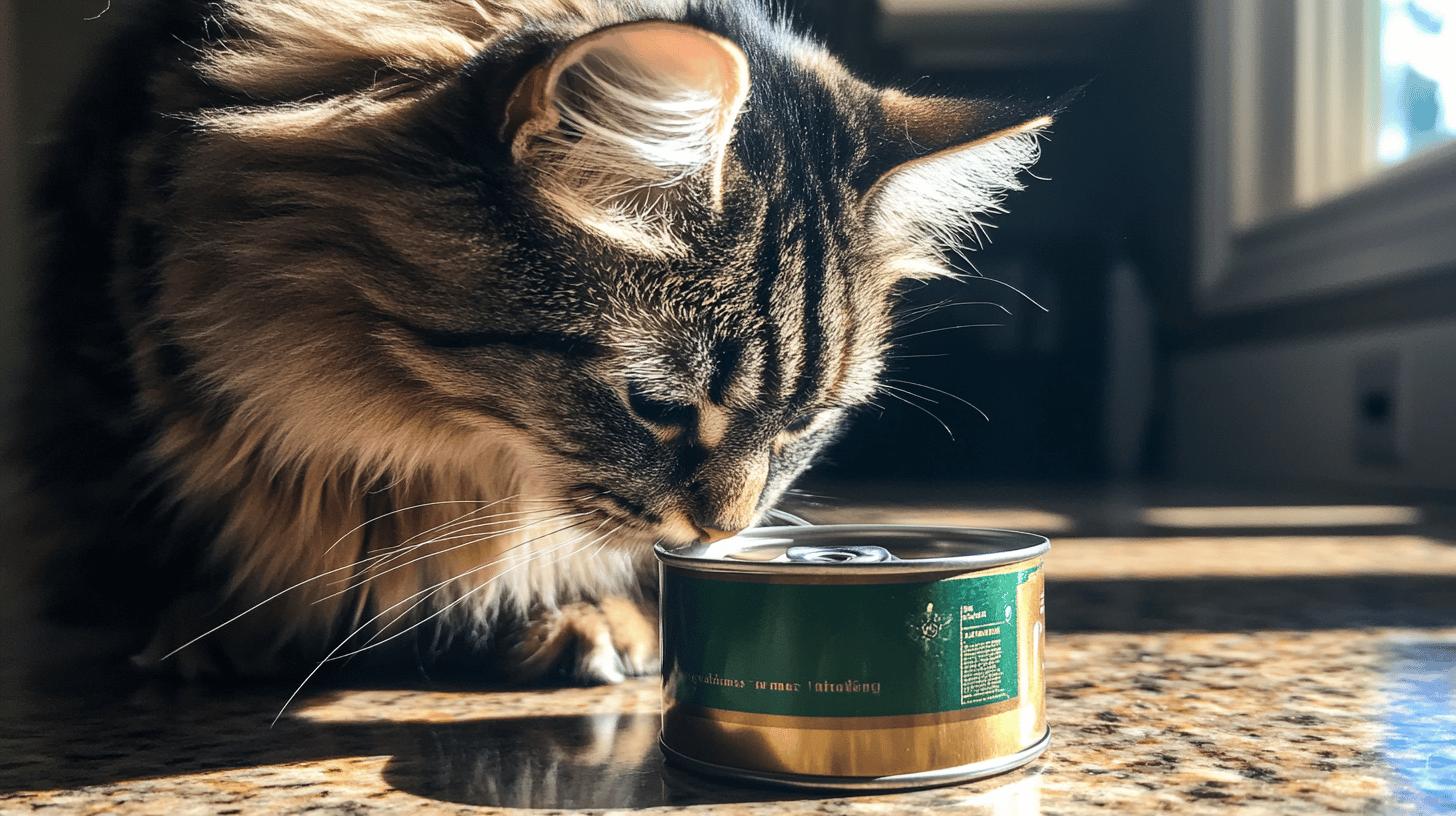
    Monitoring your cat's eating habits is essential for maintaining a cat-safe environment. Pay attention to where your cat roams and what they have access to. Use childproof locks on cabinets if necessary, and make sure trash cans are secure. Regularly check your home for stray bits of human food that might have fallen unnoticed. By creating and maintaining a safe environment, you help protect your cat from consuming anything that could harm them.

    Final Words

    Ketchup and cats are not a safe mix. The ingredients in ketchup can lead to serious health problems, such as anemia, dehydration, and high blood pressure. There are risks like vomiting and diarrhea if ketchup is ingested, so keeping an eye on your cat is vital. If you suspect they have consumed ketchup, a vet visit may be necessary.

    Opt for safe alternatives like plain, cooked chicken or cat-specific treats. These choices fulfill their dietary needs and keep them healthy. Maintaining a safe environment will help your cat thrive happily.

    FAQ

    Can cats eat ketchup raw?

    Cats should not eat ketchup. Ketchup contains harmful ingredients for cats, like onion and garlic powder, which can cause health issues such as Heinz body anemia and dehydration.

    Can ketchup kill cats?

    Ketchup can be harmful to cats. Significant consumption may lead to serious health problems like salt poisoning, which can severely impact their health, but it usually does not result in death.

    Is it okay if my cat ate ketchup?

    If your cat ate ketchup, monitor them for symptoms like vomiting or diarrhea. If any adverse symptoms appear, consult a veterinarian.

    What happens if a cat eats ketchup?

    If a cat eats ketchup, it might experience symptoms such as vomiting, diarrhea, and lethargy. These symptoms could indicate more severe health issues requiring veterinary care.

    Can cats have mayo and ketchup?

    Cats should avoid mayo and ketchup. These condiments contain ingredients that offer no nutritional value and can harm a cat's health.

    What happens if a cat licks sugar?

    If a cat licks sugar, it's usually not harmful in small amounts. However, frequent consumption can lead to obesity and diabetes. Keep sugary foods out of reach to maintain a healthy diet.

    Can dogs eat ketchup?

    Dogs should also avoid ketchup. Like cats, dogs can be negatively affected by ingredients like onion and garlic powder, which may cause health issues.

    Related Articles

  • Can Cat Eat Spider Understanding Safety and Risks for Cats

    Can Cat Eat Spider Understanding Safety and Risks for Cats

    Ever caught your cat munching on a spider and panicked? The idea of our furry friends' diet including creepy crawlies might feel unsettling. But before you worry, understand this: most spiders aren’t harmful to cats. Your pet's playful nature makes chasing them inevitable. The usual cat stomach acid is an effective defense, neutralizing spider venom. While this sounds like a relief, recognizing signs of spider bites and knowing when to act can spare your cat discomfort. Let's uncover the full story behind cats and their eight-legged snacks.

    Can Cats Safely Eat Spiders?

    Can Cats Safely Eat Spiders-1.jpg

    Most spiders are safe for cats to eat, which might surprise some pet owners. Cats are natural hunters, and their curiosity often leads them to catch small creatures like spiders. The good news is that the majority of spiders are not venomous enough to pose a threat to our feline friends. When consumed, the acid in a cat’s stomach is typically strong enough to neutralize any spider venom that might be present. This means that when a cat eats a spider, it's usually not a cause for concern.

    • Cats’ stomach acid neutralizes spider venom effectively.
    • Most spiders are not venomous enough to harm cats.
    • Eating spiders is a part of cats' natural predatory behavior.

    While eating spiders is generally safe, there are some potential risks to keep in mind. The primary concern is the possibility of bacterial infections from spider bites. If a spider manages to bite your cat before being eaten, the bite could lead to an infection. It's always a good idea to keep an eye on your cat after it has encountered a spider, just to be on the safe side.

    Health Risks and Symptoms of Spider Bites in Cats

    Health Risks and Symptoms of Spider Bites in Cats-1.jpg

    Cats are curious creatures, and their encounters with spiders can sometimes lead to bites. While most spider bites are not dangerous, there are certain health risks involved. Spider bites can cause various symptoms in cats, ranging from mild to severe. Common signs of a spider bite include swelling, redness, and noticeable pain at the bite site. These symptoms can be uncomfortable for cats and may require attention to prevent further complications. Some spiders, like the black widow, have venom potent enough to cause more severe reactions in cats, which can be alarming for any pet owner.

    Symptom Severity
    Swelling Mild to Moderate
    Redness Mild
    Pain at Bite Site Moderate
    Severe Swelling Severe

    In more severe cases, a cat might experience symptoms like collapse, difficulty breathing, or widespread swelling. These reactions indicate a serious health risk and require immediate veterinary attention. Venomous spiders, such as the black widow, can cause life-threatening symptoms, although such encounters are rare. It's crucial for cat owners to be vigilant and monitor their pets for any unusual behaviors or signs following a spider bite. Prompt action can help mitigate risks and ensure the well-being of your feline companion.

    What to Do if Your Cat Eats or Is Bitten by a Spider

    What to Do if Your Cat Eats or Is Bitten by a Spider-1.jpg

    Monitoring your cat's health after an encounter with a spider is crucial. Cats are naturally curious and may not show immediate signs of distress. However, keeping a close eye on them can help detect any unusual behavior or symptoms early. If your cat has eaten a spider, they will likely be fine, but remaining vigilant is wise. This is especially true if you suspect the spider was venomous or if your cat has been bitten. Watching for changes in behavior or health can make all the difference in ensuring your cat's well-being.

    • Observe your cat for any changes in behavior or health.
    • Check for signs of swelling or redness at potential bite sites.
    • Keep an eye on your cat's breathing and overall activity level.
    • Ensure your cat has access to water and rest.
    • Contact a veterinarian at the first sign of distress or severe symptoms.

    In cases where your cat shows signs of distress, consulting a veterinarian promptly is essential. Veterinary advice is vital when dealing with potential spider bites, as the treatment depends on the symptoms and the type of spider involved. Quick action can help mitigate risks and ensure your pet receives the care they need.

    Preventing Cats from Eating or Encountering Spiders

    Preventing Cats from Eating or Encountering Spiders-1.jpg

    Preventing your cat from eating or encountering spiders is a proactive way to ensure their safety. Cats are naturally curious, which can lead them to explore areas where spiders are found. While most spiders are harmless if eaten, some can pose risks if they bite. Keeping your home free of spiders helps reduce these risks. Regular dusting and relocating spiders outside can minimize your cat's exposure to them. Offering high-quality food alternatives can also lessen a cat's desire to hunt, which is often driven by instinct and curiosity. Prevention is key when it comes to minimizing risks for pets, particularly in areas where venomous spiders might be present.

    • Regularly dust and clean to remove spider webs and spiders.
    • Relocate spiders found in and around the home to outside areas.
    • Provide high-quality food options to reduce hunting interest.
    • Monitor areas of the house or yard where venomous spiders are common.

    Using toys to distract your cat is another effective strategy. Interactive toys can engage their hunting instincts, providing an alternative to chasing spiders. This not only keeps your cat safe but also satisfies their natural curiosity and playfulness. By combining these prevention strategies, you can help protect your cat from unnecessary risks associated with spiders.

    Understanding Cats’ Natural Predatory Instincts

    Understanding Cats Natural Predatory Instincts-1.jpg

    Cats are natural hunters. Their instincts drive them to chase and capture small targets, like spiders. This behavior is a remnant of their wild ancestry, where hunting was key to survival. Even domestic cats show these instincts, engaging in playful hunts with moving objects.

    Insects, including spiders, make up about 1.2% of a feral cat's diet. These small creatures provide necessary protein. This dietary habit highlights a cat's adaptability and resourcefulness in finding food.
    For most cat owners, this behavior is not concerning. Cats eating spiders is a natural extension of their curiosity and instincts. It usually poses no threat to their health. Understanding this behavior helps us appreciate our feline companions' complex instincts.

    Final Words

    In exploring whether a cat can eat a spider, we found that most spiders pose no threat to cats. Their stomach acid neutralizes minor venoms, while the primary concern remains bacterial infections from bites. Recognizing symptoms and acting swiftly is crucial, especially with more venomous spiders like black widows. If your cat encounters a spider, quick vet consultation can prevent severe reactions. Spiders tempt cats due to their natural hunting instincts. By understanding these behaviors, you can keep cats safe while accommodating their curiosity. Encouraging safe play alternatives helps maintain their health and happiness.

    FAQ

    My cat ate a spider and is throwing up. Is this normal?

    A: Cats can eat spiders, but vomiting could indicate a reaction. Monitor your cat's health and consult a vet if symptoms persist or worsen.

    Can cats eat spiders in the house safely?

    A: Cats can eat spiders, and most are not harmful. The stomach acid of cats usually neutralizes any spider venom effectively.

    Can cats eat spider bites?

    A: Cats may encounter bites if they eat spiders. While the venom is generally neutralized, monitor for swelling or discomfort at the bite site.

    Can cats eat spider eggs?

    A: Cats can ingest spider eggs, but these are not typically harmful. Monitoring for any unusual symptoms is advised.

    Are house spiders dangerous to cats?

    A: House spiders are usually not dangerous to cats. Cats' digestive systems can handle most non-venomous spiders.

    Can cats eat locusts or other bugs?

    A: Cats can eat locusts and other bugs, but it's good to monitor them for any adverse reactions.

    Can cats eat venomous spiders without harm?

    A: While stomach acids neutralize most spider venom, venomous spiders could pose health risks. Observe your cat for any distress.

    Can cats smell spiders and are they attracted to them?

    A: Cats possess a strong sense of smell that may alert them to spiders, stimulating their hunting instincts.

    Is it okay for cats to eat spiders?

    A: It's generally okay for cats to eat spiders, as most are not harmful. Watch for any health symptoms afterwards.

    Can cats be killed by spider bites?

    A: Though rare, certain venomous spiders can cause severe symptoms in cats. Seek veterinary help if severe reactions occur.

    Can a house spider hurt a cat?

    A: House spiders typically don't harm cats. Monitoring for signs of irritation after a bite is a precautionary step.

    Is it safe for my cat to eat my spider plant?

    A: Spider plants are non-toxic to cats, but large consumption could cause mild digestive upset. Watch for excessive chewing.

    Related Articles

  • Can Cat Eat Crackers Risks and Safe Alternatives Explained

    Can Cat Eat Crackers Risks and Safe Alternatives Explained

    Ever caught your cat eyeing your plate of crackers and wondered if sharing is caring? Before you let your furry friend nibble on that crunchy snack, think again. Crackers might seem harmless, but they're not an ideal treat for your feline companion. Cats thrive on a protein-rich diet, while crackers are mostly carbohydrates that offer little nutritional value to them. In this article, we'll explore why crackers can be risky and introduce some safe alternatives to help you keep your cat healthy and happy.

    Can Cats Eat Crackers Safely?

    Can Cats Eat Crackers Safely-1.jpg

    Cats can technically eat crackers, but they're not the best choice for a feline diet. Crackers offer little nutritional value since cats thrive on a carnivorous diet rich in proteins and fats. Crackers are primarily made up of carbohydrates, which aren't necessary for cats and can lead to weight gain if eaten often. While a small piece of cracker might not harm your cat immediately, it shouldn't become a regular treat.

    Many crackers contain ingredients that are not suitable for cats. Salt, sugar, and artificial additives are commonly found in crackers and can pose health risks if consumed in large quantities. Some crackers might also include garlic or onion powder, both of which are toxic to cats. These ingredients can lead to a variety of health issues over time, making them an unsafe snack option for our feline friends.

    When cats consume crackers, they might experience adverse reactions. Vomiting and diarrhea are common symptoms if the ingredients don't agree with their digestive systems. Cats have delicate stomachs and can react negatively to unfamiliar foods. If you notice your cat showing signs of discomfort after eating a cracker, it’s best to avoid giving them any more.

    One of the major concerns with crackers is their high salt content. Consuming too much salt can lead to sodium ion poisoning in cats. Symptoms of this condition include vomiting, diarrhea, lethargy, and even seizures in severe cases. To keep your cat safe and healthy, it’s wise to steer clear of offering crackers as a treat. Instead, consider snacks that are specifically formulated for cats' dietary needs.

    Nutritional Implications of Crackers for Cats

    Nutritional Implications of Crackers for Cats-1.jpg

    Crackers are high in carbohydrates, which are not suitable for a cat's carnivorous diet. Cats require proteins and fats from meat-based sources, and carbohydrates offer little nutritional value. Regular consumption can lead to weight gain and other health issues due to their inability to efficiently process carbs.

    Here's a list of common ingredients in crackers that are unsuitable for cats:

    • Carbohydrates
    • Gluten
    • Artificial additives
    • Salt
    • Sugar

    These ingredients pose various health risks. Gluten can cause digestive issues in sensitive cats. Artificial additives and excessive salt may lead to high blood pressure or sodium ion poisoning. Sugar adds empty calories, increasing the risk of obesity. To protect your cat's health, it's best to avoid crackers and choose more suitable treats.

    Healthier Alternatives to Crackers for Cats

    Healthier Alternatives to Crackers for Cats-1.jpg

    Choosing the right snacks for our feline friends is crucial for their health and well-being. Cats have specific dietary needs, primarily requiring meat-based proteins and fats. Snacks that align with these needs can support their health and prevent unnecessary weight gain or digestive issues. Offering inappropriate snacks, like crackers, can lead to health problems, so it's essential to select treats that are both enjoyable and nutritious for cats.

    Instead of crackers, consider healthier alternatives that are more suitable for cats. Small pieces of cooked meat, such as chicken or turkey, can be excellent treats. These options are not only high in protein but also free from harmful additives commonly found in human foods. Additionally, commercial cat treats are designed to meet feline dietary requirements and provide a safe and tasty snack option. These treats are formulated with the nutritional needs of cats in mind, making them a reliable choice for pet owners.

    Snack Option Nutritional Benefit
    Cooked Chicken High in protein
    Cooked Turkey Lean protein source
    Commercial Cat Treats Formulated for cats
    Freeze-Dried Fish Rich in omega-3 fatty acids

    Monitoring your cat when introducing new snacks is vital to ensure they don't have any adverse reactions. Even healthy alternatives can cause digestive upset if your cat is sensitive or allergic to specific ingredients. Start with small amounts and observe how your cat reacts before making any new treat a regular part of their diet. This careful approach helps maintain your cat's health and ensures their snacks are both safe and enjoyable.

    Healthier Alternatives to Crackers for Cats

    Expert Opinions on Crackers in Cat Diets-3.jpg

    When selecting treats for your cat, consulting a veterinarian can provide invaluable guidance. Veterinarians can identify suitable treats that align with your cat's specific dietary needs, ensuring they receive all the necessary nutrients while avoiding unhealthy options like crackers. It's crucial to rely on professional advice to maintain a balanced diet and keep your cat healthy.

    Nutritional Implications of Crackers for Cats

    Veterinary experts agree that crackers offer no nutritional value for cats and could lead to imbalances if consumed regularly. The consensus among veterinarians is that while an occasional plain, unsalted cracker might not harm your cat, it shouldn't replace nutritious, cat-specific foods.

    Final Words

    Exploring whether cats can eat crackers, we found that while cats can technically consume them, it's not the best idea. Crackers are mostly carbs, lacking real nutrition for cats and could even be harmful due to salt and additives. Carbs aren't ideal in a cat's diet, leading to weight issues. Instead, reach for healthier snacks like cooked meats or vet-approved treats.

    Consulting with professionals ensures the safety of new treats in your cat's diet. By focusing on proper nutrition, cat owners can make better choices for their furry friends.

    FAQ

    Can Cats Eat Crackers Safely?

    Crackers are not safe as a regular part of a cat's diet. They contain carbs with little nutritional value and harmful ingredients like salt, sugar, and additives. High salt can cause vomiting or diarrhea.

    Are Crackers Safe for Cats?

    Crackers are generally unsafe for cats. They have high salt, which can lead to sodium ion poisoning. Symptoms include vomiting and diarrhea. Always be cautious with human foods.

    What Are the Nutritional Implications of Feeding Crackers to Cats?

    Crackers contain carbs that are unnecessary for cats, leading to weight gain. They may include gluten, causing digestive issues. Not ideal for a cat's carnivorous diet.

    What Ingredients in Crackers Are Unsuitable for Cats?

    Ingredients often unsuitable for cats include:

    • Carbohydrates
    • Gluten
    • Artificial additives
    • Salt
    • Sugar

    What Are Healthier Alternatives to Crackers for Cats?

    Healthier snacks for cats include small pieces of cooked meat or commercial cat treats. These are formulated to meet their nutritional needs and safer than human snacks.

    How Can I Ensure New Snacks Are Safe for My Cat?

    Offer cat-specific treats and consult your vet. Watch for adverse reactions when introducing new snacks. Professional guidance helps maintain a balanced diet.

    What Do Experts Say About Crackers in Cat Diets?

    Veterinary advice suggests small amounts of plain, unsalted crackers may be okay occasionally but shouldn't replace balanced meals. Always consult a vet when adding new foods to your cat's diet.

    Related Articles

  • Can Cat Eat Tuna in Water Safety Tips and Guidelines

    Can Cat Eat Tuna in Water Safety Tips and Guidelines

    Is it safe for cats to eat tuna in water? This is a question many cat lovers ponder. While cats may find tuna delicious, there are important guidelines to consider before adding it to their diet. Tuna in water can be a tasty treat and offers benefits like protein and omega-3s. But, there are risks like potential mercury exposure. In this post, learn how to safely include tuna in your cat's meals, ensuring their health and happiness. Dive into the world of feline nutrition with safety tips and expert advice.

    Can Cats Safely Eat Tuna in Water?

    Can Cats Safely Eat Tuna in Water-1.jpg

    Cats can enjoy tuna in moderation, especially when it's packed in water. This type of tuna is a safer option compared to those packed in oil or with added salt. However, tuna should not be a primary component of your cat’s diet. While it's delicious and often irresistible to our feline friends, too much tuna can lead to nutritional imbalances or health issues.

    Tuna is packed with high-quality protein and omega-3 fatty acids, both of which offer significant nutritional benefits for cats. Protein is essential for muscle maintenance and repair, while omega-3s contribute to a glossy coat and healthy skin. These nutrients can support overall health and vitality in your cat, making tuna an attractive occasional treat.

    Despite its benefits, tuna also carries potential health risks, particularly concerning mercury content and sodium levels. Mercury can accumulate in a cat's system over time, possibly leading to neurological issues or kidney damage. Additionally, high sodium levels can be problematic, especially for cats with pre-existing health conditions.

    Vet-recommended practices for introducing tuna into your cat's diet include:

    • Choose water-packed tuna without added salt
    • Serve in small portions
    • Limit frequency to once a week
    • Monitor for any adverse reactions
    • Consult a veterinarian before regular feeding

    Moderation is key when treating your cat to tuna. It’s crucial to ensure that it makes up no more than 10% of their daily caloric intake. Always consult with a veterinarian before introducing new foods to your cat’s diet. This helps ensure that you're meeting your cat’s nutritional needs while keeping them safe from potential health risks.

    Health Benefits of Tuna for Cats

    Health Benefits of Tuna for Cats-1.jpg

    Tuna offers more than just protein and omega-3 fatty acids for your feline friend. It also contains Vitamin B, which plays a crucial role in supporting energy production. This vitamin helps convert food into energy, ensuring your cat stays active and playful. Selenium, another essential nutrient found in tuna, is known for boosting immune function, helping your cat fend off illnesses and stay healthy.

    Integrating tuna into your cat's diet can enhance the benefits of other nutrients they consume. For instance, the presence of omega-3 fatty acids not only improves skin and coat health but also works alongside Vitamin B to support overall vitality. These nutrients help reduce inflammation and can be particularly beneficial for cats with allergies or inflammatory conditions. By offering tuna as an occasional treat, you provide a tasty boost to your cat’s overall nutrition.

    Nutrient Benefit
    Protein Muscle maintenance and repair
    Omega-3 Fatty Acids Improves skin and coat health
    Vitamin B Supports energy production
    Selenium Boosts immune function

    Risks of Feeding Tuna to Your Cat

    Risks of Feeding Tuna to Your Cat-1.jpg

    Feeding tuna to your cat can present significant health risks, primarily due to its mercury content. Mercury toxicity is a serious concern, as cats are more sensitive to mercury than humans. This heavy metal can accumulate in a cat's system over time, potentially leading to severe health issues.

    Raw tuna poses additional risks due to the potential for bacterial contamination and parasites. These can lead to gastrointestinal upset and other health issues. Feeding raw fish can also cause a vitamin B1 deficiency, which might lead to neurological problems. To minimize these risks, always ensure that any tuna you give your cat is cooked and free from added seasonings or oils. Being cautious with tuna treats is key to maintaining your cat's health and happiness.

    Alternatives to Tuna for Cats

    Alternatives to Tuna for Cats-1.jpg

    Variety is key when it comes to your cat's diet. While tuna is a popular choice, relying on it too heavily can pose health risks. Introducing different types of fish can provide similar nutritional benefits while reducing potential hazards like mercury poisoning. Offering a range of protein sources ensures that your cat receives a balanced diet, supporting their overall health and vitality.

    • Salmon: High in omega-3 fatty acids
    • Sardines: Rich in protein and low in mercury
    • Mackerel: Good source of essential nutrients

    Incorporating these alternatives into your cat's meals not only diversifies their diet but also helps prevent nutrient deficiencies. Balance is crucial for maintaining your cat's health, and including a variety of safe fish options can contribute to their well-being. Always remember to serve fish in moderation and consult with your veterinarian to tailor your cat's diet to their specific needs.

    Final Words

    Feeding tuna to cats can offer nutritional benefits like protein and omega-3s, enhancing fur health and energy. However, it brings risks such as mercury and sodium, which can harm a cat if not managed. Important feeding tips include using water-packed tuna and limiting portions to ensure safety.

    When considering if a can cat eat tuna in water, remember moderation is key. Always consult a vet before making tuna a regular treat. Exploring alternative fish options can add needed variety and keep your furry friend healthy and happy.

    FAQ

    Can cats eat tuna in water?

    Cats can eat tuna in water, but it should be given in moderation. It's high in protein and omega-3s but not a substitute for a balanced diet.

    Is canned tuna in water good for cats?

    Canned tuna in water can be a healthy treat for cats if it's low in sodium and given occasionally. It's not meant for daily feeding.

    How much tuna can I give my cat?

    Limit tuna to small portions once a week to avoid health risks. Too much can lead to mercury poisoning and nutritional imbalance.

    Can I give my cat StarKist tuna in water?

    Yes, StarKist tuna in water is okay if it's without added salt. Always check the label for ingredients.

    Can I mix canned tuna with cat food?

    Mixing a small amount with cat food is fine. It can make their regular meals more appealing but should be done sparingly.

    How much tuna can cause mercury poisoning in cats?

    There's no exact amount, but regularly eating large quantities can lead to mercury buildup, causing symptoms like coordination loss and kidney damage.

    Can kittens eat canned tuna in water?

    Kittens can have a small amount of tuna but ensure it’s only a rare treat. Kittens need a nutritionally complete diet for growth.

    How do I prepare tuna for cats?

    Use water-packed tuna without added salt. Rinse it if needed and serve in small portions. Avoid seasoning or additives.

    What are the symptoms of mercury poisoning in cats?

    Look out for symptoms like loss of coordination, neurological issues, kidney damage, and an upset stomach. These require immediate vet attention.

    Related Articles

  • Can Cat Eat Walnut Understanding Walnut Toxicity and Safety for Cats

    Can Cat Eat Walnut Understanding Walnut Toxicity and Safety for Cats

    Have you ever wondered if sharing a walnut snack with your cat is a good idea? At first glance, walnuts might seem harmless. They're packed with benefits for us, but what about our feline friends? The truth is, while not outright toxic, walnuts can bring more harm than good to cats. They can cause serious health issues like neurological problems and choking hazards, without offering any nutritional benefits. In this post, we'll explore why walnuts should stay off your kitty's menu and how to keep your pet safe and healthy.

    Can Cats Eat Walnuts and Understanding Walnut Toxicity

    Can Cats Eat Walnuts and Understanding Walnut Toxicity-1.jpg

    Cats should not eat walnuts. While these nuts are not outright toxic, they can pose several health risks to our feline friends. Walnuts can lead to serious neurological issues and provide no nutritional benefits to cats. Their high-fat content can cause gastrointestinal upset, and there's a risk of choking, especially with smaller cats. In essence, walnuts are not recommended for cats, and pet owners should take care to keep them out of their pets' reach.

    When a cat ingests walnuts, several symptoms might indicate that the walnut effects on cats are taking a negative turn. These symptoms include vomiting, diarrhea, lethargy, and unusual behavior, all of which can signal distress or discomfort in your pet. Monitoring your cat closely is crucial if walnut ingestion is suspected.

    Symptoms Description
    Vomiting Frequent or severe vomiting can indicate digestive distress.
    Diarrhea Loose or frequent stools might point to an upset stomach.
    Lethargy Unusual tiredness or lack of energy could reflect underlying issues.
    Unusual Behavior Any behavioral changes, such as hiding or aggression, may suggest discomfort.
    Appetite Loss A sudden decrease in appetite can be a sign of internal distress.

    Salted walnuts present additional risks to cats. The excess salt can lead to salt toxicity, which brings about its own set of problems, including potential seizures and severe dehydration. Cats need very little salt in their diet, and too much can be dangerous. Furthermore, walnuts do not offer any health benefits to cats that they do to humans, like improving gut health or managing diabetes. Instead, they are a source of unnecessary fat and potential harm.

    What to Do If Your Cat Eats Walnuts

    What to Do If Your Cat Eats Walnuts-1.jpg

    If your cat has accidentally ingested walnuts, act quickly. First, remove any remaining walnuts from the area to prevent further consumption. Monitor your cat closely for any signs of distress or illness such as vomiting, diarrhea, or unusual behavior. These symptoms may indicate a walnut ingestion emergency. If symptoms appear, contact your veterinarian immediately for walnut poisoning treatment guidance. It's important to stay calm and provide as much information as possible to the vet, including the amount of walnuts consumed and any symptoms observed.

    To prevent walnut ingestion, consider the following preventive measures:

    • Store walnuts in sealed containers, preferably in a pantry or cupboard.
    • Keep countertops and tables clear of any snack bowls containing walnuts.
    • Educate family members and guests about the risks of feeding walnuts to cats.
    • Regularly check for fallen nuts or snacks that might be accessible to curious pets.

    Consult a veterinarian if symptoms of walnut ingestion persist or worsen. This includes any prolonged vomiting, diarrhea, or lethargy. Early intervention can minimize the potential health risks associated with walnut consumption. Always err on the side of caution and seek professional advice to ensure the safety and well-being of your feline friend.

    Safe Alternatives to Walnuts for Cats

    Safe Alternatives to Walnuts for Cats-1.jpg

    Choosing safe treats for our feline companions is crucial for their health and well-being. While it might be tempting to share our snacks, not all human foods are suitable for cats. Walnuts, for instance, pose potential risks and offer no real benefits to cats. Instead, consider offering them treats that are both safe and nutritious. Seeds can be an excellent choice, providing vitamins and minerals that contribute to a healthy diet.

    Here are some seed alternatives that can be beneficial for your cat:

    • Chia seeds: Rich in omega-3 fatty acids, they can support a healthy coat and skin.
    • Pumpkin seeds: Known for aiding digestion and providing a good source of fiber.
    • Flaxseeds: Offer essential fatty acids and can support overall health.
    • Sesame seeds: Packed with nutrients, including calcium and iron, which are beneficial in small amounts.

    When it comes to nuts, be cautious. Macadamia nuts should be avoided entirely, as they can cause severe health issues. Other nuts, like almonds and pecans, are not toxic but can still pose choking hazards and digestive problems due to their high-fat content. Opt for seeds as a safer and healthier option for your cat's snacking needs.

    Final Words

    Deciding what's safe for our feline friends is crucial. Cats should steer clear of walnuts as they can cause stomach upset and other symptoms. Salted walnuts carry even more risk with potential salt toxicity and no nutritional benefit. If your cat does eat a walnut, keep an eye out for symptoms and be ready to consult a vet if needed. Opt for safe seeds like chia or pumpkin instead. Make informed choices to ensure your cat enjoys a healthy and playful life, free from the risks associated with walnut ingestion.

    FAQ

    Can cats eat nuts?

    Cats should avoid nuts such as almonds, walnuts, and cashews. They don’t provide nutrition and may cause stomach upset or choking. Walnuts are especially risky due to potential neurological effects.

    What happens if a cat eats a walnut?

    If a cat eats a walnut, you might notice symptoms like vomiting, diarrhea, or unusual behavior. Severe cases can affect their nervous system. Contact your vet if symptoms develop.

    What nuts are toxic to cats?

    Macadamia nuts are highly toxic and should never be given to cats. Walnuts, while not toxic, can cause discomfort and other health issues.

    Can cats eat raisins?

    Cats should not eat raisins. They can be toxic and might lead to kidney issues. Always keep raisins away from your pets.

    Are walnuts toxic to pets?

    Walnuts are not toxic but can cause stomach upset or more serious issues in pets like neurological effects in cats. Avoid feeding walnuts to any pet.

    Can cats lick walnuts?

    Even licking walnuts isn't ideal. Cats might ingest harmful compounds or choke on small pieces. It’s best to keep walnuts out of reach.

    What to do if your cat eats walnuts?

    Monitor your cat for signs of distress like vomiting or lethargy. Contact your vet if symptoms occur. Store walnuts securely to prevent future incidents.

    What are safe alternatives to walnuts for cats?

    Choose treats like chia, pumpkin, quinoa, or flaxseed. These provide vitamins and minerals. Avoid macadamia nuts altogether for your feline friend.

    Related Articles

  • Can Cat Eat Tuna Safely and How Often Is It Recommended

    Can Cat Eat Tuna Safely and How Often Is It Recommended

    Can cats eat tuna safely, or are we unknowingly putting our furry friends at risk? This question has stirred debates among cat lovers everywhere. Tuna has long been a favorite treat for many cats, but is it actually healthy for them?

    While high in protein and omega-3 fatty acids, providing a glossy coat and muscle strength, tuna should not be a dietary staple. In this post, we'll explore how often you can safely treat your cat to tuna without risking their health, ensuring a joyful and safe snack for your feline friend.

    Can Cats Eat Tuna Safely?

    Can Cats Eat Tuna Safely-1.jpg

    Cats can enjoy tuna, but it should be offered with caution. Tuna can be part of a cat's diet, but it must not replace their regular, balanced meals. Tuna is high in protein and offers omega-3 fatty acids, which are beneficial for a cat's skin and coat.

    However, tuna should only be an occasional treat, making up no more than 10% of a cat’s daily caloric intake. This ensures that your feline friend receives all the necessary nutrients they need from their primary diet—high-quality cat food.
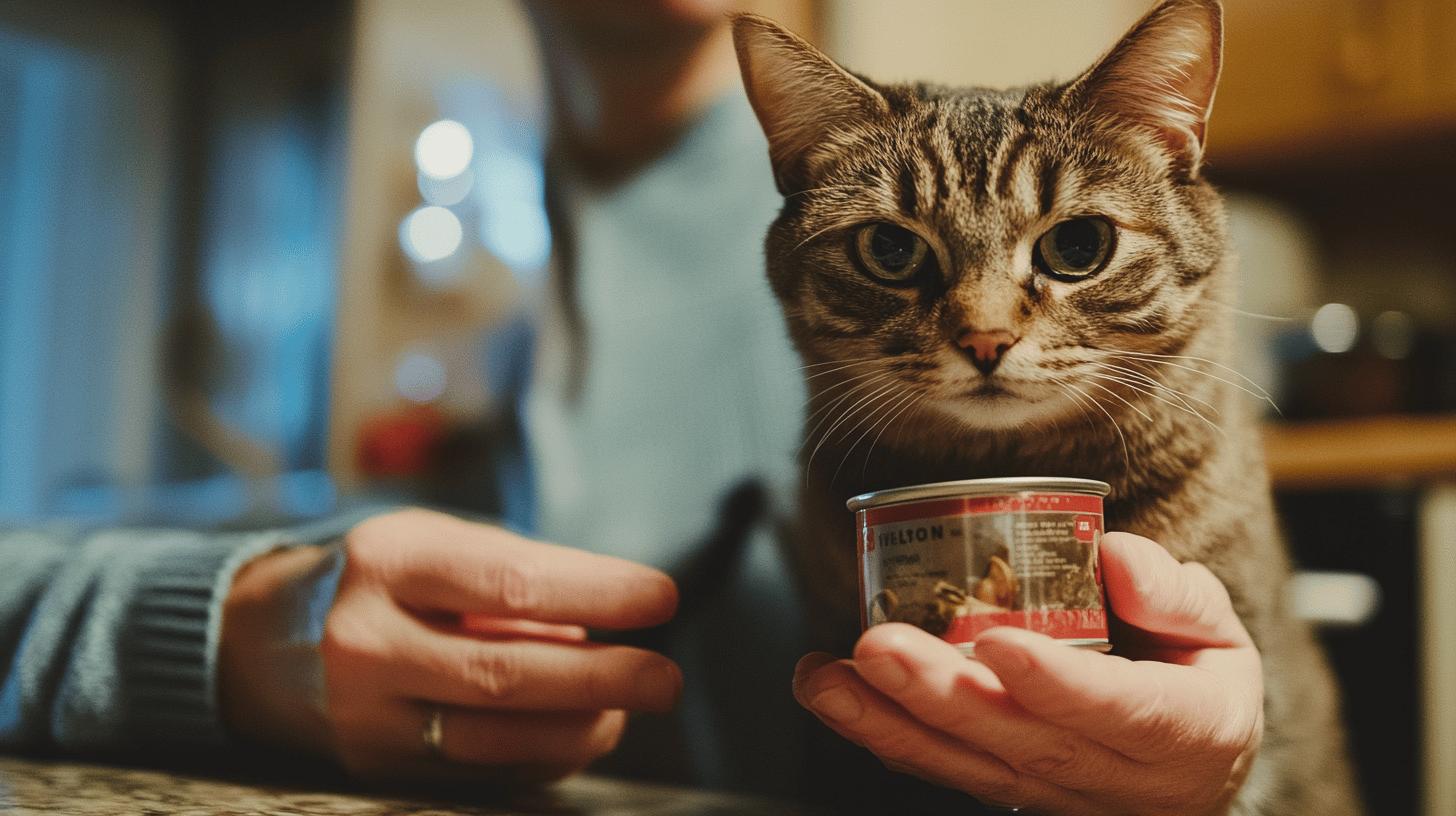
    Feeding too much tuna can pose health risks due to its mercury content. Mercury is more harmful to cats because of their smaller body size, potentially leading to kidney failure or neurological issues.

    Tuna also lacks certain essential nutrients that cats require, such as taurine, which is crucial for their heart and vision health. Therefore, while tuna can be a tasty treat, it should never be the main component of a cat's diet.

    • Mercury Risk: High levels can lead to kidney failure and neurological issues.

    • Nutritional Imbalance: Lacks essential nutrients like taurine.

    • High in Protein: Beneficial for muscle health.

    • Omega-3 Fatty Acids: Supports skin and coat health.

    • Caloric Intake: Helps prevent overfeeding by taking up only 10% of daily intake.

    To safely offer tuna to your cat, opt for canned tuna packed in water without added salt or flavorings. Stick to small portions and avoid making it a regular habit. Always monitor your cat for any unusual symptoms after eating tuna and consult your vet if you notice any changes in behavior or health.

    Understanding the Health Risks of Feeding Tuna to Cats

    Understanding the Health Risks of Feeding Tuna to Cats-3.jpg

    Overfeeding tuna can present significant health risks for our feline companions. While tuna can be a delicious treat, it doesn't provide the complete balance of nutrients that cats need. A diet overly reliant on tuna may lead to nutritional deficiencies, as it lacks essential nutrients like taurine and certain vitamins.

    High mercury content in tuna is another concern. Cats, being smaller in size, are more susceptible to mercury poisoning, which can lead to serious health conditions such as kidney damage and neurological issues.

    Symptoms of Mercury Poisoning in Cats

    • Loss of Coordination: Cats may appear unsteady or have difficulty walking.

    • Seizures: Sudden and uncontrollable movements can occur.

    • Gastrointestinal Upset: Symptoms might include vomiting or diarrhea.

    • Behavioral Changes: Unusual aggression or lethargy can be indicators.

    To ensure your cat's health, it's crucial to practice moderation when feeding tuna. Keep track of how much tuna your cat consumes and remain vigilant for any unusual symptoms. I

    f your cat exhibits any symptoms associated with mercury poisoning or other health issues, consult your veterinarian immediately. While tuna can be an occasional treat, it should never replace a balanced diet specifically designed for feline nutritional needs.

    Types of Tuna and How to Prepare Them for Cats

    Types of Tuna and How to Prepare Them for Cats-1.jpg

    Choosing the right type of tuna is essential for your cat's health. Not all tuna is created equal, and some types can pose risks due to high mercury levels or added ingredients. When feeding tuna to cats, considering its preparation and type ensures they get a safe and tasty treat without compromising their health.

    Canned Tuna

    Canned tuna is a popular choice among cat owners. It's important to select tuna packed in water rather than oil, which can add unnecessary fats and calories to your cat's diet.

    Tuna in water is a leaner option and doesn't have the added sodium and flavorings that can be harmful. Chunk-light tuna is also preferred over albacore tuna, as it contains less mercury, making it a safer choice for your feline friend.

    Raw vs Cooked Tuna

    Raw tuna might seem like a natural choice, but it can harbor bacteria and parasites harmful to cats. Cooking tuna eliminates these risks, making it a safer option.

    Cooked tuna should be prepared without salt, seasonings, or oil to avoid any digestive issues or health risks. By cooking tuna, you provide a safer treat that reduces the risk of bacterial infections.

    Tuna in Oil vs Tuna in Water

    Tuna packed in oil is not recommended for cats as it can lead to digestive problems and unnecessary weight gain. The oil can also contain added sodium and other seasonings that are not beneficial for cats.

    On the other hand, tuna in water is a much healthier option. It provides a protein-rich treat without the additional fats and salts that could be harmful to your pet.

    • Opt for tuna packed in water to avoid added sodium and oils.

    • Always cook tuna to eliminate bacteria and parasites.

    • Serve tuna in small portions to prevent overconsumption.

    How Often Should Cats Eat Tuna?

    How Often Should Cats Eat Tuna-1.jpg

    Cats should only enjoy tuna as an occasional treat, making up less than 10% of their daily caloric intake. A small portion of tuna, perhaps once a week, can be delightful, but it should not replace a cat's primary diet of high-quality, complete-and-balanced cat food. Feeding human tinned tuna daily is not recommended due to risks like mercury poisoning and nutritional deficiencies.
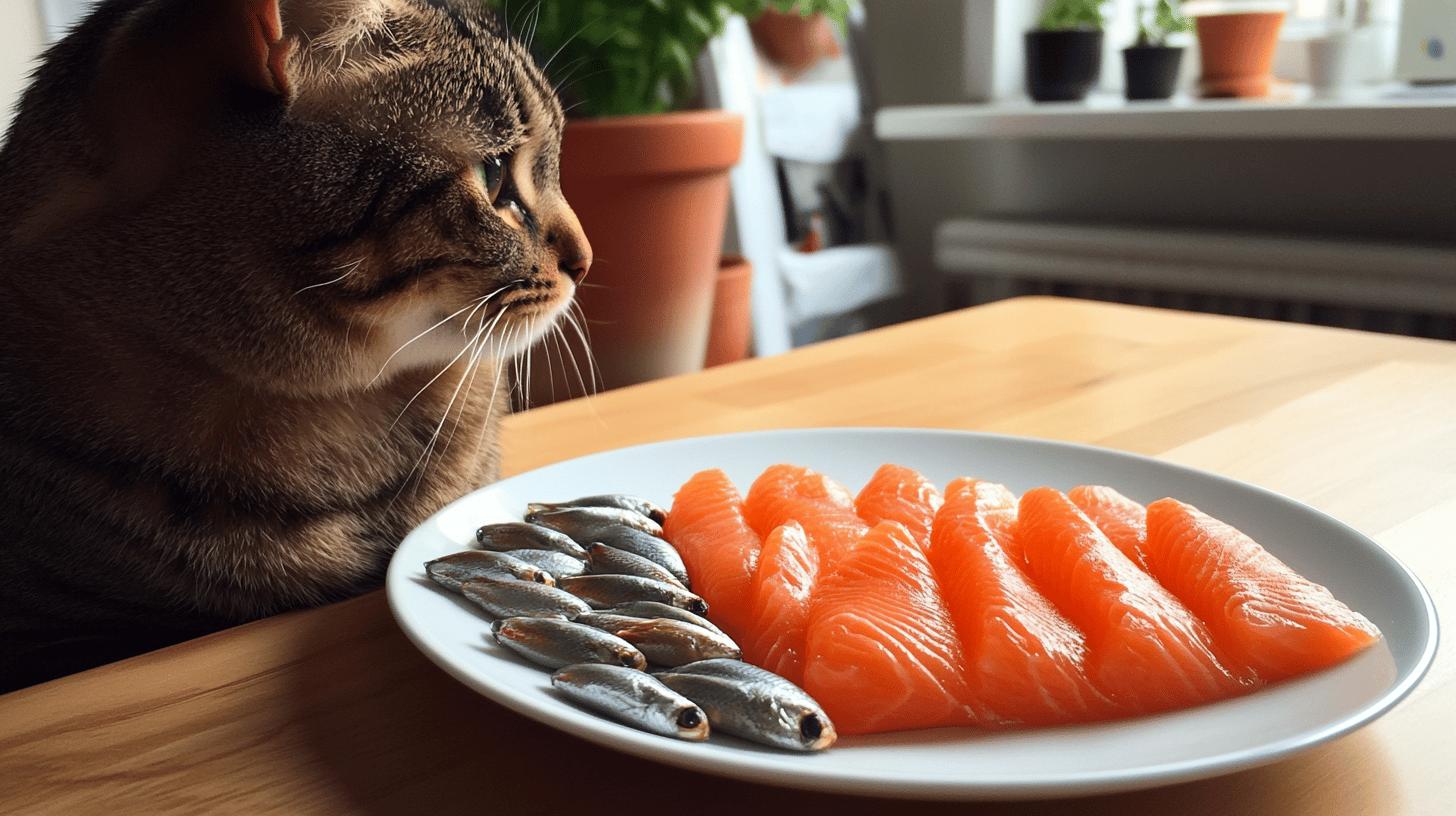
    • Mercury Poisoning: Symptoms include loss of coordination or seizures.

    • Nutritional Deficiencies: Lack of taurine and other essential nutrients.

    • Gastrointestinal Issues: Vomiting or diarrhea after eating tuna.

    • Behavioral Changes: Increased lethargy or unusual aggression.

    Balancing tuna with other dietary needs is crucial. While tuna adds variety and flavor, it's important to ensure your cat's diet remains rich in essential nutrients like taurine, vitamins, and minerals found in commercial cat foods. Monitoring the amount and frequency of tuna treats helps prevent potential health issues, keeping your cat happy and healthy.

    Alternatives and Supplements to Tuna in a Cat's Diet

    Alternatives and Supplements to Tuna in a Cats Diet-1.jpg

    Cats, being obligate carnivores, require a diet rich in protein. While tuna can be an occasional treat, there are many other protein sources that can fulfill your cat's nutritional needs more effectively. High-quality commercial cat foods are designed to provide all the essential nutrients, including vitamins A, D, and various B vitamins.

    These foods often contain ingredients like chicken, turkey, or beef, which are excellent protein sources. Additionally, some cats enjoy lamb or fish like salmon, which provide the necessary amino acids while keeping mercury levels low.

    A balanced diet is crucial for maintaining your cat's health. While protein is important, cats also need a moderate amount of fat and low carbohydrates, as well as essential vitamins and minerals.

    If you choose to supplement your cat's diet, consider adding omega-3 fatty acids for skin and coat health, or taurine supplements to ensure heart and vision health. Always consult your veterinarian before introducing new foods or supplements to ensure they meet your cat's specific dietary requirements.

    Final Words

    Feeding tuna to cats can be a treat, but it comes with risks. It's high in mercury and lacks complete nutrition. We explored how tuna fits in a cat’s diet, what health issues it may cause, and ways to prepare it safely.

    Moderation is key for a healthy diet. Cats can eat tuna, but it should be less than 10% of their daily calories. Regular cat food should form the bulk of their diet.

    With careful choices, you can provide a safe and enjoyable treat for your furry friend.
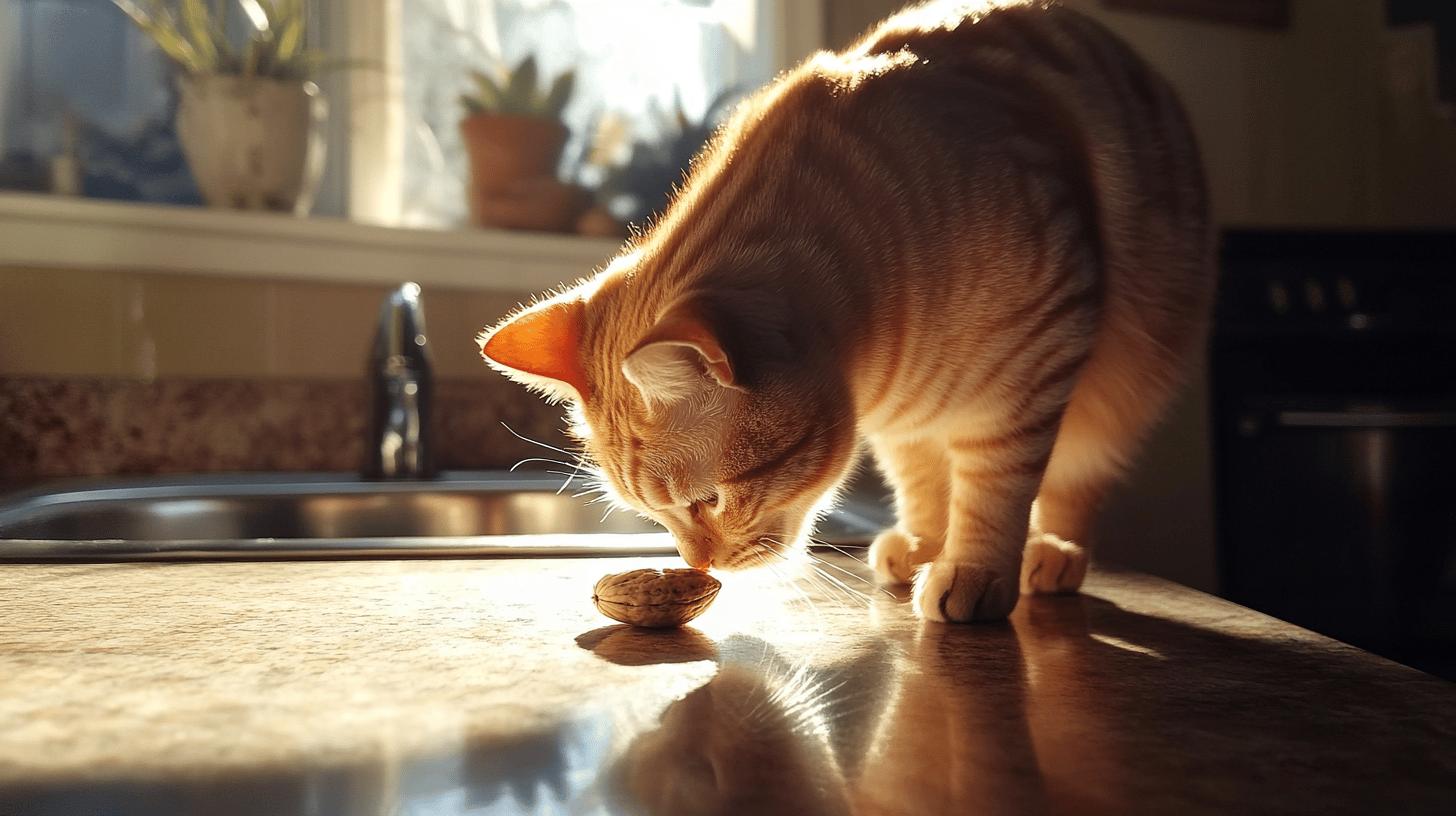
    FAQ

    Can cats eat tuna raw or cooked?

    Cats can eat tuna, but cooked tuna is safer. Cooking eliminates bacteria and parasites. It's best to avoid serving raw tuna to cats.
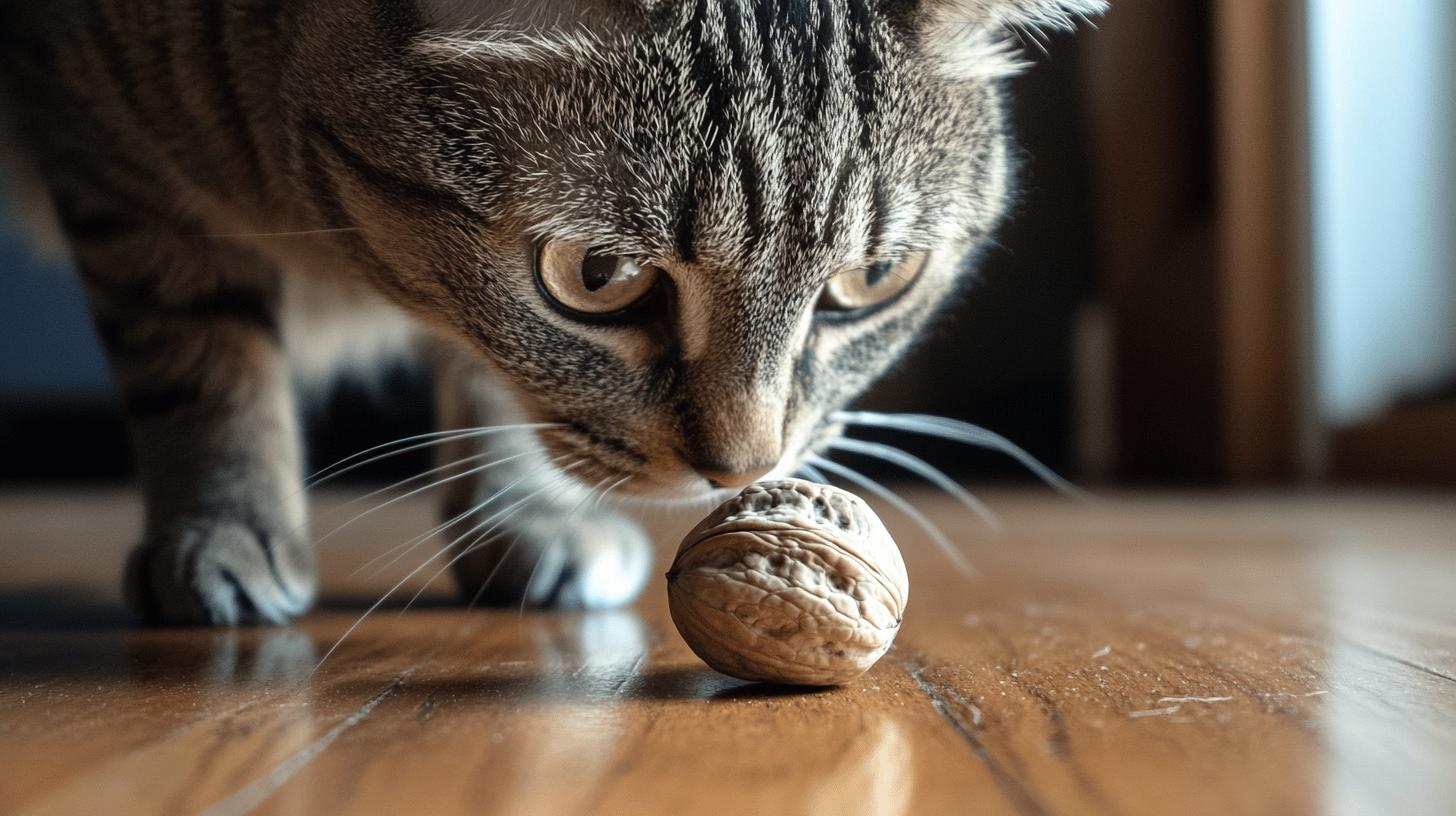
    Can cats eat canned tuna in water?

    Cats can eat canned tuna in water. It's a preferable option to tuna in oil or with added salt, as it's more digestible and healthier.

    How much tuna can I give my cat?

    Tuna should be less than 10% of a cat's daily caloric intake. Keeping it as an occasional treat ensures they get all the nutrients they need from balanced cat food.

    Can cats eat chunk light tuna in water?

    Cats can eat chunk light tuna in water. Chunk light has less mercury than albacore and fewer additives, making it a safer choice for cats.

    Can cats eat tuna in oil?

    Cats should not eat tuna in oil. Oil can cause digestion issues and add unnecessary fats. Tuna packed in water is a healthier option.

    Can cats eat tuna every day?

    Cats should not eat tuna every day. Frequent consumption can lead to mercury poisoning and nutritional imbalances. Keep tuna as an occasional treat.

    How much tuna can cause mercury poisoning in cats?

    Mercury poisoning can occur with large amounts of tuna. Less than 10% of their diet should be tuna to prevent toxic exposure over time.

    Is it OK for cats to eat canned tuna?

    It's OK for cats to eat canned tuna occasionally. Choose tuna in water without added salt for a healthier option.

    Can I give my cat Starkist tuna?

    You can give your cat Starkist tuna, but make sure it's in water and not oil. Limit how often it's fed to prevent health risks.

    Can I give my cat tuna water?

    You can give your cat tuna water. It's a safe treat, just ensure it's plain water without added salt or seasonings.

    Related Articles