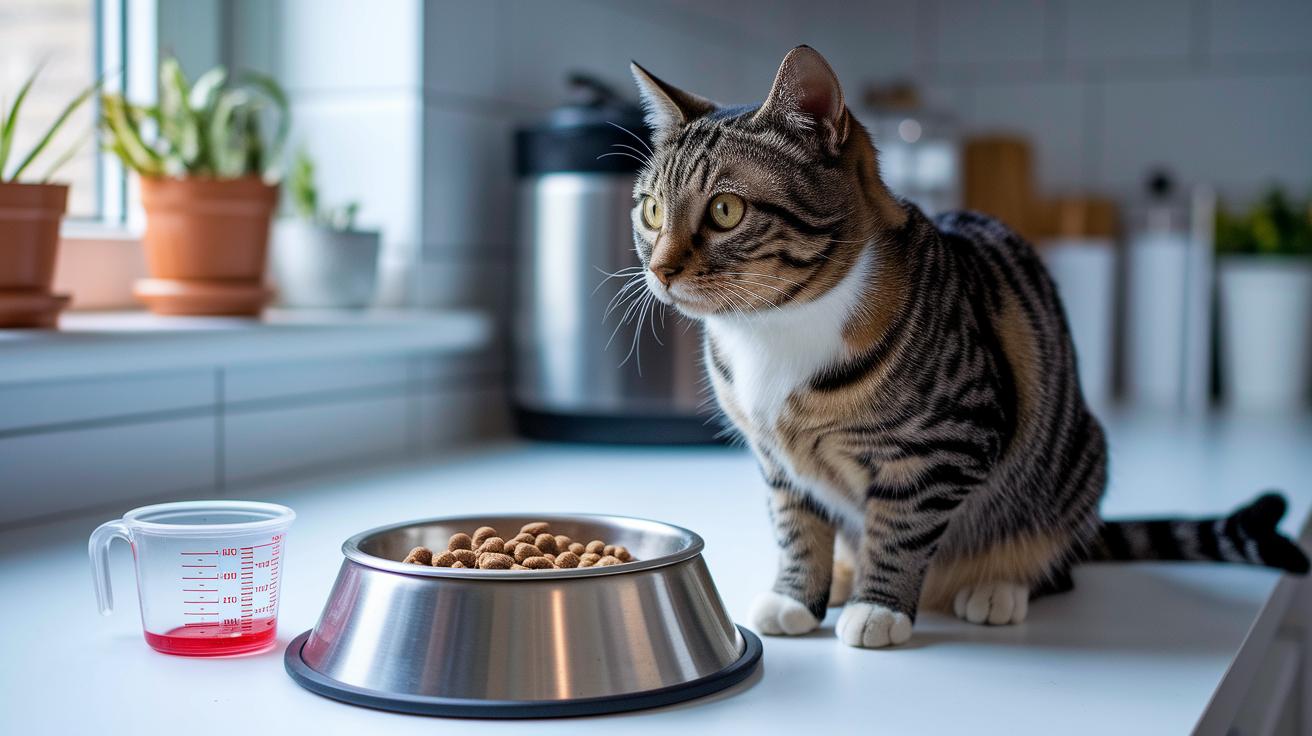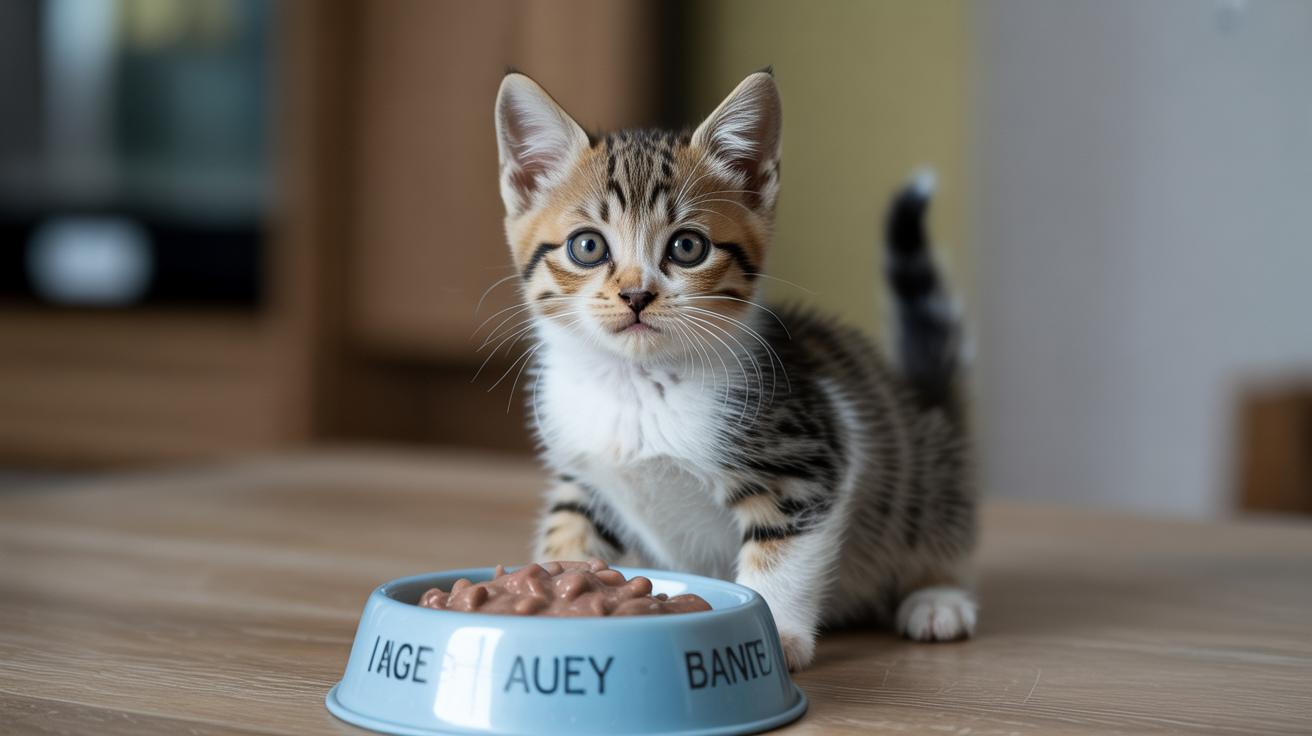
Category: Cat Diet

  • When Can Kittens Eat Wet Food: Age Tips

    When Can Kittens Eat Wet Food: Age Tips

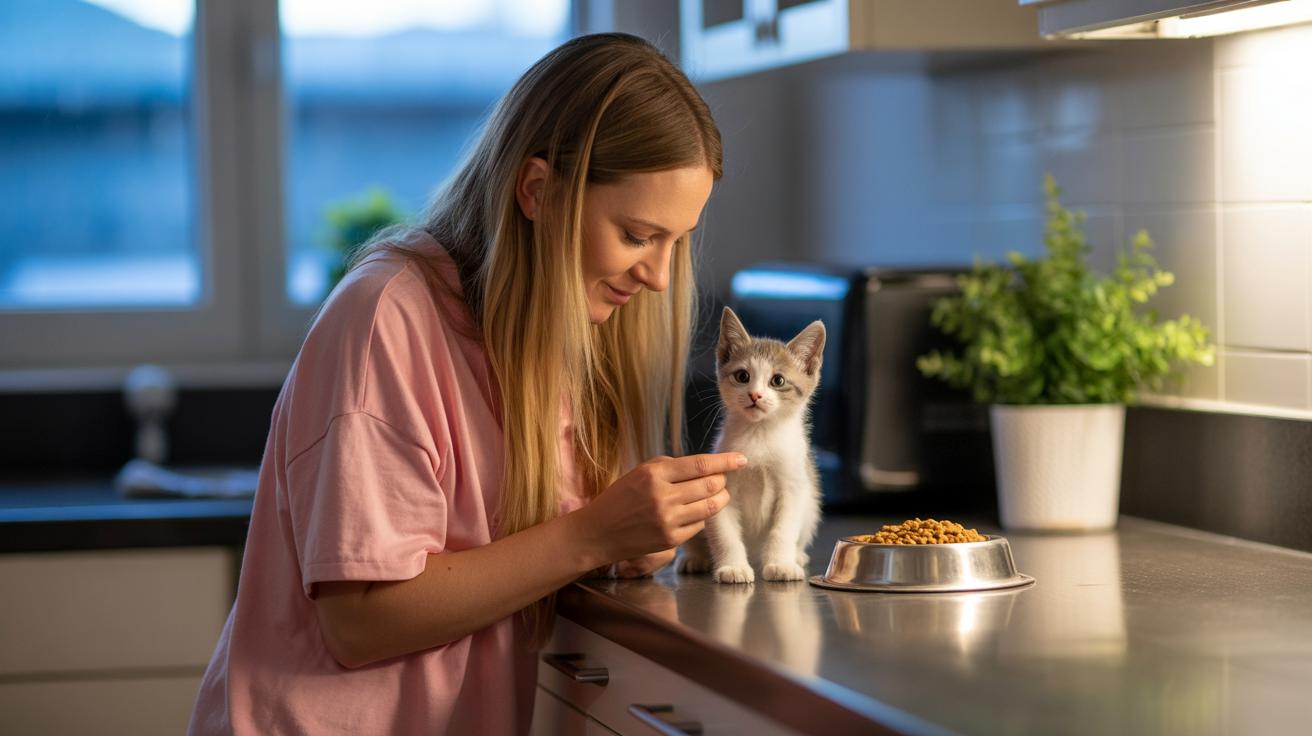
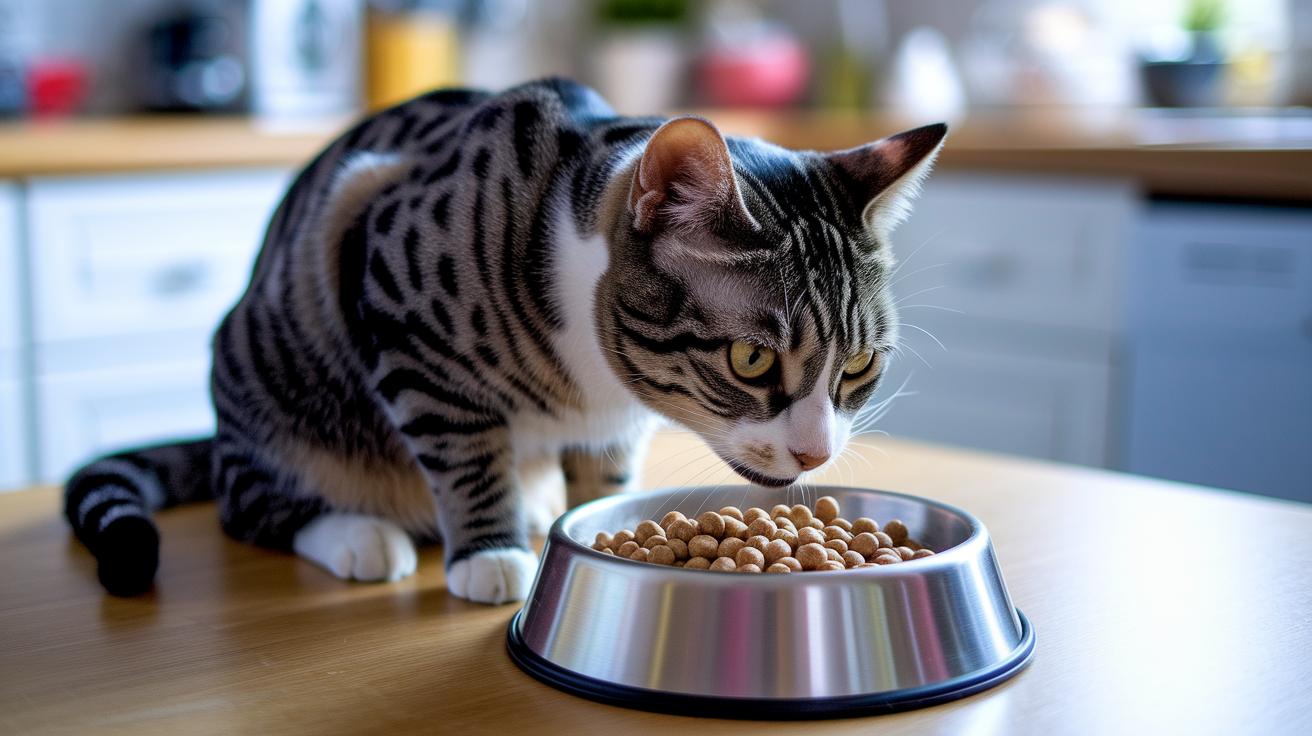
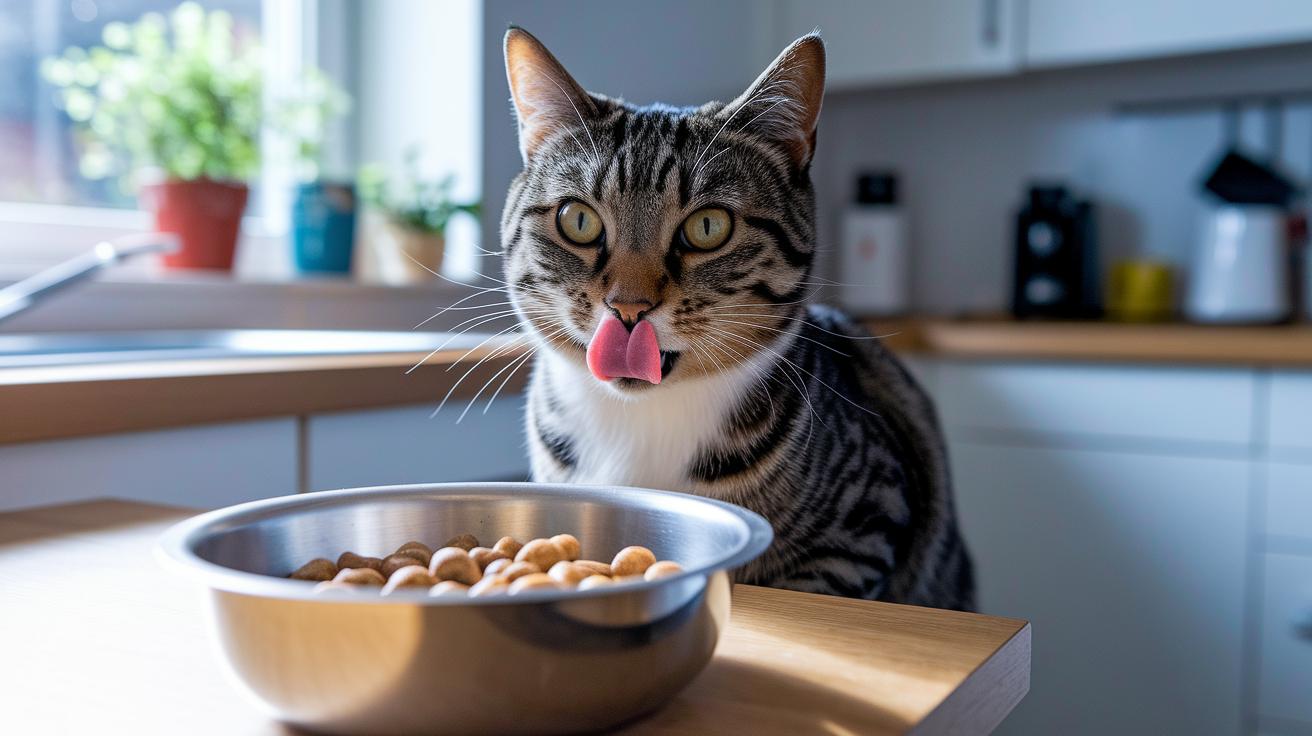
    Ever watched a kitten try to lap up food and end up wearing more of it than eating? It’s messy and hilarious, whiskers full of gravy, tiny paws sliding, so yeah, we’ve all been there.

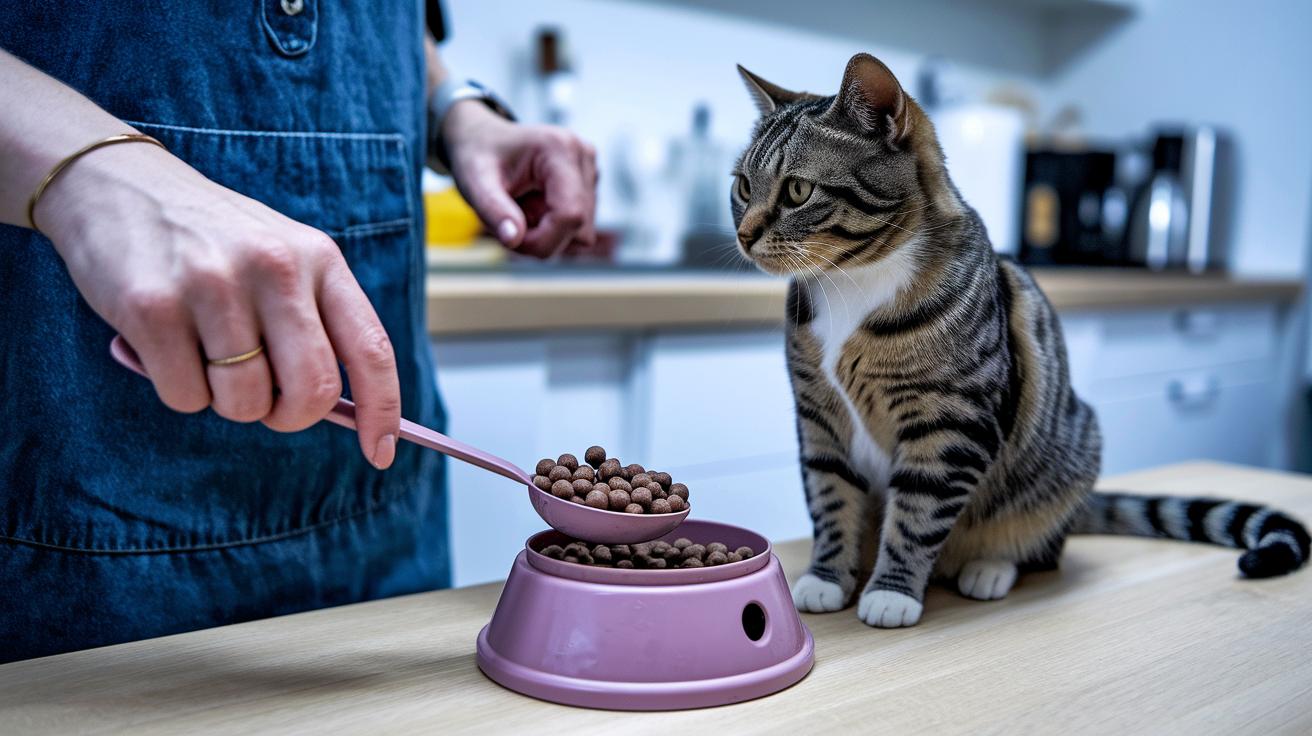
    Start offering tiny tastes of wet food at 3 to 4 weeks. Around 5 weeks, begin staged weaning: mix canned kitten food (soft, wet food made for kittens) with KMR (kitten milk replacer, a milk substitute) until the mix is spoonable, like thick applesauce. Most kittens are fully weaned by 8 to 10 weeks, though some need a little more time.

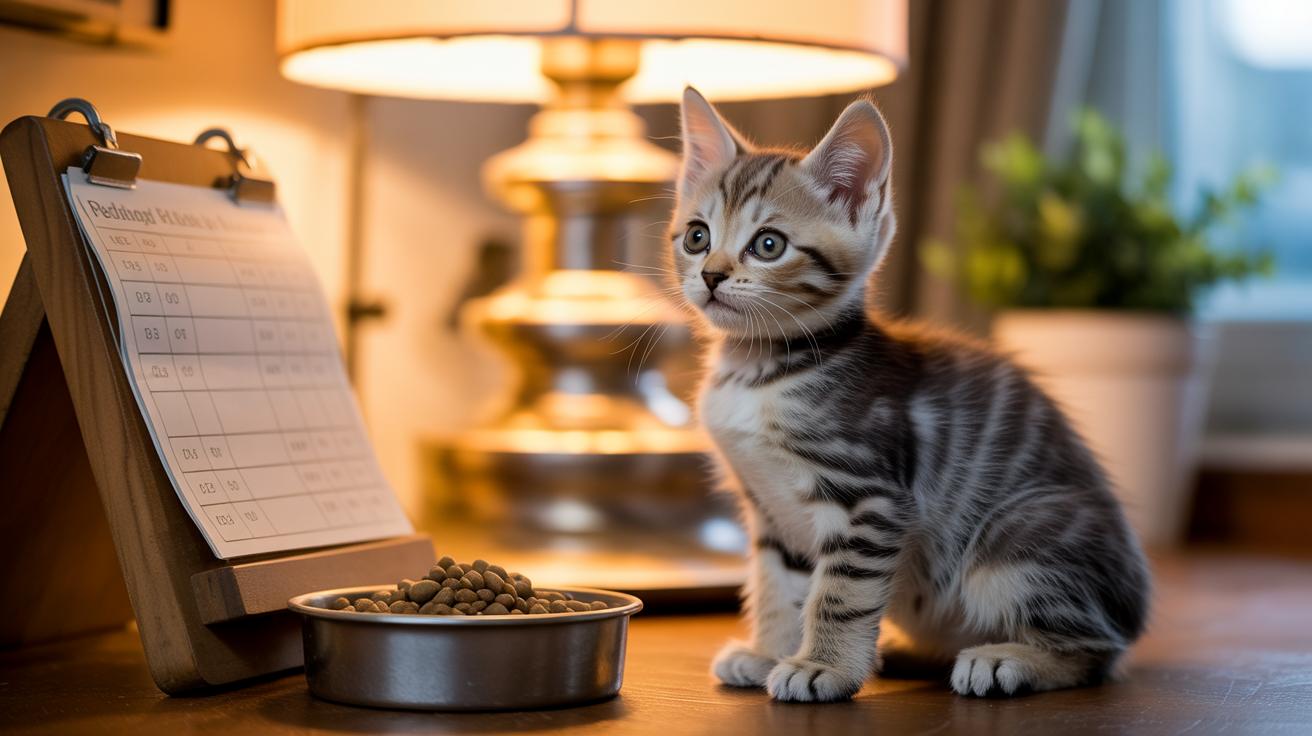
    Look for the signs: erupting teeth (the tiny white tips poking through), steady weight gain week to week, and real curiosity about the bowl, sniffing, licking, batting at it. Move slowly. Offer tiny spoonfuls, warm the food a bit, and let them make a glorious little mess while they learn. Gentle praise helps, and short, supervised sessions beat long, stressful ones.

    Worth every paw-print.

    When Can Kittens Eat Wet Food: Age Tips
    - Timing and readiness  quick answer (fulfills the search intent in this section).jpg

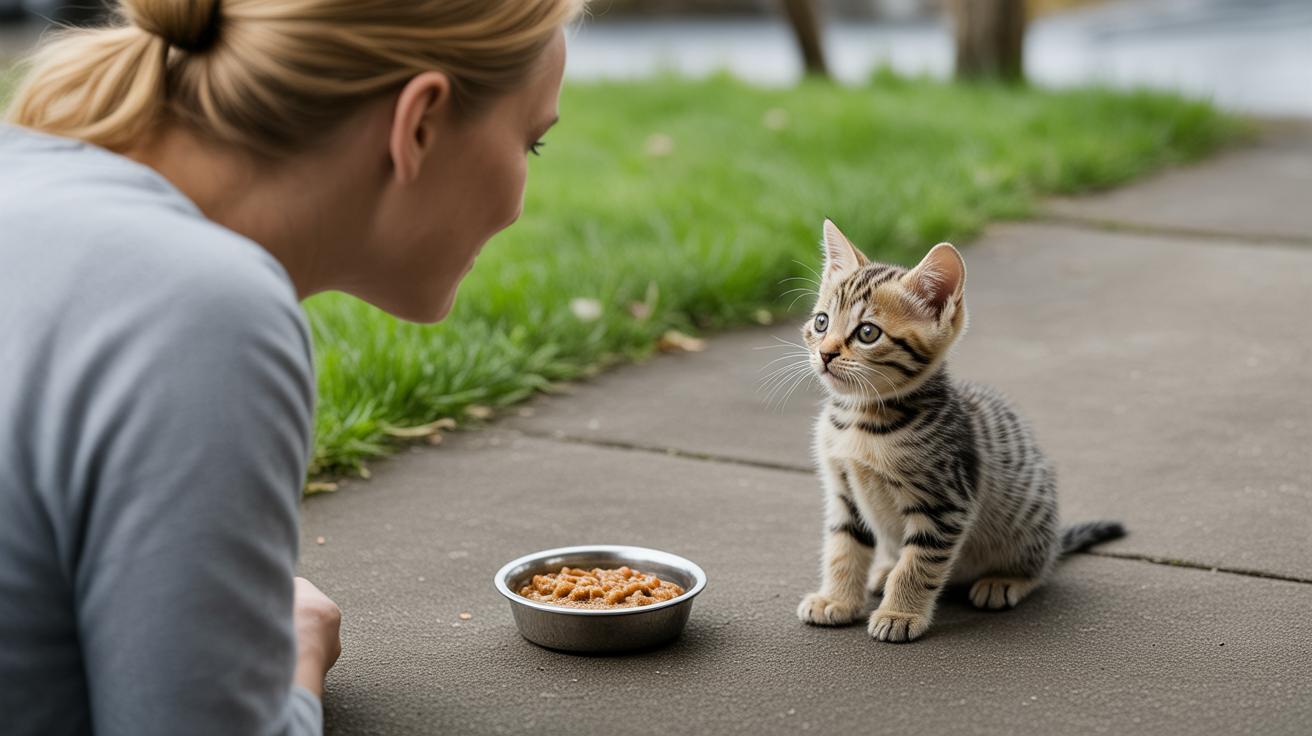
    Start offering tiny tastes of wet food around 3 to 4 weeks old. At about 5 weeks begin staged weaning – offer a spoonful of gruel (a soft, spoonable mix) made by stirring canned kitten food with KMR (kitten milk replacer) or warm water until it’s easy to lap. Most kittens are fully weaned by 8 to 10 weeks, though some take a little longer.

    Go slow. Try a shallow dish so they can lap without struggling. Your kitten’s whiskers will twitch, they might nudge the bowl, and before you know it they’re batting at the food like it’s a new toy. Ever watched a kitten figure out lapping? It’s adorable and kind of educational.

    If you see signs of trouble, pause the transition and call your veterinarian. Watch for dehydration, fast weight loss, or persistent diarrhea or vomiting. Those problems need help, pronto.

    Look for these readiness signs:

    • Erupting teeth, especially back premolars (new teeth pushing through the gums).
    • Can lap from a very shallow dish without sucking.
    • Shows interest in the mother’s or an offered dish of food.
    • Steady weight gain while still nursing regularly.

    A quick tip: if a kitten won’t eat, try warming the food a bit to boost the smell. It often does the trick. Worth every paw-print.

    When Can Kittens Eat Wet Food: Age Tips

    - How to introduce wet food to kittens detailed step-by-step weaning method.jpg

    Weaning is a step-by-step move from milk to canned food. Many folks start around five weeks old and usually make the change over 3-10 days, but some kittens need a much gentler pace. Think of it like teaching them to taste and chew, one tiny spoonful at a time.

    This section gives the practical how-to: what to offer first, how to mix wet food with kitten milk replacer (KMR) (kitten milk replacer, a milk substitute for kittens), how textures should change, and quick tricks for picky eaters. For exact meal volumes and a sample daily chart, see the Portions section below or your vet’s guidance.

    If a kitten refuses food or gets an upset tummy, slow down, step back a stage, or try a different texture or flavor. Use the Weighing and monitoring section below for daily weighing tips and the red flags that mean you should call your vet.

    1. Step 1: Get a very shallow, wide dish and warm the wet food a little so it’s close to body temperature. Warm food smells stronger and that helps curious noses investigate.
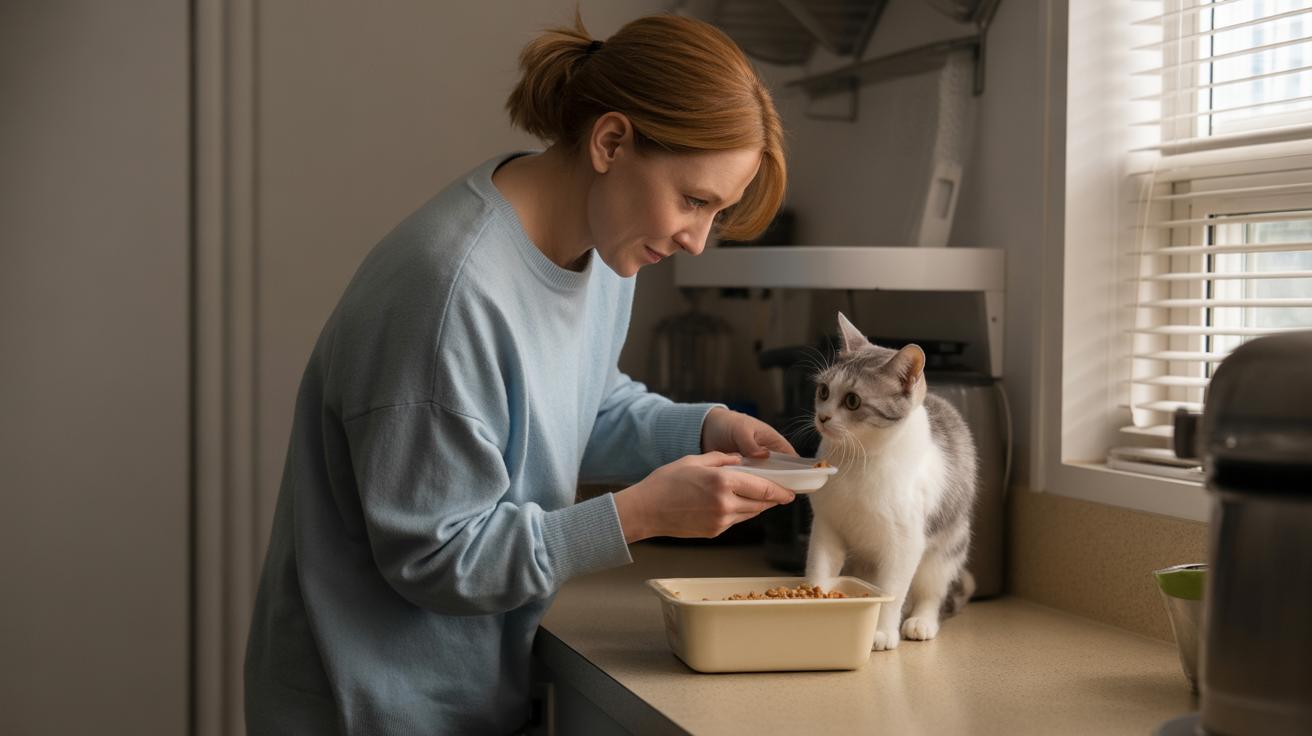
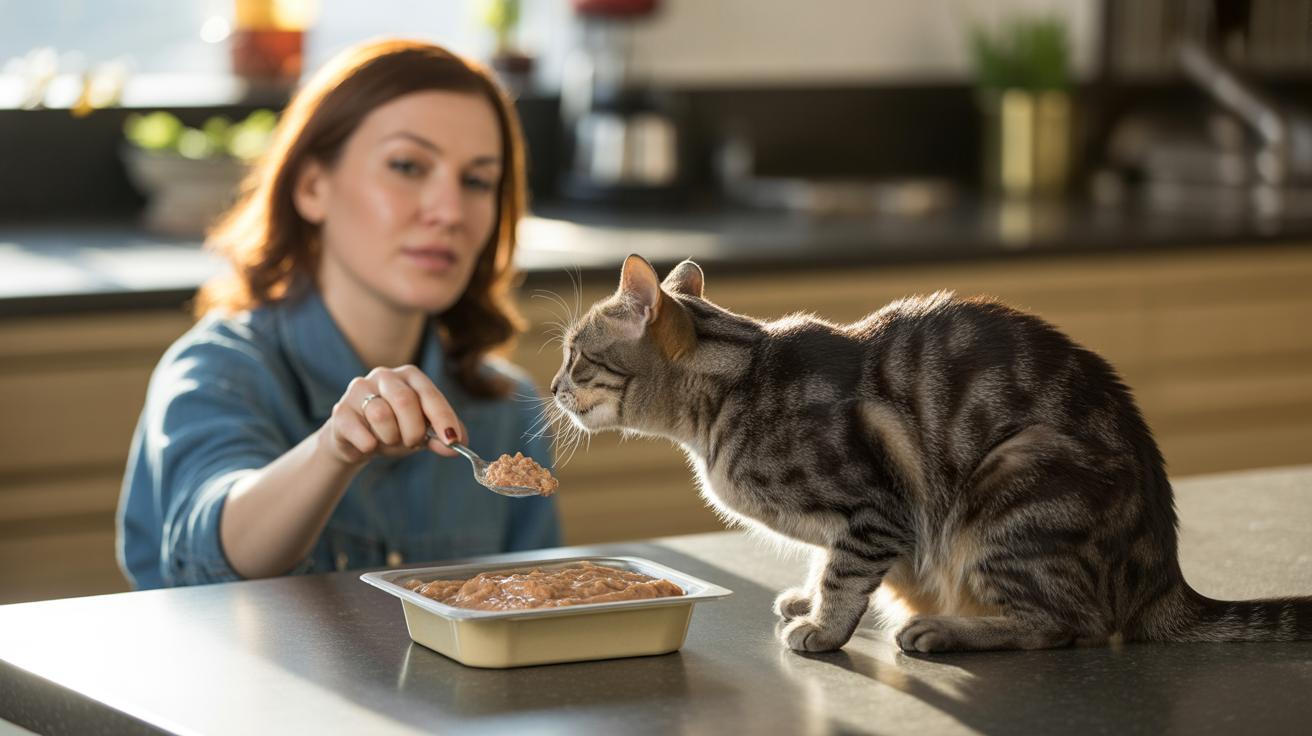
    2. Step 2: Offer a tiny spoonful of gruel (soft, spoonable mix) near the kitten’s mouth and let them sniff and taste on their own time. No pressure.
    3. Step 3: Encourage lapping by dipping a clean fingertip and letting the kitten follow it, or let the mother show the way if she’s around. It’s like teaching them to drink from a shallow puddle.
    4. Step 4: Give short exposures to the dish several times a day while you keep supplemental nursing or bottle feedings with KMR (kitten milk replacer) until intake from solids is steady.
    5. Step 5: Only move to the next texture once the kitten comfortably accepts the current one; follow the Mixing and texture progression below from gruel to pate to small chunks.
    6. Step 6: If you have a litter, separate slow eaters for short supervised turns so every kitten gets enough without being pushed away by siblings.
    7. Step 7: Weigh each kitten daily at first and watch the trend; see the Weighing and monitoring section for target gains and red-flag thresholds.
    8. Step 8: Switch to canned-only meals when the kitten reliably eats solids, laps cleanly, and shows steady weight gain. Worth every paw-print.

    Mixing and texture progression

    Start thin and spoonable, then slowly thicken the mix as chewing gets better. Warm mixtures are more enticing and small sample bowls cut down on waste.

    • Gruel (about 3-5 weeks): 1-2 tablespoons canned wet food plus 2-4 tablespoons KMR or warm water to make a spoonable mush.
    • Mid-stage mash (about 5-6 weeks): roughly 2 parts canned food to 1 part liquid for a soft pate consistency.
    • Chunky (about 6-8 weeks): use less liquid so small minced pieces or chunks in gravy appear; the kitten should lap without sucking.
    • Canned solids (around 8 weeks): offer plain canned kitten food if the kitten accepts minced textures; keep portions small so they don’t overload their tummies.

    A quick tip: if a kitten sniffs and walks away, try offering a little on your finger again or warm a tiny bite between your palms. Ever watched your kitten chase shadows? Same curiosity, just slower.

    Weighing and monitoring during weaning

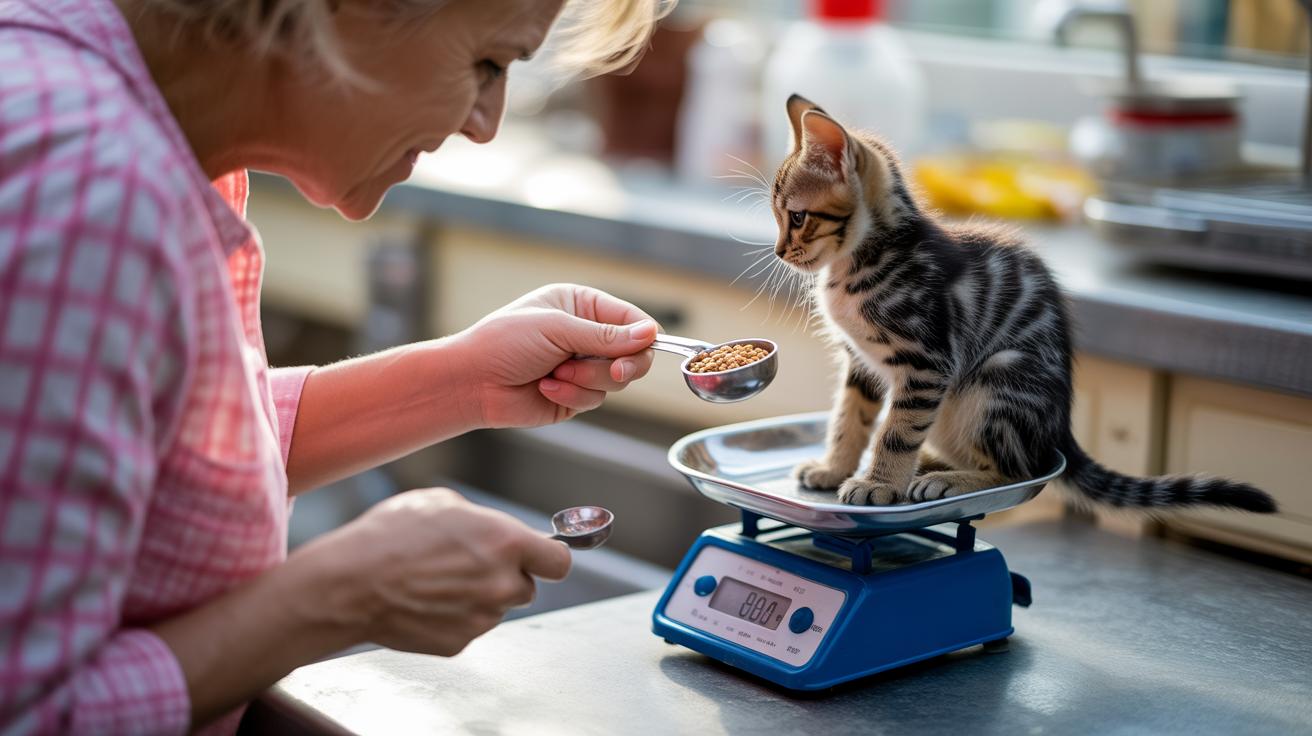
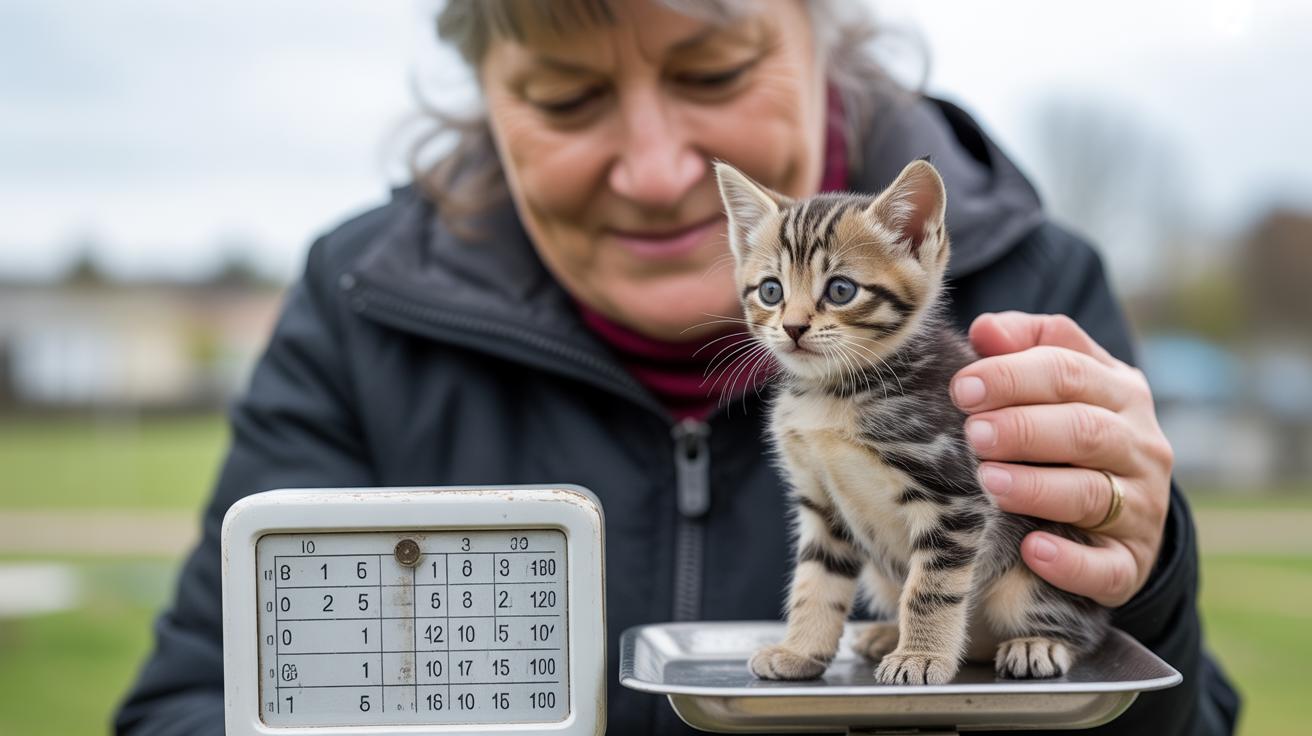
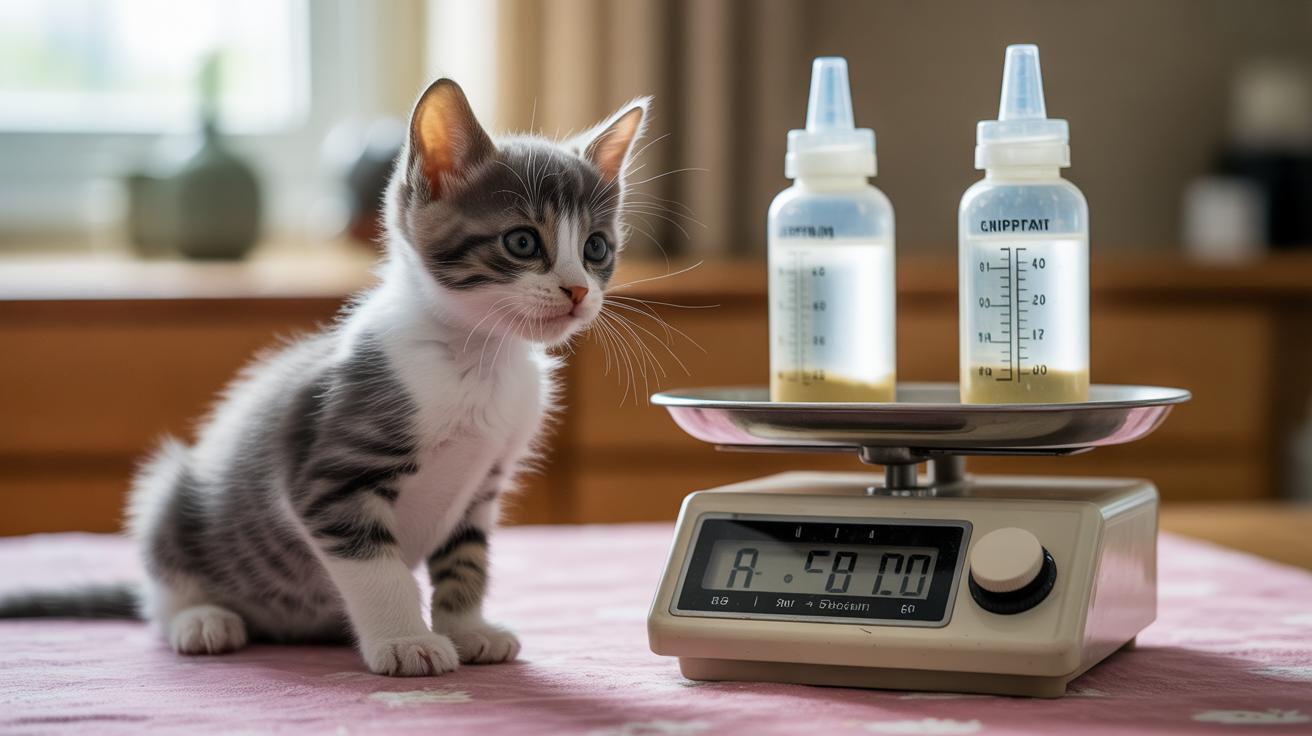
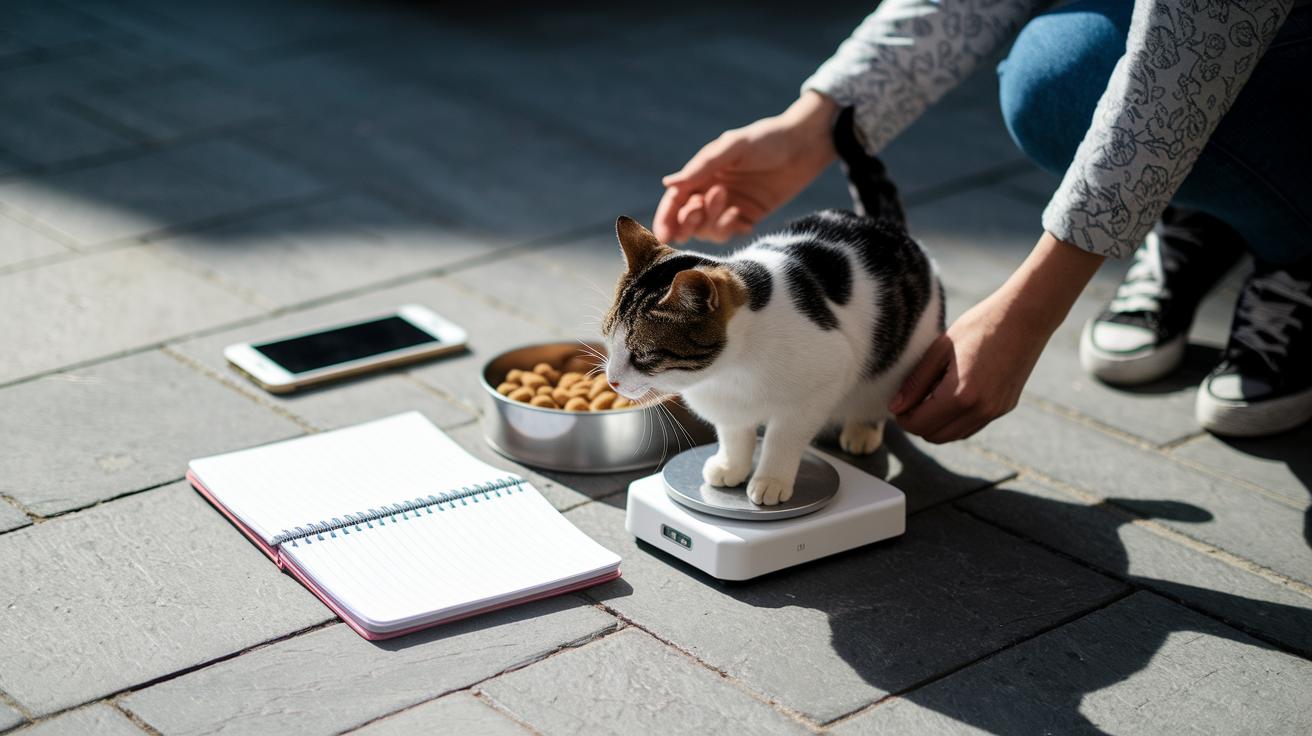
    Use a small digital kitchen or postal scale that reads in grams and weigh at the same time each day before feeding. Tracking trends matters more than any single number. Weigh daily during the first week of the swap, then every other day once gains look steady.

    Red-flag checklist:

    • Weight loss over 24-48 hours.
    • Consistent gain under about 5 g per day.
    • Persistent diarrhea.
    • Ongoing vomiting.
    • Signs of dehydration like sunken eyes or tacky gums.

    Keep a simple log with date, time, and grams for each weigh-in and note stool and appetite changes. Bring that record to your vet if trends look off or if symptoms stick around. It helps them help you faster, and, um, your kitten will thank you with purrs.

    Kitten wet food nutrition: labels, key nutrients, and calorie notes
    - Kitten wet food nutrition labels, key nutrients, and calorie notes.jpg

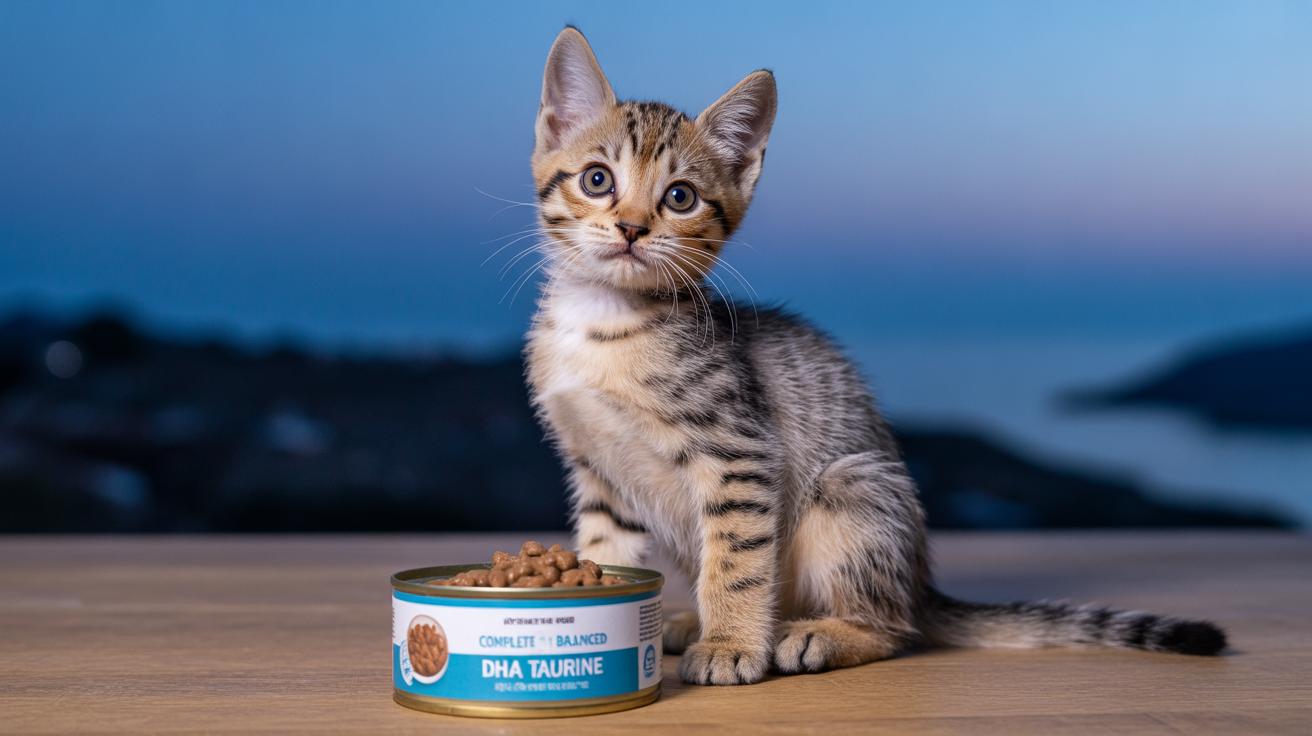
    Pick canned foods that say "complete and balanced" for growth on the label. AAFCO (Association of American Feed Control Officials, the U.S. pet food standard) lets you know the food was tested for growing kittens. Growth formulas are richer than adult foods so tiny tummies get the fuel they need to play, learn, and grow.

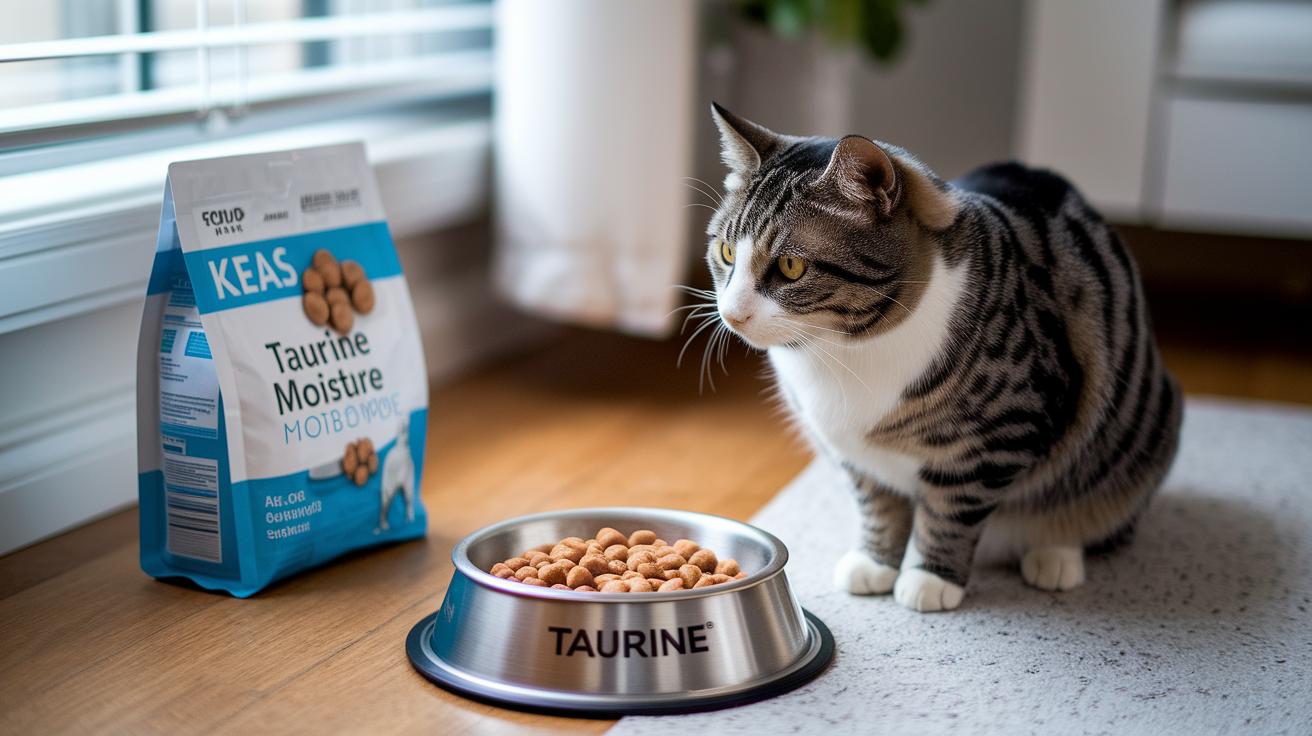
    Look for these key nutrients: protein (protein – building blocks for muscles and organs), fat (fat – concentrated energy and fat-soluble vitamins), DHA and EPA (DHA/EPA – omega-3 fats that help brain and eye development), and taurine (taurine – an amino acid important for heart and vision). Wet food also adds water to your kitten's day and packs calories into small servings, which helps little eaters keep up with fast growth. Ever watch a kitten chase a wobbling meatball? That extra moisture and calories make energy bursts possible.

    Not sure how many calories your kitten needs? Ask your veterinarian to calculate kcal targets by age and weight. Bring the can label or the calories-per-ounce info and a recent weight so the vet can give a tailored portion plan and convert amounts into cups, grams, or tablespoons you can use at home.

    Nutrient Why it matters Target / Notes
    Protein Supports quick tissue growth and development Higher than adult formulas; prefer named animal proteins (chicken, turkey, etc.)
    Fat Dense energy and essential fatty acids Higher fat to meet calorie needs of growing kittens
    DHA / EPA Supports brain and eye development Look for DHA on the label (an omega-3)
    Taurine Needed for heart function and vision Must be included in kitten formulas
    Calories (kcal) Guides portion sizes and daily needs Check label; your vet can convert kcal to grams or tablespoons

    When Can Kittens Eat Wet Food: Age Tips

    - Portions and feeding schedule when kittens eat wet food (sample chart).jpg

    Most kittens eat three meals a day until about four months old, then many drop to two meals a day after roughly 16 weeks. Some kittens, though, like to nibble small amounts all day. Start with tiny sample spoonfuls during early weaning so you don’t waste canned food, 3 oz and 5 oz cans are common, and smaller cans help single-kitten homes.

    Keep an eye on weight (see the Weighing and monitoring section). Steady weight gain means the portions are right. Slow gains mean offer a bit more or keep supplementing with KMR (kitten milk replacer, a milk substitute).

    Age (weeks) Meals per day Suggested wet food per day (approx) Notes
    3–4 Sample spoonfuls / short sessions A few teaspoons total (gruel) Mix canned with KMR or warm water to a spoonable mush (gruel); use a very shallow dish
    5–6 3 meals 1–2 tbsp per meal (3–6 tbsp/day) Keep some supplemental nursing or bottle feeds; thin the food slightly so it’s easy to lap
    7–8 3 meals 1–2 tbsp per meal Reduce added liquid so texture is pate-like (soft, smooth canned texture) or minced; offer canned-only bites
    9–12 3 meals 2–3 tbsp per meal (6–9 tbsp/day) Most kittens handle canned solids by now; watch appetite and stool for signs of tolerance
    12+ 2–3 meals (drop to 2 after about 16 weeks) 3–6 tbsp/day, varies by size and activity Adjust based on weight trends; small 3-oz cans cut waste for one kitten

    If your kitten’s weight is creeping up slowly, add a little more at each meal or slip in an extra short feeding. If weight stalls or drops, go back to supplemental KMR and slow the texture change while you and your foster coordinator or veterinarian troubleshoot, um, calmly.

    Sample feeding adaptations for single vs multiple kittens

    When several kittens share a bowl, the fast eaters can crowd out the shy ones. Weigh kittens daily during the transition and feed timid ones separately for short supervised sessions. Use multiple shallow dishes, stagger feeding times, or put a slow eater in a quiet room for a few minutes so everyone gets their fair share.

    Worth every paw-print.

    Resources

    - Choosing kitten wet food and textures when kittens eat wet food.jpg

    Product picks and picky-cat tips live here now for one easy reference. We pulled the best suggestions into a single spot so you can find them fast. Ever watched your cat sniff a bowl and stroll away? Yeah, us too.

    Quick notes below include brand lists and practical tips you can try tonight.

    Worth bookmarking. Your cat will thank you, maybe with a slow blink.

    Troubleshooting (quick fixes): kittens and wet food
    - Troubleshooting when kittens eat wet food refusal, diarrhea, vomiting, and allergies.jpg

    Introducing wet food can bring up a few common headaches: refusal to eat, loose stools, vomiting, or mild food reactions. The switch usually takes about 3 to 10 days, so be patient and check the timeline earlier in this guide. If your kitten seems off, slow the swap down and go back to the last mix that felt comfortable so their weight stays steady.

    Try these quick, at-home fixes , short steps that often calm tummies or get a picky eater going:

    • Warm a tiny bite to boost the smell. Rub a pea-sized dab between your palms or pop it in the microwave for 1 second, then test the temp before feeding. The aroma really helps some kittens.
    • Fingertip demo to encourage lapping. Tap a little smear on your finger and let the kitten lick it; they often copy you. Cute, and effective.
    • For loose stools, step back to the last mix ratio they tolerated and stay there until stools firm up. Slow is better than sudden.
    • If the food seems too rich, make a gentle mash for a few days by adding a little warm water. It’s easier on tiny stomachs and still tasty.
    • For vomiting, cut portion sizes and feed smaller, more frequent meals until vomiting stops. That often settles things fast.
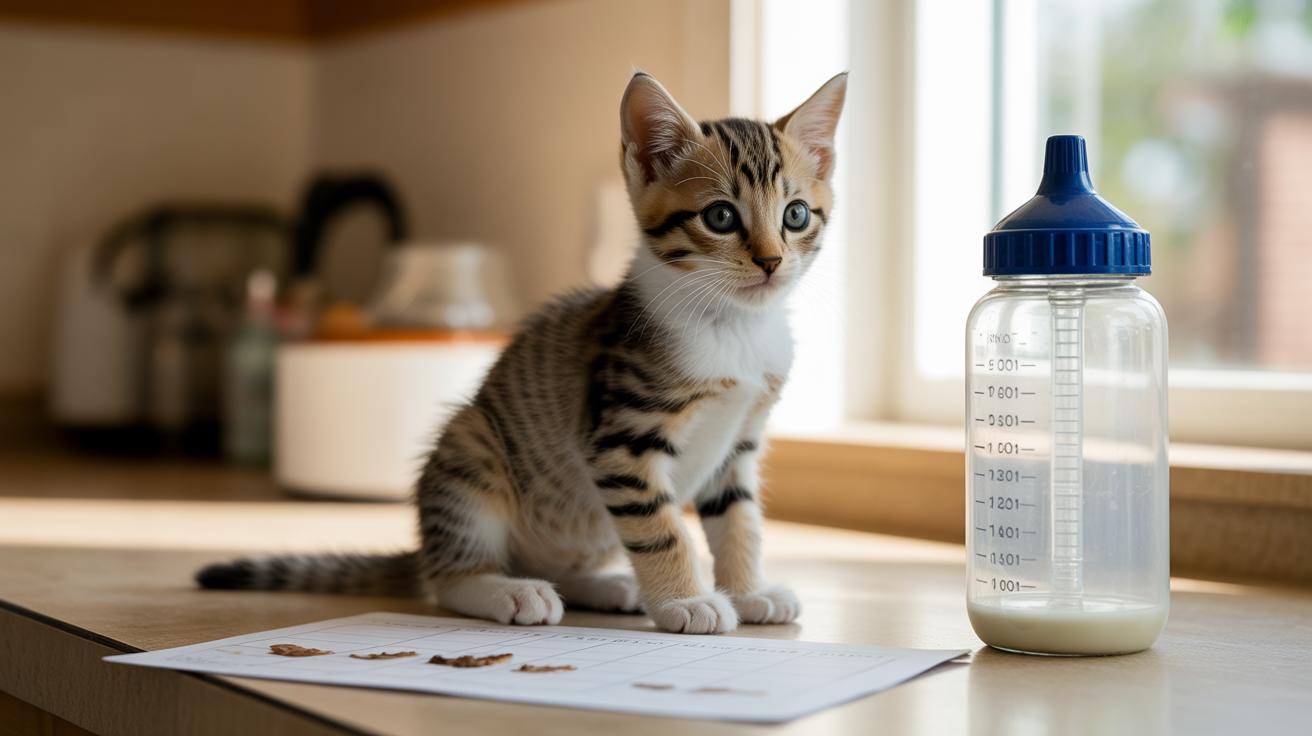
    • If you spot dehydration or weight loss, offer small extra fluids or KMR (kitten milk replacer , vet-formulated milk substitute) and weigh the kitten daily on the same scale, jotting down the numbers and stool notes. Keeping a short log helps spot trends.
    • Suspect an allergy? Try a different protein or a dedicated kitten formula. If symptoms stick around, call your vet.

    For serious or persistent red flags, see the Safety H3 "When to consult a vet" section and contact your veterinarian without delay.

    When Can Kittens Eat Wet Food: Age Tips
    - Special cases orphaned, bottle-fed, or medically fragile kittens eating wet food.jpg

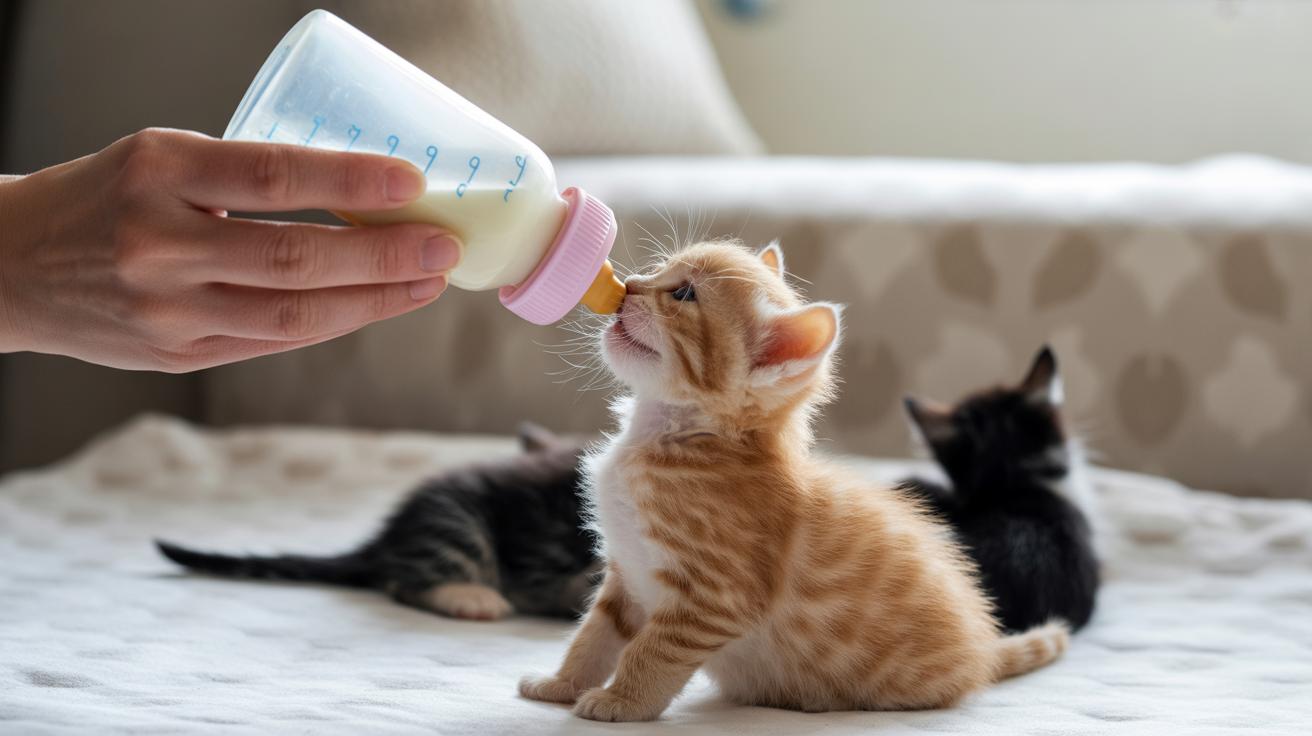
    Orphaned or bottle-fed kittens usually need a longer overlap of formula and wet food than kittens raised by their mom. Start offering tiny tastes around 3 to 4 weeks if the kitten seems interested and steady. Keep KMR (kitten milk replacer) on hand , that’s the formula substitute that stands in for mom’s milk , and continue extra bottle sessions for several weeks until the kitten is reliably eating solids. Go slow. Little tummies need time to adjust.

    Fully weaned means the kitten eats canned food on its own, keeps gaining weight, and is nursing or bottle-feeding much less or not at all. If a kitten still can’t lap, spits food out, or loses weight, keep the overlap. Try gentler textures first, like a thinner gruel (a thin, porridge-like mix) before moving to thicker blends.

    Practical tips: mix wet food with KMR to a spoonable mush for very young or weak kittens. Warm the mix to about body temperature to make the smell stronger and more inviting. Use a very shallow dish so tiny faces can reach it, and offer small, frequent helpings so each meal is easy to manage. Weigh the kitten daily and note trends , if weight stalls, add short supplemental bottles and check in with your foster coordinator or vet.

    Syringe and assisted feeding technique

    For kittens that can’t self-feed yet, make a smooth blend of wet food and KMR so it’s syringe-safe with no big chunks. Use tiny syringes and calm, measured feeds while watching carefully for swallowing.

    1. Make a smooth mix: blend canned food with KMR until it’s thin and pourable. No lumps.
    2. Choose syringe size: use 1 mL to 3 mL syringes for newborns, and up to 5 mL for bigger babies; give small amounts per stroke.
    3. Position safely: hold the kitten upright, head slightly forward, not tilted back, to lower the risk of aspiration (food getting into the lungs).
    4. Pace the feed: give slow, steady drops and let the kitten swallow between doses; pause if you hear coughing or see choking.
    5. Know when to escalate: if feeding stays difficult, the kitten loses weight, or breathing seems hard, contact your vet or foster coordinator right away.

    Ever watched a tiny kitten figure out food for the first time? Their whiskers twitch, they snuffle, and then , surprise pounce. It’s a little messy, but worth every paw-print.

    Safety, storage, and vet triggers when kittens eat wet food

    - Safety, storage, and vet triggers when kittens eat wet food.jpg

    Heads up: storage and hydration tips that used to be here are moved to the Portions/Feeding and Weighing & monitoring sections so we don’t repeat the same advice.

    When to consult a vet

    Call your veterinarian right away for any of the red-flag signs below. Faster action can keep a kitten from getting worse.

    • Diarrhea lasting more than 24 to 48 hours
    • Vomiting that keeps happening past 24 hours
    • Rapid or unexplained weight loss
    • Not gaining weight (check your weighing log)
    • Signs of dehydration (sunken eyes, tacky gums , gums that feel sticky, not wet)
    • Severe lethargy or unresponsiveness

    Before you call, have these details ready so the vet can help faster: recent weights in grams, how long symptoms have been happening, what you’ve been feeding (brand, texture, amounts), and any home measures you tried. Quick example note you can read out: "Weights: 420 g yesterday, 405 g two days ago. Fed Brand X pate (smooth wet food), small supplemental bottles twice daily. Offered shallow water and KMR (kitten milk replacer)."

    Final Words

    In the action, we gave the clear answer: start sampling at 3–4 weeks, begin staged weaning around 5 weeks, and usually fully weaned by 8–10 weeks.

    Then we walked through mixing gruel, texture steps, weighing, portion plans, troubleshooting and special-case feeding so you'll have one plan to follow.

    If you wondered when can kittens eat wet food, watch for erupting teeth, lapping from a shallow dish, interest in mom’s food and steady weight gain , start slow and call your vet for serious red flags. With patience, your kittens will be playful and healthy.

    FAQ

    Frequently Asked Questions

    When can kittens eat wet food?

    Kittens can sample wet food at 3–4 weeks, start staged weaning about 5 weeks, and are usually fully weaned by 8–10 weeks. Offer spoonable gruel and watch weight trends.

    When can kittens eat dry food?

    Kittens can try softened dry kibble mixed with wet food or kitten milk replacer (KMR) around 4 weeks, but plain dry kibble is best once chewing is reliable, about 6–8 weeks.

    When do kittens start eating food and drinking water?

    Kittens start sampling food at 3–4 weeks and will usually begin drinking water reliably within 1–3 days after wet food introduction. Always offer fresh, shallow water for lapping.

    Can 3-week-old kittens eat wet food and poop on their own?

    Three-week-old kittens can taste tiny spoonfuls of gruel if ready, but most still need caregiver stimulation to poop. Keep feeding KMR (kitten milk replacer) and monitor weight and hydration.

    How much wet food should a kitten eat at 3–4 months?

    At 3–4 months feed three meals daily, roughly 1–2 tablespoons per meal depending on size. Follow weight trends and increase portions if steady gains are too low.

    What is the 3-3-3 rule for kittens?

    The 3-3-3 rule is a simple foster checklist used by some rescues for early kitten care milestones; definitions vary, so check your shelter or veterinarian for the exact timing and steps.
    Related Articles

  • Top Rated Wet Cat Food Brands Comparison

    Top Rated Wet Cat Food Brands Comparison

    Is your cat quietly judging your wet food choices? Picking a canned meal can feel like a tiny taste test for a pint‑size dictator. Texture, aroma, and calories all matter , the silky gravy, the meaty chunks, the whiff that makes them lick their whiskers , and those things decide if your kitty gives it the royal paw. Ever watched your cat sniff, tap, and walk away? Yeah, they’re picky.

    This quick comparison lines up three top wet brands , Royal Canin, Hill’s Science Diet, and Purina Pro Plan , so you can tell which one wins for picky eaters, indoor weight control, or higher‑protein needs. We look at palatability testing, dry‑matter protein (protein after water is removed), calories per can, and rough cost, so you get the real picture without the guesswork. Purrhaps one of these will be your cat’s new favorite.

    Top Rated Wet Cat Food Brands Comparison

    - Fast answer top overall pick + runners-up, then ranked comparison table.jpg

    Our top pick is Royal Canin Adult Instinctive Thin Slices in Gravy. Runners-up are Hill’s Science Diet Adult Indoor Savory Chicken Entrée and Purina Pro Plan Complete Essentials Chunky Chicken. Yep, we tasted the options through lots of research and a few enthusiastic cat testers.

    These three stand out because they mix named animal proteins, solid nutrition, and true palatability testing (does a picky cat actually eat it). Royal Canin wins for texture and appetite-friendly recipes. Hill’s focuses on indoor weight control and extra fiber. Purina Pro Plan brings higher protein density (more protein per calorie) for cats that need lean muscle support. Ever watched your kitty pick one over another? It tells you a lot.

    Use the table below as the single source for can size, calories per can, protein (DM% where available), and rough cost per day. Protein (DM%) means dry-matter percent (the amount of nutrients after removing water). Later sections will point back to this chart so you can compare quickly and pick what fits your cat’s taste and needs.

    Rank Brand / Product Best for Can Size Calories per Can Protein (DM%) (dry-matter percent) Approx Cost/Day Key Pros Key Cons
    1 Royal Canin Adult Instinctive Thin Slices in Gravy Best overall 3 oz 66 cal/can varies varies Water is listed first, then named protein; thin slices in gravy make it easy for picky eaters; comes with a palatability guarantee. Small cans can mean more opened servings; formula aimed at specific adult stage.
    2 Hill’s Science Diet Adult Indoor Savory Chicken Entrée Indoor cats, weight control 5.5 oz 170 cal/can varies varies Lean protein plus added fiber to help hairballs and weight; includes vitamins and antioxidants for overall health. Standard taste may not tempt every picky cat.
    3 Purina Pro Plan Complete Essentials Chunky Chicken High-protein needs 3 oz 94 cal/can 50% (DM) varies Very high protein for lean muscle support; added nutrients to round out the diet. Smaller cans mean more frequent feeding; some cats prefer softer textures to chunky pieces.
    4 Smalls Fresh Ground Bird High-moisture, single-source protein , (ground, as-fed) ~40 cal/oz (as-fed) 13% (as-fed) ~$4.00/day Single-source meat, very high moisture for hydration, US-made with simple ingredients. Needs thawing before serving; typically sold by subscription.
    5 Tiki Cat Aloha / Grill Variety Pack Picky eaters and seafood lovers 2.8–3 oz 57–76 cal/can varies (often high) ~$6.31/day (varies) Super palatable seafood flavors and hydrating broths; great for finicky felines. Can be pricier than standard wet food.
    6 Purina Fancy Feast Seafood Grilled Collection Budget-friendly, highly palatable 3 oz 70–71 cal/can ~55% (crude) varies Grilled seafood flavors cats love; no artificial colors or preservatives listed. Ingredient lists are simpler compared to premium brands.
    7 Hill’s Prescription Diet Metabolic Weight Management Weight loss, vet-required 5.5 oz 136 cal/can varies varies High-fiber, designed to support metabolism and weight loss under vet guidance. Requires veterinary authorization to purchase.
    8 Royal Canin Aging 12+ Thin Slices in Gravy Senior cats 3 oz 71 cal/can varies varies Formulated for joints and kidneys, easy to chew and usually very palatable for older cats. Small cans and tailored to a specific life stage.
    9 Ziwi Peak Cat Cuisine Novel proteins and sustainability , (oz-based) ~28 cal/oz 9% (DM) ~$3.67/day New Zealand-sourced free-range meats and added green-lipped mussel for joint support. Higher price and availability can be spotty.
    10 Weruva / Tiki Cat / Wellness CORE examples High-moisture, protein-forward options varies varies varies (often high) varies Meat-first recipes with high moisture and a range of textures to please many cats. Some formulas use gums or thickeners; quality varies between lines and flavors.

    wet cat food brands

    How the rankings were determined: veterinary criteria and selection method

    - How the rankings were determined veterinary criteria and selection method.jpg

    We teamed up with veterinary nutritionists and used real-world taste checks. That means brands needed controlled feeding trials (where pets eat the food under monitored conditions) or palatability testing (taste tests) , because if your cat turns up its nose, all the vitamins in the world won't help. Vet oversight was our first trust filter, so a product without it rarely made the cut.

    Our technical checklist looked for clear ingredient transparency, like named animal proteins and obvious sourcing. We checked macronutrient balance (protein, fat, and carbs) to match AAFCO (Association of American Feed Control Officials) "complete and balanced" claims for the life stage listed. We also paid attention to moisture levels, since as-fed versus dry-matter comparisons change once you account for water (dry-matter shows the nutrient amounts after removing water). Next, we reviewed documented palatability testing, manufacturing quality controls (factory safety checks), and recall history (any past product withdrawals) to make sure label claims line up with lab practice.

    Scoring gave the most weight to nutrition and the vet review, then to palatability and practical bits like texture and availability. So a small rank jump might just reflect a texture or price difference, not a nutrition fail. Big score gaps usually point to real ingredient or quality issues that matter for seniors, urinary health, or weight management. For the hard numbers, see table above for product calorie/protein/cost figures.

    Life-stage and medical-need recommendations (use the table for metrics)

    - Life-stage and medical-need recommendations (use the table for metrics).jpg

    Each tip below explains why a product suits a life stage or condition – ingredient profile, texture, or key nutrients. Use the table above for exact calories, protein, and cost.

    Kittens

    Look for DHA (docosahexaenoic acid, a brain and eye nutrient) and higher-protein and higher-calorie rows. Pick soft, easy-to-lap textures that help with hydration and small mouths. Transition slowly over about 7 days, starting with 25% new food, and watch stool and appetite. See table above for exact calories and protein.

    Adult Indoor Cats

    Choose lower-calorie rows and higher fiber to help with weight and hairball control. Formulas labeled for indoor cats and palatable wet textures help with portion control. Introduce new food over about a week and trim portions if weight creeps up. See table above for exact calories and protein.

    Senior Cats

    Scan for joint-focused nutrients like glucosamine (joint-building compound) and chondroitin (cartilage-supporting molecule), plus lower phosphorus (a mineral that can stress kidneys). Softer textures or gravy make chewing easier. Offer smaller, more frequent meals and transition slowly while watching appetite and mobility. See table above for exact calories and protein.

    Sensitive Stomach / Skin

    Pick single-source or novel proteins and formulas with prebiotics (fiber that feeds good gut bacteria) and probiotics (live good bacteria). Gentle fibers help digestion; avoid products with multiple heavy fillers. Move to a new formula in stages and note stool or coat changes over two weeks. See table above for exact calories and protein.

    Urinary Health / Prescription Needs

    Prescription urinary diets need veterinary authorization and a vet-directed feeding plan. Look for products labeled prescription and for the pH and mineral targets your vet prescribes. Don’t switch without your vet’s OK and follow their titration and monitoring plan. See table above for exact calories and protein.

    Diabetic / Low-carb Needs

    Favor higher-protein rows and low-carb proxies like high-moisture foods and low-ingredient carbs to help steady glucose. Pay attention to protein-to-moisture patterns in the table. Work with your vet on any diet change and titrate slowly while tracking blood glucose. See table above for exact calories and protein.

    Picky Eaters

    Compare high-palate rows (shredded, broth, seafood flavors) and pick the textures your cat prefers; warming food a few seconds boosts aroma. Rotate small trials over several days and switch gradually to avoid refusal. See table above for exact calories and protein.

    How the rankings were determined

    - Ingredient and nutrition label checklist (no product stats repeated).jpg

    Wet food lists moisture near the top, so we compare products on a dry-matter (DM) basis. Dry-matter (DM) is what’s left after you remove the water from the food (think of the crunchy bits under the gravy). Read the guaranteed analysis for crude protein, crude fat, and moisture to get an apples-to-apples read across cans.

    Higher protein often replaces carbs, but it can also raise calorie density. So don’t assume more protein means fewer calories. Check the ranked table for the exact calorie and protein numbers before you swap formulas. Ever watched your cat eat only the gravy and leave the rest? Yeah, labels can be sneaky.

    Use this checklist when you read labels:

    • Check guaranteed analysis: crude protein (total protein in the food), crude fat (total fat), and moisture (water percent used for DM math).
    • Calories per can (see the ranked table for values) , calories tell you how energy dense the food is.
    • Taurine presence (taurine, an essential amino acid for heart and eye health).
    • Named animal proteins in the top ingredients (chicken, salmon, turkey vs vague "meat"). Named sources are more transparent.
    • Type of carbohydrate sources (rice, potato, peas) , carbs affect calories and digestibility.
    • Presence and type of thickeners or gums (guar gum, xanthan gum, locust bean gum , common thickeners that change texture).
    • Added omega-3 and omega-6 sources (fish oil, a source of DHA/EPA; flax) , DHA and EPA are omega-3 fats that help brain and eye health.
    • Prebiotics and probiotics and their form (prebiotics feed good bacteria; probiotics are live bacteria).
    • Life-stage or veterinary claim (kitten, adult, senior, or prescription formula) , match this to your cat’s needs.
    • Added sugars, excess sodium, or artificial colors and flavors , less is usually better.

    Use the ranked table together with this checklist to match macronutrients to your cat’s life stage and health needs. Worth every paw-print.

    Texture, flavor, and palatability considerations

    - Texture, flavor, and palatability considerations (reference table for metrics).jpg

    We moved all the texture and flavor advice into the "Picky Eaters" subsection. That note now lines up the common wet-food types so you can see how they differ: pâtés (smooth, spoonable wet food), thin slices in gravy (flat pieces in a light meat sauce that are easy to lap), and shredded/consommé (small meat shreds in a clear, flavorful broth). Want calories and protein by format? Check the main table for the numbers.

    Practical feeding tips live in a short "Practical feeding tips" sidebar under the table or in the Life-stage guidance. A few quick notes: adjust portions by texture , pâtés are dense so a little goes a long way; shredded in broth has extra water so volume can look bigger. Pâtés often stay freshest for about 12 hours after opening. Refrigerate leftover servings and label them so you know when they were opened.

    Brand-specific palatability details and the warming tip were pulled out of this section to keep things tidy. For the warming suggestion, see "Picky Eaters" , warm a spoonful for 2 to 3 seconds to lift the aroma and spark interest. And for brand-level notes on what most cats prefer, consult the product table.

    If your cat is picky, try switching formats or warming a tiny taste to see what gets those whiskers twitching. Worth every paw-print.

    Price, availability, storage, and buying strategy

    - Price, availability, storage, and buying strategy (no repeated daily costs).jpg

    Check the ranked table above for the per-can and per-day cost figures before you buy. That table is your quick price guide, and it makes comparing brands way easier. If numbers make you meow, this is the cheat sheet.

    Availability often decides the smart move. Boutique or imported lines like Ziwi Peak can disappear from shelves, so if your cat goes crazy for a flavor, sign up for a subscription service (automatic recurring deliveries) or buy from a specialty retailer to keep the bowl full. Mainstream brands are usually easier to find locally, which helps when you need a quick replacement between workdays and busy weekends.

    Think about single-serve versus bulk formats when you plan shopping. Single-serve trays like Perfect Portions are one-meal sealed trays (individual meals) that keep food fresher and cut waste, awesome for picky kitties. Bulk cans usually lower the cost per ounce, but then you’re juggling leftovers. Refrigerate opened portions in airtight containers (sealed plastic or glass containers) and label them with the date. Pâté (smooth, spoonable wet food) stays at peak quality for about 12 hours after opening, while shredded or broth-style foods often hold up a little longer when chilled. For frozen, subscription-only thaw-before-serve items (frozen food you thaw before feeding), plan delivery timing so you’re not scrambling on feeding day. Your cat’s whiskers will thank you.

    Practical buying tips:

    • Use subscriptions for steady supply and often better pricing, especially for boutique lines.
    • Scout local pet stores for specialty flavors before committing to long shipments, you might find a claw-tastic deal nearby.
    • Compare per-can versus per-ounce pricing in the table to pick the best mix of value and convenience for your cat’s tastes.
    • Keep one or two mainstream cans on hand for emergencies or travel days.

    Worth every paw-print.

    Switching and feeding guide: transition protocol and example calculations using the table

    - Switching and feeding guide transition protocol and example calculations using the table.jpg

    Before you swap wet foods, open the ranked table and find the product’s "calories per can" row. That number is your anchor for portioning, and it keeps swaps from accidentally over- or under-feeding your cat. Think of it like a steady paw on the scale, nice and simple.

    Estimate a daily calorie target for your cat based on weight and activity. Kittens need more kcal per kilogram for growth (kcal means calories). Active adults need maintenance levels, and seniors often need a little less or a tailored target for health reasons. If you see kcal/kg in a guide, that means calories per kilogram of body weight.

    To turn that target into cans, use this simple idea: daily kcal target divided by calories per can from the table equals cans per day. In other words, Daily kcal target / calories per can = cans per day. Then, if you prefer to measure by weight, multiply cans per day by the can size (use the Can Size column) to get grams (metric weight) or ounces (US weight). Adjust the final number up or down to account for treats, snacks, or any dry food calories.

    Example steps using placeholders:

    1. Calculate your cat’s daily calorie target.
    2. Divide that target by [calories per can from table] to get cans per day.
    3. Multiply cans per day by the can size (Can Size column) to convert to grams or ounces if you like measuring by weight.
      Replace each bracketed placeholder with the exact numbers from the main table to get your final feeding amounts.

    For a gentle 7-day transition, try this schedule: about 25% new mixed with 75% old for the first two days, then roughly 50/50 around midweek, move to 75% new on days five and six, and serve 100% new on day seven while watching stool, appetite, and water intake. Ever watched your kitty sniff suspiciously and then pounce? Yeah, watch for subtle clues like that. If stool changes, appetite drops, or drinking spikes, slow the swap down or pause.

    Prescription or therapeutic diets need special care. These must be switched only with vet authorization and a vet-directed plan, with closer monitoring. When in doubt, call your vet, better safe than sorry, um, especially with health diets.

    Final Words

    In the action: we named one top overall pick plus two runners-up, then laid out a ranked table, vet-driven methodology, life-stage recommendations, a label checklist, texture and storage tips, and a safe seven-day switching plan.

    Use the ranked table as the go-to for calories, protein, and cost , the rest of the guide shows how to read labels, choose textures, manage portions, and switch foods with minimal stress.

    Pick what fits your cat’s life stage and appetite, and enjoy more purrs and play. Here’s to finding top rated wet cat food brands that keep claws proud and kitties content.

    FAQ

    What are the top rated wet cat food brands on Reddit?

    The top rated wet cat food brands on Reddit are Tiki Cat, Weruva, Ziwi Peak, Smalls, and Purina Fancy Feast, praised for high moisture, real-meat-first recipes, and bold, cat-pleasing flavors.

    Which wet cat food do vets recommend and which is the best wet cat food?

    Vets recommend wet cat foods reviewed by veterinary nutritionists (specialized pet nutrition experts) and backed by feeding trials or prescription formulas; the best choice depends on your cat’s age, health, and vet guidance.

    What are the top rated wet cat food brands for kittens?

    The top rated wet cat food brands for kittens include Royal Canin, Purina Pro Plan Kitten, and Hill’s kitten formulas because they add DHA (brain/eye-support fatty acid) and higher-quality protein for growth, with pâté textures for easy eating.

    What is the best wet cat food for indoor cats?

    The best wet cat food for indoor cats emphasizes moderate calories and added fiber (digestive-helping plant matter) to curb weight and hairball risk; Hill’s Science Diet Indoor often fits that bill, but match to your cat’s needs.

    What are the top 5 healthiest wet cat foods?

    The top five healthiest wet cat foods often named are Ziwi Peak, Smalls, Tiki Cat, Weruva, and Royal Canin, selected for named animal proteins, minimal fillers, taurine (essential heart/eye amino acid), and transparent sourcing.

    Which wet cat food brands should I avoid?

    You should avoid wet cat food brands that use vague “meat” labels, heavy starchy fillers (fillers: starchy carb ingredients), added sugars or excess salt, or have a shaky recall history; read labels and ask your vet.

    Is Tiki Cat wet food good?

    Tiki Cat wet food is generally well-regarded for high moisture and meat-first recipes; many cats love its fish-forward flavors, though some formulas use gums (thickeners like guar or xanthan), so check texture and ingredients.

    Related Articles

  • Kitten Feeding Chart: Age, Amounts, Frequency

    Kitten Feeding Chart: Age, Amounts, Frequency

    Feeding kittens by the clock alone is risky. This kitten feeding chart gives exact amounts by week and the right feeding times, so tiny bodies get steady gains instead of guesswork.

    Keep a printable quick-reference by the nest box so you can glance over it between naps. You’ll know when to feed, how much to pour, and when to weigh the little ones. Ever watched their whiskers twitch as a bowl gets licked clean? It’s oddly satisfying.

    Newborns usually need feeds every 2-3 hours, about 15 ml each. Use kitten milk replacer (formula made just for kittens), not cow’s milk, please, trust me. It’s a simple plan for steady weight gain and less fretting.

    Worth every paw-print.

    Complete Age-by-Week Kitten Feeding Chart (Printable Quick Reference)

    - Complete Age-by-Week Kitten Feeding Chart (Printable Quick Reference).jpg

    Quick, handy feeding plan you can keep by the nest box. Use it as your go-to when kittens are tiny and hungry, and remember we’re aiming for steady gains, not perfection.

    • Newborns: feed every 2 to 3 hours, about 15 ml per meal; weigh daily; use commercial kitten formula (kitten milk replacer), not cow’s milk.
    Quick links: Bottle & Formula technique | Weaning technique | Troubleshooting | Printable download & checklist
    Age (weeks/days) Frequency per day Amount per feeding (ml) Total daily ml Approx kcal/day Target weight (oz / g)
    Birth / Week0 (day 0-3) – See Chart row: Birth/Week0 8-12 5-10 40-120 40-120 3-3.7 oz (85-105 g)
    Week1 – See Chart row: Week1 8-12 ≈15 120-180 120-180 ~4 oz (115 g)
    Week2 – See Chart row: Week2 8-12 8-15 80-180 80-180 Toward ~10 oz (225-285 g)
    Week3 – See Chart row: Week3 7-10 12-20 84-200 84-200 ~10-14 oz (285-395 g)
    Week4 – See Chart row: Week4 6-8 20-30 120-240 120-240 ~14-16 oz (395-450 g)
    Week5 – See Chart row: Week5 4-6 (end wk → 3) 30-45 (≈3 tbsp at end wk) 120-270 120-270 ~14-16 oz (395-450 g)
    Week6 – See Chart row: Week6 3-4 (aim 3 by end wk) 40-50 120-200 120-200 ~16-20 oz (450-560 g)
    Week7 – See Chart row: Week7 3 45-60 135-180 135-180 ~20-24 oz (560-680 g)
    Week8 – See Chart row: Week8 2 80-150 160-300 160-300 ~32 oz / 2 lb (900-950 g)
    Weeks 9-10 – See Chart row: Weeks 9-10 2 80-120 160-240 160-240 ~2-3 lb (900-1350 g)
    Week11 – See Chart row: Week11 2 90-120 180-240 180-240 ~2.5-3.5 lb (1150-1600 g)
    Week12 – See Chart row: Week12 2 100-140 200-280 200-280 ~3-4 lb (1350-1800 g)

    Round syringe doses to the nearest 1-2 ml for neonates (newborn kittens) so feeds are easy and safe. Use a gram scale (a kitchen scale that reads grams) for weight checks and track gains every day during the first weeks, then 2 to 3 times a week as they move to solids.

    When you need to convert ml to grams or kcal (kilocalories), read the product label for kcal per can or per cup. Weigh wet food on your kitchen scale for exact grams. Those label kcal numbers help you match the chart's daily kcal target to real meals.

    A few quick, important notes you’ll want to follow

    • Use a gram scale and log every weight with the time of day. It helps spot trends early.
    • Warm formula to a comfortable skin temperature before feeding. Test it on your wrist like you would a baby bottle.
    • Never give cow’s milk or human infant formula. Use commercial kitten formula (kitten milk replacer) designed for kittens.
    • Weigh neonates daily and write down gains or stalls. Small stalls need watching.
    • Call a veterinarian if weight fails to climb, a kitten is cold, not nursing, or seems lethargic.

    Ever watched a tiny kitten fall asleep mid-suck? Cute, but a slow weight gain is not. Keep records, share them with your vet, and remember that steady, small gains beat wild swings.

    Note: Downstream sections must not repeat this full age-by-age numeric table; reference the master chart by row/age (for example: "See Chart row: Week2").

    Bottle & Formula Kitten Feeding Chart: Newborn to Four Weeks

    - Bottle  Formula Kitten Feeding Chart Newborn to Four Weeks.jpg

    The first month goes by in a blink. Newborn kittens eat very often in tiny bites, then slowly move to larger, less-frequent meals as they gain weight. Use a commercial kitten formula, kitten milk replacer (KMR) , and mix it exactly the way the label says. Follow the master chart rows for exact numbers: Birth/Week0, Week1, Week2, Week3, Week4 for frequency and ml targets.

    Age Typical Frequency What to expect
    Birth / Week 0 Every 2 to 3 hours, day and night Very small amounts. Warmth and weight checks are critical
    Week 1 Every 2 to 3 hours Slightly larger feeds. Watch for steady daily weight gain
    Week 2 Every 3 to 4 hours Feeds get more efficient. Keep tracking grams daily
    Week 3 Every 4 to 6 hours Kitten starts to take more per feeding and purrs more
    Week 4 Every 4 to 6 hours, moving toward 4–5 feeds/day Preparing for weaning; still use KMR until advised otherwise

    Weighing matters. Use a gram scale (a small scale that reads grams) and write weights down every day for neonates so you can see steady gains. If you’re bottle-feeding, match your amounts to the master chart rows rather than guessing; that keeps growth on track and makes vet visits simpler.

    Step-by-step feeding tips (short and useful):

    1. Mix formula per the manufacturer directions and use fresh for each session. Opened formula can be chilled in the fridge.
    2. Warm formula to skin temperature; test a drop on your wrist. It should feel comfortable, not hot.
    3. Cut the nipple hole so formula drips very slowly when inverted; avoid free-flow. Test drip speed before you start.
    4. Hold the kitten belly-down, like natural nursing, and cradle the head with your non-dominant hand.
    5. Gently guide the nipple into the mouth and invert the bottle to start a slow flow; let the kitten latch and suck.
    6. Watch for swallowing. The kitten should make a U-shaped tongue when drinking. Pace the feed. Don’t squeeze the bottle.
    7. If the flow is too fast or a kitten gags, switch to a smaller hole, use a slower nipple, or syringe-feed tiny amounts only with vet guidance.
    8. Clean bottles and nipples after each use. Sterilize regularly by boiling or running in the dishwasher, and replace nipples that crack.

    Ever watched a tiny mouth work so hard? It’s the sweetest thing. But stay alert: watch for fast flow, very hot or cold formula, coughing, choking, or trouble swallowing. Also, hypothermia makes kittens unable to nurse properly.

    Call your veterinarian right away if a kitten can’t feed, won’t warm up, or isn’t gaining weight. Better safe than sorry.

    Kitten Feeding Chart: Age, Amounts, Frequency

    - Weaning Timeline in the Kitten Feeding Chart 48 Weeks.jpg

    Between weeks 4 and 8 your kitten slowly shifts from mostly milk to mostly solids. Start offering shallow, wide dishes around week 5 (some kitties will nibble as early as week 4). Follow the master chart rows Week4, Week5, Week6, Week7, Week8 for exact meal frequency and target weights. Make a gruel by mixing canned kitten food with warm water or KMR (kitten milk replacer). Keep it thin at first and make it thicker over several days so they learn to lap and chew. By week 6 aim for gruel four times a day and begin offering dry kibble with a bowl of fresh water nearby. By week 8 most kittens are on regular kitten food and weigh about two pounds (see master chart row: Week8).

    1. Offer shallow, wide dishes so whiskers don’t brush the sides (See master chart row: Week4).
    2. Make a gruel: stir canned kitten food with warm water or KMR (kitten milk replacer) and put it in a shallow bowl (See master chart row: Week5).
    3. Thicken the gruel over several days by using less water. Watch that each kitten still hits the daily ml (milliliters)/kcal (kilocalories) targets on the chart (See master chart row: Week6).
    4. Introduce softened kibble by briefly soaking dry food in warm water, draining a bit, and offering it in a separate dish (See master chart row: Week6).
    5. Slowly increase textured solids and cut back on milk feeds to match the chart’s frequencies (See master chart row: Week7).
    6. Move to two meals a day if the master chart row: Week8 shows that feeding level is met.

    Picky nibblers or messy eaters are totally normal. Try stronger-smelling wet food, spread small bowls around the room, and keep paper towels handy for quick cleanup. For vaccinations, check with your vet around eight weeks and use the master chart rows when planning visits and exact feeding amounts.

    Portions, Calories & Sample Menus

    - Portions, Calories  Sample Menus.jpg

    Wet and dry foods have very different calorie densities, so matching the master chart daily kcal target (kcal = food calories) to actual meals really matters. Wet food brings more water and is easier to mash into a gruel for weaning. Dry kibble (dry, crunchy cat food) packs more kcal per cup, so it fills energy needs fast, but make sure water is nearby. Use the master chart rows for the official daily ml (milliliters) and kcal goals, then use the portion tools below to hit them.

    Measure Approx grams Approx ml Typical kcal range
    1 tablespoon wet ~15 g ~15 ml 10–25 kcal
    1 can (3 oz / small) ~85 g ~85 ml 60–120 kcal
    1 cup dry kibble ~90–120 g ~90–120 ml 300–520 kcal
    10 ml formula ~10 g 10 ml 8–12 kcal
    100 g wet food 100 g ~100 ml 60–140 kcal

    To size meals, use this simple math: (daily kcal target from master chart ÷ meals per day). Example: if the master chart row Week8 shows a daily kcal target of X and you plan three meals, divide X by three to size each meal. For tiny neonates, round syringe doses to the nearest 1–2 ml so feeds stay safe and syringe-friendly (kitten formula is a special milk replacer).

    8-week sample (See master chart row: Week8 for exact kcal/ml)

    • Breakfast: wet kitten food measured to meet that meal kcal target. Think soft, warm spoonfuls that smell like comfort.
    • Midday snack: a small wet portion if the chart row indicates three meals. A quick, sleepy pounce after this is normal.
    • Dinner: wet plus one tablespoon of kibble for texture and chewing practice.
    • Fresh water available at all times.

    12-week sample (See master chart row: Week12 for exact kcal/ml)

    • Breakfast: wet plus measured kibble to hit the meal kcal. Mixing a little warm water helps if they’re still learning.
    • Afternoon: an active-play treat (measured calories) to burn energy and build appetite.
    • Dinner: wet plus kibble portion to finish the day’s kcal.
    • Aim for two meals per day as recommended in the master chart.

    Practical portioning tips

    • Weigh food on a kitchen scale before serving. It’s the easiest way to be accurate.
    • Soften kibble with warm water when you move from gruel to solid meals. Your kitten will thank you.
    • Label mixed-food containers with kcal estimates and which chart row you used. That avoids guesswork.
    • Measure formula ml with a syringe for accuracy. For very small doses, a 1 ml or 5 ml syringe works best.
    • Watch hydration when you use mostly dry food. Offer water or mix in wet food so they don’t get too thirsty.

    See master chart row: [age] for exact ml and kcal values. Printable menus should include a field labeled "Chart row referenced" so caregivers know which numeric row to apply. Worth every paw-print.

    Weight-Gain Targets & Growth Monitoring in the Kitten Feeding Chart

    - Weight-Gain Targets  Growth Monitoring in the Kitten Feeding Chart.jpg

    A small gram scale (reads weight in grams) and a set time each day to weigh kittens are the quickest ways to spot trouble. Morning is usually easiest, and it helps you see steady gains instead of guessing. Track weights against the master chart target-weight column for checkpoints like Birth, Week 1, Week 4 and Week 8 so you can tell if growth is on track.

    1. Weigh neonates at the same time every day for the first 2 to 3 weeks. Neonates means newborn kittens (tiny, fragile, and super squishy). Consistency makes trends easy to spot.
    2. Once they start eating solids, switch to weighing 2 to 3 times a week until their growth evens out. This gives you useful data without overdoing it.
    3. Log each weight in a chart or app with the date, time, and the caregiver’s initials so you know who weighed them. Little notes help later when you wonder what happened.
    4. Calculate the average daily gain (g/day) over several days to smooth out tiny swings (g/day means grams per day). Averages tell the real story, not the one-off dips.
    5. Flag any downward trend or a flat line and call your vet if a kitten’s weight drops or stalls. Don’t wait, early action helps.
    6. Compare littermates side by side using the master chart rows to spot runts or slow growers. Seeing them next to each other makes differences obvious.
    7. Keep short feeding notes beside each weight entry: amount, formula, appetite, and stool (poop). Those little clues link changes to actions, so you can tweak feeding fast.

    Use these master chart rows for official target weights: Birth, Week1, Week2, Week4, Week6, Week8.

    Watch for signs of underfeeding or dehydration: failure to gain, obvious tiredness, dry gums, or less poop and fewer wet spots in the litter box. If you see any of those, get veterinary help quickly. Worth every paw-print.

    Kitten Feeding Chart for Orphan or Sick Kittens (Emergency & Special Care)

    - Kitten Feeding Chart for Orphan or Sick Kittens (Emergency  Special Care).jpg

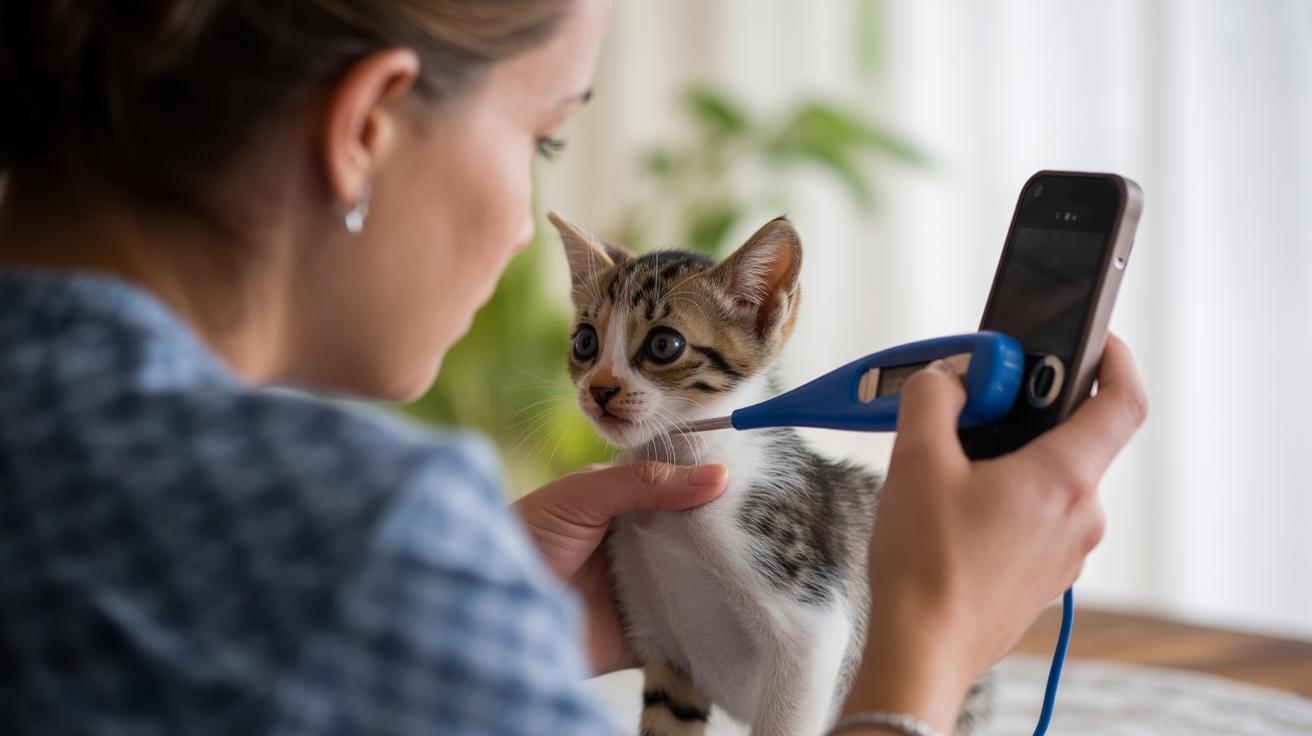
    Before you feed, warm the kitten and check basics. Use a small digital thermometer and feel the body – if the kitten is too cold or can’t swallow, don’t feed. Test the suck reflex and watch breathing. When the kitten is warm, alert, and can swallow, follow the master chart for how much and how often instead of guessing.

    1. Warm the kitten slowly to a cozy, safe temp. Use a heating pad on low with a towel over it, or a warm water bottle wrapped in cloth. Keep checking so it never gets too hot.
    2. Look for hypoglycemia (low blood sugar) signs like weakness, tremors, or odd breathing. If you see those and a vet has told you to, give tiny, vet-approved calories.
    3. Offer very small, warmed feeds and pause often. Tiny, frequent calories are safer than big boluses for weak newborns. It’s like nibbling instead of gulping.
    4. Call your veterinarian right away for collapse, seizures, or if the kitten stays cold despite warming. These are emergencies.
    5. Use syringe feeding (a plastic syringe with no needle) when the suck reflex is weak. Give slow, measured drops so you don’t risk aspiration (food or liquid going into the lungs).
    6. Use a bottle only if the kitten has a coordinated suck and can breathe comfortably while feeding. Test the nipple drip first and pace the flow – too fast and they can choke.
    7. Reserve tube-feeding, or gavage (a tube into the stomach for nutrition), for kittens that will not suck. Only trained staff or vets should place tubes. Oops, wrong placement can be fatal.
    8. Keep strict hygiene. Wash hands, use clean syringes and nipples, and stop feeding if the kitten coughs or gags. Safety first, always.
    9. After every feed, gently stimulate urination and defecation with a warm, damp cloth. Then tuck the kitten back into a warm rest spot to recover.

    Tube-feeding cautions: tube placement must be sterile and confirmed – misplacing the tube into the lungs risks fatal aspiration (liquid in the lungs). Volumes should follow your vet’s orders. Use the master chart for baseline maintenance only after a vet gives the go-ahead.

    Urgent signs needing immediate veterinary care

    • Collapse or unresponsiveness
    • Inability to swallow or choking during feeds
    • Persistent hypothermia (low body temp) despite active warming
    • Rapid weight loss or signs of severe dehydration, like sunken eyes or dry gums

    Hygiene, Equipment & Safety Notes for the Kitten Feeding Chart

    - Hygiene, Equipment  Safety Notes for the Kitten Feeding Chart.jpg

    We tightened this section so info is clearer and not repeated. I moved the practical stuff where editors asked, and grouped safety and care notes so caregivers can find them fast. Easy to follow. Worth every paw-print.

    • Equipment checklist: now at the top under "Quick, handy feeding plan" and in the printable checklist. It lists a gram scale (small scale that measures grams), 1 ml and 5 ml syringes (tiny dosing syringes), bottles and nipples, a digital thermometer (for kitten temps), a kitchen scale, cleaning supplies, and a tray idea for organized feeding. Pack it once, and you’ll be ready for most feeds.

    • Hygiene and formula storage: the daily wash, boiling after illness or heavy use, weekly deep clean, and storing parts sealed are now in Bottle & Formula under a new "Hygiene & sterilization" subsection. Formula rules went there too – refrigerate opened formula per the label, discard warmed formula after the time window on the label, and don’t reheat used formula. Simple rules, big peace of mind.

    • Equipment maintenance: replace nipples at the first sign of damage , with regular use that’s usually every 2 to 3 months , and swap out warped or scratched bottles. I added those notes to the Equipment Maintenance bullet under Portions/printable template so everyone knows when to replace things. Little checks keep kittens safe.

    • Feeding safety tips: all the safety steps are now one clear paragraph in Bottle & Formula / Orphan so caregivers see one set of rules. Test the nipple hole to get a slow drip, feed with the kitten belly-down (not on their back), stop right away if you see coughing, gagging, or signs of aspiration, gently stimulate elimination after feeds, and wipe the face when you’re done. These are the must-dos , trust me, they matter.

    • Equipment Log: moved into the printable template so maintenance dates and who checked sterilizer cycles are visible to every caregiver. That way no one has to play catch-up.

    Example Equipment Log entry – "Nipples replaced 11/05 – A.R. (thinning); Sterilizer cycle checked 11/06 – M."

    Quick note: ever watched a kitten purr through a clean bottle? Little joys.

    Troubleshooting Common Feeding Problems in the Kitten Feeding Chart

    - Troubleshooting Common Feeding Problems in the Kitten Feeding Chart.jpg

    Start with three quick checks: weight trends, hydration and stool output, and feeding behavior. Refer to master chart row: WeekX for age-specific feeding volumes and frequencies before changing a plan. Ever watch a tiny belly wobble and worry? Let’s break it down, one paw at a time.

    1. Lack of weight gain
      If the kitten isn’t gaining, bump feed frequency according to the chart row. Compare littermates to spot the slow grower (See master chart rows: Birth, Week1, Week2). If gains stay flat after adjustments, call your vet.

    2. Diarrhea
      Pause solids and keep the kitten hydrated. Offer small, frequent KMR (kitten milk replacer) if neonate (KMR is a milk substitute made for kittens). Contact your vet about a recovery diet and testing.

    3. Vomiting
      Stop feeding and keep the kitten warm and quiet. Vomiting needs a vet check before you try feeding again.

    4. Aspiration signs (coughing, noisy breathing)
      Aspiration means food or liquid went into the lungs (it can cause coughing or noisy breathing). Stop feeding immediately and seek veterinary care.

    5. Poor latching
      Try a smaller nipple or syringe feeding and practice calm, steady holds. See bottle technique in Bottle & Formula for tips, think of the bottle like a tiny fishing rod for kittens.

    6. Dehydration
      Look for a skin tent (skin that stays up when you pinch it), dry gums, or fewer pee trips. A vet may give subcutaneous fluids (fluids under the skin) if needed.

    7. Hypoglycemia signs (weakness, tremors)
      Hypoglycemia means low blood sugar. Give small vet-approved calories and get urgent veterinary help if you see weakness or trembling.

    8. Refusal to wean
      Offer strong-smelling wet food or a gruel to entice them. Follow master chart row: Week5 for timing, and be patient, some kittens need a little extra coaxing.

    9. Competition at the bowl
      Put out multiple shallow dishes so shy kittens get a turn and bold ones don’t boss the meal. Short sessions and separate spaces work wonders.

    10. Large-litter scheduling
      Stagger feeds and use the chart as your master schedule to avoid missed meals (See master chart rows by age). It keeps everyone fed and less frantic.

    Record every intervention on your feeding chart and note the "chart row referenced," who acted, and the time. If problems persist despite adjustments, call a veterinarian, better safe than sorry, and your vet will thank you. Worth every paw-print.

    Date Time Intervention Chart Row Referenced Who Acted Notes
    2025-01-01 0800 Increased feeds to every 3 hrs Week2 J. Smith Weight up 10 g

    Final Words

    Jump right in: the master chart gives exact feeding frequency, ml per meal, total daily ml, kcal targets and typical weights from birth through Week12.

    You learned safe bottle technique, a step-by-step weaning plan, portion and calorie conversion tips, growth tracking with a gram scale, emergency care basics, hygiene rules, and quick fixes for common problems. Each section points back to the chart row for the numbers so the printable stays the single source.

    Keep the kitten feeding chart handy, weigh and log consistently, and check with your vet for concerns. Worth every paw-print.

    FAQ

    Kitten feeding FAQs

    Where can I find a kitten feeding chart by age or weight, and is there a printable or calculator?

    A kitten feeding chart by age or weight shows feed frequency, ml per feeding, total daily ml, kcal, and target weights. Use a printable master chart or an online calculator and a gram scale (measures grams) to match servings.

    What is the feeding schedule for a kitten?

    Newborns are fed every 2–3 hours, gradually becoming less frequent by weeks 4–5. Around week 6 expect about three meals per day, and often two meals per day after week 8.

    How much should a kitten eat per day and how do I balance wet and dry food?

    Daily amounts depend on age and weight—follow the chart kcal/ml targets. Wet food adds moisture and is useful for making gruel during weaning; dry food is higher calorie density. Measure portions by grams and follow the chart row for the kitten’s weight/age.

    How much do kittens eat at 3 months and 4 months?

    At 3–4 months kittens shift from three meals daily toward two larger meals as appetite stabilizes. Check the master chart row for exact ml and kcal by weight and weigh portions on a kitchen scale.

    What is the 3-3-3 rule for kittens?

    The 3-3-3 rule means three days to hide and settle, three weeks to explore and accept family routines, and three months to feel relaxed and confident in a new home.

    Should kittens be left in the dark at night?

    Very young kittens should not be left in total darkness—newborns need warmth and easy access to care. Older kittens usually sleep through the night; a soft night light can provide comfort.

    Is there a printable kitten feeding chart and what should it include?

    A printable chart should include age rows, feeding frequency, ml per feeding, total daily ml, kcal, target weights, gram-scale prompts (scale measures grams), and anchor links for bottle technique, weaning, troubleshooting, and a printable checklist.

    Related Articles

  • Best Wet Cat Food for Sensitive Stomachs

    Best Wet Cat Food for Sensitive Stomachs

    Think your cat's tummy is just being dramatic and will grow out of it? Lots of sensitive-stomach kitties aren't fussy, they're hurting, and the wrong food can make that pain worse. Ever watch your kitty bat away a bowl and feel totally lost? You're not alone.

    I've picked vet-ranked wet foods that calm digestion, add hydration, and actually tempt picky eaters, so you can stop guessing and start feeding with confidence. You'll find gentle gravy slices that coax a tongue-licking taste, and pumpkin-swirled broths (pumpkin is a source of fiber that helps the gut) that soothe rather than rile your purring roommate. Think soft textures, easy-to-digest recipes, and flavors even finicky hunters will stalk.

    There are picks for seniors, too, milder formulas that are gentle on older tummies and easy to chew. Worth every paw-print.

    Top vet-ranked wet food picks , quick shortlist to help sensitive cats now

    - Top vet-ranked wet food picks  quick shortlist to help sensitive cats now.jpg

    Royal Canin Adult Instinctive Thin Slices in Gravy is our single top pick for cats with sensitive stomachs. Check with your veterinarian before switching diets or starting a trial (they can rule out bigger issues and guide the change).

    1. Royal Canin Adult Instinctive Thin Slices in Gravy , Gentle, multi-texture recipe with water and protein listed first; 66 kcal per 3-oz can. Pro: Very palatable for picky, sensitive eaters , the soft thin slices in gravy often tempt reluctant cats. Con: Can cost more than basic budget cans.

    2. Hill’s Science Diet Adult Sensitive Stomach & Skin Tuna & Vegetable Entrée , Grain-free, with prebiotics (food for good gut bacteria) and fiber (plant bits that help digestion); 87 kcal per 2.9-oz can. Pro: Made to soothe tummies and support skin. Con: Tuna flavor could upset fish-sensitive kitties.

    3. Royal Canin Aging 12+ Thin Slices in Gravy , Senior-focused with controlled phosphorus (a mineral that affects kidneys) and prebiotics (good-gut food) for easier digestion; 71 kcal per 3-oz can. Pro: Helps joint and kidney-related needs in older cats. Con: Not meant for younger adults or kittens.

    4. Purina Pro Plan Complete Essentials Chunky Chicken Entrée , Protein-forward for active cats who digest meat well; 94 kcal per 3-oz can. Pro: High protein (muscle-supporting fuel) helps maintain strength. Con: Higher protein may be hard on cats with kidney or liver problems.

    5. Tiki Cat Aloha Friends / Grill Variety Packs , Fish-forward broths with pumpkin (a fiber source) for added fiber and hydration (more water in the food); 57–76 kcal per 2.8–3-oz can. Pro: Great for picky eaters who need extra moisture. Con: Strong fish aroma might not be loved in small apartments.

    6. Hill’s Prescription Diet Metabolic Weight Management , Veterinary weight-loss option with high-fiber satiety support; 136 kcal per 5.5-oz can (vet authorization required). Pro: Clinically tested to help cats lose weight. Con: Requires a vet’s OK and follow-up.

    7. Purina Pro Plan Veterinary DM Dietetic Management , Lower-carb (fewer carbs), higher-protein option for diabetic cats; 158 kcal per 5.5-oz can (vet authorization required). Pro: Helps control blood sugar under vet care. Con: Not for general use without vet oversight.

    8. Hill’s Prescription Diet c/d Multicare Urinary Care , Targets bladder stones and urine health with added minerals and omega-3s (healthy fats); 178 kcal per 5.5-oz can (vet authorization required). Pro: Helps reduce stone recurrence. Con: Long-term use should follow vet guidance.

    9. Purina Fancy Feast Seafood Grilled Collection in Gravy , Budget-friendly, varied seafood flavors that still offer moisture; 70–71 kcal per 3-oz can. Pro: Low cost and often wins over picky cats. Con: Doesn’t offer the specialized support some chronic GI cases need.

    Start with over-the-counter, limited-ingredient (few ingredients to isolate sensitivities), high-moisture wet foods (adds hydration) for mild or occasional stomach upsets or picky eating. If vomiting or diarrhea keeps happening, weight drops, or symptoms come back after a short trial, see your vet for a prescription formula and a diagnostic workup. Trust me , a little testing now can save lots of worried nights later. Worth every paw-print.

    Ingredients & Label-reading: what to look for and how to read the label

    - Ingredients  Label-reading what to look for and how to read the label.jpg

    Want to pick wet cat food that’s gentle on the belly? Start with two spots on the label: the ingredient list and the guaranteed analysis (the percent breakdown of protein, fat, moisture, and more). Those tell you what’s most common in the can and how calorie-dense it is. Ingredients matter because some proteins and fibers soothe the gut, while others can cause reactions. And the order on the list shows what’s actually in the recipe.

    Claims like "limited-ingredient" or "sensitive" can help narrow things, but don’t rely on them alone. Scan for gut-friendly bits: prebiotics and probiotics for microbiome support, soluble fiber like pumpkin for gentle stool shaping, and a sensible fat level if your cat has pancreatitis (pancreas inflammation). A simple rule of thumb: a named animal protein first and water high on the list usually mean a higher-moisture, easier-to-digest recipe.

    • Named animal protein first , Easier digestion and clearer tracking during an elimination trial (systematic food testing to find allergens); you’ll know if it’s salmon, turkey, or lamb.
    • Water listed early on wet-food labels , Adds hydration and helps food move through the gut more gently, which can lower vomiting.
    • Prebiotics (food for good gut bacteria; FOS is a common type) and probiotics (live beneficial microbes) , They support a healthy microbiome.
    • Soluble fiber like pumpkin (fiber that forms a gentle gel in the gut) , Helps firm stool and improves transit without harsh bulk.
    • Omega-3 fatty acids (EPA and DHA, fats that reduce inflammation) , Calm the intestinal lining and support immune response.
    • Limited-ingredient or single-protein formulas , Make elimination trials simpler and cut down on hidden trigger proteins.
    • Hydrolyzed proteins (proteins broken into tiny pieces so the immune system is less likely to react) , Useful when food allergy is suspected.
    • Moderate to low fat options , Important for cats with a pancreatitis history (pancreas inflammation); lower fat eases the pancreas while still giving energy.

    Quick label sub-checklist:

    • Check the life-stage claim and that the food is labeled complete and balanced (per AAFCO, the US feeding standards).
    • Read the ingredient order for named proteins and water content.
    • Scan for prebiotics/probiotics and visible fiber sources like pumpkin.
    • Review the guaranteed analysis (percentages of protein, fat, moisture, etc.) and compare protein/fat on a dry-matter basis (removes moisture so you can compare nutrients) if you’re comparing brands.
    • Look for added omega-3s and the absence of artificial colors, flavors, or preservatives.
    • Verify calories per can for portion planning.

    A useful research note: a 2019 ingredient-reactivity study found rice showed higher reactions in some cats, while pork, lamb, turkey, and white fish tended to cause fewer reactions for many cats. That’s not a rule, but it’s a handy hint when choosing alternatives. And of course, always look for the "complete and balanced" statement so you know the food meets baseline nutrition for the life stage listed.

    Speaking of real life, I once switched my picky pouncer to a pumpkin-forward wet food and, within days, fewer messes and more playful zoomies. Worth every paw-print.

    When to use prescription or condition-specific wet diets

    - When to use prescription or condition-specific wet diets.jpg

    Prescription wet diets should only be started with your vet’s okay. They usually follow diagnostic tests like stool checks (examining poop for parasites or bacteria), blood work (tests that check organ function and signs of infection), and urine tests (looking for infection or mineral crystals). Your vet will pick the exact formula (the specific diet recipe) after reviewing results so you’re treating the root cause, not just covering symptoms.

    For brand and calorie examples, see the Top vet-ranked picks list where those notes are kept. It’s a handy place to compare options and narrow things down.

    Try telling your vet: "My cat has vomited several times a week for two months and has lost weight." Simple. Clear. It helps your vet move faster.

    Nutrient needs depend on the condition, so your vet will match a formula and plan follow-up care. You’ll often do a short trial (about 6 to 8 weeks, a test period to see if the diet helps). Practical monitoring advice and the shortened 6 to 8 week trial guidance are now in the Ingredients & Label-reading / care-advice section.

    Track these things at home so you and your vet can see progress:

    • Appetite , is your cat eating the same amount or less?
    • Vomiting frequency , how often and what does it look like?
    • Stool consistency , firm, loose, bloody, or normal?
    • Weight , regular checks are key.
    • Energy and behavior , more playful or still lethargic?

    Call your vet right away if things get worse or new signs appear. Worth every paw-print of attention.

    Transitioning plan: how to switch to wet food for sensitive stomachs safely (with monitoring timeline and red flags)

    - Transitioning plan how to switch to wet food for sensitive stomachs safely (with monitoring timeline and red flags).jpg

    Aim for a gentle 7 to 14 day switch so your cat's gut can adapt. Each step below includes quick check-ins for stool, vomiting, appetite, and weight. If your cat is very sick or needs faster relief, your vet can shorten the window to 4 to 7 days and guide closer monitoring.

    1. Day 1 to 2: 75% old diet, 25% new wet food.
    2. Day 3 to 4: 50% old, 50% new.
    3. Day 5 to 7: 25% old, 75% new.
    4. Day 8: full new diet.
    5. If GI upset shows up, pause or slow the transition and call your vet for next steps or an accelerated, supervised plan.
    Age group Day 1 to 3 Day 4 to 7 Notes
    Adult sensitive cat Small starter portions; follow the ratios above Keep the ratios; watch appetite Active adults may need higher-protein choices
    Senior sensitive cat Start with smaller meals; consider controlled-phosphorus options (lower phosphorus for kidney support) Move more slowly; weigh twice weekly Watch for decreased appetite and weight loss

    Stool consistency: should be formed and easy to pick up within 24 to 72 hours. Meaningful improvement usually shows by 2 to 4 weeks.
    Vomiting: an occasional single event can happen. Repeated vomiting (more than 2 episodes in 48 hours) is a red flag.
    Appetite: should stay steady or get better. If your cat refuses food for more than 24 hours, call your vet.
    Weight: aim for stability. Losing more than 5 percent of body weight in a week is serious.
    Energy and coat: look for equal or improved energy and a shinier coat within 2 to 4 weeks.
    Probiotics or topper changes: write down dates and any effects (probiotics = good bacteria supplement) so you can spot patterns.

    Stop the plan and call your vet if diarrhea lasts more than 48 hours, stool looks bloody, vomiting repeats, your cat is very sleepy or unresponsive, or there is rapid weight loss. Your vet will likely run tests like blood work, fecal testing, and a urine test, and may suggest a prescription therapeutic diet or other treatments based on the results.

    Quick tip: try offering a small warmed spoonful first so the aroma tempts them. Ever watched a cat change its mind after one sniff? Worth every paw-print.

    Texture and palatability: choosing between pâté, minced, and chunks in gravy for sensitive eaters

    - Texture and palatability choosing between pate, minced, and chunks in gravy for sensitive eaters.jpg

    Texture really changes how a sensitive cat eats and digests. Pâté (smooth, blended meat) is creamy and uniform, so it’s easy to lap and less likely to get stuck on the tongue. That makes it gentler on a queasy belly or a cat with dental problems. Short, simple meals can mean fewer gag reflexes and calmer digestion.

    Chunks in gravy (small pieces of meat in savory liquid) and minced recipes (finely chopped meat) give a different experience. The visible meat and the smellier gravy tend to be more tempting for picky cats. The extra liquid boosts hydration and can make a cat eat when they otherwise refuse. Ever watched your kitty perk up at the scent of warm gravy? That’s the difference.

    Brands with multi-texture options like Royal Canin and fish-forward broths such as Tiki Cat’s variety packs (about 57 to 76 kcal per can) are handy when you need both moisture and a bolder aroma. Pumpkin or fiber-including recipes help stool regularity. And yes, extra gravy can soothe refusal to eat and may lower vomiting risk by keeping your cat better hydrated.

    Quick comparison to help you decide:

    • Lap-friendly digestion , Pâté: smooth texture that’s easy to swallow and often gentler on upset bellies. Chunks/gravy: chunk size can slow gulping and encourage more chewing.
    • Hydration and vomiting risk , Pâté: consistent moisture for steady lapping. Chunks/gravy: extra liquid in gravy boosts total water intake and can reduce vomiting risk.
    • Palatability for picky eaters , Pâté: mild, predictable aroma some sensitive cats prefer. Chunks/gravy: stronger smell and varied mouthfeel often tempt reluctant diners.

    Try small samples or variety packs during your transition trial and note which textures your cat accepts best. Toss a few tasting sessions into the day, watch their whiskers and tail, and you’ll quickly see what they prefer. Worth every paw-print.

    Homemade wet food, supplements and safe toppers for cats with sensitive stomachs

    - Homemade wet food, supplements and safe toppers for cats with sensitive stomachs.jpg

    Homemade food can feel like a hug in a bowl, but it can miss key nutrients or have too much fat and salt if you borrow human recipes. Have a veterinarian or feline nutritionist check any long-term home plan so your cat gets the right vitamins and minerals. Your vet will help you balance things without risking stomach upset.

    • Plain canned pumpkin – A gentle fiber source that firms stool; start with 1 teaspoon to 1 tablespoon depending on cat size and vet advice.
    • Low-sodium chicken or beef broth – Adds hydration and a smell cats love; use unsalted broth and make sure there is no onion or garlic.
    • Fish oil (EPA/DHA) – Omega-3 fats (EPA/DHA are anti-inflammatory fats) that can soothe the gut lining; dose only as your vet recommends.
    • Probiotic supplements – Friendly bacteria (probiotics help gut balance); choose veterinary formulations with strains made for cats and note when you start them.
    • Plain cooked novel protein (boiled rabbit or turkey) – A “new” protein for elimination trials only (novel protein means a protein your cat has not eaten before); use short-term, not as a full diet.

    When you start a new food, or if you see mild, short-lived diarrhea, consider adding a probiotic or a digestive enzyme, but check with your vet first. Ever watched your cat sniff a spoonful of pumpkin like it’s a gourmet treat? It’s a small win.

    Keep a simple log so patterns jump out fast. Note the date, food brand or recipe, any topper and its dose, stool type (formed, loose, bloody), vomiting, appetite, and weight. Here’s a quick template you can copy:

    • Date
    • Food or recipe name
    • Topper or supplement + dose
    • Stool: formed / loose / bloody
    • Vomiting: yes / no
    • Appetite notes
    • Weight or other changes

    If you want a DIY example, see homemade diabetic cat food. Compare any recipe to your cat’s condition with your veterinarian before feeding. Worth every paw-print.

    Cost, packaging, storage and buying tips for wet cat food for sensitive stomachs

    - Cost, packaging, storage and buying tips for wet cat food for sensitive stomachs.jpg

    Single-serve pouches and cans each have perks for sensitive kitties. Single-serve pouches (pre-portioned packets) cut down on spoilage and are great for travel. Cans usually offer familiar recipes and can be cheaper per ounce once you know your cat tolerates them. Opened cans need quick care so the food stays fresh and safe.

    • Pick single-serve packs when you’re testing new formulas. They save you from wasting food if your cat turns up their nose.
    • Refrigerate opened cans and use them within 24 to 48 hours to slow bacterial growth.
    • Scoop leftovers into an airtight container (a seal-lock food storage container) so air and smells don’t speed spoilage.
    • Check manufacturing or lot dates and rotate stock so older cans get used first. It avoids surprise spoilage.
    • Buy small cases or use a subscription when trying sensitive diets so you’re not stuck with a bunch of food that doesn’t agree.
    • Figure out cans-per-day from calories-per-can and your cat’s daily calorie target for accurate portions. For many adult cats that’s about 180 to 220 kcal.

    Quick cost-per-day method: pick your cat’s daily calorie goal, then divide by the calories in one can to find cans per day. For example, with a 200 kcal target:

    Product Can size Calories per can Cans per day (200 kcal)
    Royal Canin 3 oz 66 kcal ≈ 3.0
    Hill’s Sensitive 2.9 oz 87 kcal ≈ 2.3
    Purina Pro Plan 3 oz 94 kcal ≈ 2.1

    Multiply the cans-per-day number by the price per can to get a simple daily cost. Easy math, less guessing.

    A couple more real-world tips: if you travel a lot, single-serve pouches are clutch. Ever watched your cat sniff a new pouch and then dive in? Cute. Also, if you must stash extras, note that freezing pet food can change texture, so only do that if you’re okay with a different mouthfeel. Worth every paw-print.

    Start by choosing a vet-recommended can (Royal Canin Adult Instinctive is our top pick) and schedule a quick vet check before switching.

    We covered a ranked shortlist, label-reading tips, when prescription diets are needed, a 7–14 day transition plan, texture choices, safe toppers, and smart buying and storage notes. Try OTC picks for short, mild upset; ask for prescription formulas if symptoms stick around or get worse.

    Track stool, appetite, and weight, keep brief notes, and with a little patience your multi-cat crew will be purring , best wet cat food for sensitive stomachs.

    FAQ

    What is the best wet food for a cat with a sensitive stomach?

    The best wet food for a cat with a sensitive stomach is a high-moisture, named-animal-protein-first formula like Royal Canin Adult Instinctive or Hill’s Science Diet Sensitive, with prebiotics (feed good gut bacteria).

    What is the best wet cat food for cats that throw up a lot?

    The best wet food for cats that throw up a lot is a highly digestible, low-fat can – options include GI-targeted or hydrolyzed-protein formulas (broken-down proteins less likely to trigger allergies) to calm the gut.

    What wet cat food won’t give my cat diarrhea?

    The wet foods least likely to cause diarrhea are limited-ingredient or single-protein formulas with soluble fiber (pumpkin) and probiotics (live gut bacteria), such as Hill’s Sensitive or Tiki Cat varieties.

    What wet cat food do vets recommend for sensitive stomachs?

    Vets often recommend Royal Canin Adult Instinctive, Hill’s Science Diet Sensitive, and Purina Pro Plan wet formulas because they use predictable ingredients, added prebiotics, and controlled nutrient profiles for sensitive digestion.

    What do Reddit and community picks say about best wet food for sensitive stomachs?

    Reddit picks usually favor Royal Canin, Hill’s, Purina Pro Plan, and Tiki Cat for palatability and gentle digestion; user reports help, but persistent vomiting or diarrhea still needs a vet check.

    What about dry cat food for sensitive stomachs that cause vomiting?

    Dry food for vomiting-prone cats should be limited-ingredient, low-residue kibble or a prescription low-fat option; wet food is generally gentler, and a vet exam is recommended before long-term dry feeding.

    Related Articles

  • Best wet cat food for picky cats

    Best wet cat food for picky cats

    Think your cat is being difficult? Most picky eaters are actually following their nose. They want a strong smell, the right texture, and food warm enough to wake the aroma in the bowl. Weirdly satisfying to watch, right!

    Ever noticed your kitty’s whiskers twitch when a bowl goes from fridge-cold to gently warm? Steam rising, scent opening up, and suddenly their ears perk, like a tiny radar. I once watched Luna leap three feet for a dish that had been warmed for thirty seconds. True story.

    Texture matters as much as smell. Pâté (smooth, ground texture) sits differently in a mouth than shredded (stringy pieces) or flaked (light, flaky bits like canned fish). Some cats prefer smooth, some want those little threads to chew, so the wrong texture will kill the whole meal.

    Here I’ll give three quick tricks, simple texture tests, and a short list of wet-food picks that actually tempt fussy eaters so you stop wasting cans and start seeing real bites. Ready to make mealtime claw-tastic?
    Worth every paw-print.

    Best wet cat food for picky cats

    - Quick solutions immediate wet-food fixes for picky eaters.jpg

    Picky cats usually care about three things: a strong smell, the right texture, and the food being warm enough so the scent comes through. Think of pâté (smooth, ground texture), shredded (stringy pieces), flaked (small tender bits), or stew (chunks in gravy). Your cat’s whiskers will tell you what they like.

    Try three quick tricks right away. Warm food briefly to wake up the aroma. Offer different textures on separate plates to see which one gets a pounce. Or add a short-term topper to spark interest , see the Texture and Transitioning sections and the brand comparison table for step-by-step instructions and numeric details.

    • Mild warming , microwave for 2 to 5 seconds, or stir in a splash of warm water to lift the smell. See Texture for safe warming tips.
    • Texture swap , put pâté, shredded, and flaked on separate plates so your cat can choose. Wait a few minutes between offers to avoid overwhelming them.
    • Short-term topper , a little sardine, tuna water (not oil), or a Churu lickable puree (a thin treat paste) can help. Use only a small amount and check Palatability Boosters for doses and safety.

    Ever watched your kitty’s nose follow a warmed bowl? It’s oddly satisfying. If one trick doesn’t work, mix two , warming plus a topper often does the job. And remember, sudden diet changes can upset tummies, so transition slowly.

    Quick brand picks to test:

    Brand Why try it
    Smalls Simple single-protein recipes, easy to test one flavor at a time
    Tiki Cat Punchy aroma and short ingredient lists that attract picky noses
    Nulo Freestyle Soft pâté textures many finicky eaters prefer

    Small wins matter. Worth every paw-print.

    Texture and flavor choices in wet cat food for picky cats

    - Texture and flavor choices in wet cat food for picky cats.jpg

    Texture often matters more than what the label says when a picky cat decides yes or no. Start by trying the main formats: pâté (smooth, ground paste), shredded (stringy meat ribbons), flaked (small tender flakes), and chunky or stew (meaty morsels in gravy). Some older cats or those who like a steady mouthfeel will pick pâté. Other kitties want something to chew and will only eat shredded. Funny how picky they are, right?

    Flavor is simpler. Poultry feels familiar and comforting, so try chicken or turkey first. Fish can lure in seafood fans, so include one fish option in your taste test. Smell is the real hook , warmer food releases volatile aromas (strong-smelling molecules that float up from the food) and cats use that to decide if it’s worth a bite. Fancy ingredient names rarely beat the nose.

    Warming and mild dilution are quick, safe tricks. Heat in a microwave oven (the microwave) for very short bursts of 3 to 5 seconds, stir, and test with your fingertip so it’s lukewarm, not hot. Or mix in 1 to 2 teaspoons of warm water per serving to loosen texture and lift scent. Don’t overheat; a scalded mouth will make any cat avoid that food again. Try a quick scent-only test by holding the bowl near your cat’s whiskers before offering a full portion. Ever watch those whiskers twitch? It’s the best little drama.

    Try this quick texture-testing protocol to find what your cat prefers:

    1. Serve three tiny samples at once on separate plates , one pâté, one shredded, and one flaked or chunky.
    2. Watch and note which one gets attention first, how fast they eat, and if they refuse any over 72 hours.
    3. Warm or slightly moisten the best performer and offer it again to confirm the preference.

    Senior cats and those with dental problems usually favor softer textures. If chewing seems hard, stick with pâté (soft and easy to lap) or gently soften chunks with warm water until they’re easy to lap. If your cat chews less, paws at food, or seems frustrated, switch to a softer option for a few days and keep an eye on appetite and stool.

    Worth every paw print.

    Top wet cat food for picky cats: side‑by‑side brand comparison

    - Top wet cat food for picky cats sidebyside brand comparison.jpg

    Here’s one quick spot with the hard numbers so you can grab test samples fast. Think of it as your tasting flight for finicky eaters, try different textures and protein levels to see what makes your cat purr.

    Brand / Product Texture Min Protein (%) Calories/oz (energy per ounce) Cost per day Best use case
    Smalls Fresh Ground Bird Fresh ground / rippable 13 40 $4.00 Single-protein sampler for picky testers
    Tiki Cat Shredded / flaked 16 25 $6.70 High-aroma option to tempt finicky noses
    Nulo Freestyle Soft pâté 11 30 $3.67 Pâté for texture-sensitive or older cats
    Caru Classic Stew Stew / chunky 59 114 $0.89 Very high-protein, calorie-dense meal booster
    Stella & Chewy’s Rabbit (Freeze-Dried) Freeze-dried (rehydrate) 12 36 $3.49 Topper or rehydrated meal for variety seekers
    Open Farm Chicken & Grass-Fed Beef Pâté Pâté 45 130 $4.30 Human-grade, nutrient-dense choice for picky underweights
    Weruva Truluxe Flaked / gravy 10 21 $6.29 Lower-calorie, lower-phosphorus pick for seniors

    Pick a mini lineup that covers textures and protein ranges. Protein (the building block for muscles) and calories (the energy in each bite) matter a lot , higher protein and calorie-dense recipes like Open Farm and Caru can help underweight cats gain and often smell richer, which tempts picky noses. Lighter, lower-calorie foods like Weruva suit seniors or cats that need a lower-phosphorus (a mineral that affects kidneys) approach.

    Midrange options such as Smalls, Tiki Cat, and Nulo balance taste and budget. Want to narrow down food sensitivities? Start with single-protein choices like Smalls or Stella & Chewy’s rabbit to spot reactions; single-protein formulas make it easier to see what causes trouble.

    Pouch versus can is worth a quick thought. Pouches usually blast a stronger aroma and are easy to portion and zipper up in your memory, oops, I mean, in your hand. Cans are easier to cover and store for multiple meals. For sampling, grab a few pouches and one or two cans if you plan to split servings over the day.

    Quick tip: try one new texture at a time and serve in a quiet spot. Your cat’s whiskers will twitch, you’ll hear the tiny paws, and you’ll figure out which style wins the heart (and the bowl).

    Worth every paw-print.

    Palatability boosters and toppers for wet cat food for picky cats

    - Palatability boosters and toppers for wet cat food for picky cats.jpg

    Little flavor nudges can save a meal. Think of these toppers as gentle temptations that bring scent and texture to the bowl so your cat actually shows up to dinner. I’m keeping the list safety-first, with simple amounts and what to watch for.

    • Sardines (water-packed): Mash about half a sardine per 10 pounds of body weight and stir a teaspoon or so into the food. Sardines are fishy and strong-smelling, which pulls picky noses in fast. Use 1-2 times per week, and skip oil-packed or salted cans to avoid extra fat and salt.

    • Tuna or tuna water: Drizzle a teaspoon of the tuna packing water or scatter a bit of flaked tuna on top for a quick aroma boost. Tuna is tempting but strong, so use it sparingly and not every day because of heavy seafood flavor and higher sodium.

    • Churu lickable puree (thin squeezable cat treat): Squeeze a thin ribbon on top or swirl a little into the scoop to make the meal lick-friendly. Go for single-ingredient styles when you can, and treat Churu as a short-term bridge, not a full meal replacement.

    • Bonito flakes (dried smoked fish flakes): A tiny pinch adds big umami punch and that irresistible flaky texture. They’re potent, so keep portions very small and avoid mixes with extra salty seasonings.

    • Coconut oil (soft tropical oil): Mix about 1/8 teaspoon into the evening meal for a smoother mouthfeel and mild aroma some cats like. Start slow. Bigger amounts can cause loose stool.

    • Meat baby food (plain chicken or turkey): Stir a teaspoon of plain meat baby food into wet food or kibble for smooth texture and protein scent. Check the label for no onion, garlic, salt, or added spices.

    • Fish oil (concentrated fish oil rich in omega-3 fatty acids): Add 1/4 to 1/2 teaspoon per day for cats up to about 15 pounds to boost scent and give omega-3 benefits. Keep the bottle in the fridge and watch stool for oil-related changes.

    • Nutritional yeast powder (inactive yeast with a cheesy flavor): Lightly dust a pinch for a savory, cheesy note and B vitamins. Use plain nutritional yeast only, no leavening agents or added flavors.

    • Grated parmesan (aged hard cheese): A tiny sprinkle can entice some cats with salty, savory flavor. Because it is salty and fatty, keep servings very small and infrequent.

    • Bone broth (slow-simmered bones, low-sodium): Pour a teaspoon of plain, low-sodium bone broth over food to add aroma and moisture. Make sure the broth has no onion, garlic, or extra salt.

    A few quick safety notes: avoid onions, garlic, and added salts in anything you add. Watch portion sizes, weight, and stool. If you see persistent digestion changes, call your vet.

    Introduce toppers early when you are mixing new food in as a bridge in your Transitioning section plan, then slowly taper them once your cat accepts the new base meal. Watch weight and stool, and check with your vet if changes persist.

    Transitioning, feeding strategies, and practicalities (mixing, storage, and serving logistics)

    - Transitioning, feeding strategies, and practicalities (mixing, storage, and serving logistics).jpg

    Start with a slow, steady switch to wet food over about 7 to 10 days so your cat’s nose and tummy can adapt. Small, calm wins beat rushed switches every time. If your cat shows zero tummy trouble, you can speed things up a bit, but don’t rush it.

    1. Day 1–3: mix roughly 10% new wet food into the food they already like.
    2. Day 4–6: raise the new food to about 25% to 50% depending on appetite and stool (poop).
    3. Day 7–10: move toward 75% to 100% new food if stools stay normal; if you see loose stools or a drop in appetite, hold the current mix for 48 hours before changing more.

    Set a feeding routine to cut fussiness: two to three timed meals instead of free-feeding helps your cat feel hungry and curious at mealtime. Keep portions small and watch meals so food stays fresh and aromatic between servings. Worth every paw-print.

    Little behavior tricks can help. Warm the food a touch or add a splash of warm water to boost scent. Try hand-feeding tiny tastes to make mealtime a happy thing, or use a puzzle feeder to spark hunting-style play. Offer food in a quiet spot or another room to reduce distractions. Ever watched your kitty chase shadows? Same idea, make feeding feel like fun.

    Shopping tips: pouches (soft packets) tend to blast aroma, which is great for picky noses, and single-serve pouches (one-meal portions) cut waste while you’re sampling. Cans are easy to cover and store for multiple meals. If you mix wet and dry, start with a little wet mixed into kibble (dry crunchy food) and increase the wet ratio as acceptance grows.

    Store opened food airtight (sealed so no air gets in) in the fridge. Freeze single portions in safe containers and label with the date. Thaw in the fridge overnight or in a warm-water bath, then serve at room temp so the scent shines. For exact safe windows on how long wet food can sit out and other time-out rules, see how long can wet cat food be left out.

    Keep an eye on weight, body condition, stool (poop), and drinking. Introduce toppers (flavorful additions) early as a bridge during the mixing schedule and taper them once the new base is accepted. If appetite falls sharply, weight drops, or stool problems last more than a few days, call your vet for a checkup and possible testing.

    Nutritional must-haves and ingredients to avoid in wet cat food for picky cats

    - Nutritional must-haves and ingredients to avoid in wet cat food for picky cats.jpg

    Your picky eater still needs the basics. Feed animal-sourced protein first , meat, poultry, or fish that your cat can digest easily. Make sure taurine (an amino acid essential for heart and eye health) is included. And don’t forget moisture. Wet food’s water helps hydration and supports kidney health, and your cat will often slurp it right up.

    Check the ingredient list. The named animal protein should be near the top so each bite feeds muscle and organs, not just carbs or fillers. Cats care about flavor, sure, but don’t swap away core nutrients for a tempting smell.

    Read the guaranteed analysis (the label section showing crude protein, crude fat, crude fiber, and moisture) to compare recipes side by side. Higher moisture means lower calorie density, so wet diets let you serve a bit more food for the same calories , great for underweight cats or those who barely drink. Look at ingredient order, not slogans; the first few items tell you what most of the can or pouch actually contains.

    Watch these red flags. Carrageenan (a seaweed-derived thickener) and other gums (plant-based thickeners) can bother some cats. Lots of carbs like corn, wheat, or tapioca can dilute protein and add empty calories. Avoid added sugars or syrups , they aren’t needed and can upset digestion. High sodium can be hard on seniors or cats with kidney or heart issues. A small amount of a texture agent isn’t always a deal-breaker, but if your cat develops loose stools or a dull coat after a food change, reevaluate the label.

    Think limited-ingredient or single-protein formulas if you suspect sensitivity. These use one meat source and fewer extras, so it’s easier to spot a problem. For true food reactions, do an elimination trial (systematic removal of suspect ingredients to spot reactions) with your vet watching, so nutrient balance stays safe.

    Grain-free options are popular, but don’t be sold by marketing. Focus on the guaranteed analysis and ingredient order to decide what’s best. Want more on labels and when grain-free makes sense? See grain free wet cat food.

    A quick tip: for a fussy moment, warm a spoonful of wet food a little so the aroma wakes up your cat’s whiskers. It’s simple, and sometimes it’s all you need to get a happy, messy slurp. Worth every paw-print.

    Wet cat food for picky senior cats and cats with medical concerns

    - Wet cat food for picky senior cats and cats with medical concerns.jpg

    Older cats usually need three things from wet food: moisture first, softer textures next, and the right minerals when your vet recommends them. High-moisture diets help keep them hydrated. If a vet suggests it, look at lower-phosphorus options (phosphorus is a mineral that can strain kidneys). And pick scents and textures that wake up their appetite , soft pâtés are often easier for seniors to eat, and the aroma can get those whiskers twitching.

    Dental and texture recommendations

    Go for pâté (smooth, spreadable texture, like a soft loaf) or gently softened chunks so chewing stays simple. Try a tiny spoonful at room temperature or stir in a little warm water to loosen the texture and lift the aroma; that often prompts a tentative lick. Offer a few bites and watch: does your cat lick the bowl clean, or paw at it? That tells you if the texture and scent are working.

    Medical diet selection and vet oversight

    Chat with your veterinarian before switching to prescription or renal diets , prescription formulas change more than just flavor, so get the OK. Consider lower-phosphorus recipes when your vet advises it, and choose calorie-dense wet food (higher calories) if your senior needs to gain weight, or lower-calorie options if you’re managing weight. After any change, monitor weight, drinking, stool, and meal enthusiasm, and call your clinic if you see a noticeable drop in eating or energy.

    Weruva Truluxe is a common lower-phosphorus, palatable example. See the brand comparison table for how it stacks up.

    Brand Phosphorus Palatability Notes
    Weruva Truluxe Lower-phosphorus example High Talk with your vet before switching

    Worth every paw-print.

    Buying, storing, and serving practicalities for wet cat food for picky cats (merged into Transitioning)

    - Buying, storing, and serving practicalities for wet cat food for picky cats (merged into Transitioning).jpg

    We removed this as a separate section. All buying, storage, freezing, thawing, and serving logistics now live in the Transitioning, feeding strategies, and practicalities section. Jump to: #transitioning-feeding-strategies-and-practicalities.

    Writers: when you spot duplicate single-serve, storage, or serving tips elsewhere, delete them and drop in this one-line cross-reference instead: "Practical storage/serving guidance is in Transitioning." Simple. Keeps the article tidy and the reader happy.

    Make sure the Transitioning section includes these practical, easy-to-scan details:

    • safe room-temperature sitting windows (how long opened wet food can sit before it should be discarded) , include a short explanation and examples so readers know when to toss food.
    • fridge storage durations (opened cans/pouches and opened leftovers) , mention fridge (short-term cold storage) best-practices and typical timeframes.
    • freezer portioning and labeling best practices (portion sizes, date and content labels) , show how to portion for single meals, and label with date + contents for easy thawing later; freezer (long-term cold storage).
    • thawing methods (safe thaw paths and timing) , list safe options (in the fridge overnight, under cold running water, etc.) and roughly how long each takes.
    • reheating and serving safety notes (what not to microwave, safe serving temps) , include clear “don’t do this” items and target serving temps so picky kitties won’t turn their noses up.

    Add clear anchor text inside Transitioning so readers can jump to each item above. For example: Jump to the Practicalities subsection at #transitioning-feeding-strategies-and-practicalities.

    Do a quick pass through the whole article and remove small redundant logistics lines elsewhere; keep only context-specific tips where they add value. Your readers (and their finicky felines) will thank you.

    Measuring success and red flags for wet cat food for picky cats

    - Measuring success and red flags for wet cat food for picky cats.jpg

    Switching wet food for a picky cat? Track three simple checkpoints to tell if the change is working. Body weight , step on a scale once or twice a week and jot it down. Body condition score (BCS – a quick visual and feel scale for fat and muscle) helps you judge whether they’re losing or gaining the right kind of weight. Stool quality (poop – look at consistency, how often they go, and any blood or mucus) rounds out the trio.

    Also watch appetite and hydration. Is your cat interested at regular mealtimes, or sniffing and walking away? Notice daily water intake and urine frequency (how often they pee) so your wet-fed kitty stays hydrated. Ever watched whiskers twitch as a bowl hits the floor? That little sign matters.

    Red flags to act on are pretty clear:

    • Fast weight loss or a big drop in BCS.
    • Refusing food for more than 24 to 48 hours.
    • Ongoing loose stools or repeated vomiting.
    • Drinking a lot more or almost none, or straining to urinate.
      If you see any of these, don’t wait , the sooner you catch it, the easier it usually is to help.

    See your veterinarian when appetite loss is sudden, weight falls quickly, or digestion problems last more than a couple of days. Useful checks may include a dental exam (mouth pain can hide appetite loss), bloodwork (blood tests to check organs and infection markers), urinalysis (a urine test for kidney or bladder issues), fecal testing (stool test for parasites or infection), and imaging like x-rays or ultrasound if an obstruction is suspected. These tests help find the cause so you and your cat can get back to playtime and naps.

    Quick note: small, temporary picky behavior can be normal, but serious changes deserve attention. Catching problems early usually means an easier, happier fix for you and your feline friend.

    Frequently asked questions about wet cat food for picky cats

    - Frequently asked questions about wet cat food for picky cats.jpg

    How often should I feed wet food to my picky cat?
    We usually suggest two to three small, scheduled meals a day. That routine helps wake up an appetite and stops constant grazing. See Transitioning → Meal timing & schedules.

    What portion sizes should I offer for wet food picky cats?
    Portion by kcal (kilocalories) and your cat’s weight, then tweak until their weight stays steady. Start with the feeding guide on the can and adjust after a few days. See Transitioning → Portioning & kcal targets.

    How long can wet food sit out before it’s unsafe?
    Follow the safe room-temperature window listed under Practicalities and toss any leftovers past that time. Bacteria can multiply fast at room temp, so don’t risk it. See Transitioning → Practicalities for storage and safe sitting times.

    What are the best wet food flavors for picky cats (poultry vs fish)?
    Start with poultry since it’s familiar and usually milder. If your cat ignores that, offer a fish option, fish has stronger smells and can lure scent-driven kitties. Ever watch a cat pick fish over chicken? See Texture and flavor choices → Flavor testing protocol.

    Can I freeze single portions of wet food safely?
    Yes. Freezing single-serve portions helps with portion control and travel prep. Pack in airtight containers, label the date, and follow safe thawing steps. See Transitioning → Freezing & thawing for safe handling steps.
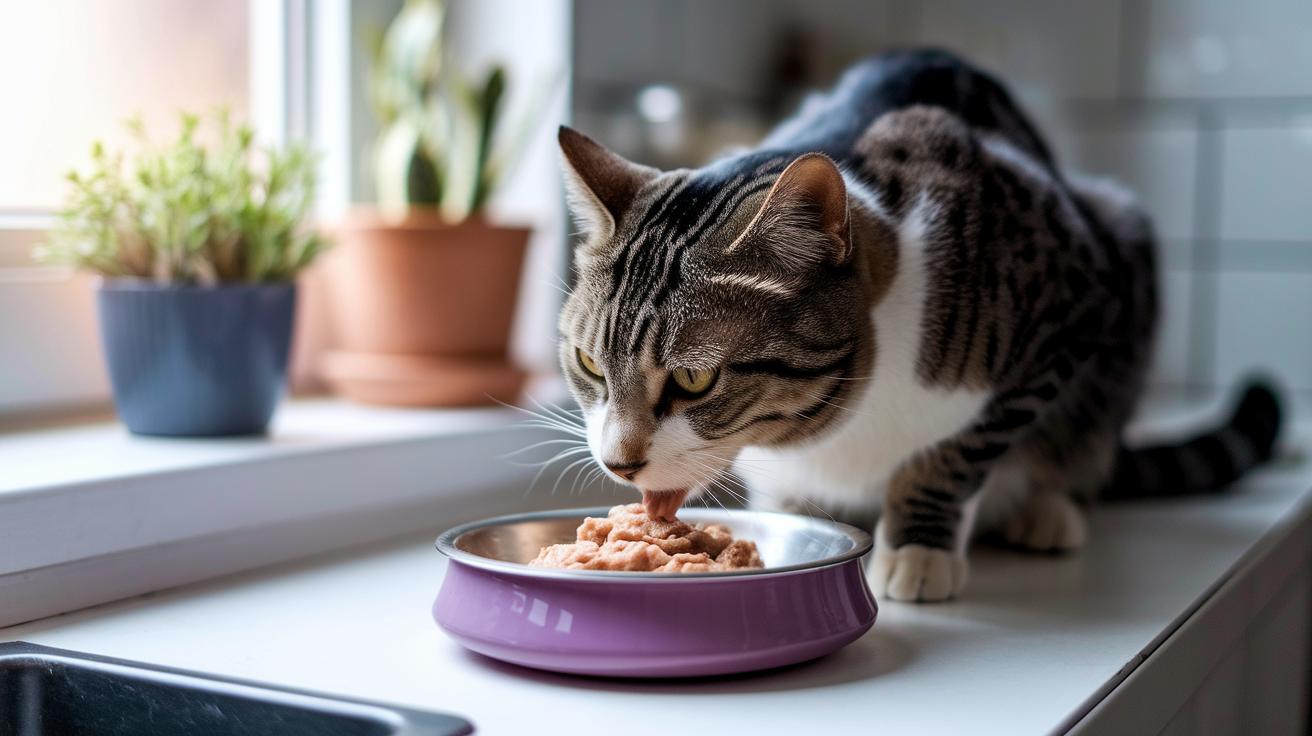
    Will warming food help my picky eater?
    Mild warming or adding a splash of warm water can boost the aroma and make food more tempting. Test the temperature on your wrist first so it’s not too hot; microwaves can make hot spots, so be careful. See Texture and flavor choices → Warming & texture notes.

    What toppers should I test to entice a finicky cat?
    Try scent-forward toppers like sardine water or bonito flakes, and thin paste toppers for a tasty texture change. Start with tiny amounts so you don’t overwhelm their belly. See Palatability Boosters → Toppers & safe doses.

    My cat refuses food and is losing weight, what now?
    If refusal or weight loss keeps happening, that’s a red flag. Contact your veterinarian right away, weigh your cat regularly, and bring notes or a photo of what they’re eating. See Measuring success → Red flags & when to seek help.

    Final Words

    in the action we showed how aroma, texture, and a little warmth can win over a choosy eater, plus which textures to try and safe warming tips.
    We walked through texture tests, toppers, quick-brand picks, and a stepwise transition plan, and reminded you to watch weight, stool, and appetite during changes.
    Try the simple tweaks, give each test a few days, and celebrate the small wins, with fewer bored cats, less wasted kibble, and more purrs, and for extra help see our guides on wet cat food for picky cats.
    FAQ

    Frequently Asked Questions

    What wet food is best for picky cats?

    Prioritize strong aroma, an appealing texture, and proper serving temperature. Try Smalls, Tiki Cat, and Nulo Freestyle for single-protein options, bold scents, or soft pâté (smooth, blended texture).

    How do I get my picky cat to eat wet food?

    Start by warming the food to boost aroma, swap textures (pâté, shredded, flaked), and use a short-term topper; follow the Texture and Transitioning sections for step-by-step plans.

    What wet cat food do cats love most?

    Cats most love wet foods with strong aroma and soft textures. Poultry and fish flavors usually win, especially stews or flaked pouches that smell rich and tempting.

    What wet food is best for picky kittens?

    Look for a nutrient-dense kitten formula with soft pâté (smooth, blended texture) or minced pieces; warm slightly and offer small, frequent meals.

    What dry food works for picky cats?

    Use high-protein kibble paired with wet mixers or toppers to add aroma. Serve on a schedule and test a few formulas to find a favorite.

    What cat food is good for picky senior cats?

    Focus on high moisture, softer pâté (smooth, blended texture), and lower phosphorus when needed. Weruva Truluxe is one example; consult your vet for medical guidance.

    What wet food toppers work for picky cats?

    Effective toppers include water-packed sardines (in small portions), tuna water, Churu, bonito flakes, and bone broth. Introduce them as a short-term bridge and monitor stool and weight.

    How long can wet cat food sit out?

    Wet cat food can sit out about 1 to 2 hours at room temperature; discard after that to avoid spoilage and food-borne illness.

    Related Articles

  • how long can wet cat food be left out

    how long can wet cat food be left out

    Ever poured your cat’s wet food and walked away? It feels easy, but that warm bowl turns into a microbe (tiny germ) disco your kitty never asked for!

    Once you crack open a can, the countdown starts. At room temp you’ve got just 1 to 2 hours before bacteria (those unwelcome gate-crashers) crash dinner.

    So here’s your quick guide to keep every meal fresh, safe, and totally lick-worthy. We’ll show you how long wet food stays good on the counter and the telltale signs it’s past its prime!

    Safe Room-Temperature Duration for Wet Cat Food

    - Safe Room-Temperature Duration for Wet Cat Food.jpg

    Ever wondered how long wet cat food can sit out before it’s risky? Once you open a can, start a timer for 1–2 hours. That’s your safe window to keep those puddles of savory goodness at room temp.

    Here’s the timeline:

    • 0–60 minutes: soft texture, warm aroma, prime play time for whisker twitching.
    • 60–120 minutes: flavor peaks but bacteria (tiny germs) start to multiply.
    • Over 120 minutes: edges dry and congeal, a rubbery film forms, and drips go crusty.

    At about 75°F (24°C), salmonella (a harmful bacteria) and listeria (another nasty germ) can double every 20 minutes. It’s like a microbe party your cat doesn’t want to join.

    After two hours, you’ll spot that rubbery edge or see the bowl get pushed across the floor. Ever watched your kitty sniff and walk away? Yeah, that’s the sign.

    Scoop smaller portions or just toss leftovers after 120 minutes and wash the dish. Clean bowls keep kitties happy. Worth every paw-print.

    Environmental Factors Accelerating Wet Cat Food Spoilage

    - Environmental Factors Accelerating Wet Cat Food Spoilage.jpg

    Hot days over 75°F (about 24°C) are, um, a dinner disaster in the making. When the air warms up, bacteria kick into high gear. That cuts your safe window down to less than two hours. Ever felt the heat shimmer off a plate on a summer porch? Your kitty’s wet food is in that same germ-growing zone, with salmonella (a sneaky bacteria) doubling every 20 minutes.

    Moist, sticky air adds to the problem. High humidity feeds micro-organisms (tiny life forms you can’t see) in the food, so a steamy bathroom or damp kitchen corner can shave off even more minutes. See a slimy ring around the bowl? Yep, that’s humidity at work.

    And don’t get me started on direct sunlight. Bright rays heat the food top-down, creating a perfect launchpad for bacteria colonies. Ever watch your cat dive into a sunbeam? That warm patch can turn into a germ spa in no time.

    To keep meals fresh and fur-tastic, pick a cool, shaded spot away from windows and hot lamps. Your cat will thank you – no more stinky bowls or icky leftovers.

    How to Spot Spoiled Wet Cat Food Before Offering It

    - How to Spot Spoiled Wet Cat Food Before Offering It.jpg

    Ever seen your cat’s whiskers twitch as she sniffs a bowl and then walks off like, “No thanks”? Oops, let me rephrase that… that’s her instinct telling you something’s off. Let’s do a quick sniff test to catch any spoiled wet food before you serve.

    Lean in close and give it a gentle sniff, any sour or rancid (stinky, spoiled) whiff means it’s time to say bye-bye.

    Here’s what to look for:

    • Sour or rancid smell: Fresh wet food has a meaty scent. If it smells like old cheese or garbage, don’t serve it.
    • Dull or changed color: Check for dark patches or gray areas. Fresh food stays bright and moist.
    • Slimy film or sticky layer: That weird slick on top is a sign germs have moved in. If the edges get hard or crusty, it’s past its prime.
    • Visible mold: White, green, or fuzzy spots are a big no-no, mold can harm your kitty fast.

    Serving bad grub can lead to vomiting or diarrhea, no one wants that. A glance and a sniff take just seconds but can save your cat’s furry tummy.

    When you’re in doubt, toss it and grab a fresh pouch. Your feline friend will purr in appreciation. Worth every paw-print.

    Refrigeration and Storage Solutions for Opened Wet Cat Food

    - Refrigeration and Storage Solutions for Opened Wet Cat Food.jpg

    Once your kitty finishes dinner, grab an airtight container and scoop in the leftovers. This could be a zipper bag, a plastic tub, a glass jar, or even a silicone lid stretching over an opened can of canned cat food. Seal out air and slide it into the fridge set below 40°F (4°C) right away.

    Here are some purr-fect container ideas:

    • Zipper bags (press out extra air before sealing)
    • Plastic tubs with snap-on lids (clicks shut with a satisfying sound)
    • Glass jars (won’t hold stains or smells)
    • Silicone covers (stretches over the can’s rim for a tight seal)
    • Vacuum sealing (fancy gear, but locks in freshness)

    Stored this way, wet cat food stays tasty and safe for 2–3 days. Any longer and bacteria can sneak in, even with a tight seal. You might even tuck a small digital thermometer inside your fridge to make sure it’s always under 40°F.

    So simple, right?

    Ever seen your kitty bat at a frozen scoop?

    Just before serving, let your jar or bag sit on the counter for 15–20 minutes so it warms up. Or heat a small spoonful in the microwave for 5–10 seconds, but keep an eye on it so no hot spots form. Stir gently and test on your wrist before serving.

    Airtight containers don’t just keep food fresh. They save you money and cut waste, no more tossing half-used cans or dealing with funky fridge smells. Your kitty will purr for that second helping, and you’ll rest easy knowing those leftovers are still purr-fect.

    Portion Control and Feeding Routines to Minimize Leftovers

    - Portion Control and Feeding Routines to Minimize Leftovers.jpg

    Ever noticed how tiny meals cut down on waste and keep germs away? I swapped big cans for single-serve wet food pouches (tiny cups of meat and gravy) so my cat can finish dinner before bacteria move in. Most adult cats need about 2 to 4 ounces per meal. Serve that twice a day, and you’ll have a neat, healthy routine.

    Here are some paw-some portion tips:

    • Grab single-serve wet food pouches or pre-portioned trays (small plastic dishes ready to pop open). No guesswork.
    • Measure 2 to 4 ounces per feeding (about the size of a tennis ball).
    • Stick to two meals a day. Cats thrive on routine.
    • For multi-cat homes, set up feeding spots in different rooms so no one steals snacks.
    • If your kitty still seems hungry, wait a few minutes before topping off. That pause shows if she really needs more.

    A steady feeding schedule helps you spot changes fast. Skipped meals could mean a tummy ache or a new texture preference. Rotate flavors every few days (salmon fiesta one day, chicken party the next) to keep dinner exciting. Next, you’ll catch health hints before they become issues.

    Ever watched your kitty sniff, nibble, then lick the bowl so clean? (Ever caught your cat doing a victory lap around the dish?) That’s portion perfection. Less leftover food means fresher meals. Happier tummies. Less waste. Win win win.

    Hygiene and Contamination Prevention During Wet Food Handling

    - Hygiene and Contamination Prevention During Wet Food Handling.jpg

    Your cat’s dinner plate can turn into a mini germ spa, think salmonella (a nasty bacteria) or listeria (another germ that loves wet spots) setting up camp if you skip washing. So scrub those bowls daily in hot, soapy water, warm enough to feel steamy, like cradling a mug of cocoa. You’ll notice the difference in no time.

    Ever deal with gravy splatters everywhere? Disposable liners or single-use mats under the bowl catch stray drips and save you from scrubbing crusty bits later. Just swap them out each day, and you’ll spend way less time chasing hidden leftovers around the rim.

    Give each dish a quick check for nicks and scratches, those tiny cracks are like secret hideouts for bacteria. If a bowl looks worn, retire it for a fresh one. It’s an easy swap that keeps germs from nesting.

    And hey, never double-dip your scoop back into the wet food container, that’s an open invite for new bacteria to crash the party. Scoop once, seal tight. In homes with multiple kitties, assign each furball their own bowl and scoop, no sharing allowed.

    Keep a little brush or sponge just for pet dishes, no cereal-crossovers. Rinse bowls, lids, and utensils in hot water, add soap, give ’em a good scrub, then rinse again. Two minutes flat. Germs? Consider them claw-tastically defeated.

    Final Words

    In the action we laid out the safe 1–2 hour window for wet food, the ways heat and light speed spoiling, and the telltale smell or texture signals to watch for.

    Then we dug into cool-down tricks like airtight tubs and quick warm-ups, plus split servings so kitties finish lunch before germs move in.

    Now you know how long can wet cat food be left out and you’re armed with tips to cut waste, dodge illness, and keep mealtime purr-fect. Enjoy every whisker twitch.

    FAQ

    How long can wet cat food be left out at room temperature?

    Wet cat food should remain at room temperature no longer than one to two hours, since bacteria like salmonella double after two hours, reducing palatability and raising infection risk.

    Can I leave wet cat food out overnight?

    Leaving wet cat food out overnight far exceeds the safe one-to-two hour limit, allowing bacteria to flourish and risking food-borne illness.

    Does wet cat food go bad if left out, and what happens if my cat eats old wet food?

    Wet cat food left out will spoil within two hours. Consuming spoiled food may cause vomiting, diarrhea, or food-borne infections in your cat.

    How long can opened wet cat food be stored in the fridge?

    Opened wet cat food can be safely refrigerated for two to three days in an airtight container at below 40°F, then warmed to room temperature before serving.

    How long can dry cat food sit out?

    Dry cat food can safely sit at room temperature all day, but replace old kibble daily to maintain freshness and avoid moisture absorption, which breeds bacteria and mold.

    What is the 25 rule for cat food?

    The 25 rule for cat food says you shouldn’t leave perishable wet food out over two hours at temperatures above 25°C (77°F); at higher heat, cut that to one hour to prevent bacteria growth.

    How can I save half a can of wet cat food?

    To save half a can of wet cat food, transfer leftovers into an airtight container or cover the can with a silicone lid, store in the fridge below 40°F, then label and use within three days.

    Related Articles

  • grain free wet cat food Promotes Healthy Digestion

    grain free wet cat food Promotes Healthy Digestion

    Ever see your cat paw at its bowl, then zoom to the water dish like it’s competing in a sipping contest? It’s kinda funny, but it might mean their tummy is out of whack. Trouble digesting can make our whiskered pals act weird. Don’t worry. It’s fixable.

    Just swap grain-filled cans for wet meals without wheat, corn, or soy. Um, you know, those fillers that can bug a kitty’s belly.

    Instead, feed peas (tiny green protein-packed seeds), potatoes (soft starchy roots), or lentils (little flat beans). This simple change helps soften stools, ease tummy grumbles, and keeps your furball’s digestion purring along. Worth every purr.

    Grain Free Wet Cat Food Promotes Healthy Digestion

    - Grain Free Wet Cat Food Definition and Ideal Candidates.jpg

    Ever watched your kitty nudge a dry snack and then linger by the water bowl? Grain free wet food to the rescue! It skips wheat, corn, and soy, and uses peas (tiny green protein-packed seeds), potatoes (soft starchy roots), or lentils (little flat beans) instead. That simple swap can help calm a delicate tummy.

    Your cat still gets energy from veggie carbs and top-notch protein from chicken or fish. No fillers, just the good stuff! Plus every bite is packed with 75 to 85 percent moisture (water content for easy digestion). You’ll hear the satisfying lick as they lap it up.

    More water means softer stools, a happy bladder, and smoother digestion. Veterinarians often recommend this for cats prone to food sensitivities or loose stools. If your furball has a history of allergies or tummy aches, this can bring relief. It’s also claw-tastic for cats at risk of dehydration or urinary discomfort!

    Got a playful kitten or a senior who sleeps more than they snack? Or maybe a busy adult who skips the water dish? Grain free wet meals step in to soothe the gut and keep digestion on track. Worth every paw-print.

    Benefits of High-Protein Grain Free Wet Cat Food

    - Benefits of High-Protein Grain Free Wet Cat Food.jpg

    Ever caught your kitty stalking a shoelace? Cats are born hunters! That’s why we made a grain free (no wheat or corn) wet food that packs 8 to 12 percent protein from chicken, turkey, or fish.

    That protein helps your cat build lean muscle so they stay strong and agile. They’ll power through boundless zoomies, leap onto high perches, and keep extra pounds at bay. And even the pickiest whiskers can’t resist that rich, meaty goodness.

    • Builds and keeps lean muscle for sleek strength
    • Fuels zoomies, pounces, and play sessions
    • Helps your cat feel full longer to avoid extra weight
    • Delivers a savory, meaty taste that tempts even fussy eaters

    Grain Free Wet vs Dry Cat Food: Ingredients and Nutritional Profile

    - Grain Free Wet vs Dry Cat Food Ingredients and Nutritional Profile.jpg

    Wet grain-free food swaps out common grains (wheat, barley, rye, rice, corn, soy) for pea starches (flour from peas), potatoes (soft starchy roots), or lentils (tiny protein-packed beans). Dry kibbles usually pack in grains to bind the mix and add carbs. You’ll spot that right on the label and notice a lower-carb recipe that mimics what cats eat in nature. Ever watched your kitty chase shadows? This fuel helps power that pounce.

    Most wet recipes deliver 8–12 percent protein from chicken, turkey, fish, or beef, plus added taurine (an amino acid cats need for heart and eye health), B-vitamins, and minerals. And with about 75–85 percent moisture, these cans keep your furball extra hydrated while serving real animal protein. That protein builds lean muscle and helps maintain a healthy weight. Soft nibbles on a plush toy are fun, sure, but this bowl is the real deal.

    Good wet food usually keeps carbs under 10 percent of dry matter. To figure it out, subtract protein, fat, fiber, moisture, and ash from 100 percent. It’s simple math that shows how many carbs sneak in. Wet meals often come out on top here! For a deeper dive on moisture and carbs, check out wet cat food vs dry food.

    Dry kibbles, by contrast, can reach 30–50 percent carbs and have only about 10 percent moisture. Choosing wet over dry means more water, fewer starches, and guaranteed taurine in every bite. That swing can help with kidney health, urinary comfort, and an all-around more purr-fect life for your feline friend. Worth every paw-print.

    Comparing Top Grain Free Wet Cat Food Brands

    - Comparing Top Grain Free Wet Cat Food Brands.jpg

    Ever tried picking a grain free canned food? It’s like herding kittens. You want a protein punch, the right calories for your cat’s zoomies, and a price that won’t scratch your wallet. Most skip wheat, corn, and soy, but ingredient quality and moisture can still vary.

    All five picks avoid fillers. Wellness CORE Grain-Free delivers 12 percent protein with dried ground potatoes (soft starchy roots) for gentle carbs. Instinct Real Chicken leans on pure chicken muscle for 10 percent protein on a dry matter basis (what’s left once the water’s out). Weruva Chicken clocks in at only 19 calories an oz, purrfect for couch-potato cats. Smalls Fresh Cat Food dazzles with 48 percent protein (dry matter) in a 5-oz pouch. And Open Farm Turkey mixes ethically sourced turkey with a solid 8 percent protein.

    Grain free organic wet food options are still scarce in big-name lines. If your indoor prowler needs fewer calories and extra hydration, check out best wet cat food for indoor cats for recipes made just for those chill living-room days.

    That table lines up protein, calories, price per 3-oz can, and origin side by side so picking the best fuel for your furball is a breeze.

    Brand Protein (% DM) Calories/oz Price per 3-oz can Made in
    Wellness CORE Grain-Free 12% 39 $3.49 USA
    Instinct Real Chicken 10% 44 $3.19 USA
    Weruva Chicken 10% 19 $4.41 Thailand
    Smalls Fresh Cat Food 48% , ≈$2.40* USA
    Open Farm Turkey 8% 24 $4.46 USA

    *Price per 3-oz equivalent from a 5-oz pouch.

    Seeing those numbers side by side makes choosing what fuels your furball a breeze. Smalls steals the protein spotlight, while Instinct and Wellness CORE stay under three bucks per can. Weruva costs a bit more but delivers a silky texture and extra moisture that can calm a picky tummy. Worth every paw-print.

    Grain Free Wet Cat Food Feeding Guide

    - Grain Free Wet Cat Food Feeding Guide.jpg

    Ever see your cat’s whiskers twitch at the sound of a can opening? Here’s a simple rule: give one to two three-ounce cans of grain-free wet food (pate-style canned food without grains) for every five pounds of body weight each day. It’s a great starting point, but remember, every kitty’s a little different.

    • Offer 1–2 three-ounce cans per 5 lbs of body weight daily
    • Kittens need extra fuel, active cats burn more energy, and slimmer seniors may need a bit less
    • Spread meals across two or three sittings so hunger stays away and energy stays steady
    • Always leave fresh water nearby, even though wet food adds hydration

    When you switch foods, plan a seven- to ten-day transition. Start with 25 percent new wet food mixed into the old, bump up to about 50 percent by midweek, and go 100 percent new by day ten. This slow mix helps avoid tummy troubles and keeps stools firm.

    Refrigerate any opened cans and use them within two days. After that, toss whatever’s left to keep things safe.

    Worth every paw-print.

    Grain Free Wet Food for Kittens, Adults, and Senior Cats

    - Grain Free Wet Food for Kittens, Adults, and Senior Cats.jpg

    Kittens seem to zoom everywhere, right? Grain free wet food gives them extra calories, more protein, and DHA (a brain-helping fat) so they can grow strong. The soft, juicy chunks feel gentle on tiny teeth and make every mealtime a mini adventure. Ever watched your kitten lap up every last drop!

    Adult cats love a steady supply of yummy fuel. Grain free wet food delivers the right balance of protein and fat to keep their muscles toned and support their daily zoomies. At about 75–85 percent moisture, each bite helps them stay full without piling on extra pounds. It’s sleek, it’s tasty, and it helps them strut their best fur day.

    Senior kitties need a softer approach. Reduced calories and tender bites make it easy on aching jaws, and added glucosamine-like compounds (joint helpers) support hip and knee comfort. Gentle digestion means less tummy trouble, but plenty of meaty flavor to make whiskers twitch. Ah, the joy of seeing a wise old cat savor dinner.

    For sensitive cats, these hypoallergenic grain free recipes use limited ingredients (just one protein source) to calm upset stomachs. By skipping wheat and soy, you cut down on flare-ups and keep picky nibblers happy. Uh, it’s like a soothing hug in a bowl.

    No matter the age, grain free wet meals serve up stage-tailored nourishment, one claw-tastic bowl at a time.

    Homemade vs Commercial Grain Free Wet Cat Food Options

    - Homemade vs Commercial Grain Free Wet Cat Food Options.jpg

    Ever wondered what makes commercial grain-free wet cat food so popular? These cans come fortified with vitamins, minerals (essential building blocks), and taurine (an amino acid cats need). Every lick delivers balanced nutrition and that meaty flavor your kitty will purr over. Some formulas sneak in legumes (protein-packed beans) or potatoes (soft roots), which might upset super-sensitive tummies.

    Homemade grain-free wet recipes put control in your hands, letting you pick every ingredient. Stick to one protein, chicken breast, turkey thigh, or fish, so it really is limited-ingredient chow. The fresh texture has your cat batting at the bowl with excitement, and there are no mystery preservatives lurking around. It’s the purr-fect way to know exactly what’s inside.

    But homemade means more responsibility, too. You have to mix in taurine (for heart and eye health), B-vitamins (tiny energy boosters), and minerals (essential building blocks) to hit all the right notes. Skip a vet consultation and you might miss something crucial, which sometimes leads to heart or eye troubles down the road. So always loop in your vet.

    And watch out for math mishaps. Your kitchen can turn into a cat-food lab with blending, cooking, and storing on repeat. Forget one key ingredient and your kitty might end up with an upset belly or nutrient gaps. Um, not the goal.

    For on-the-go days, snagging commercial grain-free wet food offers real peace of mind. But if you love whipping up meals, homemade recipes can be claw-tastic, as long as you balance your enthusiasm with vet guidance. Next up, watch whiskers twitch in delight. Worth every paw-print.

    Purchasing Grain Free Wet Cat Food: Price and Availability

    - Purchasing Grain Free Wet Cat Food Price and Availability.jpg

    You’ll see grain free wet cat food at most pet stores, specialty shops, and online. The cans come in 3-oz (about 85 g) pouches, 5.5-oz (156 g) tins, and 10-oz (284 g) tubs, perfect for every kitty appetite. Just scan the shelf and grab the freshest batch.

    And hey, don’t skip the expiration date. Each bite holds 75 to 85 percent water (extra hydration for your furball). Your cat will thank you with a happy purr.

    Prices usually sit between $1.50 and $3.00 per 3-oz can. Feeding two cans a day? You’re looking at about $3.19 to $4.46 in daily treats. Ever crunched the numbers on premium cuts of chicken or fish? They run a bit higher, while value lines stick closer to the low end.

    Here are a few ways to save a few whisker-twitching bucks:

    • Try subscription plans that arrive every month, many shave off 10 to 15 percent per order.
    • Buy in bulk, bigger 5.5-oz and 10-oz sizes often lower the per-can price.
    • Grab mixed-flavor packs so your cat stays curious without you overspending.

    With a bit of planning, you’ll keep your cat purring over top-notch nutrition without scratching your budget.

    Final Words

    We dove right into how grain free wet cat food swaps out grains for goodies like peas and potatoes. Those moisture-packed meals keep sensitive kitties happy and hydrated.

    Then we weighed wet vs dry, broke down top brands side by side, and covered feeding tips that’ll fit everyone from kittens to seniors.

    Plus the scoop on homemade recipes, storage hacks, and smart shopping. Your multi-cat crew will stay pouncing and purring with grain free wet cat food leading the way on playful health.

    FAQ

    What makes grain-free wet cat food good for cats?

    Grain-free wet cat food supports hydration with 75–85% moisture and cuts common allergens like wheat or corn, while supplying rich animal proteins that suit feline digestion, boost muscle health, and protect the urinary tract.

    Why do some vets not recommend grain-free cat food?

    Some vets don’t recommend grain-free diets because they can lack balanced carbs, taurine (an amino acid essential for heart health), and critical minerals without careful formulation, raising concerns about long-term nutrient gaps.

    What are top grain-free wet cat food brands?

    Top grain-free wet cat food brands include Wellness CORE, Instinct Real Chicken, Weruva Chicken, Smalls Fresh Cat Food, and Open Farm Turkey, each offering 8–12% protein, no grains, and varying calorie counts to fit budgets and needs.

    How do I choose the best grain-free wet food for indoor cats?

    Choosing a grain-free wet food for indoor cats means picking recipes with moderate calories to prevent weight gain, high moisture (75–85%) for hydration, and quality proteins like chicken or fish for lean muscle support.

    What forms does grain-free wet cat food come in?

    Grain-free wet cat food comes in pate (smooth blend), chunks, shredded loaf, and gravy styles, letting you mix textures to entice picky eaters and add variety to your cat’s mealtime routine.

    How do I find affordable grain-free wet cat food options?

    Finding affordable grain-free wet cat food means checking price per 3-oz can (aim under $1.50), watching sales, comparing store brands, and using online subscriptions or bulk discounts to lower daily feeding costs.

    Where can I read reviews and recommendations for grain-free wet cat food?

    For grain-free wet cat food reviews and tips, check pet forums, Reddit cat subreddits, retailer review sections, and cat nutrition blogs; look for detailed feedback on ingredients, digestibility, and real cat preferences.

    Related Articles

  • canned cat food Delivers Tasty Nutrition and Value

    canned cat food Delivers Tasty Nutrition and Value

    Think canned cat food is just fancy gravy in a can to spoil your kitty? Think again. Hear that satisfying pop when you open the lid? That’s the start of a paw-some meal.

    Each serving has 75 to 85 percent water (like a mini water bowl). And when you see names like chicken or salmon, you know your cat is getting real meat to build strong muscles and a shiny coat. Really.

    Hunting for real protein and balanced fats on a label? It’s like solving a mystery, right? You’re not the only one who’s squinted at those tiny words.

    Next, I’ll share five claw-tastic tips to help you pick tasty, nutrient-rich cans that keep your kitty hydrated and your wallet happy. Let’s dive in.

    Quick Start: 5 Key Factors for Buying Canned Cat Food

    - Quick Start 5 Key Factors for Buying Canned Cat Food.jpg

    Hey cat pals, let’s talk about canned food – your kitty’s secret to staying hydrated and happy. Every bite is about 75-85% water (like a mini water bowl), so your furball sips while they snack. Fill the plate with real meat (no mystery fillers) to fuel strong muscles and keep that coat glossy. And the right recipe can help with your cat’s urinary health too – win-win.

    Ready to pick the purrfect can?

    • Protein Source (named meats like chicken or salmon vs byproducts) – see Ingredients & Nutrition
    • Moisture Content (75-85% water, ideal for hydration) – see Ingredients & Nutrition
    • Price Tier (from budget to premium) – see Purchase Options & Value Analysis
    • AAFCO Compliance (meets all nutrition rules set by the Association of American Feed Control Officials) – see Reading Labels & Avoiding Fillers
    • Special Formulations (recipes for urinary health, weight control, or limited-ingredient diets) – see Special Canned Formulations

    Ingredients and Nutritional Analysis of Canned Cat Food

    - Ingredients and Nutritional Analysis of Canned Cat Food.jpg

    Ever twist open a pop-top and hear that little pop? Your cat’s whiskers will twitch at the smell (yum!). Scan the label and you’ll see named meats, like chicken, turkey, or fish, right up front instead of mystery byproducts. Aim for a protein level around 8–12 percent on a wet basis (that’s the food as is, with water). It helps your kitty’s muscles stay strong and ready for play.

    Fat is the energy booster and keeps fur feeling soft. Look for 4–8 percent fat, ideally from chicken fat or fish oil, never a vague “animal fat blend.” Your cat will reward you with extra zoomies and happy purrs.

    Moisture is a hydration hero. With 75–85 percent water, wet food mimics real prey (little rodents are mostly water too!). Plus it helps flush the urinary tract by keeping urine dilute, which can help prevent crystal formation.

    What about carbs? Cats are obligate carnivores, they don’t need much starch or sugar. Shoot for under 10 percent carbs on a dry matter basis (food after it’s dried). Higher levels usually mean cheap fillers that add bulk without real benefit.

    Don’t forget the special extras: taurine (an amino acid essential for heart and eye health) and omega-3s like DHA and EPA (good for brain development and joint comfort). These nutrients help wet food earn an AAFCO “complete and balanced” seal of approval.

    If your cat has a sensitive tummy, steer clear of synthetic preservatives and go light on gums. A simple, natural recipe can make all the difference, your feline friend will thank you with every contented purr.

    Top Canned Cat Food Brands Comparison Table

    - Top Canned Cat Food Brands Comparison Table.jpg

    Brand Origin Protein (%) Calories per oz Cost per day Why we love it
    Smalls Proudly made in the USA 13% 40 $4.00 Savory chicken and liver bites (tender pieces), low-carb (few carbs to keep blood sugar steady), shipped frozen for fresh flavor
    Open Farm From family farms in the USA 7% 30 $3.60 Human-grade ingredients (good enough for us), responsibly sourced, moderate protein (~39% on a dry-matter basis)
    Dave’s Pet Food Made in the USA 10% 33 $1.64 Lean turkey muscle (like a mini turkey dinner), no peas or legumes (beans and peas), budget-friendly
    Tiki Cat Crafted in Thailand 10% 23 $3.50 Shredded chicken stew (brothy texture), very high moisture (extra hydration), no thickeners (no gums)
    Feline Natural Born in New Zealand 9.6% 25 $6.31 Organ-rich blend (heart, liver), green-lipped mussel (sea mollusk for joints), no gums or fillers
    Ziwi Peak From New Zealand 10% 34 $7.00 92% venison muscle/organs/bone (wild game mix), low-carb, no additives (nothing artificial)

    Feeding Guidelines and Portion Sizes for Canned Cat Food

    - Feeding Guidelines and Portion Sizes for Canned Cat Food.jpg

    Ever wondered how much canned food to scoop into your kitty’s bowl? Imagine your cat’s whiskers twitching as that savory scent drifts in. A typical adult cat weighs around 10 pounds and needs roughly 200 calories a day. Most wet food clocks in between 23 and 40 calories per ounce (about two tablespoons). Do the math and you’re looking at 5 to 9 ounces of canned food every day.

    I split my Luna’s meals into two servings, 3 to 4 ounces each time. It’s like giving her little feast breaks. Younger furballs or energetic breeds might need a bit more. Senior or indoor cats usually need less to dodge extra weight. So adjust for your cat’s lifestyle. Uh, and don’t stress too much.

    For picky eaters or tight budgets, try a mix. Start with a 25/75 ratio of wet food to kibble. That means one part canned goodness to three parts crunchy bites. It stretches your portions and adds fun texture. Think of it as snack-time variety, your cat won’t get bored.

    Keep tabs on your cat’s shape. Weigh them or feel their ribs once a month. If they’re looking a tad round, shave off an ounce from daily meals. If they seem too slim, add a bit more. Adjust every two to four weeks until you hit that sweet spot.

    Regular check-ins help you fine-tune each scoop. That way your feline friend stays fit, healthy, and purring. Worth every paw-print.

    Transitioning to Canned Cat Food Safely

    - Transitioning to Canned Cat Food Safely.jpg

    So you’re ready to swap your cat’s dry kibble (dry pellet food) for canned food? It’s a big change for their tummy (stomach). Wet food has more moisture (water content) and protein, so we need a gentle transition to avoid upset tummies, vomit or diarrhea.

    • Days 1-2: Mix 25% new wet food with 75% old diet.
    • Days 3-4: Mix 50% new and 50% old.
    • Days 5-6: Mix 75% new with 25% old.
    • Days 7-10: Serve 100% new canned food.

    Need to tempt a picky whisker? Try a dash of tuna juice or a teaspoon of low-sodium broth on top. Warm the food slightly so it smells irresistible, kitty can’t resist that steam! Ever watched your cat dive right in? Claw-tastic!

    In truth, only switch brands once they settle on one formula. That way you’ll dodge surprise tummy troubles and keep meal-time stress-free. Worth every paw-print.

    Storage and Shelf Life of Opened Canned Cat Food

    - Storage and Shelf Life of Opened Canned Cat Food.jpg

    Ever crack open a can of cat food and wonder how to stash the rest so it’s still purr-fect? I’ve got you covered. Scoop leftover food into a BPA-free (free of Bisphenol A) container with an air-tight seal (imagine zipping it shut). Make sure the lid never touches the food.

    Next, slide that container into your fridge at 40 °F or below (cold stops bacterial growth). Your cat’s whiskers might twitch at the fresh chill. Use the leftovers within 48 to 72 hours for the best taste and safety.

    Unopened cans stay stable at room temp (around 68–77 °F) for 2 to 5 years, just check the stamped date. Single-serve cups are paw-some for cutting down waste, pop one open per meal and tuck the rest in your pantry.

    Always peek at the label for brand-specific advice on shelf life and storage. That way every bite stays tasty, nutritious, and never ends up in the trash.

    Worth every scoop.

    Special Canned Cat Food Formulations

    - Special Canned Cat Food Formulations.jpg

    Ever watch your kitty scratch after dinner? Grain-free wet cat food skips corn, wheat, and soy so sensitive cats don’t get itchy or bloated. It sticks to one named meat, turkey or salmon, for a meaty aroma that has them purring. Yum.

    Limited ingredient canned food goes even simpler. Imagine just chicken and water (and a pinch of taurine (an amino acid that keeps the heart happy)). Fewer ingredients mean fewer tummy surprises. Perfect for cats who flare up at peas or legumes.

    Urinary health formulas add extra moisture, like a light broth, to dilute urine and help prevent bladder crystals. Every slurp gives your cat’s urinary tract a little rinse. For felines prone to urinary issues, it’s a must-have.

    Hairball control wet food blends savory meat with a bit of plant-based roughage (fiber that nudges fur through the gut). It’s like a gentle broom sweeping furballs away. No more “hocks” in the hallway. Really.

    Weight management cans aim for about 23 to 25 calories per ounce and high protein to preserve lean muscle. It fills small tummies without extra calories, so your indoor pal stays trim, and still begs for seconds. Oops, did I say seconds?

    Worth every paw-print.

    Canned Cat Food for Life Stages and Health Conditions

    - Canned Cat Food for Life Stages and Health Conditions.jpg

    Kitten formulas come in at about 40 calories per ounce, just right for growing furballs. They’re loaded with DHA (a fat that helps brain growth) so wobbling little legs turn into springy jumps and bright eyes stay curious. Picture tiny paws batting at tender morsels and slurping every last bite. Ever watched your kitten chase its own tail? They need that fuel.

    Adult maintenance recipes balance protein and fat to keep your cat lean, energetic, and ready for zoomies. It’s like a steady snack station that fuels play without tipping the scales. Your kitty might even improvise backflips (okay, maybe back-tumbles) at mealtime.

    Senior canned food usually has around 23 to 28 calories in each ounce, just enough to keep older paws moving. Many recipes add joint-support goodies like fish oil rich in omega-3s (a healthy fat) so stiff joints can glide through every gentle stretch. No more creaky-cat sounds echoing through the house.

    Indoor formulas keep energy in check and toss in a bit of fiber (plant bits that help digestion). This helps nix hairballs and keeps couch potatoes from getting pudgy. Perfect for bird-TV watchers who bask in window-seat naps.

    For cats with diabetes, look for wet food with under 10 percent carbs and lower phosphorus (a mineral that can tax the kidneys). This mix helps keep blood sugar steady and kidneys purring happily. Think of it like a gentle diet shift that’s still full of flavor.

    Renal support canned food trims down protein and phosphorus to give tired kidneys a rest. It still tastes good so your kitty stays curious about every scoop. A little relief goes a long way.

    Arthritis-friendly blends are packed with omega-3s (fatty acids that soothe achy joints) to help older kitties play again. You might see your cat stretch with purrs of relief. Uh, it’s adorable.

    Hypoallergenic wet food uses novel proteins like venison or rabbit (new meats your cat hasn’t tried) so sensitive tummies and itchy skin can chill out. No bland boredom here, just fresh flavors that feel like a treat.

    Who is the ABC Platform for?

    - Reading Labels and Avoiding Fillers in Canned Cat Food.jpg

    Our ABC Platform is built for small to mid-size businesses (SMBs) and agencies that know their way around tech and automation but don’t have hours to code everything themselves. Agencies in particular get a serious return on investment (ROI – extra bang for your buck) thanks to the built-in client and multi-site management.

    What is the ABC Platform?

    Think of the ABC Platform like a subscription box for your workflow. You get two apps in one: a visual database (a drag-and-drop info hub) and an automation platform (a tool that wires tasks together). Plus, you unlock Scale By Tech’s automation vault, dozens of pre-built, production-grade automations (ready-to-go workflows you can just hit play on).

    Why should you care?

    With the database, the automation engine, and a library of plug-and-play bots all in one spot, you skip the setup headache. Just plug in and let it run, minimal effort, maximum impact. In fact, we coined the slogan for you:
    Deploy & Enjoy

    Tiger Spirit Animal

    In the realm of spirit animals, the tiger is your go-to for raw emotion and trusting your gut. It stands for natural instincts and a wild spark of unpredictability. When this big cat shows up, you might find yourself making snap decisions and moving at lightning speed.

    What does the tiger spirit animal mean? Here are a few paws-on symbols:

    • Willpower, personal strength, and courage
    • That hidden side you usually tuck away (your shadow self)
    • Raw aggression or anger, whether you feel it or it’s directed at you
    • Unpredictable twists in life, actions, or feelings

    Tigers carry both bright and dark lessons. Notice how it moves, the roar you hear, and the feelings it stirs, those clues guide you to a deeper, whole-body understanding of what the tiger brings into your life.

    Elephant Symbolism & Spiritual Meaning

    In many cultures, elephants stand for strength (real muscle-power), wisdom, and big-hearted care. Their slow, steady steps feel like Mother Earth herself giving a nod.

    What does the elephant symbolize? Here’s the herd’s highlights:

    • Strength and raw power
    • Wisdom and deep knowing
    • Intuition and a good hunch
    • Long life (longevity)
    • Motherly care (maternal instinct)
    • Stability when life feels shaky
    • Stamina to keep going and going

    They remind us that life can be a circus, sometimes wild, always full of wonder, and that we’re all part of Mother Earth’s grand show.

    But above all, elephants stand for power and invincibility. They’re also symbols of wisdom and long life. Many folks don’t just see a cute giant; they see a guiding friend for tough times.

    Let’s talk muscle. Elephants can haul up to 16,000 pounds and trot 40 miles an hour, pretty wild for their size. That shows us we all carry hidden power in our own lives. When an elephant spirit guide appears, you remember you can lift heavy loads, big or small.

    If you ever feel weak, try a bit of mindfulness, tune into your gut (intuition), or reach out for help. That’s how you balance and reclaim your inner power. Tap into that elephant energy, and you’ll find a steadier sense of self and the courage to shape your own path.

    Purchase Options and Value Analysis for Canned Cat Food

    - Purchase Options and Value Analysis for Canned Cat Food.jpg

    Budget brands like Dave’s Pet Food cost about $0.27 an ounce. That makes a 3-ounce can under a dollar, which is great if you’re on a tight budget. Mid-range cans run from fifty cents to a dollar each (about $0.17 to $0.33 per ounce). And the fancy blends cost around $1.50 to $3.00 a can.

    Buy by the case and you save 10 to 20 percent. That works out to about forty-five cents per meal. Not bad, right?

    Stocking up in bulk is smart when your pantry or freezer is neat. Subscription services often drop fresh wet food at your door every month. You get steady costs and packaging that’s easier on landfills. Plus the pop of a can opening sends your cat zooming.

    Single-serve cups cost a bit more, but each meal is a fresh cup. No half-eaten dinners waiting in the fridge to go funky. My cat beats me to the kitchen when I grab one. It’s adorable.

    You can stretch your budget even more by mixing wet and dry food. Swap one dry kibble meal for a single-serve wet cup a day. Your cat gets crunchy and juicy bites plus extra hydration. Win-win.

    • Bulk multi-packs for bigger savings
    • Monthly subscriptions for fresh deliveries
    • Single-serve cups to cut waste
    • Eco-friendly, recyclable packaging choices

    Final Words

    In the action, we showed why canned cat food matters, better hydration, protein boost, and urinary health, and outlined the five key factors for smart choosing.

    Next we compared top brands side by side, dug into ingredients and nutrition, portion and feeding tips, safe transition steps, storage tricks, label insights, life stage needs, special formulas, and buying options.

    With the right canned cat food, your multi-cat household stays active, happy, and your furniture survives. Play on!

    FAQ

    What is the healthiest canned cat food?

    The healthiest canned cat food features named meat as its first ingredient, 75-85% moisture, 8-12% protein, essential taurine for heart and vision, and meets AAFCO “complete and balanced” standards.

    Is canned cat food good for cats?

    Canned cat food supports hydration, delivers high animal-based protein, aids urinary tract health, and mimics natural prey moisture, making it a nutritious choice for most feline diets.

    Which canned cat foods do vets often recommend?

    Vets often recommend AAFCO-complete wet diets like Hill’s Science Diet or Royal Canin, rich in animal protein and moisture to support urinary health and overall feline wellness.

    Is two cans of wet food per day enough for a cat?

    Two cans of wet food typically provide around 180–240 calories, which suits most 10-lb adult cats, though you may adjust based on your cat’s age, activity level, and body condition.

    What canned cat food is best for indoor cats?

    Canned indoor cat formulas offer moderate calories, added fiber for hairball control, and high moisture to support urinary health and healthy weight in less active cats.

    What is pâté-style canned cat food?

    Pâté-style canned cat food provides a smooth, uniform texture that’s easy for cats with dental issues to chew and often holds rich flavor and moisture in every bite.

    Where can I find canned cat food nearby?

    Most grocery chains and pet stores stock canned cat food. Use store locators on retailer websites or pet supply apps to spot nearby shops carrying your preferred brands.

    Are Fancy Feast and Friskies good canned cat food brands?

    Fancy Feast and Friskies deliver budget-friendly options, but quality varies by formula. Look for versions with named meats, balanced protein levels, and minimal fillers for better nutrition.

    Related Articles

  • wet cat food vs dry food Boosts Health

    wet cat food vs dry food Boosts Health

    Ever wonder if that crunchy kibble (dry cat food) is secretly leaving your kitty parched? Wet food (canned cat food) feels like a mini spa day for your cat’s organs. It sneakily adds extra moisture with each delicious bite!

    Crunchy kibble packs a protein punch in every mouthful. After a few bites, your furball might trot over to the water bowl for a long sip. Ever watched your kitty chase drips from the faucet? Or they might skip the tap and go straight for a can of wet goodness.

    Let’s break down what each meal does. Wet food is about 70 to 80 percent water. That means it’s both a drink and a meal in one. Kibble is denser in nutrients.

    It helps build strong muscles with every crunchy chomp. Together, they can support your cat’s health from whiskers to tail.

    Ready to pick the paw-fect meal for your purring pal?

    Comparative Overview of Wet vs Dry Cat Food for Nutritional and Hydration Needs

    - Comparative Overview of Wet vs Dry Cat Food for Nutritional and Hydration Needs.jpg

    Ever lined up a can of juicy wet food next to a bowl of crunchy kibble? The moisture (water content) in wet meals really steals the spotlight. Most canned dinners hit 70 to 80% water. That’s like a mini spa day for your cat’s insides, extra hydration to support organ health. You’ll also find 10 to 20% protein (muscle-building nutrient), 2 to 10% fat (energy storage), and under 10% carbs (carbohydrates). The soft texture feels paw-friendly, and it’s a purrfect pick for cats who turn their noses up at water bowls.

    But dry kibble has its own perks. Each bite is energy dense, 28 to 36% protein, 8 to 22% fat, and about 25% carbs. With just 12% moisture, it follows AAFCO standards (nutritional guidelines) for all life stages. That means you can set it out for grazing when you’re rushing out the door. The crunchy texture gives a satisfying chomp, but your kitty will sip more water alongside it.

    Nutrient Wet Food Dry Food
    Moisture 70–80% ~12%
    Protein 10–20% 28–36%
    Fat 2–10% 8–22%
    Carbs <10% ~25%
    Calorie Density Lower Higher

    Picking canned food over kibble comes down to hydration versus energy. Wet meals boost fluid intake and treat kidneys gently. Dry kibble saves space, stays fresh longer, and packs more calories per bite. Either way, keep that water bowl topped off, your furball will thank you.

    Impact on Dental Health, Urinary Support, and Weight Control in Wet vs Dry Diets

    - Impact on Dental Health, Urinary Support, and Weight Control in Wet vs Dry Diets.jpg

    Kibble’s crunch gives a gentle scrub to your cat’s teeth with every bite. That satisfying snap can help chip away tartar (hard plaque on teeth) if your kitty actually chews instead of gulping. Ever seen your cat swallow a whole nugget in one go? You might only see a tiny drop in plaque.

    But some dental kibble adds enzymes (tiny cleaning proteins) or even nylon bristles molded into each nugget. It’s like a mini toothbrush in every bite. More scrub, less tartar, more purrs.

    Wet food is like a mini drink in every forkful. That extra moisture helps flush your cat’s system and cuts back on crystals or urinary tract (the tubes that carry pee) issues. Since most kitties ignore their water bowl, each meaty chunk doubles as a sip.

    Their bladder stays happy. Their kidneys get extra support.

    About 60 percent of U.S. cats carry a few extra pounds, so weight-control nutrition matters. Dry-only diets can lead to overeating, they’re low on moisture and easy to snack nonstop.

    Wet meals fill bellies fast and keep your furball content longer. Think of a plate of pâté (soft meat mash) at dinnertime, fewer midnight snack raids. You’ll notice steadier weight and fewer guilty paw prints on the scale. Worth every paw-print.

    Life Stage Feeding Guidelines: Kittens, Adults, and Senior Cats on Wet vs Dry Food

    - Life Stage Feeding Guidelines Kittens, Adults, and Senior Cats on Wet vs Dry Food.jpg

    Kittens grow in no time. Feed them wet meals (soft, meaty pouches) two or three times a day. The muscle meat protein fuels their zoomies, and tiny crunchy bites help their little jaws learn to chew. Measure each scoop so they stay full but don’t free-feed, and avoid upset tummies. Ever watched a kitten bolt after a stray dust bunny? It’s the best.

    Adult cats settle into a groove with both wet and dry food. A spoonful of pâté in the morning boosts hydration, and a portion of kibble (dry crunchy little bits) at night adds extra calories for evening play. It’s a balanced way to keep them fueled for lazy naps and surprise pounces.

    Senior felines often have worn teeth or missing chompers, so creamy wet recipes (kind on sore gums) are a win. You can also try a small-bit gravity feeder, a fun puzzle that slows snacking and eases chewing. Um, a weight-based feeding chart helps you pick the right portions for each stage.

    • Give kittens 10 to 15 grams of wet food (per pound of body weight), split into three small meals for steady growth
    • Measure adult cats’ dry servings with a kitchen scale or a gram-marked scoop to stop over-snacking
    • Feed adults wet food once or twice in the morning, and save the kibble bowl for evening play sessions
    • Swap to soft wet meals or small-bit gravity feeders for seniors with dental issues to make chewing easier
    • Transition between wet and dry over 7 to 10 days by adding 25% new food each day to prevent tummy troubles
    • Weigh and body-score your cat monthly, and tweak portions based on their age, activity level, and weight

    Cost, Convenience, and Storage Considerations for Wet and Dry Cat Foods

    - Cost, Convenience, and Storage Considerations for Wet and Dry Cat Foods.jpg

    Wet cat food often costs more per ounce, but you’re serving smaller portions that still fill a hungry furball. A pouch of pâté (ground meat paste) feels like a breakfast gourmet treat, and that rich aroma usually means not a single morsel is left behind. It’s claw-tastic!

    Dry kibble wins on price. Big bags often last a month or more, so you can refill once and forget about it until dinner. Less midnight fridge raids, more time for cozy couch cuddles. Really.

    Unopened wet food cans can last up to two years on the shelf. Once you pop the lid, transfer leftovers into a sealed container (airtight box) and stick it in the fridge. Use it within 24 hours or the flavor and texture fade. So plan ahead!

    Dry food stays fresh when you seal the bag tight or pour the kibbles into an airtight bin. High humidity can make crunchy nuggets go stale or clump. Pick a cool, dry spot away from heat or steam from your laundry. Your cat will thank you for every crisp bite.

    Strategies for Mixing and Transitioning Between Wet and Dry Cat Foods

    - Strategies for Mixing and Transitioning Between Wet and Dry Cat Foods.jpg

    Ever watched your kitty sniffing new food? Check out the Life Stage Feeding Guidelines list for the full switch-over plan – 7 to 10 days, adding about 25 percent more wet food each step. Next, here are some helpful tips to keep things smooth.

    Tips & Checklist

    • Measure each wet pouch (soft cat food pack) against your cat’s daily calorie needs (energy units), then tweak the amount of dry kibble (dry cat food) so total energy stays on track.
    • Track appetite, weight, and stool (poop) quality side by side. Jot down any loose stools or sudden appetite dips – so you can catch problems fast.
    • Offer kibble in the morning when they’re eager and pâté (smooth wet food) in the evening for a routine they’ll love.
    • Keep fresh water within paw’s reach at all times. Hydration is key for digestion and healthy whisker-twitching.
    • Talk with your vet to nail down the right protein and calorie mix for your cat’s life stage, energy level, and health needs.

    Worth every paw-print.

    Expert Recommendations and Real-Life Experiences with Wet vs Dry Cat Diets

    - Expert Recommendations and Real-Life Experiences with Wet vs Dry Cat Diets.jpg

    Veterinary nutritionists are big fans of complete commercial diets. These are specially balanced meals made to cover all your kitty’s needs. They’ll tell you there’s no one-size-fits-all. Ever seen your furball turn up its nose one day and gobble a different flavor the next?

    They often point to top wet options like Brand A poultry pâté and Brand B novel proteins (new meat sources). For dry food, premium kibble (crunchy bites) such as Brand C blends meat meals and healthy fats. On a tighter budget? Brand D still meets AAFCO (Association of American Feed Control Officials) life-stage standards without skimping on protein or essential vitamins.

    Brand Format Highlight
    Brand A Wet pâté High ingredient transparency
    Brand B Wet novel proteins (new meat sources) Gentle on sensitive tummies
    Brand C Dry kibble (crunchy bites) Meat meals & healthy fats
    Brand D Wet & dry budget-friendly AAFCO life-stage compliant

    Cat parents swear these brands deliver real results. Some felines practically drool at the rich scent of Brand A, whiskers twitching as they lap up every bite. Others gleefully chomp Brand C’s nuggets, the satisfying snap under their teeth making them purr with delight. One shelter volunteer switched dozens of rescues to Brand D and saw shinier coats and firmer stools. No kidding.

    And for that picky shorthair who gags at most foods? Brand B’s novel proteins can cut down on hairball tummy troubles. Mixing textures, soft pâté one night, crunchy kibble the next, often keeps even the fussiest eaters excited. Next time you head out for work, toss in a few morsels of each. You’ll get ten minutes of safe play and a happier, healthier furball waiting at the door.

    Worth every paw-print.

    Final Words

    In the action-packed guide to feline feasts, we compared moisture, protein, fat, carbs, and calories in wet vs dry cat food and examined how each supports dental care, hydration, and weight goals. We saw that crunchy kibble helps fight tartar while moist meals boost hydration and urinary health.

    We also covered feeding plans for kittens, adults, and seniors, plus price, convenience, and storage tips to fit busy days. Then we outlined a smooth 7–10-day transition plan and shared expert picks and pet-parent tales.

    Here’s to happier cats and stress-free feeding, wet cat food vs dry food made simple and fun.

    FAQ

    Is it better to feed cats wet or dry food?

    The best choice between wet or dry food for cats balances hydration and convenience: wet meals boost moisture and urinary health, while dry kibble offers dental benefits and easy portion control.

    What are the disadvantages of wet cat food?

    The disadvantages of wet cat food include higher cost per ounce, rapid spoilage once opened, fridge dependence, and lack of crunch that can help scrape away tartar on teeth.

    How do wet and dry diets differ for kittens?

    The wet versus dry diets for kittens differ in texture and moisture: wet food delivers extra fluids and soft bites for tiny teeth, while small kibble builds chewing skills and offers long‐lasting crunch.

    How can I mix wet and dry cat food properly?

    The proper way to mix wet and dry cat food matches daily calories: start with a 50/50 calorie split or use a portion calculator, then adjust based on your cat’s appetite, weight, and vet guidance.

    How often should I feed my cat wet food?

    The ideal frequency for feeding cats wet food is one to two meals daily; offering it every day is fine, so long as total calories fit your cat’s weight goals and overall diet plan.

    Does wet food harm cats’ teeth?

    The idea that wet food harms cats’ teeth is a myth: wet meals don’t cause decay but lack the crunch of kibble, so regular brushing or dental treats still help prevent plaque buildup.

    Can dry food harm cats’ kidneys?

    The concern that dry food harms cats’ kidneys stems from its low moisture: while dry kibble doesn’t directly damage kidneys, inadequate fluid intake can stress renal function over time.

    Why do vets recommend wet food for cats?

    The reason vets recommend wet food for cats is its high moisture content, which supports kidney and urinary tract health, helps maintain ideal body weight, and delivers high-quality protein.

    Related Articles

  • how much wet food to feed a cat

    how much wet food to feed a cat

    Ever poured wet food into a bowl and seen your cat give you that please-feed-me stare? Too much food and they’ll pack on the pounds. Too little and you’ll hear meows all night.

    I once knocked a half-empty can onto the floor, wet food everywhere. Oops. That’s when I realized we all need a clear plan.

    Here’s a quick trick, you know: feed 25 calories (tiny bits of energy) per pound (unit of weight) of your cat’s ideal size. So a 10-pound kitty needs 250 calories every day.

    Most 3-ounce (small weight) cans hold about 60 calories each. Just divide the total (250 calories) by 60 to see how many cans to open. You’ll end up with about four cans for the day.

    Split that between morning and dinner, and your cat’s tummy will thank you.

    No more guesswork. Just happy purrs.

    Worth every paw-print.

    Calculate Your Cat’s Daily Wet Food Portions

    - Calculate Your Cats Daily Wet Food Portions.jpg

    Have you ever stared at a can of wet food and thought, “How much does my kitty really need?” Ever watched your cat do that hopeful stare at dinner time? Here’s a quick, purr-fect formula: 25 calories per pound of your cat’s ideal weight. We’re using a standard 3-ounce can (3-oz can , about 90 calories each). Ready?

    First, take your cat’s weight in pounds. Multiply by 25 to get total calories. Then divide by 90 to find out how many cans to open.

    Here’s the math in action:
    5-lb kitty: 5 × 25 = 125 calories, so 125 ÷ 90 ≈ 1.4 cans
    10-lb floof: 10 × 25 = 250 calories, so 250 ÷ 90 ≈ 2.8 cans
    15-lb jumper: 15 × 25 = 375 calories, so 375 ÷ 90 ≈ 4.2 cans

    Weight (lb) Calories per Day Cans per Day
    8 200 2.2
    12 300 3.3
    20 500 5.6

    Decimals can feel messy, right? Try sharing one can across two or three meals or round to the nearest quarter-can. If your brand lists 100 calories per can instead of 90, just swap that number into (25 × weight) ÷ calories per can.

    I once scribbled this on my fridge in bright pink marker, so much easier than guessing! You can do the same on a whiteboard or right in your phone’s notes app.

    This cat feeding cheat sheet makes mealtime a breeze. No more underfeeding or overfeeding. Tweak numbers for your zoomie champ or your nap-lover. And divide the total into small dinners throughout the day.

    Keep an eye on your cat’s weight and play level each week. For spot-on nutrition, explore vet recommended wet cat food and check in with your veterinarian before making big changes. Feed at the same times every day so your kitty learns the routine, no more surprise meow-concerts at 3 AM.

    Key Factors Affecting Wet Food Portions for Cats

    - Key Factors Affecting Wet Food Portions for Cats.jpg

    Every cat has its own quirks. Age, play style, and body condition decide how much wet food (moist cat food) they gobble. Ever watched your kitten zoom after a feather? Your older pal might be happy with just a few nibbles before curling up for a nap. Matching meals to your furball’s needs keeps them healthy and satisfied.

    • Life stage: Kittens need 2–3 meals a day until about 40 weeks (around 9 months) because they burn energy quickly (metabolism). Senior cats slow down with age, so they do better with smaller, more frequent servings.
    • Activity level: High-energy leapers might need extra calories. The couch-cuddler usually does fine on less.
    • Reproductive status: Pregnant or nursing moms often need 25–50% more calories to keep up milk supply.
    • Metabolic changes: Older cats burn fewer calories (their metabolism slows), so adjust portions as they age.
    • Weight condition: Overweight cats do best with tighter, controlled portions. Underweight cats may benefit from calorie-rich recipes.
    • Neuter status: Spayed or neutered kitties tend to need about 30% fewer calories, so scale back their meals.

    Always check with your veterinarian to find the purrfect portion size for your cat’s life stage, energy level, and health goals.

    Worth every purr.

    Combining Wet and Dry: Adjusting Cat Food Portions

    - Combining Wet and Dry Adjusting Cat Food Portions.jpg

    Hey, mixing your cat’s kibble (dry, crunchy biscuits) with pâté (smooth wet food) is all about matching calories so Fluffy hits her daily goal without overloading on one type. First, pick your wet-to-dry ratio, then swap bits of kibble for dollops of pâté to keep things balanced. You’ll see her whiskers twitch as the pâté slides into her bowl.

    Wet-to-Dry Ratios

    • 2:1 – Two spoonfuls of wet to one of dry. Great for extra hydration or picky eaters who need a nudge.
    • 3:1 – Three parts wet to one part dry. Perfect when wet food is the main event but you still want some crunch.
    • 1:1 – Equal wet and dry. A fun mix for cats that love variety.
    • 1:2 – One part wet to two of dry. Handy if your kitty needs more calories or dental benefits from kibble.

    How to Work Out the Portions

    1. Figure your cat’s calorie needs. Adult cats usually need about 25 cal per pound of body weight.
    2. Measure the dry food. If your cat needs 250 cal a day and each cup of kibble is 300 cal, you’d pour about ¾ cup for a 1:1 ratio.
    3. Convert the rest to cans. For a 3:1 ratio and an 8 lb cat at ~250 cal/day, ¼ cup dry is ~75 cal, so feed about ⅔ of a 90 cal can for the 175 cal wet portion.
    4. Tweak based on taste, health, or your vet’s advice. Boost wet food if she needs more water. Add more dry if her teeth need extra crunch.

    I once tried a 2:1 mix with Luna, she gave me a side-eye at first, then dove in like it was feast time. Worth every paw-print.

    Keep a simple chart or spreadsheet to swap portions easily. Then watch your kitty’s energy and appetite, and adjust as needed. And don’t forget to check with your vet if you’re ever unsure.

    Scheduling Wet Meals: Frequency and Timing for Cats

    - Scheduling Wet Meals Frequency and Timing for Cats.jpg

    I love feeding wet food twice a day – it’s easy and my kitty pounces on her bowl every time. Pâté (that soft, mashed-up meat) gives a cozy boost before you dash out. And the satisfying slurp makes you smile. If you’re feeding only wet meals, try three mini-servings – morning, midday, and evening – to mimic quick hunting sprints.

    Free feeding wet food? Nope, that tends to go bad fast and can make your cat a little round around the middle. Ever left a bowl out and come back to sour puddles? Scheduled meals turn dinner into something your cat really looks forward to. And you can spot right away if they skip a meal or seem off.

    Keep treats below 10% of your cat’s daily calories – bit of freeze-dried chicken (crunchy, bite-sized bits) counts, too. Jot down treat calories and tweak mealtime portions so you don’t overdo it.

    Worth every paw-print.

    For a plan that fits your cat’s age, health, and your busy life, chat with your vet. Together you’ll nail a routine that keeps those bellies full and tails happily twitching.

    Measuring, Serving, and Storing Wet Cat Food

    - Measuring, Serving, and Storing Wet Cat Food.jpg

    Keeping wet food fresh is all about safety and smell. Don’t leave a bowl of pâté or meaty chunks out for more than 30 to 60 minutes. Bacteria can sneak in fast. Better safe than sorry.

    If Whiskers decides to nap instead of snack, scoop the leftovers into a sealed container (like a lidded plastic box) and pop it in the fridge at 37°F or below. Use it within three days so it never goes funky or stinky , trust me, I once forgot and the smell made me jump!

    Serving cold food can feel like a surprise (literally). Let refrigerated cans rest on the counter for about 15 minutes, think of it as giving the meat time to warm up. You’ll see your cat’s whiskers twitch as that savory aroma drifts by. Ever catch them sniffing before they dive in? That’s them saying “just right.”

    Good handling keeps waste low and fluffballs healthy. Unopened cans stay safe at room temperature in a cool, dark spot for up to two years, just check the label date. No need to hide them in the back of the closet.

    For spot-on portions, grab a small scoop or try a timed dispenser (it’s like a mini vending machine for cats). These tools zap guesswork and stop kibble-crumb chaos. Busy morning? Set it up before you dash out and your kitty still gets a purrfect meal.

    Common Wet Feeding Mistakes and FAQs for Cat Owners

    - Common Wet Feeding Mistakes and FAQs for Cat Owners.jpg

    Feeding your kitty wet food can feel like a fun treat. But slip-ups happen when we guess portion amounts or let that saucy bowl sit out too long.

    Portion guesswork is a big one. Just because your cat licks the bowl doesn’t mean she’s full. Oops, let me rephrase: she might just be savoring gravy glue (that yummy, thick sauce) sticking around. Toss in extra treats and you’ve sneakily added calories.

    Free-feeding wet food is another oops moment. Letting that can sit out all day means you lose track of meals and find mysterious messes on the floor. Next, your vacuum sees more action than your cat.

    Watch for these warning signs: rapid weight gain or a sleepy, ho-hum cat that’s lost her spring. Underfeeding shows up as a slim frame, a dull coat, or a begging marathon at your feet.

    Spoilage can sneak in when you mix fresh and old batches or leave gravy-style leftovers out for hours. Ew, right?

    FAQ time.

    How do I adjust portions if my fluff’s weight climbs? Try shaving off a teaspoon of pâté or swapping a treat for a play session, it’s like turning snack time into cat cardio.

    When should you worry? If you see odd weight swings or a bowl that stays full, reach out to your veterinarian.

    How do I track calories? Keep a simple food log for a few days, jotting down each can’s calories and any treats. That trick shows if your cat’s daily wet food matches her real needs.

    And as always, if something feels off or your routine changes, like a new kitten or busier days, loop in your vet. They’ll help you nail down the purrfect portions.

    Final Words

    We jumped straight into calculating daily wet food portions with a mini-chart and simple formula, so you know exactly how to keep each pound happy and healthy.

    Then we covered life stage quirks, mixing wet and dry ratios, meal timing, storage tips, and common feeding slip-ups, every tool to tailor meals and skip the trial and error.

    Now you’ve got clear guidance on how much wet food to feed a cat, easy tools, and a plan for stress-free, playful feeding every day. Positive purrs ahead!

    FAQ

    What is the best wet food for cats?

    The best wet food for cats is high-protein with at least 75% moisture, real meat listed first ingredient, and balanced vitamins and minerals to support hydration and health.

    How much wet food should a cat eat in a day?

    A cat should eat about 25 cal per pound daily. A 3-oz (85 g) can has ~90 cal, so a 10 lb cat needs 2⅔ cans (225 g) and a 5 lb cat 1¼ cans (106 g).

    How do I calculate wet food portions when combining wet and dry diets?

    Calculating wet food portions when combining wet and dry diets starts with total calories by weight (25 cal/lb). Pick a wet-to-dry ratio (like 3:1), feed the dry portion first (¼ cup = 75 cal), then divide leftover calories by 90 per can.

    Is 2 cans of wet food too much for a cat?

    Feeding two 3-oz cans daily may be too much for small cats. A 6 lb cat needs only about 1¾ cans. Adjust portions to weight and calorie needs, and consult a vet.

    Related Articles