Category: Cat Diet

  • homemade wet cat food recipes Cats Adore

    homemade wet cat food recipes Cats Adore

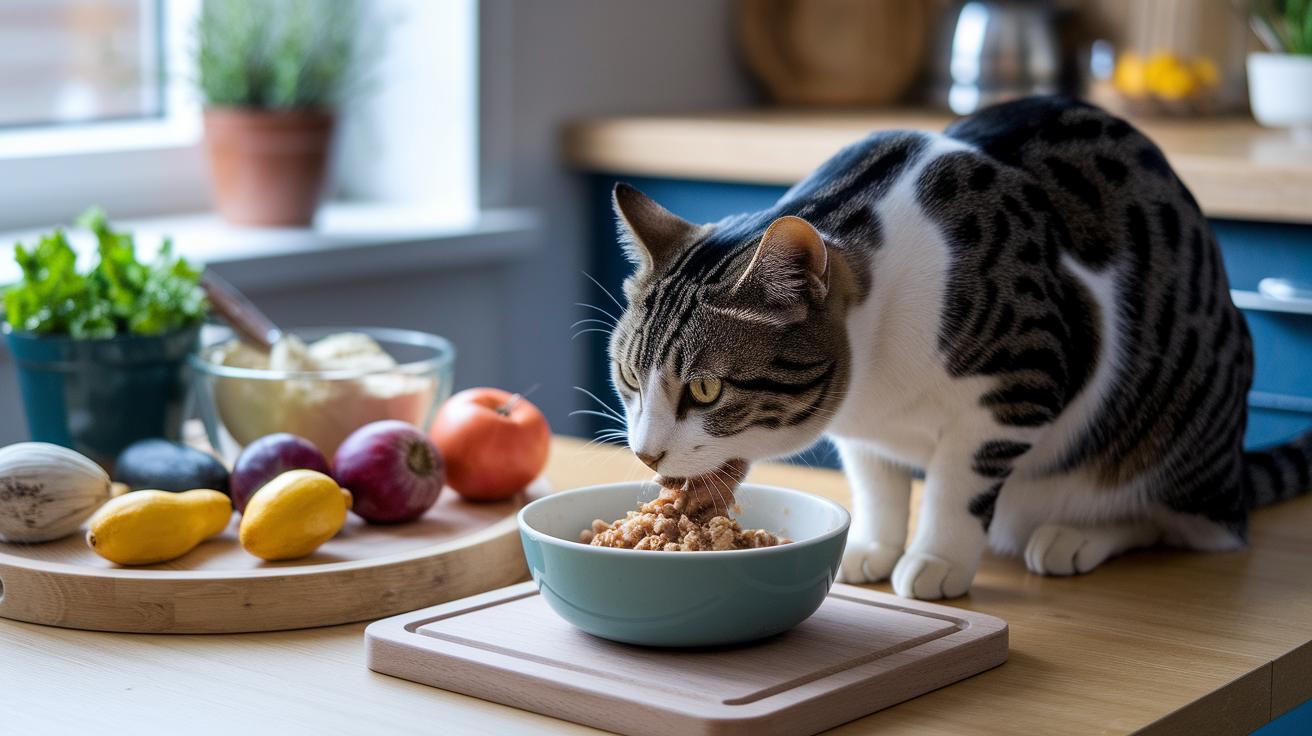
    Ever watch your kitty give a can of wet food a sniff then stroll away with a dissatisfied tail twitch? I feel your pain.

    But guess what: whipping up a fresh, protein-packed pate at home is easier than you think. It’s like blending a smoothie – um, just for your cat (minus the kale).

    You’ll need a digital kitchen scale (to nail every bit of weight), a meat grinder (think heavy-duty blender for meat), and a sprinkle of vet-approved taurine powder (a must-have amino acid cats adore). Next, you grind, mix, and gently cook until it’s smooth, velvety, and full of meaty aroma. Meaty. Yummy.

    In this guide, you’ll get step-by-step tips to serve homemade wet cat food recipes that make her whiskers twitch and her purr motor roar. Worth every paw-print.

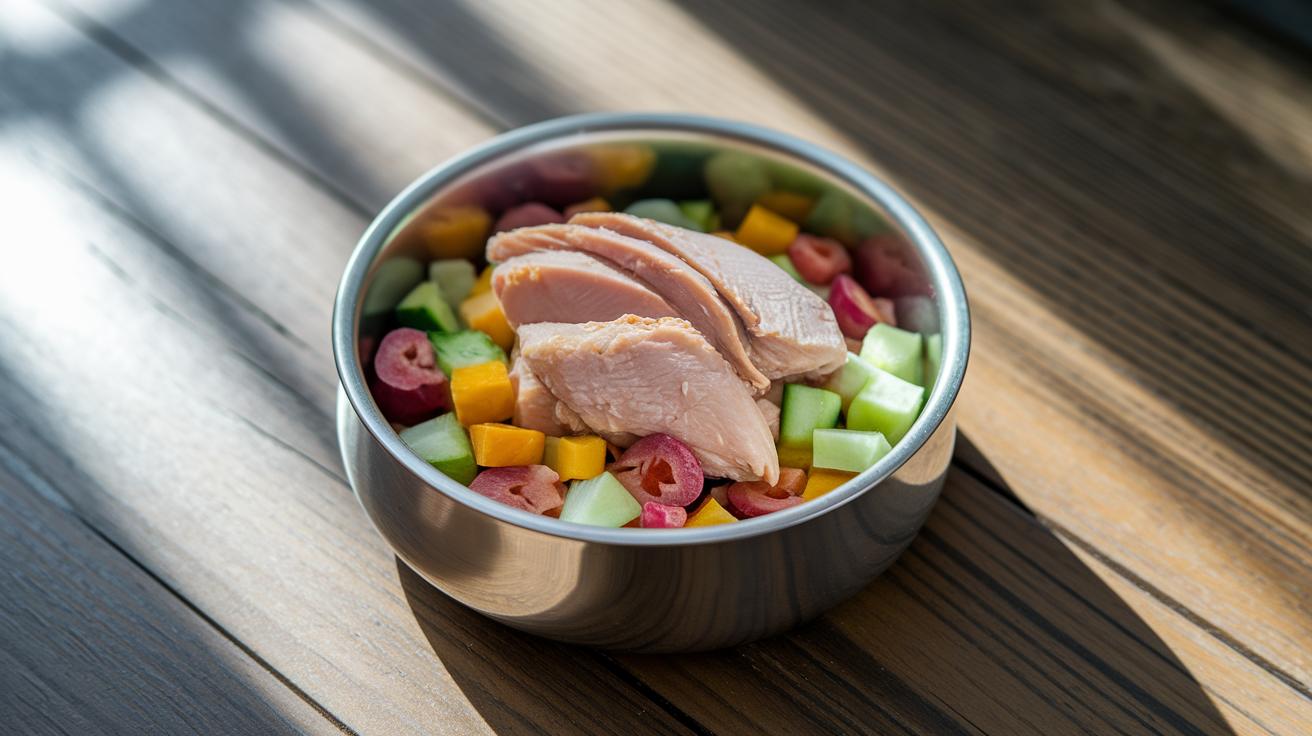
    DIY essentials and feeding basics for homemade wet cat food recipes
    - DIY essentials and feeding basics for homemade wet cat food recipes.jpg

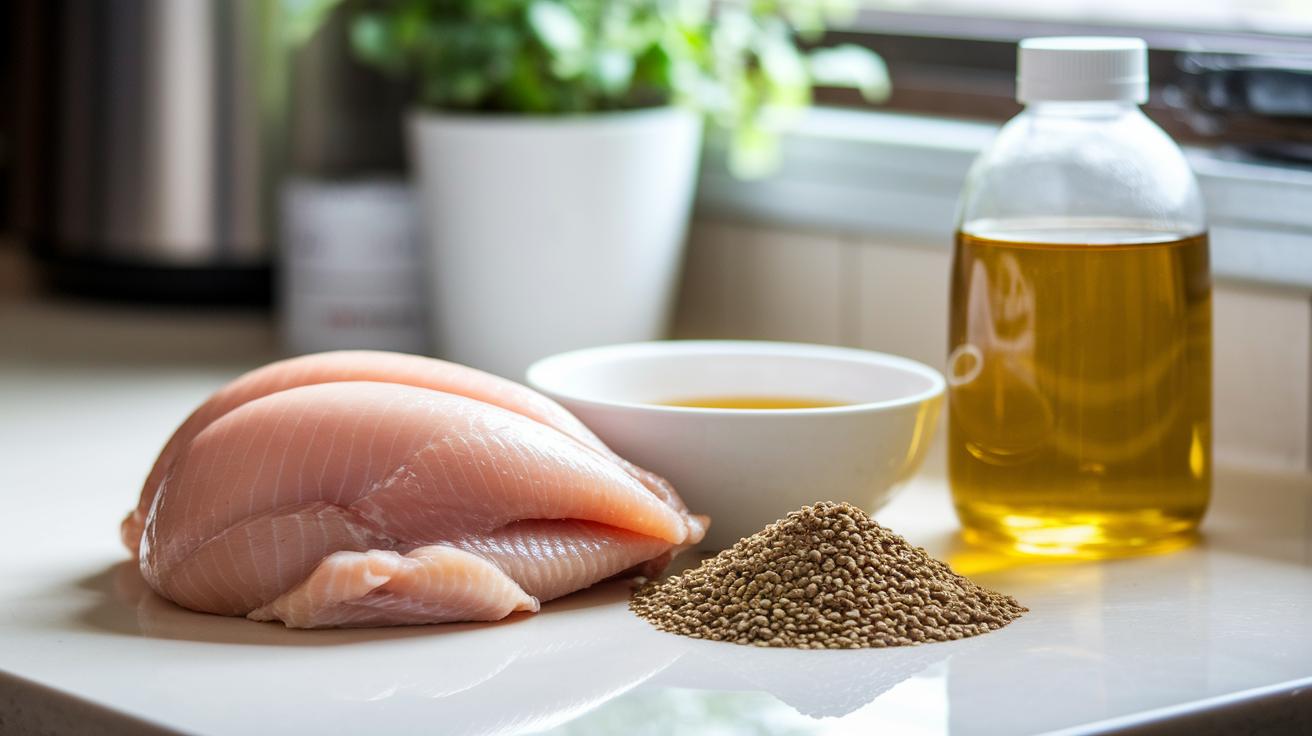
    If your kitty turns up her nose at store-bought wet food, try whipping up a fresh pate packed with animal protein and juicy flavor. It’s easier than you think, and your feline friend will purr for more.

    First, round up your DIY toolkit:

    • Digital scale (for precise weight)
    • Meat grinder (like a bite-friendly blender for meat) or food processor
    • Clean chopping board
    • Airtight containers for single-serve storage

    Next, pick your proteins. Think chicken breast, turkey thigh or sardine fillets. Don’t forget organ meats, liver (rich in vitamin A), kidney or heart, for extra minerals. Skip onion powder, garlic salt or added sodium. Those can be toxic to cats.

    Now, stir in the good stuff:

    • 50 mg taurine powder (for eye and heart health)
    • A vet-approved vitamin/mineral blend
    • 5,000 mg fish oil (healthy omega-3s)

    Pour in filtered water or low-sodium chicken broth until it’s about 60% moisture. You want a velvety pate that’s easy to sip and lap, no furballs stuck in throats.

    Safety first: clean and sanitize all gear, then wash your hands before and after handling raw meat. You might chat with your vet about any special needs before you switch diets. Label each container with the prep date and portion weight so you can track freshness.

    I like 5-ounce single-serve cups or 2-cup glass jars for daily meals.

    Here’s a quick checklist:

    • Calculate macronutrient ratios by weight
    • Select high-quality meat and organ sources
    • Incorporate essential supplements: taurine, vitamins, fish oil
    • Blend to a smooth pate consistency
    • Portion and store safely for refrigeration or freezing
    Nutrient Target
    Animal protein ≥30%
    Fat 20%
    Moisture 60%
    Taurine 50 mg
    Fish oil (omega-3) 5,000 mg

    Nutrient breakdown for homemade wet cat food recipes
    - Nutrient breakdown for homemade wet cat food recipes.jpg

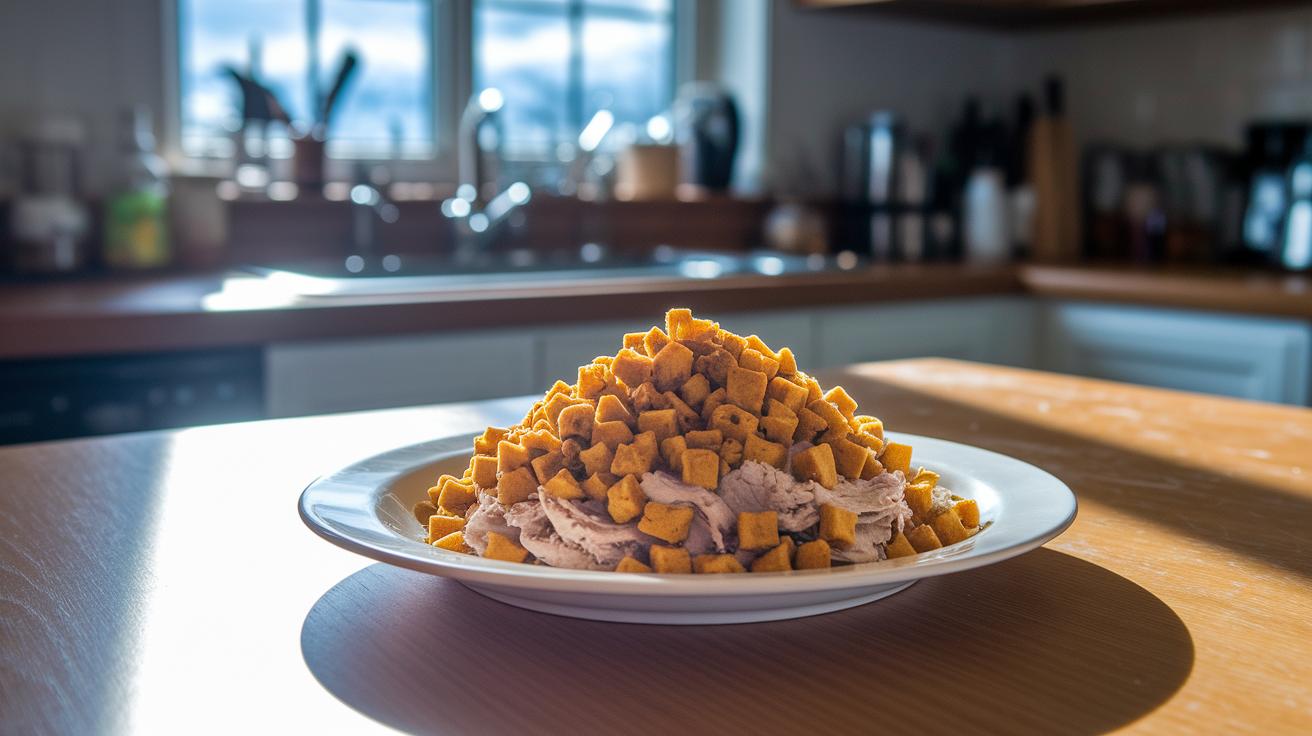
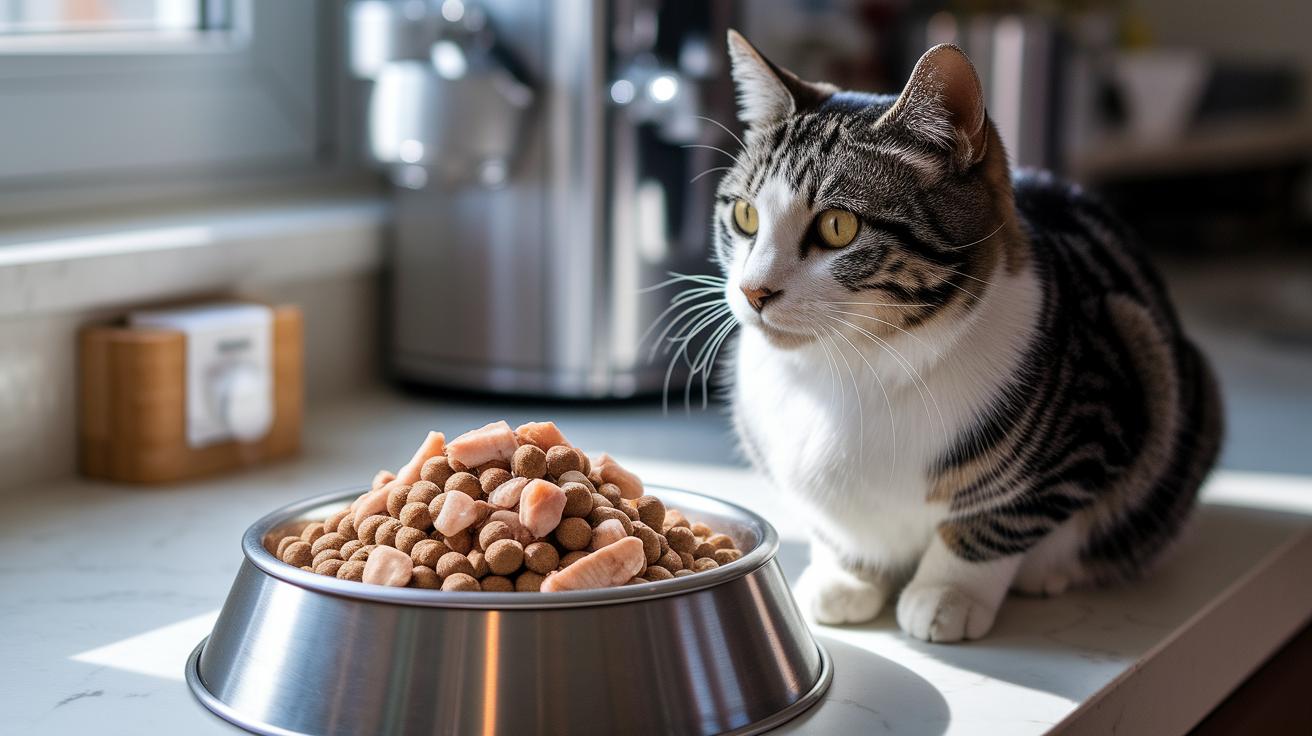
    Let’s whip up a claw-some meal! For every 100 g of wet food, you’ll want the right dose of protein (muscle building blocks), fat (energy booster), water (hydration), taurine (an amino acid for heart and eye health), and minerals (like calcium for bones, magnesium for nerves, and potassium for muscles).

    Ever seen your furball lap up chicken broth? That’s the juicy goodness we’re after. Check the table below for tasty sources and exact amounts.

    Nutrient Source Amount per 100 g
    Protein Chicken breast, turkey thigh, sardines At least 30 g
    Fat Fish oil, chicken skin 20 g
    Water Low-sodium chicken broth or plain water 60 g
    Taurine Dark meat or taurine powder 50 mg
    Minerals (Ca, Mg, K) Liver, heart, or a vet-approved premix Balanced ratio

    Peek at the minerals row to keep calcium, magnesium, and potassium in sync.

    Worth every paw-print.

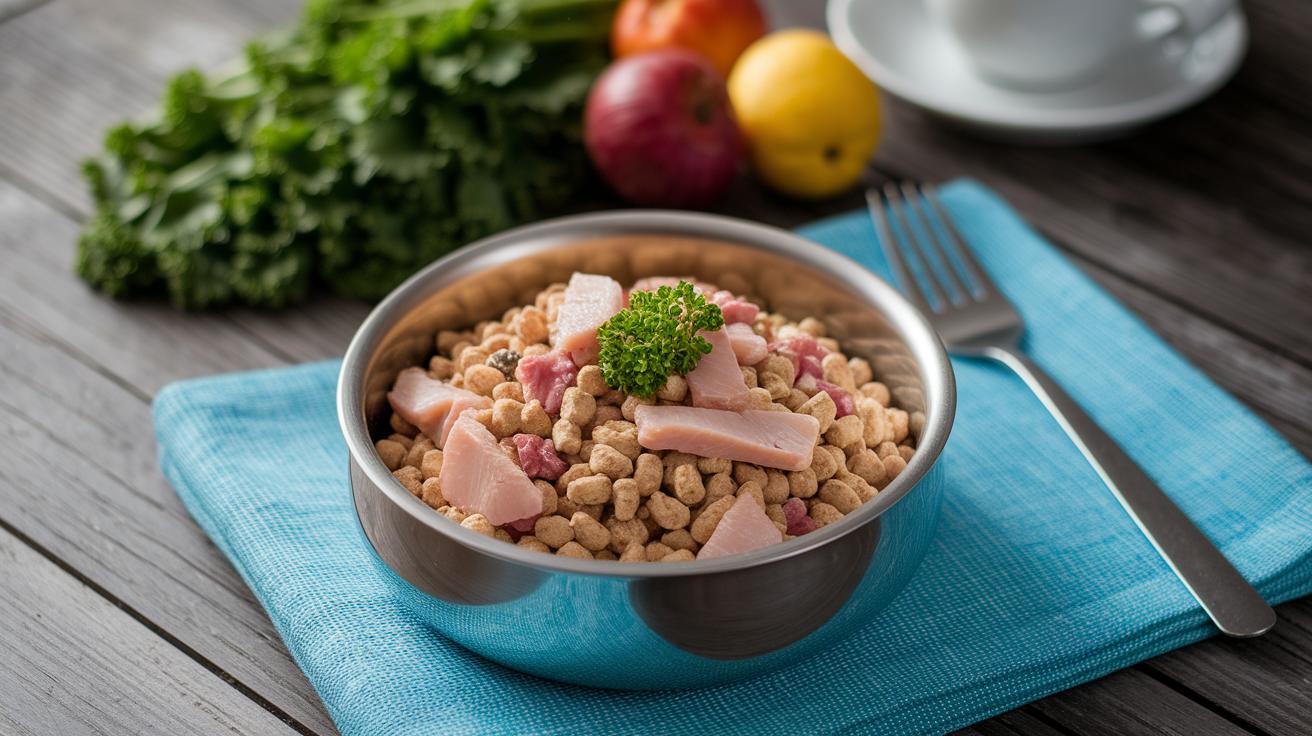
    Three vet-approved homemade wet cat food recipes
    - Three vet-approved homemade wet cat food recipes.jpg

    Recipe 1: Raw Poultry & Rabbit (Protein-Packed Kitty Fuel)

    My go-to mix when I want my fur baby’s muscles to pop and coat to shine. Ever watched your cat’s whiskers twitch at the scent of fresh meat? It’s a claw-tastic moment. Here’s what you need:

    • 3 lb chicken or turkey (or 2.25 lb ground rabbit)
    • 0.75 lb chicken fat or skin (for tasty healthy fat)
    • 1 cup water
    • 2 eggs (white boiled, yolk raw)
    • 5,000–10,000 mg fish oil
    • 400 IU vitamin E (antioxidant)
    • 50 mg vitamin B complex
    • 2,000 mg taurine (an essential amino acid)
    • 1 tsp iodized salt
    • 14 × 99 mg potassium gluconate tablets (electrolyte supplement)
    • 3–4 oz chicken liver

    Chop or grind everything. Stir until it’s smooth and uniform. Scoop into 5.5 oz single-serve cups and freeze. When it’s time to feast, thaw overnight in the fridge and watch the satisfying slurp.

    Recipe 2: Fish & Organ Blend (Kitten’s Purr-Loaded Pate)

    Tiny tigers need extra oomph for growth. My neighbor’s kitten, Luna, went bonkers for this pale pink magic. Ready?

    • 1 lb organic fish or poultry
    • 4 oz organic liver
    • 1 Tbsp hemp or flaxseed oil (omega-rich)
    • 1–2 eggs (optional for extra protein)
    • A splash of grapefruit seed extract solution (natural preservative)
    • Pinch of Himalayan salt
    • Your favorite omega-3 supplement
    • 500 mg taurine (vital for heart and vision)
    • Complete vitamin-mineral supplement

    First, freeze the meat for at least 72 hours to knock out any pesky parasites. Then blend all ingredients into a smooth pate. Portion into small cups, then freeze or stash in the fridge for up to three days. Worth every paw-print.

    Recipe 3: Cooked Chicken Thigh (Senior Feline Comfort Meal)

    Perfect for older cats with sensitive tummies. It’s like a warm hug in a bowl. Here’s the scoop:

    • 4.5 lb chicken thighs (leave 20–25% bone for broth)
    • 8 oz water
    • 7 oz liver
    • 14 oz heart (or add 4,000 mg extra taurine if hearts run low)
    • 2,000 mg taurine (essential amino acid)
    • 200 IU vitamin E (antioxidant)
    • 4,000 mg fish oil
    • 200 mg vitamin B complex
    • 4 tsp psyllium husk (fiber)
    • 1.5 tsp iodized salt

    Simmer thighs and bones in water for about an hour, then strain and reserve the broth. Remove bones, grind the meat, liver, and heart. Stir in the rest of the goodies until evenly mixed. Pack into portions, refrigerate up to three days or freeze. Your senior cat will feel purr-fect.

    Want more inspiration? Check out homemade cat food recipes for additional tail-twitching ideas.

    Feeding schedule and portions for homemade wet cat food recipes
    - Feeding schedule and portions for homemade wet cat food recipes.jpg

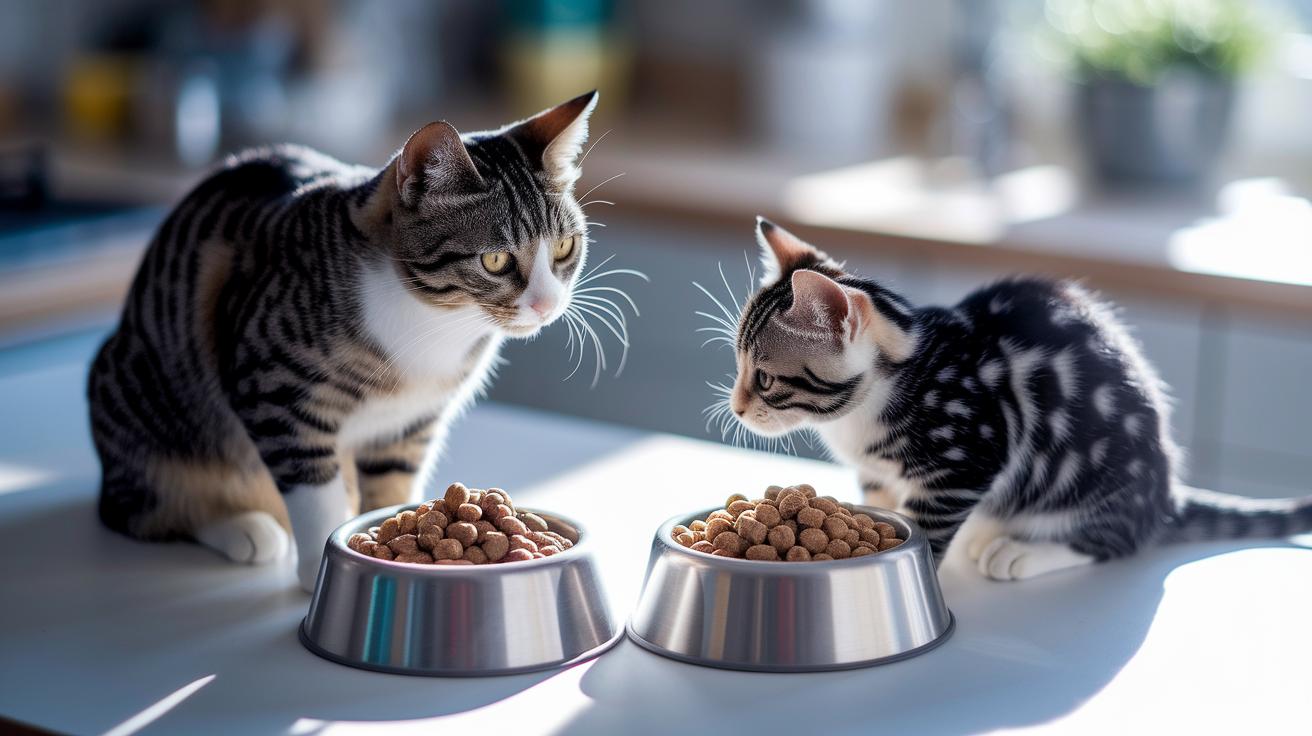
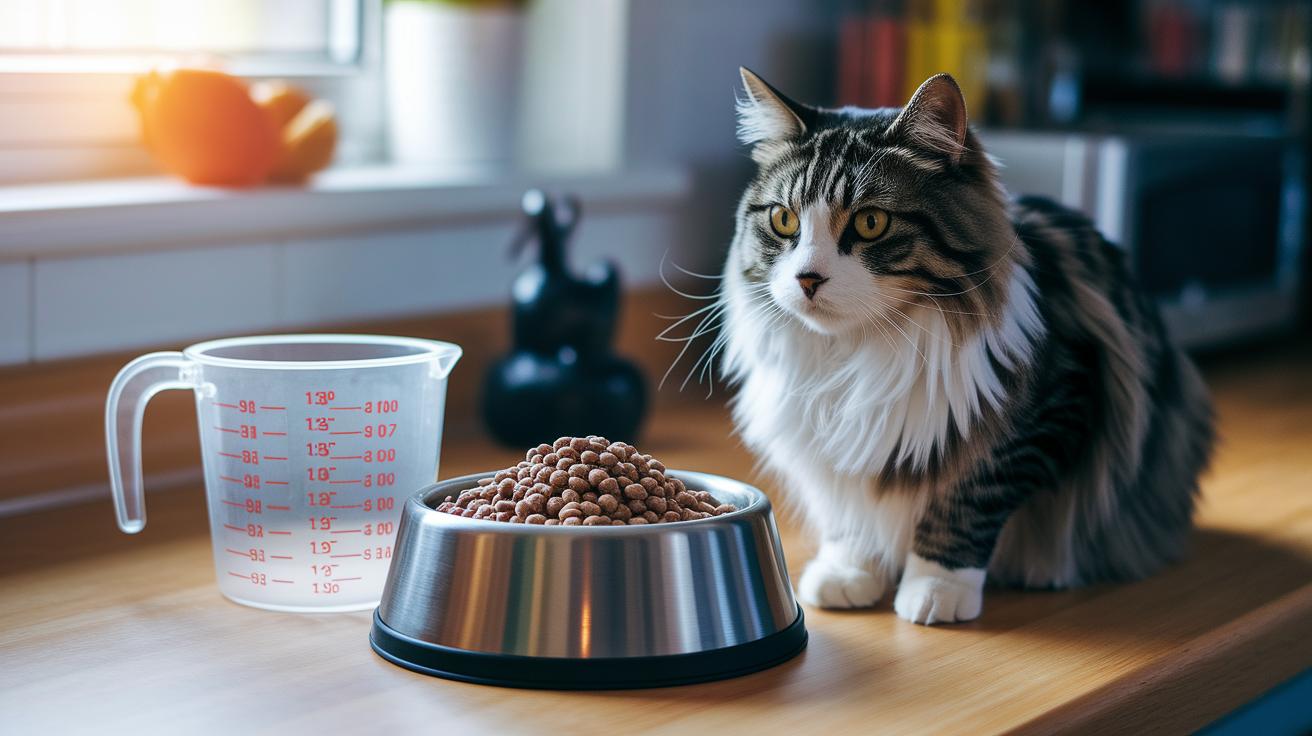
    Here’s a simple plan to keep your cat happy between meals. Aim for four small servings about every four hours. It helps steady their energy and feels like natural grazing.

    • 1/4 cup per meal for a 5-lb cat
    • 1/3 to 1/2 cup per meal for a 10–12-lb cat

    A wet meal should be at least 60% water (water content). That extra moisture helps meet daily water needs and eases the risk of dehydration (not enough water in the body). Ever watched your kitty lap water like a fish? A moisture-rich dish can cut down on those big thirst sessions.

    Keep an eye on your cat’s weight and stool consistency (how firm they’re… um, you know). If you spot any changes, tweak the portion size or the timing until your kitty is purring with contentment.

    Storage and safety practices for homemade wet cat food recipes
    - Storage and safety practices for homemade wet cat food recipes.jpg

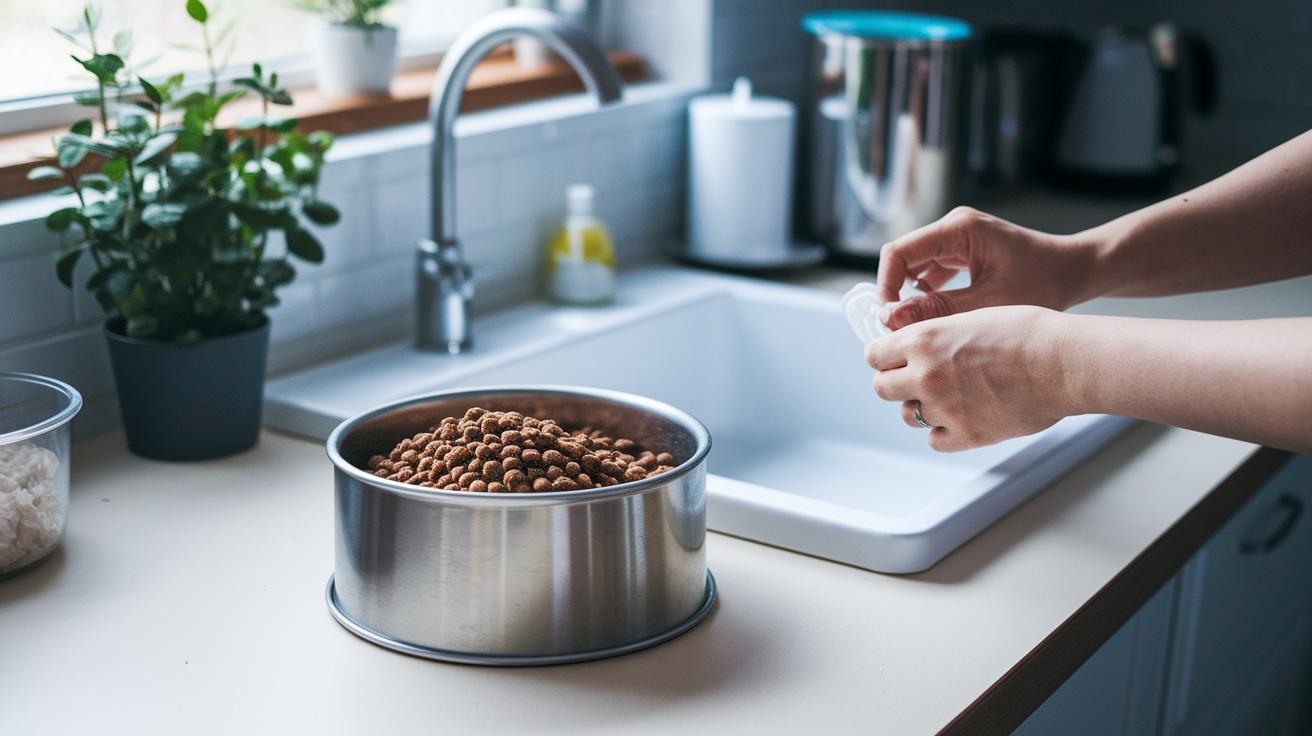
    Ever tried batch cooking your cat’s wet food? It’s like meal prep for busy paw-rents. Keep your kitchen kitty-safe by cooking in small batches and mastering storage tricks.

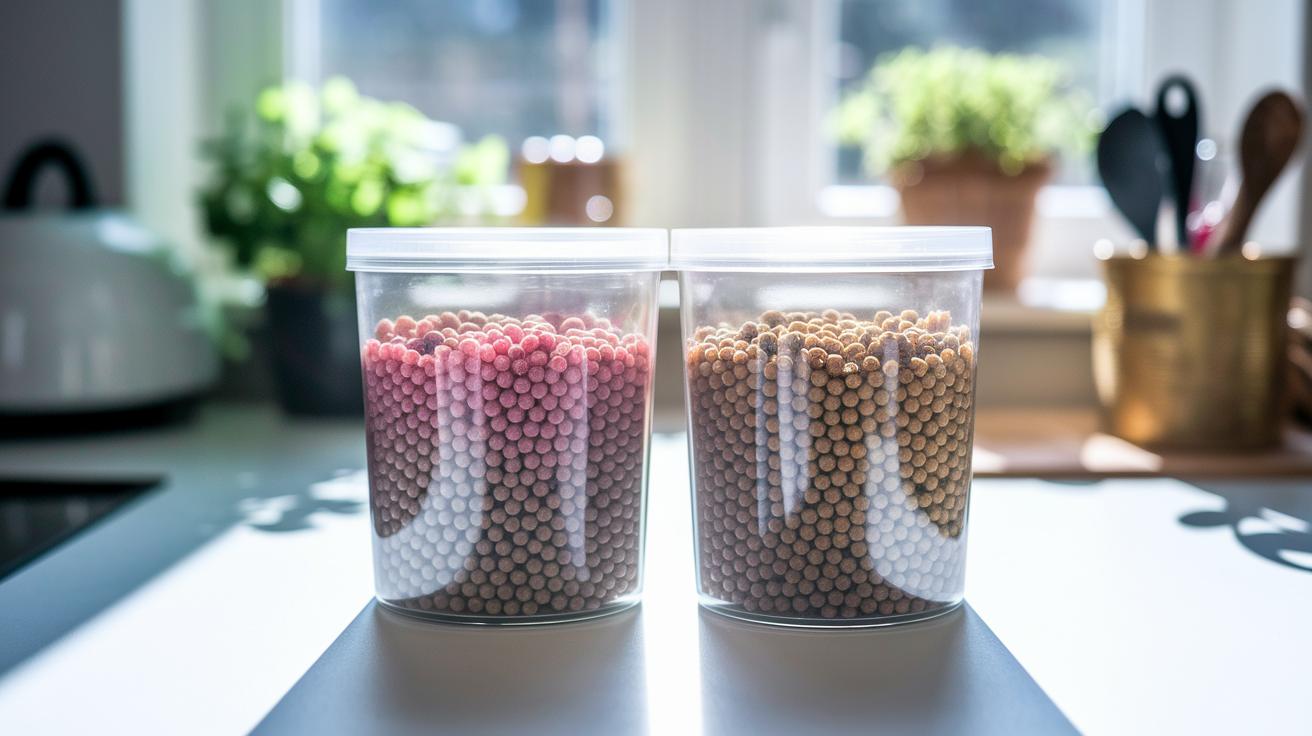
    Store fresh food in airtight containers (containers that seal tight so no air sneaks in) in the fridge for up to three days. Got extras? Spoon each meal into single-use cups (5.5 oz, about the size of a muffin tin cup) and freeze for up to two weeks. Label each cup with the date so you never wonder, “Is this still good?”

    To thaw, move a frozen cup from freezer to fridge overnight. Need it sooner? Pop the sealed cup in a warm-water bath for a quick defrost. Don’t ever microwave, you’ll get hot spots that can burn your kitty’s tongue.

    After handling raw meat, scrub cutting boards, knives, spoons, and counters right away. Wash your hands and tools in hot, soapy water. It stops cross-contamination (when germs spread from meat to other stuff).

    Never feed cooked bones, they splinter and can poke your cat’s mouth or throat. Always pick meat from vet-checked suppliers you trust. A little caution now means many purr-filled meals ahead. Your cat will thank you with extra head-bumps.

    Cost and budgeting for homemade wet cat food recipes
    - Cost and budgeting for homemade wet cat food recipes.jpg

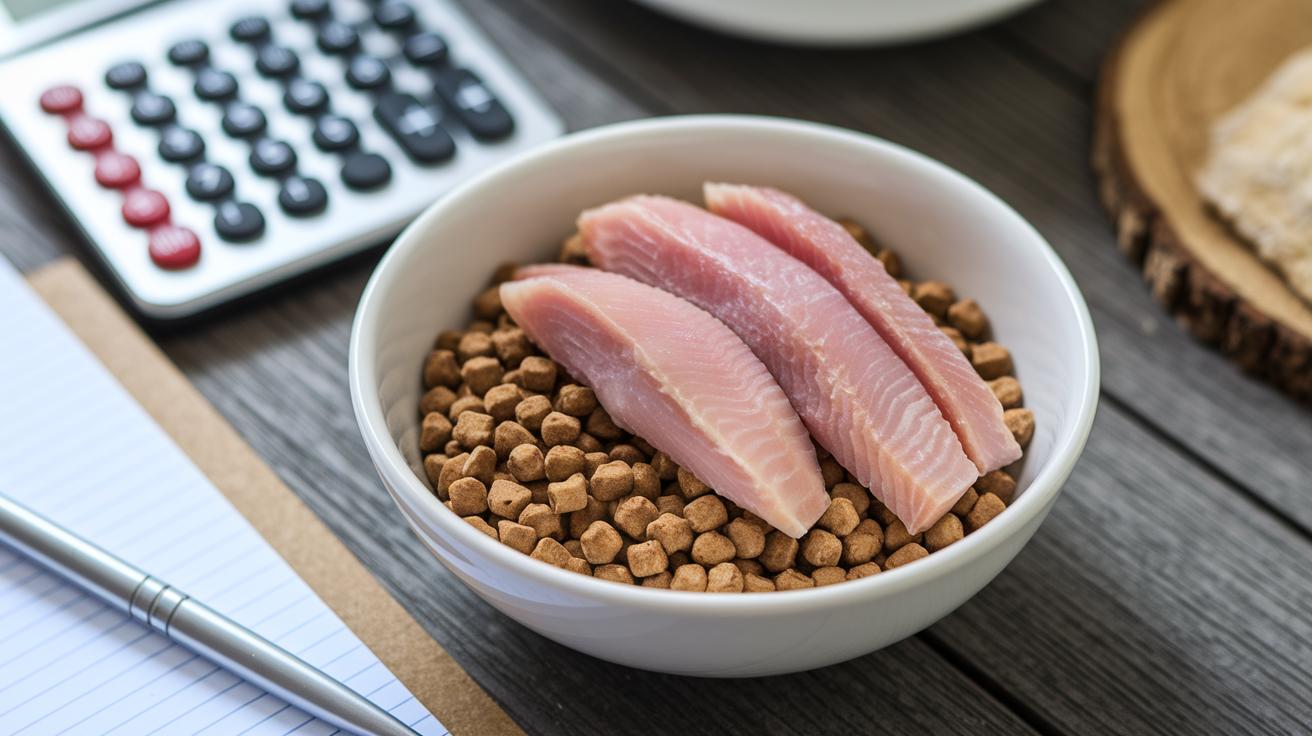
    Making wet cat food at home usually costs about $1 to $3 a day. That means feeding your adult kitty for around $7 a week. Not bad, right? You’ll smell the fresh chicken as you prep and watch your cat’s whiskers twitch in delight.

    Picking up big packs of roasted chicken at warehouse stores can slice your meat costs in half. And stocking up on supplements like taurine (an amino acid cats need), fish oil (for shiny fur) and multivitamins in larger jars brings the price per batch down even more. Ever seen your cat do a happy dance around their bowl? That’s the best reward.

    Here are a few penny smart tips:

    • Buy pasture raised poultry or wild caught fish at local markets. You cut out extra fees and support good farming
    • Shop supplements in bulk. Taurine powder, vitamin E, B complex and omega 3 oils often cost less by the jar
    • Freeze single meal portions in reusable freezer bags or glass containers so you waste less food
    • Invest in a mid range meat grinder and a kitchen scale. You skip rental fees and broken tools
    • Compare prices online and at mom and pop shops. You might catch a co op flash sale on fish

    When you spread storage supplies and equipment costs over a year, homemade cat food still lands below most premium canned formulas. Think of your freezer as a treasure chest of kitty dinners. With a little planning, you’ll have a healthy, budget wise stash that your cat will adore.

    Final Words

    We tackled DIY essentials and feeding basics for homemade wet cat food recipes. Then we nailed down nutrient breakdowns, three vet-approved recipes, feeding schedules, storage tips and budgeting hacks.

    Now you’ve got a clear roadmap to serve balanced meals and keep busy multi-cat homes running smoothly. You’ll feel proud mastering homemade wet cat food recipes from start to finish.

    Worth every whisker twist. Go for it. With your kitchen skills and these tips, mealtime just got a whole lot more fun.

    FAQ

    What are vet-approved homemade cat food recipes?

    Vet-approved homemade cat food recipes follow balanced proportions of protein, fat, moisture and essential nutrients like taurine and vitamins. They avoid onions, garlic and excess salt, using high-quality meats and supplements validated by veterinary nutritionists.

    How can I make easy, cheap homemade cat food?

    Easy, cheap homemade cat food uses affordable cuts like chicken thighs or canned fish, bulk-prepped in batches. Mix meat, water or broth, inexpensive supplements like taurine powder and fish oil, then portion and freeze for quick meals.

    How do I make homemade wet cat food with chicken for indoor cats?

    Homemade wet cat food with chicken for indoor cats uses boneless chicken, chicken liver, and water or broth. Add fish oil, taurine powder and a vitamin mix. Blend to a smooth pâté, portion into single meals and refrigerate or freeze.

    What is the 25 rule for cat food?

    The 25 rule for cat food refers to including at least 25% animal protein by dry matter weight in homemade diets. This ensures proper protein levels to support feline health, lean muscle mass and overall well-being.

    What is the healthiest homemade food for cats?

    The healthiest homemade food for cats balances 30% animal protein, 20% fat, high moisture and essential supplements such as taurine, vitamins and fish oil. It uses clean meats, avoids onions or excess salt, and meets feline nutritional needs.

    What is a good substitute for wet food for cats?

    A good substitute for wet food for cats is dry kibble moistened with low-sodium broth or water, plus a teaspoon of canned tuna juice or raw egg yolk. Always supplement with taurine and essential vitamins to balance nutrients.

    What homemade cat food recipes suit sensitive stomachs?

    Homemade cat food recipes for sensitive stomachs use single-protein sources like boiled chicken or turkey, gentle carbohydrates such as rice, fish oil and probiotic supplements. They avoid irritants like dairy, grains and seasonings to ease digestion.
    Related Articles

  • Vet Approved Homemade Cat Food Recipes Delight Cats

    Vet Approved Homemade Cat Food Recipes Delight Cats

    Whoa, did you know almost 6 in 10 store-bought cat foods miss key nutrients your kitty craves? Protein (think of tiny building blocks for strong muscles), taurine (an essential amino acid that keeps their heart strong), and moisture (aka water) often come up short. Oops, let me clarify: most kibbles and cans don’t pack enough of those goodies.

    In this post you’ll find simple homemade recipes crafted by a board-certified veterinary nutritionist (a pet health pro who knows cat nutrition inside out). These meals follow or even beat AAFCO’s guidelines (the official cat food standards).

    That means every bowl you serve is safe. It’s balanced. And totally meow-worthy. Your cat’s whiskers will twitch as you scoop out these fresh meals. Get ready to whip up homemade feasts. Soon you’ll hear that happy tap-tap as your kitty asks for seconds.

    Core Guidelines for Vet Approved Homemade Cat Food

    - Core Guidelines for Vet Approved Homemade Cat Food.jpg

    These homemade cat food recipes come with a vet seal of approval (uh, let me rephrase that: they’re vet approved). A board-certified veterinary nutritionist has scoured every recipe to hit or beat AAFCO’s minimums for protein, taurine (an essential amino acid), plus key vitamins and minerals. That vet stamp means you’re serving safe, complete meals your cat deserves.

    Cats are obligate carnivores, meaning they need meat. They crave high protein and good fats (like EPA (a heart-healthy fatty acid) and DHA (another omega-3 fatty acid)) to keep their skin soft and hearts happy. Imagine the smell of lean chicken or turkey mixed with a dash of organ meat for extra taurine (a vital amino acid). Following these homemade nutrition guidelines helps your cat’s bowl mirror its wild instincts.

    Our board-certified nutritionists shape each recipe, test moisture levels, and slip in supplements where needed. They follow homemade cat food nutrition guidelines like private chefs for kitties. It’s like running a mini food lab in your kitchen. And that extra vet-tested step turns homemade dishes into meals you can feel purr-fectly proud of.

    Ever watched your kitty lap up water from a bowl of wet food? When you serve homemade wet meals, aim for about 75 percent moisture (mostly water) to keep them hydrated and their kidneys happy. Pair that with our vet-tested nutrition tips, and you’re crafting meals that will have paws tapping for more.
    Worth every paw-print.

    Selecting Balanced Ingredients for Homemade Cat Food

    - Selecting Balanced Ingredients for Homemade Cat Food.jpg

    Selecting balanced ingredients lays the foundation for a balanced cat diet at home. When you craft a balanced cat diet at home, you’re following AAFCO nutritional standards to hit minimums for protein, fat, and moisture. High-quality animal proteins like chicken, turkey, or salmon pack the amino acids and taurine cats crave.

    Organ meats such as liver and heart deliver essential feline vitamins A and B plus iron. Packing in essential feline vitamins keeps eyes bright and muscles strong. Think of those organ meats as a natural vitamin pill, each bite adds essential feline vitamins and boosts energy.

    Sprinkle in feline mineral supplements when bones or certain ingredients fall short on calcium, phosphorus, or magnesium. A pinch of feline mineral supplements helps match what cats get in wild prey. Regular use of feline mineral supplements ensures bones stay sturdy and purr-fectly balanced.

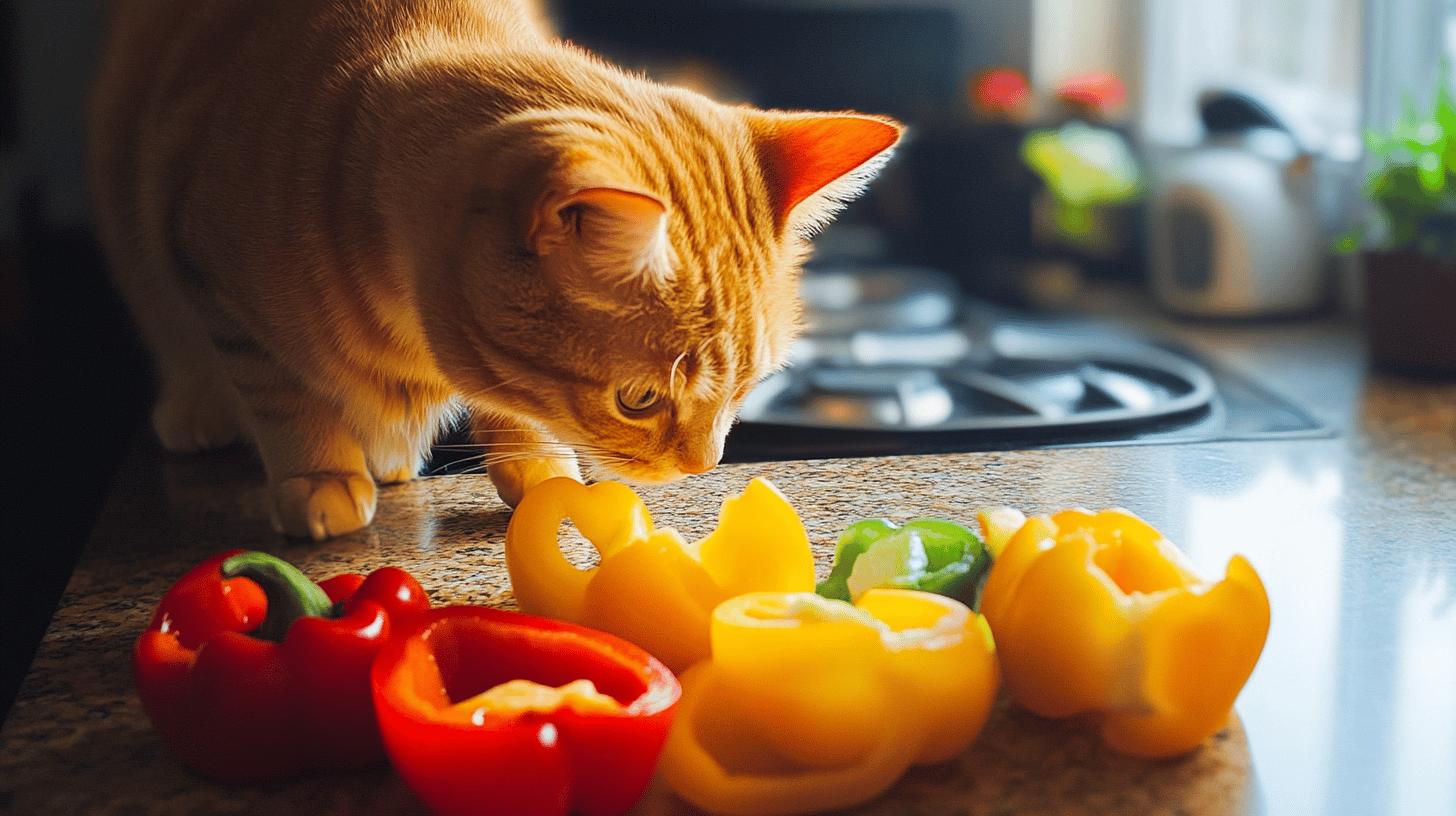
    Oils like safflower, sunflower, flaxseed (tiny seeds with omega-3), or fish oil (rich in EPA and DHA) keep fur glossy and skin healthy. For gentle fiber, add pumpkin or carrots, no more than five percent, to aid digestion. Strictly avoid raw meat, onions, garlic, grapes, raisins, xylitol, corn, rice, and wheat. A simple meal formula, 1 cup cooked meat, 1 tablespoon liver, and 1⁄4 teaspoon fish oil, locks in balance. This mix forms a balanced cat diet at home. Check more homemade cat food recipes.
    Ingredient Allowed or Avoid Reason
    Chicken Allowed Lean protein with taurine
    Turkey Allowed High-quality animal protein
    Salmon Allowed Rich in omega-3 fatty acids
    Liver Allowed Source of essential feline vitamins
    Heart Allowed Provides B vitamins and taurine
    Flaxseed Oil Allowed Skin and coat support
    Pumpkin Allowed Gentle fiber source
    Carrot Allowed Small fiber boost
    Onions & Garlic Avoid Can cause anemia
    Corn Avoid Filler with excess carbs

    Vet Approved Homemade Cat Food Recipes Delight Cats

    - Preparing Vet Approved Homemade Cat Food Recipes.jpg

    Cooked Turkey & Pumpkin Recipe

    Make up a warm batch of turkey and pumpkin that will have your cat purring before you even scoop a bite. The smell of juicy turkey and sweet pumpkin puree (smooth squash pulp) wafts through the kitchen, and you might catch your kitty nudging for seconds already. Ever watched your furry pal rub her chin on a bowl of food? That’s pure joy.

    Ingredients:

    • 1 pound ground turkey
    • 2 tablespoons coconut oil (from pressed coconut meat)
    • 1/4 cup pumpkin puree (smooth squash pulp)
    • 2 tablespoons chopped greens, like spinach or kale
    • 3/4 cup water or bone broth (liquid from simmered bones)
    • 2 tablespoons feline multivitamin blend (tiny vitamin mix)
    • 1/2 teaspoon fish oil (omega-3 fats for shiny fur)

    Cooking Steps:

    1. Heat the coconut oil in a skillet over medium heat.
    2. Add the ground turkey and stir until there’s no more pink, about 6 minutes.
    3. Toss in the greens and cook for another 2 or 3 minutes.
    4. Pour in pumpkin puree, water or broth, and the vitamin blend. Stir until it forms a smooth mix.
    5. Take the pan off the heat, drizzle in the fish oil, and let it cool a bit. Then pulse the food in a blender until it’s chunky and kitty-friendly.

    Yield and Storage
    This makes about 1.5 pounds of high-protein cat food. Spoon it into 1/4- or 1/2-cup portions. Store in the fridge for up to 4 days, or pop trays in the freezer for two weeks. Easy, nutritious, and tail-twitchingly good.

    Raw Turkey & Pumpkin Recipe

    If your cat digs raw meals, this turkey and pumpkin combo packs the same great nutrition with no cooking needed. It’s a breeze to mix up and keeps kitty feeling spry and playful.

    Ingredients:

    • 1 pound ground turkey
    • 3/4 cup pumpkin puree (smooth squash pulp)
    • 2 tablespoons coconut oil (from pressed coconut meat)
    • 2 tablespoons finely chopped greens, like spinach or kale
    • 2 tablespoons feline multivitamin blend (tiny vitamin mix)
    • 1/2 teaspoon fish oil (omega-3 fats) or one 3.5-ounce can sardines in water, drained

    Mixing Steps:

    1. Toss the turkey into a bowl, then swirl in pumpkin puree, coconut oil, and the vitamin blend.
    2. Fold in the greens and your choice of fish oil or sardines until the color looks even.
    3. Give it a little poke, cats love a bit of texture.

    Portioning and Freezing
    Scoop 1/4-cup portions for small cats, 1/2-cup for bigger ones. Freeze in labeled trays, then rotate between raw and cooked servings through the week. Thaw overnight in the fridge, and breakfast is ready to go. High-protein goodness that makes feeding time pure bliss.

    Nutritional Analysis and Portion Guidelines for Homemade Cat Food

    - Nutritional Analysis and Portion Guidelines for Homemade Cat Food.jpg

    Getting your cat’s meal portions just right? That’s the secret to purr-fect health. Picture your kitty’s whiskers twitching with excitement as you set down a bowl of homemade food.

    And um, safety first, always stir in supplements (vitamins and minerals) nice and smooth so there aren’t any weird clumps. Ever checked your cat’s stool? It’s a simple way to spot if something’s off.

    Here’s a quick guide:

    • Kittens: Offer about 1/2 cup per 5 pounds of body weight per day, split into four meals. They need that extra boost to grow strong.
    • Adult cats: Aim for 1/4 to 1/2 cup per 5 pounds each day, in two servings. Perfect for most active adults.
    • Senior cats: Give roughly 1/4 cup per 5 pounds per day, divided into three smaller meals. Gentle on the tummy and easy to digest.
    • Overweight cats: Stick to the lower end, 1/4 cup per 5 pounds per day, with two meals. Weigh your floof every two weeks and adjust if needed.
    • Underweight or super active cats: Bump up to 1/2 cup per 5 pounds per day, split into three meals. Extra calories for all that zooming.

    Safety check: never let those supplements clump up. Really. Mix vitamins (tiny pills of goodness) thoroughly and watch for any loose stools.

    Worth every paw-print.

    Safe Storage and Hygiene Practices for Homemade Cat Food

    - Safe Storage and Hygiene Practices for Homemade Cat Food.jpg

    Ever peek at your kitty’s bowl and hope your homemade dinner smells just right? Keeping your homemade cat food fresh is easier than you think.

    Pop it in airtight containers (containers that seal out air) and stash it in the fridge for up to three days. I love stainless steel (an iron-chromium alloy that won’t rust) or BPA-free plastic (plastic without chemical leaks).

    For extra batches, freeze single servings for up to two weeks. Stick these tips on your fridge and say goodbye to funky smells and spoiled meals.

    Uh, defrosting safely is a big deal. Move a frozen portion into the fridge the night before serving.

    That slow thaw cuts down on bacteria. Claw point: never thaw at room temperature. That’s a shortcut to trouble.

    Cleanliness matters. Scrub prep surfaces, utensils, and hands before and after handling raw ingredients.

    Notice a funky odor or strange color? Toss it right away. These steps cut down on bacterial contamination.

    Wondering if cat food expires? Check out this link for timelines and safety details: do cat food expire.

    Adjusting Vet Approved Homemade Meals for Special Dietary Needs

    - Adjusting Vet Approved Homemade Meals for Special Dietary Needs.jpg

    Is your senior kitty slowing down? Homemade meals for older cats can give them lighter bites that still taste pawsome. Swap fattier cuts for lean chicken or turkey. Then mix in gentle fiber like pumpkin puree (pumpkin mashed smooth). And to help wobbly joints, add a dash of glucosamine (helps support cartilage). Chop everything into small bites, tiny morsels your cat can paw through, and serve three mini meals a day so tummies stay happy and purrs stay loud.

    For diabetic cats, aim for under five percent carbs (short for carbohydrates) and at least fifty percent protein (muscle-building nutrient). This high protein boost helps keep blood sugar steady and little paws tapping. Ever watched a kitty zoom across the room after a good meal? That could be your diabetic cat feeling fab.

    Kidney disease calls for a different recipe. Offer about 0.8 grams of protein per pound of body weight. Keep phosphorus (a mineral) under 0.4 percent and moisture near seventy-five percent so each bite feels juicy. Toss in extra B vitamins (for energy) and potassium (mineral for cells) to help tiny feline filters.

    Tailor each supplement blend to your cat. Keep a simple meal log, you know, jot down what they ate and when. And have your vet check bloodwork often. Quick tweaks now mean more happy days and fewer surprises in the litter box.

    Transitioning Your Cat to Vet Approved Homemade Food Safely

    - Transitioning Your Cat to Vet Approved Homemade Food Safely.jpg

    Mix a bit of your vet-approved homemade meals with your cat’s usual chow. It’s like offering a gentle taste test, your kitty’s tummy stays happy and mealtime stays fun. Ever seen your cat give you that “What’s this?” look? That’s when you know they’re curious.

    Here’s a simple day-by-day plan:

    • Days 1–3: 25% homemade, 75% commercial
    • Days 4–6: 50% homemade, 50% commercial
    • Days 7–8: 75% homemade, 25% commercial
    • Days 9–10: 100% homemade

    Keep an eye on appetite, energy, and stool. If stools get soft or you spot loose poops, pause at the current ratio for two extra days. That extra time helps your cat’s gut settle before you tweak the mix again.

    Think of a cat food calculator like a recipe helper: it tells you exactly how much of each to blend. It’s a handy tool when you’re juggling ratios.

    If your kitty still skips meals or has tummy troubles, call your vet right away. Jot down any symptoms, vomiting, sudden weight changes, loose stools, so your vet can fine-tune the recipe.

    Be patient and stay flexible. Every cat adjusts at their own pace, and mixing old and new meals carefully means happier whiskers all around.

    Final Words

    We’ve covered what makes homemade cat meals truly vet approved: the core guidelines, obligate carnivore needs, and why board-certified nutritionist review matters.

    You’ve seen how to pick balanced proteins, organ meats, oils, and safe fibers, then tackle clear, step-by-step recipes plus portion guides.

    We walked through storage, hygiene tips, special-diet tweaks, and a gentle transition plan to keep curious kitties content.

    Keep those playful paws happy with vet approved homemade cat food recipes that hit all the nutrition marks and watch your cats pounce with joy.

    FAQ

    How can I make easy and affordable homemade cat food?

    Making easy, affordable homemade cat food involves cooking high-quality meat like chicken, adding measured organ meat, a teaspoon of fish oil, a bit of pumpkin for fiber, and a feline multivitamin for balance.

    What vet-approved homemade cat food recipes are best for indoor cats, including wet and chicken-based options?

    Vet-approved recipes for indoor cats include a cooked chicken and turkey wet mix with 75% moisture, balanced proteins, essential oils, taurine, and a vitamin blend reviewed by board-certified nutritionists.

    What homemade cat food recipes suit cats with sensitive stomachs or senior needs?

    Homemade recipes for cats with sensitive stomachs or seniors use gentle proteins like boiled chicken, include a touch of pumpkin for fiber, incorporate joint supplements for older cats, plus balanced taurine, vitamins, and moderate calories.

    What makes the best and healthiest homemade cat food?

    The best, healthiest homemade cat food meets AAFCO nutrient minima, offers over 50% animal protein, includes key fatty acids (EPA, DHA), proper taurine, essential vitamins and minerals, and maintains 75% moisture for hydration.

    Do veterinarians recommend homemade cat food?

    Vets recommend homemade cat food only when recipes are balanced and reviewed by board-certified nutritionists to meet obligate carnivore needs, AAFCO guidelines, and ensure all essential amino acids, fatty acids, vitamins, and minerals are present.

    What is the 25 rule for cat food?

    The 25 rule for cat food refers to wet diets containing about 75% moisture (so 25% solids), promoting hydration and digestion while matching obligate carnivore moisture needs.

    Related Articles

  • Homemade Cat Food Recipes for Thriving Healthy Felines

    Homemade Cat Food Recipes for Thriving Healthy Felines

    Think your cat’s kibble is enough to keep them purring? But cats are obligate carnivores (they only eat meat). They thrive on meals that are at least 40 percent animal protein (like the lean muscle they’d snag in the wild).

    This guide walks you through easy homemade recipes loaded with muscle meat (the lean bits), organ meat (vitamin-packed heart and liver), and healthy fats (good-for-skin oils). No fillers! You pick each ingredient.

    Your furry friend gets purrfect fuel for zoomies, strong bones, and a coat that gleams. Picture whiskers twitching as your kitty chases a feather toy, fur shining in the light.

    Nutritional Essentials for Homemade Cat Food Recipes

    - Nutritional Essentials for Homemade Cat Food Recipes.jpg

    Ever watched your kitty crouch low, tail twitching, and eyes locked on a toy? That prey drive craves meat. Cats are obligate carnivores (they only eat meat) and need at least 30% animal protein in every meal. Most fur-parents aim for 40 to 50 percent to mimic a wild hunt. Fat should be around 20 to 24 percent of calories, it adds a mouthwatering scent, gives a silky coat shine, and powers those zoomies.

    Vitamins and minerals fill in the gaps. Vitamin A helps your cat see in the dark, vitamin D builds strong bones, and B-complex (a group of B vitamins) keeps their energy buzzing. Minerals like calcium (for sturdy bones), magnesium (for smooth nerve signals), and potassium (for a steady heartbeat) make sure every meal is balanced.

    A foolproof ratio is 85 to 90 percent muscle meat and 5 to 10 percent organ meat, like liver. Organs pack iron, copper, and extra vitamin A in tiny bites, claw-tastic nutrition. And water matters too. Cats on wet food get about 3.5 ounces of water per 5 pounds of body weight each day, meaning fewer frantic laps to the water bowl. Worth every paw-print.

    Key Supplements and Ingredient Ratios in Homemade Cat Food Recipes

    - Key Supplements and Ingredient Ratios in Homemade Cat Food Recipes.jpg

    Supplements are the secret sauce in homemade cat food recipes to fill the gaps in fresh ingredients. For taurine supplementation tips, aim for about 2,000 mg per day, this amino acid supports heart rhythm and sharp vision. Fish oil capsules deliver 5,000 to 10,000 mg of omega-3 sources for felines, giving a silky coat and nimble joints. Vitamin requirements for cats include 200 to 400 IU of vitamin E (an antioxidant that fights free radicals) and 50 to 200 mg of vitamin B complex (energy fuel). Mineral additives for homemade food are easy: a pinch of iodized salt for iodine and 14 tablets of potassium gluconate (99 mg each) to keep muscles and nerves humming. These key micronutrients fill in what fresh meat might miss and keep that tail twitching.

    We lean on AAFCO guidelines for homemade food so every batch hits a safe range for each supplement. That’s why chatting with your veterinarian matters, especially if your cat has food sensitivities or medical quirks. Some kitties crave extra vitamin E for dry skin, while others benefit from a tad more omega-3 for joint comfort. A quick vet consult turns guesswork into precise nutrition and peace of mind.

    Supplement Dosage Purpose
    Taurine 2,000 mg Heart and vision support
    Fish Oil 5,000–10,000 mg Omega-3 for coat and joints
    Vitamin E 200–400 IU Antioxidant
    Vitamin B Complex 50–200 mg Energy metabolism
    Potassium Gluconate 14 × 99 mg Muscle and nerve function
    Iodized Salt Pinch Thyroid and metabolism

    Raw ground bones supply calcium and phosphorus in safe ratios, nailing calcium and phosphorus balance without extra powders.

    Preparing Homemade Cat Food Recipes: Cooking Methods and Safety Protocols

    - Preparing Homemade Cat Food Recipes Cooking Methods and Safety Protocols.jpg

    Raw meals lock in live enzymes and healthy fats, almost like your cat catching fresh prey. That satisfying snap when meat thaws feels like the start of a wild hunt, your kitty will love it. But raw meat can hide bacteria if you’re not careful.

    Cooked cat food is gentler on sensitive tummies and senior kitties. Heating it on the stove or in a slow cooker kills most of the bad bugs. Just remember to skip the bones. Once they’re cooked, bones turn into sharp splinters that can hurt your cat.

    Before you dive into raw prep, freeze the meat at 0°F for at least 72 hours to zap any parasites (tiny worms you can’t see). Then thaw it in the fridge, slow and steady wins the race, keeping bacteria from multiplying and the taste fresh.

    Ground raw bones can give your cat safe, bite-sized calcium and phosphorus. Or stir in a measured bone-meal powder (extra calcium boost) instead of tossing in whole bones. Trust me, no one wants to fish splinters out of their kitty’s mouth.

    You’ll need some kitchen gear beyond a big mixing bowl. A meat grinder turns chunks of muscle and heart into a smooth mash. A sharp cleaver knife dices organs in one chop (yum, liver). For eggs or tiny veggie bits, an immersion blender works great, or grab your countertop blender if you want super-fine texture.

    It’s your call: quick stovetop cooking if you’re in a hurry, or set a slow cooker on low and walk away. Both get the job done.

    Cleanliness is key. Sanitize knives and bowls after raw meat. Use one cutting board for protein and another for veggies. Wipe counters with hot, soapy water or a pet-safe cleaner. And hey, wash your hands for at least 20 seconds after touching raw meat. No shortcuts.

    Tiny details matter. Ever watched your cat’s whiskers twitch when you open a can? Homemade meals can bring that same excitement, minus the can. Worth every paw print.

    Three Balanced Homemade Cat Food Recipes: Poultry, Meat & Organ, and Fish Options

    - Three Balanced Homemade Cat Food Recipes Poultry, Meat  Organ, and Fish Options.jpg

    Poultry-Based Recipe

    Here’s a cluck-tastic meal your cat will go wild for. This 3-pound poultry or rabbit-chicken mix plus liver and eggs makes a protein-packed bowl that’ll have whiskers twitching. Ever watched your kitty chase a piece of chicken across the floor? You’ll add fish oil for a glossy coat, taurine (an essential amino acid), and a few vitamins to keep things balanced.

    Ingredients:

    • 3 lbs poultry or rabbit-chicken mix
    • 3–4 oz liver (iron-rich yum)
    • 2 eggs
    • 5–10 fish oil capsules (1,000 mg each; for that shiny fur)
    • 400 IU vitamin E (antioxidant boost)
    • 50 mg vitamin B complex (energy helpers)
    • 2,000 mg taurine (eye and heart health)
    • 14 potassium gluconate tablets (mineral support)
    • ½ cup water

    Directions:

    1. Grind meat and liver until smooth like soft-serve ice cream.
    2. Beat eggs with water, think fluffy pancake batter.
    3. Stir in fish oil, vitamins, taurine, and crumbled potassium tablets.
    4. Mix until silky and even.
    5. Scoop into containers; chill or freeze. Good for up to 3 days.

    Meat & Organ Mix

    Alright, next up is a hearty meat-and-organ combo. You’ll need an easy-to-find organic protein, some liver, and a bit of healthy oil to keep it all sliding down smoothly. This one’s perfect for busy mornings, takes just minutes to prep. Um, and your cat will purr through the whole thing.

    Ingredients:

    • 1 lb organic meat (chicken, ostrich, or quail)
    • 4 oz organic liver
    • 1 tbsp hemp, flax, or walnut oil (healthy fats)
    • 1 egg (optional; extra protein)
    • 1 tsp grapefruit seed extract in water (natural preservative)
    • 5,000 mg omega-3 supplement (brain and heart support)
    • 2,000 mg taurine
    • Pinch of pink Himalayan salt
    • 1 tbsp steamed veggies or chia seeds (fiber)

    Directions:

    1. Freeze meat for 72 hours, then thaw to zap any parasites.
    2. Chop or grind meat and liver into bite-sized bits.
    3. Stir in oil and the optional egg. Splash in grapefruit extract.
    4. Blend in omega-3s, taurine, and salt.
    5. Toss in veggies or chia seeds for fiber. Portion out and store.

    Chicken Thigh Blend

    Finally, treat your cat to this rich chicken-thigh feast. Thighs, hearts, and liver all ground to a smooth mash make a meal that’s pure purr-fection. Add egg yolks, fish oil, and vitamins, and you’ve got a balanced dinner your kitty won’t snooze on. Oops, forgot to mention the gentle fiber boost, psyillium husk (soluble fiber powder), if you want it.

    Ingredients:

    • 4.5 lbs chicken thighs (20–25% bone for calcium)
    • 14 oz chicken hearts or 4,000 mg taurine
    • 7 oz chicken liver
    • 4 egg yolks
    • 8 oz water
    • 200 IU vitamin E
    • 4,000 mg fish oil
    • 200 mg vitamin B complex
    • 1 tsp psyllium husk (optional soluble fiber powder)
    • Pinch of iodized salt

    Directions:

    1. Debone and grind thighs, hearts, and liver into a smooth mash.
    2. Blend egg yolks and water until silky-wet mix.
    3. Stir in taurine, vitamin E, B complex, and fish oil.
    4. Mix until every spoonful is even and smooth.
    5. If you like, sprinkle in psyllium husk for gentle fiber.
    6. Portion into dishes; refrigerate or freeze for later.

    Worth every paw-print.

    Portion Control, Storage, and Serving Guidelines for Homemade Cat Food Recipes

    - Portion Control, Storage, and Serving Guidelines for Homemade Cat Food Recipes.jpg

    Start by sizing meals to your cat’s weight: a 12-lb fluffball needs a daily portion about the size of a toy mouse (so cute, right?). Split that into two or three mini meals, six to eight hours apart. Kitty tummies love a steady routine: think breakfast and dinner, or breakfast, lunch, and dinner for extra zoomies. Ever notice how they race you to the bowl?

    Once you portion your meals, pop them in the fridge in airtight containers (sealed tight so no air sneaks in). They stay fresh for up to three days. I like to label each one with the date. It keeps me on track.

    Need longer storage? Freeze the portions. Label each container with prep and expiration dates, vacuum seal the food bags (pull out all the air to avoid freezer burn), and lay them flat so they thaw evenly. Homemade blends are fresh, and if you ever wonder do cat food expire, careful date tracking is your friend.

    When it’s serving time, grab 5.5-oz disposable cups or small glass dishes: perfect for single servings. Thaw meals overnight in the fridge and never refreeze once thawed. Your kitty’s whiskers will twitch in delight.

    Cost Breakdown and Budget-Friendly Homemade Cat Food Recipes

    - Cost Breakdown and Budget-Friendly Homemade Cat Food Recipes.jpg

    Ever thought of feeding your favorite feline for just $1.50 a day? Compare that to the $5 or more most top cat foods demand. That adds up to around $45 a month versus $150+ – extra cash for a new toy or vet check-up. Even if you splurge on organic chicken one week, you’ll still pocket big savings.

    Most of the cost rides on protein. Lean chicken thighs (tender meat) or ground turkey (mild flavor) usually cost less than salmon or beef. And they’re packed with amino acids (the tiny building blocks for strong muscles) your kitty needs to stay spry.

    Want to shave prices even further? Snag bulk meat at a local farm (great for your wallet and neighbors). Or buddy up with a cat-loving friend, split a 10-pound pack and halve the bill. Then hit the farmers market for chicken gizzards (chewy bits rich in protein) on sale and stash them in the freezer.

    Next, swap thrifty recipe ideas in online cat forums or your neighborhood kitty crew. I once found a tuna mash recipe that cut my costs by ten bucks a week, true story. Community tips turn simple ingredients into purr-fect feasts without breaking the bank.

    Transitioning and Monitoring Your Cat on Homemade Cat Food Recipes

    - Transitioning and Monitoring Your Cat on Homemade Cat Food Recipes.jpg

    Start by mixing your store-bought kibble with your homemade recipe. Over about 7 to 10 days, nudge the homemade part from 25 percent to 50 percent to 75 percent until it’s fully homemade. This slow swap helps soothe sensitive tummies and get your kitty purring over the new bowl!

    Keep an eye on your cat’s weight by weighing her once a week or jotting notes in a little food-and-weight log. A tiny change, up or down, can tell you to adjust fat (an energy-packed nutrient) or protein (a muscle-building nutrient). And hey, don’t underestimate the litter box test: mild smells and small, firm droppings usually mean smooth digestion, while extra-stinky or big logs could hint that you’re going too fast.

    Watch your cat’s coat and energy, too. A glossy shine and playful zoomies mean you’ve hit the sweet spot. But if you notice any of these signs, uh-oh, you might need to tweak the recipe or chat with your vet:

    • Dull coat and brittle fur
    • Lethargy or lack of interest in play
    • Diarrhea or sudden changes in stools

    If any red flags pop up, call your veterinarian for guidance.

    Final Words

    Right from balancing protein and essential vitamins to choosing the best cooking methods, you’ve got the know-how for healthy DIY meals.

    You learned which supplements and ratios keep those obligate carnivores purring, and saw three tasty recipes ready for your freezer.

    Portion tips and cost breakdown help you plan on the go, while a smooth transition keeps kitties comfy.

    Here’s to fewer empty bowls and happy whiskers with your homemade cat food recipes.

    FAQ

    What is the 25 rule for cat food?

    The 25 rule for cat food means non-animal ingredients shouldn’t exceed 25% of the total recipe, ensuring at least 75% comes from muscle and organ meat to meet a cat’s obligate carnivore nutrition needs.

    Do vets recommend homemade cat food and are there vet-approved chicken recipes?

    Veterinarians recommend homemade cat food when recipes follow AAFCO guidelines and include supplements like taurine, calcium sources, and 85–90% chicken muscle meat with 5–10% organ meat for balanced nutrition.

    Can I feed my cat homemade food every day and is it worth it?

    You can feed homemade food daily if recipes are complete and vet-approved. Many cat owners notice shinier coats, better digestion, and more energy, though meal prep and ingredient costs require extra effort.

    What are some easy, cheap homemade cat food recipes?

    Easy, budget-friendly recipes blend cooked chicken thighs with water or low-sodium broth, a dash of fish oil, and powdered taurine. Bulk chicken purchases and freezing portions cut costs and prep time.

    How do I make homemade wet cat food recipes?

    Homemade wet cat food starts by grinding raw or cooked meat, mixing in warm water or broth (3.5 oz per 5 lbs), adding taurine and a balanced supplement, then chilling servings in sealed containers.

    What homemade cat food recipes work best for indoor cats?

    Indoor cat recipes focus on higher fiber and controlled calories—like chicken breast mixed with steamed pumpkin or green beans—while still including essential animal protein, taurine, and calcium for hairball and weight management.

    Which are the best healthy homemade cat food recipes?

    The best healthy homemade recipes combine 85–90% lean meat (chicken, turkey, fish), 5–10% organ meat, essential supplements (taurine, fish oil, B-complex), and balanced calcium-to-phosphorus ratios for complete feline nutrition.

    Related Articles

  • Can Cat Eat Dragon Fruit Safely and in Moderation

    Can Cat Eat Dragon Fruit Safely and in Moderation

    Ever wondered if your cat could munch on dragon fruit without a hitch? It's a question many cat lovers ponder. Dragon fruit is vibrant and tempting, but is it safe for your feline friend? The good news is that cats can safely nibble on dragon fruit. According to experts, this exotic fruit is non-toxic, but moderation is vital. It’s not a replacement for their meaty meals. Before you let your cat sample this tropical treat, explore the benefits and potential risks to ensure a safe taste test.

    Can Cats Eat Dragon Fruit?

    Can Cats Eat Dragon Fruit-1.jpg

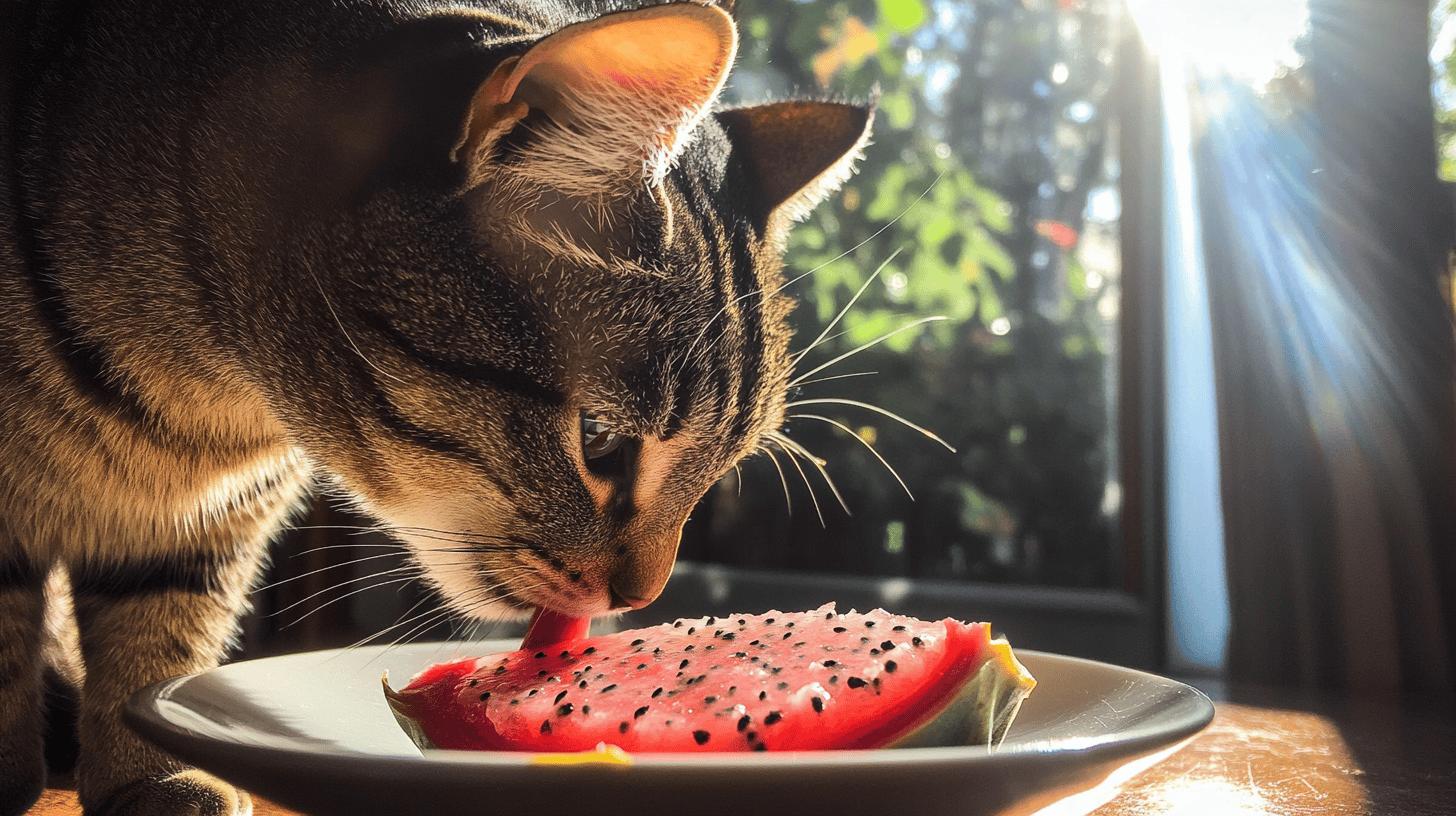
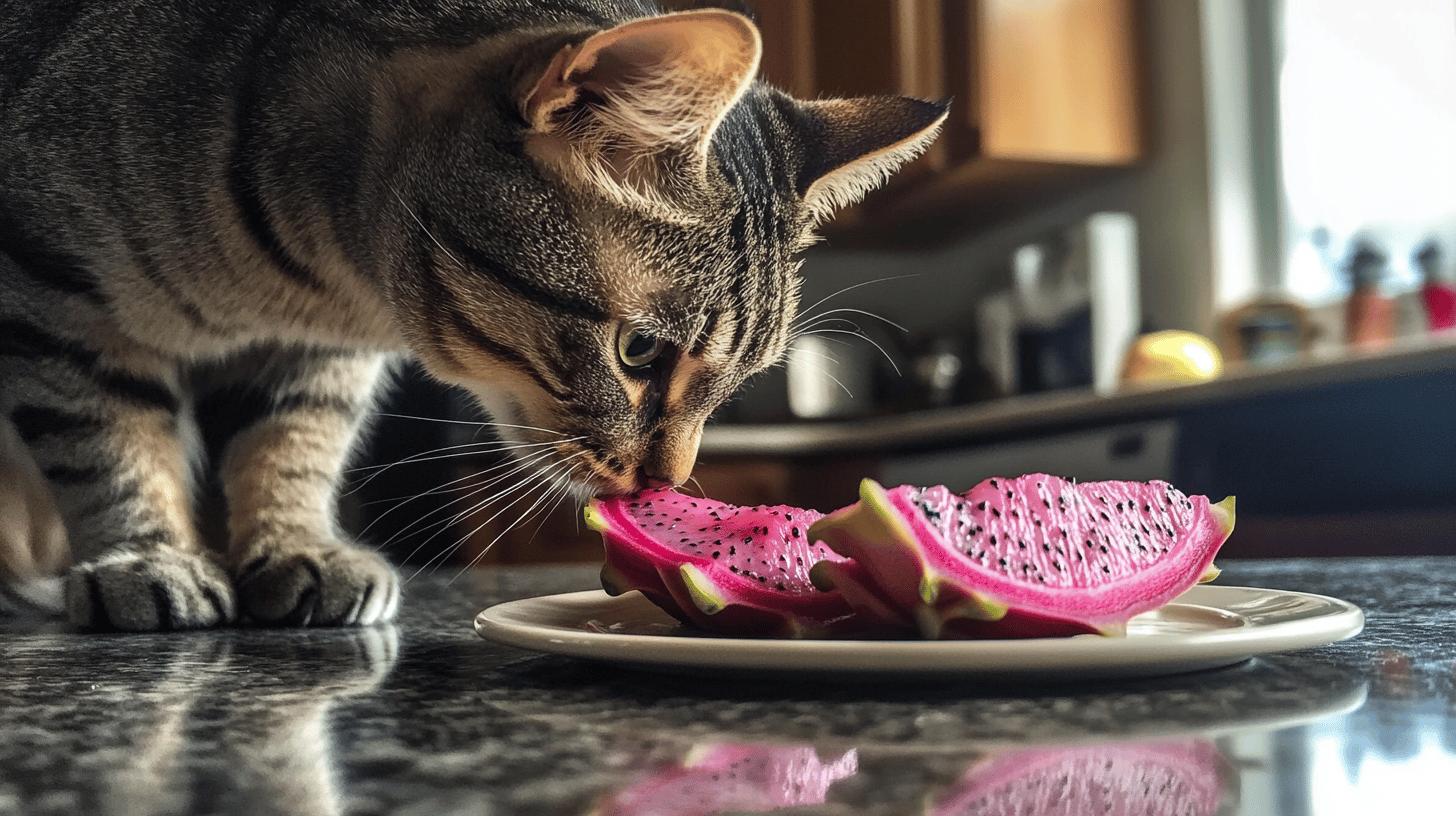
    Yes, cats can eat dragon fruit safely. According to the ASPCA, dragon fruit is non-toxic to cats, including both the plant and its fruit. It doesn't contain any harmful compounds that might jeopardize a cat's health. However, like with any treat outside their regular diet, moderation is key. A few bites of dragon fruit can be a fun, occasional treat, but it should never replace the animal proteins that are essential to their diet.

    Even though dragon fruit is safe, cats might not find it particularly appealing. The flesh of dragon fruit is low in calories and sweet, but sweetness isn't something cats detect. Cats lack taste receptors for sweetness, making it unlikely they will crave or show interest in eating dragon fruit. This means that while offering a small piece won't harm them, you might find your feline friend uninterested in this exotic fruit.

    Health Benefits and Risks of Dragon Fruit for Cats

    Health Benefits and Risks of Dragon Fruit for Cats-1.jpg

    Dragon fruit is packed with nutrients like vitamin C, fiber, and antioxidants, which can offer some health benefits for cats. Vitamin C supports the immune system, fiber aids digestion, and antioxidants help minimize free radical damage. While these nutrients are beneficial, remember that cats need animal proteins as their primary nutrition since they are obligate carnivores.

    Feeding your cat too much dragon fruit can pose potential risks:

    • Digestive issues: High fiber can lead to constipation or diarrhea.
    • Nutritional imbalance: Overconsumption can cause a lack of essential nutrients.
    • Choking hazards: Improperly prepared pieces might be a choking risk.
    • Allergic reactions: Though rare, gradual introduction is recommended.
    • Vitamin imbalances: Excessive fruit intake could disrupt vitamin levels.

    Moderation is key when offering dragon fruit to your cat. A small amount can be an occasional treat, but it should not replace the meat-based diet crucial for their health. Keep animal proteins at the core of their meals to ensure they receive all necessary nutrients, maintaining their well-being and happiness.

    Guidelines for Feeding Dragon Fruit to Cats

    Guidelines for Feeding Dragon Fruit to Cats-1.jpg

    When serving dragon fruit to your cat, proper preparation is crucial. Start by removing the seeds, as they might pose a choking hazard or lead to digestive issues. The skin of the dragon fruit is tough and not easily digestible, so peel it off and only offer the soft inner flesh. This way, you ensure your cat gets to taste a bit of this exotic treat without facing any unnecessary risks.

    Here are some safe feeding practices to follow:

    • Offer only small amounts at a time.
    • Gradually introduce dragon fruit to monitor any reactions.
    • Ensure all seeds are removed.
    • Remove the skin before serving.
    • Serve as an occasional treat, not a meal replacement.
    • Observe the cat for any signs of distress after eating.
    Feeding Practice Description
    Offer Small Amounts Give just a few bites to avoid digestive overload.
    Introduce Gradually Start with a tiny piece to check for tolerance.
    Remove Seeds Ensure all seeds are taken out before serving.
    Peel Skin Only the inner flesh should be given to cats.
    Treat, Not a Meal Use dragon fruit as a rare treat, not a diet staple.
    Monitor Reaction Watch for any adverse effects post-consumption.

    For practical tips, chop the fruit into bite-sized pieces to make it easier for your cat to eat. Doing so reduces the risk of choking and ensures that your cat can handle the texture. Always keep a close eye on your feline friend while they explore this new snack, and be ready to consult your vet if you notice any unusual behavior or digestive upset.

    Can Cats Eat Dragon Fruit?

    Comparing Dragon Fruit with Other Fruits for Cats-1.jpg

    Cats can enjoy a few fruits safely, which can serve as occasional treats. Blueberries, apples (without seeds), and bananas are generally safe fruits for cats to nibble on. These fruits provide some vitamins and fiber, but remember, they should only be given in small amounts. Watermelon (seedless) and strawberries are also considered cat-friendly, but always ensure they are fresh and prepared properly to avoid any digestive issues.

    Fruits to avoid due to toxicity include:

    • Grapes and raisins
    • Oranges
    • Lemons and limes
    • Cherries
    • Avocados

    While dragon fruit is safe for cats in moderation, it’s not particularly beneficial or appealing to them. Cats lack the receptors to taste sweetness, so they are unlikely to crave dragon fruit or other sweet fruits. Offering these fruits won't harm them, but don’t expect your cat to show much interest. Always maintain moderation when introducing any fruit, ensuring it complements rather than replaces their meat-based diet.

    Guidelines for Feeding Dragon Fruit to Cats

    Observing Reactions and Consulting Veterinarians-1.jpg

    Step Action
    Introduce Start with a small portion of dragon fruit. Offer it as an occasional treat, not a regular meal.
    Monitor Reaction Observe your cat for any signs of allergies or digestive issues. Common signs include:

    • Vomiting
    • Diarrhea
    • Excessive scratching or itching
    • Loss of appetite
    • Lethargy or unusual tiredness
    Consult a Veterinarian If your cat shows any adverse reactions, contact your vet immediately. Regular consultation can help tailor your cat’s diet to their specific needs.

    Consulting a veterinarian before adding new foods like dragon fruit is crucial. Professional guidance based on your cat’s health ensures that new treats won't disrupt their nutritional balance or cause health issues. Regular vet check-ups and open dialogue can keep your cat healthy when exploring new dietary options.

    Final Words

    Throughout this guide, we explored whether dragon fruit is safe for cats, highlighting its non-toxic nature. We touched on the health benefits, emphasizing moderation to avoid digestive upset. Practical feeding tips included removing seeds and skin, ensuring a hassle-free treat experience. We also compared dragon fruit to other fruits, identifying safe and unsafe options for cats.

    Ultimately, while cats can eat dragon fruit, it's not their favorite due to their inability to taste sweetness. Always observe your cat's reaction to new foods and consult a vet when in doubt, ensuring a healthy and enjoyable diet for your feline friend.

    FAQ

    Can cats eat dragon fruit raw?

    Cats can eat dragon fruit raw. It is non-toxic and safe when consumed in moderation. However, you should remove seeds and skin to avoid any digestive issues or choking hazards.

    Can cats drink dragon fruit juice?

    Cats can have small amounts of dragon fruit juice. Ensure it's pure and without added sugars or preservatives. Serve sparingly to avoid any digestive upset.

    Is dragon fruit safe for cats to eat, including seeds?

    Dragon fruit is safe for cats to eat, but remove the seeds. Seeds can pose a choking risk or cause digestive problems, so only offer the soft inner flesh.

    Is dragon fruit poisonous to cats?

    Dragon fruit is not poisonous to cats. It is considered non-toxic and safe in small amounts, but should not replace their regular meat-based diet.

    What fruits are toxic to cats?

    Fruits toxic to cats include grapes, oranges, lemons, cherries, and raisins. These can cause serious health issues and should be avoided entirely.

    What fruits can cats safely eat?

    Cats can eat bananas, apples (without seeds), blueberries, and pumpkin in moderation. These fruits provide some nutritional benefits without posing a risk to their health.

    Why do animals love dragon fruit?

    Animals may find dragon fruit appealing due to its texture or novelty. However, cats typically don’t have a sweet tooth and might not show much interest in it.

    Are there benefits to feeding dragon fruit to cats?

    Dragon fruit offers vitamin C, fiber, and antioxidants. While beneficial, it should be given in moderation and not as a replacement for a cat’s meat-based diet.

    Can dogs eat dragon fruit?

    Dogs can eat dragon fruit safely. Like with cats, ensure to remove the seeds and skin and serve in moderation to prevent any digestive issues.

    How do I know if my cat is having an allergic reaction to dragon fruit?

    Signs of an allergic reaction to foods like dragon fruit include vomiting, diarrhea, itching, or swelling. Consult your vet if any of these symptoms appear.

    Related Articles

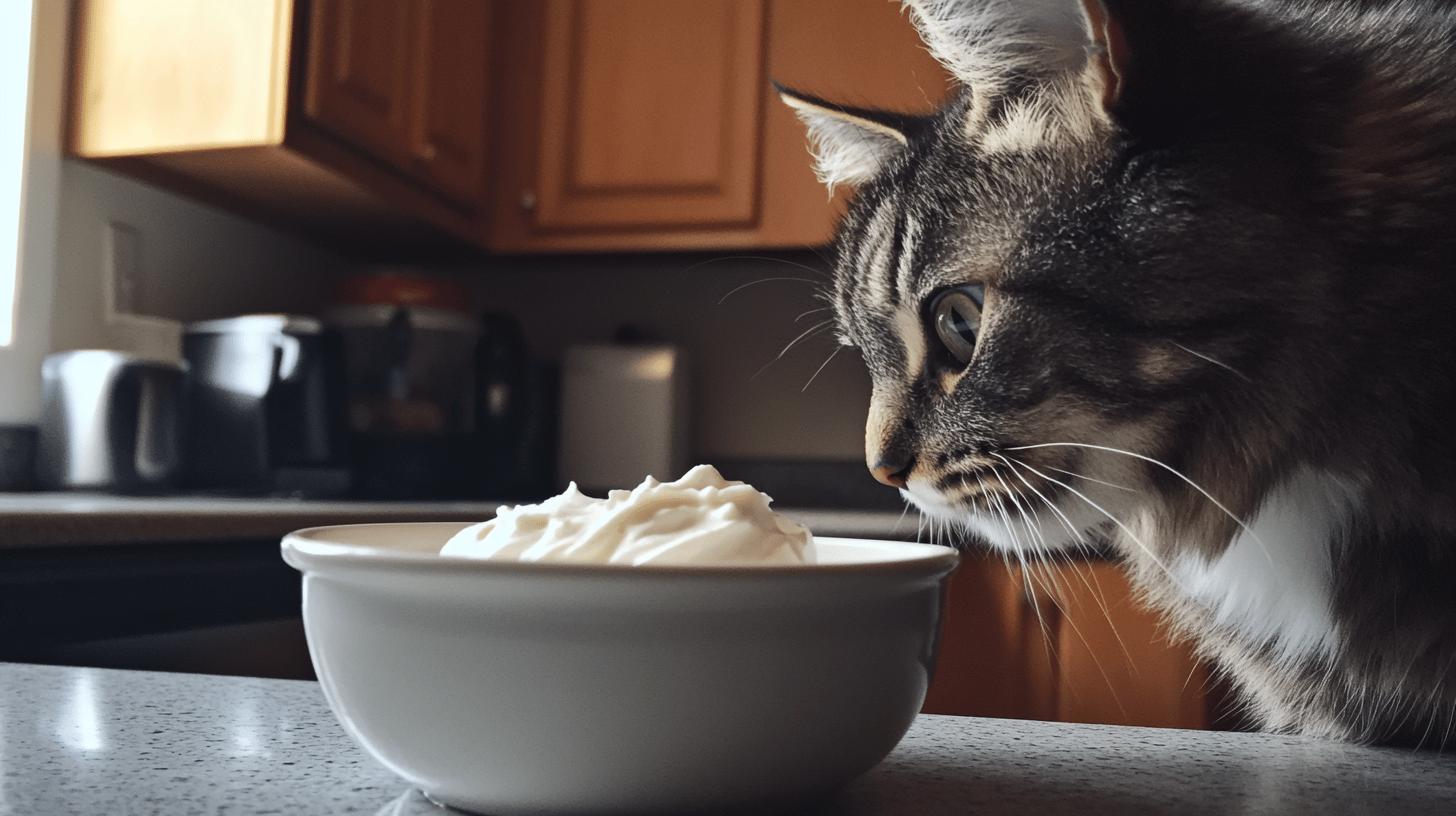
  • Can Cat Eat Whipped Cream Safely

    Can Cat Eat Whipped Cream Safely

    Ever wondered if whipped cream is a safe treat for your cat? It might seem harmless, but the reality is more complex. While not toxic, whipped cream's high lactose content can upset your cat's stomach, and the sugar and fat make it an unhealthy option. Many adult cats are lactose intolerant, which means indulging in whipped cream could lead to digestive problems. Before sharing this sweet treat with your furry friend, consider the potential health risks and learn why moderation is key. Let's explore the truth about cats and whipped cream.

    Can Cats Eat Whipped Cream?

    Alternatives to Whipped Cream for Cats-3.jpg

    Whipped cream may seem like a tempting treat to share with your feline friend, but it's important to consider whether it’s truly safe for them. While whipped cream is non-toxic for cats, it isn't an ideal treat due to its lactose content, which many adult cats struggle to digest. This can lead to lactose intolerance, causing various digestive issues. The combination of sugar and fat also makes it unsuitable as a regular part of their diet. While the occasional small taste might not harm your cat, it's crucial to monitor them for any adverse reactions that may follow.

    • Lactose intolerance in cats
    • Occasional small tastes recommended
    • Potential digestive upset
    • Non-toxic but not ideal
    • Monitor for adverse reactions

    Potential Health Risks of Whipped Cream for Cats

    Alternatives to Whipped Cream for Cats-4.jpg

    When considering the potential dangers of whipped cream for cats, the presence of added sugars and additives is a significant concern. These ingredients, often included to enhance flavor and texture, can be detrimental to a cat's health. Cats are obligate carnivores, meaning their bodies are not designed to process high sugar content. Consuming these sugars can lead to an increased risk of developing obesity and diabetes over time. Additionally, some whipped creams may contain artificial sweeteners like xylitol, which is toxic to cats and can cause severe reactions.

    Another health effect of whipped cream on cats is the potential for weight gain. Whipped cream is high in fat, which can contribute to obesity if consumed regularly. An overweight cat is at risk for numerous health issues, including joint problems, heart disease, and a reduced lifespan. The nutritional risks of whipped cream for cats are clear when considering the high-calorie content combined with minimal nutritional benefits. This can lead to an imbalance in their diet, further exacerbating weight-related concerns.

    Feeding whipped cream to cats can result in empty calorie intake, which is unsuitable for their dietary needs. Cats require a diet rich in meat-based protein and specific nutrients, none of which are provided by whipped cream. When cats consume foods like whipped cream that offer no real nutritional value, it can lead to deficiencies in essential nutrients. This lack of proper nutrition can impact their overall health, leading to a variety of health problems. It's crucial to stick to cat-friendly foods that support their well-being rather than indulging them in human treats like whipped cream.

    Alternatives to Whipped Cream for Cats

    Alternatives to Whipped Cream for Cats-1.jpg

    Cats might gaze longingly at your whipped cream-topped dessert, but there are safer alternatives that cater specifically to their dietary needs. Human foods like whipped cream can lead to digestive issues and long-term health risks due to their lactose and sugar content. Instead of indulging your furry friend with whipped cream, consider alternative treats that provide nutritional value without compromising their health. By selecting treats designed for cats, you can ensure that they enjoy a tasty snack while maintaining their well-being.

    Lactose-free dairy products offer a cat-friendly option without the digestive troubles associated with regular dairy. These products are less likely to cause upset stomachs and are more in tune with a cat’s dietary requirements. Additionally, cat-specific treats are formulated to support feline health, providing essential nutrients and flavors that cats love. Natural snacks, like freeze-dried meats or fish, are another excellent choice. They align with a cat's carnivorous nature and deliver a satisfying crunch without unnecessary additives.

    Alternative Description
    Lactose-free dairy Less likely to cause digestive issues
    Cat-specific treats Formulated for feline health
    Natural snacks Healthy and safe options

    What to Do If Your Cat Eats Whipped Cream

    What to Do If Your Cat Eats Whipped Cream-1.jpg

    If your cat happens to lap up some whipped cream, it's crucial to keep an eye on them for any changes. Most cats will experience increased gas or mild digestive discomfort, but they are generally not in serious danger from a small amount. This is primarily due to lactose intolerance, which can cause symptoms like gas and upset stomach. Always monitor your cat closely after they consume whipped cream to ensure they don't develop more severe symptoms.

    In situations where the whipped cream contains harmful additives, such as xylitol or other artificial sweeteners, immediate action is necessary. These ingredients can be toxic and may trigger severe reactions in cats. If you notice persistent symptoms or if your cat appears to be in distress, contacting a veterinarian is imperative. A vet can provide expert guidance and determine if further medical intervention is needed to ensure your cat's safety.

    • Monitor symptoms
    • Check for harmful ingredients
    • Contact vet if symptoms persist or worsen

    Final Words

    Deciding if your cat can eat whipped cream involves understanding several factors. Whipped cream is generally non-toxic but not recommended due to lactose and added sugars. It can lead to digestive issues or weight gain. Better alternatives include lactose-free treats and snacks made for cats.

    If your cat enjoys a small taste, watch for symptoms. Always consult your vet if needed. Keeping treats safe ensures your cat stays healthy and happy, offering peace of mind and joy during playtime.

    FAQ

    Can cats eat whipped cream?

    A: Cats can eat whipped cream in small amounts, but it's not ideal due to lactose intolerance and high sugar content. It's non-toxic, but better as an occasional treat to avoid digestive issues.

    Can cats have whipped cream from Starbucks?

    A: Whipped cream from Starbucks can be given in small tastes, but contains lactose and sugar, making it unsuitable for regular consumption. Monitor your cat for any adverse reactions.

    What happens if a cat eats whipped cream?

    A: If a cat eats whipped cream, it may experience digestive upset like gas or diarrhea. Watch for symptoms and ensure it doesn't contain harmful ingredients like xylitol.

    Can kittens eat whipped cream?

    A: Kittens can have even more sensitivity to whipped cream due to lactose. It's best to avoid giving them whipped cream and opt for kitten-safe treats instead.

    Can dogs eat whipped cream?

    A: Dogs can have whipped cream in moderation. However, check for harmful ingredients like xylitol which can be toxic to dogs. Monitor for any discomfort.

    Is whipped cream safe for pets?

    A: Whipped cream is generally safe in very small amounts, but not recommended due to lactose and sugars. Avoid if it contains artificial sweeteners toxic to pets.

    How much whipped cream can I give my cat?

    A: Cats should only get a tiny taste of whipped cream occasionally. Too much can lead to digestive upset due to lactose and sugar.

    Can whipped cream kill cats?

    A: Whipped cream is not likely to kill cats but can cause digestive issues. Ensure it doesn't contain toxic ingredients like xylitol to prevent serious harm.

    Whipped cream for cats recipe?

    A: There is no specific recipe for cat-safe whipped cream. Consider lactose-free dairy or cat-specific treats as safer alternatives instead.

    Cream for cats to eat?

    A: Look for lactose-free or cat-specific creams that won't cause digestive upset. Avoid regular creams with high lactose and additives.

    What to do if your cat eats whipped cream?

    A: If your cat eats whipped cream, monitor for symptoms like gas or diarrhea. Check the ingredient list for harmful items, and contact a vet if issues persist.

    Related Articles

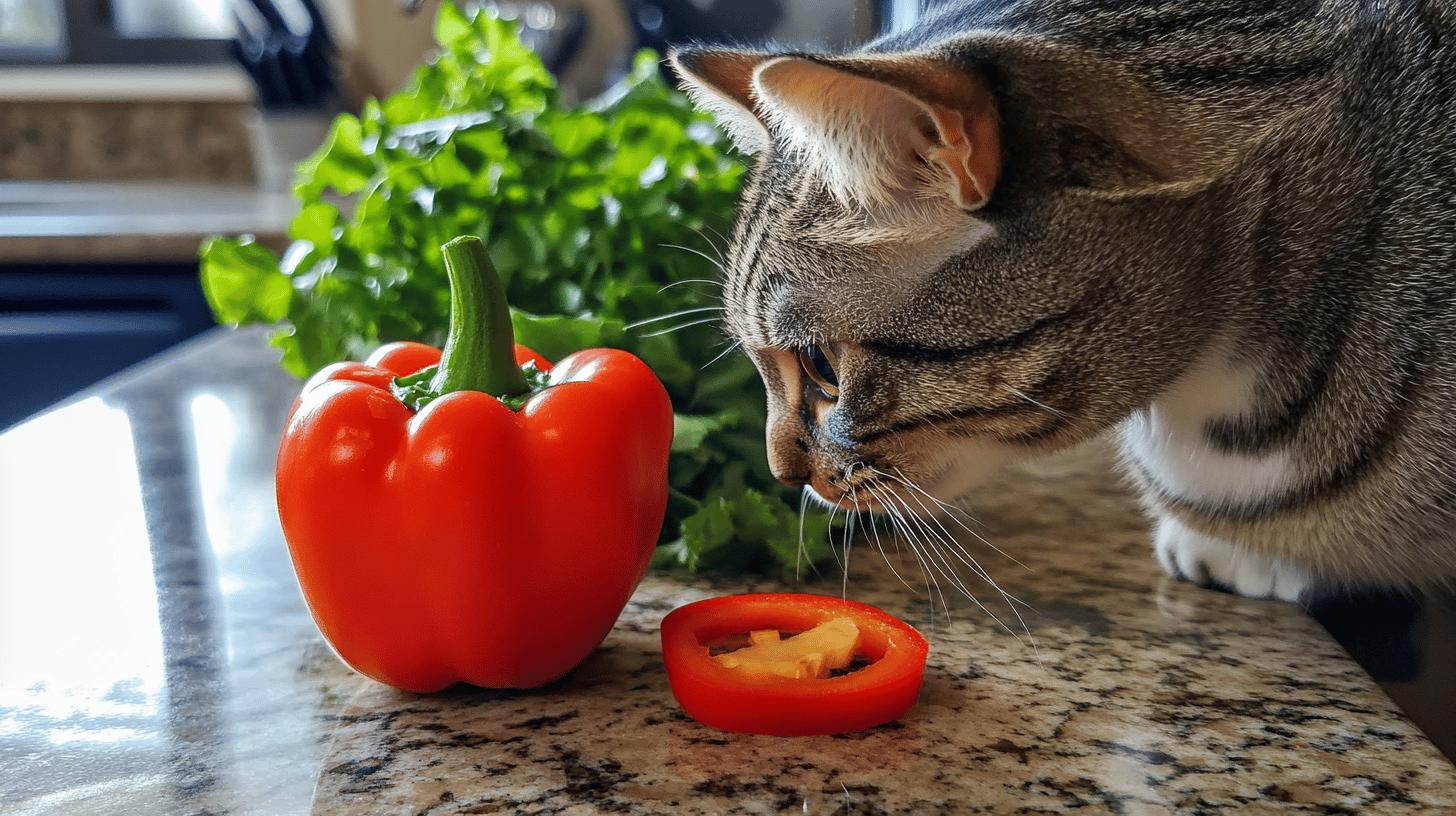
  • Can Cat Eat Bell Pepper Safely and How to Prepare Them

    Can Cat Eat Bell Pepper Safely and How to Prepare Them

    Can bell peppers and cats mix safely? It’s a question many cat owners ponder. Bell peppers are colorful and packed with nutrients for humans, but can they offer any benefits to our feline friends? If you’re curious about feeding your cat these crunchy veggies, the good news is that small amounts are safe. In this article, I’ll guide you through the safe preparation of bell peppers for cats and ensure a pleasant, risk-free experience for your pet. Discover how to add a burst of color to your cat’s occasional treats!

    Can Cats Eat Bell Peppers Safely and How to Prepare Them?

    Can Cats Eat Bell Peppers Safely and How to Prepare Them-1.jpg

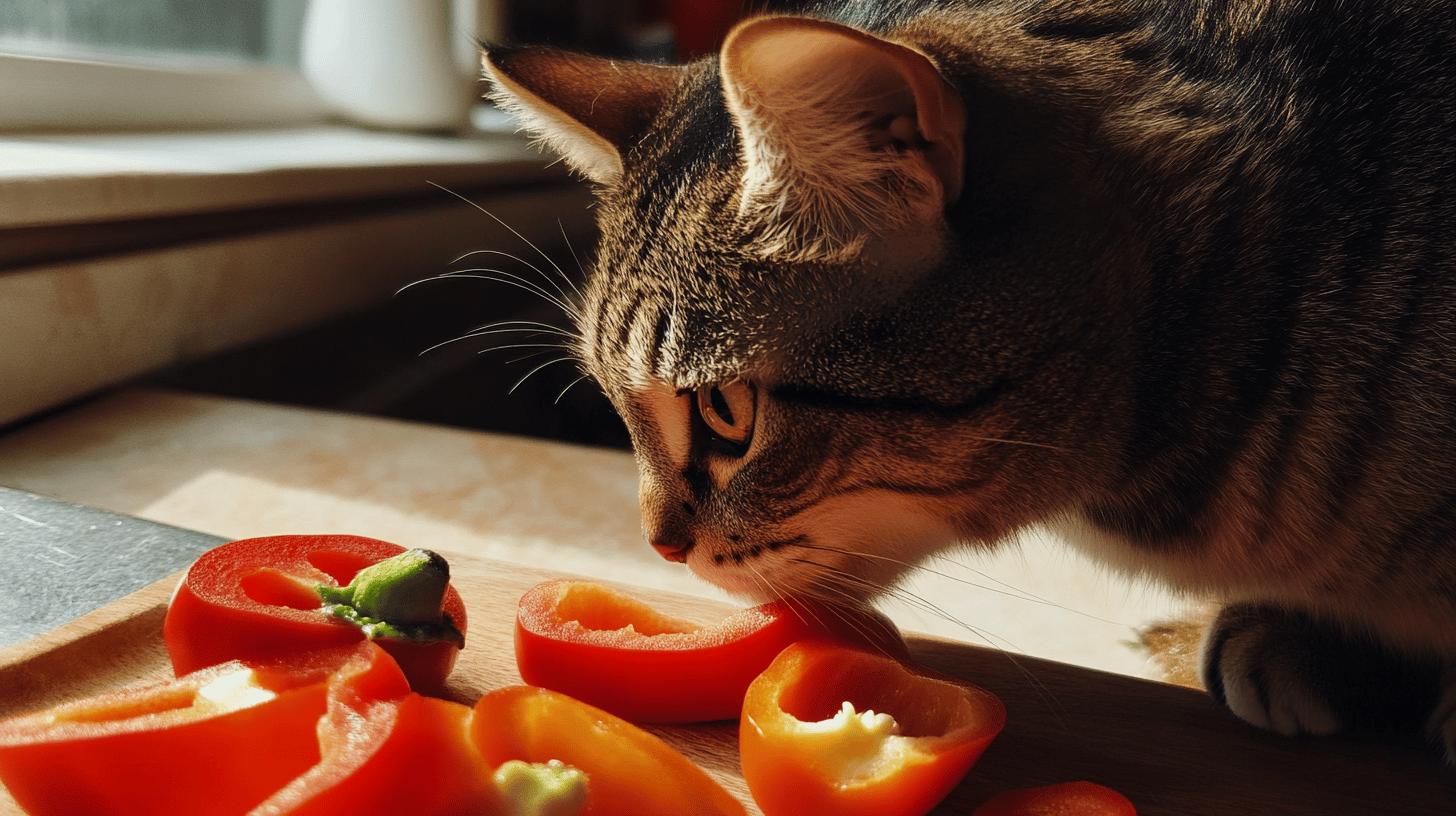
    Cats can safely eat bell peppers, but only in small amounts. These colorful vegetables are non-toxic to our feline friends and can be offered as an occasional treat. While cats are obligate carnivores, a tiny bit of bell pepper won't harm them. It’s important to remember that bell peppers should only be a rare snack and not a regular part of their diet.

    When giving bell peppers to your cat, follow these safety and preparation guidelines to ensure a pleasant experience for your pet:

    • Portion Size: Offer only a small piece, about the size of a thumbnail, to avoid overfeeding.
    • Frequency: Serve bell peppers no more than once or twice a week.
    • Preparation: Wash the bell pepper thoroughly to remove any pesticides or dirt.
    • Cooking Method: Boil the bell pepper to soften it and reduce the risk of choking.
    • Serving Style: Serve plain, without any added seasonings, oils, or dressings.
    • Observation: Monitor your cat after eating to watch for any adverse reactions.

    While bell peppers are generally safe, there are some risks to consider. The firm and chewy texture can pose a choking hazard, especially if the pieces are too large or not softened through boiling. Always avoid adding any seasonings, as ingredients like onions or garlic are toxic to cats. If your cat shows any signs of discomfort or allergic reactions, such as itching or digestive issues, discontinue feeding bell peppers and consult a veterinarian. By following these guidelines, you can safely introduce bell peppers as a small, occasional treat in your cat’s diet.

    Nutritional Value of Bell Peppers for Cats

    Nutritional Value of Bell Peppers for Cats-1.jpg

    Bell peppers are packed with a variety of nutrients that are beneficial to humans, but their impact on cats is quite different. An 80-gram serving of bell pepper contains about 17 calories, 0.6 grams of protein, 0.2 grams of fat, and 3.4 grams of carbohydrates. They also offer 1.8 grams of fiber, 173 milligrams of potassium, 60 micrograms of folate, and a notable 101 milligrams of vitamin C. While these components seem promising, their significance shifts when considering a cat's dietary needs.

    Cats are obligate carnivores, meaning their diet is primarily based on meat, and they derive their essential nutrients from animal sources. The vitamins and minerals found in bell peppers aren't necessary for cats because they don't metabolize plant-based nutrients as efficiently as humans do. For instance, while vitamin C is an important antioxidant for humans, cats naturally produce it in their bodies, making external sources like bell peppers redundant.

    Despite their limited role in a cat's diet, bell peppers can offer some minor health benefits. Vitamins A and C, though not essential, can contribute to overall well-being in small ways. Vitamin A supports vision and immune health, while the fiber in bell peppers might aid in digestion. However, these benefits are minimal, and a balanced diet rich in high-quality cat food will adequately meet a cat's nutritional requirements. Bell peppers can be a fun, occasional treat, but they should never replace the primary components of a cat's diet.
    Monitoring Cat Behavior and Recognizing Food Allergies

    Monitoring Cat Behavior and Recognizing Food Allergies-1.jpg

    When introducing new foods like bell peppers to your cat, it's crucial to keep an eye out for any allergic reactions. Cats can be sensitive creatures, and even non-toxic foods can cause issues for some. Common symptoms of food allergies in cats include itching, swelling, and digestive problems such as vomiting or diarrhea. It's essential to monitor your cat's behavior closely after introducing bell peppers or any new food to ensure they do not experience discomfort or adverse reactions.

    If you suspect your cat is having an allergic reaction or experiencing negative symptoms after eating bell peppers, consider these steps:

    • Stop Feeding the Food: Immediately discontinue giving bell peppers if any symptoms occur.
    • Observe Your Cat: Keep a close watch on your cat for a few hours to see if symptoms worsen or improve.
    • Consult a Veterinarian: If symptoms persist or are severe, it's important to contact your vet for advice.
    • Note the Reaction: Write down the symptoms and any other foods your cat recently consumed for future reference.
    • Avoid Reintroduction: Do not reintroduce bell peppers without consulting a vet, especially if your cat had a strong reaction.

    Symptoms like excessive drooling, pawing at the mouth, or changes in behavior could indicate discomfort or distress after eating bell peppers. If your cat consumes too much, they may experience more severe digestive issues that require veterinary attention. Some cats are more prone to stomach upset with bell peppers and should avoid them entirely. Always err on the side of caution and seek professional advice if you're unsure about your cat's symptoms.

    Introducing new foods to your cat's diet should always be done cautiously. Start with small amounts and gradually observe how your cat reacts. Not every cat will have the same tolerance for new foods, and some may develop allergies over time. By monitoring your cat and being attentive to changes in their behavior or health, you can ensure a safe and happy diet experience.

    The Role of Bell Peppers in a Cat's Diet

    The Role of Bell Peppers in a Cats Diet-1.jpg

    Bell peppers aren't necessary for a cat's diet. Cats are obligate carnivores, needing animal proteins to thrive. Occasionally, a small piece of bell pepper can be a fun treat. But it should never replace high-quality cat food.

    Red bell peppers have more vitamin C and beta carotene than green or yellow ones. While these vitamins are good for humans, cats don't need them. They produce their own vitamin C naturally.

    Focus on a balanced diet that meets cats' nutritional needs. Quality cat food is key to their health. Bell peppers can be a novelty treat, not a staple.

    Final Words

    Feeding your cat bell peppers is safe as long as it's done sparingly. They can be a fun, rare treat when prepared correctly. Bell peppers should be boiled and offered in small, plain pieces to avoid any choking hazards. They are not essential for cats since their diet mainly needs proteins. While they can offer some vitamins, their nutritional benefits are limited. Always watch your cat for any signs of allergies or discomfort after trying new foods. Giving your cat an occasional taste of bell peppers can be a safe and enjoyable experience.

    FAQ

    Can cats eat bell peppers?

    Cats can eat bell peppers in small amounts. They are non-toxic and can be a rare treat. Serve them in small pieces, either raw or boiled without seasonings, to avoid choking hazards.

    Are bell peppers toxic to cats or other pets?

    Bell peppers are not toxic to cats or pets. Always serve them plain and in small portions to avoid any potential issues. Other foods like onions and garlic are toxic and should be avoided.

    Can cats eat bell pepper seeds?

    It's best to avoid feeding cats bell pepper seeds. Seeds might pose a choking hazard or cause digestive upset. Always remove seeds before giving bell peppers to cats.

    Can cats eat other vegetables such as tomatoes or cucumbers?

    Cats can safely eat small amounts of cucumber, but avoid tomatoes, as they can be toxic. Always introduce new foods slowly and monitor for adverse reactions.

    Can cats eat chili peppers, pepper, and salt?

    Cats should not consume chili peppers, pepper, or salt. Spicy and seasoned foods can irritate their stomachs and lead to digestive issues.

    What aren't cats allowed to eat?

    Cats should not eat onions, garlic, chocolate, caffeine, and alcohol. These foods are toxic and can cause severe health problems. Always ensure treats are cat-safe.

    Can cats eat corn?

    Cats can eat corn in moderation. It's generally safe but offers little nutritional value. Ensure it's plain, without added butter or salt. Monitor for any digestive issues.

    Are peppers toxic to pets in general?

    Peppers are not toxic to most pets when served plain and in small amounts. Always consult with a vet if unsure about specific foods for pets.

    Related Articles

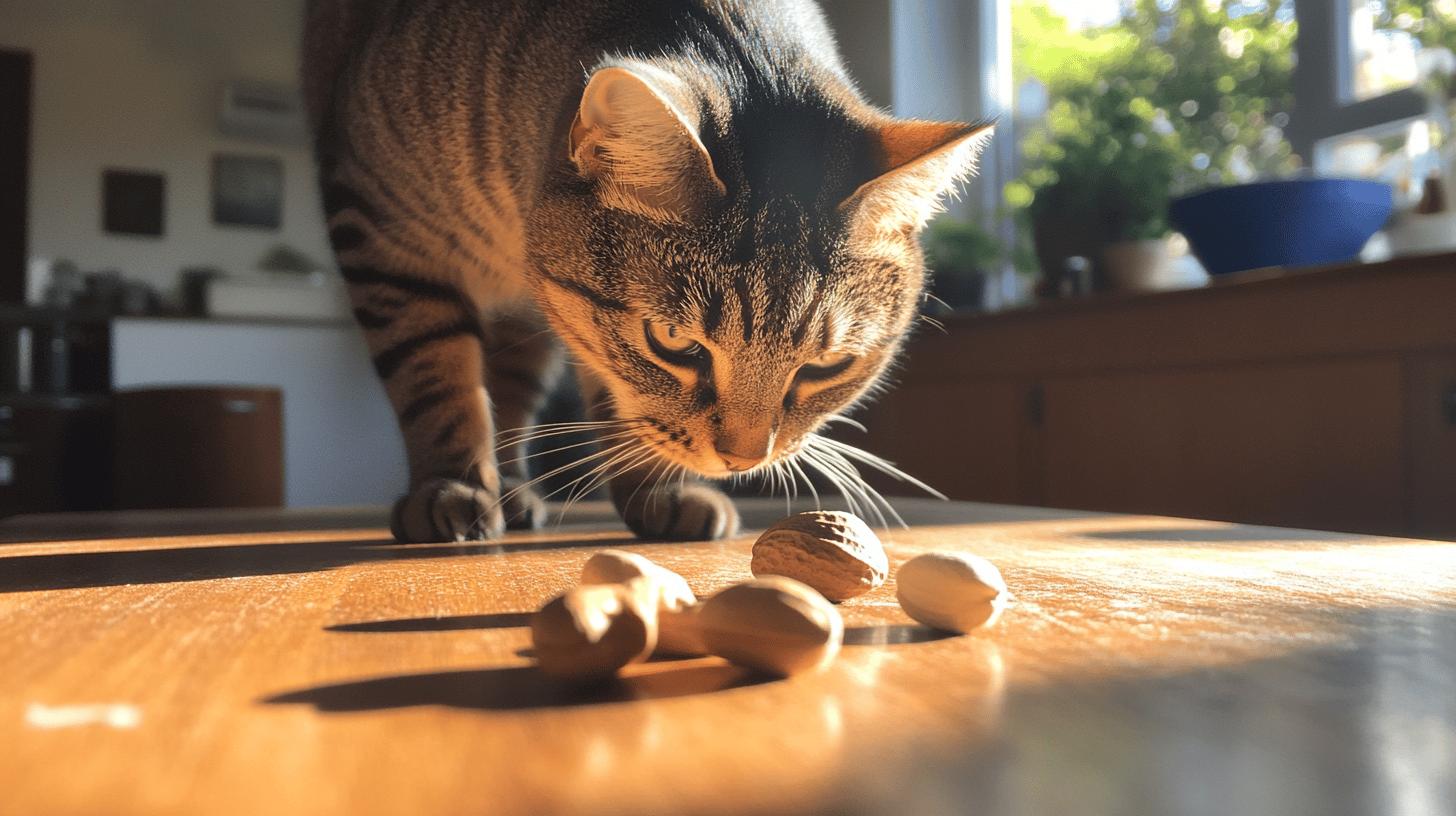
  • Can Cat Eat Cashew Understanding the Risks and Nutritional Concerns

    Can Cat Eat Cashew Understanding the Risks and Nutritional Concerns

    Can cats eat cashews safely? Not really. While cashews aren’t acutely toxic like chocolate or grapes, they contain compounds and nutrients that make them inappropriate for cats. The most interesting risk factor: the shell compound is in the same chemical family as poison ivy. This guide covers cashew-specific compounds, different forms of cashews and their risks, and why the fat content is particularly problematic.

    What’s Actually in a Cashew: Compounds That Concern Vets

    Urushiol (The Poison Ivy Compound): This is the most interesting and underappreciated risk in cashews. Urushiol is present in cashew shells and the thin layer between the shell and the nut itself. It’s the same compound that causes allergic reactions in poison ivy and poison oak. Commercial cashews are heat-treated (roasted) to remove most urushiol, but trace amounts may remain on processed nuts or in the oils.

    For most cats, trace urushiol from commercial cashews is not acutely toxic. However, if your cat has sensitivity to urushiol (some do, just like some humans are more reactive to poison ivy), exposure can cause skin irritation, mouth irritation, or GI distress. This varies individual to individual.

    Anacardic Acid: Another compound in the cashew shell and nut. It has antimicrobial and antioxidant properties in humans, but in cats, it contributes to the cumulative irritant effect. Anacardic acid is partially destroyed by roasting but some remains in the nut.

    Oxalic Acid: Present in cashews at moderate levels. Oxalates interfere with calcium absorption and can contribute to mineral imbalances in cats. Regular cashew feeding (if that were to happen) could create problems over time.

    Fat Content (44% of cashew weight): Cashews are roughly 44% fat. nearly half their weight. For context, cooked chicken is 3-5% fat. The fat in cashews is primarily unsaturated fat (not inherently toxic), but the quantity is the issue. Cats eating high-fat foods are at risk for pancreatitis. inflammation of the pancreas that can be life-threatening.

    The combination of urushiol, anacardic acid, oxalates, and extreme fat density makes cashews fundamentally inappropriate for cats, even in small amounts.

    Cashew Forms: Ranked by Risk for Cats

    Raw Cashews with Shell (Highest Risk): Urushiol content is at maximum. The shell itself is not edible, but fragments and the layer beneath the shell contain full-strength urushiol. If your cat ate a raw cashew with shell, contact your vet. this is the highest-risk scenario.

    Roasted Unsalted Cashews (Moderate Risk): Heat treatment reduces but does not eliminate urushiol. Fat content is still 44%. Safe to say “no,” but if your cat ate one or two, monitoring is sufficient in most cases. Watch for mouth irritation, vomiting, or diarrhea.

    Roasted Salted Cashews (Moderate-High Risk): Same urushiol/fat concerns as unsalted, plus added sodium. Excess salt can cause hypernatremia (dangerously high blood sodium) in cats. Avoid entirely.

    Cashew Butter (High Fat Concentration): Cashew butter is essentially the nut oils and solids concentrated. The fat density is even higher than whole cashews. Choking hazard due to thickness and stickiness. Pancreatitis risk is significant. Do not feed.

    Honey Roasted or Candied Cashews (Toxic Risk): Added sugars, honey coating, and often glycerin (xylitol risk). This is the most dangerous form. Do not let cats near these.

    Cashew Milk (Non-Dairy Alternative): Made by blending cashews with water and straining. Lower fat density than whole cashews (typically 2-3% fat), but often contains added emulsifiers (guar gum, carrageenan) and thickeners that can upset sensitive cat stomachs. Also high in unnecessary carbohydrates. Not recommended.

    Fat Overload: The Pancreatitis Risk

    Pancreatitis. inflammation of the pancreas. is a serious, sometimes life-threatening condition in cats. Cats are particularly susceptible to pancreatitis from high-fat meals. Unlike dogs, cats can develop pancreatitis from even a single high-fat exposure or from cumulative low-level fat overload.

    How Pancreatitis Develops: The pancreas secretes digestive enzymes and produces insulin. When a cat eats a very high-fat food, the pancreas works overtime to produce lipase (the enzyme that breaks down fat). This overwork can trigger inflammation of the pancreatic tissue itself.

    Acute Pancreatitis Symptoms (appear within hours to 2 days):

    • Vomiting (often severe, repeated)
    • Lethargy or depression (cat seems sick)
    • Loss of appetite (not interested in food)
    • Abdominal pain or tenderness (hunched posture, reluctance to be touched)
    • Diarrhea (may be bloody)
    • Dehydration (dry gums, loss of skin turgor)

    Chronic Pancreatitis Symptoms (develop over weeks/months):

    • Recurring vomiting or diarrhea
    • Weight loss despite normal appetite
    • Chronic lethargy
    • Poorly controlled diabetes (if present)

    Pancreatitis is diagnosed via blood tests (elevated amylase and lipase) and ultrasound imaging. Treatment is supportive (fluids, anti-nausea medication, pain management) and prevention of future high-fat exposures.

    Bottom Line: One cashew is unlikely to cause pancreatitis in a healthy cat. However, regular cashew feeding or a cat with predisposition to pancreatitis eating even one cashew is risky. If your cat ate a cashew and shows vomiting or abdominal pain within 24 hours, contact your vet. this may be pancreatitis.

    If Your Cat Ate Cashews: What to Do

    One to Two Unsalted Roasted Cashews: Monitor for 24-48 hours. Watch for vomiting, diarrhea, mouth irritation, or abdominal discomfort. Most cats show no symptoms. If your cat is symptom-free after 48 hours, no vet visit needed.

    Multiple Cashews or Salted Cashews: Monitor closely. Higher fat and salt load. If vomiting, diarrhea, or lethargy develops, vet visit is recommended. Mention the salt content and amount eaten.

    Raw Cashews with Shell or Honey Roasted: Vet contact is recommended due to urushiol risk or potential toxins. Provide: amount eaten (estimate), form (roasted, raw, candied), time ingested, any symptoms observed. Your vet may recommend bloodwork to monitor pancreatic enzymes and lipid levels.

    Cashew Butter: High fat exposure. If more than a lick was ingested, monitor for pancreatitis symptoms (vomiting, lethargy, abdominal pain). Contact vet if any of these appear.

    Long-Term Metabolic Effects and Cumulative Risk

    While a single cashew exposure is unlikely to cause acute pancreatitis in a healthy cat, the real risk lies in cumulative exposure and metabolic burden over time. Cats that are regularly exposed to high-fat foods, including cashews, develop metabolic stress that accumulates across months and years.

    Lipid Metabolism in Cats: Cats have a fundamentally different metabolic architecture than humans or even dogs. They lack certain liver enzymes that help break down excess dietary fat. When a cat consumes high-fat foods like cashews, the pancreatic system must work significantly harder to produce the necessary digestive enzymes. This chronic overwork increases inflammation in pancreatic tissue, gradually lowering the threshold at which acute pancreatitis can be triggered.

    Metabolic Memory: Recent feline metabolism research suggests that cats’ pancreatic systems develop a form of metabolic memory. Repeated high-fat exposures create a primed inflammatory state. A cat that has been fed cashews or other high-fat table foods multiple times is at higher risk from a subsequent exposure, even months later, than a cat with no prior history.

    Long-term consequences include insulin dysregulation, weight gain despite normal appetite, and increased diabetes risk. For senior cats (over 10 years), the metabolic burden is even more significant.

    Final Words

    Cashews are not toxic in the way grapes or chocolate are, but they’re inappropriate nutrition for cats. The combination of urushiol (poison ivy family), oxalates, anacardic acid, and extreme fat content makes them a “just don’t” food. If your cat accidentally ate a small amount of roasted unsalted cashews, calm monitoring is fine. If they ate raw cashews, salted varieties, or cashew butter, contact your vet. the risks are more significant.

    The interesting part of cashew risk is the urushiol compound. it’s not widely discussed in pet nutrition but is worth knowing about. Most cats won’t have sensitivity, but some will, and there’s no way to know without exposure.

    FAQ

    Can cats eat cashews?

    Not recommended. Cashews contain urushiol (poison ivy family), oxalates, and extremely high fat (44%). pancreatitis risk is significant.

    Are cashews toxic to cats?

    Not acutely toxic like grapes, but contain compounds (urushiol, anacardic acid, oxalates) and nutrients (fat) that make them risky, especially at high doses.

    What happens if a cat eats a cashew?

    Usually nothing. One small cashew causes no acute symptoms in most healthy cats. Monitor for vomiting, diarrhea, or abdominal discomfort. If symptoms appear, contact your vet. may indicate pancreatitis.

    Can cats eat cashew butter?

    No. Cashew butter is concentrated fat (pancreatitis risk) and a choking hazard. Avoid entirely.

    Can cats eat cashew milk?

    Not ideal. Lower fat than whole cashews, but contains additives (guar gum, carrageenan) that upset sensitive stomachs. Not recommended.

    Is cashew or peanut better for cats?

    Neither. Both are high-fat, both pose choking/pancreatitis risks. Peanuts lack urushiol but have similar fat and nutritional issues. Avoid both.

    What nuts are safe for cats?

    Honestly, nuts are not recommended for cats. If you must offer a nut, macadamia nuts are toxic, almonds/walnuts are choking hazards and high-fat. Plain, cooked chicken is a far better treat.

    Related Articles

    Fat Content and Pancreatic Risk

    Cashews are roughly 49% fat by weight, making them particularly problematic for cats prone to pancreatitis. Pancreatitis (inflammation of the pancreas) is a serious condition in cats that can range from mild to severe, and high-fat foods are a known trigger. Some cats recover fully with supportive care; others develop chronic pancreatitis that requires lifelong dietary management. If your cat has any history of pancreatitis, GI sensitivity, or digestive upset, cashews and other high-fat nuts should be completely avoided.

  • Can Cat Eat Bones Safely and What You Need to Know

    Can Cat Eat Bones Safely and What You Need to Know

    Are you wondering if your cat can safely munch on bones? It's a question that gets many cat owners scratching their heads. While bones can provide essential nutrients and help keep teeth clean, feeding them to your cat isn't as straightforward as it seems. Cooked bones can pose serious risks like splintering, while raw bones can still carry their own dangers, yet offer benefits. In this post, we'll explore the safe way to incorporate bones into your cat's diet, ensuring both their enjoyment and wellbeing.

    Can Cats Safely Eat Bones?

    Can Cats Safely Eat Bones-1.jpg

    Cats can eat some types of bones, but it's crucial to consider the kind and preparation. Cooked bones are generally unsafe because they can splinter and cause severe internal injuries, like choking or blockages. On the other hand, raw bones can offer nutritional benefits such as calcium and help with dental health. However, they should be given with caution to prevent potential bacterial infections. The key is moderation and careful selection to ensure the cat's safety.

    Here's a quick rundown of common bones and their safety for cats:

    1. Chicken Bones:

      • Cooked: Unsafe due to splintering risks.
      • Raw: Safer but should be supervised.
    2. Beef Bones:

      • Cooked: Unsafe and hard on teeth.
      • Raw: Can be safe if large enough not to swallow.
    3. Pork Bones:

    • Cooked: Unsafe; risks are similar to chicken bones.
    • Raw: Not recommended due to the risk of parasites.
    1. Turkey Bones:

      • Cooked: Unsafe, similar issues as chicken bones.
      • Raw: Can be safe in small amounts.
    2. Fish Bones:

      • Generally unsafe, as they are small and can cause choking or digestive issues.

    When feeding bones, it's important to monitor the cat closely and choose the right type. Raw bones should be an occasional treat and should not make up more than 7-10% of a cat's daily intake. Always supervise your cat while they're chewing on bones to prevent any accidents.

    Understanding the Risks: Cooked vs. Raw Bones for Cats

    Understanding the Risks Cooked vs Raw Bones for Cats-1.jpg

    Bone Type Cooked Risks Raw Risks
    Chicken Bones Splintering, choking, internal injuries Bacterial contamination
    Beef Bones Hard, can break teeth, splintering Large, potential to choke if swallowed whole
    Pork Bones Splintering, choking, similar to chicken Parasites, bacterial risks
    Fish Bones Small, easily cause choking Rarely given raw, potential choking

    To safely introduce bones into a cat's diet, focus on moderation and supervision. Always choose raw bones over cooked ones and ensure they are fresh and appropriately sized. Monitor your cat while they chew to prevent any accidents. Consider supplementing their diet with safer options like bone broth to provide similar nutritional benefits without the associated risks.

    Recognizing Symptoms and Taking Action if Your Cat Ate a Bone

    Recognizing Symptoms and Taking Action if Your Cat Ate a Bone-1.jpg

    If your cat has eaten a bone, it's crucial to be aware of the symptoms that can indicate a problem. Watch for signs like coughing, gagging, or choking, which can suggest that the bone is causing harm. Other symptoms might include vomiting, drooling, or showing signs of distress. These could mean the bone is lodged in the throat or causing an obstruction in the digestive tract. Keep an eye on any changes in your cat's behavior or appetite, as these can also signal an issue.

    If you suspect your cat has ingested a bone, follow these six steps to ensure their safety:

    1. Observe Your Cat: Keep a close watch on their behavior and note any symptoms.
    2. Ensure Access to Water: Make sure your cat has plenty of fresh water available to help with any digestive discomfort.
    3. Do Not Induce Vomiting: This can cause more harm by moving the bone to a more problematic area.
    4. Check for Visible Signs: Look inside the mouth to see if the bone is visible and can be safely removed.
    5. Limit Physical Activity: Keep your cat calm to avoid further injury or distress.
    6. Contact a Veterinarian: If symptoms persist or worsen, reach out to a vet immediately.

    Veterinary care is critical in these situations. A vet can perform diagnostic tests, such as X-rays, to locate bone fragments and assess any potential obstructions. They will guide you on the best course of action, whether it's monitoring at home or bringing your cat in for treatment. Prompt and proper care can prevent serious complications and ensure your cat's well-being.

    Understanding the Risks

    Benefits and Drawbacks of Raw Bones for Cats-1.jpg

    Feeding raw bones to cats can offer nutritional benefits, such as providing essential calcium and promoting dental health by reducing plaque and strengthening gums. However, it's crucial to remember that raw bones should be an occasional treat, comprising no more than 7-10% of a cat's daily caloric intake. This ensures a balanced diet while satisfying a cat's instinctual chewing needs.

    • Nutrient Provision: Supplies calcium and phosphorus.

    • Dental Health: Helps clean teeth and strengthen gums.

    • Natural Behavior: Satisfies instinctual chewing needs.

    • Enrichment: Provides mental stimulation through chewing activity.

    • Bacterial Risks: Potential exposure to salmonella or E. coli.

    • Choking Hazards: Risk of small bone fragments causing obstructions.

    • Digestive Issues: Potential for hard bones to cause gastrointestinal distress.

    To safely feed raw bones, choose fresh and appropriately sized bones and supervise your cat while they chew. This minimizes choking risks and ensures they don't consume harmful fragments. Always source high-quality bones from reputable suppliers to reduce the risk of bacterial contamination. By adhering to these practices, you can offer your cat the benefits of raw bones while minimizing potential dangers.

    Alternatives to Bones: Safe Chewing Options for Cats

    Alternatives to Bones Safe Chewing Options for Cats-1.jpg

    For cat lovers looking to provide the benefits of bone chewing without the associated risks, there are plenty of safe alternatives. Specially designed cat chew toys and natural chews offer a great way to support dental health and satisfy your cat's natural urge to chew. These options eliminate the hazards of splintering bones and the potential for choking or digestive issues. By choosing safer alternatives, you can still promote healthy teeth and gums while ensuring your cat's safety.

    Here are five safe chewing options for your feline friend:

    1. Cat Chew Toys: Durable toys designed to withstand chewing and help clean teeth.
    2. Dental Chews: Edible chews specifically made for cats to aid in dental hygiene.
    3. Catnip-Infused Toys: Encourage play and chewing while providing dental benefits.
    4. Rubber Chew Toys: Sturdy toys that massage gums and reduce plaque.
    5. Freeze-Dried Treats: Natural meat treats that are safe to chew and digest.

    Maintaining your cat's dental health is crucial, and these alternatives offer a practical way to do so without the risks of feeding bones. Regular chewing with safe toys helps reduce plaque buildup and keeps your cat's gums healthy. By incorporating these alternatives into your cat's routine, you ensure they receive the dental benefits they need while keeping them entertained and safe.

    Final Words

    Understanding whether cats can eat bones safely is essential. Cooked bones pose significant dangers due to splintering, while raw bones can offer benefits but require careful handling to avoid bacterial risks. Recognizing symptoms and taking swift action if your cat ingests a bone are crucial steps for any cat owner. Despite the benefits of raw bones, moderation and supervision are key. Safe alternatives like chew toys provide excellent options for dental health without the associated risks of actual bones. Keeping these insights in mind ensures your cat enjoys a safe and satisfying playtime experience.

    FAQ

    Can cats eat bones of chicken?

    Cats can eat some chicken bones, but not cooked ones. Cooked bones are dangerous as they can splinter and cause harm. Raw bones are safer, but should be given with caution.

    Can cats eat bones raw?

    Cats can eat raw bones safely. Raw bones offer nutritional benefits and are less likely to splinter. It's important to supervise and ensure the bones are appropriate for their size.

    What to do if my cat ate cooked chicken bones?

    If your cat ate cooked chicken bones, observe for symptoms like choking or distress. Contact a veterinarian immediately if any symptoms appear, as cooked bones can splinter and cause internal injury.

    Can cats eat bones of fish?

    Cats can eat fish bones if they are raw. Cooked fish bones can splinter and should be avoided. Ensure they are an appropriate size to prevent choking.

    Symptoms of cat eating chicken bones

    Symptoms include coughing, gagging, choking, or signs of distress. Monitor your cat closely and seek veterinary help if you notice these symptoms.

    Can cats eat cooked bones?

    Cats should not eat cooked bones. Cooked bones can splinter, leading to choking or internal injury. Raw bones are safer alternatives when prepared correctly.

    What happens if a cat eats a bone?

    If a cat eats a bone, monitor for symptoms like choking or distress. Raw bones are generally safer, while cooked bones can splinter and cause harm.

    What kind of bones can a cat eat?

    Cats can eat raw bones such as chicken necks, wing tips, and fish bones. Cooked bones should be avoided due to splintering risks.

    Is it OK for cats to chew on bones?

    It's OK for cats to chew on raw bones. They provide dental benefits and nutrients. Ensure they are the right size and supervise closely.

    Can cats eat human bones?

    Cats should not eat human bones. They are often not safe due to size and cooking methods which can cause them to splinter and harm the cat.

    Related Articles

  • Can Cat Eat Pasta Nutritional Concerns and Safety Tips

    Can Cat Eat Pasta Nutritional Concerns and Safety Tips

    Can cats eat pasta safely? The short answer is: cooked plain pasta is not toxic to cats, but it offers no nutritional value and can cause digestive issues. This guide covers why pasta is incompatible with cat biology, which pasta types pose different risks, what makes sauces dangerous, and how to handle accidental ingestion.

    Can Cats Eat Pasta? Safety, Nutrition, and Risks

    Cats can technically eat a small amount of plain, cooked pasta without immediate toxicity. However, doing so is nutritionally pointless and potentially problematic. Pasta is roughly 70-75% carbohydrates. cats require less than 10% carbohydrates in their diet and have no metabolic pathway to process excess carbs efficiently.

    Cats are obligate carnivores, meaning their bodies evolved exclusively for a meat-based diet. Unlike omnivores (like humans or dogs), cats:

    • Lack amylase in their saliva (the enzyme that breaks down starches in the mouth)
    • Have low hepatic glucokinase activity (reduced ability to manage blood sugar spikes)
    • Cannot synthesize certain amino acids from plant proteins
    • Have extremely limited carbohydrate metabolism pathways

    When a cat eats pasta, their digestive system doesn’t process it efficiently. The result: unused carbohydrates ferment in the colon, causing bloating, gas, and diarrhea. For cats with sensitive stomachs or existing digestive issues, this is enough to trigger serious upset.

    The pasta itself isn’t toxic, but it is nutritionally inert and potentially harmful depending on preparation and your cat’s health status.

    Pasta Types: Does It Matter?

    Plain White Pasta (Semolina): The safest pasta option if you must serve it. Plain, unseasoned white pasta cooked without oil or butter. Minimal additives. If accidentally ingested, minimal risk beyond digestive upset.

    Egg Pasta: Contains raw or cooked eggs. If raw egg was used, there’s a small salmonella risk. Most commercial egg pasta is dried (heat-treated), making this safer. Still avoid. the benefit doesn’t justify the risk.

    Whole Wheat Pasta: Higher fiber (which some cats tolerate worse than white pasta), no additional toxins. Likely to cause more digestive upset than white pasta due to the fiber content.

    Flavored Pasta (Spinach, Tomato, Squid Ink): These add compounds beyond the pasta itself. Spinach pasta contains oxalates (which interfere with mineral absorption). Tomato pasta adds solanine risk if the tomato wasn’t fully cooked. Squid ink is non-toxic but offers no benefit and adds unfamiliar compounds. Avoid all flavored varieties.

    Gluten-Free Pasta: Made from rice flour, corn flour, or legume flours. Not inherently safer than wheat pasta. still carbohydrate-dense, still poorly digested by cats. Some cats tolerate it slightly better; others have worse digestive response. No advantage over plain pasta.

    Fresh Pasta (including handmade): Higher moisture content, sometimes contains raw egg. Cook thoroughly if serving, and remember: the risk-benefit analysis still doesn’t favor pasta for cats.

    The Real Problem: Sauces and Toppings

    Plain pasta is mildly problematic. Sauced pasta is dangerous.

    Tomato Sauce: Tomatoes are in the nightshade family. Cooked ripe tomatoes are generally safe (solanine content is minimal in fully cooked fruit). However, acidic tomato sauce can cause stomach upset in cats, especially those with sensitive digestive systems. More critically: many tomato sauces contain garlic or onion powder. both are toxic to cats and damage red blood cells (hemolytic anemia).

    Garlic and Onion (All Forms): Fresh, cooked, powdered, or dehydrated. all are toxic to cats. These contain thiosulfates which break down cat hemoglobin. Even small amounts in sauce can cause anemia over time or acute symptoms (lethargy, pale gums, vomiting) if the dose is high. This is the #1 reason pasta is dangerous for cats.

    Butter: Fatty, can cause digestive upset and pancreatitis in cats (especially those predisposed). A lick of butter is unlikely to cause acute problems, but regular exposure is risky.

    Cream Sauce (Alfredo): High fat (pancreatitis risk), high lactose (most cats are lactose intolerant). Avoid entirely.

    Cheese: Lactose intolerance is common in cats. Aged cheeses have less lactose but are high in fat and salt. A tiny piece won’t hurt; regular cheese additions to pasta will cause diarrhea.

    Salt and Seasoning: Commercial sauces contain salt levels unsafe for cats. Excess sodium can cause hypernatremia (dangerously high blood sodium). Spices like black pepper, red pepper flakes, and oregano can irritate cat GI tracts.

    Olives, Capers, and Pickled Additions: High sodium, potentially toxic if brined in xylitol (though rare). Avoid.

    Meat in Sauce (Bolognese): The meat is fine; the sauce ingredients (garlic, onion, tomato acidity, salt) are the problem. If your cat ate a small amount of meat from pasta sauce but the sauce contained garlic or onion, watch for lethargy and pale gums. signs of hemolytic anemia.

    Carbohydrate Biology: Why Cats Cannot Process Pasta

    Understanding cat carbohydrate metabolism explains why pasta is fundamentally wrong for cats:

    No Salivary Amylase: Humans begin digesting starch in the mouth with amylase. Cats produce zero amylase. starch digestion must happen in the small intestine via pancreatic amylase. This is slower and less efficient, leaving undigested starch to reach the colon.

    Low Glucokinase Activity: Cats have minimal ability to regulate blood glucose spikes. When a cat eats carbs, blood sugar rises sharply, their pancreas struggles to respond proportionally, and glycemic chaos results. Repeated carbohydrate loading can stress the pancreas and increase diabetes risk in susceptible cats.

    Limited Glycolytic Pathways: Cats lack some of the metabolic machinery omnivores use to extract energy from carbohydrates. A carbohydrate calorie is not the same as a protein calorie for cats. carbs are less efficiently converted to usable energy.

    Ketogenic Metabolism: Cats are adapted for a ketogenic (fat and protein-based) metabolism. Their bodies prefer breaking down amino acids and fats for energy, not carbohydrates. Feeding carbs forces their liver and kidneys to work harder to compensate.

    In practical terms: pasta causes blood sugar spikes, inefficient digestion, fermentation in the colon, and metabolic stress on the pancreas and liver. Even small amounts are not “fine”. they’re metabolically inappropriate for cat physiology.

    If Your Cat Ate Pasta: What to Watch

    Plain Cooked Pasta (No Sauce): Monitor for vomiting, diarrhea, or loss of appetite over the next 12-24 hours. Most cats experience mild digestive upset or nothing at all. If your cat is otherwise fine by 24 hours, no vet visit is needed. If vomiting or diarrhea persists beyond 24 hours, contact your vet.

    Sauced Pasta (Tomato, Cream, Cheese): Same monitoring as above. Acidity or fat may cause more severe upset (vomiting, diarrhea) than plain pasta. If symptoms emerge, vet visit is recommended to rule out pancreatitis (especially with cream sauces).

    Pasta with Garlic or Onion (Bolognese, Marinara with Garlic): THIS IS A TOXICITY RISK. Do NOT wait for symptoms. Call your vet or poison control immediately. Provide: amount eaten (estimate), type of preparation, time ingested. Your vet may recommend bloodwork to check for hemolytic anemia development. Even if your cat seems fine, garlic/onion toxicity can be delayed. red blood cells are damaged silently.

    Emergency Contact Information: ASPCA Poison Control: 888-426-4435 (fee applies). Pet Poison Helpline: 855-764-7661. Have information ready: your cat’s weight, pasta type, sauce ingredients, estimated time of ingestion.

    Final Words

    Plain pasta is not toxic, but it’s inappropriate nutrition for cats. More critically, most pasta dishes contain ingredients (garlic, onion, excessive fat or salt) that ARE toxic or harmful. If your cat accidentally ate a small amount of plain pasta and shows no symptoms, simple monitoring is fine. If the pasta contained garlic, onion, or cream sauce, contact your vet immediately.

    The bottom line: don’t intentionally feed pasta to cats. If accidental ingestion occurs, the sauce ingredients matter far more than the pasta itself.

    FAQ

    Can cats eat pasta?

    Plain cooked pasta is not toxic, but cats cannot digest it efficiently. Avoid. especially pasta with sauce.

    Is pasta safe for cats?

    Plain pasta: minimal risk but no benefit. Sauced pasta: risk depends on sauce. Pasta with garlic/onion: toxic risk. Call vet if ingested.

    Can cats eat spaghetti?

    Plain cooked spaghetti is not toxic, but offers no nutrition and causes digestive upset in many cats. Spaghetti with sauce (especially marinara with garlic) is dangerous.

    Can cats eat pasta with sauce?

    Depends on the sauce. Garlic/onion-based: toxic (call vet). Cream sauce: pancreatitis risk. Tomato-only: low risk but digestive upset likely. Avoid.

    Can cats eat spaghetti sauce?

    Most commercial spaghetti sauce contains garlic or onion powder. toxic to cats. Even garlic-free tomato sauce can cause digestive upset. Do not feed.

    What happens if a cat eats pasta?

    Plain pasta: likely diarrhea or no symptoms. Sauced pasta: depends on sauce ingredients. Garlic/onion pasta: toxicity risk. contact vet.

    Is cooked pasta bad for cats?

    Nutritionally inappropriate (high carbs, low protein). Metabolically stressful (poor glucose regulation in cats). Safely avoid. no benefit justifies the risk.

    Can cats digest pasta?

    Poorly. Cats lack the enzymes and metabolic pathways omnivores use for starch digestion. Undigested carbs ferment in the colon, causing gas and bloating.
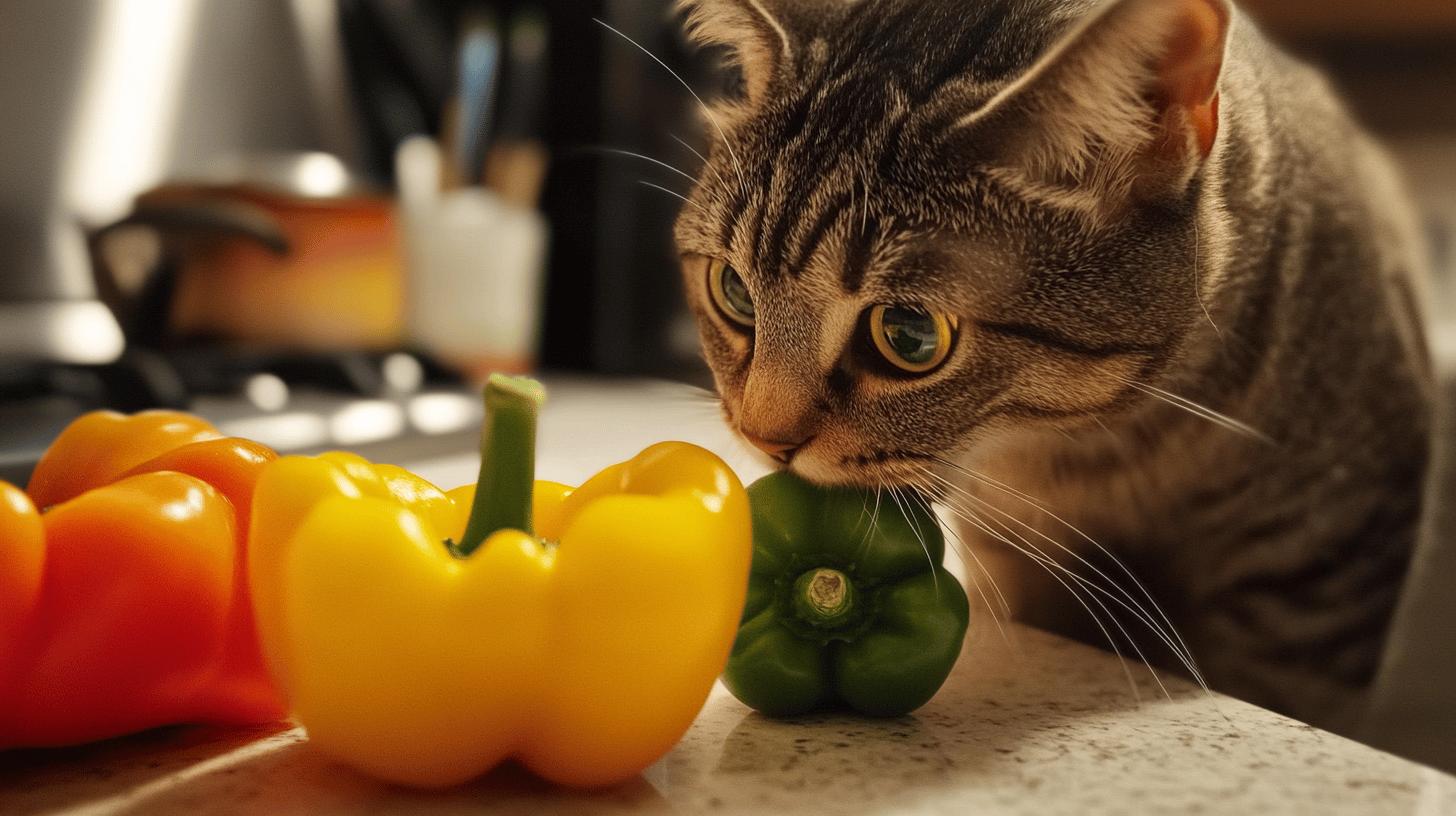
    Related Articles

    Understanding Carbohydrate Metabolism in Cats

    Cats lack the enzymatic machinery to efficiently process carbohydrates. Unlike humans and even dogs, cats have minimal amylase production (the enzyme that breaks down starches) and no taste receptors for sweetness. Their bodies simply did not evolve to handle grain-based or starch-based foods. This is why pasta (70-75% carbohydrates, minimal protein) is so incompatible with feline nutrition.
  • Can Cats Eat Tofu Safely and What Are the Risks

    Can Cats Eat Tofu Safely and What Are the Risks

    Can cats eat tofu without harm? It might seem logical given tofu’s plant-based protein content, but the answer reveals a fundamental truth about feline biology. Cats are obligate carnivores, meat-eating specialists whose bodies evolved over millions of years to process animal protein exclusively. Tofu, made from soybeans, doesn’t provide what cats need to thrive. While tofu won’t poison your cat, it can upset their digestion and create nutritional deficiencies over time. Let’s explore why tofu is incompatible with feline biology, what happens when cats eat it, and why plant-based proteins fail to meet their nutritional requirements.

    Why Cats Are Obligate Carnivores: The Biology Behind It

    Understanding tofu’s unsuitability for cats requires understanding cat biology. Cats are obligate carnivores, this isn’t a preference or habit, it’s hardwired into their physiology at the cellular level. Unlike humans or dogs (facultative omnivores), cats cannot synthesize certain essential amino acids from plant sources. They must obtain them from animal tissue.

    Key biological differences:

    • Taurine synthesis: Humans and dogs can convert the amino acid methionine into taurine. Cats cannot. Their bodies completely lack the enzymatic pathway for this conversion. Taurine is essential for cardiac function, vision, immune response, and reproduction. Cats that don’t get sufficient dietary taurine develop dilated cardiomyopathy (enlarged, failing heart), blindness, and early death.

    • Arginine requirement: Cats have an absolute requirement for the amino acid arginine. While arginine exists in plant sources like tofu, it’s in the wrong form or insufficient quantity for feline absorption and utilization.
    • Retinol (Vitamin A) dependency: Cats cannot convert beta-carotene (plant vitamin A) into the active form their bodies need. They require preformed retinol from animal sources. Eating only tofu leads to vitamin A deficiency and blindness.
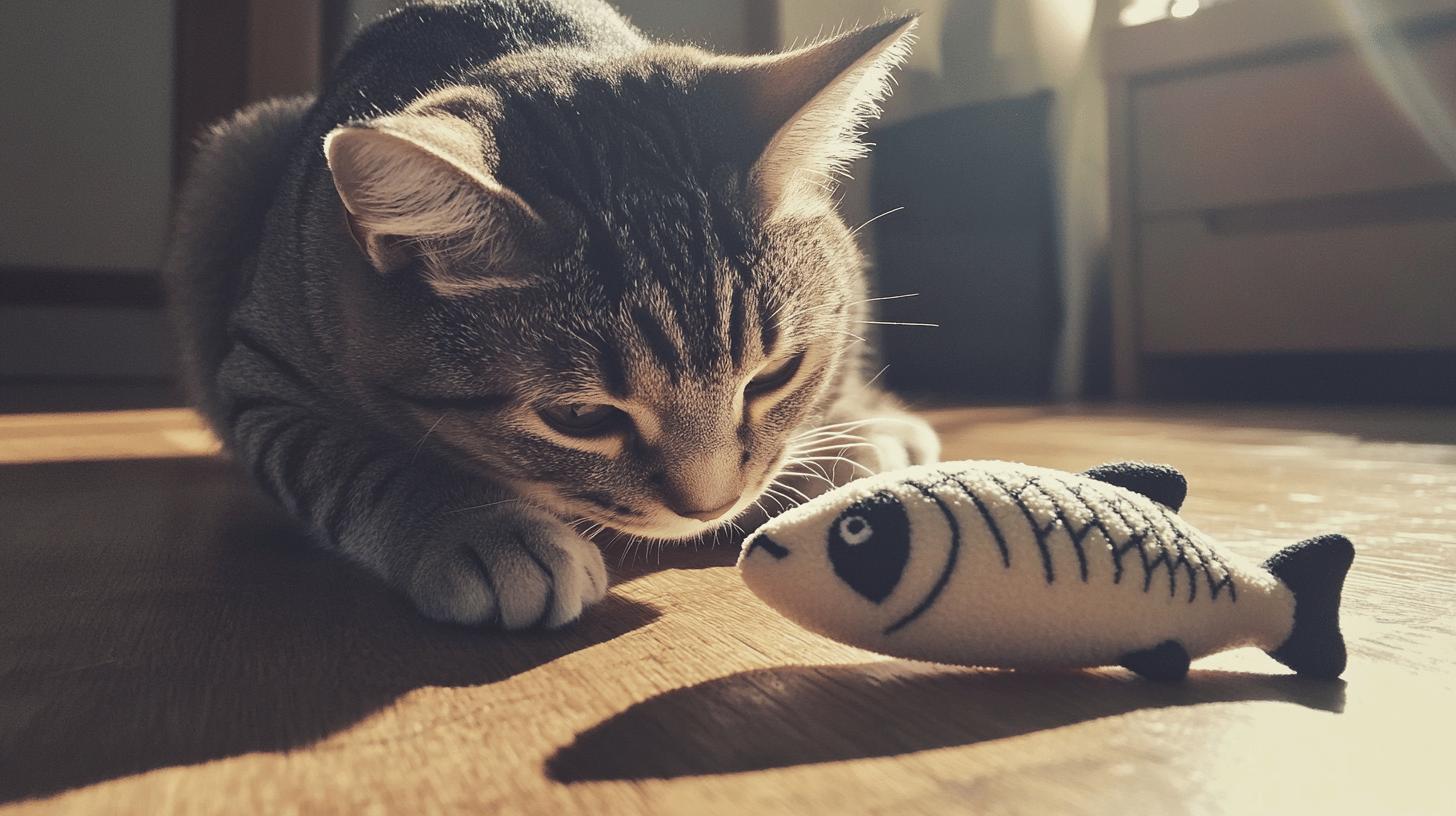
    • Arachidonic acid: An essential fatty acid found exclusively in animal fat. Plants don’t contain it. Cats lacking arachidonic acid develop skin problems, immune dysfunction, and reproductive failure.
    • Protein amino acid profile: Animal proteins contain all amino acids in the correct ratio for feline metabolism. Plant proteins lack or are deficient in several essential amino acids that cats require.

    These biological facts explain why tofu cannot be a nutritional substitute for meat. A cat’s body simply cannot process plant-based nutrients the way it processes animal-based nutrition.

    Can Cats Eat Tofu Safely?

    Can Cats Eat Tofu Safely

    Tofu is non-toxic, meaning it won’t cause acute poisoning in small amounts. However, “non-toxic” doesn’t mean “safe” or “appropriate.” Tofu can cause digestive upset because cats’ digestive systems aren’t equipped to process soy. The complex sugars in soy (raffinose and stachyose) pass undigested into the colon where bacteria ferment them, producing gas, bloating, and diarrhea.

    Symptoms of tofu-related digestive upset:

    • Diarrhea or loose stools
    • Vomiting or gagging
    • Bloating and abdominal distension
    • Flatulence
    • Loss of appetite
    • Lethargy

    Some cats develop soy allergies, manifesting as itching, skin redness, ear infections, or more severe digestive symptoms. Additionally, tofu contains phytoestrogens, plant compounds that mimic estrogen in mammalian bodies. Regular tofu consumption may trigger hormonal imbalances and increase hyperthyroidism risk in cats (overactive thyroid gland causing rapid heart rate, weight loss, and behavioral changes).

    Nutritional Inadequacy of Tofu for Cats

    Tofu nutritional content versus cat requirements

    While tofu contains protein, iron, and calcium, it’s fundamentally missing what cats need to survive.

    What tofu lacks that cats require:

    • Taurine (0% in tofu; cats need minimum 500mg daily)
    • Retinol/active vitamin A (must come from animal sources)
    • Arachidonic acid (only in animal fat)
    • Complete amino acid profile (lacks adequate methionine, cysteine, lysine in bioavailable form)
    • Appropriate nutrient density for carnivore metabolism

    A cat eating predominantly tofu develops deficiencies leading to heart disease, blindness, poor coat quality, immune dysfunction, and shortened lifespan. Even occasional tofu feeding contributes nothing positive, your cat gains zero nutritional benefit.

    Tofu Preparation and Safe Serving

    If you choose to offer tofu (not recommended), follow these guidelines:

    • Serve only plain, unseasoned tofu (no added salt, spices, or oils)
    • Offer tiny portions only: ½ teaspoon for average cat, maximum once weekly
    • Never serve fried tofu (excess oil causes pancreatitis)
    • Monitor closely for digestive upset
    • Don’t introduce tofu to cats with existing digestive issues, allergies, or hormone-sensitive conditions

    Better Treat Alternatives for Your Cat

    If you want to offer treats, choose options that align with feline biology:

    • Plain cooked chicken (small piece)
    • Canned tuna in water (occasional only)
    • High-quality meat-based treats
    • Cooked beef (unseasoned, small portion)
    • Freeze-dried meat treats
    • Catnip or silvervine (enrichment, not nutrition)

    What to Do If Your Cat Accidentally Ate Tofu

    Accidents happen. Your cat may sneak a piece of tofu from your plate, or a guest may not know it’s unsafe and accidentally feed your cat a bite. If this occurs, here’s what you need to do:

    Immediate Steps (First 2 Hours)

    1. Note the time and amount: Write down exactly when your cat ate the tofu and approximately how much (a small piece vs. a full serving). This information is critical for your vet.
    2. Identify the ingredients: Determine what was in the tofu, was it plain tofu, or was it prepared with garlic, onions, chocolate, or other ingredients? If you don’t know, assume the worst and contact a poison control center immediately (ASPCA Animal Poison Control: 888-426-4435).
    3. Watch for symptoms: Monitor your cat carefully over the next 24 hours for vomiting, diarrhea, lethargy, loss of appetite, or abdominal pain.

    When to Call Your Vet

    Contact your veterinarian immediately if:

    • You know the tofu contained harmful ingredients like chocolate, garlic, onion, or xylitol
    • Your cat consumed a large amount of tofu (more than a few bites)
    • Your cat shows any symptoms of distress within 4 hours of consumption
    • Symptoms persist beyond 24 hours
    • Your cat seems to be in pain, is unable to keep food down, or is unusually lethargic

    At the Vet’s Office

    If you take your cat to the vet, they will likely perform a physical examination and may recommend bloodwork if there’s concern about secondary ingredients or if symptoms are severe. In most cases of accidental plain tofu consumption (small amounts), observation at home is sufficient. Your vet may recommend withholding food for a few hours, then offering bland food (plain boiled chicken) to allow the digestive system to settle.

    Prevention: Making Your Home Tofu-Free for Your Cat

    The best response to accidental tofu ingestion is prevention. Take these steps to keep tofu out of your cat’s reach:

    • Store tofu in sealed containers on high shelves where your cat cannot jump or climb to reach it
    • If you prepare tofu at home, clean up spills and crumbs immediately
    • Educate family members and guests that tofu is toxic to cats and should never be offered as a treat
    • Be vigilant about prepared foods that might contain tofu (some Asian dishes, vegan products) and keep them secured

    Most accidental tofu ingestions in cats result in no serious complications, especially if the amount was small and the tofu was plain. However, prevention is always better than treatment. Keep tofu safely stored and your cat will be healthier for it.

    Final Words

    Tofu is not suitable for cats. Cats are obligate carnivores with biological requirements that only animal products can meet. Tofu lacks taurine, retinol, arachidonic acid, and essential amino acids in bioavailable form. It causes digestive upset and may trigger hormonal imbalances. There’s no nutritional benefit to feeding tofu to your cat, it offers only risk.

    Your cat’s optimal diet consists of meat-based nutrition, whether commercial cat food or veterinarian-supervised whole-food diets. Respect your cat’s biology and feed accordingly.

    FAQ

    Can cats eat tofu?

    Cats can eat tiny amounts of plain tofu without acute poisoning, but it’s not recommended. Tofu causes digestive upset, lacks essential nutrients cats require, and provides zero nutritional benefit.

    Is tofu toxic to cats?

    Tofu is non-toxic but not safe for regular consumption. It causes digestive issues and nutritional deficiency when fed regularly.

    Why can’t cats eat soy?

    Cats cannot efficiently digest soy. Their digestive systems evolved for meat. Soy causes gas, bloating, diarrhea. Tofu also contains phytoestrogens disrupting hormonal balance.

    Can cats eat soy sauce?

    No. Soy sauce is high in sodium, harmful to cats’ kidneys. Never feed soy sauce to cats.

    Can cats eat edamame?

    Edamame (immature soybeans) is similarly unsuitable for cats. Same issues as tofu: digestive upset, lack of essential nutrients.

    Understanding Phytoestrogens and Cat Health

    Tofu contains phytoestrogens, plant compounds that mimic estrogen in the body. For humans, these compounds are generally well-studied and considered safe. But for cats, the data is different. Cats are obligate carnivores, meaning their bodies are designed exclusively for meat-based nutrition. This is not a preference or habit, it’s a fundamental biological difference rooted in their ancestry as solitary hunters who consumed only prey animals.

    When a cat consumes phytoestrogens from tofu, their endocrine system interprets these compounds similarly to how it would interpret estrogen-like molecules. Over time, or even from a single large exposure, this can affect:

    • Reproductive hormones: Disruption of normal hormone regulation, especially in young or neutered cats
    • Metabolism: Changes in how the cat processes nutrients and maintains healthy weight
    • Thyroid function: Interference with thyroid hormone production, leading to hypothyroidism

    The risk increases if your cat consumes tofu regularly, even in small portions. One-time exposure to a small amount of plain tofu is unlikely to cause immediate harm, but it provides zero nutritional benefit and carries avoidable risk.

    Soy Allergy and Sensitivity in Cats

    Beyond phytoestrogens, some cats develop allergies or sensitivities to soy itself. This can manifest as:

    • Vomiting after eating tofu-containing foods
    • Diarrhea or loose stools
    • Skin irritation or excessive scratching
    • Hair loss in patches
    • Lethargy and reduced appetite

    These symptoms may appear within hours of consumption or develop over days if your cat eats tofu repeatedly. If you notice any of these signs after your cat accidentally ingests tofu, contact your vet immediately to rule out other causes.

    The Bottom Line: Why Tofu Contributes Nothing

    From a nutritional standpoint, tofu fails to provide anything a cat needs. Cats require:

    • Taurine: An essential amino acid found exclusively in animal proteins. Tofu has zero taurine.
    • Complete amino acid profiles: Tofu is an incomplete protein for cats; it lacks critical amino acids like arginine in sufficient quantities.
    • Fat-soluble vitamins (A, D, E, K): These vitamins are most bioavailable from animal sources. Plant-based versions are poorly absorbed by cats.
    • Vitamin B12: Naturally present in meat, absent in tofu (plant-based B12 is synthetic and poorly utilized by cats).

    In exchange for providing nothing your cat needs, tofu introduces phytoestrogen exposure, potential allergen risk, and digestive stress. There is no scenario where tofu benefits your cat’s health.

    Related Articles