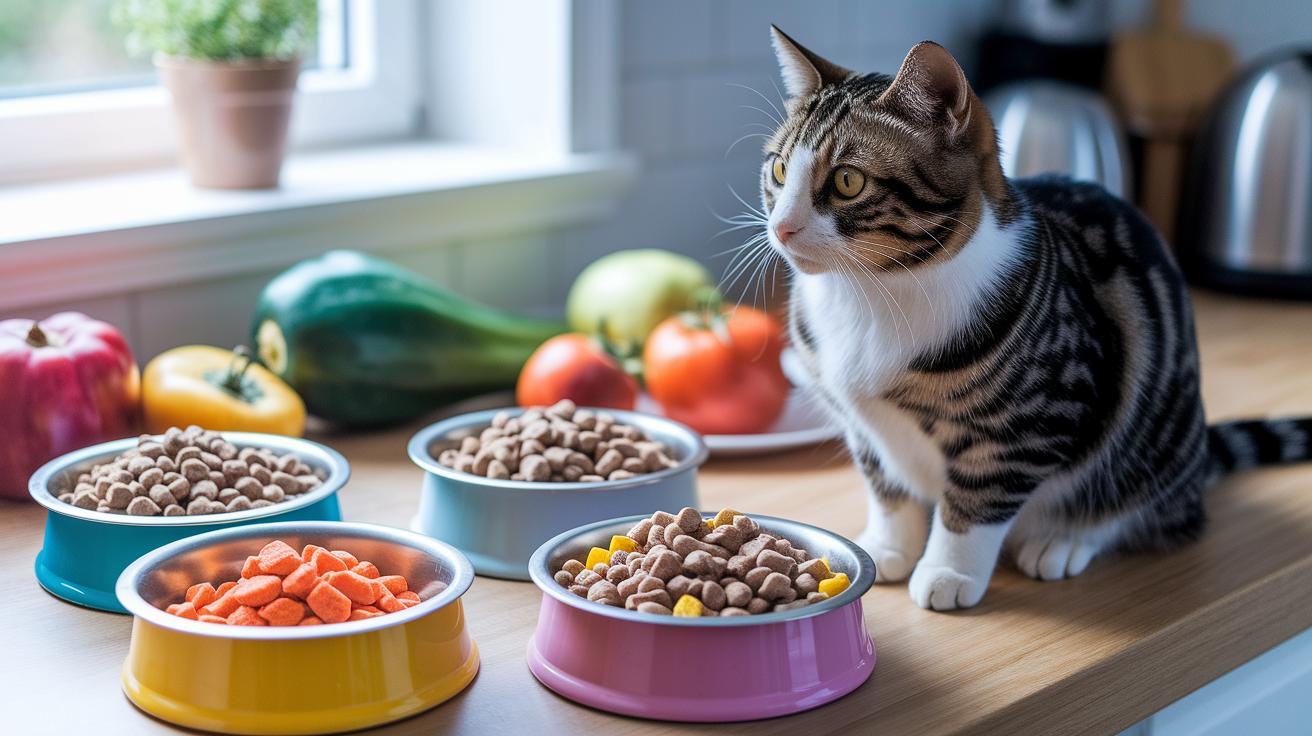
Category: Cat Diet

  • vet recommended wet cat food Delivers Purrfect Health

    vet recommended wet cat food Delivers Purrfect Health

    Notice your cat ignoring the water bowl until it’s almost dry? We’ve all been there. Dehydration (not enough water) can spark bladder trouble in up to 60 percent of indoor cats. Oops, that sounds scary, but here’s some good news.

    Vets always give a paws-up to wet meals, and ever watched your kitty chase a gravy spoon? It’s like slipping a drink into every bite. A spoonful of gravy or soft pate (ground meat in a spread) hydrates your kitty. With at least 26 percent protein (the muscle-building stuff), it helps keep those lean muscles strong.

    Our top wet food recipes are backed by AAFCO (Association of American Feed Control Officials) and WSAVA (World Small Animal Veterinary Association) standards. They deliver cozy energy, a bit of fiber (for smoother digestion), and that mouthwatering flavor cats go wild for. Worth every paw-print. Pick from kitten-friendly to adult formulas – purrfect health is just a bowl away.

    - Top Veterinarian-Recommended Wet Cat Food Options.jpg

    Looking for wet cat food that’s vet-approved and makes mealtime exciting? These six picks come from lines backed by AAFCO (pet-food experts) and WSAVA (global vet association), so you know they tick all the nutrition boxes. Ever watched your cat’s whiskers twitch when they dive into a gravy bath? Your kitty will be feline fine at every bite.

    • Wellness Gravies Salmon Entrée: 50.1% protein (muscle-builder), 36.2% fat (energy boost), 0.3% fiber (good for smooth digestion), and 101 calories per 3-oz can.
    • Natural Balance Chicken & Liver: 48% protein, 18% fat, 9% fiber (helps with hairball control), and 90 calories per 3-oz can.
    • Hill’s Science Diet Adult 7+ Savory Chicken: 39% protein, 24% fat, 3% fiber, and 90 calories per 2.9-oz can, made for our seasoned seniors.
    • Purina Pro Plan Hairball Salmon: 45.7% protein, 30.3% fat, 9.5% fiber, and 84 calories per 3-oz can to help whisk away hairballs.
    • Royal Canin Digestive Care Thin Slices: easy-to-digest slices with pumpkin fiber (pumpkin helps gut health) and 70–75 calories per 3-oz can.
    • Iams Perfect Portions Healthy Kitten Chicken: 30% protein, 9% fat, DHA-enriched (good for brain and eye growth), and 100 calories per 3-oz pack, just right for growing fluffballs.

    Each recipe starts with real meat and zero guesswork. Oops, vets love these meals. They hit the right protein and fat for growing or adult cats, support healthy tummies with extra fiber, and keep carbs low. And the texture mix, from silky gravies to tender slices, keeps even the pickiest feline purring.

    Worth every paw-print.

    - Nutritional Criteria for Vet Recommended Wet Cat Food Formulas.jpg

    Our vet-approved wet foods deliver at least 26% protein and 9% fat. For kittens, it even jumps to 30% protein to power all those playful pounces! Picture your kitty’s muscles flexing with each leap.

    They’re packed with 75–78% moisture (that’s the water goodies that keep your cat hydrated). And carbs? They stay under 10% on a dry-matter basis (we remove the water first to see the real nutrient percentages, so you know exactly what your cat gets).

    Ever noticed your cat’s whiskers twitch at dinner time? Uh, each formula also meets every AAFCO (Association of American Feed Control Officials) and WSAVA (World Small Animal Veterinary Association) standard for complete, balanced nutrition. Worth every whisker twist.

    Wet Cat Food for Life Stages and Health Conditions
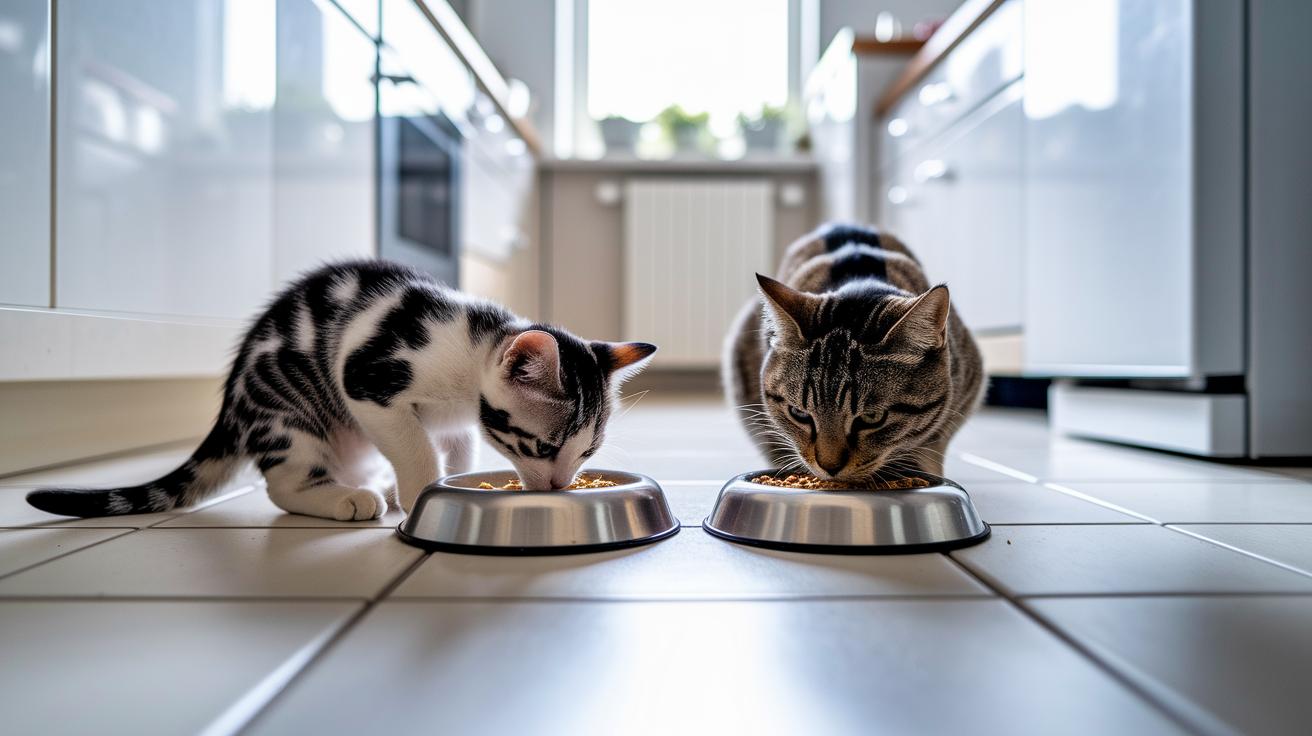
    - Wet Cat Food for Life Stages and Health Conditions.jpg

    Hey there, cat lover, every furry friend needs a meal plan made just for them. Kittens need high protein and DHA (a nutrient that helps brain and eye growth). Indoor cats do best with low fat and extra fiber to keep things moving. Seniors often need glucosamine (joint helper) and chondroitin (joint supporter) to stay springy.

    If you have a growing fluffball, check out best wet cat food for kittens. It delivers at least 30% protein and DHA to help with growth. Ever watched your kitten’s whiskers twitch at the bowl?

    Indoor kitties benefit from low fat, fiber rich dishes that help control hairballs and keep them trim. Seniors often shine with recipes full of glucosamine (joint helper) and chondroitin (joint supporter) so they can stay playful. Weight loss meals pack fiber to fill tummies but cut calories.

    Urinary care stews help balance pH and reduce stones. Sensitive tummies relax with pumpkin fiber (digestion buddy) in simple pates. Kidney friendly options boost hydration and ease the load on those little filters.

    Category Product Key Features
    Kitten Iams Perfect Portions Healthy Kitten Chicken ≥30% protein; DHA (brain booster)
    Adult Indoor Purina One Indoor + Hairball Ocean Whitefish & Rice Low fat; added fiber for hairball control
    Senior Hill’s Science Diet Adult 7+ Savory Chicken Glucosamine (joint helper); chondroitin (joint supporter)
    Weight Loss Hill’s Prescription Diet Metabolic Weight Management Chicken Flavor 136 kcal per 5.5 oz; high fiber for fullness
    Urinary Care Hill’s c/d Multicare with Ocean Fish pH balance and stone control; 178 kcal per 5.5 oz
    Sensitive Stomach Royal Canin Digestive Care Thin Slices in Gravy Limited ingredients; pumpkin fiber (digestion buddy)

    Each of these wet meals follows vet approved standards. They start with real animal protein, pack plenty of moisture to keep your cat hydrated, and deliver the right nutrients for each life stage or health need. Just swap meals as your cat grows or their health changes and you’re all set. Isn’t it nice when a dish just works? Purrfect.

    - Feeding and Transition Plans for Vet Recommended Wet Cat Food.jpg

    A steady meal routine stops hunger-driven mischief and helps your kitty feel safe. For adult cats, shoot for about 200 kcal (kilocalories, energy units) a day, split into two meals. Kittens need three to four meals daily to power all that playful zooming. Try to feed at the same times every day so your whiskered buddy learns the routine and meows with excitement.

    • Feed frequency: kittens 3–4 times a day, adults twice a day to reach around 200 kcal.
    • Portion control: check the can’s calorie label to serve just the right amount.
    • Wet-and-dry mix: subtract your kibble (dry food) calories before adding wet food, no overfeeding here.
    • Brand and texture rotation: swap recipes every 2–3 weeks to keep flavors new and avoid boredom.
    • Bowl and leftovers tips: stir the food, use a wide, shallow dish, stash extras in the fridge, and toss any uneaten bits after 48 hours.

    Ever watched your cat sniff suspiciously at a new dish? Transition in 7–10 days so it’s smooth:

    • Day 1–3: mix 25 percent new food with 75 percent old.
    • Day 4–6: blend half new, half old.
    • Day 7–9: mix 75 percent new with 25 percent old.
    • Day 10: full switch to the new wet food.

    Easy does it. Gentle shifts make mealtime a breeze.

    Worth every paw-print.

    - Health Benefits of Veterinarian-Recommended Wet Cat Food.jpg

    Want to keep your cat well-hydrated, at a healthy weight, and hairball-free? Dive into our sections on hydration, weight control, and hairball formulas for tasty tips.

    • Easier pill hiding. Ever tried sneaking pills? This soft food (pate-like texture, a smooth, creamy mash) makes a purrfect pill pouch! You tuck meds into a tiny bite and your cat just laps it up – no wrestling match.
    • Cleaner teeth. Its tartar-softening texture (a gentle abrasive action) chips away at plaque (hardened buildup on teeth). Your kitty’s breath stays fresh and you get peace of mind.

    - Cost, Availability, and Packaging of Vet Recommended Wet Cat Food.jpg

    Ever notice how some cats turn up their nose at regular kibble? From budget cans to gourmet trays, there is a vet-approved wet meal for every feline fuss. Let’s break down the top brands by price, calories, and how they arrive at your door.

    Dave’s Pet Food is your wallet’s best friend at just $1.64 a day. Each single-serve can packs 33 kcal (kilocalories, aka calories) per ounce and stars turkey muscle and liver (no extra junk). Pop the lid and hear that crisp snap, it’s dinner time.

    Smalls Fresh runs about $4.00 a day. These frozen trays ship right to your door and thaw overnight for 40 kcal per ounce. Oops, let me rephrase that, thawing is a breeze. Just grab a tray in the evening and it’s ready by breakfast.

    Open Farm is $3.60 per day in shelf-stable cans (no fridge needed). Um, and it uses human-grade meat from farms that care about their animals. That’s tasty and guilt-free.

    Weruva sits around $5.00 a day. You get broth-packed cans or pouches at 25 kcal per ounce with natural gums (thickeners) so your cat can sip every drop. Think slurp, sip, purr.

    Tiki Cat costs $3.75 per day with low-carb trays offering 34 kcal per ounce. They’re perfect for picky eaters, especially those who love fishy flavors. Your cat might zoom around after that first bite.

    Feline Natural is the splurge at $6.31 per day. In each multi-can case you get 25 kcal per ounce plus extra meat, organs, and joint supplements (for happy bones). Worth every paw print.

    Brand Cost per Day Calories per oz Packaging & Delivery
    Dave’s Pet Food $1.64 33 kcal/oz Single-serve cans, shelf sale
    Smalls Fresh $4.00 40 kcal/oz Frozen trays via subscription, overnight thaw
    Open Farm $3.60 30 kcal/oz Shelf-stable cans, retail & online
    Weruva $5.00 25 kcal/oz Cans & pouches, broth style
    Tiki Cat $3.75 34 kcal/oz Single-serve trays, picky-eater friendly
    Feline Natural $6.31 25 kcal/oz Multi-can case packs, joint support

    Whether you pick wallet-friendly cans, fancy trays, or case packs, your cat’s purr-meter will thank you. Ready for tail wags and whisker twitches?

    - Expert Tips to Optimize Vet Recommended Wet Cat Food Acceptance.jpg

    Your cat looks at you with that “I’m not so sure” stare. Ever notice how she sniffs and then walks away? It’s tough to get her to try vet-approved wet food. But you can turn dinner into a purrfest with a few playful tweaks.

    • Mix up textures. Try pâté (smooth like pudding), minced bits, or chunks in gravy (saucy and slippery).
    • Warm it to room temperature so those savory scents really pop. Cats love sniffing out warm aromas.
    • Use a shallow, wide bowl or a slow-feeder wet dish (dish that slows your cat’s eating). This gives whiskers room to wiggle without stress.
    • Top each serving with a drizzle of homemade broth (low-sodium chicken stock) or a sprinkle of freeze-dried fish flakes for extra umami.
    • Keep a daily log of what she licks clean and what she leaves behind. Adjust flavors based on her favorite purr-worthy picks.
    • Still picky? Chat with a vet nutritionist to tweak the recipe and find that just-right flavor combo.

    Next, you’ll watch her dive in and lap up every last bite.
    Worth every paw-print.

    Final Words

    in the action, we piled up top vet picks, nutrition benchmarks, stage-specific meals, feeding tips, health perks, cost comparisons and taste hacks. You’ve got the full scoop on creating balanced, moisture-rich menus that keep whiskers twitching.

    Each section helps busy pros fuel feline fitness, fight boredom and save on shredded sofa armrests.

    Trust this vetted list of vet recommended wet cat food to keep your multi-cat crew happy, healthy and purring with delight, one bowl at a time.

    FAQ

    What is the best veterinarian-recommended wet cat food for indoor cats?

    The best veterinarian-recommended wet cat food for indoor cats includes Purina One Indoor + Hairball, Royal Canin Digestive Care Thin Slices, and Wellness Gravies Salmon Entree for moisture, fiber, and hairball control.

    What wet cat food do veterinarians recommend for senior cats?

    Veterinarians recommend Hill’s Science Diet Adult 7+ Savory Chicken or Royal Canin Aging 12+ wet formulas with balanced protein, glucosamine, and controlled minerals to support joints and kidney health.

    What wet cat food do veterinarians recommend for kittens?

    Veterinarians recommend Iams Perfect Portions Healthy Kitten Chicken or Purina Pro Plan Kitten wet diets with at least 30% protein, DHA for brain development, and balanced calcium-phosphorus ratios.

    Is Tiki Cat wet food recommended by veterinarians?

    Tiki Cat wet food is often recommended for its low-carb, high-protein recipes (34 kcal/oz) made with real meat, providing moisture-rich pâtés that support hydration and healthy muscle maintenance.

    What are the benefits of Royal Canin wet cat food?

    Royal Canin wet cat food offers precise nutrition in thin slices or pâtés, featuring pumpkin fiber for digestion, controlled mineral levels, and life-stage formulas tailored to feline needs.

    What is the best dry cat food?

    The best dry cat food is AAFCO-complete, high in animal protein, low in carbs, and free of fillers—examples include Hill’s Science Diet and Orijen; consult your veterinarian for your cat’s specific needs.

    What type of wet cat food is healthiest?

    The healthiest wet cat food features animal protein first (deboned chicken, salmon), meets AAFCO and WSAVA benchmarks, has 26%+ protein, under 10% carbs, and 75–78% moisture for hydration.

    What is the 25 rule for cat food?

    The 25 rule for cat food means wet formulas should contain at least 25% protein on an as-fed basis, providing adequate amino acids to help maintain muscle mass and overall health.

    What type of canned food is best for cats?

    The best canned cat food offers complete and balanced nutrition with high moisture, minimal carbohydrates, named animal proteins first, plus taurine and essential omega fatty acids.
    Related Articles

  • best wet cat food for kittens boosts vitality

    best wet cat food for kittens boosts vitality

    Ever notice your kitten dragging after a nap? That slump might mean they’re missing out on juicy wet food (food with extra moisture). And protein-packed bites that fuel all those tiny zoomies. I once watched Luna power through breakfast like a furry tornado. It’s like a spa day and strength training all rolled into one bowl.

    Pick the purr-fect meal and your furball will bounce off the walls, purring with energy. Ready to turn mealtime into a paw-ty? Here are five paw-vetted favorites to boost vitality and keep those whiskers dancing at every meal!

    Top Picks: Best Wet Cat Food for Kittens

    - Top Picks Best Wet Cat Food for Kittens.jpg

    Ever watched your kitten’s whiskers twitch at mealtime? Me too. Finding wet food that’s protein-packed, moist, and flavor-loaded can feel tricky. So here are my top five favorites, purr-tested by me and my crew of tiny taste-testers.

    • Smalls Ground Other Bird Fresh Cat Food. Paws-down the star of the show with 4.8 out of 5 kitten-approved stars. It delivers 14.5% protein to help build those tiny muscles. At 40 calories per ounce, it’s like a cozy turkey soup (made with human-grade turkey!) that kitties gobble up.

    • Tiki Cat Kitten Canned Food. This mousse-textured delight earns 4.6 stars and 22% protein for extra energy. With 44 calories per ounce, it’s the go-to for picky eaters. Seriously, even my shy kitty can’t resist that creamy taste.

    • Wellness Complete Health Kitten Chicken Entrée Pâté. This smooth, grain-free pâté scores 4.5 stars. It has 12% protein, 36 calories per ounce, and flaxseed (tiny seeds that boost fur health). A top pick for sensitive tummies.

    • Fancy Feast Kitten Canned Food. A 4.3-star, budget-friendly variety pack. It offers 11% protein and 32 calories per ounce across fun flavors. Great for a taste-test party, aka a feline feast.

    • The Honest Kitchen Frequent Feasts Chicken. Rated 4.4 stars, it blends human-grade ingredients with salmon oil (for shiny coats). It gives 11% protein and 35 calories per ounce. Perfect for balanced nutrition on busy days.

    Happy slurping, kitten parents!

    Key Nutritional Criteria for Wet Kitten Food

    - Key Nutritional Criteria for Wet Kitten Food.jpg

    Ever seen your kitten do zoomies across the room? Growing furballs need the right mix of protein, fats, and minerals to power all that play. Aim for at least 7.5 grams of protein per 100 calories. Think of protein as the building blocks for tiny muscles. You want them strong, right?

    Healthy fats are next. Look for DHA (an omega-3 fatty acid that supports brain and eye growth) and taurine (an amino acid that helps with heart and eye health). They round out the fats and keep little bodies sharp and healthy. Calcium and phosphorus should stay balanced to build strong bones without straining tiny kidneys.

    Did you know kittens are over 70% water? So a wet food with more than 70% moisture is clutch for keeping them hydrated. It also helps with digestion and gives their urinary tract a little break. When your kitty slurps up that juicy pate or glossy broth, you’re helping them stay purr-fectly hydrated.

    Skip any formula with artificial colors, flavors, or preservatives. Their tummies are still learning what’s best, you know. Instead, look for vet-recommended micronutrients like B-vitamins and extra taurine to fill any gaps. And always check for an AAFCO statement (that means it meets kitten life-stage needs).

    Use this handy table to see how top picks stack up against our benchmarks:

    Brand Min Protein (%) Calories per oz Cost per day
    Smalls 14.5% 40 $2.75
    Tiki Cat 22% 44 $1.00
    Wellness 12% 36 $3.60
    Fancy Feast 11% 32 $1.86
    The Honest Kitchen 11% 35 $2.75

    In-Depth Reviews of Top Wet Kitten Food Brands

    - In-Depth Reviews of Top Wet Kitten Food Brands.jpg

    • Smalls Ground Other Bird Fresh Cat Food: made with human‐grade turkey and turkey liver (packed with vitamin A), plus cod liver oil (fish oil rich in omega-3s). The ultra-fine grind feels like a warm bowl of chicken soup your kitten can’t wait to lap up. It delivers 14.5% protein and 40 calories per ounce at about $2.75 a day. Vets rave about the traceable sourcing, you can literally see which farm it came from.

    • Tiki Cat Kitten Canned Food: this high-protein feast has 68% protein on a dry basis (that means after you peel away water), or 22% protein and 44 calories per ounce as served. Choose a silky mousse (smooth cream) or flaky shred texture, both are purr-worthy. At $1.00 per ounce, it’s a tasty energy boost. Our vet pals love the extra protein punch.

    • Wellness Complete Health Kitten Chicken Entrée Pâté: a grain-free, velvety pâté (smooth meat blend) that’s gentle on tiny teeth and gums. It offers 12% protein, 36 calories per ounce and ground flaxseed (fiber and omega-3s). My kitten’s whiskers twitch at the first spoonful. At roughly $3.60 a day, nutritionists say it soothes sensitive tummies.

    • Fancy Feast Kitten Canned Food: budget-friendly variety pack with broth, flaky bits and creamy pâté. It has 11% protein and 32 calories per ounce at about $1.86 daily. Flavors are fun, your kitten might even do a happy tail dance. Just a heads-up: some vets warn about mild reactions to artificial dyes or flavors.

    • The Honest Kitchen Frequent Feasts Chicken: a firm chicken loaf (think sliceable block) that softens into a stew when you add water. It delivers 11% protein, 35 calories per ounce plus salmon oil (for omega-3 DHA). At $2.75 a day, it’s an additive-free recipe vets applaud. Ever watched your kitten nibble on something so clean you’d eat it yourself?

    Key Nutritional Criteria

    Brand Protein Calories Fat Special Notes
    Smalls Ground Other Bird Fresh Cat Food 14.5% 40 cal/oz 5% Traceable sourcing
    Tiki Cat Kitten Canned Food 22% 44 cal/oz 6% Mousse or shred textures
    Wellness Complete Health Kitten Chicken Entrée Pâté 12% 36 cal/oz 5% Grain-free, flaxseed
    Fancy Feast Kitten Canned Food 11% 32 cal/oz 4% May contain artificial dyes/flavors
    The Honest Kitchen Frequent Feasts Chicken 11% 35 cal/oz 5% Additive-free, salmon oil

    Best Wet Cat Food for Kittens Boosts Vitality

    - Feeding Schedule and Portion Guidelines for Wet Kitten Food.jpg

    When your kitten’s dining on wet food (canned goodness), plan for about three to four mini meals a day. You could also blend in a bit of dry kibble (crunchy tidbits) with one or two wet servings for variety and texture. Those regular canned kitten food portions keep tiny tummies full and power up every playful pounce. It’s almost like hearing a soft slurp before a furious zoom.

    Portion size shifts based on weight, age, and activity. Kittens torch roughly twice the calories of grown cats, so dial up their wet food when they’re zipping around like rocket ships. Oh, and if your fluffball’s been spayed or neutered, their metabolism drops by about 30%, so ease off on the servings to dodge those extra kitty pounds. Jotting down each meal can clue you in if your little fur-friend suddenly skips a bite or two.

    When you switch to an all-wet diet, take about a week, start with 10% new food and 90% old, then sneak in another 10%–20% of wet food every other day. That gentle swap helps tiny digestive systems adapt without belly grumbles. And keeping those canned kitten food portions steady means no accidental overfeeding. Oops, I learned that the messy way when Luna got a tummy ache.

    Tracking both your kitten’s meal times and portion sizes is the secret to a happy, purring fluffball. Your kitten will thrive and you’ll enjoy every little whisker twitch. Worth every paw-print.

    Pouches vs Cans: Choosing the Right Wet Kitten Food Format

    - Pouches vs Cans Choosing the Right Wet Kitten Food Format.jpg

    So you’re picking wet food for your kitten. Cans win for freshness. The air tight seal (a seal that keeps out air) locks in all the flavor and keeps that smooth pâté (soft meat texture) silky on their tongues. It’s like opening a tiny treasure chest of meaty goodness every time. Who doesn’t love that pop of the lid.

    But pouches are paw-fect for single servings and less waste. They come in shredded or chunk styles that look and feel like real meat pieces. They’re super light to carry, your bag barely weighs a whisker, and lots use recyclable film (thin plastic-like layer you can recycle). Smaller paw-print on the planet. Yay!

    Wet food also pulls ahead of dry kibble when it comes to hydration. Kittens slurp up moisture with each bite, helping their urinary tract (where pee gets made and stored) stay happy and their digestion smooth. Less dry kibble means fewer worries about kidney stress down the road. Healthy kitty. Healthy you.

    Want to keep mealtime exciting. Mix two-thirds wet food with one-third dry. Your kitten will get to enjoy crunchy crackles alongside a soft, juicy stew. Try swapping cans for pouches now and then to mix things up. More variety. More fun. And your little fluff ball stays plump and playful.

    Special Diet Needs and Vet-Approved Wet Kitten Food

    - Special Diet Needs and Vet-Approved Wet Kitten Food.jpg

    Grain-free wet food for kittens can be a total game-changer when your little furball turns into a picky eater or starts scratching the day away. Ever watched your kitty do the head-tilt when you crack open a new can? Limited-ingredient recipes skip common allergens like wheat or dairy and use novel proteins (new meat sources) such as rabbit or duck – stuff sensitive tummies usually love. Switching diets might calm flare-ups and ease digestion.

    For kitties with tummy troubles, look for formulas labeled sensitive-stomach wet food for kittens. They often carry AAFCO-certified vet formulas (pet food safety group) that boost immune support, gut health, or even help after a bout of illness. You’ll also find probiotics (good gut bacteria) and gentle fibers (plant bits) that soothe tiny bellies without skimping on protein. It’s like a cozy blanket for their insides.

    For more serious stuff – think food allergies, chronic diarrhea, or post-surgery recovery – chat with your vet about prescription wet diets (special foods only vets can order). These come balanced in electrolytes, loaded with extra protein, and tuned up with supplements like L-Carnitine (energy helper) or taurine for heart and eye health. Only a pro can match the right prescription to your kitten’s unique needs.

    Worth every paw-print.

    Avoid recipes packed with fillers like corn (cheap grain), soy (plant protein), or animal by-products (random bits). Instead, pick wet foods where chicken, turkey, or fish take the lead. See vet-backed extras too – glucosamine (joint helper) or omega-3s (coat-shine oil) to keep your kitten bouncing, purring, and growing into a happy, healthy cat. Who knew mealtime could be this fun?

    FAQs: Wet Kitten Food Best Practices

    - FAQs Wet Kitten Food Best Practices.jpg

    Q1: How long can I store opened wet food?
    Pop the open can into the fridge at or below 37°F with a snug lid. Don’t let leftovers lounge at room temp for over two hours, that’s when bacteria start partying. After three days in the cold, toss any uneaten bits or your little floof might get a grumpy tummy.

    Q2: Can wet food cause diarrhea in kittens?
    Uh, yes, too much wet food or spoiled grub can give your kitten the runs. Portion sizes matter, so don’t overdo it, and always serve fresh. Spot a soggy surprise in the litter box? Pause the treats, double-check your storage, and shrink those servings. Stick to the feeding rules and your kitty’s litter box will stay tidy.

    Q3: Should I warm wet kitten food?
    Warm wet food wakes up the aroma, um, it’s like kitty perfume saying “eat me.” Just microwave a few seconds or float the bowl in warm water. Give it a stir and test a drop on your wrist to make sure it’s cozy, not hot. Serve when it feels just right and watch your kitty go wild.

    Q4: Why is my kitten’s appetite or stool different during the wet food switch?
    Switching foods can rattle your kitten’s tummy as gut bacteria settle in. Ouch, but normal. Follow our 7-day transition plan (see feeding schedule section) and start by offering a spoonful of straight wet food before mixing. If you see runny stools or meal skips past two days, give your vet a quick ring.

    Final Words

    Scrolling through five standout wet kitten meals gives you a quick view of top picks, protein levels, calories and special perks.

    Next, you saw must-have nutrient benchmarks, a handy table and full brand reviews from Smalls to Honest Kitchen.

    Then, feeding tips showed you how much and how often to serve, plus pros and cons of cans vs pouches.

    Special diet options and quick FAQs wrap things up, so you’re set to feed happy, healthy kittens.

    Here’s to easy daily meals and finding the best wet cat food for kittens that keeps tails wagging.

    FAQ

    What is the healthiest wet food for kittens?

    The healthiest wet kitten food is high in protein (≥7.5 g per 100 kcal), rich in DHA and taurine, with over 70% moisture, and free from artificial colors, flavors, or preservatives.

    What is the number one vet recommended kitten food?

    The number one vet-recommended kitten food is Purina Pro Plan Kitten wet formula, thanks to its balanced protein, DHA, and essential minerals supporting healthy growth and immune function.

    Is 2 cans of wet food a day enough for a kitten?

    Two standard 3 oz cans daily can meet energy needs for an average kitten, but monitor weight, age, and activity to adjust portions for optimal growth.

    What is the best wet cat food for kittens according to Reddit?

    On Reddit, users praise Smalls Ground Other Bird (human-grade turkey), Tiki Cat (mousse texture), and Fancy Feast Kitten packs for taste, quality, and value.

    What is the best wet kitten food for indoor cats?

    The best wet kitten food for indoor cats combines high moisture with moderate calories, like Fancy Feast (32 cal/oz) or Tiki Cat (44 cal/oz), to support hydration and healthy weight.

    Is Fancy Feast Kitten wet food a good choice?

    Fancy Feast Kitten wet food offers 11% protein, 32 cal/oz, varied flavors, and a budget-friendly price, though it may include artificial flavors or colors.

    What is the best dry food for kittens?

    The best dry kitten foods, such as Purina Pro Plan and Royal Canin, provide 30–35% protein, DHA for brain development, and balanced minerals; pair with wet meals for hydration.

    What makes Purina Pro Plan Kitten wet food stand out?

    Purina Pro Plan Kitten wet food stands out for its high-quality animal proteins, DHA-rich formulas, optimal calcium levels, and vet endorsement for immune and cognitive support.

    Related Articles

  • Best wet cat food for indoor cats Nourishes

    Best wet cat food for indoor cats Nourishes

    Ever watched your indoor kitty yawn at her food bowl? Many wet foods drown in gravy (meat juice) but skip real water, leaving cats thirsty, pudgy, and hacking up hairballs. I ran taste-tests on big brands for months (um, more like sneaky spoon trials) to crack the code on a truly hydrating meal. Luna leapt for joy, Sasha skipped her weekly coughs, and I finally know what makes a thirst-quenching feast.

    Your cat’s whiskers will twitch as she laps up juicy chunks (small bits of meat) floating in broth. In this guide, you’ll find the best wet foods, each loaded with protein, water, and key nutrients to keep your indoor fur friend purring and playful. Think of it like a mini spa day for your kitty’s tummy.

    Ready to turn chow time into a claw-tastic adventure? Let’s paw through these top picks. Meow-velous meals await.

    Top Wet Cat Food Brands for Indoor Cats

    - Top Wet Cat Food Brands for Indoor Cats.jpg

    Indoor kitties need food that’s packed with protein, water, and the good stuff in every bite. And let’s face it, your cat deserves those juicy, moisture-filled meals (moisture means extra hydration).

    Wellness CORE Grain-Free Indoor
    Think super-lean meat in a smooth pate. It’s 90% animal protein (meat that builds strong muscles) from chicken and turkey. Plus taurine (an amino acid for heart and eye health) and omega fatty acids (healthy fats for skin and coat). My Luna goes wild for it, those paws tap the bowl when she smells it.

    Blue Buffalo Indoor Health
    This one mixes real chicken with pumpkin (fiber for digestion) and brown rice. The texture can be a little chunky, but it gives your kitty something to nibble on. Ever seen a cat crunch pumpkin like a mini tiger? It’s adorable, you know?

    Hill’s Science Diet Indoor Cat
    We’re talking 78% water, so it’s like sipping soup. It’s got controlled calories (to keep extra fluff away) and helps reduce hairballs. My friend’s Sasha used to hack hairballs every week, now? Zero.

    Vet-Formulated Superfood Stew
    Chunks in gravy with cranberry (antioxidant power), pumpkin, and flaxseed (little seeds with omegas). It’s like a tiny stew for their immune system and tummy. Just heat, serve, and watch them pounce.

    Budget-Friendly Value Pouch
    Chicken, duck, turkey, or fish in a pouch that won’t empty your wallet. It even has apple cider vinegar (for a happy gut) and coconut oil (for shiny fur). Perfect for quick meals on busy days, um, 10 seconds to open and 10 seconds for kitty to devour.

    Worth every paw-print.

    Brand Protein Source Moisture % Price per Serving Key Benefits
    Wellness CORE Grain-Free Indoor Chicken, Turkey 78% $2.50 Lean muscles, urinary health
    Blue Buffalo Indoor Health Real Chicken, Pumpkin 78% $1.80 Digestion, antioxidants
    Hill’s Science Diet Indoor Cat Chicken 78% $2.00 Hairball control, weight management
    Vet-Formulated Superfood Stew Multiple Proteins, Cranberry 80% $2.80 Immune & digestive support
    Budget-Friendly Value Pouch Chicken, Duck, Turkey, Fish 75% $1.75 Gut & coat health

    For a detailed brand comparison, check out best wet cat food

    Weight Control with Low-Calorie Indoor Wet Cat Diets

    - Weight Control with Low-Calorie Indoor Wet Cat Diets.jpg

    Got an indoor kitty who’s packing on pounds? Let’s keep them sleek and happy with wet food that’s low in calories and high in moisture (extra water helps them stay full), um, like a juicy treat. You’ve probably spotted Hill’s Science Diet and Wellness CORE up above – they offer tasty pouches that fit the bill.

    Try these weight-managing moves:

    • Feed 3 to 4 tiny meals a day. “Just a tablespoon each time keeps hunger at bay.”
    • Grab a dedicated measuring scoop – “One scoop is one balanced serving.”
    • Think hydration – wet pâté (soft, smooth kitten food) is like a mini smoothie.
    • Check labels for animal-first protein and minimal fillers. “If you see rice before beef, walk away.”

    Small portions and frequent, fun feedings make diet time feel like playtime. Your cat will purr for more.

    Worth every paw-print.

    Hydration and Urinary Health Support from High-Moisture Indoor Wet Cat Foods

    - Hydration and Urinary Health Support from High-Moisture Indoor Wet Cat Foods.jpg

    Indoor cats trace back to desert ancestors. So they often sip water, well, just a few licks. Ever watched your kitty sniff a full bowl and stroll off? They don’t have big thirst drives, so they get most of their hydration from food.

    So here’s a claw-tastic tip: feed wet meals with 75 percent to 80 percent moisture (water) in every bite. Think of it like a mini broth buffet – a mix of water and protein rolled into one tasty bite. Your cat’s tongue laps up moisture and yum all at once.

    All that extra fluid is a urinary health hero. It helps flush out toxins and stops those painful crystals in their tracks. Well-hydrated cats leave firm, easy-to-scoop clumps – not puddles or smelly surprises. Plus, it can ease bladder irritation and lower the chance of a urinary-tract flare-up.

    Next time you shop, compare labels and choose a pate or shredded formula that’s rich in liquid.

    Your indoor tiger’s bladder will thank you.

    Key Nutrients and Ingredients in Quality Indoor Wet Cat Foods

    - Key Nutrients and Ingredients in Quality Indoor Wet Cat Foods.jpg

    When you pop open a can or peel back a pouch, look for real animal proteins like chicken (muscle meat) or turkey (lean meat). Salmon is a winner too – just pure fish on the label means fewer mystery bits. Ever watched your kitty sniff every last crumb? That’s the power of honest ingredients.

    Skip recipes with by-products (leftover bits from meat plants), fillers (cheap carbs) or additives like BPA (a plastic chemical) and carrageenan (a thickener). These extras won’t do your indoor buddy any favors.

    Go for grain-free wet food or limited ingredient packs that keep things simple. And um, natural antioxidants like pumpkin (for digestion) and cranberries (for immune health) give your cat a little extra boost. If you spot no artificial colors or flavors, you know your feline friend is getting real nutrition, bite after satisfying bite.

    Protein Sources and Recipe Types

    Pate is smooth and soft. Perfect for kittens or seniors who need an easy chew. Shredded recipes come in meaty strands cats love to bat apart. Brothy chunks are like a mini soup – extra moisture in every spoonful. Switching textures can keep picky eaters on their paws and tap into their natural hunting instincts.

    Functional Additives and Label Reading

    Check for taurine (an amino acid that supports heart and eye health) and omega fatty acids (healthy fats for a shiny coat). Probiotics (good bacteria) can help keep digestion purring along smoothly. You’ll often find these listed toward the top of the ingredients.

    If you see corn, wheat or soy before real meat, that’s a red flag – it means the formula relies more on fillers than protein. You want meat first, always.

    Worth every paw-print.

    Vet Insights and Feeding Strategies for Indoor Cats on Wet Food

    - Vet Insights and Feeding Strategies for Indoor Cats on Wet Food.jpg

    Try adding a pinch of freeze-dried raw topper (meat gently dried to lock in protein and give a crunchy bite) to any pate. It’s like sprinkling crunchy chicken confetti – watch your tiger chase it with gusto. Ever noticed how that tiny snap can turn dinner into a game? Just a small sprinkle can spark big excitement.

    Next, use litter-clumping trends as a quick hydration check. Firm, tidy clumps mean your kitty is getting enough moisture. Loose clumps or odd drips? That’s a clue to up their water game. Before you serve wet food, stir in a spoonful of warm bone broth (liquid from simmered bones that adds flavor and nutrients) so your cat’s whiskers start twitching.

    Comparing Budget-Friendly vs Premium Indoor Wet Cat Food Options

    - Comparing Budget-Friendly vs Premium Indoor Wet Cat Food Options.jpg

    Ever felt the maze of wet cat food choices? I know, right? We just want our indoor kitties to eat well and stay happy. So here’s a simple side-by-side look at budget-friendly vs premium wet food. No fluff.

    Tier Price per Meal Main Ingredients Sample Brands
    Budget-Friendly $1.50 to $2.00
    (3 to 5.5 oz pouch)
    Real chicken or fish, apple cider vinegar (a digestion helper), coconut oil (soft coat) Brand A, Brand B
    Premium $2.50 to $3.00
    (3 oz can)
    Human-grade meats, sustainably sourced fish, pumpkin (fiber boost), cranberries (antioxidants) Brand C, Brand D

    Take note of price per meal and top goodies, no weird fillers here. It’s what your kitty will lap up. Ever seen their whiskers twitch as they sniff that first bite? Pure joy.

    Now, hop over to the “Top Wet Cat Food Brands for Indoor Cats” chart for taste notes, packaging details, and feeding tips. Your furball is gonna be purring.

    Final Words

    Diving right in, we weighed top wet food brands, like Wellness CORE Indoor and Blue Buffalo, to guide you toward tasty, moisture-rich meals. We even compared brothy stews and shredded cuts for picky felines.

    Then we covered low-calorie diets for weight control and how 75–80% moisture fights urinary woes. We also spotted taurine (for heart health) and added probiotics for digestion.

    Budget-friendly pouches vs premium cans, now you can hit every price point. With these tips and taste tests, you’ll nail the best wet cat food for indoor cats and keep whiskers twitching.

    FAQ

    What is the healthiest wet food for indoor cats?

    A healthy formula includes high animal protein, moderate fat, fiber, and moisture. Brand examples include Wellness CORE Grain-Free Indoor, Hill’s Science Diet Indoor, and Blue Buffalo Indoor Health, which support weight, hairball control, and urinary care.

    What is the best wet cat food recommended by veterinarians?

    Veterinarians often recommend formulas like Hill’s Science Diet Indoor, Royal Canin Indoor, and Purina Pro Plan Savor for their balanced nutrition, controlled calories, and key nutrients such as taurine and omega-3 fatty acids.
    What wet cat food suits indoor cats with sensitive stomachs?

    Formulas with limited ingredients and gentle proteins like turkey or fish combined with rice—such as Royal Canin Sensitive, Purina Beyond Grain-Free Sensitive, and Smalls Cat Food—help soothe digestion and reduce allergy risk.

    What cat wet food should I avoid?

    Avoid products heavy in by-products, artificial colors, or carrageenan, as well as generic supermarket pouches that list unnamed “meat meals,” which can upset digestion or trigger sensitivities.

    What is the number one healthiest cat food?

    The top choice is a high-protein, grain-free wet formula rich in animal muscle meat, natural taurine, and minimal additives—look for around 75–80% moisture and a clear, transparent ingredient list.

    Are popular brands like Friskies, Fancy Feast or Sheba nutritious?

    Friskies and Fancy Feast focus on affordability but often include fillers and artificial flavors. Sheba has fewer additives, but premium grain-free or veterinarian-reviewed formulas generally deliver superior nutrition.

    What sets Tiki Cat’s wet food apart?

    Tiki Cat stands out with high fish or chicken protein, brothy textures that boost hydration, no carrageenan, and simple ingredient lists—ideal for picky eaters and urinary health support.

    Is Smalls cat food worth trying?

    Smalls uses human-grade meats in single-protein recipes, offers a pouch texture, and provides personalized portions based on your cat’s weight and goals—ideal for fussy cats and those with digestive sensitivities.

    Related Articles

  • Best Wet Cat Food Delights Feline Taste Buds

    Best Wet Cat Food Delights Feline Taste Buds

    Think all wet cat food tastes the same? Ever watch your kitty turn up its nose at a bowl? It’s a total bummer, right?

    Now picture soft tuna chunks floating in silky gravy (that’s smooth, juicy sauce) so each lick sparks a mini flavor firework. Some brands offer mystery mush that leaves whiskers drooping. Others give meaty protein (the muscle fuel your cat needs) and extra gravy that makes fur glossy and paws springy.

    Ready to shake up bowl time? We’re diving into five wet foods that make taste buds dance, bulk up healthy muscles, and keep hydration purring. Plus, they won’t break the bank. Let’s spoil your furball.

    Top Five Best Wet Cat Food Picks

    - Top Five Best Wet Cat Food Picks.jpg

    1. Royal Canin Adult Instinctive
      Your adult cat’s taste buds will dance with this meaty blend. It packs just the right amount of protein (muscle-building stuff) and moisture (water content) to help your kitty stay fit and hydrated. Ever noticed how their coat gleams after a good meal? This one’s my go-to for keeping them feline fine.

    2. Purina Fancy Feast Seafood Grilled
      If your cat can’t get enough of fishy goodness, this grilled seafood feast is purr-fect. The rich seafood flavor has them licking their lips, and the juicy gravy cleans out every nook of the bowl. Best part? It won’t empty your wallet, so treats are always on the menu.

    3. Hill’s Science Diet Adult Indoor
      Indoor cats need special care, right? This low-calorie (fewer calories to keep your cat trim) recipe is packed with extra moisture so your furball stays full and satisfied. Think of it like a little indoor spa meal, gentle on tummies and great for a sleek, happy kitty.

    4. Royal Canin Aging 12+
      Got a silver-muzzle at home? These softer slices in warm gravy are easy to chew and full of joint-friendly nutrients (stuff that helps stiff paws). It’s like a cozy dinner that pampers senior cats and keeps their whiskers twitching with joy.

    5. Hill’s Prescription Diet Metabolic Weight Management
      When your vet says “slim down,” this formula answers the call. It’s a clinically tested mix of protein (keeps muscles strong), fiber (like a broom for tummies), and extra moisture to help tackle those extra pounds. Your cat gets a tasty meal and you get peace of mind.
    Nutritional Criteria in Best Wet Cat Food: Ingredients and Benefits

    - Nutritional Criteria in Best Wet Cat Food Ingredients and Benefits.jpg

    Ever peek at the label? Your kitty wants chicken, turkey, or venison right at the top, that means lots of protein (muscle fuel). Grain-free cans often pack more protein and fewer carbs (energy bits), so you get fun flavor combos without fillers like corn gluten meal or pea protein.

    Wet food can be up to 78% water. That’s like a mini bath in every bite. It helps keep your furball hydrated and may cut down on urinary issues. Every meal doubles as a little sip of fresh water, your cat’s bladder will thank you.

    Aim for less than 10% carbs on a dry-matter basis. Too many starches can leave your cat feeling full but still hungry. See rice or potatoes near the top? Slide that can back on the shelf and try another flavor.

    Don’t skip taurine (an essential amino acid cats need). It keeps hearts strong and eyes bright. Look for omega-3 and omega-6 fats (for glossy fur), antioxidants (cell defenders), plus prebiotics and probiotics (tummy soothers). A touch of fiber helps with digestion. It’s like serving up a balanced feast straight from the wild, minus the chasing.

    Feeding Guidelines for Best Wet Cat Food: Portions, Frequency, and Transition Tips

    - Feeding Guidelines for Best Wet Cat Food Portions, Frequency, and Transition Tips.jpg

    Your 10-lb cat usually needs about 200 calories (units of energy) a day. Just peek at the label for calories per ounce, then divide 200 by that number to get the right serving. A kitchen scale or scoop keeps things spot on – no more guessing.

    I like to split meals into two or three small servings. Serving wet food at set times beats free-feeding – your kitty won’t snack all day. It’s like mini treats of nourishing yum that stop overeating. Who doesn’t love a purrfect routine?

    Switching from dry kibble to wet food takes about seven to ten days. Start with a mix of 25 percent wet food and 75 percent dry, then adjust a bit each day until you’re at full wet. Your cat might give you the side-eye at first, um, but that’s normal as their tummy adjusts. Ever caught that hopeful sniff when they realize dinner’s changed? That’s progress right there.

    Once your cat dives into wet food happily, weigh them once a week to check their body condition. If they’re slimming down too fast or packing on fluff, tweak the portion by just a few grams. Imagine their whiskers twitching as they dig in – small tweaks keep them purring and healthy. Then every few weeks mix in a new flavor or brand – variety is a kitty’s spice of life. It’s like spinning a yummy wheel of fortune – and your cat always wins.

    Best Wet Cat Food by Life Stage: Kittens, Adults, and Seniors

    - Best Wet Cat Food by Life Stage Kittens, Adults, and Seniors.jpg

    Kittens zip around like tiny rockets, ever watched them chase shadows at warp speed? They need supercharged meals loaded with protein (muscle builder), fat (energy boost), and extra calories to fuel their zoom sessions. Look for kitten recipes with DHA (omega-3 fat for brain power) and vitamin E (cell guard) to support healthy growth. Seriously, they can polish off a quarter cup in minutes when playtime strikes!

    For adult cats, a balanced indoor recipe works best. Choose a low-fat (energy control) and high-moisture (hydration helper) formula that meets standard nutrition guidelines, our pick is option #3 on the list.

    • Weight-Management: If your kitty needs to shed a few ounces, try Hill’s Prescription Diet Metabolic. Serve two to three small meals a day so she feels satisfied without extra calories.
    • Seniors: Older cats often need extra joint-supporting nutrients (happy hips), antioxidants (cell protectors), and soft slices that are easy to chew. Royal Canin Aging 12+ checks all those boxes.

    Texture and Flavor in Best Wet Cat Food to Please Picky Cats

    - Texture and Flavor in Best Wet Cat Food to Please Picky Cats.jpg

    Cats can be real critics when it comes to feel and taste. Some furballs adore silky paté (smooth paste) that melts on their tongue. Others go nuts for hearty meaty chunks in gravy (sauce-like liquid). And a few might demand shredded bites or slice-and-gravy combos for a playful texture twist.

    Fun textures to try:

    • Silky paté that feels soft and smooth.
    • Chunky morsels in rich gravy.
    • Shredded bits or slice-and-gravy options for a surprise.

    To win over that finicky friend, warm the new food to room temperature. It brings out extra aroma. Then mix a spoonful of the new style with their favorite can. Do this mix-and-match trick over 5 to 7 days so whiskers and tummies can adjust.

    Flavor rotation keeps dinner fun. Serve fish-based meals one day, poultry dishes the next, then red-meat stews later in the week. It fights boredom and keeps your kitty curious. Ever watched your cat circle the bowl before diving in? Variety is the secret to turning that cautious sniff into a happy pounce!

    Best Wet Cat Food Price Comparison: Cost-Per-Can and Budget vs Premium Options

    - Best Wet Cat Food Price Comparison Cost-Per-Can and Budget vs Premium Options.jpg

    Budget-friendly wet foods can quiet your wallet’s growl without skimping on nutrients for your cat’s shiny coat! Fancy Feast seafood pops open at just $0.50 per 3-ounce can, roughly $0.80 a day for a 10-pound kitty. And Dave’s Pet Food runs about $0.30 an ounce (about 28 grams), or $1.64 each day (a calorie is a unit of food energy) for that same cat size.

    Store-brand cans often undercut fancy names by 20 to 40 percent. So don’t be shy about giving your supermarket brand a whirl. It might surprise you with good flavor and an extra boost for your budget. Your cat won’t notice once those soft bites hit their tongue.

    Premium blends cost more up front but can earn rave purrs from picky eaters. Smalls fresh-food subscriptions (subscription plan) start around $4.00 a day, while Ziwi Peak rings in near $7.00. You’re paying for human-grade (fit for people) ingredients, unique protein sources, and hardly any fillers. And that quality can mean a healthier, happier cat. Worth every lick, some owners say.

    Want to shave costs? Um, buying 12- or 24-can cases usually nabs a 10 to 15 percent bulk discount. Subscription services like Smalls or Open Farm can knock off another 10 percent every order. Mix in a budget brand most days, then splurge on a premium pouch once a week, and you’ll treat your cat to variety without letting your budget hiss.

    Brand Cost per Can Daily Cost (200 cal)
    Purina Fancy Feast $0.50 (3 oz) $0.80
    Dave’s Pet Food $0.30/oz $1.64
    Smalls (subscription) $2.00 (3 oz) $4.00
    Ziwi Peak $3.00 (3 oz) $7.00

    Mix and match, or subscribe, to keep your cat purring and your wallet happy.

    Best Wet Cat Food Storage and Handling: Open Can Care and Shelf-Life

    - Best Wet Cat Food Storage and Handling Open Can Care and Shelf-Life.jpg

    When you crack open a can, slide it into the fridge within two hours. Then scoop the leftovers into an airtight container (a sealed container that keeps air out) so the texture stays yummy. Aim to serve it within three to five days, this little habit keeps bacteria away and has your kitty’s bowl purr-fectly safe.

    Worth every paw-print.

    Pouches are a dream for pantry storage. They stay fresh until mealtime, just rip one open when your cat’s ready to dine. The rest can chill on the shelf until tomorrow’s snack, no fridge needed until the seal is broken.

    Ever watched your kitty tap at a pouch like it’s a treasure chest?

    Heading out? Pack wet food in an insulated bag or on an anti-spill tray. A small cooler bag with ice packs tucks neatly into your car for a day trip or a vet visit. No more soggy spills on the seat.

    Travel just got a whole lot easier.

    You can even turn refrigerated wet snacks into frozen treats. Spoon a bit into silicone molds (those flexible cups) and freeze. Pop out a few fish- or chicken-flavored cubes, thaw them in the fridge for up to 24 hours, and let your cat enjoy a cool, fresh nibble on a hot day. It’s a fun way to stretch your stash and spoil your feline friend.

    Best Wet Cat Food Delights Feline Taste Buds

    - Special-Formula Best Wet Cat Food Urinary, Grain-Free, and Hypoallergenic Options.jpg

    Hill’s c/d Multicare is a champ for urinary health. It has 178 calories in a 5.5-ounce can. Those controlled minerals (like tiny bath bombs for your cat’s bladder) help break up stones. It’s vet-approved if your kitty’s had urinary drama. And the soft slices even picky seniors gobble up.

    Open Farm shines with grain-free canned cat food. It packs 39 percent protein on a dry-matter basis (that’s the good stuff after water’s gone) and under 20 percent carbs, with no legumes or fake preservatives. Think backyard roast without fillers. My tabby’s whiskers went wild at that fresh-chicken aroma.

    Hypoallergenic wet blends keep ingredients to a handful so they’re easy on tum-tums. Novel proteins like venison or rabbit mean itchy paws and sneezes are history. Ever see your cat tiptoe around the bowl? Try a single-protein recipe and watch them pounce.

    Prescription wet foods do more than fill a bowl. You’ll find formulas with adjusted phosphorus (a mineral that’s easier on kidneys), lower sodium (salt), or precise calorie counts for kidney, liver, or diabetes care. In truth, they keep hydration high, which is vital, and balance vitamins so every bite nourishes body and soul. Always check with your vet before dialing in a medical diet.

    These special recipes aren’t just meals. They’re little love notes for your cat’s health. They tackle urinary issues, grain sensitivities, allergies, and chronic conditions without skimping on taste. Your kitty’s health gets a boost and their taste buds get a party.

    Purr-fectly worth every paw-print.

    Final Words

    We jumped straight into our top five best wet cat food picks, breaking down taste and balanced nutrition in a glance. Then we explored how to read labels, set up feeding plans, and match the right formula to kittens, adults, or seniors.

    Texture tricks for picky paws, cost breakdowns, storage hacks, and special formulas for health needs round out your toolkit.

    All in all, you’ve got every tip to pick the best wet cat food that keeps your crew healthy, happy, and playing on.

    FAQ

    What is the healthiest wet cat food?

    The healthiest wet cat food contains meat-first ingredients (like chicken), high moisture to prevent dehydration, low carbs (<10% dry-matter), plus taurine for heart health and omega fats for a shiny coat.

    Which wet cat food is best for indoor cats?

    The best wet cat food for indoor cats is low-calorie, high-moisture formulas like Hill’s Science Diet Indoor to help prevent weight gain and support urinary health by boosting hydration.

    Which wet cat food do veterinarians recommend?

    Veterinarians often recommend balanced brands like Royal Canin Adult Instinctive for protein and moisture, plus Hill’s Prescription Diet for cats with weight or health concerns based on clinical testing.

    What wet cat food suits kittens?

    Wet cat food for kittens is rich in protein and fat (2–3× adult levels), with extra calories for growth, plus essential taurine and DHA to support brain and eye development.

    Is Tiki Cat wet food a good choice?

    Tiki Cat wet food offers high protein from fish or chicken, grain-free recipes, and high moisture to keep cats hydrated, making it a tasty, nutrient-rich option for many felines.

    What are the top supermarket wet cat foods?

    Supermarket wet cat foods like Fancy Feast Seafood Grilled and Sheba Classics offer good taste, affordable prices, and balanced nutrition for everyday feeding without breaking the bank.

    What type of canned food is best for cats?

    The best canned food for cats prioritizes meat-first ingredients, high moisture, low carbs (<10% dry-matter), and key nutrients like taurine and omega fats, avoiding plant-based fillers and artificial additives.

    What is the 25 % rule for cat food?

    The “25 % rule” suggests avoiding cat food with more than 25 % carbs on a dry-matter basis, aligning with cats’ obligate carnivore needs for a low-carb diet.

    What is the best dry cat food for cats?

    The best dry cat food balances high-quality animal proteins, moderate fat, low carbs (<10% dry-matter), plus fiber for digestion, and meets AAFCO nutritional standards for your cat’s life stage.

    Related Articles

  • homemade diabetic cat food Boosts Feline Vitality

    homemade diabetic cat food Boosts Feline Vitality

    Ever peek at your cat’s bowl and wonder if that store-bought food is secretly spiking their blood sugar? Diabetic cats often battle simple carbs (fast-digesting sugars) and fillers that leave them feeling sluggish. They're literally chasing their own tails.

    Enter homemade meat stew. It’s a savory, protein-packed bowl that smells like pure temptation to your furball. Ever watch your kitty’s whiskers twitch at a whiff? The juicy scent and added moisture (water content to help digestion) give their muscles a turbo boost and perk up their mood.

    You’ll whip up lean turkey (a low-fat protein), tender chicken thigh and a splash of healthy oil (like omega-3-rich fish oil) in minutes. Then stir in water or low-sodium broth for extra hydration. This mix helps reset your kitty’s energy and keeps blood sugar from doing loop-de-loops.

    Next, serve small, bite-sized meals throughout the day. These mini-boosts keep sugar levels steady and paws purring. Worth every paw-print.

    Essentials of Homemade Diabetic Cat Food

    - Essentials of Homemade Diabetic Cat Food.jpg

    Ever noticed your kitty slowing down after mealtime? Feline diabetes is most often type 2, which means their body can’t use insulin well (insulin helps move sugar from the blood into cells). And extra weight often makes things worse.

    A homemade diabetic diet fights both weight and blood sugar together. Think of it as a claw-tastic meat stew for your furball. We’re aiming for long-term purr health.

    Aim for at least 50% protein (building blocks for strong muscles), 20 to 40% healthy fat (good oils that keep fur shiny), and 10% or less carbs (simple sugars and starches). Picture a meat-heavy mix of lean turkey breast and chicken thigh with just a dash of healthy oil, no grains in sight. This low-carb cat food helps dodge those glucose spikes that overwork insulin.

    Cats are obligate carnivores (they only eat meat), so center every meal on human-grade cuts with about 8 to 15% fat (juicy roast beef chunks or small lamb pieces). Starchy fillers like grains or potatoes are out, they’re clumsy for your furry friend to process. Swap them for pure protein treats that fuel muscles and keep energy steady.

    Hydration matters just as much as macros. Wet food delivers moisture and protein in one bowl. I love how the broth drips around the meaty pieces, bonus for urinary health. A well-hydrated cat is more playful and less prone to crystal buildup.

    Serve meals every 12 hours, right before insulin time. Consistent meal times keep hunger pangs in check and align with insulin cycles. That way you control blood sugar naturally. It’s a diabetic diet that’s easy for busy pet parents and paws-up approved by playful felines.

    Worth every paw-print.

    Choosing Ingredients for Homemade Diabetic Cat Food

    - Choosing Ingredients for Homemade Diabetic Cat Food.jpg

    Hey cat parents, let’s whip up a simple, blood-sugar-friendly meal for your diabetic kitty. Lean, human-grade proteins are the backbone here. Ever seen your cat’s whiskers twitch when you open a can of tuna? Try these for a steady-glucose feast:

    • Turkey breast (boneless and skinless)
    • Chicken thigh (boneless and skinless, juicy!)
    • Lean beef (stewing cuts)
    • Venison (neck or shank cuts)
    • Rabbit (light muscle meat)
    • Low-mercury fish like tilapia or cod

    And fats? Keep them around 8 to 15 percent of the total mix. Healthy oils fuel energy and give a shiny coat. Fish oil (rich in omega-3 fatty acids) or algae supplements (plant-based omega-3) are paw-fect picks.

    Carbs can send blood sugar soaring, cats are obligate carnivores (they need meat). Skip corn, wheat, rice, potatoes and other starches. Instead, stir in a pinch of fiber to slow sugar release: pumpkin puree (fiber boost and vitamin A), beet pulp (prebiotic fiber) or psyllium husk (soluble fiber for glycemic control).

    Pure meat misses some key vitamins and minerals, like taurine (a vital amino acid), calcium and iodine. A vet-approved premix supplement fills those gaps and keeps meals balanced and safe. Worth every paw print.

    Poultry and Fish-Based Homemade Diabetic Cat Food Recipes

    - Poultry and Fish-Based Homemade Diabetic Cat Food Recipes.jpg

    Ready to whip up two easy, vet-approved meals for your diabetic furball? One’s got lean poultry, the other uses mild fish, and both pack about 265 calories per serving. They’re moist (60-66% water), have roughly 50-60% protein, 20-30% fat, and under 10% carbs.

    Ever watched your kitty sniff and then dive in? That moment is priceless.

    Raw Poultry Recipe

    This cool, fresh mix is protein-packed and smooth enough for picky eaters. We use turkey or chicken breast with no skin and no bones.

    Ingredients

    • 2 lbs (about 900 g) boneless, skinless poultry (turkey or chicken breast)
    • 1½ cups cold water
    • ½ cup vet-approved premix supplement (vitamin and mineral mix)

    Here’s how to do it:

    1. Chop or grind the meat into small, pea-sized bits.
    2. Pour in cold water and stir until everything looks blended.
    3. Add the premix supplement and mix thoroughly.
    4. Pop it in the fridge for 10 minutes to chill before serving.

    Handling Tips

    • Wash counters and utensils with hot, soapy water before and after prep.
    • Store leftovers in a sealed container in the fridge for up to 2 days.
    • If your cat prefers a silky texture, give it a quick, light puree.

    Cooked Fish Recipe

    This warm, flaky dish is great for cats who love a little sizzle. We pick gentle, low-mercury fish so it’s safe and tasty.

    Ingredients

    • 2 lbs (about 900 g) ground low-mercury fish (tilapia or cod)
    • 1½ cups water
    • ½ cup vet-approved premix supplement (vitamin and mineral mix)

    Steps

    1. Heat a skillet over medium heat. Add fish and water, then brown for 5 to 7 minutes.
    2. Turn off the heat and let it cool to room temperature so it’s safe for your kitty.
    3. Stir in the premix supplement until it’s evenly mixed.
    4. Divide into two meals of about ½ to ¾ cup each.

    Safety Notes

    • Use a food thermometer (for checking temperature) to make sure the fish hits 145 °F (63 °C).
    • Toss any portion that’s been out for more than 30 minutes.

    For a budget-friendly recipe, check easy cheap homemade cat food.

    Recipe Prep Time Protein % Fat % Carbs %
    Raw Poultry 5 minutes 50-60 20-30 <10
    Cooked Fish 12 minutes 50-60 20-30 <10

    Measuring Portions and Scheduling Homemade Diabetic Cat Food

    - Measuring Portions and Scheduling Homemade Diabetic Cat Food.jpg

    Getting the amounts just right is a game-changer for kitties with diabetes. Grab a kitchen scale or a trusty ½-cup measure (the one that makes a soft clink) and you’re set. If your fluffball weighs around 9–12 pounds, aim for about ¼ pound of homemade mix each day, that’s roughly ½ cup.

    • ½ to ¾ cup total per day
    • Split into two equal meals
    • Tweak up or down if your cat’s weight shifts

    Timing meals around insulin is key to balancing macros (protein, fat, and carbs) and keeping blood sugar steady. Feed just before each injection, every 12 hours, so your cat’s glucose peaks line up with their insulin cycle. Easy to remember, right?

    • Meal 1: before morning shot
    • Meal 2: before evening shot

    Don’t let that bowl sit more than 30 minutes. Old mix loses its fresh scent and can lead to late-night snack attacks.

    Keep an eye on glucose readings to catch trouble early. Test blood sugar before each meal and again two hours later. Watch for hypoglycemia signs, weakness, shaking, sudden hunger, and call your vet if you’re worried. Only adjust portions or timing with professional advice so your furball stays purring with energy.

    Storing and Preserving Homemade Diabetic Cat Food Safely

    - Storing and Preserving Homemade Diabetic Cat Food Safely.jpg

    Keep prepared food in airtight containers (glass jars or BPA-free plastic boxes) in the fridge for no more than 1–2 days. That chilled, meaty aroma stays fresh and helps prevent spoilage. Label each container with the prep date so you never lose track.

    For larger batches, freeze portions in trays or sealed bags. Pop out single-meal cubes and thaw them in a warm water bath, no hot spots, no bacterial playground. Once thawed, stir gently to restore that smooth, protein-packed texture.

    Never let your kitty’s bowl sit out past 30 minutes. Toss any leftovers, old mix loses nutrients and can invite unwanted microbes. And skip repeated microwaving; uneven heating can create cold spots where bacteria thrive.

    Sanitizing is nonnegotiable. Wash hands, counters, cutting boards, and utensils with hot, soapy water before and after prep. You might even keep a separate set of tools for raw and cooked mixes to prevent cross-contamination. A clean kitchen means a safer, happier furball.

    Monitoring and Adjusting Your Homemade Diabetic Cat Food Diet

    - Monitoring and Adjusting Your Homemade Diabetic Cat Food Diet.jpg

    Ever watched your cat’s whiskers twitch on the scale? Here’s a purr-fect checklist for keeping your diabetic kitty’s meals on track.

    • Weigh your cat once a week at the same time on the same scale. Feel the gentle click as they step up. Aim for about 1% of their body weight in loss each week – slow and steady wins the race.
    • Jot down weight and blood sugar readings in one handy notebook or app. That way you can spot trends fast – you know, before they sneak up on you.
    • Chat with a feline nutritionist (a cat food expert) before changing recipes or portions. Their expert eyes keep nutrients balanced and blood sugar steady.
    • Stick to those weekly weigh-ins. A slow shift in pounds can be the first meow that tells you it’s time to revisit meal plans with your vet or nutritionist.

    Vet Collaboration for Homemade Diabetic Cat Food Safety

    - Vet Collaboration for Homemade Diabetic Cat Food Safety.jpg

    Ever peek into your cat’s bowl and wonder if they got everything they need? When you make diabetic meals at home, you might load up on meat but miss copper (a mineral that builds strong bones), iodine (the thyroid helper), or taurine (an amino acid that keeps your kitty’s heart racing). A premix (ready-made supplement) fills those gaps, keeps organs purring, and fends off hidden deficiencies, so every meal counts.

    So, team up with your vet (animal doctor) or a board-certified feline nutritionist (cat-food pro). They’ll check bloodwork, track weight changes, and tweak that supplement blend until each scoop meets AAFCO (the U.S. pet food rulebook) and FEDIAF (Europe’s guide) standards. Their expert touch turns your DIY dinners into safe, balanced feasts your cat can thrive on.

    If you ever feel jittery or your kitty’s lab results send up a red flag, don’t hesitate to lean on a high-quality store-bought diabetic diet. Those ready-made recipes get lab-tested and vet-approved, so you can relax a bit. And, um, remember to swing by for a checkup every three to six months so insulin doses and meal plans stay perfectly in sync.

    Final Words

    In the action, we defined the ideal protein-to-carb balance, picked lean meats and fiber, and shared two vet-approved recipes.

    You’ve seen how to measure portions, time meals around insulin, and store batches safely.

    By checking glucose and teaming up with your vet, you’ll tweak recipes to suit your cat’s needs.

    Your new routine for homemade diabetic cat food offers health and peace of mind for both you and your furry pals. Here’s to many purr-filled meals ahead.

    FAQ

    Where can I find vet-approved homemade diabetic cat food recipes?

    Vet-approved homemade diabetic cat food recipes come from veterinary nutritionists, vet clinic websites, and reputable feline-health sites like the American Association of Feline Practitioners. Always check with your vet before cooking.

    Can I make my own food for my diabetic cat?

    You can make your own diabetic cat food by cooking human-grade lean meats, adding small amounts of fiber, and matching macronutrient ratios recommended by your vet (high protein, low carb).

    What proteins and ingredients are best for homemade diabetic cat food?

    Best proteins for homemade diabetic cat food include chicken breast, turkey breast, lean beef, rabbit, and fish. Add healthy fats (fish oil), safe fiber (pumpkin puree), and a vet-recommended vitamin-mineral premix.

    What non-prescription or substitute foods are suitable for diabetic cats?

    Non-prescription foods suitable for diabetic cats include high-protein, low-carb wet diets with under 10% carbs, plain canned meats like chicken or turkey, and small amounts of pumpkin puree for extra fiber.

    How can I make inexpensive homemade diabetic cat food?

    You can make inexpensive homemade diabetic cat food by buying bulk lean meats on sale, using budget-friendly proteins like chicken thighs, mixing a cost-effective vitamin premix, and cooking large batches for freezing.

    Are there Reddit communities for homemade diabetic cat food recipes?

    Reddit communities like r/DiabetesCats and r/CatFoodRecipes share homemade diabetic cat food ideas, but always vet recipes with your veterinarian before feeding to keep nutrient balance and blood sugar stable.

    Related Articles

  • homemade cat food for cats with kidney disease

    homemade cat food for cats with kidney disease

    Ever watched your kitty tap an empty bowl while staring up at you? If your furball is over ten, there’s a good chance they’re dealing with chronic kidney disease (CKD, a long-term kidney issue). And just like we need the right fuel, cats need a special diet to keep their kidneys happy.

    Homemade meals let you ease up on phosphorus (that’s the mineral that can overwork kidneys) and pack in extra moisture, like a gentle drink in every bite. Think of it as trading a heavy backpack for a light snack. Your cat will slurp it up, whiskers twitching with joy!

    In this guide, I’ve put together a quick nutrient snapshot (a simple list of must-have vitamins), step-by-step cooking tips, vet-approved tweaks, and storage suggestions. Oops, did I mention you’ll save prep time, too? Next, I share ways to freeze or chill meals so they’re ready when you are. By the end, you’ll be serving dishes that nourish kidneys and send tails waving.

    Quick Recipe & Nutrients at a Glance

    - Quick Recipe  Nutrients at a Glance.jpg

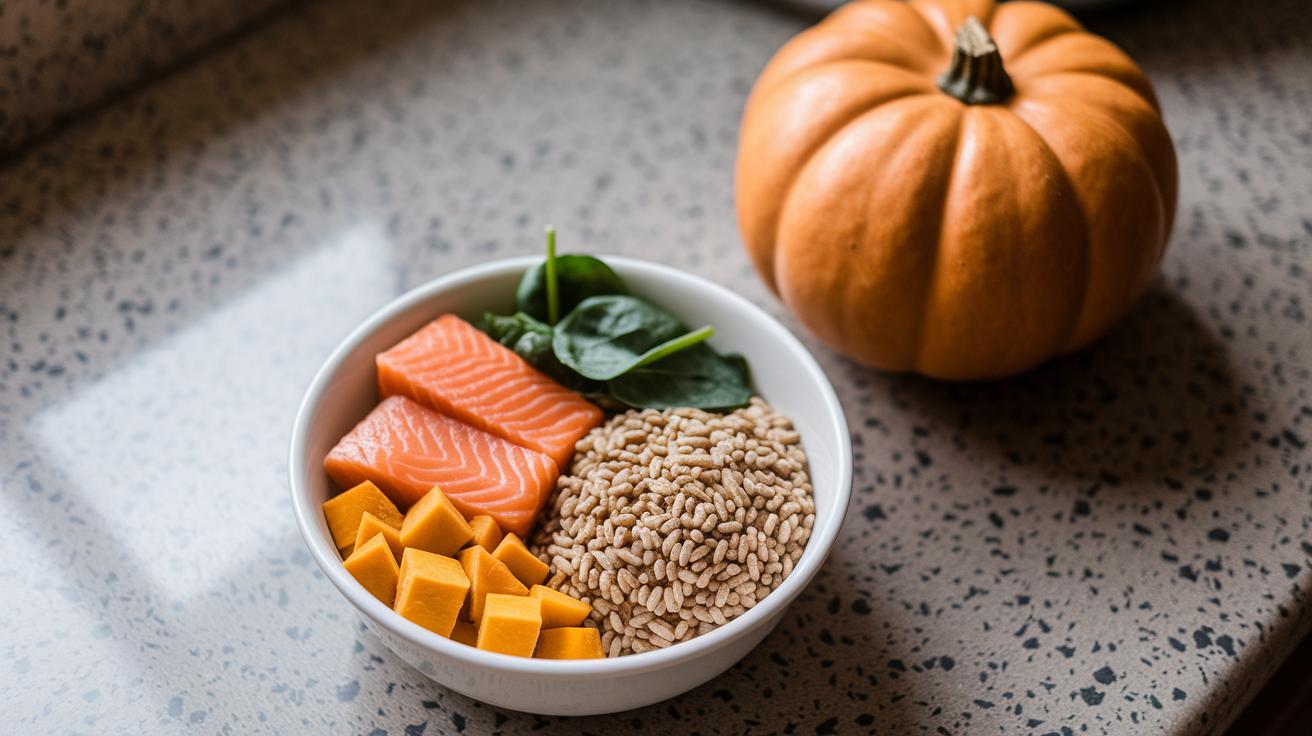
    Here’s a simple snapshot of a homemade diet for kitties with kidney issues (renal, that means related to the kidneys). It shows exactly how much of each ingredient to mix for a 1-kilogram meal. Ever watched your cat’s whiskers twitch at dinner time?

    • 470 g boneless chicken thigh (moist, protein-rich meat)
    • 30 g canned pink salmon (with bones + skin for calcium and omega-3s)
    • 220 g cooked white rice (soft carbs for a quick energy boost)
    • 100 g bright orange pumpkin or butternut squash (fiber-packed veggie)
    • 60 g fresh spinach or kale (leafy greens loaded with vitamins)
    • 90 g butter (rich, healthy fats for extra calories)

    Key nutrients per 1 kg batch:

    Protein Fat Carbs Phosphorus (mineral) Moisture
    27.8% 54.8% 17.4% 0.71 g / 1000 kcal 70%

    Think of this as your cheat sheet. Next, we’ll dive into cooking steps, blending tips, supplements, storage tricks, and, of course, a vet review. Your kitty will be purring in no time.

    Key Guidelines for Homemade Cat Food in Kidney Disease Management

    - Key Guidelines for Homemade Cat Food in Kidney Disease Management.jpg

    Feeding a cat with CKD (chronic kidney disease) means dialing in the right nutrients so your kitty’s kidneys get a break and they stay well hydrated. Think low-phosphorus (phosphorus is a mineral that can stress kidneys) meals, roughly 0.5% or under once you strip out the water (we call that dry matter basis). Less mineral load can slow damage. Ready to whip up a purr-fect mix?

    1. Keep phosphorus low. Aim for 0.5% or less on a dry matter basis (that means after you remove the water). Cats in IRIS (International Renal Interest Society) stage 3 or 4 usually need this limit. If your furball is in an earlier stage, they can handle a bit more for healthy growth.
    2. Tailor protein to the IRIS stage. Early-stage kitties do best with high-quality proteins (think chicken or turkey, no extras) to prevent muscle loss. Once they’re in stages 3 or 4, gently ease back on protein so their kidneys don’t feel overworked.
    3. Watch the salt. Keep sodium around 0.5–1 grams per 1,000 kcal. Too much salt can hike blood pressure and leave your cat thirsty. This amount helps keep things balanced without a thirst trap.
    4. Boost moisture. Aim for about 70% moisture in every meal, using wet food or adding water to dry mix. My cat’s whiskers practically do a happy dance when they see a saucy bowl. Hydration like this takes kidney stress down a notch.

    Next time you’re in the kitchen, toss these targets into the blender. Your kitty’ll thank you with happy purrs and playful paws. Worth every paw-print.

    Selecting Renal-Friendly Ingredients for Homemade Cat Food

    - Selecting Renal-Friendly Ingredients for Homemade Cat Food.jpg

    Ever want to whip up a renal-friendly feast that your cat actually devours? Here are four renal-friendly picks to slip into your homemade meals. Tuck them into your Recipe & Nutrients at a Glance or your Key Guidelines so everything stays in one spot. Ready to see those whiskers twitch?

    • Rabbit meat (lean protein from small mammals). It’s low in phosphorus, so your kitty’s kidneys get a break. I stirred in a spoonful and watched Jasper zoom around like a furry rocket.

    • Green beans (string-like veggie, fiber-packed). They add a gentle crunch that even picky nibblers love. My Luna gave me that slow-blink seal of approval after her first bite.

    • Carrots (root veggie, gentle fiber). Finely chop them and they melt right into the mix without a hint of orange. It’s stealth veggie magic – Jasper barely noticed, but he gobbled his meal.

    • Bone broth (simmered bones for nutrients and moisture). It’s like a warm kitty cappuccino – and it’s packed with collagen (protein that supports joints). My tabby laps it up in seconds, and it keeps her nice and hydrated.

    Step-by-Step Homemade Kidney Diet Recipe for Cats

    - Step-by-Step Homemade Kidney Diet Recipe for Cats.jpg

    Ready to whip up a purr-fect, kidney-friendly meal that keeps your kitty hydrated and meowing for more? This recipe makes about 1 kg (2.2 lbs) of nourishing food, enough to portion out for the week. Ever watch your cat’s whiskers twitch at the promise of something new? Let’s dive in.

    Ingredients for a 1 kg batch:

    • 470 g boneless chicken thigh (rich, moist protein)
    • 30 g canned pink salmon (with calcium-rich bits of bone and skin)
    • 220 g cooked white rice (soft, gentle carbs)
    • 100 g pumpkin or butternut squash (pureed fiber)
    • 60 g spinach or kale (finely chopped greens)
    • 90 g butter (creamy, healthy fats)

    Cooking steps:

    1. Cook the rice until it’s ultra-soft, almost like porridge.
    2. Steam the pumpkin and greens until they’re tender and easy to mash.
    3. Sauté the chicken thigh pieces in a nonstick pan (no extra salt) until fully cooked.
    4. Optional bone broth: simmer unsalted chicken bones in water for about 2 hours, then strain and save the liquid.

    Assembly and blending:

    • Toss rice, veggies, chicken, salmon, and butter into a big bowl.
    • Pour in a splash of bone broth or plain water if things look dry.
    • Blend until silky smooth, no lumps allowed. Cats love that flawless texture.

    Supplement mix:

    • 7 ml omega-3 liquid fish oil (heart and coat health)
    • 5 g psyllium husk (soluble fiber for gentle digestion)
    • 2,000 mg taurine (supports heart and eyes)
    • 25 mg iron plus one multivitamin capsule (vitamin-mineral boost)
    • 2 tsp calcium carbonate (binds excess phosphates)
    • ½ tsp potassium chloride (electrolyte support)
    • 2 crushed choline tablets (for brain and liver function)

    Consistency check:
    Aim for about 70 percent moisture. If the mix seems too thick, stir in extra bone broth or water until it pours slowly but still clings to your spoon.

    Portion and storage:
    Divide into 170 g servings (that’s about a quarter cup) and seal in airtight containers. Pop them in the fridge or freezer for easy grab-and-serve meals.

    Worth every paw-print.

    Storage, Safety, and Portion Control for Homemade Renal Meals

    - Storage, Safety, and Portion Control for Homemade Renal Meals.jpg

    Storing your homemade kidney-friendly meals for kitty takes a little planning. You’ll love all the purrs at dinner time. Keep fresh batches in the fridge (at or below 40°F [4°C]) for up to 5 days. And don’t forget to label each container with the date so nothing hangs around too long.

    Portion control is key. Scoop about 6 oz (roughly 170 g) per meal. You can tweak that based on your cat’s size, appetite, and your vet’s advice. Ever seen your furball give you the side-eye when it’s too little? Yep, you know what I mean.

    Planning ahead helps on busy days. Pour individual servings into silicone molds (flexible trays) or ice cube trays, then freeze until solid. Pop out the blocks and stash them in zip-top freezer bags (freezer-safe). Label with the date, and voilà, portion-ready meals at your fingertips.

    Thawing and reheating steps:

    1. Move a frozen block to the fridge the night before to thaw.
    2. Skip the microwave because hot spots can break down delicate nutrients. Instead, stir in a little warm water until the mix gets saucy again.

    Keeping things squeaky clean helps avoid trouble:

    • Wash and sanitize prep surfaces, utensils, and containers after handling raw and after cooking.
    • Let cooked proteins cool a bit before mixing in supplements and veggies so your plastic bowls don’t warp and you don’t invite bacteria.
    • Keep an appliance thermometer (the kind you leave inside) in your fridge and freezer to check temps regularly.

    Simple safety checks like date labels, temp monitoring, and separate cutting boards make every batch kitty-approved and worry-free. Worth every paw-print.

    Collaborating with Your Veterinarian for Kidney-Friendly Homemade Diets

    - Collaborating with Your Veterinarian for Kidney-Friendly Homemade Diets.jpg

    Booking a veterinary nutrition consultation gives you a clear look at your cat’s IRIS stage (kidney disease stage), blood phosphorus (a mineral in blood), creatinine (a waste product in blood), and hydration status. This quick check on your kitty’s numbers helps your vet whip up the perfect homemade menu.

    Start swapping in your new homemade recipe slowly, mix in just 10 to 20 percent of it every day or two. It’s like a taste-test adventure that keeps your cat intrigued instead of turning up their nose. Ever watched them sniff and stroll off? Slow changes win the curiosity game.

    Keep a simple feeding diary, jot down weight, appetite, water licks, and litter box visits. When you meet your vet, you’ll have lab value tracking at your fingertips: those phosphorus figures, creatinine levels, all of it. That data steers supplement tweaks, phosphate binders (meds that stick to extra phosphate), B-vitamin complexes ( a bundle of B-vitamins), plus a pinch of taurine or potassium. Your vet might fine-tune those at each follow-up based on fresh labs.

    Scatter fresh water bowls around the house like little hydration stations. Then, every four to six weeks, revisit portion sizes and meal times with your veterinarian. Those routine check-ins keep your fluffy pal purring, sipping, and feeling their best.

    Final Words

    In the action, we broke down Dr. Wall’s quick recipe and nutrient snapshot, then spotted key nutrient targets for kidney care. We focused on low-phosphorus, moderate-protein basics and picked the right proteins, carbs, and veggies.

    Next, you got hands-on with step-by-step cooking, blending, supplement additions, plus fridge and freezer hacks for safe storage. Finally, teaming up with your vet keeps everything on track.

    Follow these steps and watch those paws pounce with joy, your cats will thrive on homemade cat food for cats with kidney disease.

    FAQ

    Can I use homemade kidney disease cat food recipes found on Reddit?

    Homemade recipes found on Reddit offer helpful ideas, but have your vet review ingredients, nutrient levels, and supplement amounts to help your cat’s kidneys.

    What is the best non-prescription food for cats with kidney disease?

    Non-prescription options with moderate protein, low phosphorus (≤0.5% dry), and high moisture work best. Seek wet foods labeled for renal or urinary health, avoiding high-sodium or high-phosphorus varieties.

    What ingredients should be included in homemade kidney disease cat food?

    A healthy homemade renal diet combines lean proteins (chicken, turkey, salmon), cooked white rice, pumpkin, green beans, plus supplements like omega-3 fatty acids, taurine, calcium carbonate, and a phosphate binder.

    Can I feed human foods to cats with kidney disease?

    Human foods like cooked chicken, plain pumpkin, and green beans work in small amounts. Skip high-sodium, high-phosphorus foods such as processed meats or dairy to protect kidney function.

    Which commercial foods should I avoid for cats with kidney disease?

    Commercial diets high in phosphorus, sodium, or low moisture harm kidneys. Avoid dry foods, tuna-based diets, and any treats with added salt or bone meal to keep kidneys happy.

    Is canned tuna safe for cats with kidney disease?

    Canned tuna is high in phosphorus and may strain kidneys. Offer sparingly, choose low-sodium varieties, and balance with other renal-friendly proteins after vet approval.

    Is pumpkin okay for cats with kidney disease?

    Pumpkin is low in phosphorus, high in fiber and moisture, and gentle on digestion. Serve plain canned or cooked pumpkin in small portions to support hydration and gut health.

    Related Articles

  • Homemade Cat Food for Kittens Supports Healthy Growth

    Homemade Cat Food for Kittens Supports Healthy Growth

    Ever wonder if the secret to your kitten’s nonstop zoomies isn’t a bag of kibble but a bowl of homemade goodness? Tossing muscle meat, organs (like liver and heart for extra nutrients), and ground bone (tiny crushed bits for calcium) into a blender sounds wild. But this DIY feast loads up on protein, calcium, and vitamins that most store-bought foods just don’t deliver.

    Swap plain chicken for duck liver (rich in vitamin A for night-vision-level hunting). Nail the perfect calcium-to-phosphorus ratio (that’s key for strong bones) and add a splash of water to each meal to keep your kitten’s urinary tract happy. Honestly, seeing your kitten lap up every bite is paws-itively rewarding!

    Your kitten’s whiskers will twitch as they feast on this tailor-made menu. Think of each meal as a power-up for healthy growth you can truly trust. Ready to whip up your first batch?

    Balanced Homemade Cat Food for Kittens: Nutritional Foundation

    - Balanced Homemade Cat Food for Kittens Nutritional Foundation.jpg

    Feeding a happy kitten means mixing muscle meat, organs, and bone. Muscle meat is a protein powerhouse for playful muscles. Organs are tiny vitamin packs, and bones (ground or finely chopped) supply calcium (for strong bones) and phosphorus (for healthy teeth). Your kitten’s whiskers will twitch as each bite slides in.

    Swap in duck or ruminant liver for extra vitamin A (night vision) and copper (blood health) over plain chicken liver. Ever noticed your kitten’s eyes light up when you warm a fresh blend? That extra vitamin A boosts night vision and immune strength. And heart meat brings B vitamins plus taurine (an amino acid cats can’t make) to keep their hearts and eyes purring smoothly.

    Hitting the right calcium to phosphorus ratio, about 1.2 to 1, sounds tricky but it’s a must. Too much phosphorus can cause bone issues. Mix in 3 grams of eggshell powder per pound of meat (dried, ground eggshell) or ½ to 1 teaspoon of food-grade bone meal. And aim for two-thirds water by weight so your kitten stays hydrated and avoids urinary crystals.

    Um, to plug any nutrient gaps, stir in a premix supplement made to AAFCO or FEDIAF guidelines (pet food standards) by a veterinary nutritionist (animal diet expert). You’ll cover essentials like taurine for heart and vision and DHA-rich omega-3s for brain growth. Curious for more recipe ideas? Check out homemade cat food recipes for simple blends you can batch cook. Your kitten will gobble up a nose-to-tail feast that’s scientifically balanced and totally purr-worthy.

    Essential Nutrient Breakdown in Homemade Diets for Kittens

    - Essential Nutrient Breakdown in Homemade Diets for Kittens.jpg

    Whipping up homemade kitten grub means getting your numbers right! Aim for 50-60% protein (the building-block stuff) and 25-30% fat (energy boosters) on a dry matter basis (the solid bits after moisture’s gone). And every kilogram of food needs about 250 mg taurine (a heart and eye loving amino acid).

    Kittens usually run through 200-300 kilocalories a day. Tiny tigers need fuel! Weigh your ingredients on a kitchen scale, um, so you’re not guessing. Then toss the numbers into a calorie-tracking app to nail the right portion. Ever watched your kitty’s whiskers twitch at dinner time?

    Balancing calcium to phosphorus is key – think a 1.2 to 1 ratio! You can stir in 3 g of eggshell powder (finely ground shell dust) per pound of meat. Or drop in ½ to 1 teaspoon of bone meal (ground up bone bits) per pound. This keeps those little skeletons growing strong without a crunch that’s too much.

    Don’t forget a splash of omega-3s for brainy bounces! A spoonful of fish oil premix or a dollop of algae-based supplement (plant powered DHA) does the trick. It’s like adding brain fuel for your little pouncer. Worth every paw-print, right?

    Age-Based Feeding: Growth Stages and Portion Guidelines for Kitten Meals

    - Age-Based Feeding Growth Stages and Portion Guidelines for Kitten Meals.jpg

    Feeding kittens is like fueling tiny furry rockets. Ever watched a pint-size furball tumble across the floor, whiskers twitching? Those first meals kick off weaning (when kittens start solid food) and keep energy high for pouncing practice.

    • 4–6 weeks: four to six small meals per day
    • 6–12 weeks: three to four meals per day
    • 3–6 months: three meals per day
    • Over 6 months: two meals per day

    Portion sizes grow with your kitten’s weight. Aim for about 25 kilocalories (kcal) of food energy per half-pound (0.5 lb) of body weight each meal. For a 1 lb kitten that’s roughly 50 kcal per sitting, like measuring ingredients for a cake. Grab a kitchen scale and a simple calorie calculator so you’re not guessing.

    Next, mix store kibble with homemade blends to avoid tummy troubles. Start with 25% homemade cat food for kittens and 75% kibble for three days. Then bump it up to 50% homemade for days 4–7. By day 10, you’ll be at 75% homemade and 25% kibble. This gradual shift eases little tummies into new textures without protest.

    Soon you’ll see your kitten vault onto furniture like a tiny acrobat. Worth every paw-print.

    Step-by-Step Homemade Kitten Meal Recipes and Batch Cooking

    - Step-by-Step Homemade Kitten Meal Recipes and Batch Cooking.jpg

    Got a tiny fluff-ball with a big appetite? These five silky puree meals will have your kitten slurping them up in seconds. They’re purr-fect for its small mouth and stuffed with the vitamins and proteins your growing furball needs. Wanna keep a few extra meow-llars in your pocket? Peek at easy cheap homemade cat food for budget-friendly tips.

    • Chicken & Rice Stew: 1 cup cooked, shredded chicken breast (lean protein); ¼ cup cooked brown rice (whole grain carbs); 1 tsp fish oil (omega-3 fatty acids); pinch of taurine supplement (essential amino acid).
    • Turkey & Pumpkin Mash: 1 cup cooked ground turkey (mild protein); ¼ cup unsweetened pumpkin puree (fiber boost); 2 Tbsp mashed peas (veg power).
    • Pureed Liver Entrée: ½ cup calf liver (vitamin A goldmine); ½ cup cooked chicken thigh (juicy protein); 1 tsp olive oil (healthy fat); sprinkle of supplement premix (balanced vitamins and minerals).
    • Whitefish & Quinoa: 1 cup cooked cod (tender fish); ¼ cup boiled quinoa (tiny seed-grain); 1 tsp flaxseed oil (DHA-rich fat).
    • Turkey Gizzard Mix: 1 cup ground turkey gizzards (chewy bits of stomach muscle); 2 Tbsp mashed sweet potato (beta-carotene boost); ¼ tsp powdered calcium (bone health).

    Scoop the recipes into small, kitten-size portions. I like tablespoon scoops for little snack-timers, and a quarter-cup for a full meal.

    1. Divide each batch into three-day fridge packs, and store at or below 40 °F.
    2. Freeze the extras at 0 °F and they’ll stay good for up to three months.
    3. Pop out cubes from ice cube trays and let them thaw in the fridge overnight.
    4. Warm gently to about 100 °F (um, test with your hand so it’s just a bit toasty) to avoid cold spots.

    And voila, every serving is silky-smooth and at the purr-fect temp. Your kitten will twitch its whiskers at the first sniff, and you’ll love how simple and rewarding mealtime can be. Worth every paw-print.

    Food Safety, Storage, and Serving Guidelines for Homemade Kitten Meals

    - Food Safety, Storage, and Serving Guidelines for Homemade Kitten Meals.jpg

    Alright, first things first: keep your kitchen as spotless as your kitty’s whiskers. Wipe down every counter and utensil with a pet-safe disinfectant (a cleaner safe for curious paws) before you handle any raw meat (uncooked meat). Then wash your hands, cutting board, and knife in hot, soapy water so no sneaky germs hitch a ride. Um, nobody wants a furball of bacteria on their kitty’s dinner.

    Next, treat your little one’s bowls to a daily spa session. A rinse with hot, soapy water scrubs away leftover oils and proteins that turn into a bacterial playground. Your kitten will thank you with happy purrs.

    Storage? Thawing? Reheating? Head over to the Step-by-Step Homemade Kitten Meal Recipes and Batch Cooking section for all the deets. When you reheat meals, warm them gently to around 100–110 °F so they’re cozy but not scorching. See the batch-cooking section for the full protocol.

    Worth every paw-print.

    Troubleshooting Homemade Kitten Food: Allergies and Digestive Health

    - Troubleshooting Homemade Kitten Food Allergies and Digestive Health.jpg

    Ever watch your kitten nudge their bowl and sniff-test a fresh meal? Loose stools, sudden vomiting, or a droopy tail can mean your recipe needs a paw-sible tweak. Spotting these clues early helps your furball stay happy (okay maybe a tiny dance of excitement).

    • Keep a daily log of stool texture. If it is loose or watery two days straight, time to tweak the mix.
    • Fish (heavy on oils) and dairy (lactose (milk sugar) can upset many kittens) top the allergen list.
    • Introduce new proteins over 3 to 5 days. Start with just a teaspoon per meal like a mini taste test.
    • If diarrhea runs past 48 hours, simplify. Pick one protein and one carb (energy source) and drop the extras.
    • Weigh your kitten weekly on a kitchen scale and chart it. Small, steady gains mean you are on the right track.

    So raw or cooked? Raw fish can hide parasites (tiny germs), so cook fish fully to about 165 F. Raw chicken or turkey can work too I guess – just freeze it first, grind fresh, and keep every surface spotless.

    Watching weight gain ties it all together. Your kitten’s whiskers might twitch as you set the bowl down for that claw-tastic dinner moment. A quick weigh-in and a peek at the growth chart give you the full picture. If weights stall or tummy troubles linger, loop in your vet. They will tweak supplements or swap proteins so your little pouncer stays purring and thriving.

    Final Words

    We’ve used a mix of muscle meat, organs, and bone plus vet-formulated premixes to nail every kitten need, from taurine for heart health to DHA for sharp wits.

    Then we mapped out feeding stages and made batch cooking easy with five simple recipes, clear serving tips, and safe storage steps to keep meals fresh.

    Your kittens can thrive with homemade cat food for kittens that’s balanced, time-saving, and stress-reducing. Here’s to happy purrs and playful leaps ahead!

    FAQ

    Do vets recommend homemade cat food?

    Vets recommend homemade cat food when it blends muscle meat, organs, bone and veterinarian-designed supplements to meet every essential nutrient, support growth, heart health and safe development.

    Are there vet-approved homemade wet cat and kitten food recipes?

    Vet-approved homemade wet cat and kitten food recipes combine cooked proteins like chicken or whitefish, organ meats, added moisture and a premix supplement designed to match AAFCO profiles, covering taurine, omega-3s and minerals.

    How can I make easy, budget-friendly homemade kitten food, such as chicken-based recipes?

    Easy, budget-friendly homemade kitten food uses shredded chicken breast, cooked grains or pumpkin, a teaspoon of fish oil, a calcium source like eggshell powder and a taurine supplement for complete nutrition.

    What makes the best homemade cat or kitten food?

    The best homemade cat or kitten food balances 50–60% protein, 25–30% fat, moisture near 66%, plus key nutrients like taurine, DHA-rich omega-3s and a calcium-phosphorus ratio around 1.2 for healthy growth.

    How do I prepare home-cooked meals for kittens without commercial cat food?

    Home-cooked meals for kittens without commercial food use lean proteins such as turkey or fish, pureed vegetables, measured calcium sources and a vet-formulated supplement, served in small, frequent portions to match growth needs.

    Related Articles

  • homemade cat food to gain weight safely

    homemade cat food to gain weight safely

    Wondering how to help your cat pack on healthy weight? Serving plain store kibble is like feeding toast to a sprinter. It just won’t cut it.

    Here’s the scoop: mix lean poultry or rabbit (protein source) with healthy fats (quick energy boost) and a bit of organ meat (rich in vitamin A and taurine) for homemade meals that smell like heaven to your kitty. Picture juicy chicken browning in the pan and rabbit meat you can shred with ease. Your cat’s whiskers will twitch as it sniffs each bite. It’s a fun way to fatten up your furball safely and slowly.

    We’ll show you how to check calories, master simple portion hacks, and pick flavors even the shyest kitten can’t resist. Ready to see those paws leaving satisfied paw prints all around?

    Safe Homemade Cat Food to Gain Weight: Overview and Key Principles

    - Safe Homemade Cat Food to Gain Weight Overview and Key Principles.jpg

    Is your kitty on the slim side? Let’s whip up homemade meals that help your cat pack on healthy pounds while keeping playtime purr-fectly fun.

    Aim for about 200 calories a day, split into six mini meals. Each bowl should hit at least 30% protein (muscle builder) and 20% fat (energy fuel). This steady feed helps your cat grow lean muscle and keep energy up. Really.

    Nutrient Target %
    Protein (muscle builder) 30%
    Fat (energy fuel) 20%
    Organ Meat (vitamin A & taurine) 5–10%

    Cats are obligate carnivores, which means meat is non-negotiable. Use lean poultry or rabbit as your protein base. Drizzle in salmon oil (fish-based healthy fat) or flaxseed oil (plant-based healthy fat). Don’t skip on moisture, stir in about 3.5 ounces of water or low-sodium broth per 5 pounds of body weight. Serving meals at room temperature makes that first sniff extra inviting. Ever watched your kitty’s whiskers twitch when something smells just right?

    Next, toss in 5–10% organ meat like liver or heart for a boost of vitamin A and taurine (an essential cat nutrient). Oops, make that closer to 10% if your cat is super picky or needs an extra flavor punch.

    Worth every paw-print. Homemade diets often lead to livelier play sessions, smaller stools you can scoop in a flash, and way less litter-box odor. You can even jazz things up with a swirl of pureed pumpkin for fiber, a splash of broth for slurpy fun, or a dash of fish oil for a glossy coat.

    Serving fresh, just-warm meals invites even the fussiest eaters to dive right in. For step-by-step tips on mixing balanced, weight-gaining recipes, check out how to make homemade cat food.

    Ingredients & Supplements for Homemade Cat Food to Gain Weight

    - Ingredients  Supplements for Homemade Cat Food to Gain Weight.jpg

    So you’re ready to help your kitty pack on some healthy pounds? Try folding in one or two cooked eggs (protein-packed) each time you whip up a batch. Or stir in about ¼ cup of mashed sweet potato (soft orange root veggie) for extra calories and a change of taste. It’s an easy tweak, and your feline friend might purr with delight.

    Here’s a quick supplement cheat sheet:

    Supplement Recommended Dosage Primary Benefit
    Taurine (essential amino acid) 2,000 mg/day Supports heart and vision health
    Fish oil (omega-3 fatty acids) 5,000–10,000 mg EPA/DHA Helps skin, coat, and fights inflammation
    Vitamin E (fat-soluble antioxidant) 200–400 IU Offers antioxidant support
    B-Complex (group of B vitamins) 50–200 mg Boosts energy metabolism
    Potassium gluconate (mineral supplement) 14 × 99 mg tablets Maintains electrolyte balance
    Iodized salt (source of iodine) Use sparingly Helps with calcium-phosphorus balance

    Once your mix is ready, store fresh portions in the fridge for up to three days. Actually, you can freeze individual servings in labeled containers, perfect for busy mornings. Keep all your bowls, spoons, and counters clean because raw poultry and organ meats can carry bacteria.

    Before you dive into homemade meals full-time, check in with your veterinarian to make sure your cat’s nutrition stays on target.

    Homemade Cat Weight Gain Recipes: High-Calorie and Protein-Rich Options

    - Homemade Cat Weight Gain Recipes High-Calorie and Protein-Rich Options.jpg

    Ready to help your kitty pack on some healthy pounds? These four playful recipes are loaded with protein, healthy fats, and a touch of yum. Your cat’s whiskers will twitch at the aroma, and you’ll love seeing them pounce. Let’s dive in!

    Recipe 1: Chicken, Rice & Fish Oil Blend

    Ingredients:

    • 1 cup boiled chicken (finely chopped)
    • ¼ cup cooked white rice (gentle on tummies)
    • ¼ cup low-sodium chicken broth (adds moisture)
    • ½ teaspoon fish oil (rich in omega-3 for a glossy coat)

    Preparation:
    Boil the chicken until there’s no pink left. Chop or shred into bite-size pieces. Mix chicken, rice, and warm broth in a bowl. That steamy scent will make your cat’s whiskers twitch! Stir in fish oil right before serving.

    Supplements:

    • 500 mg taurine powder (an amino acid for heart health)

    Serving Size:
    Offer about ¼ cup per meal, six times a day. Room temperature wins extra purrs.

    Recipe 2: Tuna & Sweet Potato Pâté

    Ingredients:

    • ½ cup canned tuna in water (drained)
    • ¼ cup mashed sweet potato (smooth)
    • ¼ teaspoon fish oil (omega-3 boost)

    Preparation:
    Blend tuna and sweet potato until it’s chunky-smooth. Soft and creamy, perfect for gentle nibbles. Fold in fish oil with a gentle stir.

    Supplements:

    • 200 mg vitamin B-complex powder (for energy metabolism)

    Serving Size:
    Scoop out 2–3 tablespoons per meal, four times a day. Soft texture = happy little nuzzles.

    Recipe 3: Salmon & Egg Protein Mix

    Ingredients:

    • 1 salmon fillet (4 oz), baked at 350°F for about 15 minutes
    • 2 boiled eggs (whites chopped, yolks flaked)

    Preparation:
    Flake the salmon into tiny bites. Chop egg whites into pea-size bits and sprinkle yolks on top. Fold gently so it stays light and fluffy, um, think cloud-like.

    Supplements:

    • ¼ teaspoon vitamin E powder (antioxidant support)

    Serving Size:
    Serve roughly 3 tablespoons per meal, five times a day. Your cat will leap for this mix. Really.

    Recipe 4: Raw Poultry & Supplement Fusion

    Ingredients:

    • 3 lbs poultry mix (rabbit and chicken meat)
    • 1 cup water
    • 2 eggs (raw yolks, cooked whites)
    • 10,000 mg fish oil capsules (opened)
    • 2,000 mg taurine powder
    • 200 IU vitamin E

    Preparation:
    Grind the meat and cooked whites in a heavy-duty grinder. Add raw yolks and mix until the color is even. Dissolve the fish oil, taurine, and vitamin E in water, then stir into the meat blend. Keep it chilled so it stays fresh.

    Serving Size:
    Portion about ⅓ cup per meal, four to six meals a day. Worth every paw-print.

    Portion Sizes and Feeding Schedule for Homemade Cat Food to Gain Weight

    - Portion Sizes and Feeding Schedule for Homemade Cat Food to Gain Weight.jpg

    Did you know an adult cat needs about 200 calories a day? That’s almost 6 ounces of homemade food. Weigh each portion on a digital scale (the small kitchen kind) or scoop it into a standard 5.5 ounce container. Label every dish with its weight and date, no guessing required. Pick one scale and stick with it, then jot down the numbers in a simple log. If you skip measuring, you might miss protein (the muscle builder) or fat (your kitty’s energy fuel) targets, or accidentally overfeed, which can stall healthy weight gain.

    Ever watched your kitty’s whiskers twitch at the smell of a warm bowl? Aim for four to six small meals each day to keep that appetite buzzing. Spread meals every three to four hours and serve at room temperature so your cat stays curious. Switch to your new recipe slowly: start with 25 percent new food mixed with 75 percent old, then ramp up the new stuff over seven to ten days. Keep an eye on stool quality and energy levels. Weigh your cat once a week and tweak portions as needed. A simple feeding tracker, just a notebook or plain spreadsheet, makes spotting patterns purr-fectly easy.

    Worth every paw-print.

    Preparation and Storage Guidelines for Homemade Cat Food to Gain Weight

    - Preparation and Storage Guidelines for Homemade Cat Food to Gain Weight.jpg

    Ever seen your cat’s whiskers dance? That happens when they taste a creamy blend. To whip it up, grab a heavy-duty meat grinder like the Weston #12. It mashes muscle meat, organs, and bones into a silky puree.

    Next, measure supplements: taurine (an amino acid cats need), fish oil, and vitamin E. Mix them in a splash of water until they dissolve. Then stir that into your meat puree. This step locks in safety and spreads every nutrient evenly.

    Scoop the food into single-serve portions and label each pack with the recipe name and date, no guessing later. Fresh meals live in airtight containers (think Tupperware) for up to three days. Planning ahead? Slide extra trays or sealed boxes into the freezer. They’ll keep for about three months. To thaw, move a pack to the fridge overnight. No microwaves, really, just don’t do it.

    Safety first. Scrub grinder parts, cutting boards, bowls, and counters with hot, soapy water after each prep session. Wash your hands before and after handling raw meat. Yep, that’s a must. These simple steps stop bad germs and keep your kitchen, and kitty, feeling fine.

    Monitoring Cat Weight Gain and Vet Advice for Homemade Diets

    - Monitoring Cat Weight Gain and Vet Advice for Homemade Diets.jpg

    Keep doing weekly weigh-ins. Do stool checks (just a peek at your cat’s litter to catch clues) and note their energy level – are they zooming around or snoozing all day? Sometimes tiny worms (parasites that steal nutrients), an overactive thyroid (hyperthyroidism that speeds up their engine), or a painful tooth (dental disease that makes chewing ouch) can stall progress. And most of these hide until you run bloodwork (a lab test checking organ function and cell counts).

    Parasites sap energy so your kitty may move in slow motion. Hyperthyroidism feels like your cat is on a hamster wheel – always hungry but still not gaining. A sore tooth can turn dinner into a no-go zone. Seriously.

    So plan a vet check every 4 to 6 weeks while you swap diets. Before each visit, jot down appetite changes (eating more or suddenly less), behavior notes (new hiding spots or extra meows), coat condition (dull spots or matted fur) and litter-box output (constipation, diarrhea or extra trips). Share those details with your vet so any hidden snags get caught early and healthy weight gain stays on track.

    Worth every paw-print.

    Final Words

    In the action, we laid out a feeding plan: six small meals, 200 kcal daily with 30 percent protein and 20 percent fat.

    We filled plates with lean meats, healthy oils, eggs and key supplements for balanced nutrition.

    You got four tasty recipes, from chicken and rice to raw poultry blends. Measuring portions, safe prep tips and storage tricks made meal time a breeze. Weekly weigh-ins and vet check cues kept tabs on steady gains.

    Homemade cat food to gain weight can fuel energy boosts, smaller stools and happier kitties. Here’s to whisker-twitching success and healthy purrs ahead.

    FAQ

    Are there homemade cat food recipes on Reddit to help cats gain weight?

    Homemade cat food recipes on Reddit help cats gain weight but vary in nutrients. Always choose recipes delivering at least 30% animal protein and 20% fat, split into six small meals daily, and vet reviewed.

    Which vet-approved homemade cat food recipes support healthy weight gain?

    Vet-approved homemade cat food recipes support healthy weight gain by combining lean meats, organ meats, healthy fats, and essential taurine in balanced ratios of 30% protein and 20% fat.

    How can I make simple, cheap homemade cat food?

    Simple, cheap homemade cat food can be made with cooked chicken, rice, eggs, and a drizzle of fish oil. Aim for 30% protein and 20% fat to promote weight gain.

    What main ingredients make the best homemade cat food for weight gain?

    The best homemade cat food for weight gain features lean proteins like chicken or turkey, organ meats at 5-10% of the mix, healthy fats from salmon oil, and moisture from low-sodium broth.

    Which supplements should I add to homemade cat food for weight gain?

    Homemade cat food supplements for weight gain should include 2000 mg taurine, 5000–10000 mg fish oil for omega-3, 200–400 IU vitamin E, B-complex vitamins, potassium gluconate, and iodized salt.

    How do I make homemade cat food with tuna?

    Homemade cat food with tuna mixes ½ cup water-packed tuna, ¼ cup cooked sweet potato, and a dash of fish oil. Ensure 30% protein and 20% fat for healthy weight gain.

    What home remedies can support weight gain in cats?

    Home remedies for cat weight gain include adding cooked egg yolk or plain yogurt for extra calories, warming meals to boost aroma, and mixing in salmon oil for healthy fats.

    What homemade foods help older cats put on weight?

    Homemade foods for older cats to gain weight should be soft and nutrient rich. Try chicken puree with pumpkin for fiber, egg yolk for fat, and low-sodium broth for extra moisture.

    Related Articles

  • easy cheap homemade cat food Provides Wholesome Nutrition

    easy cheap homemade cat food Provides Wholesome Nutrition

    Think feeding your cat homemade meals is pricey or tricky? Think again. It’s actually a breeze and can cost less than fancy store brands. Plus your kitty gets real, tender meat, firmer stools, and a silky, glossy coat. Talk about feeling feline fine.

    All you need is lean chicken (meat with little fat) or turkey, a splash of water, and a pinch of taurine (an amino acid for heart health). Mix it up, warm it just until steam rises, then let it cool. In minutes you’ll be scooping balanced, budget-friendly bowls that have your cat purring louder than ever.

    No fancy gear and no long ingredient lists. Just wholesome nutrition in every bite. Ever watched your kitty’s whiskers twitch at a fresh meal? That’s worth every paw-print.

    Quick Basics for Easy Cheap Homemade Cat Food

    - Quick Basics for Easy Cheap Homemade Cat Food.jpg

    Making your own cat meals can feel like a mini kitchen adventure and a budget win! You skip store-brand fillers and pick fresh bits your kitty will gobble. Expect firmer stools with less odor, a glossier coat, and that extra spring in their step. Isn’t it nice when real, wholesome bites do the trick?

    Cats are obligate carnivores, so they really need meat. Aim for at least 30 percent animal protein in each batch (think chicken, turkey, or fish). Keep fats around 20 to 24 percent for energy and soft skin. And water – about 3.5 ounces per five pounds of body weight keeps hydration on point.

    Don’t forget taurine (an amino acid only in meat that protects heart and vision). Just a pinch does the trick. Lightly cook on low heat until the meat is just warm to the touch, oops no steaming or you lose goodness. Ever watched your cat sniff the air when you open the fridge? That’s primo playtime.

    Here’s how I do it:

    • Gather lean chicken or turkey, a dab of animal fat, water, plus a taurine supplement.
    • Chop or grind the meat into bite-sized pieces.
    • Gently heat on low until it’s warm enough to hold – follow our step-by-step at how to make homemade cat food for extra tips.
    • Let it cool, then pack into 4- or 5-ounce portions and stash in the fridge or freezer.

    Keep the 30 percent protein, 20–24 percent fat rule, and fill in the rest with water or broth plus that taurine pinch. This simple ratio packs muscle fuel, healthy skin oils, and all the essential nutrients. Worth every paw-print.

    Choosing Inexpensive Ingredients for Easy Cheap Homemade Cat Food

    - Choosing Inexpensive Ingredients for Easy Cheap Homemade Cat Food.jpg

    Feeding your kitty on a budget can be fun and tasty. Chicken thighs or leg quarters cost less per pound and bring in that meaty goodness. Ground turkey’s a winner, too. Ever see your cat’s whiskers twitch at the smell of sardines or mackerel? If you snag those cans on sale, you’ll have a fishy treat they can’t resist!

    Add an egg or two for a protein punch (eggs offer all the amino acids cats need). Stir in raw ground bones (crushed bone meal for calcium and phosphorus) to keep bones strong without splinter risks. Organ meats like liver (rich in vitamin A and iron) make a once a week nutrient boost. Your kitty’s coat will shine like new.

    Switch things up each mealtime: poultry one day, fish or turkey the next. This rotation keeps meals exciting and helps cover nutrition gaps. Need to stretch the batch? Mix in cooked white rice or pumpkin (soft squash with fiber). Pumpkin adds a gentle sweetness cats love. Skip cooked bones; they can splinter and cause harm. With these simple pantry picks you’ll whip up safe, wholesome meals that have your cat purring.

    Essential Nutrients for Balanced Easy Cheap Homemade Cat Food

    - Essential Nutrients for Balanced Easy Cheap Homemade Cat Food.jpg

    Advanced Nutrient Tuning

    Micronutrients are tiny but pack a punch, like that soft thud when your kitty bats a toy across the carpet. Let’s zoom in on these little heroes.

    Calcium (for strong bones) and phosphorus (another bone builder) need a 1 to 1 ratio. Stir in raw ground bones (tiny bone shards) or bone meal (finely ground bone) until you hit that balance. Don’t forget a pinch of iodized salt (table salt with extra iodine) for thyroid health, about 1 teaspoon Morton Lite or 3/4 teaspoon regular.

    Here are the exact daily boosts your cat needs:

    • Taurine (an amino acid for heart and eye health): 2,000 mg
    • Fish oil (omega-3 oil from fish): 5,000–10,000 mg
    • Vitamin E (a cell protector): 400 IU
    • Vitamin B complex (a bundle of B vitamins that help metabolism): 50 mg
    • Potassium gluconate (a mineral for nerves): 14 tablets at 99 mg each

    Mix them into the meat blend so every spoonful delivers what your cat needs. Worth every paw-print.

    Simple DIY Wet and Dry Easy Cheap Homemade Cat Food Recipes

    - Simple DIY Wet and Dry Easy Cheap Homemade Cat Food Recipes.jpg

    Hey there, cat parent! Want to serve up fresh, budget-friendly meals your kitty will go crazy for? Our chicken & pea wet dish is warm and tender, think soft nibbles that melt in your cat’s mouth. And the crunchy dry kibble? It’s got that snap your feline friend adores. You’ll skip all the fillers and feel great about what’s in the bowl. Curious for more ideas? Peek at our homemade wet cat food recipes for extra flavor fun.

    Chicken & Pea Wet Recipe

    Ingredients

    • 200 g chicken (fresh or thawed frozen)
    • 100 g peas (fresh or cooked)
    • 1 Tbsp salmon oil (omega-3 rich oil from fish)

    Steps

    1. Chop chicken into tiny bites or pulse it in a grinder so it’s easy to eat.
    2. Steam peas until soft, then mash them a bit, your cat will love the little green bits.
    3. Warm chicken and peas together on low heat for about 15 minutes, stirring so nothing sticks.
    4. Stir in salmon oil, cool to lukewarm, and scoop into bowls or meal-prep containers.

    Your cat’s whiskers will twitch as they dive into that bowl of goodness.

    Simple Dry Kibble Recipe

    Ingredients

    • 3 cups whole wheat flour (milled from whole grains)
    • 2 cups soy flour (ground soybeans)
    • 1 cup wheat germ (ground wheat kernel)
    • 1 cup cornmeal (ground dried corn)
    • 1 cup nonfat dry milk (powdered milk)
    • ½ cup brewer’s yeast (nutritional supplement)
    • One 15 oz can mackerel, drained
    • 5 Tbsp vegetable oil
    • 1 Tbsp cod liver oil (rich fish oil)
    • ~2 cups water

    Steps

    1. Preheat oven to 350 °F. In a bowl, whisk together flours, wheat germ, cornmeal, dry milk, and brewer’s yeast.
    2. Stir in drained mackerel, vegetable oil, and cod liver oil until the mix looks like crumbs.
    3. Slowly add water until the dough just holds together but isn’t sticky.
    4. Press dough in a thin layer on a baking sheet. Bake for 25 minutes, flipping halfway so each side gets crunchy.

    Let the kibble cool completely, then toss into an airtight jar, snap, crackle, purr.

    This pair of recipes makes about 1–2 wet meals or three dry servings. Store wet food in the fridge for up to three days or freeze for longer. Dry treats keep best at room temp in a sealed container, ready whenever your kitty needs a snack.

    Smart Storage and Meal Prep for Easy Cheap Homemade Cat Food

    - Smart Storage and Meal Prep for Easy Cheap Homemade Cat Food.jpg

    Batch cooking cat food is a game-changer for busy cat parents, no more last-minute preps. Ever watched your kitty give you the “feed me” stare at 2 a.m.? Grab a sturdy meat grinder (it’s like a mixer that turns meat into tiny bites) and a sharp butcher’s knife to tackle bones and organs safely. Then blend the broth into silky ribbons that cling to each morsel.

    Scoop into 5.5-oz (about a small tuna can) portion containers and label each with the date so you know what’s fresh. Using these portions cuts down on waste and helps you never overfeed, your kitty stays fit, and you save cash! Worth every whisker-twitch.

    Now for storage, fresh packs chill in the fridge for up to three days, great for a week of dinners. For marathon meal prep, stash them in the freezer, where they keep safely for three months without freezer burn. A dedicated chest freezer holds temps steady (think of it as a cozy igloo for your cat meals).

    Gradual Transition and Feeding Guide for Easy Cheap Homemade Cat Food

    - Gradual Transition and Feeding Guide for Easy Cheap Homemade Cat Food.jpg

    Hey there, fellow cat fan! Ready to give your kitty a tasty homemade meal? Let’s make it simple, and paw-some.

    First, serve your DIY cat food (soft, bite-sized yum) twice a day. Let your cat munch for 20 to 30 minutes, then clear the bowl. Most adult cats need about 300–350 kcal (food calories) daily. That usually works out to two meals of 4–5 ounces or one 6-ounce plate plus a small snack. Scooping leftovers at the end stops overfeeding and trims your grocery bill. Claw-some!

    Have more than one furball? Label each bowl with a name or cute sticker so no sneaky snacks happen. Adjust each serving based on your cat’s weight and daily zoomies, high-flyers need extra fuel.

    Switching from kibble to homemade? Just follow this three-step mix:

    1. Days 1–3: 25% homemade, 75% kibble.
    2. Days 4–6: 50/50 blend.
    3. Days 7–9: 75% homemade, 25% kibble. By days 10–12, you’re at 100% homemade goodness!

    Watch how your kitty reacts, look for happy purrs, firm poop, and playful bursts. If you spot tummy troubles or a picky face, slow down or tweak the ratios. And if you’re ever unsure, chat with your vet.

    Vet-Customized Easy Cheap Homemade Cat Food for Special Needs

    - Vet-Customized Easy Cheap Homemade Cat Food for Special Needs.jpg

    Your little furball tearing across the living room needs extra fuel. Upping protein (muscle-building fuel) to at least 35 percent helps them stay strong, and shooting for about 50 calories per pound of body weight keeps them bouncing all day. Ever watched those whiskers twitch as they pounce on a toy? It’s irresistible!

    For your older cat, you want a moderate protein level (so their muscles stay steady without overwork). Mix in a pinch of glucosamine (joint-loving supplement) and a splash of fish oil (omega-3 good fat) to keep those bones happy and fur shiny. Soft nibbles and a gentle chew texture make mealtime cozier.

    If your cat needs to slim down, lean meats like turkey or rabbit (low-fat protein) plus a sprinkle of psyllium husk (fiber that adds bulk without fat) make a filling mix. Picky eaters often go wild for smoother blends or a teeny bit of liver puree, yum! Next, toss them a spoonful and watch their tails swish.

    Working hand in paw with your vet means no guesswork. Blood tests can fine-tune vitamin A (night-vision helper) or tweak minerals, while allergy checks keep tummies happy. Your vet can also recommend the right doses of taurine (eye helper), calcium (bone booster) or B-vitamins (energy helpers) for your kitty’s health. A quick chat makes sure every bowl is just right, purrs guaranteed!

    Final Words

    Jumping right in: we walked through basic steps to whip up safe meals, picked budget-friendly proteins, and hit nutrient targets (like taurine, an essential amino acid). Then we shared wet and dry recipes for busy pros.

    We talked storage tips, meal prep tricks, and a 3-step food switch plan that keeps tummies happy. We even covered kit to senior tweaks under vet care.

    Ready to start? Here’s to purring cats and fewer vet bills with your easy cheap homemade cat food.

    FAQ

    What vet-approved healthy homemade cat food recipes can I make?

    Vet-approved healthy homemade cat food recipes combine easy ingredients like cooked chicken thighs, ground turkey and essential taurine supplements (2,000 mg daily). Light cooking preserves nutrients for shinier coats and firmer stool.

    How can I feed my cat cheaply with homemade food, and is it cheaper?

    Feeding your cat cheaply with homemade food can cut costs by using budget proteins like chicken quarters, canned sardines, and eggs. Bulk prep and simple carb fillers save money compared to premium commercial diets.

    What simple homemade wet and dry cat food recipes can I try?

    Try a chicken & pea blend (200 g chicken, 100 g peas, 1 Tbsp salmon oil) or easy kibble (flours, mackerel, oils). Both can be stored refrigerated for 3 days or frozen for longer.

    How do I properly supplement homemade cat food?

    Add taurine (2,000 mg daily), fish oil (5,000–10,000 mg), vitamin E (~400 IU), vitamin B complex (~50 mg), potassium gluconate and a pinch of iodized salt to balance minerals.

    What can I feed my cat in an emergency if I have no cat food or tuna?

    In an emergency, offer cooked chicken, scrambled eggs or plain pumpkin (no spices). Serve small portions and add water or low-sodium broth for hydration until proper cat food is available.

    Related Articles

  • how to make homemade cat food nutritious

    how to make homemade cat food nutritious

    Ever wonder if your cat’s store-bought kibble is mostly filler? Ever watched them turn their nose up at it? Your picky whiskered pal actually needs juicy meat with a flavor they can’t resist, plenty of moisture, and extra nutrients to stay truly claw-some.

    Making meals at home is easier than you think. Just skip odd grains and fake stuff. Aim for 40-50% muscle meat (like chicken or fish), then top off with the right extras.

    Sprinkle in taurine (an amino acid for heart and eyes), omega-3 (a healthy fat for a shiny coat), and bone minerals in the proper calcium-to-phosphorus ratio (for strong bones and teeth). It’s like crafting a meow-friendly stew – chunky, tasty, and totally balanced.

    In this guide, we’ll show you how to whip up balanced, nutritious homemade cat food your whiskered buddy will lap up. Worth every whisker twitch!

    Step-by-Step Guide to Homemade Cat Food Preparation

    - Step-by-Step Guide to Homemade Cat Food Preparation.jpg

    Ever watched your kitty’s whiskers twitch as she sniffs dinner? Cats are obligate carnivores (they need meat). So aim for 40–50% muscle meat. Don’t forget taurine (an amino acid for heart and eyes), omega-3 fatty acids (5,000–10,000 mg of healthy fats), vitamins A, D, B complex, plus calcium (for bones) and phosphorus (for teeth) at about a 1.2:1 ratio. And keep it juicy, 60–70% moisture.

    Making meals at home means ditching weird fillers, fake colors, and preservatives. You’ll end up with a balanced diet free of mystery ingredients. Want recipe ideas? Check out Vet-Approved Homemade Cat Food Recipes for vet-checked, kitty-approved meals.

    1. Ingredient Pick: Choose lean muscle meat (chicken, turkey, or beef) and toss in liver and heart for extra taurine.
    2. Figure Your Numbers: Shoot for 40–50% protein, 30–40% fat, and 60–70% moisture. Keep calcium and phosphorus in a 1.2:1 ratio.
    3. Mix It Up: Stir ground bone (calcium source) with organ meats and muscle meat in a big bowl.
    4. Boost With Supplements: Sprinkle in taurine, swirl in fish oil (omega-3 powerhouse), and fold in a cat vitamin mix.
    5. Cook or Serve Raw: Gently heat to save vitamins A, D, and B complex, or skip cooking if you know it’s safe.
    6. Portion Time: Scoop into single-meal bites using an ice cube tray or a measuring scoop, you’ll thank me later.
    7. Store Smart: Label airtight containers. Fridge for up to 3 days or freezer for up to 3 months.

    Every cat’s unique, right? Chat with your vet or a feline nutritionist to make sure this meal plan matches your kitty’s life stage and health needs. Worth every paw-print.

    Essential Ingredients and Nutrient Breakdown for Homemade Cat Food

    - Essential Ingredients and Nutrient Breakdown for Homemade Cat Food.jpg

    Ever watched your kitty chase shadows? It’s a hoot – until you realize they need fuel for all that zooming. Let’s dive into some claw-tastic ingredients that will make your feline friend purr.

    • Protein power: muscle meat (lean meat from chicken, turkey, or beef) for strong muscles and playful leaps.
    • Organ goodness: liver and heart (nutrient-packed organs) that brim with vitamins and minerals.
    • Calcium crunch: raw ground bone (safely crushed bones) or bone meal (dried, powdered bone) to keep kitty bones sturdy.
    • Omega-3 glow: fish oil (oil rich in omega-3 fats) plus salmon or sardines for a shiny coat and happy joints.
    • Taurine boost: chicken heart (source of taurine, an essential amino acid) or fish to support your cat’s eyes and heart.

    Oops, almost forgot – see Step 1 for a full nutrient breakdown chart. Worth every paw-print.

    Comparing Raw vs Cooked Methods in Homemade Cat Food

    - Comparing Raw vs Cooked Methods in Homemade Cat Food.jpg

    Ever watched your kitty chase shadows? A raw meal can lock in heat-sensitive vitamins A and B complex (those are nutrients that break down if they get too hot) and precious enzymes, just like fresh prey. It’s pure, grain-free goodness, starring muscle meat, organs, and raw ground bones (a perfect calcium-and-phosphorus mix). But watch out – Salmonella and Campylobacter (nasty bacteria) are real risks, so we freeze the meat for 72 hours and suit up in gloves.

    But cooking your cat’s dinner? That slashes germ dangers big time, which is a relief for older cats or those with sensitive tummies. Slow simmering – the kind that bubbles gently – holds onto most proteins and taurine (an amino acid furballs need), though a few vitamins might fade. Never serve cooked bones – they splinter and can hurt gums or intestines. Try steamed meat and organs with a little fish oil to keep things juicy and full of healthy fats.

    So, here’s the purr-fect combo: aim for a grain-free menu that’s about 60% moisture (meat juices or broth work wonders). Mix raw and cooked portions to give your cat tasty variety, keeps playtime exciting. Always wash your gear: use separate cutting boards, scrub utensils after each batch, and slap prep dates on containers. Rotate proteins daily (chicken today, beef tomorrow) and stick to single portions to cut waste and spoilage.

    Sample Homemade Cat Food Recipes for Kittens, Adults, and Seniors

    - Sample Homemade Cat Food Recipes for Kittens, Adults, and Seniors.jpg

    Chicken & Rice Stew for Kittens

    Got a playful kitten? This chicken & rice stew is like a warm hug in a bowl. It’s simple, tasty, and full of good stuff for growing paws! Ever watched your kitten lick its whiskers clean?

    Ingredients:

    • 1 cup cooked shredded chicken breast (lean muscle meat)
    • 1/4 cup cooked brown rice (gentle starch)
    • 5,000 mg fish oil (omega-3 fats)
    • 2,000 mg taurine (amino acid that helps eyes and heart)

    Steps:

    1. Put chicken in a pot with water. Simmer until it’s super tender.
    2. Shred with a fork. It should fall apart.
    3. Stir in rice.
    4. Whisk in fish oil and taurine.
    5. Warm it to lukewarm. No burnt tongues here.
    Nutrient Per ½ Cup
    Calories ~150 kcal
    Protein 12 g
    Fat 8 g
    Moisture 65 %

    More details at Homemade Wet Cat Food Recipes.

    Turkey & Pumpkin Mash for Adult Cats

    Looking for something lean and green? This mash brings together turkey, pumpkin, and peas. It’s like a fall treat for your kitty. Who knew healthy could taste so good!

    Ingredients:

    • 1 cup cooked ground turkey (lean protein)
    • 1/4 cup unsweetened pumpkin puree (fiber)
    • 1/2 cup mashed peas (green goodness)
    • 1 tsp fish oil (for a shiny coat)

    Instructions:
    Sauté turkey in a splash of water. Cook until no pink remains. Add pumpkin and peas. Mash and stir until smooth. Let it cool to room temp. Ready for your cat to dive in.

    Nutrient Per Cup
    Calories ~180 kcal
    Protein 18 g
    Fat 10 g
    Moisture 60 %

    Mutton & Sweet Potato Mash for Senior Cats

    Got an older kitty with sensitive teeth? This mutton & sweet potato mash is soft, tasty, and gentle on joints. The meat brings good fats. Sweet potato adds vitamins. Peas fill in for extra fiber. Worth every paw-print!

    Ingredients:

    • 1 cup cooked mutton (rich in omega-6 and omega-3 fats)
    • 1/2 cup mashed sweet potato (vitamin-packed)
    • 1/4 cup peas (fiber bits)
    • 2,000 mg taurine (amino acid that helps eyes and heart)

    Prep:
    Simmer mutton until it’s fall-apart tender. Chop into small bites. Steam sweet potato and peas. Mash them together. Fold in meat and taurine. Pulse a couple times for a soft puree. Easy on aging teeth!

    Aim for about 40 % meat, 30 % starch, and 30 % veggies.

    Safe Preparation, Hygiene, and Storage Best Practices for Homemade Cat Food

    - Safe Preparation, Hygiene, and Storage Best Practices for Homemade Cat Food.jpg

    Ever noticed how your cat’s whiskers quiver when they sniff a bowl of tuna? To keep every nibble safe, begin with spotless surfaces. Wipe counters with hot, soapy water, then spray a pet-safe disinfectant (a cleaner safe for pets). Um, use tools just for kitty meals, like a separate cutting board and utensils, so germs don’t mix with your dinner.

    Wash your hands for at least 20 seconds before and after handling raw meat (uncooked animal protein). It’s easy and it makes your cat healthier.

    Storing meals right locks in flavor and nutrients. Scoop portions into airtight containers or freezer bags and jot the prep date on each. Pop them in the fridge at or below 40 °F (4 °C) for up to three days. Or freeze single servings in an ice cube tray at 0 °F (-18 °C); that way, you can thaw just one cube when your kitty’s hungry. Those frozen bites stay tasty for about three months.

    Thawing matters. Don’t leave food on the counter, ever. Move frozen cubes into the fridge overnight or float the sealed bag in cool water. When you’re ready to serve, gently warm the meal to about 100 °F-110 °F (38 °C-43 °C) so it feels like body temperature. Stir it a bit to avoid hot spots. You don’t want a kitty tongue burn. A quick thermometer check is nifty. If you don’t have one, test a drop on your wrist. It should feel barely warm.

    Looks good, smells inviting, and gives them the nutrients they need. Worth every paw-print.

    Transitioning Your Cat Gradually to Homemade Cat Food

    - Transitioning Your Cat Gradually to Homemade Cat Food.jpg

    Let’s take about ten days to make the switch. Days 1–3, stir one part homemade food into three parts of your cat’s usual meal. Your kitty’s whiskers might twitch at the new aroma. Sound fun?

    Next, on days 4–6, mix half homemade and half familiar food. By days 7–10, aim for three parts homemade to one part old food. This slow pace gives your cat’s tummy time to adjust without a sudden shock.

    Keep an eye on digestion. Watch for vomiting, loose stools, bloating, or extra gas, those are red flags that things are moving too fast. On the flip side, a shiny coat, steady zoomies, and a strong appetite mean your furball is loving the new menu. Purrfect!

    If upset tummies or low energy stick around after day 10, call your vet. They might suggest a taurine boost (an essential cat nutrient) or add healthy fats (like fish oil). That’ll help keep your cat purring through every meal.

    Customizing Homemade Cat Food for Special Health and Dietary Needs

    - Customizing Homemade Cat Food for Special Health and Dietary Needs.jpg

    Weight Management and Lower-Calorie Meals

    Ever tossed turkey (lean protein) with spinach (leafy green) or zucchini (summer squash)? Spinach sneaks in fiber with hardly any calories. Zucchini adds a light crunch that cats adore. Portion control is key: aim for about 1 ounce of turkey per pound of kitty weight, then half that in veggies. Skip fatty cuts so you trim calories but keep that juicy texture your cat loves. Offer three small bowls a day to keep your furball satisfied all morning, afternoon, and evening. Lean wins.

    Renal Support and Urinary Tract Health Menus

    Need kidney relief? Swap organ meats for simple muscle cuts (lower in phosphorus mineral). Then stir in extra water or homemade bone broth (slow-simmered soup) until it’s about 70% liquid – more moisture means more purrs. A bit of omega-3 oil still helps, but avoid supplements high in phosphorus. At mealtime, pour broth over meat so your cat slurps while chewing. This boosts hydration and gives those kidneys the TLC they deserve.

    Hypoallergenic and Limited-Ingredient Diets

    Sound easy? If your kitty deals with allergies, pick rabbit (novel protein) or duck (rare meat). Keep it grain-free – no rice or oats here. Use just one protein with one safe veggie like peeled pumpkin (squash). This simple pairing cuts down allergy drama in no time. You’ll spot relief when the scratching stops and the purring starts. Limited-ingredient dinners also make it a breeze to track any sneaky troublemakers.

    Final Words

    We dove right into feline nutrient basics and a clear step-by-step for mixing muscle meat, organs, supplements, and proper storage.

    Then we broke down essential ingredients, weighed raw versus cooked choices, and shared recipes for kittens, adults, and seniors.

    Next we covered hygiene tips, gradual diet shifts, and tweaks for special needs like weight control or sensitive digestion.

    This guide on how to make homemade cat food arms you with confidence and care.

    Here’s to purrs, playtime, and feline fine meals in your busy multi-cat home.

    FAQ

    How to make homemade cat food from scratch?

    To make homemade cat food from scratch, combine high-quality animal protein, organs for taurine (an essential heart and eye nutrient), healthy fats, vitamins, minerals, and moisture. Follow vet-approved recipes and portion safely.

    How to make homemade cat food with chicken?

    To make homemade chicken-based cat food, mix cooked shredded chicken breast, chicken heart for taurine (essential for vision), fish oil for omega-3, and calcium-phosphorus-balanced bone powder. Portion, store chilled or frozen in sealed containers.

    How to make homemade cat food for indoor cats?

    To make homemade cat food for indoor cats, adjust calories and fat for lower activity, use lean meats, add moisture-rich ingredients like pumpkin puree, and supplement with taurine and omega-3. Portion meals to prevent overeating.

    How to make easy, cheap homemade cat food?

    To make easy, cheap homemade cat food, use affordable muscle meats like ground turkey, simmer with water for moisture, stir in calcium-rich crushed eggshells, add a taurine supplement, then portion and freeze.

    Where can I find vet-approved homemade cat food recipes?

    Vet-approved homemade cat food recipes are tested formulas balancing 40–50% animal protein, essential fatty acids, vitamins, minerals, and moisture. Browse balanced, nutritionist-vetted meals at Vet-Approved Homemade Cat Food Recipes.

    What are some homemade wet cat food recipes?

    Homemade wet cat food recipes feature high-moisture blends of cooked meats, organs, healthy oils, and broth. Use options like salmon puree or chicken stew. See recipe details in Homemade Wet Cat Food Recipes.

    What is the best homemade food for cats?

    The best homemade food for cats meets 40–50% high-quality animal protein, provides taurine (heart and eye health), balanced calcium-phosphorus, omega-3, vitamins A, D, B, and 60–70% moisture.

    What should a homemade cat food supplement include?

    A homemade cat food supplement adds missing nutrients like taurine, fish oil (omega-3 fatty acids), calcium powder, vitamin E, and B complex. Follow dosage guidelines on supplement labels or veterinary advice.

    What can cats eat instead of commercial cat food?

    Cats can safely eat cooked plain meats (chicken, turkey), fish (salmon), boiled eggs, and small amounts of pumpkin. Avoid onions, garlic, dairy, and high-carb foods. Always check portion sizes and nutrient balance.

    Is it good to make homemade cat food?

    Making homemade cat food can be good by removing fillers and artificial additives and tailoring nutrition. Ensure recipes are balanced, include vital nutrients, and consult your veterinarian to avoid nutritional gaps.

    What is the 25 rule for cat food?

    The 25 rule for cat food recommends that carbohydrates provide no more than 25% of total calories, supporting feline obligate-carnivore needs and maintaining energy without overloading sugars or grains.

    Related Articles