Author: Isabella Tiu

  • why do cats collars have bells promote safety

    why do cats collars have bells promote safety

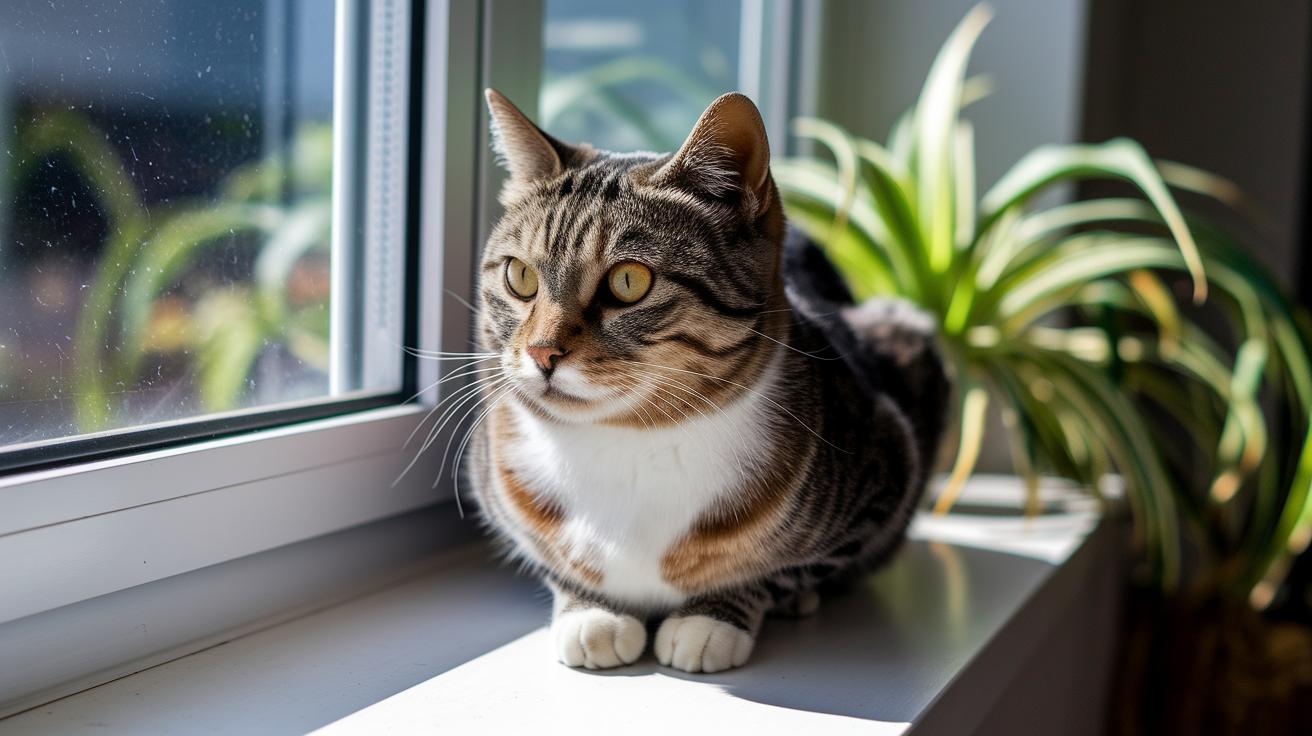
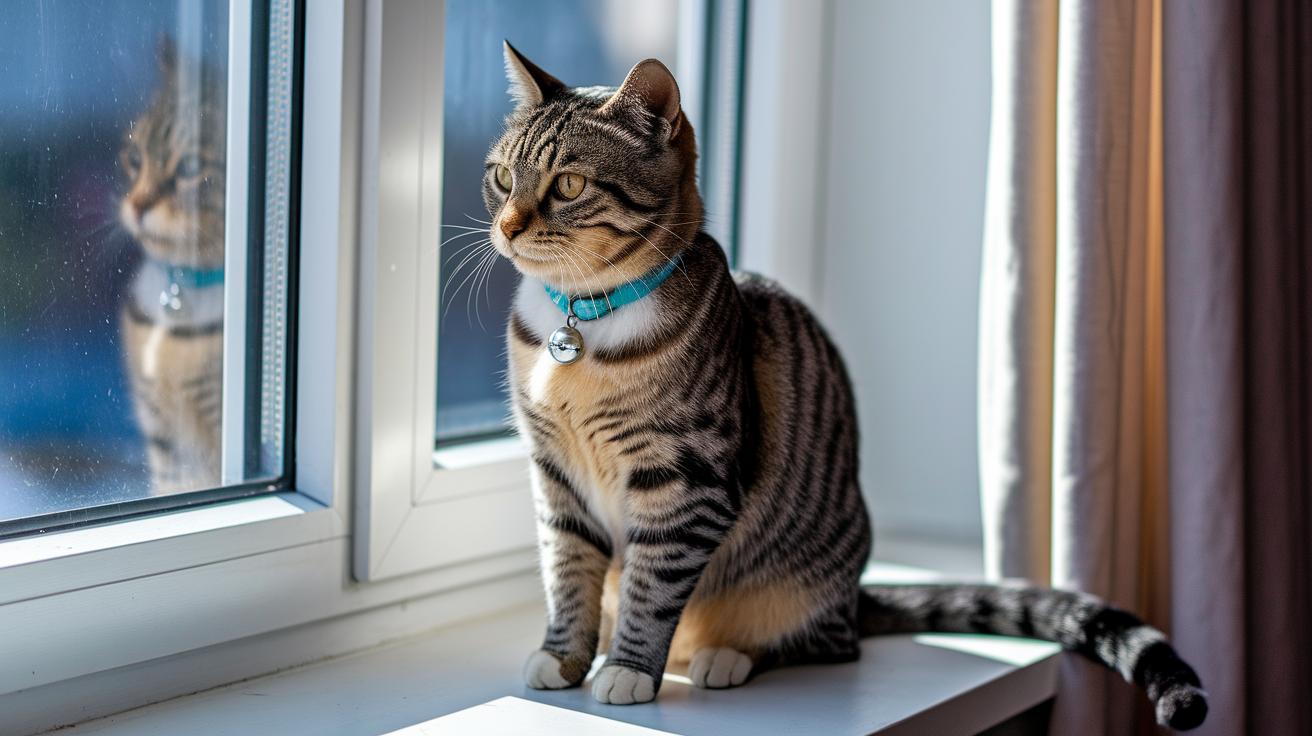
    Ever watched your kitty’s little bell and thought it was just cute bling? It’s easy to see that shiny dangly bit as cat jewelry. But that soft tinkle is actually a safety alarm for your whiskered explorer.

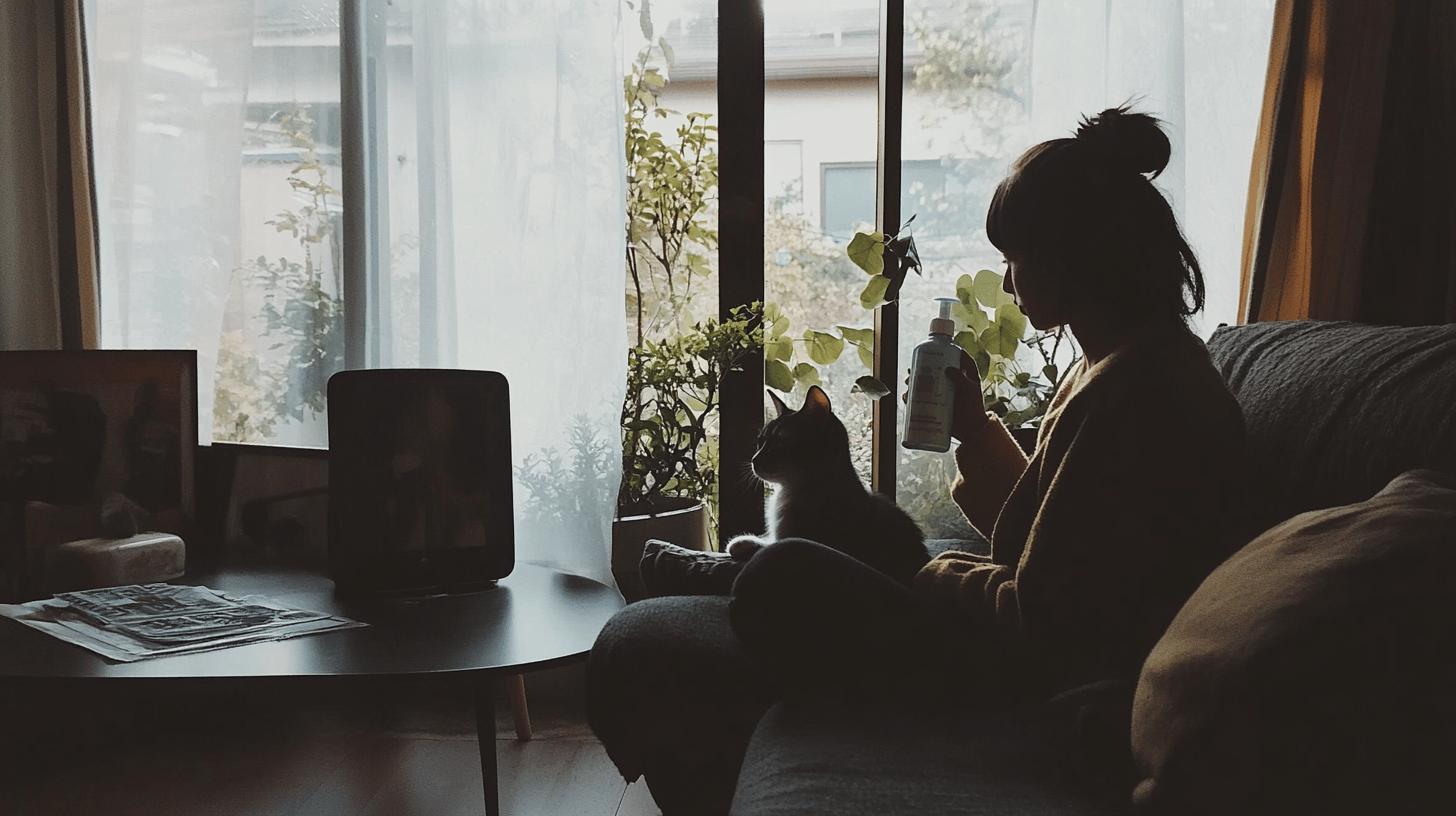
    When your feline friend pads across the room, the bell turns sneaky steps into a gentle chime you can follow from the hallway to the couch crack. Your ears become a kitty radar. No more startled jumps from older cats or unexpected tail smashes when someone plops down on the sofa.

    And backyard birds get a head start too. They flutter away in time thanks to your cat’s jingling soundtrack.

    Worth every paw-print.

    Here’s how bell collars build a simple, sound-based safety net for every curious cat.

    Core Functions of Cat Collar Bells
    Core Functions of Cat Collar Bells.jpg

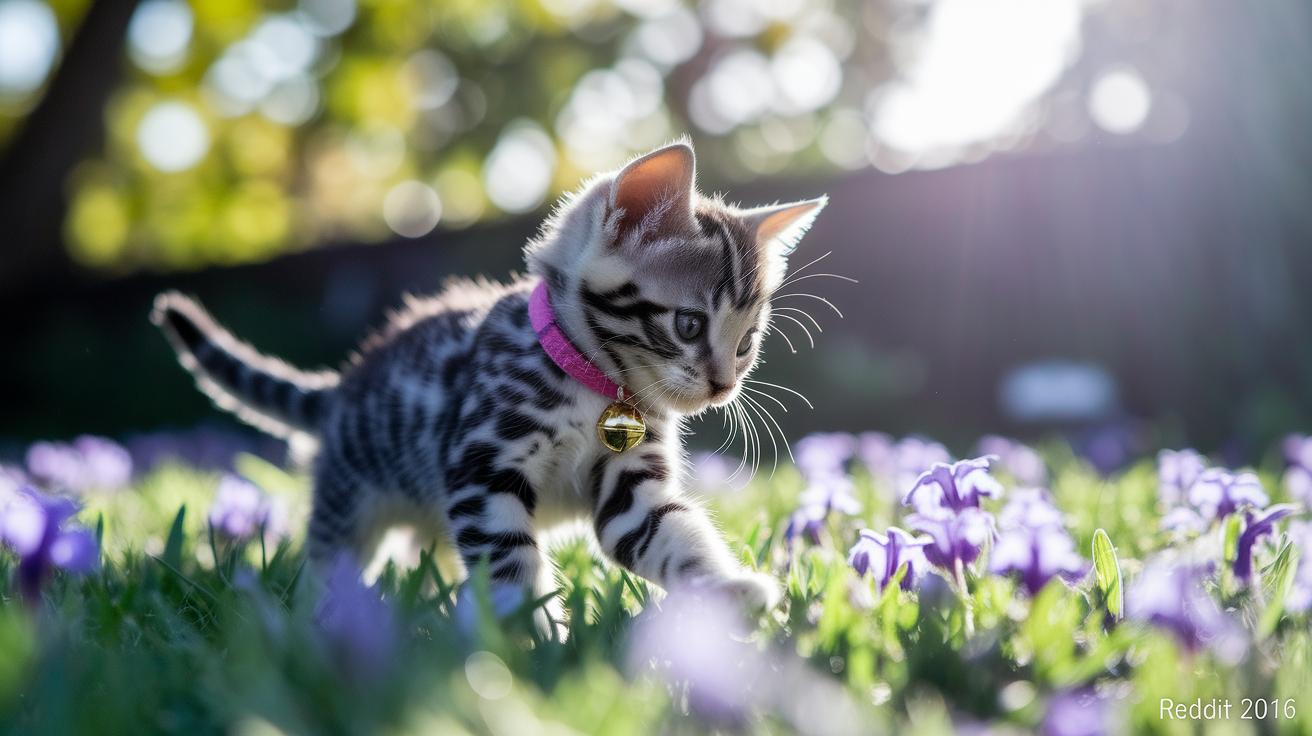
    Ever watch your kitty chase shadows around the living room? That soft tinkle is exactly why we add bells to their collars. Bells let you track those silent paws whenever your cat darts off.

    Cat collar bells have three main perks:

    • Help you find your cat: a gentle jingle rings at about 45–50 decibels (unit for loudness), so you can follow the sound through hallways, gardens, or even up a tree.
    • Keep tabs on little explorers: kittens love tight spots and hidden corners, so the bell tells you if they’ve squeezed behind the couch or into the laundry pile.
    • Protect at-risk felines: deaf, senior, or visually impaired cats move more slowly. The bell warns family members to step lightly and spot them before anyone accidentally sits down.

    It’s more than charming music. It’s a tiny alert system you can count on. You’ll hear that happy jingle and know Fluffy is close by.

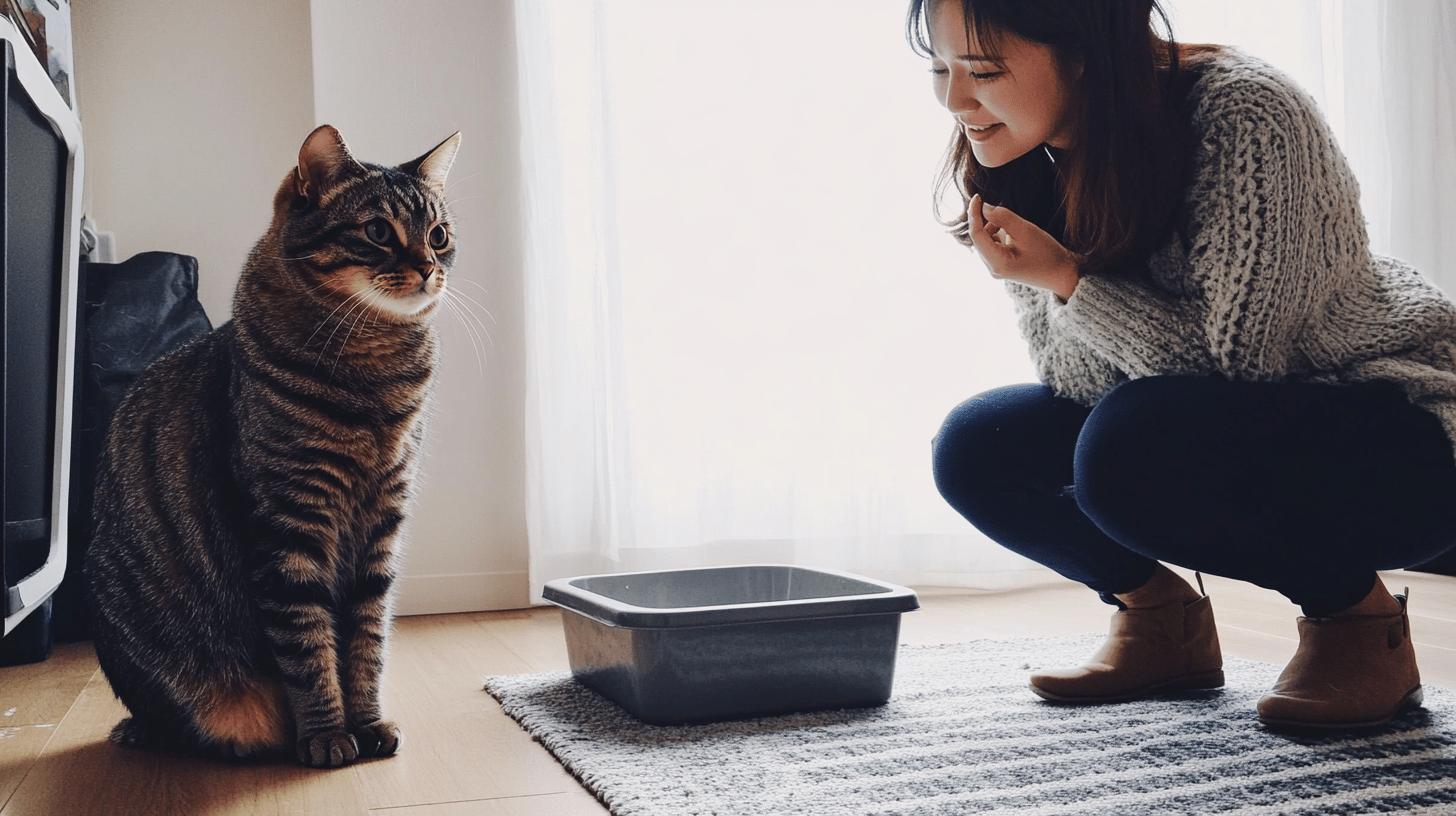
    Some cats need time to adjust to the constant ring. If yours seems stressed by nonstop jingling, um, you can pop the bell off in seconds by bending the loop ring. Oops, let me rephrase that…just bend the loop and the bell slips right off. That quick removal makes bell collars even more cat-friendly.

    Next time someone asks why cat collars have bells, you’ve got the scoop on locating cats, monitoring adventures, and keeping kitties safe.

    Wildlife Impact and Predation Reduction with Bell Collars
    Wildlife Impact and Predation Reduction with Bell Collars.jpg

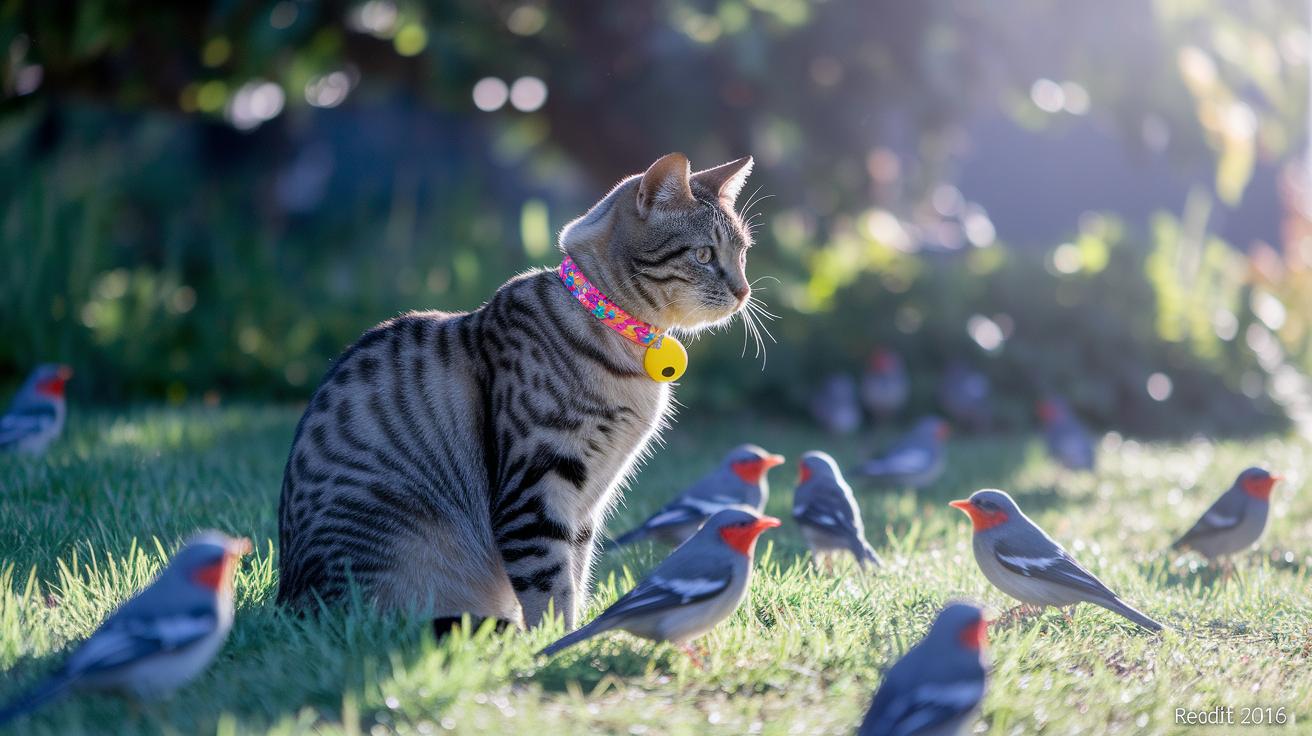
    Ever watched your kitty tiptoe through the grass? That little bell jingle isn’t just cute – it can save lives. Outdoor cats in the US catch about 1.3 to 4.0 billion birds every year, and in the UK it’s around 27 million during spring and summer. Slipping on a bell collar is like giving local wildlife a tiny heads-up before your cat pounces.

    A study by the Royal Society for the Protection of Birds (RSPB) shows cats with bells grab 41% fewer birds and 34% fewer mice and voles. You hear that soft tinkle? It’s a gentle warning that lets songbirds and field mice slip away before your cat makes a move. And oh – most cats don’t learn how to sneak around it, so the bell stays a trusty sidekick.

    Tackle predation right in your own yard and watch the benefits stretch far past your fence line. Some cat lovers even stack two petite bells or swap in a slightly larger one to boost the jingle factor. More soft chimes mean more warning for backyard critters at risk.

    This simple collar hack taps into your cat’s curiosity and still lets them roam free without turning into a silent hunter. It’s like saying “I’m here” in the sweetest, softest way. Totally worth every paw-print.

    Cat Welfare and Hearing: Impact of Bells on Cat Behavior
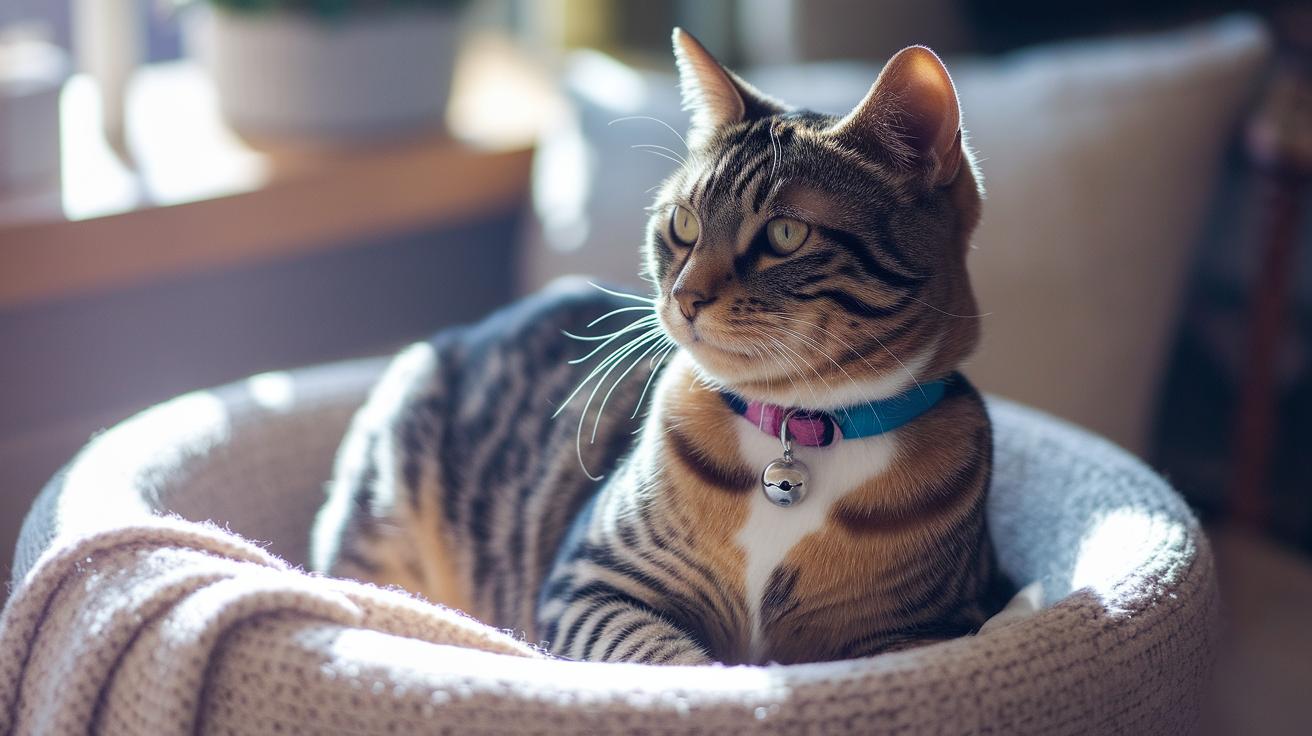
    Cat Welfare and Hearing Impact of Bells on Cat Behavior.jpg

    Cats can hear a mouse whisper. Ever notice how your tabby perks up at the faintest rustle? They have sky-high hearing thanks to the auditory cortex (the brain area that processes sounds). But if that bell on their collar keeps jingling, their brain might start to ignore it. It’s like when we stop noticing the hum of our fridge.

    That slight tuning out usually isn’t a big deal. But if your kitty looks tense, it’s time to slow things down.

    You might see them paw at the collar, scratch more than usual, or try nibbling on the bell. That’s their way of saying this is new and odd. So let them wear it in short bursts until the jingle feels familiar.

    • Start with ten minutes of bell time.
    • Add five more minutes each day.
    • Watch for relaxed ears, a loose tail, and calm whiskers.

    Over time many cats get used to the sound and the bell just blends into their daily soundtrack. Worth every paw print.

    Bell Collar Materials, Designs, and Fit Guidelines

    Bell Collar Materials, Designs, and Fit Guidelines.jpg

    Collars come in all kinds of textures and strengths. A nylon collar (a tough synthetic fiber) feels like soft seat belt fabric – durable and easy to wipe clean after your kitty’s muddy romp. Leather collars give a classic look and gently mold to your cat’s neck over time. Elastic collars stretch when your furball darts off, while reflective collars glow under porch lights so you can spot your prowler at night.

    Waterproof fabrics (they shrug off puddles) and rust-resistant bells keep everything fresh even after a rainy chase. It’s nice when a collar is ready for any weather.

    Ever worry about your kitty getting caught? Breakaway collars are the real heroes for outdoor adventurers. They pop open under about 2 to 3 kg (4 to 6 pounds) of force – so your cat won’t get stuck on fence wires or garden stakes. Look for a simple safety-test label to trust that quick-release latch.

    Fitting your cat’s collar is all about comfort and safety. Follow these steps:

    • Measure your cat’s neck with a soft tape or a ribbon.
    • Aim for two adult fingers of space between the collar and your kitty’s fur – you know, snug but not tight.
    • Pick an adjustable bell collar so you can tweak the size as your kitten grows or your senior cat sheds.
    • Check the fit each month; fur thickness can change with the seasons.

    Weight matters as much as style. Bells over 5 g (about a teaspoon of sugar) can slow down your pouncer and feel like a dangly anchor. Aim for a lightweight bell under 5 g so your cat can leap, twist, and snooze without a clunky distraction.

    Choosing the perfect collar blends style and safety so your curious companion can roam safely and look claw-tastic too!

    Materials & Design
    Indoor vs Outdoor Bell Collars Safety and Practical Considerations.jpg

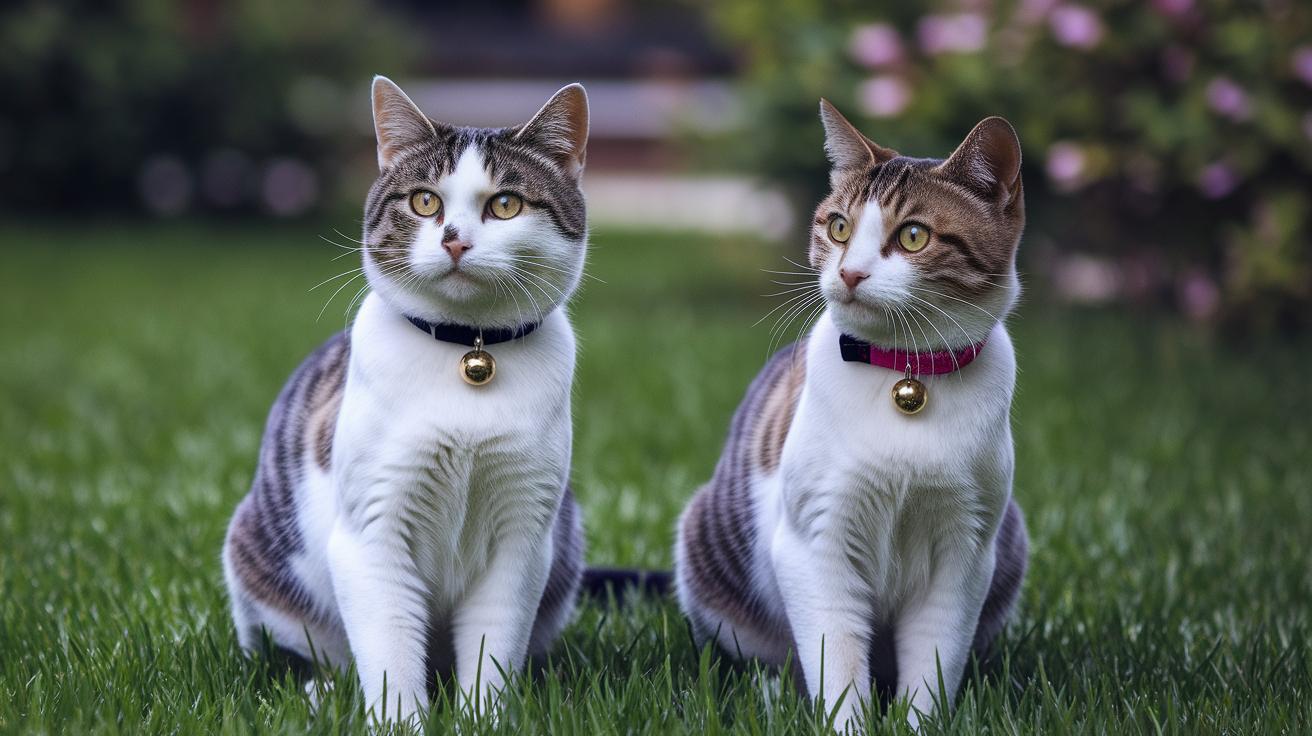
    Lightweight bells under 5 g let indoor cats pounce with ease, no dangly anchor slowing them down. A quick-release loop ring pops off with a gentle tug (just bend the ring) so you can silence the jingle for nap time or kitty hide-and-seek.

    For outdoor patrols, pick a breakaway clasp that releases at 4–6 lb of pull. Add a bell when your cat heads into the yard, then click it off once they’re back inside.

    Wildlife Impact

    Swap in a louder bell on outdoor collars to give birds and mice a heads-up, then remove it indoors for quiet, jingle-free playtime.

    Alternatives and Complements to Traditional Bell Collars
    Alternatives and Complements to Traditional Bell Collars.jpg

    Tired of the constant jingle around your kitty’s neck? Try a Birdsbesafe collar cover (a bright fabric frill that flutters like a tiny skirt). It gives birds, reptiles, and amphibians a head start. Studies show bird catches drop by over 70%. My own cat nearly missed a frog catch when that soft swish caught his eye – claw-tastic safety!

    Next, think of meals as stealth mode. A grain-free, high-meat menu (mostly meat, no grains) can shrink hunting urges by up to 36%. Then add ten minutes of mock-hunting play with a teaser wand (like a fishing rod for cats). You’ll see another 25% drop in backyard wildlife chases. Ever watched your kitty pounce like a lion cub?

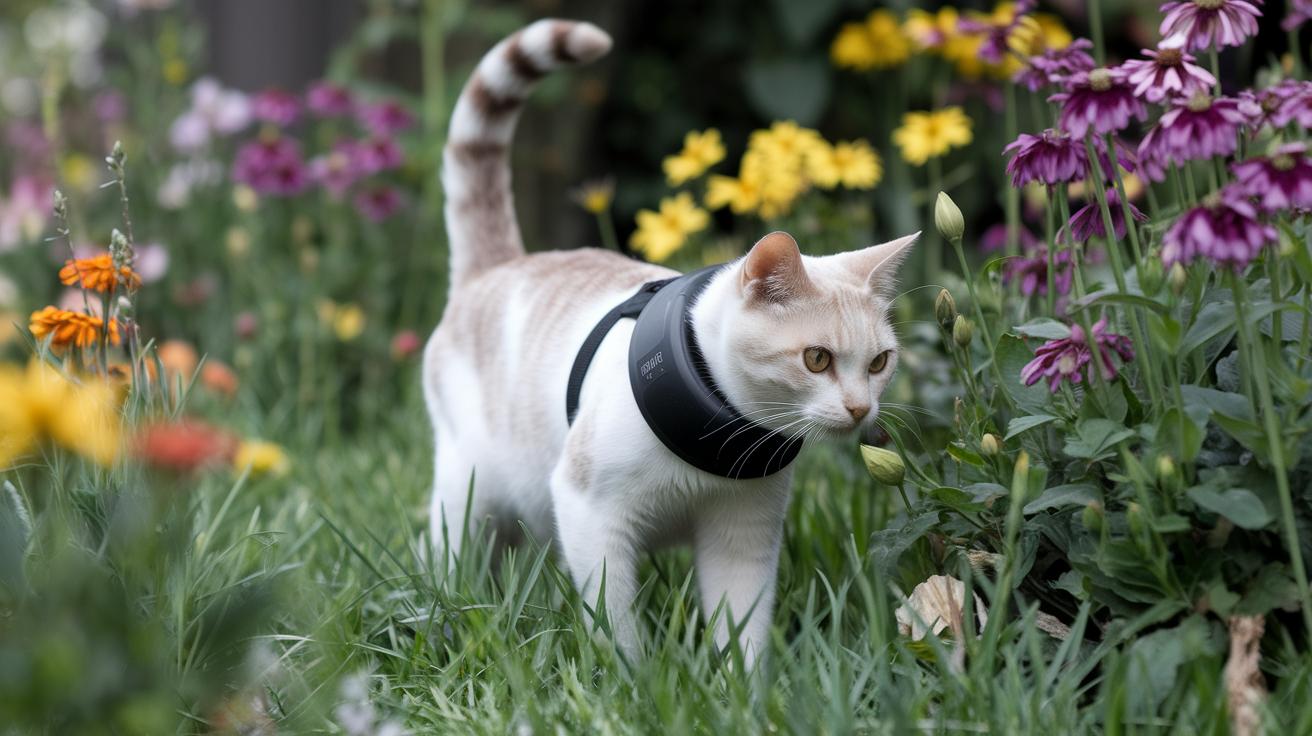
    For silent tracking, skip the bell and clip on a GPS tag like an AirTag holder (tiny tracker you attach to the collar). It weighs under ten grams (about two nickels), so your furball barely notices it. I stick one on Luna and she prowls the yard like a sleek panther – no jingles, all stealth.

    Silent breakaway collars offer safety without sound. They pop open at just 4 to 6 pounds of tug (like a playful pull), so kitties don’t get stuck on branches or fences. And microchip ID (your cat’s hidden name tag) means you’ll get them home even if the collar comes off. Um, that’s peace of mind.

    Mix and match these alternatives to suit your cat’s quirks and backyard scene. You can build a nearly invisible safety net that keeps your fur buddy close, and the local wildlife chirping happily nearby. Worth every paw-print.

    Expert Recommendations and Research on Bell Collar Effectiveness
    Expert Recommendations and Research on Bell Collar Effectiveness.jpg

    • Ever noticed your cat flinch at a jingle? Before you snap on a bell collar, check with your vet to rule out bell sensitivity. Bells ring at about 45-50 decibels (a measure of sound volume, like a quiet doorbell), and that gentle tinkle might upset a cat with iffy hearing.

    Final Words

    In the action, we explored how bell collars help find sneaky cats around home and yard, curb wildlife hunting, and keep seniors safe.
    We also dug into kitty hearing needs and shared tips for gentle bell introduction.
    Then we walked through collar materials, fit rules, indoor vs outdoor uses, and silent or GPS options.

    Wondering why do cat collars have bells? It all comes down to comfort, safety, and stress-free play.
    Here’s to more purrs and playful paws ahead!

    FAQ

    Why do cat collars have bells?

    Cat collars have bells to help owners find quiet cats in homes or yards and to warn birds and small wildlife, cutting hunting success by about 40%.

    Do bells on cat collars annoy cats or pose a problem?

    Bells on cat collars rarely harm cats at moderate volume (45–50 decibels, like a quiet talk). Most kitties adjust, but nervous cats may scratch or seem stressed, so introduce bells slowly.

    What are alternatives to bells on cat collars?

    Alternatives include Birdsbesafe fabric frill covers that cut bird kills by over 70%, GPS tag holders for quiet tracking, silent breakaway collars, and microchips for ID.

    What’s the best bell collar design and fit?

    The best bell collar has a lightweight bell under 5 g, made of nylon or reflective fabric. It should be breakaway and fit with space for two adult fingers under the neck.

    Should cats wear collars, and do vets recommend them?

    Many vets recommend breakaway collars with ID tags for all cats. Indoor cats benefit from lightweight collars for ID, while outdoor cats need breakaway designs to prevent snag hazards.

    How do bell collars protect birds and wildlife?

    Bell collars protect birds and small mammals by cutting bird catches by about 41% and mammal kills by 34%, since jingling warns prey and cats don’t learn to hunt around bells.
    Related Articles

  • do cats hair grow back Beautifully and Fast

    do cats hair grow back Beautifully and Fast

    Ever peeked under your kitty’s tail and noticed a tiny bald spot? No more bare bums!

    Your cat’s fur bounces back faster than you’d think. It can grow about half an inch a month (um, that’s like a paperclip). You’ll see little sprigs of fuzz in just days, and short-haired pals hit full fluff in around eight weeks. Longhairs catch up soon after.

    Let’s explore how your feline friend regains a soft, full coat so you can kick back and enjoy the gentle tickle of fresh fuzz under your fingertips. Ready for some purrfect fluff?

    How Cat Hair Regrows: Timeline for Fur Recovery

    How Cat Hair Regrows Timeline for Fur Recovery.jpg

    If you’ve ever wondered do cat hair grow back after a shave or a patch of loss, the answer is yes. New strands peek out within days, giving your kitty that soft “fluff” look you love. Ever watched those tiny hairs tickle your hand?

    Cats average about 0.6–1.3 cm (0.25–0.5″) of growth per month, pretty close to human hair speed. That feline coat regrowth time varies by breed and hair length. Short-haired cats race to full thickness in roughly two months. Long-haired breeds move at a gentler pace, wrapping up in about six months.

    • Immediate post-shave “fluff” appears in 1–2 weeks
    • Noticeable stubble by 3–4 weeks
    • Short-haired full-length regrowth in ~8 weeks
    • Long-haired full-length regrowth up to 24 weeks

    If you don’t see any new fuzz on a short-haired cat after eight weeks, it’s time for a vet check. Regular peek-ins and gentle comb-throughs help track progress on this timeline for cat fur recovery.

    Cat Hair Growth Phases and New Growth Cycle

    Cat Hair Growth Phases and New Growth Cycle.jpg

    Follicles cycle through three stages as they fluff up your cat’s coat: anagen (growth burst), catagen (short transition), and telogen (rest mode). It’s like a furry conveyor belt pushing new hairs outward. That’s why you see tiny, soft whisker tips just days after a shave. Really.

    Ever seen your kitty become a fur fountain each spring? Heavy seasonal shedding peaks in April and May as part of a normal molt. You’ll find hundreds of hairs drifting off daily, all over the coat. No need to panic if the fur comes off evenly, you know, it’s just nature’s way of spring cleaning.

    But if you spot a smooth bald spot? That’s a cat bald patch, and it usually means something’s up with the skin or your cat’s been stress-grooming instead of a regular shed. Uh-oh, right?

    Can lost feline fur come back? In most cases, yes. Treat any skin infection or help curb the over-grooming, and those follicles snap right back into anagen. Soon enough, you’ll be stroking soft, healthy strands again. Worth every paw-print.

    Common Causes of Cat Hair Loss Impacting Regrowth

    Common Causes of Cat Hair Loss Impacting Regrowth.jpg

    Ever watched your cat’s whiskers twitch as a toy rolls by? But their fluffy coat can hit a growth roadblock when something goes wrong deep down at the follicles (tiny root pockets). Feline alopecia (hair loss) pops up for all sorts of reasons – stress, infections, or even allergies.

    Ringworm (skin fungus) often leaves round, crusty spots. And mites (tiny parasites) can make your kitty scratch non-stop and end up with rough patches. Left alone, bacteria or fungal (mold-like) infections dig in and slow down hair regrowth fast.

    Cause Effect on Fur Treatment Regrowth Notes
    Ringworm (skin fungus) Circular bald spots Antifungal therapy Hair returns in 6 – 8 weeks
    Mange (mites) Intense itching, patchiness Miticide doses Full coat in ~3 months
    Allergies Red, inflamed skin Allergen avoidance, immunotherapy Variable regrowth timeline
    Overgrooming (stress) Localized thinning Stress reduction, e-collar (plastic cone) Follicles recover in weeks

    Ever caught your cat chewing or licking fur into a sad little tuft? That’s barbering – bored or anxious cats overgroom and snip their own coat. Maybe they’re worried about new furniture or a neighbor’s dog. Toss in play rotations and an e-collar (plastic cone) to break the cycle, and before you know it fluffy sprouts appear.

    Allergic dermatitis (skin allergy) shows up as itchy red patches that have your cat scratching like crazy. Dust bunnies, pollen, or even weird-smelling cleaners can spark a flare-up. Finding the trigger can feel like detective work, but swap it out and those follicles wake back up.

    Think there’s a mite party under the skin? Don’t DIY – let your vet check with skin scrapings so you can zap those pests. After treatment, watch for soft hairs popping up in a few weeks. With patience and gentle care, that patchy coat turns into a bouncy fur masterpiece.

    Nutrition and Grooming for Healthy Cat Fur Regrowth

    Nutrition and Grooming for Healthy Cat Fur Regrowth.jpg

    Give your cat a balanced diet to wake up sleepy hair follicles. Use high-quality protein (the building blocks for fur) and B vitamins (nutrients that help skin and coat). Toss in trace minerals (tiny bits of fur-loving minerals) and a pinch of biotin supplements (the shiny fur booster). Don’t forget omega-3 fatty acids (skin-soothing fats) for that extra gloss. And, um, keeping fresh water nearby is a must. Hydration stops hairs from snapping off like thin twigs.

    Next, gentle brushing turns grooming into playtime. Daily sessions with a soft-bristle tool (like a rubber or nylon brush) whisk away loose strands and perk up blood flow to each follicle. Ever tried brushing while your cat purrs a storm? Think of it as a mini massage that leaves fur sleek instead of shed all over the sofa. And hey, hairball control and fur health go paw-in-paw. Catch those fuzzies before they tumble into your kitty’s tummy.

    • Feed a diet with 30–40% animal protein (meat-based protein)
    • Add omega-3 supplement (as your vet recommends)
    • Keep fresh water available at all times
    • Brush 5–7 minutes daily with a soft-bristle tool
    • Offer a hairball formula food or paste once a week
    • Skip harsh metal brushes during regrowth

    Worth every paw-print.

    Your kitty will soon be feline fine with a soft, sturdy coat.

    Medical and Therapeutic Options to Support Fur Recovery

    Medical and Therapeutic Options to Support Fur Recovery.jpg

    Diagnostic Steps

    Ever worry your kitty looks like a little bald cloud? A vet visit is the first step, basically a head-to-tail check of your cat’s coat.

    Here’s what might happen:

    • Skin scraping (a tiny bit of skin to find mites or bacteria)
    • Fungal culture (we let any ringworm fungus grow in a lab dish so we know it’s there)
    • Blood work (checks hormones like thyroid and vitamin levels)
    • Biopsy (a small sample of skin to peek at deeper issues)

    Ever watched your cat try to scratch off her whiskers? That itch might be what we’re hunting.

    Treatment Options

    Once we know the culprit, vets hand you a toolbox of treatments:

    • Topical ointments (soothing creams that help fur sprout)
    • Antifungal meds (pills or shampoo to zap ringworm)
    • Antibiotics (for when bacteria move in uninvited)
    • Steroid therapy (short, controlled doses to calm the itch)
    • Hormone therapy (balancing thyroid to kickstart hair growth)
    • Immunotherapy (retraining your cat’s immune system)
    • Flea and tick prevention (keeping those pesky parasites away)

    And if you’re into the high-tech side:

    • Cold laser therapy (gentle light pulses that wake up sleepy hair follicles)
    • Platelet-rich plasma (PRP) injections (your cat’s own blood factors give follicles a boost)
    • Stem cell therapy (new science to revive tired follicles)

    In truth, each kitty is unique. With the right checks and treatments, your furball will soon be flaunting her soft, fluffy coat, ready to pounce on her favorite toy again.

    Worth every paw-print.

    Monitoring Cat Coat Regrowth and When to Consult a Veterinarian

    Monitoring Cat Coat Regrowth and When to Consult a Veterinarian.jpg

    So, your kitty just got a medical shave and you’re itching to see that soft fuzz return. Here’s a simple, playful checklist to catch sneaky warning signs and celebrate every whisker-twitch of new growth.

    • Snap a weekly photo of the shaved or bald spot from the same angle (it helps you spot even tiny changes).
    • Jot down diet shifts, new grooming tricks, and any supplements (like omega-3 oil) in a little journal.
    • Inspect skin for scabs, redness, little sores (lesions: tiny skin wounds), or patches where fur looks thin.
    • Notice if your cat seems stressed by new pets, loud noises, or other changes, then tweak the environment to keep things calm.
    • Before each vet visit, flip through your photos and notes so you can tell the full fur-recovery story.

    And don’t forget to book follow-up exams every 4 to 6 weeks, that checkup is worth it until your kitty’s coat feels as plush as a stuffed toy.

    Final Words

    in the action, we tracked fur from first fluff to full regrowth and set clear timelines by breed. Fluff appears in days, stubble in weeks, and full length in a few months.

    We then flagged common causes of patchiness, laid out feeding and brushing tips, and listed medical checks and home monitoring steps. No more guesswork on why mites, allergies, or stress can stall that growth.

    Now you know do cat hair grow back, how long it takes, and when to reach out for help. Here’s to soft, shiny coats and many happy pounces ahead.

    FAQ

    Do cats regrow hair after surgery, spaying, or lion cuts?

    Cats begin regrowing hair days after shaving, spaying, or lion cuts, with soft fluff in 1–2 weeks, noticeable stubble by 3–4 weeks, and full coat in about eight weeks for short-haired breeds and up to 24 weeks for long-haired cats.

    How long does it usually take a cat to grow hair back?

    Cats typically develop visible stubble by three to four weeks after hair loss and regain full fur in about eight weeks for short-haired cats, while long-haired breeds may need up to six months.

    How long does it take for cat fur to grow back after fleas?

    Fur regrowth after flea treatment takes about one to two months once fleas are eliminated, as healing skin and follicles resume growth when itching stops and normal hair cycles restart.

    Does cat hair grow back after over-grooming?

    Hair usually regrows after over-grooming once stress or skin issues are addressed, often showing initial fuzz in a few weeks and full coat return within two to three months with gentle care.

    Will cat fur grow back after injury or being pulled out?

    Fur generally regrows after injuries or hair pulling once follicles heal, producing soft fuzz in about two weeks and a full coat in two to four months, depending on breed and wound care.

    What happens if a cat is shaved?

    Shaving removes protective fur and exposes skin to sun and temperature swings; coats regrow gradually, but extra skin protection and gentle grooming may be needed until natural insulation returns.

    Related Articles

  • do cats food expire? Protect Your Cat’s Health

    do cats food expire? Protect Your Cat’s Health

    Ever wonder if that bag of kibble in your pantry could be a sneaky danger zone for your kitty? We all stash crunchy nuggets or cans of creamy paté (ground meat in gravy) without a second thought. But hey, every bite has an actual shelf life (the time food stays good). Um, that little date stamp is really a heads-up for bland crunch, faded aroma, or surprise bacteria.

    So how do you spot stale chow? Give it a sniff, if the smell’s flat or off, that’s your first clue. Check the texture: dull pieces, cracked bits, or soggy lumps in wet food mean it’s past its prime. And if your cat sniffs then walks away, trust that nose.

    Next, scoop kibble into an airtight container (one that seals tight to keep air out). For leftover cans, spoon paté into a small dish and stow it in the fridge. On busy mornings, freeze single servings in an ice cube tray, snap out a cube for a quick snack. Each trick adds extra days of crunch or creaminess, so your cat stays purring.

    Also, become a rotation pro, move newer bags behind older ones so you always use up the oldest first. Mark the open date with a permanent pen, so you never lose track. And toss any food after a few days in the fridge, better safe than sorry. Your whiskered pal will reward you with head boops and playful pounces.

    Worth every paw-print.

    Do Cat Foods Expire?

    Do Cat Foods Expire.jpg

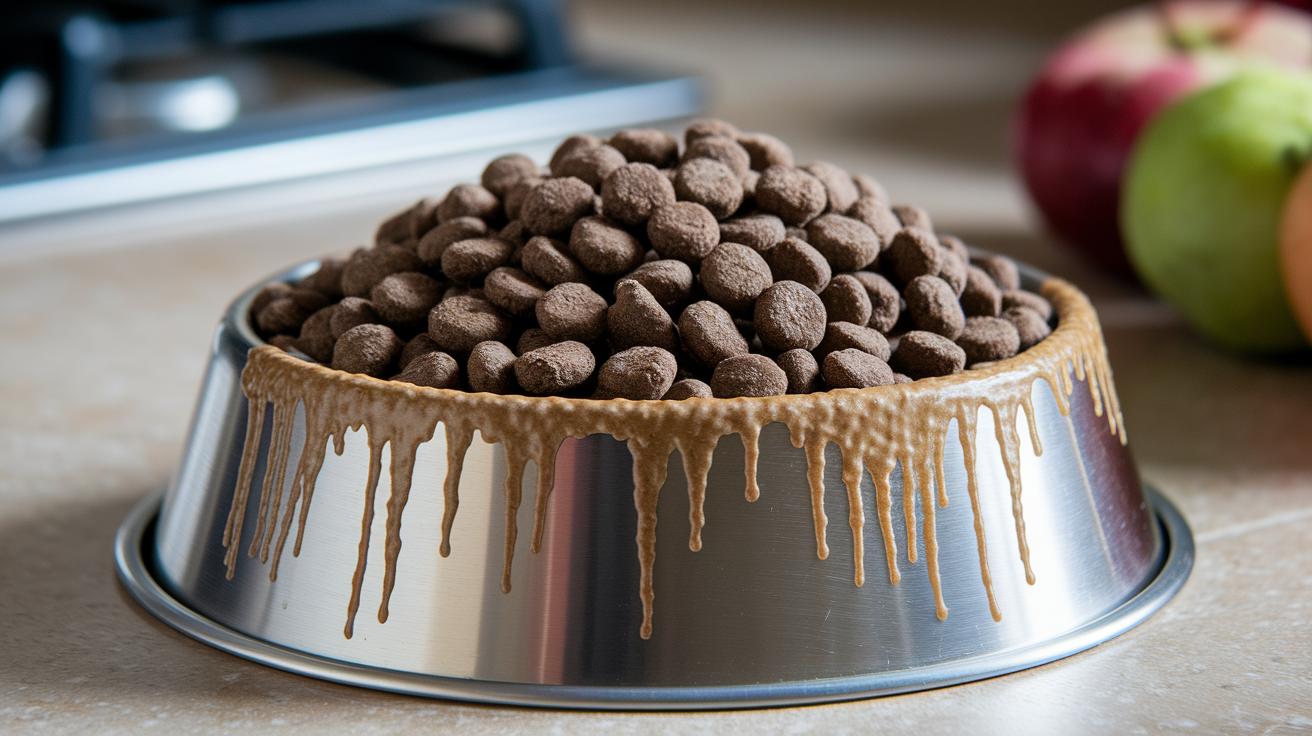
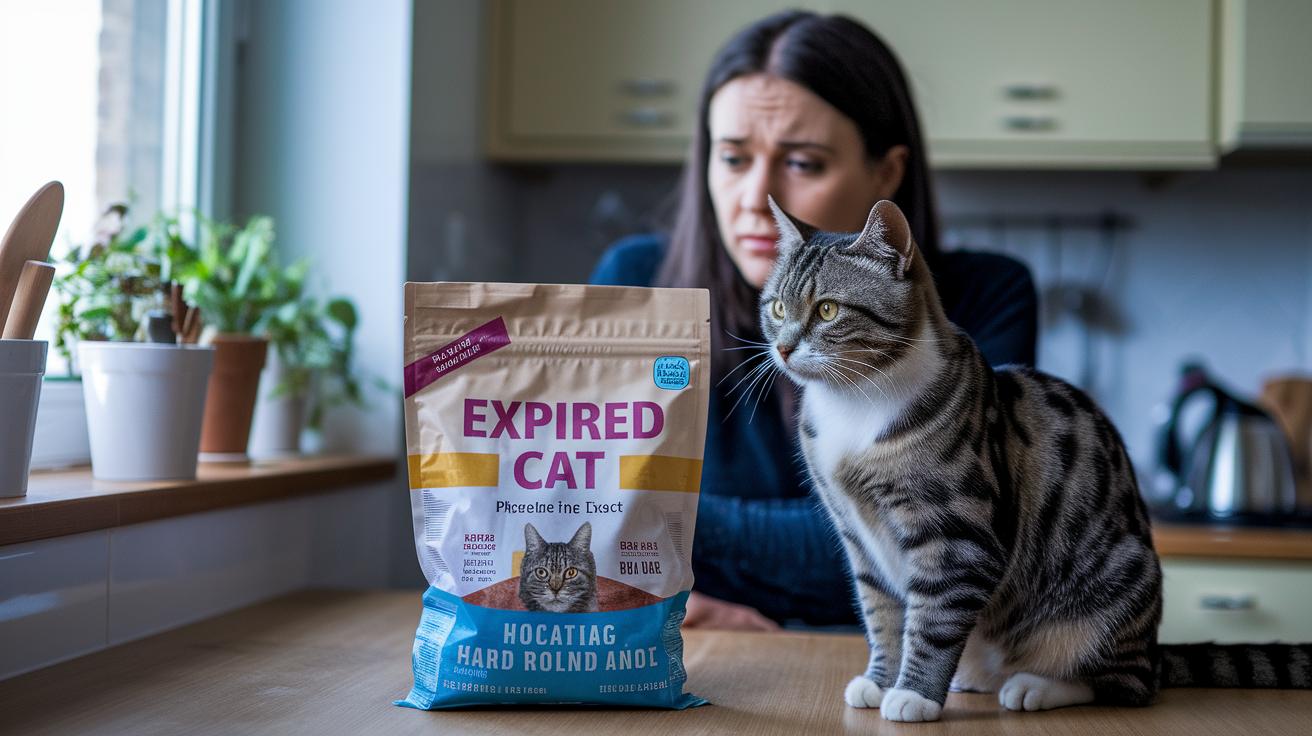
    Ever peek at your cat’s food stash and wonder if it goes bad? Spoiler alert: yes. That date stamped on the bag or can shows when things start to lose their punch.

    Dry kibble (little crunchy nuggets) stays fresh up to 18 months when it’s sealed in a cool pantry. It’s like the satisfying thud of a bouncing ball under your cat’s paw. Rip the bag open, though, and air sneaks in. Then your kitty will notice flat crunch and dull aroma after a few weeks. Ever watched your cat sniff and walk away? Yup.

    Canned wet food (moist pate) stays good for about a year as long as the can stays sealed. Pop the lid, and that savory wobble is ready to eat. Just remember to use it in three or four days once it’s open to avoid spoilage.

    Fresh-frozen meals kept at zero degrees Fahrenheit (0°F) hold nutrients for up to 12 months in your freezer. When you thaw a batch, your fridge gives you about five days before it’s time to toss leftovers. Freeze-dried treats (water-removed, super-light morsels) behave more like dry kibble. They last up to 18 months when sealed.

    Prescription or vet-recommended blends usually expire sooner, so always check the date code, okay?

    On to the numbers!

    Format Unopened Shelf Life After Opening
    Dry Kibble (crunchy nuggets) Up to 18 months 3–4 weeks (flavor and crunch fade)
    Wet Food (moist pate) About 1 year 3–4 days
    Fresh-Frozen Meals Up to 12 months (0°F) 5 days (in fridge)
    Freeze-Dried Treats (super-light morsels) Up to 18 months N/A (keep sealed)
    Prescription/Vet Blends Check label Check label

    Shelf Life Variations Among Wet, Dry, and Raw Cat Foods

    Shelf Life Variations Among Wet, Dry, and Raw Cat Foods.jpg

    Ever stare at your cat food stash and wonder when it goes bad? Let’s break it down so your kitty never gets a surprise tummy upset. Ready?

    Dehydrated (water removed) packs and broth mix (meat stock powder) are shelf champs. Sealed up tight, they stay fresh for up to 18 months. After you add water, they puff into soft, juicy bites, yum, but they only last 3-4 days in the fridge. So plan snack time fast!

    Raw (uncooked) cat food ships frozen at 0°F (the usual freezer temp). It can chill for up to 12 months without a fuss. When you thaw it, your kitchen smells like fresh fish and your cat’s whiskers go wild. You’ve got 1-2 days to serve it once it’s soft and ready.

    Here’s a quick cheat sheet.

    Format Unopened Shelf Life After Opening or Thawing
    Wet cat food (canned) Up to 1 year 3-4 days in the fridge
    Dry cat food 12-18 months 4-6 weeks
    Freeze dried food (water removed) Up to 18 months Keep sealed
    Fresh-frozen food Up to 12 months 5 days in the fridge
    Dehydrated formula or broth mix Up to 18 months 3-4 days after adding water
    Raw cat food (uncooked) Up to 12 months 1-2 days after thawing

    Decoding Cat Food Labels: Best-Before vs. Use-By Dates

    Decoding Cat Food Labels Best-Before vs Use-By Dates.jpg

    Ever watched your kitty sniff a can and walk away? That tiny stamp by the rim can make a big difference for your purr-fect pal. A best-by date tells you when flavor and nutrients might start slipping away, but it’s not a strict safety cutoff. If you spot a use-by date, know you’re on the clock, and feeding past it can spark tummy trouble.

    Every pouch or can must show either a best-by date or an expiration date. Oops, don’t see one? Put it aside. These labeling rules keep meals safe and tasty, so you won’t end up with food that’s past its prime.

    Peek at the bottom or side of cans and pouches. You’ll find a maker date code next to a batch code, secret tags that say when the feast rolled off the line. I like to jot them down when I stash fresh food, so I never lose track.

    Heat and time go after fats and preservatives (helpers that keep food fresh). They slowly chip away at nutrients, zap vitamins, and even cause protein oxidation (where oxygen changes proteins). Your cat may still nibble, but the meal’s punch is fading. Keep your cat’s bowl top-notch and your peace of mind fresh.

    Worth every paw-print.

    Proper Storage Methods to Extend Cat Food Shelf Life

    Proper Storage Methods to Extend Cat Food Shelf Life.jpg

    Store unopened dry kibble and canned food in a cool, dark pantry away from heat and light. Your goal is a steady 55-70°F zone so oils stay fresh. No sunbeams or hot air blasts please. Ever watched your cat sniff a bowl and walk away?

    Once you pop open a bag of kibble, seal it right away. Zip the bag shut or scoop the food into an airtight container (no air in or out). Label it with the date and the printed use-by date so you never second-guess. It’s a tiny step that keeps meals crunchy and your cat craving more.

    Leftover pate and saucy cups deserve some TLC, too. Scoop them into small, food-safe jars and tuck them in your fridge. I always wipe the rims to keep extra moisture out. Then serve within five days or guess who will turn up their nose?

    Fresh-frozen meals thrive at zero degrees Fahrenheit in your freezer. When dinner time comes, move a portion to the fridge and let it thaw overnight, then feed within five days. You’ll keep those tasty nutrients intact. Never refreeze once it’s soft or you’ll lose all the crunch.

    Pick sturdy packaging like thick plastic (polymer material) or a glass jar. Skip flimsy bags or wrappers that let moisture creep in. And keep containers opaque so no sunlight can fade the flavors. Oh, and after washing, let them dry completely before refilling, goodbye mold.

    Signs of Spoilage: How to Spot Expired Cat Food

    Signs of Spoilage How to Spot Expired Cat Food.jpg

    Ever catch a whiff of sour tuna and wonder if your cat’s just picky or if the food went bad? A quick sniff check is all you need to spot spoilage early. When fats go bad (that’s rancid fat), the food gives off a sharp, rotten smell. Trust your nose.

    Then peek closely for mold (tiny fuzzy spots) or even bugs on the surface. Little beads of moisture inside a can or on dry kibble invite uninvited guests. Dark splotches or feathery fuzz aren’t art. They’re a neon sign to toss it out.

    Watch for color shifts too. Fresh wet food has a consistent hue. Faded bits or dark streaks mean it’s losing its quality. And on dry kibble, if crunchy nuggets look slick with oily patches (oils spoil first), say goodbye.

    Texture can tell you a lot. Clumpy chunks or a slimy film on pate scream bacteria party. Kibble that’s mushy around the edges is another red flag. Swipe a clean finger through. If it’s sticky or gooey, walk away.

    And hey, pay attention to your cat. If they sniff, walk off, or vomit after a meal, expired food could be the culprit. You know your kitty’s normal crunch-happiness dish. Anything weird? Better safe and swap it out.

    Health Risks of Feeding Expired Cat Food

    Health Risks of Feeding Expired Cat Food.jpg

    Expired cat food can hide tiny germs (pathogens, or sickness-causing bugs) that turn dinner into a surprise trip to the vet. These little invaders are invisible, so your cat won’t know until their belly starts acting up. It’s like serving sushi that’s been left out too long, only your kitty can’t tell until they feel sick.

    And once those germs invade, your kitty might start vomiting. Or they could get diarrhea, cramps or gassy belly aches. Ever seen your cat camp out by the litter box? That’s their way of saying “help!” You might also spot them shaking off water after a drink, another red flag.

    Then there’s mold (fuzzy fungus) lurking in old cans or bags. You might miss it in a dim corner until it’s spread everywhere. Mold and bacteria can make toxins that hurt the gut lining and weaken your cat’s defenses. Yikes!

    Plus, nutrients sneak away over time. Vitamins fade. Protein oxidation (when proteins break down and lose power) creeps in like a thief, leaving meals less healthy. Your clever cat might clean the bowl but still miss out on the good stuff for a shiny coat and strong muscles.

    In serious cases, expired food can suck the water right out of your cat, giving them sunken eyes and dry gums. If you spot confusion, tremors, or no interest in food for more than a day, call the vet fast. A quick check can save the day!

    Proper Storage Methods

    Best Practices Date Checks, Rotation, and Disposal.jpg

    • Before you fill the bowl, peek at the use-by or best-before date on each bag or can. Write it on the lid or side so you’re never serving surprise dinners. Ever found an old pouch? Not fun. “Use by 07/15” scribbled in marker makes it clear.

    • Think of your pantry like a mini store, you know. Slide new bags behind the old ones so you use the oldest first. That way, every crunch is fresh. Your cat will notice the extra snap in each bite.

    • Scoop out daily portions of dry kibble into small food-safe jars (jars meant for food storage). Jot down when you opened them and keep the original expiry code on the side. It’s like a little diary for your cat’s dinner.

    • Transfer opened wet food into tight-sealing glass jars. Pop them in the fridge and finish within five days. Seal, chill, enjoy by day five for purr-fect freshness.

    • After every meal, wash bowls and spoons in hot, soapy water. It’s the best way to kick germs out. Your kitty will thank you with extra head bunts.

    • If anything smells odd or looks weird, toss it right away. No second chances for mold or mystery microbes. Safety first, furballs second.

    Final Words

    Yes, your cat’s dinner box has an expiration date, dry kibble lasts up to 18 months, wet cans roughly one year, and raw or freeze-dried meals each follow their own clock.

    We walked through how to read best-before vs use-by dates, store open and sealed bags the right way, and spot spoilage by smell or color.

    Practice first-in, first-out rotation, keep bowls clean, and toss anything past its prime.

    With these tips, you’ll never wonder again do cat food expire and you’ll serve fresh bowls that earn extra purrs and happy paws.

    FAQ

    Does cat food expire and is it safe to feed expired food?

    The cat food does expire, and feeding expired food isn’t safe since fats turn rancid and bacteria or mold can grow, risking vomiting, diarrhea, dehydration, and nutrient loss.

    How long is dry cat food safe unopened and after opening?

    Dry kibble stays fresh unopened for 12–18 months but starts losing nutrients over time; once opened, use within 4–6 weeks if stored in an airtight container in a cool, dark spot.

    How long does canned or wet cat food last unopened and after opening?

    Canned wet food is safe up to one year unopened; once opened, refrigerate leftovers in a sealed container and use within five days to prevent spoilage and bacterial growth.

    What to do with expired dry cat food?

    Expired dry cat food should be discarded when rancid or moldy. If it’s a few days past date and smells normal, consider composting it—never feed expired kibble to pets.

    Do cat foods expire in the fridge?

    The cat food expires even in the fridge. Refrigeration slows spoilage but opened wet food still lasts only five days; chilling dry kibble can introduce moisture, so keep it sealed at room temperature for best shelf life.

    Does dry cat food spoil and how can I tell?

    Dry cat food does spoil over time as fats go rancid and mold grows; check for off‐smell, oily kibble, clumps or discoloration—then toss it out.

    Related Articles

  • do cats claws grow back strong

    do cats claws grow back strong

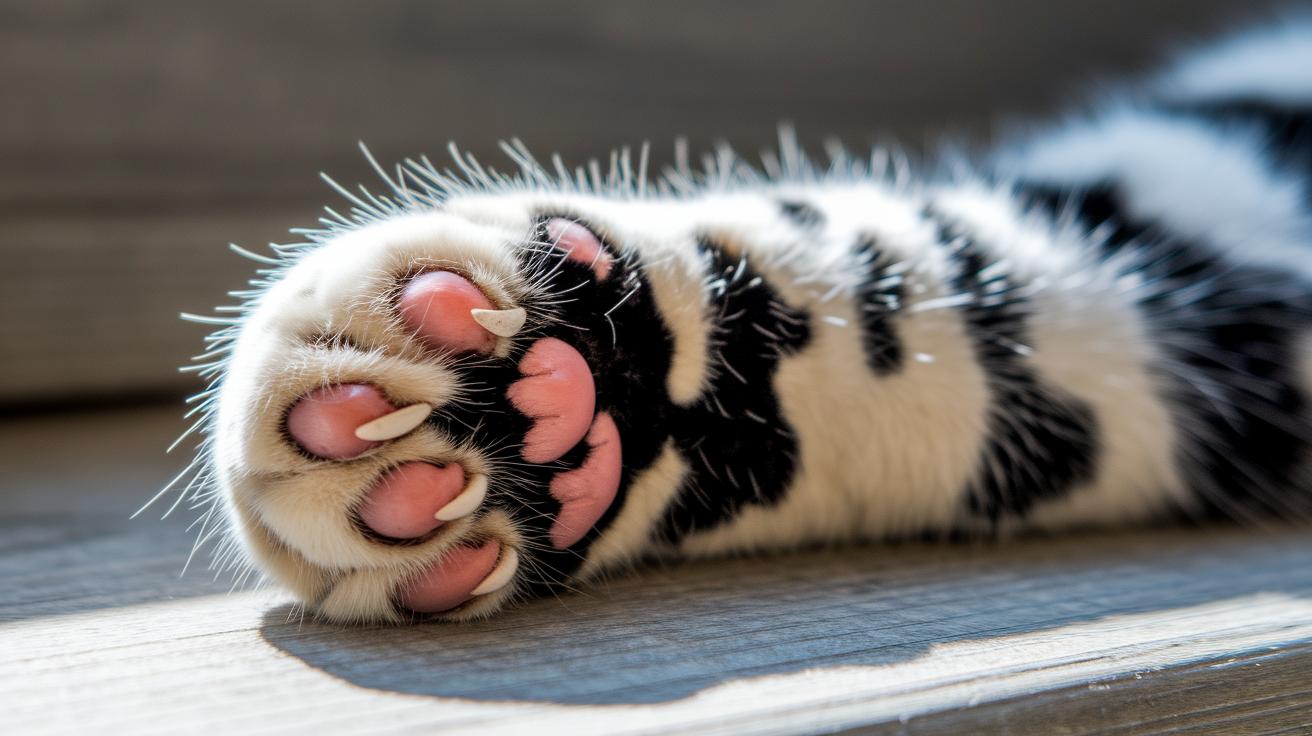
    Ever wondered if your cat’s snapped claw can come back even tougher? Well, it does! When a claw snaps or you trim it just right, your kitty’s soft paw pad (the cushion under their foot) gets to work, pumping out keratin (the tough stuff that makes up our nails).

    Pretty soon, a fresh claw tip pops up like a surprise toy. Oops, that’s nature’s tiny repair crew adding new layers. Ever watched your fluffball knead the carpet as those claws grow? In this post, we dive into claw regrowth speed, share tips to keep them strong, and show why your cat’s claws can snap back tougher than ever.

    Cat Claw Regrowth: How Fast Claws Grow Back

    Cat Claw Regrowth How Fast Claws Grow Back.jpg

    Ever seen your kitty lose a claw after a wild scratch session? When they scratch rough surfaces or you give them a trim, the base of their paw keeps pumping out keratin (tough protein like our nails). That keratin stacks up in layers until a fresh claw tip peeks out.

    Pretty cool, huh? As long as the nail bed (skin under the claw) and quick (soft tissue with blood vessels and nerves) stay healthy, the claw just keeps pushing forward.

    Science calls it regeneration (natural regrowth process). Fancy word, but it means your kitty’s claw rebuilds bit by bit.

    So yes, declawing is different, and not fun to think about. When a cat is declawed, the surgery removes the distal phalanx (last toe bone) along with the nail bed and quick. With no living tissue left, there’s nothing to fuel new growth. So claws don’t come back.

    So how fast do claws grow back? On average, a claw grows about 1 to 2 mm per week. You might spot tiny tips in just a few days. Full regrowth, after a break or when they shed the old outer layer, can take roughly three weeks to two months. And if a claw breaks but the quick is okay, you’re on that same schedule.

    Young cats and those who climb furniture like tiny acrobats tend to heal the fastest. But if your kitty is under the weather, lazy around, or, you know, cracked a claw near the quick, regrowth can drag. Good nutrition (think quality proteins and minerals) helps feed new keratin and keeps healing on track. Keeping paws clean and calling the vet for serious breaks can have your fluffball chasing shadows again soon.

    Feline Nail Anatomy: Structure of Cat Claws & Sheaths

    Feline Nail Anatomy Structure of Cat Claws  Sheaths.jpg

    Each front paw has five claws and each hind paw has four. That extra inner front claw – called a dewclaw – helps your kitty grab onto toys or even a wiggly mouse. Ever wonder if dewclaws grow back? They do, as long as the nail bed (the soft tissue under the claw) isn’t hurt. Some polydactyl cats (cats with extra toes) can even sport bonus dewclaws, making their paws extra unique.

    Claws are made of keratin (the same tough protein in our fingernails). They curl into a sharp tip that tucks into a soft skin-and-fur sheath when your cat walks or rests. This little cover keeps claws off the floor so they stay sharp and helps your kitty sneak around almost silently.

    When your cat scratches a post, you’ll hear a satisfying scrape as the tip digs in and peels off old layers – like unwrapping a tiny candy – to reveal a fresh, pointy edge. Under each claw is the quick, that pink spot packed with blood vessels and nerves. If you trim too close, ouch, your cat might feel pain or start bleeding.

    Um, when you clip, go just for the tip and stay clear of the quick to keep those paws happy. A clean nail bed and gentle trims help claws grow back smooth and strong.

    Worth every paw-print.

    Claw Regrowth

    Natural Shedding  Renewal Cat Claw Shed Cycle.jpg

    Ever notice your kitten’s tiny claws peeking out like little needles? Kittens swap their old sheaths every 2 to 3 weeks. Grown-up cats take about 4 to 6 weeks for a full reset. I once watched my cat flick off a sheath like confetti.

    But inside our homes, cats often miss rough tree trunks or sidewalk edges. That means old sheaths can stick around and feel a bit scratchy. Your cat might even pause mid-step if a claw tip hangs on.

    Try a simple routine: quick claw trims every 4 to 5 weeks. Or better yet, add a sisal (tough plant fiber) or bark (rough tree bark) scratcher. Let your cat file down those sheaths all by themselves.

    Worth every paw print!

    Trimming Cat Claws Safely & Maintaining Length

    Trimming Cat Claws Safely  Maintaining Length.jpg

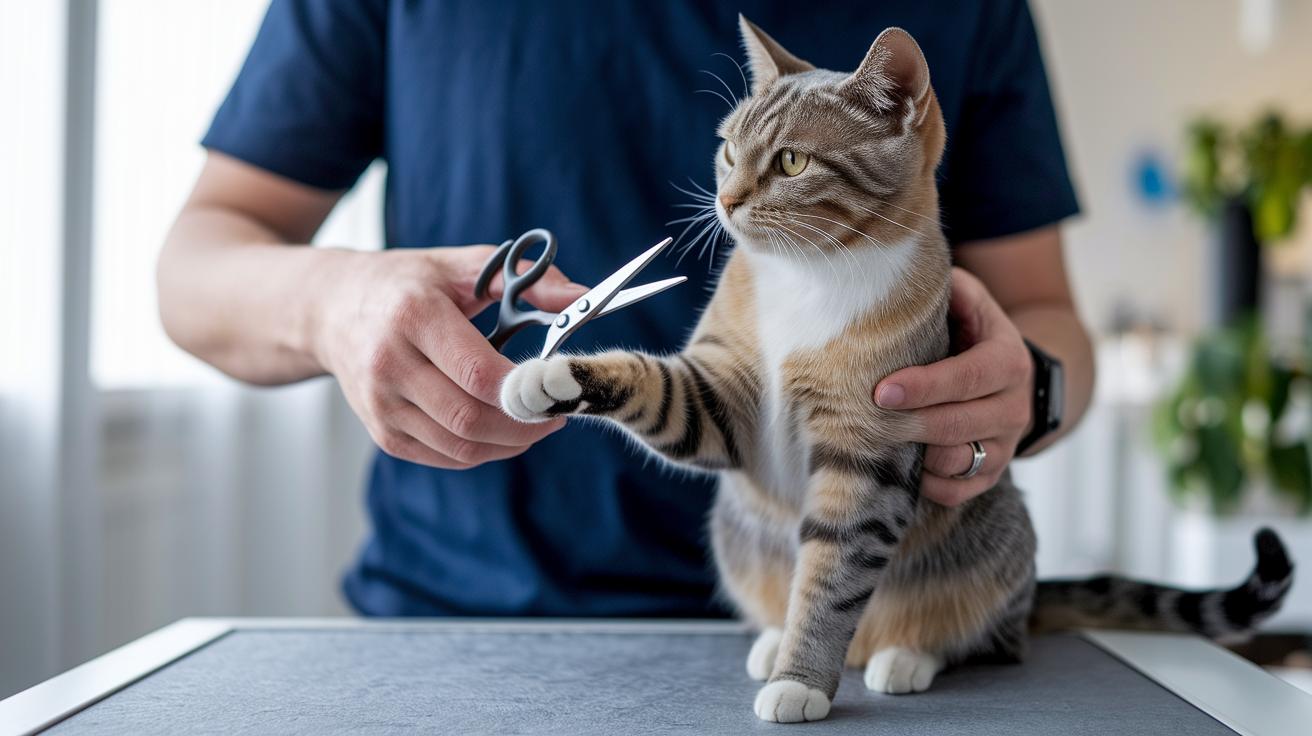
    To keep your kitty’s claws in tip-top shape, pick clippers made just for cats. You can go with guillotine clippers or scissor clippers, both have slim, sharp blades that make a clean cut. Human nail clippers can crush or splinter keratin (the tough stuff in nails), and hey, nobody wants a sad meow or an ouchie. Look for a pair that fits your hand and lets you see each nail clearly.

    Plan to clip every two to four weeks. You’re aiming to leave about 3–4 mm of nail beyond the quick (the pink part with blood vessels). Too close and you risk pain or a drop of blood.

    1. Find a calm spot with soft lighting and little background noise.
    2. Sit your cat on your lap or use a low table, and gently hold one paw.
    3. Press the toe pad to extend a claw, think of it like giving your cat a tiny high-five.
    4. Spot the pink quick (the part you don’t want to cut) and angle the clipper about 45 degrees.
    5. Snip just the clear tip, keeping those 3–4 mm of buffer.
    6. Pause between claws for a treat or a quick pet, your kitty will feel like a star.

    If you do nick the quick, don’t panic.

    • Sprinkle on a bit of styptic powder for cats (stops bleeding fast).
    • Press clean gauze to help the clot form.
    • Keep your voice soft, your kitty will pick up on calm vibes.
    • Wipe the area with a gentle antiseptic and check for any swelling later.

    Worth every paw-print.

    After you finish clipping, roll each nail between your thumb and forefinger to feel for rough spots. Then smooth them with a cat-safe nail file (like mini sandpaper). This little extra step stops snagging and helps nails wear down evenly, so you can ditch the shredded sofa look for good.

    Encouraging Healthy Claw Wear & Prevention of Broken Cat Claws

    Encouraging Healthy Claw Wear  Prevention of Broken Cat Claws.jpg

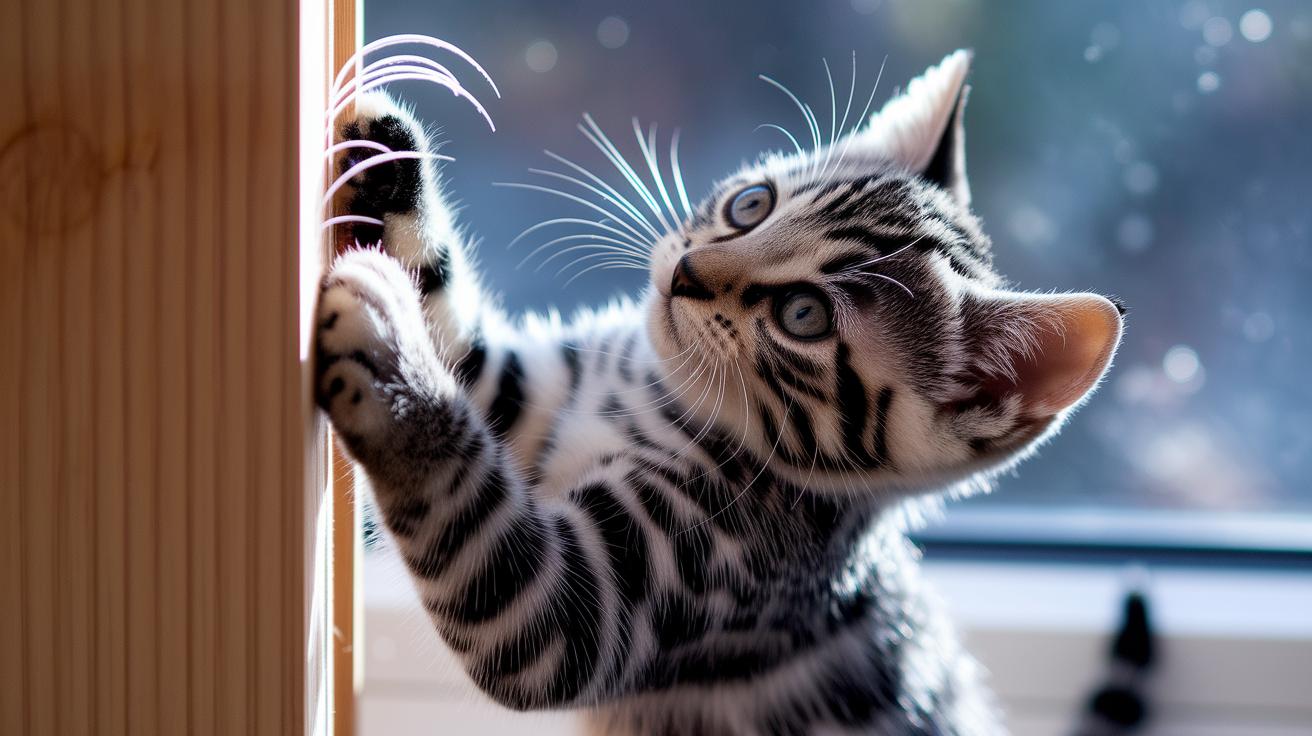
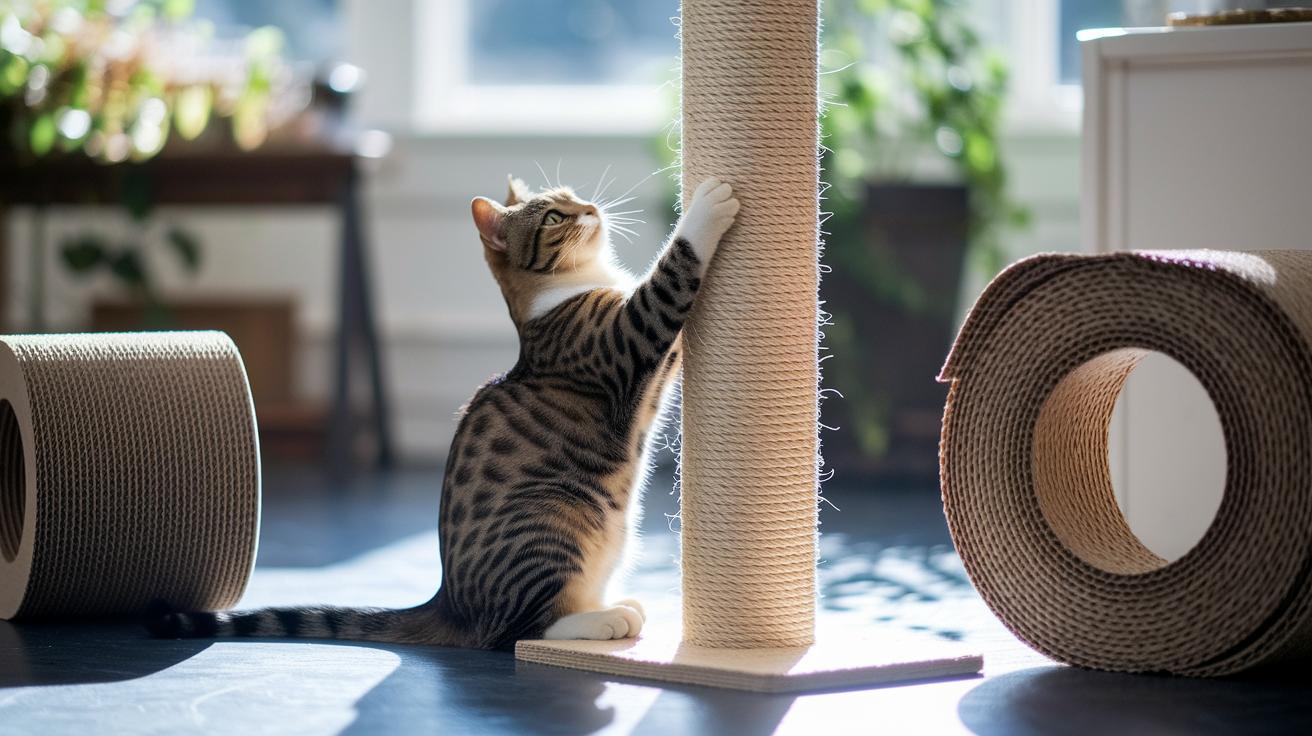
    Nothing beats the feel of a good scratch for keeping claws in tip-top shape. Offer sisal (rough plant fiber) posts, cardboard scratchers, or small bits of untreated wood so your cat can gently file tips down through play. You’ll hear that soft rasp as their claws swipe, so satisfying, right? These simple tools help avoid overgrown claws that snag or snap and save you from worry when they pounce.

    Picking spots for scratching posts is half the fun. A tall vertical post lets your cat stretch its whole body, while a low horizontal pad is perfect for a quick swipe after a nap on the couch. Try placing them by the living room chair, near the bedroom door, or even beside the food bowl to catch your kitty’s attention. Indoor cats especially need these stations since they miss the bark-filing action of trees outside.

    If you’re still worried about your sofa or curtains, nail caps for cats are a great non-surgical option. Vinyl caps like Soft Paws let claws extend and retract as usual while cutting down on accidental couch scratches. Swap them out every six to eight weeks as claws grow and peek often for any loose or worn caps. Beyond saving your upholstery, nail caps help prevent snag-related injuries to paws and cozy blankets alike.

    do cat claws grow back strong

    Managing Complications Injuries  Infections in Cat Claws.jpg

    Ever spot blood on the carpet or see your cat limping? Those are telltale signs of a claw injury or infection you can’t ignore. A swollen nail or a paw your kitty won’t touch to the ground means help is needed.

    If it’s just a small tear or scrape, you can handle minor nail care at home. First, rinse the paw with saline (saltwater solution) to wash out dirt. Pat it dry with a soft cloth, like a cuddly kitten ear. Smear on a thin layer of vet-approved antibiotic ointment your cat can’t lick off too quickly.

    Next, find a quiet spot and snuggle in. Toss your furball a treat so they start to love these first-aid moments. Check that paw twice a day, reapply ointment, and peek for any redness or oozing.

    But if the bleeding won’t quit or you notice a deep rip, time to call the vet. They’ll probably sedate your cat (a mild sleep-like state), trim away jagged nail bits, and wrap on a sterile bandage. You’ll head home with pain meds so your fluffball stays comfy.

    Plan for daily bandage changes and watchful paws-on care for about 5 to 7 days. If the paw feels warm or the limping hangs on, ring the vet again for stitch checks or stronger antibiotics. Your kitty deserves nothing less than a smooth recovery.

    When that new claw finally grows back, it’s usually tougher and ready for epic zoomies across the living room floor. Worth every paw-print.

    Final Words

    in the action, we explored claw regrowth versus permanence, peeked at the keratin structure and quick, and tracked those 1–2 mm weekly growth spurts.

    We outlined safe trimming steps, natural shed cycles, scratcher setups and even first-aid tips for oops moments.

    Now you know do cat claws grow back, what speeds up healing, and how to keep multi-cat homes playful and furniture friendly.

    Here’s to happy paws, healthy nails, and stress-free play sessions ahead.

    FAQ

    Do cat claws grow back after being declawed?

    Cat claws don’t grow back after being declawed because the surgery removes the distal phalanx, preventing any new claw tissue from forming.

    How fast do cat claws grow back?

    Cat claws grow about 1–2 mm per week, achieving full regrowth in roughly three weeks to two months, depending on your cat’s age, health, and activity level.

    Do cat claws shed naturally?

    Cat claws shed their outer dull sheath every three to six weeks through scratching motions, revealing a sharper layer beneath; kittens cycle sheaths faster than adult cats.

    What should I do if my cat loses or injures a claw?

    When a cat loses or injures a claw—whether bleeding from a tear or clipped—gently clean with saline, apply styptic powder if needed, keep it covered, and seek vet care if bleeding persists or signs of infection appear.

    Related Articles

  • How do cats say “I Love You”

    How do cats say “I Love You”

    Ever watched your cat knead a blanket and wondered if it’s their way of saying “I love you”?
    Cats speak love with soft purrs (that happy rumble), gentle headbutts, and slow blinks.
    And whiskers twitching in delight are the cherry on top.

    Those rhythmic paw presses feel like tiny dough hugs.
    Um, it’s oddly calming to watch each paw press in a steady beat!

    In this post, we’ll share five heartwarming signals your kitty sends when it feels safe and cherished.
    You’ll catch every purr, blink, and rub so you can return the love with the perfect ear scratch or a goofy smile!

    How Cats Say ‘I Love You’: Key Affection Signals

    How Cats Say I Love You Key Affection Signals.jpg

    Cats have a special way of sharing love using soft sounds, gentle touches, friendly looks and custom cat scents. Ever tune into their purr? That low rumble at 25 to 150 Hz (cycles per second) means they feel safe. And when your kitty kneads your lap with those dough-like paws it’s a sign they think of you as their happy place.

    Here are the top five cat love moves:

    • A steady purr on your palm. It feels like a cozy, gentle vibration made just for you.
    • Rhythmic kneading with claws gently flexing. Think kneading bread dough under your fingers.
    • Slow blinks that say “I trust you.” Try blinking back and see what happens.
    • Soft headbutts to your hand or face. They’re leaving their scent mark to welcome you into their circle.
    • Full-body flops or a loaf shape with paws tucked in. That loose posture shows they feel calm and right at home.

    You’ll start spotting these tiny cues during petting sessions or while you both relax in the evening. When you blink back or give a gentle scratch, you build even more trust. It’s amazing how a little signal can turn into a deeper bond.

    Next, we’ll look at each move up close, from purring and tummy flops to cheek rubs, so you know exactly when to blink slow or offer that perfect head scratch. Soon you’ll be fluent in your cat’s love language, and those quiet moments of full-body contentment will feel like your own little celebration.

    Worth every paw print.

    Purring and Kneading in Cat ‘I Love You’ Language

    Purring and Kneading in Cat I Love You Language.jpg

    Cats often serenade us with a gentle hum when they feel safe. That soft vibration (like a tiny cat motor) sits around 25 to 150 cycles per second. Put your palm on their fur and it tickles your skin. When they curl in your lap, the purr is light and musical. Stroke behind their ears and it grows deeper and richer. That low drone means “I trust you.” Ever felt your heart melt as a kitty hum warms your hand? It’s their secret way of saying they’re happy and connected to you.

    Next comes the kneading. Those little paw presses trace back to kitten days, when they pushed on mom’s belly for milk. With claws tucked in, each soft push feels like they’re making dough on your lap. People call it “making biscuits.”

    Sometimes they pause to nibble your sleeve or snuggle in closer mid-knead. I once watched Luna press my sweater until it looked well-loved. Worth every paw-print. That gentle paw dance is a tactile “I love you.” They’re saying “It’s safe here. Relax with me.”

    Slow Blinks and Eye Contact Silent I Love You from Cats.jpg

    There’s that moment when your kitty slowly closes and reopens their eyes right at you. It’s like they’re sending a secret “I trust you” note. You’ll often spot it while you’re both chilling, maybe half-dozing in a sunbeam or you’re reading a book. You can almost feel the sun on their fur as their lids drift shut. Ever noticed how their whiskers twitch in time?

    Um, try blinking back next time. Give a soft, friendly gaze, no hard stare, and let your eyelids droop. You might just catch a tiny return blink. And when they narrow their eyes, looking half-asleep and half-awake, that’s their happy, “I’m content here” face. No dramatic meows. No crazy leaps. Just gentle, slow-eyed calm.

    Sometimes those slow blinks end in a full flop, belly up, legs in the air. That tummy reveal? Huge trust badge. Oops, scratch that, your cat’s way of saying, “I feel super safe with you.” Add in a soft-eyed look and voila, you’ve got a hushed chat about trust. Notice these quiet signals, and soon you’ll speak cat, one blink at a time.

    Headbutts, Cheek Rubs and Grooming: Scent ‘I Love You’ from Cats

    Headbutts, Cheek Rubs and Grooming Scent I Love You from Cats.jpg

    Your cat’s headbutt might feel like a fuzzy nudge, but it’s actually bunting. Bunting is when they press their head, using glands (tiny waxy pads that hold special scents called pheromones) on their cheeks, against you to mark you as family. It’s like a secret feline handshake. Ever felt that soft bump on your leg and thought, “What was that?” That’s your kitty saying, “You’re my favorite.”

    Cheek rubbing works the same way. When your cat rubs its chin or side of the face on you, it’s sharing those pheromones again. Think of it like getting a smell invite into their social group. Then they step back, look at you, and maybe offer another headbutt as they do their patrol, just to check you’re still in the squad.

    And then there’s grooming time. When they lick your hand or nuzzle into your hair, that’s grooming human style. Those gentle licks and tiny nibbles are like mom-cat cleaning her kitten, full of trust and care. Sometimes they finish with one more cheek rub, a final touch to seal the paw-made bond. Worth every whisker twitch.

    5 how do cat say i love you sweetly

    Tail and Body Posture Visual I Love You in Cat Language.jpg

    Ever walk in the door and your cat greets you with a tiny tail wiggle? That little quiver at the tip feels like a soft “hello” you can almost hear. They stand with their back loose and belly low, shoulders melting into the floor. Their whiskers flare a bit and ears point forward, totally relaxed and maybe ready for some pets.

    Notice your kitty roll onto one side before the wiggle? That’s the prep-flop, serious love incoming. Then those big, soft eyes lock onto yours in a direct gaze. You feel it, right? It’s your cue to lean in for some head bumps and chin scratches.

    Later, you might feel a fuzzy brush as they circle close then wrap a tail loop around your leg. That tail hug means they want to stay near you and mark you with their scent. Um, keep an eye out for a playful quiver when they bat a toy or a slow tail swish when they want your attention. And if they wind around your ankles with a gentle ripple? They’re saying “more pets, please.”

    It’s the mix of those little moves, prep-flop, tail quiver, relaxed pose, that tells you you’re part of their safe circle. Worth every purr and head-butt.

    Tail Position Meaning
    Quivering tail A rapid shake greeting from a happy cat
    Upright tail tip Warm welcome and readiness for interaction
    Tail wrapping Attachment and marking you as family
    Slow tail swish Playful interest or gentle attention
    Relaxed tail posture Comfort and contentment in their surroundings

    5 how do cat say i love you sweetly

    Meows, Chirps, and Trills Vocal I Love You from Cats.jpg

    When you walk through the door and your kitty greets you with a soft, tiny meow, it feels like a secret “hi” just for you. Um, that quiet sound isn’t a dinner demand – it’s more like “I missed you” or “can I get some pets?” Compare that to a loud, fast meow – “Feed me now!” so listen close! And when your cat gently rubs against your leg with a little mew and purr rolled inside, that’s pure trust and love.

    Then there are chirps and trills – soft, bird-like sounds your cat makes to get your attention from across the room. Ever heard that quick “prrrup” as they weave around your ankles at breakfast – a playful invite that says “Hey, come see this!” They’re tapping into wild hunting instincts, copying bird calls to share their excitement, and in those purr-fect moments, you’re part of their little adventure – a feline “I love you” if I’ve ever heard one.

    Responding to Your Cat’s ‘I Love You’: Speaking Their Feline Language

    Responding to Your Cats I Love You Speaking Their Feline Language.jpg

    Ever notice that slow blink your cat gives you? Blink back with soft eyes and let your lids drift closed. You’re basically saying “I get you” in cat talk.

    Offer your hand for a gentle head rub or cheek scratch near their scent glands (tiny pads that hold pheromones). It’s like getting a VIP welcome from your furry friend. Ever feel that little purr burst?

    Next, invite kneading by laying a soft blanket or your warm lap under them. When they press their paws with claws tucked in, that’s pure comfort. Really.

    And don’t forget a quick play session. Try a simple how to do cat cradle game and see those whiskers twitch as the toy skitters across the floor. Watch them pounce like they’re on a hunt. Then move slowly, cats catch every move; learn more at what do cat see.

    A steady routine makes your home feel like a safe zone. Feed at about the same time each day, sneak in 10-minute play breaks, and carve out a cozy nap spot. Habit builds trust, you know? Notice when your kitty leans into your leg or taps your arm, those little signals mean “I’m here.” If they hop in your lap, that warm snuggle is their way of saying they love you. Follow their lead, from pets to play, and you’ll both feel that bond grow.

    Final Words

    You’ve seen cats use purring, kneading, slow blinks, headbutts and relaxed postures to share their love.

    Recognizing these cues, plus the soft meows, chirps and tail twitches, gives you tips on how to respond with slow blinks, gentle scritches and a secure routine that fits your busy life.

    Seeing how do cat say i love you in action helps you build a trust bond that lasts. Keep celebrating those small moments and enjoy every purr, blink and headbutt with a smile.

    FAQ

    How can I tell if a cat loves me?

    You can tell if a cat loves you when it purrs softly, kneads with retracting claws, slow-blinks, headbutts, relaxes its entire body, and wraps its tail around you as clear signs of trust and affection.

    How can I show my cat I love them?

    You can show your cat love by offering gentle slow blinks, soft meows or trills, cheek rubs, head scratches near scent glands, respectful play sessions, and a calm, predictable routine.

    How do I understand or speak cat language?

    Understanding cat language means observing vocal and body signals, such as purrs for contentment, slow blinks for trust, and tail positions for mood, then mirroring those cues with gentle sounds and a relaxed posture.

    How can I make a cat love me instantly?

    You can make a cat warm to you quickly by offering treats, letting it approach at its own pace, using slow blinks, speaking softly, and providing a soft blanket for kneading comfort.

    How do cats show they hate someone?

    Cats show dislike by flattening their ears, hissing, growling, swatting, dilating their pupils, avoiding eye contact, and hiding or backing away when they feel threatened.

    Related Articles

  • do cats get cold outside: Cozy Tips

    do cats get cold outside: Cozy Tips

    Ever seen your fluff ball brave a 45°F chill without batting an eye? Cold cat-titude? Think they’re feline fine?

    They hail from desert roots, so even a plush coat with guard hairs (the stiff outer fur) and undercoat (the soft fuzzy layer) can’t block every chill.

    When temps dip below 45°F, you’ll see whiskers twitch and tiny hairs stand up to trap what little warmth is left.

    Here are five cozy tips to keep your outdoor explorer snug and safe when cold winds roll in.

    Cats Feel Cold Outdoors Quickly: Thresholds & Action Steps

    Cats Feel Cold Outdoors Quickly Thresholds  Action Steps.jpg

    Your cat’s normal body temp is around 99 to 102 °F. Coming from desert ancestors, they don’t pack the same cold tolerance we do. One chilly wind and their whiskers start twitching! Even that plush coat (guard hairs, the stiff outer fur, plus undercoat, the soft fuzzy layer) can only do so much.

    Here’s a quick look at how temps feel to kitties:

    Feeling Temp (°F)
    Cozy 45 – 77
    Be Careful 32 – 45
    Danger Zone Below 32

    If the temp dips under 45 °F or your kitty looks chilled, bring them inside. You know, wind chill that strips warmth fast. Rain or snow can soak their fur and break down insulation. High humidity steals heat too by dampening their hair.

    Leaving your cat out too long in freezing weather can cause frostbite on ears, paw pads, and tail tips. Hypothermia isn’t far behind, heart rate and breathing slow, muscles stiffen, and they could lose consciousness if you don’t help. Ever seen a cat shiver? It’s a clear “get me inside” plea.

    A cozy hideaway or a heated bed (like a plug-in pet pad) can save their life when old man winter rolls in. Worth every paw-print.

    Feline Thermoregulation and Cat Fur Insulation Outdoors

    Feline Thermoregulation and Cat Fur Insulation Outdoors.jpg

    Cats are built to stay warm on crisp days. Their guard hairs (long stiff hairs) block wind and light dampness while a thick undercoat (soft dense hairs) traps body heat close to their skin. This two-layer coat helps keep their body temperature around 100 to 102 °F (about 38 to 39 °C). Um, if you’ve ever felt your kitty after a sniff of fresh air, you know they’re extra toasty.

    When the air cools down, cats use piloerection (a reflex that makes each hair stand up). Those tiny hairs trap little pockets of warm air next to their skin. At the same time, a slight muscle shiver adds extra heat. It’s like their own fur-powered radiator. Pretty neat, right?

    Cats also have cozy tricks up their paws. You might catch yours stretching in a sunny patch on the porch to soak up warmth without burning energy. Then they curl into a tight doughnut, hiding every bit of heat. Next they slip behind a sheltered wall or hop into a snug cat house. And before you know it, they’re living in their own fur-lined fortress!

    Worth every paw-print.

    Key Factors Affecting Cat Cold Sensitivity Outside

    Key Factors Affecting Cat Cold Sensitivity Outside.jpg

    Ever watched your kitty’s whiskers twitch at frosty air? Not all cats are built for frozen noses. Your cat’s fluff level, age, and health decide when it starts to shiver.

    Long-haired breeds like Maine Coons and Siberians have a thick undercoat (soft, warm hairs under their top fur) plus guard hairs (outer, stiff hairs that block wind). So they stay snug when temps dip. Short-haired cats lose heat fast because their coats can’t trap enough warm air. Hairless kitties, um, they need all the help they can get, sweaters, heated pads, or a cozy spot outside.

    Kittens and seniors both struggle to make body heat, tiny bodies or tired muscles don’t shiver well. Underweight cats lose warmth in a flash, while a plump score of 5 or 6 on a 9-point scale helps keep them toasty. Cats with arthritis or hyperthyroidism need extra TLC since sore joints or a fast metabolism can zap their warmth even if their fur looks full.

    One cat can curl up on a frosty patch with a purr. Another bolts inside at the slightest breeze. Watch your cat’s chilly limits and you’ll keep them purring instead of shivering.

    But wait, bonus tip: toss a fuzzy blanket or heated bed out there for quick, warm breaks during playtime. Worth every paw-print.

    Signs of Cold Stress and Hypothermia in Outdoor Cats

    Signs of Cold Stress and Hypothermia in Outdoor Cats.jpg

    Ever caught your cat shivering like a leaf in a cold wind? That’s mild cold stress kicking in. You might see trembling or slow movement. Cats often curl up tight to hide their chilly ears and paws. Sometimes their fur puffs up (piloerection, when tiny hairs stand up to trap heat) but it still feels icy outside.

    When chill digs deeper you’ll spot muscle stiffness and pale or bluish gums as blood slows. Breaths get heavy and each inhale sounds labored. Frostbite (skin damage from freezing) can show up as gray or black spots on ear tips or paw pads. I once watched Luna tiptoe around the porch like it was a skating rink.

    In severe hypothermia (when the body is too cold to work right) your cat’s pupils may widen and the heartbeat slows to a crawl. They might go limp and slip into unconsciousness. This is life or death.

    Stage Symptoms
    Mild Shivering, lethargy, cold ears/paws, tight curling
    Moderate Muscle stiffness, pale gums, labored breathing, frostbite spots
    Severe Dilated pupils, slow heartbeat, unconsciousness

    If you spot moderate or severe signs, you’ve got to move fast. Bring your cat indoors and wrap it in warm towels or blankets. Tuck a hot-water bottle (wrapped in a cloth) next to its belly but never use direct heat like a hair dryer. Check its breathing and pulse and call your vet on the way. Every second counts when you’re dealing with feline hypothermia.

    Outdoor Cat Shelter and Weatherproofing Tips for Cold

    Outdoor Cat Shelter and Weatherproofing Tips for Cold.jpg

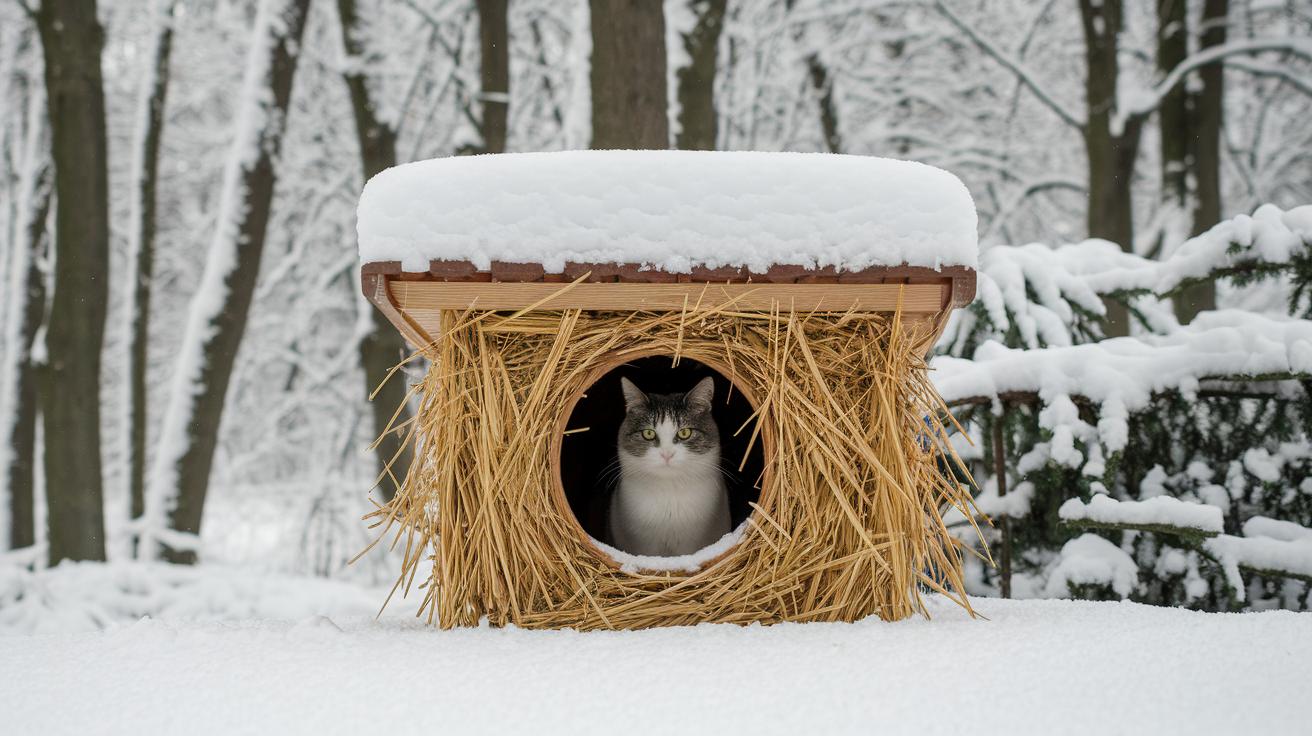
    Keeping your kitty safe on cold nights starts with a sturdy outdoor shelter. Think of an insulated cat box as a cozy mini cabin, warm and snug. Use heat-locking materials like closed-cell foam (a firm kind of bubble wrap) or thick foam board between plastic or wood panels. The roof and walls should be waterproof and block icy gusts.
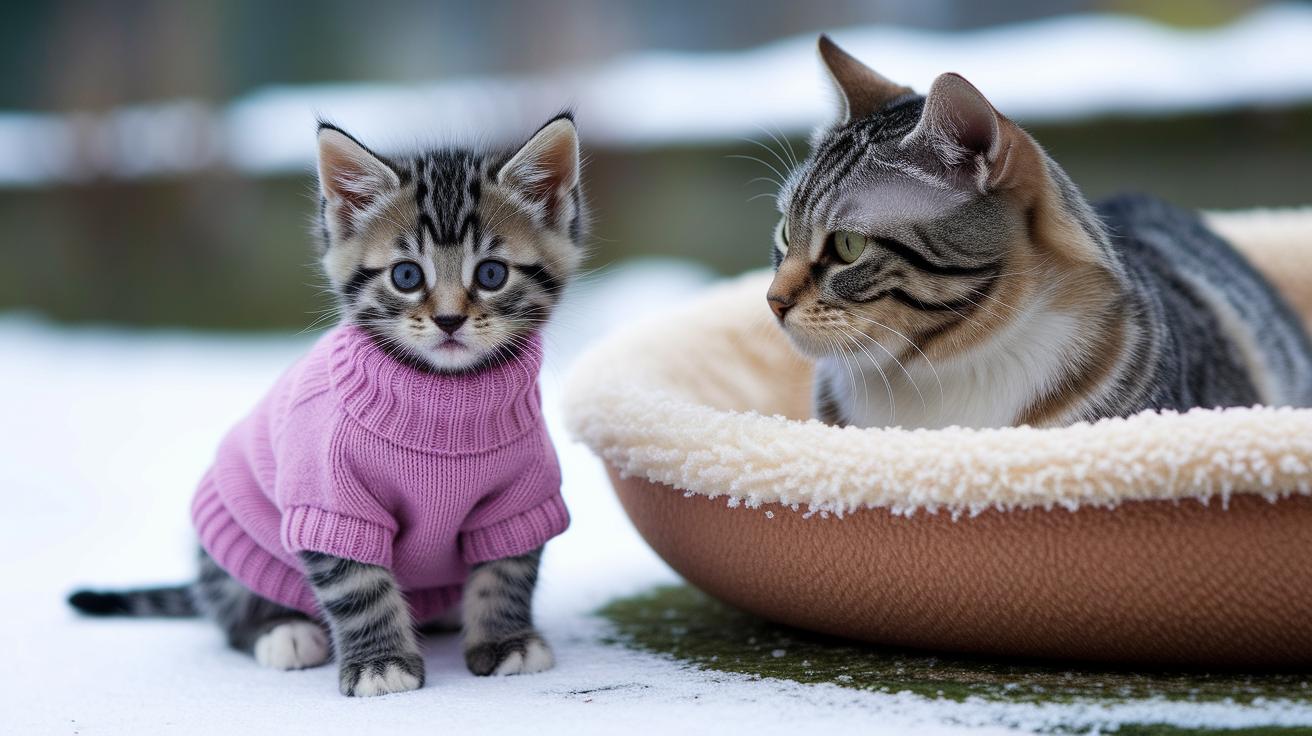
    Oops, blankets or towels inside may sound comfy but they soak up moisture and cool your cat down. Instead, use straw (a natural insulator) that lets wet bits fall through so fresh straw stays dry. Your cat will thank you.

    Even the best shelter won’t help if your kitty can’t sip warm water. Ever watched water bowls turn into ice blocks? I know. Check dishes often and swap metal bowls for ceramic or heavy plastic, they freeze slower. Tuck a second bowl inside the shelter so your cat can drink without facing the wind.

    Here are five key design elements for cold-weather cat shelters:

    • Insulation material: layer closed-cell foam (a firm kind of bubble wrap) or straw (natural insulator) between walls
    • Waterproof exterior: seal seams with silicone caulk and slope the roof to let rain slide off
    • Windbreak orientation: point the entrance away from prevailing winds, toward a wall or bushes
    • Interior lining: spread clean straw (not towels) so moisture falls through and only fresh straw stays dry
    • Raised platform: lift the floor a few inches off the ground to block chilly drafts

    Regular checks keep your shelter working its best. Shake out old straw or swap soaked bits, and clear snow from the entrance. Refill water dishes and peek at walls for cracks or leaks so your cat’s cozy hideaway can stand up to the coldest nights. Worth every paw-print.

    Special Care for Vulnerable Cats Outdoors in Cold Weather

    Special Care for Vulnerable Cats Outdoors in Cold Weather.jpg

    Kittens and senior cats get extra chilly in cold air. Kittens have tiny bodies and thin coats (cats’ fur layer), so they lose heat fast. Senior kitties hold less fat and their shiver reflex (the body’s shaking response) is weaker. Hairless cats can’t fluff up for warmth, and cats with arthritis (swollen joints) or kidney disease (weakened kidneys) feel the cold sooner, too.

    For kittens and seniors, stick to sunny afternoons when you let them outside and watch for any shivering or tight curling. That’s your cue to scoot them inside. Dress hairless or recently shaved cats in a soft sweater and tuck them into a heated bed (think of it like a tiny radiator). If the temperature dips below 50 °F, keep them indoors instead.

    Cats with arthritis can’t warm up fast because sore joints slow them down. So lay extra blankets in their favorite napping nook and check on them more often during play breaks. Once I watched my Luna tuck under a blanket and knead away those aches. It was like a little massage that helps them feel toasty.

    Good food fuels body heat. Try a higher-calorie diet (more energy per bite) or add warm wet-food meals. Keep an eye on their weight and joint stiffness with regular vet checkups so you spot any issues early. And don’t let their water freeze, so use a heated bowl or top off with warm water often.

    Brush them to fluff up the undercoat (that soft layer beneath the fur), swap in fresh bedding at night, and give yourself peace of mind during those cold snaps. Worth every purr.

    5 do cat get cold outside: Cozy Tips

    Tips for Keeping Indoor Cats Warm During Cold Seasons.jpg

    You might think your indoor kitty is snug, but winter drafts love sneaking in under doors, around window frames, or through those AC vents you forgot to seal. Even the warmest living room can feel chilly when a cold breeze finds a secret path. Ever watched whiskers twitch by a radiator or cable box? Those hidden spots can send little shivers down their spine.

    Treat your furball to extra cozy zones. Try a heated bed (a pet bed with a built-in thermostat) or a heating pad (a mat that warms up and then shuts off on its own). Drape a thermal cat blanket (fleece (soft, wool-like fabric) lined with insulating thread (heat-trapping fibers)) over a plush pillow in your cat’s favorite corner. Sunlit perches by south-facing windows turn into natural heaters. And swapping out bedding keeps each layer fluffy and dry, no damp chill allowed. Oh, and a small rug under the bed gives tiny toes a warm landing.

    Grooming helps too. Regular brushing removes mats in the undercoat (the soft, fluffy layer beneath the top fur) that trap cold air and flatten fur. When the undercoat puffs up, think tiny down coat, your cat stays warmer. This is extra helpful for short-haired breeds or senior cats. Aim for a quick comb every few days, then give a gentle fluff with your fingers. Fluffy fur, trapped air, happy purring through winter’s bite.

    Final Words

    We jumped straight into feline chill zones, temperature cutoffs and quick action steps to warm up your outdoor cat. Then we explored how their fur and piloerection trap body heat and what key factors change their cold tolerance.

    You learned to spot shivers, pale paws and frostbite red flags plus build weatherproof shelters that keep whiskers toasty. We even covered extra care for kittens, seniors and hairless breeds.

    Indoor kitties get top warm-up tips, from sunlit perches to cozy thermal beds. And you’ll never wonder again: do cats get cold outside, your furry pals stay happy and snug all winter.

    FAQ

    Do cats get cold outside, especially at night?

    Cats get cold outside, especially at night, because they evolved from desert ancestors. They start feeling chilly below 45°F (7°C), and nighttime dampness can make them shiver or seek warmer spots.

    Can cats feel cold indoors, including at night?

    Cats can feel cold indoors when room temperatures fall under about 60°F (16°C). At night, cooler drafts near windows or vents may prompt shivering, tight curling or seeking warm blankets.

    At what temperature do cats start feeling cold, and when is it too cold for them?

    Cats start feeling cold below 45°F (7°C). Temperatures under 32°F (0°C) become dangerous, raising frostbite and hypothermia risks. Keep playtime brief in chilly weather.

    How do stray cats survive cold weather?

    Stray cats survive cold by finding sheltered spots (under porches), curling tightly for warmth and relying on their dense undercoat (a thick fur layer). Some share nests or seek richer food to boost body heat.

    How long does it take for a cat to freeze to death?

    It can take just a few hours for a cat to succumb to severe hypothermia in freezing temperatures. Wind chill and damp fur can speed up the process.

    How can I tell if my cat is cold?

    You can tell if your cat is cold by noticing shivering, slow movements, tucked paws, cold ears or limbs, and tight curling. Persistent lethargy or heavy breathing signal more serious chill stress.

    Is it okay to leave cats outside in winter?

    Leaving cats outside in winter can be risky once temperatures drop below 45°F (7°C). Provide insulated shelters, regular check-ins and fresh unfrozen water. Better yet, bring them indoors when it gets frosty.

    Related Articles

  • How long do cats allergy symptoms last after exposure Help

    How long do cats allergy symptoms last after exposure Help

    Ever notice your nose go haywire right after you’ve scratched Mr. Whiskers under the chin? It’s like your sinuses threw a confetti party you never signed up for. Oops! Really.

    Sneezes, itchy eyes, a scratchy throat – they can hang around long after you’ve waved goodbye to your purring pal. Hours. Even days. Allergens love an encore.

    In the next bit, we’ll show you exactly how long those post-cuddle sniffles can stick around. Then you’ll get our cat-approved tricks to zap them fast and breathe easy again.

    Ready to send those extra sniffly days packing?

    Timeline for Cat Allergy Symptoms After Exposure

    Timeline for Cat Allergy Symptoms After Exposure.jpg

    Ever notice that sneezing fit right after you’ve been petting Whiskers? Cat allergy symptoms can pounce fast. In just minutes, or up to a few hours after you scratch or cuddle your kitty, you might feel your nose tickle, eyes itch, or skin start to itch.

    That first wave usually peaks around 6 to 12 hours in. Suddenly you’re sneezing every few seconds, your eyes water, and your nose feels like a leaky faucet. It’s like your sinuses throw a surprise party you didn’t RSVP to.

    All this hullabaloo comes down to Fel d 1 protein (a tiny allergen in cat dander (little skin flakes) and saliva). Your immune system treats it like an intruder, so it unleashes all the sneezes and sniffles. Everyone’s threshold is different, some folks barely blink, while others become full-on sneeze machines.

    Had a marathon lap on the couch or a deep-dive cuddle session? Um, you might be in for an extended run. Mild reactions often calm down within a few hours once you escape to cleaner air. But if your carpet, couch cushions, or bedding are still dusted in dander, you could be dealing with sniffles, light wheezing, or a scratchy throat for 2 to 3 days. Stock up on tissues, maybe grab an antihistamine, and brace yourself.

    Eventually, as most of that Fel d 1 protein drifts away or gets washed out, your body settles back to normal. Ahh, sweet relief!

    Phases of Cat Allergy Reactions and Symptom Persistence

    Phases of Cat Allergy Reactions and Symptom Persistence.jpg

    Ever noticed your nose go haywire after your cat gives you a sniff? You can get sniffles and sneezes within minutes to a few hours (allergen particles tickling your nose). Then, about 6-12 hours later – bam – another round of watery eyes or a runny nose. And sometimes, um, a little flare pops up a few days after you’ve been around kitty fur.

    If you’re super sensitive (reacting really easily), those mild sniffles or itchy eyes might stick around for up to two weeks – kind of like your body’s new baseline. It’s annoying, but knowing what to expect helps you plan cuddle sessions better.

    Factors Influencing Cat Allergy Symptom Duration

    Factors Influencing Cat Allergy Symptom Duration.jpg

    Ever wondered why your nose turns into a faucet when you cuddle a cat? It comes down to three things: how much Fel d 1 protein (the main cat allergen) you inhale, your own IgE antibodies (allergy-fighting proteins), and how long dander (tiny skin flakes) lingers. It’s all about exposure and sensitivity, you know?

    Here’s the scoop:

    • Amount of Fel d 1 exposure: More allergen in the air fuels sneezes and sniffles that last longer.
    • Individual sensitivity: People with extra IgE antibodies often deal with tougher, drawn-out reactions.
    • Frequency of contact: Visiting cat homes or daily cuddle sessions trains your immune system to react more.
    • Environmental persistence: Dander is like tiny cat confetti that clings to carpets, furniture, and clothes for months.
    • Early treatment and controls: Jump on meds fast or cut down on dander at home to shave days off your misery.

    Ever watched your kitty rub a wool sweater and send dander flying? Yep.

    Some folks bounce back in hours. Others face days of congestion and itchy eyes. The trick? Tweak your exposure and treat early , it usually speeds up relief. Not purr-fection, but it helps.

    Medical Treatments for Cat Allergy Relief and Symptom Control

    Medical Treatments for Cat Allergy Relief and Symptom Control.jpg

    If your nose feels like a dripping faucet whenever Mr. Whiskers is near, oral antihistamines are often the first go-to. You just swallow a pill like Benadryl, Zyrtec, Allegra, or Claritin with a sip of water. They block histamine (the chemical that makes you sneeze and itch) and usually start working in about 30 to 60 minutes. You might feel a little drowsy at first, kind of like a cat after a long catnap.

    For longer-lasting relief, corticosteroid nasal sprays like Flonase, Nasonex, or Rhinocort can calm that stubborn swelling. These are medicines that reduce inflammation (swelling in your nose passages), and you squirt a gentle mist each day. It takes a few days to see the full effect. Then breathing feels smooth again, ah, sweet relief.

    When you need next-level comfort, your doctor might suggest leukotriene modifiers (drugs that block allergy chemicals) or mast cell stabilizers (medicines that keep cells from releasing histamine). Decongestants can clear a clogged nose, but use them sparingly or you risk rebound congestion. For especially stubborn sniffles, saline nasal rinses (saltwater washes) and prescription sprays can tag-team your symptoms. Follow your doctor’s advice, and soon you’ll be feeling less sneezy and more purry.

    Home and Environmental Controls to Reduce Cat Allergy Symptoms

    Home and Environmental Controls to Reduce Cat Allergy Symptoms.jpg

    Ever step into a room with Fluffy and feel your nose twitch like it’s about to stage a sneeze protest? Let’s pounce on those allergy triggers. First, bring in an air purifier with a solid HEPA filter (that’s a high-efficiency mesh trapping teeny dander particles). You’ll love the quiet whir as it sucks up stray fur. Next, vacuum carpets, rugs, and upholstery twice a week. The satisfying rumble of clean floors really helps cut airborne allergens.

    And don’t forget: carve out a strict no-cat zone in your bedroom. It’s your personal escape for cleaner air and calm dreams.

    Now, um, let’s talk laundry. Wash your cat’s bedding and your sheets in hot water every single week, hot enough to melt away clingy dander. Toss washable throw pillows and plush toys in the spin cycle, seal pet hair in a closed hamper, and voilà, fresher linens to dive into.

    Have you tried grooming outdoors? Brush your kitty outside or use allergen-reducing wipes (think pet-friendly baby wipes that trap loose fur). Swap out heavy drapes for lightweight curtains you can launder, and give carpets a deep clean or replacement. Wipe down flat surfaces with a damp cloth to keep dust at bay. Really.

    One last trick: run a humidifier to soothe dry nasal passages and help dander settle instead of float. With these moves, you’ll spend less time sneezing and more time enjoying those cozy purrs. Worth every paw-print.

    Immunotherapy and Allergy Shots for Long-Term Cat Allergy Management

    Immunotherapy and Allergy Shots for Long-Term Cat Allergy Management.jpg

    Ever wish you could curl up with your cat without a box of tissues nearby? That’s immunotherapy (allergy shots) at work: tiny pokes teaching your body to chill around Fel d 1 protein (the sneaky cat allergen). You start with a small dose, like dipping your toe in a pool, then slowly ramp up until your immune cells shrug at kitty dander.

    Doctors usually suggest these shots when pills and nasal sprays aren’t cutting it. And the proof is in the purr: about six or seven out of ten people say they sneeze and itch way less after one or two years of weekly shots. It’s not a magic trick, um, you’ll need patience. But after that, many folks find themselves ditching tissues and getting back to playtime.

    Shots aren’t for everyone, though. They’re best if your sniffles and scratchy nose show up on repeat, no matter what pill you pop or spray you use. If you’re ready for regular visits, weekly or monthly, and want a true chance at long-term relief, immunotherapy is your purr-fect option. Ready to trade those runny noses for smooth breathing? Chat with an allergist about giving allergy shots a try.

    When to Seek Professional Help for Cat Allergy Symptom Persistence

    When to Seek Professional Help for Cat Allergy Symptom Persistence.jpg

    If you start gasping for air or feel your chest tighten after brushing past kitty fur, don’t just shrug it off. It could mean your asthma’s flaring up or you’re wheezing nonstop. That scratchy throat turning into a tight band? Uh-oh, red flag.

    And if itchy bumps (hives) spread like a constellation across your skin or a rash goes wild, you might be veering toward anaphylaxis (a serious, life-threatening allergy reaction). In those moments, getting treated fast beats waiting it out.

    Babies can’t say “Mom, I’m having trouble breathing.” So you watch closely, you know? Labored breaths, waking up gasping, or stalling on weight gain… these are clues your little one’s fighting a cat allergy. If you spot hives or a rash plus sleep disruptions or failure to thrive, call the doctor ASAP.

    An allergist (allergy specialist) will likely do a skin-prick test (tiny needle pricks to check reactions) or draw blood to measure specific IgE antibodies (allergy-fighting proteins). If your usual meds, like antihistamines (allergy pills) or inhalers, aren’t taming those symptoms, you might get oral corticosteroids (steroid meds to curb swelling) or even biologic therapy (medicines made from living cells).

    Don’t wait for things to get rough. Early check-ups help you dodge the big flare-ups and bring you back to enjoying purrs, not piles of tissues.

    Worth every paw-sitive moment.

    Final Words

    In the action, we mapped the timeline and phases of cat allergy symptoms and dug into factors that stretch or shorten reactions. Then we shared top meds, home tips, immunotherapy basics and warning signs.

    You’ve got tools to cut sneezes, itch and stress, and a clear sense of when to call a pro.

    So next time you wonder how long do cat allergy symptoms last after exposure, rest easy. Relief can be purrfectly within reach.

    FAQ

    How long do cat allergy symptoms last?

    Cat allergy symptoms typically begin within minutes after exposure, peak within 6–12 hours, and usually fade within hours to a few days, though severe cases can last up to 2–3 days.

    What are the common symptoms of a cat allergy?

    Common cat allergy symptoms include sneezing, itchy or watery eyes, nasal congestion, coughing, skin hives or rashes, wheezing, and itchy throat, with pet dander triggering these reactions on contact.

    How can you tell if you have a mild cat allergy?

    You can tell you have a mild cat allergy if you experience occasional sneezing, slight nasal congestion, or mild eye itching after brief cat exposure that resolves quickly without medication.

    Can allergic reactions to cats be delayed?

    Allergic reactions to cats can be delayed, with late-phase symptoms emerging 6–12 hours after exposure or even baseline low-grade symptoms persisting up to two weeks in sensitized individuals.

    What treatment options are available for cat allergies?

    Cat allergy treatment options include oral antihistamines like Zyrtec or Claritin, corticosteroid nasal sprays such as Flonase, mast cell stabilizers, leukotriene modifiers, decongestants, and immunotherapy allergy shots.

    How can you get rid of cat allergies naturally?

    You can get rid of cat allergies naturally by using HEPA air purifiers, washing bedding weekly in hot water, grooming cats outdoors, showering after pet contact, and adding quercetin-rich foods to your diet.

    How do you calm down an allergic reaction to a cat?

    To calm down an allergic reaction to a cat, rinse your nasal passages with saline solution, take an oral antihistamine, apply a cool compress to itchy skin, and move to a cat-free area.

    What can I do if I’m allergic to my dog?

    If you’re allergic to your dog, you can bathe and groom it weekly outdoors, use HEPA air filters, clean floors often, wash your hands after petting, and consider antihistamines or immunotherapy.

    Related Articles

  • How to Train a Cat Not to Pee Everywhere

    How to Train a Cat Not to Pee Everywhere

    Are you tired of finding surprise puddles around your home? Cats peeing outside the litter box is frustrating, but it’s not just rebellious behavior. It’s often linked to health or stress-related issues. Solving this problem requires understanding why it’s happening. When we identify the root cause, whether it’s a urinary tract infection or environmental change, we can help our cats get back to using the litter box consistently. So, before you get too frustrated, let’s dive into the reasons behind this messy situation and find a way to teach your furry friend some tidy habits.

    Understanding Why Cats Pee Everywhere

    Understanding Why Cats Pee Everywhere-1.jpg

    Figuring out why your cat is peeing outside the litter box is crucial. Cats don’t do this out of spite. It’s usually due to health or behavioral reasons. Identifying the cause is the first step in solving the problem. Once we know what’s causing the issue, we can tackle it with the right solutions.

    • Urinary Tract Infections (UTIs): UTIs can make urination painful, leading cats to associate the litter box with discomfort.
    • Bladder Stones: These cause irritation, prompting frequent urination and sometimes outside the box.
    • Idiopathic Cystitis: This condition inflames the bladder with no clear cause, causing distress and frequent urination.
    • Feline Lower Urinary Tract Disease (FLUTD): A syndrome encompassing many urinary issues, leading to inappropriate urination.
    • Systemic Diseases: Conditions like diabetes or kidney disease can increase urination frequency.

    Behavioral causes often stem from anxiety or environmental stressors. Changes in the home, like new pets or rearranging furniture, can make a cat anxious, leading to urination issues. Cats might also avoid the litter box if it’s in a noisy or high-traffic area.

    It’s important to know the difference between spraying and inappropriate urination. Spraying is a marking behavior, usually seen in unneutered cats. They back up to a vertical surface and release a small amount of urine. Inappropriate urination involves larger amounts and is often on horizontal surfaces. Understanding these differences helps in choosing the right approach to address the issue.

    How to Train Your Cat to Use the Litter Box

    How to Train Your Cat to Use the Litter Box-1.jpg

    Training your cat to use the litter box is essential for maintaining a clean and stress-free home. Cats naturally prefer using a clean, designated area for their bathroom needs. By understanding their preferences and providing a suitable environment, you can encourage them to consistently use the litter box.

    • Choose the Right Litter: Some cats prefer unscented litter or a specific type, like clumping or non-clumping. Observe your cat’s preferences.
    • Provide Multiple Litter Boxes: Ideally, have one box per cat plus one extra to reduce territorial disputes.
    • Place Boxes Strategically: Position them in quiet, low-traffic areas where your cat feels safe.
    • Keep Boxes Clean: Scoop daily and perform a full change and wash weekly.
    • Introduce Positive Reinforcement: Reward your cat with treats or play when they use the litter box correctly.
    • Avoid Punishment: Never punish your cat for accidents, as this can increase stress and worsen the issue.

    Placement is key. Cats like privacy, so place litter boxes in calm, secluded spots. Avoid areas with loud noises or busy foot traffic. This ensures your cat feels comfortable when they need to go.

    Keeping the litter box clean is a must. Regular scooping prevents odors and ensures your cat isn’t deterred by a messy box. Many cats refuse to use a dirty litter box, so make it a habit to scoop daily and refresh the litter weekly.

    Finally, reinforce good behavior with positive feedback. When your cat uses the litter box correctly, reward them with their favorite treat or a fun play session. This positive association encourages them to continue their good habits, making litter box training a success.

    Understanding Why Cats Pee Everywhere

    Health-Related Causes of Inappropriate Urination-1.jpg

    Recognizing health issues early is key to addressing inappropriate urination in cats. Often, it’s not just a behavioral problem but a sign of underlying medical conditions. Identifying these issues promptly can lead to effective treatment and significantly improve your cat’s quality of life.

    Urinary tract infections (UTIs) are a frequent cause. They make urination painful, and your cat might start associating the litter box with discomfort, leading to avoidance. Bladder stones cause similar issues, leading to irritation and frequent urination outside the box. Idiopathic cystitis, where the bladder becomes inflamed without a clear cause, also causes distress and frequent urination.

    Feline diabetes is another condition that can result in inappropriate urination. Cats with diabetes often have increased thirst and urination. Crystalluria, the formation of crystals in the urinary tract, results in painful and frequent urination due to high urine pH. These conditions can severely affect your cat’s health and behavior if not addressed quickly.

    Consulting a veterinarian is crucial for diagnosis and treatment. A thorough physical exam and urine analysis can pinpoint the exact issue. Early detection and treatment not only resolve urination problems but also ensure your cat remains healthy and comfortable.

    Modifying Cat Behavior and Environment to Prevent Peeing Everywhere

    Modifying Cat Behavior and Environment to Prevent Peeing Everywhere-1.jpg

    Training a cat not to pee everywhere involves a mix of behavior modification and creating a cat-friendly environment. Addressing both behavioral and environmental factors can prevent accidents and encourage appropriate litter box use. By understanding your cat’s needs and reducing stressors, you can create a peaceful space that promotes good habits.

    • Regular Playtime: Engage your cat with toys to reduce stress and anxiety.
    • Provide Vertical Spaces: Install cat trees or shelves for climbing.
    • Introduce Puzzle Feeders: These stimulate your cat’s mind and reduce boredom.
    • Maintain a Clean Litter Box: Cats avoid dirty boxes, so scoop daily.
    • Offer Multiple Litter Boxes: Place them in different locations to prevent territorial disputes.
    • Observe Preferences: Note your cat’s litter texture and scent preferences.

    Stress reduction is key in modifying cat behavior. Subtle signs of stress, like excessive grooming or hiding, can lead to urination issues. Providing ample mental and physical stimulation helps keep stress at bay. Playtime with interactive toys and puzzle feeders can be a great way to engage your cat’s instincts and energy positively.

    Environmental enrichment is another crucial factor. Cats thrive in environments where they feel safe and stimulated. Adding vertical spaces like cat trees or window perches gives them a vantage point and a sense of territory. This helps reduce anxiety and encourages natural behaviors. Also, ensure that litter boxes are placed in quiet, low-traffic areas so your cat feels secure when using them.

    Calming aids can also be beneficial. Products like pheromone diffusers or sprays can help soothe anxious cats. In cases of severe anxiety, a veterinarian might suggest prescription medication. These aids can help create a calming atmosphere that reduces stress-related urination issues.

    Finally, maintain a consistent routine. Cats are creatures of habit, and sudden changes can lead to stress. Keep feeding times, play sessions, and cleaning routines regular. Consistency reassures your cat, helping them feel more secure and less likely to develop urination problems.

    Cleaning and Deterrent Solutions

    Thoroughly cleaning cat urine is critical to prevent your feline friend from returning to the same spot. Cat urine contains elements that attract them back, making it essential to tackle the issue head-on. When cleaning, using the right products can make all the difference. Enzymatic cleaners are specially designed to break down these components, eliminating both the stain and the odor. This ensures your home stays fresh and discourages repeat incidents.

    • Enzymatic Cleaners: These break down odor-causing elements, ensuring thorough removal.
    • Vinegar and Baking Soda: A natural solution that neutralizes odors effectively.
    • Hydrogen Peroxide: Useful for removing stains while being pet-safe.
    • Citrus Sprays: Cats dislike the smell, making them a good deterrent.
    • Double-Sided Tape: Placed in problem areas to deter cats from returning.

    Using deterrents effectively requires a bit of strategy. Citrus sprays can be applied to areas your cat frequently marks. Cats generally dislike citrus scents, which can discourage them from revisiting those spots. Double-sided tape is another excellent tool; cats dislike the sticky texture under their paws, prompting them to avoid these areas.

    Consistency is key when using these deterrents. Ensure you reapply them regularly, especially after cleaning. This continuous reinforcement helps in gradually training your cat to avoid specific areas. By combining thorough cleaning with strategic deterrents, you can effectively manage and reduce inappropriate urination behaviors in your home.

    Final Words

    Understanding why cats urinate outside the litter box is key to addressing the issue. Health problems and behavioral reasons often lead to accidents. In learning how to train a cat not to pee everywhere, focus on health checks, litter box management, and stress reduction.

    A clean, calm environment, along with positive reinforcement, can make a huge difference. Remember to use thorough cleaning methods and deterrents to maintain a fresh space. Stay patient and consistent. This approach ensures a healthier, more enjoyable experience for both you and your cat.

    FAQ

    Homemade spray to stop cats from peeing

    A homemade deterrent spray can include water, vinegar, and citrus oil. Cats dislike citrus smells, helping keep them away from marked areas.

    Why is my male cat peeing everywhere and meowing so much?

    Male cats may urinate everywhere due to medical issues like urinary tract infections, or stress. Excessive meowing can indicate discomfort or anxiety.

    How to stop a cat from peeing in the same spot

    Clean the area with enzymatic cleaners to eliminate scent traces, use deterrents like citrus sprays, and offer additional litter boxes for options.

    Why is my cat peeing everywhere all of a sudden?

    Sudden inappropriate urination may indicate health problems such as bladder stones or stress-related issues requiring veterinary attention.

    How do I get my cat to stop peeing all over?

    Identify underlying health or behavioral causes. Ensure a clean litter box, reduce stress, and provide environmental enrichment. Consult a vet for health concerns.

    How to train my cat not to pee everywhere

    Use positive reinforcement when your cat uses the litter box. Maintain clean, accessible boxes and address preferences in litter type or location.

    How do you discipline a cat for peeing?

    Avoid punishment, as it can increase anxiety. Focus on rewarding good litter box behavior and addressing possible health or stress-related issues.

    How do I stop my cat from peeing in the wrong place?

    Ensure litter boxes are clean and appealing. Explore medical or behavioral issues with your vet and implement environmental changes to reduce stress.

    Related Articles

  • Can Cat Eat Pancakes Understanding the Risks and Safe Alternatives

    Can Cat Eat Pancakes Understanding the Risks and Safe Alternatives

    Are pancakes a soft and fluffy danger to your cat? While these breakfast favorites might seem harmless, feeding them to your feline could be more risky than you think. Cats are obligate carnivores, and their bodies thrive on meat, not carbs like those found in pancakes. What might be okay for us can lead to nutritional imbalances or digestive discomfort for our cats, especially if dairy is involved. Before you let your kitty take a bite from your plate, let's explore the risks and healthier snack options.

    Can Cats Eat Pancakes: Understanding the Risks

    Can Cats Eat Pancakes Understanding the Risks-1.jpg

    While pancakes aren't toxic to our feline friends, they're far from an ideal treat. Cats are obligate carnivores, which means their diet should be primarily composed of meat. Pancakes, on the other hand, are full of carbohydrates and lack the essential nutrients cats need. This mismatch in dietary needs can lead to health issues such as obesity and nutritional deficiencies over time. Although a small nibble might not cause immediate harm, regularly feeding your cat pancakes can lead to longer-term health concerns.

    Dairy products in pancakes, like milk and butter, pose a particular problem for cats. Many cats are lactose intolerant, meaning they lack the enzyme needed to digest lactose found in dairy. This can lead to digestive problems, including stomach pain, diarrhea, and vomiting. While some cats may tolerate small amounts of dairy without too much distress, it's generally best to avoid these ingredients in your cat's diet to prevent potential discomfort or more serious digestive issues.

    Pancake Ingredients to Avoid for Cats

    • Sugar: Offers no nutritional benefits and can contribute to obesity and diabetes.
    • Milk: Many cats are lactose intolerant, leading to digestive issues.
    • Butter: High in fat and lactose, both of which can upset a cat's stomach.
    • Artificial Additives: Preservatives and artificial flavors can be harmful to cats.

    On a brighter note, some ingredients in pancakes, like eggs, can be beneficial for cats. Eggs are a good source of protein and essential amino acids. They are relatively easy for cats to digest and can provide some nutritional benefits. However, the amount of egg in a typical pancake is minimal compared to a cat's regular diet, so any benefits are limited. It's always best for eggs to be cooked plain without any seasoning or additives when offered to cats.

    Understanding a cat's dietary needs is crucial in determining what treats are safe and beneficial. As obligate carnivores, cats require a diet rich in animal protein, with minimal carbohydrates. Pancakes, packed with sugar, dairy, and other additives, do not meet these nutritional requirements. Veterinarians and animal nutritionists agree that sticking to a meat-based diet is essential for a cat's health. Instead of pancakes, consider meat-based treats or specially formulated cat treats that cater to their dietary needs.

    Understanding Feline Nutrition and Digestive Health

    Understanding Feline Nutrition and Digestive Health-1.jpg

    Cats are obligate carnivores, relying on a diet rich in animal-based proteins. Essential nutrients like taurine, found exclusively in animal tissues, are crucial for their health. Taurine supports heart function, vision, and reproductive health, making it indispensable in a cat's diet. Unlike humans, cats cannot synthesize this nutrient, so they must obtain it from meat, which is central to their dietary needs.

    Pancakes offer little nutritional value for cats due to their high carbohydrate content and inclusion of dairy products. Cats lack the enzymes needed to efficiently process carbohydrates, and many are lactose intolerant, making dairy a problematic ingredient. This nutritional mismatch can lead to health issues if pancakes are regularly consumed by cats.

    Feeding cats foods that don't meet their nutritional requirements can result in digestive issues like diarrhea, vomiting, and stomach discomfort. Overconsumption of carbohydrates and dairy exacerbates these problems, potentially leading to more severe health complications. Cat owners should focus on providing a diet that aligns with their pet's unique nutritional needs, emphasizing meat-based proteins and essential nutrients like taurine.

    Safe Treat Alternatives to Pancakes for Cats

    Safe Treat Alternatives to Pancakes for Cats-1.jpg

    When considering treats for our feline companions, it's important to prioritize options that align with their carnivorous nature. Cats thrive on diets rich in animal proteins, and their treats should reflect this nutritional need. Instead of traditional pancakes, which lack the necessary nutrients for cats, we can create cat-friendly versions using ingredients like unsalted tuna. These alternatives cater to their dietary requirements and provide a tasty and healthy option.

    • Tuna-Based Pancakes: Made with unsalted tuna, these pancakes are a protein-rich treat.
    • Chicken Treats: Simple cooked chicken, cut into small pieces, offers a nutritious snack.
    • Commercial Cat Treats: Opt for products specifically formulated for feline nutrition.

    Consulting with veterinarians is crucial when selecting treats for your cat. They can provide tailored recommendations based on your cat's unique dietary needs and health conditions. Vets offer valuable insights into safe and nutritious treat options, ensuring your feline remains healthy and happy. Prioritizing expert guidance helps you choose treats that support your cat's well-being without compromising their health.

    Guidelines for Feeding Human Foods to Cats

    Guidelines for Feeding Human Foods to Cats-1.jpg

    Feeding human foods to cats, like pancakes, should be approached with caution. While cats might be curious about what we eat, their digestive systems are not built to handle many common human ingredients. For instance, lactose can cause issues, as many cats are lactose intolerant. It's crucial to focus on a diet primarily composed of meat, which aligns with their nature as obligate carnivores.

    • Know safe foods: Research which human foods are safe in small quantities.
    • Be aware of toxic ingredients: Avoid foods like onions, garlic, and chocolate.
    • Limit frequency: Make human foods a rare treat to prevent nutritional imbalances.

    Sticking to a meat-based diet ensures your cat gets essential nutrients like taurine. While an occasional nibble of human food might not cause harm, it should never substitute for their regular meals. Prioritizing cat-specific foods helps maintain their health and well-being.

    Final Words

    Feeding pancakes to cats isn't the best idea. Although they aren't toxic, pancakes contain sugar and dairy, which can cause digestive issues. Cats, being obligate carnivores, thrive on meat-based diets. The sugary and dairy-filled nature of pancakes does not align with their nutritional needs and can lead to obesity and lactose intolerance.

    Instead, focus on cat-friendly treats that align with their dietary needs. Healthy options like tuna or chicken treats provide the protein they need without unnecessary carbs. Remember, a cat's diet should mainly consist of specially formulated cat foods. Treats like pancakes should be an infrequent indulgence, if offered at all. Always consult a vet for advice on safe treats, ensuring your feline friend stays healthy and happy.

    FAQ

    Can cats eat pancakes with syrup?

    A: Pancakes with syrup aren't suitable for cats. Pancakes may cause digestive issues due to sugar and dairy content. Syrup has high sugar levels, which can lead to obesity in cats.

    Can cats eat raw pancakes?

    A: Raw pancakes aren't safe for cats. Uncooked batter can cause stomach upset and contain harmful raw ingredients like eggs, leading to health issues.

    Can kittens eat pancakes?

    A: Kittens shouldn't eat pancakes. Kittens need proper nutrients for growth, and pancakes don't provide these. Instead, focus on nutritionally balanced kitten food.

    Are pancakes safe for cats?

    A: Pancakes aren't toxic, but they're not safe for cats due to sugar, dairy, and lack of nutritional value. Cats thrive on a protein-rich diet.

    Can cats eat maple pancakes?

    A: Maple pancakes aren't good for cats. The sugar can cause health issues, and maple syrup offers no benefits. Stick to diets recommended for cats.

    Why does my cat lay flat like a pancake?

    A: Cats lay flat to cool off, relax, or feel secure. It's a common pose, especially in warm weather or comfy spots.

    Can pets eat pancakes?

    A: Generally, pets shouldn't eat pancakes. Pancakes lack essential nutrients and may cause digestive problems. Ideally, feed pets their specially formulated foods.

    Can cats eat syrup?

    A: Cats shouldn't eat syrup. It contains too much sugar, offering no benefit and potentially leading to obesity and other health complications.

    Can dogs eat pancakes with syrup?

    A: Dogs should avoid pancakes with syrup. Syrup's high sugar content is unhealthy, and pancakes don't meet dogs' nutritional needs. Stick to vet-approved dog foods.

    Related Articles

  • Can Cat Eat Sashimi Understanding Health Risks and Expert Opinions

    Can Cat Eat Sashimi Understanding Health Risks and Expert Opinions

    Can your cat safely enjoy a delicacy like sashimi? The idea might seem tempting, especially when our feline friends show keen interest in fishy aromas. But before sharing your sushi, it's crucial to understand the potential health risks involved.

    Raw fish, like sashimi, isn't just a trendy treat; it can be a recipe for disaster. Inside, we'll explore why this seemingly harmless snack can be dangerous for cats. You'll learn what experts say and uncover the best ways to keep your cat's diet safe and balanced.

    Can Cats Eat Sashimi Safely?

    Can Cats Eat Sashimi Safely-4.jpg

    Cats are natural hunters and might be drawn to the smell and texture of sashimi, much like their wild ancestors who thrived on raw prey. But is sashimi safe for cats? The short answer is no.

    Raw fish, including sashimi, poses significant health risks for our feline friends. The main concern is thiaminase, an enzyme present in raw fish that breaks down thiamine.

    Thiamine is an essential B vitamin for cats, and its deficiency can cause severe neurological issues, convulsions, or even coma. Additionally, the risk of food poisoning due to bacteria like E. coli or salmonella further complicates the scenario.

    Experts agree that feeding sashimi to cats should be avoided. Cats are obligate carnivores, requiring specific nutrients that come from properly prepared animal meat.

    While the protein in fish is beneficial, it does not provide a complete nutritional profile for cats. Introducing sashimi into their diet could lead to nutritional imbalances, leaving gaps in the essential nutrients they need.

    Instead, experts recommend maintaining a balanced diet with cat-appropriate foods and reserving any fish treats for rare occasions, ensuring they are cooked and unseasoned. Always consult a veterinarian when considering dietary changes for your pet.

    Nutritional Considerations of Feeding Raw Fish to Cats

    Nutritional Considerations of Feeding Raw Fish to Cats-3.jpg

    Fish is a great source of omega-3 fatty acids, which help keep a cat’s coat shiny and skin healthy. While fish is rich in protein, it's crucial to remember that it doesn't offer a complete nutritional profile for cats. Balancing your cat's diet with other essential nutrients is key if you choose to include fish.

    If you're considering raw fish, be cautious about nutritional deficiencies. Raw fish contains thiaminase, an enzyme that destroys thiamine, a necessary B vitamin for cats.

    Thiamine deficiency can lead to neurological problems. Additionally, raw fish can carry harmful bacteria, making it unsafe. Consider safer fish options, like cooked fish, or use supplements to balance the diet.

    Nutrient Benefit
    Protein Supports muscle growth and energy
    Thiamine (Vitamin B1) Essential for neurological function
    Taurine Vital for heart and eye health
    Omega-3 Fatty Acids Promotes healthy skin and coat

    Safe Alternatives to Sashimi for Cats

    Safe Alternatives to Sashimi for Cats-4.jpg

    Cooked fish can be a delightful treat for cats, offering them a taste of the sea without the risks associated with raw fish like sashimi. Cooking fish eliminates harmful bacteria and thiaminase, making it a safer option.
    Salmon is a great choice, providing valuable omega-3 fatty acids that support a healthy coat and skin.

    However, it's important to remember that fish should only be an occasional treat and not a staple in their diet due to cats' need for a variety of nutrients. Always ensure the fish is cooked thoroughly and prepared without any herbs, spices, or additives that could upset a cat's stomach.

    Here are some guidelines for preparing fish treats for your cat:

    • Bake or steam fish to ensure it's cooked through.

    • Avoid seasonings like salt, garlic, or onions.

    • Remove all bones to prevent choking hazards.

    • Serve in small portions to avoid overfeeding.

    • Choose fresh fish instead of canned or smoked options.

    Beyond fish, there are several other safe and nutritious options to consider for your cat. High-quality commercial cat foods are specifically formulated to meet their dietary needs, offering a balanced mix of proteins, fats, and essential vitamins.

    If you're keen to offer something special, consider lean meats like chicken or turkey, which can be cooked plainly and served in moderation. Always prioritize your cat’s health by consulting with a veterinarian, especially when introducing new foods.

    Understanding the Risks of Raw Seafood for Cats

    Understanding the Risks of Raw Seafood for Cats-2.jpg

    Raw seafood can expose cats to harmful bacteria like E. coli and salmonella, leading to severe food poisoning. Parasites, such as tapeworms, are another threat found in raw fish, potentially damaging a cat's intestines. Cats are naturally attracted to raw fish, increasing their risk of exposure. Symptoms of fish allergies include:

    1. Vomiting

    2. Diarrhea

    3. Itchy skin

    1. Inflammation

    The risk of thiamine deficiency is a significant concern when feeding cats raw seafood. Thiaminase in raw fish breaks down thiamine (Vitamin B1), essential for neurological health.

    A lack of thiamine can cause severe neurological issues, including loss of coordination and convulsions, and in extreme cases, coma. This deficiency can develop quickly with regular consumption of raw seafood.

    Experts advise against including raw seafood in a cat's diet. Instead, they recommend a balanced diet with high-quality commercial cat food or safely prepared home-cooked meals. If offering fish as a treat, ensure it's thoroughly cooked. Always consult your veterinarian before making significant dietary changes to support your cat's health and longevity.

    Expert Advice on Feeding Sashimi to Cats

    Expert Advice on Feeding Sashimi to Cats-1.jpg

    Focusing on new insights, let's dive into specific case studies. Dr. Emily Hartman from the Cat Health Institute recalls a case where a cat's diet included raw fish, resulting in severe thiamine deficiency.

    This led to neurological issues, emphasizing the risks associated with sashimi. Another case involved bacterial contamination, causing digestive distress, highlighting the importance of avoiding raw seafood.

    For safe fish consumption, consider options supported by experts. Dr. Lisa Thompson suggests offering small portions of cooked fish, like poached salmon, without spices.

    This minimizes health risks while providing variety. Always consult your veterinarian for personalized dietary advice to ensure your cat's nutritional needs are met effectively.

    Final Words

    Cats might seem drawn to sashimi, but it's risky for their health. Eating raw fish can lead to food poisoning and thiamine deficiency. Cats need specific nutrients not found in raw fish. To keep them healthy, avoid giving them sashimi.

    Safe options like cooked salmon can satisfy their love for fish. Always prepare it well, with no bones or seasoning. Expert advice is to stick to a balanced diet for your cat's overall well-being. So next time you wonder, "can cat eat sashimi?" remember, cooked is best for your furry friend.

    FAQ

    Can cats eat sashimi?

    A: Cats should not eat sashimi due to risks of food poisoning from bacteria and thiamine deficiency from thiaminase. These risks can lead to neurological issues.

    Can cats eat sashimi salmon or sashimi tuna?

    A: Cats should avoid sashimi salmon and tuna. Raw fish contains bacteria that may harm your cat and lacks vital nutrients.

    Can cats eat cooked salmon or cooked fish?

    A: Cats can enjoy cooked salmon or fish occasionally if prepared without herbs, spices, or bones. Ensure it’s fully cooked to avoid health hazards.

    Can cats eat raw salmon or raw caught fish?

    A: Cats should avoid raw salmon or any raw caught fish. Raw fish poses a risk of bacteria and thiamine deficiency, affecting a cat's health.

    What should I do if my cat ate raw fish?

    A: If your cat ate raw fish, watch for any signs of illness. Contact your vet for advice on potential food poisoning or thiamine deficiency.

    Is there a safe way to give fish to my cat?

    A: Offer your cat cooked fish without seasoning or bones. Bake or steam the fish, and serve as an occasional treat, not a staple in their diet.

    Related Articles