Author: Isabella Tiu

  • Can Cat Eat Oyster Understanding Benefits and Risks

    Can Cat Eat Oyster Understanding Benefits and Risks

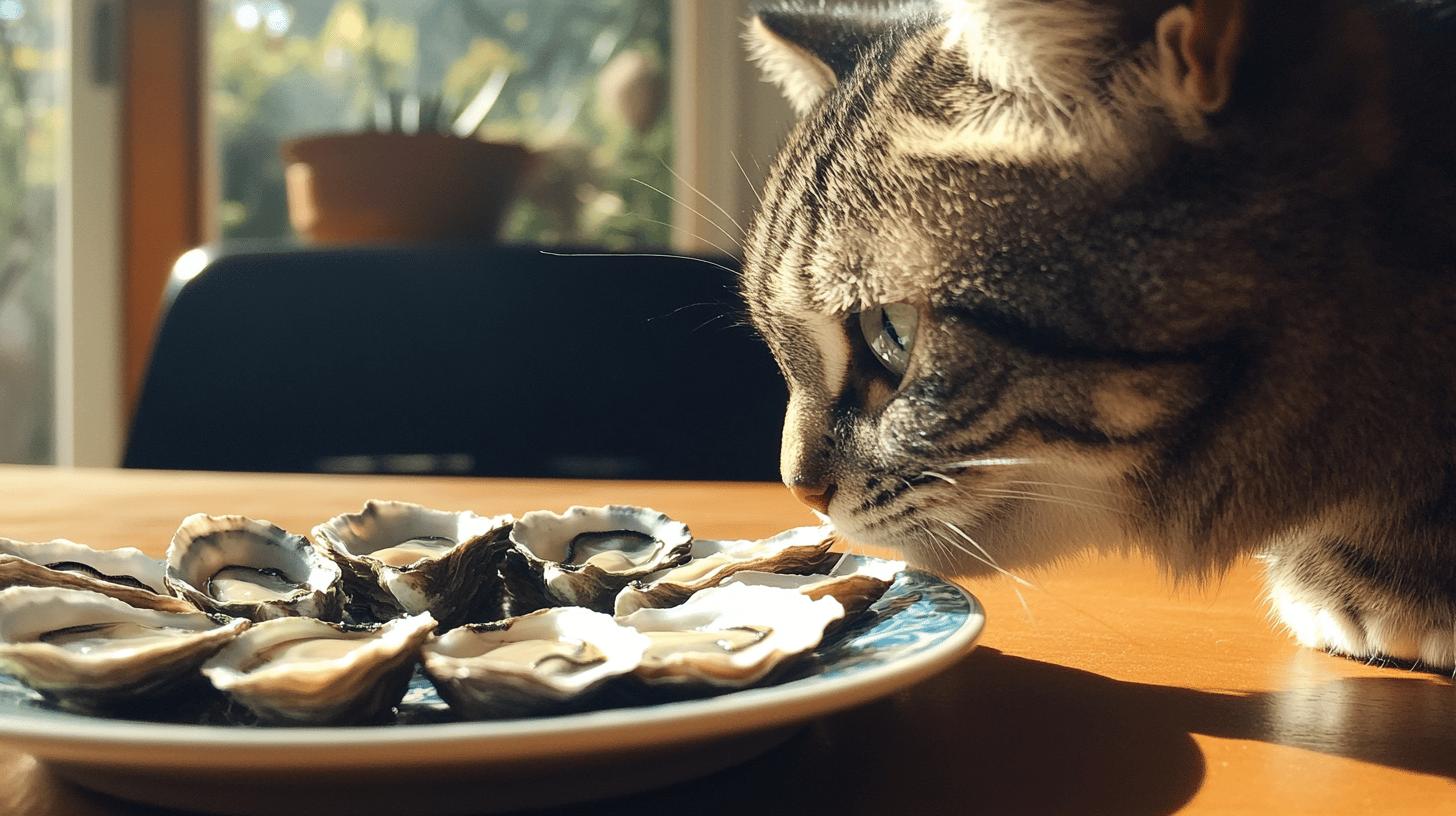
    Ever wonder if your cat can join you for a seafood dinner? The idea of feeding oysters to cats might seem tempting given their nutritional punch. Oysters pack omega-3s and essential minerals that boost heart health and vitality.

    But are they safe for your feline friend? This article dives into the benefits and risks, exploring how oysters can enrich or harm your cat's diet. We'll uncover surprising facts and safety tips to help you make informed decisions for your cat's well-being. Ready to shell out the truth? Let's get started.

    Nutritional Value, Safety, and Risks of Feeding Oysters to Cats
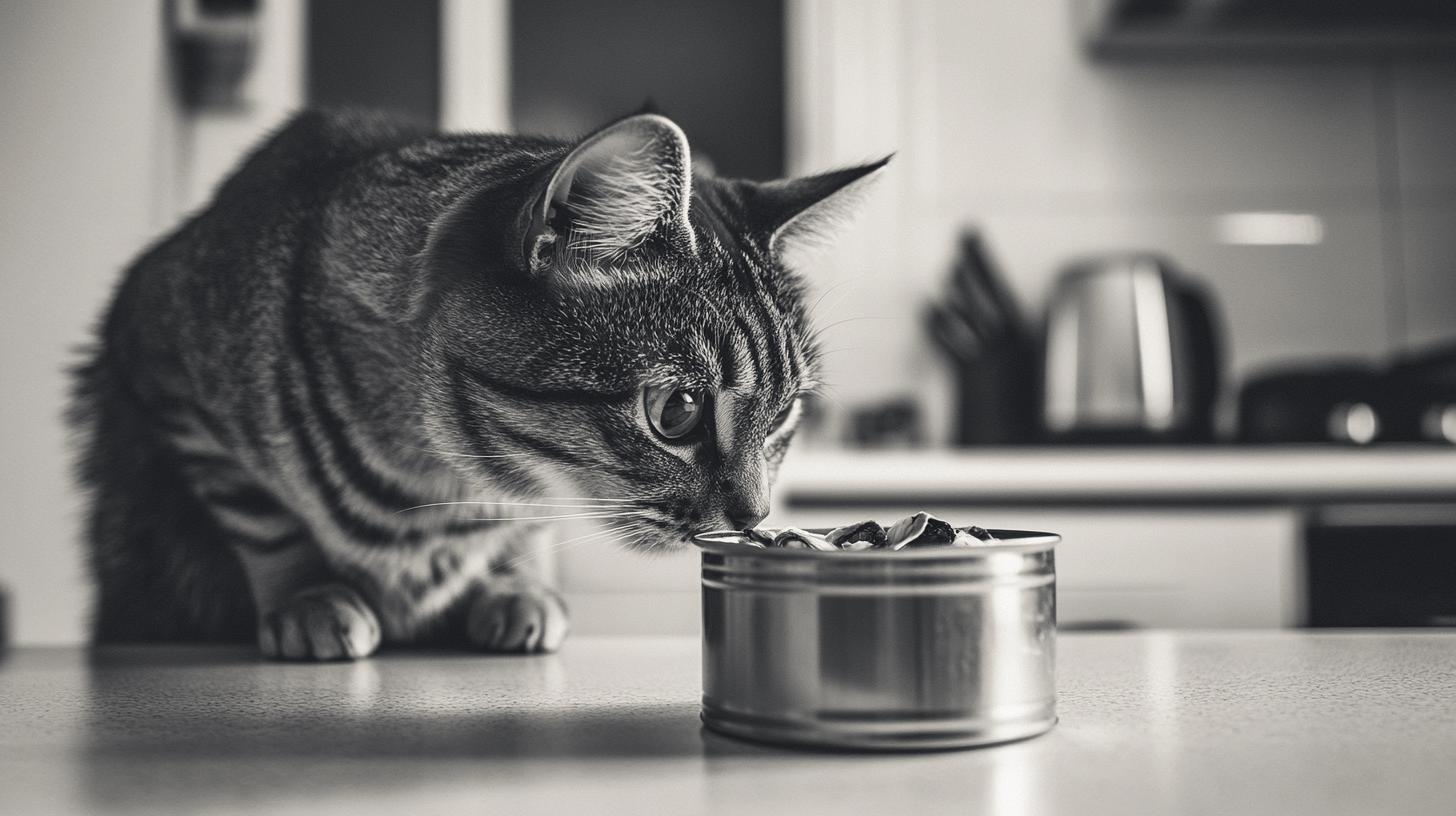
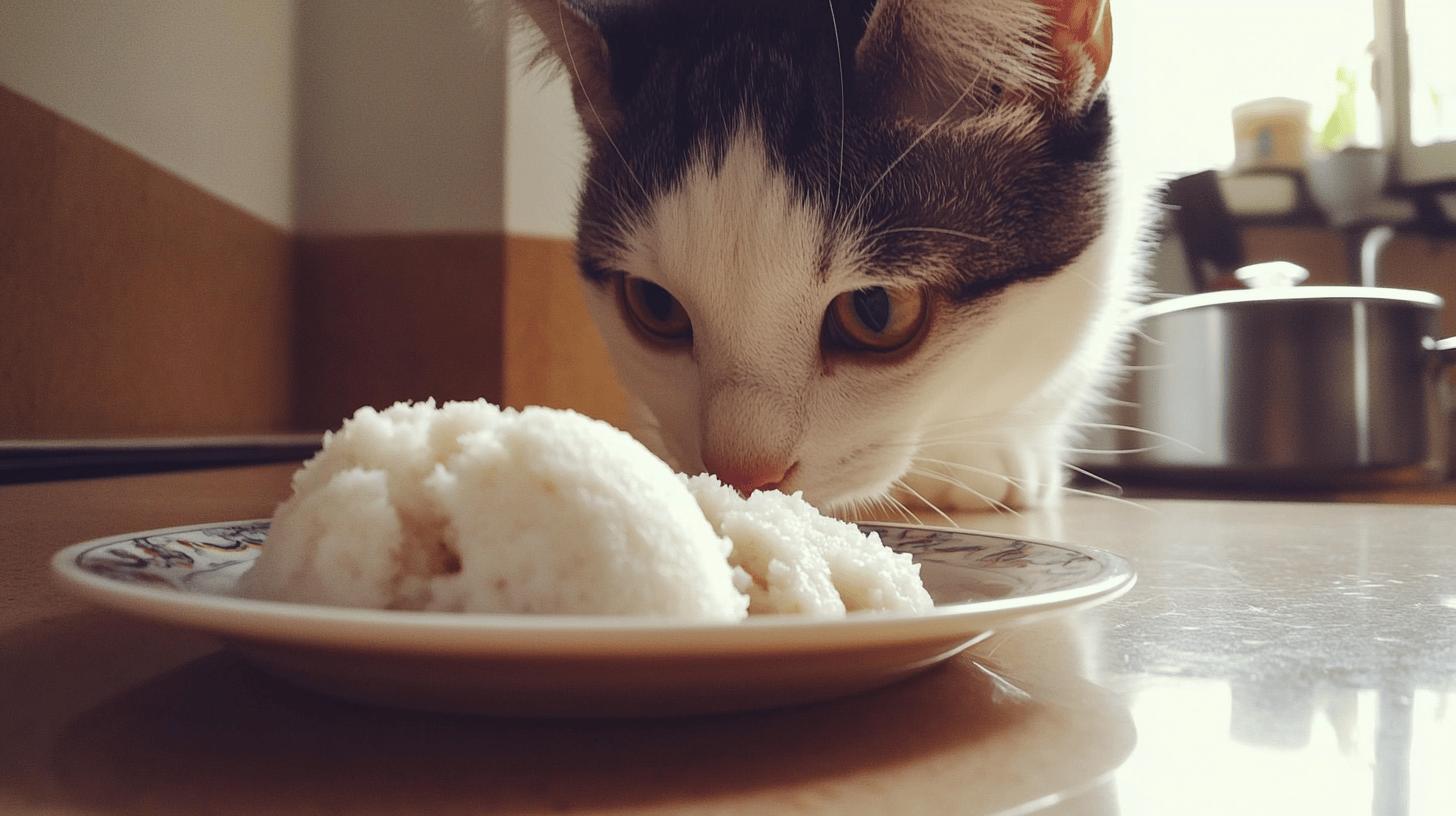
    Nutritional Value, Safety, and Risks of Feeding Oysters to Cats-2.jpg

    Oysters can be an interesting addition to a cat's diet due to their high nutritional content. They are rich in omega-3 fatty acids, which support a cat's skin and coat health.

    These fatty acids are also known to promote heart health. Oysters are packed with proteins, crucial for maintaining muscle mass and overall vitality in cats.

    Additionally, they provide essential vitamins and minerals like vitamin B12, zinc, and iron, which can contribute to a cat's metabolic processes and immune function. Given these benefits, it's understandable why some might consider offering oysters as a treat.

    Despite their nutritional perks, raw oysters pose significant health risks to cats. They contain thiaminase, an enzyme that breaks down thiamine (vitamin B1), potentially leading to a deficiency if consumed in large quantities.

    Thiamine is vital for a cat's neurological health, and its deficiency can cause severe symptoms like neurological problems and muscle weakness. Moreover, raw oysters may harbor harmful bacteria and parasites, such as Vibrio vulnificus or norovirus, which can cause foodborne illnesses in cats.

    Oysters also present digestive challenges due to their high sodium content and potential toxins. Cats are particularly sensitive to sodium, and excessive intake can lead to increased thirst, lethargy, or even more severe conditions like hypertension.

    Additionally, oysters might accumulate toxins from their environment, which could be harmful to cats if ingested. Therefore, it's crucial to ensure that any oysters given to cats are from safe, uncontaminated sources.

    Given the potential risks, oysters should only be fed to cats in moderation and as an occasional treat. While they can provide nutritional benefits, the potential for adverse effects necessitates caution.

    Opting for cooked oysters is a safer choice as cooking can eliminate harmful bacteria. It's important to ensure that oysters are prepared without harmful ingredients like garlic or excessive oil, which are unsafe for cats.

    Symptoms of foodborne illnesses or allergic reactions in cats after eating oysters may include:

    • Vomiting

    • Diarrhea

    • Lethargy

    • Loss of appetite

    • Excessive thirst

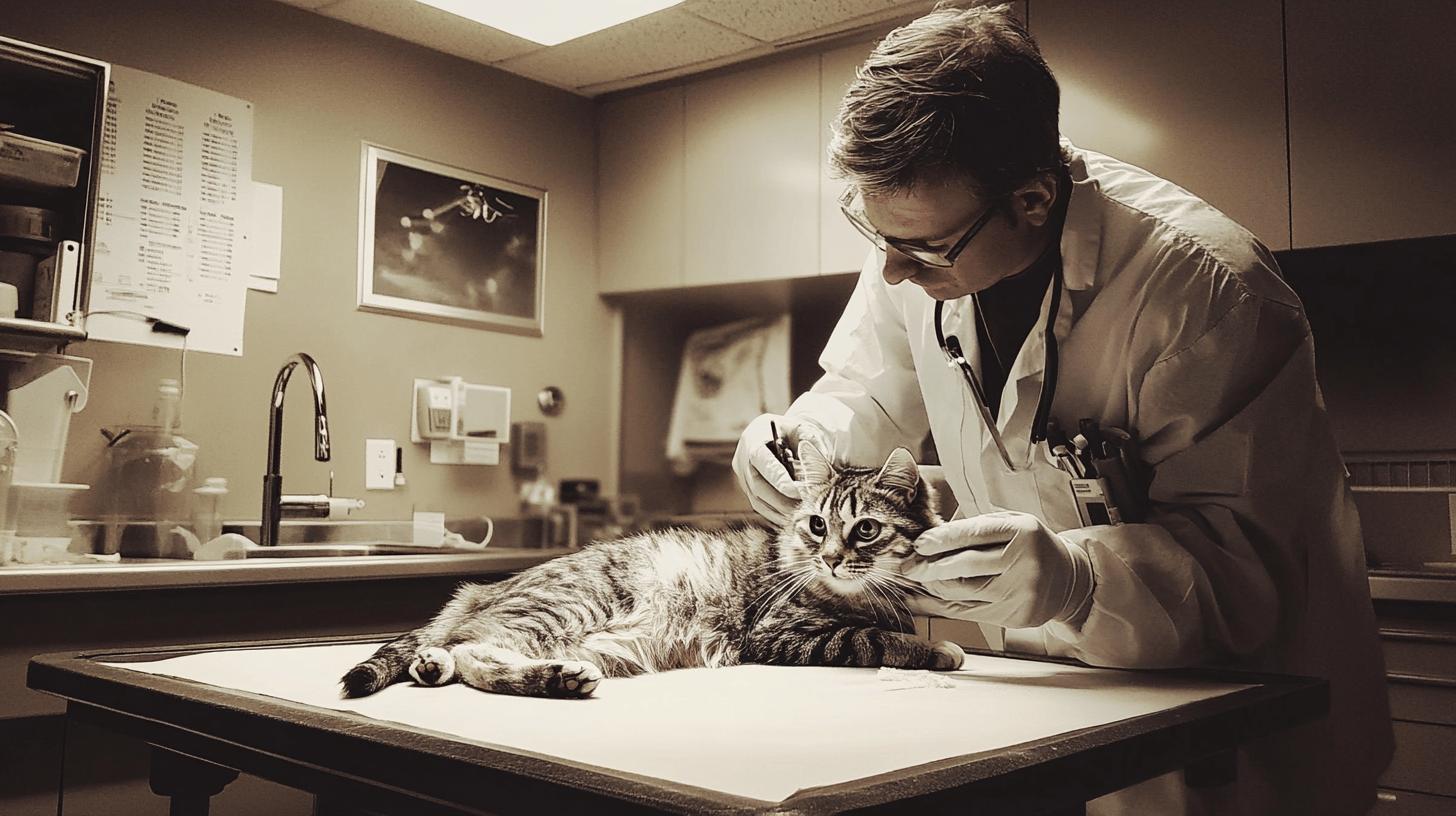
    If any of these symptoms occur, it's crucial to seek veterinary attention promptly to ensure your cat's health and well-being.

    How to Safely Introduce Oysters into Your Cat's Diet
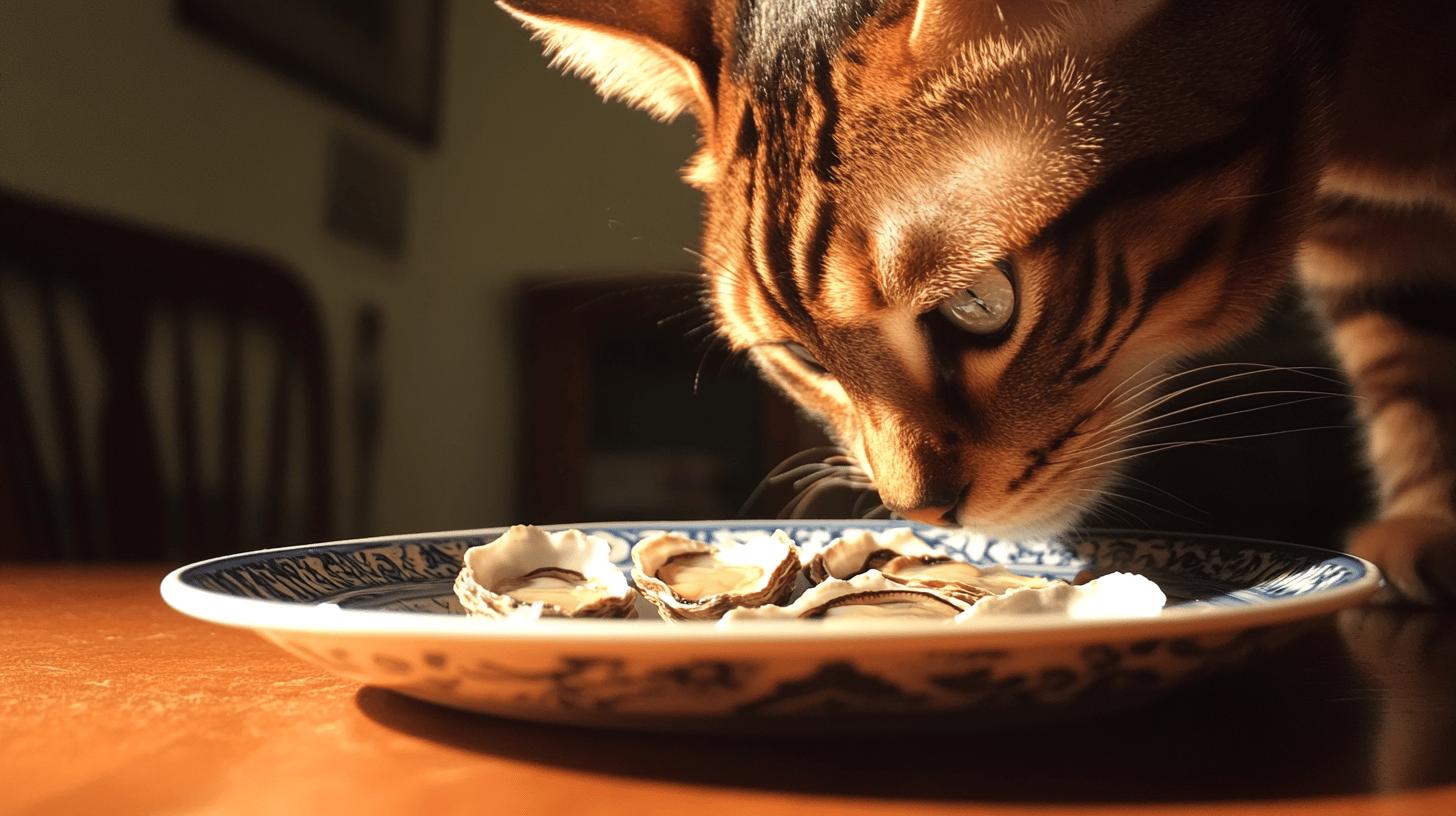
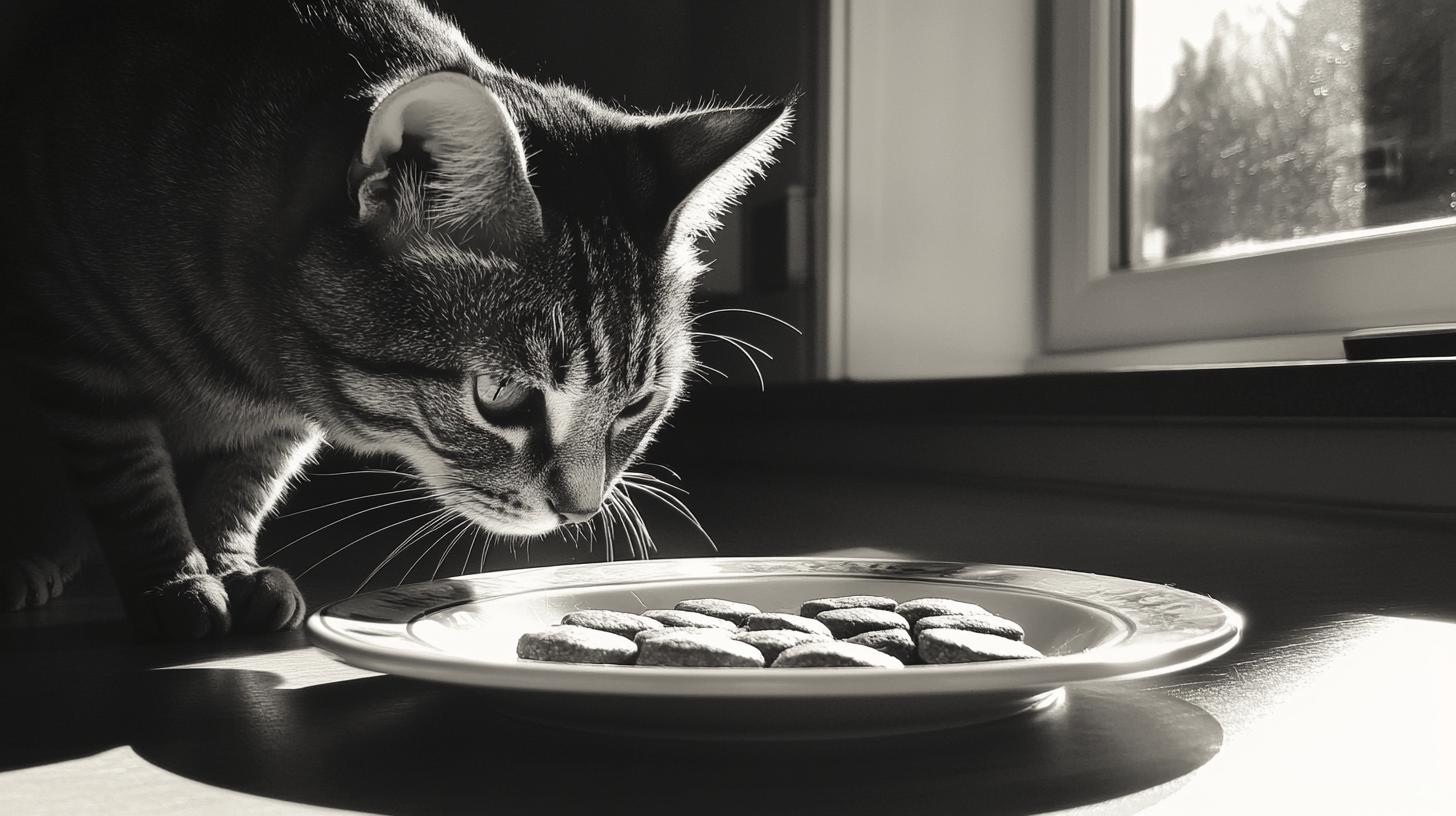
    How to Safely Introduce Oysters into Your Cats Diet-2.jpg

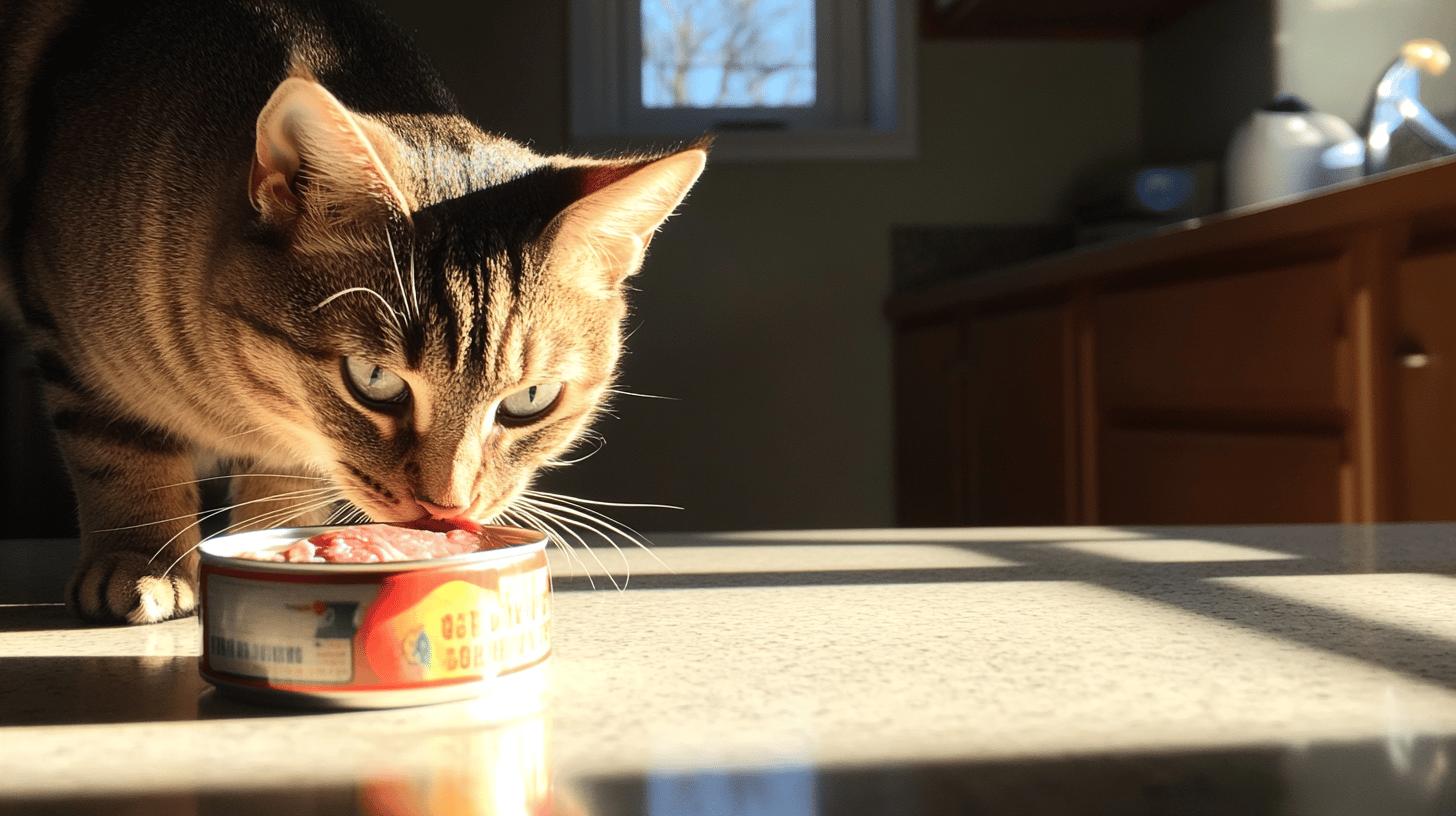
    Introducing oysters to your cat's diet should be a careful, gradual process. Begin with small pieces to monitor your cat's interest and tolerance.

    Cats can enjoy oysters, but moderation is crucial to avoid health issues. Cooked oysters are safer because cooking removes harmful bacteria and mitigates the risk of thiaminase, which can cause thiamine deficiency if consumed in large quantities.

    When preparing oysters, it's important to avoid harmful ingredients. Ingredients like garlic and onions are toxic to cats, so stick to plain cooking methods like boiling or steaming. This ensures your cat benefits from oysters' nutrients without the risks of added ingredients.

    • Start with a small piece to assess your cat's reaction.

    • Use fully cooked oysters to eliminate any bacteria.

    • Avoid seasonings and serve the oysters plain.

    • Monitor your cat for any allergic reactions or digestive issues.

    • Offer oysters only as an occasional treat, not as a regular diet staple.

    Recognizing Allergies and Health Issues from Oysters
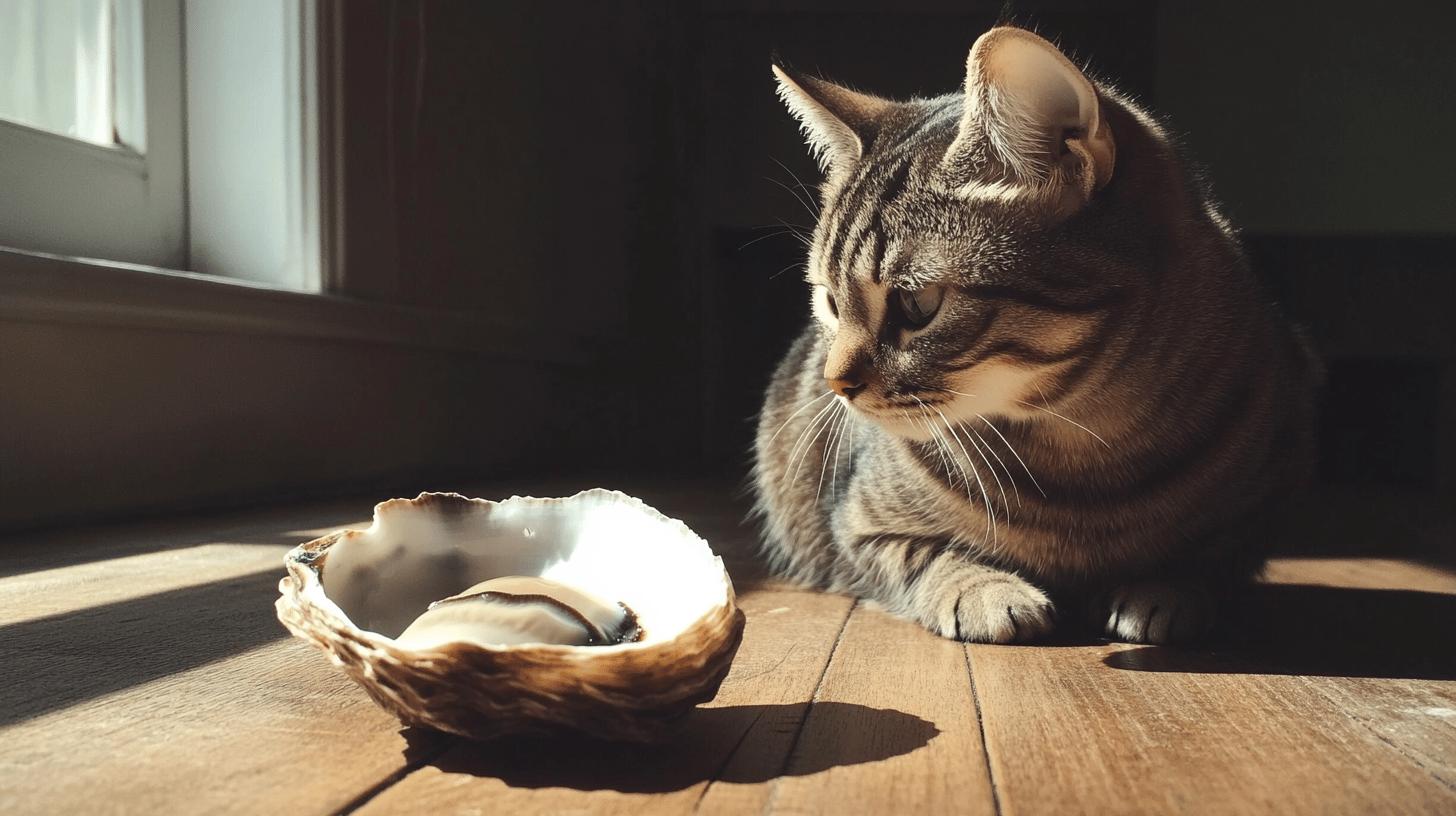
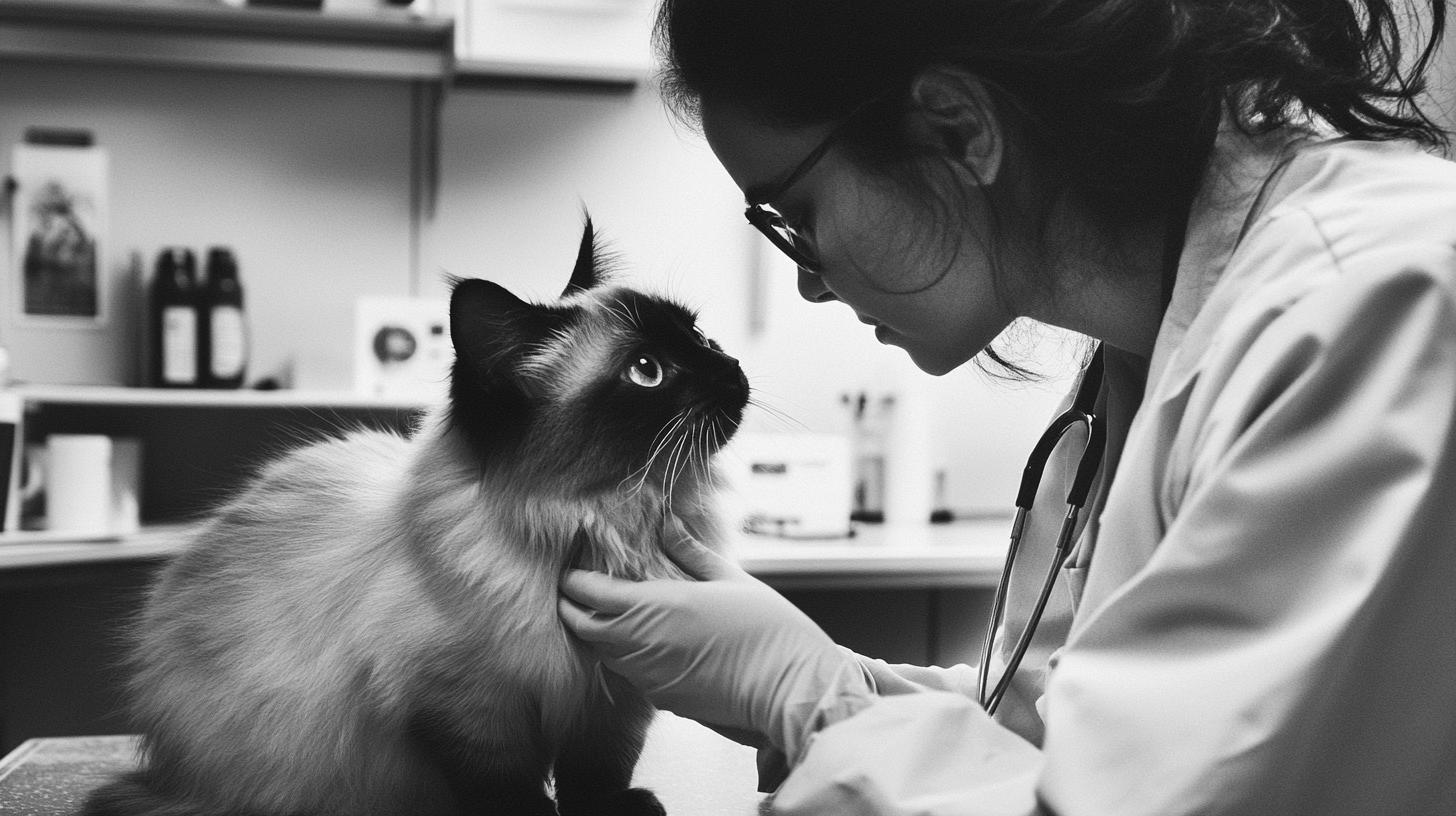
    Recognizing Allergies and Health Issues from Oysters-2.jpg

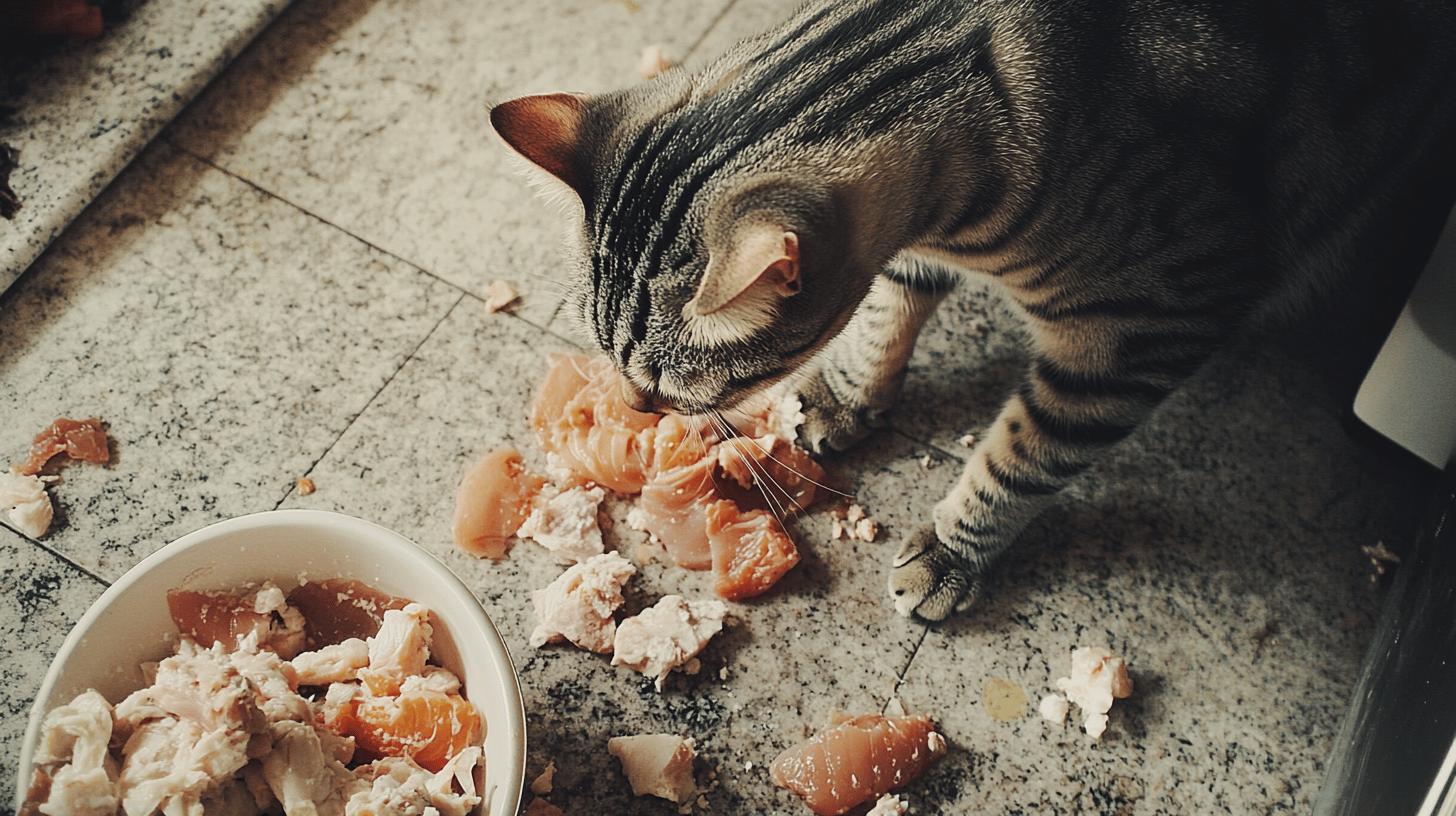
    Some cats might have allergies to oysters or other seafood, and reactions can be mild or severe. Symptoms like skin rashes, itching, or swelling may occur, and in severe cases, anaphylactic shock can happen, which is a medical emergency.

    Watching for signs like excessive scratching or hives can help identify an allergic reaction. Always monitor your cat closely after introducing new foods like oysters.

    Food poisoning is another risk with oysters. Symptoms such as vomiting, diarrhea, and lethargy are common signs. Loss of appetite and excessive thirst are also indicators that something might be wrong.

    Quick action is vital if these symptoms appear, and veterinary care should be sought immediately to handle any serious health risks. Keeping an eye on your cat's behavior after eating oysters can help catch issues early.

    • Vomiting

    • Diarrhea

    • Lethargy

    • Loss of appetite

    • Excessive thirst

    Alternative Seafood Options for Cats
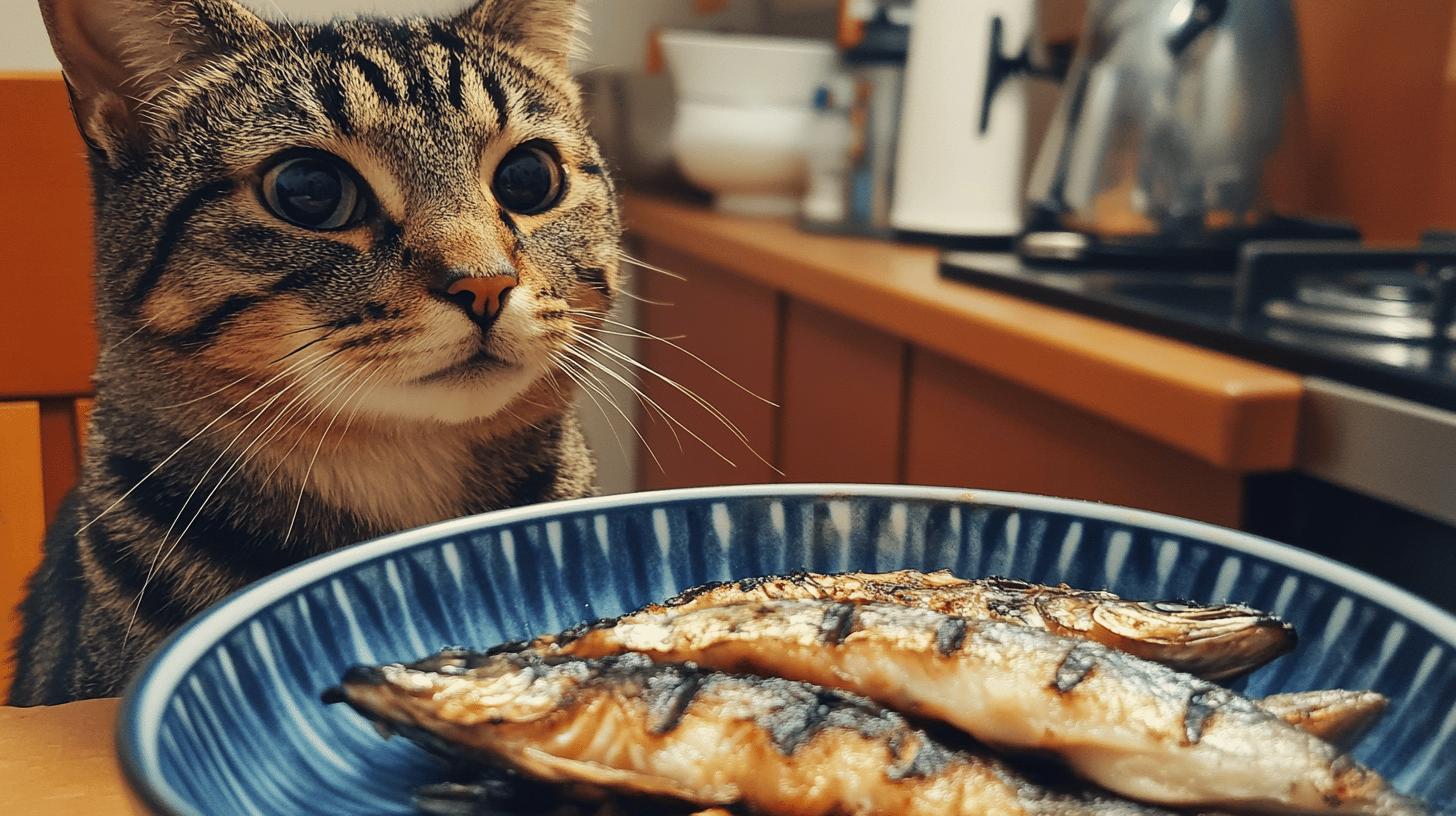
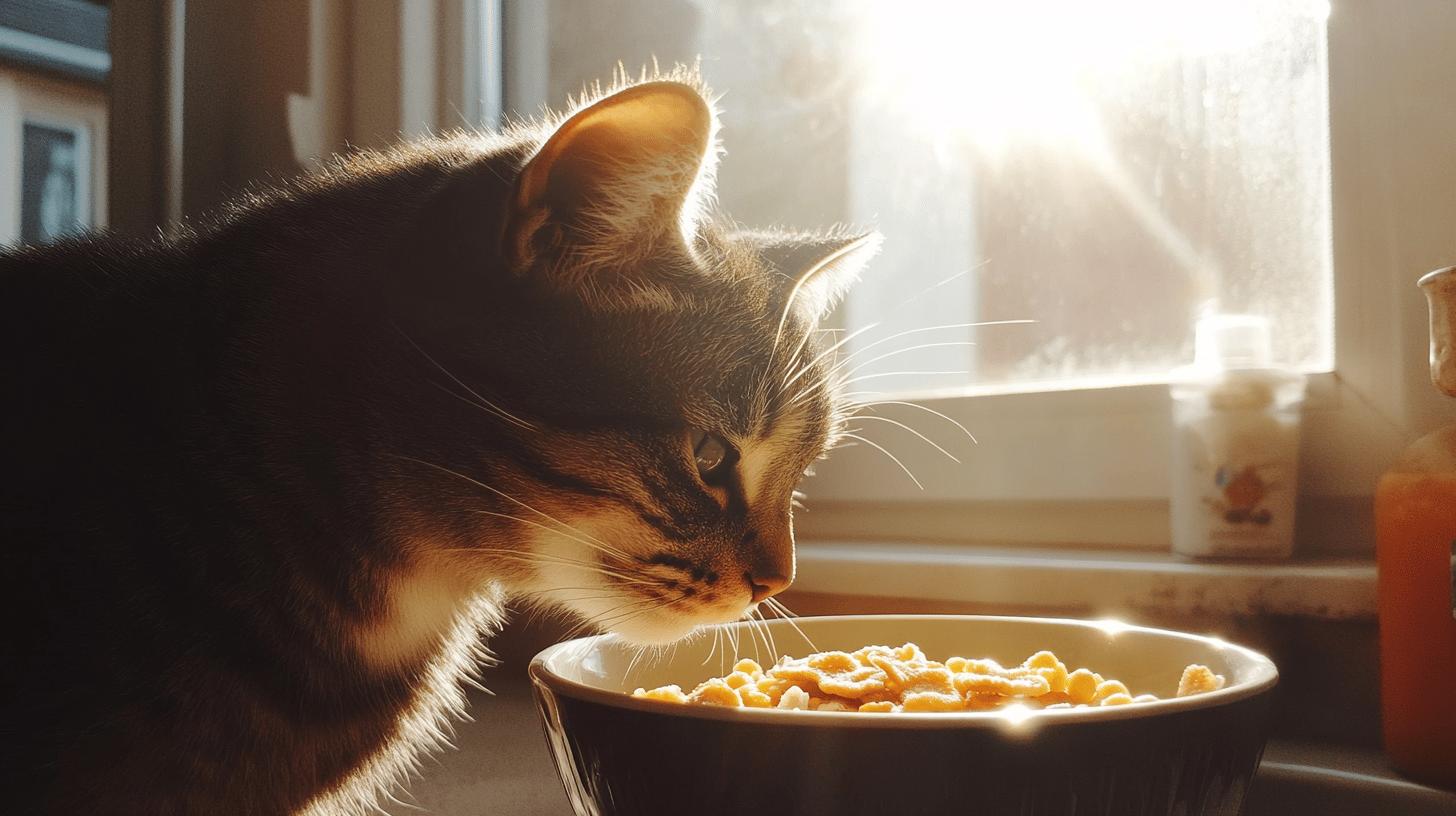
    Alternative Seafood Options for Cats-2.jpg

    Variety is essential in a cat's diet, and while oysters might seem appealing, there are safer seafood options to consider. Cats enjoy fish, and it can be a delightful treat. However, it is important to choose types of seafood that provide nutritional benefits without the risks oysters pose.

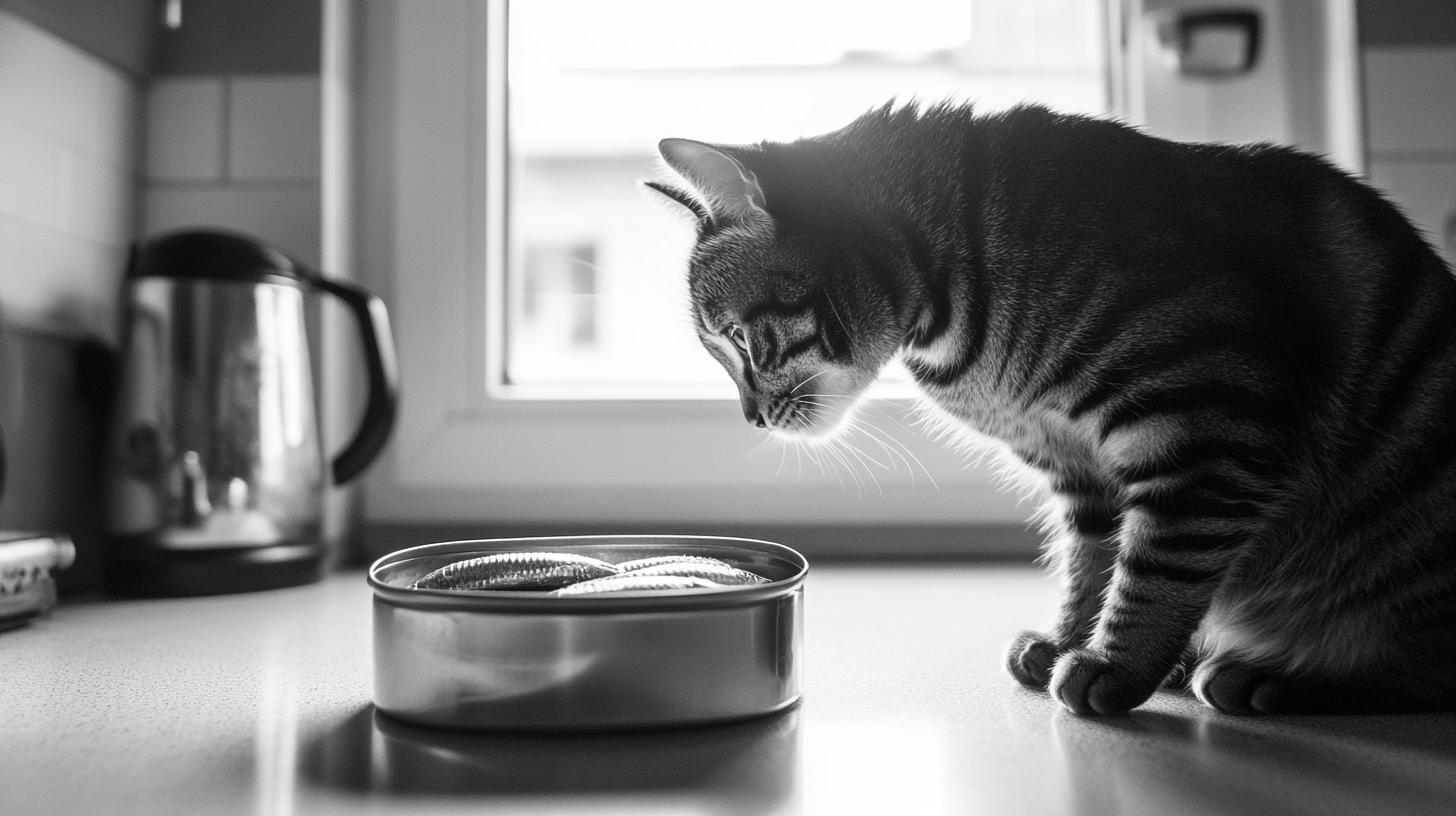
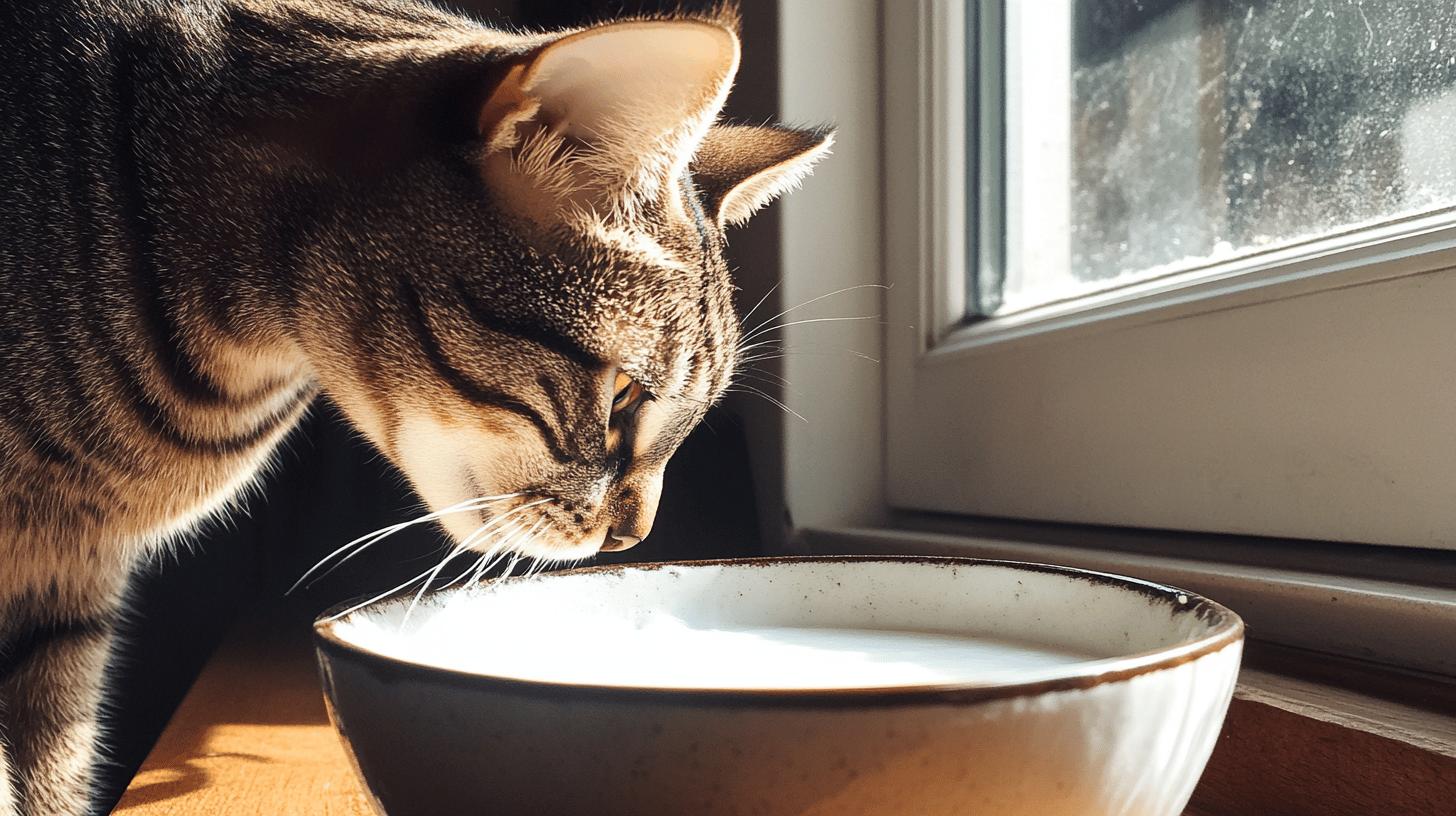
    Fish like tuna, salmon, and sardines are excellent choices. These are not only safe but can also contribute positively to a cat's nutritional needs. Unlike oysters, these fish are less likely to cause health issues when prepared correctly.

    When it comes to preparing seafood for cats, simplicity is key. Fish should be boiled, baked, or grilled without any added salt or seasoning. This helps preserve the natural nutrients while avoiding any potential harm from spices or additives that are toxic to cats.

    Always ensure the fish is thoroughly cooked to prevent any bacterial contamination. By sticking to these safe cooking methods, you can provide a delicious and nutritious treat for your feline friend.

    Incorporating these seafood options into a balanced diet is straightforward. Fish can be offered as an occasional treat, complementing a cat's regular diet of high-quality cat food.

    This ensures that your cat gets the necessary nutrients while enjoying a tasty change of pace. Remember to moderate the portions and frequency to maintain a balanced diet, as fish should not become a staple but rather an enjoyable addition to their nutrition plan.

    • Tuna: Serve cooked and unseasoned.

    • Salmon: Bake or grill without oil or spices.

    • Sardines: Choose those packed in water, not oil.

    • Mackerel: Cook thoroughly, remove bones.

    • Herring: Offer in moderation, cooked plainly.

    Final Words

    Offering oysters to your cat requires careful thought. Cooked oysters provide good nutrition like omega-3s and proteins, but raw ones pose risks with thiaminase and bacteria. Cats can face digestive trouble from oysters, meaning moderation is essential. Introducing oysters to your cat's meal plan should be gradual and without harmful ingredients.

    Stay alert for any signs of allergies or food poisoning in your pet. It's always wise to consider alternative seafood options, safer choices such as salmon or sardines. Overall, know that making thoughtful decisions can answer your question, "can cat eat oyster?" while ensuring your pet’s well-being.

    FAQ

    Can cats eat oysters in oil?

    Cats should not eat oysters in oil. The oil can upset your cat's stomach and lead to digestive issues. Stick to plain, cooked oysters if you decide to offer them.

    Can cats eat oysters raw or cooked?

    Cooked oysters are safer for cats. Cooking removes harmful bacteria and parasites. Raw oysters pose risks like thiaminase, which can cause vitamin deficiencies, and potential bacterial contamination.

    Can cats eat smoked oysters in oil?

    Smoked oysters in oil aren't safe for cats. They have high salt content and harmful preservatives. It's best to avoid giving them to your cat.

    Can cats eat oyster sauce?

    Oyster sauce contains high levels of sodium and other ingredients not suitable for cats. It's better to avoid it.

    Can cats eat oyster shells or bones?

    Cats should not eat oyster shells or bones. These can cause choking or lead to internal injuries.

    Are oysters safe for cats to eat?

    Oysters can be safe if cooked and fed in moderation. They provide nutrients like protein and omega-3s. However, be mindful of their high sodium content.

    Can cats eat shellfish?

    Cats can eat certain shellfish when cooked and plain. That said, allergies and digestive issues can occur, so introduce them cautiously.

    What fish should cats avoid eating?

    Cats should avoid raw fish due to potential parasites and vitamin deficiencies. Some fish like tuna can be high in mercury, so offering a variety and moderation is key.
    Related Articles

  • Can Cat Eat Radish Understanding Radish Safety for Cats

    Can Cat Eat Radish Understanding Radish Safety for Cats

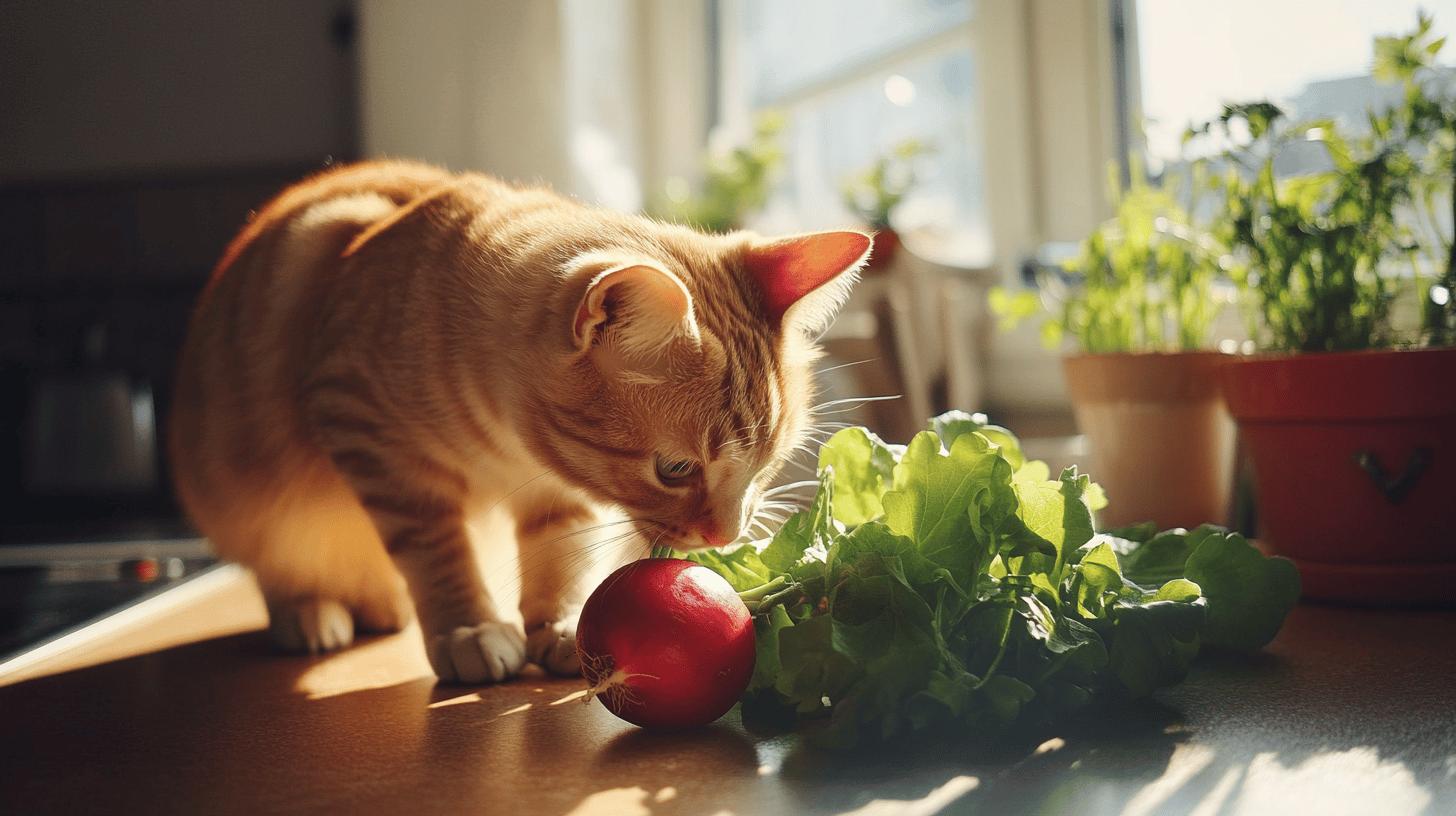
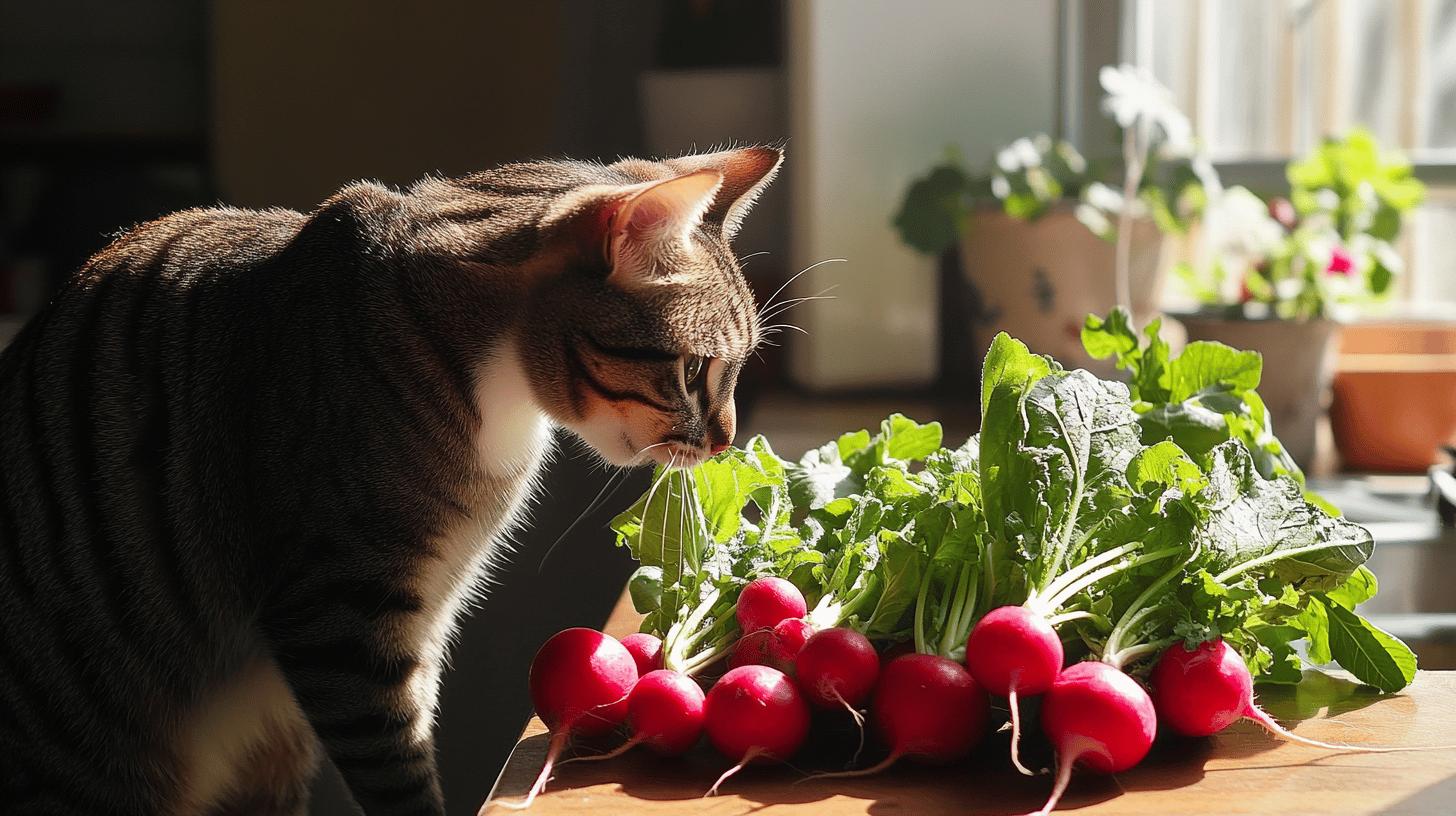
    Can cats safely munch on radishes, or is this crunchy veggie a surprising hazard? Many cat owners wonder about expanding their furry friend's palate with veggies like radishes. These spicy roots aren't harmful, but the question of nutritional worth remains. Cats are obligate carnivores, experts in meat-eating health, leaving radishes a bit off their menu. Before tossing a radish to your feline, consider the potential for tummy trouble or missing out on key nutrients. Radishes are safe for cats in small amounts, though most cats ignore them.

    Can Cats Safely Eat Radishes?

    Can Cats Safely Eat Radishes-1.jpg

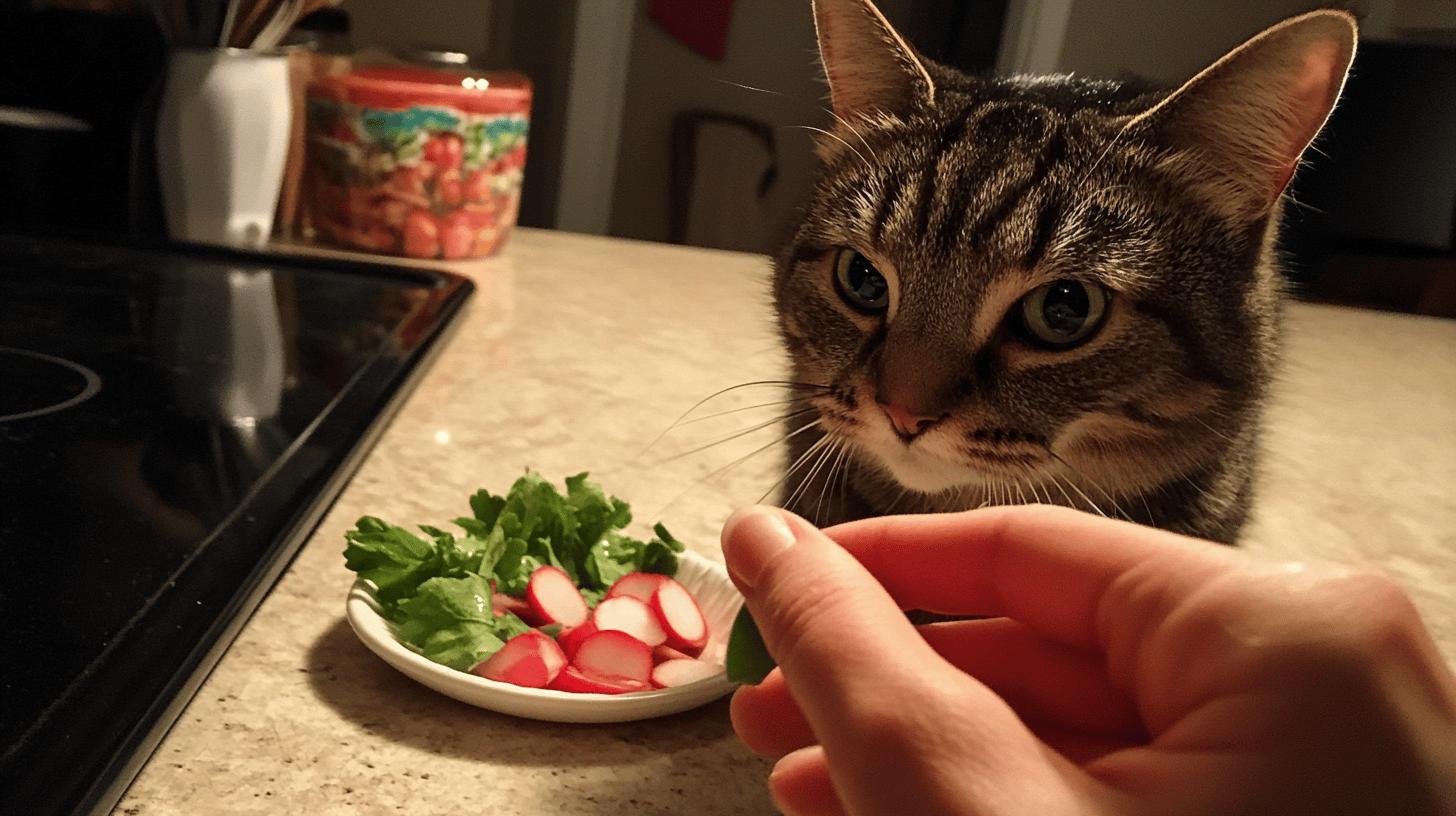
    Radishes are not toxic to cats, which means they won't cause serious illness if ingested. However, they offer limited nutritional value for our feline friends. As obligate carnivores, cats primarily thrive on meat-based nutrition, and radishes fall short in meeting their dietary needs.

    Potential Health Risks

    • Digestive upset: Radishes can cause vomiting or diarrhea if your cat's stomach doesn't agree with them.
    • Spicy flavor: The spicy taste of radishes may deter most cats from eating them in large quantities.
    • Gastrointestinal distress: Feeding radishes can lead to intestinal discomfort, especially if given in excess.
    • Limited essential nutrients: Radishes don't provide the necessary nutrients that cats require from animal protein.
    • Potential for tooth damage: While chewing radishes can help with dental health, overly hard pieces may damage teeth.
    Nutrient Potential Benefit for Cats
    Fiber Aids in digestion and promotes regular bowel movements
    Vitamins B and C Offers some support for overall health, though bioavailability is uncertain
    Potassium Supports heart and muscle function
    Water content Helps keep cats hydrated

    Benefits of Radishes for Cats

    • Low calorie content: Suitable for cats on a diet as an occasional treat.
    • Hydration support: High water content can aid in keeping cats hydrated.
    • Dental health: Crunchy texture may help reduce plaque.
    • Fiber content: Could help with digestion if introduced slowly.

    While radishes are safe in small amounts, introducing them to your cat's diet should be done with caution. Always monitor your cat for any signs of discomfort, such as vomiting or diarrhea, after consuming radishes. Moderation is key, and radishes should be considered an occasional treat rather than a staple in their diet. Keep an eye on your cat's response to ensure they remain happy and healthy.

    Potential Health Risks

    Guidelines for Introducing Radishes to Your Cats Diet-2.jpg

    Feeding radishes to cats should be done with caution. While radishes can be safe in small amounts, they have limited nutritional value for felines. Always monitor your cat’s response when introducing any new food.

    1. Start with small portions: Offer a tiny piece of radish initially to see if your cat shows interest and tolerates it without any immediate adverse effects.

    2. Monitor for adverse reactions: Keep an eye out for signs of gastrointestinal distress such as vomiting or diarrhea after your cat tries radish for the first time.

    3. Avoid radish leaves: High levels of oxalates in radish leaves can cause digestive upset, so offer only the root.

    1. Introduce slowly: Gradually increase the portion over time if your cat seems to tolerate it well, but always maintain moderation.

    2. Consult a vet if needed: If your cat shows persistent signs of discomfort or if you have concerns, consult your veterinarian for advice.

    Moderation is essential in feeding cats radishes. Radishes should be an occasional treat and not a staple. Prioritizing your cat's health and well-being is key when adding new foods to their diet.

    Alternatives to Radishes for Cats

    Alternatives to Radishes for Cats-1.jpg

    When considering vegetables for your feline friend, it's important to find options that provide nutritional benefits without the potential risks of radishes. Although cats are obligate carnivores requiring meat-based nutrition, some vegetables can be a safe addition to their diet in moderation.

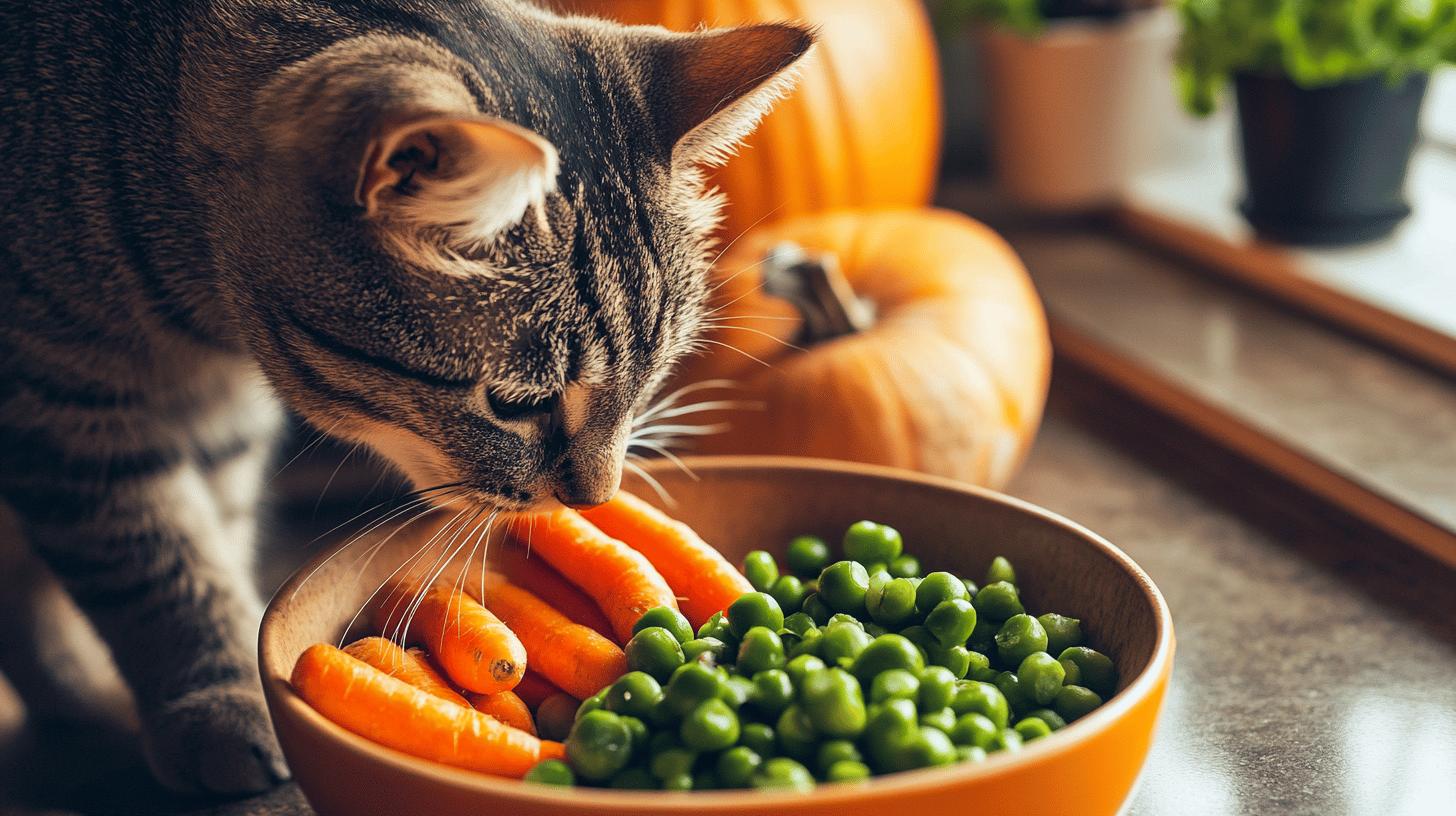
    • Carrots: Rich in beta-carotene, which is converted to vitamin A, carrots can support vision and immune health. Their crunchy texture may also aid in dental cleanliness.

    • Pumpkin: A great source of fiber, pumpkin can help with digestion and regulate bowel movements. It’s also low in calories, making it a suitable treat for overweight cats.

    • Peas: These offer vitamins A, B, and K, along with minerals like iron and potassium. Peas can be a tasty, nutrient-rich treat that supports overall health.

    While these vegetables can be beneficial, they should never replace the essential meat-based nutrition in your cat's diet. Think of them as occasional supplements rather than staples, ensuring your cat receives the necessary nutrients primarily from animal proteins. Always observe your cat's reaction to new foods and consult a vet if you have concerns about dietary changes.

    Final Words

    Understanding "can cat eat radish" proved radishes aren't toxic to cats, yet they offer limited nutritional value. Radishes may cause digestive upset but can provide hydration and dental benefits. Introducing radishes safely involves small portions and observing reactions. Remember, avoid radish leaves due to high oxalates.

    Alternatives like carrots, pumpkin, and peas offer safer options, ensuring your cat receives nutrients without undue risk. While radishes can add variety, prioritize meat-based nutrition for your feline friend. Keeping playtime fun and diet safe ensures a happy, healthy cat!

    FAQ

    Are radishes safe for cats to eat?

    Radishes are not toxic to cats but offer limited nutritional value. They may cause digestive upset if eaten in large amounts.

    Can cats eat radish leaves, juice, raw, or seeds?

    Cats should not eat radish leaves due to high oxalate content, and radish juice is best avoided too. Cats can eat raw radishes and seeds in moderation, but it's important to monitor them for digestive issues.

    Are radishes pet-friendly?

    Radishes are generally safe but should not replace a meat-based diet. They provide minimal nutrition and might cause upset stomachs.

    Are cats allergic to radishes?

    Allergic reactions to radishes are rare but possible. Always introduce new foods gradually and watch for symptoms like vomiting or diarrhea.

    What vegetables can cats not eat?

    Cats should avoid onions, garlic, and leeks. These can be toxic and cause significant health issues.

    Can dogs eat radish?

    Dogs can eat radishes, but like cats, they need a balanced diet. Radishes aren't a nutritional substitute for regular dog food.

    Can cats eat daikon?

    Cats can eat daikon sparingly. Though not harmful, it should not make up a significant portion of their diet.

    Can cats eat carrots?

    Cats can eat carrots. They are a safe vegetable choice with potential benefits like fiber and vitamins.

    Can cats eat cabbage raw?

    Cats can eat small amounts of raw cabbage, but excessive intake can cause digestive upset. Always serve in moderation.

    Related Articles

    Nutritional Profile and Safety Analysis

    Radishes occupy a unique position in feline nutrition: completely safe yet minimally beneficial. This root vegetable contains virtually no protein or fat, the two primary nutritional drivers for obligate carnivores. What radishes do offer is water content (about 95 percent by weight), modest fiber, and trace minerals including potassium and calcium.

    The vitamin composition includes modest amounts of vitamin C, which cats can synthesize independently in their livers, and B vitamins that support metabolic processes. However, cats would need to consume unrealistic quantities of radish to meet their daily vitamin requirements. The spicy flavor that humans enjoy actually works against radish appeal for most cats, often causing them to reject it after a single taste.

    Digestively, radishes are non-irritating for cats without underlying gastrointestinal conditions. The fiber content, while minimal, may slightly benefit digestion in sedentary cats prone to constipation. Conversely, the harder texture poses a choking risk for senior cats with dental issues or cats that don’t chew adequately before swallowing.

    From a safety perspective, radishes are genuinely non-toxic. Your cat won’t experience serious illness from accidentally consuming small pieces. The leaves and greens, however, contain elevated oxalate levels that can interfere with calcium absorption, so avoiding the leafy portions is prudent for cats fed radish regularly.

    Serving Guidelines and Portion Control

    If you choose to offer radish to your cat, approach it as an enrichment experience rather than nutritional supplementation. Begin with the absolute smallest portion: a slice no larger than a pea. Cooked radish, steamed without seasonings, is gentler on digestion than raw and less likely to cause stomach upset.

    Never exceed one tablespoon of radish per week, and only for adult cats without pre-existing digestive sensitivities. Elderly cats, kittens, and cats with inflammatory bowel disease should avoid radish entirely due to potential irritation.

    Preparation matters significantly. Cut radish into pieces smaller than your cat’s paw pad to eliminate choking hazards. Remove all leaves and stems completely. If serving raw, ensure you’re starting with fresh, organic radishes free from pesticide residue, or wash thoroughly under running water.

    Timing affects acceptance. Offer radish when your cat is calm and curious, not immediately before regular meals when they’re focused on protein. Watch your cat consume the radish rather than leaving it in the food bowl, where it might cause them to choke or aspirate.

    Signs of Adverse Reactions

    Radish reactions typically manifest as mild digestive upset rather than serious illness. Vomiting within a few hours suggests your cat’s stomach rejects the food. Stop offering radish and return to their regular diet.

    Diarrhea or loose stools lasting beyond 24 hours indicate intestinal irritation. Some cats have heightened sensitivity to raw vegetables regardless of toxicity status. Abdominal distension, visible discomfort, or reluctance to use the litter box point to gastrointestinal inflammation.

    Behavioral signs matter too. If your cat shows lip-smacking, salivation, or pawing at their mouth, they’re experiencing taste-related distress from radish’s sharp flavor. Respiratory symptoms like sneezing or wheezing are uncommon but warrant immediate veterinary attention.

    The most common reaction is simple disinterest. Most cats sniff radish once and ignore it permanently. This is the healthiest outcome, confirming radish offers your cat no appeal value.

  • Can Cat Eat Canned Sardines Safely and in Moderation

    Can Cat Eat Canned Sardines Safely and in Moderation

    Can cats munch on canned sardines without a hitch? Yes, but just like treating yourself to cake every day might not be the best idea, moderation is crucial for these fishy delights. Sardines boast fantastic benefits, packed with omega-3s and vital nutrients that can give your cat’s coat a glossy shine. But before you pop open that can, remember that too much sodium is not your cat's best friend. Feeding plain sardines occasionally will keep your feline happy and thriving, ensuring a safe and balanced diet.

    Can Cats Safely Eat Canned Sardines?

    Can Cats Safely Eat Canned Sardines-1.jpg

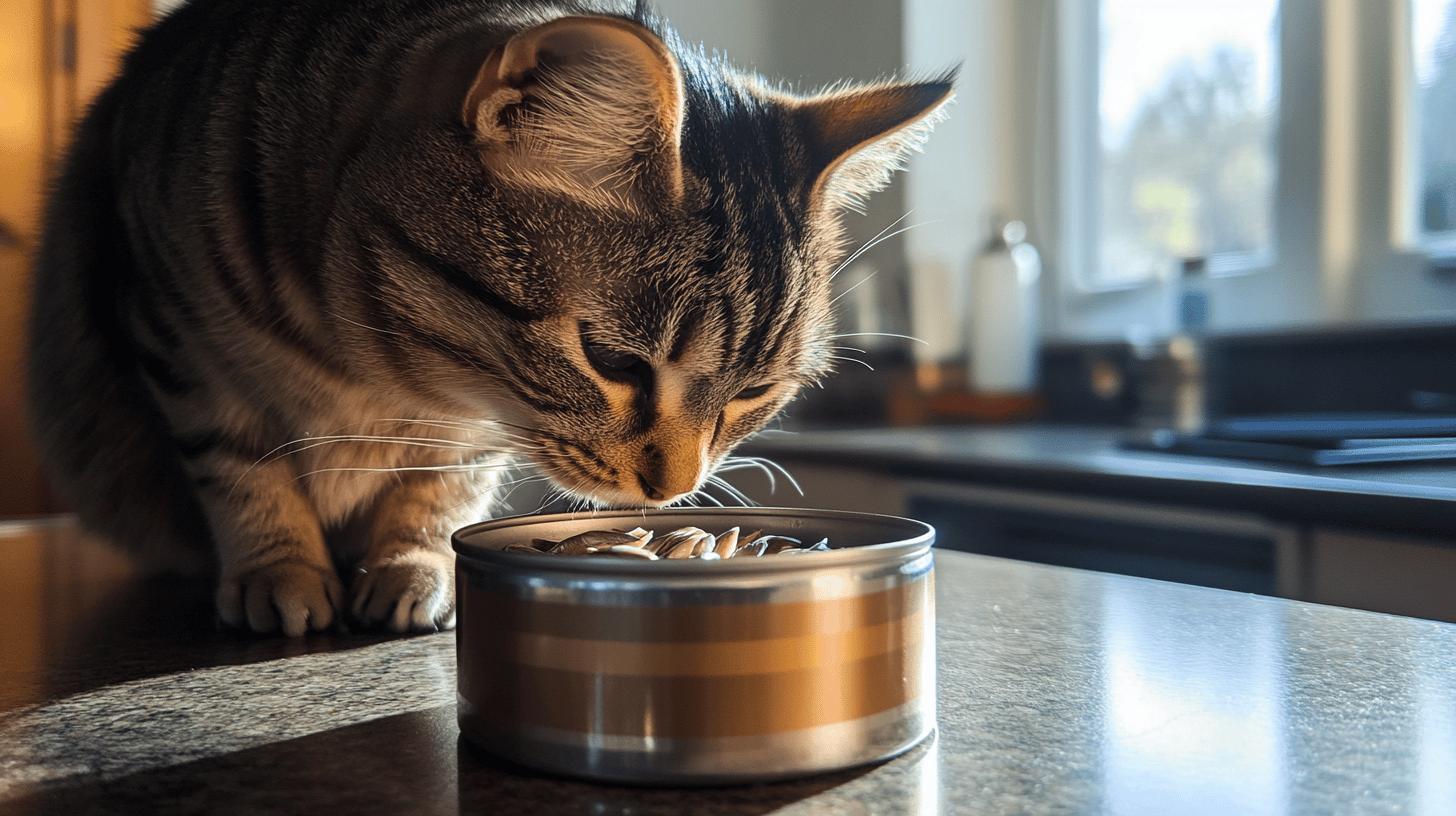
    Cats can safely eat canned sardines, but moderation is key. Sardines are generally safe for cats when they are offered as an occasional treat. Feeding them in moderation helps prevent nutritional imbalances, ensuring that sardines make up less than 10% of your cat's diet.
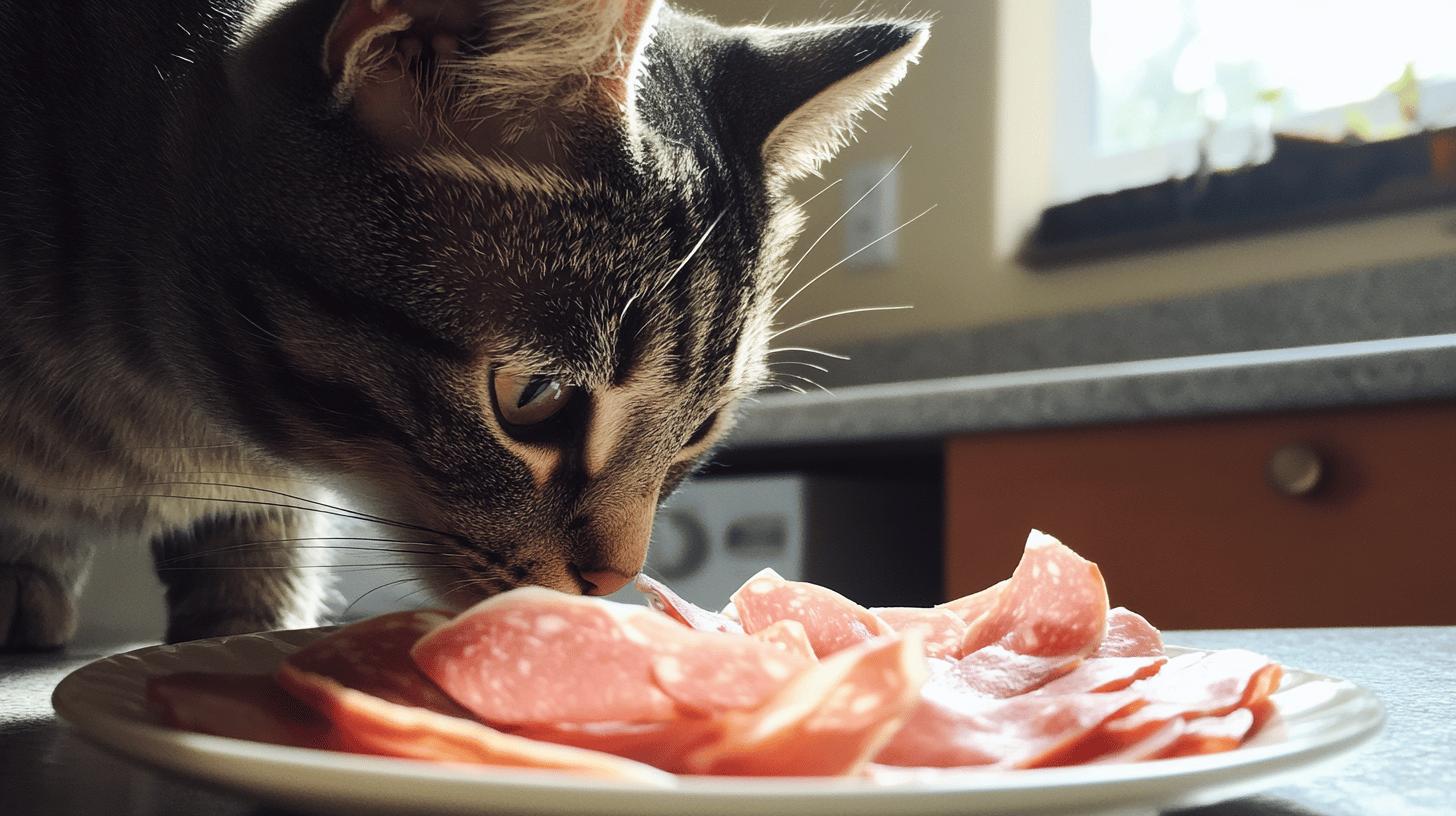
    Sardines are rich in omega-3 fatty acids, vitamin D, and essential proteins, which provide nutritional benefits to cats.

    Although sardines are nutritious, there are potential risks if they're not served correctly. Canned sardines may contain high sodium levels, which can lead to salt poisoning, exhibiting symptoms like vomiting and diarrhea. To avoid this, feed your cat plain sardines without added oils or seasonings. Additionally, sardines packed in oil or tomato sauce should be avoided, as these can upset your cat's digestive system.

    Maintaining a balanced diet is critical, so feeding sardines sparingly—only a few times a week—is recommended. This practice ensures that your cat receives the majority of its nutrition from a complete and balanced commercial cat food. Moderation helps keep your feline friend healthy while enjoying the occasional sardine treat.

    Nutritional Benefits of Sardines for Cats

    Nutritional Benefits of Sardines for Cats-1.jpg

    Sardines are a powerhouse of nutrients for our feline friends, boasting high levels of omega-3 fatty acids, vitamin D, calcium, and taurine. These components support a cat's skin, coat, and heart health, while also providing essential protein for muscle growth.

    • Supports a shiny, healthy coat
    • Promotes strong bones and teeth
    • Enhances heart health
    • Boosts immune system function
    • Provides essential taurine for vision and heart support

    When stacked against other fish options like tuna, sardines often have the edge. They provide higher taurine levels, crucial for maintaining a cat's vision and heart health. Sardines also have lower mercury levels than tuna, making them a safer choice for frequent feeding. The balanced nutrient profile of sardines ensures your cat gets a healthy mix of vitamins and fatty acids, making them not just a nutritious treat but a superior choice over other fish.

    Risks and Considerations When Feeding Sardines to Cats

    Risks and Considerations When Feeding Sardines to Cats-1.jpg

    Feeding sardines to your cat involves certain risks that require careful attention. High sodium content in canned sardines can cause salt poisoning, leading to vomiting and diarrhea. Small bones present choking hazards, so ensure sardines are bone-free or monitor your cat closely while eating.

    When choosing sardines, avoid those packed in oil or tomato sauce. Oil-packed sardines can cause weight gain and might include harmful ingredients like garlic. Tomato sauce could contain spices and additives that upset your cat's stomach. Select sardines packed in water with no added ingredients for safety.

    Introduce sardines to your cat's diet gradually. Start with small amounts to monitor for any allergies or digestive issues. Observing your cat will help determine if sardines are a suitable treat, ensuring a safe addition to their diet.

    How to Properly Serve Canned Sardines to Your Cat

    How to Properly Serve Canned Sardines to Your Cat-1.jpg

    Choosing and preparing sardines correctly is key to your cat's health. Always select sardines packed in water to avoid harmful additives. Rinse them under running water to eliminate excess sodium. Remove all bones to prevent choking. Plain sardines without oils, seasonings, or sauces are ideal for your cat.

    Here are the steps to serve sardines safely:

    1. Select sardines packed in water – Avoid oil or tomato sauce.
    2. Rinse thoroughly – Remove excess sodium.
    3. Check for bones – Ensure none are present to prevent choking.
    4. Serve plain – No oils, seasonings, or sauces.

    Introduce sardines slowly into your cat's diet. Start with small pieces mixed with regular cat food. This method helps your cat get used to the new flavor. Watch for any health changes to ensure sardines are a good fit for their diet.

    Risks and Considerations of Feeding Sardines to Cats

    Frequency and Quantity of Feeding Sardines to Cats-4.jpg

    Feeding sardines to your cat requires moderation. Offer sardines no more than three times a week, with each serving consisting of just a couple of sardines. This keeps sardines to less than 10% of your cat’s diet, ensuring they receive the right balance of nutrients.

    Sardines should complement, not replace, the primary nutrition from a complete and balanced commercial cat food. Overfeeding can lead to nutrient imbalances and potential health issues. By following these guidelines, your cat enjoys the benefits of sardines without disrupting their dietary balance.

    Alternative Fish Options for Cats

    Alternative Fish Options for Cats-1.jpg

    When it comes to treating your cat to a fishy snack, there are several alternatives to sardines that can add variety to their diet. Canned salmon and mackerel are both excellent options, particularly when they are packed in water without added salt. These fish provide a good mix of nutrients and can be appealing to your feline friend. Fresh fish is another option, offering a different texture and taste, but it's crucial to serve it in moderation to avoid overloading your cat's diet with any single protein source.

    Here are three alternative fish recommendations for cats:

    • Canned Salmon – Rich in omega-3s and protein, choose options with no added salt.
    • Canned Mackerel – Similar benefits as salmon, with a distinct flavor cats may enjoy.
    • Fresh Fish – Ensure it's cooked and boneless to prevent any health issues.

    Sardines generally outperform tuna when it comes to feeding cats. They contain higher levels of taurine, which is vital for a cat's heart and vision, and have lower mercury levels compared to tuna. Fresh fish can be a delightful treat, but keep in mind the importance of moderation to maintain a balanced diet.

    Final Words

    Sardines can be a tasty and nutritious treat for your cat if you follow the right steps. Their omega-3 and taurine content make them great for your kitty's health. But, moderation is key—keep sardines to less than 10% of the diet to avoid any nasty side effects.

    Ensure the sardines are packed in water and free from any added ingredients. By doing so, you can provide a safe and enjoyable snack for your feline friend. Including sardines in a balanced way can lead to improved playtime and better overall health for your cat.

    FAQ

    Can cats eat canned sardines raw or cooked?

    A: Cats can eat canned sardines either raw or cooked, but it's best to serve them cooked to avoid potential health risks. Always choose sardines packed in water without added salt or spices.

    Are canned sardines good for cats?

    A: Canned sardines can be good for cats as they are rich in omega-3 fatty acids, vitamin D, and taurine. Feed them plain and in moderation to ensure proper nutrition and avoid imbalances.

    Can cats eat sardines in tomato sauce or olive oil?

    A: Avoid feeding cats sardines in tomato sauce or olive oil due to added ingredients that can upset their stomach. Opt for plain sardines packed in water instead.

    Can cats eat sardines with bones?

    A: Cats can eat sardines with bones, but it's safer to remove bones to avoid choking hazards. Small, soft bones generally pose less risk but caution is advised.

    Sardines for cats side effects?

    A: Side effects of sardines for cats include high sodium levels leading to salt poisoning and possible vomiting. Ensure sardines are plain and feed sparingly to prevent adverse effects.

    Are canned sardines good for cats with kidney disease?

    A: Canned sardines may not be ideal for cats with kidney disease due to their sodium content. Consult a vet before adding sardines to the diet of a cat with kidney issues.

    What canned fish can cats eat?

    A: Cats can eat canned sardines, salmon, and mackerel when packed in water without salt. These are rich in beneficial nutrients and lower in mercury compared to tuna.

    How to prepare sardines for cats?

    A: Prepare sardines for cats by choosing those packed in water, rinsing them to reduce sodium, and removing bones. Mix with regular cat food in small portions for safe feeding.

    Related Articles

  • Can Cat Eat Strawberry Ice Cream Safely? Essential Facts to Know

    Can Cat Eat Strawberry Ice Cream Safely? Essential Facts to Know

    Can cats eat strawberry ice cream? You might think a little lick won't harm, but this tasty treat poses more risks than you might expect. While humans enjoy this creamy delight, cats may face serious digestive troubles due to the lactose and sugar in ice cream. Not only can it lead to upset stomachs, but it might also cause long-term health issues. In this article, we'll dive into why strawberry ice cream isn't safe for cats and what you can do to keep your feline friend healthy and happy.

    Can Cats Safely Consume Strawberry Ice Cream?

    Can Cats Safely Consume Strawberry Ice Cream-1.jpg

    Strawberry ice cream might be a delightful treat for humans, but it's not a safe option for our feline friends. The primary reasons lie in the main ingredients: dairy and sugar. Cats are lactose intolerant, which means they cannot properly digest lactose found in milk and cream. Consuming dairy can lead to gastrointestinal issues such as stomach upset, diarrhea, and vomiting. Moreover, the sugar and sweeteners present in ice cream are unhealthy for cats, as they can contribute to obesity, dental problems, and potentially diabetes.

    If a cat indulges in strawberry ice cream, you might notice symptoms like vomiting, diarrhea, or general distress. These symptoms indicate that the cat's digestive system is struggling to process the ice cream. Cats lack the enzyme lactase, which is needed to break down lactose, leading to digestive discomfort. Additionally, the high sugar content can cause a spike in blood sugar levels, further stressing their system.

    Long-term consumption of sugar and dairy can pose significant health risks for cats. Regular intake of sugar can lead to serious issues like obesity, which increases the risk of diabetes and joint problems. Dairy can exacerbate gastrointestinal discomfort and lead to chronic digestive issues. Over time, these dietary imbalances can negatively impact a cat's overall health, making it crucial to keep such foods out of their diet.

    Ingredient Effect on Cats
    Strawberries Safe in moderation, but not in processed forms with added sugars
    Sugar Contributes to obesity, dental problems, and possible diabetes
    Dairy Causes digestive issues due to lactose intolerance

    Given these risks, it's best to avoid giving cats strawberry ice cream or any other dairy-based treats. Instead, focus on providing treats that are formulated for cats, ensuring they get the nutrition they need without the unnecessary risks.

    Safe and Healthy Alternatives to Ice Cream for Cats

    Safe and Healthy Alternatives to Ice Cream for Cats-1.jpg

    When it comes to treating our cats, it's crucial to stick to options that support their dietary needs. While ice cream might seem tempting, it's not suitable for our feline friends due to the lactose and sugar it contains. Instead, choosing cat-friendly treats ensures they enjoy a delicious snack without compromising their health. These alternatives are formulated to meet their nutritional requirements, which primarily revolve around protein and essential nutrients. Opting for the right treats can help maintain your cat's health and prevent issues like obesity and digestive discomfort.

    Here are some safe treat options for cats:

    • Specially formulated cat treats that cater to their nutritional needs.
    • Cooked chicken or turkey as a protein-rich snack.
    • Freeze-dried meat treats that are high in protein and low in calories.
    • Small pieces of cooked fish, ensuring all bones are removed.
    • Catnip or cat grass as a fun and natural treat option.

    Homemade Frozen Treat Recipe

    To make a simple and cat-friendly frozen treat, start by blending wet cat food or tuna with a bit of water. Pour the mixture into ice cube trays or small molds and freeze until solid. These treats are not only easy to make but also cater to a cat's love for meaty flavors. Offering these homemade delights ensures your cat gets a refreshing snack that aligns with its dietary needs, providing enjoyment without the health risks associated with ice cream.

    General Guidelines for Feeding Cats Human Foods

    General Guidelines for Feeding Cats Human Foods-2.jpg

    Cats are obligate carnivores, which means their bodies are designed to thrive on a diet primarily made up of meat. They need proteins and essential nutrients found in animal tissues to maintain their health and energy levels. Unlike humans or dogs, cats lack certain enzymes needed to process plant-based foods efficiently. This makes meat an irreplaceable part of their diet. Introducing non-meat items, like fruits or vegetables, should be done with caution as these do not provide the necessary nutrients cats require.

    When considering offering human foods to your cat, moderation is key. While a small taste of certain human foods might be safe, these should never replace their well-balanced cat food diet. Overindulgence in non-meat foods can lead to nutritional imbalances and health issues. Treat human foods as occasional snacks rather than regular meals. This approach helps prevent your cat from developing cravings for unhealthy foods and supports their overall well-being.
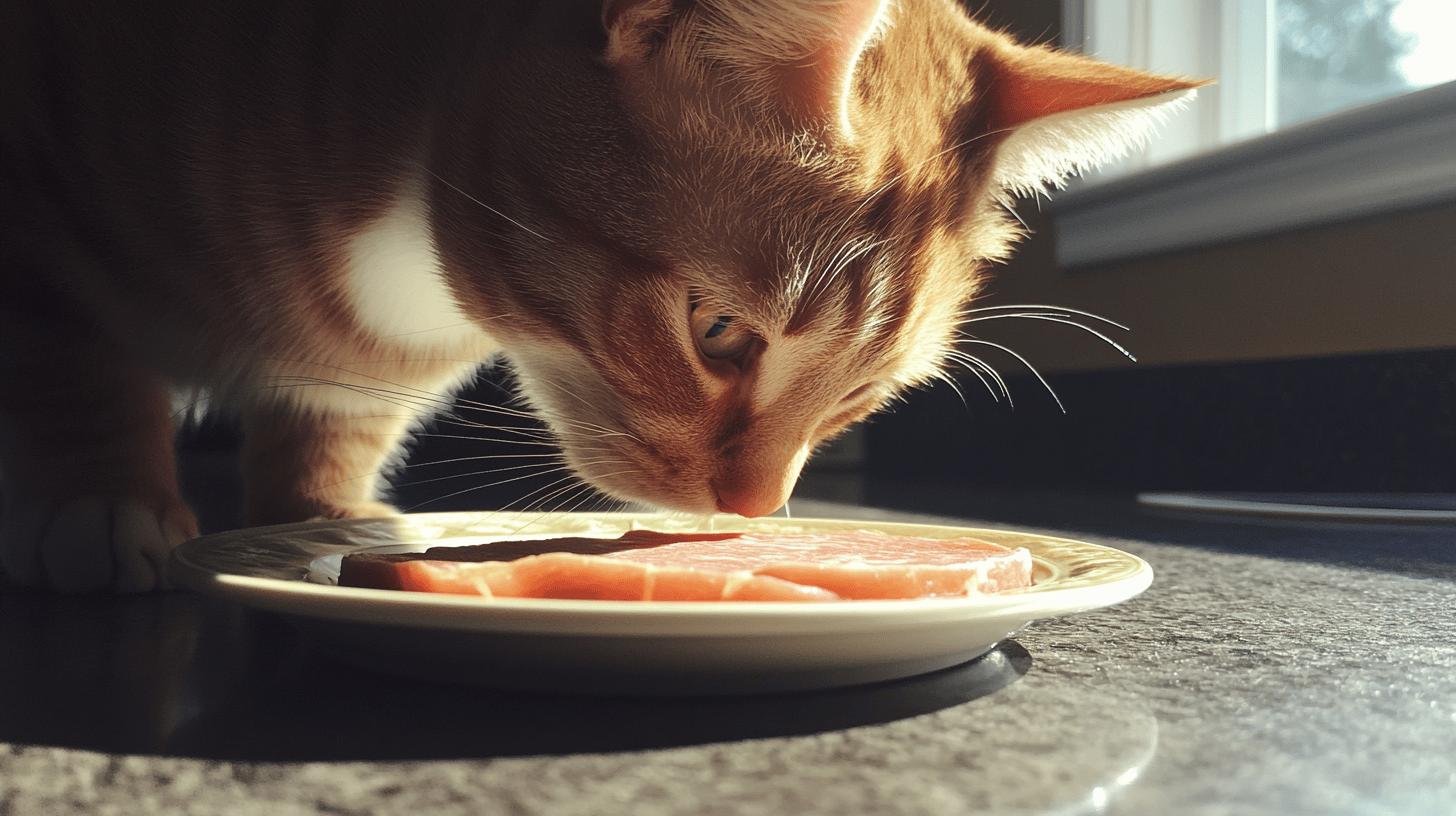
    Here are some general guidelines to follow when feeding human foods to cats:

    • Stick to small portions to avoid overwhelming their digestive system.
    • Avoid foods with added sugars and spices, as these can be harmful.
    • Introduce new foods gradually, monitoring for any adverse reactions.
    • Ensure all foods are cooked thoroughly, removing any bones or pits.
    • Consult with a veterinarian before introducing any new food regularly.
    • Prioritize high-protein foods, aligning with their carnivorous diet.

    By adhering to these guidelines, cat owners can occasionally share a safe variety of human foods with their feline friends, ensuring their nutritional needs are consistently met. This careful approach helps maintain a balanced diet and promotes a happy, healthy lifestyle for your cat.

    Final Words

    Exploring the question "can cat eat strawberry ice cream," we've learned that while strawberries themselves may be safe in small amounts, strawberry ice cream is not. Cats struggle with lactose intolerance, and the dairy in ice cream can lead to upset stomach and diarrhea. Long-term effects of consuming dairy and sugar include potential obesity and dental issues.

    Thankfully, there are safer treats out there. Homemade cat-friendly frozen treats can satisfy without risking health. Sticking to a diet primarily of meat ensures cats get proper nutrition. With careful treat choices, our feline friends can enjoy flavors safely.

    FAQ

    Can cats eat strawberry ice cream?

    A: Cats should not eat strawberry ice cream. It contains dairy and sugar, which can lead to digestive problems in cats. Cats are lactose intolerant and cannot digest dairy well.

    Can cats eat strawberry leaves?

    A: Strawberry leaves are not recommended for cats as they can cause digestive discomfort. It's better to stick to safe treats specifically made for them.

    Can cats eat vanilla ice cream?

    A: Vanilla ice cream is not safe for cats. Like strawberry ice cream, it contains dairy and sugar that are harmful to cats' digestive systems.

    Can cats eat strawberries?

    A: Cats can eat strawberries in small amounts. While they are generally safe, they should be given in moderation due to their sugar content.

    Can cats eat strawberry yogurt?

    A: Cats shouldn't eat strawberry yogurt. It contains dairy, which cats are often lactose intolerant to, and added sugars aren't healthy for them.

    Can cats eat ice cream?

    A: Ice cream is not recommended for cats. Its dairy and sugar content can cause digestive issues and are not aligned with their dietary needs.

    Can cats eat blueberries?

    A: Cats can eat blueberries in moderation. They are a better treat option than ice cream as they don't contain harmful ingredients like dairy and sugar.

    Can cats eat bananas?

    A: Cats can eat bananas in small amounts. While not harmful, they should only be an occasional treat due to their high sugar content.

    Is it OK for cats to lick ice cream?

    A: It's not advisable for cats to lick ice cream. Even small quantities of dairy and sugar can cause digestive upset in cats.

    What flavors of ice cream are safe for cats?

    A: No flavors of traditional ice cream are safe for cats. All contain dairy and sugars that can lead to health problems.

    Is strawberry ok for cats?

    A: Strawberries are okay for cats in moderation. They should only be given as an occasional treat due to their sugar content.

    Can cats have a tiny bit of ice cream?

    A: Even a tiny bit of ice cream is not advised for cats. It can cause digestive issues due to the lactose and sugar content.

    Related Articles

  • Can Cat Eat Mutton Safely Benefits Risks and Feeding Tips

    Can Cat Eat Mutton Safely Benefits Risks and Feeding Tips

    Can cats safely enjoy a juicy meal of mutton? While it might seem like a strange addition to your cat's diet, mutton can actually be a beneficial protein source when given correctly. But as with all good things, there are benefits and risks to consider. Mutton is safe for cats in small amounts when cooked plain.

    Can Cats Safely Eat Mutton? Nutritional Benefits and Risks

    Can Cats Safely Eat Mutton Nutritional Benefits and Risks-1.jpg

    Mutton, derived from sheep, can indeed be a viable protein source for cats. It's most beneficial when served fresh and raw, as cooking can strip away vital nutrients that cats need. Cats are obligate carnivores, meaning their diet should primarily consist of meat, and mutton fits well into this requirement. The preference for raw mutton lies in its ability to provide nutrients in their most natural state, avoiding the potential deficiencies that cooked mutton might cause over time.

    In terms of nutritional benefits, mutton is rich in B-group vitamins such as riboflavin, niacin, B6, and B12. These vitamins are crucial for supporting a cat's nervous system and overall health. Organic or grass-fed mutton can also offer a better balance of Omega 6 and Omega 3 fatty acids, which are important for maintaining healthy skin and coat. This healthier ratio of fatty acids is another reason why ethically sourced mutton is often recommended.

    Mutton contains several key nutrients that are beneficial for cats. These include high-quality proteins necessary for muscle development and maintenance. Proteins in mutton are comparable to those found in other meats like beef and chicken, making it a solid option. However, feeding mutton should be accompanied by a variety of other meats to ensure a balanced diet, as relying solely on mutton could lead to an incomplete nutritional profile.

    Potential Risks of Feeding Mutton to Cats

    • Nutrient Deficiencies: Feeding only mutton without other protein sources can lead to nutrient imbalances.
    • Digestive Issues: Some cats may have trouble digesting mutton, especially if introduced too quickly.
    • Spoilage Concerns: Freshness is key; spoiled mutton can cause foodborne illnesses.
    • High Fat Content: Mutton may be higher in fat compared to other meats, which can contribute to obesity if not portioned correctly.
    • Allergies: Some cats might develop allergies to mutton, requiring close monitoring when first introduced.
    Nutrient Mutton Chicken Beef
    Protein High High High
    B-group Vitamins Rich Moderate Rich
    Omega Fatty Acids Balanced in grass-fed Lower Moderate
    Fat Content Higher Lower Moderate

    Feeding mutton to cats does come with potential risks that need to be managed. Digestive issues can arise if mutton is introduced abruptly, especially in cats not accustomed to it. Nutrient imbalances can occur if mutton isn't balanced with other proteins. Always ensure the meat is fresh to avoid spoilage, and monitor your cat for any signs of allergic reactions. By offering a varied diet, you can mitigate these risks while providing the nutritional benefits mutton has to offer.

    Guidance on Serving Mutton to Cats

    Guidance on Serving Mutton to Cats-1.jpg

    Portion control is key when feeding mutton to cats. Overfeeding can lead to weight gain and other health issues. Raw mutton is preferable as it maintains nutritional value better than cooked.

    1. Select Fresh Mutton: Ensure mutton is fresh and from a reliable source to avoid spoilage and contamination.
    2. Trim Excess Fat: Remove visible fat to reduce obesity risk and maintain a healthier fat intake.
    3. Cut into Small Pieces: Slice mutton into bite-sized pieces to make eating and digesting easier for your cat.
    4. Balance with Other Proteins: Include other protein sources like chicken or fish to provide a complete nutritional profile.

    For portion sizes, a small amount of mutton, such as a few ounces, can be offered a couple of times a week. This frequency helps maintain diet variety while ensuring nutrition from multiple sources.

    Potential Risks of Feeding Mutton to Cats

    Veterinarian Insights on Mutton in a Cats Diet-1.jpg

    Consulting with a veterinarian is wise when adding mutton to your cat's diet. They offer essential advice on ensuring nutritional balance and safety.

    • Allergy Watch: Look for signs like itching or gastrointestinal upset.
    • Digestive Observation: Monitor changes in stool or appetite.
    • Start Slowly: Introduce mutton gradually to help your cat adjust.

    By seeking professional guidance and observing your cat's reaction, you can integrate mutton safely, making the most of its nutritional benefits.

    Final Words

    Exploring whether cats can eat mutton unveils its potential as a protein source. Fresh, preferably raw mutton can offer B-group vitamins and essential nutrients. Yet, balancing it with other proteins is crucial to prevent deficiencies.

    Practical guidance on portion control and preparation ensures safety, while veterinarian insights highlight the need for professional advice. Monitoring your cat's response is key to a healthy diet.

    Feeding mutton sensibly as part of a varied diet can enrich your cat's meals. Keep these tips in mind for a happy, healthy feline friend!

    FAQ

    Can you feed mutton to cats?

    A: Cats can eat mutton, but it should be fresh and raw to keep nutrients intact. Balance with other proteins for a complete diet to prevent deficiencies.

    Can cats eat mutton raw or cooked?

    A: Cats can eat raw mutton, which is better for retaining nutrients. Cooking mutton can destroy essential nutrients and may lead to deficiencies if fed regularly.

    Can cats eat mutton bones?

    A: Avoid giving cats mutton bones, as they can splinter and pose a choking risk or cause internal injuries.

    Can cats eat beef and pork?

    A: Yes, cats can eat beef and pork, but like any meat, they should be prepared properly and fed as part of a balanced diet.

    Can cats eat raw deer meat?

    A: Cats can eat raw deer meat if it is fresh and properly handled to avoid parasites and bacteria. Balance with other proteins to ensure complete nutrition.

    How to cook mutton for cats?

    A: If cooking mutton for cats, lightly sear it to maintain most nutrients. Avoid high temperatures and add no seasonings or oils.

    What meat should cats not eat?

    A: Cats should avoid processed meats, seasoned meats, and those high in fat like bacon and sausage, as they can cause digestive issues and health problems.

    What is the best meat for cats?

    A: Cats thrive on a variety of meats including chicken, turkey, and fish. These are generally easy on the digestive system and provide essential nutrients.

    Related Articles

    Nutritional Profile and Safety Analysis

    Mutton’s nutritional composition makes it a legitimate option for feline diets when properly introduced. This meat delivers high-quality proteins essential for muscle development, tissue repair, and metabolic function.

    Serving Guidelines and Portion Control

    Proper portioning determines whether mutton becomes a beneficial dietary supplement or contributes to nutritional imbalance. A safe serving size for an average adult cat ranges from one to three ounces, twice weekly at most.

    Signs of Adverse Reactions

    Watch for specific symptoms indicating your cat isn’t tolerating mutton well. Vomiting within hours of consumption or loose stools suggest digestive sensitivity.

    Nutritional Profile and Safety Analysis

    Mutton’s nutritional composition makes it a legitimate option for feline diets when properly introduced. This meat delivers high-quality proteins essential for muscle development, tissue repair, and metabolic function. The amino acid profile closely matches cats’ natural prey-based requirements, which explains why many feline nutritionists consider it a viable protein source.

    The vitamin content sets mutton apart from lighter proteins. B-group vitamins including riboflavin, niacin, B6, and B12 support your cat’s nervous system, enzyme production, and energy metabolism. Grass-fed mutton offers additional benefits: improved omega-3 to omega-6 ratios that promote skin health, coat quality, and reduce inflammation compared to grain-fed varieties.

    Minerals present in mutton include iron, zinc, and selenium. Iron supports healthy blood oxygen transport; zinc strengthens immune function and skin integrity; selenium acts as a powerful antioxidant protecting cells from damage. These micronutrients work synergistically to maintain your cat’s overall health when mutton comprises part of a balanced diet.

    Safety-wise, mutton itself is non-toxic to cats. The primary consideration isn’t the meat’s safety but rather digestive adaptation and avoiding excessive fat intake. Raw mutton typically preserves more nutritional integrity than cooked varieties, though cooking can increase digestibility for some cats with sensitive stomachs.

    Serving Guidelines and Portion Control

    Proper portioning determines whether mutton becomes a beneficial dietary supplement or contributes to nutritional imbalance. Most veterinary nutritionists recommend offering mutton as an occasional protein rotation rather than a staple. A safe serving size for an average adult cat ranges from one to three ounces, twice weekly at most.

    Calculate portions based on your cat’s overall daily caloric intake. If your cat requires 250 calories daily, mutton should represent no more than 10 to 15 percent of that total, leaving room for other proteins and essential nutrients from their primary diet.

    Introduce mutton gradually over one to two weeks. Start with tiny portions, approximately the size of a dice cube, and observe your cat for 24 hours before increasing the amount. This slow introduction allows their digestive system to adapt without stress.

    Trim excess fat before serving, as fatty cuts can trigger pancreatitis or digestive upset. Cut the meat into bite-sized pieces that your cat can swallow comfortably without excessive chewing. Store raw mutton in the freezer and thaw in the refrigerator, using it within two days of thawing to prevent bacterial growth.

    Signs of Adverse Reactions

    Watch for specific symptoms indicating your cat isn’t tolerating mutton well. Vomiting within hours of consumption or loose stools suggest digestive sensitivity. Some cats develop mild to moderate diarrhea when introduced to new proteins; this typically resolves within a few days once their system adjusts.

    Itching, skin redness, or excessive grooming point to possible allergic reactions. While rare, some cats develop sensitivities to mutton specifically. If your cat exhibits respiratory symptoms like sneezing or difficulty breathing after eating mutton, discontinue immediately and contact your veterinarian.

    Appetite loss, lethargy, or abdominal bloating warrant veterinary evaluation. These symptoms may indicate food intolerance beyond simple digestive upset. Some cats experience decreased enthusiasm for their regular meals after eating rich proteins like mutton, which is normal and typically resolves within 24 hours.

  • Can Cat Eat Luncheon Meat

    Can Cat Eat Luncheon Meat

    Can your cat safely enjoy luncheon meat, or could it be a recipe for disaster? We all want to spoil our feline friends, but it's crucial to think about what goes into their bellies. Luncheon meat, a favorite sandwich staple for humans, is full of sodium and preservatives that might not sit well with your cat's delicate system. Before you offer a bite, let's dig into whether this meaty delight is a fabulous treat or a potential health risk for our whiskered companions.

    Can Cats Eat Luncheon Meat?

    Can Cats Eat Luncheon Meat-1.jpg

    Luncheon meat, often referred to as processed meat, is a staple in many human diets. It's typically made from a mix of finely ground or minced meats such as pork and beef, combined with fillers, seasonings, and preservatives. This meat is then canned or packaged for easy consumption. While it may be a convenient snack for people, it poses a different story for our feline friends.

    Cats are obligate carnivores, meaning their diet should be rich in high-quality animal proteins and low in carbohydrates and additives. Luncheon meat, however, is laden with sodium and preservatives, which are unsuitable for cats. The high sodium content in food like luncheon meat can lead to serious health issues for cats, including salt poisoning, hypertension, and kidney problems. Additionally, preservatives and fillers can upset a cat's digestive system, potentially leading to longer-term health complications.

    In short, while luncheon meat might be a tasty treat for humans, it's not a suitable option for cats. Offering your cat this type of processed food could compromise their health, so it's best to stick to foods specifically designed to meet their dietary needs.

    Risks of Feeding Luncheon Meat to Cats

    Risks of Feeding Luncheon Meat to Cats-2.jpg

    Luncheon meats, although convenient, contain ingredients unsuitable for cats. High levels of sodium, nitrites, and preservatives are commonly found in these meats and can harm cats' health. Cats require natural proteins, and their digestive systems struggle with processed meat additives.

    Potential health risks of feeding cats luncheon meat include:

    1. Salt Poisoning: High sodium levels can cause salt poisoning, leading to vomiting, diarrhea, and seizures.

    2. Obesity: Fats and fillers increase the risk of obesity, diabetes, and joint issues.

    3. Pancreatitis: High-fat content can inflame the pancreas, causing painful, chronic conditions.

    1. Kidney Issues: Excess sodium strains the kidneys, possibly causing chronic kidney disease.

    2. Digestive Upset: Preservatives and artificial ingredients can upset the stomach, causing digestive issues.

    Preservatives in luncheon meats are not suitable for cats and can lead to health problems over time. While safe for humans in moderation, these additives can disrupt cats' bodily functions. Avoiding processed foods helps protect cats from health issues, promoting a healthier life.

    Safe Alternatives to Luncheon Meat for Cats

    Safe Alternatives to Luncheon Meat for Cats-1.jpg

    Cats deserve treats that are both delicious and safe. While luncheon meat isn't suitable for our feline companions, there are plenty of nutritious alternatives. Providing safe snacks can enhance your cat’s diet without compromising their health. Look for options that are high in protein and free from harmful additives.

    Here are some healthy alternatives to luncheon meat for cats:

    1. Cooked Chicken: A lean and protein-rich choice, cooked chicken can be a great treat. Ensure it's plain, without seasonings or sauces.

    2. Cooked Turkey: Another lean meat option, turkey provides essential nutrients and is often well-received by cats.

    3. Specialized Cat Treats: These are formulated with feline dietary needs in mind, offering proteins and flavors that cats love.

    1. Cooked Fish: Salmon or tuna, when cooked properly, can be an occasional treat. It's best to keep portions small due to high fat content.

    2. Freeze-Dried Meat Treats: These treats are minimally processed, preserving the natural flavors and nutrients of the meat.

    Homemade meals focusing on natural ingredients can also be a fantastic way to treat your cat. Preparing meals at home allows you to control the quality and composition of the ingredients, ensuring that your cat receives only the best. By choosing wholesome, natural foods, you can support your cat's health and well-being, providing them with the nutrients they need to thrive.

    Tips for Maintaining a Healthy Cat Diet

    Tips for Maintaining a Healthy Cat Diet-1.jpg

    Cats are obligate carnivores, meaning their diet must be rich in animal proteins and taurine to maintain optimal health. Taurine is crucial for heart health, vision, and overall well-being. Without sufficient protein and taurine, cats can develop serious health issues. It's essential to provide a diet that meets these specific nutritional needs to ensure your feline friend thrives.

    Primary sources of protein suitable for cats include:

    • Chicken: A lean source of protein that is easy to digest.
    • Turkey: Offers high-quality protein and is readily available.
    • Fish: Provides omega-3 fatty acids, which are beneficial for skin and coat health.
    • Beef: A rich source of protein and essential amino acids.

    To feed your cat responsibly, consider the following tips:

    • Consult a Vet Regularly: Regular check-ups help ensure your cat's diet is meeting their health needs.
    • Monitor Portion Sizes: Overfeeding can lead to obesity, while underfeeding may result in nutrient deficiencies.
    • Provide Balanced Meals: Use cat food that is specifically formulated to meet all the nutritional requirements of cats.
    • Limit Treats: Treats should comprise only 10%–15% of your cat's daily caloric intake to prevent unnecessary weight gain.

    Treats play a role in providing variety and enrichment in a cat's diet but should never replace balanced meals. It's easy for treats to become a larger part of the diet than intended, leading to nutritional imbalances. Select treats that are low in calories and high in nutritional value, and always be mindful of portion sizes. By keeping treats minimal and focusing on nutritionally balanced meals, you can maintain your cat's health and ensure they live a long, happy life.

    Final Words

    Understanding the risks and nutritional needs of cats clarifies why feeding them luncheon meat is a bad idea. Luncheon meat, with its high sodium and preservatives, poses health threats like salt poisoning and obesity. It's crucial to opt for safe alternatives, such as lean meats and specialized cat treats, to provide a healthier option and satisfy the taste buds. Maintaining a balanced diet through protein-rich meals and responsible feeding practices ensures a happy and healthy cat lifestyle. By avoiding processed options, you can cater to your cat's dietary needs without any worries.

    FAQ

    Can cats eat luncheon meat?

    Cats should not eat luncheon meat. It often contains high sodium and preservatives harmful to cats. These can lead to health issues like salt poisoning and obesity.

    Can cats eat luncheon meat raw?

    Luncheon meat, whether raw or cooked, is not suitable for cats. It contains ingredients and preservatives that cats should avoid.

    Can cats eat turkey slices?

    Cats can occasionally eat plain, cooked turkey slices. Ensure it is free from seasonings and additives.

    Can cats eat lunch meat ham?

    Feeding cats lunch meat ham is not advisable. It's typically high in sodium and contains preservatives that can harm cats.

    What happens if a cat eats ham?

    Cats eating ham could face health issues like sodium overdose or digestive problems due to its additives.

    Can cats eat lunch meat chicken?

    It's best to avoid feeding cats lunch meat chicken. Opt for plain, cooked chicken without seasonings as a safer choice.

    What human food can cats eat?

    Cats can eat lean, cooked meats like chicken, turkey, and beef. Fruits like blueberries and vegetables like carrots are also safe in moderation.

    Can cats eat turkey breast slices?

    Cats can occasionally consume plain, cooked turkey breast slices, as long as they're free of additives and seasoning.

    Can I feed my cat canned luncheon meat?

    Feeding cats canned luncheon meat is not recommended. It contains high sodium and preservatives which are unhealthy for feline consumption.

    Can cats eat spam meat?

    Cats should not eat spam meat. It's highly processed and laden with sodium and preservatives not suitable for cats.

    Is lunch meat safe for cats?

    Lunch meat is not safe for cats due to its high sodium content and preservatives that can negatively affect their health.

    Can cats have a little deli ham?

    Cats should not have deli ham, even in small amounts, because of the unhealthy levels of salt and preservatives in it.

    Related Articles

  • Can Cat Eat Coconut Milk Understanding the Risks and Safety

    Can Cat Eat Coconut Milk Understanding the Risks and Safety

    Is giving your cat a sip of coconut milk a treat or a threat? While some might see it as a tasty indulgence, coconut milk can be more harmful than helpful for your furry friend. Cats are true meat eaters, designed to digest animal proteins, not the fats found in coconut milk. This makes coconut milk a risky addition to their diet. In this guide, we'll explore the potential health risks of coconut milk for cats and share veterinarian advice to help keep your cat safe and healthy.

    Comprehensive Guide on Coconut Milk and Cats

    Comprehensive Guide on Coconut Milk and Cats-1.jpg

    Coconut milk might seem like a tempting treat for our feline friends, but it's important to understand the risks involved. Coconut milk is rich in fats and oils, which can lead to digestive issues and even pancreatitis in cats. Cats are obligate carnivores, meaning their bodies are designed to process animal proteins rather than plant-based fats. This makes coconut milk a poor choice for their diet. Veterinarians generally advise against feeding cats coconut milk due to these potential health risks.

    Potential Health Risks of Coconut Milk for Cats

    1. Digestive Upset: Cats may experience stomach upset, including diarrhea and vomiting, after consuming coconut milk.
    2. Pancreatitis: The high-fat content can lead to inflammation of the pancreas, a serious condition requiring medical attention.
    3. Obesity: Regular consumption of high-fat foods contributes to weight gain and obesity in cats.
    4. Nutritional Imbalance: Coconut milk lacks essential nutrients that cats need, potentially leading to deficiencies.
    5. Allergic Reactions: Some cats may be allergic to coconuts, resulting in skin irritations or other allergic symptoms.

    Veterinarian Guidelines for Coconut Milk and Cats

    1. Avoid Regular Feeding: Do not include coconut milk as a regular part of your cat’s diet due to its high-fat content.
    2. Monitor Portion Size: If you decide to offer coconut milk as an occasional treat, keep the portion size very small to minimize health risks.
    3. Observe Your Cat: Always observe your cat for any adverse reactions after consuming new foods and consult a vet if needed.

    Veterinary advice is key when considering any dietary changes for your cat. While coconut milk might not be toxic in small amounts, its consumption can pose significant health risks. It's crucial to consult with a veterinarian to explore safer dietary options and ensure your cat's health and well-being. Whether it's finding a suitable treat or adjusting their regular meals, professional guidance can help tailor a diet that meets your cat's specific nutritional needs.

    Interaction Between Cat Digestion and Coconut Products

    Interaction Between Cat Digestion and Coconut Products-1.jpg

    Cats are obligate carnivores with digestive systems designed for animal proteins. Their natural diet involves meat, supplying the essential nutrients they need. Introducing plant-based products like coconut milk can challenge their unique dietary requirements. Coconut milk contains plant-based fats that are hard for cats to process, leading to potential digestive issues.

    Benefits of Coconut Products for Cats

    Coconut products, when used carefully, might offer minor benefits. Applying coconut oil to a cat’s skin can improve its condition with hydration and itch relief. The medium-chain triglycerides (MCTs) in coconut oil are easier to metabolize, providing quick energy. These benefits are specific to topical use and should not be confused with ingestible forms like coconut milk.

    Risks of Coconut Products for Cats

    Feeding coconut milk to cats presents risks:

    • Stomach Upset: High-fat content can lead to vomiting and diarrhea.
    • Overconsumption Issues: Regular intake may cause obesity due to its calorie-dense nature.
    • Nutrient Deficiency: Lacks essential nutrients found in a meat-based diet.
    • Allergic Reactions: Rare but possible, resulting in skin irritations.

    Factors Affecting Cat Digestion of New Foods

    1. Digestive Enzymes: Cats have enzymes for proteins, not plant fats.
    2. Dietary History: Cats on strict meat diets may struggle with new foods.
    3. Portion Size: Amounts of new food impact digestion.
    4. Individual Sensitivities: Unique sensitivities can lead to adverse reactions.

    Moderation and veterinary guidance are crucial when considering coconut products for a cat’s diet. Cats thrive on a diet suited to their carnivorous nature. Consulting a veterinarian ensures any dietary changes are safe and beneficial.

    Safe and Nutritious Milk Alternatives for Cats

    Safe and Nutritious Milk Alternatives for Cats-1.jpg

    Cats often struggle with lactose intolerance, making it tricky for them to digest regular cow's milk. This intolerance means they lack the enzyme lactase needed to break down lactose, the sugar found in milk. When consumed, this can lead to digestive upset, including diarrhea and gas. For those of us who want to give our cats a milk-like experience, it's crucial to find alternatives that won't upset their tummies. While plant-based milk options might seem appealing, not all are suitable for cats due to differing nutritional profiles. Importantly, coconut milk should be avoided as a treat due to its high-fat content.

    Here’s a quick reference on common plant-based milk alternatives for cats:

    Type of Milk Suitability for Cats
    Almond Milk Generally safe in small amounts, but lacks nutritional value.
    Oat Milk Safe in moderation, but should not be a regular part of diet.
    Rice Milk Low nutritional value, safe in tiny amounts.

    Beyond milk alternatives, there are plenty of treats that can satisfy a cat's palate without risking health issues:

    • Cooked Chicken: A great source of protein, simple and nutritious.
    • Tuna Water: Water from canned tuna (low-sodium, in water) can be a flavorful treat.
    • Catnip: Offers a fun and safe treat that most cats enjoy.
    • Freeze-Dried Meat Treats: High in protein and free from fillers.
    • Pumpkin Puree: Rich in fiber, helpful for digestion; ensure it's plain and unsweetened.

    Maintaining a balanced diet with treats in moderation is key to a cat's health. While it's tempting to treat them often, overindulgence can lead to weight gain and nutritional imbalances. Always keep an eye on how your cat reacts to new foods and treats, and consult your veterinarian if you're unsure about introducing something new. This ensures your feline friend enjoys their treats safely while maintaining overall well-being.

    Final Words

    Navigating the world of coconut milk and cats unveils a myriad of considerations. From potential digestive woes to veterinary guidance, safety is a priority. Coconut milk, though appealing, should be approached with caution. It's rich in fats, posing possible risks like digestive upset and pancreatitis. Cats thrive on well-balanced diets that meet their carnivorous needs.

    Before introducing new foods, even treats, always seek veterinary advice. This ensures your cat's health remains paramount. Remember, your feline companion's safety and happiness depend on making informed choices. Keep their diet safe and nourishing.

    FAQ

    Can cats eat coconut milk?

    Coconut milk is not recommended for cats. It contains high fats and oils, which can lead to digestive problems and even pancreatitis. Always consult with a veterinarian before introducing new foods to your cat.

    Is it safe to give cats coconut water?

    Coconut water is not toxic to cats, but it offers little nutritional value and can cause upset stomachs. It is better to stick to water as the primary fluid in a cat's diet.

    Can cats eat coconut cream and coconut oil?

    Coconut cream should be avoided due to its high-fat content, while coconut oil might offer skin benefits if used sparingly. Excessive coconut oil can still upset digestion.

    Are coconut shavings or coconut yogurt safe for cats?

    Coconut shavings and coconut yogurt can cause digestive upset in cats because they're rich in fats. Always check with a vet before offering these to your cat.

    Is coconut milk safe for pets?

    Coconut milk is generally not safe for pets like cats and dogs due to its high-fat content, which poses potential health risks. Provide water instead.

    Is coconut safe to put on cats?

    Applying coconut oil to a cat's skin may provide some benefits. Internal consumption of coconut products should be limited. Consult with a vet for proper guidance.

    What kind of milk is good for cats?

    Lactose-free milk is a safer option for cats who may be lactose intolerant. Still, always introduce new milk alternatives slowly and watch for any adverse reactions.

    Related Articles

  • Can Cat Eat Idli Nutritional Concerns and Health Risks Explained

    Can Cat Eat Idli Nutritional Concerns and Health Risks Explained

    Would you serve your cat a dish like idli, or is it better kept on your plate? As obligate carnivores, cats need a diet rich in animal-based proteins to stay healthy. Idli, filled with rice and lentils, might be perfect for breakfast but could spell trouble for your cat. Without key nutrients like taurine and vitamin A, idli can upset their nutritional balance. Before you offer that bite, let's dive into the health risks and nutritional concerns that come with sharing your meal with your feline friend.

    Can Cats Eat Idli? Nutritional Concerns and Health Risks

    Can Cats Eat Idli Nutritional Concerns and Health Risks-2.jpg

    Cats are obligate carnivores, which means their diet primarily needs to consist of animal-based proteins. This dietary requirement is crucial for their health and well-being. Idli, a popular South Indian dish, is primarily made from rice and lentils. While these ingredients may be nutritious for humans, they don't meet the dietary needs of cats. Idli lacks essential nutrients such as taurine and vitamin A, which are vital for a cat's heart, vision, and reproductive health. Feeding idli to cats can lead to an imbalance in their diet, potentially causing health issues over time.

    Here are some potential risks of feeding idli to cats:

    • Nutritional Deficiencies: Idli does not provide the protein and essential nutrients cats need.
    • Digestive Issues: Cats may struggle to digest the carbohydrates in rice and lentils.
    • Allergic Reactions: Some cats may be allergic to ingredients in idli.
    • Weight Gain: Carbs in idli can contribute to obesity in cats.
    • Gastrointestinal Upset: The spices or additional ingredients sometimes used in idli can upset a cat's stomach.
    • Potential for Diabetes: High-carb foods can increase the risk of diabetes.
    • Reduced Energy Levels: Without enough protein, cats may become lethargic.

    Consulting a veterinarian before introducing any new foods into a cat's diet is crucial. Veterinarians can provide guidance on maintaining a balanced diet that fulfills all of a cat’s nutritional needs. They can also help identify safe snacks and treats that will not compromise a cat's health. Introducing foods like idli should be approached with caution and professional advice to avoid unintended health risks for your feline friend.

    Alternative Feline-Safe Foods

    Alternative Feline-Safe Foods-1.jpg

    Cats have unique dietary needs that are best met with foods specifically formulated for them. While human foods like idli might seem like a tempting treat, they often lack the essential nutrients cats require. Cat-specific snacks are designed to provide the right balance of protein, fats, and essential nutrients that support their health. Selecting treats made for cats satisfies their taste buds but also ensures they get what they need nutritionally. Human foods can lead to imbalances and health issues, so sticking to feline-specific options is always the better choice.

    Here are some alternative snacks that are safe and beneficial for cats:

    • Grain-free cat food
    • Creamy cat treats
    • Natural cat treats
    • Freeze-dried meat treats
    • Catnip-infused snacks
    • Dental chews for cats

    While offering these treats, it’s crucial to practice portion control. Treats and additional foods should not make up more than 10% of your cat's overall diet. Maintaining this balance ensures your cat receives a complete and nutritious diet without risking obesity or nutrient deficiencies. Providing a variety of feline-safe snacks can enrich your cat's diet while keeping them healthy and happy.

    Can Cats Eat Idli?

    Veterinarian Advice on Feeding Cats Human Foods-1.jpg

    Feeding your cat human foods like idli can be risky. Cats are obligate carnivores and need animal-based proteins and nutrients such as taurine. Introducing human foods without guidance might lead to health problems. It's crucial to consult a veterinarian before making dietary changes. They can identify safe options and guide you on maintaining a balanced diet.

    Certain human foods are unsafe for cats. For instance, chocolate and onions are toxic. Meanwhile, plain cooked chicken is generally safe. Veterinarian insights can help navigate these choices, ensuring your cat's health and well-being.

    Final Words

    Deciding whether can cat eat idli reveals much about their dietary needs. Cats are obligate carnivores, needing diets rich in animal proteins. Idli, made from rice and lentils, lacks essential nutrients like taurine, vital for their well-being. Feeding idli could risk their health, causing digestive issues or nutrient deficiencies.

    Instead, opt for cat-friendly snacks that ensure safety and nutritional value. Always prioritize a balanced diet and seek veterinarian guidance when considering human foods for your cat. Careful choices lead to a happy, healthy feline friend.

    FAQ

    Can cat eat idli?

    Idli is not suitable for cats. Cats must consume animal-based proteins to meet their dietary needs. Idli lacks nutrients essential for cats like taurine and vitamin A.

    Is idli safe for cats?

    It's not safe for cats to eat idli. The rice and lentils in idli don't align with a cat's nutritional requirements and may cause health issues.

    What Indian food is good for cats?

    Most Indian foods are not ideal for cats. Opt for commercial cat food or consult a vet for suitable options that meet a cat's dietary needs.

    Can dogs eat idli?

    Idli is not recommended for dogs. While dogs can tolerate more grains than cats, idli lacks the necessary nutrients for a balanced canine diet.

    Can cat eat chapati or wheat?

    Cats should avoid chapati and wheat since these foods don't provide the nutrients they need. They're obligate carnivores requiring meat-based diets.

    Can cats eat rice?

    Rice isn't an ideal food for cats. It lacks essential nutrients and may lead to digestive issues. Opt for balanced cat food instead.

    What homemade food can cats eat?

    Homemade meals for cats should contain high-quality animal proteins. Consult a veterinarian for recipes that ensure nutritional balance.

    Related Articles

    Detailed Safety Analysis

    Idli is a steamed rice cake made from fermented rice and urad dal (a type of lentil). The fermentation process creates a soft, digestible product for humans, but the components still don’t serve feline nutritional needs. Rice provides carbohydrates that cats aren’t equipped to metabolize efficiently, while the fermented mixture can upset feline digestive systems.

    Most store-bought and homemade idli contain salt for flavor, and some recipes include additional seasonings. Salt at levels comfortable for humans creates dehydration risk in cats, particularly in kittens and seniors. If the idli contains any garlic, onion, or asafoetida (a common seasoning in Indian cooking), those components become actively toxic to cats. The fermented nature doesn’t make idli safer, it just makes it differently problematic for feline digestion.

    Health Impact & Digestive Concerns

    Cats who consume plain idli typically experience mild gastrointestinal upset within a few hours. Soft stools, gas, and temporary loss of appetite are the most common outcomes. Some cats tolerate small amounts better than others, depending on their individual gut flora and digestive sensitivity. The fermented rice can disrupt the balance of beneficial bacteria in your cat’s intestines.

    Young kittens are particularly vulnerable because they’re still developing their digestive microbiome. Senior cats with declining digestive function may experience prolonged upset. Cats with existing conditions, inflammatory bowel disease, pancreatitis, diabetes, or kidney disease, should never eat idli because the fermented carbohydrates can trigger complications or flare-ups.

    Practical Feeding Guidelines

    Plain idli left on a counter or table represents a temptation your cat can easily reach, but intentionally offering it serves no purpose. If your cat sneaks a bite, plain idli without salt or seasonings poses minimal emergency risk. However, store idli safely where your cat can’t access it, especially any seasoned versions.

    If accidental consumption happens, monitor your cat for 12-24 hours. Mild gastrointestinal upset resolves on its own in most cases. Maintain normal hydration by ensuring your cat has access to fresh water. If idli consumption was accompanied by a meal high in salt or included seasonings, contact your veterinarian for guidance.

    Safe Alternatives & Substitutes

    Your cat gains nothing nutritionally from idli that they can’t get from species-appropriate food. Cooked chicken breast provides protein and amino acids idli simply doesn’t offer. Plain cooked salmon offers omega fatty acids that support skin and coat health. Quality toys provide enrichment that matters more than food-based treats for your cat’s wellbeing.

    If you’re tempted to share your food with your cat, consider whether it actually serves your cat’s needs or just your desire to share. Most human foods, including idli, are offered out of affection rather than nutritional wisdom. Your cat is far happier with interactive play and toys designed specifically for feline engagement.

    When to Seek Veterinary Care

    Contact your vet if your cat shows persistent vomiting, diarrhea lasting more than 24 hours, or signs of dehydration after idli consumption. Excessive thirst, lethargy, and sunken eyes indicate dehydration requiring immediate attention. If the idli contained salt or seasonings and your cat ate a significant amount, call your vet proactively even without visible symptoms.

    Keep track of what your cat consumed: plain idli, seasoned idli, or idli with accompaniments? The timeline from consumption to symptom appearance helps your vet assess severity. Your veterinarian can provide supportive care if needed and ensure no underlying complications developed from the food exposure.

    Summary: Idli and Your Cat

    Idli represents a food designed for human palates and digestion, not feline health. While a small accidental taste won’t create an emergency, the risks consistently outweigh any potential benefits. Your cat’s nutritional needs are specific and evolved over millions of years of carnivory. Plant-based foods like idli don’t fit into a feline diet plan.

    The safest approach is preventing access entirely. Keep your cat out of the kitchen during meal preparation, store leftovers safely, and offer meals designed specifically for feline nutrition. When your cat shows interest in your human food, redirect that attention to toys, play, and enrichment activities that actually serve her wellbeing. Your cat will thrive far better on proper nutrition and mental stimulation than on human food experimentation.

  • Can Cat Eat Corn Flakes Nutritional Impact and Safety Explained

    Can Cat Eat Corn Flakes Nutritional Impact and Safety Explained

    Can cats eat corn flakes, or should this breakfast staple remain strictly off-limits? While this might spark a curious debate among cat lovers, it's time to clear the air. Corn flakes are not harmful, but they don't benefit your feline friend either. Being obligate carnivores, cats thrive on protein from meats. So, tossing corn flakes into their diet could do more harm than good. Stick around as we delve into the nutritional impact and safety of corn flakes for cats. You'll want to ensure every meal supports your cat's health and happiness.

    Safety and Nutritional Impact of Corn Flakes on Cats

    Safety and Nutritional Impact of Corn Flakes on Cats-1.jpg

    Corn flakes are not inherently toxic to cats, but they don't offer any nutritional benefits either. Cats are obligate carnivores, meaning their diet needs to be rich in protein primarily sourced from meats. While corn flakes might seem like a harmless treat, they lack the essential nutrients that cats need to thrive. Corn, including corn flakes, should only be offered as an occasional snack and not as a staple in their diet. The carbohydrates and sugars found in corn flakes are unnecessary for a cat's nutritional needs and could potentially lead to health issues over time.

    One of the significant potential risks associated with feeding corn flakes to cats is related to their digestive system. Cats have a digestive system designed to process proteins and fats, not carbohydrates or sugars. The high carbohydrate and sugar content in corn flakes can cause digestive issues such as upset stomachs or diarrhea. This is particularly true for cats who already have sensitive stomachs or are prone to digestive problems. Additionally, the processed nature of corn flakes means they can contain additives that are not ideal for feline digestion.

    • Protein: Cats need high-quality protein for muscle maintenance and energy.
    • Taurine: An essential amino acid crucial for heart and eye health.
    • Vitamins: Cats require vitamins like A and B, which are found in meat.
    • Fatty acids: Important for skin and coat health.
    • Water: Adequate hydration is vital, especially if a cat's diet includes dry food.

    Corn flakes often contain additives like sugar, salt, and preservatives, which can further impact a cat's health negatively. These added ingredients are unnecessary and could contribute to obesity, diabetes, and other health issues if consumed regularly. Cats have a lower tolerance for these additives compared to humans, making it even more critical to monitor their intake. Salt, in particular, can be harmful in large amounts, leading to increased thirst and even sodium ion poisoning in severe cases.

    Given the lack of nutritional value and potential risks, it's clear why a protein-rich, meat-based diet is crucial for cats. Their bodies are designed to extract nutrients from animal products efficiently, providing them with the energy and nutrients they need to remain healthy. While the occasional snack of corn flakes probably won't harm your cat, it's important to remember that their primary diet should come from high-quality cat food that meets their specific dietary requirements. This ensures they receive all necessary nutrients for optimal health and well-being.

    Alternatives to Corn Flakes for Cat Treats

    Alternatives to Corn Flakes for Cat Treats-1.jpg

    When considering treats for your cat, protein-rich options are a much better choice than corn flakes. Cats are obligate carnivores, which means their bodies are designed to thrive on a diet that is primarily composed of animal proteins. Protein-rich treats can help support their muscle maintenance and energy levels. Unlike corn flakes, which are high in carbohydrates and sugars, these types of treats align with their natural dietary needs. Small amounts of cooked chicken or fish can be a delightful and suitable option, offering the proteins and nutrients that cats require. Commercially available cat treats are also a great choice, as they are specifically formulated to meet feline dietary requirements.

    Here are some healthy treat options for your cat:

    • Cooked Chicken: Simple, plain, and free of seasoning.
    • Cooked Fish: Offers a different flavor and essential fatty acids.
    • Catnip: A non-food treat that provides mental stimulation.
    • Commercial Cat Treats: Designed to meet dietary needs and often fortified with essential nutrients.
    • Freeze-Dried Meat Treats: Retain nutritional content and flavor.
    • Cooked Turkey: Similar to chicken, it's a lean protein option.

    Choosing nutritious treats that align with a cat's natural diet not only satisfies their taste buds but also supports their overall health. By providing treats that are consistent with their dietary needs, you can help maintain their energy levels, muscle health, and overall well-being. Remember, treats should be given in moderation and should not replace a well-balanced diet. By opting for healthier alternatives to corn flakes, you can ensure your furry friend's diet is as beneficial as it is enjoyable.

    Expert Opinions on Corn Flakes in a Cat's Diet

    Expert Opinions on Corn Flakes in a Cats Diet-1.jpg

    Veterinarians advise against including cereals like corn flakes in a cat's diet due to their lack of nutritional value. Cats need diets rich in animal-based proteins, and corn flakes don't meet these nutritional requirements. While not toxic, corn flakes fail to provide essential nutrients like taurine, high-quality proteins, and fatty acids, which are crucial for a cat’s health. Regular consumption could lead to nutritional deficiencies and health issues over time.

    Consulting a veterinarian is crucial for any dietary changes. Each cat has unique dietary needs based on age, health status, and lifestyle. A vet can provide personalized dietary guidance, ensuring your cat receives necessary nutrients. They can help you understand the impact of different foods on your pet's health and suggest suitable alternatives to less nutritious options like corn flakes.

    The role of veterinarians in maintaining a cat's health and nutrition is significant. Professional advice can guide you in navigating feline dietary needs, ensuring well-being and preventing health problems. Regular vet check-ups and open communication contribute substantially to a cat's health and happiness.

    Final Words

    Exploring if a cat can eat corn flakes reveals they aren't toxic but offer little benefit. Corn flakes contain sugars and carbohydrates that don't suit a cat's health. Cats thrive on protein-rich diets, requiring nutrients from meat that processed cereals lack.

    Understanding this, it's clear why experts advise against regular cereal in a cat’s diet. Choosing treats like cooked meats or commercial options fulfills their dietary needs better.

    Embrace nutritious choices for your cat, ensuring a healthy and satisfying playtime, while keeping safety a priority.

    FAQ

    Can cats eat corn flakes?

    A: Corn flakes are not toxic to cats but offer no nutritional benefits. They're high in carbohydrates and sugars, which cats don't need in their diet.

    Is it OK if my cat eats corn?

    A: Cats can eat small amounts of corn as an occasional snack. It should not replace their regular meat-based diet, which is crucial for their health.

    Can cats eat cereal and milk?

    A: Cereal and milk are not suitable for cats. Most cats are lactose intolerant, and cereal lacks necessary nutrients, making it a poor diet choice.

    Can I give cornflakes to my cat?

    A: You can give cornflakes to your cat sparingly, but they lack protein and essential nutrients cats require. Stick to meat-based treats for optimal health.

    What kind of cereal can cats eat?

    A: No cereal offers nutritional benefits for cats. Cats need protein-rich foods, not carbs and sugars common in cereals.

    Can cats eat crunchy nut cornflakes?

    A: Crunchy nut cornflakes are not recommended due to added sugars and fats that can lead to digestive issues in cats.

    What human food can cats eat?

    A: Cats can eat small amounts of cooked chicken, fish, or turkey. Always avoid foods with added salt or seasoning.

    Can cats eat bread?

    A: Bread can be given in very small amounts, but it doesn't offer the nutritional value cats need. Stick to meat-based options.

    Can cats eat flakes?

    A: Flakes, particularly those high in carbohydrates and sugar, are not appropriate for cats. They should be a rare treat, if at all.

    Related Articles

  • Can Cat Eat Soup Safely Understanding Risks and Benefits

    Can Cat Eat Soup Safely Understanding Risks and Benefits

    Can your cat safely enjoy a warm bowl of soup? While it's tempting to share this comfort food with our feline friends, it's important to weigh the risks and benefits first. Cats can savor soup if it's crafted with care, focusing on safe ingredients like chicken or fish broth.

    But be warned–some common additives can turn a tasty treat into a potential hazard. We'll explore how to make soup a healthy addition to your cat's diet and highlight the dangers to avoid. Let's dive into what you need to know.

    Safety and Risks of Feeding Soup to Cats

    Safety and Risks of Feeding Soup to Cats-2.jpg

    Soup can be a delightful treat for your feline friend when it's prepared with their needs in mind. Cats can safely consume soup if it contains ingredients that are safe and beneficial for them. It's crucial to avoid any harmful additives or spices.

    A cat-friendly soup should be made using ingredients like chicken or fish broth, which provide hydration and essential nutrients. It's important to keep the recipe simple and avoid ingredients that could upset their stomach or cause toxicity.

    • Onions
    • Garlic
    • Excessive salt
    • Chives
    • Leeks

    Feeding soup to cats does come with potential risks if not handled properly. One of the main concerns is overhydration, which can lead to kidney strain. Cats don't need excessive amounts of liquid, so moderation is key.
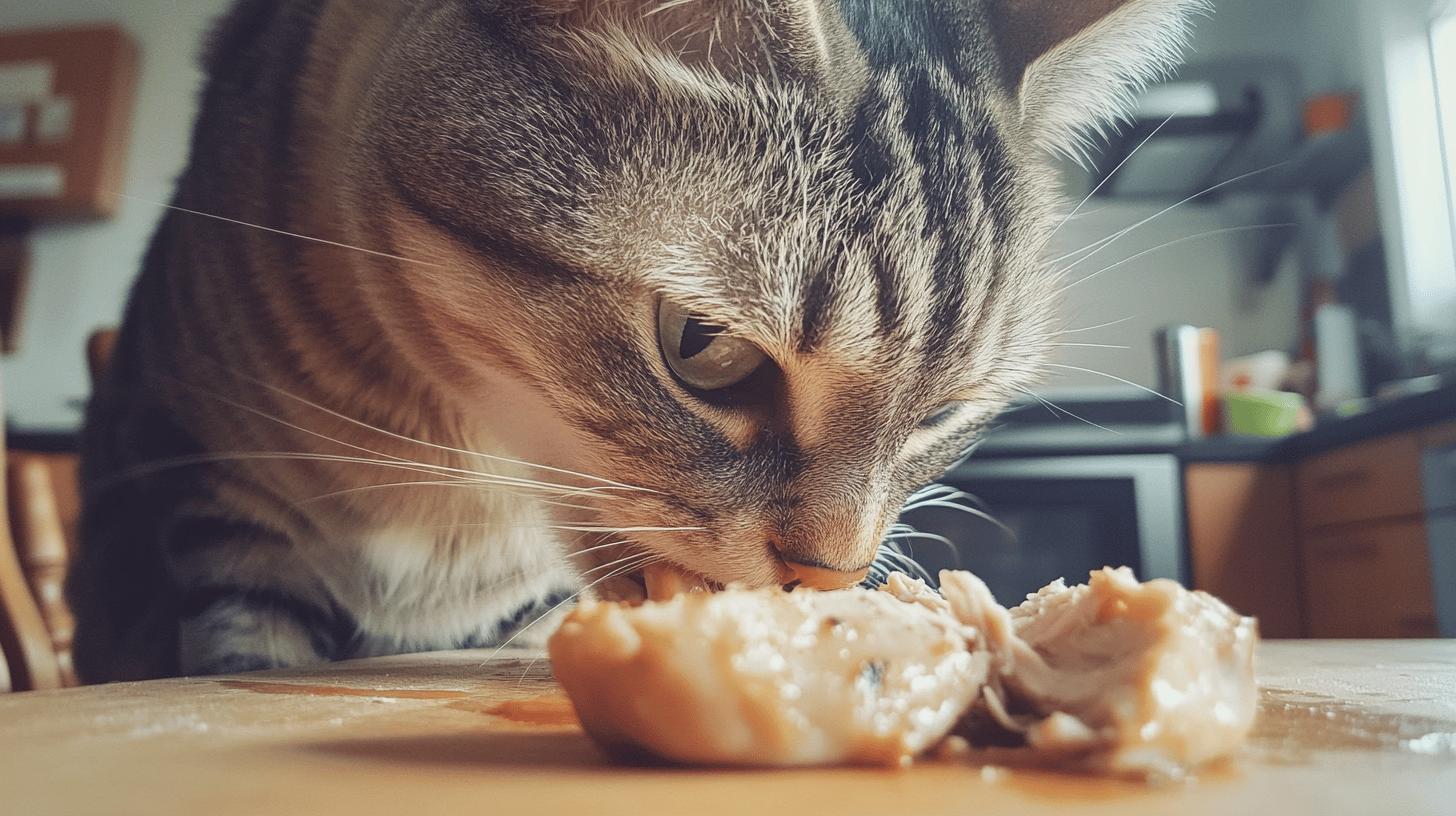
    Additionally, soups containing the wrong ingredients could cause digestive issues, leading to discomfort or illness. Always check the ingredients for any potential allergens or toxins before serving.

    • Serve soup in small portions
    • Use as a supplement, not a meal replacement
    • Monitor your cat’s reaction
    • Consult a vet for dietary concerns

    Despite these risks, soup can offer a range of nutritional benefits for cats if made safely. Soup provides hydration, which is particularly beneficial for cats that primarily consume dry food. Alongside hydration, it can offer vitamins, minerals, and Omega 6 fatty acids that support overall cat health.

    Remember, soup should complement a balanced diet, enhancing the flavors of your cat’s regular meals and providing variety without overwhelming their nutritional balance.

    Suitable Soup Types and Recipe Adjustments for Cats

    Suitable Soup Types and Recipe Adjustments for Cats-1.jpg

    Creating homemade soup for your cat can be a rewarding way to offer them a nutritious treat. When making soup for cats, focus on using ingredients like chicken or fish broth. These broths are not only flavorful but also rich in nutrients and hydration that cats need.

    Always remember to exclude harmful ingredients such as onions and garlic, which can be toxic. Instead, stick to simple recipes that are easy on a cat's digestive system. Bone broth is also a great option, providing essential nutrients while being gentle enough for your feline friend.

    On the other hand, vegetable soups present some limitations for cats. Cats are obligate carnivores, meaning their bodies are designed to thrive on meat-based diets.

    Vegetable soups may not provide the necessary nutrients cats require and could potentially lead to nutritional deficiencies if relied upon too heavily. While some vegetables can be safe in small amounts, they shouldn't be the primary component of a cat's soup.

    • Chicken broth
    • Fish broth
    • Bone broth
    • Parsley
    • Carrots (in small amounts)
    Soup Type Ingredients
    Chicken Soup Chicken broth, small amounts of carrots, parsley
    Fish Soup Fish broth, parsley
    Bone Broth Bones (boiled, no salt), parsley

    To enhance the flavor of cat soups, consider adding small amounts of cat-safe herbs like parsley. This can improve the palatability without adding unnecessary ingredients. Always serve the soup at room temperature to ensure it's comfortable for your cat to consume.
    Remember, soup should act as a supplement to your cat's regular diet, providing hydration and a change of pace without replacing their primary nutrition source. Keep an eye on their reaction to new flavors and adjust accordingly to keep your cat both happy and healthy.
    Nutritional Profile and Safety Analysis

    Different soup types offer varying nutritional benefits and safety profiles for your feline companion. Broth-based soups, particularly chicken and fish varieties, provide excellent hydration alongside essential amino acids that support muscle health and coat condition. These broths contain collagen and gelatin, which can support joint health, especially beneficial for older cats.
    In contrast, cream-based soups present significant concerns. Cats are lactose-intolerant after weaning, and cream can trigger digestive upset including vomiting and diarrhea. The high fat content in cream soups may also contribute to pancreatitis or weight gain in susceptible cats.

    According to AAFCO (Association of American Feed Control Officials) guidelines, sodium content is particularly critical for cats. Most commercial broths contain between 800-1,000 mg of sodium per cup, well above the recommended daily limit of 200-300 mg for cats. Excess sodium can elevate blood pressure and strain kidneys, particularly concerning for cats with existing kidney disease or hypertension.

    Serving Guidelines and Portion Control

    Proper portion sizes and feeding frequency ensure soup remains a healthy supplement rather than a nutritional burden. For an average 10-pound cat, safe portions range from one to two tablespoons of broth per day, served at room temperature or slightly warmed.

    Frequency matters significantly. Soup should be offered no more than 2-3 times per week, allowing it to complement rather than replace your cat’s regular balanced diet. Each serving should never exceed 10% of your cat’s daily caloric intake, a standard nutritional guideline for treats and supplements.

    Preparation methods impact safety and digestibility. Remove all solid pieces–bones, vegetables, and meat chunks pose choking hazards. Cool the broth thoroughly before serving; excessively warm soup can burn sensitive mouth tissues. If using store-bought broth, rinse it thoroughly under water to reduce sodium content by up to 40%, or select low-sodium versions specifically.

    For cats with sensitive digestive systems, introduce soup gradually over 7-10 days, mixing small amounts into their regular food initially. Monitor for any signs of digestive upset before increasing portions.

    Signs of Adverse Reactions

    Despite careful preparation, some cats may experience adverse reactions to soup. Gastrointestinal distress is most common, manifesting as vomiting, diarrhea, or loss of appetite within 2-12 hours of consumption. These symptoms usually resolve within 24 hours when the offending food is removed.

    More concerning signs require immediate veterinary attention: difficulty swallowing, excessive drooling, abdominal pain or swelling, lethargy, or behavioral changes. These could indicate allergic reactions, toxin ingestion, or underlying health complications.

    Individual sensitivities vary significantly. A soup that sits well with one cat may trigger reactions in another, even within the same household. This is particularly true for cats with inflammatory bowel disease (IBD) or pancreatitis.

    Keep detailed feeding records noting date, soup type, portion size, and any behavioral or digestive changes observed within 24 hours. This documentation helps your veterinarian identify patterns if issues arise.

    Final Words

    Exploring "can cat eat soup" reveals that soup can be safe if crafted with cat-friendly ingredients, like chicken and fish broth, while avoiding toxic parts such as onions and garlic. As we've seen, feeding cats soup provides nutritional perks like hydration and Omega 6, but beware of risks like overhydration and digestive trouble.

    Crafting homemade soups with safe meats and herbs enhances your cat's diet remarkably. Always aim for moderation to maintain balance. You can confidently serve up some tasty, safe soup, knowing you're nurturing your furry friend's health.

    FAQ

    Can I feed soup to my cat?

    A: Yes, you can feed soup to your cat if it is made with cat-friendly ingredients and free from harmful additives like onions or garlic.

    Can cats eat soup every day?

    A: Cats should not eat soup every day. Soup should be an occasional treat, not a staple, due to potential health risks such as overhydration.

    Can cats have human soup or broth?

    A: Cats should avoid human soup or broth as they often contain harmful ingredients like salt, onions, and garlic.

    Is chicken soup ok for cats?

    A: Chicken soup can be safe if made with cat-friendly ingredients such as chicken, water, and no harmful additives.

    Can cats eat soup in the morning?

    A: Cats can eat soup in the morning, but ensure it's part of a balanced diet and made with safe ingredients.

    Can cats eat soup with chicken and rice?

    A: Cats can eat chicken and rice soup if it is specially prepared for them, avoiding any harmful ingredients.

    What are toxic ingredients to avoid in cat soup?

    A: Avoid onions, garlic, excessive salt, chocolate, and artificial sweeteners in any soup for cats.

    What are some suitable soup types for cats?

    A: Suitable cat soup types include chicken broth, fish broth, and bone broth with appropriate modifications.

    Are there considerations when incorporating soup into a cat's diet?

    A: Ensure soups: 1) don't replace balanced cat meals, 2) contain safe ingredients, 3) are fed in moderation, and 4) enhance hydration.

    What is a cat soup recipe?

    A: A simple cat soup can include chicken or fish broth with safe herbs like parsley, excluding harmful ingredients.

    Related Articles