Author: Isabella Tiu

  • Can Cat Eat Cabbage Safely Health Benefits and Risks Explained

    Can Cat Eat Cabbage Safely Health Benefits and Risks Explained

    Can cats safely nibble on cabbage leaves like little green snacks, or could this popular vegetable pose a bigger risk to your furry friend? As a cat lover, I understand how tempting it is to share bits of our meals with our pets.

    But diving into this crunchy diet choice is more complicated than just mixing it into kitty's dish. While cabbage can offer some health perks, not every feline tummy handles it well. So, before you toss your cat a bite, let's explore the benefits and risks that come with adding cabbage to their diet.

    Can Cats Safely Eat Cabbage?
    Can Cats Safely Eat Cabbage-1.jpg

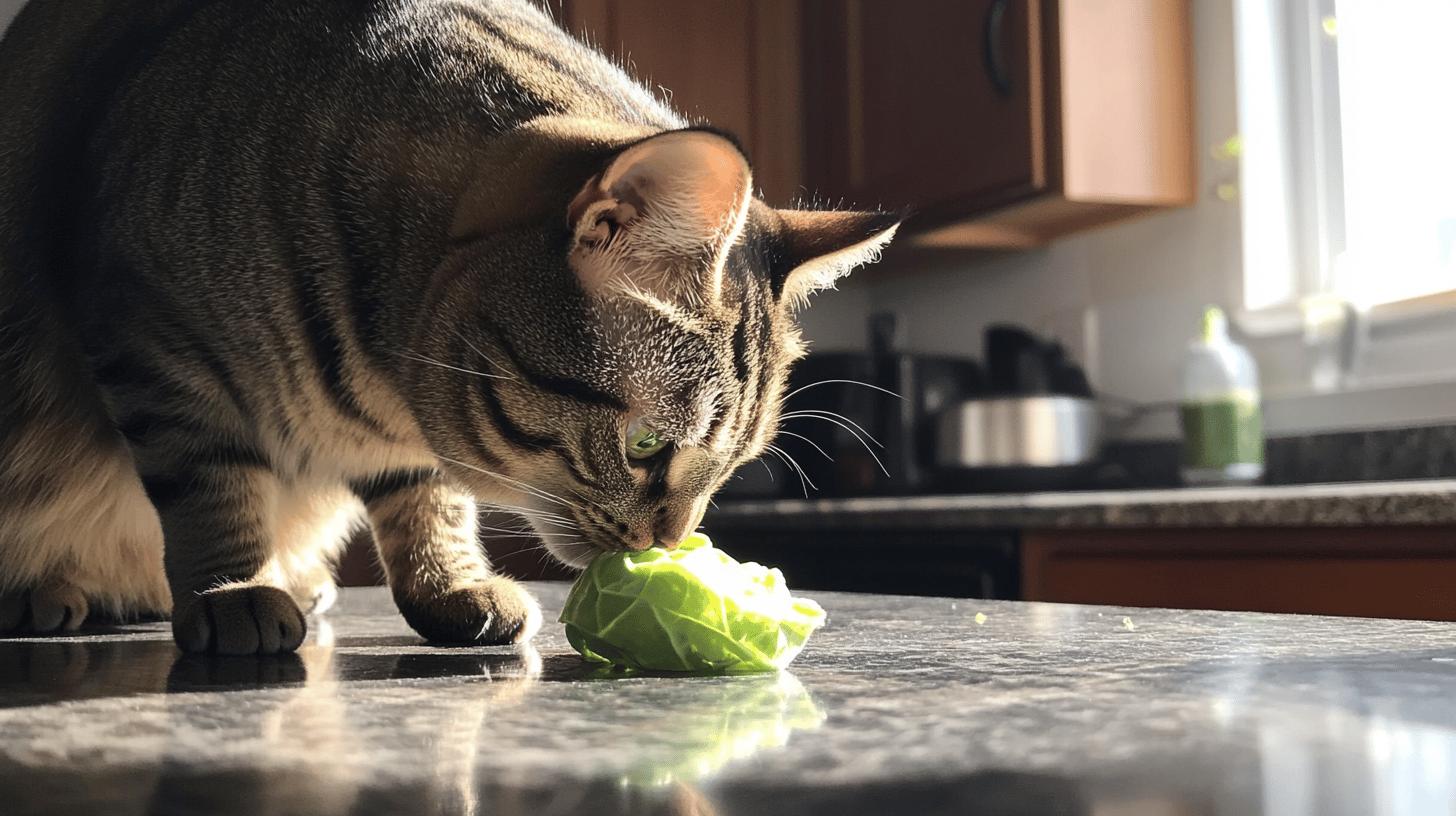
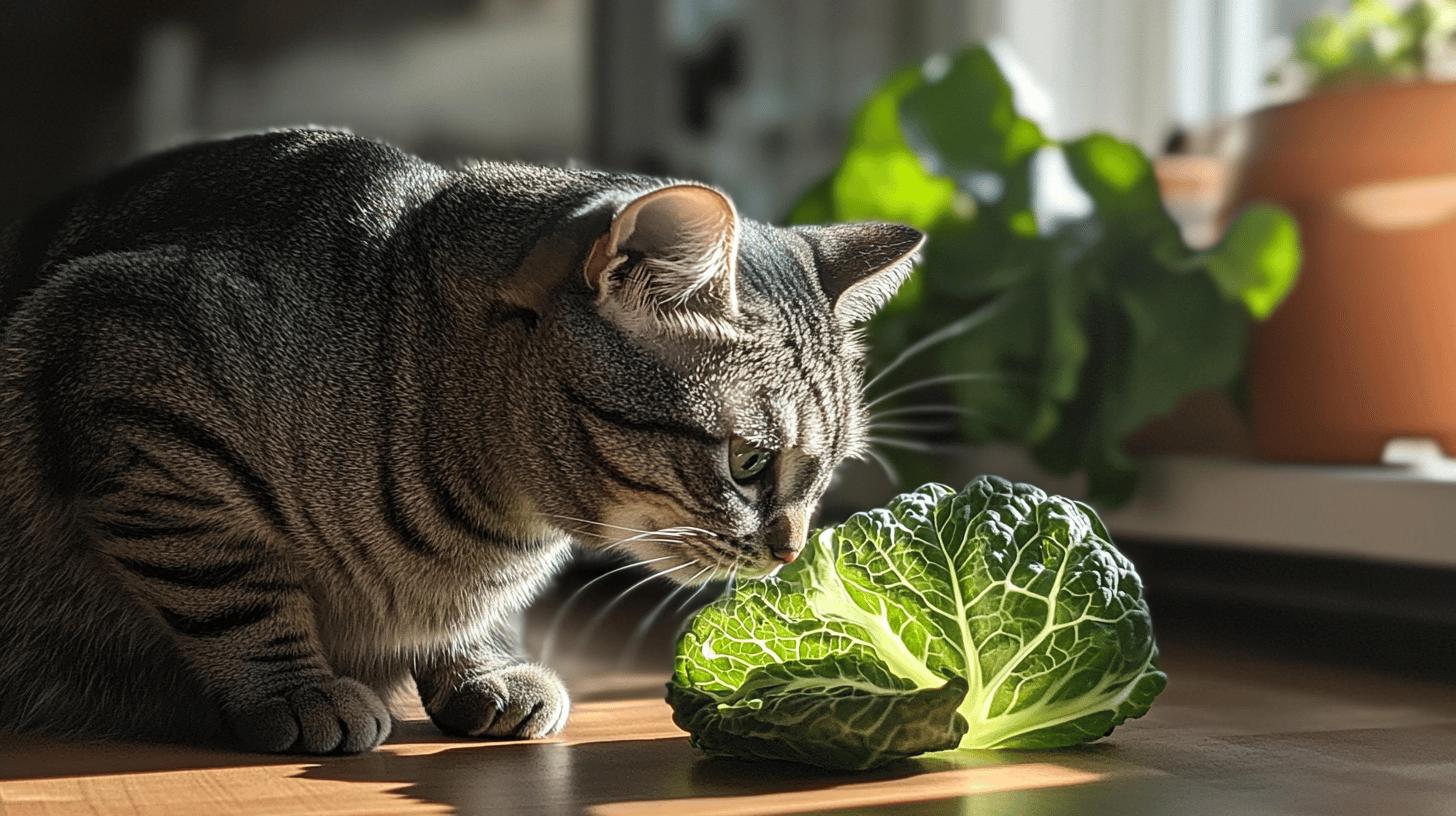
    Cats can eat cabbage, but it should be approached with care. While cabbage is generally safe for cats, it has to be thoroughly washed to remove any pesticide residues that might be harmful.

    Cabbage offers some nutritional benefits like vitamins and fiber, but it should not replace the primary meat-based diet that cats need. Some cats might experience allergies or digestive issues, so it's best to introduce it cautiously.

    When feeding cabbage to cats, take the following safety precautions:

    1. Wash Thoroughly: Ensure all pesticide residues are removed.
    2. Cook Lightly: Cooking makes it easier to digest and reduces harmful compounds.
    3. Start Small: Offer small amounts to gauge your cat's reaction.
    4. Monitor Closely: Watch for any signs of digestive upset or allergic reactions.
    5. Avoid Seasonings: Keep it plain without spices or additives.

    Monitoring for allergies is crucial when introducing cabbage into your cat's diet. Some cats may react differently, so it's wise to keep an eye out for any signs of discomfort or allergic reactions, such as skin irritation or vomiting.

    Consulting with a veterinarian before adding cabbage to your cat's diet can provide personalized advice and ensure that your feline friend remains healthy and happy. Remember, while cabbage can be a fun addition to their diet, it should never overshadow the essential nutrients found in their regular meals.

    Health Benefits and Nutritional Value of Cabbage for Cats
    Health Benefits and Nutritional Value of Cabbage for Cats-1.jpg

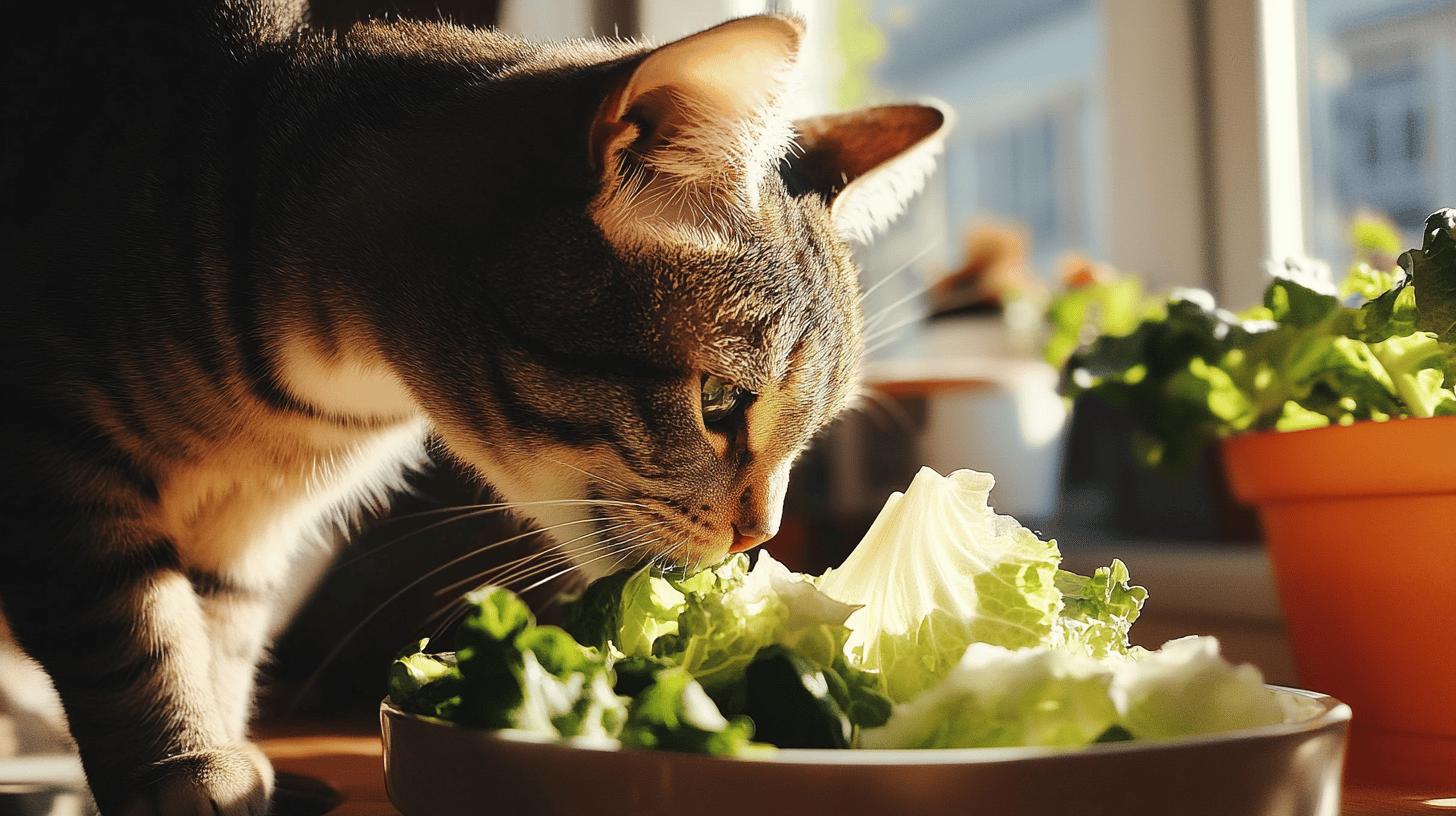
    Cabbage is packed with nutrients that can offer some health benefits for cats. It contains vitamins C and K, which play vital roles in maintaining a healthy immune system and supporting blood clotting.

    The dietary fiber in cabbage aids in digestion, potentially helping cats with occasional constipation. Additionally, cabbage is rich in antioxidants like sulforaphane, which can protect cells from damage and reduce inflammation.

    Here are some specific health benefits these nutrients can provide for cats:

    • Immune Support: Vitamin C enhances the immune system.
    • Digestive Health: Dietary fiber promotes regular bowel movements.
    • Cell Protection: Antioxidants guard against cellular damage.
    • Blood Health: Vitamin K supports proper blood clotting.

    Despite these benefits, it’s important to remember that cats are obligate carnivores. Their primary dietary needs are centered around animal proteins, which provide essential nutrients like taurine and arachidonic acid, crucial for their overall health.

    While cabbage can be a fun and nutritious addition in moderation, it should never replace the meat-based diet that cats require to thrive. Always prioritize their carnivorous needs when considering any supplementary food like cabbage.

    Potential Risks and Side Effects of Feeding Cabbage to Cats
    Potential Risks and Side Effects of Feeding Cabbage to Cats-1.jpg

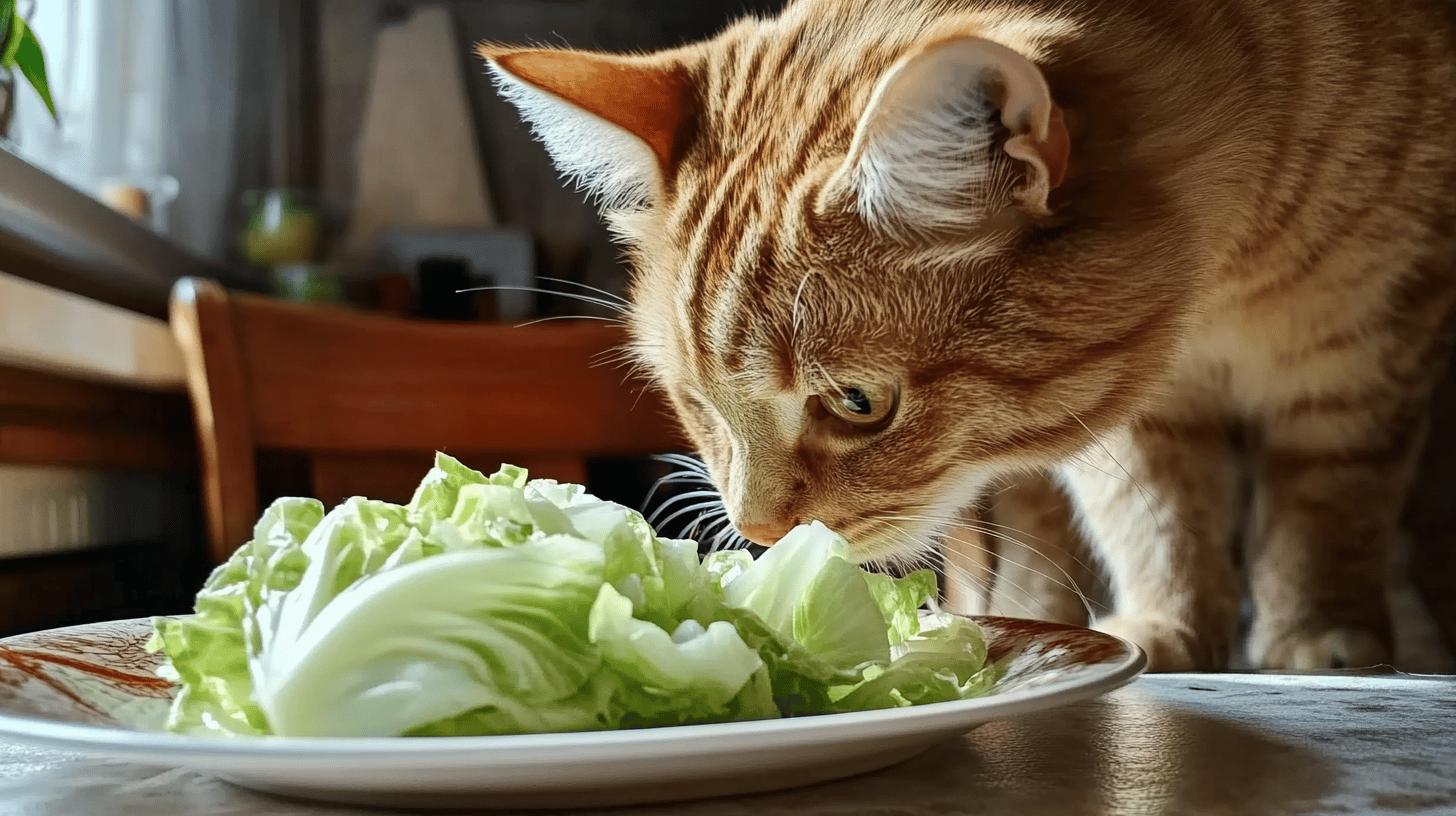
    Feeding raw cabbage to cats can present some digestive challenges. Cats have a sensitive digestive system, and the compounds in raw cabbage, such as isothiocyanates, can cause gastrointestinal upset. This might lead to symptoms like gas, bloating, or even diarrhea.

    Cooking cabbage helps break down these compounds, making it easier for your cat to digest. However, even cooked cabbage should be introduced gradually to avoid any negative reactions.

    The side effects of feeding cabbage can extend beyond just digestive discomfort. In some cases, dietary indiscretions from inappropriate portions or sudden dietary changes can lead to more serious health issues.

    This can involve costly vet visits, with pet insurance claims averaging around $642. These claims often cover treatments for issues like vomiting, diarrhea, or allergic reactions. It's important to be aware of these potential financial implications when deciding to offer cabbage as an occasional treat.

    Moderation is key when introducing any new food to your cat's diet, including cabbage. Watch for signs of adverse reactions such as vomiting, changes in stool consistency, or any signs of discomfort.

    If you notice any of these symptoms, it is best to stop feeding cabbage immediately and consult your veterinarian for guidance. Always remember that while cabbage may offer some benefits, it should never overshadow the primary protein-based diet that is essential for your cat's health.

    How to Introduce Cabbage into Your Cat's Diet
    How to Introduce Cabbage into Your Cats Diet-1.jpg

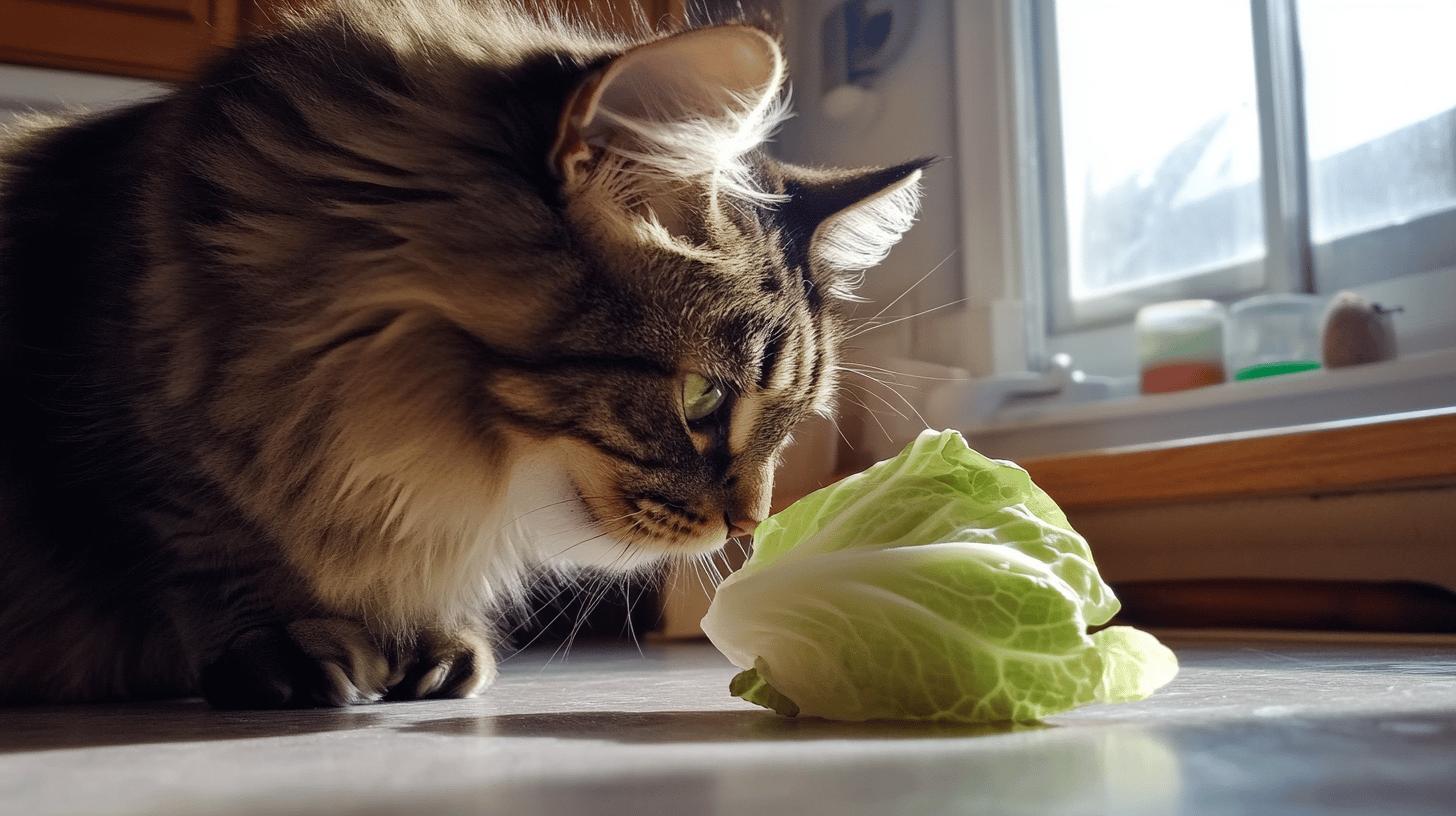
    Adding cabbage to your cat's diet should be done slowly. Cats aren't used to eating a lot of veggies, so start small to avoid tummy troubles. Offer a tiny bit of cooked cabbage, as cooking makes it gentler on their stomachs. Keep it plain—no spices or seasonings.

    When feeding cabbage to your cat, follow these steps:

    1. Wash the Cabbage: Clean it well to remove any chemicals.
    2. Cook Lightly: Boil or steam to soften it.
    3. Serve Small Portions: Begin with just a teaspoon or two.
    4. Keep It Plain: Skip the salt, oils, or spices.
    5. Observe Your Cat: Keep an eye out for any bad reactions.

    Watch your cat closely after adding cabbage to their meal. Look for signs like vomiting or changes in stool. If anything seems off, stop feeding cabbage and talk to your vet. Keeping a food diary might help track how your cat reacts to new foods.

    Serving Size Frequency
    1 teaspoon Once a week
    2 teaspoons Every other week
    1 whole boiled leaf Every other week

    Alternative Vegetables Safe for Cats

    How to Introduce Cabbage into Your Cats Diet-2.jpg

    While cats are obligate carnivores, a little variety in their diet can provide beneficial nutrients that aren't found in meat. Including small amounts of vegetables can add fiber, vitamins, and minerals that may support overall health.

    However, vegetables should only complement their diet, not replace the essential animal proteins they need. Adding safe veggies as an occasional treat can be an exciting way to introduce new flavors and textures.

    Here are some cat-friendly vegetables that can be safely added to your feline's diet:

    • Carrots
    • Peas
    • Pumpkin
    • Zucchini
    • Green beans
    • Spinach

    Vegetables serve as occasional treats to delight your cat, rather than forming the core of their diet. Most of their nutritional needs should still be met through a high-quality, protein-rich cat food.

    By offering vegetables sparingly, you ensure that your cat receives the benefits without compromising their necessary carnivorous intake. Always introduce new foods gradually and monitor for any adverse reactions to keep your cat healthy and satisfied.

    Final Words

    Diving right into the world of feline diets, we found that cats can eat cabbage, but it should be offered in moderation and well-prepared. While cabbage brings benefits like vitamins and fiber, it doesn’t fulfill the primary nutritional needs of cats. We explored the challenges of digestion and financial risks from potential side effects that can arise.

    Introducing cabbage gradually is key, with careful observation for any reactions. Keep in mind that cabbage is not essential, and many other cat-friendly vegetables provide variety. Offering cabbage as a treat contributes to a richer, more engaging mealtime for your furry friend.

    FAQ

    Can cats eat cabbage raw?

    A: Cats can eat cabbage raw, but it's not ideal. Raw cabbage can be hard to digest and may cause stomach upset. Cooking it makes it easier for cats to handle.

    Can cats eat cabbage cooked?

    A: Yes, cooked cabbage is safer for cats. Cooking softens the cabbage and makes it easier to digest, reducing the risk of stomach issues.

    Can cats eat cabbage every day?

    A: Cats should not eat cabbage daily. It should be an occasional treat due to its limited nutritional benefits for cats, who mainly need animal protein.

    Can cats eat cabbage and carrots?

    A: Cats can have small amounts of cabbage and carrots. They're both safe in moderation, but they should not replace a cat's primary diet of meat.

    Can cats eat purple cabbage?

    A: Cats can eat purple cabbage, but, like other cabbage types, it should be given sparingly and cooked for easier digestion.

    Can dogs eat cabbage?

    A: Yes, dogs can eat cabbage in small amounts as part of a balanced diet. Cooked cabbage is easier for dogs to digest than raw.

    Is cabbage safe for pets?

    A: Cabbage is generally safe for pets like cats and dogs if given in moderation and cooked. Overconsumption can lead to digestive problems.

    Are cabbage plants toxic to cats?

    A: Cabbage plants are not toxic to cats, but too much consumption can still cause stomach upset due to digestive challenges.

    Why can't cats eat vegetables?

    A: Cats, obligate carnivores, need animal protein as their main diet. Vegetables don't provide the essential nutrients cats require.
    Related Articles

  • Can Cat Eat Basil Safe Herb Consumption Explained

    Can Cat Eat Basil Safe Herb Consumption Explained

    Have you ever caught your cat sneaking a bite of your basil plant, leaving you puzzled about whether it's safe? Many cat owners find themselves wondering if this popular herb could be harmful to their feline friends.

    While it’s true that basil isn't toxic to cats, it's not exactly a nutritional powerhouse for them either. So, what should you do if your cat has a taste for basil? In this blog post, we'll dive into why this herb is generally harmless in small amounts and what potential signs to watch for if your cat overindulges.

    Can Cats Safely Eat Basil?

    Can Cats Safely Eat Basil-1.jpg

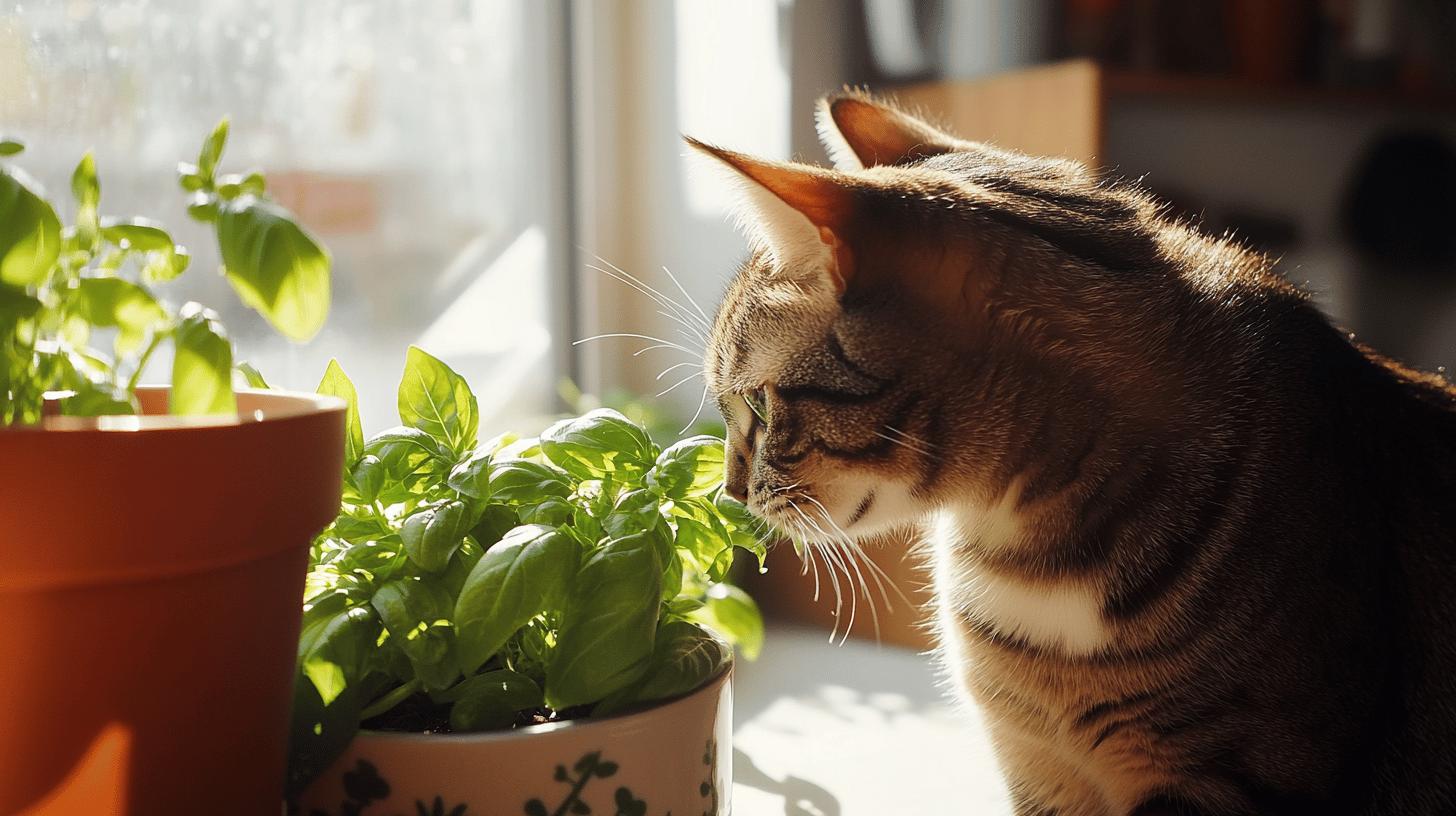
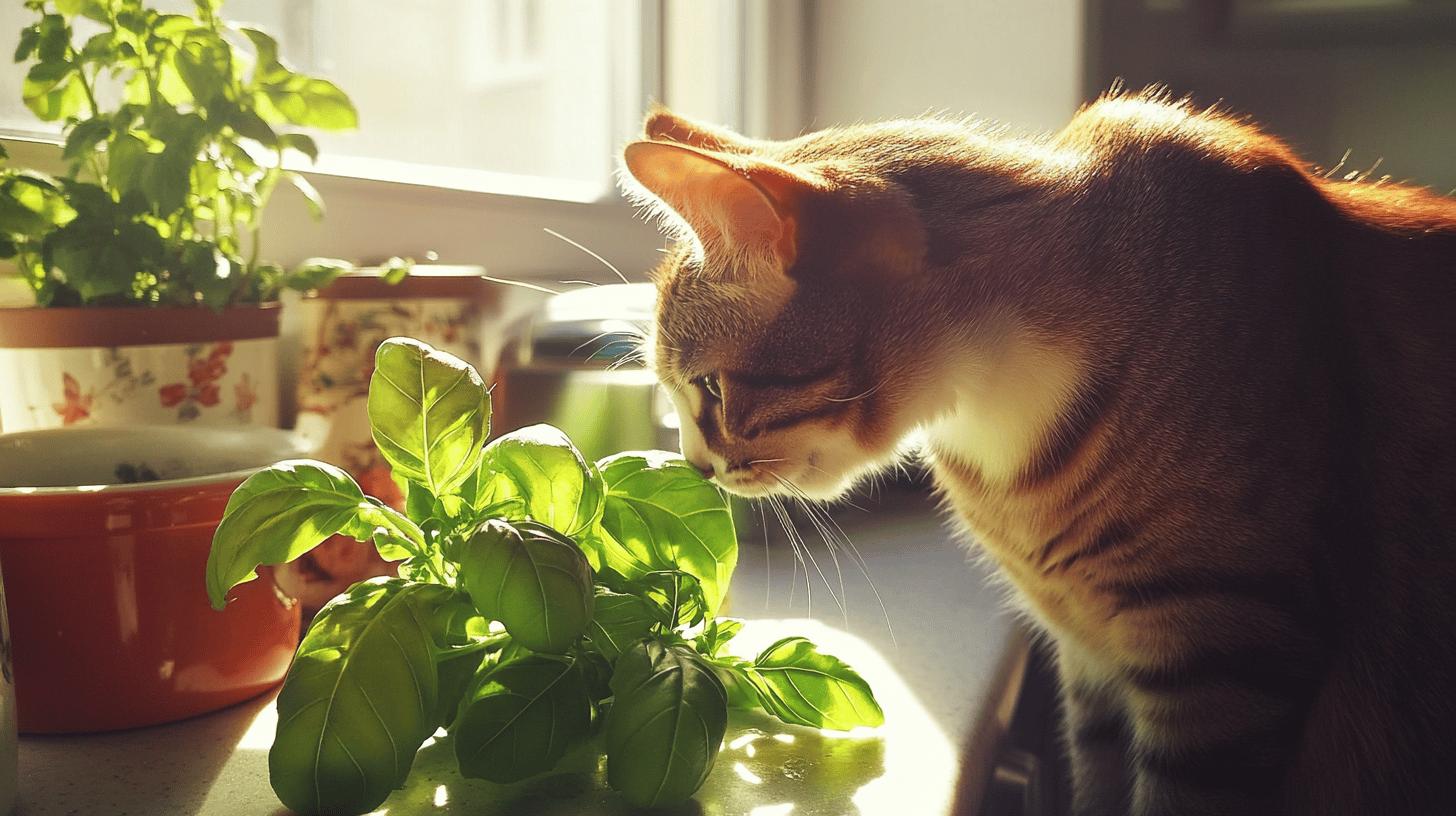
    Basil is generally safe for cats to eat and is not toxic to them. While it may seem like a fun addition to your cat's diet, basil doesn't offer any significant nutritional benefits for cats. It's a harmless treat in small amounts, but there’s no need to actively include it in their diet. Cats can occasionally nibble on basil leaves without any ill effects, but it's important to keep an eye on their reaction.

    If your cat decides to munch on basil, here are some symptoms to watch for that might indicate a problem:

    • Vomiting
    • Diarrhea
    • Lethargy
    • Loss of appetite
    • Skin rashes

    Ingesting large quantities might upset your cat's digestive system. Cats have sensitive stomachs and consuming too much basil might lead to gastrointestinal issues. If you notice any of the symptoms listed above, it’s wise to consult a veterinarian.

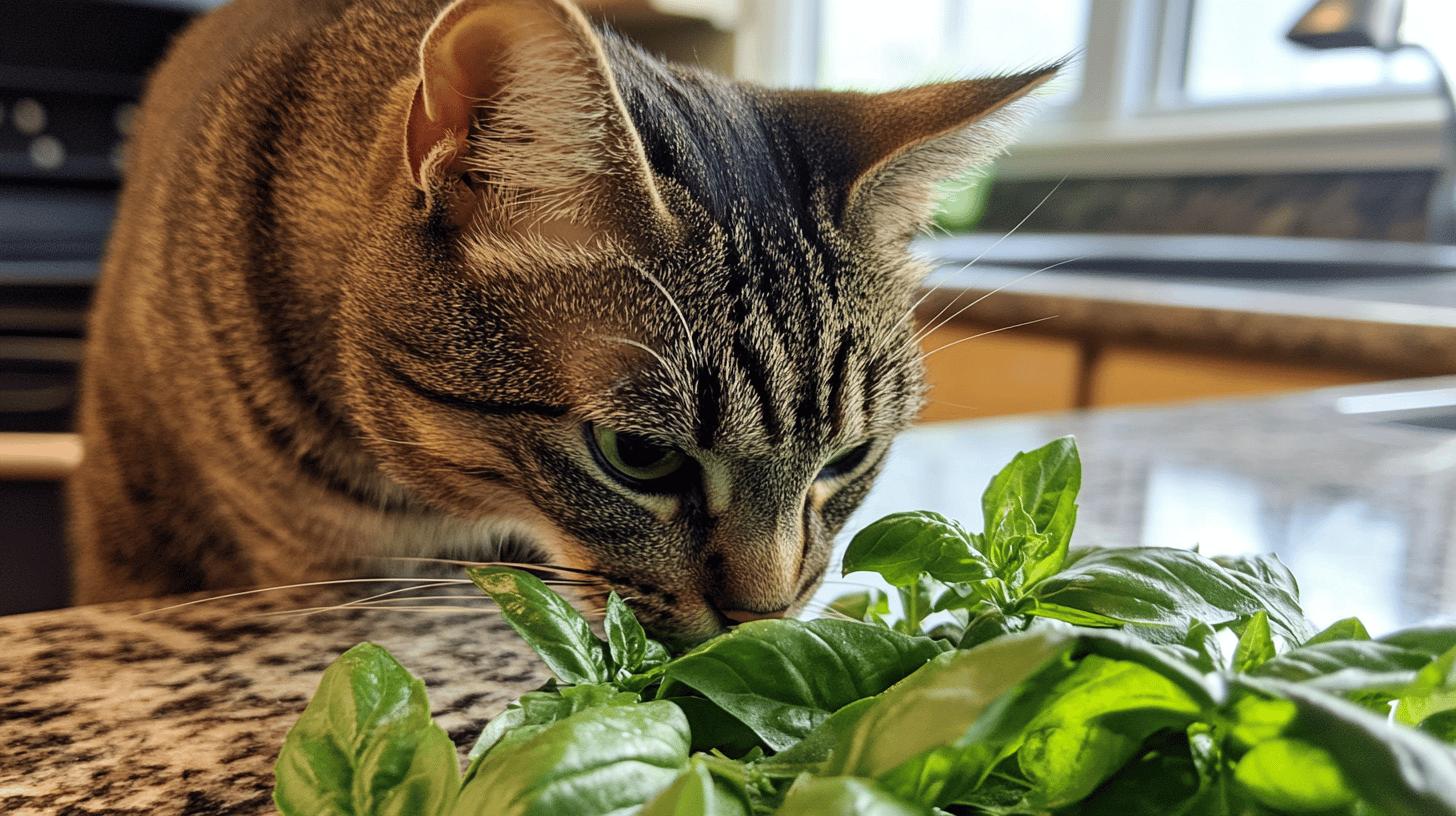
    When a cat eats too much basil, it could cause an upset stomach or mild digestive disturbances. Cats may sometimes eat basil in an attempt to mimic eating grass, which they do to help with digestion or when they have an upset stomach. While this behavior is usually harmless, it's crucial to monitor your cat’s behavior after they consume basil.

    If your cat seems unwell after eating basil or continues to show signs of distress, consulting with a veterinarian is always a good step. They can offer guidance and help ensure your cat remains healthy. Keeping an eye on your cat and understanding their dietary habits can prevent minor issues from becoming more significant health concerns.

    Safe Herbs for Cats: Alternatives to Basil

    Safe Herbs for Cats Alternatives to Basil-1.jpg

    Selecting safe herbs for your feline friend is crucial. Not all herbs are safe for cats, and choosing the right ones can prevent potential health issues. While basil is generally safe, you may want to explore other herbs that can be offered to cats without concern. Always remember to consult a veterinarian before adding new herbs to your cat's diet.

    Coriander

    Coriander is considered safe for cats. This herb can be consumed in small amounts and may even provide a slight aromatic pleasure for your feline. However, it doesn't offer notable health benefits for cats, so moderation is key.

    Rosemary

    Rosemary is a non-toxic herb for cats. It’s often used for its aromatic properties and can be a delightful sensory experience for your cat. Though it doesn’t provide significant health benefits, its pleasant scent can be stimulating for cats.

    Sage

    Sage is generally safe for cats and is non-toxic. While it doesn't offer nutritional benefits, cats can occasionally enjoy a nibble. Always ensure it's fresh and free from pesticides or other harmful chemicals.

    Thyme

    Thyme is another herb that is safe for cats to consume. Its mild flavor and aroma can be appealing. While thyme doesn’t contribute to your cat's nutrition, small amounts are fine and can serve as a harmless treat.

    When considering herbs for your cat, it's essential to consult with a veterinarian first. They can provide guidance on safe quantities and help ensure that introducing new herbs won't interfere with your cat's health. Always prioritize your cat’s wellbeing when exploring new dietary additions.

    Understanding Cats and Herb Consumption

    Understanding Cats and Herb Consumption-1.jpg

    Cats often consume herbs because it mimics their natural grass-eating behavior. This can be a part of their instinctual drive to aid digestion or to help with hairball elimination.

    While cats are known to nibble on herbs like basil occasionally, they generally don’t consume enough to become seriously ill. The texture and taste can be appealing to them, especially when they’re looking for something similar to grass.

    • Herbs can sometimes cause mild stomach upset if consumed in large quantities.
    • Eating herbs could lead to temporary digestive disturbances such as vomiting or diarrhea.
    • The fibrous nature of some herbs might assist in the passage of hairballs.

    Herb consumption in cats might also indicate underlying health issues, such as an upset stomach. When a cat turns to herbs, it may be attempting to soothe its digestive system.

    Monitoring your cat's behavior and herb-eating habits can provide insights into their health. If your cat regularly seeks out herbs, it's a good idea to assess their diet and consult with a veterinarian to rule out any potential digestive concerns.

    Final Words

    Clearly, while basil isn't toxic to cats, cat owners should still be careful when their pets eat it. Although safe, basil offers no real health benefits for cats and might cause mild issues like vomiting or diarrhea, especially if an allergy exists. Monitoring your cat's reaction after eating basil helps you decide if a vet visit is needed. Choosing safe herbs like coriander or rosemary with a vet's advice is smart. Understanding why cats eat herbs can prevent issues and keep them healthy. Remember, moderation and observation go a long way in keeping your cat safe.

    FAQ

    Can cats eat basil leaves?

    A: Cats can eat basil leaves as they are not toxic to them.

    Can cats eat basil seeds?

    A: Cats can eat basil seeds, but avoid feeding them in large quantities to prevent digestive issues.

    Is it safe for cats to eat Thai basil?

    A: Thai basil is safe for cats to eat and is not toxic.

    What happens if a cat eats basil leaves?

    A: If a cat eats basil leaves, they may experience minor side effects like vomiting or diarrhea. Watch for these symptoms.

    Can cat eat basil and tomatoes?

    A: Cats can eat basil and tomatoes, but tomatoes should be unripe or green. Ripe tomatoes are unsafe for cats.

    Can cats eat mint?

    A: Mint is not safe for cats and may cause digestive issues. Avoid feeding mint to cats.

    Is basil toxic to pets?

    A: Basil is not toxic to pets, including cats and dogs, but feeding in moderation is advised.

    Are any herbs poisonous to cats?

    A: Some herbs, such as mint, are not safe for cats. Ensure to check before offering any herbs.

    Is basil toxic to dogs?

    A: Basil is not toxic to dogs and is generally safe for them to consume. Monitor for digestive issues.

    Can cats eat parsley and rosemary?

    A: Cats can eat parsley and rosemary. Both herbs are safe when given in small amounts.

    Related Articles

  • Can Cat Eat Cat Understanding the Rare Phenomena of Feline Cannibalism

    Can Cat Eat Cat Understanding the Rare Phenomena of Feline Cannibalism

    Could a cat truly eat another cat, or is this just one of those bizarre myths floating around? It's a question that might shock cat lovers but understanding it can help us gain insights into feline behavior.

    In this article, we're diving into the phenomenon of cat cannibalism—an occurrence so rare that it often only surfaces in extreme conditions. By exploring this topic, we'll debunk myths, discuss the factors leading to such behavior, and provide tips on how to ensure the safety and well-being of your beloved feline companion.

    Can Cats Eat Other Cats? Understanding Feline Behavior and Myths

    Can Cats Eat Other Cats Understanding Feline Behavior and Myths-1.jpg

    Cat cannibalism is an exceptionally rare phenomenon, generally associated with dire situations like extreme starvation. Domestic cats, in normal circumstances, do not exhibit this behavior.

    The occurrence of such acts often roots in survival instincts that kick in when resources are severely limited. Misinterpretations of feline behavior have contributed to myths about cats eating each other, but these instances are not reflective of typical cat behavior.

    Several factors can lead to the rare occurrence of cat cannibalism. In most cases, these are driven by necessity rather than nature. When food scarcity hits an extreme, cats might resort to drastic measures for survival.
    Similarly, territorial aggression can prompt such behavior in situations where cats feel their space or resources are threatened. Stress from overcrowding or disruptions in the social hierarchy can also lead to unexpected aggressive behaviors.

    • Scarcity of food
    • Territorial aggression
    • Stress from overcrowding
    • Hierarchical disruptions
    • Survival instincts

    A significant part of understanding cat cannibalism involves debunking common myths that surround it. Many misconceptions paint cats as naturally prone to cannibalism, but this is far from the truth. These myths often arise from misunderstandings or isolated incidents that are not representative of the general feline population.

    • Cats frequently eat each other
    • Domestic cats are naturally cannibalistic
    • All feral cats resort to cannibalism
    • Cats eat their kittens regularly

    Understanding cat behavior is crucial to preventing such rare incidents. Proper care and management of their environment can significantly reduce the risk of aggressive behaviors. Ensuring that cats have ample resources, space, and a stable social environment helps maintain harmony.

    By recognizing stressors and addressing them promptly, cat owners can foster a peaceful and safe living space for all feline family members, reducing the likelihood of any extreme behaviors.

    What Cats Should Eat: Proper Cat Nutrition

    What Cats Should Eat Proper Cat Nutrition-1.jpg

    Cats are obligate carnivores, which means they require a diet that is heavily based on animal proteins. Their bodies are designed to digest and utilize nutrients from meat efficiently, and protein is a critical component for their muscle development and energy needs.

    Unlike humans or dogs, cats have a limited ability to process carbohydrates, making a high-protein diet essential for their overall health and well-being.

    Commercial cat food is typically the best dietary choice for cats. These products are specifically formulated to meet the nutritional needs of felines, providing a balance of proteins, fats, and essential nutrients like taurine and vitamins A and D. Commercial options ensure cats get all the necessary nutrients they need without the risk of deficiency or imbalance, which can occur with homemade diets.

    Food Type Suitability for Cats
    Commercial cat food Highly suitable
    Cooked meat Safe in moderation
    Fish Safe, but should be cooked
    Vegetables Limited suitability
    Dairy products Not recommended

    Certain human foods can be safe for cats when provided sparingly. Cooked meats, like chicken or turkey, can be a tasty treat, as long as they are free from seasoning and bones. Some vegetables, such as carrots or peas, can be given in small amounts, but they should not be a primary food source due to cats' limited ability to digest vegetable matter.

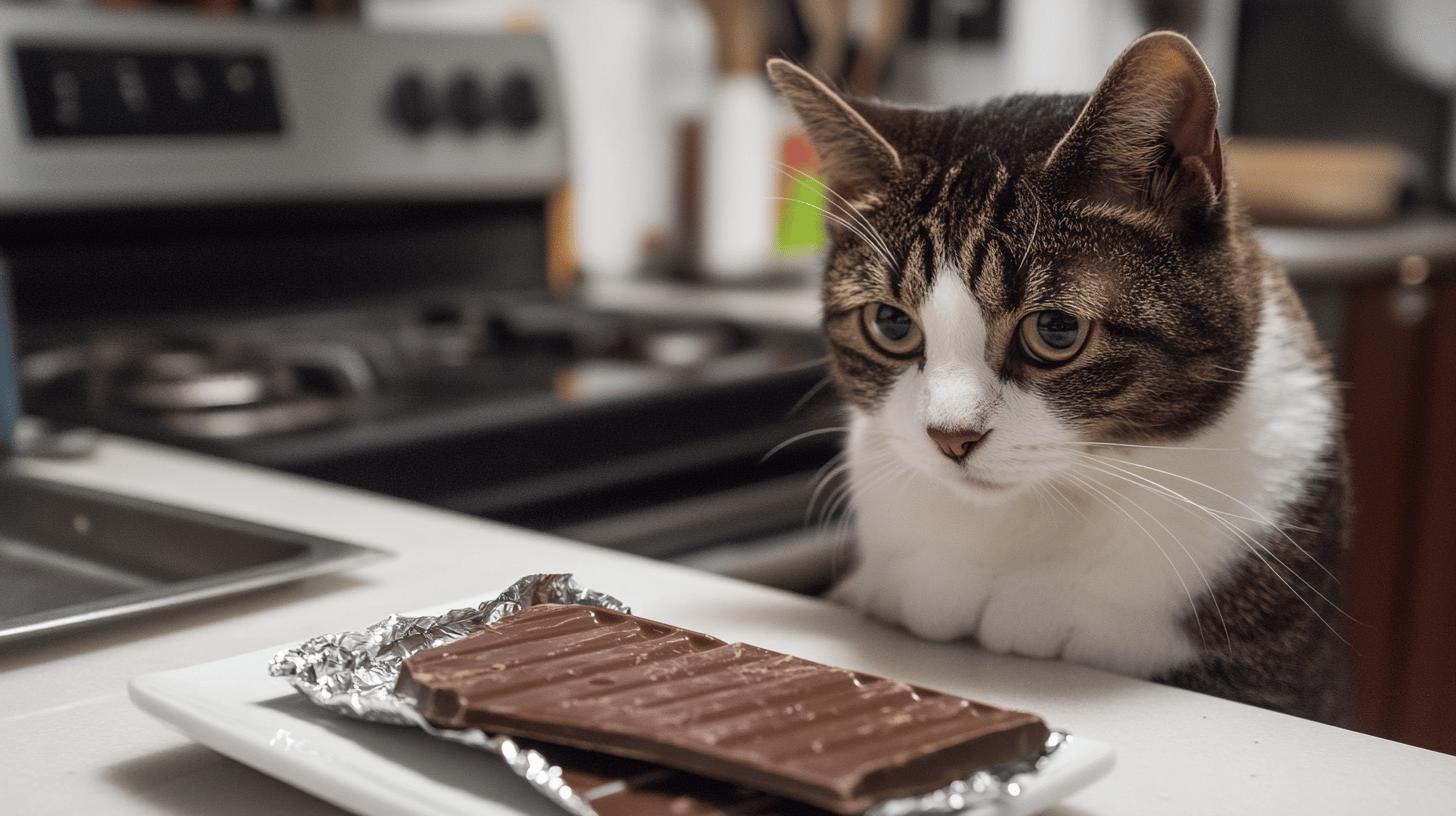
    There are also foods that cats should avoid entirely. Chocolate, onions, and grapes are toxic to cats and can lead to serious health issues. Chocolate contains theobromine, which is harmful to cats, while onions and garlic can cause anemia by damaging red blood cells.

    Grapes and raisins have been linked to kidney failure in cats, making them dangerous even in small quantities. Always prioritizing a diet of commercial cat food minimizes these risks and supports your cat's health.

    Protective Measures for Kittens: Ensuring Safety from Adult Cats

    Protective Measures for Kittens Ensuring Safety from Adult Cats-2.jpg

    Understanding the behavior of adult cats around kittens is crucial for ensuring a safe environment for these playful newcomers. Adult cats can be territorial and may exhibit aggression if they feel their space is threatened.

    Observing their behavior and interactions with kittens helps in predicting and preventing potential conflicts. Recognizing that each cat has its personality and comfort level with newcomers is the first step in fostering a peaceful multi-cat household.

    1. Supervise initial interactions
    2. Provide separate, safe spaces for kittens
    3. Monitor for signs of aggression
    4. Ensure sufficient resources to reduce competition
    5. Create a stress-free environment

    Recognizing signs of aggression and stress in adult cats is vital for the protection of kittens. Aggressive behaviors may include hissing, swatting, or growling, indicating that the adult cat feels threatened or uncomfortable.
    Stress can also manifest in more subtle ways, such as excessive grooming or hiding. Being able to identify these signs early allows for timely intervention to prevent any potential harm to the kittens.
    Gradual introductions and patience are key when integrating kittens into a household with adult cats. Allowing the adult cats to become familiar with the new kittens at their own pace can ease tensions and promote acceptance.

    It's important to maintain a calm environment and to reward positive interactions between the cats. Patience and understanding go a long way in establishing a harmonious relationship between adult cats and kittens, ensuring a safer and friendlier home for all.

    Final Words

    Cat cannibalism is rare and usually tied to extreme scenarios. Understanding cat behavior helps debunk myths, like domestic cats being naturally cannibalistic. Knowing what cats should eat ensures they get the right nutrition. Cats thrive on high-protein diets, making commercial cat food a reliable choice.

    Finally, keeping kittens safe from adult cats involves practical measures like monitoring interactions and providing safe spaces. By understanding feline behavior and dietary needs, we ensure our cats' health and well-being without worrying about "can cat eat cat" situations. Showing care leads to happier, healthier pets.

    FAQ

    Do cats eat other cats' kittens?

    Cats may eat kittens if stressed or in extreme conditions like starvation. Such behaviors are rare and often linked to survival instincts.

    Will a cat eat a dead cat?

    Eating a dead cat is highly unusual and typically happens only if the cat is under severe stress or extreme starvation.

    Why do male cats eat kittens?

    Male cats may eat kittens to eliminate future competition or if they are not the offspring of the male, but this is uncommon.

    Do wild cats eat other cats?

    Wild cats may attack other cats over territory, but eating another cat is rare and usually due to severe food scarcity.

    Is cat cannibalism a myth?

    Instances of cat cannibalism are often misunderstood. It's rare and happens under extreme conditions. Myths about frequent cannibalism are misleading.

    Do bigger cats eat small cats?

    Bigger cats might show aggression to establish dominance in territories, but eating smaller cats is rare and primarily related to survival needs.

    Is it normal for cats to eat animals?

    Cats are natural hunters and may eat small animals like birds or mice. This behavior is typical for fulfilling their dietary needs as carnivores.

    Why did my cat eat her kittens?

    A cat may eat her kittens if stressed, feeling threatened, or if the kittens are sick. It's connected to survival instincts.

    Why does my cat hunt other cats?

    A cat may hunt other cats over territory or dominance issues. It’s not typical prey behavior but rather territorial aggression.

    Related Articles

  • Can Cat Eat Chocolate Understand the Risks and Necessary Actions

    Can Cat Eat Chocolate Understand the Risks and Necessary Actions

    Did you ever wonder if cats can safely snack on chocolate like we do? Spoiler alert: chocolate is not a treat for them but a toxic danger. Cats and chocolate are a risky mix because it contains substances like theobromine and caffeine that cats can’t handle. Even a smidge can wreak havoc on their health, leading to serious issues. In this article, we’ll dive into why chocolate is harmful to cats and what you should do if your feline friend gets curious. Keep reading to learn the crucial steps to protect your cat.

    Why Cats Can’t Eat Chocolate

    Can Cat Eat Chocolate Understand the Risks and Necessary Actions-3.jpg

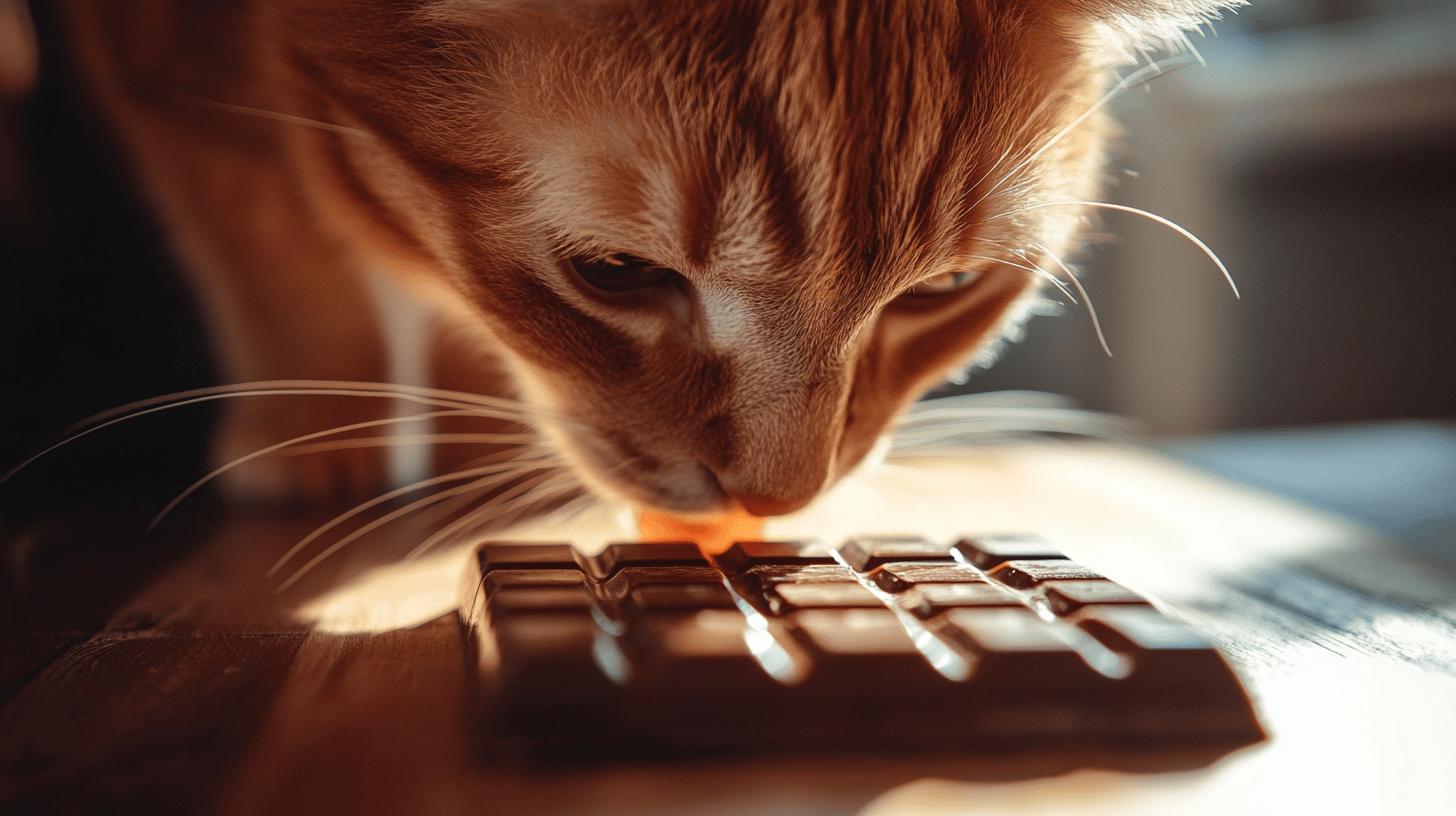
    Cats cannot eat chocolate because it contains theobromine and caffeine, both of which are highly toxic to them. Even small amounts can lead to serious health problems. These compounds affect the central nervous system and heart, causing symptoms that range from mild to severe. When a cat ingests chocolate, it can experience symptoms like vomiting, diarrhea, and even seizures. It’s crucial to understand that cats metabolize these substances much slower than humans, so even minimal exposure can be dangerous.

    The danger escalates with dark and unsweetened baking chocolates. These types contain higher concentrations of theobromine and caffeine compared to milk chocolate. As a result, they pose a much higher risk of toxicity. Dark chocolates, with their rich cocoa content, can lead to more acute symptoms and faster onset of poisoning. Baking chocolate, often used in cooking and baking, is particularly harmful due to its high purity and lack of dilution with other ingredients.

    • Chocolate contains theobromine and caffeine, which are poisonous to cats.
    • Dark and baking chocolates have higher levels of these harmful substances.
    • Even small amounts of chocolate can cause severe health issues in cats.

    Symptoms of Chocolate Poisoning in Cats

    Recognizing the progression of chocolate poisoning in cats is critical. Initial signs usually include vomiting and diarrhea, as the cat’s system tries to expel the toxins. Quick intervention can prevent these early symptoms from escalating into more dangerous conditions.

    The severity and progression of symptoms depend on several factors. The type and amount of chocolate consumed are crucial, with dark chocolate being more dangerous due to its higher theobromine and caffeine content. A cat’s size also matters, as smaller cats are more susceptible to severe symptoms from even a small amount of chocolate.

    Immediate actions are vital if chocolate poisoning is suspected. Contact a veterinarian right away for guidance. While waiting for professional help, you can try to induce vomiting if advised by a vet, but do not attempt this without professional instruction. Quick action can make a difference in outcomes.

    • Vomiting
    • Diarrhea
    • Rapid breathing
    • Increased heart rate
    • High temperature
    • Seizures
    • Collapse

    Immediate Veterinary Care and Recovery Steps if Your Cat Eats Chocolate

    Immediate Veterinary Care and Recovery Steps if Your Cat Eats Chocolate-1.jpg

    If you suspect your cat has eaten chocolate, it’s crucial to act fast. The first step is to contact your veterinarian immediately. Time is of the essence, as the sooner treatment begins, the better the chances of preventing severe complications. Veterinarians have the expertise to handle chocolate toxicity and can provide guidance on necessary immediate actions.

    Before reaching the vet, you can take these steps:

    1. Remove the Chocolate Source: Make sure no more chocolate is accessible to your cat to prevent further ingestion.
    2. Gather Information: Be ready to inform the vet about the type of chocolate, the amount ingested, and the time of ingestion.
    3. Monitor Symptoms: Keep an eye on your cat for any symptoms like vomiting, diarrhea, or unusual behavior, and relay this information to the vet.
    4. Induce Vomiting: Only induce vomiting if your vet advises you to do so. This can help expel the chocolate before it fully absorbs into the system.
    5. Keep Your Cat Calm: Stress can exacerbate symptoms, so maintain a calm environment for your cat.

    Once at the veterinary clinic, your cat may undergo several treatments. Veterinarians might induce vomiting if it hasn’t already occurred. They could also administer activated charcoal to prevent further absorption of toxins. Treatment may involve IV fluids to maintain hydration and medications to manage symptoms like seizures or abnormal heart rhythms. Continuous monitoring is crucial to ensure the cat’s condition stabilizes.

    Professional veterinary care is essential for cats showing signs of chocolate poisoning. Veterinarians can accurately assess the severity of the situation and tailor treatment to the cat’s specific needs. Self-treatment at home is not advisable due to the risks of complications without proper expertise.

    Recovery practices at home are important once your cat is released from veterinary care. Ensure your cat has a quiet, comfortable space to rest. Follow all post-treatment instructions provided by your vet, including medication schedules and dietary adjustments. Monitor your cat for any lingering symptoms and maintain regular check-ins with the vet to track recovery progress.

    • Induce Vomiting: If advised, helps expel chocolate.
    • Administer Activated Charcoal: Prevents toxin absorption.
    • Provide IV Fluids: Supports hydration and health.
    • Prescribe Medications: Manages symptoms like seizures.
    • Continuous Monitoring: Ensures condition stabilizes and improves.

    Taking swift action and following these guidelines can make a significant difference in your cat’s recovery from chocolate ingestion. Always prioritize professional veterinary advice and care to ensure the best outcome for your furry friend.

    Safe Chocolate Alternatives for Cats

    Safe Chocolate Alternatives for Cats-1.jpg

    Cats might be drawn to the sweet smell of chocolate, but we know it’s far from a safe treat for them. Chocolate contains theobromine and caffeine, which are toxic to our feline friends. Offering them chocolate can lead to severe health issues, making it crucial to find suitable alternatives. While it’s tempting to treat your cat during special occasions, choosing safe foods ensures their well-being. Overindulgence in any treat, even safe ones, can lead to other health concerns, so moderation is key.

    Let’s explore some healthy alternatives that can satisfy your cat’s curiosity without compromising their health. Opt for treats specifically made for cats, which are formulated to meet their dietary needs. You can also consider small portions of cooked chicken or fish, which are not only safe but also nutritious. Another option is catnip, a favorite among many cats, offering a fun and harmless way to treat them. Remember, any new treat should be introduced gradually and in moderation to avoid upsetting your cat’s stomach.

    • Catnip
    • Cooked chicken
    • Cooked fish
    • Commercial cat treats
    • Freeze-dried meat treats

    These alternatives provide a safe way to indulge your cat and ensure they stay healthy and happy.

    Preventing Chocolate Poisoning in Cats

    Preventing Chocolate Poisoning in Cats-1.jpg

    Prevention is key when it comes to keeping our feline friends safe from chocolate poisoning. Cats are naturally curious creatures and may explore and nibble on unattended chocolate treats, especially during festive occasions. Since chocolate contains theobromine and caffeine, which are toxic to cats, it’s important to make sure they never have access to it. Even small amounts can lead to serious health issues, so being proactive about prevention can save your cat from potential harm.

    Practical steps can significantly reduce the risk of chocolate poisoning. Store chocolate and chocolate-flavored items in secure, out-of-reach places, such as high cupboards or locked pantries. Always clean up any chocolate spills immediately and dispose of wrappers properly. Be mindful during holidays or parties when chocolate might be more accessible. It’s also helpful to educate family members and guests about the dangers chocolate poses to cats, ensuring everyone is vigilant about keeping chocolate away from them.

    • Store chocolate securely out of reach.
    • Keep chocolate-flavored items locked away.
    • Clean up chocolate spills immediately.
    • Educate others about chocolate’s dangers to cats.

    Final Words

    Understanding that cats cannot eat chocolate is vital for every cat owner. Chocolate contains harmful substances like theobromine and caffeine, which can make cats very sick.

    We talked about the symptoms to look for if your cat eats chocolate, like vomiting and seizures. Quick veterinary care is crucial, and I shared steps to handle it if your cat gets in trouble.

    There are also safe treats you can give instead of chocolate. Keeping chocolate out of reach helps prevent accidents.

    Taking care of your cat and knowing what to do keeps them safe, healthy, and happy.

    FAQ

    Can a tiny bit of chocolate hurt my cat?

    Even a small amount of chocolate can be harmful to a cat. Chocolate contains theobromine and caffeine which are toxic to cats.

    What symptoms appear if a cat eats chocolate?

    Symptoms of chocolate poisoning in cats include vomiting, diarrhea, rapid breathing, elevated heart rate, fever, seizures, and even collapse.

    How long after a cat eats chocolate will symptoms show?

    Symptoms typically appear within a few hours after ingestion but can vary depending on the amount and type of chocolate.

    Is it okay if my cat ate a little bit of chocolate?

    No, it’s not okay. Even a little chocolate can be toxic, leading to serious health issues.

    What happens if cats drink chocolate or eat chocolate chips, cake, or powder?

    Consuming any form of chocolate can result in toxicity. Chocolates like dark chocolate, chips, cake, or powder are all dangerous.

    Will one M&M hurt a cat?

    One M&M can still pose a risk to your cat’s health, depending on its size and health condition.

    My cat ate chocolate and is fine. Does this mean chocolate is safe?

    Your cat may appear fine, but that doesn’t make chocolate safe. Chocolate is toxic, and symptoms might develop later. Always consult a vet.

    What are home remedies if my cat eats chocolate?

    No home remedies should replace professional help. Immediate veterinary care is essential for any chocolate ingestion incident.

    How much chocolate is toxic to a cat?

    Even small amounts can be toxic. The level of danger depends on the type of chocolate and the cat’s size and health. Always keep chocolate away from cats.

    Related Articles

  • Can Cat Eat Apple Safely and Benefit from It

    Can Cat Eat Apple Safely and Benefit from It

    Can cats really enjoy an apple as a snack, or is it a risky treat? You might picture them eyeing an apple slice with curiosity, but are they getting something nutritious, or is it a potential hazard? The short answer is that cats can eat apples, but there's a catch.

    Knowing how to prepare apples can make them a safe and healthy option. Let's explore how a simple apple can offer benefits and the steps to ensure your feline friend stays safe and happy.

    Are Apples Safe and Beneficial for Cats?

    Are Apples Safe and Beneficial for Cats-1.jpg

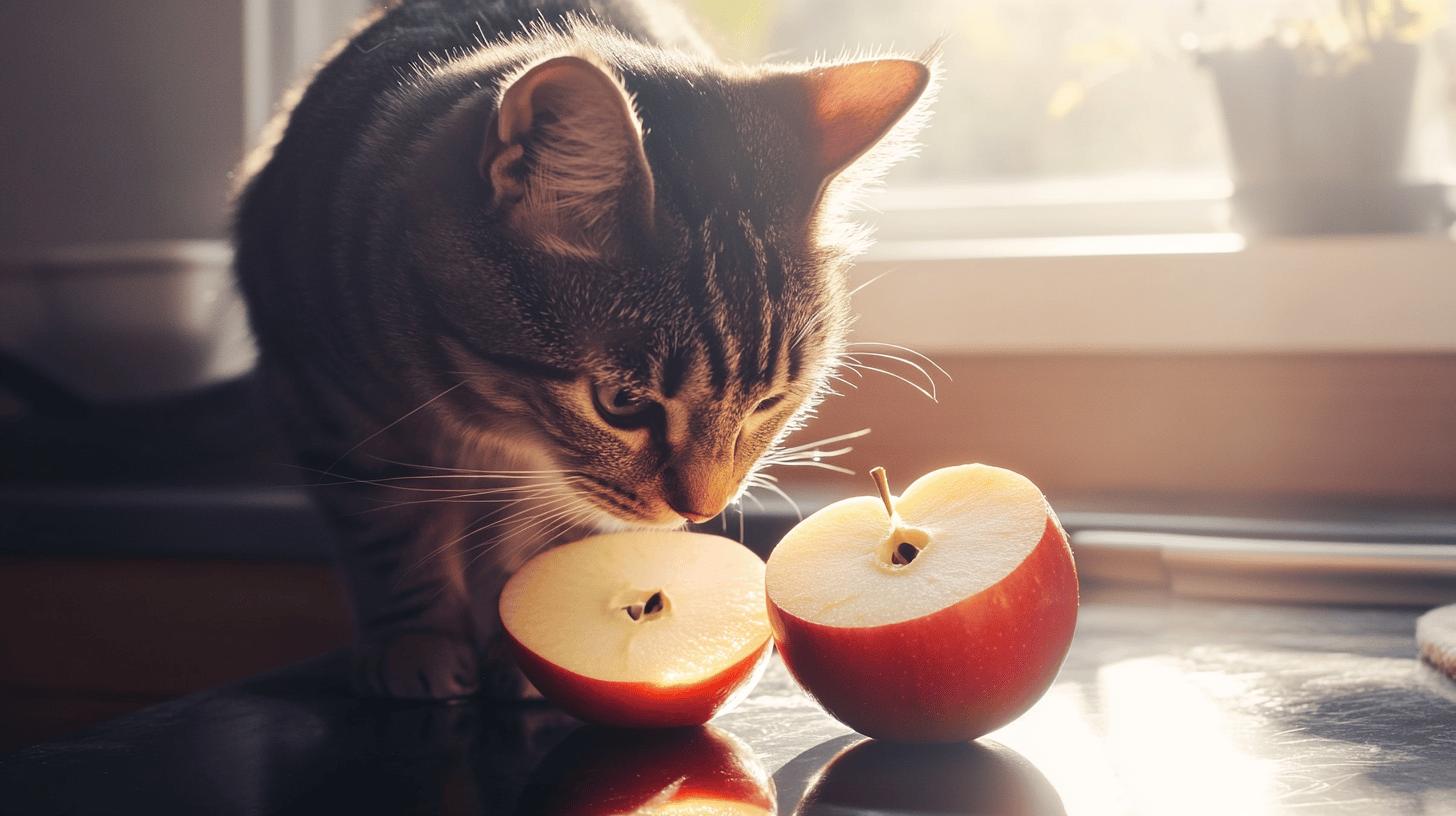
    Cats can eat apples, but it's essential to prepare them correctly to ensure safety. The seeds and core of apples contain cyanide, which is toxic to cats. Before offering apples to your feline friend, always remove these parts.

    The flesh of the apple itself is non-toxic and can be safe for cats to consume in moderation. By taking these precautions, you help prevent any potential health risks that might come from improper preparation.

    Apples offer some nutritional benefits that could be advantageous for cats in small quantities. They contain dietary fiber and vitamin C, which contribute to a cat's overall health. Fiber can aid in digestion, while vitamin C is an antioxidant that helps support immune function.

    However, these benefits are only significant when apples are given sparingly and should never be considered a replacement for the essential nutrients cats derive from their meat-based diet.

    Despite their benefits, overconsumption of apples can pose health risks. Cats are obligate carnivores, and their digestive systems are not designed to handle large amounts of fruit. Eating too many apples can lead to digestive issues, such as diarrhea or vomiting.

    In the long term, excessive consumption may contribute to obesity and diabetes due to the natural sugars found in apples. It's crucial to monitor the amount of apple your cat consumes to avoid these potential problems.

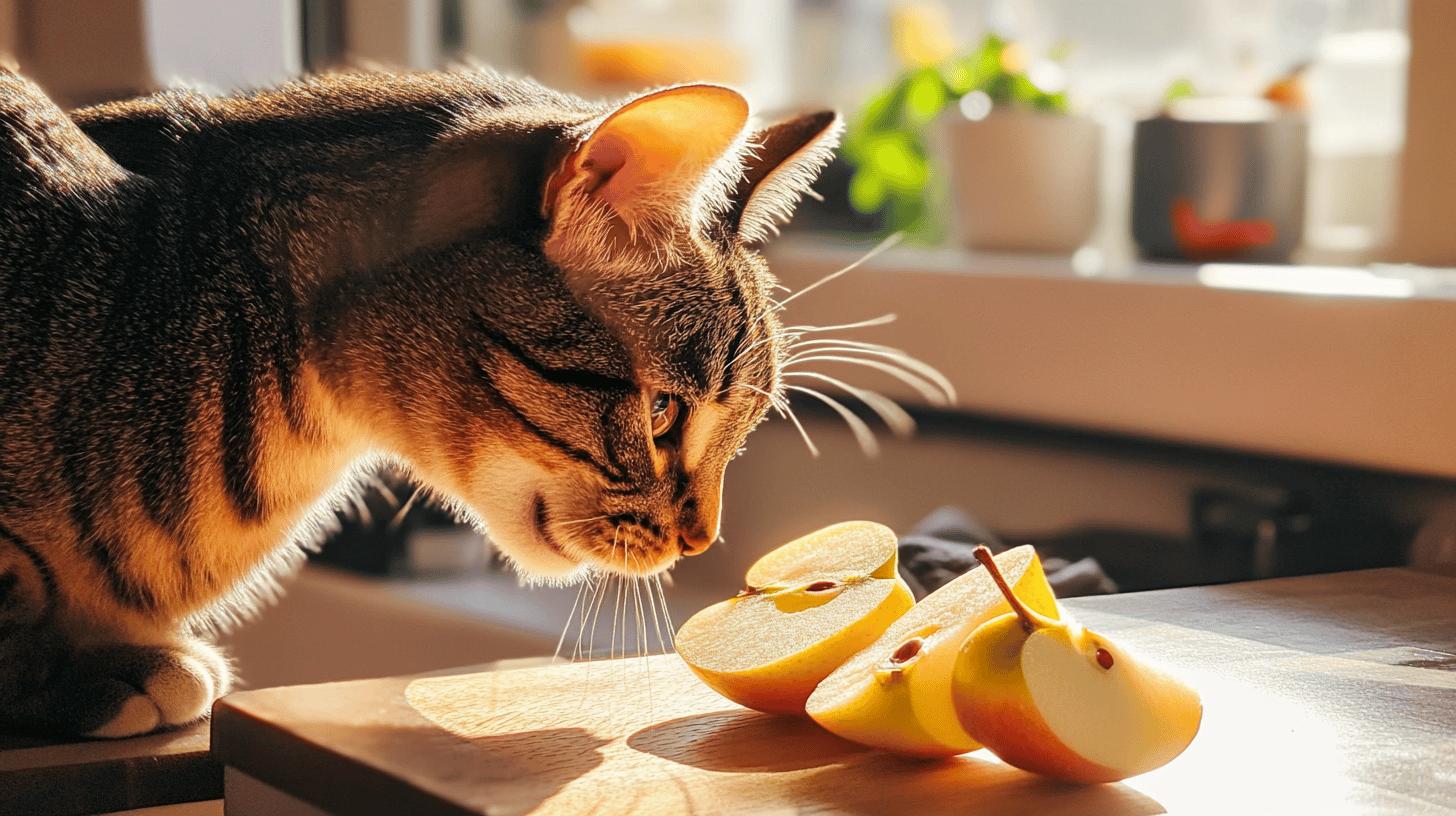
    When serving apples to cats, follow safe serving guidelines. Cut the apple into small, manageable pieces to prevent choking. Removing the skin may also be a good idea to make digestion easier. Serve apples in moderation, ensuring that they are only a minor part of your cat's diet. These steps will help make apple consumption a safe experience for your cat.

    Ultimately, apples should be an occasional treat in your cat's diet. While they can offer some nutritional perks, their role should remain minimal. A cat's primary diet should focus on high-quality meat-based foods that provide the necessary proteins and nutrients they need. By treating apples as a rare snack, you can give your cat a taste of variety without compromising their dietary needs.

    • Remove seeds and core
    • Cut into small, manageable pieces
    • Serve without skin
    • Offer as an occasional treat

    Alternatives to Apples: Other Cat-Friendly Fruits

    Alternatives to Apples Other Cat-Friendly Fruits-1.jpg

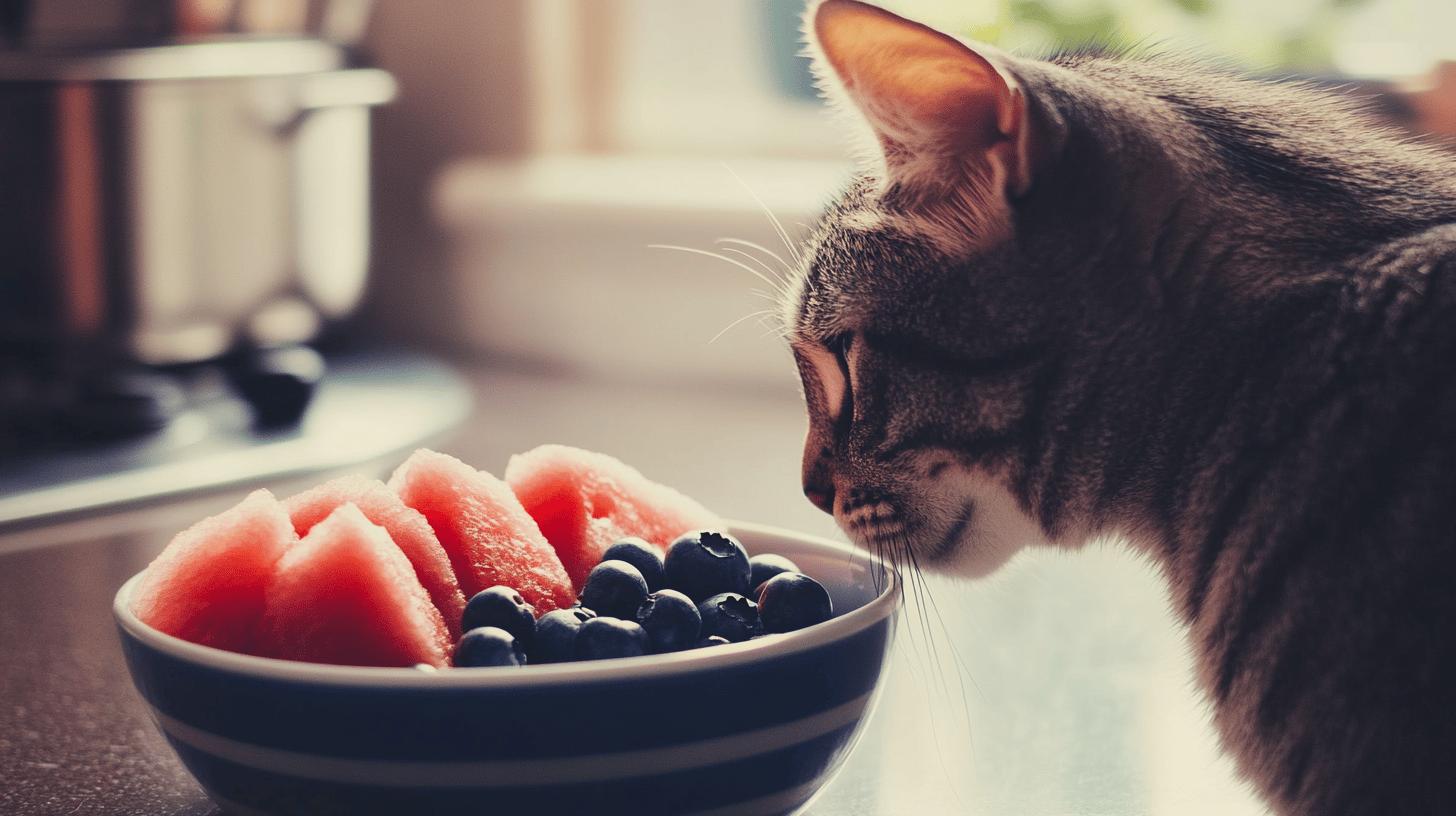
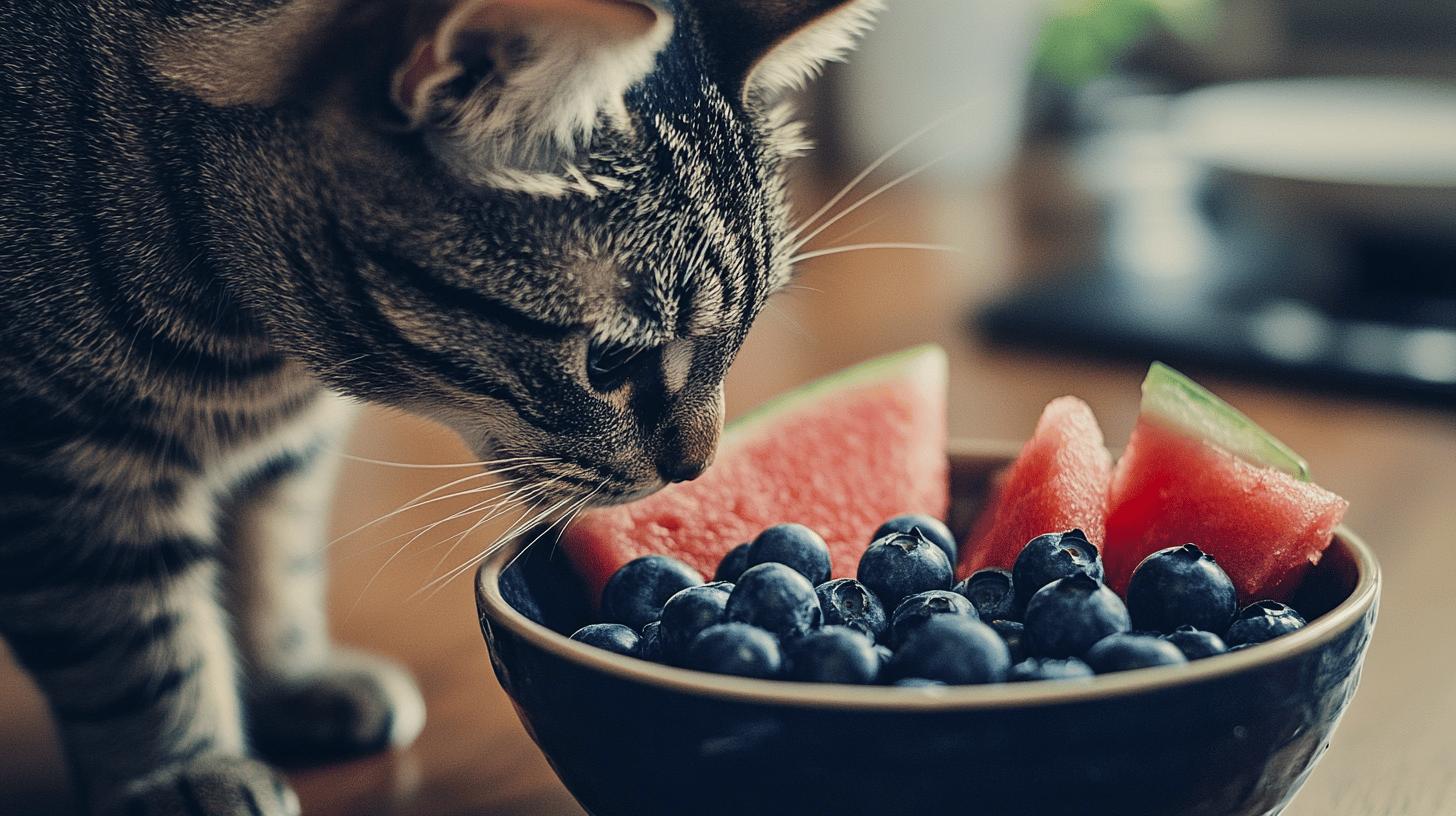
    Cats can enjoy a variety of fruits as occasional treats. Safe options include blueberries, which are rich in antioxidants, and seedless watermelon, offering hydration on hot days. Peeled cucumbers are another good choice, providing a crisp texture that some cats enjoy. These fruits, while not necessary for a cat's diet, can add some flavor and variety without posing significant risks.

    Moderation is key when feeding fruits to cats. While these treats can be a fun addition, they should not replace a cat's regular carnivorous diet. Cats rely on meat for essential nutrients, and too many fruits can lead to digestive issues or unnecessary weight gain. Always introduce new fruits slowly and in small amounts to monitor your cat's reaction.

    Certain fruits should be avoided altogether. Lemons and other citrus fruits can cause metabolic problems in cats, and grapes or raisins are toxic and should never be offered. Always research or consult a vet before introducing new foods to your feline friend.

    Fruit Safe for Cats?
    Blueberries Yes
    Watermelon (seedless) Yes
    Peeled Cucumbers Yes
    Lemons No
    Grapes No

    Understanding the Nutritional Needs of Cats and the Role of Fruits

    Alternatives to Apples Other Cat-Friendly Fruits-2.jpg

    Cats are obligate carnivores, relying heavily on nutrients found in animal-based sources. One of these critical nutrients is taurine, an amino acid found almost exclusively in meat. Taurine is essential for maintaining a cat's heart health, vision, and reproductive functions.

    Unlike other animals, cats cannot synthesize sufficient taurine on their own, so it's vital they consume it through a meat-based diet. Plant-based foods simply can't provide the necessary levels of these nutrients.

    While fruits can be a fun and healthy treat, they should be given with caution. Cats can enjoy fruits like blueberries or watermelon in small amounts, but these should never replace meat in their diet. Fruits can offer fiber and vitamins, but they lack essential proteins and amino acids. It's essential to monitor the portion size to prevent digestive upset and always remove any seeds or pits, which can be harmful.

    A balanced cat diet consists of high-quality wet food that supplies both moisture and essential nutrients, mimicking the natural diet of prey animals. Wet food helps maintain hydration and supports overall health.

    Including occasional dry food can assist with dental care and offer convenience. This mix ensures your cat receives a full spectrum of necessary nutrients, supporting their health and vitality.

    Final Words

    Knowing that a can cat eat apple is not just about saying yes or no.
    It's important to prepare apples safely, removing seeds and the core.
    Apples give fiber and vitamin C, but too much can upset a cat's tummy.
    Remember, moderation is key. An apple should only be an occasional treat.
    Safe fruits like blueberries offer variety too.

    Cats need meat for health, with fruits just as snacks.
    By following these tips, you can safely offer your cat a tasty treat.
    Here's to happy, healthy, and safe snacking for your feline friend!

    FAQ

    Can cats eat apple skin?

    Cats can eat apple skin, but it's best to avoid it. Apple skin may be difficult for them to digest and can cause stomach upset.

    Can cats eat apple seeds?

    Apple seeds are harmful to cats. They contain cyanide, which is toxic. Always remove seeds before giving apples to your cat.

    Can cats eat apple juice?

    Cats should not drink apple juice. It often contains sugar and carbohydrates that are unhealthy for cats.

    Can cats eat apples and cinnamon?

    Cats should not eat apples with cinnamon. While apples in small amounts are safe, cinnamon can irritate their digestive systems.

    Can cats eat apple pie?

    It's not recommended for cats to eat apple pie. Pies contain sugar and other ingredients that aren't good for cats.

    Can cats eat bananas?

    Cats can eat bananas in moderation. Bananas provide potassium but should be given sparingly to avoid digestive issues.

    Can cats have apple sauce?

    Cats can eat unsweetened apple sauce in small amounts. Avoid sauces with added sugar or flavorings.

    What fruits can cats eat?

    Cats can safely eat fruits like blueberries, watermelon (seedless), and peeled cucumber. These should be occasional treats.

    Why do cats love apples?

    Some cats may be curious about apples due to their scent and texture, but not all cats are interested.

    How much apple can I give my cat?

    A small piece of apple is enough. Cut it into bite-sized pieces and remove seeds and core to prevent health risks.

    Can cats taste apples?

    Cats can taste apples, but their taste is different from ours. They don't have a sweet taste receptor, so it's more about the texture.

    Related Articles

  • Can Cat Eat Spinach Safely Nutritional Benefits and Risks

    Can Cat Eat Spinach Safely Nutritional Benefits and Risks

    Can cats safely include spinach in their diet? It's a leafy green that many pet owners wonder about. While spinach isn't inherently harmful to cats, it does contain oxalates, which can pose risks for those with kidney or bladder issues.

    So, is spinach a safe treat or a risky choice? In this article, I'll dive into the nutritional benefits and potential dangers of feeding your cat spinach. Before you decide to add spinach to your cat's menu, let's explore how it can fit into their diet safely.

    Can Cats Eat Spinach Safely and Nutritional Benefits and Risks

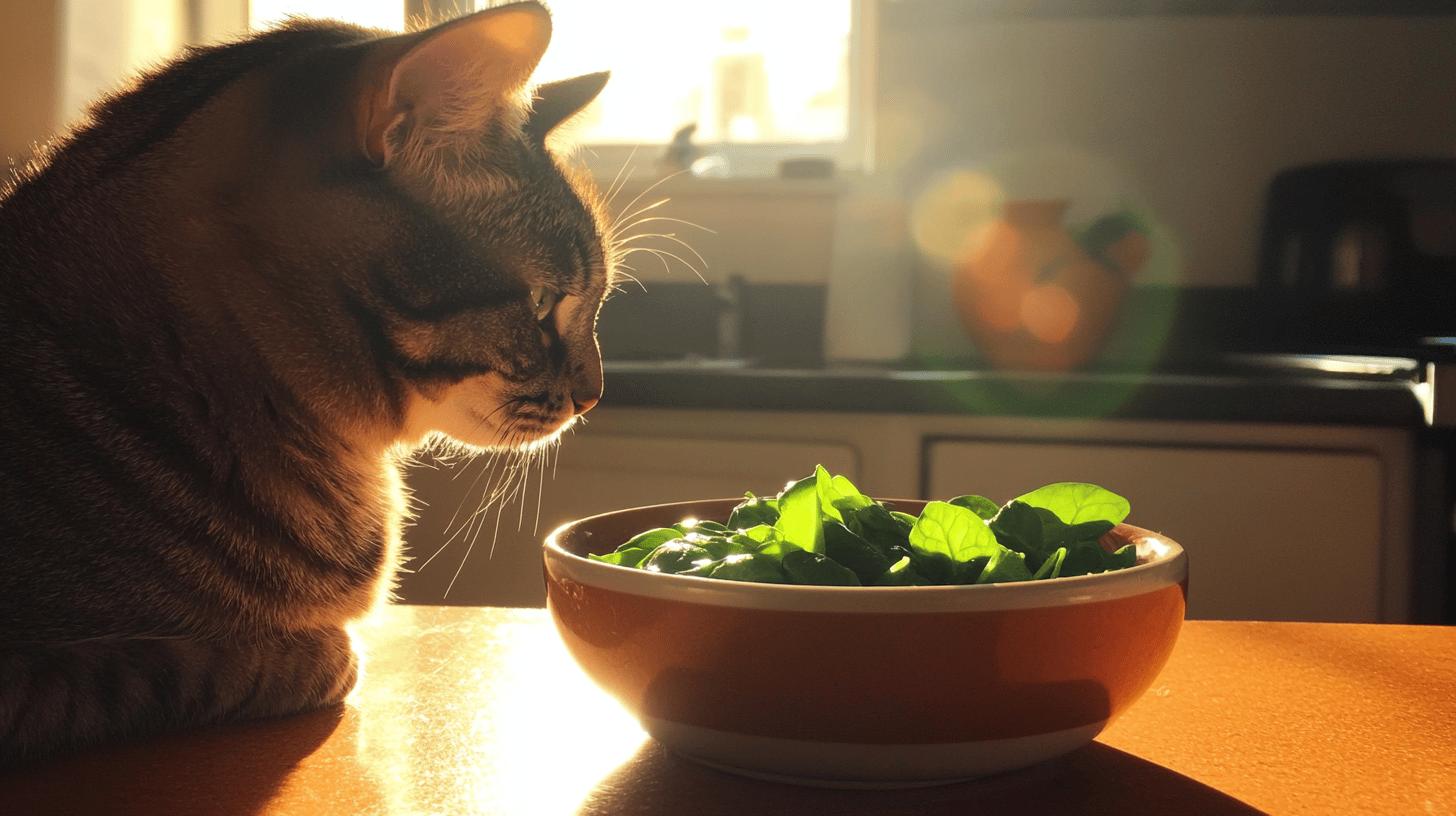
    Can Cats Eat Spinach Safely and Nutritional Benefits and Risks-1.jpg

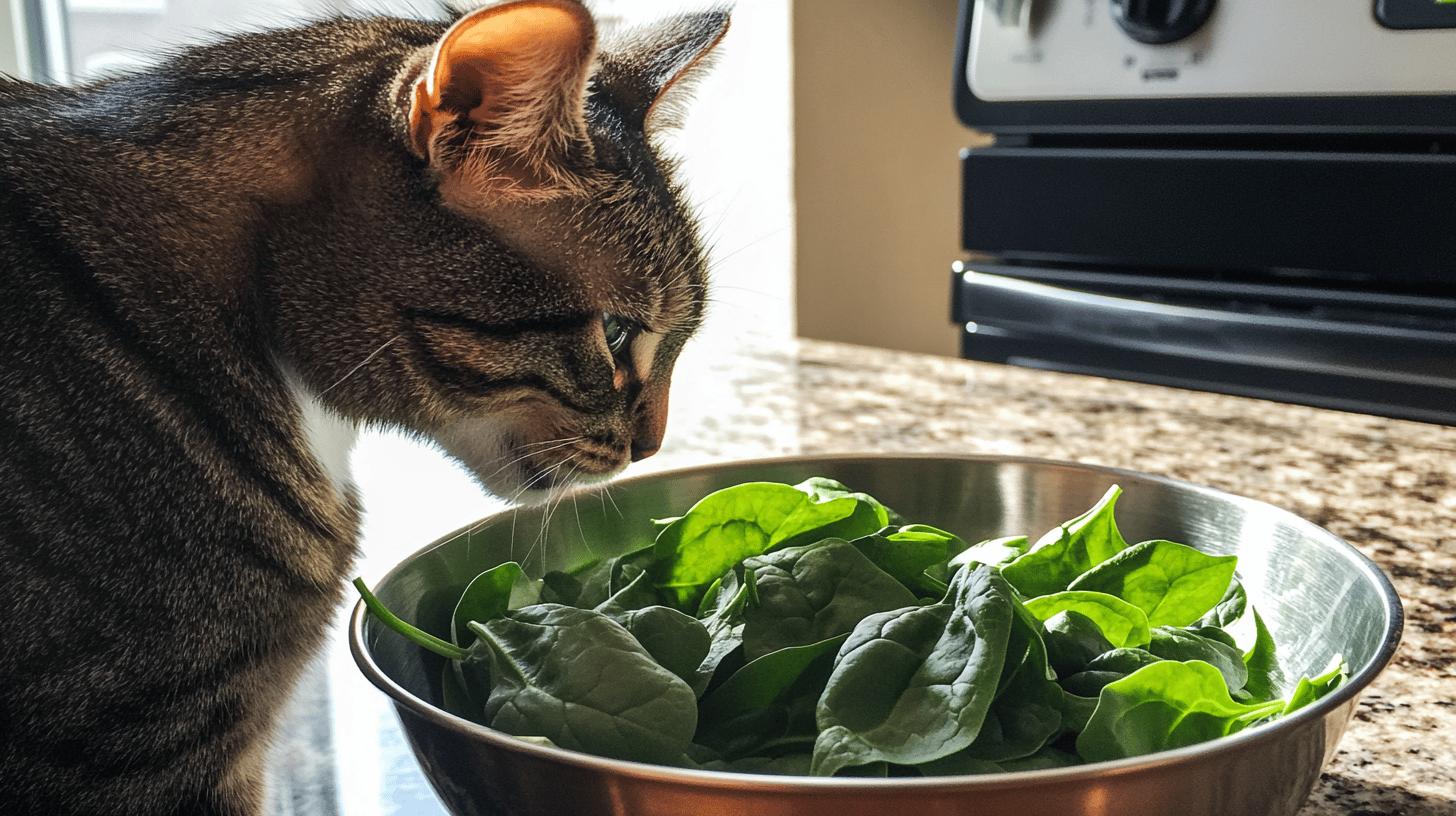
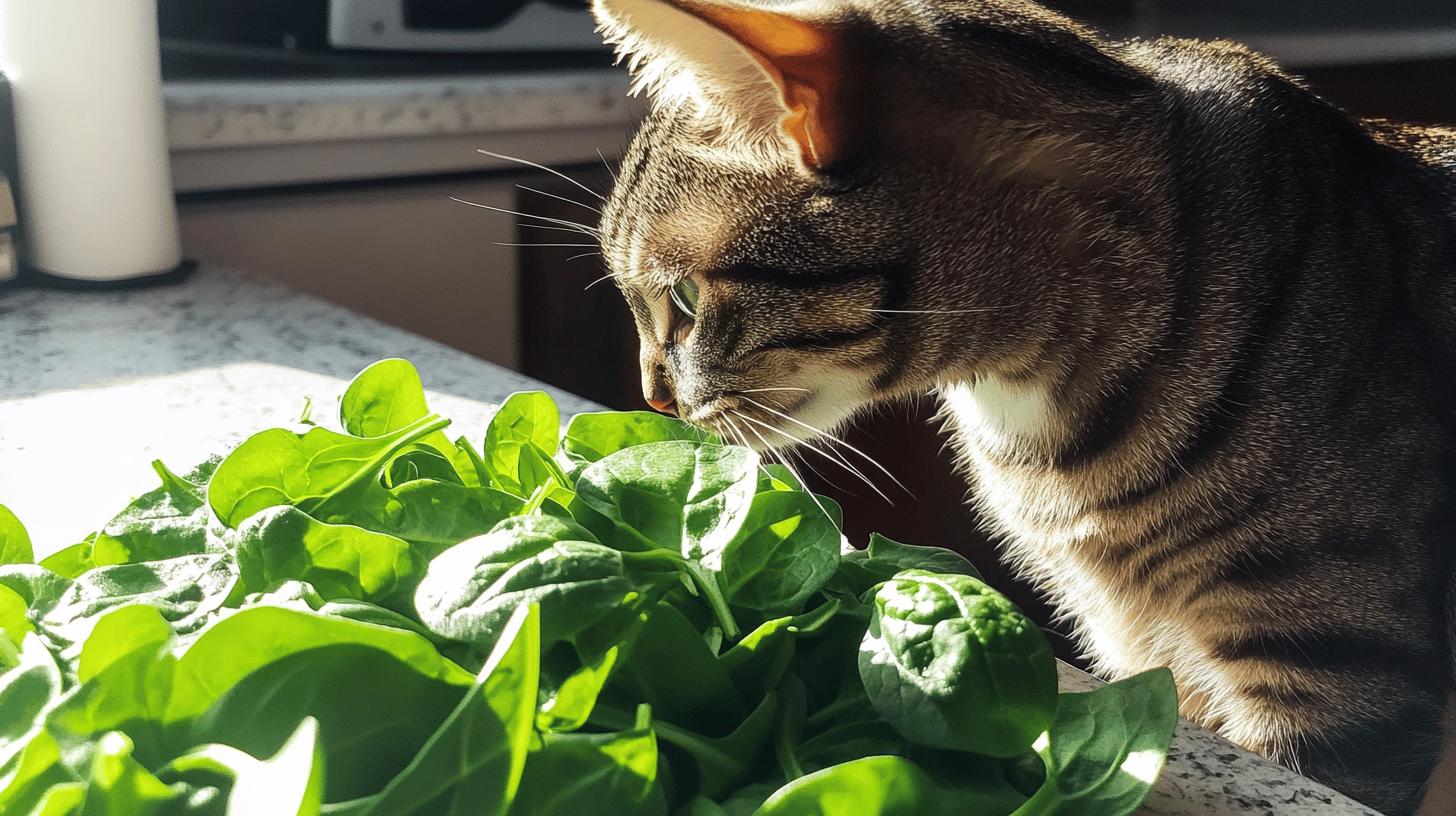
    Spinach can be a safe addition to a cat's diet, but only in small amounts. This leafy green is not toxic to cats, but it does contain oxalates, which can cause kidney or bladder stones in felines with pre-existing conditions.

    This makes it crucial to be cautious when introducing spinach to your cat's meals. For healthy cats, small quantities may be beneficial, but always consult a veterinarian before making any dietary changes.

    Spinach is packed with nutrients that can offer several benefits to cats. It is rich in vitamins A, C, and K, which are essential for supporting vision, immune function, and blood clotting.

    Additionally, spinach is a good source of iron and magnesium, which help maintain healthy blood cells and nerve function. These nutrients can be a valuable supplement to a cat's primarily meat-based diet.

    Despite its nutritional benefits, spinach carries some risks due to its oxalate content. Oxalates can bind with calcium, forming crystals that may lead to kidney disease or bladder stones in cats with predispositions.

    This makes spinach particularly risky for cats with urinary or kidney issues. Monitoring your cat's health and behavior is vital when introducing spinach, and consulting with a veterinarian can help determine whether it's a suitable addition to their diet.

    If your cat consumes too much spinach, watch for the following symptoms:

    • Digestive upset
    • Changes in urination
    • Lethargy
    • Vomiting
    • Loss of appetite

    These signs may indicate that your cat is having difficulty processing the spinach, and immediate veterinary advice is recommended.

    Nutrient Benefit
    Vitamin A Supports vision
    Vitamin C Boosts immune function
    Vitamin K Aids in blood clotting
    Iron Maintains healthy blood cells
    Magnesium Supports nerve function

    By keeping these considerations in mind, you can make informed decisions about whether spinach is a suitable treat for your feline friend.

    How to Safely Incorporate Spinach into Your Cat's Diet

    How to Safely Incorporate Spinach into Your Cats Diet-1.jpg

    When feeding spinach to cats, it's crucial to manage portion sizes and frequency. Spinach should not exceed 10% of a cat's daily calorie intake to prevent dietary imbalances.

    Start with a very small amount as an occasional treat. This ensures your cat receives any potential nutritional benefits without the risk of consuming too many oxalates, which can cause health issues. Introducing spinach gradually allows you to monitor how well your cat tolerates it.

    Cooked vs. Raw Spinach for Cats

    Cooked spinach is generally safer for cats because cooking reduces the oxalate content, lowering the risk of kidney or bladder stones. Cooking spinach also makes it easier for cats to digest.

    On the other hand, raw spinach retains more vitamins, such as vitamins A and C, which can be beneficial. However, the raw form poses a higher risk for cats with urinary problems due to the higher oxalate content. If you opt for raw spinach, offer it in very small amounts and monitor your cat closely.

    When introducing spinach into your cat’s diet, observe their health and behavior carefully. Watch for any changes in appetite, digestion, or urination.

    If you notice any adverse reactions, discontinue feeding spinach immediately and consult a veterinarian. By being mindful of these factors, you can safely incorporate spinach into your cat's diet while minimizing potential risks.

    Alternatives to Spinach for a Cat's Diet

    Alternatives to Spinach for a Cats Diet-2.jpg

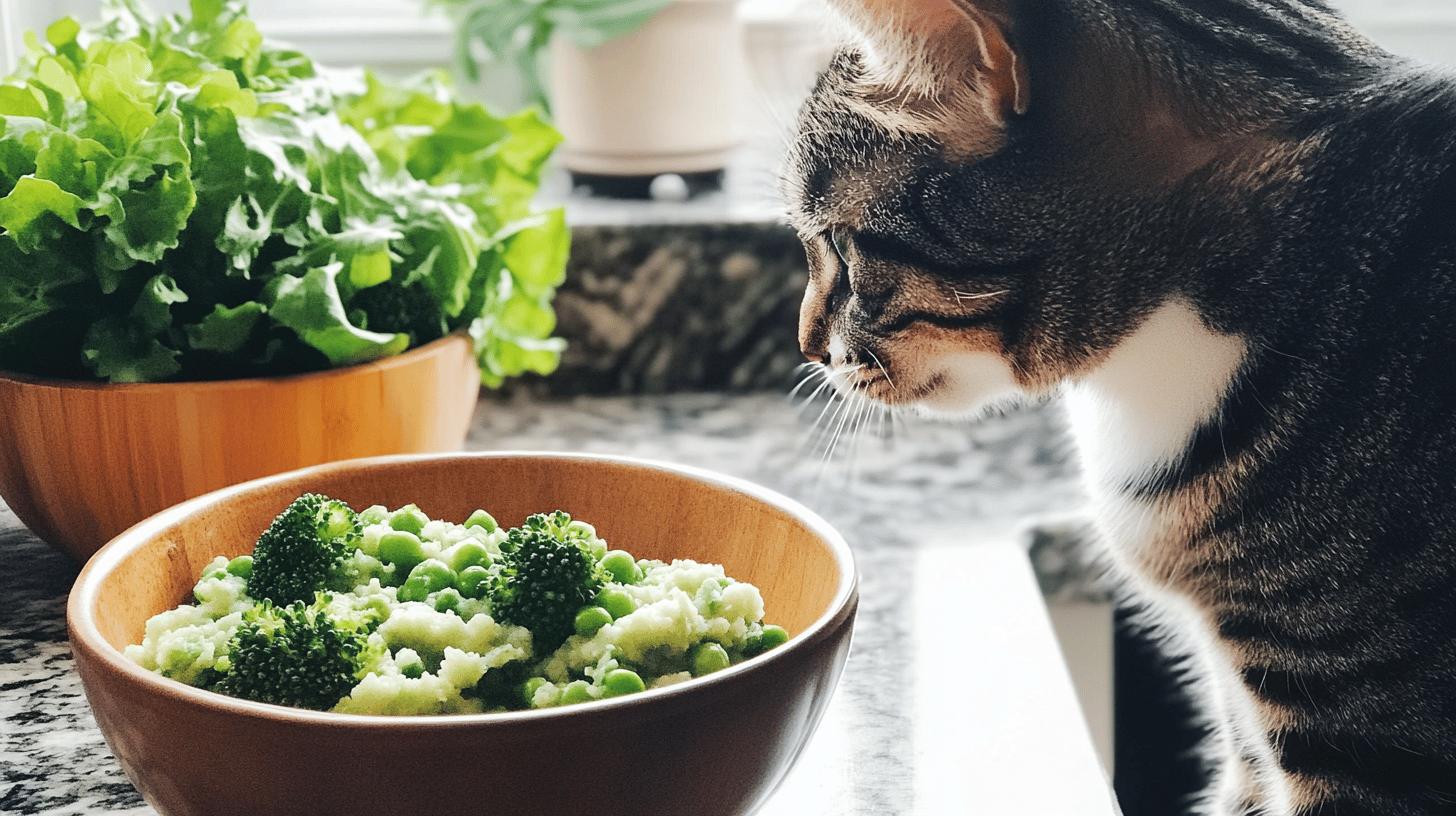
    When considering leafy greens for your feline friend, it's essential to choose options that are low in oxalates to reduce the risk of kidney or bladder stones. While spinach can be safe in moderation, there are other vegetables that present fewer health risks and still offer nutritional benefits. Opting for these alternatives can help you provide a nutritious variety without compromising your cat's health.

    • Steamed broccoli: Rich in fiber and vitamins, this vegetable supports digestive health.

    • Mashed peas: Provides a good source of protein and fiber, useful for maintaining energy levels.

    • Carrots: High in beta-carotene, which can promote good vision.

    • Green beans: Low in calories and high in fiber, aiding in weight management.

    When introducing any new food, especially vegetables, into your cat's diet, it's important to do so gradually. Start with small amounts and observe your cat's reaction.

    By slowly incorporating these vegetables, you'll be able to monitor any changes in digestion or behavior, ensuring that your cat remains healthy and happy. Always consider consulting with a veterinarian if you're unsure about adding new foods to your cat's diet.

    Final Words

    In this post, you learned all about whether a cat can eat spinach safely. Spinach offers some great vitamins and minerals for cats, aiding vision and immune health. But, it also has oxalates which can be risky for cats with certain conditions. It’s crucial to consult with a vet before changing your cat's diet. Alternatives like broccoli and peas are worth consideration. With this information, you can make informed decisions, keeping your cat’s meals enjoyable and safe.

    FAQ

    Can cats eat spinach raw or cooked?

    Cats can eat both raw and cooked spinach. Cooked spinach is generally safer due to reduced oxalate content, which helps avoid risks for cats with urinary issues.

    Is it okay for cats to eat spinach?

    It's okay for cats to eat spinach in small amounts. Spinach contains vitamins A, C, and K, but oxalates may harm cats with kidney issues, so consult a vet first.

    Can cats eat spinach every day?

    Cats should not eat spinach every day. Spinach should be a small part of their diet to avoid oxalate buildup, which can cause kidney or bladder stones.

    Are leafy greens toxic to cats?

    Most leafy greens are not toxic to cats, but some may cause digestive issues. Spinach contains oxalates that can be harmful to cats with specific health conditions.

    What is the healthiest vegetable for cats?

    Carrots are a healthy vegetable for cats. They are high in beta-carotene, which supports vision, and are generally safe in small, cooked portions.

    Can cats eat lettuce and spinach?

    Cats can eat lettuce and spinach in moderation. Lettuce is low in nutrients but safe, while spinach offers vitamins but should be limited due to oxalates.

    Can kittens eat spinach?

    Kittens can eat spinach in very small amounts. It's essential to consult a vet since their dietary needs and tolerances differ from adult cats.

    Why does my cat love spinach?

    Cats might love spinach due to its texture or taste. Each cat's preference varies, but always ensure the spinach is served safely and in small amounts.

    Can cats eat carrots?

    Cats can eat carrots in small amounts. Carrots are a good source of vitamins and can be beneficial when cooked to soften.

    Can cats eat spinach leaves and stems?

    Cats can eat spinach leaves and stems, but moderation is key due to the presence of oxalates which can affect certain health conditions in cats.

    Related Articles

  • Train Your Cat to Use Word Buttons

    Train Your Cat to Use Word Buttons

    Did you ever imagine having a conversation with your cat? Training your cat to use word buttons isn’t just a dream; it’s happening now! This exciting approach lets your feline express needs like “food” or “play” with simple button presses wheel training.com/teaser-wand-target-training-techniques/”>interactive techniques.com/clicker-training-for-cats-2/”>clicker training. Think of it as a new way to interpret your cat’s meows. With the right choices and patience, you can unlock a deeper bond and better understand your fluffy friend. Ready to explore this new communication path? Let’s get started on how!

    Comprehensive Guide to Training Cats with Word Buttons

    Comprehensive Guide to Training Cats with Word Buttons-1.jpg

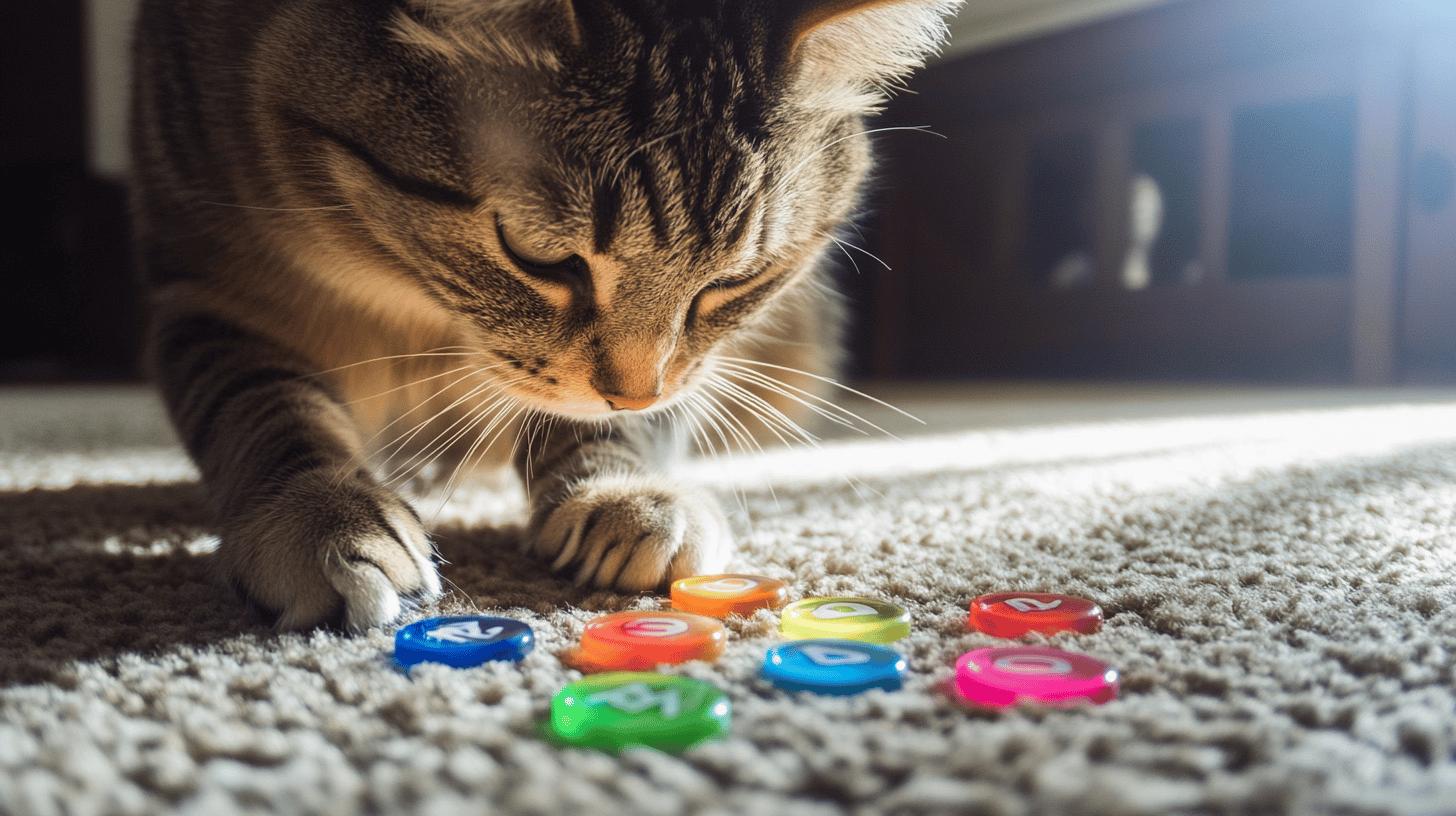
    Training your cat to use word buttons can open a new world of communication between you and your feline friend. This process involves selecting the right buttons, introducing them to your cat, and guiding them through consistent training with positive reinforcement. Cats can learn to express their needs and desires, enriching your interaction with them. You will discover how to choose the best buttons, where to place them, and how to implement a successful training routine.

    When selecting word buttons, it’s crucial to pick ones that are easy for your cat to press. Look for buttons that have clear, distinct sounds to ensure your cat can easily distinguish between them. It’s best to choose buttons specifically designed for pets, which are often more durable and have customizable sound options. Start with words that relate to your cat’s natural behaviors and needs, such as “food,” “play,” or “outside.” These initial words will make it easier for your cat to understand the concept of using buttons to communicate.

    Placement of the buttons plays a vital role in encouraging your cat to interact with them. Position the buttons in areas where your cat frequently spends time. This could be near their food bowl, favorite napping spot, or play area. Demonstrate the use of the buttons by pressing them yourself and immediately providing the associated action or item. For instance, press the “food” button right before feeding time. This association helps your cat understand what each button represents.

    To successfully train your cat to use word buttons, follow these steps:

    1. Choose the right buttons: Ensure they are easy to press and have a clear sound.
    2. Start with a few words: Select words that align with your cat’s daily needs.
    3. Place buttons strategically: Position them in areas your cat frequents.
    4. Demonstrate and associate: Show your cat how to use the buttons, linking them to actions.
    5. Use positive reinforcement: Reward successful button presses with treats and affection.

    Patience is key when training your cat to use word buttons. Unlike dogs, cats might take longer to grasp the concept, often requiring up to three months of consistent training. Keep sessions short and positive to maintain a stress-free environment for your cat. Recommended products can be conveniently found on platforms like Amazon or eBay, offering a variety of options tailored to pet communication needs.

    Positive Reinforcement and Patience in Cat Button Training

    Comprehensive Guide to Training Cats with Word Buttons-4.jpg

    Positive reinforcement is key when teaching cats to use word buttons. When a cat presses a button, give a treat or affection. This makes them want to press the button again. Cats learn that pressing buttons gets them what they want. Over time, they will use buttons to communicate needs.

    Patience is crucial in this training. Cats are not like dogs and can take longer to learn. It’s important to set realistic expectations. Training might take weeks or months. Short, regular sessions keep training fun and stress-free. Both you and your cat will enjoy these sessions more.

    Meet Luna, a curious tabby. At first, she ignored the buttons. Her owner stayed patient and showed Luna how to use them. Luna got her favorite treats as rewards. After weeks of practice, Luna pressed the “play” button. Her owner responded with a play session. This made Luna use the buttons more often.

    Consistency is vital. Keep training sessions short and regular. This helps your cat build confidence. With consistent routines, your cat will learn this new way to communicate. Training strengthens the bond between you and your cat.

    Troubleshooting and Common Challenges in Cat Word Button Training

    Enhancing Cat Communication Through Word Buttons-1.jpg

    Training your cat to use word buttons can come with its share of challenges. One common mistake is overwhelming your cat with too many buttons at once. This can confuse your cat, making it hard for them to learn which button means what. Another challenge is keeping the training environment stress-free. Cats are sensitive creatures, and stress can hinder their learning process, leading to frustration for both you and your cat.

    To overcome these hurdles, simplify the button options you present to your cat. Start with just one or two buttons that are most relevant to their routine. This helps them focus on learning the meaning behind each button. Adapt your training techniques by observing how your cat responds. If a particular button seems too complex or not engaging, try changing the word or moving the button to a more frequented area. Ensuring that each training session is positive and enjoyable can make a significant difference in your cat’s progress.

    Challenge Solution
    Button Overload Limit to 1-2 buttons initially
    Stressful Environment Create a calm training space
    Cat Not Engaging Change button location or word

    Monitoring your cat’s stress levels is key to successful training. Look for signs of stress, such as a tense body, tail flicking, or avoidance behaviors. If your cat shows these signs, take a break and come back to training later. Adjust your strategies as needed to keep sessions short and enjoyable. This flexibility ensures a smooth learning experience for your cat, paving the way for clear communication through word buttons.

    Advanced Techniques in Cat Button Training

    Exploring advanced training techniques can elevate your cat’s button-pressing skills. We’ll look at successful case studies, address troubleshooting issues, and discuss psychological insights into how cats learn with button training.

    Advanced training involves using multi-word phrases once your cat masters basic words. Gradually introduce two-word combinations like “play outside” or “want food.” This helps your cat understand more complex commands.

    Case studies show that cats can learn more quickly when training includes environmental enrichment. Use puzzle feeders or interactive toys alongside button training to stimulate your cat’s mind and reinforce learning.

    When troubleshooting, observe if your cat shows confusion with buttons. If they press the wrong button, avoid reacting negatively. Instead, guide them to the correct one and reward them. Consistency is critical in correcting these mistakes.

    Understanding the psychological aspects of learning can improve training outcomes. Cats learn through observation and repetition, so ensure training sessions are consistent. Use a calm voice and positive body language to encourage your cat.

    Recent technological advancements in pet communication devices offer new ways to engage your cat. Look for buttons with different textures or light-up features, which can attract your cat’s attention and make learning more interactive.

    Enhancing Cat Communication and Bonding Through Word Buttons

    Enhancing Cat Communication Through Word Buttons-3.jpg

    Exploring successful case studies of cats using word buttons can offer fresh insights. One cat, Bella, learned to press “outside” and “snuggle,” leading to fewer misunderstandings with her owner. This specific case highlights how word buttons can transform communication, providing a direct line to a cat’s thoughts and desires.

    Advanced techniques can further enhance the bond with your cat. Introduce more complex button combinations to convey emotions, like “happy” or “scared.” This can deepen your understanding of your cat’s feelings, creating a richer interaction experience. Another technique is to use word buttons during training sessions, reinforcing positive behaviors and boosting confidence.

    Exploring new technological advancements in word button design can aid in communication. Some buttons now include voice recording features that allow you to personalize messages. This can make interactions more meaningful. Other innovations involve buttons with tactile feedback, helping cats learn through touch. These advancements can open up new possibilities for communication and bonding with your cat.

    Final Words

    Training your cat to use word buttons can be a rewarding experience. It’s important to choose buttons that are easy for your cat to press and have clear sounds.

    Place them where your cat often goes and demonstrate their use. Remember to reinforce positive behavior with treats or affection. Training takes time, so be patient.

    Keep sessions short and fun. Overcoming challenges, like button overload, can enhance communication and bonding with your cat. Enjoy the unique connection word buttons can create, making interaction with your pet even more fulfilling.

    FAQ

    How can I train my cat to use word buttons?

    To train a cat to use word buttons, start by choosing buttons that are easy to press with distinct sounds. Introduce them around your cat’s favorite spots. Demonstrate with actions and reinforce with treats and affection.

    Can cats learn to use word buttons?

    Yes, cats can learn to use word buttons with patience and consistent training. Use positive reinforcement and keep training sessions short to maintain a stress-free environment for your cat.

    How long does it take to train a cat to use buttons?

    Training a cat to use buttons can take up to three months. Consistency, patience, and positive reinforcement are key to helping your cat understand and use the buttons effectively.

    What are the best talking buttons for cats?

    Select talking buttons that are durable, designed for pets, and offer customizable sound options. These features make buttons easier for cats to interact with and respond to.

    How do I get my cat to press a button?

    To get your cat to press a button, demonstrate its use by pressing it in front of your cat. Pair the action with a reward like a treat or affection to reinforce the behavior.

    What words should I teach my cat with buttons?

    Start with words that align with your cat’s natural behaviors and needs, such as “food,” “play,” or “outside.” Gradually expand the vocabulary as your cat becomes familiar with initial words.

  • How to Train a Cat to Go for Walks

    How to Train a Cat to Go for Walks

    Did you know that cats can go on walks just like dogs? Imagine your feline friend exploring nature alongside you. Walking a cat doesn’t just add a splash of excitement to their routine—it’s also great for their health and yours too.

    The journey starts with understanding and patience, guiding your cat from couch potato to trailblazer. In this guide, you’ll learn how to make harness training a positive experience, step by step, ensuring your cat feels safe and comfortable every paw of the way. Ready to embark on this adventure together?

    Step-by-Step Guide on How to Train a Cat to Go for Walks

    Leash training for cats can be a rewarding experience that enriches their lives and strengthens your bond. It opens up a world of exploration and exercise. The key to success is patience and understanding your cat’s comfort level.

    Before venturing outside, it’s crucial to start in a familiar environment. Begin by introducing your cat to a harness indoors. Make this new accessory feel welcoming by associating it with positive experiences, such as treats or playtime.

    Here are the steps to guide you through cat walking training:

    1. Introduce the Harness: Place the harness near your cat’s favorite resting spot or food area. Allow them to sniff and investigate it. Use treats to build a positive association.
    2. Try the Harness On: Once your cat seems comfortable, gently put the harness on without fastening it. Let them wear it for short periods while offering treats and praise.
    3. Secure the Harness: After a few trials, buckle the harness and let your cat walk around indoors. Make sure it fits snugly but not too tight.
    1. Attach the Leash: Clip the leash to the harness and let your cat drag it around the house. This helps familiarize them with the sensation of being tethered.
    2. Practice Indoor Walks: Gently hold the leash and guide your cat around the room. Encourage them with treats and soft words, making the experience enjoyable.
    3. Step Outside: Once your cat is comfortable indoors, take them to a quiet outdoor area. Start with short sessions close to home, gradually introducing new sights and sounds.

    Patience is essential throughout this process. Each cat will adjust at their own pace, so it’s important to be attentive to their body language and comfort level. Gradual progression is key; rushing can lead to fear or resistance.

    Celebrate small victories, and remember that some cats might take longer to embrace this new activity. With time, your cat’s confidence and curiosity will grow, paving the way for many enjoyable adventures together.

    Selecting the Right Equipment for Cat Walks

    Selecting the Right Equipment for Cat Walks-1.jpg

    Choosing the right harness and leash is crucial for safe and comfortable cat harness training. The right gear makes a world of difference in your cat’s walking experience. A lightweight, escape-proof harness ensures your cat won’t wiggle free during an adventure.

    It’s important to select a harness specifically designed for cats, which provides the right balance between security and mobility. Similarly, a flexible leash allows for gentle control without weighing down your feline friend. These considerations help create a positive walking experience, keeping your cat safe while exploring the outdoors.

    Product Name Features
    True Adventurer Reflective Cat & Kitten Harness and Leash Reflective material for visibility, adjustable fit
    Kitty Holster Cat Harness Comfortable cotton, escape-proof design
    Padded Handle Cat Leash by LupinePet Padded handle for comfort, durable webbing

    When selecting the best leashes for cats, consider the length and material. A leash that’s too short might restrict movement, while one that’s too long can lead to tangling. Opt for a standard six-foot leash for beginners, providing enough freedom without losing control. Consider your cat’s size and personality when choosing a harness style.

    Some cats prefer vest-style harnesses for added security, while others might favor a more minimalist design. Always ensure the harness fits snugly without being too tight to avoid discomfort or escape.

    Understanding Cat Behavior During Leash Training

    Understanding Cat Behavior During Leash Training-1.jpg

    Observing your cat’s body language is crucial during leash training. Cats often express stress or discomfort through subtle cues. Watch for signs like flattened ears, a tense posture, or a twitching tail.

    These signals suggest that your cat might be feeling uneasy about the situation. It’s also important to notice if your cat is crouching low to the ground or has dilated pupils, indicating heightened anxiety. Recognizing these behaviors will help you adjust your approach and keep the training session positive.

    Positive reinforcement is a powerful tool in leash training cats. Rewarding your cat for desired behaviors encourages them to repeat those actions. Use treats, praise, or playtime when your cat responds well to the harness or shows curiosity about the leash.

    Timing is key—reward your cat immediately after the desired behavior to create a clear association. Consistent positive reinforcement helps build confidence and reduces fear, making the training experience enjoyable for both you and your cat.

    Every cat has a unique personality, so adapting training techniques to suit individual needs is essential. Some cats may be more adventurous and quickly take to leash training, while others might require more time and patience.

    Adjust the pace of training based on your cat’s comfort level, and be willing to try different types of rewards or approaches. By paying attention to your cat’s reactions and preferences, you can tailor the training process to fit their personality, increasing the likelihood of success.

    Overcoming Challenges and Ensuring Safety in Cat Walks

    Overcoming Challenges and Ensuring Safety in Cat Walks-2.jpg

    Training a cat to walk on a leash comes with its own set of challenges. Anxiety is a common issue, as the outside world can be overwhelming with its new sounds, smells, and sights. To alleviate this, start with short, controlled sessions to gradually build your cat’s confidence.

    Anti-anxiety products, such as calming sprays or treats, can also help reduce stress levels. If your cat shows signs of distress, like excessive meowing or hiding, take a step back in the training process and offer reassurance through positive interactions and treats. Remember, every cat is unique, and patience is key to overcoming these initial hurdles.

    Here are some essential safety precautions to ensure a positive walking experience:

    1. Supervise Constantly: Never leave your cat unattended while on a leash. Supervision is crucial to quickly addressing any potential dangers or stressors.
    2. Secure Harness Fit: Ensure the harness fits snugly to prevent escapes. You should be able to fit two fingers between the harness and your cat’s body.
    3. Avoid Busy Areas: Start in quiet, familiar areas to minimize stress and distractions. Gradually introduce your cat to more stimulating environments as they become comfortable.
    1. Be Mindful of Weather: Pay attention to weather conditions. Avoid walks in extreme heat or cold, which can be uncomfortable or even dangerous.
    2. Check for Hazards: Be vigilant about potential hazards such as toxic plants, sharp objects, or aggressive animals. Always keep a safe distance.

    Choosing the right environment for your cat walks is critical for safety and comfort. Look for quiet parks, private gardens, or backyard areas where your cat can explore without the threat of traffic or large crowds.

    These spaces offer a secure setting for your cat to gradually acclimate to the outdoors. As your cat becomes more confident, you can slowly introduce them to more varied environments, always keeping their comfort and safety as top priorities.

    Tips for Acclimating Cats to Outdoor Environments

    Tips for Acclimating Cats to Outdoor Environments-1.jpg

    Gradually introducing your cat to the outdoors is crucial for a successful transition to outdoor adventures. Cats are naturally cautious creatures, and the new environment can be overwhelming without proper preparation.

    Begin with short, supervised sessions in a safe and familiar area, like your backyard. This controlled exposure allows your cat to familiarize themselves with outdoor sights, sounds, and smells at their own pace. Gradual acclimation helps build confidence and reduces the stress associated with unfamiliar surroundings.

    • Start by allowing your cat to observe the outdoors through a window or screen door.
    • Use a favorite toy or treat to encourage your cat to explore the outdoor space.
    • Keep initial outdoor sessions brief, gradually increasing the duration as your cat becomes more comfortable.
    • Always supervise your cat during these initial outings to ensure their safety and provide reassurance.

    Socializing your cat for walking is another key element in preparing them for the great outdoors. Positive socialization experiences contribute significantly to your cat’s adaptability and enjoyment of outdoor walks. Use treats and praise to create a positive association with new experiences.

    As your cat becomes more accustomed to the outdoor environment, they will likely become more curious and eager to explore further. Introducing your cat to different textures, like grass and gravel, and a variety of sounds can enhance their sensory experience, making each walk an enjoyable part of their routine.

    Final Words

    Training a cat to go for walks starts at home with a comfy harness.
    Practice indoors, then slowly take it outside.
    Look for signs that your cat is comfortable and reward good behavior.
    Keep expectations realistic and go at your cat’s pace.

    Choosing the right gear ensures safety and comfort.
    Watch your cat’s body language and use encouragement to guide them.
    Stay patient and persistent.

    Walking with your cat can be a great bonding experience.
    Follow these tips on how to train a cat to go for walks, and enjoy the adventure.

    FAQ

    Is walking a cat on a leash cruel?

    Walking a cat on a leash is not cruel if done correctly. It provides mental stimulation and exercise. Ensure your cat is comfortable and use gentle, positive methods for leash training.

    How can I train a cat to go for walks outside?

    To train a cat for outdoor walks, start by getting them used to a harness indoors. Gradually introduce them to outdoor environments, rewarding them with treats and praise for positive behavior.

    What age should I start leash training a cat?

    The best age to leash train a cat is when they are a kitten around 8-12 weeks old. But adult cats can also be trained with patience and persistence.

    What are the benefits of leash training a cat?

    Leash training a cat provides physical exercise, mental stimulation, and strengthens the bond with the owner. It also satisfies a cat’s natural curiosity about the outside world.

    Can you train a cat to go on walks?

    You can train a cat to go on walks by gradually introducing them to a harness and leash. Use positive reinforcement to encourage desired behaviors.

    Is it healthy to take cats on walks?

    Taking cats on walks can be healthy if they are comfortable with it. It offers physical activity and mental enrichment, which supports their overall well-being.

    How long does it take for a cat to learn how to walk on a leash?

    Training duration varies for each cat. Some may adapt in a few weeks, while others might take months. Consistency and patience are key to successful training.

    Should indoor cats go on walks?

    Indoor cats can benefit from walks. They provide exercise and environmental stimulation. Ensure the cat is comfortable with the harness and surroundings before venturing outside.

    Related Articles

  • Can Cat Eat Bacon Safety and Health Concerns for Your Feline

    Can Cat Eat Bacon Safety and Health Concerns for Your Feline

    Is bacon a tasty treat or a ticking time bomb for cats? It's a question many cat owners ponder, hoping to spoil their feline friend with a bite of breakfast.

    But bacon isn't just a harmless snack. Loaded with fat and sodium, this human delight can quickly turn dangerous for cats, leading to health issues like obesity and heart problems.

    In this article, we’ll unravel the safety and health concerns of feeding bacon to your cat and explore the best ways to keep your pet both healthy and happy.

    Is Bacon Safe or Healthy for Cats?

    Is Bacon Safe or Healthy for Cats-1.jpg

    Bacon is not a safe or healthy staple for your cat's diet. While cats can technically eat bacon, it should only be given in very small amounts and on rare occasions.

    Bacon lacks nutritional benefits for cats and poses several immediate health risks. It's high in fat and sodium, which can be harmful to your feline friend. Salt is toxic to cats, and even a small amount can lead to poisoning. Moreover, bacon is heavily processed and contains nitrates and nitrites, which are known carcinogens.

    Here are the specific health risks associated with feeding bacon to cats:

    • Toxicity: High sodium content can quickly become toxic.
    • Obesity: The high fat content can contribute to weight gain.
    • Digestive Issues: May cause vomiting or diarrhea in sensitive cats.
    • Dehydration: Excess salt can lead to dehydration.
    • Heart Problems: Increased risk due to high sodium and fat.
    • Pancreatitis: The fat content can trigger inflammation of the pancreas.
    • Carcinogenic Risks: Processed meats can increase cancer risk over time.

    Regarding raw and cooked bacon, raw bacon should be strictly avoided. It poses the risk of bacterial contamination, which can lead to severe health issues. Cooked bacon is slightly safer but still should be given sparingly.

    Long-term health implications of feeding bacon to cats include potential dehydration, obesity, and the risks posed by regularly consuming processed meats. These processed meats contain hazardous compounds that could lead to various health problems. Prioritizing your cat's health by offering more suitable and nutritious treats is essential for their well-being.

    How Much Bacon Can Cats Eat Safely?

    How Much Bacon Can Cats Eat Safely-1.jpg

    When it comes to feeding cats bacon, portion control is key. Bacon should only serve as an occasional treat, making up no more than 4% of your cat's daily caloric intake. For the average-sized cat, this translates to about a thin slice per day. Larger or more active breeds might handle up to half a slice more, but it's crucial to keep these treats infrequent.

    Feeding bacon too regularly can lead to a host of health issues. The high fat and sodium content can contribute to obesity, dehydration, and even heart problems over time. Cats may also develop digestive issues or become prone to pancreatitis with frequent bacon consumption. Keeping bacon as a rare indulgence is vital to maintaining your feline friend's health.

    Cat Size/Activity Recommended Bacon Portion
    Average-sized Cat 1 thin slice
    Larger/Active Breeds 1.5 thin slices
    Small or Sedentary Cats Less than 1 thin slice

    Healthier Alternatives to Bacon for Cats

    Healthier Alternatives to Bacon for Cats-1.jpg

    Choosing nutritious treats for your cat is important to support their health and well-being. While bacon might seem like a tasty option, there are healthier alternatives that deliver essential proteins and nutrients without the risks associated with high fat and sodium content.

    Poultry, for example, is a better meat option due to its lower sodium and fat levels. Opting for treats that align with your cat’s dietary needs helps ensure they're getting the best nutrition possible.

    Here’s a list of healthier treats to consider for your feline friend:

    • Cooked Chicken: A lean source of protein with minimal seasoning.
    • Turkey Slices: Low in calories and fat, making it a safer choice.
    • Salmon Bits: Rich in Omega-3 fatty acids, beneficial for skin and coat health.
    • Tuna Water: A flavorful and hydrating treat when given in moderation.
    • Carrot Sticks: Crunchy texture that some cats enjoy nibbling on.
    • Commercial Cat Treats: Specifically formulated to meet feline nutritional needs.

    Providing a balanced diet tailored to your cat's age, breed, and health conditions is crucial. While occasional treats are fine, they should complement a well-rounded diet rather than replace it. Keeping your cat's dietary preferences and health concerns in mind when selecting treats will help maintain their overall health and happiness.

    Final Words

    Exploring if bacon is safe for cats, we've seen it can be tempting to share this treat.
    Cats can eat bacon, but it's not without risks.
    Its high fat and sodium content makes it a rare indulgence, not a regular part of their diet.
    Too much bacon can harm their health over time.

    Healthier alternatives like poultry offer better nutrition without the risks.
    Prioritizing balanced diets ensures our feline friends thrive.
    With mindful choices, we can keep our cats happy and healthy while satisfying their occasional craving.

    FAQ

    Can cats eat raw or cooked bacon?

    A: Cats can eat cooked bacon occasionally, but raw bacon should be avoided due to bacterial contamination risks.

    Can cats eat bacon grease?

    A: Bacon grease is unhealthy for cats due to high fat and sodium content. It can cause digestive issues and pancreatitis.

    What happens if my cat eats bacon?

    A: If your cat eats bacon, they might be fine, but keep an eye on them for signs of digestive upset or salt poisoning.

    Can I give my cat a slice of bacon?

    A: Giving a whole slice isn't recommended. Bacon should be a rare treat due to its high fat and sodium levels.

    How much bacon can you give a cat?

    A: Cats should have bacon as an occasional treat, contributing no more than 4% of their daily caloric intake.

    Can cats eat ham or bacon?

    A: Both ham and bacon contain high sodium and fat, posing similar health risks. Offer them in moderation, if at all.

    Can cats eat sausage?

    A: Sausage is not recommended for cats due to additives, high fat, and salt. It can upset their stomach.

    Can cats eat bacon bits?

    A: Bacon bits are heavily processed and high in salt. They're not safe for cats and should be avoided.

    What human food can cats eat?

    A: Cats can eat small amounts of cooked poultry, plain rice, cooked eggs, and certain vegetables like peas and carrots.

    Related Articles

  • Can Cat Eat Mayo Understanding Safety and Health Concerns

    Can Cat Eat Mayo Understanding Safety and Health Concerns

    Can cats lap up your leftover mayo without worry? This question might make you rethink your sandwich spread. While mayonnaise isn't outright poisonous for cats, it's not the healthiest snack either. Sure, they might sneak a taste, but mayo doesn't do much for their health. Packed with fats, oils, and seasonings, it can create more trouble than it's worth. Let’s look closer at why this creamy condiment doesn't make the cut for a cat's diet and what safer alternatives exist for your furry friend.

    Can Cats Eat Mayo? Understanding Safety and Health Implications

    Can Cats Eat Mayo Understanding Safety and Health Implications-1.jpg

    Mayonnaise is a high-fat condiment that many of us enjoy, but when it comes to our feline friends, it's not as beneficial. While mayo is not toxic to cats, it doesn't offer much in terms of nutritional value. Made from egg yolks, vinegar or lemon juice, and various flavorings, the high-fat content of mayonnaise makes it an unsuitable choice for a regular cat treat. Cats require a balanced diet rich in proteins and specific nutrients, which mayo simply doesn't provide.

    The potential ingredient concerns in mayonnaise often go beyond just the basic elements. Some recipes include seasonings like garlic or onion, which can be harmful to cats in larger amounts. These ingredients are known to cause digestive upset and even more serious health issues if consumed frequently. It's always best to check ingredient labels if your cat happens to get into any mayo.

    • Egg yolks: Contain fats that can contribute to weight gain.
    • Vinegar/Lemon juice: May cause stomach upset in sensitive cats.
    • Oils: High in calories, which can lead to obesity.
    • Salt: Excessive salt intake can lead to dehydration.
    • Sugar: Unnecessary in a cat's diet and can contribute to obesity.

    Mayo's high-fat content is another reason to be cautious. Consuming fatty foods can lead to gastrointestinal issues in cats, such as diarrhea or vomiting. Cats with existing digestive problems might be especially sensitive to the rich, oily nature of mayonnaise. Beyond immediate digestive concerns, the high calorie and fat content can contribute to obesity over time—a growing concern for indoor cats who might not get enough exercise. It's best to avoid feeding mayo to cats and instead focus on more nutritious options that support their health and well-being.

    Potential Health Risks of Mayonnaise for Cats

    Potential Health Risks of Mayonnaise for Cats-1.jpg

    Feeding mayonnaise to cats can lead to various health issues. While a small lick is generally harmless, larger amounts may cause gastrointestinal upset. Cats may show signs like nausea, vomiting, diarrhea, and lethargy after ingesting mayo. The high-fat content is especially troublesome for cats with sensitive stomachs, worsening any existing digestive problems.

    • Nausea
    • Vomiting
    • Diarrhea
    • Lethargy

    Over time, regular mayo consumption poses long-term risks. Its high fat and calorie content can contribute to obesity, leading to serious health issues such as diabetes, arthritis, and heart disease. This is particularly concerning for indoor cats with limited activity. Avoiding high-fat foods like mayonnaise is important for maintaining your cat's health.

    Alternatives to Mayonnaise for Cat Treats

    Alternatives to Mayonnaise for Cat Treats-2.jpg

    Feeding your cat healthier treats instead of mayonnaise can make a big difference in their overall well-being. While mayo might not be toxic, it's not nutritious either. Opting for safe meal options ensures your cat gets the nutrients they need without unnecessary fats and calories. Cats thrive on a diet that supports their health, so choosing occasional cat treats wisely is key.

    • Cooked chicken: High in protein and a favorite among many cats.
    • Salmon: Offers omega-3 fatty acids, great for skin and coat health.
    • Pumpkin puree: Aids digestion and is low in calories.
    • Catnip: Provides a fun, stimulating treat without calories.
    • High-quality wet food: Often nutritionally balanced and appealing to cats.

    These alternatives not only satisfy your cat's cravings but also contribute to a balanced diet. High-protein options like chicken and salmon help maintain muscle health, while pumpkin supports digestion. Incorporating these treats ensures your cat enjoys tasty rewards without the health risks associated with fatty, high-calorie foods like mayonnaise.

    Understanding Cat Nutrition and Human Food Consumption

    Understanding Cat Nutrition and Human Food Consumption-1.jpg

    Understanding cat nutrition is crucial for keeping our feline friends healthy and happy. Cats are obligate carnivores, meaning they require a diet primarily made up of protein. While they can occasionally enjoy certain human foods, their nutritional needs are specific and must be met through a well-rounded diet. It's important to know which foods are beneficial and which could pose risks to your cat's health.

    There are several human foods that cats can eat safely in moderation. Cooked meat like chicken or turkey is a great source of protein and is generally safe for cats. Small amounts of fish such as salmon can also be beneficial, providing omega-3 fatty acids that support skin and coat health. Plain, cooked eggs are another safe choice, offering a boost of protein. Some fruits like blueberries and vegetables like carrots can be given as a treat, but these should only be offered occasionally.

    Conversely, many human foods are harmful to cats. Ingredients like onion and garlic, often found in sauces and processed meats, are toxic to cats. Chocolate and caffeine can lead to serious health issues, including heart problems. Dairy products, despite the stereotype of cats loving milk, can cause digestive upset since many cats are lactose intolerant. Foods high in sugar and salt should also be avoided, as they offer no nutritional value and can contribute to obesity and other health problems.

    Food Type Safe for Cats?
    Cooked Chicken Yes
    Onion No
    Salmon Yes
    Chocolate No
    Blueberries Yes

    When it comes to feeding frequency, human foods should only be an occasional treat and not a staple in a cat's diet. It's essential to prioritize a diet specifically formulated for cats, ensuring they receive all the necessary nutrients. Treats can be given in moderation, but always focus on maintaining a balanced diet that supports your cat's overall health needs.

    Expert Opinions on Mayo and Cat Diets

    Expert Opinions on Mayo and Cat Diets-1.jpg

    Veterinarians caution against mayonnaise in cat diets due to potential health risks. While its oily texture might seem like a solution for hairballs, studies show it can aggravate digestive problems. Dr. Jane Smith, a feline nutritionist, states, "Mayonnaise is high in fats and additives that are not suitable for cats." Veterinary advice is essential for managing hairball issues and ensuring a balanced diet.

    • Prioritize high-quality proteins from recognized brands.
    • Incorporate fiber-rich foods to aid digestion.
    • Rotate a variety of vet-approved cat-safe treats for nutrition and interest.

    Regular veterinary consultations are key for personalized dietary plans. A veterinarian, Dr. John Doe, emphasizes the role of tailored diets, "Every cat is unique. Consulting a vet ensures they get what they need." Case studies reveal that personalized diets help prevent issues linked to poor food choices, like mayo, supporting overall feline health.

    Final Words

    Exploring whether cats can eat mayo uncovered key insights into the safety and health implications. While mayo isn't poisonous and occasionally isn't harmful, it's not ideal due to its lack of nutritional value and high-fat content.

    Feeding mayo can cause stomach upset or contribute to obesity with regular intake. Instead, nutritious treats are better options. Human foods can be tricky; knowing safe choices for cats matters.

    Expert opinions stress regular vet consultations for any concerns. Prioritizing balanced and nutritious diets leads to healthier, happier cats.

    FAQ

    Can cats eat mayonnaise with tuna?

    Cats can eat mayonnaise with tuna, but it's not recommended due to high fat content and low nutritional benefits. A small taste shouldn't cause harm, but it's not an ideal treat.

    Can cats eat mayonnaise and eggs?

    Mayonnaise and eggs are not toxic to cats. However, they offer little nutritional value and can lead to digestive issues if consumed in large quantities.

    Is mayo harmful to cats?

    Mayo is not toxic, but it can cause gastrointestinal upset like nausea and diarrhea if eaten in larger amounts. It's best to avoid it as a regular diet item for cats.

    Can cats eat mustard or ketchup?

    Cats shouldn't eat mustard or ketchup. These condiments often contain spices and ingredients like garlic and onion that can be harmful to cats.

    Is mayonnaise safe for pets?

    Mayonnaise is generally safe if given sparingly, but it's not advisable due to high fat content and potential for obesity with regular consumption.

    Can my cat eat tuna with mayo?

    Mayo with tuna is not ideal for cats due to high fat and lack of nutrition. Offering plain, water-packed tuna is a healthier choice occasionally.

    What are the potential health risks of mayonnaise for cats?

    Ingesting large quantities of mayo can cause gastrointestinal upset in cats, including nausea and diarrhea. Over time, regular consumption may lead to obesity and associated health issues.

    What are some mayo alternatives for cat treats?

    Consider offering high-quality wet food, cooked chicken, small pieces of plain fish, or commercial cat treats. These options support better health for your cat.

    What human foods are safe for cats?

    Cooked chicken, fish, and small amounts of plain rice are generally safe. Avoid foods with garlic, onion, chocolate, and alcohol as they can be harmful.

    What do experts say about mayonnaise in a cat's diet?

    Veterinarians often advise against mayo as a hairball remedy due to possible digestive problems. Instead, consult a vet for effective hairball solutions suitable for your pet's diet.

    Related Articles