Author: Isabella Tiu

  • Can Cat Eat Roses Understanding Pet Safety and Risks

    Can Cat Eat Roses Understanding Pet Safety and Risks

    Are roses a little bouquet of safety or a hidden danger for our whiskered companions? Many cat lovers adore having roses around their homes, delighting in their beauty and fragrance. But when curious paws and noses get involved, questions arise about the safety of these blooms. In this post, we explore whether cats can safely munch on roses and the potential risks involved. Join me as we uncover the truth about roses, helping you ensure a safe and joyful environment for your feline friend.

    Can Cats Eat Roses? Understanding the Safety

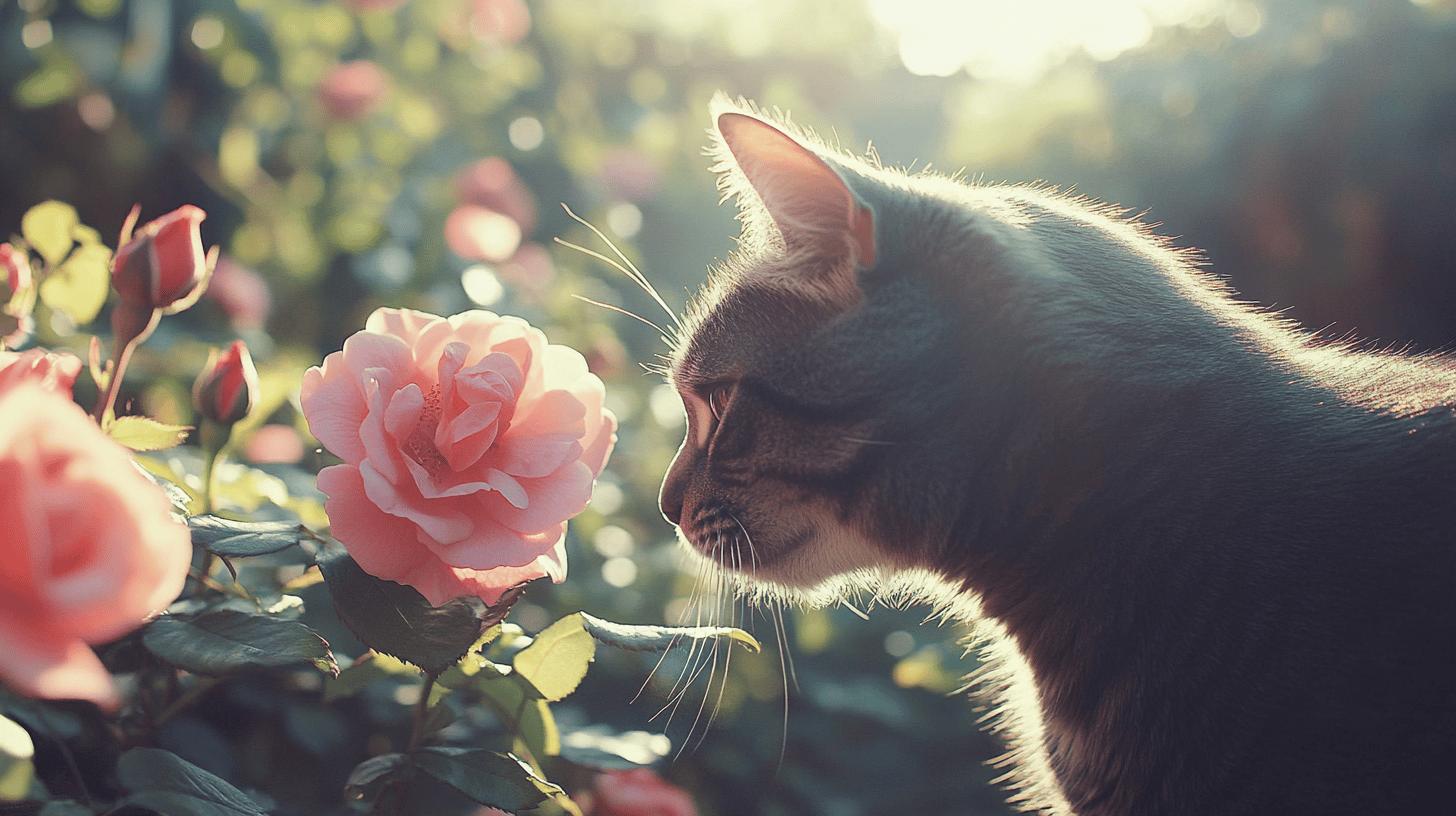
    Can Cats Eat Roses Understanding the Safety-1.jpg

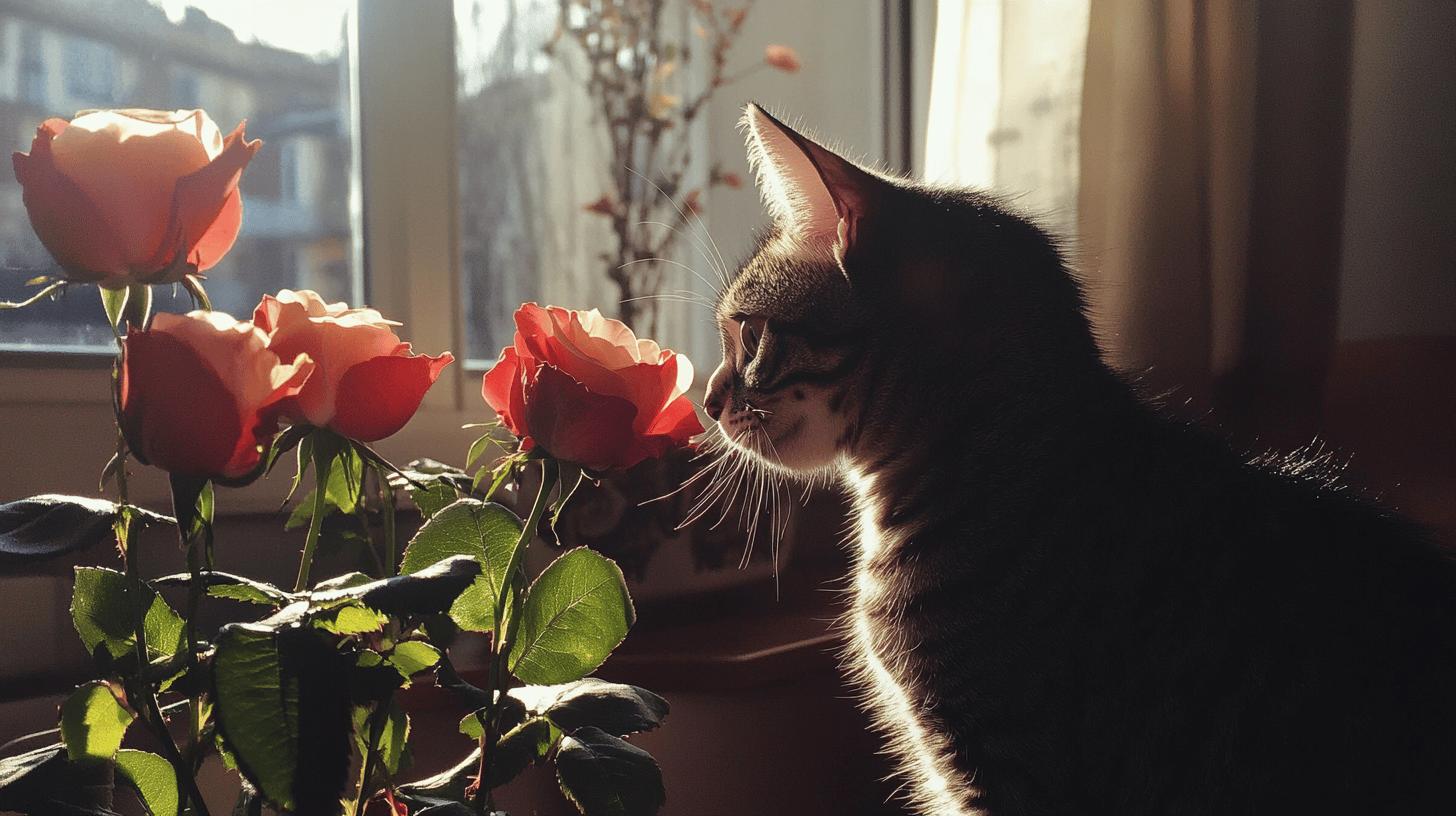
    Roses are generally non-toxic to cats, which means that the petals, leaves, and stems are safe if your feline friend decides to nibble on them. This is reassuring news for cat owners who enjoy having roses in their homes or gardens. The non-toxic nature of roses ensures that, in the event of accidental ingestion, your cat will not suffer from poisoning or severe adverse effects.

    That said, it's important to recognize that while roses are safe, they are not a part of a cat's regular diet. Eating roses might cause stomach upset, leading to mild digestive issues like vomiting or diarrhea. Furthermore, roses offer no nutritional benefits for cats, so it's best not to encourage them to munch on these flowers.

    While the rose itself is safe, there are other potential risks to consider. The thorns on rose stems can cause physical harm, such as pricks or scratches, which could be painful for your cat. Additionally, if roses have been treated with pesticides, these chemicals might pose a risk of poisoning if ingested. For these reasons, it's wise to be cautious when it comes to rose treatments and ensure that any roses accessible to your cat are free from harmful chemicals.

    Identifying Toxic Plants and Flowers for Cats
    Identifying Toxic Plants and Flowers for Cats-1.jpg

    Roses themselves are non-toxic to cats, making them a safe option for homes and gardens. However, not every plant with "rose" in its name is safe for our feline friends. Several plants that include "rose" in their name can be harmful to cats if ingested. This distinction is crucial for cat owners to understand, as the potential for harm doesn't come from the rose you're familiar with, but from these similarly named plants.

    • Christmas Rose: Can cause vomiting, diarrhea, and lethargy.
    • Moss Rose: Known to affect the digestive system and cause irritation.
    • Primrose: May lead to gastrointestinal upset and skin irritation.
    • Rosebay: Can cause serious issues like vomiting, diarrhea, and even affect the heart.
    • Rose of Sharon: May result in nausea and vomiting.

    Recognizing the symptoms of plant toxicity in cats is essential for their safety. Common symptoms include vomiting, diarrhea, and lethargy. These signs indicate that a cat may have ingested a toxic plant and needs immediate attention. Being vigilant about these symptoms can help in taking swift action and seeking veterinary care, ensuring your cat remains healthy and safe.

    Managing and Preventing Rose-Related Risks for Cats-1.jpg

    If your cat eats part of a rose, it's crucial to monitor them closely for several hours to ensure they don't experience any adverse effects. Cats are naturally curious, and ingestion of non-food items can sometimes lead to discomfort. Look for signs of an upset stomach, such as vomiting or diarrhea. If your cat shows any signs of distress or if the roses were treated with pesticides, it's important to contact your veterinarian promptly for advice.

    • Vomiting
    • Diarrhea
    • Lethargy
    • Loss of appetite

    Preventive measures can significantly reduce the risk of your cat being harmed by roses. Avoid using pesticides on any roses that your cat might access, as these chemicals can be toxic if ingested. Consider using natural deterrents to keep your cat away from the roses. Certain scents, such as citrus, are generally disliked by cats and can be used to discourage them from approaching rose plants.

    • Prickly garden beds to discourage digging
    • Scent deterrents like citrus oils
    • Physical barriers like chicken wire fencing

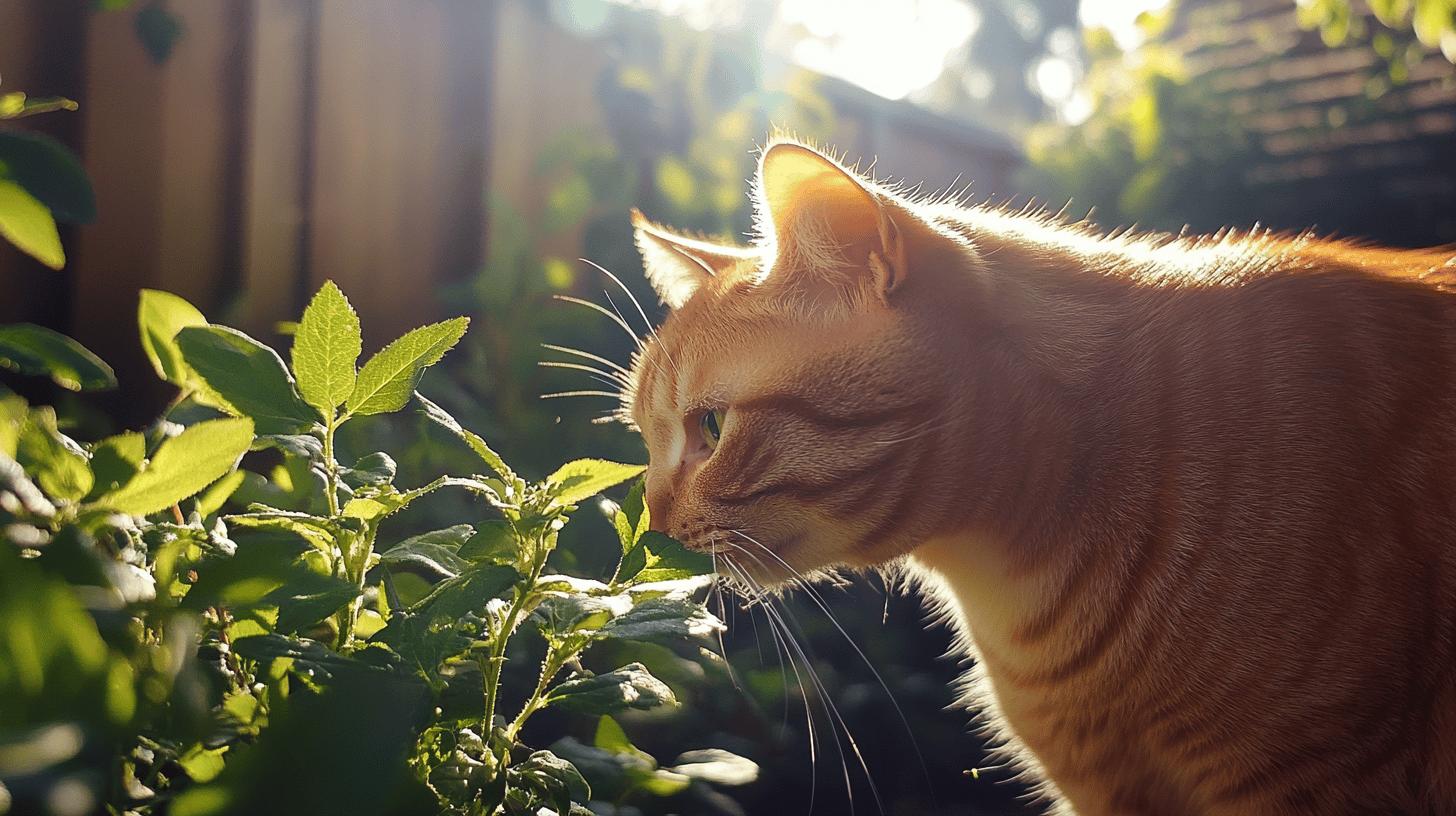
    Creating a safe garden environment is key to ensuring your cat can explore without risking harm. Keep an eye on your cat's interactions with the garden, especially if roses or other potentially harmful plants are present. Providing cat-friendly alternatives, such as dedicated play areas or safe plants like catnip, can help redirect your cat's interest away from roses and toward safer options. This balance allows both your garden and your cat to coexist peacefully.

    Safe Plant Alternatives for Cat-Friendly Homes
    Safe Plant Alternatives for Cat-Friendly Homes-1.jpg

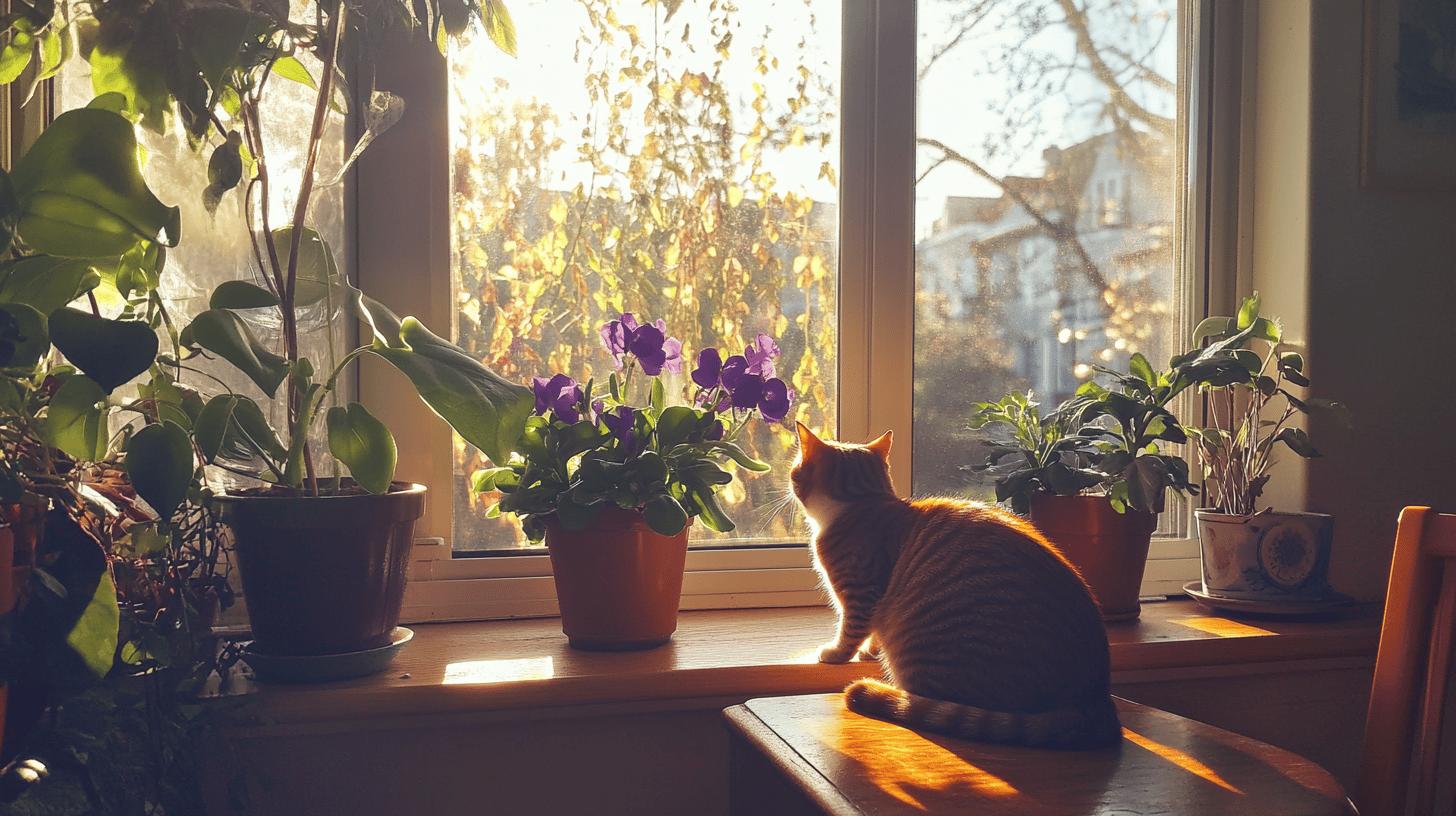
    When it comes to creating a safe environment for your feline friends, selecting non-toxic plants is a priority. Cats are naturally curious and tend to explore their surroundings, sometimes nibbling on leaves or flowers. Having pet-friendly flowers ensures that even if your cat decides to sample your greenery, they won't suffer from any toxic effects. This consideration is especially important for indoor plants, where cats have more access and are more likely to interact with them.

    There are plenty of cat-safe plants that you can introduce into your home. African Violets, for example, are not only beautiful but also completely safe for cats. Areca Palms and Spider Plants are other excellent choices, known for their air-purifying qualities and non-toxic nature. Additionally, Catnip and Cat Grass can be both fun and stimulating for your cat, offering safe options for them to chew on without any risk to their health.

    Plant Name Safety for Cats
    African Violets Safe
    Areca Palms Safe
    Spider Plants Safe

    To ensure that your home remains a safe haven for your cat, utilize resources like the ASPCA's list of non-toxic plants. This list can guide you in selecting plants that are both visually appealing and safe for your cat. By choosing cat-friendly plants, you can enjoy a vibrant home while keeping your feline companion safe and healthy.

    Final Words

    Roses are generally non-toxic to cats, which makes them safe for homes with pets. However, while roses won't poison your feline friend, they might cause an upset stomach if eaten. Plus, thorns and pesticides could pose other risks, so it's best to be cautious.

    Understanding the difference between safe and toxic plants is key. Many plants with "rose" in their name are harmful to cats. Always monitor your cat if they nibble on plants, and make sure to keep dangerous ones out of reach.

    There are plenty of cat-safe plants to choose from. By selecting the right ones, you can create a safe and enjoyable environment for your furry friend.

    FAQ

    Can cats eat roses in water?

    A: Cats can eat roses in water, but roses themselves aren't toxic. However, they might get an upset stomach if ingested.

    Are roses harmful to cats?

    A: Roses are generally non-toxic to cats. The petals, leaves, and stems are safe. Thorns can harm, and pesticides might pose risks.

    What flowers are safe for cats?

    A: Safe flowers for cats include African Violets, Areca Palms, and Spider Plants. These are non-toxic and suitable for homes with cats.

    Are rose petals safe for cats?

    A: Rose petals are safe for cats as they are non-toxic. However, they can cause mild stomach upset if eaten.

    What flowers are toxic to cats?

    A: Flowers toxic to cats include Christmas Rose, Moss Rose, Primrose, Rosebay, and Rose of Sharon. They can cause various health issues.

    Why do cats like eating roses?

    A: Cats might eat roses out of curiosity or for fun. Roses are fragrant and colorful, attracting a cat's attention.

    How many rose petals can a cat eat?

    A: While non-toxic, eating large amounts might cause stomach upset. It's best to keep rose petal consumption minimal.

    Can cats eat dry roses?

    A: Cats can chew on dry roses, but ingesting them isn't recommended due to possible digestive discomfort.

    Are red, yellow, or mini roses toxic to cats?

    A: Red, yellow, and mini roses are not toxic to cats. Rose thorns or pesticides pose a greater concern than the plants themselves.
    Related Articles

  • Can Cat Eat Lasagna Understanding the Risks and Harmful Ingredients

    Can Cat Eat Lasagna Understanding the Risks and Harmful Ingredients

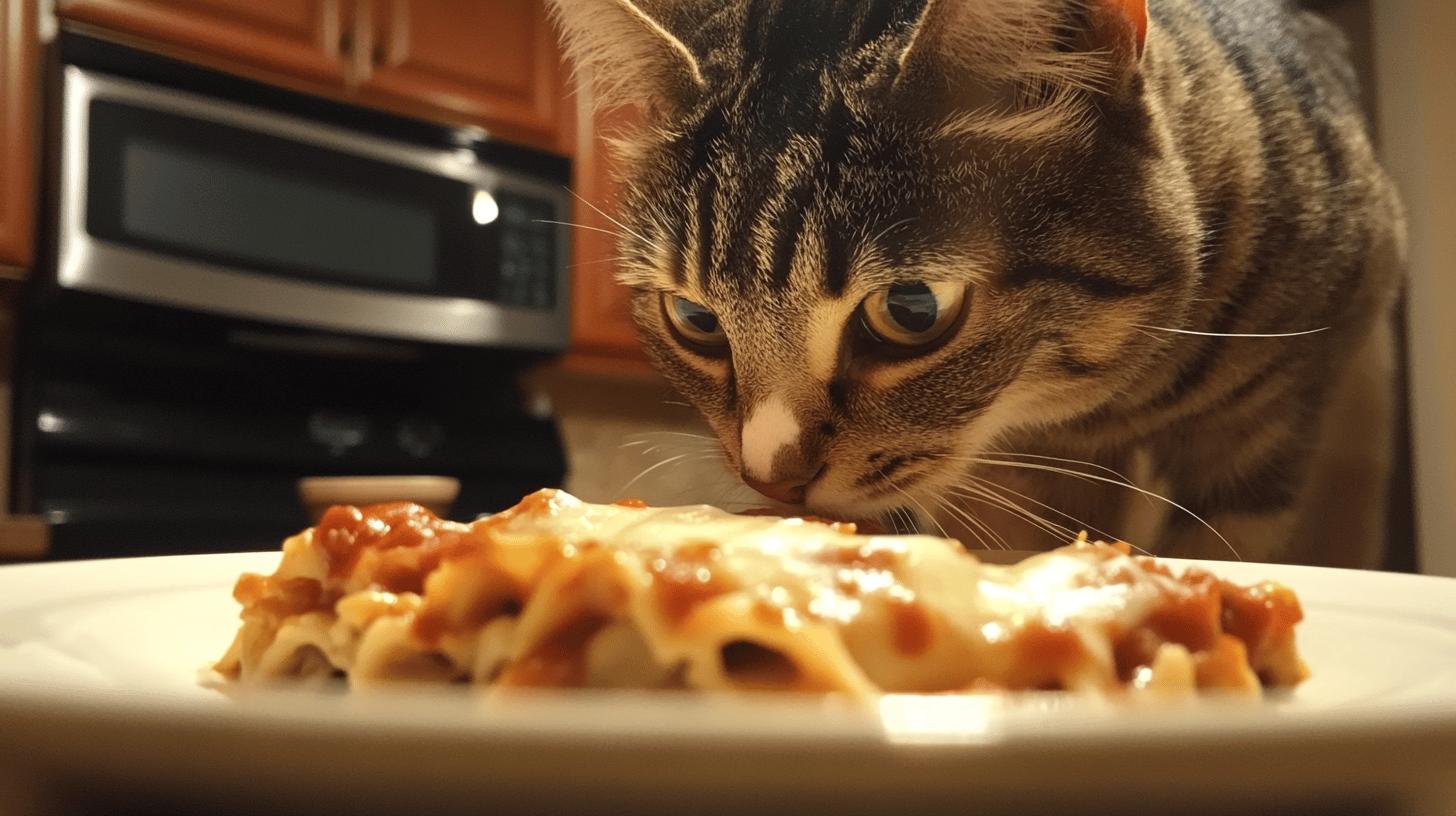
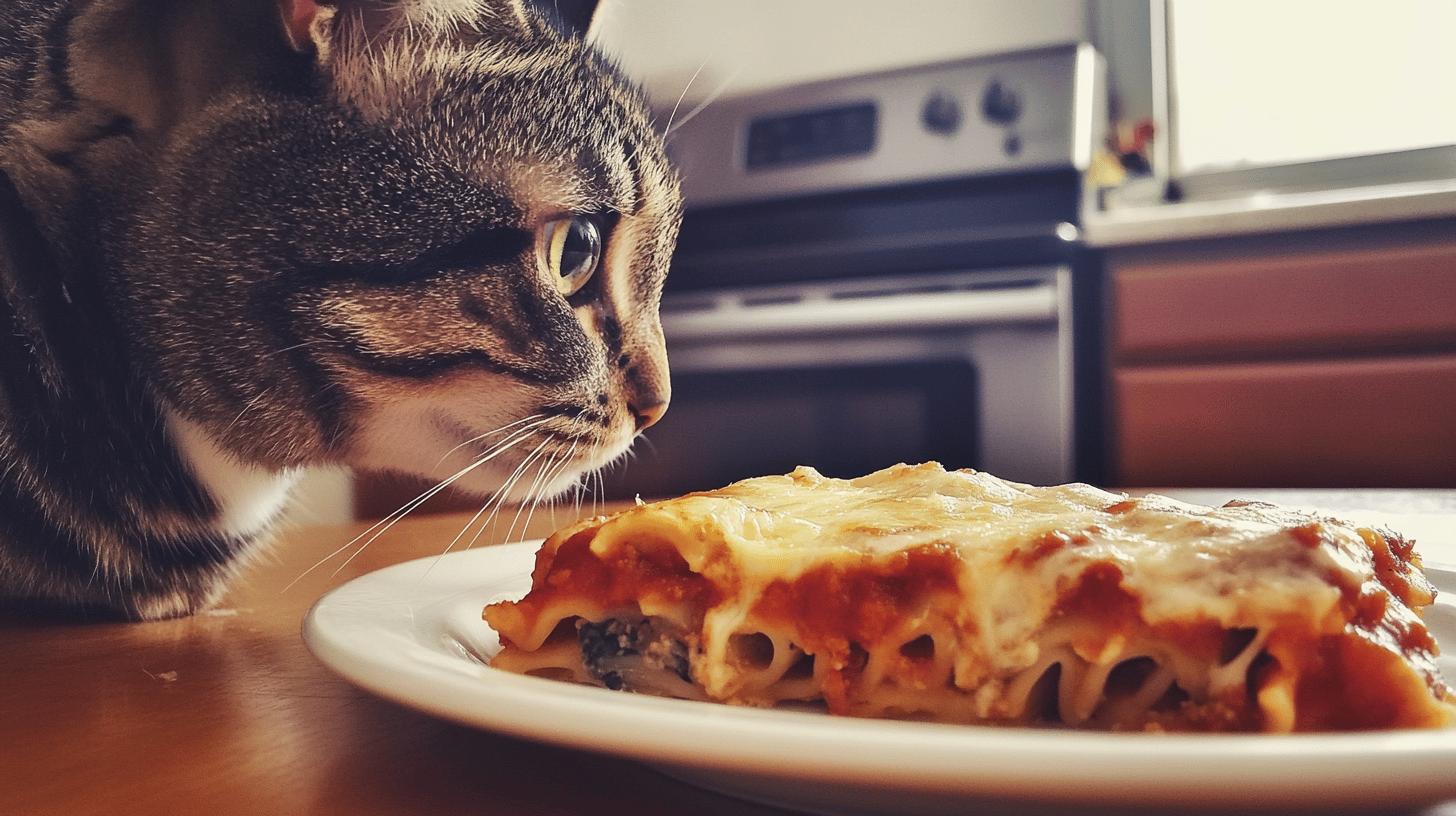
    Ever caught your cat eyeing your plate of lasagna and wondered, "Could they actually have a bite?" At first glance, sharing might seem harmless, but it poses a bigger risk than you'd think. Our feline friends face threats from common lasagna ingredients like onions, garlic, and tomato sauce. These can lead to serious health issues, including digestive problems and anemia. In this post, we’ll delve into why lasagna isn't cat-friendly. Let's protect our cats by understanding the risks hidden in this tasty dish.

    Can Cats Eat Lasagna? Understanding the Risks and Harmful Ingredients

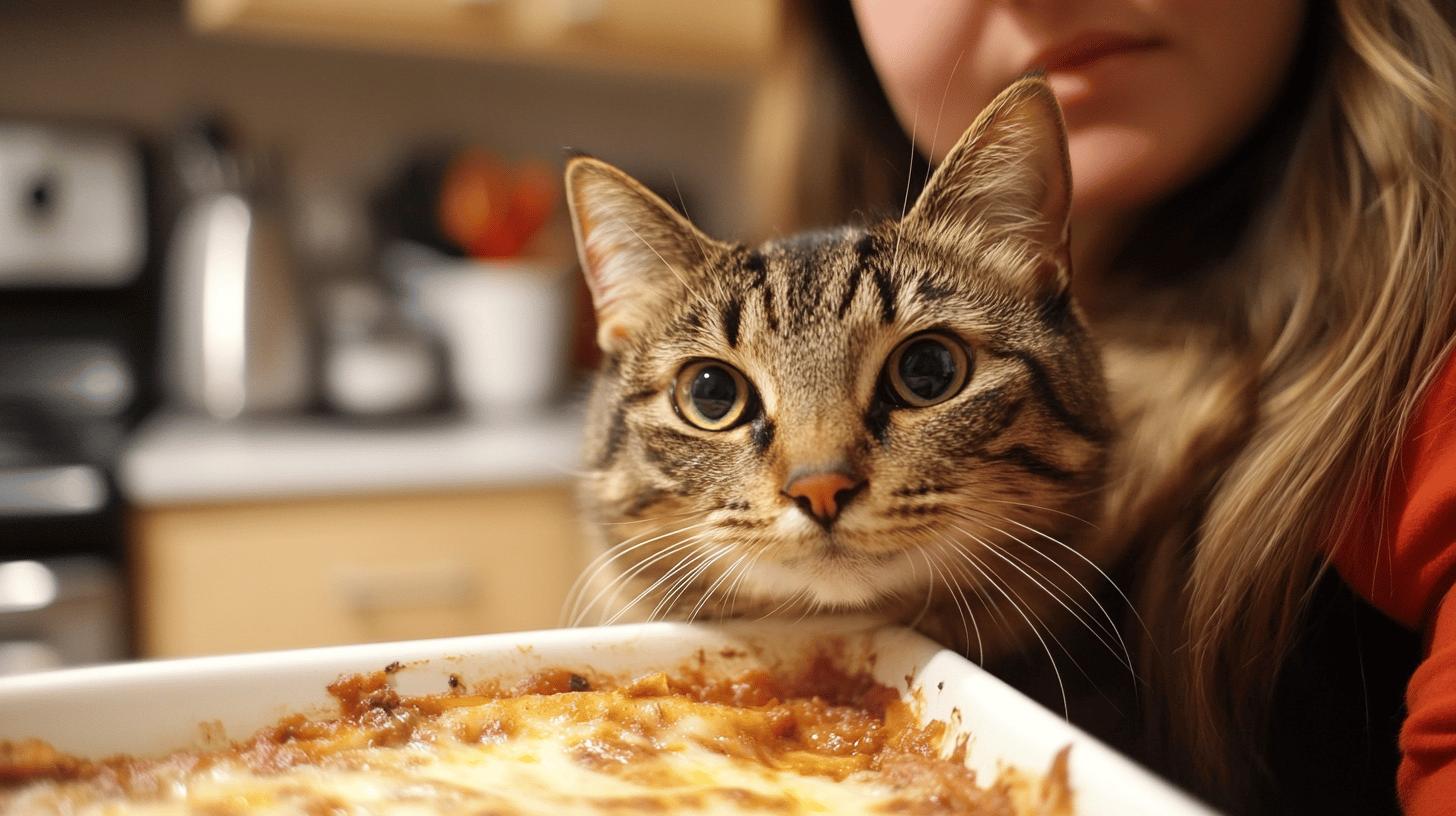
    Can Cats Eat Lasagna Understanding the Risks and Harmful Ingredients-1.jpg

    Lasagna is not safe for cats. This popular dish contains several ingredients that can be harmful to our feline friends. Key ingredients like onions, garlic, tomato sauce, and cheese pose potential health risks. These components can lead to digestive issues, anemia, and other serious health problems. Additionally, pasta, which is a major component of lasagna, is high in carbohydrates and not suitable for cats, given their dietary needs as obligate carnivores.

    Onions and garlic are two of the most dangerous ingredients found in lasagna for cats. These items are toxic and can cause oxidative damage to red blood cells, leading to a condition known as Heinz body anemia. Even small amounts can be harmful, causing lethargy, weakness, and a reduced appetite. It's crucial to keep these ingredients away from your cat, as their bodies cannot process them safely.

    Tomato sauce, a staple in lasagna, contains solanine, which is toxic to cats. The stems, leaves, and unripe fruit of the tomato plant are particularly rich in this compound. Consumption can lead to gastrointestinal distress, lethargy, or an abnormal heart rate. Furthermore, many tomato sauces contain added seasonings like garlic and onions, compounding the risk for cats.

    Cheese is another problematic ingredient in lasagna. While not toxic, most cats are lactose intolerant. Consuming cheese can lead to digestive issues such as diarrhea and stomach upset. Though some cats might tolerate small amounts of cheese, it is not advisable to include it in their diet given the potential for discomfort and digestive problems.

    Pasta in lasagna is primarily made of wheat, which is high in carbohydrates. Cats, being obligate carnivores, require a diet rich in animal-based proteins and fats, not carbs. Feeding them pasta can lead to weight gain and gastrointestinal issues. Seasonings and herbs often found in lasagna, such as pepper, oregano, and basil, can also upset a cat's stomach.

    Here's a list of five harmful ingredients commonly found in lasagna:

    • Onions
    • Garlic
    • Tomato sauce
    • Cheese
    • Seasonings and herbs

    Cats should avoid lasagna to prevent these health risks. Their diet should remain focused on animal proteins to maintain optimal health.

    Evaluating the Nutritional Needs of Cats

    Evaluating the Nutritional Needs of Cats-1.jpg

    Cats are obligate carnivores, which means their bodies are designed to thrive on a diet rich in animal-based proteins and fats. Protein is crucial for maintaining their muscle mass, supporting their immune system, and providing energy. Fats are equally important as they supply essential fatty acids and help in the absorption of fat-soluble vitamins. A well-balanced cat diet should consist of at least 50% animal-based protein and up to 20% fat. This balance ensures that cats receive the nutrients they need for optimal health and vitality.

    Carbohydrates, such as those found in pasta and other components of lasagna, are not necessary for a cat's diet. In fact, cats have limited ability to digest carbohydrates, and a diet high in carbohydrates can lead to obesity and gastrointestinal issues. Their digestive systems are not equipped to handle significant amounts of starch, which can result in weight gain and potentially irritate their digestive tract. Providing a diet low in carbohydrates and focused on protein and fat is key to maintaining a cat's health.

    Nutrient Percentage of Diet
    Animal-based Protein 50% or more
    Fat Up to 20%
    Carbohydrates Minimal

    Safe Alternatives to Lasagna for Cats

    Safe Alternatives to Lasagna for Cats-1.jpg

    Specially formulated cat foods are the best option for ensuring your feline friend gets all the nutrients they need. These foods are designed to meet the specific dietary requirements of cats, providing a balanced mix of proteins, fats, and essential vitamins. They eliminate the risk of harmful ingredients found in human foods like lasagna, keeping your kitty healthy and happy. Opting for high-quality cat food ensures your cat receives the right nutrition without any adverse effects from unsuitable human delicacies.

    For those who prefer a more hands-on approach, homemade meals can be a great alternative. Focus on cooked meats, such as chicken, turkey, or fish, and avoid any seasonings that could be harmful. Homemade meals allow you to control the ingredients and ensure your cat gets a wholesome, nutritious diet. Offering safe treats in moderation can also be a delightful way to bond with your pet.

    Here are four safe alternative foods or treats for your cat:

    • Plain cooked chicken
    • Plain cooked turkey
    • Plain cooked fish
    • Specially formulated cat treats

    These options provide a safe and enjoyable diet for your cat, steering clear of the risks associated with feeding them lasagna.

    Recognizing Symptoms and Taking Action if a Cat Eats Lasagna

    Recognizing Symptoms and Taking Action if a Cat Eats Lasagna-2.jpg

    If your cat sneaks a bite of lasagna, it's important to be on the lookout for symptoms of food poisoning. Common signs include vomiting, diarrhea, lethargy, or a slower heart rate. These symptoms can indicate that your cat's body is reacting to the toxic ingredients commonly found in lasagna, such as garlic and onions. These ingredients can cause significant health issues, including damage to red blood cells and anemia. It's essential to monitor your cat closely for any signs of distress or discomfort.

    If you notice any of these symptoms after your cat has consumed lasagna, it's crucial to consult with a veterinarian immediately. Quick action can make a big difference in your cat's health outcome. Be prepared to provide the vet with information about what your cat ate and when, as well as any specific symptoms you have observed. The vet may recommend treatments to manage symptoms and prevent further complications. Taking swift and appropriate action ensures the best possible care for your feline friend in the event of a common pet poisoning incident.

    Final Words

    In the action of unraveling whether can cat eat lasagna, it's clear that this Italian dish poses risks to our feline friends. Onions, garlic, and tomatoes are harmful ingredients that can lead to serious health issues in cats. Their nutritional needs demand a diet high in protein and low in carbohydrates, unlike lasagna. Safe food alternatives, like specially formulated cat foods and plain cooked meats, are better options.

    If a cat mistakenly munches on lasagna, recognizing symptoms and contacting a vet promptly is crucial. Making informed food choices keeps our cats healthy and thriving.

    FAQ

    Is it safe to feed a cat lasagna?

    A: Lasagna is not safe for cats. It contains harmful ingredients like onions, garlic, tomato sauce, and cheese which can cause health issues.

    Can cats eat pasta?

    A: Cats can eat small amounts of plain pasta without seasoning. However, pasta is high in carbs and doesn't meet their nutritional needs.

    Which cat eats lasagna?

    A: The cartoon character Garfield is known for eating lasagna. But real cats should avoid it due to harmful ingredients.

    Can cats eat tomato pasta?

    A: Tomato pasta can be harmful to cats. It may contain ingredients like garlic and onions which are toxic to them.

    Can dogs eat lasagna?

    A: Just like cats, dogs shouldn't eat lasagna due to potentially harmful ingredients like garlic, onions, and high-fat cheese.

    Can cats eat lasagna without garlic?

    A: Even without garlic, lasagna is not recommended for cats. It still has ingredients like onions and cheese that are unsuitable for them.

    Are there safe alternatives to lasagna for cats?

    A: Safe alternatives for cats include plain cooked chicken, turkey, fish, or specially formulated cat foods without harmful seasonings.

    Related Articles

  • Can Cat Eat Spider Understanding Safety and Risks for Cats

    Can Cat Eat Spider Understanding Safety and Risks for Cats

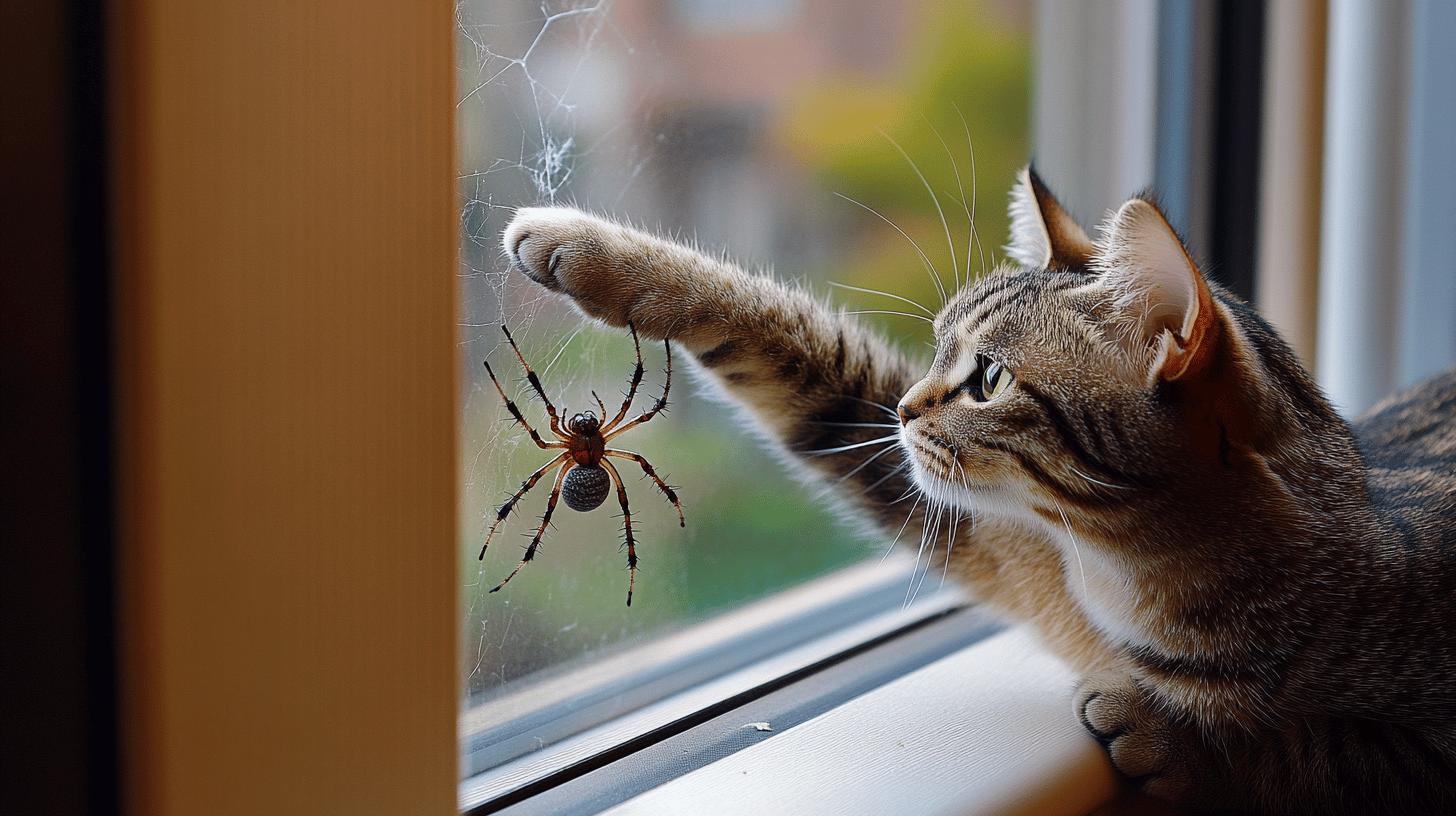
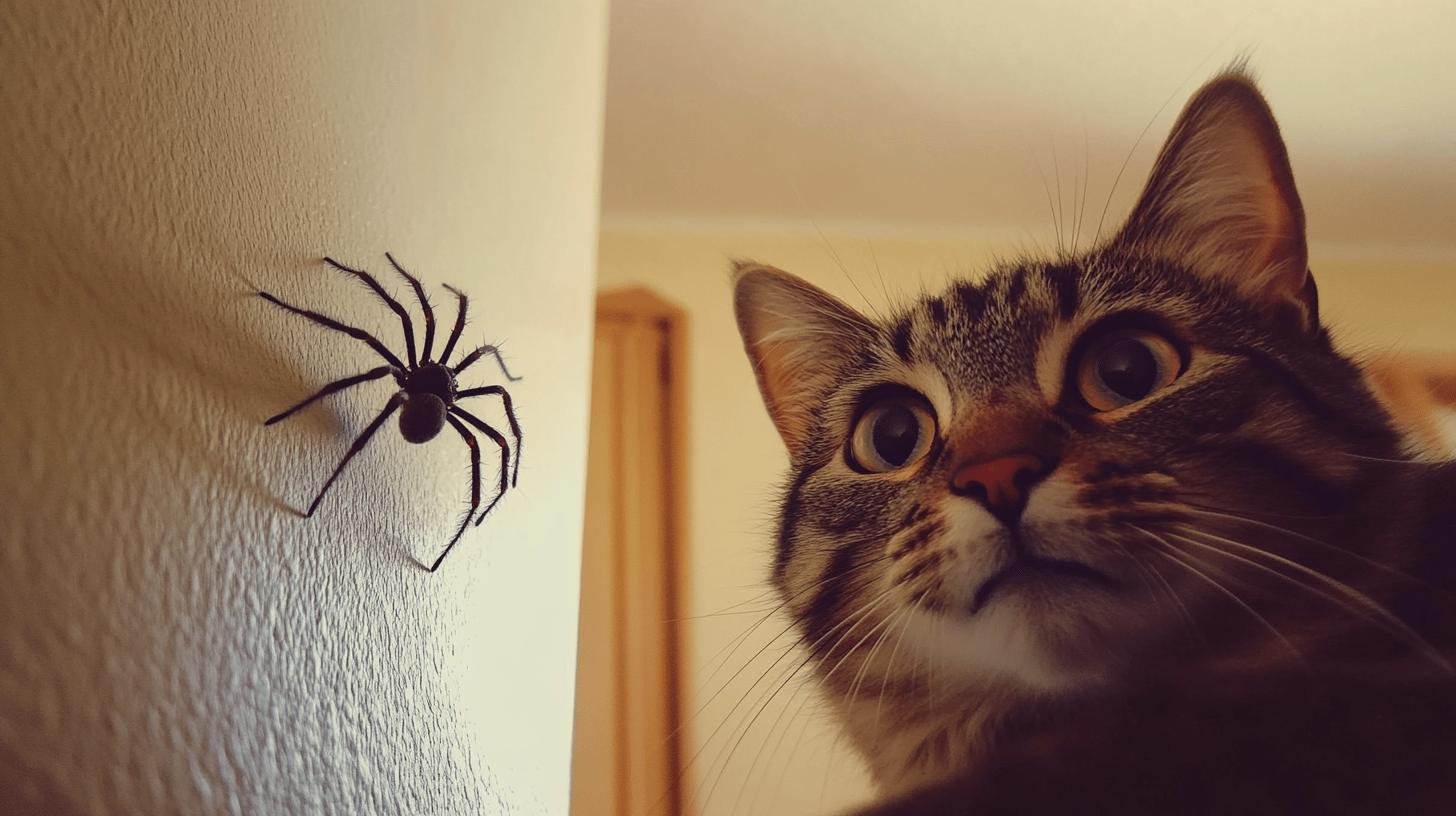
    Ever caught your cat munching on a spider and panicked? The idea of our furry friends' diet including creepy crawlies might feel unsettling. But before you worry, understand this: most spiders aren’t harmful to cats. Your pet's playful nature makes chasing them inevitable. The usual cat stomach acid is an effective defense, neutralizing spider venom. While this sounds like a relief, recognizing signs of spider bites and knowing when to act can spare your cat discomfort. Let's uncover the full story behind cats and their eight-legged snacks.

    Can Cats Safely Eat Spiders?

    Can Cats Safely Eat Spiders-1.jpg

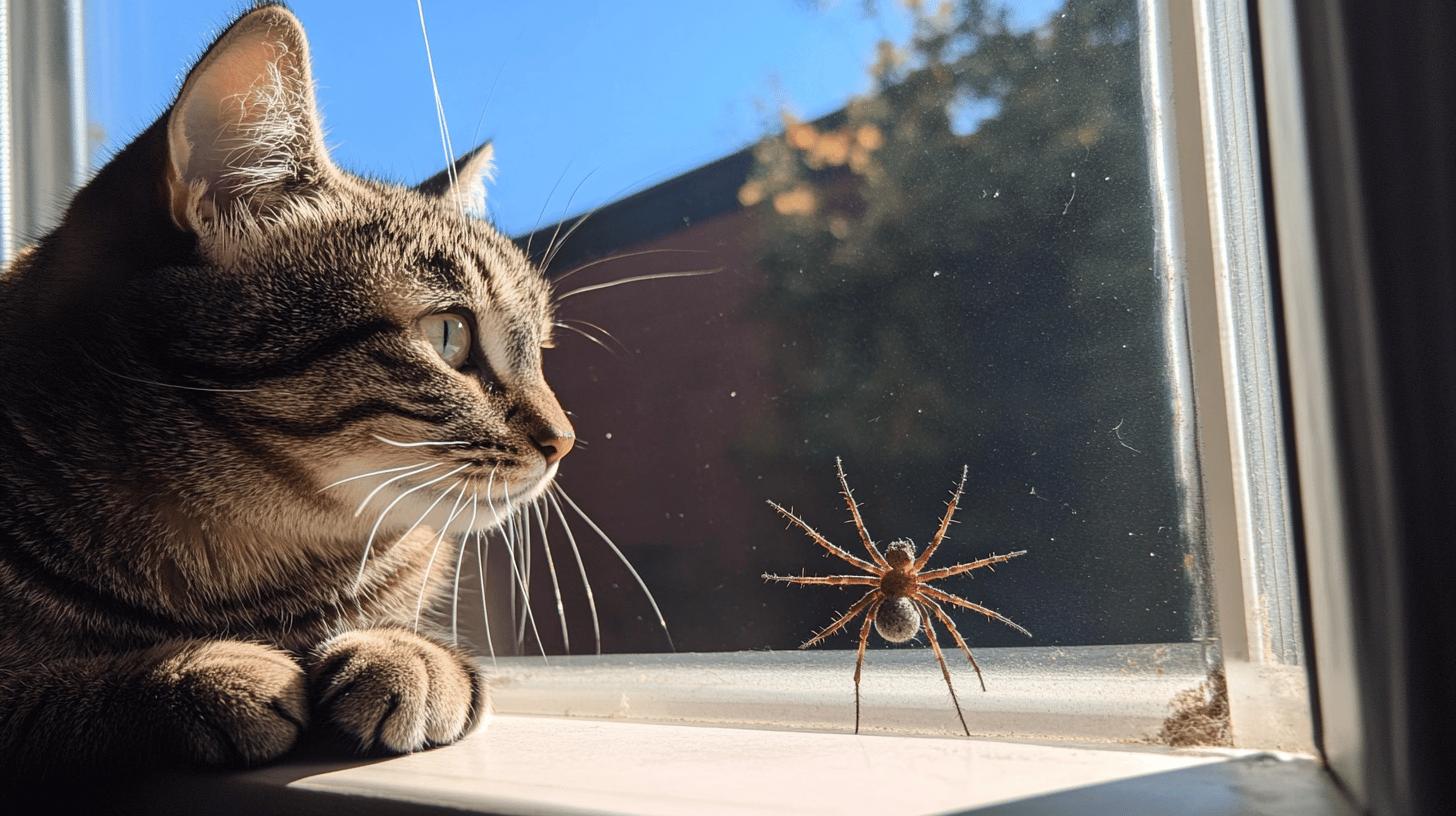
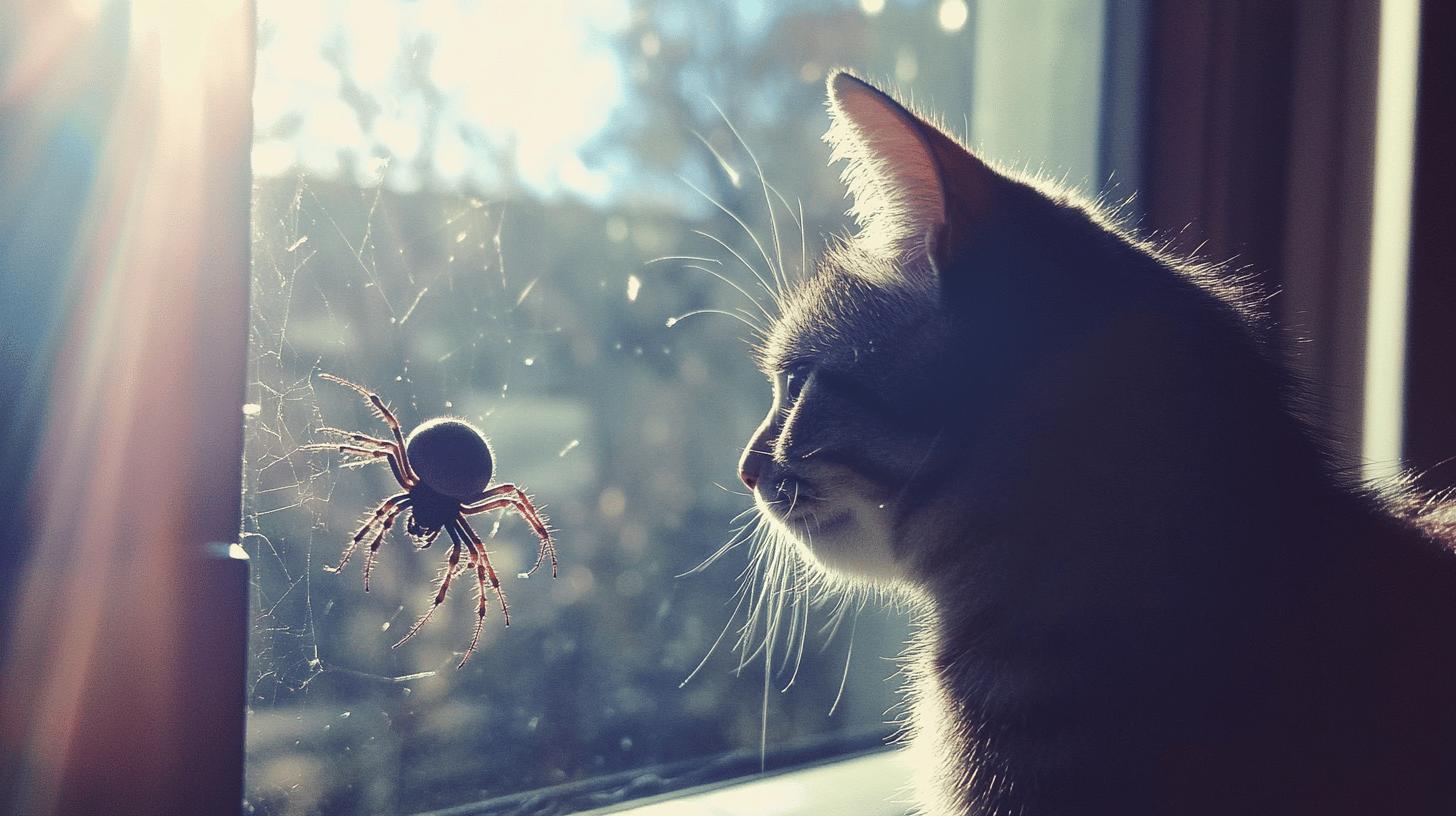
    Most spiders are safe for cats to eat, which might surprise some pet owners. Cats are natural hunters, and their curiosity often leads them to catch small creatures like spiders. The good news is that the majority of spiders are not venomous enough to pose a threat to our feline friends. When consumed, the acid in a cat’s stomach is typically strong enough to neutralize any spider venom that might be present. This means that when a cat eats a spider, it's usually not a cause for concern.

    • Cats’ stomach acid neutralizes spider venom effectively.
    • Most spiders are not venomous enough to harm cats.
    • Eating spiders is a part of cats' natural predatory behavior.

    While eating spiders is generally safe, there are some potential risks to keep in mind. The primary concern is the possibility of bacterial infections from spider bites. If a spider manages to bite your cat before being eaten, the bite could lead to an infection. It's always a good idea to keep an eye on your cat after it has encountered a spider, just to be on the safe side.

    Health Risks and Symptoms of Spider Bites in Cats

    Health Risks and Symptoms of Spider Bites in Cats-1.jpg

    Cats are curious creatures, and their encounters with spiders can sometimes lead to bites. While most spider bites are not dangerous, there are certain health risks involved. Spider bites can cause various symptoms in cats, ranging from mild to severe. Common signs of a spider bite include swelling, redness, and noticeable pain at the bite site. These symptoms can be uncomfortable for cats and may require attention to prevent further complications. Some spiders, like the black widow, have venom potent enough to cause more severe reactions in cats, which can be alarming for any pet owner.

    Symptom Severity
    Swelling Mild to Moderate
    Redness Mild
    Pain at Bite Site Moderate
    Severe Swelling Severe

    In more severe cases, a cat might experience symptoms like collapse, difficulty breathing, or widespread swelling. These reactions indicate a serious health risk and require immediate veterinary attention. Venomous spiders, such as the black widow, can cause life-threatening symptoms, although such encounters are rare. It's crucial for cat owners to be vigilant and monitor their pets for any unusual behaviors or signs following a spider bite. Prompt action can help mitigate risks and ensure the well-being of your feline companion.

    What to Do if Your Cat Eats or Is Bitten by a Spider

    What to Do if Your Cat Eats or Is Bitten by a Spider-1.jpg

    Monitoring your cat's health after an encounter with a spider is crucial. Cats are naturally curious and may not show immediate signs of distress. However, keeping a close eye on them can help detect any unusual behavior or symptoms early. If your cat has eaten a spider, they will likely be fine, but remaining vigilant is wise. This is especially true if you suspect the spider was venomous or if your cat has been bitten. Watching for changes in behavior or health can make all the difference in ensuring your cat's well-being.

    • Observe your cat for any changes in behavior or health.
    • Check for signs of swelling or redness at potential bite sites.
    • Keep an eye on your cat's breathing and overall activity level.
    • Ensure your cat has access to water and rest.
    • Contact a veterinarian at the first sign of distress or severe symptoms.

    In cases where your cat shows signs of distress, consulting a veterinarian promptly is essential. Veterinary advice is vital when dealing with potential spider bites, as the treatment depends on the symptoms and the type of spider involved. Quick action can help mitigate risks and ensure your pet receives the care they need.

    Preventing Cats from Eating or Encountering Spiders

    Preventing Cats from Eating or Encountering Spiders-1.jpg

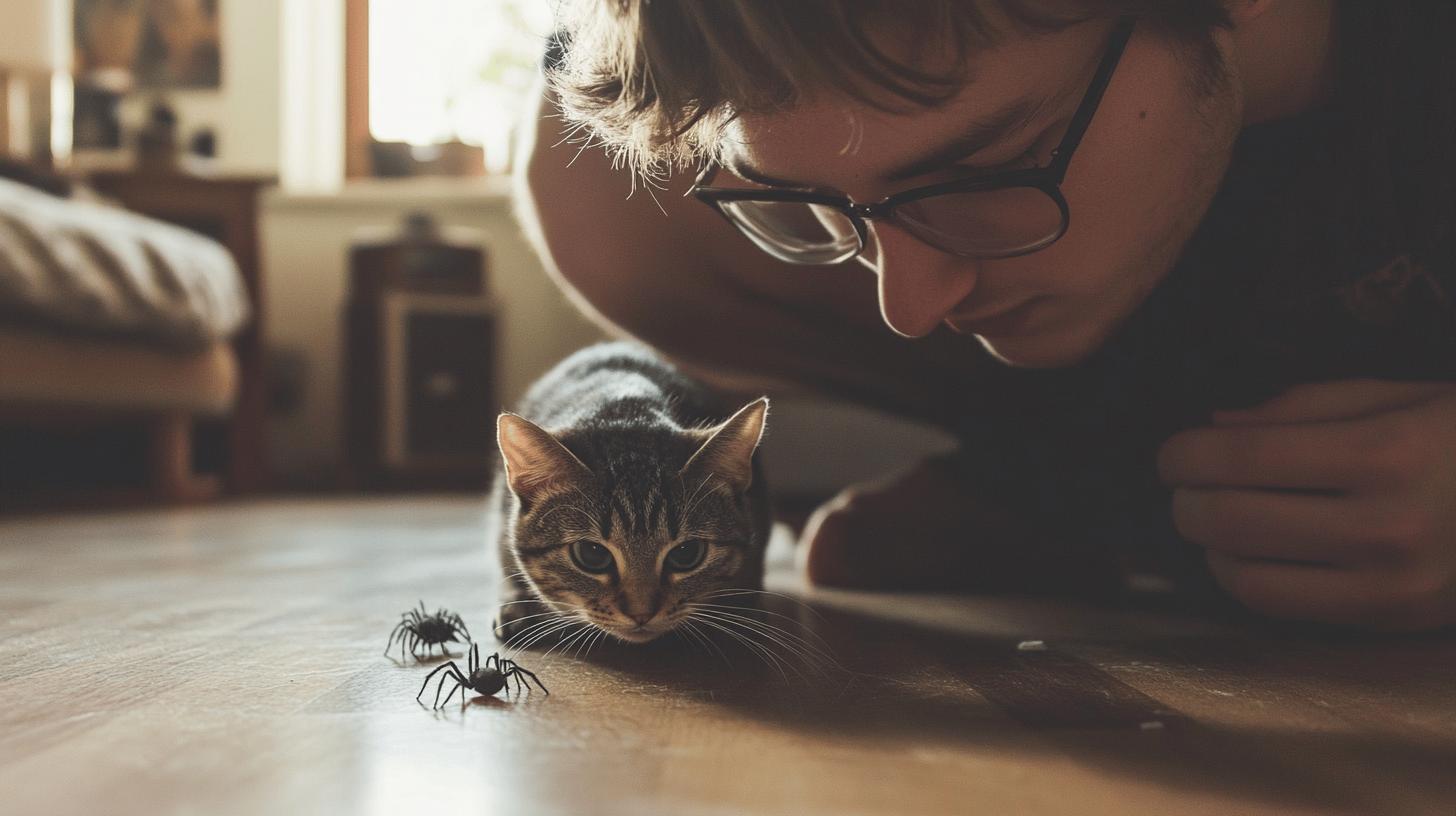
    Preventing your cat from eating or encountering spiders is a proactive way to ensure their safety. Cats are naturally curious, which can lead them to explore areas where spiders are found. While most spiders are harmless if eaten, some can pose risks if they bite. Keeping your home free of spiders helps reduce these risks. Regular dusting and relocating spiders outside can minimize your cat's exposure to them. Offering high-quality food alternatives can also lessen a cat's desire to hunt, which is often driven by instinct and curiosity. Prevention is key when it comes to minimizing risks for pets, particularly in areas where venomous spiders might be present.

    • Regularly dust and clean to remove spider webs and spiders.
    • Relocate spiders found in and around the home to outside areas.
    • Provide high-quality food options to reduce hunting interest.
    • Monitor areas of the house or yard where venomous spiders are common.

    Using toys to distract your cat is another effective strategy. Interactive toys can engage their hunting instincts, providing an alternative to chasing spiders. This not only keeps your cat safe but also satisfies their natural curiosity and playfulness. By combining these prevention strategies, you can help protect your cat from unnecessary risks associated with spiders.

    Understanding Cats’ Natural Predatory Instincts

    Understanding Cats Natural Predatory Instincts-1.jpg

    Cats are natural hunters. Their instincts drive them to chase and capture small targets, like spiders. This behavior is a remnant of their wild ancestry, where hunting was key to survival. Even domestic cats show these instincts, engaging in playful hunts with moving objects.

    Insects, including spiders, make up about 1.2% of a feral cat's diet. These small creatures provide necessary protein. This dietary habit highlights a cat's adaptability and resourcefulness in finding food.

    For most cat owners, this behavior is not concerning. Cats eating spiders is a natural extension of their curiosity and instincts. It usually poses no threat to their health. Understanding this behavior helps us appreciate our feline companions' complex instincts.

    Final Words

    In exploring whether a cat can eat a spider, we found that most spiders pose no threat to cats. Their stomach acid neutralizes minor venoms, while the primary concern remains bacterial infections from bites. Recognizing symptoms and acting swiftly is crucial, especially with more venomous spiders like black widows. If your cat encounters a spider, quick vet consultation can prevent severe reactions. Spiders tempt cats due to their natural hunting instincts. By understanding these behaviors, you can keep cats safe while accommodating their curiosity. Encouraging safe play alternatives helps maintain their health and happiness.

    FAQ

    My cat ate a spider and is throwing up. Is this normal?

    A: Cats can eat spiders, but vomiting could indicate a reaction. Monitor your cat's health and consult a vet if symptoms persist or worsen.

    Can cats eat spiders in the house safely?

    A: Cats can eat spiders, and most are not harmful. The stomach acid of cats usually neutralizes any spider venom effectively.

    Can cats eat spider bites?

    A: Cats may encounter bites if they eat spiders. While the venom is generally neutralized, monitor for swelling or discomfort at the bite site.

    Can cats eat spider eggs?

    A: Cats can ingest spider eggs, but these are not typically harmful. Monitoring for any unusual symptoms is advised.

    Are house spiders dangerous to cats?

    A: House spiders are usually not dangerous to cats. Cats' digestive systems can handle most non-venomous spiders.

    Can cats eat locusts or other bugs?

    A: Cats can eat locusts and other bugs, but it's good to monitor them for any adverse reactions.

    Can cats eat venomous spiders without harm?

    A: While stomach acids neutralize most spider venom, venomous spiders could pose health risks. Observe your cat for any distress.

    Can cats smell spiders and are they attracted to them?

    A: Cats possess a strong sense of smell that may alert them to spiders, stimulating their hunting instincts.

    Is it okay for cats to eat spiders?

    A: It's generally okay for cats to eat spiders, as most are not harmful. Watch for any health symptoms afterwards.

    Can cats be killed by spider bites?

    A: Though rare, certain venomous spiders can cause severe symptoms in cats. Seek veterinary help if severe reactions occur.

    Can a house spider hurt a cat?

    A: House spiders typically don't harm cats. Monitoring for signs of irritation after a bite is a precautionary step.

    Is it safe for my cat to eat my spider plant?

    A: Spider plants are non-toxic to cats, but large consumption could cause mild digestive upset. Watch for excessive chewing.

    Related Articles

  • How to Train a Cat to Stay Downstairs with Simple Tips

    How to Train a Cat to Stay Downstairs with Simple Tips

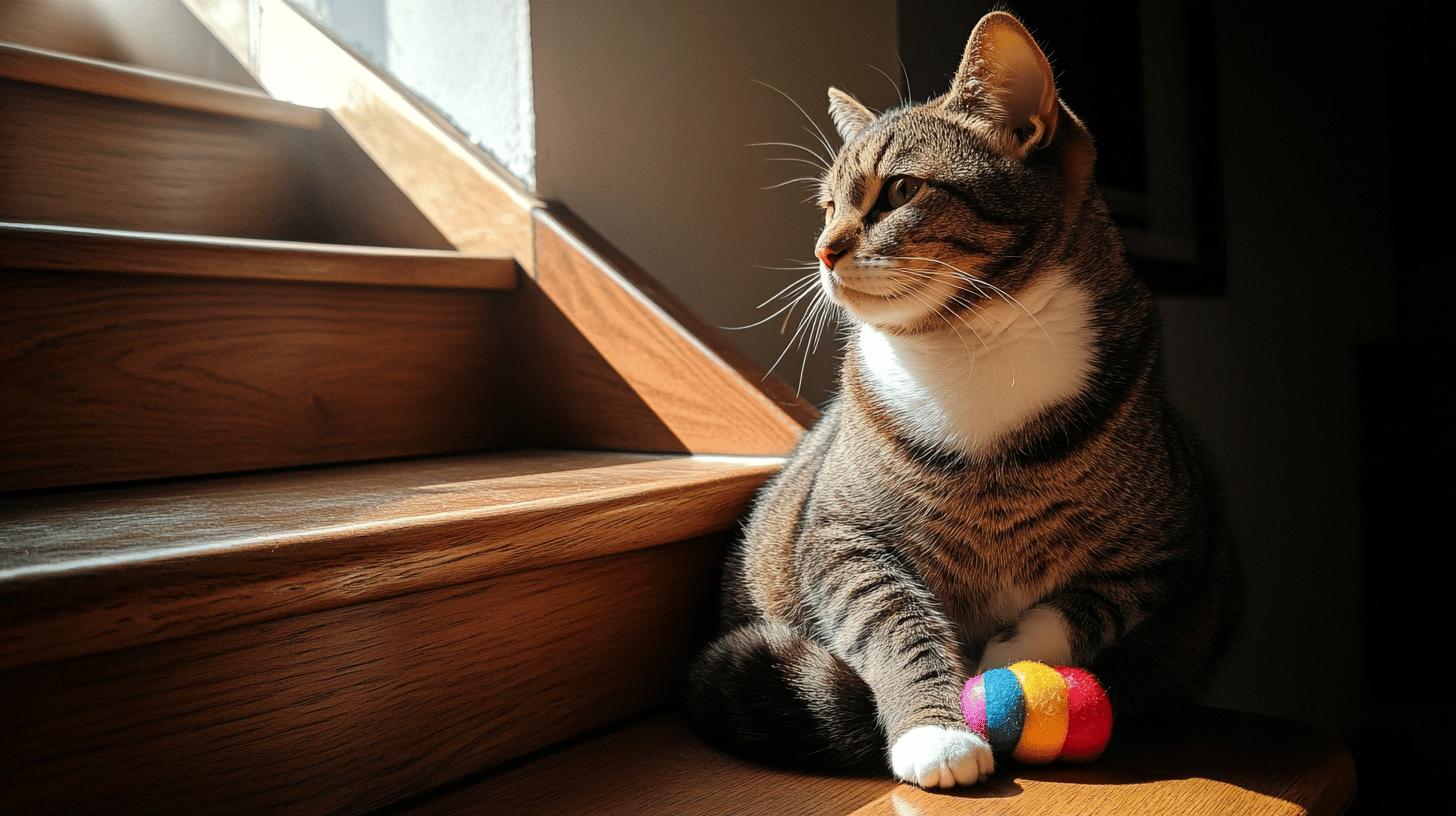
    Ever wondered why your cat views stairs as its personal playground? Just like a curious explorer, your furry friend loves to roam every inch of the house. But what if you need them to stay just downstairs? Now, that’s a challenge you can tackle successfully! In this guide, we’ll explore practical tips to train your cat to stay downstairs. From setting up barriers to creating a cozy space full of their favorite toys, learn how to make downstairs their favorite spot. Let’s set those boundaries and put curiosity to work for you!

    How to Train Your Cat to Stay Downstairs: A Practical Guide

    How to Train Your Cat to Stay Downstairs A Practical Guide-1.jpg

    Training your cat to stay downstairs starts with setting clear boundaries. Begin by using physical barriers like gates or closed doors to block off the stairs. These barriers help signal to your cat where its territory ends. Make sure to introduce these barriers gently so your cat gets accustomed to them without stress. The idea is to create a distinction between what is accessible and what isn’t. Cats are naturally curious, so these physical cues serve as important reminders of their limits. While you can use deterrents, the focus should be on making the downstairs area more appealing with toys and comfortable resting spots.

    • Install gates: Place gates at the bottom of the stairs to physically prevent access.
    • Use closed doors: Keep doors to upstairs rooms closed to limit exploration opportunities.
    • Reinforce with rewards: When your cat stays downstairs, offer treats or praise.
    • Create appealing spaces: Add scratching posts, beds, and toys downstairs.
    • Remove temptations: Eliminate any upstairs attractions like food or toys that might draw your cat.
    • Supervise and redirect: Gently guide your cat back downstairs if it attempts to go up.

    Consistency is key in training your cat to remain downstairs. All family members need to stick to the same set of rules to avoid confusing the cat. If one person allows the cat upstairs, it undermines the training efforts. Make sure everyone knows the boundaries and rewards system. It might take some time, but with patience and uniformity, your cat will learn to stay downstairs. This process not only teaches boundaries but also fosters a harmonious living environment.

    Positive Reinforcement Techniques for Cat Training

    Positive reinforcement taps into the psychology of rewarding desirable behavior, which makes it an effective way to train cats. Cats, like many animals, are motivated by rewards that satisfy them or bring them pleasure. When using positive reinforcement, it’s vital to recognize the desired behavior immediately, so the cat makes a clear connection between the action and the reward. Gradually, the goal is to phase out treats while maintaining the behavior, shifting the reward to verbal praise or other forms of acknowledgment.

    Clicker training is another effective method. This involves using a clicker to create a sound that the cat associates with a reward. Initially, the cat receives a treat each time the clicker sounds after the desired behavior. Over time, the sound itself becomes a reward, reinforcing good behavior without always needing treats.

    Reinforcement Method Description Examples
    Treats Offer a small piece of your cat’s favorite treat when they perform the desired action. Chicken bites, fish snacks
    Clicker Training Use a clicker sound to mark the behavior, followed by a reward. Click and treat, followed by just a click
    Playtime Engage in a short play session as a reward for desired behavior. Interactive toys, feather wands

    Consistency is key to the success of these techniques. Gradually transition from treats to praise or playtime to maintain the behavior. Make sure everyone in the household is consistent with the reinforcement strategy, ensuring the cat receives a clear and uniform message about the behaviors that are rewarded.

    Advanced Boundary-Setting Techniques for Cats

    Advanced Boundary-Setting Techniques for Cats-1.jpg

    Training a cat to stay downstairs can be a bit of a challenge, but advanced boundary-setting techniques offer creative solutions. Cats are naturally curious and agile, often finding ways to bypass traditional physical barriers. To effectively train your cat, it’s important to think beyond simple gates and closed doors. Creating boundaries that align with a cat’s instincts and behaviors can be more effective. For instance, understanding a cat’s dislike for certain textures or sounds can help in setting these boundaries. It’s not just about keeping your cat downstairs but teaching it that certain areas are off-limits without causing stress or discomfort.

    Specific deterrents can play a crucial role in boundary setting. For example, placing double-sided tape on the stairs can discourage your cat from climbing due to their dislike of sticky surfaces. Motion-activated air sprays provide an unexpected puff of air that deters cats without harm. These methods are not only effective but also teach the cat to associate certain areas with an unwelcome experience, thus reducing the temptation to explore further.

    • Double-sided tape: Place it on stair steps to create an unpleasant sticky surface.
    • Motion-activated air sprays: Set up near staircases to deliver a gentle puff of air when approached.
    • Aluminum foil: Lay it down at the base of stairs; the sound and texture are typically disliked by cats.
    • Scent deterrents: Use citrus scents, which many cats find unappealing, near stairways.
    • Visual barriers: Hang lightweight, dangling objects that move with the air and distract the cat.

    Ensuring these boundaries are respected requires consistency from all family members. Everyone in the household must understand and adhere to the rules to prevent mixed signals. If one person allows the cat to venture upstairs, it can undermine the entire training effort. Clear communication and consistency help reinforce these advanced boundary-setting techniques, making them effective tools in your training arsenal.

    Addressing Common Challenges in Cat Training

    Training cats comes with its own set of hurdles, especially when they are drawn to certain behaviors or areas. Cats are curious and sometimes exhibit behaviors that are challenging to manage, like scratching furniture or avoiding the litter box.

    • Interactive toys: Use toys that engage a cat’s hunting instincts, such as laser pointers or toys that move unpredictably.
    • Behavioral issues: Address issues like scratching by providing multiple scratching posts and redirecting them when they scratch furniture.
    • Litter box avoidance: Ensure the litter box is clean and located in a quiet, accessible area.
    • Destructive behavior: Provide a variety of toys to keep cats entertained and prevent boredom.
    • Case studies: Reflect on successful strategies used by other cat owners to overcome specific challenges.

    Providing Downstairs Stimulation

    Cats thrive with interactive environments. Use toys like feather wands or puzzle feeders to keep them engaged and satisfied. This not only entertains but also stimulates their natural instincts.

    Create cozy resting spots and observation points. Window perches or strategically placed cat trees can offer a view of the outdoors, giving them a sense of adventure without needing to explore upstairs. This setup encourages them to see the downstairs as their primary territory.

    Patience is key. While training requires time and consistency, celebrating small successes can lead to long-term behavior changes.

    Maintaining Long-term Training Success

    Adapting training strategies as your cat ages can help maintain engagement. Introducing new challenges like obstacle courses or interactive toys can stimulate your cat’s mind and reinforce learned behaviors. This keeps training dynamic and prevents boredom. Tailor the complexity of challenges based on your cat’s abilities and age.

    • Mastery of new skills: Your cat learns to navigate new challenges.
    • Quick adaptation: The cat adjusts to changes in routine with ease.
    • Increased engagement: Shows excitement and interest in training sessions.
    • Consistent behavior: Maintains good behavior despite new challenges.

    Exploring case studies of long-term training success can offer practical insights. For example, a cat that consistently responds to new commands or adapts to a changing environment showcases effective training. Celebrating these achievements keeps motivation high for both you and your cat.

    Final Words

    Training a cat to stay downstairs is all about setting boundaries and using positive reinforcement. We explored practical ways like physical barriers, advanced deterrents, and rewarding good behavior. Remember, staying consistent is key. Patience pays off, so celebrate small victories as your cat learns.

    Training takes time, but with the right strategies, you’ll foster a peaceful home. Keep reinforcing those boundaries, and your cat will learn to enjoy staying downstairs, creating a happier space for both of you.

    FAQ

    How can I train my cat to stay downstairs?

    To train a cat to stay downstairs, set clear boundaries with barriers like gates or closed doors. Reinforce these limits with everyone in the household for consistency. Use positive reinforcement when your cat stays downstairs.

    What are some ways to keep cats off tables and furniture?

    To keep cats off tables and furniture, use deterrents like double-sided tape or motion-activated air sprays. Providing alternative climbing structures, like cat trees, can also help redirect their attention.

    What can I do if there’s no door to keep a cat downstairs?

    If there’s no door, consider using a cat barrier like a baby gate. Consistently reinforce staying downstairs with treats and praise when the cat remains on the desired floor.

    Is it okay to lock my cat downstairs at night?

    Locking your cat downstairs at night is fine as long as they have access to food, water, and a litter box. Ensure the environment is safe and secure for the cat.

    How do I prevent my cat from going up the stairs?

    Prevent a cat from going up the stairs by using barriers and deterrents. Reinforce this with positive reinforcement and provide enticing alternatives to encourage staying downstairs.

    How can I keep my cat from leaving the house?

    To keep a cat from leaving the house, make sure doors and windows are secure. If exits cannot be shut, try using deterrents near potential escape routes to discourage your cat from approaching them.

    Related Articles

  • Can Cat Eat Peach Understanding the Risks and Safety Concerns

    Can Cat Eat Peach Understanding the Risks and Safety Concerns

    Is sharing a juicy peach with your cat safe, or could it lead to unexpected risks? While peaches are a delicious treat for humans, they pose potential dangers to cats. The flesh contains amygdalin, which can break down into harmful substances.

    Worse yet, peach pits are full of cyanide, which is toxic to our furry companions. As curious creatures, cats might nibble on them without knowing the danger. Understanding these risks helps ensure the safety of your feline friend and maintains their well-being during play and exploration.

    Can Cats Eat Peaches Safely and Risks Involved

    Can Cats Eat Peaches Safely and Risks Involved-3.jpg

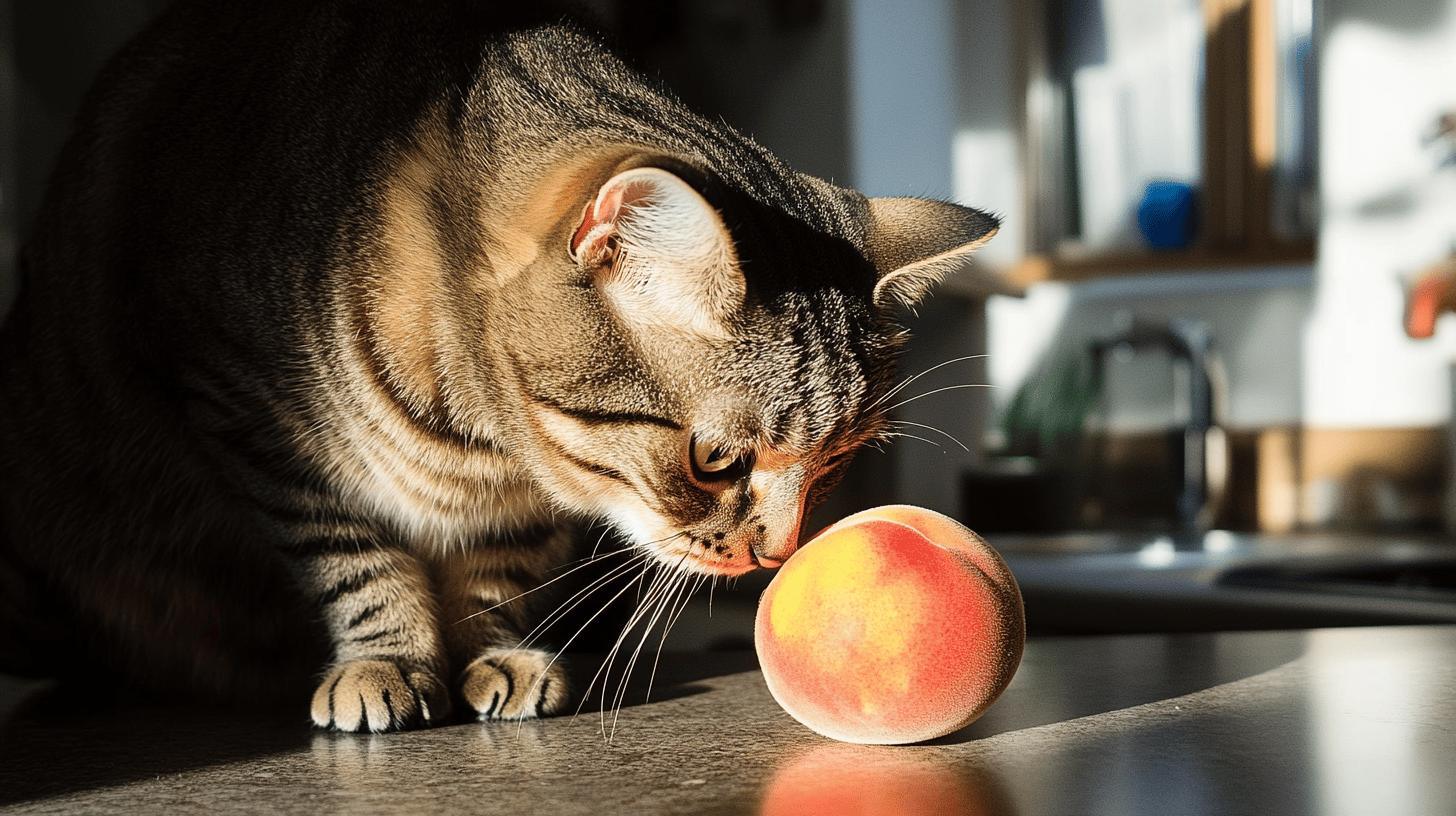
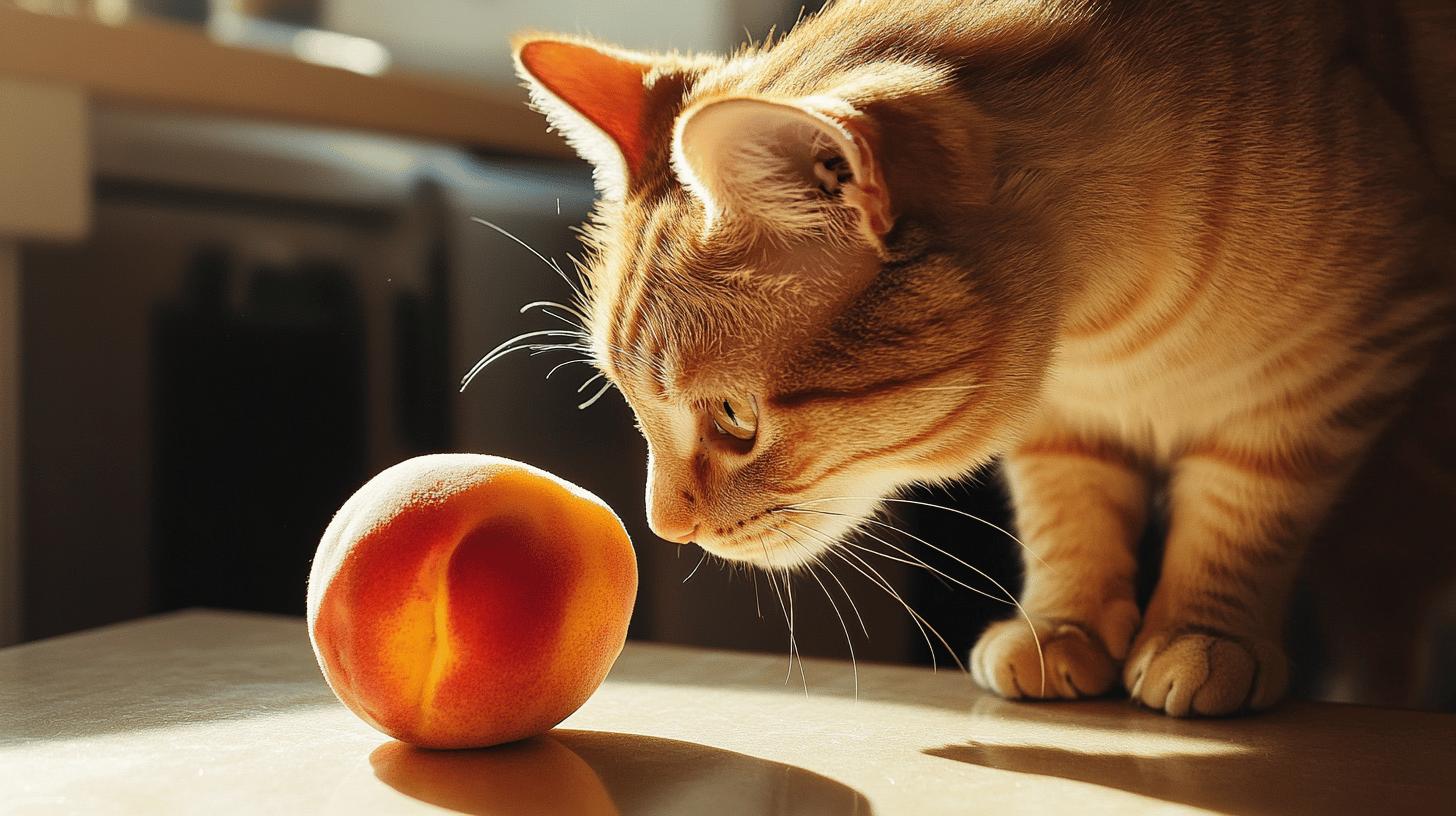
    Peaches might seem like a harmless treat, but they can pose serious risks to our feline friends. Cats should not eat peaches because these fruits contain compounds that can be harmful. The pits or seeds of peaches are particularly dangerous as they contain cyanide, a toxic substance for cats.

    Even the flesh of the peach, if consumed in large quantities, can lead to health concerns due to the presence of amygdalin, which breaks down into hydrogen cyanide. Given their curious nature, cats might be tempted to bite into the fruit or the pit, leading to potential poisoning.

    The hazards of cat peach consumption extend beyond toxicity. Choking is another significant concern, especially with the pit, which can easily become lodged in a cat's throat.

    Additionally, peaches offer no substantial nutritional benefits for cats, who are obligate carnivores and derive their nutrients primarily from meat. The sweet nature of the fruit may be appealing, but it doesn't fit into a cat's dietary needs and can disrupt their digestive system.

    Symptoms of peach poisoning in cats can be alarming and require immediate attention. If a cat ingests parts of a peach, look out for the following signs:

    • Difficulty breathing

    • Vomiting

    • Diarrhea

    • Lethargy

    • Increased heart rate

    Avoiding peaches is crucial for ensuring the safety and health of our cats. Even small bites can lead to severe reactions, making it essential to keep peaches and any peach-containing products out of their reach. If you suspect your cat has eaten part of a peach, monitor them closely for any symptoms of toxicity. Quick action can prevent more severe complications.

    Monitoring cats for signs of ingestion is also vital. Cats often explore their environment using their mouths, which can lead them to chew on things they shouldn't. By keeping a close eye on them, especially in households where peaches are present, you can safeguard them from accidental consumption. Always consult with a veterinarian if there's any doubt about your cat's exposure to harmful foods.

    Safe Fruit Alternatives for Cats

    Safe Fruit Alternatives for Cats-4.jpg

    Choosing the right fruits for cats involves understanding their dietary needs. Cats are obligate carnivores, so their diet should mainly consist of meat-based proteins. Nonetheless, some fruits can be safely introduced as occasional treats. It's important to select fruits that don't pose any health risks.

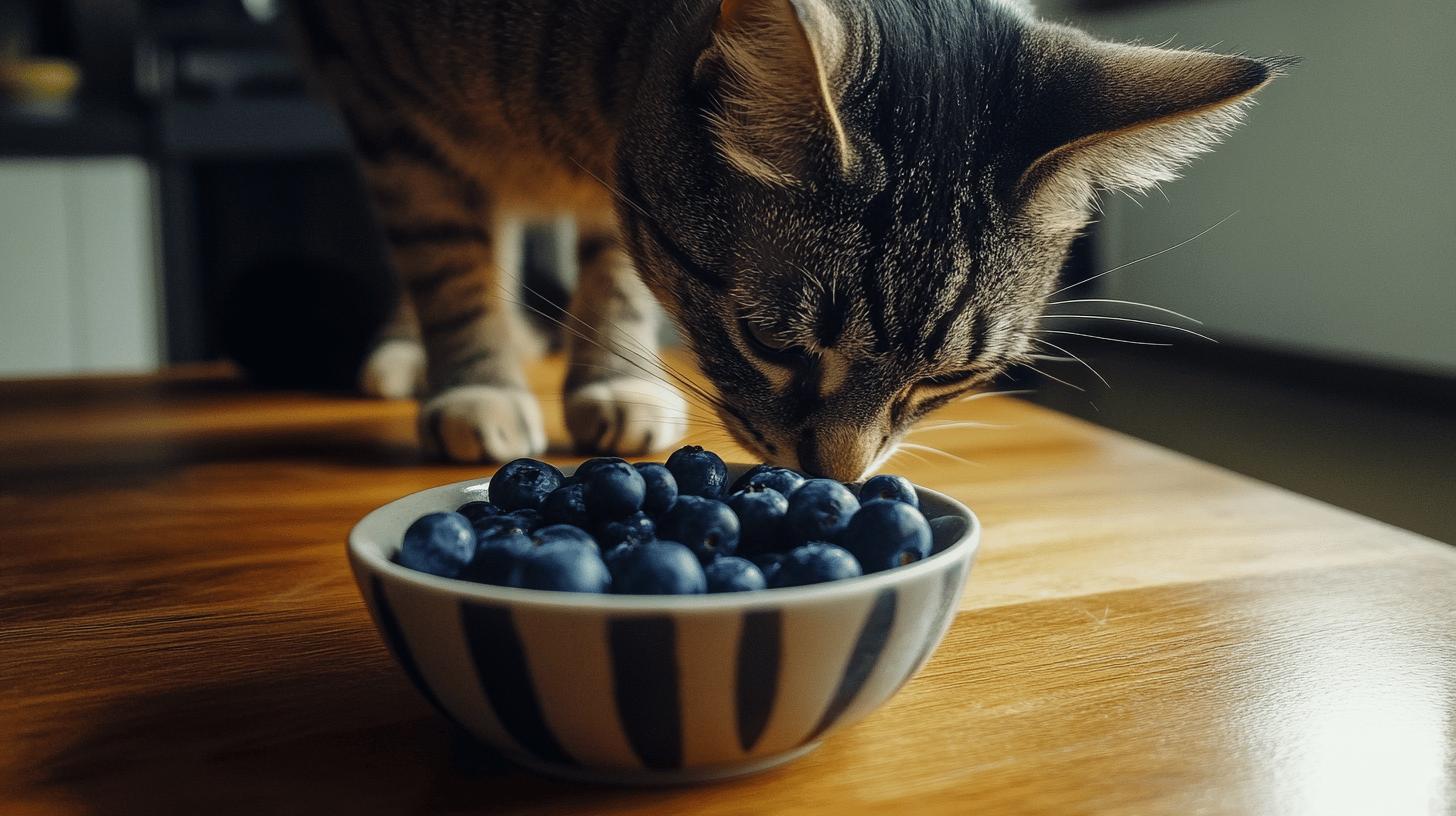
    While peaches are harmful due to their toxic compounds, fruits like blueberries can be a safe option. Blueberries are not only rich in antioxidants but also low in calories, making them a healthier choice for our feline companions. Always remember that some fruits are toxic to cats and should be avoided entirely.

    Here are some fruits that are generally safe for cats:

    • Blueberries

    • Strawberries

    • Watermelon (seedless)

    • Cantaloupe

    • Bananas

    Even with these safe options, moderation is key. Fruits should not make up a significant portion of a cat's diet.

    Before introducing any new fruit, it's wise to consult a veterinarian to ensure it aligns with your cat's specific health needs. This helps prevent any allergic reactions or digestive issues, keeping your cat happy and healthy.

    Guidelines for Introducing New Foods to Cats

    Guidelines for Introducing New Foods to Cats-1.jpg

    When it comes to introducing new foods to cats, a veterinarian's guidance is invaluable. Cats have unique dietary needs, primarily requiring meat-based proteins. Before adding any new item to their diet, including fruits, it's essential to consult a veterinarian.

    This ensures that the chosen food aligns with your cat's health requirements and prevents any potential adverse effects. A vet can provide tailored advice based on your cat's age, weight, and medical history, making it a crucial step in maintaining their well-being.

    Once a new food is introduced, observing your cat for any signs of allergic reactions or digestive issues is critical. Cats may experience symptoms such as vomiting, diarrhea, or changes in behavior if they react negatively to a new food.

    Early detection of these signs allows for prompt intervention, preventing further discomfort or health complications. It's best to introduce one new item at a time, making it easier to identify the cause of any adverse reactions.

    Food Type Introduction Tips
    Meat Start with small, cooked pieces; avoid seasoning.
    Fruits Offer small quantities; ensure they are non-toxic.
    Vegetables Introduce cooked and chopped veggies; monitor for taste preference.

    Variety in a cat's diet can be beneficial, but moderation is key. Cats thrive on a diet rich in proteins and fats, with occasional treats like safe fruits and vegetables. These should not replace their main meals but rather complement them.

    By carefully monitoring portions and frequency, you ensure a balanced diet that supports your cat's health without overwhelming their system. Always keep an eye on their overall behavior and health to adjust their diet as necessary.

    Final Words

    Knowing if a cat can eat peach is crucial for their safety. Peaches have cyanide and other hazards that pose serious health risks to cats. Always be on the lookout for signs of toxicity, like vomiting or increased heart rate. It’s clear that the safest path is to avoid peaches altogether.

    Instead, explore cat-friendly fruits like blueberries in moderation and always consult a vet before introducing new foods. Keeping a cat's diet varied yet safe ensures their happiness and well-being, turning every mealtime into a positive experience.

    FAQ

    Can cats eat peach yogurt?

    Cats should not eat peach yogurt. Peaches contain amygdalin, leading to cyanide production, which is toxic. Dairy can also upset their stomach.

    Can cats eat peach fruit?

    Cats should not eat peach fruit. Peaches contain cyanide, especially in pits, causing severe health issues.

    Can cats have peach juice?

    Cats should avoid peach juice. Juices lack nutritional benefits and can contain harmful compounds like cyanide from traces of pits.

    Can cats eat peach seeds?

    Cats should never eat peach seeds. They contain amygdalin, breaking down into toxic hydrogen cyanide.

    Can cats eat peach leaves?

    Cats should stay away from peach leaves. Leaves also contain cyanide, which is highly toxic to cats.
    Can cats eat nectarines?

    Cats should not eat nectarines. They pose similar risks to peaches, containing toxic compounds like cyanide.
    Can cats eat canned peaches?

    Cats should avoid canned peaches. These may have added sugars and preservatives, offering no nutritional benefit and can be harmful.
    Is peach toxic to cats?

    Peaches are toxic to cats due to their cyanide content in pits and leaves, causing symptoms like vomiting and difficulty breathing.

    Can cats eat peaches and pears?

    Cats should not eat peaches or pears. Both fruits can be harmful; pears pose a risk similar to peaches.

    Are any fruits toxic to cats?

    Yes, fruits like grapes and apples can be toxic. Always research or consult a vet before giving fruits to cats.

    Can cats have peach skin?

    Cats should avoid peach skin. It still may contain harmful compounds that can lead to toxicity.

    What fruits are safe for cats?

    Safe fruits for cats include blueberries, apples (without seeds), bananas, watermelon, and strawberries. Always give in moderation and consult a vet first.

    Related Articles

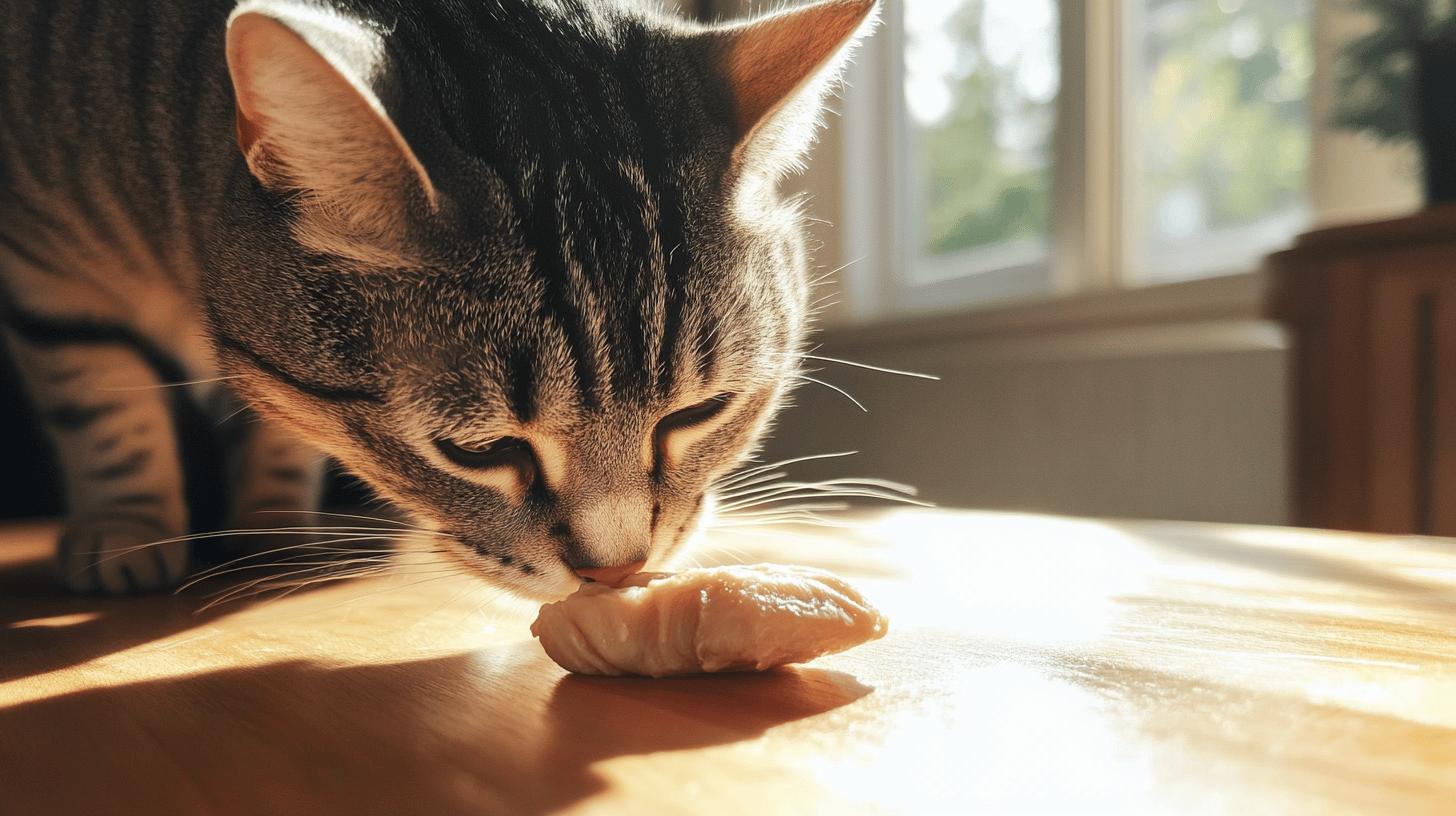
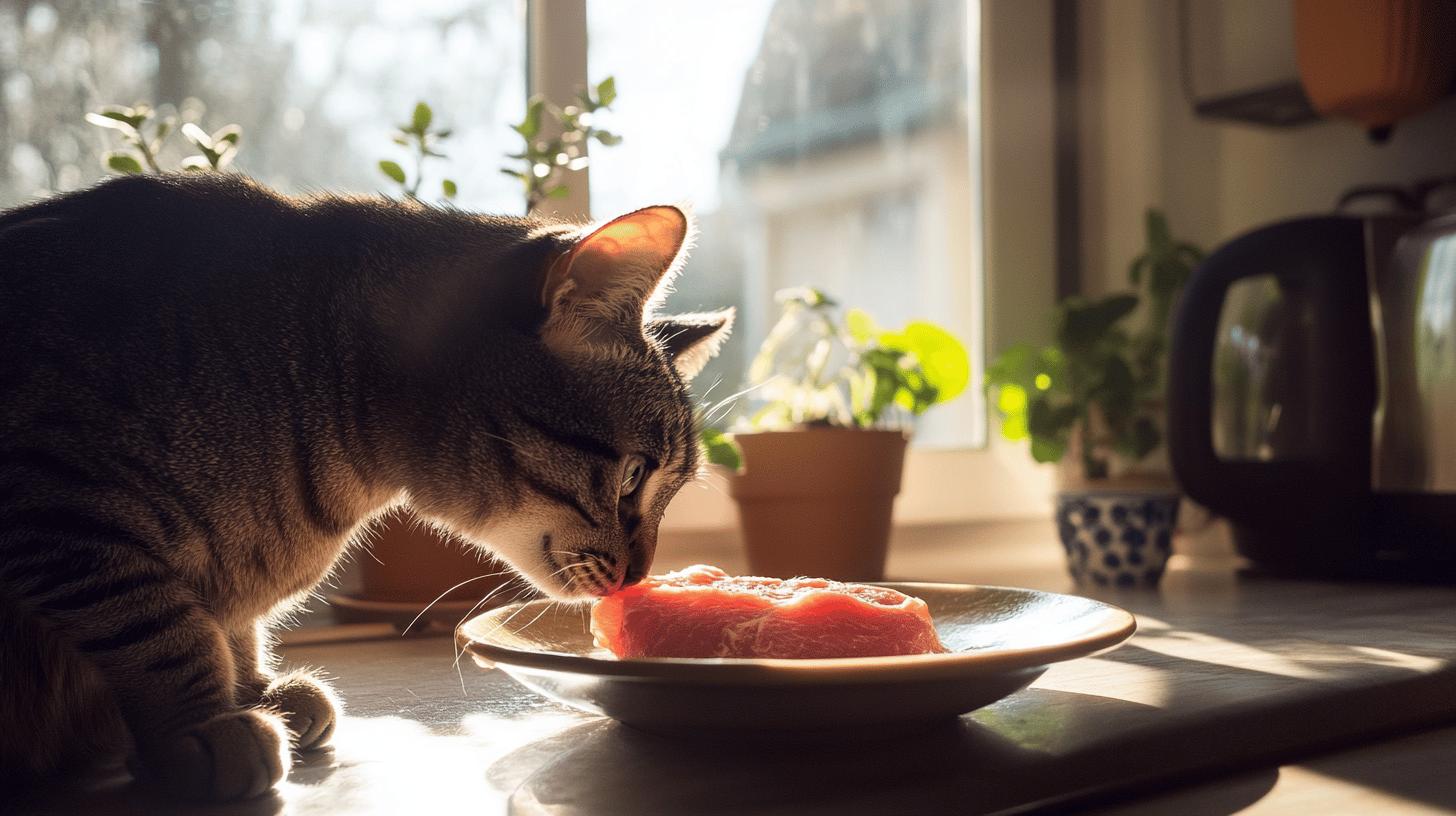
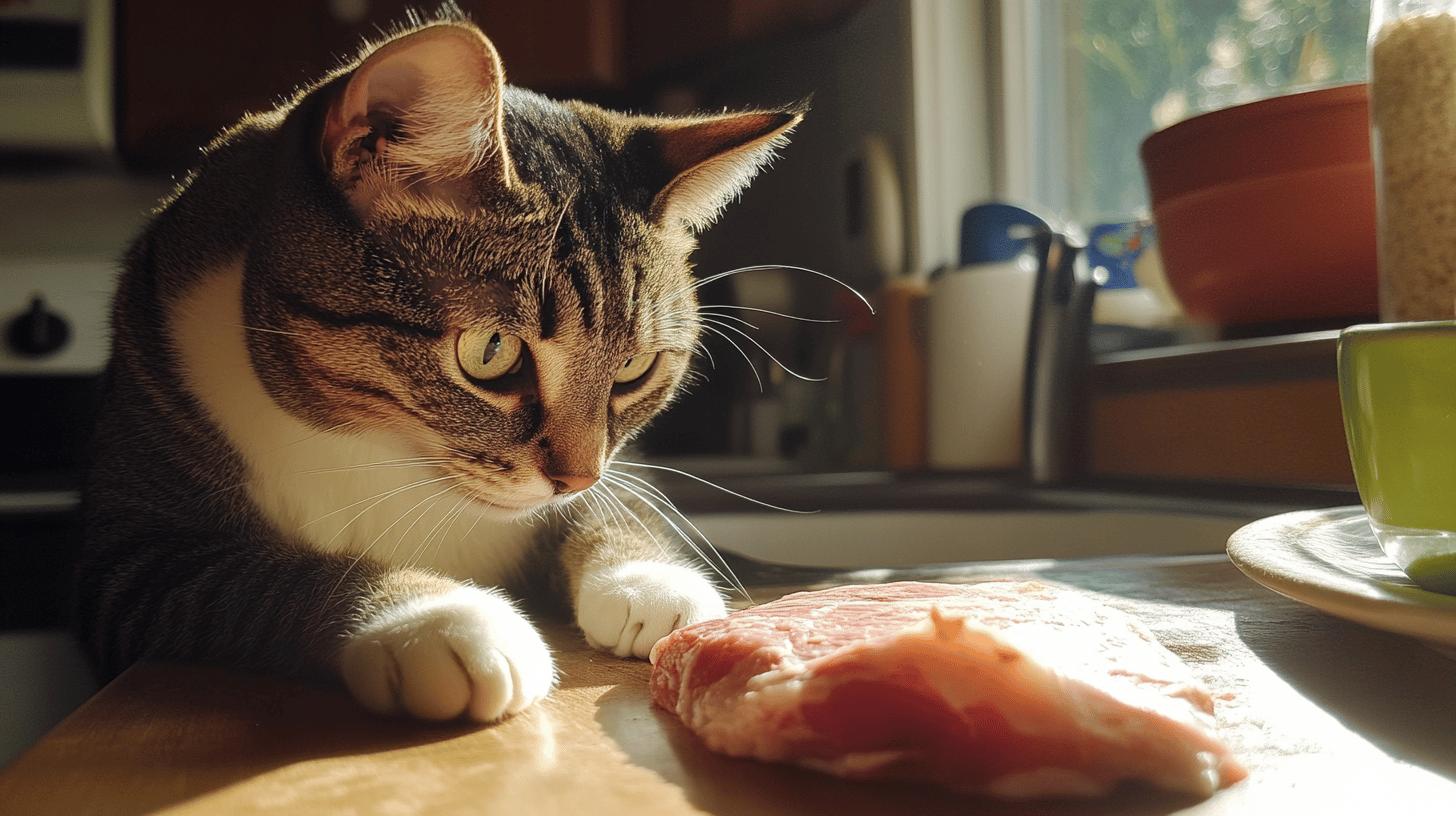
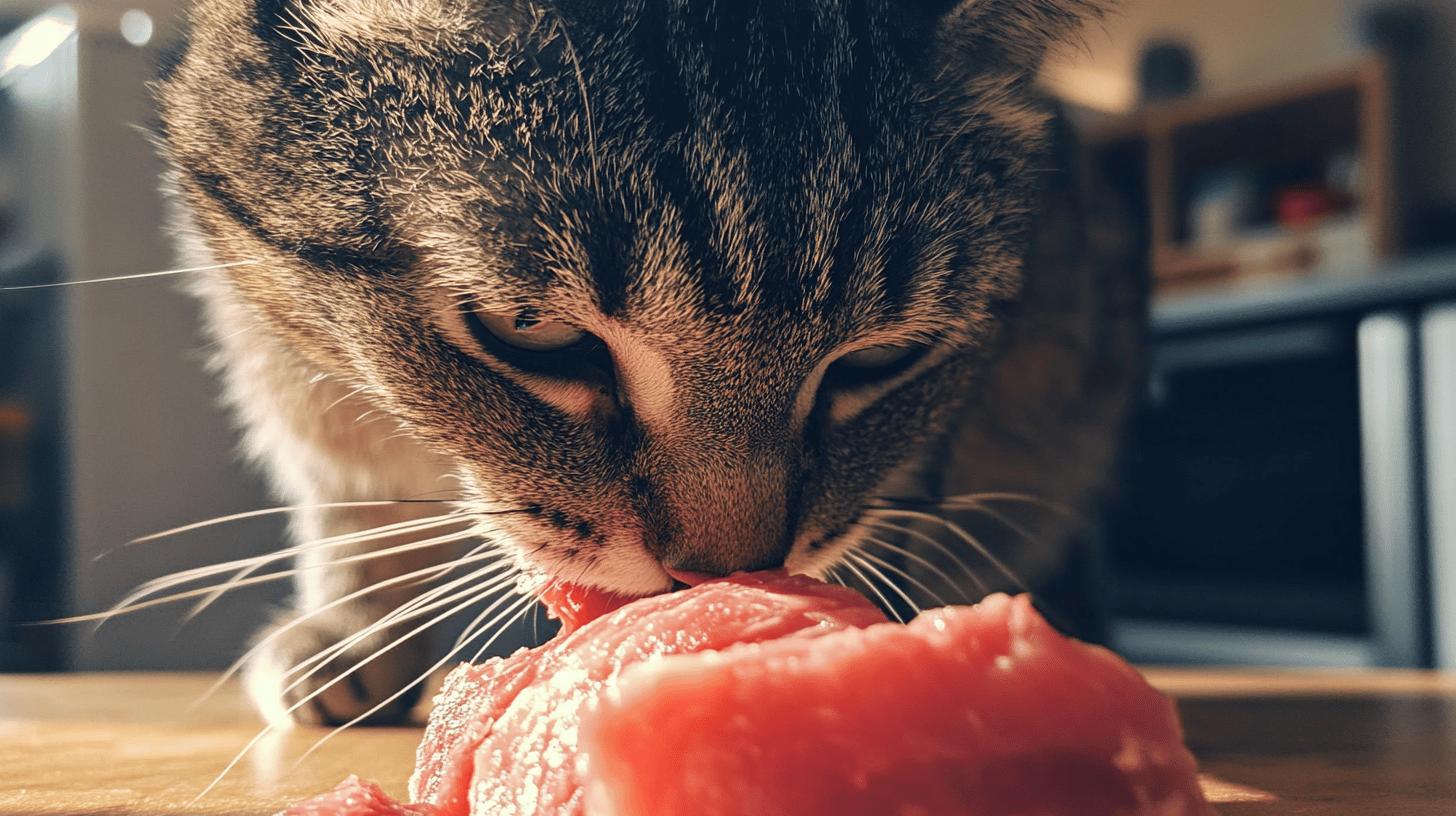
  • Can Cat Eat Raw Meat Safely and What Are the Risks

    Can Cat Eat Raw Meat Safely and What Are the Risks

    Is raw meat safe for cats? This question sparks many debates among cat owners and experts alike. Just like their wild ancestors, cats have a stomach designed to handle raw meat.

    But feeding them like a lion in the savannah comes with risks. While raw meat can be nutritious, it also carries bacteria that could harm your cat and even you. In this post, we'll explore the safety of a raw meat diet for cats, weighing the perks against the potential risks to help you make an informed decision.

    Can Cats Safely Eat Raw Meat?

    Can Cats Safely Eat Raw Meat-1.jpg

    Cats can indeed eat raw meat safely, given their natural digestive capabilities. Their short and acidic stomachs are designed to handle the bacteria present in raw meat, which mimics what they would consume in the wild.

    Despite this, there are significant risks involved, primarily due to bacterial infections such as Salmonella, Listeria, and E. coli. These bacteria can not only affect cats but also pose a health risk to humans. Thus, while a raw meat diet can be part of a cat's nutritional intake, it must be approached with caution to avoid these potential hazards.

    To ensure the safety of feeding raw meat to cats, consider the following key safety guidelines:

    • Hygienic Preparation: Always prepare raw meat on clean surfaces and use separate utensils to prevent cross-contamination.

    • Proper Storage: Store raw meat at appropriate temperatures to inhibit bacterial growth and spoilage.

    • Quality Sourcing: Purchase raw meat from reputable sources that adhere to strict quality control standards.

    Many pet owners worry about the safety of raw feeding due to the risk of bacterial infections. The concern is valid, as improper handling or preparation can lead to health issues for both cats and humans.

    It is essential to follow stringent hygiene practices and ensure that the meat is sourced from reliable suppliers. By doing so, you minimize the risk and ensure your cat benefits from the raw diet while keeping everyone safe.

    Nutritional Benefits and Concerns of Raw Meat for Cats

    Nutritional Benefits and Concerns of Raw Meat for Cats-3.jpg

    Feeding raw meat to cats can provide them with a diet that's rich in natural nutrients, reflecting what they might eat in the wild. A raw diet offers species-specific nutrition that includes high levels of protein, essential fatty acids, and vital vitamins. This nutritional profile supports various aspects of feline health, from maintaining muscle mass to ensuring a healthy coat.

    Importantly, these nutrients remain intact in raw meat, as cooking can denature some beneficial compounds. For many cat owners, the appeal of a raw diet lies in these natural, unprocessed ingredients that aim to align closely with a cat's ancestral eating habits.

    Key nutrients found in raw meat include:

    • Protein: Supports muscle development and overall growth.

    • Taurine: Essential for heart health, vision, and reproductive function.

    • Omega Fatty Acids: Promote healthy skin and a shiny coat.

    • Vitamins: Various B vitamins support energy metabolism and nervous system health.

    • Minerals: Such as zinc and selenium, which boost the immune system.

    Despite these benefits, there are concerns about nutritional imbalances in raw diets. Many raw diets do not meet the AAFCO standards for complete and balanced nutrition, which can lead to deficiencies if not properly managed. It's crucial to ensure that a cat's raw diet includes a full spectrum of necessary nutrients to maintain optimal health.

    This often requires careful planning and consultation with a veterinarian or pet nutritionist. By addressing these potential concerns, cat owners can better provide their pets with a satisfying and nutritionally complete raw diet.

    Types of Raw Meat Suitable for Cats

    Types of Raw Meat Suitable for Cats-3.jpg

    Choosing the right type of meat for your cat's raw diet is crucial for maintaining their health and well-being. Different meats offer varying nutritional benefits, so it's important to select those that provide the essential nutrients cats need.

    Cats are obligate carnivores, meaning their dietary needs are primarily met through meat consumption. This section will explore some of the best options for raw meats that are safe and beneficial for your feline friend.

    Chicken

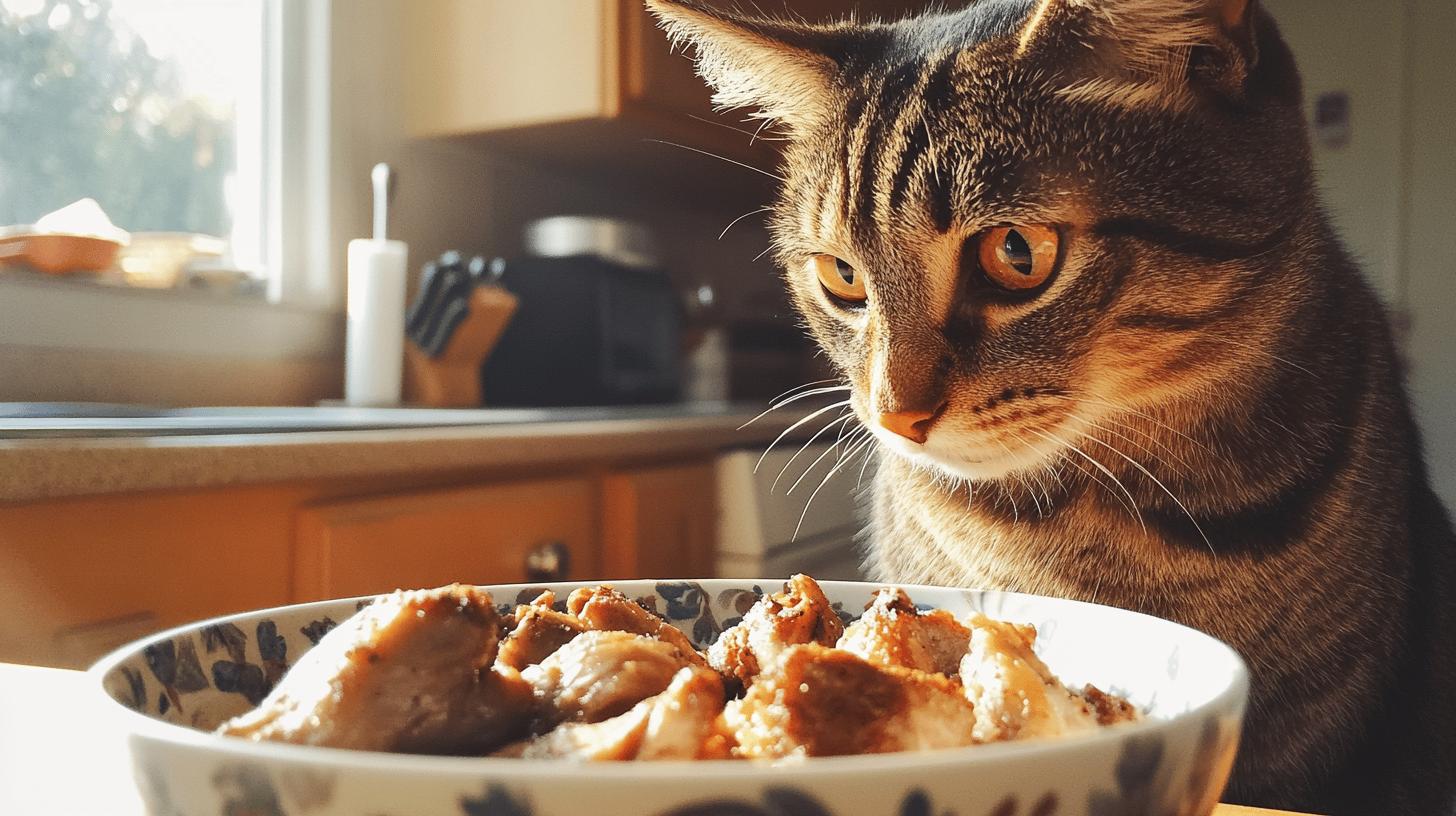
    Chicken is a popular choice for cat owners looking to feed raw meat. It's low in fat and sodium, making it a healthy option that is rich in protein and taurine, both crucial for your cat's health. Protein supports muscle development and energy, while taurine is essential for heart function, vision, and reproductive health. With its easy digestibility, chicken can be a staple in a cat's raw diet.

    Beef

    Beef is another excellent option for a raw diet, offering a multitude of benefits. It is rich in nutrients that promote heart health and support muscle growth. The high protein content in beef aids in maintaining strong muscles and tissues. Feeding raw beef can also contribute to a healthy reproductive system in cats, making it a valuable addition to their diet.

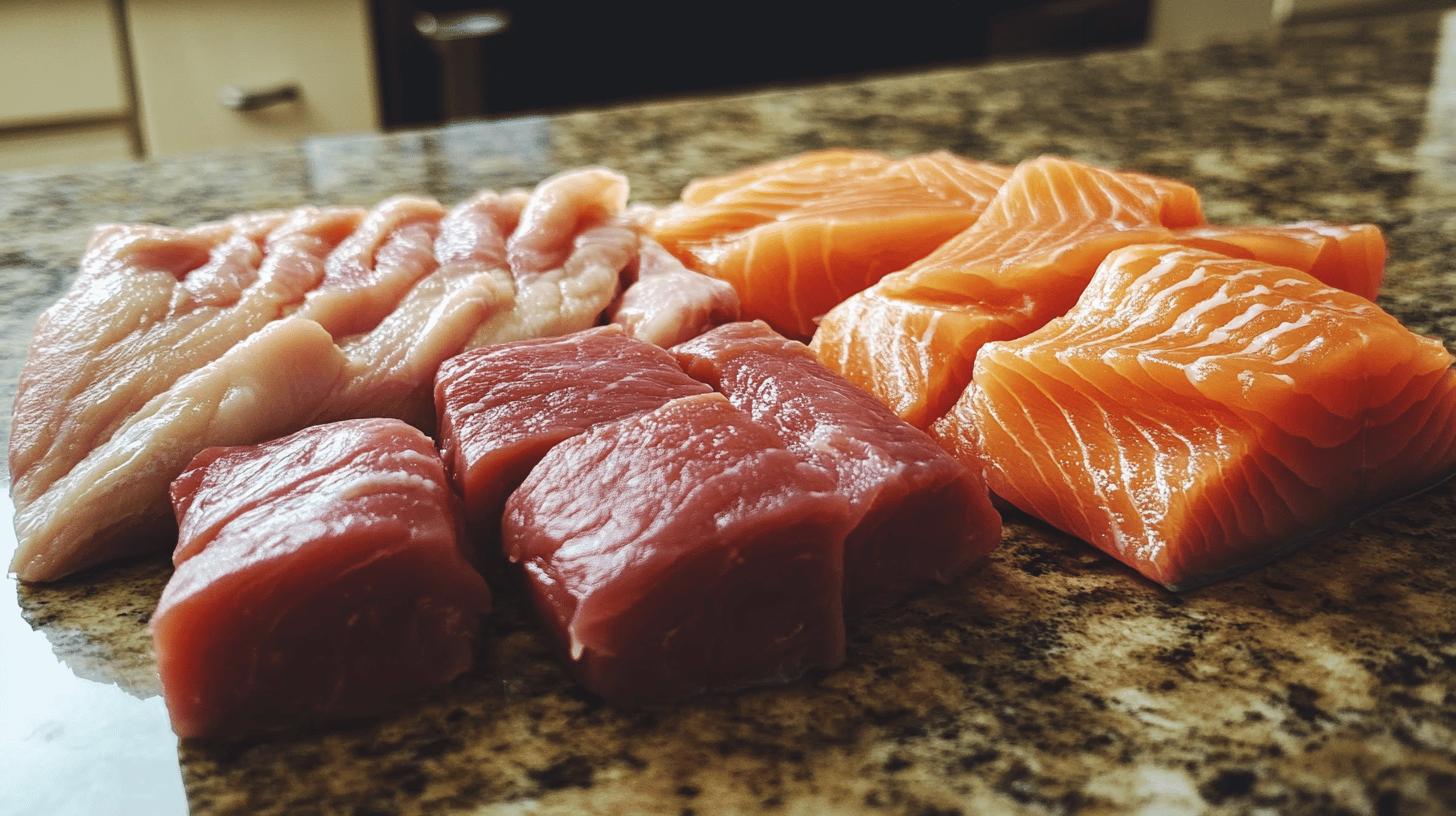
    Fish

    Fish, such as salmon, is prized for its high omega-three fatty acid content, which is beneficial for a cat's skin, coat, and immune system. These fatty acids help keep a cat's coat shiny and support overall health.

    Additionally, fish is a great source of protein, making it a strong contender for inclusion in your cat's diet. It's important, however, to ensure that the fish is fresh and free from any bones that could be harmful.

    Lamb/Duck

    Lamb and duck are both rich in vitamins and minerals that are vital for a cat's health. They provide B-group vitamins, including riboflavin, niacin, and vitamin B12, which support nervous system function and energy metabolism.

    The minerals found in these meats, such as zinc and selenium, help boost the immune system and keep your cat healthy and energetic. Both lamb and duck offer unique flavors that can keep your cat's diet interesting and nutritionally complete.

    Expert Opinions and Studies on Raw Diets for Cats

    Expert Opinions and Studies on Raw Diets for Cats-4.jpg

    In the world of feline nutrition, some experts, like Dr. Francis, a wildlife nutritionist, advocate for raw diets. Dr. Francis argues that raw diets provide essential nutrients that closely mimic what cats would consume in their natural environments.

    This perspective suggests that raw feeding can lead to noticeable improvements in a cat's coat health, energy levels, and overall vitality. The idea is that by feeding cats a diet similar to their wild ancestors, we fulfill their innate nutritional needs more effectively.

    Despite these claims, there is a lack of peer-reviewed studies that confirm the health benefits of raw diets for cats. Most of the positive outcomes associated with raw feeding are based on anecdotal evidence from pet owners who report visible improvements in their cats' health.

    While these personal accounts are valuable, they do not replace scientific research that rigorously tests and verifies these observations. This absence of formal studies leaves a gap in the scientific understanding of the true impacts of raw diets on feline health.

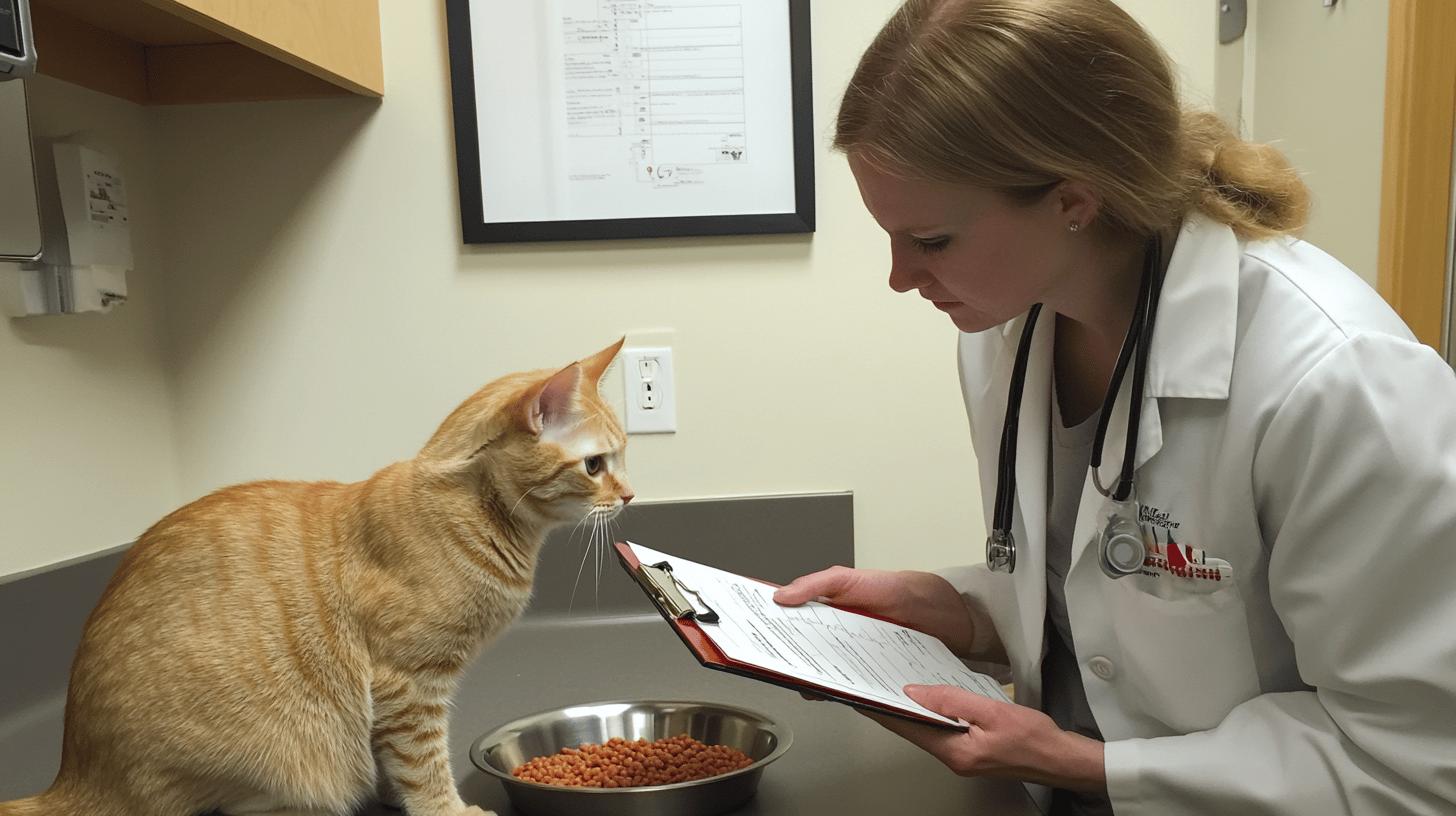
    Before switching to a raw diet for your cat, it's essential to consult with a veterinarian or a pet nutritionist. They can provide guidance tailored to your cat's specific health needs and help ensure that the diet is nutritionally balanced. This professional advice is crucial in navigating the potential risks and ensuring that your cat receives a safe and beneficial diet.

    Final Words

    Navigating the world of feeding raw meat to cats can feel overwhelming. Cats have a natural ability to digest raw meat, but there is always a risk of bacterial infections. Following hygiene guidelines helps. Raw diets can offer many nutritional benefits. These include essential proteins and fatty acids. But, you must balance the nutrients carefully.

    Different types of raw meat, like chicken and fish, are safe. They bring unique health benefits. Experts like Dr. Francis support raw diets but caution against risks. Always consult a vet before you decide. With the right approach, incorporating raw meat can be a healthy choice for your cat.

    FAQ

    Can cats eat raw meat?

    Cats can eat raw meat, but it should be hygienically prepared to avoid bacterial infections like Salmonella. Cats have short, acidic stomachs that can handle bacteria, but proper care is needed.

    Can I feed my cat raw meat from the grocery store?

    When feeding cats raw meat from the grocery store, use fresh cuts and practice good hygiene to reduce bacteria risk. Always check for freshness and store meat properly.

    Can cats eat raw chicken?

    Cats can eat raw chicken as it offers protein and taurine. However, ensure it's fresh and prepared safely to minimize bacterial infections.

    Can cats eat raw meat every day?

    Cats can eat raw meat daily if the diet is balanced and meets their nutritional needs. Work with a vet to ensure complete nutrition.

    Can cats eat raw egg?

    Cats can eat raw eggs, but it's safer when cooked. Raw eggs carry a risk of bacteria and should be given cautiously.

    Can cats eat raw ground beef?

    Cats can eat raw ground beef, which is high in protein for muscle development. Ensure it's fresh and handle it with care to prevent bacteria.

    Can cats eat raw fish?

    Cats can eat raw fish like salmon, which provides omega-three fatty acids beneficial for skin and coat health. Ensure fish is fresh and of good quality.

    Can kittens eat raw meat?

    Kittens can eat raw meat, but their diet needs more monitoring for balance. Consult your vet for guidance on kitten nutrition.

    What kind of raw meat can cats eat?

    Cats can eat chicken, beef, fish, lamb, and duck. Each offers unique nutrients, but freshness and hygiene practices are vital.

    What can happen if a cat eats raw meat?

    If improperly prepared, raw meat can cause bacterial infections in cats, leading to gastrointestinal issues. Always handle raw meat with care.

    Is it okay to give my cat raw chicken?

    Yes, it's okay to give your cat raw chicken if prepared safely. It's rich in protein and taurine but requires careful handling to avoid bacteria.

    Do cats eat raw or cooked?

    Cats can eat both raw and cooked meat. Cooked meat reduces bacteria risk, while raw meat retains more natural nutrients. Balance is key.

    Related Articles

  • Can Cats Eat Chicken Safely and What to Consider

    Can Cats Eat Chicken Safely and What to Consider

    Can cats eat chicken safely? Yes-chicken is one of the safest, most nutritionally appropriate foods for cats. As obligate carnivores, cats thrive on high-quality protein, and chicken delivers exactly that. Unlike many human foods, chicken aligns perfectly with feline biology. This guide covers preparation methods, portion guidelines, safety considerations, and how to incorporate chicken into your cat’s diet responsibly.

    Is Chicken Safe for Cats? The Nutritional Foundation

    Chicken is genuinely safe and beneficial for cats. Here’s why:

    Complete Protein Profile

    Chicken contains all 11 essential amino acids cats require, including taurine (which cats cannot synthesize). A 3.5oz serving of cooked chicken provides:

    • 31g protein: High-quality, complete protein supporting muscle maintenance
    • 0g carbohydrates: Perfect for obligate carnivores
    • Taurine: Critical for heart health and vision; deficiency causes blindness and cardiomyopathy
    • B vitamins: Support energy metabolism and nervous system health
    • Selenium & phosphorus: Support bone and thyroid health

    Chicken Organ Meats: Liver, Heart, and Gizzards

    While chicken breast and thighs are excellent protein sources, chicken organ meats offer superior nutritional density and are among the most bioavailable foods for cats.

    Chicken liver: Exceptionally rich in taurine (essential amino acid cats cannot synthesize), vitamin A, iron, and B vitamins. A small amount goes a long way. Offer no more than 5-10% of your cat’s diet as organ meat because of vitamin A concentration. Excessive vitamin A causes toxicity over time. Serve small portions (approximately pea-sized) as treats or meal toppers; some cats enjoy lightly cooked liver shreds mixed into wet food.

    Chicken heart: The single best natural source of taurine in the chicken family. Hearts are lean, protein-dense, and lower in vitamin A than liver, making them safer for frequent feeding. Whole chicken hearts can be a fun training treat or puzzle feeder enrichment for cats who enjoy hunting and chewing.

    Chicken gizzards: High in protein and iron but tougher texture than breast meat. Gizzards work well as slow-feed enrichment treats: the chewing effort stimulates jaw muscles and dental health. Some cats dislike the texture; observe your cat’s reaction before making them a regular addition.

    Preparation: Cook gently (boil or low-heat simmer) to eliminate bacteria; raw organ meats carry higher pathogenic risk than muscle meat. Never feed organ meats from factory-farmed chickens treated with antibiotics without consulting your vet.

    Digestibility

    Cats digest animal protein with exceptional efficiency. Chicken protein is digestible at 95%+ (humans digest plant protein at ~60-80%, animal protein at ~90%). Your cat’s body readily absorbs and utilizes chicken’s amino acids.

    Low Allergenic Risk

    Chicken is the least allergenic animal protein for cats. Food allergies in cats typically stem from grains, fillers, or fish-not chicken. This makes chicken ideal for cats with digestive sensitivities.

    Chicken Preparation: Raw vs. Cooked Safety

    Cooked Chicken (SAFEST OPTION)

    Best cooking methods:

    • Boiling (preferred): Place chicken breast in water, no salt or seasonings. Boil 12-15 minutes until internal temperature reaches 165°F. Shred into bite-sized pieces. Can add a tablespoon of cooking water to kibble for palatability.
    • Baking: 350°F for 20-25 minutes (uncovered). No oil, salt, or seasonings. Once cooked, shred before serving.
    • Slow cooker: Low heat 6-8 hours with water. Extremely tender; easy to shred.
    • Steaming: Preserves nutrients; 15-20 minutes until fully cooked.

    Safety guidelines:

    • Remove all bones: Cooked bones splinter dangerously. Even small fragments can perforate the intestines.
    • Remove skin: Skin is high fat; unnecessary and increases pancreatitis risk.
    • No seasoning: Salt, garlic, onion, spices are harmful. Plain chicken only.
    • Cool completely: Cats have less heat tolerance than humans; hot food causes mouth damage.
    • Store properly: Refrigerate up to 3 days; freeze up to 3 months. Use in 24 hours if thawed.
    • Portion control: 1-2 ounces per serving, 3-4x weekly maximum (see dosage section).

    Raw Chicken (ACCEPTABLE BUT WITH CAUTION)

    Some raw-food advocates recommend raw chicken for cats, arguing that cats in nature eat raw meat, which is partly true; however, there are important safety considerations:

    • Bacterial risk: Raw chicken frequently contains Salmonella and Campylobacter. While cats have strong stomach acid that kills many pathogens, they can still become carriers and shed bacteria, potentially infecting human family members.
    • Nutritional completeness: Raw chicken lacks the nutrient profile of a balanced diet. It must be part of a formulated raw diet including organs, bones, and supplements-not a standalone treat.
    • Parasite risk: Wild-caught raw chicken may contain parasites cats’ immune systems can handle but that you should avoid deliberately introducing.

    If pursuing raw feeding: Work with a veterinary nutritionist to ensure balanced macro/micro nutrients. Never feed raw chicken as a casual treat without the framework of a complete raw diet.

    For most owners: Cooked chicken is safer, equally nutritious, and requires zero additional supplementation.

    Portion & Frequency Guidelines (By Cat Weight & Age)

    Chicken should comprise 5-10% of daily calories, maximum. Never use chicken as a meal replacement for complete cat food.

    By Cat Weight

    Cat Weight Daily Calories Max Chicken/Day Recommended Serving
    5 lbs (underweight) 180-200 cal 15-20 cal 0.5oz every other day
    8 lbs (ideal) 240 cal 20-25 cal 1oz, 3-4x weekly
    10 lbs (ideal) 280 cal 25-30 cal 1oz, 3-4x weekly
    12 lbs (overweight) 250 cal (diet mode) 20-25 cal 0.75oz, 2-3x weekly
    15+ lbs (obese) 200-220 cal (strict diet) 15-20 cal 0.5oz, 2x weekly

    By Life Stage

    • Kittens (under 6 months): Higher protein needs but smaller portions. 0.25-0.5oz per serving, 3-4x weekly. No raw chicken (immune system still developing).
    • Adult cats (1-10 years): Use guidelines above. Both raw and cooked are acceptable if properly prepared.
    • Senior cats (over 10 years): Often appetite decreases. Chicken becomes important protein source if eating less kibble. 0.5-1oz, daily may be appropriate depending on overall diet. Cooked only (easier to digest).
    • Pregnant/nursing queens: Protein needs increase 25-50%. Up to 2oz daily of cooked chicken is appropriate. Work with your vet for complete nutrition during this critical period.

    Chicken as a Training Tool & Behavioral Reward

    Why Chicken Works for Training

    Chicken is high-value: cats prioritize it above kibble or standard treats. This makes it ideal for:

    • Teaching “Sit,” “Come,” or other behaviors
    • Rewarding desired behavior (using the litter box, entering carrier)
    • Building positive associations (vet visits, nail trimming)

    Training Portions

    For training, use pea-sized pieces of cooked chicken. Multiple small pieces achieve faster delivery than one larger treat, improving learning speed.

    Example training session: 5-minute “Come” training with 10 successful repetitions = 10 pea-sized pieces = ~5-10 calories total. This fits within daily treat allowance.

    Chicken vs. Other Proteins: Comparative Nutrition

    Protein Source Protein (per 3.5oz) Fat Taurine Best For
    Chicken 31g 3.6g High Daily treats; ideal baseline
    Turkey 29g 1.3g High Leaner alternative
    Beef 26g 11g High Occasional (iron overload risk)
    Salmon 25g 13g Medium Omega-3 boost; limit frequency (high fat)
    Lamb 25g 8g High Good alternative; less common

    Verdict: Chicken is the most balanced: high protein, moderate fat, excellent taurine, low allergy risk.

    Allergies & Health Conditions: When to Avoid or Limit

    Chicken Allergies (Rare but Possible)

    True chicken allergies are uncommon in cats (<5% of food allergies involve chicken). If your cat has a diagnosed chicken allergy, substitute turkey or another protein. Discuss with your vet before changing proteins.

    Signs of chicken allergy/sensitivity:

    • Vomiting within 1-2 hours of eating
    • Diarrhea or loose stools
    • Excessive itching or skin irritation (rare in food allergies but possible)
    • Consistent GI symptoms with chicken, resolved when removed

    Condition-Specific Considerations

    • Kidney disease: Moderate protein is usually recommended. Chicken is fine in appropriate portions (not as meal replacement). Work with your vet on overall diet.
    • Pancreatitis: Chicken breast (very lean) is safer than fattier meats. Limit to 0.5oz, 1-2x weekly. Avoid skin entirely.
    • Liver disease: Chicken is appropriate; high-quality protein supports liver function. Limit to 0.5-1oz daily depending on condition severity.
    • Diabetes: Chicken as a protein treat is excellent for diabetic cats. Zero carbs support blood sugar regulation.
    • Hyperthyroidism: Chicken is fine. Some cats benefit from iodine restriction-discuss with vet if using chicken as primary food source.

    Chicken Preparation & Storage Guide

    Weekly Preparation (Time-Saving Method)

    1. Cook 1 lb chicken breast using boiling or baking method (see above)
    2. Cool completely
    3. Shred into serving-size portions
    4. Store in airtight glass containers
    5. Refrigerate up to 3 days; freeze remaining portions in ice cube trays (each cube = 1oz)
    6. Thaw frozen cubes 2-4 hours before serving

    Food Safety

    • Never leave cooked chicken at room temperature >2 hours
    • Discard uneaten portions after 15 minutes
    • Freezing halts bacterial growth; use thawed chicken within 24 hours
    • Wash hands and surfaces after handling raw chicken (reduces human contamination risk)

    Frequently Asked Questions

    Can kittens eat chicken?

    Yes, cooked chicken is excellent for kittens; use smaller portions (0.25-0.5oz) due to smaller stomach capacity, avoid raw chicken while the immune system is still developing, and offer it 3-4x weekly at most.

    Can cats eat chicken bones?

    Never. Cooked bones splinter into sharp fragments that perforate the esophagus, stomach, or intestines. This requires emergency surgery, and even raw bones are less brittle but still dangerous and must be fully removed before serving.

    Is chicken skin safe for cats?

    Technically yes, but it is not recommended because skin is 50%+ fat, which is excessive for cats and can trigger pancreatitis. Always remove the skin before serving.

    Can cats eat rotisserie chicken?

    Rotisserie chicken from grocery stores contains garlic, onion, salt, and other seasonings harmful to cats. Never offer. Prepare your own unseasoned chicken instead.

    What about chicken broth?

    Plain chicken broth (no salt, seasonings, onion, garlic) is safe in small amounts (1-2 tablespoons). It adds flavor to kibble or serves as hydration. Many broths contain excessive salt-check labels.

    How much chicken per meal?

    Keep portions to 1oz maximum: chicken supplements meals rather than replacing them, so your cat still needs balanced commercial food for complete nutrition.

    Can cats eat chicken every day?

    3-4 times weekly is ideal. Daily chicken replaces other nutritionally complete foods. If offering daily, reduce to 0.5oz and ensure balanced kibble comprises bulk of diet.

    Behavioral Benefits: Chicken as Enrichment

    Beyond nutrition, chicken provides behavioral enrichment:

    • Mental stimulation: Working for chicken treats (training, puzzle feeders) provides cognitive engagement
    • Predatory satisfaction: Handling and consuming meat aligns with natural hunting behaviors
    • Bonding: Hand-feeding chicken creates positive association with you

    The Bottom Line

    Chicken is one of the safest, most nutritionally appropriate treats for cats. Properly prepared (cooked, boneless, unseasoned), chicken supports health and enriches your cat’s diet. Follow portion guidelines, maintain balance with complete food, and enjoy the confidence that you’re offering species-appropriate nutrition.

    Related Nutrition & Training Guides

    These practices will help you make informed decisions about your cat’s care and well-being.

    Consistent practice and patience are the keys to success with this approach.

  • Can Cat Eat Pepper Exploring Safety and Types for Your Feline

    Can Cat Eat Pepper Exploring Safety and Types for Your Feline

    Ever wondered if your curious cat can handle a taste of pepper? While some foods may be harmless, others can upset your feline friend's tummy. Cats and peppers can mix like oil and water when it comes to their sensitive digestive systems.

    In this article, we'll explore which types of peppers are safe or risky for cats and why they might not be the best snack. Let’s dig into what we know about peppers and how they can impact your cat's health and happiness.

    Can Cats Eat Pepper Safely and Types of Peppers and Their Effects on Cats

    Can Cats Eat Pepper Safely and Types of Peppers and Their Effects on Cats-1.jpg

    Cats can technically eat certain types of pepper, but it’s not something I would recommend including in their diet. Even though some peppers aren't toxic, they can lead to digestive issues.

    Cats have sensitive stomachs, and introducing spicy or unfamiliar foods could cause more harm than good. The lack of nutritional benefits from peppers makes them a poor choice for a regular treat.

    Starting with black and white pepper, these are not toxic in small amounts. However, they can cause gastrointestinal upset, including vomiting or diarrhea. The strong smell and taste might also be off-putting to some cats.

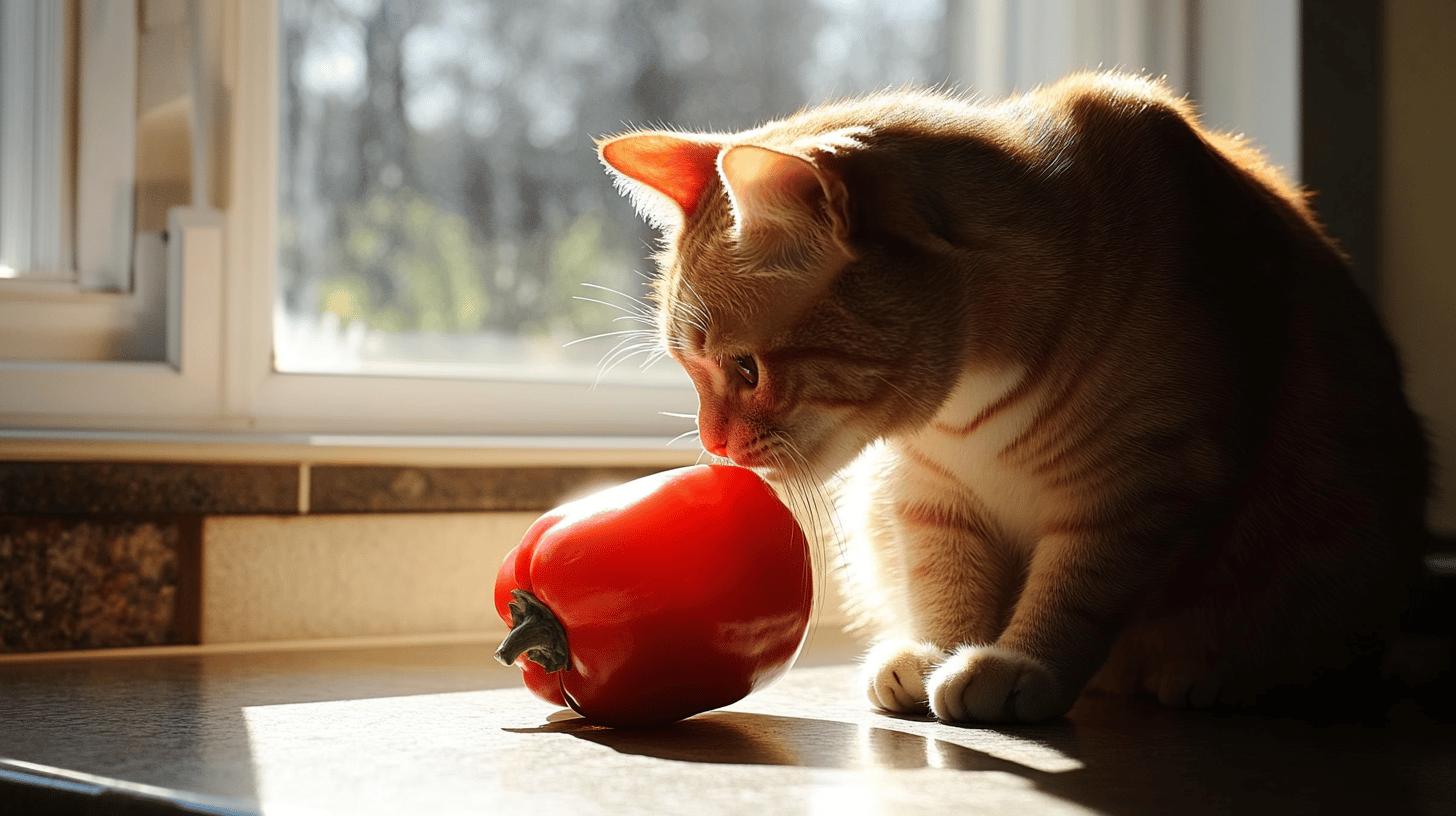
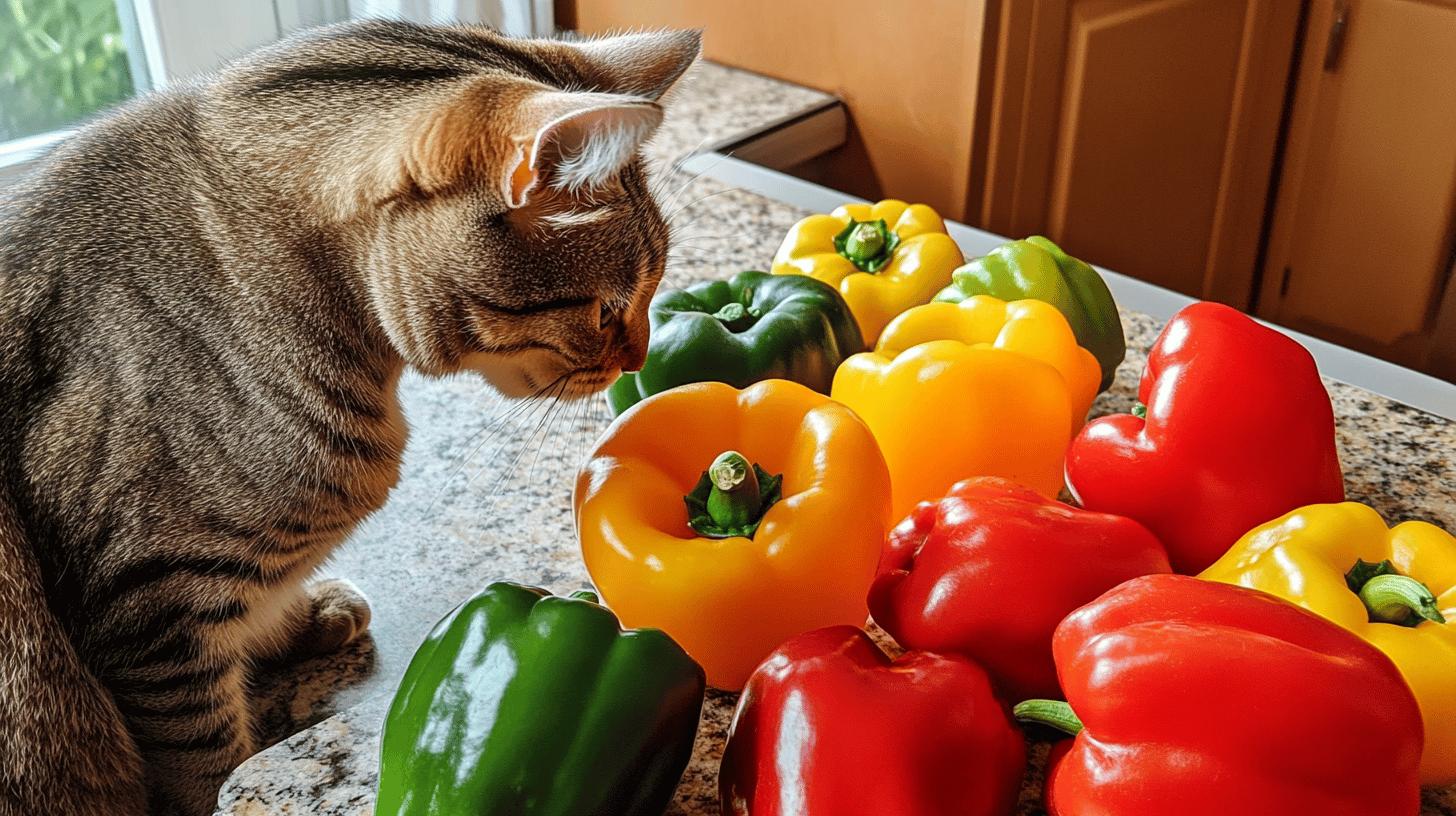
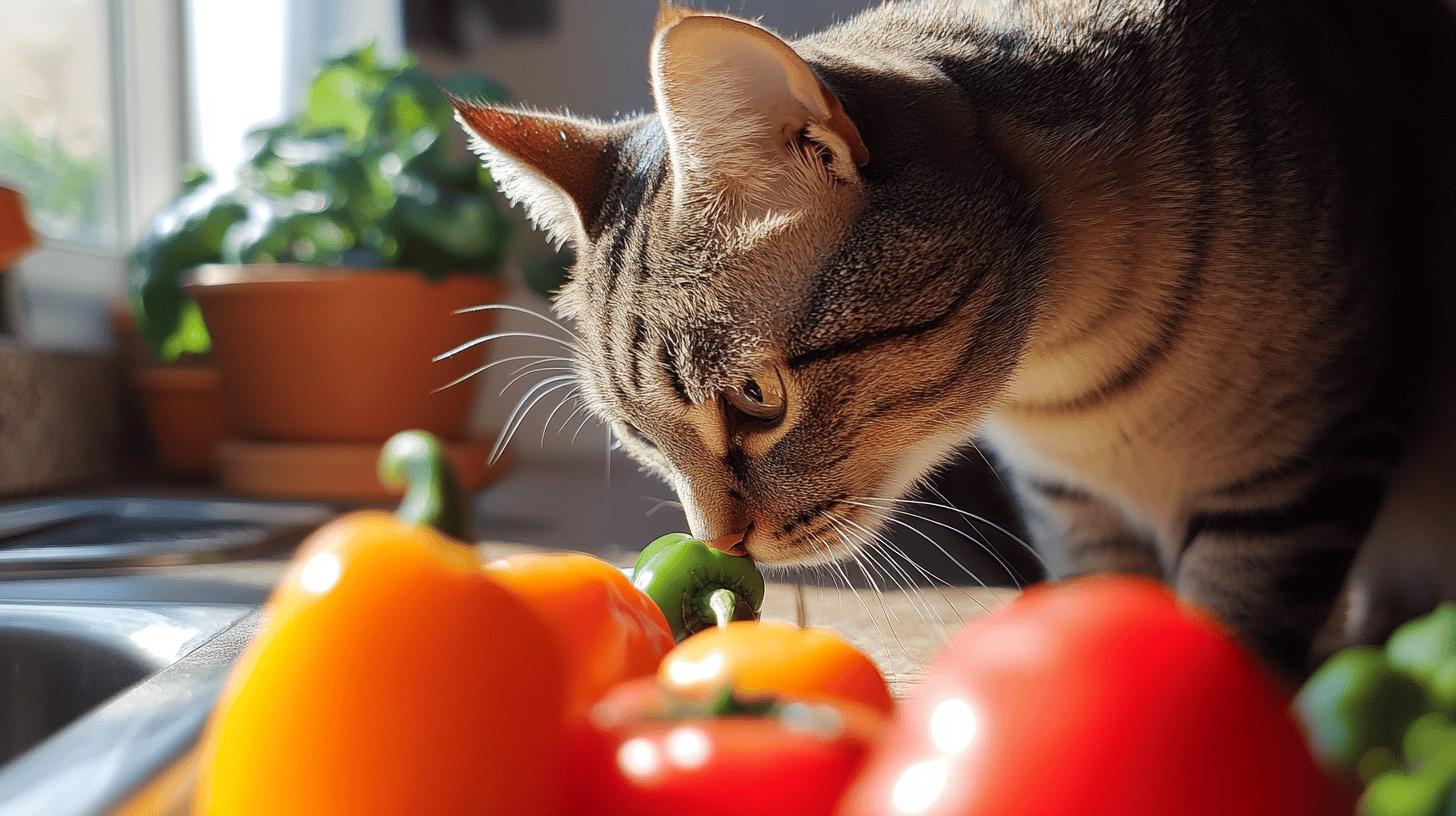
    Bell peppers, on the other hand, are non-toxic and safe for cats to eat in moderation. They can be a source of vitamins and fiber, but given that cats are obligate carnivores, they don't need the nutrients found in bell peppers.

    Jalapenos and chili peppers are a different story. While not toxic, their spiciness can cause considerable discomfort. Cats lack the taste receptors for spiciness, but these peppers can still irritate their digestive system.

    The intense aroma might deter cats from eating them, which is probably for the best. Paprika, made from dried bell peppers, is another spice that should be avoided. Although non-toxic, its powdery form could irritate a cat’s nose and airways.

    Veterinary advice suggests steering clear of seasoning your cat's food with any type of pepper. It’s best to stick to foods that are specifically designed for cats to ensure their health and well-being. Here’s a quick summary of the effects different types of peppers can have on cats:

    Pepper Type Effect on Cats
    Black Pepper Can cause gastrointestinal upset
    White Pepper May lead to vomiting or diarrhea
    Bell Peppers Safe in moderation, non-toxic
    Jalapenos Can cause discomfort due to spiciness
    Chili Peppers Likely to cause digestive irritation

    Always prioritize your cat's health by consulting with a vet before adding new foods or seasonings to their diet. It's a simple step that can help avoid unnecessary health risks.

    Potential Health Risks of Pepper for Cats

    Potential Health Risks of Pepper for Cats-2.jpg

    When cats consume pepper, they can experience unpleasant symptoms like vomiting and diarrhea. These reactions occur because cats' digestive systems are sensitive to spicy foods. If you see your cat licking or pawing at their mouth, it could be a sign of discomfort from the pepper. This behavior indicates irritation and distress caused by the pepper.

    For any symptoms after a cat consumes pepper, consulting a veterinarian is crucial. Overexposure can escalate health problems, highlighting the need for professional guidance. Pepper isn't necessary in a cat's diet, and to prevent health risks, it's best to avoid it. Keeping to a diet formulated for cats ensures their well-being and avoids complications from inappropriate foods.

    Understanding Cats' Sensitivity to Spicy Foods

    Understanding Cats Sensitivity to Spicy Foods-1.jpg

    Cats don't have taste receptors for spiciness like humans do. They can't feel the burning sensation we get from spicy foods. The lack of these receptors is due to physiological differences in their taste buds.

    When spicy foods are consumed, they can irritate a cat's digestive tract. This might lead to symptoms like vomiting or diarrhea. Cats' stomachs aren't designed to process the spices found in foods like chili peppers. Their digestive systems are specialized for breaking down meat, not handling spicy ingredients, which can cause discomfort.

    Their keen sense of smell acts as a natural deterrent. Cats can detect spicy or potentially harmful substances by scent alone, often avoiding them before tasting. This sensory ability helps them steer clear of spicy dishes, protecting them from unnecessary digestive distress.

    Final Words

    Exploring whether a cat can eat pepper reveals some interesting insights. While certain peppers, like bell peppers, are safe in moderation, others like black or white pepper can cause stomach upset. Spicy varieties such as jalapenos can lead to discomfort, as cats are sensitive to spiciness despite not tasting it. It's best to avoid adding pepper to your cat's diet to keep them safe and healthy. Remember to consult a vet if your cat shows any adverse symptoms. Understanding these details can help provide safe and enjoyable meals for your feline friend.

    FAQ

    Can cats eat pepper and salt?

    Cats can eat pepper and salt, but it's not recommended. Consumption may lead to gastrointestinal issues like vomiting and diarrhea. Pepper seasoning in cat food should be avoided to prevent health issues.

    Can cats eat pepper juice or seeds?

    Cats should avoid pepper juice and seeds. These can cause stomach upset and discomfort. Always remove seeds if providing small amounts of bell pepper, which is safe in moderation.

    My cat ate black pepper; is that safe?

    If your cat ate black pepper, it should be fine in small amounts. Watch for signs of stomach upset, such as vomiting or diarrhea. If symptoms occur, consult your vet.

    Can cats eat bell peppers raw or seeds?

    Cats can eat raw bell peppers in moderation. Bell peppers are non-toxic and safe. Remove seeds, as they can cause stomach upset if consumed in large quantities.

    Can a cat eat black pepper?

    Cats can consume black pepper in very small amounts, but it can cause digestive upset. It's best to keep black pepper away from your cat's diet to prevent discomfort.

    What happens if a cat eats a pepper?

    Eating pepper can cause vomiting, diarrhea, and discomfort in cats. Overconsumption or sensitivity may require vet attention. It's best to avoid peppers in a cat's diet.

    Can cats eat raw pepper?

    Cats can eat raw bell peppers safely in moderation. However, more potent types like jalapeños and chili peppers are not suitable due to irritation and discomfort risks.

    Related Articles

  • Can Cat Eat Mac and Cheese Risks and Considerations

    Can Cat Eat Mac and Cheese Risks and Considerations

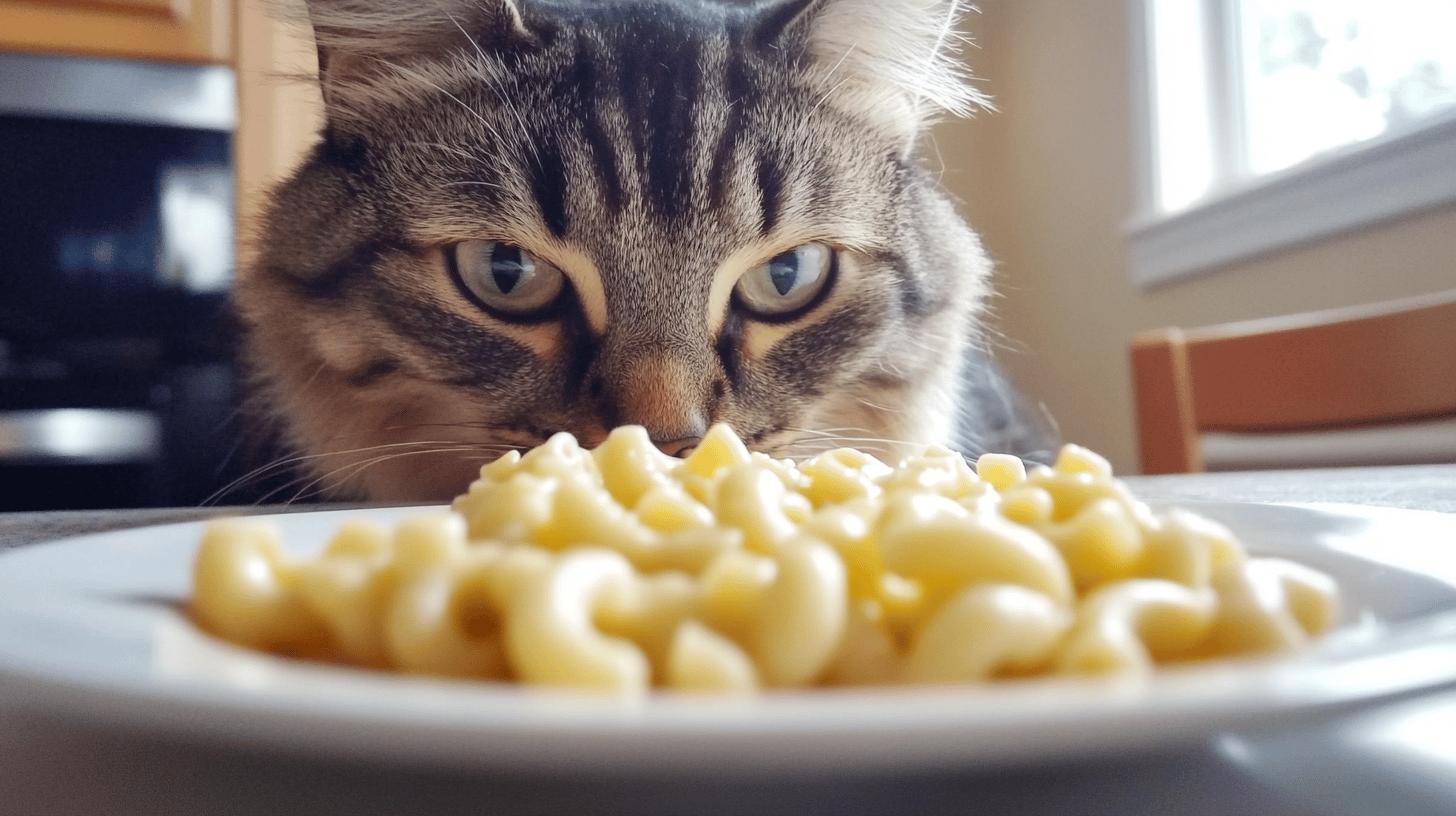
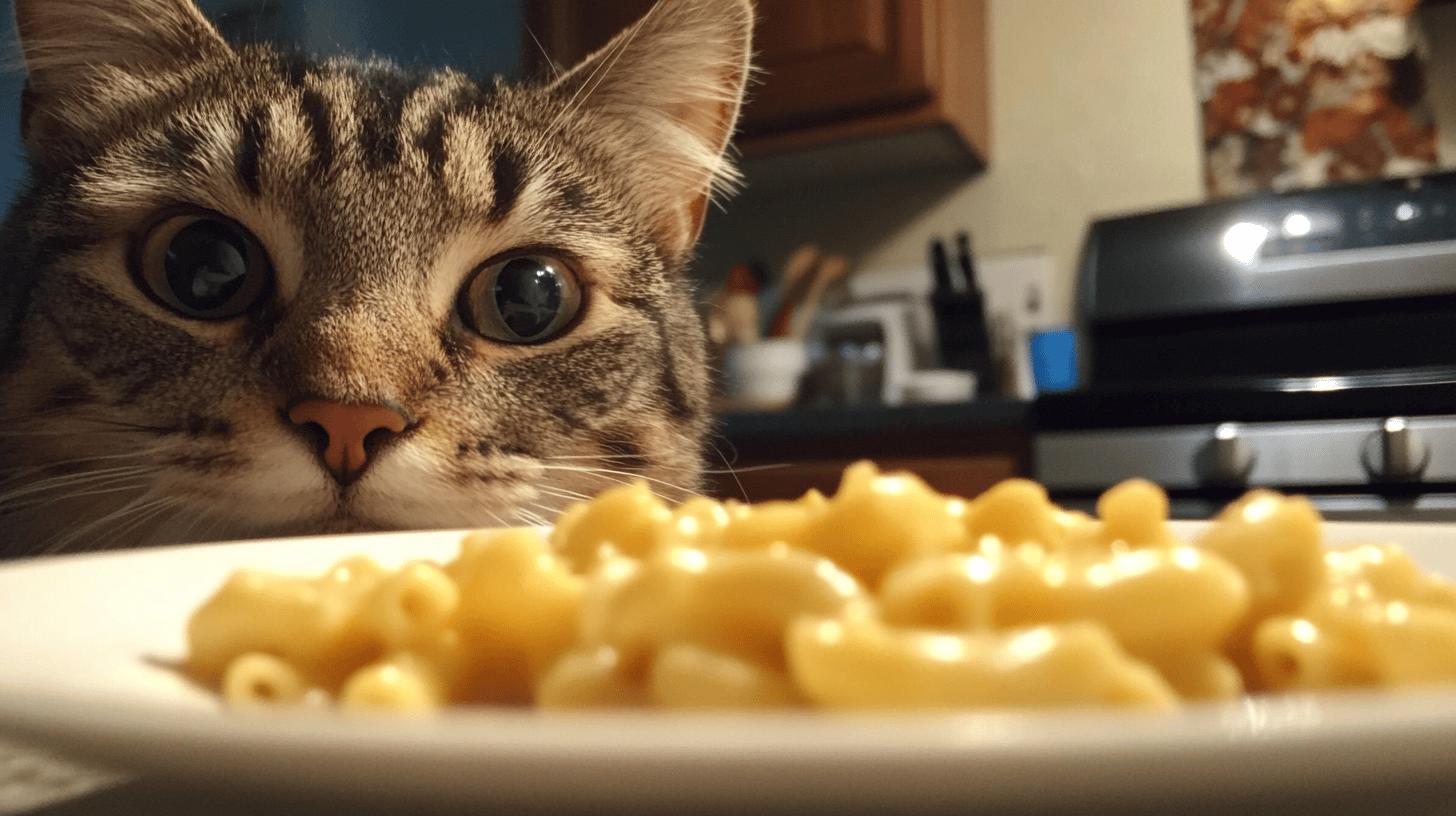
    Is your cat eyeing your bowl of mac and cheese with interest? Before sharing, it’s crucial to understand the risks. Mac and cheese might be mouth-watering for humans, but it can spell trouble for our feline friends.

    Cats are obligate carnivores, and their systems just aren’t built for pasta’s carbs or dairy’s lactose. These components can lead to health issues like obesity and digestive problems. This article dives into why mac and cheese isn’t a good menu item for your kitty and what you should consider instead.

    Can Cats Eat Mac and Cheese? Understanding the Risks

    Can Cats Eat Mac and Cheese Understanding the Risks-1.jpg

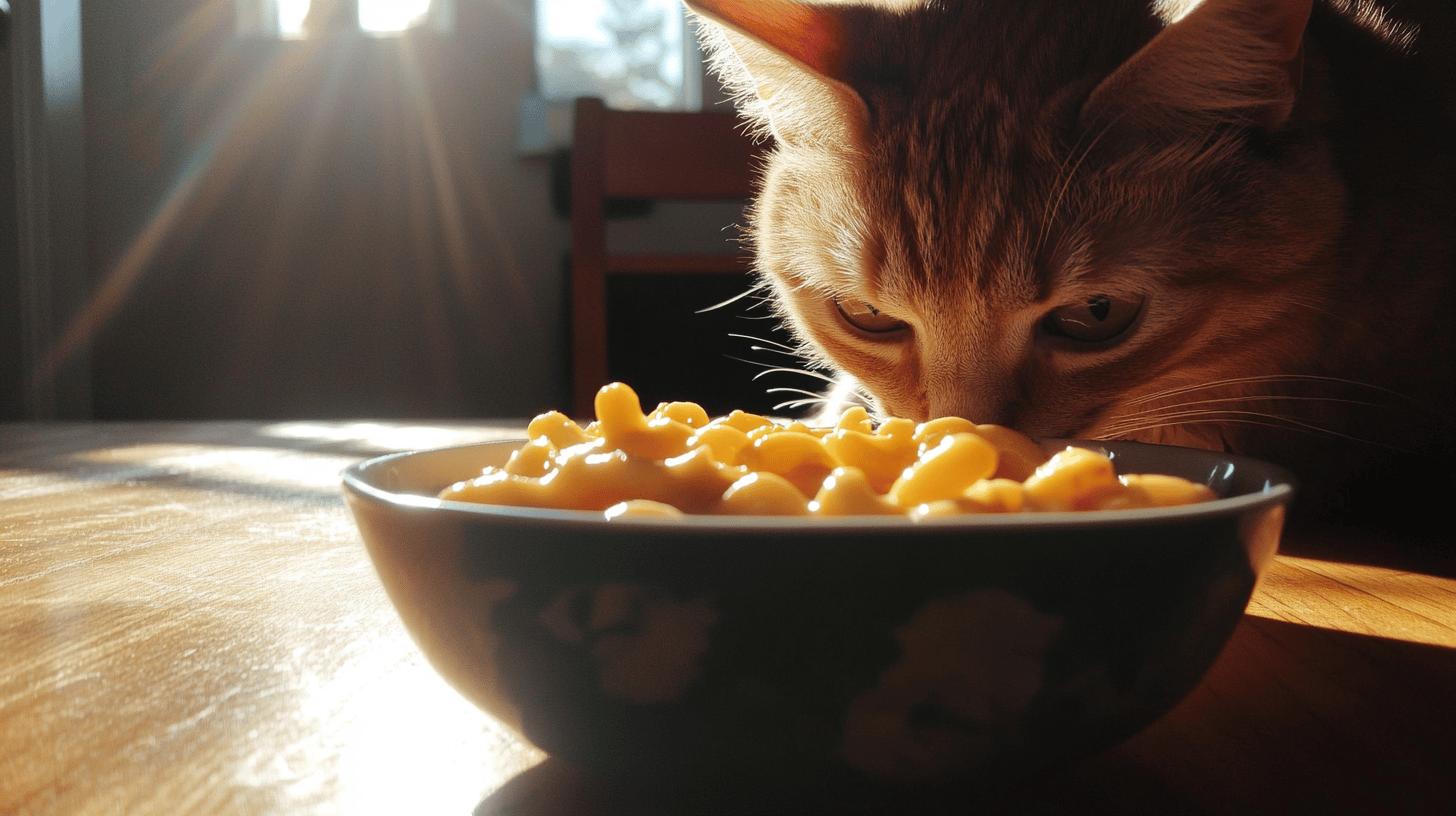
    Mac and cheese isn’t a safe option for cats due to its high levels of calories, fat, and salt. These elements can cause health problems in cats, making mac and cheese an unsuitable food choice. The rich and creamy ingredients, while delicious for humans, aren’t aligned with a cat’s dietary needs.

    Cats are obligate carnivores, and their digestive systems are not designed to handle the carbohydrates found in pasta. Regular consumption can lead to obesity, which is a common issue among cats.

    Additionally, cheese can be problematic because many cats are lactose intolerant, leading to gastrointestinal issues like diarrhea or vomiting. It’s important to stick to a diet that supports a cat’s health, focusing on balanced cat food rather than human treats like mac and cheese.

    Ingredients in Mac and Cheese: What’s Harmful to Cats?

    Ingredients in Mac and Cheese Whats Harmful to Cats-1.jpg

    Mac and cheese is a beloved comfort food for many, but its ingredients pose several risks for our feline friends. This dish typically includes butter, milk, cream, and cheese, all of which can be problematic for cats.

    The creamy components are rich in fats and calories, which aren’t suitable for a cat’s diet. More concerning are ingredients like garlic and onions, often used to enhance flavor.

    These can be extremely toxic to cats, even in small amounts. Garlic and onions contain compounds that can lead to oxidative damage to a cat’s red blood cells, causing symptoms like vomiting, diarrhea, and in severe cases, anemia.

    Such toxicity can be life-threatening, making it crucial to avoid sharing mac and cheese with your cat if these spices are involved.

    Lactose intolerance is another concern when it comes to cats and mac and cheese. Many adult cats lack the enzyme lactase, which is necessary to break down lactose found in dairy products. Consumption of lactose-rich foods like cheese and cream can lead to gastrointestinal problems.

    Symptoms of lactose intolerance in cats include diarrhea, bloating, gas, and stomach discomfort. These digestive issues indicate that dairy products aren’t a good fit for feline diets, reinforcing the need to keep mac and cheese off their menu.

    Ingredient Harmful Effect on Cats
    Garlic Toxicity, vomiting, oxidative damage to red blood cells
    Onions Toxicity, diarrhea, oxidative damage to red blood cells
    Cheese Digestive upset, diarrhea due to lactose intolerance
    Butter High-fat content, potential weight gain, digestive upset

    Safe Treats and Alternatives to Mac and Cheese for Cats

    Safe Treats and Alternatives to Mac and Cheese for Cats-1.jpg

    Cats deserve treats that not only satisfy their taste buds but also contribute to their well-being. Many human foods can be safe and delightful for cats when given in moderation. Small amounts of cooked poultry, like chicken or turkey, are excellent choices.

    These meats are high in protein and align well with a cat’s natural diet. Similarly, cooked fish can provide essential omega-3 fatty acids, which are beneficial for a cat’s skin and coat. When considering human foods as treats, it’s important to ensure they are plain, without seasonings or additives that could be harmful to cats.

    For cheese-loving cats, there are safer alternatives than traditional cheese. Many cats are lactose intolerant, so regular cheese can lead to digestive issues. Lactose-free cheese can be a good substitute, offering a similar taste without the tummy troubles.

    Another option is specially formulated cat treats that mimic the flavor of cheese but are made with ingredients safe for feline consumption. These alternatives allow your cat to enjoy a cheesy treat without the risk of gastrointestinal upset.

    Here are some alternative treats for cats:

    • Cooked chicken or turkey
    • Cooked fish (salmon or tuna)
    • Lactose-free cheese
    • Catnip-infused toys
    • Freeze-dried meat treats

    When treating your cat, it’s essential to follow responsible practices. Treats should make up no more than 5% of a cat’s daily calorie intake to avoid weight and health issues. Prioritize high-quality cat food as the main component of their diet, ensuring it meets all their nutritional needs. By offering safe and nutritious treats, you can indulge your cat’s cravings while supporting their overall health.

    When to Seek Veterinary Help: Symptoms and Emergency Guidelines

    If your cat gets into mac and cheese, it’s crucial to watch for signs of digestive distress. Common symptoms include vomiting, diarrhea, or changes in appetite. These issues can be a result of lactose intolerance or the high-fat content in mac and cheese.

    If your cat shows persistent symptoms beyond 24-48 hours, it’s time to call your vet. Immediate action is necessary if your pet has consumed ingredients like garlic or onions, which are highly toxic to cats.

    Here are some emergency symptoms that require a vet visit:

    • Continuous vomiting or diarrhea
    • Lethargy or unusual weakness
    • Difficulty breathing
    • Pale gums or noticeable discomfort

    Timely intervention is key to ensuring your cat’s safety. If you suspect your cat has ingested mac and cheese, especially one containing toxic ingredients, don’t delay in seeking professional help.

    Early veterinary care can prevent complications and provide your pet with the best chance for a quick recovery. Always keep emergency contact information handy, so you’re prepared to act swiftly if needed.

    Final Words

    Understanding the risks of feeding cats mac and cheese can help keep our feline friends safe. With high calories, fat, and salt, it’s not suitable for cats. The lactose in cheese can upset their stomachs, and pasta’s carbs can lead to obesity.

    Watching for dangerous ingredients like garlic and onions is crucial. Safer options are available, like small amounts of cooked poultry or fish, and cheese alternatives. In emergencies, knowing when to call a vet is essential.

    Finding safe treats while avoiding mac and cheese ensures a healthy and happy cat life.

    FAQ

    Is it okay for cats to eat mac and cheese?

    A: Mac and cheese is not suitable for cats. It has high calories, fat, and salt, which aren’t good for them. It may cause digestive issues and weight gain.

    Can cats eat cheese?

    A: Cats are often lactose intolerant, so cheese can upset their stomachs. This might lead to vomiting or diarrhea.

    What should I do if my cat ate cheese?

    A: If your cat ate cheese, watch for signs of digestive upset like vomiting. If issues persist beyond 24-48 hours, consult a vet.

    Is it okay for cats to eat macaroni?

    A: While macaroni isn’t toxic, it’s high in carbohydrates which could lead to obesity in cats. It’s best to avoid giving it to them.

    Can cats eat Kraft Singles cheese?

    A: Kraft Singles cheese should be avoided as it may lead to digestive distress due to lactose intolerance in cats.

    What happens if my cat eats mac and cheese?

    A: Eating mac and cheese can cause a cat stomach trouble. Symptoms may include vomiting or diarrhea. Monitor and consult a vet if symptoms persist.

    Can dogs eat mac and cheese?

    A: Like cats, dogs should not eat mac and cheese due to its unhealthy fat, salt, and calorie content.

    What can cats eat instead of mac and cheese?

    A: Cats can enjoy occasional treats like cooked poultry or fish. Choose lactose-free cheese or cat-specific treats as safer options.

    Related Articles

  • Can Cat Eat Cottage Cheese Safely for Occasional Treats

    Can Cat Eat Cottage Cheese Safely for Occasional Treats

    Can cats enjoy the creamy delight of cottage cheese safely? It's a tempting question for cat lovers. You might be curious about sharing this snack with your furry friend, but is it wise? Cats can nibble on cottage cheese occasionally, but there's a catch.

    Many cats struggle with lactose, which can lead to tummy troubles. But with the right approach, you can treat your kitty without the risks. Let's explore how cottage cheese can fit into a safe and enjoyable part of your cat's snack time.

    Can Cats Eat Cottage Cheese?

    Can Cats Eat Cottage Cheese-4.jpg

    Cats can eat cottage cheese, but moderation is key. While cottage cheese for cats can be an occasional treat, it's not without risks. The primary concern is its high lactose content, which can lead to gastrointestinal issues. Cats often lack the necessary lactase enzymes to digest lactose, making them susceptible to nausea, vomiting, diarrhea, and abdominal pain.

    Despite these risks, cottage cheese does offer some benefits. It provides protein, which is essential for a cat's diet. However, the high lactose levels can overshadow these benefits if consumed regularly. It's important to monitor your cat for any adverse reactions when introducing cottage cheese.

    Remember, cottage cheese should not become a staple in your cat's diet. Offering it sparingly and observing your cat's reaction can help avoid digestive issues.

    Cottage Cheese for Cats: Benefits, Risks, and Lactose Intolerance

    Cottage Cheese for Cats Benefits, Risks, and Lactose Intolerance-3.jpg

    Cottage cheese can be a tasty treat for your feline friend, but there are important things to consider before offering it to your cat. While it is a decent source of protein, supporting muscle development and energy levels, there are significant concerns about lactose intolerance.

    Adult cats naturally have low levels of lactase enzymes, which are needed to break down lactose, the sugar found in dairy products. Without enough lactase, they can experience a range of uncomfortable symptoms:

    • Nausea
    • Vomiting
    • Diarrhea
    • Abdominal pain
    • Bloating
    • Skin rashes
    • Itchiness

    Understanding the biological reasons behind lactose intolerance in cats is crucial. Cats produce less lactase as they age, making it difficult to digest dairy without adverse effects. This is why cottage cheese and other dairy products can cause gastrointestinal discomfort.

    For cats with lactose intolerance, skin rashes and itchiness are additional symptoms not always discussed, adding to potential discomfort.

    If you choose to offer cottage cheese, do so sparingly and monitor your cat's reaction. If any symptoms arise, it's wise to discontinue feeding and consult with a veterinarian. Instead, consider alternative treats specifically designed for cats with lactose intolerance for a safer option.

    Comparing Cottage Cheese with Other Dairy Products for Cats

    Comparing Cottage Cheese with Other Dairy Products for Cats-1.jpg

    Cheddar Cheese

    Cheddar cheese is often mentioned as a safer cheese option for cats. It has a relatively low lactose content compared to other cheeses, making it less likely to upset a cat's digestion when given in small amounts.

    This makes cheddar a possible occasional treat for cats, but it's important to limit the portions to avoid any digestive issues. Cats generally have a hard time digesting lactose, so even cheeses with lower lactose content should be given sparingly.

    Mozzarella and Cream Cheese

    Mozzarella and cream cheese are not recommended for cats. These cheeses have high lactose content, which can easily lead to gastrointestinal issues like diarrhea and vomiting. Given that cats naturally have low levels of lactase enzymes, feeding them high-lactose cheeses can cause discomfort and health risks. It's best to avoid these types of cheese altogether to keep your cat safe from potential digestive upset.

    Non-Dairy and Non-Fat Cheeses

    For cats who are lactose-intolerant, non-dairy or non-fat cheeses could be safer alternatives. These varieties are designed for those who cannot digest lactose well, and they might be easier on a cat's digestive system.

    However, these cheeses often contain high levels of salt and fats, which are unhealthy for cats. Always check the ingredients and consult with a vet before introducing any non-dairy options to your cat's diet.

    Cheese Type Lactose Content Safety Rating
    Cottage Cheese High Occasional Treat
    Cheddar Cheese Low Safe in Small Amounts
    Mozzarella and Cream Cheese High Not Recommended
    Non-Dairy and Non-Fat Cheeses Varies Potentially Safer

    Veterinarian-Approved Advice for Feeding Cottage Cheese to Cats

    Veterinarian-Approved Advice for Feeding Cottage Cheese to Cats-3.jpg

    When adding cottage cheese to a cat's diet, it's key to consider specific veterinarian-approved guidelines. Your vet can offer tailored advice based on your cat's individual health needs and nutritional requirements.

    Start with a small portion and observe your cat's reaction. Keep an eye out for any signs of digestive issues or discomfort. If your cat shows any adverse symptoms, discontinue feeding cottage cheese immediately.

    Some unique tips for safely introducing cottage cheese to your cat include:

    • Consult a veterinarian: Get professional guidance tailored to your cat's health.
    • Introduce foods slowly: Begin with small amounts to assess tolerance.
    • Monitor for adverse reactions: Look for any signs of intolerance.
    • Limit portion sizes: Avoid making it a regular part of their diet.

    These steps will help you safely include cottage cheese as an occasional treat, ensuring your cat's well-being.

    What to Do if Your Cat Ate Cheese

    What to Do if Your Cat Ate Cheese-3.jpg

    If your cat has indulged in cheese, including cottage cheese, it's essential to monitor them for any signs of discomfort. Cats often struggle with lactose digestion, which can lead to symptoms like nausea, vomiting, or diarrhea. Watch for these signs and keep an eye on their behavior.

    Ensure your cat has access to plenty of clean water. This helps keep them hydrated and can mitigate some minor digestive upset. If symptoms are mild and subside quickly, your cat will likely recover without further intervention.

    However, if discomfort persists or your cat shows severe signs of distress, consult a veterinarian promptly. They can offer guidance tailored to your cat's specific situation. Always remember that while some cheeses may be safe in small amounts, it's better to err on the side of caution and avoid making cheese a regular treat.

    Final Words

    Navigating the world of cottage cheese for cats means balancing its benefits with potential risks. While cottage cheese can offer a protein boost, it also comes with digestive challenges due to its high lactose content. Cats naturally lack the enzymes needed to process lactose efficiently, making caution necessary.

    By consulting a vet and monitoring your cat's reactions, you can safely decide if this treat fits into their diet. Remember, cottage cheese should not be a staple. Keeping your cat's well-being in mind ensures a healthy and enjoyable playtime experience.

    FAQ

    Can cats eat cottage cheese every day?

    Cats should not eat cottage cheese every day. High lactose in cottage cheese can cause digestive issues in cats. Feeding it occasionally and in moderation is safer.

    My cat ate cheese, what should I do?

    If your cat ate cheese, watch for symptoms like mild discomfort or diarrhea. Ensure they have water and see a vet if symptoms persist.

    Can cats eat cottage cheese?

    Cats can eat cottage cheese in moderation. It's a good protein source, but high lactose might cause digestive issues like diarrhea and vomiting.

    Is cottage cheese good for cats with diarrhea?

    Cottage cheese isn't recommended for cats with diarrhea. High lactose may worsen their symptoms. Consult a vet for appropriate dietary adjustments.

    Can cats eat cheese, and what kind?

    Cats can eat some cheese types like cheddar in small amounts due to lower lactose. Avoid high-lactose cheeses like mozzarella and cream cheese.

    Can cheese kill cats?

    Cheese won't kill cats but can cause digestive problems. Overconsumption may lead to more serious health issues. Moderation is key.

    Can cats eat cheddar cheese?

    Cats can eat small amounts of cheddar cheese. It has lower lactose, making it less likely to upset their stomachs compared to other cheeses.

    What human food can cats eat?

    Cats can eat small amounts of cooked meat, fish, and some vegetables. Always consult a vet before adding human food to their diet.

    How much cottage cheese can you give a cat?

    Feed cats a small spoonful of cottage cheese occasionally. Too much can upset their stomach. Monitor their reaction and consult a vet if unsure.

    Can cats eat yogurt or cottage cheese?

    Cats can eat yogurt or cottage cheese in small amounts. Both contain lactose, so watch for digestive reactions and feed sparingly.

    What kind of cheese can cats eat?

    Cats can eat cheddar cheese in small amounts due to its lower lactose. High-lactose cheeses like mozzarella are not recommended.

    Does cottage cheese help cats with diarrhea?

    Cottage cheese is not ideal for cats with diarrhea due to its lactose. Consult a vet for better options to manage their digestive health.

    Related Articles