Author: Isabella Tiu

  • Can Cat Eat Beets Safely and Healthily

    Can Cat Eat Beets Safely and Healthily

    Can cats munch on beets safely? This question might stir curiosity, especially for those keen on expanding their feline's menu. Just like humans, cats can benefit from the rich nutrients beets offer—such as manganese, vitamin C, and fiber.

    Imagine these vibrant veggies as occasional treats that can boost a cat's immune system and aid digestion. But it's crucial to tread carefully, as too much beet can cause health issues like kidney stones and nitrate poisoning. Let's dive deeper into how to balance beets in your furry friend's diet.

    Can Cats Safely Eat Beets?
    Can Cats Safely Eat Beets-3.jpg

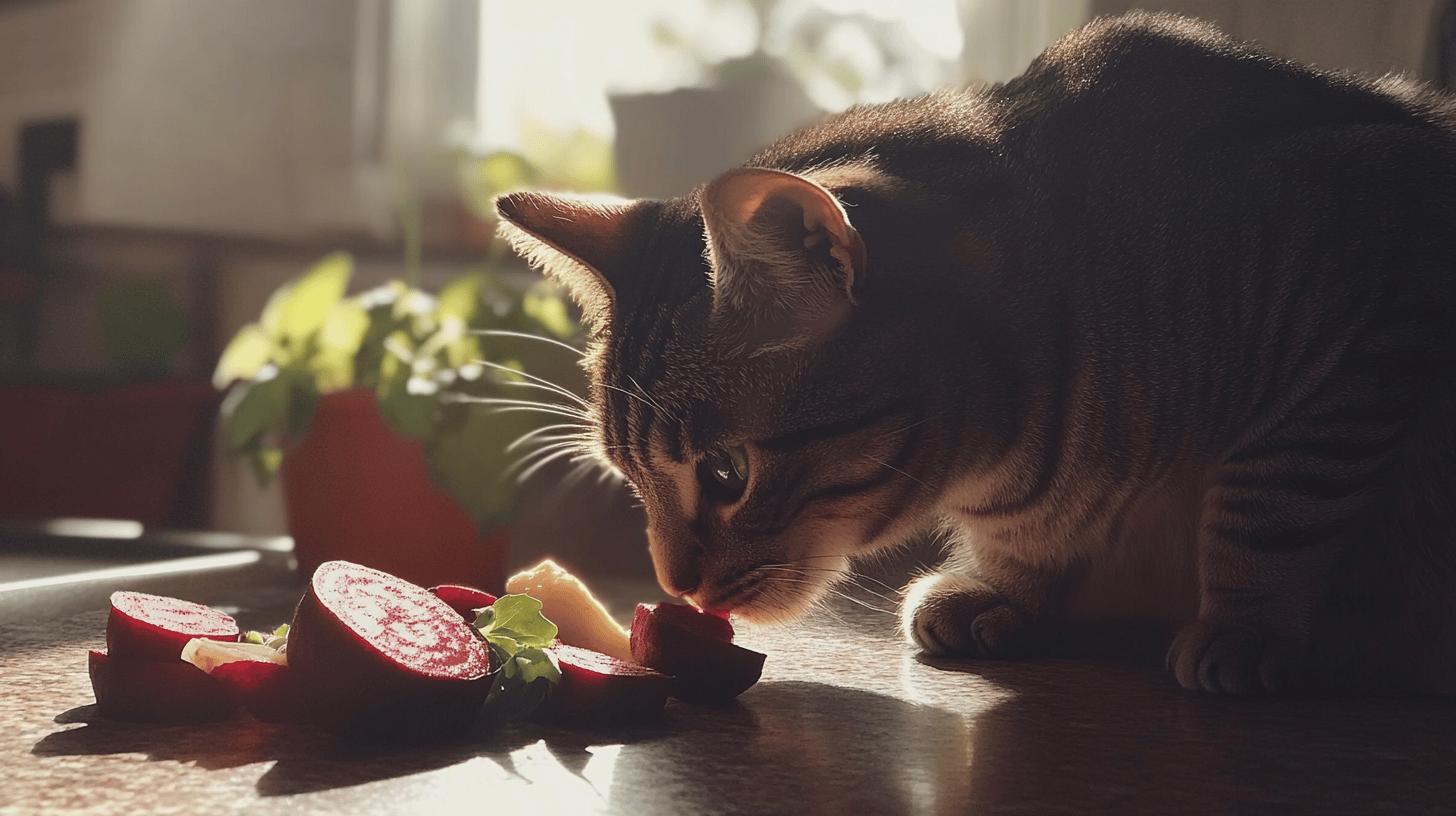
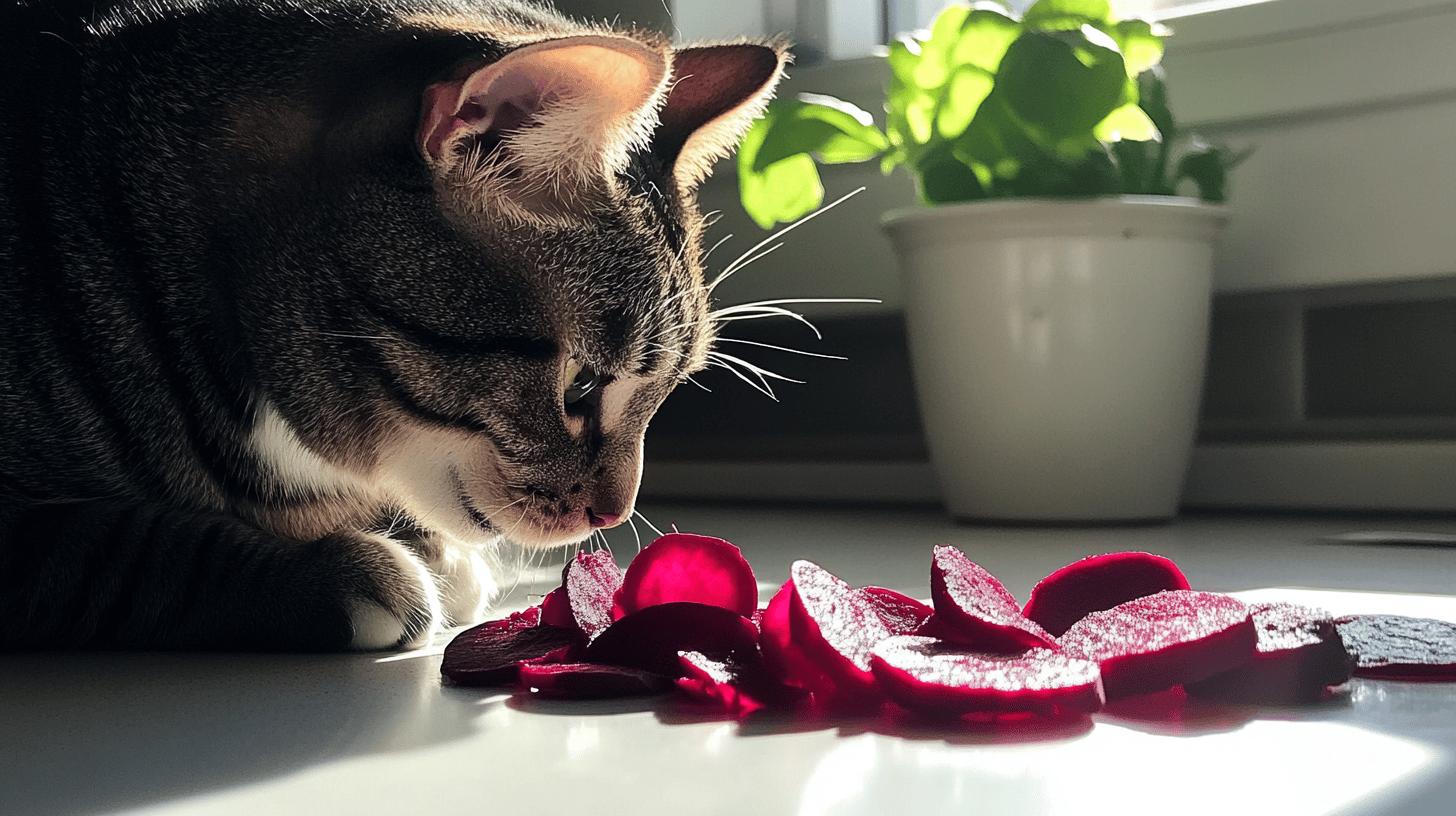
    Cats can eat beets, but only in small, occasional amounts. Beets contain beneficial nutrients like manganese, vitamin C, fiber, and antioxidants, which can support your cat's health. These nutrients may aid in boosting immune health, improving digestion, and providing overall wellness. However, beets should not be a regular part of your cat's diet but rather an occasional treat.

    Moderation is key when it comes to feeding beets to cats. Consuming too many beets can lead to health issues due to the presence of oxalic acid and nitrates. Oxalic acid can contribute to the formation of kidney stones, while nitrates might lead to nitrate poisoning, which can be harmful.

    To avoid these risks, ensure that your cat's beet intake is limited and balanced with their primary meat-based nutrition. Always consider consulting your veterinarian if you plan to introduce beets into your cat's diet.

    Nutritional Benefits and Risks of Beets for Cats
    Nutritional Benefits and Risks of Beets for Cats-1.jpg

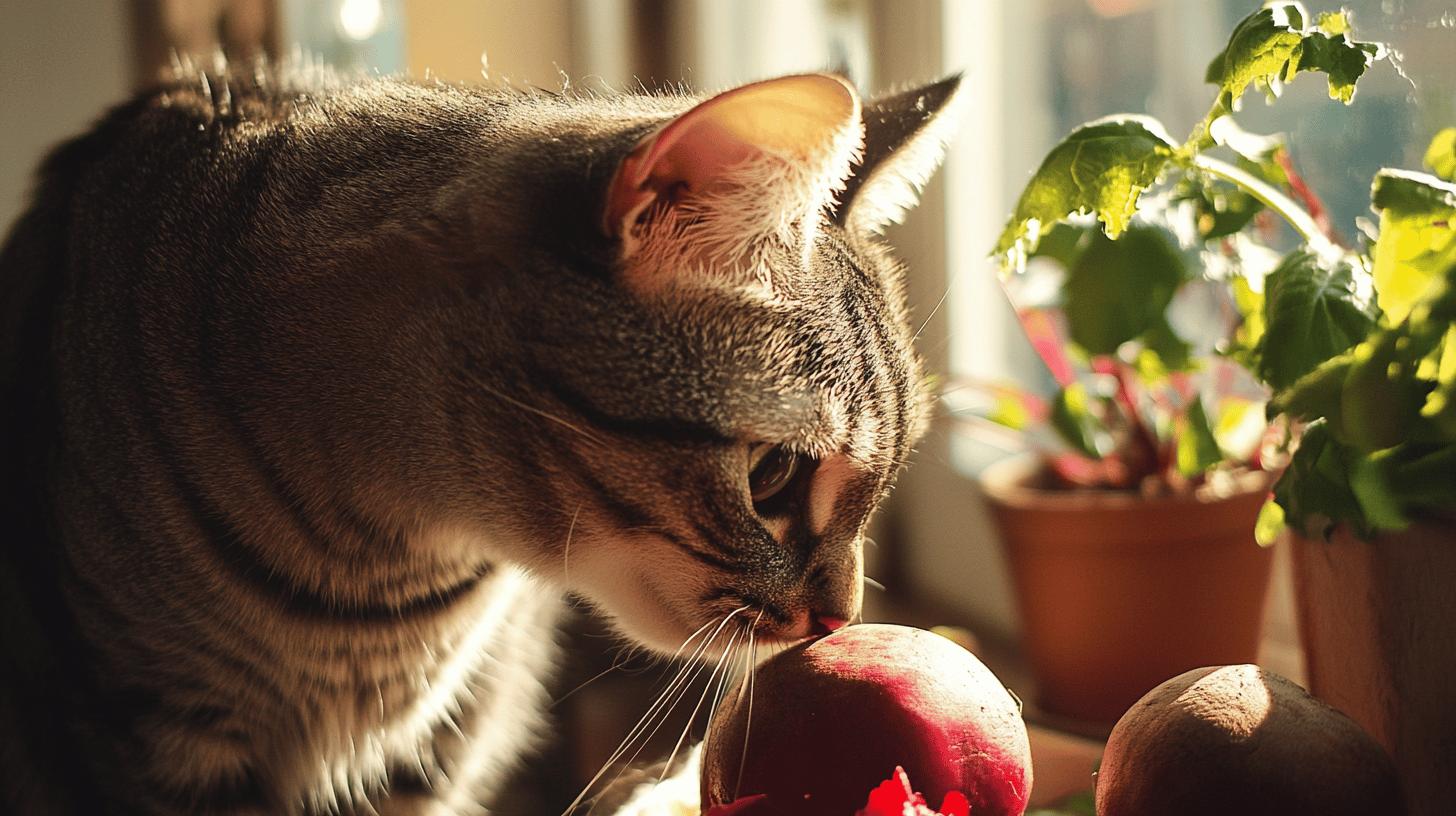
    Beets are a source of essential nutrients and can offer various health benefits to cats. These include vitamins, minerals, and antioxidants. While they can be advantageous, it's crucial to understand the potential risks as well.

    Benefits of Beets for Cats

    • Specific Nutrient Advantages: Beets deliver manganese and vitamin C, which are beneficial for a cat's immune system. These nutrients can enhance a cat's overall vitality.

    • In-Depth Digestive Support: With their fiber content, beets can help in regulating bowel movements and maintaining digestive health. This fiber aids in nutrient absorption and supports the balance of gut bacteria.

    • Detailed Antioxidant Benefits: The antioxidants in beets, including betalains, help in reducing cellular damage and inflammation. This can lower the risk of chronic ailments over time.

    Risks of Feeding Beets to Cats

    • Kidney Stone Risk from Oxalates: The oxalic acid in beets can cause kidney stones if cats consume them excessively. It's vital to monitor the quantity to prevent such health problems.

    • Nitrate Poisoning Details: Beets contain nitrates that can convert to nitrites in a cat's body, posing toxic risks. Awareness of this conversion is essential to prevent poisoning.

    • Sugar-Related Health Issues: While not high, the natural sugar in beets can lead to weight gain and diabetes if overfed. Keeping an eye on sugar intake is important for a balanced diet.

    Balancing the nutritional benefits of beets with their potential risks is key. They should be treated as occasional treats and not a staple in a cat’s diet. Always prioritize a meat-based diet for your cat, and consult a veterinarian for personalized advice on including beets safely.

    How to Introduce Beets into Your Cat's Diet
    How to Introduce Beets into Your Cats Diet-2.jpg

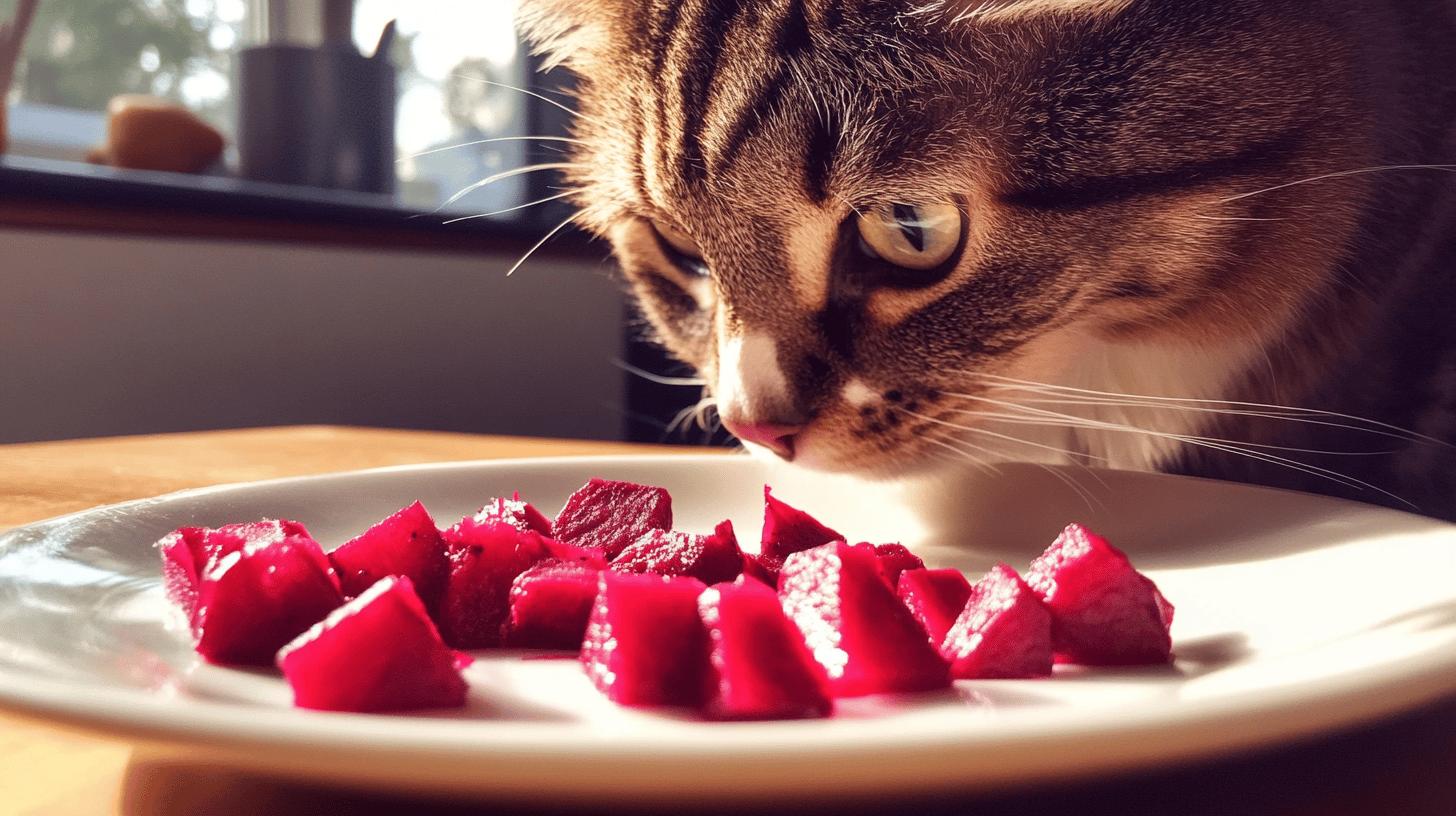
    When introducing beets to your cat's diet, it's essential to prepare them in a way that's easy for your cat to digest. Start by cooking the beets thoroughly; steaming is an excellent method because it retains most nutrients and makes the beets soft enough for your cat to eat. Avoid seasoning or adding any ingredients that could be harmful to your cat. Cut the cooked beets into small, manageable pieces that your cat can easily chew and swallow.

    Here are some steps to follow when serving beets to your cat:

    1. Cook the Beets: Steam the beets until they are soft to aid digestion and preserve nutrients.
    2. Cut into Small Pieces: Slice the beets into bite-sized pieces to prevent choking hazards.
    3. Serve Plain: Offer the cooked beets without any additives like salt or butter.
    4. Start Small: Begin with a tiny portion to see how your cat reacts before increasing the amount.

    After serving the beets, closely observe your cat's reaction. Keep an eye out for any signs of discomfort or allergies, such as vomiting or diarrhea. It's always a good idea to discuss dietary changes with your veterinarian to ensure they're suitable for your cat's specific health needs. If your cat shows any adverse reactions, adjust the portion or frequency accordingly to keep their diet balanced and healthy.

    Suitable Vegetables for Cats Beyond Beets
    Suitable Vegetables for Cats Beyond Beets-3.jpg

    Cats, being obligate carnivores, primarily require meat-based nutrition for their diet. However, certain vegetables can complement their meals and provide additional nutrients. Incorporating vegetables can offer fiber, vitamins, and minerals that may support your cat's overall well-being. While vegetables should never replace meat, they can serve as occasional treats or supplements to enrich your feline friend's diet.

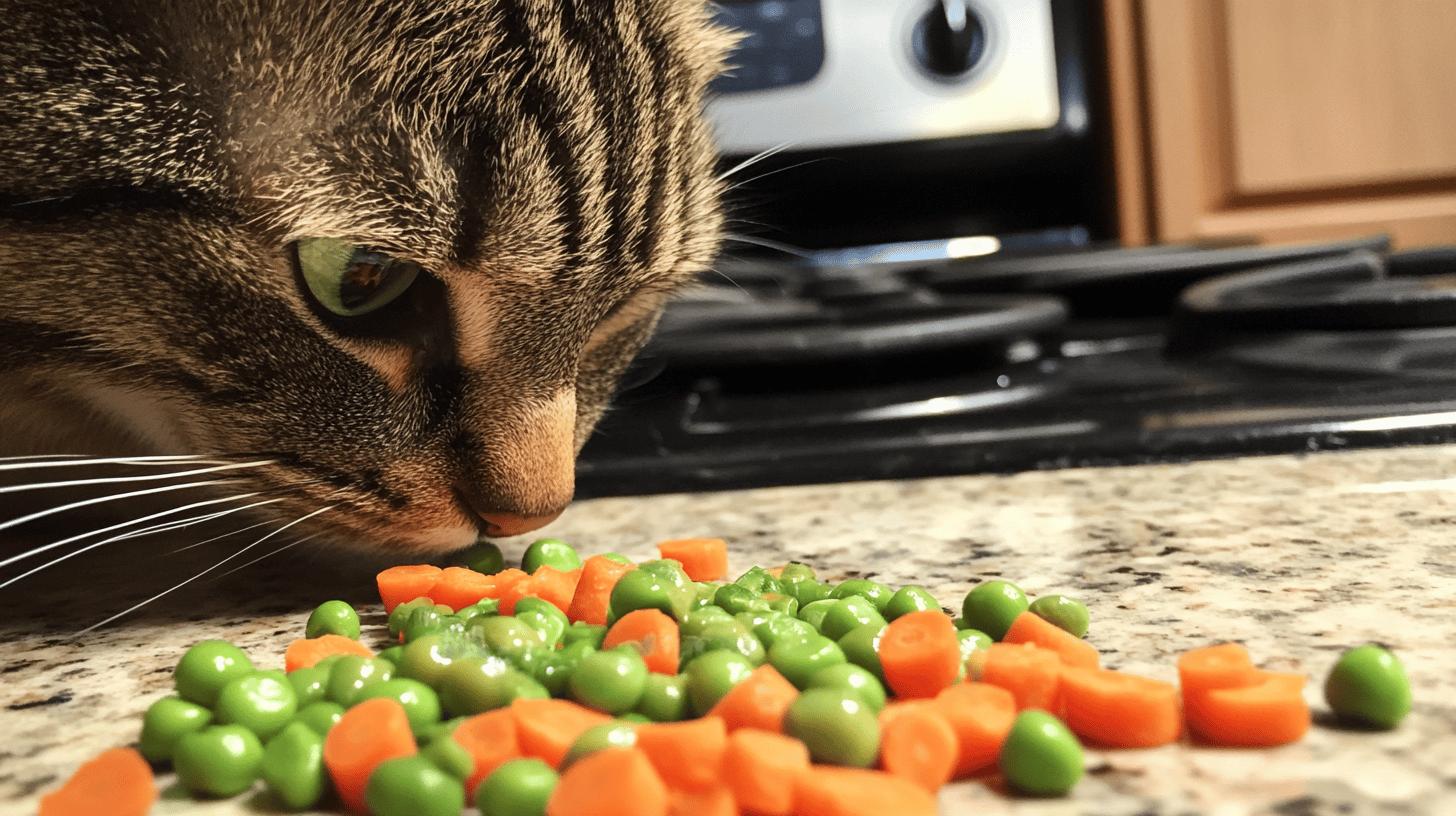
    Several vegetables are generally safe for cats, including carrots, peas, and green beans. These vegetables can add variety to your cat's meals and offer specific health benefits. For example, carrots are rich in beta-carotene, which supports eye health, while peas provide protein and fiber.

    Green beans are low in calories and can be a healthy snack, especially for cats needing weight management. It's important to introduce these vegetables gradually and in moderation to avoid digestive issues.

    Vegetable Nutritional Benefit
    Carrots Rich in beta-carotene for eye health
    Peas High in protein and fiber
    Green Beans Low-calorie snack for weight management

    Maintaining a balanced diet is crucial for your cat's health. Vegetables should only complement their primary meat-based meals and be served in small amounts. Offering a variety of safe vegetables can help meet your cat's nutritional needs while keeping their palate interested. Always monitor your cat's response to new foods and consult with a veterinarian to ensure their dietary requirements are being met.

    Final Words

    Exploring if beets are safe for cats, we found that cats can eat them, but only in small, occasional amounts. Beets bring nutrients like fiber and antioxidants, yet come with risks of oxalates and nitrates. It’s essential to find the right balance, offering these vegetables in moderation to avoid health issues.

    Introducing beets into a cat's diet should be done gradually while monitoring reactions and consulting with a vet. Remember, other vegetables like carrots and peas also provide nutritional benefits for a cat's diet when combined with meat.

    Cats benefit from a varied diet, so considering these points can enhance their health and happiness.

    FAQ

    Can cat eat beets juice?

    Cats should not drink beet juice. It contains sugar and nitrates, which can harm their health. Always prioritize water for hydration.

    Can cats eat beet leaves?

    Cats should avoid beet leaves. They contain oxalates that can harm cat health. Stick with safe vegetables.

    Can dogs eat beets?

    Dogs can eat small amounts of cooked beets. They offer vitamins and fiber but should be given in moderation due to sugar content.

    Can cats eat carrots?

    Cats can eat carrots in moderation. Cooked carrots are best to ensure easy digestion and nutrient absorption.

    Can cats eat parsnips?

    Parsnips are safe for cats in small amounts. Ensure they are cooked and cut into small pieces to prevent choking.

    Can cats eat butternut squash?

    Cats can eat butternut squash occasionally. It's a good source of vitamins and fiber when cooked and mashed.

    Can cats eat ginger?

    Ginger is safe for cats in very small amounts. It can aid digestion, but always consult a vet before introducing it.

    Can cats eat corn?

    Cats can eat corn occasionally as a treat. Ensure it's cooked and plain, without butter or salt.

    Are cats allowed to eat beets?

    Cats can eat beets in moderation. Small, cooked pieces are key to providing nutrients without health risks.

    What vegetables can't cats eat?

    Cats should avoid onions, garlic, and leeks. These can be toxic and lead to health issues, including anemia.

    Are beets safe for pets?

    Beets are safe for pets in small, cooked portions. They provide nutrients but should be limited due to sugar and nitrates.

    Is beet pulp safe for cats?

    Beet pulp is generally safe in pet food. It aids digestion, yet excessive amounts may not be advisable. Balance is essential.
    Related Articles

  • Can Cat Eat Rosemary Safely and Without Risk

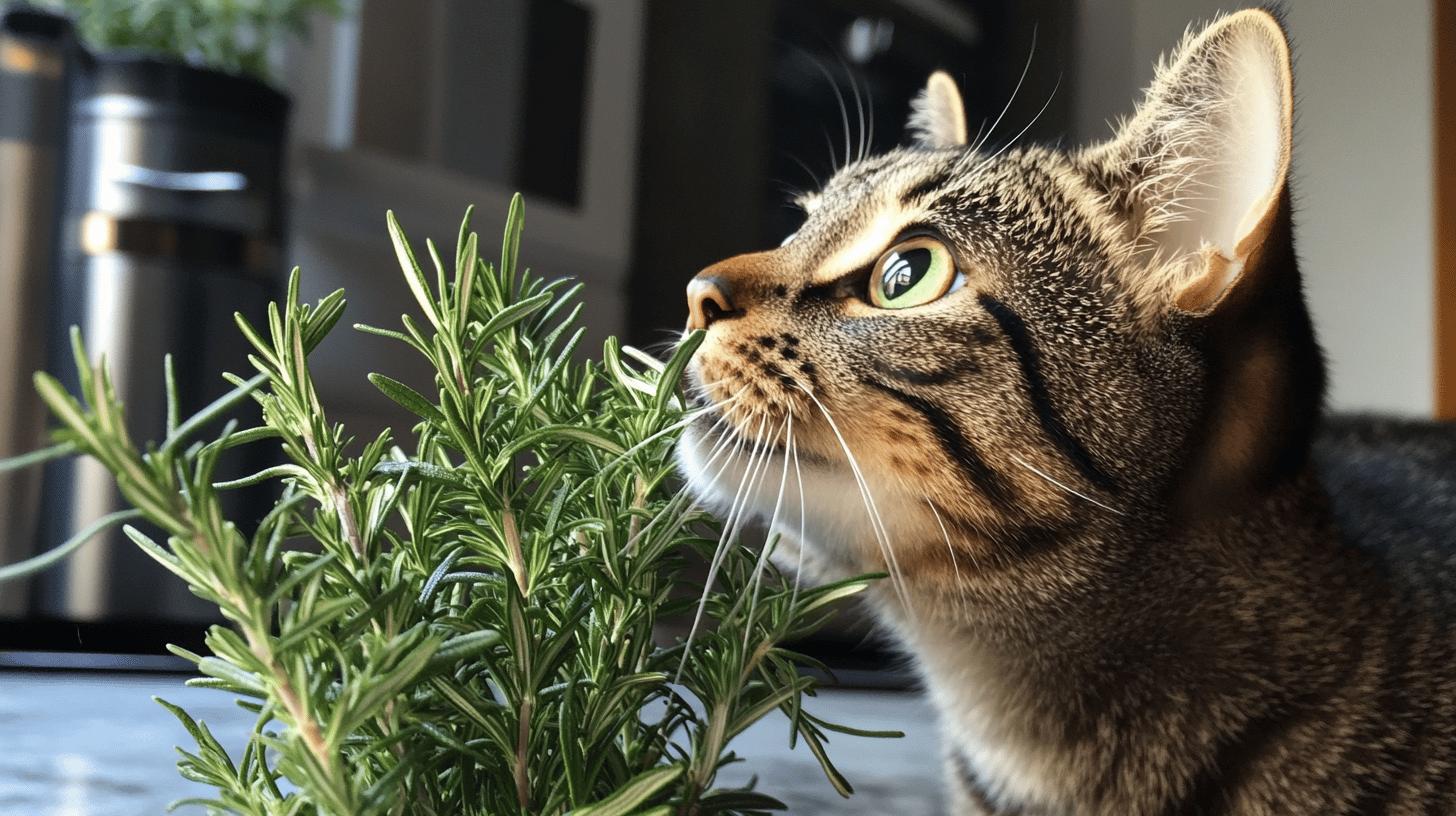
    Can Cat Eat Rosemary Safely and Without Risk

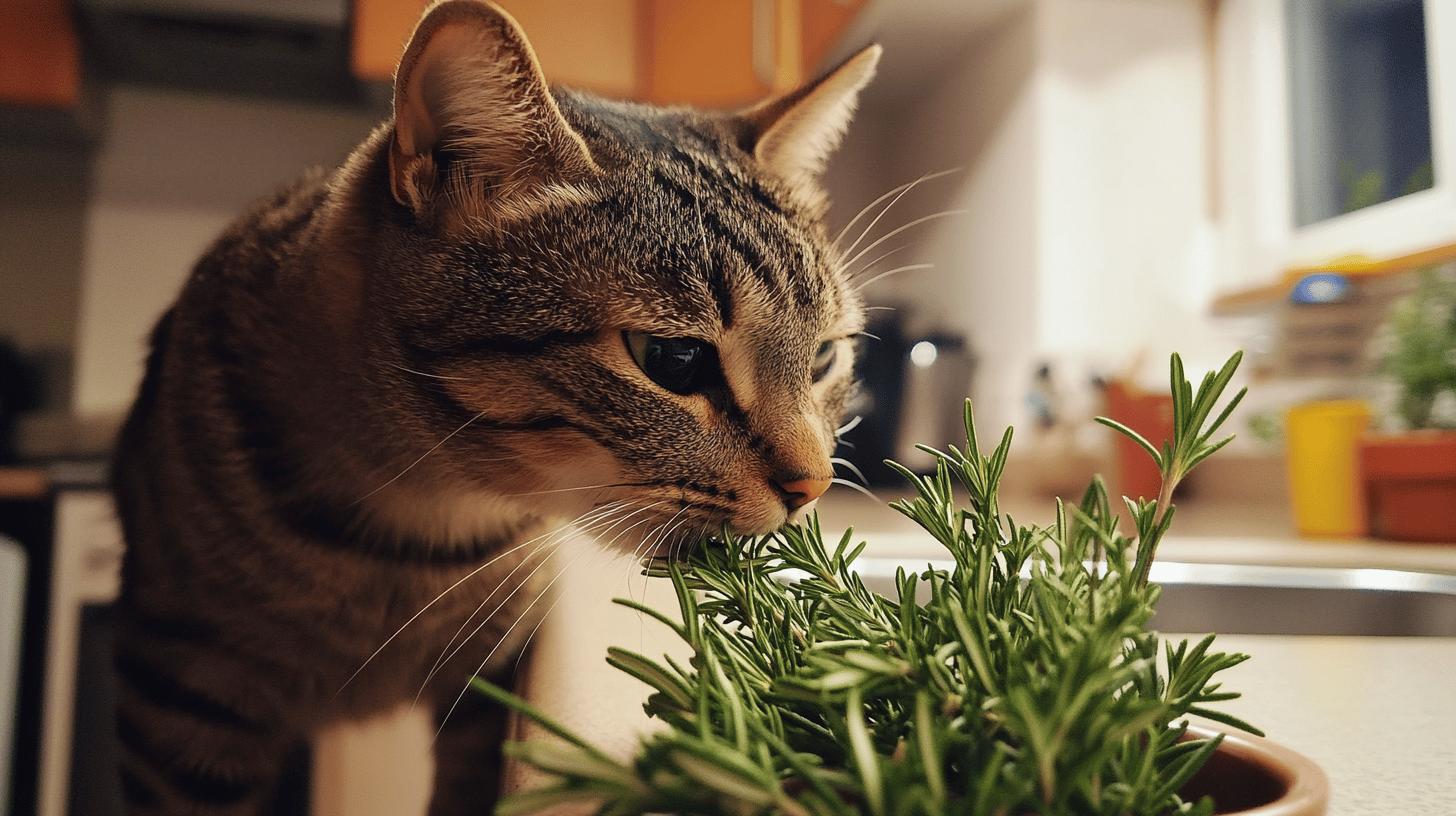
    Is your curious kitty eyeing your rosemary plant lately? You’re not alone in wondering if cats can safely enjoy this fragrant herb. While rosemary is generally non-toxic to cats, the reality is more nuanced than a simple yes or no. Your cat’s safety depends on quantity, form, and how carefully you introduce it. Let’s explore exactly how rosemary affects cats, what symptoms to watch for, when to call the vet, and how to make the right call for your feline friend.

    Can Cats Safely Eat Rosemary?

    Can Cats Safely Eat Rosemary

    Yes, cats can safely consume small amounts of fresh or dried rosemary. The American Society for the Prevention of Cruelty to Animals (ASPCA) confirms that rosemary is non-toxic to felines. This means occasional, controlled exposure won’t poison your cat.

    However, “safe” doesn’t mean unlimited. Cats have smaller digestive systems than humans and process plant matter differently. Their stomachs lack certain enzymes to break down complex plant compounds efficiently. When a cat eats rosemary, their body must work harder to digest it, especially in larger amounts.

    The key distinction is this: small doses of plain rosemary leaves (fresh or lightly dried) are fine. But rosemary oil, extract, or heavily concentrated dried rosemary poses a real toxic risk. Essential oils contain highly concentrated compounds that can overwhelm a cat’s system, potentially causing serious health issues within hours.

    Safe rosemary forms for cats:

    • Fresh rosemary leaves (1-2 leaves maximum, rare occasions only)
    • Lightly dried rosemary (tiny pinch amount)

    Never give to cats:

    • Rosemary essential oil or diffuser products
    • Rosemary extract or concentrate
    • Cooking sprays with rosemary
    • Any heavily processed rosemary product
    • Foods seasoned with rosemary intended for human consumption

    Rosemary’s Impact on Cat Digestion and Health

    Rosemary's health impact on cats

    Rosemary does contain antioxidants and mild anti-inflammatory compounds. In very small amounts, these might provide minimal immune support. However, cats don’t require rosemary to stay healthy. Protein-rich meat, not herbs, fuels their immune system and cellular repair. Rosemary should be viewed as an occasional curiosity, not a health supplement or dietary necessity.

    When a cat ingests moderate amounts of rosemary, their digestive system becomes irritated. The aromatic oils in rosemary can inflame the stomach lining and intestines. This leads to the gastrointestinal upset mentioned in safety guides: vomiting, diarrhea, and abdominal discomfort.

    Larger doses of rosemary, especially oil or extract, can cause more serious problems. Some cats experience lethargy (unusual tiredness), loss of appetite, excessive drooling, or refusal to drink water. In rare cases, cats show neurological symptoms like tremors, muscle twitching, or depression. These signs indicate your cat needs immediate veterinary attention.

    The severity of reaction depends on several factors: your cat’s age and size, overall health status, and the form of rosemary consumed. A small kitten exposed to rosemary oil will react more severely than a large adult cat eating one fresh leaf. Cats with pre-existing digestive issues, kidney problems, or immune conditions face higher risk.

    Recognizing Rosemary Toxicity Symptoms

    If your cat nibbled rosemary leaves from your garden, consumed rosemary oil, or accidentally got into a rosemary-based product, watch closely for these warning signs. Timing matters: mild toxicity appears quickly, while oil toxicity builds over hours.

    Mild symptoms (usually appear within 2-6 hours of exposure):

    • Vomiting or retching (once or twice)
    • Diarrhea or soft, loose stools
    • Reduced appetite or refusal to eat
    • Mild lethargy or unusual quietness
    • Excessive drooling or wet mouth area
    • Slightly elevated heart rate

    Moderate symptoms (develop within 4-12 hours, require vet consultation):

    • Repeated vomiting (more than 2-3 episodes)
    • Persistent diarrhea with mucus or blood
    • Abdominal pain (hunched posture, crying when touched, reluctance to move)
    • Significant lethargy or unresponsiveness
    • Loss of appetite lasting more than a few hours
    • Trembling or muscle twitching

    Severe symptoms (require emergency vet care immediately, do not wait):

    • Violent or repeated vomiting with blood
    • Bloody or black tarry stools
    • Severe abdominal distension or visible pain
    • Tremors that don’t stop
    • Seizure activity or loss of consciousness
    • Difficulty breathing or gasping
    • Collapse or inability to stand
    • Uncontrolled drooling

    The severity depends on how much rosemary your cat ate and in what form. Fresh leaves cause mild to moderate upset. Rosemary oil causes severe reactions. Extraction products and concentrated dried rosemary fall in between. Time is critical, don’t wait to see if symptoms pass on their own. Contact your vet the moment you notice vomiting, diarrhea, or any unusual behavior after rosemary exposure.

    What to Do If Your Cat Eats Rosemary

    If you catch your cat eating rosemary, stay calm and act immediately. Remove the plant or product right away and prevent further access. Don’t induce vomiting unless a vet specifically instructs you to do so, in some cases, vomiting can make toxicity worse.

    Immediate steps (do these first):

    1. Remove any remaining rosemary from your cat’s mouth and surrounding area
    2. Wash your cat’s mouth with water if oil exposure is likely
    3. Note the exact time exposure occurred
    4. Estimate the amount consumed: how many leaves, drops of oil, or how much plant material?
    5. Call your vet or poison control center immediately (ASPCA Poison Control: 888-426-4435)
    6. Have the product container or plant available to describe what your cat contacted

    What information to provide to your vet:

    • Your cat’s age, weight, and overall health status
    • Time of exposure and estimated amount
    • Type of rosemary: fresh leaves, dried, oil, extract, or prepared food?
    • Any symptoms you’ve already noticed
    • Current medications your cat takes
    • Any previous poisoning incidents

    Your vet may recommend supportive care: IV fluids for dehydration, anti-nausea medication, gastrointestinal protectants, or overnight monitoring. For severe essential oil poisoning, your vet might recommend activated charcoal (given early) to bind toxins in the stomach and prevent absorption. Most cats recover fully with prompt treatment, but prevention is always better than emergency care and costly vet bills.

    Safer Herb Alternatives for Cats

    Cat-safe herbs and plants

    If you want to offer your cat something new to explore or provide natural enrichment, there are genuinely cat-safe options that don’t carry toxicity risk. These plants are designed with feline biology in mind.

    Catnip: The gold standard for cat enrichment. Catnip (Nepeta cataria) triggers playful, sometimes euphoric behavior in approximately 70-80% of cats (not all cats respond to it genetically). It’s completely safe and actually beneficial for exercise and mental stimulation. Offer dried catnip in moderation, a pinch or two per week, or a small catnip toy that your cat can interact with daily. It can help redirect destructive energy and combat boredom in indoor cats.

    Cat grass (wheatgrass or oat grass): Many indoor cats have an instinctive urge to chew on grass. Cat grass is specifically grown for safe feline consumption. It poses zero toxicity risk and actually helps with digestion. It can reduce hairballs, provide natural plant fiber, and satisfy chewing instincts. You can grow cat grass indoors in a small pot for year-round access.

    Silvervine: An alternative to catnip that works for cats who don’t respond to catnip (the minority). It produces similar effects: playfulness, rolling, excitement, and relaxation. If your cat ignores catnip, silvervine is worth trying.

    Spider plants: Non-toxic and many cats enjoy the leafy texture. These hardy plants withstand nibbling and don’t cause harm.

    Before offering any new plant or herb, even ones listed as safe, consult your vet. Individual cats have unique sensitivities, and what’s safe for most might bother yours specifically, especially if they have existing digestive issues.

    Preventing Accidental Rosemary Exposure

    The best strategy is prevention. If you grow rosemary or have it in your home, keep it completely out of reach. Many accidental poisonings happen not from cats deliberately eating rosemary, but from proximity to cooking, grooming oil off their fur after contact, or curious young kittens investigating new scents.

    • Store potted rosemary on high shelves, windowsills, or in closed rooms cats can’t access
    • Trim any low-hanging branches your cat could reach or jump to
    • Never leave fresh or cooked rosemary on countertops, tables, or ground level
    • Be cautious when cooking with rosemary, don’t let oil splatter onto cat-accessible surfaces
    • Avoid giving your cat any food seasoned with rosemary or herb blends containing it
    • Don’t use rosemary essential oil diffusers, sprays, or aromatherapy products around cats
    • Check labels on pet-marketed products, treats, or supplements, some contain rosemary

    Final Thoughts on Rosemary and Cats

    Rosemary is non-toxic in extremely small amounts, but it’s not a plant your cat needs. The reality is straightforward: keep rosemary away from your cat entirely. Fresh leaves might cause mild stomach upset. Rosemary oil causes serious toxicity. Your cat gets zero nutritional benefit from rosemary, so there’s no reason to risk it.

    Your feline’s digestive system evolved to process meat, not herbs. Their health depends on quality protein, taurine, essential fatty acids, and proper hydration, not on sampling your kitchen garden. Stick with cat-safe enrichment like catnip, cat grass, quality toys, and interactive play instead.

    If your curious cat does get into rosemary, remember the response plan: remove access immediately, call your vet right away, and monitor closely for the next 24 hours. Most cats recover fine from accidental small exposures to fresh rosemary leaves, but immediate action is critical for oil-related poisoning or large exposures. Being prepared means your cat gets the fastest possible care.

    FAQ

    Can cats eat rosemary plants or leaves?

    Cats can eat tiny amounts (1-2 fresh leaves) of rosemary without toxic effects. However, larger quantities or dried rosemary can cause vomiting, diarrhea, and stomach upset. It’s best avoided entirely rather than risk digestive problems.

    Is rosemary oil safe for cats?

    Absolutely not. Rosemary oil is toxic to cats. Essential oils are highly concentrated forms of plant compounds and can cause serious poisoning: tremors, lethargy, neurological problems, severe gastrointestinal distress, and in extreme cases, seizures. Never allow your cat near rosemary oil, diffusers, or aromatherapy products containing it.

    What are the signs my cat ate too much rosemary?

    Watch for vomiting, diarrhea, reduced appetite, drooling, lethargy, abdominal pain (hunched posture, sensitivity when touched), or tremors. Severe exposure like oil ingestion can cause seizures, collapse, or loss of consciousness. Call your vet immediately if any of these appear.

    What should I do if my cat eats rosemary?

    Remove the plant or product, note what your cat ate and the exact time, then contact your vet or poison control (ASPCA: 888-426-4435). Monitor for symptoms over the next 24 hours. If vomiting, diarrhea, or unusual behavior develops, seek emergency care immediately. Don’t wait for symptoms to worsen.

    Are there safe herbs for cats?

    Yes. Catnip, cat grass (wheatgrass or oat grass), silvervine, and spider plants are cat-safe and beneficial. Always check with your vet before offering any new plant material to ensure it’s appropriate for your cat’s individual health status.

    Can cats eat other seasonings like oregano or thyme?

    Most culinary herbs are not necessary for cats and pose unnecessary risk. While some are non-toxic in tiny amounts, they offer no nutritional value to felines. Stick with cat-specific enrichment plants and foods instead. When in doubt, ask your vet before offering anything new.

    Related Articles

  • Can Cat Eat Cereal Safely and Is It Necessary

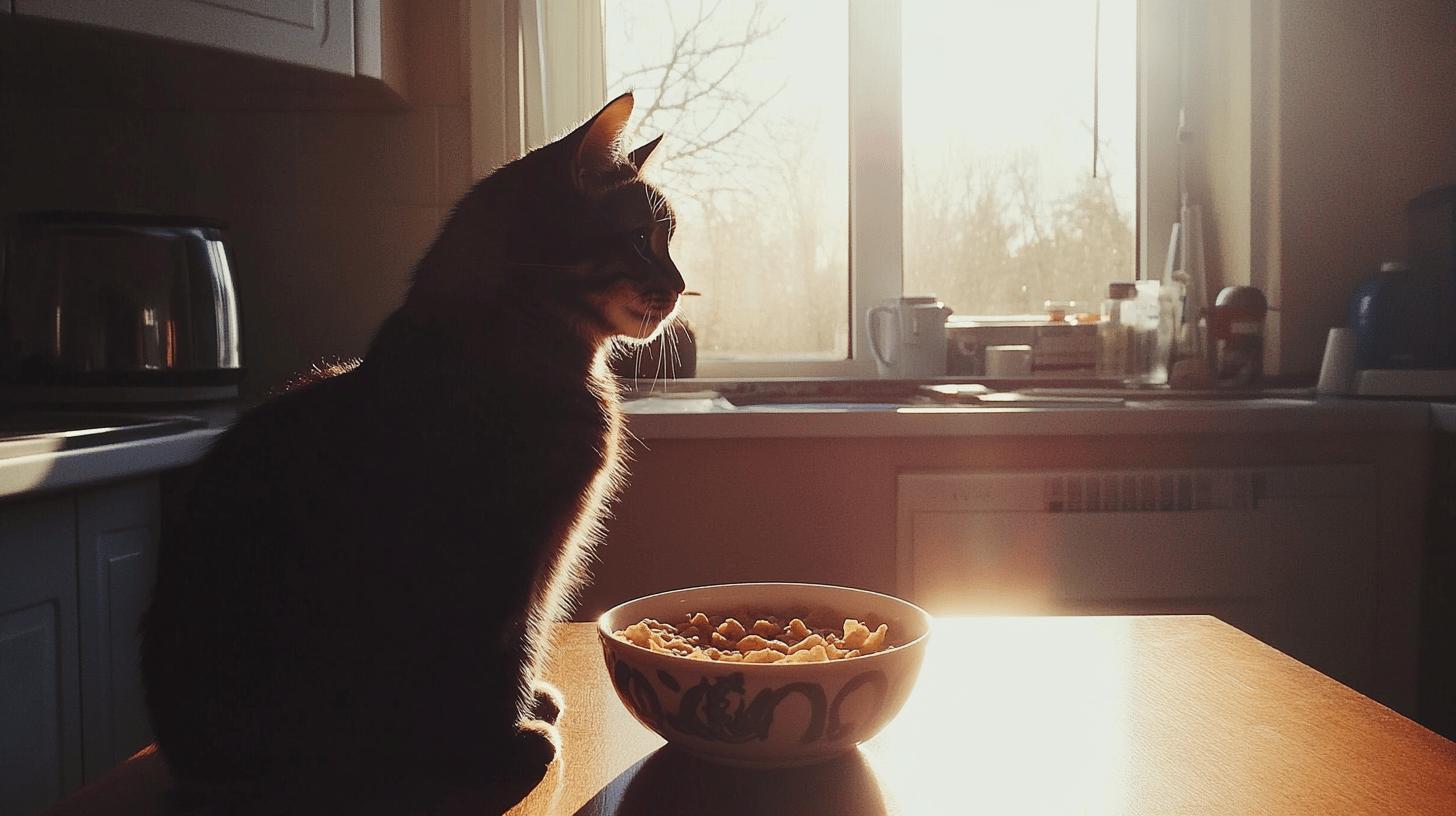
    Can Cat Eat Cereal Safely and Is It Necessary

    Can cats chow down on cereal, and do they even need it? This question might stump many cat owners. Our feline friends are obligate carnivores, designed to thrive on a diet rich in meat. While cereal isn't toxic, it doesn't offer the nutrients cats need.

    So why might your kitty seem curious about your breakfast bowl? Is it hunger or just feline curiosity? In this blog, we'll explore whether cereal is safe, necessary, and how it aligns with a cat's nutritional needs, or lack thereof. Let's dig in!

    Can Cats Safely Eat Cereal?

    Can Cats Safely Eat Cereal-2.jpg

    Cereal is not a dietary requirement for cats. As obligate carnivores, cats thrive on diets rich in proteins and fats, which are primarily found in meat. The carbohydrates present in cereals do not align with a cat's natural dietary needs. While cereal is not inherently harmful, it offers minimal nutritional benefits and lacks the essential nutrients that cats require for optimal health. A balanced cat food diet already provides the necessary vitamins and minerals, making cereal an unnecessary addition.

    • High Carbohydrates: Cereal contains carbohydrates that cats do not need in their diet.
    • Lactose Intolerance: Many cats are lactose intolerant, so cereal with milk can cause digestive issues.
    • Lack of Nutrients: Cereal lacks essential nutrients that cats get from meat.
    • Potential Allergens: Some cereals may contain grains or gluten, which can trigger allergies.
    • Curiosity vs. Need: Cats may show interest in cereal, but it's more about curiosity than dietary need.

    Cereal is not toxic to cats, yet it doesn't provide the nutritional value that obligate carnivores need. Cats are designed to extract nutrients from meat-based sources, and cereals do not meet these biological requirements. While it might be safe to let a cat nibble on a bit of cereal occasionally, it should not replace their regular meals or be considered a dietary staple. Cats need a diet that supports their energy levels, immune function, and overall well-being, which cereal does not provide.

    Feeding cereal to cats can potentially lead to health issues. Cats that are lactose intolerant may experience stomach cramps or discomfort from consuming milk with cereal. Additionally, the high carbohydrate content in cereals can lead to weight gain and related health problems. Some cats may also be grain or gluten-intolerant, leading to allergic reactions or digestive disturbances. Therefore, it is crucial to be aware of these potential issues when considering cereal as a treat for your feline friend.

    Types of Cereal and Their Suitability for Cats

    Types of Cereal and Their Suitability for Cats-1.jpg

    When thinking about offering cereal to your cat, it's crucial to consider its ingredients and nutritional value. Some cereals are safer than others, but even those should only be given as occasional treats. Cats are obligate carnivores and their dietary needs focus on proteins and fats found in meat. Cereals, primarily composed of carbohydrates, do not align with these needs.

    Oats and Oatmeal

    Oats and oatmeal are among the safer cereal options for cats. They are generally more digestible and contain fewer harmful additives. If you're planning to share oats with your cat, make sure they are plain and cooked without any added sugars or flavors. A small spoonful of plain oatmeal can be an interesting texture for cats, but it should never replace their primary diet.

    Cornflakes and Bran Cereal

    Cornflakes and bran cereals are not ideal for cats, primarily due to their gluten and sugar content. These cereals often contain additives that are not suitable for feline consumption. Gluten can be problematic for cats with intolerances, and the added sugars contribute no nutritional value and can lead to health issues like obesity. It's best to avoid these cereals altogether.

    Sugary and Chocolate Cereals

    Sugary cereals and those containing chocolate are particularly dangerous for cats. Chocolate is toxic to cats and can cause severe health problems. The high sugar content in these cereals can also lead to obesity and dental issues. Under no circumstances should sugary or chocolate cereals be given to cats, even as a treat.

    Cereal Type Suitability for Cats
    Oats and Oatmeal Safe in small amounts, plain and cooked
    Cornflakes and Bran Cereal Not suitable due to gluten and sugar
    Sugary and Chocolate Cereals Dangerous, should be avoided

    Feeding Cereal to Cats: Types and Suitability

    Feeding Cereal to Cats Dos and Donts-1.jpg

    Cereal isn't a necessary part of a cat's diet. It lacks nutritional value and can be high in carbohydrates and sugars, which aren't beneficial for cats. If you decide to offer cereal as a treat, choose plain varieties without added sugars or harmful ingredients like chocolate. Remember, cereal should be an occasional snack, not a replacement for regular meat-based meals. Be mindful of lactose intolerance and gluten allergies, ensuring your cat's safety and health.

    • Do: Offer cereal in small quantities and only occasionally.
    • Do: Choose plain cereals without added sugars or flavors.
    • Do: Ensure the cereal is free of harmful ingredients such as chocolate.
    • Don't: Use cereal as a substitute for a balanced cat food diet.
    • Don't: Mix cereal with milk, as many cats are lactose intolerant.
    • Don't: Provide cereals that contain gluten if your cat has known intolerances.

    Prioritize their carnivorous diet to keep your cat healthy and happy.

    Alternatives to Cereal for Cats

    Alternatives to Cereal for Cats-3.jpg

    Cats thrive on a diet that is rich in proteins and fats, as they are obligate carnivores with specific nutritional needs. While cereal might be a tempting treat, it does not meet these dietary requirements and offers little nutritional value.

    To keep your feline friend healthy, it's crucial to prioritize a balanced cat food diet that provides all necessary nutrients. A meat-based diet ensures that cats get the essential amino acids, vitamins, and minerals they need to maintain their energy and overall well-being.

    • Cooked Chicken: A lean source of protein that cats love.
    • Tuna: Packed with protein and omega-3 fatty acids, but should be given sparingly.
    • Pumpkin: Great for digestion and a source of fiber.
    • Carrots: Provide vitamins and are safe if cooked and served in small pieces.
    • Salmon: Rich in healthy fats, but should be cooked to avoid any harmful bacteria.

    These alternatives are not only safe but also align with a cat's natural dietary needs. By focusing on protein-rich and nutrient-dense foods, you ensure that your cat receives the essential components required for a healthy life.

    Snacks like cooked chicken or tuna are not just tasty treats but also support your cat's carnivorous instincts and nutritional requirements. Always remember to introduce new foods gradually and consult your veterinarian to tailor your cat's diet to its specific health needs.

    Final Words

    Understanding whether can cat eat cereal helps clarify how to keep our furry friends safe and healthy. Cereal isn't harmful, but it lacks nutrition that cats need. They thrive on a protein and fat-rich diet, not one full of carbohydrates and sugars. Oats might be a better choice, but moderation is key.

    It's best to choose treats aligning with their carnivore needs to avoid digestive or allergic issues. By prioritizing nutritious alternatives, playtime and bonding moments become more enjoyable for both you and your cat. Keep exploring safe options, ensuring your feline's happiness and wellbeing.

    FAQ

    Can cats eat cereal with milk?

    Cats can eat cereal with milk, but most are lactose intolerant. This can lead to stomach cramps and discomfort. It’s best to avoid giving cats milk with their cereal.

    Is it safe for cats to eat cereal every day?

    Cereal is not needed in a cat's diet. It lacks essential nutrients and doesn’t benefit their health. Avoid making cereal a regular part of their meals.

    Can cats eat corn flakes?

    Cornflakes are generally safe but mostly contain carbohydrates cats don’t need. Cats with grain or gluten intolerance should avoid them to prevent adverse reactions.

    What human food can cats eat?

    Cats can occasionally eat cooked meat, eggs, or canned tuna. However, it’s crucial to prioritize a balanced, meat-based diet due to their obligate carnivore nature.

    Can cats eat chocolate cereal?

    Cats should not eat chocolate cereal. Chocolate is toxic to cats and can cause serious health problems.

    What cereals can cats eat?

    Cats can eat plain oats or oatmeal as an occasional treat. Always ensure cereals do not contain harmful ingredients like sugar, chocolate, or excessive gluten.

    Can cats eat Cheerios cereal?

    Cheerios are not harmful in small amounts, but they are not nutritious for cats. High in carbohydrates, they don’t align with a cat's dietary needs.

    Can cats eat cereal with chicken?

    Cats can have cereal with chicken, but the cereal should be plain and free from sugar and harmful additives. Chicken is a beneficial protein source for cats.

    What are the effects of cereal on cats?

    Cereal can lead to:

    • High carbohydrate intake
    • Gluten intolerance issues
    • Lack of nutrients
    • Digestive problems from milk
    • Possible allergies

    Can cats eat cereal in the morning?

    Cats can have cereal in the morning as a treat. It should not replace their regular, nutritionally balanced meals.

    Can my cat have my cereal milk?

    Your cat should avoid cereal milk since most cats are lactose intolerant. This can cause discomfort and digestive issues.

    Related Articles

  • Can Cat Eat Spaghetti Understanding Its Impact on Feline Diet

    Can Cat Eat Spaghetti Understanding Its Impact on Feline Diet

    Can you imagine your cat slurping up spaghetti like a character in a movie? While it might be amusing, it's important to consider what this pasta dish means for your cat's health. Cats are obligate carnivores, needing meat and protein, not pasta filled with carbs.

    While a small nibble of plain spaghetti might not be harmful, it doesn't provide any real nutritional benefits for your feline friend. In this article, we'll explore why spaghetti isn't suited for a cat's diet and what you should know to keep your kitty safe and healthy.

    Can Cats Eat Spaghetti: Understanding the Basics

    Can Cats Eat Spaghetti Understanding the Basics-4.jpg

    Cats can technically eat plain spaghetti. Its core ingredients—flour, eggs, and water—are not toxic. But just because spaghetti is non-toxic doesn't mean it's a good choice for your feline friend. Cats are obligate carnivores, meaning their diet should mainly consist of meat to meet their protein needs. Spaghetti, on the other hand, is high in carbohydrates, which cats do not require in their diet.

    Here are five reasons why spaghetti does not meet cats' dietary needs:

    • High carbohydrate content
    • Lack of necessary nutrients
    • Potential for obesity
    • Gastrointestinal issues
    • Allergic reactions

    Feeding your cat spaghetti regularly is not recommended. It doesn't provide the essential nutrients they need for a balanced diet. While a small taste of plain spaghetti might not harm them, it shouldn't become a regular part of their meals. Cats need a diet rich in protein and fat from animal sources to thrive. Spaghetti, with its high carbohydrate content, doesn't fit into this nutritional profile and can lead to health issues if consumed frequently.

    The Dangers of Spaghetti Sauces for Cats

    The Dangers of Spaghetti Sauces for Cats-1.jpg

    Spaghetti sauces often contain ingredients that can be harmful to cats. Commonly used elements like garlic and onions are toxic and can lead to severe health issues. Even if your cat seems interested in your spaghetti dinner, it's crucial to keep these sauces away from them.

    Harmful Ingredients in Tomato Sauces

    Tomato sauces typically contain onions and garlic, both of which are highly toxic to cats. These ingredients can cause toxicosis, leading to symptoms like vomiting, diarrhea, and lethargy. In severe cases, they can cause anemia, which is a life-threatening condition.

    Furthermore, tomato plants themselves contain solanine, which is also harmful to cats when ingested in large amounts. While the tomato fruit used in sauces is generally less risky, the added spices and seasonings make it a dangerous choice for your feline friend.

    Risks of Cream-Based Sauces

    Cream-based sauces pose another set of risks due to lactose. Many cats are lactose intolerant, meaning they lack the enzyme needed to digest lactose found in dairy products. Consuming cream-based sauces can lead to digestive issues such as gas, bloating, and diarrhea. These sauces might also include other harmful ingredients like garlic and onions, making them doubly hazardous. It's best to avoid letting your cat sample any creamy pasta dishes to prevent these potential health problems.

    Keeping your cat safe means steering clear of these risky sauces and sticking to safe, cat-friendly foods.

    Nutritional Needs of Cats vs. Carbohydrate-rich Foods

    Nutritional Needs of Cats vs Carbohydrate-rich Foods-2.jpg

    Cats thrive on a diet rich in animal protein and fat, reflecting their nature as obligate carnivores. These essential nutrients support muscle maintenance and energy. Pasta, such as spaghetti, is loaded with carbohydrates, which cats don't need.

    Nutrient Cat Diet Carbohydrate-rich Diet
    Protein 50% or more 10-15%
    Fat Up to 20% 5-10%
    Carbohydrates Minimal 70-80%

    A carb-heavy diet can lead to health problems like obesity and diabetes, which are increasingly common in cats. Carbs stored as fat and missing nutrients from such diets can impact health. Sticking to protein-rich meals is vital for your cat's health.

    Safe Alternatives to Spaghetti for Cats

    Safe Alternatives to Spaghetti for Cats-2.jpg

    Cats thrive on diets that cater to their specific nutritional needs, primarily focusing on high-quality protein and fat. While it might be tempting to share a bit of your spaghetti with your feline friend, it’s crucial to remember that their dietary requirements are different from ours.

    The healthiest option for cats is a diet comprised of high-quality commercial cat food that is specifically formulated to meet their nutritional needs. These foods are designed to provide a balanced diet rich in essential nutrients, ensuring that your cat remains healthy and energetic.

    Here are some cat-friendly treats or meals you can offer as safe alternatives to spaghetti:

    1. High-quality commercial cat food
    2. Cooked chicken or turkey
    3. Small pieces of cooked fish
    4. Homemade cat treats made with safe ingredients
    5. Commercially available cat-safe treats

    Incorporating these alternatives into your cat's diet can be both simple and beneficial. Offering cooked chicken or turkey as a treat is a great way to add variety without compromising on nutrition. When adding fish, make sure it's cooked and free of any seasoning or bones.

    Homemade cat treats can be a fun and rewarding way to ensure your cat enjoys a snack tailored to their needs. Always keep treats as occasional bonuses and not as replacements for their regular meals to maintain a balanced and nutritionally complete diet.

    Final Words

    Knowing if a cat can eat spaghetti helps us realize its core ingredients aren't toxic, but it's not ideal due to high carbs. Spaghetti sauces, especially those with garlic and onions, pose serious dangers, making it crucial to avoid them. Cats need diets rich in animal protein, not carbohydrates, to stay healthy. Choose safe alternatives like quality cat food and occasional treats like cooked chicken. Keep your cat's meals nutritious and safe, ensuring your furry friend enjoys a healthy lifestyle.

    FAQ

    Can cats eat pasta with sauce?

    Cats can eat plain pasta, but sauces are risky. Many sauces contain onions and garlic, which are toxic to cats and can cause serious health issues.

    Can cat eat spaghetti and chicken?

    Cats can eat plain spaghetti in small amounts and cooked chicken without any seasoning. Avoid sauces or spices on the chicken.

    Can cats eat spaghetti with tomato sauce?

    Avoid feeding cats spaghetti with tomato sauce. Tomato sauces often include harmful ingredients like onions and garlic.

    Why does my cat like pasta?

    Cats may like pasta due to its texture. It's not nutritionally beneficial and should only be given plain and occasionally.

    What if my cat accidentally ate pasta?

    If your cat ate plain pasta, it's usually safe. Watch for any digestive problems. If the pasta had sauce, monitor your cat and contact a vet if there are any concerning symptoms.

    Is alfredo sauce toxic to cats?

    Yes, alfredo sauce can be toxic. It often contains lactose and garlic, which can harm cats.

    My cat ate spaghetti sauce. What should I do?

    Observe your cat for symptoms like lethargy or vomiting. Tomato sauce can have toxic ingredients like onions. Contact your vet if symptoms appear.

    Can cats eat pasta and cheese?

    Cats might enjoy small amounts of plain pasta and cheese. Some cats are lactose intolerant, so cheese can cause digestive issues. Always limit portions.

    Can cats eat tomato pasta?

    It's best to avoid tomato pasta for cats. Tomato sauces may have ingredients that aren't safe for them.

    Related Articles

  • Can Cat Eat Oreo Safe or Harmful for Feline Friends

    Can Cat Eat Oreo Safe or Harmful for Feline Friends

    Are you tempted to share your Oreo treat with your curious cat? Before you do, you might want to think twice. While these cream-filled, chocolatey cookies might seem like a harmless indulgence, they pose hidden dangers for our feline friends.

    Oreos contain ingredients, such as cocoa, that are bad news for cats. Cocoa has caffeine and theobromine, both of which can trigger serious health problems. In this article, let's dive into the risks and learn why Oreos are not the best choice for your cat's snack time.

    Can Cats Safely Eat Oreos?

    Can Cats Safely Eat Oreos-3.jpg

    Oreos, with their creamy filling and chocolatey exterior, might seem harmless. But for our feline friends, they are anything but. The key ingredient in Oreos that raises concerns is cocoa powder, which makes up about 4.5% of a single cookie.

    Cocoa contains caffeine and theobromine, both of which are toxic to cats. These substances can lead to serious health problems, even in small amounts. Cats, being obligate carnivores, have no dietary need for sugary snacks like Oreos, making them a poor choice for a treat.

    Here are some harmful ingredients found in Oreos that can pose a risk to cats:

    • Cocoa: Contains caffeine and theobromine, both toxic to cats.

    • Caffeine: Can cause restlessness, rapid breathing, and heart palpitations.

    • Theobromine: Leads to muscle tremors, seizures, and potentially life-threatening conditions.

    • Sugar: Contributes to obesity, diabetes, and other health issues in cats.

    • Fats: Excessive fat can lead to pancreatitis and weight gain.

    These ingredients collectively pose significant risks to a cat's health. Cats lack the enzymes needed to properly metabolize caffeine and theobromine, which can result in toxic buildup and severe symptoms.

    The sugar and fat content in Oreos further complicate the issue by contributing to weight gain and other metabolic disorders. For these reasons, it's best to keep Oreos and similar treats away from your furry companions.

    Health Risks and Safety Concerns of Oreos for Cats

    Health Risks and Safety Concerns of Oreos for Cats-4.jpg

    Keeping Oreos away from our cats is a must. Instead of focusing on their hazardous ingredients, let's discuss ways to prevent our curious furballs from getting into them. Store Oreos and other chocolate products in closed cabinets or high shelves.

    Consider using cat-proof containers for added safety. Encouraging a healthy diet and offering appropriate cat treats can reduce the temptation for cats to sample human snacks.

    In case a cat does manage to eat some Oreos, acting quickly is key. First, remove any remaining Oreos from their reach. Check for any signs of distress or symptoms such as vomiting or restlessness.

    If symptoms appear, contact a veterinarian immediately. They might recommend inducing vomiting under professional guidance or bringing the cat in for examination.

    Offering alternatives to Oreos can also help prevent these incidents. Cats love treats that are specifically designed for their dietary needs. Opt for cat-friendly snacks that are low in sugar and fats. There are plenty of safe options available, such as freeze-dried meat treats or catnip-infused toys.

    • Provide safe cat treats to reduce interest in human food

    • Store Oreos in secure locations

    • Use cat-proof containers

    • Monitor for symptoms if accidental ingestion occurs
    First Aid Step Action
    Remove Access Keep Oreos and chocolate away
    Monitor Symptoms Watch for vomiting, restlessness
    Contact Vet If symptoms appear, seek help

    By focusing on prevention and being ready to act if an accident happens, we can keep our feline friends safe from the health risks Oreos pose.

    What to Do If Your Cat Eats Oreos

    What to Do If Your Cat Eats Oreos-1.jpg

    If your cat eats Oreos, quickly remove any leftovers to avoid further ingestion. Monitor your cat for specific symptoms, such as restlessness or rapid breathing, which can signal chocolate toxicity. Keep a close watch on their behavior and physical condition over the next few hours.

    Here are situations when you should contact a veterinarian or pet poison hotline:

    • Persistent vomiting or diarrhea

    • Signs of chocolate toxicity, like restlessness or rapid breathing

    • Symptoms that worsen or don't improve after a few hours

    • Consumption of multiple Oreos or a significant amount of chocolate

    Timely intervention is crucial. If you see severe or ongoing symptoms, reach out to a veterinarian promptly. Quick action can help your cat get the necessary care to prevent serious health issues.

    Safer Treat Alternatives for Cats

    Safer Treat Alternatives for Cats-2.jpg

    Cats love treats, but it's essential to choose ones that cater to their dietary needs. Cat-specific snacks are a fantastic option because they're formulated to provide balanced nutrition without unnecessary additives.

    These treats often contain essential nutrients and are designed to be low in calories, making them a healthier choice compared to human snacks like Oreos. By offering cat-friendly treats, we can ensure that our feline friends enjoy something tasty while still maintaining their health.

    Consider these safe treat alternatives for your cat:

    • Commercial Cat Treats: Crafted to meet nutritional needs.

    • Lean Meats: Cooked chicken or turkey without seasoning.

    • Cheese: Small amounts for protein and calcium.

    • Banana: Contains vitamins and minerals in moderation.

    • Pumpkin: High in fiber, beneficial for digestion.

    These alternatives not only satisfy your cat's taste buds but also contribute positively to their health. Lean meats provide essential proteins, while cheese offers calcium in small quantities.

    Banana provides vitamins and minerals, and pumpkin is excellent for its fiber content, aiding digestion. By incorporating these options into your cat's diet, you can offer a variety of flavors and textures without compromising their well-being.

    Final Words

    Understanding the dangers of Oreos for cats, especially the cocoa powder with caffeine and theobromine, highlights the importance of choosing safe treats. Cats don't need sugary snacks, and items like chocolate can lead to serious health risks, including gastrointestinal issues and even severe symptoms like seizures. If a cat eats Oreos, monitoring and timely veterinary care are key.

    Instead of worrying about "can cat eat Oreo," focus on providing safe treats like commercial cat snacks, lean meats, or pumpkin for a more enjoyable and healthy experience.

    FAQ

    Can cats eat Oreos?

    A: Oreos are not safe for cats. They contain cocoa powder, which has caffeine and theobromine—both toxic to cats. Cats do not need sugary or high-fat foods.

    Can Oreos kill cats?

    A: Eating Oreos can be harmful to cats due to chocolate toxicity. This can lead to muscle tremors, seizures, and potentially severe outcomes like coma or death.

    What happens if my cat eats an Oreo?

    A: If a cat eats an Oreo, watch for symptoms like stomach upset and increased urination. Severe cases require urgent vet consultation.

    Can cats eat chocolate?

    A: Cats should not eat chocolate. It contains caffeine and theobromine, which can cause serious health issues like tremors and seizures.

    Can cats eat peanut butter?

    A: Peanut butter isn't toxic to cats, but it's high in fat and may upset their stomachs. Offer it only as an occasional treat in small amounts.

    What should I do if my cat eats Oreos?

    A: Monitor your cat for symptoms such as stomach upset. If symptoms are severe or persistent, contact a veterinarian or pet poison hotline promptly.

    Are there safe treat alternatives for cats?

    A: Yes, there are safe alternatives for cats like commercial cat treats, lean meats, small amounts of cheese or banana, and fiber-rich pumpkin. These options are healthier and provide nutritional benefits.

    Related Articles

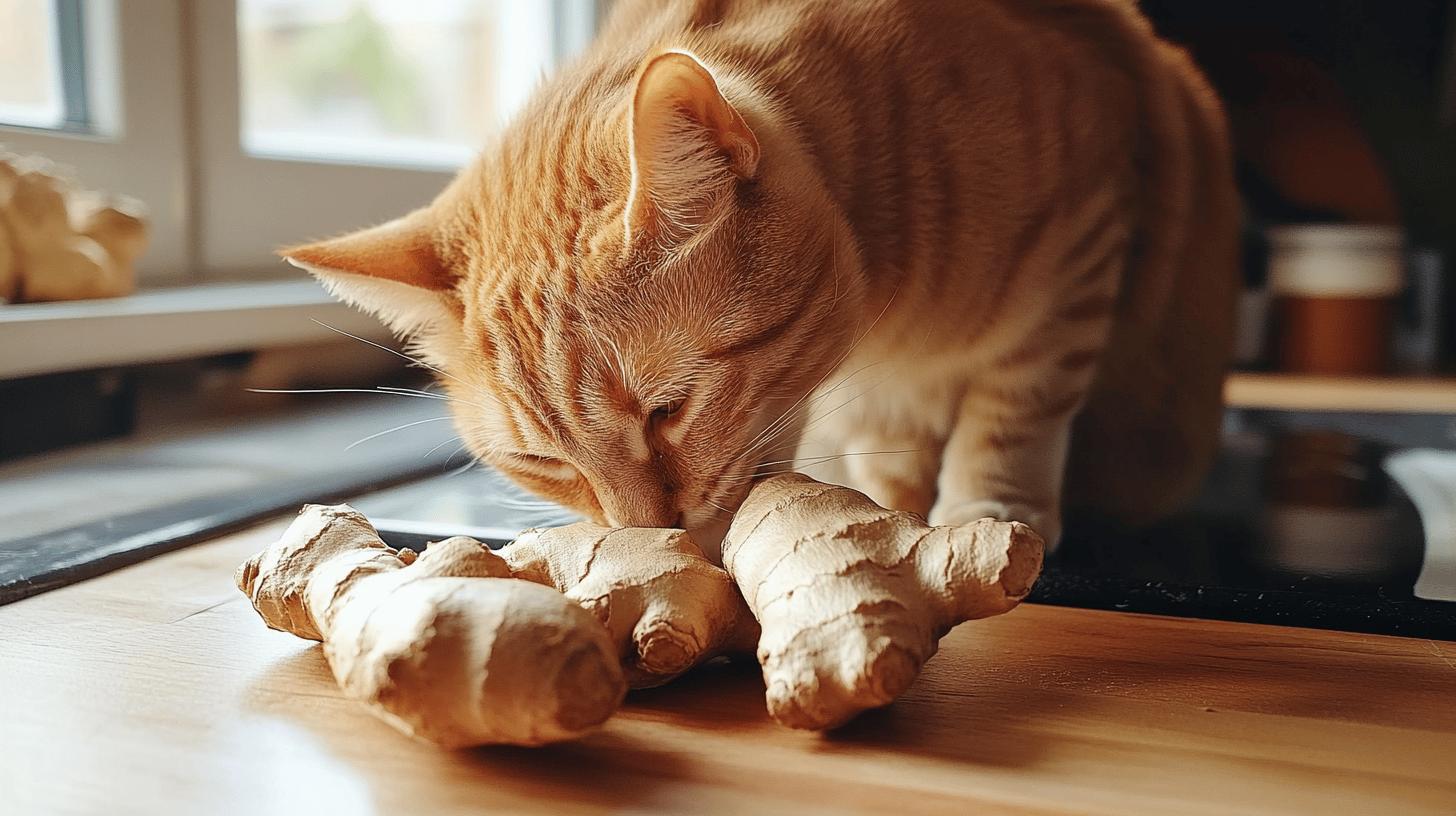
  • Can Cat Eat Ginger Safely and Without Side Effects

    Can Cat Eat Ginger Safely and Without Side Effects

    Could your cat enjoy a sprinkle of ginger on their dinner? It's a question that sparks curiosity and concern for many cat owners. While ginger isn't toxic to cats, our feline friends don't process it the same way we do. This means they might not gain its full benefits.

    In small amounts, some cats might find ginger palatable without immediate side effects. However, giving too much could upset their stomachs. If you're considering adding ginger to your cat's meals, read on to learn how to do so safely.

    Can Cats Safely Eat Ginger?

    Can Cats Safely Eat Ginger-2.jpg

    Ginger is non-toxic and generally safe for cats to consume. While it doesn't pose a direct threat, it's important to remember that cats don't have the enzymes required to effectively digest ginger.

    This means they might not gain significant nutritional benefits from it. Still, some cats might enjoy a small amount of ginger from time to time. It's crucial to approach feeding ginger with caution and awareness of your cat's unique dietary needs.

    Moderation is key when introducing ginger to your cat's diet. Giving too much ginger can lead to digestive issues, such as an upset stomach, vomiting, or diarrhea. Since cats might be sensitive to new foods, it's wise not to overwhelm their system with large quantities. Always start with tiny amounts and observe how your cat reacts to avoid potential digestive troubles.

    Here are some steps for safely introducing ginger into your cat's diet:

    • Start with a small amount: Begin with a very tiny piece or a pinch of ginger to see how your cat responds.
    • Observe your cat's reaction: Monitor for any signs of digestive discomfort, allergies, or changes in behavior.
    • Consult your veterinarian: Before making ginger a regular part of your cat's diet, seek professional advice.
    • Increase quantity gradually: If your cat tolerates ginger well, slowly increase the amount while continuing to observe.
    • Avoid ginger-flavored products: Stick to natural ginger and avoid items like gingerbread or ginger snaps, which may contain harmful ingredients.

    Always prioritize your cat's health and well-being when considering dietary changes.

    Health Benefits and Risks of Ginger for Cats

    Health Benefits and Risks of Ginger for Cats-3.jpg

    Ginger offers digestive benefits to cats due to its gingerol content, which has anti-inflammatory properties. It can help alleviate mild digestive discomfort, such as nausea or an upset stomach. This makes ginger a useful natural remedy for supporting a cat's digestive health.

    While ginger can be advantageous, it's essential to be aware of the potential side effects. Overconsumption may lead to gastrointestinal issues, including vomiting or diarrhea. These symptoms suggest that the ginger might be upsetting the cat's stomach, so moderation is key.

    Here are some risks associated with ginger consumption in cats:

    Risk Description
    Stomach upset Can cause vomiting or diarrhea if consumed excessively.
    Allergic reactions May result in itching or swelling.
    Blood-thinning effects Should be avoided in cats with bleeding disorders.
    Interaction with medications Can affect certain medications, including anti-inflammatory drugs.

    Cats with specific health conditions should avoid ginger. Those with blood clotting disorders or gallstones are particularly at risk due to ginger's blood-thinning properties. Pregnant or nursing cats should also steer clear to prevent potential complications. Consulting a veterinarian is critical before introducing ginger to cats with these conditions.

    Monitoring for allergic reactions is crucial when giving ginger to your cat. Look for symptoms such as itching, swelling, or behavioral changes. If you notice any of these signs, stop using ginger and consult a vet promptly. Observing your cat's reactions helps ensure their well-being and informs your dietary choices for them.

    Ginger Alternatives and Natural Remedies for Cats

    Ginger Alternatives and Natural Remedies for Cats-3.jpg

    Holistic care for cats involves exploring natural remedies that can support their health without relying solely on traditional medications. Alternative treatments for cats can include a variety of herbs and natural supplements known for their gentle yet effective properties.

    These remedies aim to provide comfort and wellness while minimizing side effects. Using natural options can be especially beneficial for cats with sensitivities or those needing a more gentle approach to health management.

    There are several herbs considered safe for cats, each offering its own set of benefits. Catnip, for instance, is well-known for its ability to stimulate playful behavior and provide mental enrichment. Chamomile is another safe herb that can help soothe anxiety and provide relaxation.

    It's important to choose herbs that are non-toxic and well-tolerated by cats, ensuring they enhance rather than hinder your feline friend’s quality of life.

    Here are five alternative herbs and their potential benefits for cats:

    • Valerian Root: Known to reduce stress and anxiety.
    • Licorice Root: Can aid in reducing allergy symptoms and inflammation.
    • Calendula: Helpful in promoting skin health and healing.
    • Dandelion Root: Supports liver function and digestion.
    • Echinacea: Boosts the immune system and may help fight infections.

    Incorporating these remedies into your cat's care routine should be done with careful consideration. Start by introducing one herb at a time to monitor your cat's response.

    Always check with a veterinarian before adding new herbs to ensure they don’t interfere with existing medications or health conditions. By taking a thoughtful approach, you can safely integrate these natural options into your cat’s lifestyle, enhancing their overall well-being.

    Common Misconceptions About Ginger and Cats

    Common Misconceptions About Ginger and Cats-2.jpg

    Misconceptions about ginger's effects on cats often lead to confusion. Some think ginger is toxic, but it's non-toxic in moderation. Others view it as a cure-all, yet there's no evidence for this. Ginger-flavored products might contain harmful ingredients, so caution is necessary.

    • Ginger is toxic to cats: It's non-toxic but requires moderation.
    • Ginger cures all ailments: It aids digestion but isn't a universal remedy.
    • Any ginger product is safe: Ginger-flavored items can have harmful ingredients.

    For responsible use, consult a vet before adding ginger to your cat's diet. This ensures safety and prevents side effects, integrating ginger wisely into your pet’s routine.

    Final Words

    Choosing whether a cat can eat ginger opens up a lot of considerations. While it's non-toxic and can be safe in small amounts, moderation is key to prevent digestive issues. Ginger can aid digestion and reduce inflammation, but too much might lead to side effects like vomiting or diarrhea. Keeping ginger to a minimum ensures cat safety.

    Holistic options exist beyond ginger, like catnip and chamomile which also offer health benefits. Knowing common misconceptions helps you make informed choices. With the right approach, adding natural remedies can enrich their diet responsibly.

    FAQ

    Can cats eat ginger juice?

    A: Cats can have a small amount of ginger juice. It may soothe digestion. Check for any adverse reactions before giving more.

    What are the benefits of ginger for cats?

    A: Ginger may help with digestion and reduce inflammation. Use care as consuming too much can cause stomach upset. Watch your cat's reaction.

    How can I use ginger for my cat?

    A: Use ginger in small, gradual amounts, like powder or small pieces. Monitor for allergies or stomach issues. Consult your vet first.

    A: A tiny pinch of ginger is generally enough. Start small and avoid overloading your cat's stomach.

    Can cats eat ginger leaves?

    A: Ginger leaves aren't toxic, but cats might find them unappealing. Monitor for any negative reactions if ingested.

    Are ginger leaves toxic to cats?

    A: Ginger leaves are not toxic. However, some cats may still experience discomfort.

    How can I make ginger tea for my cat?

    A: Prepare weak ginger tea by boiling a small ginger piece. Let it cool and offer a teaspoon to your cat.

    Is ginger good for cats with a cold?

    A: Ginger might help reduce inflammation and soothe throat discomfort during a cold. Avoid using too much to prevent stomach upset.

    Is ginger toxic to cats?

    A: Ginger is not toxic to cats. Use it sparingly to avoid stomach upset.

    How much ginger can I give my cat?

    A: Offer a tiny pinch at first. Monitor your cat's reaction before considering more.

    Do cats like ginger?

    A: Most cats don't actively like ginger. Some may enjoy its flavor and others may reject it.

    Can my cat eat ginger snaps?

    A: Ginger snaps often contain sugar and spices. These aren't suitable for cats and could cause sugar overload or toxicity. Avoid giving them to your cat.

    Related Articles

  • Can Cat Eat Raspberry Safely Guidelines and Recommendations

    Can Cat Eat Raspberry Safely Guidelines and Recommendations

    Are raspberries a sweet treat that's safe for your cat, or are they a dietary no-go? If you've ever wondered whether your feline friend can nibble on this vibrant berry, you're not alone. Cats can eat raspberries, but there's a lot to consider.

    From sugar content to potential allergies, the journey to a cat-friendly diet can be like navigating a tricky maze. In this guide, I'll lay out clear steps and recommendations to help you decide how to include raspberries in your cat's meals safely.

    Can Cats Eat Raspberries Safely?

    Can Cats Eat Raspberries Safely-3.jpg

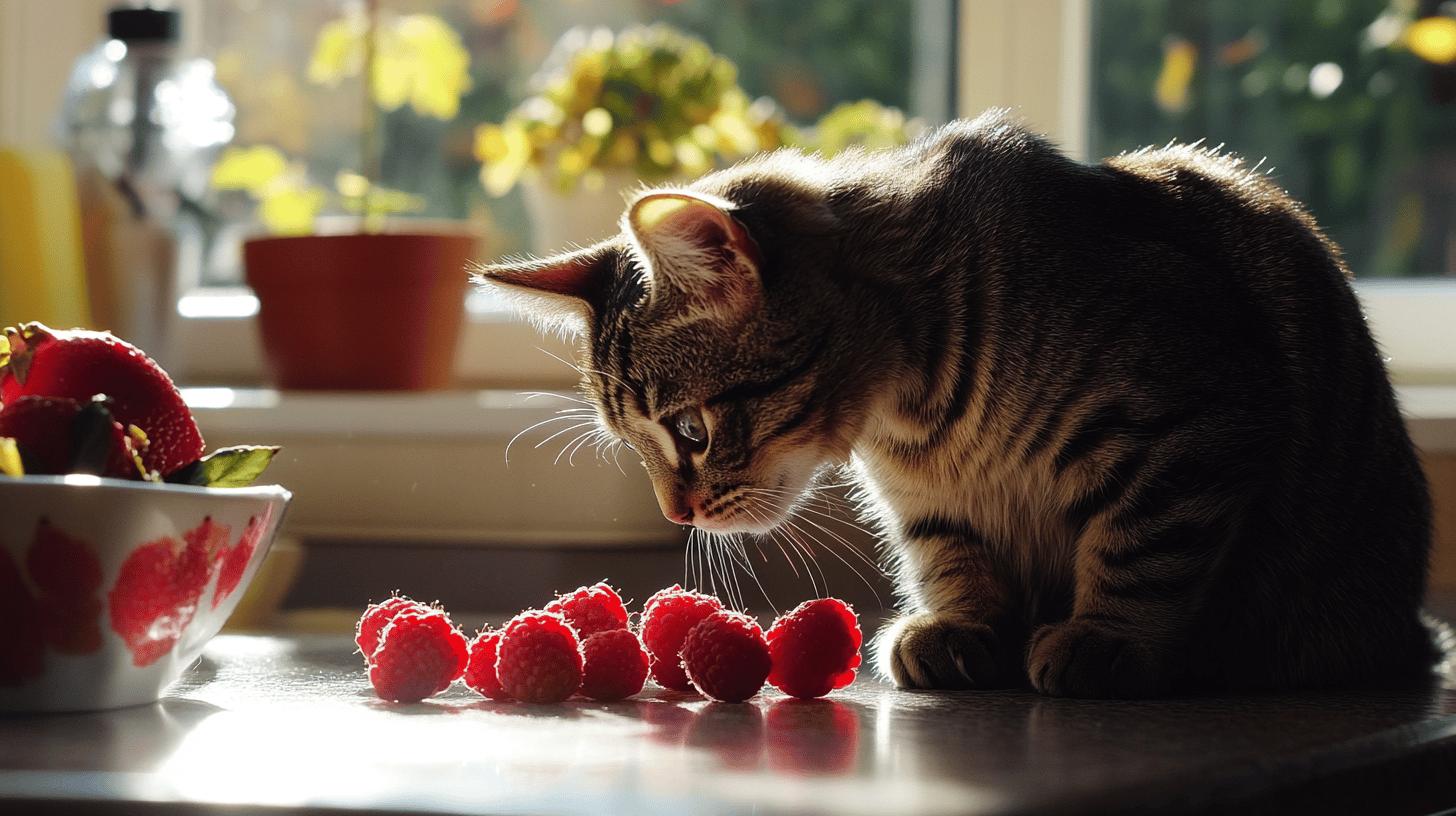
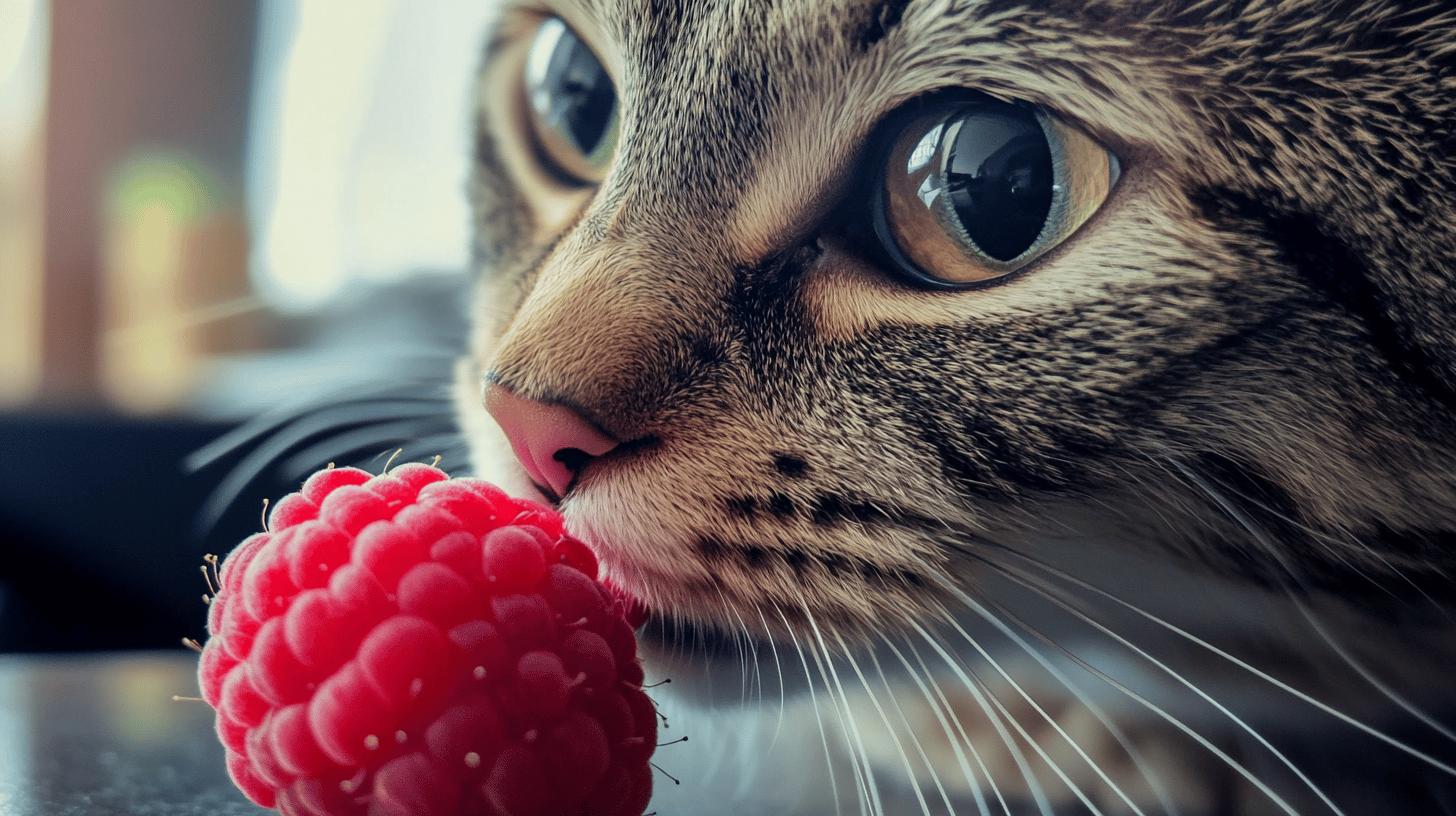
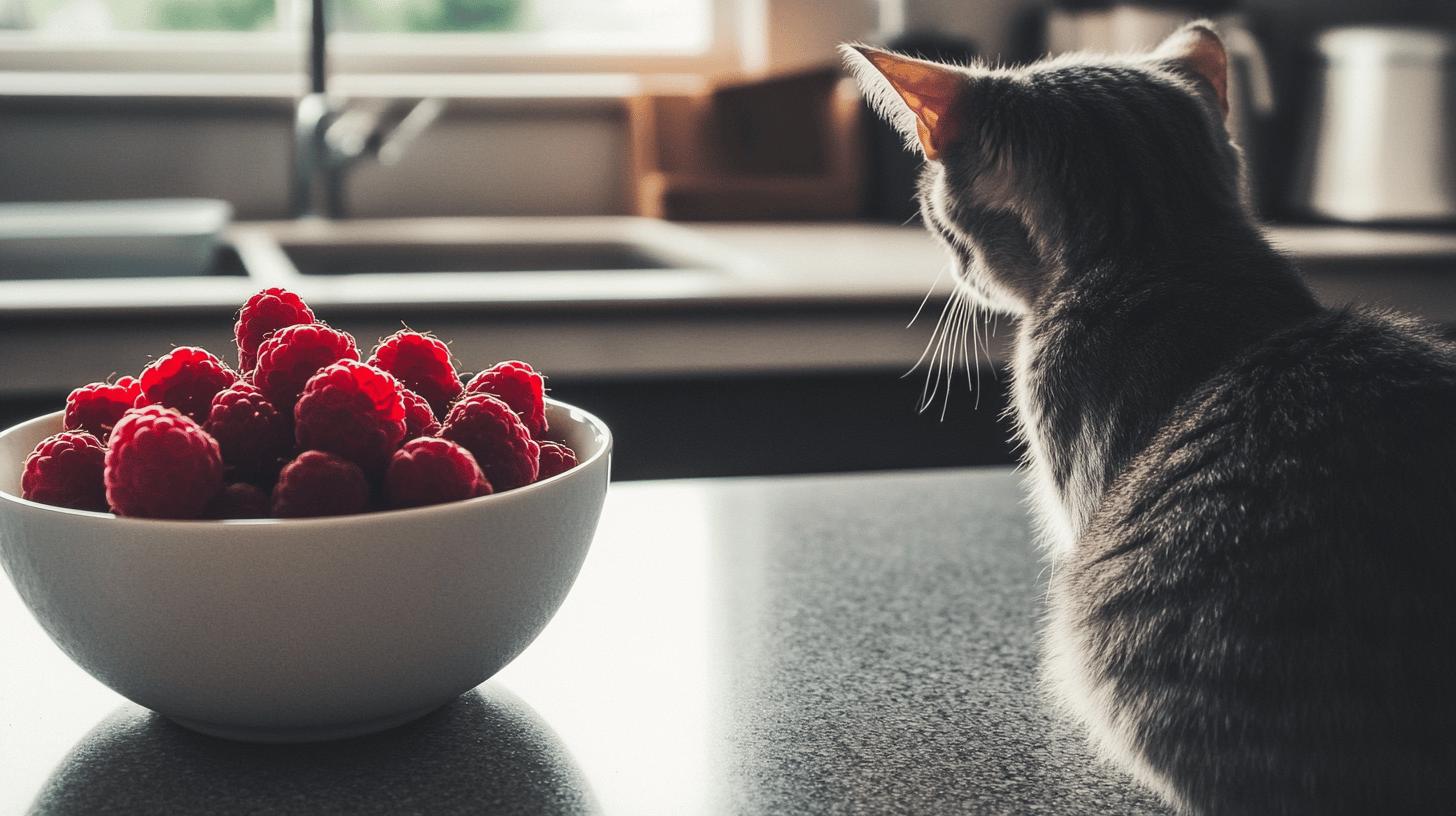
    Raspberries are non-toxic to cats, making them safe for feline consumption in moderation. Despite this, it's important to keep in mind that raspberries have a high sugar content, which can lead to digestive upset. Offering them in limited quantities is key to ensuring your cat's health.

    Cats should only have one to two raspberries per serving and no more than once a week. Some cats, especially those with sensitive stomachs, may experience vomiting or diarrhea from eating raspberries. Additionally, fruit allergies in cats can manifest as itching, swelling, and gastrointestinal upset.

    Safety Guidelines for Feeding Raspberries to Cats

    • Wash Thoroughly: Always wash raspberries to remove any chemicals or pesticides.
    • Limit Portion Size: Offer only one to two raspberries per serving.
    • Monitor for Allergies: Watch for signs of allergies such as itching or swelling.
    • Check for Digestive Issues: Be alert for symptoms like vomiting or diarrhea.
    • Consult Your Veterinarian: Before introducing raspberries, check with your vet for personalized advice.

    Caloric Intake Guidelines

    Raspberries should only make up 5%-10% of a cat's daily caloric intake. This ensures that your cat's primary nutrition comes from meat-based sources, which are essential for their health. Consider your cat's daily caloric needs and consult a veterinarian to determine the appropriate amount of raspberries. This balance helps prevent nutritional imbalances and health issues related to excessive sugar consumption.

    Moderation is the best approach when it comes to feeding raspberries to your cat. Consulting with a veterinarian is always a smart choice to ensure that any new food fits well within your cat's diet. Maintaining a balanced and complete diet is crucial for your cat's overall health, with meat-based nutrition playing a central role.

    Nutritional Value and Benefits of Raspberries for Cats

    Nutritional Value and Benefits of Raspberries for Cats-1.jpg

    Raspberries are packed with nutrients that, at first glance, seem beneficial for cats. They include fiber, antioxidants, and essential vitamins such as A, C, E, and K. Additionally, they contain minerals like calcium and potassium. While these nutrients are beneficial, it's important to remember that cats are obligate carnivores, meaning their bodies are designed to absorb nutrients primarily from meat.

    Nutrient Potential Benefits for Cats
    Fiber Aids in digestion
    Antioxidants Supports immune health
    Vitamin A Promotes vision health
    Vitamin C Boosts immune system
    Calcium Strengthens bones

    Despite these nutrients, the impact on cats is limited. Their digestive systems are not as effective at extracting these benefits from plant-based foods compared to a diet rich in animal proteins. While raspberries can offer some fiber and antioxidants, they should not replace the primary source of nutrition that cats need from meat.

    Therefore, while raspberries can occasionally be a safe treat, they should be given in moderation to avoid any potential digestive issues. Always consult with a veterinarian when considering adding new foods to your cat's diet.

    Raspberries and Other Safe Fruits for Cats

    Raspberries and Other Safe Fruits for Cats-4.jpg

    Cats can enjoy certain fruits as treats, but it's key to know which ones are safe. While cats are meat-eaters, they can have small amounts of some fruits.

    Safe Fruits for Cats

    • Blueberries: Packed with antioxidants and generally safe for cats.
    • Strawberries: Another safe option that cats might enjoy.
    • Watermelon: Can be refreshing and hydrating, but remove seeds and rind.
    • Apples: Safe in small pieces, but avoid seeds and core.

    Harmful Fruits for Cats

    • Grapes and Raisins: Highly toxic and can cause kidney failure.
    • Cherries: The seeds and stems contain cyanide, which is harmful.
    • Citrus Fruits: Can cause stomach upset and central nervous system depression.
    • Avocado: Contains persin, which is toxic to cats.
    • Tomatoes: Green parts contain solanine, which is toxic to cats.

    When introducing any new fruit to your cat’s diet, do so gradually. Watch for any signs of adverse reactions like vomiting or diarrhea. Each cat is unique, and what might be a tasty treat for one could be problematic for another.

    Always start with small amounts and observe how your cat reacts. Consulting your veterinarian before introducing new foods ensures you make the best choices for your cat's health.

    Final Words

    Raspberries are non-toxic to cats and can be a small treat if given with care. It's key to remember that moderation is crucial. Cats should only eat a few raspberries, no more than once a week, due to the potential for digestive issues. Consulting a vet before introducing new foods like raspberries is always wise. While raspberries offer fiber and antioxidants, they shouldn't replace a meat-based diet essential for your cat's health. Enjoy exploring safe treats, but always prioritize your cat's balanced nutrition and well-being.

    FAQ

    Can cats eat raspberry yogurt?

    In moderation, it's usually safe for cats to eat raspberry yogurt if it doesn't contain artificial sweeteners or flavors. Most cats are lactose intolerant, so yogurt might cause stomach upset.

    Can cats eat raspberry fruit?

    Cats can eat raspberries, but only in small amounts. Limit to one or two raspberries per serving to avoid any digestive issues due to sugar content.

    Can cats eat blackberries?

    Cats can safely eat blackberries in moderation. Offer them occasionally and watch for any digestive discomfort.

    Can cats eat raspberry jam?

    Raspberry jam is not recommended for cats due to its sugar content and possibly additives, which can be harmful.

    Can cats eat strawberries?

    Cats can enjoy strawberries, but only in small quantities. Too many can cause digestive issues because of their sugar content.

    What fruits can cats not eat?

    Cats should not eat grapes, raisins, or citrus fruits as these can be toxic or cause digestive issues.

    Can cats eat blueberries?

    Blueberries are safe for cats to eat in moderation. They provide antioxidants and are low in calories.

    Can cats eat raspberry seeds?

    Raspberry seeds are not toxic, but it's best to avoid them to prevent potential digestive issues.

    Is it safe for cats to eat raspberries?

    Raspberries are safe for cats in small amounts. Limit intake to avoid digestive upset due to their sugar content.

    What berry is toxic to cats?

    Most berries are not toxic, but cats should avoid cherries due to their pits and grapes as they can be harmful.

    Why do cats like raspberries?

    Cats may be curious or attracted to the texture, but they don't necessarily like raspberries because of their taste preferences.

    What fruits can cats not eat?

    Cats should avoid grapes, raisins, cherries, and citrus fruits. These can be toxic or irritate their stomach.

    Related Articles

  • Can Cat Eat Cream Cheese Safety and Effects Explained

    Can Cat Eat Cream Cheese Safety and Effects Explained

    Is that adorable little face begging for some of your cream cheese bagel? Before you give in, let's take a closer look. Many people believe that a little cream cheese can't hurt, but when it comes to cats, it's a different story.

    Cats are often lactose intolerant, and cream cheese can upset their stomachs. So, what's the real deal with cats and cream cheese? I'll break down the safety concerns and effects, helping you make informed decisions for your feline friend's health.

    Can Cats Eat Cream Cheese Safely? Understanding the Effects of Cream Cheese on Cats

    Can Cats Eat Cream Cheese Safely Understanding the Effects of Cream Cheese on Cats-2.jpg

    Many cats are lactose intolerant, which means they lack the enzyme lactase that's needed to digest lactose found in dairy products like cream cheese. This intolerance can lead to various digestive issues when they consume dairy. As obligate carnivores, cats primarily need a diet rich in proteins from animal sources, and cream cheese doesn't provide the essential nutrients they require.

    Cream cheese poses several risks for cats due to its high fat and lactose content. While not toxic, it can upset a cat's digestive system, leading to discomfort. The high fat content also can contribute to obesity, a common issue among house cats.

    Regular consumption of cream cheese can lead to weight gain, which can further complicate a cat's health with obesity-related diseases. It's important for cat owners to consider these risks when offering treats like cream cheese to their feline companions.

    Symptoms that may occur if a cat consumes cream cheese include:

    • Stomach upset
    • Bloating
    • Diarrhea
    • Gas
    • Cramps

    Cream cheese doesn't offer any nutritional benefits to cats, making it an unsuitable choice for a treat. Its high lactose and fat content can lead to digestive troubles and contribute to obesity. Instead, cat owners should focus on providing their pets with treats that align with their natural dietary needs, which are rich in proteins and low in unnecessary fats and sugars.

    Alternatives to Cream Cheese for Cats

    Alternatives to Cream Cheese for Cats-4.jpg

    Choosing the right treats for your cat means considering their natural dietary needs. Cats are obligate carnivores, requiring a diet primarily based on animal protein. Cream cheese, while tempting, doesn't meet these nutritional needs and can lead to digestive issues due to its lactose content.

    Instead, consider treats that align with your cat's biological requirements. Healthier options such as freeze-dried meats, like chicken, beef, or fish, not only satisfy their taste buds but also provide essential nutrients without the lactose that many cats struggle to digest.

    Here are some recommended healthy snacks for cats:

    • Freeze-dried chicken
    • Freeze-dried beef
    • Freeze-dried fish
    • Small pieces of cooked turkey
    • Cooked eggs (without salt or seasoning)

    When selecting treats for your cat, it's crucial to prioritize those that support their health and dietary needs. Look for options rich in protein and free from unnecessary fats, sugars, and lactose. By doing so, you'll ensure your feline friend enjoys tasty snacks that contribute positively to their well-being.

    Veterinary Advice on Feeding Cats Cream Cheese

    Veterinary Advice on Feeding Cats Cream Cheese-2.jpg

    Before introducing any new food, including cream cheese, into a cat's diet, it's wise to consult a veterinarian. They can provide expert opinions on whether such foods fit the specific health needs and dietary requirements of your feline friend. This consultation helps ensure that any treat or new food won't disrupt their digestive health or contribute to long-term health issues.

    Signs of Lactose Intolerance in Cats and What to Do

    Signs of Lactose Intolerance in Cats and What to Do-3.jpg

    If your cat shows signs of lactose intolerance after eating cream cheese, there's a practical plan to follow. Start by offering plenty of fresh water to keep your cat hydrated, especially if diarrhea is present.

    Keeping your cat calm and comfortable is key. If symptoms persist beyond a few hours or seem severe, it's wise to consult a veterinarian. They can provide dietary adjustments or treatments to help your cat feel better and ensure good health.

    Final Words

    Understanding the effects of cream cheese on cats is vital for their health. Cats often struggle with lactose intolerance, making cream cheese a risky treat. Without essential nutrients, it can lead to stomach upset and obesity. Instead, safer alternatives like freeze-dried meats align better with your cat's diet. Consulting a vet ensures you're making informed choices about their well-being. Remember, can cat eat cream cheese safely? The risks outweigh any potential enjoyment. Offering suitable treats keeps our feline friends both happy and healthy.

    FAQ

    My cat ate cheese, what should I do?

    If your cat ate cheese, watch for signs of lactose intolerance such as diarrhea or stomach upset. These symptoms are usually mild and resolve within hours. If symptoms persist, contact a vet.

    Can cats eat cream cheese and milk?

    Cats often struggle to digest cream cheese and milk due to lactose intolerance. Consumption can lead to digestive issues like bloating and diarrhea. Cream cheese offers no nutritional benefits for cats.

    Can cats eat cream cheese bread?

    Cream cheese bread isn't suitable for cats. It contains lactose and can cause digestive upset. Bread adds no nutritional value to their diet, potentially leading to obesity if consumed regularly.

    Can cats eat bread?

    Cats can eat small amounts of bread, but it doesn't provide meaningful nutrition for them. Bread should be an occasional treat, not a regular part of their diet, to avoid health risks.

    Can cheese kill cats?

    Cheese is not lethal to cats, but due to lactose intolerance, it can lead to digestive problems. Persistent symptoms after consumption should prompt a visit to the vet.

    Can cats eat cheese?

    Cheese isn't recommended for cats. While not toxic, cheese can cause stomach upset due to lactose intolerance. It's better to offer treats that are designed for cats.

    My cat ate cream cheese, what happens?

    If your cat eats cream cheese, watch for digestive issues such as upset stomach or diarrhea due to lactose intolerance. Symptoms are often mild but consult a vet if they last.

    Why is my cat obsessed with cream cheese?

    Cats might be drawn to cream cheese's taste or texture. However, due to lactose intolerance, it's better to limit access and offer cat-friendly treats instead.

    Is it OK for cats to eat cheese?

    Cheese is generally not suitable for cats. It provides no nutritional benefit and can cause digestive issues due to lactose. Stick to treats made for cats.

    Is dairy cream bad for cats?

    Dairy cream is rich in lactose and fat, making it unsuitable for most cats due to digestion difficulties. It can cause stomach upset and should be avoided.

    Related Articles

    Nutritional Profile and Safety Analysis

    Cream cheese presents a paradox for cat nutrition: it contains some nutrients while offering virtually no dietary benefit for feline health. A typical serving contains fat, protein, and trace minerals, but the composition skews toward lactose and saturated fat while lacking the amino acid profile cats require from complete proteins.

    The fat content in cream cheese ranges from 33 to 35 percent, concentrated primarily in saturated fats that can contribute to pancreatitis in susceptible cats. Protein exists but in insufficient quantities to meet feline requirements. One ounce of cream cheese provides roughly 2 grams of protein compared to the same weight of chicken breast providing 9 grams.

    Micronutrients like phosphorus and small amounts of calcium appear in cream cheese, yet cats obtain these more efficiently from species-appropriate foods. Vitamin A content is negligible. The caloric density of cream cheese (99 calories per ounce) means even tiny portions significantly impact daily caloric intake without providing satiety or nutritional balance.

    Fundamentally, cream cheese offers nothing to your cat’s diet that they cannot obtain better from their regular food. Its appeal lies entirely in flavor and temperature, not nutritional value. From a safety angle, cream cheese isn’t acutely toxic in small quantities, but the lactose content creates digestive complications for most adult cats.

    Serving Guidelines and Portion Control

    If a cat has consumed small quantities of cream cheese accidentally, they’re unlikely to experience serious consequences. However, deliberately offering cream cheese contradicts proper feline nutrition. Should you choose to test your cat’s tolerance, observe these strict guidelines.

    Limit any cream cheese offering to one-quarter teaspoon maximum, offered once monthly at most. Never serve it as a treat multiple times weekly. The portion should be so small it functions as a taste rather than a meal component.

    Always use plain cream cheese without additions like herbs, garlic, chives, or fruit. Flavored varieties introduce potential toxins alongside the already-problematic lactose content. Some cats respond better to cream cheese at room temperature versus cold, though temperature makes no nutritional difference.

    Monitor your cat for 12 to 24 hours following consumption. If no symptoms appear, your individual cat may tolerate tiny amounts better than others. However, tolerance doesn’t equal recommendation. Even symptom-free consumption means your cat receives empty calories and unnecessary lactose exposure.

    Signs of Adverse Reactions

    Lactose intolerance in cats typically manifests within 6 to 12 hours of consumption. The most common sign is diarrhea, ranging from slightly loose stools to urgent, liquid elimination. Some cats also experience excessive gas, sometimes audible or noticeable through litter box odor changes.

    Stomach cramping causes visible discomfort: your cat may become restless, circle repeatedly before lying down, or adopt a hunched posture. Vomiting can occur but is less common than diarrhea with cream cheese consumption.

    Loss of appetite following cream cheese consumption sometimes reflects mild nausea rather than serious illness. Lethargy or unusual quietness for 24 hours suggests gastrointestinal inflammation is creating discomfort.

    In rare cases, cats with existing pancreatitis or severe digestive disease may experience more serious reactions. Severe abdominal pain, repeated vomiting, or blood in stool warrant immediate veterinary evaluation regardless of recent cream cheese consumption.

  • Can Cat Eat Croissant Understanding Feline Diet and Risks

    Can Cat Eat Croissant Understanding Feline Diet and Risks

    Is your kitty eyeing that buttery croissant on your breakfast table? It might seem harmless to share, but is it really safe for cats? Though croissants aren’t immediately toxic to cats, they’re not the right snack for our feline pals. These flaky pastries are loaded with carbs and fats that cats don’t need. In this article, I’ll break down why croissants and cats aren’t a match made in heaven. We’ll look at the ingredients, potential risks, and explore healthier alternatives for cat treats.

    Can Cats Eat Croissants? Understanding the Risks and Ingredients

    Can Cats Eat Croissants Understanding the Risks and Ingredients-1.jpg

    Croissants might be delicious to us, but they aren’t suitable for our feline friends. While not toxic, croissants provide no nutritional benefits for cats. They’re packed with ingredients that don’t align with a cat’s dietary needs.

    Here are some reasons why croissants and cats don’t mix:

    1. High Carbohydrate Content: Cats are obligate carnivores, meaning their diet should primarily consist of protein and fat. Croissants, however, are full of carbohydrates, which cats can’t effectively process. This can lead to unnecessary weight gain.
    2. Butter and Sugar: These ingredients contribute to a high-fat content not suitable for cats. Excess fat can lead to obesity and other health issues in felines.
    3. Salt: Croissants contain salt, which, in high amounts, can be harmful to cats. Excessive sodium intake can lead to increased thirst, urination, or more severe health problems.
    1. Yeast: The yeast used in croissants can cause issues if ingested by a cat. It might lead to bloating and gas, making your cat uncomfortable.
    2. Raw Dough: If a cat accidentally consumes raw dough, it can rise in their stomach. This can produce gases, causing the stomach to expand and potentially leading to a life-threatening rupture.

    Though your cat might show interest in your breakfast, croissants offer no health benefits. The high carbohydrate and fat content, along with toxic ingredients, make them unsuitable. Always be cautious of raw dough, which poses significant health risks. Instead, opt for healthier, cat-friendly treats that align with their dietary needs.

    Safe Alternatives to Croissants for Cats and Understanding Feline Dietary Needs

    Safe Alternatives to Croissants for Cats and Understanding Feline Dietary Needs-1.jpg

    Cats, with their unique dietary needs, thrive on a diet rich in animal-based proteins and fats. While croissants may be tempting, they’re not the best choice for our feline companions. Instead, there are plenty of nutritious and cat-friendly snacks that cater to their needs.

    Alternative Cat Treats

    1. Bonito Flakes: A fantastic treat option, bonito flakes are rich in omega-3 fatty acids and taurine. These nutrients support heart health, vision, and overall vitality in cats.
    2. Soft Cat Treats: Ideal for older cats, these treats are easy to digest and gentle on sensitive teeth. They provide a chewy texture that many cats enjoy without the risk of dental issues.
    3. Commercial Baked Goods for Cats: Available in pet stores, these treats are specifically designed for feline dietary needs. They often contain essential nutrients without the unnecessary carbohydrates found in human pastries.

    Homemade Cat Treat Recipes

    Creating homemade cat treats can be a rewarding way to ensure your pet receives wholesome ingredients.

    1. Tuna Bites: Mix canned tuna with a small amount of oat flour and bake until firm. These treats are protein-rich and sure to delight your cat.
    2. Chicken and Catnip Balls: Combine cooked chicken with catnip and a binding agent like egg. Form small balls and bake for a healthy, enticing snack.
    Nutrient Importance Recommended Sources
    Protein Supports muscle growth and repair Animal meat, fish
    Fats Provides energy and supports skin health Fish oil, animal fat
    Vitamins Essential for overall health Liver, egg yolks
    Minerals Supports bone and immune health Organ meats, bone meal

    Choosing these alternatives over croissants not only aligns with the nutritional needs of cats but also respects their dietary restrictions. Cats often face challenges like lactose intolerance and sensitivity to certain grains, which makes tailored treats essential. By focusing on nutrient-dense options, you ensure your cat leads a healthy, happy life without the unnecessary risks associated with human foods like croissants.
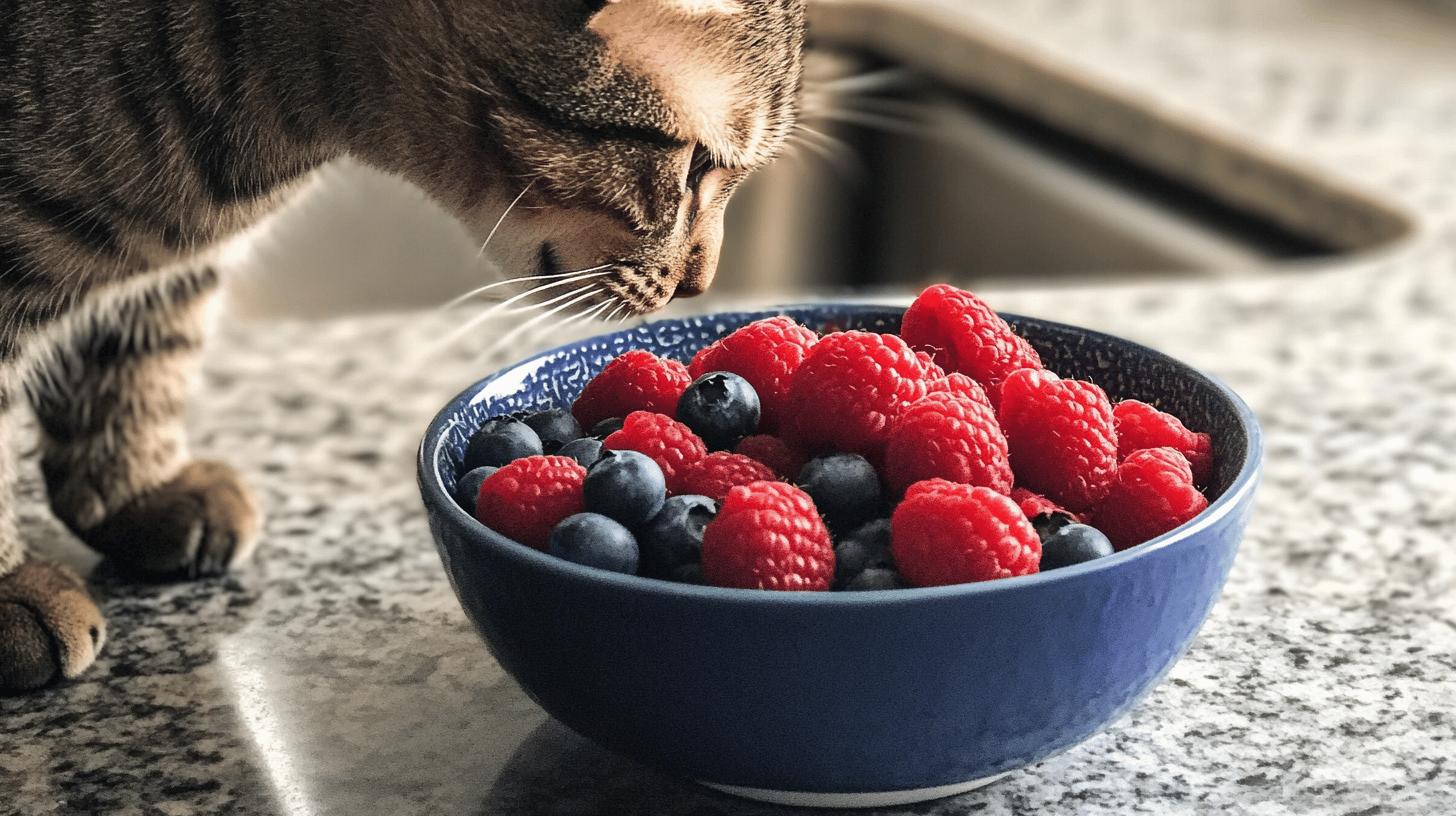
    Consulting Experts on Cat Nutrition

    When considering your cat’s diet, professional guidance is invaluable. A veterinarian or pet nutritionist can offer tailored dietary advice to suit your cat’s specific needs. Their expertise ensures that your cat’s diet aligns with its age, health status, and activity level.

    Here are three ways a vet can assist with feline nutrition:

    • Personalized Diet Plans: Vets can design a diet plan that meets your cat’s nutritional requirements, taking into account any health conditions or dietary restrictions.
    • Nutritional Supplements: They can recommend supplements to address deficiencies and support overall health.
    • Monitoring and Adjustments: Regular check-ups allow vets to monitor your cat’s health and make necessary dietary adjustments.

    Recognizing signs of food intolerance is crucial. Symptoms like vomiting, diarrhea, or skin irritations indicate a need for dietary evaluation. Regular consultations with a vet help maintain your cat’s health and adapt its diet to any changes in health or lifestyle.
    Final Words

    Exploring the question, “Can cat eat croissant?” helps us understand the risks of feeding croissants to cats. These pastries don’t offer the nutrients cats need and can pose health dangers due to ingredients like butter and salt. Safer options include cat-friendly treats like bonito flakes, which align with feline dietary needs.

    Professional guidance from veterinarians is crucial, helping tailor your cat’s diet for optimal health. With informed choices and expert advice, you can ensure your cat stays happy, healthy, and safe from unsuitable snacks. Let’s keep our feline friends thriving with the right nutrition!

    FAQ

    Can I give my cat a piece of croissant?

    A: Cats should not eat croissants. They contain high carbohydrates and fats, which are not beneficial for cats. These ingredients also lack the essential nutrients cats require.

    Can cats eat pastries?

    A: Pastries, including croissants, aren’t good for cats. They are high in sugar, salt, and butter, all of which aren’t suitable for feline health and can lead to obesity or digestive problems.

    Is it okay for a cat to eat bread?

    A: Bread is not toxic to cats but offers no nutritional benefits. Cats are obligate carnivores needing nutrients from meat, so bread can fill them up without providing necessary nutrients.

    Is it okay for cats to eat butter?

    A: Butter isn’t recommended for cats. It’s high in fat, which can contribute to obesity and other health issues. Cats need animal-based proteins and fats, not excess dairy fats.

    What can cats eat?

    A: Cats should eat a balanced diet of high-quality cat food containing animal-based proteins and fats. Safe treats include bonito flakes and soft cat treats designed for feline dietary needs.

    Can cats eat chocolate?

    A: Chocolate is toxic to cats. It contains theobromine, which cats cannot metabolize effectively, leading to serious health issues like nausea, seizures, or even death. Always keep chocolate away from cats.

    Related Articles

  • Can Cat Eat Cold Food Safety and Preferences Explained

    Can Cat Eat Cold Food Safety and Preferences Explained

    Is serving your cat cold food from the fridge doing them any favors? While it's generally safe, the real question lies in what your feline friend prefers. Cats often favor their grub at a warmer temperature, not just for flavor but due to their inherent instincts.

    Much like how fresh-caught prey would be warm, serving food at 'mouse temperature' – about 100-102°F – can make meals more enticing for your cat. Understanding this nuance could be the key to enhancing your cat's meal times and ensuring they savor every bite.

    Is Cold Food Safe for Cats and Optimal Temperature for Cat Meals?

    Is Cold Food Safe for Cats and Optimal Temperature for Cat Meals-3.jpg

    Feeding cats cold food from the fridge is generally safe. There are no specific health risks directly associated with it. However, cats often prefer their meals to be at a warmer temperature. This preference is not just about taste but also relates to their natural instincts.

    Warmer food mimics the body temperature of freshly caught prey, which is typically around 100-102°F. This temperature is often referred to as 'mouse temperature.' Serving food at this warmth can make meals more appealing to cats.

    While eating cold food is not harmful, it may simply be less enticing for them. Cats are obligate carnivores, and their natural diet would involve eating freshly caught animals, which are naturally warm. Therefore, serving food at room temperature or slightly warmer can encourage more enthusiastic eating behavior.

    The optimal temperature for cat meals is crucial for their enjoyment and willingness to eat. Cats are picky eaters, and the temperature of their food plays a significant role. Warm food releases more aroma, which can be a big motivator for cats to eat.

    If a meal is too cold, it may not give off enough scent to attract them. By warming food to about 100-102°F, you're aligning with what a cat would naturally seek out in the wild. This not only satisfies their taste preferences but also contributes to their overall eating satisfaction.

    To achieve the optimal temperature for cat meals, consider warming their food slightly before serving. You can do this by letting the food sit at room temperature for a short while or gently warming it in the microwave for a few seconds.

    Be cautious not to overheat, as food that is too hot can harm your cat's mouth. Stir the food well to ensure even warmth and always test it before serving. This small effort can make a big difference in your cat's dining experience, encouraging them to eat more readily.

    How to Warm Up Cat Food Safely

    How to Warm Up Cat Food Safely-1.jpg

    Warming cat food is not just about making it more appetizing for your feline friend. It also ensures that the food is at a safe temperature for eating. Cats generally prefer their food slightly warm, as it mimics the natural warmth of fresh prey. This makes warming up refrigerated cat food a practical step in enhancing their dining experience.

    Safe Warming Methods

    One of the most common methods for warming cat food is using a microwave. When microwaving, it's important to use a microwave-safe dish and heat the food for a few seconds at a time. Stir the food thoroughly to distribute the heat evenly and test the temperature before serving to ensure it isn't too hot. This prevents overheating, which could burn your cat's mouth.

    Another safe method involves using a pet food warmer. These devices are specifically designed to warm pet food gently and evenly. The advantage of using a pet food warmer is that it minimizes the risk of overheating, providing a consistent temperature that is often ideal for cats.

    Improper warming can pose several risks. Overheated food can cause burns, while uneven heating might leave some parts too cold, which can still be unappealing to cats. Additionally, leaving wet food out for too long during the warming process can lead to bacterial growth. It's crucial to warm the food right before serving and not let it sit out for extended periods.

    Maintaining safety while warming cat food involves monitoring the time and temperature closely. Always test the food's warmth before giving it to your cat. If using a microwave, avoid using metal or foil containers, and regularly check the food's texture and smell for freshness. By following these best practices, you ensure that your cat enjoys their meal safely and comfortably.

    Storage Tips for Wet Cat Food

    Storage Tips for Wet Cat Food-3.jpg

    Proper storage of wet cat food is essential for maintaining its freshness and ensuring the health of your feline friend. Once a can or pouch of wet cat food is opened, it becomes vulnerable to bacterial growth, which can pose a risk to your pet if not handled correctly.

    Leaving wet food out for more than 1-2 hours can allow bacteria to multiply, leading to potential health issues. Therefore, it is critical to store opened wet cat food safely to prevent spoilage and protect your cat from any digestive problems.

    The best way to store wet cat food after opening is by transferring it into an airtight container and refrigerating it. This method helps retain the food's moisture and flavor while keeping bacteria at bay. Wet cat food can be safely stored in the fridge for 2-3 days.

    It's important to avoid leaving the food in the opened can, as this can lead to contamination and loss of taste. Using a lid or a resealable bag can also help if you don't have an airtight container readily available.

    Tips Details
    Refrigerate Promptly Store in an airtight container immediately after opening.
    Limit Room Exposure Do not leave out for more than 1-2 hours.
    Check for Freshness Use within 2-3 days to ensure quality and safety.

    Maintaining the freshness of wet cat food is vital not only for your cat's pleasure but for its health as well. Fresh food reduces the risk of spoilage and keeps your cat's diet nutritious and appealing. By following these storage tips, you ensure that your cat receives the safest and most enjoyable meals possible.

    Understanding Cat Food Preferences

    Understanding Cat Food Preferences-2.jpg

    Some cats might show a preference for cold food, and while this seems unusual, it can be attributed to individual differences. Just like humans, cats have their unique tastes and habits. A cat might prefer the texture of cold food or even find it refreshing. It's also possible that a cat's preference for cold food could be linked to their previous experiences or simply the way they were introduced to certain types of food.

    Factors influencing cat food preferences include:

    • Temperature
    • Texture
    • Smell
    • Type of dish
    • Feeding routine

    To cater to these preferences while ensuring a cat's nutritional needs are met, it's crucial to observe and understand what your cat enjoys. Offering a variety of textures and flavors can keep meals interesting and satisfying for your cat. Make sure that the food you provide is nutritionally complete, regardless of whether it's served warm or cold.

    Additionally, having a consistent feeding routine helps maintain your cat's interest in their food and allows you to monitor their dietary intake effectively. By paying attention to your cat's preferences, you can create a feeding plan that is both enjoyable and healthy.

    Final Words

    Understanding the optimal temperature for cat meals plays a big role in your kitty's dining pleasure. While a cat can eat cold food without major health risks, they usually enjoy warmer meals that imitate the warmth of freshly caught prey. Ensuring your cat's food is at a temperature they like enhances their eating experience.

    Warming food safely is key, so use the microwave carefully or try a pet food warmer. Enhance their mealtime by storing wet food properly to maintain freshness. Following these tips helps keep your feline friend happy and healthy.

    FAQ

    Can cats eat cold wet food?

    A: Cats can eat cold wet food, but they often prefer it warmed. Warmer food mimics the body temperature of prey, making it more appealing and enhancing their eating experience.

    Can cold food make cats sick?

    A: Cold food generally doesn't make cats sick, but they may eat less of it. Opt for warming food to room temperature to boost their appetite and meal enjoyment.

    Should I feed my cat cold food?

    A: Feeding cats cold food is safe but not preferred. Cats tend to favor meals at room temperature as it more closely resembles fresh prey, encouraging better eating habits.

    Can cats eat food out of the fridge?

    A: Cats can eat food from the fridge, but warming it up is ideal. Room-temperature food releases aromas better, making it more enticing for cats to eat.
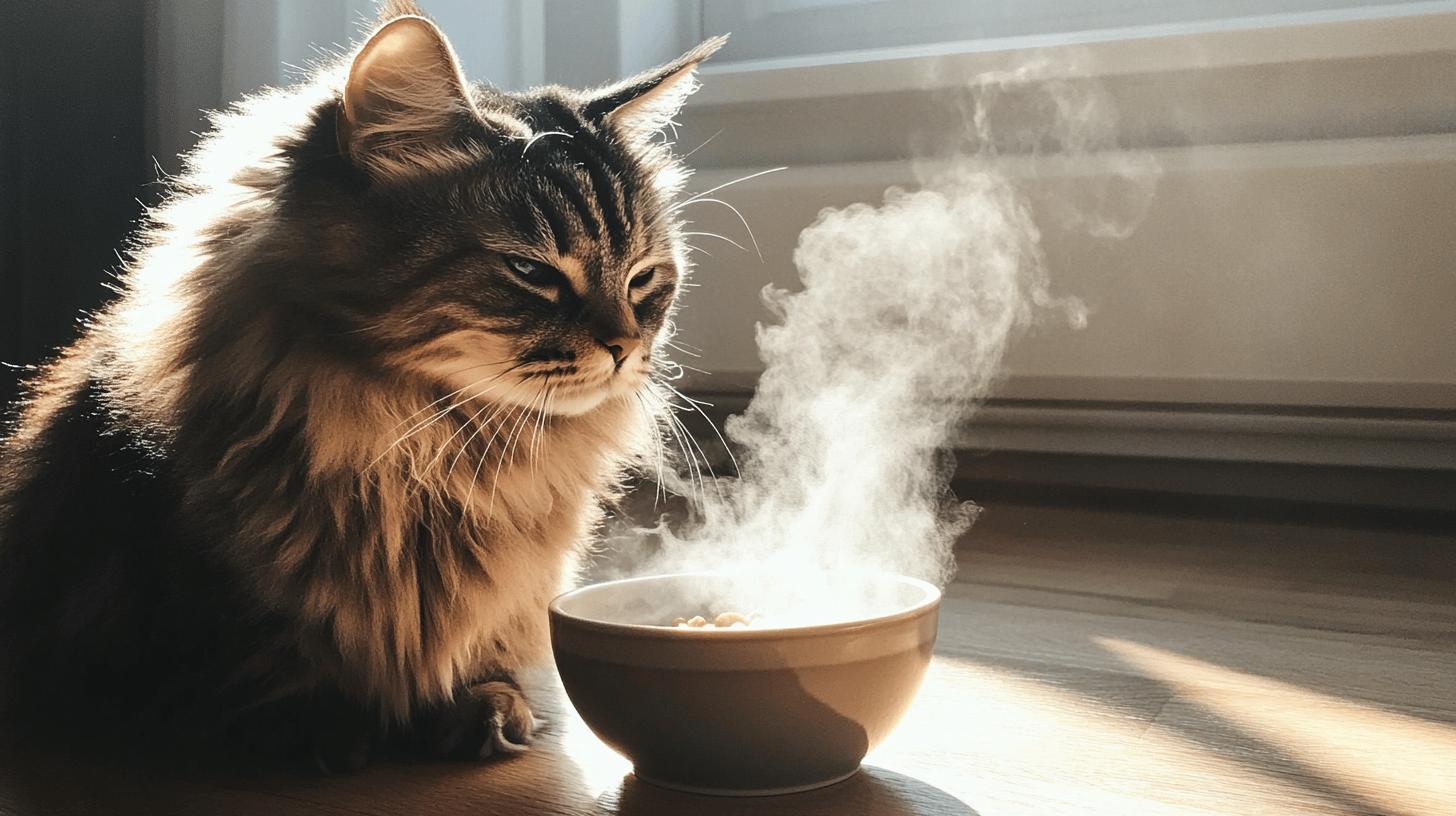
    Do cats prefer warm or cold food?

    A: Cats typically prefer warm food as it enhances smell and mimics natural prey temperatures (around 100-102°F). It often improves their willingness to eat and overall meal satisfaction.

    Can kittens eat cold wet food?

    A: Kittens can eat cold wet food, but warming it is recommended. Room temperature or slightly warmer food is usually more appealing and helps them eat more effectively.

    Can you keep wet cat food in the fridge?

    A: Yes, storing wet cat food in an airtight container in the fridge is best. Use it within 2-3 days to keep it fresh and safe.

    Can I microwave cat food?

    A: You can microwave cat food but do so carefully to prevent overheating. Heat in short bursts and check the temperature to avoid hot spots.

    My cat won't eat cold wet food; what should I do?

    A: If your cat won't eat cold food, try warming it to room temperature. This change can make the food more appealing due to the enhanced smell and texture.

    Related Articles