Author: Lucas Turner

  • are siberian cats hypoallergenic safe and allergy-friendly

    are siberian cats hypoallergenic safe and allergy-friendly

    Ever curl up for a snuggle with your cat only to start sneezing?
    Um, same here.
    And that’s where Siberian kitties come in!

    These big, fluffy furballs tend to make lower levels of Fel d 1 protein (a tiny cat allergen).
    So you might get fewer nose wiggles and itchy eyes.
    But they’re no miracle cure.
    Some still send your tissues into overtime.

    Lab tests found about half of Siberians test low for that pesky protein.
    The rest usually hang out in the middle.
    And a few can spike without warning – like rolling dice with your tissues.

    If you dream of purrs without the sniffles, a Siberian could be your allergy-friendly hero or not.
    Keep reading to find out when they shine and when you might need a backup plan.

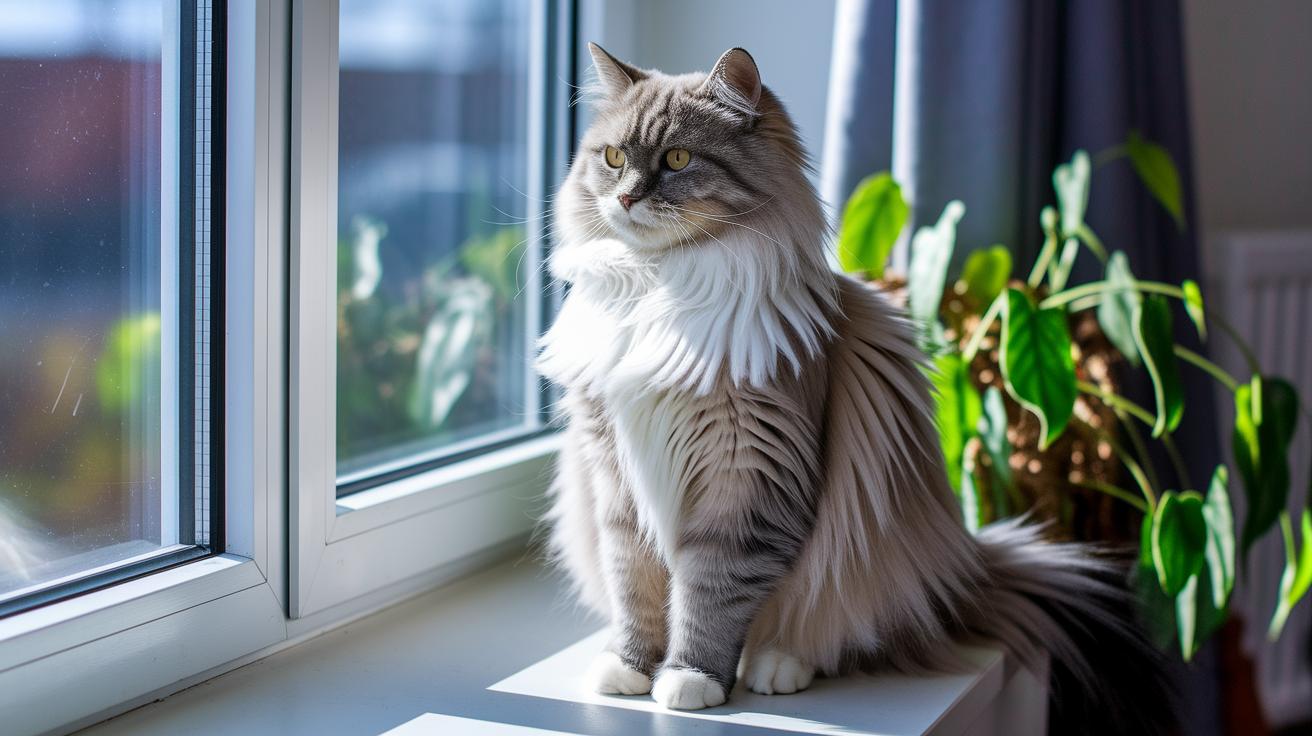
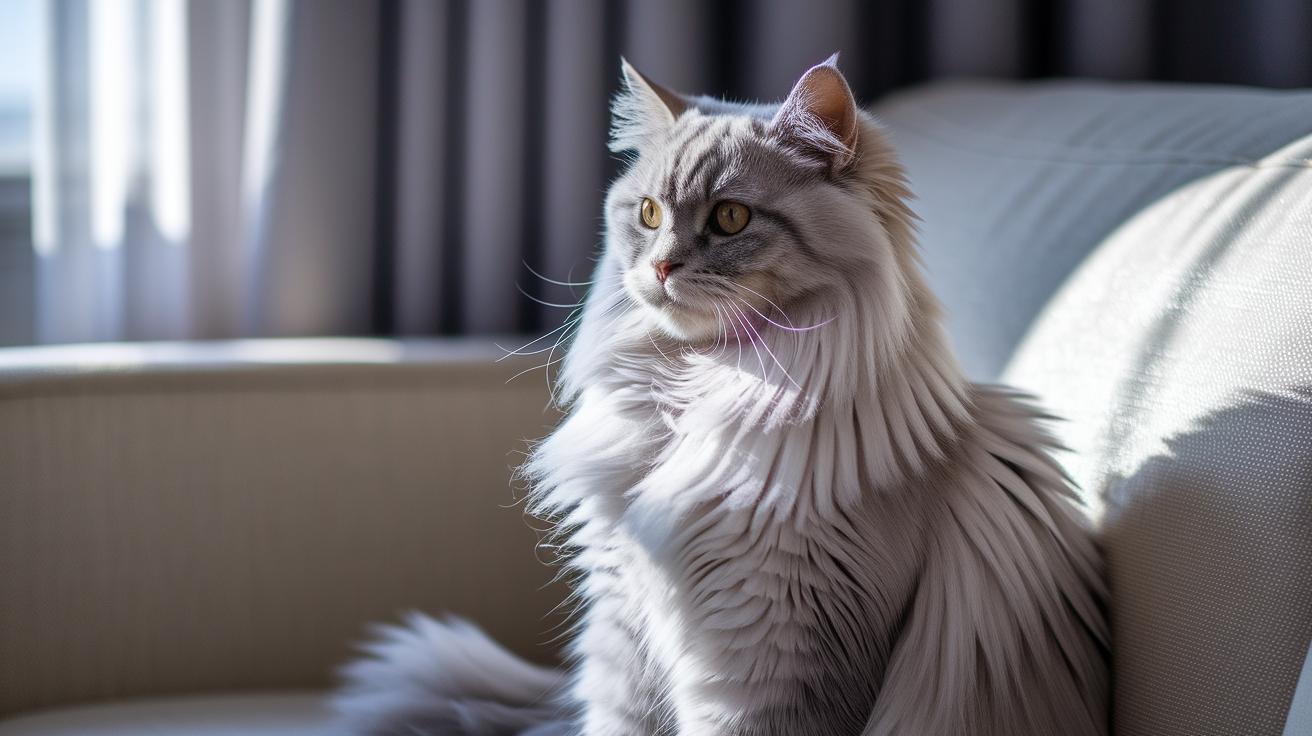
    Siberian Cats Hypoallergenic Overview
    - Siberian Cats Hypoallergenic Overview.jpg

    Ever wondered if Siberian cats are hypoallergenic?
    Here’s the quick scoop: they can be easier on sneezy noses, but they’re no magic fix.
    Scientists measured Fel d 1 (the tiny protein that sparks runny noses and itchy eyes) in over a thousand Siberians.
    About half of these fluffy pals produce way less of it than most breeds.

    Still, every Siberian makes at least a bit of Fel d 1, so you’ll always have some floating around in the air or clinging to your clothes.
    Even low levels can drift across the carpet or pile up on your favorite couch.
    Worth knowing if you’re hoping for a sneeze-free snuggle.

    Over a 15-year study, vets checked saliva and fur samples to see who sat where on the allergen scale.
    Only about 15 percent of Siberians landed in homes where even serious allergies stayed quiet.
    Most cats fell in the middle, and the few low-producers sometimes ticked back up to normal levels.

    All that means the hypoallergenic side of Siberians varies by breeding, hormones, and each kitty’s own quirks.
    So, no guarantees. Just a lot of fluffy unpredictability!

    Even a low-producer might still trigger an allergic reaction if you’re super-sensitive.
    A friend of mine met a sweet kitten and still sneezed for days afterward.
    And a laid-back adult cat might seem safe until peak shedding sends allergens flying.

    Paws-up tip: spend a few playdates with each cat before you bring them home.
    You’ll see if your nose holds up or if you’ll need extra tissues.

    Fel d 1 Production & Dander in Siberian Cats
    - Fel d 1 Production  Dander in Siberian Cats.jpg

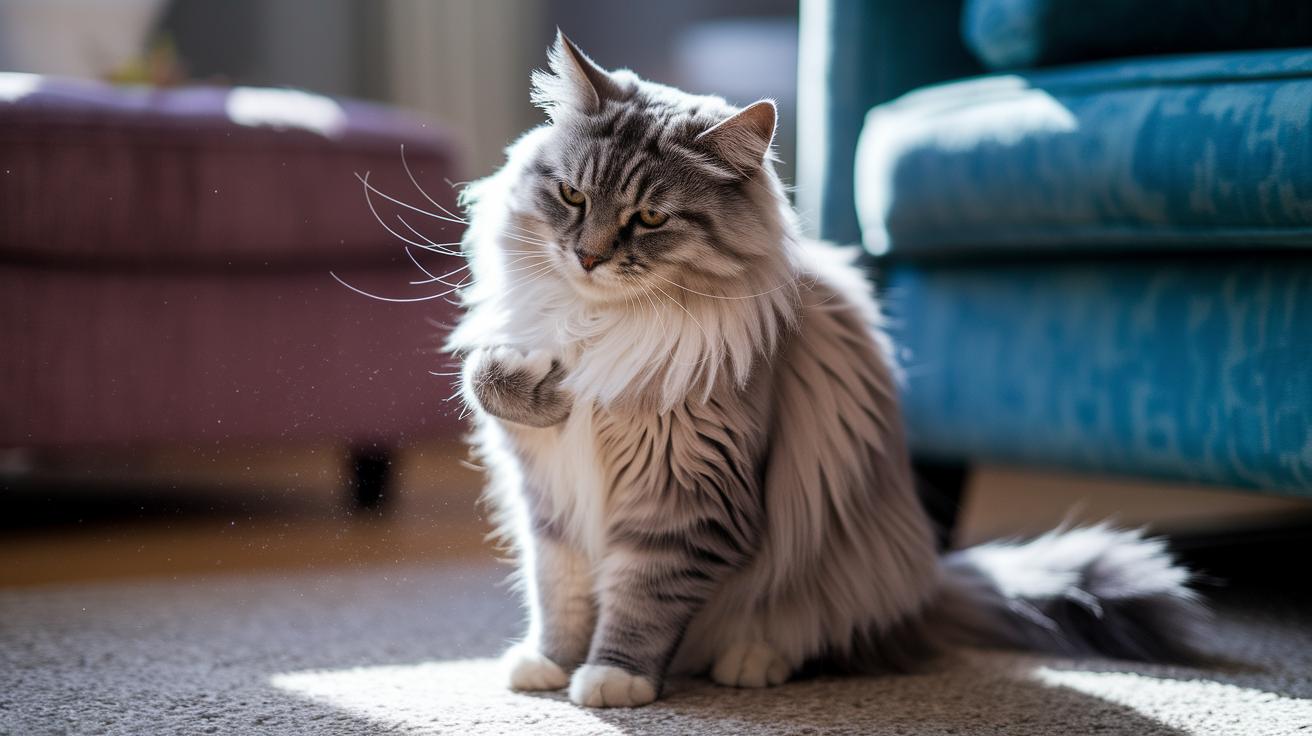
    Let’s talk about Fel d 1 protein (the main cat-allergy culprit). It’s made in saliva, skin oil glands (tiny pores near whiskers and paw pads), and perianal glands (small sacs by the base of the tail). When your cat grooms, saliva and oils stick to loose hairs. Those hairs float off as dander like fuzzy confetti in a sunbeam. Ever watched sunlight turn dust specks into twinkling magic? That’s dander doing its thing.

    Kittens stay under the Fel d 1 radar until about 11 weeks old when those glands finally wake up. So baby Siberians might feel a bit gentler on your nose, for a little while, anyway.

    Siberians rock a triple coat: soft underfur, a woolly midlayer, and longer guard hairs. It traps a ton of fur and oils. Then twice a year – in spring and fall – your living room can look like a snow globe in seconds. More fur in the air means more dander and, yep, itchier noses.

    It’s sneeze city.

    • Saliva, skin oil glands, and perianal glands pump out Fel d 1 that gets stuck in the fur
    • Kittens only start showing Fel d 1 around 11 weeks old, so young ones can seem extra hypoallergenic
    • Twice-yearly fallout in spring and fall sends a fur-flake cloud your way, upping the dander in the air

    Siberian Cats vs Other Hypoallergenic Cat Breeds
    - Siberian Cats vs Other Hypoallergenic Cat Breeds.jpg

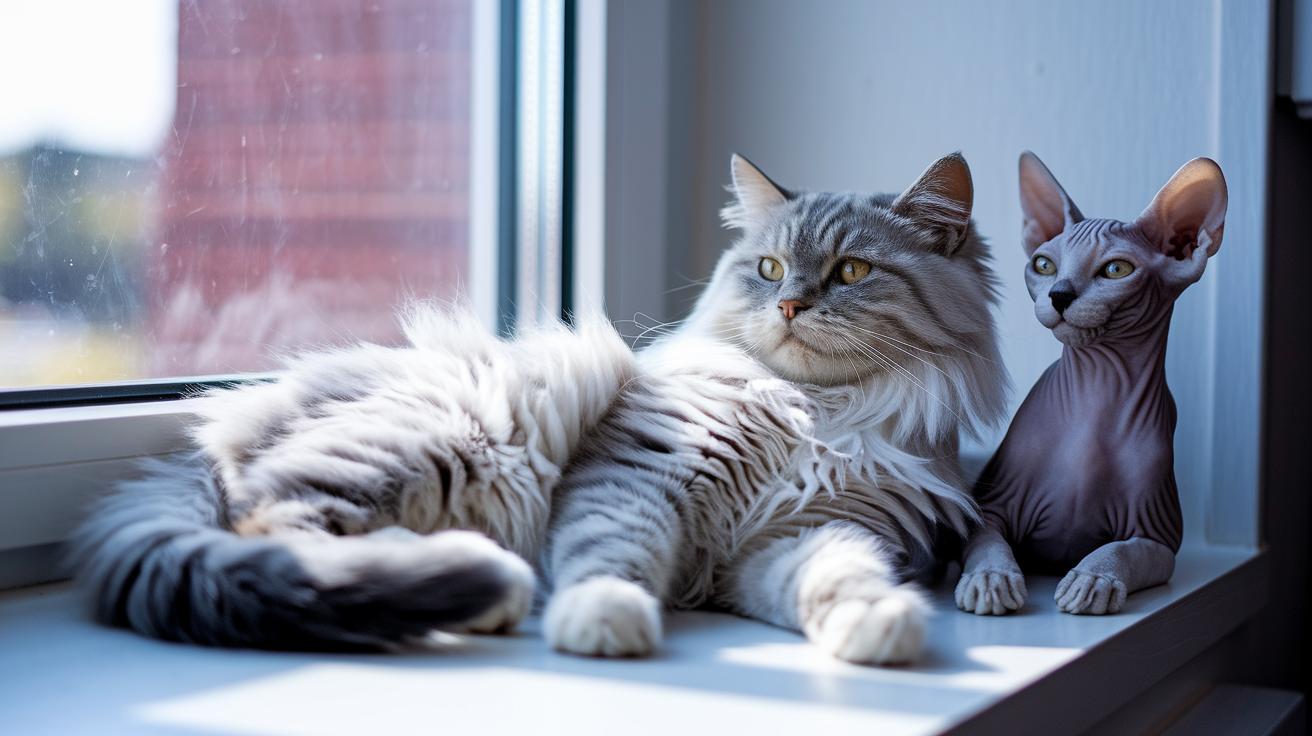
    Ever wondered how Siberian cats stack up against other low-sneeze breeds?
    Siberians usually land smack in the middle of the allergy scale.
    Their Fel d 1 (the sneeze-making protein) is the same stuff all cats have, but more than half of Siberians tested make less of it than most kitties.

    Russian Blues, Sphynx, and Balinese cats also join the low-sneeze club, but none is totally allergen-free.
    Individual cats can vary, so your cuddle time might be purr-fectly calm or a bit sniffly.
    It’s smart to spend time with a cat before bringing it home and see how your nose does.

    Breed Relative Fel d 1 Level Hypoallergenic Note
    Siberian Low to medium Over 50% show reduced levels but all produce some
    Russian Blue Low to medium Often cited as allergy friendly but not zero
    Sphynx Medium Hairless skin oils still carry Fel d 1
    Balinese Low to medium Long hair traps fewer allergens than some breeds

    Want more low-sneeze furriends? Peek at what breeds of cat are hypoallergenic for a bigger list.

    Genetic & Physiological Factors in Siberian Allergen Levels
    - Genetic  Physiological Factors in Siberian Allergen Levels.jpg

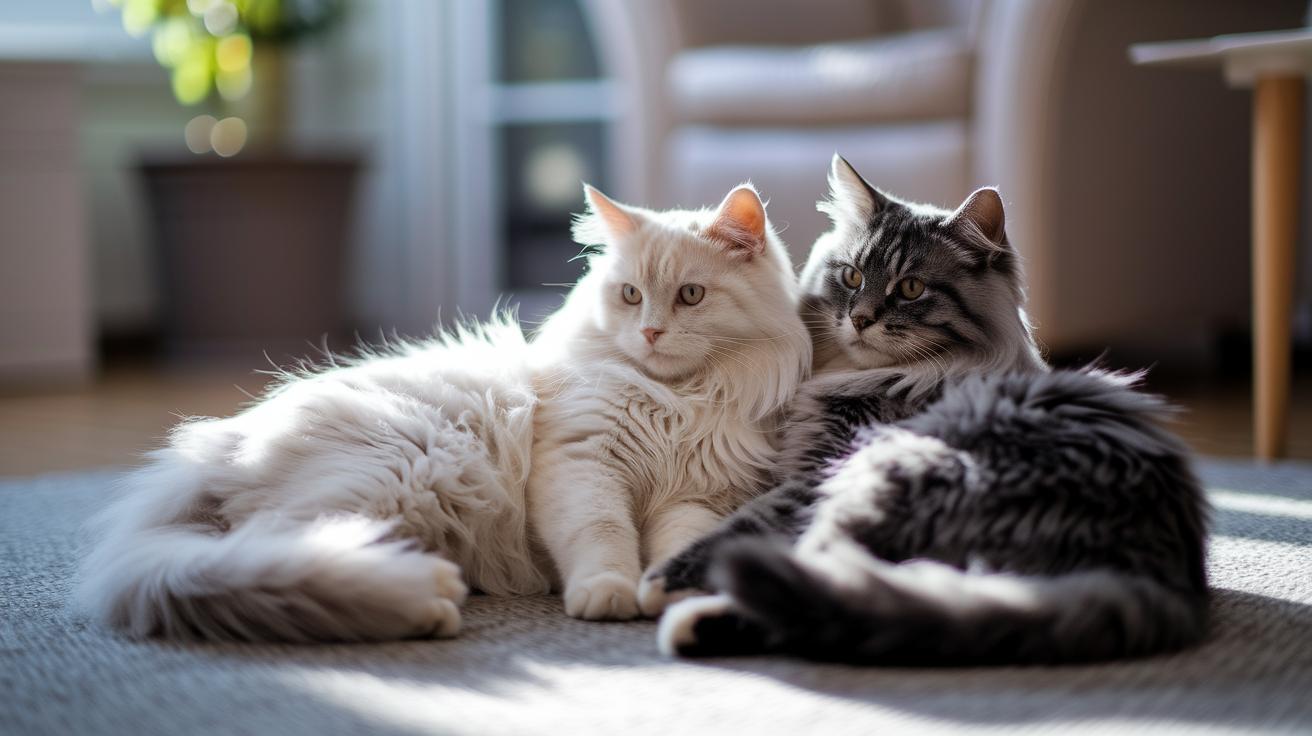
    Ever wondered why some Siberians let you cuddle without sending you to the tissue box? Your cat’s genes (tiny sections of DNA) hold claw-tastic secrets. In Siberians, little tweaks in the Ch1 and Ch2 genes act like volume knobs on Fel d 1 (the main cat allergen protein). Lines like Neva Masquerade led the way with lower levels, and now low-allergen kittens pop up everywhere! But remember, everyone’s nose is different, and your immune reaction might still surprise you.

    Intact males often crank out more Fel d 1 thanks to testosterone (the male hormone), making them the sneeziest boys in the room. Neutering (removing their reproductive parts) cools down those hormone highs so they match queens (our word for females). Kittens under 11 weeks barely make a blip, and spayed or neutered adults stay pretty steady. Who knew a quick snip could help keep the air a bit clearer?

    Thinking of adopting a purebred Siberian? Oops, almost forgot, ask your breeder about a saliva assay (a spit test that checks Fel d 1). It’s a simple check to spot low-producer parents before you bring home kittens. Even with tested parents, kitten numbers with low Fel d 1 still vary, so a personal playdate matters. A quick sniff test with your future furball can show if your nose will be feline fine.

    Sneeze less. Cuddle more.

    Selecting & Testing Siberian Kittens for Allergy Sufferers
    - Selecting  Testing Siberian Kittens for Allergy Sufferers.jpg

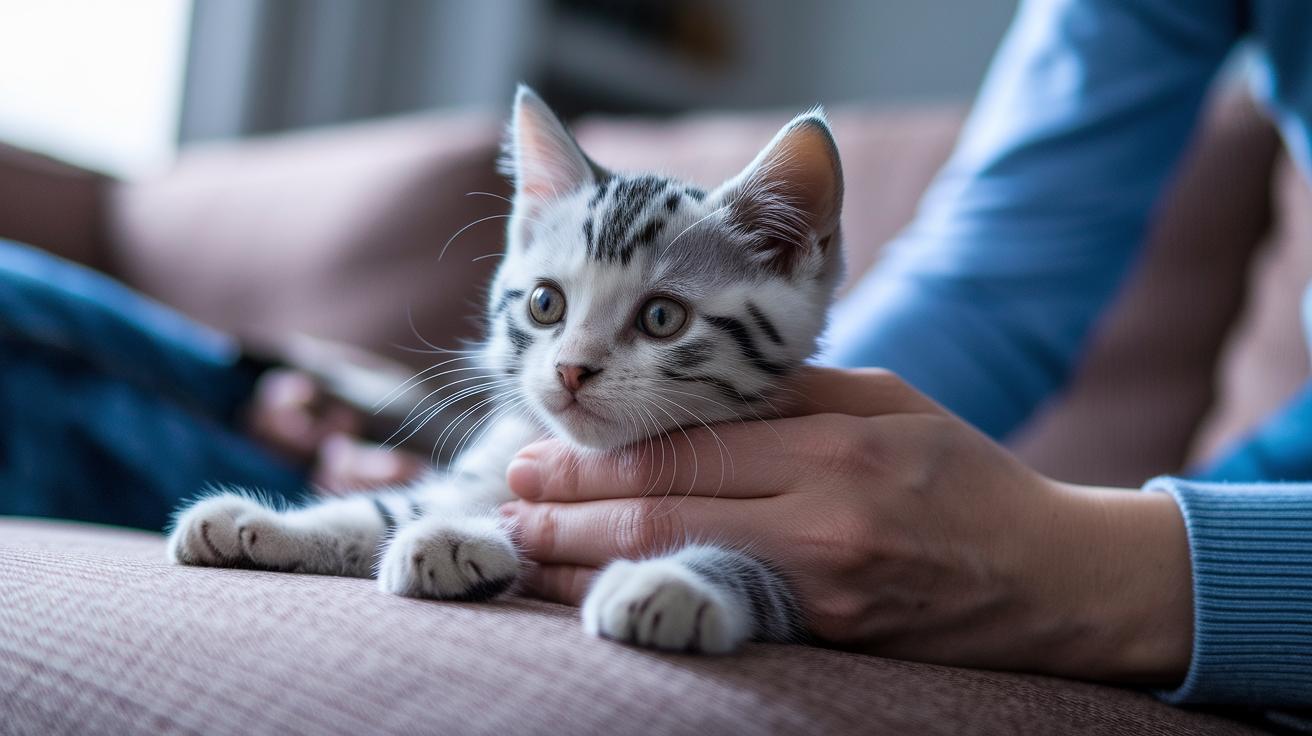
    Wait until your kitten is at least 12 weeks old. Around 11 weeks they begin producing Fel d 1 (the main cat allergen in saliva and oils). That 12-week mark gives you a window to test before levels climb.

    There are a few lab tests you can try. Saliva spit tests run about 70 to 80 percent accurate – ask a breeder who offers those. You can also book a skin-prick test (a tiny pinprick on your arm) or a simple blood draw at a clinic. Fur-swab tests are easy – just brush through the coat – but they can spike if a queen is nursing or a tom is in rut. Keep your test list short and pick what fits your home.

    Next, plan two or three quick visits to measure your own allergy reaction. Spend about 20 minutes each time – toss a teaser wand, let the kitten curl up on your lap – and look for sneezes, itchy eyes or a scratchy throat. Ever felt your sinuses rebel mid-purr? Repeat on different days so you catch any surprise shedding or hormone shifts.

    Match the kitten’s lab results with what happens to you. Boom – now you have a clear pre-adoption checklist. These little exposure trials help you spot any allergen sneak-ups when the coat changes or hormones kick in.

    Grooming & Home Care to Reduce Siberian Allergens
    - Grooming  Home Care to Reduce Siberian Allergens.jpg

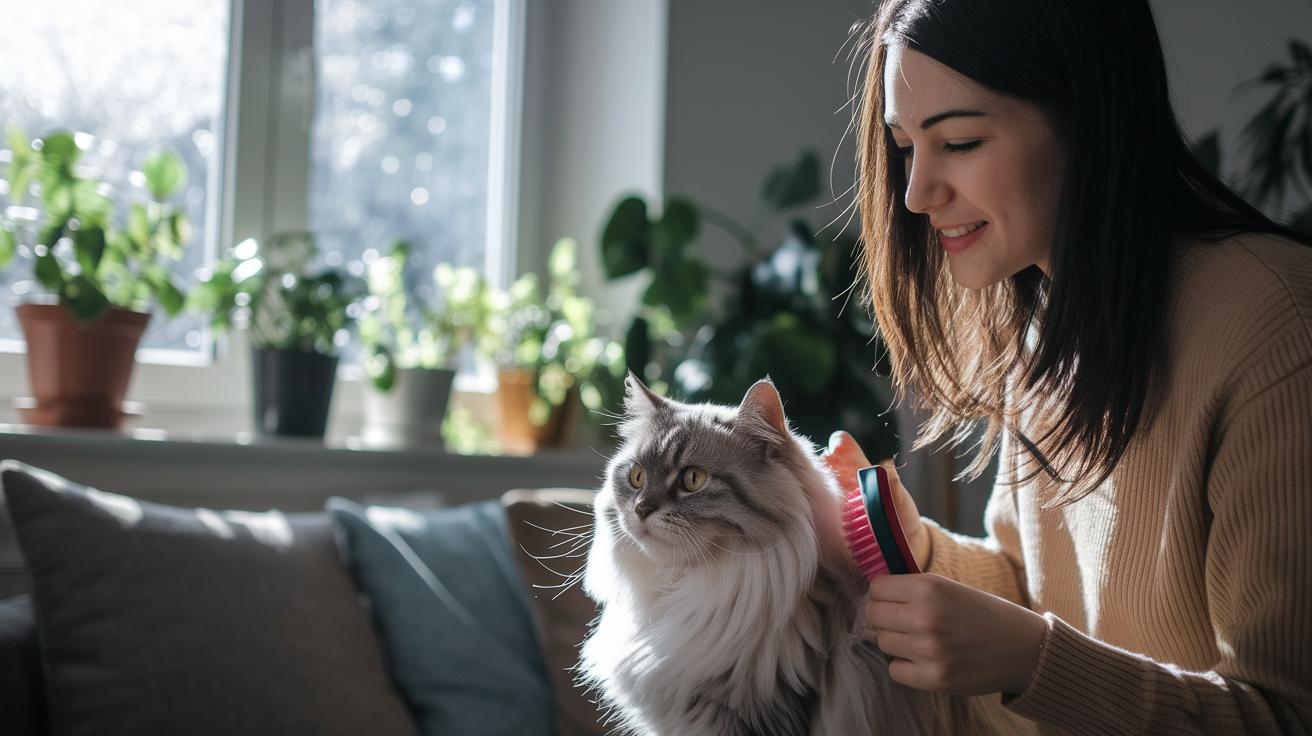
    Keeping Fel d 1 (the main cat allergen protein) in check is easier than you think, um. A little regular grooming + smart home steps = fewer sneeze attacks and more snuggle time! Brush twice a week to lift loose fur, oils, and dander (tiny skin flakes) before it floats around your living room. And yes, occasional pro trims or spa baths really help rinse away saliva oils that trap allergens.

    • Brush with a stainless-steel undercoat rake (a comb to pull out loose fur and oils) twice a week, your cat’s coat will gleam with claw-tastic shine.
    • During heavy shedding, a quick daily brush stops extra fur from drifting off.
    • Bathe your Siberian about once a month with a gentle shampoo to wash away saliva oils.
    • Feed a high-protein, fatty-acid-rich diet (good fats for the skin) to curb those flakes.
    • Scoop the litter tray every day and do a deep clean weekly to ditch allergen hotspots.
    • Wipe hard surfaces with a damp microfiber cloth, traps dander before it takes flight.
    • Wash your hands after pets or cuddles to keep Fel d 1 off your clothes and furniture.
    • Follow your vet’s grooming plan with pro trims or baths when needed for extra care.

    Stick with this routine each week and you’ll notice those fluff piles shrink, and your nose will say thanks. Ever try brushing while you sip your morning coffee? Or give a quick paw wipe when they leap onto the sofa? Worth every paw-print.

    Wait, one more tip: treat your cat’s coat like your own hair, regular touch-ups, the occasional spa day, and a tidy backdrop. That way, you spend more time snuggling and less time swiping at fluff.

    Now go enjoy cuddle o’clock – sniffles optional!

    Improving Indoor Air Quality with Siberian Cats
    - Improving Indoor Air Quality with Siberian Cats.jpg

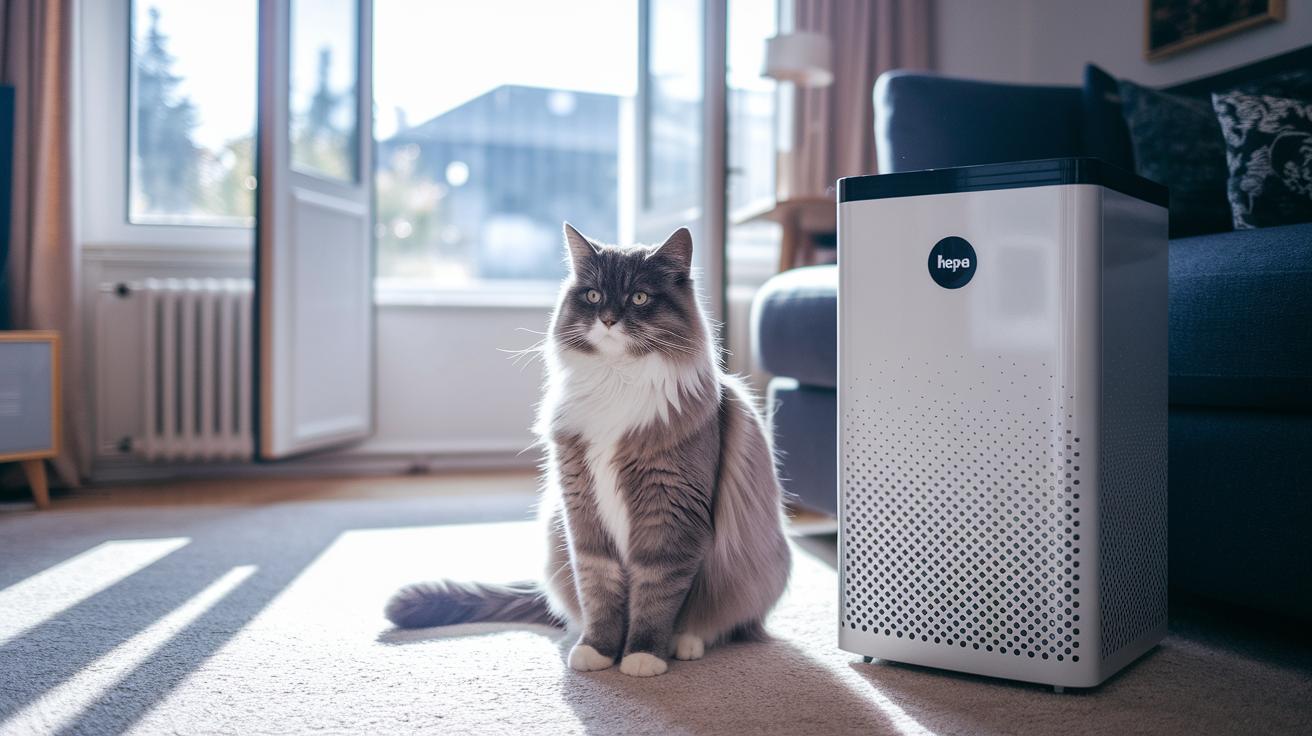
    Running an air purifier for cat allergies near your cat’s napping spot helps trap floating dander. Choose a HEPA filter cat home unit rated to catch tiny allergens. Keep that purifier on around the clock for whisper-quiet noise that still cleans air. Using indoor air quality monitors can show you when allergen counts rise, so you know when to boost your efforts.

    Regular vacuuming to control cat hair truly cuts airborne flakes. A HEPA filter cat home vacuum works best, no more fur tumbleweeds. Stick with weekly vacuuming to control cat hair to stop dander buildup. Skip brooms and feather dusters; they just send flakes back into the air. If you can, swap carpets and heavy drapes for smooth floors and easy-clean curtains to cut down on hiding spots.

    Don’t forget home ventilation for pet allergy. Cracking a window or opening vents lets fresh air sweep through and clear out stale, fur-filled air. Some folks pair a second air purifier for cat allergies with cross-venting on baking days or playtime. Keep an eye on those indoor air quality monitors to see your sneeze triggers fall. Then sit back, relax, and enjoy cleaner, calmer cuddle time with your Siberian.

    Common Misconceptions About Siberian Cats & Allergies
    - Common Misconceptions About Siberian Cats  Allergies.jpg

    So you think Siberians are hypoallergenic? I did too! But they still produce Fel d 1 (the tiny protein in their saliva and skin oils that makes your nose twitch). Not exactly the claw-tastic relief we hoped for.

    Coat color or floof length won’t turn off that allergen switch, you know. And just because one kitty tests low, its sibling might have you grabbing for tissues.

    Let’s set the record straight.

    • Myth: No-allergen Siberians exist – Truth: All Siberians produce Fel d 1, but levels vary (see Fel d 1 Production section for more details)

    Professional Resources for Managing Siberian Cat Allergies

    - Professional Resources for Managing Siberian Cat Allergies.jpg

    Before you bring home a Siberian, chat with a board certified allergist who can do skin tests (tiny pricks that show what sets off your sneezes) and suggest pet allergy immunotherapy (allergy shots or sublingual drops, little drops under your tongue) that build up your tolerance over a few months. Ever watched your kitty sneeze while you cuddle? Many allergists share real-life stories on online allergy cat forums, where members compare shot schedules, side effects, and what it feels like to finally breathe easier. Getting a personalized desensitization plan means fewer sniffles and way more cuddle time.

    When you’re ready to adopt, check out reputable Siberian cat clubs that track health and allergy records. They often connect you to breeders with tested low-allergen lines or point you toward a Siberian cat rescue allergy-friendly program that measures each cat’s Fel d 1 levels (Fel d 1 is the main cat allergen protein). Chatting with other owners in those forums is a goldmine – someone will share quick home-test tricks or the soothing routine that kept their sneezy friend calm. Reach out, ask away, and you’ll find a paw-sitive community ready to help you and your future fluff friend.

    Final Words

    In the action, we tackled whether Siberian cats are hypoallergenic. We explored Fel d 1 research, coat shedding, genetics, and tested kittens.

    We compared Siberians with other allergy-friendly breeds, shared grooming steps, and offered air quality tips to keep dander down.

    Now you know are siberian cats hypoallergenic and can choose a low-allergen companion with confidence. Here’s to stress-free playtimes and purrs all around.

    FAQ

    How much do Siberian cats cost?

    The Siberian cat price typically ranges from $600 to $2,000 for pedigreed kittens. Rescues or shelter adoptions may cost $150–$300. Prices vary with breeder reputation, genetics, and location.

    Are Siberian cats hypoallergenic?

    Siberian cats are often called hypoallergenic because studies show over half produce much less Fel d 1 allergen than typical cats. Yet every cat still sheds some proteins, so allergy responses can vary.

    What cat breeds are best for allergy sufferers?

    The most hypoallergenic breeds include Sphynx, Balinese, Russian Blue, and Siberian. Sphynx often ranks highest. Individual reactions vary, so meet cats beforehand to find the best match for your allergies.

    Which is more hypoallergenic, Russian Blue or Siberian?

    Russian Blue cats typically produce lower Fel d 1 levels than Siberians, making them slightly better for allergy sufferers. However, individual variations mean it’s best to test each cat’s allergen impact.

    Are Siberian cats friendly?

    Siberian cats are friendly, affectionate, and playful companions. They form strong bonds, adapt well to families and other pets, and love interactive play, making them ideal for social households.

    What are the cons of owning a Siberian cat?

    Siberian cat cons include heavy shedding during coat changes, high grooming needs, potential landlord or breeder costs, strong hunting instincts, and occasional vocal or attention demands—factors to weigh before adoption.

    How can I find a hypoallergenic Siberian cat breeder?

    To find a hypoallergenic Siberian cat breeder, seek those who conduct Fel d 1 testing on kittens, ask for genetic screening results, and join reputable Siberian cat clubs or allergy-friendly rescue networks.


    Related Articles

  • Homemade Cat Food Recipes for Thriving Healthy Felines

    Homemade Cat Food Recipes for Thriving Healthy Felines

    Think your cat’s kibble is enough to keep them purring? But cats are obligate carnivores (they only eat meat). They thrive on meals that are at least 40 percent animal protein (like the lean muscle they’d snag in the wild).

    This guide walks you through easy homemade recipes loaded with muscle meat (the lean bits), organ meat (vitamin-packed heart and liver), and healthy fats (good-for-skin oils). No fillers! You pick each ingredient.

    Your furry friend gets purrfect fuel for zoomies, strong bones, and a coat that gleams. Picture whiskers twitching as your kitty chases a feather toy, fur shining in the light.

    Nutritional Essentials for Homemade Cat Food Recipes

    - Nutritional Essentials for Homemade Cat Food Recipes.jpg

    Ever watched your kitty crouch low, tail twitching, and eyes locked on a toy? That prey drive craves meat. Cats are obligate carnivores (they only eat meat) and need at least 30% animal protein in every meal. Most fur-parents aim for 40 to 50 percent to mimic a wild hunt. Fat should be around 20 to 24 percent of calories, it adds a mouthwatering scent, gives a silky coat shine, and powers those zoomies.

    Vitamins and minerals fill in the gaps. Vitamin A helps your cat see in the dark, vitamin D builds strong bones, and B-complex (a group of B vitamins) keeps their energy buzzing. Minerals like calcium (for sturdy bones), magnesium (for smooth nerve signals), and potassium (for a steady heartbeat) make sure every meal is balanced.

    A foolproof ratio is 85 to 90 percent muscle meat and 5 to 10 percent organ meat, like liver. Organs pack iron, copper, and extra vitamin A in tiny bites, claw-tastic nutrition. And water matters too. Cats on wet food get about 3.5 ounces of water per 5 pounds of body weight each day, meaning fewer frantic laps to the water bowl. Worth every paw-print.

    Key Supplements and Ingredient Ratios in Homemade Cat Food Recipes

    - Key Supplements and Ingredient Ratios in Homemade Cat Food Recipes.jpg

    Supplements are the secret sauce in homemade cat food recipes to fill the gaps in fresh ingredients. For taurine supplementation tips, aim for about 2,000 mg per day, this amino acid supports heart rhythm and sharp vision. Fish oil capsules deliver 5,000 to 10,000 mg of omega-3 sources for felines, giving a silky coat and nimble joints. Vitamin requirements for cats include 200 to 400 IU of vitamin E (an antioxidant that fights free radicals) and 50 to 200 mg of vitamin B complex (energy fuel). Mineral additives for homemade food are easy: a pinch of iodized salt for iodine and 14 tablets of potassium gluconate (99 mg each) to keep muscles and nerves humming. These key micronutrients fill in what fresh meat might miss and keep that tail twitching.

    We lean on AAFCO guidelines for homemade food so every batch hits a safe range for each supplement. That’s why chatting with your veterinarian matters, especially if your cat has food sensitivities or medical quirks. Some kitties crave extra vitamin E for dry skin, while others benefit from a tad more omega-3 for joint comfort. A quick vet consult turns guesswork into precise nutrition and peace of mind.
    Supplement Dosage Purpose
    Taurine 2,000 mg Heart and vision support
    Fish Oil 5,000–10,000 mg Omega-3 for coat and joints
    Vitamin E 200–400 IU Antioxidant
    Vitamin B Complex 50–200 mg Energy metabolism
    Potassium Gluconate 14 × 99 mg Muscle and nerve function
    Iodized Salt Pinch Thyroid and metabolism

    Raw ground bones supply calcium and phosphorus in safe ratios, nailing calcium and phosphorus balance without extra powders.

    Preparing Homemade Cat Food Recipes: Cooking Methods and Safety Protocols

    - Preparing Homemade Cat Food Recipes Cooking Methods and Safety Protocols.jpg

    Raw meals lock in live enzymes and healthy fats, almost like your cat catching fresh prey. That satisfying snap when meat thaws feels like the start of a wild hunt, your kitty will love it. But raw meat can hide bacteria if you’re not careful.

    Cooked cat food is gentler on sensitive tummies and senior kitties. Heating it on the stove or in a slow cooker kills most of the bad bugs. Just remember to skip the bones. Once they’re cooked, bones turn into sharp splinters that can hurt your cat.

    Before you dive into raw prep, freeze the meat at 0°F for at least 72 hours to zap any parasites (tiny worms you can’t see). Then thaw it in the fridge, slow and steady wins the race, keeping bacteria from multiplying and the taste fresh.

    Ground raw bones can give your cat safe, bite-sized calcium and phosphorus. Or stir in a measured bone-meal powder (extra calcium boost) instead of tossing in whole bones. Trust me, no one wants to fish splinters out of their kitty’s mouth.

    You’ll need some kitchen gear beyond a big mixing bowl. A meat grinder turns chunks of muscle and heart into a smooth mash. A sharp cleaver knife dices organs in one chop (yum, liver). For eggs or tiny veggie bits, an immersion blender works great, or grab your countertop blender if you want super-fine texture.

    It’s your call: quick stovetop cooking if you’re in a hurry, or set a slow cooker on low and walk away. Both get the job done.

    Cleanliness is key. Sanitize knives and bowls after raw meat. Use one cutting board for protein and another for veggies. Wipe counters with hot, soapy water or a pet-safe cleaner. And hey, wash your hands for at least 20 seconds after touching raw meat. No shortcuts.

    Tiny details matter. Ever watched your cat’s whiskers twitch when you open a can? Homemade meals can bring that same excitement, minus the can. Worth every paw print.

    Three Balanced Homemade Cat Food Recipes: Poultry, Meat & Organ, and Fish Options

    - Three Balanced Homemade Cat Food Recipes Poultry, Meat  Organ, and Fish Options.jpg

    Poultry-Based Recipe

    Here’s a cluck-tastic meal your cat will go wild for. This 3-pound poultry or rabbit-chicken mix plus liver and eggs makes a protein-packed bowl that’ll have whiskers twitching. Ever watched your kitty chase a piece of chicken across the floor? You’ll add fish oil for a glossy coat, taurine (an essential amino acid), and a few vitamins to keep things balanced.

    Ingredients:

    • 3 lbs poultry or rabbit-chicken mix
    • 3–4 oz liver (iron-rich yum)
    • 2 eggs
    • 5–10 fish oil capsules (1,000 mg each; for that shiny fur)
    • 400 IU vitamin E (antioxidant boost)
    • 50 mg vitamin B complex (energy helpers)
    • 2,000 mg taurine (eye and heart health)
    • 14 potassium gluconate tablets (mineral support)
    • ½ cup water

    Directions:

    1. Grind meat and liver until smooth like soft-serve ice cream.
    2. Beat eggs with water, think fluffy pancake batter.
    3. Stir in fish oil, vitamins, taurine, and crumbled potassium tablets.
    4. Mix until silky and even.
    5. Scoop into containers; chill or freeze. Good for up to 3 days.

    Meat & Organ Mix

    Alright, next up is a hearty meat-and-organ combo. You’ll need an easy-to-find organic protein, some liver, and a bit of healthy oil to keep it all sliding down smoothly. This one’s perfect for busy mornings, takes just minutes to prep. Um, and your cat will purr through the whole thing.

    Ingredients:

    • 1 lb organic meat (chicken, ostrich, or quail)
    • 4 oz organic liver
    • 1 tbsp hemp, flax, or walnut oil (healthy fats)
    • 1 egg (optional; extra protein)
    • 1 tsp grapefruit seed extract in water (natural preservative)
    • 5,000 mg omega-3 supplement (brain and heart support)
    • 2,000 mg taurine
    • Pinch of pink Himalayan salt
    • 1 tbsp steamed veggies or chia seeds (fiber)

    Directions:

    1. Freeze meat for 72 hours, then thaw to zap any parasites.
    2. Chop or grind meat and liver into bite-sized bits.
    3. Stir in oil and the optional egg. Splash in grapefruit extract.
    4. Blend in omega-3s, taurine, and salt.
    5. Toss in veggies or chia seeds for fiber. Portion out and store.

    Chicken Thigh Blend

    Finally, treat your cat to this rich chicken-thigh feast. Thighs, hearts, and liver all ground to a smooth mash make a meal that’s pure purr-fection. Add egg yolks, fish oil, and vitamins, and you’ve got a balanced dinner your kitty won’t snooze on. Oops, forgot to mention the gentle fiber boost, psyillium husk (soluble fiber powder), if you want it.

    Ingredients:

    • 4.5 lbs chicken thighs (20–25% bone for calcium)
    • 14 oz chicken hearts or 4,000 mg taurine
    • 7 oz chicken liver
    • 4 egg yolks
    • 8 oz water
    • 200 IU vitamin E
    • 4,000 mg fish oil
    • 200 mg vitamin B complex
    • 1 tsp psyllium husk (optional soluble fiber powder)
    • Pinch of iodized salt

    Directions:

    1. Debone and grind thighs, hearts, and liver into a smooth mash.
    2. Blend egg yolks and water until silky-wet mix.
    3. Stir in taurine, vitamin E, B complex, and fish oil.
    4. Mix until every spoonful is even and smooth.
    5. If you like, sprinkle in psyllium husk for gentle fiber.
    6. Portion into dishes; refrigerate or freeze for later.

    Worth every paw-print.

    Portion Control, Storage, and Serving Guidelines for Homemade Cat Food Recipes

    - Portion Control, Storage, and Serving Guidelines for Homemade Cat Food Recipes.jpg

    Start by sizing meals to your cat’s weight: a 12-lb fluffball needs a daily portion about the size of a toy mouse (so cute, right?). Split that into two or three mini meals, six to eight hours apart. Kitty tummies love a steady routine: think breakfast and dinner, or breakfast, lunch, and dinner for extra zoomies. Ever notice how they race you to the bowl?

    Once you portion your meals, pop them in the fridge in airtight containers (sealed tight so no air sneaks in). They stay fresh for up to three days. I like to label each one with the date. It keeps me on track.

    Need longer storage? Freeze the portions. Label each container with prep and expiration dates, vacuum seal the food bags (pull out all the air to avoid freezer burn), and lay them flat so they thaw evenly. Homemade blends are fresh, and if you ever wonder do cat food expire, careful date tracking is your friend.

    When it’s serving time, grab 5.5-oz disposable cups or small glass dishes: perfect for single servings. Thaw meals overnight in the fridge and never refreeze once thawed. Your kitty’s whiskers will twitch in delight.

    Cost Breakdown and Budget-Friendly Homemade Cat Food Recipes

    - Cost Breakdown and Budget-Friendly Homemade Cat Food Recipes.jpg

    Ever thought of feeding your favorite feline for just $1.50 a day? Compare that to the $5 or more most top cat foods demand. That adds up to around $45 a month versus $150+ – extra cash for a new toy or vet check-up. Even if you splurge on organic chicken one week, you’ll still pocket big savings.

    Most of the cost rides on protein. Lean chicken thighs (tender meat) or ground turkey (mild flavor) usually cost less than salmon or beef. And they’re packed with amino acids (the tiny building blocks for strong muscles) your kitty needs to stay spry.

    Want to shave prices even further? Snag bulk meat at a local farm (great for your wallet and neighbors). Or buddy up with a cat-loving friend, split a 10-pound pack and halve the bill. Then hit the farmers market for chicken gizzards (chewy bits rich in protein) on sale and stash them in the freezer.

    Next, swap thrifty recipe ideas in online cat forums or your neighborhood kitty crew. I once found a tuna mash recipe that cut my costs by ten bucks a week, true story. Community tips turn simple ingredients into purr-fect feasts without breaking the bank.

    Transitioning and Monitoring Your Cat on Homemade Cat Food Recipes

    - Transitioning and Monitoring Your Cat on Homemade Cat Food Recipes.jpg

    Start by mixing your store-bought kibble with your homemade recipe. Over about 7 to 10 days, nudge the homemade part from 25 percent to 50 percent to 75 percent until it’s fully homemade. This slow swap helps soothe sensitive tummies and get your kitty purring over the new bowl!

    Keep an eye on your cat’s weight by weighing her once a week or jotting notes in a little food-and-weight log. A tiny change, up or down, can tell you to adjust fat (an energy-packed nutrient) or protein (a muscle-building nutrient). And hey, don’t underestimate the litter box test: mild smells and small, firm droppings usually mean smooth digestion, while extra-stinky or big logs could hint that you’re going too fast.

    Watch your cat’s coat and energy, too. A glossy shine and playful zoomies mean you’ve hit the sweet spot. But if you notice any of these signs, uh-oh, you might need to tweak the recipe or chat with your vet:

    • Dull coat and brittle fur
    • Lethargy or lack of interest in play
    • Diarrhea or sudden changes in stools

    If any red flags pop up, call your veterinarian for guidance.

    Final Words

    Right from balancing protein and essential vitamins to choosing the best cooking methods, you’ve got the know-how for healthy DIY meals.

    You learned which supplements and ratios keep those obligate carnivores purring, and saw three tasty recipes ready for your freezer.

    Portion tips and cost breakdown help you plan on the go, while a smooth transition keeps kitties comfy.

    Here’s to fewer empty bowls and happy whiskers with your homemade cat food recipes.

    FAQ

    What is the 25 rule for cat food?

    The 25 rule for cat food means non-animal ingredients shouldn’t exceed 25% of the total recipe, ensuring at least 75% comes from muscle and organ meat to meet a cat’s obligate carnivore nutrition needs.

    Do vets recommend homemade cat food and are there vet-approved chicken recipes?

    Veterinarians recommend homemade cat food when recipes follow AAFCO guidelines and include supplements like taurine, calcium sources, and 85–90% chicken muscle meat with 5–10% organ meat for balanced nutrition.

    Can I feed my cat homemade food every day and is it worth it?

    You can feed homemade food daily if recipes are complete and vet-approved. Many cat owners notice shinier coats, better digestion, and more energy, though meal prep and ingredient costs require extra effort.

    What are some easy, cheap homemade cat food recipes?

    Easy, budget-friendly recipes blend cooked chicken thighs with water or low-sodium broth, a dash of fish oil, and powdered taurine. Bulk chicken purchases and freezing portions cut costs and prep time.

    How do I make homemade wet cat food recipes?

    Homemade wet cat food starts by grinding raw or cooked meat, mixing in warm water or broth (3.5 oz per 5 lbs), adding taurine and a balanced supplement, then chilling servings in sealed containers.

    What homemade cat food recipes work best for indoor cats?

    Indoor cat recipes focus on higher fiber and controlled calories—like chicken breast mixed with steamed pumpkin or green beans—while still including essential animal protein, taurine, and calcium for hairball and weight management.

    Which are the best healthy homemade cat food recipes?

    The best healthy homemade recipes combine 85–90% lean meat (chicken, turkey, fish), 5–10% organ meat, essential supplements (taurine, fish oil, B-complex), and balanced calcium-to-phosphorus ratios for complete feline nutrition.

    Related Articles

  • do cats nail caps work wonders for cats

    do cats nail caps work wonders for cats

    Think nail caps are pointless? They’re like soft mittens (tiny plastic covers for claws) that let your kitty scratch safely without trashing your couch. Ever watched your furball chase shadows? They still stretch, climb, and flex just the way they want.

    In a recent survey 8 out of 10 cat parents saw way fewer scratch marks once their felines wore nail caps (plastic claw protectors). Really. Your furniture gets a break and kitty gets safe scratching.

    So yeah, your cat can still pounce and knead all day. Meanwhile your sofa stays intact. Worth every paw print.

    Curious if these claw-tastic caps can work wonders for your home and your cat? Let’s dive in.

    do cat nail caps work wonders for cats

    H2  Evaluating Cat Nail Caps Do They Work to Prevent Scratches.jpg

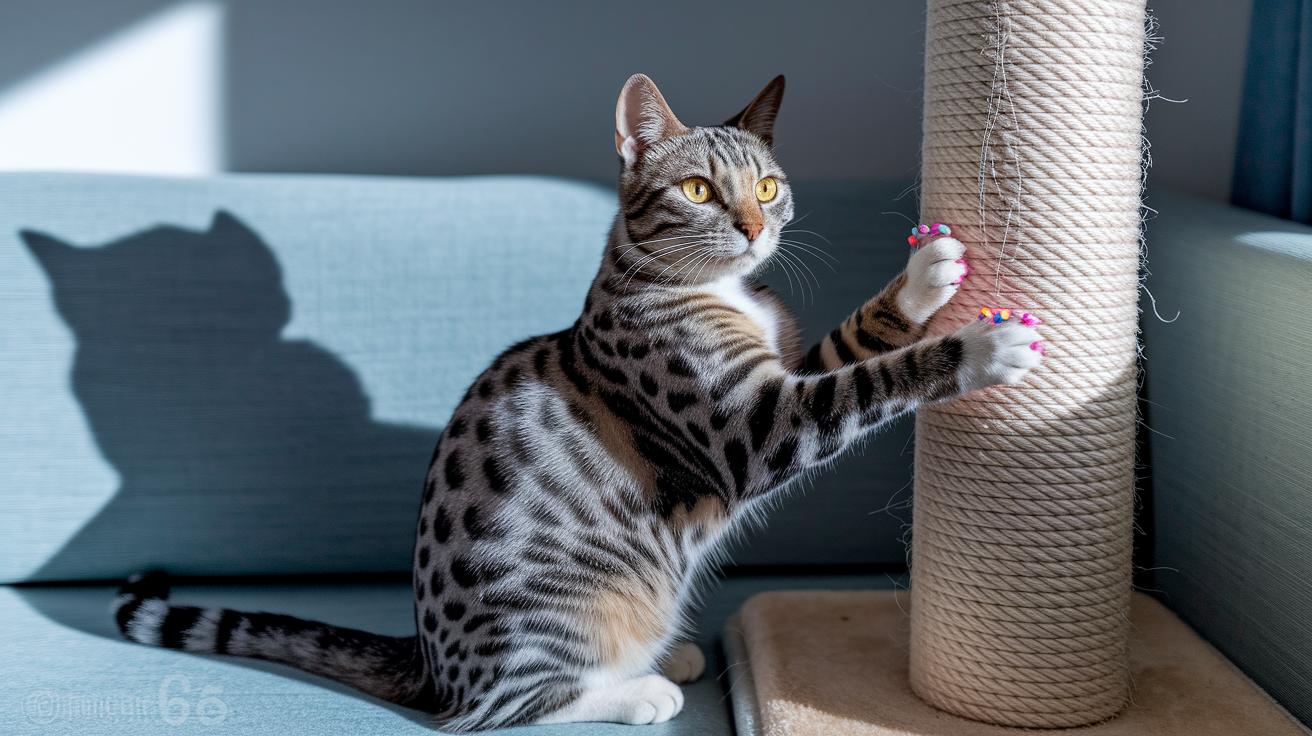
    Ever wonder if those tiny nail caps really work wonders for your kitty? You’re not alone – lots of cat fans give them two paws up. In a recent durability survey, folks saw 80 to 90 percent fewer scratched-up sofas and carpets once their cats wore caps. Cats still scratch, you know, but they’re harmless to your favorite couch.

    These little caps are scratch-control champs. They let our whiskered pals flex and retract their claws naturally (just like when they’re climbing your curtains). Cats keep marking their territory and shedding old nail sheaths, without shredding anything. It’s like letting them have their fun while saving your armchair.

    In real homes, cat nail caps fit right into your cat’s normal nail-care routine. They don’t stop the claw motions – nothing feels blocked. And after a quick break-in (think slow-motion paw pokes), most cats forget they’re wearing them. Really.

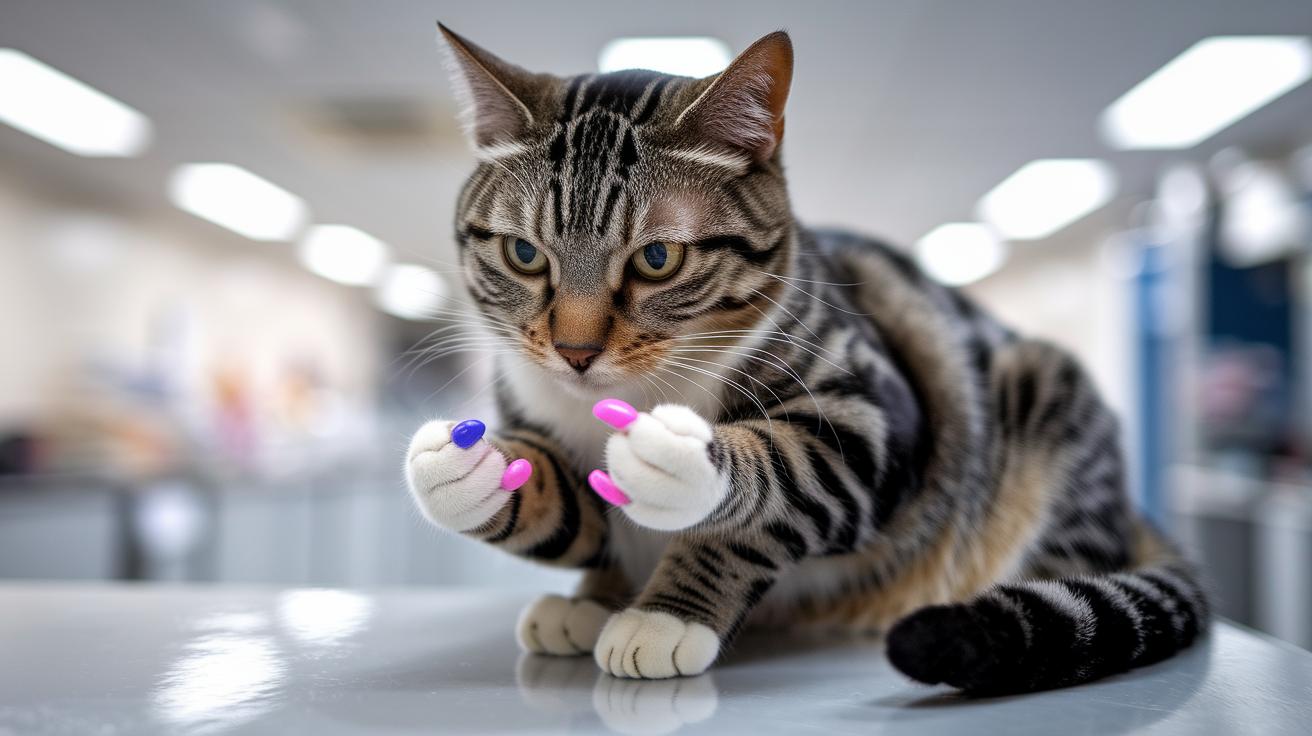
    You’ll find all sorts of sizes so each cap hugs every claw just right – polymer (a tough plastic material) that’s comfy and lightweight. Need a splash of color? Brands offer neon green, hot pink, sky blue, even polka dots. Mix and match paws or go for a uniform look – cat couture is up to you. Meow.

    To keep them on, just replace every 4 to 6 weeks as the caps fall off or nails grow out. For busy days, pop them on before you dash out – that’s ten minutes of worry-free playtime. Luna, my tabby, was batting hers around in no time. Worth every paw-print.

    So do cat nail caps work wonders for cats? Absolutely. They’re a simple, non-invasive way to protect your furniture and let cats be cats. Give them a try, you and your couch will thank you.

    Applying Cat Nail Caps: Step-by-Step Guide

     Applying Cat Nail Caps Step-by-Step Guide.jpg

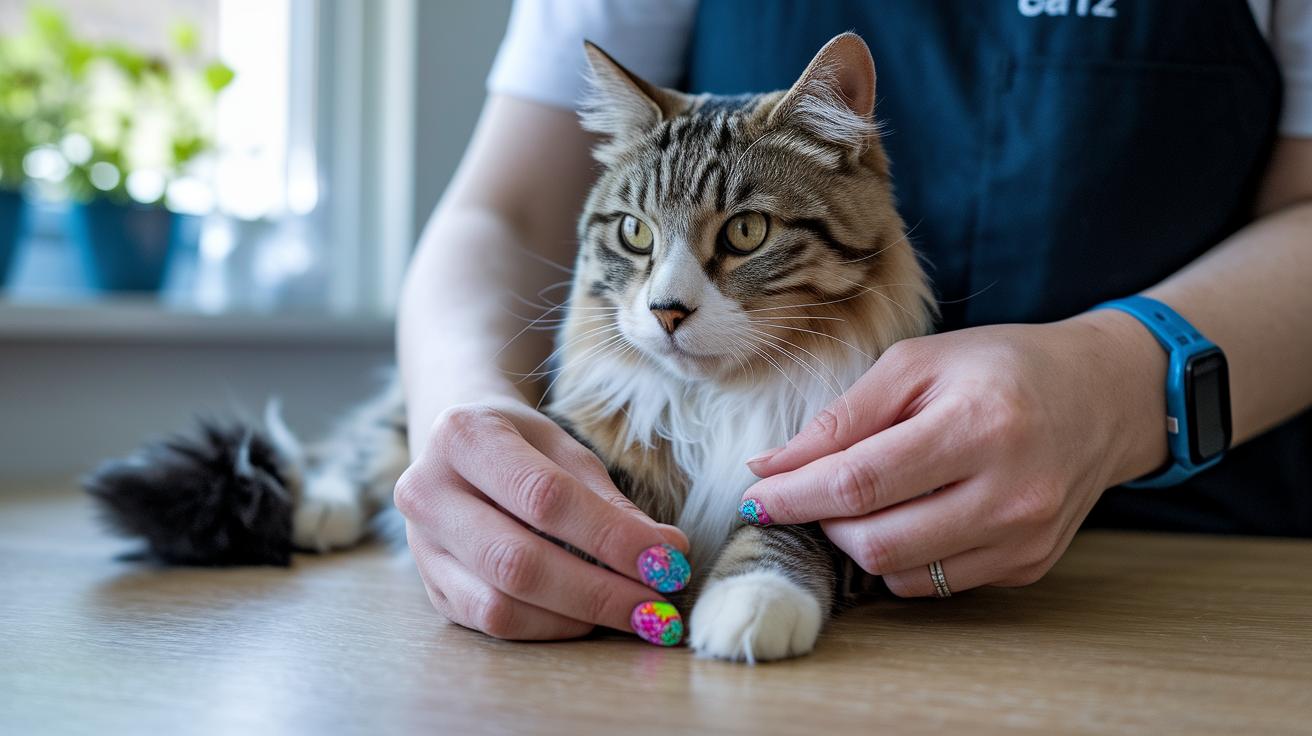
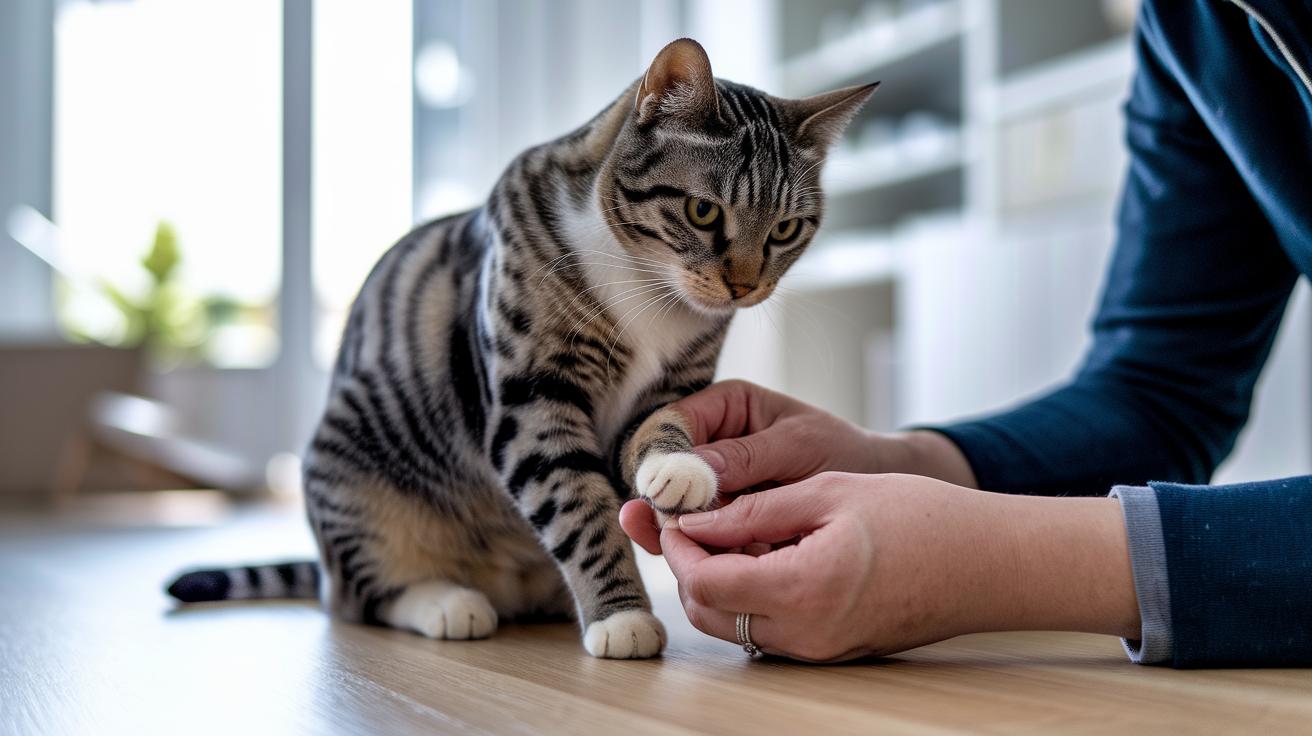
    Ever tried fitting tiny caps on cat claws? It can feel awkward at first but it’s totally doable. Grab your Soft Paws kit, a helper, and maybe a treat or two. Let’s make this a claw-tastic session.

    1. Nail trimming prep. Clip each claw so it’s just a bit longer than usual. Ever heard that tiny snip? That means things are moving along. Just stay clear of the quick (the pink part with blood vessels) to avoid a glare of disapproval and help the caps grab on.

    2. Size check. Match each cap to the nail’s widest point so it’s snug but not tight. Too tight and your kitty will bat it off in protest. Too loose and it’ll fly away at top speed.

    3. Adhesive fill. Squeeze a tiny drop of non-toxic surgical glue (like cat-safe super glue) into the cap cup. Just coat the inside. Avoid overfilling or getting glue on fur or skin, you want it inside the cup.

    4. Placement. Gently push the cap onto the nail until the base rests low at the bottom. Hold for ten seconds so the glue sets. Patience here means caps that last.

    5. Helper hold. Have someone wrap their arms around your cat’s body to keep it calm. If your kitty is extra squirmy, ask your vet about a mild calming option. They’ll know what’s safe.

    6. Dry time. Let your cat’s paws air-dry for about ten minutes before any wild zoomies. No petting or paw jiggling until the caps feel firm under your touch.

    Once all ten claws are snug, let your cat try a few test scratches on a sturdy post. Those soft thuds mean every cap clicked into place. A bit of patience now saves your furniture later.

    Worth every paw-print.

    Pros and Cons of Cat Nail Caps

     Pros and Cons of Cat Nail Caps.jpg

    Ever wondered if nail caps really keep claws off your couch? The answer’s in the numbers. Most people see a big drop in scratches right away. Ever watched your cat channel its inner ninja? Your sofa thanks you.

    Here are some claw-tastic perks:

    • Humane choice for declawing – protects paws and still lets cats scratch safely.
    • Up to 90% less damage to sofas, curtains, and fingers – owner surveys show you can ditch the post-worry.
    • Made from odorless, non-toxic polymer (hard plastic) that snugly covers each claw and lets paws flex naturally.
    • Packs of dozens cost under $20 – a budget-friendly fix for busy cat parents.

    Worth every paw-print.

    But, uh, there are a few catch-n-paws to keep in mind:

    • Caps can pop off when your kitty zooms around, leaving little plastic bits behind.
    • Chewed caps might become a choking hazard if your cat thinks it’s snack time.
    • Not built for outdoor adventures – cats lose grip on trees or fences with caps on.
    • Some kitties get fussy and pick at old nail bits (nail sheath) inside the cap, which could make paws sore until you swap in fresh ones.

    Think on these hiccups and see if nail caps can keep both your feline and your furniture purring.

    Maintaining and Replacing Cat Nail Caps

     Maintaining and Replacing Cat Nail Caps.jpg

    These little claw shields (made of flexible polymer (a bendy plastic)) usually last about 4 to 6 weeks. I set a reminder around week five, just so I don’t forget. Push past week eight and you might catch a nail inching into the cap and pressing on your cat’s toe. Oops, imagine that unhappy whisker twitch.
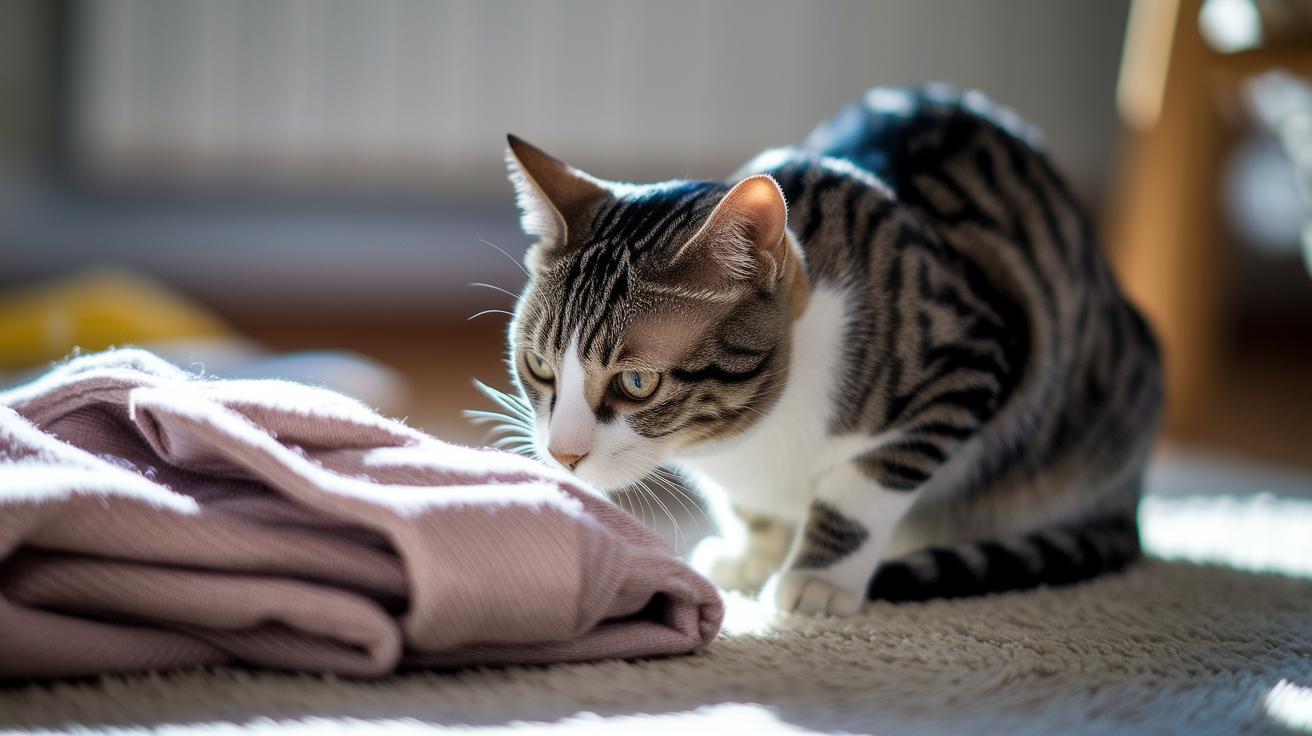
    Next, I do a quick paw check every week. Lift each paw and peek under the cap. Look for redness or tiny bumps, and spot any wiggles or gaps where a cap’s coming loose. If you see a sliver of nail poking out, give it a trim. Then wipe each paw with a damp cloth to clear away stray glue bits and old nail sheath (dead nail cover). If a cap stays loose for more than a day, swap it out, you’ll avoid snagging on carpets or towels.
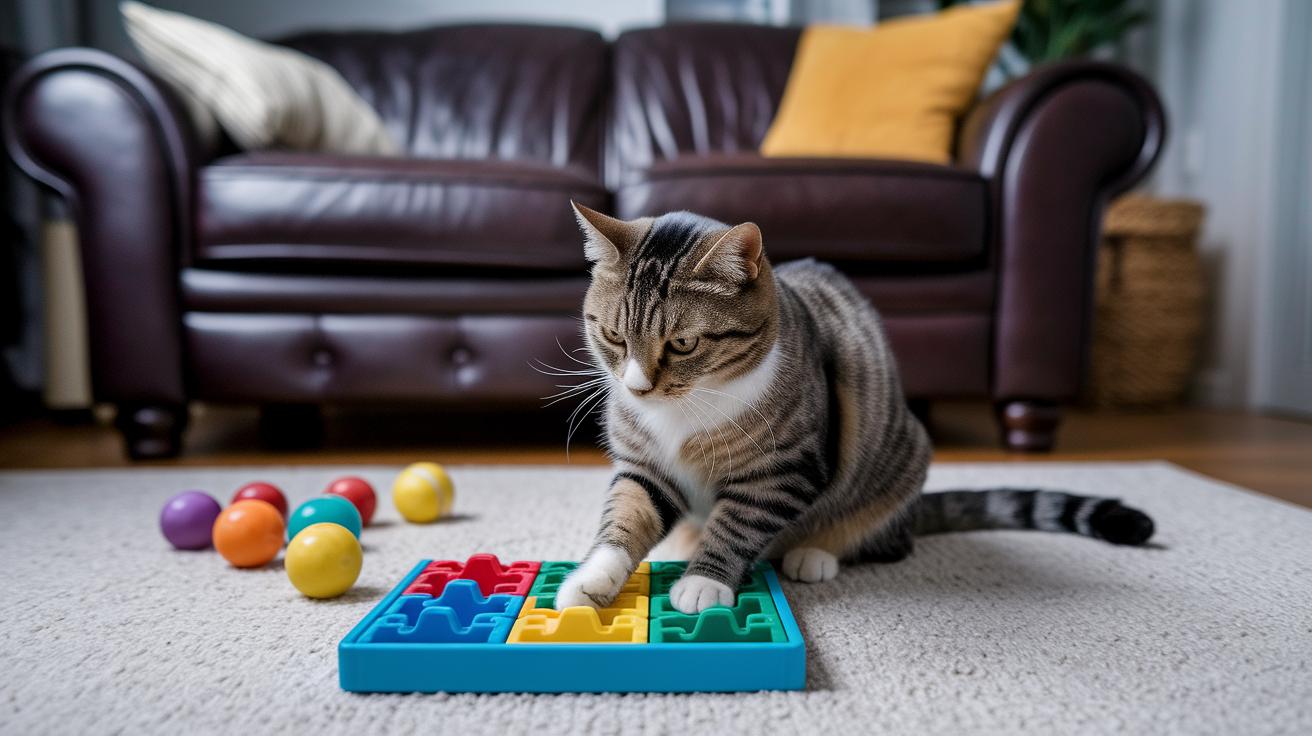
    Here’s my simple weekly list:

    • Check paws once a week, lifting each paw to peek under the cap
    • Watch for redness, swelling, or tiny gaps where caps start to wiggle
    • Trim extra nail growth if you spot any bits poking out
    • Wipe paws with a damp cloth to clear stray glue bits and old nail sheath
    • Swap any cap that stays loose for more than a day to avoid snagging

    When removal day rolls around, gently twist each cap until it slides off. It’s usually smooth sailing. If your cat fusses or gives you the side-eye, I guess you could bribe them with a treat, or ask a groomer or vet to handle the sticky stuff. They’ll use safe tools and keep your kitty calm.

    A steady routine of checks and swaps keeps claws comfy and cats purring. Your furniture stays safe, and your kitty stays happy. Worth every paw print.

    Safety and Comfort of Cat Nail Caps

     Safety and Comfort of Cat Nail Caps.jpg

    Okay, first thing: always grab vet-approved adhesive (safe, pet-friendly glue). That keeps your kitty free from little glue burns. Just a teeny dab inside each cap so the sticky stuff stays off fur and skin. Uh, trust me, if it gets messy you can end up with sneezing, watery eyes or a mild rash. So pop your cat in a breezy room until the glue dries.

    When you open a new pack you might notice a slight vinyl smell (flexible plastic). Ever watched your kitty sniff something new? Let your cat check out one spare cap first and then offer a treat. That little sniff test keeps your kitty curious, not worried.

    Got a paw that’s sensitive? Try putting on just one cap at first. Let it dry completely. Then keep an eye out for redness, swelling or extra grooming. That one-cap trial can save you from a full set of fussy paws.

    Our caps are made from non toxic vinyl resin (a bendy plastic) so your cat’s claws can flex and pull back without feeling pinched. You just need to match each cap to your kitty’s claw width and weight class. A snug fit stops caps from flying off when your cat zooms around. Less slipping off. More zoomies.

    Do a quick daily check. Gently lift each paw and peek under the cap. Watch for nail bits that might be digging in. If your cat starts licking or nibbling paws, pause playtime. That usually means the cap needs attention.

    Want to skip the glue drama? Let a vet or pro groomer handle it. They’ll trim nails, pick the right cap sizes and save you from the “get this off my whiskers” moment. A small fee can bring big relief and fewer sticky oops.

    Risk Preventive Measure
    Choking if cap chewed off Size check + weekly inspection
    Skin irritation or infection Non toxic glue + paw monitoring
    Nail growing into cap Replace every 4–6 weeks

    Alternatives to Cat Nail Caps

     Alternatives to Cat Nail Caps.jpg

    Regular Nail Trimming
    Trimming your kitty’s nails every 2-4 weeks keeps those claws blunt and your couch safe. Grab cat-friendly clippers, snip just past the pink quick (the part with blood vessels), and reward your furry friend with a tasty treat. It’s quick. It’s painless. And it slows down how fast new growth comes in. Who knew a little snip could save your living room!

    Strategic Scratching Posts
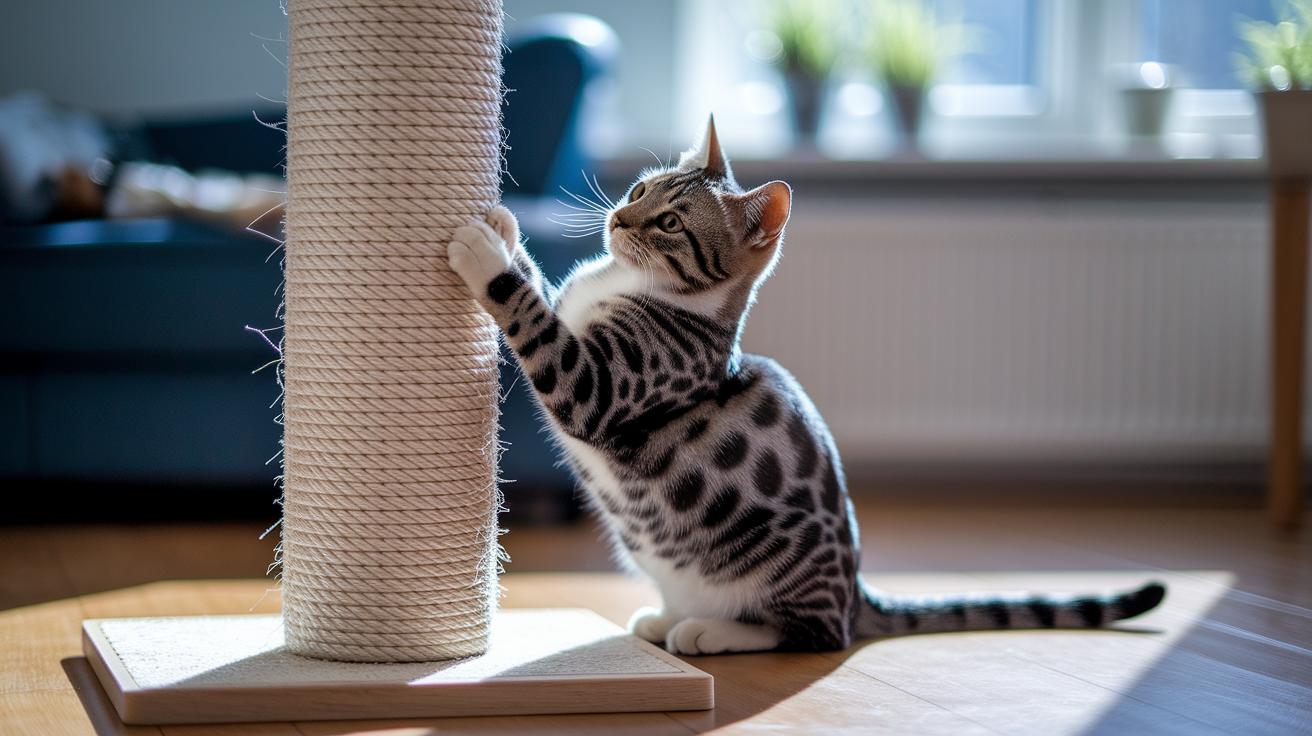
    Give your cat the scratchy adventure they crave. Place sturdy posts wrapped in sisal (a rough plant fiber) or corrugated cardboard (think ridged paper board) near favored furniture. Some cats love vertical stretches. Others prefer a horizontal scratch. Offering both means every kitty can find their happy spot.

    Surface Deterrents
    Ever watch your cat turn your sofa into a scratching post? Try furniture guards or sticky deterrent tape (those paw-unfriendly strips) on chair arms and corners. The odd, sticky feel under paws nudges them away without harm. Soon enough, they’ll learn where they can really dig in.

    Pheromone Sprays & Training
    Calming pheromone diffusers (little plug-in gadgets that fill the air with cat-friendly scents) help ease stress-related scratching. Pair that with a cat-safe repellent spray on no-go zones. Then grab your clicker and treats: click and reward each time they scratch the right post. Positive vibes and kibble bribes work like a charm.

    Final Words

    In the action of wrapping up, we checked how caps cut down on scratch marks and let cats stretch naturally. We shared a simple application guide (just trim, glue, press), looked at pros and cons, and talked about when to swap them out.

    We walked through safety tips (watch for red spots) and gave other ideas like posts and trim sessions. You’ll have a house that stays fur-friendly and scratch-free.

    So now you know do cat nail caps work and can pick the best way to protect your furniture with confidence.

    FAQ

    Do cat nail caps really work to reduce scratches?

    Cat nail caps really work to cut furniture damage by about 80–90% when fitted right, giving your kitty safe scratching practice without harm to claws or couch.

    How long do cat nail caps last?

    Cat nail caps last about 4–6 weeks before they start to loosen, and up to 8 weeks at most. Regular checks will flag when it’s time for a fresh set.

    What are the pros and cons of cat nail caps?

    Cat nail caps offer a humane way to protect furniture, skin, and paws with fun colors and low cost. They may loosen, stress some cats, or pose a chewing hazard if they fall off.

    How do you apply cat nail caps?

    To apply cat nail caps, trim each nail just past the quick, pick the right cap size, fill it with vet-approved adhesive, then slip it onto the claw and hold for ten seconds until the glue sets.

    How do you remove cat nail caps?

    To remove cat nail caps, gently twist each cap until it loosens and slides off. If caps resist, soak paws in warm water or ask a groomer or vet for safe removal.

    What are the best cat nail caps?

    The best cat nail caps fit snugly, use non-toxic glue, and come in a range of sizes and colors. Popular brands include Soft Paws, with proven durability and easy application.

    Can cats pull off nail caps?

    Cats can pull off nail caps if they start to loosen or if the cap size doesn’t match. Weekly checks and proper sizing help keep caps in place for their full lifespan.

    Related Articles

  • do cats know when you are pregnant Surprisingly

    do cats know when you are pregnant Surprisingly

    Ever noticed your cat snuggling up extra close these days? It might be more than a mood swing.

    Cats are like little detectives on four paws. They can sniff out surges of hormones (natural body chemicals). Their whiskers twitch at tiny heat changes on your skin.

    And get this – they might even hear the faint thump-thump of your baby’s first kicks. Really.

    In this post, we’ll show you how your kitty pieces together these subtle hints, from fresh scents to a slower walk, and why they seem to sense your pregnancy before you do.

    do cat know when you are pregnant Surprisingly

    How Cats Know You Are Pregnant.jpg

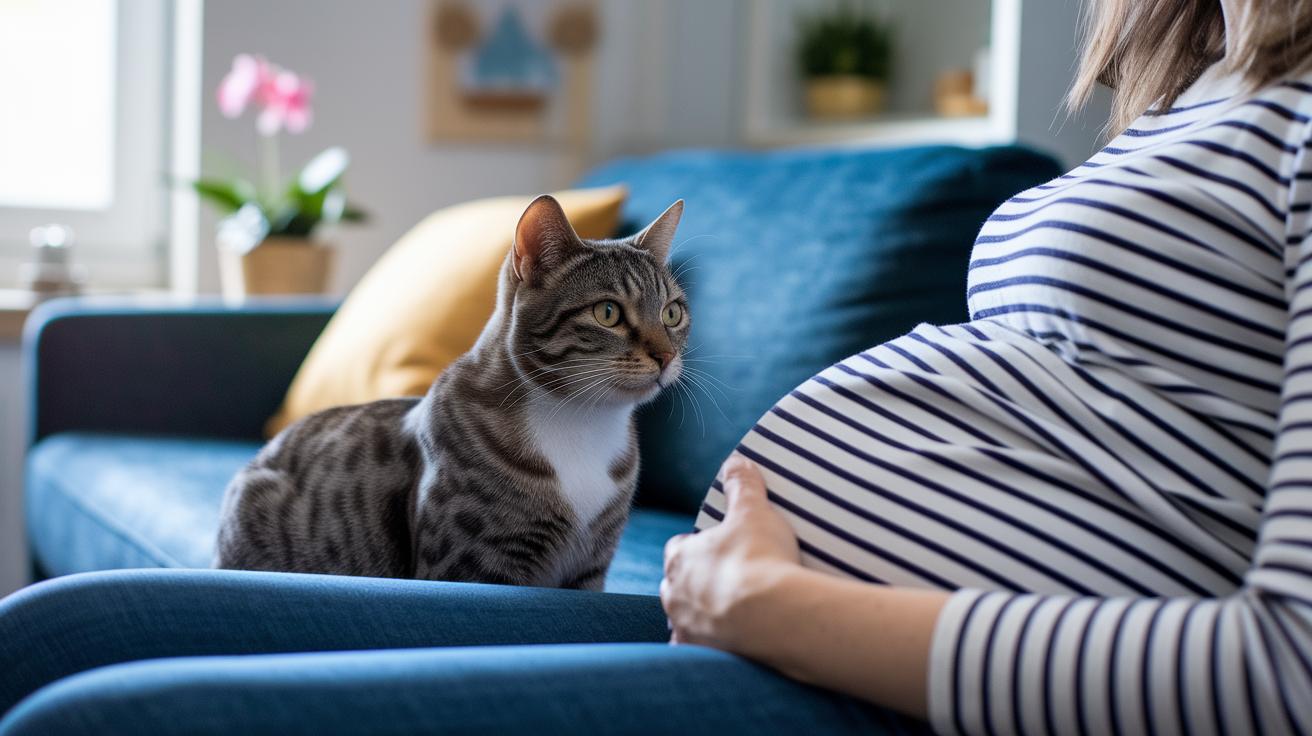
    Oh, you bet your kitty does. They can smell your changing hormones (like progesterone and hCG (human chorionic gonadotropin, a pregnancy hormone)) and feel a tiny extra warm glow on your skin. They might even pick up on faint thumps from your baby’s heartbeat or muffled kicks. And they notice you moving slower, taking more breaks, or setting up new baby gear.

    These little clues usually have them purring nonstop, nuzzling your belly, or giving you curious head butts. Ever watched your cat tilt its head like it’s trying to read your mind? Totally pawsome. My Luna even started guarding my belly pillow like a furry sentry.

    Here are the main things your cat is tuning into:

    • Changed hormones (see “How Cats Detect Your Pregnancy Through Their Sense of Smell”)
    • A slight rise in warmth (see “Temperature Cues” section)
    • Baby noises inside (see “Can Cats Hear Your Baby?”)
    • Your new routines (see “Feline Behavior Changes During Your Pregnancy”)

    Feline Behavior Changes During Your Pregnancy

    Feline Behavior Changes During Your Pregnancy.jpg

    Ever notice your cat acting a bit different when you’re expecting? Some kitties get super lovey, rubbing their cheeks along your arms, kneading like dough (that soft pressing with their paws), and purring so loud you can feel the vibration. Other cats turn into your shadow, following you room to room and meowing for lap time. And then there are the pros at retreat, they’ll curl up in a quiet spot away from all the belly-rubbing drama.

    You might catch your cat sniffing or gently batting at your baby bump, whiskers twitching in curiosity. Then comes the classic head-on-the-belly move, with your fluffball snoozing like a kitty guard dog. Protective mode can get hilarious, um, I once found Mr. Tuxedo perched outside the nursery door at midnight, standing watch. Whether they’re male or female, every cat reacts based on their temperament and how close you two are.

    This mix of cuddly clings and watchful stances makes pregnancy feel even more magical. Your furball is sending extra purrs, soft paw taps, and those sweet belly-hug naps. In a way, these behavior tweaks say, “I’m here for you, human.” Worth every surprise whisker brush.

    How Cats Detect Your Pregnancy Through Their Sense of Smell

    How Cats Detect Your Pregnancy Through Their Sense of Smell.jpg

    Cats have a secret scent tool called the vomeronasal organ (tiny scent receptor pouch in the roof of their mouth). And they team it up with scent glands on their cheeks and paws. When your kitty presses her face into your skin, she’s gathering pheromones (invisible chemical messages). Really, her nose is about 14 times stronger than ours.

    Right after ovulation, around six to ten days in, your body starts changing the scent it gives off. Rising levels of hCG (human chorionic gonadotropin, that key pregnancy hormone), progesterone (hormone that helps support pregnancy), and estrogen (hormone that controls many female traits) tweak your sweat and other natural fluids. To a cat’s super-sniffer, even the tiniest shift is like a flashing neon sign.

    I’ve heard from so many cat parents who say their felines started sniffing or nuzzling their belly weeks before any doctor appointment. Some even knead or rub against clothes to sample the new aroma. It’s instinctive scent talk, your cat’s way of tuning in to what’s going on inside you.

    In truth, scent is the heavyweight champ in how your cat figures out you’re expecting. Sure, warmth from your belly or a change in your routine helps too, but it’s that personal perfume remix that speaks loudest. So next time your furry friend circles your midsection, know she’s using that claw-some nose to pick up on pregnancy hormones you can’t hide.

    Can Cats Hear Your Baby? Examining Felines’ Audio Clues to Your Pregnancy

    Can Cats Hear Your Baby Examining Felines Audio Clues to Your Pregnancy.jpg

    Ever seen your kitty tilt its head at your belly? Cats hear up to 65 kHz (kilohertz, one thousand sound waves per second) – way above our 20 kHz limit. That might let them pick up tiny internal noises you can’t. Pet parents share stories of kitties hearing a fetal heartbeat (baby’s heartbeat) as early as week seven – but it’s all word of mouth, not science. It’s the same gift that helps cats sense low blood sugar or early seizures by catching little shifts in your breath or blood flow. No wonder they tune in when you rest your hand on your bump.

    Around week sixteen, you’ll feel those gentle kicks when your cat purrs (the cozy rumble cats make). That vibration can make your baby stir. Some cats lean in, ears forward, like they’re tracking silent bass notes or muffled ultrasound beeps (sound wave scans). Purr-tastic chorus, huh? Watch for ears swiveling toward your bump or a sudden tail flick during snuggle time. See? Tiny audio detectives at work.

    • Cat vs human hearing: 65 kHz vs 20 kHz
    • Possible fetal heartbeat detection at week seven
    • Reaction to purring vibrations and ultrasound beeps

    Managing Cat Care and Safety During Your Pregnancy

    Managing Cat Care and Safety During Your Pregnancy.jpg

    Ever watched your kitty check out new boxes like a tiny inspector? Cats love routine, so keep feeding, play, and sleep times just as before. Toss that toy mouse when you always do and save your coziest spot for evening snuggles. It’s paw-some for keeping stress at bay.

    Litter box hygiene needs extra care. If you can hand off scooping, hooray, you’re sidestepping toxoplasmosis (an illness from cat waste). If you can’t, slip on disposable gloves and a simple mask, kind of like a quick kitchen chore. Then wash your hands with hot water and soap before touching anything else.

    And cats need hideouts of their own. Try a cardboard box up on a shelf or a soft bed tucked behind a closed door. These little retreats help them dodge surprise baby sounds or new furniture fuss. A calm cat is less likely to dash under your feet or leap onto your belly, keeping you both comfy and safe.

    Don’t skimp on affection either. Even with extra doctor visits and diaper piles, carve out lap time or a quick brush session. A short play session before bedtime can burn off energy and curb late-night meows. With steady love and gentle reassurance, you’re balancing baby prep with your cat’s need for connection.

    Worth every purr.

    Common Questions About Cats and Pregnancy

    Common Questions About Cats and Pregnancy.jpg

    Can Cats Smell Morning Sickness?

    Ever noticed your kitty giving you the side-eye when you feel queasy? Um, cats have up to 200 million scent receptors (tiny sniff sensors in their nose), so they really pick up on new smells. One morning I was hit with a wave of nausea, and Luna shadowed me, sniffing my scarf like a little detective. She even gave my chest a soft headbutt and nudged my cheeks to see what was up.

    Are Cats Safe Around a Pregnant Belly?

    Your baby bump is well protected by strong belly muscles and a cushion of fluid around your little one. Most cats tiptoe around and keep their weight on their front paws, says feline behaviorist Jane Doe. When I was in my first trimester, Olive hopped up next to me, curled up beside my bump, and purred like a tiny motor. If you’d rather your furry friend chill elsewhere, set up a cozy pillow on the couch as a new cuddle zone.
    Worth every purr.

    Final Words

    Cats tune in to your changing scent, body temperature, gentle fetal sounds, and daily routine shifts faster than you might think. We walked through the top smell cues, acute hearing range, behavior tweaks, and handy safety tips.

    We shared how to keep playtimes and litter chores stress-free for your busy days. We answered your burning questions on feline sniff tests, heartbeat sensing, and toxo-free litter duty.

    Worth every paw-print.

    So if you’ve ever wondered do cat know when you are pregnant, rest easy: your whiskered friend’s got your back, and your belly.

    FAQ

    Do cats know when you’re pregnant?

    Cats know you’re pregnant by picking up subtle hormone changes through scent, noticing slight body temperature rises, and sensing shifts in your daily habits.

    How soon can cats sense pregnancy?

    Cats can sense pregnancy as early as 6–10 days after conception by smelling altered hormone levels and observing changes in your routines and body heat.

    How do cats behave when they sense you’re pregnant?

    Cats become affectionate and clingy when they sense your pregnancy, often rubbing or kneading you, following you everywhere, sniffing or pawing at your belly, and taking up guard-like positions nearby.

    Do dogs know when you’re pregnant?

    Dogs know you’re pregnant by detecting hormonal shifts, changes in your scent and routines, and they may become more attentive or protective once they pick up on your condition.

    Related Articles

  • what do cats roundworms look like: Spot Easily

    what do cats roundworms look like: Spot Easily

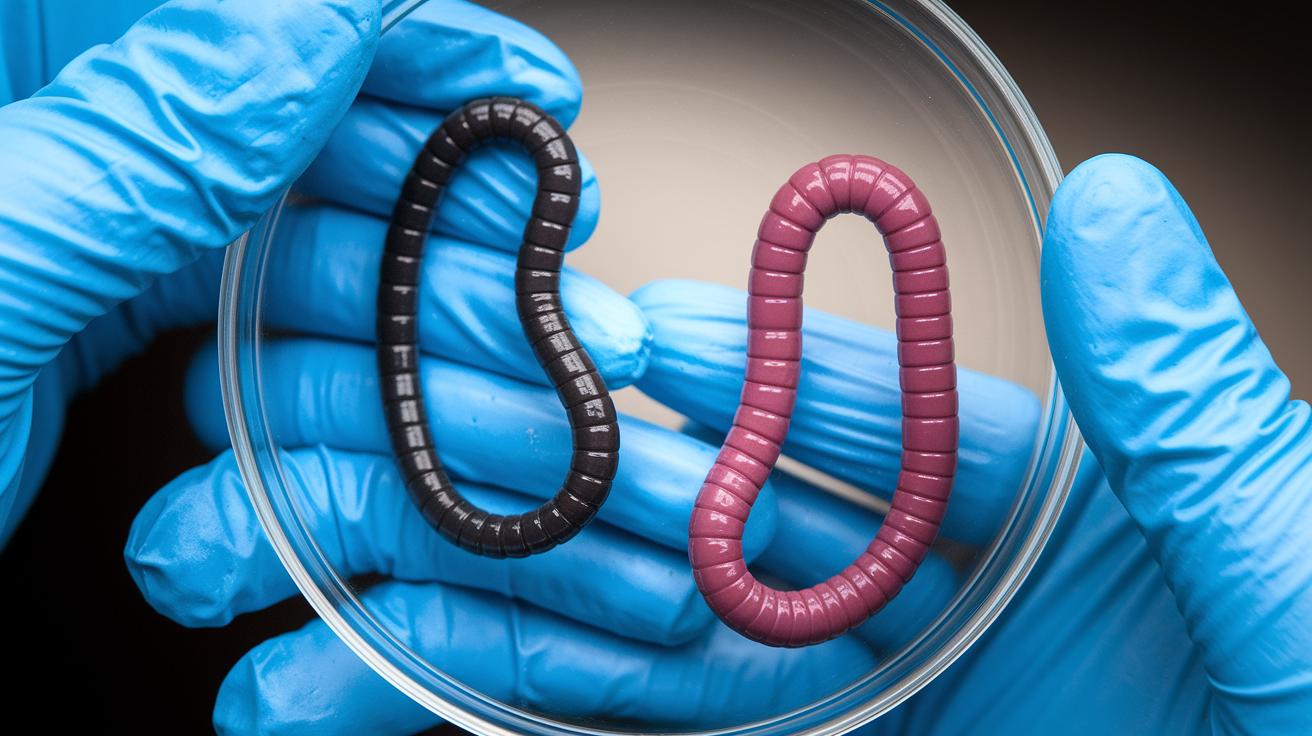
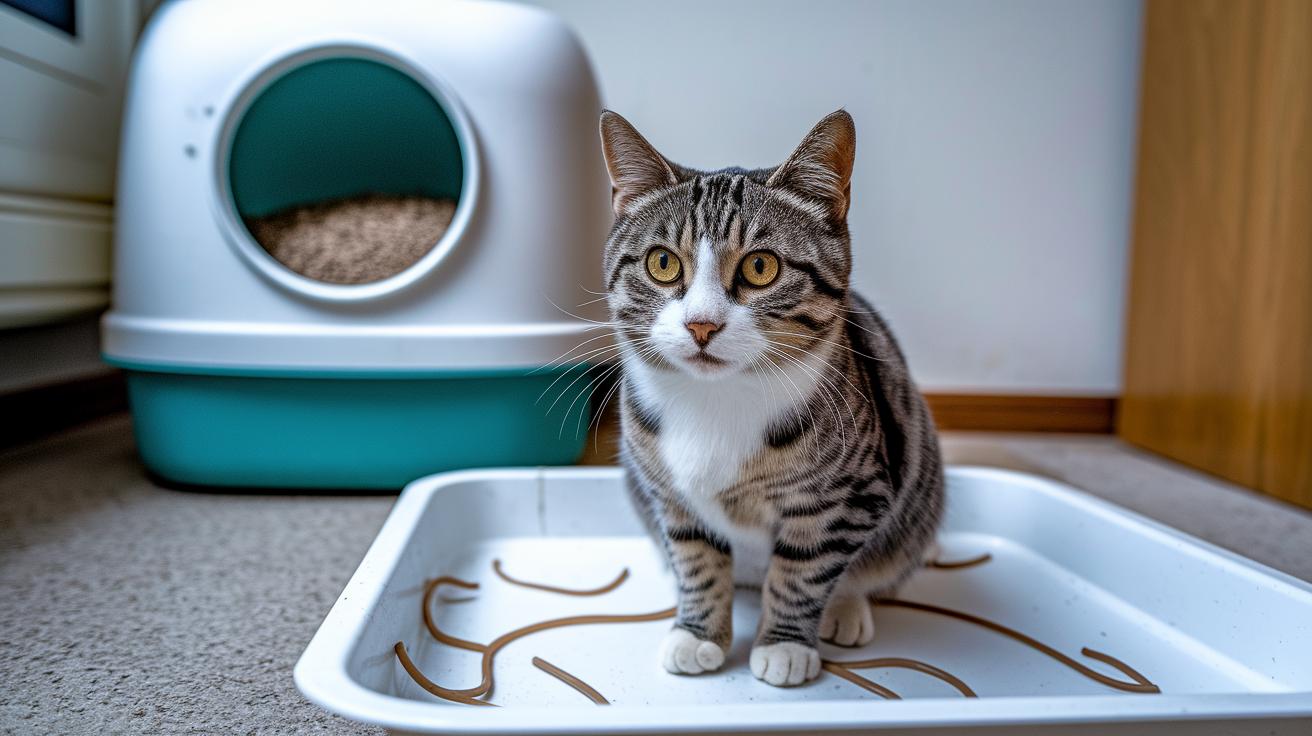
    Ever blamed a hairball only to pull out what looked like pale spaghetti? Finding roundworms (tiny worms that live in your cat’s gut) in the litter box can surprise you. These smooth, soft tubes feel like little pasta strands. Um, gross, right?

    Adults can stretch up to three inches (about as long as a dollar bill). Kittens might host one- or two-inch mini worms. And their color? Off-white to tan, usually a bit shiny.

    Ready to get feline fine on worm-spotting? I’ll walk you through four clues: shape, length, color, and texture. Then you’ll know exactly when to call the vet.

    Visual Identification of Cat Roundworms

    Visual Identification of Cat Roundworms.jpg

    Spotting roundworms feels like finding strands of cooked spaghetti in your cat’s litter box. Adult worms can stretch up to three inches, while kittens host thinner, one- to two-inch threads that feel like delicate pasta strings. Ever thought your kitty was playing with a loose string of yarn? Well, it might actually be a worm.

    These worms range in color from off-white to tan or light brown. Their bodies are smooth cylinders with faint cuticle ridges (tiny grooves along their skin). Shine a light behind one and you’ll see a soft glow through its slightly see-through body. And they feel springy, not slimy, slipping right through wet litter or soapy water.

    • Adult cats: up to 3 inches long and about one-eighth inch thick
    • Kittens: 1–2 inches long and narrower
    • Shape: smooth cylinder, gently curved or straight
    • Color: off-white, cream, tan, or light brown
    • Texture: firm bounce, slight transparency, fine ridges

    When a cat has a heavy infestation, she might cough or vomit up dead worms that look darker and shriveled. Check fresh regurgitation right away, because older bits can dry into nondescript flakes. In the litter box, new poop gives the clearest view, but dried clumps can hide curled-up fragments. Placing a white tray under the box makes those tan strands stand out.

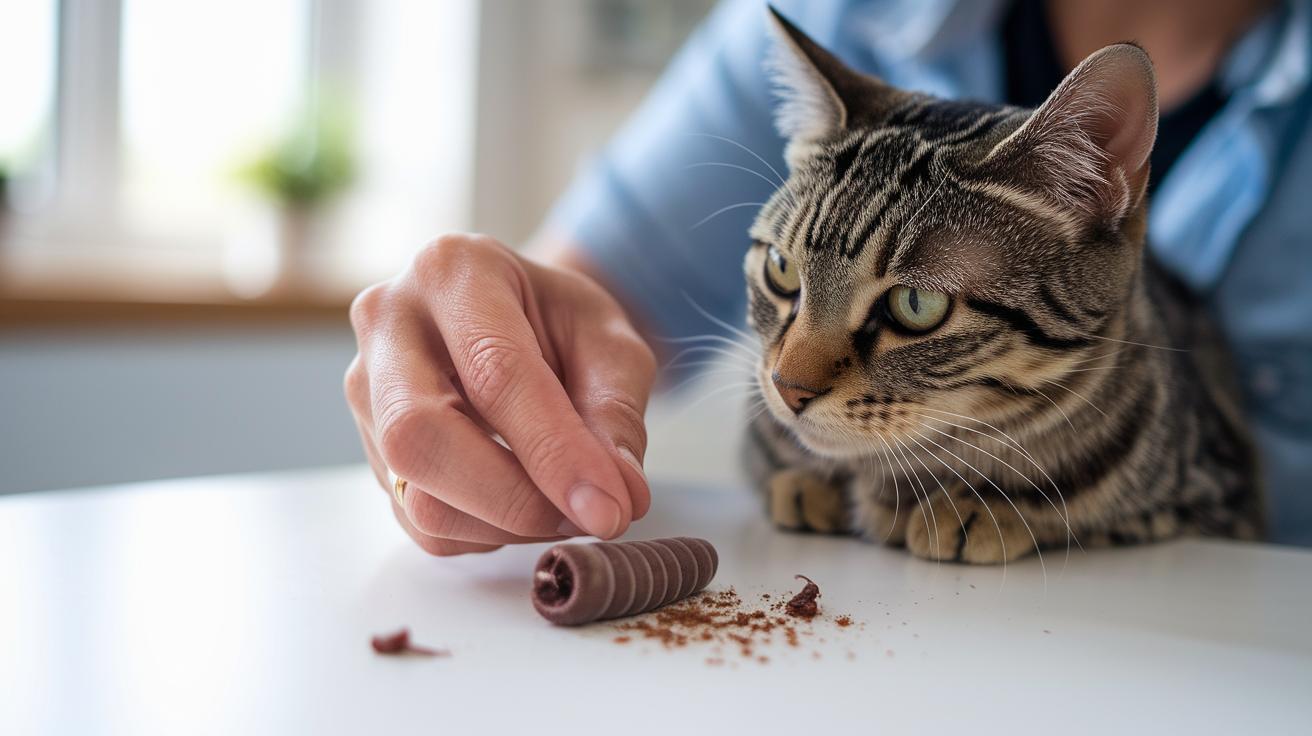
    I once scooped what looked like broken pasta from Luna’s litter box after her dewormer treatment. Oops, it was worm fragments that had darkened and curled like dried noodles. Worth keeping an eye out for those telltale threads.

    Differentiating Roundworms from Other Cat Parasites

    Differentiating Roundworms from Other Cat Parasites.jpg

    Ever spotted a wriggly guest in your litter box? Um, let me help you sort the wormy lineup. Roundworms (smooth, tube-like parasites) come in two main flavors: Toxocara cati (a cat-only spaghetti worm) and Toxascaris leonina (a dog-and-cat hopper).

    Toxocara cati grows up to three inches long, tan in color, and only hangs out in cats. Toxascaris leonina is a bit shorter, paler, and jumps between dogs and cats. Both feel like silky pasta on your fingertip, but cati is a fat noodle while leonina is thin like angel hair.

    Next up, hookworms (tiny half-inch critters with a fishhook-shaped end). You’ll spot a little curve at one tip. Flatworms (tapeworm pals) look like flat ribbons made of rice-grain segments. They snap off like breadcrumbs and don’t bounce when you poke them. Ever watched your kitty fuss over a flatworm crumb? It’s weirdly fascinating.

    Parasite Description Size & Shape
    Roundworms Smooth cylinder with faint lines Up to 3 inches long; noodle-like
    Hookworms Curved hook on one end About 0.5 inch; slim bodies
    Flatworms Segmented like rice grains Flat ribbon shape; breaks into bits

    Oops, did I mention male vs female roundworms? Males are narrow with a hooked tail, while females have a straight, plump rear. And baby worms look skinnier and almost see-through compared to the chunky adults. Next time you’re on litter-box patrol, you’ll know exactly who you’ve found.

    Worth every paw print.

    Lifecycle Stages and Larval Appearance of Cat Roundworms

    Lifecycle Stages and Larval Appearance of Cat Roundworms.jpg

    Ever peeked at a microscope slide and seen tiny specks that look like glass beads? Those could be roundworm eggs – microscopic spheres with thick, shiny shells. At first, they are unembryonated (no baby worm inside) and look clear and smooth under the lens. Give them two to three weeks in warm, damp soil (think muddy garden dirt), and they fill with coiled larvae (tiny baby worms). You’ll spot little springs waiting to hatch.

    Once they hatch, larvae are teensy – about 0.3 to 0.5 mm long (thinner than a human hair!). They’re clear, wiggly, and glide like tiny snakes under 40× magnification (you need a 40× microscope lens to see them). Kittens often pick these up when nursing – dormant larvae in mom’s tissues spring to life and ride her milk train straight into newborns.

    Eggs can hide out in soil for years, waiting for a curious kitten or stray to snack on contaminated dirt. Talk about a long wait! Then, after roughly three weeks (the prepatent period – time before eggs appear in feces), they pop up in poop, ready to restart the cycle.

    Inside the cat’s gut, larvae grow into adults – the familiar spaghetti-like worms you might find in vomit or the litter box. They range from one to three inches long (2 to 8 cm) and are off-white to tan. Tiny but mighty.

    Stage What It Looks Like Where You See It
    Unembryonated Egg Clear, smooth shell Fresh fecal float slides
    Embryonated Egg Larva coiled inside Soil samples, lab slides
    Larva 0.3–0.5 mm, transparent, wriggly Microscope view of stool
    Adult Worm 1–3 inches, off-white to tan Vomit or litter box

    Inspecting Cat Stool and Vomit for Roundworms

    Inspecting Cat Stool and Vomit for Roundworms.jpg

    Ever peek into your cat’s litter box and wonder if there are roundworms (tiny tube-shaped parasites) on the loose? It might feel gross, but it’s a simple check you can do in minutes to catch any unwelcome guests early, your vet will be grateful, and so will your kitty.

    Inspecting stool (cat poop):

    • Slip on a disposable glove and scoop a small sample of fresh stool.
    • Spread it on a clean, white tray so off-white worms really pop.
    • Focus on the moist bit first, you might see live, springy strands up to 3 inches long.
    • Then gently sift the drier clumps to reveal dark, shriveled fragments that used to be worms.

    Checking vomit:

    • If your cat pukes, lay it on a white paper towel or that same tray right away.
    • Check before it dries: fresh worms lie straight or in gentle curves; older pieces curl up and darken.
    • You know, just give it a quick scan, those tiny tubes aren’t hard to miss once you’re looking.

    Worth every glove. Catching worms now can save your cat a lot of trouble later. Who knew a white tray could be such a hero?

    what do cat roundworms look like: Spot Easily

    Photographing Cat Roundworms for Documentation.jpg

    Ever tried to snap a picture of a wriggly spaghetti noodle – um, a worm? Getting a clear, close-up shot of that squirmy guest really helps your vet know exactly what you’ve found. A smartphone macro lens (a small clip-on lens for your phone that magnifies up to 10× (ten times bigger)) turns faint color bands and tiny ridges into crisp details.

    • Clip the macro lens onto your phone and line it up with soft daylight or an LED ring light. This cuts harsh shadows.
    • Shine a gentle backlight (light behind the worm) so its slightly see-through body glows and the ridges stand out.
    • Lay the worm on a clean white disposable pet-safe tray for contrast – tan strands really pop against bright backgrounds.
    • Place a small ruler or a marked toothpick next to the worm to show its length (adults are 1–3 inches, kittens 1–2 inches).
    • Slip on a disposable glove so you’re not handling the worm directly – they can squirm fast – and use tweezers or a tongue depressor if needed.

    Keep your phone steady, tap the screen to lock focus on the ridges, and frame the worm in the center. After you shoot the photo, seal the tray and ruler in a bag and wash your hands well. These clear, scaled photos make it easy for your vet to confirm a roundworm and choose the right treatment.

    Signs to Consult a Veterinarian After Finding Cat Roundworms

    Signs to Consult a Veterinarian After Finding Cat Roundworms.jpg

    Your cat might purr and play without missing a beat. But they can still hide a roundworm (long, skinny parasite) problem. A big worm load can slow even the spryest furball.

    • Watery or bloody poop
    • Noticeable weight loss and no interest in snacks
    • Lethargy or a “nap all day” vibe
    • Pale gums or eyelids (anemia (fewer red blood cells) can make them look washed out)
    • A pot-bellied tummy, especially in kittens who should look sleek
    • Worms or slimy strands in vomit or poop (oops, gross)
    • Squiggly worm bits after you give dewormer medicine

    And if you still spot wriggly bits or your kitty seems off after treatment, don’t wait. A vet can check for anemia, make sure the medicine worked, and have your cat back to pouncing on toys in no time.

    Diagnosis and Treatment Overview for Cat Roundworm Infections

    Diagnosis and Treatment Overview for Cat Roundworm Infections.jpg

    We spot roundworm eggs with a fecal float test (a lab test that makes eggs float to the surface in a special solution). Ever watched your kitty peek over the edge while you scoop? It’s a bit gross, but it really helps us catch those pesky eggs. Vets say to do this check at least once a year, even if your fluffball seems perfectly purr-fect. Finding eggs early keeps them from growing into long, spaghetti-like worms in your cat’s tummy.

    When eggs turn up, it’s time for oral dewormers, pills or a tasty liquid that zap adult worms in the gut. Heavily infected kitties often need two or three doses over two to four weeks so any newly hatched babies don’t sneak past the treatment. Then, about six weeks later, we run another fecal float to make sure those wrigglers are toast.

    Many monthly heartworm preventatives double as roundworm shields, so you get two defenses in one pill. But always stick to your vet’s schedule, skip a dose, and you might let a fresh batch of eggs hatch.

    Good litter-box habits are your secret weapon. Scoop daily, wash the box in hot, soapy water once a week, then add fresh litter. And if your adventurous cat goes outside, try to keep those expeditions short, outdoor prey can carry wormy surprises.

    With regular testing, prompt deworming, and clean litter-box routines, you’ll keep your kitty roundworm-free and feeling feline fine.

    Worth every paw-print.

    Final Words

    In the action, we spotted those spaghetti-like worms in your cat’s stool or vomit, learned how to tell roundworms apart from hookworms and flatworms, and mapped out each life stage under the microscope.

    We shared tips on inspecting fresh litter, snapping clear macro photos and recognizing when it’s time for a vet visit.

    Finally, a quick rundown on diagnosis tests and deworming plans keeps everyone safe.

    With these simple steps, your multi-cat household will stay playful, comfy and stress-free, and you’ll feel confident whenever you wonder what do cat roundworms look like.

    FAQ

    How can I tell if my cat has roundworms?

    The cat with roundworms can be spotted by worms in vomit or stool, a pot-bellied look, weight loss, diarrhea, vomiting, dull coat and low energy.

    What do roundworms look like?

    Roundworms in cats look like long, smooth, cylindrical worms (up to 3 inches long) that are off-white, tan or light brown and resemble cooked spaghetti in vomit or feces.

    How do cats get roundworms?

    Cats get roundworms by ingesting infective eggs from contaminated soil, feces or prey, through nursing if their mother is infected, or by eating rodents carrying larval worms.

    How should I treat roundworms in cats?

    Treating roundworms in cats involves giving veterinarian-prescribed deworming medications on schedule, repeating doses as directed, and cleaning litter areas to stop reinfection.

    What should I do if my cat vomits worms?

    If your cat vomits worms, save a sample, note the timing, contact your veterinarian right away and keep the area clean to prevent further spread.

    Can I touch my cat if it has roundworms?

    You can touch a cat with roundworms but wear disposable gloves, wash hands with soap afterward and keep litter boxes hygienic to reduce risk of egg transmission.

    Can cats pass roundworms to humans?

    Cats can pass roundworms to humans if infective eggs from feces hatch in soil and contaminate hands or food, so practice good hygiene.

    What is the difference between roundworms and hookworms in cats?

    Roundworms are long, smooth, spaghetti-like and up to 3 inches long; hookworms are smaller, thinner and have hooked ends that attach to the intestinal wall.

    Related Articles

  • do cats remember you for lasting bonds

    do cats remember you for lasting bonds

    Ever wonder if cats forget your face the moment you turn away? People tease that kitty attention spans are shorter than a cat nap. But um, have you ever peeked around the corner to see them waiting by the door, ears perked and whiskers twitching?

    They’re stashing your scent and the sound of your voice in their kitty memory bank (like a secret scrapbook of cozy naps). Today, let’s sneak a peek at their feline memory files, short-term meows and long-term purrs.

    We’ll show how the jingle of your keys or the smell of your favorite shampoo keeps you front and center in their little minds. Then I’ll share simple games, like hide-and-seek treats and wand teaser play, that prove your furball never really forgets you!

    Could memory get any more claw-tastic?

    Do Cats Remember You and How It Works

    Do Cats Remember You and How It Works.jpg

    Do cats remember you? You bet! They tuck away your scent and your gentle voice in a memory bank (like a photo album of warm moments). Every time you fill the bowl or scratch behind their ears, your kitty links that cozy feeling back to you. Ever notice them waiting by the door when you’re late? That fur-filled hello means, “I remember you!”

    So cats also hold onto tiny details. Working memory (short-focus storage) captures a toy’s bounce or a tail twitch just before a pounce. Short-term memory hangs on for minutes or hours. It’s what helps them sniff out a hidden snack or perk up at the jingle of keys.

    Long-term memory is all about feelings, um, bookmarking people and places by the comfort or excitement they bring. No need for every little story – just the moments that make your cat purr or crouch in curiosity.

    Next, we’ll sniff out how your cat’s super senses – smell, sight, and sound – spark those memories. Then we’ll map them from quick snack hunts to lifelong loyalty. And hey, you’ll learn fun, simple games to test your kitty’s recall – and prove they really remember you down to every whisker twitch.

    Short-Term vs Long-Term: How Cats Remember You Over Time

    Short-Term vs Long-Term How Cats Remember You Over Time.jpg

    Ever wonder how your cat actually remembers you? In their brain, two key players share the spotlight: the hippocampus (memory hub) and the amygdala (emotion spot). So when your kitty sniffs your shampoo or purrs at your voice, it tucks away short video clips of you in a quick memory file – um, kinda like a mini scrapbook.

    During deep slow-wave sleep the hippocampus replays those clips and passes them on to the neocortex (outer brain layer) for long-term storage. Ever watched your cat twitch its paws mid-nap? That’s their brain running a private catnap movie. Um, pretty cool.

    In a 2022 test at the University of Guelph researchers taught cats to tap one of two shapes on a screen for treats. Twenty-four hours later the cats still picked the right shape about 70 percent of the time – proof those lessons stuck after a day. That’s pawsome!

    • Hippocampus holds fresh info for minutes to hours.
    • Sleep replay cements clips into lasting memories.
    • Amygdala tags moments with happy or watch-out feelings.

    Watching your kitty curl up next to you then purr when you walk back in isn’t just sweet – it’s science in action. Those quick snaps grow into warm long-term bonds that make you feel feline fine.

    How Cats Remember You: Sensory Cues and Owner Recognition

    How Cats Remember You Sensory Cues and Owner Recognition.jpg

    Ever wonder if your cat remembers you for more than just your lap? Their nose writes the first chapter of your story. They sniff first, then add details with sight and sound. That’s how they learn you one whiff at a time.

    They mix smells, sights, and sounds into a special loyalty brew. Purrrfect.

    Scent Recognition

    Cats have almost 200 million scent receptors (tiny nose filters). When they sniff your shirt, they’re reading your scent like a map. Then they coat your hands with pheromones (chemical tags) to mark you as their treat stash. When you come home, they rub their cheeks on your legs and nudge your sneakers, using glands under their paws and cheeks to stamp your scent as safe.

    Facial and Visual Cues

    Ever watched your kitty chase shadows? Cats care more about motion than fine lines. Picture a looping video of your silhouette (your outline).

    Still, they learn your hair color and shoulder tilt to know it’s you. Thanks to their tapetum lucidum (light-reflecting eye layer), they spot shapes at dawn and dusk. After a while, the way you walk to the fridge or cradle your coffee mug becomes a one-of-a-kind movie they love to replay.

    Auditory Recognition

    Your voice is their favorite tune, and studies show cats perk up more when their owner calls than a stranger. They remember your pitch, rhythm, and even the words you use. Once, I whispered 'treat' under a door and watched my cat bolt three rooms in a blink. Um, that’s loyalty in action – cat style.

    Duration Matters: How Long Cats Remember You

    Duration Matters How Long Cats Remember You.jpg

    Ever wonder if cats can remember you after years away? Real-life stories say they sure do. One brave kitty wandered back home after 7 years, and another shot under the bed when it heard its name after a 2-year break. Whoa.

    Oops, let me rephrase: your scent (that cozy smell only your cat knows) and the sound of your voice stick in their brains like superglue. Some return-home champs even trot to old napping spots or follow the path to their food bowl – proof they stash home layouts and meal times in their memory bank.

    And if you jet off for just a month, expect a reunion party full of purrs and head bumps. Science on how long cats really remember stuff is still catching up, but these kitty comebacks prove that strong bonds can outlast even long trips.

    By contrast, short-term memories vanish fast when they don’t get fresh play or treats – like a secret snack forgotten in hours or a jingly toy that’s boring by bedtime. Instead, cats lean on tiny reminders: your scent on the doorknob, the click of your keys, or the sound of your dinner call.

    Think of those as bookmarks snapping them right back to you. Researchers run memory tests (like quizzes for cats) and discover quick snapshots drop away while deeper connections stick around. Routine playtime, the satisfying thud of a ball, and regular mealtime cues become um, emotional anchors.

    Then, after two or three months away, your kitty still knows: a sunny spot awaits, head bumps come, and purrs fire back up – showing just how strong long-term memory can be. Worth every whisker twitch.

    Factors Influencing How Cats Remember You

    Factors Influencing How Cats Remember You.jpg

    Ever wondered if your cat tucks your scent and routines into memory? They really do! Here are the key factors that help them recall you.

    • Bond strength: Cats tuck away memories of people who bring treats, scratch behind their ears, or share that satisfying swat with a feather wand. When you feed or snuggle them on the daily, those happy moments stick in their long-term memory. It’s like they save a bookmark to your face.

    • Social nature: If your kitty is a social butterfly, they’ll forge attachments faster. More outgoing kittens might greet you with chirps or head bumps as soon as you walk in. It’s kind of like they’re saying “Hey, remember me?” Casual pats can turn into memories that last.

    • Separation experiences: Time apart matters. When you’re away, the care your cat gets leaves a big mark. If they’re spoiled with play and pets, they’ll greet you like a long-lost friend. But a rough day alone can make them a bit shy at first.

    • Age and cognitive decline: Older kitties sometimes face memory lapses just like us. Senior cat memory loss can blur names or favorite faces. You might have to reintroduce yourself with extra pets and snacks. But a little patience goes a long way.

    • Stressful events: Loud noises or vet visits can scramble a cat’s thoughts. A shelter stay or a car ride might leave them feeling puzzled. That stress can slow down new memory storage. So give them calm cuddles to rebuild trust.

    • Rescue background: Cats from rescue or neglect often carry old fears in their memory. It takes consistent, gentle care to help them feel safe. Think soft voices, slow blinks, and extra treats. Over time, new happy memories win out.

    Testing Your Cat’s Memory of You: Methods and Signs

    Testing Your Cats Memory of You Methods and Signs.jpg

    Ever wondered if your kitty still remembers you after a day away? Let’s play scientist and test that memory together. You’ll need a stopwatch (or your phone timer), a few smell samples, and a sprinkle of curiosity. Ready for some purr-worthy fun?

    1. Name Test
      Step out of the room for an hour or so. Then call your cat’s name in that soft, loving voice you always use. Watch for ears perking up, a little head tilt, or a sprint your way. Those signs say, “Hey, I remember you!”

    2. Scent Test
      Grab two small cloths, one you’ve worn all day and a fresh one from your drawer. Lay them out and let your kitty sniff each for about a minute. If your cat sniffs the worn cloth longer, that’s their memory of your scent at work. Isn’t that neat?

    3. Visual Cue Test
      Hold up a photo – or a quick video if you prefer – at kitty-eye level. Note how long your cat gazes or if their tail flicks. A focused stare or soft meow means they recognize your face and familiar posture.

    4. Sound Test
      Record your voice saying “treat” or calling your cat on your phone. Then get a stranger to say the same thing. Play them one after the other. If your cat perks up more for your voice, meows, head nudges, or ear twitches, that’s memory in action.

    5. Bond Check
      After each mini test, watch for gentle head rubs, follow-the-leader strolls, or soft meows. These everyday moves often tell you more about your cat’s memory and love than any lab-style trial. It’s all about that special bond.

    Worth every whisker twitch. Now go enjoy some memory-making moments with your best furry friend.

    Strengthening How Cats Remember You: Memory and Bond Building

    Strengthening How Cats Remember You Memory and Bond Building.jpg

    Ever wish your kitty never forgot how pawsome you are? With a few playful habits – like rewarding good behavior, keeping a steady schedule, and playing brain games – you can turn small moments into memory magic. Your cat will soon link your name to treats, cuddles, and goofy fun. Ready?

    Training Techniques for Memory

    Clicker training is almost magic. Ever watched your kitty’s ears perk up at the very first click? You tap the clicker when they touch a target or respond to their name, then treat them right away. Keep it short – two or three minutes – so they stay curious and eager. They’ll start to link that click to yummy snacks and your friendly voice.

    Handle kittens gently between two and seven weeks old to build trust you can count on later. Feeding them at set times is like bookmarking their day. Every “dinner time” cue reminds your cat you’re in charge of good things – and that means you!

    Brain-Building Fun

    Puzzle feeders and treat-dispensing balls make mealtime feel like a brain workout. Your cat bats the toy and – whoosh – a snack pops out. They’ll learn the trick and remember it every time. It’s like hiding snacks on a tiny obstacle course.

    Try scent-based hide-and-seek by tucking treats under cups or in cloth pouches. Your cat’s whiskers will twitch as they sniff out each treasure – purr-fect fun! Feather wands, laser dots, and rotating toys keep things fresh and surprising. And don’t forget a cozy sniff mat (a soft pad that hides treats under fabric) with your worn T-shirt tucked in – your scent lingers and says “snuggle time.”

    Final Words

    We dove right into how cats recognize and remember their people, exploring short-term recall, long-term bonds, and the nifty sensory tricks they use.

    Next we compared memory spans, peeked at scent, sight, and sound clues, and laid out real-world tests and tips to strengthen that feline bond.

    Now when you wonder do cat remember you, you’ve got the answers, plus playful strategies to keep their whiskers twitching and spirits bright.

    Enjoy every purr-packed moment!

    FAQ

    How long can cats remember their owners?

    Cats remember their owners through short-term memory lasting minutes to hours and long-term memory stretching months or years when routines, scents, and affectionate bonding reinforce the connection.

    Do cats recognize their owners after being separated?

    Cats recognize their owners after separation by using scent, voice, and visual cues, often responding positively even after months apart when bonds are strong and routines familiar.

    Will a cat remember me if I feed it?

    Cats remember people who feed them through positive association, linking your scent and voice to mealtime rewards, which strengthens their recall and affection over time.

    Do cats remember traumatic events?

    Cats remember traumatic events by associating sights, sounds, or smells with fear, which can trigger stress or avoidance behaviors until they relearn safety through gentle reassurance and positive interactions.

    Do cats remember faces?

    Cats remember faces by matching visual cues with familiar scents and sounds, although they rely more on smell and voice recognition to find you than facial features.

    What is the 3-3-3 rule of cats?

    The 3-3-3 rule in cats guides expectations after adoption: three days to decompress, three weeks to settle in, and three months to fully adjust and feel at home.

    Related Articles

  • what do cats urine crystals look like vividly

    what do cats urine crystals look like vividly

    Ever thought your cat’s litter box was just litter and pee? Oops, let me rephrase that – what if it’s actually a tiny health lab? Under a microscope (a tool that makes little things look huge) those crystals sparkle like sad disco balls. And each color and shape tells a bladder story.

    You might spot coffin-lid prisms (flat crystals shaped like tiny coffins), envelope Xs (folded like little letters), dumbbell spikes (mini rods with knob ends), and more. Catching odd shapes early can spare you a messy vet trip.

    This guide walks you through the colors, shapes, and sizes you’ll see under the lens. Ready to be your kitty’s litter detective?

    What Do Cat Urine Crystals Look Like Vividly

    Visual Identification of Cat Urine Crystals Colors, Shapes, and Sizes.jpg

    Ever peeked at your cat’s urine under a microscope? Spoiler: it’s full of tiny crystal shapes that clue us in on bladder health. They range from about 5-40 µm (micrometers, one-millionth of a meter or roughly the width of a human hair). And each shape and color tells its own tale.

    Spot a clear coffin-lid prism. That’s a struvite crystal, often tied to urinary infections – gross but true. A little clear envelope with an X stamped on it? That’s calcium oxalate dihydrate (like finding a tiny unwanted letter). Spindle-shaped monohydrate oxalate crystals, kind of like mini dumbbells, hint at chemical imbalances. Yellow-brown bumpy spheres are ammonium biurate from liver issues. You might also find yellow-brown ovoid xanthine crystals, colorless hexagonal cystine plates, or orange-red bilirubin needles. Matching these visual patterns to crystal types helps vets pick the right diet or treatment fast.

    Crystal Type Color Shape Size (µm)
    Struvite Clear Coffin-lid/prism 5-20
    Calcium Oxalate Dihydrate Clear Envelope with “X” 5-15
    Calcium Oxalate Monohydrate Clear Spindle/dumbbell 5-10
    Ammonium Biurate Yellow-brown Irregular sphere 10-40
    Xanthine Yellow-brown Ovoid 5-20
    Cystine Colorless Hexagonal plate 5-15
    Bilirubin Orange to reddish-brown Needle 5-30

    If your cat’s urine looks sandy or cloudy to the naked eye, it’s time to collect a fresh sample and sneak a peek under the microscope – those grains might actually be a swarm of crystals.

    Collecting Cat Urine Samples for Crystal Detection

    Collecting Cat Urine Samples for Crystal Detection.jpg

    So, if you’re tracking down those sneaky crystals at home, start with a non-absorbent litter tray (no-scour sand) or slide a clean, shallow dish (like a little baking pan) under your cat’s regular litter. Ever watched your kitty circle the tray? When they go, you’ll spot a fresh puddle glistening, you scoop it up. Easy and almost stress-free.

    In the clinic, vets might ask for a free-catch sample (just let Kitty wander into a clean tray). Or, if they need more, they could do bladder centesis (drawing urine with a tiny needle) or catheterization (inserting a thin tube), both under mild sedation so your cat stays comfy.

    As soon as you have the pee, label it with your cat’s name, date, and time. Then pop it into a sterile container (germ-free for a squeaky-clean test) within 30 minutes. This step is super important for any urinalysis (urine test).

    Store it at about 4 °C (fridge-cold) and aim to have it checked within four hours. Let it sit longer and the urine pH (how acidic it is) might drift above 6.6 or below 6.3, making crystals appear or vanish. That could trick your vet with fake deposits (artifacts).

    Handy tips:

    • Use fresh trays or dishes each time and wash them well afterward
    • Keep the container sealed tight and pack it on ice during transit
    • Note if your cat’s been on meds or has a fever, stress and drugs can shift urine chemistry

    Getting the sample right and storing it safely lays the groundwork for accurate crystal counts and better treatment choices. Worth every paw-print.

    Microscopic View of Cat Urine Sediment

    Microscopic View of Cat Urine Sediment.jpg

    Ever peek at your cat’s pee under a microscope? It’s like scoring a backstage pass to bladder health. By spotting crystals early, we can nip issues in the bud. And that keeps your feline feeling fine.

    Here’s how to do a simple urine sediment check (that’s a lab test to find particles):

    • Spin 5 mL of fresh urine in a centrifuge (spin machine that packs stuff down) at 1,500 rpm for 5 minutes.
    • Pour off the clear liquid (supernatant, basically the top water) but keep the pellet of particles at the bottom.
    • Stir that pellet in 0.5 mL of supernatant so the crystals get tightly packed.
    • Place a drop on a slide and scan under low power (10×) to find clumps or bits.
    • Switch to high power (40×) to see crystal shapes (think mini diamonds) and their colors.
    • Count crystals per high-power field (HPF is one view slice). More than 10 crystals per HPF is not normal.

    Note the urine pH (acidity level) and specific gravity (density). pH over 6.6 or under 6.3 can hide or fake crystals, so always test pH right before you spin, and use fresh samples only, old pee will trick you.

    Worth every paw-print.

    Detailed Overview of Common Cat Urine Crystal Types

    Detailed Overview of Common Cat Urine Crystal Types.jpg

    Struvite Crystals

    Ever noticed your cat’s pee smelling extra strong? Struvite crystals are tiny, grain-like bits often linked to urinary infections. They often dissolve on a low-magnesium, low-phosphate diet. Try adding an extra scoop of wet food (it’s like giving your cat a mini hydration boost) to help rinse them out. And cutting back on magnesium turns up the speed on crystal break up!

    • Clinical tip: Offer more wet food and dial back magnesium to speed crystal dissolution.

    Calcium Oxalate Crystals

    Calcium oxalate crystals often hint at toxin exposure like antifreeze. They can build into stubborn bladder stones that refuse to budge. To keep new ones from forming, boost urinary citrate with potassium citrate and make fresh water your cat’s best friend! Then, double check for any toxin risks around the house.

    • Clinical tip: Increase potassium citrate, keep water bowls full, and scan for household toxins.

    Ammonium Biurate Crystals

    Ammonium biurate crystals point to liver hiccups in your kitty’s system. They show up when the liver isn’t processing waste as it should. If you spot these, plan on running liver enzyme tests or grabbing an abdominal ultrasound. And consider a liver-friendly diet to smooth things out!

    • Clinical tip: Test liver enzymes, schedule an ultrasound, and switch to a hepatic-support diet.

    Cystine Crystals

    Cystine crystals signal a hereditary amino acid transport glitch – like a traffic jam in the kidney filter. These crystals tend to return, so prevention is key. A low-protein diet plus urine alkalinizers like potassium citrate can keep them at bay. Genetic screening can help flag any repeat offenders!

    • Clinical tip: Try genetic screening, feed low protein, and add potassium citrate to keep urine alkaline.

    Xanthine Crystals

    Xanthine crystals mean your cat is missing an enzyme to break down purines – like a missing tool in a toolbox. You can outsmart them by offering a low-purine diet and making fresh water available 24/7. A cat water fountain is purr-fect to flush xanthine crystals out!

    • Clinical tip: Serve low-purine meals and keep water flowing freely to flush xanthine.

    Bilirubin Crystals

    Bilirubin crystals flag a backup in bile flow or a buildup in the liver. They’re like little SOS signals from your cat’s body. Spotting them means it’s time to check bile acids and think about adding a hepatoprotective supplement like SAMe. It’s all about keeping the bile highways clear!

    • Clinical tip: Test bile acids and introduce SAMe for smoother bile passage.

    Amorphous Crystals

    Amorphous crystals are the tiny, shapeless fragments with almost no clinical weight. They’re usually harmless on their own. No fancy diet is needed – just zero in on any bigger crystals you find and keep your cat super hydrated. A full water dish is all it takes!

    • Clinical tip: Focus treatment on defined crystals and always provide plenty of water.

    Interpreting Cat Urine Crystal Findings and Warning Signs

    Interpreting Cat Urine Crystal Findings and Warning Signs.jpg

    Most healthy cats have a few urinary crystals under a microscope. But um, if you spot over 10 crystals in a high-power field (HPF, think of a concentrated pee snapshot), your vet will want to check the lower urinary tract. That 10-crystal cutoff helps guide your vet’s diagnosis.

    Ever seen your kitty straining or yowling during a pee break? Here are the warning signs to watch:

    • Straining or meowing while urinating
    • Pink or red tint in the litter box (hematuria, aka blood in urine)
    • Zipping in and out of the box (pollakiuria, lots of quick trips)
    • Tiredness, skipping meals, or rubbing at a sore belly
    • No urine output for over six hours. That’s an emergency

    Male cats face more risk since their urethras are narrower. A full blockage stops pee cold. That can turn life-threatening in hours. Really.

    So if your cat seems blocked or in pain, dash to the vet. Trust me, your purr pal’s life could depend on it.

    Worth every paw-print.

    Dietary and Hydration Strategies to Prevent Cat Urine Crystals

    Dietary and Hydration Strategies to Prevent Cat Urine Crystals.jpg

    Ever watch your kitty sniff a water bowl and walk away? Hydration is super important to keep those pesky urine crystals from forming. Aim for about one ounce of water per pound your cat weighs each day. Think of it like a thimble of water for every pound.
    Wet or canned food sneaks in extra moisture and cuts down on dry kibble. You can also stir in a spoonful of plain broth (no onions or garlic) for a tasty boost that’ll have your cat lapping more.

    Choosing the right diet can help lower struvite crystals (a type of kitty kidney crystal) and oxalate crystals (harder pee stones) risks. Low-magnesium, low-phosphate recipes keep struvite from forming. Special acidifying or dissolution formulas (prescription urinary control diets) gently shift urine pH to dissolve small stones. Stone-dissolving feeds zoom in on specific crystal types, but they can be pricey, talk with your vet about the best match for your cat’s crystal profile.

    Next, set up water spots around the house to invite more sips. A bubbling fountain is like kitty candy, cats love moving water. Tuck bowls in quiet corners or place a shallow dish by a sunlit window to spark curiosity. A well-hydrated cat makes more diluted urine, so crystals are less likely to stick around. Worth every paw-print.

    Monitoring Cat Urine Crystals: Long-Term Care and Follow-Up

    Monitoring Cat Urine Crystals Long-Term Care and Follow-Up.jpg

    Mark your calendar for a twice-a-year urine test (urinalysis, basically a pee check) and a quick physical exam. Those six-month check-ins give your vet a heads-up if crystals start creeping back! It’s a small step for you. And a big leap for bladder health.

    At home, keep an eye on how often your cat dashes to the litter box and what you spot in the pan. Ever notice your kitty circling like it’s on a secret mission? Grab some feline urinary pH test strips (tiny paper strips that change color to show if the pee is too acidic) and jot down any crystal sprinkles in a log. Switch to non-clumping or crystal-free litter so you can spy gritty bits without digging through dusty clumps.

    Water is your secret weapon. Set out a bubbling cat fountain (moving water is like cat candy) and watch your kitty bat at the flow. Add shallow bowls by a sunny window and tuck a second dish near the food station. Those quick water stops add up, washing crystals away before they gather.

    Playtime doubles as a hydration hack. A feather teaser or jingly puzzle feeder gets your cat zooming, and thirsty. I once watched Luna leap halfway across the room, stop, and lap up water like it was a race cooldown. Those quick bursts of play followed by sips keep the bladder happy.

    Stick with this playful habit for crystal-free checkups.

    Final Words

    You’ve peered under the scope at tiny prisms, envelopes, needles, and more, spotting crystals by color, shape, and size.

    You’ve learned easy ways to grab fresh samples, spin them down, and spot gritty or sandy urine that needs a closer look.

    Diet tips, water play and regular checks help keep crystals at bay and your furniture scratch-free. Playtime puzzles and extra water stations make hydration fun.

    With these tools, you’ll feel confident spotting what do cat urine crystals look like and keeping your busy home crystal-smart and calm.

    FAQ

    What do cat urine crystals look like?

    The appearance of cat urine crystals under a microscope ranges from clear coffin-lid shapes (struvite) to X-marked envelopes (calcium oxalate dihydrate), spindle-like monohydrate and a sandy, grainy look when crystals pack a punch.

    How can I tell if my cat has crystals in its urine?

    You can spot crystals when urine looks cloudy, feels sandy or your kitty strains to go. Vet urinalysis under a microscope confirms crystals if counts exceed ten per high-power view.

    How do I get rid of crystals in my cat’s urine?

    Flushing out crystals in your cat’s urine means feeding a prescribed dissolution diet, boosting hydration with wet food or cat-approved fountains and following your vet’s pH-balancing plan plus follow-up urinalysis.

    How can I dissolve struvite crystals in cats naturally?

    Dissolving struvite crystals naturally is all about water wizardry: boost your cat’s flow with wet food, bowls or fountains, offer a low-magnesium menu and use home pH strips to keep urine slightly acidic.

    How long can cats live with bladder crystals?

    With prompt treatment and hydration your cat can chase laser pointers for years. Most cats with bladder crystals live happy, normal lives under a vet-guided diet and fluid plan.

    How long does it take for cat crystals to dissolve?

    Struvite crystals typically dissolve within 4–6 weeks on a vet-prescribed dissolution diet and top-up hydration. Calcium oxalate crystals rarely budge and may need surgical removal or lifelong dietary management.

    Related Articles

  • do cats tails have bones? Vet-Backed Answers

    do cats tails have bones? Vet-Backed Answers

    Ever watched your kitty’s tail swish like a dancer’s ribbon? You might think it’s just fluff and flair. But vets say it’s made of 18 to 23 tiny bones called caudal vertebrae (little tail bones), plus muscles, ligaments, nerves and blood vessels. That mix is why every flick feels so smooth.

    Next, I’m sharing five vet-approved answers to your biggest tail bone questions. We’ll explore what those bones really do, how they help your cat whip her tail with grace and when it’s time to call the vet if something feels off. Ready to feel feline fine about all that tail action? Let’s dive in!

    Confirming Bones in Cat Tails: Quick Overview

    Confirming Bones in Cat Tails Quick Overview.jpg

    Let’s tackle the big question: do cat tails have bones? Yep. Your kitty’s tail is just an extension of her spine, built from 18 to 23 tail bones (caudal vertebrae – the small bones at the end of the spine). That makes up almost 10% of her skeleton.

    Those tiny bones don’t float alone, you know. They’re wrapped in muscles (for movement), tendons and ligaments (the stretchy tissues that hold bones and muscles together), blood vessels (for fuel), nerves (for feeling) and a layer of skin. You ever watch your cat’s tail flick like a whip? That silky smooth motion is all those parts dancing together.

    The spinal cord actually stops near the fifth lumbar vertebra (one of the lower-back bones) and doesn’t run down the tail. So if Fluffy takes a tumble or gets her tail caught, she probably won’t go fully limp. Nerve damage can still happen and it hurts. Still, total paralysis is pretty rare.

    After any mishap, give your cat gentle pats and keep an eye out for yelps or swelling. Those are little red flags that it’s time for a vet visit. Better safe than sorry, paws down.

    Detailed Feline Tail Bone Anatomy and Vertebrae Count

    Detailed Feline Tail Bone Anatomy and Vertebrae Count.jpg

    A cat’s tail is really part of her spine. It’s made of 18 to 23 tiny bones called caudal vertebrae (little tail bones).

    These bones let your kitty curl and flick her tail with perfect grace. Ever watched a cat chat with her tail? It’s like a soft poem in motion.

    The exact number can change by breed or by cat. Long-tailed breeds often have around 23 bones. Shorter-tailed kitties might only have 18.

    Region of Tail # of Vertebrae Relative Size
    Base 5-7 Largest
    Middle 8-10 Medium
    Tip 5-6 Smallest

    The bone sizes match their jobs. The big ones at the base anchor strong muscles for those hearty swishes. Medium bones in the middle help your cat swing and scoop. Tiny tip bones give her the power to flick with pinpoint precision.

    Soft intervertebral discs (cushioning pads between bones) fit between each vertebra. They act like little shock absorbers, making every tail move feel smooth. Next time your kitty swishes her tail across your lap or balances on a narrow fence, you’ll know exactly how that magic happens.

    Tissues Surrounding Cat Tail Bones: Muscles, Nerves, and More

    Tissues Surrounding Cat Tail Bones Muscles, Nerves, and More.jpg

    Ever watched your kitty flick her tail like a paintbrush? Oops, let me rephrase that. The tail is more than a string of tiny bones. It’s stuffed with tissues that let her balance, swish, and even text you in cat code.

    • Muscles (bundles of fibers that contract)
      These tiny rope-like fibers pull each vertebra to lift, curl, or whip the tail. It’s like your cat’s own bouncing ribbon for play and balance.

    • Tendons (cords linking muscle to bone)
      Think of tendons as tough cables that pass muscle power straight into motion. They let her snap that tail tip with laser-sharp precision.

    • Ligaments (bands holding bones together)
      Ligaments are stretchy straps that keep the bones lined up but still let the tail bend. They stop joints from popping out when your cat goes tail-whip wild.

    • Blood vessels (veins and arteries)
      A network of tiny tubes delivers oxygen and nutrients to every bit of tail. It’s the fuel line that keeps muscles, nerves, and skin happy.

    • Nerves (bundles carrying signals)
      Nerves are like message highways between the tail and brain. They let your cat know exactly where her tail is and what it’s doing.

    • Skin and subcutaneous tissue (outer covering and tissue under the skin)
      That soft fur and underlayer guard everything inside and feel each brush or tickle. Every pet feels like a mini tail massage.

    Worth every twitch.

    Cat Tail Bones in Balance, Movement, and Communication

    Cat Tail Bones in Balance, Movement, and Communication.jpg

    Your cat’s tail is like a built-in counterweight. When she pads along a narrow fence or windowsill, each tiny tail bone (caudal vertebra) shifts just right to keep her steady. It’s bones, muscles, and soft discs (little cushions between bones) all working together. You almost feel the magic when she pivots on a dime or teeters on a ledge.

    And if she takes a tumble? That tail saves the day with the righting reflex (a midair twist that flips her so she lands on all paws). Muscles hooked to each vertebra spin her body while tendons and discs absorb shocks. Fun fact: her spinal cord ends higher up, so a tail injury won’t cause full paralysis, though nerve damage can still sting. Every bone and cushion-like disc protects her joints and smooths every flip.

    Cats also chat with those swishy bones. A slow tail flick means she’s zeroed in, think playful hunting or deep focus during zoomies. A loud thump on the floor signals irritation, and a rapid whip at bird videos screams excitement. Ever notice your kitty wrapping her tail around your arm? That’s subtle body talk saying she’s feeling cozy and secure.

    Variations in Cat Tail Skeleton: Breeds and Development

    Variations in Cat Tail Skeleton Breeds and Development.jpg

    Your new kitten’s tail is basically a bendy noodle of cartilage (flexible tissue) that feels like soft rubber when you gently poke it. In about 6 to 8 weeks those jelly-like rings (tiny vertebrae) turn to bone. You can almost feel each little bump if you trace its length. Some kittens arrive with odd kinks or missing bits thanks to congenital tail deformities (birth quirks), so their tails look more crooked or stubby than long and swishy. Really.

    Ever seen a Manx strut by with nothing but a teeny stump or flat rear end? That’s a dominant gene stitching vertebrae (spinal bones) together or even tangling nerves low in the spine. On the flip side, Japanese bobtails have 13 to 17 caudal vertebrae (tail bones) instead of the usual 18 to 23, folding into a fluffy pompom that makes you go “aww.”

    Breeding two no-tail cats? Oops, that risky move often leads to stillborn kittens or serious spine and nerve problems. Always chat with your vet before you plan any breedings to keep every tiny spine safe. They can do an early scan if you spot a weird kink. You know, just to be sure.

    Injuries, Treatment, and Recovery of Cat Tails

    Injuries, Treatment, and Recovery of Cat Tails.jpg

    Common Injury Mechanisms and Signs

    Outdoor kitties love to roam, but sometimes they get into tail trouble. Ever seen your cat hold her tail low after a jump? That might mean something’s wrong.

    • Bite wounds from other animals (can crush vertebrae, the tiny bones in the spine)
    • Fractures from getting hit by a car (bones snapping near the tip)
    • Breaks when tails get caught in doors or from high falls
    • Degloving injuries (when skin and tissue peel off the bone)
    • Tail held stiff or limp, as if she’s too sore to wag
    • Swelling or bruising along the tail
    • Pain reaction when you gently touch it

    Veterinary Diagnosis and Intervention

    At your vet’s, they’ll start with a gentle tail exam and take X-rays (like a photo shoot of the inside) or other imaging (special pictures). That tells them exactly which bones or tissues need help.

    • Rest and splinting to keep the tail still (splinting is a firm wrap to hold it straight)
    • Pain relief with vet-approved medicine
    • Follow-up visits to check healing progress
    • Partial or full amputation if the damage is too severe

    Healing Process and Behavioral Adaptation

    Soft calluses (new bone tissue) often form in three to six weeks, so your cat can wag her tail again without pain. In the meantime, set up a quiet corner for naps and gentle play.

    You might notice her balance shift on narrow ledges or her tail signals stay a bit low. That’s okay. Give extra pets and soft toys for comfort.

    Watch for any tilt or wobble in her walk, some kitties keep a slight limp. But most bounce back with no hiccups. And soon she’ll swish that tail with all the chatty flair you adore. Worth every paw print.

    Final Words

    Jumping right in, we saw how a cat’s tail extends the spine with 18–23 vertebrae wrapped in muscles, tendons, ligaments, vessels, nerves, and skin.

    Next we checked how those bones help cats balance, leap, and signal mood with every flick. We covered breed differences and even how vets treat tail injuries.

    You’re now armed with clear facts and confident care steps. Stay curious and keep those whiskers dancing, especially when pondering do cat tails have bones.

    FAQ

    How many bones are in a cat’s tail and what is it made of?

    The cat’s tail contains 18 to 23 caudal vertebrae (tail bones) surrounded by muscles, tendons, ligaments, nerves, blood vessels, and skin for strength, flexibility, and sensation.

    What does a broken cat tail look like and can cats feel pain in their tails?

    The appearance of a broken cat tail includes bends, bruising, swelling, and bleeding; cats feel pain in their tails because they have many nerve endings.

    Do dogs have bones in their tails and do cats have bones in their ears?

    Dogs and cats both have bones in their tails—vertebrae that extend their spines—but cats’ ears don’t contain bones, only cartilage, skin, and fur.

    Do cats’ tails fall off and are they fragile or sensitive?

    Cats’ tails don’t detach on their own; they’re sturdy yet sensitive. Extreme force or trauma can fracture tail bones, damage nerves, and cause pain or lasting mobility issues.

    Related Articles

  • What do cats see Brilliant Night Colors

    What do cats see Brilliant Night Colors

    Have you ever wondered if your cat is seeing secret rainbows when the lights go out? At dusk your furball relies on rod cells (light-sensing powerhouses) to spot shapes in just one-sixth the light we need. Trying ping-pong with a glow-in-the-dark paddle in near darkness? That’s your kitty’s nightly advantage.

    Oops, let me rephrase that. It’s no magic trick. It’s pure feline superpower. Ever watched your cat’s whiskers twitch as she darts across the carpet? That’s rod cells at work.

    Next we’ll look at five brilliant colors cats still catch after sunset. Then we’ll see how those stray blues and yellows can turn a quiet living room into a pounce-ready playground.

    What do cat see Brilliant Night Colors

    What Cats See Compared to Humans Vision Basics.jpg

    Ever watched your kitty chase dust specks at dusk? Cats need only one sixth the light we do to see shapes in a dim room. Their retinas pack in rod cells (cells that sense light) at a ratio of about 20 to 1 over cones (cells that sense color). So twilight play feels more like high noon for your furry friend.

    Um, their view is a bit softer when it comes to small details. A cat can make out clear edges up to about 20 feet (6 meters), while we humans spot fine lines 100 to 200 feet away. But those fuzzy outlines don’t slow down a stalking kitty. They still tell your fur baby how big and fast that toy mouse or bug really is.

    Cats see almost 200 degrees side to side – like a mild fish eye lens – while we get about 180 degrees. Roughly 90 degrees overlap in front for depth cues, so pounces land right on target. Peripheral vision beyond that is slightly narrower, but extra light sensing makes up for it. In a dark room your cat will still notice a twitching tail or a sneaky snack anywhere you hide it.

    Colors fade into the background at night. With just two cone types, cats best see blues and yellows. Reds and greens slip into gray territory. But in the dark, it’s movement and contrast that rule. Your cat will pounce on that bright, dashing toy before it even wonders what shade it is. Worth every paw print.

    Cat Color Vision: How Cats See Hues

    Cat Color Vision How Cats See Hues.jpg

    Ever wonder how your kitty spies the tiniest wobble in soft dawn light? Ever watch them chase shadows before your first coffee? Cats have about twenty rods (low-light sensing cells) for every cone (color-spotting cells). So at dawn or dusk they move like a built-in night-vision camera. It’s perfect for sneak hunts in near-dark.

    They also have a tapetum lucidum (mirror layer behind the retina). It bounces stray photons back through the eye for a second look. That spooky green shine when you use your phone light? It’s the tapetum making every bit of light count. Cool, right?

    Cones handle blues and yellows best. In bright rooms your cat sees sky-blue ribbons and lemon-yellow balls in true color. But when the lights drop low it’s all about those rods. Motion is the real star of twilight play.

    Tip: Reach for toys in blue or yellow, like a turquoise feather wand (pretty feather on a stick that wiggles like a fishing rod for cats). Even in dark corners your cat will spot it, leap in the air, and keep the fun going long after sunset. Worth every paw-print.

    5 what do cat see Brilliant Night Colors

    Night Vision in Cats Low-Light Adaptations.jpg

    Cats have slit-shaped pupils that work like adjustable telescopes. In low light, they stretch wide open (like a camera lens), gulping in every photon to brighten their world. In bright sunlight, those slits pinch down to tiny lines, sharpening depth of field and guarding their photoreceptors (light-sensing cells) from glare. Think of your kitty’s eye as a built-in zoom lens.

    Ever watched your cat spring on a slow-moving moth at twilight? That’s mesopic vision (twilight seeing) in action. Cats pick up motion about six times better than we do at dawn and dusk. They’ll lock onto fluttering wings or the faintest scuttle across the floor, turning dusky corners into a secret play zone.

    And there’s more. Your cat’s whiskers twitch as those eyes track every tiny move. They see shapes you might miss and even sense shifts in air currents, like a private light-and-sound show.

    Worth every whisker twitch.

    Anatomy of the Cat Eye: Structural Features

    Anatomy of the Cat Eye Structural Features.jpg

    Light first slips into a cat’s eye through the cornea (the clear, shield-like layer over the eyeball) and then the lens (the flexible, focusing part). Think of the cornea as a little window and the lens like a camera’s zoom ring. Together they steer light right where the magic happens.

    Beneath that is the retina (the multi-layered sensor net). The top photoreceptor layer holds rods (light-sensing cells) and cones (color-spotting cells). There are about twenty rods for each cone, and the cones cluster along a visual streak for crisp detail straight ahead.

    Next come bipolar cells and ganglion cells, each passing messages down the optic nerve to the brain. Ever noticed your cat fixating on a dancing shadow? You can thank these layers for that high-definition view.

    Look at a cat’s pupil and you’ll see a vertical slit. In a dim room it opens wide, gulping in light. In bright sun it pinches down to a thin line, protecting those sensitive rods and cones.

    And there’s a hidden hero: the nictitating membrane (the third eyelid). It slides across the eye for extra protection and spreads tears to keep the surface moist. You might spot it as a faint whitish film in the corner of a relaxed cat’s eye. Worth every blink.

    Feature Description
    Cornea & Lens Focus and clarity for incoming light
    Retina Layers Rods outnumber cones 20:1; visual streak for detail
    Pupil Shape Vertical slit allows wide dilation and tight constriction
    Nictitating Membrane Third eyelid for protection and tear distribution

    Field of View & Depth Perception in Cat Sight

    Field of View  Depth Perception in Cat Sight.jpg

    Ever noticed how your cat seems to see it all? They have about 200 degrees of side-to-side vision, plus roughly 90 degrees of binocular overlap (the area both eyes focus on). This overlap helps them judge distances like a pro. This little refresher takes us back to our chat about night vision and sleek eye anatomy.

    When your kitty is stalking a toy, it will tilt its head down about 15 degrees. That little tilt boosts the overlap zone for sharper depth cues (hints about how far away that fluttering mouse is). Ever watch your cat cock its head, like it is solving a puzzle?

    Last night my Luna did exactly that. She leapt three feet onto the couch back, landing paws-first each time. Really. A small lab trial even found cats using that tilt placed 85 percent of their jumps accurately, versus 60 percent without.

    So next time you dangle a feather wand, keep an eye out for the head dip and squint. That tiny move is pure feline depth perception magic. Worth every paw print.

    Motion Detection & Visual Acuity in Cat Vision

    Motion Detection  Visual Acuity in Cat Vision.jpg

    Ever watched your cat track a tiny feather floating overhead? Cats have a flicker fusion threshold (how fast their eyes refresh images) at about 70 frames per second, or 70 Hz. Us? We’re near 60 frames per second, or 60 Hz. That means a darting toy mouse looks silky smooth to them. It’s like a slow-motion dance you’d envy.

    Their edge radar is something else. Cats lock onto sharp outlines and quick light shifts, so a toy’s shape jumps out even when its pattern blurs. Think of your kitty zeroing in on that fluttering feather, um, that’s edge-hunting in action. You’ll see every whisker twitch and paw flex right before the pounce.

    Worth every paw-print.

    Feature Cat Vision Human Vision
    Flicker Fusion Rate (frames per second) ~70 Hz (refreshes 70 times a second) ~60 Hz (refreshes 60 times a second)
    Visual Acuity (sharpness of sight) 20/100 (soft, like a fuzzy snapshot) 20/20 (crisp, pin-sharp)

    Specialized Vision Features: UV Perception & Eye Shine

    Specialized Vision Features UV Perception  Eye Shine.jpg

    Did you know cats can see ultraviolet light (invisible rays from the sun)? That’s like a secret map of smells and markings you can’t even see. Ever heard of a study where cats sniffed out treats dusted with UV-reflective powder (glow-in-the-dark dust) while ignoring plain kibble?

    Back in the 1980s, researchers coated toys with UV-sensitive film and watched kitties pounce only on the glowing ones. In the wild, feline hunters might even follow a glowing urine trail left by rodents, like a neon road straight to dinner. Cool, right?

    Flower petals also carry ultraviolet patterns (like neon landing pads) that guide bees. And they might lure curious cats to stalk blossoms, too. Ever watched yours freeze beside a dandelion patch? They’re reading those hidden signals, making your backyard feel a little magical.

    That spooky green gleam in their eyes comes from a mirror-like eye layer (tapetum lucidum). It bounces light around so kitties can see better in low light. Check the Anatomy & Color Vision sections for all the glowing details.

    Worth every stare.

    Final Words

    In the action, you saw how cats outshine humans in low light, spotting shadows with six times better vision.

    Color vision got the spotlight too, two cones (light sensors) make blues and yellows vivid while reds fade to gray.

    Anatomy brought the details: slit pupils, rod-heavy retinas (low-light cells), tapetum lucidum (mirror layer), and a sweeping 200° field for precise pouncing.

    All this unpacks what do cat see and invites us to marvel at feline sight, here’s to more tail wags and curious whiskers ahead!

    FAQ

    What do cats see in the dark?

    Cats see six times better than humans in low light, needing only one-sixth the light. Their rod-filled retina (light-sensitive cells) and tapetum lucidum (reflective layer) boost night vision.

    How do cats see humans?

    Cats see humans as large moving shapes with muted colors. They read your voice and body language and view you like a gentle giant who offers safety and warmth.

    How does cat vision differ from human vision?

    Cat vision differs from human vision with about 20/100 clarity (versus 20/20), a 200° field of view, faster motion detection, and limited color range.

    What colors do cats see best?

    Cats see blues and yellows clearly, while reds and greens appear gray. Their two cone photoreceptors (color cells) shape a world closer to blue-yellow than a full rainbow.

    How far can cats see?

    Cats see clear detail at about 20 feet (6 m), compared to human clarity at 100–200 feet. Beyond that, shapes blur though they still detect movement.

    What does cat vision look like?

    Cat vision looks slightly blurry at a distance, with muted reds and greens, stronger edge contrast, a pale blue-yellow tint, and bright eye shine in dark rooms.

    What is the 3-3-3 rule for cats?

    The 3-3-3 rule for a new cat says they may hide for 3 days, explore for 3 weeks, and take about 3 months to fully settle and trust their home.

    Related Articles

  • Can Cat Eat Whipped Cream Safely

    Can Cat Eat Whipped Cream Safely

    Ever wondered if whipped cream is a safe treat for your cat? It might seem harmless, but the reality is more complex. While not toxic, whipped cream's high lactose content can upset your cat's stomach, and the sugar and fat make it an unhealthy option. Many adult cats are lactose intolerant, which means indulging in whipped cream could lead to digestive problems. Before sharing this sweet treat with your furry friend, consider the potential health risks and learn why moderation is key. Let's explore the truth about cats and whipped cream.

    Can Cats Eat Whipped Cream?

    Alternatives to Whipped Cream for Cats-3.jpg

    Whipped cream may seem like a tempting treat to share with your feline friend, but it's important to consider whether it’s truly safe for them. While whipped cream is non-toxic for cats, it isn't an ideal treat due to its lactose content, which many adult cats struggle to digest. This can lead to lactose intolerance, causing various digestive issues. The combination of sugar and fat also makes it unsuitable as a regular part of their diet. While the occasional small taste might not harm your cat, it's crucial to monitor them for any adverse reactions that may follow.

    • Lactose intolerance in cats
    • Occasional small tastes recommended
    • Potential digestive upset
    • Non-toxic but not ideal
    • Monitor for adverse reactions

    Potential Health Risks of Whipped Cream for Cats

    Alternatives to Whipped Cream for Cats-4.jpg

    When considering the potential dangers of whipped cream for cats, the presence of added sugars and additives is a significant concern. These ingredients, often included to enhance flavor and texture, can be detrimental to a cat's health. Cats are obligate carnivores, meaning their bodies are not designed to process high sugar content. Consuming these sugars can lead to an increased risk of developing obesity and diabetes over time. Additionally, some whipped creams may contain artificial sweeteners like xylitol, which is toxic to cats and can cause severe reactions.

    Another health effect of whipped cream on cats is the potential for weight gain. Whipped cream is high in fat, which can contribute to obesity if consumed regularly. An overweight cat is at risk for numerous health issues, including joint problems, heart disease, and a reduced lifespan. The nutritional risks of whipped cream for cats are clear when considering the high-calorie content combined with minimal nutritional benefits. This can lead to an imbalance in their diet, further exacerbating weight-related concerns.

    Feeding whipped cream to cats can result in empty calorie intake, which is unsuitable for their dietary needs. Cats require a diet rich in meat-based protein and specific nutrients, none of which are provided by whipped cream. When cats consume foods like whipped cream that offer no real nutritional value, it can lead to deficiencies in essential nutrients. This lack of proper nutrition can impact their overall health, leading to a variety of health problems. It's crucial to stick to cat-friendly foods that support their well-being rather than indulging them in human treats like whipped cream.

    Alternatives to Whipped Cream for Cats

    Alternatives to Whipped Cream for Cats-1.jpg

    Cats might gaze longingly at your whipped cream-topped dessert, but there are safer alternatives that cater specifically to their dietary needs. Human foods like whipped cream can lead to digestive issues and long-term health risks due to their lactose and sugar content. Instead of indulging your furry friend with whipped cream, consider alternative treats that provide nutritional value without compromising their health. By selecting treats designed for cats, you can ensure that they enjoy a tasty snack while maintaining their well-being.

    Lactose-free dairy products offer a cat-friendly option without the digestive troubles associated with regular dairy. These products are less likely to cause upset stomachs and are more in tune with a cat’s dietary requirements. Additionally, cat-specific treats are formulated to support feline health, providing essential nutrients and flavors that cats love. Natural snacks, like freeze-dried meats or fish, are another excellent choice. They align with a cat's carnivorous nature and deliver a satisfying crunch without unnecessary additives.

    Alternative Description
    Lactose-free dairy Less likely to cause digestive issues
    Cat-specific treats Formulated for feline health
    Natural snacks Healthy and safe options

    What to Do If Your Cat Eats Whipped Cream

    What to Do If Your Cat Eats Whipped Cream-1.jpg

    If your cat happens to lap up some whipped cream, it's crucial to keep an eye on them for any changes. Most cats will experience increased gas or mild digestive discomfort, but they are generally not in serious danger from a small amount. This is primarily due to lactose intolerance, which can cause symptoms like gas and upset stomach. Always monitor your cat closely after they consume whipped cream to ensure they don't develop more severe symptoms.

    In situations where the whipped cream contains harmful additives, such as xylitol or other artificial sweeteners, immediate action is necessary. These ingredients can be toxic and may trigger severe reactions in cats. If you notice persistent symptoms or if your cat appears to be in distress, contacting a veterinarian is imperative. A vet can provide expert guidance and determine if further medical intervention is needed to ensure your cat's safety.

    • Monitor symptoms
    • Check for harmful ingredients
    • Contact vet if symptoms persist or worsen

    Final Words

    Deciding if your cat can eat whipped cream involves understanding several factors. Whipped cream is generally non-toxic but not recommended due to lactose and added sugars. It can lead to digestive issues or weight gain. Better alternatives include lactose-free treats and snacks made for cats.

    If your cat enjoys a small taste, watch for symptoms. Always consult your vet if needed. Keeping treats safe ensures your cat stays healthy and happy, offering peace of mind and joy during playtime.

    FAQ

    Can cats eat whipped cream?

    A: Cats can eat whipped cream in small amounts, but it's not ideal due to lactose intolerance and high sugar content. It's non-toxic, but better as an occasional treat to avoid digestive issues.

    Can cats have whipped cream from Starbucks?

    A: Whipped cream from Starbucks can be given in small tastes, but contains lactose and sugar, making it unsuitable for regular consumption. Monitor your cat for any adverse reactions.

    What happens if a cat eats whipped cream?

    A: If a cat eats whipped cream, it may experience digestive upset like gas or diarrhea. Watch for symptoms and ensure it doesn't contain harmful ingredients like xylitol.

    Can kittens eat whipped cream?

    A: Kittens can have even more sensitivity to whipped cream due to lactose. It's best to avoid giving them whipped cream and opt for kitten-safe treats instead.

    Can dogs eat whipped cream?

    A: Dogs can have whipped cream in moderation. However, check for harmful ingredients like xylitol which can be toxic to dogs. Monitor for any discomfort.

    Is whipped cream safe for pets?

    A: Whipped cream is generally safe in very small amounts, but not recommended due to lactose and sugars. Avoid if it contains artificial sweeteners toxic to pets.

    How much whipped cream can I give my cat?

    A: Cats should only get a tiny taste of whipped cream occasionally. Too much can lead to digestive upset due to lactose and sugar.

    Can whipped cream kill cats?

    A: Whipped cream is not likely to kill cats but can cause digestive issues. Ensure it doesn't contain toxic ingredients like xylitol to prevent serious harm.

    Whipped cream for cats recipe?

    A: There is no specific recipe for cat-safe whipped cream. Consider lactose-free dairy or cat-specific treats as safer alternatives instead.

    Cream for cats to eat?

    A: Look for lactose-free or cat-specific creams that won't cause digestive upset. Avoid regular creams with high lactose and additives.

    What to do if your cat eats whipped cream?

    A: If your cat eats whipped cream, monitor for symptoms like gas or diarrhea. Check the ingredient list for harmful items, and contact a vet if issues persist.

    Related Articles