Author: Lucas Turner

  • Average Weight Maine Coon Cat Promotes Healthy Growth

    Average Weight Maine Coon Cat Promotes Healthy Growth

    Ever think your kitty is a heavyweight champ?
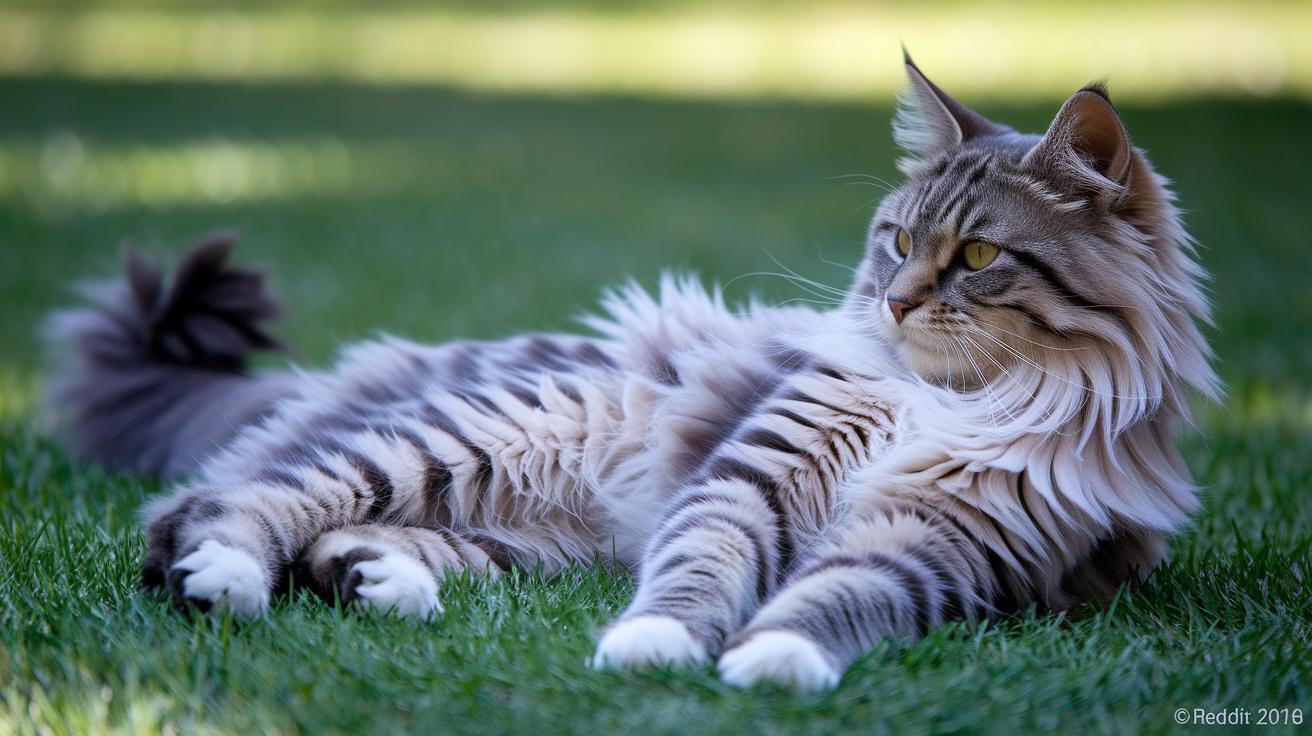
    Maine Coon cats often tip the scales at 15 to 25 pounds (6.8 to 11 kg, a metric weight unit) once they’re full-grown. That might sound wild, but keeping them at the right weight at each stage helps them stay light on their paws and dodge joint aches.

    Tracking their growth is like a check-up for cat fitness. Ever watch your kitty’s belly wiggle mid-leap? It builds strong muscles and sturdy bones (bone health, you know). And it sets the stage for pounce-ready play every day.

    Next, we’ll share simple weight milestones for males and females, so you can see if your Maine Coon is on track. You’ll learn why a little number on the scale leads to endless claw-tastic adventures.

    Worth every paw-print.

    Typical Maine Coon Weight by Age and Gender
    - Typical Maine Coon Weight by Age and Gender.jpg

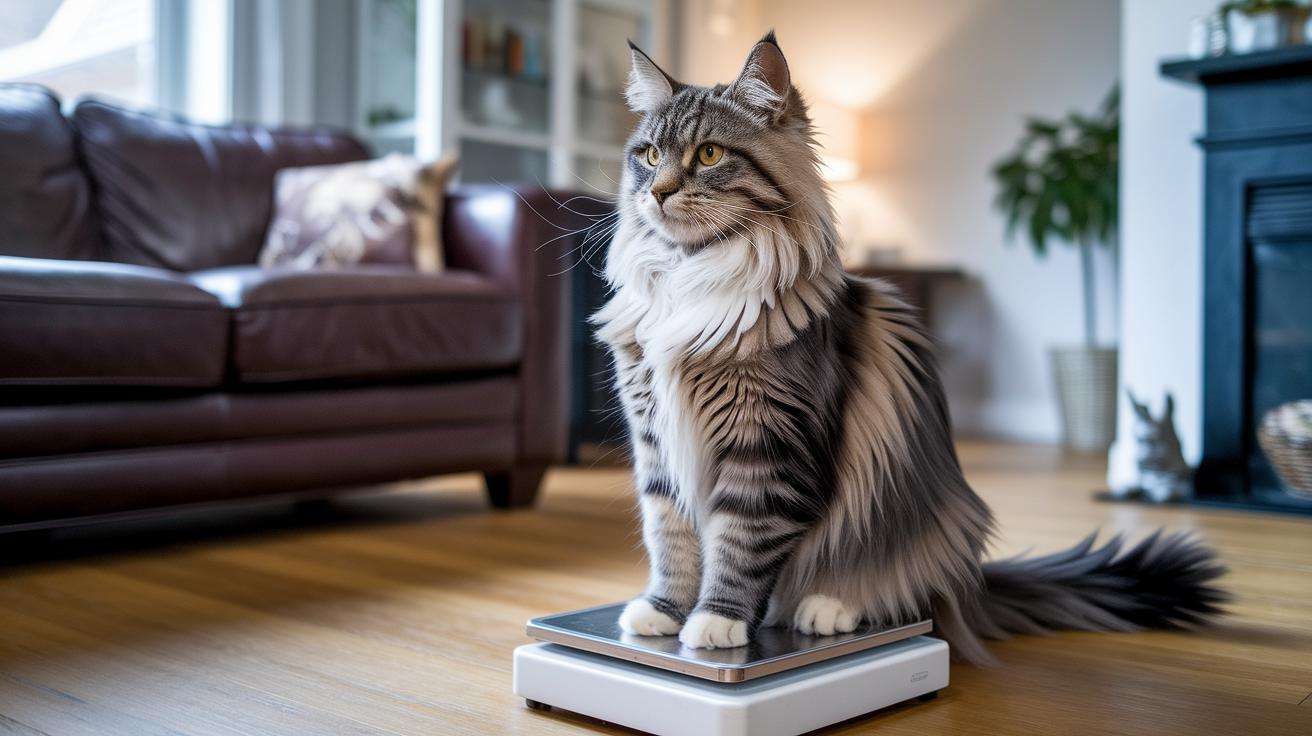
    You might have noticed your Maine Coon kitten looks more like a furball on sturdier legs than other kittens. By the time they’re three months old, they’re already around 3–5 pounds (1.36–2.27 kg (kilograms)). They’re gentle giants in the making!

    By six months, males jump to about 8–12 pounds (3.6–5.4 kg), while females usually land between 6–10 pounds (2.7–4.5 kg). That rapid growth means you’ll want to feed them protein (the building blocks for muscle) so they stay strong and spry.

    At the one-year mark, most males tip the scales between 12 and 18 pounds (5.4–8.2 kg). Ever see your fluffy friend stretch before a grand leap? Females usually sit around 8–12 pounds (3.6–5.4 kg).

    As adults (1–4 years), you’ll see males ranging from 15–25 pounds (6.8–11.3 kg) and females from 10–15 pounds (4.5–6.8 kg). Cases over 30 pounds (13.6 kg) are rare and often mean extra weight that can lead to health hiccups.

    Worth every paw-print.

    Age Male Weight Range Female Weight Range
    0–3 months 3–5 lb 3–5 lb
    3–6 months 8–12 lb 6–10 lb
    6–12 months 12–18 lb 8–12 lb
    Adult (1–4 years) 15–25 lb 10–15 lb

    Want to learn more about the largest domestic cat breed?

    Growth Phases: Developmental Milestones & Care
    - Growth Phases Developmental Milestones  Care.jpg

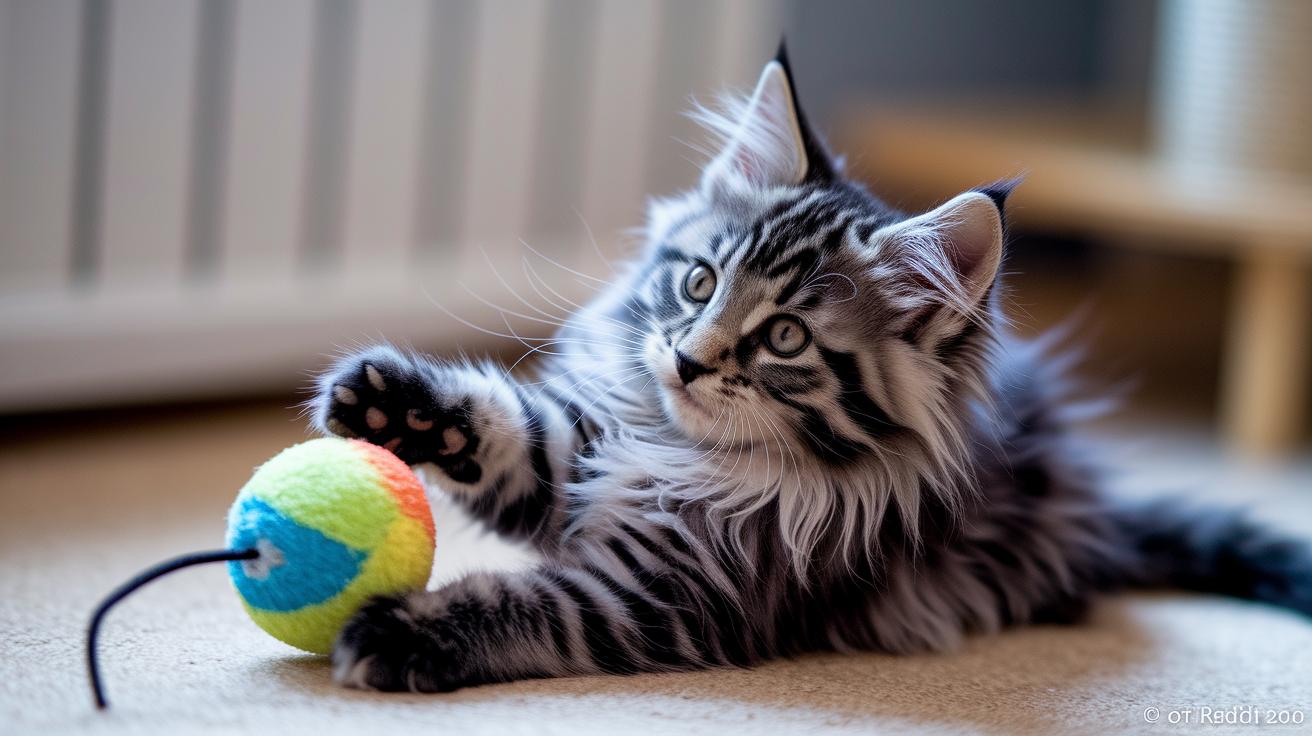
    If you peeked at that weight table above, you probably saw how a Maine Coon’s size jumps every few months. Let’s take a closer look at each growth phase and what to watch for as your fluffy friend gets bigger.

    In the neonatal stage (newborn phase, 0–2 months), kittens are busy growing organs and wiring up their brains. Their tiny hearts race and neural connections spark like little fireworks. Mom’s milk delivers antibodies, so scheduling those vet visits early is key to nailing solid developmental milestones. Ever watched your kitty twitch in her sleep? That’s all brain wiring in action.

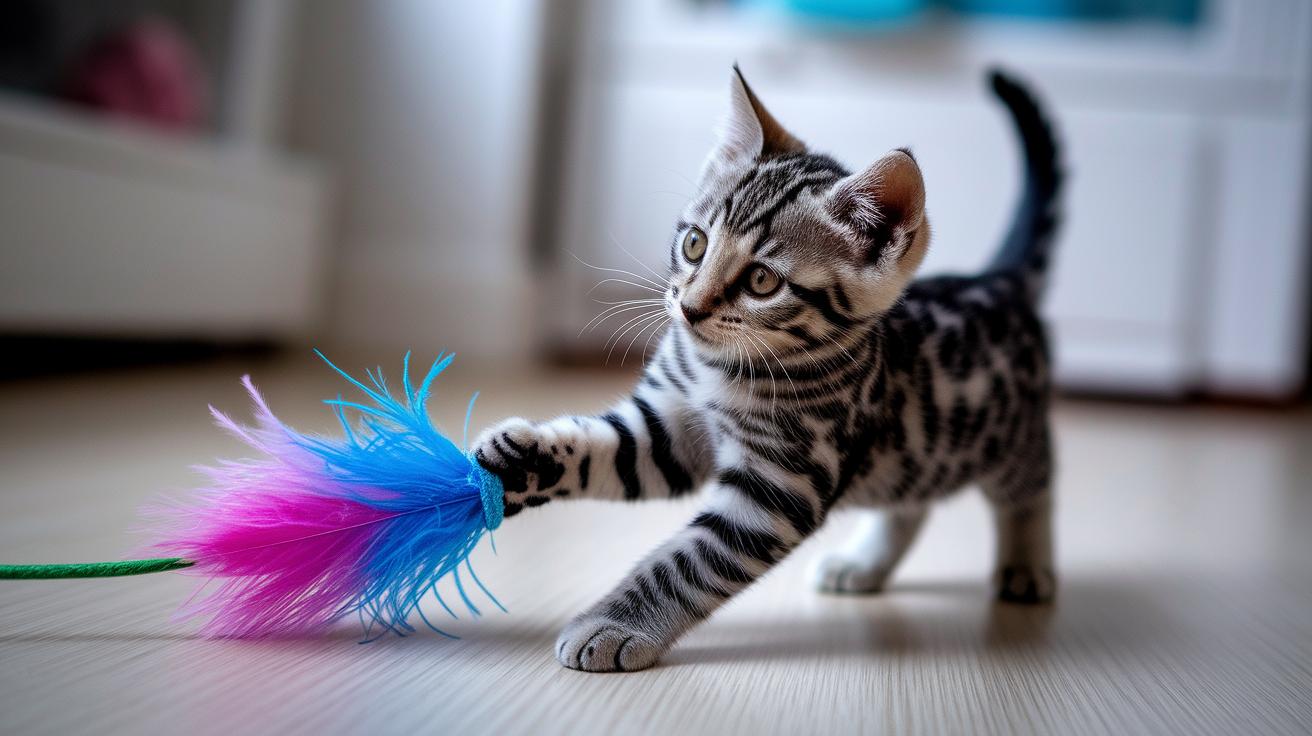
    From 2–6 months, your little tiger goes through rapid skeletal ossification (bone hardening). Think of it like your cat’s own construction crew laying down calcium and phosphorus from special kitten formula (kitten food with extra nutrients). Balanced protein helps build that legendary Maine Coon frame without stressing the joints. Playtime with a soft toy or a wiggly feather wand also encourages healthy bone growth.

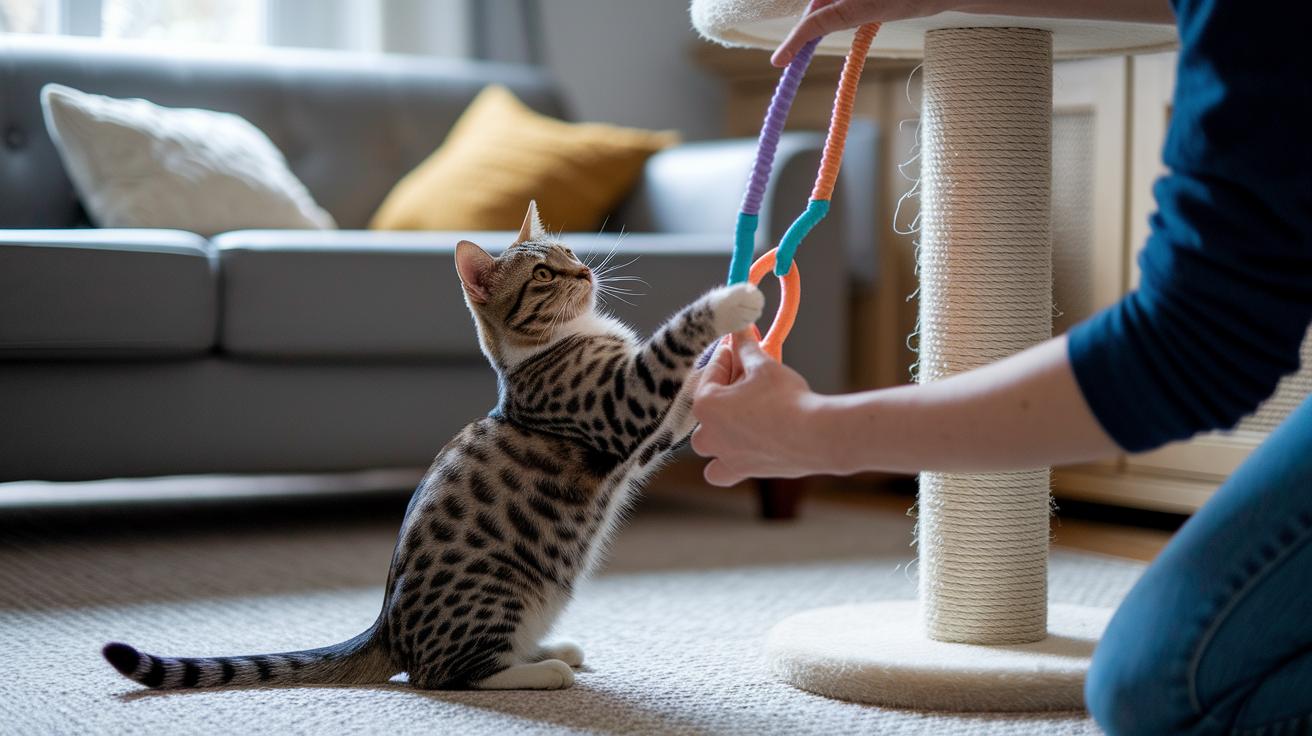
    Between 6–12 months, muscle mass kicks in and that sturdy frame starts to fill out. Daily play sessions and gentle climbing, like a lazy stroll up a scratching post, build lean strength. Keep an eye on food portions so your cat grows at just the right pace, matching the averages you saw earlier but not overshooting. Whoa. It’s like watching a mini panther in training.

    By 1–4 years, your cat hits full maturity. Bone density peaks and energy levels even out, you’ll still see the zoomies, but maybe at 3 a.m. instead of noon. Keep calories steady to hold that ideal weight, and toss in joint-friendly treats (little bites with glucosamine) for good measure. Worth every paw-print.

    Whenever you shift from one stage to the next, chat with your vet to fine-tune diet and playtime. That way you’ll ensure your Maine Coon stays feline fine, every step of the way.

    Factors Influencing Maine Coon Cat Weight
    - Factors Influencing Maine Coon Cat Weight.jpg

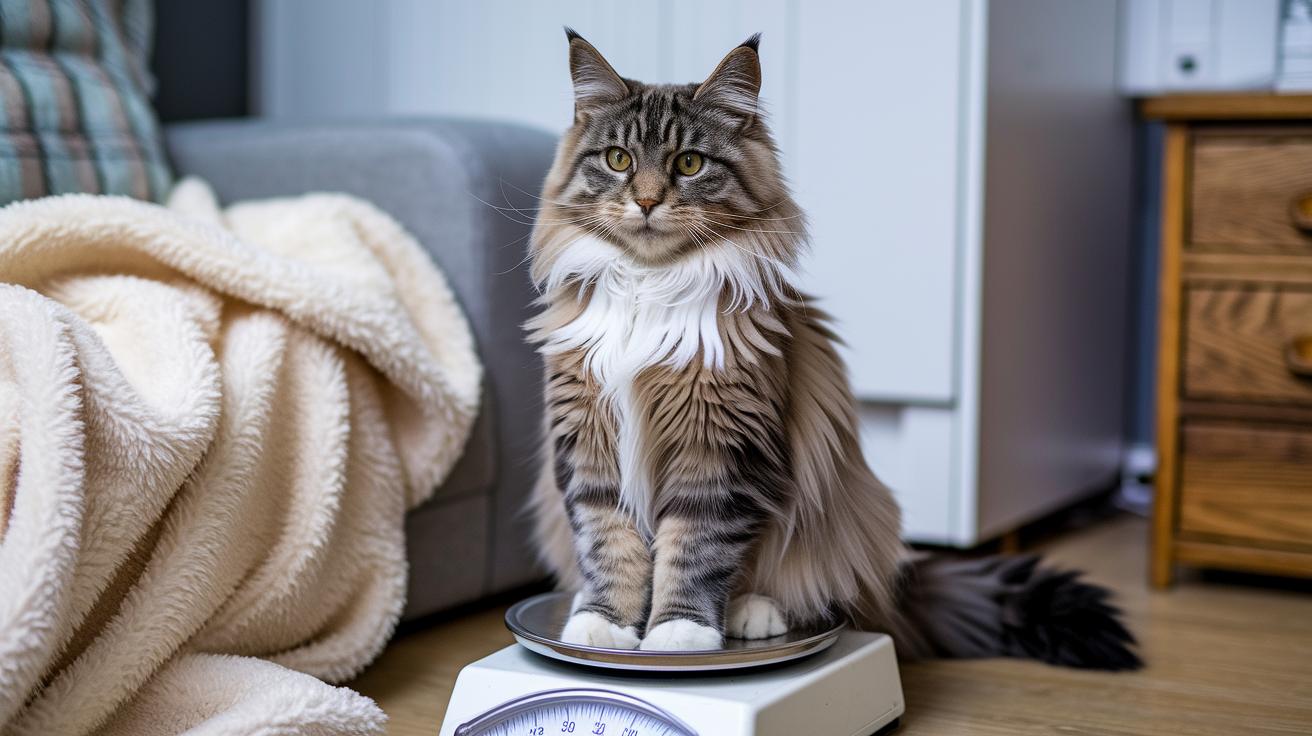
    Genetic factors set the stage for how big your Maine Coon can grow. Think of that as your cat’s growth blueprint. Ever watched your kitty’s paws land with a gentle thud as it leaps? If both parents tip the scales at 18 pounds (big boys) or 12 pounds (princesses), their kittens usually follow suit. Mixed-breed kitties stay a tad smaller. Comparing your cat’s frame (bone structure) to the breed average helps you guess future size and hit those growth milestones.

    But spaying or neutering before twelve months can nudge the scale down a bit. Growth hormones (the chemicals that tell your cat’s body to grow) drop earlier, trimming off a couple of pounds and shortening that final growth sprint. Wait past the first birthday and your cat gets more time to stretch out and pack on extra wiggles. Worth thinking about.

    Nutrition and play shape your cat’s muscles and body fat too. High-protein diets (muscle-building nutrition) steer calories into lean muscle. Filler (cheap, low-nutrition carbs) can lead to a round belly and less claw-tastic bounce in every step.

    Indoor cats might favor winter couch naps. Outdoor adventurers dive into summer zoomies. Those seasonal shifts and where your cat lives are environmental factors that tip the scale. A daily play session with a wand toy (think a fishing rod for cats) plus a seasonally tweaked meal plan keeps your Maine Coon balanced and happy!

    Worth every paw-print.

    Assessing Ideal Weight and Body Condition in Maine Coon Cats
    - Assessing Ideal Weight and Body Condition in Maine Coon Cats.jpg

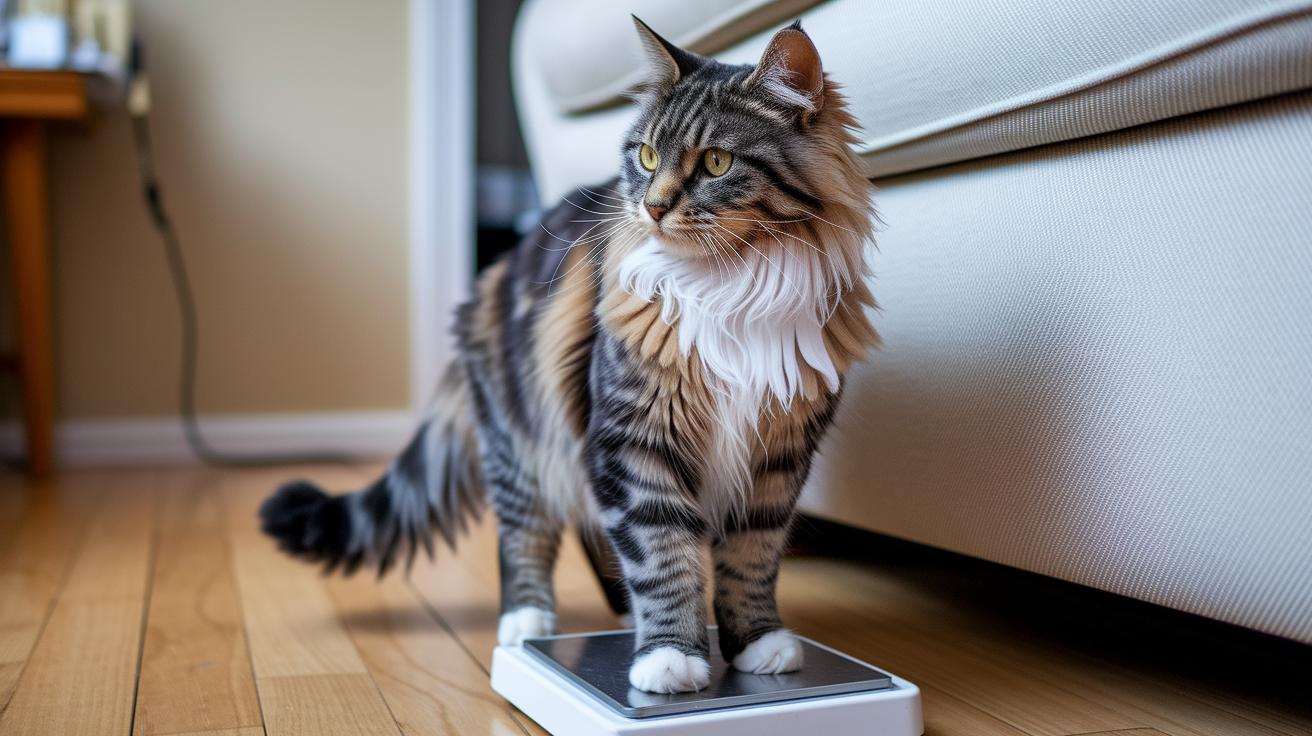
    Let’s try a body condition score (a quick look-and-touch test) on your Maine Coon. First, peek at your cat from above. You should see a gentle waist tuck right behind the ribs – that soft hourglass shape means you’re in the sweet spot. No squeeze needed.

    Next, use a gentle press to feel along the ribs, hips, and spine. You should sense bones under a thin fat layer (soft cushioning) – just enough to feel cozy, not buried or too pokey. If bones feel hidden or too sharp, tweak meals or play sessions. Remember, adult Maine Coon weight varies, so trust your hands more than a scale.

    If your cat is underweight, shoulder blades or hip bones might poke out. They’ll feel bony when you press lightly. Kittens may lag behind average weight milestones if they lack muscle mass (strength-building tissue). If growth stalls, chat with your vet about extra protein boosts and gentle play breaks.

    Overweight cats often sport a thick belly pad and no visible waist. They may struggle to groom their belly or back legs. Cats tipping over 25 pounds risk joint strain and diabetes. So cut treats, add claw-tastic play (think feather wands or rolling balls), and reassess that body score regularly.

    Monitoring Maine Coon Weight at Home and Veterinary Checks
    - Monitoring Maine Coon Weight at Home and Veterinary Checks.jpg

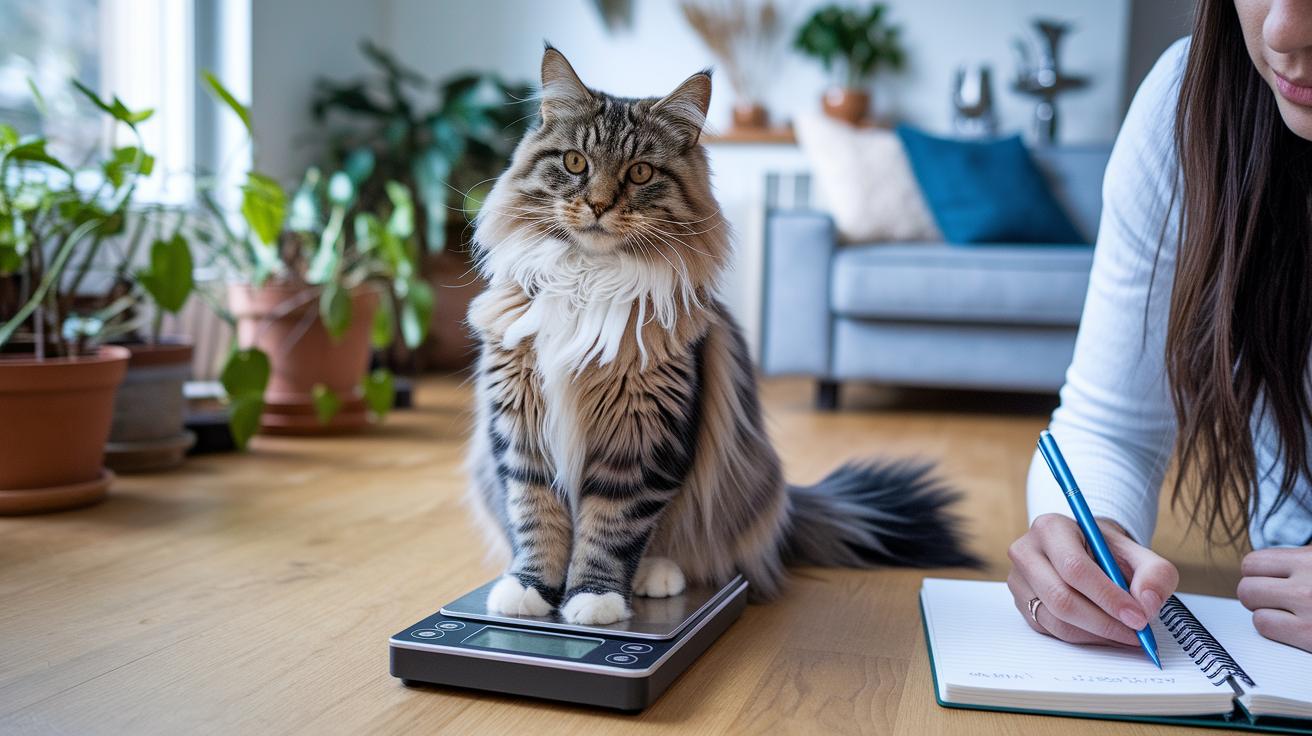
    Ever tried weighing your Maine Coon at home? Timing really matters. For kittens, do a quick weekly weigh-in so you can track their steady growth. Adult cats only need a monthly check to match those weight-by-age charts. Simple. Crucial.

    Here’s how it works:
    • Grab a digital pet scale (a small scale for weighing pets) or a kitchen scale.
    • Place your cat in a carrier – you might see their whiskers twitch as the scale clicks.
    • Note the combined weight, then weigh the empty carrier.
    • Subtract to reveal your cat’s true weight.
    • Jot each number into a simple growth chart (think a quick notebook note or an easy table) so you catch any sneaky trends.

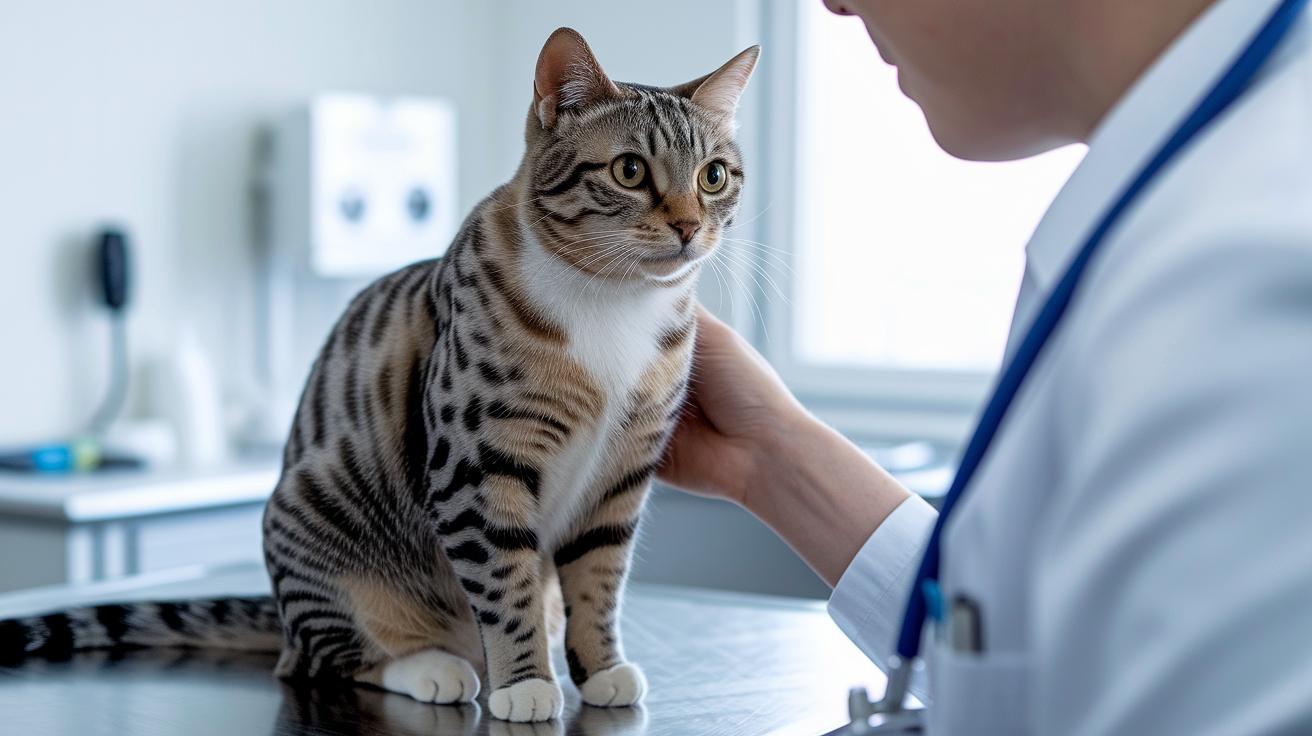
    If you notice a leap or a dip in your cat’s weight, it’s vet time. The clinic uses a calibrated scale (a precise medical device) and might run a body-fat analysis (a check of fat versus muscle). That gives you the full health picture, not just the pounds. A quick chat during your checkup helps keep your Maine Coon in that purr-fect range.

    Average Weight Maine Coon Cat Promotes Healthy Growth
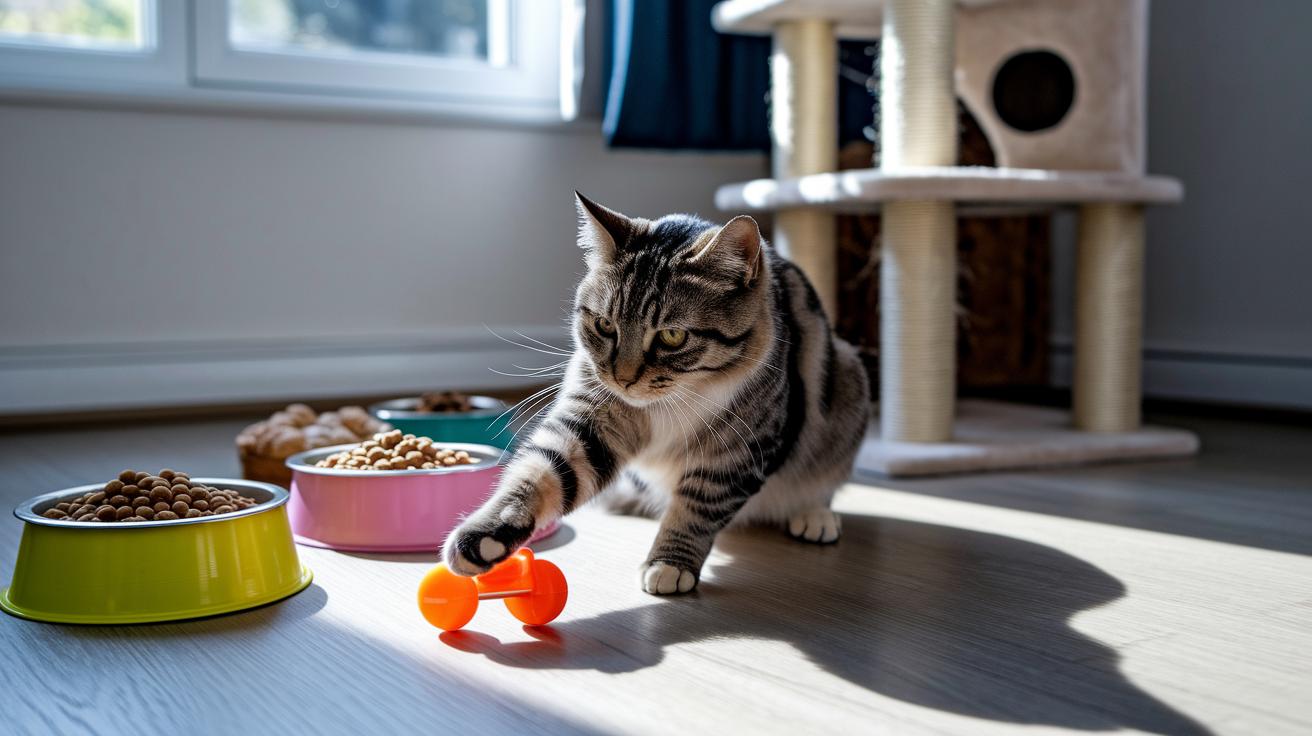
    - Nutrition and Feeding Guidelines for Maine Coon Weight Management.jpg

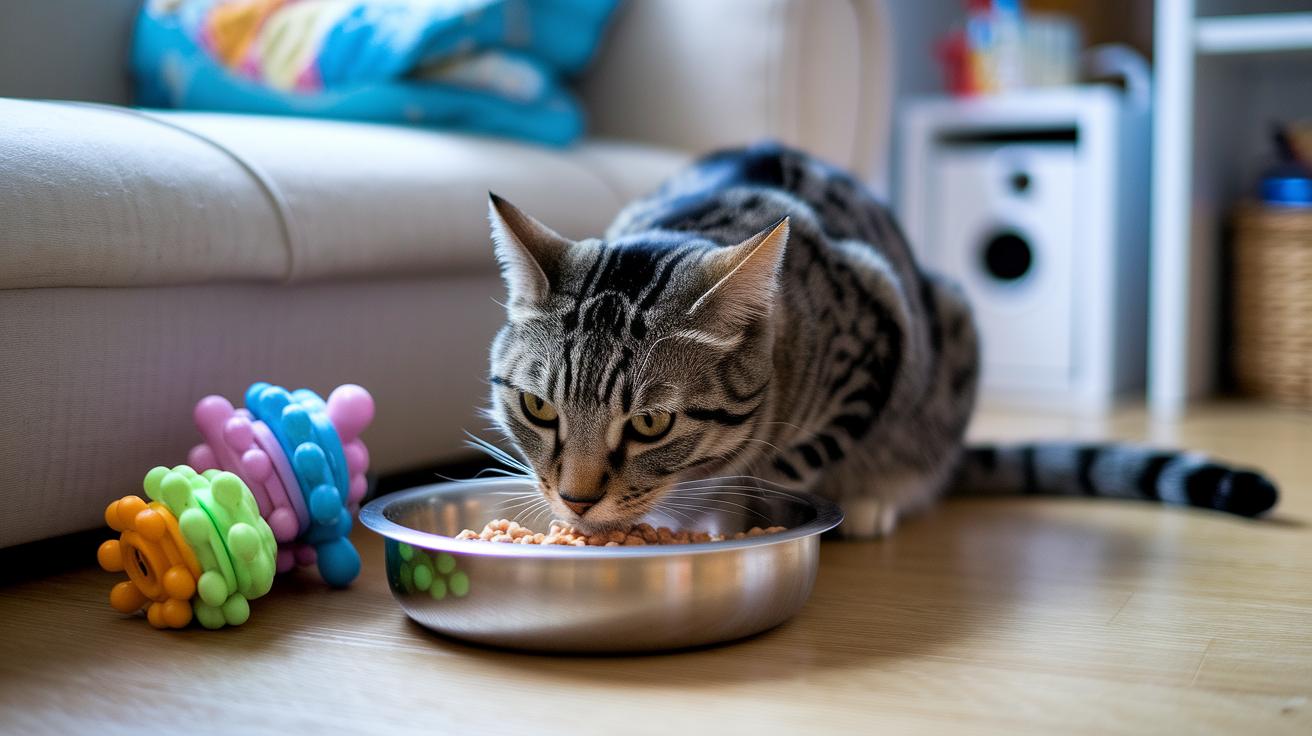
    Ever notice how your little fluff-ball can pack on a pound or two each month? It’s all about the fuel. Serve food that’s 40% protein (meat’s muscle fuel) and under 20% fat (your kitty’s energy power). Spread four small meals across the day so tiny tummies don’t get overloaded.

    You got this.

    Then, each week, bump up the scoop by about a tablespoon. Keep a Maine Coon weight chart handy to watch those bones fill out and joints stay happy.

    Once your cat hits adulthood, you’ll switch gears. Plan on 30-40% protein (chicken or fish muscle fuel) and 15-20% healthy fat (energy pellets). Aim for 200-250 calories per 10 pounds of cat, divided into two meals, one in the morning and one at night. Mix a large-breed dry kibble with a spoon of wet food for extra moisture.

    Portion control is key; that way you dodge any surprise weight swings.

    When your Maine Coon turns senior, slow things down – smaller portions and more wet food keep muscles strong and whiskers twitching. Trim about 10% of calories as playtime slows. Offer two wet meals plus a modest scoop of kibble each day. Add a snack puzzle or slow feeder for extra fun and controlled eating.

    Check their body condition and tweak portions to keep your kitty spry and comfy.

    Exercise and Enrichment for Healthy Maine Coon Weight
    - Exercise and Enrichment for Healthy Maine Coon Weight.jpg

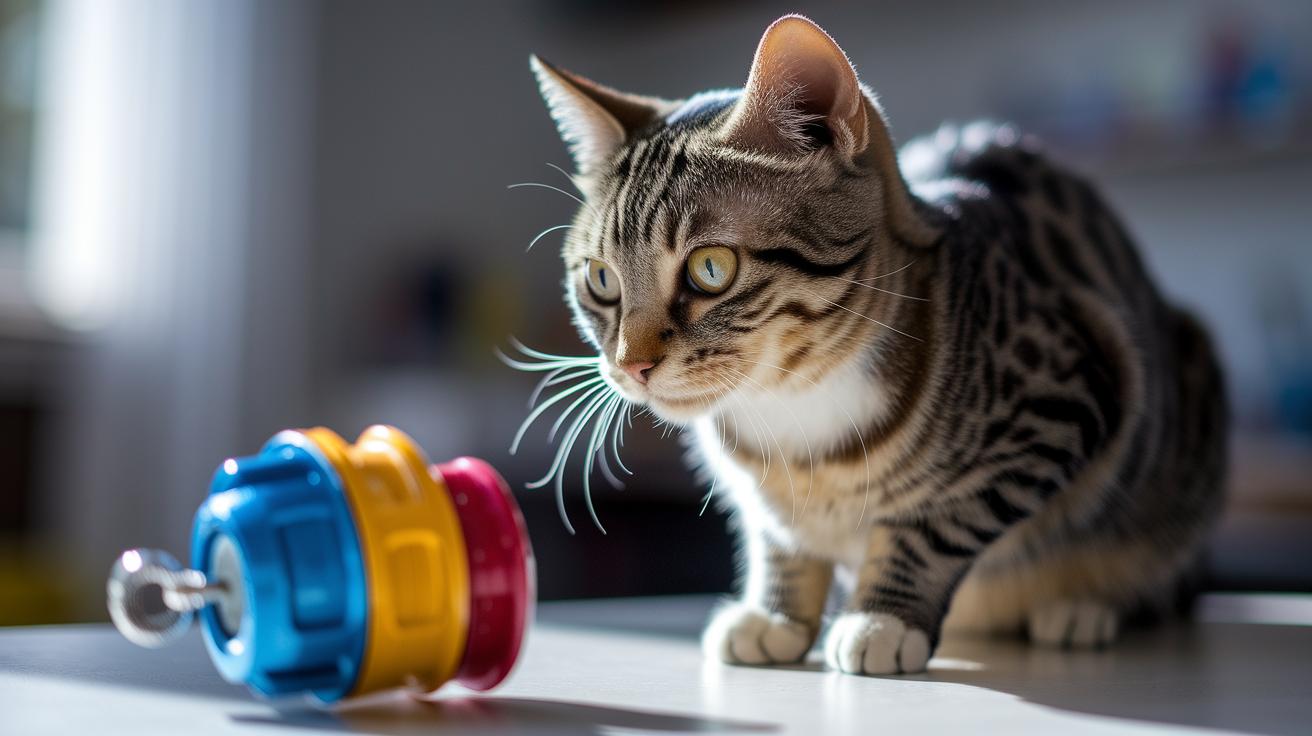
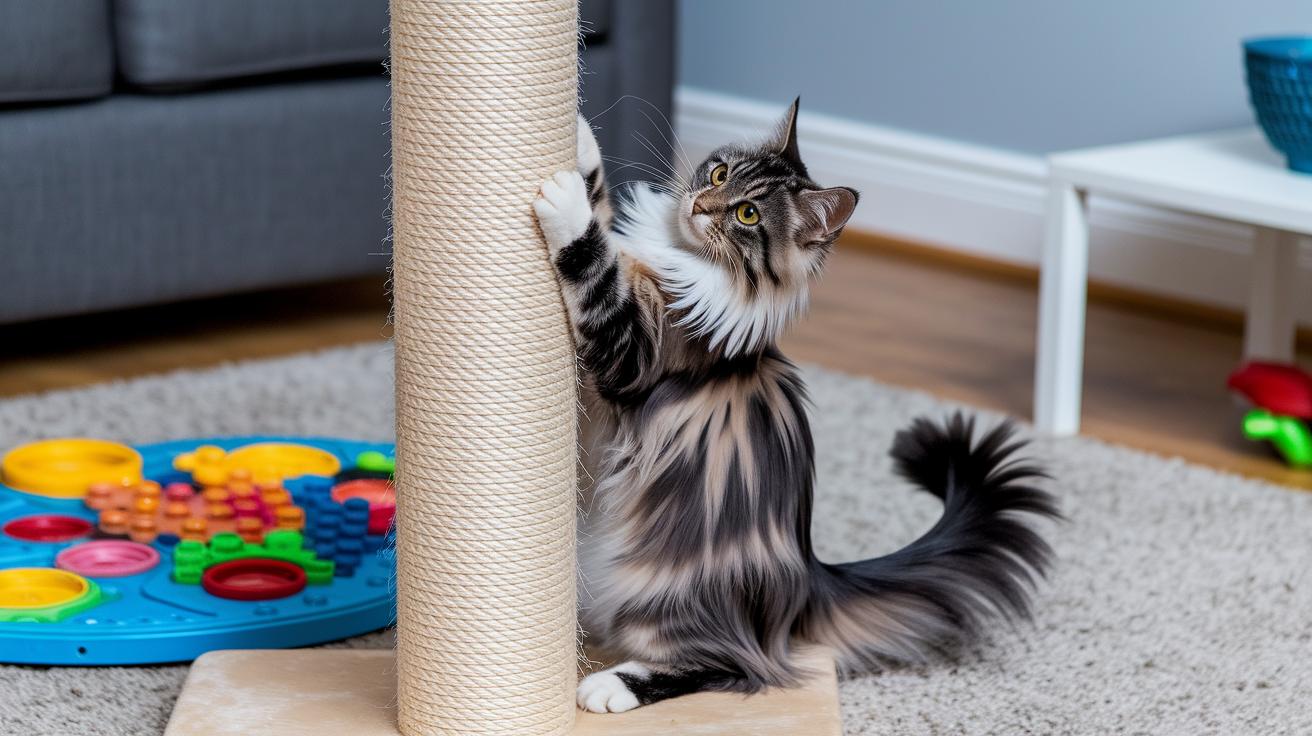
    So, you’ve got a Maine Coon, those gentle giants with lush fur and playful hearts. Ever watched your kitty chase a rogue sock? Around 20 to 30 minutes of daily chase or interactive play builds lean muscle, supports joint health (the flexibility and strength in their joints), and keeps extra fluff from turning into extra pounds. Without enough zoomie time, even the fluffiest pal can drift toward unwanted weight.

    Here are three claw-tastic enrichment ideas to spark that sprint-and-pounce energy:

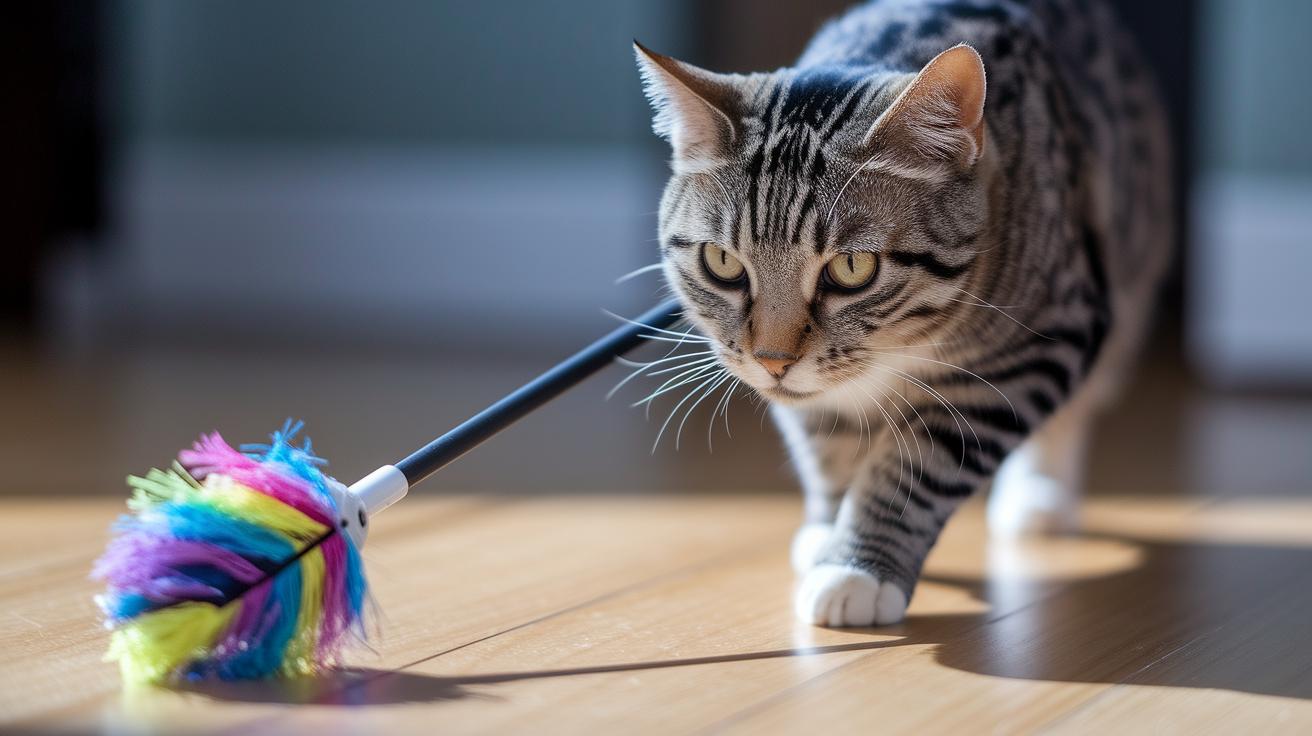
    • Feather wands that whoosh like fluttering prey
    • Laser pointers for lightning-fast chases
    • Tall cat trees, wall shelves, and window perches for vertical climbing

    Sneak exercise into every day by pairing it with your routine, um, like a quick wand session before breakfast, ten minutes of laser play after work, or five minutes of puzzle feeding before bedtime. It’s easy. It’s fun. And it keeps your furry friend feeling purr-fectly playful.

    Worth every paw-print.

    Health Risks of Underweight and Overweight in Maine Coon Cats
    - Health Risks of Underweight and Overweight in Maine Coon Cats.jpg

    But carrying extra pounds isn’t just a snug sweater for your Maine Coon. Obesity (when there’s too much body fat) can bring diabetes (blood sugar troubles), heart disease (extra strain on the heart), arthritis (joint pain), and hip dysplasia (hip joint out of place). You might spot a chunky belly, see wobbly jumps, or even catch your floof panting after a toy chase. And some cats skip grooming because bending that spine gets tough.

    On the flip side, an underweight Maine Coon shows hip bones or shoulder blades poking through the fur. Malnutrition (nutient shortage) means weak immunity and slower growth, kittens can lag behind siblings in weight and muscle tone. Thin cats tire easily, shiver in cool rooms, and may need extra protein boosts to catch up. Ever had a kitty that just seemed too tiny to play?

    And for our senior fluffballs, weight changes sneak in as metabolism slows. They lose muscle (that’s the stuff that helps them leap), so joints get creaky and zoomies fade. Offer smaller, more frequent meals with moderate protein like chicken chunks (yum) and toss in gentle play, short wand sessions or a low perch climb. Regular weigh-ins and quick body bump checks help you spot dips or spikes early, so you and your vet can tweak food or fun.

    Worth every paw-print.

    Final Words

    In the action, we’ve shared clear weight ranges for male and female Maine Coons, traced growth phases, and dug into genetic and lifestyle factors shaping your cat’s size.

    Next, you got tips on body condition checks, at-home and vet weigh-ins, plus feeding and enrichment ideas to support healthy muscle tone.

    Mindful play, tailored nutrition, and regular monitoring can prevent risks linked to extremes. Here’s to many purr-filled moments with cats enjoying the ideal average weight maine coon cat and boundless joy.

    FAQ

    What is a healthy weight for a Maine Coon cat?

    A healthy Maine Coon cat typically weighs between 10–25 lb (4.5–11.3 kg), with adult females around 10–15 lb and males between 15–25 lb for a lean, well-muscled body.

    How much should a 1-year-old Maine Coon weigh?

    A one-year-old Maine Coon typically weighs 12–18 lb (5.4–8.2 kg) for males and 8–12 lb (3.6–5.4 kg) for females, reflecting healthy growth toward adult size.

    What is the heaviest Maine Coon cat on record?

    The heaviest recorded Maine Coon weighed 34 lb (15.5 kg) and held a Guinness World Record for the largest domestic cat.

    What’s the average lifespan of a Maine Coon cat?

    The average lifespan of a Maine Coon cat ranges from 12 to 15 years, with many cats living well into their teens when given proper nutrition and veterinary care.
    Related Articles

  • Understanding Cat Play Motivations Sparks Joyful Bonding

    Understanding Cat Play Motivations Sparks Joyful Bonding

    Have you ever seen your cat rocket across the living room at dawn, paws skidding on the rug? It’s not just silly zoomies, you know. Your little night prowler is tapping into instinct-driven play to sharpen speed, sneak moves (quiet steps for surprise attacks), and senses like super-tuned hearing and low-light vision.

    Toss a crinkly ball (it crackles more than a snack bag) or wiggle a feather wand, and you’ll see them pounce. You’re giving them a brain boost (a fun mental workout) and building those jump-ready muscles all at once. In this guide, you’ll discover how decoding each zoom and leap turns playtime into a paw-some bonding adventure with your furball. Worth every paw-print.

    Core Drivers of Cat Play Motivations

    - Core Drivers of Cat Play Motivations.jpg

    Have you ever seen your kitty zoom across the floor like a furry speedster? Um, scratch that, like a kitty rocket? They’re practicing speed (quick sprints), stealth (silent sneaks), and cunning (smart tricks) all at once. You can almost feel the tension as their whiskers twitch and eyes lock on a crinkly ball. It’s like a mini safari in your living room.

    Playtime is brain time too. A puzzle feeder is a kitty brain teaser. It sharpens coordination (how their body and mind work together), boosts memory when they remember where the treat is hiding, and melts away stress. Ever watch your cat tilt its head while figuring out a new toy? That little look of concentration is real mental workout in action.

    Stalking a feather wand or batting a puzzle ball really taps into hunting stuff. When outdoor prey is scarce, tunnels and paper bags become perfect hideouts. Every jump feels like a triumph. Who knew your couch could host such epic ambushes?

    Playtime is also sneakily healthy. Quick darts around the sofa build strong muscles and keep joints flexible. It’s kitty cardio that helps them keep an ideal weight. Then they’ll flop down for a peaceful nap.

    Worth every paw print.

    Understanding these play motivations shows toy time is more than fun. It’s vital enrichment for your cat’s mind and body all in one happy session. You’ll see they’re not just playing, they’re staying sharp, fit, and totally entertained.

    Unpacking Cat Play Behavior and Motivational Cues

    - Unpacking Cat Play Behavior and Motivational Cues.jpg

    Ever watch your kitty bat at a feather wand? That’s play, not fight. When your cat’s tail is held high and her body stays loose, she’s in a playful mood. Forward-tilted ears and eyes tracking a toy show curiosity, not alarm.

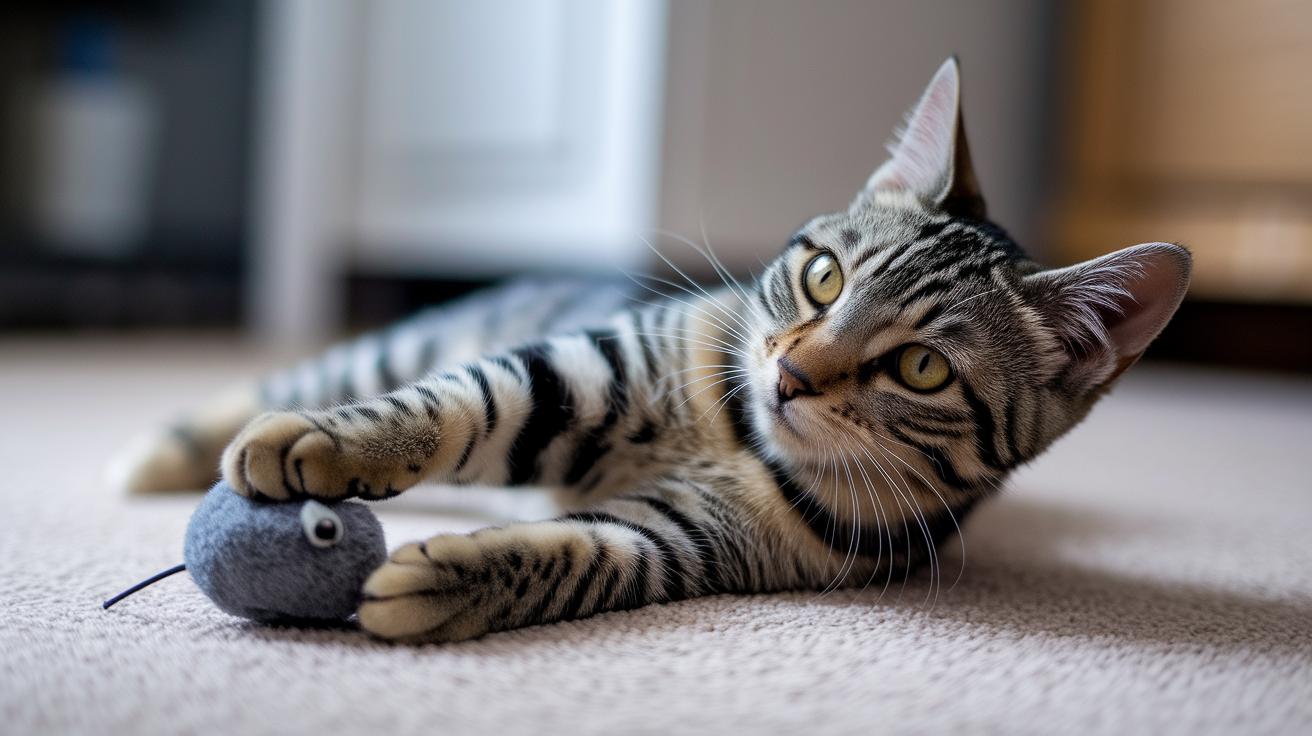
    When she springs with fluid, springy moves and pounces softly on a plush mouse, that satisfying thud says all you need. See those claws? They stay sheathed (hidden inside) during a fun pounce. But a stiff jump with claws unsheathed can turn tense fast. So keep an eye on her paws.

    Listen close. Playful little meows or chirps come with soft, dreamy eyes. You know, a hiss or low growl means back off. You’ll hear the difference between happy chatter and a warning rattle. Then there’s gentle batting with open paws or quick bunny kicks with her back feet. Utterly harmless fun.

    Wanna spot cat play in action? Look for:

    • A low crouch as she stalks the toy, like a tiny hunter
    • A soft pounce with zero intent to harm
    • Kneading a blanket or plush friend, those little paw presses
    • Play wrestling with a stuffed toy using her front paws

    Understanding these cues makes playtime claw-tastic for both of you. And when she pops out from behind a box or curtain, she’s practicing her hunting moves, not plotting against you. Next, grab a teaser wand and get ready to bond. You’ll even learn to read her whisker twitches and tail flicks like a pro.

    Enhancing Prey-Drive Play

    - Predatory Play Drive and Hunting Instincts in Cat Play Motivations.jpg

    Play up your kitty’s hunting instincts with new twists. Ready to pounce?

    • After a few minutes of red-dot zoomies, drop a plush mouse (a soft, fluffy rodent). Your cat will stalk and pounce for a real catch. The tiny thump when she scores? Adorable.
    • Give her a puzzle feeder with polymer (plastic-like material) chambers. She’ll bat, nudge, and jiggle each pocket until crunchy kibble spills out. (Ever watched her paws work those compartments?) It slows her down and taps into her inner hunter.
    • Then switch things up. Toss in a crinkle ball or squeaky mouse for a rustle or peep, then swoop in with a feather wand. Think of the wand like a fishing pole for cats. For tips on picking one, check out how to choose an interactive teaser wand for cats.

    Worth every paw-print.

    Social Play Interactions and Environmental Enrichment Motivations

    - Social Play Interactions and Environmental Enrichment Motivations.jpg

    Cats love teaming up to play. They’ll wrestle with siblings or bat the same toy back and forth. In a multi-cat home, these friendly bouts help them hone their balance and learn gentle bite control. But don’t worry if yours is a solo kitty. You can become play partner number two. Ever tried a feather wand dance or a soft ball chase? It’s a sweet way to bond, exactly what cats need for connection and companionship.

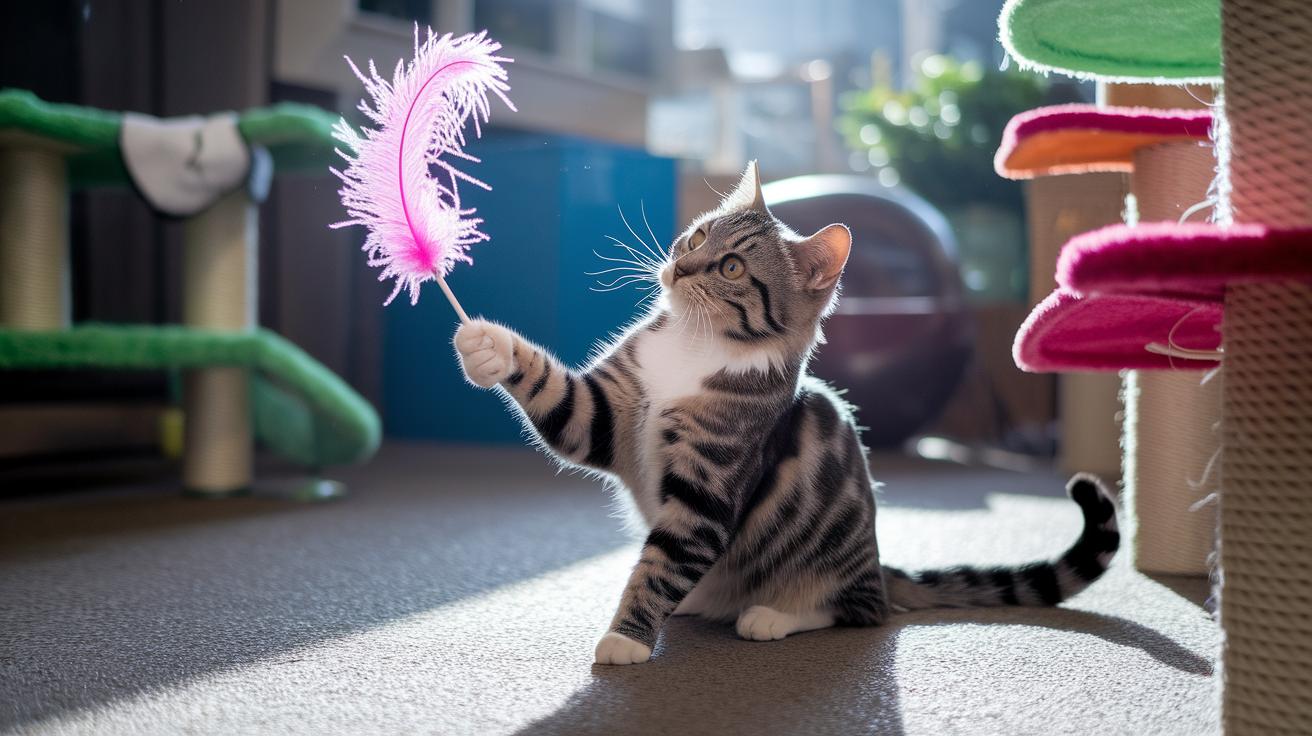
    You can spark these fun moments with easy tools. Wave a feather wand just above your cat’s head and watch her leap like a furry acrobat. Tie a pom-pom (a fluffy little ball) to a string for a tug-of-war challenge. Or toss a light foam ball across the room and see her sprint, pick it up, and drop it at your feet. Play fetch indoors, it’s enrichment at its best!

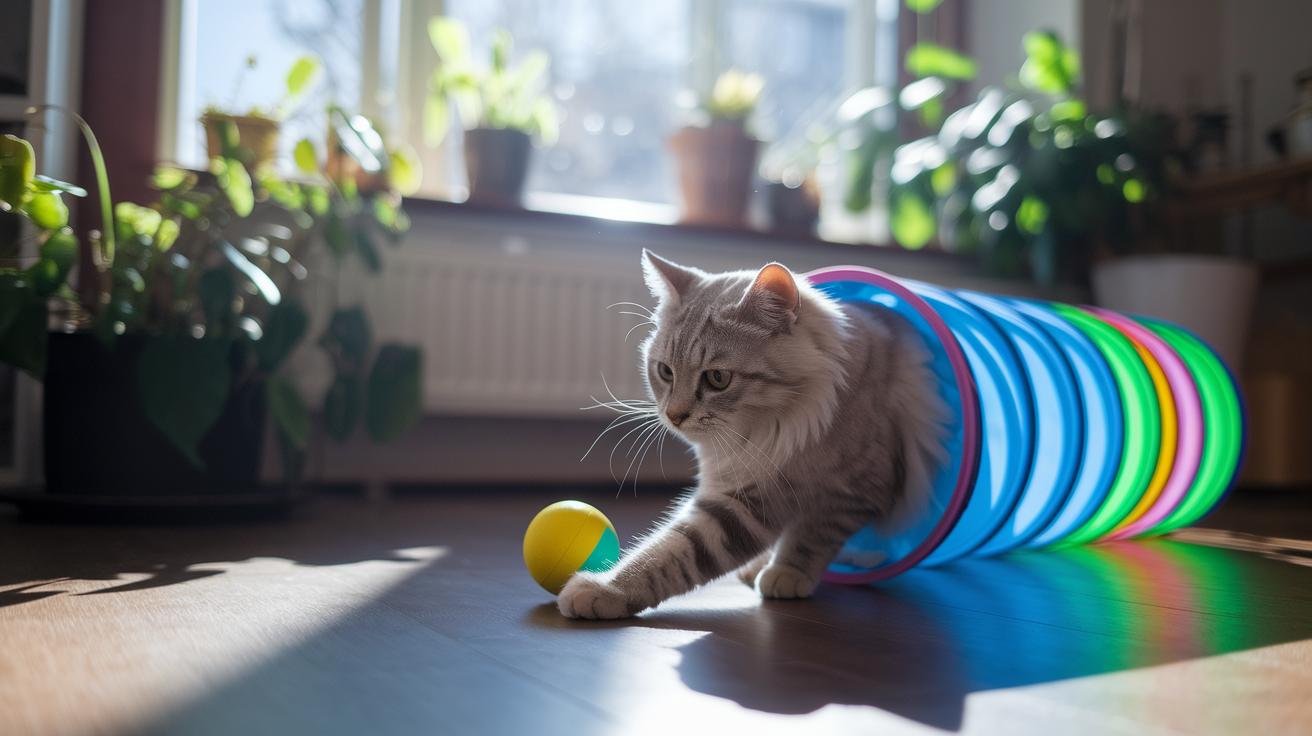
    And toys are just the start. Slide a collapsible tunnel under the coffee table so your cat can slink through and launch surprise ambushes. Scatter washable puzzle-pad pieces to build a mystery maze. Just swap shapes now and then to keep things fresh. Don’t forget vertical perks like wall shelves or cat trees. High look-outs feed hunting instincts and offer snug hideaways.

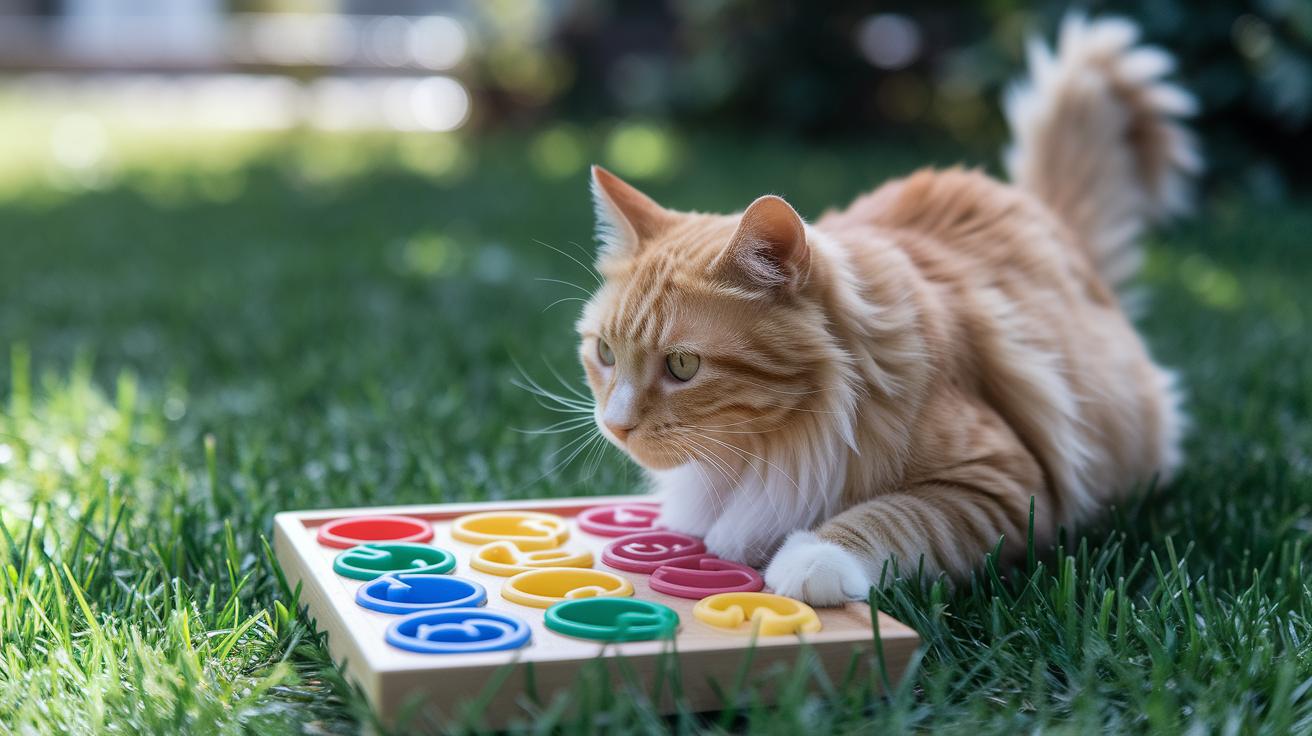
    Treat-filled mats are another win. Tuck kibble or soft treats into a silicone mat’s little pockets, then let your cat nose, paw, and nudge her way to snack time fun. You can also try a foraging puzzle with sliding disks. Turn dinner into a brain-boosting game that fights boredom.

    Rotate your setups every week or two. A new hideout or puzzle lights up that hunter spark. With playful social games plus clever indoor adventures, you’ll keep your cat sharp, active, and truly engaged.

    Selecting Interactive Toys to Meet Cat Play Motivations

    - Selecting Interactive Toys to Meet Cat Play Motivations.jpg

    Toy Type What It Does How It Feels/Smells
    Puzzle Feeder (treat game) Slows down snacking. Gives your kitty’s brain a playful workout. Ridged grooves that spark your cat’s natural hunting instinct.
    Feather Wand (bird teaser) Builds chase skills. Boosts their leap strength. Soft feathers that mimic bird fluff under tiny paws.
    Ball Toy (crinkle ball) Invites batting and a round of fetch. A crinkle core that rustles with every tap.
    Catnip Toy (nip pouch) Turns on playful excitement then helps them mellow out. Premium oil scent that lingers for longer fun.
    DIY Box Tunnel Offers hiding spots and a brand-new playground. Sturdy corrugated cardboard (like a strong paper shell).

    Ensuring Safe and Effective Play Sessions for Cats

    - Ensuring Safe and Effective Play Sessions for Cats.jpg

    Understanding why cats love to play is the first paw-step to safe fun. Cats chase toys to burn off zoomies or sharpen those lightning-fast reflexes. Ever watched your kitty’s whiskers twitch as a toy mouse skitters across the floor? You’ll know things are getting too tense if you spot flat ears, a bristled tail, stiff stalking, or an arched back.

    When you hear a hiss or low growl, pause the game and let them catch their breath. Oops, don’t forget to check toys for fraying edges before the next round. Um, a quick scan keeps play safe.

    Telling play from aggression gets easier with practice. A playful pounce comes with sheathed claws (claws hidden), soft paws, and a chirpy meow. But if claws fly out and you hear a warning growl, that’s when play crosses a line. When things get too rough, stop moving the toy, wait until your cat relaxes, then offer a plush ball or a wand toy (think fishing pole for felines) to keep paws busy without your fingers at risk.

    Always pick sturdy, non-toxic toys with no small parts that could break off and become choking hazards. Rubber, polymer coated fabric (tough plastic-covered cloth), or puncture-proof nylon (rip-proof fabric) stand up to sharp teeth and paws. Keep play sessions short and sweet – five to ten minutes, two to three times a day. That little routine fires up your cat’s mind and muscles and can even help curb overeating later on.

    Try a ten-minute chase game before breakfast to slow down dinner chow time. I still smile thinking of Luna’s six-foot leap when she snagged her favorite ball. Keeping it safe, short, and fun turns every nibble and pounce into a memorable bonding moment. Worth every paw-print.

    Adapting Play Motivations Across Age and Personality

    - Adapting Play Motivations Across Age and Personality.jpg

    Kittens love quick bursts of energy. Think red-dot zoomies or a feather wand dance that sends their tiny paws pitter-pattering across the floor. Ever watched your kitty chase shadows? Those three- to five-minute sprint-and-pounce sessions build confidence and coordination in the cutest way.

    Adult cats do best with a daily play habit and fresh surprises. Try a rotating toy stash: today a crinkle ball, tomorrow a pulley teaser, then a puzzle feeder for a brainy snack hunt. Aim for two ten-minute mini-workouts, one before breakfast and another after dinner, to keep curiosity alive and boredom at bay.

    Senior cats need gentler, low-impact fun that matches their slower pace. A plush mouse or soft pom-pom on a string invites a calm chase without stressing joints. Then let them stalk a teaser wand in slow motion. It’s just right for aging muscles and keeps those whiskers twitching.

    And personality matters, too. A shy cat might peek out from a tunnel before batting a toy, while a fearless jumper will tackle a dangling bell with gusto. Watch their body language, tweak toy type and session length, and you’ll create a custom play plan that sparks joy, um, and a few adorable kitty antics.

    Final Words

    in the action, we explored core instincts driving cat play, from stalking to ambush. We decoded body language, teased out hunting and social drives, and suggested toys that mimic prey while boosting mental and physical health.

    You learned safety tips to spot overstimulation, redirect rough play, and craft sessions that suit kittens, adults, or seniors.

    With durable, engaging options, you’ll reduce stress, protect furniture, and keep multi-cat households happily busy. Keep understanding cat play motivations at the heart of every playful moment.

    FAQ

    What is in the understanding cat play motivations PDF?

    The understanding cat play motivations PDF explains how cats use play to sharpen hunting instincts, improve coordination, relieve stress, and support healthy weight through mental and physical stimulation.

    Where can I find cat motivational posters or memes?

    You can find cat motivational posters and memes on pet-focused websites, social media pages dedicated to feline art, or by searching “cat inspiration” and “cat motivation” online for a playful dose of whisker wisdom.

    How many cat breeds does the International Cat Association recognize?

    The International Cat Association recognizes 73 cat breeds, each with unique traits and play styles to match your feline’s personality and enrichment needs.

    How intelligent are cats and can they understand human emotions?

    Cats demonstrate intelligence through problem-solving, memory recall, and social learning, while also picking up on human tones, facial cues, and routines to sense and respond to our emotions.

    How do cats signal they want to play?

    Cats signal they want to play by lowering their bodies, blinking slowly, offering toys, or performing quick pounce attempts, inviting you to mimic prey and spark a fun chase session.

    How can I tell if my cat is playing or fighting?

    You can tell if your cat is playing or fighting by watching for relaxed ears, soft paws, and gentle bites in play, versus flattened ears, stiff body, hissing, and hard swats in aggression.

    How can I tell if my cat enjoys playing?

    You can tell if your cat enjoys playing when they return for more, purr mid-pounce, chase toys with focus, and show relaxed whiskers and tail flicks of excitement.

    Why does my cat always want to play?

    Your cat always wants to play because play taps into hunting instincts, offers mental stimulation, relieves stress, and helps maintain healthy weight and muscle tone through fun energy bursts.

    Related Articles

  • black cat facts That Charm and Inform

    black cat facts That Charm and Inform

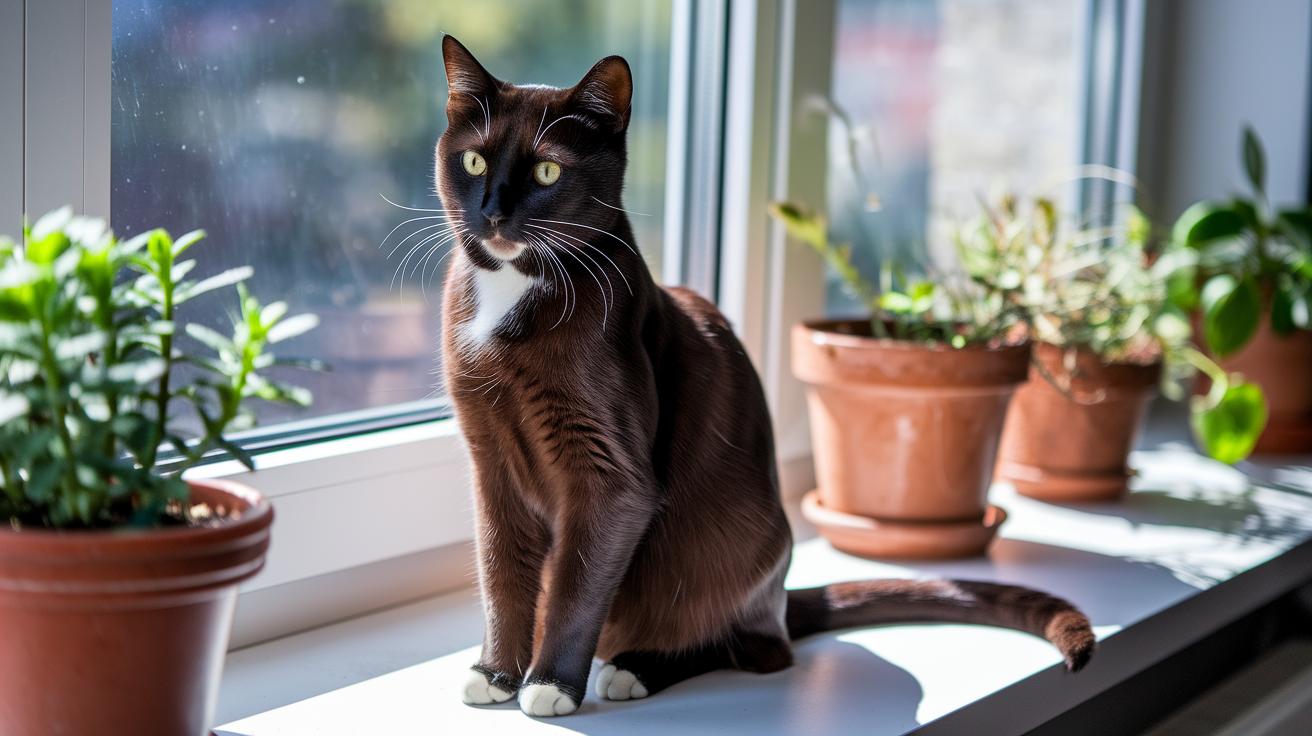
    Ever feel that tiny thrill when a black cat with a silken, shadow-soft coat slips into view? It’s like spotting midnight velvet gliding across the floor.

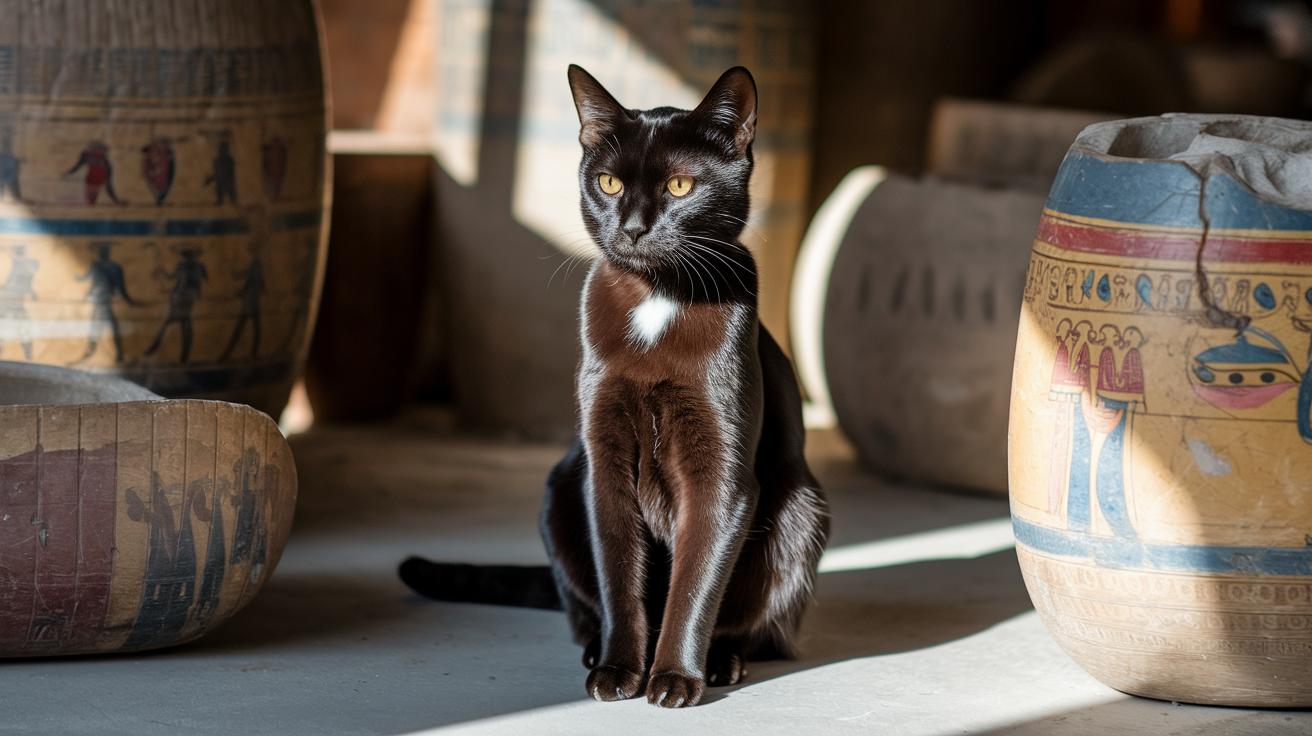
    These whiskered wonders once prowled temple halls in ancient Egypt. Then, in medieval times, they picked up a spooky reputation in old folktales, yikes.

    All that inky fur starts with a gene called the B allele (the dominant gene for black coats).

    And don’t forget the myths about bad luck and magic that still shape how we see them today.

    In this post, you’ll dive into their royal origins, uncover why their coats shine so bright, and explore the folklore that makes them utterly purr-fect. Ready to pounce on some cat-tastic tidbits?

    Key Facts About Black Cats: Origins, Genetics, and Folklore

    - Key Facts About Black Cats Origins, Genetics, and Folklore.jpg

    Black cats command attention with their liquid velvet coats and golden eyes that seem to glow in the dark. Have you ever felt a thrill when one saunters by? They’re like little midnight ninjas, soft, mysterious, and utterly mesmerizing.

    At the core of that shiny black fur is a dominant B allele (a gene variant that boosts dark pigment). That gene ramps up eumelanin (the natural pigment that makes hair dark), flooding each hair shaft. Under strong sun, you might notice a temporary reddish tint, kind of like a subtle sun-kissed fade.

    In ancient Egypt, black cats were treated like furry royalty, guarding temples, kitty security at its finest. But in medieval Europe, they got a raw deal, blamed for witchcraft and shunned. Those superstitions swung from worship to woe in the blink of an eye.

    Even today, black cats face a bit of bad luck at shelters. They wait longer for homes, thanks to the so-called Black Cat Bias. It’s time we changed the story and gave these sleek beauties the love they deserve.

    • The B allele creates rich eumelanin, giving glossy black coats. UV exposure can sun-fade fur for a little while.
    • Ancient Egyptians honored black cats, medieval Europe feared them, talk about cultural extremes.
    • Black Cat Bias at shelters means longer stays and slower adoptions for these feline stars.

    Next, we’ll dive into coat genetics, myth origins, fun behavior traits, health tips, and how to boost adoption rates for black cats.

    Coat Genetics and Unique Traits of Black Cats

    - Coat Genetics and Unique Traits of Black Cats.jpg

    That sleek black coat starts with a dominant B allele (a gene variant that boosts dark pigment). It cranks up eumelanin (natural dark pigment) in every hair. So your Bombay looks like a tiny panther roaming your living room. Really.

    Did you know 22 recognized cat breeds can wear this midnight fur? From the American Bobtail to the Persian and Scottish Fold, they all share the same melanin coat genetics. Ever spotted a longhaired black Persian curled on a windowsill? Gorgeous.

    All that extra pigment often shows up in the eyes too. Most black cats have glowing gold or yellow eyes that pop against their dark fur. Blue eyes are rare but happen when neither gene fully hides the other (incomplete dominance). Surprise icy stares, huh? Even foot pads and whiskers match the coat, a built-in tuxedo.

    Leave your kitty in the sun and you might catch “rusting,” when UV rays break down eumelanin and turn fur a reddish-brown until it sheds. Once I saw Luna glow auburn after a sunny afternoon, so wild. And if you angle them just right, you’ll spot faint stripes or spots hiding under that black coat. Those undercover tabby patterns peek through like a secret code.

    Personality and Behavior Traits of Black Felines

    - Personality and Behavior Traits of Black Felines.jpg

    Ever noticed how your midnight furball can be a total lap-warmer one minute and a stealthy shadow-chaser the next? Some black kitties curl up on your lap like a cozy hot pad. Others zoom across the room in a blur of paws and whiskers. And yep, a few might be on the shy side, but honestly, that’s true for any cat.

    People love saying black cats are mysterious or aloof. Uh, really? A study found no real link between coat shade and personality (Do Cat Colors Affect Personality). It’s all about upbringing, social time, and your home environment, not fur color. So whether they’re purring in your ear or playing hide-and-seek behind the sofa, it’s just your kitty’s unique charm at work.

    All cats need to sharpen their claws. You’ll catch them lounging, leaping, scratching, and exploring. Indoor black cats especially benefit from a tall scratching post (a sturdy post covered in rough cloth), and a climbing tower (like a kitty jungle gym) to protect your furniture and build their confidence. Toss in interactive toys, think rolling balls or puzzle feeders (toys that drop treats when solved), and you’ll love watching them stalk, pounce, and problem-solve. Five-minute feather-wand chases plus treat-time praise help keep stress hiding at bay and have them ready for that next cuddle.

    Here are some enrichment ideas to bring out your black feline’s best traits:

    • Tall scratching posts wrapped in puncture-proof fabric (tough cloth that won’t rip) to satisfy those claw-sharpening urges
    • Multi-level climbing towers for vertical exploring and soft napping perches
    • Interactive puzzle feeders that reward effort with kibble or treats
    • Wand and teaser toys for quick daily chase sessions
    • Positive reinforcement with treats or gentle praise to encourage social behavior

    Health, Lifespan, and Care Tips for Black Cats

    - Health, Lifespan, and Care Tips for Black Cats.jpg

    Indoor black cats usually live about 15 years. Let them roam outside and traffic plus wild encounters can shave off a few. That sleek black fur comes from extra eumelanin (natural pigment) that might give them an immune boost. I’ve seen my friend’s midnight panther bounce back from a sniffly cold faster than any tabby.

    Worth every purr.

    They get dandruff (tiny flakes of dead skin) and hairball build-up just like any cat. A five-minute brush, two or three times a week, busts mats and keeps gooey clumps away – your couch will thank you. Switch between high-protein wet food (canned with gravy) and crunchy dry kibble to boost hydration and keep teeth happy. Measure each meal on a kitchen scale so you dodge sneaky calories.

    Parasite check-ups are a must for curious prowlers, so schedule deworming and flea treatments on your calendar, you know? Check common signs at What Do Cat Roundworms Look Like. Then don’t skip dental care: brush weekly with cat-safe toothpaste (minty fresh for felines) and offer dental treats. Healthy gums mean happier purrs and fewer vet trips.

    - Adoption Trends and Shelter Challenges for Black Cats.jpg

    You know how black cats often feel like underdogs in the shelter world? They’re caught in the “Black Cat Bias.” These sleek, midnight furballs hang around longer than their lighter cousins, and adopters just breeze past them. It’s a bummer that leads to more cats at risk.

    But here’s a handy trick – microchipping (a tiny electronic chip under your cat’s skin that shelters scan if they find a lost pet). It helps cut down stray numbers and makes it way easier to get your shadowy buddy back if they bolt out the door.

    Shelters are flipping the script with special spotlight days. Ever heard of National Black Cat Day on October 27 or Black Cat Appreciation Day on August 17? These fun events showcase coal-colored companions and pair them with loving homes.

    If you’re hunting for a new purr pal, swing by a rescue or give a black cat’s profile a social media boost. A quick share can turn a shy shadow-chaser into your next cuddle buddy. Worth every whisker twitch.

    Cultural Symbolism, Myths, and Pop Culture of Black Cats

    - Cultural Symbolism, Myths, and Pop Culture of Black Cats.jpg

    Way back in Ancient Egypt, black cats got VIP status as temple guards for Bastet, the cat-headed goddess of home and protection. Their sleek midnight fur even glowed by torchlight, and nobody dared harm them, mess with a kitty and you faced a death sentence. Then in 1233, Pope Gregory IX labeled black cats devil’s agents. Cue medieval panic and mass killings, talk about a wild switch.

    In Japan, maneki-neko (lucky-cat figurines) often show up in black to shoo away bad spirits and invite fortune or even true love. Picture a glossy statue with its paw raised like it’s beckoning you closer. Here in Scotland, spotting a stranger’s black cat on your doorstep is like finding extra change in your pocket, money’s headed your way. And in parts of the UK, newlyweds once received a coal-colored companion to bring marital bliss, aww.

    Over in Germany, folks watch the way black cats cross their path. If a kitty scampers right to left, you’re in luck. But if it darts left to right… well, your day might take a downturn.

    Sailors used to keep coal-fur crewmates on deck, believing their presence brought calm seas and safe passages. Imagine a sleek black cat curled in the salt spray as waves crash around, cool, huh? Actors also adored backstage moggies, convinced they could chase away bad auditions. Cat confidence.

    When Halloween rolls in, black cats become spooky sidekicks, perched on glowing pumpkins or slipping through moonlit yards. Shelters even slow down black-cat adoptions in October to keep them safe from superstition-driven pranks. Pop culture celebrates them too: Marvel’s agile Black Cat (Felicia Hardy) and Salem, the wise-cracking feline from “Sabrina the Teenage Witch.” And let’s not forget the endless memes that honor those glowing eyes and shadow-stalking moves, true internet royalty.

    Ever had a coal-fur shadow zoom past you?

    That’s the magic of black cats.

    Final Words

    In the action, we uncovered three standout facts about black cats, from eumelanin-driven coats and ancient respect to shelter bias, then dug into genetics, behavior, health tips, adoption hurdles and cultural lore.

    Our deep dive into black cat facts helped bust myths and highlight care strategies that fit busy multi-cat homes, from sunproofing their fur to stress-busting games.

    These feline friends deserve lasting love and lively play. Here’s to happier homes, fewer scratched sofas, and joyful purrs on every sunny windowsill.

    FAQ

    What are some cool or little-known facts about black cats?

    Cool or little-known facts about black cats include:

    • A dominant gene creates sleek ebony coats.
    • They were worshipped in ancient Egypt.
    • Sunlight can induce a “rust” tint in their fur.
    • There are 22 solid-black cat breeds.
    • They are adopted more slowly from shelters due to bias.

    Why are most black cats male?

    Most black cats aren’t male by nature; the X-linked coat‐color gene means males need only one black allele while females require two, making solid‐black males more common than females.

    What personality traits do black cats have?

    Black cats display affectionate, playful, or shy personalities just like any other cat. Research shows coat color doesn’t dictate behavior; each cat’s upbringing and environment shape its unique temperament.

    What myths and creepy facts surround black cats?

    Myths and creepy facts surrounding black cats range from medieval Europe’s devilish curses to Japanese lucky cat figurines. Folklore warns of bad luck when one crosses your path, though most legends lack scientific basis.

    What makes black cats special or magical?

    Black cats’ striking ebony coats and golden eyes lend a mysterious allure. Their roles in ancient Egyptian worship, Halloween lore, and global superstitions add a magical charm to their playful companionship.

    Related Articles

  • average cat lifespan Offers Long Healthy Years

    average cat lifespan Offers Long Healthy Years

    Did you ever think your lap-warmer might stick around for more than a decade of purrs? A study in the United Kingdom (UK) of almost 8,000 whisker-twitchers found the average lifespan (how long they live) is about 11.7 years. That’s nearly a dozen birthdays! Ever watched your kitty chase shadows?

    Most indoor cats end up between 13 and 17 years old. And a few superstar felines even hit 20 or more. Totally paw-some!

    In this post we’ll explore what nudges these numbers up or down. And we’ll share simple tips to help your furry pal soak up every nap in a sunshine puddle and zoomie-filled pounce. Let’s get started, uh, cat lovers.

    Domestic Cat Lifespan Overview

    - Domestic Cat Lifespan Overview.jpg

    Ever wondered how long your kitty might stick around to purr? A UK study followed nearly 8,000 cats (using vet records and owner stories) who passed away between 2019 and early 2021. They found the average cat lifespan from birth is about 11.74 years. It’s a solid snapshot of cat longevity in real life.

    Most house cats live between 13 and 17 years. Some lucky furballs go way beyond that. The oldest recorded cat hit 38 years, that’s nine lives plus extra! It shows what great care (and a sprinkle of luck) can do.

    And guess what? Female cats, queens, usually live longer than males, toms. Queens average about 12.51 years, toms around 11.18. That extra year or so means more lap naps and zoomies!

    Getting older doesn’t mean slowing down too fast. A 9–10 year old cat can expect about 6.08 more years. At 12–13 years it’s roughly 4.24 more years. For 15–16 year olds, around 2.72 years. Even 19–20 year olds often see another 1.40 years. Think of those milestones like your own golden decades, just with more sunbeam naps and fewer golf games.

    Cat Age Years Left
    9–10 6.08
    12–13 4.24
    15–16 2.72
    19–20 1.40

    Worth every paw-print.

    Lifespan Comparison: Indoor vs Outdoor Cats

    - Lifespan Comparison Indoor vs Outdoor Cats.jpg

    Ever peek through your window at dawn and see your cat tiptoeing across the yard? Your cat’s world really shapes how many years of purring and cuddles you get.

    Indoor life is cozy and safe. Most indoor cats live 13 to 17 years. They dodge speeding cars. They avoid household toxins (like cleaning sprays). And they skip neighborhood scuffles.

    But life outside is wild. Outdoor cats usually only live 2 to 5 years. It’s mostly because tiny parasites (bugs like fleas and ticks) and infectious diseases (germs that make cats sick) sneak in. Oops, that sounds grim.

    Here’s a quick look at the differences:

    Environment Average Lifespan Top Risks
    Indoor cats 13–17 years Few hazards; steady health
    Outdoor cats 2–5 years Traffic, fights, toxins, parasites

    Seeing these numbers, you’ll get why many cat lovers stick to indoor life. Fewer vet trips, less um, parasite drama, and a snug home scene add up to extra years of whisker twitches and playful paw-pats. Worth every paw-print.

    Breed-Specific Lifespans for Cats

    - Breed-Specific Lifespans for Cats.jpg

    Mixed-breed cats, also called moggies, often enjoy hybrid vigor (extra health perks from mixed genes), so they usually live a bit longer, about 11.9 years on average. They dodge many breed-related health bumps and shrug off minor sniffles, uh, like nothing. Ever watched your tabby bolt across the floor? That burst of energy might come from their hardy, mixed-up roots.

    Next up, the pedigree pals with extra whisker-twitching years: Burmese cats purr on for about 14.4 years, and Birman buddies stick around for about 14.4 years too. Siamese chatterboxes often live beyond 11 years, while Persians and Ragdolls celebrate 10 or more with soft paw taps and gentle kneading. And Savannahs? With spot-on care, they can stay by your side for nearly 20 years. Worth every paw print.

    Not every purebred hits the double digits though. Sphynx cats average just 6.7 years because their bare skin (no fur coat to protect them) needs extra TLC against chills and scrapes. Bengals clock in around 8.5 years, thanks to a few heart and liver quirks tied to their wild looks. It’s a reminder that each breed’s traits shape its own life path, but with the right care you can nudge the scale toward more quality years for your fur baby.

    Key Influences on Cat Longevity

    - Key Influences on Cat Longevity.jpg

    Ever noticed how a whisker-twitch or a cozy purr feels like a tiny celebration? Those moments connect to something much bigger: your cat’s overall health and how many years they’ll be by your side. Genes (traits they inherit from mom and dad) and breed-linked quirks lay the foundation. Then what you feed them, how you play, and the care you give form the next three pillars: heritage, nutrition and exercise, and regular vet checkups.

    Genetic and Breed Influences

    Mixed kitties often reap what vets call hybrid vigor (extra health perks from mixed genes), which can mean fewer inherited hiccups. Purebred cats, though, might carry breed-linked issues like heart defects (birth flaws in the heart) or kidney troubles (when kidneys can’t filter properly). If you know your cat’s family health history, you can watch for early warning signs, like sudden weight swings or droopy energy, and team up with your vet on a game plan that fits your furry friend.

    Nutrition, Weight Management, and Exercise

    Feeding the right stuff keeps your cat’s engine purring. A diet rich in high-quality protein (the building blocks of muscles and fur) plus essential vitamins (nutrients that keep them in top shape) helps their immune system stay strong. Adding wet food (canned cat food) brings extra water to the bowl and eases stress on their urinary tract (the tubes that carry urine). Portion control keeps extra body fat (obesity) at bay, cutting the risk of diabetes or achy joints.

    Next, let’s talk play. Tossing an unbreakable ball for that satisfying thud or waving a feather wand is pure joy. It gets their heart pumping, tones their muscles, and fires up that curious little mind.

    Preventive Veterinary Care

    You know, a solid vaccination schedule is like a safety net. Shots against rabies, feline distemper, and more build a wall against nasty infections. Regular blood and urine tests can flag sneaky trouble in kidneys or liver before you even see a hint of illness. And those tiny parasite-control drops or collars kick fleas, ticks, and worms to the curb.

    Also, spaying or neutering lowers cancer risks and cools down unwanted behaviors, less roaming more couch snuggles. And a quick dental cleaning wipes away plaque (bacteria buildup on teeth) so gums stay pink and breath stays fresh.

    In the end, genes plus good meals, fun play, and regular vet visits team up to give your cat the longest, happiest life possible.

    Strategies to Enhance Your Cat’s Lifespan

    - Strategies to Enhance Your Cats Lifespan.jpg

    Your home can become a mini cat gym. Ever watched your kitty’s whiskers twitch as she bats at a puzzle feeder (brain teasers hiding tasty treats)? It’s like a little workout for her mind. Whoa.

    Then set up a sturdy scratching post (for claw sharpening and big stretch breaks). And carve out a 10-minute wand-toy chase before you grab your morning coffee. Your cat will feel feline fine.

    Caring for Aging Cats

    • Slip in joint supplements (glucosamine, a natural support for cartilage) to ease creaky hips and keep bones moving smoothly.
    • Every six months, schedule blood and urine tests to catch sneaky kidney or thyroid changes early.
    • Keep up with dental cleanings (see Preventive Veterinary Care) so your cat has fresh breath and strong gums.
    • Make sure your senior is microchipped (a tiny ID chip under the skin) and your contact info is always current, just in case she ever wanders off.

    Final Words

    In the action, we explored the data behind how long kitties live, from that UK study of nearly 8,000 cats to the 13–17 year range and even a record 38-year-old feline. We broke down indoor vs outdoor risks and peeked at breed-specific perks.

    Then we looked at genes, diet, and exercise and how each aspect fuels your kitty’s well-being. We saw how regular vet checkups really tip the scales toward more whisker-twitching years.

    Last, we shared simple steps: play routines, quality food, and senior TLC. With these tips you’re set to boost average cat lifespan and keep every paw happy.

    FAQ

    What is the average life expectancy of an indoor cat?

    The average life expectancy of an indoor cat is around 13 to 17 years, according to a UK study of nearly 8,000 cats.

    How long do indoor-outdoor cats live compared to indoor and outdoor cats?

    Indoor-outdoor cats live between about 7 to 12 years, shorter than purely indoor cats but typically longer than outdoor cats facing higher risks.

    What is the average lifespan difference between male and female cats?

    Female cats average about 12.5 years of life, while male cats average around 11.2 years, reflecting slight gender differences in longevity.

    What percentage of cats live to 20 years old?

    Only around 2% of cats reach 20 years old, making that milestone quite rare despite modern veterinary care and healthy lifestyles.

    How do cat years relate to human years for a 17-year-old cat?

    A 17-year-old cat roughly equates to an 84-year-old human when using common cat-to-human year conversion charts.

    Can cats live to 30 years old?

    Cats can live to 30 years old, though it’s extremely rare; the oldest recorded cat lived to 38 years.

    At what age do cats start showing age-related decline?

    Cats start showing age-related decline around 11 years old when they enter their senior years and may develop stiffness, dental issues, or reduced activity.

    How long do Persian, Maine Coon, and Siamese cats typically live?

    Persian cats typically live about 10 to 13 years, Maine Coons around 9 to 12 years, and Siamese cats often reach 11 to 14 years with proper care.

    How does a cat’s lifespan compare to dogs, lions, and horses?

    Domestic cats live about 13 to 17 years, while dogs average 10 to 13 years, lions 10 to 14 years, and horses around 25 to 30 years in human care.

    Related Articles

  • do cats whiskers help with balance Remarkable Stability

    do cats whiskers help with balance Remarkable Stability

    Ever watched your kitty tiptoe along a fence rail? It’s like watching a furry acrobat – really impressive. Those whiskers aren’t just for show. They’re tiny tightropes keeping her steady.

    Inside her head, her vestibular system (the tiny balance sensors in her inner ear) does most of the heavy lifting. Those stiff whiskers – keratin hairs (same stuff as your nails) – add the finesse. A whisper of air or a gentle brush tells her exactly where her paws should land.

    That teamwork gives your agile ninja cat the amazing stability she’s famous for. No wobbling. No slips. Just smooth leaps and graceful landings. It’s claw-tastic!

    How Whiskers Influence Feline Balance

    - How Whiskers Influence Feline Balance.jpg

    Ever watch your cat land on her paws like a furry ninja? She’s got a gadget called the vestibular system (balance sensors in the inner ear) living in those semicircular canals (tiny fluid-filled tubes). But wait, those whiskers on either side of her face aren’t just for show. They act like soft antennae, sensing a brush of air or a gentle touch to help her move with extra purr-fection.

    • Vestibular system (inner-ear balance sensors) uses semicircular canals (tiny fluid-filled tubes) to detect head turns and tilts.
    • Whisker proprioceptors (sensors in the hair roots) feel each whisker bend and pick up air currents to map nearby obstacles.
    • Without whiskers, cats still right themselves but might bump into things or misjudge narrow ledges.

    So do whiskers keep your cat from toppling over? Not exactly. They don’t replace that inner-ear magic. Instead, they give extra info for small posture tweaks when your kitty is creeping or hopping on a thin fence rail. Take them away and you’ll see more hesitations, second guesses, and a tiny “uh-oh” before any jump.

    And here’s a quick myth-buster. Trimming whiskers won’t send your furball flat on her back, it just takes away her handy feelers, which can leave her a bit frazzled or off balance. The real work of staying upright is done deep inside her skull, whiskers or not.

    Vibrissae Anatomy: Structure and Placement of Cat Whiskers

    - Vibrissae Anatomy Structure and Placement of Cat Whiskers.jpg

    Let’s talk whiskers. Whiskers (a.k.a. vibrissae) are stiff hairs made of keratin (the same stuff in your hair and nails). Each one grows from a special pocket packed with blood vessels and tiny touch sensors (mechanoreceptors). They turn your cat’s face into live radar, sensing the tiniest air moves or a soft brush on a surface.

    Your cat usually has about twelve mystacial whiskers on each side of her muzzle. They sit just as wide as her body so she can tell if she’ll fit through a gap. Ever watched your kitty slip through a tight box? That’s mystacial whiskers at work.

    Above each eye you’ll find two superciliary whiskers that act like blink guards, making your cat shut her eyes when things get too close. Genal whiskers on the cheeks feel nearby objects. Under the chin, mandibular whiskers pick up ground-level hints, perfect for sniffing out hidden treats.

    And on the back of each front leg are carpal whiskers that give extra feedback when your kitty pounces or scales a fence. Um, it’s pretty claw-tastic.

    It’s a tiny whisker orchestra.

    Together, these touch sensors map out a 3D playground of feel and space – your cat’s secret for stalking, climbing, and exploring.

    Whisker Type Location Primary Role
    Mystacial Sides of the muzzle (about 12 each side) Measuring space for tight squeezes
    Superciliary Above each eye (2 per side) Triggering blink reflex to shield eyes
    Genal On the cheeks Feeling nearby objects
    Mandibular Under the chin Sensing ground-level details
    Carpal Back of front legs Feedback during hunts or climbs

    Neural Pathways from Whiskers to the Brain

    - Neural Pathways from Whiskers to the Brain.jpg

    Your cat’s whiskers are part of a super-sensitive system. Each whisker root has mechanoreceptors (cells that feel tiny bends) and cutaneous receptors (skin touch sensors). They pick up the faintest air currents, barely-there vibrations, or soft brushes against surfaces. Ever noticed how your kitty’s whiskers twitch before a pounce? It’s feline radar at work.

    When a whisker bends, those receptors fire an electrical signal along the trigeminal nerve (a big bundle of nerve fibers). That signal speeds on to the somatosensory cortex (the brain’s touch center). You could call it your cat’s personal touch hotline.

    Mechanoreceptors in Whisker Roots

    Deep inside each whisker root lie clusters of mechanoreceptors tuned to bends of just a few degrees. These purr-fect sensors tell whether a whisker brushed a blade of grass or sensed a tiny bug scuttling by. In effect, whiskers beam live feedback about objects just inches away, no radar dish required.

    How Whiskers and Balance Team Up

    Once whisker info arrives in the brain, it links up with the vestibular system (your inner ear balance network). Proprioception (the sense of body position) blends those signals to fine-tune posture and poise. That combo helps your cat adjust mid-leap or land with paws perfectly placed. Ever watched your furball nail a landing? Worth every paw print.

    Whisker Function in Spatial Awareness and Navigation

    - Whisker Function in Spatial Awareness and Navigation.jpg

    Ever watched your cat slip through a tight crack in the door? Those whiskers – vibrissae (stiff, touch-sensitive hairs) – act like furry rulers, measuring if the gap is wide enough for their body to pass. It’s like a built-in tape measure right on their face!

    They also pick up air currents around nearby objects, so your kitty glides past chairs and walls without a single bump. Think of them as little radar antennas, always on guard. And when prey rustles in the dark, those whiskers sense the tiniest vibration shifts (like a mini-sonar for the hunt)! Next, they guide each silent step in low light, mapping out the room when eyes can’t.

    Pure whisker wizardry, right? It’s one more reason to admire your cat’s gear. Ever wondered how your feline friend stays so graceful? Thank those amazing whiskers.

    Precision in Motion: Whiskers during Jumps and Landings

    - Precision in Motion Whiskers during Jumps and Landings.jpg

    Ever watched your kitty crouch, whiskers (the hairs on her muzzle) pushed forward like little feelers? They size up the gap to see if the leap is safe. Then whoosh! She jumps. In mid air, those stiff whiskers, also called vibrissae (tactile hairs), catch the faintest breeze and send quick signals to her brain. That helps her flick her tail, spread her legs, or twist her body just right.

    As she nears her landing spot, the whiskers keep working, fine-tuning her paw placement. And poof, she lands spot on, full of grace. Really. It’s like built-in landing gear.

    Did You Know? Cats’ whiskers are like built-in landing gear, sensing air currents and distances so they land on their feet every time.

    Caring for Whiskers: Preventing Fatigue and Avoiding Harm

    - Caring for Whiskers Preventing Fatigue and Avoiding Harm.jpg

    Ever wonder what happens when you trim your cat’s whiskers (oops, let me rephrase that)? Those tiny sensors help your kitty feel out spaces and distances. Snipping them can turn play into stress and leave your kitty pausing before a jump or wandering around confused. Learn more about do cat whiskers hurt when cut.

    So here are a few easy tips to keep your cat’s whiskers happy and healthy:

    • Swap deep bowls for shallow dishes or plates so whiskers don’t press against the sides.
    • Grab whisker-friendly bowls (wide, low-rimmed dishes) so those feelers glide free.
    • Offer water in flat saucers so whiskers don’t get squeezed.
    • Never trim whiskers; snipping them can rob your cat of spatial cues and ramp up anxiety.
    • When you groom, brush around the whisker pads gently and skip tugging those sensitive hairs.

    Whiskers shed one at a time in their own natural cycle. Finding a stray hair on the floor? No need to fret. But if you spot bald spots or lots of loose whiskers, it could point to a health hiccup. A whisker-friendly setup and gentle grooming help your kitty stay confident, curious, and claw-tastically balanced for every pounce.

    Worth every paw-print.

    Why don’t whiskers alone keep cats balanced?

    - Why dont whiskers alone keep cats balanced.jpg

    Ever watched your kitty wobble on a narrow ledge? Your cat’s core balance lives in the vestibular system (balance sensors in the inner ear). Inside you’ll find semicircular canals (tiny loops in the ear packed with fluid). They shout “tilt me right” or “tilt me left” by how that fluid swirls. Whiskers? They’re just short-range feelers for walls or breezes.

    In one narrow-beam test, researchers trimmed whiskers on one side of a cat’s face. Suddenly, missteps doubled. Pauses popped up at every tiny gap. The inner ear still worked. It’s just those fine-tuned whisker signals that went missing.

    My cat Luna lost some whiskers after a grooming oops, and she froze before each jump off the couch. It only took minutes for her to adjust though. You could almost watch those tiny sensors rewiring.

    Balance is a team effort.

    Final Words

    In the action, we dove into how your cat’s inner ear (vestibular system) handles core balance, while whiskers give that crucial tactile map.

    Then we looked at vibrissae anatomy across the muzzle, cheeks, eyes, chin and legs, and traced neural pathways carrying whisker messages to the brain.

    We saw whiskers guiding stealthy jumps, low-light hunts and preventing whisker fatigue when using shallow bowls.

    We also busted the myth that whiskers alone steady a cat.

    Now that you know do cat whiskers help with balance, you can watch your feline fine-tune every leap with confidence.

    FAQ

    Do cat whiskers help with balance?

    Cat whiskers help with balance by providing supplementary tactile feedback that maps nearby space and detects air currents, while core equilibrium still relies on the inner ear’s vestibular system.

    Do cats lose their balance if their whiskers are cut?

    Cats lose some external spatial cues when their whiskers are cut, causing disorientation and impaired navigation, but their inner ear still maintains core balance functions.

    What helps cats maintain balance?

    Cats maintain balance mainly through their inner ear’s semicircular canals (vestibular system), while their whiskers contribute extra spatial orientation via tactile feedback for fine motor control.

    Do cats’ tails help them balance?

    Cats’ tails help with balance by acting as counterweights during jumps and tight turns, enabling agile mid-air adjustments and stable landings.

    Do cat whiskers grow back?

    Cat whiskers grow back after shedding within a few weeks, with each whisker replaced gradually to restore full tactile sensitivity.

    What do cat whiskers help them with?

    Cat whiskers help them sense nearby objects, gauge openings, detect air currents and prey movements, and navigate safely in low-light conditions.

    What are dog whiskers for and do they help dogs balance?

    Dog whiskers serve as tactile sensors that detect nearby obstacles and subtle air currents, aiding spatial awareness, although dogs rely mainly on vision and inner ear balance.

    Related Articles

  • do cats utis go away quickly?

    do cats utis go away quickly?

    Ever peek at your fluffy friend crouched in the litter box, paws kneading the soft clay, and think a urinary tract infection (UTI) will just clear up on its own? I wish it worked like magic!

    Bacteria are like tiny squatters. They latch onto the bladder lining (the soft wall that holds urine) and dig in deeper when you skip antibiotics. Ever watched a kitty scratch nonstop? That’s them trying to shake off those unwelcome bugs.

    So no, UTIs don’t disappear overnight. You’ll need a vet visit and the right round of medicine to send those critters packing.

    Worth every paw print.

    do cat utis go away quickly?

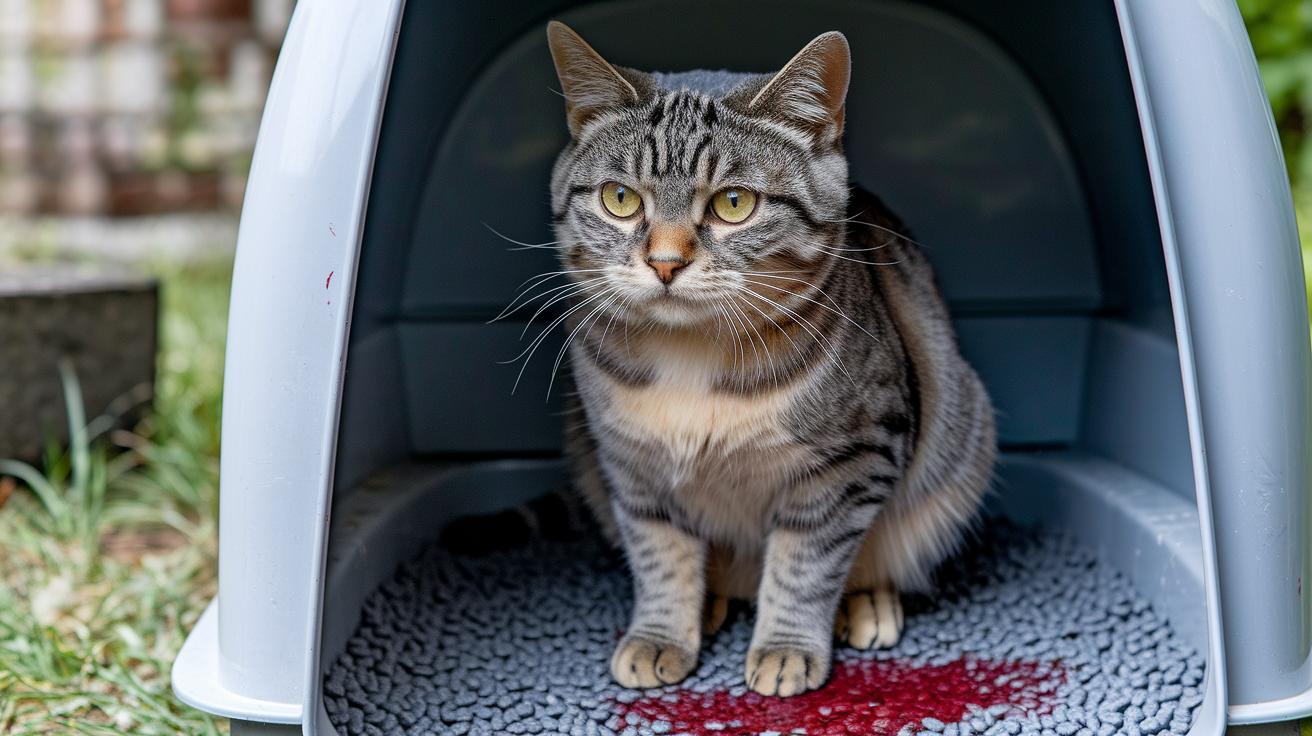
    - Does a Cat UTI Ever Resolve Without Treatment.jpg

    Hey, ever noticed your kitty meowing in the litter box? Cats won’t shake off a urinary tract infection on their own. So if you’re asking, do cat UTIs clear up without antibiotics? The honest answer is no.

    UTIs happen when bacteria sneak into the bladder and multiply. The bladder lining (the soft wall that holds pee) gets irritated and painful. Skipping a vet visit lets the infection dig in deeper. Your cat may avoid peeing or cry out in pain.

    Leaving a UTI alone can lead to bigger problems. Bacteria might travel up to the kidneys (that’s pyelonephritis (a kidney infection)), or clump with debris to cause blockages. In the worst case, germs can enter the bloodstream and trigger sepsis (blood poisoning). Those are true emergencies that need fast care.

    Antibiotics aren’t optional. Your vet will run a urinalysis (pee test) and a urine culture (growing the germs) to pick the right drug. You’ll give the full course of medicine, even after your cat seems better. Oops, that’s key, finish every dose.

    Most cats start feeling better in two to three days. But don’t stop early. If you do, the UTI can come back, and nobody wants that litter-box drama all over again. Helping your kitty feel feline fine is worth every pill.

    Recognizing UTI Symptoms in Cats

    - Recognizing UTI Symptoms in Cats.jpg

    Ever caught your kitty dialing the litter-box hotline every few minutes? Catching a UTI early can spare your furry friend some serious ouch. It’s like hearing the gentle thud of a toy before it rolls under the couch. Those little hints matter. Keep your eyes peeled for these telltale signs:

    • Increased litter-box visits: Your cat keeps darting in and out, like they just can’t get comfy.
    • Struggling or painful peeing: Look for a tense back, a hunch, or a soft meow mid-stream.
    • Blood in urine: Pink drops up to darker red puddles are never part of playtime.
    • Peeing outside the box: A surprise accident on the rug often means the box feels too ouchy.
    • Excessive genital licking: If they’re obsessed with grooming down there, it could sting or itch.
    • Vocalizing while peeing: A gentle meow can turn into a yowl when it hurts.
    • Strong urine odor: A sour, foul smell hints at bacteria having a party.
    • Behavior changes: Hiding, acting lazy, or skipping meals often come with urinary discomfort.

    Oops, I mean, these signs can also show up in other FLUTD (feline lower urinary tract disease) issues like crystalluria (tiny mineral crystals in urine) or idiopathic cystitis (bladder swelling with no clear cause). A vet visit is your best play, only they can figure out if it’s a UTI or something trickier.

    What Causes UTIs in Cats and How They Affect Recovery

    - What Causes UTIs in Cats and How They Affect Recovery.jpg

    Ever seen your kitty meow when going to the litter box? That could be a urinary tract infection, or UTI. It starts when tiny germs from the gut or genital area climb up the urethra (the pee-carrying tube) into the bladder. Once they set up camp, the bladder lining gets inflamed and sore.

    Certain health issues make it easier for bacteria to strike. Diabetes (high blood sugar) can weaken your cat’s defenses. Chronic kidney disease (when the kidneys’ filters wear down) and hyperthyroidism (an overactive thyroid gland) also give germs an open door.

    Next, let’s talk minerals. Feline urinary crystals (mineral bits in pee that look like tiny rocks) and bladder stones can scratch the bladder wall and trap bacteria. Think of them as little rough spots that let germs hide and multiply.

    Then there’s the kitty factor. Female cats face UTIs more often because their urethras are shorter, so bacteria have a quicker trip to the bladder. And when your cat doesn’t drink enough water, the urine gets thicker and bacteria just love that.

    Obesity and arthritis can make grooming tough. A chubby cat might miss spots when cleaning, and stiff joints can hurt during a good scratch. All that leftover debris on the fur or skin can feed bacteria.

    In truth, older cats get UTIs more easily, too, since their immune systems slow down. So if your senior friend starts hiding or seems extra grouchy, check for a UTI.

    Recovery depends on what’s going on underneath the surface. A healthy, well-hydrated kitty with no bladder stones usually bounces back in days once on antibiotics. But if diabetes, kidney problems, or pesky crystals stick around, the infection can linger or come back.

    Keeping an eye on your cat’s water bowl, weight, and overall health helps prevent UTIs and speeds up healing. After all, a comfortable cat is a happy cat.

    Veterinary Diagnosis of Cat UTIs

    - Veterinary Diagnosis of Cat UTIs.jpg

    First, your vet gives your kitty a gentle belly rub to see if it’s sore, checks her hydration (making sure she’s not too thirsty), and asks about any odd peeing behavior. Ever noticed your cat straining or meowing in the litter box? That chat, plus a look at past UTIs, diet, and other health hiccups, helps your vet figure out if something like kidney trouble is lurking.

    Next, it’s sample time. Your vet might shave a tiny patch of fur and use cystocentesis (drawing urine straight from the bladder with a small needle) to keep things clean. A pure sample means a spot-on urinalysis (examining pee under a microscope) that won’t get messed up by hair or litter.

    Urinalysis & Culture

    • They spin your cat’s urine to check sediment (solid bits) for bacteria, red blood cells, white blood cells, and any pesky crystals.
    • Then they grow any bacteria in a urine culture (like planting seeds to see what sprouts), so they know exactly which germs are causing trouble.
    • An antibiotic sensitivity test follows, showing which drugs zap those germs best.
    • With results in hand, your vet picks an antibiotic that’ll hit the bacteria hard and fast.

    Imaging & Stone Detection

    • An ultrasound (sound wave imaging) or X-ray (radiation picture) scans for bladder stones or thickened bladder walls.
    • Spotting stones early stops them from scratching your cat’s insides and causing repeat infections.
    • Finding structural quirks means your vet can suggest surgery or diet tweaks, making sure future UTIs stay away.

    Worth every paw-print.

    Treating Cat UTIs: Medicines and Recovery Timeline

    - Treating Cat UTIs Medicines and Recovery Timeline.jpg

    Antibiotics are a must. Your vet will run a culture test and choose the best one, often amoxicillin (a penicillin-type antibiotic) or enrofloxacin (a broad-spectrum antibiotic). You’ll give it for seven to ten days. Think of these meds as tiny guard dogs roaming your kitty’s bladder to chase out the bad bacteria.

    Keeping your cat comfy is key. Vets usually add NSAIDs (nonsteroidal anti-inflammatory drugs) or other cat-safe pain relievers to soothe bladder ouchies. A relaxed cat strains less, meows softer by the litter box, and actually wants those tasty prescription kibbles or wet food.

    Extra fluids help too. Dehydration makes pee thick and lets bacteria throw a party. Subcutaneous fluids (a little fluid under the skin) or IV fluids (dripped right into a vein) water your kitty from the inside out. You’ll see her perk up when hydration returns and she’s ready to play again.

    Most cats start feeling better in 48 to 72 hours. You’ll notice fewer frantic runs to the litter box, gentler meows, and maybe even a flirty pounce. Stick with the plan and full recovery usually shows up by day seven to ten.

    Uh, and never skip a dose or stop early. Leftover bacteria can regroup and sneak back in. Finishing every pill stops resistance and cuts the risk of a repeat infection. When the course wraps, your vet might do a quick urinalysis (a pee test) just to double-check. Now that’s peace of mind for you and pure joy for your purr machine.

    Home Care to Support Cat UTI Recovery

    - Home Care to Support Cat UTI Recovery.jpg

    Watching your cat tiptoe around their water bowl? Not cool. Fresh water helps flush out lingering bacteria, so keep bowls topped off. Or try a fountain (circulating water often tastes better). Ever caught your kitty batting at that gentle stream? It’s like a mini water show.

    Try these at-home comfort tips:

    • Place water dishes in different rooms. That way your cat never has to hunt for a drink.
    • Swap in wet food like canned pâté or gravy-style toppers. Moisture-rich meals help boost hydration.
    • Scoop the litter box (cat toilet) twice a day and fully change it once a week. That cuts down on bacterial build-up.
    • Make a cozy chill spot with a soft bed in a quiet corner. Then toss in a teaser wand (like a fishing pole with feathers) for short, fun play breaks.
    • Help heavier or stiff kitties stay clean by gently brushing their hindquarters. It prevents fur clumps (and dirt) from carrying germs.

    Some folks try cranberry supplements or D-mannose (a simple sugar) to help UTIs, but there’s no hard proof they work on active infections. These fixes aren’t stand-ins for real medicine, you know.

    Always check with your vet before adding any supplements to your cat’s routine. Supportive care should be a sidekick, not a substitute, for professional treatment of urinary tract infections.

    Ongoing UTI Prevention

    - Long-Term Strategies to Prevent Cat UTIs.jpg

    • Feed a urinary health diet. Our low-magnesium kibble (with less of the mineral that can turn into tiny bladder irritants) helps stop crystal formation (hard bits that jab at the bladder lining). It’s like a custom athlete’s meal for bladder safety – every bowl is balanced just right. It feels good knowing your kitty’s getting paw-fect nutrition.

    • Create a stress-free playground. Add cozy hideaways, treat puzzles (toys that stash snacks), and pheromone diffusers (little plugs that spread calming cat scents) to craft a serene cat den. Imagine your cat’s whiskers twitch, then soften as she kneads a plush cave under a warm glow. Ever seen that calm? It’s pure bliss.

    • Schedule urine checks twice a year. A simple urinalysis (urine test) during vet visits works like a health radar, spotting sneaky infections before they flare. Last time, my vet caught trace crystals and nipped a UTI in the bud. Worth every paw-print.

    Emergency Signs and When to Call the Vet for Cat UTIs

    - Emergency Signs and When to Call the Vet for Cat UTIs.jpg

    Sometimes a UTI (urinary tract infection) takes a turn for the worse. Watch your kitty close, because cats hide pain like pros, and these warning signs really stand out.

    • Can’t pee: Your cat crouches by the litter box but no urine appears. That’s a urethral blockage (a plug in the pee tube from bladder to outside).
    • Swollen belly: A bloated tummy means urine is trapped in the bladder.
    • Drooling or vomiting: When kidneys (organs that clean blood) can’t flush out toxins, your cat may drool or throw up.
    • Extreme lethargy or collapse: A cat too weak to lift her head is sending an urgent SOS.
    • Loud meows or pacing: Pain so bad she can’t settle down.

    Left untreated, a blocked urethra can trigger kidney failure or sepsis (blood infection) within hours. That’s serious, and fast.

    So when should you call the vet? Immediately. Don’t wait for your cat to act normal again. A quick trip lets your vet pass a catheter (tiny tube) to clear the blockage and give IV fluids to rehydrate. Fast care can save your cat’s life.

    Final Words

    In the action, we answered whether cat UTIs ever clear up without help, and showed why vet care is key.

    We spotted the telltale signs, dug into causes, explained tests, and mapped out proven treatments.

    Then we shared home tricks, long-term tips, and emergency warning flags.

    And now, with this info you’ll know do cat utis go away only with proper treatment and support.

    Here’s to healthier purrs and fuss-free days for you and your whiskered crew.

    FAQ

    Can cat UTIs go away on their own without antibiotics?

    A cat UTI rarely clears without antibiotics and veterinary care. Spontaneous resolution is very uncommon and risks complications like bladder damage or kidney infection.
    How long can a cat UTI go untreated?

    A cat UTI can persist for weeks if untreated. Ongoing infection causes pain and raises risk of bladder obstruction, kidney infection, or systemic illness.

    How can I treat my cat’s UTI at home without going to the vet?

    Treating a cat’s UTI at home without a vet focuses on supportive care only. Antibiotics prescribed after urinalysis remain essential to clear bacteria and prevent recurrence.

    What are common signs a cat has a UTI?

    A cat UTI shows frequent litter-box visits, straining to urinate, pink or bloody urine, excessive genital licking, vocalizing during peeing, strong urine odor, lethargy, and reduced appetite.

    How long does it take for a cat to recover from a UTI?

    A cat often improves within 48–72 hours of starting antibiotics and typically achieves full recovery in 7–10 days when the entire course is completed.

    Related Articles

  • Symptoms of Feline Leukemia Virus in Cats Uncovered

    Symptoms of Feline Leukemia Virus in Cats Uncovered

    Ever watched your kitty snooze so deeply you think she’s chasing mice in her dreams? It’s adorable. But those extra-long naps could mean something more than a couch cuddle.

    I once saw Luna lie still for hours, her soft purr barely there. Turns out she had feline leukemia virus (a contagious cat illness). Catching it early gives her the best shot at more playful days.

    Look for these red flags. Is she moving in slow motion? That’s lethargy. Does she feel warmer than usual? A low-grade fever (a slight temp rise) can be a clue.

    Next, weigh your girl. Rapid weight loss isn’t normal. Run your fingers through her coat. If it looks dull instead of shiny, that’s a warning sign. Peek at her gums. They should be rosy, not pale. And mouth ulcers? Ouch. That’s one to mention to your vet.

    Keeping an eye on these signs means you and your vet can act fast. Soon she’ll be batting feathers, whiskers twitching, and purring up a storm.

    Ready to spot these hints before they get worse?

    Recognizing feline leukemia virus symptoms: Early and Advanced Signs

    - Recognizing feline leukemia virus symptoms Early and Advanced Signs.jpg

    Ever seen your cat flop on the floor, her energy just gone? Catching feline leukemia virus (FeLV, a long-lasting cat virus) early gives you more time to help her feel better.

    Watch for these signs of infection, whether from that lingering virus or a sudden leukemia flare-up:

    • Lethargy & fever: Your kitty moves like slow-motion and feels hot to the touch.
    • Weight loss & coat changes: She’ll slim down fast and her fur may look dull or patchy.
    • Anemia & pale gums: Gums turn pale pink or white (anemia means low red blood cells).
    • Recurrent infections: Every sniffle or scratch just won’t quit.
    • Oral lesions & bleeding: Tiny sores or blood in her mouth. Ouch.

    Make it a habit to track her weight drop. Feel her lymph nodes (tiny bean-shaped bumps under her jaw) and peek at her gums for paleness. Spotting these early hints lets you and your vet jump in fast. And that can give her a shot at more purr-filled days.

    Learn more below

    Early clinical signs of feline leukemia virus infection

    ).jpg

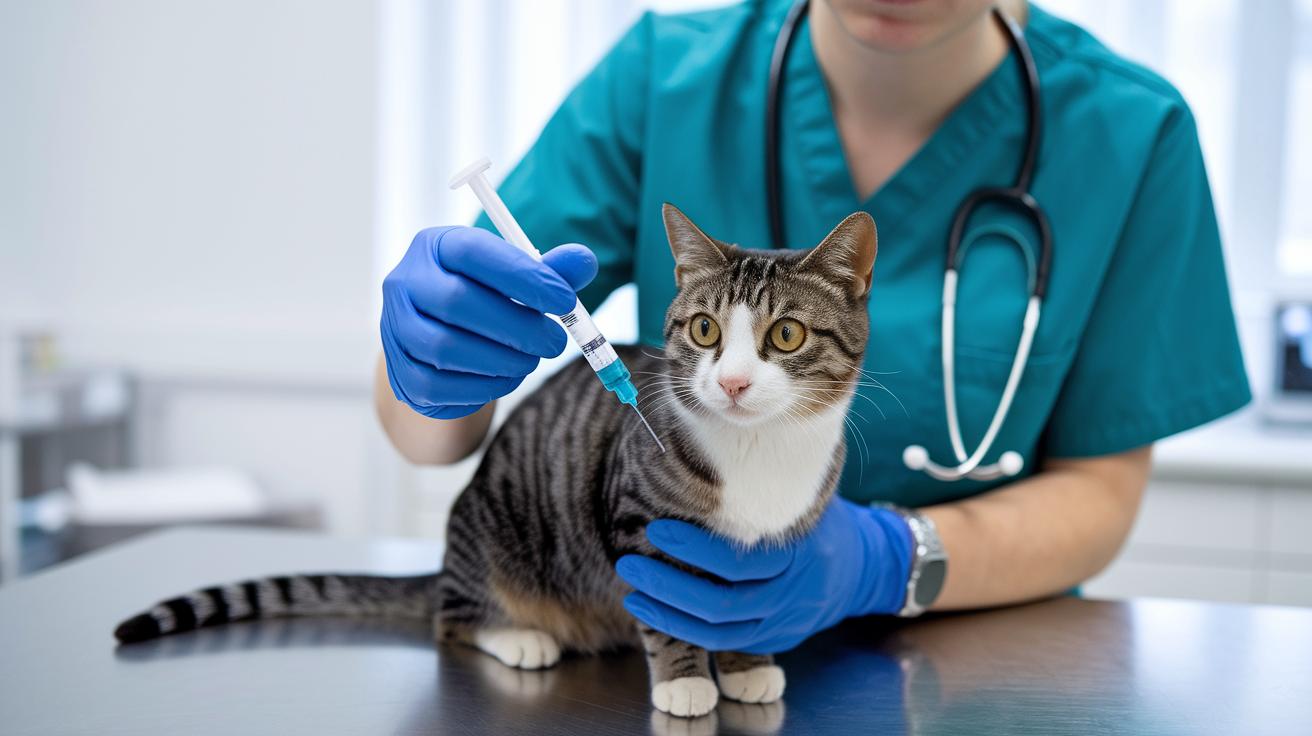
    Ever noticed your kitty napping longer than usual? Spotting early signs of feline leukemia virus helps you act fast and give them the best care. Typical clues include low energy, a mild fever, eating less, a dull coat, weight loss, and swollen lymph nodes (small glands that help fight germs).
    Here’s how to keep an eye on things at home:

    • Note energy level after play: “Chased a feather toy for two minutes, then curled up.”
    • Record appetite: “Ate half her dish before walking away.”
    • Take temperature daily with a pet thermometer (under the arm or in the ear).
    • Feel coat texture: soft, a bit rough, or looking patchy.
    • Weigh your cat once a week on the same scale.
    • Gently check lymph nodes under the jaw and behind the knees for any change in size.
    Symptom Day 1 Day 2 Day 3 Notes
    Energy , , , Jumped once onto the couch
    Appetite , , , Left food bowl half full
    Temp (°F) , , , 102.2, slight fever

    Reading test results can feel tricky. So let’s break down the ELISA test (a quick scan for virus bits in blood) and the PCR test (a detailed DNA check):

    • ELISA test: finds viral antigens in blood fast. It’s great for a quick answer but can give false positives after a shot or a brief infection.
    • PCR test: spots viral DNA more accurately after about 4 to 6 weeks. It confirms ELISA results.
    • Sample collection: your vet draws two tubes of blood, one for ELISA, one saved for PCR if the first test is positive.
    • Follow-up timing: if ELISA is positive, repeat the PCR at least four weeks later to make sure it’s a real infection.

    When you head to the vet, being prepared makes a world of difference:

    • Bring your daily tracking chart with notes and dates.
    • Mark the first day you saw each sign.
    • Jot down any home care you tried, like extra water or wet food.
    • Ask what comes next if the PCR confirms infection.

    Hematologic and immunosuppressive changes from feline leukemia virus

    - Early clinical signs of feline leukemia virus infection.jpg

    Ever see your cat move slower than usual? Feline leukemia virus (FeLV) invades bone marrow (the spongy center of bones where blood cells are made) and immune cells (the body’s germ fighters). FeLV basically hijacks these blood factories, so fewer red blood cells show up. That leads to anemia when your kitty feels weak from a low red cell count.

    You might notice pale gums and chalky white eyelids, that faded look cats get when they run low on red cells. Ever watch your cat skip her usual stretch-y yawn before battle mode? Your kitty could lie around more, skipping playtime or chasing a feather teaser.

    Low platelets (thrombocytopenia, meaning too few clot helpers) can cause tiny red spots (petechiae) on the skin. Even a small bump might lead to bruises or bleeding that worries you.

    And with fewer white blood cells, your cat has a harder time fighting germs. Skin sores, urinary drips, and wounds that refuse to heal are all you’ll see. Fevers that come and go or lymph nodes (tiny bean-shaped germ filters) barely doing their job hint that the immune system is overwhelmed.

    In some cats, FeLV pushes bone marrow cells into wild overgrowth, turning into acute leukemia that needs urgent vet care. You may spot a sudden loss of appetite, quick weight drop, or a fast decline in energy. Time to call the vet ASAP.
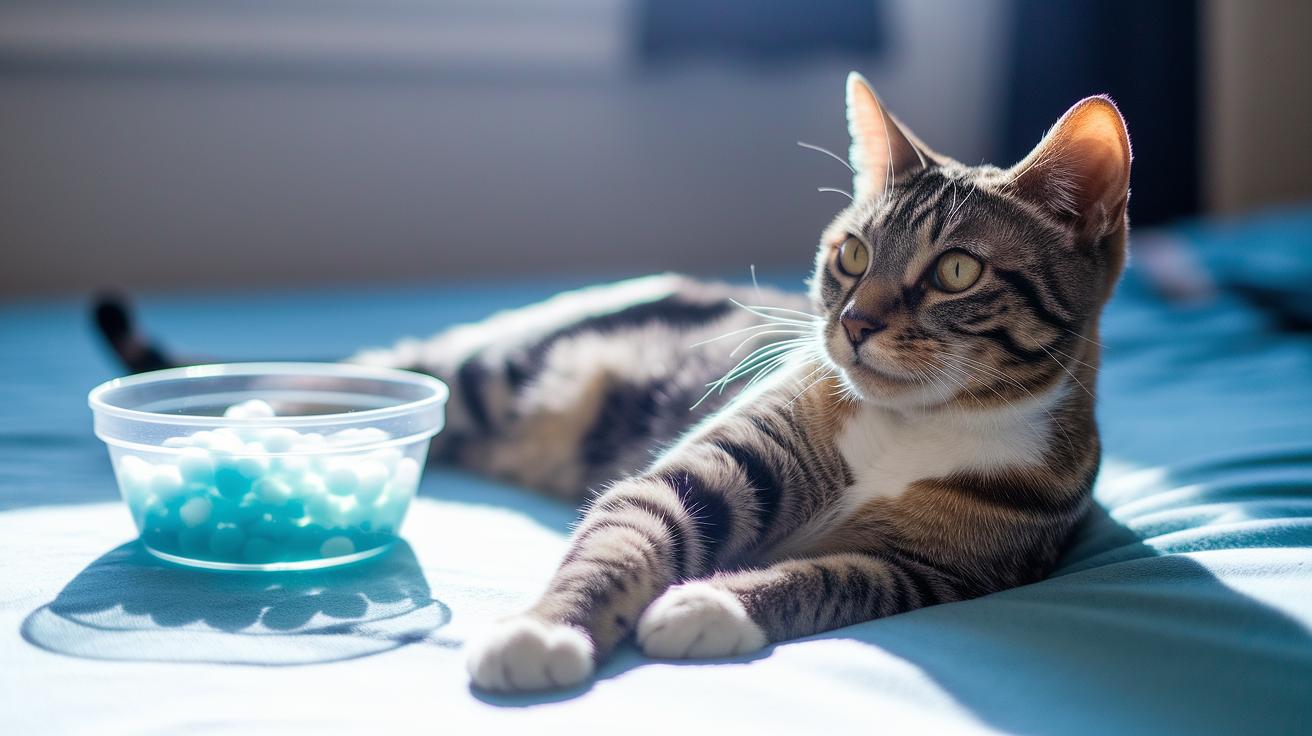
    Catching these symptoms early makes a big difference. Anemia saps endurance, low platelets raise bleeding risk, and weak white cells invite infections.

    Spotting feline leukemia virus signs early gives your vet the best shot at supportive care. That means easing your kitty’s discomfort and blocking dangerous infections. Then maybe you’ll have more time for cuddles. Worth every paw print.
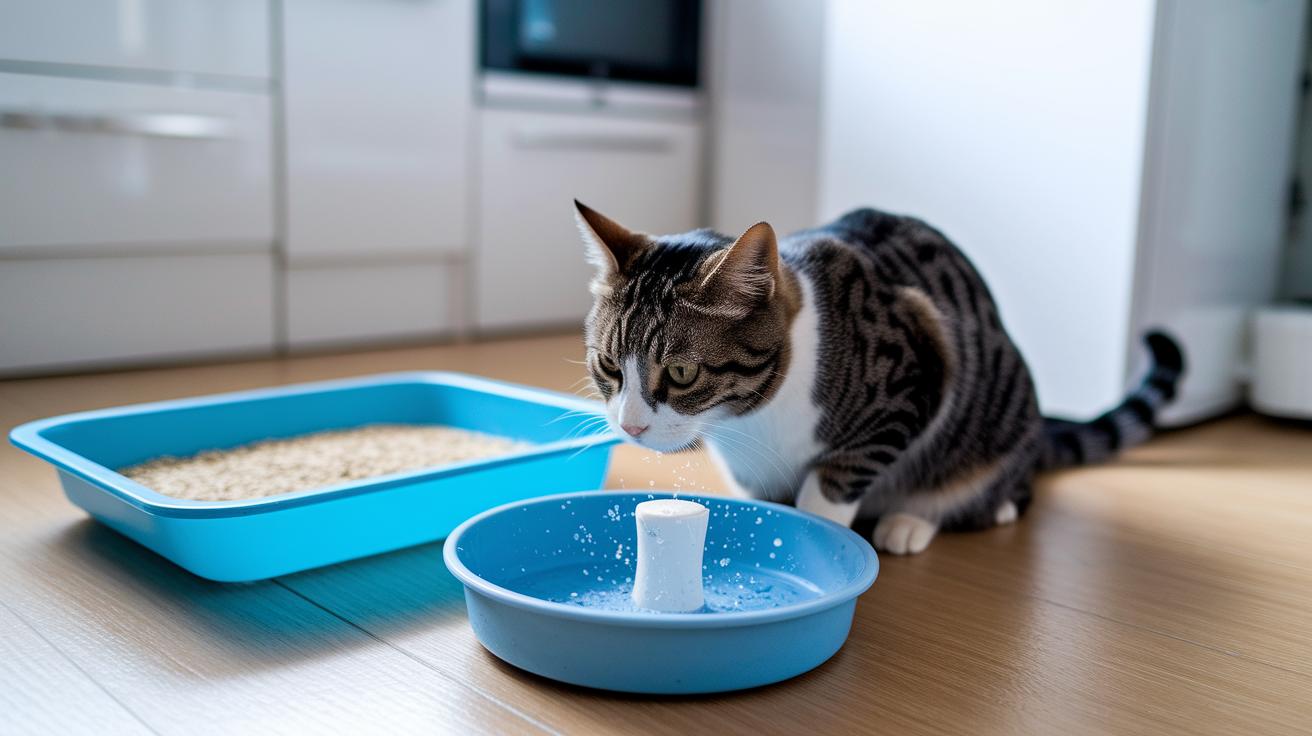
    Recurrent infections and lymphadenopathy challenges in feline leukemia virus-positive cats

    - Hematologic and immunosuppressive changes from feline leukemia virus.jpg

    Ever noticed your cat battling one bug after another? For felines with FeLV (feline leukemia virus), roughly 45 percent get skin abscesses (yucky, pus-filled bumps) and about 30 percent face urinary tract infections (UTIs). Another 25 percent end up with chronic stomatitis or gingivitis (sore, inflamed gums). Swollen lymph nodes (tiny glands under the skin) often show up too, a clear sign their immune system is working overtime.

    Here’s how we handle antibiotics. First, choose a drug based on culture and sensitivity results (lab tests that match the bug to the best antibiotic). If your cat’s kidney function dips, adjust the dose so it’s safe. And treat for at least 10 to 14 days to prevent a nasty relapse.

    Antibiotic Dose Duration
    Cephalexin 20 mg/kg PO every 12 hrs 14 days
    Amoxicillin-clavulanate 12.5 mg/kg PO every 8 hrs 10 days
    Clindamycin 10 mg/kg PO every 12 hrs 10–14 days

    Next up, immune-stimulant therapies your vet might recommend:

    • Pidotimod (2 mg/kg PO daily for 14 days)
    • Feline interferon-omega (1 MU/kg SC every other day for 4 weeks)
    • L-lysine (250 mg PO daily; mix into wet food for a tasty defense boost)

    Survival-time statistics paint a hopeful picture. Cats without targeted support average about 1.5 years [1], while those on both antibiotics and immune stimulants stretch to roughly 2.8 years [2]. In one trial, interferon-omega users saw a 30 percent one-year survival rate versus 10 percent for untreated kitties [3].
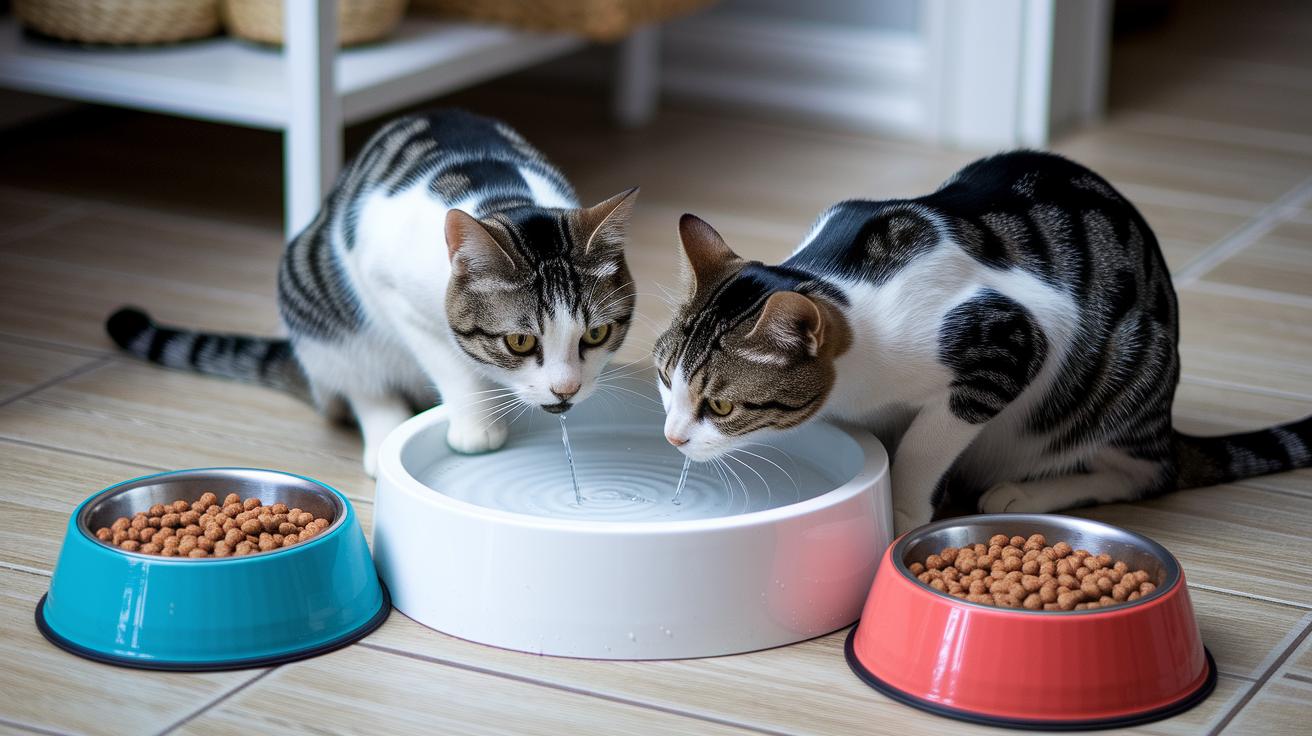
    For step-by-step tracking of infections and lymph node checks, see the monitoring table above.
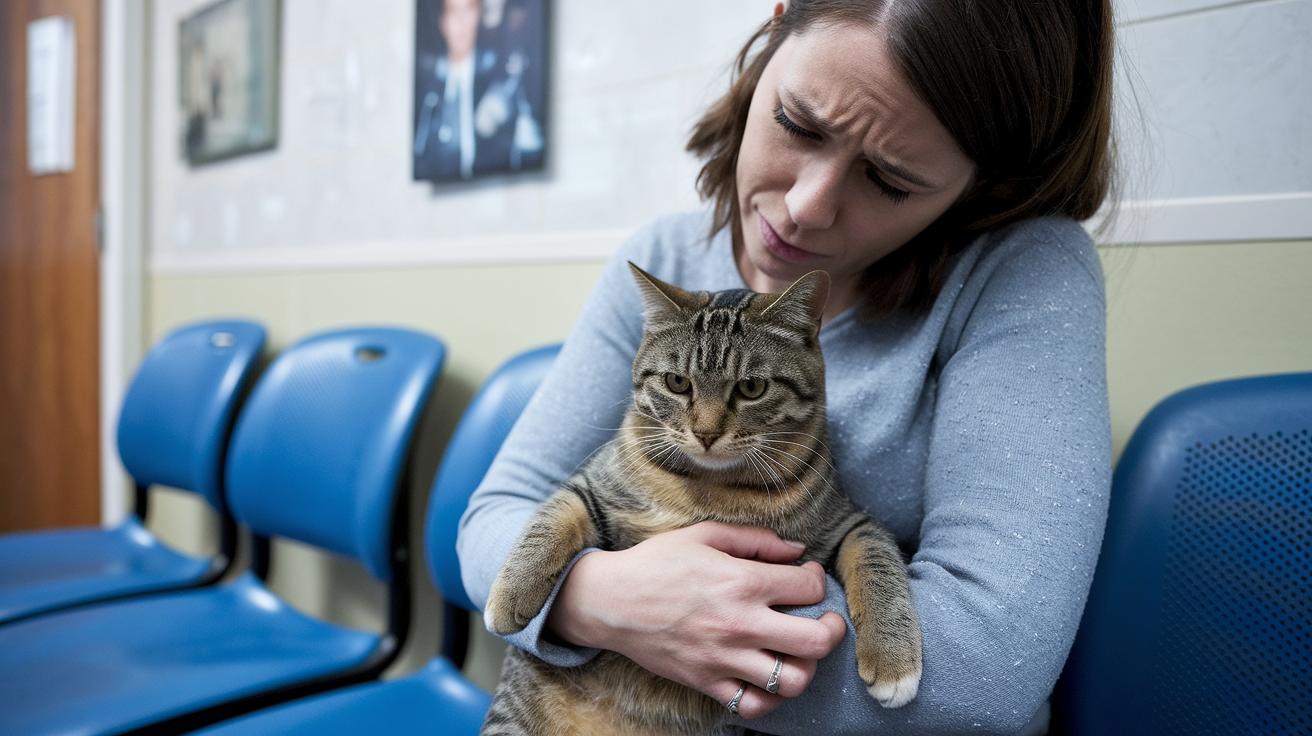
    Mucosal and oral disease manifestations of feline leukemia virus

    - Recurrent infections and lymphadenopathy challenges in feline leukemia virus-positive cats.jpg

    Your cat’s mouth tissues can go hungry when FeLV causes anemia (low red blood cells). You might notice chalky gums and pale pink conjunctiva (the thin tissue over the eyelids). That low blood count can also lead to mouth sores, gingivitis (gum swelling), or stomatitis (mouth inflammation). Ouch, right?
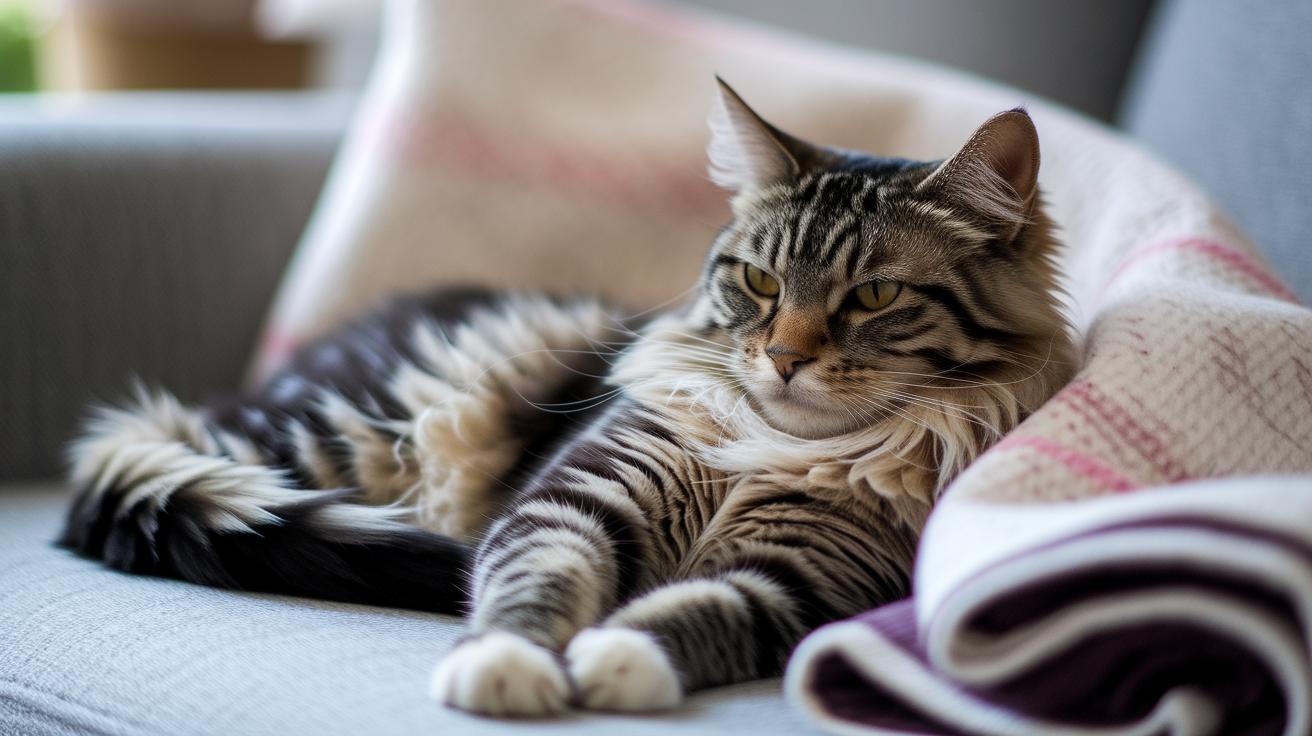
    And sometimes FeLV hurts the liver, too. You might spot yellowing in the sclera (the white part of the eye), skin, or mucous membranes (the wet pink lining inside the mouth). That’s jaundice (a sign of liver trouble) and it means the virus could be affecting more organs. Don’t wait – see your vet right away!

    Disease progression patterns in feline leukemia virus infection and when to consult a veterinarian

    - Mucosal and oral disease manifestations of feline leukemia virus.jpg

    Feline leukemia virus (FeLV) can take three different paths in your cat’s body. Ever wonder why some cats defeat it while others show signs? Let’s break it down.

    Abortive infection means your cat’s immune system (your body’s defense team) zaps the virus before it settles in. Regressive cases start with a tiny viral flare-up but then the virus goes dormant (a latent infection stage) and hides out. In progressive cases, the virus keeps growing over weeks to months, damaging bone marrow (the spongy stuff inside bones) and immune cells, so symptoms become hard to miss.

    Cats with abortive infections usually stay healthy with no lasting signs. Regressive cats might nap more or run a quick fever (a slight rise in body temp) before settling into a carrier state. Progressive cats often have pale gums, chronic sniffles, or swollen lymph nodes (those little bean-shaped spots under the jaw). Watching these shifts helps you and your vet choose the next steps.

    Diagnosis starts at your vet’s office with an ELISA test (Enzyme-Linked Immunosorbent Assay). It’s quick and checks for virus parts in the blood. If that’s positive, expect a follow-up IFA (Indirect Fluorescent Antibody) or PCR (a test that copies bits of the virus’s genetic material) around 8 to 12 weeks later. Waiting lets you avoid false negatives while the virus decides to clear out or settle in.

    Catching FeLV early is clutch. Notice your kitty acting super tired or skipping meals? That’s your cue to call the vet! Plan a retesting schedule so you don’t miss a hidden infection.

    How long can they live? It depends. Abortive cats often enjoy full, happy lives. Regressive carriers usually get years of cuddles with just a bit of checkups. Progressive cats average around three years with regular vet visits and extra care.

    Worth every paw-print.

    Keep an eye on your cat’s appetite and weight, and stick to those test dates, you’ll be ready to jump into action fast, and that makes all the difference for your purr pal.

    Final Words

    We jumped right into key feline leukemia virus symptoms: from energy dips and weight loss to pale gums.
    We then unpacked how anemia, recurrent infections, and oral lesions signal deeper immune trouble.
    Next, we mapped progression patterns and highlighted the need for timely vet visits and testing.

    Keeping an eye on symptoms of feline leukemia virus in cats means you’ll catch early signs, keep them purr-fectly playful, and feel confident supporting their health.

    FAQ

    What are the first and early symptoms of feline leukemia virus?

    The first and early symptoms of feline leukemia virus include low energy, mild fevers, loss of appetite, rough coat, weight loss, and swollen lymph nodes, appearing weeks to months after exposure.

    What are the symptom progression and final stages of feline leukemia?

    Symptom progression and final stages of feline leukemia involve chronic infections, severe anemia, pale gums, uncontrolled bleeding, oral ulcers, weight loss, organ failure, and possible development of acute leukemia over months to years.

    How contagious is feline leukemia and can it spread through petting?

    Feline leukemia virus is spread mainly through saliva and close contact. Casual petting rarely transmits the virus, but shared food bowls, grooming, or bites pose higher risk of spreading infection.

    What eye-related signs indicate a cat has feline leukemia?

    Eye-related signs of feline leukemia include jaundice (yellowing of skin or eyes) and pale conjunctiva from anemia, which can cause redness, swelling, or discharge in infected cats.

    How do cats become infected with feline leukemia virus?

    Cats become infected with feline leukemia virus through direct contact with infected saliva, nasal secretions, or blood, often via bite wounds, mutual grooming, shared dishes, or from mother to kitten.

    What symptoms do kittens born with feline leukemia show?

    Kittens born with feline leukemia show poor growth, low energy, persistent fever, anemia, swollen lymph nodes, and a higher chance of infections or gastrointestinal issues within weeks of birth.

    How do cats behave when they have feline leukemia?

    Cats with feline leukemia often act lethargic, hide more, lose interest in play, eat less, and sleep longer. They may also develop fevers, show discomfort, or wander less than usual.

    How long can a cat live with feline leukemia virus?

    A cat can live with feline leukemia virus from a few months up to three years, depending on disease progression and care. Aggressive management may extend quality of life.

    How can I distinguish between FIV and FeLV in cats?

    You can distinguish between FIV and FeLV in cats using specific blood tests. Veterinarians run separate FeLV antigen and FIV antibody assays to identify each virus accurately.

    Related Articles

  • do cats whiskers hurt when cut painlessly

    do cats whiskers hurt when cut painlessly

    Ever wondered if your kitty would howl if you snip one whisker? Good news: it’s more like an invisible haircut! Whiskers are made of keratin (that’s the same tough stuff in our fingernails), so trimming the very tip is totally painless.

    Think of it as a little haircut, not a yank. I swear, just last week I clipped one. She blinked, then batted a toy mouse like nothing happened. No drama. Just that adorable, puzzled stare.

    Pain Assessment: Do Cat Whiskers Hurt When Cut Painlessly?

    - Pain Assessment Do Cat Whiskers Hurt When Cut.jpg

    Ever wonder if it hurts when you snip a cat’s whiskers? Great news. They don’t feel it.

    Whiskers are made of keratin (the same protein as your fingernails), and the part you cut has no nerves. A quick snip at the tip can’t pinch skin or draw blood. It doesn’t even nick the tiny blood tubes.

    It’s just like giving fur a trim. Really!

    Pain spots live down in the follicle (the whisker root under your cat’s skin), right next to tiny blood tubes and sensory nerves. When whiskers move, they bend little touch sensors (mechanoreceptors), which send info along the trigeminal nerve (a main face nerve).

    But cutting above the root keeps you far away from those nerves. No nerve tickles here. No pain.

    You might see your cat pause, give a quick head shake, or put on a brave face when their whiskers go missing. That’s not pain. It’s surprise.

    Whiskers help cats measure spaces, check if they can fit, and keep balance. So if you see them hesitate at a doorway or bump into a wall, don’t sweat it.

    They’re just missing those sensor clues, not hurting. They’ll catch on soon, um, after a bit. Worth every paw print!

    Understanding Cat Vibrissae Anatomy and Nerve Sensitivity

    - Understanding Cat Vibrissae Anatomy and Nerve Sensitivity.jpg

    Cat whiskers (or vibrissae, the super-sensing hairs) are thick touch hairs made of keratin (the same protein in your nails). They grow from deep follicles under the skin and connect to tiny blood vessels. Tiny muscles ring each follicle so your kitty can tilt or perk a whisker to explore the world. That clever setup means you can’t swap whiskers for regular fur.

    Inside each follicle live mechanoreceptors (touch sensors) waiting for even the slightest bend or brush. These follicles form facial sensitivity zones around the cheeks, above the eyes, and along the chin. Proprioceptors at the whisker base sense vibration and movement, then zip that info up the trigeminal nerve (the main face-sensing highway) to the brain. Ever watch your cat wiggle a whisker then pounce on a toy? That’s feline-built radar in action.

    Most cats have about 12 whiskers on each side in three neat rows. They also have shorter vibrissae above the eyes, on the chin, upper lip, and even on the forelegs acting like little feelers under the paws. These whiskers often stretch almost as wide as your cat’s body. All of them hook into the same nerve pathways so your cat knows what’s happening around the muzzle and paws.

    Each whisker tells your cat if a space is too tight to squeeze through, no doorbell needed. Worth every whisker!

    Why Cutting Whiskers Affects Cat Balance and Navigation

    - Why Cutting Whiskers Affects Cat Balance and Navigation.jpg

    What Whiskers Do – and Why Cutting Them Causes Trouble

    Ever watched your kitty’s whiskers quiver before a leap? Those feathery feelers (tiny, touch-sensitive hairs) act like antennae for spatial mapping (making a mental map of the space). They help your cat judge how wide a spot is, sense a breeze around corners, and stick the landing with confidence. Fun, right?

    But when we trim those whiskers, our cats lose instant feedback. They might misjudge distances, bump into walls, or hesitate before jumping. It can leave them feeling wobbly, and not in a cute way!

    Snipping vs. Plucking: Pain Risks and Follicle Trauma

    - Snipping vs Plucking Pain Risks and Follicle Trauma.jpg

    Snipping whiskers above the skin only trims keratin (that’s the same protein as your nails). It’s just dead hair, so your cat won’t feel a thing, no flinch, no blood. The cut stops way before the nerve endings down in the follicle (that’s the root in the skin).

    Pulling out a whisker is a whole different story. Each whisker sits in a follicle packed with tiny nerves. When you pluck one, it fires pain signals up the trigeminal nerve (your cat’s main face nerve). Ouch. Your kitty might yelp or hide after that.

    So what’s the game plan? Grab a pair of rounded-tip scissors. Keep them well away from the whisker zone, the cheeks, chin, and above the eyes. Use a fine comb to tease out long fur, then snip only those fluffy bits. Go slow, offer treats, and let your cat take breaks.

    Worth every purr.

    Behavioral and Emotional Impact of Whisker Damage

    - Behavioral and Emotional Impact of Whisker Damage.jpg

    Ever catch your kitty freezing mid-step, looking totally puzzled? That often happens when their whiskers (vibrissae, the long feelers on their face) get trimmed and their balance goes haywire. They might skip dinner or stare at doorways, too uneasy to move, and some kitties dash under the bed like their radar’s been clipped. It’s anxiety serving up a no-play day for your furball.

    Ever see your kitty bumping into the coffee table? Your cat might walk in circles around a tight spot or refuse to leap onto the couch. You’ll spot ear twitches, wide eyes, and sudden sprints from harmless shadows. Their whiskers press flat against their cheeks and their pupils get huge, pacing in a restless rhythm that screams "Where’s my radar?"

    Keep an eye out for grazing against walls, skipping jumps, or weird hiding sprees, as those are red flags your kitty’s whiskers need help. If your furball looks bored of toys, slinks away more, or paces in circles, you might be seeing whisker distress. Helping those feelers grow back isn’t just about comfort. It’s about giving your cat their paws-itively perfect confidence again, I guess.

    Safe Whisker-Friendly Grooming Practices

    - Safe Whisker-Friendly Grooming Practices.jpg

    Ever snip too close to those whiskers by accident? Those long hairs help your cat feel her way around like a built-in radar. If you clip them, your kitty might wobble, get skittish or stare in confusion.

    So only trim the fluffy coat on her back and sides and keep scissors and clippers away from her muzzle. Pro groomers even draw a line with a washable marker to mark the whisker line so they never nip a whisker.

    Tool Purpose
    Blunt-tipped scissors Snip fur safely without catching whiskers
    Whisker guard attachment (plastic shield) Keeps whiskers safe during clipping
    Wide-tooth detangler brush (big-spaced bristles) Gently removes mats near the face

    First, let your kitty sniff and paw each tool before you switch anything on. Then offer a tiny treat or gentle ear scratch every few seconds to keep her purring.

    Next, work in quick bursts. Two minutes of snips, then a pause. Praise her calm pose with a happy “good kitty.” If she leans in, she’s saying “keep going!”

    Patience is the big tip. A calm, low-stress routine means fewer oops moments and a more purring furball.

    Whisker Regrowth, Recovery, and Veterinary Guidance

    - Whisker Regrowth, Recovery, and Veterinary Guidance.jpg

    When your kitty loses a whisker, the whisker root (tiny hair pocket in the skin) goes back into growth mode. It pushes new keratin fibers (the same stuff in claws) up through the skin until a fresh whisker pops out. Most cats get their whiskers back in 2 to 8 weeks. Some kittens show sprouts in just two weeks. Older cats might take up to eight weeks to refill their facial fur.

    Ever watched a whisker sprout peek out like a soft whisk on the cheek? It’s kinda magic.

    To set up a cozy repair zone, clear away clutter so fresh whiskers do not snag on stuff. Put shallow food and water bowls near your cat’s favorite nap spots. Keep sturdy toys close by for some gentle play. Tuck a soft hidey spot under a chair or table so they can nap in peace. And don’t move the food or litter box around. Your kitty needs to find everything without stress.

    Worth every purr.

    Watch for signs that need a vet check. If you see any bleeding at the whisker base, swollen skin or weird discharge, give your vet a call. And if your cat seems off balance for more than five days, don’t wait. Early vet care can stop infections fast. You might end up with a mild antiseptic wash or a soft cone to keep those curious paws away from sore spots.

    The key care steps are easy. Be patient as whiskers grow back. Keep your cat’s world calm and hazard-free. Leave food, water and litter exactly where they always are. See the vet at the first sign of trouble. Then break out a gentle toy and remind your cat how great whiskers feel again. It’s part of feeling feline fine again.

    Final Words

    We dove right into the science behind whiskers and cut pain, learning that whisker shafts lack nerves and trimming doesn’t hurt.

    We mapped out deep follicle anatomy, their role in balance and navigation, and why snipping is safe but plucking really stings.

    We spotted stress signals, safe grooming tips, and the regrowth timeline to keep kitties comfy.

    Answering do cat whiskers hurt when cut should give you confidence, your feline friends can explore stress-free and play happily every day.

    FAQ

    Does cutting or trimming a cat’s whiskers hurt them?

    Cutting a cat’s whiskers doesn’t cause pain because the hair shafts lack nerves. Sensitive nerve endings sit deep in follicles, so snipping above the skin can’t hurt, though cats may feel disoriented or stressed.

    Do a cat’s whiskers grow back if they’re cut?

    A cat’s whiskers regrow naturally over weeks to months, with new vibrissae emerging from follicles within 2–8 weeks depending on age and health. A calm space helps your cat adjust as they return.

    What happens if you cut a cat’s whiskers on one side accidentally?

    Accidentally cutting whiskers on one side can disrupt your cat’s balance and depth perception. They may bump into things or hesitate to jump until those whiskers regrow, usually in a few weeks.

    What functions do whiskers serve for cats?

    A cat’s whiskers act as touch sensors that map space and detect air currents. They guide safe landings, help navigate in dim light, and measure openings before squeezing through, keeping cats confident and secure.

    Does cutting a dog’s whiskers hurt?

    Cutting a dog’s whiskers above the skin doesn’t cause direct pain because whisker shafts lack nerves. However, dogs may lose some touch feedback, so it’s best to avoid trimming them unless necessary.

    Related Articles

  • do cats colors affect personality Feline Fun Traits

    do cats colors affect personality Feline Fun Traits

    Have you ever heard people say tortoiseshell cats (torties, that’s cats with black-and-orange fur) are sassy and gray cats are super chill? I hear that story at the shelter all the time! But guessing your kitty’s mood from coat color is like reading tea leaves, kinda fuzzy, right?

    So let’s paw through some fun myths and peek at research (just simple tests with charts)! I still laugh thinking about my tortie Luna snoring through a toy tornado, oops, she wasn’t feeling that fierce. Next, we’ll see if an orange floof really is cuddle royalty, or if a sleek black shadow only pounces when you least expect it. Ready for some whisker-twitching facts?

    Cat Coat Color and Personality: Myths vs. Evidence

    - Cat Coat Color and Personality Myths vs Evidence.jpg

    It’s easy to think your orange floof is a drama queen or your black kitty is a secret ninja. Everyone at the shelter seems to agree: fur color equals personality. Ever seen a furry diva strut by? Or watched a sleek shadow slip past? It’s cute, but let’s paws for thought!

    A team at UC Berkeley ran simple social tests (fun games to see how cats react to people). Orange and two-tone cats scored higher on friendly checks, while black, white, and tri-color cats hung back a bit more. Sounds like a pattern, but it’s just one study.

    Then another group tracked 84 British Shorthair kittens with red, cream, or tortoiseshell (mottled coat) genes. Those fluff balls threw more kitten tantrums when strangers came near and even tried a few epic escape moves. Wild? Yep, but still a tiny slice of cat behavior research.

    Most experts say coat color genes work on their own, apart from behavior traits. Breed traits and your cat’s own goofball moves really run the show. A seal-point Siamese (dark mask on face) might be a bold chatterbox no matter the shade. And a laid-back Ragdoll will flop in your lap, fur color aside.

    One more quick note.

    Your cat’s breed and how you play every day shape quirks way more than fur color.

    Meow.

    Tabby Cats and Behavior Patterns by Coat Design

    - Tabby Cats and Behavior Patterns by Coat Design.jpg

    Tabby cats wear a bold "M" on their forehead like a secret badge. They often stroll in, tail held high, ready to make friends. You’ll catch their stripes and spots leading the way as they pounce across the living room carpet. It’s a neat reminder that their coat pattern plays a role in their playful side.

    • Friendly explorers who perk up at every new toy
    • Smart little detectives who tackle puzzle feeders
    • Shadow chasers who follow you from room to room
    • Lap lovers who settle in for a cozy nap

    Ever watched your tabby plan a daring leap onto your bookshelf? The stripes guide each paw as it plots the jump. You’ll see them sneak behind curtains or pause with a twitching tail before the pounce. It’s paw-some how their fur pattern links to their game.

    When kittens share the same litter, you might spot two tabbies, one striped, one swirled, chasing the same red dot. They often share fun quirks but still surprise you with their own quirks. Pattern can hint at their style, but it never tells the whole story. Really.

    Tabbies seem to love a busy house. They hop onto crowded sofas and purr like pros. They rank near the top for affection among cat coat patterns. Isn’t it nice when a cat just fits right in?

    Orange and Ginger Cats: Affectionate, Energetic, Independent

    - Orange and Ginger Cats Affectionate, Energetic, Independent.jpg

    Orange cats are the stars of the cuddle crew. They love to snuggle up in a sunbeam (that warm stripe of light). Your kitty might flop over, flash a belly, and purr like there’s no tomorrow. It’s paw-fect for shelter videos and lonely hearts alike.

    • cozy snuggles
    • chirpy cuddles
    • friendly head bumps

    These ginger furballs have energy to spare. They zoom down the hallway, pounce on feather toys (feathers feel soft like cotton balls), then strut off claiming territory. Playful, yes. Independent, too. Toss a little toy before you dash out and you’ve scored ten minutes of solo cat entertainment. They might skip your lap now, but they’ll circle back for some loving head boops, just you wait.

    UC Berkeley did some tests and found orange and two-tone cats topping the friendliness charts. Bright fur, sunny vibes, you know? Whether you’re wondering how a boy orange cat behaves or curious about a girl orange cat’s style, both tend to be outgoing pals. Ever seen your ginger cat greet the door like a furry doorman? So heartwarming.

    Independent but loving. Dramatic but loyal. That’s the charm of those vibrant coats.

    Black, White, and Bicolor Cats: Loyalty, Calm, and Curiosity

    - Black, White, and Bicolor Cats Loyalty, Calm, and Curiosity.jpg

    Black cats often get a spooky rep. But they’re really devoted shadow lurkers with giant hearts, ready to sneak up by your laptop and nuzzle you with a surprise head-butt at midnight. They shine at puzzle toys and vanish into sunbeam naps before reappearing for dinner (perfect timing, right?). A survey even found they handle indoor and busy homes better than many other cats.

    White cats drift like moonlight across the room, graceful and serene. They lean in for a chin scratch and give you that cool whisker tingle, then slip off for a quiet break by a sunny window. Ever seen one pause at the door, all contemplative and a little shy? They love attention but also treasure their solo sunbathing sessions.

    Tuxedos and other bicolor cats mix the best of both worlds. Picture a curious explorer in a little black and white suit, prancing after feather wands (think of a cat fishing rod with feathers). They learn tricks fast and then surprise you with a sudden zoom around the house. In a family, they’ll greet guests, patrol every nook, and purr right into your lap like little pros.

    • Black cats: loyalty, mystery, puzzle smarts
    • White cats: calm, gentle, loves solo time
    • Bicolor cats: playful, curious, social

    No fur color dictates bad luck or distance. Each shade brings its own special purr-sonality.

    Calico and Tortoiseshell Cats: Fiery Temperaments Explained

    - Calico and Tortoiseshell Cats Fiery Temperaments Explained.jpg

    Tortoiseshell ("tortie") cats prance around like they paid rent on the couch. Their tortoiseshell cat personality (the mix of sass and smarts) keeps you guessing. One moment they pop out for a surprise chase. The next they vanish under the bed before pouncing on a sock.

    Ever watched whiskers twitch with delight? It’s claw-tastic. These sneaky fluff balls keep playtime alive with sudden zooms and soft pounces. I once spent five minutes chasing a shoelace, um, thanks to a tortie.

    Calico cats bring bright, confident charm. Their calico cat temperament often means a strong will (you might see them bat treats around to test your reflexes). They learn fast and sometimes stash toys for a mini treasure hunt later. Earn their trust and they’ll curl up in your lap like a sweet thank-you note.

    In one British Shorthair litter study, kittens with tortie genes (tiny packets of info that shape coat color) were real escape artists. They staged full-on vanish acts and let out dramatic mew-nifestos when strangers showed up. Whoa. That hints at how coat-color genes and mood might live next door genetically (though they sit on different strands).

    Of course, patterns aren’t promises. Some torties mellow with age and some calicos surprise you by chilling out. Each tortie and calico writes its own chapter. Isn’t it fun when your cat keeps you on your toes?

    Dilute and Pointed-Coat Cats: Subtle Variations in Disposition

    - Dilute and Pointed-Coat Cats Subtle Variations in Disposition.jpg

    Gray cats slip through the room like soft clouds. They’ll find a warm sun patch and doze, their paws twitching with each quiet breath. Ever watched your kitty chase shadows? They seem calm and steady, until out of nowhere they’ll pounce on a stray ribbon or learn a new trick if you bribe them with treats. Really.

    Seal-point Siamese sport dark masks, ears, paws, and tails, kind of like a cozy chocolate hoodie. These clever chatterboxes slink through doorways like mini ninjas and demand your full attention with a chirpy meow. Then they’ll strut away, tail high. Independence with a side of sass.

    Cream-point Siamese glow like sunrise in fur form. Their lighter coats come with softer purrs and gentle head bumps. They’ll follow you around your place, waiting for a slow blink or a quiet cuddle. You’ll hear them talk, but maybe in a sweeter, softer tone.

    All colorpoint cats share one thing: big human bonds. Their pointed coat (darker tips on ears, paws, face, and tail) often means they pick a favorite person and stick by your side, even if you’re just grabbing a snack.

    Each dilute or pointed coat cat brings its own mix of calm, confidence, and curiosity. Their colors and quirks paint little personality portraits, one happy purr at a time.

    Breed versus Color: Which Predicts a Cat’s Personality?

    - Breed versus Color Which Predicts a Cats Personality.jpg

    So you might be wondering if your cat’s fur color says anything about their personality. Honestly, most of the time it’s the breed that gives you the biggest clues. Ever seen an Egyptian Mau in action? They sprint around with the grace of a mini panther, chasing a laser dot like their life depends on it.

    Then there are Russian Blues – they pad around so quietly you barely know they’re there. They’re curious, but a bit shy until they pick you to be their human. It’s like they have their own secret handshake before you’re officially friends.

    Here’s the science bit, um: coat-color genes (little recipe cards) sit on different parts of DNA (a cell’s instruction book) than the genes that control mood or play style. That’s like two neighbors on different streets – just because one paints their house red doesn’t mean they throw daily block parties.

    In the end, how you play with them, gentle pets, and your daily routine shapes their quirks much more than stripes or spots ever could. So don’t worry if your tabby isn’t zooming like a panther – they might just be waiting for the right game.

    Choosing a Cat by Color: Practical Tips and Myths to Avoid

    - Choosing a Cat by Color Practical Tips and Myths to Avoid.jpg

    So you’re dazzled by a fluffy orange face or a sleek white coat? That’s totally normal. But your heart should not skip a beat over coat color alone. Black cats often stay in shelters way longer and sometimes face higher euthanasia rates. And tortoiseshell kitties get tagged with “tortitude” (feisty attitude) whether they earned it or not.

    Next, get to know the real kitty behind that coat. Play with them. Feel the satisfying purr as they knead your lap! Ask shelter staff for any notes on how they behave. Watch them in busy spots, around kids, dogs, or a rowdy hallway. See if they flop over or prefer to peek from a box.

    • Meet them first. Your hands know more than your eyes.
    • Chat with staff. They often have fun stories or quick personality tests.
    • Observe in action. A cat that handles noise is great for lively homes.
    • Remember siblings can surprise you. Two tabby brothers might be worlds apart in play style.

    Even the darkest kitty can turn into the snuggliest lap cat you’ve ever met. And that bold tortie might nap through the afternoon like a couch potato. Our ideas about fur shades can steer us wrong. So swap out stereotypes for real-world play sessions.

    At the end of the day, that splashy photo grabs your attention. But a cat’s antics and purr-sonality will win your heart for good. Pick the friend that fits your life, not just your favorite hue.

    Final Words

    We dove into myths and real studies on coat hues and personality. You saw how tabbies, oranges, blacks, calicos, dilutes and more earned their reputations.

    We weighed anecdotes (like “tortitude”) against UC Berkeley and British Shorthair research. Then we talked genetics, upbringing, and meeting cats in person, those matter most.

    So, when you ask do cat colors affect personality, know each furry friend brings its own spark. Here’s to many playful pounces and happy whisker twitches!

    FAQ

    Do cat colors affect their personality?

    Cat colors don’t reliably predict a cat’s personality. Some studies note orange and bi-colored cats as friendlier, but breed, upbringing, and individual traits matter more than coat hue.

    What is a cat color personality chart?

    A cat color personality chart lists common traits by fur color—like black cats being loyal or tortoiseshells feisty—but it’s based on owner surveys and not solid science.

    Do cat colors affect male vs female cat personalities?

    Cat colors don’t change how male or female cats behave. Gender and breed play stronger roles in shaping temperament than whether a cat is orange, black, or calico.

    Which cat color is considered the friendliest or best personality?

    Orange and bi-colored cats often top “friendliest” lists thanks to surveys noting their sociable, affectionate nature. Still, individual differences far outweigh simple color guesses.

    What personality traits do black cats have?

    Black cats tend to show loyalty, intelligence, and independence. They often adapt well to indoor life and enjoy quiet companionship, even if they seem a bit mysterious.

    What personality traits do orange cats have?

    Orange cats usually come across as affectionate, playful, and outgoing. They can be dramatic and energetic but maintain an independent streak that keeps them fun and unpredictable.

    Which cat color is the most intelligent?

    Cat coat color isn’t a reliable intelligence indicator. Breed and individual upbringing shape smarts more than fur shade, so cleverness varies from one cat to the next.

    Related Articles

  • do cats fart Happy Gas Insights

    do cats fart Happy Gas Insights

    Ever think your cat is a silent ninja at home? Well, surprise, kitty toots are a real thing and they happen more often than you’d guess. These tiny puffs of happy gas slip out when gut bacteria (tiny belly helpers) break down food. They’re usually quiet and mild, but every now and then they sneak up on your nose (and your kitty).

    In this chat, we’ll clear the air on why cats let one rip, peek inside their tummies (where all the bubbling action happens), and share simple tweaks to keep the stink to a minimum. It’s purr-fectly normal.

    Do Cats Really Fart? The Definitive Answer

    - Do Cats Really Fart The Definitive Answer.jpg

    Yep, cats fart – who knew? They let one slip once or twice a day, um, even if most kitties keep it on the down low. Luckily, it’s usually so quiet you barely notice and it rarely smells bad.

    Here’s the scoop on gas making (oops, let me rephrase). Food travels from your cat’s stomach and small intestine until it reaches the large intestine (that’s the big tube where final mixing happens). There, gut bacteria (tiny helpers in your cat’s belly) feast on leftover fibers, proteins, and fats. As they munch, they create bubbles of nitrogen, carbon dioxide, methane, and hydrogen.

    Most bubbles get absorbed back into the bloodstream – so nothing to worry about. But any extra gas builds up pressure. Then your kitty needs to let it go. Often that means a soft hiss or an invisible puff.

    You might not see the tail twitch, but you might catch a faint whiff under the couch. Ever wondered what that was? Yep, it could be your cat saying hello.

    In truth, feline flatulence is mild and everyday – unless your furball snacks on dairy or extra veggies. Then things get a bit more chatty under the covers.

    Common Triggers Behind Cat Flatulence

    - Common Triggers Behind Cat Flatulence.jpg

    Ever seen your furball race through dinner and gulp down air? You might hear a quiet gurgle seconds later. That air piles up in their large intestine (the big tube at the end of their gut). Pressure grows until oops you get that telltale toot.

    Plant bits like fibers (plant parts that don’t break down), legumes (beans and peas), and cruciferous veggies (broccoli and other cabbage-family vegetables) can be tough on a meat lover’s tummy. Gut bacteria munch on those leftovers and produce extra gas bubbles. Too much fiber turns a silent sitter into a puffer. Sound familiar?

    Dairy treats can mean disaster. Most cats lack the enzyme to break down lactose (milk sugar). So cheese, yogurt, or a saucer of milk ferments in their colon and adds more cat farts than fun.

    Sometimes the culprit is in the air they breathe. Dust or pollen allergies inflame their gut lining and slow digestion. Flea bites, mites, or ticks stress the immune system and upset the digestive balance. That just adds to the gas party.

    Tiny squatters can stir up serious belly drama. Tapeworms (long ribbon worms), roundworms (spaghetti-like worms), hookworms (blood-suckers), or Tritrichomonas foetus (single-celled critters) irritate the intestines. Bacterial imbalances (dysbiosis) throw digestion off track. Chronic issues like inflammatory bowel disease (long-term gut swelling), pancreatic disorders (enzyme mix-ups), or tumors (abnormal growths) slow food breakdown and crank up the gas factory.

    Now you’ll know what might be making your kitty’s belly bubble.

    When Feline Flatulence Is Normal and When It’s Concerning

    - When Feline Flatulence Is Normal and When Its Concerning.jpg

    Ever heard your kitty let out a tiny toot? That’s totally normal, and most cats release a bit of gas once or twice a day. It’s usually silent or barely there, with a mild scent that fades quickly. The puff follows after their gut bacteria (the tiny bugs in their tummy) finish munching.

    But if your furball’s toots turn into noisy blasts or the smell sticks around, pay attention. Ever heard their belly rumble like a tiny drum? And if you see a swollen belly (that’s bloating, when gas builds up), it’s more than awkward. Those rumbles and stinky clouds could mean something’s wrong.

    Keep an eye out for black or bloody stool, extra trips to the litter box, less interest in food, or sudden weight loss. These could signal parasites (tiny worms), inflammation (tummy irritation), or food sensitivities. If you notice more than the odd toot, it’s time for a vet check. Worth every paw-print.

    Stay feline fine.

    Diet and Lifestyle Adjustments for Cat Gas Relief

    - Diet and Lifestyle Adjustments for Cat Gas Relief.jpg

    • Serve four or five tiny meals each day. Ever watched your kitty devour a bowl in seconds? Breaking dinner into bite-sized rounds gives their belly breathing room before bubble trouble.

    • Swap in a slow-feeder bowl (it’s just a dish with ridges or a little maze). Your furball has to nudge out each nibble instead of gulping it whole. It’s brain-teasing fun and keeps swallowed air at bay. Claw-some.

    • Hide kibble in a puzzle feeder or treat toy (a toy with secret food nooks). Your cat gets to hunt, swipe with their paws, and slow down gulping. It’s a purr-fect bonus for fewer toots.

    • Nix dairy treats and stash table scraps out of reach. Milk proteins often ferment in their gut, churning out more bubbles than anyone wants.

    • Transition new food over at least seven days. Stir a bit of the new diet into each meal so those gut bacteria learn the ropes. No cranky gas included.

    • Choose foods lower in plant fiber (think veggies and grains) and higher in animal protein. Or ask your vet about a hydrolyzed diet (gentle on sensitive bellies). It’s like a soft hug for their gut.

    • Add a vet-approved feline probiotic (good bacteria) or enzyme supplement at mealtime. These tiny helpers break down food early, so less ends up in the gas factory.

    • Keep human snacks and compost sealed tight. Those crafty paws can open a bag, and one whiff of greasy chicken could spark a bubble storm.

    Veterinary Diagnostics and Treatments for Excessive Cat Flatulence

    - Veterinary Diagnostics and Treatments for Excessive Cat Flatulence.jpg

    Got more than the odd squeak or a stinky cloud around your furball? If your kitty’s gas is new, popping up too often, or downright reeking – um, this could be more than a silly quirk. Especially if you’ve spotted diarrhea, vomiting, weight loss, or itchy skin patches. You’ll want to call your vet pronto.

    At the clinic your vet will run several tests to sniff out the real culprit. They’ll start with a fecal parasite test (checks for worm guests) and a hands-on physical exam to feel your cat’s belly for soreness and hydration.

    Blood chemistry tests (check blood cells and organ markers) and thyroid testing (hormone check) look for metabolic issues. You may also see x-rays, an abdominal ultrasound (sound wave scan of organs), or a urinalysis for crystals or infections.

    In tougher cases vets use endoscopy or biopsies (camera exam and tissue samples) to get a close-up on the gut lining. Ever watch your cat’s whiskers twitch when they spot a buzzing machine?

    Key Warning Signs

    • Persistent or very smelly gas
    • More than two toots a day
    • Loss of appetite or refusal to eat
    • Noticeable belly bloating
    • Black, bloody, or tarry stool

    Common Diagnostic Procedures

    Diagnostic Test Purpose
    Fecal parasite exam Detects worms and protozoa
    Physical exam Assesses pain, weight, hydration
    X-ray imaging Views gas patterns and blockages
    Blood chemistry panel Checks organ function and inflammation
    Abdominal ultrasound Examines soft tissues and organs
    Endoscopy/biopsy Inspects and samples gut lining

    In most cases your vet’s treatment plan tackles the root cause. Dewormers (medicine that clears worms) zap parasites and antibiotics fight bacterial overgrowth. Corticosteroids (immune-soothing meds) calm inflammation, and a hydrolyzed prescription diet (special protein formula) for 4 to 8 weeks gives the gut a rest. You can also try probiotics (good bacteria), activated charcoal (gas absorber), or enzyme supplements for smoother digestion.

    If allergies are stirring up the bubble trouble your vet may suggest diet tweaks or allergy shots to help your kitty breathe easier and toot less.

    Worth every paw-print.

    Final Words

    In the action, we answered the big question: do cats really fart, and showed how gut bacteria turn food into gas.

    Then we mapped out triggers, flagged when stuffy tummies need a vet, and served up diet and lifestyle moves to clear the air.

    Armed with slow feeders, high-protein meals, and vet guidance, you’ll know why do cat fart and keep those playful moments fresh and stress-free.

    Cheers to quieter rooms and happier cats!

    FAQ

    Do cats fart or burp?

    Cats do fart. They produce digestive gas in their intestines and release it quietly most of the time. They can burp occasionally, but flatulence is far more common.

    How often do cats fart?

    Cats fart once or twice per day on average. Gentle, silent releases of gas happen as gut bacteria break down food, though you might not notice every single one.

    Why do cat farts smell so bad?

    Cat farts smell bad when protein-rich meals or dairy (lactose intolerance) trigger extra gas plus sulfur from gut bacteria. High-fiber veggies and beans can also add foul, egg-like odors.

    Why does my cat fart when I pet them or when they’re happy?

    Cats sometimes fart when you pet them because gentle pressure on their belly releases trapped gas. Feeling relaxed can also loosen their muscles, letting out small bursts of flatulence.

    Related Articles