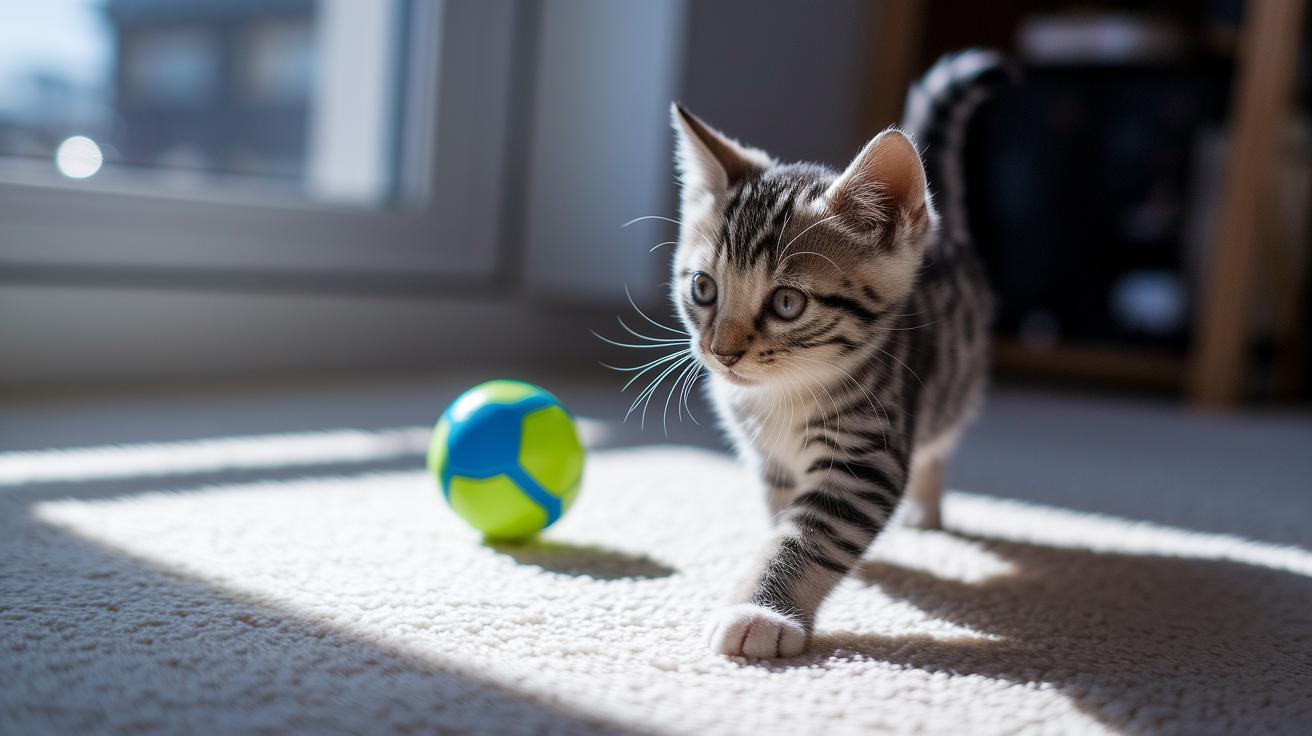
Author: Lucas Turner

  • when do cats balls drop: Know Age Effortlessly

    when do cats balls drop: Know Age Effortlessly

    Have you ever crouched behind the couch, heart racing, just to sneak a peek at your kitten’s tail base?
    Around six to ten weeks, most little furballs start to show two tiny spheres (testes, the male reproductive glands) right under their tail.
    It’s a curious milestone that makes you grin!

    Pinpointing that moment is a paw-some trick for guessing how old your kitty is, planning vet visits, and even settling fun bets with friends.
    Ever had someone ask “How old is your kitten?” Now you can say, “Let me check.”
    You’ll feel like a cat-age detective!

    Next, we’ll stroll through a week-by-week guide so you’ll know exactly when those baby balls make their grand debut.
    You’ll have your answer at your fingertips, or um, at your kitten’s tail tip.
    Then you can wow fellow cat lovers with your age-spotting skills.

    Timeline of Cat Balls Dropping in Kittens
    - Timeline of Cat Balls Dropping in Kittens.jpg

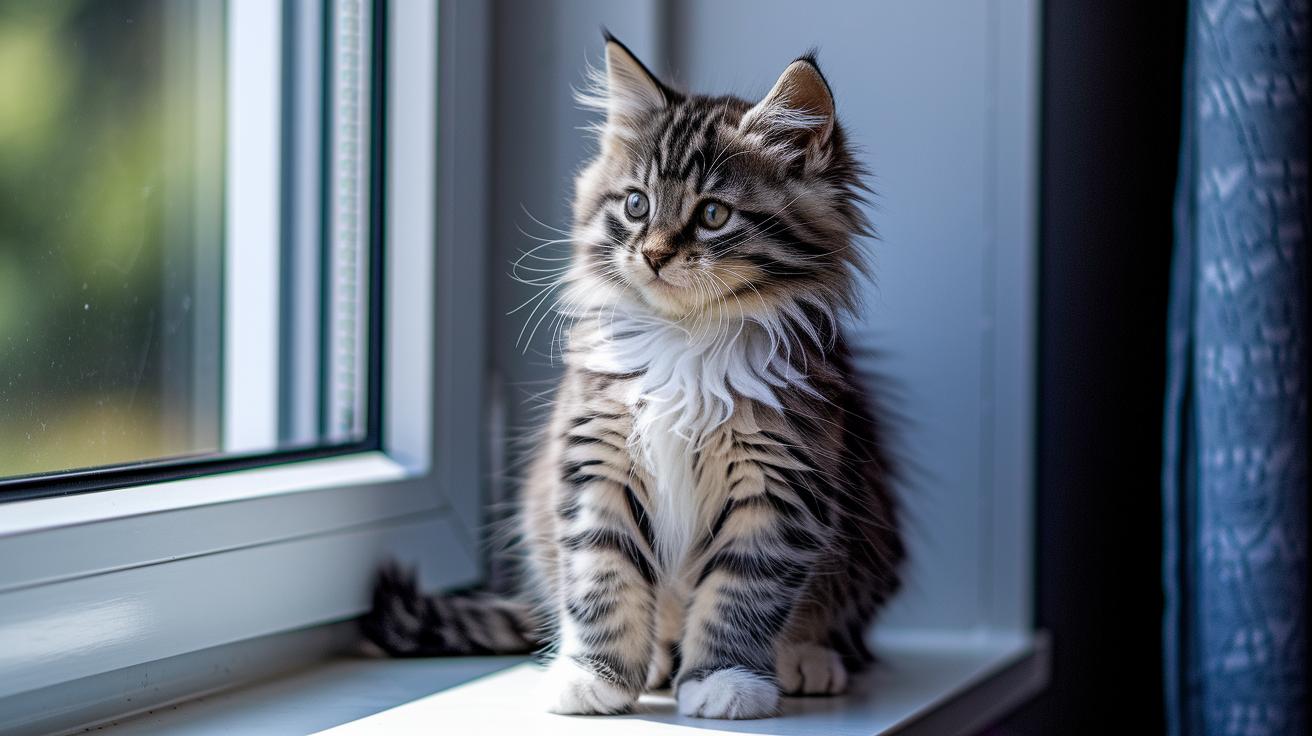
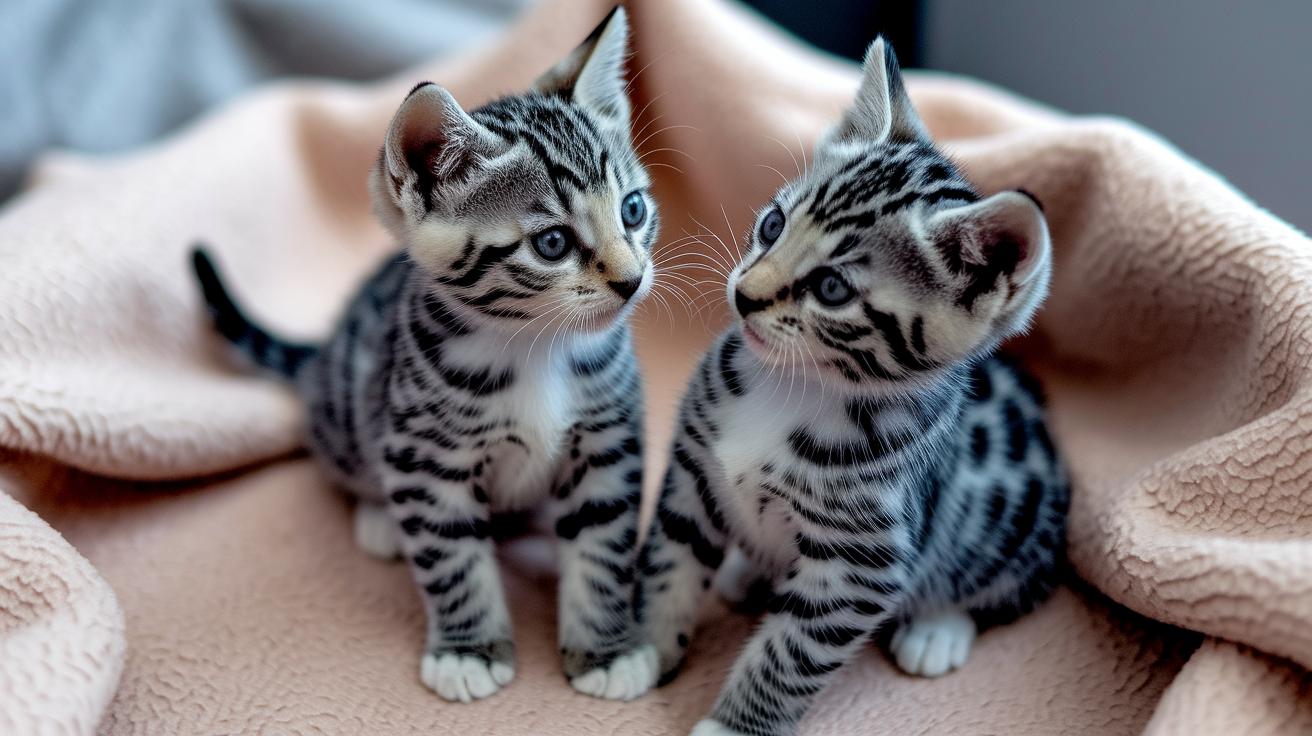
    Ever watched your kitten tumble across the floor and wondered, “When will his testicles (balls) drop?” Um, around six to ten weeks old, most little guys see those tiny orbs slide into the scrotum (the pouch under his tail). In the first few weeks the scrotum is flat, but by week six you might feel a soft bump – like a secret just revealed.

    Ever watched him chase shadows and wonder what's next? Patience is key – you know, cats do everything on their own kitten time.

    Inside your kitten’s belly, the testes (male glands that make sperm) start near the kidneys. Then they travel through the inguinal canal (a groin tunnel) down into the scrotum.

    By eight weeks most kittens sport pea-sized swellings just beneath the tail. Give it a bit more time, and nearly all will finish by three months. Those stragglers wrap up by half a year old.

    Once the drop is done, each testicle feels like a soft marble about the size of a pea, nestled between the anus and penis. If by six months you still can’t feel anything, it’s time to check with your vet. A quick exam can spot any hide-and-seek testicles and rule out cryptorchidism (when a testicle stays inside the abdomen).

    Think of this as your kitten ball-drop checklist:

    • Six weeks: first gentle feel
    • Eight weeks: quick check-up
    • Twelve weeks: another look
    • Monthly until six months

    These simple paws-on checks help you know exactly when those little orbs arrive.

    Worth every paw-print.

    Identifying Dropped Testicles: Signs and Techniques
    - Identifying Dropped Testicles Signs and Techniques.jpg

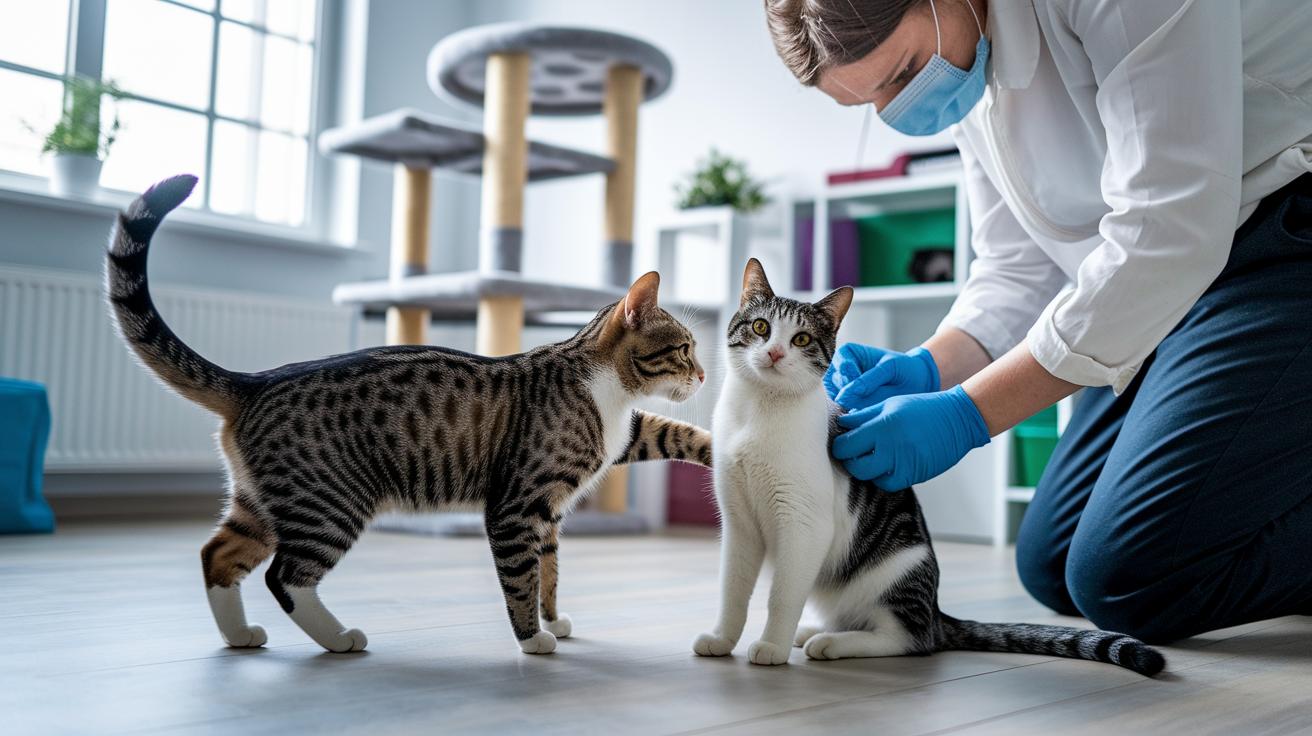
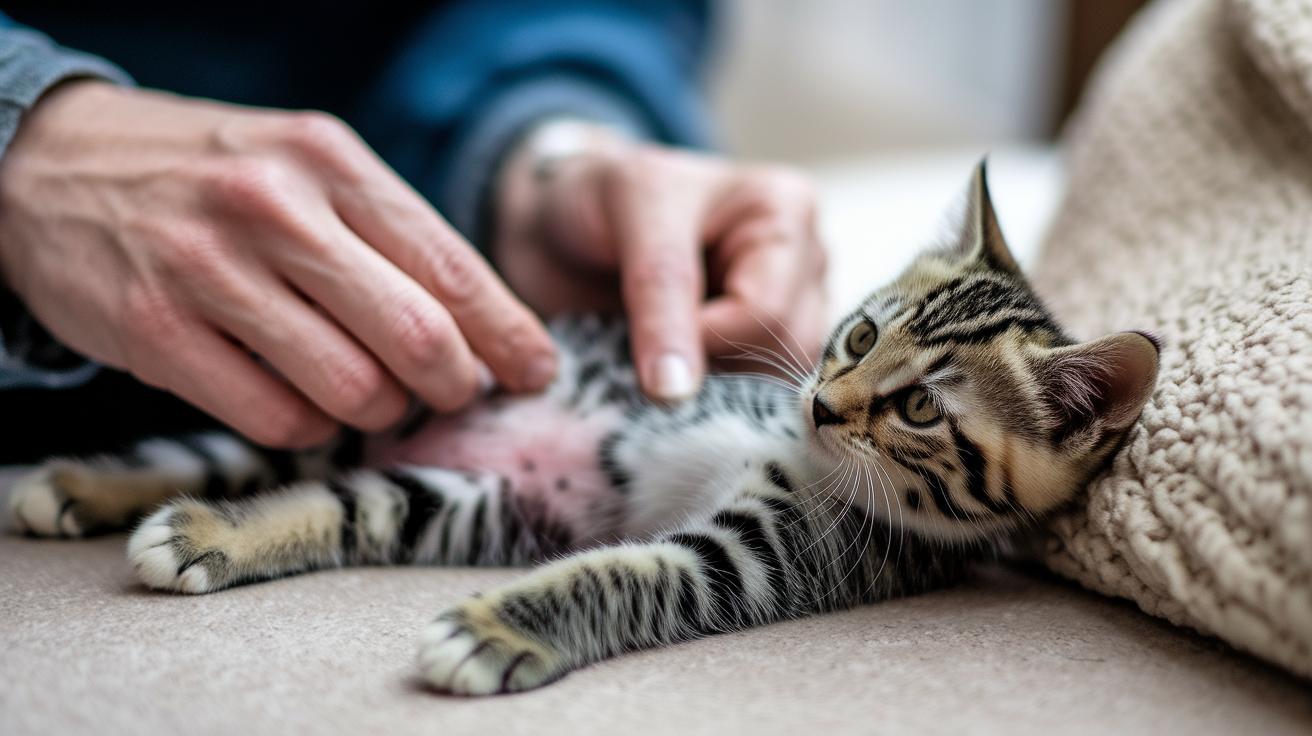
    Ever peek under your kitten’s tail after they hit six weeks? You might spot two tiny bulges in the scrotum (the pouch just under their tail) – those are the testicles (the little lumps that mean it’s a boy kitten). Ever watched your kitty’s whiskers twitch when you press that spot? It’s oddly cute!

    Basic palpation (feeling with your fingers) is simple. Cup the scrotum between your thumb and forefinger. Press gently – like checking if berries are ripe. You should feel two soft lumps, each about the size of a pea.

    Next, a couple extra checks if you need them:

    • Asymmetry check
      If one lump feels missing, don’t worry. That testicle may drop a bit later. Try again in a few days. Most kittens even out by week twelve.

    • Fur versus skin folds
      Part the fur carefully so you see actual skin. Sometimes hair hides a lump or makes a fold look bigger.

    Tip in action: Cup that fold, press lightly, and you’ll sense two round friends ready to join playtime.

    If you still can’t find both by four months, ask your vet to take a peek. Worth every paw-print.

    Breed and Individual Variations in Testicle Descent Timing
    - Breed and Individual Variations in Testicle Descent Timing.jpg

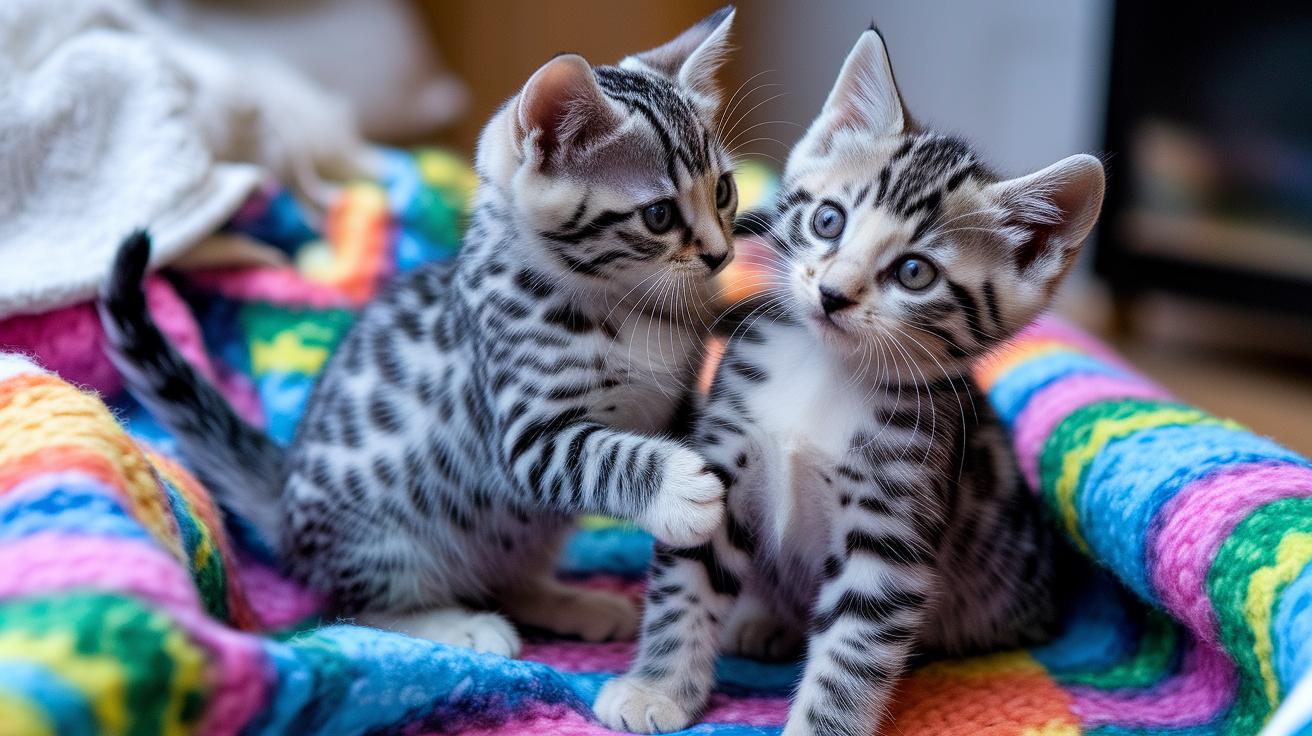
    Most kittens tuck their testicles into the scrotal pouch (that’s the small sac under their belly) between six and ten weeks. Ever peeked at that little pocket? It’s a handy way to watch their growth.

    Big, fast-growing breeds like Maine Coons can start this process as early as four weeks. Tiny or late-developing kittens, Devon Rex or rescue furballs, might not finish until around twelve weeks.

    Growth speed and body size steer the timing. So during your weekly cuddle-and-check, give that pouch a quick glance to see how things are shaping up.

    Cryptorchidism and Undescended Testicles in Kittens
    - Cryptorchidism and Undescended Testicles in Kittens.jpg

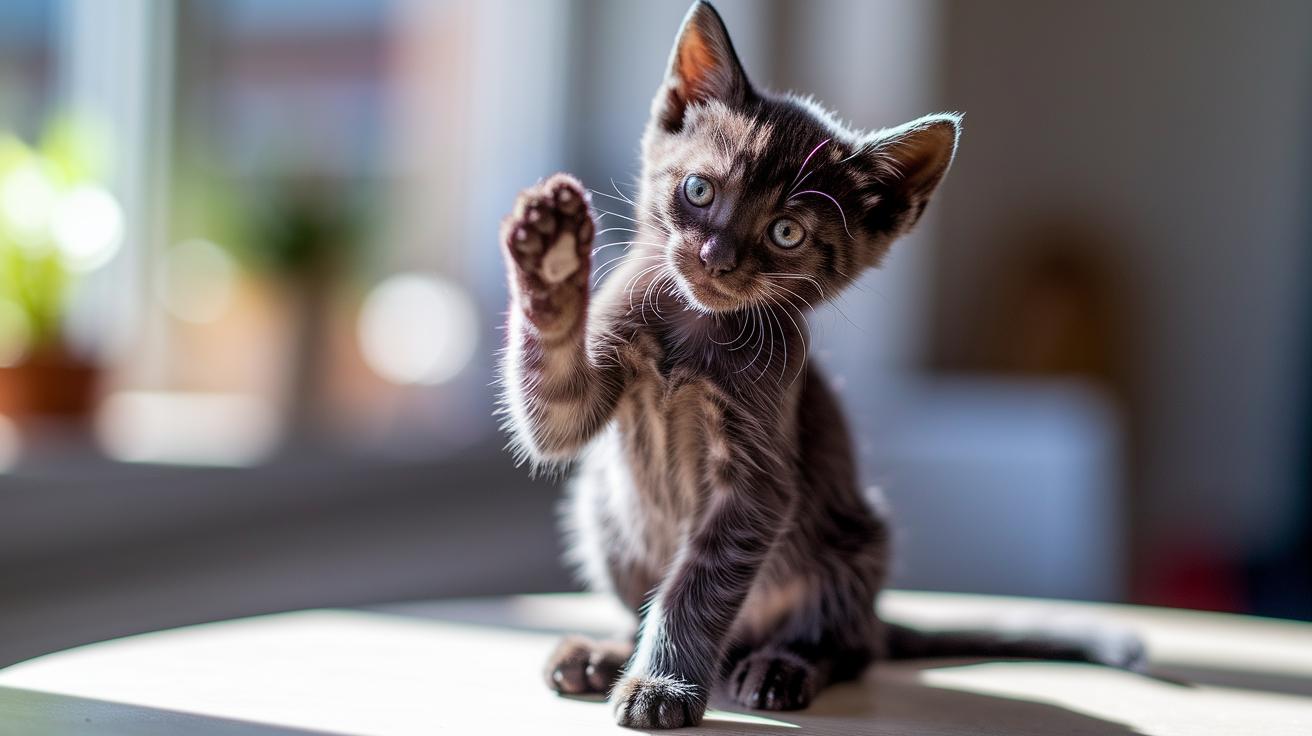
    Cryptorchidism is a fancy word for when one or both of your kitten’s balls (testicles) miss the trip down to the scrotum (skin pouch). Instead, they hide up in the belly (abdomen) or groin canal (that lower belly tunnel). If just one takes the detour, we call it a monorchid kitty. When both stay tucked up, that’s bilateral retention.

    Inside the abdomen feels like wearing a fur coat on a summer day, too hot and totally annoying for those delicate glands. All that extra heat can mess with how they work and even up the risk of tumors. No fun for your furry pal.

    Spotting a phantom testicle early makes all the difference. Ever tried a gentle feel between play sessions? Vets call it scrotal palpation at around four months. If it’s still a mystery, they’ll use an ultrasound (sound-wave imaging) to track down the shy balls. Sometimes they throw in a blood test to check hormone hints.

    The cure’s called cryptorchidectomy (we’re just removing the hidden testicles). It’s a smidge more involved than a standard neuter but no harder than a spay. Most vets do it before puberty, around four to six months, so your kitty grows up healthy.

    Next, slip in a quick ball check during your monthly cuddle session. Think of it as hide-and-seek before your morning coffee. If by month four you still feel nada, ring up your vet. Then you can sit back and enjoy your kitten’s zoomies worry-free!

    Neutering Your Male Kitten: Optimal Timing and Care
    - Neutering Your Male Kitten Optimal Timing and Care.jpg

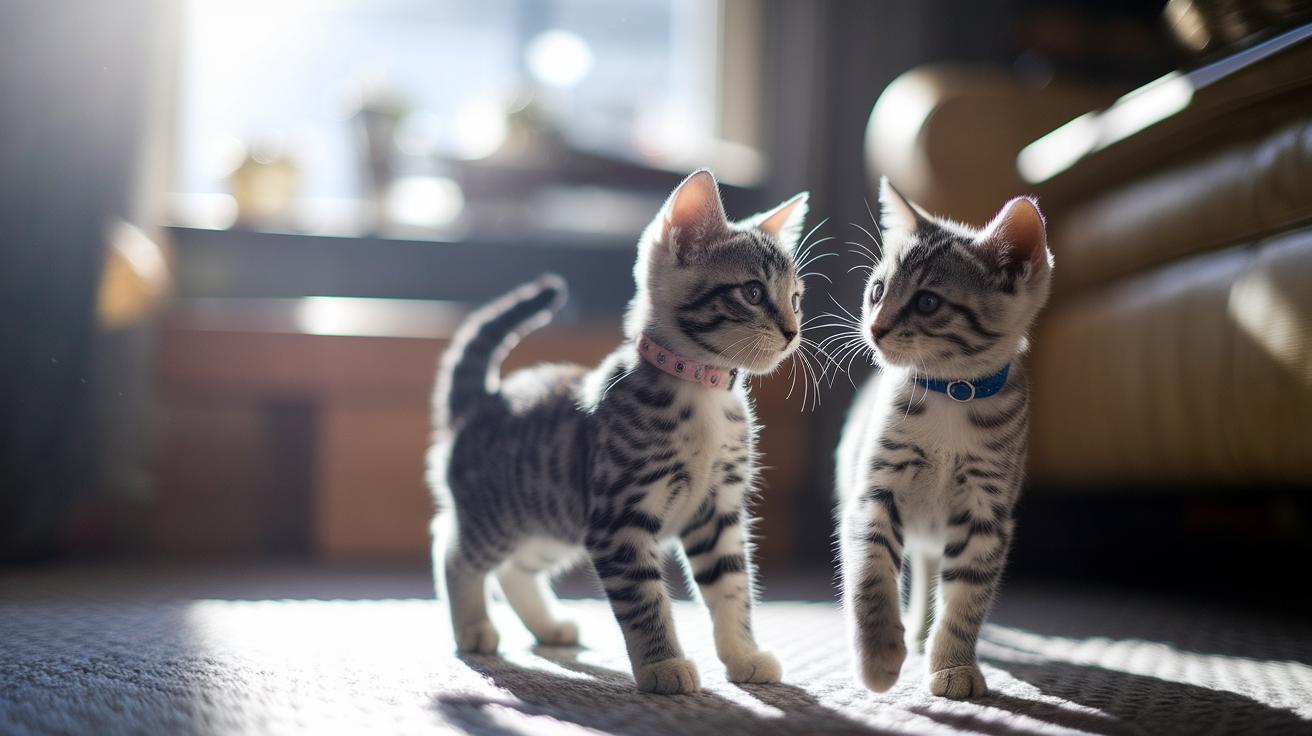
    Most vets say eight to 12 weeks is just right, just after those pea-size testicles (male parts) have dropped. Before the big day, your vet will weigh your furball and give him a full health check. You might worry an early snip slows growth or steals kitty spirit. But research shows kittens grow up strong and stay playful.

    Snipping early stops surprise litters before they start. It cuts down on door-yowls and marking mischief. And it cools down those midnight zoomies on your lap. Really.

    The surgery feels like a routine spay. Your kitten gets anesthesia (sleep medicine) so he snoozes happily while the vet removes the gonads (fancy name for testicles). In and out in under thirty minutes. Yep, it’s that quick.

    Next comes gentle care. Keep play slow, floor-level toys only for a bit. Your kitten’s whiskers might quiver when the soft ball bounces across the rug. Watch the incision (small cut) for seven to ten days to spot any redness or swelling.

    • Check the incision two times a day for swelling or redness
    • Keep kitty from big jumps by closing curtains or blocking window perches
    • Follow your vet’s pain plan exactly, no skipping doses
    • Hold off on baths until stitches disappear or your vet says it’s okay

    Most kittens bounce back in ten to fourteen days. Then they’re ready to pounce on feather wands without fuss. Worth every paw-print.

    When to Consult a Veterinarian on Testicle Descent
    - When to Consult a Veterinarian on Testicle Descent.jpg

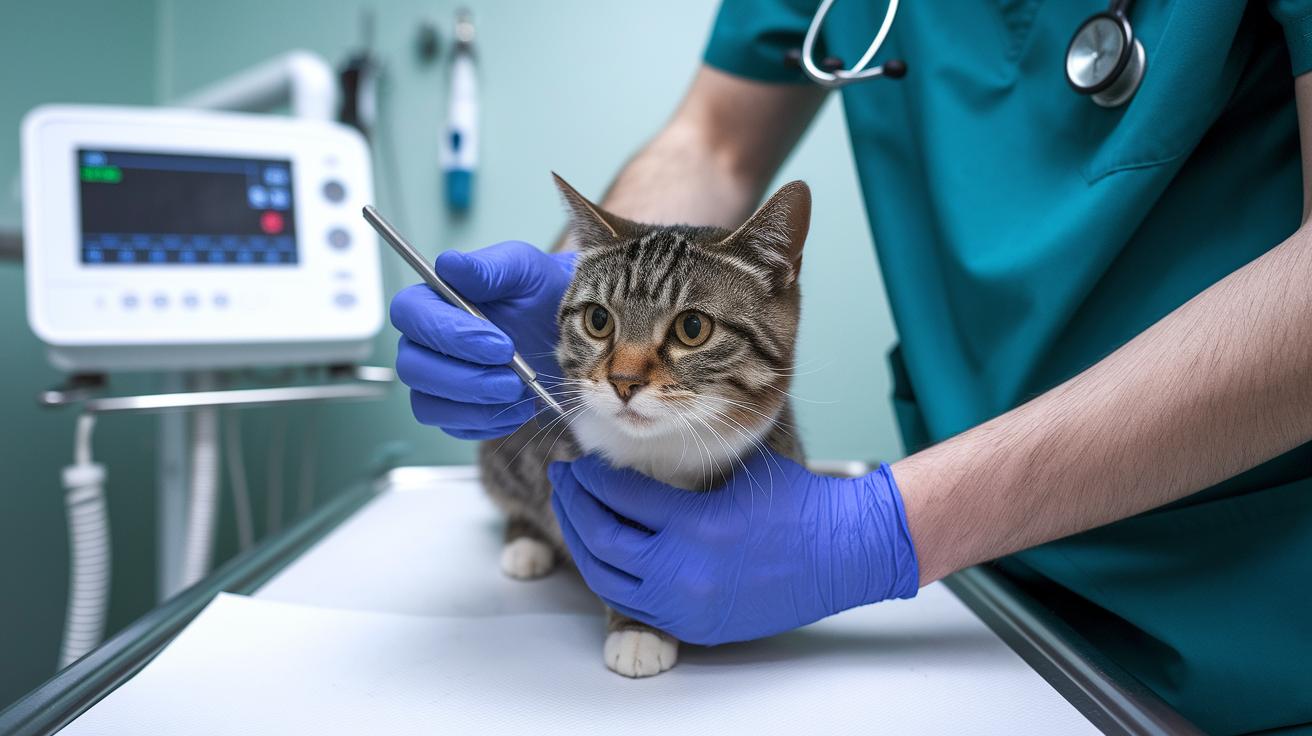
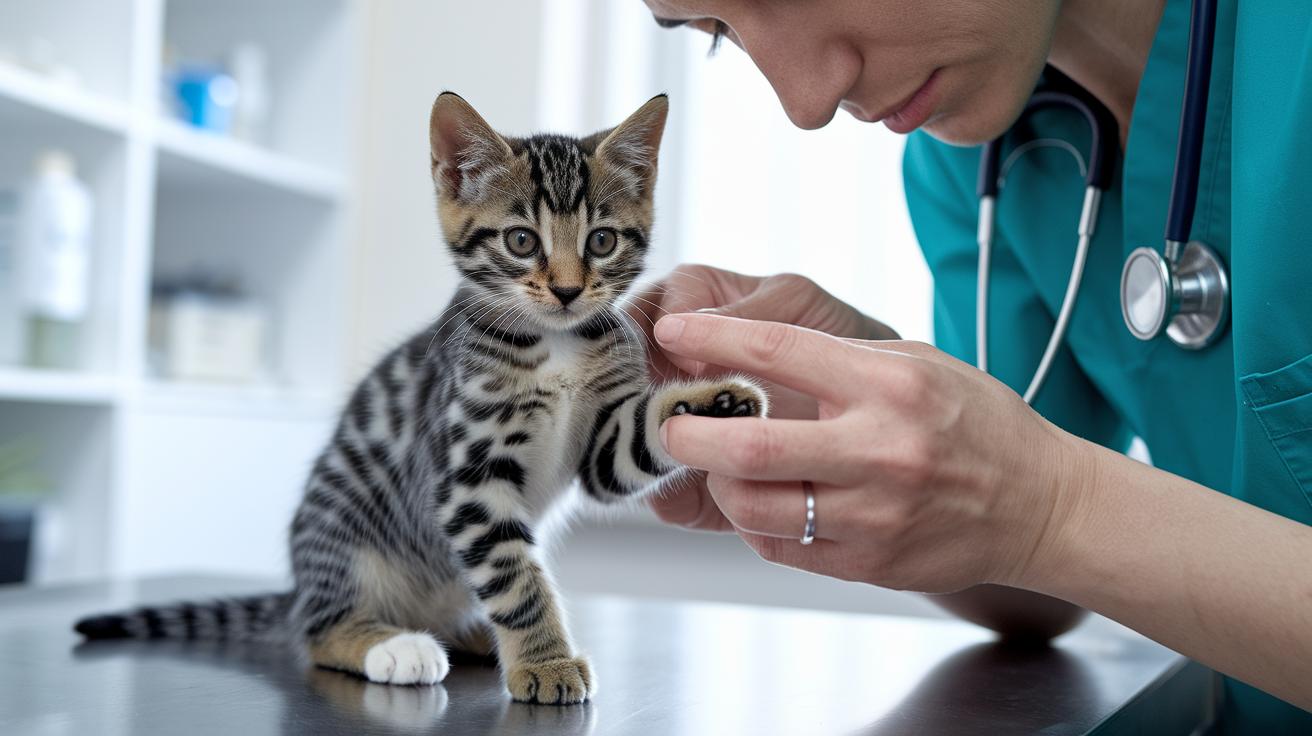
    By the time your kitten is about 16 weeks old you should be able to feel both testicles in the scrotum. Ever gently rolled the soft skin under its belly to check? You’ll feel a small, round nodule on each side.

    If one or both are still missing at 16 weeks, schedule a vet visit. The vet will perform scrotal palpation (a gentle feel of the testicle area) and might use ultrasound (sound wave imaging) to find any hidden parts. Catching a retained testicle early means the surgery is simpler and the long term risks are lower.

    Worth every minute.

    Final Words

    We covered the timeline of male kittens’ testicles descending, what to expect at six to ten weeks, how to spot those tiny pea-sized testers, and how breed types can change the pattern.

    We flagged cryptorchidism signs and why a vet check by four months helps catch any hiccups early. Plus the prime window for neutering, with easy post-op care tips.

    Knowing when do cat balls drop helps you worry less and enjoy every playful pounce.

    Your busy days just got simpler and happier with that peace of mind.

    FAQ

    At what age should my male kitten’s balls drop, and why might they not have dropped?

    The testicles usually descend at 6–10 weeks, most by two months, nearly all by three months. Breed or growth variations can delay to 12 weeks. If no drop by six months, see your vet.

    At what age do male cats start ejaculating and spraying?

    Male cats reach sexual maturity around 6–12 months. First ejaculations and spraying usually begin near that age as hormones kick in.
    Related Articles

  • feline leukemia life expectancy Encourages Care and Comfort

    feline leukemia life expectancy Encourages Care and Comfort

    Ever wondered if your purring pal can beat the odds of feline leukemia? About 85% of cats diagnosed with feline leukemia virus (FeLV, a blood-borne virus) don’t live past three years. Ouch. If you’ve ever felt your heart drop at a vet visit, you know that stat stings.

    But every whisker-twitcher writes its own story. Some kitties sneak an extra year or two of cozy headbutts and soft paw-steps. Really. It’s like grabbing bonus playtime before their next nap.

    I’m here to share the main factors that guide each cat’s FeLV journey. We’ll cover early testing (that simple vet blood test), immune-boosting tips, and ways to keep your furball feline fine. You’ll learn how to give your kitty the care and comfort they deserve – like gentle grooming sessions or a sunlit window perch for power naps.

    Ready to extend those purr-filled days and brighter moments? Let’s dive in.

    Understanding Feline Leukemia Life Expectancy

    - Understanding Feline Leukemia Life Expectancy.jpg

    Ever wondered how long a kitty might live after a feline leukemia (FeLV) diagnosis? Most cats stick around anywhere from a few months to about three years. That wide range shows how each furball’s story is different. Your cat’s whiskers might still twitch two years in or sometimes just a few soft paw-steps past that initial diagnosis.

    On average, cats with a progressive infection (when the virus keeps spreading) live about 2.4 years. Healthy pals usually clock in closer to 6.3 years. That gap really shows how much FeLV can shift a cat’s life path. Early testing and a strong immune fight can tip the prognosis in your kitty’s favor.

    About 85% of FeLV-positive cats pass away within three years. It’s a sobering stat, um, but it doesn’t erase hope. Some kitties stay symptom-free for months, even years. That’s why keeping up with vet check-ups and watching for things like pale gums (a sign of anemia) or sudden weight dips is crucial.

    Younger cats and getting tested early often push life expectancy upward. Catching the virus before anemia (low red blood cells) or weight loss sets in gives your vet the best shot at managing symptoms. In truth, timing can really change the feline leukemia virus prognosis.

    Test sooner rather than later.

    Factors Influencing Feline Leukemia Life Expectancy

    - Factors Influencing Feline Leukemia Life Expectancy.jpg

    Every kitty’s story is unique, and FLV-positive cat prognosis depends on more than just a single test result. Age at exposure influence plays a big role, kitten immune systems still growing can swing either way, while older cats might mount a slower fight. Outdoor cat vulnerability adds another layer: sniffing every corner makes vet visits a must, since those street-level bugs can sneak in and make things worse.

    Cats with a strong early immune response often slip into a regressive infection (when the body holds the virus in check), which can boost treated leukemia outcomes by adding months or even years. But if the virus spreads unchecked, progressive infection, the untreated leukemia outcomes tend to be grim, with survival measured in a few paw-steps of months rather than years.

    • Age when exposed (younger cats may face harder battles, older ones a slower immune pickup)
    • Infection phase (regressive vs. progressive, the first often means longer life)
    • Presence of anemia (anemia effect on survival is clear, low red blood cells make every day tougher)
    • Degree of weight loss (weight loss significance can signal trouble and shorten the runway)
    • Indoor versus outdoor lifestyle (indoor cats dodge many infections, outdoor cat vulnerability spikes risk)
    • Response to initial treatment (quick vet care and follow-up often tilt FLV-positive cat prognosis upward)

    Mixing these variables paints a bigger picture: a young cat caught early, staying warm indoors with prompt care, often outpaces survival stats compared to a stray facing anemia and unchecked weight dips. In truth, understanding how each factor links together gives you the best shot at cheering on your furball, day after confident day.

    Diagnostic Testing and Prognostic Indicators for Feline Leukemia

    - Diagnostic Testing and Prognostic Indicators for Feline Leukemia.jpg

    Let’s talk about how vets track down Feline Leukemia Virus (FeLV). Accurate testing is like giving your vet a roadmap to see where the virus is hiding. Early checks help us guess how feisty the infection might get and guide steps that keep your cat feeling cozy.

    The ELISA test (a quick blood check that spots viral proteins) shines in first-line screening. You get results in minutes from a tiny blood or saliva sample. If it comes back positive, your vet usually orders an IFA test (immunofluorescent antibody test that lights up infected cells) to confirm the virus is multiplying inside kitty’s cells.

    Then there’s PCR detection (a test that copies and counts the virus’s genetic bits). Think of it like tallying enemy troops. A high count often matches a fast-moving infection. Low or no count hints at a regressive phase, when your cat’s own defenses hold the virus in check.

    Routine bloodwork gives more clues with hematology (blood cell counts). We look for anemia (low red blood cells) and leukopenia (low white blood cells). These numbers plug into staging guidelines vets use to forecast problems like weakness from anemia or higher risk of infections.

    Together, these tests form a handy toolkit. You and your vet can use them to build a care plan that boosts your cat’s comfort and maybe even adds a few more purr-filled days.

    Treatment Options Impacting Feline Leukemia Survival

    - Treatment Options Impacting Feline Leukemia Survival.jpg

    Even though we don’t have a cure for FeLV (feline leukemia virus), we do have ways to help your kitty feel better on the tough days. Most vets, um, start with antiviral meds and supportive care to keep your cat’s energy up and infections down. Want the full rundown? Peek at treatment for feline leukemia virus.

    Antiviral therapy in cats, like AZT (a medicine that stops the virus from copying itself), can slash the viral load. And when your furball picks up a bug, antibiotics step in to chase away infections. Then you’ll see those paws spring into action – and maybe a triumphant back-flip on the couch!

    Here’s a quick look at the main therapies:

    • Antiviral meds: slow the virus so your cat’s immune system can catch its breath.
    • Antibiotics: knock out extra infections so no more sneezing fits.
    • Nutritional support: high-calorie diets (think creamy wet food) to keep weight steady and energy buzzing.
    • Interferon treatments: boost immune signals, often buying you extra months of soft head-butts.
    • Chemotherapy for lymphoma: gentle drugs shrink tumors – carefully dosed so kitty stays spunky.
    • Immunotherapy: experimental shots to rally white blood cells (the body’s little fighters).
    • Blood transfusions: refill red cells when anemia hits hard.

    When FeLV turns into lymphoma, chemo joins the team. Vets watch blood counts like hawks so treatment stays strong but gentle. Actually, interferon can be a game-changer too – think of it as a pep talk for your cat’s immune system that can mean more rump wiggles and cuddle time. Timing’s key: too much can leave fur looking blah; too little, and those tumors might regroup.

    Supportive care is all about comfort. Hydration therapy (fluids to spark an appetite), gentle grooming sessions to soothe stress, and those rich wet-food bowls that keep coats glossy. Ever felt your cat purr as you brush them? Pure magic.

    Combining therapies often purrs louder than going solo. Your vet will tweak doses and schedules so your kitty gets the coziest care plan – more purrs, playful leaps, and well… a few extra tail swishes. One last tip: regular check-ups, a cushy bed, and quiet naps make all the difference.

    feline leukemia life expectancy Encourages Care and Comfort

    - Managing Quality of Life in Feline Leukemia Cases.jpg

    Ever watch your kitty knead a soft blanket? Creating a cozy, low-stress spot for your FeLV-positive cat (cat with feline leukemia virus) feels like building a tiny safe haven. Those kneading paws help block out outdoor germs and quiet anxious whiskers. And keeping your furball indoors cuts the chance of catching bugs that steal energy.

    Next, um, a few fun ideas can spark some joy when your cat feels low. Puzzle feeders (treat puzzle toys), gentle climbing shelves (mini stairs) and quiet bird videos can all get those whiskers twitching. My Luna once batted at a feather wand for ten blissful minutes, proof that small play bursts still count. Really.

    Tips to make your home a purr-fect retreat:

    • Keep cats inside to cut germs and make daily check-ins easy (watch appetite, litter habits, and mood).
    • Offer hiding spots and extra-soft beds so they can curl up away from stress.
    • Rotate puzzle feeders and toys to keep minds sharp and paws busy.
    • Talk with your vet about low-dose pain meds (pain medicine) for aches from anemia or stiffness.
    • Ask about appetite stimulants (hunger boosters) when naps outnumber meows.
    • Add a gentle water fountain and more wet food for hydration therapy (extra water) to help kidneys.
    • Schedule easy brushing and nail trims (grooming help) so mats can’t sneak in.
    • Try hospice care options (heated pads or soft massages) when your kitty needs extra TLC.

    Watching your cat purr in a sunbeam or lap up spoonfuls of creamy broth is pure magic. Regular vet visits, gentle monitoring, and a snug nest help your fur family member feel safe and loved, one purr at a time.

    Prevention and Infection Control in Feline Leukemia

    - Prevention and Infection Control in Feline Leukemia.jpg

    Let’s start with vaccines. Getting your kitty vaccinated against FeLV (feline leukemia virus) gives their immune system a head start before any nasty germs show up. Kittens should get two shots starting at eight weeks, then a booster every year to keep that protection strong. Ever seen your cat give you the “really?” look at the vet’s office? Totally normal, won’t stop those shots from being claw-tastic lifesavers.

    Next, keeping cats indoors cuts down on saliva-based transmission and dodges stray carriers. Think about it: your cat’s whiskers twitching as they chase a toy instead of a neighbor’s cat. In a multi-cat home, separate food bowls and water dishes stop germs from playing “musical bowls.”

    Infected moms can pass FeLV to their kittens during nursing or pregnancy (vertical transmission), so testing pregnant queens and their newborns is a must. Then, isolate any FeLV-positive cats in a quiet room to protect the rest of your fur family. Worth every paw-print.

    Key infection control measures:

    • Get the initial two-shot series at 8 weeks, then yearly boosters
    • Keep kitties indoor-only to avoid outdoor carriers
    • Give each cat its own food bowl and water dish
    • Provide separate litter boxes for every whiskered friend
    • Test pregnant cats and kittens before they mix with the group
    • Clean bowls, bedding, and surfaces with a pet-safe disinfectant

    Emerging Therapies and Research in Feline Leukemia

    - Emerging Therapies and Research in Feline Leukemia.jpg

    Researchers are experimenting with new antiviral candidates – medicines that slow how fast FeLV (Feline Leukemia Virus) makes copies of itself. Think of them as tiny brakes on viral replication (when a virus duplicates). Early lab results look hopeful, but they’re still on the bench, not at your vet’s clinic.

    Gene therapy is in super-early trials. Scientists want to swap out faulty bits of a cat’s DNA so its immune system can fight FeLV better. And stem cell treatments (um, cells that can turn into other tissue types) might help rebuild bone marrow damaged by the virus.

    Biomarker discovery – finding tiny signs in a cat’s blood that hint who’ll stay strong and who may need extra care – is picking up steam. Meanwhile, immunomodulators aim to tweak white blood cells so they spring into action against infections. Ever imagine your kitty’s own unit of defenders? I have.

    Precision medicine gathers viral load, genetics, and health history to craft a plan for each purring pal. Researchers are also studying resistance mechanisms (how the virus dodges treatments) so future meds can stay one paw ahead. It’s early days, but these paths might add purr-filled years to a FeLV-positive life.

    Worth every paw-print.

    Case Studies of Long-Term Survival in Feline Leukemia

    - Case Studies of Long-Term Survival in Feline Leukemia.jpg

    Meet Oliver, a ginger tabby with a love for sunbeams. He squeaked by nine years after his feline leukemia virus (FLV) diagnosis, way past the usual 2.4-year mark. Vets found he went into a regressive infection phase (when the virus stays super low early on) so the viral copies hardly budged. His red blood cell counts (the cells that carry oxygen) stayed steady, and quick vet visits for tiny infections kept him purring contentedly.

    Then there’s Mia, an indoor-only kitty who tested positive but never acted sick. Her humans did regular bloodwork, annual checkups, and gave her a stress-free home (no midnight vet panic, you know). No anemia, no weight dips, just daily head-butts and soft purrs past eight years. Ever watched your cat nudge your hand at breakfast? That was Mia saying thanks for the extra love.

    Jasper is the remission-wonder cat. By year five, he cleared detectable virus levels, though FLV popped back in mild form later on. Um, we switched to a second round of supportive care, antiviral meds (medicine that fights the virus), little snacks to boost his appetite, and extra fluffy bedding, and I once saw him leap like a tiny tiger to catch his favorite toy, adding more purr-filled days to his life.

    These stories show how early detection, a strong immune response, and the right care can rewrite FLV life expectancy. Age at diagnosis, an indoor lifestyle, and quick vet help all add up to extra sunny naps. Some cats outpace expectations and remind us that every extra whisker deserves a celebration.

    Every extra whisker deserves a celebration.

    Final Words

    You’ve leapt right into survival stats for cats with FeLV, seeing average spans from months up to three years and the key factors that tip the scales.

    We’ve dug into diagnostic tests, treatment options, and daily care moves, everything from nutrition to stress-free hideouts.

    Then came a peek at prevention, research frontiers, and real-life stories of long-term survivors.

    With this mix of facts and hope, you’re ready to support your cat’s best feline leukemia life expectancy and keep those purrs coming.

    FAQ

    Does feline leukemia affect humans?

    Feline leukemia virus never spreads to humans. You can cuddle your kitty without worry any day. Always follow good hygiene when you clean food and water bowls.

    What is the average life expectancy for cats with feline leukemia with and without treatment?

    The average life expectancy for cats diagnosed with feline leukemia virus ranges from a few months up to three years. Cats receiving early care and treatment often reach around two years or more.

    What are the first signs and symptoms of feline leukemia?

    The first signs of feline leukemia include loss of appetite, weight loss and low energy. You might also notice fever, enlarged lymph nodes and anemia (low red blood cells).

    When should a cat with feline leukemia be euthanized?

    A cat with feline leukemia should be considered for euthanasia when its quality of life drops – when it eats and drinks very little, has chronic pain or uncontrollable infections. Discuss timing with your vet.

    Can a cat with feline leukemia live with other cats?

    A cat with feline leukemia can live safely with other cats if they’re vaccinated, tested negative and share space under supervision. Keep separate bowls and watch for any signs of illness.

    What is the longest a cat has lived with feline leukemia or FIV?

    The longest-recorded FeLV-positive cat lived beyond eight years, often in regressive infection (mild or inactive phase). FIV (feline immunodeficiency virus) cats may live ten-plus years with good care and vet check-ups.

    What are the final stages of feline leukemia?

    The final stages of feline leukemia involve severe anemia (low red blood cells), major weight loss and persistent infections. Cats often become very weak, rest almost constantly and need extra pain relief and comfort care.

    Related Articles

  • homemade diabetic cat food Boosts Feline Vitality

    homemade diabetic cat food Boosts Feline Vitality

    Ever peek at your cat’s bowl and wonder if that store-bought food is secretly spiking their blood sugar? Diabetic cats often battle simple carbs (fast-digesting sugars) and fillers that leave them feeling sluggish. They're literally chasing their own tails.

    Enter homemade meat stew. It’s a savory, protein-packed bowl that smells like pure temptation to your furball. Ever watch your kitty’s whiskers twitch at a whiff? The juicy scent and added moisture (water content to help digestion) give their muscles a turbo boost and perk up their mood.

    You’ll whip up lean turkey (a low-fat protein), tender chicken thigh and a splash of healthy oil (like omega-3-rich fish oil) in minutes. Then stir in water or low-sodium broth for extra hydration. This mix helps reset your kitty’s energy and keeps blood sugar from doing loop-de-loops.

    Next, serve small, bite-sized meals throughout the day. These mini-boosts keep sugar levels steady and paws purring. Worth every paw-print.

    Essentials of Homemade Diabetic Cat Food

    - Essentials of Homemade Diabetic Cat Food.jpg

    Ever noticed your kitty slowing down after mealtime? Feline diabetes is most often type 2, which means their body can’t use insulin well (insulin helps move sugar from the blood into cells). And extra weight often makes things worse.

    A homemade diabetic diet fights both weight and blood sugar together. Think of it as a claw-tastic meat stew for your furball. We’re aiming for long-term purr health.

    Aim for at least 50% protein (building blocks for strong muscles), 20 to 40% healthy fat (good oils that keep fur shiny), and 10% or less carbs (simple sugars and starches). Picture a meat-heavy mix of lean turkey breast and chicken thigh with just a dash of healthy oil, no grains in sight. This low-carb cat food helps dodge those glucose spikes that overwork insulin.

    Cats are obligate carnivores (they only eat meat), so center every meal on human-grade cuts with about 8 to 15% fat (juicy roast beef chunks or small lamb pieces). Starchy fillers like grains or potatoes are out, they’re clumsy for your furry friend to process. Swap them for pure protein treats that fuel muscles and keep energy steady.

    Hydration matters just as much as macros. Wet food delivers moisture and protein in one bowl. I love how the broth drips around the meaty pieces, bonus for urinary health. A well-hydrated cat is more playful and less prone to crystal buildup.

    Serve meals every 12 hours, right before insulin time. Consistent meal times keep hunger pangs in check and align with insulin cycles. That way you control blood sugar naturally. It’s a diabetic diet that’s easy for busy pet parents and paws-up approved by playful felines.

    Worth every paw-print.

    Choosing Ingredients for Homemade Diabetic Cat Food

    - Choosing Ingredients for Homemade Diabetic Cat Food.jpg

    Hey cat parents, let’s whip up a simple, blood-sugar-friendly meal for your diabetic kitty. Lean, human-grade proteins are the backbone here. Ever seen your cat’s whiskers twitch when you open a can of tuna? Try these for a steady-glucose feast:

    • Turkey breast (boneless and skinless)
    • Chicken thigh (boneless and skinless, juicy!)
    • Lean beef (stewing cuts)
    • Venison (neck or shank cuts)
    • Rabbit (light muscle meat)
    • Low-mercury fish like tilapia or cod

    And fats? Keep them around 8 to 15 percent of the total mix. Healthy oils fuel energy and give a shiny coat. Fish oil (rich in omega-3 fatty acids) or algae supplements (plant-based omega-3) are paw-fect picks.

    Carbs can send blood sugar soaring, cats are obligate carnivores (they need meat). Skip corn, wheat, rice, potatoes and other starches. Instead, stir in a pinch of fiber to slow sugar release: pumpkin puree (fiber boost and vitamin A), beet pulp (prebiotic fiber) or psyllium husk (soluble fiber for glycemic control).

    Pure meat misses some key vitamins and minerals, like taurine (a vital amino acid), calcium and iodine. A vet-approved premix supplement fills those gaps and keeps meals balanced and safe. Worth every paw print.

    Poultry and Fish-Based Homemade Diabetic Cat Food Recipes

    - Poultry and Fish-Based Homemade Diabetic Cat Food Recipes.jpg

    Ready to whip up two easy, vet-approved meals for your diabetic furball? One’s got lean poultry, the other uses mild fish, and both pack about 265 calories per serving. They’re moist (60-66% water), have roughly 50-60% protein, 20-30% fat, and under 10% carbs.

    Ever watched your kitty sniff and then dive in? That moment is priceless.

    Raw Poultry Recipe

    This cool, fresh mix is protein-packed and smooth enough for picky eaters. We use turkey or chicken breast with no skin and no bones.

    Ingredients

    • 2 lbs (about 900 g) boneless, skinless poultry (turkey or chicken breast)
    • 1½ cups cold water
    • ½ cup vet-approved premix supplement (vitamin and mineral mix)

    Here’s how to do it:

    1. Chop or grind the meat into small, pea-sized bits.
    2. Pour in cold water and stir until everything looks blended.
    3. Add the premix supplement and mix thoroughly.
    4. Pop it in the fridge for 10 minutes to chill before serving.

    Handling Tips

    • Wash counters and utensils with hot, soapy water before and after prep.
    • Store leftovers in a sealed container in the fridge for up to 2 days.
    • If your cat prefers a silky texture, give it a quick, light puree.

    Cooked Fish Recipe

    This warm, flaky dish is great for cats who love a little sizzle. We pick gentle, low-mercury fish so it’s safe and tasty.

    Ingredients

    • 2 lbs (about 900 g) ground low-mercury fish (tilapia or cod)
    • 1½ cups water
    • ½ cup vet-approved premix supplement (vitamin and mineral mix)

    Steps

    1. Heat a skillet over medium heat. Add fish and water, then brown for 5 to 7 minutes.
    2. Turn off the heat and let it cool to room temperature so it’s safe for your kitty.
    3. Stir in the premix supplement until it’s evenly mixed.
    4. Divide into two meals of about ½ to ¾ cup each.

    Safety Notes

    • Use a food thermometer (for checking temperature) to make sure the fish hits 145 °F (63 °C).
    • Toss any portion that’s been out for more than 30 minutes.

    For a budget-friendly recipe, check easy cheap homemade cat food.

    Recipe Prep Time Protein % Fat % Carbs %
    Raw Poultry 5 minutes 50-60 20-30 <10
    Cooked Fish 12 minutes 50-60 20-30 <10

    Measuring Portions and Scheduling Homemade Diabetic Cat Food

    - Measuring Portions and Scheduling Homemade Diabetic Cat Food.jpg

    Getting the amounts just right is a game-changer for kitties with diabetes. Grab a kitchen scale or a trusty ½-cup measure (the one that makes a soft clink) and you’re set. If your fluffball weighs around 9–12 pounds, aim for about ¼ pound of homemade mix each day, that’s roughly ½ cup.

    • ½ to ¾ cup total per day
    • Split into two equal meals
    • Tweak up or down if your cat’s weight shifts

    Timing meals around insulin is key to balancing macros (protein, fat, and carbs) and keeping blood sugar steady. Feed just before each injection, every 12 hours, so your cat’s glucose peaks line up with their insulin cycle. Easy to remember, right?

    • Meal 1: before morning shot
    • Meal 2: before evening shot

    Don’t let that bowl sit more than 30 minutes. Old mix loses its fresh scent and can lead to late-night snack attacks.

    Keep an eye on glucose readings to catch trouble early. Test blood sugar before each meal and again two hours later. Watch for hypoglycemia signs, weakness, shaking, sudden hunger, and call your vet if you’re worried. Only adjust portions or timing with professional advice so your furball stays purring with energy.

    Storing and Preserving Homemade Diabetic Cat Food Safely

    - Storing and Preserving Homemade Diabetic Cat Food Safely.jpg

    Keep prepared food in airtight containers (glass jars or BPA-free plastic boxes) in the fridge for no more than 1–2 days. That chilled, meaty aroma stays fresh and helps prevent spoilage. Label each container with the prep date so you never lose track.

    For larger batches, freeze portions in trays or sealed bags. Pop out single-meal cubes and thaw them in a warm water bath, no hot spots, no bacterial playground. Once thawed, stir gently to restore that smooth, protein-packed texture.

    Never let your kitty’s bowl sit out past 30 minutes. Toss any leftovers, old mix loses nutrients and can invite unwanted microbes. And skip repeated microwaving; uneven heating can create cold spots where bacteria thrive.

    Sanitizing is nonnegotiable. Wash hands, counters, cutting boards, and utensils with hot, soapy water before and after prep. You might even keep a separate set of tools for raw and cooked mixes to prevent cross-contamination. A clean kitchen means a safer, happier furball.

    Monitoring and Adjusting Your Homemade Diabetic Cat Food Diet

    - Monitoring and Adjusting Your Homemade Diabetic Cat Food Diet.jpg

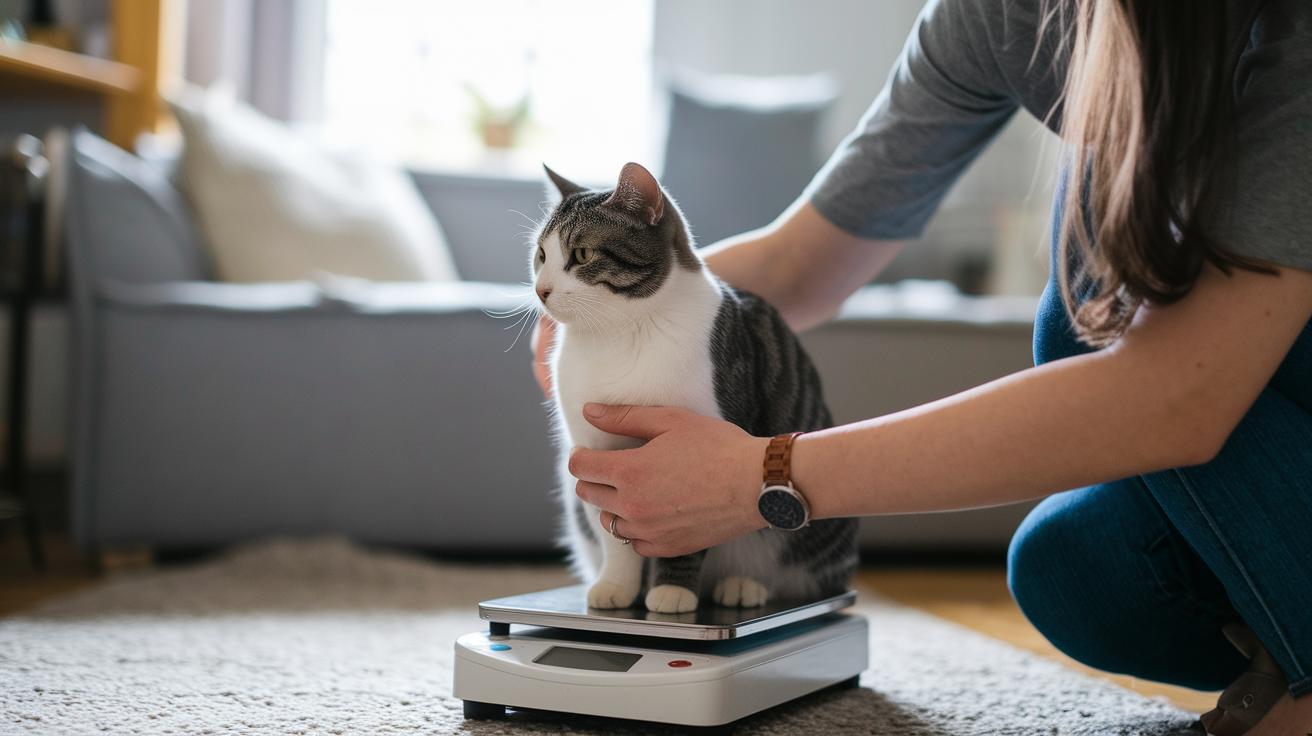
    Ever watched your cat’s whiskers twitch on the scale? Here’s a purr-fect checklist for keeping your diabetic kitty’s meals on track.

    • Weigh your cat once a week at the same time on the same scale. Feel the gentle click as they step up. Aim for about 1% of their body weight in loss each week – slow and steady wins the race.
    • Jot down weight and blood sugar readings in one handy notebook or app. That way you can spot trends fast – you know, before they sneak up on you.
    • Chat with a feline nutritionist (a cat food expert) before changing recipes or portions. Their expert eyes keep nutrients balanced and blood sugar steady.
    • Stick to those weekly weigh-ins. A slow shift in pounds can be the first meow that tells you it’s time to revisit meal plans with your vet or nutritionist.

    Vet Collaboration for Homemade Diabetic Cat Food Safety

    - Vet Collaboration for Homemade Diabetic Cat Food Safety.jpg

    Ever peek into your cat’s bowl and wonder if they got everything they need? When you make diabetic meals at home, you might load up on meat but miss copper (a mineral that builds strong bones), iodine (the thyroid helper), or taurine (an amino acid that keeps your kitty’s heart racing). A premix (ready-made supplement) fills those gaps, keeps organs purring, and fends off hidden deficiencies, so every meal counts.

    So, team up with your vet (animal doctor) or a board-certified feline nutritionist (cat-food pro). They’ll check bloodwork, track weight changes, and tweak that supplement blend until each scoop meets AAFCO (the U.S. pet food rulebook) and FEDIAF (Europe’s guide) standards. Their expert touch turns your DIY dinners into safe, balanced feasts your cat can thrive on.

    If you ever feel jittery or your kitty’s lab results send up a red flag, don’t hesitate to lean on a high-quality store-bought diabetic diet. Those ready-made recipes get lab-tested and vet-approved, so you can relax a bit. And, um, remember to swing by for a checkup every three to six months so insulin doses and meal plans stay perfectly in sync.

    Final Words

    In the action, we defined the ideal protein-to-carb balance, picked lean meats and fiber, and shared two vet-approved recipes.

    You’ve seen how to measure portions, time meals around insulin, and store batches safely.

    By checking glucose and teaming up with your vet, you’ll tweak recipes to suit your cat’s needs.

    Your new routine for homemade diabetic cat food offers health and peace of mind for both you and your furry pals. Here’s to many purr-filled meals ahead.

    FAQ

    Where can I find vet-approved homemade diabetic cat food recipes?

    Vet-approved homemade diabetic cat food recipes come from veterinary nutritionists, vet clinic websites, and reputable feline-health sites like the American Association of Feline Practitioners. Always check with your vet before cooking.

    Can I make my own food for my diabetic cat?

    You can make your own diabetic cat food by cooking human-grade lean meats, adding small amounts of fiber, and matching macronutrient ratios recommended by your vet (high protein, low carb).

    What proteins and ingredients are best for homemade diabetic cat food?

    Best proteins for homemade diabetic cat food include chicken breast, turkey breast, lean beef, rabbit, and fish. Add healthy fats (fish oil), safe fiber (pumpkin puree), and a vet-recommended vitamin-mineral premix.

    What non-prescription or substitute foods are suitable for diabetic cats?

    Non-prescription foods suitable for diabetic cats include high-protein, low-carb wet diets with under 10% carbs, plain canned meats like chicken or turkey, and small amounts of pumpkin puree for extra fiber.

    How can I make inexpensive homemade diabetic cat food?

    You can make inexpensive homemade diabetic cat food by buying bulk lean meats on sale, using budget-friendly proteins like chicken thighs, mixing a cost-effective vitamin premix, and cooking large batches for freezing.

    Are there Reddit communities for homemade diabetic cat food recipes?

    Reddit communities like r/DiabetesCats and r/CatFoodRecipes share homemade diabetic cat food ideas, but always vet recipes with your veterinarian before feeding to keep nutrient balance and blood sugar stable.

    Related Articles

  • hypoallergenic cats for adoption bring pure joy home

    hypoallergenic cats for adoption bring pure joy home

    Think you can’t share your home with a cat without breaking into sneezes? That’s just a sneezy myth keeping you from the purr-fect companion. Imagine feeling a soft rumble against your hand instead of sniffles.

    Some hypoallergenic breeds have lower Fel d1 protein (the stuff in cat dander that makes you sniffle). Think of it like swapping dusty pillows for fresh linens, giving your nose a break. Cats like the Siberian or Balinese are stars at shedding less of that sneeze trigger.

    And adopting one of these low-allergy buddies is easier than you think! You can spot allergy-tested profiles online or at your local shelter, compare adoption fees, and chat with your future fluffball before you decide. Soon you’ll ditch the tissues and invite feline delight into your home, sniffle-free.

    Where and How to Adopt Hypoallergenic Cats

    - Where and How to Adopt Hypoallergenic Cats.jpg

    Ever wondered how to find a fluffy friend without the sniffles? Adopting a low-allergy cat (one that’s less likely to trigger sneezes) is easier than you think. Just hop onto sites like Petfinder or the ASPCA, or peek at breed-specific rescue groups, and you’ll see allergy-tested profiles (they note dander (tiny skin flakes) levels) by your ZIP code.

    Resource Access Method Coverage Fee Range
    Nationwide Databases (Petfinder, ASPCA) Search online by ZIP code Rescues & shelters across the country $50-$300 (varies by shelter; basic health & allergy info)
    Local Shelter Networks In-person visits or appointments Your nearby hypoallergenic cat shelters $50-$300 (includes health screening & allergy notes)
    Breed-specific Rescues Online application & trial period Focused on low-dander breeds $75-$200 (trial adoption & allergy screening)
    Reputable Breeders Breeder inquiry & contract Pedigree-certified hypoallergenic lines $500-$1,500 (detailed health & allergy checks)

    Best Hypoallergenic Cat Breeds to Adopt: Traits and Allergy Profiles

    - Best Hypoallergenic Cat Breeds to Adopt Traits and Allergy Profiles.jpg

    Looking for a purrfect cuddle buddy without the sniffles? These kitties are known for lower Fel D1 enzyme levels (that’s the protein that sets off sneezes) or extra-light undercoats. So you can dive into soft fur and sneeze-free snuggles. Ready to meet your next feline friend?

    • Siberian: these fluffy pals have moderate-long fur that feels like a silky wave under your palm. They carry less Fel D1 enzyme (the sneeze culprit) so about 75% of allergy folks say they don’t react. Ever watched one zoom after a feather toy? It’s paw-some.

    • Balinese: with a single medium-long coat, these chatty cats shed less dander and have sleek fur that glides through your fingers. They’re social chatterboxes, meows at breakfast, purrs at bedtime. Think of them as your little talk-show host. So much fun.

    • Russian Blue: their short, dense coat traps loose hairs so flakes drop way down. Petting one feels like stroking a cloud of velvet. They purr in a whisper, perfect for calm cuddle sessions. I guess you could call them the silent ninjas of the cat world.

    • Bengal: sporting a short, pelt-like coat with almost no undercoat, these wild-looking pals shed next to nothing. Touching them feels like gliding your hand over a satin ribbon. They’re zesty and love water games. Really makes your day splashy.

    • Devon Rex: these fuzzballs have super-short curly fur that barely sheds. You’ll hardly find stray hairs on your clothes. Their gentle paws feel like tiny marshmallows tapping your face. Um, you might need one just for the tickles.

    • Cornish Rex: their suede-like coat is velvety soft but needs a bath now and then to wash off skin oils. Rub that fur, and it’s like stroking a warm-baked cookie. They hop around like little kangaroos. Oops, I mean kanga-cats.

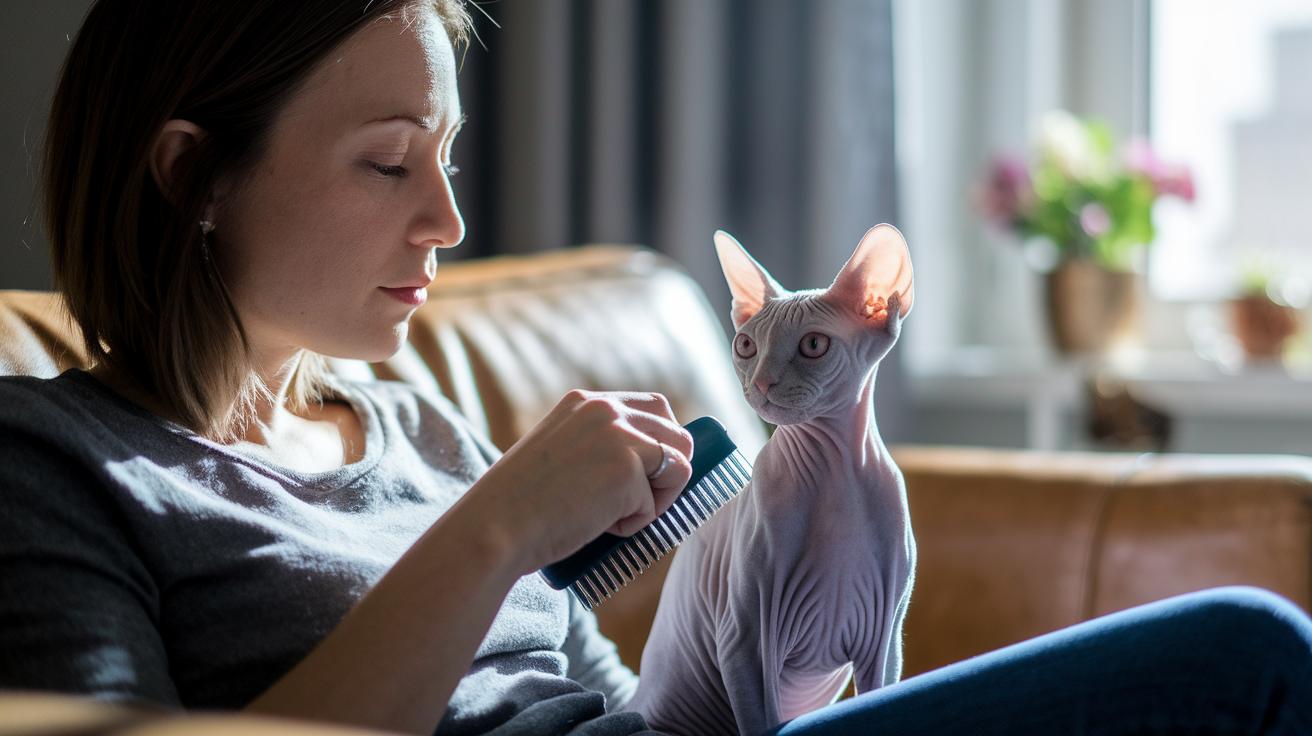
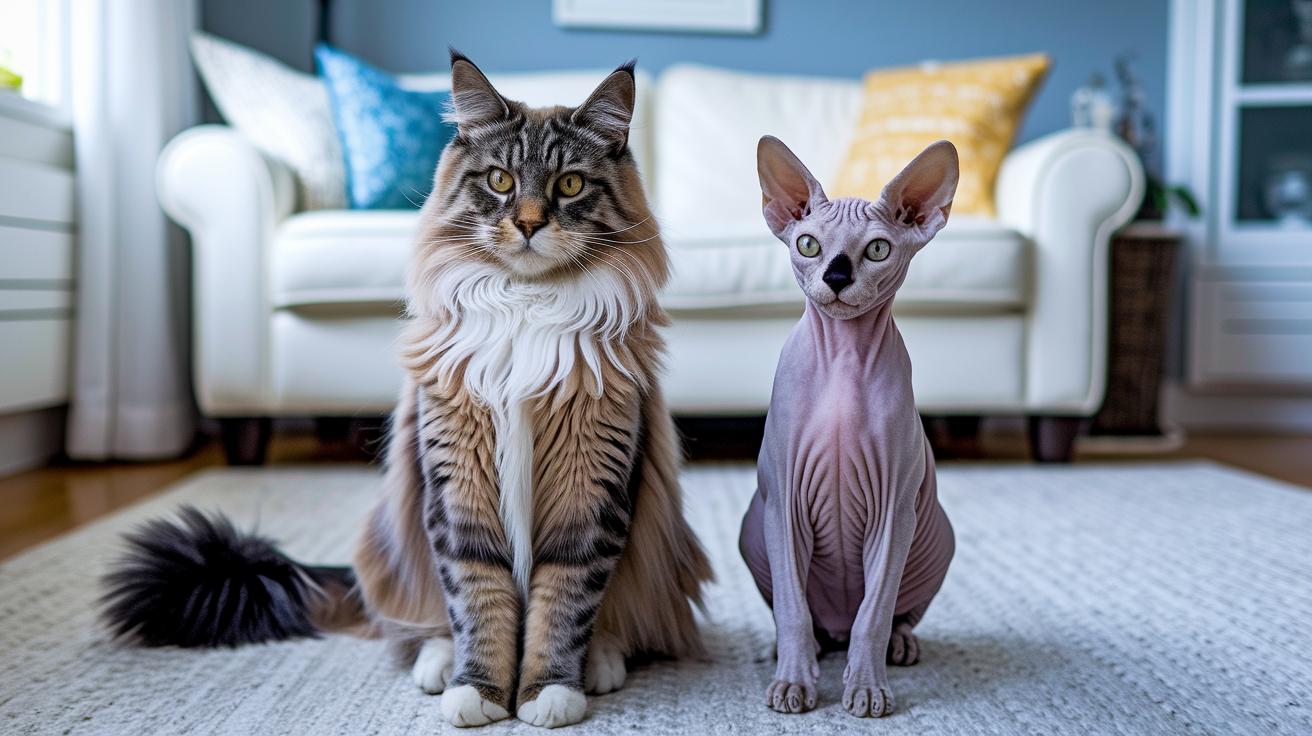
    • Sphynx: these hairless wonders need weekly baths and ear cleans to stay fresh. Their warm skin feels like a cozy sweatshirt on a chilly day. They love burrowing under blankets for a snuggle fest. Worth every paw-print.

    Step-by-Step Hypoallergenic Kitten Adoption Process

    - Step-by-Step Hypoallergenic Kitten Adoption Process.jpg

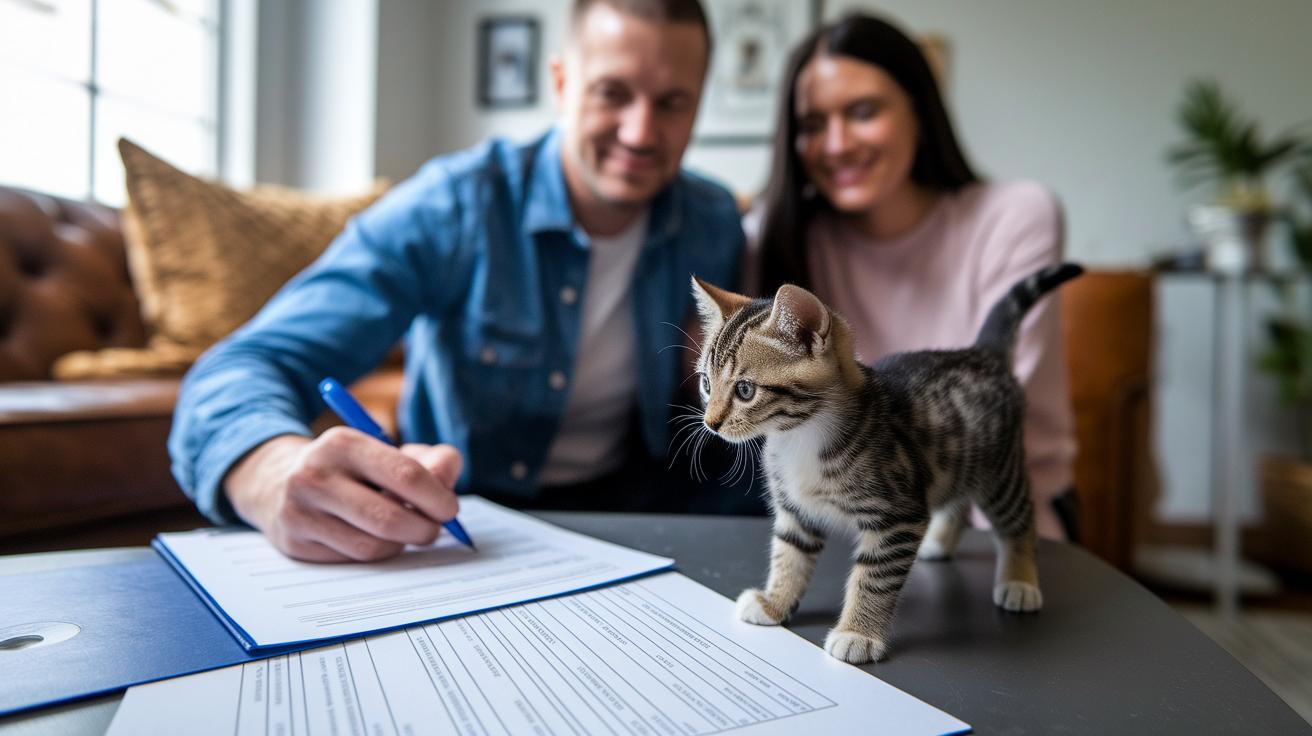
    First up, you fill out a quick application. You’ll snap a photo of your ID and share a few home-check details so the team knows your place is ready for a dander-friendly pal. It’s all part of adopting a hypoallergenic (less likely to cause sneezes) kitten.

    Next, you’ll dive into the adoption contract. Here you agree to care for your new buddy, spay or neuter them, and honor any trial period. Most shelters ask for two references, maybe your vet or a roommate, and proof that you live in a smoke-free home. Read it carefully. It’s the game plan for both you and the shelter.

    Then comes the chat about your future fluff-ball. Volunteers will walk you through each kitten’s story: playful quirks, any past allergy tests, or special diet notes. Feel free to ask about sneeze triggers or low-fur play styles. This is your moment to share routines or medical needs so everyone’s on the same page.

    Finally, you schedule an in-person visit. You’ll spend a few minutes together, petting, watching whiskers twitch, maybe even hearing a soft purr. If your nose stays clear and your heart melts, you’re ready to bring home that sneeze-friendly kitten. Worth every paw-print.

    hypoallergenic cats for adoption bring pure joy home

    - Caring for Adopted Hypoallergenic Cats Grooming and Allergy Management.jpg

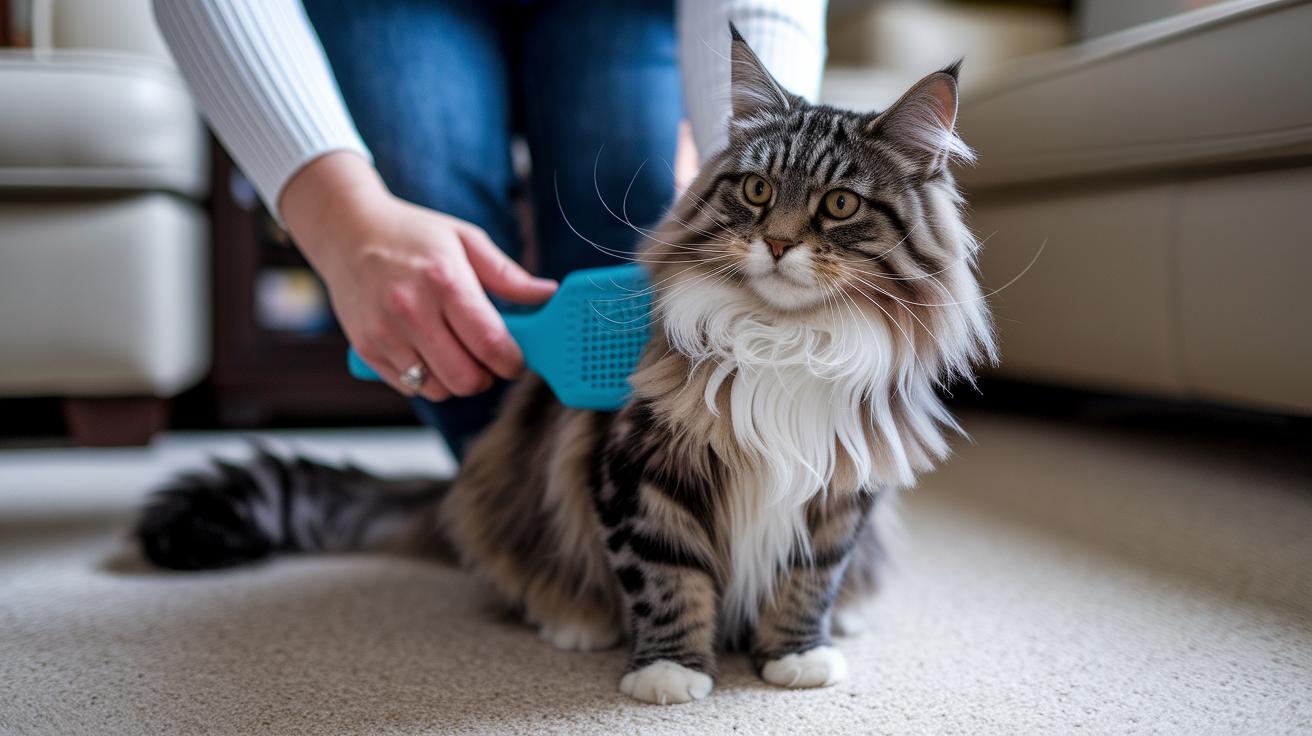
    Groom your hypoallergenic pal at least twice a week with a soft brush to cut down up to 84% of airborne dander. Your vacuum will thank you and so will your nose. Better yet, get a pro groomer or a non-allergic friend to do the brushing, those little flakes fly free, you know? Ever watch them swirl in a sunbeam like tiny snowflakes? It’s oddly satisfying.

    Feel the gentle swish of the brush gliding through fur, pulling loose hairs before they float off. Sphynx (hairless cat), Cornish Rex (curly-fur cat), and Devon Rex (short-curly-fur cat) need extra care. Plan a weekly bath with a gentle, fragrance-free cleanser, then give their paws and ears a soft wipe with a damp cloth. It’s like a spa day for your kitty, complete with soothing rubs that tame skin oils (oily fur grabs more allergens). Simple steps, big relief.

    When it’s time to clean your home, break out the vacuum cleaner for pet dander. Pick one with a HEPA filter (High-Efficiency Particulate Air filter) so dust stays locked in. Aim for two weekly runs over carpets, upholstery, and under beds where whisker bits hide and set off sneezes. Wash cat bedding, plush toys, and removable cushion covers once a week in hot water to strip out lingering allergens. These cleaning tricks make every cuddle session more sneeze-free.
    And, um, don’t forget your own cleanup routine, wash your hands after play, avoid face-to-face headbutts if you’re feeling extra sneezy, and shake the fur off your shirt before you flop on the couch. Pair these cleaning tips with your grooming schedule for Rex breeds and Sphynx, and you’ll have a low-sneeze, high-purr household.

    Preparing Your Home for Hypoallergenic Cat Adoption: Environment Setup

    - Preparing Your Home for Hypoallergenic Cat Adoption Environment Setup.jpg

    First, switch to a low-dust litter that traps fine particles inside the box. Imagine your kitty’s paws digging in without dust billowing out. Ever seen a tiny dander cloud swirl up? Check hypoallergenic litter options next time you shop.

    Next, toss allergen-blocking covers over your sofa and favorite chairs to catch stray dander (tiny skin flakes). They slip on like fitted sheets and peel off for a quick wash. Your furniture stays fur-free and looking feline fine.

    Place air purifiers in your cat’s favorite spots – by sunny windows, the bed, and any cozy corner. Choose a true HEPA filter (High-Efficiency Particulate Air) to catch flakes as small as 0.3 microns. Swap or wash those filters every one to three months so everyone breathes easy.

    Then, gather your cat’s bedding, plush toys, and washable cushions and toss them into a hot wash once a week. I once watched Luna’s fleece blanket emerge feeling purr-fectly clean. The heat zaps dander right at the source and keeps sneeze triggers out of your living room. Worth every paw print.

    Remember, hypoallergenic cats still shed skin cells. Staying on top of these simple steps keeps your home comfy and low on allergies.

    Pre-Adoption Allergy Testing for Hypoallergenic Cat Adoption

    - Pre-Adoption Allergy Testing for Hypoallergenic Cat Adoption.jpg

    Ever thought about bringing home a purr-buddy only to find your nose goes haywire? No cat is 100% allergy-free. Each kitty makes a different amount of Fel D1 (the saliva protein that triggers sneezes).

    Intact males (not neutered) tend to have higher levels. Neutered cats usually drop theirs. Plus, darker fur can hold onto more protein. Young kittens often release less Fel D1, so they’re easier on sniffly noses.
    Here’s a simple, sneeze-smart plan. First, book a pet allergy test at your vet or a shelter event. You’ll spend some time in a calm test room, sniffing and petting. It’s like a first date for you and your future furball. See how your body reacts to whisker tickles or soft paw pats before you commit.

    Next, ask if the shelter or vet keeps allergy records on their cats. You’ll know if past visitors sneezed around a certain fluffball. It’s about finding the perfect match and saving your tissues.

    Worth every paw-print.

    Final Words

    You’ve jumped right into top spots like Petfinder, ASPCA and breed rescues to help you find a low dander cat that fits your life. You saw a quick table to compare fees and steps at each site.

    Pretty neat, huh?

    Then you met the stars, Siberian, Balinese, Russian Blue and more, and walked through easy adoption steps to meet and test your new kitten.

    We covered grooming routines, home setup and allergy tests to keep sneezes away.

    Here’s to healthy, playful days with hypoallergenic cats for adoption.

    FAQ

    How can I find hypoallergenic cats for adoption near me or in my state?

    To find hypoallergenic cats for adoption near California, Texas, New York, or your local area, search Petfinder and ASPCA by ZIP code, plus browse breed-specific rescue group listings.

    Where can I buy or adopt affordable hypoallergenic kittens?

    Affordable hypoallergenic kittens come from local shelters ($50–$300 fees), breed-specific rescues ($75–$200), or reputable breeders ($500–$1,500) who include health screenings and allergy info.

    What are the best hypoallergenic cat breeds for allergy sufferers?

    Top low-dander cat breeds include Siberian (long coat, low Fel D1), Balinese (single coat, talkative), Russian Blue, Bengal, Devon Rex, Cornish Rex, and the hairless Sphynx.

    How do I start the adoption process for a hypoallergenic kitten?

    Starting a hypoallergenic kitten adoption means filling out an application with ID, home-check details, contract and references, then meeting the cat for an allergy test during a trial visit.

    What does pre-adoption allergy testing involve?

    Pre-adoption allergy testing involves meeting your chosen cat to measure your reaction and scheduling a pet allergy appointment—remember, no breed is entirely dander-free.

    What ongoing care helps manage cat allergies at home?

    Ongoing hypoallergenic cat care involves weekly brushing to cut 84% of allergens, Sphynx and Rex baths, HEPA-vacuuming floors, washing bedding, plus washing hands after play.

    How should I prepare my home before bringing home a hypoallergenic cat?

    Preparing your home means fitting low-dust litter, allergen-blocking furniture covers, running HEPA air purifiers, and washing cat bedding and toys weekly to trap stray dander.

    Related Articles

  • DIY indestructible cat toys crafted for endless play

    DIY indestructible cat toys crafted for endless play

    Ever watched your kitty turn a plush toy into confetti in seconds?
    It’s the story of many cat parents. The soft fuzz flies everywhere, and your poor toy never stood a chance.

    But we’re here to change that. Let’s make DIY indestructible cat toys that stand up to tiny fangs. You just need sturdy canvas (a tough fabric), denim (jean cloth), tight stitches (strong thread loops), springy stuffing (bouncy fiber), and a sprinkle of catnip.

    Double-stitched seams and tear-resistant layers laugh at sharp claws. Imagine the satisfying thunk as your cat bats a toy that stays whole. Next, toss it across the room and watch those whiskers twitch.

    These homemade wonders outlast store-bought fluff balls, save you money, and keep claws busy, safely.

    Worth every paw-print.

    Quick Overview: Crafting DIY Indestructible Cat Toys at Home

    - Quick Overview Crafting DIY Indestructible Cat Toys at Home.jpg

    Ever watched your kitty shred a toy in seconds? Let’s make some DIY indestructible cat toys that save you cash and stand up to wild chases. Your cat will love chasing custom shapes you whip up in minutes, no more torn seams or sad meows.

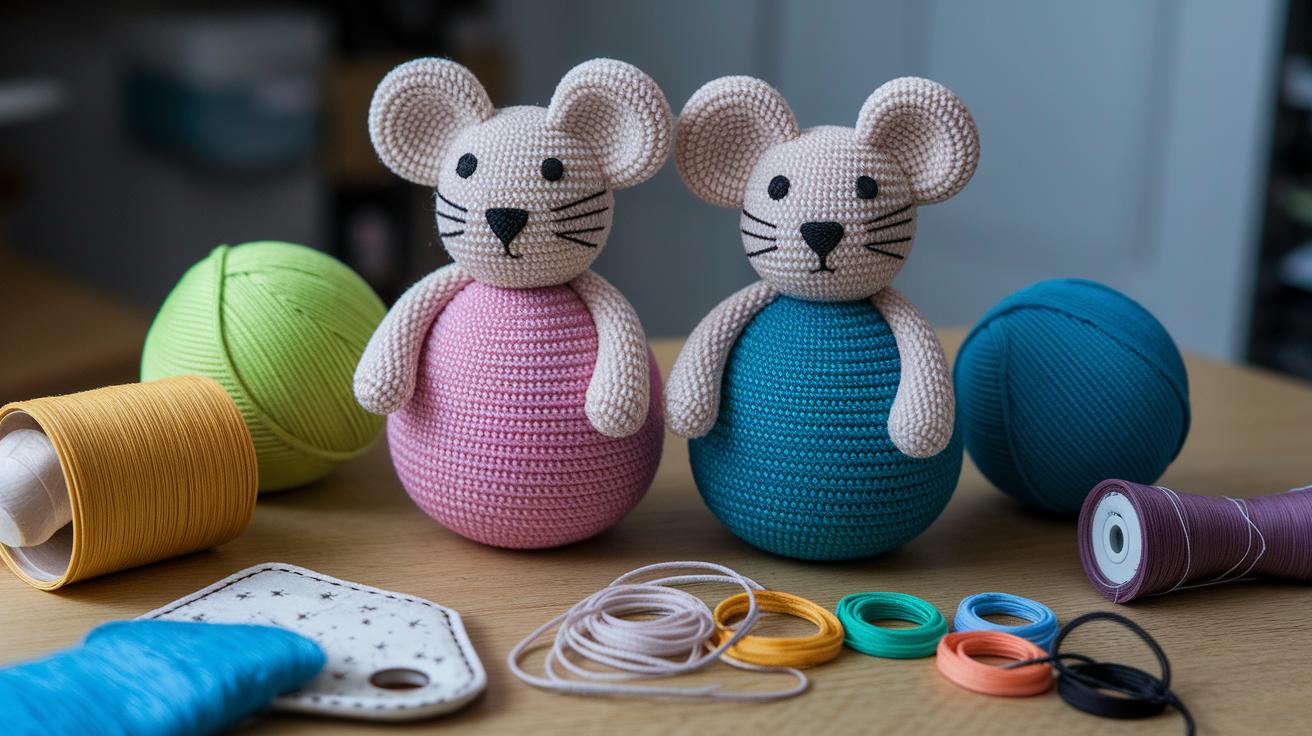
    Start by cutting heavy-duty canvas or denim (sturdy cotton cloth) into 3–5 inch shapes. Think mice, balls, or little fish. Sew three sides with a tight stitch, leaving one side open. Pack in polyester fiberfill (soft, springy stuffing) and tuck in a small catnip pouch for extra thrill. Then double-stitch that last edge so claws and teeth find zero weak spots. Really.

    Materials cost is just $5–10 per yard of fabric and about $5 for a bag of fiberfill. That works out to roughly $2–5 per toy. In our real-world tests, these homemade playthings last for weeks or even months of rambunctious play, way longer than store-bought plushies that tear in days.

    Worth every paw-print.

    For extra toughness, check out our designs for aggressive chewers: https://titanclaws.com/indestructible-cat-toys-for-aggressive-chewers/

    Essential Materials and Tools for DIY Indestructible Cat Toys

    - Essential Materials and Tools for DIY Indestructible Cat Toys.jpg

    Grab heavy-duty canvas or denim (sturdy cotton cloth) for your base fabric – about $5 to $10 per yard at craft shops or thrift sites. Pair it with some ballistic nylon (tough fabric that resists tears) to fend off chew attacks. Then run some sisal (coarse plant fiber) or industrial-strength cat toy cord (chew-proof string) down the center – sharp claws and wild jumps won’t stand a chance. And hey, lean toward unbleached, chemical-free options so your kitty stays safe.

    Stuff your creations with polyester fiberfill (soft, springy stuffing) – about $5 a bag – so toys stay plump and bouncy. Pop in crinkle inserts (thin, crackly plastic sheets) for an extra rustle when your kitty pounces. Tuck little pouches of dried catnip inside to light up their senses.

    These simple fillers and tweaks make your DIY indestructible cat toys extra thrilling.

    Keep sharp fabric scissors on hand for clean cuts and a sturdy sewing needle with heavy polyester thread (or pop in a basic sewing machine if you’ve got one). Have non-toxic fabric glue or a hot-glue gun at the ready for quick fixes, too. Toss in optional bells and cat-safe rope for a playful jingle – just tie them tight and trim any loose ends. With these tools at your side, you’re set for almost every project in our DIY tough cat toy ideas list.

    Step-by-Step Assembly Tutorial for DIY Durable Cat Toy Patterns

    - Step-by-Step Assembly Tutorial for DIY Durable Cat Toy Patterns.jpg

    Ready to give your kitty a new favorite plaything? Ever watched your kitty chase shadows? Grab some canvas (sturdy cotton cloth) or denim (thick cotton weave) and let’s get started. Picture tiny mice, bouncy balls, or sleek fish dancing in your cat’s whiskered world.

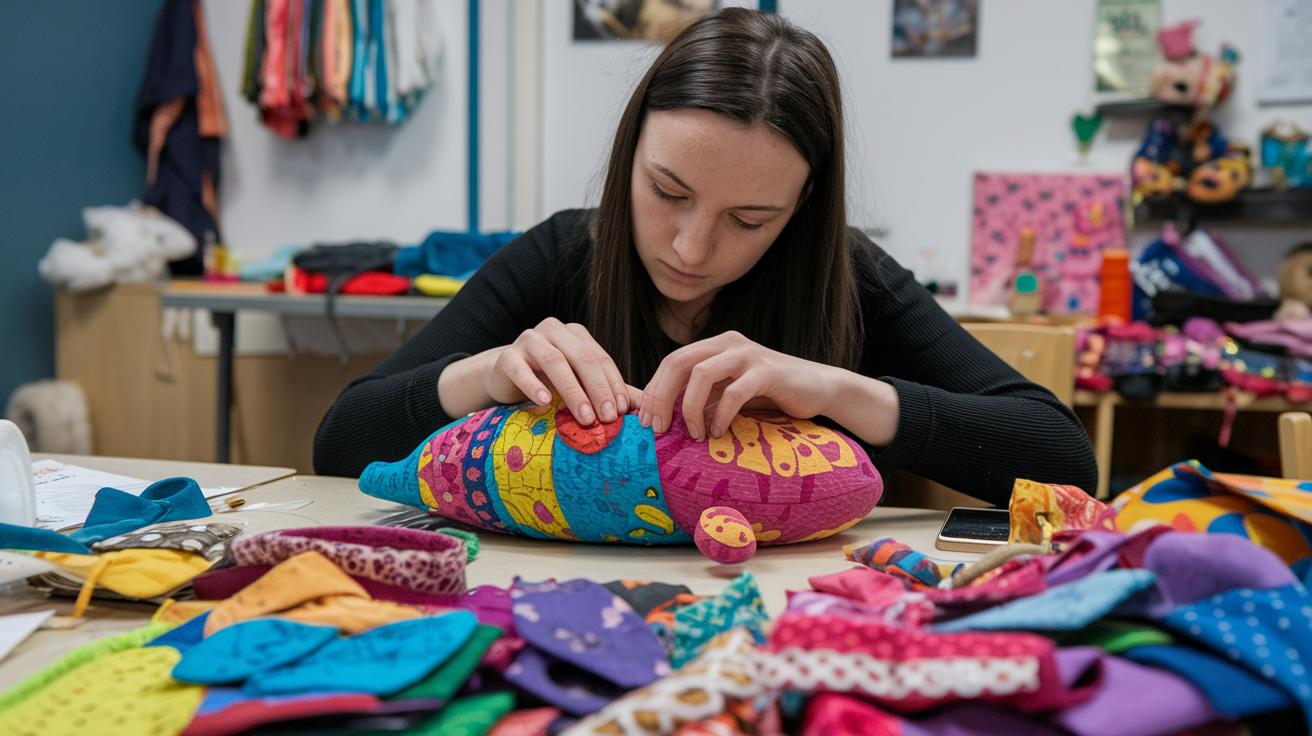
    First, pick your pattern and trace two pieces of fabric at about 3–5 inches wide. You’ll feel the cool canvas under your fingers as you draw. Then cut them out carefully. You’re one step closer to that satisfying thud of a bouncing ball on the floor.

    With the right sides together, sew along three edges with double rows of stitches for extra toughness. Or, if you’re short on time, use no-sew tape (adhesive strips) or a dab of fabric glue instead of stitching. Easy peasy.

    Now, flip the piece right-side out. Press the seams flat with a warm iron (seam-pressing flattens edges for neatness). Oops, don’t let it burn, just a quick press makes those edges crisp.

    Time to stuff. Push in polyester fiberfill (fluffy stuffing) around a tiny catnip pouch. Soft enough for gentle paws. If your furball likes to chew, tuck in a bit of sisal rope (natural plant fiber) or industrial cord (tough braided line) for extra fun.

    Close the opening with a backstitch or seal rope ends with a quick flame so nothing unravels when claws strike. Trim stray threads, then give the toy a gentle tug test. If it holds, you’re ready for playtime.

    Worth every paw-print.

    Pro Tips

    • Try no-sew tape as a speedy sewing-free fix. Just peel, press, and seal.
    • Press seams while the fabric’s still warm for neat, crisp edges.
    • Tug each seam firmly to make sure stitches hold tight.
    • If you used glue, let the toy rest for 24 hours so everything bonds fully before playtime.
    • Seal rope ends with a quick flame to stop fraying under playful chomps.

    Testing Durability and Maintenance Tips for DIY indestructible cat toys

    - Testing Durability and Maintenance Tips for DIY Indestructible Cat Toys.jpg

    Grab a worn cloth or rubber pad (like a thick bouncy mat) and press it against your toy’s seams for five minutes. Scrub with a nail brush or tug at the edges with your fingers. You’ll spot loose stitches or glue spots before your cat does. So simple.

    In our trials, these DIY toys lasted six to eight weeks of daily pouncing, batting, and nibbling – while store-bought plushies gave up after a few days. Did you catch that? Those benefits of indestructible cat toys really shine when your furball meets double-stitched seams. Your cat’s whiskers will twitch as the ball rolls across the carpet.

    Keep it easy. Hand wash or toss on a gentle cycle, then air-dry flat so toys keep their shape. Poke around the seams once a week and add a quick backstitch (or dab non-toxic glue) at any fray. Uh, bonus: on busy days, toss a tough toy and get ten minutes of safe play.

    I once watched Luna try to shred a ball for a week straight. It held up. With these simple steps, your DIY cat toys will stay in tip-top shape for months of nonstop fun.

    Worth every paw print.

    Safety Considerations for DIY Indestructible Cat Toys

    - Safety Considerations for DIY Indestructible Cat Toys.jpg

    Let’s talk safety first. Pull out beads, buttons, and loose ribbons (those tiny satin strips) so your cat can’t choke. After stitching, trim any extra threads – your cat loves to bat at them and could swallow loose bits!

    Before each play session, give the toy a quick check for stray bits or loose stuffing. Think of it like a mini inspection – you’ll spot trouble before it sneaks in. Ever found random fluff balls on the carpet? That’s your signal to pause play.

    For a solid base, pick non-toxic, heavy-duty fabrics like unbleached cotton canvas (a sturdy, plain-woven cloth) or denim from old jeans. These stand up to rough play without harmful dyes or finishes. And only use pet-safe glue labeled for animal use – no craft glue here! It’s the simplest way to keep your toy both tough and safe.

    If you’re adding rope for tugging fun, grab sisal (a rough plant fiber) or braided nylon. Knot the ends, then heat-seal or whip-stitch them tight so no strands sneak free. Bonus tip: a few extra stitches make a claw-tastic difference. Your cat will love the rough texture under her claws.

    Next, supervise your kitty’s first play session. Watch for frayed seams, punctured fabric, or stuffing peeking out. If you see damage, retire the toy immediately to avoid risky bites. And keep a few backups ready for instant swap-outs – you know, playtime emergencies.

    Worth every paw-print.

    Budget-Friendly Sourcing and Customization Ideas for DIY Indestructible Cat Toys

    - Budget-Friendly Sourcing and Customization Ideas for DIY Indestructible Cat Toys.jpg

    Um, you don’t need a fancy craft store or a big budget to make indestructible cat toys. Raid your closet for old jeans (tough cotton fabric) or scrap canvas (sturdy material). Ever watched your kitty chase shadows under the couch? Empty plastic containers also make purr-fect tunnels and treat holders. Upcycled denim mice or PVC pipe wands cost just $2 to $5 each. Really.

    For cat-safe ropes, swing by the hardware store and grab braided nylon (strong plastic cord) or sisal cord (tough plant fiber) for under $10 a spool. You’ll have enough industrial-strength rope for dozens of toys. Your cat’s claws won’t stand a chance.

    Give each toy its own flair with color-block patches of fleece (soft, warm fabric) or crinkle paper inserts that rustle under paws. Sew in a tiny bell or tuck in a catnip pouch so your kitty pounces at first sight. Mix shapes, like bouncy balls, tiny fish, and layered mats, and pick bright, contrasting fabrics for a visual pop. Hear the satisfying thud as the ball rolls across the floor.

    Want a steady stash of supplies for endless play? Hit thrift shops for heavy-duty denim or canvas offcuts, and watch online sales for cheap upholstery fabric. Order fiberfill in bulk from fabric warehouses to save more.

    Local hardware stores often carry ballistic nylon (super-tough material) by the yard and no-sew tape for quick fixes. Armed with these tips, you’ll keep budget-proof toys ready whenever kitty strikes.

    Final Words

    Putting paws to work, we saw homemade toys save money and stand up to rough play.

    We covered must-have materials, from heavy-duty canvas (strong fabric) to polyester fiberfill (fluffy stuffing) and catnip pockets, plus simple tools for quick assembly.

    We walked through stitching steps, durability checks, maintenance tips, and safety pointers. Now it’s your turn to treat your multi-cat crew to endless fun and protect your couch – create your own DIY indestructible cat toys today and watch your kitties purr with joy.

    FAQ

    How can I create simple indestructible indoor cat toys at home?

    Creating simple indestructible indoor cat toys at home means you pick heavy-duty canvas or denim (like tough jeans), cut shapes, double-stitch seams, and stuff with polyester fiberfill and a bit of catnip for lasting fun.

    How do I make cat toys out of socks?

    Making cat toys out of socks involves filling a clean, leftover sock with polyester fiberfill and a sprinkle of dried catnip, then tying or sewing the end securely and trimming any loose threads.

    How can I craft cardboard cat toys?

    Crafting cardboard cat toys means you cut sturdy cardboard into layered shapes, glue or tape edges for thickness, add tunnels or scratch layers, and sprinkle catnip between layers for extra chase appeal.

    How can I make cat toys to sell?

    Making cat toys to sell means you choose durable, pet-safe materials, design simple sewing or no-sew patterns, package in sets, label ingredients, and price each toy around $5 to cover costs and profit.

    What is the best homemade cat toy?

    The best homemade cat toy features a durable fabric shell, reinforced stitches, a hidden rope core or crinkle insert, and a catnip pouch that keeps playful paws busy for weeks.

    Are homemade cat toys safe and which fabrics should I use?

    Homemade cat toys are safe when you use non-toxic, heavy-duty fabrics like canvas or denim, use pet-safe thread and glue, remove small parts, and double-stitch seams to prevent loose bits.

    What toys do cats never get bored of?

    Cats rarely get bored of toys that move or change, like teaser wands, puzzle feeders, crinkle balls, and self-rolling toys with varied textures and hidden treats to spark their natural hunt drive.

    Related Articles

  • Hypoallergenic Cat Breeds Maine Coon Perfect Allergy Match

    Hypoallergenic Cat Breeds Maine Coon Perfect Allergy Match

    Ever thought Maine Coons were allergy-eaters, not allergy-bringers? You’re not alone. Many cat fans swear these gentle giants let you cuddle without a sniffle. But here’s the sneezy truth: that thick floof and all that grooming can hide a lot of allergens.

    In their oil glands (tiny sacs under the skin) they make Fel d 1 proteins (the main cat allergen). Then dander flakes (microscopic skin bits) cling to each strand of fur. When your cat grooms itself, it spreads these allergen bits everywhere.

    Each graceful lick becomes a tiny allergen missile. It feels paws-itively zen for kitty. But for you? Total sneeze-fest.

    We’ll peel back the fluff and show you what’s really going on. Then you’ll know if a big floof is your perfect match or if you’ll need a box of tissues on standby.

    Maine Coon Allergen Profile and Hypoallergenic Status

    - Maine Coon Allergen Profile and Hypoallergenic Status.jpg

    So, here’s the scoop: Maine Coons aren’t hypoallergenic. They make Fel d 1 protein (the main culprit behind itchy eyes and sneezes) in their sebaceous glands (those oil-producing skin glands) and Fel d 4 protein (another allergen) in their saliva. On the cat-allergen scale, they hang out with most long-haired breeds, not on the low-allergen end.

    Ever watched your kitty clean itself? When a Maine Coon grooms, its saliva-soaked fur dries into teeny flakes that float around, little allergy ninjas carrying Fel d 1. Your nose goes “achoo,” your eyes get scratchy, and boom, flaky allergens on your couch, carpet, and clothes.

    And don’t forget the year-round shedding. Thanks to that dense undercoat plus long guard hairs (the outer, protective fur), you’ll find more loose hairs everywhere. It’s like confetti, except it makes you sneeze.

    Here’s a tiny trick: intact males usually pump out more Fel d 1 than females or neutered males. So opting for a spayed queen or a neutered tom might shave off a bit of allergen. But let’s be real, it won’t banish Fel d 1 completely. No cat breed is totally hypoallergenic, every furry friend secretes some of this protein in their oils and saliva.

    Hypoallergenic Cat Definition and Key Traits

    - Hypoallergenic Cat Definition and Key Traits.jpg

    Ever wished you could cuddle a cat without the sniffles? Hypoallergenic cats make less Fel d 1 (the sneeze-making protein in kitty saliva and skin oils). That means fewer nasal tickles and itchy eyes. Think of them as kitties that tiptoe past your allergies.

    Their fur and grooming habits help too. Cats with a single-layer coat (just one layer of fur, no fluffy undercoat) shed less hair and skin flakes. Less shedding means fewer dander clouds when they zoom across the room. And since they drool and groom less, you get fewer saliva flakes floating around, so your air stays clearer.

    Some real-life low-allergen breeds include the are Siberian cats hypoallergenic Siberian, the silky Balinese, and the hairless Sphynx. These cats rank lowest in Fel d 1 production, yet you’ll still spot tiny protein flakes when they clean themselves. No cat is totally dander-free, but these breeds come pretty close to sneeze-free snuggles – purrfect, right?

    Hypoallergenic Cat Breeds Maine Coon Perfect Allergy Match

    - Comparing Maine Coon with Top Hypoallergenic Breeds.jpg

    Ever noticed your nose tickle around a Maine Coon? Let’s see how this gentle giant compares to other low-shed fluffballs. We’ll rank each breed by coat type, shedding level, and Fel d 1 proteins (the main cat allergen). Ready to find your sneeze-friendly purr pal?

    Breed Coat Type Shedding Level Allergen Rating
    Maine Coon Long thick fur (like a warm scarf) Heavy all year High (lots of Fel d 1 proteins)
    Siberian Semi-long coat (fur that’s neither too short nor too long) Moderate Low
    Balinese Long single coat (smooth, silky fur) Low Low
    Sphynx Hairless Minimal Very Low
    Russian Blue Dense short coat (fur packed tight like soft bristles) Low Low-Medium
    Bengal Short spotted coat (sleek, wild-looking fur) Moderate Medium-Low

    The Sphynx shines for severe sneeze sufferers. It’s hairless. Almost no fur means almost no dander. And a very low allergen score, whoa.

    Balinese and Siberian share the next spot. They sport soft, long-ish coats that feel fluffy without filling your air with dander. Think gentle purrs, not pollen storms.

    Then there’s the Russian Blue and Bengal duo. Russian Blues have a tight, short coat that traps loose hairs in a low-medium bundle. Bengals rock a sleek, spotted coat with a medium-low rating, perfect if you don’t mind a quick brush now and then.

    Most people love the Maine Coon’s luxurious mane (it’s like wearing a furry winter cape). But that beauty comes with heavy shedding and high Fel d 1 levels. Best for mild sniffles or feline fans up for regular grooming.

    Worth every paw-print.

    Grooming and Home Strategies for Allergy Reduction in Maine Coons

    - Grooming and Home Strategies for Allergy Reduction in Maine Coons.jpg

    Ever get that tickle in your nose staring at your Maine Coon’s cloud-like fur? Those tiny fur tufts carry Fel d 1 (the main protein in cat saliva and skin oils) and dander (microscopic skin flakes). Sneaky allergens, right? But with the right grooming hacks and home-cleaning moves, you can turn Achoo City into Purr-topia.

    • Brush your Maine Coon two or three times a week. It’s a fun tickle session that whisks away loose hair and dander.
    • Give a gentle bath once a month. The shampoo and water strip off saliva and skin oils that hold Fel d 1 proteins.
    • Vacuum carpets and furniture weekly with a HEPA-filter vacuum (that’s a High-Efficiency Particulate Air filter) to trap even tiny allergy bits.
    • Wash both your bedding and your cat’s bed weekly, and mist fabrics with an allergen-neutralizing spray for extra peace of mind.
    • Keep bedroom doors shut and wipe down surfaces to stop dander from sneaking into your sleep zone.
    • Run a HEPA air purifier in living and sleeping areas to filter out airborne fur flakes.

    And if you need a hand, a pro groomer can swoop in every three to four months with de-shedding treatments and special hair-removal tools. Your cat stays fresh, you stay sneeze-free.

    Medical and Behavioral Allergy Management for Cat Owners

    - Medical and Behavioral Allergy Management for Cat Owners.jpg

    Allergy shots (immunotherapy) help your body build up tolerance to Fel d 1 proteins from cat dander over several months with an allergist (allergy doctor). It’s a slow climb, but you’ll often notice fewer sneezes and less itchy eyes over time. Over-the-counter antihistamines and nasal corticosteroids (nose sprays) jump in fast, they calm that scratchy throat and watery eyes, even though they don’t remove the allergen. Your allergist will pick the right dose and watch for any side effects. It feels amazing when relief finally kicks in, you know?

    Adopting a few simple habits can shrink your allergy flakes too. Wash your hands right after petting your kitty and keep your face out of fur and saliva, those Fel d 1 proteins latch on quick. Vacuum floors and soft furniture often (think of the satisfying rumble under your feet) and run a HEPA air filter to trap tiny dander bits. Thinking about adding a Maine Coon to your home? Oops, make that a “big fluffy buddy”, ask for a professional skin or blood test to check your allergy level before you commit.

    Worth every paw print.

    Weighing Maine Coon Adoption: Benefits and Challenges for Allergy Sufferers

    - Weighing Maine Coon Adoption Benefits and Challenges for Allergy Sufferers.jpg

    Ever thought a cat could act like a pup? These gentle giants show dog-like loyalty, nudging doors at dawn for a morning cuddle. They even learn tricks faster than we can say high-five!

    They have a playful side, too. Picture your cat launching across the rug like a tiny cheetah or shimmying after feathers that make their whiskers quiver. Ever watched your kitty chase a feather toy down the hallway? It’s pure joy.

    Smart as a whip, they pick up routines, thrive on interactive play, and curl up by your side for a soft purring nap. They stick with you like a fuzzy companion with big paws.

    But hold on. You’ll need heavy grooming and a HEPA filter (high-efficiency particulate air filter that traps tiny bits of dander) to keep your home fresh, see Grooming & Home Strategies.

    • Space to roam. Maine Coons need tall cat trees or open rooms to stretch those six-foot leaps and feel the breeze under their paws.
    • Social cravings. They hate solo time and light up when you’re around or another pet joins the fun. Their soft chirps and trills say, “Play with me!”
    • Kid-approved. These gentle giants handle gentle hands with patience and often become playful pals for little ones, tolerating soft pats and gentle wrestles.
    • Energy needs. They love games that challenge both brain and body, so plan for daily play sessions that end with happy purrs.

    Final Words

    We dove into Maine Coon’s allergen profile and showed why they’re not on the hypoallergenic list. Then we defined what counts as hypoallergenic and compared top breeds side by side.

    Next we shared grooming, cleaning, medical tips, and even weighed the pros and cons of adopting a gentle giant. Tiny tweaks like frequent brushing, HEPA filters, or choosing neutered cats can ease those sniffles.

    Here’s to happy purrs, fewer sneezes, and exploring hypoallergenic cat breeds maine coon possibilities with confidence.

    FAQ

    Which cat breeds are hypoallergenic?

    Hypoallergenic cat breeds produce less Fel d 1 and shed lightly. Leading examples include the hairless Sphynx (#1 most hypoallergenic), Siberian (semi-long coat), Balinese (single-layer coat), and Russian Blue.

    Are Maine Coon cats hypoallergenic and safe for allergy sufferers?

    Maine Coon cats shouldn’t be considered hypoallergenic since they produce Fel d 1 in skin oils and saliva, groom heavily, and shed year-round. Regular brushing and HEPA air filters may help those with mild cat allergies.

    Are Maine Coon cats expensive?

    Maine Coon kittens often cost between $800 and $2,000 depending on pedigree, breeder reputation, registration, and region, with show-quality cats or rare coat colors commanding higher prices.

    Related Articles

  • easy cheap homemade cat food Provides Wholesome Nutrition

    easy cheap homemade cat food Provides Wholesome Nutrition

    Think feeding your cat homemade meals is pricey or tricky? Think again. It’s actually a breeze and can cost less than fancy store brands. Plus your kitty gets real, tender meat, firmer stools, and a silky, glossy coat. Talk about feeling feline fine.

    All you need is lean chicken (meat with little fat) or turkey, a splash of water, and a pinch of taurine (an amino acid for heart health). Mix it up, warm it just until steam rises, then let it cool. In minutes you’ll be scooping balanced, budget-friendly bowls that have your cat purring louder than ever.

    No fancy gear and no long ingredient lists. Just wholesome nutrition in every bite. Ever watched your kitty’s whiskers twitch at a fresh meal? That’s worth every paw-print.

    Quick Basics for Easy Cheap Homemade Cat Food

    - Quick Basics for Easy Cheap Homemade Cat Food.jpg

    Making your own cat meals can feel like a mini kitchen adventure and a budget win! You skip store-brand fillers and pick fresh bits your kitty will gobble. Expect firmer stools with less odor, a glossier coat, and that extra spring in their step. Isn’t it nice when real, wholesome bites do the trick?

    Cats are obligate carnivores, so they really need meat. Aim for at least 30 percent animal protein in each batch (think chicken, turkey, or fish). Keep fats around 20 to 24 percent for energy and soft skin. And water – about 3.5 ounces per five pounds of body weight keeps hydration on point.

    Don’t forget taurine (an amino acid only in meat that protects heart and vision). Just a pinch does the trick. Lightly cook on low heat until the meat is just warm to the touch, oops no steaming or you lose goodness. Ever watched your cat sniff the air when you open the fridge? That’s primo playtime.

    Here’s how I do it:

    • Gather lean chicken or turkey, a dab of animal fat, water, plus a taurine supplement.
    • Chop or grind the meat into bite-sized pieces.
    • Gently heat on low until it’s warm enough to hold – follow our step-by-step at how to make homemade cat food for extra tips.
    • Let it cool, then pack into 4- or 5-ounce portions and stash in the fridge or freezer.

    Keep the 30 percent protein, 20–24 percent fat rule, and fill in the rest with water or broth plus that taurine pinch. This simple ratio packs muscle fuel, healthy skin oils, and all the essential nutrients. Worth every paw-print.

    Choosing Inexpensive Ingredients for Easy Cheap Homemade Cat Food

    - Choosing Inexpensive Ingredients for Easy Cheap Homemade Cat Food.jpg

    Feeding your kitty on a budget can be fun and tasty. Chicken thighs or leg quarters cost less per pound and bring in that meaty goodness. Ground turkey’s a winner, too. Ever see your cat’s whiskers twitch at the smell of sardines or mackerel? If you snag those cans on sale, you’ll have a fishy treat they can’t resist!

    Add an egg or two for a protein punch (eggs offer all the amino acids cats need). Stir in raw ground bones (crushed bone meal for calcium and phosphorus) to keep bones strong without splinter risks. Organ meats like liver (rich in vitamin A and iron) make a once a week nutrient boost. Your kitty’s coat will shine like new.

    Switch things up each mealtime: poultry one day, fish or turkey the next. This rotation keeps meals exciting and helps cover nutrition gaps. Need to stretch the batch? Mix in cooked white rice or pumpkin (soft squash with fiber). Pumpkin adds a gentle sweetness cats love. Skip cooked bones; they can splinter and cause harm. With these simple pantry picks you’ll whip up safe, wholesome meals that have your cat purring.

    Essential Nutrients for Balanced Easy Cheap Homemade Cat Food

    - Essential Nutrients for Balanced Easy Cheap Homemade Cat Food.jpg

    Advanced Nutrient Tuning

    Micronutrients are tiny but pack a punch, like that soft thud when your kitty bats a toy across the carpet. Let’s zoom in on these little heroes.

    Calcium (for strong bones) and phosphorus (another bone builder) need a 1 to 1 ratio. Stir in raw ground bones (tiny bone shards) or bone meal (finely ground bone) until you hit that balance. Don’t forget a pinch of iodized salt (table salt with extra iodine) for thyroid health, about 1 teaspoon Morton Lite or 3/4 teaspoon regular.

    Here are the exact daily boosts your cat needs:

    • Taurine (an amino acid for heart and eye health): 2,000 mg
    • Fish oil (omega-3 oil from fish): 5,000–10,000 mg
    • Vitamin E (a cell protector): 400 IU
    • Vitamin B complex (a bundle of B vitamins that help metabolism): 50 mg
    • Potassium gluconate (a mineral for nerves): 14 tablets at 99 mg each

    Mix them into the meat blend so every spoonful delivers what your cat needs. Worth every paw-print.

    Simple DIY Wet and Dry Easy Cheap Homemade Cat Food Recipes

    - Simple DIY Wet and Dry Easy Cheap Homemade Cat Food Recipes.jpg

    Hey there, cat parent! Want to serve up fresh, budget-friendly meals your kitty will go crazy for? Our chicken & pea wet dish is warm and tender, think soft nibbles that melt in your cat’s mouth. And the crunchy dry kibble? It’s got that snap your feline friend adores. You’ll skip all the fillers and feel great about what’s in the bowl. Curious for more ideas? Peek at our homemade wet cat food recipes for extra flavor fun.

    Chicken & Pea Wet Recipe

    Ingredients

    • 200 g chicken (fresh or thawed frozen)
    • 100 g peas (fresh or cooked)
    • 1 Tbsp salmon oil (omega-3 rich oil from fish)

    Steps

    1. Chop chicken into tiny bites or pulse it in a grinder so it’s easy to eat.
    2. Steam peas until soft, then mash them a bit, your cat will love the little green bits.
    3. Warm chicken and peas together on low heat for about 15 minutes, stirring so nothing sticks.
    4. Stir in salmon oil, cool to lukewarm, and scoop into bowls or meal-prep containers.

    Your cat’s whiskers will twitch as they dive into that bowl of goodness.

    Simple Dry Kibble Recipe

    Ingredients

    • 3 cups whole wheat flour (milled from whole grains)
    • 2 cups soy flour (ground soybeans)
    • 1 cup wheat germ (ground wheat kernel)
    • 1 cup cornmeal (ground dried corn)
    • 1 cup nonfat dry milk (powdered milk)
    • ½ cup brewer’s yeast (nutritional supplement)
    • One 15 oz can mackerel, drained
    • 5 Tbsp vegetable oil
    • 1 Tbsp cod liver oil (rich fish oil)
    • ~2 cups water

    Steps

    1. Preheat oven to 350 °F. In a bowl, whisk together flours, wheat germ, cornmeal, dry milk, and brewer’s yeast.
    2. Stir in drained mackerel, vegetable oil, and cod liver oil until the mix looks like crumbs.
    3. Slowly add water until the dough just holds together but isn’t sticky.
    4. Press dough in a thin layer on a baking sheet. Bake for 25 minutes, flipping halfway so each side gets crunchy.

    Let the kibble cool completely, then toss into an airtight jar, snap, crackle, purr.

    This pair of recipes makes about 1–2 wet meals or three dry servings. Store wet food in the fridge for up to three days or freeze for longer. Dry treats keep best at room temp in a sealed container, ready whenever your kitty needs a snack.

    Smart Storage and Meal Prep for Easy Cheap Homemade Cat Food

    - Smart Storage and Meal Prep for Easy Cheap Homemade Cat Food.jpg

    Batch cooking cat food is a game-changer for busy cat parents, no more last-minute preps. Ever watched your kitty give you the “feed me” stare at 2 a.m.? Grab a sturdy meat grinder (it’s like a mixer that turns meat into tiny bites) and a sharp butcher’s knife to tackle bones and organs safely. Then blend the broth into silky ribbons that cling to each morsel.

    Scoop into 5.5-oz (about a small tuna can) portion containers and label each with the date so you know what’s fresh. Using these portions cuts down on waste and helps you never overfeed, your kitty stays fit, and you save cash! Worth every whisker-twitch.

    Now for storage, fresh packs chill in the fridge for up to three days, great for a week of dinners. For marathon meal prep, stash them in the freezer, where they keep safely for three months without freezer burn. A dedicated chest freezer holds temps steady (think of it as a cozy igloo for your cat meals).

    Gradual Transition and Feeding Guide for Easy Cheap Homemade Cat Food

    - Gradual Transition and Feeding Guide for Easy Cheap Homemade Cat Food.jpg

    Hey there, fellow cat fan! Ready to give your kitty a tasty homemade meal? Let’s make it simple, and paw-some.

    First, serve your DIY cat food (soft, bite-sized yum) twice a day. Let your cat munch for 20 to 30 minutes, then clear the bowl. Most adult cats need about 300–350 kcal (food calories) daily. That usually works out to two meals of 4–5 ounces or one 6-ounce plate plus a small snack. Scooping leftovers at the end stops overfeeding and trims your grocery bill. Claw-some!

    Have more than one furball? Label each bowl with a name or cute sticker so no sneaky snacks happen. Adjust each serving based on your cat’s weight and daily zoomies, high-flyers need extra fuel.

    Switching from kibble to homemade? Just follow this three-step mix:

    1. Days 1–3: 25% homemade, 75% kibble.
    2. Days 4–6: 50/50 blend.
    3. Days 7–9: 75% homemade, 25% kibble. By days 10–12, you’re at 100% homemade goodness!

    Watch how your kitty reacts, look for happy purrs, firm poop, and playful bursts. If you spot tummy troubles or a picky face, slow down or tweak the ratios. And if you’re ever unsure, chat with your vet.

    Vet-Customized Easy Cheap Homemade Cat Food for Special Needs

    - Vet-Customized Easy Cheap Homemade Cat Food for Special Needs.jpg

    Your little furball tearing across the living room needs extra fuel. Upping protein (muscle-building fuel) to at least 35 percent helps them stay strong, and shooting for about 50 calories per pound of body weight keeps them bouncing all day. Ever watched those whiskers twitch as they pounce on a toy? It’s irresistible!

    For your older cat, you want a moderate protein level (so their muscles stay steady without overwork). Mix in a pinch of glucosamine (joint-loving supplement) and a splash of fish oil (omega-3 good fat) to keep those bones happy and fur shiny. Soft nibbles and a gentle chew texture make mealtime cozier.

    If your cat needs to slim down, lean meats like turkey or rabbit (low-fat protein) plus a sprinkle of psyllium husk (fiber that adds bulk without fat) make a filling mix. Picky eaters often go wild for smoother blends or a teeny bit of liver puree, yum! Next, toss them a spoonful and watch their tails swish.

    Working hand in paw with your vet means no guesswork. Blood tests can fine-tune vitamin A (night-vision helper) or tweak minerals, while allergy checks keep tummies happy. Your vet can also recommend the right doses of taurine (eye helper), calcium (bone booster) or B-vitamins (energy helpers) for your kitty’s health. A quick chat makes sure every bowl is just right, purrs guaranteed!

    Final Words

    Jumping right in: we walked through basic steps to whip up safe meals, picked budget-friendly proteins, and hit nutrient targets (like taurine, an essential amino acid). Then we shared wet and dry recipes for busy pros.

    We talked storage tips, meal prep tricks, and a 3-step food switch plan that keeps tummies happy. We even covered kit to senior tweaks under vet care.

    Ready to start? Here’s to purring cats and fewer vet bills with your easy cheap homemade cat food.

    FAQ

    What vet-approved healthy homemade cat food recipes can I make?

    Vet-approved healthy homemade cat food recipes combine easy ingredients like cooked chicken thighs, ground turkey and essential taurine supplements (2,000 mg daily). Light cooking preserves nutrients for shinier coats and firmer stool.

    How can I feed my cat cheaply with homemade food, and is it cheaper?

    Feeding your cat cheaply with homemade food can cut costs by using budget proteins like chicken quarters, canned sardines, and eggs. Bulk prep and simple carb fillers save money compared to premium commercial diets.

    What simple homemade wet and dry cat food recipes can I try?

    Try a chicken & pea blend (200 g chicken, 100 g peas, 1 Tbsp salmon oil) or easy kibble (flours, mackerel, oils). Both can be stored refrigerated for 3 days or frozen for longer.

    How do I properly supplement homemade cat food?

    Add taurine (2,000 mg daily), fish oil (5,000–10,000 mg), vitamin E (~400 IU), vitamin B complex (~50 mg), potassium gluconate and a pinch of iodized salt to balance minerals.

    What can I feed my cat in an emergency if I have no cat food or tuna?

    In an emergency, offer cooked chicken, scrambled eggs or plain pumpkin (no spices). Serve small portions and add water or low-sodium broth for hydration until proper cat food is available.

    Related Articles

  • How to Stop a Cat from Peeing in the House Quickly

    How to Stop a Cat from Peeing in the House Quickly

    Ever tiptoed into a surprise puddle on your favorite rug and met your cat’s innocent gaze? No, they’re not out to get you. It’s stress or a sore bladder (the sac that holds pee) talking. I’ve been there. I almost sank into a damp sock, so trust me, I get the drama.

    In this friendly guide, I’ll share simple fixes you can try tonight. Extra litter boxes. A vet check for pain. Quick spot-clean tricks (like baking soda and a gentle spray). Uh, you know, no fancy kits – just real tips to keep floors dry and your cat purring.

    Worth every paw print.

    Quick Action Plan to Stop a Cat from Peeing in the House

    - Quick Action Plan to Stop a Cat from Peeing in the House.jpg

    Ever come home to a surprise puddle on the rug? You’re not alone. Cats usually skip the litter box because they feel sick, stressed, or the tray’s not just right, not to get even. Here’s a simple, cat-crazy friend’s guide to fix unwanted peeing tonight.

    1. Check for health issues by looking for blood in the pee, straining, or lots of trips to the box. If you spot any, call your vet right away.
    2. Add more litter boxes. Aim for one per cat plus one extra so there’s always a fresh place ready for a pawsome visit.
    3. Put boxes in quiet spots, think calm rooms away from the washer’s roar or busy doorways.
    4. Scoop fine-grained, unscented clumping litter (it makes scooping easy) twice a day. Dump and fresh-fill the whole box every month.
    5. Cover accident zones with shiny aluminum foil. Cats hate that crinkly feel, you know?
    6. Wipe up any mess ASAP with an enzyme-based cleaner (it breaks down odor at the source) instead of just hiding the smell.
    7. Skip ammonia or bleach. They smell like pee to your cat and can lure them right back.
    8. Block temptation by placing a food or water bowl over old spots. No one wants to potty where they dine.

    After two weeks of these steps, if you’re still finding puddles, it’s vet-and-behaviorist time for extra help. Keep at it, and you’ll be celebrating clean floors in no time. Worth every paw-print.

    Medical Causes of Cats Peeing Indoors

    - Medical Causes of Cats Peeing Indoors.jpg

    Hey there, your kitty isn’t holding back pee just to drive you crazy. Often it’s a sign of pain. Kidney stones (hard mineral chunks in her kidneys) or bladder stones (tiny rocks in her bladder) can jab at her every time she squats. Feline idiopathic cystitis (mysterious bladder swelling) turns the litter box into a trap.

    Ever catch your cat sniffing the box over and over? Blood in the litter, a tense back arch, and lots of trips without much output are red flags. Urinary tract infections (UTIs, bacterial bugs in the bladder) often cause tiny dribbles and unhappy meows.

    Other health hiccups mess with the bathroom break too. Um, diabetes (sugar imbalance disease) makes her drink gallons and drip more. Arthritis (joint ache in her shoulders or hips) can make jumping in or out of a tall box feel ouchy. And if her pee volume swings up or down, kidney disease might be shouting.

    Next, your vet will probably run blood work and a urine test to rule out UTIs or diabetes. Then there’s imaging: X-rays (radiographs) or an ultrasound to hunt for stones or bladder wall changes. And remember, spaying or neutering around five to eight months can tame spraying urges but won’t fix a medical peeing issue. Worth every paw-print.

    Litter Box Setup to Prevent Cat Peeing in the House

    - Litter Box Setup to Prevent Cat Peeing in the House.jpg

    Ever watched your cat eye your carpet like it’s their personal litter spot? Let’s fix that with a simple rule: one litter box per kitty – and one extra just in case.

    Make each box at least one-and-a-half times your cat’s length. Think of your cat stretched from nose to tail-tip and still having room to spin around. I once saw Luna stretch full-out and still have space for a little twirl, claw-some, right?

    Most cats prefer an uncovered tray in a quiet, low-traffic spot away from noisy machines (like your washer or dryer). That way, their whiskers (the long hairs on their nose) don’t twitch in fear when the dryer roars to life.

    Thinking of switching litters or box styles? Mix a spoonful of the new litter into the old one each day so your cat can sniff-test at her own pace. Slow changes mean fewer “nope, not doing that” moments, and more peace in your paws.

    Worth every paw-print.

    - Behavioral and Stress-Related Triggers for Cat Peeing in the House.jpg

    Ever notice your kitty circle a quiet corner, whiskers twitching, tail softly swishing before picking a spot to pee? That slow blink and twitchy tail are stress signals from your feline friend. Cats aren’t doing this to annoy us – they’re telling us their litter box feels wrong or their world feels scary!

    One big reason for indoor peeing is litter-box aversion (when a cat avoids the tray). Um, a box that’s too small, a hooded box (covered litter tray) that feels cramped, scented litter that irritates, or a tray that’s left dirty can push kitty to find a substitute spot. I once watched Jasper sniff his hooded box, sigh, then plop on my bath mat – classic litter-box woes.

    Then there’s stress. Bringing in a new pet or person can trigger stress-induced urination (when cats mark territory or look for comfort). Ever watched your cat circle a new human with caution? That “new cat introduction marking” warning is real and can last weeks if kitty feels crowded or out of control.

    Multi-cat homes stir up tension too. Problems often start when one bold cat guards the tray or space feels tight. Stress-induced peeing also spikes during moves, when furniture gets rearranged, if a noisy dryer hums near the tray, or when outside cats peer in through the window.

    So what’s the fix? First, spot each trigger. Then remove or slowly help kitty get used to it. Before you know it, your cat will chill out and switch back to purr mode.

    • New cat or person in the house
    • Changes in furniture or routines
    • Noisy machines near the litter tray
    • Competition in multi-cat homes
    • Outside animals at the window

    Cleaning and Odor Removal After Cat Pee Accidents

    - Cleaning and Odor Removal After Cat Pee Accidents.jpg

    Cat pee is packed with pheromones (smell signals cats use to chat) and a sharp ammonia sting that tells your kitty “come on back.” Soap and water? They fall short. Um, you need a plan that actually erases the smell.

    Enzyme-based cleaners use natural enzymes (tiny protein helpers) to break down odor right at its source. Fans of Anti-icky Poo, Urine Off, and Fizzion love that these superheroes don’t just mask the stink. They annihilate it. Fur real!

    If you’re into a nontoxic backup, try plain vinegar (mild acetic acid solution) and baking soda (gentle odor absorber). Pour the vinegar and let it hang out for five minutes, then sprinkle on baking soda. Listen for the soft fizzing sound. Vacuum up the powder once it’s quiet.

    Ever watched urine stains glow under a UV/black light? Those bright spots are hidden smells waiting to lure your cat back.

    Follow these steps for a deep clean:

    1. Blot fresh wet spots with paper towels. Don’t rub or you’ll push pee deeper.
    2. Spray an enzyme cleaner generously and let it soak.
    3. Rinse with clear water, then blot dry again.
    4. Apply vinegar, then baking soda if you like.
    5. Scan with a UV light to catch any rogue stains before you call it a day.

    Skip bleach or ammonia-based cleaners. They smell like a litter box to your cat and can bring back the unwanted repeats.

    Worth every paw-print.

    Environmental Enrichment to Discourage Cat Peeing in the House

    - Environmental Enrichment to Discourage Cat Peeing in the House.jpg

    Sometimes cats pee in the house when they feel uneasy. Instead of using essential oils that can upset their tummy, try a pheromone (cat smell signal) diffuser. Brands like Feliway or Comfort Zone quietly plug in and fill the room with calming scents. Your kitty’s whiskers will relax as they breathe easy.

    Next, add interactive toys to chase stress away. Puzzle feeders turn dinner into a little hunt, think of kibble hiding in a toy your cat bats around. Feather wands or laser pointers get paws moving and hearts racing. Play for ten minutes a day. It’s more fun when you join in.

    Cats love to look down on the world. Give them sturdy cat trees or wall shelves where they can perch and watch birds outside. A ledge by a sunny window becomes their private castle. Soon, they’ll spend hours stretching and snoozing up high instead of marking the floor.

    Don’t forget cozy hideouts, tunnels, and scratching posts for quick escapes and nail care. A short daily play session burns energy and builds trust. Really. A tired kitty heads straight to the litter box instead of hunting new spots. And that’s how enrichment keeps your home pee-free.

    Cleaning and Odor Removal

    - When to Consult a Vet or Behaviorist for Indoor Cat Peeing Problems.jpg

    Ever sniff your carpet and wrinkle your nose? If your furball has turned your rug into a pee spot, pro carpet cleaning (they use hot water extraction – like a big carpet shampoo) can zap that stubborn urine smell and keep your kitty from marking again. Imagine fresh, fluffier fibers under your fur baby’s paws. It’s a small investment for a nose-friendly home and a happier kitty!

    Final Words

    In the action, you tackled quick fixes like extra litter boxes, vet screening, and odor-busting cleaners. You spotted medical red flags, from UTIs to kidney woes, and know when to call the vet.

    You mastered litter-box setup, stress triggers, and stimulating tools like puzzle feeders and pheromone diffusers. With clear cleaning steps and fun play, accidents become less likely.

    Stick to these tips and watch tension melt away. That’s how to stop a cat from peeing in the house, and keep your home happy and fresh.

    FAQ

    Frequently Asked Questions

    What homemade spray stops cats from peeing indoors?

    The most effective homemade spray mixes equal parts white vinegar and water with a few drops of lemon essential oil (concentrated plant extract), then spritz on problem spots to keep cats from peeing there.

    How can I stop a cat from peeing in the house?

    Stopping a cat from peeing in the house involves a vet check for health issues, adding clean litter boxes, using enzyme cleaners on accidents, blocking spots, and boosting play for stress relief.

    Why is my cat suddenly peeing everywhere?

    A cat peeing everywhere often indicates medical issues like infections or stress-related marking, and meowing may signal discomfort; consult a vet then adjust litter routines and reduce stress triggers.

    What scent deters cats from peeing?

    Scents like citrus (orange, lemon), lavender, and eucalyptus deter cats from peeing; dilute a few drops in water, spritz problem areas, or place fresh citrus peels nearby.

    How do you discipline a cat when they pee in the house?

    Disciplining a cat for indoor peeing by punishment backfires; instead, gently stop accidents, move the cat to a clean litter box, praise proper use, and keep consistent box maintenance.

    Related Articles

  • how to choose indestructible cat toys: Endless Fun

    how to choose indestructible cat toys: Endless Fun

    Think your cat can trash any toy in minutes? Mine did it in eight seconds flat. Seriously! My plush mouse didn’t stand a chance against those ninja paws.

    But wait, sturdy playthings do exist. Picture a rubber ball that bounces right back under your cat’s paw, canvas (a sturdy, tent-like fabric) that laughs off sharp teeth, and wobble-free shapes that stay front and center. Ever watched that satisfying thud when a toy lands just where you tossed it?

    In this guide, we'll break down the three must-have traits for toys that stand up to claws and bites. You’ll know exactly what to look for – and um, maybe even impress your friends with your cat toy expertise. With these tips, you'll never hunt for a missing toy under the couch again.

    Durability Criteria for Indestructible Cat Toys

    - Durability Criteria for Indestructible Cat Toys.jpg

    To pick toys that really last, we look at three big things: how tough the material is, how strong the seams are, and whether the toy stays steady. Real indestructible cat toys can take your kitty’s chompers and claws without falling to pieces. Think of it as your cat’s must-have list for the purr-fect playmate.

    Let’s talk about material toughness. Um, you want rubber or silicone (flexible, easy-to-clean polymer) that won’t tear or squish when Kitty pounces. Heavy fabrics like canvas (tough woven cotton) or reinforced plush (extra-strong fuzzy fabric) shrug off bite marks. Natural options like sisal rope (fibrous plant rope) or natural rubber (bouncy stuff from trees) feel good on paws and keep their shape.

    Next up is seam strength. We need seams that stay sewn even during a wild chase session. Double-stitched seams with tough thread keep stuffing from spilling out. And pick toys without little parts, no loose bells or tiny plastic bits, to cut choking risks and keep your cat focused on pouncing, not shredding.

    Last is stability. A toy with a weighted base or low center design means it stays put when your furball goes full attack mode. We want a wobbling ball that teases, not one that zips under the fridge forever. A solid setup means more batting and no frantic toy hunts.

    When you combine these features, you get a toy that your furball will chew, scratch, and chase again and again. Want more details? Check out our full guide on indestructible cat toys. Play on, no replacements needed.

    Safe & Non-Toxic Materials in Indestructible Cat Toys

    - Safe  Non-Toxic Materials in Indestructible Cat Toys.jpg

    Pick toys with non-toxic materials so your furball can chew away without worry. Feel the satisfying thud of a bouncing ball made from natural rubber (bouncy stuff from trees). Plastic bits? Make sure they’re BPA free (no harmful chemicals). And sisal rope (fibrous plant rope) plus wool felt (pressed sheep wool) add scratch-resistant textures your kitty will love.

    Attach bells or feathers with tight stitching or a secure bond so nothing comes loose. You don’t want small bits your cat could swallow. If a piece is under two inches, skip it, big shapes cut choking risks.

    For eco-friendly picks, look for recycled plastic, plant-fiber toys, and hypoallergenic finishes (gentle coating that lowers skin reactions). Some use plant-based dyes that won’t rub off on paws or carpets. It’s a greener way to keep your home and your kitty happy.

    Choose water-based adhesives and stains instead of solvent-based glues. Steer clear of PVC or phthalates, which pop up in cheap vinyl. And think about natural fibers like hemp or bamboo (strong and soft) for teething kittens.

    Then inspect toys often after rough play. A quick check catches loose threads or worn spots before they become hazards. Worth every paw-print.

    Types of Indestructible Cat Toys: Chews, Puzzles & Interactive Models

    - Types of Indestructible Cat Toys Chews, Puzzles  Interactive Models.jpg

    Chew-proof cat toys give your kitty something hearty to sink those teeth into. Think rubber dental chews (like a mini toothbrush for cats) that massage gums or textured teething rings that shrug off puppy-like bursts of energy. They’ve got ridged surfaces to scrape away plaque and stand up to serious chomp attacks. For the real power chewers, try indestructible cat toys for aggressive chewers. Made from heavy-duty rubber or food-grade silicone (a safe stretchy material), they flex and bounce without tearing.

    Puzzle toys spark your cat’s curiosity and slow down the dinner dash. Interactive feeders ask your furball to nudge blocks, lift lids, or spin cups to release kibble. Treat-dispensing puzzles come in cubes or tubes, just one tap here, a tumble of snacks there. Ever watched your kitty slide pieces across a smooth surface until a tasty reward appears? It’s like a treasure hunt that rewards patience and keeps mealtime from vanishing in ten seconds.

    Interactive models bring movement and surprise to playtime. Auto-pattern laser pointers send red dots skittering up walls, while electronic mice dart in erratic paths that mimic real prey. Whiskers twitch. Hearts race. Perfect for a quick burst of fun on busy days. Stash these gadgets in a drawer until kitty demands a sprint.

    Motorized cat gadgets and self-moving toys take solo play up a notch:

    • Rechargeable rolling balls with flickering lights that meander across floors
    • Magnetic feather gliders that pop up for skittish pounces
    • Wand toys with reinforced shafts and stitched-on feathers for a sturdy tug session

    Mix chew-proof toys with puzzle feeders and self-moving gadgets for endless fun. Worth every paw-print.

    Maintenance & Cleaning of Indestructible Cat Toys

    - Maintenance  Cleaning of Indestructible Cat Toys.jpg

    Give those tough toys a quick check every week. Ever seen your cat give a soggy toy the side-eye? Peek for loose threads or cracks, you know, the stuff that stops play. If your toy has replaceable parts (little bits you can swap), keep spares on hand so a fraying feather or bent wire swaps in seconds and you keep play going.

    Fabric favorites shine in the wash. Toss plush toys (snuggly fabric buddies) into warm water with mild detergent on the gentle cycle. The mold proof accessories (no damp funk here) and odor resistant textiles mean your cat’s playthings smell fresh. Hang them on a rack to air-dry so they stay fluffy.

    Rubber and silicone pals shrug off drool and grime. Rubber (a tough polymer like stretchy plastic) or silicone (smooth, rubber-like material) toys clean up with soap and warm water or a mild vinegar solution. Give them a light scrub, rinse, then dry. Wipe the easy clean surfaces so hair and gunk don’t stick, quick and fuss-free.

    Electronics need a gentle touch. Always wipe battery-powered toys (with lights or sounds) carefully, avoiding the battery contacts. Store spare parts in a little pouch so you can click in a new wand tip or feather in seconds. More play, fewer pauses.

    Balancing Price vs Durability in Indestructible Cat Toys

    - Balancing Price vs Durability in Indestructible Cat Toys.jpg

    Let’s talk about cost vs lasting fun. You don’t have to empty your wallet to get a toy that stands up to sharp claws and tiny teeth. Ever watched your kitty bat a little ball across the room? Start with simple sisal balls (a rough plant fiber) or rubber rings, you can find them for under ten bucks.

    • Under $10: sisal balls, rubber chew rings, fleece kicker mice (soft toys your cat can hug)
    • $10–$20: treat dispensers, auto-laser toys, weighted wobble balls (they roll with a satisfying thud)
    • $20–$30: motion-activated gadgets, cat wands with reinforced fiberglass (like a strong fishing-rod core) tips

    Ready to splurge? Brands like PetSafe or KONG pack in features, automatic shutoff, treat dispensing, and clear warranty info. That warranty (a promise to fix or replace) means you won’t be stuck if a motor quits or seams come undone. Peace of mind is priceless when your kitty goes full-on pounce mode.

    Next, do a quick math trick, hours of chase or chew per dollar. A five-dollar toy that falls apart in a week ends up more expensive than a twenty-dollar toy that still looks new after months. Check reviews and warranty details to spot the best long-term value.

    Let your cat test-drive the budget finds first. Then, when you’re ready, upgrade to that warranty-backed wonder.

    how to choose indestructible cat toys: Endless Fun

    - Customizing Indestructible Cat Toys to Your Cats Preferences.jpg

    Ever watch your kitty chase shadows? Notice if they sprint after a dangly string or nibble a toy like a teething baby. Their whiskers twitch before a pounce. Spotting those chewing habits early leads you to a chew-proof rubber ball or a sisal mouse (sisal is a tough plant fiber).

    Kittens need smaller toys they can bat and chew safely. A mini plush fish with double-stitched seams or a soft rubber ring protects those tiny teeth. Rotate their toys every few days like a toy buffet, uh, a feast. Your little fluff-ball will never get bored.

    Senior cats often prefer lazy, gentle motion. A motorized chaser (a battery-powered moving toy) cruising across the floor or a feathery teaser invites soft pounces. Try a catnip pillow or a weighted softie (a plush toy with gentle weights) to calm aching joints. And keep an eye out, if their tail droops, it’s time for a new play idea.

    Food-driven felines perk up at treat puzzles that drip kibble when they nudge them. These puzzles double as anxiety-reducers when snacks pop out just right. It’s a purr-fect pick for busy days or multi-cat homes. And the surprise kibble flurry? Pure claw-tastic fun.

    In a multi-cat home, you’ll want one toy per cat plus extras to curb squabbles. Scatter plush mice, puzzle feeders, and wand toys around the house. That way each furball claims their own prize. No more toy hoarding.

    Flip your toy stash weekly so every item feels fresh. Fluttering wands, chewy rings, and weighted pillows all get their moment in the sun. Then try swapping toys between rooms for a treasure-hunt surprise. Your cats will reward you with zoomies.

    Final Words

    In the action we dug into how sturdy materials like rubber or canvas and solid seams can handle rough play.

    We covered safe, non-toxic choices that keep paws healthy and puzzle, chew, and motorized toys to spark curiosity.

    Maintenance tips help you keep toys fresh while smart price checks mean fewer replacements.

    Custom play picks keep each cat purring happily.

    Now you know how to choose indestructible cat toys and give your busy home lasting fun and furry grins. Worth every paw-print.

    FAQ

    What features should I look for when buying cat toys?

    The features to look for when buying cat toys include rubber or silicone (tough, quick-clean), heavy-duty fabrics like canvas or reinforced plush, double-stitched seams, minimal loose parts, and weighted bases to stand up to rough play.

    What are the best safe cat toys?

    The safest cat toys use natural rubber, sisal rope, wool felt, and BPA-free plastics, with firmly attached bits to avoid choking hazards and chunky parts sized so your cat can’t swallow them.

    What do you get a cat that doesn’t play with toys?

    If a cat doesn’t play with toys, try interactive wand teasers, treat-dispensing puzzles, or motorized balls that zip. Choose gentle textures like plush (soft fabric) and add catnip to spark curiosity.

    Why does my cat destroy his toys?

    Cats destroy their toys because chewing and clawing mimic hunting instincts, textures fail under pressure, or toys lack durability. Choosing extra-tough materials and reinforced seams helps your cat stay busy without shredding.

    Related Articles

  • why do cats hiss: keep your cat calm

    why do cats hiss: keep your cat calm

    Ever jumped when your cat hisses like a tea kettle letting off steam?
    That sharp spit isn’t random.
    It’s your kitty’s secret signal.
    They’re shouting “Give me some space!”

    About one in four cats hisses to say “pause” every month.
    Noticing this tiny warning gives you time to help your kitty relax.
    Try spotting the whisker twitch or tail flick before the hiss.
    It’s a little heads-up you can’t miss.

    In this post, we’ll explore why cats hiss and share simple tips to turn fear into purrs.
    Ready to end the hiss-teria and see your furball feel safe again?
    Let’s get started!

    Core Reasons Cats Hiss and What It Communicates

    - Core Reasons Cats Hiss and What It Communicates.jpg

    Ever heard your cat let out a hiss? That sharp, breathy snarl can startle you. But it’s really a built-in alarm telling you to back off. For a deeper explanation, check out cat hissing meaning.

    Hissing is your kitty’s way of saying “I need my space.” It pops up when your cat feels scared, stressed (like on edge over new stuff), in pain (ouch!), or unsure about their spot in the social pecking order (um, who’s boss in a cat group). When that warning is ignored, the hiss can turn into a spit or even a growl. Catching it early helps everyone stay calm.

    Remember, hissing is just your cat’s firm but honest “I need space.” It’s their way of setting a clear paw-some boundary!

    Fear Response and Stress Triggers for Cat Hissing

    - Fear Response and Stress Triggers for Cat Hissing.jpg

    Ever watched your kitty’s eyes shoot wide when the doorbell rings? Or see them freeze at a thunder clap? A hiss often creeps in when something startles or spooks them. You might spot their back arching a bit before the hiss sneaks out. Their whiskers pull back tight, and ears flatten as they warn you to back off.

    Common fear triggers and stress signals include:

    • Unfamiliar people darting into the room, or a new cat sniffing around.
    • Sudden movements like grabbing a towel for nail trims.
    • Vet visits and grooming sessions, cold metal tables and gentle pokes in weird spots.
    • Moving to a new home with odd smells or echoey hallways.
    • Loud noises such as thunderstorms, vacuum cleaners, or dropping a glass.
    • Overstimulation during petting, long strokes on the back or touching the belly, paws, or tail.

    That happened last week when my cat Luna hissed at the blender, so fierce I almost laughed. Even the smell of that fancy candle or new furniture can send a hiss zipping through the room.

    Next time you hear that hiss near the vacuum or a sudden clap, you’ll know it’s stress, not mischief.

    Pain and Discomfort as Causes of Cat Hissing

    - Pain and Discomfort as Causes of Cat Hissing.jpg

    Ever felt your cat hiss when you lean in for a pet? That’s their way of saying “ouch.” If your kitty has arthritis (joint inflammation) or a hidden boo-boo, touching that sore spot can spark a hiss. Really.

    You might see them limp or skip a favorite jump. Their breathing could speed up too. Uh, that’s a clue. Their whiskers might twitch when you set them on the couch.

    Watch for less eating or extra hiding under blankets. A sudden yelp and a quick dash away is another tip. And if sluggish play or marathon naps come with that hiss, call your vet. Giving your cat space and a checkup helps keep them calm and pain-free.

    Peace for your purring pal.

    why do cats hiss: keep your cat calm

    - Territorial Behavior and Social Hierarchy in Cat Hisses.jpg

    Peek through a window on a sunny afternoon and you might see your indoor cat freeze. Its tail twitches. Its ears flatten. Then a hiss bursts out when a bird or squirrel zooms past. That is territorial behavior (defending its home spot) in action, even if the biggest threat is just a backyard robin. It’s your kitty’s way of saying “back off” to the critter – and, um, to you too.

    But wait – that snap-hiss moment isn’t only for feathered friends.

    In a house with more than one cat, hissing usually comes down to social rank. Picture one cat circling another’s food bowl. A low growl rumbles. Then the classic hiss pops up to grab the best spot on the cat tree. Introducing a new feline friend can spark a chorus of hisses while everyone figures out who’s boss. Give each cat its own bed, litter box, and perch (a cozy lookout) so squabbles cool off faster. Actually, make that two go-to perches each.

    Cat-dog meet-ups can spark the same defensive reaction. When an eager dog barrels in too fast, your cat might feel trapped and that hiss pops out like a red light. Start with the dog on a leash and let your cat choose the meeting spot. Reward calm behavior on both sides. Move slowly. Offer plenty of escape routes. Soon they’ll learn there’s enough turf for everyone – no hiss required.

    Worth every paw-print.

    Body Language Cues When Cats Hiss

    - Body Language Cues When Cats Hiss.jpg

    Ever notice your cat’s ears flattening against its head? Those folded sails mean “I’m on guard.” You’ll see the pupils balloon wide, too, like little black moons sharpening focus.

    Next, peek at that back. Your kitty arches it into a tiny furry bridge. You might even spot raised fur (piloerection, when your cat’s hairs fluff up) along the spine, its “bigger is better” trick. And watch the tail, it could puff up like a miniature brush or whip back and forth in quick, fierce strokes.

    Ever watch your kitty chase shadows? Now see the stance: a low crouch makes them feel grounded and ready. Muscles might twitch under the coat, and you could hear soft puffs of breath from the nose, signs that tension is building.

    Notice the whiskers pressed flat against the cheeks? That’s “brace yourself.” When the ears flip to the side and whiskers pin back, your cat’s cranking urgency up a notch. Spot these cues early, then offer a quiet nook so they can decompress.

    Hiss vs. Growl: Differentiating Cat Warning Sounds

    - Hiss vs Growl Differentiating Cat Warning Sounds.jpg

    Ever heard that sharp sizzle? That’s a hiss, your cat’s first alarm: a quick burst of air (exhalation) through an open mouth, crackling like wind whipping past leaves. It’s your kitty’s polite “back off” warning before claws or teeth appear. Really claw-tastic, right?

    Then there’s the growl, a low rumble from deep in the throat (vocalized warning). You’ll often catch the mouth barely open, whiskers standing on end, chest vibrating. It’s heavier, more serious. Tension’s up and a swat or bite could be next.

    And meows? Those are friendly chitchats, like “hey, where’s dinner?” or “pet me, please” calls. They’re built for social fun, not for scaring off threats.

    Spotting these cat calls helps you read the room, you know? Hear a hiss? Give your cat space. Hear a growl? Back off even more. Seriously. And a meow is your cue to chat, scratch behind those ears, or drop a snack.

    Kittens and Hissing: Early Communication and Socialization

    - Kittens and Hissing Early Communication and Socialization.jpg

    Ever noticed a tiny hiss coming from your two-week-old furball? That sharp, breathy sound – check out kitten hissing – is their very first warning, like a little “watch out!” when a loud noise or a heavy pat surprises them. It’s small but mighty.

    By around five or six weeks, those hisses usually calm down. Your kitten’s whiskers start to relax once they get used to soft strokes and playful taps. It’s all part of the socialization journey that turns jitters into trust.

    Here’s how to get things off on the right paw:

    • Gentle handling – briefly touch paws, ears, and tail, then give them space.
    • Sibling play – let littermates nip and hiss; it teaches bite limits.
    • New sights and sounds – soft music, friendly voices, or different floor textures help them adapt.

    In a quiet corner, these early meet and greets help your kitten feel safe. Ever watched whiskers twitch as they explore something new?

    Mom’s role is huge too. She hisses to keep trouble away, showing her kittens when it’s time to warn. And those little play hisses with siblings aren’t anger – they’re practice runs for real surprises.

    Mix in calm snuggle sessions and quick play breaks to build confidence. Soon, hisses will pop up only for big surprises, not for everyday peek a boo fun.

    Um, did I mention how cute they look mid-hiss? Totally purrfect!

    How to Respond When Your Cat Hisses

    - How to Respond When Your Cat Hisses.jpg

    Hey, ever heard that breathy hiss and felt your heart skip a beat? That’s your cat’s way of saying they feel trapped or uneasy. Freeze where you are (yes, it can feel a bit silly). Take a deep breath and let your kitty pick a cozy spot.

    Here’s how to calm things down:

    • Give your cat space.
    • Move slowly and put away anything that startled them.
    • Talk in a soft voice and blink slowly (it’s like a kitty kiss).
    • Never hiss back or punish. That just makes them more anxious.
    • Offer cozy hideouts like a cardboard box or an under-bed nook.
    • Add a high perch, such as a shelf or cat tree, so they can keep an eye on their world.

    When the hissing fades, wait for a slow tail flick or a gentle nose bump before you try a soft pat. A tiny treat right then can work wonders. This pause-and-reward trick builds trust, one hiss-free moment at a time.

    Worth every paw-print.

    Next time your cat feels on edge, your calm moves and safe spots will help them settle and maybe even purr.

    Preventing Excessive Hissing: Enrichment and Calming Techniques

    - Preventing Excessive Hissing Enrichment and Calming Techniques.jpg

    Cats that hiss a lot are usually saying “I need more fun and more chill spots.” A scratch post (rope wrapped pole) gives them a safe place to sharpen their claws. A sunny window perch turns bird watching into cat TV. And a hiding tent (soft fabric fort) zaps stress and gives instant me-time. Ever seen your kitty peek out and give you that “I’m good now” look? It’s adorable, um, in a weird way that makes you smile.

    Next, sprinkle in short play breaks. Ten to fifteen minutes with a feather wand (think fishing pole for cats) or a rolling ball is perfect. It’s like mini cardio that helps burn off nerves. You’ll notice whiskers relax and shoulders drop. Really.

    Then try a pheromone diffuser. These plug-in gadgets release a fake facial pheromone (the “I’m safe” scent cats share) to fill the room with calm vibes. It’s like a gentle kitty hug. When your cat hangs out quietly, toss a treat their way. You’re teaching them that chill time = snack time.

    • Scratching posts and climbing towers to give their claws a job
    • Window perches for sunshine naps and feathered TV shows
    • Hiding tents or under-bed cubbies for solo chill time
    • Short daily play sessions to flex hunting paws
    • Pheromone diffusers plus praise or treats for mellow moments

    Most cats pick this up quick. Move or swap in new toys every few weeks so it doesn’t go stale. Before you know it, hissing will fade as your kitty finds better ways to feel cozy and entertained. Worth every paw print.

    Pain and Discomfort

    - When to Seek Veterinary Advice for Hissing Issues.jpg

    Ever notice your whiskered pal hissing more than usual? Maybe they’re extra sleepy or skip their favorite snacks. UTIs (urinary tract infections, bladder bugs) can make them hiss and nap.

    You might hear a hiss when they limp, skip grooming, or flinch. That could mean an abscess (a painful pus pocket under the skin) or another ouchie. Yikes.

    Ever catch them hiding instead of purring? Their sleep might feel all over the place, with meows at odd hours. It’s hard to watch.

    A sudden yelp when they jump up or when you pet them. They might even refuse their go-to spots like the sunny windowsill or your lap. Sorta breaks your heart, right?

    If the hissing keeps up after vet visits, chat with a veterinary behaviorist. They’ll whip up a low-stress plan to help your furball relax.

    Final Words

    Hissing is your cat’s “back off” signal. You got the scoop on four triggers: fear, pain, stress and social clash in multi-cat homes. It’s all about giving them the space they need.

    We showed how to read body language in their ears, tail and fur plus the difference between a hiss and a growl. Then you saw how kittens first practice this signal and picked up tips on quiet retreats, play breaks and vet clues. All that to answer why do cats hiss and keep your clan calm.

    Happy days ahead as every hiss turns into a purr.

    FAQ

    Why do cats hiss at other cats or kittens?

    Cats hiss at fellow felines when they feel threatened or stressed, aim to set social or territorial boundaries, or react to pain, using hissing as a “back off” warning.

    Why does my cat hiss at me or one person?

    Your cat hisses at particular people when it senses fear, discomfort, or overstimulation from sudden moves or petting, signaling “give me space” to avoid feeling cornered or stressed.

    Why does my cat hiss at dogs?

    Your cat hisses at dogs to warn them away when feeling intimidated by their size, unfamiliar scent, or as a territorial defense against perceived intruders in its space.

    Why does my cat hiss but still act friendly?

    Your cat may hiss yet act friendly when it’s overstimulated by petting or startled by sudden movements, then quickly regain trust and nuzzle to show affection despite the earlier warning.

    Is cat hissing a warning?

    Cat hissing is a warning signal that tells threats to back off, offering a chance to retreat before it escalates to swatting or biting.

    Are cats happy when they hiss?

    Cats are not happy when they hiss; they hiss out of fear, pain, or stress rather than contentment, using it as a defensive reaction to discomfort.

    Is it okay to hiss back at a cat?

    Hissing back at a cat is not okay; mimicking its warning can heighten stress. Instead, stay calm, give space, and use gentle tones to reassure and rebuild trust.

    Related Articles