Author: Lucas Turner

  • Can Cat Eat Canned Salmon Safety Tips and Considerations

    Can Cat Eat Canned Salmon Safety Tips and Considerations

    Is feeding your cat canned salmon a delicious treat or a potential risk? While our feline friends might love the taste of this fishy delight, it's important to consider the potential dangers hidden in that little can. Canned salmon often comes packed with sodium and other additives, which aren't always cat-friendly. Balancing the benefits of nutritious protein and omega-3s with the risks of toxic ingredients is key. Let's dive into what you need to know to keep your furry buddy safe, happy, and healthy when it comes to this tasty treat.

    Comprehensive Guide to Canned Salmon Safety for Cats
    Comprehensive Guide to Canned Salmon Safety for Cats-3.jpg

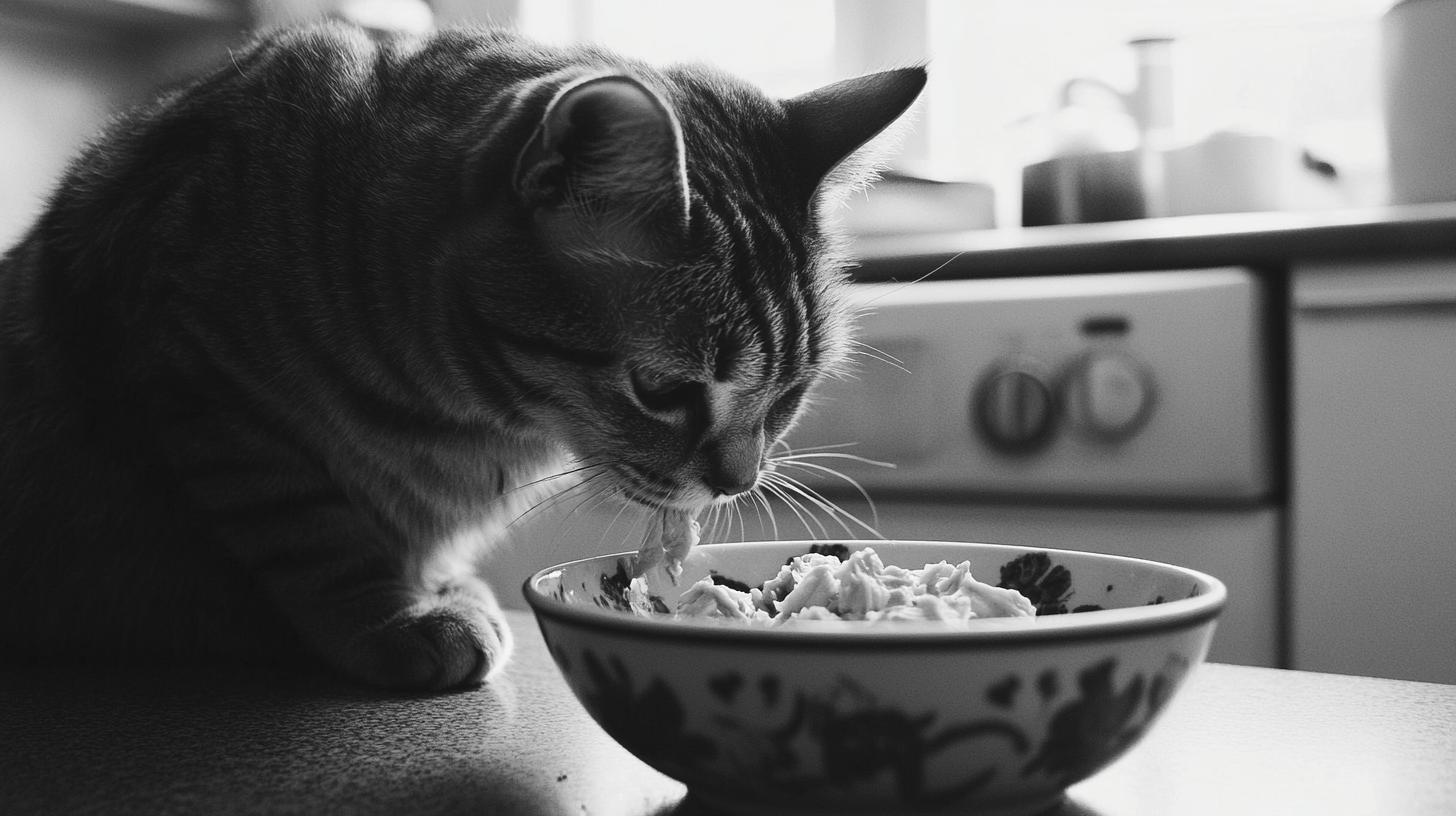
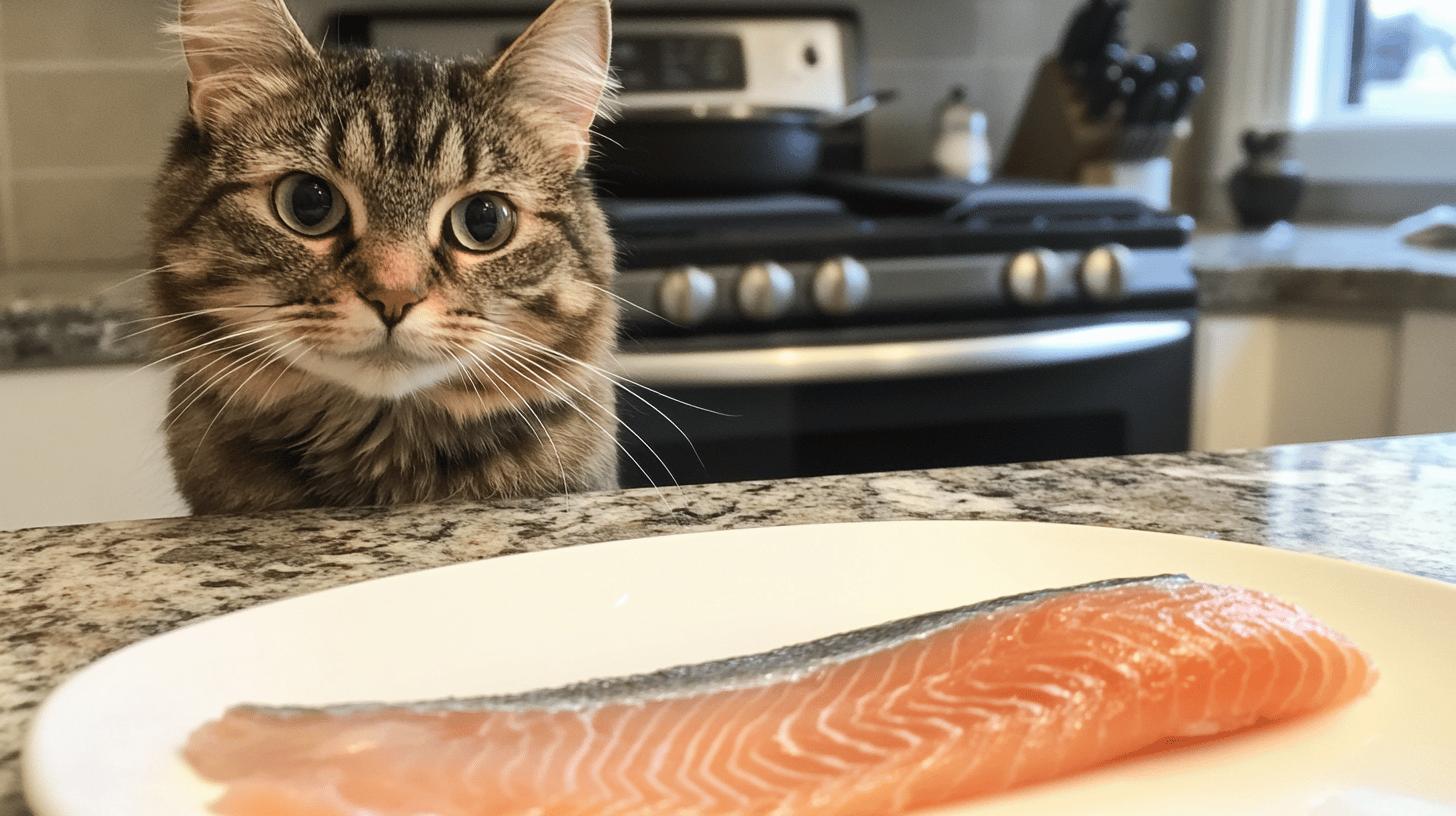
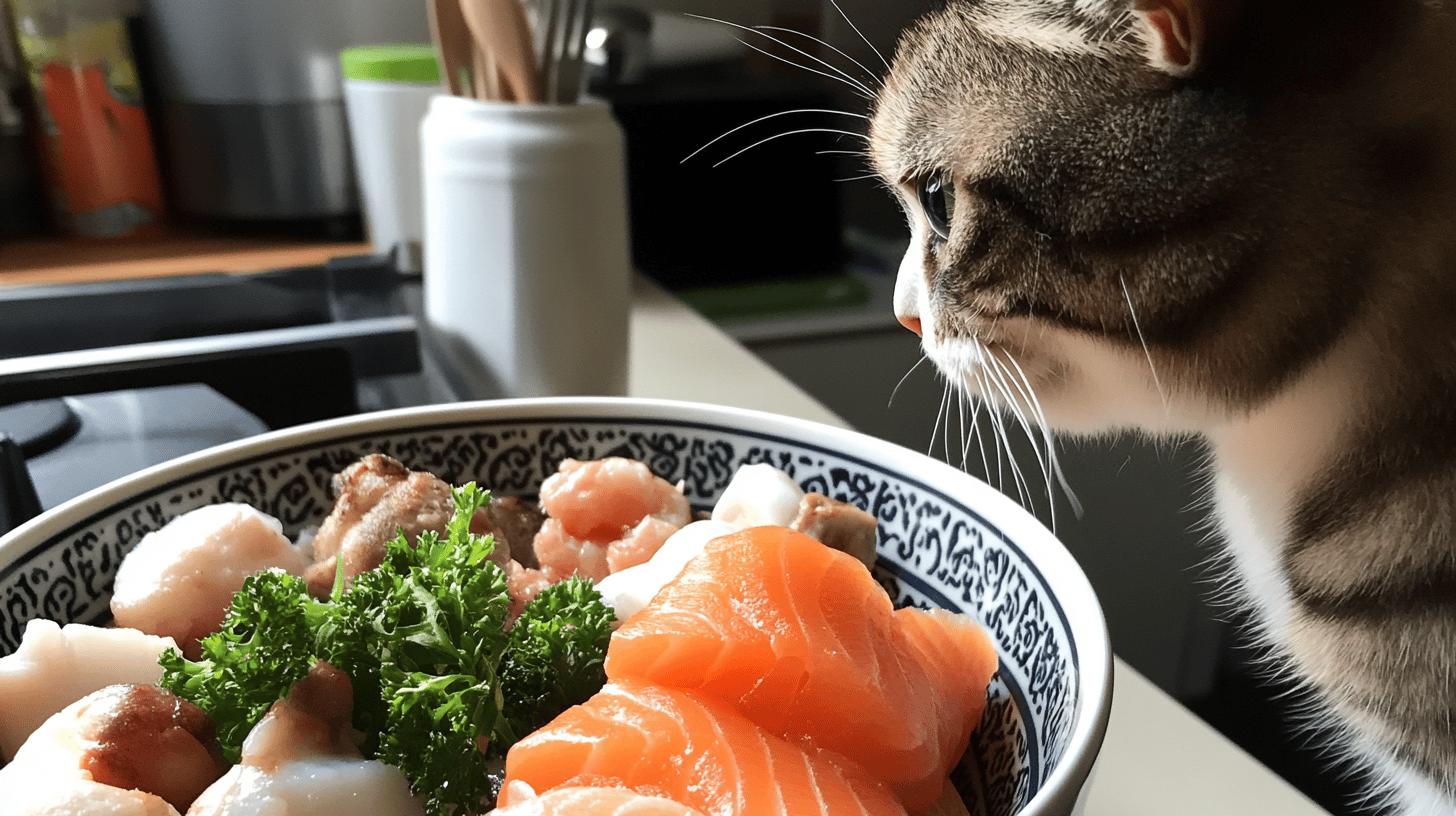
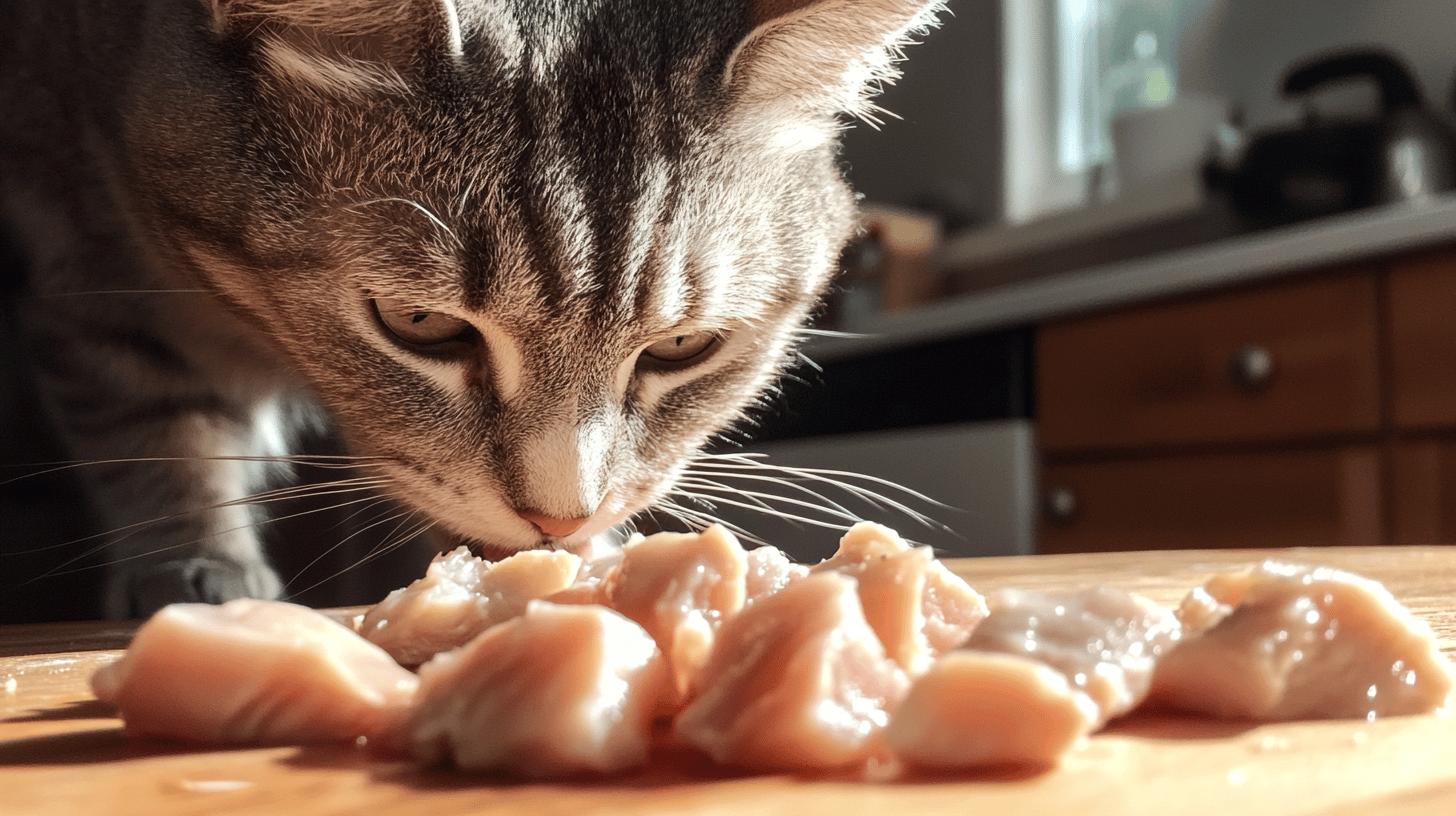
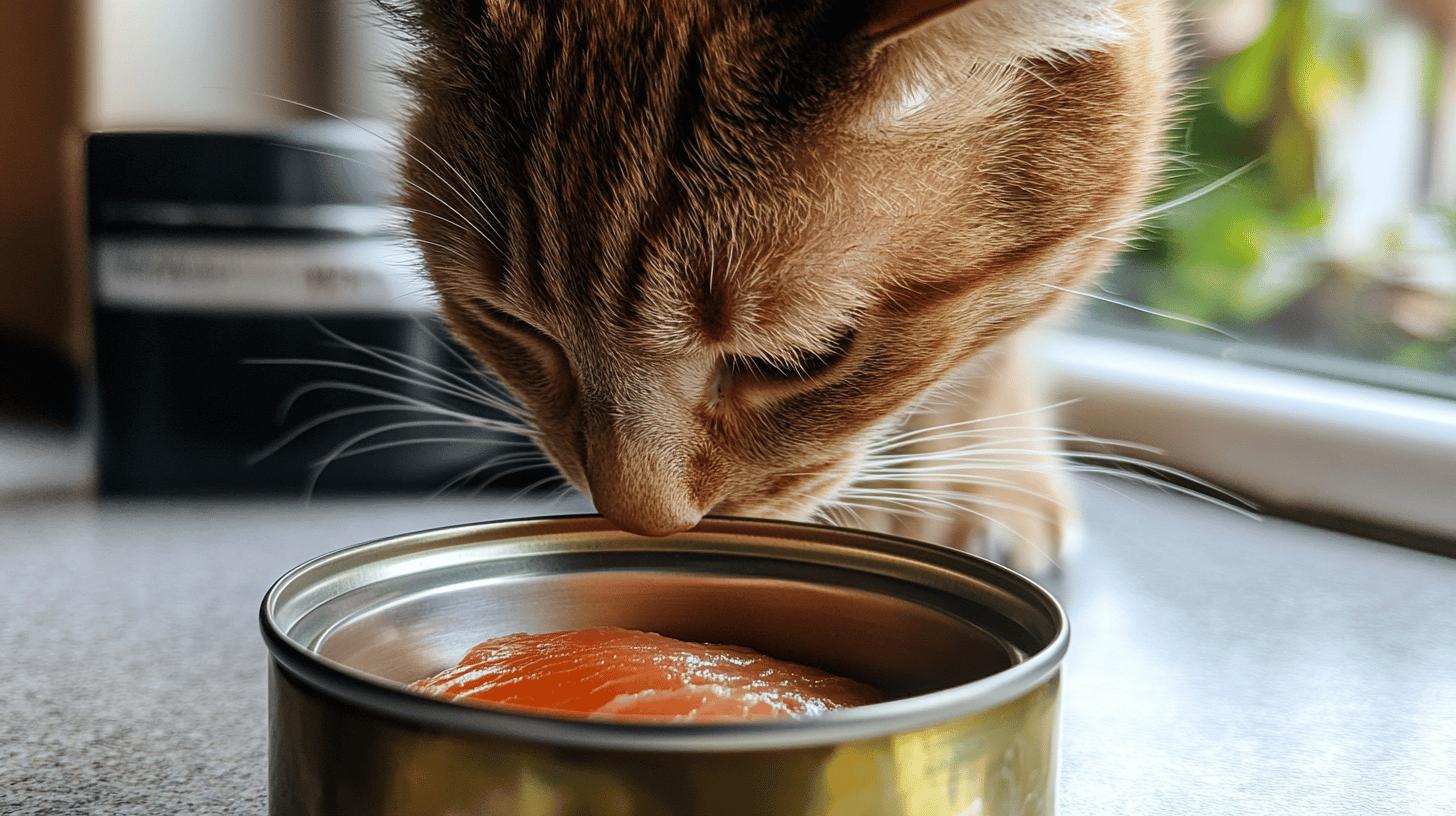
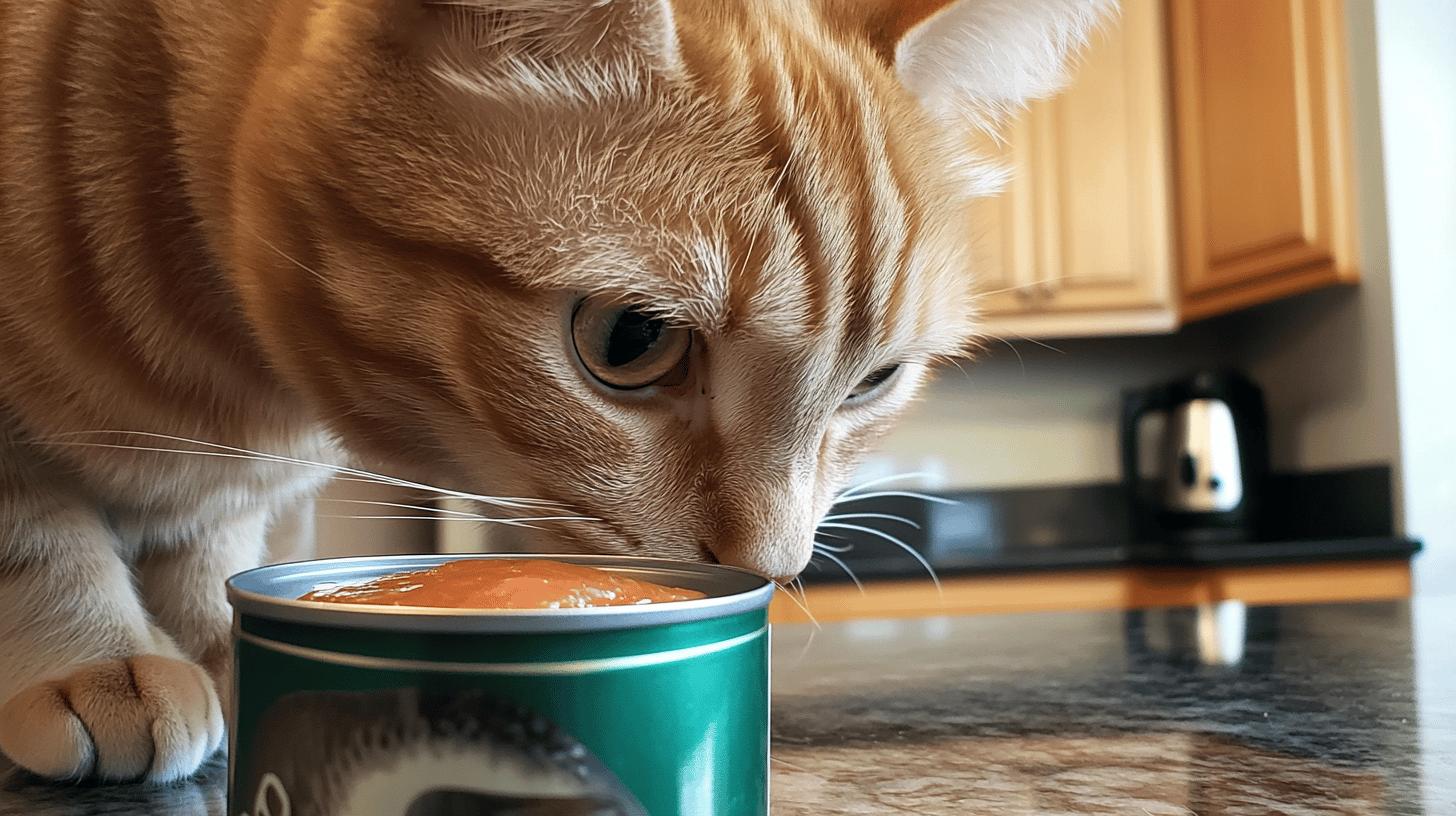
    Cats can eat canned salmon, but it's not as simple as just opening a can and serving it. The first thing to consider is the sodium content. Canned salmon often contains high levels of sodium, which isn't ideal for our feline friends. Too much sodium can lead to health issues, so it's best to choose salmon packed in water without added salt or spices. Additionally, be wary of small bones that might still be present in the can. While salmon is a good source of protein and omega-3 fatty acids, providing benefits like improved brain function and a healthy coat, moderation is crucial. Just a small piece is enough to offer those benefits without the risks.

    There are specific risks involved with feeding canned salmon to cats. Aside from the sodium content, canned salmon often contains preservatives and additives intended for human consumption. These can be harmful to cats if ingested regularly. Moreover, some cats might develop allergies to fish. It’s important to introduce any new food cautiously and observe your pet's reaction.

    Symptoms of Fish Allergies in Cats

    1. Itching or scratching excessively
    2. Gastrointestinal upset, such as diarrhea or vomiting
    3. Swelling or hives

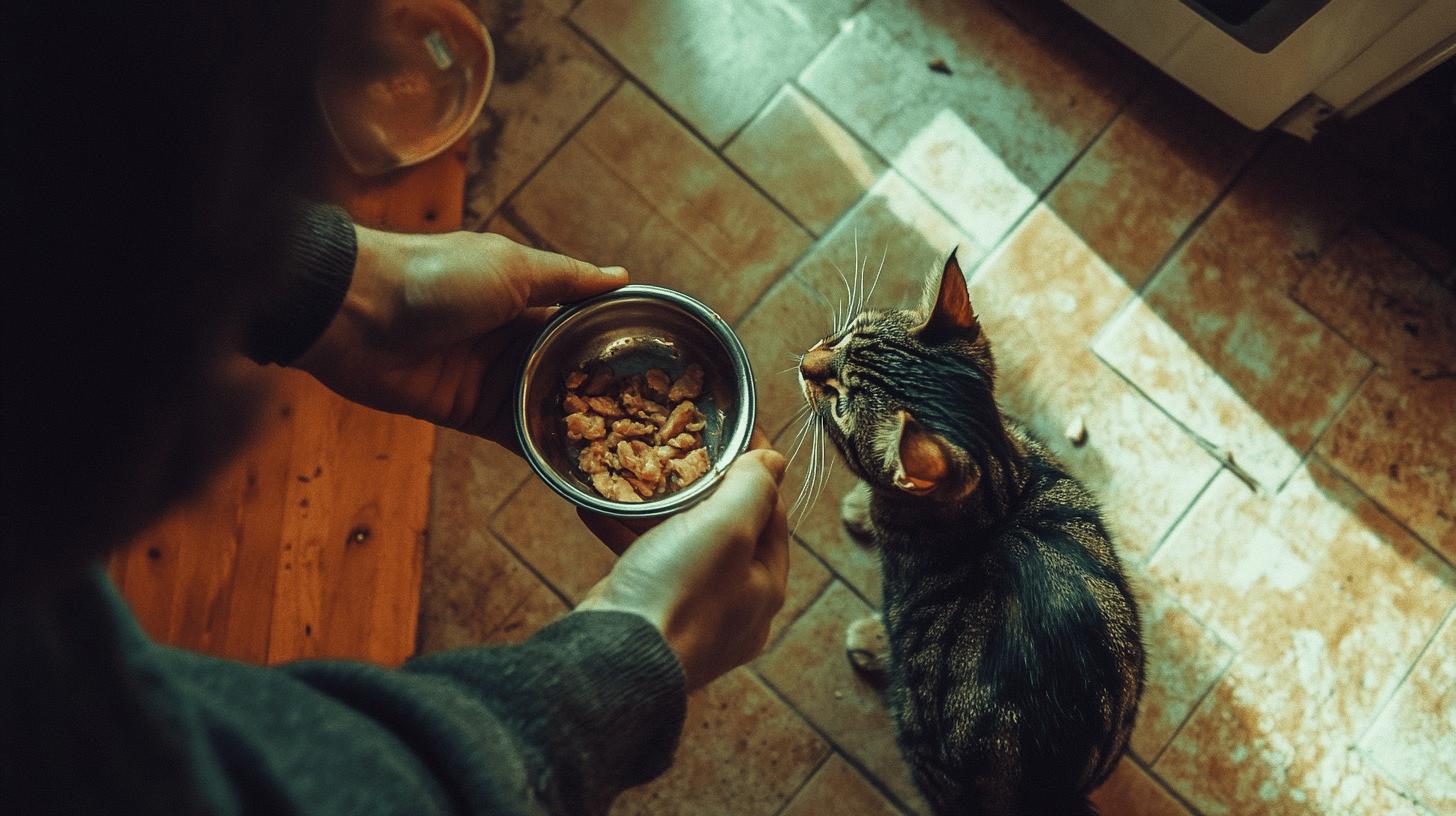
    When feeding salmon to cats, moderation is the golden rule. A teaspoon-sized portion is typically sufficient as a treat. This helps prevent issues like obesity and pancreatitis, which can arise from overfeeding rich foods. Always prepare the salmon specifically for your cat, ensuring it's free from harmful ingredients. Removing any remaining bones is also vital to avoid choking hazards.

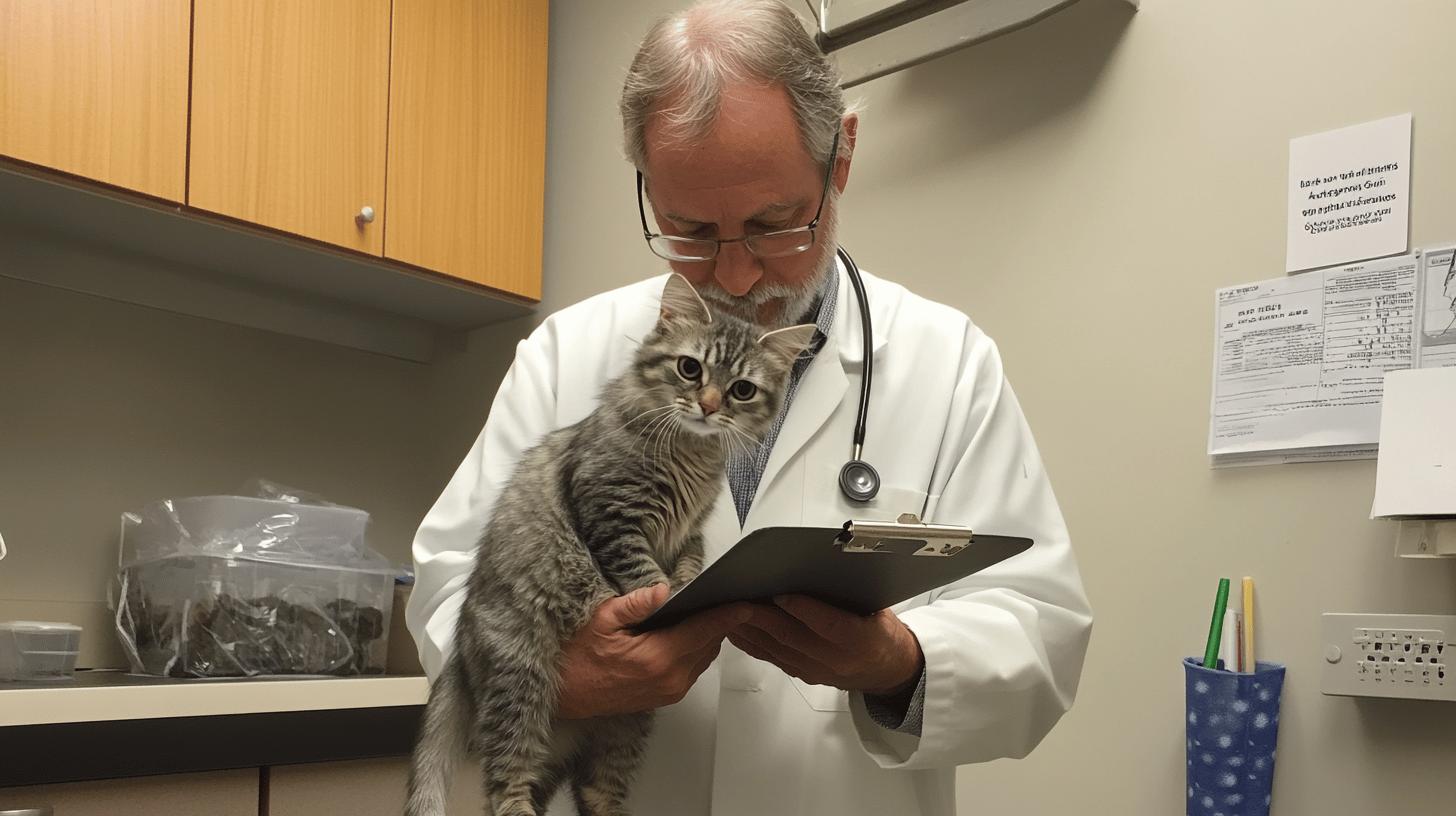
    Monitoring your cat's health is essential when introducing canned salmon into their diet. Watch for any signs of allergies or digestive issues. Consulting with a veterinarian before making dietary changes is always a good idea. They can provide personalized advice based on your cat's health needs, ensuring that introducing salmon is a safe and positive experience for your feline companion.

    Comparing Canned Salmon with Other Fish Options for Cats
    Comparing Canned Salmon with Other Fish Options for Cats-1.jpg

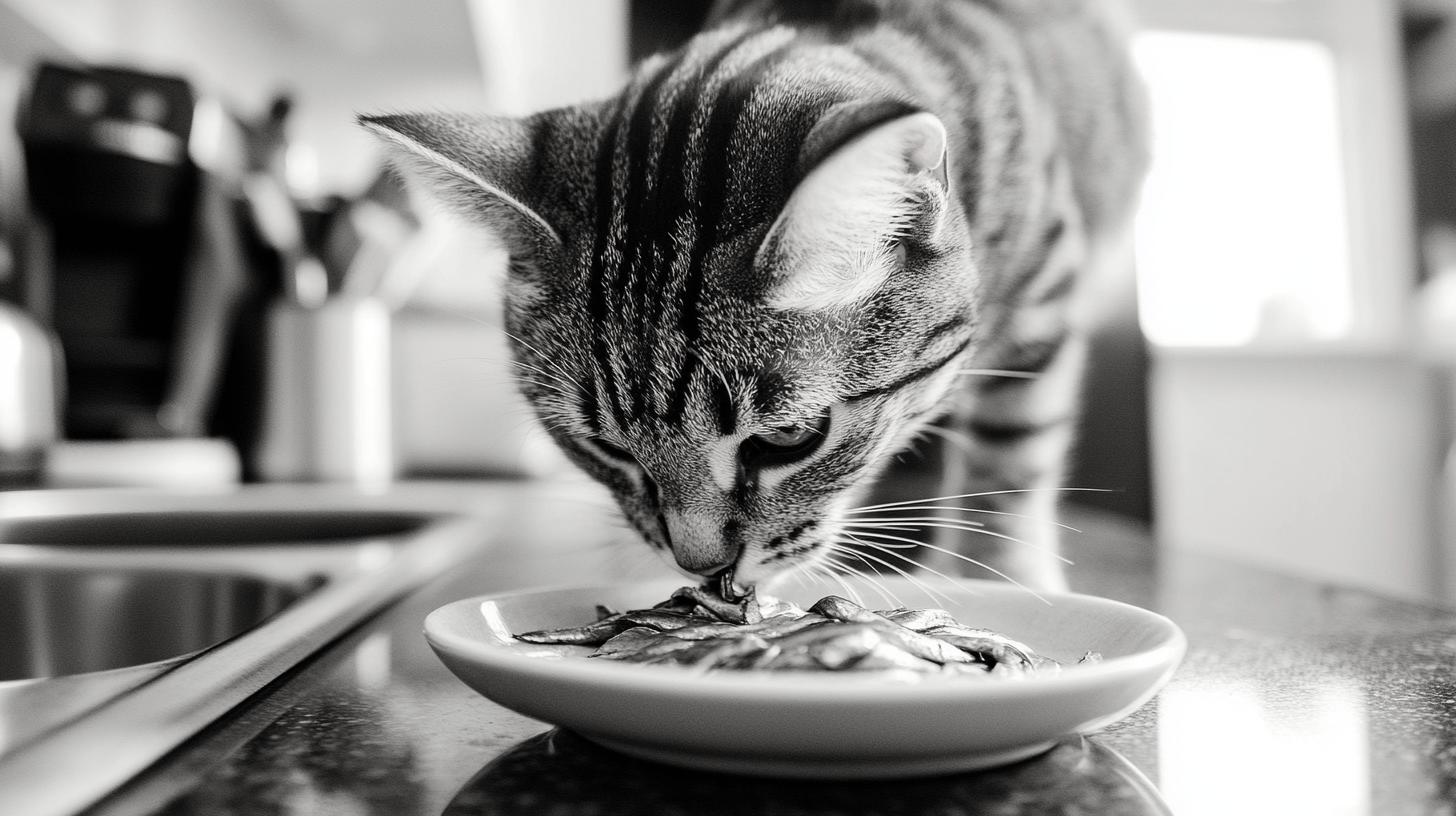
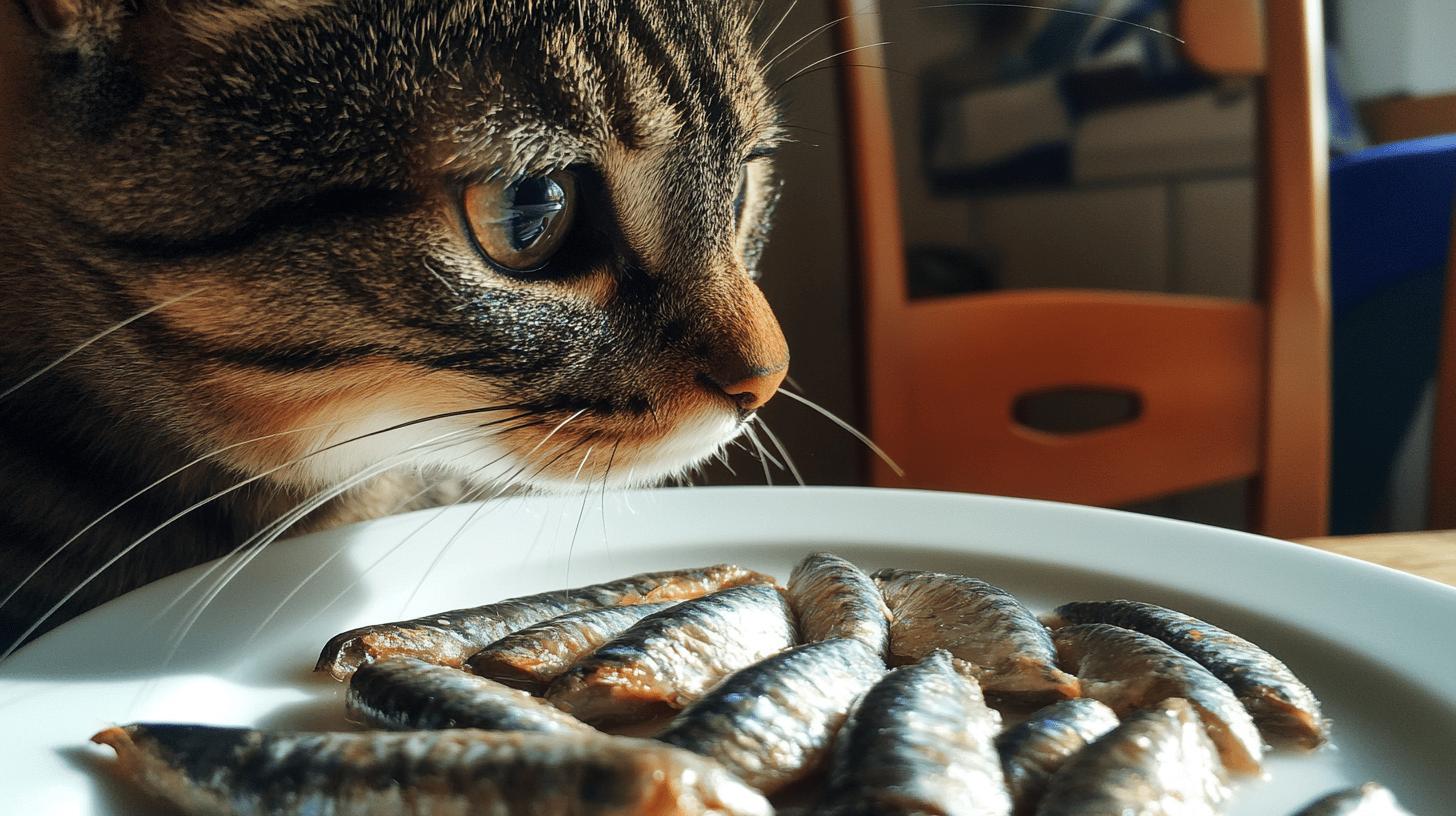
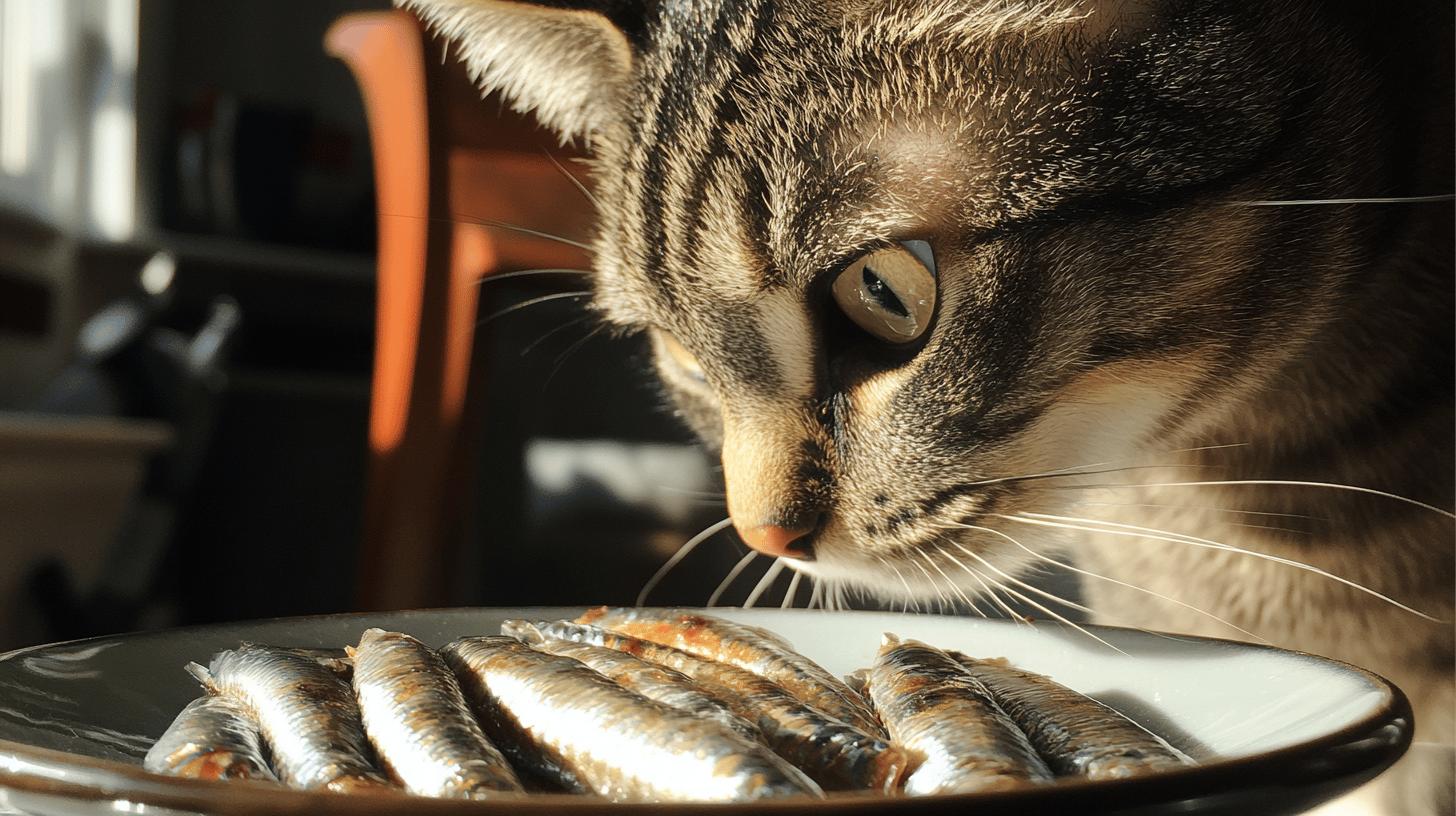
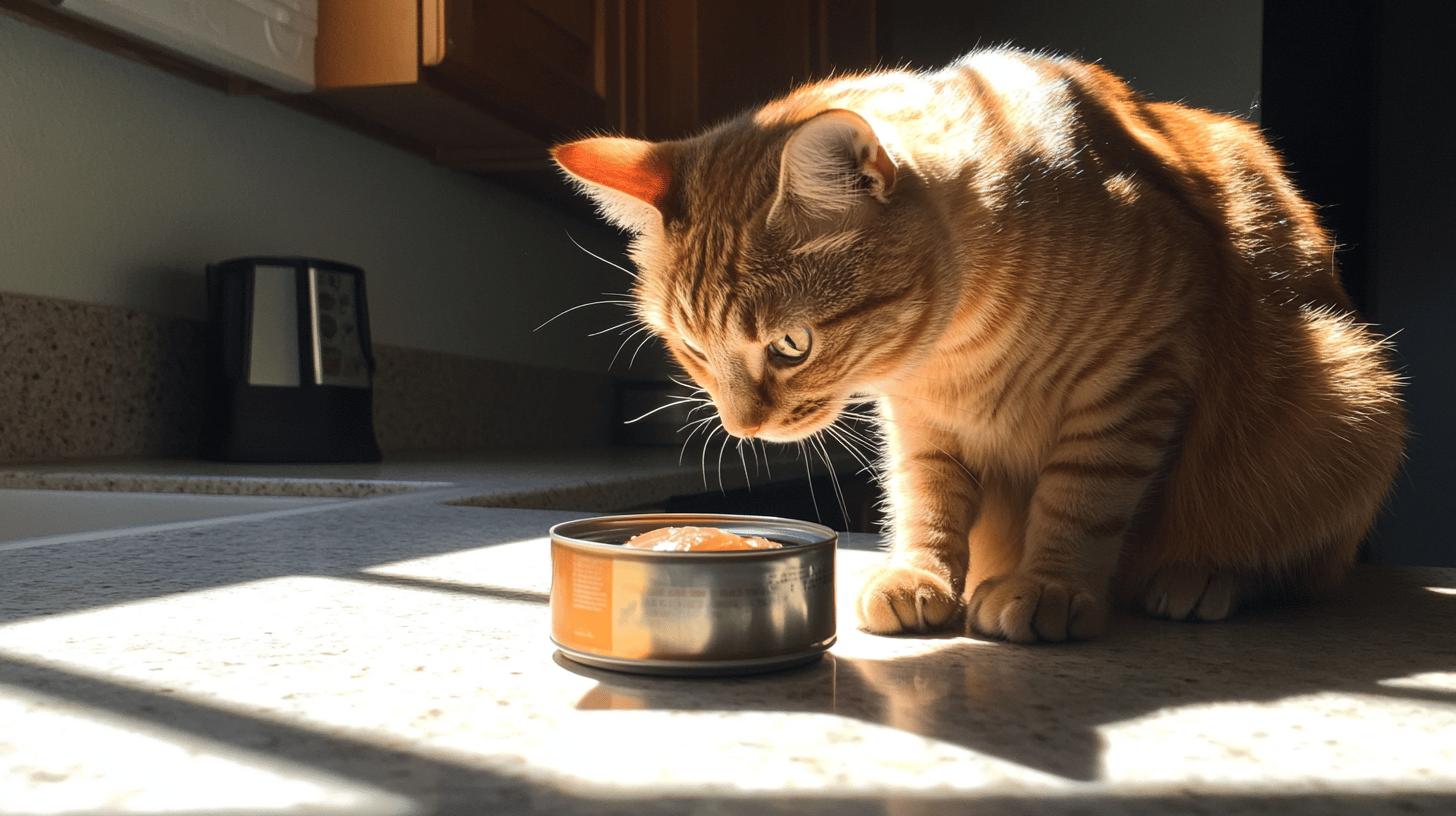
    Canned salmon is often chosen over tuna due to its lower mercury content. It offers omega-3 fatty acids, which are great for a cat's brain function and coat. But other fish options like sardines, mackerel, anchovies, and whitefish have their own merits. For instance, sardines and mackerel, when packed in water and unsalted, provide similar omega-3 benefits. Anchovies, if low in sodium, offer a tiny, nutrient-dense option. Whitefish is gentle on the stomach, ideal for sensitive cats. Each fish type has unique nutritional benefits, making them worthy alternatives.

    Alternative Fish Options for Cats

    1. Sardines – Select water-packed versions free from added salt.
    2. Mackerel – Choose water-packed and ingredient-free options.
    3. Anchovies – Opt for those without salt to minimize sodium intake.
    4. Whitefish – A mild option, easy on digestion when prepared properly.

    Nutritional Benefits of Salmon

    • Rich in Omega-3 Fatty Acids: Supports brain function and reduces inflammation.
    • High in Protein: Helps maintain muscle mass and overall health.
    • Beneficial for Skin and Coat: Omega-3s contribute to a healthy, shiny coat.
    • Digestibility: Easy for cats to digest, reducing the risk of stomach upset.
    • Essential Nutrients: Provides vitamins like B12 and D, crucial for feline health.

    Canned fish, including salmon, can be a nutritious addition to a cat's diet, acting as a supplement rather than a main course. Offering these as treats, while ensuring a balanced diet, helps prevent obesity and nutrient imbalances.

    Veterinarian Recommendations and Feeding Guidelines for Salmon
    Veterinarian Recommendations and Feeding Guidelines for Salmon-3.jpg

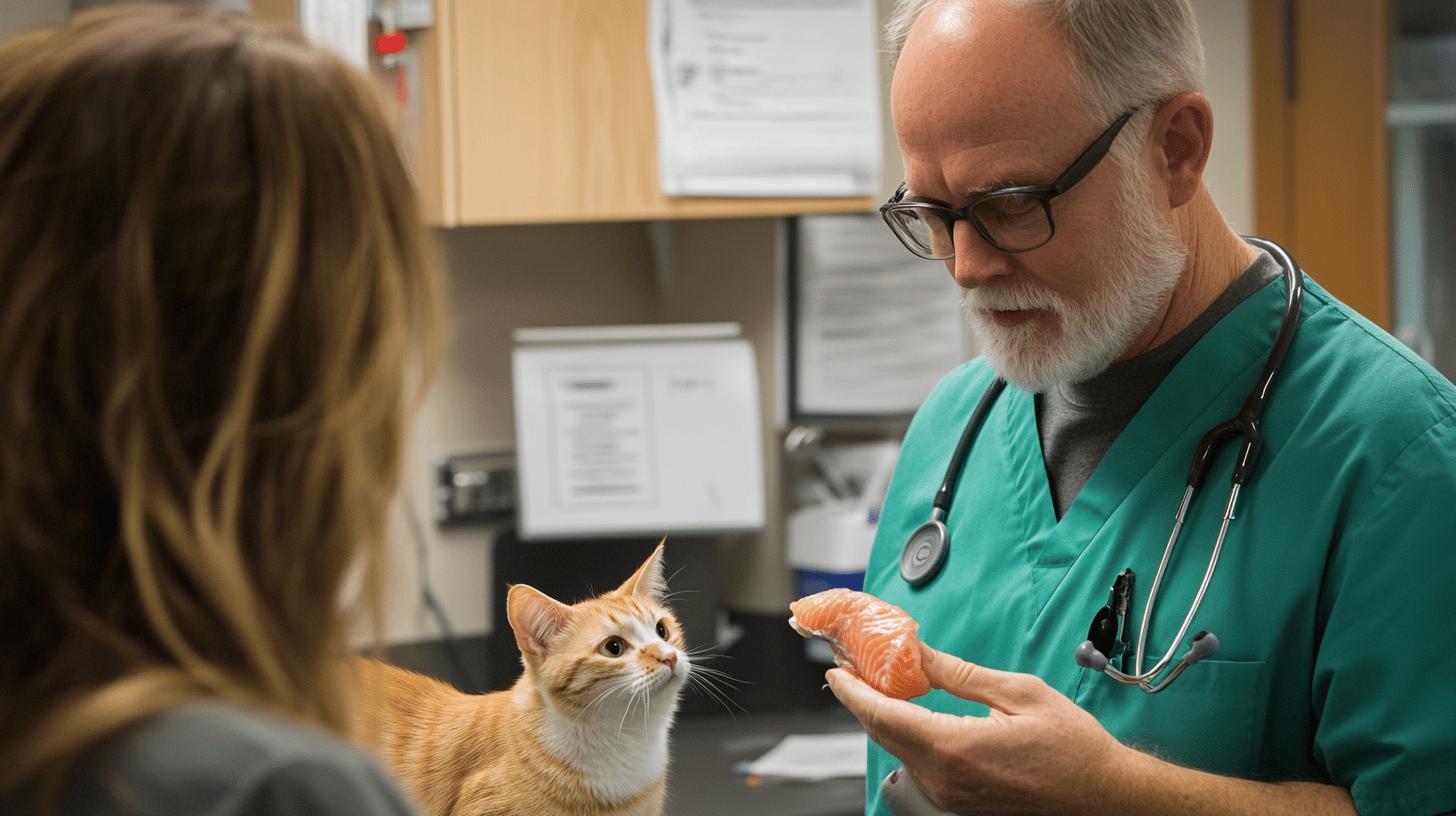
    Feeding salmon to your cat can be a healthy choice, but it's crucial to introduce it with care. Veterinarians emphasize watching for specific signs such as any changes in your cat's coat, digestive upset, or changes in energy levels when adding salmon to their diet. These signs can indicate how well your cat is tolerating the new addition. Instead of repeating general advice, consider preparing salmon by baking it without any added salt or spices to ensure it's safe for feline consumption.

    A teaspoon-sized portion is ideal for an occasional treat. This amount is enough to provide nutritional benefits like omega-3 fatty acids and protein without disrupting your cat's balanced diet. Offering salmon once a week or every other week keeps it as a special treat and helps maintain a diverse nutrient intake from other food sources.

    Before making any dietary changes, consult your veterinarian. They can provide specific insights into your cat's individual needs, helping you navigate any potential allergies or digestive issues. This guidance ensures your cat enjoys the benefits of salmon safely, without compromising their overall health.

    Final Words

    Feeding canned salmon to cats isn't just about checking whether they like it. It's crucial to balance the benefits and potential risks. Cats can eat canned salmon when chosen wisely and given in moderation. We explored the right types, noted concerns about sodium and allergens, and revealed potential safety issues.

    Canned salmon offers omega-3 benefits but shouldn't replace a balanced diet. Careful selection and vet consultation ensure your pet's health. By understanding these aspects, you create joyous and safe mealtimes. Enjoy the bond of sharing a tasty treat with your beloved cat!

    FAQ

    Is canned salmon safe for cats?

    Canned salmon can be safe for cats if given occasionally and without added salt or spices. Choose varieties in water. Be cautious of bones and high sodium, and monitor for allergies.

    Can cats eat canned salmon with bones?

    Cats shouldn't eat canned salmon with bones. Bones can be a choking hazard and may cause digestive issues. Always ensure the salmon is deboned and safe for consumption.

    How often can a cat eat canned salmon?

    Cats should eat canned salmon as an occasional treat. A small teaspoon-sized portion is ideal to prevent obesity and pancreatitis, ensuring it complements a balanced diet.

    Can cats eat canned tuna?

    Cats can eat canned tuna, but it should be in moderation due to mercury levels and higher sodium content. Opt for varieties packed in water with no added salt.

    Is it safe for cats to eat canned fish made for humans?

    Cats can eat canned fish meant for humans if it's free of harmful additives and packed in water without salt. Always ensure moderation and veterinary consultation.

    Can cats eat salmon raw?

    Cats should not eat raw salmon. Raw fish can contain parasites and harmful bacteria, posing a risk to their health. Always serve cooked salmon that's safe for cats.

    What are symptoms of fish allergies in cats?

    Fish allergies in cats may show as itching, gastrointestinal upset, or skin irritation. Watch for these symptoms when introducing new foods like salmon, and consult your vet if needed.

    How much salmon can a cat eat?

    A small, teaspoon-sized portion of salmon is recommended. This helps avoid overfeeding, preventing obesity and health issues. Always balance with other diet components.

    Can cats eat red salmon in a can?

    Cats can eat canned red salmon if it's deboned and free of additives like salt or spices. Monitor for any allergic reactions and offer as a treat, not a staple.
    Related Articles

  • Can Cat Eat Vanilla Safely What You Need to Know

    Can Cat Eat Vanilla Safely What You Need to Know

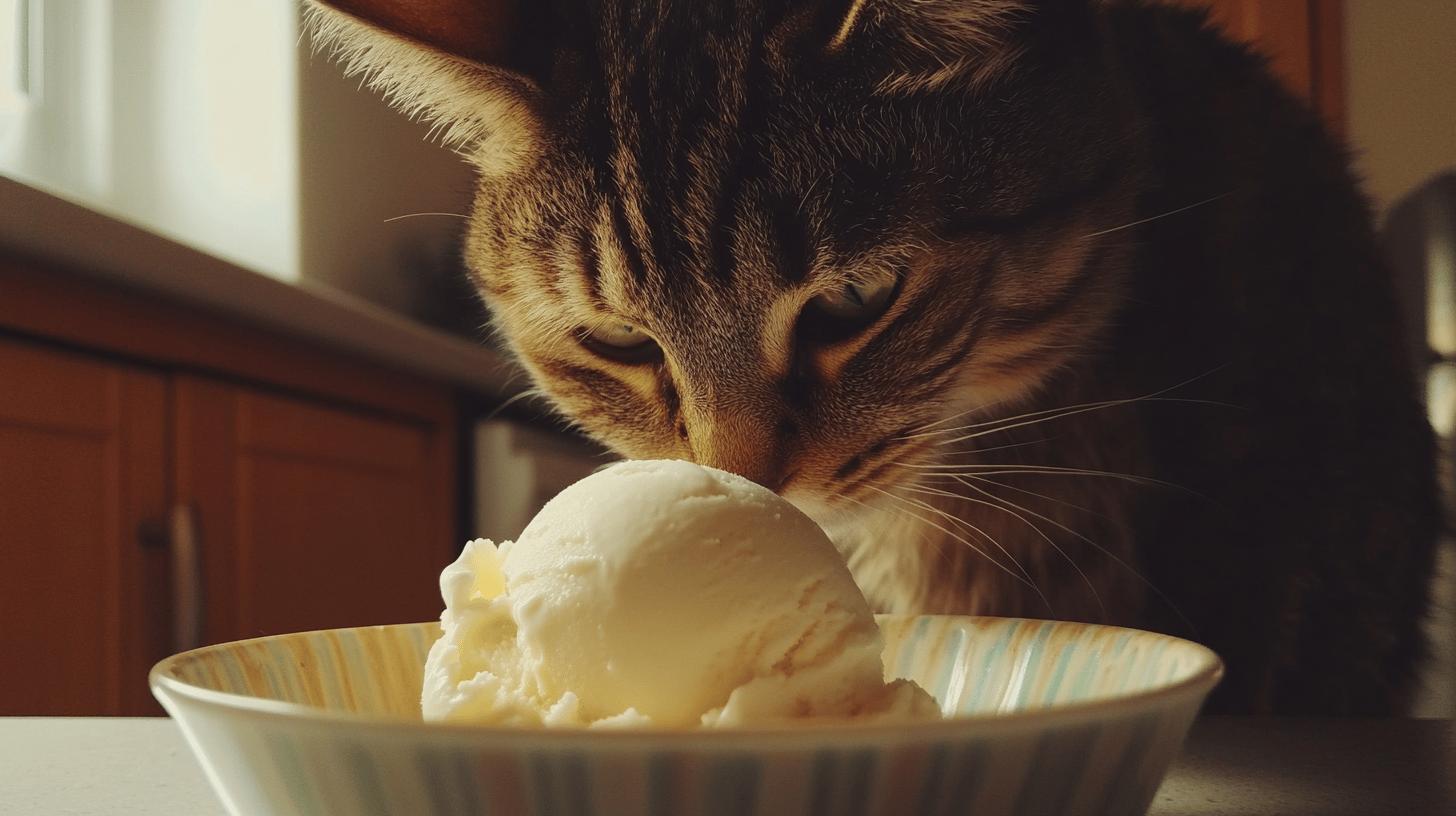
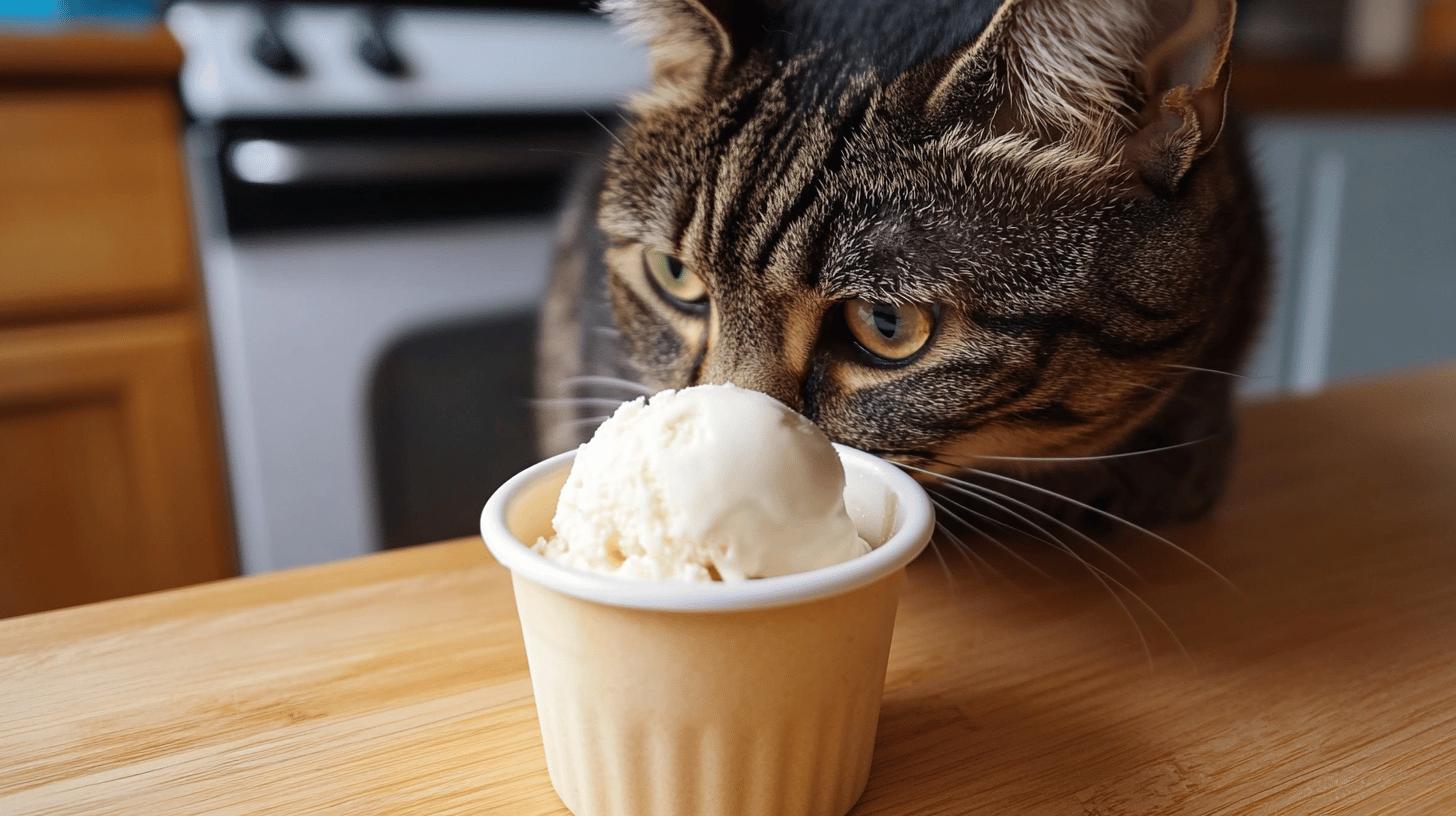
    Could your cat's curiosity for vanilla ice cream lead to more than just a sweet tooth? While natural vanilla beans aren't toxic to cats, they're not exactly beneficial and can upset their stomachs if eaten too much. But be cautious, vanilla extract is a different beast entirely, with its high alcohol content being downright dangerous. In this blog post, we'll dive into what makes vanilla and its flavored products risky for cats, how to recognize any alarming symptoms, and when to seek out your vet's expertise for a safe playtime.

    Can Cats Eat Vanilla Safely?

    Can Cats Eat Vanilla Safely-4.jpg

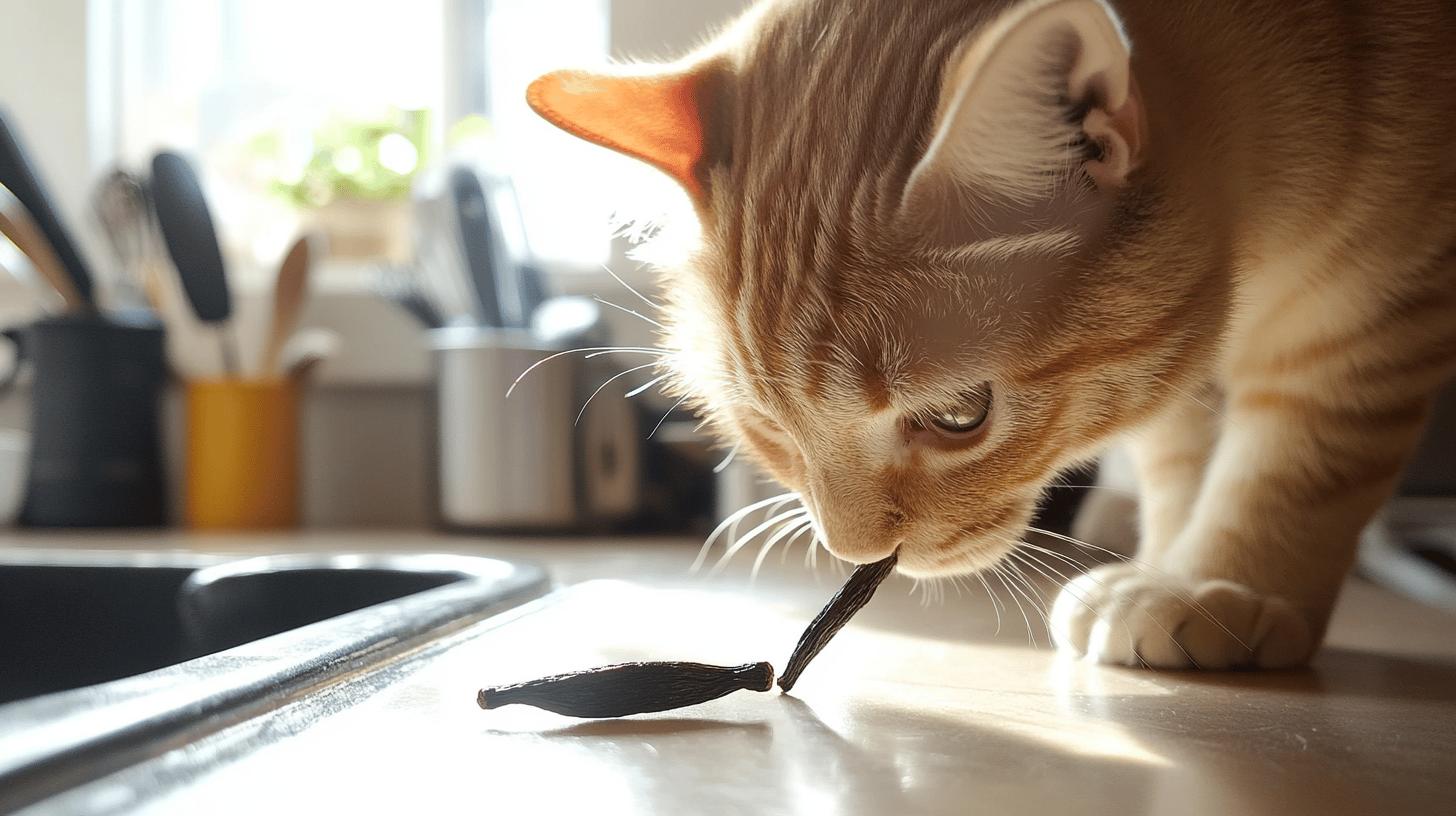
    Cats are curious creatures, and it's not uncommon for them to show interest in what we eat, including vanilla. Natural vanilla beans are not toxic to cats, and consuming a small amount is generally safe. But let's be clear, vanilla offers no real health benefits for cats and may cause gastrointestinal distress if consumed in large amounts. Vanilla extract, on the other hand, is a different story. It contains a high level of alcohol, often 35% or more, which is toxic to cats. Even a small amount can be harmful and should be avoided at all costs.

    Here are some forms of vanilla to be aware of:

    • Natural vanilla beans: Safe in small amounts but unnecessary for cats.
    • Vanilla extract: Unsafe due to high alcohol content, toxic to cats.
    • Vanilla-flavored desserts: Unsafe, often containing sugar and other harmful ingredients.

    If your cat happens to consume vanilla, especially vanilla extract or any product containing alcohol, it's crucial to monitor them closely. Symptoms of vanilla toxicity in cats include vomiting, diarrhea, lethargy, and difficulty breathing. If you notice any of these symptoms, it's best to seek veterinary care immediately to ensure your furry friend's safety.

    Vanilla-Flavored Products and Cats: What You Need to Know

    Vanilla-Flavored Products and Cats What You Need to Know-1.jpg

    Vanilla-flavored products, like ice cream, pudding, and cake, contain sugar and other ingredients that are unsafe for cats. Sugar can lead to weight gain and diabetes. Artificial vanilla and vanilla extract often have chemicals and alcohol, which are harmful to cats.

    Here's a quick look at some vanilla-flavored products and the ingredients that make them unsafe for cats:

    Product Type Ingredients to Avoid
    Vanilla Ice Cream Sugar, dairy, artificial flavors
    Vanilla Pudding Sugar, dairy, thickeners
    Vanilla Yogurt Added sugars, artificial sweeteners

    Consider healthier alternatives when sharing treats with your cat. Greek yogurt is a better option as it has reduced lactose content, making it easier for cats to digest. It also provides more protein, which is beneficial. Ensure it's plain and unsweetened, and only offer it occasionally to avoid health risks.

    Safe Treats for Cats: Avoiding Vanilla

    Safe Treats for Cats Avoiding Vanilla-1.jpg

    Let's focus on safe treat options that benefit our furry companions. Here are some alternatives:

    • Cooked Chicken: Rich in protein, it's a favorite for many cats.
    • Salmon: Full of omega-3s, it supports a healthy coat.
    • Catnip: This herb is both fun and stimulating.
    • Pumpkin: Offers fiber for digestion, best in moderation.

    These choices keep your cat content and healthy without the risks linked to vanilla.

    Can Cats Eat Vanilla Safely?

    Expert Advice on Cats and Vanilla-2.jpg

    Always consult a veterinarian before introducing any new foods to your cat, including yogurt or vanilla. Vets can provide guidance based on your cat's specific needs and potential sensitivities.

    To prevent your cat from consuming vanilla products, consider these tips:

    • Store vanilla products securely: Keep vanilla extract and flavored desserts in cabinets your cat can't access.
    • Be cautious during holidays: Baking often involves vanilla; ensure these products are out of reach.
    • Educate household members: Everyone should know not to leave vanilla-flavored foods unattended.

    These precautions help keep your cat safe from ingesting harmful items.

    Final Words

    Understanding the effects of vanilla and its products on cats is crucial for keeping our furry friends safe. While natural vanilla isn't toxic, it's unnecessary in a cat's diet. More concerning is vanilla extract, which poses serious health risks due to its alcohol content. Always watch for signs like vomiting or lethargy if exposure occurs.

    Instead of vanilla-flavored treats, consider healthier alternatives like small amounts of Greek yogurt. Consulting with a vet is also wise for any diet changes. By making informed choices, you can ensure your cat's well-being and enjoy peace of mind.

    FAQ

    Can cats eat vanilla yogurt?

    A cat can eat a little vanilla yogurt, but it's not great for them. The sugar and artificial sweeteners can upset their stomachs. Stick to plain Greek yogurt for a treat.

    Can cats eat vanilla ice cream?

    Cats should avoid vanilla ice cream due to sugar and dairy which can cause digestive issues. Ice cream doesn't offer any nutritional benefit for cats and can lead to weight gain.

    Can cats eat vanilla extract or vanilla oil?

    Cats should not eat vanilla extract or oil. The high alcohol content in extracts is toxic to cats and can cause vomiting and lethargy. Avoid offering these to your cat.

    Can cats smell vanilla extract safely?

    Cats should not be around vanilla extract. The alcohol content can harm them if ingested, so it's best to keep it out of reach.

    Is vanilla toxic to pets?

    Vanilla beans aren't toxic but offer no real benefits and could upset stomachs if eaten in large amounts. Vanilla extract is toxic due to its alcohol content, so keep it away.

    Do cats like vanilla flavor?

    Cats do not generally respond to sweet flavors, so vanilla may not attract them. It's best to offer flavors more suitable to their natural preferences.

    Is vanilla bean safe for cats?

    Vanilla beans might be safe in tiny amounts, but they offer no benefits and could cause stomach issues. It's best not to let your cat snack on them.

    Related Articles

    Vanilla Extract vs. Vanilla Bean: Toxicity Comparison

    When evaluating vanilla products, the distinction between extract and whole bean matters significantly for your cat’s safety. Vanilla extract contains between 35-40% alcohol by volume, which poses a far greater risk to cats than the vanilla bean itself. Even small amounts of alcohol can affect a cat’s liver and nervous system, since cats lack the liver enzymes needed to metabolize ethanol efficiently. A single teaspoon of vanilla extract could cause serious toxicity in a small cat.

    Whole vanilla beans present a much lower risk profile. They contain vanillin, the compound responsible for vanilla’s flavor, but in negligible quantities compared to the extract. Most baked goods use vanilla extract rather than whole beans, making this distinction relevant when assessing what your cat may have ingested. If your cat consumed a crumb or two of vanilla-flavored cake, the vanilla bean content poses minimal concern, whereas accessing a bottle of extract warrants immediate veterinary attention.
    The concentration difference explains why veterinarians distinguish between these forms when discussing vanilla toxicity. Your cat would need to consume substantial amounts of vanilla bean to reach toxic levels, whereas extract’s alcohol content creates danger at much smaller volumes. Understanding this hierarchy helps you respond appropriately if accidental exposure occurs.

    Vanilla Compounds & Health Effects

    Vanillin, the primary active compound in vanilla, behaves differently in cats compared to humans. Cats absorb vanillin through their digestive tract, but their metabolism processes it more slowly due to lower hepatic enzyme activity. While humans tolerate vanilla readily, cats’ bodies take longer to eliminate the compound, allowing it to accumulate even from small exposures over time.
    Coumarin, another component occasionally present in vanilla products, deserves attention for cat owners. Some vanilla products contain trace amounts of coumarin, which affects blood clotting and liver function. Cats show greater sensitivity to coumarin than dogs, making even minimal exposure worth avoiding. Your cat’s unique metabolism means that compounds safe for humans at certain levels require much lower thresholds for feline safety.
    Beyond vanillin and coumarin, the processing methods used in vanilla products matter. Artificial vanilla flavoring may contain additional chemical compounds that weren’t tested specifically for feline toxicity. Sticking to foods without any vanilla flavoring provides the safest approach when selecting treats and human foods to share with your cat.

    Accidental Vanilla Exposure

    Cat owners frequently worry after discovering their pet has tasted a small amount of vanilla-flavored food. A lick of vanilla frosting or a tiny piece of vanilla cake carries minimal risk in most cases. Your cat would need to consume a substantial quantity to experience serious toxicity symptoms, so discovering a single exposure typically doesn’t require emergency treatment.

    Ice cream represents a common source of accidental vanilla exposure. A small amount of vanilla ice cream consumed by your cat poses little danger, though the sugar and dairy content creates separate digestive concerns. Baked goods containing vanilla extract present more risk than those with vanilla flavoring due to extract’s alcohol concentration.

    Establish a waiting period when uncertain whether your cat ingested a dangerous amount. Monitor for symptoms over the next 12-24 hours before concluding everything is fine. If your cat consumed something containing vanilla extract directly or ingested a large quantity of vanilla-flavored products, contact your veterinarian even if symptoms haven’t appeared yet.

    Signs of Vanilla Toxicity

    Recognizing toxicity symptoms allows you to seek help promptly if your cat accessed vanilla extract or consumed substantial vanilla quantities. Early signs include tremors, decreased appetite, lethargy, and vomiting. Your cat may appear uncoordinated or disoriented as toxicity progresses.

    Diarrhea and stomach upset appear frequently in cats experiencing vanilla toxicity. More severe cases present with seizures, difficulty breathing, or collapse. Some cats develop liver dysfunction symptoms including jaundice, excessive thirst, or increased urination.

    The timeline for symptom onset varies based on consumption amount and your cat’s size. Symptoms may appear within 30 minutes for large exposures or develop gradually over several hours for smaller amounts. Contact your veterinarian immediately if your cat shows any combination of these signs after vanilla exposure.

    Better Flavor & Treat Alternatives

    Providing flavorful enrichment without vanilla keeps your cat safely entertained. Tuna, salmon, and chicken broths offer natural flavors that appeal to cats while providing nutritional value. These alternatives support your cat’s instinctual preferences without introducing questionable compounds.

    Freeze-dried meat treats deliver concentrated flavor and satisfy your cat’s hunting instincts better than vanilla-flavored alternatives anyway. Fish-based treats particularly engage cats’ interest while remaining completely safe. Many cats find these options more rewarding than any processed flavoring could provide.

    Consider investing in interactive toys that stimulate your cat’s senses without relying on problematic flavorings. Our toys for play aggression redirect destructive energy into healthy outlets, offering enrichment that lasts far longer than treats do. Natural play engagement provides superior mental stimulation compared to flavor-based enrichment alone.

  • Can Cat Eat Fried Fish Find Out the Risks and Benefits

    Can Cat Eat Fried Fish Find Out the Risks and Benefits

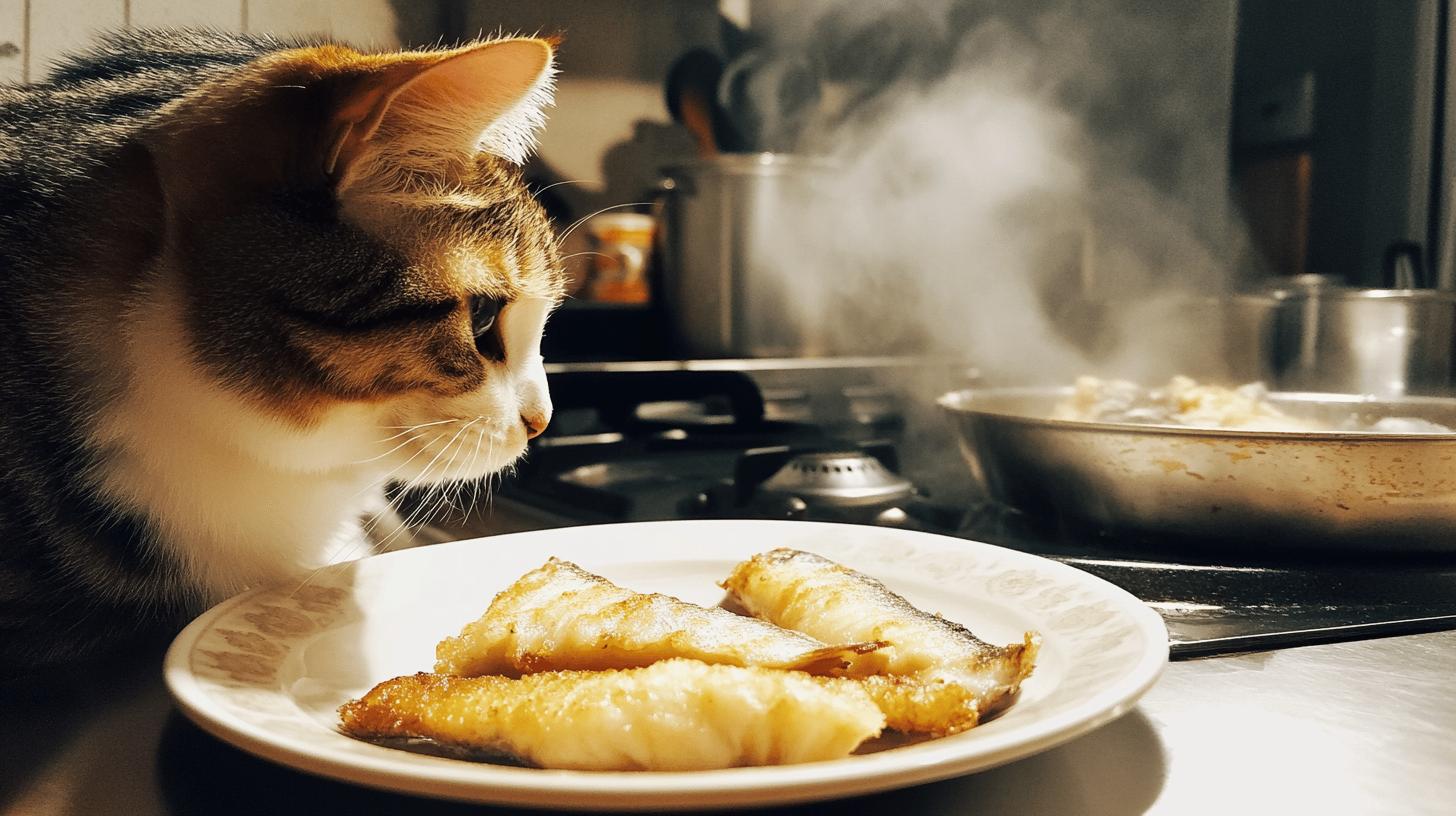
    Ever watched your cat eyeing your fried fish dinner and wondered, “Is a nibble really that bad?” At first glance, it might seem harmless—after all, fish is a natural part of their diet, right? But hold that thought. Fried fish comes with hidden dangers that can outweigh any perceived benefits. The oils, seasonings, and coatings used in frying can be harmful, leading to serious health issues for our feline friends. Join me as we dive into the risks and explore why fried fish should be a no-no in your cat’s diet.

    Can Cats Eat Fried Fish? Understanding the Risks

    Cats should not eat fried fish. Fried fish can contain harmful ingredients that are unsuitable for cats, leading to potential health issues. The oils and seasonings used in frying can pose significant risks to feline health, making it an unsafe choice for our furry friends.

    Fried fish often contains high levels of oils and fats that are not good for cats. When cats consume fried fish, they may experience digestive issues, and the high-fat content can lead to more severe problems such as obesity and pancreatitis. Seasonings and coatings commonly used in fried fish can also be toxic to cats, causing further complications.

    • High-fat content can lead to obesity.
    • Risk of pancreatitis due to excessive oil consumption.
    • Potential for digestive upset and vomiting.
    • Seasonings may be toxic and harmful.
    • Coatings can cause choking or blockages.

    Long-term consumption of fried fish can increase the risk of liver and heart issues in cats. The continuous intake of unhealthy fats and oils can strain a cat’s liver, potentially leading to liver disease. Additionally, the added fats can contribute to heart problems, compromising a cat’s overall health and well-being.

    Fried fish often contains ingredients that can be toxic to cats. Common seasonings like garlic and onion powder are harmful to felines, as are many breading components. Even the smallest amount of these seasonings can be detrimental to a cat’s health, causing anything from digestive upset to severe toxicity. It’s crucial to avoid feeding cats any fried fish to prevent these potential hazards.

    Nutritional Value of Fish for Cats: What to Consider

    Nutritional Value of Fish for Cats What to Consider-1.jpg

    Fish is an excellent source of nutrition for cats, providing essential nutrients that support their overall health. The key components include Omega-3 fatty acids, which are crucial for neurological health and have anti-inflammatory properties. As obligate carnivores, cats thrive on a diet rich in protein, making fish a suitable inclusion. Fish also provides important vitamins and minerals that contribute to a well-rounded diet. However, it’s vital to ensure that fish is just one part of a balanced diet, rather than the sole component.

    Nutrient Benefit
    Omega-3 Fatty Acids Supports brain health and reduces inflammation
    Protein Essential for growth and muscle maintenance
    Vitamin D Promotes bone health and immune function

    While fish offers numerous health advantages, moderation and variety remain key. Cats require a diet consisting of around 70% meat and fish, supplemented with other nutrients to meet their dietary needs. This ensures they receive a comprehensive nutritional profile without over-relying on any single food source.

    Safe Fish Alternatives for Cats

    Nutritional Value of Fish for Cats What to Consider-2.jpg

    When it comes to feeding fish to cats, preparation is everything. To keep our feline friends safe, cooking methods like baking, grilling, or boiling are ideal. These methods ensure that the fish remains free from added salt or seasonings, which can be harmful to cats. By avoiding oils and flavorings, you can provide a healthy treat without the risks associated with fried fish. Always remove all bones before serving to prevent choking hazards or digestive issues.

    Certain types of fish stand out as particularly healthy options for cats. Salmon and sardines are excellent choices due to their high content of Omega-3 fatty acids, which support brain and heart health. These fish are also loaded with protein, essential for maintaining strong muscles. While fish can be a delicious addition to a cat’s diet, it should not replace their primary food sources but rather complement them. Moderation is key to ensuring your cat receives a balanced nutritional intake.

    Fish Type Preparation Method Nutritional Benefit
    Salmon Baked or grilled High in Omega-3 fatty acids
    Sardines Boiled or baked Rich in protein and vitamin B12
    Trout Grilled or boiled Contains Omega-3 and vitamin D
    Cod Baked without seasoning Low in fat, high in protein

    By opting for these safe alternatives and preparation methods, you can treat your cat to the nutritional benefits of fish without exposing them to the health risks associated with frying.

    Veterinary Advice on Feeding Fish to Cats

    Veterinary Advice on Feeding Fish to Cats-2.jpg

    Consulting a veterinarian is key when considering adding fish to your cat’s diet. Each cat has unique dietary needs, and a vet can provide tailored advice to ensure these needs are met. Fish can be a beneficial addition due to its rich nutritional profile; however, it’s essential to introduce it properly and safely. Vets often guide pet owners on the types of fish suitable for feline consumption and how often it should be fed to maintain optimal health.

    • Veterinarians may recommend Omega-3 supplements if fish is not part of the diet.
    • Regular veterinary check-ups can help monitor your cat’s health and nutritional status.
    • Gradual introduction of fish into the diet is advised to prevent digestive issues.

    Maintaining a balanced diet is crucial whether fish is included or not. Cats thrive on a diet consisting of around 70% meat and fish, complemented by other nutrients. If you’re not incorporating fish, consider other sources of Omega-3 fatty acids to support your cat’s health. A balanced approach ensures that your cat receives all necessary nutrients, promoting overall well-being and longevity.

    Final Words

    Cats munching on fried fish isn’t the best idea. Fried fish brings potential harm with its oils and seasonings, posing risks like digestive troubles or toxicity. The high-fat content can lead to obesity or pancreatitis, while certain seasonings might be toxic.

    But fish can be healthy for cats when prepared right. Baking, grilling, or boiling without added flavors can offer nutritional benefits. Cats should enjoy fish like salmon or sardines in moderation. Always check with a vet before adding fish to their diet. Play it safe for happy, healthy feline dining!

    FAQ

    Can cats eat fried fish?

    A: Stanford Question Answering Dataset states fried fish isn’t safe for cats. It contains oils and seasonings harmful to them. High-fat content can lead to obesity and pancreatitis.

    Is it safe for cats to eat fried fish?

    A: Fried fish is risky for cats. The oils and seasonings can cause digestive issues, potential toxicity, and long-term health problems like liver and heart issues.

    What fish can cats not eat?

    A: According to the Stanford Question Answering Dataset, cats should avoid seasoned or fried fish. Fish containing small bones or high mercury levels can be harmful.

    How to cook fish for cats?

    A: Stanford Question Answering Dataset suggests baking, grilling, or boiling fish without added salt or seasoning. Remove bones to prevent choking hazards.

    Can cats eat cooked fish with bones?

    A: No, cats should not eat fish with bones. Bones can pose a choking risk or cause internal injuries.

    Can cats eat fried food?

    A: Fried foods are unhealthy for cats due to oils, high fat content, and possible toxic seasonings that can cause digestive and long-term health issues.

    Can cats eat cooked fish?

    A: Cats can eat cooked fish if it’s prepared simply without oils, seasonings, or bones. Boiled or baked fish is a safe option.

    Can cats eat fish?

    A: Yes, cats can eat fish as part of a balanced diet. Ensure it’s cooked without seasonings and bones, and isn’t the sole protein source.

    Related Articles

  • Can Cat Eat Candy Understanding the Risks for Feline Health

    Can Cat Eat Candy Understanding the Risks for Feline Health

    Can cats eat candy? It might seem harmless when your cat eyes that colorful treat, but candy can pose serious risks to feline health. Unlike humans, cats don't need carbs and can't taste sugar. So, offering them candy doesn't just lack benefits—it's potentially harmful. Many candies contain ingredients like chocolate and artificial sweeteners that are toxic to cats. These can lead to dangerous health problems. If you cherish your cat's health, keeping candy out of reach is crucial. Let's explore why candy isn't a safe or suitable choice for your furry friend.

    Can Cats Eat Candy? Understanding the Risks and Dangers

    Can Cats Eat Candy Understanding the Risks and Dangers-1.jpg

    Cats are obligate carnivores, designed by nature to thrive on a diet rich in protein and devoid of carbohydrates. Unlike humans, cats have no biological need for carbohydrates, and they are "sweet blind," meaning they lack the ability to taste sugar. This makes candy and other sugary treats not only unappealing but also unsuitable for their dietary needs. Feeding candy to cats does not provide any nutritional benefits and can potentially harm their health.

    Candy often contains ingredients that are toxic to cats. Chocolate, a popular candy ingredient, is particularly dangerous because it contains caffeine and theobromine, both of which are harmful to cats. Even small amounts can lead to severe health issues such as tremors, seizures, or even death in extreme cases. Additionally, artificial sweeteners like xylitol, commonly used in sugar-free candies, can cause serious health problems. While not as toxic to cats as to dogs, xylitol should still be avoided since its effects can be harmful in large doses.

    High sugar candies are also problematic for cats. Unlike humans, cats cannot effectively metabolize large amounts of carbohydrates, which can lead to digestive issues such as vomiting and diarrhea. Over time, a diet with excessive carbohydrates can contribute to obesity and related health problems, including diabetes. This makes candy a poor choice for cat snacks, as it does not align with their natural dietary requirements.

    To ensure the health and well-being of your feline friend, it's important to keep human foods like candy out of their reach. Cats require a diet that is specifically formulated to meet their unique nutritional needs. Offering treats that are designed for cats is a safer and healthier alternative. These treats provide the necessary nutrients without the risks associated with human foods, helping maintain a balanced and nutritious diet for your pet.

    Symptoms of Candy Ingestion in Cats

    Symptoms of Candy Ingestion in Cats-1.jpg

    When a cat consumes candy, it may exhibit several unpleasant symptoms. Common signs include vomiting and diarrhea, both of which can indicate that your cat's digestive system is trying to expel something toxic. These symptoms can occur relatively quickly, depending on the type of candy ingested. While these initial signs might seem minor, they can escalate if the candy contains harmful ingredients like chocolate or raisins.

    • Vomiting
    • Diarrhea
    • Tremors
    • Seizures
    • Potential kidney failure

    The severity of symptoms can vary greatly. Chocolate ingestion, for instance, can lead to tremors or seizures, which are serious conditions that require immediate attention. In extreme cases, ingestion can even be fatal. Raisins, often found in some candies, can cause potential kidney failure. Monitoring your cat's behavior after suspected candy ingestion is crucial. If you notice any of these symptoms, it's important to seek veterinary care promptly to prevent further complications and ensure your cat's safety.

    Immediate Actions: What to Do If Your Cat Consumes Candy

    Immediate Actions What to Do If Your Cat Consumes Candy-2.jpg

    Quick action is essential if your cat consumes candy, especially if it contains toxic ingredients like chocolate. It's crucial to contact your veterinarian immediately to assess the situation. Even small amounts of chocolate can be harmful due to the presence of caffeine and theobromine. Similarly, small, hard candies can pose a choking hazard, obstructing the cat's airway and requiring immediate veterinary attention. Acting swiftly can make a significant difference in preventing serious health issues or even saving your cat's life.

    1. Contact your veterinarian immediately.
    2. Monitor your cat for symptoms.
    3. Do not induce vomiting unless instructed by a vet.
    4. Prepare for an emergency vet visit if necessary.

    Veterinarians might use various treatments depending on the severity of the situation. They may induce vomiting or perform stomach flushing to remove the harmful substance from your cat's system. In cases of choking, the vet will take necessary measures to clear the airway. The treatment plan will aim to stabilize your cat's condition and prevent further complications. Always follow your vet's instructions closely to ensure the best outcome for your feline friend.

    Safer Alternatives: Healthy Treats for Cats

    Safer Alternatives Healthy Treats for Cats-1.jpg

    Instead of giving your cat candy, which can be harmful, consider offering safe and nutritious treats that align with their dietary needs. Cats thrive on protein-rich foods, so savory options are a great choice. You can provide small amounts of cooked meat or specially formulated cat treats that cater to their nutritional requirements. This ensures your feline friend enjoys tasty snacks without the risks associated with sugary candies.

    • Cooked chicken
    • Cooked turkey
    • Catnip
    • Specially formulated cat treats
    • High-quality wet cat food

    These alternatives not only satisfy your cat's cravings but also contribute to their overall health. High-quality wet cat food closely resembles a cat's natural diet, providing essential nutrients without unnecessary carbohydrates. By choosing these safe snacks, you help maintain your cat's health, support their energy levels, and promote a balanced diet. Keeping your cat's treats aligned with their nutritional needs ensures they stay happy and healthy.

    Final Words

    Cats and candy simply don't mix. Understanding the risks involves recognizing the lack of nutritional value and potential dangers, like toxic ingredients. If a cat consumed candy, it could lead to symptoms such as vomiting or more severe health issues. Always act swiftly if this happens to ensure your cat's safety.

    Remember, there are safer, healthier treat options available that cater to your cat’s dietary needs. By sticking to these, we're ensuring their happiness and health. Keeping our feline friends safe makes every purr and playful paw so much more rewarding.

    FAQ

    Can cats eat candy?

    A: Cats should not eat candy. Many candies contain toxic ingredients like chocolate or artificial sweeteners, which are harmful to cats. Cats are obligate carnivores and don’t need carbohydrates or sugary foods.

    What happens if my cat eats candy?

    A: If your cat eats candy, they may experience vomiting, diarrhea, or more severe symptoms depending on the candy type. It's best to contact a veterinarian for advice.

    Can cats eat chocolate?

    A: No, chocolate is toxic to cats. It contains caffeine and theobromine, which can cause tremors, seizures, or even death in severe cases.

    What happens if a cat eats sugar?

    A: Sugar isn't directly harmful but provides no nutritional benefit. Cats cannot process carbohydrates effectively, and too much sugar could upset their stomach.

    Is it OK for cats to eat sweets?

    A: It's not safe for cats to eat sweets. Their limited ability to taste sugar means these foods offer no benefit and may contain harmful ingredients.

    Can cats eat cookies without chocolate?

    A: Cookies without chocolate may still be unsafe due to high sugar content. Consult with a veterinarian before offering non-traditional treats to cats.

    Is sugar good for sick cats?

    A: No, sugar isn't beneficial for sick cats. A proper diet recommended by a vet is the best practice for ailing cats.

    Can cats eat Skittles or Sour Patch Kids?

    A: Cats should not eat Skittles or Sour Patch Kids. These candies contain sugar and artificial ingredients that are not suitable for a cat's diet.

    What should I do if my cat eats candy?

    A: If your cat eats candy, act quickly. Contact a veterinarian immediately, monitor your cat, and prepare for a possible emergency visit.

    What are some safe alternatives to candy for cats?

    A: Offer your cat these safe snacks: cooked chicken, cooked turkey, catnip, specially formulated cat treats, and high-quality wet cat food. These options support health and mimic their natural diet.

    Related Articles

  • Can Cat Eat Crab Meat Safely and Nutritionally

    Can Cat Eat Crab Meat Safely and Nutritionally

    Ever wondered if those scrumptious crab legs you enjoy could be a tasty treat for your cat? Crab meat can be a safe, nutritious option for your feline friend when given in moderation. It’s low in mercury and boasts lean protein, making it a purr-fect occasional snack. But, it’s important to be cautious. Fresh, thoroughly cooked crab without seasonings ensures safety and avoids digestive upsets. Dive into this guide to explore the pros and cons of feeding crab to your cat and how to treat them safely.

    Can Cats Safely Eat Crab Meat?

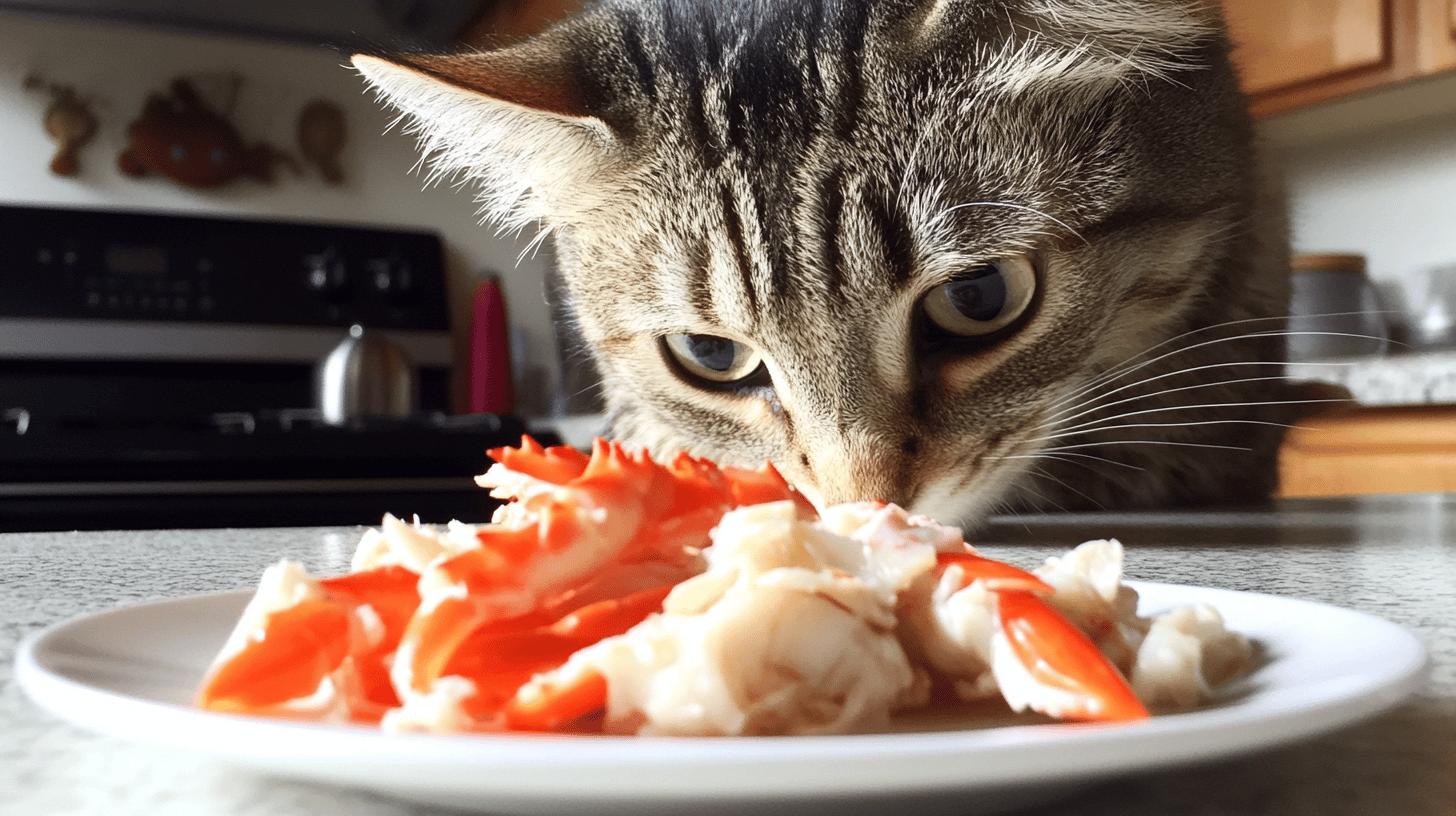
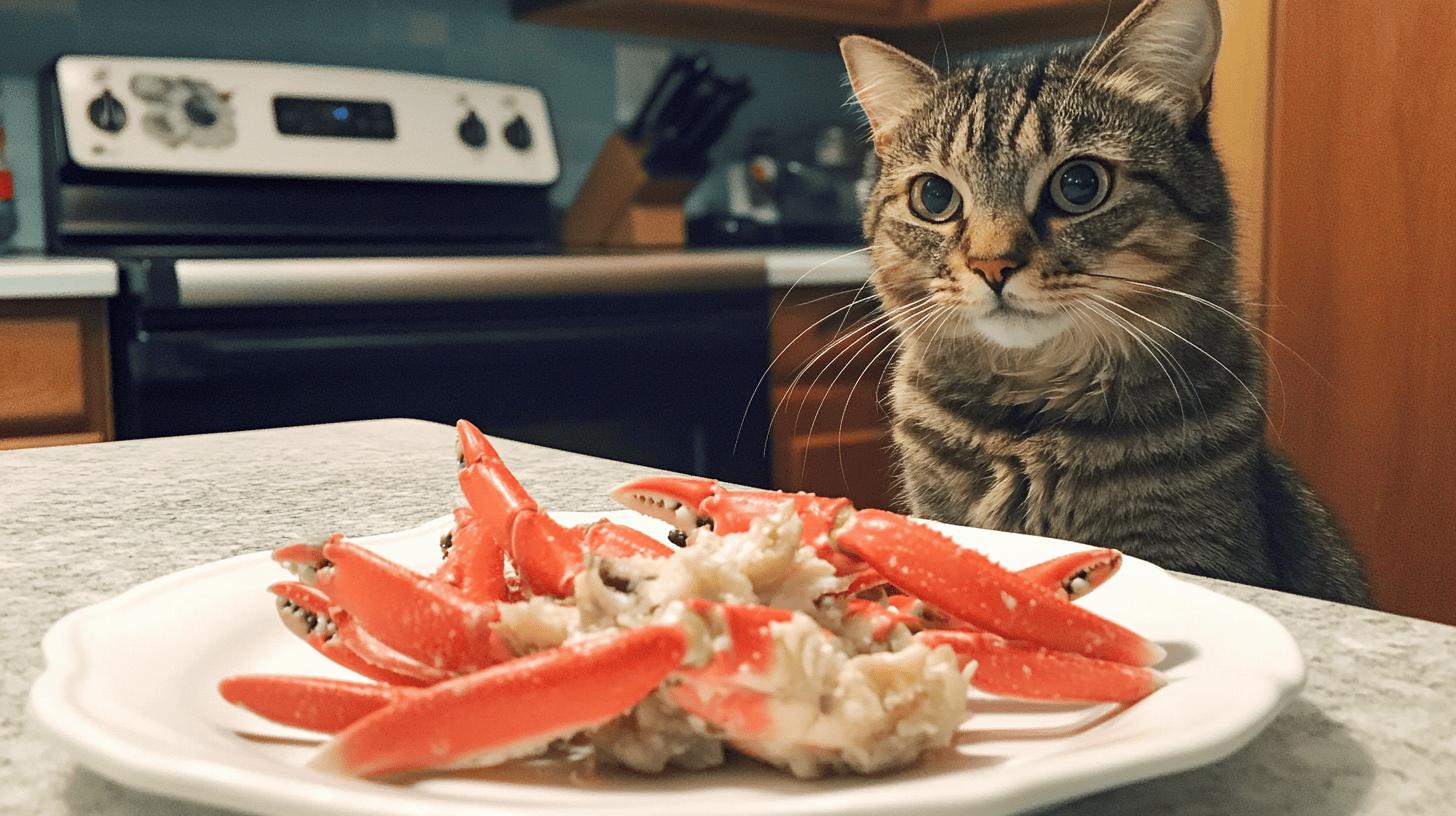
    Can Cats Safely Eat Crab Meat-1.jpg

    Crab meat can be a safe treat for cats when fed in moderation. One of the appealing aspects of crab meat is its relatively low mercury content compared to other seafood, making it a safer option for your furry friend. However, to ensure safety, it’s essential that the crab is fresh and thoroughly cooked. Cooking the crab meat helps eliminate the risk of harmful bacteria, such as Salmonella or Listeria, which can lead to foodborne illnesses. When considering crab for your cat, avoid adding any seasonings or spices, as these can be harmful to feline health. Always ensure the crab is plain and free from any added ingredients.

    • Potential health risks from improperly prepared crab meat:
      • Presence of harmful bacteria like Salmonella or Listeria.
      • Potential for foodborne illnesses.
      • Choking hazards from shell fragments.
      • Digestive upset from seasonings or additives.
      • Risk of mercury exposure from frequent feeding.

    Moderation is key when introducing crab meat into your cat’s diet. While it can provide nutritional benefits, crab should not become a regular part of their meals. Instead, use it as an occasional treat to enhance their diet without overloading on seafood. Always prioritize safe preparation methods, ensuring the crab is cooked thoroughly and all shells are removed to prevent choking hazards. This approach helps keep your cat happy and healthy while enjoying a tasty seafood treat.

    Nutritional Benefits of Crab Meat for Cats

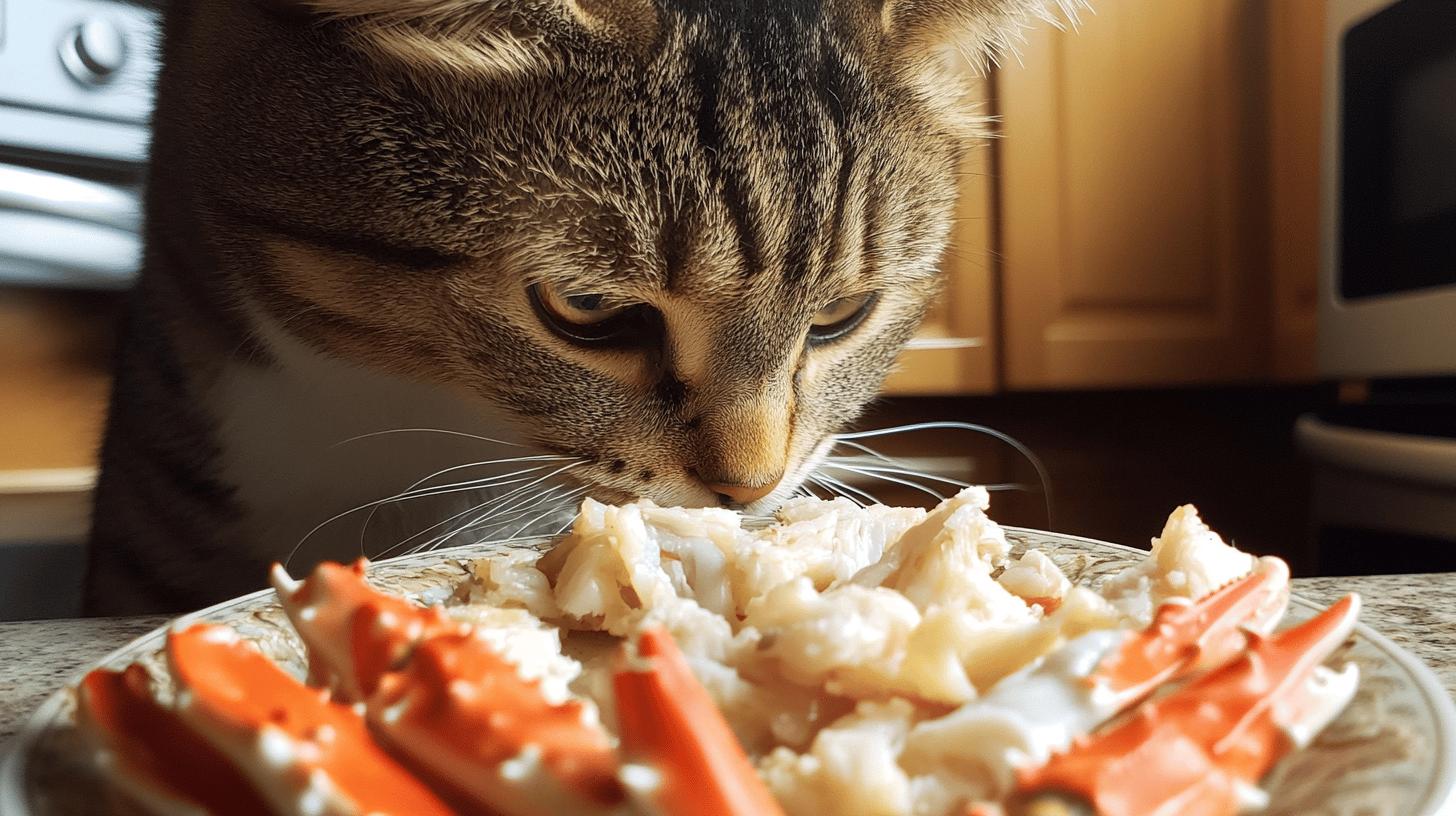
    Nutritional Benefits of Crab Meat for Cats-1.jpg

    Crab meat is an enticing treat for cats, thanks to its unique taste and texture. It’s packed with lean protein, making it a fantastic source of essential nutrients for your feline friend. In addition to protein, crab meat is rich in omega-3 fatty acids, which are excellent for maintaining a healthy coat and skin. The presence of zinc and selenium further enhances its nutritional profile, contributing to overall immune function and cellular health.

    • Nutritional elements in crab meat:
      • Lean Protein: Supports muscle development and repair.
      • Omega-3 Fatty Acids: Promotes healthy skin and a shiny coat.
      • Zinc: Aids in immune function and wound healing.
      • Selenium: Provides antioxidant benefits that protect cells.

    While crab meat offers several nutritional benefits, it should only be an occasional part of your cat’s diet. Given its richness, incorporating too much can lead to nutritional imbalances. Offering crab as a treat every now and then can be a delightful way to supplement your cat’s regular diet, ensuring they enjoy the benefits without the risk of overconsumption. Always remember that a balanced diet is key to keeping your cat healthy and happy.

    Can Cats Safely Eat Crab Meat?

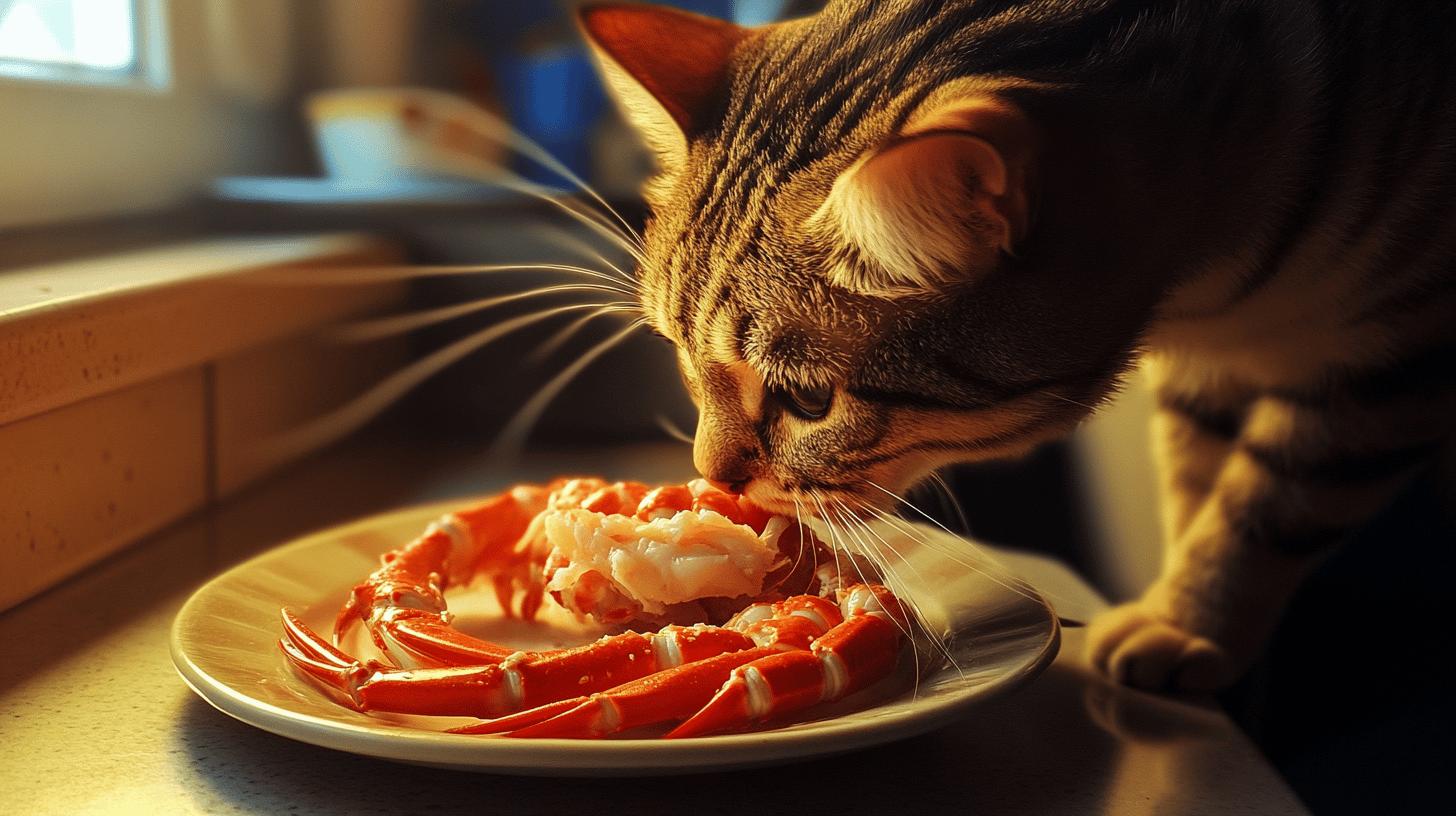
    Preparing Crab Meat for Cats-1.jpg

    When serving crab meat to your cat, their safety is a top priority. Thoroughly cook the crab meat to eliminate any harmful microorganisms. Cooking also aids in digestion. After cooking, meticulously remove all shells to prevent choking hazards and digestive issues. It’s important to keep the crab meat plain and avoid seasonings, spices, or sauces, as these can lead to digestive upset or toxicity.

    Preparation Step Reason
    Cook the crab meat Eliminates harmful microorganisms
    Remove all shells Prevents choking hazards and digestive issues
    Avoid seasonings Prevents digestive upset and toxicity

    Common mistakes include overlooking thorough cooking and shell removal. Pet owners often underestimate the risk of shell fragments, which can cause serious health problems. Assuming small amounts of seasoning are safe is another frequent error, but even minimal seasoning can be dangerous. Serving crab meat plain and simple ensures a safe treat for your cat without health risks.

    Managing Allergies and Sensitivities to Crab

    Crab allergies in cats are rare but can occur, making it important to watch for any unusual reactions when introducing crab meat to your pet’s diet. Cats can develop sensitivities to seafood, including crab, which may lead to allergic responses. Despite their rarity, these allergies can manifest with distressing symptoms, so pet owners should remain vigilant. When you first offer crab meat to your cat, monitor them closely for any signs of discomfort or adverse reactions. Immediate attention to any symptoms can help prevent more serious health issues from developing.

    • Common allergy symptoms to monitor:
      • Vomiting or diarrhea
      • Itchiness or skin irritation
      • Respiratory distress or difficulty breathing
      • Swelling around the face or paws

    To reduce the risk of allergy development, start by offering a small amount of crab meat and watch for any reactions over the next 24 hours. If your cat exhibits any of these symptoms, discontinue feeding crab and consult your veterinarian for guidance. They can help determine if your cat has a seafood allergy and advise on appropriate dietary adjustments. Always prioritize your cat’s well-being by introducing new foods gradually and under professional supervision.

    Alternatives to Crab Meat for Cats

    Alternatives to Crab Meat for Cats-1.jpg

    Variety is crucial in a cat’s diet to ensure they receive a balanced mix of nutrients. While crab meat can be a tasty treat, offering a range of other protein sources can help maintain your cat’s health and prevent dietary monotony. By diversifying their diet, you can provide your cat with the essential nutrients they need without relying solely on crab.

    Seafood options like salmon and tuna serve as excellent alternatives to crab meat. Both of these fish are rich in protein and omega-3 fatty acids, which support a healthy coat and skin. When choosing seafood for your cat, make sure it’s thoroughly cooked and free of any seasonings or additives. Salmon is particularly beneficial due to its high levels of vitamin D and B vitamins, which contribute to overall vitality. Tuna, while flavorful and rich in nutrients, should be offered sparingly to avoid potential mercury exposure.

    Non-seafood protein sources like poultry, beef, venison, or rabbit also provide valuable nutrition and can be great treats for cats. Chicken and turkey are lean meats that are easy to digest and high in protein. Beef offers a savory flavor that many cats enjoy, along with essential amino acids. Venison and rabbit are less common but can be ideal for cats with food sensitivities or allergies, offering novel proteins that are less likely to trigger reactions. By incorporating a variety of these protein sources, you can help ensure your cat’s diet is balanced and nutritionally complete.

    Final Words

    Crab meat can be a tasty treat for cats, offering lean protein and essential nutrients like omega-3 fatty acids and zinc. When preparing crab, I make sure it’s cooked and free from shells to keep it safe. Being aware of potential allergies is crucial, even though they are rare. I look out for symptoms like vomiting or itchiness after serving crab meat. If you’re considering giving your feline friend crab, remember to do so in moderation. This helps ensure that the treat is enjoyable and safe for your cat.

    FAQ

    Can cats eat crab meat?

    Crab meat is safe for cats to eat in moderation if cooked properly to remove harmful bacteria. Always make sure the crab is fresh and free from any added seasonings.

    Can cats eat crab meat raw?

    Cats should not eat raw crab meat. Raw crab may contain harmful bacteria like Salmonella or Listeria, which can cause health issues in cats.

    Is crab meat good for cats?

    Crab meat offers nutritional benefits like lean protein and omega-3 fatty acids. However, it should be an occasional treat and not a staple in a cat’s diet.

    What meats should cats not eat?

    Cats should avoid meats that are processed or seasoned, as well as raw meats that can contain harmful bacteria. Stick to cooked, unseasoned meats for safety.

    Is imitation crab safe for cats to eat?

    Imitation crab is not recommended for cats due to additives and lower nutritional value compared to real crab meat. Stick to real, cooked crab meat if offering seafood.

    Can cats eat crab sticks?

    Cats should avoid crab sticks, as they often contain additives and preservatives that aren’t ideal for feline consumption.

    Can cats eat crab legs?

    Cats can eat crab leg meat if it is cooked and the shells are completely removed. Shells can be a choking hazard and should be carefully discarded.

    Can cats have canned crab meat?

    Canned crab meat can be given to cats if it’s in water, without added seasoning or salt. Ensure it’s properly drained before serving.

    What seafoods can cats eat?

    Cats can safely eat small portions of cooked seafood like salmon, tuna, and crab. These provide protein and omega-3 fatty acids, but should be served without seasoning.

    Related Articles

  • Can Cat Eat Anchovies Safely A Guide to Benefits and Risks

    Can Cat Eat Anchovies Safely A Guide to Benefits and Risks

    Can cats really eat anchovies safely, or are we unknowingly risking their health? Anchovies, small and tasty, may seem like a perfect treat for our feline friends, packed with omega-3 fatty acids and protein.

    But before you share this fishy delight, it's important to weigh the benefits against the potential risks. Anchovies can offer a boost to your cat's coat and overall well-being, yet too much can be harmful. Let’s explore how to treat your cat with anchovies while keeping them safe and healthy.

    Can Cats Safely Eat Anchovies? Understanding Safety and Risks

    Can Cats Safely Eat Anchovies Understanding Safety and Risks-1.jpg

    Cats can indeed enjoy anchovies, but it's crucial to offer them in moderation. Anchovies can be a delicious treat for our feline friends, providing them with beneficial nutrients like omega-3 fatty acids and protein.

    These nutrients support healthy skin, a shiny coat, and overall well-being. However, like any treat, anchovies should not replace a balanced diet. Overindulgence can lead to potential health issues, so serving them sparingly is key to keeping your cat happy and healthy.

    When considering anchovies for your cat, fresh and cooked options are preferable over canned varieties. Fresh anchovies have a lower sodium content, making them a safer choice.

    Canned anchovies, often preserved in salt, can contain high levels of sodium, which may be harmful to your cat's health if consumed in large quantities. Cooking the anchovies also reduces the risk of bacterial infections or parasites, which are more prevalent in raw fish.

    Reasons to Choose Fresh Anchovies
    Lower sodium content than canned
    Fewer preservatives and additives
    Reduces risk of bacterial infections
    Potentially fresher flavor
    Better control over preparation

    Despite their benefits, anchovies come with potential risks. The high salt content in canned anchovies can lead to dehydration and other health concerns, while some cats might have allergies to fish, including anchovies. It's important to introduce anchovies into your cat's diet gradually and watch for any adverse reactions.

    Signs of fish allergies in cats include:

    • Itchy skin or excessive scratching
    • Digestive issues like vomiting or diarrhea
    • Respiratory problems such as wheezing
    • Swelling around the mouth or face
    • Changes in behavior, like irritability or lethargy

    To safely prepare and serve anchovies to your cat, start by cooking them thoroughly to eliminate any harmful bacteria or parasites. Avoid adding seasonings or oils, which can upset your cat's stomach or introduce unnecessary calories.

    Serve small pieces to prevent choking hazards and ensure your cat can easily digest them. Remember, anchovies should be an occasional treat, not a dietary staple, to maintain a balanced and nutritious diet for your furry companion.

    Nutritional Benefits of Anchovies for Cats

    Nutritional Benefits of Anchovies for Cats-1.jpg

    Anchovies are more than just a tasty treat for your feline friend; they hold a treasure trove of nutrients that can boost your cat's health. While we've covered the omega-3 and protein benefits, let's explore less-discussed nutrients and how to incorporate anchovies into your cat's diet.

    Anchovies also contain calcium, phosphorus, and selenium. These contribute to strong bones, dental health, and antioxidant protection. Fresh anchovies can be a great addition to your cat's diet, offering more natural nutrients compared to their canned counterparts. If opting for canned, choose those with no added salt or seasonings.

    Here are practical tips for incorporating anchovies into your cat's meals:

    • Offer anchovies as an occasional snack, not a primary food source.
    • Mix small pieces into your cat's regular food for added flavor.
    • Monitor your cat's reaction to this new food to ensure no allergies.
    • Ensure anchovies are thoroughly cooked to avoid potential parasites.

    By thoughtfully adding anchovies to your cat's diet, you can enhance their meal variety while supporting their health.

    Alternatives to Anchovies in a Cat's Diet

    Alternatives to Anchovies in a Cats Diet-1.jpg

    Sometimes, it's necessary to explore alternatives to anchovies in a cat's diet. Whether a cat has a fish allergy or you simply want to diversify their meals, other oily fish can be excellent choices. Anchovies are not the only source of beneficial omega-3 fatty acids and proteins.

    By incorporating different fish, you can provide a balanced diet while catering to your cat's specific needs. Alternatives can help ensure your cat receives a variety of nutrients without relying solely on one type of fish.

    Here are some alternative fish options, along with preparation tips:

    • Salmon: Rich in omega-3s, serve cooked without bones or seasoning.
    • Sardines: Opt for fresh or water-packed, and serve in small portions.
    • Tuna: Use sparingly due to mercury content, and ensure it's cooked.
    • Mackerel: Provide cooked and boneless to avoid choking hazards.

    Including a range of fish in your cat's diet not only prevents monotony but also supports their overall health. Each type of fish offers unique nutrients, which can be beneficial when combined in moderation. By varying the types of fish, you can maintain a balanced and exciting diet, helping your cat stay healthy and happy.

    Final Words

    Exploring whether a cat can eat anchovies sheds light on moderation, safety, and nutritional benefits. Ensuring fresh anchovies without seasoning is crucial due to their health advantages, including omega-3s and protein. Remember, potential risks like high salt in canned options and possible allergies need monitoring.

    Anchovies offer great benefits but are not the only option. Other fish like salmon or sardines can be excellent alternatives, enriching your cat's diet while providing necessary variety.

    By mindful feeding and variety, you can keep playtime fun and ensure your cat's diet is as vibrant as their personality.

    FAQ

    Can cats eat anchovies in water?

    Cats can eat anchovies in water. It's a safer option than those in oil or with salt.

    Can cats eat anchovies in olive oil?

    Cats can eat anchovies in olive oil, but it's not the best choice. Oil can add unnecessary fat.

    Can cat eat anchovies everyday?

    Cats shouldn't eat anchovies every day. Moderation is key to avoid health issues like high salt intake.

    Can cats eat anchovies in sunflower oil?

    Cats can eat anchovies in sunflower oil, but plain or water-packed versions are healthier.

    Can cats eat anchovies with bones?

    Cats can eat anchovies with bones when they're soft, but watch for choking hazards.

    Can cats eat anchovies with salt?

    Cats should avoid anchovies with salt. High salt intake is harmful to cats.

    How to cook anchovies for cats?

    Anchor your cat's meal by cooking anchovies plain, without oils or seasonings, ensuring they're safe to eat.

    Can cats eat anchovy paste?

    Cats can eat anchovy paste occasionally, but it often contains high salt and oils.

    Can pets have anchovies?

    Pets can enjoy anchovies in moderation. Always ensure they are safe and properly prepared.

    What fish cats cannot eat?

    Cats should avoid fish high in mercury like swordfish, and be cautious with raw fish to prevent health risks.

    Are canned anchovies safe?

    Canned anchovies are not the safest. They often contain high salt levels, which are unhealthy for cats.

    Can my cat eat sardines?

    Cats can eat sardines as an alternative to anchovies, but like all treats, keep it in moderation.

    Related Articles

  • Can Cat Eat Fry Understanding the Health Risks and Nutritional Implications

    Can Cat Eat Fry Understanding the Health Risks and Nutritional Implications

    Do you ever wonder if your cat can snack on those crispy fries you love? While it might seem harmless to share a piece, the nutritional needs of cats differ greatly from ours. Fries, with their high salt and fat content, can pose serious health risks to our feline buddies. This article dives into the possible dangers and examines the dietary implications of feeding your cat fries. Learn why these tasty treats are best left off your cat's menu and discover healthier alternatives to ensure your cat stays safe and healthy.

    Can Cats Eat Fries? Understanding the Risks and Nutritional Implications

    Can Cats Eat Fries Understanding the Risks and Nutritional Implications-1.jpg

    Cats might find french fries tempting, but these tasty human snacks are far from suitable for our feline friends. While not immediately toxic, the high salt and fat content makes fries a hazardous choice for cats. Their bodies are not equipped to handle these components, which can lead to a range of health issues.

    The primary concern with french fries is their high salt content. Sodium ion toxicity can occur if a cat consumes too much salt, leading to symptoms such as vomiting, diarrhea, excessive thirst, and even seizures. Additionally, the fats in fries can wreak havoc on a cat's digestive system, potentially causing obesity and pancreatitis. Cats, being obligate carnivores, require a diet rich in proteins, not carbohydrates or unhealthy fats.

    The ingredients used in fries, like onion and garlic, pose a direct threat as they can cause hemolytic anemia in cats. This condition leads to lethargy and weakness, severely impacting a cat's well-being. Long-term consumption of fries can exacerbate these issues, contributing to weight gain and diabetes, making them an unwise dietary choice.

    Here's a quick breakdown of the nutritional issues:

    Component Effect on Cats
    Salt Sodium ion toxicity, leading to vomiting, diarrhea, and seizures
    Fat Obesity and pancreatitis, straining the digestive system
    Onion & Garlic Hemolytic anemia, causing lethargy and weakness
    Carbohydrates Increases risk of obesity and diabetes

    Cats' dietary needs are quite specific. As obligate carnivores, they thrive on a protein-rich diet sourced from meat. Their nutritional requirements are vastly different from humans, making it crucial to provide them with meals that meet their unique needs. Feeding cats french fries or similar human foods can lead to severe health problems, thus it's best to stick to cat-appropriate diets that keep them healthy and happy.

    Understanding these risks highlights the importance of maintaining a cat's diet focused on nutritional value rather than indulging them in foods meant for humans.

    Safe Alternatives to French Fries for Cats

    Safe Alternatives to French Fries for Cats-1.jpg

    Instead of giving your cat french fries, which can pose health risks, there are plenty of safe and healthy treats to consider. Here are some alternatives that can keep your feline friend satisfied without compromising their health:

    • Cooked Chicken or Turkey: These are excellent protein sources. Make sure they're plain, without seasoning or sauces.

    • Specially Formulated Cat Treats: Opt for commercial treats designed specifically for cats, as they are balanced and nutritious.

    • Plain Cooked Potatoes: In small amounts, cooked potatoes are safe. Avoid adding salt, butter, or other seasonings.

    • Freeze-Dried Meat Treats: These are often single-ingredient snacks that can be a great protein-rich option.

    • Catnip Toys or Treats: While not food, catnip is a safe and enjoyable alternative that can keep cats entertained.

    These alternatives provide the nutrition cats need while steering clear of the unhealthy fats and salts found in fries. Always ensure treats are given in moderation to maintain a balanced diet.

    Symptoms to Watch for After a Cat Eats Fries

    Symptoms to Watch for After a Cat Eats Fries-1.jpg

    If your cat sneaks a fry, watch for certain symptoms. Fries are high in salt, leading to sodium ion toxicity. This condition shows up as vomiting, diarrhea, and excessive thirst. Your cat may drink more water or look dehydrated.

    Lethargy is another sign. If your cat seems unusually tired or unresponsive after eating fries, it's likely feeling the adverse effects. In severe cases, salt overload can cause seizures. Immediate veterinary attention is crucial if seizures occur.

    Symptoms like these relate directly to the unhealthy components in fries. The fats and salts strain a cat's system, which isn't made to handle them. Recognizing these signs helps you act quickly to protect your pet's health.

    How to Maintain a Healthy Diet for Your Cat

    How to Maintain a Healthy Diet for Your Cat-1.jpg

    Maintaining a healthy diet for your cat is crucial to ensuring their long-term health and vitality. Cats are obligate carnivores, which means their diet should primarily consist of meat to provide the essential nutrients they need. A balanced diet includes proteins, fats, vitamins, and minerals, all of which are vital for your cat's well-being.

    Importance of a Meat-Based Diet

    Cats have unique nutritional needs that differ significantly from humans or even other pets. Protein is the cornerstone of a feline diet, providing the amino acids essential for maintaining muscle mass and supporting metabolic functions. Alongside proteins, fats play a critical role in delivering energy and supporting a healthy coat and skin.

    To meet these needs, focus on high-quality commercial cat foods that are formulated to provide a complete and balanced diet. These foods are designed to match the specific dietary requirements of cats, ensuring they receive all necessary nutrients without the risks associated with human foods like french fries.

    Avoid High-Fat and High-Salt Foods

    Feeding cats human foods, particularly those high in fat and salt, is not advisable. Foods like french fries, though tempting, can introduce unnecessary health risks. High-fat foods can lead to obesity and related diseases, such as diabetes and pancreatitis. Similarly, excessive salt intake can result in sodium ion toxicity, causing symptoms like vomiting, diarrhea, and dehydration.

    Veterinarians routinely advise against sharing your meals with your feline friend. Instead, stick to treats and foods that are specifically designed for cats. These products are formulated to be safe and nutritious, without the harmful additives found in many human snacks.

    Dietary Tips for Feline Health

    To ensure your cat maintains a healthy diet, consider these tips:

    1. Prioritize Quality Protein: Choose cat foods that list high-quality protein sources, like chicken or fish, as the primary ingredient.

    2. Control Portions: Overfeeding can lead to weight gain and obesity. Follow feeding guidelines on cat food packaging and adjust based on your cat's activity level.

    3. Limit Treats: While treats are a great way to bond and reward your cat, they should not make up more than 10% of their daily caloric intake.

    Introducing Human Food Safely

    If you choose to introduce human food to your cat's diet, it should be done with caution. Only offer foods that are safe and free from harmful ingredients like onions, garlic, or excessive fats. Small pieces of cooked meat without seasoning can be an occasional treat, ensuring they are free from bones or skin.

    Consult your veterinarian for personalized advice, especially if your cat has specific health conditions or dietary needs. Veterinarians or pet nutritionists can offer guidance on safe practices and ensure your cat's diet supports their health and lifestyle.

    By focusing on a balanced, meat-based diet and avoiding risky human foods, you can help maintain your cat's health and vitality, keeping them purring happily for years to come.

    Final Words

    Discussed how french fries pose serious health risks for cats. Their high salt and fat content make them unsuitable for feline digestion. Cats are obligate carnivores and thrive on protein-rich diets, not carbohydrates and fats. After noting the symptoms to watch for if your cat munches on fries, we also explored healthier treat options, like cooked chicken or turkey. Remember, a balanced diet for cats should prioritize meat and avoid harmful human foods. Prioritizing these dietary needs helps your cat lead a healthy, happy life.

    FAQ

    Can cats eat french fries with salt?

    A: Cats should not eat french fries with salt. The high salt content can lead to sodium ion toxicity, causing health issues like vomiting, diarrhea, and lethargy.

    Can cats eat fried chicken?

    A: Fried chicken is not recommended for cats. The fat content can lead to obesity, pancreatitis, and digestive problems. Always opt for cooked chicken without seasoning as a safer choice.

    Can cats eat French fries without salt?

    A: French fries without salt are still unhealthy for cats. The high-fat content can cause obesity and pancreatitis. Cats need protein-rich diets, not fast food items like fries.

    Can cat eat fry chips?

    A: Fry chips are not suitable for cats due to high fat and salt content. These ingredients can lead to obesity, hypertension, and other serious health conditions.

    Can French fries kill cats?

    A: While not immediately lethal, frequent consumption of French fries can seriously harm a cat's health, potentially leading to obesity, diabetes, and pancreatitis.

    What human food can cats eat?

    A: Cats can occasionally eat cooked chicken, turkey, or well-prepared fish. Avoid any seasoning, and prioritize foods specifically formulated for cats.

    Can cats eat fried potatoes?

    A: Cats should not eat fried potatoes. They're high in oils and fats, which are unsuitable for cats and may lead to health concerns like pancreatitis.

    Can cats eat chicken nuggets?

    A: Chicken nuggets should not be fed to cats due to high salt, fat, and unhealthy additives. Always choose plain, cooked chicken as a safer alternative.

    Is it okay if my cat ate a fry?

    A: If your cat ate a fry, watch for symptoms like vomiting or diarrhea. In large quantities, fries can cause more severe health issues.

    Is fry food bad for cats?

    A: Yes, fried food is bad for cats due to its high-fat content, which can lead to obesity and other health problems. Stick with protein-rich, cat-friendly foods.

    Can cats have a little fry?

    A: Even a small amount of fry is not good for cats. It's best to avoid feeding them fried foods altogether to maintain their health.

    Is it OK if my cat eats fried chicken?

    A: Feeding cats fried chicken can be harmful due to fat and seasoning. Stick with plain, cooked chicken without added ingredients.

    Related Articles

  • Can Cat Eat Honeydew Safely and Nutritional Benefits Explained

    Can Cat Eat Honeydew Safely and Nutritional Benefits Explained

    Have you ever wondered if your curious cat can safely munch on honeydew? While honeydew melon is a refreshing treat enjoyed by many, you might be surprised to learn it can be safe and even nutritious for our feline friends. As with any treat, there are a few important guidelines to follow to ensure safety. Let's explore how cats can enjoy honeydew without any harm and uncover the potential benefits that this sweet fruit offers to their diet. Your cat's health and happiness are always worth a little investigation!

    Can Cats Eat Honeydew Safely?

    Can Cats Eat Honeydew Safely-1.jpg

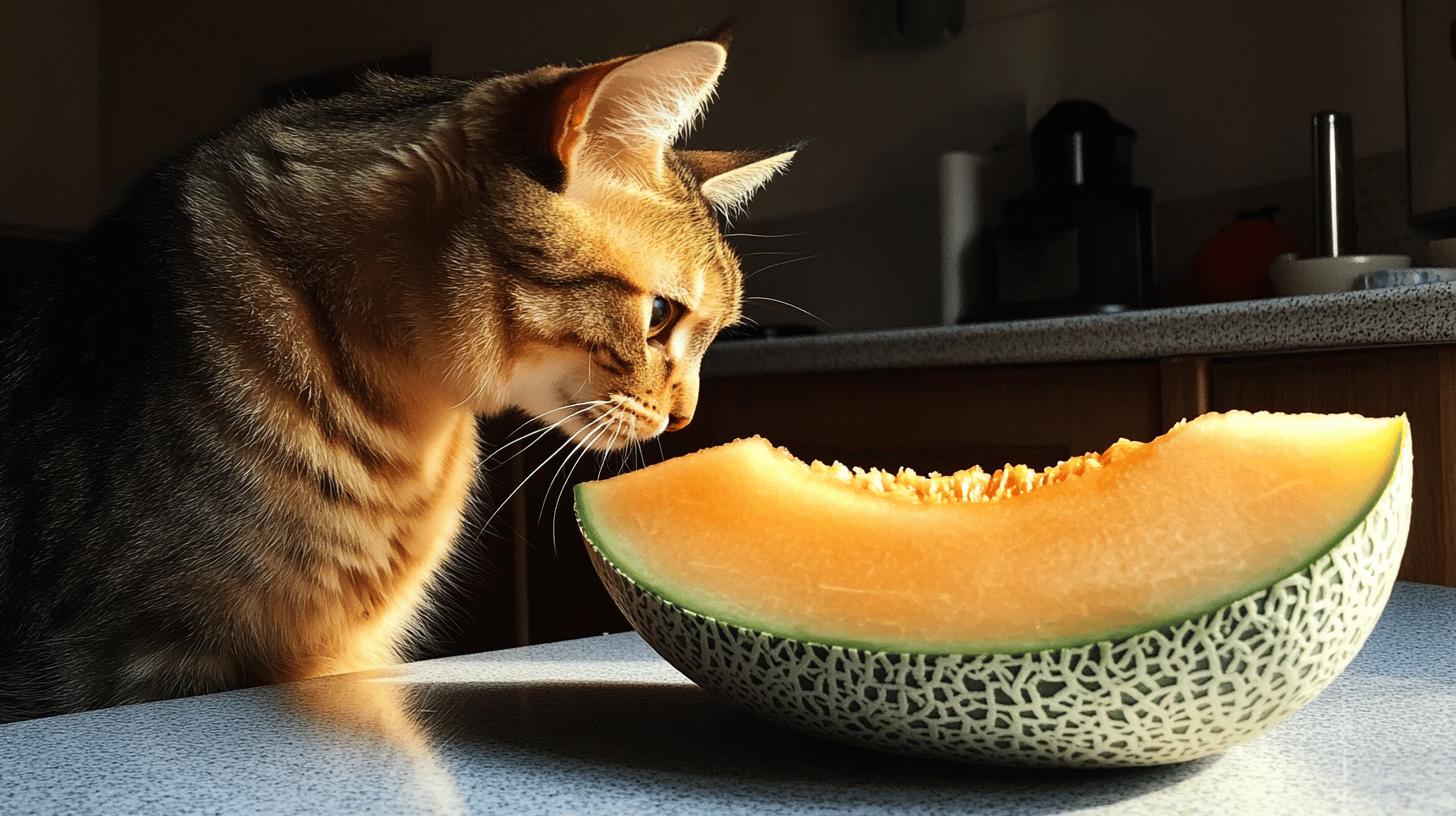
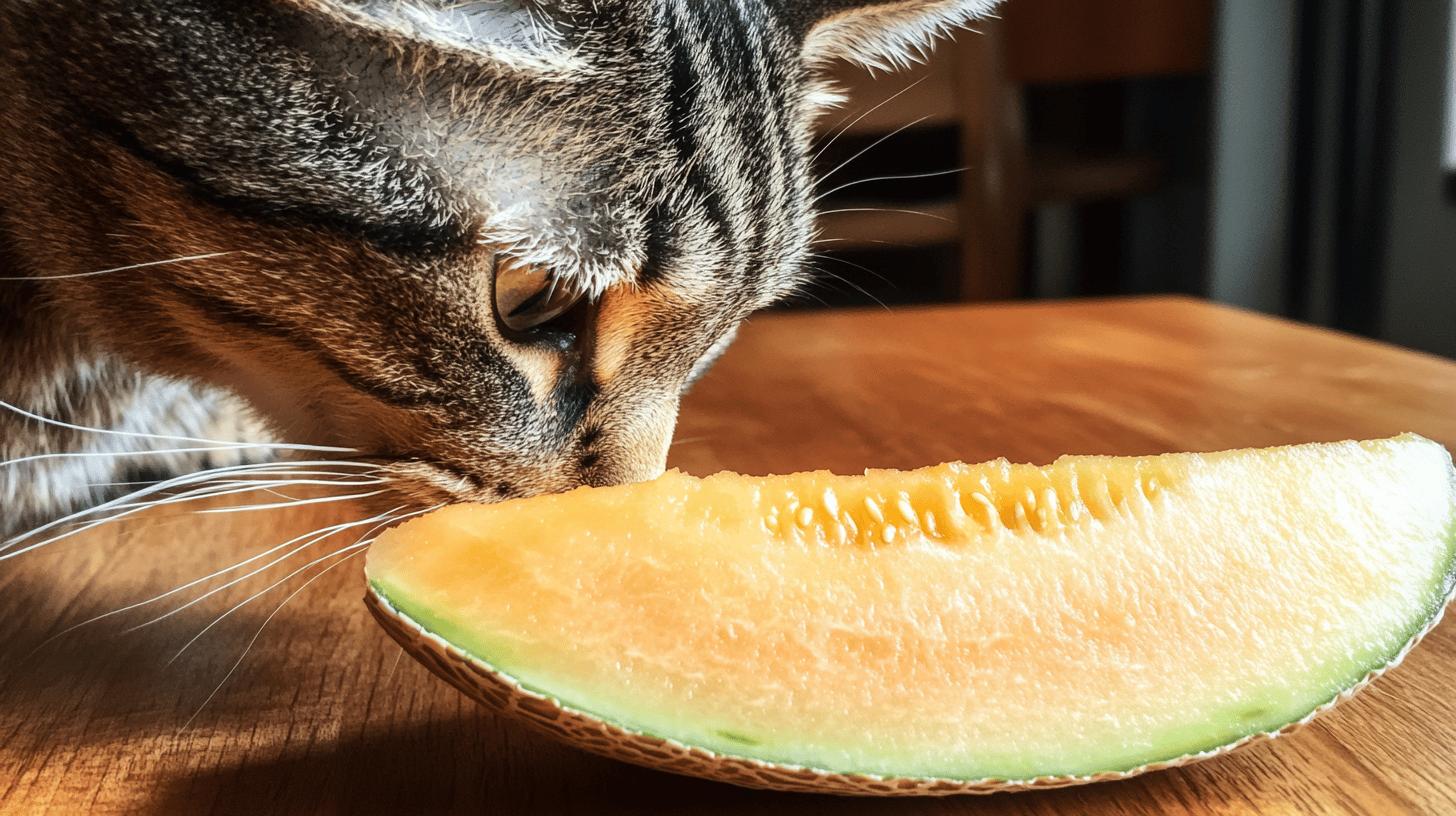
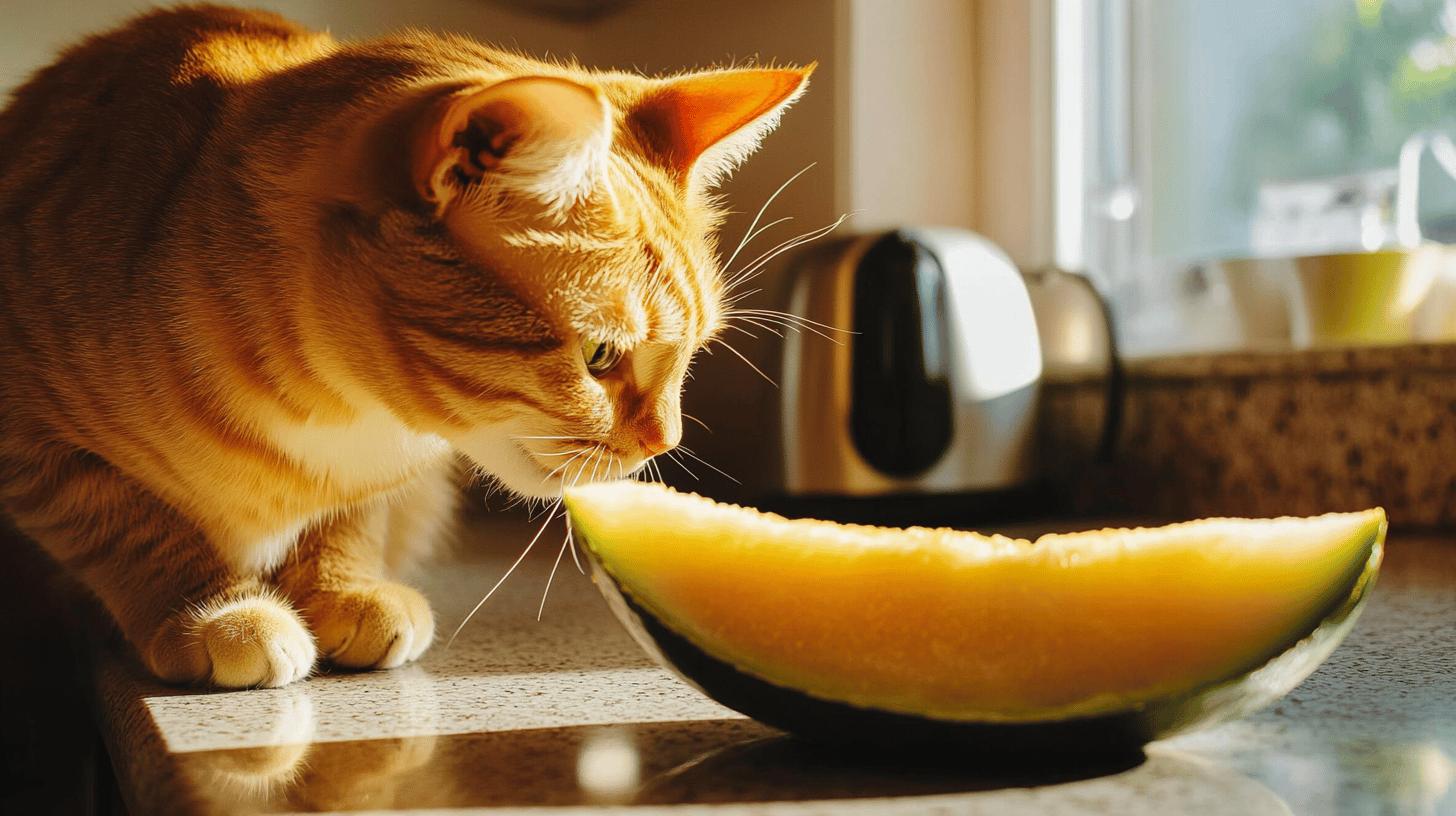
    Honeydew melon is considered safe and non-toxic for cats according to the ASPCA. Cats can enjoy melons like honeydew, cantaloupe, and watermelon safely as long as some precautions are taken. While honeydew can be a refreshing treat, it is crucial to prepare it properly to ensure your cat's safety.

    When offering honeydew to your feline friend, keep these precautions in mind:

    • Remove seeds to avoid choking.
    • Cut into small, manageable pieces.
    • Avoid the rind due to potential intestinal blockage.
    • Serve honeydew in moderation.

    Removing the seeds and rind is essential for your cat's safety. Seeds can pose a choking hazard, and the rind can cause intestinal blockage or discomfort if ingested. By cutting the honeydew into small, bite-sized pieces, you reduce the risk of choking and make it easier for your cat to enjoy. Remember, while honeydew is a safe fruit for cats, it should only be an occasional treat and not a regular part of their diet. Serving it in moderation helps prevent any potential digestive upset and ensures your cat's primary nutrition comes from a balanced, meat-based diet.

    Nutritional Benefits of Honeydew for Cats

    Nutritional Benefits of Honeydew for Cats-1.jpg

    Honeydew melon is a source of several beneficial vitamins and minerals for cats. This fruit contains vitamin C, which can help strengthen the immune system, along with vitamins B6 and K. These vitamins play roles in various bodily functions, including metabolism and blood clotting. Honeydew also has essential minerals like magnesium, potassium, and manganese, which can support overall health by aiding in muscle function and maintaining a healthy heart.

    Here are some potential health benefits for cats when consuming honeydew:

    • Supports immune system.
    • Contributes to bone health.
    • Provides hydration.

    Despite its nutritional components, honeydew should only be given as an occasional treat. It contains high levels of natural sugars, which can lead to weight gain or digestive issues if consumed in large amounts. To keep your cat healthy, ensure honeydew is merely a supplement to their regular meat-based diet, not a replacement.

    Feeding Honeydew to Cats: Safety Precautions and Risks

    Risks and Considerations When Feeding Honeydew to Cats-1.jpg

    When offering honeydew melon to your cat, certain precautions are essential to ensure their safety. Begin by removing seeds and rind, as they pose choking and intestinal blockage risks. Always serve honeydew in moderation to avoid health issues.

    Consuming large amounts of sugar can lead to weight gain and digestive problems like diarrhea. Cats, being obligate carnivores, have dietary needs best met with meat. Therefore, sugary fruits such as honeydew should be occasional treats.

    Risk Description
    Weight Gain High sugar content can lead to obesity.
    Diarrhea Excessive consumption may cause loose stools.
    Choking Hazard Seeds and rind pose a risk.
    Nutritional Imbalance Not a substitute for meat-based meals.

    While honeydew offers some nutrients, it should not replace a meat-based diet. Keep it as a rare treat to prevent nutritional imbalances. Monitor your cat's reaction to honeydew, adjusting their diet as necessary to maintain their health.

    Feeding Honeydew to Cats: Safety Precautions and Risks

    How to Introduce Honeydew into a Cats Diet-2.jpg

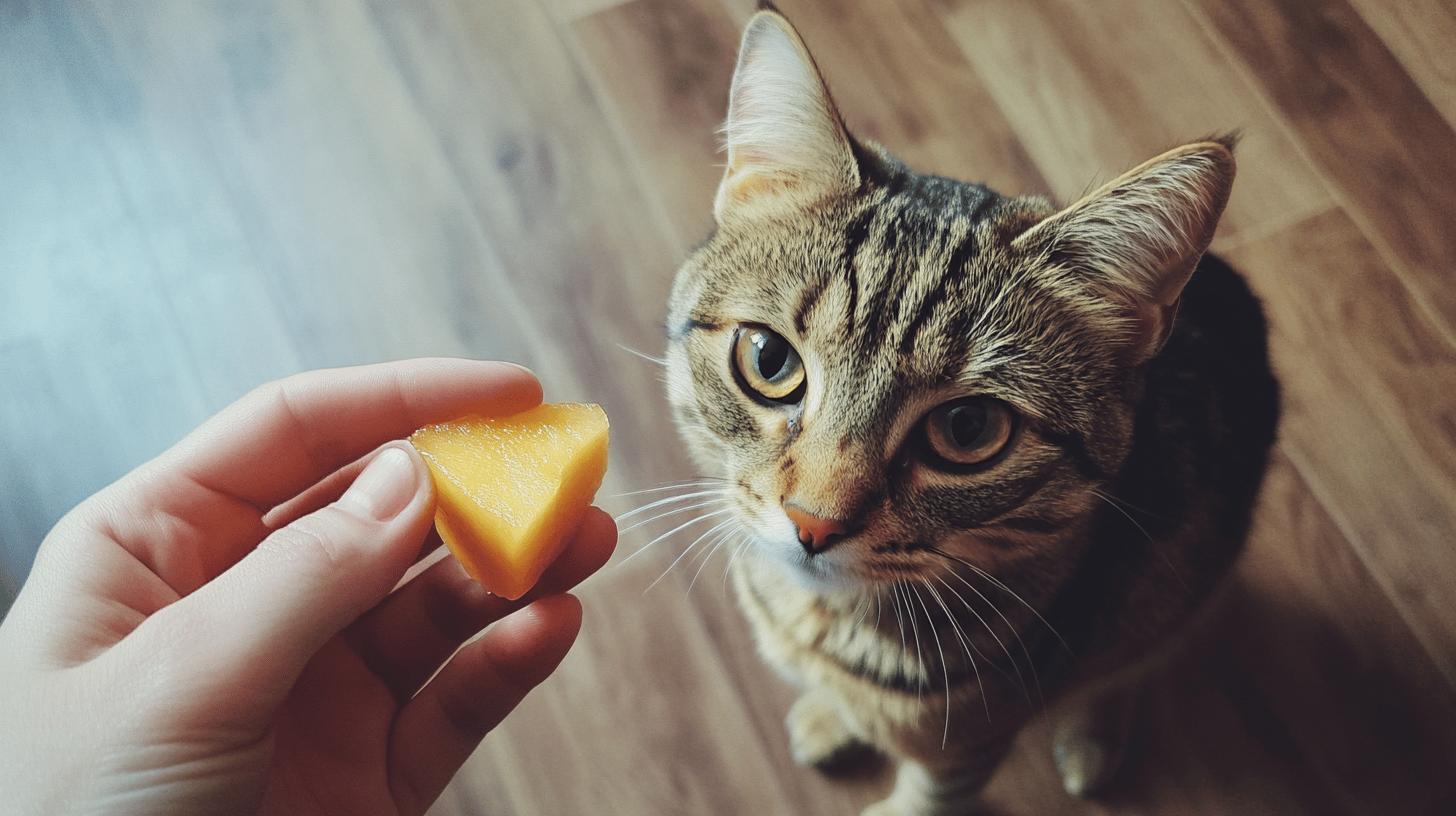
    When introducing honeydew to your cat, moderation is crucial. Cats have sensitive digestive systems, so offer honeydew in small, bite-sized pieces to reduce choking hazards. Always remove seeds and rind to prevent any potential toxicity.

    • Start with small amounts.
    • Observe for signs of digestive upset.
    • Increase quantity only if no adverse reactions occur.
    • Limit to an occasional treat.
    • Consult a vet if unsure.

    Monitor your cat for any adverse reactions like vomiting or diarrhea, which might indicate intolerance or allergy. If any distress is observed, stop feeding honeydew and consult your veterinarian. This ensures honeydew is a safe, enjoyable treat for your cat.

    Alternatives to Honeydew for Cat Treats

    Alternatives to Honeydew for Cat Treats-1.jpg

    While honeydew can be a refreshing treat for your cat, it's not the only option available. There are several other fruits and vegetables that are safe for cats to enjoy in moderation. Offering a variety of treats can keep your cat's diet interesting and provide different textures and flavors, which some cats might find appealing.

    Here are some alternative fruits and vegetables suitable for cats:

    • Bananas
    • Mangoes
    • Watermelon
    • Apples (seedless)
    • Cucumbers
    • Cooked carrots

    Including these options in your cat's diet can add some variety and interest, but it's crucial to remember that cats are obligate carnivores. Their primary nutrition should come from a high-quality, meat-based diet. Treats should only make up a small portion of their overall food intake. Always ensure that these fruits and vegetables are prepared safely by removing any seeds or rinds and serving them in small, manageable pieces. This way, you can provide your cat with enjoyable treats while maintaining their nutritional balance.

    Final Words

    Honeydew melon can be a safe snack for cats if handled properly. Removing seeds and rind is crucial. Introduce it in small amounts while watching for any reactions. Though honeydew has vitamins like C and B6, it's not a replacement for their regular meat-based diet.

    Cats benefit from treats like honeydew, but keep it occasional to avoid problems. Exploring other safe treats like bananas and cucumbers can add fun and variety. Remember, a balanced diet is key to your cat's health. Temporarily indulging in honeydew is a sweet way to enhance their playtime.

    FAQ

    Can cats eat honeydew melon?

    Cats can eat honeydew melon, and it is considered safe and non-toxic for them according to the ASPCA. Just remove the seeds and rind before offering it as a treat.

    Is honeydew melon toxic to cats?

    Honeydew melon is not toxic to cats. However, make sure to remove the seeds and rind to prevent choking and intestinal blockage.

    Can cats eat honeydew seeds or rind?

    Cats should not eat honeydew seeds or rind. The seeds can pose a choking hazard, and the rind might cause intestinal blockage.

    Can dogs eat honeydew?

    Dogs can eat honeydew melon in moderation. As with cats, remove seeds and rind to ensure safety and prevent any digestive issues.

    What fruits can cats not eat?

    Cats should avoid grapes, raisins, cherries, and citrus fruits. These can be harmful or toxic and should not be included in a cat's diet.

    Why do cats love melon?

    Cats may enjoy the taste or smell of melon due to its sweetness. However, always serve it in moderation and watch for any digestive reactions.

    Can cats eat cantaloupe or watermelon?

    Yes, cats can eat cantaloupe and watermelon. Ensure that you remove seeds and rinds to prevent choking and offer these fruits only occasionally.

    What are the nutritional benefits of honeydew for cats?

    Honeydew provides vitamin C, B6, K, and minerals like magnesium, potassium, and manganese, which can support a cat's immune system and hydration. Serve it as an occasional treat to avoid too much sugar.

    What are the risks of feeding honeydew to cats?

    Feeding honeydew to cats can lead to weight gain, diarrhea, choking, and nutritional imbalance if consumed in large amounts. Remember, cats primarily need a meat-based diet.

    How to introduce honeydew into a cat's diet?

    Introduce honeydew gradually with small amounts. Watch for any digestive upset, and only increase serving size if no adverse reactions occur. Consult a vet if you have concerns.

    What are alternatives to honeydew for cat treats?

    Cats can enjoy fruits like bananas, mangoes, and apples (without seeds), and vegetables like cucumbers and cooked carrots as alternative treats. Keep variety in mind and ensure a balanced diet.

    Related Articles

  • Can Cat Eat Human Fish Oil Safety Considerations and Alternatives

    Can Cat Eat Human Fish Oil Safety Considerations and Alternatives

    Can cats safely consume human fish oil, or are we playing a risky game with our feline friends' health? While fish oil can benefit your cat's joints and skin, human formulations might not be the best choice. They often contain unwanted additives and could have incorrect nutrient balances for your pet. In this post, we'll explore the safety concerns of giving human fish oil to cats and consider some pet-specific alternatives that ensure the well-being of your cat. Let's dive into the specifics and keep your cat happy and healthy.

    Safety and Comparison of Human vs. Pet-Specific Fish Oil for Cats

    Safety and Comparison of Human vs Pet-Specific Fish Oil for Cats-1.jpg

    Fish oil is a popular supplement for cats and is known for its numerous health benefits, such as reducing inflammation and supporting joint and skin health. Generally, fish oil is considered safe for feline use when it is specially formulated for pets. However, potential risks include imbalances in ingredient ratios and the presence of fillers, which are more common in human-grade fish oil. Although side effects are rare, it's crucial to use formulations specifically designed for cats to ensure safety and efficacy.

    Potential Concerns Regarding Human Fish Oil for Cats

    • Inappropriate Ingredient Balances: Human fish oils may not have the right balance of omega-3 fatty acids needed for cats.
    • Presence of Fillers: Additives or preservatives in human supplements can be harmful to cats.
    • Flavoring Agents: Some human fish oils contain flavorings unsuitable for feline digestion.
    • High Vitamin A Levels: Excessive vitamin A can be toxic to cats, more common in human formulations.
    • Different Dosage Requirements: Human fish oils are often dosed for adults, which can lead to overdosing in cats.

    Pet-specific fish oils are formulated with a cat's unique nutritional needs in mind. These products typically have a balanced ratio of essential omega-3 fatty acids, like EPA and DHA, tailored for feline health. They avoid unnecessary fillers and harmful additives, providing a safer option compared to human fish oils. This makes pet-specific fish oils a better choice for promoting your cat's overall well-being.

    Type of Fish Oil Considerations
    Human Fish Oil – Potentially harmful additives
    – Incorrect dosage for cats
    – Unbalanced nutrient profile
    Pet-Specific Fish Oil – Formulated for feline needs
    – No harmful fillers
    – Balanced omega-3 levels

    When supplementing your cat's diet with fish oil, it's important to choose products that are specifically designed for pets. Look for high-quality options like Wild Alaskan Salmon Oil or Omega-3 Fish Oil, which are made from pure, wild-caught fish without unnecessary additives. Following proper dosage instructions and consulting with your veterinarian can ensure that your cat receives the full benefits of fish oil, contributing to a healthier and more active life.

    Benefits of Fish Oil for Cats

    Benefits of Fish Oil for Cats-1.jpg

    Omega-3 fatty acids are a powerhouse for cat health. These essential fats, particularly EPA and DHA, are vital for maintaining a cat's overall well-being. Since cats cannot produce these fatty acids on their own, they must be included in their diet. Omega-3s play a crucial role in supporting heart health, enhancing immune function, and promoting cognitive development. For cats, these fatty acids can mean the difference between a dull coat and a vibrant, shiny one. They also help alleviate dry skin, keeping your feline friend looking and feeling their best.

    When it comes to specific benefits, fish oil is a game-changer. It works wonders for improving a cat's coat, making it shinier and more resilient. Joint health is another area where fish oil excels, as it supports mobility and eases discomfort, especially in older cats. By reducing inflammation, fish oil helps manage arthritis and other joint issues. This supplement also boosts the immune system, making cats more resilient to illness.

    Benefit Description
    Improved Coat Promotes a shiny and healthy coat
    Joint Health Supports mobility and reduces inflammation
    Immune Support Enhances the immune system’s function
    Cognitive Development Aids in brain health and cognitive function

    Overall, incorporating fish oil into a cat's diet offers numerous advantages. It contributes to a healthier life by addressing various health concerns, from skin conditions to joint health. By opting for fish oil supplements, cat owners can help their pets lead longer, more active lives filled with vitality and wellness.

    Recommended Dosage and Administration of Fish Oil for Cats-3.jpg

    When it comes to giving your cat fish oil, sticking to the recommended dosage is key to ensuring their safety and maximizing the benefits. Fish oils specifically formulated for pets, like Wild Alaskan Salmon Oil or Omega-3 Fish Oil, are designed with the right balance of nutrients for cats. Overdosing can lead to complications, so it's crucial to administer the correct amount based on your cat's weight and health needs. Always start with the lowest recommended dose and consult your veterinarian if you're unsure about the proper amount for your feline friend.

    How to Administer Fish Oil to Cats

    1. Check the Product Label: Read the manufacturer's instructions for the recommended dosage based on your cat's weight.
    2. Measure the Dosage: Use a dropper or measuring spoon to ensure you're giving the correct amount.
    3. Mix with Food: Add the fish oil to your cat's regular food to make it more palatable.
    4. Monitor Your Cat: Observe your cat for any adverse reactions and adjust the dosage if necessary.

    Fish oil supplements for cats come in various forms, making it easier to incorporate into their diet. Liquid oil toppers can be drizzled over wet or dry food, providing a seamless way to introduce this beneficial supplement. Some cat foods are already enriched with fish oil, labeled as "fish-first," offering a convenient option for pet owners. Additionally, fish oil treats are available, combining taste with health benefits. By choosing the right form, you can seamlessly integrate fish oil into your cat's diet and support their overall health.

    Final Words

    Understanding the safety and benefits of fish oil for cats can help improve their health. We compared human fish oil and pet-specific options, highlighting the risks of using the former due to ingredient imbalances and fillers. Meanwhile, fish oil designed for pets offers balanced formulations for the best results.

    Using fish oil can support a cat's coat, joints, and overall wellness when dosed correctly. It's essential to choose supplements tailored for cats to ensure safety and effectiveness. By doing so, you'll give your feline friend a healthier, happier life.

    FAQ

    Can you give a cat human fish oil?

    A: A cat can ingest human fish oil. Yet, a formulation designed for pets is better to avoid harmful fillers and achieve the right ingredient balance for cats.

    What happens if a cat eats a fish oil pill?

    A: If a cat eats a fish oil pill, watch for gastrointestinal upset. However, a single pill likely won't harm most cats unless they consume too much or are allergic.

    Can cat eat human fish oil everyday?

    A: Cats can have fish oil daily, but it's crucial to use pet-specific formulas to ensure proper nutrient balance and avoid potentially harmful ingredients.

    Human fish oil for cats dosage?

    A: Determining the right dosage of human fish oil for cats can be tricky. Consult your vet to ensure appropriate dosing, as wrong doses could lead to health issues.

    Can I break open a fish oil capsule for my cat?

    A: You can open a fish oil capsule and mix it into your cat’s food. It's important, though, that the fish oil is specifically formulated for pets.

    Best fish oil for cats?

    A: The best fish oils for cats are those specifically made for them, like Wild Alaskan Salmon Oil or Omega-3 Fish Oil, which contain no fillers and are safe.

    A: Vets often recommend Omega-3 Fish Oil, known for its anti-inflammatory properties. It's important to choose a pet-specific product for safe usage.

    Fish oil for cats benefits?

    A: Fish oil benefits cats by promoting healthy skin, supporting joint health, boosting immunity, and aiding cognitive development through omega-3 fatty acids like EPA and DHA.

    Omega 3 fish oil for Cats?

    A: Omega-3 fish oil is highly beneficial for cats, enhancing coat shine, supporting joint and heart health, and improving immune function. Pet-specific formulas are advised.

    Related Articles

  • Can Cat Eat Yam Safely and Benefits Explained

    Can Cat Eat Yam Safely and Benefits Explained

    Ever caught your cat giving a curious sniff to the yam on your plate? You might wonder if this veggie is safe for your feline friend. Well, cooked yams can indeed be a safe and occasional treat for cats, when prepared correctly.

    Understanding the do's and don'ts of serving yams can improve your cat's diet and playtime. In this blog post, we'll dive into the benefits of yams and safety tips you should consider. Your furry pal's health is a priority, so let's explore this together.

    Can Cats Eat Yams?

    Can Cats Eat Yams-3.jpg

    Cats can safely eat yams when they are cooked and prepared properly. Cooked yams are non-toxic to cats and can be a safe treat if fed in moderation. It's important to ensure that the yams are plain, without any added seasonings or spices, which could upset a cat's stomach. The key is moderation and proper preparation.

    Raw yams should be avoided because they contain phytic acid, which can bind to minerals and prevent their absorption. This can pose potential health risks if ingested by cats. Cooking yams significantly reduces the levels of phytic acid, making them safer for feline consumption. Always ensure that yams are thoroughly cooked before offering them to your furry friend.

    Cats, as obligate carnivores, require a diet primarily composed of animal proteins and fats. They do not need carbohydrates like those found in yams for their nutritional needs. Therefore, yams should not be a regular part of a cat's diet. While a small amount of cooked yam is unlikely to harm most cats, it's not necessary for their well-being.

    Occasionally, cooked yams can help with digestive issues such as constipation or diarrhea. The fiber content in yams can promote smoother digestion. However, it's crucial to consult with a veterinarian before introducing yams for this purpose, as they can provide guidance tailored to your cat's specific health needs.

    Veterinary advice suggests serving yams in small portions, typically around a teaspoon at a time, to monitor how your cat reacts. Always watch for any adverse reactions such as vomiting or diarrhea. If any negative symptoms arise, discontinue feeding yams immediately and consult your vet.

    Can Cats Eat Yams?

    Nutritional Facts and Potential Risks of Yams for Cats-1.jpg

    Cats are obligate carnivores, meaning they don't need carbohydrates like those found in yams. While the fiber in yams can help with digestion, it's not something cats should eat regularly. A lesser-known risk of yams is the presence of oxalates. These compounds might raise the chance of urinary stones, which can be painful for cats. Boiling yams can lower their oxalate levels, but other cooking methods don't.

    If your cat is on a urinary diet or has a history of urinary problems, it's best to skip the yams. These cats are particularly at risk for issues related to oxalates. Always talk to a veterinarian before letting your cat try new foods, especially if your pet has any health concerns.

    • Carbohydrates
    • Fiber
    • Oxalates
    • Starch

    Comparing Yams to Sweet Potatoes for Cats

    Comparing Yams to Sweet Potatoes for Cats-1.jpg

    True yams and sweet potatoes differ in more than just looks. Yams, with their rough skin, originate from Africa and Asia, whereas sweet potatoes, known for their thin skin and sweet flavor, are native to the Americas. This mix-up is common in the U.S., where many call sweet potatoes "yams."

    When considering nutritional content, yams are starchier, providing a different texture and flavor profile than sweet potatoes, which are naturally sweeter. For cats, both can offer a source of fiber and vitamins like vitamin A, but sweet potatoes have a higher concentration of beta-carotene.

    Despite these benefits, they should not replace meat in a cat's diet. Understanding these nutritional differences helps in making informed choices about occasional treats.

    Characteristic Yam Sweet Potato
    Skin Texture Rough Thin
    Origin Africa, Asia Americas
    Flavor Starchy Sweet

    How to Safely Prepare Yams for Cats

    How to Safely Prepare Yams for Cats-4.jpg

    Cooking yams for your cat requires attention to detail and a focus on safety. The best methods include boiling, baking, or microwaving the yams until they are soft enough to mash. These methods ensure the yams are cooked thoroughly, which is essential to reduce harmful substances like phytic acid.

    Using plain yams without any added seasonings or spices is crucial, as these can upset a cat's digestive system. Once cooked, the yams should be mashed or chopped into small pieces to make them easier for your cat to eat.

    When it comes to portion size, moderation is key. A teaspoon of cooked yam per day is generally sufficient, especially if you're using it to address a digestive issue like constipation or diarrhea.

    This small amount provides the benefits of fiber without overwhelming your cat's system. Monitoring your cat's reaction to the yam is important, as any unusual symptoms might indicate that even this small portion is too much for your pet.

    Before serving, always remove the skin from the yams. The skin can harbor pesticides and other chemicals that are harmful if ingested. By peeling the yams, you ensure that your cat is only consuming the soft, cooked flesh. This extra step in preparation helps keep your pet safe and allows them to enjoy the occasional yam treat without risk.

    • Peel the yam to remove any harmful chemicals.
    • Boil, bake, or microwave the yam until thoroughly cooked.
    • Mash or chop the cooked yam into small, manageable pieces.
    • Serve a teaspoon-sized portion to your cat.
    • Monitor your cat for any adverse reactions.

    Final Words

    Understanding whether cats can eat yams allows us to make informed decisions about our pets' diets. Cooked yams, in small amounts, can aid digestion but shouldn't replace meat-based nutrition. Avoid raw yams due to phytic acid, which is harmful. While yams can offer occasional benefits, they aren't needed for a cat's health. Remember, our cats rely on us to ensure their safety and well-being. By choosing safe and appropriate foods, like carefully prepared yams, we contribute to their overall happiness and health.

    FAQ

    Can cats eat sweet potatoes?

    Cats can eat cooked sweet potatoes in small amounts. They should be plain, peeled, and fully cooked to avoid any digestive issues.

    Is sweet potato good for cats with diarrhea?

    Sweet potatoes can help with diarrhea by adding fiber to a cat's diet. Always consult a vet for persistent issues.

    Can cats eat sweet potato skin?

    Cats should not eat sweet potato skin. It might contain harmful pesticides and is hard to digest.

    Can cats eat sweet potato fries?

    Cats should avoid sweet potato fries. They are often seasoned and fried, which isn't suitable for a cat's diet.

    Can cats eat rice?

    Yes, cats can eat small amounts of plain, cooked rice. It's often used to help settle an upset stomach.

    Is sweet potato good for cats with constipation?

    Sweet potatoes can help relieve constipation due to their fiber content. Serve them cooked and in moderation.

    Can cats eat pumpkin?

    Cats can eat pumpkin. It's good for digestion and can help with both diarrhea and constipation.

    Can cats eat sweet yams?

    Sweet yams are safe for cats if cooked and served without added sugar or spices.

    Can cats eat Chinese yams?

    Chinese yams can be eaten by cats if cooked well. Ensure they are plain with no added seasonings.

    Can animals eat yams?

    Yes, certain animals can eat yams if they are cooked and plain.

    Can cats have purple yams?

    Cats can eat purple yams when they are cooked and served without skin.

    How to make sweet potatoes for cats?

    Cook sweet potatoes by boiling, baking, or microwaving them. Serve them plain, peeled, and mashed or chopped into small pieces.

    Related Articles