Author: Lucas Turner

  • Can Cat Eat Olives Safely and What Are the Risks

    Can Cat Eat Olives Safely and What Are the Risks

    Can cats munch on olives safely, or are there hidden dangers lurking in that tiny snack? While olives seem harmless, they offer little nutritional value to our feline friends. Cats might be drawn to their unique taste, but should we cater to their curiosity? In this blog post, I will break down why olives aren't toxic yet still pose risks if over-consumed. From high sodium to choking hazards, this deep dive aims to guide you toward making informed and safe snack choices for your cat's health and happiness.

    Can Cats Eat Olives Safely and Potential Risks
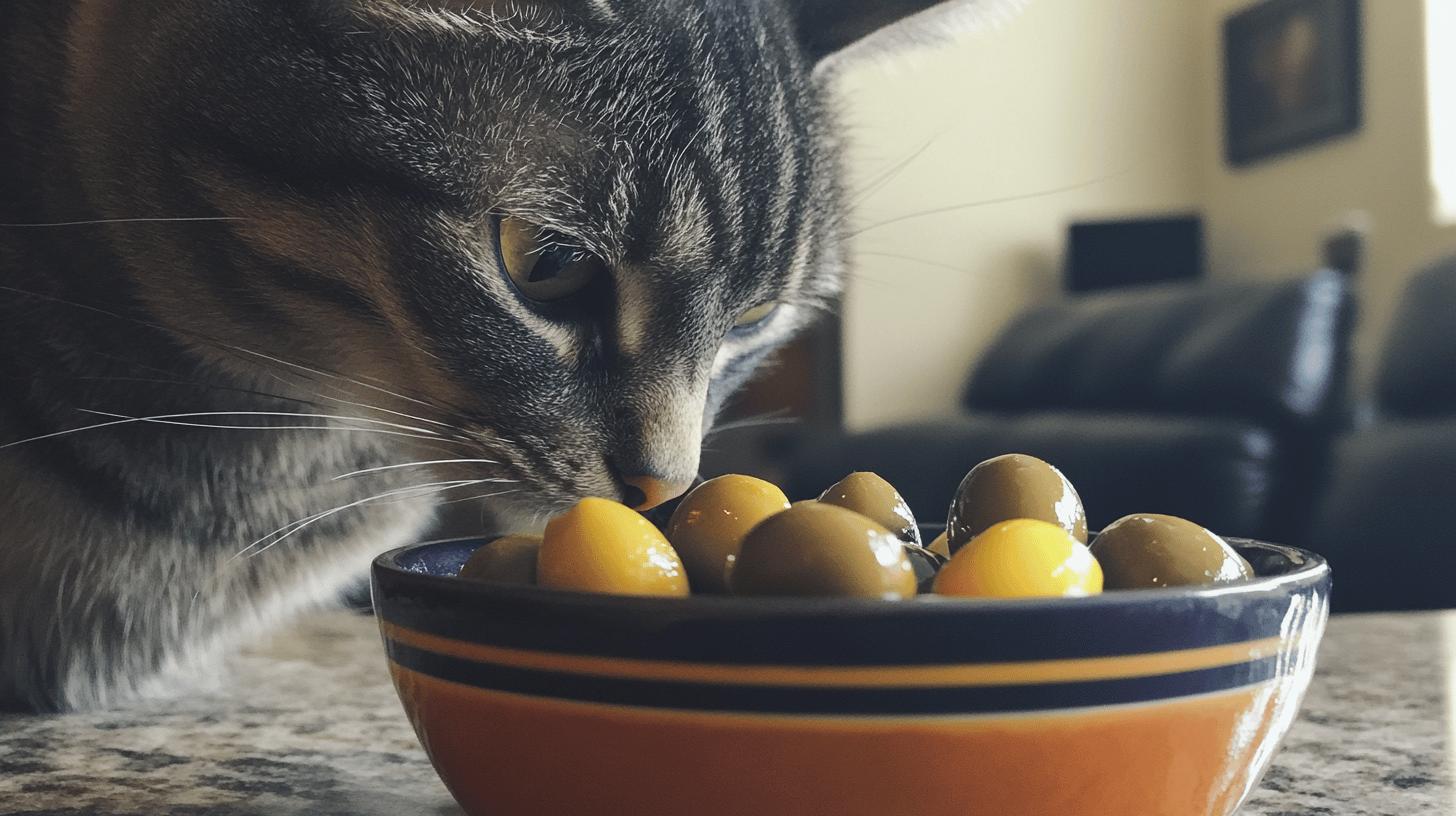
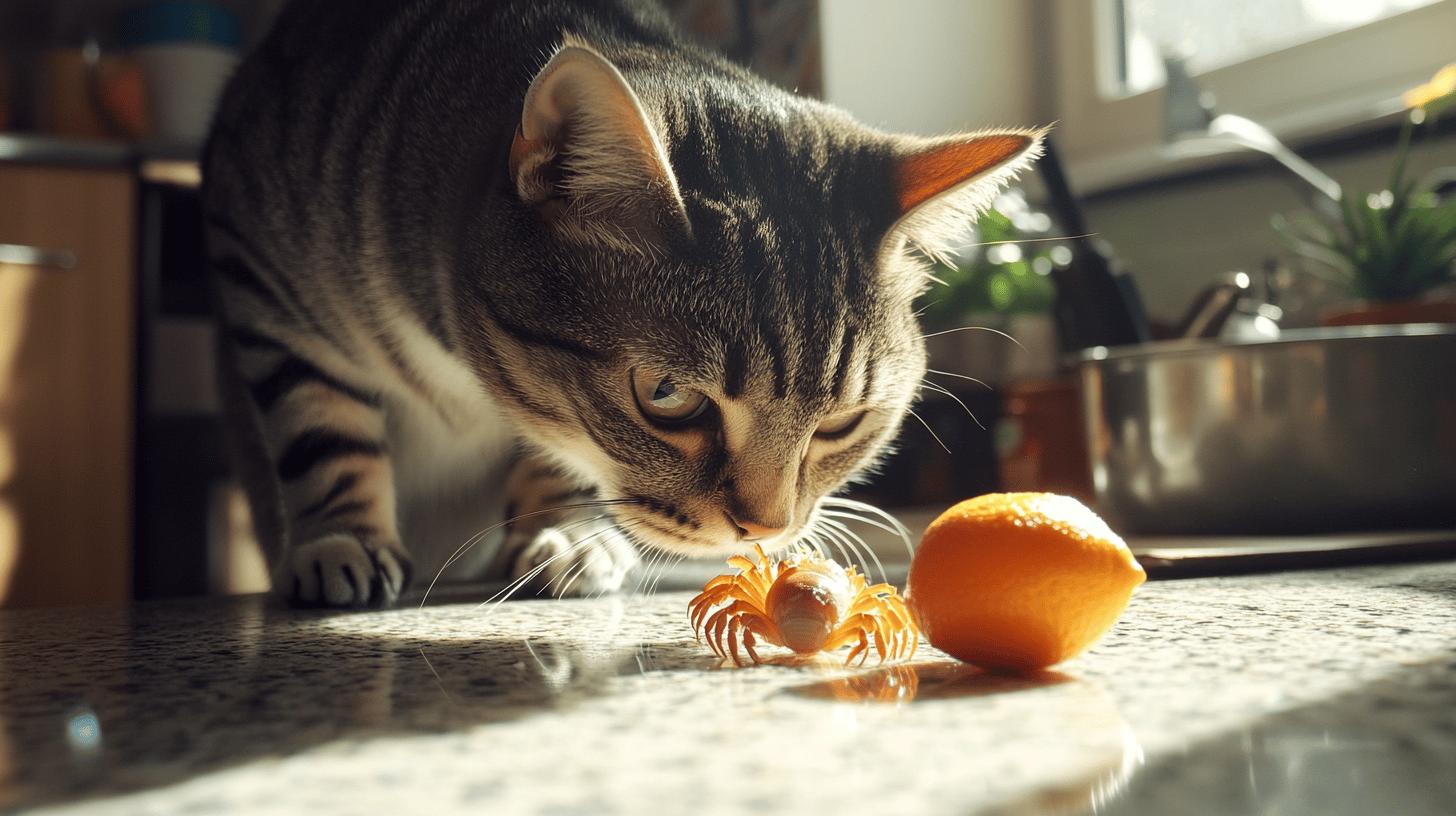
    Can Cats Eat Olives Safely and Potential Risks-1.jpg

    Cats can eat olives, but it's crucial to offer them sparingly. While olives aren't toxic, they don't provide any significant nutritional benefits for cats. The primary reason to limit olives is the lack of nutrients that cats need. They don't get much beyond a tasty, unique flavor that might intrigue them. Offering olives as an occasional treat is generally safe, but they should never become a regular part of a cat's diet.

    One of the main concerns with olives is their high sodium content. Consuming too much sodium can lead to serious health issues in cats, such as electrolyte imbalances and dehydration. In severe cases, it can even cause sodium poisoning. Symptoms of sodium poisoning include excessive thirst, vomiting, diarrhea, and in worst-case scenarios, seizures. It's essential to keep olives as a rare treat to avoid these potential health risks.

    Potential risks of feeding olives to cats include:

    1. Choking Hazards: Olive pits can pose a choking risk or cause intestinal blockages.
    2. Digestive Issues: High-fat content can lead to vomiting or diarrhea.
    3. Sodium Content: High levels of sodium can lead to dehydration and sodium poisoning.
    4. Empty Calories: Olives don't offer beneficial nutrients for cats.

    When it comes to different types of olives, there are several considerations. Green and black olives are non-toxic, but the pits should be removed to avoid choking hazards. Kalamata and other marinated olives are particularly risky due to their elevated sodium levels, which can be harmful to cats. While it might be tempting to share a tasty olive with your feline friend, it's always best to prioritize their health by steering clear of any potential dangers these snacks might present.

    Why Do Cats Like Olives?
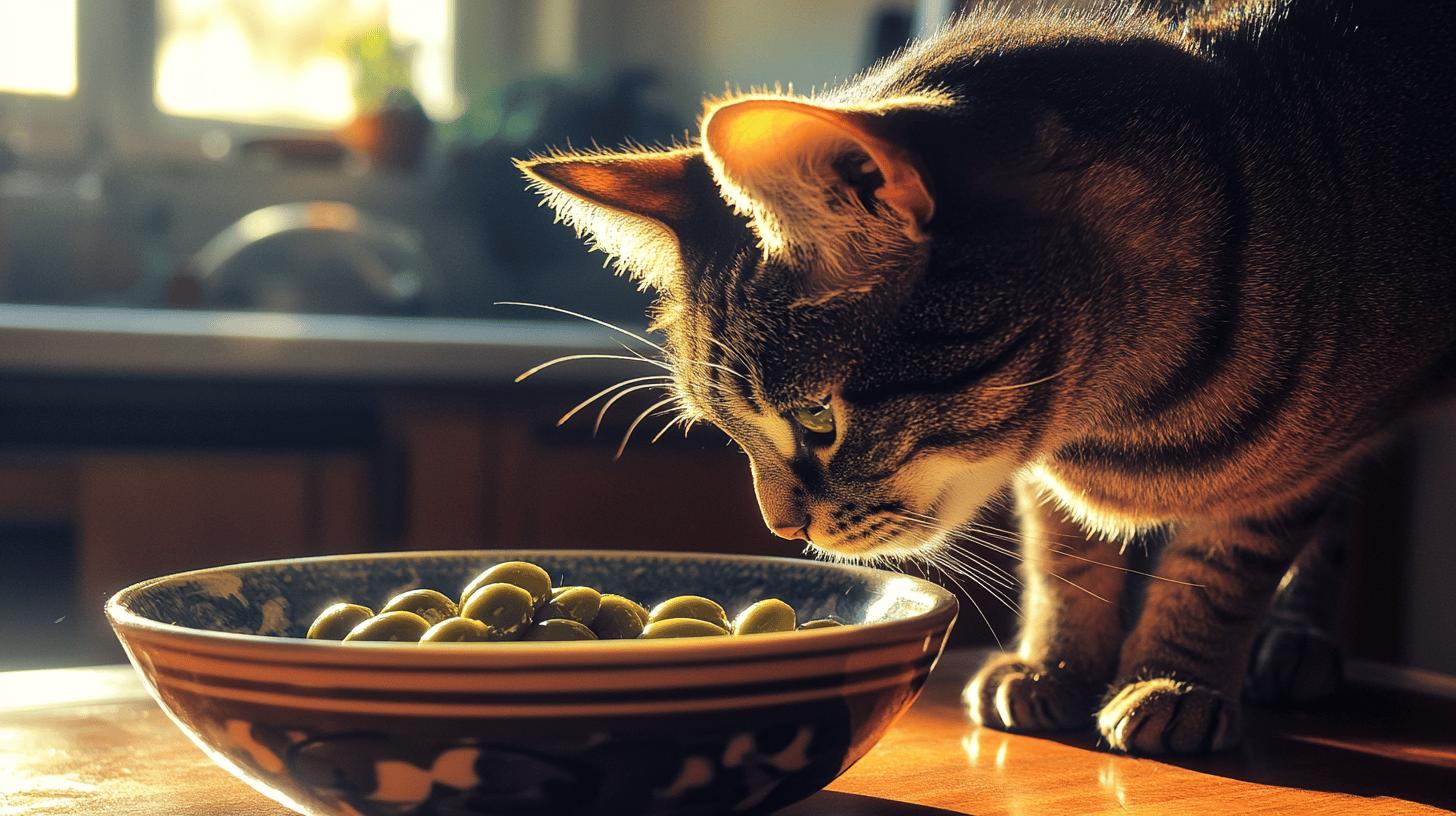
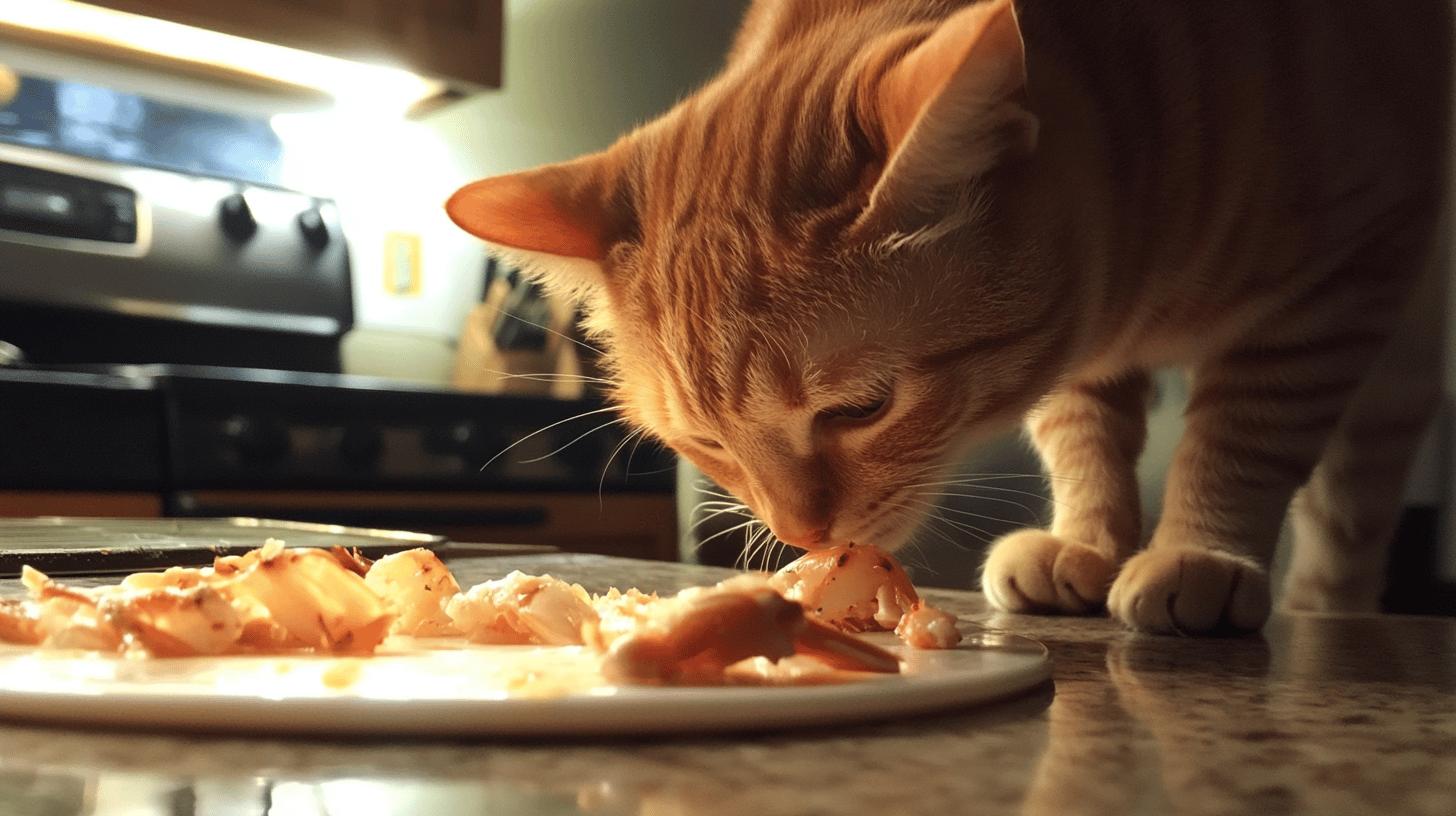
    Why Do Cats Like Olives-1.jpg

    Cats have a curious attraction to olives, primarily due to the presence of isoprenoids. These compounds are similar to nepetalactone, the active ingredient in catnip that incites playful and euphoric reactions in cats. When a cat encounters an olive, it might experience a sudden burst of energy or silliness, much like when it comes into contact with catnip. Green olives, in particular, contain these isoprenoids, making them especially intriguing to our feline friends.

    • Cats may roll around, purr, or rub against olives like they do with catnip.
    • Some cats might show increased playfulness and heightened energy levels.
    • Olives can make cats act goofy or unusually affectionate.
    • Cats may become more curious or focused when presented with olives.
    • The reaction to olives can vary, with some cats showing no interest at all.

    While olives can spark these amusing behaviors, it doesn't mean they're beneficial to cats. The reaction is merely due to the chemical attraction, not because olives provide any nutritional or health benefits. So while it's fun to watch your cat interact with an olive, moderation and caution are key to ensuring your pet's safety and well-being.

    Alternatives to Olives for Cat Treats
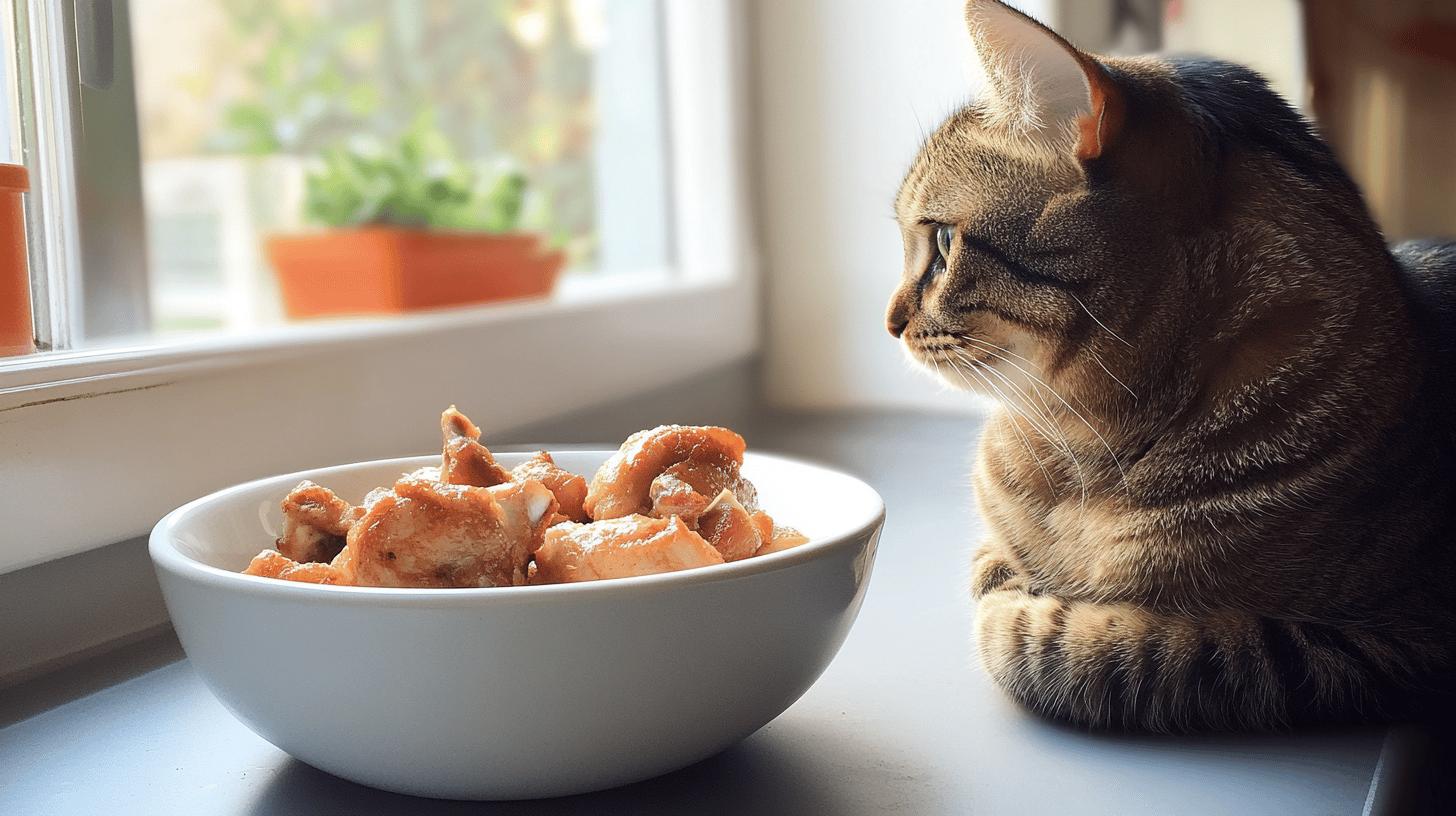
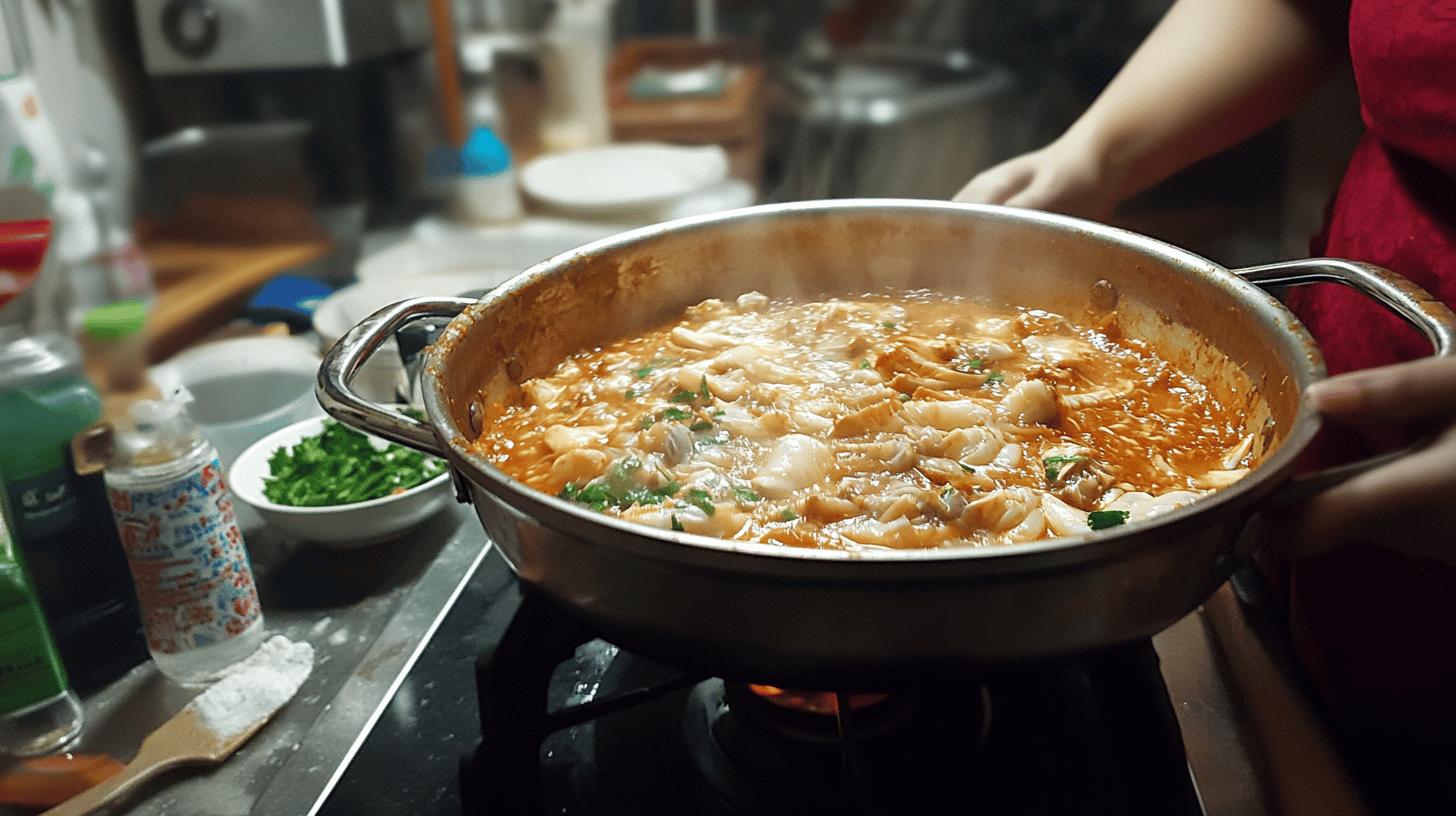
    Alternatives to Olives for Cat Treats-1.jpg

    While olives can be an occasional treat for cats, they aren’t the best option due to their high sodium content and lack of nutritional value. They might intrigue your kitty with their unique taste and texture, but there are safer alternatives that can provide better health benefits without the risks associated with olives.

    Consider these five safer treats for your feline friend:

    1. Cooked Chicken: A lean source of protein that cats love.
    2. Fish: Rich in omega-3 fatty acids, which are great for a cat’s coat.
    3. Freeze-Dried Meat Treats: Nutrient-dense and often preferred by picky eaters.
    4. Catnip-Infused Treats: Safe and entertaining for cats who enjoy the effects of catnip.
    5. Pumpkin Puree: A fiber-rich option that aids in digestion.

    Olive oil can be a healthier alternative to olives for cats. It offers potential health benefits such as improving the immune system, aiding with constipation, and helping with hairballs. A small amount mixed into your cat’s food can provide these benefits without the risks associated with eating whole olives. Just be sure to use it sparingly to avoid any digestive upset.

    Olive Oil: Beneficial Uses for Cats
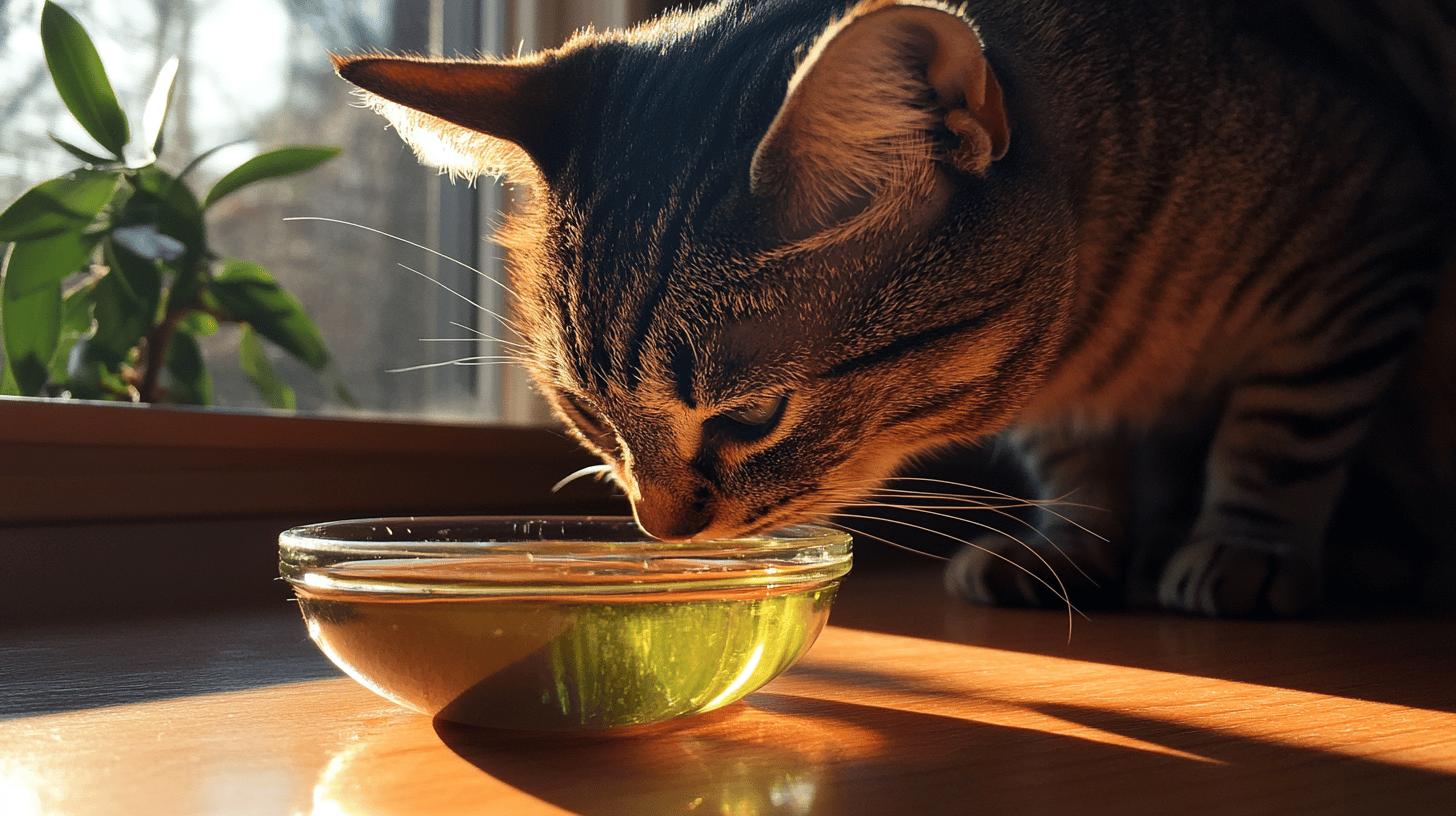
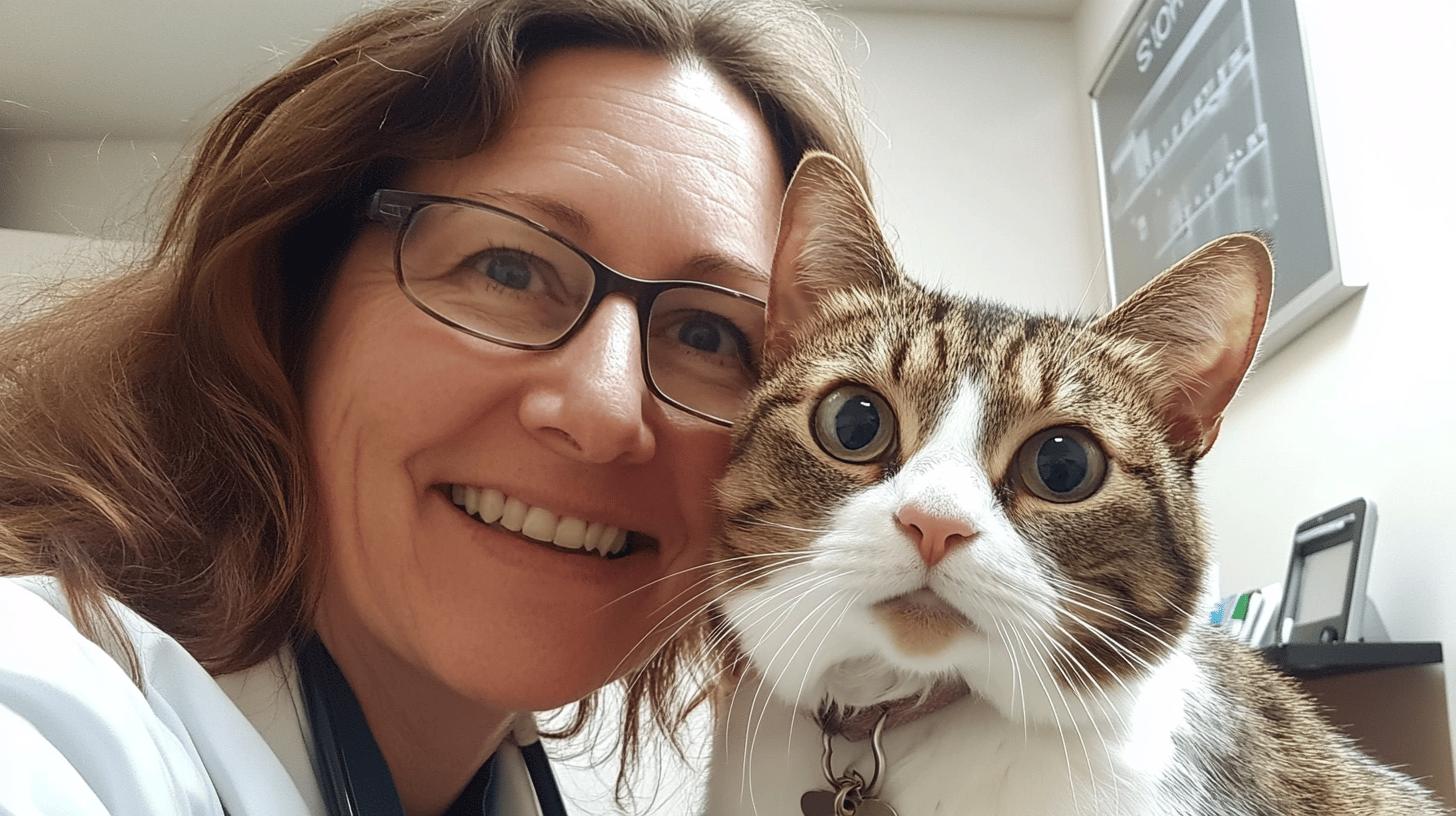
    Olive Oil Beneficial Uses for Cats-1.jpg

    Olive oil is a versatile addition to a cat's diet and offers several health benefits when used appropriately. It's non-toxic and can be a natural remedy for various feline health concerns. One of the main dietary benefits of olive oil is its ability to support a cat's immune system. The healthy fats present in olive oil help strengthen the body's defenses, making it a useful supplement for overall health. Olive oil can also assist with digestive issues, such as constipation, by acting as a gentle laxative. Additionally, it can help with the management of hairballs, making it easier for cats to pass them naturally. A small amount mixed into your cat's food can be a simple way to incorporate these benefits.

    Despite its advantages, olive oil should be used sparingly to avoid potential side effects. Excessive intake can lead to digestive upset, such as diarrhea and vomiting. It's essential to monitor the amount given and adjust accordingly if any adverse reactions occur. Starting with a small quantity allows you to gauge how your cat reacts and ensure they are comfortable with the addition to their diet.

    Beyond internal uses, olive oil can be applied externally to tackle common cat ailments. It can be used as a natural moisturizer to soothe dry, flaky skin or as an ointment for minor wounds and irritations. Applying a small amount to affected areas can provide relief and promote healing without the use of harsh chemicals.

    Olive Oil Uses Benefits
    Dietary Supplement Boosts immune system and aids digestion
    Hairball Management Helps cats pass hairballs naturally
    External Application Soothes skin and promotes healing

    How to Safely Introduce Olives and Olive Oil to Your Cat's Diet
    How to Safely Introduce Olives and Olive Oil to Your Cats Diet-2.jpg

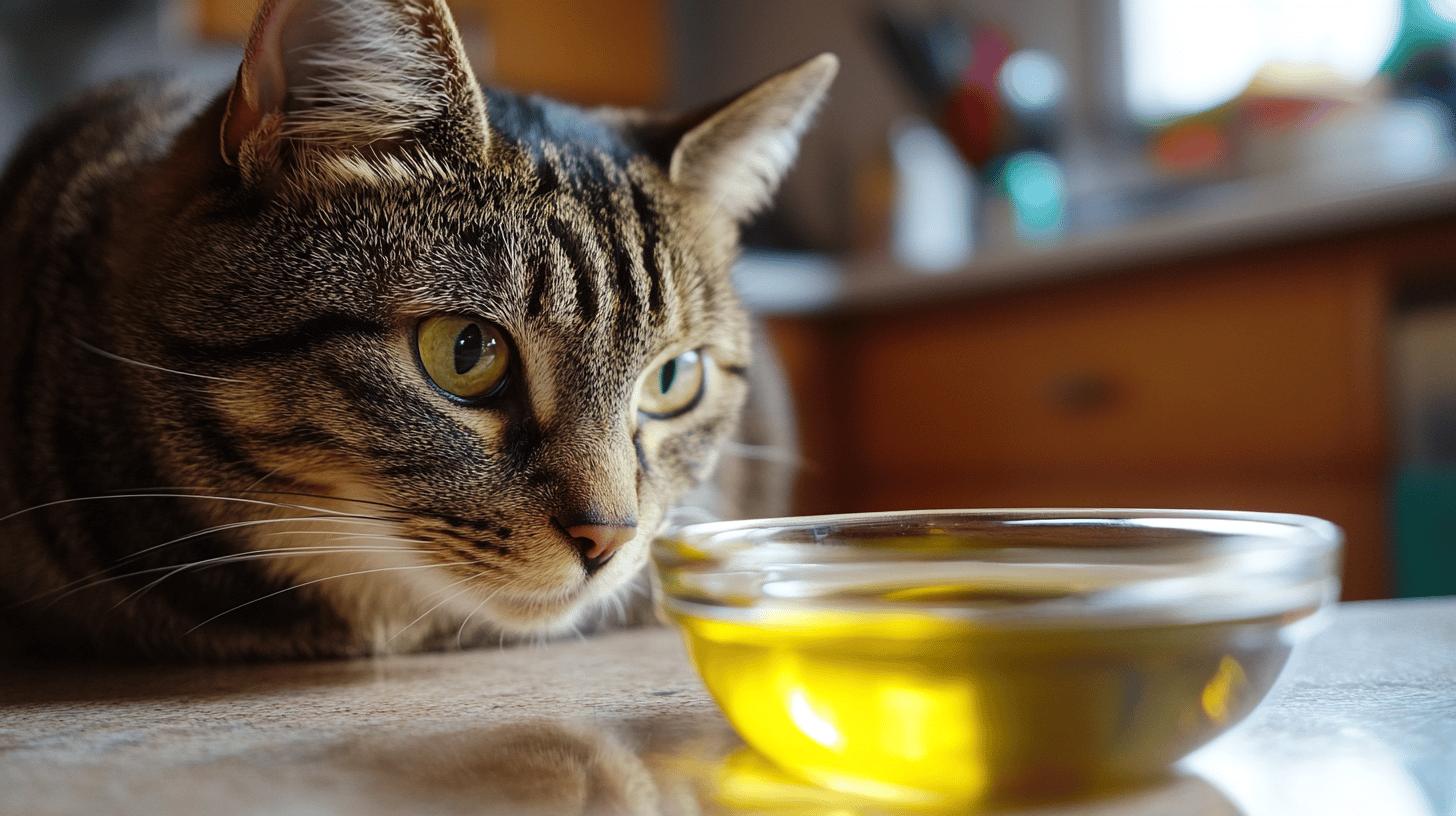
    When introducing olives or olive oil to your cat's diet, it's important to do so gradually. Cats can be sensitive to changes in their diet, so start by offering tiny portions. This way, you can observe how your cat reacts and ensure that there are no adverse effects. Begin with less than a whole olive, and if your cat shows interest and no negative reactions, you can continue to offer this treat in moderation.

    To safely incorporate olives and olive oil into your cat's diet, follow these steps:

    1. Start Small: Introduce a tiny portion of olive or a drop of olive oil.
    2. Mix with Food: Add a small amount of olive oil to your cat's regular food.
    3. Monitor Carefully: Watch for any changes in behavior or digestive issues.
    4. Limit Frequency: Offer olives or olive oil treats no more than twice a week.

    It's crucial to monitor your cat for any signs of adverse reactions when introducing these new foods. Look out for symptoms like vomiting, diarrhea, or changes in appetite. If you notice any of these, stop giving olives or olive oil immediately and consult with your veterinarian. By carefully observing your cat's response, you can make sure that these treats are a safe and enjoyable addition to their diet.

    Final Words

    Exploring whether a cat can eat olives reveals they're safe in moderation, but they aren't nutritious. The high sodium content poses risks like dehydration and sodium poisoning. Remember, olive pits can be dangerous choking hazards. Types like kalamata olives are especially risky due to their sodium levels.

    Alternatives such as cooked chicken or freeze-dried treats offer safer options for your cat's enjoyment. Olive oil can benefit cats when used correctly, aiding skin, digestion, and immune health.

    Always introduce new foods slowly. Monitor your feline friend for any reactions to ensure a safe and enjoyable treat experience.

    FAQ

    Can cats eat olives?

    Cats can eat olives in moderation. While they aren't toxic, they add little nutritional value. High sodium content can lead to health issues, so it's best not to make them a regular treat.

    Do olives get cats high?

    Olives can stimulate cats because they contain isoprenoids, compounds like those in catnip. This may cause excited or euphoric behavior, similar to the reaction to catnip.

    Are olives toxic for cats and pets?

    Olives are not toxic to cats or pets. They should be fed sparingly due to risks like high sodium content and choking hazards from pits.

    Why do cats love olives?

    Cats love olives due to isoprenoids similar to catnip components, leading to similar euphoric reactions. This doesn't mean they are beneficial, just attractive.

    Can cats eat green and kalamata olives?

    Cats can eat green and kalamata olives in very small amounts. These olives are very salty, and kalamata olives often have marinated flavors that can be harmful.

    Can cats eat olive oil, and what are the benefits?

    Cats can eat olive oil. It boosts the immune system, aids with constipation, and helps with hairballs. Use in moderation to avoid diarrhea and vomiting.

    Can I give my cat olive oil for hairballs and constipation?

    Yes, a small amount of olive oil can help manage hairballs and relieve constipation. Mix it with food for easier consumption.

    Why is my cat licking olives?

    Your cat might lick olives because of the attractive smell and taste. Olives contain compounds similar to those in catnip, which might be enticing to your cat.

    How to safely introduce olives and olive oil to your cat's diet?

    Introduce olives and olive oil slowly, starting with small portions and monitoring for reactions. Limit olive intake to tiny portions, and mix olive oil with the cat's regular food.
    Related Articles

  • Can Cat Eat Plum Understanding the Risks and Safe Alternatives

    Can Cat Eat Plum Understanding the Risks and Safe Alternatives

    Did you know that while you enjoy a juicy plum, it could be a risky bite for your cat? Plums might appear harmless, but they pose a serious threat to our feline friends. Most parts of the plum contain cyanide, a toxic substance. Even the ripest plums can cause digestive troubles.

    So, what should cat lovers do? Understanding these risks can protect your pet from harm. Let’s explore why plums are a no-go for cats and what safe alternatives can keep them happy and healthy.

    Can Cats Eat Plums? Understanding the Risks

    Can Cats Eat Plums Understanding the Risks-1.jpg

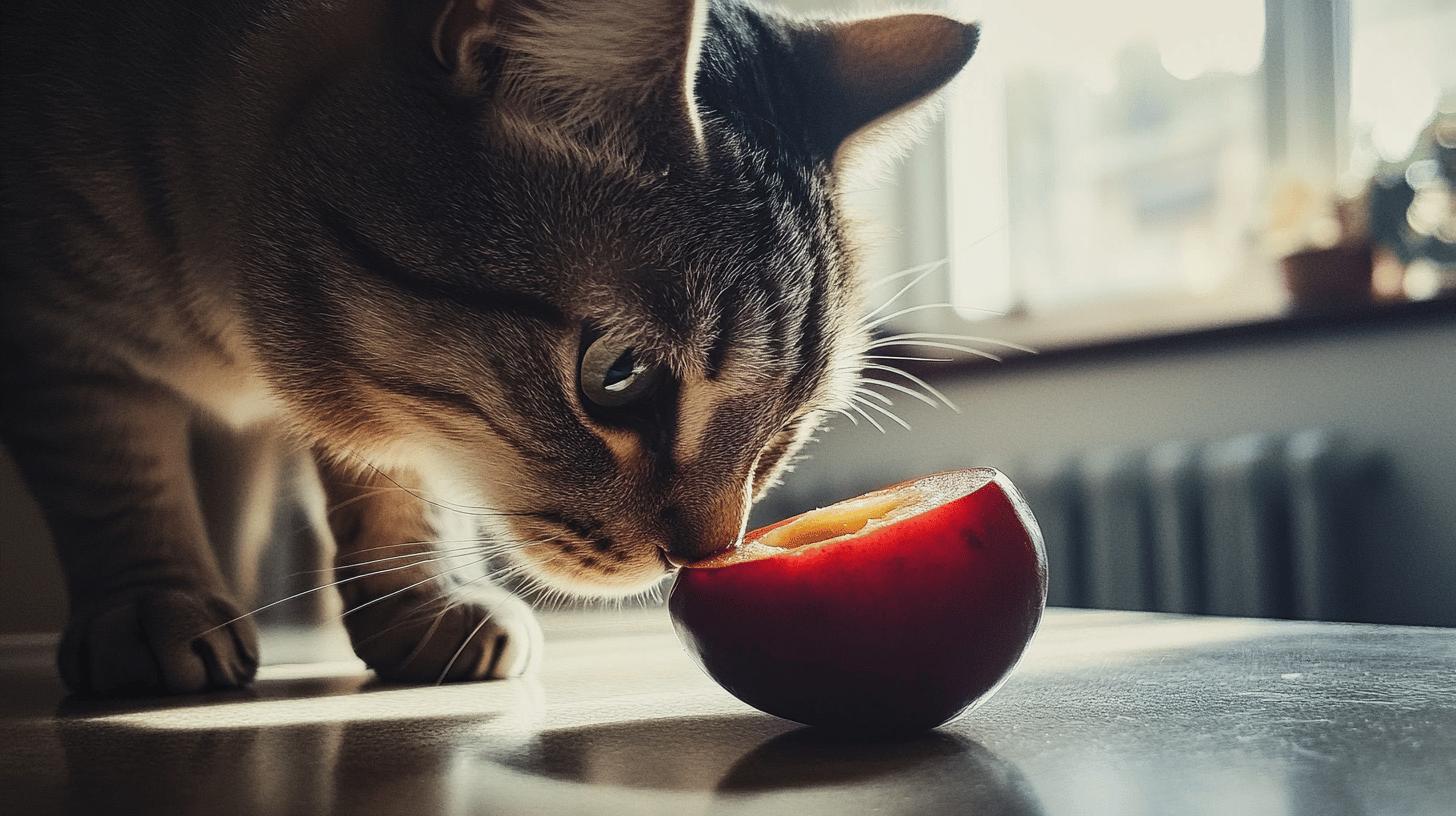
    Plums are not safe for cats. Most parts of the plum plant are toxic to them. The stems, leaves, and seeds contain cyanide, which is harmful to our feline friends.

    Here's a quick rundown of the toxic parts:

    • Stems
    • Leaves
    • Seeds containing cyanide

    Even though the flesh of ripe plums isn't toxic, it's not a recommended part of a cat's diet due to potential digestive issues. Cats are obligate carnivores and thrive on high-protein diets, so plums don't offer any nutritional benefits.

    Symptoms of plum toxicity in cats can include vomiting and diarrhea. If you suspect your cat has ingested any part of a plum, it's crucial to monitor them closely for any signs of distress and consult a veterinarian immediately. Keeping plums and plum plants out of reach is essential to prevent accidental ingestion and ensure your pet's safety.

    What to Do If Your Cat Eats a Plum

    What to Do If Your Cat Eats a Plum-4.jpg

    If your cat manages to nibble on a plum, it's important to assess the situation quickly. Determine which parts of the plum were consumed. This helps in evaluating the risk since the stems, leaves, and seeds contain the most cyanide.

    Here’s a quick list of what to do right away:

    • Remove any remaining plum from the cat's reach
    • Observe the cat for any signs of distress
    • Contact a veterinarian immediately

    Quick action can make all the difference in preventing severe health issues. Cats are highly sensitive to toxins, and any delay in treatment might lead to complications. Always have your vet's contact information handy for emergencies like these. Taking swift steps ensures the best possible outcome for your feline friend.

    Safe Fruit Alternatives for Cats

    Safe Fruit Alternatives for Cats-4.jpg

    Cats are obligate carnivores, which means their diet should primarily consist of animal-based proteins. They don't have a natural craving for fruits, and their bodies aren't designed to digest large amounts of plant-based foods. However, some fruits can be offered as occasional treats in small amounts, providing a bit of variety without compromising their health.

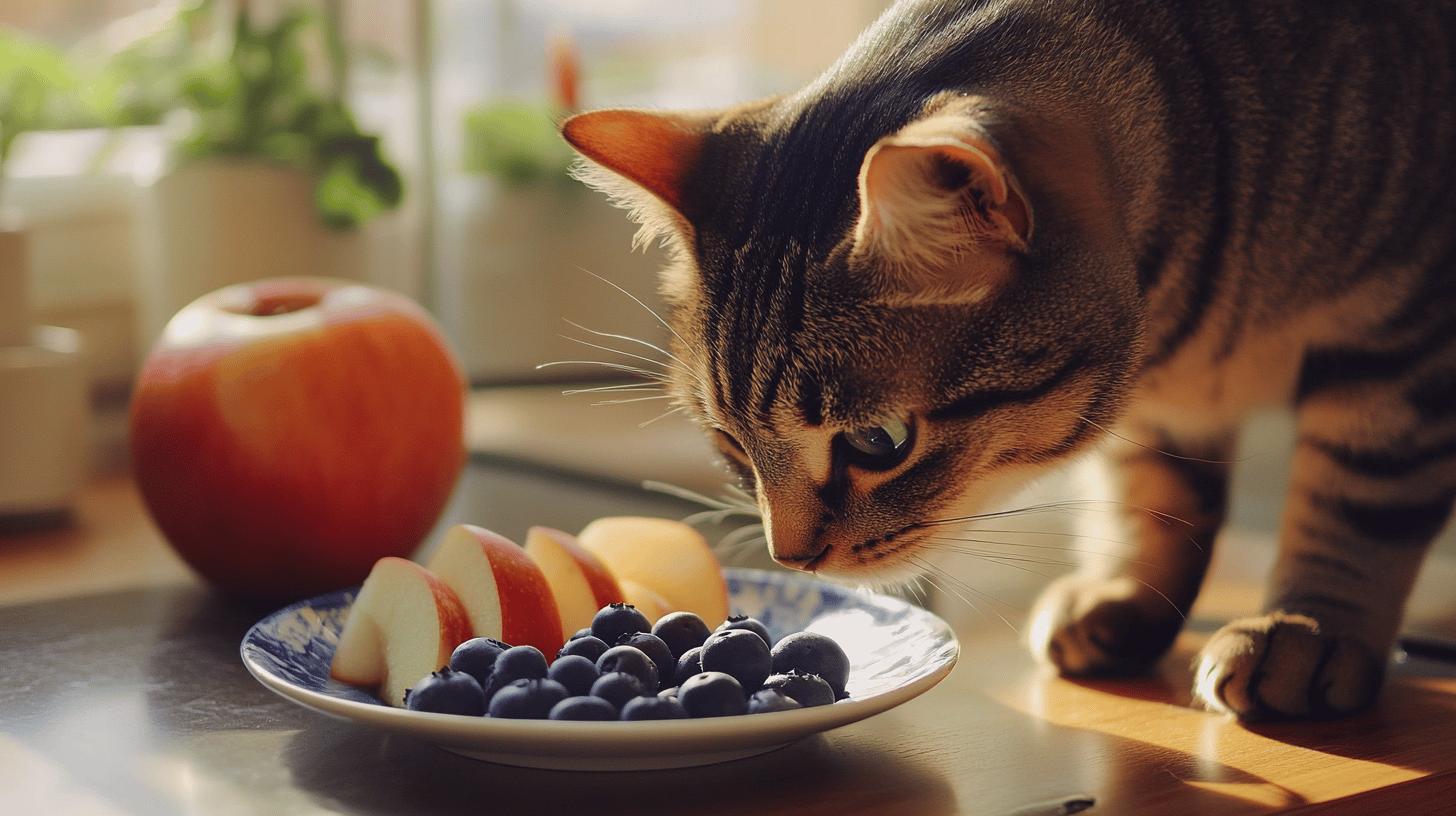
    Here's a list of safe fruits you can offer to your cat in moderation:

    • Blueberries: These are small and easy for cats to handle. They can be given fresh or frozen.
    • Apples (seedless): Make sure to remove any seeds and core, as they can be harmful.
    • Watermelon (seedless): This fruit is hydrating and refreshing, but always provide it without seeds or rind.

    While some fruits are safe, it's crucial to avoid others that pose risks to your cat's health. Grapes and raisins, for instance, can lead to kidney failure, even in small amounts. Citrus fruits like oranges and lemons can cause gastrointestinal discomfort, including vomiting and diarrhea. Always keep these hazardous fruits out of reach.

    By choosing safe fruit alternatives, you can give your cat an occasional treat without exposing them to unnecessary risks. Remember, fruits should never replace the essential proteins and nutrients found in a meat-based diet.

    Understanding Your Cat's Nutritional Needs

    Understanding Your Cats Nutritional Needs-4.jpg

    Cats are obligate carnivores, needing animal-based proteins to thrive. Their diet should consist of at least 70% animal protein, as they are adapted to digest and utilize these nutrients efficiently. Plant-based foods, like plums, don't play a significant role due to cats' lack of enzymes to break down plant matter.

    Importance of Protein in Cat Diet

    Animal-based proteins are crucial for maintaining your cat's muscle mass, tissue repair, and immune system. Cats require more protein than humans or dogs due to their unique metabolism. They need essential amino acids like taurine from meat, vital for their heart, vision, and reproductive health. Insufficient animal protein can lead to deficiencies and severe health issues.

    To incorporate animal-based proteins into your cat's diet, consider various sources like poultry, fish, and beef. You might compare commercial cat foods, focusing on those with high protein content from animal sources. Understanding the specific health benefits of a protein-rich diet will help you make informed choices.

    Seeking veterinary advice can help tailor your cat's diet to their individual needs. Vets can recommend high-quality cat foods that meet nutritional requirements and address special dietary conditions. A balanced diet involves more than just protein; it includes the right vitamins, minerals, and hydration. With professional guidance, you can ensure your cat's diet supports their health and longevity.

    Monitoring and Adjusting Your Cat's Diet Safely

    Monitoring and Adjusting Your Cats Diet Safely-1.jpg

    Keeping an eye on what your cat eats is crucial for ensuring their health and happiness. Cats have specific dietary needs, and maintaining the right balance is key. Observing your cat's eating habits helps you spot any changes or issues early on. Safe portion control is essential, as overfeeding can lead to obesity, while underfeeding might cause nutritional deficiencies. Adjusting their diet carefully ensures they get the nutrients they need without unnecessary risks.

    Here are some tips for making safe diet adjustments:

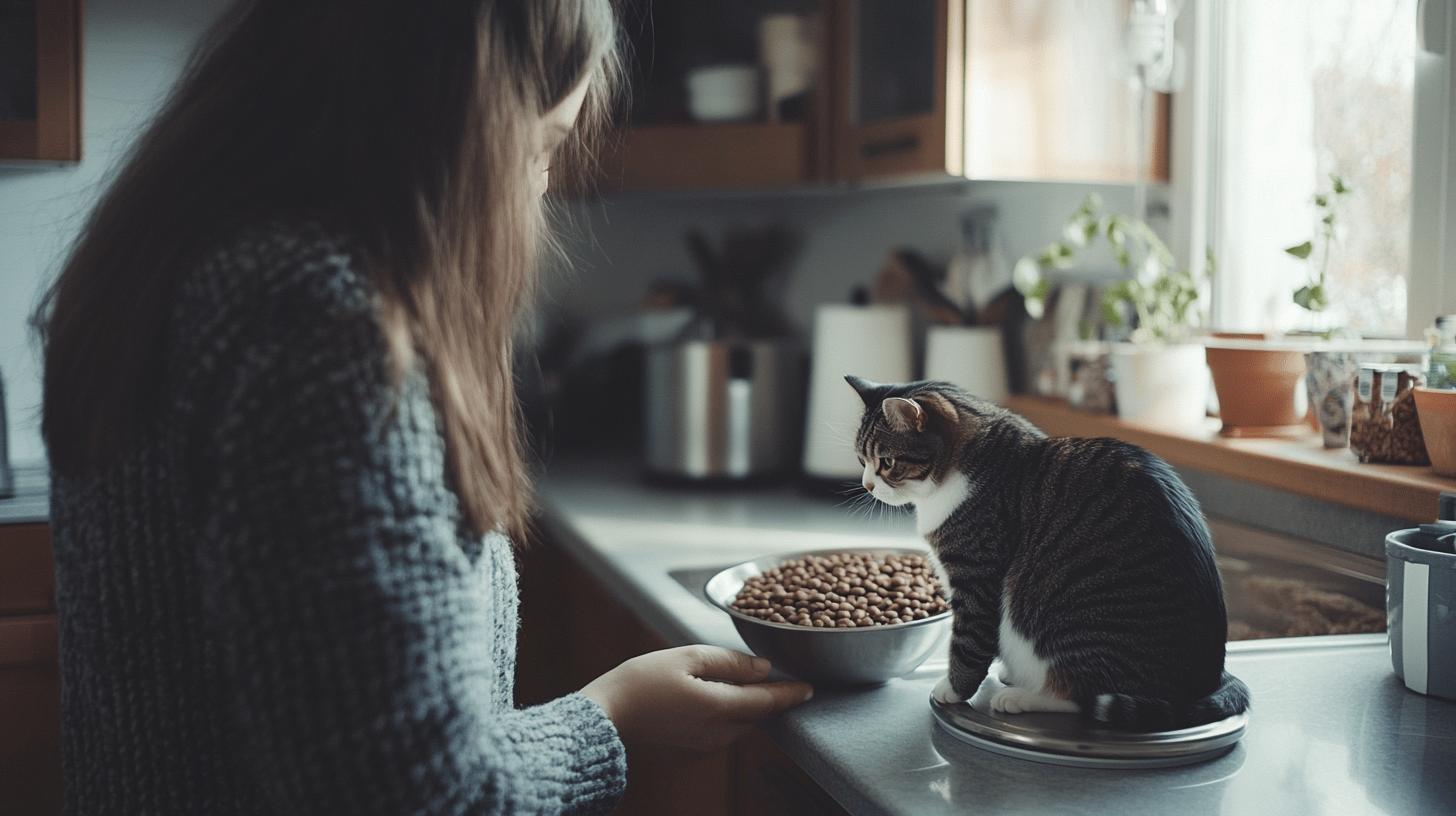
    • Regularly weigh your cat to track their weight and adjust portions accordingly.
    • Consult a vet before making any significant changes to your cat's diet. This helps tailor the diet to their specific needs.
    • Gradually introduce new foods to avoid digestive upsets. Sudden changes can be hard on a cat's stomach.

    Regular vet check-ups play a vital role in assessing dietary changes and ensuring food safety. Vets can provide guidance on portion sizes and help evaluate the quality and safety of the food you're offering. They can also detect any health issues that might require dietary adjustments. By working closely with your vet, you can create a feeding plan that supports your cat's overall well-being and addresses any health concerns.

    Final Words

    Plums and cats don't mix well. Parts like stems, leaves, and seeds pose a danger, containing cyanide that leads to symptoms like vomiting. If a cat eats plum, quick action can prevent major health problems. Safer fruit choices include blueberries and apples, but remember cats need mostly meat. Protein-rich diets keep them healthy. Keep an eye on your cat's food, adjust with care, and check with vets to ensure safety. Understanding can cat eat plum helps keep your furry friend safe and happy.

    FAQ

    Q: Can cats eat plums?

    A: Plums are not safe for cats. The stems, leaves, and seeds contain cyanide and are toxic. The fruit's flesh is not recommended.

    Q: What happens if my cat eats a plum?

    A: If a cat eats a plum, they may show symptoms like vomiting or diarrhea. Consult a vet immediately for advice and treatment.

    Q: Are any fruits toxic to cats?

    A: Yes, fruits like grapes, raisins, and citrus are toxic to cats. It's important to avoid feeding them these fruits.

    Q: Can cats eat peaches and plums?

    A: Cats shouldn't eat plums due to toxicity risks. Peaches are also risky because their pits contain cyanide. Avoid feeding these fruits.

    Q: What fruits can cats eat safely?

    A: Cats can eat small amounts of blueberries, seedless apples, and watermelon. These are considered safe in moderation.

    Q: Can cats eat apples and bananas?

    A: Cats can eat small pieces of apples, as long as they’re seedless. Bananas are also safe for cats but should be given in small amounts.

    Q: What animals cannot eat plums?

    A: Besides cats, many animals, including dogs, should avoid plums due to their toxic parts like stems, leaves, and seeds.

    Q: What should I do if my cat eats a plum?

    A: Remove any remaining plum from their reach, observe for signs of distress, and contact a vet immediately. Quick action is crucial.

    Related Articles

  • Can Cat Eat Tilapia Safely and in Moderation

    Can Cat Eat Tilapia Safely and in Moderation

    Ever wondered if tilapia would make a good snack for your cat? It sounds like a tasty option, but is it really safe? Cats can enjoy tilapia as a treat, but there are some important steps to follow. This fish has to be cooked properly to avoid dangerous bacteria or parasites.

    Forget raw fish; that's a huge no-no. Also, remove bones and skip on the seasoning. By preparing tilapia the right way, you ensure your cat enjoys a tasty, safe, and worry-free snack.

    Can Cats Eat Tilapia Safely?

    Can Cats Eat Tilapia Safely-1.jpg

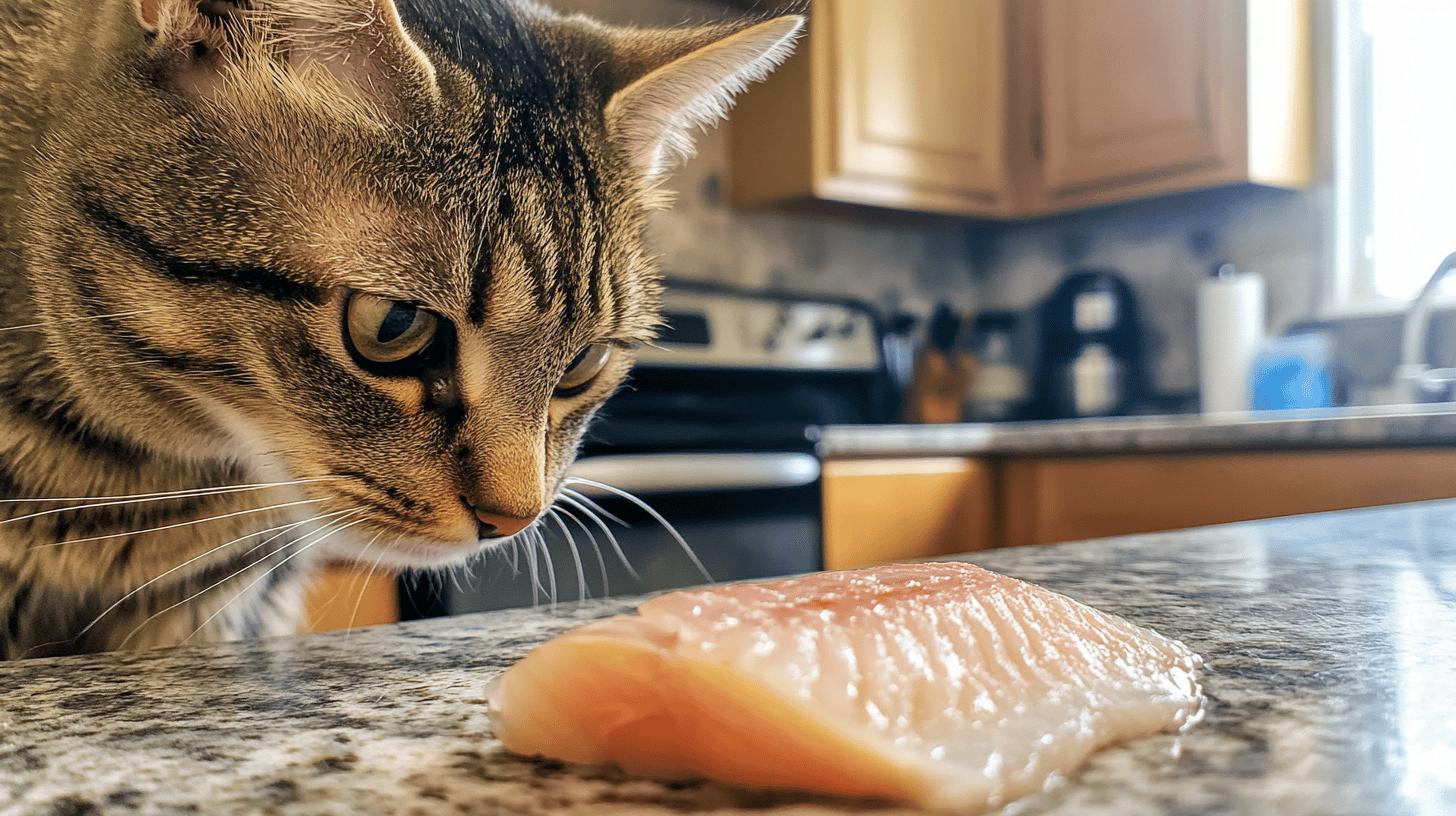
    Tilapia can be a safe and delicious treat for cats when prepared correctly. It’s important to cook the fish thoroughly to eliminate any harmful bacteria or parasites. Raw fish can pose significant health risks, so it should always be avoided. When feeding tilapia to cats, ensure it is fully cooked, boneless, and unseasoned. This preparation helps prevent choking hazards and keeps your feline friend safe from potential toxins.

    • Cook tilapia thoroughly
    • Remove all bones
    • Avoid seasoning and oils
    • Serve in small, controlled portions
    Risk Description
    Thiamine Deficiency Excessive consumption of fish can lead to a thiamine (vitamin B1) deficiency, affecting the cat’s nervous system.
    Bacterial Infection Raw or undercooked fish may contain harmful bacteria that can lead to food poisoning.
    Choking Hazard Fish bones can pose a choking risk or cause internal blockages if not removed.

    Feeding tilapia in moderation is key. Overfeeding can lead to health issues such as thiamine deficiency, which can affect the nervous system. It’s crucial to monitor your cat for any signs of intolerance, like digestive upset or changes in behavior. By serving tilapia in small, controlled portions, you can safely include this fish in your cat's diet while keeping an eye on their overall health and well-being.

    Nutritional Benefits of Tilapia for Cats

    Nutritional Benefits of Tilapia for Cats-1.jpg

    Tilapia can be a beneficial addition to a cat’s diet when prepared correctly. Rich in essential nutrients, tilapia provides Omega-3 fatty acids that are vital for maintaining neurological health and offering anti-inflammatory benefits. This makes tilapia an appealing option for cat owners looking to enhance their pet's diet with nutritious fish. While providing these health boosts, tilapia also keeps the risk of mercury exposure low compared to some other fish.

    • Omega-3 fatty acids
    • Low mercury content
    • Lean protein source

    Including these nutrients from tilapia in your cat's diet can support overall health. Omega-3 fatty acids contribute to brain function and may help manage inflammation, keeping your cat agile and energetic. The low mercury content reduces the risk of heavy metal exposure, making tilapia a safer fish choice. Additionally, the lean protein found in tilapia helps maintain muscle mass and provides essential energy, ensuring your feline stays active and healthy.

    Alternative Fish Options for Cats

    Alternative Fish Options for Cats-1.jpg

    Adding variety to your cat's diet can be beneficial, and there are several fish options besides tilapia that can enhance their nutritional intake. Salmon, cod, and redfish are excellent choices because they are rich in Omega-3 fatty acids and have low mercury levels.

    These nutrients are crucial for keeping your cat's coat shiny and supporting their overall health. While tilapia is a safe option, incorporating different types of fish can prevent dietary boredom and provide a broader spectrum of nutrients.

    • Salmon
    • Cod
    • Redfish
    • Sardines in water

    When introducing new fish into your cat's diet, it's essential to be aware of potential fish allergies. Start with small portions and observe your cat for any signs of intolerance, such as vomiting or skin irritation. If you notice any adverse reactions, discontinue feeding that fish and consult your veterinarian.

    Offering sardines in water as an occasional treat is also safe, but avoid those packed in oil due to their high-fat content, which can lead to digestive issues. By diversifying your cat's fish intake, you can keep their meals both enjoyable and nutritious.

    Expert Recommendations on Fish in a Cat's Diet

    Expert Recommendations on Fish in a Cats Diet-2.jpg

    When considering adding fish like tilapia to your cat's diet, it's crucial to consult with a veterinarian. They can provide personalized advice that ensures the fish meets your cat's nutritional needs without causing harm. Veterinarians understand cat digestion and can help you avoid potential issues that may arise from feeding fish.

    Ensuring that the diet is balanced and appropriate for your cat's age, weight, and health status is key to maintaining their overall well-being.

    • Consult a veterinarian for diet plans
    • Opt for commercially prepared fish-based cat foods
    • Monitor for signs of intolerance

    Expert guidance can make a significant difference in your cat's health. Choosing safe, vet-approved options like commercially prepared fish-based cat foods or properly cooked fish is preferable to raw fish. These options eliminate the risk of harmful bacteria and parasites.

    By following professional advice, you can confidently include fish in your cat's diet, ensuring they receive the necessary nutrients while keeping them happy and healthy. Monitoring for any signs of intolerance, such as digestive upset, allows for quick adjustments to their diet, keeping their nutrition on track.

    Final Words

    Feeding tilapia can be a safe option for cats when done correctly. Remember to thoroughly cook it, remove all bones, and avoid using seasonings. Tilapia can offer nutritional benefits, like Omega-3 fatty acids, supporting your cat's health. Salomon, cod, and sardines are also good fish alternatives.

    Consult with a veterinarian to ensure dietary choices meet your cat's needs. By prioritizing a safe and balanced diet, you can enhance your cat's well-being. After all, making sure "can cat eat tilapia" safely results in a happy and healthy cat.

    FAQ

    Can cat eat tilapia raw or cooked?

    A: Cats can eat tilapia, but it should be fully cooked, boneless, and unseasoned. Raw fish can contain harmful bacteria and enzymes, so avoid it to ensure your cat's safety.

    Is tilapia safe for cats to eat?

    A: Tilapia is safe for cats when prepared properly. Make sure it's cooked thoroughly and served without bones or seasoning. Always feed in moderation to prevent health issues.

    How to cook tilapia for cats?

    A: To cook tilapia for cats, ensure it's thoroughly cooked, remove all bones, and avoid using seasonings or oils. Serve it in small, controlled portions as a safe treat.

    Can cats eat fried tilapia?

    A: Fried tilapia is not ideal for cats due to added fats and potential seasonings. Stick to plain, cooked tilapia without any oils or spices for a healthier option.

    Can cats eat raw fish?

    A: Raw fish is not safe for cats as it may contain harmful bacteria and enzymes. Always cook fish thoroughly before offering it to your feline friend.

    What fish is safe for cats to eat?

    A: Safe fish for cats include cooked tilapia, salmon, cod, and redfish. Make sure the fish is free of bones and not seasoned or fried.

    Can cats eat rice?

    A: Cats can eat rice in moderation. Rice can be an ingredient in cat foods or offered as a small treat, but it shouldn't replace a balanced feline diet.

    What meat should cats not eat?

    A: Cats should avoid raw meat, processed meats, and fatty or seasoned meats. Stick to lean, cooked meats like chicken or turkey for safe options.

    Related Articles

  • Can Cat Eat Black Pepper and Is It Safe?

    Can Cat Eat Black Pepper and Is It Safe?

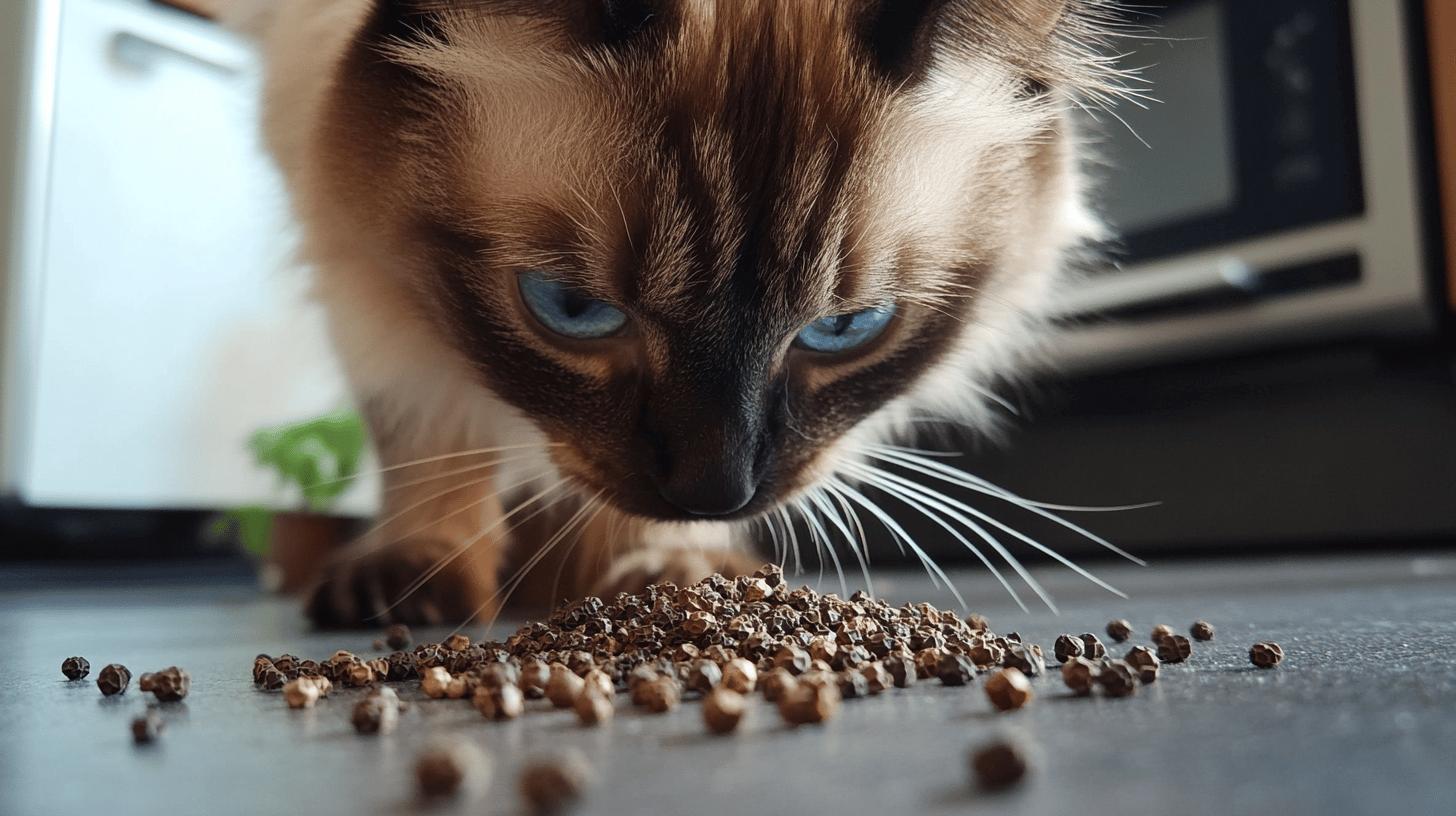
    Is a sprinkle of black pepper as harmless to your cat as it is to your salad? While it adds flavor to our dishes, this common spice might not be so great for our feline friends. Cats have a much more sensitive system and a compound in black pepper, called piperine, can cause irritation. From sneezing and coughing to upset tummies, it’s best to keep this spice away from your kitty. Let’s dive into why you should think twice before sharing your peppered snacks with your cat and how to keep them safe.

    Can Cats Safely Eat Black Pepper?

    Can Cats Safely Eat Black Pepper-1.jpg

    Cats should not consume black pepper. While small amounts are unlikely to cause severe harm, black pepper can irritate and cause discomfort. It is best to avoid giving it to them to prevent any potential issues.

    Black pepper contains a compound called piperine. This compound can lead to irritation in a cat’s mouth and digestive system. Cats are more sensitive to spices than humans, and consuming black pepper can trigger unpleasant reactions. Piperine is responsible for the spicy heat in black pepper, which can cause sneezing, coughing, or other signs of discomfort in cats if they come into contact with it. Cats rely heavily on their sense of smell, and the pungency of black pepper can be overwhelming for their sensitive noses. While a sprinkle of black pepper is unlikely to cause serious harm, larger amounts might lead to more severe symptoms.

    If a cat ingests a significant amount of black pepper, symptoms may include vomiting, diarrhea, and respiratory irritation. While these symptoms can be distressing, they typically resolve with time. However, if symptoms persist or worsen, it may require veterinary attention to ensure your cat’s health and comfort.

    Recognizing Symptoms of Black Pepper Ingestion in Cats

    Cats that ingest black pepper might show various symptoms indicating irritation or discomfort due to the compound piperine. Cats are sensitive creatures, and even a small amount can cause issues.

    Here are some common symptoms to watch for if your cat has eaten black pepper:

    • Sneezing
    • Coughing
    • Vomiting
    • Diarrhea
    • Respiratory irritation

    It’s crucial to monitor your cat if you suspect they’ve ingested black pepper. While minor symptoms like sneezing and coughing can resolve on their own, more severe symptoms such as persistent vomiting or diarrhea may require veterinary care. If you notice your cat struggling with breathing or if they seem unusually distressed, it’s wise to seek professional help. Keeping an eye on their behavior and acting quickly can ensure your furry friend’s health and comfort.

    Alternatives to Black Pepper for Cats

    Alternatives to Black Pepper for Cats-1.jpg

    While black pepper is not the best choice for our feline friends, there are other spices and foods that are safe for them. These alternatives can add some variety to a cat’s diet without the risk of irritation or discomfort that black pepper might cause. When considering alternatives, it’s important to focus on options that are both non-toxic and appealing to cats.

    Here are some safe spices and foods you can consider for your cat:

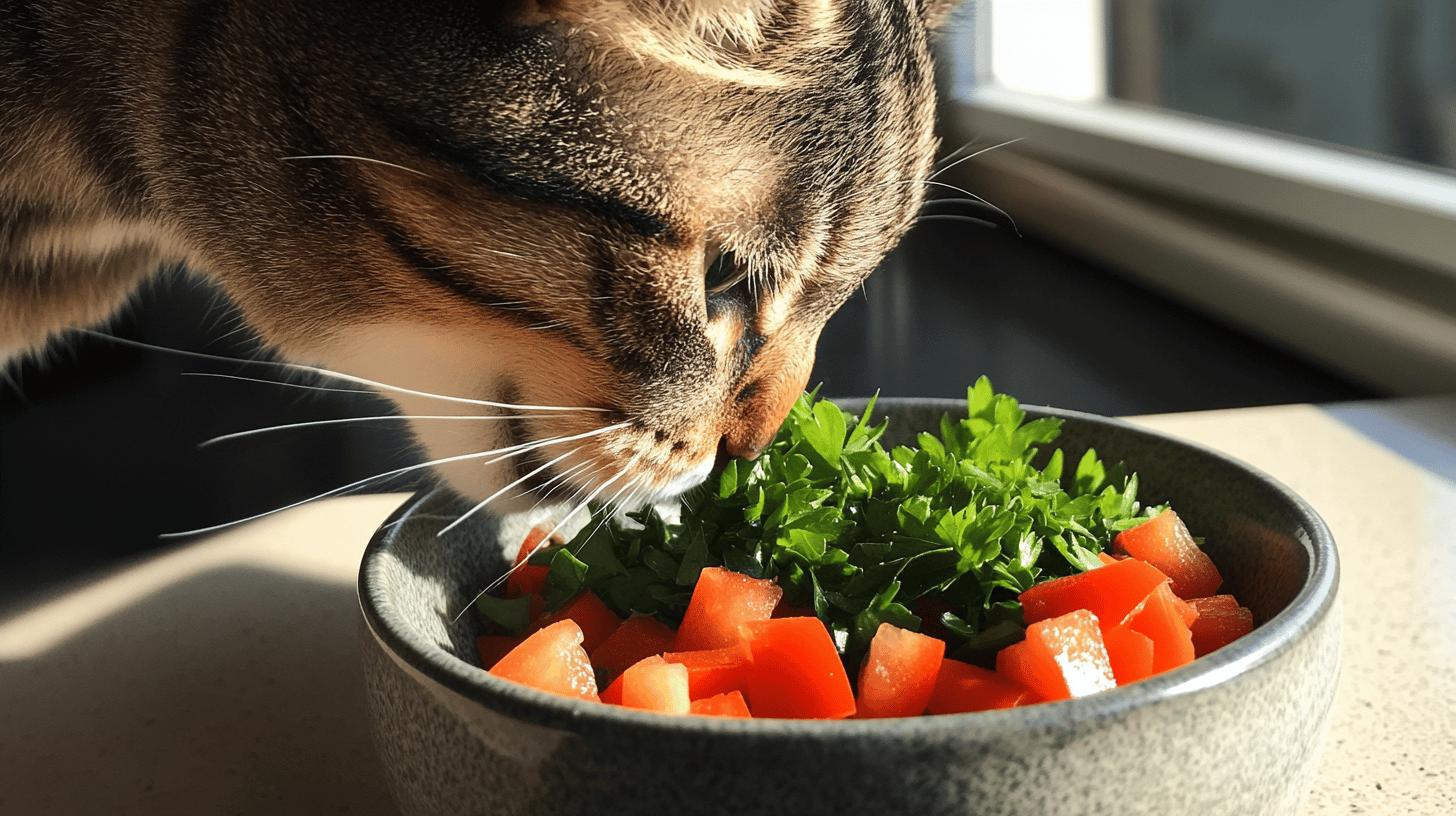
    • Catnip: A favorite among many cats, catnip can be a fun and harmless treat.
    • Parsley: This herb is safe in small amounts and can sometimes be beneficial.
    • Bell Peppers: Non-toxic and safe when given in moderation, though they don’t add much nutrition.

    When introducing these alternatives, always start with small amounts to see how your cat reacts. Every cat is different, and while these options are generally safe, it’s best to monitor your pet for any unusual reactions. Additionally, keep in mind that cats are obligate carnivores, so their diet should primarily consist of meat. Use these spices and foods as occasional treats rather than dietary staples. This approach ensures your cat enjoys a balanced and healthy diet while exploring new tastes safely.

    Preventing Cats from Consuming Black Pepper

    Preventing Cats from Consuming Black Pepper-1.jpg

    Keeping our feline friends safe from black pepper is crucial. Cats are curious by nature, and their sensitive digestive systems can easily be upset by spices. Preventing them from accessing black pepper helps avoid any potential discomfort and ensures their well-being.

    Here are some effective strategies to keep your cat away from black pepper:

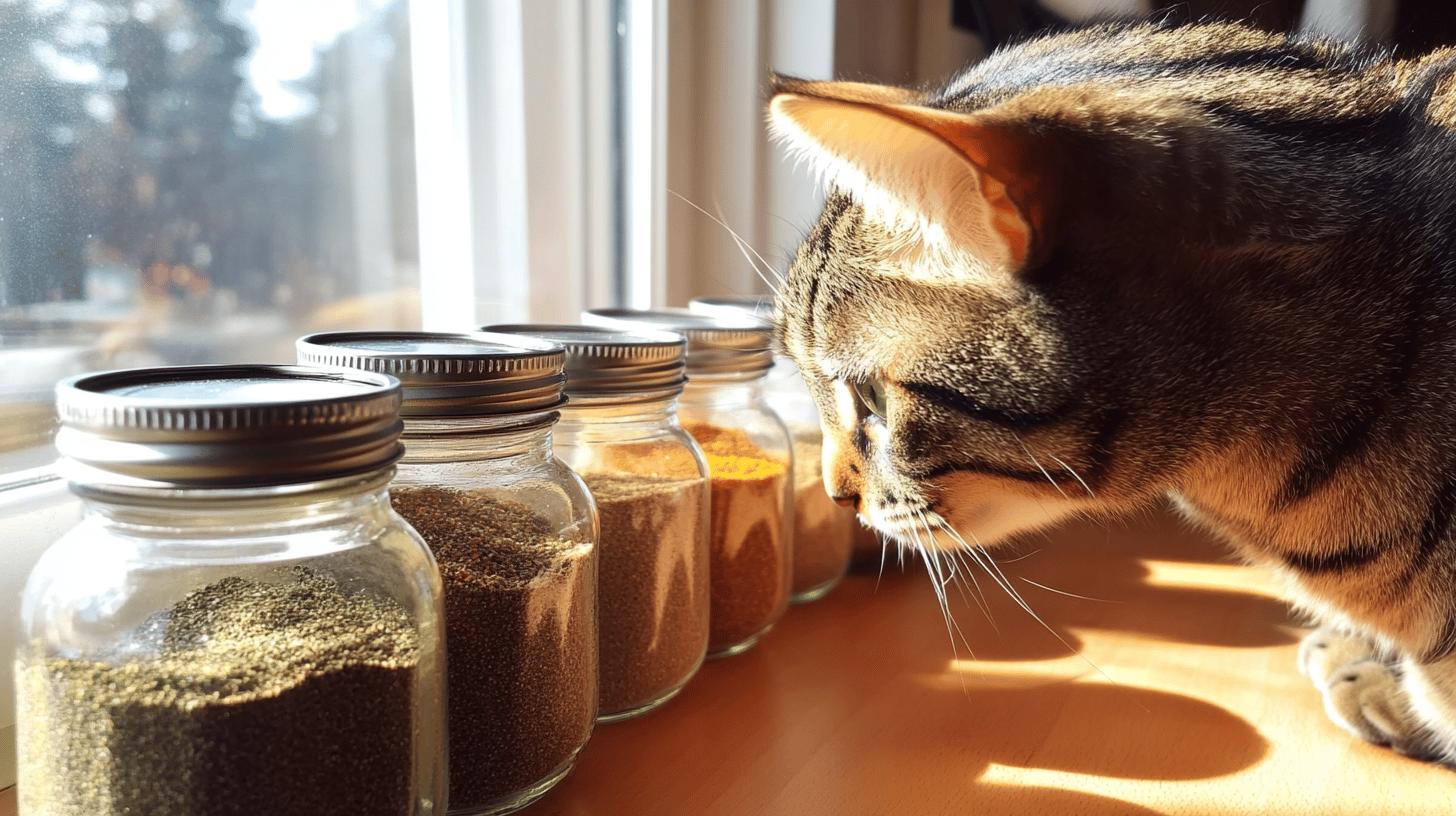
    • Secure Storage: Store black pepper and other spices in cabinets or containers that your cat cannot open.
    • Monitor Cooking Activities: Keep an eye on your cat when cooking. Make sure they are not around when spices are out.
    • Educate Family and Guests: Inform everyone in the household about the risks of black pepper and the importance of keeping it out of reach.
    • Clean Up Promptly: After cooking, clean up any spice residues to prevent accidental ingestion.

    Creating a spice-free environment can help maintain a safe space for your cat. Regularly check areas where spices are used or stored, and ensure these spots are cat-free zones. By adopting these practices, you can safeguard your cat from unwanted spice exposure and keep their health in top shape.

    Can Cats Safely Eat Black Pepper?

    How Cats React to Black Peppers Smell-1.jpg

    Cats rely more on their noses than their taste buds to explore their environment. This heightened sense of smell means they can detect odors that humans may hardly notice. The pungent aroma of black pepper is particularly overwhelming for cats, often leading to reactions such as sneezing or retreating.

    Ingesting black pepper can cause digestive issues in cats. While a small amount might not be harmful, it’s best to prevent cats from consuming it. The smell alone is irritating, but eating black pepper could lead to discomfort or health concerns. Understanding these reactions helps cat owners keep their pets safe and comfortable by avoiding strong scents or tastes like black pepper.

    Here’s a quick comparison of how cats react to black pepper versus other common household scents:

    Scents Possible Reactions
    Black Pepper Sneezing, backing away, discomfort
    Citrus Aversion, avoidance
    Lavender Calmness or aversion

    Final Words

    Understanding how black pepper affects cats is crucial for any pet owner. Though small amounts of black pepper might not be seriously harmful, its piperine content can irritate your cat. Symptoms like sneezing, coughing, or vomiting indicate a need for caution. Instead of black pepper, safer alternatives such as catnip or parsley can spice up your cat’s meals.

    Creating a spice-free zone by storing spices securely protects your cats. By knowing how they react to scents like black pepper, we can keep their environment safe. With these insights, providing a happy and healthy space for your cat becomes easier.

    FAQ

    Can cats eat pepper and salt?

    A: Pepper and salt aren’t recommended for cats. Salt in large amounts can be harmful. Pepper, especially black, can irritate and discomfort them. It’s safer to avoid these condiments in their diet.

    Can cats eat black pepper?

    A: Black pepper is not safe for cats. It contains piperine, which can irritate their systems. Small amounts might not cause harm, but larger quantities can lead to sneezing, coughing, and digestive issues.

    Is black pepper safe for cats to eat?

    A: Black pepper is not safe for cats to consume. Piperine in black pepper can cause irritation, and in larger amounts, may lead to sneezing, coughing, and gastrointestinal problems.

    What peppers are toxic to cats?

    A: Hot peppers and any spicy varieties can pose a risk to cats, causing discomfort or irritation. It’s best to avoid giving these to your feline friends.

    Why does my cat like black pepper?

    A: Cats may show curiosity rather than liking toward unusual scents. However, black pepper is irritating to cats’ systems, and it should be kept away from them for safety reasons.

    Can cats eat salt and pepper?

    A: It’s not safe for cats to consume salt and pepper. Salt, in excess, can harm their health, and pepper, especially black, can irritate their systems.

    Is black pepper safe for pets?

    A: No, black pepper is not safe for pets, including cats. It can cause irritation and lead to discomfort. Avoid using it around your pets.

    Can cats eat paprika?

    A: Paprika is not recommended for cats. Although it’s not as irritant as black pepper, it can still cause digestive discomfort. It’s best to keep it away from your feline’s diet.

    Can cats eat hot pepper?

    A: Hot pepper is not safe for cats. It can cause irritation and distress. Keep spicy foods away from your cat’s diet to prevent any adverse reactions.

    Can cats eat garlic?

    A: Garlic is toxic to cats and can cause serious health problems. It should be avoided in cats’ diets, as ingestion can lead to harmful reactions.

    Related Articles

  • Can Cat Eat Mango Safe Treats and Precautions

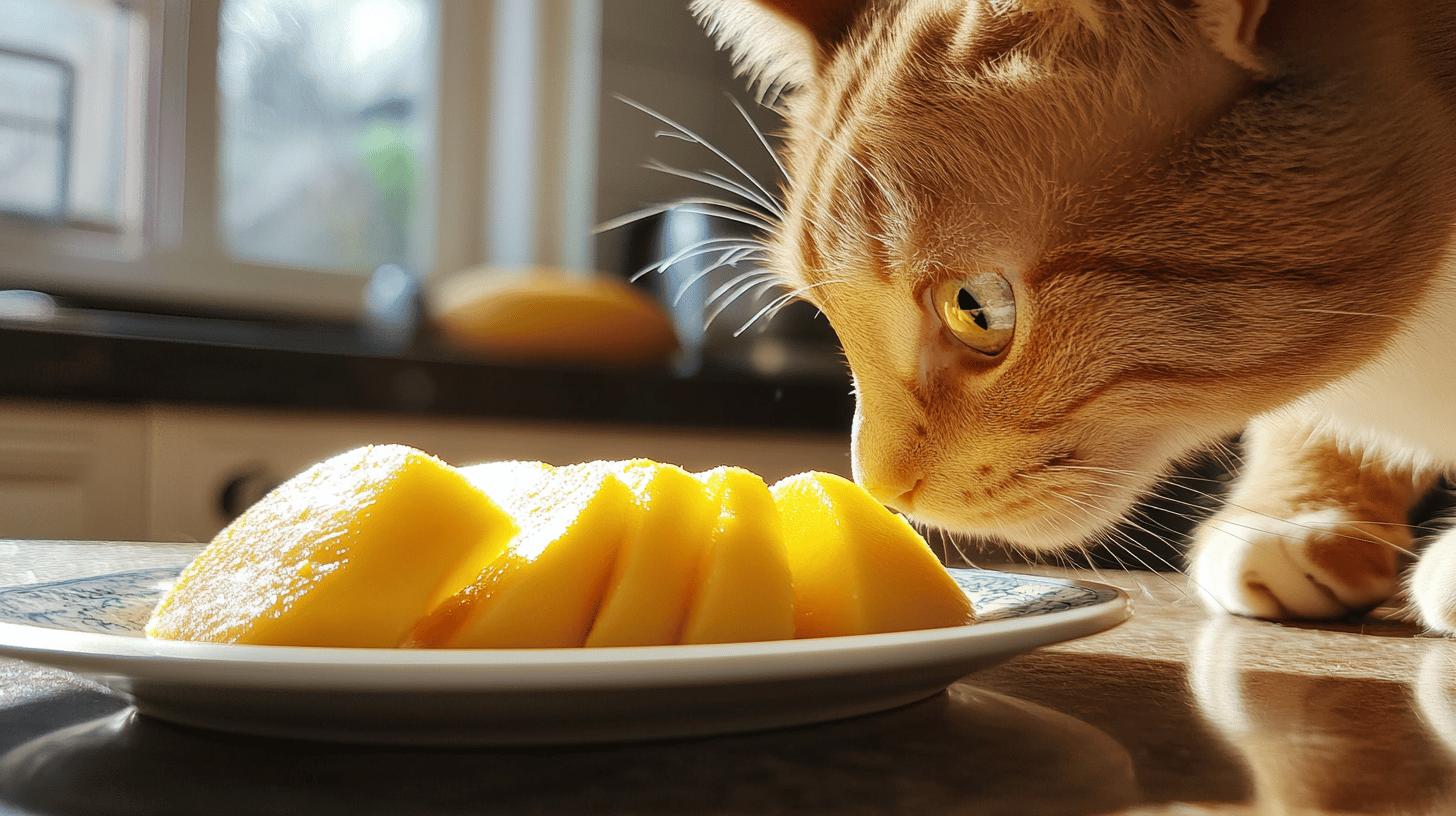
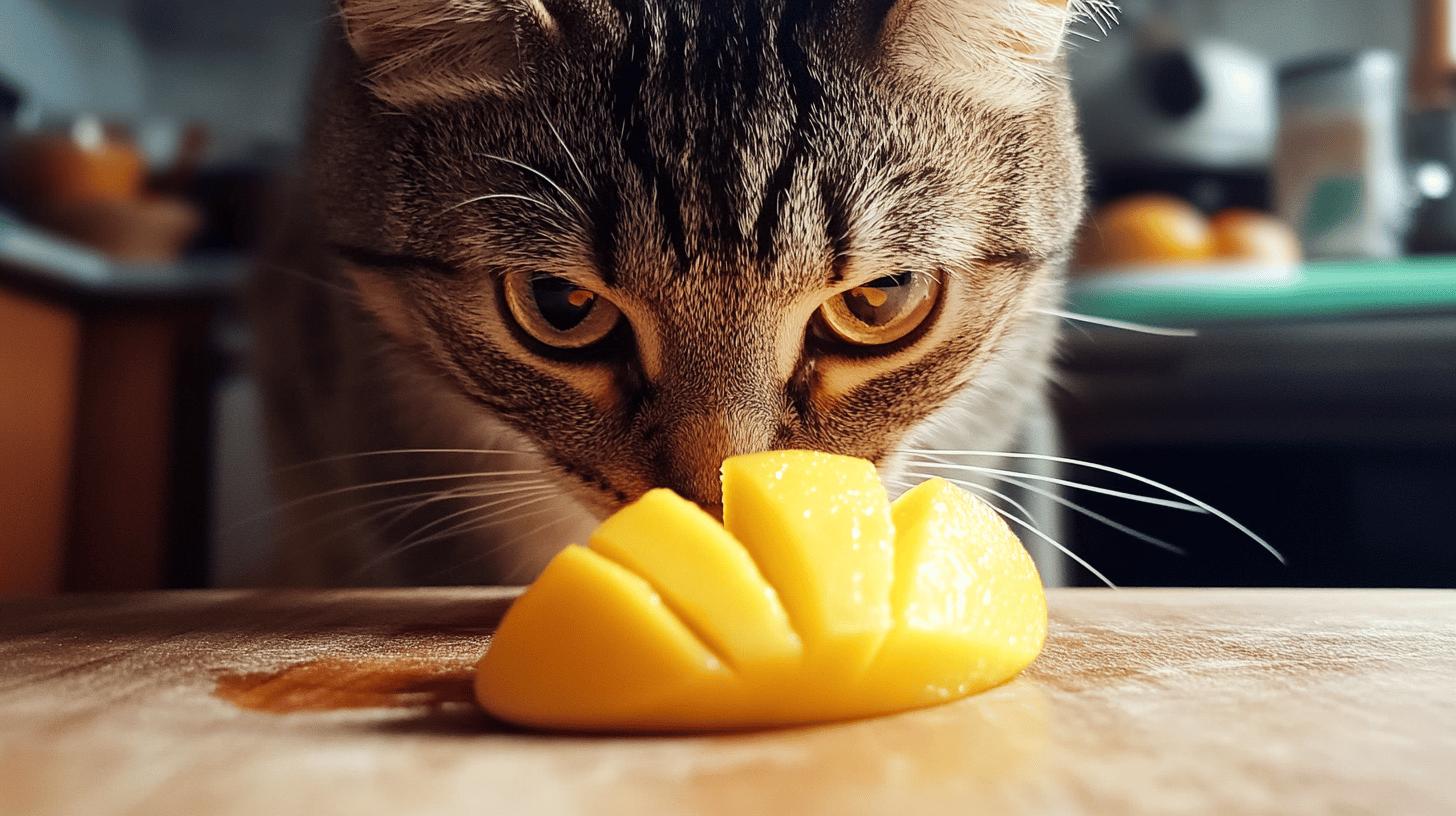
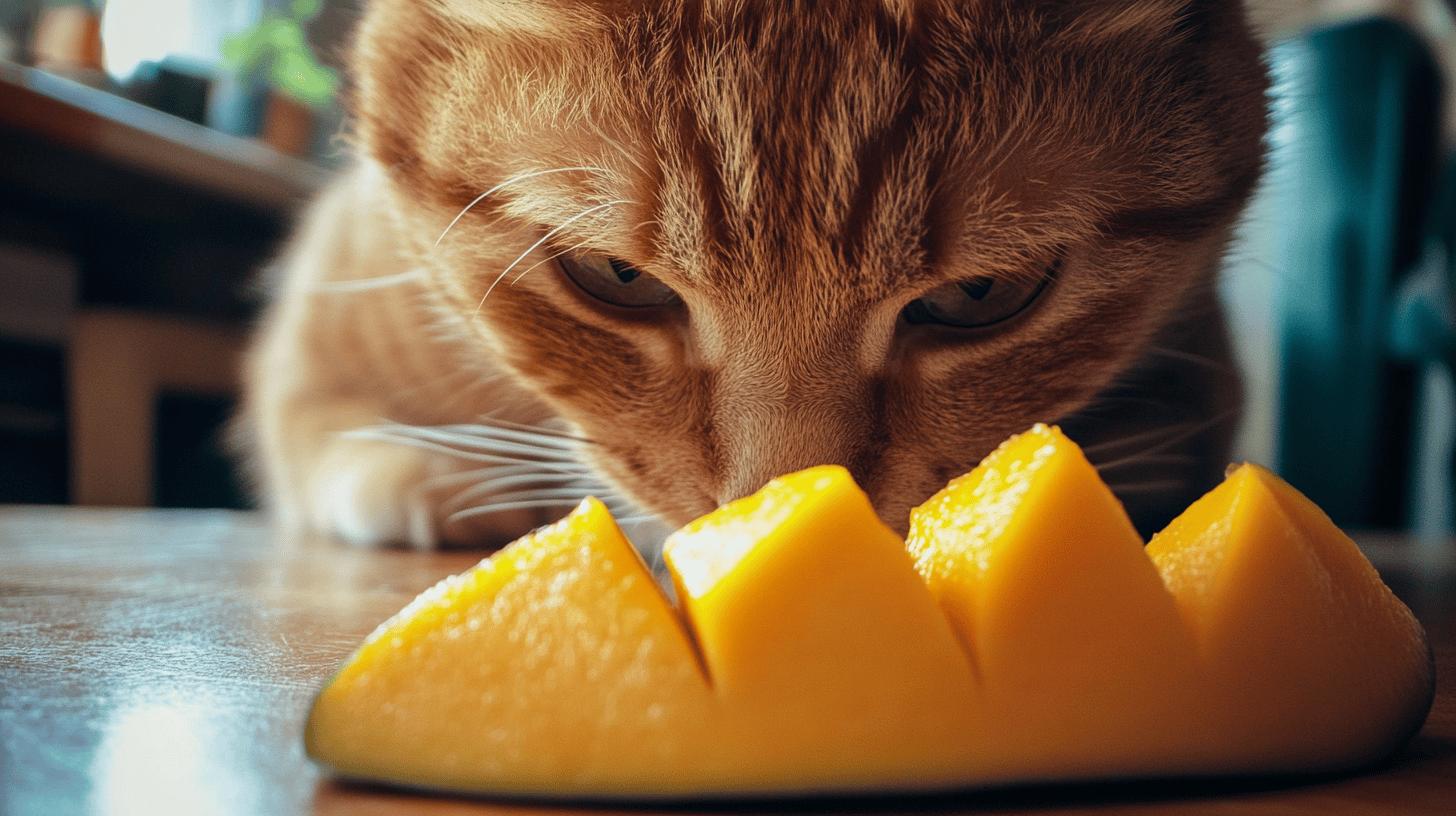
    Can Cat Eat Mango Safe Treats and Precautions

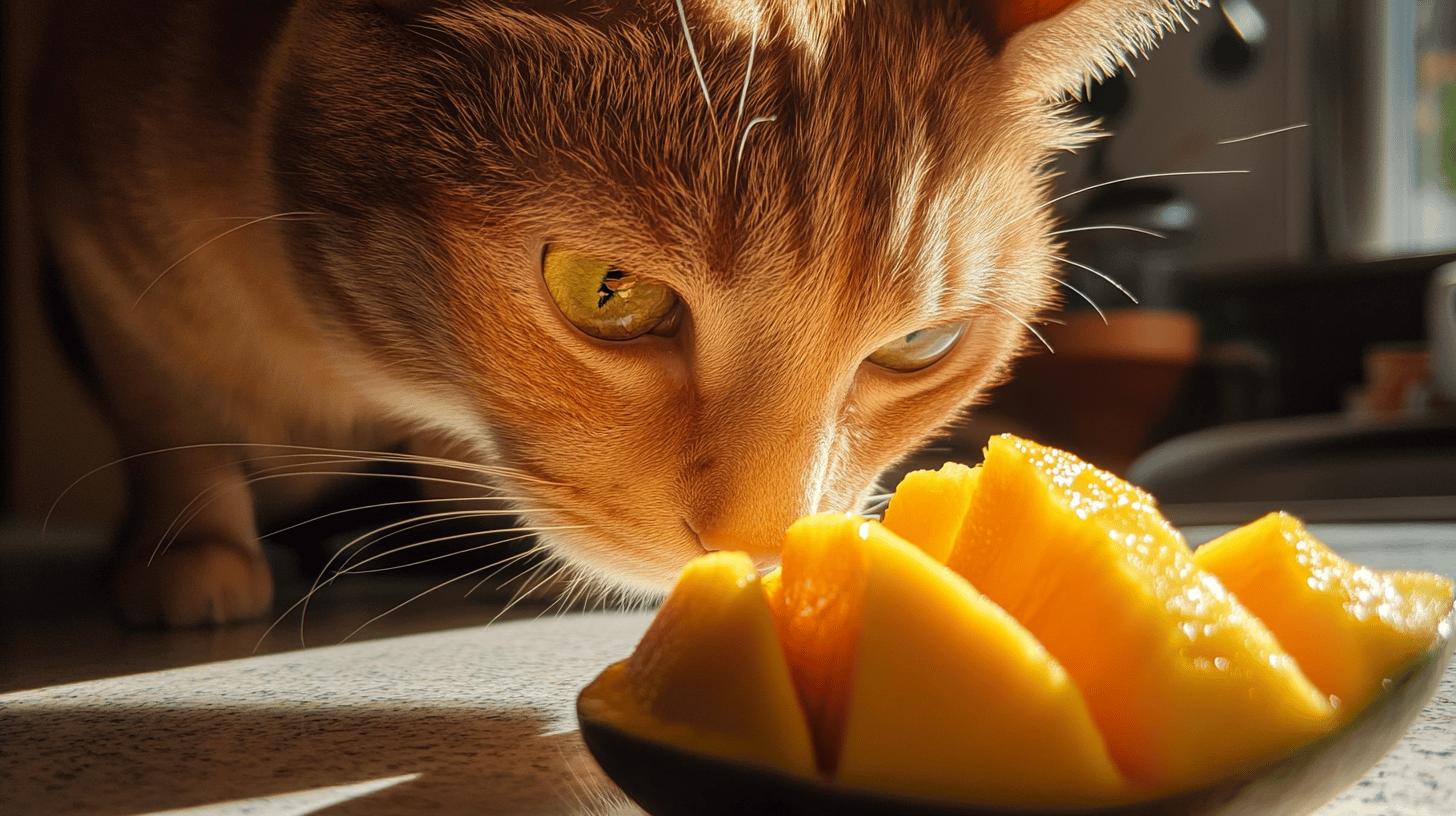
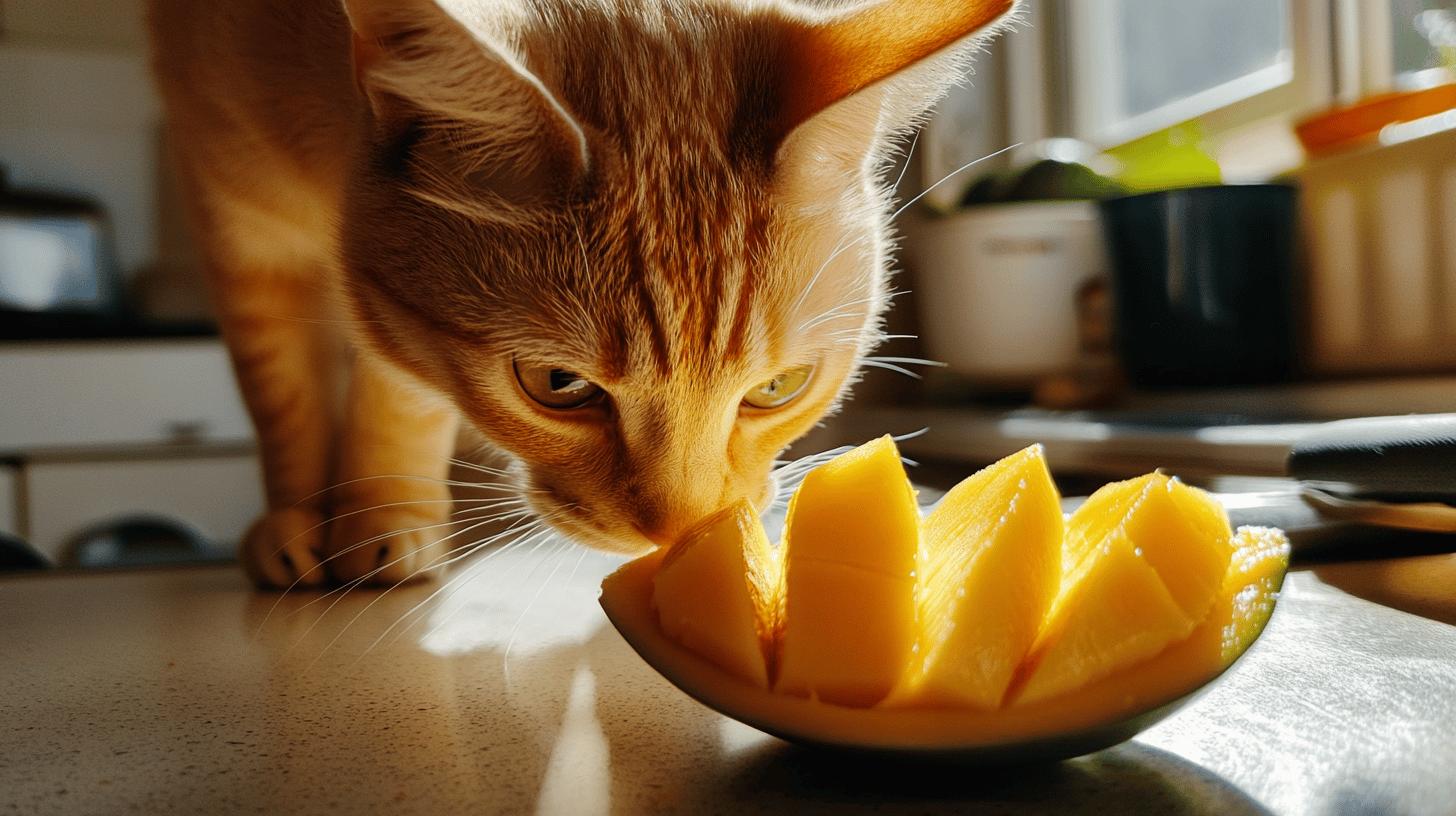
    Can your cat snack on a slice of mango without any worries? It's a question that might raise eyebrows among pet owners. While cats can technically consume mango, there are precautions to keep in mind. Being obligate carnivores, cats thrive on meat, not fruity indulgences. Mangoes aren't toxic to cats, but their high sugar and minimal feline benefits mean they should be a rarity. In this post, we'll explore the dos and don'ts of serving mango to your furry friend, ensuring their playtime is both fun and safe.

    Can Cats Eat Mango? Understanding the Basics

    Can Cats Eat Mango Understanding the Basics-1.jpg

    Cats can eat mango, but it should only be an occasional treat. These furry friends are obligate carnivores, which means their diet primarily needs to consist of meat. While mangoes are not toxic to cats, their high sugar content and minimal nutritional benefits for felines mean they shouldn't be a regular part of a cat's diet. When you decide to give your cat a taste of mango, make sure to cut it into small, manageable pieces to prevent any choking hazards and to make digestion easier.

    It's important to know which parts of the mango are unsuitable for cats. The skin and pit of the mango pose risks and should be avoided. The skin can be tough for cats to digest and may cause stomach upset, while the pit could present a choking hazard or lead to an intestinal blockage if ingested. Always be mindful of the quantity, as too much mango can lead to digestive issues due to its high sugar content.

    Parts of the Mango to Avoid:

    • Mango skin
    • Mango pit
    • Large quantities of mango

    The Nutritional Value and Health Implications of Mango for Cats

    Can Cat Eat Mango Safe Treats and Precautions-2.jpg

    Cats are obligate carnivores, with diets centered around meat. Mangoes, while nutritious for humans, offer minimal benefits to cats. A small piece might contain vitamin C, but cats synthesize this on their own and get enough from their regular diet. Hence, the nutritional gain from mangoes is insignificant.

    Nutrient Relevance to Cats
    Vitamin C Minimal, cats synthesize their own
    Fiber Can aid digestion in small amounts
    Sugar High content, should be limited

    When offering mango as a treat, ensure it doesn’t replace meat-based meals. Its high sugar content means it should only be an occasional treat. Monitor your cat’s reaction to new foods, ensuring their health and dietary needs remain a priority.

    Risks and Precautions When Feeding Mango to Cats

    Can Cat Eat Mango Safe Treats and Precautions-3.jpg

    Feeding mango to cats can be a delightful treat, but it's important to be aware of potential allergic reactions. Some cats may be allergic to mango, which could present as vomiting, diarrhea, or skin irritation. As a cat owner, monitor your pet closely for these symptoms after they consume mango. If any signs of an allergic reaction occur, it's crucial to consult your veterinarian immediately.

    • Vomiting
    • Diarrhea
    • Skin irritation
    • Lethargy

    Moderation is essential when offering mango to your feline companion. Overfeeding can pose health risks due to the fruit's high sugar content, potentially leading to obesity or diabetes. Treat mango as an occasional indulgence, ensuring it doesn't become a regular part of your cat's diet. A small piece every now and then suffices.

    When serving mango, take specific precautions to protect your cat's health. Always peel the mango and remove the pit to prevent choking or digestive blockages. Cut the fruit into small, manageable pieces. After your cat tries mango, observe them for any adverse reactions. Promptly consult with your veterinarian if anything unusual occurs. This approach ensures mango remains a safe and enjoyable treat for your pet.

    Can Cats Eat Mango? Understanding the Basics

    Can Cats Eat Mango Understanding the Basics-1.jpg

    Cats can eat small pieces of mango as an occasional treat. While mangoes aren't toxic, their high sugar content and limited nutritional benefits mean they should not be a regular part of a cat's diet. It's essential to cut the mango into small, manageable pieces to prevent choking and aid digestion.

    Certain parts of the mango should be avoided. The skin is tough for cats to digest and may cause stomach upset. The pit poses a choking hazard and can lead to intestinal blockage. Additionally, feeding large quantities of mango can cause digestive issues due to its sugar content.

    Parts of the Mango to Avoid:

    • Mango skin
    • Mango pit
    • Large quantities of mango

    The Nutritional Value and Health Implications of Mango for Cats

    Can Cat Eat Mango Safe Treats and Precautions-2.jpg

    Cats are obligate carnivores, primarily relying on meat for their nutritional needs. While mangoes are not harmful in small amounts, their nutritional benefits for cats are limited. Cats naturally synthesize vitamin C, so they don’t require additional sources from mango. The minimal dietary benefits of mango for cats mean it should be considered an occasional treat rather than a significant part of their diet.

    Nutrient Relevance to Cats
    Vitamin C Minimal, cats synthesize their own
    Fiber Can aid digestion in small amounts
    Sugar High content, should be limited

    Introduce mango to your cat's diet safely by offering it as a rare treat. Due to its high sugar content, mango should complement a diet rich in protein rather than replace it. Although fiber in mango can assist with digestion, moderation is key to ensuring it doesn’t impact the cat's health negatively. Consider alternative treats that provide more nutritional benefits to keep your feline friend healthy and satisfied.

    Risks and Precautions When Feeding Mango to Cats

    Can Cat Eat Mango Safe Treats and Precautions-3.jpg

    To avoid repetition and enhance the existing content, let's highlight any unique insights not previously covered. Ensure you monitor your cat for any allergic reactions such as vomiting, diarrhea, skin irritation, or lethargy when introducing mango into their diet.

    • Vomiting
    • Diarrhea
    • Skin irritation
    • Lethargy

    Moderation is crucial due to the high sugar content in mango, which may lead to obesity or diabetes if overfed. Treat mango as an occasional treat, not a regular part of the diet.

    Prepare mango safely for cats: peel the mango, remove the pit, and cut it into small pieces. Always observe your cat for any adverse reactions after trying mango, and consult your vet if you notice any unusual behavior or health issues.

    Alternatives to Mango for Cats: Other Safe Fruits

    Can Cats Eat Mango Understanding the Basics-2.jpg

    Introducing a range of fruits into your cat's diet can make mealtime more interesting and provide some hydration on hot days. While cats are obligate carnivores, a small amount of fruit can be a refreshing treat. Cantaloupe and watermelon are excellent options, as they are hydrating and low in calories. These fruits can be particularly beneficial in ensuring your cat stays hydrated, especially during warmer months. Remember, fruits should only be a small part of their diet, as their primary nutrition should come from meat-based foods.

    When considering fruits for your feline friend, it's crucial to know which ones are safe and which to avoid. Here's a handy list to guide you:

    Safe Fruits:

    • Cantaloupe
    • Watermelon
    • Blueberries
    • Strawberries

    Fruits to Avoid:

    • Grapes
    • Citrus fruits
    • Avocado

    These safe fruits, when offered in moderation, can complement a cat's diet and provide variety. Just ensure they are given in small, manageable pieces to prevent choking. Avoid overfeeding, as too much fruit can disrupt your cat's digestive system. Always supervise your cat when trying new foods and observe for any adverse reactions. By incorporating safe fruits wisely, you can enrich your cat's diet while keeping their health in check.

    Risks and Precautions When Feeding Mango to Cats

    Can Cats Eat Mango Understanding the Basics-3.jpg

    Consulting a veterinarian is crucial when introducing mango or any new treat into your cat's diet. Vets provide personalized guidance based on your cat's health and nutrition. Mango can be a safe treat in small amounts, but it's essential to monitor for adverse reactions. Watch for symptoms like vomiting, diarrhea, or behavioral changes. If these occur, seek veterinary advice promptly. Ensuring mango is a safe addition without compromising health is vital.

    Common Veterinary Recommendations

    Veterinarians often suggest treating mango as an occasional indulgence rather than a dietary staple. Portion control is vital; offering one or two small cubes at a time can help prevent health issues. Monitor your cat's reactions after eating mango. If negative symptoms arise, stop feeding mango and consult your vet. This approach helps maintain a balanced and safe diet for your feline friend.

    Adjust your cat's diet based on veterinary feedback to meet nutritional needs while allowing occasional treats. A vet might suggest alternatives if mango doesn't suit your cat, ensuring their diet remains varied yet safe. Always prioritize your cat's health by maintaining open communication with your veterinarian.

    Final Words

    Understanding whether cats can eat mango sheds light on their dietary possibilities. Small amounts are safe, offering minor nutrients but should be limited. Remember to avoid skin and pits due to potential hazards. Although mangoes are safe in moderation, it remains crucial to respect a cat's carnivorous diet. Always monitor any signs of allergic reactions when introducing new treats. Exploring fruit options can add fun to a cat’s diet, but be mindful of safety. Stay informed, and enjoy the playful moments with your furry friend!

    FAQ

    Can cats eat mango skin?

    A: Cats should not eat mango skin. It can be tough for them to digest and might cause stomach upset.

    Can cats eat mango fruit?

    A: Cats can eat mango fruit in small amounts. It should be an occasional treat, not a regular part of their diet.

    Can cats eat mango tree?

    A: Cats should avoid mango trees. Some parts, like the pit or leaves, might be harmful if ingested.

    Can cats eat dried mango?

    A: Dried mango isn't recommended for cats. It often contains added sugars, which aren't good for them.

    Can cats eat mango juice?

    A: Mango juice isn't suitable for cats. It typically contains high sugar levels and lacks the fiber that might aid their digestion.

    Can cats have mango yogurt?

    A: Cats can have a small taste of mango yogurt, but it should be given sparingly. Some cats may be lactose intolerant.

    Can cats eat mango ice cream?

    A: Mango ice cream should be avoided. It's high in sugar and dairy, which isn’t ideal for most cats.

    Can kittens eat mango?

    A: Kittens can have tiny pieces of mango, but it's better to wait until they're older to introduce any treats.

    Is mango safe for cats to eat?

    A: Mango is safe for cats if given in small amounts. Avoid the skin and pit, and ensure it's only an occasional treat.

    Why is my cat obsessed with mango?

    A: Your cat might be attracted to mango's sweet aroma or texture. Always monitor how much they consume to keep them safe.

    Are any fruits toxic to cats?

    A: Yes, some fruits like grapes and citrus are toxic to cats. Always check before offering your cat fruit.

    Is mango safe for pets?

    A: Mango is generally safe for pets if given in moderation and without the skin or pit. Always consult with a vet for specific advice.

    Related Articles

  • Can Cat Eat Smoked Salmon Learn the Safety and Risks

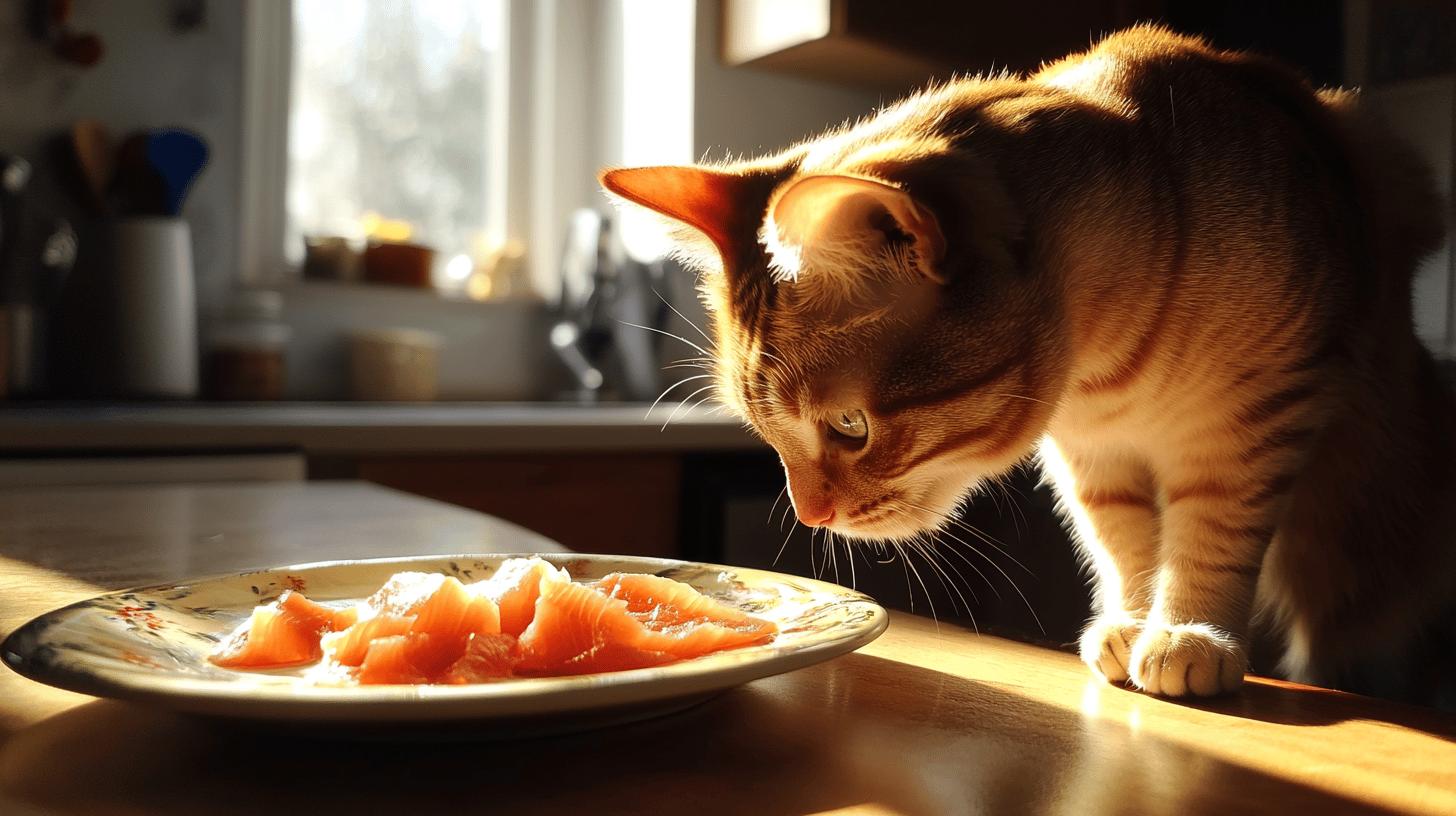
    Can Cat Eat Smoked Salmon Learn the Safety and Risks

    Is smoked salmon a tasty treat you can safely share with your cat, or is it a hidden danger lurking on your plate? Many cat owners are tempted to let their feline friends savor a bite, but the risks involved might change your mind.

    In our latest post, we dive into the potential hazards and nutritional concerns associated with feeding smoked salmon to cats. Before you open that package, discover why this fishy snack might be more trouble than it's worth and learn how to keep your cat both happy and healthy.

    Safety and Nutritional Impact of Smoked Salmon on Cats

    Safety and Nutritional Impact of Smoked Salmon on Cats-3.jpg

    Feeding smoked salmon to cats is fraught with risks, making it an ill-advised choice for their diet. The high sodium content and preservatives used in smoked salmon pose significant health hazards that can outweigh any nutritional benefits it might offer.

    Cats have a very low tolerance for salt, and the excessive sodium found in smoked salmon can lead to serious health issues, such as dehydration and kidney problems. The added preservatives, often necessary to prolong the shelf life of smoked salmon, can also trigger digestive disturbances or allergic reactions in cats, further complicating their health.

    Nutritionally, while smoked salmon does contain proteins beneficial to humans, the potential for toxicity in cats makes it a dangerous option. The primary concern lies in the sodium levels, which can be alarmingly high and detrimental to a cat's health.

    In addition to sodium, preservatives such as nitrates and nitrites are common in smoked fish and may contribute to a range of health issues if consumed by cats. These substances can interfere with a cat's delicate digestive system, potentially causing harm over time.

    Veterinarians generally advise against including smoked salmon in a cat's diet. The consensus is to avoid smoked salmon entirely and choose cat-specific treats or foods that provide balanced nutrition without the risks associated with processed fish.

    Many cat owners find joy in sharing their favorite foods with their pets, but it's crucial to prioritize foods that align with a cat's dietary needs. Opting for foods specifically designed for cats ensures they receive all the necessary nutrients without the dangers lurking in human foods like smoked salmon.

    The health risks associated with smoked salmon are considerable. Dehydration can occur as a result of high sodium intake, leading to further complications such as kidney issues. Kidney problems are particularly concerning for cats, as their kidneys are vital to filtering toxins from their bodies efficiently.

    Allergic reactions are another possibility, with symptoms ranging from mild digestive upset to more severe responses that may require veterinary attention. These potential health risks underscore the importance of making informed choices about what you feed your cat.

    In summary, while smoked salmon may seem like a tempting treat to share with your feline friend, the safety concerns and health implications make it unsuitable for their consumption. By steering clear of smoked salmon and other processed fish products, you can better safeguard your cat's health and well-being. Instead, consider cooked salmon without additives as a safer alternative, or explore the variety of cat-specific foods available that cater to their unique dietary requirements.

    Alternative Fish Options for Cats: Safe Choices

    Alternative Fish Options for Cats Safe Choices-3.jpg

    Cooked salmon is one of the safest and most enjoyable fish treats for cats. Unlike smoked salmon, cooked salmon doesn’t contain high sodium or harmful preservatives, making it a more suitable choice. When preparing salmon for your cat, ensure it's fully cooked and free from any added seasonings or oils. This allows your feline friend to enjoy the rich protein content without the risks associated with processed fish.

    Salmon skin is another beneficial option for cats, offering a boost of omega fatty acids. These fatty acids, particularly omega-3 and omega-6, are essential for maintaining a healthy coat and supporting overall well-being. Feeding your cat small amounts of cooked salmon skin can be a practical way to incorporate these nutrients into their diet while providing a delicious treat they'll love.

    Fish Type Safety Level Benefits
    Cooked Salmon Safe Protein-rich, no preservatives
    Salmon Skin Safe Omega-3 and Omega-6 fatty acids
    Canned Salmon (in water) Moderate Convenient protein source
    White Fish Safe Low fat, easy to digest

    When it comes to canned salmon, selecting options packed in water without added salt is crucial. This reduces sodium intake, which can be harmful in large quantities. Always check the label for flavorings or added ingredients and opt for plain varieties. By preparing fish safely and offering it in moderation, you can ensure your kitty enjoys the taste and benefits of fish without compromising their health.

    Understanding the Risks of Raw and Processed Fish for Cats

    Understanding the Risks of Raw and Processed Fish for Cats-1.jpg

    Raw fish, like salmon, may seem tempting to give to your cat, but it comes with serious health risks. The biggest concern is bacterial infections from harmful bacteria such as E. coli and salmonella, which can cause food poisoning. Symptoms in cats may include vomiting, diarrhea, and dehydration. Another danger is the choking hazard or internal injuries from raw fish bones.

    When considering processed fish, be aware of these specific risks:

    • High sodium content can lead to dehydration and kidney issues.
    • Preservatives, such as nitrates and nitrites, can upset a cat's digestive system.
    • Flavorings and added spices might be toxic to cats.
    • Certain preservatives or additives could cause allergic reactions.

    Proper preparation and moderation are essential when offering fish to your cat. Opt for cooked fish without seasonings to minimize bacterial infection risks and avoid harmful substances. This way, you can treat your cat without jeopardizing their health, always prioritizing safe dietary choices.

    Final Words

    Smoked salmon may not be the best choice for cats. Its high sodium and preservatives pose health risks like kidney issues and allergic reactions. While it has protein, the potential dangers outweigh any benefits. Veterinarians suggest sticking with cat-specific treats for a balanced diet.

    Safe fish options like cooked salmon offer a healthier alternative. Always choose low-sodium options and ensure proper preparation.

    Can a cat eat smoked salmon? It's safer to opt for cooked fish. Let's keep our feline friends healthy with safe and nutritious choices.

    FAQ

    Can cats eat smoked salmon?

    Smoked salmon is not safe for cats. The high sodium and preservatives can cause dehydration, kidney issues, and allergic reactions. It's best to avoid feeding them smoked salmon.

    Is it safe for cats to eat salmon?

    Salmon can be safe for cats if it's cooked and unseasoned. Avoid smoked or raw salmon to prevent health risks like dehydration, kidney issues, or bacterial infections.

    Can cats eat smoked salmon skin?

    Cats should avoid smoked salmon skin due to harmful additives and high sodium content. It's safer to provide cooked salmon skin, which is rich in omega fatty acids.

    Can kittens eat smoked salmon?

    Kittens should not eat smoked salmon. The risk from high sodium and preservatives is even greater for kittens. It's important to offer specially-formulated kitten food.
    What should I do if my cat ate smoked salmon?

    If your cat ate smoked salmon, watch for symptoms like vomiting or lethargy. Offer fresh water and contact a vet if symptoms appear.

    Can cats eat smoked mackerel?

    Smoked mackerel is not recommended for cats. Like smoked salmon, it contains high sodium and preservatives, which can be harmful.

    Is it safe for pets to have smoked salmon?

    Neither cats nor dogs should eat smoked salmon. It poses health risks due to the high sodium and preservatives.

    Can cats eat smoked food?

    Cats should not eat smoked food. The additives and preservatives can harm their health, potentially causing dehydration or kidney problems.
    Related Articles

  • Can Cat Eat Raisins Understanding the Risks and Safety Concerns

    Can Cat Eat Raisins Understanding the Risks and Safety Concerns

    Did you know that something as small as a raisin could pose a deadly threat to your cat? While they're a tasty snack for humans, raisins are toxic and can lead to severe health complications in felines. It's not just a matter of preference; one accidental nibble could cause significant harm. In this blog post, I’ll explore the risks associated with raisin consumption in cats, helping you understand the importance of keeping these tiny dangers out of reach. Is your curiosity piqued? Let's dive into the details to keep your furry friend safe.

    Can Cats Eat Raisins: Understanding the Risks

    Can Cats Eat Raisins Understanding the Risks-1.jpg

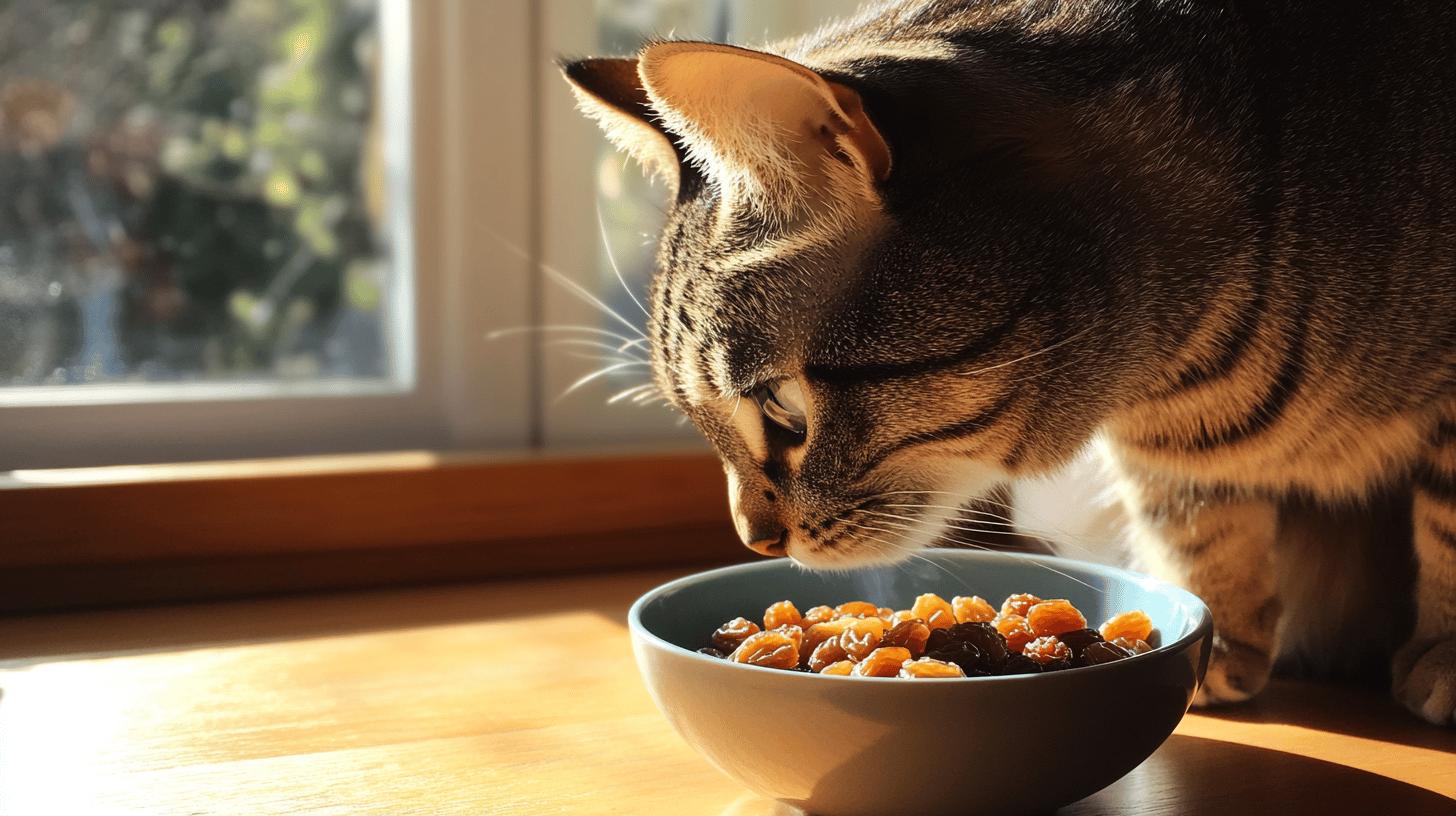
    Raisins are toxic to cats and should be avoided at all costs. While it’s not typical for cats to crave raisins due to their carnivorous nature, accidental ingestion can still occur. Even a small amount can be dangerous. Cats are highly sensitive to certain foods that humans enjoy, and raisins top the list of potential hazards. Their consumption can lead to severe health complications, so keeping raisins and grape-related products out of reach is crucial in ensuring your feline friend's safety.

    The main health risk associated with raisin ingestion in cats is kidney failure. This condition can develop rapidly, leading to serious health consequences. Symptoms of toxicity may manifest within hours of consumption, and without prompt veterinary intervention, the situation could escalate. The exact compound in raisins that causes this harmful effect remains unidentified, but the potential for renal failure is a significant concern. Kidney failure is serious, and understanding the severity can highlight the importance of keeping raisins away from your pet.

    Nutritionally speaking, raisins offer no benefits to cats. Their digestive systems are designed to process meat, not fruits or vegetables. Unlike humans, cats do not have a taste for sweetness, making raisins unappealing to them naturally. However, due to their curious nature, accidental ingestion can occur. It's best to stick with a diet that aligns with their natural dietary needs, ensuring they receive the nutrients essential for their health and well-being.

    Symptoms of Raisin Toxicity in Cats

    Symptoms of Raisin Toxicity in Cats-1.jpg

    Vomiting is often the first sign of raisin toxicity. It happens because the body is trying to expel the harmful substance. Dehydration follows as the cat loses fluids through vomiting and possibly diarrhea. This can lead to lethargy, as the lack of fluids affects energy levels and overall well-being. Anorexia, or a loss of appetite, occurs because the cat feels unwell, and this can further worsen dehydration and weakness. Weakness results from the combination of these symptoms, indicating that the cat's body is struggling to cope with the toxin.

    If you suspect your cat has ingested raisins, act quickly. Inducing vomiting can help remove the raisins from your cat's system. Providing activated charcoal may also prevent further absorption of toxins. These are first-aid measures, but contact your veterinarian immediately. Quick veterinary intervention is crucial to manage these symptoms effectively and prevent potential kidney damage.

    • Vomiting
    • Dehydration
    • Lethargy
    • Anorexia
    • Weakness

    Emergency Actions if Your Cat Eats Raisins

    Emergency Actions if Your Cat Eats Raisins-1.jpg

    To prevent raisin ingestion, keep all grape-related products securely out of your cat’s reach. Store raisins in sealed containers or cabinets that your cat cannot access. Make sure everyone in your household knows about the risks of raisins to avoid accidental feeding.

    After the initial emergency response, long-term monitoring is crucial. Follow up with your veterinarian to assess your cat’s kidney function through blood tests. Watch for any delayed symptoms of toxicity. Regular check-ups can help ensure your cat’s recovery and health.

    1. Store raisins and related foods securely.
    2. Educate household members about the risks.
    3. Follow up with your veterinarian.
    4. Monitor your cat for delayed toxicity symptoms.

    Safe Alternatives to Raisins for Cats

    Safe Alternatives to Raisins for Cats-1.jpg

    Cats thrive on a diet primarily consisting of meat, so when choosing treats, it's best to stick to options that align with their natural dietary needs. Raisins are toxic and offer no benefits, making them a dangerous choice for your furry friend. Instead, opt for safe and nutritious alternatives that support their health. Treats like cooked lean meats or specially formulated cat treats provide the necessary nutrients without the risk. Remember, cats don't need a variety of foods like humans do; they require balanced nutrition that supports their carnivorous nature. By selecting appropriate treats, you not only keep them safe from harmful substances but also contribute to their overall well-being.

    • Cooked lean chicken or turkey
    • Commercially available cat treats
    • Small portions of plain, cooked fish

    Consulting a Veterinarian for Raisin Concerns

    Consulting a Veterinarian for Raisin Concerns-1.jpg

    If your cat has ingested raisins, contacting a veterinarian is crucial. Their expertise is essential in assessing the situation and determining the best course of action. Even if your cat seems fine, symptoms of raisin toxicity can develop rapidly. Seeking veterinary advice ensures your cat receives prompt and adequate care, potentially preventing severe complications like kidney failure. A vet can guide you on immediate steps to take and monitor your cat’s health for any delayed reactions.

    Veterinarians play a critical role in managing raisin toxicity. They can perform necessary tests to evaluate kidney function and other vital signs. If needed, they can administer treatments such as IV fluids to support kidney health and flush out toxins. Their knowledge and resources are vital in diagnosing the extent of the toxicity and crafting a treatment plan tailored to your cat’s needs. By consulting a veterinarian, you provide your cat with the best chance of recovery and ongoing health management.

    Final Words

    Understanding the risks of raisins for cats is crucial. We've covered why raisins are toxic, pinpointing dangers like kidney failure from even tiny amounts. Watching for symptoms such as vomiting and weakness can make a difference. Quick action, including contacting a vet, is critical if a cat munches on raisins. Safe alternatives like cooked chicken help keep your cat healthy without risks. Can cat eat raisins? Absolutely not. Protecting your feline friend and offering safe treats ensures many joyful days together.

    FAQ

    Can 1 raisin kill a cat?

    A: While 1 raisin might not kill a cat, even small amounts can cause serious health problems, like kidney failure, in some cats. Always err on the side of caution and consult a vet.

    How many raisins can kill a cat?

    A: Even a small number of raisins can potentially be lethal to cats due to unknown toxicity. Immediate veterinary advice is crucial if ingestion occurs.

    Can cats eat raisins raw?

    A: Cats should not eat raisins, raw or otherwise. Raisins are toxic and can lead to health issues, including kidney failure.

    What to do if my cat ate raisins?

    A: Contact a vet right away if your cat eats raisins. Quick action can prevent severe health problems. Follow all professional advice given.

    Is trail mix bad for cats?

    A: Trail mix is not suitable for cats, as it often contains raisins, nuts, and other ingredients that can be harmful or toxic.

    How do you treat raisin poisoning in cats?

    A: Veterinarians treat raisin poisoning by providing immediate medical care, monitoring kidney function, and potentially using fluids or medications to prevent renal damage. Always consult a vet for proper treatment.

    What if my cat licks a grape?

    A: If a cat licks a grape, it's best to monitor for symptoms of toxicity, such as vomiting or lethargy, and consult a vet to be safe.

    Will 1 raisin hurt a cat?

    A: There's a risk that even 1 raisin can harm a cat, possibly leading to kidney issues. It's important to avoid any exposure and seek vet advice if ingested.

    Related Articles

  • Can Cat Eat Tuna Everyday Understanding the Risks and Nutritional Gaps

    Can Cat Eat Tuna Everyday Understanding the Risks and Nutritional Gaps

    Is giving your cat tuna every day a good idea? Sure, they might love the taste, but is it truly safe? While tuna is packed with protein and omega-3s, it also lacks key nutrients that cats need daily. Feeding your furry friend tuna every day could lead to serious health concerns.

    Just like a car needs more than fuel to run smoothly, cats need a variety of nutrients for a healthy life. This article explores the risks and nutritional gaps of making tuna a regular part of your cat's diet. Let's dive into why tuna might be better as an occasional treat than a daily meal.

    Can Cats Eat Tuna Every Day? Understanding the Implications

    Can Cats Eat Tuna Every Day Understanding the Implications-1.jpg

    Many cat owners wonder if they can feed their feline friends tuna every day. While cats may love tuna, feeding it daily can lead to health issues. Tuna lacks several essential nutrients that cats need, making it unsuitable as a primary food source. Cats require a balanced diet that tuna alone cannot provide.

    Veterinarians often caution against making tuna a staple in a cat's diet. For instance, Dr. Jane Brunt, a well-known veterinarian, mentions, "Cats require a diet that meets all their nutritional needs, and tuna alone falls short." Tuna is deficient in taurine, vitamins, and minerals, which are crucial for a cat's health. Thus, while the occasional tuna treat is fine, regular consumption is not recommended.

    Potential health risks associated with daily tuna consumption include:

    • Mercury poisoning
    • Nutritional deficiencies
    • Lack of essential nutrients
    • Risk of overfeeding
    • Long-term health issues

    Mercury poisoning is a significant concern when feeding cats too much tuna. Mercury can accumulate in a cat's system, leading to symptoms such as loss of coordination and difficulty walking. These signs can be subtle and easily mistaken for other health issues. Therefore, it's essential to monitor your cat's diet and avoid overreliance on tuna to prevent potential health problems.

    Nutritional Value of Tuna for Cats: What It Offers and What It Lacks

    Nutritional Value of Tuna for Cats What It Offers and What It Lacks-1.jpg

    Tuna offers high protein and omega-3 fatty acids. These nutrients are beneficial for a cat's skin and coat. Omega-3s have anti-inflammatory properties that help cats with specific conditions. Protein is essential for muscle maintenance and energy. While these benefits make tuna an appealing treat, it's not a suitable main food source.

    Tuna lacks crucial nutrients like taurine, Vitamin E, and B vitamins. Taurine is essential for heart health and vision. A deficiency can cause severe health issues. Vitamin E supports immune function. B vitamins are necessary for energy metabolism. These gaps make tuna an inadequate primary food source for cats.

    Nutrient Tuna Content Cat Requirement
    Protein High High
    Omega-3 Fatty Acids Moderate Moderate
    Taurine Low High
    Vitamin E Low Moderate
    B Vitamins Low High
    Selenium Moderate Moderate

    Exploring Alternatives: What to Feed Cats Instead of Tuna

    Exploring Alternatives What to Feed Cats Instead of Tuna-4.jpg

    Providing variety in your cat's diet is essential for ensuring they receive all necessary nutrients. While tuna can be a tasty treat, relying on it as a primary food source can lead to nutritional gaps and health risks. A varied diet helps prevent these issues and keeps your cat interested in their meals.

    High-quality commercial cat foods are designed to meet all of a cat's nutritional needs, offering a complete and balanced diet that tuna alone cannot provide. By incorporating different protein sources and flavors, you can maintain a healthy and exciting diet for your feline friend.

    Here are some excellent alternatives to tuna for your cat:

    • Chicken
    • Turkey
    • Salmon-flavored cat food
    • Nutritionally complete wet/dry cat food
    • Commercial cat food with added supplements

    Maintaining a balanced diet with these options ensures your cat gets the right mix of proteins, fats, and essential nutrients. Chicken and turkey are lean proteins that cats often enjoy, while specially formulated fish-flavored cat foods can satisfy a cat's craving for seafood without relying solely on tuna. By choosing nutritionally complete foods, you can support your cat's overall health and well-being, avoiding the pitfalls of a tuna-heavy diet.

    Consulting a Veterinarian: Making Informed Feeding Decisions

    Consulting a Veterinarian Making Informed Feeding Decisions-2.jpg

    Seeking veterinary advice is crucial when considering changes to your cat's diet, like introducing tuna regularly. Veterinarians can provide expert guidance based on your cat's unique health profile, dietary needs, and any existing allergies. Their professional input ensures that your cat's diet supports optimal health and avoids potential nutritional gaps or health risks associated with feeding tuna too frequently.

    Vets can tailor dietary recommendations to your cat's specific needs, taking into account age, weight, and health conditions. Their advice helps in crafting a balanced diet that provides all essential nutrients while minimizing risks like mercury exposure from tuna. By consulting a vet, you can make informed feeding decisions that promote your feline friend's long-term wellness and happiness.

    Final Words

    Reducing the daily tuna intake for cats centers on avoiding health risks linked to mercury poisoning and ensuring nutritional balance. Tuna can provide protein and omega-3 fatty acids, but it lacks essential nutrients vital for cats' health. Exploring alternatives like chicken and turkey offers a more balanced diet. Always best to consult a veterinarian for diet changes.

    Can cat eat tuna everyday is a common question. Though tempting, cats benefit from a varied diet that ensures they receive all necessary nutrients. Take these steps today for a healthier, happier cat!

    FAQ

    Can cats eat tuna every day?

    Cats should not eat tuna every day. It can cause mercury poisoning and lead to nutritional deficiencies since tuna lacks essential nutrients like taurine and certain vitamins. Use tuna as a treat, not a meal.

    How much tuna can cause mercury poisoning in cats?

    Mercury poisoning varies by cat sensitivity and tuna amount. Signs of poisoning include loss of coordination and difficulty walking. It's best to limit tuna to occasional treats to avoid risks.

    Can cats eat canned tuna in water?

    Cats can have a small amount of canned tuna in water occasionally. Ensure it doesn't replace their balanced cat food. Check for any added salts or flavors that may harm cats.
    Is tuna cat food bad for cats?

    Tuna cat food made for cats is safe in moderation as part of a balanced diet. It’s necessary to include nutritionally complete cat foods to meet a cat's dietary needs.

    Can cats eat canned tuna in oil?

    Cats should avoid canned tuna in oil. The oil can lead to digestive upset and doesn't provide nutritional benefits. Stick with canned tuna in water or tuna cat food as a treat.

    How often can I give my cat tuna?

    You can give a cat tuna once a week as a treat. It's vital to ensure it's not their primary food source to avoid health problems.

    Can cats eat fish every day?

    Cats shouldn't eat fish every day. A diet high in fish can cause nutritional imbalances and long-term health issues. A balanced diet is important for cat health.

    Is chicken or tuna better for cats?

    Chicken is better for cats than tuna as it provides necessary nutrients and less risk of mercury. Choose high-quality chicken cat food for balanced nutrition.

    What if my cat will only eat tuna?

    If your cat only eats tuna, gradually introduce other cat foods. Mix tuna with nutritionally complete cat foods to ensure your cat gets essential nutrients. Consult a vet for tailored advice.

    Related Articles

  • Can Cat Eat Sesame Seeds Safely and Without Health Risks

    Can Cat Eat Sesame Seeds Safely and Without Health Risks

    Ever watched your cat swat a sesame seed off the counter and wondered, "Can cats eat these safely?" While sesame seeds aren't toxic, they're not exactly a health snack for your furry friend either.

    Cats thrive on a diet rich in animal proteins, which sesame seeds lack. So, what happens if your cat munches on one? Let's dig into the details to ensure their playtime snack doesn't turn into a health risk. Moderation matters, and understanding what's best for your cat is key.

    Can Cats Eat Sesame Seeds Safely?

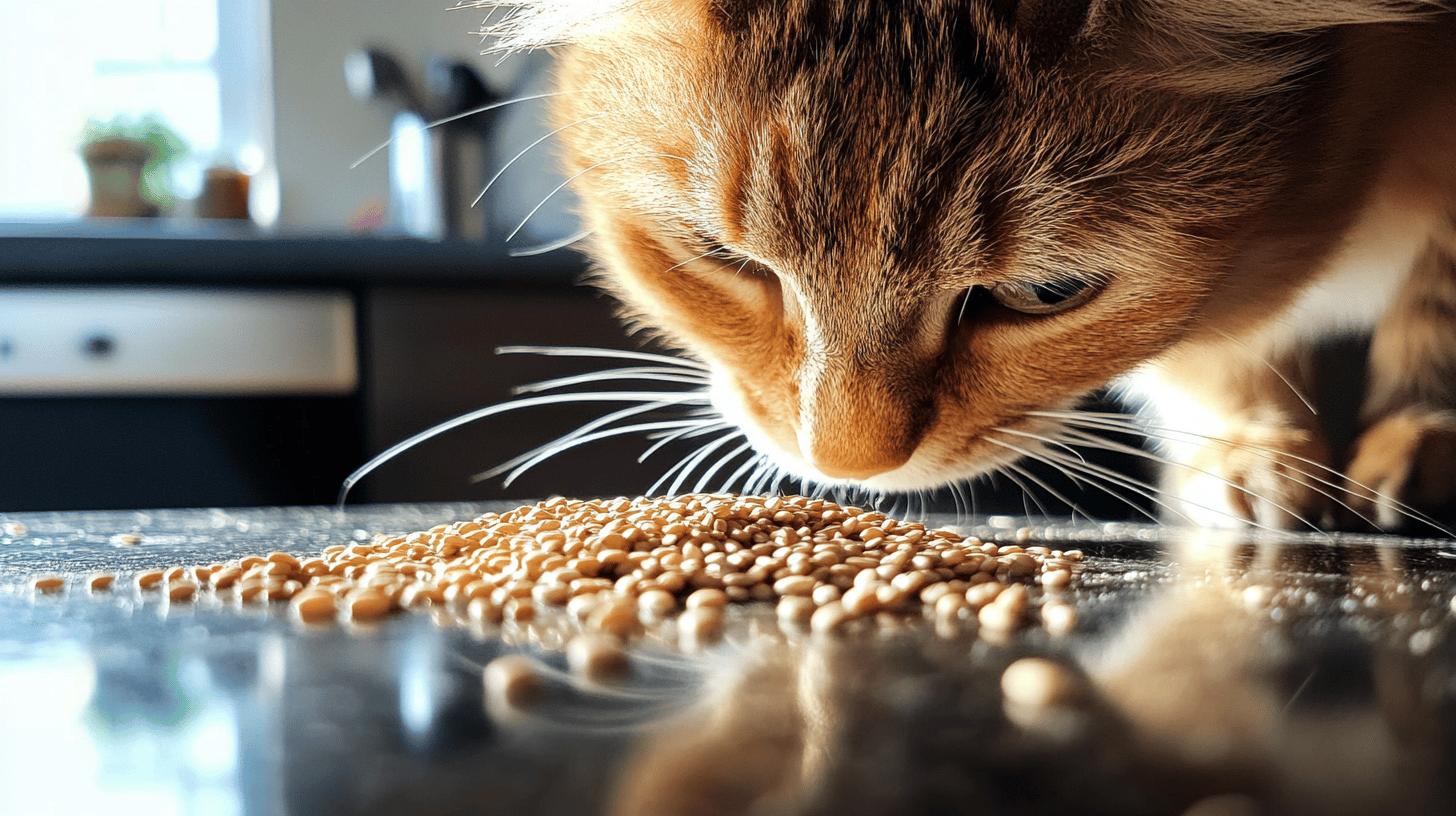
    Can Cats Eat Sesame Seeds Safely-2.jpg

    Sesame seeds are not toxic to cats, which means they can eat them without immediate harm. However, these seeds offer very little nutritional value for our feline friends. Cats are obligate carnivores and need meat-based proteins and nutrients that sesame seeds simply do not provide. While a small amount of sesame seeds might not cause issues, moderation is key. Eating too many can lead to digestive discomfort in cats. It's best to avoid making sesame seeds a regular part of their diet.

    • Potential for digestive discomfort
    • Risk of seeds getting stuck in teeth or throat
    • Lack of essential nutrients like taurine

    Nutritional Content of Sesame Seeds and Cats' Needs

    Nutritional Content of Sesame Seeds and Cats Needs-1.jpg

    Cats are obligate carnivores and need a diet rich in animal-based proteins. They rely on essential amino acids like taurine and arginine, which are found in meat. These nutrients are critical for their heart health, vision, and overall well-being. Cats also need high animal fat content, around 20% to 24%, for energy. Their digestive systems are optimized to process animal proteins, not plant-based nutrients.

    Sesame seeds, while packed with nutrients beneficial to humans, don't suit cats' dietary needs. These seeds provide plant-based proteins and fats, which cats can't digest well. The seeds' fiber content may lead to digestive issues for cats. Most importantly, sesame seeds lack essential amino acids vital for cats.

    Nutrient Sesame Seeds Cats’ Needs
    Protein Plant-based Animal-based
    Fat Plant fats Animal fats
    Fiber High Low
    Essential Aminos Lacking Essential

    Sesame seeds fail to meet cats' nutritional needs due to their plant-based composition. Offering them as a primary food source or regular snack risks nutritional imbalances. Cats need animal-based nutrients that sesame seeds simply can't provide.

    Health Risks and Benefits of Feeding Sesame Seeds to Cats

    Health Risks and Benefits of Feeding Sesame Seeds to Cats-1.jpg

    Feeding sesame seeds to cats poses some risks, especially if eaten in large quantities. Cats may face digestive issues like vomiting or diarrhea, as they are not designed to process these seeds efficiently. Sesame seeds lack essential nutrients crucial for cats, such as taurine and animal-based proteins. They have a high-fat content, which is unsuitable for regular consumption and could lead to weight gain or other health issues.

    • Vomiting or diarrhea
    • Lack of essential nutrients
    • High-fat content unsuitable for regular consumption
    • Risk of dental issues

    Despite these considerations, sesame seeds can be given sparingly as a treat. In very small amounts, they might offer a change in texture and novelty that some cats find appealing. It's crucial to limit them to once every 1–2 weeks to avoid digestive upset. Always monitor your cat's response and consult a veterinarian if concerns arise.

    Safe Alternatives for Cat Treats

    Veterinarian Advice and Alternatives to Sesame Seeds-2.jpg

    When considering alternatives to sesame seeds, it's key to focus on treats that align with a cat's dietary needs. Cats thrive best on animal proteins, so offering treats that reflect this can be beneficial. Here are some safe alternatives:

    • Catnip
    • Meat-based snacks
    • Commercially formulated cat treats
    • Small pieces of cooked chicken or fish
    • Freeze-dried animal treats

    These treats not only provide the necessary nutrients but also satisfy your cat's instinctual dietary preferences. Remember, treats should be given in moderation, not exceeding 10% of your cat's daily caloric intake. By choosing these alternatives, you ensure your cat enjoys their snacks while maintaining their health.

    Final Words

    Sesame seeds aren't toxic to cats but lack necessary nutrients. They're not suitable for regular cat diets, which need meat-based proteins. While small amounts are okay, too much can cause digestive trouble. Remember, there are better treat options out there.

    Veterinarians recommend treats like catnip or specific cat snacks instead of seeds. So, can cat eat sesame seeds? Yes, in moderation, but consider healthier options for your feline friend. Keep their diet focused on what suits them best and enjoy peace of mind knowing they're eating well!

    FAQ

    Can cats eat sesame oil?

    Cats can safely consume small amounts of sesame oil, but it should not be a regular part of their diet. It doesn't provide necessary nutrients and may cause digestive issues if consumed in large volumes.

    Can dogs eat sesame seeds?

    Dogs can eat sesame seeds in moderation. They aren't toxic, but should be given sparingly to avoid digestive upset and because they provide little nutritional benefit for dogs.

    Can cats eat black sesame seeds?

    Cats can eat black sesame seeds, but like regular sesame seeds, they provide little nutritional value. Consuming too many may lead to digestive discomfort, so it's best to offer them only occasionally.

    Can cats eat poppy seeds?

    Poppy seeds are not safe for cats. They can be toxic if ingested, potentially leading to symptoms like vomiting or lethargy. Always keep poppy seeds away from cats.

    Can cats eat sunflower seeds?

    Cats can eat sunflower seeds without shells in small amounts. They should be offered sparingly as they may cause digestive issues and are not nutritionally beneficial for cats.

    Can cats eat sesame chicken?

    Sesame chicken isn't ideal for cats due to high fat, salt, and spices, which can upset their stomach. Stick to plain, cooked chicken as a safer option.

    Can cats eat almonds?

    Almonds are not safe for cats. They contain substances that can be harmful and cause digestive distress or more serious health issues if consumed in large amounts.

    Can cats eat sunflower seeds with shells?

    It's best to avoid feeding cats sunflower seeds with shells. The shells can pose a choking hazard and may cause digestive blockages.

    Which nuts are toxic to cats?

    Nuts like macadamia and walnuts are toxic to cats. These can cause vomiting, diarrhea, and other health issues. Always avoid giving nuts to your cat.

    Why does my cat have sesame seeds?

    If you find sesame seeds in your cat's feces, it may be from ingesting them directly or indirectly. Monitor their diet and remove any access to sesame seed products.

    Can pets eat sesame seeds?

    Pets, like cats and dogs, can eat sesame seeds in small amounts. They are not toxic but offer minimal nutritional benefit and can cause digestive issues if overeaten.

    What seeds are safe for cats?

    Seeds like pumpkin and chia, in small amounts, can be safe for cats. They should be plain and not salted or seasoned. Always consult your vet before introducing new foods.

    Related Articles

  • Can Cat Eat Crab Safety and Health Insights for Cat Owners

    Can Cat Eat Crab Safety and Health Insights for Cat Owners

    Have you ever wondered if sharing a piece of crab with your cat could be a delicious treat or a health hazard? Crab might seem like a gourmet delight your feline friend would enjoy, but there’s more to consider than its tempting aroma.

    While it can provide beneficial nutrients like Omega-3s and protein, there are potential risks, such as allergies or overindulgence. So how do you ensure your cat enjoys crab safely? Let’s dive into the safety and health insights every cat owner should know before serving this seafood snack.

    Can Cats Eat Crab? Understanding the Safety and Health Implications

    Can Cats Eat Crab Understanding the Safety and Health Implications-1.jpg

    Crab can be a tasty treat for cats when given in moderation. It packs Omega-3 fatty acids and protein, which are beneficial for your feline friend. However, there are some risks involved. Although crab is generally safe, it can sometimes cause seafood allergies in cats.

    These allergies are rare but can happen, making it crucial to watch for any unusual reactions. Before introducing crab or any new food into your cat's diet, it's wise to consult a veterinarian.

    Common symptoms of allergic reactions in cats include:

    • Vomiting or diarrhea
    • Itchiness or skin irritation
    • Respiratory distress

    Moderation is key when it comes to feeding your cat seafood like crab. Overindulgence can lead to nutritional imbalances or gastrointestinal issues. Additionally, consulting with a veterinarian ensures that introducing crab into your cat's diet won't pose any health risks.

    A professional can provide guidance tailored to your cat's specific dietary needs and overall health, helping maintain their long-term well-being.

    Nutritional Benefits of Crab for Cats

    Nutritional Benefits of Crab for Cats-3.jpg

    Crab meat is not only a delicious treat for many cats but also comes packed with key nutrients that can support their health. This seafood delight provides a good source of lean protein, essential for maintaining strong muscles and overall energy.

    Omega-3 fatty acids present in crab meat help in keeping your cat's coat shiny and may reduce inflammation. Additionally, crab contains zinc and selenium, which support immune system function and thyroid health. These nutrients contribute to the overall well-being of your cat, making crab an appealing option for an occasional snack.

    Nutrient Benefits for Cats
    Protein Supports muscle maintenance and energy
    Omega-3 Fatty Acids Promotes a healthy coat and reduces inflammation
    Zinc Boosts immune system function
    Selenium Maintains thyroid health

    Despite these nutritional benefits, crab should never replace a well-balanced diet tailored for cats. It’s essential to remember that while crab is nutritious, it lacks some of the vital nutrients found in a complete cat food.
    Offering crab as an occasional treat ensures your cat enjoys it without missing out on the necessary nutrients their regular diet provides. Always keep treats to a minimum to avoid any dietary imbalances, ensuring your cat stays happy and healthy.

    Potential Health Risks of Feeding Crab to Cats

    Potential Health Risks of Feeding Crab to Cats-3.jpg

    When it comes to feeding crab to your furry friend, it's crucial to be aware of the potential health risks. Raw or undercooked crab can harbor harmful bacteria such as Salmonella or Listeria. These bacteria can lead to serious foodborne illnesses in cats, resulting in symptoms like vomiting, diarrhea, and lethargy.

    To minimize these seafood risks, always ensure that crab is thoroughly cooked before serving it to your cat. Cooking at high temperatures will kill any harmful bacteria, making it safer for your feline companion to enjoy this seafood treat.

    Common symptoms of adverse reactions in cats include:

    • Gastrointestinal upset (vomiting or diarrhea)
    • Respiratory distress
    • Lethargy or weakness

    Another important consideration is the physical hazard that crab shells pose. These shells can be sharp and might cause choking if ingested. They can also lead to internal injuries if they manage to make their way into your cat's digestive tract.
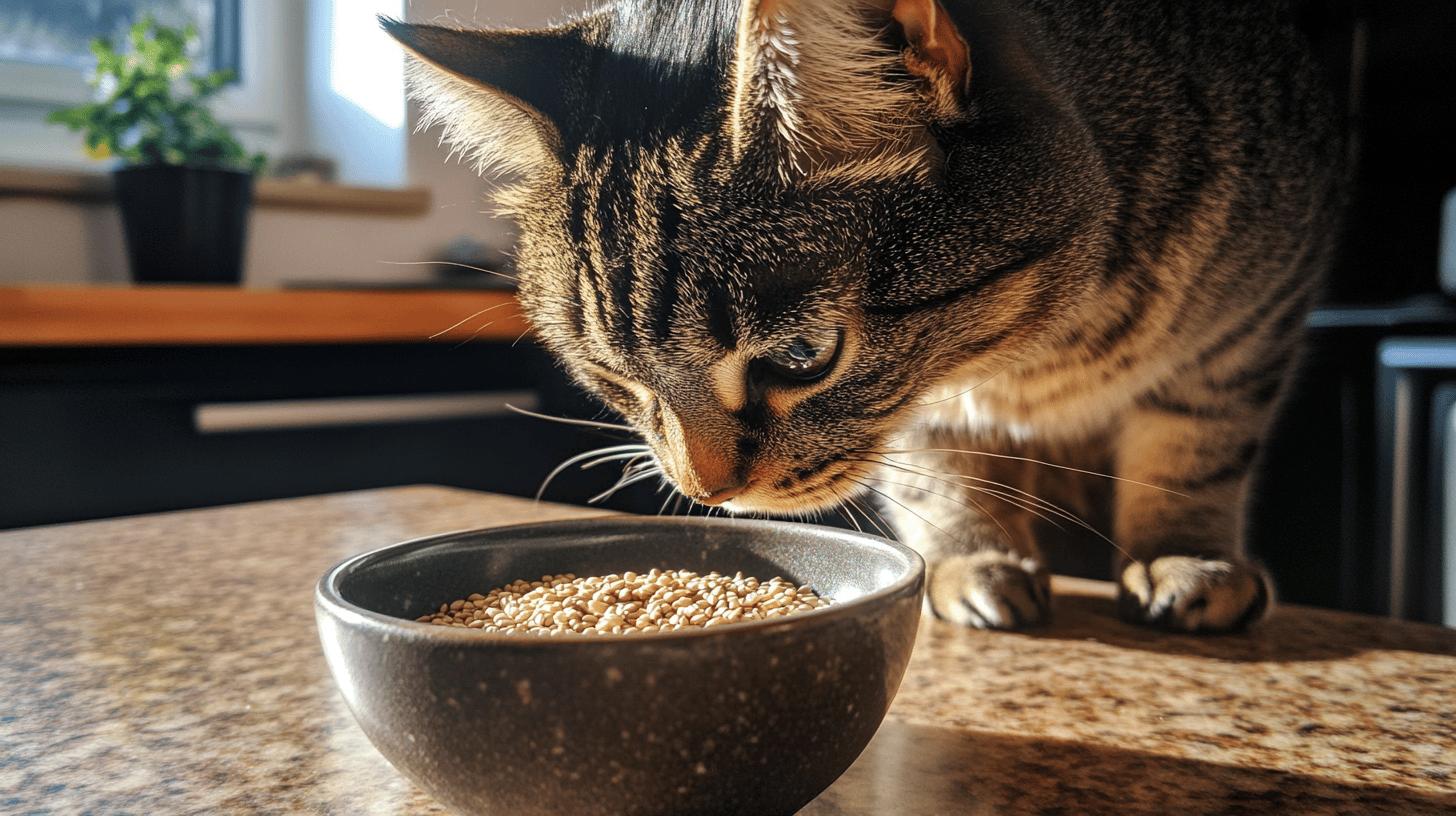
    To prevent such injuries, always remove the shells entirely and serve only the soft, cooked meat of the crab. By doing so, you’ll reduce the chance of harm and ensure your cat can safely enjoy this occasional snack. Always keep an eye on your cat when introducing new foods to quickly address any adverse reactions.

    Safe Preparation and Feeding Practices for Crab

    Safe Preparation and Feeding Practices for Crab-4.jpg

    Cooking is essential when preparing crab for your cat. Always make sure the crab is thoroughly cooked to eliminate harmful bacteria and parasites like Salmonella and Listeria. A quick boil of the crab flesh is effective in killing any microorganisms. After cooking, remove all shells and cartilage to prevent choking hazards, and offer only the soft, cooked crab meat.

    Keep the crab plain and free from harmful seasonings. Here’s a list of ingredients to avoid:

    • Salt
    • Onion
    • Garlic
    • Chives

    Portion control is important when feeding crab to your cat. Crab should be an occasional treat, not a regular part of their diet. A few small pieces once a week is a good guideline to follow. This helps maintain a balanced diet and prevents potential health issues from overconsumption. Always keep an eye on your cat's response to new foods and adjust the amount as necessary to ensure they remain healthy and content.

    Alternatives and Veterinarian Recommendations

    Alternatives and Veterinarian Recommendations-4.jpg

    When considering alternatives to crab for your cat's diet, think about other seafood options like salmon and tuna, which are rich in Omega-3 fatty acids and generally safe for cats, provided they're prepared correctly.

    Additionally, non-seafood protein sources such as poultry, beef, venison, or rabbit can be excellent choices. These proteins offer essential nutrients without the potential risks associated with crustaceans. Always ensure that these meats are cooked thoroughly to eliminate any harmful bacteria and avoid the use of seasonings that could upset your cat's stomach.

    Consulting a veterinarian before introducing new foods into your cat's diet is crucial for several reasons:

    • Ensures nutritional balance and prevents deficiencies
    • Identifies potential food allergies or sensitivities
    • Tailors diet plans to specific health needs

    A balanced diet is vital for your cat's long-term health and well-being. Professional guidance from a veterinarian can help you navigate the complexities of your cat's dietary needs, ensuring that they receive the right nutrients without the risks of overfeeding or nutritional imbalances.

    By working closely with a vet, you can create a diet plan that prioritizes your cat's health, offering peace of mind and helping your feline friend thrive.

    Final Words

    Understanding if a cat can eat crab involves looking at both the benefits and the risks. While crab offers nutrients like protein and Omega-3 fatty acids, it's essential to serve it as an occasional treat. Moderation is key, considering the potential risks like allergies and bacterial contamination.

    By preparing crab safely and consulting a vet, you can ensure your cat enjoys it without issues. Exploring alternatives like salmon or poultry also helps keep their diet varied. Keeping your cat's health in check makes snack time enjoyable and worry-free.

    FAQ

    Can cats eat crab meat?

    Cats can eat crab meat in moderation. It provides Omega-3 fatty acids and protein. Always consult a vet before introducing crab to ensure it's safe for your specific cat.

    Is crab skin or shell safe for cats?

    Neither crab skin nor shell should be fed to cats. They can cause choking or internal injuries. Always remove shells before offering crab meat.

    Can cats eat crab legs and bones?

    Crab legs and bones pose a choking hazard. They are not safe for cats. Always serve crab meat alone without bones.

    Can cats eat imitation crab?

    Cats can eat imitation crab occasionally, but it's not ideal. Made mainly from fish paste and additives, it's less nutritious. Consult a vet before feeding it.

    Can cats eat seafood like shrimp and crab?

    Cats can eat seafood like shrimp and crab in moderation. Both provide lean protein. Ensure it's fully cooked to avoid bacterial risks and consult a vet.

    Is it okay for cats to eat crab?

    Yes, cats can eat properly cooked crab as a treat. It should not replace their regular diet. Monitor for any allergic reactions when introducing crab.

    Can pets develop allergies to crab?

    While rare, some pets may have seafood allergies. Watch for symptoms like itching, gastrointestinal upset, or respiratory distress. Consult a vet if symptoms appear.

    Are there benefits of feeding crab to cats?

    Crab offers lean protein, Omega-3 fatty acids, and minerals like zinc and selenium. It's a healthy treat when given in moderation but not as a diet staple.

    Can cats pass crabs to humans?

    No, cats cannot transmit crabs (pubic lice) to humans. Crabs are specific to human hosts and are not picked up from pets.

    Related Articles