Author: Lucas Turner

  • Can Cat Eat Lemon Understanding the Risks and Safety Concerns

    Can Cat Eat Lemon Understanding the Risks and Safety Concerns

    Lemons are toxic to cats. The compounds limonene, linalool, and psoralens in lemon flesh and essential oils cause gastrointestinal distress and can cause more serious harm with repeated exposure. This guide covers the specific risks, what to do if your cat encounters lemon, and practical steps to keep them safe.

    Can Cats Eat Lemon? Understanding the Risks
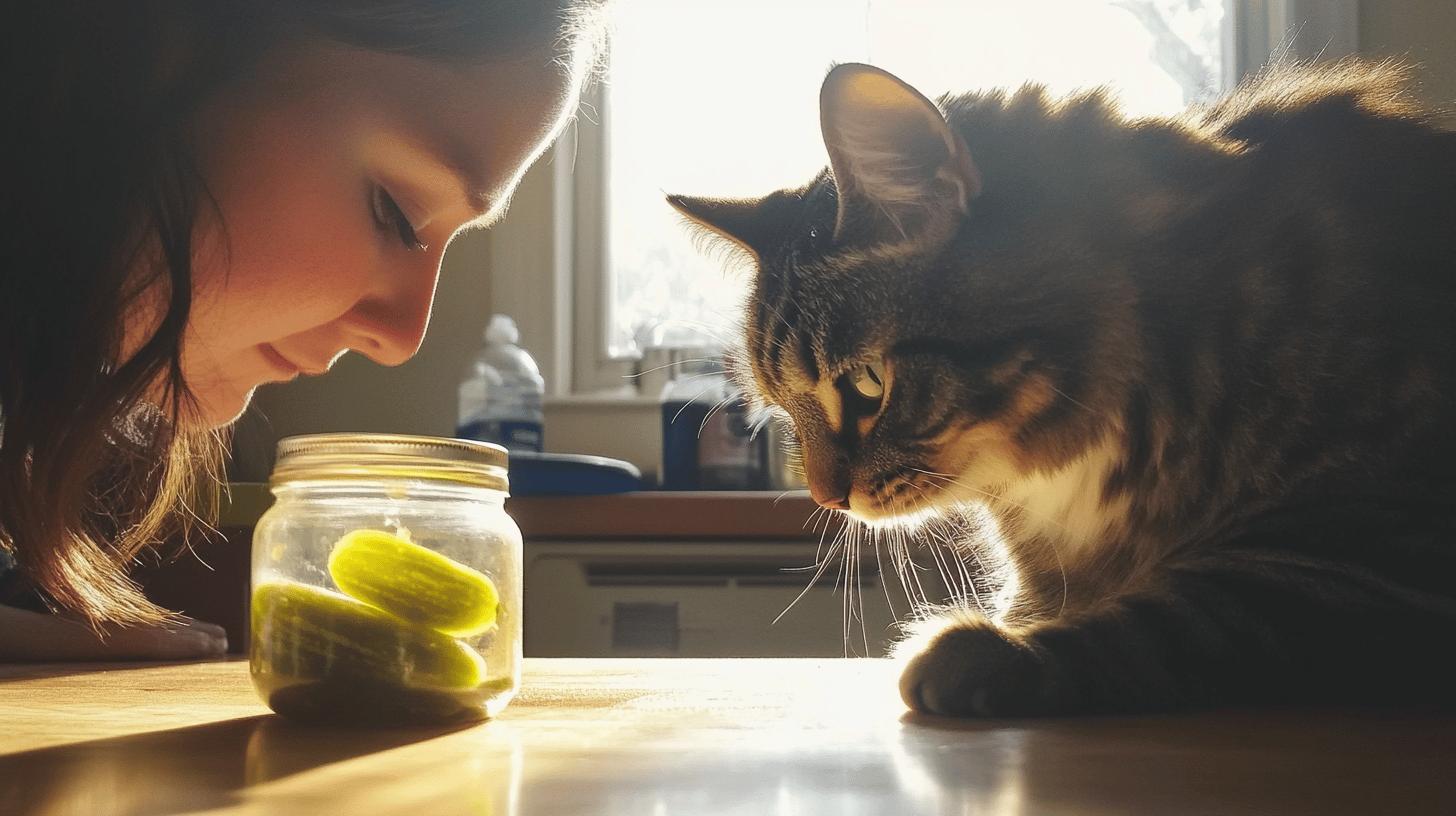
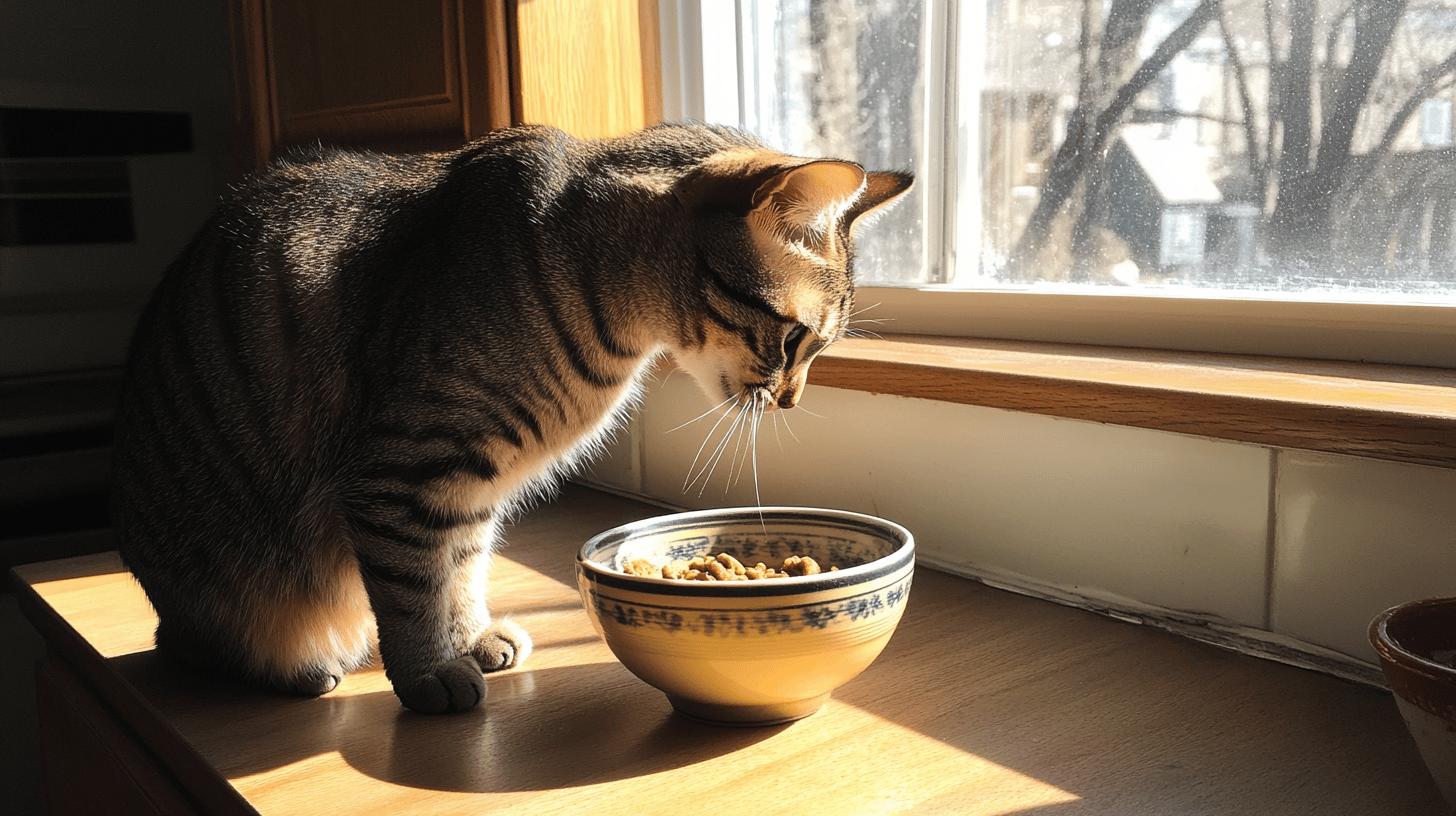
    Can Cats Eat Lemon Understanding the Risks-1.jpg

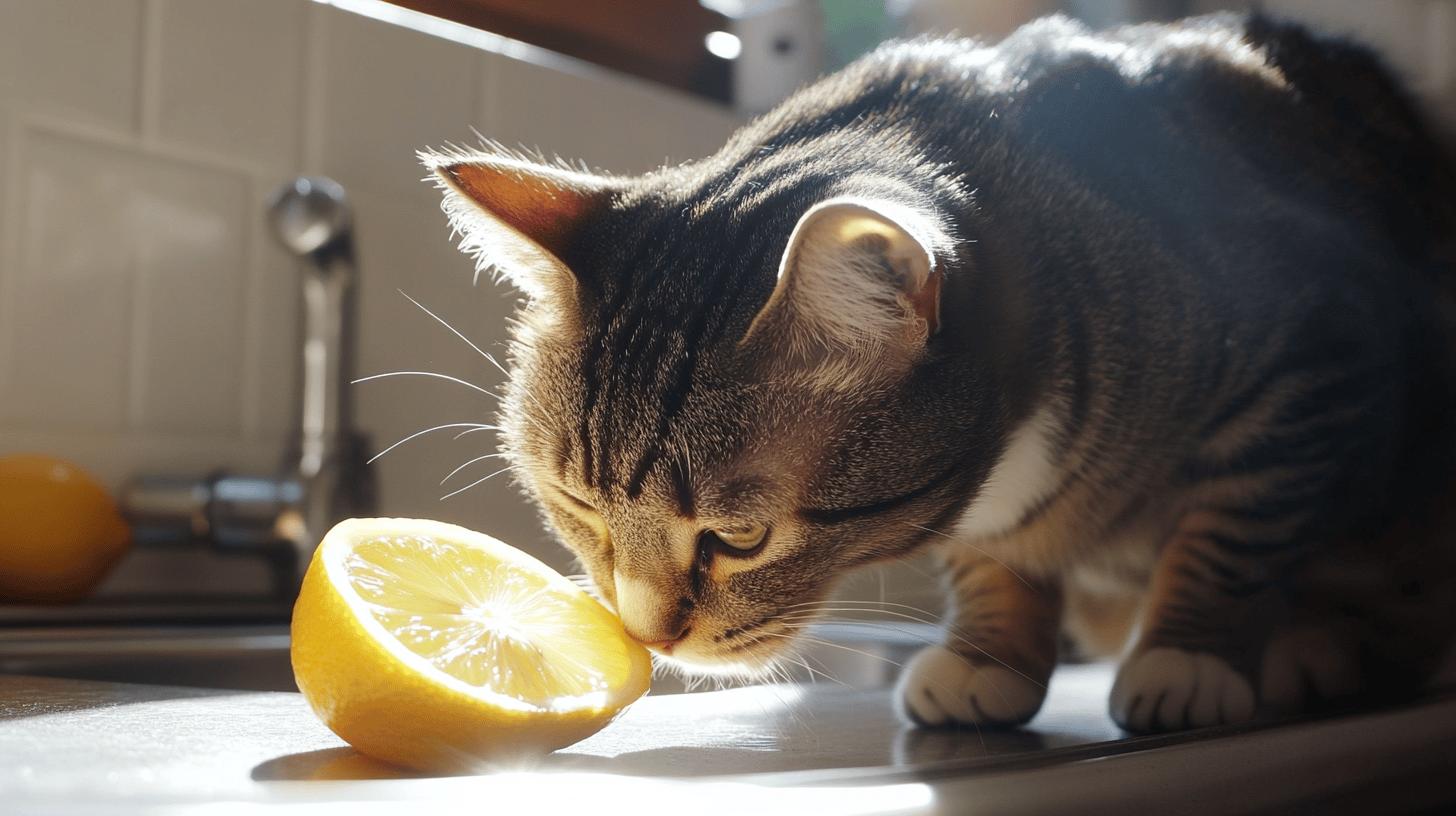
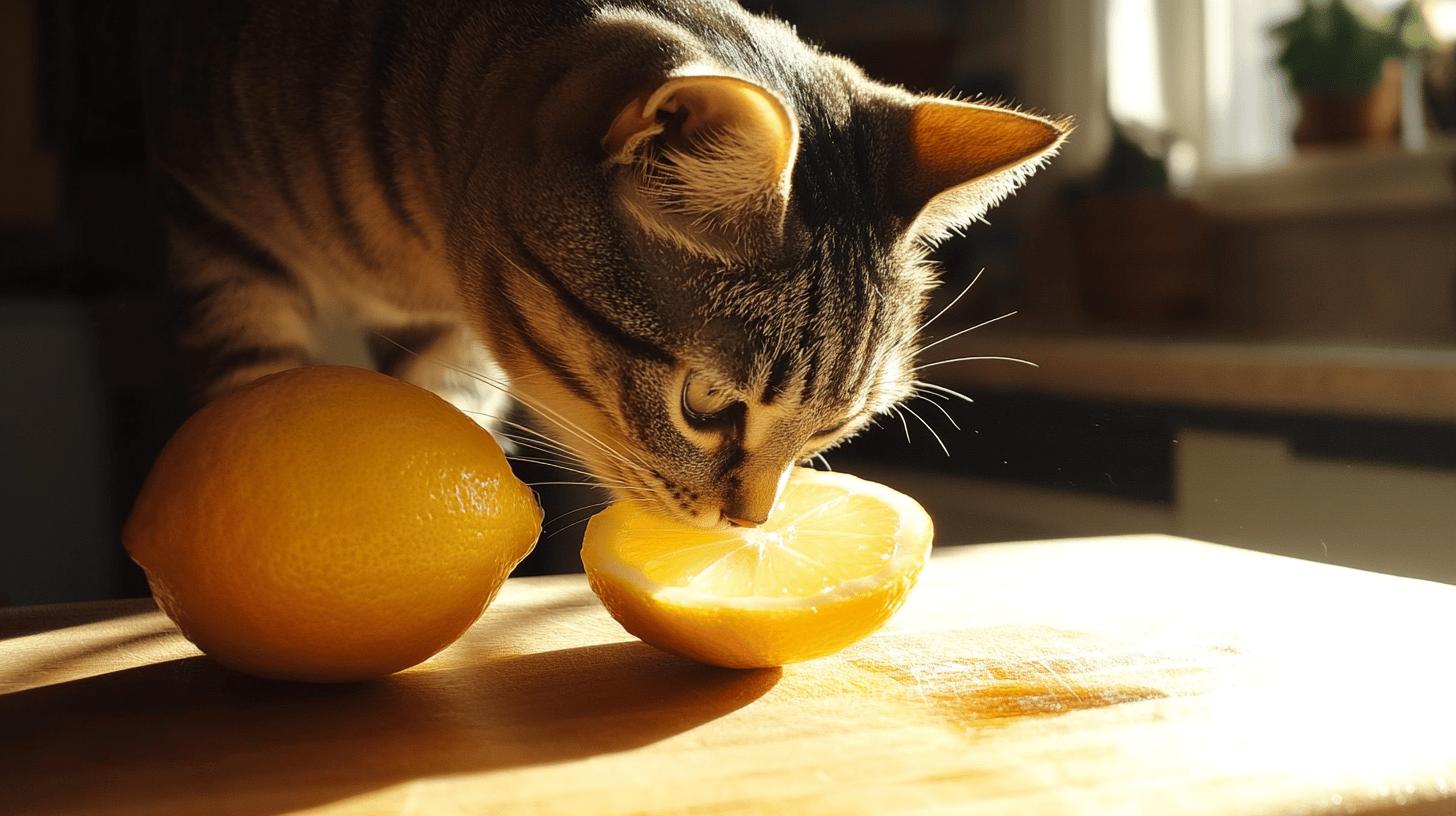
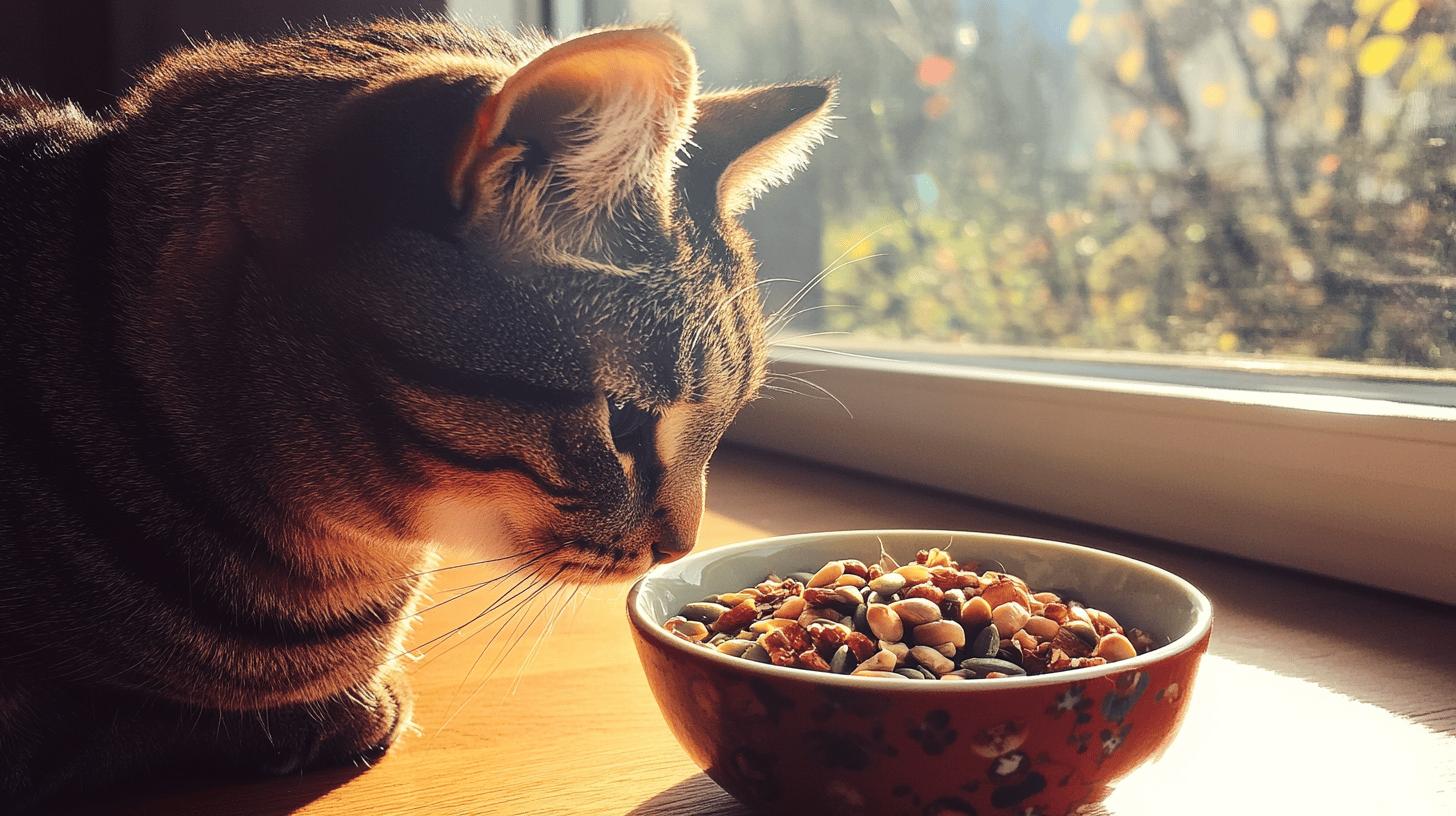
    Lemons are not safe for cats and should be kept out of their reach at all times. The toxicity of lemons is mainly due to compounds like limonene, linalool, and psoralens, which are found in the fruit and its essential oils. These compounds can cause significant harm to a cat’s health. Even a small amount of lemon ingestion can lead to gastrointestinal distress, as the high acidity and oil content can irritate a cat’s digestive system. Cats have a more sensitive reaction to these substances compared to humans, making even minimal exposure potentially dangerous.

    Common symptoms of lemon toxicity in cats include:

    • Vomiting
    • Diarrhea
    • Lethargy
    • Behavioral changes
    • Hiding

    If a cat ingests lemon, acting quickly is crucial. Immediate veterinary consultation is advised as early intervention can prevent more severe health issues. When a cat has accidentally consumed lemon, owners should monitor their pet closely for any of the listed symptoms and seek professional veterinary help without delay.

    Urgent Action Needed: If you suspect your cat has ingested any part of a lemon, contact your veterinarian immediately to ensure your pet receives the necessary care and guidance.

    Breaking Down Lemon’s Toxic Compounds

    Understanding exactly which components of lemons are harmful helps explain why the whole fruit, including the peel, flesh, seeds, and juice, poses risks to cats. The three primary compounds responsible for lemon toxicity in cats are limonene, linalool, and psoralens.

    Limonene is a terpene found in high concentrations in the lemon peel and essential oils. It is frequently used in cleaning products, air fresheners, and insect repellents due to its strong citrus scent. In cats, limonene can disrupt liver enzyme function, cause dermal irritation, and trigger the gastrointestinal symptoms commonly associated with citrus ingestion. The liver is particularly sensitive because cats lack certain liver enzymes that allow other species to metabolize terpenes efficiently.

    Linalool, another terpene compound, is often found alongside limonene in lemon essential oils. It has similar effects on the feline liver and can compound the toxicity of limonene when the two compounds are ingested together. Psoralens are photosensitizing compounds found in lemon peel. While their primary danger for cats involves skin exposure followed by sunlight, ingestion can also contribute to gastrointestinal and systemic symptoms.

    This combination of compounds means that even small quantities of lemon, including incidental licking of lemon residue from a plate or cutting board, can be enough to cause noticeable discomfort in a cat. The peel contains the highest concentration of these compounds, making it the most dangerous part of the fruit.

    Veterinarian Advice on Lemon Ingestion
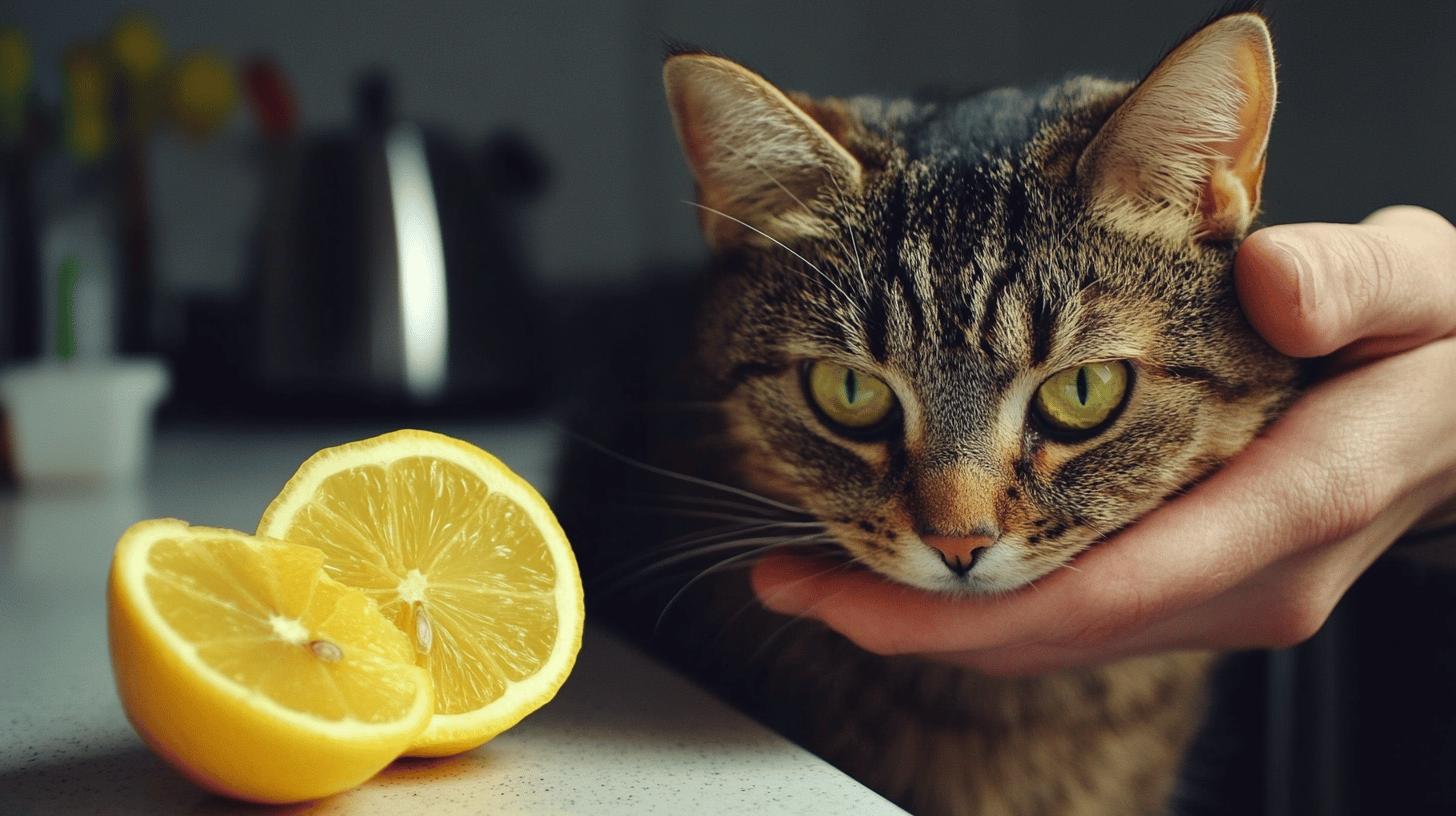
    Veterinarian Advice on Lemon Ingestion-1.jpg

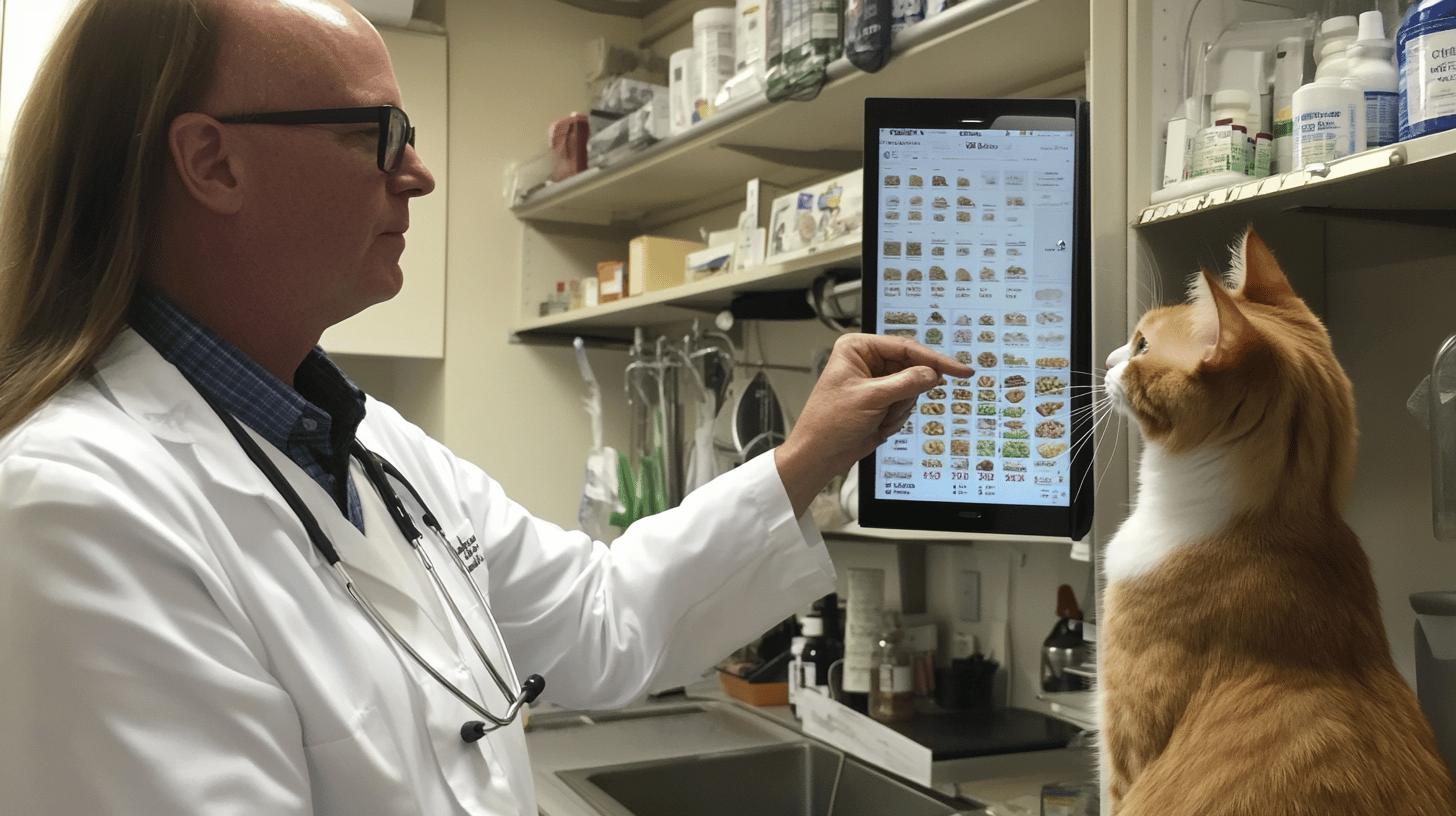
    If your cat eats lemon, consulting a veterinarian quickly is crucial. Lemons contain toxic compounds like limonene, linalool, and psoralens, which can harm cats. Quick action can prevent serious health issues.

    1. Remove any lemon residue from the cat’s mouth.
    2. Observe the cat for symptoms.
    3. Contact a veterinarian promptly.
    4. Follow veterinary advice for treatment.

    Monitor your cat’s health after visiting the vet. Keep an eye out for any symptoms and update the vet on your cat’s condition. This helps manage health effects and supports recovery.

    Lemon Products Around the Home: Hidden Exposure Risks

    Many cat owners focus primarily on keeping fresh lemons out of reach but overlook the wide range of lemon-containing products commonly used around the home. These can represent hidden exposure risks that are easy to underestimate.

    Lemon-scented cleaning sprays and surface wipes are among the most common household sources of limonene exposure for cats. When these products are used on floors, counters, or other surfaces where cats walk and rest, residue can transfer to their paws and fur. Cats then ingest these compounds through grooming. Switching to unscented or pet-safe cleaning products eliminates this risk entirely.

    Citrus-based insect repellents and flea treatments are another concern. Some over-the-counter flea products contain limonene as an active ingredient. While these products may be marketed as natural, they can be toxic to cats and should never be applied without veterinary guidance. Similarly, lemon-scented essential oil diffusers and potpourri can release airborne particles that cats inhale or that settle on their coat.

    Personal care products like lemon-scented hand lotions, soaps, and shampoos can also transfer to your cat through handling. If you regularly apply lemon-scented products to your hands or skin, washing your hands thoroughly before handling your cat helps reduce incidental exposure. For guidance on how other citrus fruits compare in terms of cat safety, the article on lime toxicity in cats and the one on grapefruit risks for cats cover those related topics.

    Safe Alternatives to Lemon for Cats
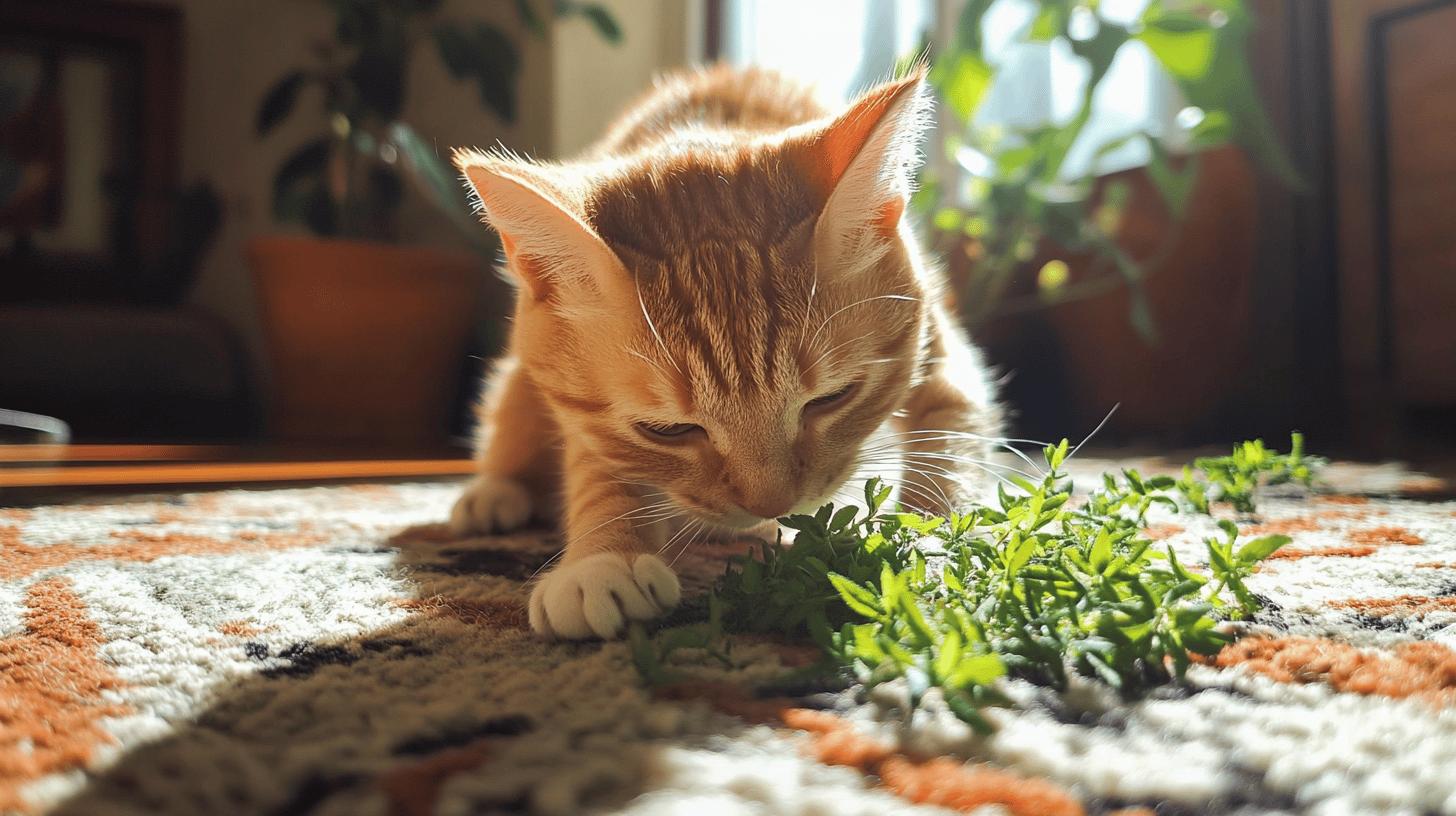
    Safe Alternatives to Lemon for Cats-1.jpg

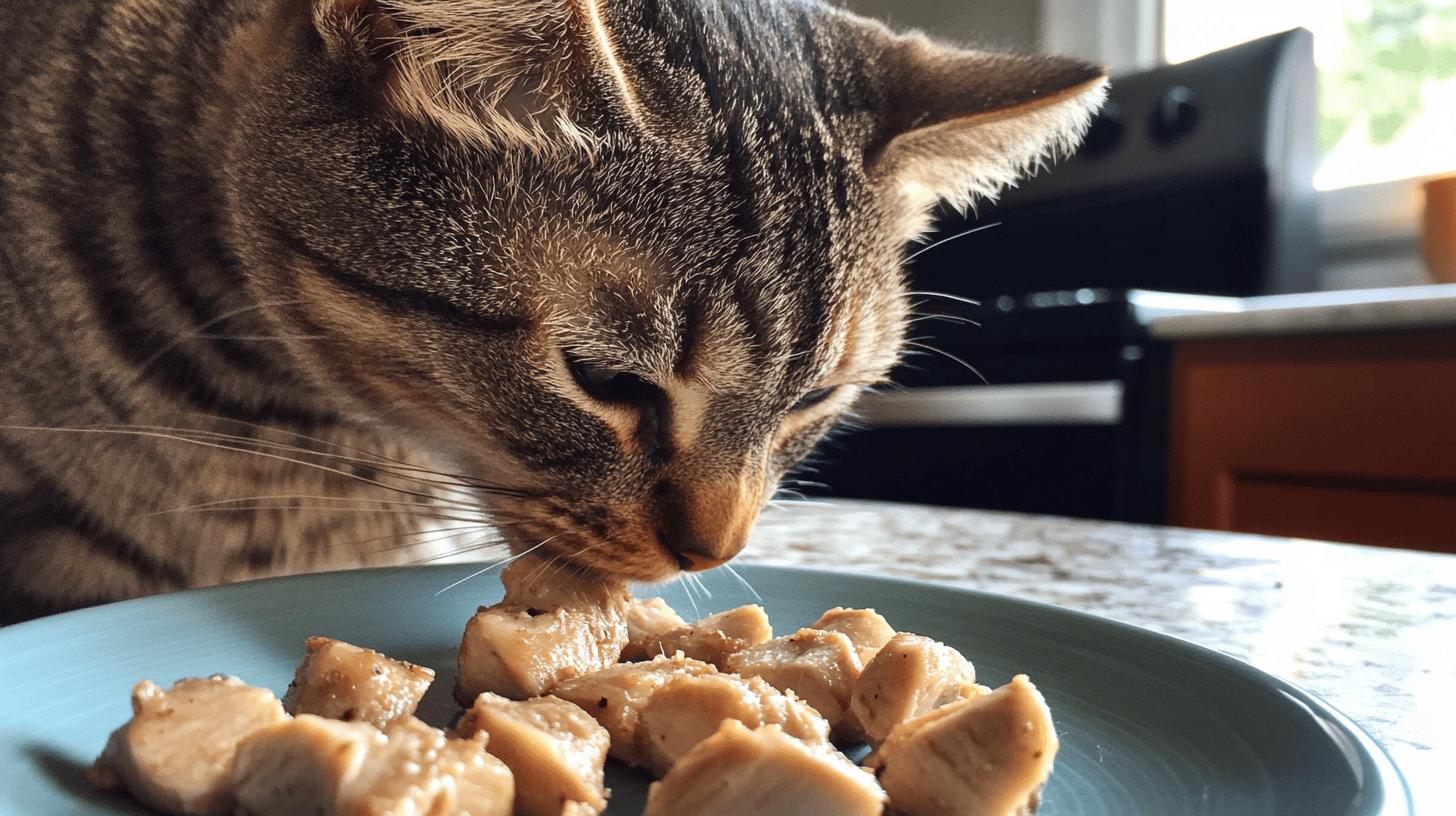
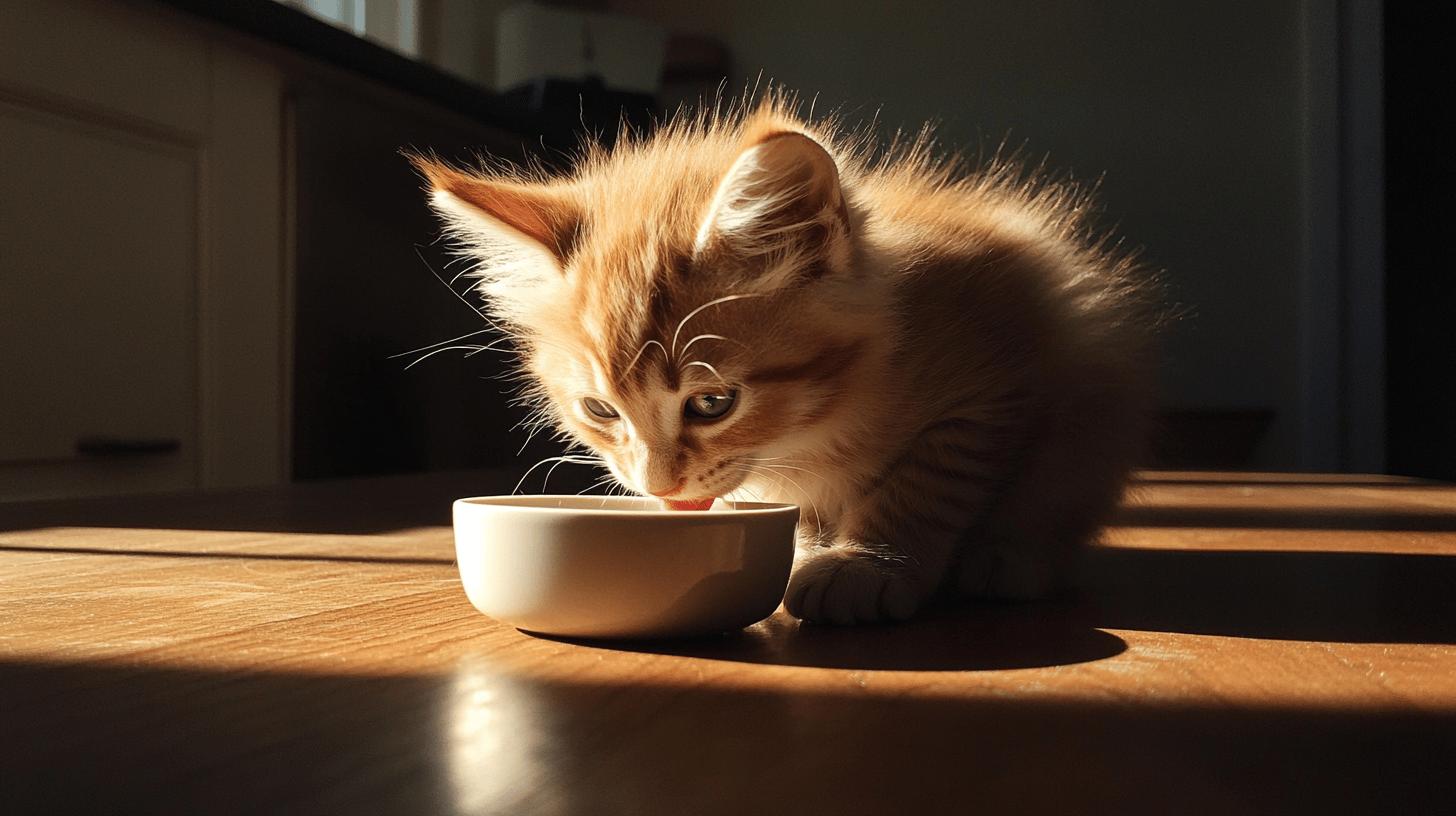
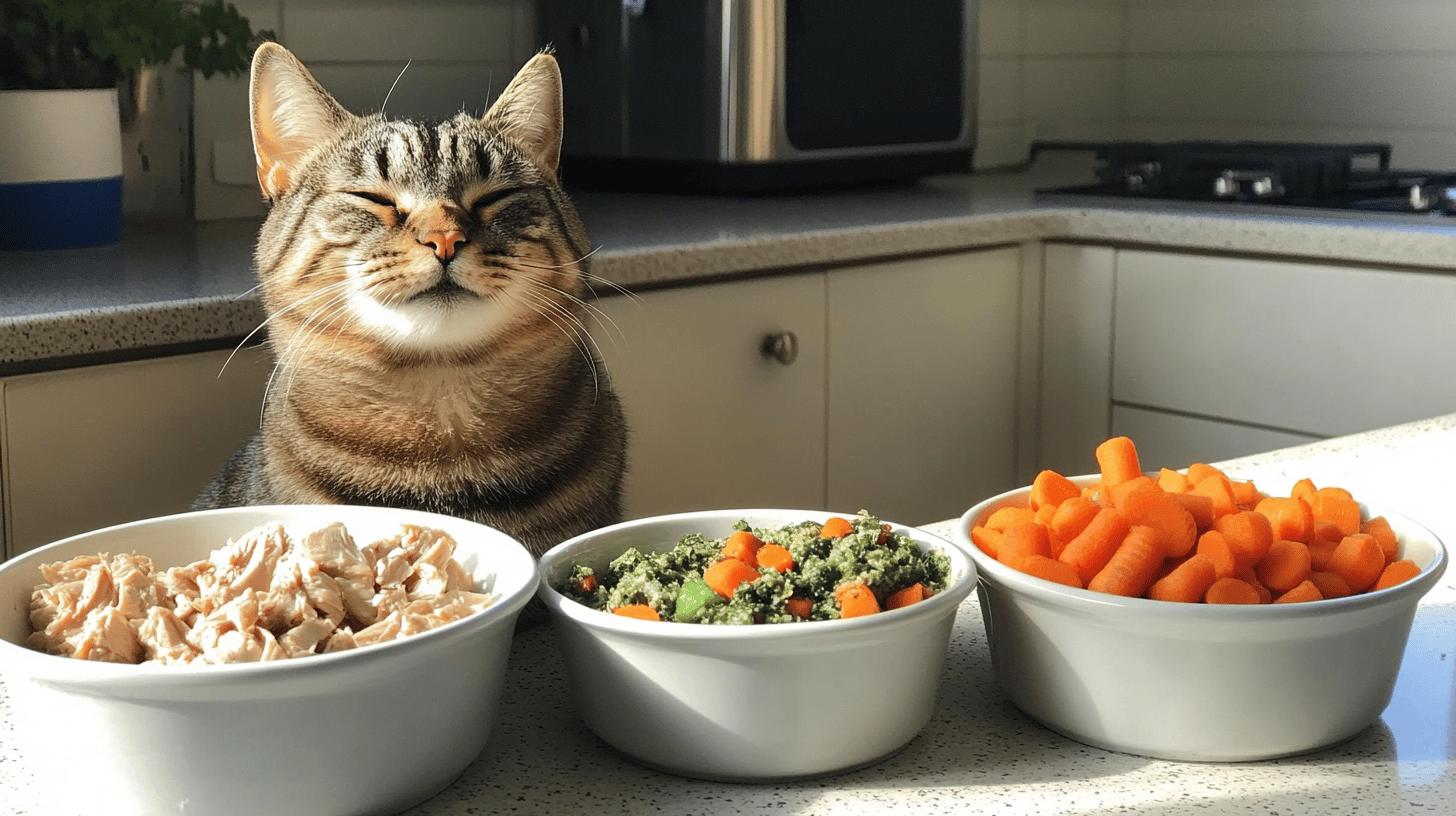
    Choosing the right treats for your cat is essential to keep them healthy and happy, especially since lemons pose significant risks due to their toxic compounds. Cats are naturally repelled by citrus scents, making lemons an unsuitable choice for snacks. Instead of risking your cat’s health with lemons, consider providing safe and nutritious alternatives. By doing so, you ensure your feline friend receives the right nutrients without exposure to harmful substances. Treats specifically designed for cats are formulated to meet their dietary needs, offering both safety and enjoyment.

    Here are some safe treats for your cat:

    • Plain cooked chicken
    • Catnip
    • Commercial cat treats
    • Small amounts of pumpkin
    • Cat-friendly yogurt (plain, unsweetened)

    Choosing treats that align with your cat’s dietary requirements ensures they receive balanced nutrition. Carefully selected treats can support their overall health and prevent the risks associated with inappropriate snacks like lemons. Always monitor your cat’s reaction to new treats and consult with your veterinarian if you have any concerns about their diet.

    Understanding Cats’ Aversion to Lemon Scent
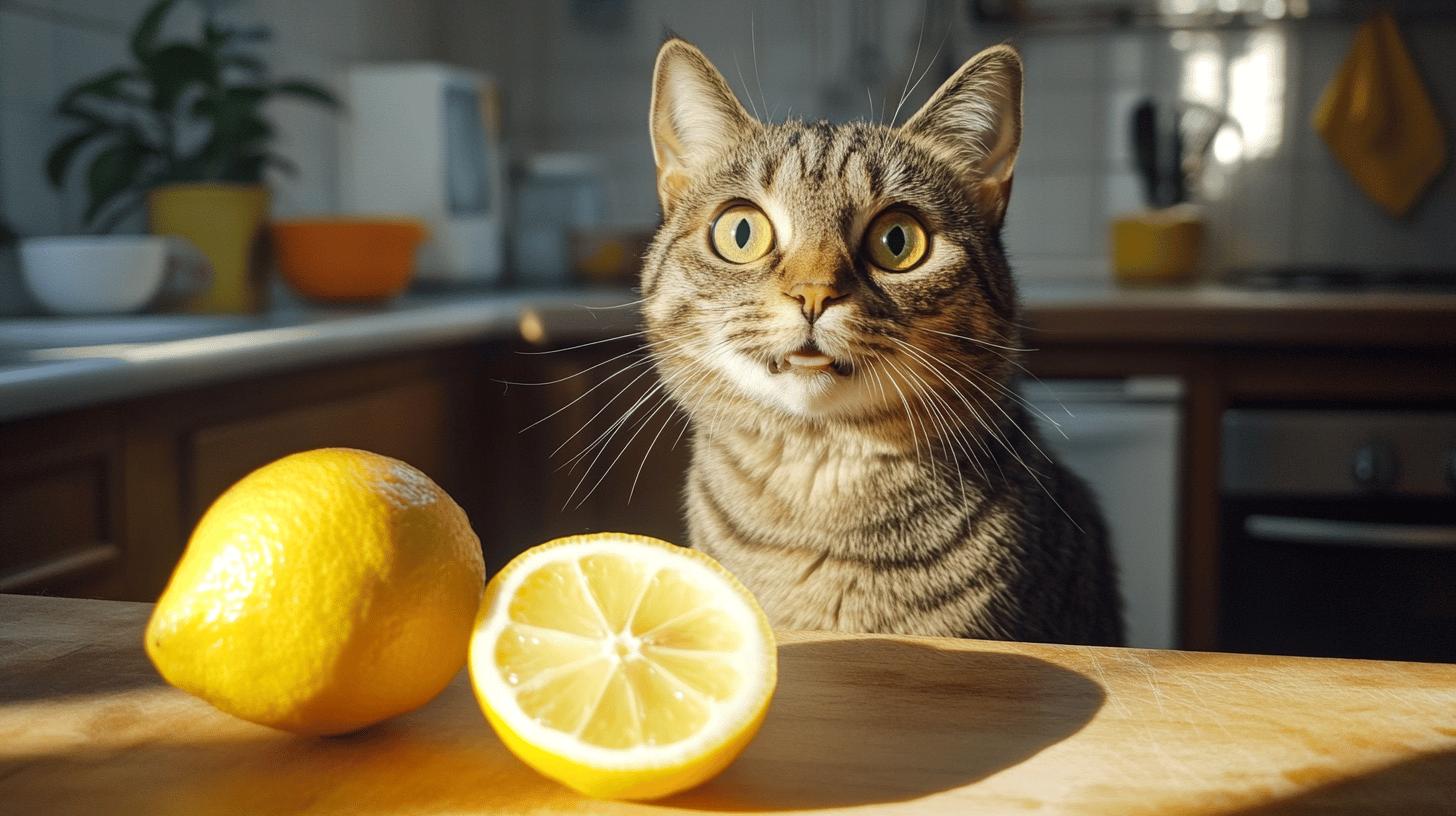
    Understanding Cats Aversion to Lemon Scent-1.jpg

    Cats have a natural aversion to the scent of lemons and other citrus fruits. Their highly sensitive sense of smell makes the strong citrus aroma particularly off-putting. This aversion is not a mild dislike; it acts as a powerful deterrent that generally keeps cats away from areas where lemon scents are present. The compounds in lemon that produce this strong aroma are unpleasant to felines and can even cause discomfort, making them naturally steer clear of the source.

    This natural dislike of lemon scent can be used by cat owners to keep their pets away from certain areas of the home. By strategically placing lemon-scented items, such as lemon-scented sprays or essential oils, in areas where cats are not welcome, you can deter them without causing harm. This method is a safe and non-invasive way to manage your cat’s movements and protect areas from unwanted feline attention. Just ensure that any lemon-scented products are out of reach to prevent accidental ingestion, as the compounds in lemons can be toxic.

    Building a Citrus-Free Zone for Your Cat

    Creating a living environment where your cat is protected from lemon and other citrus exposures requires a small but consistent set of habits. Most accidental exposures happen through everyday kitchen activities or common household products, so addressing these areas makes the biggest difference.

    In the kitchen, store lemons in a closed refrigerator drawer or a sealed container rather than in an open fruit bowl. When cutting lemons, keep your cat out of the kitchen or place them in another room. Wipe down surfaces promptly with a pet-safe cleaner after handling citrus, and rinse cutting boards and knives thoroughly. Dispose of lemon peels and seeds in a covered trash bin your cat cannot access.

    Beyond the kitchen, audit your cleaning and personal care products for citrus-based ingredients and replace any that your cat regularly comes into contact with. If you use an essential oil diffuser, check whether any of your oils contain lemon or other citrus extracts and avoid diffusing them in spaces your cat occupies. These changes do not require major effort but significantly reduce the background level of citrus exposure your cat faces in daily life. For additional context on safe foods and toxic risks for cats, the articles on fig safety for cats and garlic toxicity in cats offer useful complementary information.

    Final Words

    Lemons are genuinely toxic to cats due to compounds like limonene, linalool, and psoralens. These substances can cause vomiting, diarrhea, lethargy, and more serious systemic effects depending on the amount consumed. Quick veterinary action and careful monitoring are essential if ingestion occurs.

    Safer treats like plain chicken or catnip offer your cat enjoyment without any of the risks. Understanding your cat’s natural aversion to citrus scents can also help you use that knowledge protectively. By taking informed, consistent steps at home, you can protect your cat and ensure their daily environment supports their health rather than threatening it.

    FAQ

    Can cats eat lemon or lemon juice?

    Cats should not consume lemon or lemon juice. Lemons are toxic to cats and can cause gastrointestinal issues like vomiting and diarrhea due to their acidic content and essential oils.

    Is lemon safe for cats to smell?

    Lemon scent is generally safe for cats to smell. However, they often dislike the strong citrus aroma, which can deter them naturally from the area.

    What should I do if my cat eats lemon?

    If your cat eats lemon, contact a veterinarian immediately. Remove lemon residue from the cat’s mouth and monitor for symptoms like vomiting and lethargy.

    Can cats drink lemon water?

    Cats should not drink lemon water. Lemon contains toxic compounds that can cause digestive distress, so it’s best to keep it out of their reach.

    Is lemon juice bad for cats’ skin?

    Yes, lemon juice can irritate a cat’s skin. Avoid applying it topically and ensure it does not come into contact with them.

    Can cats eat lemon pepper tuna?

    Cats should not eat lemon pepper tuna. The lemon and spices in the tuna can be harmful and upset their delicate digestive system.

    What are the symptoms of lemon toxicity in cats?

    Symptoms of lemon toxicity in cats include vomiting, diarrhea, lethargy, behavioral changes, and hiding. Seek veterinary help if you notice these signs.
    Related Articles

  • Can Cat Eat Spicy Food Safety and Health Risks

    Can Cat Eat Spicy Food Safety and Health Risks

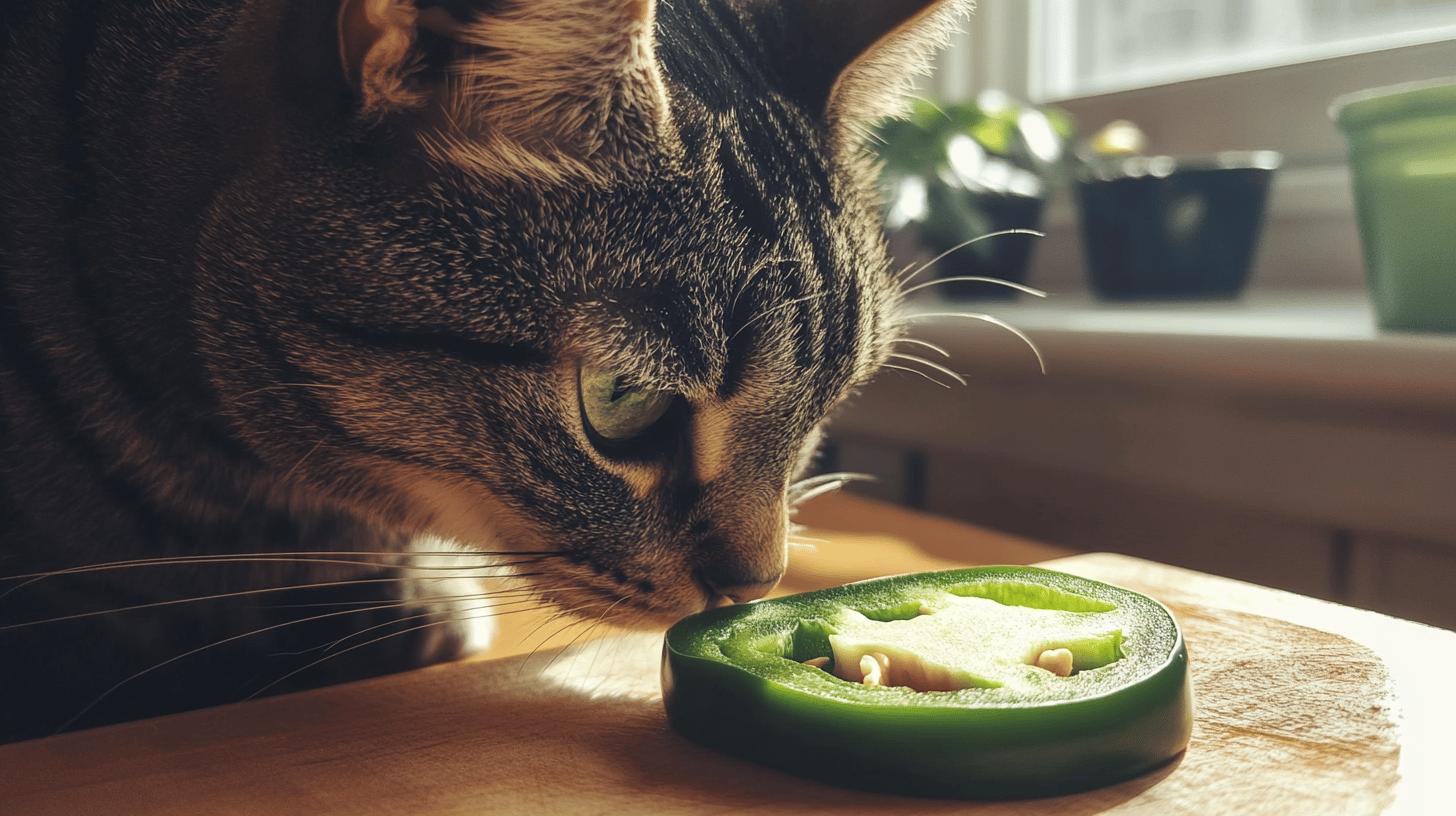
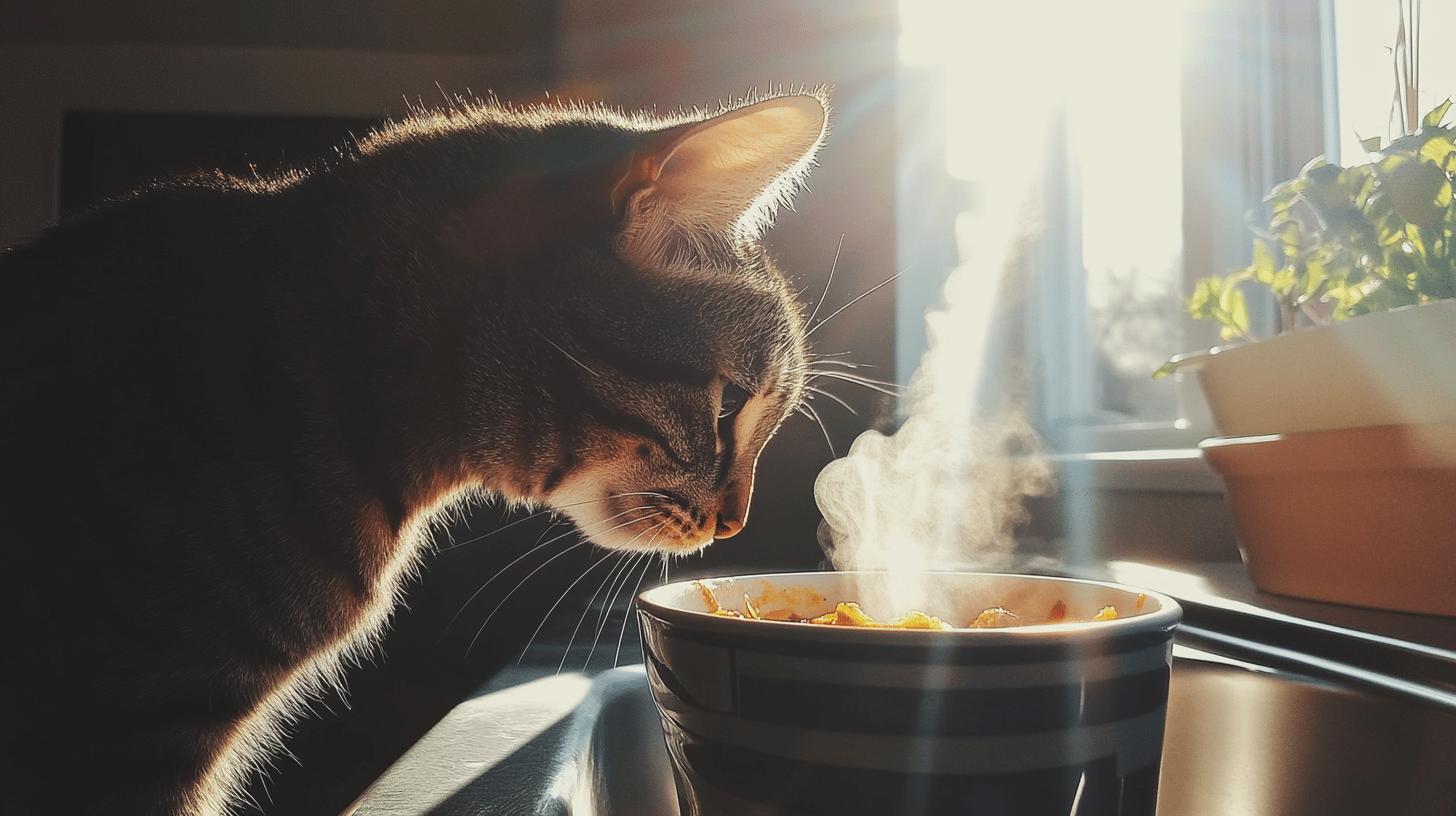
    Can cats eat spicy food without any risks? This might be a question that crosses your mind as you enjoy a spicy meal. While the heat and flavor can add excitement to our plates, it holds a different kind of danger for our feline friends. Cats and spicy foods simply don't mix. Ingredients like capsaicin, common in spicy dishes, can cause distress to their sensitive stomachs. Let's explore why spicy foods pose health risks and what every cat owner needs to know to ensure a safe and healthy diet for their beloved pets.

    Can Cats Safely Consume Spicy Food?

    Can Cats Safely Consume Spicy Food-1.jpg

    Spicy foods are a no-go for our feline friends. Cats should not eat spicy food as it can upset their stomachs and make them feel sick. Ingredients like capsaicin, found in spicy foods, are not tolerable for cats. They can cause discomfort, including vomiting and diarrhea. Moreover, onions and garlic, which are often present in spicy dishes, are toxic to cats and can lead to serious health problems.

    Capsaicin is the compound responsible for the heat in spicy foods. While humans might enjoy this fiery sensation, cats lack the necessary tolerance and can suffer from severe stomach troubles. Besides capsaicin, other spices like nutmeg and cinnamon can also be harmful. These ingredients can lead to symptoms ranging from mild vomiting and diarrhea to more serious conditions like liver failure if consumed in significant amounts. It's crucial to keep spicy foods away from your cat's curious paws.

    Here are some best practices to prevent your cat from eating spicy foods:

    • Keep spicy foods out of reach: Store them securely and clean up spills immediately.
    • Be mindful during meals: Avoid feeding your cat from your plate, especially with spicy dishes.
    • Educate family members and guests: Ensure everyone knows the risks of sharing spicy foods with cats.

    Understanding Cat Taste Buds and Spice Sensitivity

    Understanding Cat Taste Buds and Spice Sensitivity-1.jpg

    Cats have around 470 taste buds, far fewer than humans or dogs. This limited number affects their ability to detect a variety of flavors, making their taste experience quite different from ours.

    They lack specific receptors for spicy foods, so they don't feel the heat like we do. This absence means they miss out on detecting some flavors and potential warnings from their food. While they might enjoy the aroma or texture, they can't sense spiciness, which plays a crucial role in their overall taste perception.

    This limited perception means cats might accidentally eat spicy foods, drawn by smell or curiosity. Without awareness of the potential risks, they might ingest something harmful, highlighting the importance of keeping such foods out of their reach.

    Common Reactions and Symptoms in Cats Post-Spicy Food Consumption

    Common Reactions and Symptoms in Cats Post-Spicy Food Consumption-1.jpg

    When a cat consumes spicy food, the first signs of trouble are often mild but noticeable. Capsaicin, the spicy compound in foods, can lead to drooling and oral irritation for your kitty. You might spot your cat pawing at their mouth or shaking their head as they try to cope with the unfamiliar sensation. Besides, their eyes might water, and sneezing could follow as they react to the discomfort.

    If symptoms progress, you could notice more severe reactions such as vomiting or diarrhea. These symptoms indicate that the spicy food has upset your cat's digestive system. It's crucial to pay attention to these signs as they can quickly lead to dehydration. The distress from stomach pain can also make your cat feel lethargic and uncomfortable.

    When should you call the vet? Keep an eye out for:

    • Persistent vomiting or diarrhea lasting more than 24 hours
    • Signs of dehydration such as sunken eyes or dry gums
    • Severe lethargy or distress that seems out of the ordinary

    At home, there are steps you can take to help your cat recover. Start by offering fresh water to help them stay hydrated. Ensure they have a quiet, comfortable space to rest where they won't be disturbed. If they seem interested, a bland diet like boiled chicken (without any seasoning) can help settle their stomach. Monitor their condition closely, and if symptoms don't improve, consulting a veterinarian becomes essential to ensure your cat's well-being.

    Preventing and Managing Spicy Food Ingestion in Cats

    Preventing and Managing Spicy Food Ingestion in Cats-1.jpg

    Offer your cat safe alternatives to spicy foods, such as cat-specific treats, to divert their attention. This can prevent them from seeking out spicy items.

    If your cat ingests spicy food, quick action is key. Monitor for signs of distress like drooling and vomiting. Provide comfort to help manage their discomfort. In emergencies, a small amount of milk may help with capsaicin irritation.

    Symptom Action
    Drooling Offer fresh water and a quiet space to rest
    Vomiting Provide a bland diet and monitor closely
    Diarrhea Ensure hydration and observe for 24 hours

    Seek veterinary care if symptoms persist or worsen. Persistent vomiting, dehydration, or lethargy are warning signs. Consult your vet to ensure a swift recovery and prevent further issues.

    Exploring Cats' Curiosity Towards Spicy Foods

    Exploring Cats Curiosity Towards Spicy Foods-1.jpg

    Cats are naturally curious creatures. This curiosity can sometimes lead them to explore things that aren't necessarily good for them, including spicy foods. Their inquisitive nature makes them prone to investigating new and unusual things.

    The aroma and texture of spicy foods can be particularly enticing for cats. Although they lack taste receptors for spiciness, the strong scents and warm temperatures can draw them in. They might see you enjoying a spicy dish and want to be part of the experience, unaware of the potential harm. The combination of intriguing smells and the inviting look of the food can sometimes override their natural caution.

    To keep your cat safe, focus on behavioral insights and anecdotes about their curiosity. Experts often note that providing stimulating environments and activities can satisfy cats' exploratory instincts. Try engaging your cat with interactive toys or puzzle feeders. These options cater to their curiosity without posing health risks.

    Final Words

    Cats are naturally curious, which might draw them to spicy foods. Yet, their bodies aren't made to handle spicy substances. Ingredients like capsaicin can lead to drooling, vomiting, or diarrhea. Ensuring your cat doesn't eat spicy food helps avoid such discomfort.

    Remember, cats can't taste spice like we do. Their fewer taste buds mean they can't detect spicy flavors, but they still suffer the consequences. As a caring pet owner, keep spicy foods away from your cat, and always provide safer, tasty alternatives to satisfy their curiosity.

    FAQ

    Can cats eat spicy food?

    A: Spicy food is not safe for cats. It can cause stomach issues like vomiting and diarrhea. Spices like onions and garlic in such foods are toxic to cats.

    What happens if your cat eats spicy food?

    A: If a cat eats spicy food, it may drool, vomit, or have diarrhea. It's important to monitor for signs of distress and consult a vet if symptoms persist.

    Can cats die from spicy food?

    A: While spicy food is unlikely to be fatal, it can cause severe discomfort and health issues. It's best to keep spicy food away from cats to prevent any potential risks.

    Can cats taste spicy foods?

    A: Cats can't taste spicy foods as they lack taste receptors for spiciness. However, the ingredients can still cause them discomfort.

    Do cats feel heat from spicy food?

    A: Though cats can't taste spiciness, they can feel discomfort from the ingredients. Reactions can include drooling, and stomach problems.

    Is it okay to give a cat spicy chicken?

    A: It's not okay to give a cat spicy chicken. Spices can upset their stomach and cause health issues, so it's best to avoid sharing such foods.

    Why does my cat like spicy food?

    A: Cats might be drawn to spicy food out of curiosity or by the smell, but this doesn't mean it's safe for them. Redirect them to safe alternatives.

    Related Articles

  • Can Cat Eat Pickles Understanding the Health Risks and Alternatives

    Can Cat Eat Pickles Understanding the Health Risks and Alternatives

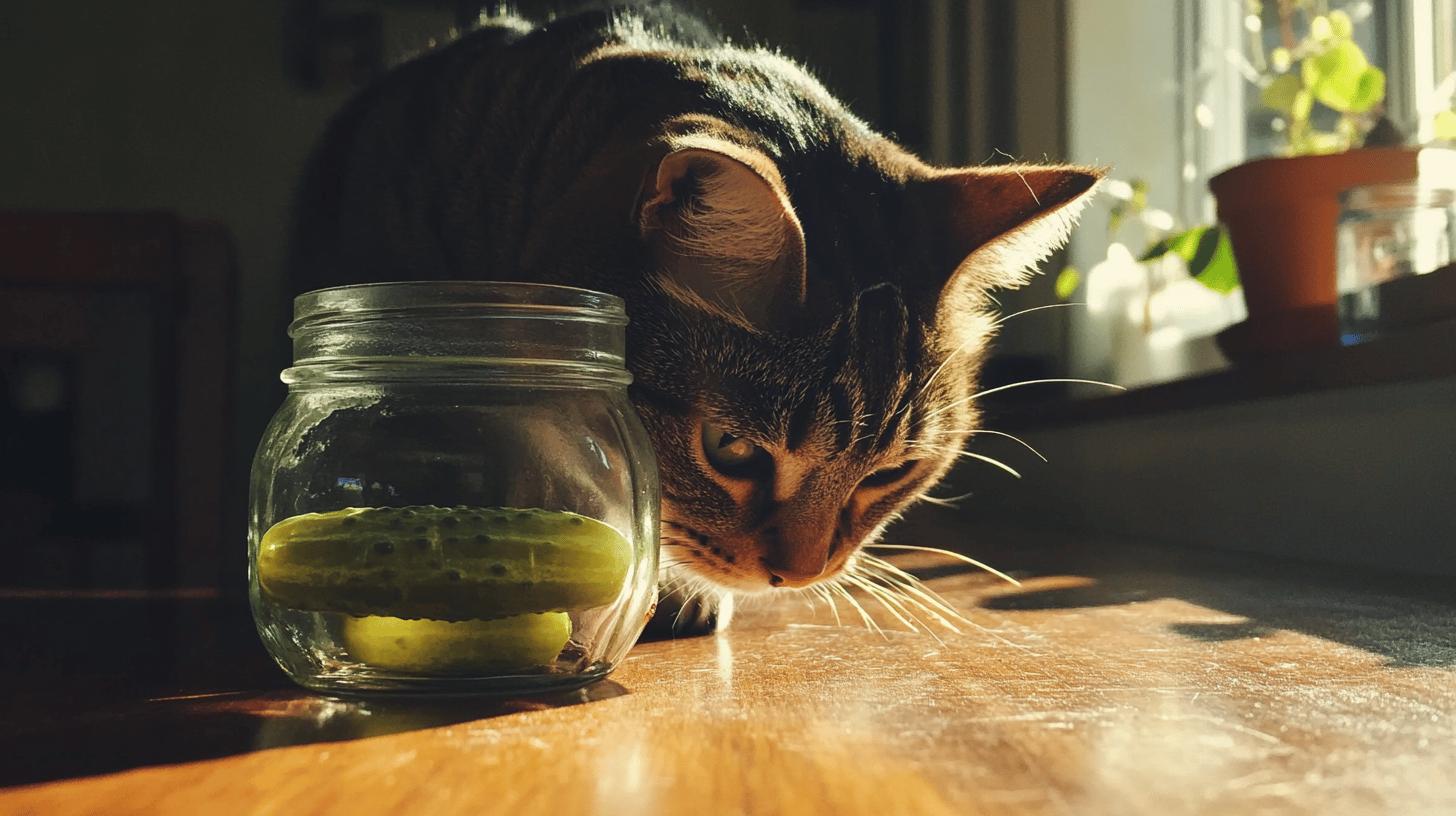
    Ever wondered if your feline friend can safely munch on a pickle? It might seem harmless, but pickles aren't a safe snack for cats. Here's the deal: Despite being a crunchy treat loved by humans, pickles are packed with salt and other ingredients that can be harmful to cats.

    As we dig deeper, you'll see why high sodium levels, onion, and garlic in pickles pose serious health risks. In this post, let’s explore the dangers of letting your cat eat pickles and discover safer, tasty alternatives.

    Can Cats Eat Pickles? Understanding the Risks

    Can Cats Eat Pickles Understanding the Risks-2.jpg

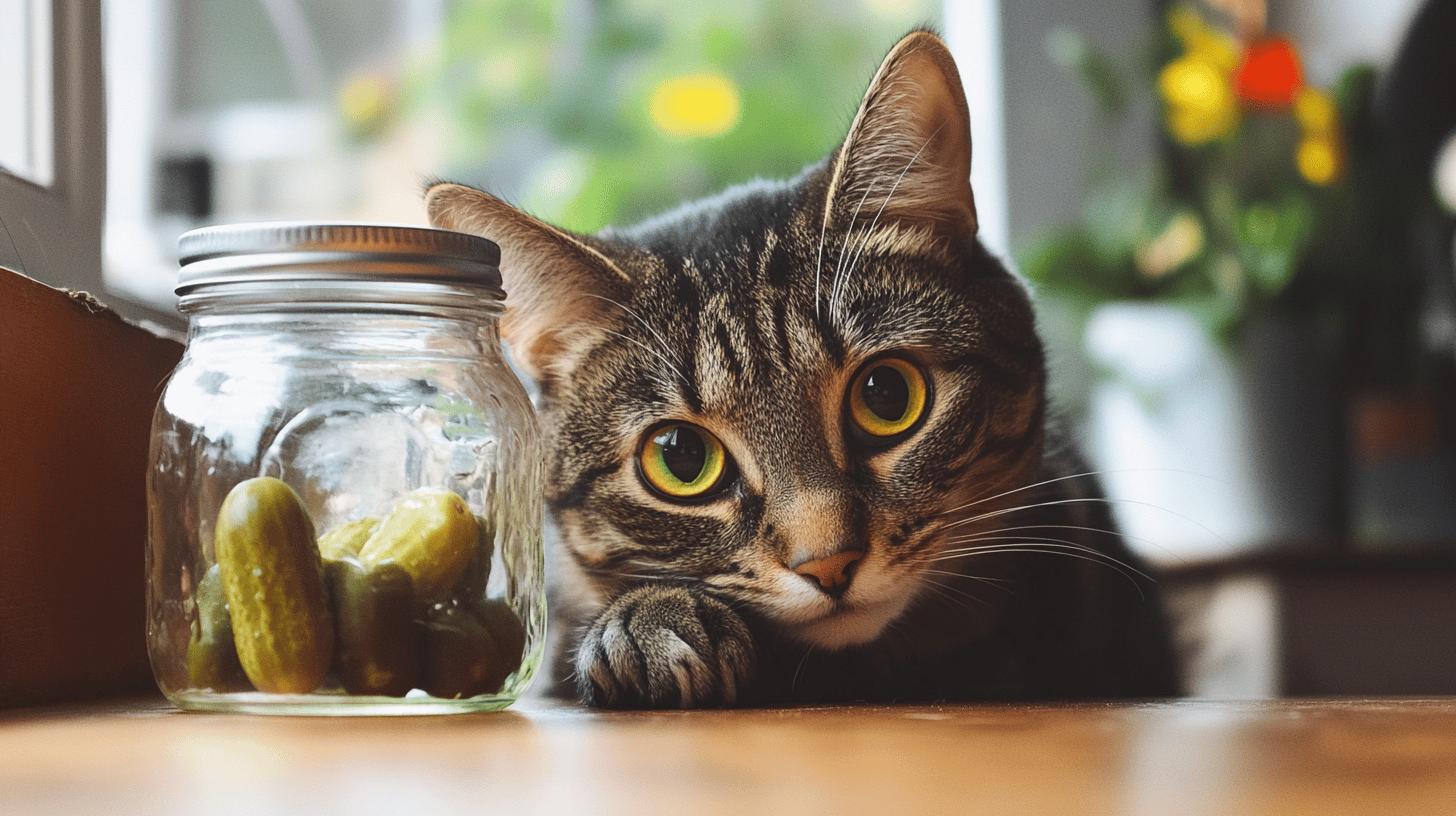
    Pickles are not safe for cats. The primary reason is the high salt content found in pickling liquids, which poses significant health risks. Cats and pickles are not a good match, as the ingredients in pickles can be harmful to our feline friends.

    The salt content in pickles can lead to excessive sodium intake, which is dangerous for cats. High sodium levels can cause high blood pressure, increasing the risk of heart disease, stroke, and kidney disease. These conditions are serious and require careful management in cats, just as they do in humans.

    Beyond salt, pickles often contain garlic and onions. These ingredients are toxic to cats and can lead to garlic poisoning and Heinz body anemia. Garlic poisoning in cats comes with symptoms like vomiting, diarrhea, weakness, and could even lead to seizures.

    Dill leaves, another common pickle ingredient, contain dillapioquinone, an alkaloid that can upset a cat's stomach and cause diarrhea. The combination of vinegar and these harmful additives can severely damage a cat's kidneys and liver.

    • Vomiting
    • Diarrhea
    • Weakness
    • Seizures
    • Elevated heart rate
    • Lethargy

    If you notice any of these symptoms and suspect your cat has ingested pickles or any harmful ingredients, it's crucial to seek veterinary care immediately.

    Avoiding pickles in a cat's diet is essential to ensure their health and well-being. Cats have specific dietary needs that do not align with human foods, especially salty and seasoned items like pickles. Prioritizing their health means steering clear of foods that could cause them harm.

    Comparing Cats' Dietary Needs vs. Pickled Foods

    Comparing Cats Dietary Needs vs Pickled Foods-1.jpg

    Cats are obligate carnivores, thriving on animal proteins and fats. Their digestive systems are optimized for meat, not plant-based or processed foods.

    Pickled foods, such as pickles, are problematic for feline diets. The acidic nature of pickles can irritate a cat’s stomach, potentially causing digestive upset.

    Pickles provide no nutritional benefits to cats. They lack essential nutrients necessary for cats' health and vitality. Focusing on a diet rich in animal proteins supports a cat's well-being.

    Safe Alternatives: What Can Cats Eat Instead of Pickles?

    Safe Alternatives What Can Cats Eat Instead of Pickles-2.jpg

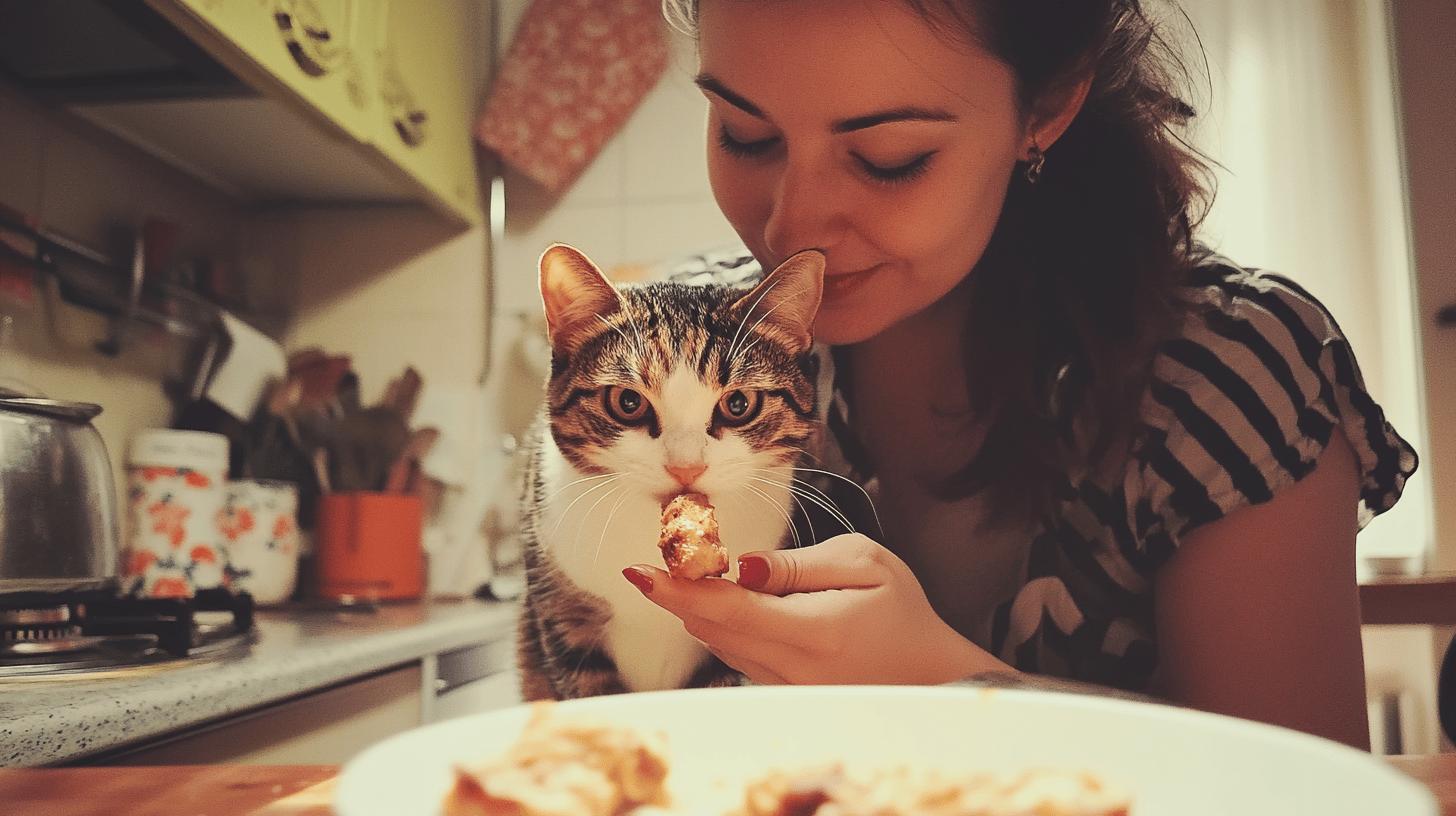
    Choosing the right treats for our feline friends is crucial to their health and happiness. Cats have specific dietary needs that must be met for them to thrive. Unlike humans, they don't benefit from a variety of foods, especially not fruits or vegetables like pickled cucumbers. Providing appropriate snacks is key to maintaining their well-being.

    Here's a list of safe snack options for cats:

    • Specially Formulated Cat Treats: These are designed to meet cats' nutritional needs and are often fortified with vitamins and minerals.
    • Plain, Cooked Meats: Small amounts of chicken, turkey, or beef can be a delightful treat for your cat. Ensure the meat is cooked thoroughly and free of any seasoning or sauces.
    • Freeze-Dried Meats: These treats retain the nutritional value and are easy to store, offering a crunchy texture that many cats enjoy.

    Always remember that any new treat or food introduced into your cat's diet should be done with care. Consulting with a veterinarian is recommended before offering any human food to ensure it is safe and suitable for your cat. This professional guidance helps avoid potential health issues, keeping your cat safe and content.

    Monitoring and Action: What to Do if Your Cat Eats Pickles

    Monitoring and Action What to Do if Your Cat Eats Pickles-3.jpg

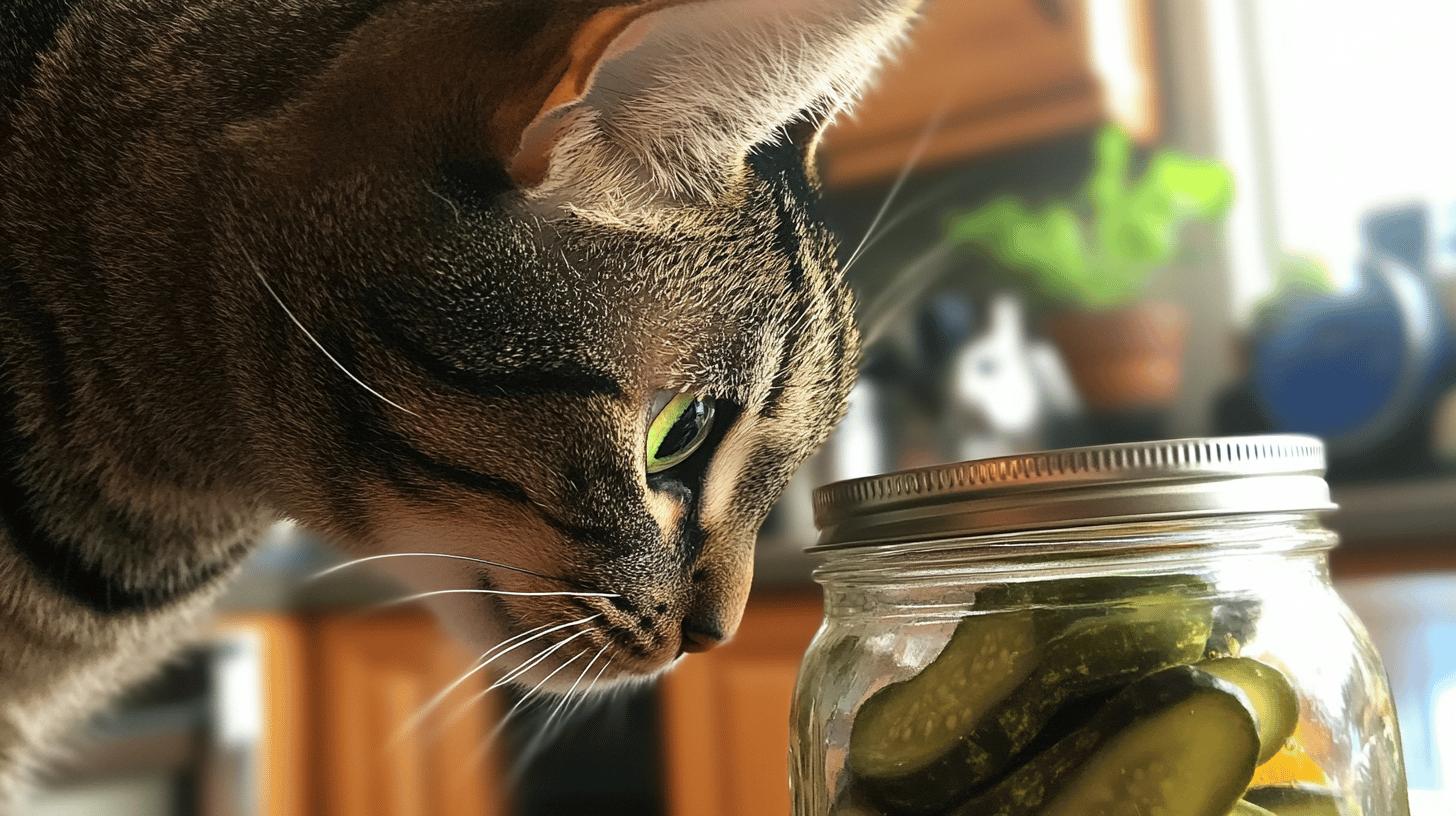
    If your cat eats a pickle, monitor them closely for any signs of distress. Pickles contain harmful ingredients that are toxic to cats. Watching your cat helps catch any adverse reactions early.

    Seek veterinary attention immediately if you notice any signs of distress. Early intervention can greatly impact your cat's health and recovery.

    Final Words

    When cats eat pickles, it can lead to serious health issues. Pickles are salty and can contain harmful ingredients like garlic, onions, and dill leaves, which aren't safe for cats. Cats are obligate carnivores, needing animal protein, and pickles don't meet their dietary needs. Instead of pickles, choose safe treats like plain, cooked meats or specially formulated cat snacks. Always consult a vet before trying new treats. Keep your furry friend safe, and skip the pickles. Your cat will thank you!

    FAQ

    Can cats eat pickles juice or seeds?

    Cats should not consume pickle juice or seeds, as they contain high sodium levels and other harmful ingredients like garlic and onions that are toxic to cats.

    My cat licked a pickle, what should I do?

    If your cat licked a pickle, monitor for signs of distress, like vomiting or diarrhea. If symptoms occur, contact a veterinarian immediately.

    Can dogs eat pickles?

    Pickles are not recommended for dogs due to the high salt content and presence of potentially toxic ingredients like garlic and onions. Consult a vet before offering pickles to dogs.

    Can cats have mayo?

    Cats should avoid mayo due to its high-fat content, which can lead to obesity and digestive issues. Stick to cat-safe foods.

    Can cats eat cucumbers or bread?

    Cucumbers and bread are not toxic but offer little nutritional value. Feeding plain, cooked meats or formulated treats is safer.

    What human food can cats eat?

    Cats can eat small amounts of plain, cooked meats. Avoid fruits, vegetables, or spiced foods. Always consult a vet before introducing new foods.

    What happens if my cat eats a pickle?

    Eating a pickle can cause severe issues, including salt poisoning and garlic poisoning. Watch for symptoms like vomiting and weakness, and seek vet care quickly.

    Can pets eat pickles?

    Pickles are not safe for pets because of their salt content and toxic ingredients like garlic. It's best to avoid giving pickles to cats or dogs.

    Is vinegar safe for cats to eat?

    Vinegar is unsafe for cats, as the acidity can upset their stomachs. Avoid feeding any vinegar-containing foods.

    What will tempt a sick cat to eat?

    To tempt a sick cat, try offering small amounts of plain, cooked chicken or formulated cat treats. Consult your vet for more options if needed.

    Related Articles

  • Can Cat Eat Cookies Understanding the Risks and Safe Alternatives

    Can Cat Eat Cookies Understanding the Risks and Safe Alternatives

    Have you ever been tempted to share a cookie with your curious cat, only to wonder if it's safe? While it's easy to assume that a small bite won't hurt, cookies can actually pose serious risks to our feline friends. Packed with harmful ingredients like chocolate, raisins, and artificial sweeteners, cookies are a health hazard for cats. But don't worry—there are safe and delicious treat alternatives designed just for them. Let's explore why cookies aren't cat-friendly and discover the best options to keep your kitty happy and healthy.

    Can Cat Eat Cookies? Understanding the Risks

    Can Cat Eat Cookies Understanding the Risks-1.jpg

    Cats should not eat cookies due to the presence of harmful ingredients that pose significant health risks. Cookies often contain chocolate, raisins, and artificial sweeteners like xylitol, all of which are toxic ingredients for cats. Even small amounts of these substances can lead to serious health issues, including vomiting, diarrhea, and seizures. In addition to these toxic ingredients, cookies are high in sugar and fat, which are not suitable for a cat's diet. Consuming such treats can contribute to obesity, diabetes, and digestive problems in cats. Since cats have specific dietary needs that require animal-based proteins and essential nutrients, cookies do not provide the necessary nutrition. It's crucial for cat owners to avoid giving their pets cookies and instead opt for treats specifically formulated to meet their dietary requirements.

    Harmful Ingredients in Cookies for Cats

    Harmful Ingredients in Cookies for Cats-1.jpg

    Chocolate poses a major threat to cats due to theobromine. This compound can lead to severe health issues like vomiting, diarrhea, and seizures. Another danger is xylitol, a sugar substitute. Even a small amount can trigger insulin release, causing hypoglycemia, which is life-threatening.

    Raisins, even in tiny quantities, can lead to kidney failure in some cats. Walnuts and almonds are also risky, potentially causing gastric distress. The sugar in cookies is problematic too. Cats can't digest sugar properly, which can result in obesity and diabetes.

    Artificial sweeteners and flavorings add to the risks. Ingredients such as artificial vanilla can upset a cat’s stomach. These additives, combined with the richness of cookies, can lead to digestive problems, weight gain, and more severe health issues. Recognizing these dangers helps in preventing accidental exposure.

    • Chocolate
    • Xylitol
    • Raisins
    • Walnuts
    • Artificial sweeteners and flavorings

    Safer Treat Alternatives to Cookies for Cats

    Safer Treat Alternatives to Cookies for Cats-1.jpg

    When it comes to treating our feline friends, choosing commercially available cat treats is a smart move. These treats are specifically formulated to meet the dietary needs of cats, ensuring they get the right nutrients without harmful ingredients. Many brands offer options that are rich in proteins and free from artificial additives, making them a safe choice. Look for treats that highlight ingredients like chicken or fish, which are not only tasty but also provide essential nutrients.

    For those who enjoy making homemade treats, there are plenty of safe ingredients to consider. Cooked chicken or pumpkin can be a delightful and nutritious option for cats. These ingredients are not only safe but also align with a cat's natural dietary preferences. Plain yogurt and catnip can also be used in moderation to create enticing treats. It's important to remember that any homemade treat should be free from added sugars, salts, and spices to keep them safe for cats.

    Choosing treats that align with a cat's carnivorous diet is crucial for their overall health and well-being. Cats thrive on animal-based proteins, and providing treats that complement this dietary requirement supports their natural instincts. By focusing on treats that are both safe and nutritious, we can ensure our cats remain healthy and happy, without the risks associated with inappropriate human foods like cookies.

    Treat Type Safe Ingredients
    Commercial Cat Treats Chicken, Fish
    Homemade Chicken Treats Cooked Chicken
    Homemade Pumpkin Treats Pumpkin
    Yogurt and Catnip Plain Yogurt, Catnip

    What to Do If Your Cat Eats a Cookie-1.jpg

    If your cat has managed to nibble on a cookie, it's important to act quickly. First, try to determine what ingredients were in the cookie. This will help you assess the potential risks. Look for any signs of chocolate, xylitol, raisins, or nuts, as these are particularly harmful. Once you've identified the ingredients, reach out to your veterinarian for guidance. It's helpful to provide them with as much detail as possible about the cookie and the quantity your cat might have consumed. While doing this, make sure to remove any remaining cookies from your cat's reach to prevent further ingestion.

    Keep a close eye on your cat for any symptoms that might indicate distress. Monitoring is crucial, as early detection of symptoms can be lifesaving. If your cat shows signs of vomiting, diarrhea, or lethargy, contact your vet immediately. These symptoms can indicate chocolate poisoning or other toxic reactions. Quick action can prevent severe health consequences and ensure your cat gets the care they need. Always consult with a veterinarian, as their professional advice is vital in managing accidental ingestion and safeguarding your cat's health.

    • Vomiting
    • Diarrhea
    • Lethargy
    • Seizures

    Final Words

    Understanding the dangers of cookies for cats is crucial. Cookies contain several harmful ingredients like chocolate, xylitol, and raisins, which can pose significant health risks. High sugar and fat content can lead to serious issues like obesity and diabetes. Instead of giving cookies, consider safer alternatives such as specially formulated cat treats or homemade options using safe ingredients. If your cat accidentally eats a cookie, monitoring and quick action are essential.

    Keeping this information in mind will help you ensure your cat's safety and well-being.

    FAQ

    Can cats eat cookies without chocolate?

    Cats should not eat cookies, even without chocolate. Cookies often contain sugar and fats that can cause obesity and illness in cats. Stick to cat-specific treats for their safety.

    What happens if my cat eats cookies?

    If a cat eats cookies, identify ingredients and monitor for any symptoms like vomiting or diarrhea. Contact a vet if there are harmful ingredients involved. Prevent future access to cookies.

    Can cats eat bread?

    Bread is generally safe for cats in small amounts, but it lacks nutritional value for them. It's best to provide food formulated for feline dietary needs.

    Can I feed my cat Oreo?

    Oreos should not be fed to cats. They contain chocolate and sugar, which can be harmful. Stick to cat-friendly snacks and treats.

    Is a little bit of sugar okay for cats?

    Sugar isn’t toxic, but it offers no nutritional benefit to cats and can contribute to obesity and diabetes. Avoid giving sugar to cats.

    Can cats eat human biscuits?

    Cats shouldn't eat human biscuits. Ingredients like sugar, fat, and flavorings can be harmful to cats and don't provide the nutrition they need.

    Related Articles

  • Can Cats Eat Cheesecake or Is It Dangerous for Them

    Can Cats Eat Cheesecake or Is It Dangerous for Them

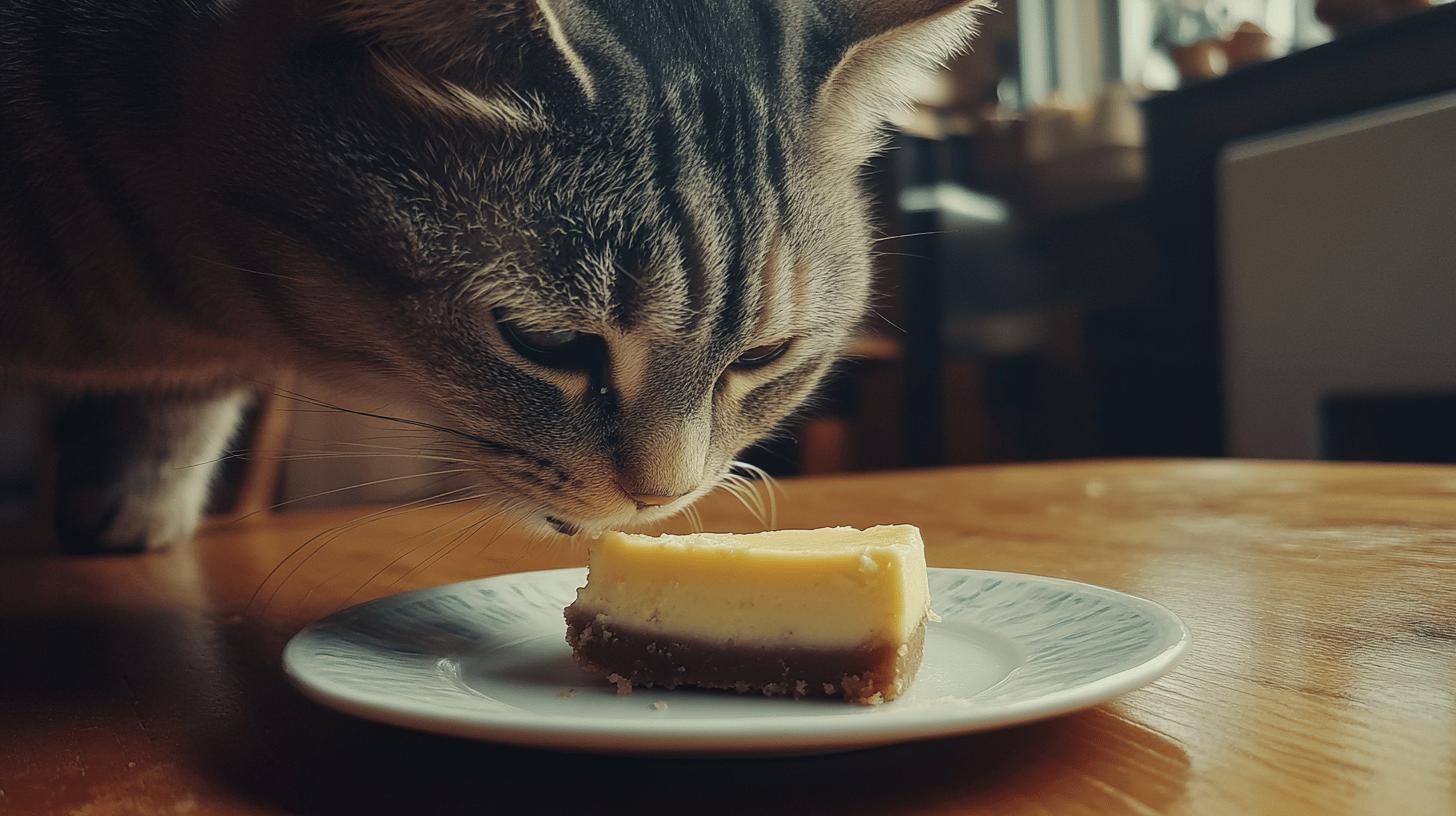
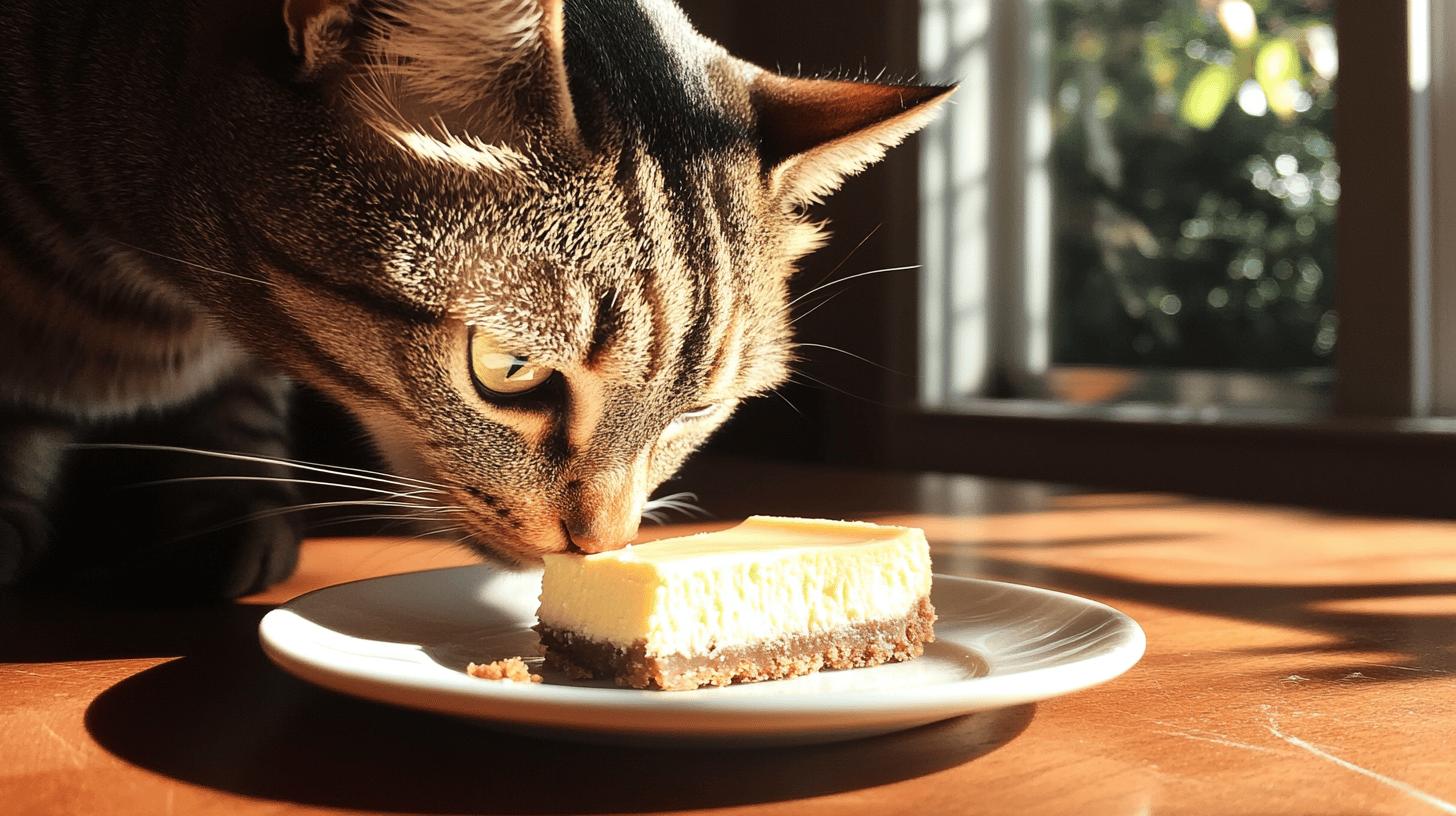
    Can cats indulge in the creamy delight of cheesecake, or is this beloved dessert a hidden danger? The answer is straightforward: cheesecake is not safe for cats. The combination of cream cheese, sugar, and potential chocolate, raisins, or xylitol makes cheesecake dangerous for cats. Every component creates health risks for feline bodies. From cream cheese to sugar to potential chocolate or raisins, nearly every component of cheesecake creates health risks for feline bodies. Understanding each ingredient individually reveals why cheesecake should never be offered to cats, not even a small taste.

    Cheesecake Ingredients Broken Down: What Each Component Does to Cats

    Cheesecake ingredients and their effects on cats

    Cheesecake is a layered dessert with multiple problematic components. Let’s examine each ingredient individually:

    1. Cream Cheese (Primary Base)

    Cream cheese is roughly 70-80% fat and contains lactose. This combination makes it one of the most problematic dessert ingredients for feline consumption. Most adult cats are lactose intolerant, lacking sufficient lactase enzyme to digest dairy sugar. When a cat consumes cream cheese, the lactose passes undigested into the colon where bacteria ferment it. This produces gas, bloating, and osmotic diarrhea (watery, urgent). Even small amounts trigger digestive symptoms within 8-12 hours. Additionally, the high fat content (34g per 100g) overwhelms a cat’s delicate digestive system and can trigger pancreatitis (painful inflammation of the pancreas).

    2. Sugar (Filling Sweetener)

    Cheesecake typically contains 25-35g of sugar per slice. Cats have no nutritional requirement for carbohydrates or sugar. Their taste receptors don’t even perceive sweetness effectively (unlike humans). Sugar in a cat’s diet causes weight gain, obesity, and metabolic dysfunction. Over time, high sugar consumption increases diabetes risk by forcing the pancreas to produce excessive insulin. A cat eating cheesecake regularly will develop obesity within months (indoor cats already overweight gain 1-2 pounds per month with improper feeding). This leads to joint problems, arthritis, reduced mobility, and shortened lifespan.

    3. Graham Cracker Crust (Base Layer)

    Graham crackers contain refined grains, sugar (again), and are designed for human digestion. Cats receive zero nutritional benefit. The sugar and carbohydrate content contribute to obesity and diabetes risk. Additionally, many commercial graham crackers contain soy lecithin or other additives cats don’t tolerate well.

    4. Sour Cream (Optional Ingredient)

    When included, sour cream adds additional lactose and fat (20% lactose, 19g fat per 100g). This compounds the digestive distress from cream cheese alone. Cats consuming sour cream experience the same lactose intolerance symptoms.

    5. Chocolate (Topping or Swirl, TOXIC)

    Dark chocolate and cocoa powder contain theobromine, a methylxanthine compound toxic to cats. This alkaloid isn’t metabolized efficiently by feline livers. Even small amounts can cause serious poisoning. Toxicity depends on chocolate type and amount: dark chocolate is 10-17x more dangerous than milk chocolate. Symptoms of chocolate poisoning in cats include vomiting, diarrhea, restlessness, tremors, rapid heart rate (up to 220 bpm), seizures, and cardiac arrhythmias. Some cases result in death from cardiac complications.

    6. Raisins (Fruit Topping, HIGHLY TOXIC)

    Raisins, dried grapes, and grapes are among the most toxic foods for cats. The toxic agent is unknown but causes acute kidney injury (renal failure). Even tiny amounts, as little as ½ raisin per pound of body weight, can trigger poisoning. A single raisin can poison a 10-pound cat. Symptoms appear within 24-48 hours: vomiting, diarrhea, abdominal pain, loss of appetite, lethargy, and increased drinking/urination. Kidney failure can be irreversible, requiring emergency dialysis or resulting in death.

    7. Xylitol (Sugar-Free Cheesecakes, EXTREMELY TOXIC)

    This artificial sweetener is catastrophically toxic to all animals. In cats, it triggers rapid insulin release, causing severe hypoglycemia (dangerously low blood sugar) within 30 minutes. Symptoms include vomiting, weakness, seizures, collapse, and death. It also causes acute liver failure. As little as 0.1g per kilogram of body weight is toxic. A cat eating even a small piece of sugar-free cheesecake containing xylitol faces life-threatening emergency requiring immediate veterinary intervention.

    Cheesecake Ingredient Toxicity Matrix

    Ingredient Toxicity Level Health Effect on Cats Danger from Typical Slice
    Cream Cheese Moderate Lactose intolerance: diarrhea, gas, bloating. High fat: pancreatitis risk Digestive upset within 8-12 hours (not life-threatening but uncomfortable)
    Sugar Low-Moderate Weight gain, obesity, diabetes, metabolic dysfunction Single slice: minimal acute risk. Repeated exposure: serious long-term damage
    Sour Cream Moderate Additional lactose intolerance, high fat Compounds digestive upset with cream cheese
    Graham Crackers Low Empty carbohydrates, sugar, no nutritional value Contributes to obesity over time
    Chocolate HIGH Theobromine toxicity: vomiting, tremors, seizures, cardiac arrhythmias, death DANGEROUS: Dark chocolate can be fatal even in small amounts
    Raisins/Grapes CRITICAL Acute kidney failure, irreversible renal damage LIFE-THREATENING: Single raisin can poison a cat. No safe amount.
    Xylitol CRITICAL Severe hypoglycemia, liver failure, seizures, death LIFE-THREATENING: Requires emergency veterinary care. Minutes matter.

    What to Do If Your Cat Eats Cheesecake

    Why these precautions matter for your household: Cheesecake toxicity risk varies dramatically based on ingredients. Even a tiny piece containing raisins or xylitol represents a medical emergency. The delayed symptom presentation in raisin toxicity (24-48 hours) means you must treat any exposure as potentially serious. Never assume a cat is safe just because immediate symptoms don’t appear. Conversely, plain cream cheese alone is uncomfortable but not life-threatening. Your response must match the ingredients consumed.

    If your cat ate a tiny piece (cream cheese base only, no chocolate/raisins/xylitol):

    Why immediate monitoring matters: The first 24-48 hours after cheesecake ingestion are critical. Even if your cat appears fine initially, symptoms can develop suddenly. Raisin toxicity is dose-dependent and unpredictable. Some cats show no signs, while others develop life-threatening kidney failure from tiny amounts. This is why veterinary consultation is essential, even for small amounts. Your vet can run baseline kidney bloodwork (BUN and creatinine) to detect early kidney damage before visible symptoms appear. Early intervention with IV fluids and supportive care significantly improves survival rates.

    • Monitor for vomiting and diarrhea for next 24 hours
    • Offer water and their normal food
    • Contact vet if diarrhea persists beyond 12 hours or if vomiting occurs

    If your cat ate cheesecake containing chocolate, raisins, or xylitol:

    • Contact veterinary emergency clinic immediately (don’t wait for morning)
    • Tell them: how much ate, what type (dark/milk chocolate), when it happened
    • Expect emergency treatment: IV fluids, stomach pumping (gastric lavage), activated charcoal, monitoring
    • Be prepared for potential hospitalization

    Safe Treat Alternatives

    If you want to offer your cat treats:

    • Plain cooked chicken (small piece, no seasoning)
    • Canned tuna in water (occasional, not daily)
    • High-quality commercial cat treats (meat-based)
    • Cooked salmon (small portion)
    • Catnip or silvervine (enrichment, not nutritional)

    Final Words

    Cheesecake is not appropriate for cats. Every component creates problems: cream cheese causes lactose intolerance, sugar causes obesity and diabetes, and potential chocolate or raisins cause serious toxicity or death. Sugar-free cheesecake with xylitol is catastrophically dangerous. There is no “safe” amount of cheesecake for cats. Even a tiny taste isn’t worth the risk. Your cat’s health depends on appropriate nutrition. Stick to cat-specific treats.

    FAQ

    Can cats eat cheesecake?

    No. Cheesecake contains dairy (lactose intolerance), sugar (obesity/diabetes), and potentially chocolate or raisins (toxic). Never feed cheesecake to cats.

    Can cats eat cream cheese?

    Small amounts might not cause acute harm, but cream cheese is high in lactose and fat. Most cats are lactose intolerant and develop diarrhea. Better to avoid.

    Can cats eat cheese?

    Most cheese is too high in lactose and fat for cats. Few adult cats can digest dairy without issues. Plain, unseasoned cheese in tiny amounts might be tolerated, but it’s not recommended.

    Is chocolate toxic to cats?

    Yes, absolutely. Chocolate contains theobromine, toxic to cats. Dark chocolate is most dangerous. Symptoms: vomiting, tremors, seizures, rapid heart rate, death. Never feed chocolate to cats.

    Are raisins toxic to cats?

    Yes, critically toxic. Raisins cause acute kidney failure in cats. Even one raisin can poison a cat. Symptoms: vomiting, diarrhea, lethargy, kidney failure. Requires emergency vet care.

    Is xylitol toxic to cats?

    Yes, extremely toxic. Xylitol causes severe hypoglycemia and liver failure in cats. Never feed sugar-free products containing xylitol to cats.

    Understanding Cheesecake Exposure Risk Levels

    Not all cheesecake exposures carry equal risk. The severity depends entirely on which ingredients are present and the quantity consumed. A cat eating a plain cream cheese mixture without sugar, chocolate, raisins, or xylitol faces digestive discomfort but not life-threatening toxicity. However, even trace amounts of chocolate, raisins, or xylitol demand emergency veterinary attention. Understanding these risk tiers helps cat owners respond appropriately and prevents both unnecessary panic and dangerous delays in seeking care.

    Low-Risk Exposure (Plain Cream Cheese Only): If your cat ate a very small amount of plain cream cheese base (no other ingredients), expect possible digestive upset: loose stool, mild vomiting, or reduced appetite for 24-48 hours. Monitor hydration by checking skin turgor (gently pull the skin on the neck; it should snap back immediately, not tent). Offer water and wet food. Contact your vet if diarrhea persists beyond 24 hours or if vomiting continues. This is manageable at home in most cases.

    Moderate-Risk Exposure (With Sugar/Graham Crackers): Sugar and empty carbohydrates don’t cause acute toxicity but set up obesity and diabetes risk with repeated exposure. One slice is unlikely to cause immediate emergency symptoms, but monitor for vomiting or diarrhea over the next 48 hours. Inform your vet at the next routine visit about the exposure so they can adjust weight and metabolic monitoring.

    High-Risk Exposure (Chocolate, Raisins, or Xylitol Present): This is an emergency. Do not wait for symptoms to appear. Contact your emergency veterinary clinic immediately, even if your cat appears normal. Bring the cheesecake packaging or ingredients list so your vet can assess exact toxin exposure. Raisin toxicity causes delayed kidney failure; early aggressive treatment with IV fluids prevents irreversible renal damage. Chocolate toxicity causes cardiac arrhythmias and neurological symptoms. Xylitol causes life-threatening hypoglycemia.

    Related Articles

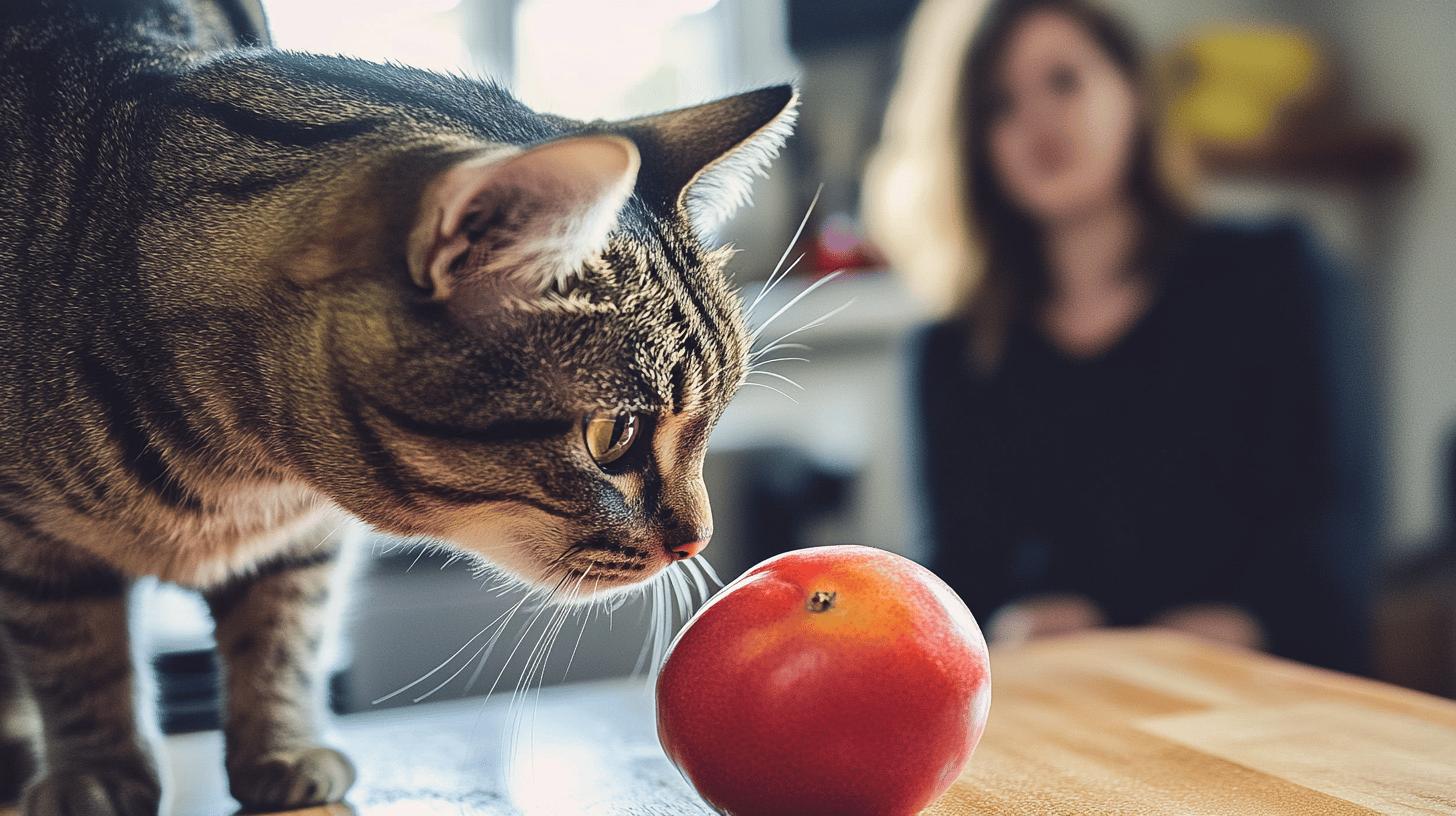
  • Can Cat Eat Nectarine Safely Understanding Nectarine Safety for Cats

    Can Cat Eat Nectarine Safely Understanding Nectarine Safety for Cats

    Are nectarines a sweet treat your cat can safely enjoy? While cats can eat nectarines, there are important precautions to take before sharing this fruit with your furry friend. Nectarines have pits, leaves, and stems that could be dangerous if ingested, so understanding how to prepare them properly is key.

    In this post, we’ll break down everything you need to know about feeding nectarines to your cat safely, ensuring they enjoy these occasional bites without any health risks. Let's explore how to keep your cat both safe and satisfied.

    Can Cats Eat Nectarines? Understanding Nectarine Safety for Cats

    Can Cats Eat Nectarines Understanding Nectarine Safety for Cats-3.jpg

    Cats can eat nectarines without experiencing major health problems, but safety precautions are a must. The main concern lies with the pits, leaves, and stems of the fruit, which contain amygdalin, a compound that releases cyanide. To keep your feline friend safe, always remove the pit and any other non-flesh parts before offering nectarines. Feeding only the flesh in small amounts is recommended. A fingertip-sized piece every week or two should suffice as a safe treat.

    Monitoring your cat for any adverse reactions is crucial when introducing nectarines into their diet. Keep an eye out for signs like vomiting or diarrhea, which could indicate a problem. If you notice any unusual behavior or symptoms, consult your veterinarian right away. It's always a good idea to discuss any new additions to your cat's diet with a vet, ensuring you’re keeping your furry companion healthy and happy.

    Nutritional Benefits and Potential Risks of Nectarines for Cats

    Nutritional Benefits and Potential Risks of Nectarines for Cats-1.jpg

    Nectarines offer some nutritional perks for our feline pals. They're packed with vitamins A and C, which can help boost a cat's immune system and keep their skin and vision in check. These fruits also provide hydration, crucial for kidney health and overall well-being, especially for cats that don't drink much water. Even with these benefits, remember that cats thrive on a meat-based diet for their primary nutrition.

    • Digestive issues: Too much can cause diarrhea or an upset stomach.
    • Choking hazards: The pits pose serious risks.
    • Cyanide exposure: Pits, leaves, and stems release cyanide.
    • Allergic reactions: Some cats might itch or swell.
    • Sugar content: Excessive sugar could lead to obesity or diabetes.

    Moderation is the name of the game when feeding nectarines. A fingertip-sized piece of nectarine flesh once every week or two is generally safe. This small portion lets them enjoy a tasty treat without the risks of larger amounts. Always take out the pit and any other non-edible parts before serving. This keeps their diet balanced and centered on essential animal protein.

    Alternatives and Precautions When Feeding Fruits to Cats

    Alternatives and Precautions When Feeding Fruits to Cats-1.jpg

    While nectarines can be a safe treat in moderation, there are other fruits that cats might enjoy. Safe fruits for cats include small amounts of blueberries, which are low in sugar and rich in antioxidants, and watermelon, which provides hydration and vitamins.

    Apples, sans seeds and core, can also be a crunchy treat. Bananas, with their soft texture, offer potassium and are generally well-tolerated by felines. Always ensure that these fruits are given in small amounts and cut into bite-sized pieces to minimize any choking hazards.

    When choosing fruits for your cat, it's crucial to know which ones to avoid:

    • Cherries: These contain high levels of cyanide, especially in the pits, and are toxic to cats.
    • Plums: Similar to cherries, the pits, stems, and leaves are dangerous due to cyanide content.
    • Grapes and raisins: Known to cause kidney failure in some pets, it's best to skip these altogether.
    • Citrus fruits: Oranges, lemons, and limes can upset your cat's stomach and cause discomfort.

    For those looking to expand their pet's palate beyond fruits, consider alternative treats like cooked chicken or turkey, small pieces of cheese, or commercial cat treats designed for feline nutrition. Always introduce new foods slowly and observe your cat for any signs of intolerance, such as vomiting or changes in stool. Consulting with a veterinarian can help tailor these treats to your cat’s dietary needs, ensuring they remain safe and healthy.

    Can Cats Eat Nectarines?

    Expert Advice and Common Signs of Food Intolerance in Cats-3.jpg

    Before adding nectarines to your cat's diet, seek guidance from a veterinarian. Each cat has unique dietary needs, and a vet can give personalized advice based on your cat's health history. This step helps avoid introducing foods that might cause health issues.

    Watch for signs of food intolerance when introducing nectarines. Symptoms like diarrhea, vomiting, or changes in appetite could indicate a problem. Itching, excessive licking, or unusual lethargy are also signs that the food might not agree with your cat. Consult your vet if any of these occur.

    Offer a small piece of nectarine and monitor your cat's reaction. Keeping a food diary can help track changes in behavior or health, such as stool or energy levels. Regular vet check-ups ensure any issues are caught early and your cat's diet can be adjusted for their well-being.

    Nutritional Benefits and Potential Risks of Nectarines for Cats

    Keeping a food diary and scheduling regular vet check-ups can help monitor your cat's health after introducing nectarines. This practice ensures any issues are detected early, allowing for adjustments to maintain your cat's well-being.

    Final Words

    Exploring if can cat eat nectarine led us through key safety tips and nutrition insights. Cats can enjoy nectarine flesh in tiny amounts, but remember to steer clear of pits and stems due to amygdalin. Nectarines offer vitamins for boosting their health, but too much can upset their stomach.

    We covered how moderation is crucial and looked at safe fruit alternatives and potential risks. It's wise to consult a vet before introducing new foods and watch for signs of intolerance. Providing your cat with occasional treats can bring variety without compromising their health.

    FAQ

    Can cat eat nectarine seeds?

    A: Cats should not eat nectarine seeds. They contain amygdalin which releases cyanide when digested and can be harmful.

    Can cat eat nectarine leaves?

    A: Cats should not eat nectarine leaves. They contain amygdalin, which releases cyanide and poses a risk to cats.

    Can cat eat nectarine juice?

    A: Cats can have a small taste of nectarine juice, but it's best to avoid regular consumption due to high sugar content.

    What fruits can cats not eat?

    A: Cats should avoid grapes, raisins, cherries, and citrus fruits, as they can be toxic or upsetting to their digestive systems.

    Can cats eat peaches?

    A: Cats can eat small amounts of peach flesh, but avoid pits, seeds, and leaves as they are harmful.

    What fruits can cats eat?

    A: Cats can safely eat small amounts of strawberries, blueberries, and apples (without seeds), but always in moderation.

    Can cats eat strawberries?

    A: Cats can eat strawberries in small amounts. They should be fresh and washed to ensure they're safe.

    Can cats eat blackberries?

    A: Blackberries are safe for cats in small quantities. They offer vitamins but should be given in moderation.

    What fruit is toxic to cats?

    A: Fruits like grapes, raisins, and cherries are toxic to cats and should be strictly avoided.

    Is it OK for cats to eat peaches?

    A: It's okay for cats to eat small pieces of peach flesh, but always keep away from pits and leaves.

    Are nectarine trees poisonous to cats?

    A: Yes, parts of nectarine trees, like leaves and pits, are poisonous due to cyanide-producing compounds.

    Why can't cats eat fruit?

    A: Cats are obligate carnivores and lack the enzymes needed to digest fruits properly, which can cause digestive issues.

    Related Articles

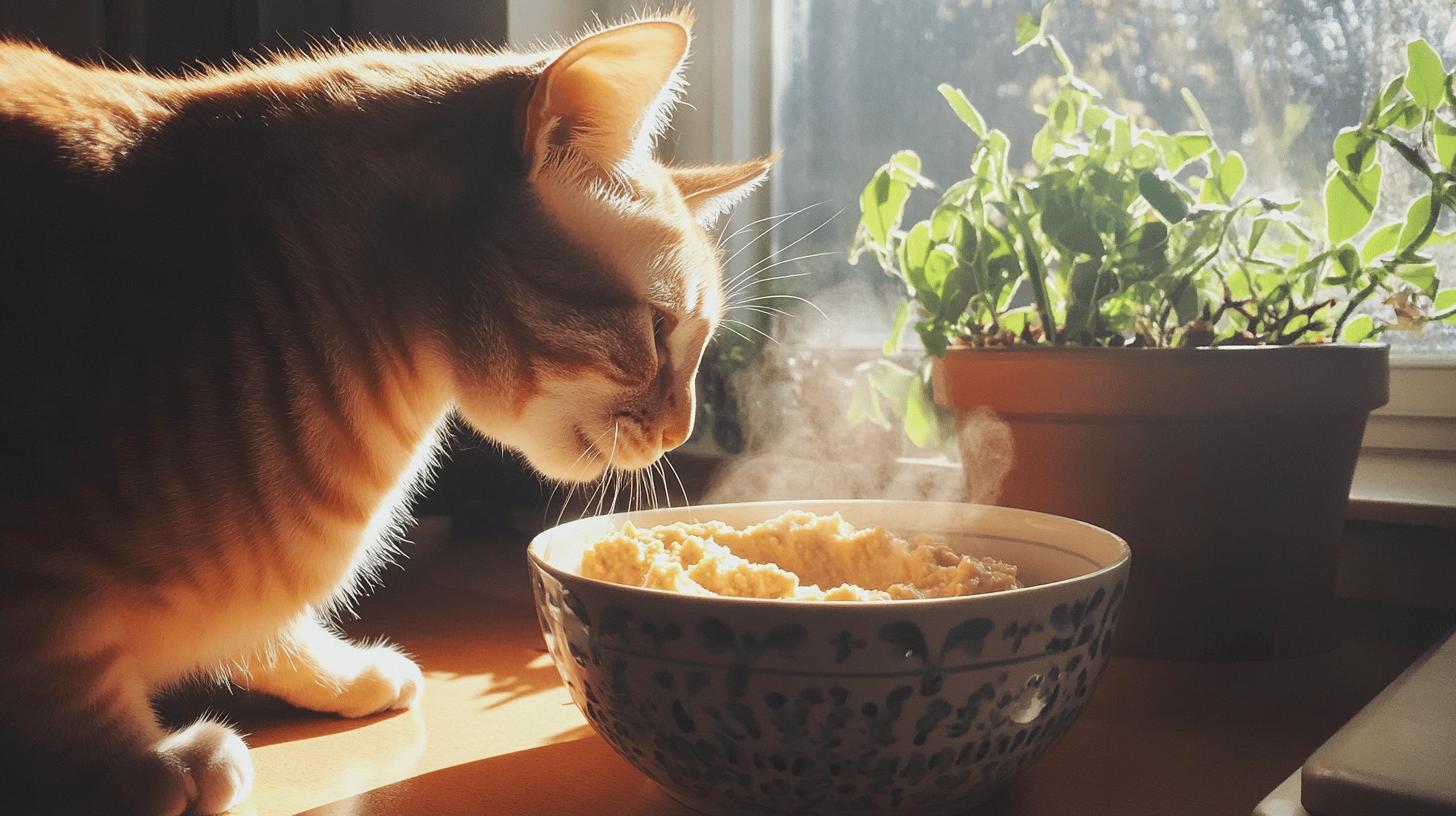
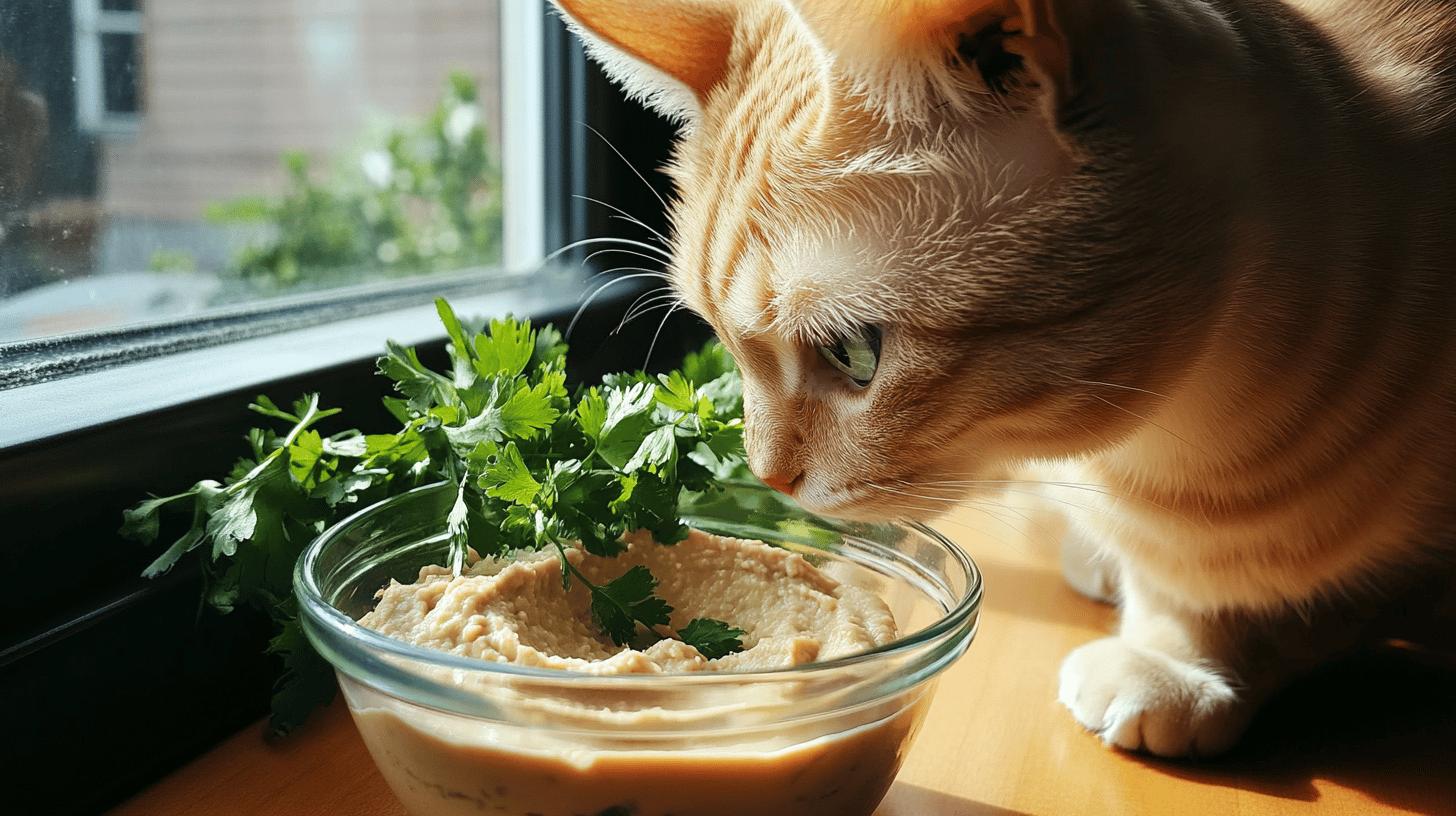
  • Can Cat Eat Hummus Exploring Safety and Risks

    Can Cat Eat Hummus Exploring Safety and Risks

    Can cats munch on hummus, or is it a risky snack? While hummus is a tasty, nutritious dip for us, it poses several safety concerns for our feline friends. Cats are natural meat-eaters, and ingredients like chickpeas and tahini won't cut it for their nutritional needs. Plus, garlic in hummus can be downright dangerous, leading to serious health problems. In this article, we'll dive into the details, exploring the safety and potential risks of hummus for cats and why this creamy spread might not be the best treat for your whiskered buddy.

    Can Cats Eat Hummus? Understanding the Risks and Ingredients

    Can Cats Eat Hummus Understanding the Risks and Ingredients-1.jpg

    Hummus is a popular spread made from chickpeas, tahini, lemon juice, garlic, and olive oil. While it's a healthy snack for humans, the same can't be said for cats. Cats are obligate carnivores, which means their bodies are designed to thrive on diets rich in animal protein. The ingredients in hummus do not align with these dietary needs. Chickpeas, the main component of hummus, are not toxic to cats if consumed in moderation, but they provide minimal nutritional benefits. Chickpeas lack essential amino acids like taurine, which cats require from animal sources. So, even if your cat shows curiosity about hummus, it's not the best choice for them.

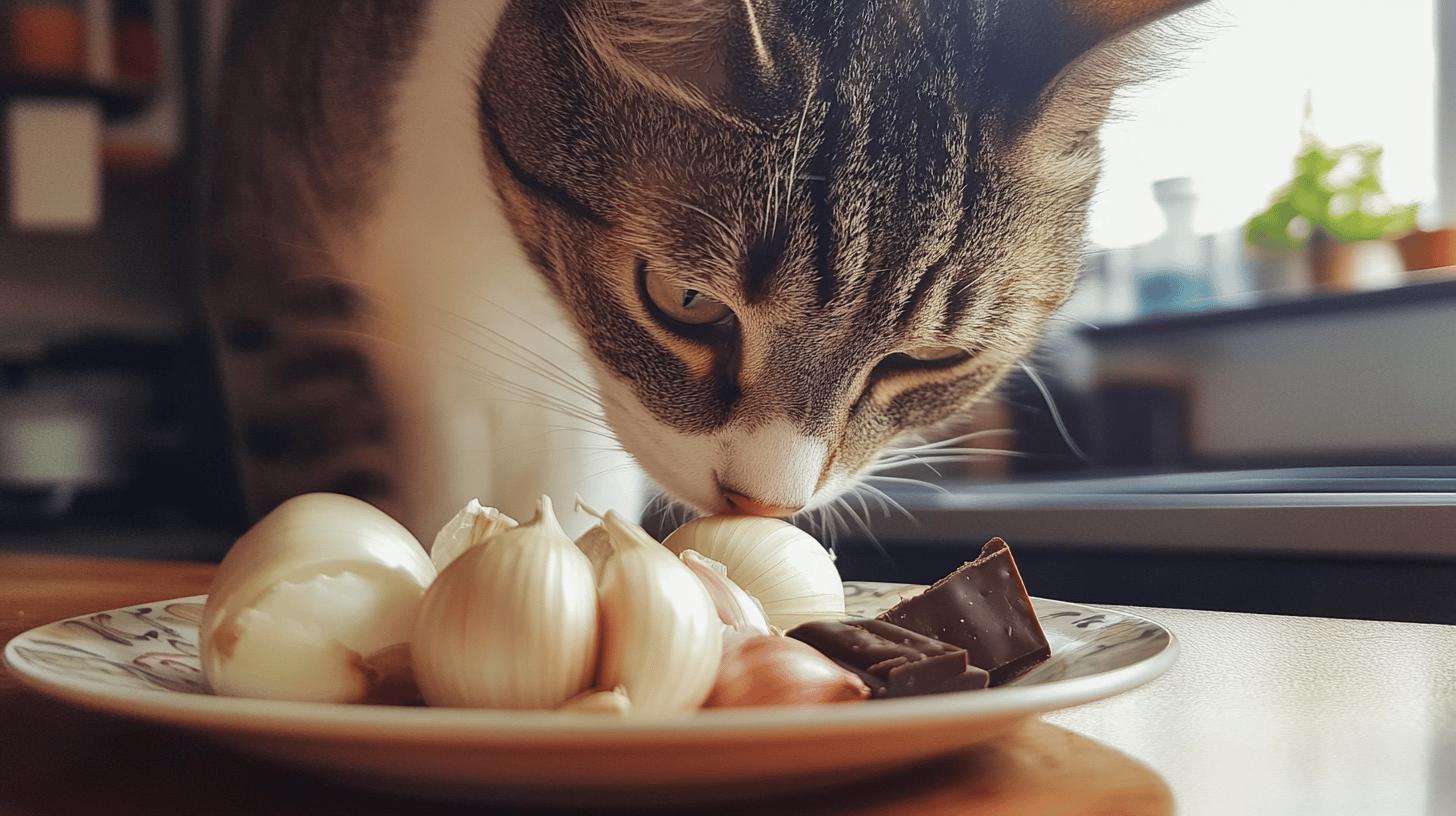
    Garlic is one of the most concerning ingredients in hummus when it comes to feline safety. It's toxic to cats and can cause oxidative damage to their red blood cells, leading to a condition called Heinz body anemia. Symptoms of garlic toxicity include lethargy, weakness, and breathing difficulties. Immediate veterinary care is essential if a cat ingests garlic. Tahini, made from sesame seeds, can also upset a cat's digestive system due to its high fat and oil content, resulting in diarrhea or vomiting. While not toxic, tahini doesn't offer any nutritional benefits to cats, making it another ingredient that's best avoided.

    • Chickpeas: Minimal health benefits; not harmful in small amounts.
    • Tahini: Can upset digestion; high in fats and oils.
    • Garlic: Toxic; causes Heinz body anemia.
    • Lemon Juice: Potential to irritate stomach; not beneficial.
    • Olive Oil: May cause digestive upset; unnecessary in a cat’s diet.

    Hummus, even when devoid of harmful ingredients like garlic, is still unsuitable for cats. Experts agree that cats need diets based on animal proteins to thrive, and hummus simply doesn't meet this requirement. Cats require certain nutrients that plant-based foods can't provide, and regular consumption of hummus could lead to nutritional deficiencies. It's best to stick to treats formulated specifically for feline dietary needs. If your cat accidentally consumes a small amount of hummus without harmful ingredients, it's unlikely to cause significant harm, but it shouldn't be offered as a treat. Always consult with a veterinarian if you're considering introducing new foods into your cat's diet to ensure their health and safety.

    Veterinary Advice: Safe Alternatives to Hummus for Cats

    Veterinary Advice Safe Alternatives to Hummus for Cats-1.jpg

    If you're looking for safe and nutritious treats for your feline friend, skip the hummus and consider options that align with their carnivorous diet. Commercial cat treats are specifically formulated to meet a cat's nutritional needs, providing essential vitamins and proteins. Another great option is small amounts of cooked meats like chicken, turkey, or beef, which offer high-quality protein that cats thrive on. These alternatives not only satisfy your cat's craving for variety but also support their health by providing the amino acids they need.

    Alternative Treat Nutritional Benefit
    Commercial Cat Treats Balanced vitamins and proteins
    Cooked Chicken High protein, easy to digest
    Cooked Turkey Lean protein, rich in taurine
    Cooked Beef Iron-rich, supports muscle health
    Freeze-Dried Fish Omega-3 fatty acids, promotes a healthy coat

    It's crucial to consult with a veterinarian before making any significant changes to your cat's diet. Veterinarians can provide personalized advice based on your cat's specific dietary needs. Ensuring a protein-rich diet from animal sources is key to a healthy cat. Avoid sharing human foods that could disrupt their nutritional balance. By focusing on appropriate, safe alternatives, you can keep your feline friend healthy and happy.

    Signs of Food Toxicity in Cats: What to Watch For

    Signs of Food Toxicity in Cats What to Watch For-1.jpg

    Recognizing the signs of food toxicity in cats is crucial for any pet owner. Cats are curious creatures, and they might occasionally ingest something they shouldn't. Knowing the symptoms of potential toxicity can help you act quickly to protect your feline friend’s health.

    Common symptoms of food toxicity in cats can vary but often include some key signs. These symptoms might appear shortly after your cat has consumed a harmful substance. Here are some of the most common indicators to watch for:

    • Vomiting: Often one of the first signs something is wrong.
    • Diarrhea: Can lead to dehydration if not addressed.
    • Lethargy: Your cat may seem unusually tired or weak.
    • Drooling: Excessive saliva can indicate irritation or poisoning.

    If you observe any of these symptoms in your cat, it's essential to seek veterinary care immediately. Quick intervention can make a significant difference in your cat’s recovery. Always err on the side of caution when it comes to your pet’s health, and consult with your veterinarian if you suspect food toxicity.

    Common Human Foods to Avoid in Cat Diets

    Common Human Foods to Avoid in Cat Diets-1.jpg

    Feeding cats human food can be tempting, but many common ingredients found in our kitchens can pose serious risks to feline health. Cats have unique dietary requirements that differ significantly from humans. Their bodies are designed to process a diet high in animal proteins and low in carbohydrates, which means that many human foods can disrupt their nutritional balance. Some ingredients might seem harmless but can lead to toxicity or other health issues. It's crucial to understand which foods are off-limits to ensure your cat's well-being.

    Here are six common foods that should be avoided in cat diets:

    • Garlic: Toxic to cats and can cause anemia.
    • Onions: Similar to garlic, they can damage red blood cells.
    • Chocolate: Contains theobromine, which is harmful to cats.
    • Grapes and Raisins: Can cause kidney failure.
    • Alcohol: Even small amounts can be fatal.
    • Caffeine: Found in coffee, tea, and certain sodas, it's toxic to cats.

    Sharing human foods with your cat might seem like a treat, but it often comes with hidden dangers. Cats require a diet tailored to their specific needs, focusing on high-quality protein sources. Introducing inappropriate foods can lead to nutritional imbalances, health complications, or even poisoning. It's always safer to stick to cat-specific treats and consult with a veterinarian when considering any dietary changes for your feline friend.

    Final Words

    Exploring whether a cat can eat hummus reveals serious risks. Ingredients like garlic and tahini aren't cat-friendly. These can cause harm, such as garlic toxicity. Chickpeas and tahini don't offer much to cats either. Cats need protein-rich diets tailored to their needs.

    Safe treats include commercial cat snacks or cooked meats. Always consult with a vet for dietary guidance.

    Recognizing toxicity signs like vomiting and lethargy is crucial. Foods such as garlic and chocolate should never be shared. Keeping your cat's diet safe ensures better health and happiness.

    FAQ

    Can hummus harm my cat if eaten?

    If your cat eats hummus, it may experience digestive upset. Ingredients like garlic are toxic to cats and can cause serious health issues. Always keep hummus away from your cat.

    Is it safe for cats to consume chickpeas?

    Cats can eat chickpeas, but these provide minimal health benefits. Cats need diets rich in animal protein, not plant-based foods like chickpeas.

    What happens if a cat consumes garlic?

    Garlic can harm cats, leading to Heinz body anemia and digestive problems. Even small amounts can be dangerous, so avoid giving cats garlic or foods containing it.

    Can I give my cat pita chips as a snack?

    Pita chips are not ideal for cats. They are high in salt and carbohydrates, which aren't suitable for a cat's nutritional needs.

    Are carrots a good treat for cats?

    Carrots are not harmful and are safe for cats in small amounts. However, cats primarily require animal proteins for a balanced diet.

    What should I do if my cat shows signs of food toxicity?

    Look for symptoms such as vomiting, diarrhea, lethargy, or drooling. Seek immediate veterinary care if you observe these signs.
    What human foods should I avoid giving my cat?

    Avoid these human foods for your cat's safety:

    • Garlic
    • Onions
    • Chocolate
    • Grapes and raisins
    • Raw eggs
    • Alcohol

    Are there any safe treats I can give my cat instead of hummus?

    Yes, safe alternatives include commercial cat treats or small amounts of cooked meat. Consult your veterinarian for specific diet recommendations.
    Related Articles

  • Can Cat Eat Kitten Food Safely and Healthily

    Can Cat Eat Kitten Food Safely and Healthily

    Is feeding your adult cat kitten food a smart choice, or could it be doing more harm than good? Many cat owners grapple with this question, especially when curious cats seem more interested in kitten kibble. Kitten food is bursting with energy-rich nutrients, crafted for the needs of growing felines. While sneaking a bite here and there won't drastically harm an adult cat, consistently serving kitten chow might not be wise. This article will explore why kitten food shouldn’t be your adult cat’s go-to diet and how to keep their mealtime both safe and nutritious.
    Can Adult Cats Eat Kitten Food Safely?

    Can Adult Cats Eat Kitten Food Safely-1.jpg

    Many cat owners wonder if it's safe for adult cats to eat kitten food. The answer is yes, but only occasionally. Kitten food is specially formulated to meet the high-energy needs of growing kittens. It is packed with protein, fat, and essential vitamins that help them grow strong and healthy. While an adult cat can handle kitten food once in a while without any harm, relying on it as their main diet isn't recommended. The rich nutrient content in kitten food doesn't align with an adult cat's dietary requirements.

    Adult cats and kittens have different nutritional needs, which is why their foods are formulated differently. Kitten food is designed to support rapid growth with higher levels of protein, fat, and calories. In contrast, adult cats require a maintenance diet that balances their energy needs without leading to weight gain. Feeding an adult cat kitten food regularly can disrupt this balance. The next section will delve deeper into these nutritional differences and why they matter for your cat's health.

    Feeding an adult cat kitten food on a regular basis can lead to several health issues, primarily obesity. The high caloric content of kitten food, when consumed by an adult cat, can cause unnecessary weight gain, which in turn may lead to arthritis and other obesity-related health problems. Maintaining a diet appropriate for their life stage is crucial to keeping them healthy and active. Always consult with a veterinarian before making any significant changes to your cat's diet.

    Nutritional Needs for Adult Cats vs. Kittens

    Nutritional Needs for Adult Cats vs Kittens-1.jpg

    Kitten food is designed to support rapid growth, loaded with high protein, fat, and calories. These nutrients act as a power surge, fueling kittens' development and supporting their energy demands. Kitten food often includes DHA, crucial for their brain and vision development. For adult cats, this dense nutrition isn't necessary. Their dietary needs shift towards maintaining health and preventing weight gain.

    Nutrient Kittens’ Needs Adults’ Needs
    Protein High for growth Moderate for maintenance
    Fat High for energy Moderate for balance
    Calories High for development Lower to prevent obesity
    DHA Included for brain development Not necessary

    Transitioning cats between life stage diets can be tricky but is essential for their health. Gradually mixing new food with the old over a week helps prevent digestive upset. Selecting appropriate food involves checking labels for lower calorie content in adult cat food to maintain a healthy weight. These adjustments ensure your adult cat thrives without the risk of obesity or related health issues.

    Can Adult Cats Eat Kitten Food Safely?

    Potential Risks of Kitten Food for Adult Cats-1.jpg

    Adult cats are better off with a diet that matches their life stage. Kitten food is high in proteins and fats, perfect for growing kittens but not ideal for adults. This nutrient overload can lead to obesity, causing health problems like arthritis. Such conditions impact their mobility and overall quality of life. It's key to ensure adult cats have a diet suited to their specific age to avoid these issues.

    High caloric content in kitten food also poses a risk. Adult cats need fewer calories to maintain their weight. Consuming kitten food can lead to excessive calorie intake, resulting in weight gain. Obesity from this can increase the risk of diabetes, heart disease, and liver problems. Keeping an eye on their diet and providing food tailored to their energy needs can help prevent these health concerns.

    When to Transition Cats from Kitten to Adult Food

    When to Transition Cats from Kitten to Adult Food-1.jpg

    Kittens grow quickly during their first year, which is why they need the nutrient-rich formulation of kitten food. Typically, most kittens should transition to adult cat food around their first birthday. This is when their growth rate slows down, and their nutritional needs change. However, some cats, especially larger breeds, might not be fully developed until they're 18 months old. These breeds may need to stay on kitten food for a bit longer to support their growth.

    Transitioning your kitten to adult cat food should be done gradually over 7-10 days to avoid digestive issues. Here are some tips to make the switch smooth and effective:

    • Gradual change over 7-10 days
    • Monitor for digestive issues
    • Consult a vet for specific breed needs
    • Ensure balanced nutrition

    Considering breed-specific needs is crucial. Larger breeds like Maine Coons may require kitten food for up to 18 months. Always consult with your veterinarian to determine the best timeline and approach for transitioning your kitten based on their growth and development. This ensures your cat receives the necessary nutrients to maintain health and avoid potential issues associated with premature dietary changes.

    Expert and Veterinarian Advice on Cat Feeding

    Expert and Veterinarian Advice on Cat Feeding-3.jpg

    When it comes to feeding your cat, consulting a veterinarian should be your first step. Vets have the expertise to tailor dietary plans based on your cat's specific needs, considering factors like age, health, and activity level. They can help navigate the complexities of choosing the right food, ensuring that your feline friend receives a balanced diet. This guidance is essential, especially when contemplating any major changes to your cat's diet, such as switching from kitten food to adult cat food.

    Here are some vet-recommended feeding practices that you can implement to keep your cat healthy:

    • Tailored diets based on age and health
    • Monitoring weight and health changes
    • Regular diet reviews
    • Considering activity levels
    • Preventing nutritional deficiencies

    Following these practices ensures that your cat's nutritional needs are met effectively. Expert advice is instrumental in maintaining your cat's well-being, as it can preempt potential health issues before they arise. By adhering to these guidelines, you're more likely to keep your pet in optimal health, promoting a long and happy life. Regular check-ins with your vet will also allow you to adjust feeding strategies as your cat grows and changes, making sure that their diet continually supports their health.

    Final Words

    Understanding if and when an adult cat can eat kitten food is crucial. Though it's fine occasionally, making it their primary diet isn't advisable. Adult cats and kittens differ in their nutritional needs. This affects their health, as kitten food can lead to obesity in adults.

    Transitioning your cat to adult food involves careful timing and monitoring. Consultation with a vet ensures your cat receives proper nutrition. Following these steps leads to a healthier and happier pet. Providing the right food promotes a balanced, enjoyable life for your feline friend.

    FAQ

    Q: Can adult cats eat kitten food safely?

    A: Adult cats can eat kitten food occasionally without harm. However, kitten food is higher in protein and fats, which could lead to obesity if regularly consumed by adult cats.

    Q: What's the difference between kitten food and cat food?

    A: Kitten food is designed with more protein, fat, and calories to support growth, while adult cat food focuses on maintenance with fewer calories to prevent obesity.

    Q: What happens if my cat eats kitten food?

    A: If your cat eats kitten food, it's generally safe in small amounts. Regularly eating it can cause weight gain and potential health issues like obesity.

    Q: Is kitten food ok for old cats?

    A: Kitten food isn't ideal for older cats as it may lead to excessive weight gain due to its high calorie and nutrient content designed for growth.

    Q: What age can cats get off kitten food?

    A: Cats typically transition to adult food around one year old. Some breeds may require a switch between 10-18 months, depending on their growth rate.

    Q: Can adult cats eat kitten food to gain weight?

    A: Adult cats can eat kitten food to gain weight, but it's not recommended as a long-term solution due to potential obesity and related health risks.

    Q: Can going from adult cat food to kitten food cause diarrhea?

    A: Switching from adult to kitten food can lead to diarrhea in adult cats due to nutritional imbalances and higher fat content in kitten food.

    Related Articles

  • Can Cat Eat Sunflower Seed Safely and Effectively

    Can Cat Eat Sunflower Seed Safely and Effectively

    Are sunflower seeds a safe nibble for your cat, or could they be biting off more than they can chew? While sunflower seeds are non-toxic and may seem like a harmless treat, it’s crucial to understand the fine line between safety and excess. Discover how to balance offering these seeds without tipping the scales with too many calories. In this post, I will guide you through the safety of giving sunflower seeds to your cat and how to do so effectively, ensuring your furry friend stays happy and healthy.

    Can Cats Safely Eat Sunflower Seeds?

    Can Cats Safely Eat Sunflower Seeds-1.jpg

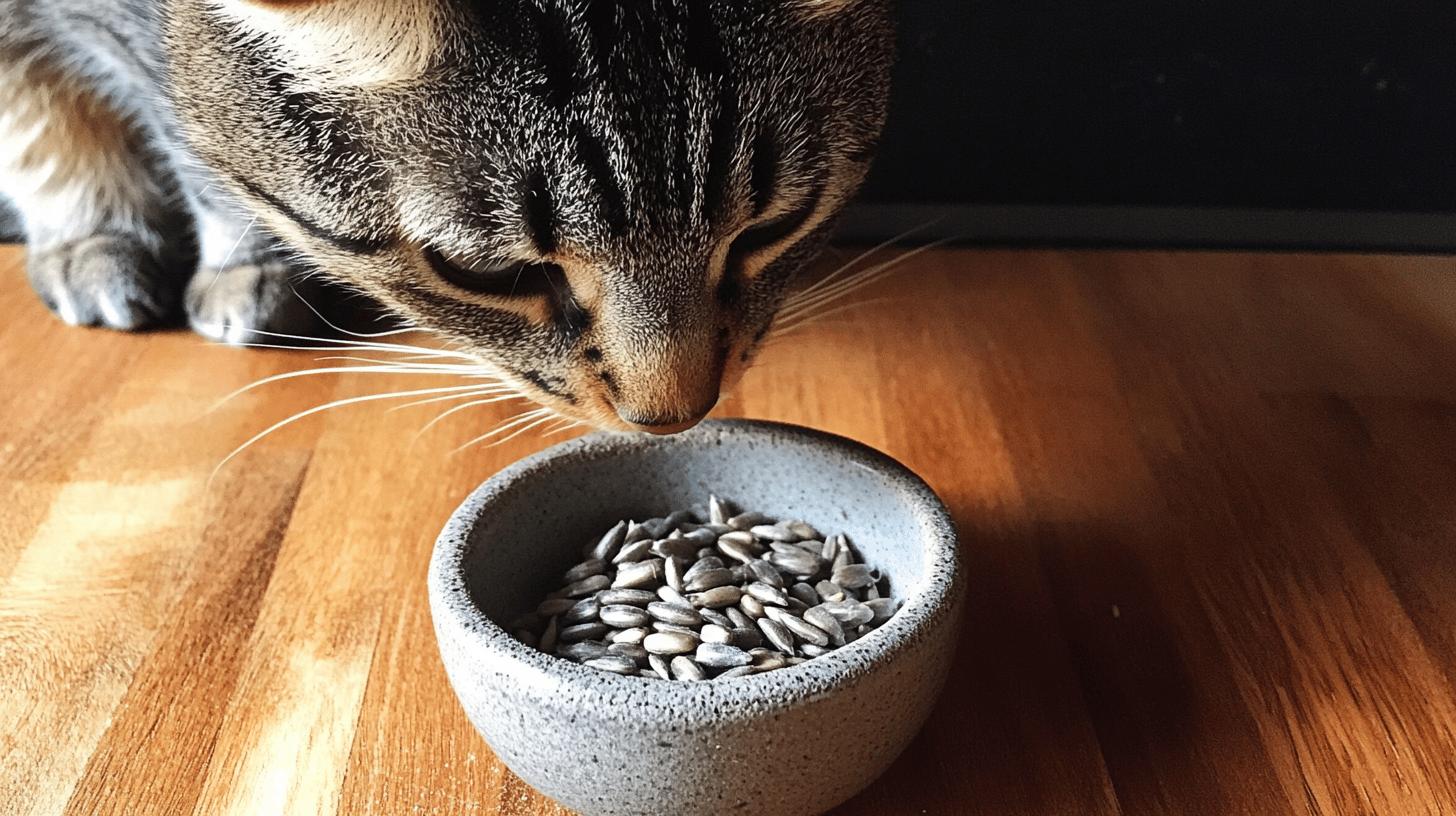
    Cats can safely nibble on sunflower seeds as they are non-toxic according to the ASPCA. This makes sunflower seeds for cats a safe treat option, but we should still be cautious about sunflower seed consumption. While they are safe, the high-calorie content means moderation is key.

    Sunflower seeds are calorie-dense, with a 30-gram serving packing in about 175 calories. For a 10-pound cat, that’s two-thirds of their daily caloric intake. Excessive consumption can lead to weight gain and other health issues. To avoid these problems, it’s best to offer sunflower seeds as an occasional treat rather than a regular part of their diet.

    Here are some key points on safely feeding sunflower seeds to cats:

    • Non-toxic confirmation: According to the ASPCA, sunflower seeds are non-toxic, making them safe for feline consumption.
    • Moderation is crucial: Due to their high-calorie content, feed sunflower seeds sparingly to prevent weight issues.
    • Plain and unsalted: Ensure the seeds are unsalted and plain. This avoids unnecessary sodium and flavor additives that aren’t beneficial for cats.
    • Monitor for reactions: Keep an eye on your cat for any digestive discomfort after eating sunflower seeds. If any issues arise, consult your vet.

    By following these guidelines, you can offer sunflower seeds as a safe and delightful treat for your feline friend.

    Nutritional Benefits and Risks of Sunflower Seeds for Cats

    Nutritional Benefits and Risks of Sunflower Seeds for Cats-1.jpg

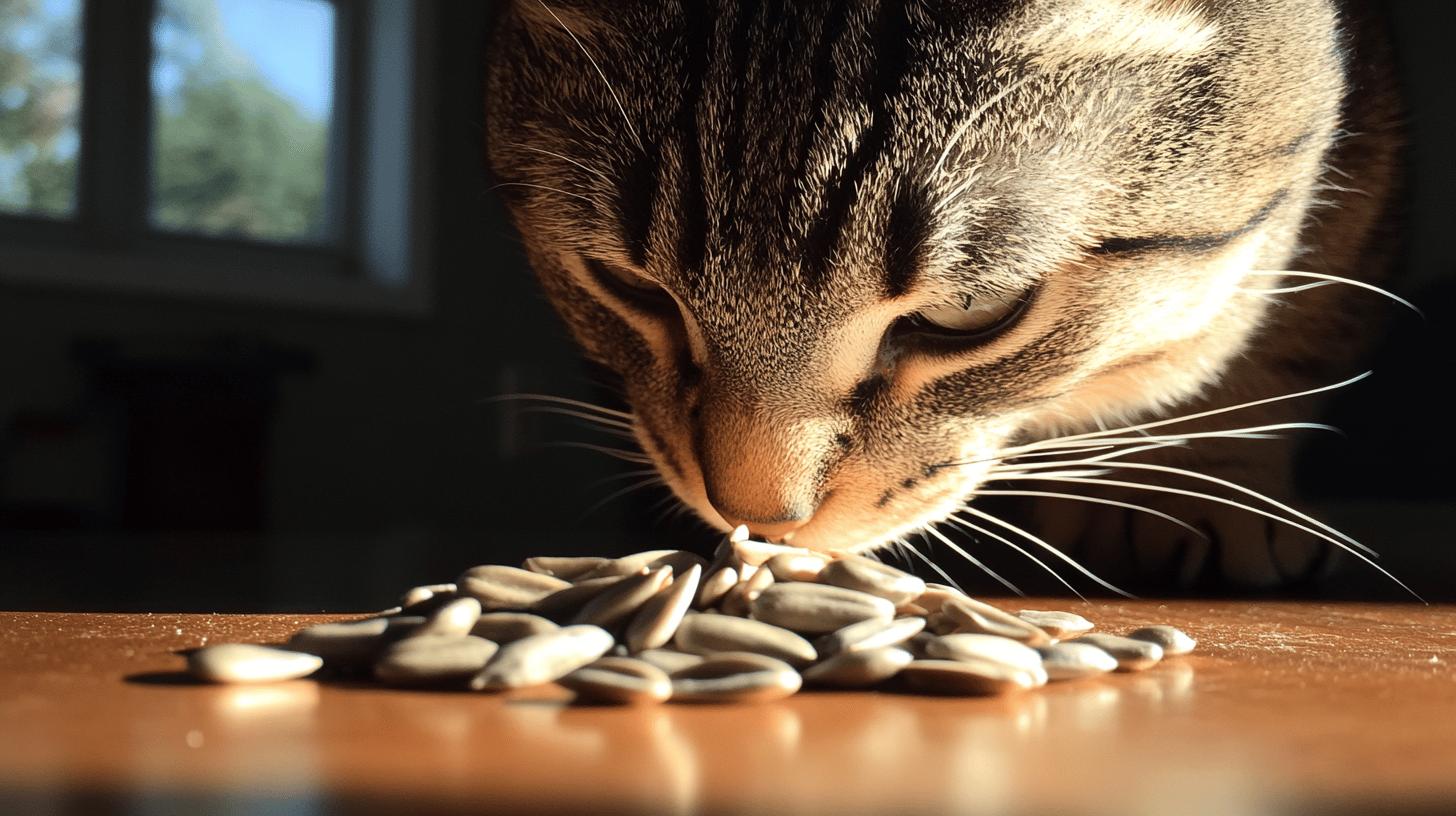
    Sunflower seeds offer unique nutritional benefits that go beyond what’s already covered. They are rich in vitamin B6, which plays a crucial role in maintaining healthy brain function and red blood cell production in cats. The presence of magnesium supports muscle function and bone health, contributing to overall well-being.

    These nutrients can enhance your cat’s diet in specific ways. Vitamin B6 aids in the synthesis of neurotransmitters, which are vital for neurological health. Magnesium contributes to the structural development of bones and helps in energy production. Copper, often found in sunflower seeds, supports the formation of collagen, aiding in the maintenance of healthy joints and skin elasticity.

    While incorporating sunflower seeds into your cat’s diet can be beneficial, it’s important to be aware of possible risks associated with overconsumption:

    • High calorie content can lead to weight gain.
    • Potential digestive issues if too many seeds are consumed.
    • Excessive fats can contribute to obesity.
    • Choking hazards if seeds are not de-shelled.
    • Imbalanced diet if seeds replace core dietary components.

    Moderation remains crucial in introducing sunflower seeds to your cat’s diet. Stick to small, infrequent portions to prevent any adverse health effects. This way, sunflower seeds can serve as a nutritious supplement to your cat’s regular meals, supporting their health without compromising their dietary balance.

    Guidelines for Feeding Sunflower Seeds to Cats

    Portion control is essential when feeding sunflower seeds to your cat. Their high calorie content means that even a small serving, like a 30-gram portion with 175 calories, can take up a large part of a 10-pound cat’s daily calorie limit. This can help prevent unwanted weight gain.

    Here are three steps for safe feeding:

    1. De-shell seeds before feeding. Shells can pose choking hazards.
    2. Limit to 1-5 kernels occasionally. This keeps the diet balanced without adding too many calories.
    3. Monitor for any adverse reactions. Look out for signs of digestive discomfort.

    Introduce new treats with careful observation. Assess your cat’s reaction to eating sunflower seeds, noting any changes in behavior or digestion. If you have concerns or need guidance, consult your vet for personalized advice tailored to your cat’s dietary needs.

    Comparing Sunflower Seeds to Other Seeds and Nuts for Cats

    Comparing Sunflower Seeds to Other Seeds and Nuts for Cats-1.jpg

    Cats can enjoy a variety of seeds and nuts, but it’s crucial to know which ones are safe and how to serve them. Generally, seeds and nuts should be given in moderation to avoid any potential health risks. While some offer nutritional benefits, others are not ideal due to their high fat content. To make informed choices, let’s compare sunflower seeds with other popular options for feline diets.

    Pumpkin Seeds for Cats

    Pumpkin seeds can be a great addition to your cat’s diet. They are known for their digestive benefits, thanks to the high fiber content that can support a healthy gut. Offering pumpkin seeds in moderation can help maintain your cat’s digestive health without the risk of excessive calorie intake. Always ensure the seeds are unsalted and de-shelled.

    Sesame Seeds for Cats

    Sesame seeds can be fed to cats but should be treated with caution. They contain beneficial nutrients like calcium and iron, which can contribute to bone health and metabolism. However, the small size and calorie density mean they should be given sparingly. Monitor your cat for any signs of digestive discomfort when introducing sesame seeds.

    Other Nuts (e.g., Almonds, Cashews)

    While nuts like almonds and cashews might seem appealing, they are generally not recommended for cats. These nuts are high in fats, which can lead to weight gain and other health issues if consumed in large amounts. It’s best to avoid feeding nuts to cats or offer them only in very small quantities under supervision.

    Seed/Nut Type Benefits Risks
    Sunflower Seeds Rich in protein and vitamins High calorie content
    Pumpkin Seeds Supports digestion Moderation needed
    Sesame Seeds Contains calcium and iron Potential digestive issues

    Understanding these differences helps in choosing the right seeds and nuts for your cat. By carefully selecting and moderating these treats, you can provide a variety of nutritional snacks that support your cat’s health.

    Nutritious Alternatives to Sunflower Seeds for Cats

    Nutritious Alternatives to Sunflower Seeds for Cats-1.jpg

    A balanced diet is crucial for maintaining a cat’s health and vitality. While sunflower seeds can be a tasty treat in moderation, they shouldn’t be the mainstay of a cat’s diet. Ensuring that your feline friend receives a variety of nutrients is key to their overall well-being. This means offering snacks that complement their regular meals and don’t contribute to unwanted weight gain or health issues.

    Here are some healthy snacks that can be great alternatives to sunflower seeds:

    • Cooked chicken or turkey: These lean meats provide high-quality protein that supports muscle health.
    • Small amounts of tuna: Rich in omega-3 fatty acids, tuna can boost skin and coat health when given sparingly.
    • Commercial cat treats: Formulated to provide essential nutrients without extra calories, these are convenient and safe.
    • Cooked carrots or peas: These vegetables offer fiber and vitamins that aid digestion and overall health.
    • Catnip as an occasional treat: Besides being entertaining, catnip can stimulate activity and playfulness.

    Adding variety to a cat’s diet can have numerous benefits. By offering different types of nutrients and flavors, you keep your cat interested in their meals and ensure they receive a well-rounded diet. This helps prevent nutritional deficiencies and promotes a healthy lifestyle, ensuring your furry friend remains happy and thriving.

    Final Words

    Throughout this guide, we learned that sunflower seeds are safe for cats, but must be fed in moderation. They offer various nutrients but can be calorie-dense. Unsalted, plain seeds are best suitable as a treat. Always keep an eye on your cat for any digestion issues.

    Exploring the benefits revealed how proteins and fibers can boost health, while overconsumption can lead to problems. Understanding feeding tips helps ensure a balanced diet without excess fat intake.

    Remember, there are many other nutritious alternatives to sunflower seeds. Each can offer unique nutritional benefits to your cat. Always aim for a varied diet to keep your cat healthy and happy.

    FAQ

    Can cats have sunflower seeds?

    Cats can have sunflower seeds, but they should be de-shelled, unsalted, and given as an occasional treat. Monitor your cat for any digestive discomfort after consumption.

    Are sunflower seeds toxic to pets?

    Sunflower seeds are not toxic to cats, according to the ASPCA. Ensure they are plain and unsalted, and given in moderation to avoid health risks.

    Can cats eat sunflower seeds with shells?

    Cats should not eat sunflower seeds with shells. The shells can be tough to digest and might cause digestive problems. Always de-shell before offering them to your cat.

    Can cats eat salted sunflower seeds?

    Cats should not eat salted sunflower seeds. Salt can be harmful to cats, leading to potential health issues. Always choose unsalted seeds.

    What seeds are safe for cats?

    Safe seeds for cats, in moderation, include sunflower and pumpkin seeds. Always ensure they are de-shelled and free from added salt or seasoning.

    Can cats eat pumpkin seeds?

    Cats can eat pumpkin seeds. They provide digestive benefits and should be fed in moderation. Ensure seeds are plain and free of shells.

    Can cats eat sesame seeds?

    Cats can eat sesame seeds in small quantities. They are generally safe but should be offered sparingly to avoid any adverse effects.

    Can cats eat sunflower oil?

    Cats can consume sunflower oil in small amounts. It can add beneficial fats to their diet, but overconsumption may lead to health issues.

    What nuts are toxic to cats?

    Certain nuts like macadamia nuts can be toxic to cats. High fat content in many nuts can also lead to digestive problems, so they should be avoided.

    Can cats eat almonds?

    Cats should not eat almonds. They are not toxic but can cause digestive issues due to their high fat content and potential choking hazard.

    Related Articles

  • Can Cat Eat Tuna in Water Safety Tips and Guidelines

    Can Cat Eat Tuna in Water Safety Tips and Guidelines

    Is it safe for cats to eat tuna in water? This is a question many cat lovers ponder. While cats may find tuna delicious, there are important guidelines to consider before adding it to their diet. Tuna in water can be a tasty treat and offers benefits like protein and omega-3s. But, there are risks like potential mercury exposure. In this post, learn how to safely include tuna in your cat's meals, ensuring their health and happiness. Dive into the world of feline nutrition with safety tips and expert advice.

    Can Cats Safely Eat Tuna in Water?

    Can Cats Safely Eat Tuna in Water-1.jpg

    Cats can enjoy tuna in moderation, especially when it's packed in water. This type of tuna is a safer option compared to those packed in oil or with added salt. However, tuna should not be a primary component of your cat’s diet. While it's delicious and often irresistible to our feline friends, too much tuna can lead to nutritional imbalances or health issues.

    Tuna is packed with high-quality protein and omega-3 fatty acids, both of which offer significant nutritional benefits for cats. Protein is essential for muscle maintenance and repair, while omega-3s contribute to a glossy coat and healthy skin. These nutrients can support overall health and vitality in your cat, making tuna an attractive occasional treat.

    Despite its benefits, tuna also carries potential health risks, particularly concerning mercury content and sodium levels. Mercury can accumulate in a cat's system over time, possibly leading to neurological issues or kidney damage. Additionally, high sodium levels can be problematic, especially for cats with pre-existing health conditions.

    Vet-recommended practices for introducing tuna into your cat's diet include:

    • Choose water-packed tuna without added salt
    • Serve in small portions
    • Limit frequency to once a week
    • Monitor for any adverse reactions
    • Consult a veterinarian before regular feeding

    Moderation is key when treating your cat to tuna. It’s crucial to ensure that it makes up no more than 10% of their daily caloric intake. Always consult with a veterinarian before introducing new foods to your cat’s diet. This helps ensure that you're meeting your cat’s nutritional needs while keeping them safe from potential health risks.

    Health Benefits of Tuna for Cats

    Health Benefits of Tuna for Cats-1.jpg

    Tuna offers more than just protein and omega-3 fatty acids for your feline friend. It also contains Vitamin B, which plays a crucial role in supporting energy production. This vitamin helps convert food into energy, ensuring your cat stays active and playful. Selenium, another essential nutrient found in tuna, is known for boosting immune function, helping your cat fend off illnesses and stay healthy.

    Integrating tuna into your cat's diet can enhance the benefits of other nutrients they consume. For instance, the presence of omega-3 fatty acids not only improves skin and coat health but also works alongside Vitamin B to support overall vitality. These nutrients help reduce inflammation and can be particularly beneficial for cats with allergies or inflammatory conditions. By offering tuna as an occasional treat, you provide a tasty boost to your cat’s overall nutrition.

    Nutrient Benefit
    Protein Muscle maintenance and repair
    Omega-3 Fatty Acids Improves skin and coat health
    Vitamin B Supports energy production
    Selenium Boosts immune function

    Risks of Feeding Tuna to Your Cat

    Risks of Feeding Tuna to Your Cat-1.jpg

    Feeding tuna to your cat can present significant health risks, primarily due to its mercury content. Mercury toxicity is a serious concern, as cats are more sensitive to mercury than humans. This heavy metal can accumulate in a cat's system over time, potentially leading to severe health issues.

    Raw tuna poses additional risks due to the potential for bacterial contamination and parasites. These can lead to gastrointestinal upset and other health issues. Feeding raw fish can also cause a vitamin B1 deficiency, which might lead to neurological problems. To minimize these risks, always ensure that any tuna you give your cat is cooked and free from added seasonings or oils. Being cautious with tuna treats is key to maintaining your cat's health and happiness.

    Alternatives to Tuna for Cats

    Alternatives to Tuna for Cats-1.jpg

    Variety is key when it comes to your cat's diet. While tuna is a popular choice, relying on it too heavily can pose health risks. Introducing different types of fish can provide similar nutritional benefits while reducing potential hazards like mercury poisoning. Offering a range of protein sources ensures that your cat receives a balanced diet, supporting their overall health and vitality.

    • Salmon: High in omega-3 fatty acids
    • Sardines: Rich in protein and low in mercury
    • Mackerel: Good source of essential nutrients

    Incorporating these alternatives into your cat's meals not only diversifies their diet but also helps prevent nutrient deficiencies. Balance is crucial for maintaining your cat's health, and including a variety of safe fish options can contribute to their well-being. Always remember to serve fish in moderation and consult with your veterinarian to tailor your cat's diet to their specific needs.

    Final Words

    Feeding tuna to cats can offer nutritional benefits like protein and omega-3s, enhancing fur health and energy. However, it brings risks such as mercury and sodium, which can harm a cat if not managed. Important feeding tips include using water-packed tuna and limiting portions to ensure safety.

    When considering if a can cat eat tuna in water, remember moderation is key. Always consult a vet before making tuna a regular treat. Exploring alternative fish options can add needed variety and keep your furry friend healthy and happy.

    FAQ

    Can cats eat tuna in water?

    Cats can eat tuna in water, but it should be given in moderation. It's high in protein and omega-3s but not a substitute for a balanced diet.

    Is canned tuna in water good for cats?

    Canned tuna in water can be a healthy treat for cats if it's low in sodium and given occasionally. It's not meant for daily feeding.

    How much tuna can I give my cat?

    Limit tuna to small portions once a week to avoid health risks. Too much can lead to mercury poisoning and nutritional imbalance.

    Can I give my cat StarKist tuna in water?

    Yes, StarKist tuna in water is okay if it's without added salt. Always check the label for ingredients.

    Can I mix canned tuna with cat food?

    Mixing a small amount with cat food is fine. It can make their regular meals more appealing but should be done sparingly.

    How much tuna can cause mercury poisoning in cats?

    There's no exact amount, but regularly eating large quantities can lead to mercury buildup, causing symptoms like coordination loss and kidney damage.

    Can kittens eat canned tuna in water?

    Kittens can have a small amount of tuna but ensure it’s only a rare treat. Kittens need a nutritionally complete diet for growth.

    How do I prepare tuna for cats?

    Use water-packed tuna without added salt. Rinse it if needed and serve in small portions. Avoid seasoning or additives.

    What are the symptoms of mercury poisoning in cats?

    Look out for symptoms like loss of coordination, neurological issues, kidney damage, and an upset stomach. These require immediate vet attention.

    Related Articles