Author: Lucas Turner

  • Can Cat Eat Walnut Understanding Walnut Toxicity and Safety for Cats

    Can Cat Eat Walnut Understanding Walnut Toxicity and Safety for Cats

    Have you ever wondered if sharing a walnut snack with your cat is a good idea? At first glance, walnuts might seem harmless. They're packed with benefits for us, but what about our feline friends? The truth is, while not outright toxic, walnuts can bring more harm than good to cats. They can cause serious health issues like neurological problems and choking hazards, without offering any nutritional benefits. In this post, we'll explore why walnuts should stay off your kitty's menu and how to keep your pet safe and healthy.

    Can Cats Eat Walnuts and Understanding Walnut Toxicity
    Can Cats Eat Walnuts and Understanding Walnut Toxicity-1.jpg

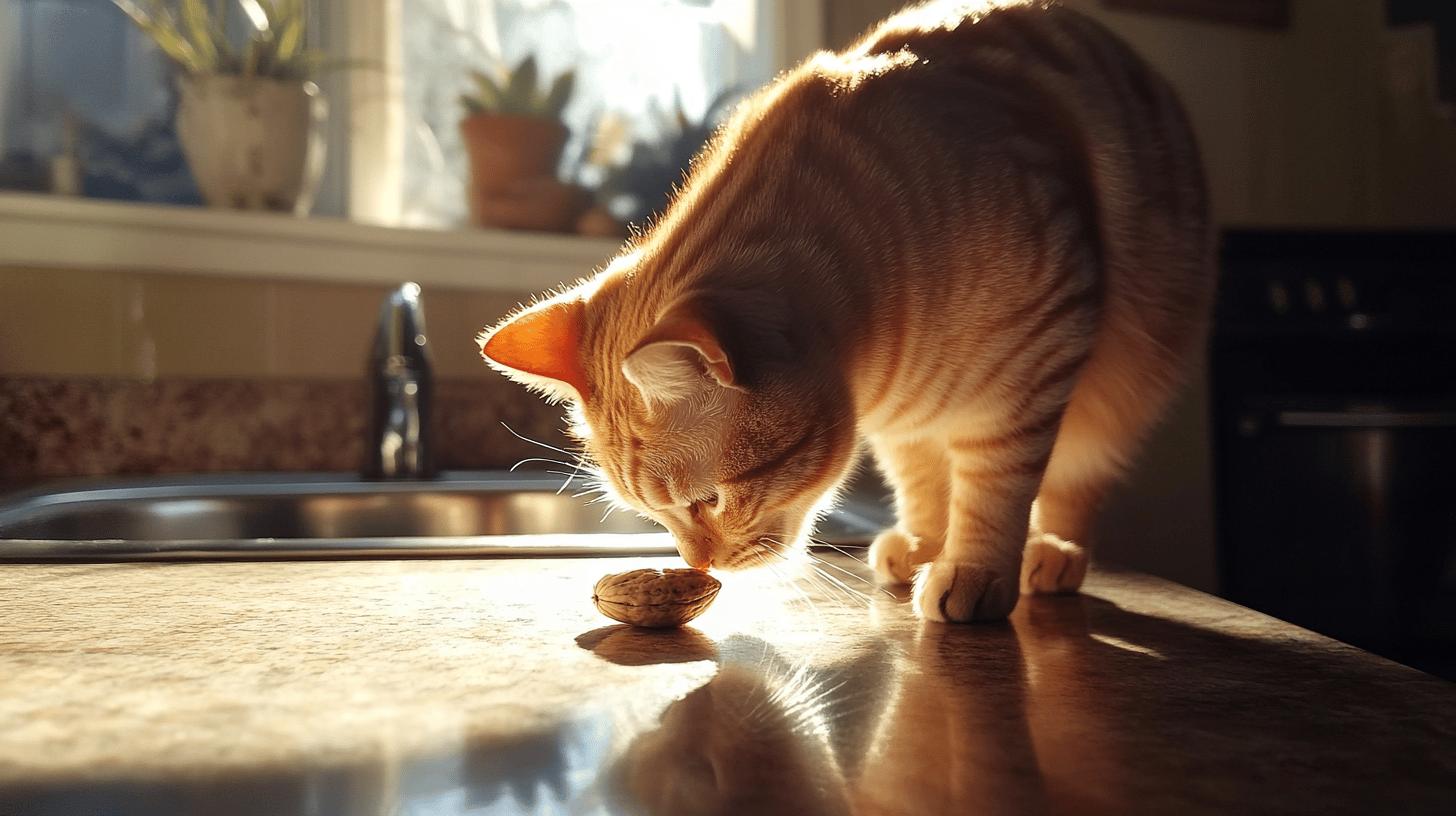
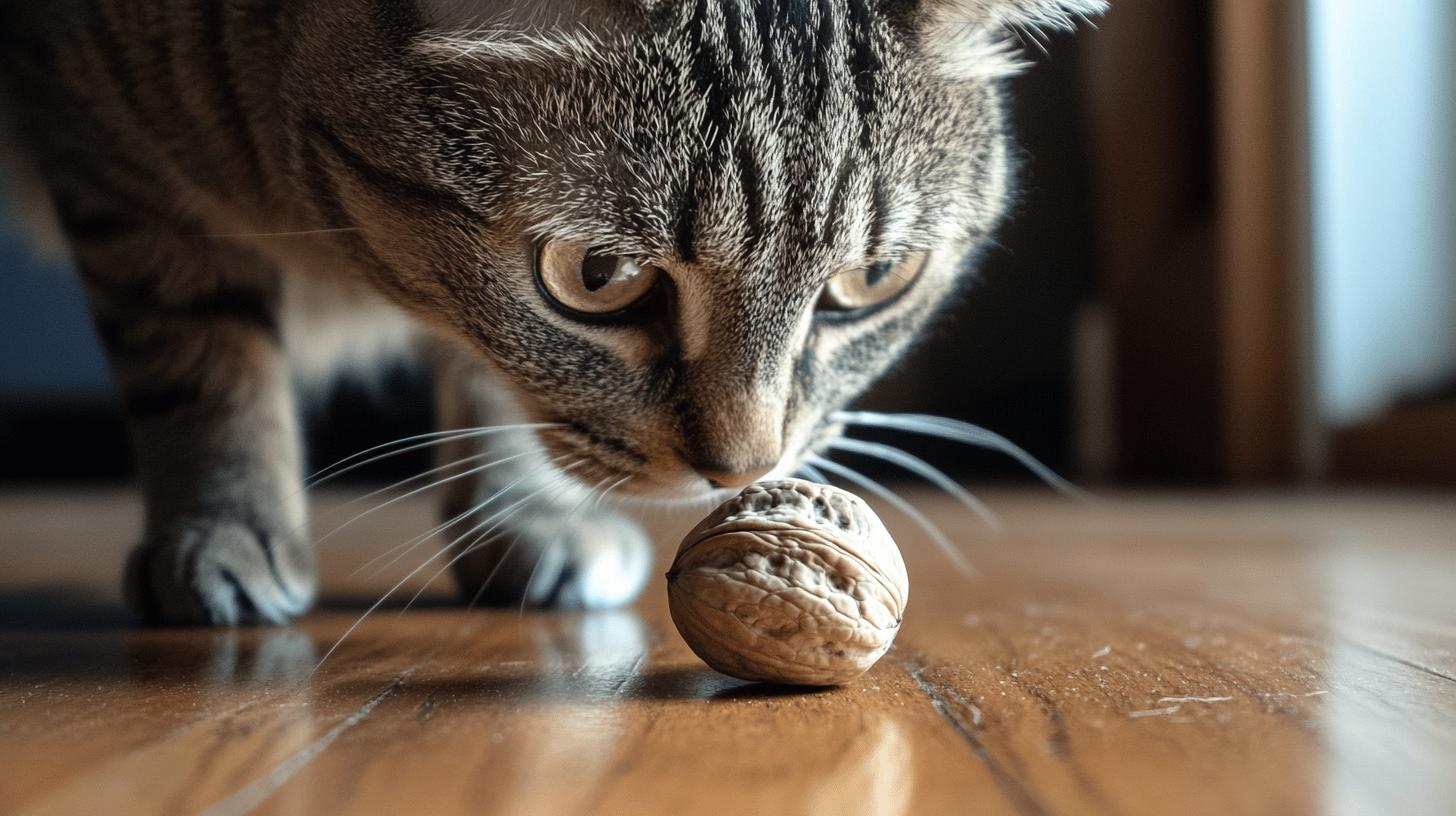
    Cats should not eat walnuts. While these nuts are not outright toxic, they can pose several health risks to our feline friends. Walnuts can lead to serious neurological issues and provide no nutritional benefits to cats. Their high-fat content can cause gastrointestinal upset, and there's a risk of choking, especially with smaller cats. In essence, walnuts are not recommended for cats, and pet owners should take care to keep them out of their pets' reach.

    When a cat ingests walnuts, several symptoms might indicate that the walnut effects on cats are taking a negative turn. These symptoms include vomiting, diarrhea, lethargy, and unusual behavior, all of which can signal distress or discomfort in your pet. Monitoring your cat closely is crucial if walnut ingestion is suspected.

    Symptoms Description
    Vomiting Frequent or severe vomiting can indicate digestive distress.
    Diarrhea Loose or frequent stools might point to an upset stomach.
    Lethargy Unusual tiredness or lack of energy could reflect underlying issues.
    Unusual Behavior Any behavioral changes, such as hiding or aggression, may suggest discomfort.
    Appetite Loss A sudden decrease in appetite can be a sign of internal distress.

    Salted walnuts present additional risks to cats. The excess salt can lead to salt toxicity, which brings about its own set of problems, including potential seizures and severe dehydration. Cats need very little salt in their diet, and too much can be dangerous. Furthermore, walnuts do not offer any health benefits to cats that they do to humans, like improving gut health or managing diabetes. Instead, they are a source of unnecessary fat and potential harm.

    What to Do If Your Cat Eats Walnuts
    What to Do If Your Cat Eats Walnuts-1.jpg

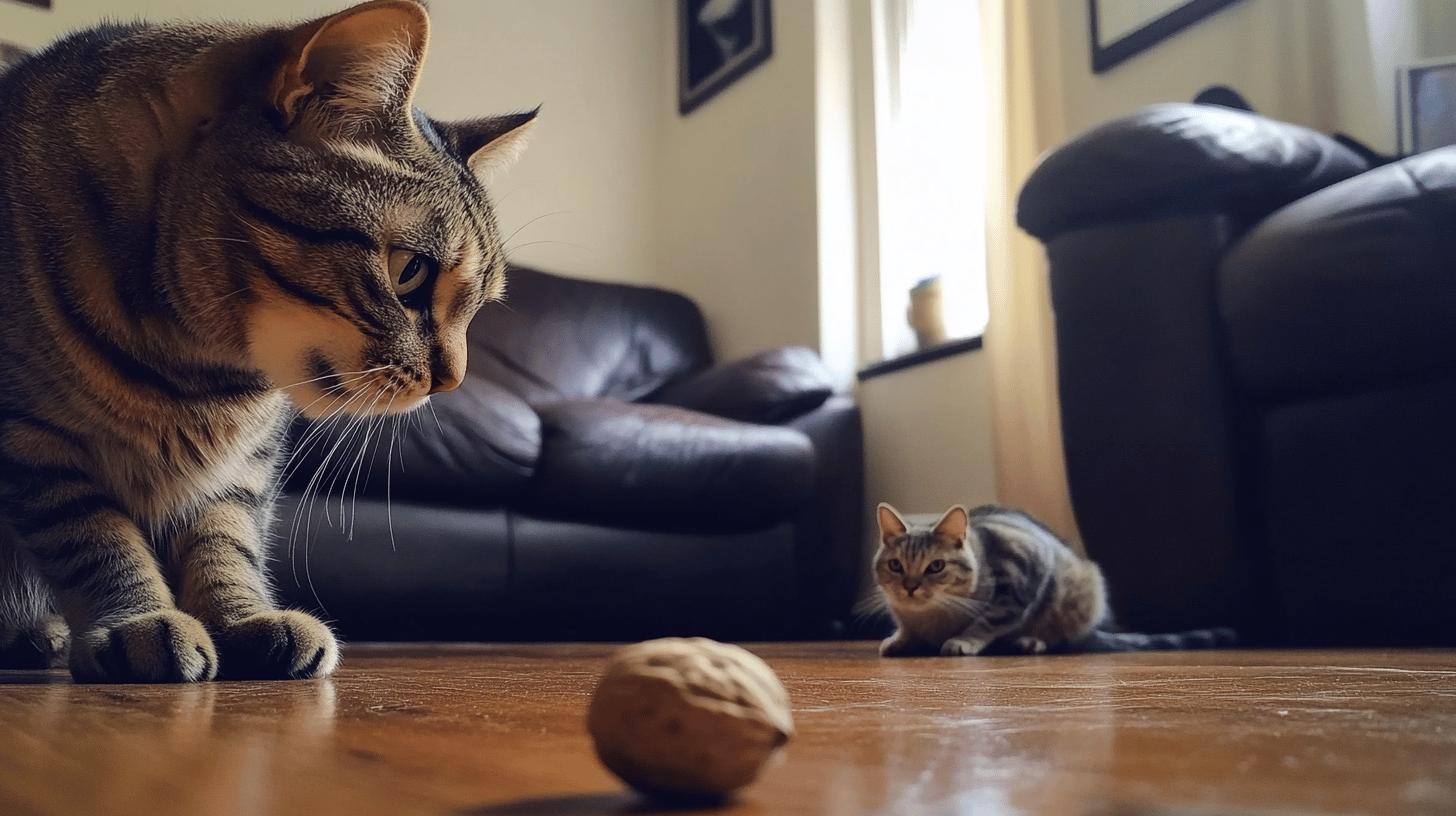
    If your cat has accidentally ingested walnuts, act quickly. First, remove any remaining walnuts from the area to prevent further consumption. Monitor your cat closely for any signs of distress or illness such as vomiting, diarrhea, or unusual behavior. These symptoms may indicate a walnut ingestion emergency. If symptoms appear, contact your veterinarian immediately for walnut poisoning treatment guidance. It's important to stay calm and provide as much information as possible to the vet, including the amount of walnuts consumed and any symptoms observed.

    To prevent walnut ingestion, consider the following preventive measures:

    • Store walnuts in sealed containers, preferably in a pantry or cupboard.
    • Keep countertops and tables clear of any snack bowls containing walnuts.
    • Educate family members and guests about the risks of feeding walnuts to cats.
    • Regularly check for fallen nuts or snacks that might be accessible to curious pets.

    Consult a veterinarian if symptoms of walnut ingestion persist or worsen. This includes any prolonged vomiting, diarrhea, or lethargy. Early intervention can minimize the potential health risks associated with walnut consumption. Always err on the side of caution and seek professional advice to ensure the safety and well-being of your feline friend.

    Safe Alternatives to Walnuts for Cats
    Safe Alternatives to Walnuts for Cats-1.jpg

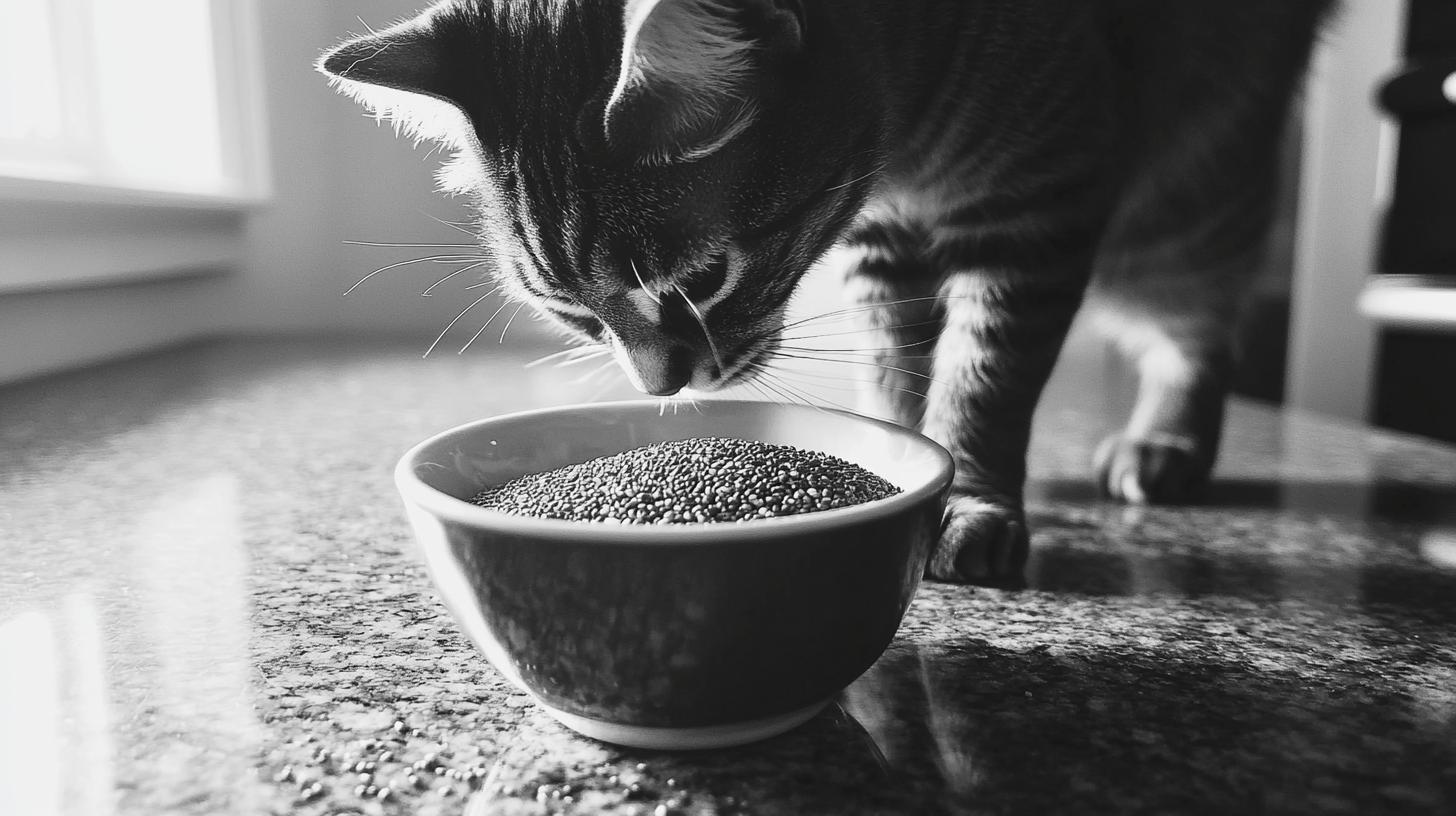
    Choosing safe treats for our feline companions is crucial for their health and well-being. While it might be tempting to share our snacks, not all human foods are suitable for cats. Walnuts, for instance, pose potential risks and offer no real benefits to cats. Instead, consider offering them treats that are both safe and nutritious. Seeds can be an excellent choice, providing vitamins and minerals that contribute to a healthy diet.

    Here are some seed alternatives that can be beneficial for your cat:

    • Chia seeds: Rich in omega-3 fatty acids, they can support a healthy coat and skin.
    • Pumpkin seeds: Known for aiding digestion and providing a good source of fiber.
    • Flaxseeds: Offer essential fatty acids and can support overall health.
    • Sesame seeds: Packed with nutrients, including calcium and iron, which are beneficial in small amounts.

    When it comes to nuts, be cautious. Macadamia nuts should be avoided entirely, as they can cause severe health issues. Other nuts, like almonds and pecans, are not toxic but can still pose choking hazards and digestive problems due to their high-fat content. Opt for seeds as a safer and healthier option for your cat's snacking needs.

    Final Words

    Deciding what's safe for our feline friends is crucial. Cats should steer clear of walnuts as they can cause stomach upset and other symptoms. Salted walnuts carry even more risk with potential salt toxicity and no nutritional benefit. If your cat does eat a walnut, keep an eye out for symptoms and be ready to consult a vet if needed. Opt for safe seeds like chia or pumpkin instead. Make informed choices to ensure your cat enjoys a healthy and playful life, free from the risks associated with walnut ingestion.

    FAQ

    Can cats eat nuts?

    Cats should avoid nuts such as almonds, walnuts, and cashews. They don’t provide nutrition and may cause stomach upset or choking. Walnuts are especially risky due to potential neurological effects.

    What happens if a cat eats a walnut?

    If a cat eats a walnut, you might notice symptoms like vomiting, diarrhea, or unusual behavior. Severe cases can affect their nervous system. Contact your vet if symptoms develop.

    What nuts are toxic to cats?

    Macadamia nuts are highly toxic and should never be given to cats. Walnuts, while not toxic, can cause discomfort and other health issues.

    Can cats eat raisins?

    Cats should not eat raisins. They can be toxic and might lead to kidney issues. Always keep raisins away from your pets.

    Are walnuts toxic to pets?

    Walnuts are not toxic but can cause stomach upset or more serious issues in pets like neurological effects in cats. Avoid feeding walnuts to any pet.

    Can cats lick walnuts?

    Even licking walnuts isn't ideal. Cats might ingest harmful compounds or choke on small pieces. It’s best to keep walnuts out of reach.

    What to do if your cat eats walnuts?

    Monitor your cat for signs of distress like vomiting or lethargy. Contact your vet if symptoms occur. Store walnuts securely to prevent future incidents.

    What are safe alternatives to walnuts for cats?

    Choose treats like chia, pumpkin, quinoa, or flaxseed. These provide vitamins and minerals. Avoid macadamia nuts altogether for your feline friend.
    Related Articles

  • Can Cat Eat Tuna Safely and How Often Is It Recommended

    Can Cat Eat Tuna Safely and How Often Is It Recommended

    Can cats eat tuna safely, or are we unknowingly putting our furry friends at risk? This question has stirred debates among cat lovers everywhere. Tuna has long been a favorite treat for many cats, but is it actually healthy for them?

    While high in protein and omega-3 fatty acids, providing a glossy coat and muscle strength, tuna should not be a dietary staple. In this post, we'll explore how often you can safely treat your cat to tuna without risking their health, ensuring a joyful and safe snack for your feline friend.
    Can Cats Eat Tuna Safely?

    Can Cats Eat Tuna Safely-1.jpg

    Cats can enjoy tuna, but it should be offered with caution. Tuna can be part of a cat's diet, but it must not replace their regular, balanced meals. Tuna is high in protein and offers omega-3 fatty acids, which are beneficial for a cat's skin and coat.

    However, tuna should only be an occasional treat, making up no more than 10% of a cat’s daily caloric intake. This ensures that your feline friend receives all the necessary nutrients they need from their primary diet—high-quality cat food.

    Feeding too much tuna can pose health risks due to its mercury content. Mercury is more harmful to cats because of their smaller body size, potentially leading to kidney failure or neurological issues.

    Tuna also lacks certain essential nutrients that cats require, such as taurine, which is crucial for their heart and vision health. Therefore, while tuna can be a tasty treat, it should never be the main component of a cat's diet.

    • Mercury Risk: High levels can lead to kidney failure and neurological issues.

    • Nutritional Imbalance: Lacks essential nutrients like taurine.

    • High in Protein: Beneficial for muscle health.

    • Omega-3 Fatty Acids: Supports skin and coat health.

    • Caloric Intake: Helps prevent overfeeding by taking up only 10% of daily intake.

    To safely offer tuna to your cat, opt for canned tuna packed in water without added salt or flavorings. Stick to small portions and avoid making it a regular habit. Always monitor your cat for any unusual symptoms after eating tuna and consult your vet if you notice any changes in behavior or health.

    Understanding the Health Risks of Feeding Tuna to Cats

    Understanding the Health Risks of Feeding Tuna to Cats-3.jpg

    Overfeeding tuna can present significant health risks for our feline companions. While tuna can be a delicious treat, it doesn't provide the complete balance of nutrients that cats need. A diet overly reliant on tuna may lead to nutritional deficiencies, as it lacks essential nutrients like taurine and certain vitamins.

    High mercury content in tuna is another concern. Cats, being smaller in size, are more susceptible to mercury poisoning, which can lead to serious health conditions such as kidney damage and neurological issues.

    Symptoms of Mercury Poisoning in Cats

    • Loss of Coordination: Cats may appear unsteady or have difficulty walking.

    • Seizures: Sudden and uncontrollable movements can occur.

    • Gastrointestinal Upset: Symptoms might include vomiting or diarrhea.

    • Behavioral Changes: Unusual aggression or lethargy can be indicators.

    To ensure your cat's health, it's crucial to practice moderation when feeding tuna. Keep track of how much tuna your cat consumes and remain vigilant for any unusual symptoms. I

    f your cat exhibits any symptoms associated with mercury poisoning or other health issues, consult your veterinarian immediately. While tuna can be an occasional treat, it should never replace a balanced diet specifically designed for feline nutritional needs.

    Types of Tuna and How to Prepare Them for Cats

    Types of Tuna and How to Prepare Them for Cats-1.jpg

    Choosing the right type of tuna is essential for your cat's health. Not all tuna is created equal, and some types can pose risks due to high mercury levels or added ingredients. When feeding tuna to cats, considering its preparation and type ensures they get a safe and tasty treat without compromising their health.

    Canned Tuna

    Canned tuna is a popular choice among cat owners. It's important to select tuna packed in water rather than oil, which can add unnecessary fats and calories to your cat's diet.

    Tuna in water is a leaner option and doesn't have the added sodium and flavorings that can be harmful. Chunk-light tuna is also preferred over albacore tuna, as it contains less mercury, making it a safer choice for your feline friend.
    Raw vs Cooked Tuna

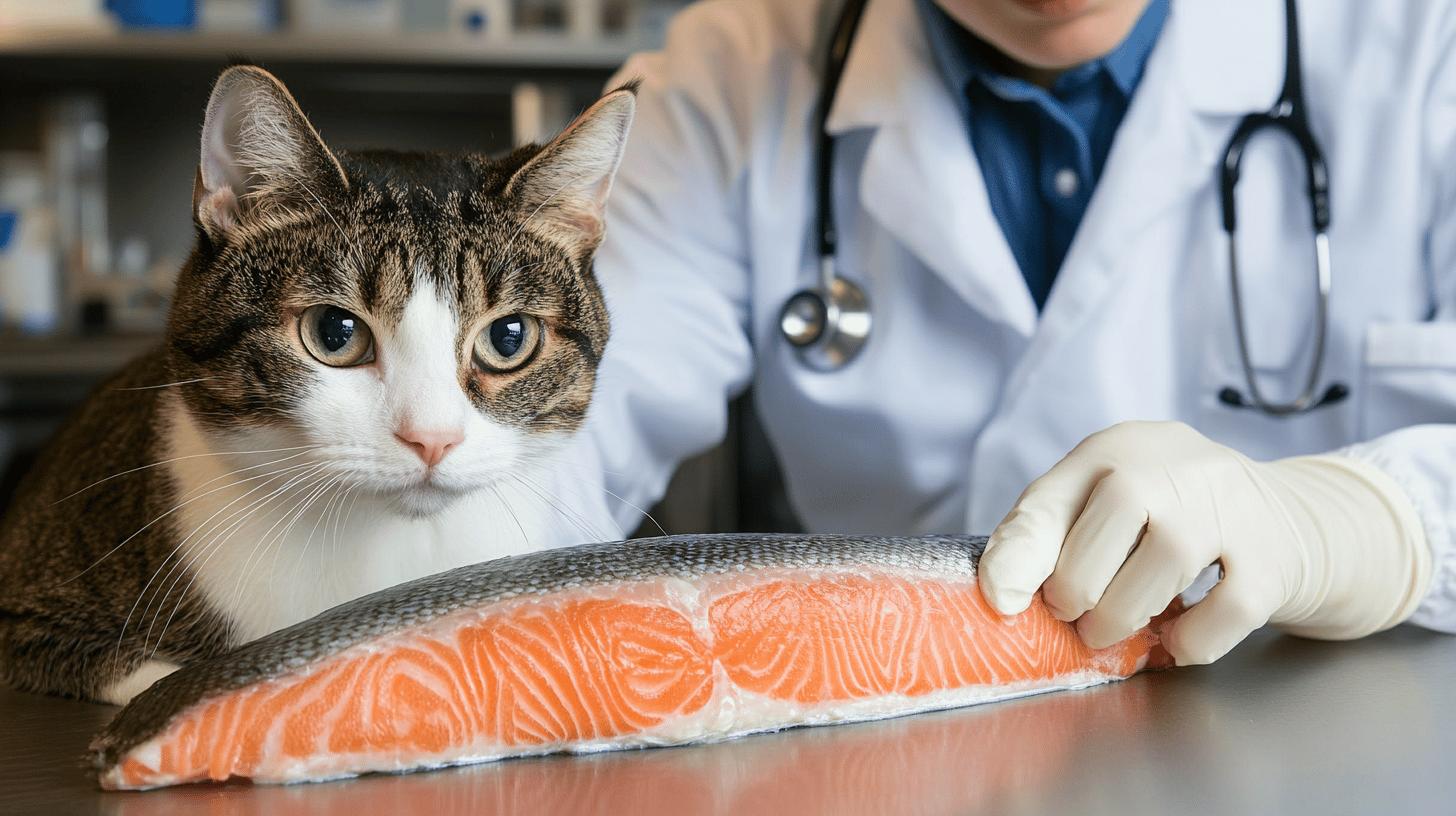
    Raw tuna might seem like a natural choice, but it can harbor bacteria and parasites harmful to cats. Cooking tuna eliminates these risks, making it a safer option.

    Cooked tuna should be prepared without salt, seasonings, or oil to avoid any digestive issues or health risks. By cooking tuna, you provide a safer treat that reduces the risk of bacterial infections.

    Tuna in Oil vs Tuna in Water

    Tuna packed in oil is not recommended for cats as it can lead to digestive problems and unnecessary weight gain. The oil can also contain added sodium and other seasonings that are not beneficial for cats.

    On the other hand, tuna in water is a much healthier option. It provides a protein-rich treat without the additional fats and salts that could be harmful to your pet.

    • Opt for tuna packed in water to avoid added sodium and oils.

    • Always cook tuna to eliminate bacteria and parasites.

    • Serve tuna in small portions to prevent overconsumption.

    How Often Should Cats Eat Tuna?

    How Often Should Cats Eat Tuna-1.jpg

    Cats should only enjoy tuna as an occasional treat, making up less than 10% of their daily caloric intake. A small portion of tuna, perhaps once a week, can be delightful, but it should not replace a cat's primary diet of high-quality, complete-and-balanced cat food. Feeding human tinned tuna daily is not recommended due to risks like mercury poisoning and nutritional deficiencies.

    • Mercury Poisoning: Symptoms include loss of coordination or seizures.

    • Nutritional Deficiencies: Lack of taurine and other essential nutrients.

    • Gastrointestinal Issues: Vomiting or diarrhea after eating tuna.

    • Behavioral Changes: Increased lethargy or unusual aggression.

    Balancing tuna with other dietary needs is crucial. While tuna adds variety and flavor, it's important to ensure your cat's diet remains rich in essential nutrients like taurine, vitamins, and minerals found in commercial cat foods. Monitoring the amount and frequency of tuna treats helps prevent potential health issues, keeping your cat happy and healthy.

    Alternatives and Supplements to Tuna in a Cat's Diet

    Alternatives and Supplements to Tuna in a Cats Diet-1.jpg

    Cats, being obligate carnivores, require a diet rich in protein. While tuna can be an occasional treat, there are many other protein sources that can fulfill your cat's nutritional needs more effectively. High-quality commercial cat foods are designed to provide all the essential nutrients, including vitamins A, D, and various B vitamins.

    These foods often contain ingredients like chicken, turkey, or beef, which are excellent protein sources. Additionally, some cats enjoy lamb or fish like salmon, which provide the necessary amino acids while keeping mercury levels low.

    A balanced diet is crucial for maintaining your cat's health. While protein is important, cats also need a moderate amount of fat and low carbohydrates, as well as essential vitamins and minerals.

    If you choose to supplement your cat's diet, consider adding omega-3 fatty acids for skin and coat health, or taurine supplements to ensure heart and vision health. Always consult your veterinarian before introducing new foods or supplements to ensure they meet your cat's specific dietary requirements.

    Final Words

    Feeding tuna to cats can be a treat, but it comes with risks. It's high in mercury and lacks complete nutrition. We explored how tuna fits in a cat’s diet, what health issues it may cause, and ways to prepare it safely.

    Moderation is key for a healthy diet. Cats can eat tuna, but it should be less than 10% of their daily calories. Regular cat food should form the bulk of their diet.

    With careful choices, you can provide a safe and enjoyable treat for your furry friend.

    FAQ

    Can cats eat tuna raw or cooked?

    Cats can eat tuna, but cooked tuna is safer. Cooking eliminates bacteria and parasites. It's best to avoid serving raw tuna to cats.

    Can cats eat canned tuna in water?

    Cats can eat canned tuna in water. It's a preferable option to tuna in oil or with added salt, as it's more digestible and healthier.

    How much tuna can I give my cat?

    Tuna should be less than 10% of a cat's daily caloric intake. Keeping it as an occasional treat ensures they get all the nutrients they need from balanced cat food.

    Can cats eat chunk light tuna in water?

    Cats can eat chunk light tuna in water. Chunk light has less mercury than albacore and fewer additives, making it a safer choice for cats.

    Can cats eat tuna in oil?

    Cats should not eat tuna in oil. Oil can cause digestion issues and add unnecessary fats. Tuna packed in water is a healthier option.

    Can cats eat tuna every day?

    Cats should not eat tuna every day. Frequent consumption can lead to mercury poisoning and nutritional imbalances. Keep tuna as an occasional treat.

    How much tuna can cause mercury poisoning in cats?

    Mercury poisoning can occur with large amounts of tuna. Less than 10% of their diet should be tuna to prevent toxic exposure over time.

    Is it OK for cats to eat canned tuna?

    It's OK for cats to eat canned tuna occasionally. Choose tuna in water without added salt for a healthier option.

    Can I give my cat Starkist tuna?

    You can give your cat Starkist tuna, but make sure it's in water and not oil. Limit how often it's fed to prevent health risks.

    Can I give my cat tuna water?

    You can give your cat tuna water. It's a safe treat, just ensure it's plain water without added salt or seasonings.

    Related Articles

  • Can Cat Eat Garlic Understanding the Risks and Safety Concerns

    Can Cat Eat Garlic Understanding the Risks and Safety Concerns

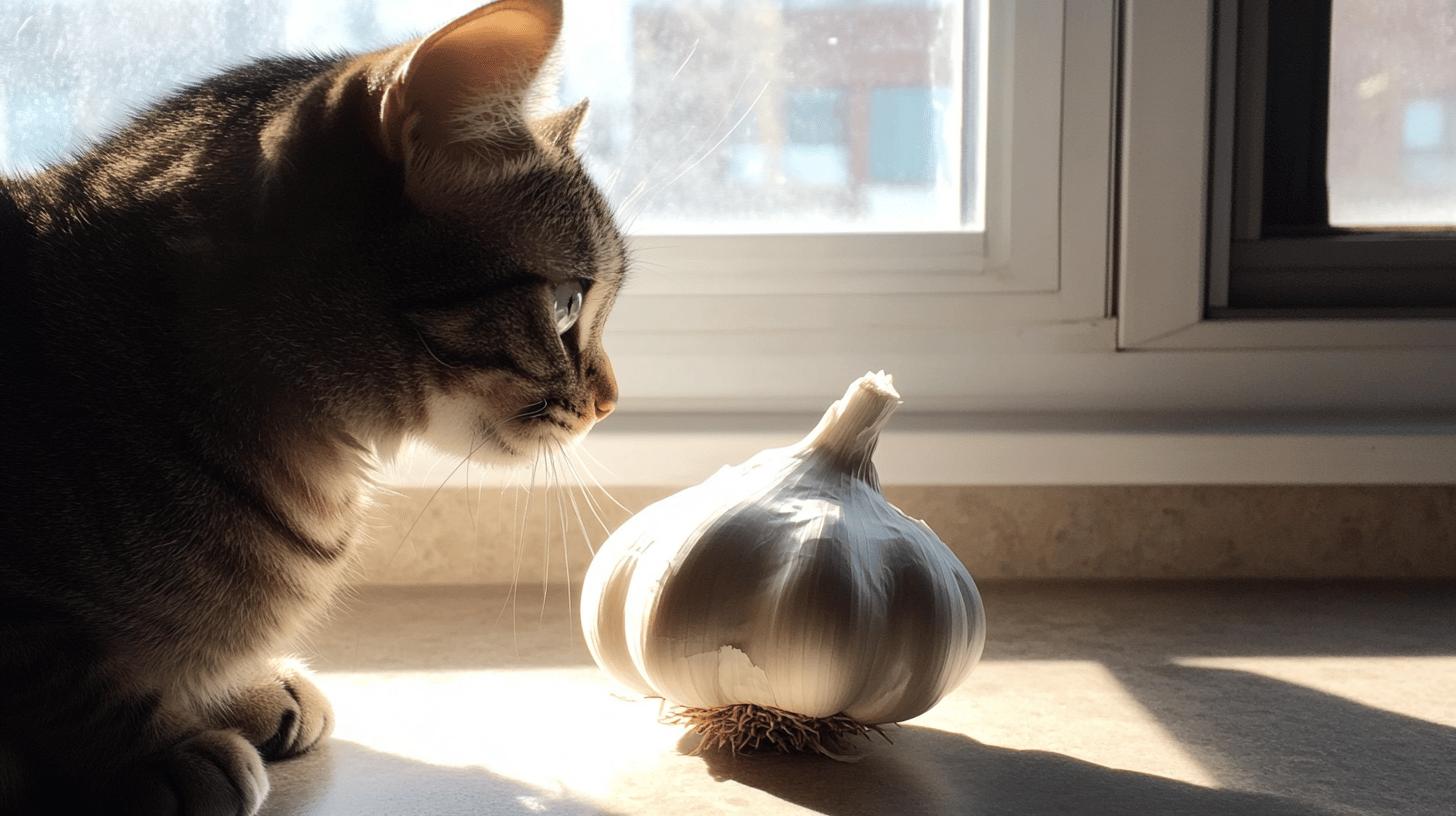
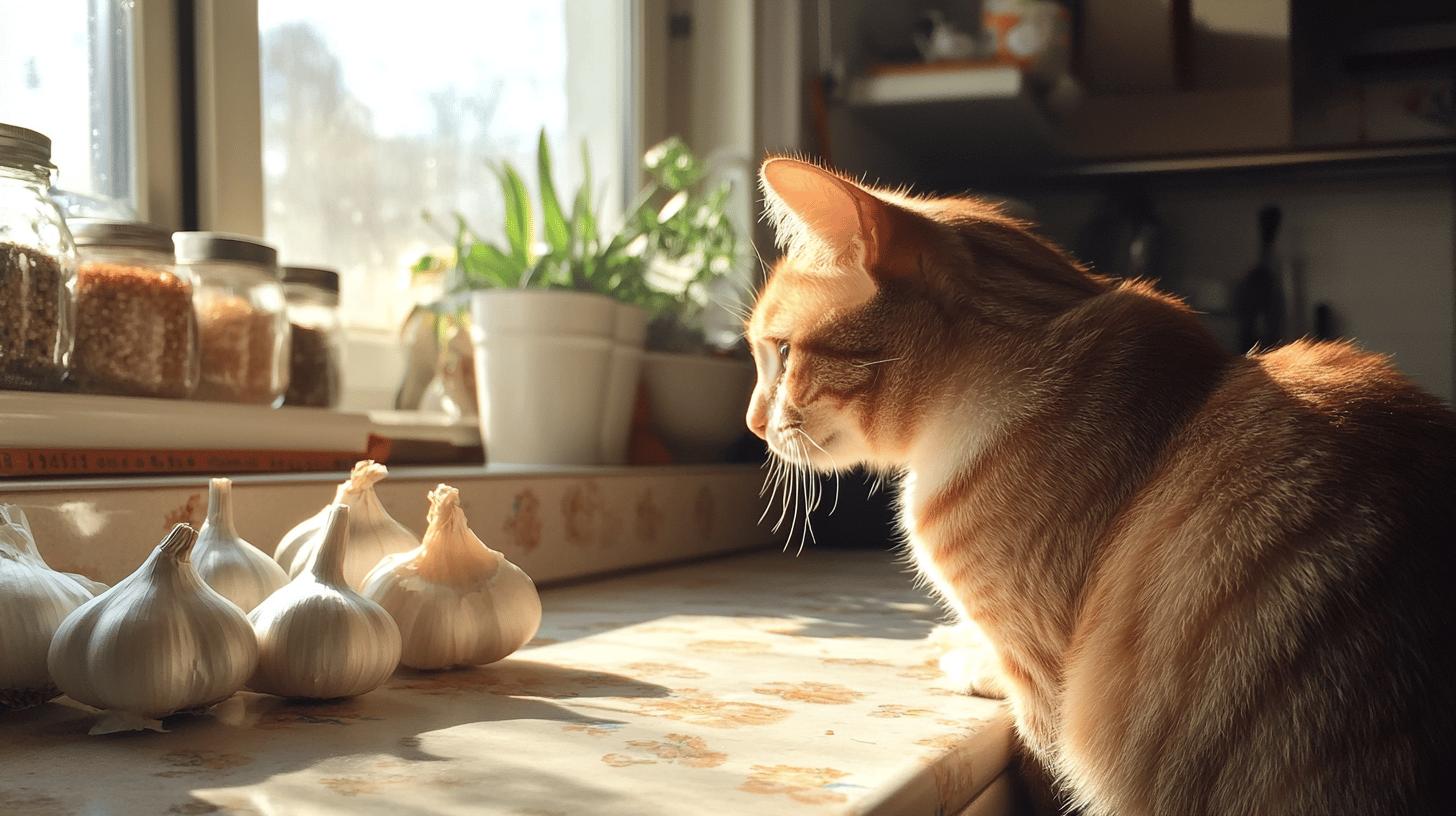
    Can cats eat garlic? You might think a small piece won't hurt, but garlic poses serious risks to our feline friends. While it may spice up your meals, garlic can be harmful to cats, leading to dangerous health issues.

    Much like poison, even tiny amounts can cause trouble. Understanding these risks is crucial for keeping your furry companion safe. Let's explore why garlic is a no-go for cats and learn how to ensure their well-being with a garlic-free diet.

    Is Garlic Safe for Cats?

    Is Garlic Safe for Cats-4.jpg

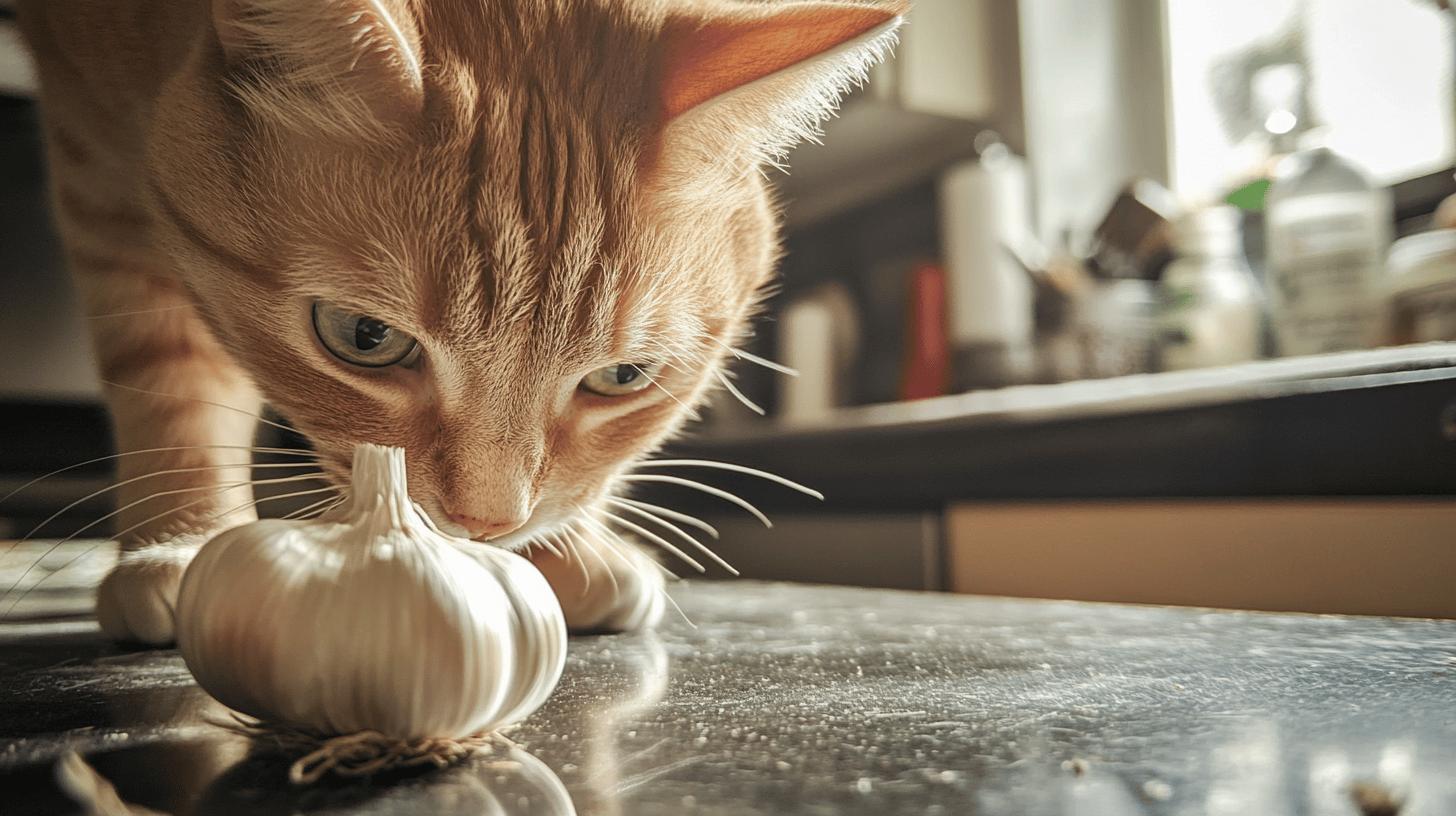
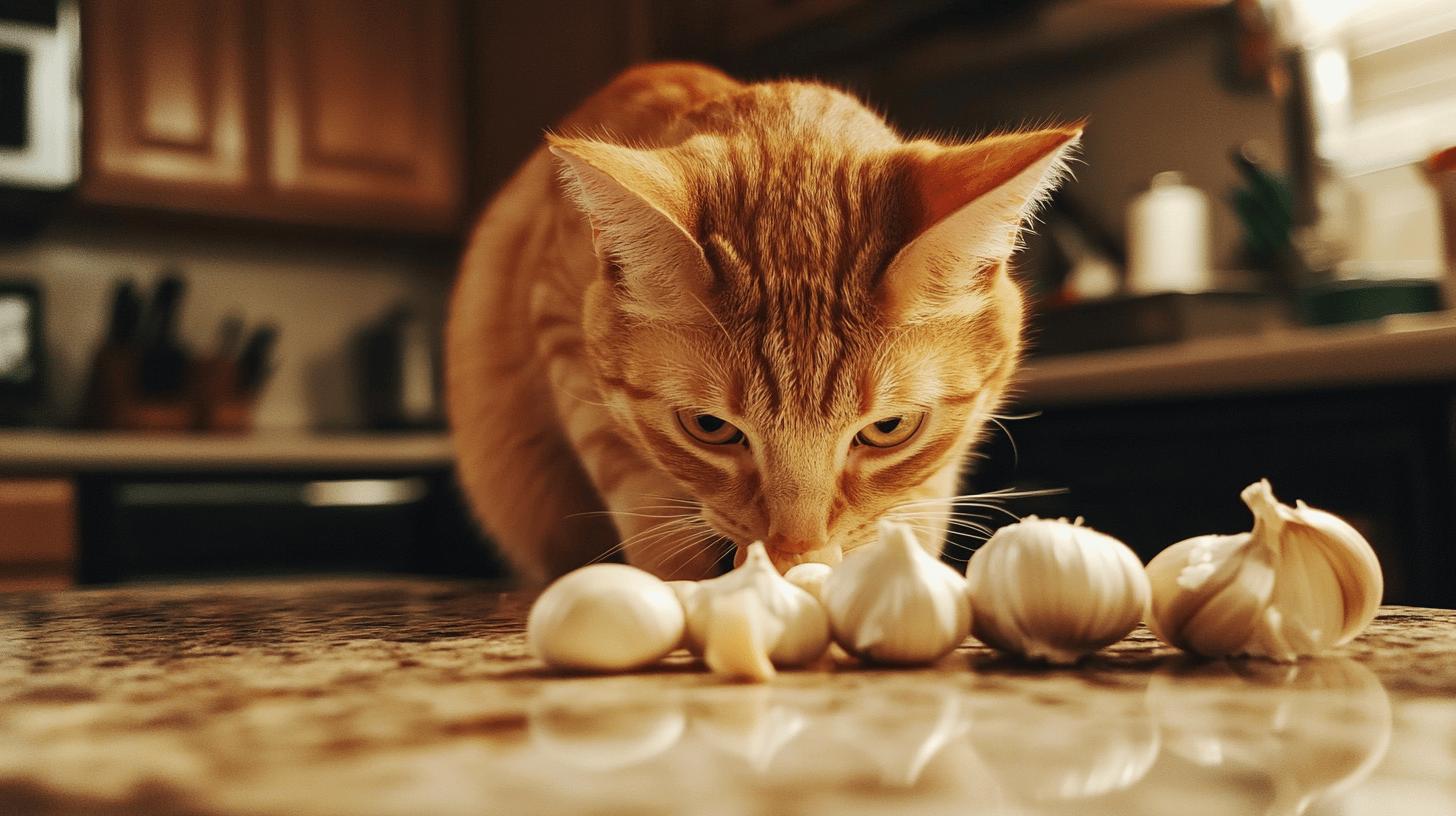
    Garlic is not safe for cats and should be kept out of their diet. Cats are particularly sensitive to the sulfur-containing compounds found in garlic. When ingested, these compounds can cause serious health problems, making garlic a dangerous food for our feline friends.

    • Anemia: Garlic can lead to the breakdown of red blood cells, causing anemia. This condition can be life-threatening if not treated promptly.

    • Red Blood Cell Damage: The compounds in garlic make red blood cells fragile, which can result in them bursting.

    • Oxidative Damage: Garlic can cause oxidative damage to a cat’s cells, leading to further complications.

    • Heinz Body Formation: This occurs when red blood cells are damaged, impacting their ability to function correctly.

    Given these risks, it's crucial to exclude garlic from your cat's diet entirely. Keeping your cat away from garlic and related foods ensures their health and well-being. Always consult with a veterinarian for safe dietary options for your pet.

    Symptoms of Garlic Poisoning in Cats

    Symptoms of Garlic Poisoning in Cats-2.jpg

    Garlic poisoning in cats can be severe and requires immediate attention. Cats are sensitive to garlic and even small amounts can lead to toxicity. Recognizing the symptoms early can make a significant difference in the outcome of the treatment.

    • Lethargy: Cats may become unusually tired or sluggish, lacking their usual energy.

    • Weakness: Affected cats might appear weak and less active, struggling with basic movements.

    • Pale Gums: Check your cat’s gums; they may turn pale, indicating a reduction in red blood cells.

    • Drooling: Excessive drooling can occur as the body reacts to the toxins.

    • Vomiting: Upset stomach and vomiting are common as the body attempts to expel the garlic.

    • Diarrhea: Frequent and loose stools may be present, contributing to dehydration.

    • Increased Heart Rate: You might notice your cat's heart beating faster than usual, indicating distress.

    Recognizing these symptoms early is crucial. If you suspect your cat has ingested garlic, seek veterinary care immediately. Prompt action can prevent severe health issues, including oxidative damage to red blood cells and Heinz body formation, both of which can lead to anemia. Always prioritize your cat's health by being vigilant about what they consume.

    What to Do If Your Cat Eats Garlic

    What to Do If Your Cat Eats Garlic-4.jpg

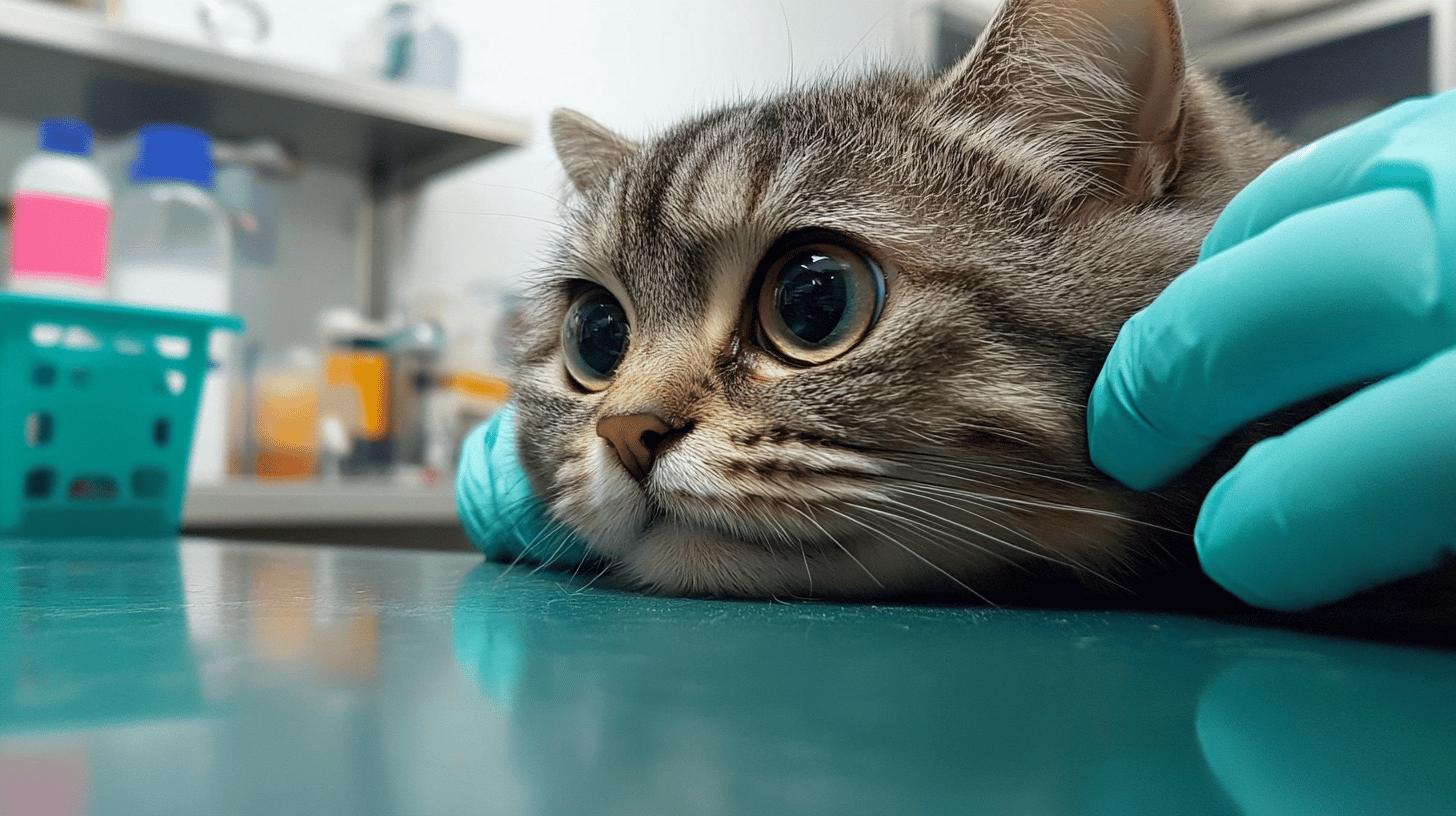
    If your cat accidentally eats garlic, it's crucial to act quickly and consult a veterinarian right away. Cats are highly sensitive to garlic, and even a small amount can lead to serious health issues. Your vet will provide the best guidance and care, but here are some immediate steps to take:

    1. Contact Your Veterinarian Immediately: As soon as you suspect garlic ingestion, call your vet. They can offer specific advice based on your cat's situation.

    2. Monitor Your Cat's Symptoms: Keep a close eye on any signs of garlic poisoning, such as lethargy, vomiting, or pale gums. Document these symptoms to provide detailed information to your vet.

    3. Provide Information to the Vet: Be ready to share details about how much garlic your cat consumed and the time of ingestion. This information is vital for the vet to assess the situation accurately.

    1. Avoid Home Remedies: Do not attempt to treat your cat with home remedies or over-the-counter medications. These can worsen the condition and delay proper treatment.

    Once at the veterinary clinic, your cat may undergo a series of diagnostic tests, such as a complete blood count and urinalysis, to assess the extent of the poisoning. Treatments might include intravenous fluids, medications to prevent further absorption of garlic, and supportive care to address any symptoms like anemia. Remember, quick action can significantly impact your cat's recovery and overall health.

    Preventive Measures and Alternatives to Garlic for Cats

    Preventive Measures and Alternatives to Garlic for Cats-1.jpg

    To keep your cat safe from potential garlic toxicity, it's crucial to take preventative measures. Store garlic and related foods, like onions and shallots, in secure places where your cat can't access them.

    Regularly check your pantry and kitchen to ensure these foods are out of your cat's reach. Additionally, always read the labels on pet food and treats to ensure they don't contain garlic or onion powder, which can sometimes be hidden ingredients.

    Unsafe Foods Safe Alternatives
    Garlic Catnip
    Onions Parsley (in moderation)
    Chives Valerian Root

    For a balanced diet, focus on providing your cat with safe foods and herbs. If you're unsure about introducing new ingredients or need advice on a garlic-free diet, consult with a veterinarian. They can offer guidance tailored to your cat's specific dietary needs, ensuring your feline friend stays healthy and happy.

    Is Garlic Safe for Cats?

    Garlics Impact on Cats Health-3.jpg

    Garlic contains sulfur compounds that damage cats' red blood cells, leading to Heinz body formation and anemia. Here's a summary of these impacts:

    Health Aspect Effect of Garlic
    Blood Cells Oxidative damage and Heinz body formation, leading to anemia
    Liver Function Potential strain due to increased breakdown of damaged cells
    Overall Health Weakness, lethargy, and potential long-term health complications

    Cats may show symptoms like lethargy and gastrointestinal distress after garlic ingestion. This can worsen if they consume a lot or are exposed continuously. Such exposure can lead to rapid red blood cell destruction, worsening anemia.

    Long-term risks include liver dysfunction due to constant strain from processing damaged cells. Cats with existing conditions like anemia or liver disease, and young kittens, are more vulnerable. Keeping garlic out of their diet is crucial to prevent these issues.

    Final Words

    Learning how garlic affects cats is crucial. It's clear that garlic is not safe for our feline friends. It can damage their red blood cells, leading to anemia. Recognizing symptoms like lethargy and pale gums can save their lives. If a cat eats garlic, contact a vet immediately for the right treatment.

    Preventing garlic exposure is key. Use safer, cat-friendly food options.

    Being proactive helps ensure our cats stay healthy and happy without garlic’s risks. Understanding that a cat cannot eat garlic keeps them safer in the long run.

    FAQ

    Can cats eat garlic powder or garlic bread?

    Garlic, including powder and in bread, is not safe for cats. It can cause serious health problems like anemia. Always keep garlic products away from your pets.

    What should I do if my cat eats garlic?

    If your cat eats garlic, contact a veterinarian immediately. It's crucial to act fast to get proper care and treatment.

    What are the symptoms of garlic poisoning in cats?

    Symptoms of garlic poisoning in cats include lethargy, vomiting, diarrhea, weakness, pale gums, drooling, and increased heart rate. Severe cases can cause significant blood-related issues.

    How long after eating garlic will a cat get sick?

    Symptoms usually appear within 24 hours but can vary. Pay close attention and consult a vet at the first sign of trouble.

    Is cooked garlic bad for cats?

    Cooked garlic is also harmful to cats. Cooking does not remove its toxicity. Avoid feeding any form of garlic to your cat.

    What happens if cats eat garlic?

    Eating garlic can cause oxidative damage to your cat's red blood cells, leading to anemia and severe health complications.

    How much garlic and onion is toxic to cats?

    Even a small amount of garlic or onion can be toxic. It's best to keep these foods entirely out of your cat's diet.

    Can cats lick garlic bread?

    Garlic bread is not safe for cats to eat or lick due to its garlic content. Keep it out of their reach.

    Related Articles

  • Can Cat Eat Salmon Skin Safely and Healthily

    Can Cat Eat Salmon Skin Safely and Healthily

    Ever wonder if feeding your cat salmon skin is a good idea? As a cat lover, you want what’s best for your feline friend, and salmon skin seems like a tasty treat.

    But is it safe and healthy? While salmon skin is rich in omega 3 and omega 6 fatty acids, which boost skin and coat health, moderation is crucial.

    Too much can lead to weight gain and other health problems. Let’s dive deeper into the benefits and potential risks of adding salmon skin to your cat’s diet.

    Can Cats Eat Salmon Skin Safely?

    Can Cats Eat Salmon Skin Safely-1.jpg

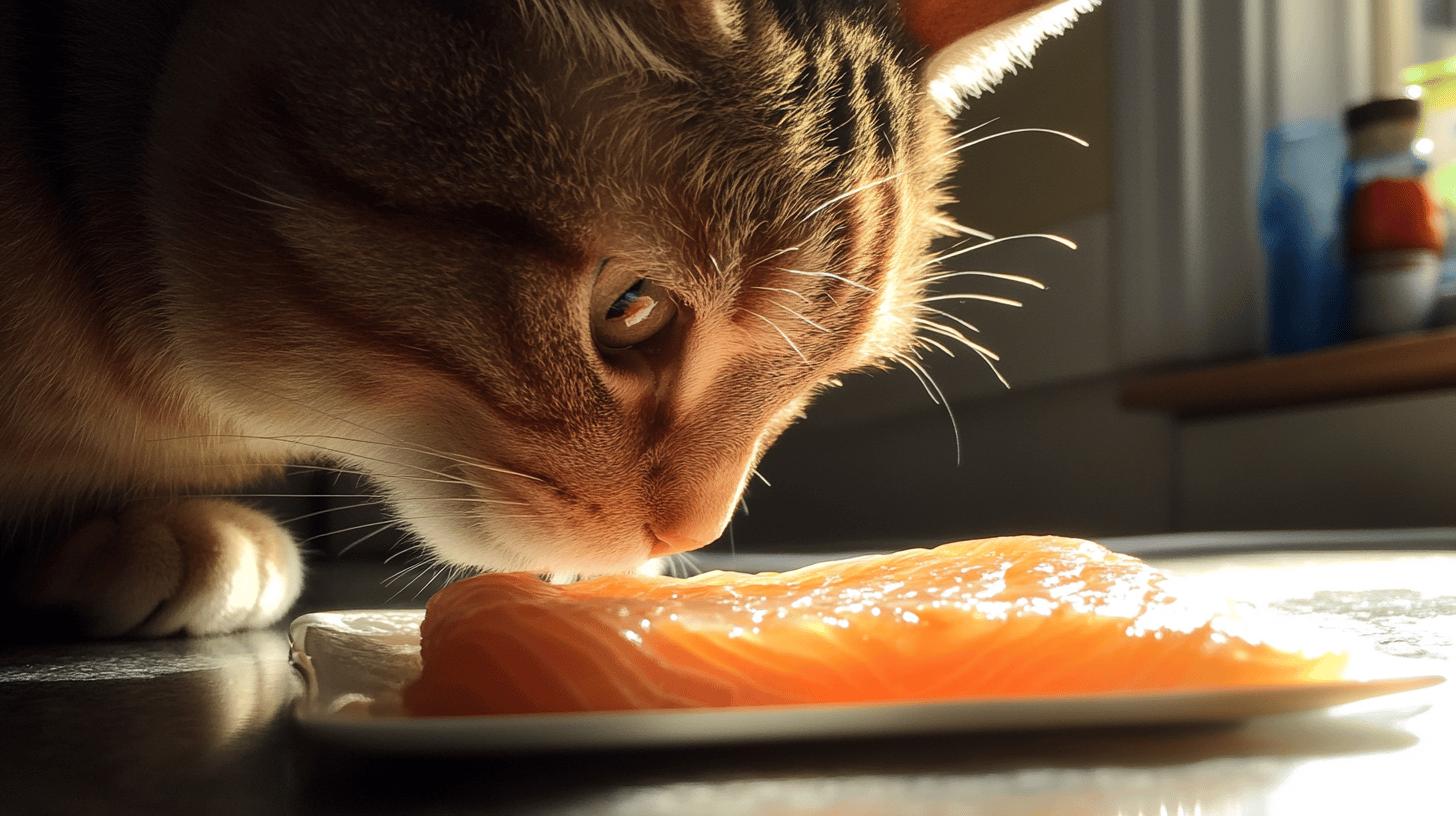
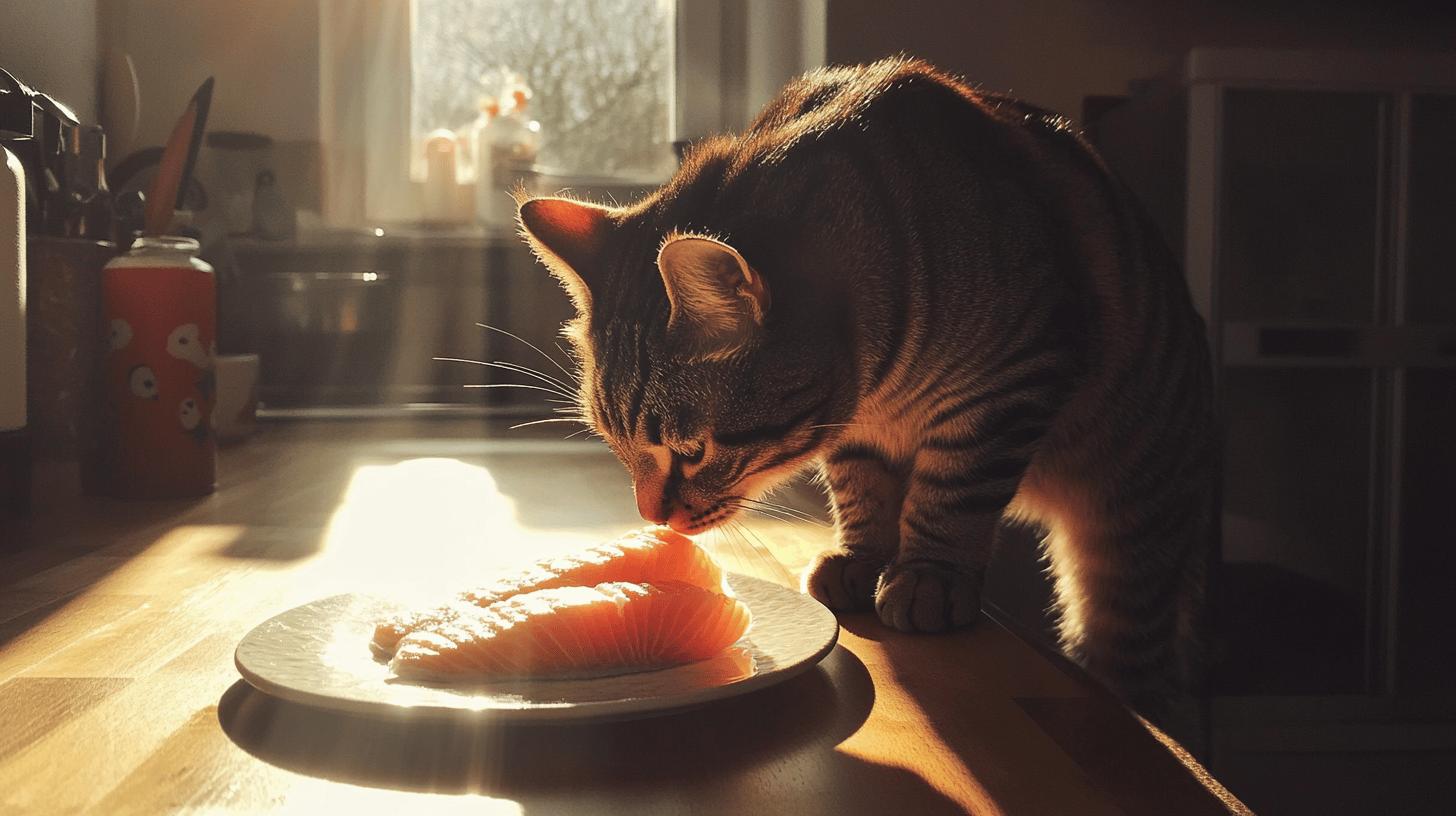
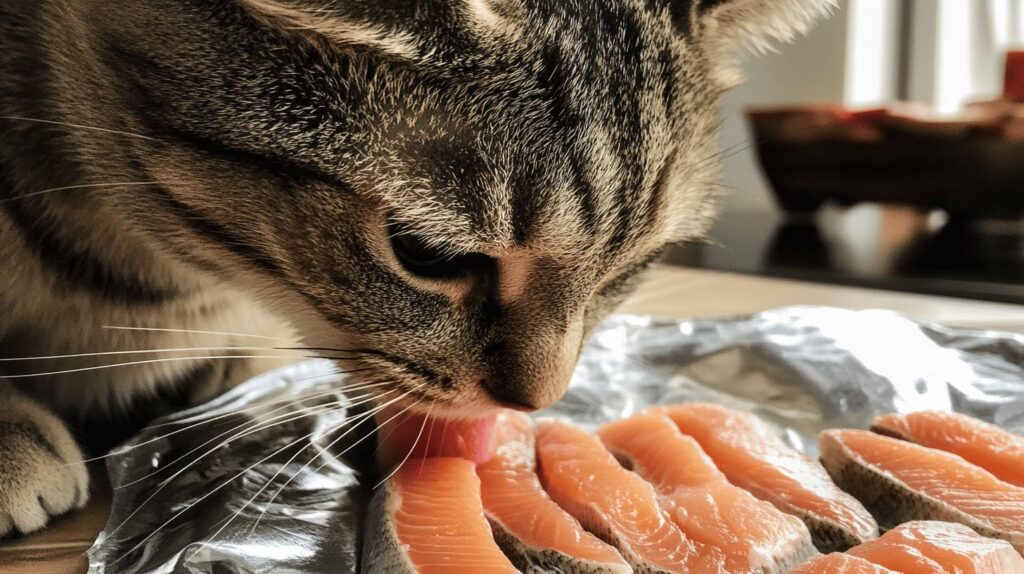
    Cats can indeed eat salmon skin safely, but there are important considerations to keep in mind. Salmon skin is packed with omega 3 and omega 6 fatty acids, which are beneficial for a cat’s skin and coat health.

    These nutrients support overall wellness and can be a valuable addition to a cat’s diet. However, feeding salmon skin should be done in moderation. The skin is high in fat, which, if consumed excessively, can lead to weight gain and gastrointestinal issues for your feline friend.
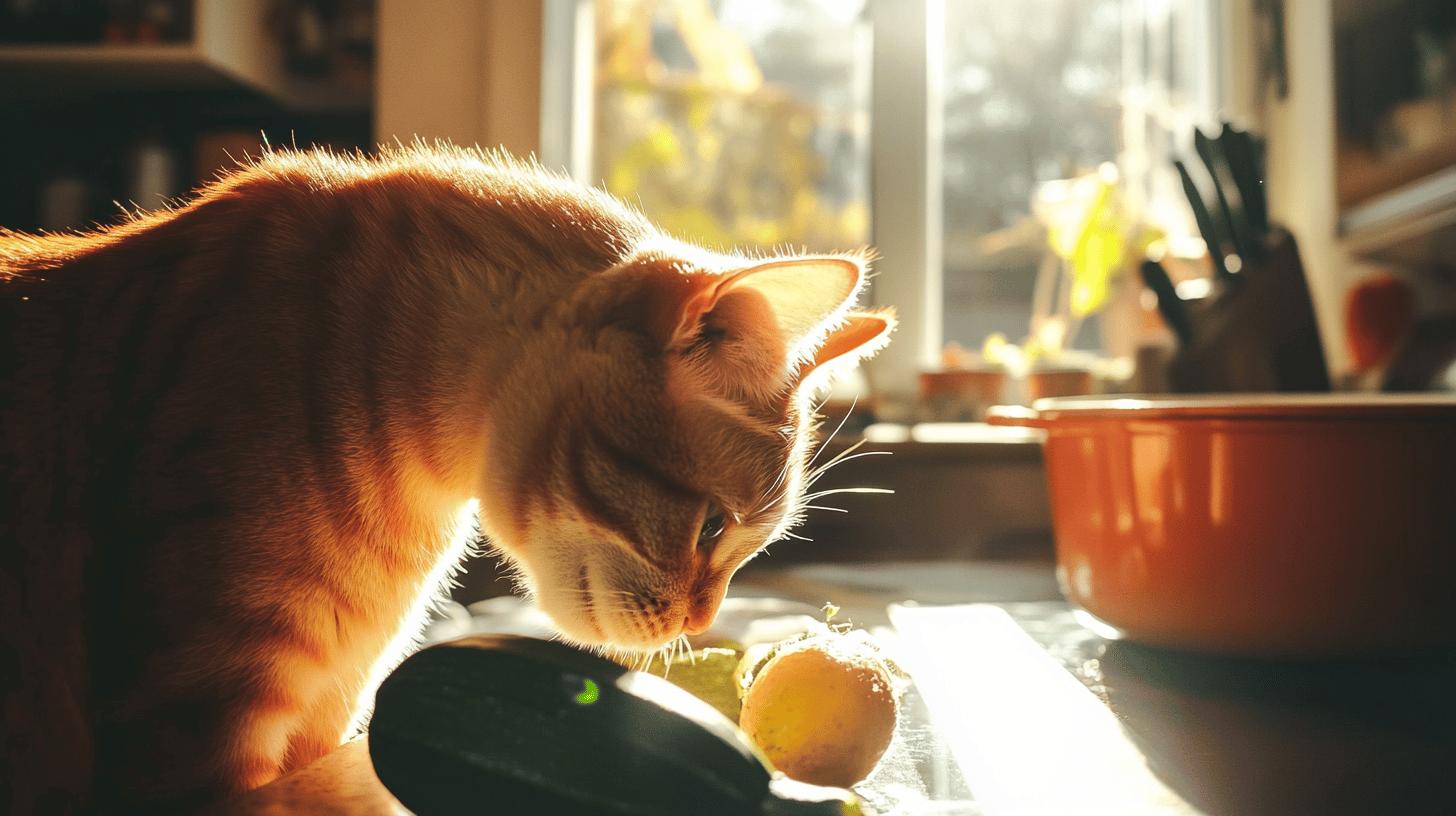
    Moderation is key when introducing salmon skin into a cat’s diet. While the fatty acids present are beneficial, too much fat can quickly become problematic. It’s important to keep portions small and occasional, ensuring that the overall diet remains balanced.

    Overindulgence can lead to obesity, which is a common concern for domesticated cats and can lead to other health issues over time.

    Benefits of Salmon Skin for Cats

    • Rich source of omega 3 fatty acids
    • Contains omega 6 fatty acids
    • High-quality protein content
    • Supports a healthy coat and skin
    • Enhances overall wellness

    Feeding raw salmon skin to cats is not recommended due to several risks. Raw skin can harbor harmful bacteria and parasites that may cause infections. Additionally, raw salmon contains an enzyme called thiaminase, which can break down thiamine (vitamin B1) in cats, potentially leading to a deficiency.

    Thiamine deficiency can result in serious health issues, including neurological disorders, so it’s crucial to avoid raw salmon products.

    To keep your cat healthy, balance is essential when offering salmon skin as a treat. Always ensure that the salmon skin is cooked thoroughly to eliminate any harmful pathogens.

    Consult with your veterinarian before introducing new foods into your cat’s diet to ensure it’s suitable and safe. This approach will allow your cat to enjoy the benefits of salmon skin without the associated risks.

    How to Prepare Salmon Skin for Cats

    Cooking salmon skin is essential for your cat’s safety. It eliminates harmful bacteria, parasites, and the enzyme thiaminase that could lead to thiamine deficiency. By cooking the salmon skin thoroughly, you make it a healthier option for your cat.

    Start by choosing fresh, high-quality salmon. Carefully remove any bones to avoid choking hazards. Cook the skin by baking, grilling, or steaming without adding any oils, seasonings, or toxic ingredients like garlic or onions. Keeping it plain ensures it’s safe and doesn’t upset your cat’s stomach.

    Preparation Tips
    Remove any bones from the salmon skin
    Cook the skin by baking, grilling, or steaming
    Avoid adding seasonings, oils, or toxic ingredients
    Allow the skin to cool before serving

    Serve salmon skin in moderation, as an occasional treat. Due to its high-fat content, overfeeding can lead to weight gain. Balance this treat with your cat’s regular meals to maintain a healthy diet. By controlling how much and how often you serve it, you can safely include salmon skin in your cat’s diet.

    Alternatives to Salmon Skin in a Cat’s Diet

    Alternatives to Salmon Skin in a Cats Diet-1.jpg

    Commercial salmon-based cat foods can be an excellent way to incorporate the benefits of salmon into your cat’s diet without the hassle of preparing salmon skin. These options often feature salmon as the primary ingredient, ensuring your feline gets the high-quality protein and omega fatty acids essential for their health.

    Many of the best salmon cat food brands focus on using sustainably sourced ingredients, providing peace of mind that you’re feeding your cat responsibly. These foods can support a cat’s skin, coat, and overall health while offering a balanced diet.

    Salmon oil supplements are another convenient alternative. These supplements are rich in omega-3 fatty acids, which are known to improve heart health, reduce inflammation, and support joint health in cats.

    The recommended dosage is typically about half a teaspoon per day, but it’s always best to consult with your vet before adding any supplement to your cat’s routine. Salmon oil can be easily mixed into your cat’s regular meals, providing a simple way to boost their nutritional intake.

    • Fish-first cat foods
    • Salmon toppers
    • Salmon-based treats
    • Canned salmon in water (without added salt)
    • Salmon oil supplements

    By exploring these alternatives, you can offer variety while ensuring your cat receives the benefits of salmon’s nutrients. These products make it easy to provide the goodness of salmon in a safe and convenient way, keeping your cat happy and healthy.

    Veterinary Insights on Feeding Salmon to Cats

    Veterinary Insights on Feeding Salmon to Cats-1.jpg

    Before introducing salmon or salmon skin into your cat’s diet, consulting with a veterinarian is crucial. Vets can provide personalized advice based on your cat’s specific health needs and dietary requirements.

    They can help determine the appropriate portion sizes and frequency to ensure that salmon becomes a healthy addition rather than a risk factor. Veterinary guidance ensures that salmon skin safely complements the overall diet without compromising your cat’s health.

    Monitoring your cat for potential allergies or adverse reactions is essential when introducing new foods like salmon skin. Cats can sometimes develop sensitivities or allergies to new proteins, even those as beneficial as salmon. It’s important to observe your cat closely after initial servings to catch any negative reactions early.

    Signs of Allergies or Adverse Reactions

    • Vomiting
    • Diarrhea
    • Skin irritation or itching

    By paying attention to these signs, you can promptly address any issues and consult your vet for further recommendations. This cautious approach helps maintain your cat’s health and well-being while enjoying the benefits of salmon.

    Final Words

    Exploring if cats can safely eat salmon skin, we learned it’s a tasty treat when prepared correctly. This skin brings health benefits like omega fatty acids but needs careful portioning due to fat content. It’s vital to avoid raw salmon, which poses health risks.

    Cooking salmon skin well is key, ensuring it’s plain and safe for your cat. There are also good alternatives, like salmon-based cat foods and supplements, to keep diets varied.

    Finally, always consult a vet when adding new foods to your cat’s menu, especially salmon skin, to keep your furry friend happy and healthy.

    FAQ

    Can cats eat salmon skin?

    Cats can eat salmon skin safely but in moderation. Salmon skin has omega fatty acids that are beneficial but also high in fat, which can lead to weight gain if eaten too much.

    Can cats eat salmon skin raw?

    Feeding raw salmon skin to cats is not safe. It might contain harmful bacteria, parasites, and thiaminase, which can cause a thiamine deficiency.

    Is it okay for cats to eat salmon skin every day?

    Feeding salmon skin daily is not advised. Although healthy, it is high in fat, and overconsumption can result in weight gain and other health issues.

    How to cook salmon skin for cats?

    Cooking salmon skin properly is crucial. Cook it plain without any seasonings like garlic or onion, which are toxic to cats. Ensure it’s fully cooked to eliminate pathogens.

    Can humans eat salmon skin?

    Yes, humans can eat salmon skin. It’s safe when cooked properly and offers nutritional benefits like omega-3 fatty acids and protein.

    How to cook salmon for cats?

    Cook salmon by removing bones and cooking it thoroughly. Keep the preparation simple and avoid any seasonings harmful to cats.

    Can dogs eat salmon skin?

    Dogs can eat salmon skin, but like cats, it should be cooked and fed in moderation due to its high-fat content. Avoid any added seasonings.

    Is salmon skin good for pets?

    Salmon skin offers nutritional benefits like omega-3 fatty acids for pets, which support coat health and overall well-being. Always feed it cooked and in moderation.

    Can I feed my cat fish skin?

    Yes, you can feed your cat fish skin if it’s cooked and plain. Raw fish skin is risky due to possible harmful bacteria and parasites. Always serve fish skin in moderation.

    Related Articles

  • Can Cat Eat Zucchini Safely and Nutritional Benefits Explained

    Can Cat Eat Zucchini Safely and Nutritional Benefits Explained

    Can cats munch on zucchini without any worries? This might come as a surprise, but yes, cats can enjoy this veggie safely. While it's true that our feline friends are meat-lovers at heart, a slice of zucchini can add a refreshing twist to their diet.

    Packed with hydration and essential nutrients, zucchini makes a tasty and healthful treat. As you read on, learn how to offer zucchini to your cat without disrupting their carnivorous cravings, ensuring a balanced and satisfying meal plan.

    Can Cats Safely Eat Zucchini?

    Can Cats Safely Eat Zucchini-1.jpg

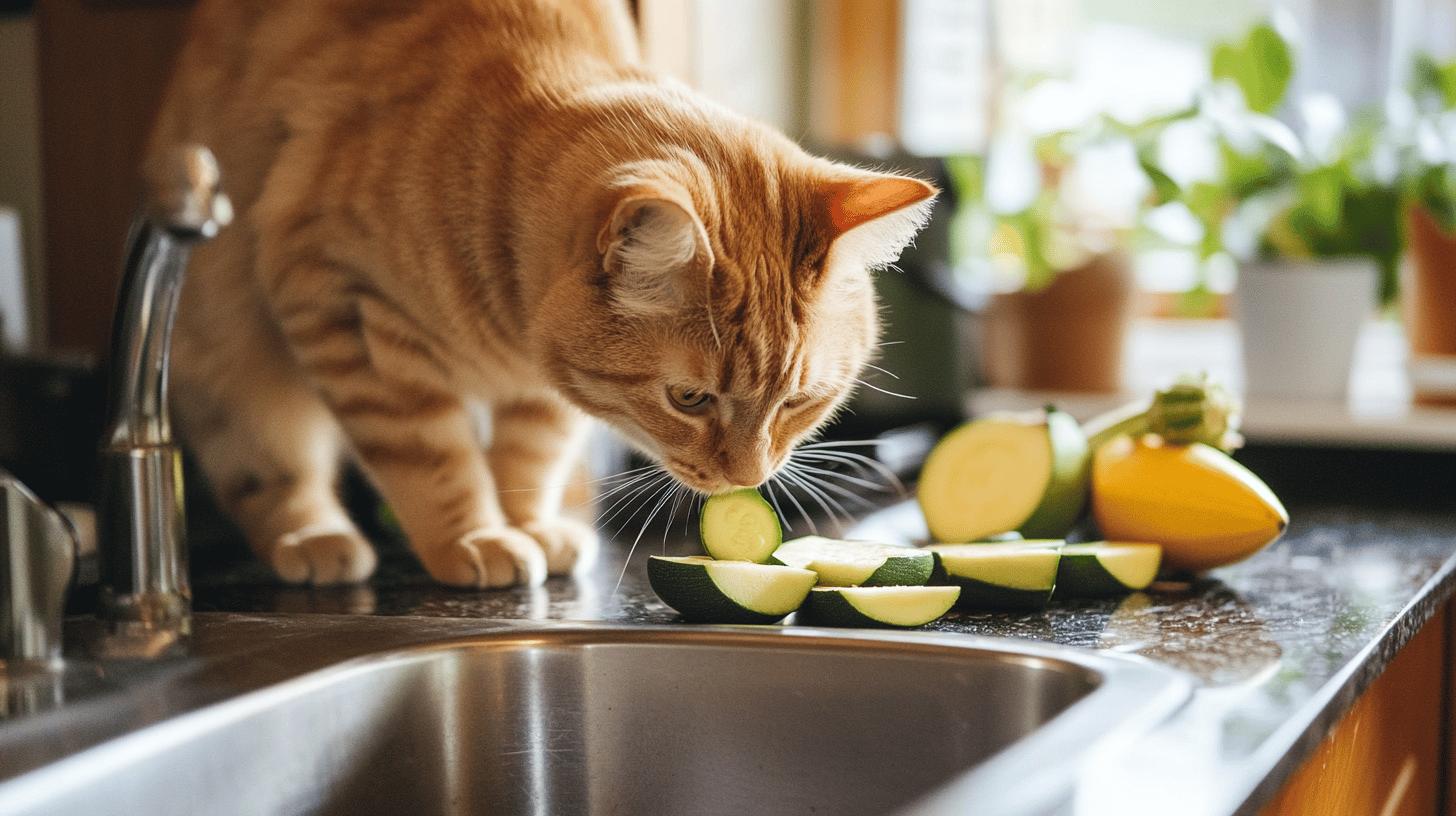
    Yes, cats can safely eat zucchini. It's a nutritious, low-calorie vegetable that makes for a healthy treat. Zucchini offers essential nutrients that contribute positively to a cat's diet, providing benefits like hydration and fiber. While cats are obligate carnivores and primarily need meat, a little zucchini now and then can be a delightful addition.

    Feeding zucchini to your cat should always be done in moderation. It's crucial to remember that zucchini should not substitute a cat's regular meals, as their diet must be meat-heavy to ensure they receive all necessary nutrients.

    Offering zucchini as an occasional treat, perhaps once or twice a week, is a great way to keep your feline friend interested without compromising their dietary needs. Always observe your cat's reaction to any new food and consult with a veterinarian if you have concerns about introducing zucchini to their diet.

    Nutritional Benefits of Zucchini for Cats

    Nutritional Benefits of Zucchini for Cats-1.jpg

    Zucchini is a treasure trove of essential vitamins and minerals that can contribute to a cat's overall well-being. This humble vegetable is packed with Vitamin A, which supports eye health, and Vitamin C, which is known for boosting the immune system.

    Additionally, zucchini contains several B vitamins that aid in maintaining healthy skin and fur. These nutrients are crucial for keeping your feline friend in top shape, and they complement the primary meat-based nutrients cats require.

    Fiber plays an important role in feline digestion, and zucchini happens to be a great source. The fiber in zucchini can help regulate a cat's digestive system, preventing constipation and promoting regular bowel movements.

    This is particularly beneficial for cats that may struggle with digestive issues. By including a small amount of zucchini in their diet, you can help maintain a healthy digestive tract, ensuring they stay comfortable and content.

    One of the standout benefits of zucchini is its potential to aid in weight management. As a low-calorie vegetable, zucchini can be a fantastic treat for cats that need to shed a few pounds.

    It allows them to enjoy a satisfying snack without the added calories that could contribute to weight gain. By offering zucchini in moderation, you can provide a healthy alternative that satisfies their hunger and helps manage their weight effectively.

    Nutrient Benefit
    Vitamin A Supports eye health
    Vitamin C Boosts immune system
    B Vitamins Maintains healthy skin and fur
    Fiber Regulates digestion

    How to Prepare Zucchini for Cats

    How to Prepare Zucchini for Cats-4.jpg

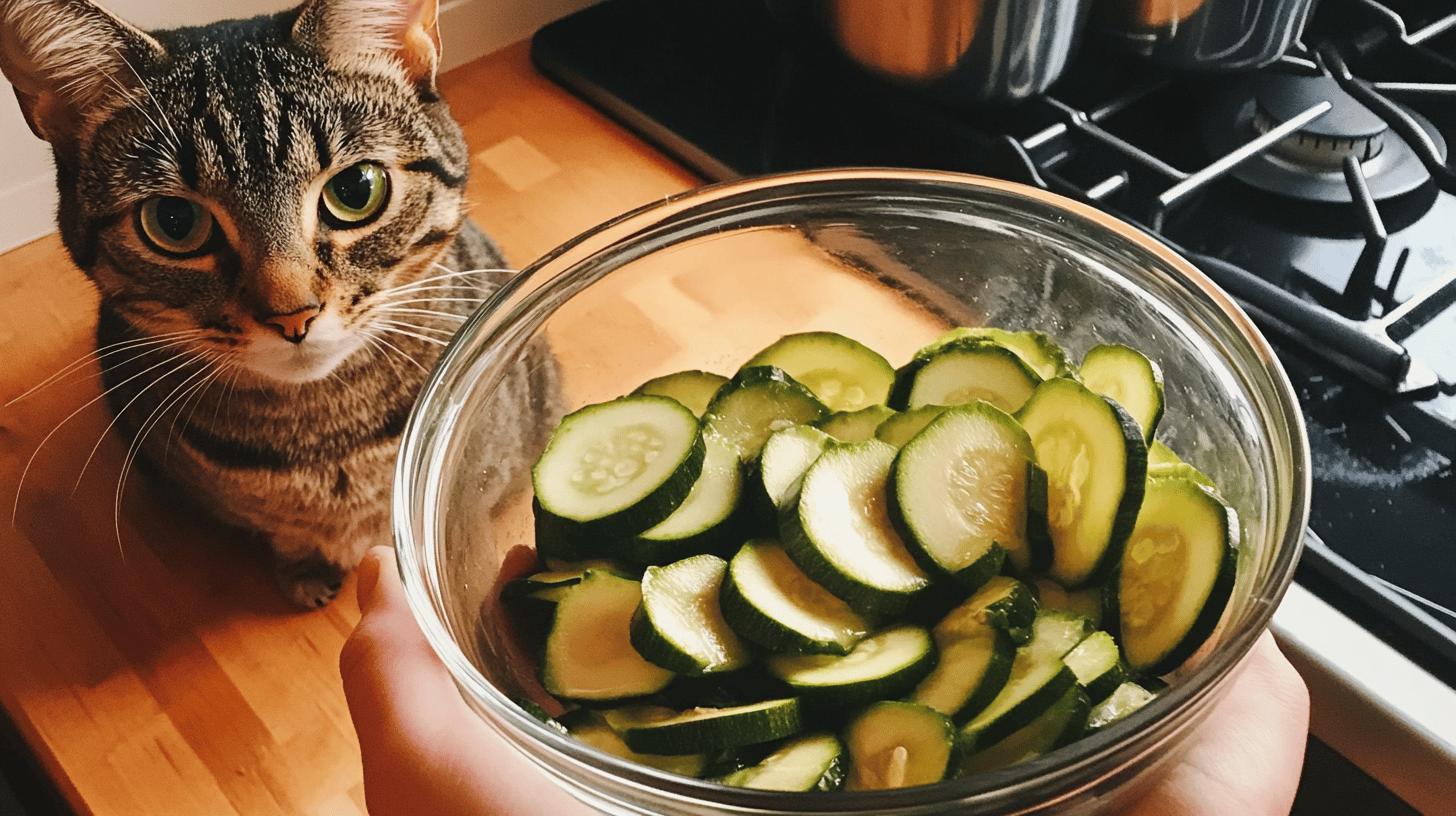
    Proper preparation of zucchini is key to making it a safe and enjoyable treat for your cat. Whether you choose to serve it raw or cooked, ensuring that it's safe and digestible is important. Follow these tips to provide a tasty and healthy addition to your cat's diet.

    Raw vs. Cooked Zucchini

    Feeding zucchini to cats can be done either raw or cooked, with each method offering its pros and cons. Raw zucchini is convenient and retains all its natural nutrients, but it might be harder for some cats to digest due to its texture. Cats may also find the raw version less appealing.

    Cooked zucchini, on the other hand, is easier on a cat's digestive system. Steaming or boiling the vegetable without any seasoning, including salt, helps soften it, making it more palatable. Cooking also breaks down some of the fibers, aiding digestion. However, cooking may slightly reduce the nutrient content, but it ensures your cat can enjoy the treat without any digestive issues.

    Serving Size Recommendations

    When it comes to feeding zucchini to cats, moderation is crucial. Cats are obligate carnivores, so zucchini should only be an occasional treat. Offer it in small, bite-sized pieces to avoid any choking hazards. A serving size of one or two small pieces, no more than once or twice a week, is ideal.

    This limited amount ensures your cat enjoys the health benefits of zucchini without altering their primary meat-based diet. Always keep an eye on your cat's reaction to the new food and adjust the serving size if necessary, ensuring their comfort and health remain a priority.

    Observing Your Cat's Reaction to Zucchini

    Observing Your Cats Reaction to Zucchini-1.jpg

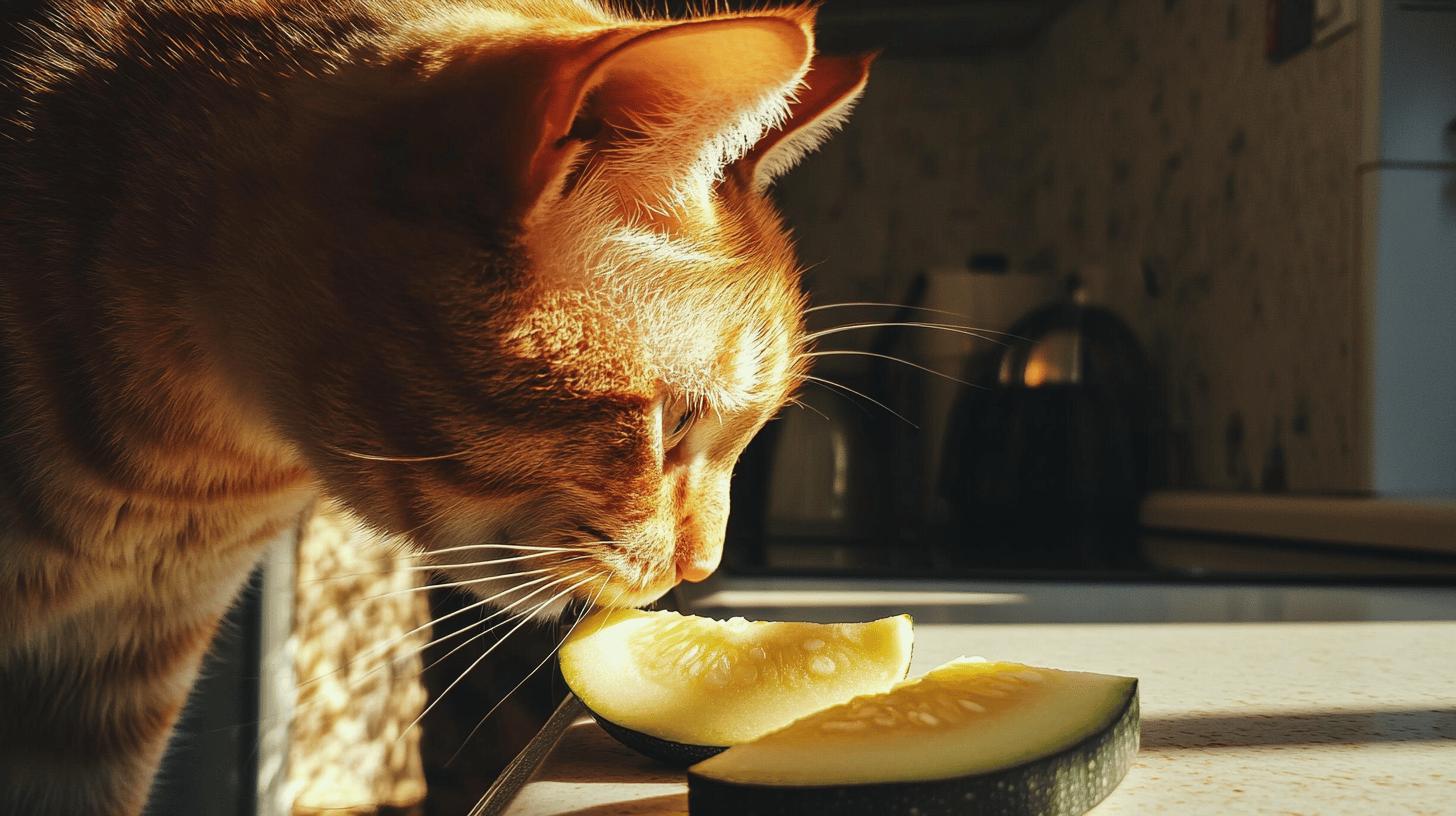
    When introducing zucchini to your cat's diet, it's crucial to keep an eye out for any signs of intolerance or allergies. Cats are naturally more inclined toward meat-based foods, so they might initially resist eating zucchini. Monitoring their reaction ensures that they are comfortable and not experiencing any negative effects from this new addition to their diet.

    Be vigilant for any signs of potential intolerance or allergies. Here are some symptoms to watch for:

    • Vomiting
    • Diarrhea
    • Excessive scratching
    • Swelling or hives
    • Lethargy or unusual behavior

    If you notice any of these symptoms, it might be best to stop feeding your cat zucchini and consult with a veterinarian. By being attentive to your cat's reactions, you can make sure that zucchini is a safe and enjoyable treat for them.

    Alternatives to Zucchini for Cats

    Alternatives to Zucchini for Cats-1.jpg

    Adding variety to your cat's diet can be a delightful way to ensure they receive a range of nutrients while keeping mealtime exciting. While zucchini can be a healthy treat, not all cats may take to it.

    Offering different vegetables and fruits can satisfy your feline's curiosity and taste buds while providing additional health benefits. Just remember, moderation is key, as cats' primary nutrition should still come from meat.

    Here are some alternative cat-safe vegetables and fruits to consider:

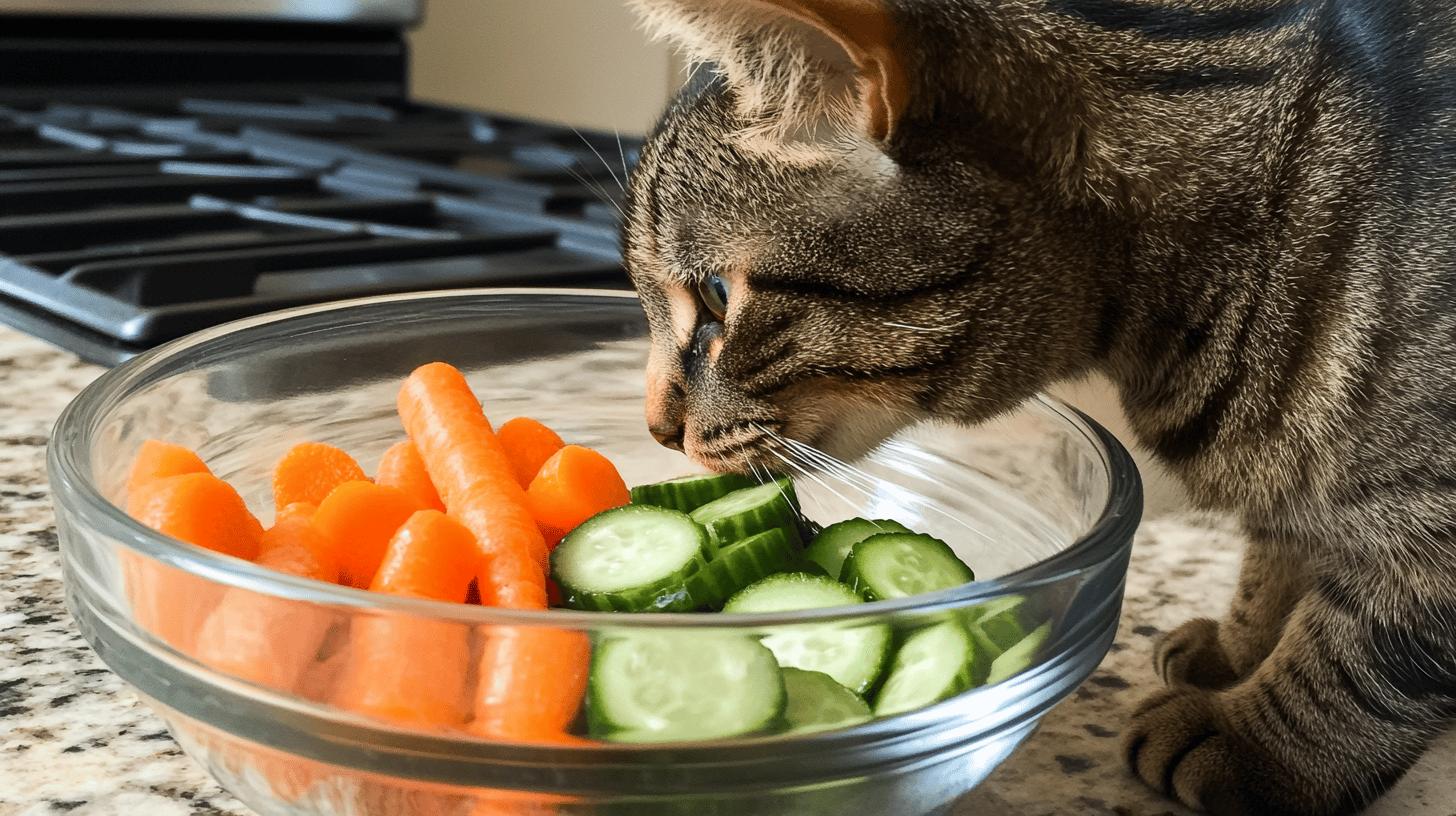
    • Cucumber: This hydrating vegetable is low in calories and can be a refreshing treat in small amounts.
    • Steamed Carrots: Rich in beta-carotene, carrots are great for eye health and can be served cooked for easier digestion.
    • Pumpkin: Known for its digestive benefits, pumpkin is high in fiber and helps maintain regular bowel movements.
    • Peas: These tiny green gems are packed with vitamins and can be offered cooked or mashed for an easy-to-eat snack.
    • Blueberries: While not a vegetable, these antioxidant-rich fruits offer a sweet treat that some cats enjoy.

    Before introducing new foods to your cat's diet, it's always wise to consult with a veterinarian. This step ensures that the additions are safe and suitable for your pet's specific health needs.

    Some foods can cause digestive upset or even be harmful, so professional guidance is crucial. By carefully selecting and introducing new treats, you can enhance your cat's diet and contribute to their overall well-being.

    Final Words

    If you're wondering, "can cat eat zucchini?" the answer is yes. Cats can safely enjoy zucchini as a healthy treat when given in moderation. This low-calorie veggie is packed with essential nutrients like fiber, vitamins, and minerals that support your cat’s health. Preparing zucchini properly, whether raw or cooked, ensures easy digestion.

    Always monitor your cat's reactions when trying new foods. Remember, variety is great, but regular meals shouldn't be replaced with veggies. Enjoy exploring safe and healthy treats for your furry friend!

    FAQ

    Can cats eat zucchini skin?

    A: Cats can eat zucchini skin, but it should be washed thoroughly to remove any pesticides or dirt.

    Can cats eat zucchini seeds?

    A: Yes, cats can eat zucchini seeds if they are small and soft. However, it's best to remove larger seeds to prevent choking.

    Can cats eat zucchini and carrots?

    A: Cats can eat zucchini and carrots. Both should be offered in small, cooked pieces to ensure easy digestion.

    Can cats eat zucchini bread?

    A: Cats should not eat zucchini bread due to high sugar and fat content, which are not suitable for regular cat diets.

    Can cats eat zucchini leaves?

    A: Zucchini leaves are not recommended for cats due to potential bitterness and difficulty in digestion.

    Can cats eat yellow squash?

    A: Cats can eat yellow squash in moderation, similar to zucchini. Always cook it without seasoning for safe consumption.

    Can cats eat cooked zucchini?

    A: Cooked zucchini is safe for cats and easier for them to digest. Always serve it without salt or spices.

    Can cats eat carrots?

    A: Yes, cats can eat cooked carrots in small amounts. They are a healthy treat when prepared properly.

    Is zucchini safe for cats to eat?

    A: Zucchini is safe for cats in moderation. It offers fiber and hydration but should not replace balanced meals.

    What vegetables can cats eat?

    A: Cats can eat vegetables like zucchini, carrots, green beans, and cucumbers. Always introduce them slowly and cooked.

    What vegetables can cats not have?

    A: Cats should avoid onions, garlic, leeks, and chives as they are toxic and can cause digestive issues.

    Are zucchini plants safe for cats?

    A: Zucchini plants themselves are not harmful to cats, but it's best to prevent cats from chewing on any garden plants.

    Related Articles

  • Can Cat Eat Cheetos Understanding the Risks and Nutritional Unsuitability

    Can Cat Eat Cheetos Understanding the Risks and Nutritional Unsuitability

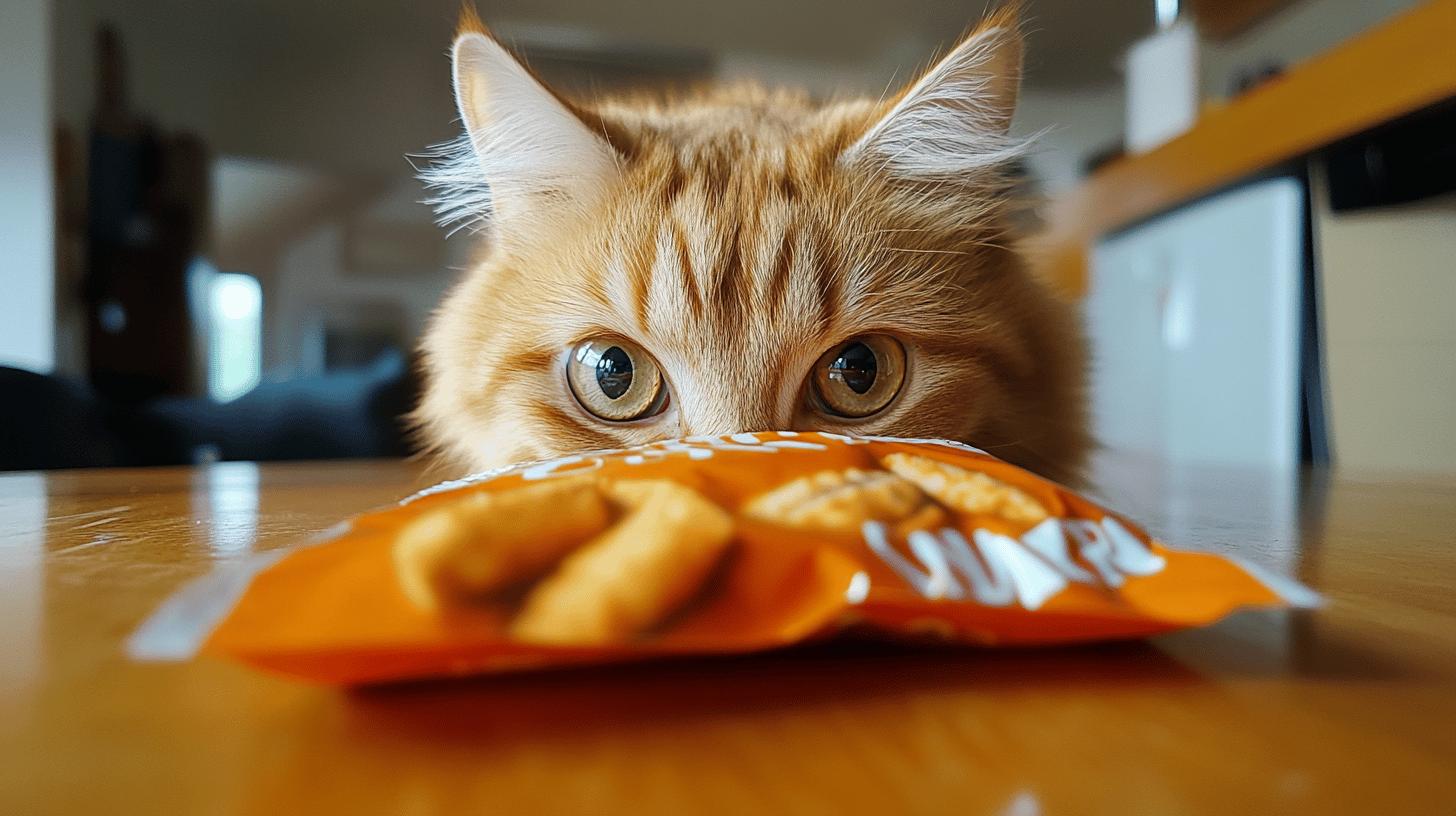
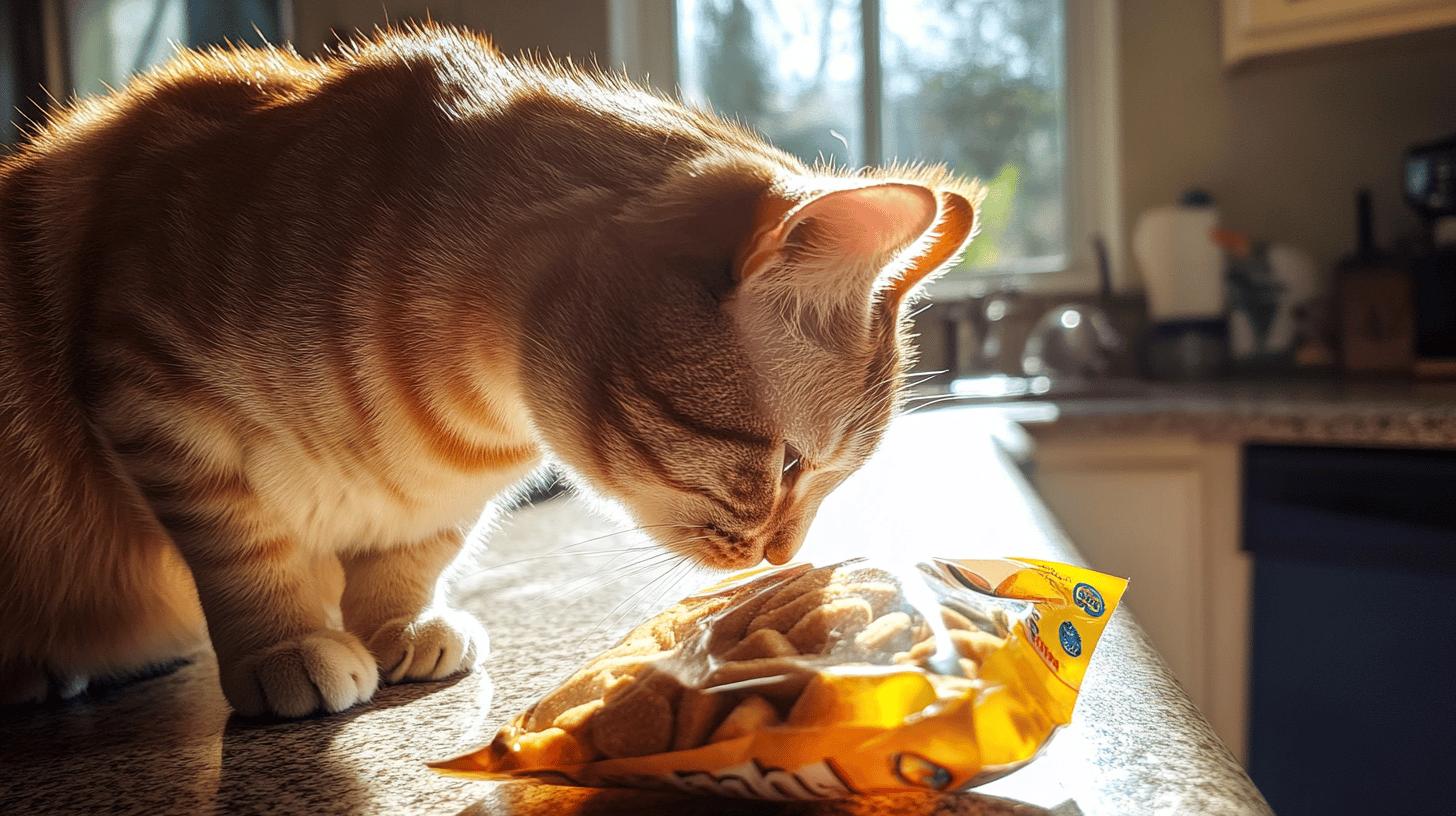
    Ever catch your cat eyeing your snack bowl, begging for a taste? When those snacks are Cheetos, you might think, “What’s the harm?” The honest answer: plenty. While Cheetos aren’t outright toxic to cats, they’re nutritional disasters that damage feline health over time. Let’s explore why these crunchy snacks don’t belong in your cat’s diet, what happens when cats eat them, the digestive system impact, and what treats your cat can actually enjoy safely.

    Can Cats Eat Cheetos?

    Can Cats Eat Cheetos

    Technically, Cheetos are not toxic to cats. A single Cheeto puff won’t poison your cat in an immediate medical sense. However, this doesn’t make them safe or appropriate food for feline consumption. Cheetos are fundamentally incompatible with feline nutrition, digestive health, and metabolism.

    Here’s why: cats evolved as obligate carnivores over millions of years. Their bodies are hardwired to process meat, not processed snacks engineered in factories. A cat’s stomach lacks the enzymes needed to break down the preservatives, artificial dyes, and complex chemical ingredients in Cheetos. These substances just sit in the digestive tract, irritating the lining and causing discomfort to the sensitive feline gut.

    The ingredient list reads like a chemistry experiment: corn meal, corn oil, salt, cheddar cheese powder, artificial colors (Yellow 5, Red 40), monosodium glutamate (MSG), and various preservatives. None of these belong in a cat’s digestive system, and many are banned for pet food in some countries.

    Nutritional problems with Cheetos:

    • Zero high-quality protein (cats need 40%+ protein daily)
    • High carbohydrates (cats have no nutritional requirement for carbs)
    • Excessive sodium (unsafe for feline kidneys and cardiovascular health)
    • Unhealthy vegetable oils that promote obesity and inflammation
    • No essential amino acids, particularly taurine (critical for cats)
    • Artificial additives that trigger inflammatory responses

    Digestive System Impact: What Happens When Cats Eat Cheetos

    When a cat eats Cheetos, the digestive consequences are immediate and uncomfortable. The cat’s stomach begins trying to process food that isn’t designed for feline digestion. The stomach acid and digestive enzymes that evolved to break down meat cannot effectively process corn, preservatives, and artificial colors. This mismatch creates a cascade of problems.

    Immediate effects (within 1-4 hours):

    • Stomach irritation from artificial ingredients and preservatives
    • Inflammatory response in the gut lining and intestinal walls
    • Reduced digestive enzyme activity and slowed motility
    • Vomiting (the body’s protective reflex to reject unsuitable food)
    • Diarrhea or loose stools as the digestive system tries to flush the content

    Short-term effects (hours to days after consumption):

    • Nausea and loss of appetite affecting multiple meals
    • Abdominal cramping and visible discomfort when touched
    • Excessive thirst from sodium overload and dehydration
    • Lethargy and unusually low energy levels
    • Dehydration if diarrhea is severe or persistent

    Long-term effects from repeated or regular exposure:

    • Progressive weight gain leading to obesity (30-40% of indoor cats are already obese)
    • Diabetes development from high carbohydrate intake and metabolic stress
    • Kidney strain and diminished function from excessive sodium accumulation
    • Digestive tract damage and chronic inflammation of intestinal walls
    • Nutritional deficiencies despite eating, the cat feels full but lacks essential nutrients
    • Joint problems, arthritis, and mobility issues resulting from obesity
    • Behavioral problems, irritability, and aggression from chronic discomfort
    • Shortened lifespan from cumulative health damage

    The red food dyes in Cheetos (particularly Red 40 and Yellow 5) trigger inflammatory responses in sensitive cats. Some cats experience allergic reactions: itching, skin rashes, fur loss, or respiratory symptoms. The artificial dyes serve no nutritional purpose, they exist solely to appeal to human eyes and marketing psychology.

    Sodium Overload and Kidney Damage

    One Cheeto contains roughly 150mg of sodium. A cat’s daily sodium requirement is only 200mg total. A single serving of Cheetos (about 10-15 puffs) exceeds healthy daily sodium intake. The problem escalates dramatically when cats eat multiple snacks or get Cheetos repeatedly over weeks and months.

    High sodium intake forces your cat’s kidneys to work overtime filtering excess salt from the bloodstream and excreting it in urine. This constant stress damages kidney tissue and reduces their filtering capacity over time, especially in older cats or those with pre-existing kidney disease.

    Early signs of kidney stress from sodium overload include:

    • Excessive thirst and frequent urination (more litter box visits)
    • Lethargy and weakness, especially after eating salty foods
    • Poor coat condition, dryness, and increased shedding
    • Reduced appetite despite being otherwise normal
    • Increased drinking combined with weight loss

    Cats that already have chronic kidney disease (CKD), hypertension, or heart problems face exponentially greater risk from high-sodium snacks. If your cat has any existing health condition, Cheetos are absolutely off-limits. Even a small amount can worsen kidney function and reduce quality of life.

    Fresh Versus Processed: What Cats Actually Need

    Your cat’s digestive system thrives on protein-rich, minimally processed food that matches their evolutionary diet. Let’s compare Cheetos to what a cat actually needs nutritionally:

    What cats’ bodies require:

    • 40-50% high-quality protein from meat sources (chicken, fish, beef)
    • Fat from animal sources (not vegetable oil)
    • Minimal to zero carbohydrates (cats have zero metabolic need for them)
    • Taurine, an amino acid found only in meat (cats cannot synthesize it)
    • No artificial additives, dyes, or preservatives
    • Appropriate moisture content (wet food or fresh prey)
    • Specific vitamins and minerals in proper ratios

    What Cheetos actually provide:

    • 0% appropriate protein, mostly corn protein (incomplete amino acid profile)
    • Unhealthy vegetable oil (causes inflammation in cat’s system)
    • 50%+ carbohydrates from corn (metabolically useless to cats)
    • Zero taurine (cats cannot survive long term without it)
    • High levels of artificial additives and salt
    • Zero moisture (dry, dehydrating snack)
    • No nutritional value aligned with cat needs

    Safe Treat Alternatives for Your Cat

    If your cat is persistently begging for snacks, here are genuinely safe options that won’t harm their health or disrupt their nutrition:

    High-protein commercial cat treats: Look for brands with meat as the first ingredient (chicken, fish, beef, not “meat by-products”). Quality treats have 3-5 ingredients you can recognize. Read labels carefully, if you can’t pronounce ingredients, your cat shouldn’t eat them. Brands like Fancy Feast Creamy, Tiki Cat, or Stella & Chewy’s focus on meat content.

    Plain cooked chicken or turkey: A small piece of unseasoned, boneless, skinless chicken is a perfect treat. Cook by boiling or baking, no seasoning, no oil, no salt. It’s pure protein with zero additives. Most cats love it and it provides actual nutritional value. A 1-inch cube is an appropriate treat portion.

    Canned tuna in water (occasional use only): Plain tuna provides protein and cats find it highly palatable. Use sparingly, only once a week, since tuna is high in mercury. Never give tuna packed in oil or salt. Mix a small spoonful with a cat treat, don’t make it a meal.

    Salmon or other fatty fish: Cooked salmon (no seasoning) provides omega-3 fatty acids beneficial for coat health. Again, cook simply with no added salt or oil. A small piece once weekly is appropriate.

    Freeze-dried meat treats: These contain meat and nothing else, no fillers, no preservatives, no artificial ingredients. The meat is freeze-dried to preserve nutrients. They’re pricier ($15-20 per small bag) but nutritionally superior and last a long time. Brands like Stella & Chewy’s Freeze-Dried Raw or Primal offer high-quality options.

    Catnip or silvervine: These aren’t nutritional treats but enrichment tools. They stimulate natural hunting behavior and provide mental engagement. Offer dried catnip in moderation, a pinch or small toy filled with catnip 2-3 times weekly.

    What NOT to give: Avoid milk/dairy (most cats are lactose intolerant), onions, garlic, chocolate, grapes, raisins, avocado, and anything with artificial sweeteners (xylitol is toxic).

    Signs Your Cat Ate Too Many Cheetos

    If your cat got into a bag of Cheetos, watch for these warning signs over the next 24-48 hours:

    • Vomiting within 1-4 hours of consumption
    • Diarrhea or loose stools, sometimes for 24+ hours
    • Abdominal tenderness (reluctance to move, jump, or lie on stomach)
    • Excessive thirst and frequent urination
    • Loss of appetite for regular meals
    • Lethargy for more than a few hours
    • Behavioral changes: irritability, hiding, unusual crying

    A single Cheeto puff causes mild symptoms at worst. But if your cat consumed a handful or regular access to Cheetos, contact your vet for advice. Persistent vomiting or diarrhea lasting more than 12 hours needs veterinary care and evaluation.

    Final Words

    Cheetos aren’t acutely toxic, but they’re nutritional poison for cats in every meaningful way. Every ingredient in Cheetos contradicts what your cat’s body needs to thrive and maintain health. The sodium damages kidneys and cardiovascular function. The carbs cause obesity, diabetes, and metabolic syndrome. The artificial ingredients irritate the gut and trigger inflammation. The lack of appropriate protein creates nutritional deficiency despite the cat feeling full.

    Your cat’s digestive system evolved over millions of years to process meat, whole prey that their wild ancestors hunted and consumed. Processed snacks like Cheetos don’t fit that ancestral design. When you reach for treats, choose options that support your cat’s health: high-protein, minimally processed, with ingredients you recognize and pronounce.

    The best snack? Plain cooked chicken or high-quality meat-based cat treats. Your cat’s digestive health, kidney function, waistline, and lifespan will thank you for making the right choice.

    FAQ

    Can cats eat Cheetos puffs or cheese puffs?

    No. Cheetos puffs and similar cheese snacks are junk food for cats. They provide zero nutritional value and risk digestive upset, obesity, kidney damage from high sodium, and long-term health problems.

    Are hot Cheetos dangerous for cats?

    Yes, significantly more so than regular Cheetos. Hot Cheetos contain additional spices, chili peppers, cayenne, paprika, that irritate a cat’s mouth, throat, and stomach lining. Capsaicin (the spice compound) can cause severe vomiting, diarrhea, and digestive distress. Keep spicy foods completely away from cats.

    Can cats eat Doritos or other chips?

    No. All corn-based chip snacks, Doritos, Fritos, potato chips, Pringles, tortilla chips, are similarly unsuitable for cats. They share the same problems: high sodium, artificial ingredients, lack of appropriate protein, and digestive irritation.

    What if my cat ate one Cheeto?

    One puff typically causes no serious immediate harm. Your cat might experience mild stomach upset, nausea, or a brief bout of diarrhea, but this usually passes within hours. Monitor for vomiting or persistent diarrhea. If symptoms develop, contact your vet. Regular or repeated exposure is the real health concern.

    What should cats eat instead of Cheetos?

    Plain cooked chicken, high-quality meat-based cat treats (check ingredients), freeze-dried meat treats, or small pieces of cooked salmon or canned tuna in water. Choose treats with recognizable meat ingredients, not corn, fillers, or artificial additives.

    Can kittens have Cheetos?

    Absolutely not. Kittens’ digestive systems are even more sensitive than adult cats. They need pure protein and specific nutrients for growth and development. Junk food can stunt growth, cause developmental problems, and establish poor eating habits early.

    Related Articles

  • Can Cat Eat Vanilla Ice Cream Risks and Recommendations

    Can Cat Eat Vanilla Ice Cream Risks and Recommendations

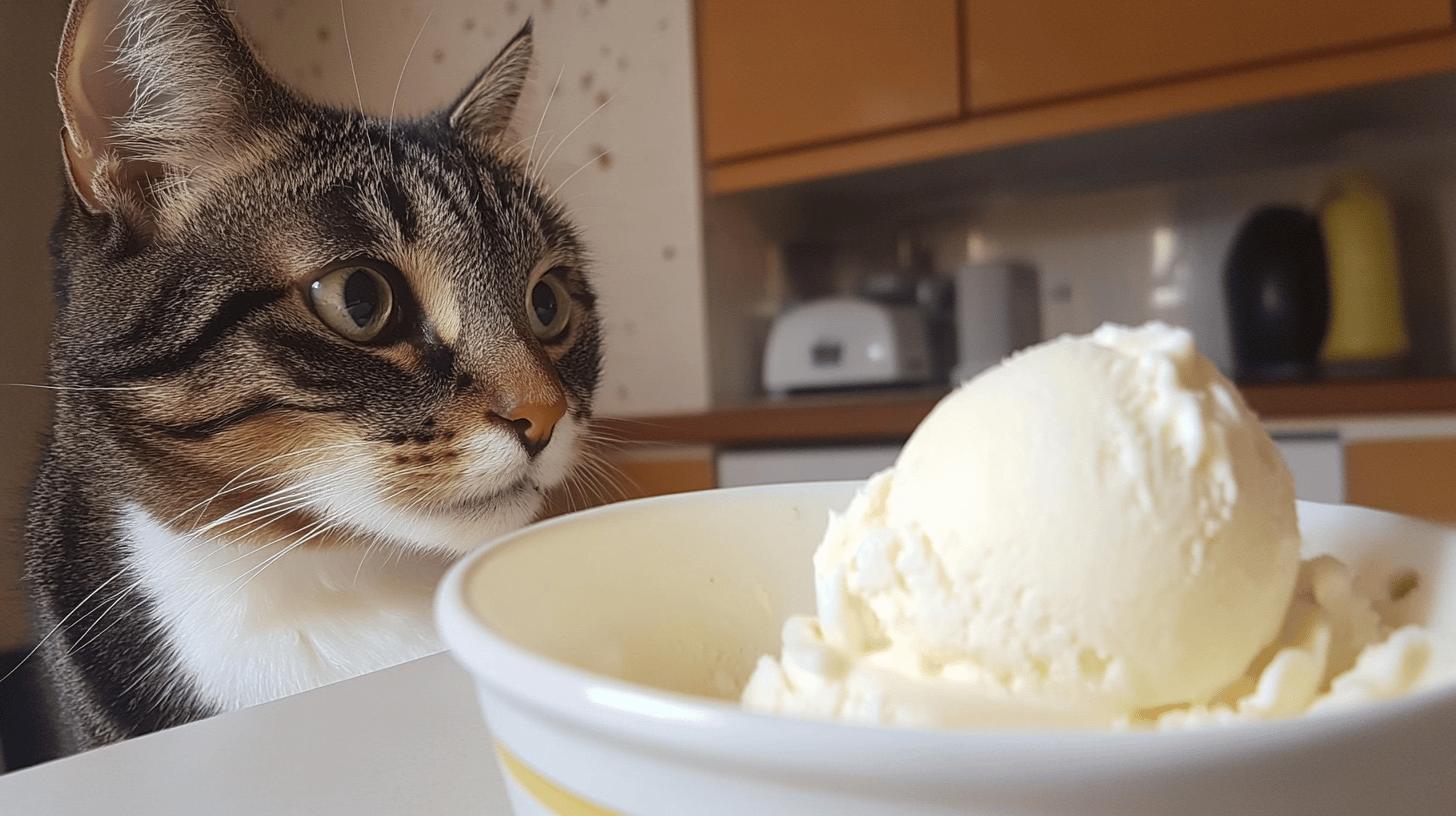
    Is giving your cat a spoonful of vanilla ice cream a sweet treat or a risky indulgence? While it may seem like a harmless way to spoil your furry friend, most cats are lactose intolerant, making dairy-based ice cream a tricky choice.

    Even if your cat's tummy doesn't immediately protest, ice cream is packed with sugars and fats that can lead to obesity and other health issues. Before offering this creamy delight, understanding the risks and finding healthier alternatives is crucial for keeping your cat safe and content.

    Can Cats Eat Vanilla Ice Cream?

    Can Cats Eat Vanilla Ice Cream-1.jpg

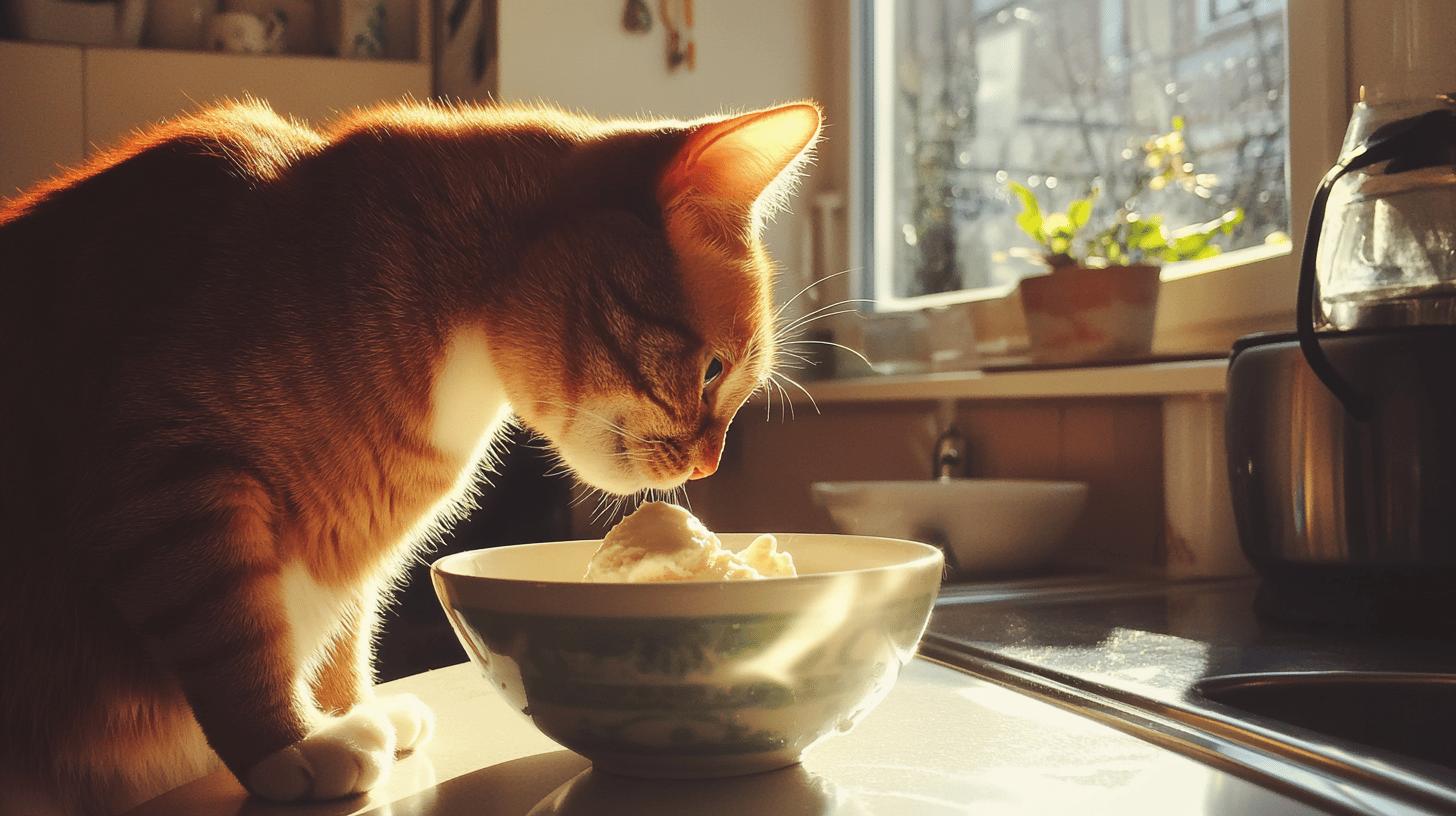
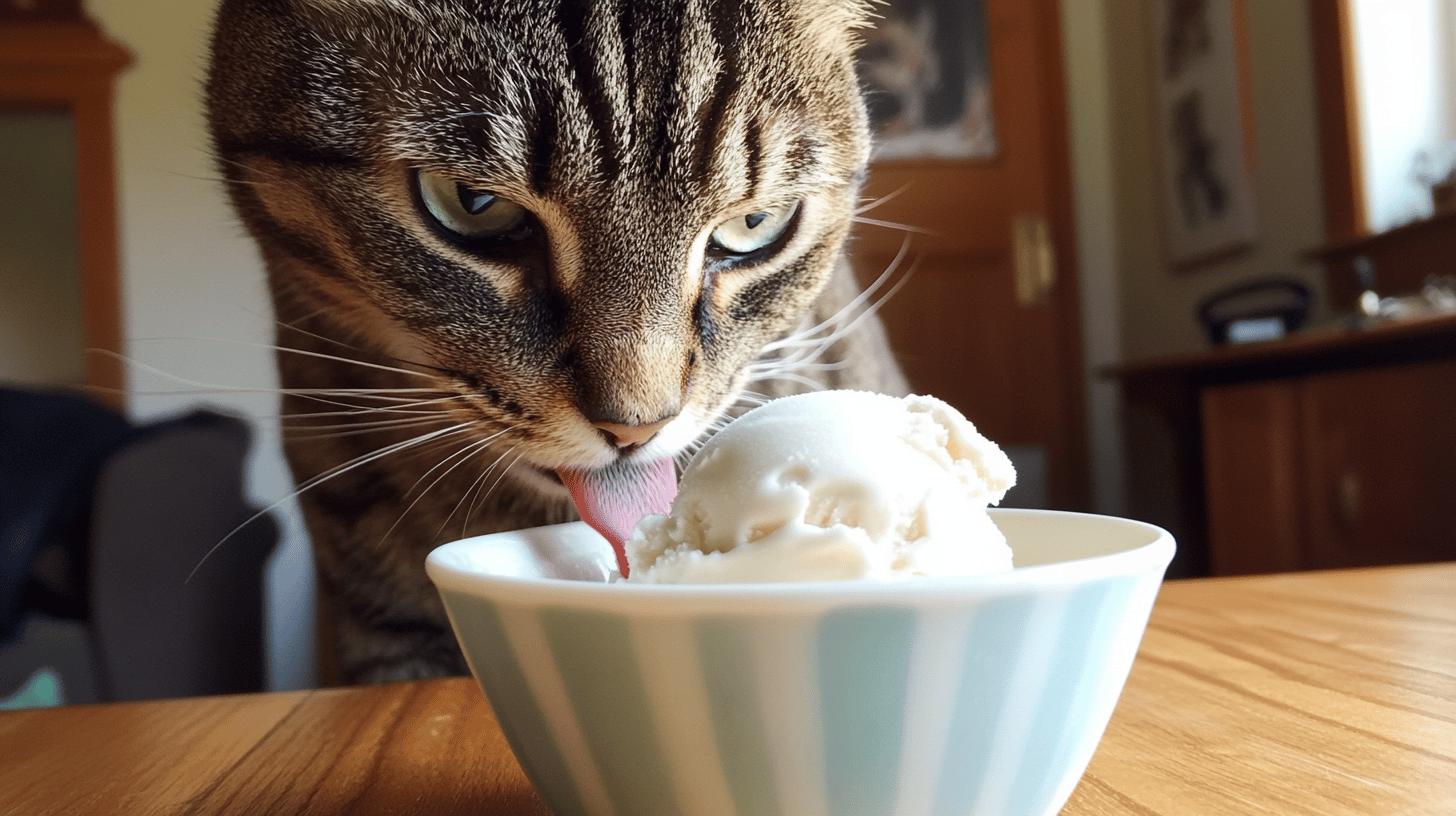
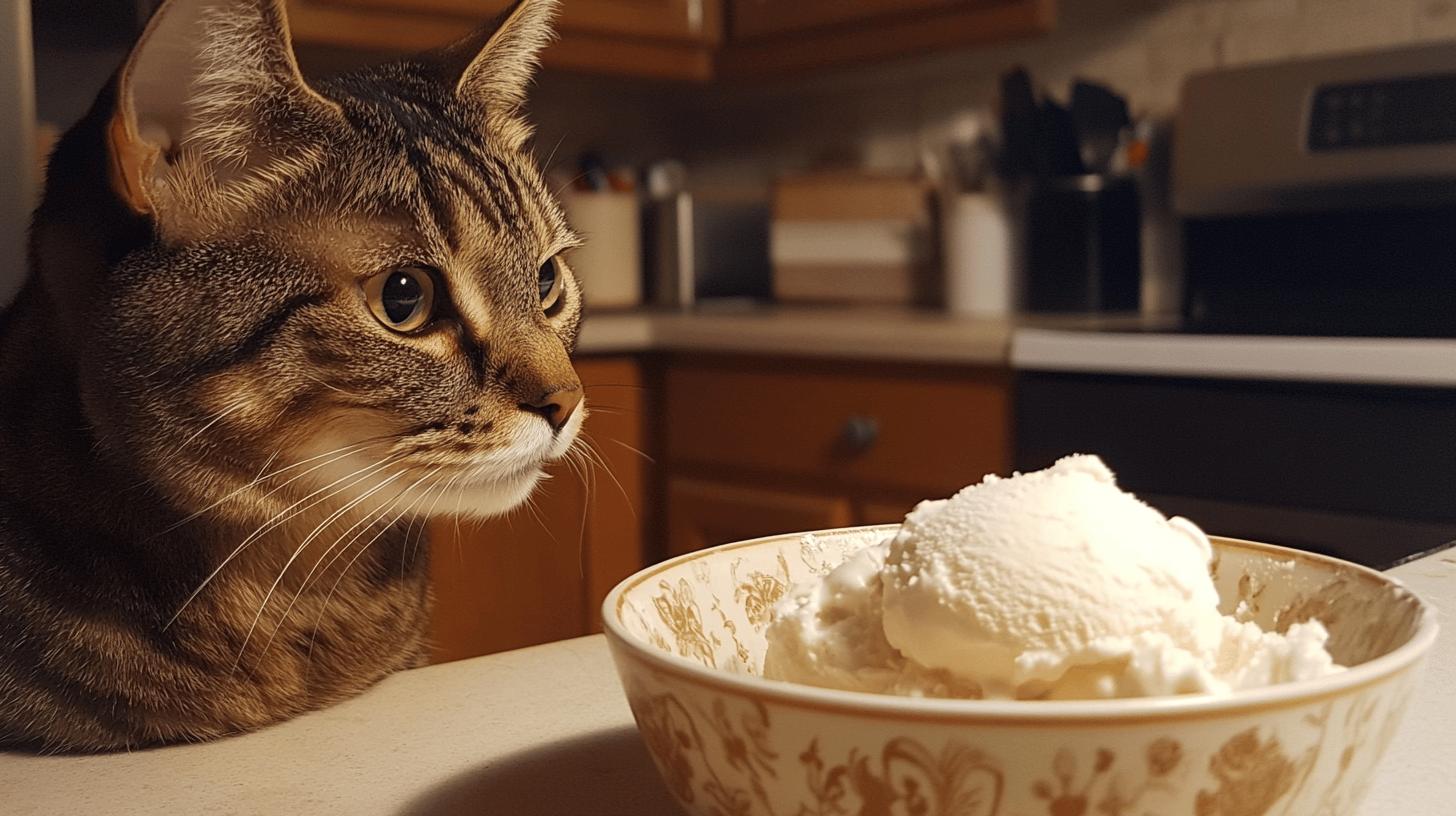
    While vanilla ice cream is not toxic to cats, it is not advisable to give it to them. Cats eating ice cream might face several health risks, primarily because most cats are lactose intolerant. This intolerance can result in vomiting, diarrhea, or even pancreatitis.

    Additionally, the high sugar and fat content in vanilla ice cream can contribute to obesity, diabetes, or heart disease, making it an unhealthy choice for our feline friends.

    Experts agree that ice cream is not a suitable treat for cats. The unnecessary sugars and fats in vanilla ice cream provide no nutritional benefits to cats and can lead to adverse health effects. Instead of ice cream, there are safer and healthier treat options available that cater to a cat's dietary needs without risking their health.

    Understanding Lactose Intolerance and Managing Symptoms If Your Cat Eats Ice Cream

    Understanding Lactose Intolerance and Recognizing Symptoms If Your Cat Eats Ice Cream-1.jpg

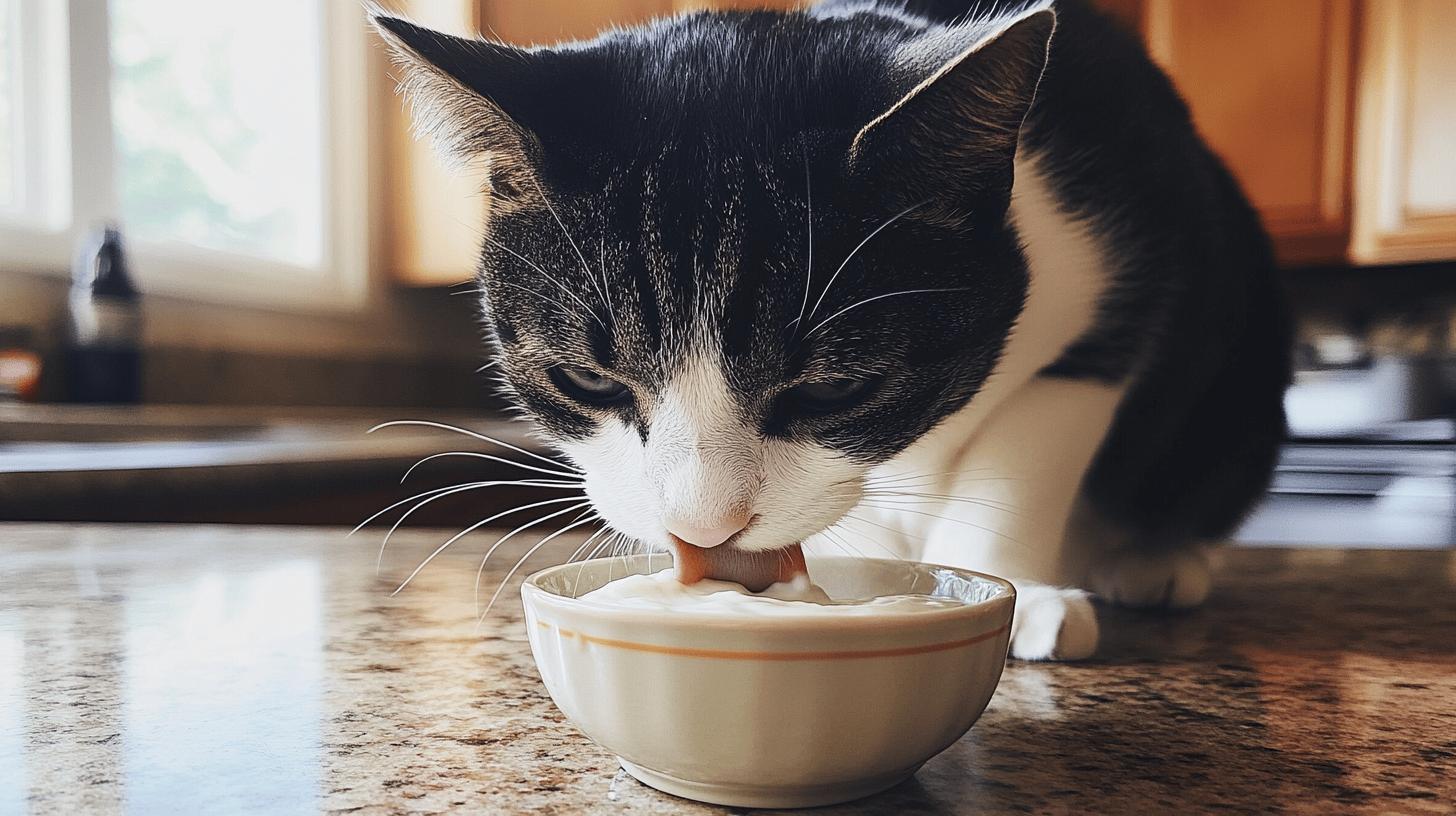
    Most adult cats can't digest lactose well. They lack lactase, the enzyme needed to break down lactose found in dairy. This often leads to digestive issues when they eat foods like ice cream. It's best to keep dairy away from your cat to prevent these problems.

    If your cat sneaks some ice cream, watch for signs of digestive upset. Symptoms can include diarrhea and vomiting. These occur because lactose draws water into the intestines and ferments, causing discomfort.

    If symptoms persist, it's important to seek veterinary care. Severe digestive distress can lead to dehydration or other issues. Contact a vet if your cat experiences:

    • Continuous diarrhea
    • Repeated vomiting
    • Severe stomach upset

    Offering lactose-free treats or feline-friendly alternatives can keep your cat happy and healthy without risking digestive discomfort.

    The Risks of Sugar and Fat in Vanilla Ice Cream for Cats

    The Risks of Sugar and Fat in Vanilla Ice Cream for Cats-1.jpg

    Vanilla ice cream might seem like a tempting treat for cats, but its high sugar content can be problematic. Cats don't process sugar the way humans do. Excessive sugar consumption can lead to serious health issues like obesity and diabetes. These disorders can severely impact a cat's quality of life, making it crucial to limit sugar in their diet.

    The high-fat content in vanilla ice cream is another concern. Cats need some fat in their diet, but too much can lead to weight gain and associated health problems. A diet high in unhealthy fats can disrupt a cat’s metabolism and contribute to long-term issues such as liver disease or pancreatitis.

    Potential health risks from excessive sugar and fat include:

    • Obesity
    • Diabetes
    • Heart disease
    • Liver disease
    • Pancreatitis

    Avoiding ice cream and choosing healthier options can help maintain your cat's health and prevent these risks.

    Safe Alternatives to Vanilla Ice Cream for Cats

    Safe Alternatives to Vanilla Ice Cream for Cats-1.jpg

    Finding safe alternatives to vanilla ice cream for cats is important due to the risks associated with lactose and high sugar content. Cats often crave the creamy texture of ice cream, but it's wise to offer healthier options that won't upset their digestive system or contribute to health issues like obesity and diabetes.

    Providing alternatives that are both delicious and nutritious ensures that our feline friends enjoy a treat without compromising their health.

    You can consider trying a variety of safe treats that cater to a cat's specific dietary needs. These options can satisfy their cravings without the harmful effects associated with traditional ice cream:

    • Plain, low-fat yogurt: A safer dairy option that provides a creamy texture without the lactose issues.
    • Lactose-free cat treats: Specially formulated to cater to cats’ dietary needs, avoiding digestive problems.
    • Frozen tuna or chicken broth cubes: Simple and flavorful, these are great for a cold treat.
    • Pumpkin puree: Rich in fiber and nutrients, offering a healthy snack.
    • Catnip-infused treats: Add a bit of excitement with the allure of catnip.

    Homemade Cat-Friendly Ice Cream Recipes

    Creating homemade cat-friendly ice cream is a fun way to treat your cat while ensuring safety. Use lactose-free milk as a base, and blend in a small amount of tuna or chicken broth for flavor. You can even sprinkle in some catnip for added interest.

    Freeze the mixture in small portions, and you'll have a delightful, safe treat for your cat to enjoy on a hot day. This approach lets you control the ingredients and adjust flavors to suit your feline friend's preferences.

    Final Words

    Vanilla ice cream may seem tempting, but it's not advisable for our feline friends. Cats are lactose intolerant, and the sugar and fat in ice cream pose health risks. Digestive trouble like vomiting and diarrhea can arise from indulging a cat's dairy curiosity. Plus, there’s the danger of obesity and other ailments from sugar and fat.

    Instead, choose safer treats like low-fat yogurt or homemade cat-friendly desserts. These options satisfy your cat's cravings without the negative effects. Giving cats something safe and healthy keeps them happy and helps us feel peace of mind.

    FAQ

    Can cats eat vanilla ice cream?

    A: Cats should not eat vanilla ice cream. It's not toxic, but most cats can't digest lactose well. It can lead to vomiting, diarrhea, and health risks from sugar and fat.

    What happens if cats eat vanilla ice cream?

    A: If a cat eats vanilla ice cream, it might experience stomach upset or diarrhea due to lactose intolerance. Consult a vet if symptoms are severe.

    Is it safe for cats to eat vanilla?

    A: Vanilla itself isn't toxic to cats, but foods with vanilla, like ice cream or cake, usually contain sugar and dairy, which aren't safe for cats.

    Why do cats like ice cream?

    A: Cats might be attracted to ice cream’s fat and sweet scent. They often like creamy textures, not realizing the digestive issues it might cause.

    Can cats eat vanilla yogurt?

    A: Like ice cream, vanilla yogurt contains lactose, so it may cause digestive problems for cats. Opt for plain, lactose-free yogurt instead.

    Can I give my cat a spoon of vanilla ice cream?

    A: It's better to avoid it. Vanilla ice cream contains sugar and dairy, which can harm your cat's health.

    Can cats have whipped cream?

    A: Cats should avoid whipped cream due to its lactose content and high sugar levels, which can lead to digestive upset and long-term health risks.

    Related Articles

  • Can Cat Eat Cilantro Safely and Its Health Implications

    Can Cat Eat Cilantro Safely and Its Health Implications

    Did you know that cilantro, a common herb found in many kitchens, might be a treat for your whiskered friend? As curious creatures, cats often inspect their world by taste-testing various plants, cilantro included.

    But is it safe for them? While cilantro is non-toxic and safe in moderation, too much could upset your cat’s stomach. In this article, we’ll explore the balance between curiosity and caution, ensuring that your cat can enjoy a dash of green without compromising their health. Let’s dive into the safe way to add cilantro to your cat’s world!

    Can Cats Eat Cilantro Safely and Its Health Implications?

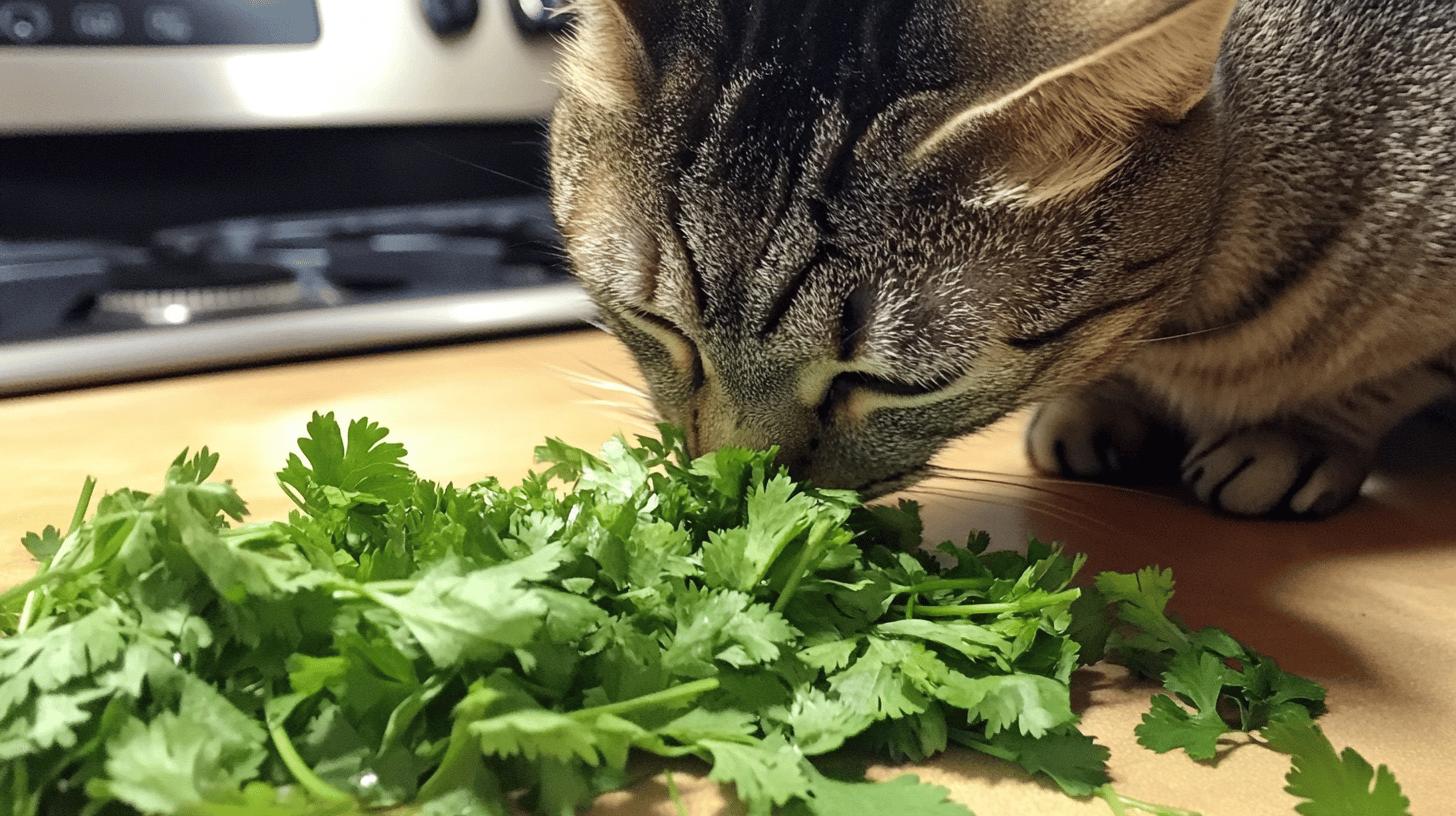
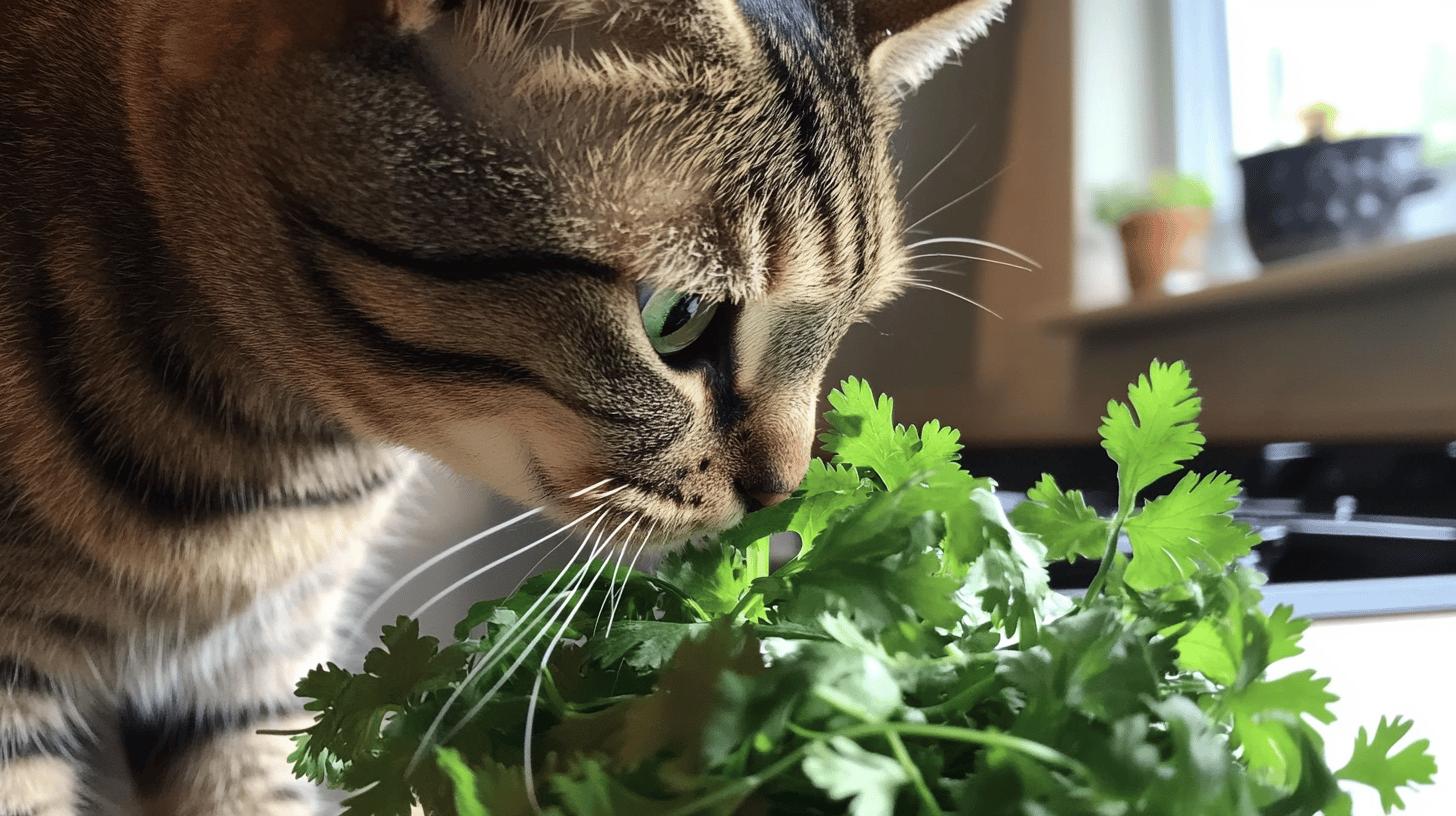
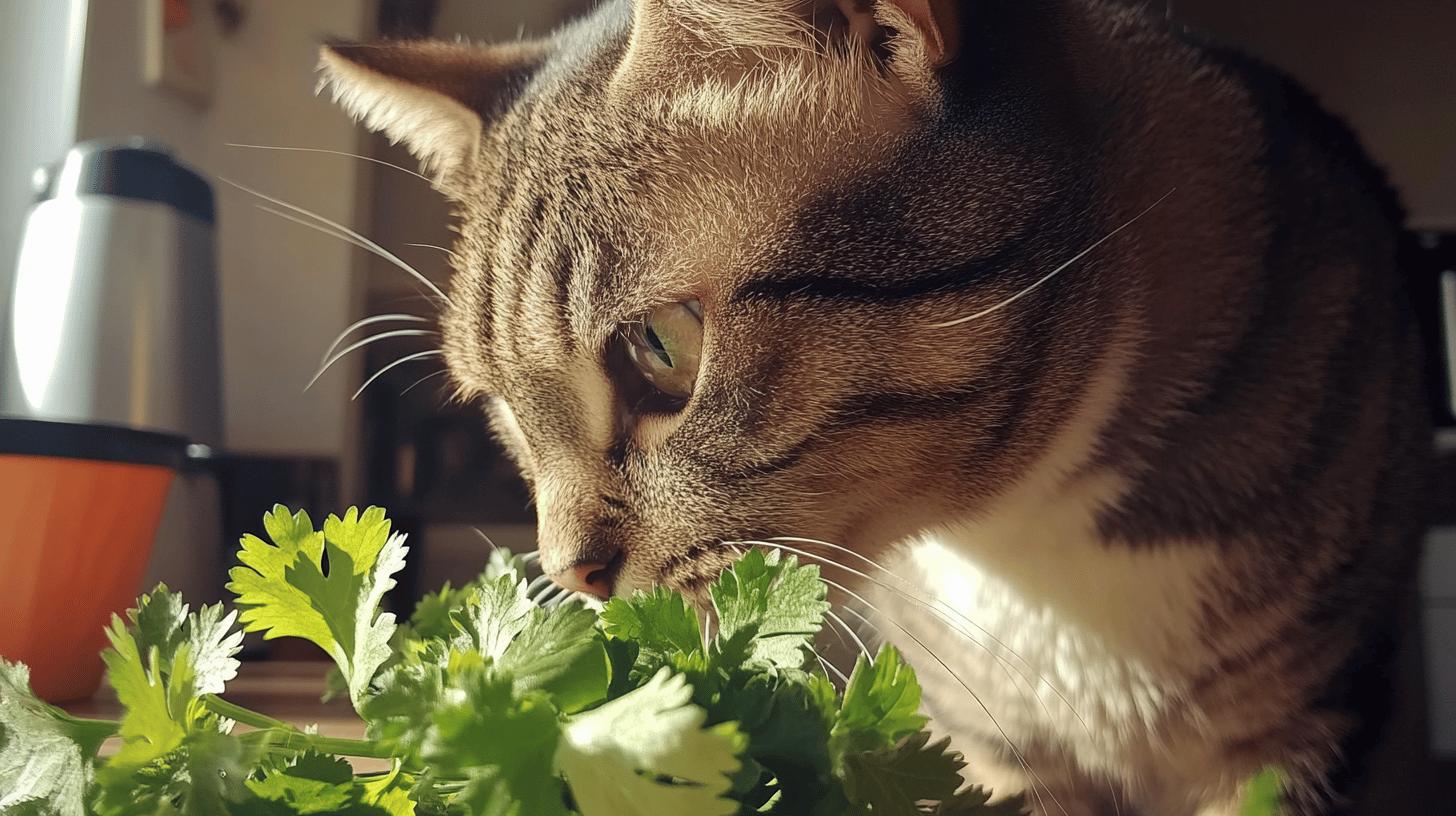
    Can Cats Eat Cilantro Safely and Its Health Implications-1.jpg

    Cilantro is generally safe for cats when consumed in moderation, making it a non-toxic option for curious nibblers. Cats often explore their environment by tasting various plants, and cilantro is no exception.

    While it poses no significant harm, it’s crucial to keep an eye on the quantity they ingest. Overindulgence can lead to digestive issues such as vomiting or diarrhea. This is why moderation is key when introducing cilantro to a cat’s diet.

    Cats are obligate carnivores, meaning they primarily require animal protein. Thus, cilantro should not replace their main food source, but rather serve as an occasional treat if they show interest.

    Potential symptoms of overconsumption include:

    • Vomiting
    • Diarrhea
    • Changes in appetite

    Cilantro contains a variety of nutrients that can offer some health benefits to cats, albeit in small amounts. It boasts antioxidants, fiber, and essential vitamins like A, C, and K. These components can potentially support a cat’s overall well-being if given sparingly.

    The fiber in cilantro can aid digestion, promoting regular bowel movements. However, it’s important to remember that cats’ digestive systems are not designed to process large quantities of plant matter. Hence, while cilantro can be a fun and healthy addition to their diet, it should be limited to avoid any adverse effects.

    Benefit Risk
    Provides antioxidants Possible vomiting
    Contains fiber for digestion Diarrhea risk
    Offers vitamins A, C, and K Appetite changes

    How to Introduce Cilantro to Your Cat’s Diet

    How to Introduce Cilantro to Your Cats Diet-1.jpg

    Introducing cilantro to your cat’s diet can be a simple process. Begin by preparing a small amount, like a single leaf, and mix it into your cat’s regular food. This helps them get used to the new flavor without overwhelming their senses.

    Cats can be finicky eaters, so patience is key. It’s crucial to ensure cilantro does not replace their main diet. Keep it as an occasional treat and ensure it doesn’t exceed 10% of their daily caloric intake.

    Steps to monitor for adverse reactions:

    • Start small with a single leaf.
    • Observe your cat’s digestion after consumption.
    • Adjust the amount if any digestive issues occur.

    Balancing cilantro with your cat’s regular diet is essential to their overall health. Cats are obligate carnivores, so their primary nutrition should come from animal proteins found in commercial cat food.

    While cilantro can add a bit of variety and some nutrients, it should not be a staple. Always keep an eye on how your cat reacts to new additions like cilantro, and consult with a vet if any concerns arise.

    Comparing Cilantro to Other Safe Herbs for Cats

    Comparing Cilantro to Other Safe Herbs for Cats-1.jpg

    Many cat owners wonder which herbs are safe for their furry friends. Cilantro is one of them, known for its non-toxic nature and mild appeal to some cats. Just like humans, cats have their preferences, and while cilantro might be a hit with one feline, it might not pique the interest of another.

    Beyond cilantro, there are several other herbs that are considered safe for cats. These herbs can provide a bit of variety in your cat’s diet, but it’s essential to introduce them carefully to avoid any digestive issues.

    Here’s a list of other safe herbs and some of their benefits:

    • Basil: Known for its anti-inflammatory properties and potential to improve digestion.
    • Parsley: Often used as a breath freshener and contains vitamins C and K.
    • Rosemary: Offers antioxidants and can support a healthy coat and skin.

    It’s crucial to differentiate between safe and toxic herbs when considering what to offer your cat. Not all plants are created equal in the eyes of a cat’s digestive system. Some herbs, though seemingly benign, can be harmful.

    For instance, chives and garlic are toxic and should be avoided entirely. Always ensure that any new herb introduced to your cat’s diet is safe and watch for any adverse reactions, consulting with a vet if needed. This cautious approach helps keep your cat safe and healthy while exploring new flavors.

    Can Cats Eat Cilantro Safely and Its Health Implications?

    Veterinarians and cat nutritionists suggest that cilantro can be a safe treat for cats in moderation. It should never replace their main diet, which needs to be rich in high-quality animal proteins.

    Treats, including cilantro, should make up less than 10% of their daily diet. By keeping cilantro as an occasional indulgence, we ensure our cats get the necessary nutrients from their regular food. This helps maintain their health without compromising on variety.

    How to Introduce Cilantro to Your Cat’s Diet

    Introducing cilantro or any new treat should be done cautiously. Start with small amounts and watch for any digestive issues or allergic reactions. Consulting a veterinarian is crucial before making any dietary changes. They can provide guidance tailored to your cat’s specific health needs, ensuring cilantro is a safe addition to their diet.

    Final Words

    Adding cilantro to a cat’s diet can be safe, but moderation is key. Cats don’t need cilantro for nutrition, and too much might cause tummy troubles. It does bring some vitamins and fiber, though. Starting small helps see how a cat reacts. Mix a bit with their regular food and watch for any changes.

    While cilantro is fine, it shouldn’t replace a cat’s regular meals. Keep treats like cilantro to less than 10% of their food intake. Expert advice always helps ensure cats stay healthy and happy. Exploring if a cat can eat cilantro can lead to fun, new treats and enrich their eating experience.

    FAQ

    Can cat eat cilantro leaves?

    A: Cats can eat cilantro leaves in moderation. While non-toxic, overconsumption can cause digestive problems like vomiting or diarrhea. It’s not essential for their diet since they need animal protein.

    Can cat eat cilantro seeds?

    A: It’s best to avoid cilantro seeds for cats. While not toxic, seeds can be hard to digest and might cause stomach upset. Stick with small amounts of leaves if you’re sharing cilantro.

    Are cilantro plants toxic to cats?

    A: Cilantro plants are not toxic to cats. Small amounts are safe, but too much can lead to digestive issues. Always monitor your cat if it’s curious about cilantro.

    How much cilantro can I give my cat?

    A: Start with a small amount, like one leaf. Monitor your cat’s reaction. Cilantro should be an occasional treat, not a regular part of their diet.

    Why does my cat like cilantro?

    A: Some cats like cilantro for its unique taste or scent. It’s safe in moderation but watch for any changes in digestion.

    Is cilantro safe for pets?

    A: Cilantro is safe for both cats and dogs in moderation. It offers some vitamins but should not replace their regular diet. Monitor for digestive reactions.

    Can cats eat parsley?

    A: Cats can eat small amounts of parsley. It’s non-toxic but should be given in moderation to avoid digestive upset.

    Cilantro for cats’ teeth?

    A: While cilantro has no proven benefits for cats’ teeth, its fiber content can aid digestion. Prioritize dental-specific treats for oral health.

    Can cats eat coriander seeds?

    A: Avoid coriander seeds for cats. They’re not toxic but can be tough on a cat’s digestion. Stick to small amounts of cilantro leaves.

    Can cats eat basil?

    A: Yes, cats can eat basil safely. It’s non-toxic but should be given in small quantities to prevent any digestive issues.

    What herbs are good for cats to eat?

    A: Safe herbs for cats include basil, parsley, and rosemary. These herbs are non-toxic, but always feed them in moderation to avoid stomach issues.

    Related Articles

  • How to Train a Cat to Hike Safely and Confidently

    How to Train a Cat to Hike Safely and Confidently

    Think cats are just for cuddling indoors? Think again! Cats can join you on outdoor adventures, too. With a bit of training, your feline friend can become a confident hiking buddy. Imagine the bonding time and fresh air you both can enjoy while exploring nature. This guide will show you how to safely train your cat for hiking. Get ready to discover the joys of hitting the trails with your cat by your side. Let’s turn your cat into the ultimate explorer!

    Preparing Your Cat for Hiking and Selecting the Right Gear

    Preparing Your Cat for Hiking and Selecting the Right Gear-1.jpg

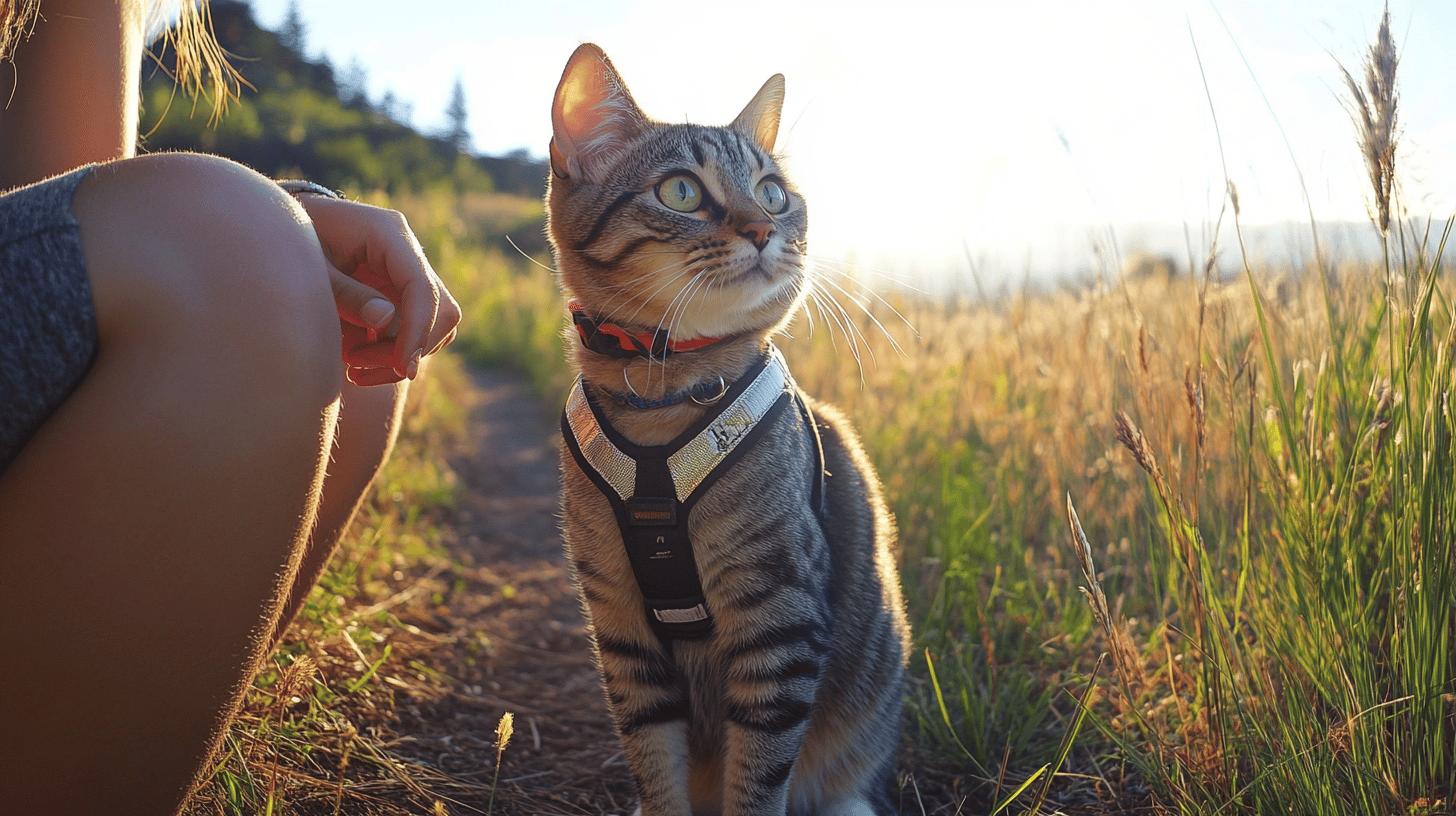
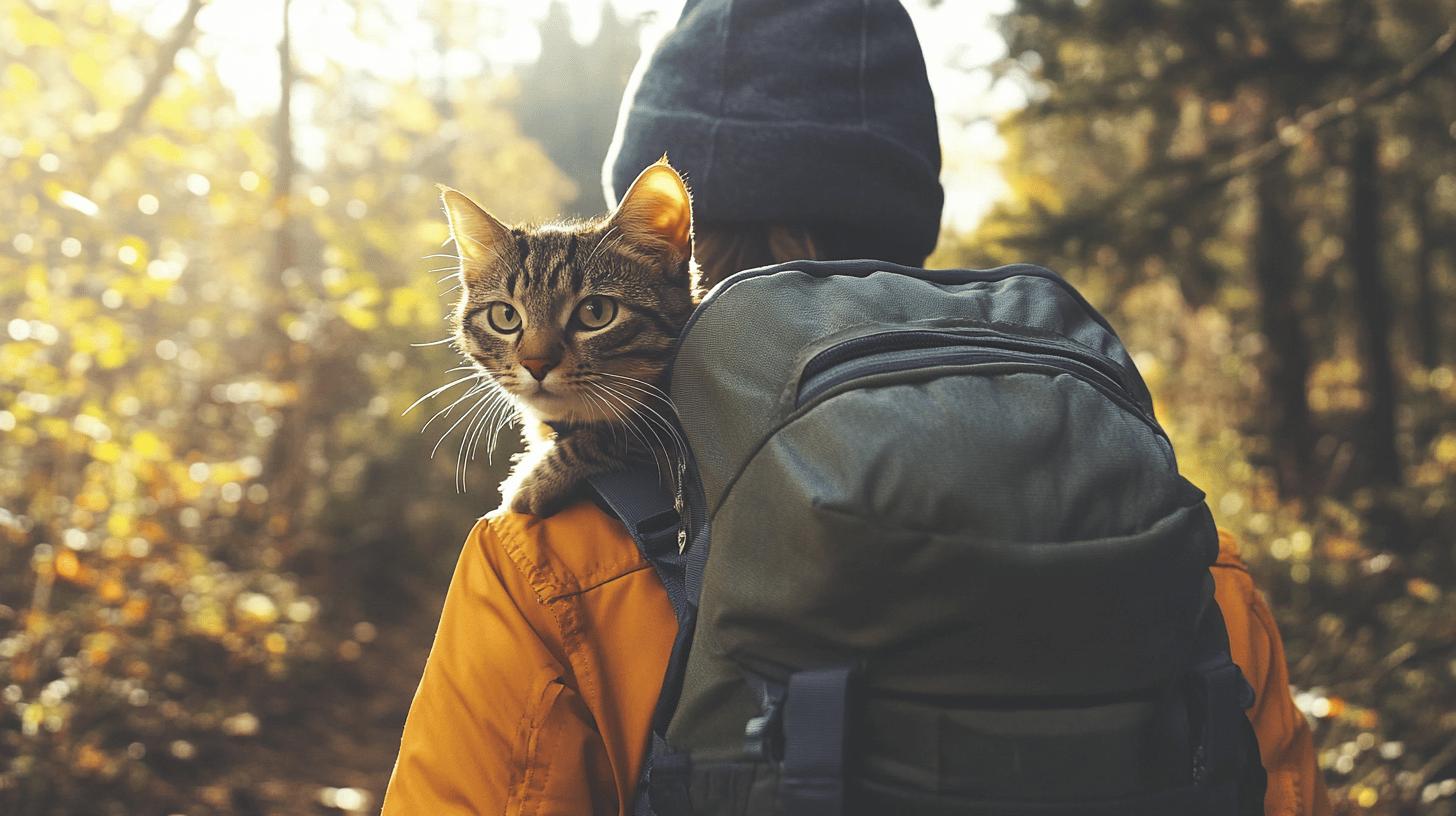
    Getting your cat ready for hiking is all about preparation and the right gear. The first step is to select equipment that suits your cat's needs. A sturdy backpack is perfect for larger cats, providing both comfort and safety during your travels. Choosing a reflective harness and leash set is also important. It keeps your cat visible and secure while you're out on the trails. These considerations are essential for preventing accidents and ensuring a positive hiking experience for both you and your furry friend.

    Here’s a checklist of essential gear to prepare your cat for hiking:

    • Reflective Harness and Leash: Helps keep your cat visible and secure.
    • Sturdy Backpack: Offers a safe space for larger cats to travel comfortably.
    • Collapsible Water Bowl: Ensures your cat stays hydrated on the trail.
    • ID Tags and Microchip: Provides identification and safety if your cat gets lost.
    • Portable Litter Box: Useful for longer hikes where bathroom breaks are needed.
    • First-Aid Kit for Pets: Prepares for any minor injuries or emergencies.
    • Cat Treats and Snacks: Keeps your cat motivated and energized during the hike.

    Acclimating your cat to this gear is crucial. Start by introducing each item in a familiar environment. Let your cat sniff and explore the harness and leash indoors. You can gradually put the harness on your cat for short periods, rewarding them with treats to build a positive association. The backpack can be introduced as a cozy resting place at home, eventually transitioning to outdoor use.

    Ensuring a proper fit for the harness and backpack is key to your cat's comfort. The harness should fit snugly without being too tight, allowing two fingers to fit between the harness and your cat's body. The backpack should have adjustable straps to fit your cat securely, with enough room for them to move comfortably. Observing your cat’s behavior and making adjustments as needed will help make the hiking experience enjoyable and stress-free.

    Step-by-Step Leash Training for Cats

    Step-by-Step Leash Training for Cats-1.jpg

    Leash training is essential for safely hiking with your cat. It gives you control and allows your cat to explore securely. The key is to be patient and use positive reinforcement throughout the process. This will build your cat’s confidence and make hiking an enjoyable experience for you both.

    Introducing the Harness

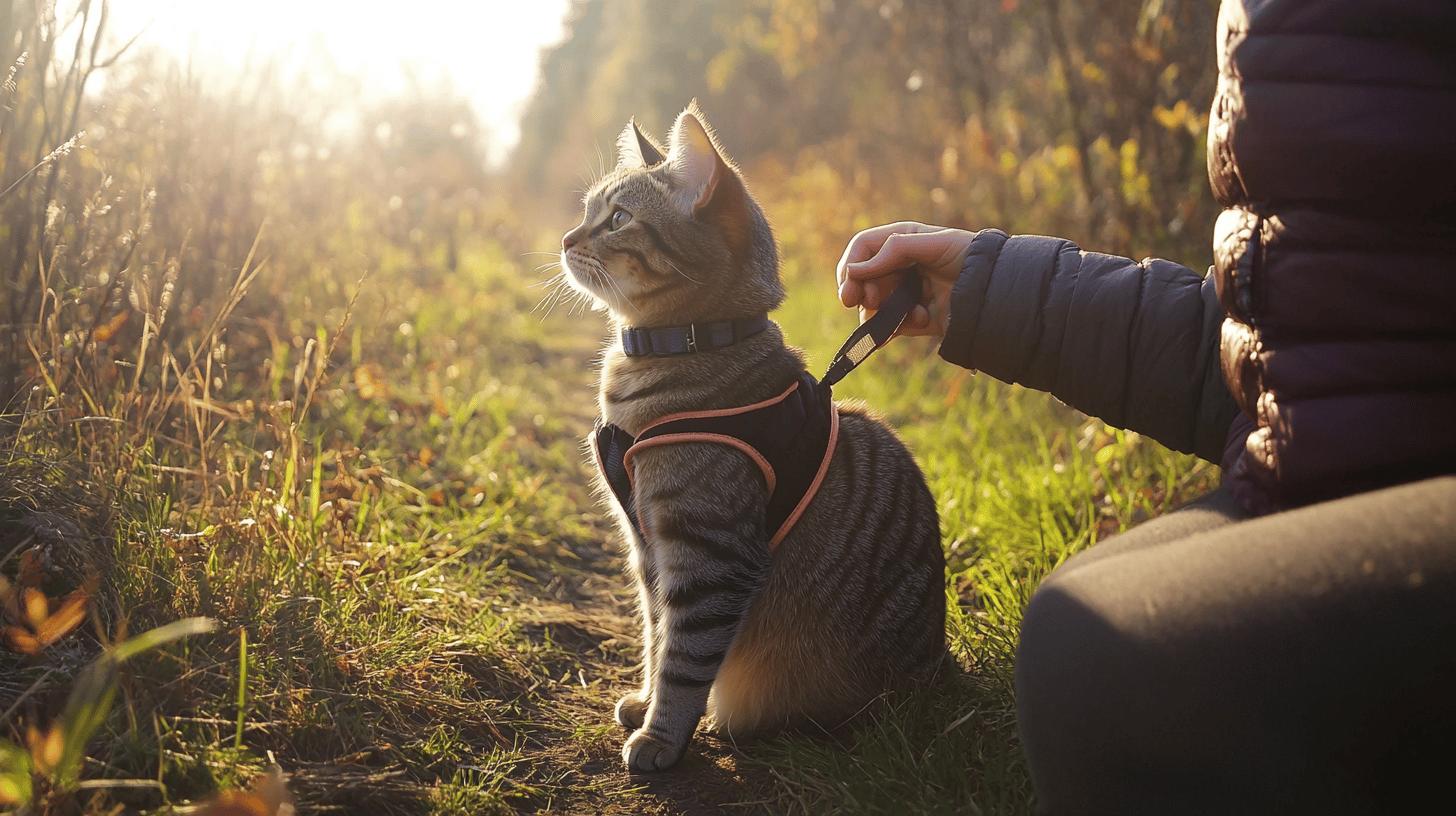
    Start by getting your cat accustomed to the harness in a familiar place. Let your cat sniff and investigate the harness to reduce any anxiety. Place the harness next to them during feeding times or play sessions. Once your cat seems comfortable, gently put the harness on without fastening it, allowing them to wear it for short periods. Reward them with treats and praise to create a positive link with the harness.

    Familiarization with the Leash

    Once your cat accepts the harness, introduce the leash. Begin by attaching the leash and letting your cat drag it around indoors. This helps them get used to the weight and feel of the leash. Gradually, pick up the leash and follow your cat, allowing them to lead. Encourage them with treats and gentle words, ensuring they associate the leash with positive experiences.

    Transitioning Outdoors

    When your cat is comfortable with the harness and leash indoors, it’s time to take the adventure outside. Start in a quiet, enclosed area free from distractions. Keep the sessions short and closely monitor your cat's behavior. Gradually increase the duration as your cat becomes more confident. Always use praise and rewards to reinforce positive behavior and help your cat feel secure in the new environment.

    Step Description
    Introducing the Harness Acclimate your cat to the harness gradually, rewarding them for wearing it.
    Familiarization with the Leash Let your cat get used to the leash indoors, encouraging them with treats.
    Transitioning Outdoors Start with short outdoor walks in a safe area, building up your cat’s confidence.

    Safety Tips for Hiking with Cats

    Safety Tips for Hiking with Cats-1.jpg

    When you're out on the trail with your cat, safety should always be your top priority. Start by checking the weather conditions before heading out. Extreme temperatures can be harmful to your cat, so choose days that are mild and comfortable. Hydration is crucial; bring enough water for both you and your cat. A collapsible water bowl is handy for quick sips along the way. Keep an eye on your cat for any signs of discomfort, like panting or lethargy, and take breaks as needed.

    Here are four specific precautions to keep in mind:

    • Use a Secure Harness and Leash: Ensure the harness fits well to prevent your cat from slipping out.
    • Stay on Marked Trails: Helps avoid dangerous wildlife and ensures a safer path.
    • Bring a First-Aid Kit: Be prepared for minor injuries or emergencies.
    • Avoid Peak Times: Reduce encounters with crowds and potential threats like dogs.

    Handling challenges is part of the hiking experience. If your cat seems reluctant to walk, be patient. Sometimes a short rest or a treat can help motivate them to continue. Encountering wildlife can be tricky; keep your cat on a short leash and calmly move past any animals. Meeting other hikers with dogs is another challenge. Politely ask them to hold their dogs and give you space to pass safely.

    Recognizing stress signals in your cat is essential for a safe hike. Watch for signs like excessive meowing, flattened ears, or tail flicking. These can indicate your cat is feeling stressed or threatened. If you notice these behaviors, pause the hike and try to soothe your cat with gentle petting and reassuring words. Understanding these cues will help you make informed decisions, ensuring that both you and your feline friend enjoy the outdoor adventure safely.

    Benefits and Challenges of Hiking with Cats

    Benefits and Challenges of Hiking with Cats-2.jpg

    Hiking with your cat can bring many benefits to your relationship and your cat's well-being. It strengthens the bond between you and your furry friend, as you both share new experiences and adventures. Hiking provides excellent mental and physical stimulation for your pet, keeping them healthy and engaged. The great outdoors offers a variety of sights, smells, and sounds that can enrich your cat's environment, making hikes a delightful way to explore together.

    Despite these benefits, hiking with cats presents its own set of challenges:

    1. Cat's Breed and Personality: Not all cats enjoy hiking; some breeds are more suited for it than others.
    2. Physical Limitations: Cats with certain health issues may not be fit for long hikes.
    3. Weather Conditions: Cats can be sensitive to extreme temperatures, requiring careful planning.
    4. Trail Hazards: Encountering wildlife or rough terrain can pose risks.
    5. Training and Acclimatization: Getting your cat used to a harness, leash, and backpack is essential but can take time.

    To effectively address these challenges, start by assessing your cat's personality and physical abilities. Choose trails that match your cat's comfort level, avoiding overly strenuous paths. Monitor weather forecasts and select days when conditions are mild. Gradually introduce your cat to hiking gear and practice short trips before attempting longer hikes. With patience and preparation, you can help your cat become a confident and safe hiking companion.

    Real-Life Cat Hiking Stories and Tips

    Real-Life Cat Hiking Stories and Tips-1.jpg

    Sharing experiences is a great way to learn and get inspired to start hiking with your cat. Many cat owners have successfully trained their cats to enjoy the outdoors, and their stories can be both educational and motivating. Adventure cat tales show that with the right preparation and training, hiking with cats is not only possible but becoming increasingly popular. By exchanging stories, you gain insights into what works and what challenges to anticipate, helping you create your own exciting cat hiking experiences.

    • One cat owner, Sarah, shares how her once shy cat, Luna, became an avid hiker after gradually increasing their trail time and using plenty of treats for motivation.
    • Mark tells the story of his adventurous cat, Max, who loves to perch on his backpack to observe the surroundings during their hikes, making Max both a hiking partner and a lookout.
    • Emily narrates how her cat, Charlie, overcame initial fears of the outdoors by starting with short walks in the yard before progressing to longer trails, highlighting the importance of patience.

    Engaging with online communities and resources dedicated to cat travel and hiking can provide further tips and inspiration. These platforms allow you to connect with fellow cat adventurers, sharing stories and advice. Joining forums or social media groups focused on cat hiking can open up a wealth of knowledge. Whether it's learning about the best trails or getting gear recommendations, these communities support and motivate you to create memorable hiking adventures with your feline friend.
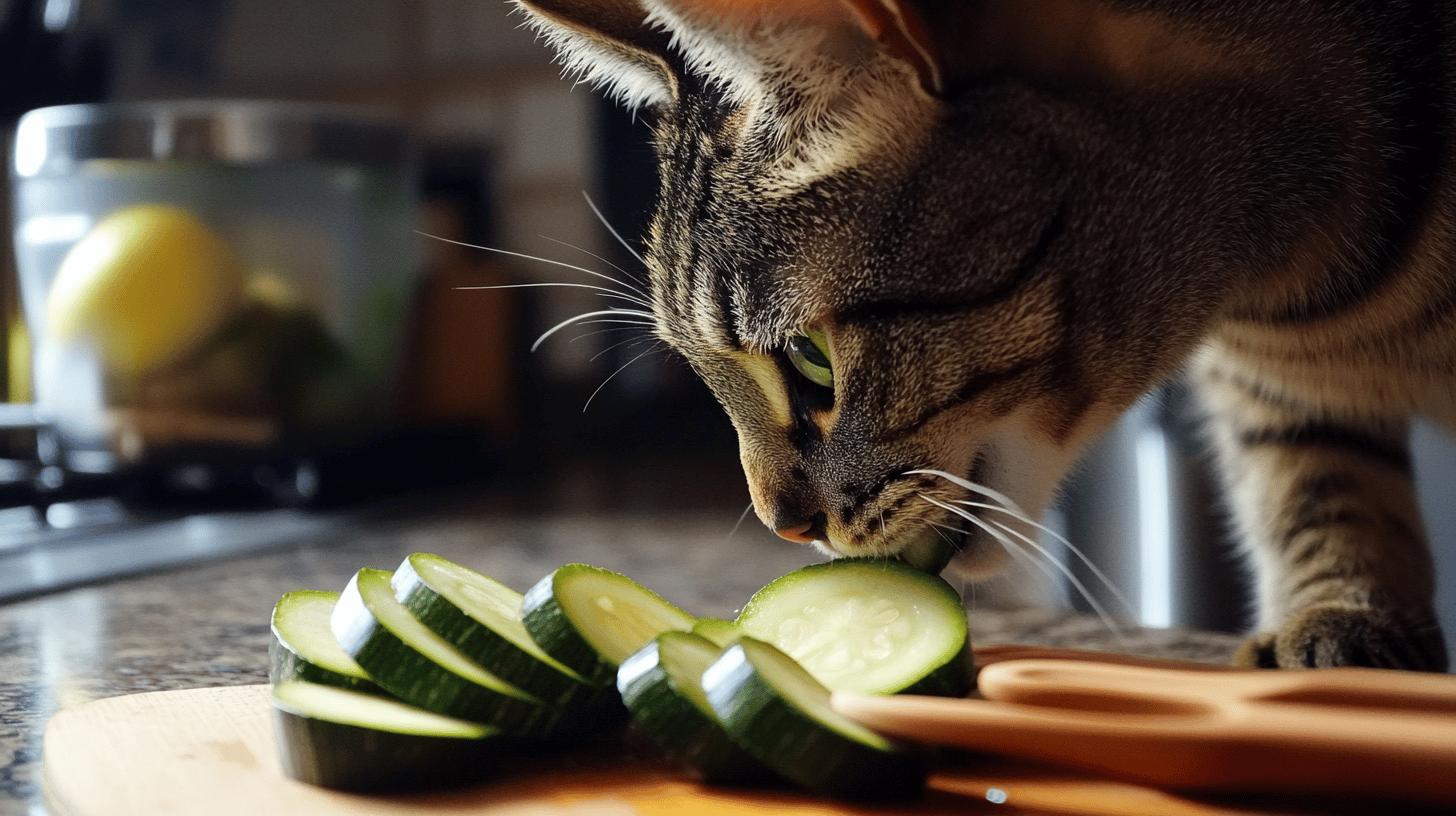
    Final Words

    Hiking with your cat is a rewarding adventure that starts with preparation and the right gear. Learning how to train a cat to hike involves patient training and positive reinforcement. Safety tips help protect both you and your pet from unexpected challenges on the trail. While there are benefits like strengthening bonds and providing stimulation, you must also face the challenges certain hikes may bring.

    By sharing experiences and tips within the community, you can gain more insight and motivation. With dedication, your cat can become a capable hiking partner, ready to explore the great outdoors with you.

    FAQ

    Can you train a cat to go on hikes?

    A: Yes, you can train a cat to hike by using a harness, leash, and patience. Start slow, indoors, and reward them with treats and praise to make them comfortable.

    How do I get my cat used to hiking?

    A: Introduce your cat to gear like harnesses and backpacks indoors first. Use positive reinforcement to acclimate them slowly and ensure a safe and enjoyable experience outdoors.

    Is it safe to hike with a cat?

    A: Hiking with a cat is safe if you prepare properly. Use a secure harness, check the weather, and keep an eye on hydration to ensure your cat's safety.

    Can any cat become an adventure cat?

    A: Not every cat is suited for hiking. Consider your cat's breed, personality, and physical abilities. Start with short, easier hikes to assess their comfort and interest level.

    What cat hiking gear do I need?

    A: Essential cat hiking gear includes a sturdy backpack, reflective harness, leash, water bowl, cat-friendly sunscreen, ID tags, and a first aid kit for pet emergencies.

    How do I choose a good cat harness for hiking?

    A: Choose a secure, comfortable harness that fits well. Ensure it's reflective for visibility and durable for safety during hikes. Test indoors to make sure your cat is comfortable wearing it.

    How do I handle wildlife encounters while hiking with my cat?

    A: Keep your cat leashed and close to avoid wildlife encounters. Remain calm, back away slowly, and never approach wild animals to keep both you and your cat safe.

    Related Articles

  • Can Cat Eat Sweet Potato Safely and Nutritionally

    Can Cat Eat Sweet Potato Safely and Nutritionally

    Can a cat enjoy sweet potato as an occasional treat? Yes, but with important caveats. While sweet potatoes are non-toxic to cats, they’re high in carbohydrates and should never replace the meat-based diet cats require to thrive. In this guide, you’ll learn how to safely prepare sweet potatoes for cats, when they actually help (particularly for digestive issues), how they compare to pumpkin, and what risks to watch for.

    Can Cats Eat Sweet Potatoes Safely?

    Can Cats Eat Sweet Potatoes Safely-1.jpg

    Cats can eat cooked sweet potatoes in small amounts. Sweet potatoes aren’t toxic to cats like onions or garlic, but they shouldn’t make up a significant part of their diet. Cats are obligate carnivores, meaning they require primarily meat-based protein to maintain muscle, immune function, and overall health.

    The key requirement: sweet potatoes must be cooked. Boiling or baking softens the tuber and makes it digestible. Never add butter, sugar, spices, or seasonings. these can upset a cat’s stomach or be outright toxic (garlic and onion powders, for example).
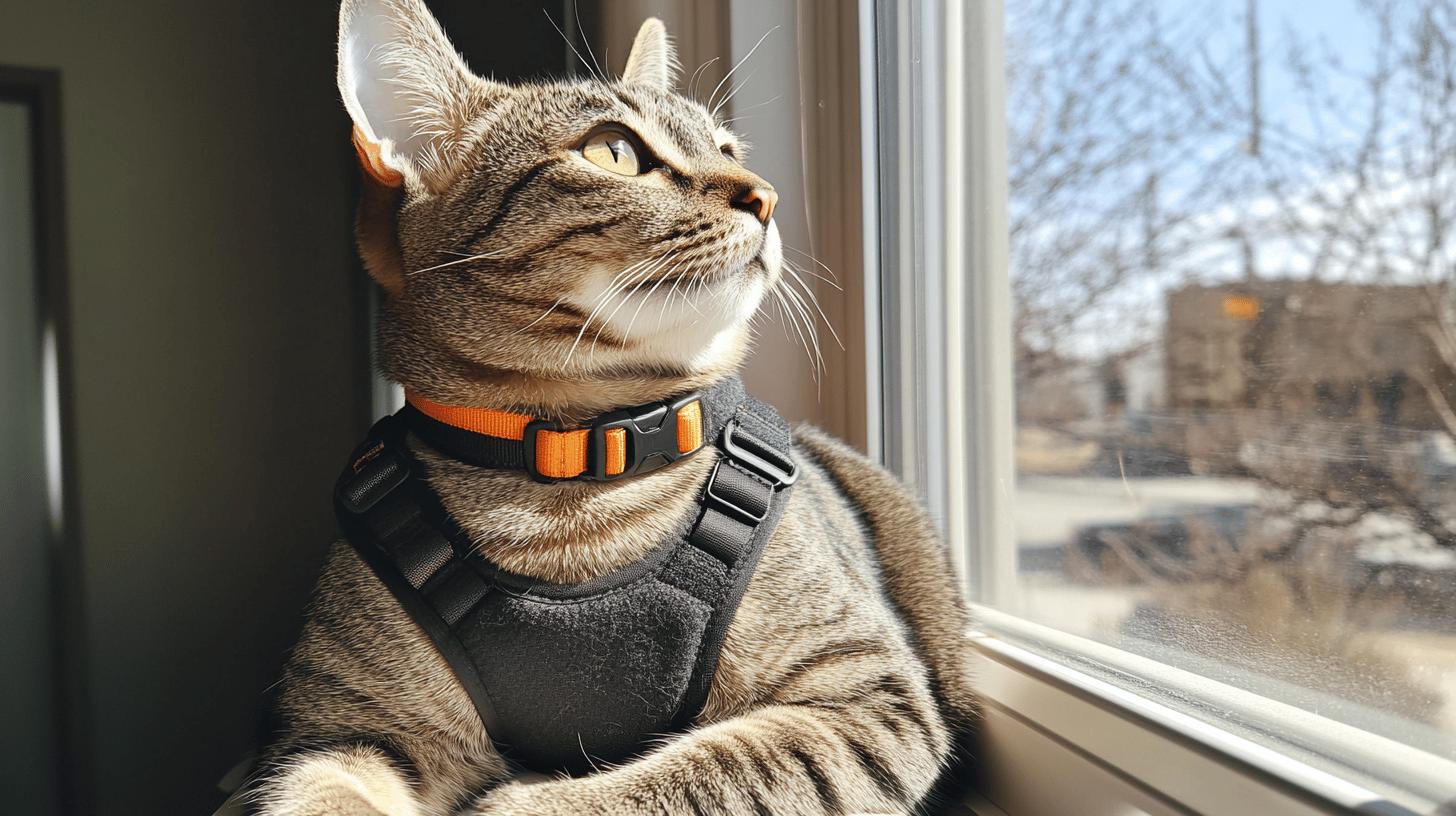
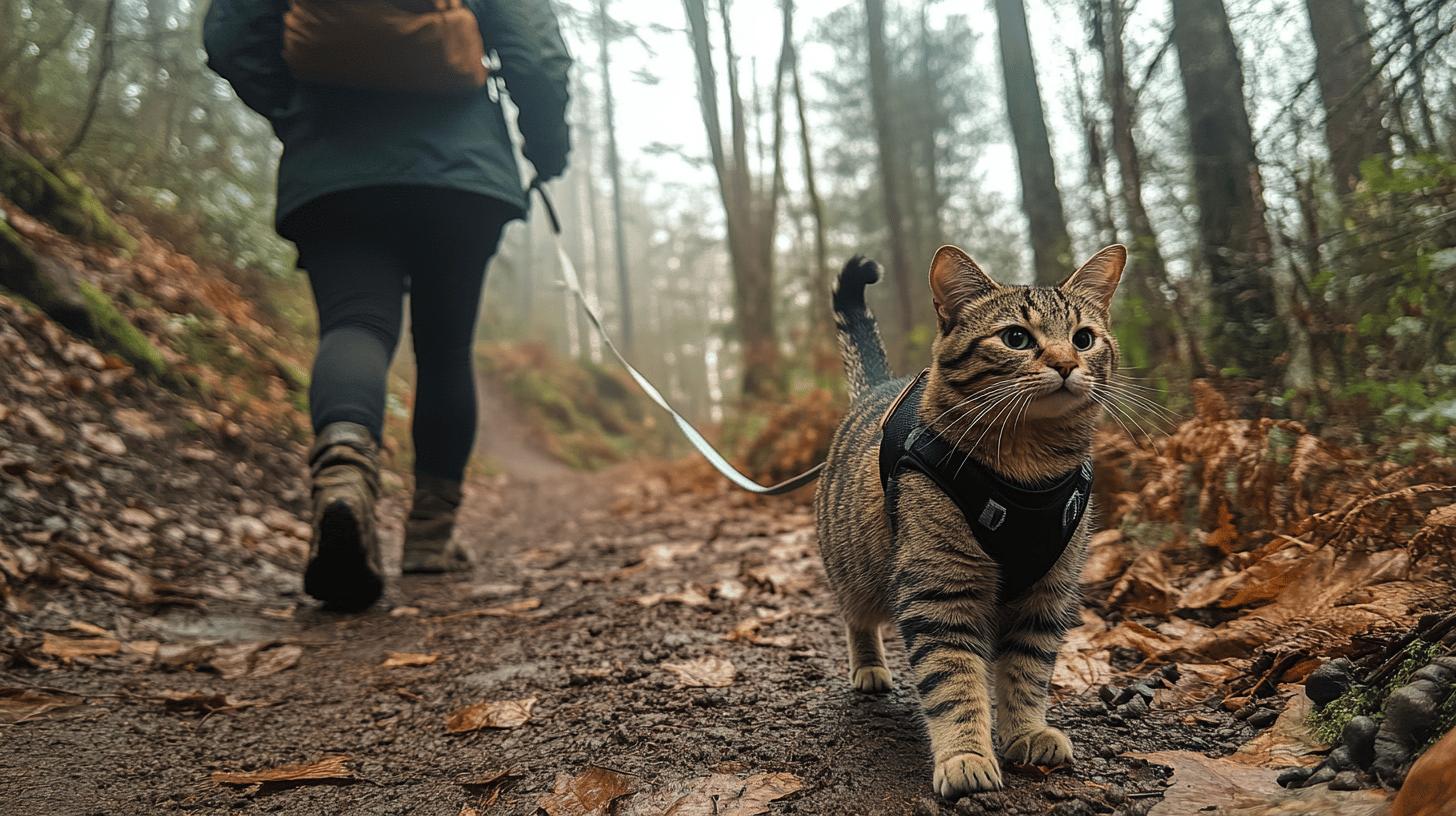
    Nutritionally, cooked sweet potatoes do offer some benefits. They contain vitamin A (supports vision and immune health), vitamin C (promotes skin health), potassium (helps muscle function and fluid balance), and manganese (supports bone health). However, these nutrients aren’t essential for cats. they derive what they need from properly formulated cat food.

    The real value of sweet potato for cats lies in one specific area: fiber for digestive support. More on that below.

    Raw Sweet Potato: Why Cooking Matters

    Raw sweet potatoes are problematic for cats for three reasons:

    1. Oxalate Content: Raw sweet potatoes contain oxalates, compounds that can interfere with calcium absorption. While one small piece of raw sweet potato won’t cause harm, regular feeding creates a mineral imbalance.

    2. Digestibility: Raw sweet potatoes are starch-dense and difficult for cats to break down. Cats lack sufficient amylase (an enzyme for breaking down starches) in their saliva, making digestion harder and potentially causing stomach upset, diarrhea, or vomiting.

    3. Choking Hazard: The firm texture of raw sweet potato can pose a choking risk, especially if a cat tries to swallow a piece whole.

    Cooking breaks down the cell walls of the sweet potato, reducing oxalate availability, gelatinizing the starch to make it digestible, and softening the texture. This is non-negotiable: if you’re offering sweet potato to your cat, it must be cooked.

    Note: Unlike regular white potatoes, sweet potatoes do NOT contain solanine (the toxic compound found in raw/green regular potatoes). This distinction is important when discussing potato safety for cats. sweet potato is safer, though still high in carbs.

    How to Prepare Sweet Potato for Cats

    Safe Preparation Method:

    1. Select a fresh sweet potato with no soft spots or mold.
    2. Wash thoroughly under running water to remove dirt and pesticides.
    3. Peel the skin (the skin is harder to digest and should be removed).
    4. Cut into small cubes (~1/4 inch) to prevent choking.
    5. Boil or bake until soft (typically 10-15 minutes boiling, or 20-30 minutes baking at 400°F).
    6. Cool completely before serving. never offer warm or hot food to cats.
    7. Serve plain. no butter, salt, sugar, cinnamon, nutmeg, or marshmallow topping (these are common human preparations but harmful to cats).

    Portion Sizes and Frequency:

    One teaspoon to one tablespoon per serving is appropriate for most cats. Serve no more than once or twice per week. For a 10-pound cat, this represents roughly 1-2% of daily calorie intake, well within the “treat” category.

    Watch for Signs of Digestive Upset: When first introducing sweet potato, monitor your cat for vomiting, diarrhea, constipation, or lack of appetite. Cats with sensitive digestive systems may struggle even with cooked sweet potato. If any issues arise, discontinue and consult your vet.

    Sweet Potato vs. Pumpkin for Cats

    The pumpkin-for-cat-digestion trend is well-established, and for good reason. Pumpkin is the more recommended fiber source for cats with constipation or mild digestive issues. Here’s how they compare:

    Pumpkin: Lower carbohydrate density (~12% carbs), higher water content, milder flavor that most cats tolerate, standardized preparation (canned pumpkin is widely available), and a proven track record with vets recommending it for constipation relief.

    Sweet Potato: Higher carbohydrate density (~20% carbs), requires more preparation (peeling, cooking, cooling), and while it contains fiber, it’s not the first choice for digestive support because the higher carb content can upset some cats’ metabolisms.

    Practical Guidance: If your cat has constipation, pumpkin is the better choice. it’s easier to source, standardize, and cats often tolerate it better. Sweet potato can work as a supplementary fiber source if pumpkin isn’t available or if your cat has shown good tolerance. Never use both simultaneously without veterinary guidance.

    Health Benefits: When Sweet Potato Actually Helps

    Constipation and Digestive Regularity: The fiber in cooked sweet potato (approximately 3g per 100g) can help cats with mild constipation or irregular bowel movements. If your cat struggles with occasional constipation, a small amount of sweet potato (served plain, cooked) may help. However, pumpkin is the standard recommendation first.

    What Sweet Potato Does NOT Help With: Diarrhea, inflammatory bowel disease (IBD), food allergies, or other chronic digestive conditions. The high carbohydrate content can actually worsen these conditions. Do not feed sweet potato to cats with ongoing digestive issues without veterinary approval.

    Vitamins A, C, and Minerals: While sweet potato does contain these nutrients, cats synthesize vitamin C and obtain vitamin A from meat-based cat food. There’s no nutritional deficiency that sweet potato uniquely solves for an indoor cat on a quality commercial diet.

    Training Treats: Because sweet potato is soft, cooks easily, and has a mild flavor, small cooked pieces can work as low-calorie training treats. If you’re using sweet potato this way, count it toward the weekly treat allowance.

    Final Words

    Sweet potatoes are safe for cats when properly prepared. cooked, plain, and served in moderation as an occasional treat. The key is understanding that cats are obligate carnivores and don’t need the carbohydrates sweet potatoes provide. Their nutritional needs are met by high-quality meat-based cat food.

    Use sweet potato strategically: for fiber support in constipation (though pumpkin is preferred), as a low-calorie training treat, or simply as dietary variety if your cat enjoys it. Never let sweet potato exceed 5-10% of daily calorie intake, and watch closely for digestive upset when first introducing it.

    If your cat has chronic health issues (constipation, IBD, kidney disease, obesity), consult your vet before introducing any new foods. even vegetables.

    FAQ

    Can cats eat sweet potatoes safely?

    Yes, when cooked plain and served in moderation. Raw sweet potatoes should be avoided due to oxalate content and choking risk.

    Can cats eat sweet potatoes every day?

    No. Sweet potatoes should be an occasional treat only. once or twice per week maximum, and should comprise no more than 5-10% of daily food intake.

    Can cats eat sweet potato skin or raw sweet potatoes?

    No. The skin is difficult to digest. Raw sweet potatoes contain oxalates, are harder to digest, and pose a choking hazard.

    How do you cook sweet potatoes for cats?

    Boil or bake (without skin) until soft, then cool completely. Serve plain. no butter, sugar, salt, or spices.

    Is sweet potato good for cats with diarrhea or constipation?

    Sweet potato can help with constipation due to fiber content, but it’s not the first choice. pumpkin is better tolerated. Sweet potato may worsen diarrhea in some cats; do not use for diarrhea without vet approval.

    Is sweet potato or pumpkin better for cats?

    Pumpkin is the standard recommendation for digestive support. It’s lower in carbs, easier to prepare, and cats tolerate it better. Use sweet potato as an alternative only if pumpkin doesn’t work for your cat.

    How much sweet potato can I give my cat?

    One teaspoon to one tablespoon per serving, no more than once or twice per week.

    Can a cat eat potato?

    Cooked regular potatoes are safe in moderation, but sweet potatoes are preferable due to lack of solanine. Both should be plain and occasional only.

    What happens if my cat eats sweet potato?

    If accidentally ingested: cooked plain sweet potato causes no toxicity. Monitor for digestive upset (vomiting, diarrhea). If your cat ate sweetened preparation (cinnamon, sugar, marshmallow), contact your vet.

    Related Articles

    When Sweet Potato Might Help Your Cat

    While sweet potatoes offer minimal nutritional benefit for most cats, they can occasionally serve a specific purpose: supporting digestive health. Some cats with mild constipation may benefit from the fiber in small quantities of cooked sweet potato, similar to how pumpkin is used. However, this should be discussed with your veterinarian first, and any supplement should represent less than 5% of daily caloric intake. Many vets recommend pumpkin over sweet potato due to its lower sugar content and better track record in feline digestive support.