Author: Lucas Turner

  • how long can wet cat food be left out

    how long can wet cat food be left out

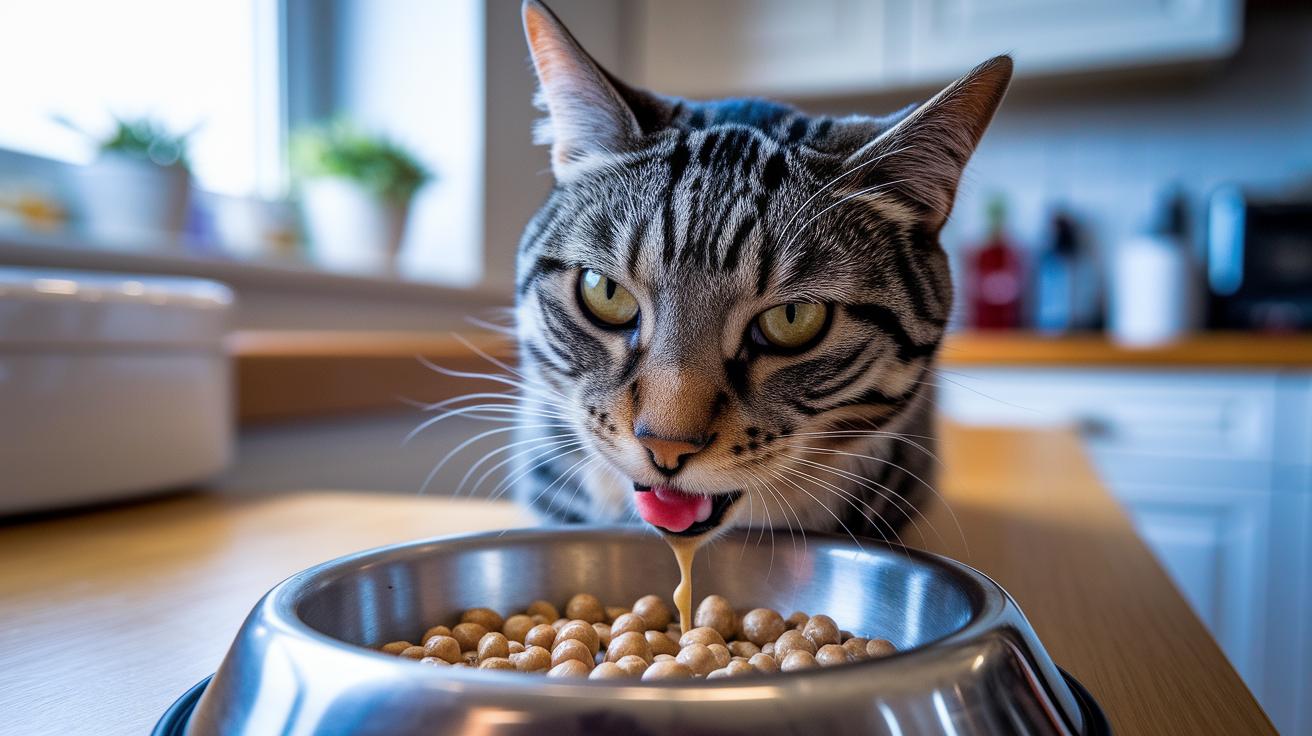
    Ever poured your cat’s wet food and walked away? It feels easy, but that warm bowl turns into a microbe (tiny germ) disco your kitty never asked for!

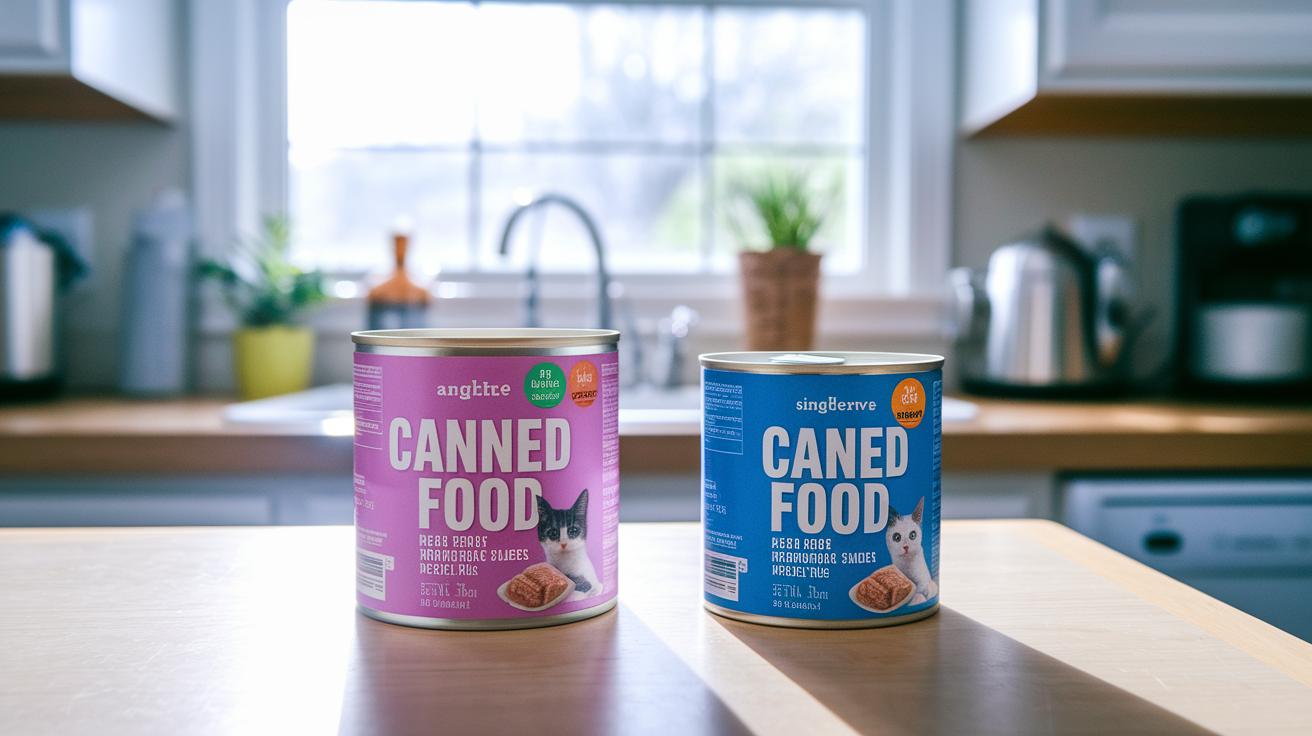
    Once you crack open a can, the countdown starts. At room temp you’ve got just 1 to 2 hours before bacteria (those unwelcome gate-crashers) crash dinner.

    So here’s your quick guide to keep every meal fresh, safe, and totally lick-worthy. We’ll show you how long wet food stays good on the counter and the telltale signs it’s past its prime!

    Safe Room-Temperature Duration for Wet Cat Food
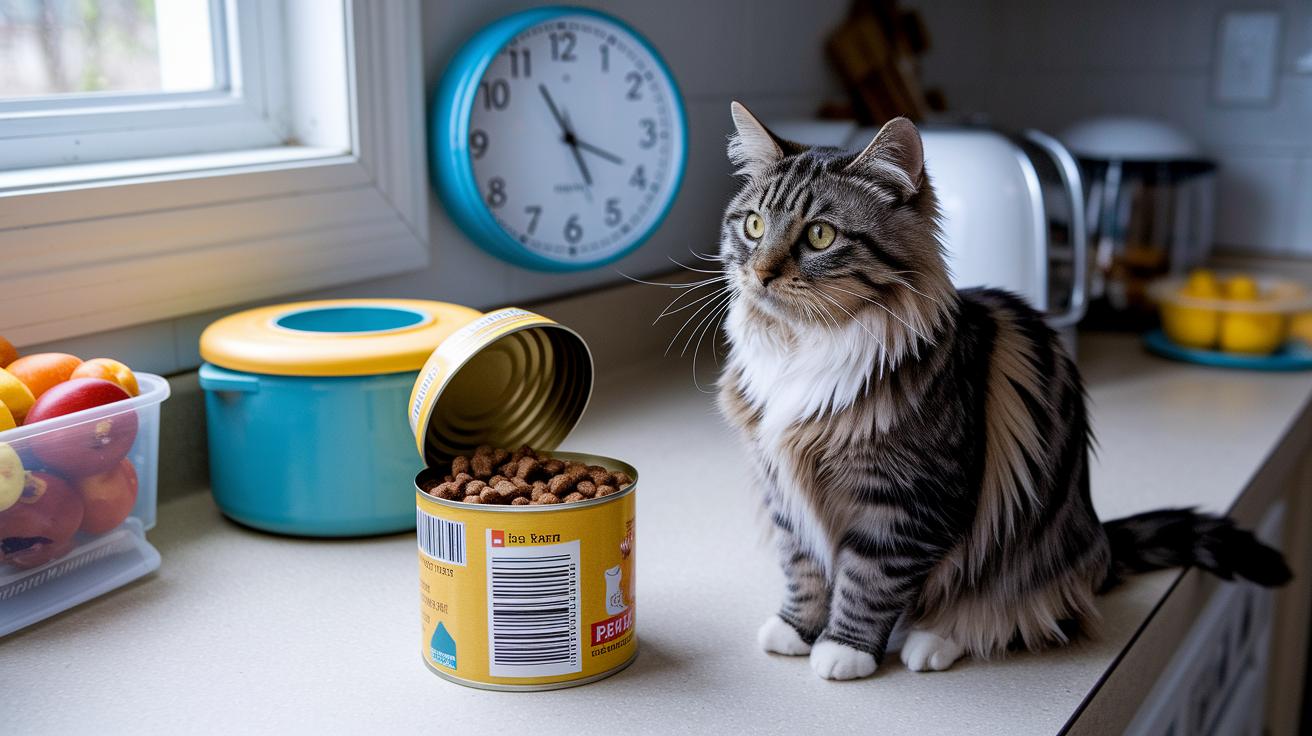
    - Safe Room-Temperature Duration for Wet Cat Food.jpg

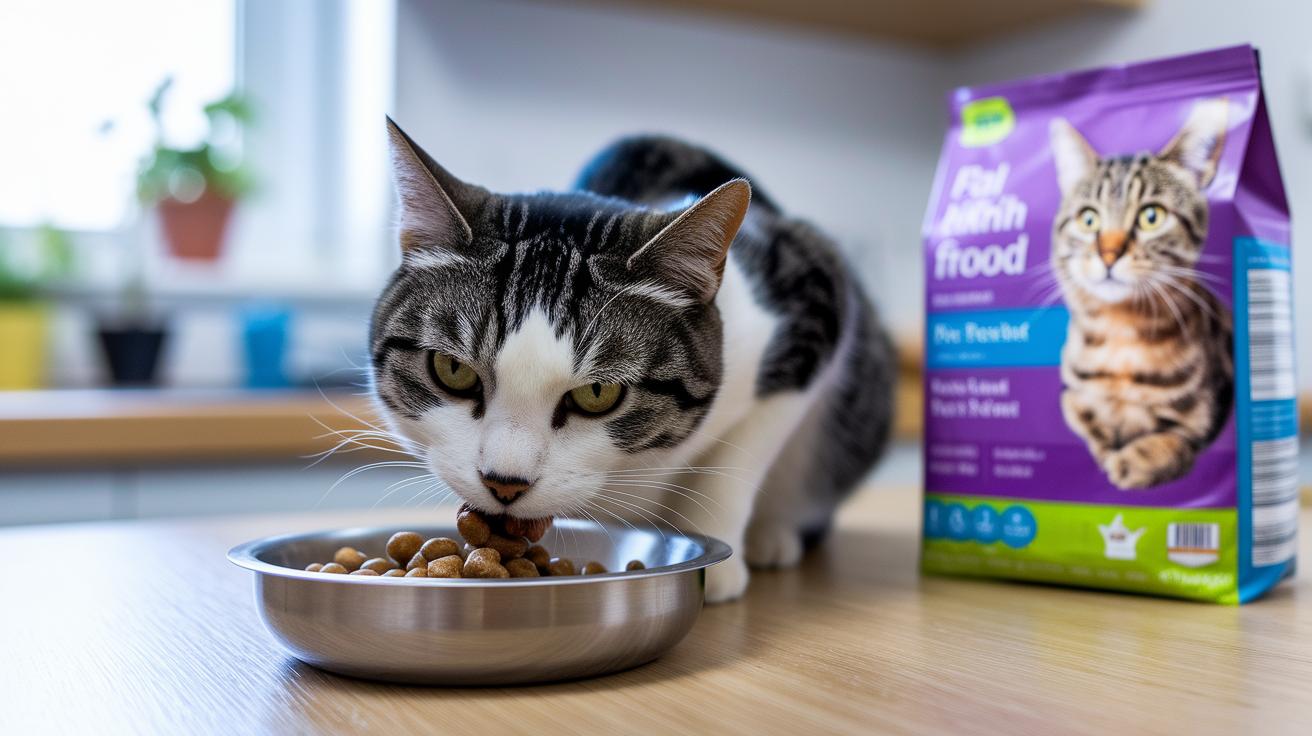
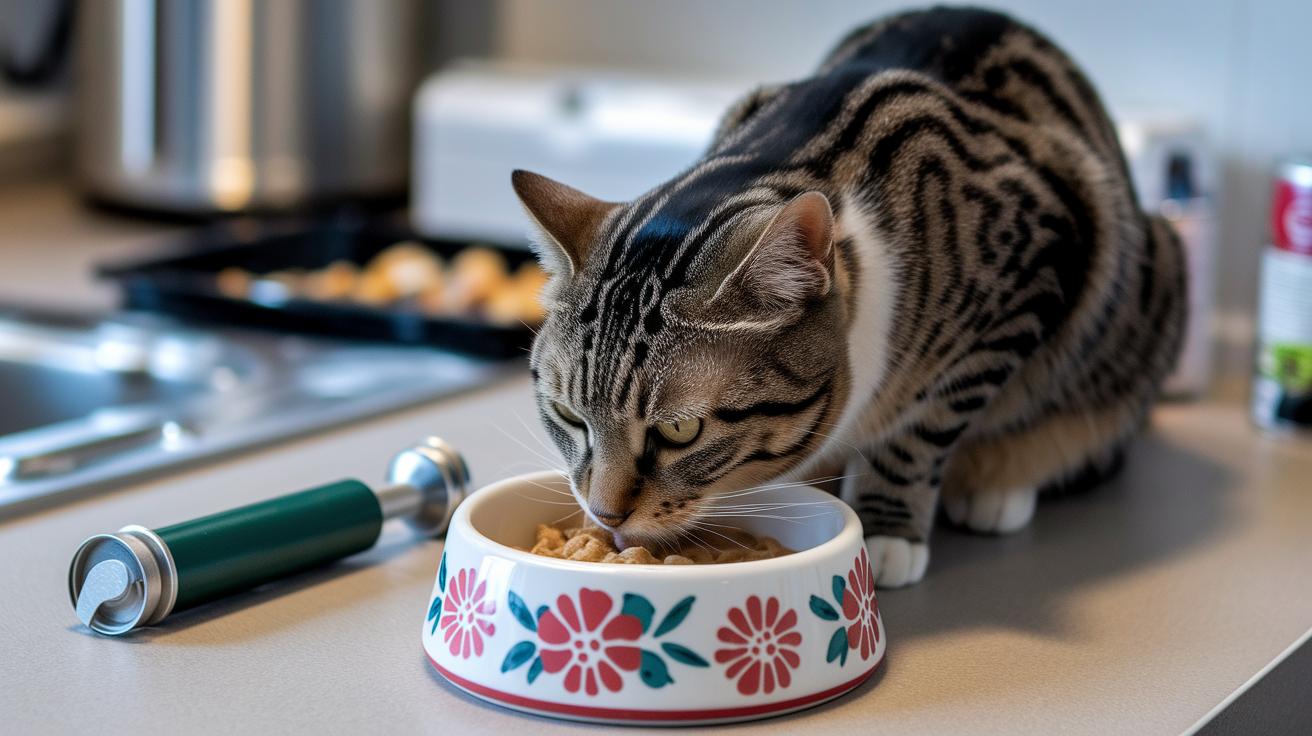
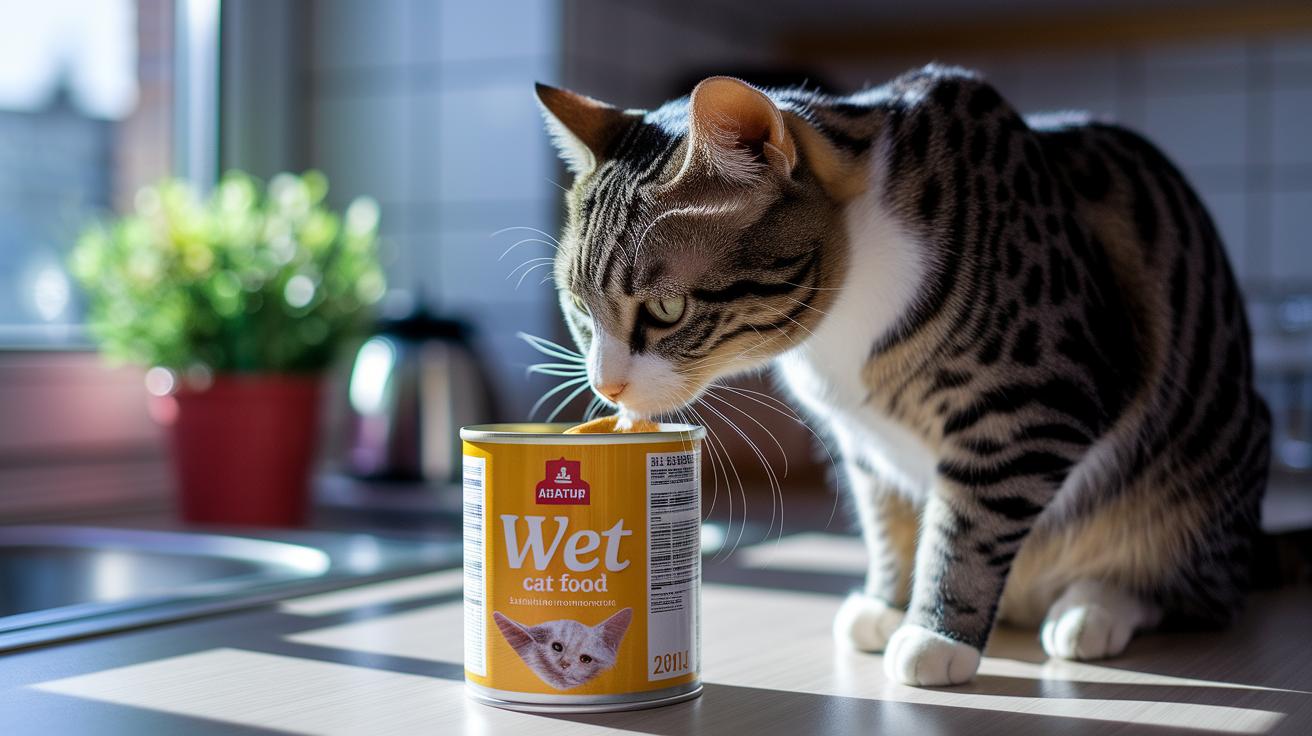
    Ever wondered how long wet cat food can sit out before it’s risky? Once you open a can, start a timer for 1–2 hours. That’s your safe window to keep those puddles of savory goodness at room temp.

    Here’s the timeline:

    • 0–60 minutes: soft texture, warm aroma, prime play time for whisker twitching.
    • 60–120 minutes: flavor peaks but bacteria (tiny germs) start to multiply.
    • Over 120 minutes: edges dry and congeal, a rubbery film forms, and drips go crusty.

    At about 75°F (24°C), salmonella (a harmful bacteria) and listeria (another nasty germ) can double every 20 minutes. It’s like a microbe party your cat doesn’t want to join.

    After two hours, you’ll spot that rubbery edge or see the bowl get pushed across the floor. Ever watched your kitty sniff and walk away? Yeah, that’s the sign.

    Scoop smaller portions or just toss leftovers after 120 minutes and wash the dish. Clean bowls keep kitties happy. Worth every paw-print.

    Environmental Factors Accelerating Wet Cat Food Spoilage

    - Environmental Factors Accelerating Wet Cat Food Spoilage.jpg

    Hot days over 75°F (about 24°C) are, um, a dinner disaster in the making. When the air warms up, bacteria kick into high gear. That cuts your safe window down to less than two hours. Ever felt the heat shimmer off a plate on a summer porch? Your kitty’s wet food is in that same germ-growing zone, with salmonella (a sneaky bacteria) doubling every 20 minutes.

    Moist, sticky air adds to the problem. High humidity feeds micro-organisms (tiny life forms you can’t see) in the food, so a steamy bathroom or damp kitchen corner can shave off even more minutes. See a slimy ring around the bowl? Yep, that’s humidity at work.

    And don’t get me started on direct sunlight. Bright rays heat the food top-down, creating a perfect launchpad for bacteria colonies. Ever watch your cat dive into a sunbeam? That warm patch can turn into a germ spa in no time.

    To keep meals fresh and fur-tastic, pick a cool, shaded spot away from windows and hot lamps. Your cat will thank you – no more stinky bowls or icky leftovers.

    How to Spot Spoiled Wet Cat Food Before Offering It
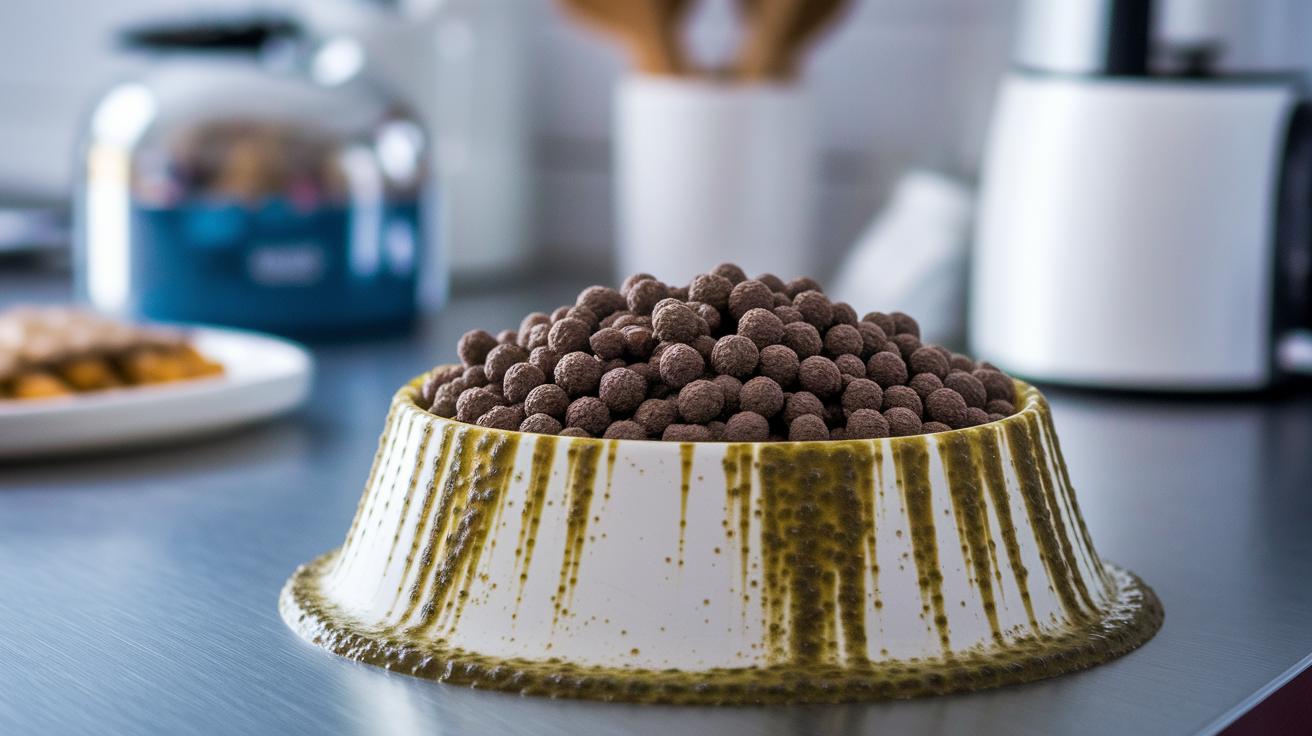
    - How to Spot Spoiled Wet Cat Food Before Offering It.jpg

    Ever seen your cat’s whiskers twitch as she sniffs a bowl and then walks off like, “No thanks”? Oops, let me rephrase that… that’s her instinct telling you something’s off. Let’s do a quick sniff test to catch any spoiled wet food before you serve.

    Lean in close and give it a gentle sniff, any sour or rancid (stinky, spoiled) whiff means it’s time to say bye-bye.

    Here’s what to look for:

    • Sour or rancid smell: Fresh wet food has a meaty scent. If it smells like old cheese or garbage, don’t serve it.
    • Dull or changed color: Check for dark patches or gray areas. Fresh food stays bright and moist.
    • Slimy film or sticky layer: That weird slick on top is a sign germs have moved in. If the edges get hard or crusty, it’s past its prime.
    • Visible mold: White, green, or fuzzy spots are a big no-no, mold can harm your kitty fast.

    Serving bad grub can lead to vomiting or diarrhea, no one wants that. A glance and a sniff take just seconds but can save your cat’s furry tummy.

    When you’re in doubt, toss it and grab a fresh pouch. Your feline friend will purr in appreciation. Worth every paw-print.

    Refrigeration and Storage Solutions for Opened Wet Cat Food
    - Refrigeration and Storage Solutions for Opened Wet Cat Food.jpg

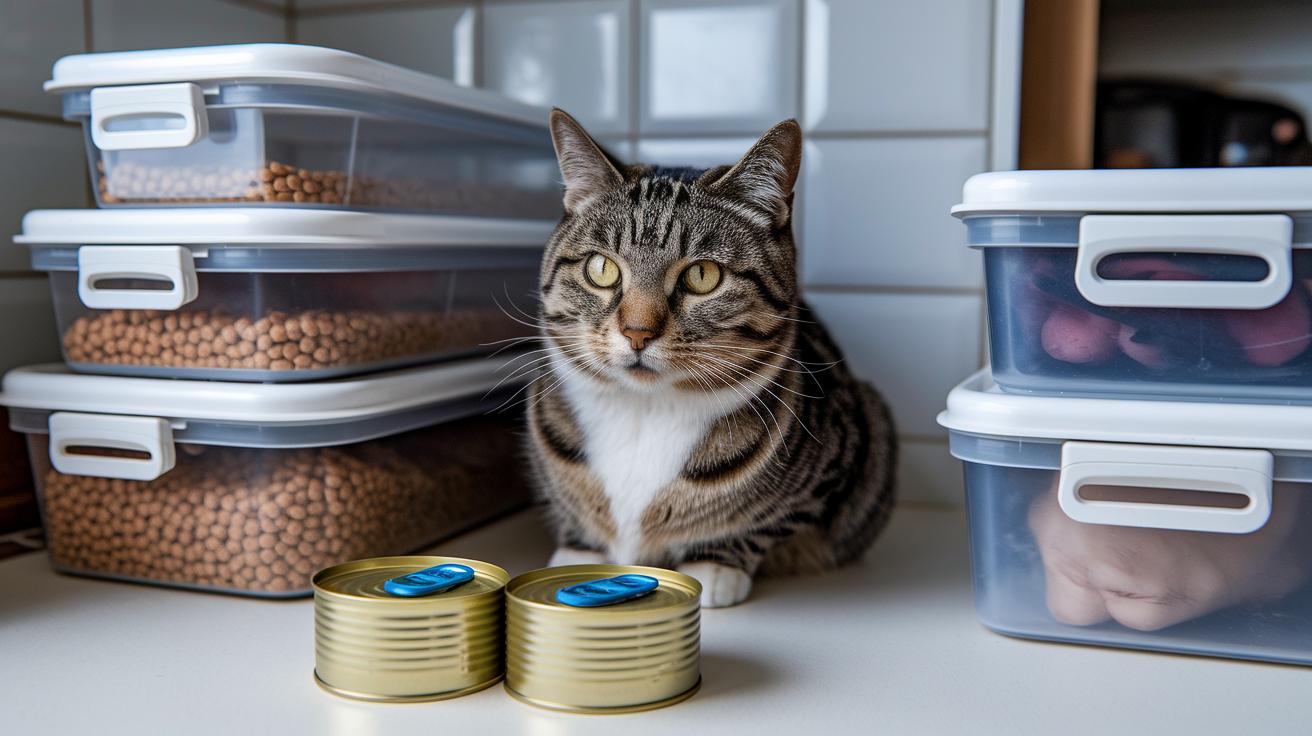
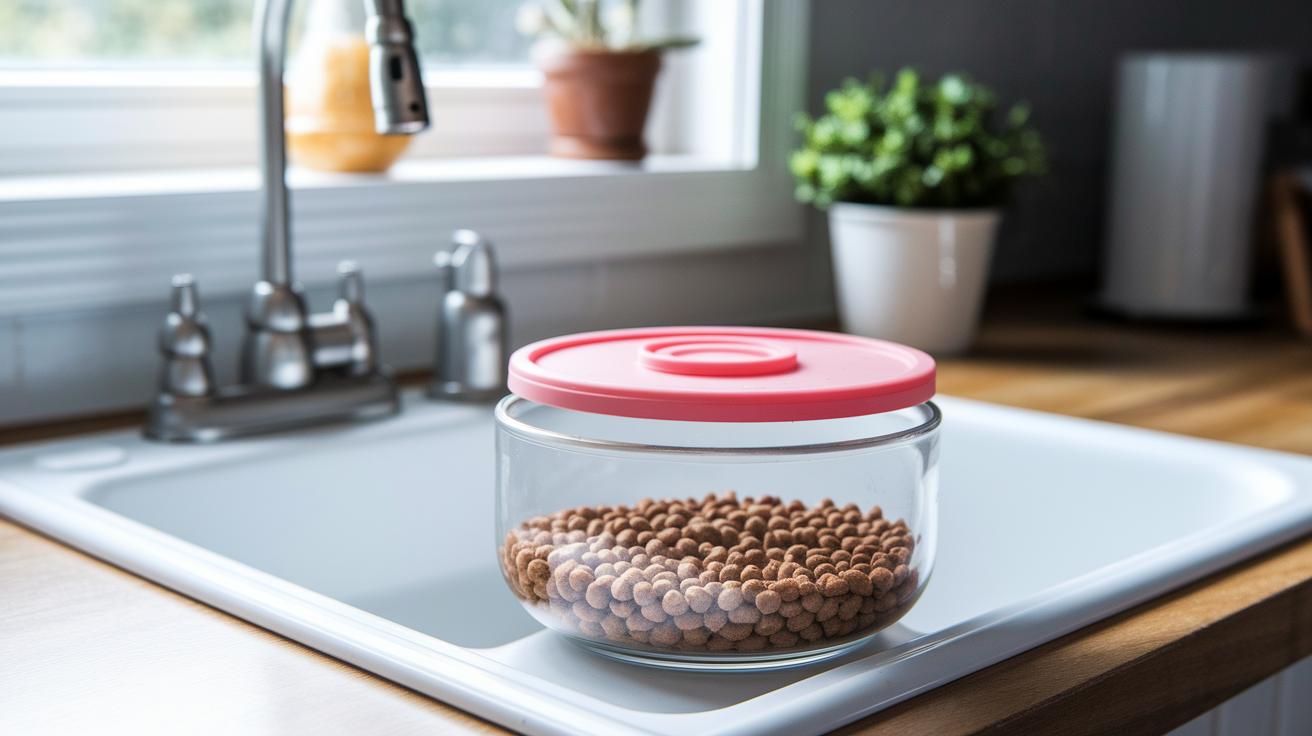
    Once your kitty finishes dinner, grab an airtight container and scoop in the leftovers. This could be a zipper bag, a plastic tub, a glass jar, or even a silicone lid stretching over an opened can of canned cat food. Seal out air and slide it into the fridge set below 40°F (4°C) right away.

    Here are some purr-fect container ideas:

    • Zipper bags (press out extra air before sealing)
    • Plastic tubs with snap-on lids (clicks shut with a satisfying sound)
    • Glass jars (won’t hold stains or smells)
    • Silicone covers (stretches over the can’s rim for a tight seal)
    • Vacuum sealing (fancy gear, but locks in freshness)

    Stored this way, wet cat food stays tasty and safe for 2–3 days. Any longer and bacteria can sneak in, even with a tight seal. You might even tuck a small digital thermometer inside your fridge to make sure it’s always under 40°F.

    So simple, right?

    Ever seen your kitty bat at a frozen scoop?

    Just before serving, let your jar or bag sit on the counter for 15–20 minutes so it warms up. Or heat a small spoonful in the microwave for 5–10 seconds, but keep an eye on it so no hot spots form. Stir gently and test on your wrist before serving.

    Airtight containers don’t just keep food fresh. They save you money and cut waste, no more tossing half-used cans or dealing with funky fridge smells. Your kitty will purr for that second helping, and you’ll rest easy knowing those leftovers are still purr-fect.

    Portion Control and Feeding Routines to Minimize Leftovers
    - Portion Control and Feeding Routines to Minimize Leftovers.jpg

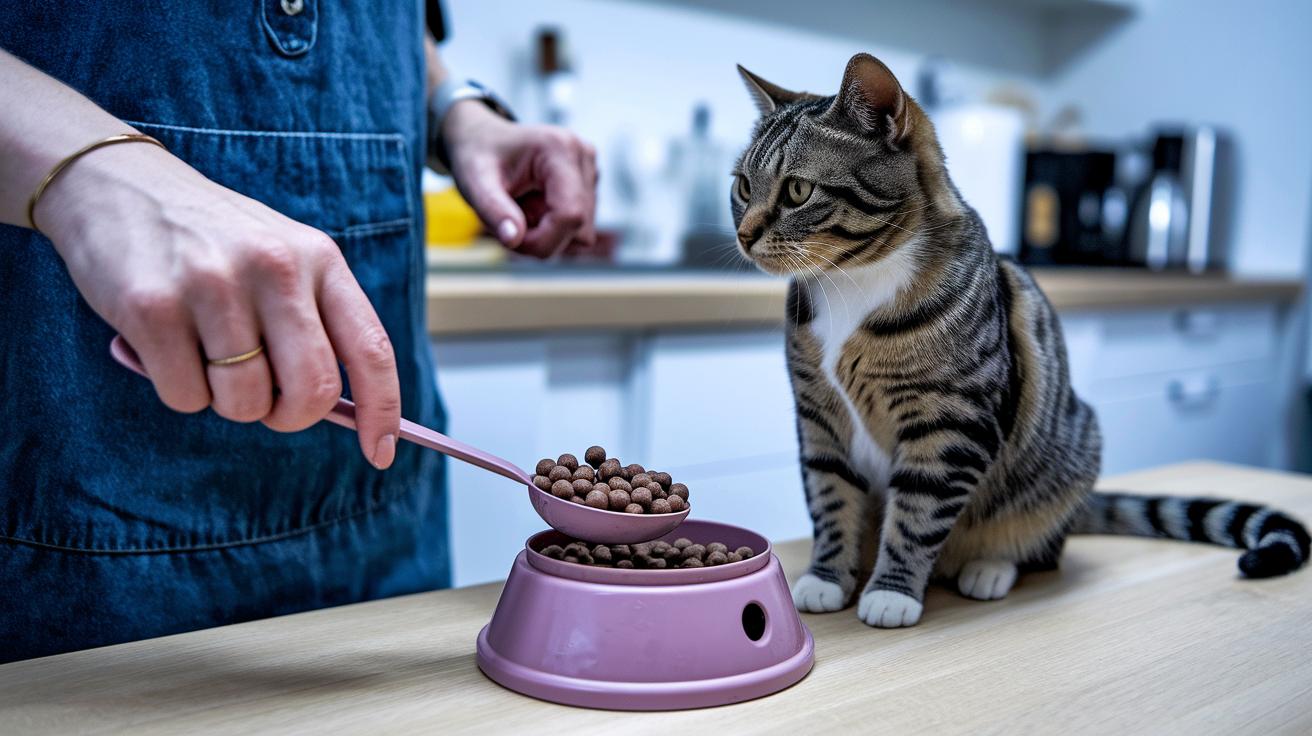
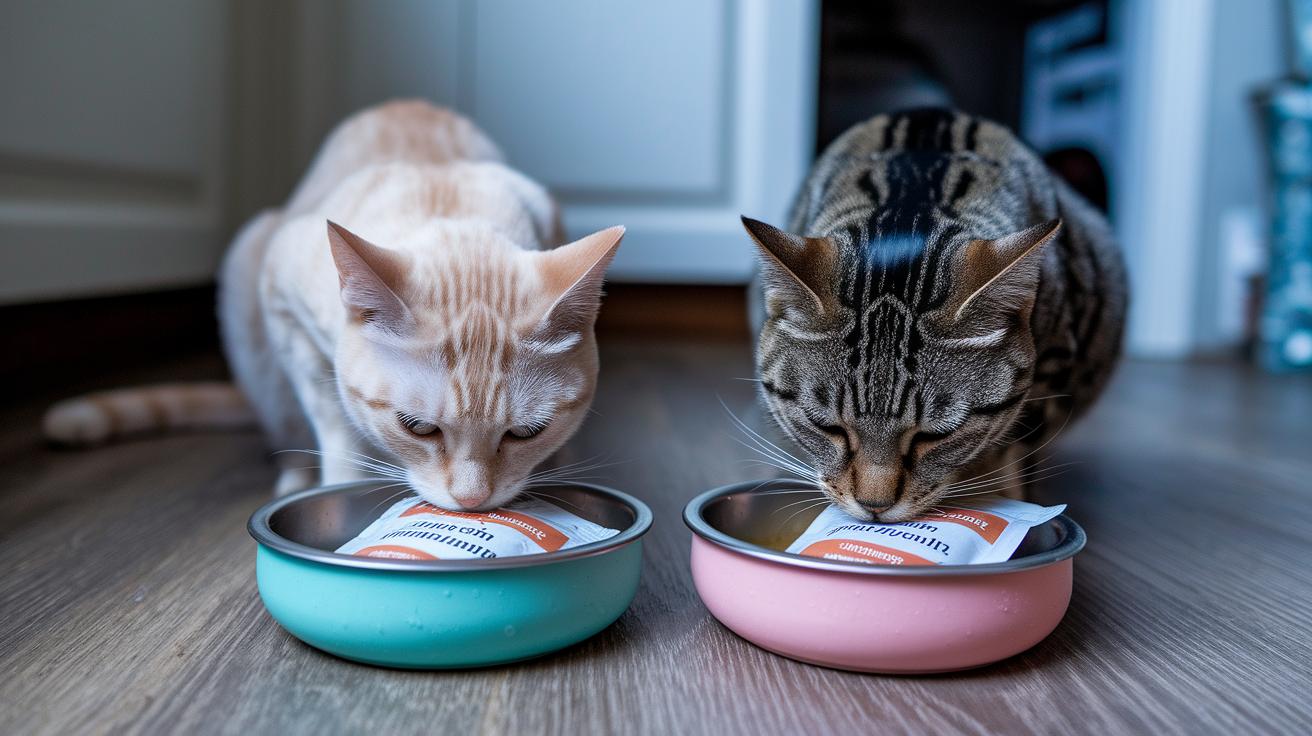
    Ever noticed how tiny meals cut down on waste and keep germs away? I swapped big cans for single-serve wet food pouches (tiny cups of meat and gravy) so my cat can finish dinner before bacteria move in. Most adult cats need about 2 to 4 ounces per meal. Serve that twice a day, and you’ll have a neat, healthy routine.

    Here are some paw-some portion tips:

    • Grab single-serve wet food pouches or pre-portioned trays (small plastic dishes ready to pop open). No guesswork.
    • Measure 2 to 4 ounces per feeding (about the size of a tennis ball).
    • Stick to two meals a day. Cats thrive on routine.
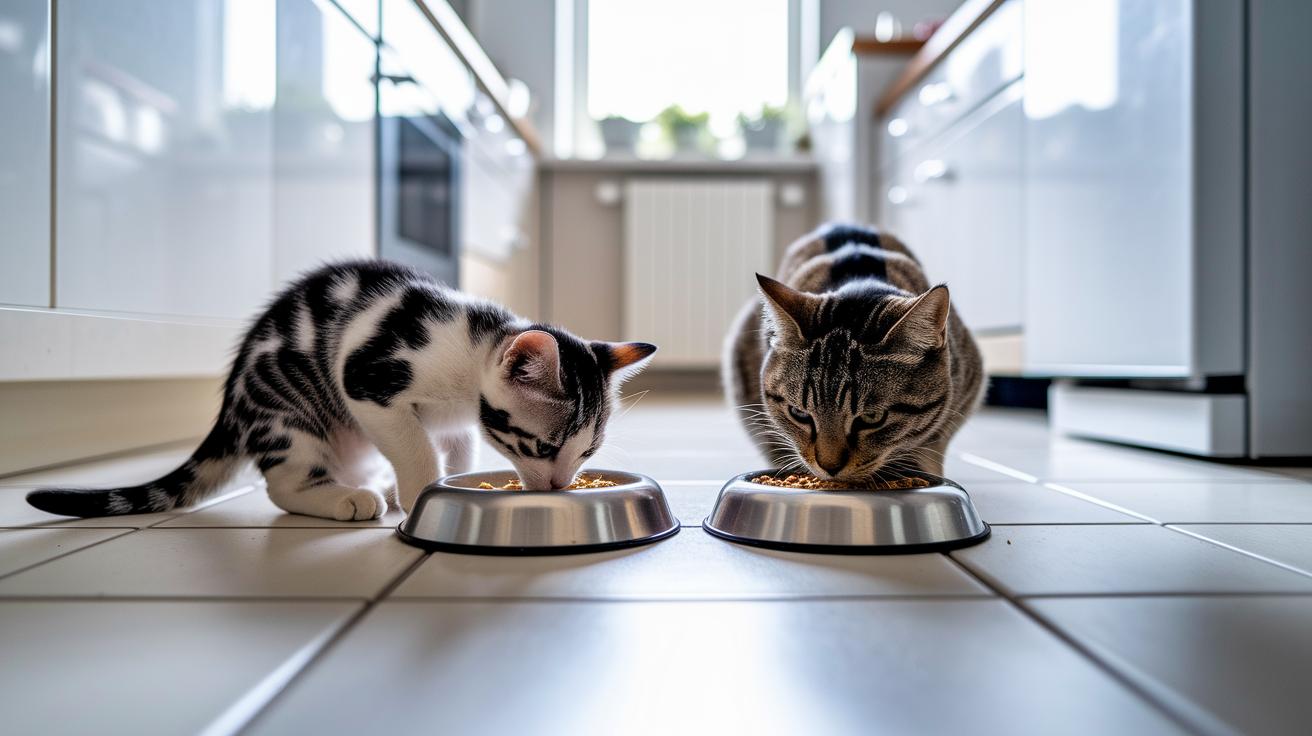
    • For multi-cat homes, set up feeding spots in different rooms so no one steals snacks.
    • If your kitty still seems hungry, wait a few minutes before topping off. That pause shows if she really needs more.

    A steady feeding schedule helps you spot changes fast. Skipped meals could mean a tummy ache or a new texture preference. Rotate flavors every few days (salmon fiesta one day, chicken party the next) to keep dinner exciting. Next, you’ll catch health hints before they become issues.

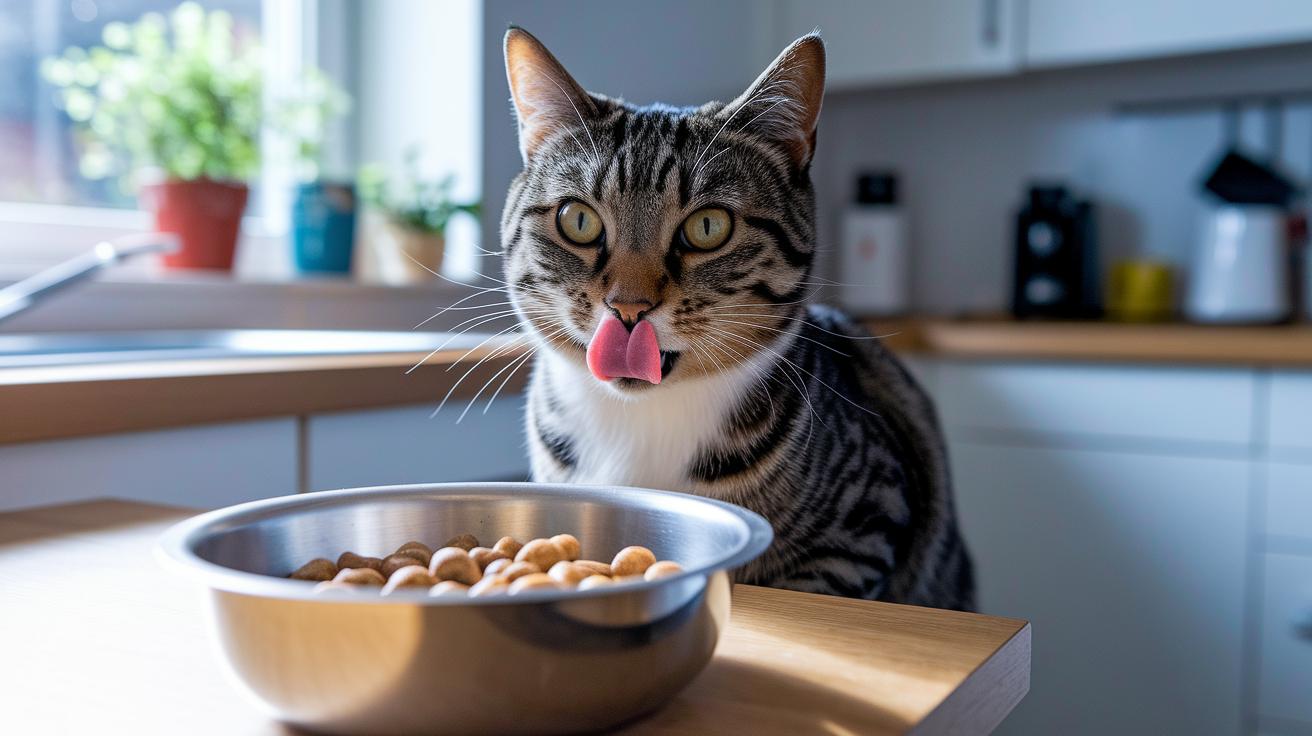
    Ever watched your kitty sniff, nibble, then lick the bowl so clean? (Ever caught your cat doing a victory lap around the dish?) That’s portion perfection. Less leftover food means fresher meals. Happier tummies. Less waste. Win win win.

    Hygiene and Contamination Prevention During Wet Food Handling
    - Hygiene and Contamination Prevention During Wet Food Handling.jpg

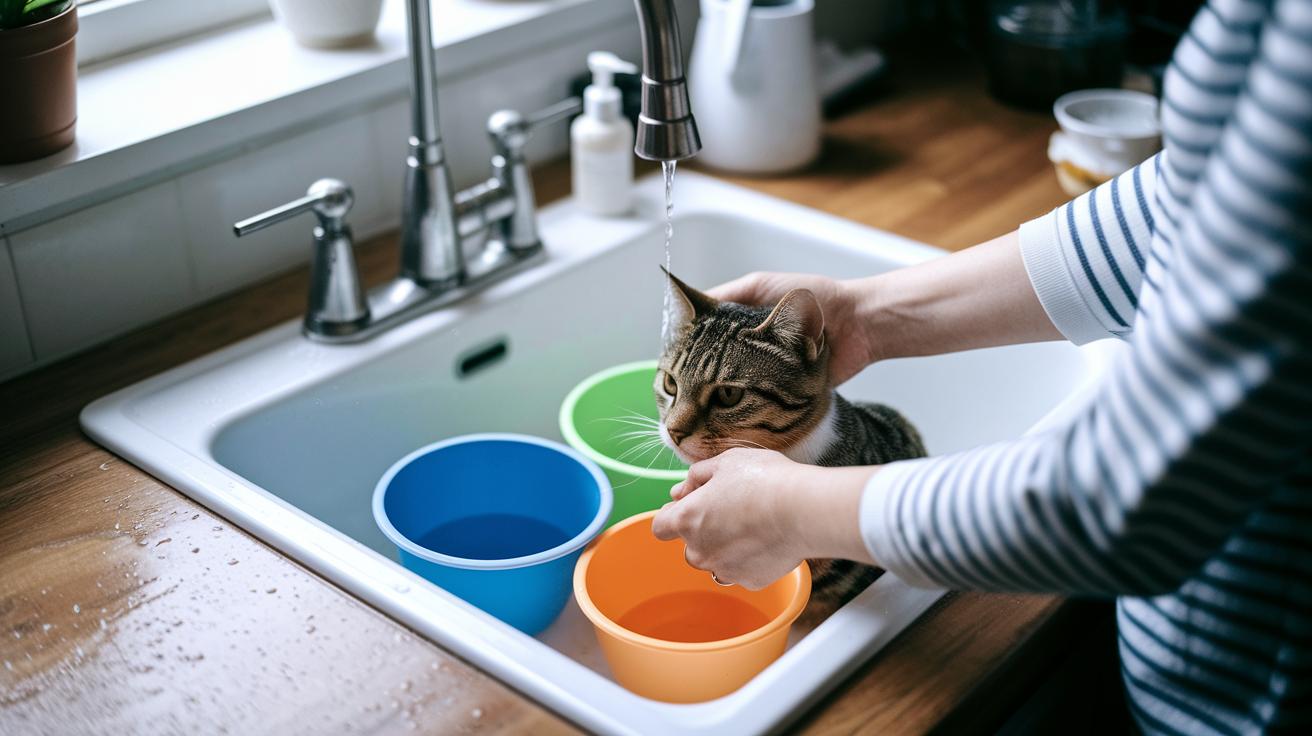
    Your cat’s dinner plate can turn into a mini germ spa, think salmonella (a nasty bacteria) or listeria (another germ that loves wet spots) setting up camp if you skip washing. So scrub those bowls daily in hot, soapy water, warm enough to feel steamy, like cradling a mug of cocoa. You’ll notice the difference in no time.

    Ever deal with gravy splatters everywhere? Disposable liners or single-use mats under the bowl catch stray drips and save you from scrubbing crusty bits later. Just swap them out each day, and you’ll spend way less time chasing hidden leftovers around the rim.

    Give each dish a quick check for nicks and scratches, those tiny cracks are like secret hideouts for bacteria. If a bowl looks worn, retire it for a fresh one. It’s an easy swap that keeps germs from nesting.

    And hey, never double-dip your scoop back into the wet food container, that’s an open invite for new bacteria to crash the party. Scoop once, seal tight. In homes with multiple kitties, assign each furball their own bowl and scoop, no sharing allowed.

    Keep a little brush or sponge just for pet dishes, no cereal-crossovers. Rinse bowls, lids, and utensils in hot water, add soap, give ’em a good scrub, then rinse again. Two minutes flat. Germs? Consider them claw-tastically defeated.

    Final Words

    In the action we laid out the safe 1–2 hour window for wet food, the ways heat and light speed spoiling, and the telltale smell or texture signals to watch for.

    Then we dug into cool-down tricks like airtight tubs and quick warm-ups, plus split servings so kitties finish lunch before germs move in.

    Now you know how long can wet cat food be left out and you’re armed with tips to cut waste, dodge illness, and keep mealtime purr-fect. Enjoy every whisker twitch.

    FAQ

    How long can wet cat food be left out at room temperature?

    Wet cat food should remain at room temperature no longer than one to two hours, since bacteria like salmonella double after two hours, reducing palatability and raising infection risk.

    Can I leave wet cat food out overnight?

    Leaving wet cat food out overnight far exceeds the safe one-to-two hour limit, allowing bacteria to flourish and risking food-borne illness.

    Does wet cat food go bad if left out, and what happens if my cat eats old wet food?

    Wet cat food left out will spoil within two hours. Consuming spoiled food may cause vomiting, diarrhea, or food-borne infections in your cat.

    How long can opened wet cat food be stored in the fridge?

    Opened wet cat food can be safely refrigerated for two to three days in an airtight container at below 40°F, then warmed to room temperature before serving.

    How long can dry cat food sit out?

    Dry cat food can safely sit at room temperature all day, but replace old kibble daily to maintain freshness and avoid moisture absorption, which breeds bacteria and mold.

    What is the 25 rule for cat food?

    The 25 rule for cat food says you shouldn’t leave perishable wet food out over two hours at temperatures above 25°C (77°F); at higher heat, cut that to one hour to prevent bacteria growth.

    How can I save half a can of wet cat food?

    To save half a can of wet cat food, transfer leftovers into an airtight container or cover the can with a silicone lid, store in the fridge below 40°F, then label and use within three days.
    Related Articles

  • Using feline pheromone sprays near litter boxes effectively

    Using feline pheromone sprays near litter boxes effectively

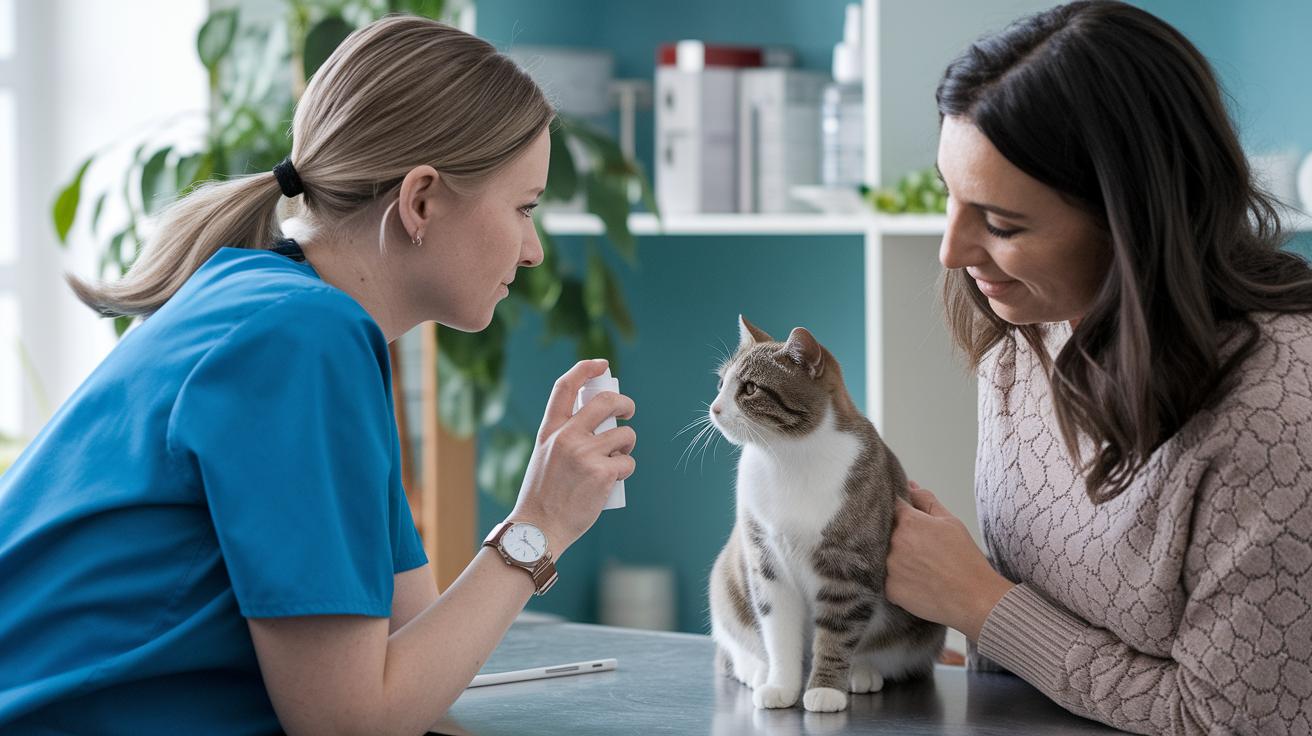
    Is your cat treating the litter box like a scary thunderstorm? Ever watched them stare at the corner, ears flat, whiskers twitching?

    It’s a tense spot. Your kitty might jitter, dash for cover, or leave little surprises on the floor. Um, not fun for anyone.

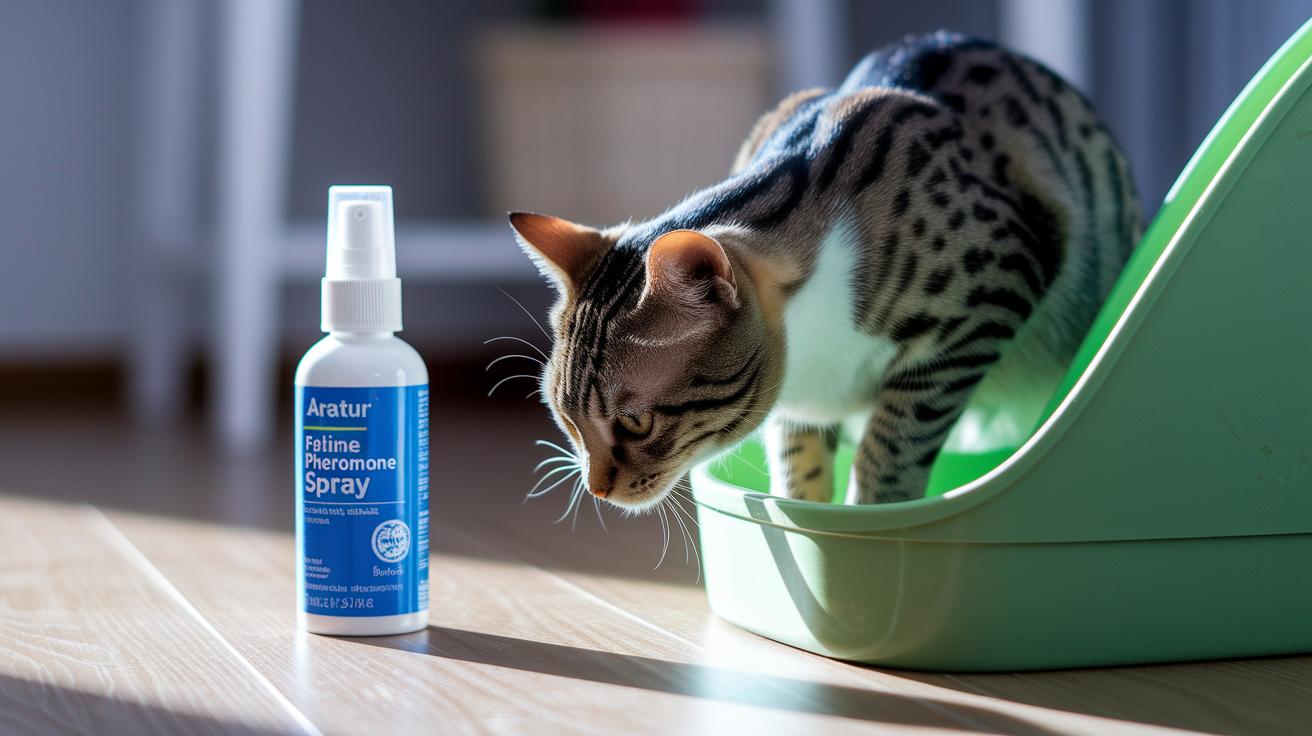
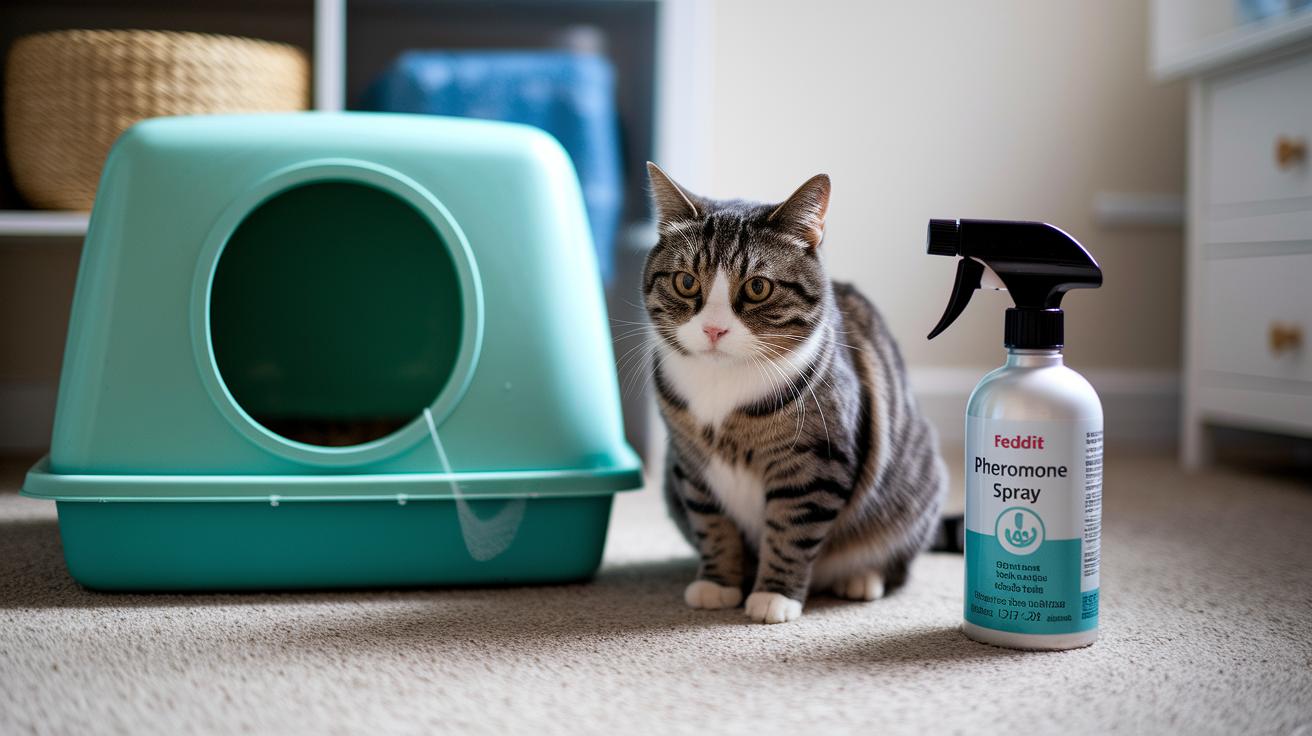
    But try a quick spritz of gentle feline facial pheromone spray (a scent cats use to calm themselves). It’s like a soft hug for their nose and a tiny meowment of zen. Claw-tastic!

    In about a week you’ll see fewer accidents. Less marking. And a relaxed kitty who hops in without a second thought.

    Next, hold the bottle about six inches (15 cm) from each side of the box. Give it one spray before breakfast and another before bedtime. Easy peasy. Your cat will stick to good litter habits.

    Worth every paw print.

    Using feline pheromone sprays near litter boxes effectively

    - Implementation Guide Using Pheromone Sprays near Litter Boxes.jpg

    It’s like a gentle hug for your cat’s nose. A light mist of synthetic feline facial pheromone (a comfort scent cats rub on each other) around the litter box can calm twitchy whiskers and ease stress. In about seven days, you might see less marking and more good litter habits. Ever watched your kitty take a deep sniff and then just chill? Really cool.

    1. Find the perfect spot to spritz. Hold the bottle 6 to 8 inches away from each outer wall of the box. Never spray inside or on the litter itself.
    2. Give 3 to 5 quick sprays per side. This offers just enough scent to guide your feline friend without overwhelming all the other smells.
    3. Mist twice a day for a full week. That steady beat tells your cat this is their safe zone.
    4. Once they use the box like a champ, ease off. Spray once a day for three days. Then every other day. Oops, don’t go from full blast to zero – taper gently.
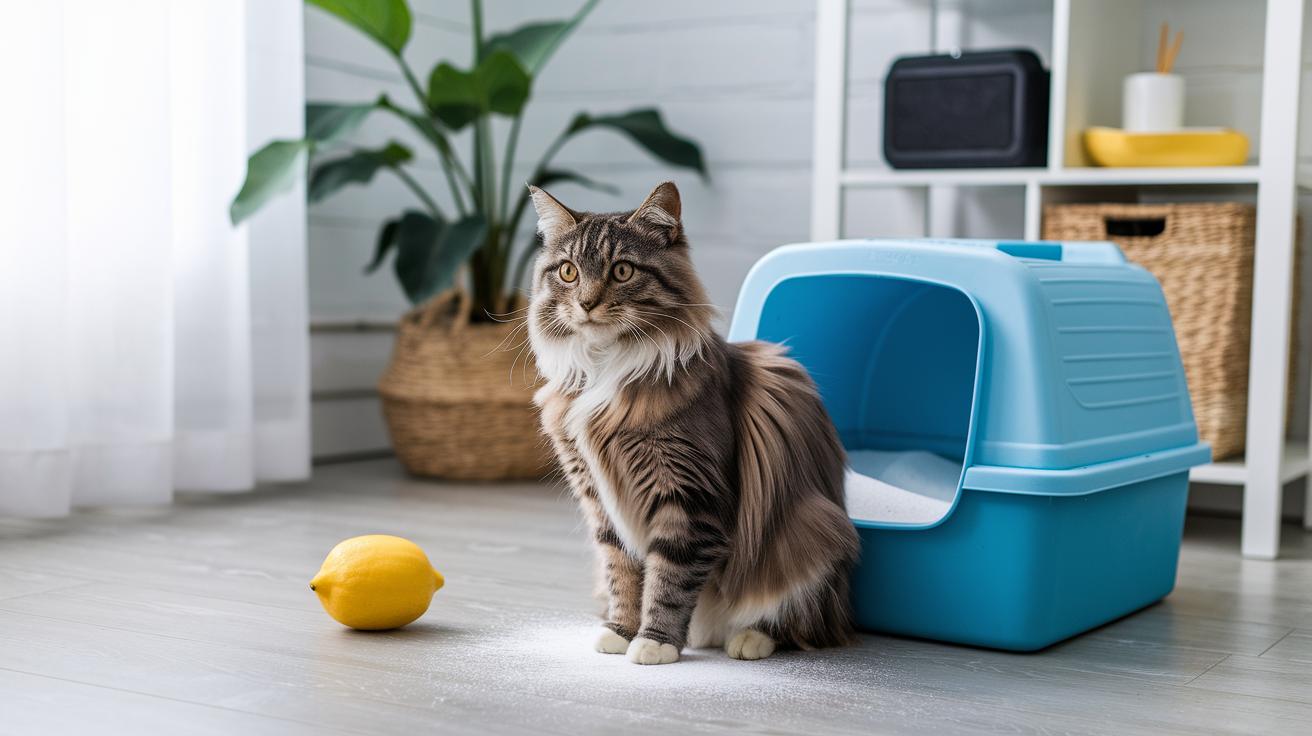
    5. Keep sprays at least a two-foot buffer from food and water dishes. You don’t want your cat mixing up dinner time with litter time.
    6. Give the box a good clean each week before misting. For fast cleanup tips and smart placement advice, check the litter box maintenance checklist for busy cat owners.

    So get spritzing and watch your kitty feel feline fine again.

    How Feline Facial Pheromones Influence Litter Box Behavior

    - How Feline Facial Pheromones Influence Litter Box Behavior.jpg

    Cheek pheromones (those gentle scents cats leave when they rub their faces) tell your kitty “this spot is safe.” Synthetic feline facial pheromones for litter boxes copy that warm welcome. Ever seen your cat rub its cheek, then stroll away with that look of bliss?

    These calming signals lower cortisol (the stress hormone), stop cats from spraying, and calm jitters that make them dash out of the box. Your cat’s whiskers twitch as it takes a gentle sniff, melts into calm, and hops right in.

    Works in minutes.

    A quick spritz makes a cozy scent halo around the box, ideal for a shy kitty. A diffuser (a plug-in device that gently spreads pheromones) covers more space, like a campfire’s warmth filling a room. Sprays use lab-made analogs (copycat copies) of the F3 fraction, while natural blends lean on real cheek oils from content cats.

    Keep cleaning simple. Avoid ammonia-based cleaners near treated spots since they break down pheromone molecules. A gentle soap-and-water wash keeps the area fresh and holds onto that friendly-face scent.

    Selecting the Best Pheromone Spray for Litter Box Stress Relief

    - Selecting the Best Pheromone Spray for Litter Box Stress Relief.jpg

    Ever caught your kitties squabbling at the litter box? I’ve been there, it’s like a feline soap opera. But with the right pheromone spray (tiny animal scent signals), you can turn down the drama. Two Feliway favorites really shine.

    Feliway Classic MultiCat has extra social pheromones. Just a few spritzes around a shared box and those hissy spats turn into polite turns. Your whiskered pals sniff the calm vibe and queue up, one at a time. It’s non-toxic and fuss-free.

    Got one cat who’s shy or picky? Feliway Air Spray targets solo litter box stress with quick relief. A couple spritzes on the outer walls send an inviting scent that says this spot is safe. It’s non-toxic and works almost instantly.

    Both sprays arrive in eco-friendly packaging made from recyclable materials. Unopened bottles stay potent for up to 24 months. Just stash them at room temperature out of direct sunlight and you’re set.

    Each 60 ml bottle runs about $20 to $30. Juggling multiple boxes? Bulk packs or refills can cut your cost per spray. That way your wallet and your kitties both purr in harmony.

    Worth every paw print.

    Safety Precautions and Troubleshooting Spray Usage

    - Safety Precautions and Troubleshooting Spray Usage.jpg

    Ever watched your kitty wrinkle her whiskers at a new spray? These formulas use pheromones (tiny, calming cat scents) that are non-toxic, scent-free, and safe for kittens, senior cats, and mama cats – just follow the directions on the label. Oops, that sounded like vet speak, let me rephrase: read the instructions. Even a gentle mist can backfire if you skip a couple of simple steps.

    Here are some common slip-ups with pheromone sprays and how to fix them:

    • Spraying in the wrong spots
      Whoa, don’t spritz litter, bedding, electronics, or your human-and-dog hangouts. Instead, aim for the outside walls of the litter box or nearby hard surfaces.
    • Over-spraying tiny areas
      Too much mist can leave a sticky ring you can actually see. Try a test spray on a piece of cardboard first to get your distance just right.
    • Skipping a patch check
      Always start small. Spray a little on one corner, wait a minute, and look for any odd stains or goo. No surprises later.
    • Ignoring skin or coat irritation
      If your cat starts scratching at the treated spots or giving them a lick-test, wipe it off with a damp cloth. Then, pause until your vet gives you the all-clear.

    If you’ve got everything right but your cat still seems jittery, ease off on the spray or stand a bit farther back. Sometimes cutting out just one spritz per side makes all the difference.

    Enhancing Litter Box Success: Pairing Sprays with Box Management

    - Enhancing Litter Box Success Pairing Sprays with Box Management.jpg

    Ever watched your kitty do that paw-stamp dance around a messy box? A dirty litter box can stress out even the calmest cat. But pairing pheromone (a scent signal cats use to feel safe) with a simple cleaning routine keeps things cozy. Scoop clumps, swap in fresh litter, then gently mist the outside walls with pheromone spray. Your cat’s nose will read that as a friendly invitation.

    1. Place one box per cat and one extra in cozy corners around your home. Try smooth floors, low rugs, or a raised shelf to suit shy or bold personalities. For more ideas, check selecting the right litter box for kittens.
    2. Scoop every day. Every three weeks, dump old litter and refill. Then spritz the box’s outer walls with pheromone spray to keep the happy scent going.
    3. To move a box, slide it just two inches toward the new spot each day. Keep up your spray ritual so your cat feels confident at every step.
    4. If your kitty avoids a certain spot, pop a temporary box right there. Give its outside a light spritz of pheromone and once your cat starts using it again, move it back to the usual place.

    Weave these tips into your weekly routine and watch your cat step into a calm, clean box every time. It's worth every paw-print.

    Vet Advice and Customizing Pheromone Protocols for Litter Training

    - Vet Advice and Customizing Pheromone Protocols for Litter Training.jpg

    If your furball still skips the litter box after about four weeks of pheromone spritzes, it’s time to call the vet. They’ll run blood work and a urinalysis to check for UTIs (urinary tract infections), bladder crystals, or arthritis pain. Getting that all-clear feels like laying down a smooth path for pheromone magic. Then you can focus on happy, stress-free box visits.

    Keep a simple log by the litter station, jot down every box stop, sniff-and-dash moments, or tail-twitch stress signals (ever notice that quiver?). This really helps you see what clicks. Maybe your cat perks up for a morning spritz but snoozes on evening sprays. Or one spray per side wins over three. Tweak the timing and spritz count until you see more little paw prints.

    Once your kitty’s using the box day in and day out (about a month in), start weaning off the spray. Try spritzing every other day for two weeks, then drop to once a week. Slow fade keeps those calm vibes around without a sudden scent blackout. Smooth sailing.

    In multi-cat homes, mix spot sprays at each litter station with a diffuser in a shared area like the hallway. That combo fills the gaps and gives shy or senior cats extra reassurance. Because every cat deserves a purr-fectly calm loo break.

    Final Words

    In the action we walked through benefits of targeted pheromone sprays to curb stress and cut down marking near litter areas.

    We shared tips on picking the right spray, dosing 3 to 5 spritzes, keeping a safe distance, and tapping out a schedule that fits busy days.
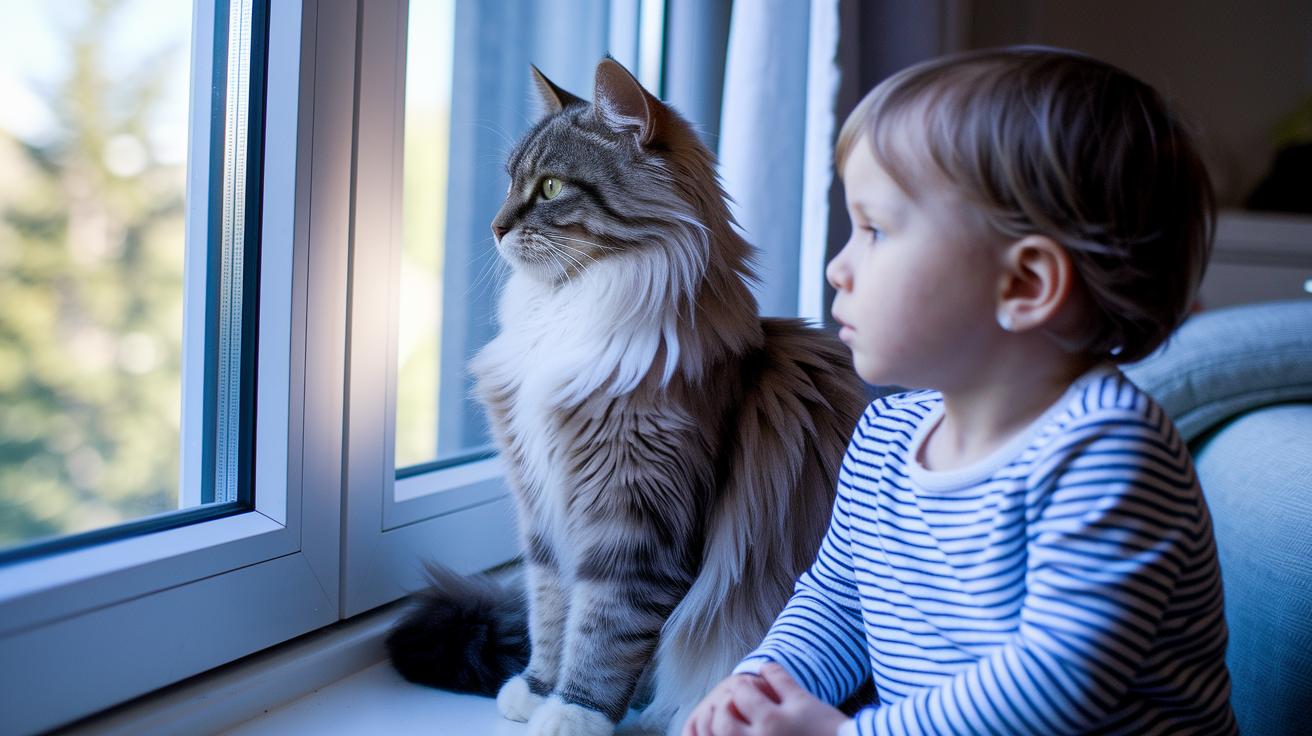
    Then we showed how pheromones team up with solid box cleaning and vet advice to seal the deal on steady habits.

    Using feline pheromone sprays near litter boxes can turn chaos into calm. Your cats will thank you.

    FAQ

    What is Feliway Spray?

    The Feliway Spray is a synthetic feline facial pheromone (calming chemical) that mimics the F3 signal cats use to mark safe territory. It eases stress and cuts unwanted spraying within 7 days.
    What is a Feliway Diffuser and how does it work?

    The Feliway Diffuser is a plug-in device that releases feline facial pheromone (calming chemical) into the air. It creates a secure zone that lowers stress and curbs unwanted marking for about 30 days.
    What is a Feliway Optimum spray and how does it compare to Classic?

    The Feliway Optimum spray is a stronger pheromone blend that tackles tension in multi-cat homes while the Classic spray delivers core F3 pheromone comfort for single cats.

    When should I use Feliway spray near my cat’s litter box?

    You should use Feliway spray twice daily for one week, applying 3–5 sprays on each outer litter box wall. Keep at least 2 feet from food and water to boost box confidence.

    Where should you not put a Feliway diffuser?

    You should not put a Feliway diffuser near open windows, vents, or inside cabinets, as drafts or enclosed spaces can reduce pheromone spread and cut its calming effect.

    What is the best spray to stop cats from peeing?

    The best spray to stop cats from peeing is often Feliway Optimum, a vet-approved pheromone blend that helps reduce stress marking in 9 out of 10 cats within one week.

    How do I make a homemade spray to stop my cat from peeing?

    You can make a homemade spray by mixing equal parts water and white vinegar (cleaning acid) with a drop of unscented soap. Test on a small patch to avoid surface damage.

    What smell attracts cats to the litter box?

    Cats are drawn to the familiar scent of their own pheromones in lightly used litter. Adding a bit of old litter water helps guide them back with comfort and confidence.

    Related Articles

  • Safe Play Behaviors for Indoor Cats Spark Joy

    Safe Play Behaviors for Indoor Cats Spark Joy

    Ever imagine your cat pouncing on a harmless yarn ball, only to swallow a sneaky thread? That soft little puff can turn into a swallow hazard before you know it. Playtime should be all joy – not a trip to the vet.

    Let’s pick claw-tastic toys that last. Look for organic cotton (soft natural fiber) or tear-resistant linen (strong plant cloth) – they stand up to sharp claws and wild pounces. You’ll hear the satisfying swoosh as your kitty bats them across the floor.

    Next, inspect every toy for loose bits before you toss it. A quick check for fraying threads or tiny pieces can save a lot of worries. And hey, safe play is part of the fun.

    Follow these simple steps and you’ll see whisker twitches of pure delight. You’ll sleep easy knowing playtime’s safe and your feline friend is bouncing with joy.

    Top 5 Indoor Play Activities for Safe, Engaging Fun

    - Top 5 Indoor Play Activities for Safe, Engaging Fun.jpg

    Hey there, cat lovers! Indoor kitties still crave a little hunt-time, you know? Mixing quick dashes with brain teasers keeps them curious and calm. Ever watched your cat’s whiskers twitch when a toy zooms by? That’s the magic of play that taps into stalking, chasing, and catching instincts right in your living room. Oops, let me rephrase that… it’s all about safe, risk-free fun that stops boredom in its tracks.

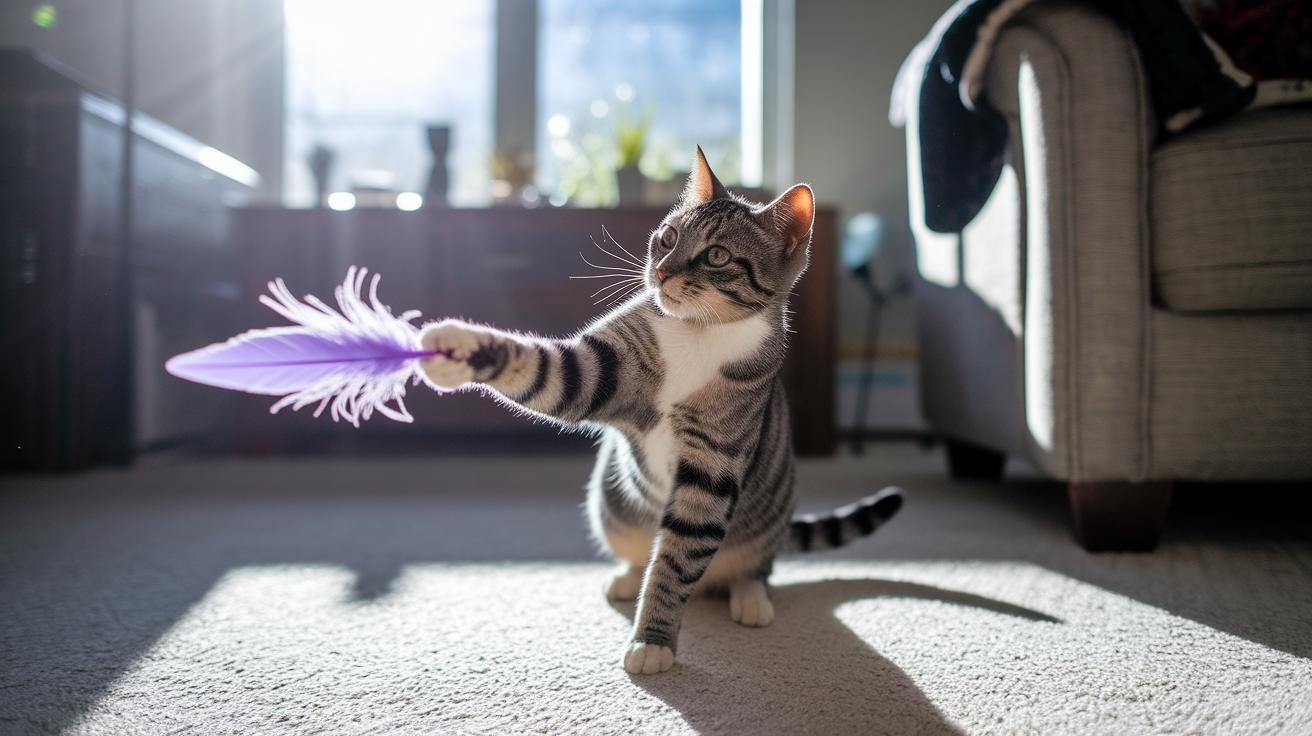
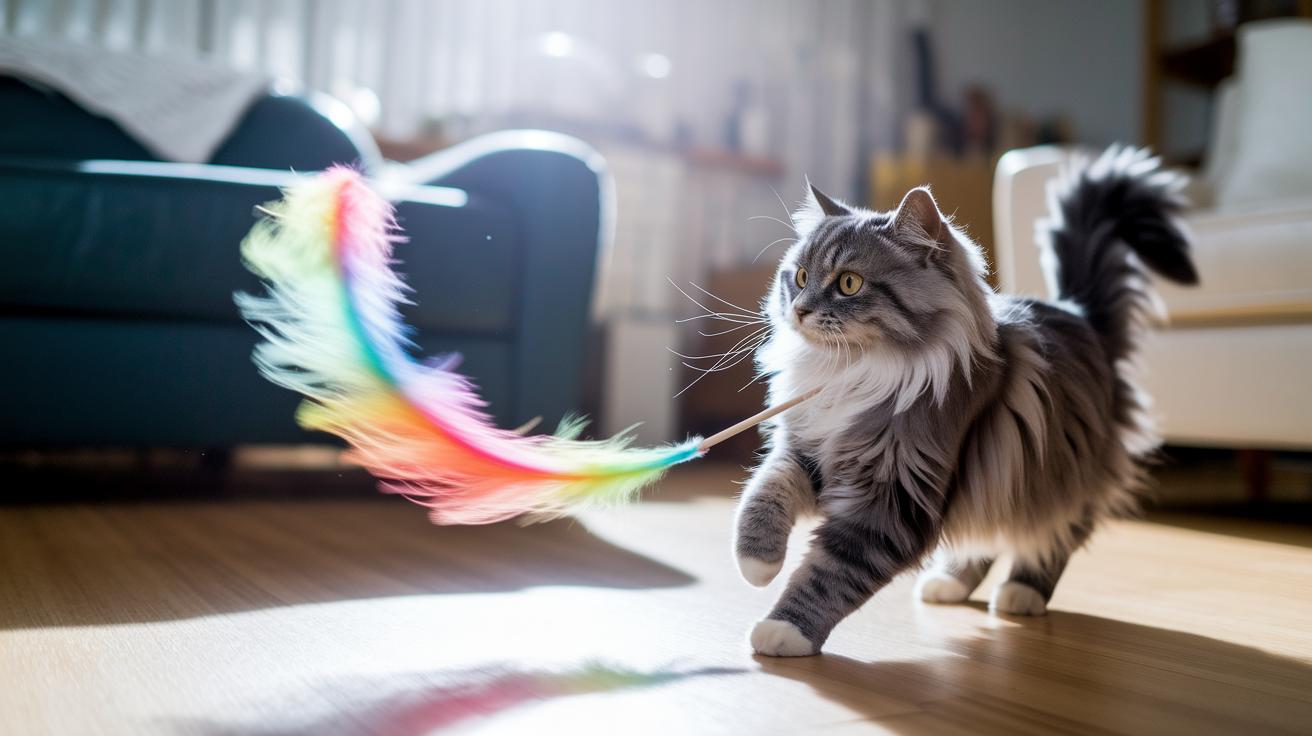
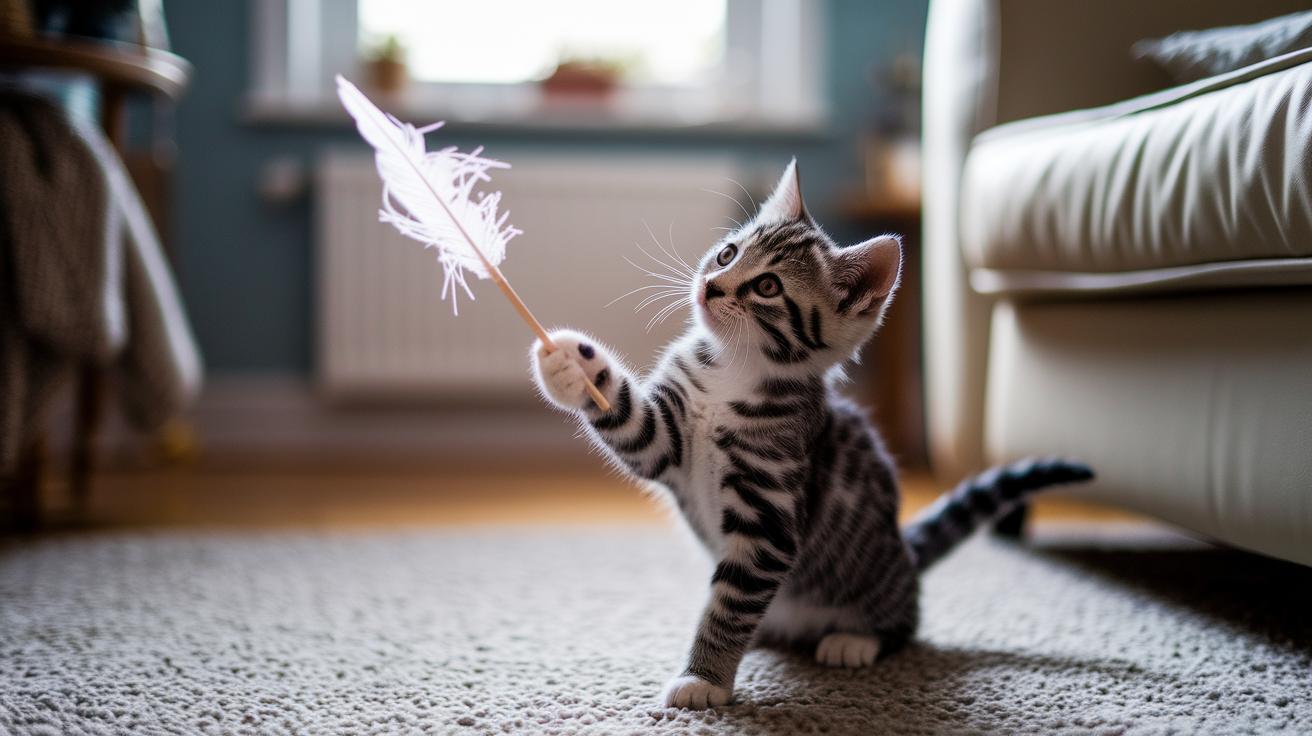
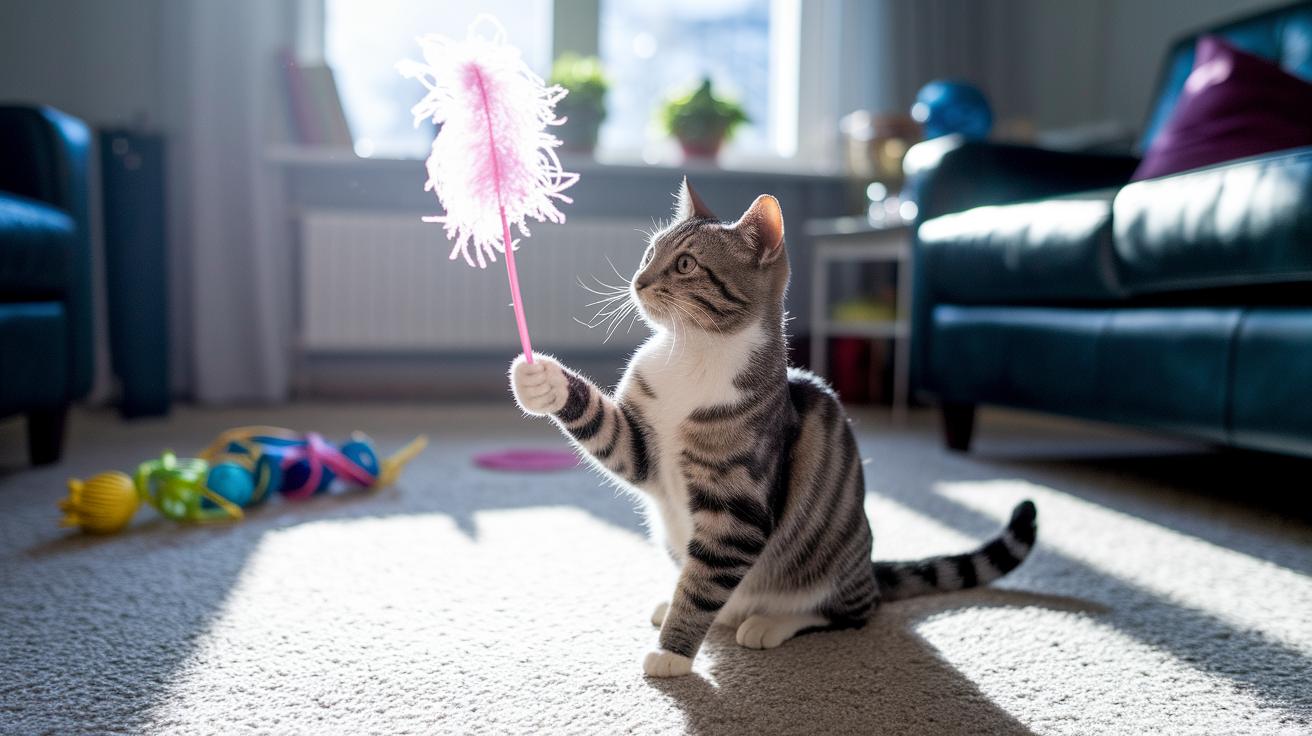
    • Wand-and-feather chases: Wave a fluffy feather wand like a fishing rod for cats. Soft fluttering feathers, surprise speed changes, and epic leaps.
    • Laser-pointer sessions ending in a toy catch: Dash a red dot across walls for high-speed sprints. Then drop a toy mouse so your cat can snag something real (no frustrated paws).
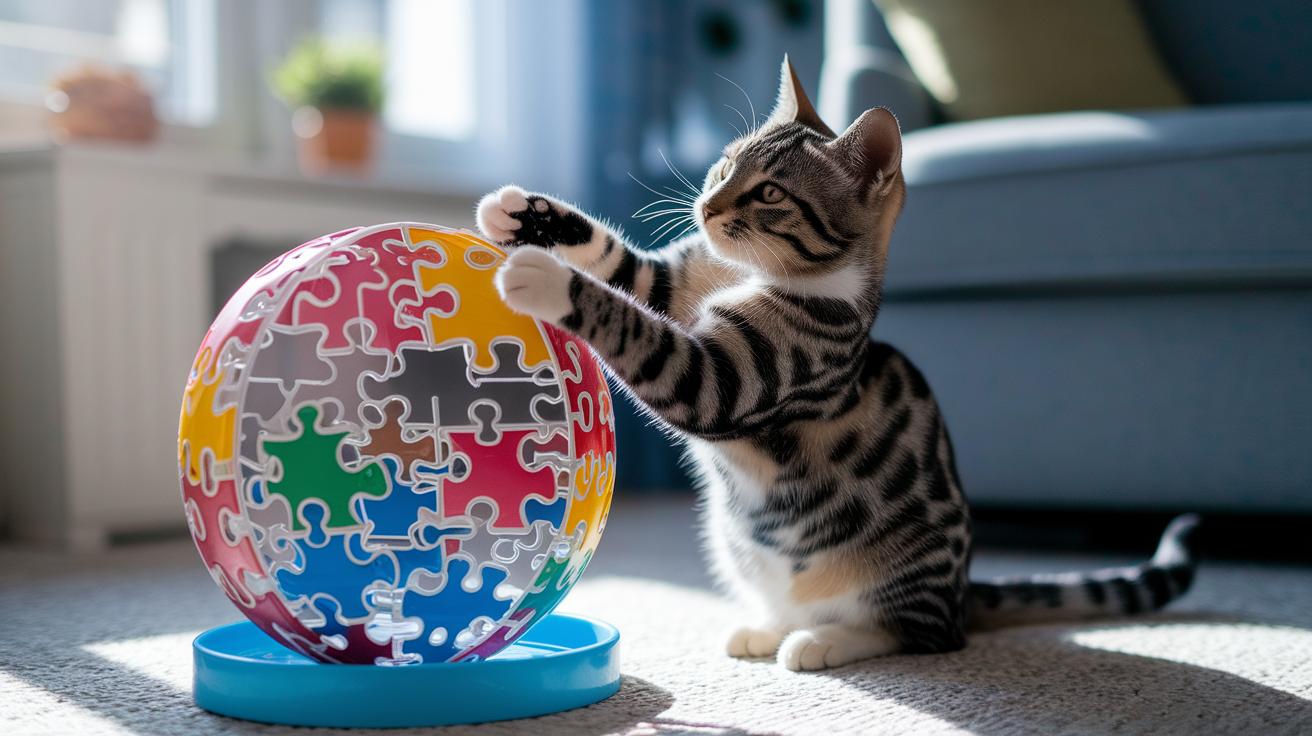
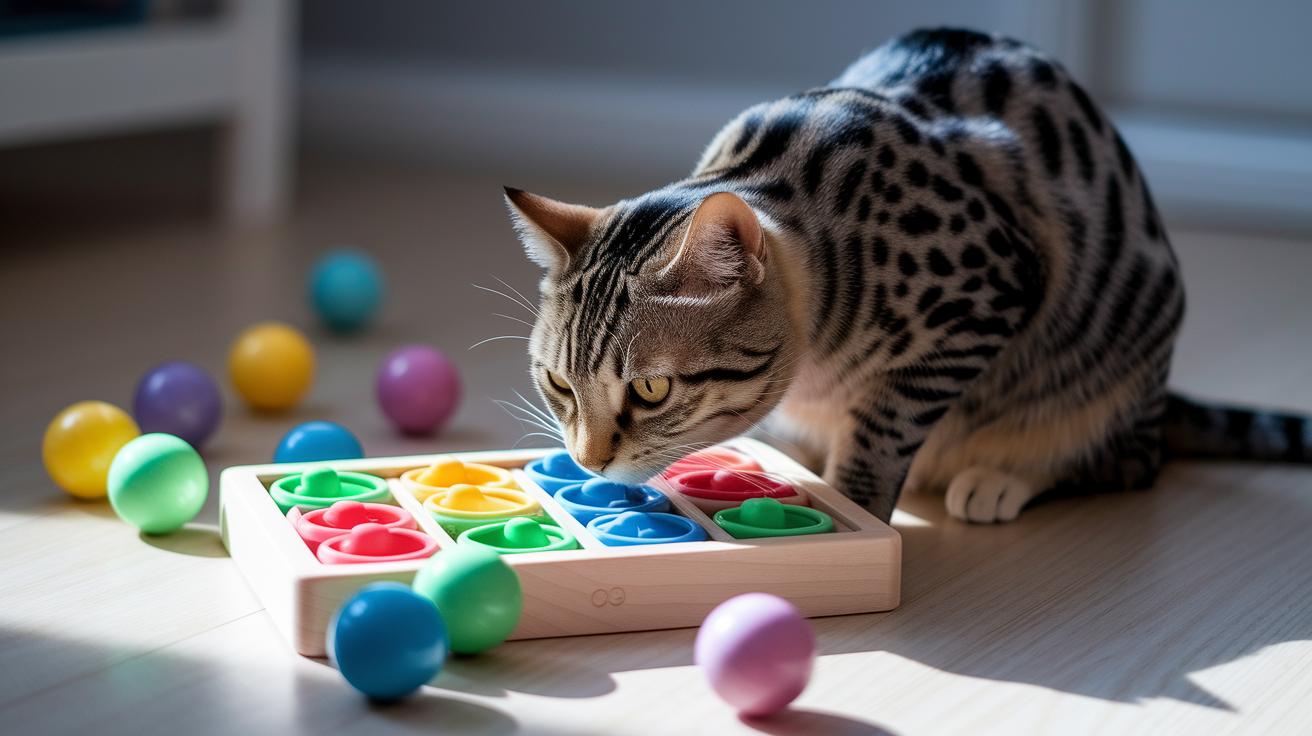
    • Puzzle feeders for mental challenge: Stuff kibble into a treat bowl maze so your cat “hunts” dinner. Shifting puzzles or sliding lids keep it fresh.
    • Ball-track toys for solo chase: A small ball trapped in a plastic track makes a click-clack as it rolls. Your cat bats and races on its own, which can be uh, oddly mesmerizing.
    • Catnip-filled mice for sensory play: Soft plush mice scented with catnip invite gentle nibbles and kicking hind legs. Bonus squeaks or crinkles add extra thrill.

    Switch these games up every few days to keep things new and exciting. Next, let’s pick super-tough toys and tuck away anything breakable so your home stays safe and playful. Worth every paw-print.

    Safe Play Behaviors for Indoor Cats Spark Joy

    - Toy Selection  Safety.jpg

    I always reach for toys made from organic cotton (soft natural fiber), linen (a tough plant cloth), or BPA-free plastic (no-chemical, bite-safe). They’re built to handle those sharp little claws. Look for double-stitched seams (extra thread around the edges) and pet-safe adhesives (glue without toxins). And watch out for tiny bits, loose beads or little bells can disappear into a curious mouth.

    Next, let’s cat-proof your play zone. Ever seen kitty bat at a loose cord? Uh oh. Slip chew-proof sleeves (cord covers) over wires so you avoid a trip to the vet. Secure windows with sturdy guards or snap-in screens that stay put, even during a zoom session. Push heavy furniture against walls and anchor wobbly shelves, no books raining down mid-pounce. A non-slip mat (grippy base) under rugs or tunnels gives your acrobat sure footing.

    • Double-stitched seams to prevent fraying when your cat hammers a toy
    • Fabrics free of dyes or yucky chemicals (non-toxic materials)
    • No dangly ribbons or beads that spell choke hazard
    • BPA-free labels on plastic parts for safe chewing
    • Window guards on lower sills to stop surprise tumbles
    • Chew-proof cord covers to block shocking discoveries
    • Anchored furniture and shelves, books stay put, paws stay happy
    • Non-skid mats under tunnels or play rugs to avoid skid slides

    Oops, don’t skip routine checkups. If you spot loose bits or frayed seams, retire that toy. Your kitty will reward you with purrs and zoomies. Worth every paw-print.

    Interactive Play Techniques for Indoor Cats

    - Interactive Play Techniques for Indoor Cats.jpg

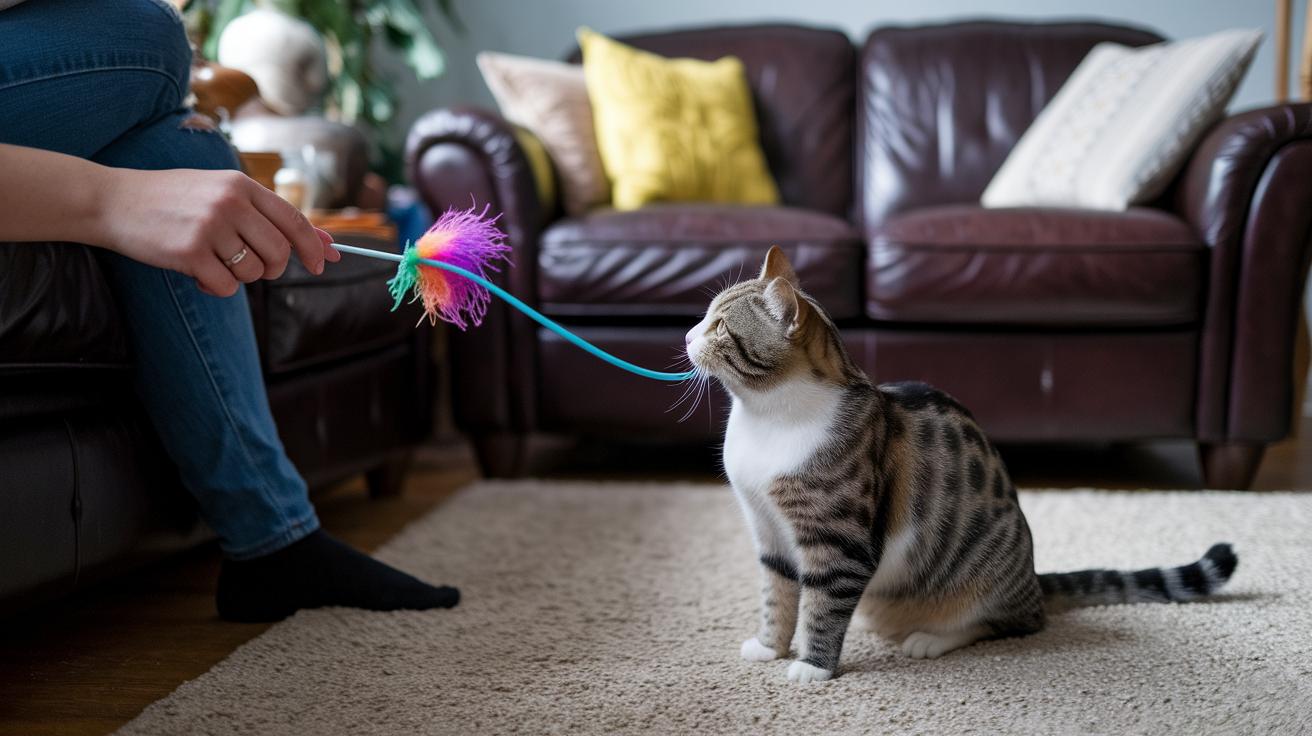
    Ever watched your kitty chase shadows? Try two quick 10-15 minute sessions each day – morning and evening are purrfect. It’s like a fun mini workout to zap those zoomies before nap time.

    When you see a tail tip twitch or ears flattening, your cat is saying “time out please.” Pause the fun. Let them catch their breath and maybe toss in a quick snack.

    Then switch to gentle petting or drop in a puzzle feeder treat (a snack release toy). This little combo turns all that excitement into a happy calm.

    Do this twice a day and you’ll soon have a zen kitty purring with delight.

    Worth every paw print.

    Solo Play Strategies and Mental Stimulation Games for Indoor Cats

    - Solo Play Strategies and Mental Stimulation Games for Indoor Cats.jpg

    Ever watch your kitty stare at the blank wall and wonder, “Are you even paying attention?” Oops, that sounded harsh. But seriously, cats left alone can get pretty bored. So let’s fix that.

    Puzzle feeders (food puzzles) turn snack time into a brain game. Imagine your cat’s whiskers twitch as it works out each treat. Motorized tracks (battery-powered loops) send a little mouse or ball zooming across the floor. Rolling balls let your kitty feel that satisfying thud with every bat. Treat dispensers (snack puzzles) hide tiny bites inside for a fun nose hunt. Tunnels (tube toys) offer secret ambush spots. And catnip toys (plush toys stuffed with a plant that makes cats go wild) add a burst of scent adventure. Even if you’re tied up, these toys let your fur baby hunt, swipe, and puzzle-solve for hours.

    Toy Type What It Does Safety Tips
    Puzzle Feeder
    (food puzzle)
    Slows eating; mental workout Look for loose bits that could break off
    Motorized Track
    (battery-powered loop)
    Keeps kitty chasing; self-moving Remove small loose parts; secure battery cover
    Treat Dispenser
    (snack puzzle)
    Nose work; reward play Clean often to prevent mold
    Rolling Ball
    (lightweight ball)
    Solo bat and chase fun Avoid balls small enough to swallow
    Tunnel
    (tube toy)
    Hide and ambush space Check for tears and sharp wires
    Catnip Toy
    (plush toys with catnip herb)
    Scent stimulation; kick games Replace when stuffing wears thin

    Um, switch out toys each week so your cat never gets bored. A quick sprinkle of fresh catnip or silver vine (an alternative cat plant) brings back the claw-some fun. Move that tunnel to a new corner, hide treats under a soft rug, or pop a window perch with bird sounds playing low. Mixing up sights, smells, and textures keeps indoor play as thrilling as the real hunt.

    Adapting Play for Kittens, Adult, and Senior Cats

    - Adapting Play for Kittens, Adult, and Senior Cats.jpg

    Kittens go nuts for quick play, just 5 to 10 minutes with a tiny plush mouse (a soft toy) or a feather wand (stick with feathers). Those brief chase bursts sharpen tiny hunters’ reflexes without stressing growing joints. It’s like a mini sprint, fun but easy on bones. Swap in new toys every few days so those paws stay curious and claws stay strong. Ever watched a kitten bunny-hop after a feather? It’s pure joy!

    Older cats and chubby adults need a slower pace. Um, puzzle feeders (toys that hide treats inside) turn snack time into a gentle brain teaser, no big leaps required. Slow wand toys that crawl along the floor invite lazy pounces instead of sky-high jumps. Overweight kitties love rolling treat-dispensing balls (balls that drop a nibble when they spin); each snack gives a little shimmy workout.

    In a multi-cat home, playtime can turn into a furball free-for-all. So do one-on-one sessions: bring one cat into the living room with a dancing ribbon toy while the others chill elsewhere, then swap. Always watch group chases to avoid toy theft or scrapes. You can also do turn-taking games with a teaser rod (stick with a dangly toy) so each cat gets their moment in the spotlight and no one feels left out.

    Worth every paw-print.

    Final Words

    In the action, we kicked off with five interactive activities: wand chases, laser fun, puzzle treats, rolling tracks, and catnip mice.

    Then we dug into picking sturdy toys, non-toxic materials, and setting up a safe play zone.

    Next, we covered owner-led sessions, solo puzzles, and tips for kittens through seniors.

    Keep rotating toys, watch for wear, and tune in to your cats’ cues.

    With these tools, you’re all set to boost energy, curb boredom, and master safe play behaviors for indoor cats.

    Enjoy every pounce!

    FAQ

    Signs your cat wants to play?

    The signs your cat wants to play include tail twitching, perked ears, gentle paw taps and short bursts of energy as they stalk toys, shadows or moving fingers.

    What safe play behaviors for indoor cats should I encourage?

    Safe play behaviors for indoor cats include supervised sessions, soft non-toxic toys, padded play areas and sturdy scratchers that mimic hunting without risking injury or swallowed parts.

    How do I play with or entertain my indoor cat?

    Playing with or entertaining your indoor cat means offering wand-chase games, puzzle feeders, feather teasers and rolling balls that mimic prey. Rotate toys often for fresh excitement and mental challenge.

    How often does an indoor cat need to play?

    Indoor cats need supervised play at least twice daily for 10–15 minutes each. That boosts exercise, mental enrichment and stress relief while preventing boredom and unwanted behavior.

    What is the 3-3-3 rule for cats?

    The 3-3-3 rule for cats describes a new-cat adjustment: three days to settle and hide, three weeks to explore safely and three months to form a lasting bond.

    How do cats play with humans?

    Cats play with humans by stalking hand movements, pouncing on dangling toys, batting fingers gently and enjoying interactive chase games that simulate catching prey, strengthening their bond with you.

    Cat enrichment ideas DIY?

    DIY cat enrichment ideas include cardboard-box mazes, paper-bag hideouts, toilet-paper-roll treat puzzles, simple wand toys made from string and sticks, plus blanket tunnels for ambush play.

    How long do cats play with each other?

    Cats play with each other in short bursts, often five to 15 minutes, followed by naps or grooming breaks before they resume stalking and pouncing on playmates.

    How do I find cat behavior training near me and what is VCA cat behavior?

    VCA cat behavior refers to professional guidance from Veterinary Centers of America. To find local training, search online for certified cat behaviorists or ask your veterinarian for recommended resources.

    Related Articles

  • canned cat food Delivers Tasty Nutrition and Value

    canned cat food Delivers Tasty Nutrition and Value

    Think canned cat food is just fancy gravy in a can to spoil your kitty? Think again. Hear that satisfying pop when you open the lid? That’s the start of a paw-some meal.

    Each serving has 75 to 85 percent water (like a mini water bowl). And when you see names like chicken or salmon, you know your cat is getting real meat to build strong muscles and a shiny coat. Really.

    Hunting for real protein and balanced fats on a label? It’s like solving a mystery, right? You’re not the only one who’s squinted at those tiny words.

    Next, I’ll share five claw-tastic tips to help you pick tasty, nutrient-rich cans that keep your kitty hydrated and your wallet happy. Let’s dive in.

    Quick Start: 5 Key Factors for Buying Canned Cat Food

    - Quick Start 5 Key Factors for Buying Canned Cat Food.jpg

    Hey cat pals, let’s talk about canned food – your kitty’s secret to staying hydrated and happy. Every bite is about 75-85% water (like a mini water bowl), so your furball sips while they snack. Fill the plate with real meat (no mystery fillers) to fuel strong muscles and keep that coat glossy. And the right recipe can help with your cat’s urinary health too – win-win.

    Ready to pick the purrfect can?

    • Protein Source (named meats like chicken or salmon vs byproducts) – see Ingredients & Nutrition
    • Moisture Content (75-85% water, ideal for hydration) – see Ingredients & Nutrition
    • Price Tier (from budget to premium) – see Purchase Options & Value Analysis
    • AAFCO Compliance (meets all nutrition rules set by the Association of American Feed Control Officials) – see Reading Labels & Avoiding Fillers
    • Special Formulations (recipes for urinary health, weight control, or limited-ingredient diets) – see Special Canned Formulations

    Ingredients and Nutritional Analysis of Canned Cat Food

    - Ingredients and Nutritional Analysis of Canned Cat Food.jpg

    Ever twist open a pop-top and hear that little pop? Your cat’s whiskers will twitch at the smell (yum!). Scan the label and you’ll see named meats, like chicken, turkey, or fish, right up front instead of mystery byproducts. Aim for a protein level around 8–12 percent on a wet basis (that’s the food as is, with water). It helps your kitty’s muscles stay strong and ready for play.

    Fat is the energy booster and keeps fur feeling soft. Look for 4–8 percent fat, ideally from chicken fat or fish oil, never a vague “animal fat blend.” Your cat will reward you with extra zoomies and happy purrs.

    Moisture is a hydration hero. With 75–85 percent water, wet food mimics real prey (little rodents are mostly water too!). Plus it helps flush the urinary tract by keeping urine dilute, which can help prevent crystal formation.

    What about carbs? Cats are obligate carnivores, they don’t need much starch or sugar. Shoot for under 10 percent carbs on a dry matter basis (food after it’s dried). Higher levels usually mean cheap fillers that add bulk without real benefit.

    Don’t forget the special extras: taurine (an amino acid essential for heart and eye health) and omega-3s like DHA and EPA (good for brain development and joint comfort). These nutrients help wet food earn an AAFCO “complete and balanced” seal of approval.

    If your cat has a sensitive tummy, steer clear of synthetic preservatives and go light on gums. A simple, natural recipe can make all the difference, your feline friend will thank you with every contented purr.

    Top Canned Cat Food Brands Comparison Table

    - Top Canned Cat Food Brands Comparison Table.jpg

    Brand Origin Protein (%) Calories per oz Cost per day Why we love it
    Smalls Proudly made in the USA 13% 40 $4.00 Savory chicken and liver bites (tender pieces), low-carb (few carbs to keep blood sugar steady), shipped frozen for fresh flavor
    Open Farm From family farms in the USA 7% 30 $3.60 Human-grade ingredients (good enough for us), responsibly sourced, moderate protein (~39% on a dry-matter basis)
    Dave’s Pet Food Made in the USA 10% 33 $1.64 Lean turkey muscle (like a mini turkey dinner), no peas or legumes (beans and peas), budget-friendly
    Tiki Cat Crafted in Thailand 10% 23 $3.50 Shredded chicken stew (brothy texture), very high moisture (extra hydration), no thickeners (no gums)
    Feline Natural Born in New Zealand 9.6% 25 $6.31 Organ-rich blend (heart, liver), green-lipped mussel (sea mollusk for joints), no gums or fillers
    Ziwi Peak From New Zealand 10% 34 $7.00 92% venison muscle/organs/bone (wild game mix), low-carb, no additives (nothing artificial)

    Feeding Guidelines and Portion Sizes for Canned Cat Food

    - Feeding Guidelines and Portion Sizes for Canned Cat Food.jpg

    Ever wondered how much canned food to scoop into your kitty’s bowl? Imagine your cat’s whiskers twitching as that savory scent drifts in. A typical adult cat weighs around 10 pounds and needs roughly 200 calories a day. Most wet food clocks in between 23 and 40 calories per ounce (about two tablespoons). Do the math and you’re looking at 5 to 9 ounces of canned food every day.

    I split my Luna’s meals into two servings, 3 to 4 ounces each time. It’s like giving her little feast breaks. Younger furballs or energetic breeds might need a bit more. Senior or indoor cats usually need less to dodge extra weight. So adjust for your cat’s lifestyle. Uh, and don’t stress too much.

    For picky eaters or tight budgets, try a mix. Start with a 25/75 ratio of wet food to kibble. That means one part canned goodness to three parts crunchy bites. It stretches your portions and adds fun texture. Think of it as snack-time variety, your cat won’t get bored.

    Keep tabs on your cat’s shape. Weigh them or feel their ribs once a month. If they’re looking a tad round, shave off an ounce from daily meals. If they seem too slim, add a bit more. Adjust every two to four weeks until you hit that sweet spot.

    Regular check-ins help you fine-tune each scoop. That way your feline friend stays fit, healthy, and purring. Worth every paw-print.

    Transitioning to Canned Cat Food Safely

    - Transitioning to Canned Cat Food Safely.jpg

    So you’re ready to swap your cat’s dry kibble (dry pellet food) for canned food? It’s a big change for their tummy (stomach). Wet food has more moisture (water content) and protein, so we need a gentle transition to avoid upset tummies, vomit or diarrhea.

    • Days 1-2: Mix 25% new wet food with 75% old diet.
    • Days 3-4: Mix 50% new and 50% old.
    • Days 5-6: Mix 75% new with 25% old.
    • Days 7-10: Serve 100% new canned food.

    Need to tempt a picky whisker? Try a dash of tuna juice or a teaspoon of low-sodium broth on top. Warm the food slightly so it smells irresistible, kitty can’t resist that steam! Ever watched your cat dive right in? Claw-tastic!

    In truth, only switch brands once they settle on one formula. That way you’ll dodge surprise tummy troubles and keep meal-time stress-free. Worth every paw-print.

    Storage and Shelf Life of Opened Canned Cat Food

    - Storage and Shelf Life of Opened Canned Cat Food.jpg

    Ever crack open a can of cat food and wonder how to stash the rest so it’s still purr-fect? I’ve got you covered. Scoop leftover food into a BPA-free (free of Bisphenol A) container with an air-tight seal (imagine zipping it shut). Make sure the lid never touches the food.

    Next, slide that container into your fridge at 40 °F or below (cold stops bacterial growth). Your cat’s whiskers might twitch at the fresh chill. Use the leftovers within 48 to 72 hours for the best taste and safety.

    Unopened cans stay stable at room temp (around 68–77 °F) for 2 to 5 years, just check the stamped date. Single-serve cups are paw-some for cutting down waste, pop one open per meal and tuck the rest in your pantry.

    Always peek at the label for brand-specific advice on shelf life and storage. That way every bite stays tasty, nutritious, and never ends up in the trash.

    Worth every scoop.

    Special Canned Cat Food Formulations

    - Special Canned Cat Food Formulations.jpg

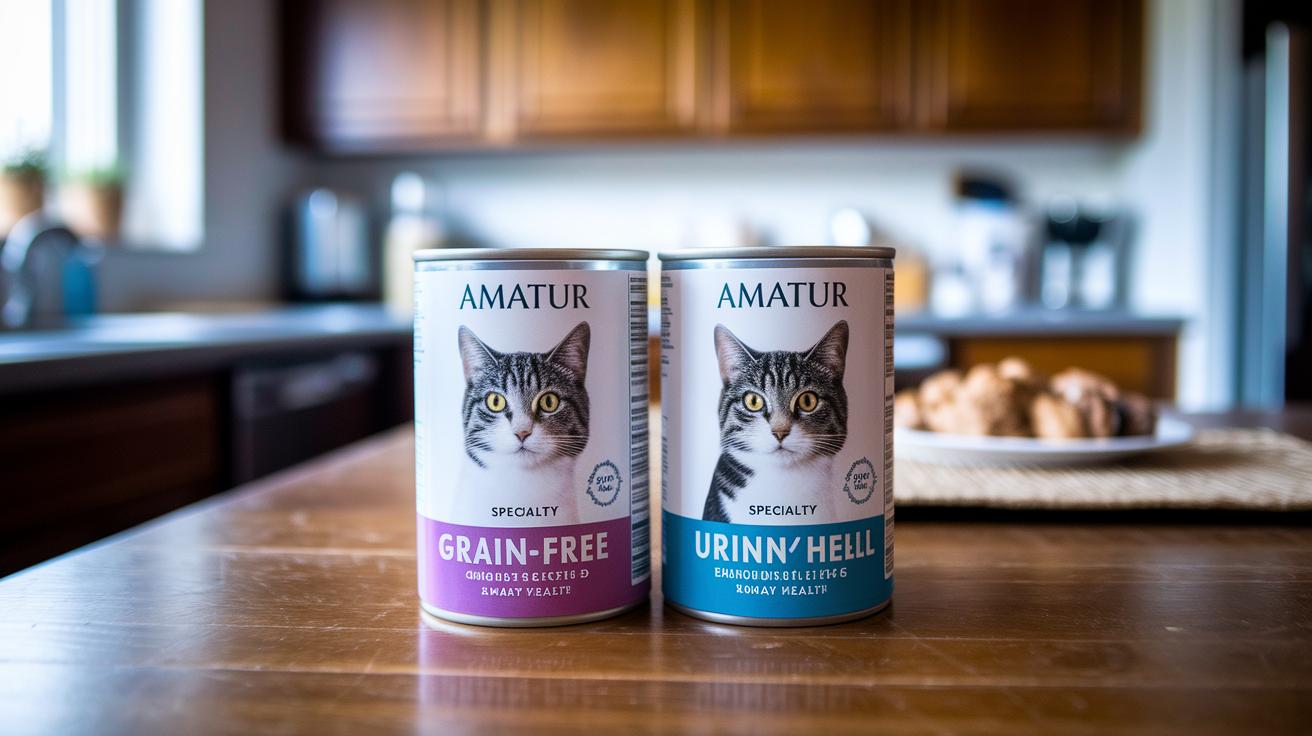
    Ever watch your kitty scratch after dinner? Grain-free wet cat food skips corn, wheat, and soy so sensitive cats don’t get itchy or bloated. It sticks to one named meat, turkey or salmon, for a meaty aroma that has them purring. Yum.

    Limited ingredient canned food goes even simpler. Imagine just chicken and water (and a pinch of taurine (an amino acid that keeps the heart happy)). Fewer ingredients mean fewer tummy surprises. Perfect for cats who flare up at peas or legumes.

    Urinary health formulas add extra moisture, like a light broth, to dilute urine and help prevent bladder crystals. Every slurp gives your cat’s urinary tract a little rinse. For felines prone to urinary issues, it’s a must-have.

    Hairball control wet food blends savory meat with a bit of plant-based roughage (fiber that nudges fur through the gut). It’s like a gentle broom sweeping furballs away. No more “hocks” in the hallway. Really.

    Weight management cans aim for about 23 to 25 calories per ounce and high protein to preserve lean muscle. It fills small tummies without extra calories, so your indoor pal stays trim, and still begs for seconds. Oops, did I say seconds?

    Worth every paw-print.

    Canned Cat Food for Life Stages and Health Conditions

    - Canned Cat Food for Life Stages and Health Conditions.jpg

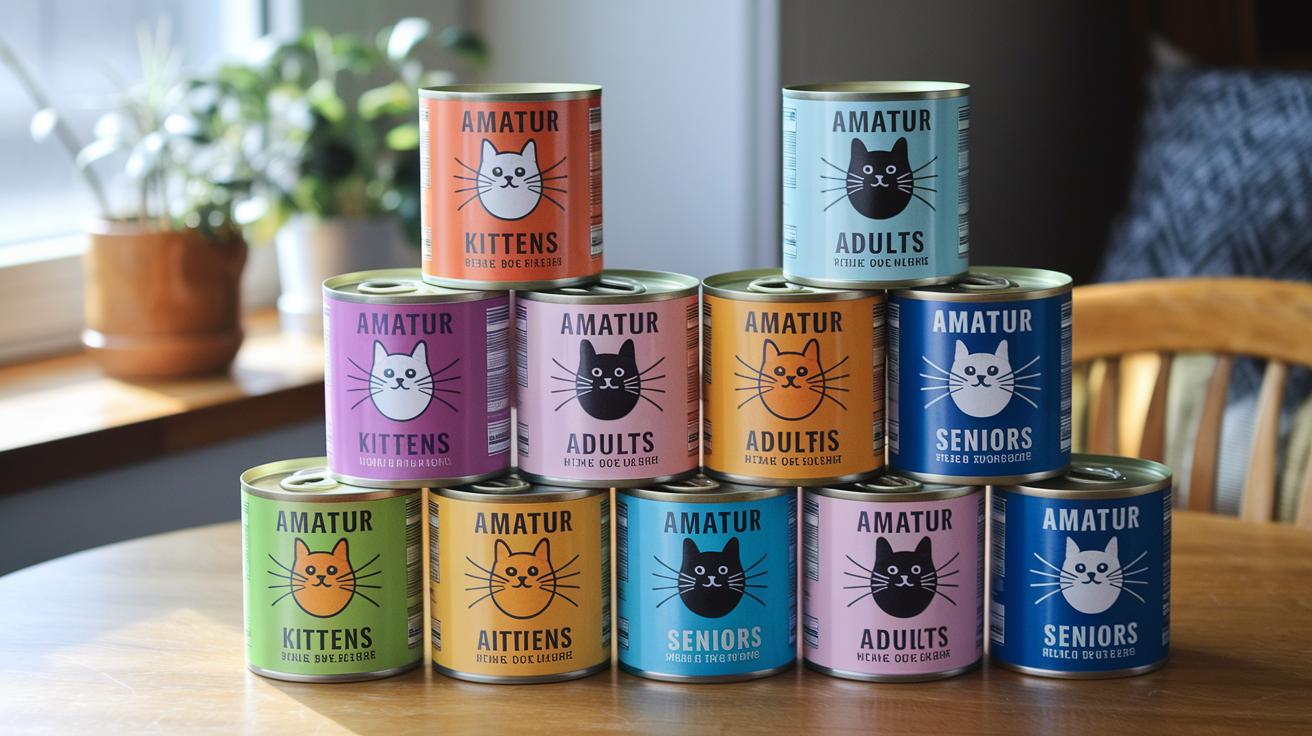
    Kitten formulas come in at about 40 calories per ounce, just right for growing furballs. They’re loaded with DHA (a fat that helps brain growth) so wobbling little legs turn into springy jumps and bright eyes stay curious. Picture tiny paws batting at tender morsels and slurping every last bite. Ever watched your kitten chase its own tail? They need that fuel.

    Adult maintenance recipes balance protein and fat to keep your cat lean, energetic, and ready for zoomies. It’s like a steady snack station that fuels play without tipping the scales. Your kitty might even improvise backflips (okay, maybe back-tumbles) at mealtime.

    Senior canned food usually has around 23 to 28 calories in each ounce, just enough to keep older paws moving. Many recipes add joint-support goodies like fish oil rich in omega-3s (a healthy fat) so stiff joints can glide through every gentle stretch. No more creaky-cat sounds echoing through the house.

    Indoor formulas keep energy in check and toss in a bit of fiber (plant bits that help digestion). This helps nix hairballs and keeps couch potatoes from getting pudgy. Perfect for bird-TV watchers who bask in window-seat naps.

    For cats with diabetes, look for wet food with under 10 percent carbs and lower phosphorus (a mineral that can tax the kidneys). This mix helps keep blood sugar steady and kidneys purring happily. Think of it like a gentle diet shift that’s still full of flavor.

    Renal support canned food trims down protein and phosphorus to give tired kidneys a rest. It still tastes good so your kitty stays curious about every scoop. A little relief goes a long way.

    Arthritis-friendly blends are packed with omega-3s (fatty acids that soothe achy joints) to help older kitties play again. You might see your cat stretch with purrs of relief. Uh, it’s adorable.

    Hypoallergenic wet food uses novel proteins like venison or rabbit (new meats your cat hasn’t tried) so sensitive tummies and itchy skin can chill out. No bland boredom here, just fresh flavors that feel like a treat.

    Who is the ABC Platform for?

    - Reading Labels and Avoiding Fillers in Canned Cat Food.jpg

    Our ABC Platform is built for small to mid-size businesses (SMBs) and agencies that know their way around tech and automation but don’t have hours to code everything themselves. Agencies in particular get a serious return on investment (ROI – extra bang for your buck) thanks to the built-in client and multi-site management.

    What is the ABC Platform?

    Think of the ABC Platform like a subscription box for your workflow. You get two apps in one: a visual database (a drag-and-drop info hub) and an automation platform (a tool that wires tasks together). Plus, you unlock Scale By Tech’s automation vault, dozens of pre-built, production-grade automations (ready-to-go workflows you can just hit play on).

    Why should you care?

    With the database, the automation engine, and a library of plug-and-play bots all in one spot, you skip the setup headache. Just plug in and let it run, minimal effort, maximum impact. In fact, we coined the slogan for you:
    Deploy & Enjoy

    Tiger Spirit Animal

    In the realm of spirit animals, the tiger is your go-to for raw emotion and trusting your gut. It stands for natural instincts and a wild spark of unpredictability. When this big cat shows up, you might find yourself making snap decisions and moving at lightning speed.

    What does the tiger spirit animal mean? Here are a few paws-on symbols:

    • Willpower, personal strength, and courage
    • That hidden side you usually tuck away (your shadow self)
    • Raw aggression or anger, whether you feel it or it’s directed at you
    • Unpredictable twists in life, actions, or feelings

    Tigers carry both bright and dark lessons. Notice how it moves, the roar you hear, and the feelings it stirs, those clues guide you to a deeper, whole-body understanding of what the tiger brings into your life.

    Elephant Symbolism & Spiritual Meaning

    In many cultures, elephants stand for strength (real muscle-power), wisdom, and big-hearted care. Their slow, steady steps feel like Mother Earth herself giving a nod.

    What does the elephant symbolize? Here’s the herd’s highlights:

    • Strength and raw power
    • Wisdom and deep knowing
    • Intuition and a good hunch
    • Long life (longevity)
    • Motherly care (maternal instinct)
    • Stability when life feels shaky
    • Stamina to keep going and going

    They remind us that life can be a circus, sometimes wild, always full of wonder, and that we’re all part of Mother Earth’s grand show.

    But above all, elephants stand for power and invincibility. They’re also symbols of wisdom and long life. Many folks don’t just see a cute giant; they see a guiding friend for tough times.

    Let’s talk muscle. Elephants can haul up to 16,000 pounds and trot 40 miles an hour, pretty wild for their size. That shows us we all carry hidden power in our own lives. When an elephant spirit guide appears, you remember you can lift heavy loads, big or small.

    If you ever feel weak, try a bit of mindfulness, tune into your gut (intuition), or reach out for help. That’s how you balance and reclaim your inner power. Tap into that elephant energy, and you’ll find a steadier sense of self and the courage to shape your own path.

    Purchase Options and Value Analysis for Canned Cat Food

    - Purchase Options and Value Analysis for Canned Cat Food.jpg

    Budget brands like Dave’s Pet Food cost about $0.27 an ounce. That makes a 3-ounce can under a dollar, which is great if you’re on a tight budget. Mid-range cans run from fifty cents to a dollar each (about $0.17 to $0.33 per ounce). And the fancy blends cost around $1.50 to $3.00 a can.

    Buy by the case and you save 10 to 20 percent. That works out to about forty-five cents per meal. Not bad, right?

    Stocking up in bulk is smart when your pantry or freezer is neat. Subscription services often drop fresh wet food at your door every month. You get steady costs and packaging that’s easier on landfills. Plus the pop of a can opening sends your cat zooming.

    Single-serve cups cost a bit more, but each meal is a fresh cup. No half-eaten dinners waiting in the fridge to go funky. My cat beats me to the kitchen when I grab one. It’s adorable.

    You can stretch your budget even more by mixing wet and dry food. Swap one dry kibble meal for a single-serve wet cup a day. Your cat gets crunchy and juicy bites plus extra hydration. Win-win.

    • Bulk multi-packs for bigger savings
    • Monthly subscriptions for fresh deliveries
    • Single-serve cups to cut waste
    • Eco-friendly, recyclable packaging choices

    Final Words

    In the action, we showed why canned cat food matters, better hydration, protein boost, and urinary health, and outlined the five key factors for smart choosing.

    Next we compared top brands side by side, dug into ingredients and nutrition, portion and feeding tips, safe transition steps, storage tricks, label insights, life stage needs, special formulas, and buying options.

    With the right canned cat food, your multi-cat household stays active, happy, and your furniture survives. Play on!

    FAQ

    What is the healthiest canned cat food?

    The healthiest canned cat food features named meat as its first ingredient, 75-85% moisture, 8-12% protein, essential taurine for heart and vision, and meets AAFCO “complete and balanced” standards.

    Is canned cat food good for cats?

    Canned cat food supports hydration, delivers high animal-based protein, aids urinary tract health, and mimics natural prey moisture, making it a nutritious choice for most feline diets.

    Which canned cat foods do vets often recommend?

    Vets often recommend AAFCO-complete wet diets like Hill’s Science Diet or Royal Canin, rich in animal protein and moisture to support urinary health and overall feline wellness.

    Is two cans of wet food per day enough for a cat?

    Two cans of wet food typically provide around 180–240 calories, which suits most 10-lb adult cats, though you may adjust based on your cat’s age, activity level, and body condition.

    What canned cat food is best for indoor cats?

    Canned indoor cat formulas offer moderate calories, added fiber for hairball control, and high moisture to support urinary health and healthy weight in less active cats.

    What is pâté-style canned cat food?

    Pâté-style canned cat food provides a smooth, uniform texture that’s easy for cats with dental issues to chew and often holds rich flavor and moisture in every bite.

    Where can I find canned cat food nearby?

    Most grocery chains and pet stores stock canned cat food. Use store locators on retailer websites or pet supply apps to spot nearby shops carrying your preferred brands.

    Are Fancy Feast and Friskies good canned cat food brands?

    Fancy Feast and Friskies deliver budget-friendly options, but quality varies by formula. Look for versions with named meats, balanced protein levels, and minimal fillers for better nutrition.

    Related Articles

  • litter box maintenance checklist for busy cat owners

    litter box maintenance checklist for busy cat owners

    Think litter duty feels like a time sink? I used to bolt out the door and totally skip the scoop, oops, and my nose paid the price. But a clean box means a purring cat and zero stink surprises. So I whipped up a handful of easy steps you can slide into your morning and evening.

    Here’s your litter-box checklist:

    • Morning scoop (5 minutes): grab your scoop and listen to that soft clink as you pull out clumps. Your cat’s whiskers will twitch in delight.
    • Evening quick sweep: give the surface a once-over before bed to catch any missed bits.
    • Weekly spa-day wash: empty the box, rinse with warm water and mild pet soap, then let it air dry.
    • Monthly deep scrub: use an enzyme cleaner (a pet-safe liquid that breaks down odors), scrub gently, rinse well, and dry.

    Next time your cat hops in, they’ll find fresh sand that’s soft on their paws, and you’ll conquer your busy day without a single stink attack.

    Worth every paw print.

    Streamlined Litter Box Maintenance Checklist for Busy Cat Owners

    - Streamlined Litter Box Maintenance Checklist for Busy Cat Owners.jpg

    Got a packed schedule? Keeping your cat’s litter box clean doesn’t have to be a chore. This quick checklist lays out simple steps so you never miss a scoop.

    Every morning and night, grab your scooper and catch the clumps. It’s just five minutes. You’ll hear that soft clink of litter as you go. Then check the litter depth to about 2-3 inches, just right for digging comfort. Ever watched your kitty dig like she’s at the beach?

    Once a week, give the box a gentle spa day. Empty all the litter, wash it with hot water and mild soap (like a warm cat bath for the box), rinse, and let it air-dry. It takes around 15 minutes, and your cat will thank you with extra purrs.

    Every month, mix white vinegar (1 part vinegar, 1 part water) for a safe, cat-friendly disinfect. Spray or scrub, rinse well, dry, and inspect for cracks or scratches. If you spot any rough spots, replace the box to keep paws and noses happy. Plan on about 20 minutes.

    Use one box per cat plus one extra. Spread them on different floors and pick quiet, well-ventilated spots away from food and water bowls so shy cats feel secure. That spare box can be a life-saver if someone skips a scoop or finds a new hideout.

    Stick this checklist by each litter station. No more guessing. Just clean, happy cats – and less stress for you.

    Task Frequency Time Estimate
    Daily Scooping Morning & Night 5 minutes total
    Litter Depth Check Daily 1 minute
    Weekly Wash Weekly 15 minutes
    Monthly Disinfect Monthly 20 minutes

    Essential Litter Box Cleaning Tools for Busy Cat Owners

    - Essential Litter Box Cleaning Tools for Busy Cat Owners.jpg

    First, grab a strong scoop made for clumping litter. Metal (tough and cool to the touch) or plastic versions work great. A wide head and comfy handle make scooping feel smooth and quick. Seriously, your arm will thank you!

    Next, slip in snug litter liners that resist tears. They peel away cleanly when it’s time to swap, leaving no bits behind. No more wrestling with stuck-on corners.

    Wear gloves to keep things hygienic (rubber or nitrile, a kind of synthetic rubber). On dusty days, pop on a simple face mask. Fewer sneezes. Less itch. And you still feel your kitty’s soft jumps and tail flicks at your feet.

    Stock a little caddy with mild dish soap, white vinegar (a pet-safe scrubber), and a sprinkle of baking soda for stubborn smells. Keep it by the box so you don’t hunt for supplies mid-scrub. A quick spritz and wipe and the tray looks brand new. Your cat might even give you extra tail wags!

    Under the box, place a grooved mat or boot-style mat to catch stray granules and whiskers. Cleaning up takes seconds when the mess never leaves the mat. Worth every paw-print.

    Finally, stash a small basket nearby with liners, scoops, and sprays. That way, everything you need is right there. You won’t be racing around when cleanup calls.
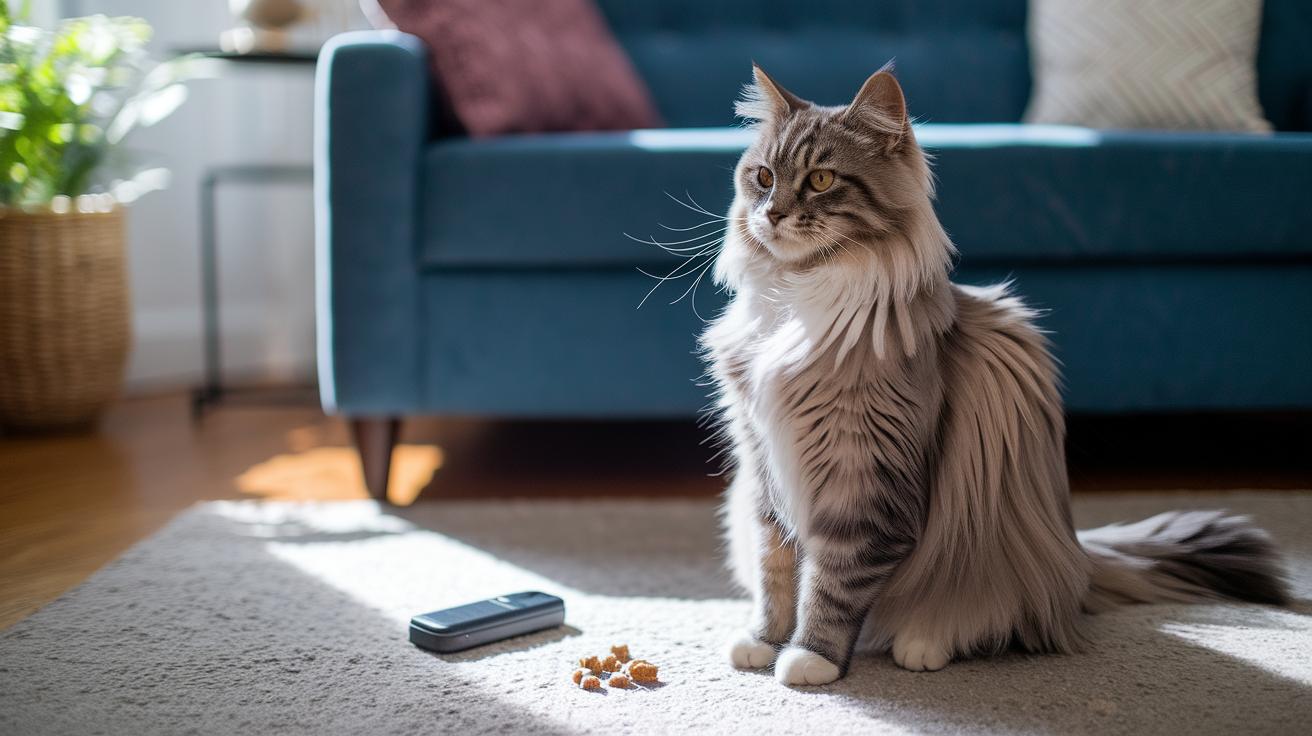
    Odor Control Tips in Your Litter Box Maintenance Routine

    - Odor Control Tips in Your Litter Box Maintenance Routine.jpg

    Ever noticed how one whiff of litter can sneak into every corner of your home? Let’s keep the air fresh, and your kitty happy, with a few quick moves you can slip into your daily scoop time. These tips are simple, fast, and totally claw-some.
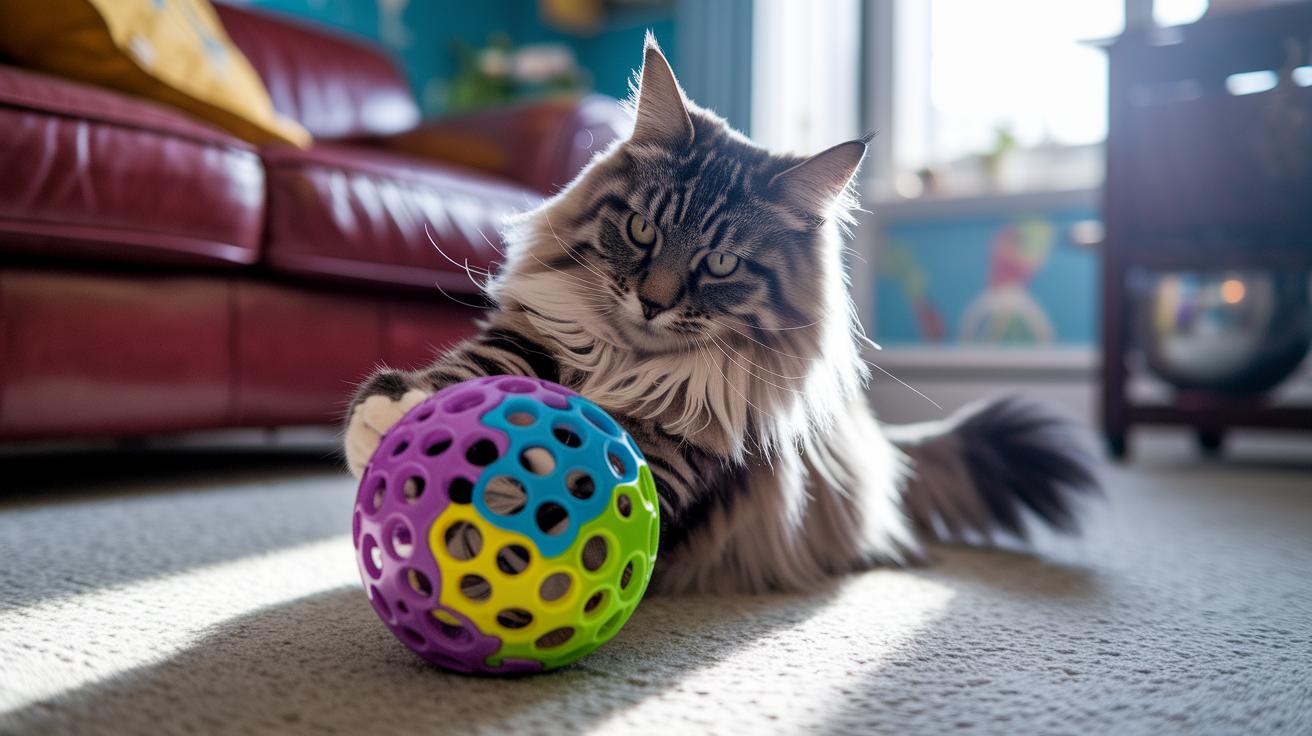
    • Sprinkle a thin layer of baking soda (yes, your pantry hero) into fresh litter when you top off the box. It smells fresh for a whole day.
    • Choose unscented, dust-free clumping or crystal (silica) litter. It locks in odor for two to three weeks without hiding the real scents.
    • Tuck a charcoal (black carbon) air filter near the litter box and swap it every six months. No sprays or chemicals, just trap those sneaky smells.
    • Set half a lemon or a small dish of mild vinegar outside the box. These natural deodorizers cut odors without bothering noses.
    • Skip perfumed litters and chemical air fresheners. They can irritate your cat’s super-sensitive nose and only mask odors instead of stopping them.

    A tidy litter box makes your home more inviting and gives your cat a clean spot to do their business every day. Worth every paw-print.

    Troubleshooting Litter Box Challenges for Busy Cat Owners

    - Troubleshooting Litter Box Challenges for Busy Cat Owners.jpg

    Skipped Scoops and Odor Buildup

    Miss a scoop and your nose will scrunch when you walk by. Try setting your phone to buzz at breakfast and dinner. Two quick scoops keep things smelling… uh, nicer. And leaving the lid off gives extra airflow so funky smells don’t get trapped.
    Tip: A free alarm app is perfect when you’re juggling work calls and kitty cuddles.

    Liner Tears and Leaks

    Oops, torn liners mean litter scattering everywhere. I ditched liners and went for a bare plastic tray (a sturdy, wipe-clean box) that never rips and cleans in seconds.
    Quick trick: Keep a little scrub brush next to the box so you can tackle any surprise mess right away.

    Cat Avoidance of the Litter Box

    Ever watch your shy kitty sneak past the box? They crave a quiet spot. Spread two boxes in different corners so they don’t feel watched. If your senior cat has stiff joints, a low-entry box (short side for an easy hop-in) makes life simpler. And open-top models help them breathe easy, no trapped-in feeling.

    Excessive Litter Tracking

    If your rug looks like a sandbox, try silica sand (tiny crystals that soak up pee). Give it a quick stir each morning to break up hard bits so, well, urine sinks back in instead of sticking to paws. Your floors stay cleaner, your nose stays happy.
    Fast fix: Swirl before scooping and watch the scatter disappear.

    Scheduling and Reminder Strategies for Litter Box Maintenance

    - Scheduling and Reminder Strategies for Litter Box Maintenance.jpg

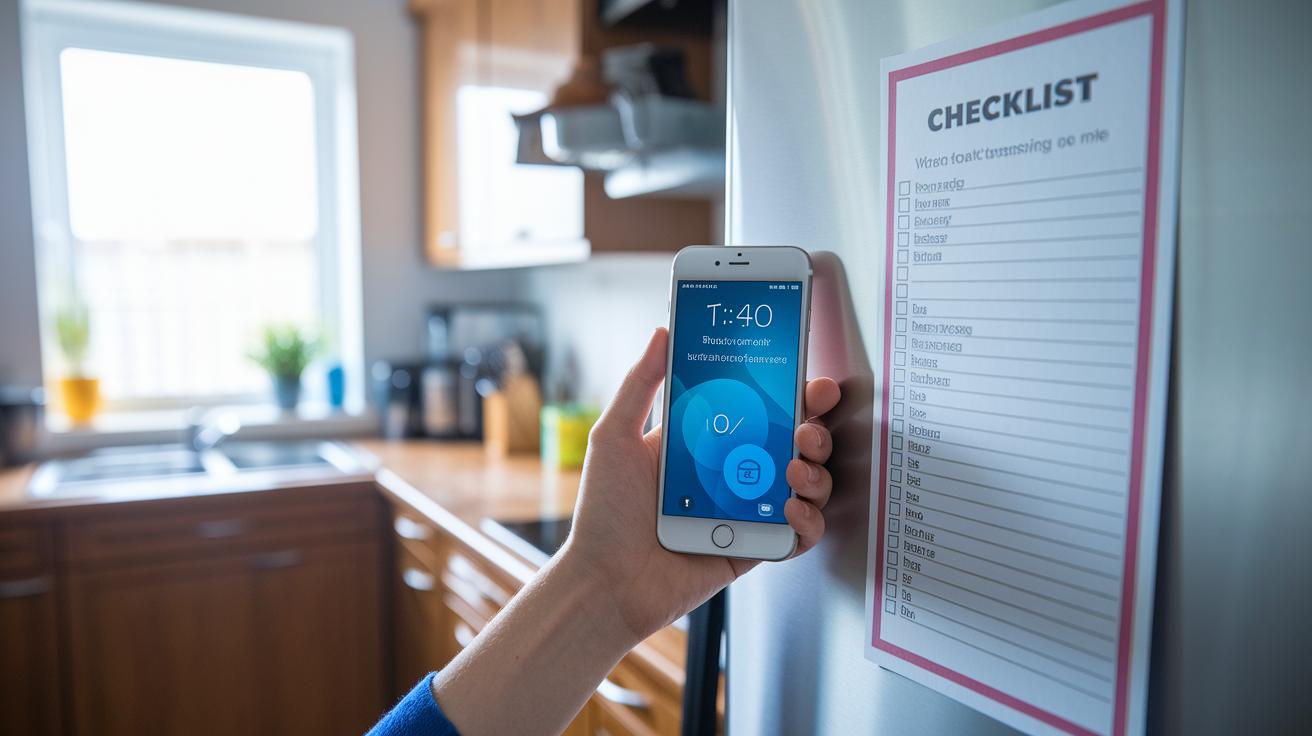
    Set a phone alarm. Or use a chore-chart app (a simple tool that reminds you to do tasks). Hear that soft buzz at dawn and dusk? That’s your cue to scoop the litter. It’s like a mini nudge, um, from the universe.

    Ever miss a scoop because you got busy? So, sync the scooping chores to a shared calendar (like Google Calendar). Now everyone in your home can peek in, claim a shift, or jump in when the reminder pops up.

    Tape a color-coded checklist or a sticker chart by the litter box or on the fridge. Every time you feed your cat or grab a snack, your eyes will catch it. You’ll know exactly when to scoop next. Worth every paw-print.

    Organizing and Storing Litter Box Maintenance Supplies for Busy Cat Owners

    - Organizing and Storing Litter Box Maintenance Supplies for Busy Cat Owners.jpg

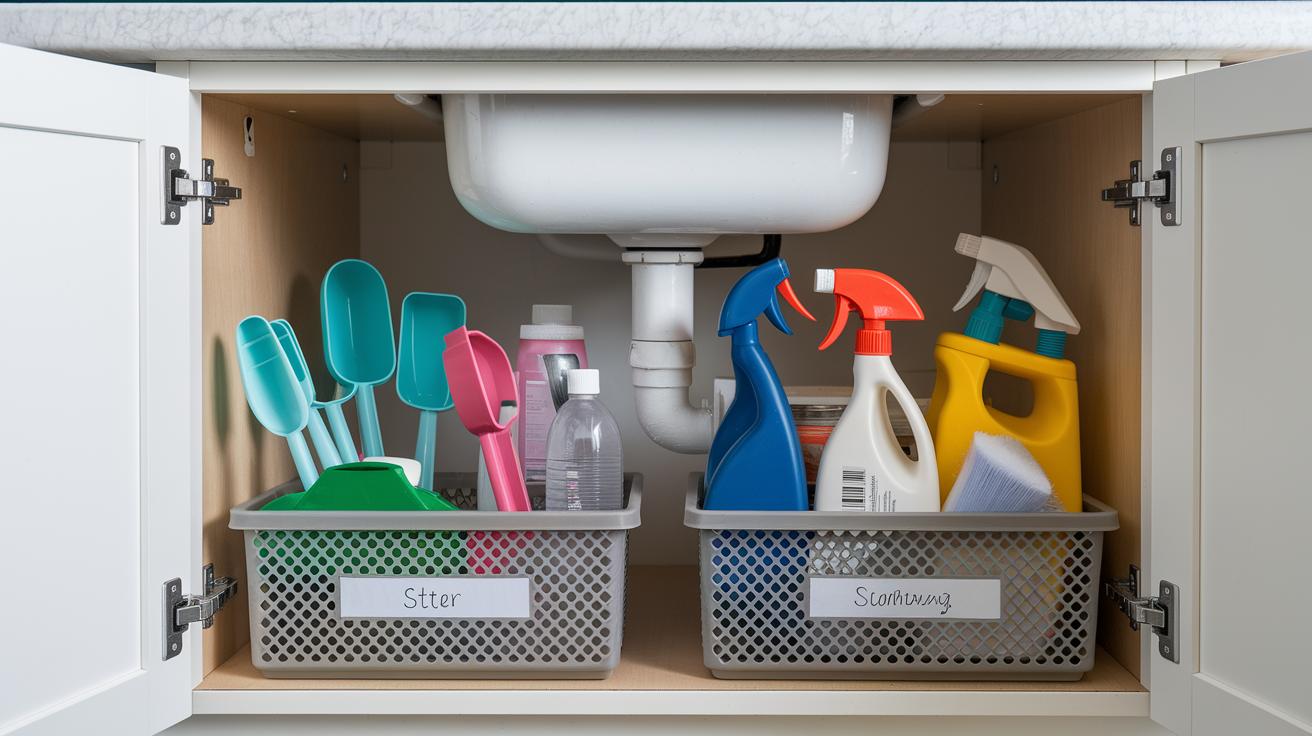
    Ever feel like a litter box cleanup turns into a scavenger hunt? Let’s fix that! Stash your scoop (like a tiny shovel), nitrile gloves (thin protective gloves), and sprays right under the sink or on a wall-mounted rack next to the box, where you can hear the satisfying clink of a spray bottle. Hooks on the cabinet door keep gloves hanging ready, and a rack with small bins holds scrub brushes or extra scoops so you can open it and grab everything in one smooth move.

    Next, label little baskets for liners, mats, and backup scoops so your eyes spot them fast. Tuck extra litter and trash liners up high in a dry cabinet, away from curious paws, you know. Short on space? Stackable bins use vertical room to keep things tidy. And don’t forget to set a monthly restock reminder on your phone so you never run out of liners, litter, or cleaning spray.

    Worth every paw-print.

    Monitoring Cat Health Through Your Litter Box Maintenance Checklist

    - Monitoring Cat Health Through Your Litter Box Maintenance Checklist.jpg

    I love how scooping litter gives you a quick peek at your cat’s health. Ever noticed how you can learn a lot just by scooping? When you clear clumps, take a moment for a mini check, notice your kitty’s stool (poop) shape, color, and smell, and track how often they pee (urine). Jot down weird bits, like blood or mucus (slimy goo), so you’ve got details ready for the vet. This tiny habit can spot small infections before they turn into emergency visits.

    Stool Consistency and Color

    Look for squat blobs that are too soft or crumbly chunks that are too hard. Pale or really dark stools could mean tummy trouble, a dietary mismatch, or even worms (tiny parasites). Spot a sudden switch? Note it right away.

    Urination Frequency and Effort

    Count pee breaks: is it three times or twenty? Watch for straining or loud yowls (ouch!). Extra visits or painful signs can hint at bladder trouble (urinary issues). Keep a simple chart in your notebook to spot any odd trends.

    Odor Changes in Waste

    A sudden stench or a weirdly sweet whiff in poop or pee might signal infection or gut upset (digestive trouble). Let your nose guide you. Jot down any big, sharp smells and share them with your vet.

    Behavioral Changes During Elimination

    If your cat hesitates, circles more, or picks a new spot altogether, they might feel pain or stress when going. Catch these clues early so you can tweak the litter box, fresh litter, a different box style, and make bathroom time comfy again.

    Worth every scoop. Um, seriously.

    Final Words

    Right in the action you learned how to scoop daily, deep-clean weekly, and disinfect monthly. You picked tools like tough scoops, liners, gloves, mats, and a handy caddy.

    You got odor tips, from baking soda magic to charcoal filters, and quick fixes for missed scooping, torn liners, shy cats, and tracking trails. We covered reminders, smart storage, and health checks as you go.

    Now you have your litter box maintenance checklist for busy cat owners ready to roll. Your cats, and your furniture, will thank you with happy purrs and playful paws.

    FAQ

    How can busy cat owners get a free PDF litter box maintenance checklist?

    Busy cat owners can download a litter box maintenance checklist PDF free from our site, covering twice-daily scooping, weekly washing, monthly disinfection, and extra-box guidelines for stress-free care.

    What are some litter box cleaning hacks for busy cat owners?

    Litter box cleaning hacks include using a sturdy scoop to remove clumps twice daily, lining boxes with tear-resistant liners, stirring crystal litter to prevent pooling, and placing mats to trap stray granules for quick cleanup.

    Why has my cat suddenly stopped using the litter box, and could medical issues be involved?

    A cat suddenly stopping litter box use often signals stress, dirty boxes, or medical issues like urinary tract infections or constipation. Rule out health problems with a vet, then adjust box cleanliness and location.

    What causes a male cat to visit the litter box every few minutes?

    A male cat visiting the litter box every few minutes could have a urinary obstruction, bladder infection, or anxiety. Seek veterinary care immediately to rule out blockages, then follow treatment and stress-reduction steps.

    Why do vets not recommend closed litter boxes?

    Vets do not recommend closed litter boxes because they trap odors, reduce airflow, and can stress cats. Uncovered boxes offer better ventilation, odor control, and allow cats to see their surroundings, making elimination more comfortable.

    How do I properly maintain a cat litter box?

    Properly maintaining a cat litter box involves scooping clumps twice per day, keeping 2 to 3 inches of fresh litter, deep washing weekly with mild soap, monthly disinfection with vinegar, and offering one box per cat plus one extra.

    What is the golden rule of a litter tray?

    The golden rule of a litter tray is one box per cat plus one extra. This ensures clean space, reduces competition, and helps avoid accidents by giving each cat its own comfortable spot.

    Do cats need 24 hour access to the litter box?

    Cats need 24 hour access to the litter box to prevent accidents, reduce stress, and keep elimination routine on schedule. Accessible boxes help cats feel secure, especially in multi-cat or busy homes.

    Related Articles

  • are maine coon cats friendly and loving companions

    are maine coon cats friendly and loving companions

    Think Maine Coon cats are sneaky hide-and-seek champs out for their own amusement? No way. These gentle giants aren’t lion (sorry, pun) when they pounce across the floor with a soft thud. Then they bump your forehead with a head bun (a fluffy bump of trust) to say hi!

    In a blink they flop into your lap like a tiny dog in a cat’s body. It’s too cute. My pal Sarah’s Cooney does a toe-stalking routine at breakfast, whiskery nudges and all. Ever had that happen?

    And they crave company. They can surprise you with a rumbling purr just when you need it. It’s so heart warming. Ready to find out why Maine Coons make such loyal, loving companions?

    are maine coon cats friendly and loving companions

    - Friendly and Sociable Nature of Maine Coon Cats.jpg

    Lots of cat fans wonder if Maine Coons are cuddly or stand-offish. Guess what, they’re anything but aloof. These gentle giants have huge paws that feel more like playful thumps than kneads. Ever heard a soft “thud” as they chase a toy mouse across the floor?

    My friend Jamie’s Maine Coon waits by the window every morning, whiskers twitching until the family car pulls in. Another time, I met a kitten who bounded into my lap within ten minutes, proof that Maine Coon cats (even the youngsters) make fast friends.

    Their big size comes with a calm, patient vibe. It’s like having a medium-sized dog curled up beside you, oops, let me rephrase that, they’re a fluffy cat with tufted ears (little fluffy tips) and a bushy tail (like a soft paintbrush). They handle noise and chaos way better than many breeds. Families with kids? These cats make charming roommates.

    And here’s something I love: they crave company. They’ll follow you from room to room, nudge your hand when it’s time for a head scratch, or hop onto your keyboard as you type. Um, you know, like “Hey, pay attention to me!”

    Worth every purr.

    Affection Level and Bonding Tendencies of Maine Coon Cats

    - Affection Level and Bonding Tendencies of Maine Coon Cats.jpg

    Affection Signals

    Maine Coons have a special way of letting you know you’re family. They use a few simple moves.

    • Head bunting. Your Maine Coon slides a fluffy forehead against you. It’s their way of saying I trust you. My boy Leo bunted my cheek then curled up by my side for a nap.
    • Lap hogging. Yup they’ll drape their big paws over your laptop and steal your lap. But that heavy purr and warm fur? Total heart melt.
    • Room following. Imagine a soft tail weaving between your ankles. Piper hunted me from kitchen to couch just for more scratches.
    • Toddler’s hug tolerance. They can sit through tight little hugs without flinching. Luna let my nephew squeeze her then tilted her head for a chin rub.
    • Morning mews. A gentle chirp and a soft paw at your door means it’s cuddle time. Mine taps and purrs until I join the snuggle party.

    Interaction of Maine Coon Cats with Children and Dogs

    - Interaction of Maine Coon Cats with Children and Dogs.jpg

    Maine Coons really don’t mind a toddler’s big hug or a little one chasing them in a superhero cape. I mean, my cousin’s kid once sprinted after Leo across the living room, and Leo just hopped onto the couch and purred like a champ. Ever seen a cat take that kind of rough play and stay totally cool?

    When you add a dog to the mix, slow introductions are key. Pick a quiet room, sprinkle in some treats, and set up a comfy perch for your cat. Then follow these simple steps:

    • Pick a calm space and close the door so your cat can explore new scents without a zooming pup.
    • Place treats on both sides of a baby gate so everyone feels rewarded.
    • Let your cat climb a tall shelf or cat tree (like a kitty play tower) while your dog sniffs below.
    • After a few days, slide the gate so their noses can get closer. Offer a treat for every gentle sniff.
    • Clip a loose leash on your dog, hold it lightly, and let your cat take its time with a nose-to-nose hello.

    My friend’s pup Baxter and my Maine Coon Piper took turns sniffing through the gate. Then Piper hopped down, gave Baxter a curious glance, and a few minutes later they were full-blown sniff buddies. Worth every paw-print moment.

    Social Needs and Introducing Maine Coon Cats to Other Pets

    - Social Needs and Introducing Maine Coon Cats to Other Pets.jpg

    Maine Coons often welcome new feline friends. But at first they might hiss or swat while they figure things out. That’s their way of saying slow down.

    Give each cat its own safe space. Set up separate rooms with food dishes, litter boxes, and cozy beds that feel like little clouds. Over a week, swap blankets or toys so they learn each other’s scent. It’s like passing secret notes before you meet face to face.

    Next, let them peek at each other through a cracked door or a baby gate. Offer treats on both sides. When their ears tip forward and their paws stay still, that’s a win. Gradually, oops, make that slowly, widen the opening over two to four weeks. Gentle sniffing or side-by-side play means you’re on the right track.

    Time for the play date. Um, grab a feather wand or a motorized ball (that buzzes and rolls) to get their whiskers twitching. Watching them chase the same toy builds trust you can almost hear. Keep an eye out for tense bodies or low growls. If you see that, separate them and try again tomorrow.

    In homes with three or more cats, vertical territory (high spots cats can climb) is a game changer. Install cat trees, window perches, and wall shelves (think paw-friendly step ladders). More levels mean less crowding and fewer hissy fits. And it’s a thrill to watch them parkour from perch to perch.

    Patience is key. After a few weeks of scent swaps, peekaboo meets, and playful chases, these floofballs usually become cuddle partners instead of rivals. Worth every paw-print.

    Encouraging Friendly Behavior and Training in Maine Coon Cats

    - Encouraging Friendly Behavior and Training in Maine Coon Cats.jpg

    Maine Coons are little geniuses. They soak up tricks like “come here” or fetch with just a handful of treats. My kitten Luna had her own mini fetch game down by treat number three!

    Clicker training (a tiny device that makes a click sound) is perfect for marking good moves. You click. They get it. And soon they’ll link that click to a tasty nibble.

    Here’s a simple play-by-play:

    • Keep it short. Five minutes before nap time is ideal.
    • Pair click and treat. Click (that clicker!), then give a nibble so they connect sound and snack.
    • One cue at a time. Say “come” in a cheerful tone, click when they start moving, then treat.
    • Turn a favorite toy into training. Toss a soft ball they can bat back, then click and treat when it rolls near you.
    • Reward calm greetings. When your cat head bunts or sits politely, click and offer a tiny bite.

    Early social time sets the stage. Between two and seven weeks, gentle handling, new household sounds (vacuum roar, doorbell ding), and short play sessions build their confidence. A kitten that meets neighbors and explores different rooms grows into a bold, friendly companion ready to cuddle.

    Consistency is key. Those short, fun training moments each day help your Maine Coon master manners and boost their playful spirit. Worth every paw-print.

    Playfulness and Mental Stimulation for Maine Coon Sociability

    - Playfulness and Mental Stimulation for Maine Coon Sociability.jpg

    Your Maine Coon lights up when it’s on the hunt – chasing, pouncing, and fetching like a fluffy detective. You know, these gentle giants need daily play to keep both their paws and minds sharp. Ever watch a puzzle feeder (a snack-hiding toy) scoot across the floor? Their whiskers will twitch as they paw at it, learning cause and effect one tasty nibble at a time.

    Here are some crowd-pleasers:

    • Soft ball fetch: toss it down the hall and enjoy that quiet thud.
    • Puzzle feeders stuffed with kibble or tiny treats for a quick brain workout.
    • Outdoor strolls on a harness (secure leash set-up) so your explorer can sniff safely.

    Stack up climbing spots. A tall cat tree or wall-mounted perch (a small shelf just for paws) becomes their lookout tower. I once watched my girl pounce six feet onto hers – pure joy! Scratching posts (fiber-wrapped posts for healthy claws) satisfy that scratch itch.

    Then swap in new toys – feather wands, motorized mice, or crinkly tunnels – every week and keep the play claw-tastic!

    Some easy enrichment ideas:

    • A window perch for hours of bird-watching and street theater.
    • A scratching pad by the sofa to keep claws off your upholstery.
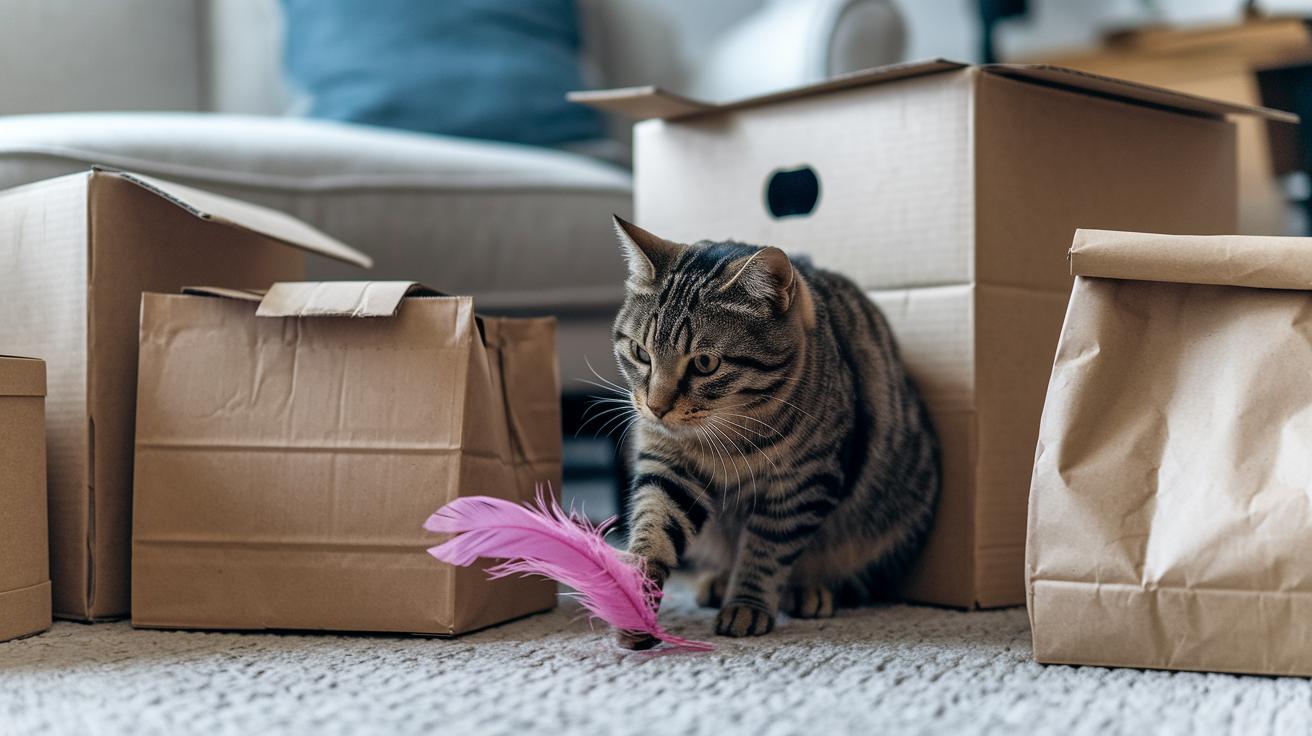
    • A stack of boxes or open paper bags for epic sneak attacks.

    Mix these games into your daily routine and watch your Maine Coon’s friendly side light up. Stress will melt away as they nudge your hand or curl up for a cuddle.

    Worth every paw-print.

    Final Words

    In the action-packed tour of Maine Coon charm, we saw how these gentle giants win hearts with dog-like loyalty, playful cuddles, and head bunts. You read about their bond-building tricks, patient play with kids and pups, and smooth introductions to feline friends.

    Next, we explored clicker training gems and enriching games that keep them curious and calm. Tossing a puzzle toy or scaling a cat tree makes all the difference.

    So if you’ve asked are maine coon cats friendly, rest easy. They’re warm, playful, and always ready to join the fun.

    FAQ

    Where can I find Maine Coon kittens for sale?

    Maine Coon kittens for sale can be found through reputable CFA-registered breeders, rescue groups, or local shelters. Always check health clearances, visit the cattery in person, and ask about lineage and care practices.

    Are Maine Coon cats expensive?

    Maine Coon cats are expensive due to their pedigree, size, and breeder demand. Kitten prices often range from $800 to $2,000, plus ongoing costs for grooming, quality food, and regular vet visits.

    Are Maine Coon cats friendly to humans?

    Maine Coon cats are friendly to humans, earning gentle giant status. They form strong bonds, follow you around, head-bunt for affection, and love interactive play—making them warm, sociable companions.

    Do Maine Coon cats get along with other pets?

    Maine Coon cats get along with other pets when introduced gradually. They usually accept fellow cats and well-supervised dogs, enjoy multi-species play, and adapt to busy family life with their patient nature.

    Are Maine Coon cats aggressive?

    Maine Coon cats are not aggressive by nature. They’re calm and tolerant, rarely hissing or swatting. Early socialization and gentle handling help maintain their laid-back, friendly demeanor.

    Are Maine Coon cats hypoallergenic?

    Maine Coon cats are not hypoallergenic. Their long fur sheds and carries allergens. Regular brushing to catch loose hair and a HEPA air filter can help reduce dander around the home.

    Do Maine Coon cats like to be held?

    Maine Coon cats often like to be held and sit on laps, though individual preferences vary. They show affection through purring and head bunting, so gentle, respectful handling makes snuggle time more enjoyable.

    What are the downsides of Maine Coon cats?

    Downsides of Maine Coon cats include high grooming needs, a requirement for ample living space, and potential health issues like hip dysplasia and hypertrophic cardiomyopathy. Their size also means sturdier furniture and toys.

    Are Maine Coon cats good house and family pets?

    Maine Coon cats are good house and family pets thanks to their gentle, patient temperament. They handle children’s roughhousing well, adapt to lively households, and deliver loyal, dog-like companionship.

    How do Maine Coon cats compare to other breeds?

    Compared to Ragdolls or Persians, Maine Coon cats are larger and more active, needing moderate grooming. They’re hardier than Persians but less vocal than Siamese, offering playful energy and robust health.

    Related Articles

  • vet recommended wet cat food Delivers Purrfect Health

    vet recommended wet cat food Delivers Purrfect Health

    Notice your cat ignoring the water bowl until it’s almost dry? We’ve all been there. Dehydration (not enough water) can spark bladder trouble in up to 60 percent of indoor cats. Oops, that sounds scary, but here’s some good news.

    Vets always give a paws-up to wet meals, and ever watched your kitty chase a gravy spoon? It’s like slipping a drink into every bite. A spoonful of gravy or soft pate (ground meat in a spread) hydrates your kitty. With at least 26 percent protein (the muscle-building stuff), it helps keep those lean muscles strong.

    Our top wet food recipes are backed by AAFCO (Association of American Feed Control Officials) and WSAVA (World Small Animal Veterinary Association) standards. They deliver cozy energy, a bit of fiber (for smoother digestion), and that mouthwatering flavor cats go wild for. Worth every paw-print. Pick from kitten-friendly to adult formulas – purrfect health is just a bowl away.

    - Top Veterinarian-Recommended Wet Cat Food Options.jpg

    Looking for wet cat food that’s vet-approved and makes mealtime exciting? These six picks come from lines backed by AAFCO (pet-food experts) and WSAVA (global vet association), so you know they tick all the nutrition boxes. Ever watched your cat’s whiskers twitch when they dive into a gravy bath? Your kitty will be feline fine at every bite.

    • Wellness Gravies Salmon Entrée: 50.1% protein (muscle-builder), 36.2% fat (energy boost), 0.3% fiber (good for smooth digestion), and 101 calories per 3-oz can.
    • Natural Balance Chicken & Liver: 48% protein, 18% fat, 9% fiber (helps with hairball control), and 90 calories per 3-oz can.
    • Hill’s Science Diet Adult 7+ Savory Chicken: 39% protein, 24% fat, 3% fiber, and 90 calories per 2.9-oz can, made for our seasoned seniors.
    • Purina Pro Plan Hairball Salmon: 45.7% protein, 30.3% fat, 9.5% fiber, and 84 calories per 3-oz can to help whisk away hairballs.
    • Royal Canin Digestive Care Thin Slices: easy-to-digest slices with pumpkin fiber (pumpkin helps gut health) and 70–75 calories per 3-oz can.
    • Iams Perfect Portions Healthy Kitten Chicken: 30% protein, 9% fat, DHA-enriched (good for brain and eye growth), and 100 calories per 3-oz pack, just right for growing fluffballs.

    Each recipe starts with real meat and zero guesswork. Oops, vets love these meals. They hit the right protein and fat for growing or adult cats, support healthy tummies with extra fiber, and keep carbs low. And the texture mix, from silky gravies to tender slices, keeps even the pickiest feline purring.

    Worth every paw-print.

    - Nutritional Criteria for Vet Recommended Wet Cat Food Formulas.jpg

    Our vet-approved wet foods deliver at least 26% protein and 9% fat. For kittens, it even jumps to 30% protein to power all those playful pounces! Picture your kitty’s muscles flexing with each leap.

    They’re packed with 75–78% moisture (that’s the water goodies that keep your cat hydrated). And carbs? They stay under 10% on a dry-matter basis (we remove the water first to see the real nutrient percentages, so you know exactly what your cat gets).

    Ever noticed your cat’s whiskers twitch at dinner time? Uh, each formula also meets every AAFCO (Association of American Feed Control Officials) and WSAVA (World Small Animal Veterinary Association) standard for complete, balanced nutrition. Worth every whisker twist.

    Wet Cat Food for Life Stages and Health Conditions

    - Wet Cat Food for Life Stages and Health Conditions.jpg

    Hey there, cat lover, every furry friend needs a meal plan made just for them. Kittens need high protein and DHA (a nutrient that helps brain and eye growth). Indoor cats do best with low fat and extra fiber to keep things moving. Seniors often need glucosamine (joint helper) and chondroitin (joint supporter) to stay springy.

    If you have a growing fluffball, check out best wet cat food for kittens. It delivers at least 30% protein and DHA to help with growth. Ever watched your kitten’s whiskers twitch at the bowl?

    Indoor kitties benefit from low fat, fiber rich dishes that help control hairballs and keep them trim. Seniors often shine with recipes full of glucosamine (joint helper) and chondroitin (joint supporter) so they can stay playful. Weight loss meals pack fiber to fill tummies but cut calories.

    Urinary care stews help balance pH and reduce stones. Sensitive tummies relax with pumpkin fiber (digestion buddy) in simple pates. Kidney friendly options boost hydration and ease the load on those little filters.

    Category Product Key Features
    Kitten Iams Perfect Portions Healthy Kitten Chicken ≥30% protein; DHA (brain booster)
    Adult Indoor Purina One Indoor + Hairball Ocean Whitefish & Rice Low fat; added fiber for hairball control
    Senior Hill’s Science Diet Adult 7+ Savory Chicken Glucosamine (joint helper); chondroitin (joint supporter)
    Weight Loss Hill’s Prescription Diet Metabolic Weight Management Chicken Flavor 136 kcal per 5.5 oz; high fiber for fullness
    Urinary Care Hill’s c/d Multicare with Ocean Fish pH balance and stone control; 178 kcal per 5.5 oz
    Sensitive Stomach Royal Canin Digestive Care Thin Slices in Gravy Limited ingredients; pumpkin fiber (digestion buddy)

    Each of these wet meals follows vet approved standards. They start with real animal protein, pack plenty of moisture to keep your cat hydrated, and deliver the right nutrients for each life stage or health need. Just swap meals as your cat grows or their health changes and you’re all set. Isn’t it nice when a dish just works? Purrfect.

    - Feeding and Transition Plans for Vet Recommended Wet Cat Food.jpg

    A steady meal routine stops hunger-driven mischief and helps your kitty feel safe. For adult cats, shoot for about 200 kcal (kilocalories, energy units) a day, split into two meals. Kittens need three to four meals daily to power all that playful zooming. Try to feed at the same times every day so your whiskered buddy learns the routine and meows with excitement.

    • Feed frequency: kittens 3–4 times a day, adults twice a day to reach around 200 kcal.
    • Portion control: check the can’s calorie label to serve just the right amount.
    • Wet-and-dry mix: subtract your kibble (dry food) calories before adding wet food, no overfeeding here.
    • Brand and texture rotation: swap recipes every 2–3 weeks to keep flavors new and avoid boredom.
    • Bowl and leftovers tips: stir the food, use a wide, shallow dish, stash extras in the fridge, and toss any uneaten bits after 48 hours.

    Ever watched your cat sniff suspiciously at a new dish? Transition in 7–10 days so it’s smooth:

    • Day 1–3: mix 25 percent new food with 75 percent old.
    • Day 4–6: blend half new, half old.
    • Day 7–9: mix 75 percent new with 25 percent old.
    • Day 10: full switch to the new wet food.

    Easy does it. Gentle shifts make mealtime a breeze.

    Worth every paw-print.

    - Health Benefits of Veterinarian-Recommended Wet Cat Food.jpg

    Want to keep your cat well-hydrated, at a healthy weight, and hairball-free? Dive into our sections on hydration, weight control, and hairball formulas for tasty tips.

    • Easier pill hiding. Ever tried sneaking pills? This soft food (pate-like texture, a smooth, creamy mash) makes a purrfect pill pouch! You tuck meds into a tiny bite and your cat just laps it up – no wrestling match.
    • Cleaner teeth. Its tartar-softening texture (a gentle abrasive action) chips away at plaque (hardened buildup on teeth). Your kitty’s breath stays fresh and you get peace of mind.

    - Cost, Availability, and Packaging of Vet Recommended Wet Cat Food.jpg

    Ever notice how some cats turn up their nose at regular kibble? From budget cans to gourmet trays, there is a vet-approved wet meal for every feline fuss. Let’s break down the top brands by price, calories, and how they arrive at your door.

    Dave’s Pet Food is your wallet’s best friend at just $1.64 a day. Each single-serve can packs 33 kcal (kilocalories, aka calories) per ounce and stars turkey muscle and liver (no extra junk). Pop the lid and hear that crisp snap, it’s dinner time.

    Smalls Fresh runs about $4.00 a day. These frozen trays ship right to your door and thaw overnight for 40 kcal per ounce. Oops, let me rephrase that, thawing is a breeze. Just grab a tray in the evening and it’s ready by breakfast.

    Open Farm is $3.60 per day in shelf-stable cans (no fridge needed). Um, and it uses human-grade meat from farms that care about their animals. That’s tasty and guilt-free.

    Weruva sits around $5.00 a day. You get broth-packed cans or pouches at 25 kcal per ounce with natural gums (thickeners) so your cat can sip every drop. Think slurp, sip, purr.

    Tiki Cat costs $3.75 per day with low-carb trays offering 34 kcal per ounce. They’re perfect for picky eaters, especially those who love fishy flavors. Your cat might zoom around after that first bite.

    Feline Natural is the splurge at $6.31 per day. In each multi-can case you get 25 kcal per ounce plus extra meat, organs, and joint supplements (for happy bones). Worth every paw print.

    Brand Cost per Day Calories per oz Packaging & Delivery
    Dave’s Pet Food $1.64 33 kcal/oz Single-serve cans, shelf sale
    Smalls Fresh $4.00 40 kcal/oz Frozen trays via subscription, overnight thaw
    Open Farm $3.60 30 kcal/oz Shelf-stable cans, retail & online
    Weruva $5.00 25 kcal/oz Cans & pouches, broth style
    Tiki Cat $3.75 34 kcal/oz Single-serve trays, picky-eater friendly
    Feline Natural $6.31 25 kcal/oz Multi-can case packs, joint support

    Whether you pick wallet-friendly cans, fancy trays, or case packs, your cat’s purr-meter will thank you. Ready for tail wags and whisker twitches?

    - Expert Tips to Optimize Vet Recommended Wet Cat Food Acceptance.jpg

    Your cat looks at you with that “I’m not so sure” stare. Ever notice how she sniffs and then walks away? It’s tough to get her to try vet-approved wet food. But you can turn dinner into a purrfest with a few playful tweaks.

    • Mix up textures. Try pâté (smooth like pudding), minced bits, or chunks in gravy (saucy and slippery).
    • Warm it to room temperature so those savory scents really pop. Cats love sniffing out warm aromas.
    • Use a shallow, wide bowl or a slow-feeder wet dish (dish that slows your cat’s eating). This gives whiskers room to wiggle without stress.
    • Top each serving with a drizzle of homemade broth (low-sodium chicken stock) or a sprinkle of freeze-dried fish flakes for extra umami.
    • Keep a daily log of what she licks clean and what she leaves behind. Adjust flavors based on her favorite purr-worthy picks.
    • Still picky? Chat with a vet nutritionist to tweak the recipe and find that just-right flavor combo.

    Next, you’ll watch her dive in and lap up every last bite.
    Worth every paw-print.

    Final Words

    in the action, we piled up top vet picks, nutrition benchmarks, stage-specific meals, feeding tips, health perks, cost comparisons and taste hacks. You’ve got the full scoop on creating balanced, moisture-rich menus that keep whiskers twitching.

    Each section helps busy pros fuel feline fitness, fight boredom and save on shredded sofa armrests.

    Trust this vetted list of vet recommended wet cat food to keep your multi-cat crew happy, healthy and purring with delight, one bowl at a time.

    FAQ

    What is the best veterinarian-recommended wet cat food for indoor cats?

    The best veterinarian-recommended wet cat food for indoor cats includes Purina One Indoor + Hairball, Royal Canin Digestive Care Thin Slices, and Wellness Gravies Salmon Entree for moisture, fiber, and hairball control.

    What wet cat food do veterinarians recommend for senior cats?

    Veterinarians recommend Hill’s Science Diet Adult 7+ Savory Chicken or Royal Canin Aging 12+ wet formulas with balanced protein, glucosamine, and controlled minerals to support joints and kidney health.

    What wet cat food do veterinarians recommend for kittens?

    Veterinarians recommend Iams Perfect Portions Healthy Kitten Chicken or Purina Pro Plan Kitten wet diets with at least 30% protein, DHA for brain development, and balanced calcium-phosphorus ratios.

    Is Tiki Cat wet food recommended by veterinarians?

    Tiki Cat wet food is often recommended for its low-carb, high-protein recipes (34 kcal/oz) made with real meat, providing moisture-rich pâtés that support hydration and healthy muscle maintenance.

    What are the benefits of Royal Canin wet cat food?

    Royal Canin wet cat food offers precise nutrition in thin slices or pâtés, featuring pumpkin fiber for digestion, controlled mineral levels, and life-stage formulas tailored to feline needs.

    What is the best dry cat food?

    The best dry cat food is AAFCO-complete, high in animal protein, low in carbs, and free of fillers—examples include Hill’s Science Diet and Orijen; consult your veterinarian for your cat’s specific needs.

    What type of wet cat food is healthiest?

    The healthiest wet cat food features animal protein first (deboned chicken, salmon), meets AAFCO and WSAVA benchmarks, has 26%+ protein, under 10% carbs, and 75–78% moisture for hydration.

    What is the 25 rule for cat food?

    The 25 rule for cat food means wet formulas should contain at least 25% protein on an as-fed basis, providing adequate amino acids to help maintain muscle mass and overall health.

    What type of canned food is best for cats?

    The best canned cat food offers complete and balanced nutrition with high moisture, minimal carbohydrates, named animal proteins first, plus taurine and essential omega fatty acids.

    Related Articles

  • selecting the right litter box for kittens: happiness

    selecting the right litter box for kittens: happiness

    Ever watched your kitten pause at the litter box’s edge, whiskers twitching, then tap the floor like “nah, not today”?

    A too-small or awkward pan can turn potty time into a daily challenge for your furball (and a headache for you).

    But pick a roomy box with low sides and an easy step-in, and you’ll speed up training, cut down scatter, and keep your little tiger purring as they hop inside!

    Here’s the scoop: the right litter box builds confidence, stops stray litter in its tracks, and makes cleanup a breeze, so both of you can focus on the fun parts of kittenhood.

    Worth every paw-print.

    Why Kittens Need the Right Litter Box

    - Why Kittens Need the Right Litter Box.jpg

    Picking the perfect litter box for your kitten is more than just a one-and-done buy. It can speed up training, keep your tiny tiger comfy, and help you dodge spills. Your kitten’s whiskers will twitch with joy when they have the right fit.

    Here’s what to look for:

    • A box at least one and a half times your kitten’s length (so they can turn around without feeling squished)
    • An entry threshold of 3–5″ (about the height they can step over without slipping)
    • Side walls at least 6″ tall (to keep litter where it belongs)
    • BPA-free, anti-stick plastic (won’t trap odors or hold onto mess)
    • Your choice of an open pan or a hooded cover (for privacy or easy access)
    • A non-porous, easy-clean finish (just a quick wipe and you’re done)

    Stick to these tips and you’ll be feline fine, no more messy surprises.
    Worth every paw-print.

    Why Kittens Need the Right Litter Box

    - Optimal Size and Entry Design for Kitten Litter Boxes.jpg

    Ever watched your kitten struggle in a box that’s too small? It’s sad seeing tiny paws scrabble at the sides. Your kitten’s litter box should be at least one and a half times their body length from nose tip to tail base. For kittens under six months, start with a 12×12-inch pan. Then upgrade to a 24×18-inch one as they grow, you’ll see more confident hops.

    And don’t forget the entry. A side wall just 3 to 5 inches high or a gentle ramp lets your furball step in without jarring those little legs. Top-entry boxes look cool but can lead to spills (and sore joints). Save them for when your kitty’s steadier on their paws.

    Worth every paw-print.

    Material and Design Variations in Kitten Litter Box Selection

    - Material and Design Variations in Kitten Litter Box Selection.jpg

    Ever seen litter flying across the room? Anti-spill models have built-in scatter shields or raised rims that catch stray granules before they hit your floor. Some even sport splash guards with tough walls that keep pee safely tucked inside the pan. For max coverage, you know, pick one-piece guards molded right into the pan instead of clip-on shields that wobble or crack under sharp claws.

    Corner-shaped pans squeeze into room corners, saving floor space while giving your kitty plenty of side protection. Standard rectangular trays pop into open areas and come in deep bowls or extra-wide options for big diggers. Open-top designs keep the view clear so kittens don’t feel trapped or spooked, and they pick up on your hand signals faster, speeding up training. Covered boxes with hoods feel like a private cubby but can turn into a smelly cave if vents are too small, so pick one with roomy airflow slots or a lid you can pop off for fresh air.

    Always pick pet-safe plastics like BPA-free (no bisphenol A) or food-grade polymer (a kind of safe plastic) that stand up to your kitty’s claws and resist stinky smells. The non-toxic parts stop bacteria buildup, so the box lasts through years of paw patrol. A smooth, non-stick finish wipes clean in seconds with no scrubbing. Thick, rigid plastic keeps everything sturdy, and sealed seams stop grime from sneaking into crevices, which is perfect for messy kittens and busy human schedules.

    Kitten-Friendly Litter Options and Tray Compatibility

    - Kitten-Friendly Litter Options and Tray Compatibility.jpg

    For kittens under four months, go with an unscented, kitten-friendly litter that’s low-dust and non-clumping. The soft, fine granules cut down on sneezes and keep curious paws from swallowing clumps, you know. Ever watched your furball bat at gritty litter? It’s not fun when it swells inside. Skip crystal or wood-shaving litter, since those grains can feel like little rocks under delicate toes.

    Once your kitten hits four months, you might try a clumping clay formula (it makes grab-able clumps of wet spots). Prefer plant-based? Soft pine pellets (wood nuggets), soy, corn, or tofu litter (tofu granules) all break down in nature and feel gentle on tiny paws, I guess. Those pine bits or tofu beads give a mild, earthy scent instead of funky perfume. And bonus: they slip into the compost just fine.

    Pairing litter and tray makes cleanup a breeze! Choose a non-tracking tray or set a mat outside, kind of like a doormat for kitty paws (kitty feng shui!). The tray’s raised edges hold stray bits, and the textured mat traps rogue grains before they wander off.

    Your floor stays tidy. Your kitten’s toes stay cozy!

    Placement, Cleaning Routines, and Training for Kitten Litter Boxes

    - Placement, Cleaning Routines, and Training for Kitten Litter Boxes.jpg

    Think like your curious kitten. You’ll need one litter pan per kitty plus one extra. Spread the pans in quiet, low-traffic corners away from their food and water bowls so your tiny tiger can dig in peace. Ever seen a kitten jump at a fridge rumble? Yeah, avoid that spot.

    If your home has floors to explore, tuck a box on each level. That way little paws don’t have to race through the whole house when nature calls. Soft carpeting or a rug underneath can catch stray litter and give them a gentle spot to land. It’s like a mini landing pad for their pounce.

    Let’s talk cleaning. Scooping is your best buddy, do it every morning and evening. Scoop out clumps and waste from the litter (clumping cat sand) so smells don’t get out of hand. Once a week, give each box a deep clean: empty it, wash with gentle, unscented dish soap (soap for dishes), rinse well, and let it air-dry. And um, pop in a charcoal liner (a pad that soaks up stinky smells) or sprinkle a pinch of baking soda for extra odor control.

    Training time! After meals or naps, gently set your furball in the box and use your finger to scratch the surface so they catch on fast. When they go, reward with a treat or a cheerful “good job!” Kittens adore a warm voice and a little kibble for motivation. No scolding needed, just patience, praise, and maybe a cat pun or two. Want more tips? Check out litter box training for cats. You’ve got this, kitten parent!

    Worth every paw-print.

    - Recommended Kitten Litter Box Models and Feature Comparison.jpg

    Finding a litter box that fits your kitten and your budget can feel like digging through a pile of plastic. Maybe you want a simple starter pan that’s tough but won’t cost you an arm and a paw. Or maybe you’re eyeing a high-tech, self-cleaning box for a cat vs. robot scoop showdown (cat gadget dream!).

    Some of us need a quick training tray for a trial run, and others want extra splash guards for a multi-kitten riot. Ever watched your kitty fling litter like a furry excavator? It’s messy, but oh so satisfying to watch. To cut through the fluff, here’s a side-by-side look at five top pans.

    Model Price Dimensions Entry Height Wall Height Key Feature
    Lucky Champ Cat Litter Pan $30 25″×16.75″×9″ 3.5″ 9″ Rubber grips; sturdy polypropylene (tough plastic)
    Hartz Cat Litter Tray $10 20.25″×4″×13.75″ 4″ 4″ Simple open design; budget-friendly
    Van Ness with Frame $17 19″×15.38″×8″ + 8″ frame 4″ 8″ 20% recycled plastic (made from reused materials); frame boosts wall height
    ModKat XL Enclosed Box $180 21.26″×17.32″×10.25″ 6″ 10.25″ Dual entry; reusable liner; perforated lid mat
    IRIS USA Open Top Tray $19 19″×15″×11.75″ 5″ 11.75″ Front scatter shield; includes scoop

    Check the specs and match each pan to your kitten’s digging style and your clean-up routine. Whether you pick the budget champ, a solid mid-range model, or splurge on a box with every bell and whistle, you’ll end up with smoother scooping and a happier corner for your furball.

    Worth every paw-print.

    Final Words

    In the action, you saw why the right box size and easy entry speed up training, keep kittens comfy, and cut down on mess. Our six-point checklist lays out the must-have selection factors.

    Then we dug into ideal dimensions, spill-control features, safe litter options, plus placement, cleaning routines, and gentle reward-based training to build healthy habits.

    Finally, our model comparison helps you pick a pan that fits your budget and needs. With these tips, selecting the right litter box for kittens feels easy and stress-free.

    FAQ

    What kind of litter box should a kitten have?

    The right litter box for kittens is a low-threshold, spacious pan at least one and a half times their length, with high walls and smooth, non-toxic plastic for easy cleaning and comfortable digging.

    How can I litter train a kitten fast?

    Litter-train a kitten quickly by placing it in the box right after meals or naps, gently guiding its paws to dig, praising successes, and keeping the box spotless in a calm, easy-to-reach spot.

    Which litter is best for kittens, especially under eight weeks?

    The best litter for kittens under eight weeks is unscented, low-dust, non-clumping formulas like paper pellets or pine granules that are gentle on paws, reduce ingestion risks, and biodegrade for easier cleanup.

    How can I make a homemade litter box for kittens?

    A homemade kitten litter box can be a shallow plastic bin with a 3–5″ low-cut doorway and smooth edges. Fill with kitten-safe litter, wash weekly, and choose a sturdy container for budget-friendly durability.

    What is the golden rule for litter boxes and how big should they be?

    The golden rule for litter boxes is to pick one at least 1.5 times a kitten’s body length. Use a 12″×12″ box for young kittens and upgrade to around 24″×18″ as they grow older.

    How do I choose the right kitten from a litter?

    When choosing a kitten from a litter, look for clear eyes and clean coat, observe playful curiosity and healthy energy, gently handle each one to check temperament, and match their personality to your home routine.

    Related Articles

  • Interactive Teaser Wand Maintenance Tips for Hassle-Free Fun

    Interactive Teaser Wand Maintenance Tips for Hassle-Free Fun

    Ever watched your kitty give a dusty feather toy the stink-eye?

    When grime and loose fur build up on the polymer (a tough, plastic tube) rod and feathers (soft quills that tickle whiskers), your teaser wand just hangs there.

    In this guide, we’ll show you simple steps to wash feathers in mild soap, air-dry them, and wipe down the rod so it’s snag-free, plus keep that little bell (tiny metal bell) jingling.

    Stick around and you’ll bring back fluffy feathers, smooth swings, and claw-tastic play sessions.

    Worth every paw-print.

    Comprehensive Cleaning Procedures for Interactive Teaser Wand Attachments

    - Comprehensive Cleaning Procedures for Interactive Teaser Wand Attachments.jpg

    Got gunk building up on your teaser wand? Cleaning it keeps mold away, frees stuck fur, and makes playtime feel fresh again. Start by taking it apart gently (no yanking or you’ll bend the metal rods). Ever watched your cat give a toy the stink-eye? Your kitty will be feline fine with a plume that’s squeaky clean!

    1. Follow the maker’s guide to disassemble the wand. No tugging or you’ll bend the metal rods.
    2. Wipe the plastic rod and foam grips (like a squishy sponge) with lukewarm water and a pet-safe cleaner (a drop of dish soap works).
    3. Fill a bowl with warm, soapy water. Let feathers, bells, and strings float for 5 to 10 minutes.
    4. Use a soft cloth or sponge to brush away dust and loose hairs. Gentle strokes only.
    5. Rinse rubber tips under running water until all soap feels gone.
    6. For extra shine on feathers, mix equal parts vinegar and water. Gently swirl the plumes, no rough scrubbing.
    7. Skip bleach or harsh chemicals near your pet. Vinegar is your go-to.
    8. If you spot wiring or any electronic bits, don’t dunk them. Just wipe with a barely damp cloth.
    9. Pat each piece dry with a lint-free cloth. Pay extra attention to creases and foam grips.
    10. Lay parts flat on a towel or hang feathers upside down to dry. No direct sun or heat, feathers can get crispy.
    11. Give elastic cords a gentle stretch test. If they still feel sticky, rinse and dry again.
    12. Once everything’s dry, click all joints back together and wiggle each knob to check the fit.

    Pro tip: tuck clean attachments into a zip-top bag until the next play session, your cat will thank you.

    Thorough Drying and Lubrication Tips for Interactive Teaser Wand Longevity

    - Thorough Drying and Lubrication Tips for Interactive Teaser Wand Longevity.jpg

    Now that your teaser wand is fresh out of cleaning, grab a lint-free cloth. Blot each rod section (the long poles that slide in and out) until you see no water left. Don’t rush, damp spots hide in tiny crevices and can slow when you want playtime. Ever watched your kitty bat at a damp toy? Not so fun.

    Let all the pieces air dry for at least two hours. Lay the wand flat or hang it by the handle so foam grips (the soft, bouncy bits) and rubber tips stay clear of moisture. Skip direct sun and blow drying. Feathers can get brittle and foam can go flat.

    Next, focus on the foam handles. They’re like little marshmallows under your cat’s paws. Press gently with a soft rag to squeeze out any last drops. You’ll see them plump back up. Ready for safe, squishy play again.

    Worth every paw-print.

    Now it’s time to oil the moving parts. Pick a silicone-based lubricant (think bike-chain oil but pet-safe). Spread a thin coat on all the joints and hinges. Pay special attention to the telescopic sections (the parts that extend and collapse) and the spring areas.

    Then open and close the wand a few times. You’ll hear a light clink as the lube settles in. Finally, make sure everything’s completely dry before you lure your kitty back in. Let’s keep your play sessions paw-some!

    Optimal Storage Practices for Interactive Teaser Wand Maintenance

    - Optimal Storage Practices for Interactive Teaser Wand Maintenance.jpg

    Let’s tuck your teaser wand away in a cool, dry corner so it’s always ready for action! Maybe a shelf in the basement or inside an armoire – not a scorching attic, okay? High heat can warp the plastic handle or the foam grip (the soft cover you hold) until it’s all bent out of shape. And keep it out of direct sunlight too. Faded colors are no fun, and sun can make it brittle.

    After a lively chase, pop each toy tip into a zip-top bag (a moisture-proof bag that locks out dampness). Feathers, little bells, even those elastic cords (stretchy bands) stay free of mold that way. Lay the cords flat instead of pulling them tight. It helps them last longer until the next big pounce!

    Keep an eye on the tiny bits too – spare strings, extra feathers, and those little connector clasps. Slip them into a labeled pouch so you’re ready for any on-the-fly repairs when cords start fraying or connectors go loose. No fumbling around keeps playtime swift!

    Next, grab a small notebook or even a quick spreadsheet by your stash spot. Jot down when you cleaned each piece, when you stowed it away, and which bits you used. Then you’ll know exactly when it’s time to swap in new feathers or snug up any loose screws. With toys protected and a neat record to guide you, play sessions stay smooth and paw-some.

    Systematic Inspection and Preventive Checks for Your Interactive Teaser Wand

    - Systematic Inspection and Preventive Checks for Your Interactive Teaser Wand.jpg

    Every month, carve out five minutes for a quick wand check. It’s like a little tune-up for your cat’s favorite toy. You’ll catch small issues before they become big problems. Trust me, your kitty will purr in approval.

    Start with the handle. Run your fingers along the shaft and foam grips (squishy padding). Feel for cracks, splinters or soft spots. Peek under the foam for hidden splits.

    Next, focus on the metal rods (sturdy tubes) and connectors. Slide your hand along each section. Check for rust, rough patches or wobbling joints. Grab a mini screwdriver and give each screw a quick turn to keep things snug.

    Now let’s test the telescoping sections. Pull each rod out and push it back in. It should glide smooth and click into place. If you feel a snag or a chip in the coating (the paint layer), pause and inspect.

    Time for the fun bits – feathers or yarn attachments. Ever seen your kitty bat at a dull feather stick? If the colors look faded, it’s time for fresh ones. Then stretch each elastic cord (the stretchy band) halfway and watch it snap back purr-fectly.

    Finally, run your fingers down every string and yarn tail. Spot any tight knots or loose fluff. Snip stray fibers with scissors to dodge tangles. Now you’re all set for safe, surprise-free play.

    Claw-tastic!

    DIY Repair Techniques and Sourcing Replacement Parts for Interactive Teaser Wands

    - DIY Repair Techniques and Sourcing Replacement Parts for Interactive Teaser Wands.jpg

    Lost the zoomies on your teaser wand? No worries. Grab a few basic tools and let’s get those whiskers twitching again.

    • Repairing frayed toy strings: First, snip off the ragged ends with scissors. Tie a double knot so it feels tight. Dab a tiny drop of non-toxic glue (craft glue pet-safe) on each knot. It helps keep threads from coming apart. Ever watched your kitty bat at a loose string? Yikes.
    • Replacing worn foam grips: Peel off the old soft cover. Slide on a new handlebar grip (bicycle handle cover). If it slips, hot-glue on spongy padding (soft foam) so it hugs the wand tight. Your hand will thank you when your cat goes wild.
    • Tightening loose wand joints: Use a precision screwdriver to snug those tiny screws under each connector. No more rattles when your kitty zooms. Really smooth play ahead.
    • Unjamming stuck extensions: Gently pull apart the telescopic sections (sliding poles). Add a drop of silicone oil. Slide them in and out until they glide like butter. Whoa.
    • Substituting broken wood segments: Swap a snapped stick with a wooden dowel (thin rod like a mini broom handle). Sand the rough edges. Use pet-safe wood glue to fix it. Good as new.
    • Clipping plastic nib ends: Snip off any sharp or chipped bits on the plastic nibs (little tips). Smooth with fine sandpaper. Safe for teeth and paws.
    • Fastening internal screws: Um, sometimes screws hide inside connectors. Pop them open gently. Tighten each screw so nothing rattles mid-chase.
    • Customizing replacement parts: Keep extra elastic cords, feather bundles, or new plastic joints on hand. You can get them from the maker or pet-toy shops. Then you’ll always have what you need, no waiting.

    Keep a little repair kit near your toys, strings, grips, screws, and those funny nibs. Next time something snaps, you’ll fix it in minutes, and your cat can jump right back into play. Worth every paw-print.

    Interactive Teaser Wand Maintenance Tips for Hassle-Free Fun

    - Building a Maintenance Routine and Log for Interactive Teaser Wand Care.jpg

    Ever watched your kitty bat at that feather with sheer joy? Block off time each month for a quick wand check. I set a reminder on my phone so I don’t forget. That little habit keeps the springy cord and foam grip (soft handle) in purr-fect shape.

    Next, grab a notebook or simple worksheet to jot down your care steps. Record cleaning dates, when you add a drop of silicone lube (lubricant), and any feathers or grips you swap, uh actually make that two reminders if you’re as forgetful as me. By tracking these tweaks, you’ll know when the cord loses its spring or the foam starts to wear. Trust me, your cat will thank you with purrs!

    Here’s a quick checklist for each monthly check-in:

    • Log any swapped feathers, cords, or grips
    • Note frays or splits by marking wear patterns
    • Run an end-of-season deep clean
    • Plan to swap tired tips and freshen attachments
    • Keep a supply station stocked with gentle soap, cloths, silicone lube (lubricant), and spare bits

    Rotate through this list every month so no detail slides by. When seasons change, skim your notes for extra fixes, like a hidden split or a dull feather tip. With your supply station at arm’s reach, wand care stays smooth. And your kitty stays busy, happy, and feline fine.

    Final Words

    You’ve jumped right into step-by-step cleaning, from gentle soap soaks for feather plumes to vinegar-water rinses that keep mold at bay. Then you moved on to patting foam grips dry and oiling telescopic joints for smooth play.

    Next you learned how to stash each piece in a cool, sealed spot and run monthly checks on rods, cords and feathers. Small repairs, like trimming frayed strings or tightening screws, fit right into your routine.

    Finally, you set up a care log and calendar to track each task. These interactive teaser wand maintenance tips will keep your toys tough, purr-fectly safe and ready for the next play session.

    FAQ

    What are the best interactive teaser wand maintenance tips?

    The best interactive teaser wand maintenance tips start by disassembling the wand per manufacturer guidelines, washing rod and attachments in diluted dish soap, sanitizing feathers with vinegar-water rinse, rinsing rubber tips, and drying parts thoroughly.

    Where can I find interactive teaser wand maintenance tips on YouTube?

    You can find interactive teaser wand maintenance tips on YouTube channels that focus on pet toy care, cat enrichment, or DIY pet projects—search for “interactive wand cleaning,” “cat toy maintenance,” or “DIY feather toy care” for video guides.

    How do I clean interactive teaser wand attachments safely?

    Cleaning interactive teaser wand attachments safely means soaking plastic rods, feather plumes (fluffy decorative tips), and elastic cords (stretchy binding cords) in lukewarm diluted dish soap for 5–10 minutes, scrubbing with a soft cloth, then rinsing well.

    What’s the proper way to dry and lubricate my interactive teaser wand?

    The proper way to dry and lubricate your interactive teaser wand involves wiping all parts with a lint-free cloth, air drying for at least 2 hours, patting foam grips dry, then applying a silicone-based lubricant to joints and telescopic sections.

    How should I store my interactive teaser wand to prevent damage?

    Storing your interactive teaser wand to prevent damage means keeping it in a cool, dry area away from direct sunlight, sealing attachments in a moisture-proof bag, and laying elastic cords flat in an organized kit.

    What checks should I perform regularly on my interactive teaser wand?

    Performing regular checks on your interactive teaser wand involves inspecting handles for cracks, testing telescopic rods for smooth extension, checking metal rods for rust, monitoring elastic cord stretch, and trimming any frayed fibers before play to prevent toy failure.

    How can I repair minor damage to my interactive teaser wand?

    Repairing minor damage to your interactive teaser wand means applying non-toxic adhesive to fix plastic or wood segments, trimming frayed string ends and knotting tight, and tightening loose joints with a small screwdriver.

    How do I build a maintenance routine for my interactive teaser wand?

    Building a maintenance routine for your interactive teaser wand involves scheduling monthly cleaning and checks, logging dates and any repairs, and stocking a supply station with gentle soap, lint-free cloths, lubricant, and spare parts for quick access.

    Related Articles

  • how to encourage interactive play in cats easily

    how to encourage interactive play in cats easily

    Ever catch your kitty zooming under the couch when it should be curled up? My Luna once shot past me like a furry rocket (oops, I mean a fuzzy blur) just before dinner. So, um, what gives? Your cat might be bored, not sleepy.

    Interactive play is the secret. It makes whiskers twitch and paws dance. And it keeps your socks safe from surprise scratch attacks.

    Here are three fun ideas to spark that hunter’s heart. Try a feather wand (a stick topped with feathers) for soft nibbles and swoops. Shine a laser dot (that tiny red light) across the floor or toss small treat bits as snack rewards for every triumphant pounce.

    Toss an unbreakable toy ball before you head out the door. That’s ten worry-free minutes of play. At night, grab your wand instead of the TV remote and watch your cat turn into a shadow-chasing machine. Suddenly, wasted energy turns into happy pounces and quiet evenings feel like whisker-twitching thrill time.

    Worth every paw-print.

    Core Strategies to Encourage Interactive Play in Cats

    - Core Strategies to Encourage Interactive Play in Cats.jpg

    Interactive play is like giving your cat a fun job: it sends zoomie energy into gentle pounces instead of shredded furniture or surprise nips. When your kitty chases, jumps, and bats at a toy, you’re tapping into its wild side. Ever seen your fluffball launch six feet into the air for a feather on a string? That leap is proof playtime is non-negotiable.

    Keep an eye on tail twitches, quick hops, and that triumphant meow after a catch. You can check signs of healthy cat play behavior to spot upgrades in mood and mobility.

    Tapping into your cat’s natural hunting instincts keeps it sharp and excited. Indoor enrichment (think of your home as a tiny jungle) uses darting laser dots and floppy feather wands that tease like real bugs. Ever tried surprising your kitty from around a corner? It gets their whiskers twitching and tail flicking.

    One-on-one sessions build trust and show your cat you’re the top play pal. It’s mental work and cardio rolled into petite jumps and swift turns.

    Next, lock in these core pillars for a lasting play program:

    • Consistent playtimes
      Short bursts at similar times each day help your kitty learn the fun routine.

    • Partner games
      You matter, cats love two-player “hunt” sessions that follow their prey-chasing script.

    • Indoor enrichment
      Toys that mimic mice or bugs spark curiosity and sharpen stalking skills.

    • Group play
      Invite other cats (or family members) for mini hunting parties, extra whisker-tingling excitement.

    • Positive reinforcement
      Celebrate every catch with a tasty treat or soft praise to seal the delight.

    Aim for brief 10 to 15 minute sessions, two or three times a day. This tempo respects your cat’s attention span and keeps each play burst fresh. Rotate toys and slip in quick games before naptime, and watch your home transform into a purr-fect playground. Worth every paw-print.

    Choosing Engaging Toys for Interactive Play in Cats

    - Choosing Engaging Toys for Interactive Play in Cats.jpg

    Your cat’s ears perk up when a toy feels like real prey. A feather wand flutters like a bird swooping by, and a plush mouse scurries under your kitty’s paws. Ever watched your kitty chase shadows? That quick dot from a laser pointer taps into the hunt-or-be-hunted thrill. Puzzle balls sneak in treats, turning snack time into a game. In truth, rotating these toys is key, stash them after play and surprise your cat later for fresh excitement.

    Laser Pointer Entertainment Tips

    • Guide the red dot along a 10-minute hallway obstacle course, through doorways and around chair legs.
    • Keep the beam 1 to 2 feet away from walls to avoid hard thumps.
    • Never aim it at your cat’s eyes. Trace it on the floor or a low wall so your kitty can safely stalk.

    Wand Teaser Variations

    • Um, start with slow sweeps for shy kitties. Then speed up to spark a pounce.
    • Swap out attachments: ribbons that whisper through the air, faux fur (like mouse fur) for extra realism, or feathers that tickle whiskers.
    • Hide behind a sofa corner, peek out, and launch a surprise attack. Your cat’s whiskers will twitch with delight.

    Puzzle Feeder Rotation Tips

    • Use a treat-dispensing ball that you fill with kibble. It rolls until snacks pop out.
    • Swap in a differently shaped ball every three days so play feels brand new.
    • If your cat grows bored, drop a few treats around the feeder to lure her back.

    Catnip & Durable Toy Recommendations

    • Offer a plush mouse stuffed with catnip and a crunchy catnip ball for double feline fun.
    • Look for toys made of silicone (soft, bendy plastic) or thick cloth, they’re chew proof and washable.
    • Toss them in a gentle cycle and let them air dry. Fresh toys, happy whiskers.

    Setting Up a Safe Play Environment for Interactive Play in Cats

    - Setting Up a Safe Play Environment for Interactive Play in Cats.jpg

    Remove anything fragile like glass vases or picture frames. Tuck loose cords behind furniture or clip them along walls with simple cord clips (little plastic holders). Nothing ends a zoomie session faster than a lamp crashing or a cord tangling around tiny paws, trust me, I once watched Luna almost topple our floor lamp!

    Next, set up a scratcher right in your play zone so your cat learns to dig into sisal (like a tough rope fiber) instead of your couch. That satisfying thud of paws on a solid post is purr-fect music to their claws.

    Place a climbing tower by a sunny window. Birds fluttering outside fire up your kitty’s curiosity. Pro tip: add a low shelf or cushioned pillow at the base so your feline friend can hop up easily and scan the sky.

    For fish tanks, install a clear barrier, think mesh cover or acrylic shield (sturdy see-through plastic), to keep curious paws at a safe distance and your fins splash-free.

    When you bring out new toys, stick around and supervise. Gently tug on attachments, watch for loose bits, and stash any toy that starts to fall apart.

    Give your home-cat gym a weekly once-over. Tighten loose screws, fold away crumpled boxes, and re-clip stray wires. Your home becomes a safe playground where every leap, scratch, and pounce is worry-free.

    Worth every paw-print.

    Creating Tailored Play Routines to Encourage Interactive Play in Cats

    - Creating Tailored Play Routines to Encourage Interactive Play in Cats.jpg

    Keep play times in a routine so your kitty knows when fun is on the menu. Oops, let me rephrase that – morning sessions are pure magic and sleepy paws get a gentle nudge. I once saw Luna stretch low and long before pouncing on the feathery tip – her personal wake-up call.

    Ever watched your kitty chase a feather? Try dragging a wand across the rug like a slow-moving bug. It lures in even the most cautious cats.

    Evening games help burn off that prime-time energy. A laser dot weaving around chair legs can spark a full-on zoomie fest. Or toss a wand high then sweep it low for dramatic swoops – cat tag gone pro. End by guiding the dot into a hiding spot so your cat gets that satisfying catch.

    Weekend Cat Carnival

    On weekends, build a tiny obstacle course with boxes and tunnels made of crinkly paper. Sprinkle in catnip-scented mice for hide-and-seek thrills. Luna once dove in headfirst and popped out like a spring-loaded toy. Then, um, reward her with a treat – applause-worthy fun.

    Seasonal Theme Swaps

    Switch toys with the seasons to keep play fresh. In winter, hide catnip mice in a blanket fort for extra coziness. Summer means window bird-watching – set up a perch and clip a fluttering butterfly toy nearby. Tiny theme tweaks can spark huge pounces.

    Tuning Intensity to Your Cat’s Mood
    Go slow if your cat seems sleepy – gentle wand swipes or soft rolling balls invite a chill pace. See that hunting gleam in her eye? Speed things up with a laser or a high-flying teaser. Watch for tail flicks, ear twitches, and pouncing patterns to dial in the perfect thrill level.

    Troubleshooting When Cats Resist Interactive Play

    - Troubleshooting When Cats Resist Interactive Play.jpg

    Scent Trail Adventures

    Pick a safe, edible scent you know your cat loves. Tuna oil, unsalted chicken broth, or catnip oil work great. Lightly dab it on a small toy or cotton ball with a Q-tip (cotton swab). Then hide these scented crumbs along a blind path using furniture corners or low boxes. Your cat will follow by nose, not sight.

    Here’s the scent game:

    1. Place one scented toy just out of view.
    2. Lead a second scent mark about five feet away.
    3. Give a treat when your cat finds each spot.
    4. Make it trickier by adding turns around a chair.

    Watch whiskers twitch as they track each fragrant clue. Perfect for shy or bored kitties.

    Feeder Type Recipe
    Slow-Feed Bowl (bowl that slows eating) Dry kibble mixed with ½ tsp fish juice
    Wet Food Puck (ice-cube treat) Wet pate pressed into an ice cube mold
    Rolling Treat Ball (ball that rolls out food) Crunchy bits mixed with tiny cooked chicken pieces

    Play-Mealtime Merger

    Swap about 25% of your cat’s meal into a puzzle feeder (toy that makes cats hunt for food). For wet food, freeze pate pucks in small molds, then pop them into a licking pad (toy mat) or maze tray (mini food maze). This turns dinner into play time.

    Try this schedule for a week:

    • Morning toss: five minutes of kibble-ball chasing.
    • Evening slow-feed bowl: 10 minutes of nibbling (helps with weight control).
    • Switch feeder styles every three days so each meal feels fresh.

    Track portions on a simple calendar, no guessing or overfeeding. Rotate recipes between dry and wet food once a week. That way your cat stays curious and engaged.

    For toy rotation and intensity tuning, see Choosing Engaging Toys.

    Advanced Enrichment and DIY Options to Encourage Interactive Play in Cats

    - Advanced Enrichment and DIY Options to Encourage Interactive Play in Cats.jpg

    Ever watched your kitty’s whiskers twitch with curiosity? Grab a plain box, some treats, and a dash of imagination. We’re about to turn everyday items into kitty playgrounds and puzzle feeders. Me-wow, this is going to be fun.

    Hide and Seek Treat Boards

    Take a sturdy cardboard box and cut little peek-holes just big enough for a paw or nose. Tuck treats inside paper bags and slide them into pockets at different depths, shallow ones for newbies, deeper nooks for pros. It’s snack time turned treasure hunt. Your cat’s nose will lead the way as she sniffs, paws, and discovers each tasty surprise.

    Feather-Chase Obstacle Course

    Set up a mini agility course with a play tube (like a tunnel), rolled-up towels for low jumps, and crinkly paper tubes for rustle fun. Attach a fluffy feather to a wand and pull it through curves so it flutters like a bird. Your cat will dart, leap, and swat with ears forward and tail flicking. Whoa, that satisfying pounce.

    Fetch Training Basics

    Pick a small ball, soft rubber or a fuzzy pom-pom, and roll it gently across the floor. When your kitty bats it back, offer a treat or a happy click. Before you know it, she’ll trot after the ball and deliver it at your feet like a pro. It’s a back-and-forth game that turns lazy afternoons into quality bonding time.

    Clicker Training Sessions & Target Training Tips

    Clicker training (a tool that makes a sharp “click” sound) is great for teaching a “touch” or “target” cue. Hold a target wand (a stick with a small ball on the end) near your cat’s nose. Once she nudges it, click and give a tiny reward. Keep it short, two or three clicks, and finish on a high note. Confidence booster guaranteed.

    Scent Trail Adventures

    Drag a wooden skewer with a dab of tuna oil (think liquid catnip) along floors and under tables to create a sneaky scent trail. Place a treat at the end, then sit back and watch your cat channel her inner detective. Mix up the route with chairs or pillows to raise the challenge. It’s simple scent play that taps into her natural hunting instincts.

    Final Words

    In the action, we covered why interactive play keeps cats healthy and happy, tapping their hunting instincts.

    Then we picked toys that mimic prey, from wand teasers to puzzle feeders.

    Next we prepped a safe play zone, with scratchers and window perches.

    We showed you how to set up short, daily play rituals and what to try when your cat says “nah.”

    Finally, we wrapped up with fun DIY obstacles and clicker games. Here’s to many playful moments, learning how to encourage interactive play in cats.

    FAQ

    How to encourage interactive play in cats at home?

    Encouraging interactive play at home involves short daily sessions, varied toys like feather wands or puzzle feeders, and praise. Hide treats, use a laser pointer, and match your cat’s pace to spark hunting instincts and bonding.

    What is the 3-3-3 rule of cats?

    The 3-3-3 rule of cats gives new cats 3 days to settle in, 3 weeks to explore and feel safe, and 3 months to fully trust their home and humans.

    How to play with a cat without toys?

    Playing without toys means using your hands or household items as pretend prey—wiggle fingers, dangle a sock, or create shadow tags on walls. Move gently and stop if your cat nips too hard.

    How to keep your cat entertained for hours?

    Keeping your cat entertained for hours means setting up puzzle feeders, window perches for bird-watching, rotating scent trails, and timed treat dispensers. Change activities daily to sustain curiosity and exercise.

    How to get a cat interested in interactive toys?

    Getting a cat interested in interactive toys starts with a short teaser session—move the toy slowly, sprinkle catnip (minty herb) on it, and offer treats when your cat bats or pounces to build a positive habit.

    What are some DIY mental stimulation ideas for cats?

    DIY mental stimulation ideas for cats include hiding treats in cardboard boxes or paper bags, crafting simple felt puzzle boards with treat holes, and dragging scented sticks for tracking games that engage and tire curious minds.

    Related Articles