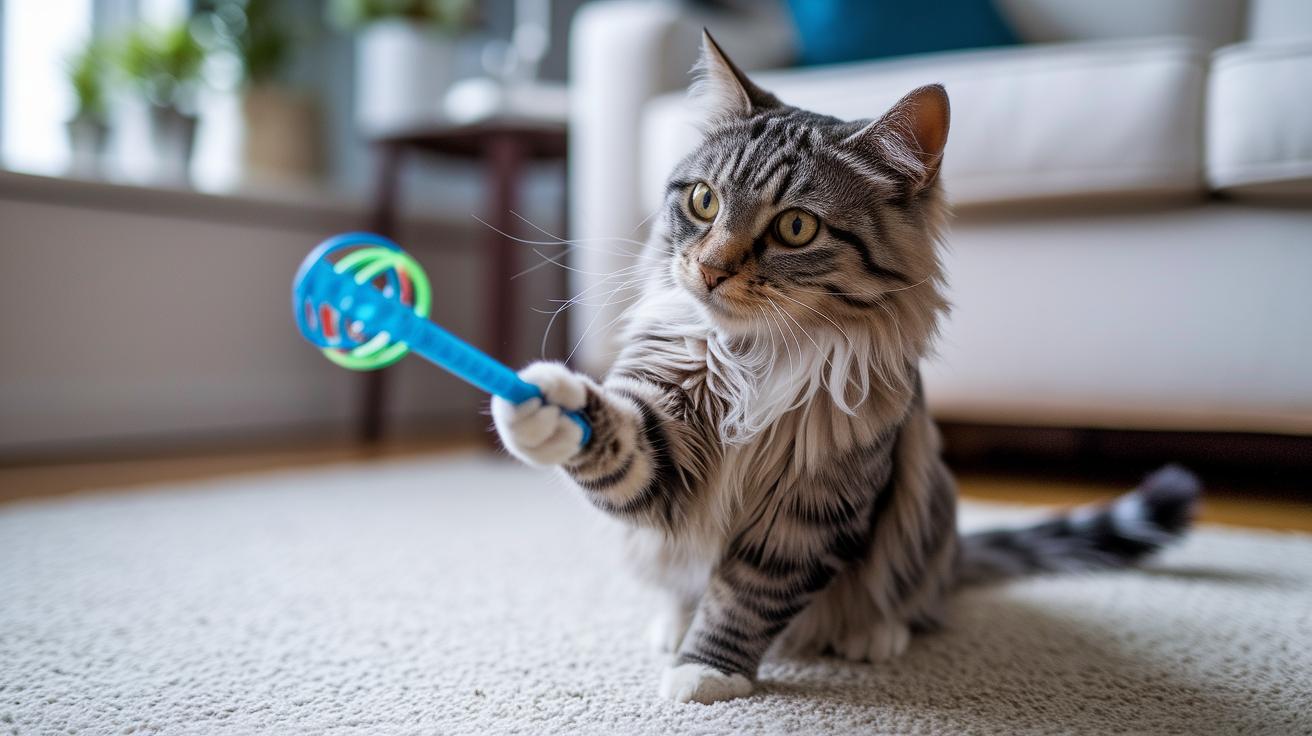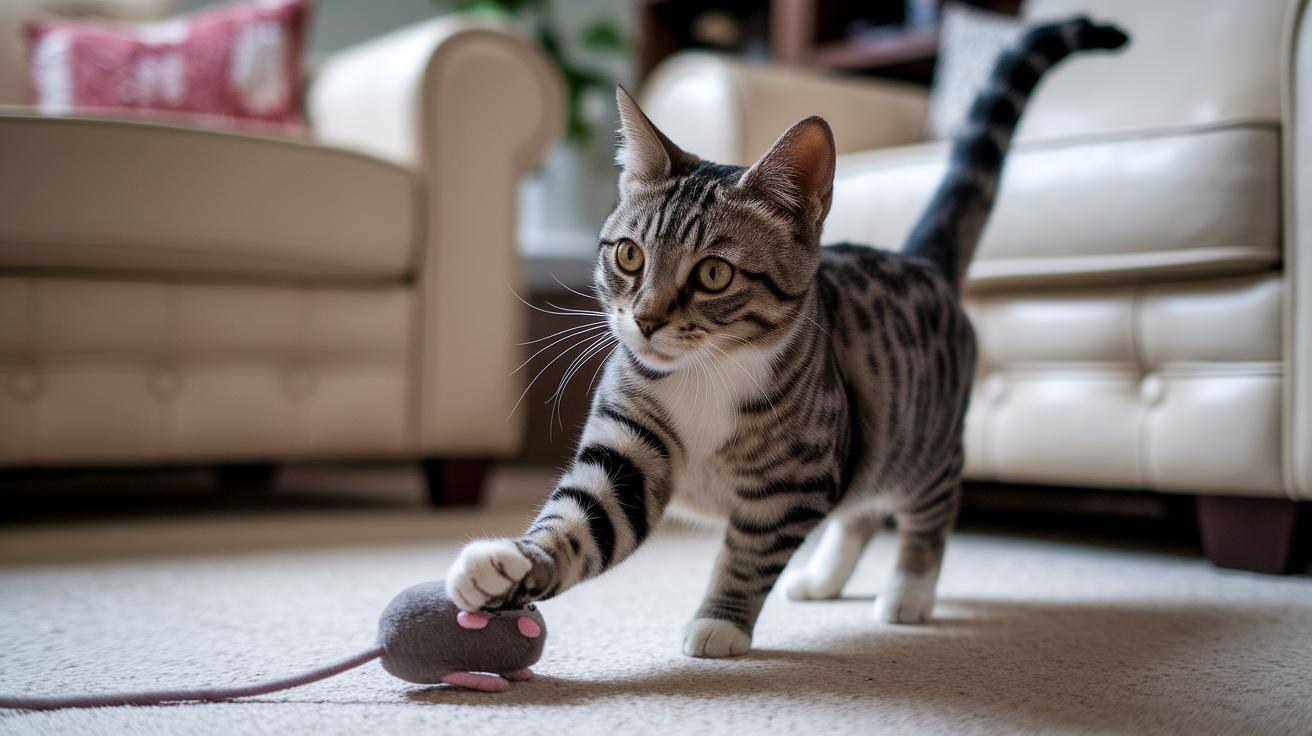
Author: Nathaniel Price

  • interactive teaser wand cleaning instructions for Pure Gleam

    interactive teaser wand cleaning instructions for Pure Gleam

    Ever think your cat’s teaser wand is clean after a quick shake? Uh, me too, until my fluffball gave it the side-eye mid-pounce. Oops, let me rephrase that… Dirt, drool, and natural oils had sneaked into the swivel joints, turning playtime from purrs into squeaks (or worse, grinds).

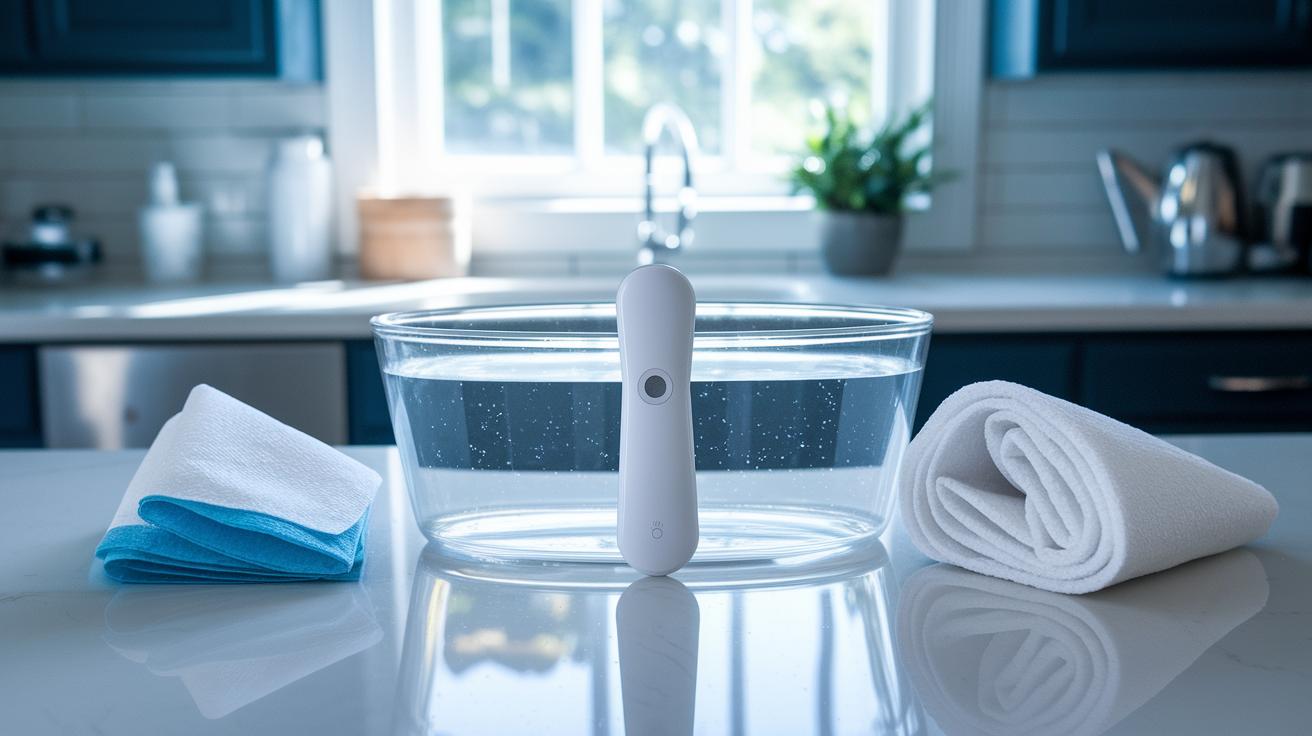
    Cleaning’s actually a breeze. Fill a bowl with warm water and a drop of mild dish soap (you know, the gentle kind you’d use on your favorite mugs).

    Grab a soft cloth (microfiber is perfect) and gently wipe each joint. Rinse with fresh water. Then let it air-dry with no direct sun.

    See those whiskers twitch? That’s the fresh wand calling. Ready for smoother, longer cat zoomies? A few minutes of wash time now means fluffier fun later.

    Worth every paw-print.

    Step-by-Step Care and Cleaning for Your Interactive Teaser Wand
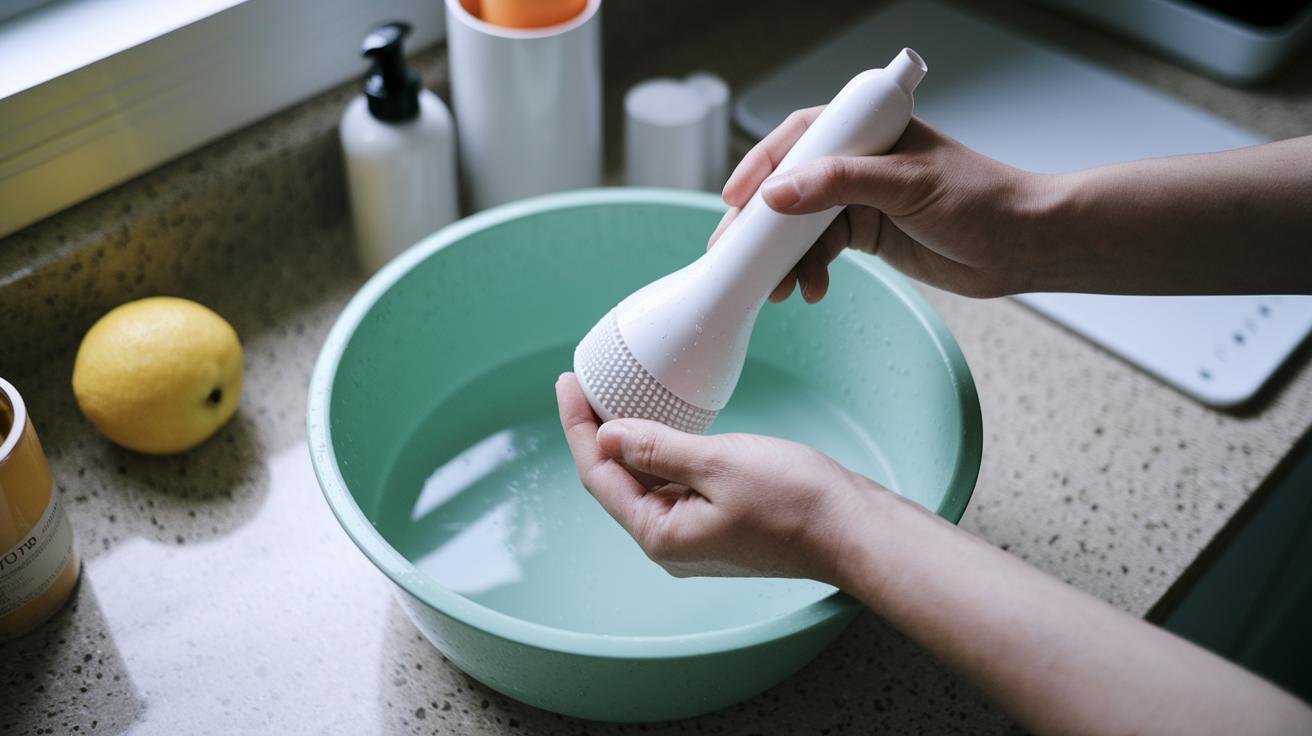
    - Step-by-Step Care and Cleaning for Your Interactive Teaser Wand.jpg

    Keeping playtime sparkles flying means cleaning your teaser wand often. Oils, drool, and dirt can sneak into the joints and make it squeak. You’ll need a few things: mild dish soap (a gentle cleanser), warm water, a soft cloth, and a small brush for tight spots. Skip harsh sprays or scratchy scrubbers, they can weaken the plastic or harm the tiny electronics (the little power bits).

    A quick cleaning routine keeps the swivel joints smooth and your kitty safe. And it helps the toy last longer so you’re not buying a new wand next week. Ever watch your cat chase feathers on a fresh, clean wand? It’s pure joy.

    1. Detach all the removable parts. See Section 2 for a deeper teardown.
    2. Fill a basin with warm water and a squirt of mild dish soap.
    3. Wipe the handle and shaft with a soft cloth, gentle strokes only.
    4. Gently scrub around joints and connectors with your small brush.
    5. Rinse your cloth and wipe away soap suds, avoid soaking any electronics.
    6. Lay each piece out to air dry completely before reassembling.

    Do this once a week if your cat plays every day. Or grab your cloth whenever you spot goo or fur clumps. Letting grit build up can lead to stinky odors and surprise squeaks. A little upkeep saves money, keeps playtime safe, and means your cat’s paws stay happy.

    Disassembling Teaser Wand Components Before Cleaning

    - Disassembling Teaser Wand Components Before Cleaning.jpg

    Taking your teaser wand apart might feel scary, but it’s actually a breeze. You’re just removing each feather and fluff so your cat’s favorite toy stays fresh and fun. Ever watched kitty bounce around a clean wand? It’s pawsome. Ready to dive in?

    First, pull out any batteries or that little circuit board (tiny computer part) so no water sneaks in. Then follow these steps:

    • Clip-based heads: undo the clip or twist off the feather or plush tip. Pop the clips into a small bowl so they don’t roll under the couch.
    • Segmented rods: twist apart or slide out each plastic (sturdy stuff) or silicone (flexible rubbery stuff) section. Tuck the connector bits into a container.
    • Swivel joints and tiny bits: drop pins, springs, and clips into a resealable bag. No one wants to lose the spring that makes the wand shimmy.
    • Electronic modules and battery packs: pull them free and wipe with a pet-safe wipe, no dunking allowed.

    Lay all the pieces out on a clean towel. This way you can clean each part step by step and keep track of everything. Worth every paw-print.

    Selecting Safe Cleaning Solutions and Tools for Teaser Wands
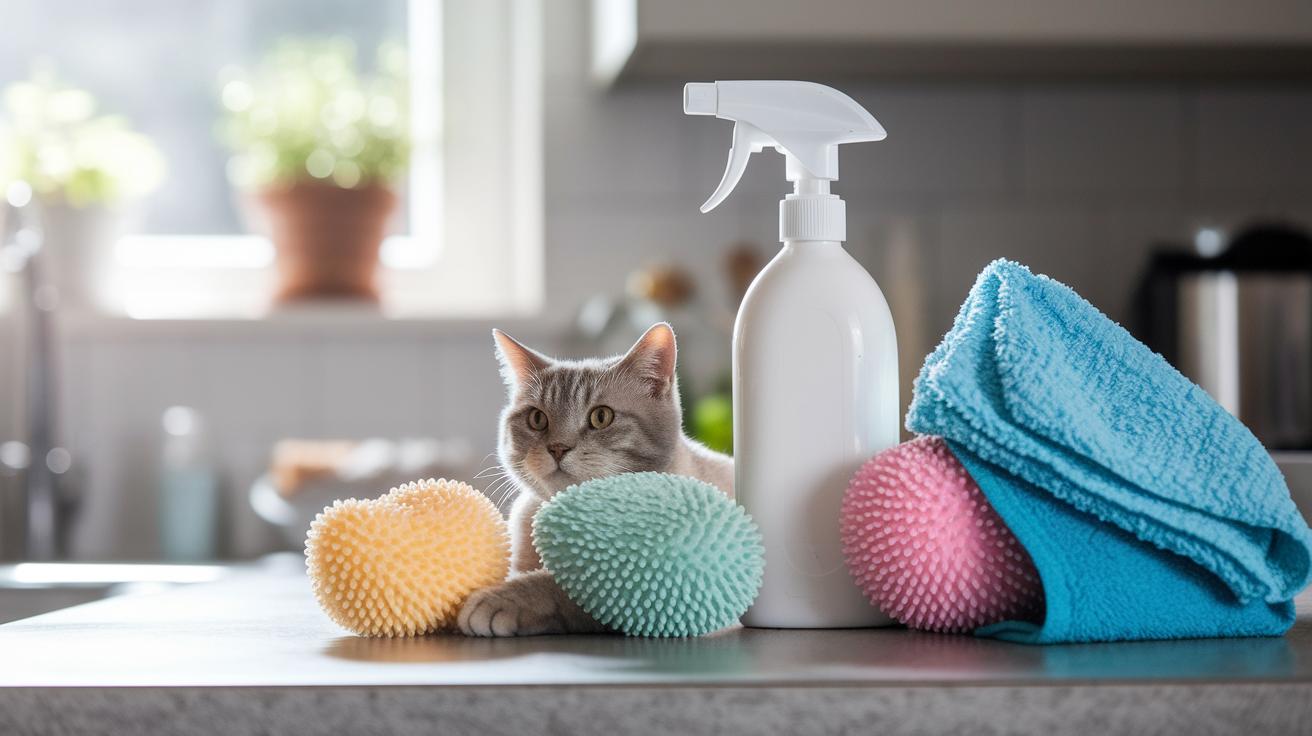
    - Selecting Safe Cleaning Solutions and Tools for Teaser Wands.jpg

    Cleaning your teaser wand is like giving it a mini spa day before it hits playtime. Harsh stuff like bleach or ammonia can chew through plastic shafts, ruin silicone grips (the squishy handles), and leave feathers droopy. Instead, reach for a mild, pH-balanced dish soap or a pet-safe enzyme cleaner (it’s a gentle mix that breaks down organic messes). You’ll get every metal clip, fabric tail, and foam ball gleaming again.

    For tools, think soft – nothing should scratch or dull your toy. A microfiber cloth feels like velvet and sweeps off dust. Foam brushes hug curves, while small nylon or pipe brushes slip into tight joints and crevices. Want a light deodorizer? Mix 1 tablespoon vinegar with 1 cup water for a quick mist.

    Worth every paw-print.

    Here’s my go-to list:

    • Mild, pH-balanced dish soap or pet-safe enzyme cleaner for gentle grime removal
    • Bleach-free, fragrance-free pet wipes for quick electronics touch-ups
    • Microfiber cloths for smooth surfaces and foam brushes for tricky edges
    • Small nylon or pipe brushes to clean joints and crevices
    • Optional vinegar dilution (1 tbsp vinegar in 1 cup water) for a light deodorizing boost

    Rinse, Drying Techniques, and Mold Prevention for Teaser Wand Care
    - Rinse, Drying Techniques, and Mold Prevention for Teaser Wand Care.jpg

    After you scrub off the grime, dunking your wand in water can spell disaster – especially for the tiny electronics inside. Instead, rinse your cloth under clean water until the bubbles disappear, then give every inch a gentle wipe. Keep it light. If you notice droplets near the joints (where the pieces hook) or the battery pack (tiny power station), dab them off with a corner of your cloth instead of drenching the whole rod.

    Next, pick a spot with a soft breeze and let the parts rest on a rack or a clean towel in a room with a slightly open window. Speak of windows, direct sun can fade feathers or bright plastics over time. In a hurry? Grab a lint-free towel so no fuzz clings to the smooth handle.

    Mold loves a damp hideout, you know, so don’t skip this step. Ever seen your cat sniff at a soggy feather? Not cute. Double-check each feather, clip, and shaft for hidden wet spots. If anything still feels cool or damp, give it more time, really. A totally dry teaser wand means no musty smell and longer-lasting play.

    Drying Method Pros Cons
    Air Dry Prevents water buildup; gentle on colors Slower; needs good ventilation
    Towel Dry Quick; ideal for same-day play Possible lint residue; slight abrasion risk

    Maintenance Schedule and Storage Tips for Interactive Teaser Wand Longevity
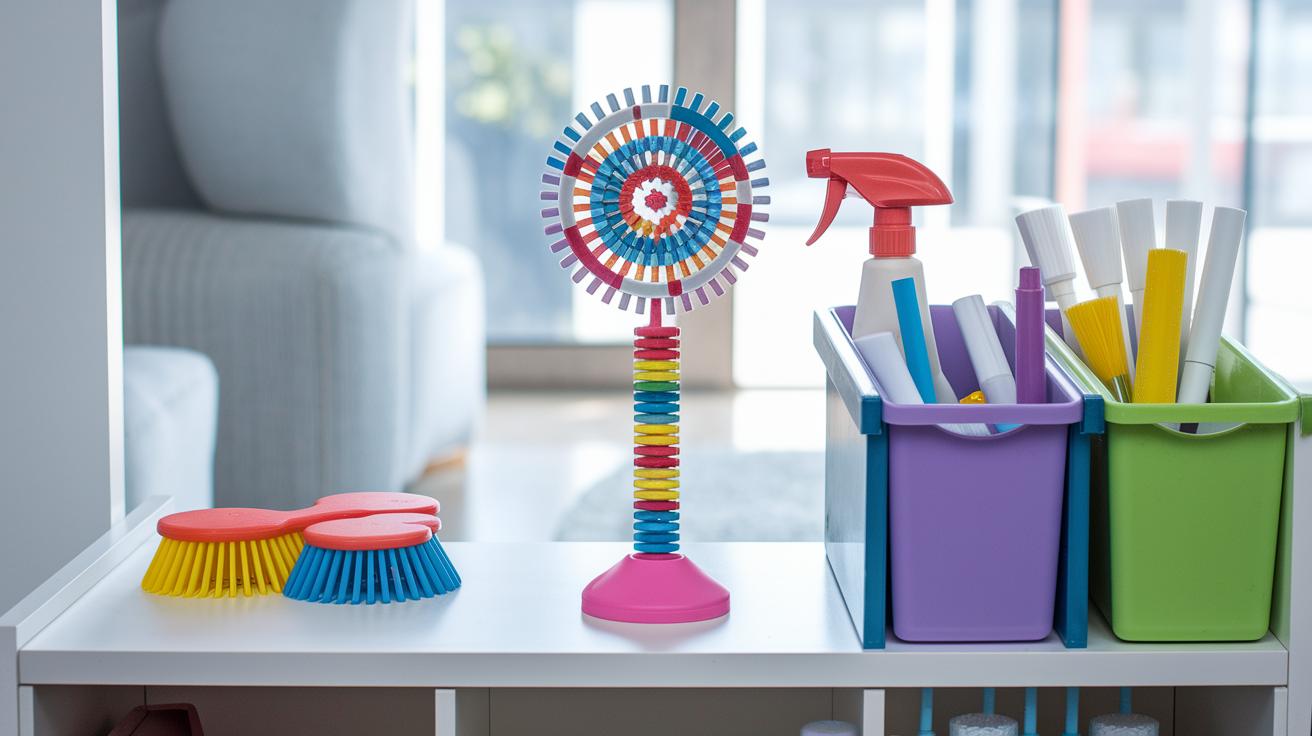
    - Maintenance Schedule and Storage Tips for Interactive Teaser Wand Longevity.jpg

    Ever notice your cat’s whiskers twitch as they bat at the teaser wand? A little routine keeps it in tip-top shape. Wipe it down now and then, that soft ruffle of clean plastic (a sturdy, moldable material) feels pretty nice. And a deep soak? It stops gunk from hiding in joints and keeps feathers from fraying.

    Store your wand in a cool, dry cabinet away from sunlight and curious paws. That way plastic, fabric (soft cloth) and the tiny electronics (little circuit parts) stay happy. Plus, rotating attachments gives your furball fresh textures and slashes wear in one spot. Claw-tastic fun with no surprise breaks.

    • Weekly: Wipe the handle with a soft, damp cloth to brush off loose fur and dust. Then spot-clean attachments.
    • Monthly: Take it apart and soak non-electronic bits in warm, soapy water. Let everything air dry. Peek at how often to replace a teaser wand attachment and swap worn pieces.
    • Annual: Inspect hinges and swivel pins (tiny metal parts that let your wand twist). Lubricate with a drop of pet-safe oil. Replace any tired attachments before they break mid-play.

    Oops, set a simple checklist or calendar reminder, you and your kitty will thank each other for smooth, safe swooshes.

    Worth every paw-print.

    Troubleshooting and Advanced Cleaning Tips for Teaser Wand Care
    - Troubleshooting and Advanced Cleaning Tips for Teaser Wand Care.jpg

    Routine wipe-downs can leave sticky candy streaks, hairball goo, or that lingering funk you just can’t shake. Ever dunked it in water only to find a ghost stain staring back?

    Yikes.

    Here’s a pro trick: dab plush tips with a mild soap paste (gentle dish soap turned into a thick scrub), rinse, and let them air-dry. This usually nudges out the worst of it.

    For smudges on the shaft or rust creeping at the hinge (that pivot point), gently rub on a thin coat of food-grade silicone (a non-toxic, slick shield) once everything’s completely dry.

    And when you need to zap germs without wetting the power pack…

    • Wipe electronic modules with disinfectant-safe wipes to avoid any circuit mishaps.
    • Pop small metal or plastic bits into an ultrasonic bath (2–3 minutes in a vibrating water tank) to shake loose hidden gunk.
    • Hit attachments with UV light (2–5 minutes under a UV sterilizer) to kill microbes and strip out funky odors, zero liquid needed.
    • Steam-clean plush or fabric pieces to lift tough stains and fluff fibers back to life.
    • When things get really wild, consider a professional toy-cleaning service or lab-grade protocol for heavy-duty buildup.

    Worth every paw-print.

    Final Words

    You’ve tackled every step from gentle soap baths to careful air-drying so your cat’s favorite play stick stays hygienic and strong. Those numbered steps and teardown tips help you nip grime in the bud before it turns sticky or gross.

    The breakdown of safe soaps, soft cloths, and proper drying routines makes this easy. And a simple weekly wipe or monthly deep-clean keeps everything spinning smoothly.

    By following these interactive teaser wand cleaning instructions regularly, you’ll enjoy endless chase sessions, less stress over gross toys, and peace of mind that your home and kitty are happy.

    Worth every paw-print.

    FAQ

    How often should I clean my interactive teaser wand?

    The cleaning frequency for an interactive teaser wand is every 1–2 weeks of normal play or immediately when it looks dirty or sticky, keeping your cat healthy and the toy lasting longer.

    What materials do I need to clean a teaser wand safely?

    The materials for safe cleaning include mild dish soap, warm water, a soft cloth or sponge, and a small brush, avoiding harsh chemicals or abrasives to protect plastics, feathers, and electronics.

    How do I disassemble the teaser wand before cleaning?

    Proper disassembly of a teaser wand means unclipping or twisting off heads, unscrewing or sliding apart rod sections, and storing tiny pins and springs in a bag to prevent loss during cleaning.

    Which cleaning solutions and tools work best without damaging parts?

    Mild, pH-balanced dish soap or a pet-safe enzyme cleaner cleans gently, while microfiber cloths, foam heads, and small nylon or pipe brushes reach tight crevices without scratching.

    How should I rinse and dry wand components to avoid mold?

    After washing, rinse each surface with a damp cloth without immersing electronics, then air-dry in a ventilated spot or towel-dry with a lint-free cloth until fully moisture-free to block mold growth.

    What’s the best way to store and maintain a clean wand?

    Safe storage means keeping your cleaned wand in a cool, dry cabinet out of sunlight, rotating attachments to spread wear, and setting a weekly or monthly checklist so nothing gets overlooked.

    How can I tackle stubborn stains and odors on my teaser wand?

    For stubborn stains and odors, spot-treat plush parts with a mild soap paste, use an ultrasonic bath for small pieces, and try UV sterilization or pet-safe disinfectant wipes on electronics.
    Related Articles

  • best food for maine coon Fuels Radiant Health

    best food for maine coon Fuels Radiant Health

    Ever watched your Maine Coon’s whiskers twitch at dinner time – then see them lose interest? Their fur can end up looking dull, like a rainy window pane on a drizzly day. It’s not your fault. Um, these gentle giants just need the right fuel (energy – what powers play time).

    These big fluffballs burn tons of energy (fuel for play), so they need meals that match their size. Think of feeding them like giving a race car premium gas. My Maine Coon Luna zoomed so fast around the couch she cartwheeled – oops, maybe I’m exaggerating, but you get the idea!

    In this guide, we’ll show you the purr-fect mix of protein (muscle-building stuff), healthy fats (for shiny fur and skin), and low-carb picks (fewer sugars). You’ll see how each ingredient helps your kitty grow powerful muscles and that signature glossy coat. Ready for endless purrs and playtime?

    We’ll compare tasty human-grade pouches (ingredients fit for people) to budget-friendly cans. You’ll learn which options pack the most protein, healthy fats, and keep carbs low. No guessing! Just clear picks so your big fluffball stays playful and healthy.

    Worth every paw-print.

    Ready to fuel radiant health in your Maine Coon? Let’s dive in.

    Best Food for Maine Coon Fuels Radiant Health

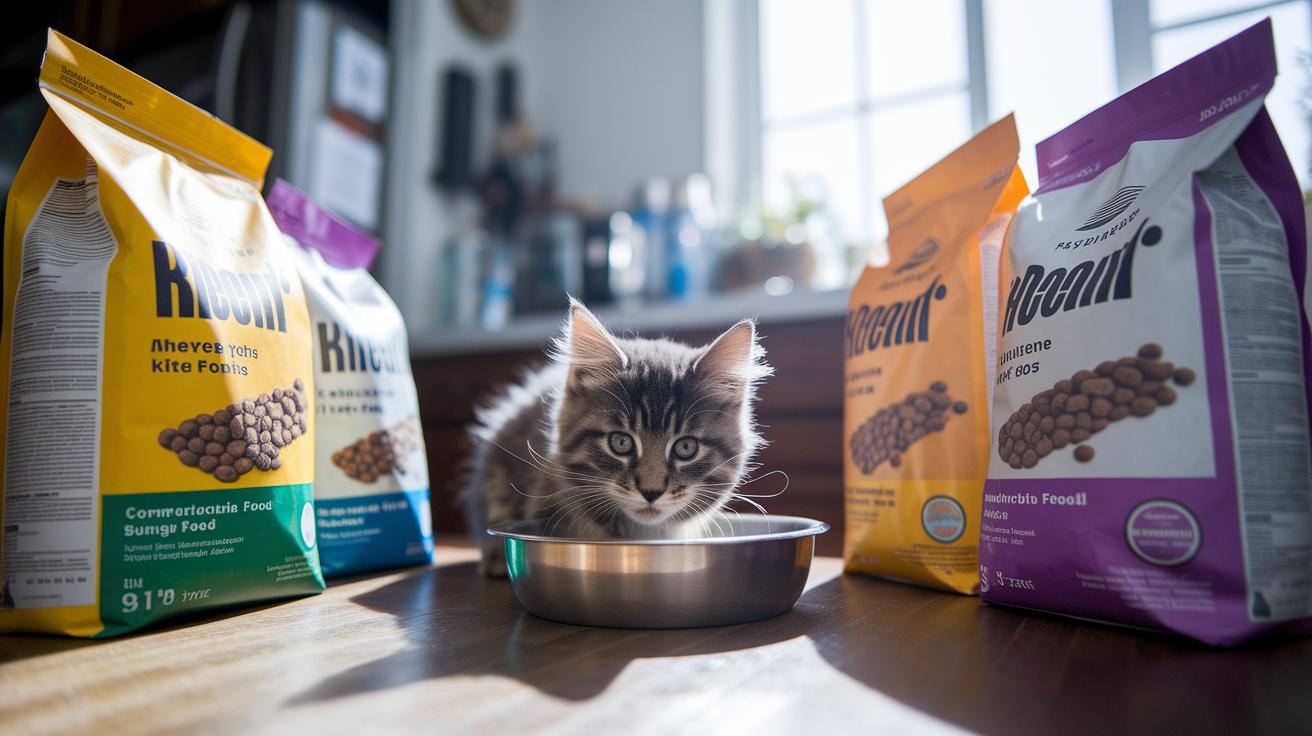
    - Top-Rated Maine Coon Food Recommendations by Life Stage.jpg

    Maine Coons thrive on meals packed with protein, a touch of fat, and low in carbs. Rotating two or three dry kibble brands with wet food or a bit of cooked plain chicken or turkey keeps meals fun and helps build strong muscles. Ever watched your big fluffball zoom after a treat? Keep their taste buds happy and their bodies toned.

    • Overall Best: Smalls Fresh Cat Food
      Smalls serves up human-grade ingredients and adds cod liver oil (rich in omega-3 fatty acids that help your cat’s coat gleam). It comes in fresh 5-ounce pouches made to fit your cat’s weight and play style. At about $4 a day, you’re feeding single-protein meals that your kitty will think are gourmet. Your cat’s whiskers will twitch in excitement.

    • Best Wet Food for Maine Coon Cats: Wild-Caught Pacific Salmon
      This wet food gives roughly 24 calories per ounce and packs omega-3s (healthy fats for skin and fur). Your cat will lap up the soft, salmon-rich gravy, and you’ll love the easy hydration. It runs about $4.80 a day, a little taste of the ocean that makes every meal feel like a treat.

    • Best Budget Wet Pick: Authority Chicken Canned
      Wait, this one’s wet too, but as a budget pick it can’t be beat. It blends chicken, chicken liver, and ocean fish for 33 calories per ounce. The soft, smooth texture is perfect for picky eaters or seniors. At just $2.07 a day, it’s an awesome deal that still makes whiskers wiggle.

    • Best Kitten Food for Maine Coon: Wellness CORE Kitten Formula
      Wellness CORE packs 36 calories per ounce in a creamy pâté full of turkey, chicken liver, and herring. It also adds DHA (a brain-and-eye booster) so your growing fluffball builds strong bones and sharp eyes. Think of it like a superfood smoothie for kittens.

    • Best Adult Cat Food for Maine Coon: Smalls Fresh Cat Food
      Once your cat hits adulthood, they need steady energy and muscle support. Smalls’ real-meat recipes have minimal fillers and healthy fats to fuel stalking, pouncing, and zoomies all day long.

    • Best Senior Cat Food for Maine Coon: Feline Natural Chicken & Venison
      This one adds green-lipped mussels (a joint-supporting shellfish), lean protein, and a safe calcium-to-phosphorus ratio to help older cats stay spry. At around $7.58 per day, it’s an investment in every gentle step and cozy nap.

    Key Nutrient Requirements in the Maine Coon Diet

    - Key Nutrient Requirements in the Maine Coon Diet.jpg

    Your big fluffball needs about 36 to 45 grams of animal protein (meat-based protein) each day, which is about 4 grams per kilo of body weight. Think real-meat meals, chunks of chicken, turkey, or fish, not mystery “meals.” High-protein food builds strong muscles and keeps those whiskers twitching at dinner time. Your cat will be feline fine!

    Keep fat at or below 20 percent of total calories. Fat isn’t just fuel. It helps your cat soak up vitamins and gives that coat a silken shine. Try adding omega-3 supplements (healthy fats from fish oil) and omega-6 fatty acids to boost skin repair and immune power.

    Carbs should stay under 3 percent. Too much grain can pack on pounds and upset tummies. A low-filler, high-meat menu keeps your cat lean and spry. Then they’re always ready for zoomies or a cozy nap on your laptop.

    Taurine is an amino acid (tiny proteins your cat needs) that you can’t skip. It helps protect vision and keeps hearts happy. Canned food usually has more taurine than dry kibble, so mix it up.

    Gut health matters too. Probiotics (good bacteria) and prebiotics (fiber that feeds those bacteria) keep digestion running smoothly. Your Maine Coon will thank you with the softest purr.

    Weighing Wet Food Versus Dry Food for Maine Coons

    - Weighing Wet Food Versus Dry Food for Maine Coons.jpg

    Wet food brings the moisture every cat craves. Picture juicy chunks that make your Maine Coon’s whiskers twitch as they lap up the gravy. That extra water helps fight dehydration, supports kidney health, and keeps the urinary tract purring with relief. Plus, canned meals pack in extra taurine (an essential amino acid), so your big fluffball’s heart and eyes stay in tip-top shape. Ever watched your kitty dive into a saucy bowl? Pure purr-fection.

    Dry kibble shines in convenience. You can free-feed it while you’re at work and let your cat snack whenever hunger strikes. The crunchy bites act like tiny toothbrushes, scraping away plaque as they chew. It’s also more cost-effective per meal, though um, it does lean on carbs, too many can slow down your gentle giant and add extra pounds.

    Mixing both formats gives you the best of each world. Start with a 50/50 split or try 70% wet, 30% dry if your furball’s picky. For bonus hydration, stir in a splash of warm water or a spoonful of low-sodium broth (no onion, please). Oops, almost forgot, this trick keeps dry food juicy and extra inviting.

    In the end, it all comes down to variety, hydration, and health. Your Maine Coon will love the juicy textures and the satisfying crunch. And you’ll love knowing they’re getting balanced nutrition, one crunch and one lick at a time.

    Maine Coon Feeding Chart and Portion Guidance

    - Maine Coon Feeding Chart and Portion Guidance.jpg

    Age/Stage Meals per Day Wet Food (g) Dry Food (g)
    Kitten (2–6 months) 5 150 20 (spread through the day)
    Junior (6–12 months) 4 180 30 (free-feed (leave food out all day) with monitoring)
    Adult (1–7 years) 2 200–250 40–60 (free-feed (leave food out all day) balanced with wet)
    Senior (7+ years) 2 180–220 30–50 (adjust for activity)

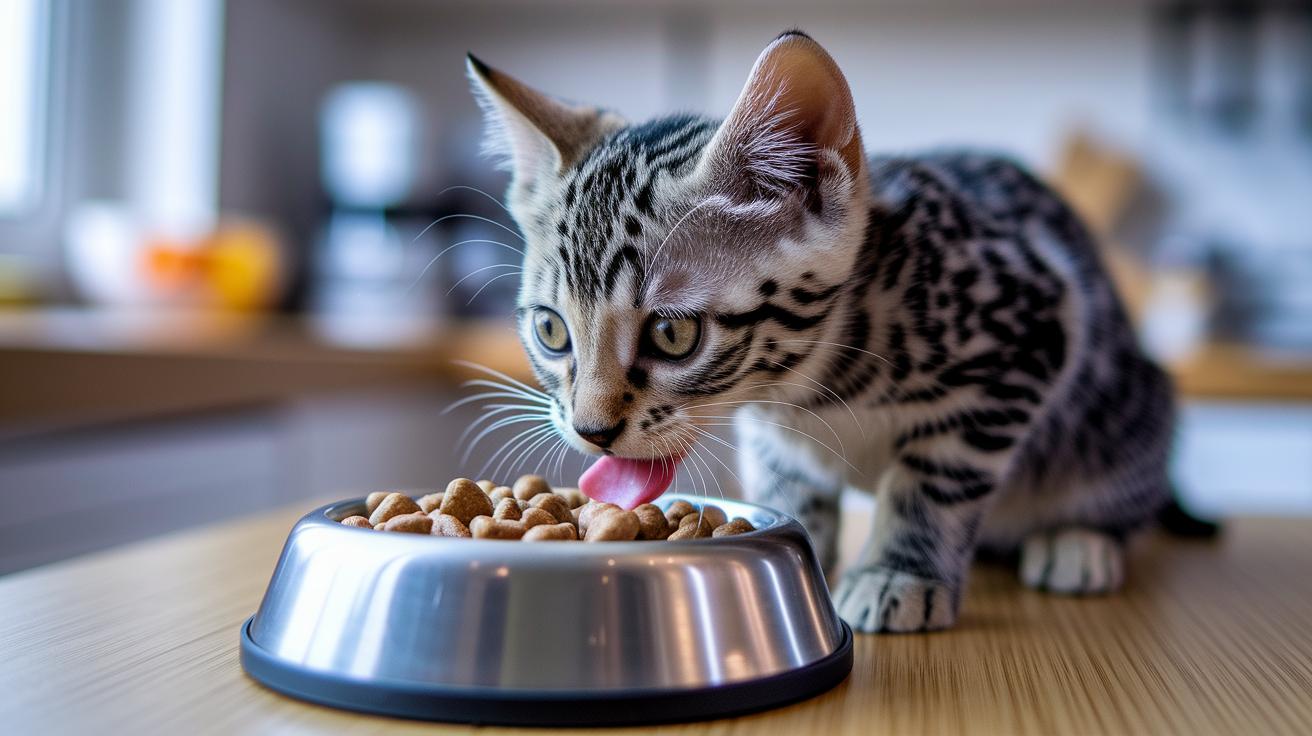
    At about 4 weeks your kitten starts weaning (switching from mom’s milk to solid food). Mix a bit of wet kitten formula (soft, mushy kitten food) with warm water until it’s porridge-thin.

    By 6 weeks you can cut back the water and offer soft chunks of kitten food.

    At 8 weeks they’re purr-fectly ready for solid kitten formulas, time to watch those whiskers twitch as they dig in.

    When your fur baby hits 8 to 12 months, you’ll shift to adult formula. Over 7 to 10 days, reduce the kitten food by about 25 percent every few days and add adult dry kibble (dry cat food). This gentle switch helps their tummy settle.

    Easy, right?

    If your cat weighs less or more than the average weight maine coon cat, tweak those portions up or down by 10 to 15 percent. Ever caught your Maine Coon giving you those big eyes at snack time?

    Free-feeding (leave dry kibble out all day) gives them snack freedom, but keep an eye on total intake. Wet meals add hydration and stop your giant fluff from turning into a couch potato, or a runway model on a hunger strike.

    Managing Allergies and Sensitive Stomachs in Maine Coons

    - Managing Allergies and Sensitive Stomachs in Maine Coons.jpg

    Have you ever noticed your Maine Coon scratching its paws or showing red spots after meals? Sometimes their big, luxurious fur can hide a sensitive tummy that reacts to common proteins – beef, chicken, or fish. You might hear the soft meow of discomfort or spot looser stools. It’s not claws for alarm – well, maybe just a little.

    Let’s play detective with an elimination trial (a simple test to find out which food ingredient is the troublemaker).

    1. Pick a novel protein (one your cat’s never tried) like duck, rabbit, or kangaroo.
    2. Feed only that protein. Add one carb (rice or potato) if needed. Do this for 8 to 10 weeks – no treats or table scraps.
    3. Watch for fewer itches and firmer poops.
    4. Bring back one old protein at a time. See which one makes symptoms return.

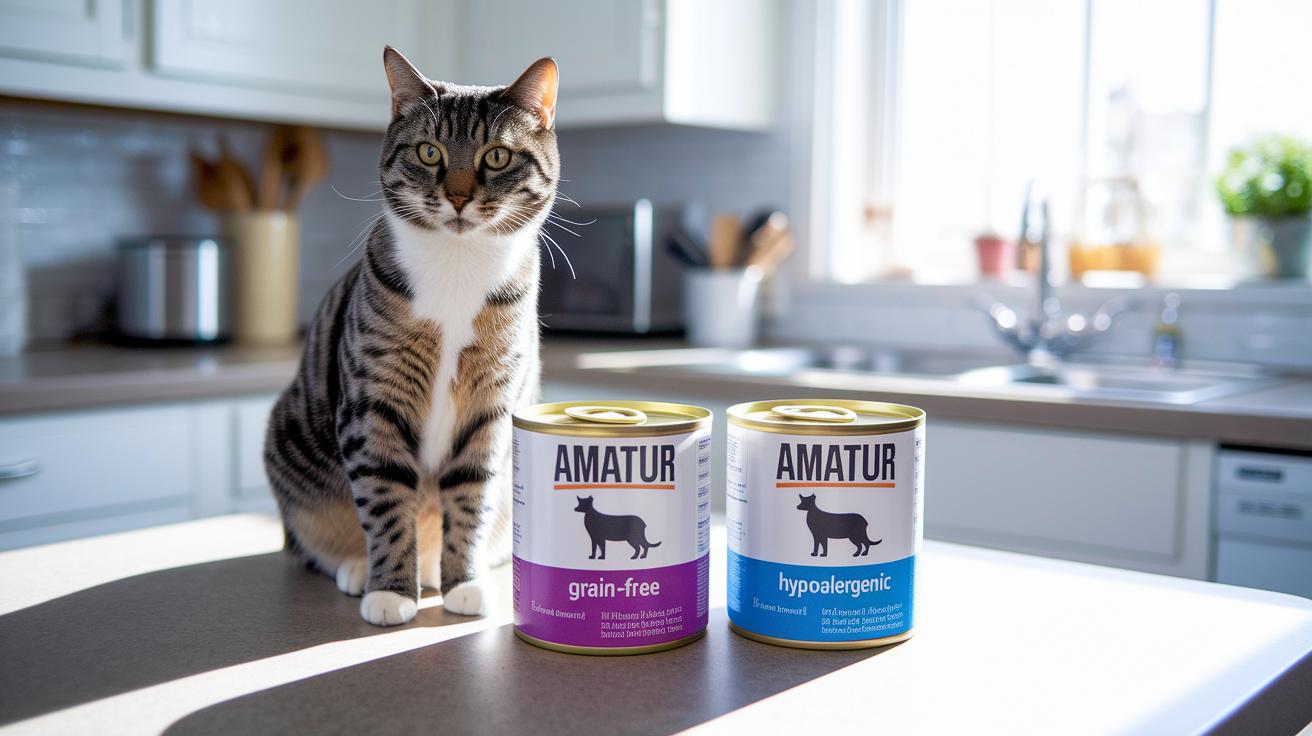
    You might also try a grain-free diet (no wheat, corn, or soy). Many cat foods for sensitive stomachs skip common allergens, drop artificial preservatives, and cut out fillers. These limited-ingredient recipes let you know exactly what’s in each bowl, so you can keep your cat feeling fine.

    Once your fluffball’s tummy is back on track, rotate between two or three gentle recipes to keep things exciting. Ever seen your kitty go wild for a fresh flavor? This rotation also helps maintain tolerance over time.

    Worth every paw-print.

    Essential Supplements to Enhance Maine Coon Nutrition

    - Essential Supplements to Enhance Maine Coon Nutrition.jpg

    Your gentle giant lands from high perches and zooms around like a furry rocket. Ever watch your cat do a zoomie across the living room? That action puts a lot of stress on her joints.

    Glucosamine (joint helper) and chondroitin (cartilage cushion) work like tiny shock absorbers. I once watched Luna leap six feet, land with a soft thud, then pounce again. These supplements help keep that spring in her step.

    Bones need the right mix of minerals. A balanced calcium (bone-building mineral) and phosphorus (bone mineral) ratio keeps her bones strong without overloading her body. It’s like baking – too much salt or sugar ruins the cake.

    Antioxidant-packed diets shine for immunity. Vitamins C and E (cell protectors) shield cells from wear and tear. Omega-3 fatty acids (fish oil goodness) calm inflammation and make her fur feel like silk. Your Maine Coon will look radiant and her immune system will hum along.

    Senior kitties or those with heart issues or past cancers really benefit from these boosters. But um, always chat with your vet before adding anything new. They’ll tell you the right dose and timing. Your Maine Coon will say thanks with happy purrs and playful paws.

    Budget-Friendly and Premium Brands for Maine Coon Nutrition

    - Budget-Friendly and Premium Brands for Maine Coon Nutrition.jpg

    Premium Versus Budget Options

    Smalls Fresh Cat Food wears the premium crown. Each pouch is like a little feast, bursting with human-grade chicken (people could eat it) or turkey, it’s about $4 a day for a full meal. Open Farm dry kibble packs 37% protein (the muscle-building kind) and ethically sourced ingredients, running around $0.66 an ounce, perfect for sprinkling on wet food. Wellness CORE kitten and adult formulas come in creamy pâtés loaded with DHA (a brain-boosting fat) and omega-3s.

    On the budget side, Authority Chicken canned food delivers 33 calories per ounce at about $2 a day. You’ll notice it leans on rice (a cheap grain) or gums (thickening agents) to keep costs down, but your Maine Coon won’t mind the extra fillers.

    Alternative Formats: Freeze-Dried & Dehydrated

    Freeze-dried cat food means raw ingredients flash-frozen then all moisture removed, tiny crunchy bites that lock in flavor and nutrients. Just add warm water until each chunk softens into a meaty treasure. Dehydrated food uses gentle low-temp drying (removing water without nuking nutrients) for a jerky-like texture. Both styles take up less space and pack more protein per ounce, so you scoop smaller portions that really pack a punch.

    Homemade and Raw Diet Considerations

    Cooking from scratch or trying a raw diet can feel rewarding, you mix meat, organs, and supplements yourself. But um, watch out for nutrient gaps (too much calcium (bone-building) and not enough taurine (a heart-health amino acid)) or bacterial contamination. A raw menu needs strict hygiene: chilled prep surfaces, gloves, fresh meat only. Commercial, AAFCO-approved products (animal feeding rule checks) guarantee every bite is balanced, no kitchen math or lab tests needed.

    Reading Labels & Storing Safely

    Label reading is like detective work. First, spot a whole-meat protein as the top ingredient: chicken breast, salmon fillets. Skip vague “protein meals” or grain fillers like corn or wheat. Then check the nutrient panel, look for over 35% protein in dry kibble and fat around 15–20%.

    Seal open bags tight and pop wet pouches in the fridge after use. Store freeze-dried packs in a cool, dry spot and only rehydrate what your cat can finish in a few minutes, less waste, more happy paws.

    Final Words

    In the action, we highlighted life-stage favorites, from kitten formulas packed with DHA to joint-supporting senior blends.

    Then we dove into key nutrients, balanced wet vs dry feeding, and a handy portion guide for every age.

    We also tackled allergy-friendly and budget-wise options plus must-have supplements.

    Here’s to happy purrs, healthy growth, and always finding the best food for maine coon.

    FAQ

    What’s the best food to feed a Maine Coon?

    The best food to feed a Maine Coon features high-quality animal proteins, moderate healthy fats, and low carbs, rotating wet and dry formulas to support muscle, coat, and overall vitality.

    What to feed a Maine Coon kitten?

    Feeding a Maine Coon kitten means choosing growth formulas rich in protein and DHA—like Wellness CORE Kitten or Royal Canin Maine Coon Kitten—offering both small kibble and wet options for healthy development.

    What not to feed a Maine Coon?

    Owners should not feed Maine Coons chocolate, caffeine, alcohol, raw dough, onions, garlic, grapes, raisins, or high-carb fillers, as these can cause toxicity, digestive upset, or weight issues.

    How much should a Maine Coon eat in a day?

    A Maine Coon should eat around 200–250 grams of wet food or ½–¾ cup of dry food per day, adjusted for age, activity, and weight, split into multiple meals.

    Do Maine Coons need raw food?

    Maine Coons don’t need raw food; balanced commercial wet and dry diets meet their nutritional needs safely, while raw diets risk bacterial contamination and nutrient imbalances without veterinary guidance.

    Is Royal Canin Maine Coon food good?

    Royal Canin Maine Coon formulas provide balanced protein, joint-support nutrients, and unique kibble shapes for chewing, helping maintain bone health and reduce tartar buildup.

    What is a Maine Coon feeding chart by age?

    A Maine Coon feeding chart by age guides kitten meals (three to six daily until 12 months), adult portions (200–250 g wet or ½–¾ cup dry), and senior adjustments with reduced calories.

    Related Articles

  • teaser wand games for senior cats Spark Joy

    teaser wand games for senior cats Spark Joy

    Ever think your senior kitty’s best hunting days are over? Think again! Picture her whiskers twitching as you wave a teaser wand (a stick with dangly toys that mimic prey) in slow, cozy loops.

    These gentle loops spark her curiosity and give her stiff old paws a soft stretch. It’s all quiet pounces and soft mews instead of a wild race. And trust me, she’ll get that mental thrill without breaking a sweat.

    Next, I’ll show you a few claw-tastic teaser games to keep your older feline limber and alert. I once watched Luna leap six feet for a dangly moth (um, my heart nearly leapt too). In truth, these slow-chase sessions fill her day with joy. And yours.

    Worth every paw-print.

    teaser wand games for senior cats Spark Joy

    - Gentle Teaser Wand Games for Senior Cats.jpg

    Senior cats may slow down, but that doesn’t mean their curiosity quits! Ever watched your kitty’s eyes widen when you wave a teaser wand? Next, drag the wand tip close to the floor in soft, looping arcs, like a tiny mouse sneaking through tall grass. This low-impact mental play wakes up their hunting instinct without wearing them out.

    It’s all about easing arthritis aches. So move the wand in slow circles or soft zigzags, then pause so your kitty can crouch and bat at the toy. No sudden sprints or jerky tugs keeps play calm and stress-free. Your cat’s whiskers will twitch, paws will reach, and you’ll see just enough pounce to keep those joints limber!

    Short sessions work best. Aim for 5 to 10 minutes, two to four times a day. This quick play routine helps senior cats stay mobile and stops muscles from stiffening. Plus, those mini chases sharpen their focus and deepen your special bond.

    Keep an eye on your cat’s energy. If they slow down, flop over, or let out a soft meow, that’s your cue to wrap it up. For more tips and safety pointers, check out interactive teaser wand safety guidelines.

    Choosing Senior-Friendly Teaser Wand Designs

    - Choosing Senior-Friendly Teaser Wand Designs.jpg

    Pick a wand with a soft tip that’s made from non-toxic plastic (plastic that won’t hurt your cat) and pet-safe feathers (you know, those light feathery tags). Older kitties love a tool that feels feather-light in your hand but still brims with texture, tiny bells that tinkle, soft ribbons that flutter, or little plush patches that won’t snap under a curious paw.

    Look for a pole with adjustable length or a bendable carbon fiber (like a strong fishing-rod core) shaft so you can dial in just the right reach. Then give it gentle curves instead of jerky moves to ease arthritic joints (ever seen your cat pounce in slow-mo?). It’s light. It’s smooth. And it keeps your feline friend stalking instead of straining.

    Now, um, check the handle. Slip-resistant rubber grips (grippy rubber) mean you won’t lose hold mid-play. And if the shaft uses eco-friendly materials like bamboo or recycled plastic, you’ll have a guilt-free toy that’s built to last.

    Safety check: make sure all feathers and bells are tied tight, clamped, or sewn down so nothing can come loose and become a choking hazard. Choosing a wand with secure fasteners gives you peace of mind and your kitty a claw-tastic chase every day.

    Oh, and one last thing: pick wands in high-contrast colors so kitties with fading vision can spot the tip easily. Worth every paw-print.

    Step-by-Step Teaser Wand Game Variations for Senior Cats

    - Step-by-Step Teaser Wand Game Variations for Senior Cats.jpg

    Let’s jazz up your senior cat’s playtime with simple swaps that tickle the senses. Try swapping in feathers (light plumes), crinkly fabric strips (rustly ribbons), a tinkling bell, or soft plush ties. Ever watch your kitty’s whiskers twitch as they try to catch a new texture? It’s claw-tastic fun.

    Next, slip on a catnip tip (dried minty herb) for a sniffable perk. Or clip a tiny treat on the end so a gentle bat turns into a tasty nibble. And pausing now and then to let them sniff and reset focus helps build their confidence. Worth every paw-print.

    Game Variations

    • Texture twists: mid-play, switch between feathers (light plumes), fabric strips (rustly ribbons), bells, or plush ties to surprise those paws.
    • Catnip boosts: tuck in a catnip tip (dried minty herb) for an irresistible whiff, what’s that smell?
    • Treat teaser: clip a small snack at the wand’s end so a light tap earns a bite.
    • Sniff breaks: pause every few moves, hold the wand still, and let your cat investigate and refocus.
    • Cozy circles: finish with small, close-to-body circles so your kitty knows playtime is over.

    Safety and Environment Tips for Teaser Wand Play with Senior Cats

    - Safety and Environment Tips for Teaser Wand Play with Senior Cats.jpg

    Before you break out the teaser wand for your senior cat, clear the play zone by pushing furniture away from sharp corners so your kitty can pounce safely. Stay right there with them. Ever seen your senior cat do a slow-motion pounce? Keep an eye on their breathing and how they walk, because early fatigue can be subtle.

    • Check attachments each time. Look at feathers, ribbons (thin cloth strips), or bells for frays or loose parts. Tiny pieces can be choking hazards.
    • Watch paws and whiskers for hesitations. Panting, limping, or a stiff posture means it’s break time.
    • Keep sessions short. When stalking slows or you hear a soft meow, gently lower the wand to avoid overexertion.
    • Wipe down the wand tip and shaft (the stick part) with a damp cloth. It removes dust and allergens.
    • Store the wand in a dry spot out of reach. This keeps feathers smooth and ribbons tangle-free.

    For more feline-friendly pointers, check out the interactive teaser wand safety guidelines.

    Stay paw-sitive.

    Customizing Teaser Wand Games to Suit Senior Cat Abilities

    - Customizing Teaser Wand Games to Suit Senior Cat Abilities.jpg

    Sensing your older kitty’s comfy pace is key. Ever noticed the tail swish that says “I’m in” or the perked ears begging for more? Start slow by adjusting speed or session length so they feel cozy, not like they need to land an Olympic leap.

    For deaf cats, add a tiny bell (small bell that makes a soft tinkle) to the wand tip so they know where the claw-tastic fun is. Your cat’s whiskers twitch when the wand brushes the floor. For blind cats, keep the wand within whisker range (about as wide as their face) and drag it slowly so the gentle thrum of vibrations travels right to their paws.

    If arthritis (joint inflammation) is an issue, focus on smooth, low drags and small arcs that don’t force your cat to stretch too far. Uh, watch for the ever telling signs like an arched back or a frozen pause and tweak play by slowing down, shortening sessions, or swapping in a softer wand tip. Your kitty’s comfort is always number one.

    Worth every paw-print.

    DIY and Budget-Friendly Teaser Wand Toy Ideas for Senior Cats

    - DIY and Budget-Friendly Teaser Wand Toy Ideas for Senior Cats.jpg

    Before playtime, grab non-toxic, lightweight bits and make sure they’re fastened tight so nothing falls off when your cat goes for it.

    • Catnip sock teaser
      Clean a thin cotton sock (soft, breathable fabric), fill it with dried catnip (minty herb that perks whiskers), then tie a piece of baker’s twine (thin cotton string) to the toe and drape it over a wooden dowel. The gentle wobble invites slow batting, perfect for a wiser kitty. Ever watched your old pal stalk a swaying sock?

    • Crinkle-paper ball attachment
      Take a square of wax paper or kitchen foil (shiny, crinkly stuff), scrunch it into a soft ball that crackles under a paw, then secure it to the wand tip with tape or a twist-tie. That soft rustle teases whiskers without asking your cat for big leaps. Really fun to watch.

    • Plush feather bundle
      Bundle a few pet-safe feathers (light plumes) at one end of a bamboo skewer (thin wood rod) and wrap with non-toxic glue or thin thread. When you wiggle the wand, they flutter like a tiny bird, cueing those slow, focused swipes. My Luna can’t get enough of this.

    • Ribbon-and-bell combo
      Knot narrow ribbon strips (satiny strips) around the wand tip, attach a small jingle bell to one end, and secure with tape. The soft tinkle rewards gentle taps and curious sniffs. Your kitty will pounce with delight.

    • Silvervine stick topper
      Mask a short piece of natural silvervine (cat-safe climbing vine) to a dowel or straw with masking tape. That extra boost of scent has older cats stalking with a slow, happy focus. Works like a charm for low-energy play.

    Worth every paw-print.

    Scheduling and Monitoring Teaser Wand Play Progress in Senior Cats

    - Scheduling and Monitoring Teaser Wand Play Progress in Senior Cats.jpg

    So, how do you fit teaser wand fun into your older kitty’s day? Pick times that work for both your schedule and your cat’s comfort. I aim for two to four quick play bursts, think tiny cat workouts. Each burst runs about 5–10 minutes, just enough to spark curiosity without wearing out those wiser paws.

    Then scatter these mini-sessions around nap times or meal breaks. Your cat will learn the routine and might even yowl a happy reminder when wand time rolls around. Ever watched your kitty chase shadows and pounce in slow motion? It’s as cute as it sounds.

    Next, grab a simple notebook or make a spreadsheet (a digital table you fill in) to track each play date. Jot down the date, session length, and how fiercely your cat chased or gently swatted. Note any limps, long pauses, or extra loud meows, those are clues that muscles need a rest or maybe a quick vet check.

    Week by week, you’ll spot small wins: smoother leaps, perkier ears, or surprise cuddle sessions afterward. That log isn’t just numbers, it’s a record of your bond growing stronger through play.

    Worth every paw-print.

    Final Words

    We jumped into gentle teaser wand games for senior cats, from picking the right lightweight wand to short, low-impact play sessions that boost joint flexibility and curiosity.
    You learned step-by-step moves, safety checks, custom tweaks for older cats with arthritis, and simple DIY toy ideas that save cash.
    Then we set up a play schedule that’s easy to follow and track.
    Keep experimenting with teaser wand games for senior cats, and watch your wise whiskered pal stay spry and happy.

    FAQ

    What games can senior cats play with teaser wands and what’s the best toy for older cats?

    Senior cats can stalk slow, floor-level wand drags in short 5–10 minute sessions. Lightweight, adjustable teaser wands with soft feathers or fabric tips make perfect low-impact toys that boost mobility and alertness.

    What are teaser toys for cats and what styles are available?

    Teaser toys are interactive wands or sticks with attachable tips. Styles include retractable teaser sticks, feather wands, automatic motorized teasers, soft ribbon wands, and rolling teaser balls for varied chase experiences.

    What are mental stimulation games for cats?

    Mental stimulation games for cats include puzzle feeders, treat-dispensing balls, hiding treats along short scent trails, simple fetch with soft toys, and slow-paced teaser wand stalk-and-swat sessions that sharpen focus and curiosity.

    How do I replace parts on a teaser wand toy?

    Most teaser wands use clip-in or screw-on attachments. Simply twist or slide off the old tip, align and secure the new feather, ribbon, or bell head, then tighten the locking ring or clip.

    How can I choose the best retractable or automatic cat wand?

    Look for retractable wands with smooth, quiet pull-out action and secure locking collars. For automatic versions, pick slow-paced, adjustable-speed models with breakaway safety features to avoid startling or stressing senior cats.

    Related Articles

  • norwegian forest vs maine coon Perfect Family Companions

    norwegian forest vs maine coon Perfect Family Companions

    Ever thought your kitty could be as big as your neighbor’s small pup?
    Say hello to the Norwegian Forest Cat and the Maine Coon!
    These fluffy giants come packed with purr power and big personalities.
    Gentle giants your home will adore.

    The Norwegian Forest Cat looks like a woodland sprite with its thick double coat (two layers of fur for extra warmth) that easily sheds water, while the Maine Coon lounges by your couch, its tail fluffing out like a feather duster you can’t resist.
    In the next few minutes, we’ll size up their grooming needs, playful personalities, life spans, and more.
    You’ll see which mega-mutt-meets-cat buddy fits your family’s vibe perfectly.

    Side-by-Side Overview: Norwegian Forest vs Maine Coon at a Glance

    - Side-by-Side Overview Norwegian Forest vs Maine Coon at a Glance.jpg

    Think of it as a friendly face-off: Norwegian Forest Cat vs Maine Coon! We’ll size up their height, weight, fur feel, brushing needs, personality quirks, lifespans, and health watch-outs. It’s an easy way to spot which big fluff ball fits your home. Ready?

    Now dive into the chart below for all the details, size stats, coat types, grooming tips, temperaments, years by your side, and health heads-up.

    Trait Norwegian Forest Cat Maine Coon
    Height 12–18 inches 30–40 inches
    Weight 9–16 pounds 9–18 pounds
    Coat Type Dense, water-repellent Long, silky
    Grooming Frequency Brush every 2–3 days Comb twice weekly
    Temperament Independent, bonds with one person Social, dog-like, good with kids
    Lifespan 14–16 years (up to 20) 9–15 years
    Major Health Issues HCM (heart muscle issue), hip dysplasia, glycogen storage disease HCM, hip dysplasia, PKD (kidney cysts), SMA (spinal muscle atrophy)

    Whichever you pick, get ready for serious purr therapy.

    Physical Characteristics: Norwegian Forest vs Maine Coon Breed Differences

    - Physical Characteristics Norwegian Forest vs Maine Coon Breed Differences.jpg

    These two big fluff balls catch your eye the moment they walk in. You can spot them from across the room, one’s shaped like a woodland sprite, the other a gentle giant. Both are built for their own kind of adventures, you know?

    Head and Facial Structure Differences

    The Norwegian Forest cat’s head flares into a near-perfect triangle. You see a straight line from the forehead to the tip of the nose (skull, the bony head shape). Its almond-shaped eyes sit at a soft slant, like it’s always on woodland watch. The ears perch a little lower, with tufts peeking out like tiny flags.

    Then there’s the Maine Coon. Its face feels boxy, with a square muzzle (the snout area) and a gentle dip where the forehead meets the nose. Those big oval eyes can go wide and round the moment you call their name. And the ears? They sit higher, heavy with fur that spills over like a little mane.

    Body Size and Weight Variations

    Norwegian Forest males usually weigh 13–20 pounds (6–9 kg) and females around 9–13 pounds (4–6 kg). Their hind legs stretch a bit longer than the front ones, giving them a springy, lean look, perfect for scrambling up trees.
    Maine Coon guys often hit 15–24 pounds (7–11 kg), with females at 11–18 pounds (5–8 kg). They’ve got broad chests, medium-length legs and wide paws almost like snowshoes, ready to carry all that muscle.

    Coat and Fur Texture Comparisons

    The Norwegian Forest coat starts with a woolly undercoat (soft, fuzzy inner fur) topped by water-repellent guard hairs (long outer hairs that shed water). It feels dense and a bit coarse, kind of like a sturdy wool sweater.
    The Maine Coon wears a silky guard coat (smooth outer layer) over a fine undercoat (thin soft down). It drapes flatter and shines in the light, almost like a satiny sheet, and feels surprisingly soft when you run your fingers through it.

    norwegian forest vs maine coon Perfect Family Companions

    - Temperament and Behavior in Norwegian Forest vs Maine Coon Cats.jpg

    Comparing these two fluffballs side by side really shows why they both rock as family pets. You’ll spot one’s independent streak next to the other’s social charm and instantly get why either could steal your heart.

    Affection and Social Patterns

    Norwegian Forest cats pick a favorite person and stick by their side, loyal but not in-your-face. They’ll curl up beside you and purr without demanding attention.
    Maine Coons, on the other hand, are like furry hosts greeting guests at the door. They soak up pats, play gentle guard dog with the kids, and even make friends with other pets. Really slows down any “meh” mornings.

    Activity and Play Needs

    Norwegian Forest cats keep that kitten spark until they’re around five years old, they’ll scamper up a cat tree (a tall climbing post) and stalk toys like mini hunters. They love the satisfying thud of a toy mouse on the carpet.
    Maine Coons go for quick bursts of energy, think fetch-style play, then flop down like a furry bean bag for a nap. Both breeds need about thirty minutes of fun each day to burn off zoomies and dodge boredom.

    Communication Styles

    The Norwegian Forest cat speaks softly but purrs surprisingly loud when it’s happy. You’ll feel that gentle rumble on your lap.
    Maine Coons have a whole chatty kit: chirps, trills, and little meows that sound like friendly greetings. Neither breed is a constant squeaker, but each has its own way of asking for treats or a cuddle.

    Socializing them early is key. Short play sessions with new people and pets help keep any “mine turf” attitude in check and boost their confidence.
    Worth every paw-print.

    Grooming and Maintenance Requirements for Norwegian Forest vs Maine Coon

    - Grooming and Maintenance Requirements for Norwegian Forest vs Maine Coon.jpg

    Both these fluffy pals rock semi-long coats that feel like a cozy winter sweater. A little regular care keeps mats away and turns grooming into the sweetest bonding time.

    • Brushing routines:
      • Norwegian Forest cats need a slicker brush (fine-wire brush) every 2–3 days to tame that dense, water-repellent fur (it’s like a self-waterproof raincoat).
      • Maine Coons shine with a wide-tooth comb (comb with spaced teeth) twice a week to glide through silky guard hairs.
      Ever tried brushing your kitty while hearing that soft fur whisper under the bristles? Pure joy.

    • Seasonal shedding:
      In spring and fall molt season, switch to a de-shedding tool (rubber brush) to scoop out loose undercoat before it turns your floor into a fur field. Soft tufts float away instead of clinging everywhere.

    • Nail trims:
      Every 2–3 weeks, grab a small claw clipper (tiny scissors for kitty claws) and snip the tips. Then reward your kitty with a treat or belly scratch, paw-some for calm paws.

    • Dental care:
      Aim for a quick tooth-brushing session two or three times a week or slip in dental treats to freshen breath and fight plaque. Your cat’s purr and minty breath? Winning combo.

    • Ear and eye check:
      Once weekly, gently wipe ear folds with a damp cotton pad and peek at those eye rims with a soft cloth. Clean, comfy ears and bright eyes, so cute.

    • Pro trims when needed:
      Maine Coons sometimes get mats on feathered legs and belly. If you spot stubborn tangles or drool-stained fur, book a groomer for a quick trim. Your sofa and your kitty will thank you.

    A steady routine keeps both breeds looking majestic and feeling purr-fect. Worth every paw-print.

    Health Risks and Lifespan Comparison: Norwegian Forest vs Maine Coon

    - Health Risks and Lifespan Comparison Norwegian Forest vs Maine Coon.jpg

    Both breeds can end up with hypertrophic cardiomyopathy (thickened heart muscle) and hip dysplasia (misaligned joints). A heart echo (ultrasound for the heart) around age one catches early warning signs. Routine joint checks at the vet spot hip trouble before it sidelines your fluff ball. And keeping your cat chasing a toy mouse or bouncy ball keeps muscles strong.

    Norwegian Forest cats sometimes inherit glycogen storage disease (poor sugar processing) or retinal dysplasia (abnormal eye tissue). A simple DNA test kit can flag at-risk kitties before symptoms appear. Maine Coons often carry genes for polycystic kidney disease (fluid-filled kidney sacs) or spinal muscular atrophy (nerve-driven muscle loss), and they’ll sometimes show early gingivitis (gum inflammation) – um, not fun. Chat with your vet about breed-specific tests – they’ll help you build a claw-tastic care plan.

    When it comes to lifespan, Norwegian Forest cats usually live 14 to 16 years – some even reach 20. Maine Coons average about 9 to 15 years, so having a solid routine helps. Think vaccines, dental cleanings, parasite control, and weight checks to keep small issues from turning into big vet bills. A protein-packed diet and keeping your cat at a healthy weight can add more playful years and cozy naps in sunbeams.

    Every extra whisker twitch is a gift.

    Worth every paw print.

    Ownership Considerations: Norwegian Forest vs Maine Coon Cat Suitability

    - Ownership Considerations Norwegian Forest vs Maine Coon Cat Suitability.jpg

    Norwegian Forest cats do great indoors. But they also love a safe balcony or a fenced yard window. Um, they have lean, agile bodies and need vertical enrichment (fun things to climb). You only need a small spot if you give them a sturdy cat tree (like an indoor branch). Maine Coons can handle indoor or outdoor life thanks to their thick coat (warm, water-resistant fur) and their easygoing confidence.

    Both breeds get high marks for family life. Norwegian Forest cats pick one favorite human then chill beside active kids. Maine Coons are paw-some hosts – they greet little ones with soft pats and playful head bumps. Ever watched your kitty chase shadows? For more tips on training and socializing, check Do Cat Breeds Have Different Personalities.

    They exercise in different ways. Nordic fluffers zoom up cat trees and love solo play with puzzle feeders (treat puzzles that make them think). Maine Coons need at least ten minutes of focused play every day, like fetch or a chase game. They even enjoy short leash walks in the yard. Both breeds learn fast with clicker training and simple tricks – making each session a bonding ritual.

    Stock up on interactive toys: wand teasers, treat-dispensing balls, and climbing towers. A multi-level cat tree turns your living room into a mini-forest for Norwegian Forest cats. Maine Coons go wild for large scratching posts and puzzle boxes that spark their curiosity. Rotate toys weekly to keep things fresh and mop up fewer furballs bouncing across the floor.

    Origins and Breed History of Norwegian Forest vs Maine Coon Cats

    - Origins and Breed History of Norwegian Forest vs Maine Coon Cats.jpg

    Have you ever met a cat that looks like it stepped right out of a snowy forest? Norwegian Forest cats came from Scandinavia, with ancestors that Vikings hauled in from the Middle East. Over time their fur turned into a water-repellent (keeps rain from soaking in) coat so they could roam Norway’s cold, damp woods without catching a chill. By the early 1900s they nearly vanished. But in the 1930s a few passionate rescue groups brought them back, and in 1977 FIFe (the big European cat club) officially recognized them. Today their triangular heads, sturdy bodies, and thick, bushy tails make them standouts in the show ring, and even Norway’s national cat.

    Maine Coons, on the other hand, were born along America’s northeastern shores. Some say Viking cats jumped off longboats. Uh, I mean, cats don’t sail, but you get the picture. Others think European traders brought early longhairs to the docks. Farm families in 19th-century Maine prized their hunting skills and rugged coats (thick fur that fights off wind and rain). They slipped out of the spotlight until dedicated breeders revived them in the 1950s. By 1967 the ACFA (American Cat Fanciers Association) crowned them an official breed. Their broad chests, tufted ears, and plume-like tails make them crowd-favorites at every show. Today you’ll find Maine Coons through specialty breeders or rescue groups, often with pedigrees tracing back to those early champion furballs.

    Final Words

    In the action, we lined up size, coat, grooming, and personality insights for each kitty.
    From broad tables to head shape notes, you now see how a Norwegian Forest Cat’s sturdy frame contrasts with a Maine Coon’s gentle square muzzle.

    We explored play style, brushing routines, health checks, home fit, and ancient origins.
    Each detail helps you pick the best companion for your busy multi-cat household.

    Ready for some purrfect fun? The choice between norwegian forest vs maine coon is yours, and it’s a tail-wagging win either way.

    FAQ

    Who would win in a playful tussle, Norwegian Forest Cat or Maine Coon?

    A tussle would favor the Maine Coon thanks to its bigger body and stronger muscles, though both breeds play gently and rarely fight aggressively over toys.

    How does the size of a Norwegian Forest Cat compare to a Maine Coon?

    A Norwegian Forest Cat usually stands 12–18 inches tall and weighs 9–16 pounds, while a Maine Coon can span 30–40 inches long and weigh 9–18 pounds, appearing larger overall.

    Are Norwegian Forest Cats bigger than Siberian Forest Cats?

    Norwegian Forest Cats and Siberian Forest Cats share similar weight ranges around 9–16 pounds, but Siberians often look stockier while Norwegians appear leaner with longer bodies.

    How do Norwegian Forest Cats and Maine Coons differ in temperament?

    Norwegian Forest Cats are independent, bond closely with one person, and love climbing, while Maine Coons act like friendly pups, seek social play, and get along well with kids and other pets.

    How can I tell a Norwegian Forest Cat from a Maine Coon?

    A Norwegian Forest Cat shows a triangular head, woolly undercoat with water-repellent guard hairs, and longer hind legs, while a Maine Coon has a square muzzle, silky coat, broad chest, and high-set ears.

    How much do Norwegian Forest Cats and Maine Coons typically cost?

    Norwegian Forest Cats average $800–$1,200, and Maine Coons range $800–$1,500 depending on breeder reputation, lineage, and show quality, plus ongoing grooming and health-check expenses.

    Which cat is best for families: Norwegian Forest, Maine Coon, or Siberian?

    Maine Coons top family friendliness for their outgoing, dog-like loyalty and gentle nature, Siberians follow with playful yet independent charm, and Norwegian Forest Cats suit quieter homes that value one-on-one bonds.

    What should I know about raising a Norwegian Forest Cat kitten vs a Maine Coon kitten?

    Norwegian Forest Cat kittens show early independence, enjoy climbing toys, and need vertical space, while Maine Coon kittens crave social play, quick training sessions, and more lap time.

    Do Reddit users prefer Norwegian Forest Cats or Maine Coons?

    Reddit enthusiasts often praise Maine Coons for their playful, sociable personalities and size, while supporters of Norwegian Forest Cats highlight their hardy coats, unique triangular faces, and semi-independent nature.

    Related Articles

  • how much wet food to feed a cat

    how much wet food to feed a cat

    Ever poured wet food into a bowl and seen your cat give you that please-feed-me stare? Too much food and they’ll pack on the pounds. Too little and you’ll hear meows all night.

    I once knocked a half-empty can onto the floor, wet food everywhere. Oops. That’s when I realized we all need a clear plan.

    Here’s a quick trick, you know: feed 25 calories (tiny bits of energy) per pound (unit of weight) of your cat’s ideal size. So a 10-pound kitty needs 250 calories every day.

    Most 3-ounce (small weight) cans hold about 60 calories each. Just divide the total (250 calories) by 60 to see how many cans to open. You’ll end up with about four cans for the day.

    Split that between morning and dinner, and your cat’s tummy will thank you.

    No more guesswork. Just happy purrs.

    Worth every paw-print.

    Calculate Your Cat’s Daily Wet Food Portions

    - Calculate Your Cats Daily Wet Food Portions.jpg

    Have you ever stared at a can of wet food and thought, “How much does my kitty really need?” Ever watched your cat do that hopeful stare at dinner time? Here’s a quick, purr-fect formula: 25 calories per pound of your cat’s ideal weight. We’re using a standard 3-ounce can (3-oz can , about 90 calories each). Ready?

    First, take your cat’s weight in pounds. Multiply by 25 to get total calories. Then divide by 90 to find out how many cans to open.

    Here’s the math in action:
    5-lb kitty: 5 × 25 = 125 calories, so 125 ÷ 90 ≈ 1.4 cans
    10-lb floof: 10 × 25 = 250 calories, so 250 ÷ 90 ≈ 2.8 cans
    15-lb jumper: 15 × 25 = 375 calories, so 375 ÷ 90 ≈ 4.2 cans

    Weight (lb) Calories per Day Cans per Day
    8 200 2.2
    12 300 3.3
    20 500 5.6

    Decimals can feel messy, right? Try sharing one can across two or three meals or round to the nearest quarter-can. If your brand lists 100 calories per can instead of 90, just swap that number into (25 × weight) ÷ calories per can.

    I once scribbled this on my fridge in bright pink marker, so much easier than guessing! You can do the same on a whiteboard or right in your phone’s notes app.

    This cat feeding cheat sheet makes mealtime a breeze. No more underfeeding or overfeeding. Tweak numbers for your zoomie champ or your nap-lover. And divide the total into small dinners throughout the day.

    Keep an eye on your cat’s weight and play level each week. For spot-on nutrition, explore vet recommended wet cat food and check in with your veterinarian before making big changes. Feed at the same times every day so your kitty learns the routine, no more surprise meow-concerts at 3 AM.

    Key Factors Affecting Wet Food Portions for Cats

    - Key Factors Affecting Wet Food Portions for Cats.jpg

    Every cat has its own quirks. Age, play style, and body condition decide how much wet food (moist cat food) they gobble. Ever watched your kitten zoom after a feather? Your older pal might be happy with just a few nibbles before curling up for a nap. Matching meals to your furball’s needs keeps them healthy and satisfied.

    • Life stage: Kittens need 2–3 meals a day until about 40 weeks (around 9 months) because they burn energy quickly (metabolism). Senior cats slow down with age, so they do better with smaller, more frequent servings.
    • Activity level: High-energy leapers might need extra calories. The couch-cuddler usually does fine on less.
    • Reproductive status: Pregnant or nursing moms often need 25–50% more calories to keep up milk supply.
    • Metabolic changes: Older cats burn fewer calories (their metabolism slows), so adjust portions as they age.
    • Weight condition: Overweight cats do best with tighter, controlled portions. Underweight cats may benefit from calorie-rich recipes.
    • Neuter status: Spayed or neutered kitties tend to need about 30% fewer calories, so scale back their meals.

    Always check with your veterinarian to find the purrfect portion size for your cat’s life stage, energy level, and health goals.

    Worth every purr.

    Combining Wet and Dry: Adjusting Cat Food Portions

    - Combining Wet and Dry Adjusting Cat Food Portions.jpg

    Hey, mixing your cat’s kibble (dry, crunchy biscuits) with pâté (smooth wet food) is all about matching calories so Fluffy hits her daily goal without overloading on one type. First, pick your wet-to-dry ratio, then swap bits of kibble for dollops of pâté to keep things balanced. You’ll see her whiskers twitch as the pâté slides into her bowl.

    Wet-to-Dry Ratios

    • 2:1 – Two spoonfuls of wet to one of dry. Great for extra hydration or picky eaters who need a nudge.
    • 3:1 – Three parts wet to one part dry. Perfect when wet food is the main event but you still want some crunch.
    • 1:1 – Equal wet and dry. A fun mix for cats that love variety.
    • 1:2 – One part wet to two of dry. Handy if your kitty needs more calories or dental benefits from kibble.

    How to Work Out the Portions

    1. Figure your cat’s calorie needs. Adult cats usually need about 25 cal per pound of body weight.
    2. Measure the dry food. If your cat needs 250 cal a day and each cup of kibble is 300 cal, you’d pour about ¾ cup for a 1:1 ratio.
    3. Convert the rest to cans. For a 3:1 ratio and an 8 lb cat at ~250 cal/day, ¼ cup dry is ~75 cal, so feed about ⅔ of a 90 cal can for the 175 cal wet portion.
    4. Tweak based on taste, health, or your vet’s advice. Boost wet food if she needs more water. Add more dry if her teeth need extra crunch.

    I once tried a 2:1 mix with Luna, she gave me a side-eye at first, then dove in like it was feast time. Worth every paw-print.

    Keep a simple chart or spreadsheet to swap portions easily. Then watch your kitty’s energy and appetite, and adjust as needed. And don’t forget to check with your vet if you’re ever unsure.

    Scheduling Wet Meals: Frequency and Timing for Cats

    - Scheduling Wet Meals Frequency and Timing for Cats.jpg

    I love feeding wet food twice a day – it’s easy and my kitty pounces on her bowl every time. Pâté (that soft, mashed-up meat) gives a cozy boost before you dash out. And the satisfying slurp makes you smile. If you’re feeding only wet meals, try three mini-servings – morning, midday, and evening – to mimic quick hunting sprints.

    Free feeding wet food? Nope, that tends to go bad fast and can make your cat a little round around the middle. Ever left a bowl out and come back to sour puddles? Scheduled meals turn dinner into something your cat really looks forward to. And you can spot right away if they skip a meal or seem off.

    Keep treats below 10% of your cat’s daily calories – bit of freeze-dried chicken (crunchy, bite-sized bits) counts, too. Jot down treat calories and tweak mealtime portions so you don’t overdo it.

    Worth every paw-print.

    For a plan that fits your cat’s age, health, and your busy life, chat with your vet. Together you’ll nail a routine that keeps those bellies full and tails happily twitching.

    Measuring, Serving, and Storing Wet Cat Food

    - Measuring, Serving, and Storing Wet Cat Food.jpg

    Keeping wet food fresh is all about safety and smell. Don’t leave a bowl of pâté or meaty chunks out for more than 30 to 60 minutes. Bacteria can sneak in fast. Better safe than sorry.

    If Whiskers decides to nap instead of snack, scoop the leftovers into a sealed container (like a lidded plastic box) and pop it in the fridge at 37°F or below. Use it within three days so it never goes funky or stinky , trust me, I once forgot and the smell made me jump!

    Serving cold food can feel like a surprise (literally). Let refrigerated cans rest on the counter for about 15 minutes, think of it as giving the meat time to warm up. You’ll see your cat’s whiskers twitch as that savory aroma drifts by. Ever catch them sniffing before they dive in? That’s them saying “just right.”

    Good handling keeps waste low and fluffballs healthy. Unopened cans stay safe at room temperature in a cool, dark spot for up to two years, just check the label date. No need to hide them in the back of the closet.

    For spot-on portions, grab a small scoop or try a timed dispenser (it’s like a mini vending machine for cats). These tools zap guesswork and stop kibble-crumb chaos. Busy morning? Set it up before you dash out and your kitty still gets a purrfect meal.

    Common Wet Feeding Mistakes and FAQs for Cat Owners

    - Common Wet Feeding Mistakes and FAQs for Cat Owners.jpg

    Feeding your kitty wet food can feel like a fun treat. But slip-ups happen when we guess portion amounts or let that saucy bowl sit out too long.

    Portion guesswork is a big one. Just because your cat licks the bowl doesn’t mean she’s full. Oops, let me rephrase: she might just be savoring gravy glue (that yummy, thick sauce) sticking around. Toss in extra treats and you’ve sneakily added calories.

    Free-feeding wet food is another oops moment. Letting that can sit out all day means you lose track of meals and find mysterious messes on the floor. Next, your vacuum sees more action than your cat.

    Watch for these warning signs: rapid weight gain or a sleepy, ho-hum cat that’s lost her spring. Underfeeding shows up as a slim frame, a dull coat, or a begging marathon at your feet.

    Spoilage can sneak in when you mix fresh and old batches or leave gravy-style leftovers out for hours. Ew, right?

    FAQ time.

    How do I adjust portions if my fluff’s weight climbs? Try shaving off a teaspoon of pâté or swapping a treat for a play session, it’s like turning snack time into cat cardio.

    When should you worry? If you see odd weight swings or a bowl that stays full, reach out to your veterinarian.

    How do I track calories? Keep a simple food log for a few days, jotting down each can’s calories and any treats. That trick shows if your cat’s daily wet food matches her real needs.

    And as always, if something feels off or your routine changes, like a new kitten or busier days, loop in your vet. They’ll help you nail down the purrfect portions.

    Final Words

    We jumped straight into calculating daily wet food portions with a mini-chart and simple formula, so you know exactly how to keep each pound happy and healthy.

    Then we covered life stage quirks, mixing wet and dry ratios, meal timing, storage tips, and common feeding slip-ups, every tool to tailor meals and skip the trial and error.

    Now you’ve got clear guidance on how much wet food to feed a cat, easy tools, and a plan for stress-free, playful feeding every day. Positive purrs ahead!

    FAQ

    What is the best wet food for cats?

    The best wet food for cats is high-protein with at least 75% moisture, real meat listed first ingredient, and balanced vitamins and minerals to support hydration and health.

    How much wet food should a cat eat in a day?

    A cat should eat about 25 cal per pound daily. A 3-oz (85 g) can has ~90 cal, so a 10 lb cat needs 2⅔ cans (225 g) and a 5 lb cat 1¼ cans (106 g).

    How do I calculate wet food portions when combining wet and dry diets?

    Calculating wet food portions when combining wet and dry diets starts with total calories by weight (25 cal/lb). Pick a wet-to-dry ratio (like 3:1), feed the dry portion first (¼ cup = 75 cal), then divide leftover calories by 90 per can.

    Is 2 cans of wet food too much for a cat?

    Feeding two 3-oz cans daily may be too much for small cats. A 6 lb cat needs only about 1¾ cans. Adjust portions to weight and calorie needs, and consult a vet.

    Related Articles

  • Benefits of Interactive Teaser Wands for Indoor Cats

    Benefits of Interactive Teaser Wands for Indoor Cats

    Ever think dangly feathers and ribbons are just kid stuff?
    Watch your indoor cat morph into a tiny tiger. Soft paws pad across the carpet, whiskers twitching at that fluttering lure.

    Teaser wands spark natural hunting skills. They sneak in healthy exercise. And every flick challenges your kitty’s clever mind.

    Pick up that wand and you’re not just tossing a toy. You’re kicking off a purr-powered workout that deepens your bond. Um, it’s like a mini safari in your living room minus the muddy paws.

    Next, we’ll show you why interactive teaser wands are must-haves for indoor felines craving movement, fun, and extra cuddle time with you.

    Core Advantages of Interactive Teaser Wands for Indoor Cat Well-Being

    - Core Advantages of Interactive Teaser Wands for Indoor Cat Well-Being.jpg

    So teaser wands let your cat chase something that moves like real prey. You’ll see them dash, leap, and pounce with joy. It’s a burst of exercise and a puzzle for their brains because they never know where that feather (fluffy tufts like a bird’s wing) will go. And when you hear paws thudding on the carpet? That’s proof they’re burning energy and staying fit.

    One of the coolest things about teaser wands is how you get in on the fun. Guiding a ribbon lure (a long string with feathers) turns playtime into a mini workout and a brain game at once. It channels those zoomies and eases stress. Ever watched your kitty stalk a slowly wiggling feather? It’s like seeing a tiny tiger rehearse its hunt. Oops, maybe that’s two workouts in one.

    Plus, shared play sessions build trust, you and your cat connecting with every swipe and rewind. It’s not a toss-and-forget toy; it’s your ticket to happy chit-chat purrs and deep bonds.

    For indoor explorers, toys that sneak under rugs or zip through tunnels spark curiosity and keep them off your couch legs. And that, my friend, turns ordinary days into claw-tastic adventures.

    Worth every paw print.

    Physical Exercise and Fitness with Interactive Teaser Wands

    - Physical Exercise and Fitness with Interactive Teaser Wands.jpg

    Hey, ever watched your kitty leap like a gymnast chasing a teaser wand? It turns any corner of your home into a mini track field for busy days. Your cat’s muscles stretch and flex as feathers flutter, and each pounce comes with that soft swoosh of air you just gotta hear. It’s purely playful, super bonding, and a sneaky workout that feels like nothing but fun.

    So, what’s the ideal wand length? Around 30 inches seems to be our magic number. It lets you swoop, dip, and tease without crowding your cat’s space. A shorter stick (like 12 inches) can feel too close, making shy cats hold back. Anything over 38 inches, especially telescoping rods, can whip around or bend under pressure, and um, that’s just awkward.

    Material really matters. Look for a polycarbonate rod (strong plastic like a fishing-rod core) and a woven nylon line (durable braided thread). These parts flex and bend without snapping so you can swing, flick, or swirl the lure with confidence. Wands with brittle plastics or fraying strings? No thanks.

    Speaking of feathers, they turn playtime into a mini circus show. Feather lures send your cat flipping and twisting in the air, boosting cardio, muscle tone, and overall indoor fitness.

    Take the Pet Fit for Life Cat Wand Teaser, for example. It nails the formula with its 30-inch polycarbonate pole, comfy foam handle, and two replaceable feather attachments. It’s tough enough for zoomies yet gentle on cautious kitties.

    Worth every paw-print.

    Mental Stimulation and Boredom Reduction with Interactive Teaser Wands

    - Mental Stimulation and Boredom Reduction with Interactive Teaser Wands.jpg

    Think of a teaser wand like your cat’s personal hunting coach. The feather (fluffy bits like tiny wings) wiggles just like a bird flitting by. Your kitty will crouch, zoom across the carpet, and pounce with that satisfying thud. It’s pure paw-some fun that keeps their brain busy!

    Try mixing up the lure’s speed and direction to keep things exciting. Hold it still for a beat, then flick it zigzag across the floor. Ever watched your kitty freeze then bolt after that flutter? That surprise chase keeps their mental gears turning.

    Attach 5 to 7 different toys, feathers, sparkly tassels, fuzzy mice, to stop your cat swiping the same old thing. Each texture invites fresh curiosity. It can even curb couch-clawing or extra-grooming from boredom. Claw-tastic, right?

    Keep play sessions short and snappy. Start with five minutes once a day and add a minute or two until you hit fifteen. Breaking it into three quick bursts helps your cat focus and de-stress. Plus, you’ll both look forward to these mini hunting lessons. Worth every paw-print.

    Safe and Effective Play with Interactive Teaser Wands

    - Safe and Effective Play with Interactive Teaser Wands.jpg

    Grab your teaser wand and let’s get our cats moving, safely! First off, give the rod (the long stick), the line (braided nylon line, a twisted, stretchy thread) and the toy end a quick once-over. See any frays or loose bits? Snip or swap them out right away. Oops, let me rephrase that, you don’t want your kitty chewing on a broken string.

    Ever watched your kitty chase shadows? Keep about 12–18 inches between your fingers and the wand tip. That gap stops a whip-like snap and lets your cat pounce without worry. You’ll hear the satisfying swish of movement instead of a sudden snap.

    Start with five minutes of play once a day, just a quick teaser. Then add a minute or two every few days until you hit fifteen minutes spread over two or three short bursts. It’s like giving your cat little energy snacks. And always end with a final capture so they feel like a hunting hero!

    • Inspect rod, line, and attachment before you play.
    • Pick a soft, open spot like a rug or play mat.
    • Vary the lure’s moves, flutter, dart, pause, to mimic real prey.
    • Wrap up with a final “catch” to satisfy your cat’s hunting drive.
    • Store the wand up high or in a sealed box so curious paws can’t reach it.

    Watch your cat’s ears, tail, and body shifts to know when it’s time to pause or wrap up. Wandering eyes or a droopy tail? Time for a break. Learn more about cat body language during play to read those furry signals like a pro. Then tuck your wand away until next time.

    Worth every paw print.

    Selecting and Caring for Durable Interactive Teaser Wands

    - Selecting and Caring for Durable Interactive Teaser Wands.jpg

    I always hunt for a teaser wand that’s built to last. The rod should be polycarbonate (a tough plastic like a fishing-rod core) or spring steel (bendable metal like a paper-clip wire). And the line needs to be woven nylon (braided thread that won’t whip or snap). Oh, and swap safety pins for lobster-claw clasps, they grip lures way more securely.

    Different wands match different play vibes. Two-piece models like the Pet Fit for Life Cat Wand Teaser let you mix poles and lures, but uh, they can pop apart mid-chase. Telescoping ones such as the MeoHui Retractable stretch from 16″ to 39″, yet the bell might clang and thin sections can bend. Simple spring-steel options, like the Cat Dancer wire, bring zippy, high-energy action. Ever seen your kitty go bonkers for feathers and nip? The Frisco Bird with feathers and catnip (non-refillable) really gets noses twitching, though those feathers wear out faster.

    Keep your wand in top shape with a little TLC. Check out interactive teaser wand maintenance tips for the full scoop.

    • Wipe down rods after play and look for cracks.
    • Trim any frays on the nylon line to stop snagging.
    • Swap worn attachments right away to avoid loose bits.
    • Store wands somewhere dry and out of reach of curious paws.

    A bit of care goes a long way in stretching your wand’s lifespan and keeping playtime claw-tastic.

    - Top Recommended Interactive Teaser Wands for Indoor Cats.jpg

    Feel cooped up inside? Let’s fix that with some whisker-twitching fun. Interactive teaser wands get your kitty chasing, leaping, and feeling feline fine again. These simple toys spark curiosity and burn off zoomies so your couch survives the day.

    Check out our favorite picks to keep your furball purring for more.

    • Pet Fit for Life Cat Wand Teaser
      This 30-inch polycarbonate rod (a tough clear plastic) feels light in your hand. The replaceable feathers flutter like tiny bird wings. See detailed review for specs.
    • Cat Dancer Rainbow Cat Charmer
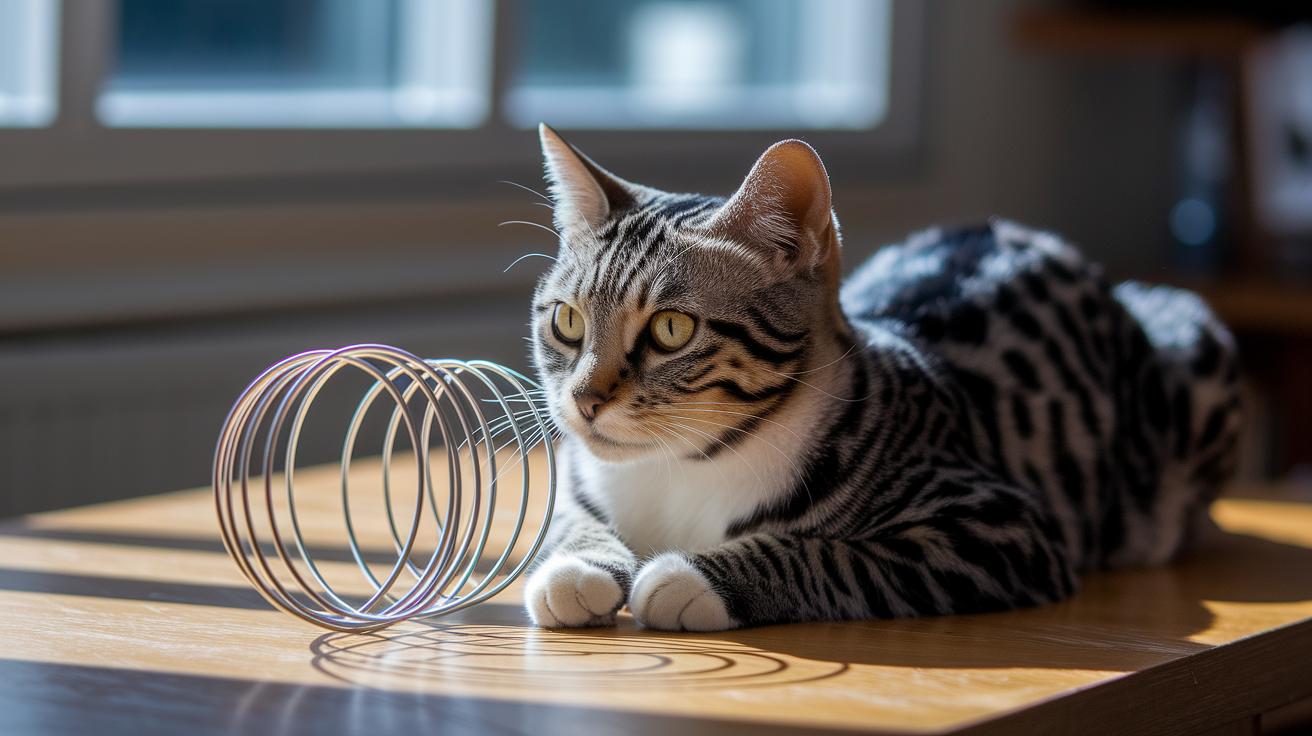
      A 16-inch wand paired with a 48-inch fleece ribbon (cozy soft polyester cloth) that swishes and sways. Perfect for swift swoops or slow teases. See detailed review for specs.
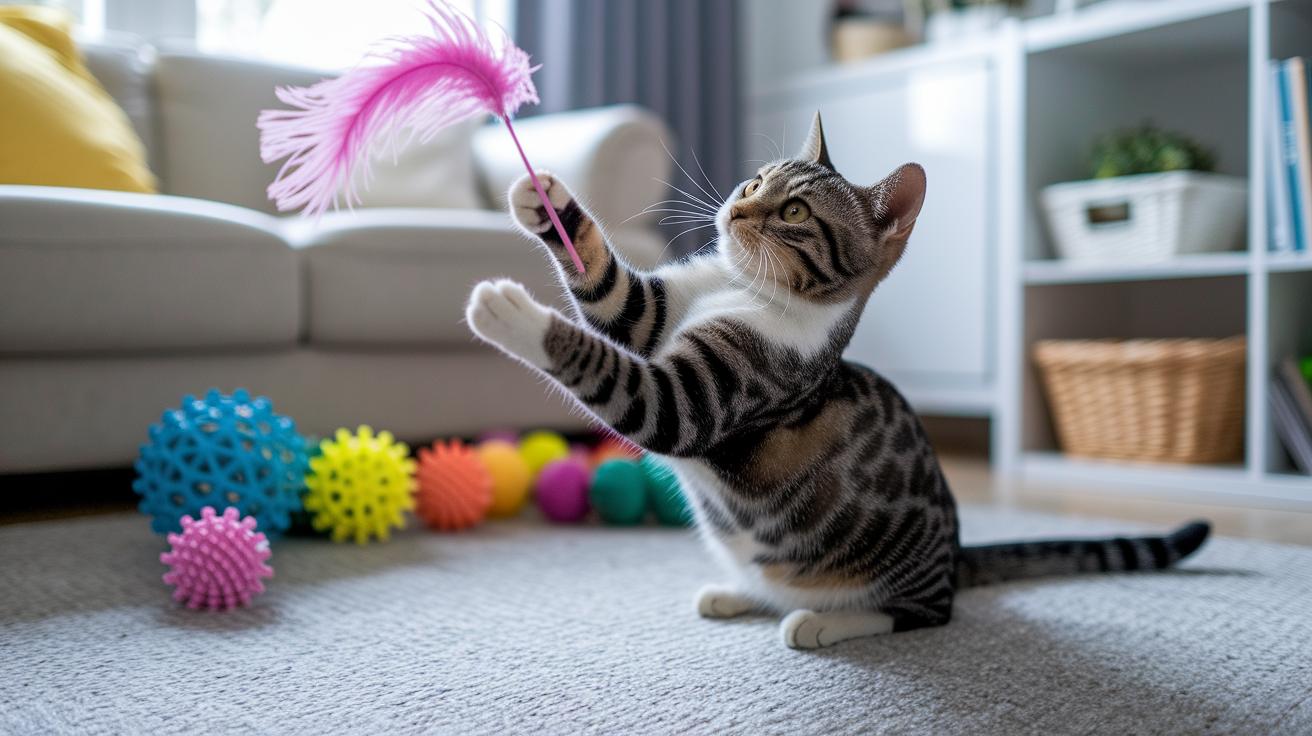
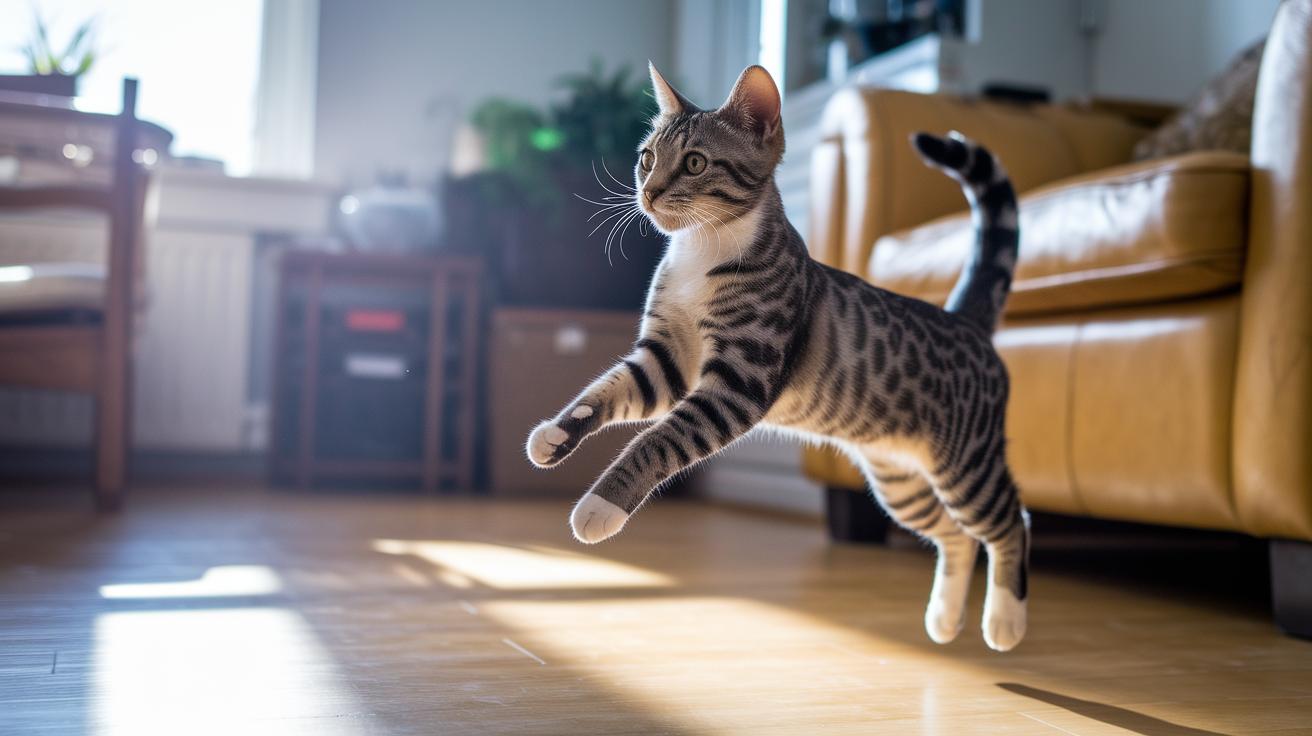
    • MeoHui Retractable Cat Wand
      It extends from 16 to 39 inches thanks to an alloy rod (lightweight metal). Tiny bells jingle with every flick, begging your kitty to pounce. See detailed review for specs.

    • Cat Dancer Spring Steel Wire
      A 36-inch spring steel wire (flexy metal coil) wiggles just like real prey. At the tip, there’s a simple cardboard lure your cat can’t resist. See detailed review for specs.

    • Frisco Bird with Feathers
      A plastic bird (sturdy resin) topped with fluffy feathers and a dash of catnip. Just shake it for instant wild-chase action. See detailed review for specs.

    Ready to spark those hunting instincts and get some quality playtime? Let’s go, human!

    Final Words

    We saw how interactive teaser wands mimic prey movements to meet your cat’s hunting drive, giving real exercise and mental fun in one sleek toy.

    Next, we checked ideal wand lengths and durable materials that boost fitness, then explored play patterns that keep kitties curious.

    Safety tips showed you how to read your cat’s cues, wrap up sessions with a rewarding catch, and store wands to stay fresh.

    Finally, choosing the right designs and checking our top picks means you’ll see fewer replacements and less claw damage. Embrace the benefits of interactive teaser wands for indoor cats and watch your multi-cat crew pounce with joy.

    FAQ

    Why are interactive teaser wand toys good for cats?

    Interactive teaser wand toys are good for cats because they mimic prey motions to satisfy hunting instincts, boost physical exercise and mental engagement, reduce stress and destructive behaviors, and deepen your bond.

    What is the best entertainment for indoor cats?

    The best entertainment for indoor cats is interactive play with teaser wand toys since they offer tailored physical activity, cognitive stimulation, and quality bonding moments, keeping cats active and happy.

    Related Articles

  • Cat body language during play Radiates Joyful Signals

    Cat body language during play Radiates Joyful Signals

    Ever wondered if your cat’s tail is running its own talk show? It waves and twirls like a tiny host on stage.

    When whiskers (those sensitive touch-hairs) flutter and ears shift forward, your kitty is saying “time to play!” Ever watched them zero in on a toy mouse, you know?

    We’re going to break down five playful signals. Tail flags. Ear shifts. A crouched stance. Happy chirps and trills. Gentle bite style.

    You’ll pick up on your cat’s unspoken cues and share more pounces, gentle trills, and cozy snuggles. It’s like learning a secret language only you two speak.

    Master these fun hints, and every play session becomes a joy fest for you and your feline friend.

    Cat body language during play Radiates Joyful Signals

    - Recognizing Playful vs Aggressive Cat Body Language.jpg

    Ever noticed your cat chatting without a single meow? When they’re feeling playful, they talk in body signals: flagging their tail (like a tiny flag), tipping their ears, shifting their stance, trilling softly, and giving gentle nibbles. But if they get tense, those signals flip to stiff poses, low growls, wide eyes, quick pounces, and piloerection (fur standing on end).

    Keep an eye on five simple spots, tail, ears, posture, sounds, and bite style, to know if your kitty wants to play or needs a breather. It’s like learning a secret cat code.

    • Tail held high and quivering shows curious play.
    • Rapid tail thumps warn of too much excitement.
    • Ears perked forward say “I’m ready to join.”
    • Ears flattened point to tension building.
    • Soft bites with tucked claws mean friendly fun.
    • Sharp bites with claws out signal “I’m done playing.”

    Next, we’ll dive into each of those cues, tail dances, ear twitches, body stances, vocal hints, and bite pressure, in full detail.

    Decoding Tail Signals in Cat Body Language During Play

    - Decoding Tail Signals in Cat Body Language During Play.jpg

    Ever see your cat greet you at the door with its tail held straight up? That proud vertical stick is basically your kitty saying, “I’m feline fine and ready for fun!”

    When your cat’s tail base quivers like a tiny engine revving (a little tail shake to get you going), that’s a clear invite to chase. Tip twitching at the end of the tail shows your kitty is lining up a pounce, stalking mode on. Totally claw-some, you know?

    A sudden side-to-side flick means your furball is alert or a bit annoyed, so watch for shifts in that tail. And when your cat gently wraps its tail around your wrist, that’s a warm trust hug, your kitty’s way of saying “you’ve got my heart.”

    But if you spot vigorous thrashing, fur flying, tail slapping the floor, it’s time for a break. Give your kitty space to reset. Worth every paw-print.

    Knowing these tail cues helps you tune into your cat’s energy. Next time play winds down, you’ll have the perfect toy or a soft snuggle ready.

    Tail Position Meaning
    Held straight up Confidence and happy greeting
    Base quiver Invitation to play
    Tip twitch Stalking or hunting focus
    Side-to-side flick Alert or mild agitation
    Tail wrap Bonding and trust
    Vigorous thrash Overstimulation warning

    Interpreting Ear, Eye, and Whisker Cues in Cat Body Language During Play

    - Interpreting Ear, Eye, and Whisker Cues in Cat Body Language During Play.jpg

    Ever wonder what your cat is thinking when you play? Cats don’t use words. They use their ears, eyes, and whiskers to chat. A tiny tilt of the ears can mean they’re ready to pounce. Watch those whiskers and pupils, too. If you catch these signals, you’ll join the fun without overstepping their paws, um, or scaring them off.

    Ear Positions in Play

    When your cat’s ears point forward, they’re curious and ready to chase. Think of their ears like a radar locking onto a feather wand. If the ears angle out to the side, they’re mildly interested, sort of like bird-watching through a window. But if the ears lie flat or tilt way back, that’s a warning. They might feel spooked or be close to a rough pounce.

    Eye Signals During Play

    Huge, round pupils mean your cat is all fired up, kind of like wearing zoom goggles. Slow, gentle blinks during a break say “I trust you.” That’s prime time for a soft pet or a quick cuddle before the next sprint. Really.

    Whisker Movements in Play

    When whiskers fan forward, your cat feels bold and curious, like antennae (feelers) on full alert. It’s perfect for hunting a tiny toy mouse. But whiskers pulled back tight against the cheeks mean play might be too intense. Time to switch to a gentler game or take a break.

    Vocal and Paw Actions in Cat Body Language During Play

    - Vocal and Paw Actions in Cat Body Language During Play.jpg

    Um, ever noticed how your cat chats with their paws or the sweet trill that means “let’s go”? Oops, let me rephrase that. Cats tap, trill, and purr to say they want fun. Pay attention and you’ll hop in right as the game heats up.

    • Chirps and trills: little birdlike sounds packed with excitement. They say “playtime now!”
    • A string of meows: like a live concert telling you “I’m ready” or “don’t stop.”
    • Purring plus kneading (the push-pull paw motion): chill vibes and happy hearts.
    • Soft paw taps or gentle hand-bats: tag, you’re it, jump in!
    • Low, playful growls: pretend roars for a mock chase, not anger.
    • Gentle nibbles with claws tucked in: part of the game, not a warning.

    Watching all those clues feels like reading a secret playbook. I once saw Luna freeze mid-bat when a sunbeam winked at her, it was adorable! If your cat suddenly pauses or shifts from purrs to a soft hiss, that’s your cue for a break. Switch toys or offer a quick chin scratch before diving back into feather-fishing or a gentle wrestling match.

    Body Posture and Movement Patterns in Cat Body Language During Play

    - Body Posture and Movement Patterns in Cat Body Language During Play.jpg

    Ever seen your kitty crouch low, belly brushing the floor, shoulders dipping like a sneaky tank? They rock back and forth, eyes locked on a toy, in stalking mode as mini predators getting ready to pounce. Their back legs pump just a bit, tail tip flicks (quick tail movement), and that narrowed gaze means serious playtime. So much focus, right?

    Then comes the freeze. Oops, let me rephrase that: mid-stalk, they stop – tail still, whiskers (those stiff hairs on their face) push forward, and muscles coil like springs. Um, it’s pure energy waiting to burst. Next moment, POW – they launch with their hind legs, a fuzzy blur of fur and claws (retracted, of course) as they tackle a feather wand or stuffed mouse.

    After the big leap, many cats flop onto their backs, legs waving in the air like little flags. That belly-up move screams “wrestle with me!” but careful – there’s a Venus cat trap (haha) hiding a surprise swat if play ramps up too fast. When your cat flips over, peek at their face and shoulders: if they look soft and calm, go ahead with a gentle belly rub (just one). But if ears flatten or you see tension, switch to light paw taps or hit pause on play.

    Interactive Toys and Enrichment for Clear Cat Body Language Feedback

    - Interactive Toys and Enrichment for Clear Cat Body Language Feedback.jpg

    Ever waved a feather wand chase (a stick with feathery lure) and seen your kitty turn into a tiny tiger? Her body lowers, her tail quivers and her ears point forward like she is locking on real prey. It is magic.

    Ever watched your cat chase that tiny red dot from a laser (a small light beam) and pounce before it moves? That simple game sparks crouch and pounce play every time. Her swift jumps and soft nibbles tell you when to cheer her on or slow down before she gets overstimulated.

    Watching her wrestle a stuffed toy (a plush fighter) shows off her strength and technique. She grabs it with her front paws and kicks with her hind legs like a champ. Once my Luna took down a toy mouse in two seconds flat.

    Some cats go wild for a squeaky plush mouse; others bat at a crinkly ball (a crunchy play ball). Swap toys every few days to keep the chase fresh.

    Just grab a handful from a toy bin or stash some in a drawer, then surprise your furball with a new treasure to sniff out and tackle. It is a simple trick to beat boredom every time.

    Create a safe play zone with open floor space and a soft rug for gentle landings. Add a high perch or cat tower (a multi-level climbing shelf) so she can watch before diving back in. You know, spy on her next move.

    These small changes help her feel secure and confident. And that brings out more fun body language – soft mews, ear flicks and tail wraps.

    Want wand options that last through endless feathery whirls? Check our durable cat teaser wand comparison to find the toughest teaser for your kitty’s pounce sessions.

    Preventing Overstimulation and Redirecting Rough Play in Cat Body Language During Play

    - Preventing Overstimulation and Redirecting Rough Play in Cat Body Language During Play.jpg

    Playtime can go from fun to too much in a flash. Ever watched your kitty’s tail lash like a mini rope or their whiskers flattening (pressed tight to the cheeks)? If they suddenly hiss or go statue-still, that’s stress tapping you on the shoulder. So pause the game. Talk soft. Step back. Let them breathe.

    Once your cat’s whiskers start to relax, it’s time to change things up. Try a crinkly ball (a ball that rustles like a snack bag) instead of a feathery wand, um, mix in a new texture for fresh excitement. I once watched Luna leap six feet after one, feline athleticism at its best.

    This switch lets them chase without sharp swats. If they still pounce or bite too hard, give a short time-out behind a baby gate or in another room. That little break helps them learn gentle nibbles are the only way to play.

    Next, make calm play awesome with rewards. Soft praise, a scratch behind the ears, or a tiny treat when they bat the toy gently goes a long way. Avoid scolding. Yelling can turn fun into fear. Instead, celebrate every moment your kitty keeps those claws tucked in or uses soft paws. Worth every paw-print.

    For more tips on keeping play fun and safe, check out how to encourage interactive play in cats

    Final Words

    Spotting a high tail or a gentle quiver shows pure play, not stress. We dived into ear tilts, pupil dilation, whisker direction, play bites, and vocal chirps so you know the signs in real time.

    We mapped stalking postures, rolling antics, interactive toy setups, and tips for cooling off over-enthused wrestlers. Next time a laser dot dances or a feather wand twirls, you’ll read their cues like a pro.

    Keep celebrating each whisker twitch and pounce. Your insight into cat body language during play makes playtime paw-some.

    FAQ

    What does a playful cat’s body language look like?

    A playful cat’s body language shows a high tail, forward ears, relaxed posture, and gentle batting or pouncing. Watch for a soft quivering tail tip and open body stance inviting interaction.

    How can I tell if my cat is happy while playing?

    You can tell if your cat is happy while playing by spotting a gently quivering tail, soft kneading with paws (pushing paws rhythmically), purring, and relaxed whiskers pointing forward in curiosity.

    How can I tell if my cat is playing, overstimulated, or being aggressive?

    Cats playing use light bites, soft paw taps, and a loose body. Overstimulation shows a whipping tail, flattened ears, and louder swipes. Aggression brings forceful bites and stiff posture with growls.

    How do cats show play when interacting with humans versus other cats?

    When interacting with humans, cats often wrap their tail around you, slow blink, and use gentle head nudges. With other cats, they pounce in crouch posture, wrestle gently, and use varied meows to invite chase.

    Do male and female cats play differently?

    Male and female cats follow the same play cues but may differ in intensity. Males often display more rough-and-tumble chasing while females might use precise, gentle batting and shorter stalking bursts.

    What does it mean when a cat lies down during play?

    A cat lying down during play may be inviting belly-up wrestling or catching its breath. Check for relaxed paws and a loose belly; if it tenses or swipes, it’s time to pause the game.

    Is there a chart that shows cat body language during play?

    A cat body language chart breaks signals into tail positions, ear placement, eye cues, whisker orientation, and vocal sounds. Use it to quickly decode playful invitations versus warning signs.

    Where can I find video examples of cat body language during play?

    You can find video examples of cat body language during play on pet behavior channels, dedicated Reddit forums like r/catbehavior, and educational clips showing tail, ear, and whisker signals in action.

    Related Articles

  • when do maine coon cats stop growing Magnificently

    when do maine coon cats stop growing Magnificently

    So you stop and watch your Maine Coon kitten do that pawsome stretch! Ever wonder if they’ll ever stop growing?

    At one year old, your fluffball is already half their adult size. They weigh about 7 to 13 pounds, give or take.

    By year two, they really bulk up. Imagine 12 to 18 pounds of soft fur blurring past your couch.

    And from years three to five, the slow glow-up kicks in. Broad shoulders, a mane fit for a mini lion, and a tail that sweeps the floor.

    We’ve sketched out your giant kitty’s growth timeline so you know exactly when your Coony hits full majestic size.

    Worth every paw print.

    Executive Summary: Maine Coon Growth Milestones

    - Executive Summary Maine Coon Growth Milestones.jpg

    Ever watched your Maine Coon’s paws grow so big you wonder if they’ll ever stop? Here’s the purrfect timeline: most Maine Coons finish growing around 3 to 5 years old (some fill out a bit after three, too).

    At 12 months, your fluffy friend is only about half to two-thirds of adult size, roughly 7 to 13 lbs (3.4–6 kg). Feel that gentle heft when they curl in your lap? That’s just the start.

    By 24 months, they’re well on their way to giant-kitty status. Male Coons usually weigh 12 to 18 lbs (5.4–8.2 kg), while females tip the scales at about 10 to 15 lbs (4.5–6.8 kg). Ever weighed your cat and thought, “Whoa!”? Same here.

    When your big buddy reaches full maturity, males can tip the scales at 18 to 25 lbs (8.2–11.3 kg). Queens usually land between 10 to 15 lbs (4.5–6.8 kg). Worth every paw-print.

    Early Kitten Growth & Final Maturation

    - Detailed Growth Phases Age-by-Age Size Benchmarks.jpg

    Your Coony kitten is on a speedy track. By 12 months, it’s reached about half its adult size. (See the Executive Summary for exact weight ranges.)

    From three to seven months, your little fluffball gains about 1 kilogram (kg, 2.2 pounds) each month. Their bones are thickening and muscles are popping. By six months, they weigh around 0.62–0.82 kg (1.4–1.8 pounds) and stretch about 25–35 centimeters (cm, 10–14 inches) from nose to tail base. Their paws look like tiny mittens hinting at the giant paws ahead. Really.

    At nine months, growth slows but playtime power ramps up. They pack on lean muscle and grow to roughly 40–60 cm (16–24 inches) in body length. Their tail becomes a soft plume (think a tassel topping your favorite hat). You’ll start spotting firmer thigh muscles and swoop-worthy jumps during play. Whoa.

    Then comes the slow glow-up between ages three and five years. That’s when shoulders and chest broaden out, the coat thickens into a regal adult mane, and tail fluff hits maximum fluffiness. It’s a slow finish worth every paw-print.

    Factors Influencing Maine Coon Growth

    - Factors Influencing Maine Coon Growth.jpg

    Your kitty’s genes (think of them as a secret weight recipe) are the biggest part of the puzzle. If both parents are fluff giants, their kittens often become hefty adults too. Eye color or coat pattern doesn’t mean much for size, it’s those hidden weight codes that count.

    By about one year old, you’ll start to notice tomcats (male cats) filling out more, thicker bones (hard parts that give shape) and rippling muscles, tipping the scale a few pounds above queens (female cats). Queens bulk up in all the right breed-typical spots, but usually stay a tad lighter.

    And then there’s the playground factor. Toss in teaser wands, climbing towers, even puzzle feeders and suddenly each room turns into a kitty gym. A quick dash after a laser dot builds lean muscle and keeps joints nimble. Really, playtime shapes their little athlete bodies.

    Of course, growth needs its beauty sleep. Maine Coons can snooze up to 16 hours a day, that’s prime time for bones and muscles to firm up behind the scenes. Play hard. Sleep hard.

    Neutering (spaying or holding off on heat) can tweak growth just a bit, it sometimes delays when growth plates (soft bone ends where bones lengthen) close, so your cat might stretch out a little more. But don’t expect bulkier muscles, it’s subtle, you know.

    Pretty cool, huh?

    Nutrition and Feeding Schedule for Growing Maine Coons

    - Nutrition and Feeding Schedule for Growing Maine Coons.jpg

    Your Maine Coon’s meals are like little building blocks for strong bones, lean muscles, and that fur-tastic mane. Picture the clink of kibble hitting the bowl and your kitty’s whiskers twitching with delight. Aim to match meal sizes to life stages so your fluff-ball never feels famished or too full. That way, you’ll see steady, healthy growth every step of the way.

    Ever watch them make biscuits in the air?

    Age Meals per Day
    3 weeks–10 months 2–6 small meals
    10–15 months 2 meals

    Kittens need protein (muscle-builder) making up 35–45% of their diet. Choose high-quality animal sources like chicken, turkey, or salmon for strong muscles and healthy organs. It’s claw-tastic how much lean strength these proteins pack.

    Fat is energy-rich fuel, but keep it under 20% of total calories so your cat bulks up without extra fluff in all the wrong spots. Wet food with about 70% moisture (water content) beats dry kibble for hydration and nutrient density, it smells fresh and tastes irresistible.

    Curious about raw feeding? A little raw meat can help keep skin shiny and teeth strong, but you know, only a small share and always handle it safely. Chat with your vet before you dive in, safety first!

    When your Coony hits adulthood, aim for 50–70 kcal (calories) per kilogram of body weight each day. Around nine years old, ease back on portions to match their slower pace, no one wants extra fluff in their senior years. Keep those bowls lined up, and watch your gentle giant thrive.

    Monitoring Growth: Charts, Measurements, and Healthy Development

    - Monitoring Growth Charts, Measurements, and Healthy Development.jpg

    Weighing and measuring your Coony each month transforms guesswork into a paw-tastic cat science project. First thing in the morning – with your kitty’s paws patting the scale – hop on the same digital scale (the kind with a little screen that shows numbers), then note the reading. Next, wrap a soft fabric tape measure (like the one you use for sewing) from nose tip to tail base, feeling that squishy fur under the tape. Jot it all down in a notebook or spreadsheet so you can spot those satisfying steady climbs or any surprise plateaus.

    Oops, let me rephrase that. Spotting plateaus is neat too. Ever noticed your Coony’s whiskers twitch as they grow? Plot age, weight, body length, and tail length on a chart. You’ll soon see a smooth curve if your kitten is on track.

    • Weigh your cat on the same scale before breakfast every time.
    • Measure from nose tip to tail base with a soft fabric tape measure.
    • Record age, weight, body length, and tail length in a notebook or spreadsheet.
    • Plot the numbers to watch for gentle arcs instead of sudden jumps.
    • Check for lean-muscle gains and a tiny waist – that’s healthy growth.
    • If ribs vanish or the belly sags, tweak meals or check in with your vet.

    Worth every paw-print.

    Common Growth Concerns and Veterinary Checkpoints for Maine Coons

    - Common Growth Concerns and Veterinary Checkpoints for Maine Coons.jpg

    Regular checkups help you spot any growth hiccups before they become a big deal. They’re like your cat’s personal pit crew, you know, making sure fluff and health are on point. Your vet will track weight, length, and overall heft so your gentle giant stays in the fast lane.

    Ever watch your kitty stretch toward the sunshine and feel those whiskers twitch? If that stretch slows down, it’s worth a second look.

    Here’s what to watch:

    • Weigh your kitten at six months, if it’s under 620 g (about 1.4 pounds), ring up the clinic.
    • Check the scale every week. A drop or flat line for several weeks is a red flag.
    • Test that stretch. No new inches? Give your vet a heads-up.
    • See stiff joints or a kitty dodging jumps? Could be hip dysplasia (hip joint disorder) or arthritis (joint inflammation).
    • A coat that looks dull, sniffles that stick around, or extra naps might point to hypothyroidism (low thyroid hormone).
    • Always hungry but not growing? Ask about hormonal checks like thyroid or growth factor levels.

    Seriously, catching these signs early is a game-changer.

    Minor quirks can turn into big problems if left alone. Maine Coon growth issues often show up as uneven bones or wobbly muscles. Your vet can X-ray the soft ends of bones (growth plates) to see when they’re sealing up and confirm skeletal maturity, usually around four or five years old. Oops, make that closer to five years for the real giants.

    Worth every paw-print.

    Final Words

    In the action of this post we zoomed through size milestones from kitten fluff to full-length tail swish.

    We looked at factors shaping height and heft, from big-parent genes to play sessions and diet plans.

    We mapped feeding schedules, tracking charts, and red-flag vet checkpoints, so you catch anything early.

    And if you’re wondering when do maine coon cats stop growing, count on slow gains until about 3–5 years.

    Here’s to many playful pounces and healthy growth ahead.

    FAQ

    When do Maine Coon cats stop growing and when do their growth plates close?

    Maine Coon cats typically stop growing between 3 and 5 years of age, with their skeletal (growth) plates closing around that same 4–5 year period, finalizing their full adult size.

    How large do Maine Coon cats get?

    Maine Coon cats reach adult weights of 18–25 pounds for males and 10–15 pounds for females, with body lengths up to 48–76 cm and tails extending 30–45 cm.

    How much should a Maine Coon cat weigh at 10 months?

    By 10 months, a Maine Coon often weighs roughly 3.4–5 kg (7.5–11 lbs), about half to two-thirds of its final adult weight.

    Do Maine Coons grow slowly?

    Maine Coon cats do grow more slowly than many breeds, reaching just over half their adult weight by 12 months and not hitting full size until 3–5 years old.

    How can I tell how big my Maine Coon will get?

    You can estimate a Maine Coon’s adult size by checking parental sizes, monitoring growth charts monthly, and noting that kittens hit 50–66% of adult weight by one year.

    How big will a half Maine Coon cat get?

    A half Maine Coon cat will likely reach about half the breed’s average size, roughly 9–12 pounds for males and 5–8 pounds for females, depending on genetic background.

    What is the smallest Maine Coon cat in the world?

    The smallest recorded Maine Coon weighed just over 4 pounds as an adult, demonstrating rare genetic or developmental variations that result in unusually petite individuals.

    Why is my Maine Coon smaller than average?

    A Maine Coon may be smaller due to genetics, slowed growth patterns, nutrition, health issues, or delayed neutering, so vet checkups and balanced feeding support healthy development.

    Related Articles

  • Best Wet Cat Food Delights Feline Taste Buds

    Best Wet Cat Food Delights Feline Taste Buds

    Think all wet cat food tastes the same? Ever watch your kitty turn up its nose at a bowl? It’s a total bummer, right?

    Now picture soft tuna chunks floating in silky gravy (that’s smooth, juicy sauce) so each lick sparks a mini flavor firework. Some brands offer mystery mush that leaves whiskers drooping. Others give meaty protein (the muscle fuel your cat needs) and extra gravy that makes fur glossy and paws springy.

    Ready to shake up bowl time? We’re diving into five wet foods that make taste buds dance, bulk up healthy muscles, and keep hydration purring. Plus, they won’t break the bank. Let’s spoil your furball.

    Top Five Best Wet Cat Food Picks

    - Top Five Best Wet Cat Food Picks.jpg

    1. Royal Canin Adult Instinctive
      Your adult cat’s taste buds will dance with this meaty blend. It packs just the right amount of protein (muscle-building stuff) and moisture (water content) to help your kitty stay fit and hydrated. Ever noticed how their coat gleams after a good meal? This one’s my go-to for keeping them feline fine.

    2. Purina Fancy Feast Seafood Grilled
      If your cat can’t get enough of fishy goodness, this grilled seafood feast is purr-fect. The rich seafood flavor has them licking their lips, and the juicy gravy cleans out every nook of the bowl. Best part? It won’t empty your wallet, so treats are always on the menu.

    3. Hill’s Science Diet Adult Indoor
      Indoor cats need special care, right? This low-calorie (fewer calories to keep your cat trim) recipe is packed with extra moisture so your furball stays full and satisfied. Think of it like a little indoor spa meal, gentle on tummies and great for a sleek, happy kitty.

    4. Royal Canin Aging 12+
      Got a silver-muzzle at home? These softer slices in warm gravy are easy to chew and full of joint-friendly nutrients (stuff that helps stiff paws). It’s like a cozy dinner that pampers senior cats and keeps their whiskers twitching with joy.

    5. Hill’s Prescription Diet Metabolic Weight Management
      When your vet says “slim down,” this formula answers the call. It’s a clinically tested mix of protein (keeps muscles strong), fiber (like a broom for tummies), and extra moisture to help tackle those extra pounds. Your cat gets a tasty meal and you get peace of mind.

    Nutritional Criteria in Best Wet Cat Food: Ingredients and Benefits

    - Nutritional Criteria in Best Wet Cat Food Ingredients and Benefits.jpg

    Ever peek at the label? Your kitty wants chicken, turkey, or venison right at the top, that means lots of protein (muscle fuel). Grain-free cans often pack more protein and fewer carbs (energy bits), so you get fun flavor combos without fillers like corn gluten meal or pea protein.

    Wet food can be up to 78% water. That’s like a mini bath in every bite. It helps keep your furball hydrated and may cut down on urinary issues. Every meal doubles as a little sip of fresh water, your cat’s bladder will thank you.

    Aim for less than 10% carbs on a dry-matter basis. Too many starches can leave your cat feeling full but still hungry. See rice or potatoes near the top? Slide that can back on the shelf and try another flavor.

    Don’t skip taurine (an essential amino acid cats need). It keeps hearts strong and eyes bright. Look for omega-3 and omega-6 fats (for glossy fur), antioxidants (cell defenders), plus prebiotics and probiotics (tummy soothers). A touch of fiber helps with digestion. It’s like serving up a balanced feast straight from the wild, minus the chasing.

    Feeding Guidelines for Best Wet Cat Food: Portions, Frequency, and Transition Tips

    - Feeding Guidelines for Best Wet Cat Food Portions, Frequency, and Transition Tips.jpg

    Your 10-lb cat usually needs about 200 calories (units of energy) a day. Just peek at the label for calories per ounce, then divide 200 by that number to get the right serving. A kitchen scale or scoop keeps things spot on – no more guessing.

    I like to split meals into two or three small servings. Serving wet food at set times beats free-feeding – your kitty won’t snack all day. It’s like mini treats of nourishing yum that stop overeating. Who doesn’t love a purrfect routine?

    Switching from dry kibble to wet food takes about seven to ten days. Start with a mix of 25 percent wet food and 75 percent dry, then adjust a bit each day until you’re at full wet. Your cat might give you the side-eye at first, um, but that’s normal as their tummy adjusts. Ever caught that hopeful sniff when they realize dinner’s changed? That’s progress right there.

    Once your cat dives into wet food happily, weigh them once a week to check their body condition. If they’re slimming down too fast or packing on fluff, tweak the portion by just a few grams. Imagine their whiskers twitching as they dig in – small tweaks keep them purring and healthy. Then every few weeks mix in a new flavor or brand – variety is a kitty’s spice of life. It’s like spinning a yummy wheel of fortune – and your cat always wins.

    Best Wet Cat Food by Life Stage: Kittens, Adults, and Seniors

    - Best Wet Cat Food by Life Stage Kittens, Adults, and Seniors.jpg

    Kittens zip around like tiny rockets, ever watched them chase shadows at warp speed? They need supercharged meals loaded with protein (muscle builder), fat (energy boost), and extra calories to fuel their zoom sessions. Look for kitten recipes with DHA (omega-3 fat for brain power) and vitamin E (cell guard) to support healthy growth. Seriously, they can polish off a quarter cup in minutes when playtime strikes!

    For adult cats, a balanced indoor recipe works best. Choose a low-fat (energy control) and high-moisture (hydration helper) formula that meets standard nutrition guidelines, our pick is option #3 on the list.

    • Weight-Management: If your kitty needs to shed a few ounces, try Hill’s Prescription Diet Metabolic. Serve two to three small meals a day so she feels satisfied without extra calories.
    • Seniors: Older cats often need extra joint-supporting nutrients (happy hips), antioxidants (cell protectors), and soft slices that are easy to chew. Royal Canin Aging 12+ checks all those boxes.

    Texture and Flavor in Best Wet Cat Food to Please Picky Cats

    - Texture and Flavor in Best Wet Cat Food to Please Picky Cats.jpg

    Cats can be real critics when it comes to feel and taste. Some furballs adore silky paté (smooth paste) that melts on their tongue. Others go nuts for hearty meaty chunks in gravy (sauce-like liquid). And a few might demand shredded bites or slice-and-gravy combos for a playful texture twist.

    Fun textures to try:

    • Silky paté that feels soft and smooth.
    • Chunky morsels in rich gravy.
    • Shredded bits or slice-and-gravy options for a surprise.

    To win over that finicky friend, warm the new food to room temperature. It brings out extra aroma. Then mix a spoonful of the new style with their favorite can. Do this mix-and-match trick over 5 to 7 days so whiskers and tummies can adjust.

    Flavor rotation keeps dinner fun. Serve fish-based meals one day, poultry dishes the next, then red-meat stews later in the week. It fights boredom and keeps your kitty curious. Ever watched your cat circle the bowl before diving in? Variety is the secret to turning that cautious sniff into a happy pounce!

    Best Wet Cat Food Price Comparison: Cost-Per-Can and Budget vs Premium Options

    - Best Wet Cat Food Price Comparison Cost-Per-Can and Budget vs Premium Options.jpg

    Budget-friendly wet foods can quiet your wallet’s growl without skimping on nutrients for your cat’s shiny coat! Fancy Feast seafood pops open at just $0.50 per 3-ounce can, roughly $0.80 a day for a 10-pound kitty. And Dave’s Pet Food runs about $0.30 an ounce (about 28 grams), or $1.64 each day (a calorie is a unit of food energy) for that same cat size.

    Store-brand cans often undercut fancy names by 20 to 40 percent. So don’t be shy about giving your supermarket brand a whirl. It might surprise you with good flavor and an extra boost for your budget. Your cat won’t notice once those soft bites hit their tongue.

    Premium blends cost more up front but can earn rave purrs from picky eaters. Smalls fresh-food subscriptions (subscription plan) start around $4.00 a day, while Ziwi Peak rings in near $7.00. You’re paying for human-grade (fit for people) ingredients, unique protein sources, and hardly any fillers. And that quality can mean a healthier, happier cat. Worth every lick, some owners say.

    Want to shave costs? Um, buying 12- or 24-can cases usually nabs a 10 to 15 percent bulk discount. Subscription services like Smalls or Open Farm can knock off another 10 percent every order. Mix in a budget brand most days, then splurge on a premium pouch once a week, and you’ll treat your cat to variety without letting your budget hiss.

    Brand Cost per Can Daily Cost (200 cal)
    Purina Fancy Feast $0.50 (3 oz) $0.80
    Dave’s Pet Food $0.30/oz $1.64
    Smalls (subscription) $2.00 (3 oz) $4.00
    Ziwi Peak $3.00 (3 oz) $7.00

    Mix and match, or subscribe, to keep your cat purring and your wallet happy.

    Best Wet Cat Food Storage and Handling: Open Can Care and Shelf-Life

    - Best Wet Cat Food Storage and Handling Open Can Care and Shelf-Life.jpg

    When you crack open a can, slide it into the fridge within two hours. Then scoop the leftovers into an airtight container (a sealed container that keeps air out) so the texture stays yummy. Aim to serve it within three to five days, this little habit keeps bacteria away and has your kitty’s bowl purr-fectly safe.

    Worth every paw-print.

    Pouches are a dream for pantry storage. They stay fresh until mealtime, just rip one open when your cat’s ready to dine. The rest can chill on the shelf until tomorrow’s snack, no fridge needed until the seal is broken.

    Ever watched your kitty tap at a pouch like it’s a treasure chest?

    Heading out? Pack wet food in an insulated bag or on an anti-spill tray. A small cooler bag with ice packs tucks neatly into your car for a day trip or a vet visit. No more soggy spills on the seat.

    Travel just got a whole lot easier.

    You can even turn refrigerated wet snacks into frozen treats. Spoon a bit into silicone molds (those flexible cups) and freeze. Pop out a few fish- or chicken-flavored cubes, thaw them in the fridge for up to 24 hours, and let your cat enjoy a cool, fresh nibble on a hot day. It’s a fun way to stretch your stash and spoil your feline friend.

    Best Wet Cat Food Delights Feline Taste Buds

    - Special-Formula Best Wet Cat Food Urinary, Grain-Free, and Hypoallergenic Options.jpg

    Hill’s c/d Multicare is a champ for urinary health. It has 178 calories in a 5.5-ounce can. Those controlled minerals (like tiny bath bombs for your cat’s bladder) help break up stones. It’s vet-approved if your kitty’s had urinary drama. And the soft slices even picky seniors gobble up.

    Open Farm shines with grain-free canned cat food. It packs 39 percent protein on a dry-matter basis (that’s the good stuff after water’s gone) and under 20 percent carbs, with no legumes or fake preservatives. Think backyard roast without fillers. My tabby’s whiskers went wild at that fresh-chicken aroma.

    Hypoallergenic wet blends keep ingredients to a handful so they’re easy on tum-tums. Novel proteins like venison or rabbit mean itchy paws and sneezes are history. Ever see your cat tiptoe around the bowl? Try a single-protein recipe and watch them pounce.

    Prescription wet foods do more than fill a bowl. You’ll find formulas with adjusted phosphorus (a mineral that’s easier on kidneys), lower sodium (salt), or precise calorie counts for kidney, liver, or diabetes care. In truth, they keep hydration high, which is vital, and balance vitamins so every bite nourishes body and soul. Always check with your vet before dialing in a medical diet.

    These special recipes aren’t just meals. They’re little love notes for your cat’s health. They tackle urinary issues, grain sensitivities, allergies, and chronic conditions without skimping on taste. Your kitty’s health gets a boost and their taste buds get a party.

    Purr-fectly worth every paw-print.

    Final Words

    We jumped straight into our top five best wet cat food picks, breaking down taste and balanced nutrition in a glance. Then we explored how to read labels, set up feeding plans, and match the right formula to kittens, adults, or seniors.

    Texture tricks for picky paws, cost breakdowns, storage hacks, and special formulas for health needs round out your toolkit.

    All in all, you’ve got every tip to pick the best wet cat food that keeps your crew healthy, happy, and playing on.

    FAQ

    What is the healthiest wet cat food?

    The healthiest wet cat food contains meat-first ingredients (like chicken), high moisture to prevent dehydration, low carbs (<10% dry-matter), plus taurine for heart health and omega fats for a shiny coat.

    Which wet cat food is best for indoor cats?

    The best wet cat food for indoor cats is low-calorie, high-moisture formulas like Hill’s Science Diet Indoor to help prevent weight gain and support urinary health by boosting hydration.

    Which wet cat food do veterinarians recommend?

    Veterinarians often recommend balanced brands like Royal Canin Adult Instinctive for protein and moisture, plus Hill’s Prescription Diet for cats with weight or health concerns based on clinical testing.

    What wet cat food suits kittens?

    Wet cat food for kittens is rich in protein and fat (2–3× adult levels), with extra calories for growth, plus essential taurine and DHA to support brain and eye development.

    Is Tiki Cat wet food a good choice?

    Tiki Cat wet food offers high protein from fish or chicken, grain-free recipes, and high moisture to keep cats hydrated, making it a tasty, nutrient-rich option for many felines.

    What are the top supermarket wet cat foods?

    Supermarket wet cat foods like Fancy Feast Seafood Grilled and Sheba Classics offer good taste, affordable prices, and balanced nutrition for everyday feeding without breaking the bank.

    What type of canned food is best for cats?

    The best canned food for cats prioritizes meat-first ingredients, high moisture, low carbs (<10% dry-matter), and key nutrients like taurine and omega fats, avoiding plant-based fillers and artificial additives.

    What is the 25 % rule for cat food?

    The “25 % rule” suggests avoiding cat food with more than 25 % carbs on a dry-matter basis, aligning with cats’ obligate carnivore needs for a low-carb diet.

    What is the best dry cat food for cats?

    The best dry cat food balances high-quality animal proteins, moderate fat, low carbs (<10% dry-matter), plus fiber for digestion, and meets AAFCO nutritional standards for your cat’s life stage.

    Related Articles

  • fun cat facts That Melt Your Heart

    fun cat facts That Melt Your Heart

    Ever thought your cat just dozes all day? Think again. Behind those sleepy eyes is a wild world full of pounces and surprises.

    They have desert-born kidneys (organs that hold water like built-in tanks), so they can even sip a bit of seawater. Um, talk about tough. And their genes (tiny cell instructions) are more like a tiger’s than a pup’s. Wild, right?

    In this post, I’m sharing fun cat facts that will make your heart melt. I mean, ever watched your kitty’s whiskers twitch as it backflips for a feather? It’s claw-tastic.

    Get ready to wow friends at happy hour or on your feed! Once you know what your whiskered buddy can do, sofa snuggles will never feel the same.

    Surprising Cat Trivia to Share on Social Media

    - Surprising Cat Trivia to Share on Social Media.jpg

    Ever watched your kitty snooze the day away and thought, “How do they do it?” Here are some claw-some cat facts you can drop on social media to make fellow cat lovers purr.

    • Domestic cats share more genes with tigers than they do with dogs.
    • Around 9,500 years ago, folks first tamed cats in the Fertile Crescent to guard grain stores.
    • Wildcats and house cats differ by only 22–24 genetic mutations (tiny changes in DNA).
    • In short bursts, cats can sprint up to 31 mph – that’s faster than most human runners.
    • A cat’s skeleton has 230 bones and about 500 muscles, making them super bendy.
    • Your feline friend naps 12–16 hours a day, so those sleepy selfies make total sense.
    • As obligate carnivores (meat-eaters that need certain nutrients), cats can’t taste sweets.
    • Their desert-adapted kidneys (kidneys that work well with little water) even let them sip seawater.
    • Cats can hear up to 64 kHz, picking up sounds way beyond our range.
    • From old sailing ships to modern yachts, ship’s cats kept rodents at bay and crews smiling.
    • Some cats are natural chimeras, carrying two sets of DNA in one coat.

    Ready to wow your followers? Post these and tag a fellow cat lover!

    Fascinating Cat Behavior Facts

    - Fascinating Cat Behavior Facts.jpg

    Ever catch your kitty doing something so weird you wonder what’s on their mind? It’s a mix of old hunting instincts and cozy home vibes. Purrs, kneads, zoomies, scratches – that’s your cat’s quiet chat without words. Once you crack their code, each whisker twitch feels like a warm hello.

    • Purring: cats hum by vibrating their throat bones at 25-150 Hertz (cycles per second). That soft rumble calms nerves and even helps ease little aches.
    • Kneading: when your cat pushes its paws in and out, like making tiny biscuits, it harks back to kitten nursing time. It means they feel safe and snug, almost like a gentle kitty hug.
    • Zoomies: after using the litter box or finding a sunbeam, many cats take off in a blur. This quick sprint clears their head and perks up their mood.
    • Scratching: cats have scent glands in their paw pads that leave a personal mark on your couch. Scratching also wears away old claw layers so sharp nails can shine through.

    Knowing these cat traits turns every head bump and tail flick into a sweet bonding moment. You’ll notice when they crave a cuddle or when they’re itching for a zoom across the room. Speaking fluent cat really is pure joy, you know?

    Insight Into Cat Senses and Abilities

    - Insight Into Cat Senses and Abilities.jpg

    Cats dart through life in a whirl of flicking tails and tiny mews. They spot details you’d totally miss. They taste scents swirling on the breeze. And they sense flavors beyond our wildest dreams.

    Let’s check out the four superstar senses. Um, get ready.

    Sense Capability
    Vision Field of vision is about 200° (vs. our 180°). See What Do Cats See
    Night Vision Can see in light eight times dimmer than humans, thanks to extra rod cells (light-sensing cells) and a reflective tapetum (shiny eye layer)
    Taste About 473 taste buds. Cats taste savory, salty, bitter, and sour but not sweet
    Scent Jacobson’s organ (aka vomeronasal organ) on the roof of the mouth “tastes” airborne scents for extra flavor clues

    At dawn or dusk (when the sky glows apricot), your cat becomes a crepuscular explorer (active at dawn and dusk). Ever watched her track shadows on the wall? That’s wide-angle vision in action. Actually, scratch that, mind-blowing.

    Come night, she prowls while our eyes go fuzzy in low light. Thanks to extra rod cells (light-sensing cells) and a shiny tapetum (reflective layer), she sees in light eight times dimmer than we can.

    Those 473 taste buds mean she skips sweets but hones in on meaty smells, think chicken grilling next door. And her Jacobson’s organ turns a quick sniff into a deep aroma hunt.

    These senses team up so your furball feels like a tiny panther in your living room. Seriously magical.

    Cat Record Trivia and Superlatives

    - Cat Record Trivia and Superlatives.jpg

    Ready for some claw-some facts? Our whiskered pals have set some paw-some records!

    • Fastest domestic cat: In 2013, an unnamed kitty sprinted up to 31 miles per hour (like an Olympic runner).
    • Longest cat: Stewie the Maine Coon measured a whopping 48.5 inches (think four rulers back to back) in 2013.
    • Shortest cat: In 2014, Cye the Munchkin stood just 5.35 inches tall (barely taller than a soda can).
    • Loudest purr: In 2015, Merlin rumbled at 67.7 decibels (as loud as a vacuum).
    • Richest cat: Missy inherited £13 million ($20.3 million) in 2022 (talk about purr-sonal finance).

    These wild stats remind us cats never stop surprising us. Ever watched your cat chase shadows only to zoom like lightning? That unnamed sprinter puts Olympic runners to shame.

    Merlin’s thunderous purr shows a mini lion lives in every lap cat. And Missy’s mega inheritance proves they’re masters of charm (and maybe of our wallets, too). Picture Stewie stretching out like a living fluffy ruler, or tiny Cye scuttling under a teacup (you know, impossible to resist).

    Intriguing Cat Historical Facts

    - Intriguing Cat Historical Facts.jpg

    Have you ever pictured your cat chasing shadows in a dusty camp? Back in 3600 B.C. in the Fertile Crescent, wildcats crept into human grain stores, gobbling up mice so people’s food stayed safe. It was a purr-fect partnership.

    By 3000 B.C., these furry stowaways hopped aboard Phoenician trading ships and crossed seas to new lands. Imagine a tiny tiger curled up under the sail, dreaming of fresh mice on foreign shores. Pretty adventurous, right?

    • The nine lives myth: Ancient Egyptians saw cats landing on their paws and dodging danger. They started saying cats had nine lives, like a feline cheat code.
    • Black cat lore: In medieval Europe, black kitties went from revered mousers to spooky omens. People whispered about bad luck and gave these stealthy hunters a rough reputation.
    • Japanese lucky cat: Meet Maneki-neko (beckoning cat). Since 17th-century shops, these chubby figures wave their paw to invite good fortune.

    Even though cats saved ships and farms, you won’t find them in old Bible tales or Babylonian creation myths. Funny, huh? Folk legends about sneaky cat heroes popped up everywhere else, but sacred scrolls stayed silent.

    Fast forward to today, and cats rule pop culture. Viral kitty memes make us giggle, and Instagram stars in tiny outfits rack up millions of fans. You’ll spot Maneki-neko statues bobbing on coffee shop counters, and people still debate if a black cat crossing your path is lucky or not. With hashtags like #BlackCatAppreciationDay and endless TikTok cat videos, our soft-pawed pals keep charming the world, one gentle purr at a time.

    Whisker Functions and Tail Balance in Cats

    - Whisker Functions and Tail Balance in Cats.jpg

    Hey cat-crazy friend! Did you ever notice your kitty’s whiskers barely move even when a breeze brushes by? That’s because each cheek is lined with about 12 guard hairs (thick, touch-sensitive hairs) rooted three times deeper than normal fur. You’ll find extra whiskers above the eyes and on the upper lip that map out tight spots and even feel air shifts when a bug buzzes too close. It’s like a built-in rangefinder that tells your furball if a tunnel or jump is wide enough: feline precision at its best.

    Balance is another kitty superpower. A cat’s spine (backbone made of bones) bends like a slinky and its tail swings like a tightrope walker’s pole, shifting weight to keep them steady.

    Slip off a ledge? No problem. Um, your cat arches and twists midair, rotating front and back halves at different speeds to land feet-first: watch that righting reflex (rotation twist ability) in action. Think of it as a live-action gymnastics show powered by every vertebra (tail-bone) in their tail: Do Cat Tails Have Bones.

    • Tail balance trivia: a cat’s tail has about 19 vertebrae (tail-bones) that act like a ship’s rudder to steer midair turns and align their center of gravity.
    • Rotation twist ability: they bend their spine and swing their tail so the front and back halves rotate separately, completing a full midair flip before paws touch down.

    Entertaining Cat Breed Trivia

    - Entertaining Cat Breed Trivia.jpg

    Siberian Cat Origins

    Siberian cats split from other house cats about 1,000 years ago in snowy Russia. They grew a triple coat (three fur layers that repel water and trap warmth) to roam frozen forests. Run your fingers through that plush fur! Each guard hair sheds raindrops like tiny umbrellas.

    The dense undercoat feels soft as velvet under your palm.

    Scottish Fold Ancestry

    All Scottish Folds trace back to one barn cat in 1960s Scotland. A natural mutation bent its ear cartilage forward, giving that sweet owl-eye fold. You know, kittens tilt their heads with extra cuteness. It’s all thanks to a tiny twist in their DNA.

    Worth every head tilt.

    Polydactyl Cat Toe Trivia

    Polydactyl cats have bonus toes – sometimes six or seven on a paw – and up to 24 whiskers per side (thick guard hairs that feel like tiny brushes). Ernest Hemingway’s old Key West home turned into a polydactyl paradise full of these multi-toed adventurers.

    People say extra toes make them expert climbers. They scamper up curtains like they’re climbing tiny ladders. Such a neat quirk.

    Bonus toes = bonus fun.

    These three quirks – ancient roots, one-off mutations, bonus toes – show cat genetics at their most playful. And isn’t it wild that a single stray cat could spark a whole new look? Breed oddities make us grin from whisker to tail tip.

    Final Words

    in the action, we kicked off with 12 share-friendly trivia gems that make any scroll pause. Next, we dove into feline behaviors like kneading and zoomies, then peeked at senses and superpowers.

    We also checked out record-breakers, from 31 mph racers to million-pound inheritances, and traced cats’ ancient myths and whisker wonders.

    Breed oddities gave a final flourish, from fold-eared Scots to polydactyl pals.

    Hope these fun cat facts spark conversation and brighten your multi-cat home with purrs and pawsitive vibes.

    FAQ

    What are some fun and surprising cat facts?

    Fun and surprising cat facts include cats sharing more genes with tigers than dogs, boasting 230 bones in their skeleton, sleeping up to 16 hours, sprinting at 31 mph, and even drinking seawater.

    What is the 3-3-3 rule for cats?

    The 3-3-3 rule for cats helps new cats adjust by giving three days to hide and feel safe, three weeks to explore their space, and three months to fully settle into a routine.

    What is unusual or mind-blowing about cat facts?

    Unusual cat facts show how they have a righting reflex to land feet-first, use whiskers as depth sensors, can hear frequencies up to 64 kHz, and even carry two distinct DNA profiles as chimeras.

    What are some disturbing cat facts?

    Disturbing cat facts include natural chimerism—some cats have two distinct DNA sets in one body—kittens may injure weaker littermates while nursing, and many cats swallow hair ties, risking serious intestinal blockages.

    Related Articles