Author: Nathaniel Price

  • are domestic cats omnivores Definitive Verdict

    are domestic cats omnivores Definitive Verdict

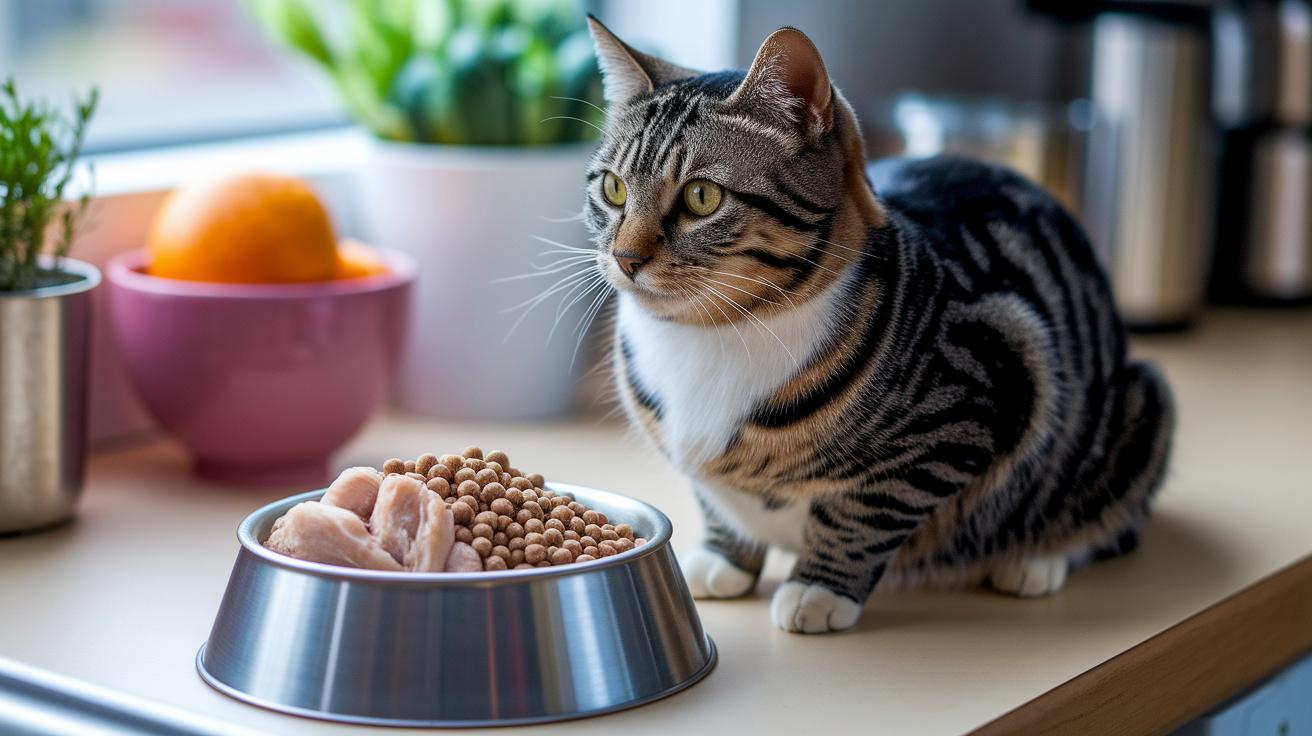
    Ever watched your kitty sniff a crisp lettuce leaf, wrinkle her pink nose, then saunter off to her crunchy kibble? Looks cute, right? But here’s the thing: cats aren’t built for plant snacking.

    They don’t have salivary amylase (an enzyme in saliva that kick-starts carb digestion) to break down starch from veggies. So that leafy green just sits there.

    And their stomach acid is wild strong, think of it like a mini meat-melting vat churning away. It’s made to turn muscle into fuel, not kale.

    Cats are born hunters. Really. They’re obligate carnivores, which means they rely on animal protein for energy, vitamins, and all those purr-fueling nutrients. No veggie side dishes needed.

    Domestic Cats: Obligate Carnivores Rather Than Omnivores?
    - Domestic Cats Obligate Carnivores Rather Than Omnivores.jpg

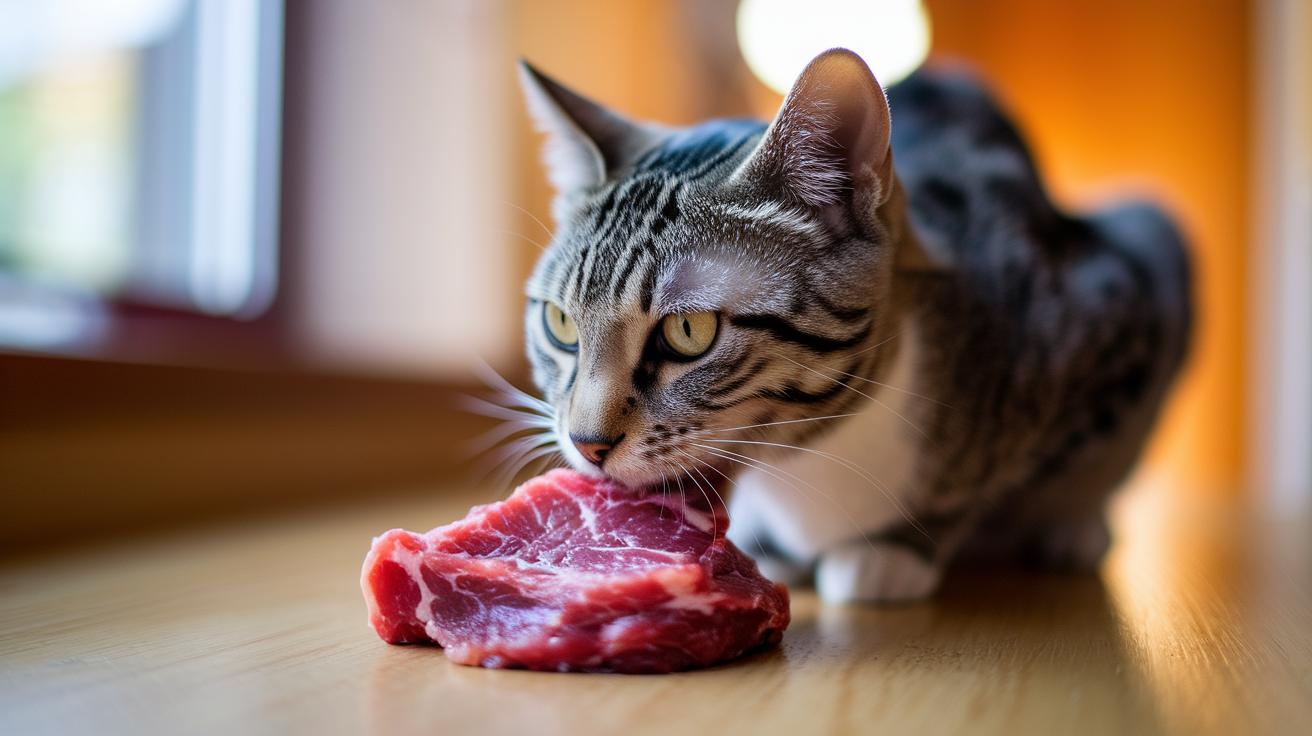
    Ever wondered if your kitty could snack on salad? Nope, our feline friends are strict meat-eaters, called obligate carnivores (animals that must eat meat). They depend on a meat-based diet because they can’t make some essential amino acids (protein building blocks) or vitamins from plants.

    Next, we’ll peek inside their tummies in Digestive Anatomy and Physiology in Domestic Cats. Check out those sharp molars, the missing salivary amylase (the enzyme that starts breaking down starch), and a super-acidic stomach (pH 1–2) that turns meat into energy fast while zapping nasty microbes. It’s claw-tastic how their bodies are built for hunting.

    Then in Evolution of Diet in Domestic Cats, we follow their desert-roaming ancestors, wildcats that thrived on prey with 52–63% protein, 25–46% fat, and almost no carbs. See Nutritional Requirements of Domestic Cats below for the lowdown on protein and fat needs and why taurine (an amino acid), arachidonic acid (a fatty acid), and preformed vitamin A are non-negotiable.

    Digestive Anatomy and Physiology in Domestic Cats
    - Digestive Anatomy and Physiology in Domestic Cats.jpg

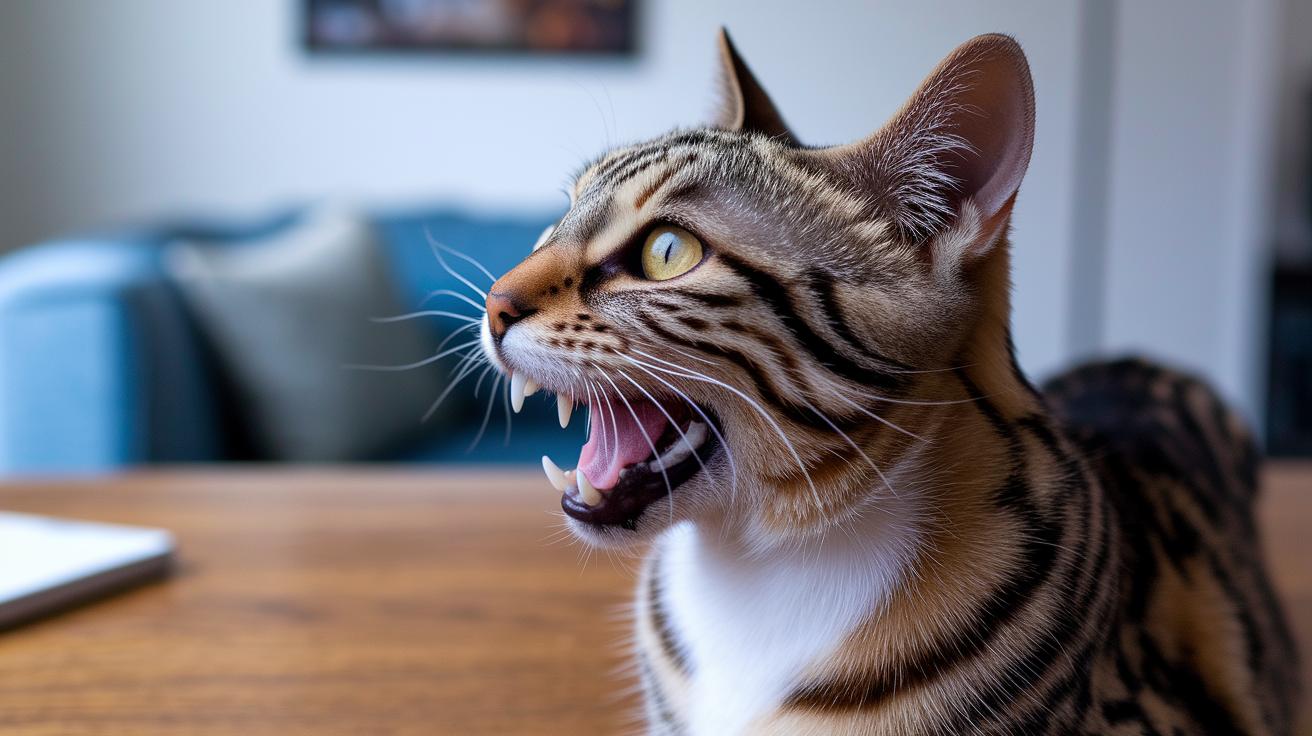
    Cats are pure meat machines. They come with sharp, serrated molars (teeth with jagged edges) and a wide-set jaw that lets them slice, tear, and gulp down chunks of prey. Ever watched your kitty chomp? It’s purr-fect precision slicing and a bit wild.

    Inside, the stomach’s pH (a measure of acidity) hovers around 1 to 2. That’s super sour, like lemon juice times ten. It tears through tough protein fibers and zaps bacteria in a flash. Think of it as a mini meat-melting factory.

    Next comes the enzymes (small proteins that speed up digestion). Cats don’t make salivary amylase (the enzyme that breaks down starchy carbs in your mouth), um, so no bread feast here. Their gastrointestinal tract (from stomach through intestines) is short, only about five percent of their body length, so plant bits barely stick around. Without starch or sugar enzymes, carbs just zip right out.

    This no-nonsense setup makes meat the ultimate fuel for cats. Really.

    Evolution of Diet in Domestic Cats
    - Evolution of Diet in Domestic Cats.jpg

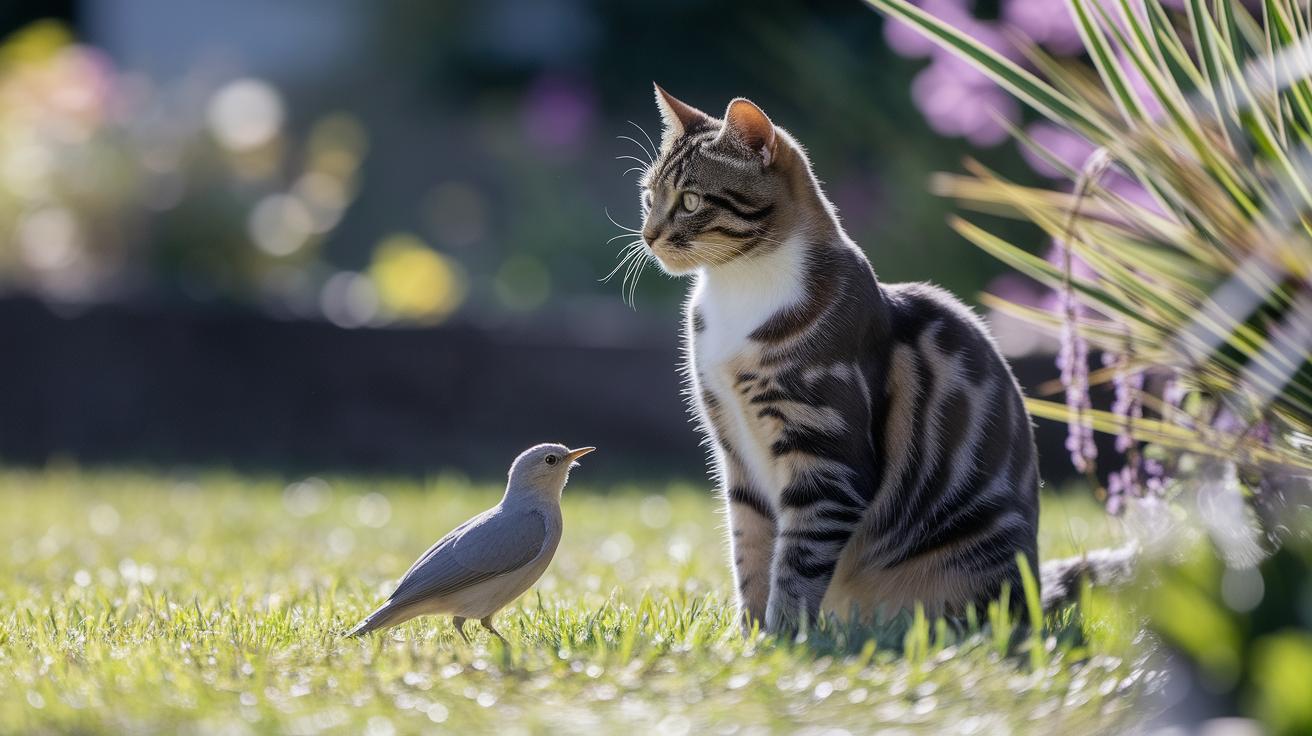
    Okay, picture a desert wildcat – whiskers twitching under a scorching sun as it hunts. These kitty ancestors fueled up on whole prey with about 52–63% protein (the muscle-building stuff), 25–46% fat (energy-packed bits), and a tiny 2–12% carbs (sugars and starches). Imagine sinking teeth into a lizard or rabbit, crushing bones, and savoring every juicy morsel – so claw-tastic! It’s pure, raw fuel for a wildcat’s busy day.

    And um, when humans brought these fierce hunters indoors, those desert diet blueprints didn’t vanish. Your couch-side pouncer still crouches, stalks, and bats at toys just like its ancestors chased rodents across sandy flats. Ever seen a stray tabby slip behind a shed and return with a prize? That’s ancestral diet in action – no fancy kibble can match the thrill and perfect nutrient mix of fresh meat.

    Nutritional Requirements of Domestic Cats
    - Nutritional Requirements of Domestic Cats.jpg

    Hey there, fellow cat fan! Ever watch your kitty gulp down dinner like a tiny lion? Let’s break down what your cat really needs.

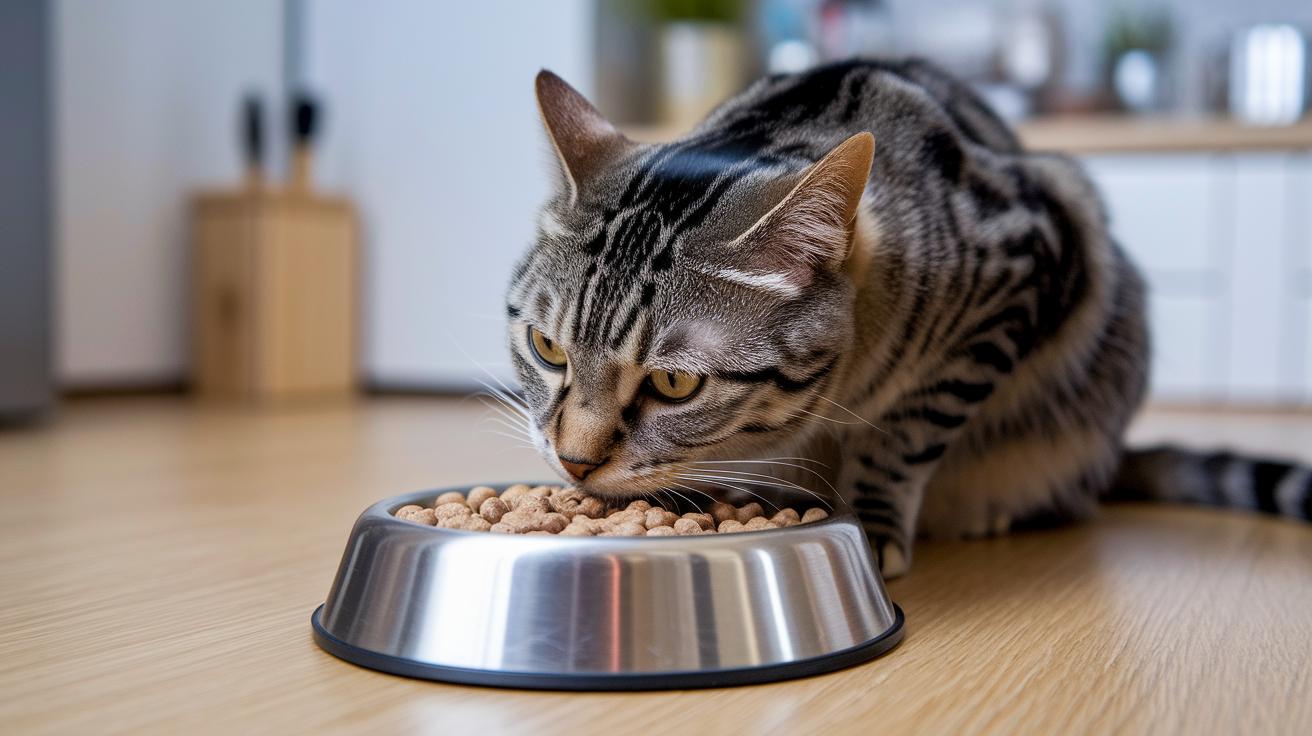
    Adult cats need about 26% protein (building blocks for muscles and cells) and 9% fat (tiny energy packets that fuel playtime and healthy skin), all measured on a dry matter basis (food without the water). Kittens and mama cats need even more protein to grow strong and make milk.

    Protein brings in essential amino acids (the bits your cat can’t make enough of on its own). And fat? It keeps whiskers twitching, skin soft, and fur glossy after every zoomie session.

    Taurine is non-negotiable. Cats can’t make enough taurine (an amino acid critical for heart and eye health), so it has to come from meat. Skip the meat and your cat can get a weak heart (dilated cardiomyopathy) or fuzzy vision (retinal degeneration) in just a few weeks. Really, taurine deficiency is no joke.

    Next, cats need arachidonic acid (an omega-6 fatty acid that helps cells chat) and preformed vitamin A (the ready-to-use version for vision and immunity). They lack delta-6 desaturase (the enzyme that would make arachidonic acid) and can’t convert beta-carotene (plant pigment that’s a vitamin A precursor) into active vitamin A. Meat delivers both in a form your cat can use. No meat, no deal.

    Sure, some plant foods have arginine (another amino acid cats like), but they miss out on those vital fats and vitamins cats can’t make or convert. A sprinkle of fiber (plant bits that help digestion) here and there is fine, but meat must be the main act.

    That’s how your cat stays strong, playful, and totally purr-fect.

    Plant Ingredients in Cat Foods: Impact on Domestic Cats
    - Plant Ingredients in Cat Foods Impact on Domestic Cats.jpg

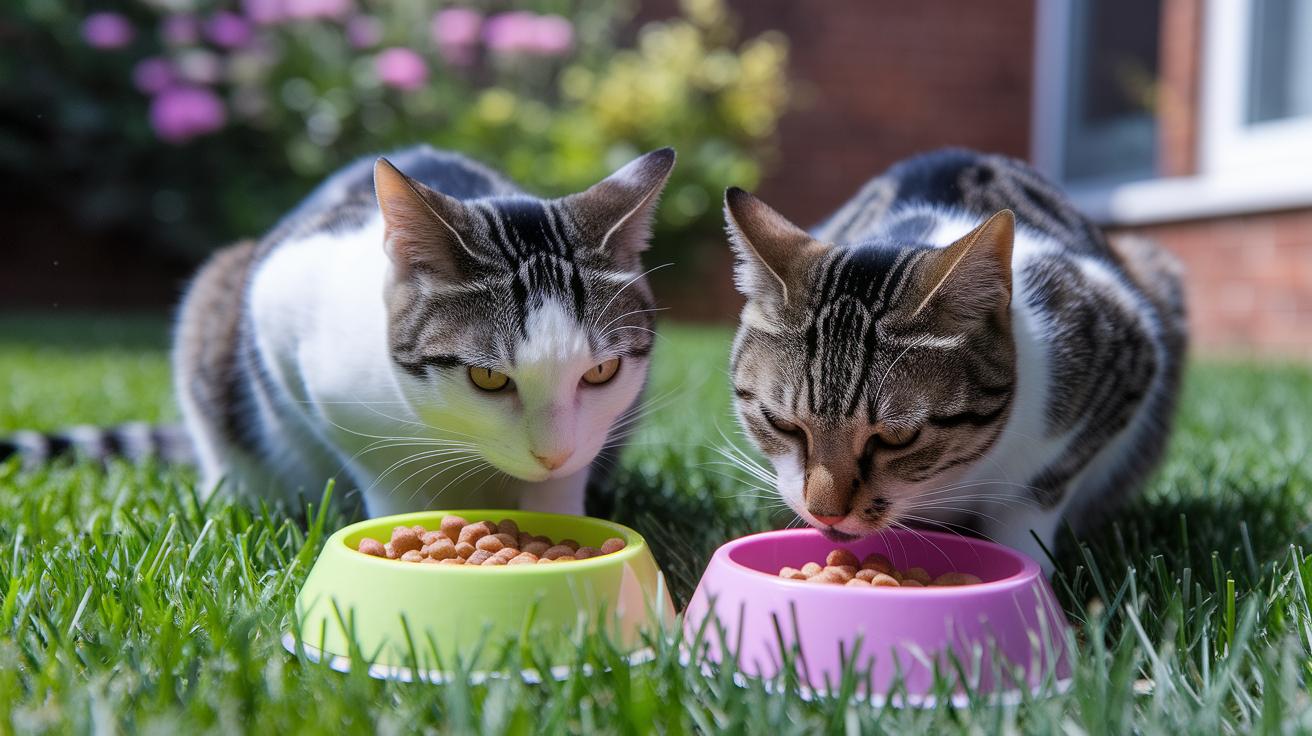
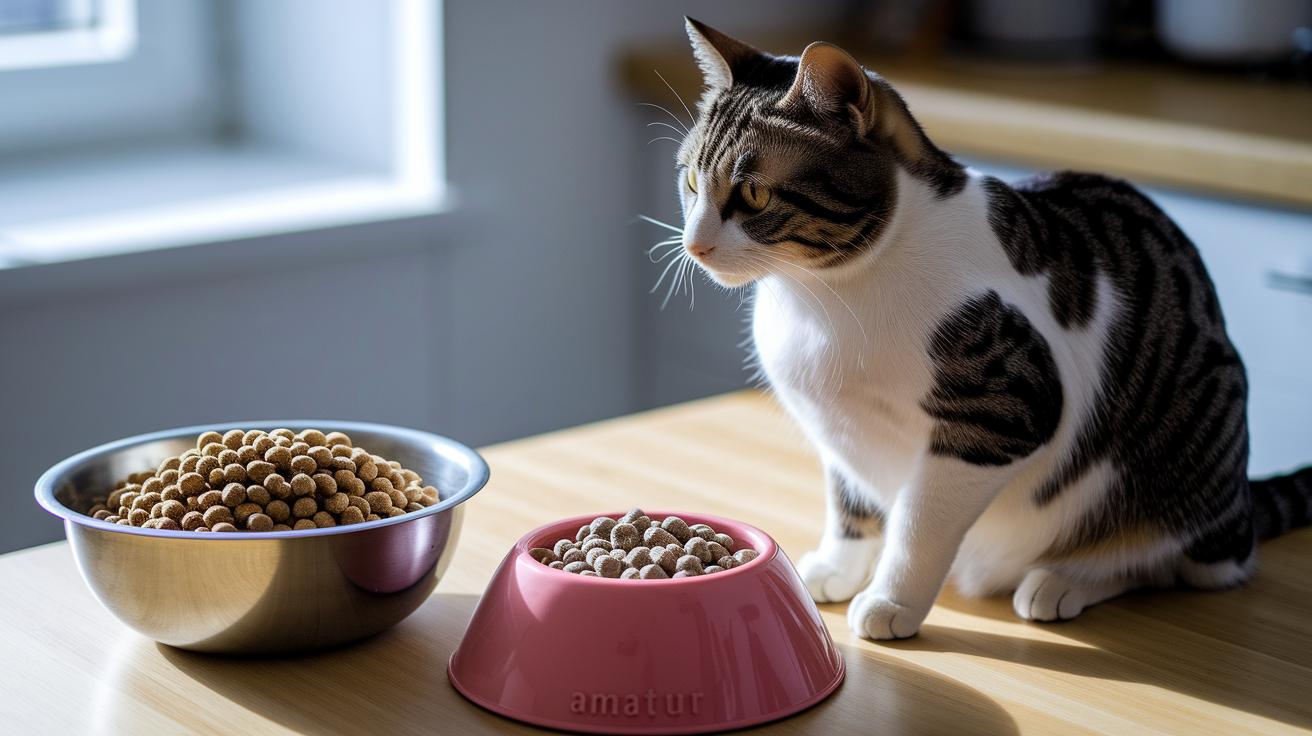
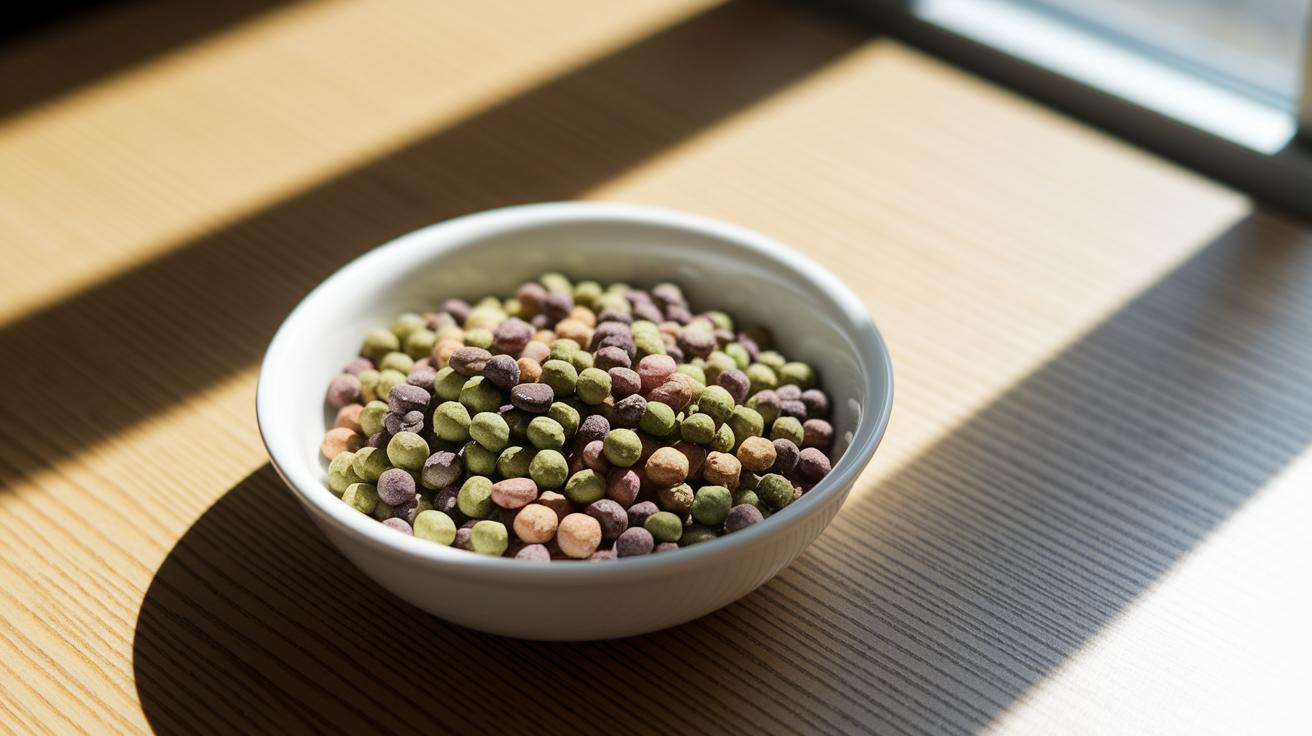
    Lots of commercial kibbles use grains (like wheat, corn, or rice kernels), peas (small, green bean relatives), and legumes (beans and lentils) to shape the bite and cut costs. But cats aren’t built to turn those plant carbs into energy when they top 12% of the calories. They lack salivary amylase (the enzyme in saliva that breaks down carbs) and only have a bit of the same enzyme in their gut. So extra starch (plant sugar) just zips through their system without feeding them.

    Pea protein in your cat’s diet does offer arginine (an essential amino acid cats need), but it’s missing taurine (a heart-healthy amino acid), arachidonic acid (a skin-and-fur friendly fat), and preformed vitamin A (meat-based vitamin A). Those nutrients only come from animal tissues (meat). Oops, um, that can lead to gaps in a cat’s diet and maybe a tummy ache if those beans and lentils pile up.

    Some kitties do enjoy safe plant-based snacks, like a few nibbles of steamed broccoli or watermelon, just for a fiber boost or a fun crunch. Ever watched your kitty’s whiskers twitch as they chomp on a colorful veggie? It can help with hairball control, you know. Check out What Do Cats Like to Eat for more treat ideas.

    But remember, those treats stay treats, they’re not the main fuel your cat needs. When plant ingredients balance with meat-based nutrients, they add texture or fiber and keep kibbles interesting. If they take over the recipe, you risk nutrient gaps and lower calorie uptake.

    Keep your kitty purring and feeling fur-tastic by sticking to recipes where meat is the star.

    Alternative Diets for Domestic Cats: Risks and Considerations
    - Alternative Diets for Domestic Cats Risks and Considerations.jpg

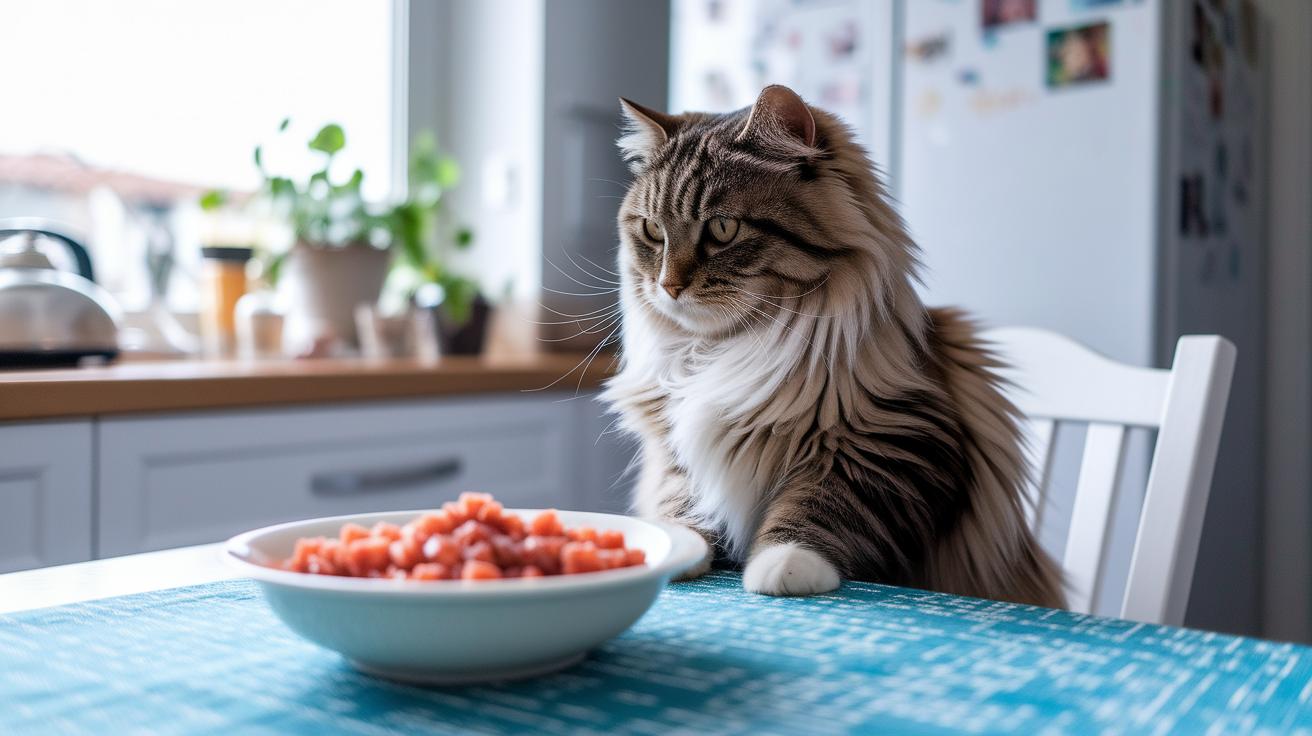
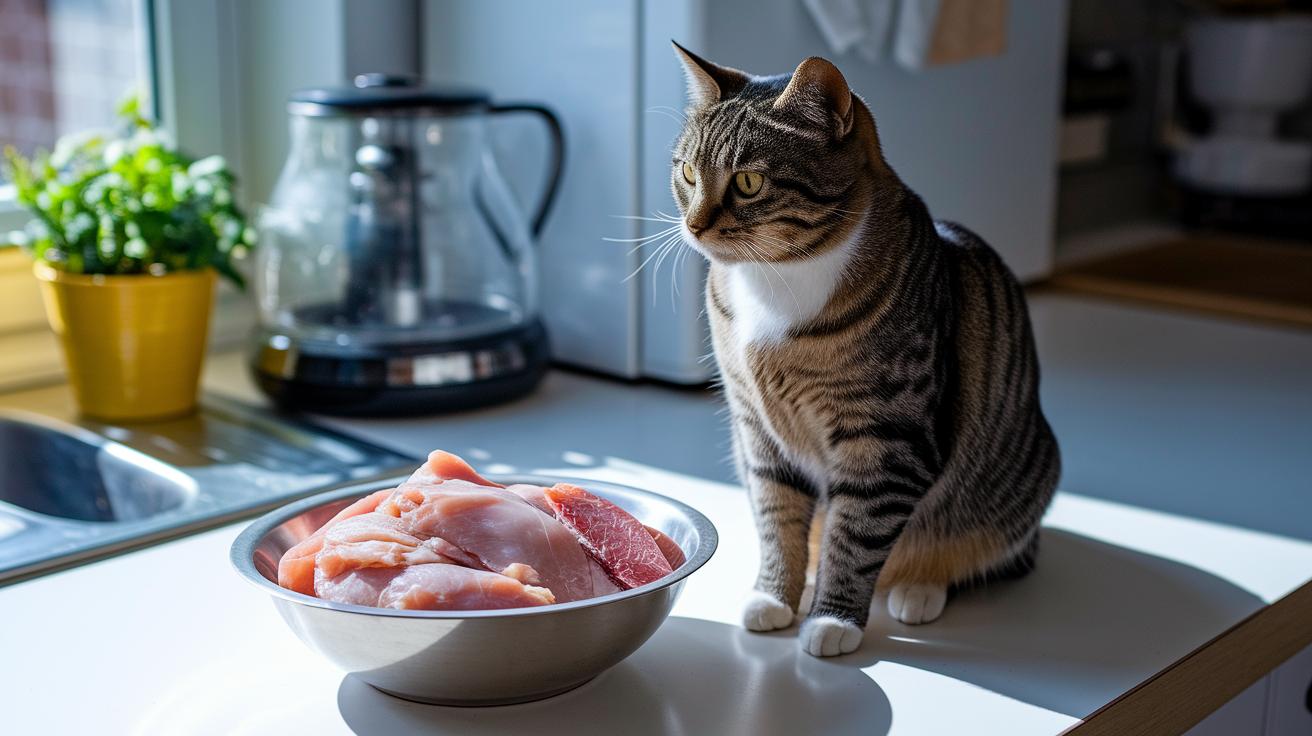
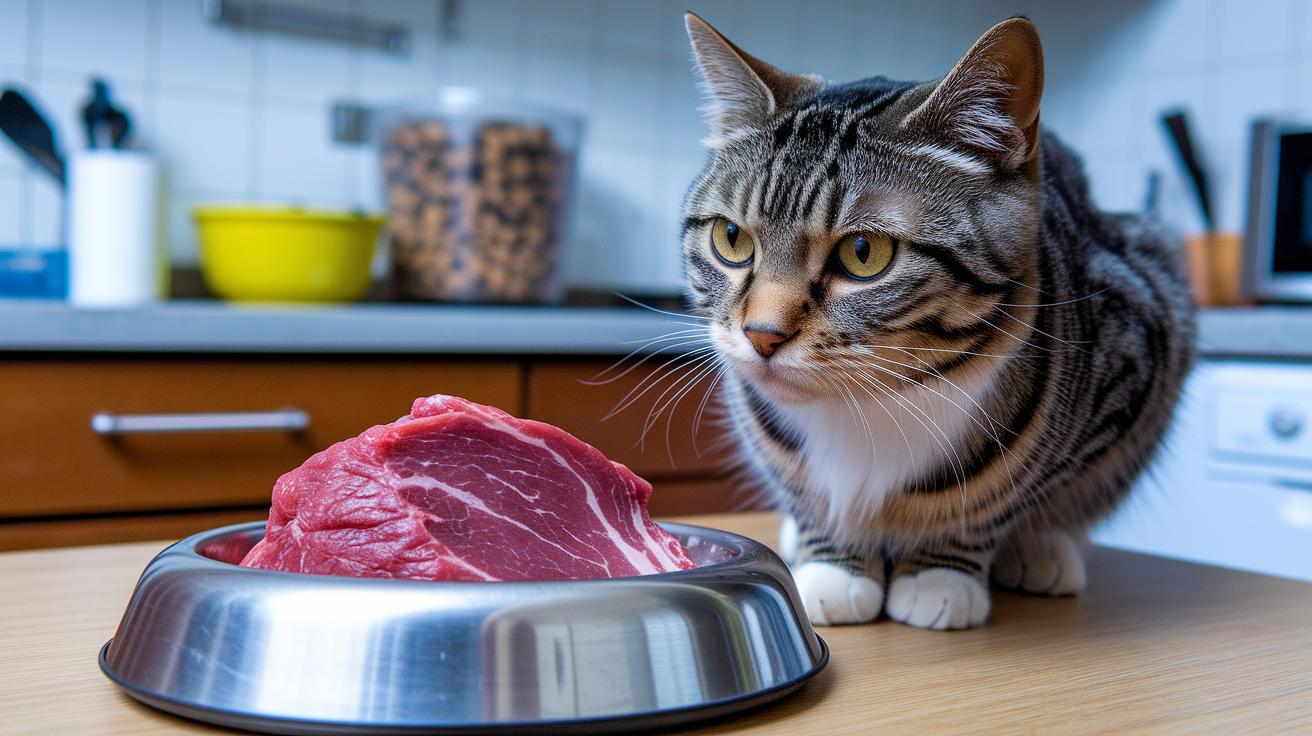
    Ever thought about tossing raw meat into your cat’s bowl? It sounds wild – like a little hunt in your kitchen. But raw chicken or beef can hide Salmonella or E coli. Yikes!

    Freezing cuts down some germs but not all of them. And when you grind up bones and meat at home you might miss the right calcium to phosphorus ratio (essential minerals for strong bones). That mix-up can lead to odd growths or soft spots in kittens.

    So please chat with your vet before swapping out dry kibble. They’ll help make sure you’re not missing key nutrients or letting bacteria sneak in.

    Homemade vegetarian or vegan meals crank up the challenge even more. Cats need taurine (an amino acid), vitamin A (for sharp vision), vitamin B12 (for nerves and blood cells), and arachidonic acid (a fatty acid cats use for energy). You can add supplements but you know cats can be picky eaters.

    Without the right balance you might see your kitty drag around, blink slowly or even have sudden heart flutters in as little as a week. Fixing things too late can, well, get really serious.

    Even plant-based commercial foods lean on man-made nutrients. Sure, some meet AAFCO standards on paper, but chewing, swallowing and digestion change how much your cat actually absorbs. That means regular blood tests and vet visits are a must.

    In truth, veering off the meat highway without a pro guide is a risky road. A vet’s advice and periodic lab checks will help keep your feline friend purring happily. Worth every paw-print.

    Optimizing Meat-Based Diets for Domestic Cats
    - Optimizing Meat-Based Diets for Domestic Cats.jpg

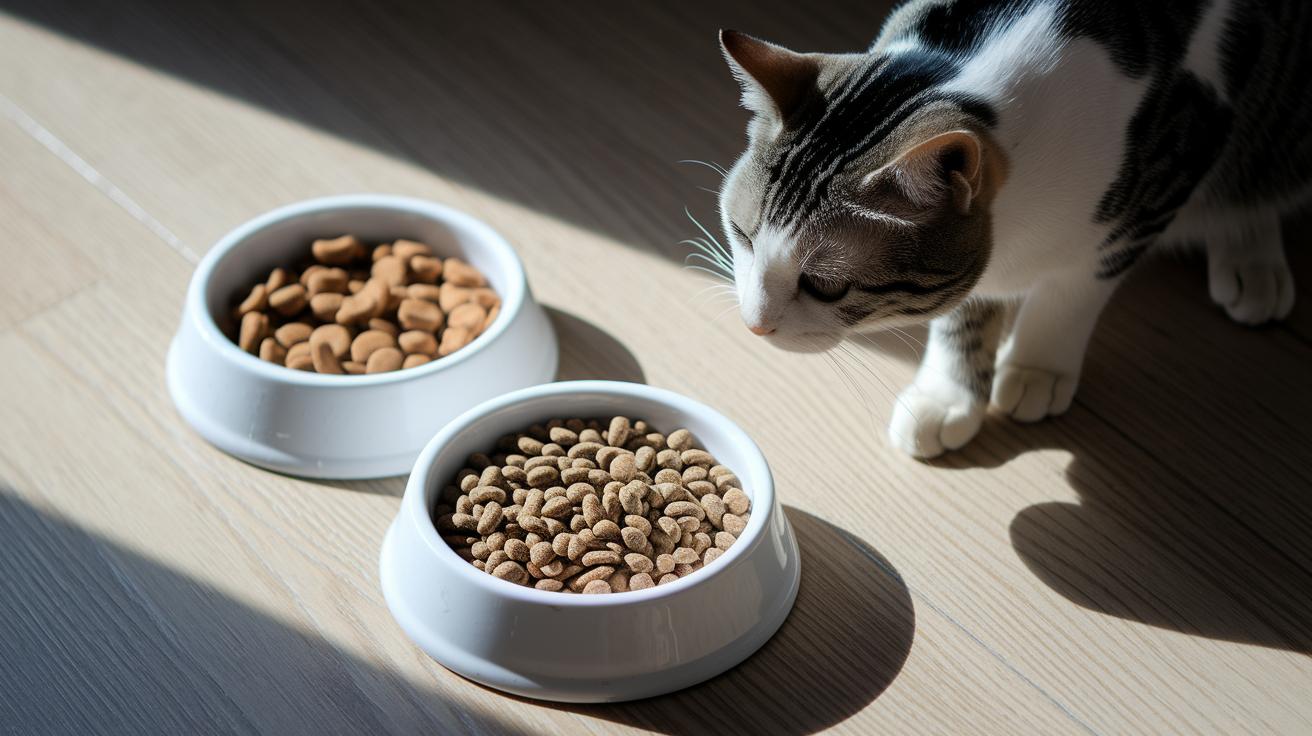
    Let’s talk diet basics. Aim for at least 30% protein and 20% fat in your cat’s daily meals. Those numbers come from AAFCO (the group that sets pet food rules) and help keep muscles strong and energy high. Pick recipes that list a real meat (like chicken or salmon) first, not vague “meat by-products”.

    Ever noticed your cat noodle through kibble and still seem thirsty? Wet food can be a hydration hero for cats who need a little extra water. The moisture helps kidneys stay healthy (think of it as a cat-friendly water boost) and keeps urine flowing. It might even cut down on those pesky hairballs. Bonus.

    Next, rotate protein sources every few weeks. One month serve chicken, then try turkey, and follow up with salmon or rabbit. Switching things up mirrors how cats hunt in the wild and builds a balanced amino acid profile (the building blocks of kitty muscle). And it cuts the chance of sneaky food sensitivities popping up.

    For busy cat parents, two or three smaller meals a day works wonders. Use a kitchen scale or measuring scoop so you hit your cat’s calorie needs without overdoing it. Smaller, frequent feeds can calm that mealtime frenzy and keep blood sugar steady. Your morning rush just got easier.

    Sprinkle in variety with freeze-dried liver treats or a spoonful of canned fish broth. Your cat will perk up for the flavor and you sneak in extra nutrients. Just keep treats under 10% of daily calories so the main course still steals the show.

    Stick to meat-first labels and you’ll see shinier coats, livelier pounces, and cozier cat naps. Optimal cat diet guidelines are simple to follow, and the payoff is endless purrs. Worth every paw-print.

    Final Words

    In the action, we saw why cats need meat (sharp teeth, tiny stomach, serious protein fans).
    We went from their desert-dwelling ancestors to today’s couch-jumping friends.
    We sorted must-have nutrients like taurine and why plants just can’t cut it.

    We also looked at plant fillers, raw diet risks, and easy tips to tune a meat-based menu.
    And when you ask are domestic cats omnivores or straight-up carnivores, you know which way it leans.
    Here’s to happy paws, healthy meals, and cats living their best pouncing life.

    FAQ

    Are dogs omnivores?

    Dogs are omnivores because they can digest both plant and animal foods, thanks to their salivary amylase and a longer gastrointestinal tract.

    Are domestic cats omnivores or carnivores?

    Domestic cats are obligate carnivores requiring meat-based diets because they lack enzymes to synthesize key nutrients from plants.

    Why are cats carnivores and dogs omnivores?

    Cats’ sharp teeth, high stomach acidity, and missing digestive enzymes limit them to meat, while dogs’ broader enzyme mix and longer guts let them process both meats and plants.

    Are there any cats that are omnivores?

    No cats are true omnivores. Wild and domestic cats are obligate carnivores that rely on animal prey for essential amino acids, fatty acids, and vitamins they cannot get from plants.

    Do domestic cats eat meat and their prey?

    Domestic cats eat meat and often hunt small animals, consuming muscle, organs, and sometimes bones to meet protein, fat, and micronutrient needs inherited from their wild ancestors.
    Related Articles

  • how often do cats whiskers fall out naturally

    how often do cats whiskers fall out naturally

    Ever spotted a stiff whisker on your carpet and felt your heart skip a beat? Don’t sweat it.

    Cats lose a whisker or two every few months. They drop the old ones so there’s room for shiny new feelers. It’s just their way of keeping sensors fresh.

    Your kitty has about 24 whiskers (vibrissae: super-sensitive face hairs) on its cheeks and chin. They swap them out like tiny batteries. Even when your cat is lounging on your lap, those whiskers twitch as they feel the air. It keeps their secret radar razor-sharp.

    Curious about how often whiskers fall, why a light shed is totally normal, and when hair loss spikes mean you might want a vet check? Let’s dive in.

    how often do cat whiskers fall out naturally

    - Typical Frequency of Cat Whisker Shedding.jpg

    Ever vacuum and spot a lone whisker (that long, stiff hair on your cat’s face)? Don’t worry, it’s totally normal. Most cats lose just one or two every few months. They’re swapping the old whiskers so shiny new ones can grow.

    Your cat has about 24 whiskers (12 per cheek in four neat rows). When you pet or groom, you might see a stray hair float away. A little flutter on the sofa or rug isn’t cause for alarm. These facial hairs drift off as fresh whiskers form underneath.

    You might wonder why whiskers fall out at all. Whiskers age like any hair, shift position, then drop away. Each root (the hair base under the skin) stays active, ready to sprout a new whisker in about six to eight weeks. Some kitties take a bit more or less time, so your furry friend might be on their own schedule.

    For most of us, finding a stray whisker is no big deal. It’s your kitty’s way of tending to their own fur. Next time you see one, smile. It’s a sign your cat is feeling feline fine. Enjoy the gentle taps whiskers leave behind when your cat brushes against you.

    The Whisker Lifecycle: Growth, Shedding, and Regrowth

    - The Whisker Lifecycle Growth, Shedding, and Regrowth.jpg

    Whiskers are a cat’s secret super-sense. Those long vibrissae (thick hairs made of keratin, the same stuff as your fingernails) anchor deep in furry pads, all loaded with nerves. Every little twitch sends a tiny buzz of info, helping your kitty judge a tight squeeze or feel a gentle breeze while stalking its next toy. Ever watched your cat lean in close, whiskers forward, like a furry radar?

    But whiskers aren’t forever. Each follicle loses one or two old whiskers at a time so your cat never loses its whole sensory net at once. Then, about every six to eight weeks, fresh whiskers sprout from that same nerve-rich root. This steady swap keeps your feline friend balanced, purr-fectly hunt-ready.

    Common Causes of Excessive Whisker Loss in Cats

    - Common Causes of Excessive Whisker Loss in Cats.jpg

    Ever spot more whiskers than normal on the floor? Losing a few here and there is fine. But clumps or bare patches around the muzzle means something’s wrong! Too many whiskers falling out can hide skin or health issues.

    Allergies and Parasites

    Pollen (tiny plant dust) and mold can bug your cat’s whisker roots (the hair base inside whisker pads). New foods might tickle those roots too. Flea bites? That’s a scratch fest, and a whisker casualty. Keep an eye on your cat’s skin and whiskers during busy allergy season or after swapping kibble.

    Infections and Skin Conditions

    Bacterial germs (like staph) or ringworm (a fungus that looks like a ring) can inflame the little pockets that hold each whisker (follicles). You might see red spots, scabs, or dried discharge before whiskers start to drop. A vet visit usually means creams (topical meds) or pills (oral medicine) to calm things down. Then the follicles heal and fresh whiskers can grow back.

    Rough play or a scuffle with another cat can snap whiskers right off. Outdoor adventurers risk bumps on fences or brambles too. And stress? Big moves, new housemates, or loud guests can send kitties into over-groom mode. That extra scrubbing causes whiskers to break or fall out.

    Feline Acne and Hygiene

    Tiny pimples on your cat’s chin (acne) can spread to whisker bases and loosen those sturdy hairs. Plastic bowls hide bacteria that irritate skin. Switch to stainless steel or ceramic dishes, and scrub them each day. Clean bowls mean fewer breakouts and stronger whiskers.

    See a sea of whiskers on the floor? Time to chat with your vet.

    Recognizing Abnormal Whisker Loss and When to Seek Help

    - Recognizing Abnormal Whisker Loss and When to Seek Help.jpg

    It’s normal to find a whisker or two around the house. Your cat’s whiskers fall out just like our hair.

    But if you collect more than two whiskers in one day or spot bald patches, scabs, redness, or swelling around the whisker follicles (tiny skin pockets where whiskers grow), pay attention. You might even see some clear or yellow discharge near the roots.

    Speaking of follicles, oops I found a little scab on Luna’s cheek after she chased a feather toy. Ever notice how kitties rub their faces on everything? Then I looked down and saw three whiskers on the carpet. Whoa.

    It’s best to get your vet involved right away to rule out infection or allergy. Time to call your vet!

    Tips for Supporting Healthy Whiskers and Preventing Damage

    - Tips for Supporting Healthy Whiskers and Preventing Damage.jpg

    Keeping whiskers in top shape is easy and kinda fun, you know? Those fancy whiskers (vibrissae) are like cat GPS sensors, so they need some extra love. A few small swaps in bowls, food, and play spots can cut down on whisker fatigue and keep your kitty purring.

    • Whisker-friendly bowls. Go wide and shallow so whiskers don’t rub the sides. Your cat can eat and drink without scrunching those delicate hairs.
    • Tough materials. Stainless steel, glass, or ceramic bowls are your best bet. They stop chin acne that can weaken whisker roots.
    • Nutrition boost. Feed a balanced diet rich in protein, omega-3 fatty acids (healthy fats from fish oil), zinc (a cell-building mineral), and biotin (a B vitamin). This combo builds strong keratin (the stuff whiskers are made of).
    • Hydration station. Keep fresh water flowing. It keeps hair follicles happy so whiskers don’t snap or fall out too soon.
    • Gentle grooming. Brush around the muzzle softly to sweep away loose fur, but watch those whisker pads. Oops, scratch that tugging!
    • Stress-free hideouts. Add vertical shelves, cozy tunnels, or little nooks for safe retreats. Lower stress means less over-grooming and fewer broken whiskers.

    Ever wonder how long it takes a lost whisker to grow back? Check do cat hair grow back for the scoop on regrowth timelines and more purr-worthy advice.

    Final Words

    in the action we found how often do cat whiskers fall out during normal cycles, explained the whisker lifecycle, and pointed out causes of extra loss.
    We also covered spotting warning signs and shared whisker-friendly care tips that keep your cat comfy.

    Armed with tips on shallow bowls, balanced diet, and stress-busting hideaways, you’ll curb extra shedding.
    Your multi-cat crew stays happy, whiskers intact, and furniture safe.

    Here’s to plenty of playful pounces ahead!

    FAQ

    How often do cat whiskers fall out?

    Cat whiskers fall out naturally at a low rate—typically one or two hairs every few months—so daily whisker loss is rare and multiple hairs shed each day is not common.

    Do cats lose whiskers when stressed and what does whisker stress look like?

    Cats lose whiskers under stress through over-grooming, causing clusters of fallen hairs, uneven stubs or bald patches around the muzzle, often with redness, mild swelling or irritated skin at follicle sites.

    What spiritual or good-luck meaning comes from cat whiskers falling out?

    Cat whiskers falling out have been seen as good-luck tokens or signs of change in folklore, but these spiritual meanings aren’t based on science; whisker shedding reflects your cat’s natural hair cycle.

    Do cats lose whiskers as they age?

    Cats lose whiskers at the same low rate as they age—one or two every few months. Older cats may regrow whiskers more slowly, but sudden or heavy loss still signals stress or health issues.

    Why is my cat losing whiskers on one side?

    Cats lose whiskers on one side mainly due to local issues like trauma, infection or skin irritation. Check for scratches, bites, discharge or mites on the affected area and ask your vet if loss persists.

    Do cat whiskers grow back?

    Cat whiskers grow back from the same follicle in about six to twelve weeks after shedding, restoring your cat’s balance and spatial awareness as part of a normal whisker lifecycle.

    Does it hurt when cats shed their whiskers?

    Cats don’t feel pain when whiskers shed naturally since hairs detach from old follicles without causing discomfort. Only trauma or infection around the follicle can lead to soreness or irritation.

    What should I do with fallen cat whiskers?

    Fallen cat whiskers can be discarded during routine cleaning, though you might save a few as keepsakes, inspect them for damage or use them in simple crafts. Discard any whiskers that look broken or discolored.

    Related Articles

  • what do cats likes to eat Perfect Meals

    what do cats likes to eat Perfect Meals

    Ever watch your kitty sniff that same bowl of crunchy kibble? With just 470 taste buds and zero sweet receptors, they’re not exactly food critics – uh, make that picky critics. They need more than dry crunch to feel feline fine. Really.

    In the wild, cats feast on mice, birds, even crunchy insects. Each snack delivers precious moisture and protein (the muscle-building stuff) in one go. It’s like nature’s combo meal. Whoa.

    We can’t toss live mice across the floor (thank goodness), but we can whip up wet, meaty dinners that come close. Fill them with animal protein, taurine (a tiny amino acid), and a splash of broth for extra slurp. Your cat’s whiskers will dance with excitement! Then watch the zoomies.

    Ready to craft their dream dinner? Let’s dive into tasty, protein-packed recipes your furball will adore.

    What Cats Like to Eat: Essential Food Groups

    - What Cats Like to Eat Essential Food Groups.jpg

    Ever wondered what your kitty really wants at dinnertime? With only 470 taste buds, cats aren’t chasing sweet flavors, they’re all about meaty delights. They need high animal protein and a splash of moisture for strong muscles and boundless energy.

    In the wild, your furball would hunt small rodents, birds, even insects, slurping up every last drop of dew and prey juice. So our job is to recreate that wet feast with loads of protein, plenty of water, and almost no carbs. Ever watched your cat’s whiskers twitch as the food rolls along? Pure magic.

    Here are the must-have food groups for a truly happy feline:

    • Animal protein: lean muscle cuts and organ meats pack the punch your cat needs for strong muscles and a rock-solid immune system.
    • Taurine: an amino acid (a tiny protein building block) only in meat and seafood, essential for sharp vision and a healthy heart.
    • Vitamins and minerals: think vitamin A from liver, vitamin D from fish oil, and calcium from crushed bone, tiny helpers that keep your cat feeling purr-fect.
    • Fatty acids: omega-3 and omega-6 (good fats) that make coats glossy and skin soft.
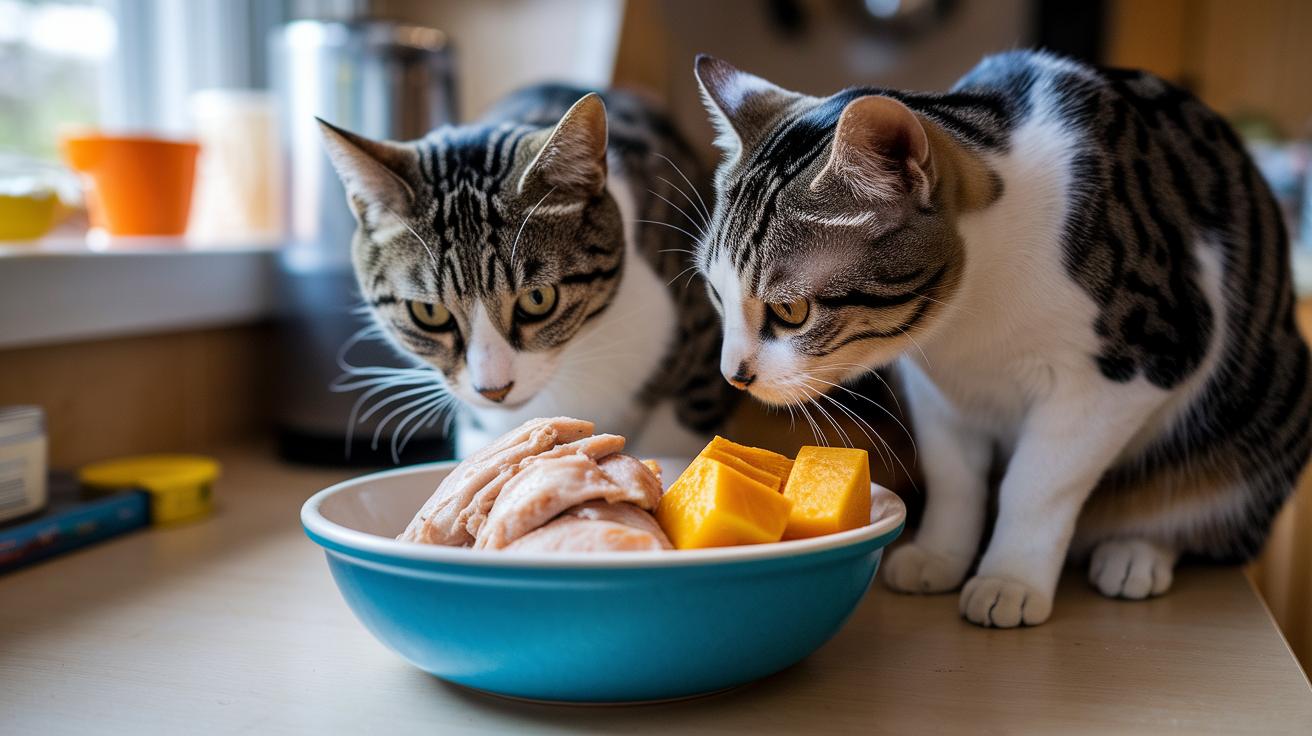
    • Fiber: a bit of plain cooked pumpkin or green beans to keep digestion on track and weight in check.

    Wet food delivers around 70-80% moisture, so your cat stays hydrated without extra water bowls. And low carbs? They keep digestion smooth and energy steady, no wild sugar spikes here.

    So when dinner time rolls around, think “fresh prey.” Meaty. Moist. Utterly irresistible.

    Meat and Protein Sources Cats Like to Eat

    - Meat and Protein Sources Cats Like to Eat.jpg

    Lean poultry (fresh chicken and turkey breast) steals the show in any cat diet. Your kitty’s whiskers twitch at the smell of it. It’s low in fat and full of muscle-fueling protein. Ever watched your cat go full ninja after a treat?

    But duck can be a fun change of pace. Seriously, organ meats are a real power-up: liver (rich in vitamins), kidneys (tiny nutrient-packed gems), and heart (all that protein). Taurine (an amino acid vital for eyes and heart) lives only in meat and seafood. So organ snacks aren’t just tasty, they’re crucial.

    Red meat works too, if you prep it right. Trim off any excess fat. Then give ground beef or lamb a quick boil to rinse away oil. The scent of cooking beef will have your cat circling your feet in no time.

    What about seafood? Tuna is a favorite, but too much can load up heavy metals. Keep it as an occasional treat. And chicken bones? Nope. They splinter and can lodge in throats or tummies. No fun there.

    Some cat lovers try a raw diet, dreaming of bringing the wild hunt home. But raw meat can hide salmonella or rogue bone shards. Uh, you know, not worth it. Instead, poach unseasoned meat in water until it’s just cooked. It keeps the flavor, locks in nutrients, and keeps your kitty safe. Worth every paw-print.

    Wet Cat Food vs Dry Kibble: What Cats Prefer to Eat

    - Wet Cat Food vs Dry Kibble What Cats Prefer to Eat.jpg

    Wet food packs in about 70 to 80 percent moisture (water content), so each bite feels like fresh prey. Your cat gets a juicy snack that helps with their water intake – no extra fountain needed if they slurp that savory gravy. It’s soft on tender teeth and nails. And when they crave a little splash of yum, wet food almost always hits the spot.

    Dry kibble wins on convenience. You can leave crunchy nuggets out when you dash off to work, and busy pet parents love the no-fuss cleanup. Cats often go nuts for that bold crunch. Just remember it won’t hydrate them, so always add fresh water or a pet fountain.

    Grain-free kibbles and pates skip extra carbs to keep digestion smooth and energy steady. Always look for fresh meat as the first ingredient (not mystery fillers). Top brands like Purina, Royal Canin, Hill’s Science Diet, Iams, and Wellness each offer grain-free dry and wet recipes in all sorts of kibble sizes and protein flavors. Try a bit of each style and watch your kitty’s eyes light up.
    Let the taste test begin.

    what do cat likes to eat Perfect Meals

    - Human Foods Cats Like to Eat Safe Treats and Add-Ons.jpg

    Hey there, fellow cat parent! Treats should make up no more than 10 percent of your kitty’s daily calories. But they’re a fab way to mix in nutrition and some bonding time.

    Ever noticed your cat sniffing meat like a tiny detective? Cats only have about 470 taste buds, so they lean toward meaty and fatty flavors. No sugar rush for them.
    When you introduce human foods, start with a tiny bite or two. Watch for tummy troubles or surprise sneezes, then slowly give more if all goes well.

    Try these simple proteins:

    • Cooked lean meat: plain chicken, turkey, or beef with no seasoning. Soft, bite‐size pieces are purr‐fect.
    • Eggs: softly scrambled or hard‐boiled, plain and just a teaspoon or two.
    • Pumpkin: plain canned or cooked squash, about a teaspoon to help digestion.
    • Apple: peeled, seed‐free, and sliced paper‐thin so your kitty can nibble.
    • Blueberries: one or two fresh berries for a tiny antioxidant boost.

    Veggies to toss in:

    • Green beans: steam until soft and chop small so they don’t get stuck.
    • Carrots: cook until tender and slice extra thin to avoid choking.
    • Spinach: puree or finely chop to break down those tough fibers.
    Freeze‐dried cat treats pack high protein with almost zero additives. They’re claw‐tastic for training or hiding in a puzzle feeder; your cat will pounce like it’s real prey.
    Mix these add-ons into playtime or sprinkle them on meals for a fresh twist. Who says perfect meals have to be boring? Purr-fect snack time, every time!

    Foods Cats Like to Avoid and What Not to Feed

    - Foods Cats Like to Avoid and What Not to Feed.jpg

    So, those crunchy chips and salted nuts you love can really mess with your cat’s balance. High salt and heavy seasonings can throw off their electrolytes (body salts that help cells work). That may lead to sodium sickness. And then your furball gets super thirsty and uncomfortable. Ever see them paw at the water bowl?

    Here are foods you should never share with your kitty:

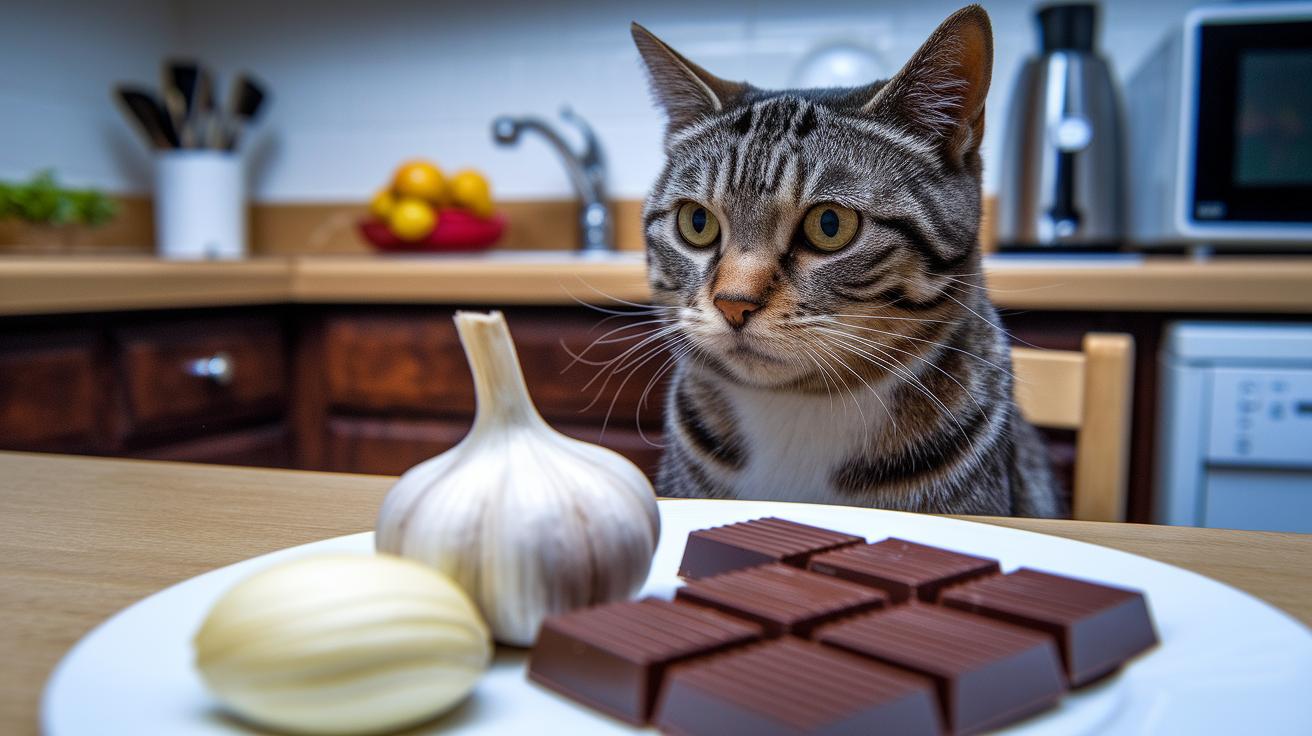
    • Onions and garlic (can cause anemia and tummy distress)
    • Grapes and raisins (risk of kidney damage)
    • Chocolate and caffeine (toxic stimulants)
    • Anything with xylitol (a sugar substitute) (dangerous drop in blood sugar)
    • Raw bread dough (yeast (tiny fungus that makes dough rise) expands and can bloat)

    You might think milk is fine. But most cats lack the enzyme lactase (makes milk sugar digestible). So milk often leads to diarrhea or vomiting. Tiny bits of cheese or yogurt can sneak in as rare treats. But don’t make them a daily snack.

    Stick to protein-rich, moisture-packed foods so your cat stays healthy and happy. That way you avoid the pitfalls of unsafe human treats. And watch those whiskers twitch with delight!

    Feeding Guidelines for What Cats Like to Eat: Portions and Hydration

    - Feeding Guidelines for What Cats Like to Eat Portions and Hydration.jpg

    You know how much cats adore treats. Keep them under 10 percent of their daily calories so mealtime stays balanced. Measure portions by weight: about 3 to 4 ounces of wet food (soft cans of goodness) or ¼ cup of kibble per five pounds of body weight. Adjust up or down if your furball starts filling out or looking too skinny, uh, makes sense, right?

    Most grown-up cats do best on two meals a day. Kittens need more, shoot for three to four small feedings. Spreading meals keeps their energy steady and stops the “feed me now” drama. Ever watched your kitty sprint to the bowl? It’s a sight!

    Don’t forget water. Top up bowls every day, especially if you’re feeding dry kibble. Cool, crisp water helps prevent urinary troubles and keeps coats glossy. If they’re ignoring the bowl, try a pet fountain. The moving water often sparks curiosity and gets them sipping.

    Slow feeders or automatic feeders can curb gulping and overeating. They’re clutch on busy mornings when you’re rushing out the door. When you shop, peek at a cat food brands overview for recipes with high moisture and low carbs. A little planning goes a long way toward happy tummies and purrs.

    Specialized Diets: Kittens, Seniors, and Weight Management Cats Like to Eat

    - Specialized Diets Kittens, Seniors, and Weight Management Cats Like to Eat.jpg

    Kittens burn through calories like tiny fur ninjas. Give them wet food that’s high in calories and packed with protein (the building blocks for those wobbly leaps). You can toss in little cooked egg or chicken bits for a fun twist. And on busy mornings, whip up homemade cat food for kittens – it’s plain-cooked, balanced, and sized just right. Real kitten chow delivers the extra fats and proteins growing kitties need.

    Senior cats might stroll more than sprint, but boy do they love flavor. Look for food with glucosamine (joint-helping supplement) and protein that’s easy on the tummy. Extra moisture in wet food soothes sore teeth and keeps kidneys happy. Even dry senior kibble now comes with chondroitin (joint-supporting supplement) and omega fatty acids (good fats for a glossy coat). Ever see your wise old kitty crunch a tiny bite with delight? It’s the simple joys.

    Overweight kitties often face too many treats and not enough chase. High-fiber (plant roughage that fills) and protein recipes help your cat feel full without piling on calories. Cats bouncing back after illness need a boost – try homemade cat food to gain weight for slow, steady muscle rebuild. Tailoring meals like this is smart, friendly feline nutrition. Worth every paw print.

    Final Words

    We jumped right into your cat’s must-have food groups, from protein-packed meats to hydration-boosting wet meals. Picture your kitty’s whiskers twitching at the first bite of moist meat.

    Next, we shared safe treats (plain pumpkin, cooked chicken) alongside the no-no list (think onions, chocolate), plus meal plans and portion pointers.

    Now you’ve got all the deets on what makes kitty tummies cheer. Use this guide on what do cat likes to eat, and watch those whiskers wiggle in delight. Here’s to full bellies and happy nap sessions!

    Cheers to many purr-filled days ahead.

    FAQ

    What do cats like to eat every day?

    Cats like to eat animal-based proteins like chicken or turkey with a bit of organ meat. They need high moisture, so add wet food or broth to match their natural prey diet.

    What do cats eat and drink?

    Cats eat high-protein wet food (70–80% water) and dry kibble. Fresh water should always be available. Some cats also enjoy unsalted broth or water fountains for extra hydration.

    What human foods can cats eat?

    Cats can eat small portions of cooked lean meats, plain eggs, unseasoned pumpkin, blueberries, and apples without seeds. Keep these treats under 10% of daily calories to keep their diet balanced.

    What vegetables can cats eat?

    Cats may nibble steamed carrots, green beans, or pureed spinach (to break down tough fibers). Offer small, soft pieces as an occasional snack—vegetables shouldn’t replace their main meat diet.

    Which fridge foods can cats eat, and what should they avoid?

    From your fridge, cats can have plain cooked chicken or turkey slices and tiny cheese bits. Avoid onions, garlic, grapes, raisins, chocolate, caffeine, and anything with xylitol to prevent serious health problems.

    What foods do cats like the most?

    Cats most enjoy high-fat, high-protein foods like chicken, turkey, salmon, or tuna. Their taste buds favor savory, meaty flavors and fatty textures that mimic the thrill of hunting prey.

    What is a cat’s favorite animal to eat?

    Cats naturally prey on small rodents like mice and voles, plus birds and insects. These animal-based snacks supply necessary amino acids, taurine, and moisture, mirroring the nutrients they crave.

    Related Articles

  • what do cats coughs sound like Clear Signals

    what do cats coughs sound like Clear Signals

    Think your kitty’s cough is just a hairball hack? What if that tiny honk is a clue to something more? Ever watched your furball freeze mid-pounce, whiskers twitch, then let out a dry hack? It’s confusing, right?

    But no more guessing games. We’re about to break down four distinct sounds: dry honks, wet gurgles, nasal sneezes, and soft wheezes.

    Dry honks sound like a squeaky toy with no air, often just a tickle in the throat. Wet gurgles feel damp and bubbly, like water sloshing around in a bottle.

    Nasal sneezes blast air through the nose in a quick burst, and soft wheezes are gentle sighs on the exhale. Notice your cat’s posture, standing tall or hunched over, tail stiff or relaxed. Then you’ll know when to chill with extra chin scratches and when to call the vet.

    Types of Cat Coughs and Similar Respiratory Sounds

    - Types of Cat Coughs and Similar Respiratory Sounds.jpg

    Dry coughs are like a little honk, harsh bursts from deep in your cat’s chest. You’ll hear one or two quick coughs, then a pause. No swallowing or bits coming up. Ever notice your kitty freeze mid-stride, stretch its neck, and stand statue-still until it calms down?

    Wet coughs start with a soft gurgle (wet rattling sound), like a tiny puddle stuck in their throat. Then comes a quick run of three or four coughs in a row, followed by a quick lick or swallow. No, scratch that, no clumps of hair or food pop out. You might hear these more after a drink or when a little extra mucus builds up.

    Sneezes are different. They burst out of the nose, sharp, explosive, and sometimes sprinkle a bit of discharge. Your cat’s eyes might close tight and its head will jerk forward. No throat tickles here, just a nasal pop.

    Wheezing isn’t a cough at all but a soft whistle on each breath. You’ll hear it on the inhale and exhale, sort of a hissy hiss that lingers. Cats often crouch low, chest heaving, mouth open for more air. No gurgle, no gag, and definitely no hairball hack.

    So how can you tell a dry cough, a wet cough, a sneeze or a wheeze? Listen for timing, coughs come in quick bursts, wheezes stretch out. Watch their posture, hunched and still for coughs, low and braced for wheezes. These clues make it easy to know what’s going on.

    Type Sound Pattern Body Posture Outcome
    Dry Cough Harsh honk or chest tickle, quick Hunched, frozen, neck stretched No spit or hair
    Wet Cough Soft gurgle (wet rattling), follow-up coughs Pause play, slight gag motion Mucus swallowed, no clumps
    Wheeze High-pitched whistle on inhale/exhale Crouched, chest heaving, open mouth No expulsion
    Sneeze Sharp nasal burst, explosive Head thrust, eyes shut Possible nasal droplets
    Gagging Retching, wet heaves Neck stretched, heaving Saliva or mucus expelled
    Hairball Hacking Deep, rhythmic hacking Crouched, tense Fur clump and fluid expelled

    Cat Cough Audio and Video Samples

    - Cat Cough Audio and Video Samples.jpg

    Ever wondered what your kitty’s cough really sounds like? Since cats can’t tell us if their chest feels tight or their throat is scratchy, hearing real examples of a dry cough (a sharp honk) or a wet cough (a soft gurgle) can be a total game changer. Try searching “feline cough audio” or “cat cough sound YouTube” from vet-approved channels. You may find “cat cough sound mp3” downloads or quick “cat cough clip” videos that show the timing and pitch of each cough. There is no single cat-cough voice, so sampling a few clips helps you decode what your cat is trying to say.

    When you find a clip, play it while your cat is relaxed nearby. Notice if the cough comes in quick bursts or if you hear a small rattle afterward. Watch how your cat holds its neck or freezes mid-stretch when the sound plays. Pause the clip to see if your cat mimics the posture, head up, neck extended, or perfectly still during the cough. Matching sound and stance will help you tell apart a dry chest honk from a wet, gurgly cough. Repeat with different samples, and next time you hear a real cough at home, you’ll know exactly what’s going on.

    Common Causes of Cat Coughing Noises

    - Common Causes of Cat Coughing Noises.jpg

    Coughing in cats doesn’t come out of nowhere. Most of the time it points to trouble in the airways, an infection, or a sneaky bit stuck in the throat. Figuring out the cause helps you and your vet get your kitty back to feline-fine health.

    Inflammatory Airway Diseases

    Ever seen your cat suddenly cough like a little honk? That’s often feline asthma, where the airways swell (airway inflammation) and make breathing tough. You’ll catch dry cough fits and a wheeze that sounds like an old accordion. It’s jarring to watch, you know?

    Some breeds, like Oriental and Siamese, seem extra prone, almost like they have skinnier air tubes. Then there’s chronic bronchitis (long-term swelling in the airway walls) that also tightens those passages. That brings on more rattly coughs and labored breaths. Poor kitties.

    Infectious Agents and Parasites

    Viruses such as feline calicivirus or herpesvirus can inflame your cat’s throat and windpipe, leading to hacking fits or wet coughs. You might see their whiskers tremble as they swallow hard. Not exactly a fun playtime, right?

    Bacteria like Mycoplasma (tiny microbes) and Bordetella bronchiseptica (think kennel cough bug) often join the party, bringing fever and nasal goo. Outdoor kittens may pick up lungworms (tiny worms in the lung tissue) that spark persistent coughing and weight loss. And pneumonia, whether from germs or inhaled spit-up fluid, can turn a mild hack into a rattling ordeal.

    Structural and Environmental Triggers

    Sometimes a foreign body, like a grass awn (a plant seed part), will lodge in the throat and set off nonstop coughing. Nasal polyps (soft tissue growths) can do the same and even change your cat’s meow. It’s like having a grain of sand stuck in your shoe all day.

    Pulmonary edema (fluid in the lung airways) brings wet crackles and makes each breath feel like a heavy sigh. Heartworms (blood vessel parasites) are rare but could be life-threatening, making every gasp a struggle. Tumors, chest trauma, or pleural effusion (fluid around the lungs) can squeeze their lungs and cause distress. So it’s best to get any cough checked out, fast.

    When Cat Coughs Require Veterinary Attention

    - When Cat Coughs Require Veterinary Attention.jpg

    Maybe you’ve heard your kitty cough once or twice. That little hack usually clears up in under two weeks. But if that hacking hangs on, it’s time to pay attention. Ever caught that soft honk echoing down the hallway at 3 am? Your furball might be asking for help.

    Keep an eye out for:

    • A cough lasting more than 14 days
    • Multiple daily hacking fits
    • Rapid breathing over 60 breaths per minute (your cat’s chest racing)
    • Mouth-open breaths or panting
    • Whistling or rattling in the airways
    • Nasal discharge, blood, or extra drooling
    • Skipping meals, weight loss, hiding away, or extreme tiredness
    • A chronic cough that never lets up

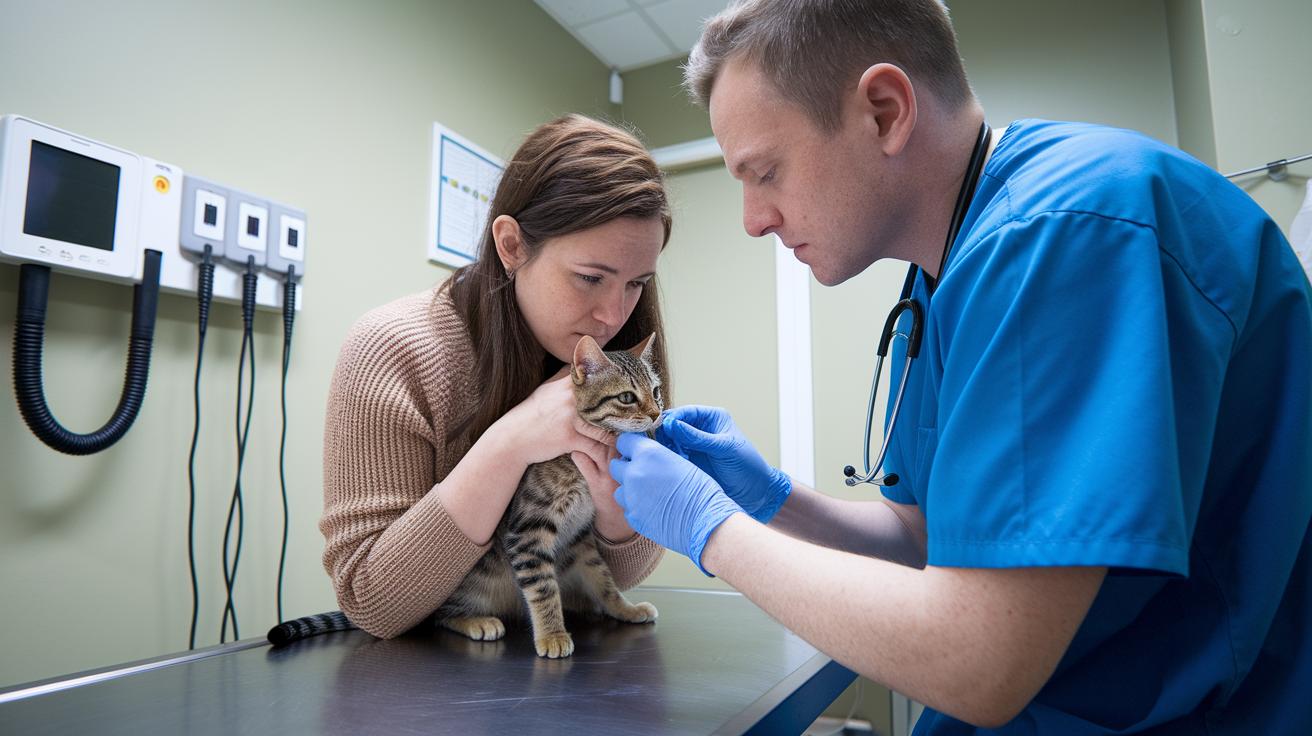
    When you visit the vet, expect a full physical exam with gentle but thorough checks (your cat may even enjoy the extra pets). The vet might suggest chest x rays (internal pictures of lungs and airways) to spot fluid, blockages, or inflammation. Curious about the price? Check how much do cat x rays cost. Those images help your vet find the cause and map out the best treatment plan.

    Worth every paw print.

    Home Strategies to Ease Cat Coughs

    - Home Strategies to Ease Cat Coughs.jpg

    Ever watched your kitty hack after a big stretch? Dry air and dust can tickle their throat (respiratory irritation) and turn a gentle meow into a cough fit. But you can clear the air and soothe those little lungs, you know.

    • Run an air purifier (device that traps tiny particles) near your cat’s favorite nap spot. It scoops up dander, pollen, even dust bunnies roaming the air.
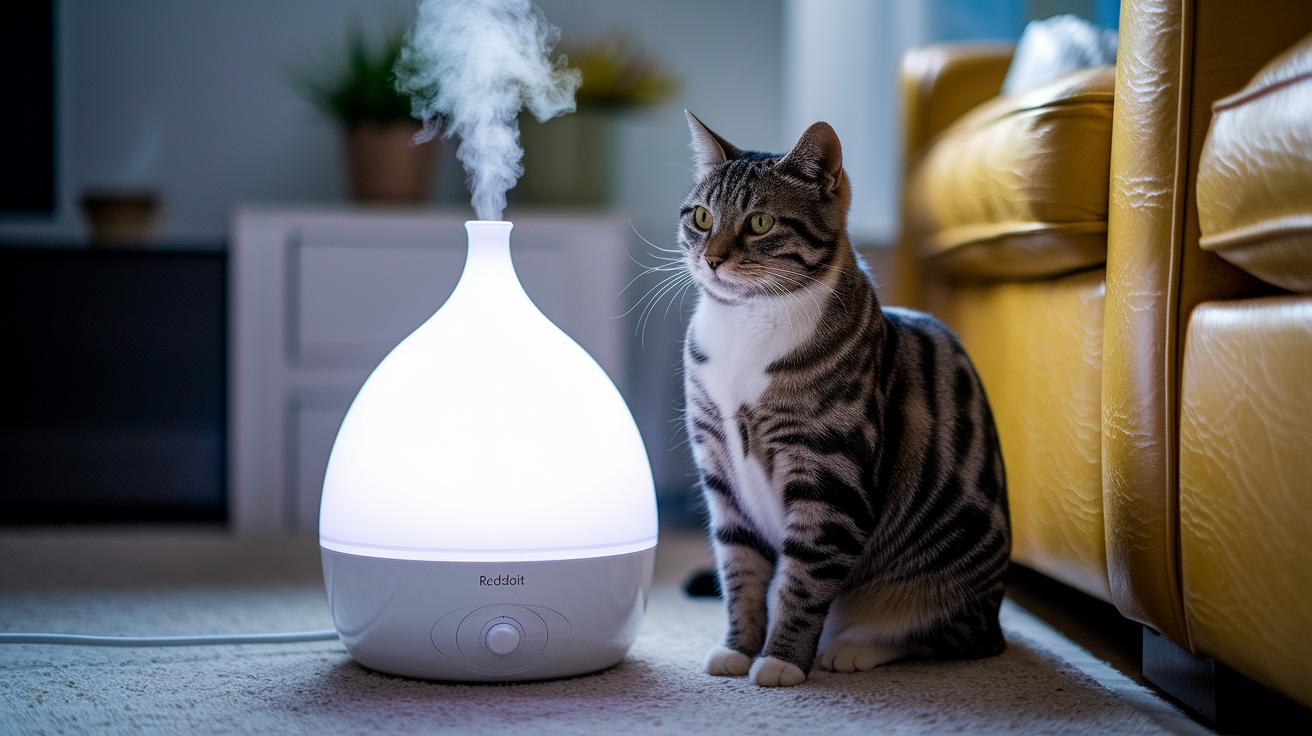
    • Turn on a humidifier (machine that adds moisture to the air) before bedtime. Your cat will breathe in soft, misty air that soothes dry, scratchy airways.
    • Brush your cat daily to catch loose fur (hairball prevention). Five minutes of soft strokes keeps extra hair from ending up in their tummy.
    • Swap to dust-free litter in a bright, open corner. Less litter dust means fewer sneezes and coughs – your nose will thank you too.
    • Keep play sessions short and sweet. A quick chase helps your cat stay trim and eases breathlessness during zoomies.

    In truth, a clean, humid space plus a little grooming goes a long way. Soon your kitty will spend more time purring than wheezing.
    Worth every paw-print.

    Final Words

    Covering each cough sound – dry honks, wet gurgles, wheezing whistles – and spotting body cues helps you know when to worry.

    Tuning into audio and video samples trains your ear for real-life fits.

    Knowing causes – from asthma to infections – guides your next move, and spotting red flags points you to the vet.

    Trying simple home fixes like a humidifier or an air purifier can ease your furry friend’s throat.

    Stay confident in your cat care, and never hesitate to listen for what do cat coughs sound like to keep them healthy and comfy.

    FAQ

    How can I tell if my cat is coughing?

    You can tell a cat is coughing by a sudden, repetitive hacking sound, hunched posture, and stillness between fits. Coughs originate in the chest or throat and rarely include nasal discharge.

    How do you tell the difference between a cat cough and a hairball hack?

    You distinguish a true cough by its short, harsh honk from the chest and lack of material. A hairball hack starts deep, rhythmic, and ends with a fur clump plus stomach fluid.

    Why is my cat coughing but no hairball?

    Your cat may be coughing without a hairball due to asthma, bronchitis, allergies, infection, or parasites irritating the airway. A veterinary exam can pinpoint the exact cause and proper treatment.

    Why is my cat coughing like something is stuck in his throat?

    A cat coughing as if something’s stuck often means throat irritation or mild obstruction from early hairball formation, inflammation, or mucus. A vet check can confirm and help clear the airway.

    What does a cat cough sound like?

    A cat cough sounds like a sharp honk or deep throat tickle. Wet coughs add soft crackles or gurgles and often end with a swallow. Dry coughs are harsh and lack any discharge.

    What does a kitten cough sound like?

    A kitten cough is a quieter, softer version of an adult cat’s cough, often higher pitched. It may include gentle rattling if fluid or mucus is present, but still starts in the chest.

    How can I treat my cat’s cough at home?

    You can treat your cat’s cough at home by using a humidifier for moist airways, reducing dust and smoke, brushing to cut hair ingestion, and offering fresh water while you monitor breathing.

    How do I treat a cat cough medically?

    You treat a cat cough medically with veterinarian-prescribed steroids, bronchodilators, or antibiotics after a proper diagnosis. Targeted therapy depends on whether asthma, infection, or inflammation is to blame.

    Is my cat coughing on purpose?

    Your cat isn’t coughing on purpose. Coughs are reflexes to airway irritation, infection, or obstruction. If fits are frequent or severe, seek veterinary care to address the underlying issue.

    Related Articles

  • do cats pheromone diffusers work to reduce stress

    do cats pheromone diffusers work to reduce stress

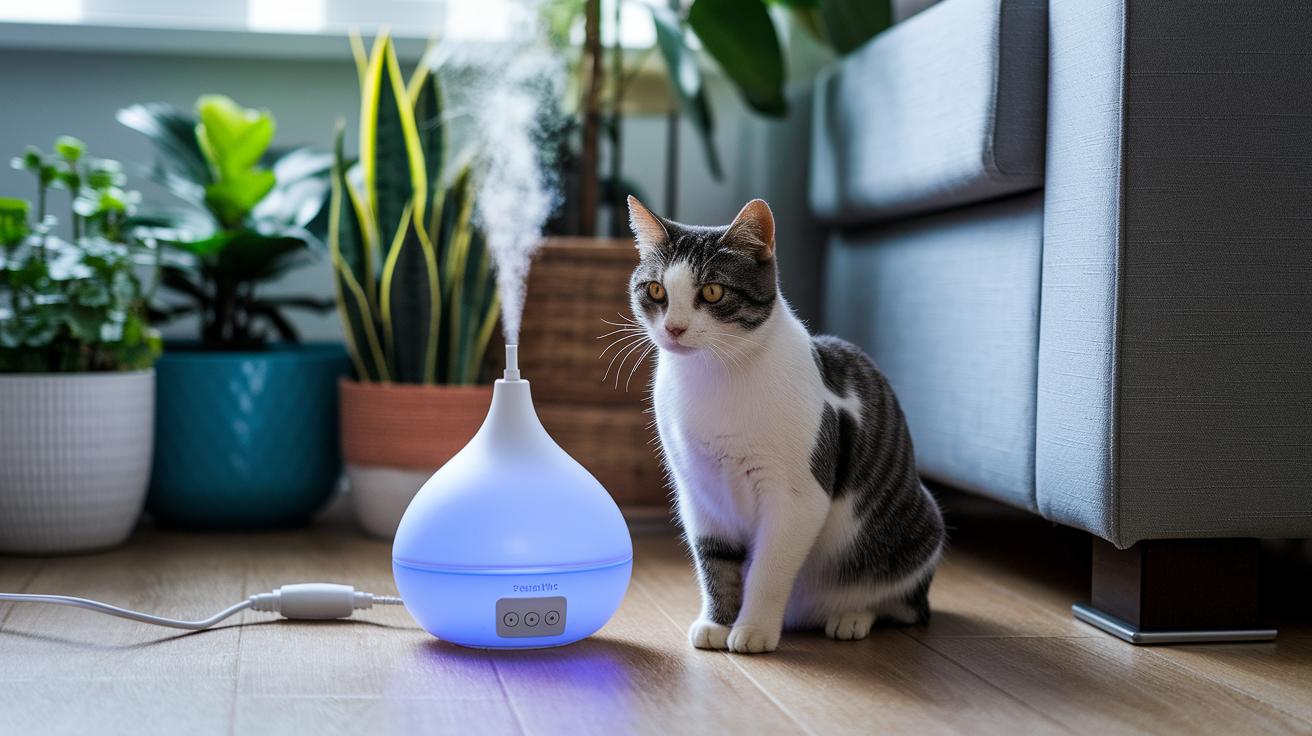
    Ever plugged in one of those tiny scent gadgets and thought, um, is this just kitty air freshener? Let me tell you, a pheromone diffuser (a plug-in that spreads natural cat calm signals) does way more than mask odors. You barely notice it – just a gentle mist floating in the air.

    Research and cat parents report these little purr machines can cut stress signs and naughty habits like scratching or spraying by up to half. Really. Ever watched your kitty chase shadows behind the couch? If your shy furball is peeking out from under the bed or your place feels like a midnight zoo, this gadget could be the peace you’ve been dreaming of. Next we’ll explore how these tiny scent wizards speak your cat’s language to help them feel safe, relaxed, and ready to purr.

    Cat Pheromone Diffusers: Do They Actually Reduce Stress and Unwanted Behaviors?

    - Cat Pheromone Diffusers Do They Actually Reduce Stress and Unwanted Behaviors.jpg

    Ever wondered if those plug-in cat pheromone diffusers (little devices that release a calming cat scent) really work? Good news, they can chop your kitty’s stress and pesky habits by about one-third to one-half, according to both studies and fellow cat parents.

    If your shy furball’s anxiety has you searching for answers, this soothing scent can be a game-changer. Less worry means fewer shredded cushions, fewer frantic midnight zoomies, and sweeter, fluffier nap times. Oh, and did I mention less urine spraying? That’s serious peace of mind for your home.

    So how does it all happen? First up, we’ll peek at how feline facial pheromone (a safe, natural cat signal) whispers “relax” to your cat’s senses. Then we’ll dig into peer-reviewed research on anxiety relief, compare diffusers vs sprays vs collars, talk plug-in placement and refill schedules, break down cost and safety tips, and share real-life stories from cat lovers just like you.

    How Cat Pheromone Diffusers Work to Soothe Feline Anxiety

    - How Cat Pheromone Diffusers Work to Soothe Feline Anxiety.jpg

    Cats often rub their cheeks on furniture or your leg, leaving tiny spots of facial pheromones (natural calming scents). This cheek rub tells them, “This place is safe,” and helps them relax. Ever seen your kitty nuzzle the couch and then nap like a champ? That’s your cat marking happy territory.

    Inside their mouth, cats have a vomeronasal organ (a scent detector that reads pheromone messages). When it picks up those cheek scents, it tells their brain to chill out. It’s like getting a cozy, reassuring hug from the inside.

    A plug-in diffuser uses synthetic F3 pheromones (lab-made copies of your cat’s natural cheek signals). Thanks to slow-release technology (a steady drip of scent over time), one refill lasts about 30 days and covers up to 700 square feet, plenty of room for single rooms or entire apartment-style homes.

    Here’s how it works: the plastic diffuser warms up, the coating on the inside slowly lets pheromones into the air, and your kitty breathes in a calmer vibe. No mixing liquids, no misting, just plug it in and forget it.

    You won’t even smell a thing. These diffusers are completely fragrance-free so your guests won’t notice anything odd. Veterinarians agree they’re safe around kids, other pets, or sneezy, allergy-prone humans. No harsh chemicals, just a purr-fectly simple path to a more relaxed cat.

    Scientific Studies and Expert Insights on Pheromone Diffuser Effectiveness

    - Scientific Studies and Expert Insights on Pheromone Diffuser Effectiveness.jpg

    Ever watched your kitty circle the couch corner, tail twitching? Pheromone diffusers (plastic plug-ins that release cat calming signals) could be the gentle nudge they need. In my house, the air feels calmer, and my cat, Luna, seems more curious than cranky. It’s like a subtle cat hug.

    In a 2011 Feliway trial, researchers saw a 50 percent drop in urine spraying after four weeks of daily use. And back in 2018, multi-cat homes that paired pheromones with basic behavior training reported about a 33 percent cut in hissing, growling, and swatting. Then in 2020, a mixed cat-dog pheromone study found both felines and pups barely blinked at each other, just peered around with soft ears. Those peer-reviewed numbers are solid.

    But wait, no experiment is perfect. Some trials weren’t fully blind, so hopeful owners might’ve missed off-days, you know, expecting calm and reporting calm. A few control cats (no diffuser) still improved, hinting that extra snuggles or a fresh play session might work like a pheromone’s soft whisper. Kindness counts.

    Veterinary behaviorists say: diffusers aren’t magic wands. Treat the diffuser as a sidekick, not the hero. Fresh litter boxes, vertical cat shelves (for safe, high-perch naps), and daily play sessions matter just as much. One behaviorist told me, “It’s a helping hand, not a single answer.” If scratching or hiding continues, a quick vet check can rule out health issues.

    Next, mix pheromone diffusers into a broader play plan. Try puzzle feeders (think of them like snack toys) to keep paws busy and minds sharp. Rotate toys every few days so your kitty stays curious. And if deep fear or aggression lingers, chat with your vet about behavior therapy or safe meds. That extra support can turn stress relief into a truly purr-fect reality.

    Worth every paw-print.

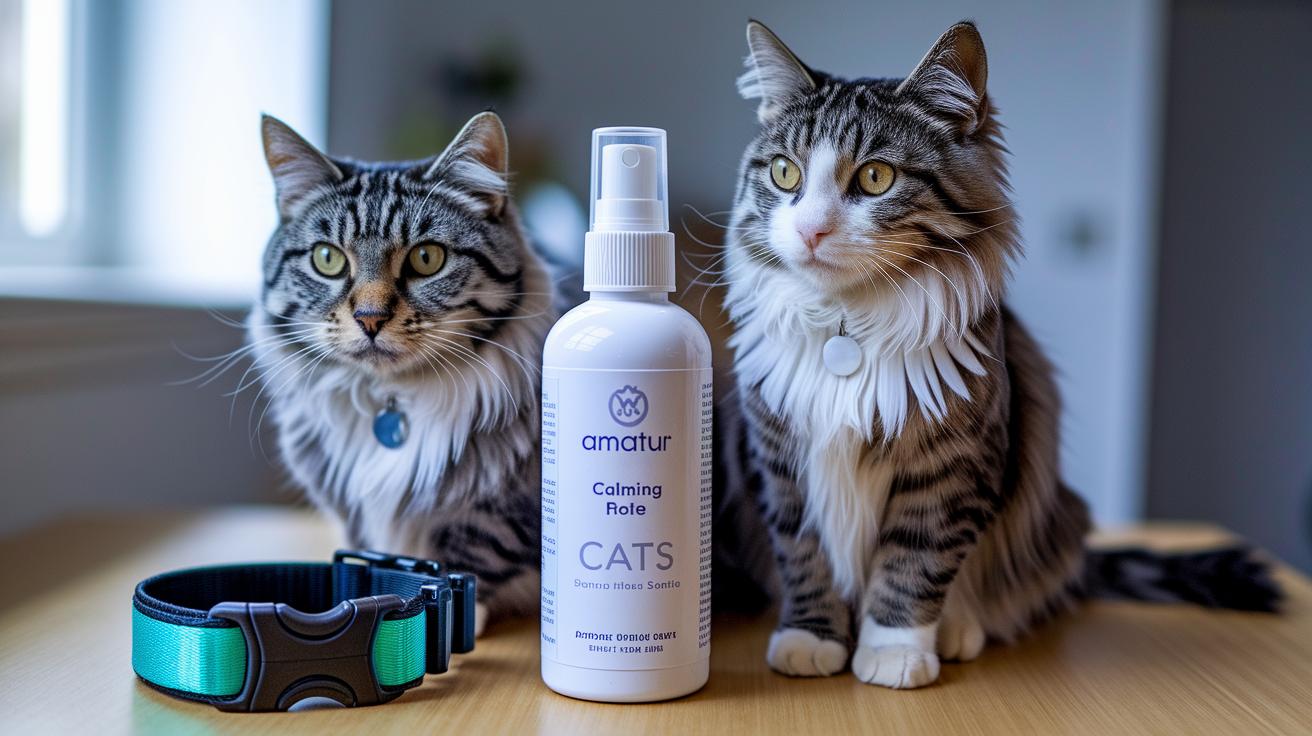
    Comparing Diffusers, Sprays, and Pheromone Collars for Cats

    - Comparing Diffusers, Sprays, and Pheromone Collars for Cats.jpg

    Ever watch your kitty pace around like it’s on patrol? Let’s talk about three ways to calm those whiskers.

    Plug-in Diffusers
    A plug-in diffuser sends out pheromones (natural kitty calming signals) for up to 30 days. It covers about 700 sq ft. You plug it in and forget it, no misting or rubbing needed. It’s scent-free so it won’t bug you. Um, older houses sometimes have odd outlets, so test a socket first. Great for easing nerves in one room or using a few around a big home.

    Sprays & Wipes
    Got a spot your cat avoids, like the carrier or that new cat tree? Sprays work in seconds and last two to four hours, but you’ll need to reapply more often in busy areas. Wipes are cloths soaked in pheromones you rub on favorite hangouts. They’re fab for testing new zones. Both let you target trouble spots instantly, but yes, they need some daily love.

    Pheromone Collars
    Pop on a calming collar, like Comfort Zone Breakaway, which has a safety buckle that pops apart, and your cat carries soothing pheromones everywhere for around 30 days. Collars are perfect for roamers who bounce from room to yard. But some cats hate a firm band around their neck and might scratch at it. Curious about how these work long-term? Check do cat calming collars work for real-home tests.

    Worth every paw-print.

    Product Type Coverage Duration Pros Cons
    Plug-in Diffuser about 700 sq ft 30 days Hands-free, consistent release Outlet compatibility issues in older homes
    Spray any size spot 2–4 hours Quick effect, targeted use Needs frequent reapplication
    Calming Collar cat’s personal space 30 days Portable, constant release Some cats dislike the stiff band

    Practical Tips for Installing and Maintaining Cat Pheromone Diffusers

    - Practical Tips for Installing and Maintaining Cat Pheromone Diffusers.jpg

    Want to see your cat with a contented tail flick? Mount your diffuser (device that spreads calming cat pheromones) about 30 cm (1 foot) above the floor, countertop height works purrfectly. That way the soothing scents can drift just right.

    And here’s a tip. Keep it out in the open. Not tucked behind a chair or jammed on a crowded shelf. Your kitty needs a clear path to sniff those calming vibes.

    One diffuser covers roughly 700 sq ft of space. So if you have a big home or separate rooms where your furball likes to roam, pop in extra units. More diffusers mean more kitty zen.

    Now let’s talk refills. Each cartridge (refill pod) lasts about 30 days. Set a calendar reminder so you don’t miss one, oops, that could dull your cat’s calming boost. And keep diffusers away from drafty spots near windows or doors. A breeze can whisk those pheromones away.

    • Mount your diffuser around 30 cm (1 foot) off the ground for best air flow.
    • Don’t hide it behind furniture or curtains. Open space is key.
    • Keep it at least 1 m (3 feet) from windows or doors to avoid drafts.
    • Use one unit per 700 sq ft. Add another for each extra zone.
    • Swap out the cartridge every 30 days on a strict schedule.
    • Check that the outlet (wall socket) is snug. No loose plugs or overstuffed extension cords.

    Cost, Safety Considerations, and Top Diffuser Brand Recommendations

    - Cost, Safety Considerations, and Top Diffuser Brand Recommendations.jpg

    When you first shop for a pheromone diffuser (a plug-in gadget that shares calming cat signals), you’ll notice the starter kit price. Kits run about $60 to $70 and include the plug-in unit plus a 30-day refill cartridge. Refills themselves cost roughly $25 to $30 a month. That works out to about a dollar a day for fewer hissy fits and calmer vibes, kind of like a tiny peace treaty for your kitty.

    Once you do the math, you’ll see whether to stock up on single refills or grab a bundle. If your home spans multiple rooms, the Comfort Zone Value Pack (about $150 to $160) might be your best bet. It bundles three plug-in units and six refill cartridges, cutting refill costs by nearly 15 percent and covering up to 2,100 square feet. Imagine your cat’s whiskers twitching happily from room to room.

    Safety first, right? Studies show kittens as young as eight weeks and senior cats handle these diffusers just fine. They use non-medicated, fragrance-free pheromones (no weird scents for you or the dog) that mimic natural cat signals. Most people don’t smell a thing, which is great for busy households or sneezy family members. Side effects pop up in under 5 percent of cases, usually as mild skin redness. No one ever reported breathing troubles or tummy woes. Just keep each plug-in a few inches away from dust and furniture, and you’ll avoid any warm-outlet hiccups.

    Here are two top picks, both come with reusable units and easy-swap cartridges:

    • Feliway Classic
      Vet rating: 4.3 out of 5 on average
      Pros: Steady calming release, simple plug-and-play setup, proven drop in urine spraying and hiding
      Cons: Refills feel pricey, and diffusers can warm if outlets are crowded

    • Comfort Zone Value Pack
      Best for multi-room homes and bundle savings
      Pros: Three plug-ins cover a large space, six cartridges last six months at a lower monthly cost
      Cons: Units are a bit bulky, give them some breathing room to work their magic

    Real-World Feedback: User Testimonials and Behavior Changes with Pheromone Diffusers

    - Real-World Feedback User Testimonials and Behavior Changes with Pheromone Diffusers.jpg

    So, you’re curious if pheromone diffusers actually help your kitty stay calm? Cat parents everywhere are saying, “Yes, please!”

    Across hundreds of pet-owner reviews, about 70 percent report fewer hiding spots and less frantic scratching once the diffuser’s scent fills the room. Your cat’s whiskers might even twitch as they explore instead of bolt under the couch.

    And on Reddit, folks mention roughly 60 percent of cats look noticeably more relaxed within two or three days of plugging one in. Ever watched your cat flop down for a belly rub instead of pacing? That’s the vibe.

    Kittens and seniors sometimes respond faster (their little noses are super sensitive), while busy multi-cat homes often need an extra unit or two to cover every corner.

    Owners also spot other sweet wins:

    • Around 70 percent drop in hiding and scratching
    • Sixty percent of cats calmer within 2–3 days
    • Better harmony in multi-cat households with extra coverage
    • Cleaner litter-box habits and fewer “oops” moments
    • Less urine marking and rubbing on walls and furniture

    Worth every paw-print.

    Final Words

    Plunge into a calmer home where kitties nudge diffusers like old pals. We explored how facial pheromones mimic cheek rubs, dived into study stats on spraying and stress, and weighed plug-in diffusers, sprays, and collars.

    We shared simple setup tips, cost checks, and real-life tales of happier cats. Ever watched a cat circle a diffuser? Magic.

    If you’ve been wondering do cat pheromone diffusers work, here’s your thumbs up: give it a try and watch fur-riends relax.

    FAQ

    Frequently Asked Questions

    Do cat pheromone diffusers really work for cats?

    Cat pheromone diffusers work by releasing synthetic feline facial pheromones that owners and studies report reduce stress and unwanted behaviors by about one-third to one-half, leading to calmer, happier cats.

    Do cat pheromone diffusers work on humans?

    Cat pheromone diffusers don’t affect humans because they emit feline-specific chemicals undetectable by people, making them safe and odorless in human living spaces.

    Do vets recommend Feliway diffusers?

    Veterinarians often recommend Feliway diffusers for addressing feline stress and behavior issues, citing clinical trials and positive field experiences to support their safety and effectiveness in multi-cat households.

    How long do cat pheromone diffusers take to work?

    Cat pheromone diffusers start reducing stress and unwanted behaviors within 2–3 days for many cats, with full benefits usually apparent after four weeks of continuous use.

    Does Feliway work for stressed, fighting, or newly introduced cats?

    The Feliway diffuser calms stressed cats, reduces fighting by mimicking facial pheromones, and eases new cat introductions by creating a reassuring scent-marked environment.

    What is the best cat pheromone diffuser and calming pheromone for cats?

    The best cat pheromone diffusers include Feliway Classic for facial pheromones and Comfort Zone collars for multi-pet homes; top calming pheromones focus on F3 compounds tied to feline-friendly signals.

    Related Articles

  • do cats scratches scar leaving no lasting marks

    do cats scratches scar leaving no lasting marks

    Ever stared at that tiny red line your kitty’s claws left and felt your heart skip a beat? It’s okay, you’re not alone. When you act fast, clean the area, and pop on a bandage, most scratches fade like they were never there. Worth every paw-print.

    I’ve seen shallow nicks close up so neatly they look like a gentle brush on soft fur. Really. Your skin just smooths right back, no fuss.

    But sometimes a cut is deeper or germs sneak in and cause an infection (when tiny bugs make the spot red and puffy). That can leave a darker mark or stubborn scab (the crust that forms over a cut) that won’t budge. Uh oh.

    In this chat, you’ll learn how to help those claw-tastic scratches vanish without a trace and when you should watch out for a scar. Ready for some paw-some tips? Let’s dive in!

    Do Cat Scratches Always Leave Scars?

    - Do Cat Scratches Always Leave Scars.jpg

    Most of the time, little scratches from your kitty fade away if you clean them fast and keep them covered. A shallow nick from those whisker-tipped paws often closes up neatly, what doctors call first intention healing, so you barely see a mark. Give it about a week or two, and that tiny line usually disappears from your skin (and your cat’s fur). But deeper cuts, or ones that get infected, heal more slowly and can leave a thicker line in their wake.

    Healing really kicks off right away. In the first day, blood clots form and epithelial cells (tiny skin cells) start moving over the cut. Ever watched your cat chase a sunbeam while you tend a scratch? By days three to seven, cleanup cells called macrophages (they clear out the mess) arrive, and granulation tissue (new pink tissue with tiny blood vessels) plus collagen (that skin protein) fill the gap. Around day four, most scratches are shut and the redness begins to fade. By day five, you can usually peel off the bandage and let fresh air help the skin toughen up.

    But if the scratch is deep or edges stay apart, it follows a slower, second intention path, meaning it fills in from the bottom up and can leave a more noticeable scar. Infections really slow things down too, leading to extra scar tissue. Oops, make that extra care.

    Here are the main things that affect how much a scratch will scar:

    • How deep the wound is
    • Whether it gets infected
    • How soon and how well you clean it
    • Where on your body it is
    • Your age and skin type
    • Sun exposure

    To keep healing on track, wash scratches right away with mild soap and water, pat them dry, add a thin layer of ointment, and change the dressing every day. If you see spreading redness, swelling, or pus, or if it’s not closing up after about ten days, talk to a doctor. Worth every paw-print of care.

    Immediate First Aid for Cat Scratches to Minimize Scarring

    - Immediate First Aid for Cat Scratches to Minimize Scarring.jpg

    First, rinse the scratch with mild soap (a gentle cleanser) and lukewarm water (warm, not hot). This washes away dirt and loose skin bits. You can also dab on a salt-water rinse (salt mixed with water), but skip hydrogen peroxide or other harsh antiseptics. They sting and slow healing.

    Next, press a clean gauze pad (a cotton square) over the scratch. Hold firm pressure until bleeding slows and a thin clot forms. This little shield guards your skin’s fragile new cells. Ever had your cat try to lick it?

    Now let’s talk cream. Spread a thin layer of antibiotic ointment (germ-fighting cream). If Neosporin makes your skin itch, swap it for a gentler formula. That keeps the cut moist and helps it heal.

    Finally, cover the scratch with a breathable sterile bandage (a clean adhesive wrap). It should be snug but not tight to keep out dirt and curious kitty kisses. Change the dressing every day, washing gently and reapplying cream each time so the cut stays moist for faster, less scarring healing. You’ll be feline fine in no time.

    Home and OTC Treatments for Scar Reduction

    - Home and OTC Treatments for Scar Reduction.jpg

    Thinking about fading your cat’s scratch scars? You have some friendly home and OTC options to help those spots look smoother. Ever watched your kitty paw at a rough patch? Let’s fix that.

    Some folks use a silicone sheet or dab on silicone gel (a soft plastic film). It keeps that spot supple and slows extra collagen (skin fiber) from building up. Your kitty won’t mind the gentle thud when you press it on.

    Then there are scar creams with onion extract or hyaluronic acid (moisture magnet). Massage them in daily for a few weeks and you’ll see the color even out and texture soften.

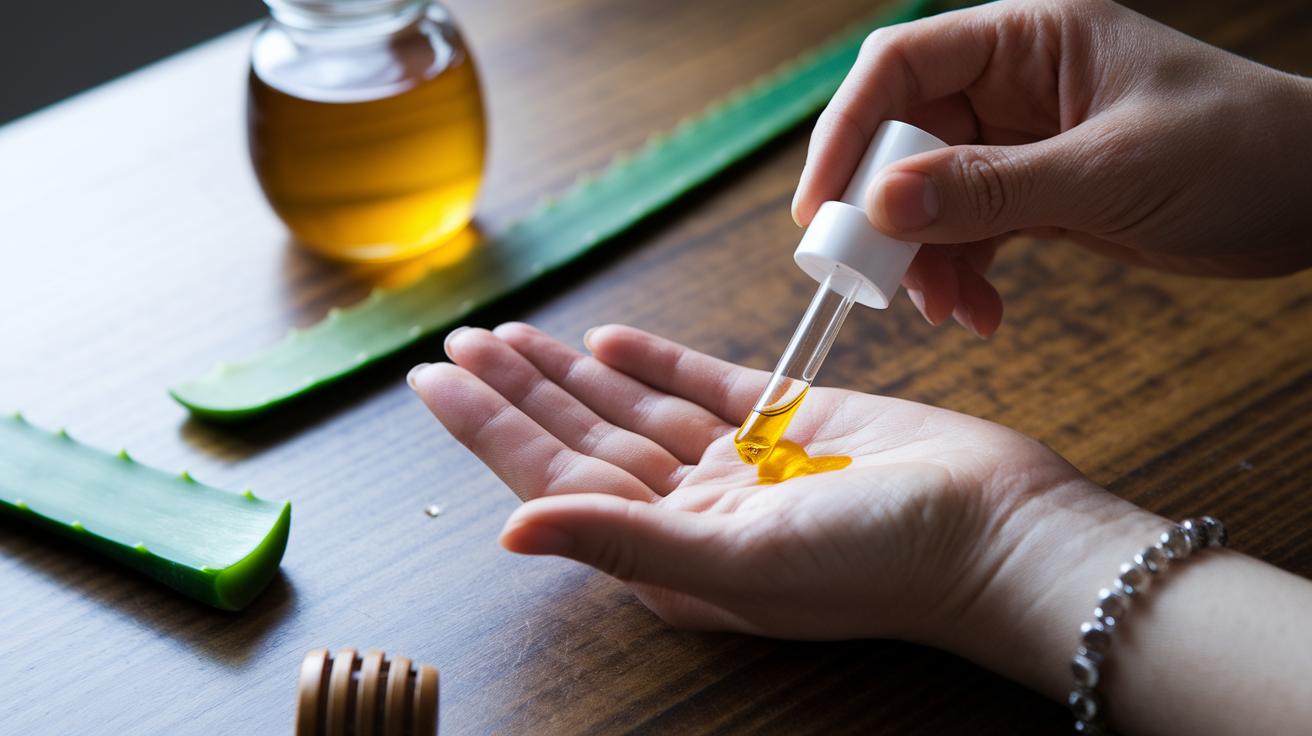
    Lap up nature’s remedies too. Vitamin E (skin helper) and aloe vera (soothing succulent gel) add calm to irritated spots. Arnica (skin calming herb) eases repair, while raw honey (sticky sweet healer) and coconut oil (hydrating oil) lock in moisture.

    Treatment Type Application Efficacy
    Silicone Gel OTC Gel Twice daily thin layer High for soft scars
    Onion Extract Cream OTC Cream Daily massage Moderate for color fade
    Vitamin E Oil Natural Oil Nightly rub-in Low to moderate
    Aloe Vera Gel Natural Gel Apply twice daily Moderate hydration
    Arnica Salve Natural Salve Gentle dab 2–3× day Low to moderate
    Raw Honey Natural Paste Cover and rinse after 30 min Moderate soothing

    Keep an eye on your kitty’s scratch each week. Write down how it looks and feels. After six to eight weeks you’ll know what really helps. If you hit a plateau, swap creams or try another natural fix. You could swipe on gel in the morning and pop on honey at night for round-the-clock care. Just keep that skin clean, follow the directions, and give it a little time. Steady care helps those marks soften and fade. Worth every paw-print.

    Professional Scar Therapies and Medical Advice for Cat Scratches

    - Professional Scar Therapies and Medical Advice for Cat Scratches.jpg

    Okay, ever noticed a scratch from your kitty still oozing or red after two weeks? Or maybe it’s swollen, warm, or there’s a sore that just won’t quit? Throbbing pain, red streaks up your arm, a low fever, or tender lymph nodes (soft bumps under your skin) mean home care won’t cut it.

    A dermatologist (skin doctor) can prescribe special creams like prescription silicone polymers (gel-like material) that cling to your skin, seal in moisture, and soften scar tissue. They might also use intralesional steroid injections (tiny steroid shots right into the scar) to flatten raised scars and curb extra collagen (structural protein). You’ll follow a custom scar-care plan – targeted creams, gentle massage maneuvers, and follow-up visits to tweak treatments as your scratch matures and smooths out.

    When surface fixes don’t do the trick, clinics have more to offer. Fractional laser therapy (focused light beams that nudge new collagen) and microneedling scar therapy (little needle pricks that kick-start fresh skin repair) can work wonders. Light chemical peels (a thin acid layer to even out texture) help refine tone, and paramedical tattooing (gentle pigment matched to your skin) can blend stubborn discoloration with nearby skin.

    Healing takes time – usually six to twelve months – so plan on regular check-ins to keep your progress on track.
    Worth every paw-print.

    Preventing Cat Scratch Scars with Behavior and Skin Protection

    - Preventing Cat Scratch Scars with Behavior and Skin Protection.jpg

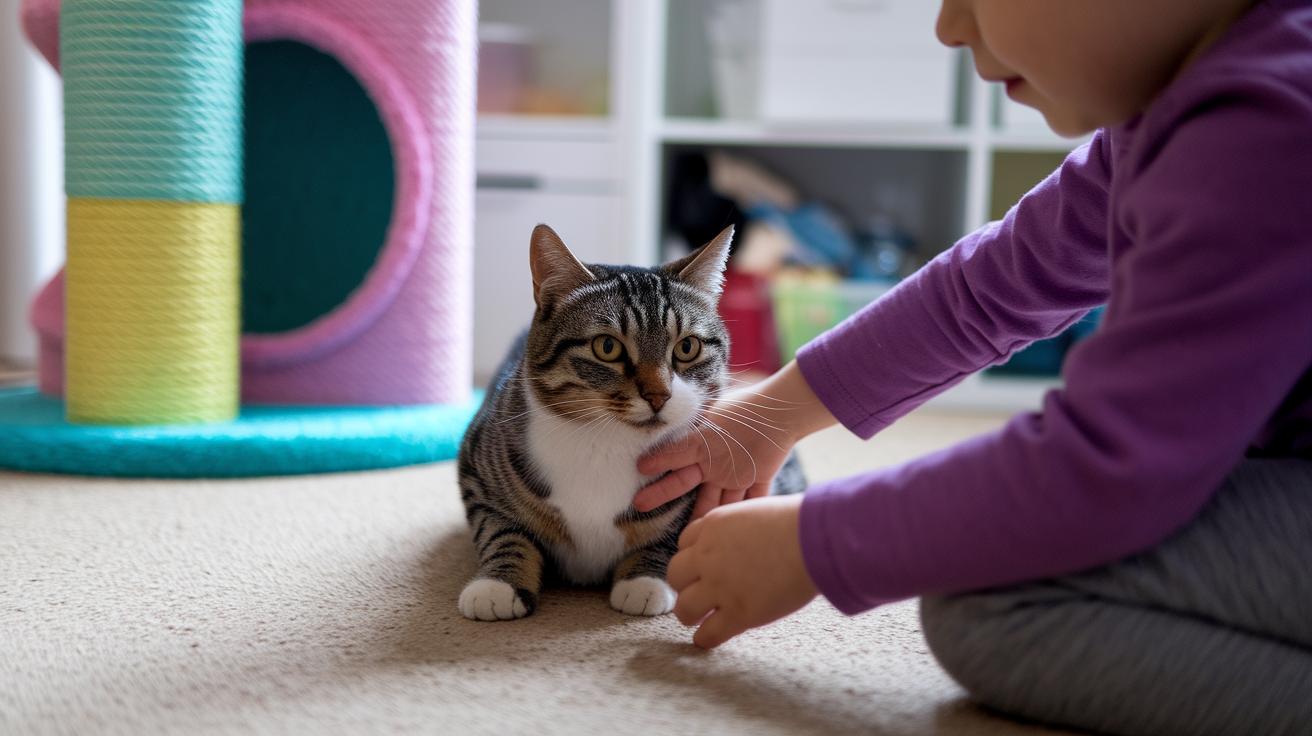
    Setting up sturdy scratching posts and playful toys is your first line of defense against scratch scars. Wrap a post in sisal rope (a rough plant fiber cats adore) or lay out a soft pad made of corrugated cardboard. Ever seen your kitty’s claws stray toward your hand? Point those paws to a feather wand or a toy ball, you keep your fingers safe, and your cat gets to pounce.

    Keep nail clippers close and trim your cat’s nails every one to two weeks. Dull tips mean fewer little nicks and smoother skin all around. It’s a simple step but oh so worth it when your cat’s whiskers twitch in delight as they scratch their toys.

    If kids are part of the fun, have them wear long sleeves or lightweight gloves during training sessions. Then teach your cat to swipe at floor toys, not in midair near skin. Gentle play and stepping back when claws come out keep tiny scrapes from ever happening. Short play breaks with a quick “good kitty” or a treat help shy or anxious cats learn to use their claws more gently.

    Don’t forget basic hygiene and flea control, too. Wash your hands and pet bedding every week to keep dirt and bugs at bay. For an extra layer of care, try a gentle barrier balm (a soft skin shield) to soothe any teeny scratches that slip through. Worth every paw-print.

    Final Words

    In the action, we learned shallow scratches usually close neatly while deeper ones need a bit more care.

    We covered immediate cleaning, home remedies and when to seek medical help, from silicone gels to laser therapy.

    We unpacked the healing timeline and shared fun ways to trim claws and swap in sturdy toys so you avoid fresh marks.

    Now you’ll see how do cat scratches scar and have every tool to keep your skin clear and spirits high.

    Here’s to healthy healing and happy paws.

    FAQ

    Do cat scratches leave scars and will they fade?

    Cat scratches can leave scars if they’re deep or become infected, but most marks fade with proper cleaning, gentle moisturizing, and sun protection over weeks to months.

    How long do cat scratches take to heal and fade?

    Cat scratches usually close in 3–4 days and redness fades by day 7. Scar tissue can take several weeks to months to lighten, depending on depth, skin type, and care.

    Why do cat scratches scar so easily?

    Cat scratches scar easily because sharp claws can cut deep, boosting infection risk and slowing healing. Thin skin areas and late wound care let scars form and appear more noticeable.

    What happens if a cat scratches your skin and do scratches hurt?

    A cat scratch breaks the skin, causing a sharp sting, bleeding, redness, or swelling. Pain varies by depth, and prompt cleaning helps prevent infection and further discomfort.

    How can I get rid of cat scratch scars on my face?

    You can reduce facial scars with silicone gel sheets, over-the-counter scar creams, or natural oils like vitamin E. Gentle exfoliation and daily sunblock speed up fading.

    How do you prevent cat scratch scarring?

    You prevent scarring by cleaning scratches right away, applying a thin layer of antibiotic ointment, and covering with a breathable bandage. Trimming your cat’s nails also cuts down scratch depth.

    Related Articles

  • what do cats chirps mean Happy Cat Whispers

    what do cats chirps mean Happy Cat Whispers

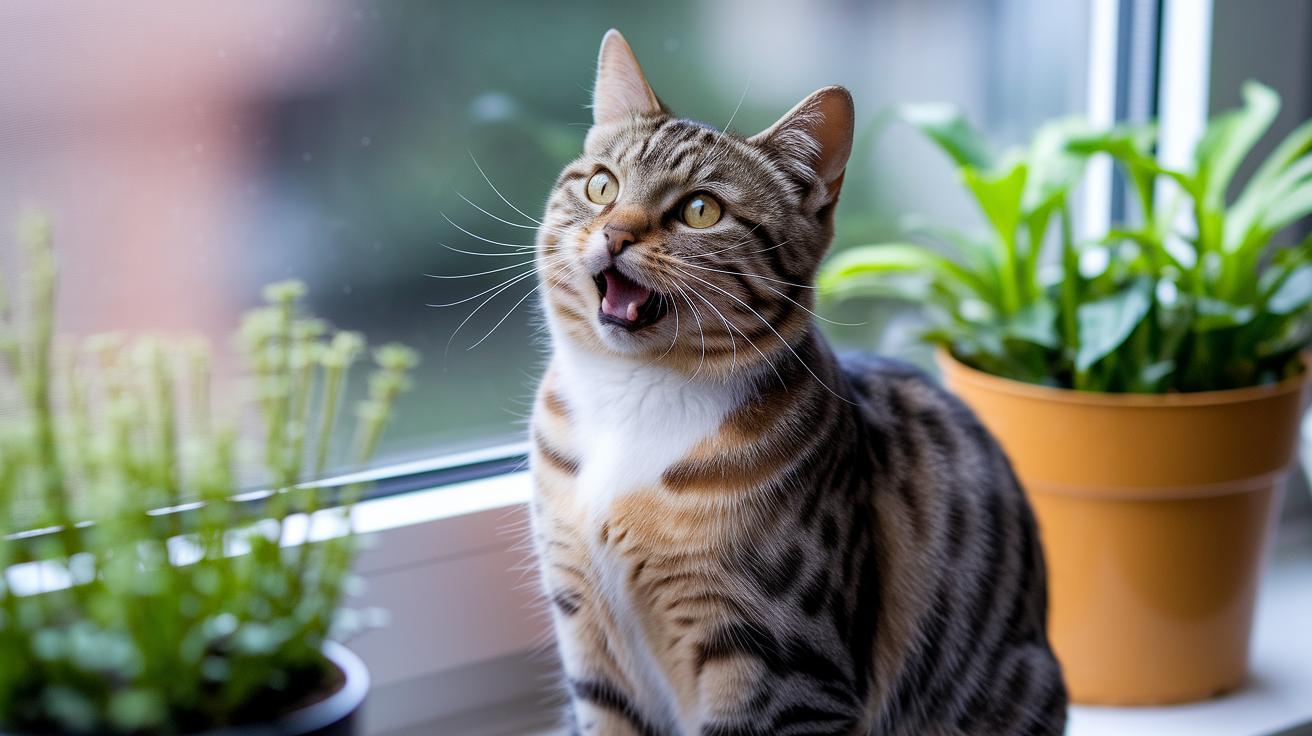
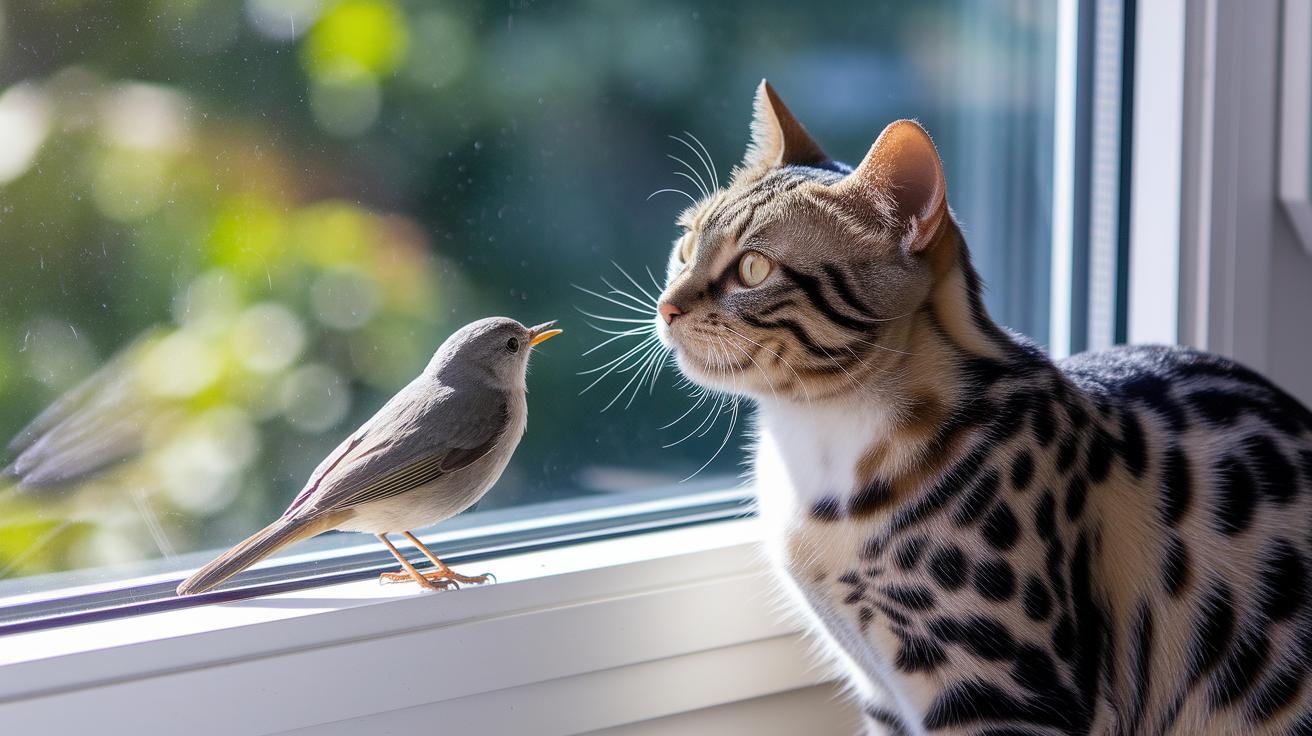
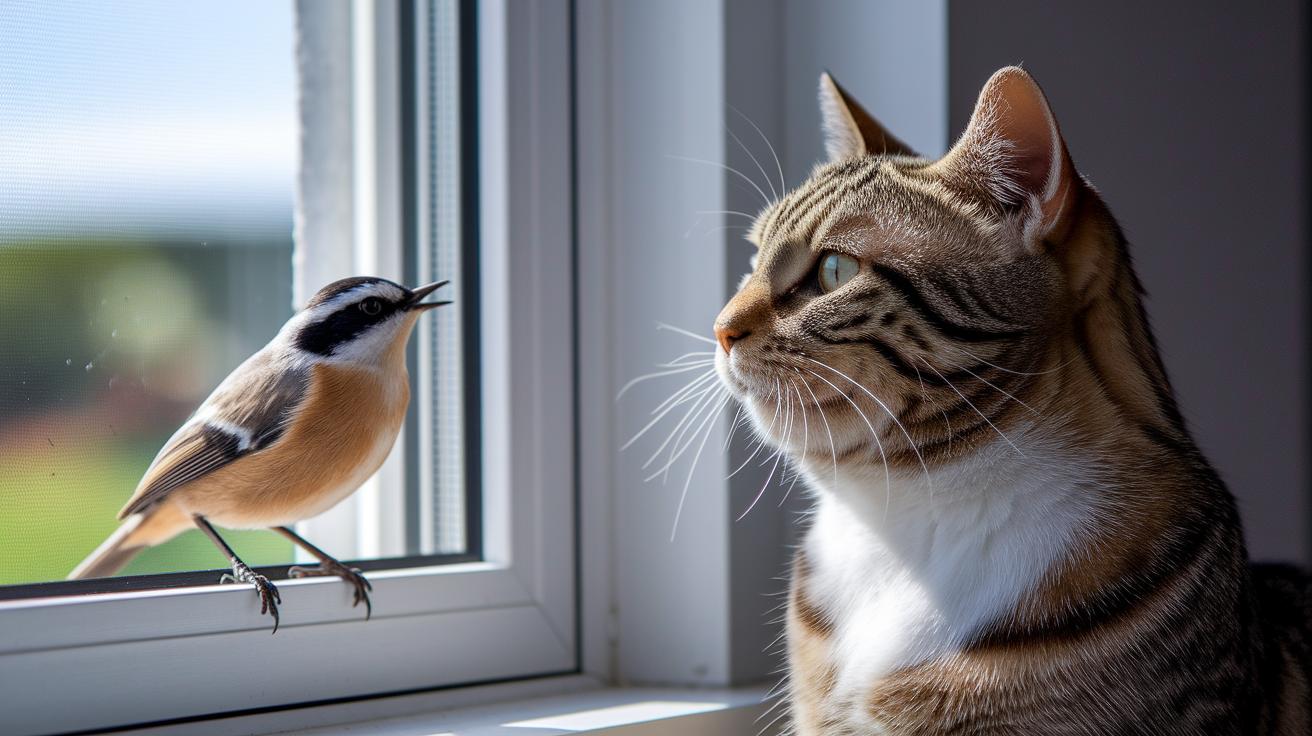
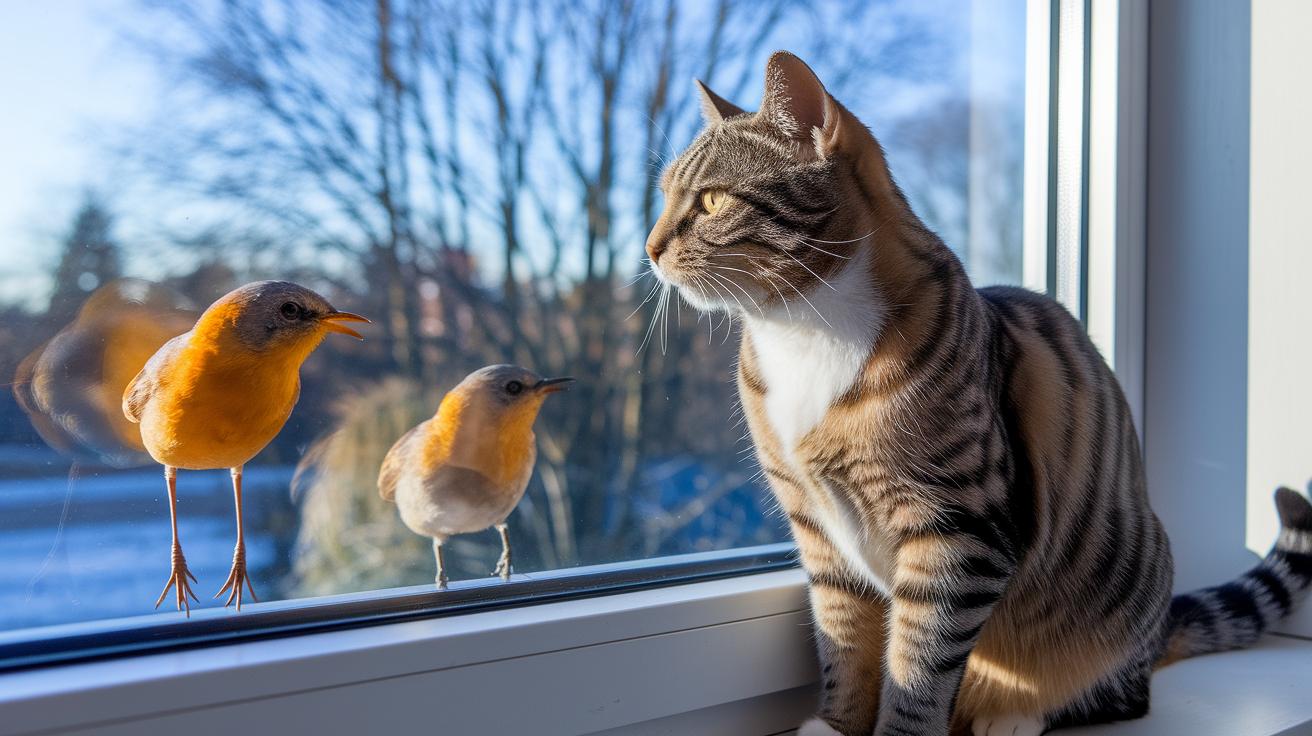
    Ever watched your kitty chatter at a bird outside the window? Ever wonder what those tiny birdlike tweets mean? Feels like a secret show just for you.

    That high-pitched trill is called a chirp (a little birdlike call). Picture your cat’s whiskers twitching as that sound pops out when they’re excited or totally locked in. It’s like they’re stalking prey across the rug. A playful hunt spark.

    It’s not a meow or a purr. It’s your cat’s way of bursting out big feelings in a teeny, chirpy blast. Purr-haps a bit of bird and a bit of wild.

    In this guide you’ll learn why cats chirp at windows, toys, and even at you. Then you can speak fluent meow-bird.

    Figuring out these chirps gives you a peek into your cat’s wild side. And it brings you two even closer as pals.

    Decoding Cat Chirps: Understanding Their Meaning

    - Decoding Cat Chirps Understanding Their Meaning.jpg

    Cat chirping is that high-pitched, bird-like trill your kitty makes when something sparks excitement, curiosity, or the hunt instinct. It’s a quick, staccato burst, like tiny tweets in a sharp pitch pattern, that sounds very different from a drawn-out meow or gentle purr. Rather than asking for food or seeking a cuddle, chirping points to interest or urgency as your cat watches birds outside from a comfy perch, fixes its gaze on a toy, or invites you to join in the play session. It’s a playful alert that taps into their wild side and offers a peek into understanding cat vocalizations.

    Common Reasons Cats Chirp: Hunting, Play, and Greetings

    - Common Reasons Cats Chirp Hunting, Play, and Greetings.jpg

    We talked earlier about how cats chirp when they’re bird-watching by the window (that’s hunting mode) or chasing a feather wand. Now let’s explore two more reasons, no repeats, promise. Ready?

    Welcome Trills: How Cats Use Chirps to Greet You

    When you step inside, your cat might wiggle its whiskers (those tiny feelers on its face) and let out a sweet little trill. It’s like a furry “hey, you’re home.” Every happy chirp says they’ve spotted you. And if you give a friendly ear scratch, you’re reinforcing that greeting. Cool, right?

    • “I see you.” Links your arrival to good vibes and purrs.
    • Cuddle opener. It sounds like “pet me now.”
    • Trust signal. Think of it as kitty small talk.

    How to chat back:

    • Use a soft voice. “Hi there, buddy.”
    • Try a quick chin rub or ear scratch.
    • If they perk up, toss a tiny toy for a one-minute play break.

    Attention-Seeker Trills: Learned Vocal Strategies

    Picture this: you’re by the treat jar, and out comes a sharp little chirp. Or you plop on the couch and suddenly there’s a demand-meow. Your clever cat is using sound like an alert to get snacks, pets, or play. It’s basically their version of a text message.

    • Treat-time chirp: high and speedy near the kitchen.
    • Playtime trill: medium pitch by the toy stash.
    • Pet request chirp: soft, drawn-out, timed with your steps.

    Why it clicks:
    Each chirp links to a reward, so their brain thinks “treats!” or “pets!” And every successful trill makes your bond stronger. Feline teamwork!

    Distinguishing Chirps from Other Cat Vocalizations

    - Distinguishing Chirps from Other Cat Vocalizations.jpg

    Ever wonder how to spot your cat’s chirps versus their meows or purrs? It’s all about pitch (how high or low a sound is), rhythm (the beat or flow), and why they’re talking in the first place, you know? Chirps are quick, bird-like bursts – tiny tweets that tap into a cat’s hunting heart.

    Meows shift in tone and length when your furball wants dinner, pets, or a bit of extra attention. Trills feel like a musical hello – a sing-song nudge from your kitty. Purrs are a soft, steady rumble when they’re cozy or calming themselves. Yowls belt out loud, long calls to ward off rivals, find a mate, or cry stress.

    Vocalization Sound Description Typical Context
    Chirp High-pitched, bird-like bursts Bird-watching, toy pouncing, excitement
    Meow Variable tone and length Hunger, attention-seeking, distress
    Trill Musical, rolling call Inviting play or bonding
    Purr Soft, continuous rumble Contentment or self-soothing
    Yowl Loud, drawn-out mew Mating calls, territory, or stress

    Chirps stand out with their speed, high pitch, and playful spark – purr-fect for toy chases or bird-watching by the window. Chatters mix a chirp with a chitter (a fast, excited chatter) when prey is just out of reach, often sounding a bit frustrated. Next time you hear those staccato tweets, know your cat is sharing a hunting moment and inviting you to join the thrill.

    what do cat chirps mean Happy Cat Whispers

    - Emotional Context What Your Cats Body Language Tells You When They Chirp.jpg

    Ever watched your kitty give that soft, birdlike chirp while its tail swishes like a gentle metronome? When your cat flicks its tail slowly – a soft thump on the carpet – and its ears point forward like little radar dishes, it’s prime playtime energy. Neutral whiskers drifting outward, not pulled tight, show your pal is curious and calm. These chirps often pop up when your furball spots a favorite toy or curls up on your lap. It’s basically your cat saying “let’s play” or “I’m content.”

    But if that chirp comes with a stiff spine, ears flattened back, and whiskers pulled tight, something might be off. You might even catch a soft cough or sneeze mixed in – a hint at upper respiratory discomfort (like a stuffy nose or scratchy throat). That’s your signal, you know, to offer extra cuddles and maybe book a vet visit.

    Or notice your cat’s tail quivering like static or tucked tight under the belly, paired with a worried trill. Those anxious vibes can mean it’s time for more comfort or a vet check.

    Breed and Age Variations in Cat Chirps

    - Breed and Age Variations in Cat Chirps.jpg

    Ever noticed how some cats just love to chat? It’s like they have their own kitty language full of chirps and trills. Different breeds bring their own flavor to these little conversations.

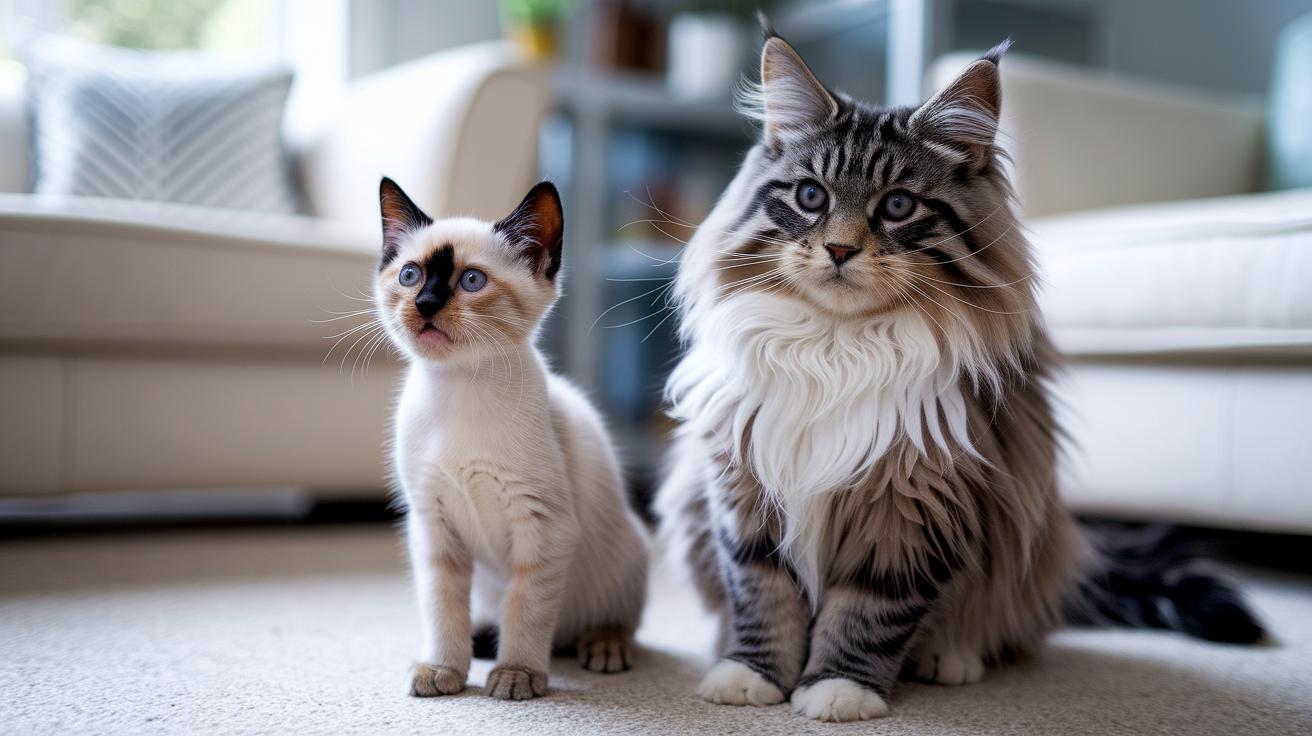
    Siamese kitties often serenade you at breakfast with chirps that sound just like tiny songbirds, and their vocal range (all the different sounds they can make) is pretty impressive. Ever served them tuna? They’ll chirp back a full review. Bengal cats, on the other paw, toss in playful chirps with bouncy trills (a rapid roll of sound) like they’re stalking prey on a jungle safari.

    Gentle Maine Coons will slide in a low, rumbling chirp that melts into a soft meow, like a purr turned up into song. Oriental Shorthairs, always curious, will let loose chirps when they want your full attention, sort of like, “Hey, look this way!” Each breed’s style turns your living room into a mini kitty concert.

    Kittens usually start their first chirps around four to six weeks old. At that stage, tiny mews (soft kitten cries) blossom into birdlike trills as they learn to talk to Mom and littermates. Those sweet early sounds are how they ask for snuggles, snacks, or a quick play session. It’s pretty cute, um, you know, like a tiny concert in your lap.

    Adult cats settle into their voices, but health and mood can tweak their chirps. A stressed kitty might chirp more often, or a happy cat’s chirps might sound brighter. Deaf cats tend to have softer or oddly pitched chirps since they can’t hear themselves well. Blind cats? They’ll rely on those chirps to find their way around, listen closely and you’ll hear how they chat to navigate and connect.

    These chirps tell a story, are you listening?

    Healthy vs Concerning Cat Chirps: When to Consult a Veterinarian

    - Healthy vs Concerning Cat Chirps When to Consult a Veterinarian.jpg

    Ever thought your cat sounded like a tiny bird when it chirps? That soft tweet is usually just normal engagement, you know, a playful “hey, look at that bird!” moment. It’s the satisfying sound of kitty curiosity in action.

    But if your cat goes from sweet chirps to nonstop trilling, you might want to pause. Especially when those chirps mix with a rough yowl, hard, heavy breathing (labored breathing), or a cough-like hack (a little throat tickle). Those gravelly or husky tones could hint at stress or an upper respiratory sniffle (nose and throat bug). And if you spot your furball struggling or sounding off, that’s a red flag.

    If the odd sounds stick around past two days or suddenly vanish, um, you might be looking at a health hiccup. It’s better to be curious than sorry, right?

    So give your vet a quick ring for a check-up. Spotting a hidden issue early can save your furball extra ouch and worry. Let’s get those chirps back to happy tweets.

    Final Words

    You’ve seen how that bird-like trill, your cat’s chirp, signals curiosity, play, or a hunter’s spark. We outlined reasons cats chirp, from bird-watching thrills to hello-greetings, and showed how chirps differ from meows, trills, purrs, and yowls. Body cues reveal if your kitty’s relaxed or on high alert. You learned breed and life-stage quirks, plus when extra chirps call for vet advice.

    Now, you can tune into those playful notes with confidence. After all, knowing what do cat chirps mean makes life more joyful.

    FAQ

    Why does my cat chirp at me?

    Cat chirping at you often signals a friendly greeting or attention request, showing curiosity and excitement to invite interaction or hint at treat time.

    What do cat chirps mean in the morning?

    Cat chirps in the morning express eagerness for breakfast or play, tapping their hunting instinct and letting you know it’s time to start the day.

    Why does my cat chirp instead of meow?

    Cat chirping instead of meowing happens when they mimic prey sounds, show excitement, or seek attention with a high-pitched trill rather than a regular meow.

    Why do cats chirp at birds?

    Cats chirp at birds as part of their hunting instinct, imitating bird calls to attract prey or sharing excitement when spotting potential targets outside.

    What does it mean when a cat trills?

    Cat trilling is a soft, musical call that invites play, bonding, or affection, often used to greet family members or encourage close contact.

    What do different cat chirps mean, and is a cat happy when it chirps?

    Different cat chirps signal excitement (play or hunting), greetings, or attention requests; happy cats use chirps as friendly, curious sounds rather than signs of distress.

    Why is my cat chirping so much?

    Cat chirping excessively may reflect high excitement or learned attention-seeking; if it comes with distress cues or sudden tone changes, consult a veterinarian for health or stress checks.

    Related Articles

  • feline leukemia testing Protects Your Cat’s Future

    feline leukemia testing Protects Your Cat’s Future

    Picture this: you’re curled up with your cat, soft paws kneading your arm, purring like a tiny engine. But did you know a sneaky bug called feline leukemia virus (FeLV) might already be inside?

    FeLV is a virus that attacks your cat’s immune system. It can hide in a mother cat’s milk (that’s queen’s milk) or slip in during a quick grooming session. Mom’s antibodies (proteins that fight germs) can mask the earliest signs, so your kitten might look perfectly fine.

    That’s why testing matters. Check at about 8 weeks old, then again around 16–20 weeks. Think of it like two checkpoints to catch any hidden infections before they spread. One simple blood test could save you months of vet visits, worry, and heartbreak.

    Ready to keep your kitty healthy and playful? In this guide, we’ll walk through when to test, how to test, and why those two tests are a game-changer. Let’s make sure your furry buddy stays feline fine for years to come.

    When and How to Test for FeLV

    - When and How to Test for FeLV.jpg

    Got a new kitten? You want it to start off healthy, right? So we kick off FeLV (feline leukemia virus) testing at about 8 weeks old. Then we check again 8–12 weeks later, mom’s antibodies can hide the virus at first.

    • At 8 weeks: whole blood point-of-care ELISA (a quick antigen test you do on the spot).
    • At 16–20 weeks: repeat the ELISA to catch anything mom’s antibodies masked.
    • Adult cats that roam outdoors or whose history is unknown: yearly FeLV screening.
    • Before you bring home a new furball: pre-adoption FeLV test to keep your crew safe.

    In shelters and rescues, sticking to this schedule means fewer health surprises. Oops, missed a date? Just repeat the test in four weeks. Ever wonder how FeLV spreads? It travels through long grooming sessions, fights, and even nursing, so timing really matters. Learn more at how do cats get feline leukemia.

    Specimen Handling & Window Periods

    When you’re drawing blood, whole blood is your go-to for point-of-care screens, skip serum if you can. Keep your syringes and tubes ready, especially an EDTA tube (a blood tube with anti-clotting stuff), so you get cleaner samples.

    PCR (polymerase chain reaction) turns positive about two weeks after exposure. But ELISA might miss early antigens, and IFA (immunofluorescent assay) lags until 6–8 weeks. In practice, you might run:

    1. ELISA at 2 weeks post-exposure.
    2. IFA at 6–8 weeks to spot bone marrow infection.
    3. PCR whenever results are unclear.

    Sometimes a cat’s immune system pushes the virus into hiding, antigen-negative on ELISA but PCR-positive. If a high-risk cat tests negative on ELISA, test again in 4–6 weeks. Better safe than sorry.

    Mom’s antibodies can stick around until about 12 weeks, so don’t trust a single test in young kittens. If your 8-week-old kitten tests positive, don’t panic, retest at 16 weeks to see if it’s real or just mom’s antibodies.

    Handle samples with care: chill EDTA whole blood, ship overnight when using a reference lab, and always label tubes with the date and test type. When in doubt, repeat testing, FeLV screening isn’t a one-and-done deal. With the right timing, the right sample, and follow-up screens, you turn guesswork into a solid plan for your cat’s tomorrow.

    Feline Leukemia Test Methods and Types

    - Feline Leukemia Test Methods and Types.jpg

    ELISA Assays

    When you’re at the vet, they often use a point-of-care ELISA test (enzyme-linked immunosorbent assay). It sniffs out the p27 antigen (a viral protein) right in whole blood! Some cats get the SNAP FeLV/FIV Combo test, reportedly 100% accurate, so no false alarms. Others see the VetScan Rapid, which scores around 85.6% sensitivity and 85.7% specificity.

    You’ll hear a beep and see results in minutes, faster than a cat chasing a laser dot. It’s perfect for a quick pre-playdate check.

    Immunofluorescence Assays (IFA)

    The IFA test (immunofluorescence assay) checks for p27 hiding inside neutrophils and platelets, white blood cells and tiny blood bits. It only lights up once the virus reaches the bone marrow, about 6–8 weeks after exposure. You send a chilled EDTA blood sample (a tube that keeps blood from clotting) to a lab with a fluorescence scope.

    Technicians stain the cells and watch them glow under a black light. It takes patience but it’s the surest way to confirm a deep-seated infection.

    PCR-Based FeLV Detection

    Then there’s PCR (polymerase chain reaction), which hunts for proviral DNA, the virus’s genetic footprint. It can show up as early as two weeks after exposure.

    It’s handy when ELISA and IFA give mixed signals, kind of like a detective solving a furball mystery. Shelters and vets often use it to screen blood-donor cats and keep everyone safe. A clear PCR result means peace of mind, whether you’re running a rescue or cuddling your own clowder (group of cats).

    Test Type Sample Type Window Period Sensitivity (%) Specificity (%)
    ELISA Antigen Assay Whole blood 2–4 weeks 85.6–100 85.7–100
    IFA Confirmation EDTA blood (anti-clot) 6–8 weeks ~90 ~98
    PCR-Based Detection EDTA blood (anti-clot) 2 weeks ~95 ~95

    Who is the ABC Platform for?

    - Accuracy Metrics for Feline Leukemia Testing.jpg

    Ever feel like you need extra hands on deck? The ABC Platform is built for small and medium businesses (SMBs) and agencies with basic tech and automation know-how. But you just don’t have time to piece together those workflows yourself. Agencies especially will love the built-in client and multi-site management, which delivers a seriously high return on investment (ROI).

    What is the ABC Platform?

    The ABC Platform is a subscription that bundles two key tools: a Visual Database (a drag-and-drop table builder) and an Automation Platform (a workflow engine). On top of that, you get full access to the Scale By Tech (SBT) Vault, a library of pre-built, production-grade automations. Think of it as a treasure chest of ready-to-use workflows that save you hours of setup.

    Why should you care?

    Running real automation means you need both a database and a workflow engine. We made it easy by putting them under one roof. Add in pre-built automations and you’ll be up and running in no time, with almost zero fuss. And hey, that’s why we say: Deploy & Enjoy.

    Tiger Spirit Animal

    Ever wanted to trust your instincts more? The tiger spirit animal is all about raw emotion, gut-level knowing, and diving in headfirst. You might find yourself making choices on the fly, following that inner nudge without looking back. It’s a mix of fierce willpower and a dash of surprise, one moment you’re calm, the next you’re racing ahead.

    The tiger brings messages of:

    • Willpower and personal strength
    • Hidden sides of yourself you might normally keep tucked away
    • Anger or aggression you feel inside or see in others
    • Unpredictable twists in actions or feelings

    Keep an eye on how the tiger shows up in your life and what you feel when it does. Its magic lies in guiding you to trust your own power, even when life suddenly veers off course.

    Elephant Symbolism & Spiritual Meaning

    Elephants have stood for strength, wisdom, and deep respect across cultures for centuries. Their sheer muscle power is legendary, they can haul over 16,000 pounds and still move at 40 miles per hour. It’s a reminder that true power pairs with gentle care.

    What the elephant symbolizes:

    • Strength and physical power
    • Wisdom and deep knowledge
    • Intuition and mental focus
    • A long life and steadfast endurance
    • Motherly care and nurturing stability

    When the elephant spirit shows up, it’s nudging you to notice your own inner strength. Maybe you feel blocked, try pausing, tapping into your gut sense, or asking for support. Remember, real power comes from within, and this gentle giant is here to help you own it.

    Cost and Access of Feline Leukemia Testing

    - Cost and Access of Feline Leukemia Testing.jpg

    Most clinics charge about $30 to $50 for an in-clinic ELISA antigen screen (ELISA is a quick protein test). It’s speedy. You often get the result before your kitty’s whiskers stop twitching.

    If you need a closer look, labs can run an IFA test (it uses glowing antibodies) or a PCR proviral DNA test (it checks for viral DNA). They cost around $60 to $120. It takes a few days, but they catch early or regressive infections you’d miss with just ELISA.

    Turnaround times vary. The in-clinic ELISA gives answers on the spot. Lab tests report back in three to seven days. So you can start a care plan right away or wait a few days for a clearer picture.

    Some shelters and non-profits host free FeLV screening clinics or sliding-scale events during adoption drives (um, those feel-good pet fairs). Keep an eye on local rescue calendars, your community might bring a testing day right to your neighborhood. It’s paw-some.

    Worth every paw-print.

    • In-clinic ELISA antigen screen (quick protein test): $30–50, immediate result
    • IFA confirmation at a reference lab (glowing antibody test): $60–120, 3–7 day turnaround
    • PCR proviral DNA test (viral DNA check): $80–120, 3–7 day turnaround
    • Free or sliding-scale events: check local shelters and community clinics

    Picking the right mix of budget-friendly tests and quick timing helps protect your cat’s future, without breaking the bank.

    Interpreting Feline Leukemia Test Results

    - Interpreting Feline Leukemia Test Results.jpg

    Test results for feline leukemia virus, or FeLV, can look tricky. But it’s actually three simple groups. First up, abortive infection means all tests – ELISA (a blood test that finds tiny virus parts), IFA (a test that makes infected cells glow under special light), and PCR (polymerase chain reaction, which copies viral genes) – come back negative. That tells you the cat fought off the virus fast. Phew.

    Ever done a happy dance when you get good news from the vet?

    Next is regressive infection. You’ll see ELISA and IFA negative but PCR positive – so the virus is hiding out, not causing big trouble, and it’s less likely to spread. Kind of like finding an old toy under the sofa.

    Then there’s progressive infection. All three tests – ELISA, IFA, and PCR – show positive. That means the virus sticks around in the blood and the chance of lymphoma goes up. It can feel scary, but there’s a plan.

    When any test comes back positive, schedule a retest in 8 to 12 weeks. That extra window can catch late bloomers or clear up a false alarm from early exposure. If the results stay positive, you’ve got a progressive case. Then it’s time to shift to supportive care.

    Keeping FeLV-positive cats apart is key. You can house one alone, pair it only with other positives, or let it mingle with vaccinated friends – just under watch. Close doors and windows or use a secure catio (an outdoor cat enclosure) or a sturdy leash so they don’t wander. Isolation cuts off shared bowls, mutual grooming, and surprise playdates.

    Supportive care starts with a calm, cozy spot and a high-protein diet that’s easy on the teeth. Wet food or soft bites usually win. Plan vet visits every three months to catch swollen gums, skin sores, or fevers early. A quick once-over of their gums, eyes, and coat can help you spot trouble before it grows.

    Some progressive FeLV cases shorten lifespans, but many cats still stretch out in sunny spots and chase shadows. Curious how long FeLV-positive cats can thrive? Explore feline leukemia life expectancy to learn more.

    Prevention Strategies and Feline Leukemia Testing

    - Prevention Strategies and Feline Leukemia Testing.jpg

    FeLV Vaccination Protocol

    Ready to keep your cat safe from FeLV? Ever wondered if those booster shots really matter? Start at kitten age – 8 to 12 weeks – and come back for a booster in 3 to 4 weeks. After that, you’ll just need yearly boosters.

    • Vaccine type: inactivated (killed-virus) FeLV vaccine (it uses a dead virus to train the immune system)
    • Timing: first shot at 8 to 12 weeks, booster 3 to 4 weeks later, then annual boosters
    • Extra care: outdoor kitties or multi-cat families get yearly shots. Indoor-only cats might follow a vet’s custom schedule

    Special Populations

    Different felines have different needs. Breeding cats, feral cat programs, and multi-cat homes each follow special steps to keep everyone safe. Let’s break it down.

    • Breeding cats: need two negative FeLV tests (blood tests) at least six months apart before mating
    • Feral cat programs: do immunoassay screening (fast blood test) at first contact, vaccinate positives, then keep them apart until they’re noninfectious
    • Multi-cat households: test new arrivals, quarantine for four weeks, and vaccinate the whole group during the first vet visit

    Final Words

    Testing from the get-go keeps your cat safe. We covered kitten screens at 8–12 weeks, yearly checks for outdoor or new cats, and special follow-ups after exposure. You learned how to handle samples (whole blood for ELISA (easy antigen test)) and why PCR (DNA check) helps sort unclear results.

    We looked at cost ranges, accuracy rates, and tips on reading your cat’s results right. Plus, smart prevention steps keep all your fur-friends healthy.

    Here’s to worry-free playtimes and confident cat care through easy feline leukemia testing.

    FAQ

    How much does feline leukemia testing cost?
    Feline leukemia testing typically costs $30–50 for an in-clinic ELISA screen. Referral lab assays like IFA or PCR range $60–120. Some shelters and nonprofits offer free or low-cost FeLV clinics.
    What are the first signs and symptoms of feline leukemia?
    The first signs of feline leukemia include loss of appetite, weight loss, pale gums, fever, lethargy, and frequent infections. A vet can confirm with a simple blood test to catch it early.
    What does feline leukemia treatment involve?
    Feline leukemia treatment focuses on supportive care—nutritional support, fluids, antibiotics for infections, and regular vet check-ups. While there’s no cure, these measures help boost your cat’s comfort and lifespan.
    How does the feline leukemia vaccine work?
    The feline leukemia vaccine helps prevent infection in at-risk cats, especially those outdoors or in multi-cat homes. It’s given as two initial shots followed by annual boosters to reduce virus spread.
    What happens in the final stages of feline leukemia?
    The final stages of feline leukemia involve severe immune suppression, anemia, weight loss, persistent infections, tumors, and organ failure. Palliative care focuses on comfort measures to ease pain and maintain quality of life.
    Is feline leukemia contagious?
    Feline leukemia is contagious among cats through prolonged close contact like mutual grooming or bites, and from mother to kitten during nursing or before birth. Infected cats should be kept separate from healthy cats.
    How do they check for feline leukemia?
    They check for feline leukemia using a point-of-care ELISA test on whole blood to detect the p27 antigen. Confirmatory tests include IFA for infected cells or PCR to find proviral DNA.
    When should kittens and adult cats be tested for FeLV?
    Kittens should be tested for FeLV as soon as they’re weaned, around 6–8 weeks old, then retested 8–12 weeks later. Adult cats need annual screening, especially if they go outdoors or meet unknown-status cats.

    Related Articles

  • treatment for feline leukemia virus improves cat survival

    treatment for feline leukemia virus improves cat survival

    Ever thought a tiny whisper of a virus could decide your cat’s fate?
    FeLV (feline leukemia virus, a bug that attacks blood cells) used to mean a short, sad life.
    But wait, science and care can flip the script.

    With antiretroviral meds (drugs that slow the virus), immune-boost tricks (easy ways to help your kitty’s natural defenses), and nutrient-packed meals, more cats are outliving expectations.
    Picture your furball batting a soft toy as their whiskers twitch and their tail swishes in delight.
    Studies show treated cats often live past two years, sometimes much longer.

    So why does adding interferon alpha (protein therapy) and palliative care basics (cozy, comfort-focused treatments) make such a splash?
    Protein therapy helps rally immune cells.
    Palliative care keeps your cat feeling happy and comfy each day.
    I once watched Luna leap six feet for her favorite feather toy after starting this combo, talk about a second chance at playtime.

    Worth every purr.

    What You Need to Know Right Now

    - What You Need to Know Right Now.jpg

    Let’s dive into feline leukemia virus (FeLV), a virus that messes with your cat’s blood cells.
    There’s no cure for it right now, I know.
    But we do have antiretroviral medications (drugs that slow down the virus) like interferon alpha (a protein therapy) and immune-boost hacks (simple ways to help the body fight back).
    Those together can really help control the virus. [Antiviral & Immune-Modulating Therapies]

    Keeping your cat strong means great food and strict infection control (ways to stop germs).
    We’re talking high-quality nutrition (protein-rich meals with the right vitamins) and careful cleaning routines (like sanitizing bowls and toys).
    These palliative care basics (comfort-focused treatments) help stop extra health issues and keep your kitty feeling their best. [Supportive Care Strategies]

    After an FeLV diagnosis, most cats live about two to three years.
    I know it can be hard to think about.
    But every kitty is unique.
    Things like age, how many virus particles are running around (viral load), and other health hiccups all play a role. [Prognosis and Life Expectancy]

    Antiviral and Immune-Modulating Therapies for Feline Leukemia Virus

    - Antiviral and Immune-Modulating Therapies for Feline Leukemia Virus.jpg

    So your cat has feline leukemia virus and you want to help her fight back. We use two big helpers: interferon alpha and immunoglobulin infusions. Both try to slow the virus from making more copies and rally your cat’s immune troops, but they’re not one-and-done solutions.

    Interferon alpha feels like a jump-start for your cat’s white blood cells (the body’s virus fighters). Your vet gives it as shots under the skin (subcutaneous injections) two to three times a week for about four to six weeks. Some cats end up with lower virus levels after the full course. But each cat is different. You might get a wow result or just a small win.

    Immunoglobulin infusions offer passive immunity (borrowed antibodies when your cat needs extra backup). These come as drips through a vein (intravenous infusions). We don’t have big studies on long-term benefits, but in a sudden flare-up they can help scoop up extra viral particles while your cat’s own defenses kick in.

    L-lysine is an amino acid (a tiny protein building block) you can add to your cat’s food. You usually give 250 to 500 mg once a day in wet food or a treat. It helps strengthen the nose and throat lining (mucosal immunity) so those sneezes don’t snowball into bigger problems. It’s not a cure, just a trusty sidekick. My Luna actually got excited when I mixed it in her tuna pouch.

    Keep an eye out for mild tummy trouble, loose stools or a bit of vomiting, plus small swelling where your cat got a shot. A low-grade fever that lasts a day or two can pop up, too. You know how worried you feel when she won’t eat? That’s your cue to check her appetite and water intake. If she seems off, uh, a quick call to your vet can help rule out nasty complications.

    Supportive Care Strategies for Cats with Feline Leukemia Virus

    - Supportive Care Strategies for Cats with Feline Leukemia Virus.jpg

    • Start with tasty, protein-packed meals. Mix canned tuna with Omega-3 oil (fish oil that fights swelling) for extra calories. Your kitty’s whiskers will twitch the moment you set down the bowl. It’s a simple way to keep weight on their bones.

    • Give subcutaneous fluids (just under the skin) of about 50 to 100 mL per kilogram each week using a tiny syringe. This hydration therapy helps stave off dehydration and keeps their energy up. Ever tried that gentle pinch on the scruff? It’s over in seconds.

    • Keep an eye out for sneezes, coughs or cuts that won’t heal, those little signs could mean a secondary infection. Talk to your vet and only use antibiotics when a culture/sensitivity test (lab test to find the right antibiotic) gives you the green light. That way you dodge antibiotic resistance and fewer frantic trips to the clinic.

    • Clean everything, the food bowl, water dish, litter pan and bedding, with a bleach solution (1 part bleach to 32 parts water) every single day. This strict whole-home hygiene cuts down on stray virus particles. Wondering if feline leukemia is contagious? This step is a game-changer.

    • Set up a cozy isolation room just for your FeLV-positive friend. Think a quiet corner with plush blankets and a few claw-tastic toys to swipe at. Keeping the door shut or using a baby gate gives them a stress-free safe zone. Less stress means less chance of spread and calmer kitty vibes.

    • In homes with multiple cats, serve your FeLV cat in its own dish and use a dedicated scoop. Give each cat its own litter box, one per cat plus one extra, and separate scoops for each. These little household rules help stop cross-contamination and keep every cat purring in peace.

    • Scoop that litter box at least twice a day and do a weekly deep clean with the same bleach mix. Fresh litter pan hygiene means you’ll spot any odd changes in urine or stool fast. Plus, a clean box makes for happy paws and curious noses.

    • Help your cat chill with soft music, a pheromone diffuser and short teaser wand play sessions. These stress-busting tricks work wonders for anxious kitties. Before you know it, you’ll have a relaxed, bouncy ball of fur ready for fun.

    Prognosis and Life Expectancy in Feline Leukemia Virus Cases

    - Prognosis and Life Expectancy in Feline Leukemia Virus Cases.jpg

    Cats with FeLV can go through four stages.
    Abortive (about 70 percent of adult cats clear the virus).
    Regressive (virus retreats but might sneak back later).
    Latent (virus hides out in bone marrow).
    Progressive (virus stays active with persistent antigenemia (virus floating in the blood)).
    Ever seen a cat shrug off a bug? Some do, most get through abortive, but others end up in progressive.

    Adult cats in the progressive phase live around 2.4 years on average. And about 85 percent of them pass within three to five years. Kittens under one year have a tougher road: fewer than 10 percent make it past their first birthday. It’s hard, but knowing the numbers helps us plan care.

    Your vet pieces together your cat’s picture using clinical staging criteria. They’ll run a complete blood count (simple test to check red and white blood cells) and do a physical exam (hands-on check-up). Age and viral load (how much virus is in the blood) matter, too, along with any anemia (low red blood cells) or extra infections. It’s like a puzzle, um, and every piece counts.

    Quality of life checks happen every three to six months. We look at appetite, playtime energy, coat condition, and comfort level.
    • Appetite: Is your kitty eating?
    • Playtime energy: Any zoomies or pounces?
    • Coat condition: Soft, shiny fur or rough patches?
    • Comfort level: Any signs of pain or fussiness?
    These simple metrics tell us if your cat’s still feline fine. If a check flags, we tweak food, meds, or toy time, whatever brings back those happy whisker twitches.

    Check What to Watch For Why It Matters
    Appetite Finishing meals or sniffing the bowl Shows energy and overall health
    Playtime Energy Pouncing, chasing, zoomies Reflects strength and joy
    Coat Condition Soft, shiny fur vs. rough or patchy spots Indicates grooming habits and well-being
    Comfort Level Wincing, hiding, or relaxed lounging Guides pain management and comfort

    Worth every paw-print.

    Side Effects and Cost Considerations of Feline Leukemia Virus Treatments

    - Side Effects and Cost Considerations of Feline Leukemia Virus Treatments.jpg

    Steroids (hormone medicines) or the chemo drug nitrogen mustard (cancer-fighting drug that can weaken the immune system) help slow FeLV-related tumors. But they can make white blood cells (immune cells) drop even lower. Watch for extra tiredness, fever, or lasting sores, you know, the classic signs of infection. So more immune suppression means more vet visits.

    Ever watched your kitty try to pounce when they just don’t have the energy?

    Blood transfusions (giving new red blood cells) can refill supplies when anemia hits hard. Vets usually give 10 to 20 milliliters per kilogram of packed red blood cells (PRBC) over about four hours. They’ll run a crossmatch test (blood type check) first to dodge nasty reactions. It’s almost like a mini blood drive for your kitty – don’t forget to watch their whiskers twitch and check their temperature and breathing.

    For pain relief, vets turn to buprenorphine (mild opioid pain medicine). The usual dose is 0.01 to 0.02 milligrams per kilogram every eight to twelve hours under the tongue or mixed into food. Once the ouch factor is down, many cats are back to chewing on their favorite toys. It’s downright claw-tastic to see.

    Expect to budget about $500 to $1,200 for a full antiviral course and another $100 to $300 each month for supportive care – think special food, fluids, and extra checkups. Prices swing by region, so your city’s rates might surprise you. If you live in a big metro area, you could pay even more.

    Pet insurance may cover around 50 to 80 percent of diagnostics and treatments, but there are waiting periods and exclusions. Paw through that policy fine print before you sign. Actually, make that a must so you’re not caught off guard by vet bills.

    Emerging Research and Experimental Treatments for Feline Leukemia Virus

    - Emerging Research and Experimental Treatments for Feline Leukemia Virus.jpg

    Um, did you see the buzz about new vaccine trials using a lab-made viral protein (recombinant p45)? It’s like slipping your cat a mini shield before FeLV can even pounce. Early lab tests show fewer kitties developing serious infections. But we need big field trials to nail down the safest dose.

    Next, gene therapy is on the scene with lentiviral vectors (harmless carriers). These tiny couriers tuck protective genes right where FeLV tries to settle in your cat’s DNA. In dish experiments (in vitro), researchers spotted fewer viral copies, like stopping a burglar before the break-in. Still, it’s preclinical, so don’t hold your vet appointment just yet.

    Then there’s cytokine modulation mixing IL-12 and IL-18 (messenger proteins). Think of it as sending in extra virus-fighting cells (Th1 response). Pilot cats kept lower blood virus levels for weeks, like backup paws rushing to the rescue! More tests are coming to pin down timing and safety.

    And small-molecule inhibitor trials are testing tiny compounds that jam FeLV protease (the virus’s scissors enzyme). Early safety screens in lab models reported only mild hiccups. We’re still waiting on the perfect dose and long-term results, patience, right? If these pass muster, they could team up with antiretroviral shots down the road.

    Exciting stuff, even if it’s a bit of a wait.

    Owner Education and Home Management for Cats with Feline Leukemia Virus

    - Owner Education and Home Management for Cats with Feline Leukemia Virus.jpg

    Ever watched your kitty chase shadows? Ever thought about how to help them feel their best after an FeLV diagnosis? Grab these simple owner handouts – feeding logs and med trackers, plus symptom charts – to jot down meal times, meds, and any sneezing or sniffles. It’s like a tiny diary for you and your feline buddy.

    Next, set up quarterly telehealth visits. During these video chats with your vet, you’ll show off that silky coat, talk over CBC (complete blood count – a blood cell check) and blood chemical levels, and tweak medications if needed. It’s quick, safe, and keeps everyone on the same page.

    And don’t forget digital logs. Use your phone to track weight, appetite, energy bursts, and lab result trends. A few taps after breakfast – “Luna ate half her bowl today” – means you’ll catch changes fast and give your furball the care they deserve.

    Worth every paw-print.

    Final Words

    In the action, we covered must-know facts about treatment paths, from interferon alpha and L-lysine doses to nutrition and fluid support. We broke down life expectancy stages and how to track quality of life. Then we looked at cost tips, side effect notes, and a peek at new research.

    Armed with clear home plans, hygiene routines, stress cuts, and handy tracking sheets, you’re set to give your cat steady care. Feels doable. Here’s to brighter days ahead for every feline leukemia virus warrior.

    FAQ

    Frequently Asked Questions

    What are the first signs and symptoms of feline leukemia?

    The first signs of feline leukemia include mild fever, loss of appetite, lethargy, pale gums, and weight loss. Other early symptoms include swollen lymph nodes and poor coat condition.

    What happens in the final stages of feline leukemia?

    The final stages of feline leukemia include severe anemia (low red blood cells), chronic infections, tumors, and bleeding. Cats often lose weight, show weakness, and may develop neurological signs like seizures.

    Is feline leukemia contagious and how is FeLV transmitted? Can petting spread FeLV?

    Feline leukemia is contagious. FeLV (feline leukemia virus) spreads through saliva, blood, and close contact like grooming or sharing bowls. Casual petting or hair transfer alone rarely spreads the virus.

    Is there a vaccine for feline leukemia?

    A feline leukemia vaccine is available. It helps protect healthy cats by stimulating an immune response to FeLV. Your vet will recommend a schedule based on your cat’s lifestyle and risk of exposure.

    Is feline leukemia treatable?

    Feline leukemia has no cure but is treatable. Antiviral drugs like interferon alpha, immune-modulating therapies, and supportive care (nutrition, hydration, infection control) help slow disease progression and improve comfort.

    How long can a cat live with FeLV and what is the prognosis?

    A cat with FeLV lives on average 2–3 years. Survival is influenced by age, viral load, and secondary diseases. Many persistently infected cats die within 3–5 years, while young kittens often have shorter survival times.

    How much does it cost to treat feline leukemia virus?

    Treatment costs vary. An antiviral course runs about $500–$1,200. Supportive care like nutrition, fluids, and lab tests adds $100–$300 monthly. Costs depend on region, treatment choices, and complications.

    Related Articles

  • homemade cat food for cats with kidney disease

    homemade cat food for cats with kidney disease

    Ever watched your kitty tap an empty bowl while staring up at you? If your furball is over ten, there’s a good chance they’re dealing with chronic kidney disease (CKD, a long-term kidney issue). And just like we need the right fuel, cats need a special diet to keep their kidneys happy.

    Homemade meals let you ease up on phosphorus (that’s the mineral that can overwork kidneys) and pack in extra moisture, like a gentle drink in every bite. Think of it as trading a heavy backpack for a light snack. Your cat will slurp it up, whiskers twitching with joy!

    In this guide, I’ve put together a quick nutrient snapshot (a simple list of must-have vitamins), step-by-step cooking tips, vet-approved tweaks, and storage suggestions. Oops, did I mention you’ll save prep time, too? Next, I share ways to freeze or chill meals so they’re ready when you are. By the end, you’ll be serving dishes that nourish kidneys and send tails waving.

    Quick Recipe & Nutrients at a Glance

    - Quick Recipe  Nutrients at a Glance.jpg

    Here’s a simple snapshot of a homemade diet for kitties with kidney issues (renal, that means related to the kidneys). It shows exactly how much of each ingredient to mix for a 1-kilogram meal. Ever watched your cat’s whiskers twitch at dinner time?

    • 470 g boneless chicken thigh (moist, protein-rich meat)
    • 30 g canned pink salmon (with bones + skin for calcium and omega-3s)
    • 220 g cooked white rice (soft carbs for a quick energy boost)
    • 100 g bright orange pumpkin or butternut squash (fiber-packed veggie)
    • 60 g fresh spinach or kale (leafy greens loaded with vitamins)
    • 90 g butter (rich, healthy fats for extra calories)

    Key nutrients per 1 kg batch:

    Protein Fat Carbs Phosphorus (mineral) Moisture
    27.8% 54.8% 17.4% 0.71 g / 1000 kcal 70%

    Think of this as your cheat sheet. Next, we’ll dive into cooking steps, blending tips, supplements, storage tricks, and, of course, a vet review. Your kitty will be purring in no time.

    Key Guidelines for Homemade Cat Food in Kidney Disease Management

    - Key Guidelines for Homemade Cat Food in Kidney Disease Management.jpg

    Feeding a cat with CKD (chronic kidney disease) means dialing in the right nutrients so your kitty’s kidneys get a break and they stay well hydrated. Think low-phosphorus (phosphorus is a mineral that can stress kidneys) meals, roughly 0.5% or under once you strip out the water (we call that dry matter basis). Less mineral load can slow damage. Ready to whip up a purr-fect mix?

    1. Keep phosphorus low. Aim for 0.5% or less on a dry matter basis (that means after you remove the water). Cats in IRIS (International Renal Interest Society) stage 3 or 4 usually need this limit. If your furball is in an earlier stage, they can handle a bit more for healthy growth.
    2. Tailor protein to the IRIS stage. Early-stage kitties do best with high-quality proteins (think chicken or turkey, no extras) to prevent muscle loss. Once they’re in stages 3 or 4, gently ease back on protein so their kidneys don’t feel overworked.
    3. Watch the salt. Keep sodium around 0.5–1 grams per 1,000 kcal. Too much salt can hike blood pressure and leave your cat thirsty. This amount helps keep things balanced without a thirst trap.
    4. Boost moisture. Aim for about 70% moisture in every meal, using wet food or adding water to dry mix. My cat’s whiskers practically do a happy dance when they see a saucy bowl. Hydration like this takes kidney stress down a notch.

    Next time you’re in the kitchen, toss these targets into the blender. Your kitty’ll thank you with happy purrs and playful paws. Worth every paw-print.

    Selecting Renal-Friendly Ingredients for Homemade Cat Food

    - Selecting Renal-Friendly Ingredients for Homemade Cat Food.jpg

    Ever want to whip up a renal-friendly feast that your cat actually devours? Here are four renal-friendly picks to slip into your homemade meals. Tuck them into your Recipe & Nutrients at a Glance or your Key Guidelines so everything stays in one spot. Ready to see those whiskers twitch?

    • Rabbit meat (lean protein from small mammals). It’s low in phosphorus, so your kitty’s kidneys get a break. I stirred in a spoonful and watched Jasper zoom around like a furry rocket.

    • Green beans (string-like veggie, fiber-packed). They add a gentle crunch that even picky nibblers love. My Luna gave me that slow-blink seal of approval after her first bite.

    • Carrots (root veggie, gentle fiber). Finely chop them and they melt right into the mix without a hint of orange. It’s stealth veggie magic – Jasper barely noticed, but he gobbled his meal.

    • Bone broth (simmered bones for nutrients and moisture). It’s like a warm kitty cappuccino – and it’s packed with collagen (protein that supports joints). My tabby laps it up in seconds, and it keeps her nice and hydrated.

    Step-by-Step Homemade Kidney Diet Recipe for Cats

    - Step-by-Step Homemade Kidney Diet Recipe for Cats.jpg

    Ready to whip up a purr-fect, kidney-friendly meal that keeps your kitty hydrated and meowing for more? This recipe makes about 1 kg (2.2 lbs) of nourishing food, enough to portion out for the week. Ever watch your cat’s whiskers twitch at the promise of something new? Let’s dive in.

    Ingredients for a 1 kg batch:

    • 470 g boneless chicken thigh (rich, moist protein)
    • 30 g canned pink salmon (with calcium-rich bits of bone and skin)
    • 220 g cooked white rice (soft, gentle carbs)
    • 100 g pumpkin or butternut squash (pureed fiber)
    • 60 g spinach or kale (finely chopped greens)
    • 90 g butter (creamy, healthy fats)

    Cooking steps:

    1. Cook the rice until it’s ultra-soft, almost like porridge.
    2. Steam the pumpkin and greens until they’re tender and easy to mash.
    3. Sauté the chicken thigh pieces in a nonstick pan (no extra salt) until fully cooked.
    4. Optional bone broth: simmer unsalted chicken bones in water for about 2 hours, then strain and save the liquid.

    Assembly and blending:

    • Toss rice, veggies, chicken, salmon, and butter into a big bowl.
    • Pour in a splash of bone broth or plain water if things look dry.
    • Blend until silky smooth, no lumps allowed. Cats love that flawless texture.

    Supplement mix:

    • 7 ml omega-3 liquid fish oil (heart and coat health)
    • 5 g psyllium husk (soluble fiber for gentle digestion)
    • 2,000 mg taurine (supports heart and eyes)
    • 25 mg iron plus one multivitamin capsule (vitamin-mineral boost)
    • 2 tsp calcium carbonate (binds excess phosphates)
    • ½ tsp potassium chloride (electrolyte support)
    • 2 crushed choline tablets (for brain and liver function)

    Consistency check:
    Aim for about 70 percent moisture. If the mix seems too thick, stir in extra bone broth or water until it pours slowly but still clings to your spoon.

    Portion and storage:
    Divide into 170 g servings (that’s about a quarter cup) and seal in airtight containers. Pop them in the fridge or freezer for easy grab-and-serve meals.

    Worth every paw-print.

    Storage, Safety, and Portion Control for Homemade Renal Meals

    - Storage, Safety, and Portion Control for Homemade Renal Meals.jpg

    Storing your homemade kidney-friendly meals for kitty takes a little planning. You’ll love all the purrs at dinner time. Keep fresh batches in the fridge (at or below 40°F [4°C]) for up to 5 days. And don’t forget to label each container with the date so nothing hangs around too long.

    Portion control is key. Scoop about 6 oz (roughly 170 g) per meal. You can tweak that based on your cat’s size, appetite, and your vet’s advice. Ever seen your furball give you the side-eye when it’s too little? Yep, you know what I mean.

    Planning ahead helps on busy days. Pour individual servings into silicone molds (flexible trays) or ice cube trays, then freeze until solid. Pop out the blocks and stash them in zip-top freezer bags (freezer-safe). Label with the date, and voilà, portion-ready meals at your fingertips.

    Thawing and reheating steps:

    1. Move a frozen block to the fridge the night before to thaw.
    2. Skip the microwave because hot spots can break down delicate nutrients. Instead, stir in a little warm water until the mix gets saucy again.

    Keeping things squeaky clean helps avoid trouble:

    • Wash and sanitize prep surfaces, utensils, and containers after handling raw and after cooking.
    • Let cooked proteins cool a bit before mixing in supplements and veggies so your plastic bowls don’t warp and you don’t invite bacteria.
    • Keep an appliance thermometer (the kind you leave inside) in your fridge and freezer to check temps regularly.

    Simple safety checks like date labels, temp monitoring, and separate cutting boards make every batch kitty-approved and worry-free. Worth every paw-print.

    Collaborating with Your Veterinarian for Kidney-Friendly Homemade Diets

    - Collaborating with Your Veterinarian for Kidney-Friendly Homemade Diets.jpg

    Booking a veterinary nutrition consultation gives you a clear look at your cat’s IRIS stage (kidney disease stage), blood phosphorus (a mineral in blood), creatinine (a waste product in blood), and hydration status. This quick check on your kitty’s numbers helps your vet whip up the perfect homemade menu.

    Start swapping in your new homemade recipe slowly, mix in just 10 to 20 percent of it every day or two. It’s like a taste-test adventure that keeps your cat intrigued instead of turning up their nose. Ever watched them sniff and stroll off? Slow changes win the curiosity game.

    Keep a simple feeding diary, jot down weight, appetite, water licks, and litter box visits. When you meet your vet, you’ll have lab value tracking at your fingertips: those phosphorus figures, creatinine levels, all of it. That data steers supplement tweaks, phosphate binders (meds that stick to extra phosphate), B-vitamin complexes ( a bundle of B-vitamins), plus a pinch of taurine or potassium. Your vet might fine-tune those at each follow-up based on fresh labs.

    Scatter fresh water bowls around the house like little hydration stations. Then, every four to six weeks, revisit portion sizes and meal times with your veterinarian. Those routine check-ins keep your fluffy pal purring, sipping, and feeling their best.

    Final Words

    In the action, we broke down Dr. Wall’s quick recipe and nutrient snapshot, then spotted key nutrient targets for kidney care. We focused on low-phosphorus, moderate-protein basics and picked the right proteins, carbs, and veggies.

    Next, you got hands-on with step-by-step cooking, blending, supplement additions, plus fridge and freezer hacks for safe storage. Finally, teaming up with your vet keeps everything on track.

    Follow these steps and watch those paws pounce with joy, your cats will thrive on homemade cat food for cats with kidney disease.

    FAQ

    Can I use homemade kidney disease cat food recipes found on Reddit?

    Homemade recipes found on Reddit offer helpful ideas, but have your vet review ingredients, nutrient levels, and supplement amounts to help your cat’s kidneys.

    What is the best non-prescription food for cats with kidney disease?

    Non-prescription options with moderate protein, low phosphorus (≤0.5% dry), and high moisture work best. Seek wet foods labeled for renal or urinary health, avoiding high-sodium or high-phosphorus varieties.

    What ingredients should be included in homemade kidney disease cat food?

    A healthy homemade renal diet combines lean proteins (chicken, turkey, salmon), cooked white rice, pumpkin, green beans, plus supplements like omega-3 fatty acids, taurine, calcium carbonate, and a phosphate binder.

    Can I feed human foods to cats with kidney disease?

    Human foods like cooked chicken, plain pumpkin, and green beans work in small amounts. Skip high-sodium, high-phosphorus foods such as processed meats or dairy to protect kidney function.

    Which commercial foods should I avoid for cats with kidney disease?

    Commercial diets high in phosphorus, sodium, or low moisture harm kidneys. Avoid dry foods, tuna-based diets, and any treats with added salt or bone meal to keep kidneys happy.

    Is canned tuna safe for cats with kidney disease?

    Canned tuna is high in phosphorus and may strain kidneys. Offer sparingly, choose low-sodium varieties, and balance with other renal-friendly proteins after vet approval.

    Is pumpkin okay for cats with kidney disease?

    Pumpkin is low in phosphorus, high in fiber and moisture, and gentle on digestion. Serve plain canned or cooked pumpkin in small portions to support hydration and gut health.

    Related Articles