Author: Nathaniel Price

  • why won’t my cat use the litter box

    why won’t my cat use the litter box

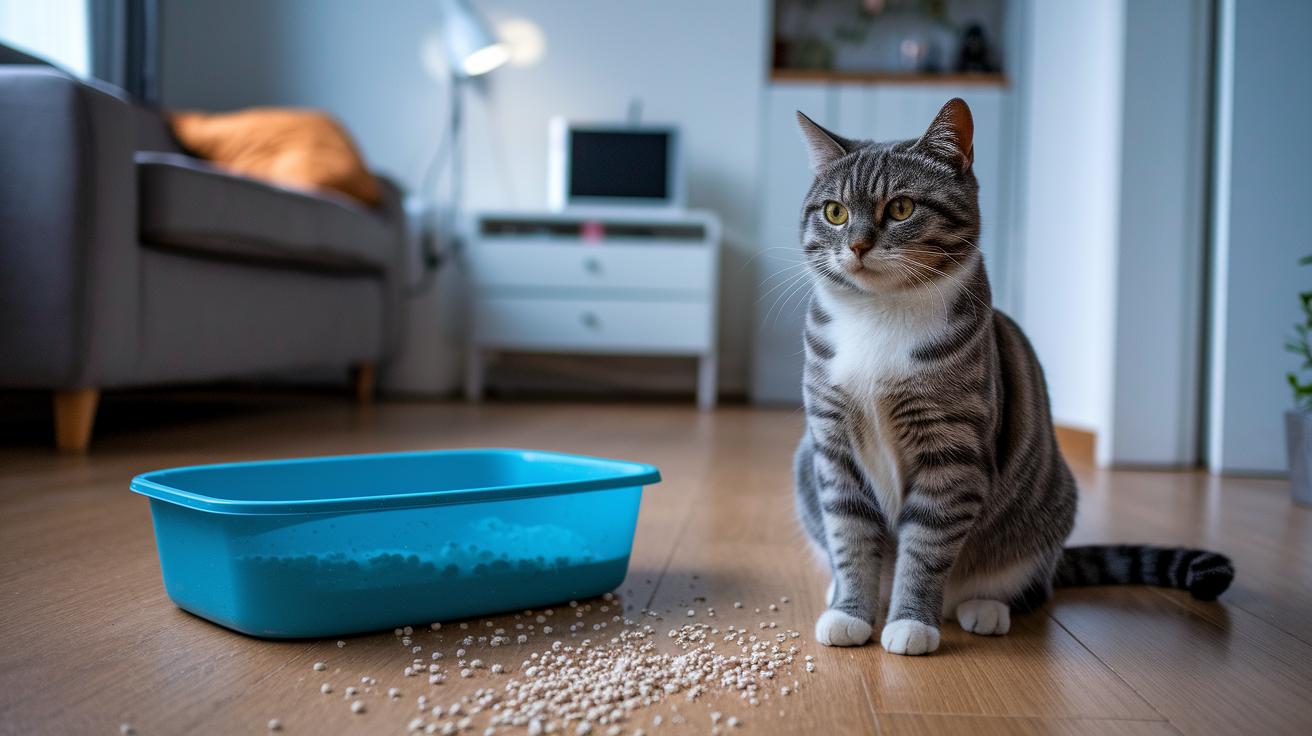
    Ever watch your kitty circle the litter box like it’s melting hot lava, paws tapping the carpet? It might look like a silly game, but trust me, your furball isn’t clowning around.

    But cats aren’t messing around. Most times it comes down to pain (urinary (pee-related) discomfort). You might see them wince with each little squat. Or maybe the box sits in a noisy corner where the vacuum echoes and their whiskers flare with stress. Or the litter feels rough and smells overpowering, making it seem more trap than throne.

    Tracking down the cause can feel like detective work, oops let me rephrase that, like a full-on mystery hunt. But once you crack the case, your kitty will head straight for her box again with a happy pounce. Home sweet home again.

    Ready to play hero? Let’s tackle these litter box headaches and bring back that purrfect routine fast.

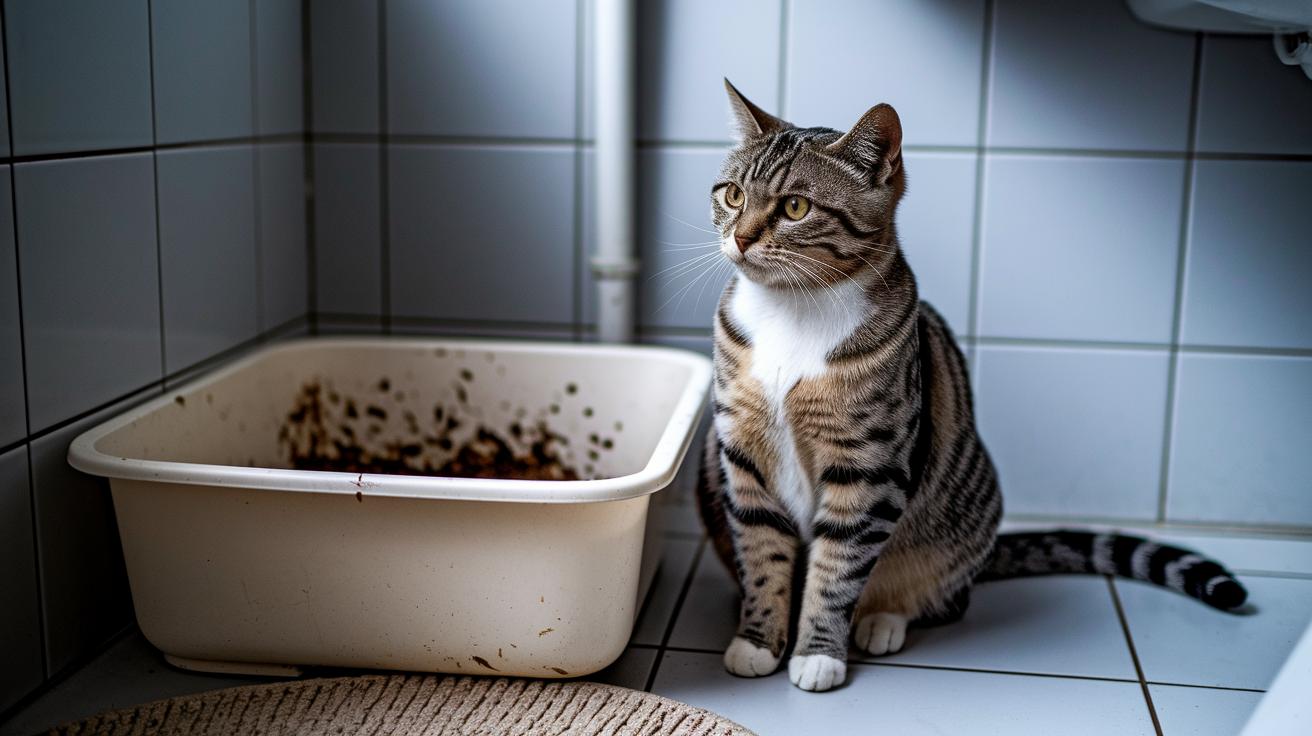
    Key Reasons Your Cat Won’t Use the Litter Box
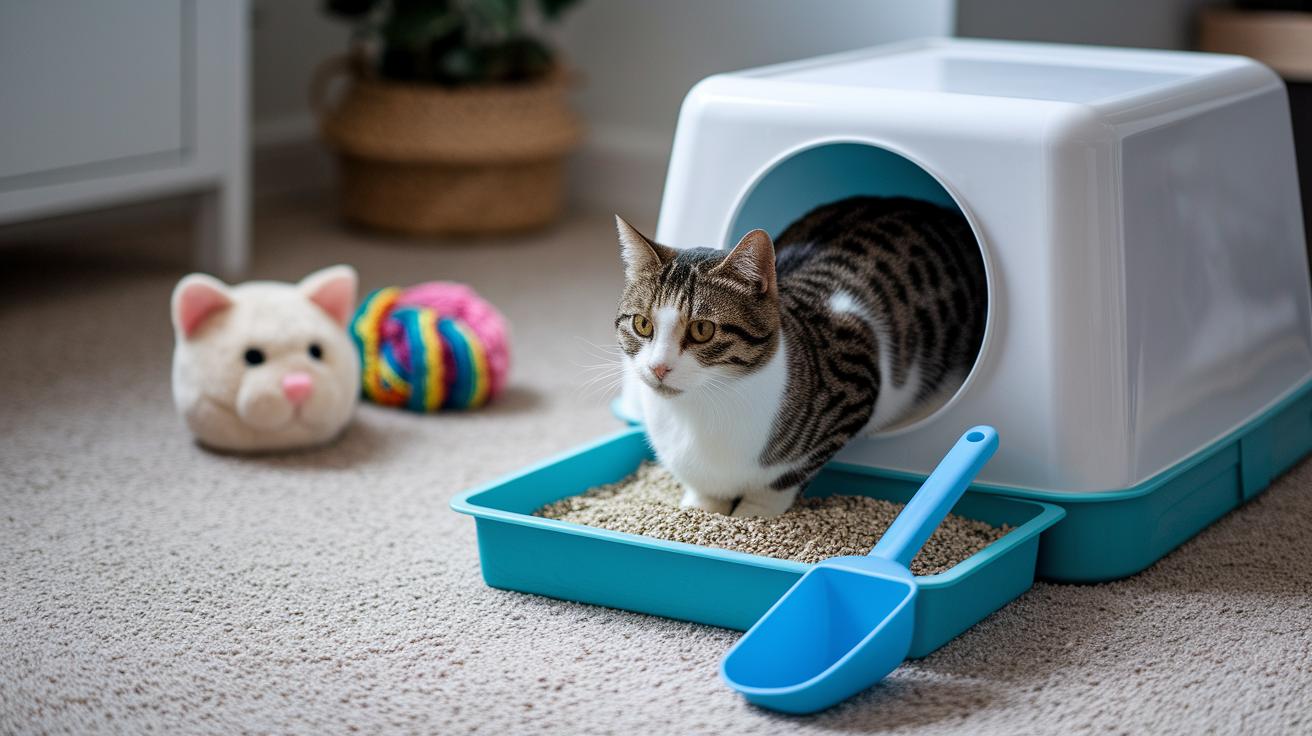
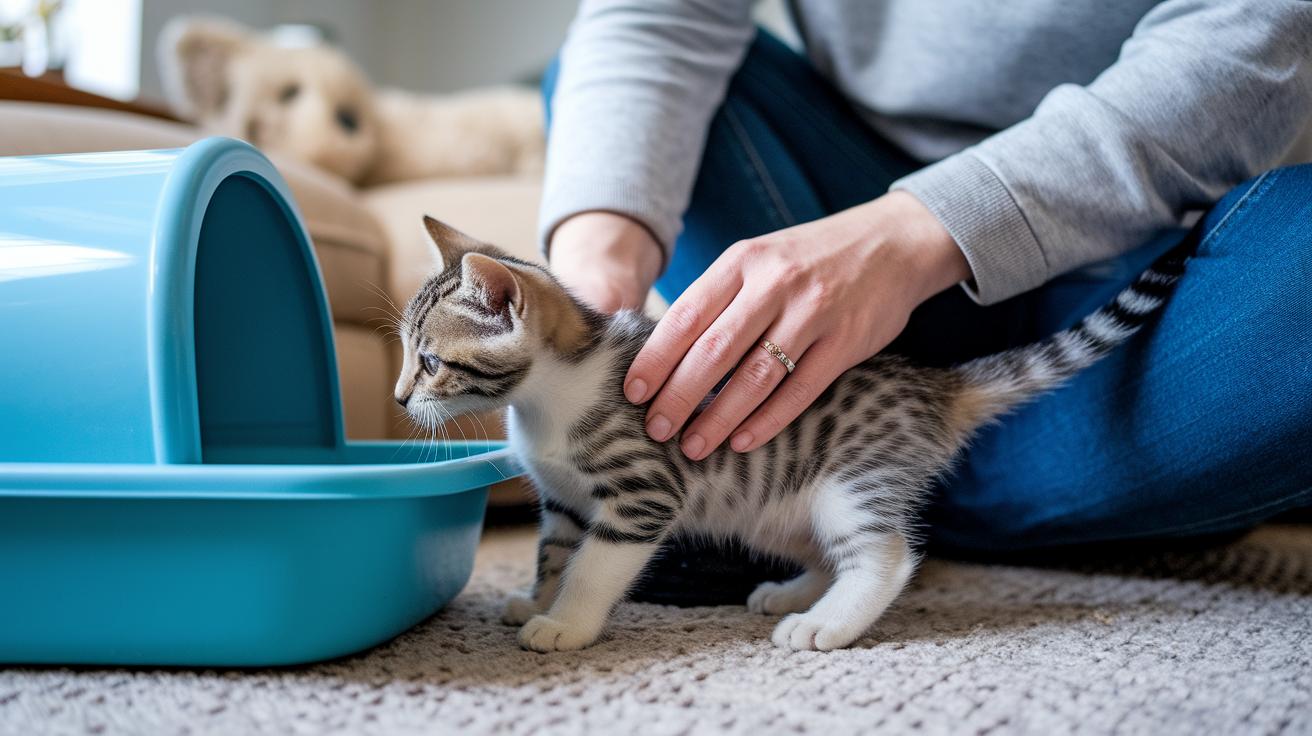
    - Key Reasons Your Cat Wont Use the Litter Box.jpg

    Ever wondered why your kitty turns its back on the litter box? Usually it’s one of three big things: pain, stress, or a setup that just isn’t right. Figuring out the real cause is half the battle.

    Sometimes these reasons team up. A sore cat might pick up a bad habit. A nervous furball could avoid a box in a noisy hallway. Try changing one thing at a time to see what makes your cat purr.

    • Pain or discomfort: UTIs (urinary tract infection), bladder stones (tiny hard minerals), or kidney disease (when kidneys don’t work right) can make bathroom time hurt.
    • Stress: New furniture, loud noises, or squabbles with other pets can spook your cat.
    • Dirty box blues: Scooping too rarely or skipping a deep clean can send them packing.
    • Hard-to-reach spots: A box hidden behind a door or in a tight closet feels like a trap.
    • Wrong litter or depth: If the litter smells odd or is piled too high (or barely there), it’s a no-go.
    • Too few boxes: A good rule is one box per cat, plus one extra, trust me.

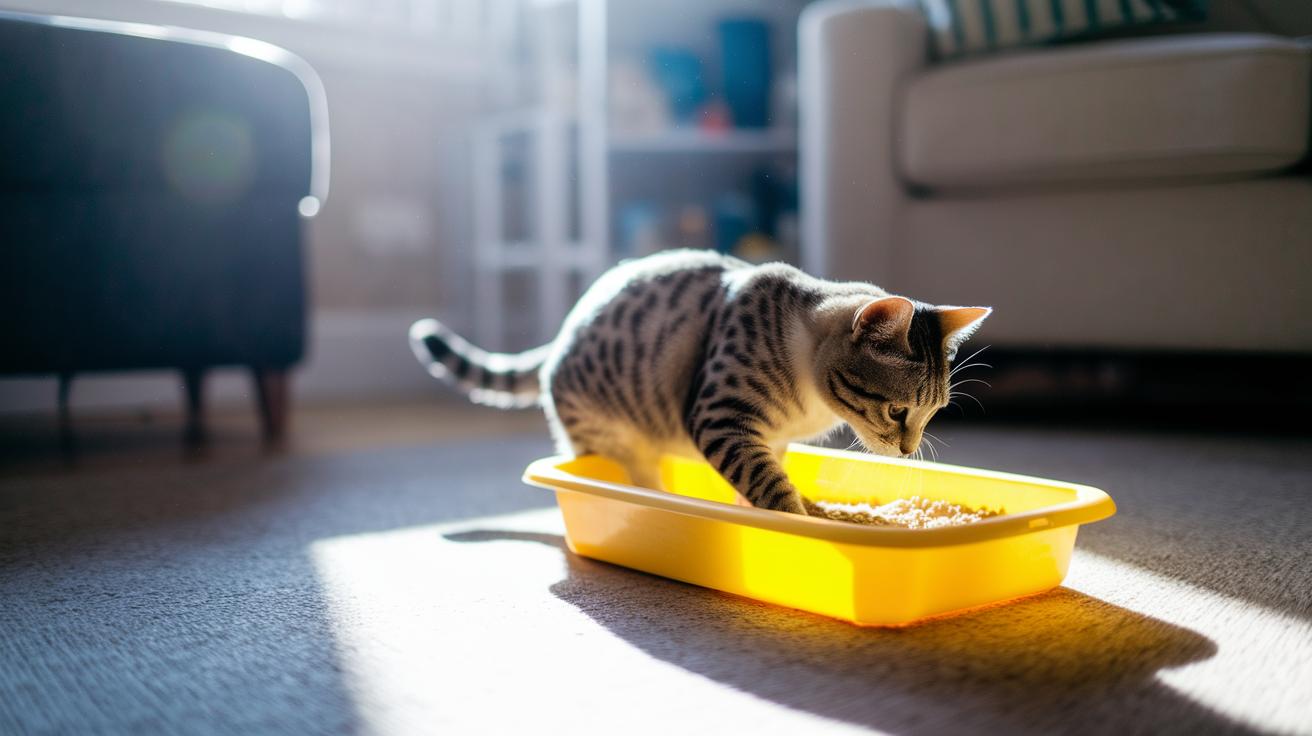
    First step: visit the vet to rule out any medical issue. Once you’ve got the all-clear, make each box inviting. Fresh litter (scoop daily), a quiet corner, and an extra tray usually do the trick. Your cat’s whiskers will tell you it’s working.

    Worth every paw-print.

    Next: keep scooping, pick a calm spot, and add that spare tray. Soon your kitty will be back to business, and you’ll both be feline fine.

    Medical Causes of Litter Box Refusal
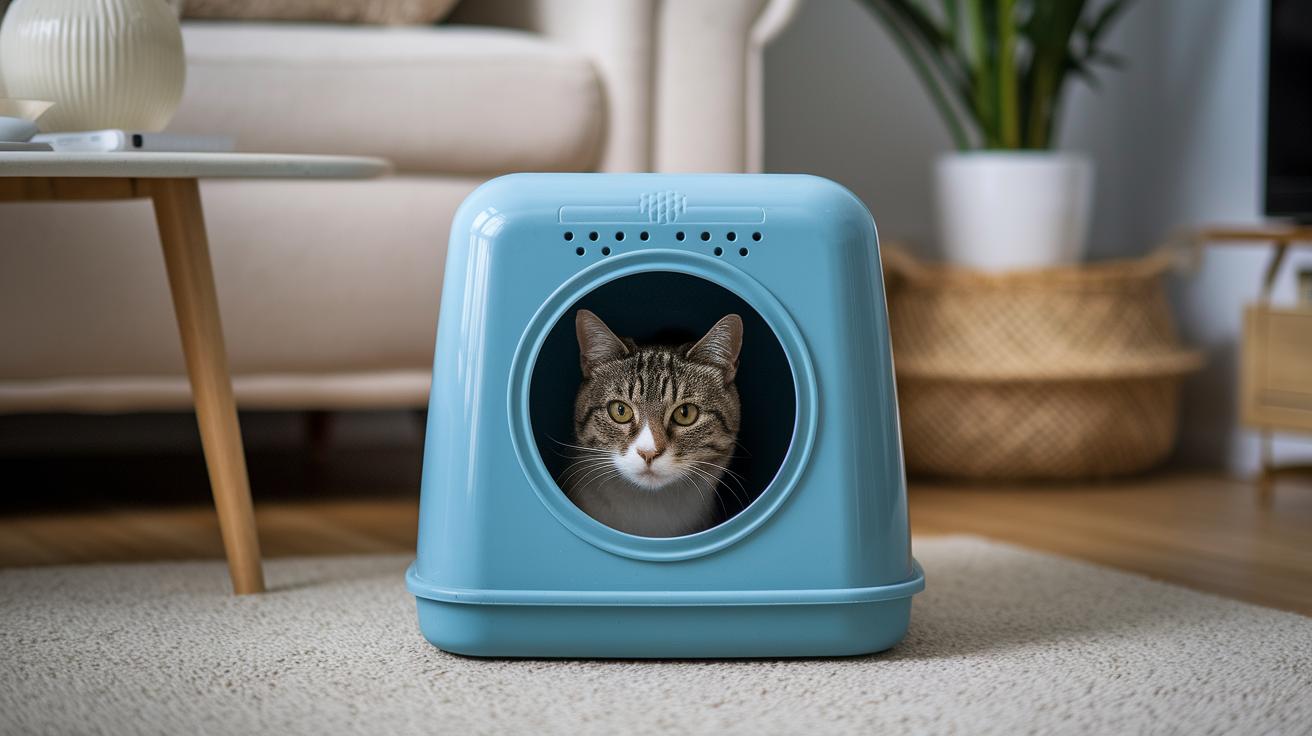
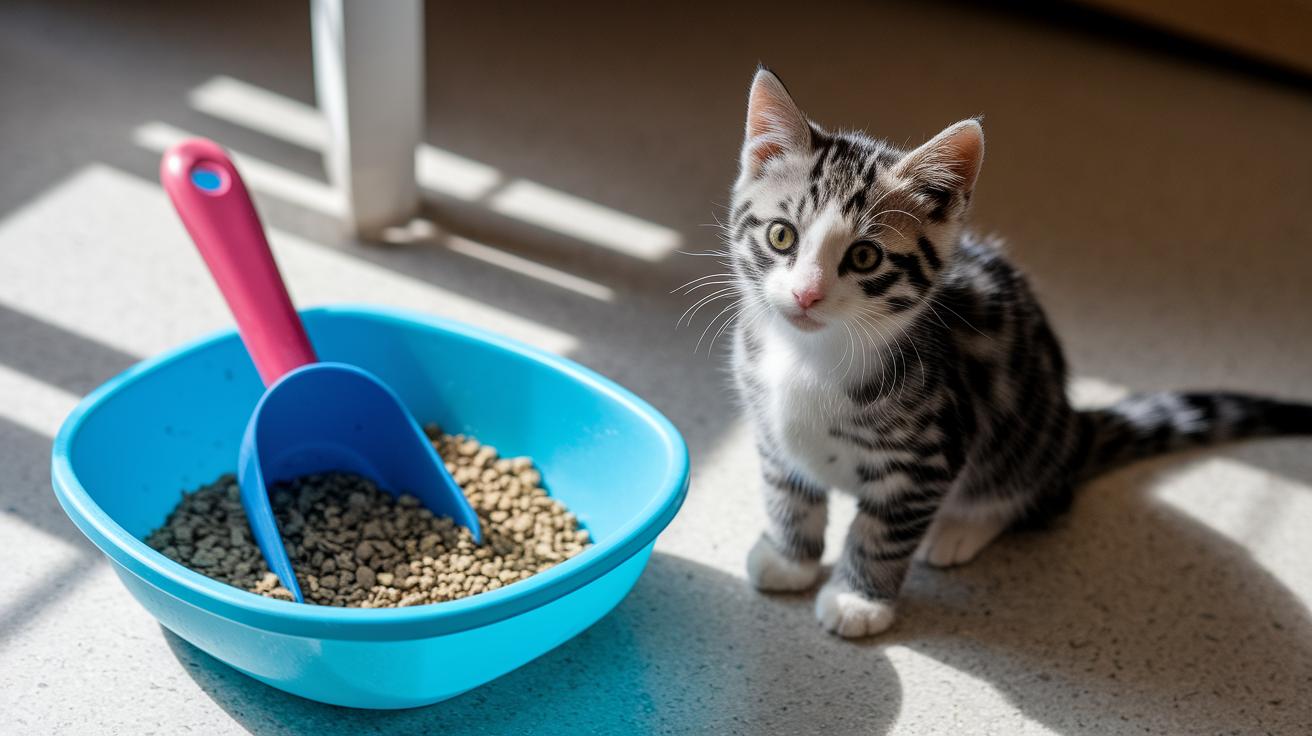
    - Medical Causes of Litter Box Refusal.jpg

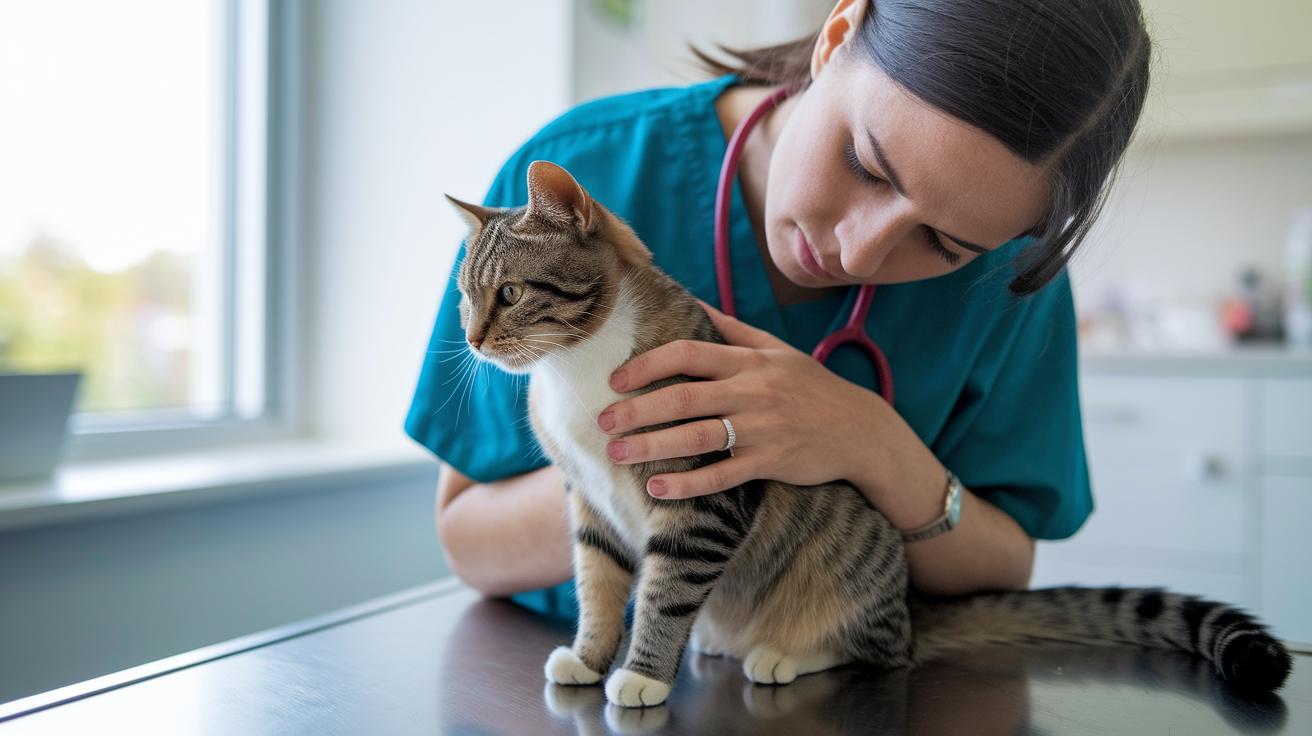
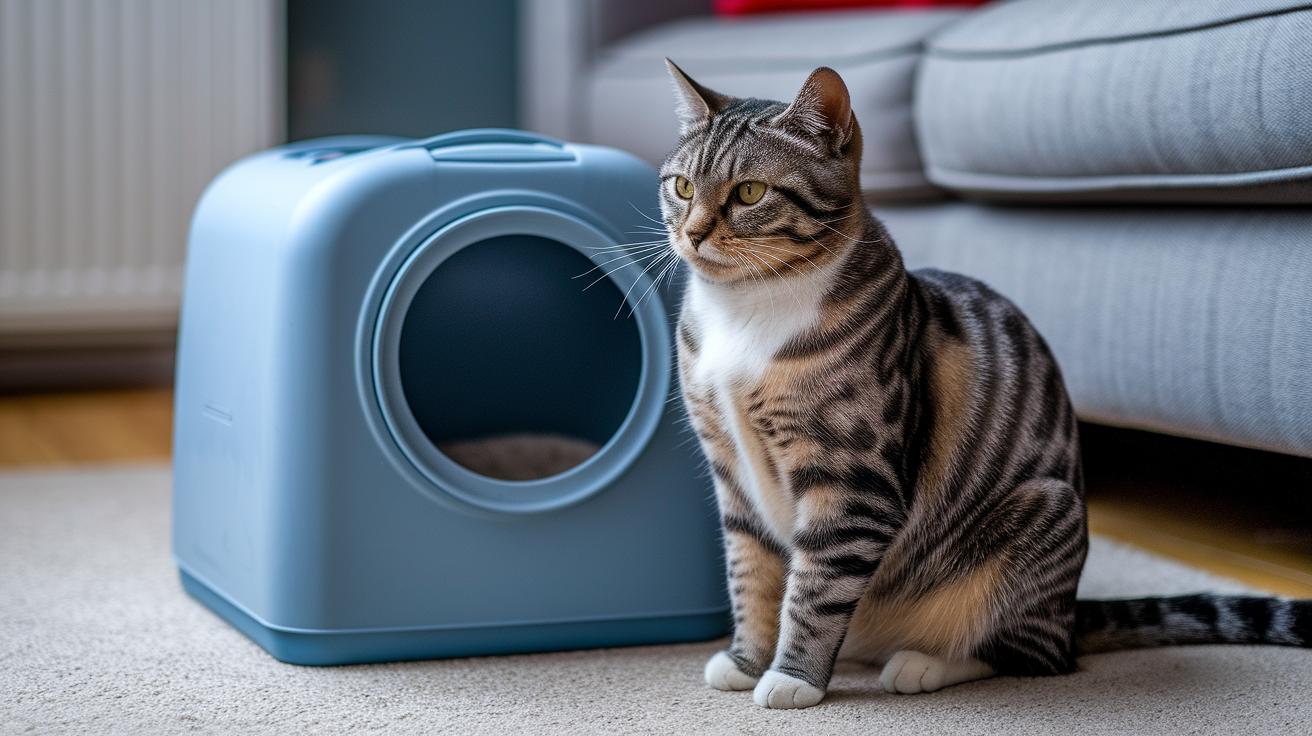
    Ever seen your kitty avoid the litter box? It might be a UTI (urinary tract infection). When bacteria get cozy in the bladder lining, every pee can feel like, um, a mini horror show. You might spot blood in the urine, lots of squats, and nonstop rear grooming. Vets usually run a bladder culture (a test that grows any lurking bacteria) and check hydration. That shows what’s up and which antibiotic to pick.

    Then there’s FLUTD (feline lower urinary tract disease). It’s basically a swollen bladder and urethra (the tube that carries urine). You could see vomiting or a cat that suddenly won’t eat. And early kidney damage? Toxins leak into the bloodstream, so your cat drinks water nonstop yet still ends up dehydrated. Simple bloodwork and a kidney panel paint the full picture.

    Hard stools can join the party, too. Constipation makes your cat strain like we do when we skip fiber. Add a full bladder, and stepping into the box feels impossible. A fecal analysis (poop exam) and a quick hydration check help spot slow bowels or fluid needs.

    And don’t forget arthritis in creaky hips. An older cat may see high walls as a towering obstacle. If your kitty hesitates or gives a soft meow, a vet pain assessment and mobility check can help. Sometimes anti-inflammatory meds or a low-entry box is all it takes to get your furball scooping again.

    Worth every paw print.

    Optimizing Your Cat’s Litter Box Environment
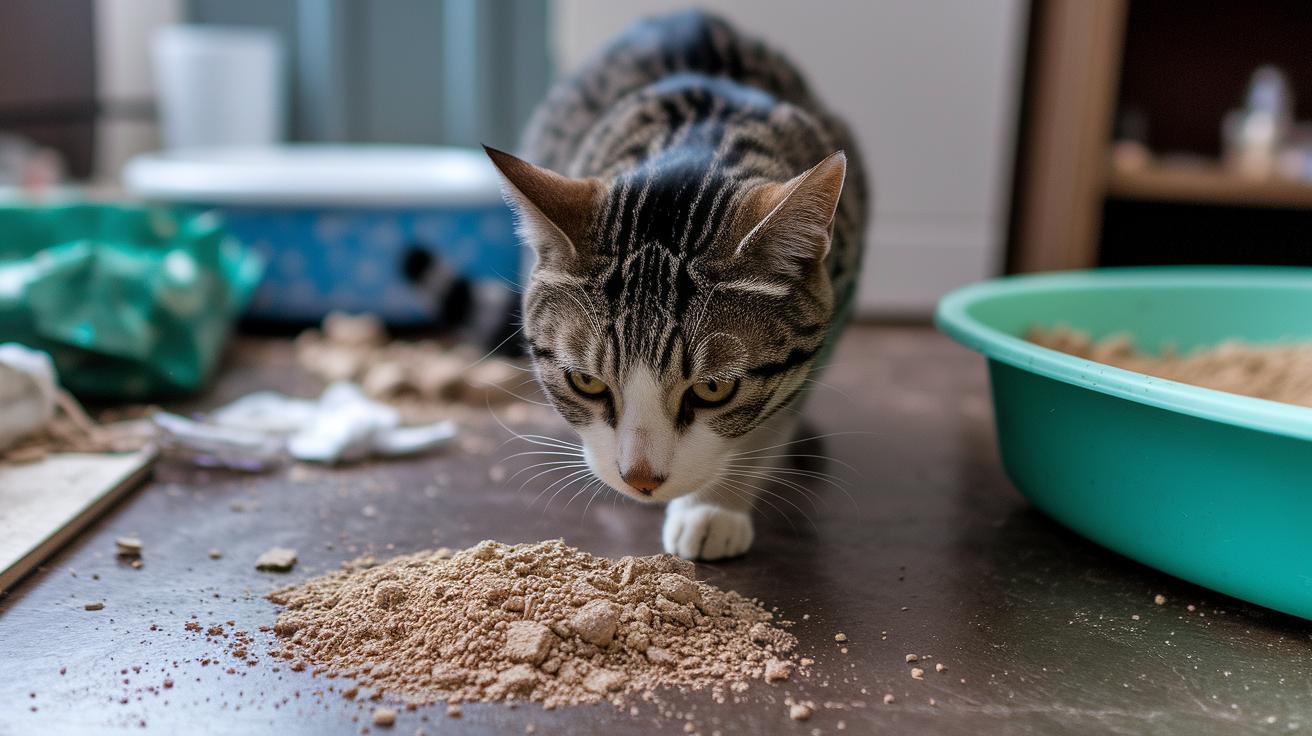
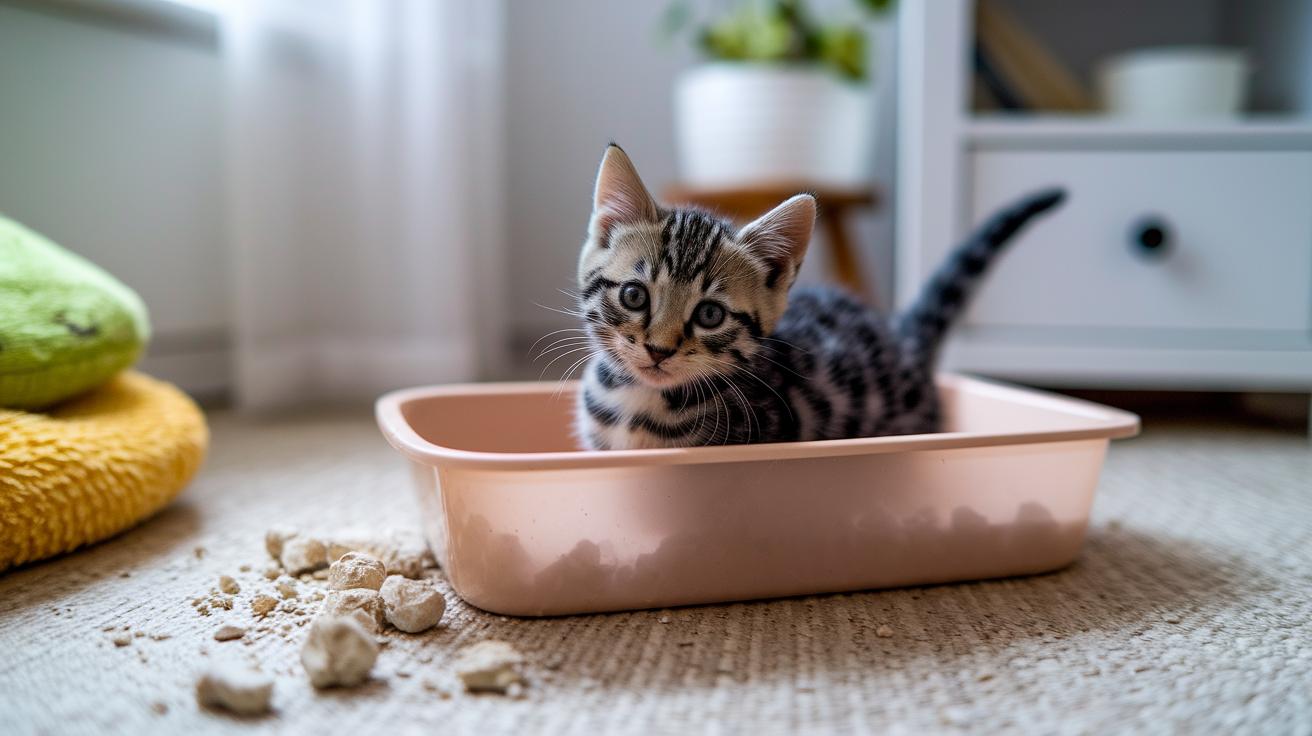
    - Optimizing Your Cats Litter Box Environment.jpg

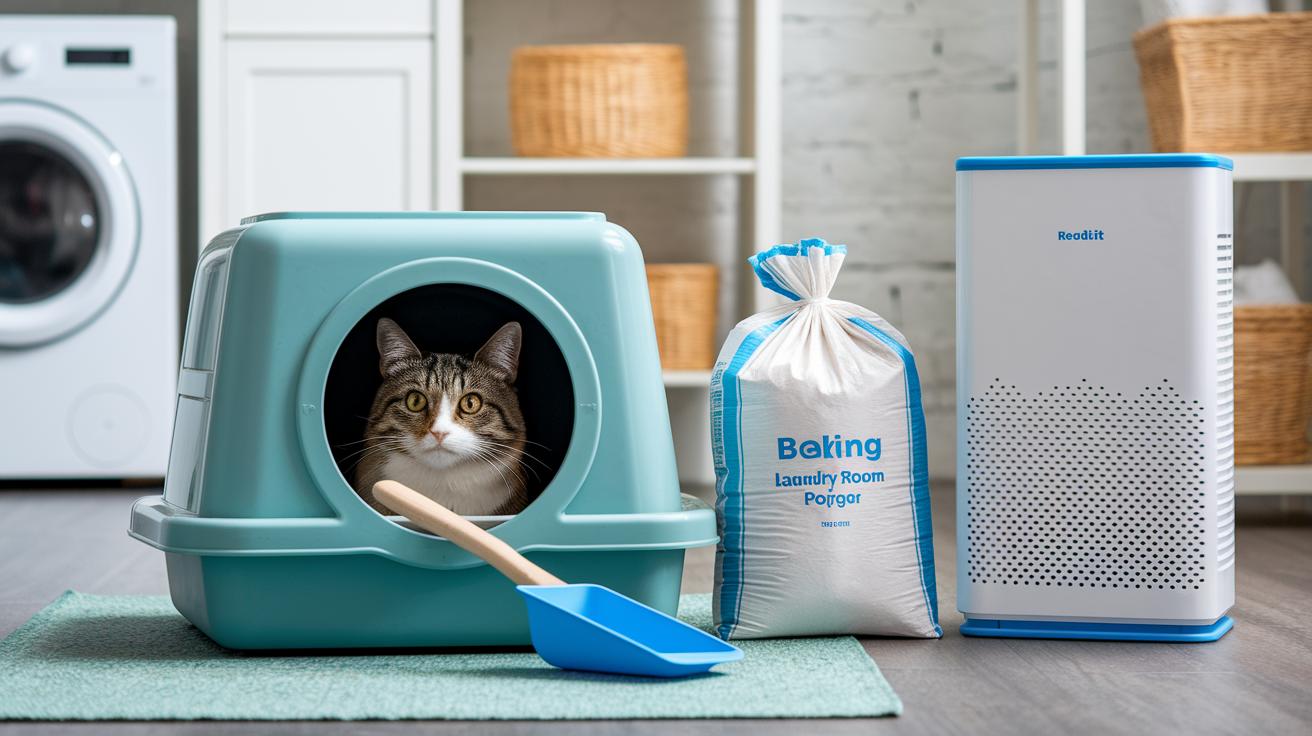
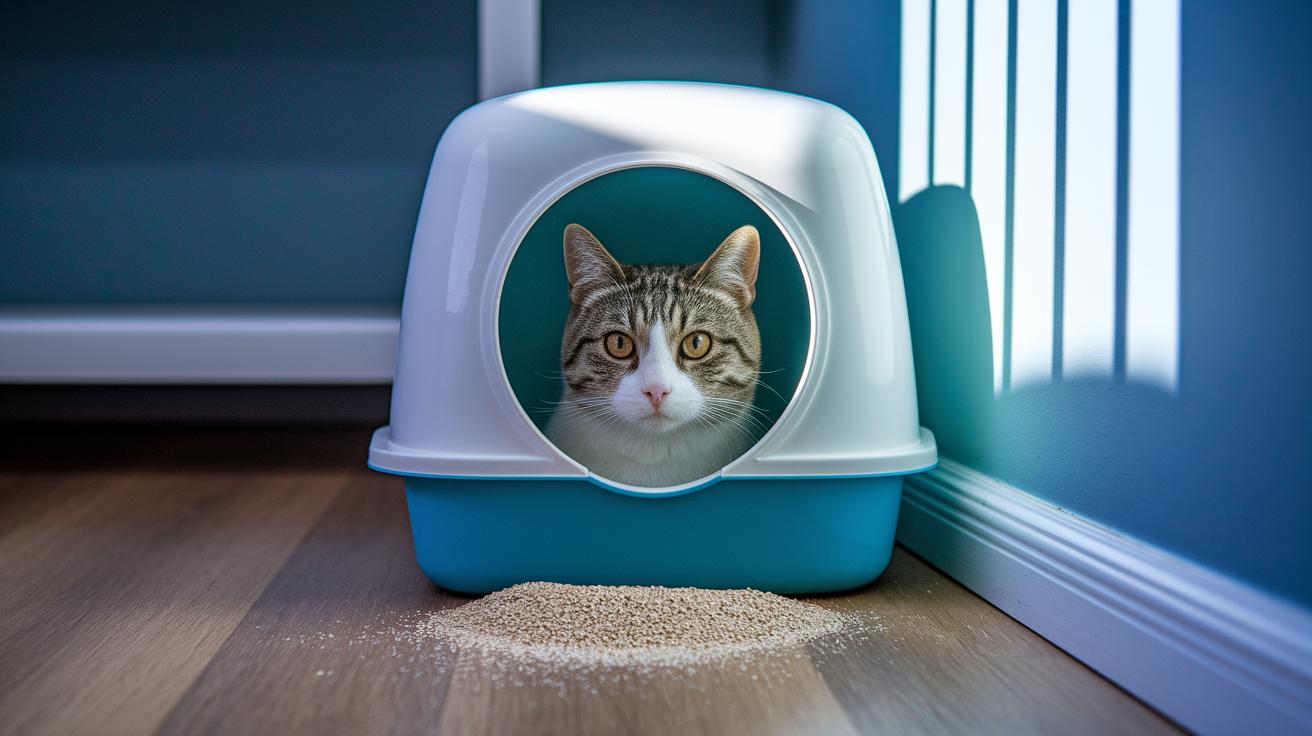
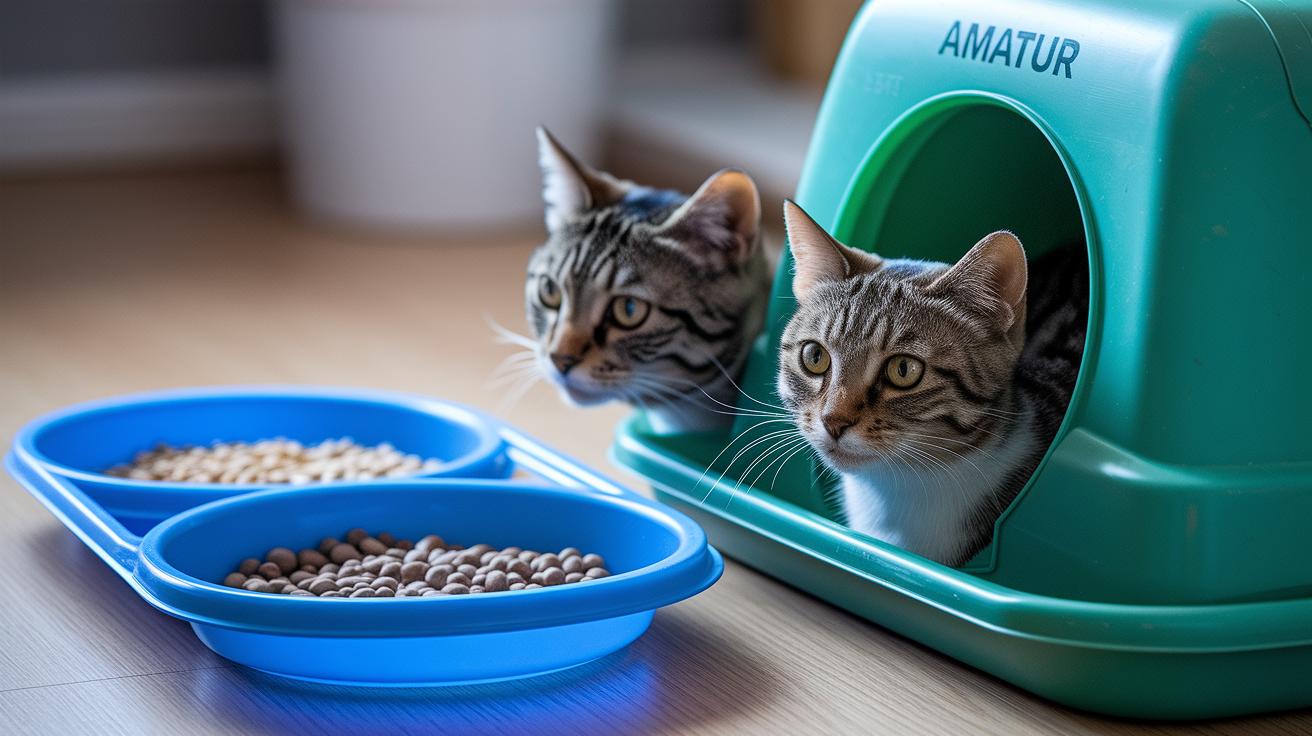
    Your cat’s little privacy spot is like a royal throne, so it needs the right setup. Pick a quiet, low-traffic corner, maybe in a peaceful bathroom, where your kitty’s whiskers can twitch without distractions. Make sure there’s at least one and a half times your cat’s length for stepping in and turning around. Ever seen your cat freeze at a tight space? It’s no fun. Room to roam matters.

    Cleanliness is key. Scoop daily (yep, every single day) to zap odors before they even think about settling in. Then give that box a gentle wash with mild soap and warm water once a week. It’s like a spa day for your cat’s litter.

    Clumping litter (dirt that binds into solid bits) usually wins over non-clumping. It locks up waste into neat clumps that lift out in one go. Most cats tip their paws toward soft, unscented granules since they’re gentler on tender toes and skip the fake fragrances. You get odor control without chemicals your kitty will turn its nose up at.

    Place your box away from noisy machines or busy spots. Shy cats need their peace. And, um, if you need more cleaning tricks, check out how to make a litter box not smell.

    Litter Box Aspect Recommendation
    Location Quiet, low-traffic spot
    Size At least one and a half times your cat’s length
    Litter Type Unscented clumping (1–2 inches deep)
    Cleaning Daily scooping; weekly wash
    Design Open top or low entry for seniors

    A fresh, comfy litter station invites your kitty to keep things neat. Add a second box in another hush-hush corner and watch those off-target accidents vanish. Tiny tweaks make a big difference for your cat’s comfort and your happy home. Worth every paw-print.

    Managing Litter Boxes in Multi-Cat Households
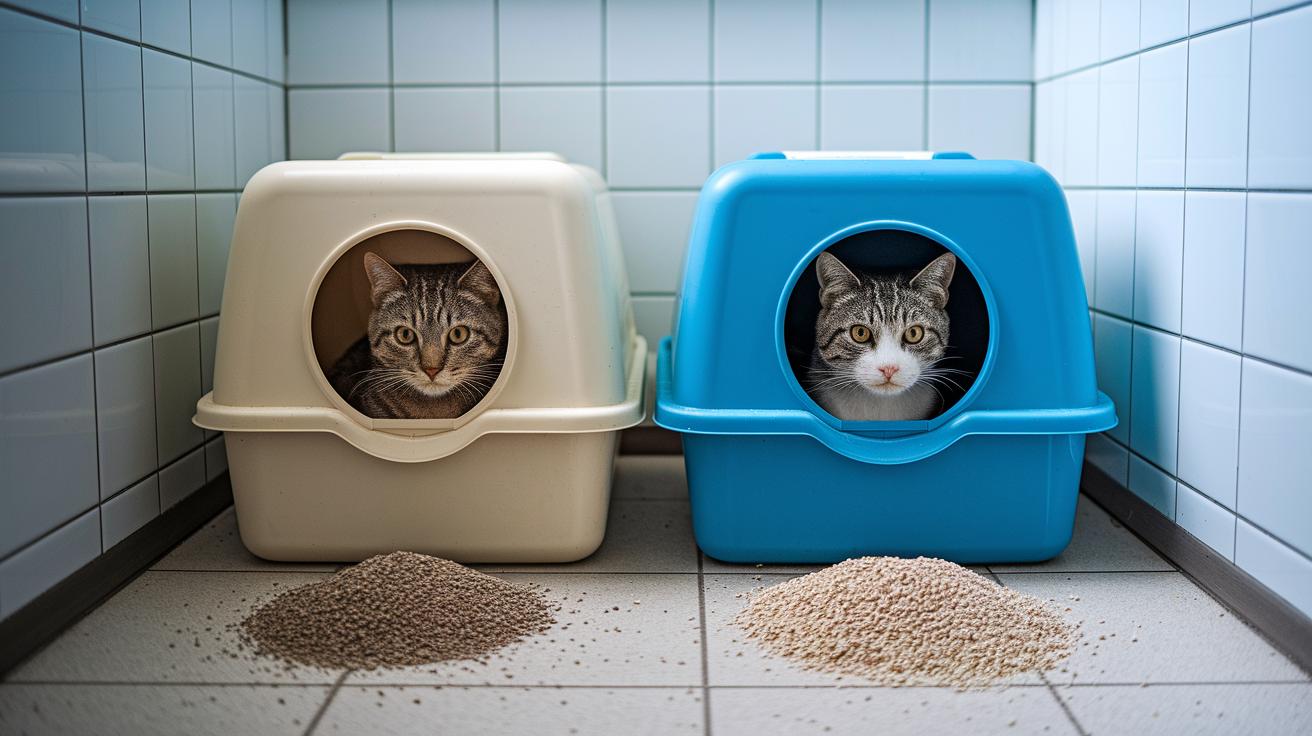
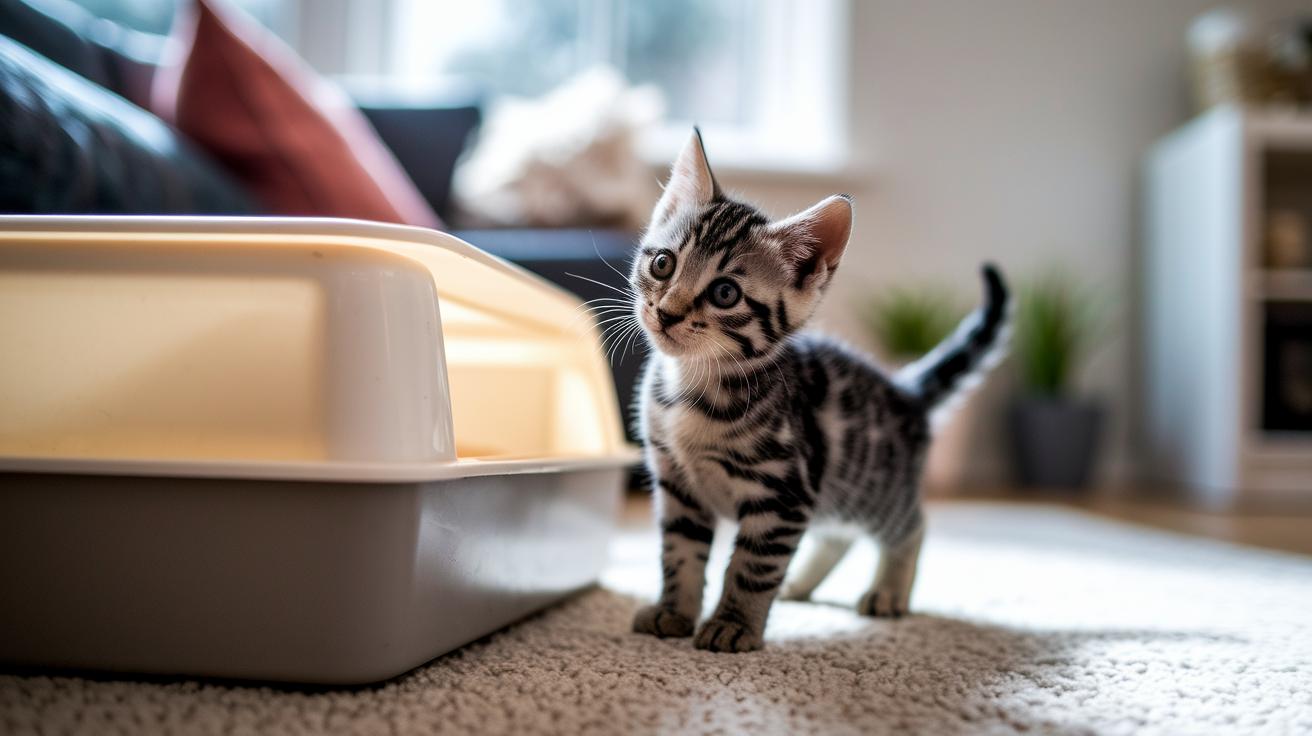
    - Managing Litter Boxes in Multi-Cat Households.jpg

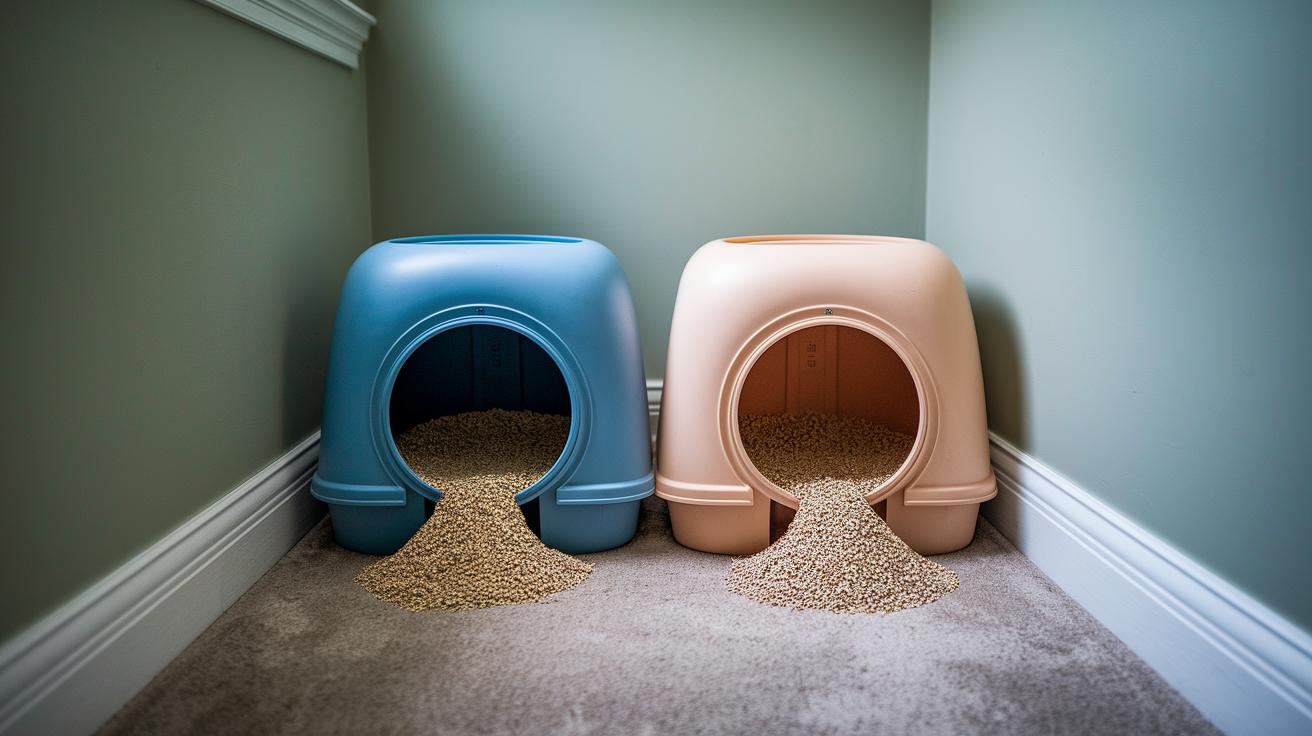
    Distribute boxes across floors and rooms so each cat has easy access. In a two-level home with three cats, try two boxes upstairs and two downstairs. “If Whiskers naps on the top floor, she won’t dash down the stairs at midnight.”

    • Space boxes at least 10 feet apart, never side by side.
    • Tuck trays into quiet private nooks, under a low table, beside a closet entrance, or in a spare bedroom cubby.
    • Avoid busy zones like laundry rooms or front-door corridors so shy cats feel safe.
    Cats Home Layout Example Distribution
    2 cats Single story 3 boxes spread across living room, bathroom, and bedroom
    3 cats Two-level 2 upstairs, 2 downstairs
    5 cats Three-level 2 top, 2 middle, 2 bottom

    Brief reminder: each floor needs its own extra box so no one has to wait in line.

    Behavioral Solutions & Training for Litter Box Success
    - Behavioral Solutions  Training for Litter Box Success.jpg

    Ever move your couch and suddenly your cat starts spraying? Yep, cats mark territory when things feel shaky. A new dog or kitten can send your furball scrambling – it’s their way of saying “this is mine.”

    In a house with more than one cat, tension can flare in a flash. One skittish kitty might pounce on a friend’s tail. Next thing you know, someone’s skipping the box.

    Common stress triggers:

    • Moving homes or moving furniture
    • Bringing in a new pet or person
    • Fights over food, toys, or cozy spots
    • Mixed-up routines like feeding, playtime, or litter scooping

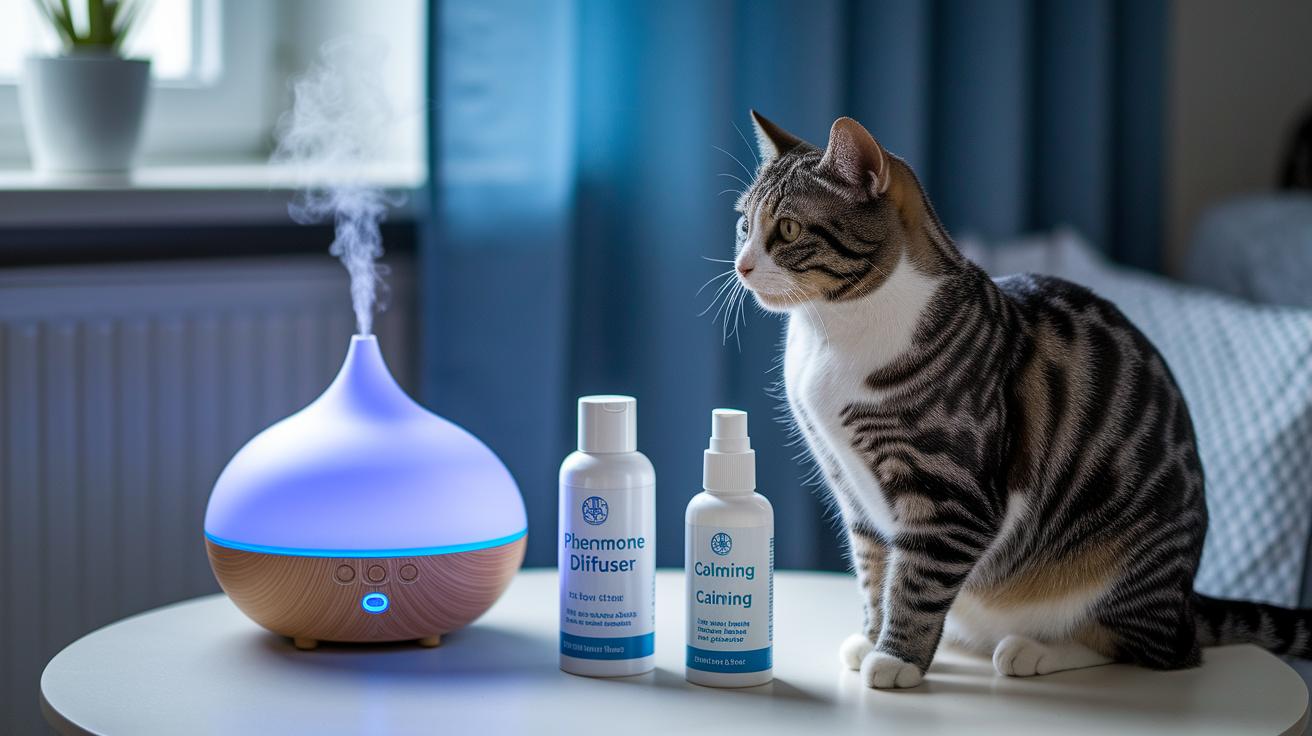
    Training starts by turning the box into a safe zone, not a battle zone. Use treats and praise right after your cat hops in – that’s positive reinforcement. Pop in a pheromone diffuser (plug-in device that spreads calming cat scents) nearby to ease nerves. Then give kitty a short stay in a small room with the box – kinda like Confidence Camp for 24 to 48 hours.

    Next, try clicker training (using a tiny clicker device) or a cheerful “yes” the moment your cat uses the box right. If an accident happens, stay calm, scoop the soiled bits into the tray, and reward any sniff or paw dip. Um, it’s way better than a lecture.

    For a step-by-step guide on praise and cleanup, see how to stop a cat from peeing in the house.

    Here’s a quick cheat sheet:

    • Reward success: a treat, a soft pet, or a quiet “good job”
    • Pheromone diffuser: plug in Feliway near the box to mellow moods
    • Temporary confinement: small room with food, water, and one tray for 1-2 days
    • Clicker or word marker: click or say “yes” at the right moment, move stray waste back to the box

    Advanced Training for Kittens & Seniors

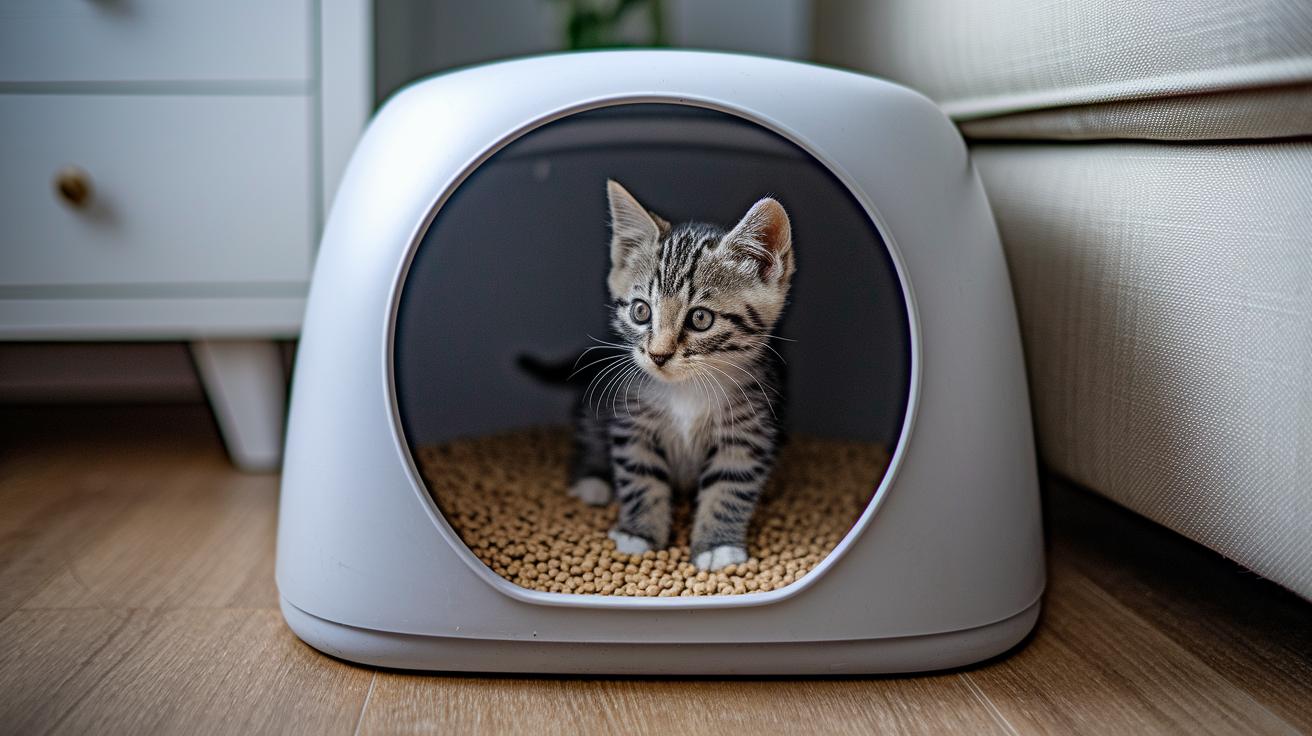
    • Tiny kittens get cozy with just an inch of litter in a shallow tray
    • Seniors love low-entry pans so stiff joints don’t ache
    • Try putting a tray by feeding spots – snacks and potty breaks go paw in paw

    Stick with it and be patient. Changing habits takes days or weeks. Celebrate each little win. Soon your furball will be back on track.

    When to Seek Veterinary Assistance for Box Refusal
    - When to Seek Veterinary Assistance for Box Refusal.jpg

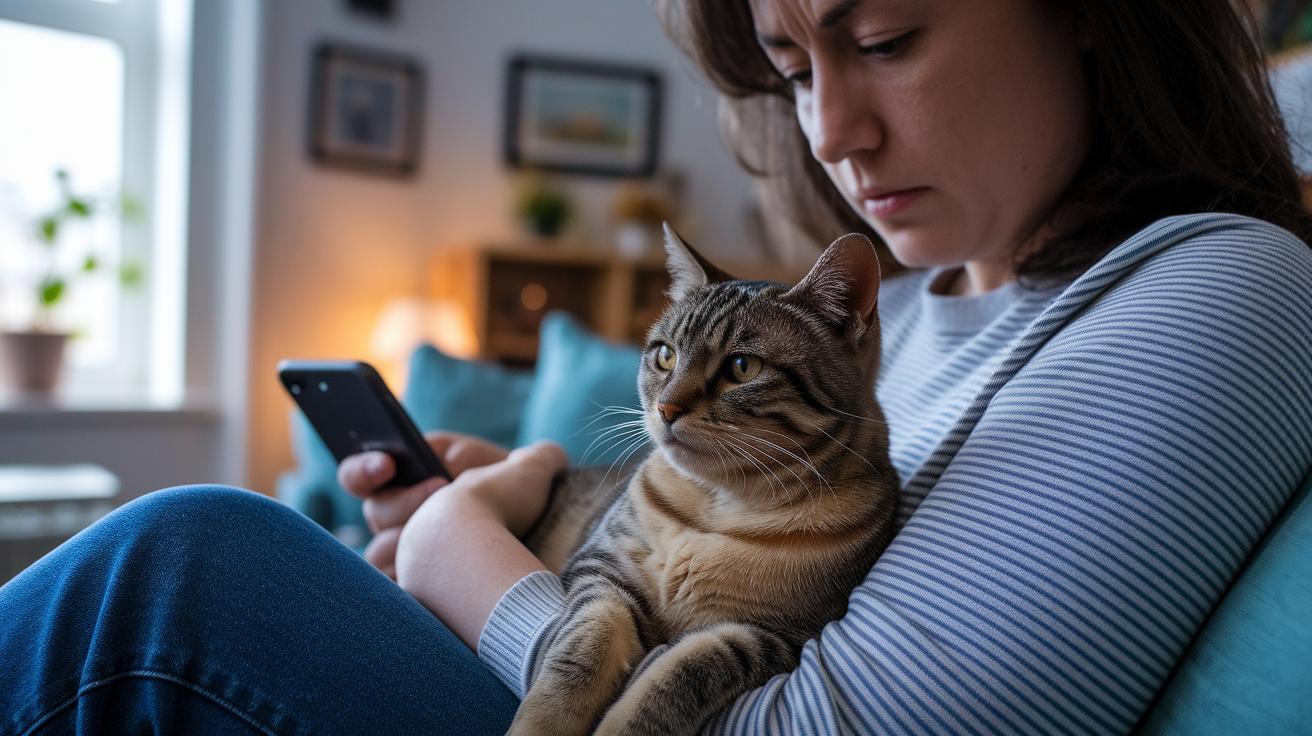
    Oops, let me rephrase that… your cat has been skipping the litter box even after you’ve scrubbed it, moved it to a quiet corner, and offered tasty treats. When that happens, you might be looking at a health issue.

    Ever watched your kitty circle and yowl outside the box? Then check for these warning signs:

    • Blood in pee (a red or pink tint in their urine).
    • Straining with no result – poor fur baby.
    • Vocalizing during elimination – meows or yowls.
    • Vomiting (tummy upset, tossing up food).
    • Losing interest in dinner – loss of appetite.
    • Sudden lethargy (extreme tiredness, very low energy).

    See any of these? Call your vet right away. Getting an early check-up steers you to the right care fast.
    Worth every paw-print.

    Final Words

    You’ve jumped right into why cats skip the box, medical discomfort, stressy moments, and messy or misplaced trays. Then we dug into health checks, optimal litter setups, multi-cat strategies, behavior fixes, and when to call your vet.

    You now have simple steps to freshen up the box area, ease anxiety with pheromones, adjust tray count, and keep scooping on schedule. Worth every paw-print.

    Next time you wonder why won't my cat use the litter box, you’ll have a plan that keeps everyone happy (including your furniture).

    FAQ

    Why is my cat suddenly refusing the litter box?

    Sudden refusal often signals stress or health issues like UTIs, bladder stones, or anxiety from household changes, prompting a check on medical, environmental, and emotional factors.

    Why is my cat not using the box to poop?

    Not using the box to poop happens when cats feel pain (constipation, arthritis) or dislike litter texture, depth, box size, or location, so inspect for discomfort and adjust litter setup.

    Why is my cat not using the box to pee?

    Not using the box to pee usually points to urinary tract infection, bladder stones, or litter aversion—seek vet care and ensure an appealing box setup with gentle clumping litter.

    How do I retrain my cat to use the litter box?

    Retraining your cat works with positive reinforcement—treats, clicker rewards, pheromone diffusers—and by gently relocating accidents into the box to build consistent habits.

    Could a medical issue be causing litter box refusal?

    Medical issues like UTIs, bladder stones, kidney disease, arthritis pain, or constipation can make box use painful—veterinary diagnostics and treatment are essential for relief.

    My cat stopped using the box after moving. What now?

    Post-move stress can trigger box avoidance—reintroduce familiar scents, place boxes in quiet spots, use pheromone diffusers, and keep routines consistent to ease anxiety.

    What steps should I take if my cat refuses the litter box?

    If your cat refuses the litter box, start with a veterinary exam, maintain daily scooping, offer one box per cat plus one extra, use unscented clumping litter, and address stressors at home.

    Is it normal for cats to skip the litter box sometimes?

    Occasional misses occur during stress or illness, but repeated avoidance signals medical or environmental problems needing box setup changes or a vet visit.
    Related Articles

  • cat hissing during play Signals Healthy Boundaries

    cat hissing during play Signals Healthy Boundaries

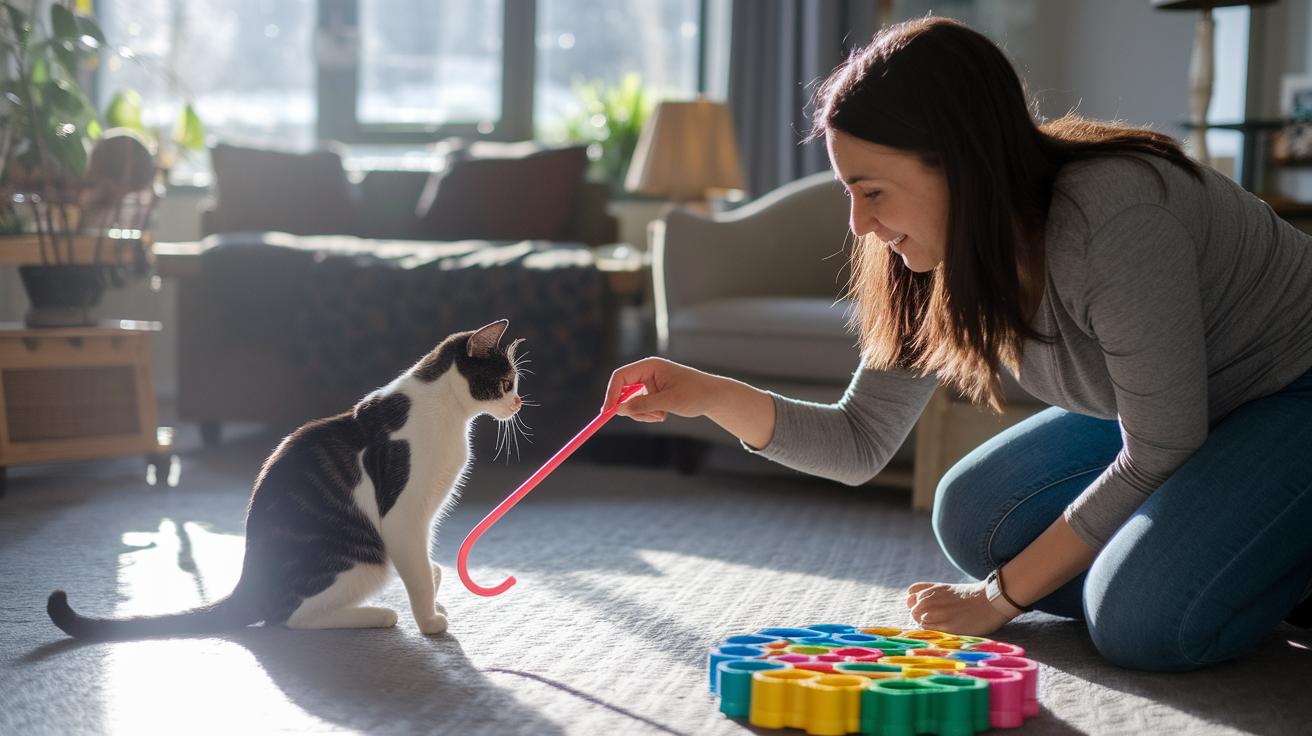
    Think your cat’s hiss during play means she’s about to snap at you? Um, I used to think that too. Oops. Let me rephrase that. It’s more like my kitty’s polite “whoa, easy there” signal than a sneak attack.

    When she chases a wand toy and pauses with a soft hiss, she’s simply marking her play boundary, not planning revenge. Spotting these tiny warnings keeps the fun flowing and the stress low. Your cat’s whiskers might twitch, her tail might flick right before that little hiss. Really.

    In this post, we’ll explore why that quick hiss is a good sign, how you can spot it, and what to do when you hear it. Ready to make playtime purr-fect?

    Quick Answer: Is Hissing During Play Normal?

    - Quick Answer Is Hissing During Play Normal.jpg

    Ever seen your feline friend let out a quick hiss while chasing a toy? It’s totally normal, just a tiny reminder that kitty wants to set a boundary, not start a battle. You’ll hear a short hiss, then see her flick her tail and dive back into the fun. Really, it’s like hitting pause for a sec!

    Cats hiss mostly when they feel a little stressed or uncomfortable. So if your cat hisses once and then goes right back to batting that pom-pom, she’s fine. Want the science scoop? Check why do cats hiss.

    • Playful vs. defensive cues

      • Playful: ears up, a quick hiss, then back to pouncing
      • Defensive: ears flat, fur standing on end, repeated or loud hisses
    • What to do next

      • Hit pause if tail starts lashing or hackles rise (hackles: fur along the back sticking up)
      • Try a softer wand toy or offer a tasty treat

    Decoding Body Language Cues in Play Hissing

    - Decoding Body Language Cues in Play Hissing.jpg

    It’s like your cat pressing a little pause button in the middle of play when they let out a hiss. Watch their ears, eyes, tail, and whiskers, they’re talking more than any meow. Miss those hints and a fun pounce can slip into a mini scrap.

    If you see ears up and tilted forward (like tiny radar dishes), big round pupils full of excitement, front legs crouched, back legs ready to spring, and a low tail giving a soft flick, that quick hiss is just a friendly brake. It says, “Hey, I’m still having fun, but let’s slow down a bit.” You might even notice whiskers leaning forward, a grown-up cat’s way of saying “I’m curious here.” Ever watched those whiskers in action? Cool, right.

    But real distress looks different. Ears flattened against the head, hackles (fur along the spine) standing up like bristles, a stiff or twitchy tail, whiskers pulled tight, pupils pinched, and the body hunched or arched like a scared Halloween kitty. That’s their stop sign, “Please, no more.”

    Playful cues:

    • ears forward
    • wide pupils
    • crouched front with reared hind legs
    • gentle low-tail flick

    Stress signals:

    • flattened ears
    • raised hackles
    • stiff or twitching tail
    • whiskers pulled back
    • hunched or arched back

    Pause play for a beat. Your kitty will thank you.

    Identifying Common Triggers of Hissing in Play Sessions

    - Identifying Common Triggers of Hissing in Play Sessions.jpg

    Playtime feels purr-fect, until your cat’s fun bar hits “too much.” Suddenly there’s a sharp hiss, a clear “no more, please.” Spotting these common triggers early helps you steer clear of overstimulation (too much excitement) and keep play sessions smooth.

    • Overmatched play styles
    Kittens zoom around with zippy energy, while grown cats often prefer a leisurely paw-bat. Ever seen a kitten’s nibble turn into a full-on ambush? When that rapid bat-pat on the carpet keeps going, your older cat’s excitement dial just flipped to red. You’ll spot the tail-twitch warning before the hiss.

    • Rough tumble sessions
    It’s hilarious to watch two furballs tumble, but it can cross the line. When claws sink in or teeth clamp too hard, your kitty’s mood shifts in an instant. They’ll back off with a hiss, think of it as their fuzzy stop sign. Better to pause and swap for a soft teaser wand.

    • Toy and bowl showdowns
    In multicat homes, a favorite toy or food dish can feel like a club VIP pass. Two cats chasing the same ball? Uh, stress city. A hiss here means “Hey, that’s mine.” Spread out bowls, beds, and scratchers so everyone gets their own spot.

    • Pain spots and sudden scares
    Sore joints (like aching hips) or a stray scratch can turn gentle pets into “ouch” moments. Even a sudden clap or odd smell might spook them faster than you can say “treat.” They’ll hiss to protect themselves. Notice those quick retreats and give them room.

    Next, slow the pace or swap to a gentler toy. You can even pause for a calm time-out. These tweaks go a long way to keep the fun rolling, without the hiss.

    Toy Selection and Play Adjustments to Reduce Hissing

    - Toy Selection and Play Adjustments to Reduce Hissing.jpg

    Picking the right toys can really help when your kitty plays tough. You know how some cats go full ninja mode, biting and scratching everything in sight? That’s when sturdy, catnip-packed toys save the day, they soak up wild energy without turning your socks into confetti. Check out indestructible cat toys for aggressive chewers for ideas that stand up to even the rowdiest pounces.

    Sensory toy ideas

    • Crinkle balls that make a little crunch when squished
    • Plush mice with sneaky catnip pouches
    • Soft rubber rings perfect for gnawing

    Interactive toy safety

    • Wands with breakaway clips to stop choking
    • Feather teasers on reinforced fiberglass (like a strong fishing-rod core)
    • Laser pointers with timers so they shut off automatically

    Indoor enrichment strategies

    • Tall climbing towers for lofty naps
    • Multi-level scratching posts to sink those claws
    • Cozy tunnels or pop-up tents for playful hideouts

    Toy rotation magic

    • Swap out a couple toys every few days
    • Stash extras in a box to keep novelty fresh
    • Bring back favorites after a little break

    And tweaking how you play can keep those hisses away. Try quick, five-minute chase sessions with calm pauses so your cat can catch her breath and reset. If you spot a flicking tail or a soft hiss, that’s your cue to slow down or switch toys. A mix of fast fun and chill time means more purrs, fewer growls, claw-bulous, right?

    Positive Reinforcement Techniques for Redirecting Hisses in Play

    - Positive Reinforcement Techniques for Redirecting Hisses in Play.jpg

    Ever watched your kitty settle after a hiss, whiskers twitching for cues? That’s when you swoop in with a crunchy treat. The sound of that nibble grabs attention and cools the moment. A clicker click, like applause in a cat’s ears, labels calm behavior and lays groundwork for peaceful play.

    Pick a cue word, gentle, easy, or chill, spoken in a soft tone right as the tail stops flicking. Repeat it every time she shifts from hissing to paw-tap. Soon she’ll know the word means “play safe.” If the hiss persists, give a sixty-second breather: step away or toss a favorite toy nearby so she feels in control of the calm-down.

    • Redirect snacks: offer a tiny treat or crunchy kibble right after a hiss.
    • Click-to-reward: click once whiskers relax, then hand over the treat.
    • Cue-based cool-down: use the same gentle word each time tension drops.
    • Time-out spots: create a cozy corner with a blanket or tunnel for short breaks.

    A tossed wool ball or gentle rolling disc also works wonders for distraction.

    Reward soft mouthing or no-scratch moves to teach bite inhibition and reinforce boundaries. More soothing tricks in how to calm a hissing cat.

    When Hissing During Play Warrants Veterinary or Behaviorist Intervention

    - When Hissing During Play Warrants Veterinary or Behaviorist Intervention.jpg

    So your kitty starts hissing more often during playtime, and it’s not because you swung the wand too close. When a once-rare hiss turns into a frequent protest, that’s a tip-off: something’s off, maybe discomfort or anxiety creeping in! Ever watched your cat freeze and let out a hiss for no clear reason?

    Watch for those hisses when you’re petting her softly or lifting her up. Those sharp little “hssss” might point to joint pain (like achy hips or knees) or dental discomfort (sore teeth or gums) when you touch her head. You might notice her pulling away, favoring one side, or flinching in spots that used to feel fine. Cats are pros at hiding pain, so you have to pay close attention.

    But if you hear hissing outside of play, at mealtime, during grooming, or in cuddle sessions, it’s time to call in a pro. A veterinarian can check for medical culprits like infections, loose teeth, or sore muscles. And if the vet rules out illness but kitty’s still on edge, a certified behaviorist can help you uncover stress triggers or social skirmishes under the sofa.

    Getting a clear diagnosis isn’t just about silencing the hisses. It’s about bringing back happy, hiss-free play sessions. Truly.

    Final Words

    We jumped right in to answer if hissing amid play is typical, then broke down body signals so you know when a hiss is playful or a warning.

    Next, we pinpointed common triggers, from overstimulation to rough wrestling, and shared toy picks plus environment tweaks to keep sessions smooth.

    We also covered reward-based tips to gently redirect hisses and signs that mean a vet check might help.

    With these steps, every whisker-twitch and gentle hiss turns into fun. And your cat stays healthy and happy with cat hissing during play handled just right.

    FAQ

    Is it normal for a cat to hiss or growl while playing?

    It is normal for a cat to hiss or growl while playing if it’s short, gentle, and followed by relaxed play. Hisses can be playful warnings like a purr in reverse.

    Why does my cat hiss or growl when playing with toys?

    Cats hiss or growl when playing with toys when they feel overstimulated (too much excitement) or if a toy taps a sore spot. A quick hiss helps your kitty set gentle boundaries.

    Do cats hiss or growl when playing with other cats?

    Cats do hiss or growl when playing with other cats if play styles clash or one cat feels startled. Friendly hisses are brief and followed by resumed play or grooming.

    Can overstimulation cause cats to hiss during play?

    Overstimulation can cause cats to hiss during play when they get too excited too fast. Offering breaks and gentle toys keeps play fun and stops kitty stress hisses.

    Do male and female cats hiss differently in play?

    Male and female cats hiss similarly in play. Each kitty has its own style based on mood not gender. Watching body cues (ear position or tail flick) tells you more than fluff under the fur.

    When should I seek help for my cat’s hissing during play?

    You should seek help for your cat’s hissing during play when hisses become constant or aggressive, or if your kitty looks fearful or in pain. A vet or behaviorist can rule out health issues.

    Related Articles

  • homemade cat food to gain weight safely

    homemade cat food to gain weight safely

    Wondering how to help your cat pack on healthy weight? Serving plain store kibble is like feeding toast to a sprinter. It just won’t cut it.

    Here’s the scoop: mix lean poultry or rabbit (protein source) with healthy fats (quick energy boost) and a bit of organ meat (rich in vitamin A and taurine) for homemade meals that smell like heaven to your kitty. Picture juicy chicken browning in the pan and rabbit meat you can shred with ease. Your cat’s whiskers will twitch as it sniffs each bite. It’s a fun way to fatten up your furball safely and slowly.

    We’ll show you how to check calories, master simple portion hacks, and pick flavors even the shyest kitten can’t resist. Ready to see those paws leaving satisfied paw prints all around?

    Safe Homemade Cat Food to Gain Weight: Overview and Key Principles

    - Safe Homemade Cat Food to Gain Weight Overview and Key Principles.jpg

    Is your kitty on the slim side? Let’s whip up homemade meals that help your cat pack on healthy pounds while keeping playtime purr-fectly fun.

    Aim for about 200 calories a day, split into six mini meals. Each bowl should hit at least 30% protein (muscle builder) and 20% fat (energy fuel). This steady feed helps your cat grow lean muscle and keep energy up. Really.

    Nutrient Target %
    Protein (muscle builder) 30%
    Fat (energy fuel) 20%
    Organ Meat (vitamin A & taurine) 5–10%

    Cats are obligate carnivores, which means meat is non-negotiable. Use lean poultry or rabbit as your protein base. Drizzle in salmon oil (fish-based healthy fat) or flaxseed oil (plant-based healthy fat). Don’t skip on moisture, stir in about 3.5 ounces of water or low-sodium broth per 5 pounds of body weight. Serving meals at room temperature makes that first sniff extra inviting. Ever watched your kitty’s whiskers twitch when something smells just right?

    Next, toss in 5–10% organ meat like liver or heart for a boost of vitamin A and taurine (an essential cat nutrient). Oops, make that closer to 10% if your cat is super picky or needs an extra flavor punch.

    Worth every paw-print. Homemade diets often lead to livelier play sessions, smaller stools you can scoop in a flash, and way less litter-box odor. You can even jazz things up with a swirl of pureed pumpkin for fiber, a splash of broth for slurpy fun, or a dash of fish oil for a glossy coat.

    Serving fresh, just-warm meals invites even the fussiest eaters to dive right in. For step-by-step tips on mixing balanced, weight-gaining recipes, check out how to make homemade cat food.

    Ingredients & Supplements for Homemade Cat Food to Gain Weight

    - Ingredients  Supplements for Homemade Cat Food to Gain Weight.jpg

    So you’re ready to help your kitty pack on some healthy pounds? Try folding in one or two cooked eggs (protein-packed) each time you whip up a batch. Or stir in about ¼ cup of mashed sweet potato (soft orange root veggie) for extra calories and a change of taste. It’s an easy tweak, and your feline friend might purr with delight.

    Here’s a quick supplement cheat sheet:

    Supplement Recommended Dosage Primary Benefit
    Taurine (essential amino acid) 2,000 mg/day Supports heart and vision health
    Fish oil (omega-3 fatty acids) 5,000–10,000 mg EPA/DHA Helps skin, coat, and fights inflammation
    Vitamin E (fat-soluble antioxidant) 200–400 IU Offers antioxidant support
    B-Complex (group of B vitamins) 50–200 mg Boosts energy metabolism
    Potassium gluconate (mineral supplement) 14 × 99 mg tablets Maintains electrolyte balance
    Iodized salt (source of iodine) Use sparingly Helps with calcium-phosphorus balance

    Once your mix is ready, store fresh portions in the fridge for up to three days. Actually, you can freeze individual servings in labeled containers, perfect for busy mornings. Keep all your bowls, spoons, and counters clean because raw poultry and organ meats can carry bacteria.

    Before you dive into homemade meals full-time, check in with your veterinarian to make sure your cat’s nutrition stays on target.

    Homemade Cat Weight Gain Recipes: High-Calorie and Protein-Rich Options

    - Homemade Cat Weight Gain Recipes High-Calorie and Protein-Rich Options.jpg

    Ready to help your kitty pack on some healthy pounds? These four playful recipes are loaded with protein, healthy fats, and a touch of yum. Your cat’s whiskers will twitch at the aroma, and you’ll love seeing them pounce. Let’s dive in!

    Recipe 1: Chicken, Rice & Fish Oil Blend

    Ingredients:

    • 1 cup boiled chicken (finely chopped)
    • ¼ cup cooked white rice (gentle on tummies)
    • ¼ cup low-sodium chicken broth (adds moisture)
    • ½ teaspoon fish oil (rich in omega-3 for a glossy coat)

    Preparation:
    Boil the chicken until there’s no pink left. Chop or shred into bite-size pieces. Mix chicken, rice, and warm broth in a bowl. That steamy scent will make your cat’s whiskers twitch! Stir in fish oil right before serving.

    Supplements:

    • 500 mg taurine powder (an amino acid for heart health)

    Serving Size:
    Offer about ¼ cup per meal, six times a day. Room temperature wins extra purrs.

    Recipe 2: Tuna & Sweet Potato Pâté

    Ingredients:

    • ½ cup canned tuna in water (drained)
    • ¼ cup mashed sweet potato (smooth)
    • ¼ teaspoon fish oil (omega-3 boost)

    Preparation:
    Blend tuna and sweet potato until it’s chunky-smooth. Soft and creamy, perfect for gentle nibbles. Fold in fish oil with a gentle stir.

    Supplements:

    • 200 mg vitamin B-complex powder (for energy metabolism)

    Serving Size:
    Scoop out 2–3 tablespoons per meal, four times a day. Soft texture = happy little nuzzles.

    Recipe 3: Salmon & Egg Protein Mix

    Ingredients:

    • 1 salmon fillet (4 oz), baked at 350°F for about 15 minutes
    • 2 boiled eggs (whites chopped, yolks flaked)

    Preparation:
    Flake the salmon into tiny bites. Chop egg whites into pea-size bits and sprinkle yolks on top. Fold gently so it stays light and fluffy, um, think cloud-like.

    Supplements:

    • ¼ teaspoon vitamin E powder (antioxidant support)

    Serving Size:
    Serve roughly 3 tablespoons per meal, five times a day. Your cat will leap for this mix. Really.

    Recipe 4: Raw Poultry & Supplement Fusion

    Ingredients:

    • 3 lbs poultry mix (rabbit and chicken meat)
    • 1 cup water
    • 2 eggs (raw yolks, cooked whites)
    • 10,000 mg fish oil capsules (opened)
    • 2,000 mg taurine powder
    • 200 IU vitamin E

    Preparation:
    Grind the meat and cooked whites in a heavy-duty grinder. Add raw yolks and mix until the color is even. Dissolve the fish oil, taurine, and vitamin E in water, then stir into the meat blend. Keep it chilled so it stays fresh.

    Serving Size:
    Portion about ⅓ cup per meal, four to six meals a day. Worth every paw-print.

    Portion Sizes and Feeding Schedule for Homemade Cat Food to Gain Weight

    - Portion Sizes and Feeding Schedule for Homemade Cat Food to Gain Weight.jpg

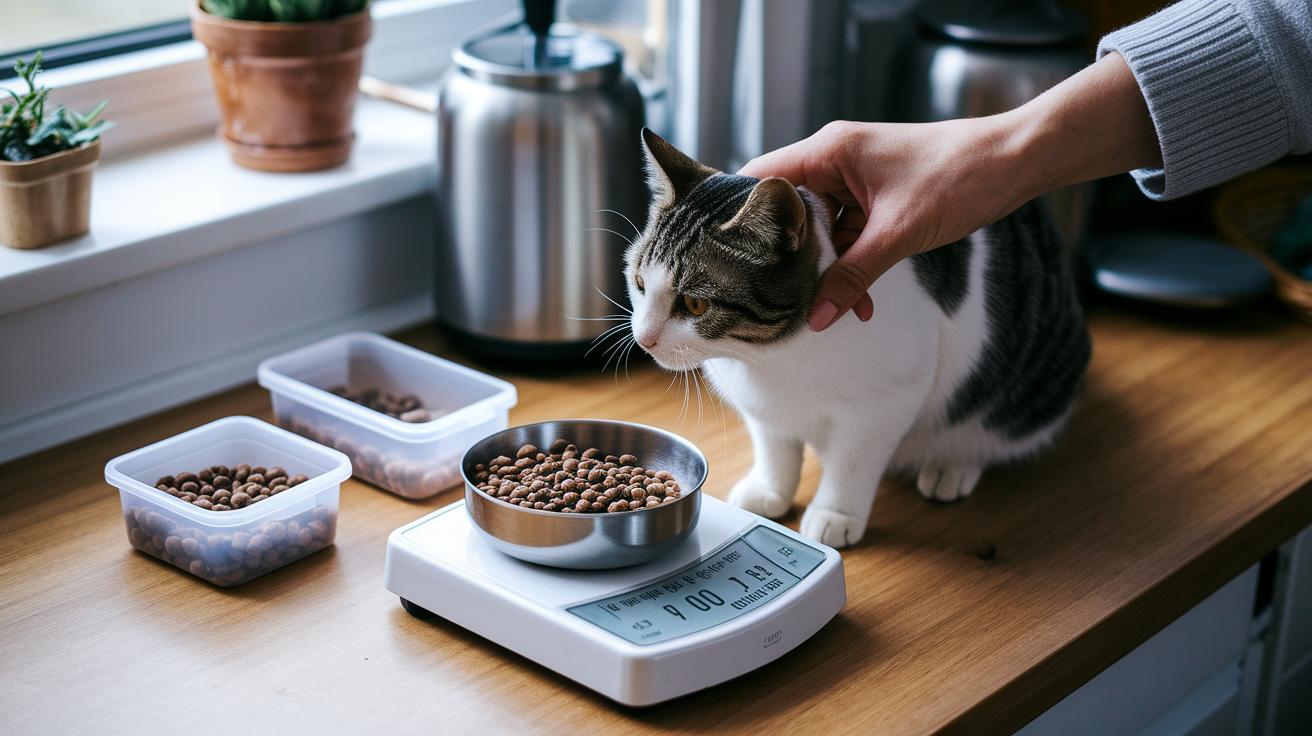
    Did you know an adult cat needs about 200 calories a day? That’s almost 6 ounces of homemade food. Weigh each portion on a digital scale (the small kitchen kind) or scoop it into a standard 5.5 ounce container. Label every dish with its weight and date, no guessing required. Pick one scale and stick with it, then jot down the numbers in a simple log. If you skip measuring, you might miss protein (the muscle builder) or fat (your kitty’s energy fuel) targets, or accidentally overfeed, which can stall healthy weight gain.

    Ever watched your kitty’s whiskers twitch at the smell of a warm bowl? Aim for four to six small meals each day to keep that appetite buzzing. Spread meals every three to four hours and serve at room temperature so your cat stays curious. Switch to your new recipe slowly: start with 25 percent new food mixed with 75 percent old, then ramp up the new stuff over seven to ten days. Keep an eye on stool quality and energy levels. Weigh your cat once a week and tweak portions as needed. A simple feeding tracker, just a notebook or plain spreadsheet, makes spotting patterns purr-fectly easy.

    Worth every paw-print.

    Preparation and Storage Guidelines for Homemade Cat Food to Gain Weight

    - Preparation and Storage Guidelines for Homemade Cat Food to Gain Weight.jpg

    Ever seen your cat’s whiskers dance? That happens when they taste a creamy blend. To whip it up, grab a heavy-duty meat grinder like the Weston #12. It mashes muscle meat, organs, and bones into a silky puree.

    Next, measure supplements: taurine (an amino acid cats need), fish oil, and vitamin E. Mix them in a splash of water until they dissolve. Then stir that into your meat puree. This step locks in safety and spreads every nutrient evenly.

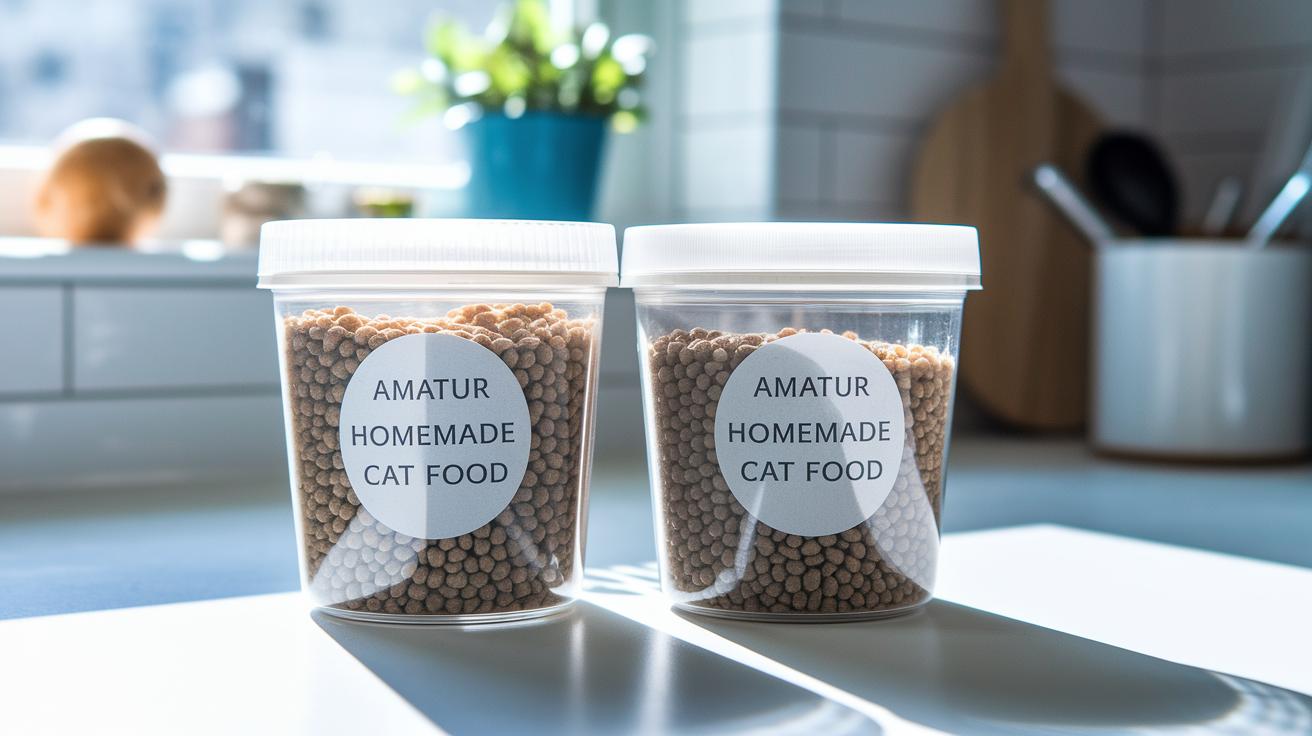
    Scoop the food into single-serve portions and label each pack with the recipe name and date, no guessing later. Fresh meals live in airtight containers (think Tupperware) for up to three days. Planning ahead? Slide extra trays or sealed boxes into the freezer. They’ll keep for about three months. To thaw, move a pack to the fridge overnight. No microwaves, really, just don’t do it.

    Safety first. Scrub grinder parts, cutting boards, bowls, and counters with hot, soapy water after each prep session. Wash your hands before and after handling raw meat. Yep, that’s a must. These simple steps stop bad germs and keep your kitchen, and kitty, feeling fine.

    Monitoring Cat Weight Gain and Vet Advice for Homemade Diets

    - Monitoring Cat Weight Gain and Vet Advice for Homemade Diets.jpg

    Keep doing weekly weigh-ins. Do stool checks (just a peek at your cat’s litter to catch clues) and note their energy level – are they zooming around or snoozing all day? Sometimes tiny worms (parasites that steal nutrients), an overactive thyroid (hyperthyroidism that speeds up their engine), or a painful tooth (dental disease that makes chewing ouch) can stall progress. And most of these hide until you run bloodwork (a lab test checking organ function and cell counts).

    Parasites sap energy so your kitty may move in slow motion. Hyperthyroidism feels like your cat is on a hamster wheel – always hungry but still not gaining. A sore tooth can turn dinner into a no-go zone. Seriously.

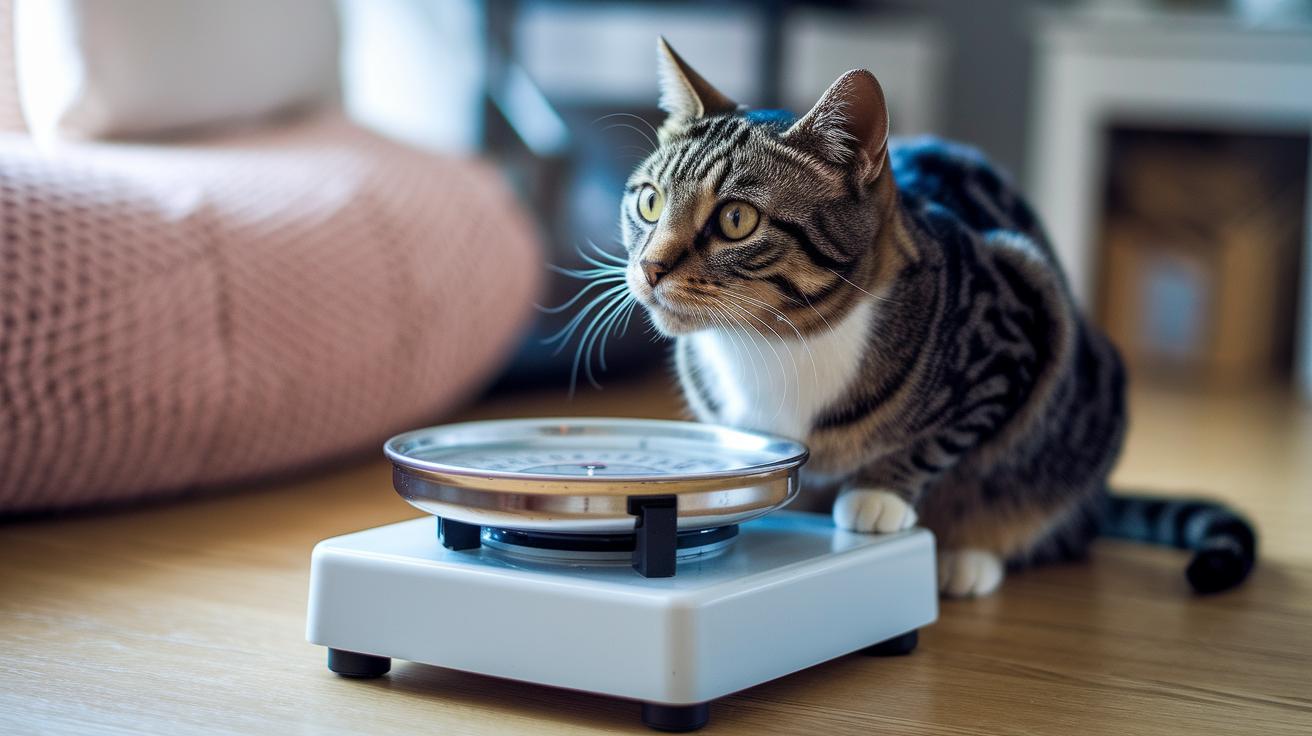
    So plan a vet check every 4 to 6 weeks while you swap diets. Before each visit, jot down appetite changes (eating more or suddenly less), behavior notes (new hiding spots or extra meows), coat condition (dull spots or matted fur) and litter-box output (constipation, diarrhea or extra trips). Share those details with your vet so any hidden snags get caught early and healthy weight gain stays on track.

    Worth every paw-print.

    Final Words

    In the action, we laid out a feeding plan: six small meals, 200 kcal daily with 30 percent protein and 20 percent fat.

    We filled plates with lean meats, healthy oils, eggs and key supplements for balanced nutrition.

    You got four tasty recipes, from chicken and rice to raw poultry blends. Measuring portions, safe prep tips and storage tricks made meal time a breeze. Weekly weigh-ins and vet check cues kept tabs on steady gains.

    Homemade cat food to gain weight can fuel energy boosts, smaller stools and happier kitties. Here’s to whisker-twitching success and healthy purrs ahead.

    FAQ

    Are there homemade cat food recipes on Reddit to help cats gain weight?

    Homemade cat food recipes on Reddit help cats gain weight but vary in nutrients. Always choose recipes delivering at least 30% animal protein and 20% fat, split into six small meals daily, and vet reviewed.

    Which vet-approved homemade cat food recipes support healthy weight gain?

    Vet-approved homemade cat food recipes support healthy weight gain by combining lean meats, organ meats, healthy fats, and essential taurine in balanced ratios of 30% protein and 20% fat.

    How can I make simple, cheap homemade cat food?

    Simple, cheap homemade cat food can be made with cooked chicken, rice, eggs, and a drizzle of fish oil. Aim for 30% protein and 20% fat to promote weight gain.

    What main ingredients make the best homemade cat food for weight gain?

    The best homemade cat food for weight gain features lean proteins like chicken or turkey, organ meats at 5-10% of the mix, healthy fats from salmon oil, and moisture from low-sodium broth.

    Which supplements should I add to homemade cat food for weight gain?

    Homemade cat food supplements for weight gain should include 2000 mg taurine, 5000–10000 mg fish oil for omega-3, 200–400 IU vitamin E, B-complex vitamins, potassium gluconate, and iodized salt.

    How do I make homemade cat food with tuna?

    Homemade cat food with tuna mixes ½ cup water-packed tuna, ¼ cup cooked sweet potato, and a dash of fish oil. Ensure 30% protein and 20% fat for healthy weight gain.

    What home remedies can support weight gain in cats?

    Home remedies for cat weight gain include adding cooked egg yolk or plain yogurt for extra calories, warming meals to boost aroma, and mixing in salmon oil for healthy fats.

    What homemade foods help older cats put on weight?

    Homemade foods for older cats to gain weight should be soft and nutrient rich. Try chicken puree with pumpkin for fiber, egg yolk for fat, and low-sodium broth for extra moisture.

    Related Articles

  • How Often to Change Litter for Happier Cats

    How Often to Change Litter for Happier Cats

    Ever caught a whiff of your cat’s litter box and thought, Uh-oh? Your kitty wrinkles her nose like she just sniffed a lab experiment. You can almost picture tiny paw detectives on patrol for a fresh scent. The stink sneaks up on you in the quietest moments.

    But don’t worry, we’ve got a game plan to keep those paws dry and whiskers happily twitching. It’s all about a scoop and fill routine that’s easy to stick with. You’ll spend less time scrubbing and more time watching your furball pounce.

    In this guide, we’ll show you scoop tips, swap timing, and a quick hack for busy days. You’ll get routines for clumping clay (clay that forms solid clumps when wet), silica crystals (tiny beads that soak up moisture), pine pellets (compressed wood bits), and a few more fun picks. Oops, did I say fun picks? I mean litter box essentials, of course.

    Ready to make litter duty totally purr-fect?

    Quick Answer: Litter Change Frequencies

    - Quick Answer Litter Change Frequencies.jpg

    Ever peek at your kitty giving you the stink eye because their box is, uh, less than fresh? Keeping up with scooping and swapping can feel like a chore, but it’s worth every paw-print. Here’s a super-simple rundown for solo cats or a whole clowder.

    • Clumping clay (litter that sticks into easy-to-scoop clumps): scoop daily. Then swap out all the litter every 2–4 weeks for one cat, or every 1–2 weeks if you’ve got multiple furballs.
    • Silica crystals (tiny gel beads that trap moisture and smells): stir and scoop daily, then refresh the whole batch every 3–4 weeks.
    • Pine pellets (wood bits that crush into soft sawdust): pull out the used bits each day and dump in fresh pellets once a week.
    • Paper (cellulose) litter (recycled paper pellets): toss it all every 3–4 days to keep odors at bay.
    • Self-cleaning boxes: they do the scooping for you, but don’t forget a full pan rinse once a month.

    Keep reading for purr-fect details by litter type, household size, and those trickier special cases.

    How Often to Change Litter Based on Litter Type

    - How Often to Change Litter Based on Litter Type.jpg

    For clumping clay, silica crystals, pine pellets, and paper litter, follow the routine in the quick answer above. Now let’s chat about non-clumping clay (plain clay that soaks up liquid but doesn’t form clumps) and share some pro tips on dust, allergies, and keeping multi-cat smells in check.

    Advanced Maintenance Guide

    Non-Clumping Clay Routines
    Check the box twice a day. Scoop up any wet spots right away since this clay turns into muddy paste fast. Dump all the litter and rinse the box every seven days or whenever the bottom feels damp. Your kitty will thank you with happy, dry paws.

    Dust and Allergy Concerns
    Clay dust can drift up like a little gray cloud. Open a window or turn on a fan when you scoop so you’re not breathing it in. Lay a mat under the box to catch stray granules. Ever have a sneeze fest? Try a low-dust formula or scoop with a fine mesh strainer (it traps the powder).

    Tackling Multi-Cat Odor
    More cats mean more ammonia smells. Give each furry friend their own box plus one extra. Every two weeks rinse the boxes in hot water, skip the soap so you don’t leave a scent pets hate. Before you pour in fresh clay, sprinkle a thin layer of baking soda (think odor-locking magic). Still smell a whiff? Swap out the whole box mid-week. Your cat’s whiskers will twitch in relief.

    Recognizing Signs That It’s Time to Change Litter

    - Recognizing Signs That Its Time to Change Litter.jpg

    Ever watched your kitty circle the box, sniff, then walk away? That’s your cat saying the litter box is off limits. Cats are picky about their potty spot. Time for a litter refresh before they try the carpet instead.

    When you catch a bleachy, sharp ammonia (strong cleaning chemical) scent, uh, that’s your nose’s warning. Your nose stings! It means harmful levels are building up inside the box. Better scoop out and add fresh litter for a happy kitty.

    Clumps are like early warning bells. If you see hard bits piling up or smeared along the bottom, your litter’s done. And if you dig in to find pooled (standing liquid) spots that vanish under the scoop, it’s waterlogged (soaked) and can’t trap odors anymore. Toss it and start fresh.

    Watch the color and feel too. Gray-green or fuzzy patches mean bacteria (tiny germ) or fungus are growing. Dusty granules flying onto the floor or stuck to your cat’s paws show they’re avoiding a dirty box. Fresh, clean litter keeps whiskers happy, paws clean, and noses twitching in approval.

    How Often to Change Litter in Single-Cat vs. Multi-Cat Homes

    - How Often to Change Litter in Single-Cat vs Multi-Cat Homes.jpg

    Keeping your cat’s bathroom corner fresh is a simple way to keep everyone purring. Ever watched your kitty sniff every corner of the box before diving in? Let’s talk about when to scoop, swap, and deep-clean whether you live with one whisker-twitcher or a kitten crew.

    Household Scoop Full Swap Deep Wash Boxes
    Single cat Daily Every 2-4 weeks Monthly 1
    Multi cats Daily Every 1-2 weeks Monthly One per cat + 1

    For one cat, scoop out clumps every day so the box stays inviting. Replace all the litter every 2-4 weeks, depending on how sandy it gets. Then give the box a good wash once a month. Uh, I once wrestled with a crusty liner. It was worth every paw print to see that clean, sandy smell again.

    With a few cats, you need a bit more action. Scoop daily. Swap the litter every 1-2 weeks so nobody ends up doing the sniff test longer than needed. The rule of thumb is one box per cat plus one extra, so they never have to wait their turn.

    Worth every paw-print.

    • For type-specific swap schedules, see How Often to Change Litter Based on Litter Type.
    • For deep-clean how-tos, check Advanced Maintenance Guide.

    Tips to Extend Time Between Litter Changes

    - Tips to Extend Time Between Litter Changes.jpg

    • Need to speed things up? A sturdy scoop with fine mesh (tiny metal holes) can be a real game changer. We compared tools and found stainless steel scoops kick up less dust than thin plastic. The tight tines saved us about 30 seconds each cleanup, more time for cat cuddles.

    • Does your cat hate the crinkle of liners? Skip the plastic sheet and just pair a good mat with your litter box. It keeps granules in the box and your floors clean, no rustle to spook your kitty.

    • Sprinkle in baking soda and activated charcoal (a sponge-like carbon that traps odors). These odor fighters grab ammonia before it spreads, so the box stays fresher longer. Tuck them into your daily scoop routine and watch the time between full changes grow.

    • Feeling like the litter area is a smell trap? Place the box near a window or small fan. A little airflow moves moisture and odors out fast. You can even pop an air filter nearby for a fresher vibe.

    • Stuck at work all day? A self-cleaning litter box might save the day. It scoops on its own so litter stays neat. Just give the whole pan a deep wash once a month to stop buildup.

    Special Considerations for Kittens, Seniors, and Sensitive Cats

    - Special Considerations for Kittens, Seniors, and Sensitive Cats.jpg

    Kittens have tiny bladders that need emptying more than four times a day and adore fine-grain litter (tiny, soft grains) or paper litter (like shredded paper bits) that’s gentle on their paws! Swap it out completely every 2 or 3 days so it always feels fresh for your little explorer. Need a tip on when to start potty training? Check when to start litter box training kittens for a smooth start.

    Senior cats benefit from litter boxes with low entries so they don’t have to jump too high. Scoop the box twice a day to spare their aching joints and keep old mishaps from sticking around. Then do a full sweep of the litter once a week to keep things fresh for cats with mobility issues (trouble jumping up) or incontinence (when they can’t always hold it)!

    Sensitive kitties can smell a scent from across the room, so stick to unscented litter only! Scoop daily and swap weekly to cut dust and stop pesky germs from spreading (that’s zoonotic disease prevention in simple terms). Trying to win over a picky sniffer? Peek at how to train a cat to use a litter box for tips on building trust with your fussy feline.

    Final Words

    We covered quick change intervals for clumping clay, silica crystals, pine pellets, paper litter, and self-cleaning boxes.

    Then we detailed how often to change litter by type, pointed out sensory and behavior signs for a swap, and compared single-cat vs multi-cat schedules.

    Next came tips to stretch the time between swaps and care guides for kittens, seniors, and sensitive cats.

    Now you’re set to decide how often to change litter and keep every box inviting.
    Read on for full details by litter type, household size, and special cases.

    FAQ

    How often should I fully change my cat’s litter?

    You should fully replace clumping clay litter every 3–4 weeks in a single-cat home and every 1–2 weeks with multiple cats. Silica crystals (tiny absorbent beads) need a full swap once a month.

    How often do I need to scoop and clean a litter box?

    You should scoop out clumps and solid waste daily to keep odors away. Give clay boxes a full litter swap and a pan wash weekly. For self-cleaning models, do a deep clean monthly.

    How often should I change a clumping litter box?

    You should scoop clumping litter daily and do a full swap every 2–4 weeks in single-cat homes or every 1–2 weeks when more cats share the box to prevent muddy buildup and odors.

    How often should I change litter for two cats?

    You should fully replace clumping clay litter every 1–2 weeks when two cats share one box. Scoop waste daily and keep an extra box to cut down on odor and crowding.

    How often should I replace crystal litter?

    You should scoop waste out of silica crystals (tiny absorbent beads) daily and refresh the entire pan every 3–4 weeks to maintain odor control and absorbency.

    How often should I change the litter in a Litter-Robot?

    You should empty and replace all the litter in your Litter-Robot about once a month, while scooping waste daily or following the unit’s clean-cycle guidelines.

    How often should I change World’s Best cat litter?

    You should scoop World’s Best (corn-based clumping) litter daily and do a full swap every 2–4 weeks for one cat. If odors return or you have multiple cats, swap every 1–2 weeks.

    How do I know when cat litter is dirty?

    You can tell cat litter is dirty when you smell ammonia, see clumps or wet spots you can’t scoop, notice discolored or moldy bedding, or your cat starts avoiding the box.

    How do I keep my litter box from smelling?

    To keep the litter box smelling fresh, scoop daily, sprinkle baking soda as a natural odor absorber, use a mat to trap tracked granules, and air out the area with good ventilation.

    Related Articles

  • Indestructible Cat Toys for Kittens Bring Endless Play

    Indestructible Cat Toys for Kittens Bring Endless Play

    Ever watched your kitten turn a soft mouse toy into fluff confetti?
    Mine can shred four toys in a week.
    You know, tiny tornado paws at their best.
    Yikes.

    But wait, there’s a claw-tastic toy set that laughs at those tiny tornado paws!
    They’re built from stretchable polymer (a bendy plastic) and springy wires (thin metal coils) that snap right back every time your kitty bats them.
    It almost feels like the toys are playing along, or maybe plotting world domination.

    Picture your cat’s whiskers twitching as an unbreakable ball rolls across the carpet.
    Then she munches on a chewy banana toy (banana-shaped and built to flex) before leaping at an indestructible teaser wand (like a fishing pole for cats).
    Uh, it’s basically kitty paradise.

    Endless play.
    Zero toy graveyard.
    And that, friend, is kitten joy you can believe in.

    Quick-Picks: Top 5 Unbreakable Toys for Kittens

     Quick-Picks Top 5 Unbreakable Toys for Kittens.jpg

    Toy Rating Price Best for
    PetSafe SlimCat ★★★★☆ $15–$25 treat dispensing roller
    Cat Dancer ★★★★☆ $10–$12 simple interactive batting
    Yeowww Banana Catnip Toy ★★★★☆ $5–$10 tough chew toy for baby cats
    Cat Dancer Rainbow Cat Charmer ★★★★☆ $8–$12 wand-style play
    Catstages Tower of Tracks ★★★★☆ $20–$30 indestructible feline ball

    Okay, these five toys stood up to my little tornado of paws – no fluff busted, no springs flopped. There’s the PetSafe SlimCat treat roller that gently rumbles as you push it, the Cat Dancer that flutters and bounces under a swat, the Yeowww Banana Catnip Toy with just enough give for tiny teeth, the Rainbow Cat Charmer that twirls on its wand, and the Tower of Tracks where balls click around in their tracks. Kittens can chew, bat, and chase without turning your living room into a toy graveyard.

    Worth every paw-print.

    Curious about size, materials, or how long each toy lasts? Head to Track & Ball Toys (Section 4), Chew Toys (Section 5), and Electronic/Puzzle Toys (Section 6) for full specs, durability scores, and a side-by-side price check.

    Material Guide for Indestructible Kitten Toys

     Material Guide for Indestructible Kitten Toys.jpg

    Choosing the right gear means your kitten can chew, bat, and toss without turning a favorite toy into confetti. Think of a polymer twist tunnel (a bendy plastic play tube) that holds its shape as your furball zigzags through. Or a silicone bounce mouse (soft rubber that springs right back) for endless batting fun.

    Teething tots need something soothing. A paracord knot chew (woven nylon rope) gives gums a gentle massage, while a medical-grade rubber ring (the same stuff in baby teethers) offers safe, satisfying nibbles. Ever tried an eco-friendly teether toy (natural fiber yarn in a playful shape)? It’s charm on a string, uh, irresistible. And for a jingly good time, grab a BPA-free ball chain (lightweight plastic loops).

    Some of our favorites? The Petstages Buggin’ Out Puzzle uses food-safe wood (easy on kitten teeth) and washes up nicely by hand, just rinse away the crumbs. Skitter Slices Plush Mice sport a polyester exterior (think tough sock material) that laughs at hours of batting; spot-clean if they get drooly. Then there’s the Catstages Straw-Babies Dental Toy: catnip-filled plush meets crinkle sounds, perfect for dental fun, though feathers may flutter off after epic hunts.

    Watch for tiny parts or long strings. They can be choking hazards or trap a curious paw if your kitten plays solo. For more tips on safety standards and the top chew-resistant picks, check out how to choose indestructible cat toys.

    Shopping Criteria for Indestructible Kitten Toys

     Shopping Criteria for Indestructible Kitten Toys.jpg

    Kittens go wild for batting, chewing, and chasing toys. Let’s break down a simple durability scale. The paper-based Cat Dancer (toy made from sturdy paper) scores moderate. Hard plastics (tough, durable material) like PetSafe SlimCat and the Catstages Tower of Tracks sit at the top. These ratings give you a quick peek at which toys survive the rough-and-tumble of kitten paws.

    Price tags can be a kitty’s dream or a splurge.
    • Skitter Slices mice – about $1 each
    • Cat Dancer packs – under $10
    • Electronic toys – $15 to $30
    • Puzzle feeders – starting near $20

    A quick cost-benefit glance shows budget picks cover basic batting, while a premium toy brings brain-teasing fun plus lasting toughness. For the full scoop on materials and ratings, check out our guide on how to choose indestructible cat toys.

    Ever watched your kitten chase shadows? Keep playtime fresh by rotating three or four toys each week. Mix chase, puzzle, and chew styles so your furball stays curious and avoids toy fatigue. And don’t forget to check warranty and replacement policies, brands that swap broken items under normal play mean less worry for you and more purrs for them.

    Worth every paw-print.

    Best Interactive Track and Ball Toys for Indestructible Kitten Play

     Best Interactive Track and Ball Toys for Indestructible Kitten Play.jpg

    Ever seen a kitten’s eyes go wide as it chases balls around a track? The click-clack of smooth plastic (like a little raceway) and the surprise ping at every turn is pure fun. It’s sturdy too, tiny teeth and paws meet their match. Ever watched your kitty chase shadows?

    The Catstages Tower of Tracks is pure kit-cat joy. It snaps together in seconds, no tools needed. Thick plastic (like a mini raceway for whisker-twitching speedsters) keeps balls rolling day after day. And solo batting is A-OK, your kitten can pounce away while you sip your coffee.

    Next up, the circuit roller toy. Its tracks link together like building blocks (think big Lego for cats). As your kitten’s curiosity grows, you can expand the layout. It’s a claw-tastic independent play kingdom that stands up to pounces, flips, and the occasional mouth grab.

    For window-watchers, try the bird simulation toy. A suction base (sticky cup) holds it tight to glass. Swap out five bird-shaped lures to match your kitten’s mood, each one flutters around a clear plastic loop. It’s pricier, sure, but fluttering action reels shy or nervous kittens right back in.

    And then there’s the SmartyKat Hot Pursuit. It’s a self-spinning feather chase on a sturdy base. Pop in two AA batteries, pick one of two speeds, and watch the wand whirl for 12 minutes before napping. Every once in a while the wand might loosen, just twist it back on and let the game roar again.

    Worth every paw-print.

    Durable Teething and Chew Toys for Indestructible Kitten Chewers

     Durable Teething and Chew Toys for Indestructible Kitten Chewers.jpg

    Ever watch your tiny tiger gnaw through everything? Peek at our Quick-Picks table and Material Guide for the full scoop on chew-safe teether rings, paracord knot chews, eco-friendly yarn teasers, and more, just right for those fierce little chewers.

    Teething Toy Tips

    • Offer a medical-grade rubber teether ring (like the stuff in baby bottles) for soft, soothing bites. It’s gentle on sore gums and gives a tiny, satisfying squeak.
    • Rotate paracord knot chews (woven nylon rope) to massage those tender gums. Think of it like a spa day for tiny teeth, you know, a little gum pampering.
    • Swap in an eco-friendly yarn teether (plant-based fibers) for softer gnawing sessions that feel cozy and snuggly. Ever seen whiskers tremble at the sight of a fluffy yarn ball?
    • Watch plush toys that shed feathers and stash them once playtime ends. Oops, you don’t want surprise feathers floating around.

    Cleaning & Care

    • Spot-wash plush toys with warm water and mild soap. A quick scrub brings back that fresh-out-of-the-box feel.
    • Rinse rope chews under running water for a speedy refresh. Let the stream wash away drool and grit.
    • Lay all toys flat to air-dry completely before round two. Damp toys are no fun and can get stinky fast.

    Worth every paw-print.

    Engaging Electronic and Puzzle Toys for Indestructible Kitten Enrichment

     Engaging Electronic and Puzzle Toys for Indestructible Kitten Enrichment.jpg

    Trixie 5-in-1 Activity Center
    It’s a paws-on brain teaser that needs zero batteries. It’s built from BPA-free plastic (sturdy, non-toxic), so you don’t have to worry about chemicals. Your kitten cranks knobs, flips lids, slides panels, spins wheels and lifts flaps to find tasty treats hiding in dishwasher-safe trays. Ever watched your furry friend figure out a puzzle to snag a snack? So satisfying!

    Next, it grips carpet but may slip on hardwood floors. Try setting it on a non-skid mat. When playtime’s over, just pop the trays on your dishwasher’s top rack and wipe the frame with a damp cloth. Purrfect clean-up.

    Valonii Laser Toy
    This little chaser brings on the zoomies with a flickering red dot – no remote needed. Just plug it into any USB port to recharge. It’s housed in ABS plastic (like tough Lego bricks) with rubber feet to keep it in place. A motion sensor (it senses a curious paw) kicks the dot to life, then pauses after ten minutes so the motors rest. Trust me, it’s claw-tastic!

    You’ll pick from three speed modes – gentle wanderings, medium dashes or full-tilt wall sprints. Keep the lens clear of dust by wiping it with a soft damp microfiber cloth. Kittens go wild batting at walls, floors or furniture. Just set it on a stable spot and let the show begin.

    Final Words

    Jumping right into it, we looked at the five top unbreakable toys for kittens, from treat rollers to pinging balls that can’t be crushed.

    Next, we talked about safe, chew-proof materials like polymer (strong plastic) twist tunnels and food-grade wood puzzles, plus tips for spotting small hazards.

    Then we mapped out shopping steps, track-and-ball setups, chew gear for teething, and brain-teasing puzzle feeders to keep kitties busy.

    Ready to swap shredded socks for sturdy fun? Keep tails twitching with indestructible cat toys for kittens and watch boredom melt away.

    FAQ

    Where can I find indestructible cat toys for kittens?

    Indestructible kitten toys are available at local pet shops, major retailers like Petco and Chewy, and online marketplaces such as Amazon. Look for products labeled chew-resistant or high-durability.

    What are the best indestructible cat toys for kittens?

    The best indestructible kitten toys include PetSafe SlimCat puzzle feeders, Cat Dancer steel wire wands, Yeowww Banana Catnip Toy, Catstages Tower of Tracks, and Kong rubber balls.

    Are Yeowww and KONG cat toys durable for kittens?

    Yeowww cat toys use thick cotton and heavy catnip to resist chewing, while KONG cat toys feature tough rubber or silicone (like a chew-proof teether) that withstand bites and rough play.

    What makes a cat toy durable?

    Durable cat toys use materials like medical-grade rubber, woven nylon rope, or polymer twist (a strong plastic) with reinforced seams and no small parts to resist shredding and chewing.

    What is safe for a kitten to chew on?

    Safe items for kitten chewing include medical-grade rubber rings, braided paracord knots, and food-safe wooden puzzles. Avoid small detachables, long strings, or toxic materials to prevent choking.

    Can 8-week-old kittens have catnip toys?

    8-week-old kittens can have catnip toys, though sensitivity may be mild. Choose soft, chew-safe catnip-infused plushes and supervise initial play to prevent overindulgence.

    What do kittens like to play with the most?

    Kittens most enjoy fast-moving wands, lightweight balls, and crinkly plush toys that mimic prey sounds. They also love treat-dispensing rollers for solo hunting fun.

    At what age can you give kittens toys?

    You can give kittens toys as early as four weeks old, once they begin crawling and biting. Start with soft, small items and supervise to prevent choking hazards.

    What is an indestructible cat wand?

    An indestructible cat wand is a toy with a fiberglass (like a fishing-rod core) shaft, durable cord, and chew-resistant lure, designed to endure vigorous kitten pouncing and tugging.

    Related Articles

  • How to Calm a Hissing Cat Easily Now

    How to Calm a Hissing Cat Easily Now

    Whoa – did your heart skip a beat when your kitty let out that sharp hiss?
    That spit of breath isn’t an attack – it’s a furry “back off!” (with a pinch of kitten sass).

    Watching your cat’s whiskers tremble and her ears flatten can feel pretty tense.
    But don’t worry – we’ve got you.

    Next, we’ll share gentle, easy steps – think slow blinks, soft voices, and giving her space.
    These moves will help swap that hiss for a soft purr.

    Give these tips a try.
    You’ll be curling up together again before you know it.

    Less stress.
    More whisker kisses.

    Quick Actions to Calm a Hissing Cat

    - Quick Actions to Calm a Hissing Cat.jpg

    When your cat hisses, she’s just giving you a sharp “back off!” It’s her natural way to show fear or stress (learn more: why do cats hiss).

    1. Take a small step back and freeze in place. Quiet movements help calm that racing heart.
    2. Speak in a soft, low voice and slow your words. A gentle, purring tone can feel like a cozy blanket.
    3. Avoid staring right at her. Try soft blinks or glance away, your kitty will see it as a friendly “I’m cool here.”
    4. Place an open box or plush bed nearby. Familiar textures invite her to tuck in and unwind.
    5. Slow-blink with her and keep talking in that soothing voice. It’s the feline version of a kiss blink, instant trust.
    6. When she eases up, toss a favorite toy or a treat lightly on the floor. It shifts her mind from hiss to happy pounce.

    Give her a few minutes to relax. Watch her tail settle and her posture soften before you step closer. Rushing back too soon can spark another hiss, so patience is your best friend.

    Interpreting Your Hissing Cat’s Body Language

    - Interpreting Your Hissing Cats Body Language.jpg

    Ever heard that sudden spit of air as your cat hisses? It’s like a tiny warning siren telling you she’s uneasy or annoyed. When she hisses, air shoots past her teeth in a sharp, spitting sound, and that’s your clue she’s stressed. Figuring out why she hisses helps you find and fix the source of her tension.

    Watch for stress signs: ears flattened, pupils dilated (eyes wide), fur standing up, a hunched or arched back, or a crouch with teeth showing. A defensive hiss comes with her back arched and a clear step back. But if she’s feeling bold, you’ll catch her ears tilting forward and weight shifting onto her front paws, and sometimes a low growl or quick swipe follows. Ever felt that prickly fear when her whiskers twitch?

    Not every hiss means a showdown. During play hisses, your kitty might wag her tail, hold her ears up, and bat at a feather toy with loose muscles. Oops, I mean, it’s her version of a pep talk, um, in a hiss.

    Fear hisses come with a hunched body, a tucked tail, wide eyes, and a hard pass until she feels safe again. Spotting small signals, like fur ripples along her spine, a sudden pupil dilation, or a twitching tail tip, gives you time to calm things down.

    Keep an eye on her ears, tail position, pupils, and overall stance to read her mood. That way you can step in before a hiss turns into a warning swipe.

    Designing Safe Cat Spaces to Calm a Hissing Cat

    - Designing Safe Cat Spaces to Calm a Hissing Cat.jpg

    Creating a cozy hideaway can soothe a hissing kitty. Ever watch your cat dash into a box for cover? Tuck an enclosed bed (a soft, covered nook) or a simple cardboard box in a quiet corner. It’s a secret cave where whiskers can twitch without worry.

    Next, go vertical. Cats feel safe perched up high, like mini eagle-eyed hunters. A sturdy cat tree (a tall tower with platforms) or a wall shelf gives them a launchpad to leap or lounge. Add a window perch in a sunny spot so they can bird-watch and daydream.

    Sticking to a routine helps too. Serve meals at set times and place the litter box by that hideaway in a low-traffic area. Pop in a soft blanket, a favorite toy, or even a shirt that smells like you, it’s like a kitty hug. Then quiet the room, dim the lights, and reroute foot traffic, this is your cat’s “all clear” signal to relax.

    Calming Products and Natural Remedies for Hissing Cats

    - Calming Products and Natural Remedies for Hissing Cats.jpg

    Ever watched your kitty hiss at thin air? It’s tough seeing those ears flattened. But don’t worry – chill vibes can come back with a few simple tricks.

    Synthetic pheromones (chemical signals cats make with their glands) copy those face-rubbing scents. You’ll find them in diffusers or sprays. Plug one in near your cat’s favorite nap spot. Ever seen whiskers perk up? Watch the calm set in as the scent drifts across the room.

    Pheromone collars quietly release those cues all day long. Buckle one around your cat’s neck – easy, right?
    do cat calming collars work

    Worth every paw-print.

    And for a natural boost, try catnip (a mild herb that cats love). Sprinkle a pinch on their favorite toy or scratching pad. Your kitty’s purrs will be back before you know it – feeling feline fine.

    Product Type Example How to Use
    Pheromone Diffuser Feliway Classic Plug in next to your cat’s favorite nap spot to spread the calming scent
    Feline Calming Spray Comfort Zone Spray Mist bedding, carriers, or hiding boxes before your cat explores
    Pheromone Collar [do cat calming collars work](https://titanclaws.com/do-cats-calming-collars-work/) Buckle around your cat’s neck so pheromones release all day
    Catnip for Stress Relief Organic dried catnip Sprinkle a pinch on a toy or scratching pad for mellow play

    Always check with your veterinarian before adding supplements or new remedies to your cat’s routine.

    Interactive Play and Training to Prevent Future Hissing Cats

    - Interactive Play and Training to Prevent Future Hissing Cats.jpg

    Think of interactive play as daily cat therapy. Aim for two 15-minute sessions each day with wand toys (stick with feathers) that mimic fluttering bird wings. She’ll pounce, her whiskers twitch, and you’ll feel a little victory dance all around. Then add a puzzle feeder (treat toy hiding snacks) at mealtimes to flex her brain muscles.

    Sprinkling short bursts of play keeps stress low between sessions. Try a laser-dot dash or a quick feather chase across the floor. Ever watch her zig-zag after that little red dot? It’s satisfying for both of you, you know?

    Now let’s talk training. Uh, reward-based work starts by swapping her hiss for a treat – offer a tiny snack when she stays quiet as you approach. Then introduce clicker training (small device that makes a "click" for timing) – click and reward every calm sit. Use desensitization (slow, gentle exposure to her triggers) to help her feel safe around old stress points.

    Celebrate each calm moment with soft words, a gentle cheek scratch, or a nibble of chicken. Actually, make that a nibble and a scratch. She’ll soon learn that being chill pays off way more than a hiss.

    When to Seek Veterinary Help for a Hissing Cat

    - When to Seek Veterinary Help for a Hissing Cat.jpg

    Has your cat been hissing non-stop? And lounging like a sleepy loaf with zero energy? Maybe she’s skipped mealtime, limped across the room, or you’ve spotted weird bald patches. Um, hissing with these extra signs usually means she’s in pain or feeling off.

    A quick vet visit can uncover sneaky issues like infections, arthritis (joint inflammation), or dental troubles (ouchy teeth). If she growls or snaps when you touch her belly, paws, or joints, that’s a loud cat-call for help. Oops, waiting around could make things worse. So trust your gut and call your vet soon.

    Finding a Fear-Free practice is pure gold for calming a stressed kitty! Staff there learn gentle handling, soft voices, and slow introductions to exam tools. Your cat won’t feel like she’s under attack. It’s all about kindness and calm so your kitty’s hisses turn into happy purrs.

    Ask local vets if they offer Fear-Free appointments or search the Fear-Free certified lists online. That way you can get the right care without extra stress.

    Final Words

    In the action of a hissing episode, you’ve got six quick steps to step back, speak softly, and let your cat feel safe.

    You also know how to read body signals, craft hideaways, and mix in pheromone diffusers or herbal sprays.

    Plus fun play routines to keep cats busy and a clear sign for vet visits if stress hangs on.

    With these tools in place, you’ll master how to calm a hissing cat and restore purrs in your busy home.

    FAQ

    How do I calm a hissing cat?
    Calming a hissing cat involves stepping back slowly, speaking in a gentle tone, avoiding direct eye contact, and offering a safe spot. Soft blinking and treats can ease tension.
    <dt>Why is my cat suddenly hissing at me?</dt>
    <dd>Cats hiss as defensive warnings signaling fear, stress, pain, or surprise. A sudden hiss when you walk by could mean your cat feels startled, threatened, or uncomfortable with your approach.</dd>
    
    <dt>How can I stop my cat from hissing at other cats?</dt>
    <dd>To stop a cat from hissing at other cats, provide separate safe retreats, introduce them slowly in neutral spaces, use pheromone diffusers, and reward peaceful interactions with treats or praise.</dd>
    
    <dt>Can I hiss back or discipline my cat when it hisses or bites me?</dt>
    <dd>You should never hiss or punish a cat for hissing (a defensive signal) or biting. Instead, redirect biting to toys, reinforce gentle play, and remove attention during rough behavior.</dd>
    
    <dt>How do I train my cat to trust me and stop hissing?</dt>
    <dd>Build trust with gentle handling, consistent routines, interactive play, counterconditioning stress triggers with treats, and positive reinforcement for calm behavior. Give time and let your cat set the pace.</dd>
    

    Related Articles

  • are ragdoll cats hypoallergenic Perfect Allergy-Friendly Pets

    are ragdoll cats hypoallergenic Perfect Allergy-Friendly Pets

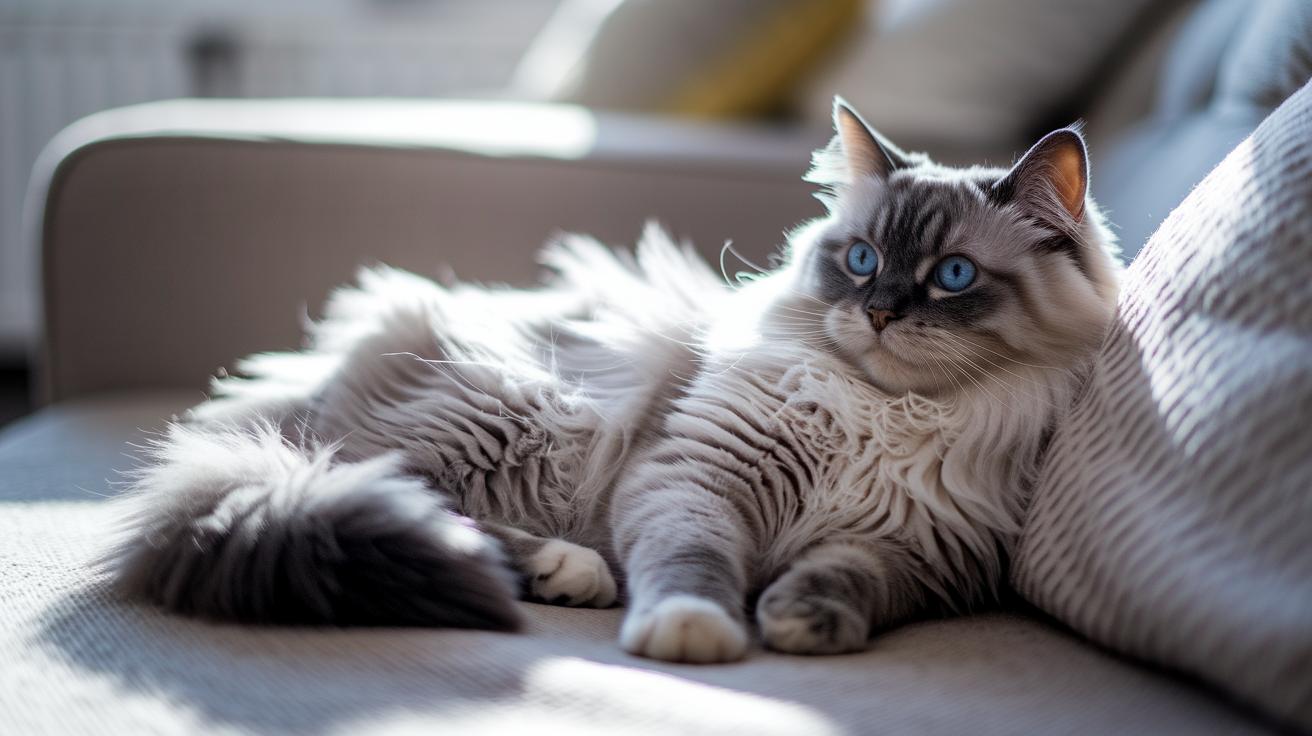
    Think ragdolls won’t make you sneeze? Ever felt that little tickle in your nose when your kitty kneads your lap?

    Actually, these silky fluff-balls still produce Fel d 1 protein (that’s the tiny allergen in cat saliva and skin oil).

    And when they groom themselves, microscopic dander (tiny skin flakes) drifts around like a dusty cloud, landing on your couch, your clothes, even your nose. You might barely see it, but your eyes and nose sure notice.

    But hey, you don’t have to choose between cuddles and constant sniffles. A once-a-week brush (to catch loose fur and dander) and a gentle wipe of those paws before they hop on your bed can cut down the allergen load. Toss their blankets in the wash often, and run a vacuum with a HEPA filter (that’s a special dust catcher) to trap sneaky flakes.

    In truth, ragdolls aren’t magic allergy shields. Yet with a few simple habits, you can enjoy every purr and head bump, sniffle-free.

    Ragdoll Cats: Hypoallergenic Facts and Myths

    - Ragdoll Cats Hypoallergenic Facts and Myths.jpg

    Ever wonder if ragdolls are hypoallergenic? I hate to say it, but they’re not. Just like any cat, ragdolls produce Fel d 1 (a protein in their saliva and skin oils). When they groom or shed, that stuff floats in the air and can trigger sneezing, itchy eyes, hives, or a cough.

    It’s all about the dander. Tiny flakes of skin, aka dander (little skin crumbs), drift off and land on your couch, your clothes, your nose. Even a sweet lap nap can set off a reaction. No cat is truly allergen-free.

    When people say hypoallergenic, they really mean less shedding and dander, not zero allergens. Ragdolls have a semi-long single-layer coat (just one layer of fur) that holds on to more dander instead of flinging it everywhere. And they groom in a chill way, so they spread less Fel d 1 around.

    Here’s the play-by-play:

    • Kittens often make less Fel d 1 than adult cats, so a young ragdoll might spark milder reactions.
    • Spayed females and neutered males usually produce less Fel d 1 than unaltered males.
    • A single-layer coat sheds fewer hairs and keeps dander (tiny skin bits) from flying around.
    • Brushing your ragdoll 2 to 3 times a week lifts saliva proteins before they drift into the air.

    Worth the extra cuddle time.

    Ragdoll Cat Coat, Grooming, and Allergen Spread

    - Ragdoll Cat Coat, Grooming, and Allergen Spread.jpg

    Ragdolls don’t have an undercoat (the fluffy layer under their fur), and they groom at a relaxed pace. Ever caught a puff of fluff floating off your kitty? So they shed less and spread fewer Fel d 1 (the main cat allergen protein). But you can keep your home extra clean with a few simple routines.

    • Brush your ragdoll two or three times a week with a hypoallergenic brush (it grabs loose fur and dander). Use gentle strokes that follow the fur’s direction and hold the brush at a slight angle so it glides over the skin without pinching. You’ll feel the soft fuzz lift right off.
    • Every month, treat your cat to a pro groom. They’ll smooth out mats and clear protein build-up, no scratchy surprises. Ask for a low-stress bath and a cool-air blow-dry so your kitty stays calm and comfy.
    • Once a week, give them a quick wipe-down with pet-safe anti-allergen wipes (they scrub off surface Fel d 1 and dust). Stroke each patch of fur, skip the eyes and ears, and watch the wipe trap those tiny proteins. No full bath needed.
    • Every six to eight weeks, hop into a bath with an anti-allergen cat shampoo (its molecules latch onto Fel d 1 so it rinses away). Lather lightly, rinse thoroughly, and dry completely, damp fur can irritate skin and hold moisture.

    These steps catch loose hair and saliva proteins before they float across your floors, furniture, and vents. Do the full routine and you’ll slash ragdoll dander levels, so you and your sneezy family can breathe easier and enjoy all the purrs. Worth every paw-print.

    Ragdoll Cats vs Other Low-Allergen Breeds

    - Ragdoll Cats vs Other Low-Allergen Breeds.jpg

    Low-allergen breeds like Siberians, Sphynx, and Balinese all promise fewer sniffles. Ever clicked are siberian cats hypoallergenic? You’ll find Siberians do make less Fel d 1 (that’s the main allergy protein) but their big, fluffy coats still puff out clouds of dander. And the Sphynx? No fur at all, yet it secretes those same proteins in its skin oils and saliva. Balinese cats have silky single-layer fur (with a thin undercoat) that drifts less around your favorite chair, but it still drifts.

    Ragdolls might help you breathe easier. They groom themselves less, and their semi-long single coat (no dense undercoat) grabs loose hair so fewer flakes go airborne. Think ragdoll vs siberian allergy, your nose might twitch at a zooming Siberian, but with a chill ragdoll purring in your lap, you may notice a gentler sneeze. Um, not allergy-free, but definitely purrhaps more mellow.

    Crazy cat fact: every kitty makes Fel d 1 proteins in saliva and on skin flakes. Even a quick lap nap can send invisible itch-makers flying. So if your eyes still water, um, no pedigree is totally hypoallergenic. Worth every paw-print of thought, though.

    Allergen Reduction Strategies for Ragdoll Households

    - Allergen Reduction Strategies for Ragdoll Households.jpg

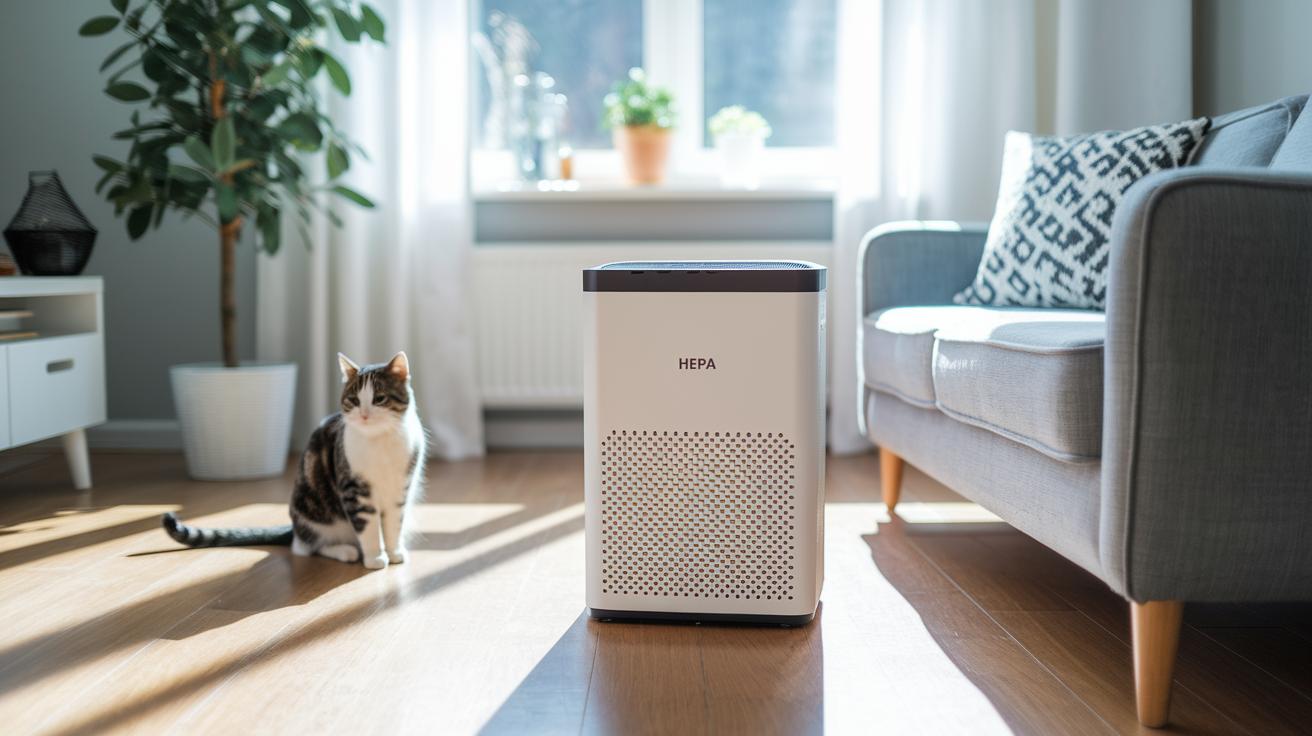
    Feeling like you’re battling invisible dust bunnies and fur ninjas? Daily HEPA-filter vacuuming (High Efficiency Particulate Air filter) pulls up loose hair and dander before it floats around. And running an allergen-reducing air purifier 24/7 traps 99.97% of airborne Fel d 1 proteins (tiny saliva proteins that tickle your nose).

    Once a week, wipe your Ragdoll’s coat with pet-safe anti-allergen wipes (they lock saliva proteins on the fur so less loosens during snuggles). Toss in a Fel d 1-binding diet or barrier spray recommended by your vet and you’ve got a real protein-lock fortress keeping allergens down.

    Strategy Frequency & Benefit
    Brushing with hypoallergenic brush 2–3× weekly; lowers loose hair and dander by 60%
    Professional grooming Monthly; deep removal of trapped dander
    HEPA air purifier Continuous; captures 99.97% of airborne Fel d 1
    HEPA vacuuming Daily; removes dander from carpets and furniture
    Wiping coat Weekly; reduces surface saliva proteins by 40%
    Cat-free zones Ongoing; minimizes allergen exposure in key rooms

    Mix these steps and you build a multi-layer shield that quiets sneezes. Pro grooming once a month lifts hidden dander and 2–3 brushing sessions a week nab loose hairs before they take flight. Ever watched your kitty chase a loose hair? Cute, right?

    Next, carve out cat-free zones, bedrooms are great no-cat spots. Wash linens weekly so fewer proteins hitch a ride on your pillows or PJs. It’s a small change for big relief.

    In truth, this combo of daily vacuums, weekly wipes, nonstop HEPA and smart grooming weaves together a cozy space. That way you get soft purrs not itchy eyes. Worth every paw-print.

    Assessing Allergy Risks Before Bringing Home a Ragdoll

    - Assessing Allergy Risks Before Bringing Home a Ragdoll.jpg

    So you’re ready to bring a Ragdoll kitten home – congrats! These soft, blue-eyed snuggle bugs usually make less Fel d 1 (that main cat-allergy protein) than adult cats. Female kittens and early-neutered males often whip up even less of that dander-and-saliva mix, which is a relief if your nose is sensitive. But let’s be real, no kitty is totally allergen-free, so factor in age, sex, and spay date when you pick your furball.

    Next, run a real-life sniff test in a carpeted room. Find a fluffy buddy at a shelter or breeder and cuddle them for at least 30 minutes – feel their soft fur, listen to tiny purrs, and notice if your nose or eyes start to protest. Does your nose drip? Do your eyes itch or does a cough sneak in? Ask a pal to clock the time so you can jot down how you feel right away and then again an hour later.

    Finally, call in the pros at an allergist. A simple skin-prick test (tiny allergy poke) or quick blood panel (blood test) can map out your specific triggers. Your doc can spot if Fel d 1 or other irritants are the real villains and point you to the right meds or shots. That way, when you bring home your purring Ragdoll, you’ll know it’s cuddle-buddy bliss instead of a surprise sneeze-fest.

    Worth every paw-print.

    Final Words

    In the action of our in-depth look at Ragdoll cats and allergens, you got the straight fact: Ragdolls do release Fel d 1, the main trigger for sneezing and itchy eyes.

    We defined hypoallergenic in cat terms, compared grooming routines and coat types, and weighed Ragdolls against Siberians and Sphynx.

    We closed with solid at-home steps, test-drive protocols, and vet tips for picking the right kitten.

    Wondering: are ragdoll cats hypoallergenic? No breed is perfect, but Ragdolls offer calm coats that many find easier to live with. Enjoy every purr and playful leap!

    FAQ

    Are Ragdoll cats hypoallergenic?

    Ragdoll cats aren’t hypoallergenic because like all cats they produce Fel d 1, the protein triggering sneezes and itchy eyes, though their semi-long single-layer coat and calm grooming can lower airborne dander.

    Which cat breed is most hypoallergenic?

    Several breeds produce less Fel d 1, with Balinese and Siberian topping the list, followed by Siamese; but individual reactions vary and no breed is completely allergen-free.

    Can people allergic to cats live with Ragdolls?

    Living with a Ragdoll when allergic requires extra care like frequent brushing, HEPA filters, and cat-free zones. Their lower-shedding coat helps, but no cat is truly allergen-free.

    Are Ragdoll cats expensive and where can I find kittens for sale?

    Ragdoll cats typically cost between $800 and $2,500 depending on pedigree and breeder reputation; reputable catteries, breed-specific rescue groups, and verified online listings offer healthy kittens with health clearances.

    Are Ragdoll cats friendly and what are their downsides?

    Ragdolls are affectionate, gentle, and enjoy human company, often greeting you at the door. Downsides include potential obesity, hairballs from their semi-long coat, and less tolerance for outdoor living.

    Related Articles

  • Vet Approved Homemade Cat Food Recipes Delight Cats

    Vet Approved Homemade Cat Food Recipes Delight Cats

    Whoa, did you know almost 6 in 10 store-bought cat foods miss key nutrients your kitty craves? Protein (think of tiny building blocks for strong muscles), taurine (an essential amino acid that keeps their heart strong), and moisture (aka water) often come up short. Oops, let me clarify: most kibbles and cans don’t pack enough of those goodies.

    In this post you’ll find simple homemade recipes crafted by a board-certified veterinary nutritionist (a pet health pro who knows cat nutrition inside out). These meals follow or even beat AAFCO’s guidelines (the official cat food standards).

    That means every bowl you serve is safe. It’s balanced. And totally meow-worthy. Your cat’s whiskers will twitch as you scoop out these fresh meals. Get ready to whip up homemade feasts. Soon you’ll hear that happy tap-tap as your kitty asks for seconds.

    Core Guidelines for Vet Approved Homemade Cat Food

    - Core Guidelines for Vet Approved Homemade Cat Food.jpg

    These homemade cat food recipes come with a vet seal of approval (uh, let me rephrase that: they’re vet approved). A board-certified veterinary nutritionist has scoured every recipe to hit or beat AAFCO’s minimums for protein, taurine (an essential amino acid), plus key vitamins and minerals. That vet stamp means you’re serving safe, complete meals your cat deserves.

    Cats are obligate carnivores, meaning they need meat. They crave high protein and good fats (like EPA (a heart-healthy fatty acid) and DHA (another omega-3 fatty acid)) to keep their skin soft and hearts happy. Imagine the smell of lean chicken or turkey mixed with a dash of organ meat for extra taurine (a vital amino acid). Following these homemade nutrition guidelines helps your cat’s bowl mirror its wild instincts.

    Our board-certified nutritionists shape each recipe, test moisture levels, and slip in supplements where needed. They follow homemade cat food nutrition guidelines like private chefs for kitties. It’s like running a mini food lab in your kitchen. And that extra vet-tested step turns homemade dishes into meals you can feel purr-fectly proud of.

    Ever watched your kitty lap up water from a bowl of wet food? When you serve homemade wet meals, aim for about 75 percent moisture (mostly water) to keep them hydrated and their kidneys happy. Pair that with our vet-tested nutrition tips, and you’re crafting meals that will have paws tapping for more.
    Worth every paw-print.

    Selecting Balanced Ingredients for Homemade Cat Food

    - Selecting Balanced Ingredients for Homemade Cat Food.jpg

    Selecting balanced ingredients lays the foundation for a balanced cat diet at home. When you craft a balanced cat diet at home, you’re following AAFCO nutritional standards to hit minimums for protein, fat, and moisture. High-quality animal proteins like chicken, turkey, or salmon pack the amino acids and taurine cats crave.

    Organ meats such as liver and heart deliver essential feline vitamins A and B plus iron. Packing in essential feline vitamins keeps eyes bright and muscles strong. Think of those organ meats as a natural vitamin pill, each bite adds essential feline vitamins and boosts energy.

    Sprinkle in feline mineral supplements when bones or certain ingredients fall short on calcium, phosphorus, or magnesium. A pinch of feline mineral supplements helps match what cats get in wild prey. Regular use of feline mineral supplements ensures bones stay sturdy and purr-fectly balanced.

    Oils like safflower, sunflower, flaxseed (tiny seeds with omega-3), or fish oil (rich in EPA and DHA) keep fur glossy and skin healthy. For gentle fiber, add pumpkin or carrots, no more than five percent, to aid digestion. Strictly avoid raw meat, onions, garlic, grapes, raisins, xylitol, corn, rice, and wheat. A simple meal formula, 1 cup cooked meat, 1 tablespoon liver, and 1⁄4 teaspoon fish oil, locks in balance. This mix forms a balanced cat diet at home. Check more homemade cat food recipes.

    Ingredient Allowed or Avoid Reason
    Chicken Allowed Lean protein with taurine
    Turkey Allowed High-quality animal protein
    Salmon Allowed Rich in omega-3 fatty acids
    Liver Allowed Source of essential feline vitamins
    Heart Allowed Provides B vitamins and taurine
    Flaxseed Oil Allowed Skin and coat support
    Pumpkin Allowed Gentle fiber source
    Carrot Allowed Small fiber boost
    Onions & Garlic Avoid Can cause anemia
    Corn Avoid Filler with excess carbs

    Vet Approved Homemade Cat Food Recipes Delight Cats

    - Preparing Vet Approved Homemade Cat Food Recipes.jpg

    Cooked Turkey & Pumpkin Recipe

    Make up a warm batch of turkey and pumpkin that will have your cat purring before you even scoop a bite. The smell of juicy turkey and sweet pumpkin puree (smooth squash pulp) wafts through the kitchen, and you might catch your kitty nudging for seconds already. Ever watched your furry pal rub her chin on a bowl of food? That’s pure joy.

    Ingredients:

    • 1 pound ground turkey
    • 2 tablespoons coconut oil (from pressed coconut meat)
    • 1/4 cup pumpkin puree (smooth squash pulp)
    • 2 tablespoons chopped greens, like spinach or kale
    • 3/4 cup water or bone broth (liquid from simmered bones)
    • 2 tablespoons feline multivitamin blend (tiny vitamin mix)
    • 1/2 teaspoon fish oil (omega-3 fats for shiny fur)

    Cooking Steps:

    1. Heat the coconut oil in a skillet over medium heat.
    2. Add the ground turkey and stir until there’s no more pink, about 6 minutes.
    3. Toss in the greens and cook for another 2 or 3 minutes.
    4. Pour in pumpkin puree, water or broth, and the vitamin blend. Stir until it forms a smooth mix.
    5. Take the pan off the heat, drizzle in the fish oil, and let it cool a bit. Then pulse the food in a blender until it’s chunky and kitty-friendly.

    Yield and Storage
    This makes about 1.5 pounds of high-protein cat food. Spoon it into 1/4- or 1/2-cup portions. Store in the fridge for up to 4 days, or pop trays in the freezer for two weeks. Easy, nutritious, and tail-twitchingly good.

    Raw Turkey & Pumpkin Recipe

    If your cat digs raw meals, this turkey and pumpkin combo packs the same great nutrition with no cooking needed. It’s a breeze to mix up and keeps kitty feeling spry and playful.

    Ingredients:

    • 1 pound ground turkey
    • 3/4 cup pumpkin puree (smooth squash pulp)
    • 2 tablespoons coconut oil (from pressed coconut meat)
    • 2 tablespoons finely chopped greens, like spinach or kale
    • 2 tablespoons feline multivitamin blend (tiny vitamin mix)
    • 1/2 teaspoon fish oil (omega-3 fats) or one 3.5-ounce can sardines in water, drained

    Mixing Steps:

    1. Toss the turkey into a bowl, then swirl in pumpkin puree, coconut oil, and the vitamin blend.
    2. Fold in the greens and your choice of fish oil or sardines until the color looks even.
    3. Give it a little poke, cats love a bit of texture.

    Portioning and Freezing
    Scoop 1/4-cup portions for small cats, 1/2-cup for bigger ones. Freeze in labeled trays, then rotate between raw and cooked servings through the week. Thaw overnight in the fridge, and breakfast is ready to go. High-protein goodness that makes feeding time pure bliss.

    Nutritional Analysis and Portion Guidelines for Homemade Cat Food

    - Nutritional Analysis and Portion Guidelines for Homemade Cat Food.jpg

    Getting your cat’s meal portions just right? That’s the secret to purr-fect health. Picture your kitty’s whiskers twitching with excitement as you set down a bowl of homemade food.

    And um, safety first, always stir in supplements (vitamins and minerals) nice and smooth so there aren’t any weird clumps. Ever checked your cat’s stool? It’s a simple way to spot if something’s off.

    Here’s a quick guide:

    • Kittens: Offer about 1/2 cup per 5 pounds of body weight per day, split into four meals. They need that extra boost to grow strong.
    • Adult cats: Aim for 1/4 to 1/2 cup per 5 pounds each day, in two servings. Perfect for most active adults.
    • Senior cats: Give roughly 1/4 cup per 5 pounds per day, divided into three smaller meals. Gentle on the tummy and easy to digest.
    • Overweight cats: Stick to the lower end, 1/4 cup per 5 pounds per day, with two meals. Weigh your floof every two weeks and adjust if needed.
    • Underweight or super active cats: Bump up to 1/2 cup per 5 pounds per day, split into three meals. Extra calories for all that zooming.

    Safety check: never let those supplements clump up. Really. Mix vitamins (tiny pills of goodness) thoroughly and watch for any loose stools.

    Worth every paw-print.

    Safe Storage and Hygiene Practices for Homemade Cat Food

    - Safe Storage and Hygiene Practices for Homemade Cat Food.jpg

    Ever peek at your kitty’s bowl and hope your homemade dinner smells just right? Keeping your homemade cat food fresh is easier than you think.

    Pop it in airtight containers (containers that seal out air) and stash it in the fridge for up to three days. I love stainless steel (an iron-chromium alloy that won’t rust) or BPA-free plastic (plastic without chemical leaks).

    For extra batches, freeze single servings for up to two weeks. Stick these tips on your fridge and say goodbye to funky smells and spoiled meals.

    Uh, defrosting safely is a big deal. Move a frozen portion into the fridge the night before serving.

    That slow thaw cuts down on bacteria. Claw point: never thaw at room temperature. That’s a shortcut to trouble.

    Cleanliness matters. Scrub prep surfaces, utensils, and hands before and after handling raw ingredients.

    Notice a funky odor or strange color? Toss it right away. These steps cut down on bacterial contamination.

    Wondering if cat food expires? Check out this link for timelines and safety details: do cat food expire.

    Adjusting Vet Approved Homemade Meals for Special Dietary Needs

    - Adjusting Vet Approved Homemade Meals for Special Dietary Needs.jpg

    Is your senior kitty slowing down? Homemade meals for older cats can give them lighter bites that still taste pawsome. Swap fattier cuts for lean chicken or turkey. Then mix in gentle fiber like pumpkin puree (pumpkin mashed smooth). And to help wobbly joints, add a dash of glucosamine (helps support cartilage). Chop everything into small bites, tiny morsels your cat can paw through, and serve three mini meals a day so tummies stay happy and purrs stay loud.

    For diabetic cats, aim for under five percent carbs (short for carbohydrates) and at least fifty percent protein (muscle-building nutrient). This high protein boost helps keep blood sugar steady and little paws tapping. Ever watched a kitty zoom across the room after a good meal? That could be your diabetic cat feeling fab.

    Kidney disease calls for a different recipe. Offer about 0.8 grams of protein per pound of body weight. Keep phosphorus (a mineral) under 0.4 percent and moisture near seventy-five percent so each bite feels juicy. Toss in extra B vitamins (for energy) and potassium (mineral for cells) to help tiny feline filters.

    Tailor each supplement blend to your cat. Keep a simple meal log, you know, jot down what they ate and when. And have your vet check bloodwork often. Quick tweaks now mean more happy days and fewer surprises in the litter box.

    Transitioning Your Cat to Vet Approved Homemade Food Safely

    - Transitioning Your Cat to Vet Approved Homemade Food Safely.jpg

    Mix a bit of your vet-approved homemade meals with your cat’s usual chow. It’s like offering a gentle taste test, your kitty’s tummy stays happy and mealtime stays fun. Ever seen your cat give you that “What’s this?” look? That’s when you know they’re curious.

    Here’s a simple day-by-day plan:

    • Days 1–3: 25% homemade, 75% commercial
    • Days 4–6: 50% homemade, 50% commercial
    • Days 7–8: 75% homemade, 25% commercial
    • Days 9–10: 100% homemade

    Keep an eye on appetite, energy, and stool. If stools get soft or you spot loose poops, pause at the current ratio for two extra days. That extra time helps your cat’s gut settle before you tweak the mix again.

    Think of a cat food calculator like a recipe helper: it tells you exactly how much of each to blend. It’s a handy tool when you’re juggling ratios.

    If your kitty still skips meals or has tummy troubles, call your vet right away. Jot down any symptoms, vomiting, sudden weight changes, loose stools, so your vet can fine-tune the recipe.

    Be patient and stay flexible. Every cat adjusts at their own pace, and mixing old and new meals carefully means happier whiskers all around.

    Final Words

    We’ve covered what makes homemade cat meals truly vet approved: the core guidelines, obligate carnivore needs, and why board-certified nutritionist review matters.

    You’ve seen how to pick balanced proteins, organ meats, oils, and safe fibers, then tackle clear, step-by-step recipes plus portion guides.

    We walked through storage, hygiene tips, special-diet tweaks, and a gentle transition plan to keep curious kitties content.

    Keep those playful paws happy with vet approved homemade cat food recipes that hit all the nutrition marks and watch your cats pounce with joy.

    FAQ

    How can I make easy and affordable homemade cat food?

    Making easy, affordable homemade cat food involves cooking high-quality meat like chicken, adding measured organ meat, a teaspoon of fish oil, a bit of pumpkin for fiber, and a feline multivitamin for balance.

    What vet-approved homemade cat food recipes are best for indoor cats, including wet and chicken-based options?

    Vet-approved recipes for indoor cats include a cooked chicken and turkey wet mix with 75% moisture, balanced proteins, essential oils, taurine, and a vitamin blend reviewed by board-certified nutritionists.

    What homemade cat food recipes suit cats with sensitive stomachs or senior needs?

    Homemade recipes for cats with sensitive stomachs or seniors use gentle proteins like boiled chicken, include a touch of pumpkin for fiber, incorporate joint supplements for older cats, plus balanced taurine, vitamins, and moderate calories.

    What makes the best and healthiest homemade cat food?

    The best, healthiest homemade cat food meets AAFCO nutrient minima, offers over 50% animal protein, includes key fatty acids (EPA, DHA), proper taurine, essential vitamins and minerals, and maintains 75% moisture for hydration.

    Do veterinarians recommend homemade cat food?

    Vets recommend homemade cat food only when recipes are balanced and reviewed by board-certified nutritionists to meet obligate carnivore needs, AAFCO guidelines, and ensure all essential amino acids, fatty acids, vitamins, and minerals are present.

    What is the 25 rule for cat food?

    The 25 rule for cat food refers to wet diets containing about 75% moisture (so 25% solids), promoting hydration and digestion while matching obligate carnivore moisture needs.

    Related Articles

  • how to litter train a kitten with ease

    how to litter train a kitten with ease

    Ever wonder why some kittens breeze through potty training while others throw a tiny bathroom riot? I mean, I guess cats like to keep us guessing. Ever watched your kitty circle the box like it’s auditioning for a feline dance-off?

    In this quick guide, I’ll show you how to set up a litter box station that feels totally cat-approved, cozy, private, and just their size. Next, we’ll talk perfect timing, tasty treats, and the cute cues your fluff ball gives when it’s ready to go.

    Start with the right litter box (a shallow tray filled with soft granules). It’s purr-fect for tiny paws and makes scooping a breeze. Sprinkle in a few crunchy treats whenever they get it right, positive vibes only!

    You’ll learn to spot those “must-go” tail twitches and little nose sniffs. Step by step, you’ll guide your fluff ball through each sandbox session. It’s kind of like training a mini ninja, only way more adorable.

    Soon enough, your kitten will own its litter duties. Seriously. No more bathroom surprises. Just sweet, scratch-free success for both you and your new little explorer.

    Step-by-Step Litter Training for Your Kitten

    - Step-by-Step Litter Training for Your Kitten.jpg

    1. Set up a dedicated kitten room when your little floof is about 8 to 12 weeks old. That’s the prime age to start teaching them good habits. Toss in a bowl of kibble (dry cat food), fresh water, soft bedding, and a low-sided litter box (a shallow tray you fill with sand-like material) so they can hop right in.

    2. Pick a litter box with low sides and an open top so they feel safe. Fill it with 1 to 2 inches of unscented sand-like litter (fine grains that feel like a soft beach). The texture helps them scratch and cover their business just like in nature. It’s like a mini sandbox for your kitty’s paws!

    3. Right after meals and naps, gently place your kitten in the box during these natural “gotta go” moments. You’ll notice whiskers twitching as they sniff and dig. Sit nearby and let them explore. Pure cuteness.

    4. Keep an eye out for circling, sniffing, or pawing at the floor. That’s your cue to scoop them up and set them in the box. Use a calm voice to guide them. They’re smart and will link the signals soon enough.

    5. When they get it right, whisper a soft “good job” or offer a tiny treat. Positive feedback works wonders. Think of it as giving them a high-five for being a good kitty!

    6. Jot down their progress over a few days. If accidents happen, try moving the box closer or tweaking the litter texture. Before you know it, your kitten will be litter-trained and ready for big-cat adventures.

    Choosing the Best Litter and Box Setup for Kittens

    - Choosing the Best Litter and Box Setup for Kittens.jpg

    Pick a litter box that’s roomy enough for your kitten to spin, stretch, and squat with no trouble. I like ones with a low side, so she can hop in without help. Adult-size trays with a little ramp (gentle slope) work great and avoid ouchies when they’re learning to climb in. Ever watched a kitten try to climb a tall wall? Yeah, not fun.

    Next, let’s talk litter (granular material that soaks up moisture). Unscented, low-dust, non-clumping litter (no solid clumps) feels soft, like beach sand, and keeps those tiny sneezes away. For plant-based clumping litter (forms solid clumps), try tofu (bean curd) or corn. They clump nicely but won’t stick to whiskers or wander into little mouths.

    Fill the box with 1 to 4 inches of litter (about 2.5 to 10 cm) and let your kitten decide. Some dig deep; others like a thin cover. Um, you can set out two trays at different depths, watch who picks which in seconds. That’s a fun way to learn her favorite.

    Before eight weeks, skip covered boxes. Open trays or even a shallow cardboard box let kittens see all the exits and feel safe. Tuck the setup in a quiet corner with clear sightlines. Oh, and slide a puppy pad underneath to catch any spills.

    Litter Type Pros Cons Recommended Age
    Non-clumping sand-like Soft texture, low dust Needs full replacement often 3+ weeks
    Tofu-based clumping Plant-based, easy scooping Higher cost 8+ weeks
    Corn-based clumping Natural, biodegradable May attract pests 8+ weeks
    Paper pellet Dust-free, gentle on paws Doesn’t mimic digging well All ages

    Recognizing Elimination Cues When Litter Training a Kitten

    - Recognizing Elimination Cues When Litter Training a Kitten.jpg

    Hey there, cat fan, ready to catch those little hints your kitten gives before they go potty? Spotting these signals means fewer oops moments on the carpet and more “good job” treats for your furball.

    First, watch for sniffing (nose low, all over the floor), circling (tiny pirouettes), and scratching motions (digging with front paws). These are your kitten’s way of saying, “Excuse me, I need the bathroom.” Ever seen your kitty do a little wiggle before going? That’s a big clue.

    Next, pay attention to body language. A raised tail with a slight quiver, or a sudden break in play, often means business. Your kitten might even freeze in place, blink at you, then hop toward the litter box (fine clay beads that soak up mess).

    Timing helps, too. Right after eating or waking up is prime potty time, think of it like morning coffee for humans. So gently guide your kitten to the box when they stretch and yawn.

    When you see a cue, scoop them up and place them in the litter box. Praise them softly or offer a tiny treat when they finish, positive vibes stick like catnip. It’s all about building a “litter box = good stuff” connection.

    Oops, did they miss? No worries. Clean it up, then gently reintroduce the box after a minute. Consistency is key, you’re teaching habits, not expecting perfect memory.

    In truth, every kitten learns at their own pace. Some catch on in days, others take weeks. Keep cool, keep cheering, and soon you’ll both be purring over those accident-free floors. Worth every paw print.

    Positive Reinforcement Strategies for Litter Training Your Kitten

    - Positive Reinforcement Strategies for Litter Training Your Kitten.jpg

    So, first up, show your kitten how to bury its business. Scoop a small pinch of litter (that sandy kitty potty material) under their paw and guide them through the scoop-and-cover move. Softly praise them or give a gentle scratch behind their ears so they think it’s purr-fect playtime. Ever watched their whiskers quiver as they copy you?

    But loud noises or scolding can make them avoid their box. If you spot an accident, scoop up your floof and set them in the litter tray. Then clean the spot with enzyme spray (it breaks down odors) so there’s no trace to lure them back. No raised voices, just calm redirection to keep them curious, not scared.

    Cleaning Routines to Support Kitten Litter Training Success

    - Cleaning Routines to Support Kitten Litter Training Success.jpg

    Ever watched your kitten do that little dance after a big scratch? Keeping the litter box fresh makes their day, and yours, more purr-fect. Let’s walk through a simple routine to make your kitten feel right at home. You know?

    1. Scoop solids every day and gently stir the litter (sand-like granules for cats) to fluff it up. Break apart any damp spots so your kitten never lands on a soggy patch. Remove wet clumps per the litter’s directions, freshness is key.

    2. Each morning, spot-clean stray granules around the tray and wipe up tracked litter with a damp cloth. A neat zone tells your kitten “this is the right place.” It’s a quick habit that pays off!

    3. Once a week, empty all the litter and wash the tray with mild soap and warm water (avoid harsh chemicals). Rinse until you can’t smell any soap. Let it air-dry completely. Cats hate a wet runway.

    4. After the box is bone-dry, pour in 2 to 4 inches of fresh litter. A steady depth keeps digging comfy and cuts down on scatter. Your kitten will dig with delight like they’re hitting a kitty-sized sandbox.

    5. Got an accident outside the box? Treat the spot with enzyme cleaner (uses natural enzymes to break down odors). This nixes the smell so your kitten won’t be tempted to mark it again.

    6. Every two to three weeks, swap out all the litter and give the tray one more full wipe-down. For extra odor control, sprinkle a thin layer of baking soda (a kitchen staple that soaks up smells) under the new litter. Then sit back and enjoy a fresh start.
      Worth every paw-print.

    When to Worry: Stress, Marking & Health Issues

    - Troubleshooting Common Kitten Litter Training Challenges.jpg

    Ever notice your kitten turning into a couch ninja? Stress can make them duck under furniture or pick new potty spots. In a busy home with more than one cat, you need one litter box (the tray your cat digs in to pee or poop) per feline, plus a spare. Trust me.

    • Hiding in the dark of a closet or behind the curtains
    • Warm surprise puddles on the couch or soft carpet
    • Walking in circles around the box, like, “Nope, not today”

    Okay, hiding and accidents are one thing. But marking (when your cat sprays tiny urine drops on walls or furniture) is another. You might spot a tail quiver or see your kitty squat with its back to the spot, all quite regal.

    Watch for these medical red flags:

    • Straining or little cries while peeing
    • Tiny red streaks in the litter (I remember seeing a faint red line on the granules and my heart sank)
    • Refusing that tasty kibble or just flopping down all day

    If these signs stick around for more than a week or your kitty seems in pain, book a vet visit. A quick check can clear up infections (like UTIs) or other issues and get your training back on track.
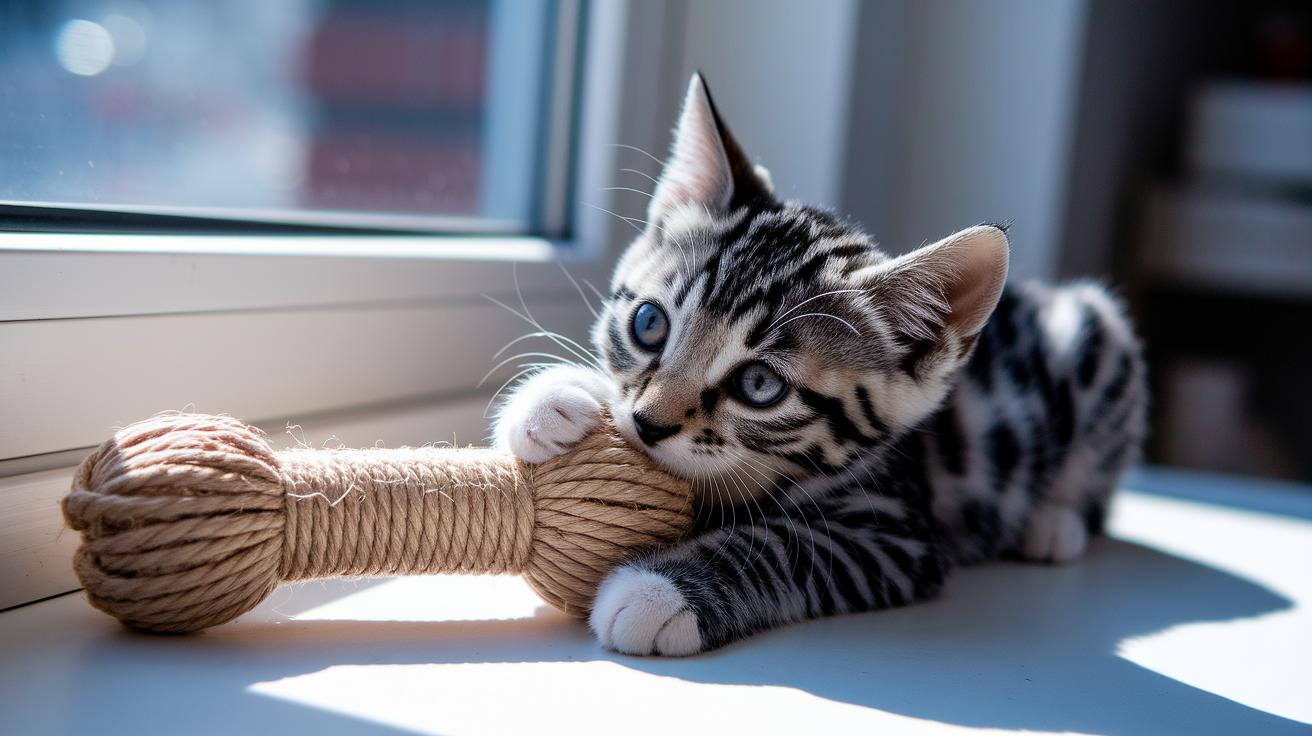
    Worth every paw print.

    Age-Specific Timelines and When to Seek Professional Guidance for Litter Training

    - Age-Specific Timelines and When to Seek Professional Guidance for Litter Training.jpg

    Ever watched your kitten paw at the carpet like it’s a magic puzzle? Some tiny furballs start digging by three weeks old, but you’ll hit the sweet spot at 8 to 12 weeks for organized practice sessions (short, fun moments in the box). Keep track of the first time your kitty gets it right, then cheer on three straight accident-free days. Once that’s in the bag, you’re ready to level up the training!

    When should you worry? If your kitten strains to pee (muscles tensing with every step) or you spot blood in the litter box, call the vet. If dinner no longer brings those happy meows and appetite just vanishes, that’s another red flag. And if your training stalls for more than a couple weeks, puddles popping up in odd spots, don’t wait. Professional help can save you both a lot of stress.

    FAQ: Quick Answers on Litter Training a Kitten

    - FAQ Quick Answers on Litter Training a Kitten.jpg

    • Can I toilet train a kitten? Not really. It can be risky for tiny paws to slip off a slippery seat, and kittens often get confused when you swap their box for your throne. Stick to a low-sided, kitten-friendly box (see Troubleshooting).

    Final Words

    Jumping straight into the action, we covered six key steps: prepping a kitten room, picking the right box and litter, setting up post-meal sessions, spotting elimination cues, rewarding correct use, and staying on top of cleaning.

    Then we tackled common hiccups with box placement, litter tweaks, and knowing when to ask the vet. You’ve also got an age-based timeline (8–12 weeks) and a quick FAQ for those “what now?” moments.

    Stick with these tips and mastering how to litter train a kitten will feel natural. Here’s to clean floors and a happy whiskered friend!

    FAQ

    What is the best litter for kittens?

    The best litter for kittens is unscented, low-dust, non-clumping plant-based or paper substrate (soft sand-like texture). Fill 1–2 inches in an open, low-entry tray for easy access and safety.

    How can I litter train my kitten quickly and effectively?

    Litter train your kitten quickly and effectively by offering a low-entry box after meals and naps, mimicking digging, praising each correct use, and keeping sessions brief. Consistency speeds success.

    How can I train a kitten without a litter box?

    Training a kitten without a litter box involves using shallow trays lined with puppy pads, gently placing them after meals or naps, rewarding correct elimination on pads, and gradually swapping pads for litter layers.

    How can I litter train a kitten that was previously outside?

    Litter train a previously outdoor kitten by confining them in a quiet room with a low-entry box, setting elimination schedules after meals and play, guiding with gentle scratching, and praising each successful use.

    When is it too late to litter train a cat?

    It’s never too late to litter train a cat. Even adult felines learn with patience. Use a low-entry box, consistent routines, gentle guidance, and positive rewards. Seek vet advice if problems persist.

    How can I stop my kitten from peeing and pooping in the house?

    Stopping your kitten’s peeing and pooping in the house involves immediately guiding them to the box after accidents, using enzyme cleaner on soiled spots, adding extra boxes, and rewarding correct use.

    How long does it take to train a kitten to use the litter box?

    Training a kitten to use the litter box typically takes a few days to several weeks. Intervals vary by age and consistency. Keep routines after meals and naps, and praise every correct visit.
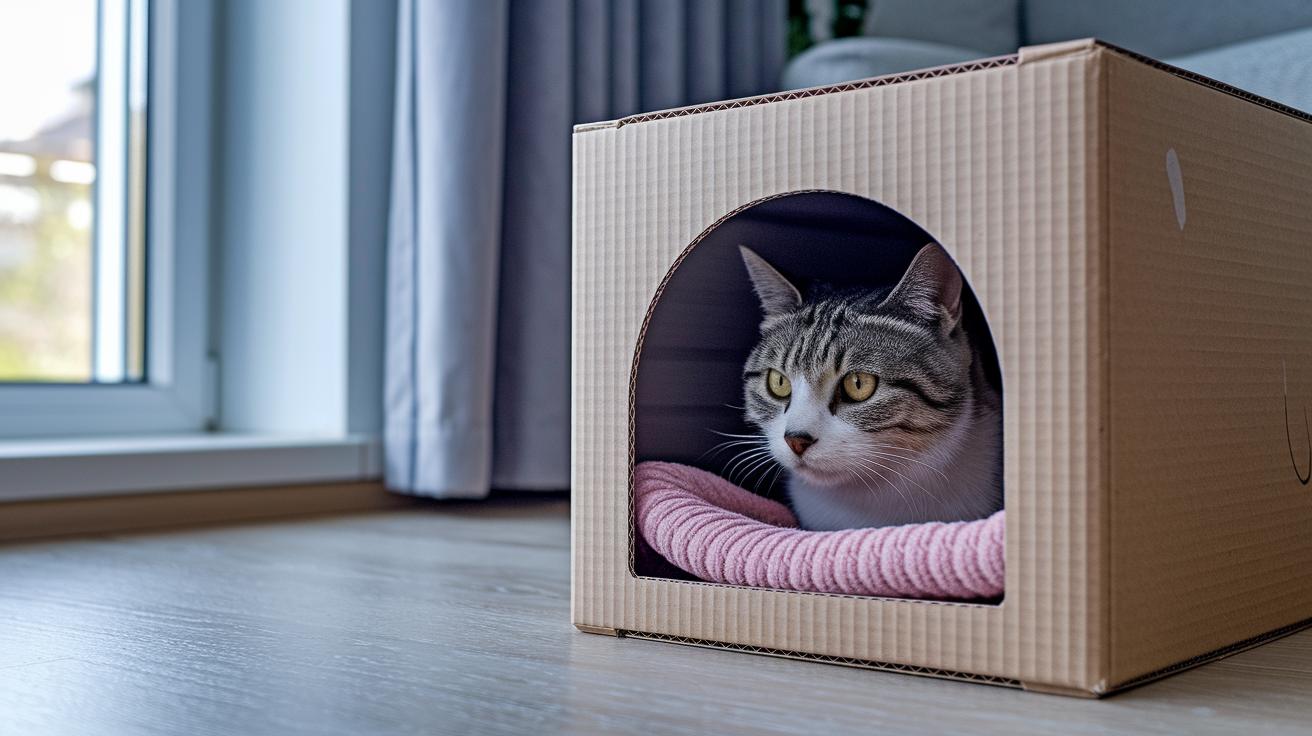
    Do kittens learn to use the litter box on their own?

    Kittens show natural elimination instincts, but they benefit from guidance. Introducing a low-entry box after meals, demonstrating digging behavior, and rewarding correct use helps them learn faster than leaving them entirely on their own.

    Related Articles

  • how do cats claws work in Impressive Precision

    how do cats claws work in Impressive Precision

    Ever felt the soft thud of your cat’s paw on the floor, followed by tiny hooks flexing against your rug?
    You’d think those claws are just sharp playthings.
    But they’re actually precision tools your kitty uses to climb, catch, and protect.

    Did you know each claw can press with over twenty pounds of force?
    Under that soft paw, little bones (hard bits that shape the claw), tendons (stringy tissues that pull on bones), and ligaments (elastic bands that link bones) team up like a tiny toolbox.
    It’s like a switchblade that pops out on command.

    They fold away too.
    When your cat is stalking that red dot or batting a feather toy, the claws stay tucked under the fur.
    Silent.
    Ready to spring at a moment’s notice.

    Let’s peel back the layers behind each pounce, scratch, and climb.
    You’ll discover how claws work with perfect timing and strength.
    Seriously.
    It’s claw-tastic.

    Cat Claw Anatomy and Biomechanics: Core Summary

    Cat Claw Anatomy and Biomechanics Core Summary.jpg

    Ever wondered how do cat claws work? It starts at the third phalanx, the little bone at each toe’s tip. This bone holds a growth center fed by blood vessels and nerves, so claws develop right around it. Think of a tiny switchblade popping open and snapping shut, that’s your cat’s claw in action thanks to precise feline nail anatomy.
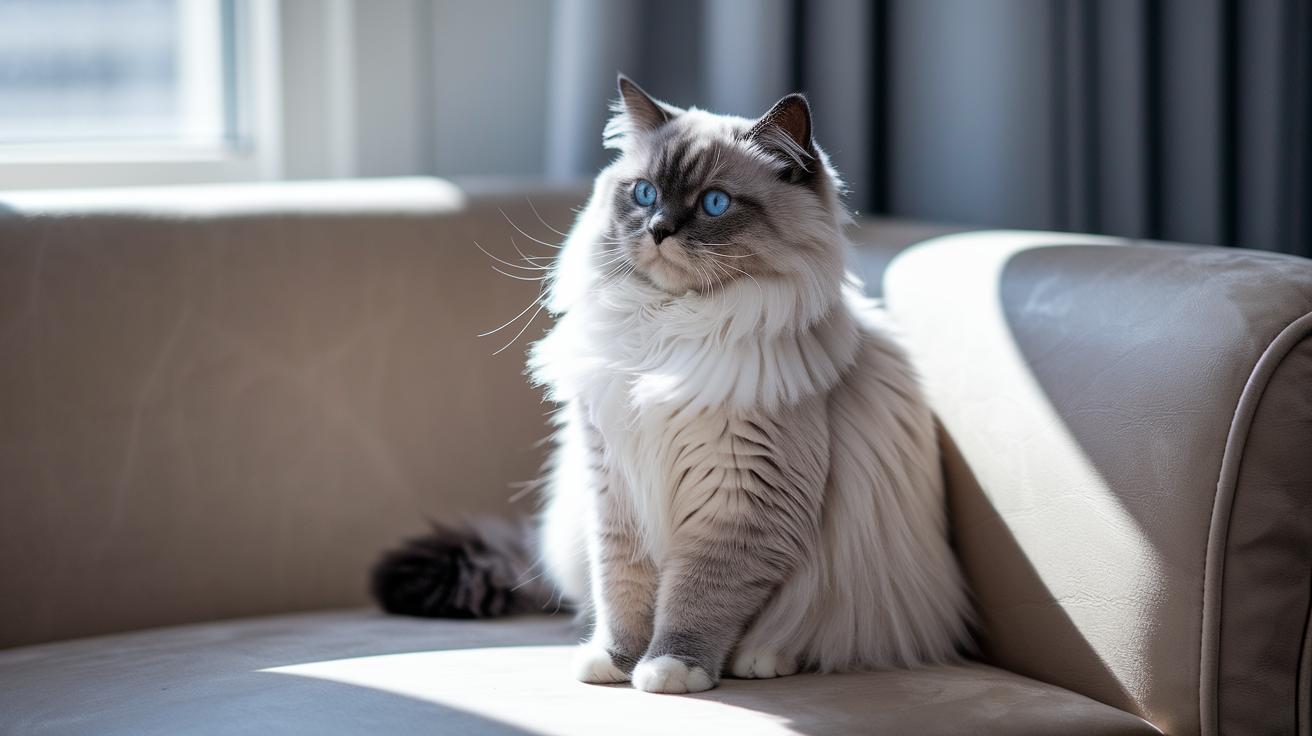
    The retractable nail mechanism relies on flexor and extensor tendons plus elastic ligaments. When a cat flexes its paw muscles, a flexor tendon pulls the claw out for scratching or hunting. Then the extensor side relaxes and an elastic ligament tug-back lets the claw tuck neatly into the fluff between toes. This combo lets cats stalk silently or grip bark without wearing down every edge.

    Claws aren’t one-and-done tools. They grow continuously from the distal phalanx, adding keratin layers like rings on a tree. Old outer layers slough off when your cat scratches a post or rough surface, revealing a fresh, razor-sharp shell. This self-renewal keeps claws ready for play, climbing, and defense, so you never have to ask again how do cat claws work when you see them pounce.

    Cat Claw Growth Cycle and Maintenance

    Cat Claw Growth Cycle and Maintenance.jpg

    Ever watched your kitty knead the carpet until you hear that scratch-scratch sound? Those claws grow from the quick (the pink, blood-rich core at each claw’s base) and layer on keratin (the tough protein in nails and hair). When your cat scratches rough surfaces or a post, old sheaths (the outer coverings) slough off. So yes, do cat claws grow back? They sure do, as long as the quick stays healthy and injury free.

    Nutrition plays a big part in claw health. A diet rich in biotin (the B-vitamin that builds strong nails) helps keratin form tough layers. And plenty of water keeps sheaths (the claw’s outer shell) flexible so they peel away clean.

    Kittens learn to retract (tuck away) their claws and grow proper sheaths by about four to eight weeks old. Senior cats often get thicker nails and slower sheath shedding as they age, and some are born with misshapen nail beds that can cause ingrown claws. Watch for dry air or big humidity shifts. Your cat might cast extra sheaths in those seasons.

    Keeping claws trim and split free is easier than you think. Check every six to eight weeks or whenever you spot a curl.

    Steps to a purr-fect trim:

    • Gently hold your cat’s paw and press between the pads to reveal the claw.
    • Snip only the clear tip, never the pink quick (ouch!).
    • Use sharp, cat-specific clippers (like little nail scissors) and cut at a slight angle.
    • If you nick the quick, stay calm, then dust on some styptic powder.
    • Whisper sweet words or offer a treat to turn this into bonding time.

    Routine checks plus a healthy diet keep each claw in tip top shape. Worth every paw print.
    Functional Roles of Cat Claws in Hunting, Climbing, and Defense

    Functional Roles of Cat Claws in Hunting, Climbing, and Defense.jpg

    Sharp, retractable claws are like your cat’s built-in catcher’s mitt. Each curved keratin (the tough protein in nails) tip can pierce fur or scales, grabbing on with about 50 N (roughly 11 pounds) of force. Ever spot your cat’s whiskers twitch as it creeps across the floor? That silent sneak only works because the claws hide until the exact moment of the pounce, then they shoot out in a blink.
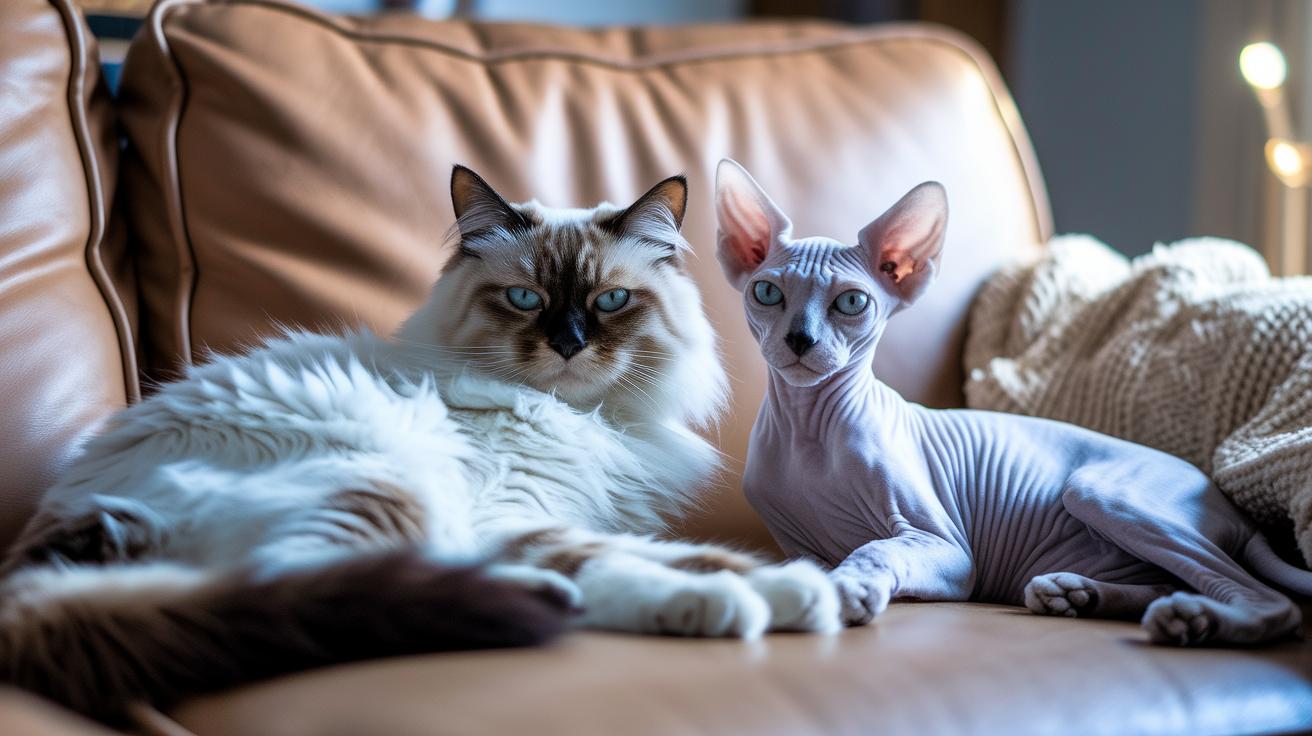
    Claws are climbing champs, too. When your furball springs onto a tree limb or the back of your couch, those hooks dig into bark or upholstery, anchoring it by the distal phalanx (the tiny bone at each claw’s base). You might hear a soft thud as they latch on, then feel the satisfying pull as your cat hauls itself up with perfect balance.

    And for defense? Those slashing arcs are more than drama, they’re a clear “back off” message to anything scary. With a flex of the paw, cats unleash razor-edge hooks faster than you can blink! Oh, and between their toe pads, scent glands deposit teeny pheromone drops, kind of like cat graffiti marking their turf.

    Claws even moonlight as a grooming tool. Your kitty will scratch rough surfaces to peel away old sheaths of keratin and loose fur, revealing a fresh, sharp edge. Seasonal sheath-shedding keeps every claw ready for the next chase or an epic climb to your highest windowsill.

    Behavioral Insights: Scratching, Kneading, and Territory Marking

    Behavioral Insights Scratching, Kneading, and Territory Marking.jpg

    When your cat arches its back and digs in, that’s the scratching instinct in action. It stretches forelimb muscles, peels away old sheaths (the outer claw covers), and sharpens each keratin (tough protein) tip. Ever watched your kitty spring onto a scratcher, claws out like mini grappling hooks? It’s a muscle workout and a claw tune-up in one satisfying swipe.

    But scratching isn’t just a nail tune-up. Those scent glands in paw pads are like tiny perfume pumps, leaving pheromone messages that say “this is mine” to other cats. Sometimes you’ll spot frantic, racing scratches, that’s your cat kicking out stress or boredom. No proper outlet? Poor couch turns into a midnight talon assault.

    Kneading goes back to kittenhood, when paws pressed mama’s belly to coax milk. Now adult cats press and purr for pure comfort. Their claws flex and retract as they massage fur and skin, spreading natural oils that keep coats sleek and shiny. It’s grooming and a cuddle all rolled into one.

    To keep claws happy and furniture safe, try these enrichment ideas:

    • A scratching post wrapped in sisal (a rough twine from agave plants), carpet, or sturdy cardboard
    • Interactive scratch toys with dangling feathers or rolling balls for extra fun
    • Grooming gloves for a quick rub-and-pet session that removes loose fur
    • Nail caps or gentle trimming, especially helpful for polydactyl cats (those with extra toes)

    Set out the right tools and watch your kitty switch from couch attacker to happy scratch machine. Happy paws, happy home.

    Claw Health and Medical Considerations

    Claw Health and Medical Considerations.jpg

    Ever notice your cat’s claws curling strangely or crumbling like chalk? That could be onychodystrophy (a nail growth problem). When claws get brittle, they crack and let germs in. And if your long-haired buddy has fluffy paw fur, those toes can pick up a fungal infection (think itchy red skin). Your vet can prescribe topical antifungals (creams or liquids that fight fungus) if it won’t quit.

    Some kittens inherit nail disorders, so start checking their claws early, like as soon as they start exploring. And to prevent pad abrasion, swap rough surfaces for sisal scratchers (a strong rope mat). Your cat’s paws will thank you.

    Ouch. Clip the quick (that pink, blood-rich core) and it bleeds fast. Press a little styptic powder (a powder that stops bleeding) to seal the wound and calm your cat. If your kitty limps more than a day, an ultrasound (sound waves that peek under the skin) can spot torn tendons. An X-ray will show if a bone chip needs fixing.

    For deeper damage, an MRI (a detailed scan like an inside-body camera) helps find hidden sheath or ligament tears. Many vets use laser therapy (a precise light beam) to speed tendon repair so your cat can leap without wincing.

    Speaking of help, professional groomers with a vet background can trim claws safely and recommend padded scratch mats. That way your cat’s pads don’t get scraped while healing.

    Cat scratch disease lurks in stray punctures, so wash every scratch right away with mild soap and water. If your kitty feels sore after a trim, ask the vet about joint-friendly gels or a gentle paw massage to ease discomfort.

    Declawing? Big debate. Many cat lovers choose soft caps (tiny nail covers) or extra training instead of removing the nail bone. It’s more humane. After an injury, slow play sessions and low-profile posts help your cat rebuild confidence. Some vets even team up with rehab specialists to craft a healing plan made just for your kitty.

    Alternatives to Declawing: Protective Measures and Enrichment

    Alternatives to Declawing Protective Measures and Enrichment.jpg

    Soft nail caps (small plastic covers glued over the keratin sheath (the outer nail layer)) help blunt those pointy tips for about four to six weeks. They slip on like tiny sneakers, so cats can stretch, climb, and scratch without turning your couch into modern art. When the caps start to wear or it’s time for a trim, just swap them out (see do cat claws need to be trimmed). You’ll save your furniture and keep your kitty feeling feline fine.

    Anti-scratch furniture covers and double-sided tape strips give cats a not-so-fun texture to shred, um, gently steering them away from your sofa. A quick spritz of pheromone-free repellent spray on arm rests can nudge them toward sisal-wrapped posts or carpeted ramps. Then toss in an interactive scratch toy (think cardboard scratcher with dangling feathers) for extra claw-tastic fun! Really.

    Worth every paw-print.

    Many places now ban declawing outright. It’s against the law in more than 20 countries. Vets and rescues often push for soft caps and behavior training instead of amputation, because removing the entire third phalanx bone (the last joint in the toe) can alter a cat’s gait and cause chronic pain. In truth, it’s all about your cat’s well-being.

    If you have a polydactyl pal (that’s a kitty with extra toes), measure each paw carefully and trim more often. Custom cap sizes plus regular clipping (and tips from do cat claws need to be trimmed) help extra-toed friends keep their claws in shape. Some breeders even choose for tougher keratin (that’s the hard part of the nail) so claws stay strong naturally.

    Evolutionary Perspectives and Wild Cat Claw Adaptations

    Evolutionary Perspectives and Wild Cat Claw Adaptations.jpg

    Ever notice how your house cat tucks its claws away? It’s a clever trick felids perfected long ago. By hiding their sharp keratin (that’s the same tough stuff in our fingernails) inside a sheath, they stay razor sharp until the purrfect moment.

    Think of lions and tigers – they’ve got thick, curved keratin layers built for grappling hefty prey. It’s like having power and precision in one tool. They balance speed vs grip so they can wrestle a buffalo or hang on to a wriggling antelope.

    Cheetahs do things differently. Their claws only tuck in part way, giving them extra traction when they rocket across the savanna. Seriously, it’s their secret to being the fastest land animal.

    Then there’s the bobcat, a shorter but sturdy hunter. Its claws are stout (short and strong) – perfect for diving into thick brush after a rabbit. Lynx claws even sport little fur tufts at each toe, acting like tiny snowshoes that boost sensitivity on icy ground.

    Servals are the gymnasts of the cat world – they spring up trees in one graceful bound with their climbing claws. Mountain lions tackle steep rock faces by digging in their sturdy claws as they descend. Seeing them in action is jaw dropping.

    Wild cats also update their claws with the seasons. When humidity climbs, they shed the old sheath (like tossing out a worn cover) to reveal a fresh, sharp edge. Outdoors, rough bark and stone work as natural nail files, scraping off old keratin layers. Indoor cats miss that filing session, so their claws stay smooth but end up a bit dull.

    Uh, it’s pretty cool how a cat’s world – from sun baked plains to your living room carpet – shapes its claws. Next time your kitty digs into a scratching post, you’ll know it’s doing exactly what wild cats have done for millions of years.

    Final Words

    We’ve seen where claws come from, how cats extend and retract them, and why they’re so sharp. Then we learned about growth cycles, trimming, health tips, hunting, climbing, scratching habits, and gentle alternatives to declawing.

    So next time you watch paws flex and toes splay, you’re seeing biology and behavior in action. Stick around; your multi-cat crew will thank you with happy pounces.

    Seeing how do cat claws work up close can feel like magic.

    FAQ

    Why do cats extend their claws when you pet them?

    Cats extend their claws when you pet them because kneading reflexes trigger flexor tendon contractions, boosting muscle tone and comfort. Overstimulation can also cause reflexive protraction, giving a gentle grip as they enjoy the touch.

    How do cat claws work and retract?

    Cat claws work like a switchblade: flexor tendons tighten to extend the claw, while extensor tendons and elastic ligaments relax to retract it, keeping tips sharp and hidden when not in use.

    What is the anatomy of cat claws?

    Cat claw anatomy includes the distal phalanx bone as a base, a blood-rich quick supplying nerves and growth, and a layered keratin sheath that sheds to expose fresh, sharp claw surfaces.

    How many claws do cats have on one paw?

    Cats have five claws on each front paw, including the dewclaw, and four claws on each back paw, totaling 18 claws across all four paws in most felines.

    What is the cat’s claw herb?

    The cat’s claw herb is a South American vine (Uncaria tomentosa) known for its immune-supporting properties and anti-inflammatory compounds, not related to feline nail care.

    Do cats control their claws?

    Cats control their claws through voluntary muscle signals that tighten flexor tendons to protract or relax them to retract, allowing silent stalking and precise grip on surfaces.

    Do cats know how sharp their claws are?

    Cats know how sharp their claws are instinctively, as sensory nerves in the quick relay feedback on pressure and texture, helping them adjust force during play or hunting.

    Related Articles