Author: Nathaniel Price

  • how do cats cry Gentle Cues, Soothing Care

    how do cats cry Gentle Cues, Soothing Care

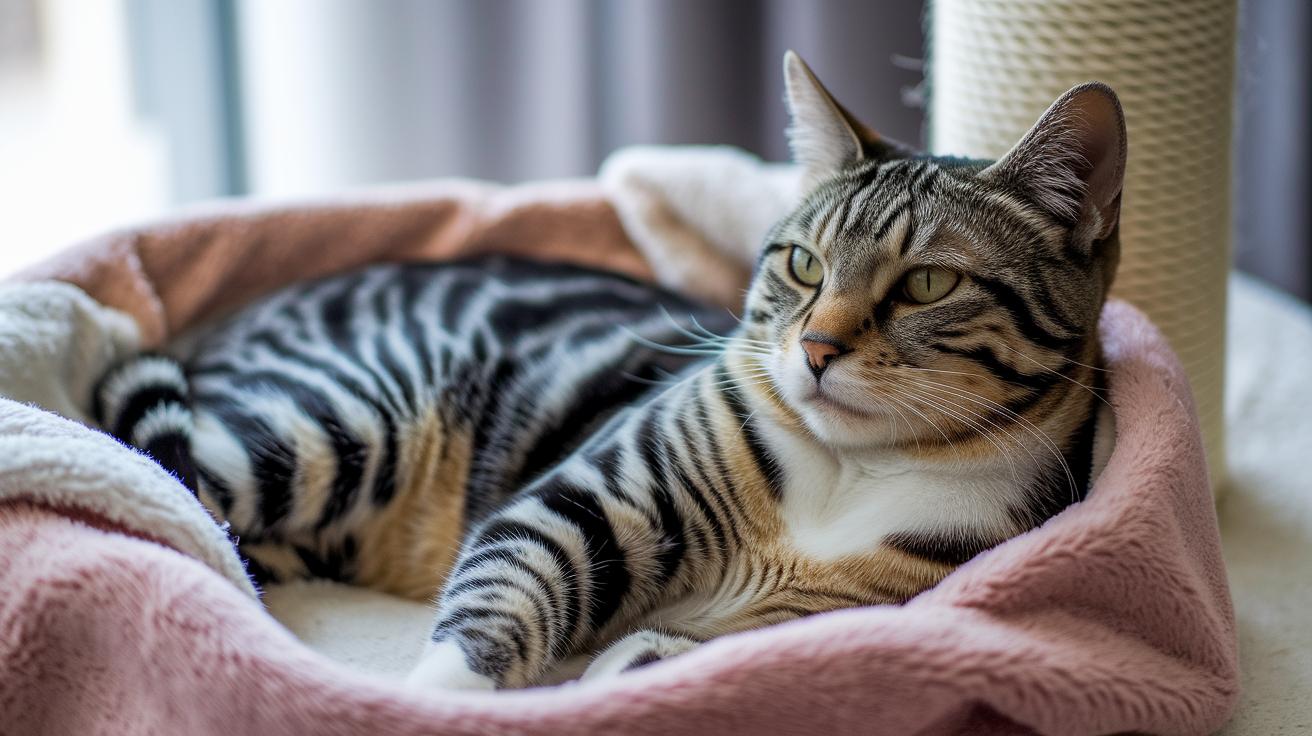
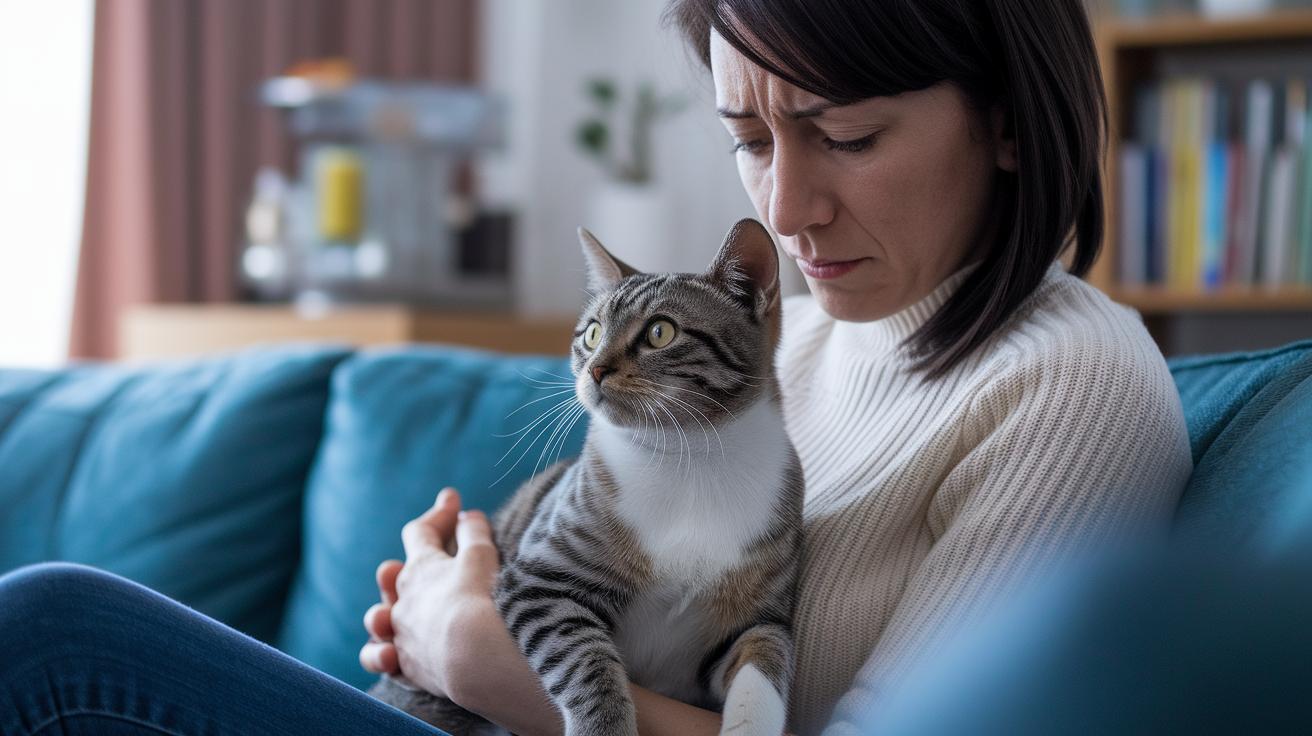
    Ever catch a tiny tear sliding down your kitty’s cheek? Makes you wonder – is she feeling blue?

    Trust me, you’re not the only one! Oops, let me rephrase that… we’ve all paused at a teary eye thinking the same thing.

    But um, cats don’t cry emotional tears like we do. Those glistening drops come from tear ducts (tiny eye pipes) that keep their eyes clean.

    When your cat feels hungry, uncomfortable, or stressed, she’ll meow, yowl, or give a soft whimper to let you know.

    So in this post, we’ll spot those subtle hints – like a faint mewl or an extra-watery eye – and share simple, soothing tips to keep your feline friend purring and paw-sitively comfy.

    Understanding Cat Crying: Vocalization and Tear Production
    Understanding Cat Crying Vocalization and Tear Production.jpg

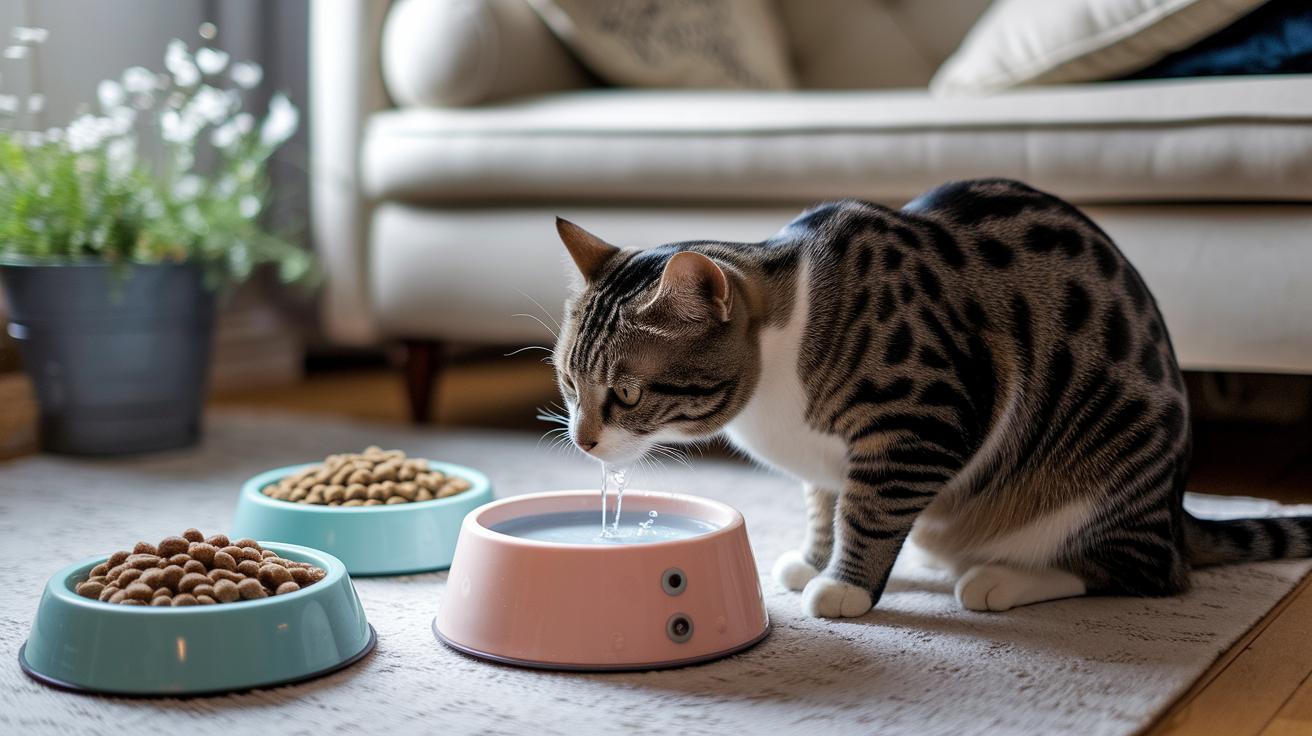
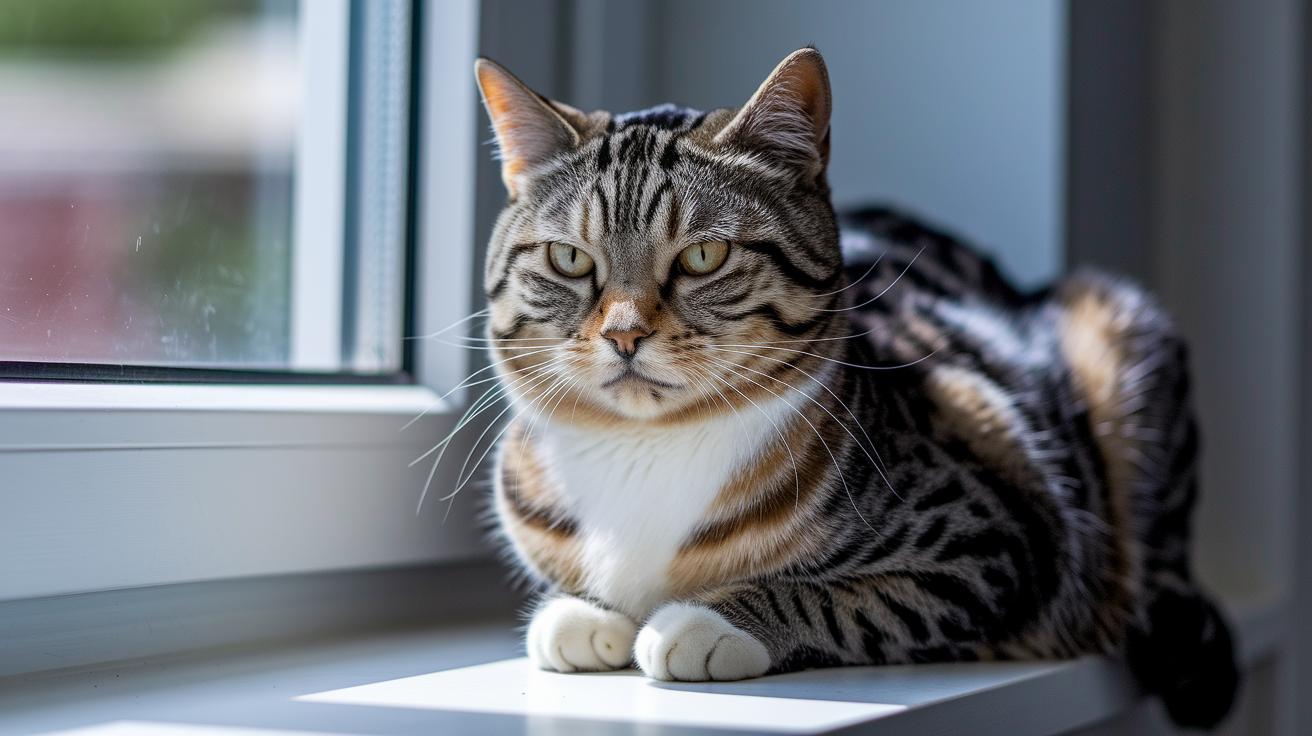
    Cats don’t cry tears like we do when we’re sad. Their eyes drip a bit of liquid to keep the surface smooth, wash away tiny dust bits, and guard against infection. This clear rinse comes from a small tear-maker near each eye (the lacrimal gland). So when you see a glistening drop at the corner of your cat’s eye, it’s just nature’s mini car wash.

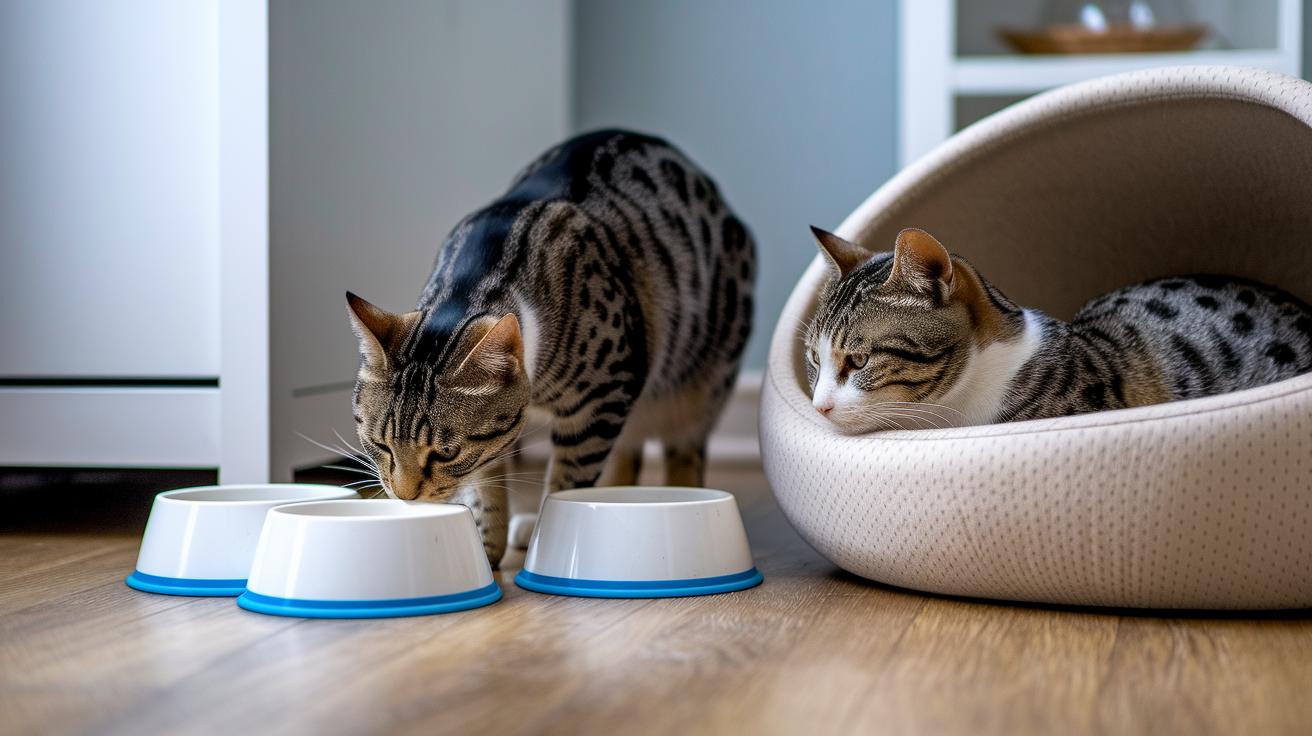
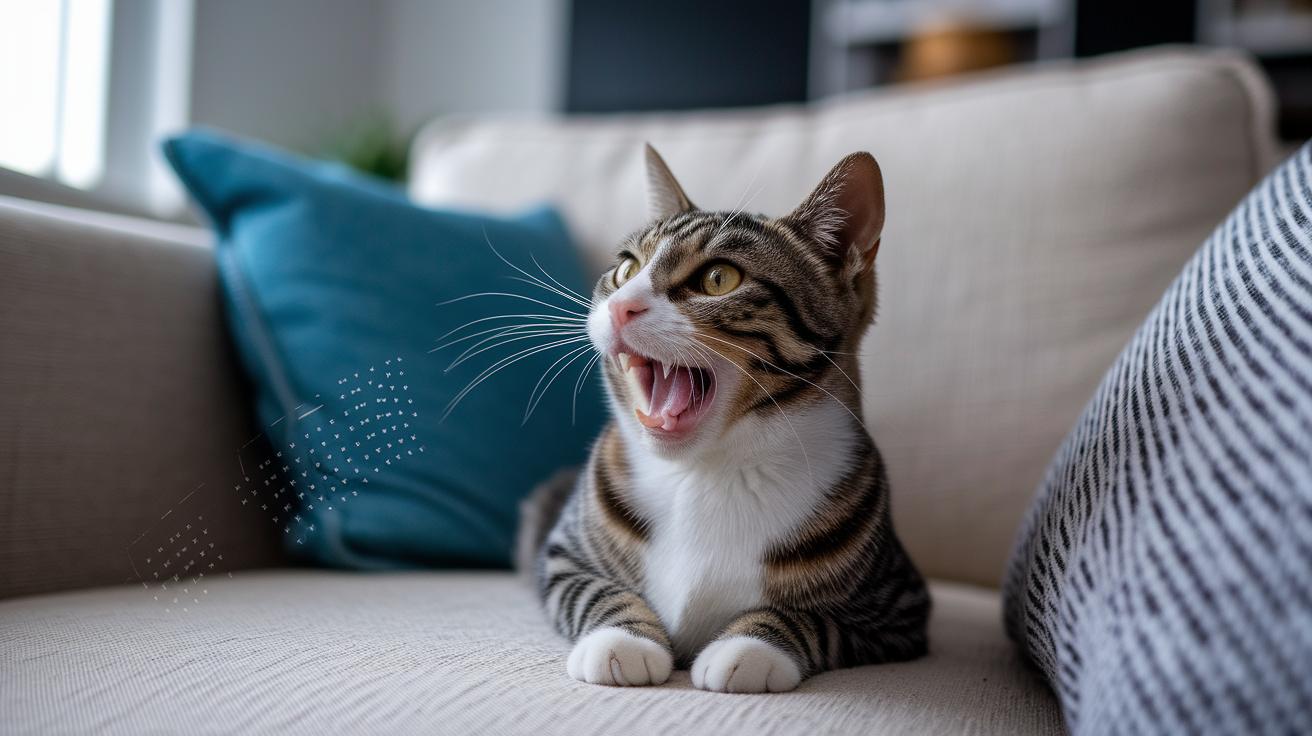
    Meows, yowls, and soft whimpers are how cats talk to us. A high-pitched meow usually means “feed me” or “pet me,” while a drawn-out yowl could signal discomfort or pain, like a sore tooth or a strained muscle. Whimpers often show stress or loneliness when you step out. All these sounds come from the voicebox (the larynx) and air pushed out of the lungs, not from tear ducts, purr-fect communication!

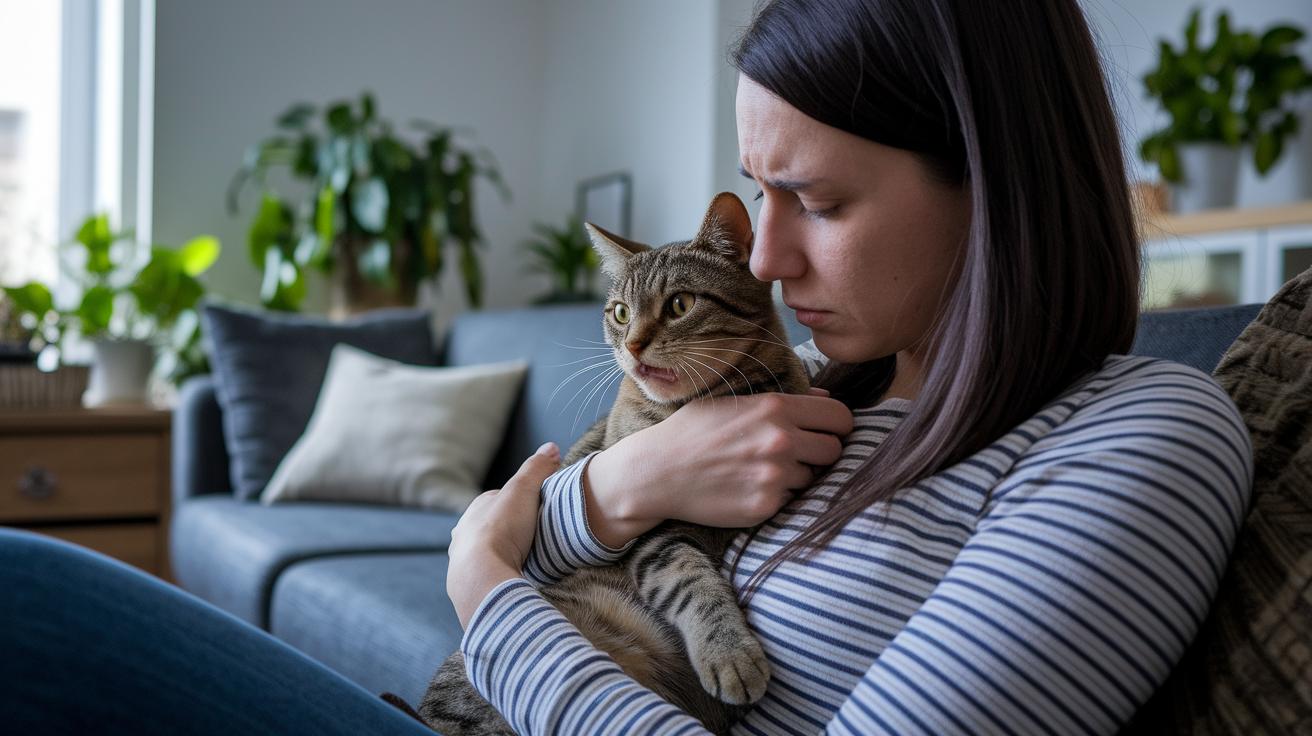
    Ever watched your kitty blink back a droplet and wondered if it’s sad? Cats don’t shed emotional tears, and stress or allergies might make their eyes water, not sorrow. Tears serve just one job: wash and protect the eye. If you spot clear tears or see your cat rubbing an eye, a quick vet visit can set you both at ease.

    No tissues needed.

    Common Medical Causes of Excessive Tearing in Cats
    Common Medical Causes of Excessive Tearing in Cats.jpg

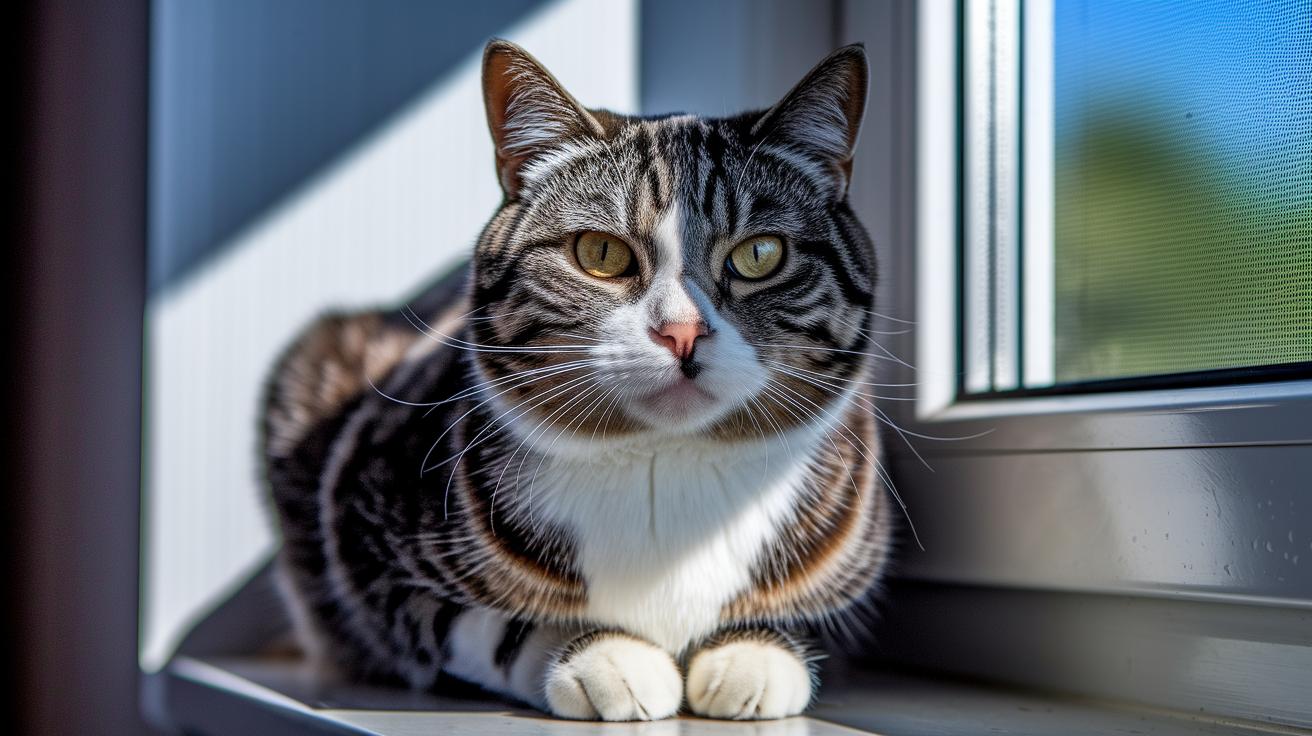
    Your cat’s eyes normally shed tears to wash away tiny bits of dust or dander. Ever noticed a wet streak on your kitty’s cheek? A tiny drip now and then is fine. But constant tears or brownish stains hint at something deeper.

    Allergies to pollen, dust, or certain foods can send those tears rolling. Conjunctivitis (pink eye) or other eye infections often show up as colored gunk or eyelid swelling. Tiny hairs or specks of debris can clog the nasolacrimal duct (tear duct), so tears just pool instead of draining away.

    And flat-faced (brachycephalic) breeds like Persians can get extra staining when skin folds pinch their ducts. Household irritants (smoke or strong cleaners) can also make eyes water. If you spot red, puffy lids or thick discharge, this isn’t normal and needs a closer look.

    When to Call the Vet: Eye Emergency Signs

    • Colored discharge that stays after 24 hours
    • Puffy or swollen skin around the eye
    • Constant redness or an inflamed look
    • Nonstop pawing or rubbing at the eye

    Worth a call to your vet if you see any of these signs.

    Decoding Cat Crying Sounds: Gentle Cues and Soothing Care
    Decoding Cat Crying Sounds Meows, Yowls, and Whimpers.jpg

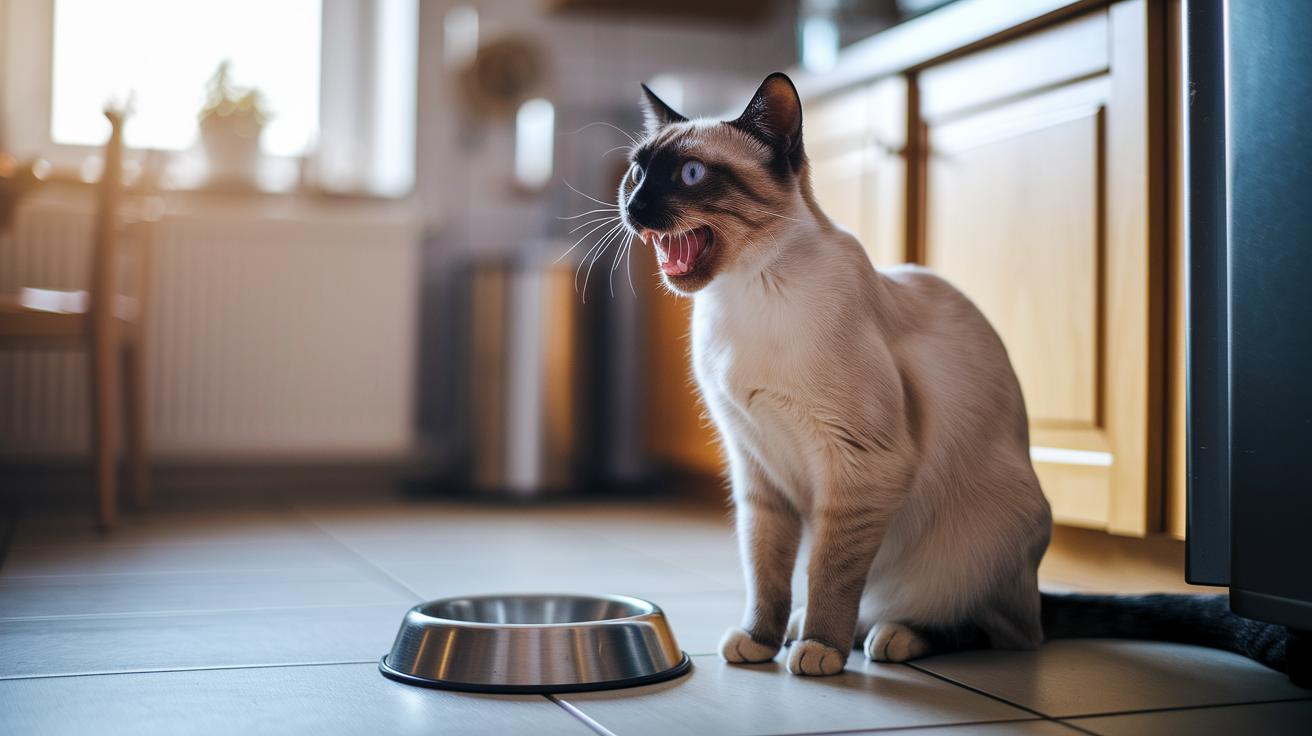
    Ever notice your kitty chatting at dawn? That morning meow often means breakfast time. Your cat’s whiskers twitch like radar when their bowl is empty. Before you bolt to the kitchen, toss a lightweight ball (with puncture-proof fabric (tough material that stops claw pokes)) onto the carpet. You’ll hear that soft thud and see their eyes light up. Or wiggle a teaser wand (think fishing rod for cats) to spark some feline fun. Ever seen them pounce like a tiny tiger?

    When the house feels quiet, you might hear gentle whimpers. It’s like a soft SOS, your cat saying “I’m lonely.” Give them a cozy hideaway box (a cardboard fortress) with a plush pillow (like a mini cloud). They’ll curl up and purr! Oops, make that two toys. Swap them out every few days so playtime stays fresh and exciting.

    Sound Type Behavior Cue Soothing Tip
    Meow Early-morning calls, whiskers twitching Toss a puncture-proof ball; refill bowl; chin scratches
    Yowl Long, drawn-out note; pacing or limping Check for pain; gentle pets; warm compress
    Whimper Soft murmurs, restless by the window Offer hideaway; teaser-wand play; soft chatter

    When to Call the Vet: Vocal Red Flags

    • Your cat’s yowling won’t stop after 30 minutes
    • Howls mixed with limping, restlessness or hiding
    • Whining that comes with refusing food or water
    • New, high-pitched screams that never quit

    Worth every paw-print.

    Red-Flag Signs That Require Veterinary Attention
    When to Seek Veterinary Care.jpg

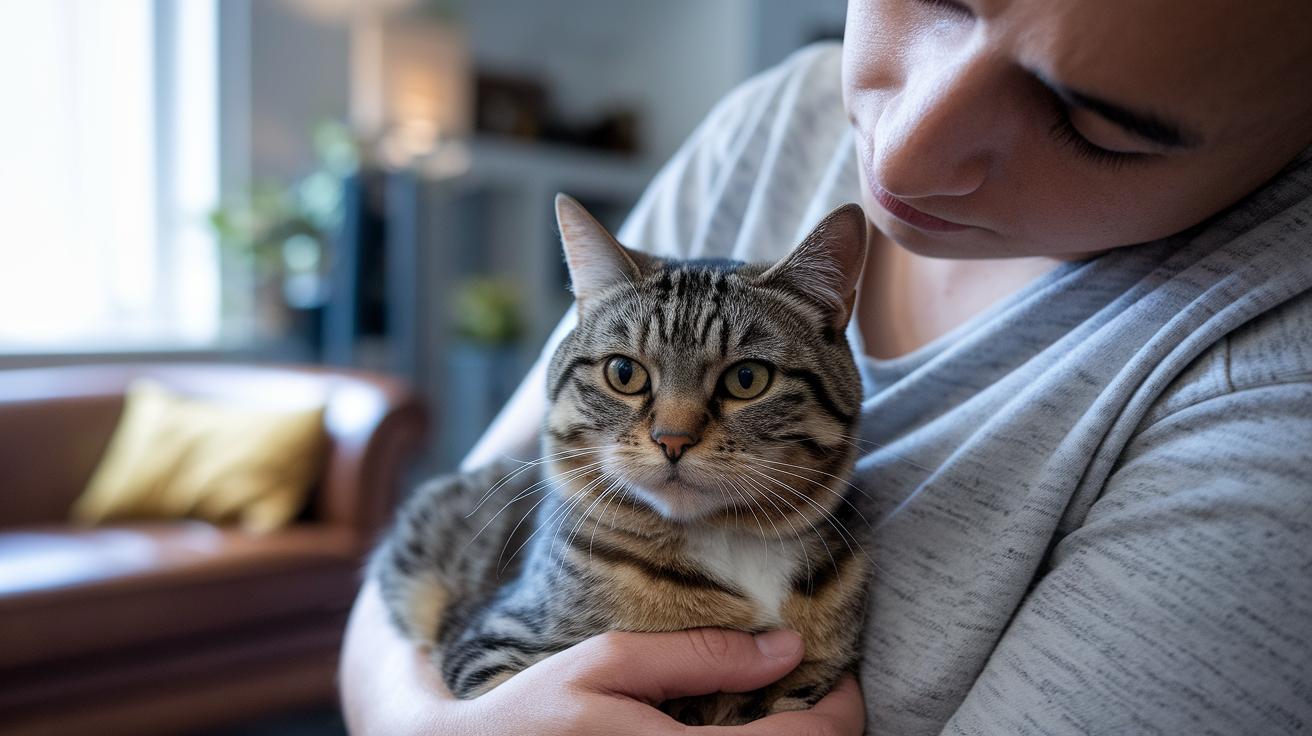
    Notice that wet gunk around your cat’s eyes? Persistent tear discharge (wet gunk in the eye) and puffy eyelids (swollen lids) might mean your kitty is in pain or fighting an infection.

    And when you hear that loud yowl – like a siren at midnight – or see your cat turn down dinner, it’s often a plea for help! Refusing to eat is a big red flag.

    Tear discharge teaming up with nonstop yowling? That’s double trouble and calls for quick action. Really.

    Soft crying meows plus hiding under the couch or moving in slow motion could be a hidden sign of pain. Monitor closely – your cat might be masking discomfort.

    Time is tight. Eye and vocal issues can worsen fast. Don’t wait.

    Use the quick chart below as your go-to checklist.

    Sign Combination Recommended Action
    Persistent tear discharge (wet gunk) + puffy eyelids (swollen lids) Contact veterinarian within 24 hours
    Continuous loud yowling (like a siren) + loss of appetite (refusing food) Contact veterinarian within 24 hours
    Tear discharge (wet gunk) + nonstop yowling (continuous loud meows) Contact veterinarian within 24 hours
    Soft crying meows + hiding or lethargy (sluggish movement) Monitor for 48 hours; if it sticks around, seek vet care

    Practical Home Strategies to Reduce Cat Crying
    Practical Home Strategies to Reduce Cat Crying.jpg

    Let’s start by clearing out stressors that make your kitty’s eyes water. Those scented candles, strong cleaning sprays, and cigarette smoke can turn into little tear triggers. Switch to gentle, unscented cleaners and open a window for fresh air. You’ll notice fewer sniffles and fewer dawn meows begging for breakfast.

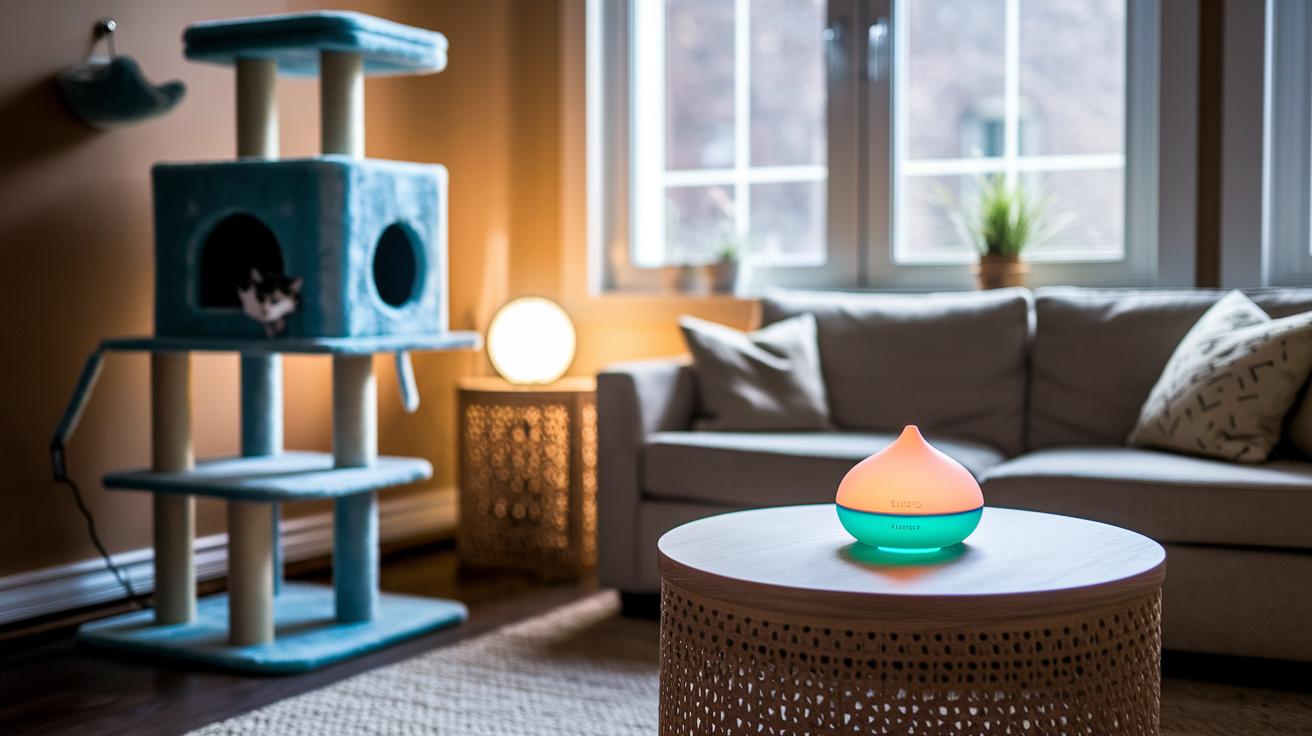
    Next, lock in a fun routine and plenty of play. Cats love set times – feed and play at the same hour each day so they know what to expect. Offer a tall cat tree with cozy perches and a scratching post (sturdy post wrapped in sisal rope – a rough plant fiber) for satisfying scratch sessions. Scatter a few plush mice (tiny stuffed toys) or a rolling ball so they can bat and pounce even when you’re busy.

    Then bring in extra help with calming aids that really purr-suade. Plug in a pheromone diffuser (it gives off a gentle cat scent that feels like a hug). Play soft cat music (yes, there are tunes made just for kitties) to ease their nerves. And drop a fluffy bed in a quiet corner – it feels like a soft cloud they can knead as they drift off.

    Final Words

    Understanding how cats produce tears and vocal cries gives you a clear view of why they might meow or show watery eyes.

    Spotting common medical triggers – blocked ducts, allergies, eye infections – and sound cues like meows, yowls or whimpers helps you know when to vet check.

    Mix simple home fixes – clean air, play sessions, pheromones – with a steady routine to curb cries and keep paws happy.

    Now you know how do cat cry and have all the tools to keep your crew purring.

    FAQ

    Do cats cry tears when sad?

    Cats don’t shed tears when they’re sad. Their tear glands only keep eyes moist and clear, not express emotion. Stress might irritate eyes and cause extra tearing, but not emotional weeping.

    Do cats cry tears when in pain?

    Cat tear glands react to irritation from injury or infection, but tears don’t signal pain directly. Painful conditions may trigger tearing due to eye irritation, but not emotional crying.

    Do cats cry tears when happy?

    Cats don’t produce tears when they’re happy. Their lacrimal (tear) glands only release moisture for eye health. Contentment shows in purring and relaxed body language, not watery eyes.

    Why do cats cry at night?

    Cats cry at night because they’re often hungry, lonely, or seeking attention. Their natural hunting routines can make them vocal after dark. A consistent feeding and play schedule may help.

    What is the spiritual meaning of a cat crying at night?

    The spiritual meaning of a cat crying at night can symbolize change, intuition, or a guardian’s message in some traditions. Often it simply reflects their needs, but many believe it carries deeper insight.

    How do cat cries sound?

    Cat cries sound like meows, yowls, or soft whimpers. Meows often mean hunger or greeting, yowls signal pain or mating calls, and whimpers can show anxiety or loneliness.

    How do I know if a cat is crying?

    You can tell a cat is crying by observing vocal distress like repeated meows or cries, watery or red eyes, and changes in behavior such as restlessness or hiding.

    What is a cat’s cry called?

    A cat’s cry is called a vocalization, which includes meowing, yowling, chirping, and chattering. Each sound conveys different needs, from hunger to mating or warning signs.

    What does a cat meow mean?

    A cat meow means your cat is seeking attention, food, or greeting you. Tone and pitch vary: a short meow might say “hello,” while a louder, drawn-out meow can request urgent needs.
    Related Articles

  • do cats hibernate Enjoy Warm And Active Winters

    do cats hibernate Enjoy Warm And Active Winters

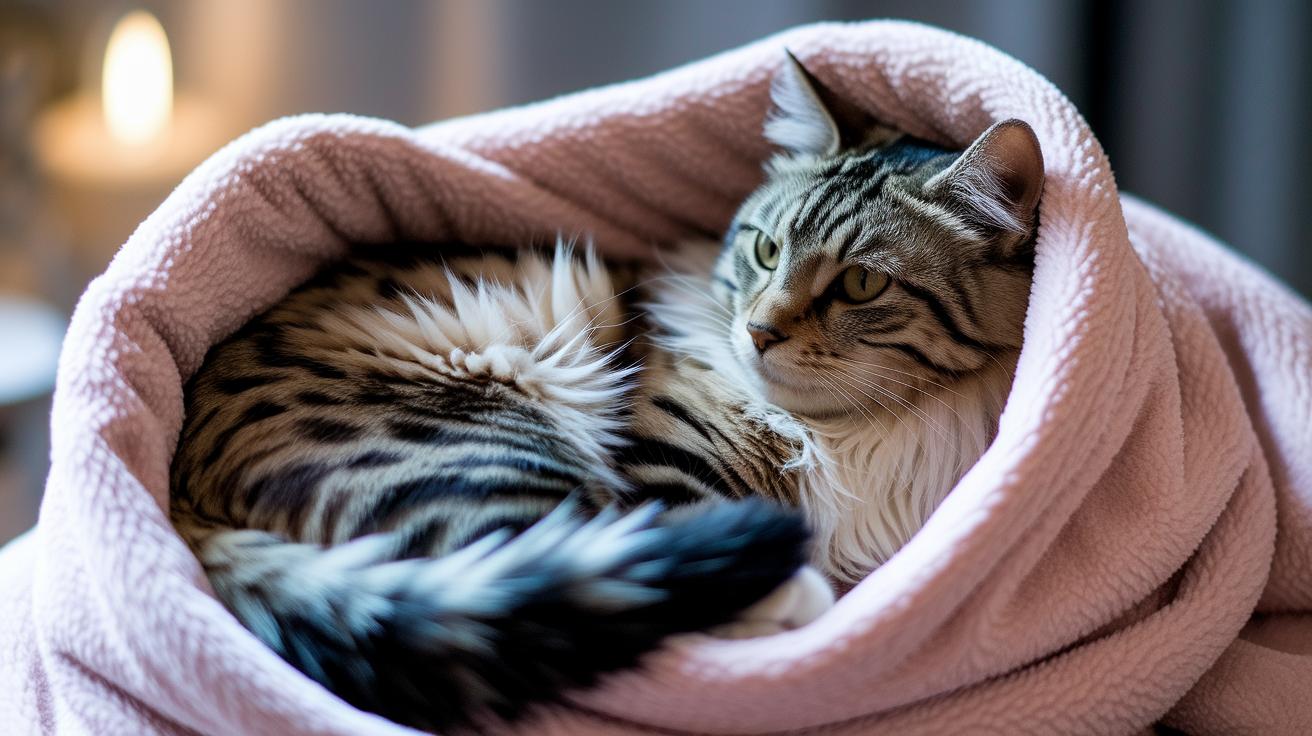
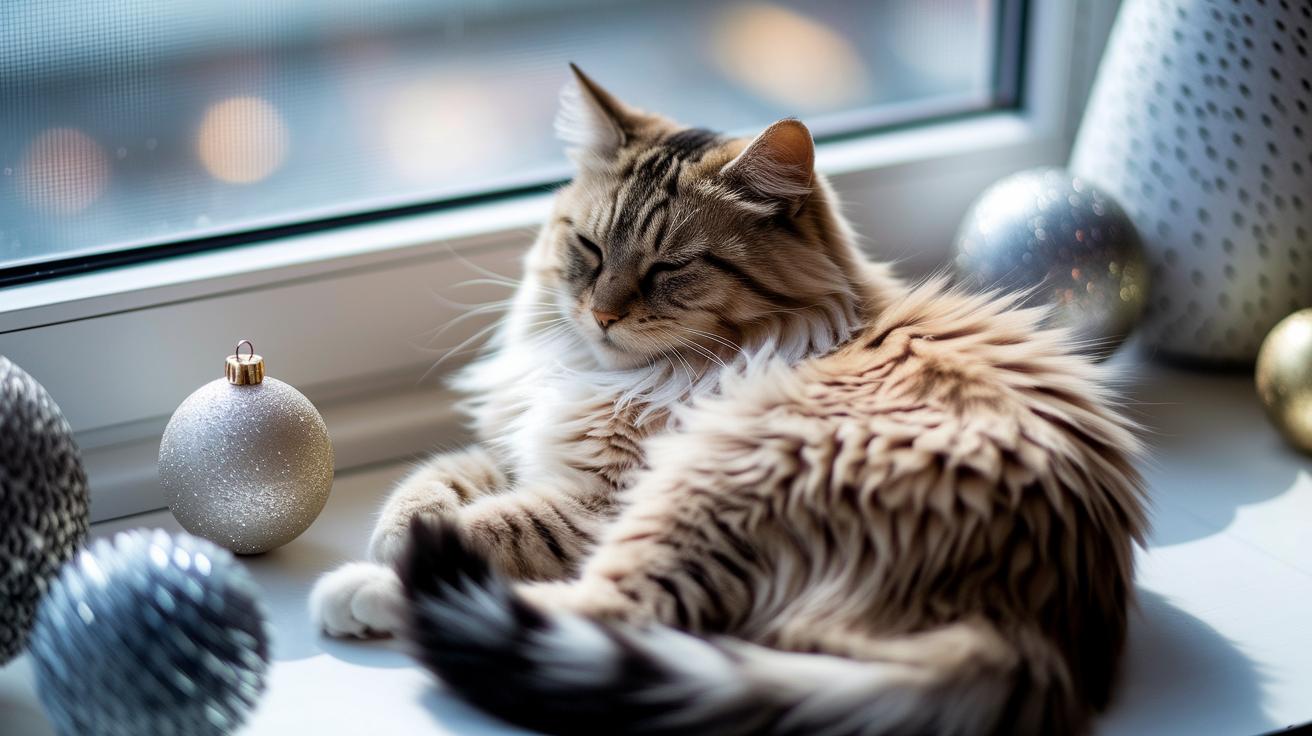
    Ever thought your kitty curls up and hibernates all winter? Actually, cats don’t hibernate like bears! They slip into a torpor (a quick dip in body temp). It’s more like a power nap. Then they pop right up, whiskers twitching.

    When cold weather hits, your cat’s fluffy coat and twitching whiskers act like tiny thermostats. Their fur puffs up, trapping heat like a sealed thermos flask (a mug that keeps drinks hot). You’ll still catch them chasing a fuzzy ball across the rug. Pure zoomies!

    Curious how your whiskered pal stays toasty and playful all season long? Let’s dive in.

    Cats and Hibernation: The Definitive Answer

    Cats and Hibernation The Definitive Answer.jpg

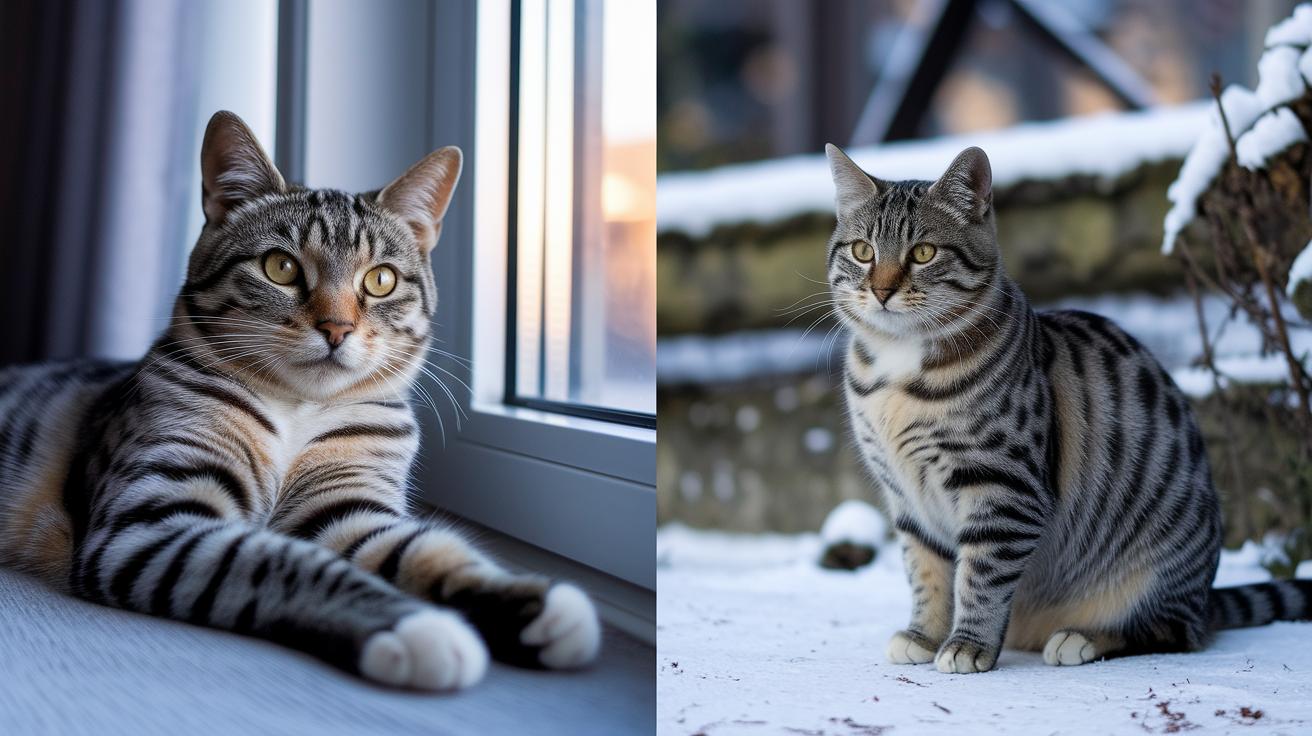
    Ever watched your kitty curl up on a snow-dusted windowsill and wondered if they’re drifting into hibernation? Spoiler: they aren’t! Winter chills don’t change their everyday rhythm. They still nap, stalk imaginary mice, and keep their body temp locked in, like a thermostat set to ‘purr-fect.’

    In truth, cats sometimes slip into torpor (a short, reversible drop in metabolism, which is how the body turns food into energy), but it’s more like a power nap than a months-long snooze fest. They slow down for a few hours, then snap right back, no deep hibernation here.

    Next, we’ll peek under the fur to see why felines skip real hibernation, hint: their lean muscles and high-energy ways. Then we’ll compare city cats and wild cats in winter, and bust the biggest myths about cat dormancy. Ready to pounce on the answers? Let’s dive in.

    Hibernation vs Torpor and Feline Physiology

    Hibernation vs Torpor and Feline Physiology.jpg

    Hibernation is like a sleep marathon, lasting days or even months. Torpor, by contrast, is a quick power-nap of just hours. Think of it as your cat’s mini siesta.

    Cats don’t dive into long cold spells. If their body temperature dips, it’s only a tiny drop, and it’s over in minutes. So one moment they’re curled up, the next they’re zooming around the room. Ever watched your kitty’s whiskers twitch as they spring awake?

    Even in the chill, a cat’s metabolism stays buzzing. That means their muscles stay warm and ready for action. And those whiskers? Always on twitchy alert.

    Adaptations of cats to cold:

    • Seasonal fur fluff: Cats grow a slightly thicker coat in winter, like a brushed-fleece hoodie that traps warm air next to the skin.
    • Peripheral vasoconstriction (blood vessels tightening at the skin): This pulls blood inward to keep the core toasty, kind of like a built-in heat bank.
    • Cozy spot selection: Your cat will seek out sunny windowsills, foam-lined beds (a super soft pad), or even your warm laptop for maximum snuggle points.

    Worth every paw-print.

    Domestic vs Feral and Wild Cats: Winter Behavior and Hibernation Myths

    Domestic vs Feral and Wild Cats Winter Behavior and Hibernation Myths.jpg

    Indoor cats sleep when we sleep. You hit the pillow, they do too. In winter, they stretch out longer day naps, then zoom around at dawn when you’re pouring your coffee. But calling it hibernation is just a mix-up, your couch-potato kitty won’t snooze away the whole season.

    Some believe feral cats vanish in January because they’re hibernating. In truth, wild cats don’t hibernate. You might see a cat slip into torpor (a short, sleepy state) on a truly frigid night, but it lasts only hours. Do cats hibernate like bears? Nope, they spring right back once the sun peeks through.

    So, cats use claw-ver cold-weather moves instead of real hibernation. They tuck into snug dens under porches, curl up in crunchy leaf piles (ever watched your kitty wiggle in those?), or burrow into thick brush. Their fur fluffs up (like a built-in sweater) for extra warmth. And if you leave fresh laundry lying around, they’ll claim your warm socks for a dreamy nap. These simple habits keep your feline friend cozy, curious, and ready to pounce all winter.

    Felid Winter Survival: Do Big Cats Hibernate?

    Felid Winter Survival Do Big Cats Hibernate.jpg

    Ever watched a bobcat padding through fresh snow at dawn? Big cats like lions and tigers don’t curl up and sleep all winter. They’re out prowling, um, keeping their body heat steady no matter the temp. So, how do these cool cats stay feline fine in the frost?

    Snow leopards live on rocky cliffs where cold winds roar. Their dense woolly undercoat (a thick fur layer) acts like nature’s strongest parka. They slip through blustery gusts on soft, silent paws ready to pounce. It’s wild watching them peek around ice-carved rocks for dinner.

    Lynx rock oversized, fur-lined paws (think snowshoes) to stay on top of deep drifts. You might see one stalking ptarmigan or hopping across a snowy log. Even cougars on chill mountain slopes move slow to save energy. Then they spring into action – zoom!

    Instead of a months-long snooze, these wild kitties bank on fat reserves and quick naps. They hunt most at dawn and dusk (crepuscular hours when prey is on the move). Later, they curl into a snug rock nook or fallen log to recharge. Their lean, alert muscles are always ready for the next chase.

    Worth every paw-print.

    Caring for Cats in Winter: Tips to Support Your Feline Friend

    Caring for Cats in Winter Tips to Support Your Feline Friend.jpg

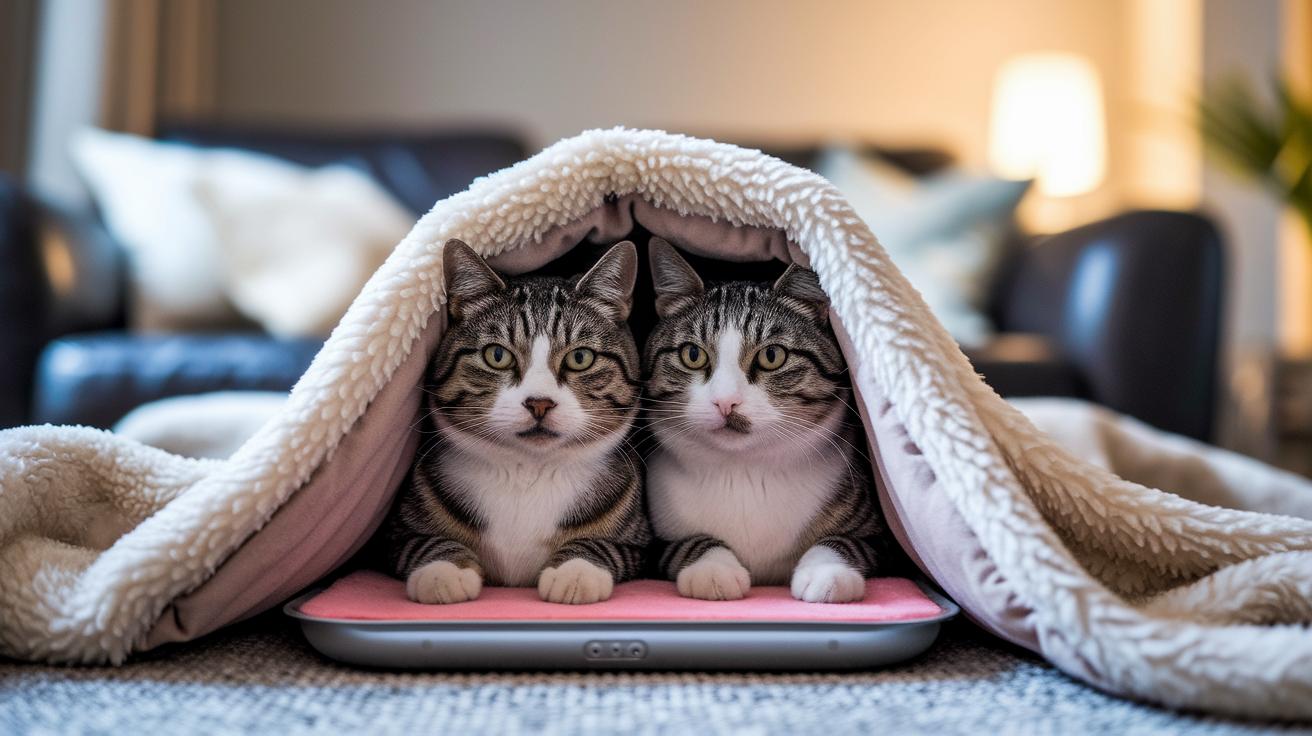
    Ever wondered if cats hibernate when the temperature drops? Nope, they don’t curl up and snooze away all winter. Indoor kitties still need cozy spots to stay toasty. Try a heated pad (an electric mat that warms a cat bed) or a blanket fort on a sunny windowsill.

    Keep fresh water in shallow bowls so it stays ice-free and your cat stays hydrated. Speaking of hydration, clean water helps with grooming and keeps fur soft. Um, and playtime counts too. A teaser wand (think fishing rod with feathers) and a quick chase across the carpet mimic hunting bursts and burn off lazy-day calories.

    Outdoor cats need snug shelters that stay dry and off the cold ground. A small wooden box lined with foam board (insulation that traps heat) with a flap to block wind and a cozy layer of straw or fleece inside works wonders. Stick a thermometer inside so you know when it’s time to bring them in. Wondering how cold is too cold? Check signs of frostbite and hypothermia at Do Cats Get Cold Outside?

    Senior pals might struggle with stiff joints in chilly weather. Watch for slower jumps or shorter strolls, that could be arthritis talking. A vet checkup for winter care will spot early sniffles or muscle aches. They can also adjust your cat’s diet for warmth and extra energy.

    Small changes now can mean cozy, happy winters ahead. Your cat will purr for the extra care.

    Final Words

    We’ve seen that cats keep steady temps and classic sleep patterns, not real hibernation. We compared torpor’s quick dips with true hibernation, plus feline fur fluff-ups and cozy habits.

    We looked at domestic, feral, and big cats, none dive into months-long dormancy. Winter resting rules stay short and sweet.

    Our care tips, warm beds, fresh water, extra play, vet checks, have your team ready for chilly days. And when someone wonders do cat hibernate, you can confidently say they don’t. Keep those paws playful and warm!

    FAQ

    Do any types of cats hibernate?

    No types of cats hibernate; domestic, feral, wild, and big felines maintain regular sleep–wake cycles and steady body temperatures, only entering brief torpor (short metabolic dips) in extreme cold.

    Do cats migrate?

    Cats do not migrate; they adapt locally by growing thicker fur, seeking warm spots, and adjusting activity patterns, staying within their territory year-round without seasonal long-distance travel.

    Do cats eat less in winter or what happens to cats in winter?

    Cats may eat slightly more in winter to fuel thicker coats and stay warm. They stay more indoors, nap more, and maintain energy with regular feeding despite shorter daylight hours.

    At what temperature is it too cold for cats?

    Indoor cats generally stay comfortable above 60°F; temperatures below 45°F risk hypothermia. Outdoor cats need insulated shelters and limited exposure once it dips under 50°F.

    Do cats sleep more on rainy days and do cats sleep 75% of their life?

    Cats sleep anywhere from 12 to 16 hours daily—about 50–66% of their life—and they often nap more on rainy or overcast days while staying alert during active breaks.

    Do dogs hibernate?

    Dogs do not hibernate; they remain active year-round, adapting to seasonal changes with thicker winter coats and adjusted play or exercise routines to stay comfortable in colder weather.

    Do bats hibernate?

    Some bat species hibernate in caves or tree hollows during winter, lowering heart rates and body temperatures for months to survive reduced insect availability.

    What animals hibernate?

    True hibernators include bears, ground squirrels, hedgehogs, some bats, and dormice; these mammals undergo prolonged metabolic depression and body temperature drops to survive winter.

    Related Articles

  • how long do cats upper respiratory infections last

    how long do cats upper respiratory infections last

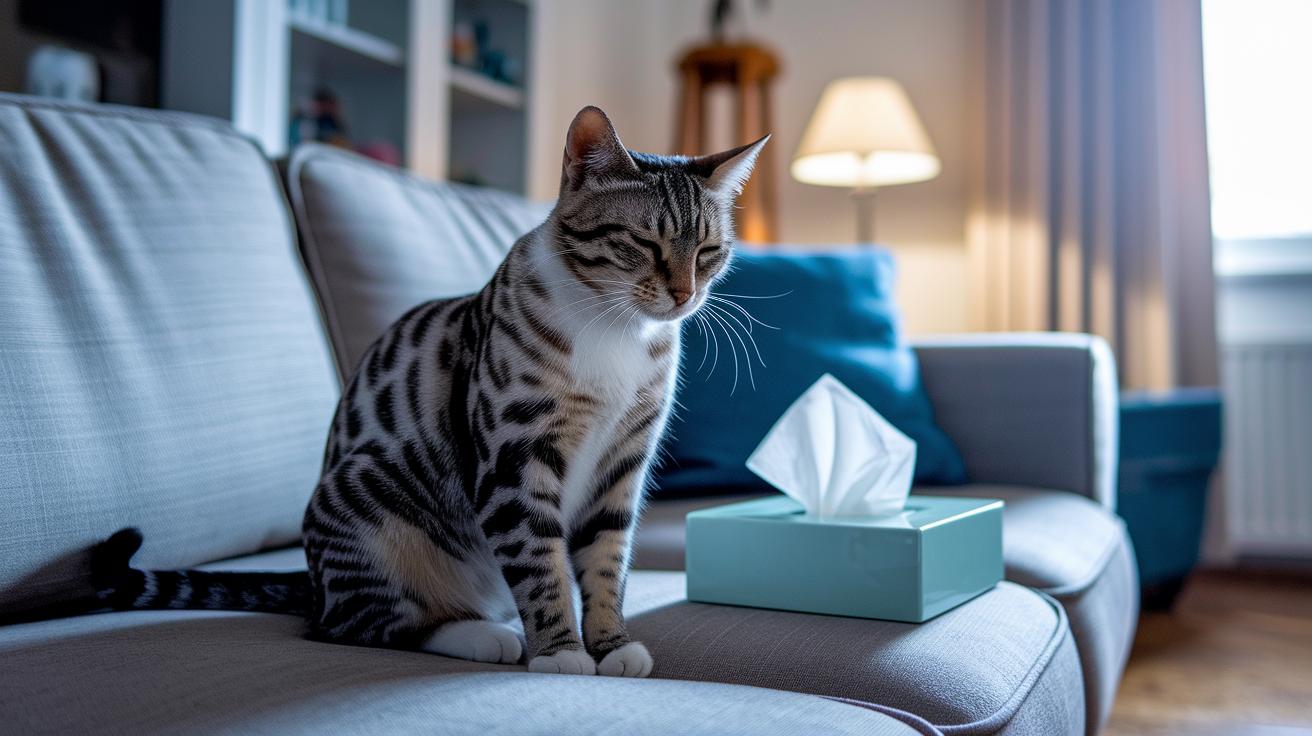
    Ever notice Fluffy’s whiskers twitch when she has a runny nose? That’s a mild upper respiratory infection (URI, like a cat cold). Most cats shake it off in about five to seven days. But if you’ve got a tiny kitten or a senior kitty, those sniffles can stick around up to three weeks.

    Knowing these timelines lets you set up a cozy nap spot, offer extra water, and know when to ring the vet. You’ll feel calmer. And your purring pal will appreciate it too. Sounds helpful?

    Next, let’s break down how long those sneezes and snuffles usually hang on so you can tackle every wet-nose moment with confidence.

    Average Recovery Time for Cat Upper Respiratory Infections

    Average Recovery Time for Cat Upper Respiratory Infections.jpg

    Ever wondered how long your kitty’s upper respiratory infection (URI – a fancy name for a cat cold) will last? Mild sniffles and sneezes often clear up in just a few days. Tracking how long these kitty colds stick around helps you plan cozy care and set expectations.

    Cat Cold Type How Long What to Expect
    Mild cat cold 5-7 days Most healthy cats bounce back without any meds
    Adult cat cold 7-10 days Vaccinated cats usually recover in this time
    Tough cases 3+ weeks Kittens, seniors, or cats with weak immune systems need extra care

    Feline herpesvirus (a virus that hides in a cat’s nerves) flare-ups run about two weeks on average, and stress can stretch that time. Calicivirus (the one that can give kitty mouth sores) also sticks around a similar length but often needs extra TLC.

    In kittens and seniors, your cat cold can drag on past three weeks. Their immune systems are still growing or slowing down, so sniffles and drippy noses hang on. You might end up giving fluids or even antibiotics (medicine that fights infections).

    Cats with weakened defenses (immunocompromised cats) may have a slow drip of discharge until the root problem gets sorted out.

    Knowing these timelines makes it easier to spot when your furball should be zooming again or when it’s time for a vet check. If the sniffles stick around past the usual window, reach out to your veterinarian for advice.

    Factors That Affect How Long Cat URIs Last

    Factors That Affect How Long Cat URIs Last.jpg

    Age and Immune Status

    Kittens under six months old often slog through sniffle season from a URI (upper respiratory infection) for weeks (sometimes three or more!). Their immune systems (your cat’s germ fighters) are still learning the ropes. Older cats feel it, too, because their defenses slump over time. And if they skip booster shots, viruses sneak back in like uninvited guests.

    Viral vs Bacterial Causes

    A straight-up viral URI usually wraps up in about a week. You’ll see thin, clear nose drips and just a few sneezes. But if bacteria (tiny germs that love to cause trouble) join in, the gunk turns thick and yellow-green and it’s time for antibiotics (meds that kill bacteria). If it turns into chronic feline respiratory disease (a long-term infection), your cat could be sniffling for months until you fix the root cause.

    Stress and Environmental Factors

    Stress is a sneaky trigger. A new home, loud noises, or even a vet visit can send feline herpes virus into high gear. Calicivirus can stick around on toys or food dishes for up to 30 days, so that old feather teaser might spark fresh sniffles. Flat-faced cats (brachycephalic breeds like Persians) struggle to clear tight nose passages, and in a busy home or shelter those drippy noses can pass from one furball to the next.

    Recovery Stages After Feline Respiratory Infection

    Recovery Stages After Feline Respiratory Infection.jpg

    Days 1–3

    Your kitty might start sneezing and have watery drips from the nose and eyes. Whiskers tremble as thin, clear gunk dots the fur. Some cats rub their faces or paw at their runny eyes. It feels like a morning dew of sniffles.
    Hang in there.

    Days 4–7

    Sneezes and congestion peak now, with eye swelling or tiny ulcers (little sores) on the eyelids or tongue. Mealtime might be a reluctant nibble and sneezing fits can burst up. Most cats nap more but still show up at the food bowl.
    Worth every paw-print.

    Days 8–10

    That thick gunk finally starts to thin out. Sneezes slow to an occasional “achoo.” Appetite rebounds and whiskers twitch again during play sessions. Energy returns with light zooms across the room and cozy vibes are back.

    Days 10–14

    Most sniffles disappear now, though a stray sneeze or trace drip may linger, especially in herpesvirus (a common cat virus) carriers. Your cat’s nose looks pink and clear and weight is back on those paws. It’s like the cold just tiptoed away.

    Viral shedding (when the virus comes out even if your cat seems fine) can last after symptoms fade. So be careful sharing toys and bowls until two weeks pass.

    When to See a Vet for Cat Upper Respiratory Issues

    When to See a Vet for Cat Upper Respiratory Issues.jpg

    Ever watched your kitty chase shadows? Noticing sniffles early can make all the difference.

    Thick green or yellow goo from the nose or eyes usually means bacteria (tiny germs) have moved in. That’s a sign your furball needs antibiotics, don’t wait.

    A smelly or crusty ring around the eyes? Yuck. It hints the infection is spreading and calls for a vet visit.

    If your cat starts breathing with an open mouth or panting fast, pneumonia (lung infection) could be lurking. That’s an emergency, get help now.

    Coughing fits or wheezing? Their lower airways might be involved and that’s not normal. You know what to do, call the vet.

    Mouth ulcers or extra drool mean pain and possibly an advanced issue. Ouch.

    A fever over 103°F (39.4°C) that won’t break is serious. Fever shows their body is fighting hard, time for professional care.

    Skipping food or water for more than 48 hours risks dehydration and possible hepatic lipidosis (fatty liver). Big trouble, reach out to your vet.

    No appetite for two days straight is a major red flag. Don’t drag your feet.

    Extreme lethargy, no play, no grooming, no litter box visits, is urgent. Your kitty could be very sick.

    Symptoms hanging on past ten days? Tests like PCR (germ detective test) or X-rays help find hidden problems.

    Watching these signs can guide you on when to rush to the vet. But don’t wait, cats can go downhill fast.

    Immediate care now can stop serious complications later.

    Home Care Strategies to Support URI Recovery in Cats

    Home Care Strategies to Support URI Recovery in Cats.jpg

    Hydration and Nutrition

    Ever noticed your kitty pawing at their water bowl? Offer tiny sips of fresh water all day. If your furball loves chasing moving streams, a pet fountain can be a game-changer.

    Warm wet food or a drizzle of low-sodium broth smells irresistible and adds extra fluids. Suddenly mealtime becomes a hydration boost.

    And if you spot weight loss, stir in a bit of tuna juice (no salt added) or plain chicken baby food. Regular little meals help keep your cat’s energy up and ward off dehydration when appetites dip.

    Humidity and Steam Therapy

    Stuffed-up noses are no fun for anyone. That’s why I do a quick 5-10 minute steam session: shut the bathroom door, run hot water, and let your cat sniff the warm mist from a safe spot, no dunking required. It loosens congestion fast.

    Then place a cool-mist humidifier a few feet from the litter box to calm inflamed airways without turning your home into a sauna. You’ll see your cat breathing easier, munching happily, and snoozing more soundly.

    Medication and Supplements

    Always follow your vet’s instructions for eye drops, antibiotics, or antiviral meds, no substitutions without a thumbs-up from your pro. L-lysine (an amino acid) can help tame herpesvirus flare-ups, and probiotics (good gut bacteria) support immune balance.

    Skip untested herbal blends or essential oils, they might irritate delicate feline airways. Keep a simple log of each dose and watch for side effects like vomiting or extra sleepiness. If something feels off, call your vet right away. Seriously.

    Prevention and Vaccination to Reduce URI Recurrence

    Prevention and Vaccination to Reduce URI Recurrence.jpg

    Keeping your kitty from repeat sniffles starts before the first achoo. A few simple steps can cut down on flare-ups and keep your furball feeling feline fine. Ready to paw-tect your nosey buddy?

    • Vaccines for cat colds
      The fVRCP vaccine (feline viral rhinotracheitis, calicivirus, panleukopenia) cuts down on how fierce and how long your kitty’s sniffles last. And if your home feels like a kitty condo, ask your vet about the Bordetella shot (extra bacterial defense). It’s like nose armor.

    • Isolating sick cats
      Keep new or ill cats on their own for at least two weeks. Most sniffle symptoms pop up in 5 to 7 days, so giving a kitty space stops germs from tag-teaming the rest of your fur crew. Ever watch a cat glare at an empty corner? That’s quarantine time.

    • Disinfecting the cat zone
      Viruses like calicivirus (a common feline bug) can hide on bowls, bedding, and litter pans for up to 30 days. A bleach solution (one part bleach to 32 parts water) zaps those sneaky germs. Wipe hard surfaces, wash fabrics, and swap toys so nothing lingers.

    • Stress relief for furballs
      Stress can spark herpesvirus flare-ups, so offer hidey spots and calm corners where cats can chill. Toss in a scratching post for some swipe therapy. Stick to steady feeding and play routines, cats love knowing what’s next.

    • Better airflow and dish rules
      A well-ventilated room blows away airborne germs. And giving each cat its own food and water station stops sharing germs on whiskers and paws. Simple swaps, big relief.

    Put all these tips together, and your furball has the best chance at beating colds before they even start.

    Final Words

    We outlined average recovery times, 5–7 days for mild sniffles, 7–10 for adults, and up to three weeks for kittens or seniors. We spotted age, breed, and stress factors that can stretch those sneezes.

    We mapped each recovery stage and flagged red flags, green discharge or open-mouth breathing, and shared home-care tricks, from steam sessions to warm food, plus when to ring up the vet.

    You’ve got prevention steps, vaccines, quarantine spots, and stress busters, to keep sniffles at bay. Now you know how long do cat upper respiratory infections last and can help your cats bounce back happy.

    FAQ

    How long does a cat’s upper respiratory infection last?

    A cat’s upper respiratory infection usually lasts 7–10 days in healthy adults, with mild cases improving in 5–7 days. Kittens, seniors, or severe infections may take 2–3 weeks or more to fully resolve.

    What are the common symptoms of a cat upper respiratory infection?

    A cat upper respiratory infection causes sneezing, watery eyes or nasal discharge, coughing, fever, lethargy, and reduced appetite. Kittens often show eye swelling and may refuse food when congestion worsens.

    Are cat upper respiratory infections contagious?

    Cat upper respiratory infections are contagious and spread easily by direct contact, shared bowls, bedding, or litter boxes. Infected cats can shed viruses for days after symptoms clear, so quarantine and hygiene help prevent spread.

    What home remedies help treat my cat’s upper respiratory infection?

    Home care for a cat’s upper respiratory infection includes offering humidified air or short steam sessions to clear congestion, warmed wet food and extra water for hydration, plus L-lysine (an amino acid) and probiotics to support immune response.

    Which antibiotics or medications work best for feline upper respiratory infections?

    The best antibiotics or medications for feline upper respiratory infections are broad-spectrum antibiotics like doxycycline (kills bacteria) or amoxicillin-clavulanate (amoxicillin plus clavulanic acid) when bacteria are suspected. Eye drops, antivirals, or L-lysine also help; effects appear in 48–72 hours.

    Can a cat’s upper respiratory infection be fatal?

    A cat’s upper respiratory infection rarely kills healthy adults, but kittens, seniors, or immunocompromised cats face higher risks of dehydration, pneumonia, or organ stress if untreated. Prompt veterinary care is vital for severe cases.

    Related Articles

  • do cats spit Eases Cat Owner Worries

    do cats spit Eases Cat Owner Worries

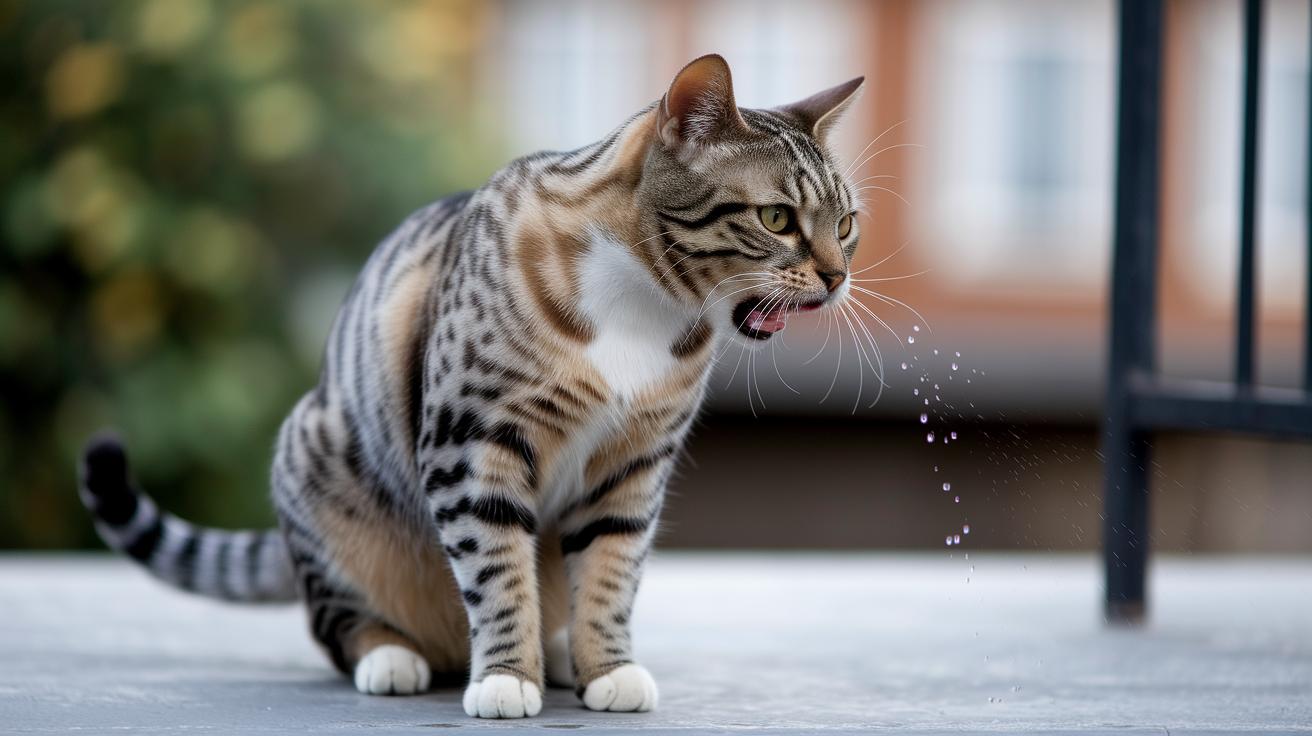
    Ever jumped when your cat shoots out a little spit? It feels odd. That quick puff of drool is actually your kitty’s built-in alarm and stress relief.

    Cats might do this when a stray bit of fluff tickles their tongue or a sudden noise spooks them. You spot those tiny spit moments early when you watch for your cat’s stress tells, you know?

    Once you know why they puff, you can swoop in with gentle pets or quiet words to soothe them. Your cat stays purring. And you get fewer surprise vet trips and a more peaceful, happy home.

    Feline Spitting Behavior Explained

    Feline Spitting Behavior Explained.jpg

    Ever wondered if cats spit like we do? It’s like a quick puff of air with a drop or two of saliva. Not the same as hacking up a hairball or drooling everywhere. It’s more like a mini alarm, a cousin to the hiss that warns off trouble with no full-on growl.

    And um, licking is totally different. That’s slow and soothing. Cats groom or cool off with their tongue. But spitting? That’s a burst of air and a little spit at whatever spooked them.

    Inside your cat’s mouth, you know, the barbed tongue (tiny backward hooks) and jaw shape team up for that spit. The tongue directs air over those rough patches. Then a quick inhale and strong exhale make that sharp sound. It’s unplanned, almost a startled gasp. Really.

    What sets off a feline spit session:

    • Loud bangs or stress. Your vacuum roars and your kitty jumps.
    • Mouth or throat aches can trigger a defensive spit.
    • Feeling threatened. Like another cat at the window or a fast hand reach.

    Spotting this tells you they’re anxious or scared. Once you know why cats spit, you can give them room or check for pain. Maybe your cat spits at a new toy because it needs a slower intro. Noticing these signs turns confusion into calm. And that’s worth every paw-print.

    Common Causes of Cat Spitting

    Common Causes of Cat Spitting.jpg

    Ever seen your cat suddenly spit saliva? It’s a quick mouth reflex to clear a scratchy bit or loose hair. It’s not the same as hacking up a hairball or that big stress puff. Often it means their tummy (stomach and intestines) feels off or something in their mouth is bothering them.

    • Sudden food swaps. When you change your cat’s meal too fast, their tummy (stomach and intestines) can get upset. Then they might retch or send out a little spray of saliva. Like Muffin who tried that new salmon kibble (dry cat food pieces) and let out a spit because her tummy just wasn’t ready.
    • Sharp kibble fragments. Tiny crunchy bits can jab your cat’s gums (soft tissue around the teeth) or scrape enamel (hard coating on a tooth). Then they’ll flick saliva to rinse it away. Simba learned that the hard way. He crunched a piece, winced, and spat like he was saying “ouch.”

    Lip smacking, drooling, or a quick spit is your cat’s way of telling you “my mouth needs a break.” Next time, go slower with new meals or try softer bites.

    Worth every paw-print.

    Spitting vs Hissing vs Drooling: Understanding Cat Mouth Sounds

    Spitting vs Hissing vs Drooling Understanding Cat Mouth Sounds.jpg

    Spitting happens when your kitty lets out a quick, sharp puff of air with a tiny spray of saliva. It sounds like a startled gasp, really sudden. Ever seen a cat spit at its reflection? It’s basically your cat’s way of saying “back off!” Uh, don’t take it personally.

    Hissing is a louder, drawn-out ssss, like a slow wind sneaking under a door. Ever watched your kitty fluff up then hiss? Your cat hisses when it feels threatened or ready to guard its turf. It’s pure defensive mode.

    Drooling is a gentle, steady drip of saliva along the chin. Think of a tiny stream winding down a rock. Um, often it means your cat is content, purring and kneading away, or sometimes it flags an upset tummy or a sore tooth.

    Sound Why It Happens What to Watch For
    Spitting Quick warning puff Sharp spray, startled look
    Hissing Defensive threat Long “sss,” ears flat
    Drooling Contentment or discomfort Steady chin drip, maybe purring

    Spotting these mouth sounds helps you figure out if your cat is marking territory, feeling scared, or just feline fine. Worth every paw-print.

    Normal vs Concerning Spitting Signs in Cats

    Normal vs Concerning Spitting Signs in Cats.jpg

    Ever catch your kitty in a mini hairball upchuck? That quick cough of fur (hairball is a clump of swallowed fur) or tiny spit of saliva (natural mouth fluid) usually just clears loose hair and bits of dust. Their barbed tongue flicks (little hooks on their tongue) pull fur away and channel saliva to whisk dirt off.

    But keep an eye out when spitting turns worrisome:

    • Spits a lot with hairball dribbles – you’ll spot wet clumps on the floor and damp fur around the mouth.
    • Sudden drool slicks or spurts – especially if the spit smells funky. Could be dental disease drool (mouth issue) in action. See how much do cat teeth cleaning cost for ideas.
    • Bright red gums or stomatitis (gum swelling) – your cat may wince, paw at its mouth, then spit more.
    • Drooling after chewing string or a splinter – a stray thread or sliver can get stuck and trigger a spit reflex.
    • Steady puddles of spit with weakness or loss of appetite – not just a messy chin, but a sign your cat feels unwell.

    Allergic reactions to a new plant or a toxic snack can cause sudden drool and spits too, so sniff-test new toys and greens. If spitting sticks around, you spot blood in the spit, or it comes with seizures and lethargy, trust your gut and call the vet. Quick vet attention can turn a fur-raising scare into a simple checkup fix.

    Immediate Care and Veterinary Advice for a Spitting Cat

    Immediate Care and Veterinary Advice for a Spitting Cat.jpg

    Ever seen your cat spray spit at you? If your kitty starts spitting when scared, don’t dive in with treats or pets. Instead, take a step back. That little retreat gives them space to chill and stops the spit-show. You see, a cat’s spit is just their “stay away” reflex, not an invitation for cuddles!

    If you live with more than one furball, things can get hairy. Don’t try to grab either cat, your hands will regret it. Instead, hold up a thick towel (like a blanket barrier) so they can’t see each other. That simple shield breaks the hiss-and-spit loop without risking scratched arms. Next, give each kitty its own cozy nook, fresh water bowl, and litter box. Personal space for the win.

    Now, if the spitting just won’t quit, especially when your cat isn’t eating, moves slowly, or you notice odd mouth twitches, it’s time to get serious. Grab your phone and film a short video of the drooling or puffy cheeks. Showing this to your vet helps them spot throat pain or other issues faster than any fuzzy description ever could, seriously.

    Sometimes extra drool is more than just messy, like heavy foaming after chewing something toxic (poisonous substance) or drooling during a seizure. These can lead to toxins spreading or dehydration before you know it, so don’t wait around. Race your kitty to the vet. They’ll likely do mouth rinses, give IV fluids (intravenous fluids, like a tiny hydration drip), or prescribe anti-inflammatories to calm things down.

    Minimizing Cat Spitting Through Environment and Grooming

    Minimizing Cat Spitting Through Environment and Grooming.jpg

    Ever wondered why your kitty makes that little spit puff? It often comes down to stress and feeling unsafe. Think of a covered crate (like a cozy sleeping cave) or a soft bed tucked in a quiet corner, the kind of hideout where your cat can curl up away from loud noises. Add tall posts or shelves so they can keep watch from above, almost like their own penthouse perch. When they feel in control, they’re way less likely to let you know “back off” with a spit puff.

    A steady routine works wonders too. Feed your cat at the same times each day and carve out play sessions with a teaser wand (toy on a stick with feathers). Play before mealtime can spark their appetite and distract from that defensive spit reflex. And bonus, those play breaks turn grooming into cuddle time instead of a quick chore.

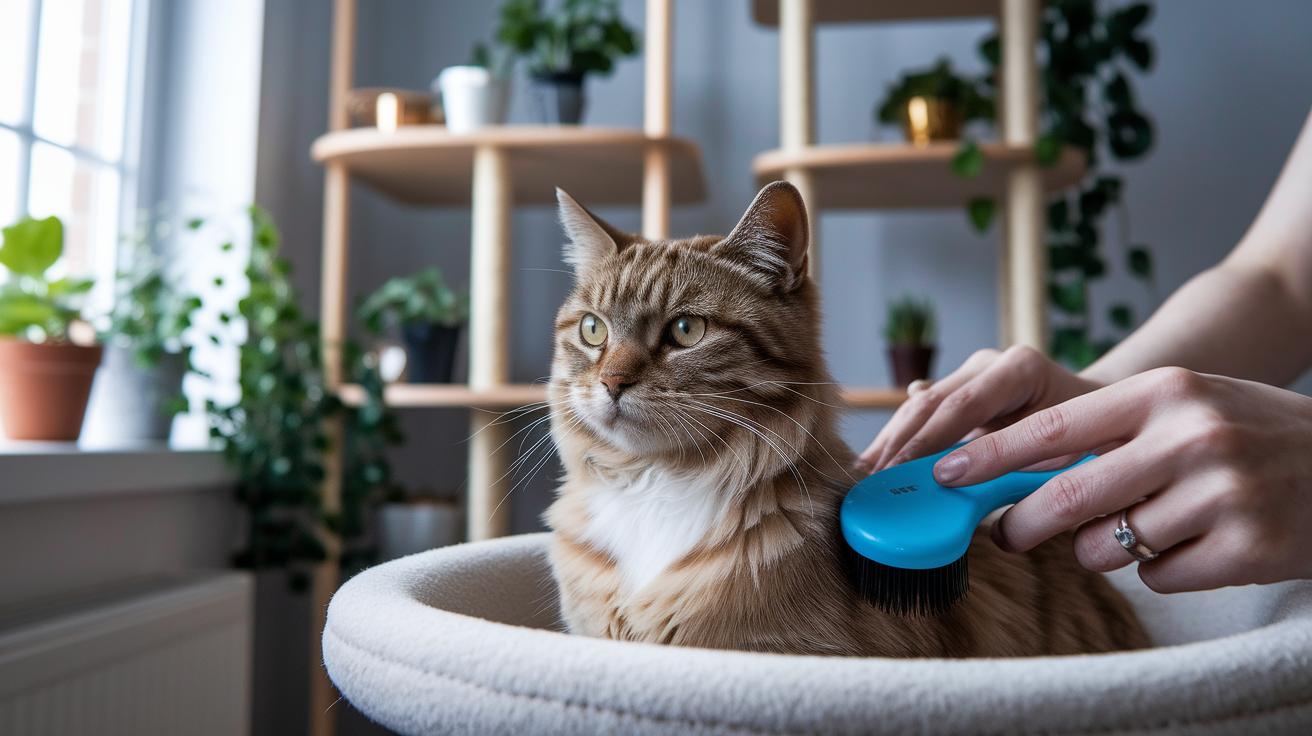
    Brushing every few days is like a mini spa session for your furball. Use a slicker brush (fine wire brush) or a rubber mitt (glove with soft bumps) to sweep away loose hair before it slides down the throat and forms hairballs. You’ll hear the soft swish of bristles and feel the gentle tug of tangles. Plus, cat spit isn’t an angry spray, it’s packed with enzymes (protein helpers) and has a slightly alkaline pH for healthy digestion and mouth care.

    Let’s bust that spit myth once and for all. Cats aren’t squirting saliva just to be nasty. They only let out that tiny spray when they’re startled or anxious. It’s also a subtle way to scent-mark their favorite spots, not a hissy temper tantrum. Worth every paw-print of understanding, right?

    Final Words

    Wading into feline spitting behavior, you now know how a cat’s mouth anatomy (barbed tongue with tiny bristles, clever airflow) shapes that sharp exhale.

    You’ve seen why hairballs, tummy upset, or stress can make them spit, and how to tell spitting from hissing or drooling.

    Spotting worrisome signs (excess drool, blood) helps you decide when a vet visit is due, while calm handling and clever routines ease future blowouts.

    And when you wonder do cats spit and what it means, you’re equipped to keep your busy, multi-cat home running smoothly.

    Worth every purr.

    FAQ

    Is cat spit poisonous or harmful to humans?

    Cat spit isn’t poisonous to humans, but it can carry bacteria or parasites. People with weak immunity or open wounds should still wash any spit area right away to avoid mild infections.

    Can cat spit blind you?

    Cat spit won’t blind you. But if saliva with bacteria gets into your eye it might cause irritation or infection. Rinse eyes with clean water right away.

    Can cats spit at you and do they spit while playing?

    Cats can spit tiny saliva droplets at you, even during play. It’s often a reflex when they catch toys or groom fur around their face. It’s not aimed to hurt you.

    Do cats spit when angry and is it normal?

    Cats often spit when they feel threatened or irritated. It can be a defensive cue, but occasional spitting (like hairball expulsion) is normal. Watch body language to tell which it is.

    What does a cat spitting sound like?

    A cat spitting sounds like a quick, sharp exhale with a little “ptth” and maybe a tiny spit drop. It’s louder than a gentle cough and shorter than a hiss.

    Why is my cat blowing spit bubbles or spitting up foam?

    Spit bubbles or foam mean your cat might feel queasy, grooming stress, or hairball buildup. The frothy foam sounds like soft snorts. If it’s frequent, chat with your vet.

    Where can I find a cat spitting video?

    You’ll find cat spitting videos online showing that short “ptth” noise and spray. Look on pet forums or social media for real-life clips that help you spot this behavior.

    Related Articles

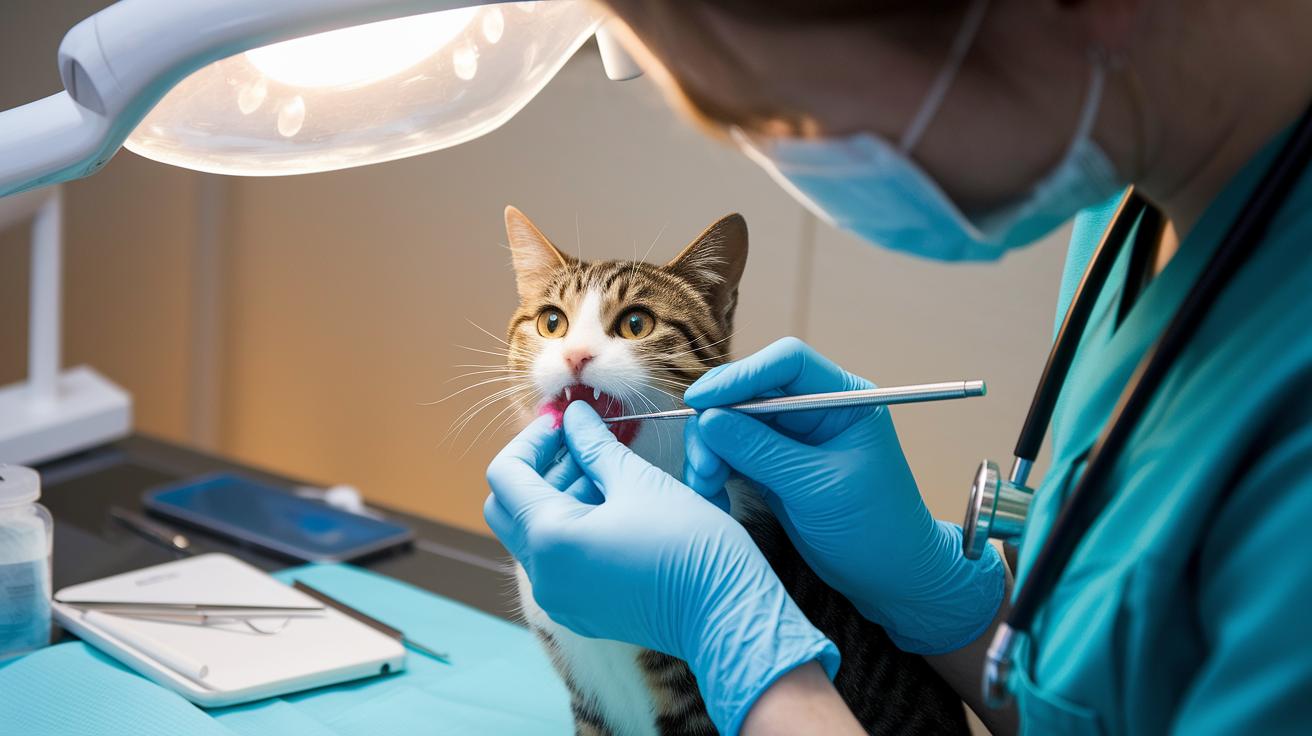
  • How much do cats teeth cleaning cost

    How much do cats teeth cleaning cost

    Ever splurged on your kitty’s dental cleaning, then realized you could buy a small fish tank (a mini underwater world) for the same price? It makes you pause, right? Wow!

    Cat dental care can cost from 100 to 400 dollars. It all depends on where you live and what’s part of the package. It might include anesthesia (a gentle cat nap), tartar removal (scraping off the yellow bits), and scaling (more scraping). And a glossy polish.

    In this post you’ll see national and regional cost averages, so you can sniff out a purr-fect deal without surprises. Ready to save some cash and treat your feline friend!

    Average National and Regional Price Range for Cat Teeth Cleaning

    Average National and Regional Price Range for Cat Teeth Cleaning.jpg

    Hey cat parents, ever wondered how much it costs to get your kitty’s pearly whites sparkling? Usually, you’re looking at $100 to $400 for a full professional cleaning.

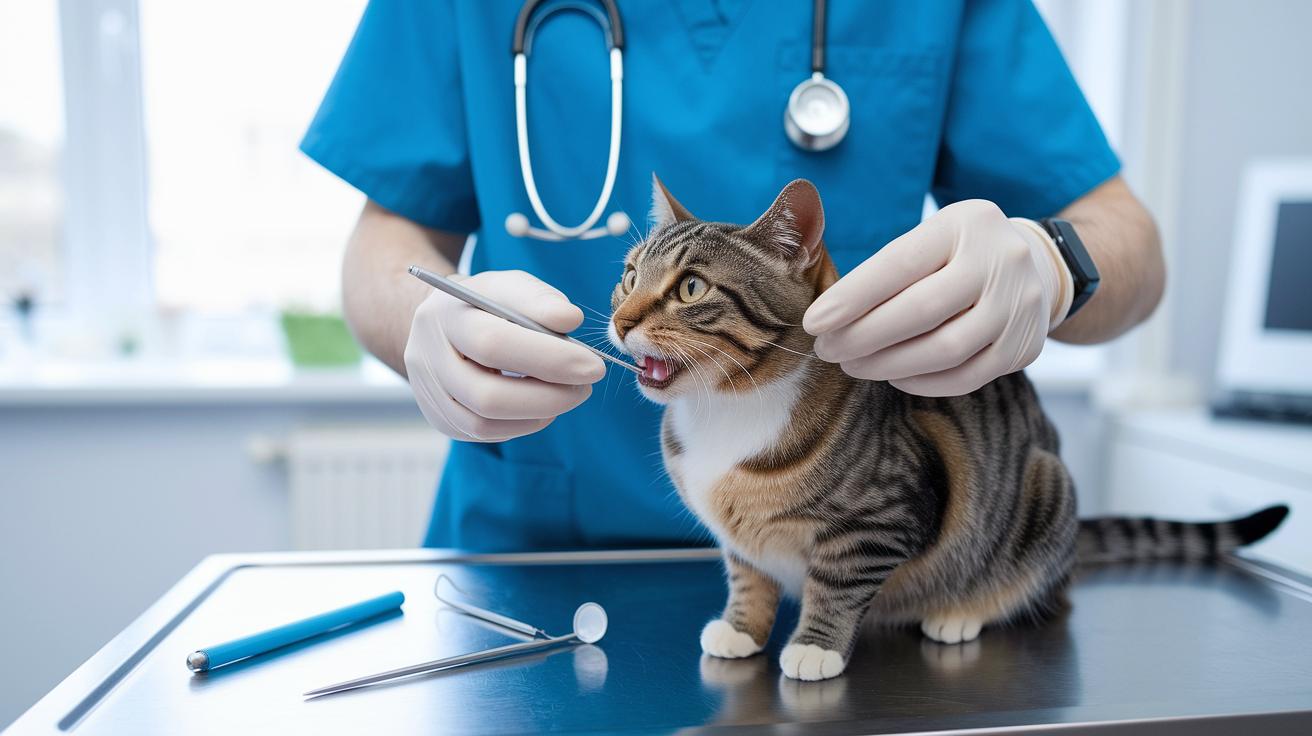
    That price covers anesthesia (a tiny nap for your kitty), tartar removal (scraping off that hard yellow buildup), scaling (more scraping action), and polishing (making teeth smooth). Your cat might twitch her whiskers at the gentle scrape and shine of that dental tool.

    On a national level, most vets charge around $300 to $400 for the whole works. Urban clinics often push closer to the high end, while small-town vets stay nearer to $100.

    Extras like X-rays (cat tooth x-ray pics) or extractions (pulling loose teeth) can add more to your bill. But knowing these averages helps you plan ahead, and keeps your kitty feeling feline fine.

    Here’s a quick look at regional averages so you can see what your area might charge:

    Region Average Cost
    Kansas $261
    Massachusetts $352
    Idaho $307
    New York $252

    Before you book, call a few local clinics with these numbers in mind. It’s a quick way to spot fair pricing in your zip code. Worth a little homework for a claw-tastic grin!

    Detailed Cost Components in Professional Cat Teeth Cleaning

    Detailed Cost Components in Professional Cat Teeth Cleaning.jpg

    Ever peered at that dental bill and wondered where each dollar sneaks off to? It can feel like a total mystery. But fear not – we’ve broken it down in a paw-sitive way.

    The main cleaning fee covers the essentials:

    • Exam: a quick oral health check (spotting loose teeth or hidden inflammation).
    • Anesthesia: the stuff that tucks your cat into a safe sleep (sedation, breathing tube, vital-sign monitoring).
    • Scaling: feel the gentle scrape as hardened plaque (tartar) gets removed above and below the gum line.
    • Polishing: smoothing enamel with a rubber cup (listen for the soft whir as teeth start to gleam).

    Worth every paw-print.

    Then the add-ons – those sneaky extras:

    • Dental x-ray (a snapshot of roots and jaw): $75-$250
    • Tooth extraction (per tooth pull): $50-$130
    • Post-op meds (antibiotics or pain relief): $25-$100

    See? No more mystery charges. Now you can pounce on these numbers with confidence.

    Key Factors That Affect Cat Dental Cleaning Costs

    Key Factors That Affect Cat Dental Cleaning Costs.jpg

    Ever peek at a cat dental bill and feel your whiskers twitch? You’re not alone. Cleanings can range from pocket-friendly to claw-clenching. Let’s chase down what drives those costs.

    • Age: Older kitties often need tooth extractions and more sedation (calming medicine). Each pull and snooze adds to your final bill: feline fine but not wallet friendly.
    • Location: City clinics usually cost more than small-town vets. Higher rent and staff pay mean steeper fees.
    • Clinic type: Specialty hospitals have fancier tools and bigger teams. They tend to bill more than budget-friendly spots.
    • Disease severity: A light tartar scrub is quick. But if gum disease (inflamed tissues around the tooth) is advanced, your cat spends extra time under anesthesia (gentle sleep aid) and needs more treatments.

    Mix these factors and you’ll see why one vet might quote $200 while another asks for $400 for the same cleaning. A young barn cat in a rural shelter clinic could land at the low end. An older Persian with gingivitis in a big city hospital will be up near the high end.

    Now you know what’s behind those numbers, so no more nasty surprises.

    Basic vs Advanced Cat Dental Cleaning Cost Comparison

    Basic vs Advanced Cat Dental Cleaning Cost Comparison.jpg

    Non-anesthetic cleanings are like a quick wipe-down for your kitty’s teeth. They cost about $80 to $150 (that’s your [non-anesthetic cat dental scale cost]). The tools scrape surface plaque but skip under the gums (where trouble often hides). Vets don’t usually recommend them for deep issues.

    Salon-style appointments toss in a tooth scrub while fluffing your cat’s fur. Typical [grooming salon cat teeth cleaning price] runs $75 to $200. It’s adorable to see your fluffball here, but the polish is gentle and won’t blast away tough tartar. Worth it for a shiny little smile.

    Imagine a spa day – your cat is gently put under anesthesia (a drug-induced snooze) so the vet can give a full-scale cleaning (scaling (plaque scraping), polishing (smoothing), and even X-rays (tiny tooth photos)). It costs about $300 to $400 – that’s your [deep dental cleaning for cats cost]. Your kitty stays still, so the vet can dig deep. Worth every whisker twitch!

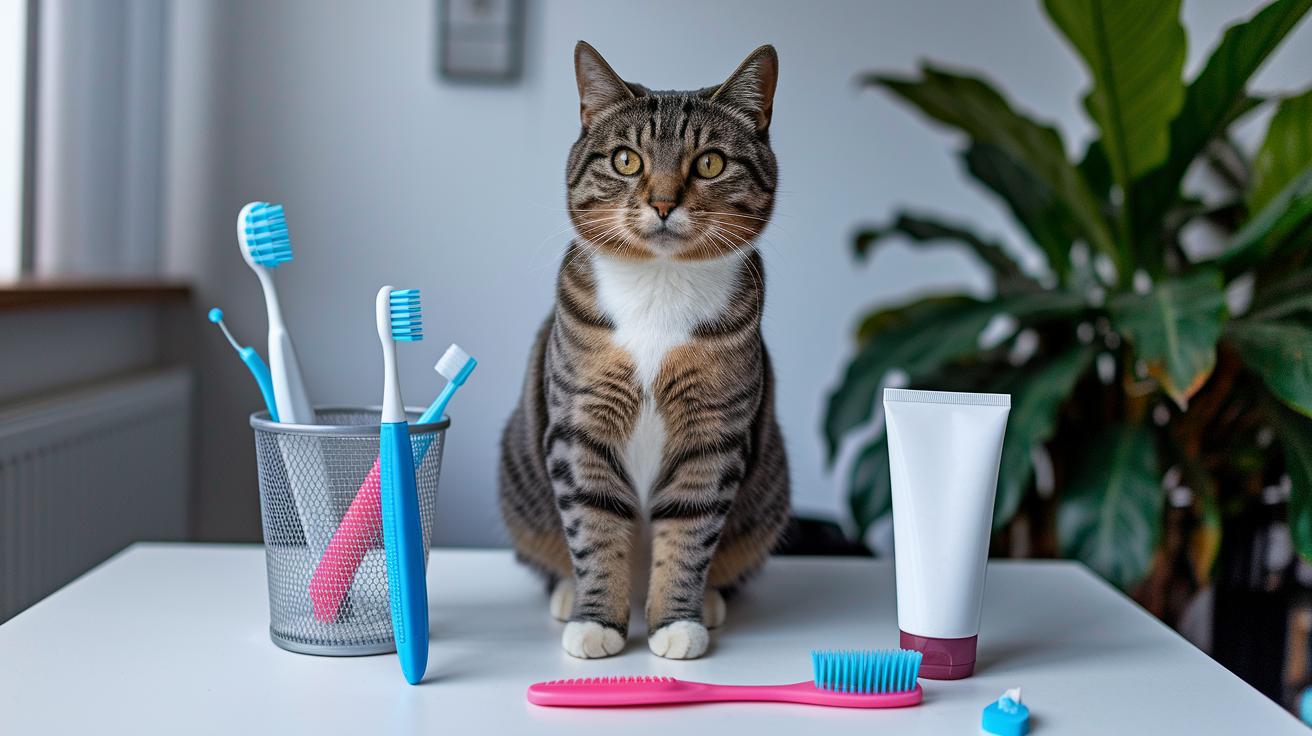
    For daily maintenance, at-home kits cost just $15 to $30 – that’s your [at home cat teeth cleaning kit cost]. You get finger brushes and dental gel (think flossing between pro cleanings). It helps keep plaque at bay, but you know, it’s no substitute for a vet’s deep scrub. It’s purr-fect for quick touch-ups.

    When your furball needs root canals or complex tooth repairs, costs can top $1,000. That’s reserved for severe decay or rescuing that stubborn molar. Keeping tabs on the [cost of scaling cat teeth] at every stage helps you pick the best plan. A small price for peace of mind.

    5 PurrfectDeal: Money-Saving Tips for Cat Teeth Cleaning Services

    Money-Saving Tips for Cat Teeth Cleaning Services.jpg

    Ever watched your kitty chew on a toy and thought, “Hmm, those chompers need some TLC?” I hear ya. Cleaning can add up, but here are my top tips to keep your cat’s smile bright without maxing out your wallet.

    Check your cat’s dental insurance. Many plans have Preventive Care add-ons (they cover an annual cleaning up to your plan limit). It’s a simple way to get money back each year.

    Next, hunt down nonprofit or low-cost cat dental clinics. Um, some spay/neuter centers offer cleanings for just $100–$200. You could save half of what a regular vet charges.

    And hey, clip coupons or ask about early-bird deals. Seasonal promo codes can shave 10–20% off your kitty’s cleaning. Easy savings!

    Ask about dental membership plans, too. For one flat monthly or yearly fee, you get cleanings, check-ups, and a few extra perks. It’s like a spa pass for your cat’s mouth.

    If you’ve got more than one furball, book them together. A two-cat appointment can knock up to 15% off each cleaning. Teamwork really pays.

    Also, off-peak times (weekdays or slower months) usually cost less. A quick call can flip a $400 cleaning to about $250.

    Worth every paw-print.

    Identifying Hidden Fees in Cat Dental Cleaning Estimates

    Identifying Hidden Fees in Cat Dental Cleaning Estimates.jpg

    Ever think that base cleaning fee has you covered? Uh, not so fast – hidden charges can sneak up like a cat stalking a mouse! A few surprise line items often lurk beyond your vet’s estimate.

    • Pre-anesthesia blood test: $40–$80. It’s a simple blood test (checks organ health) so your kitty snoozes safely under anesthesia (medicine to make them sleep).
    • Facility or boarding fee: $50–$100. That’s the cost for using the clinic’s cozy kennel (a small cat room with a soft blanket).
    • Sedation monitoring and oxygen support: $20–$50. Nurses watch your cat’s breathing and heart rate, and the beeping monitors and oxygen (extra air to help them breathe) add to the bill.
    • Follow-up check after cleaning: $50–$150. A post-op visit (quick check of gums and teeth) makes sure everything is healing and no new issues popped up.
    • Dental care supplies: $15–$30. You’ll need a cat toothbrush (tiny brush made for feline teeth), toothpaste gel (cat-friendly paste), and maybe a water additive (drops for the water bowl to fight plaque).

    All those little fees can stack up fast – um, you know? A quick call to your clinic to ask about each one helps you plan your budget and dodge surprise charges on the final bill.

    Worth every paw-print.

    Recommended Cleaning Frequency and Long-Term Cost Benefits for Cats.jpg

    Most vets agree your kitty needs a dental tune-up once a year. Think of it like an oil change for your furry friend’s smile. Ever watched your furball batting at a toy? Healthy gums help them munch, pounce and play with gusto. But if your kitty has extra plaque (that is hardened gunk on the teeth) or sore gums, you might want to book two visits a year to keep tartar from piling on.

    A preventive cleaning usually costs around $300 to $400 a year. It is a small drop in the bucket compared to letting issues grow. Surgery or extractions can top $1,000. So paying for that gentle scale and polish now can save you from a big vet bill later.

    Did you know over 85 percent of cats show signs of dental disease by age two? Regular cleanings at that $300 to $400 sweet spot help catch early issues before they turn painful and expensive. Picture your kitty’s breath bright and fresh. No more “kitty stink” surprise.

    When you add follow-up check-ups and quick tune-ups, total oral care runs from $500 to $2,000 a year, depending on where you live. That steady budget beats an emergency that can triple or quadruple your costs. A little routine care keeps your furball happy, your cat’s purrs loud, and your wallet a lot happier.

    Care Type Annual Cost What You Avoid
    Routine cleaning $300–$400 surgeries and extractions
    Full oral care (with check-ups) $500–$2,000 emergency visits
    Emergency surgery over $1,000 n/a

    Final Words

    We jumped right into national and regional price ranges for cat dental cleanings, with numbers you can compare in your own state.
    We broke down each line item, exam, anesthesia, X-rays, polishing and extractions, so those fees aren’t a surprise.

    Then we lined up basic versus advanced cleanings, shared money-saving tips and flagged those sneaky extra charges.
    Finally, you’ve got a clear plan for timing and budget, and you can feel good about your cat’s smile and health.
    And now you know how much do cat teeth cleaning cost.

    FAQ

    How much do cat teeth cleanings cost without insurance and what do vets charge?

    Cat teeth cleanings without insurance usually range $100–$400. Most vets charge $300–$400 for a full anesthetized cleaning (includes anesthesia and tartar removal), while low-cost clinics start near $100.

    What low-cost cat dental cleaning options can I find near me?

    Look for veterinary schools, nonprofit spay/neuter programs, or animal shelter partnerships. Fees may range $100–$200 for basic cleanings, often including anesthesia and polishing.

    How much does PetSmart cat teeth cleaning cost?

    PetSmart grooming salons offer non-anesthetic dental scaling (teeth scraping above the gum line) for about $80–$150. This service cleans only surface tartar and does not replace full veterinary cleanings with anesthesia.

    Is it worth it to get a cat’s teeth cleaned and what are the pros and cons?

    Getting a cat’s teeth cleaned prevents painful gum disease, bad breath, and costly surgeries. Risks include anesthesia and expense. Overall, benefits usually outweigh risks by preserving long-term oral health.

    Why are pet dental cleanings so expensive?

    They cost more because they require anesthesia, specialized dental tools, and skilled staff. Added services like X-rays, extractions, and pain medications raise the total bill.

    What can I do if I can’t afford my cat’s dental surgery?

    Ask your vet about payment plans or CareCredit. Seek nonprofit aid funds, low-cost clinics, or crowd-funding platforms to help cover anesthesia and treatment fees.

    Related Articles

  • What to do about cat diarrhea

    What to do about cat diarrhea

    Ever peek into the litter box and find a soggy surprise instead of a tidy deposit?
    Uh-oh!
    That puddle might mean your kitty’s tummy is in crisis.

    When firm stools turn into watery chaos, every moment feels urgent.
    Think of it as a belly reset button – quick action sparks those happy tail flicks.
    You can almost hear the purrs return in seconds. You know?

    No need to raid your wallet for vet bills.
    A few home tweaks can soothe the grumbling gut.
    I’ve got five fast-acting fixes for you – tiny water sips (hydration boost), gentle fasting (short food break), bland meals, probiotics (good gut bacteria), and extra cuddle time.

    Ready to help your purring pal bounce back to playful leaps?
    Let’s get started.

    Immediate Action Steps for Cat Diarrhea

    Immediate Action Steps for Cat Diarrhea.jpg

    So your kitty’s got the runs. That first 24 hours – let’s call it mission tummy rescue – is when you really need to pay attention. Think of it like your game plan to see if this is just a harmless tummy upset or a sign to call the vet. Nailing these steps helps you track your furball’s progress and decide what to do next.

    Keep fresh water within paw’s reach at all times. Loose stools can pull fluids right out of your cat’s body (dehydration – when your body loses too much water). I’ve seen kittens and seniors turn weak in just a few hours. If they’re too wobbly to lap water, try offering low-sodium broth or use a small syringe for little sips every few hours.

    If your cat’s still bright-eyed, nibbling on food, and batting toys around, home care often does the trick. But uh, if you spot repeated vomiting, any blood in the stool, or a sudden case of couch-potato lethargy, that’s a big red-flag moment. Time to have your vet on speed dial. Acting fast here can keep your kitty safe.

    These first-day moves set the tone for a smoother recovery. Worth every paw-print.

    5 what to do cat diarrhea Fast Relief

    Home Remedies and Dietary Adjustments for Cat Diarrhea.jpg

    When your kitty’s stool goes loose, you want quick relief. Ever seen your cat’s whiskers tremble when tummy troubles start? Home remedies can soothe your friend while its gut heals. We begin with a short fast to rest those rumbling insides.

    Fasting Protocol

    Hold off on food for 12 to 24 hours. Always keep fresh water nearby. If your cat won’t lap, try tiny sips of low-sodium broth or a gentle syringe feed. This pause gives the digestive tract a much-needed reset.

    Bland Diet Recipes

    Boil boneless, skinless chicken until fully cooked, then shred it into small bites. Mix one part chicken with two parts plain white rice. Think of it as kitty comfort food, simple and soft. Serve three to four tiny meals (about a tablespoon each) throughout the day.

    Probiotics and Fiber Supplements

    Next, add cat-formulated probiotics (good bacteria that settle tummies), following the label, usually one or two sachets. Then stir in 1 to 2 teaspoons of canned pumpkin (fiber-rich squash) or psyllium husk (plant-based fiber). These additions bulk up loose stools and help restore balance.

    Safe Stool Binders

    Use a kaolin-pectin binder made for pets, 1 teaspoon per 5 pounds of body weight every 4 to 6 hours. It’s gentle and effective. Avoid human Imodium or Pepto products; cats can have serious side effects from those.

    Hydration Techniques for Cats with Runny Stool

    Hydration Techniques for Cats with Runny Stool.jpg

    Keep fresh water in shallow bowls around your home. Cats with loose stool can get dehydrated fast and often shy away from deep dishes. Placing low bowls at kitty eye level means more sips when they’re feeling weak.

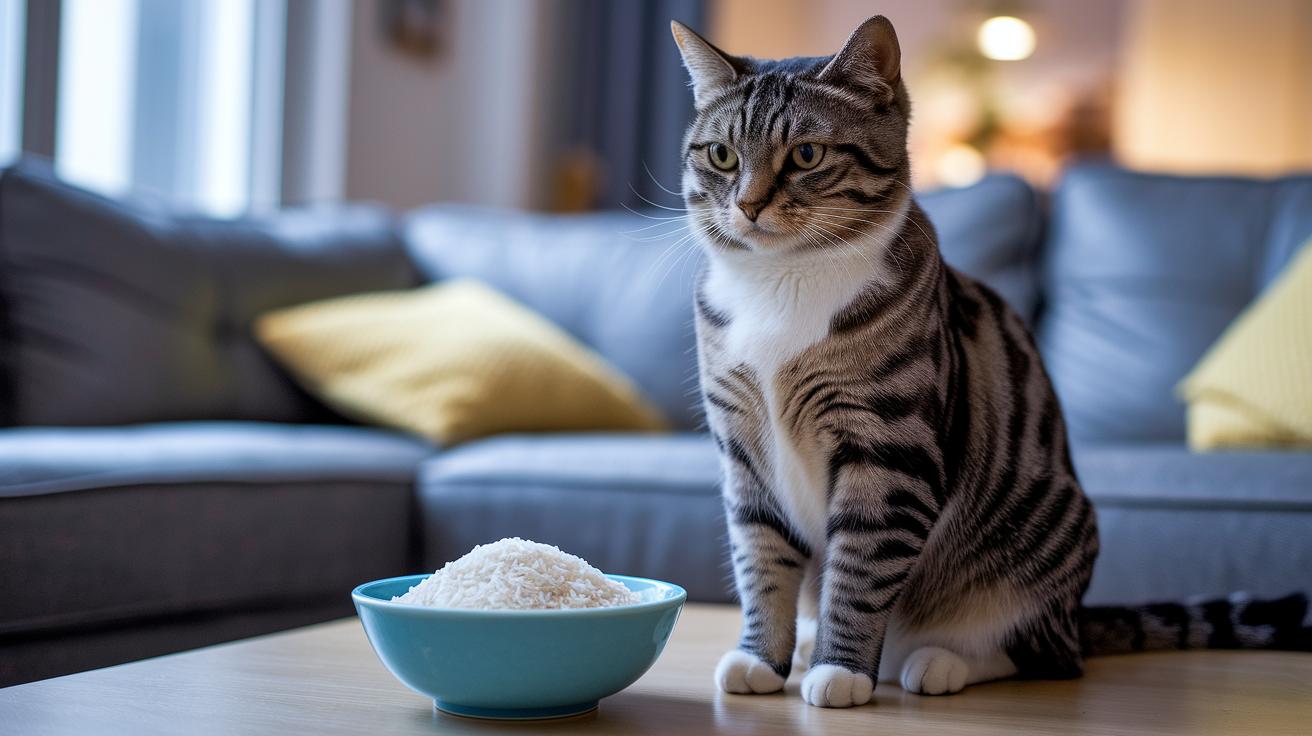
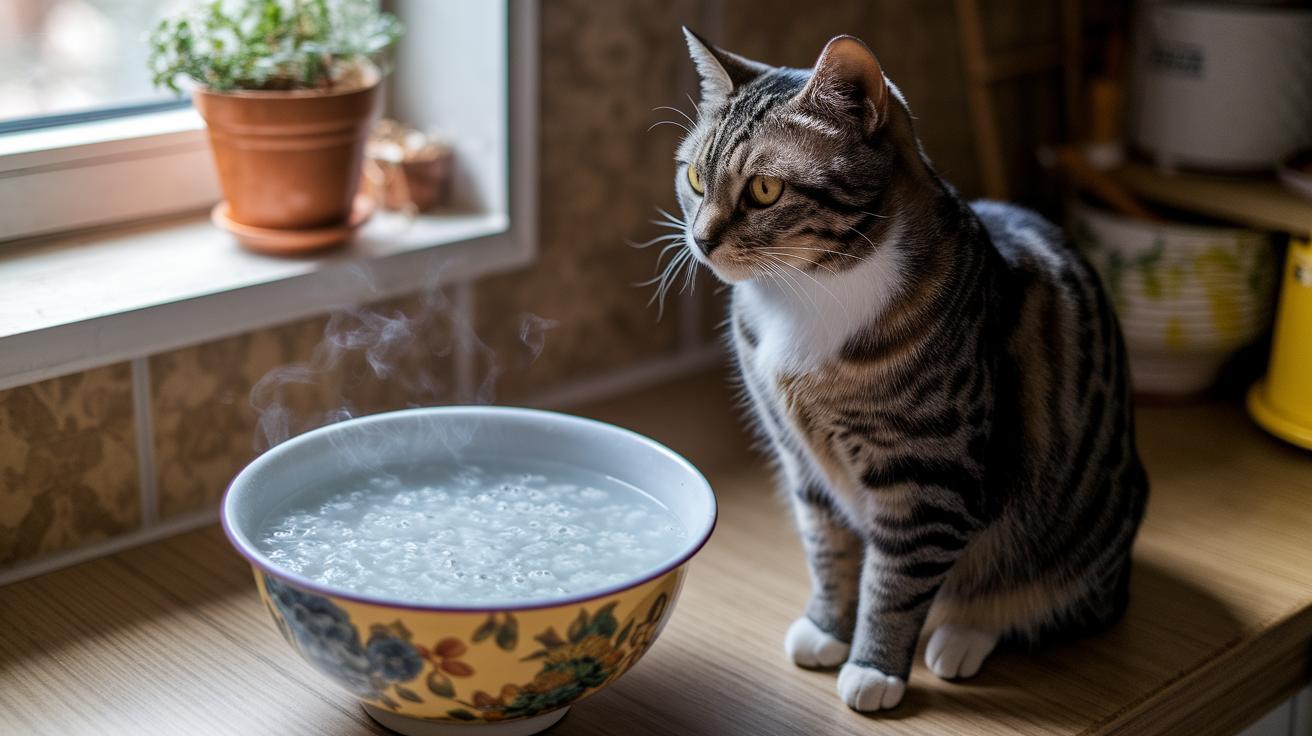
    Whip up some rice water: simmer 1 cup of rice in 4 cups of water for 10–30 minutes, then strain and let it cool. This lightly starchy drink soothes sore tummies and helps replace lost fluids.

    Mix clear, unflavored Pedialyte (an electrolyte solution) exactly as the bottle says. Pour a few milliliters into a small dish so your cat can lap up those essential salts. Stick to the plain version, no extra flavors or you might invite more stomach trouble.

    Swap dry kibble for canned food, or stir 1 tablespoon of warm water into wet food. Canned meals come with bonus hydration, each bite is like a tiny drink. Your cat’s whiskers will twitch with delight as they chow down on this thirst-quencher.

    If they still won’t drink, grab a small syringe and gently squirt 5–10 ml of water every few hours. Go slow, keep your voice soft, and praise them with a little “good kitty.” Syringe feeding can be a real lifesaver when weakness gets in the way of thirst.

    Monitoring Stool Consistency and Warning Signs in Cat Diarrhea

    Monitoring Stool Consistency and Warning Signs in Cat Diarrhea.jpg

    First, keep an eye on your kitty’s poop. I know, it’s a bit icky but stick with me – this is important! Use a simple scale: watery (almost liquid), mushy (it holds a shape but wobbles), soft (it bends under a fork), or formed (normal firmness). Jot down what you see in a tiny notebook or record a quick voice note so you remember exactly what’s going on.

    Next, note how often your cat goes number two. Once or twice a day is pretty normal, I guess. But if you spot loose stools three or more times in 24 hours, it’s time to watch more closely. Actually, that many runs isn’t feline fine.

    We’ve got red flags! Bright red blood or streaks of mucus in the stool mean it’s time to call the vet. No hesitating. And no guessing.

    You’ll also want to check for dehydration, you know, with a skin-tent test (pinch the loose skin at the back of the neck and see how fast it snaps back). If the skin hangs or slowly returns, that’s a dehydration warning. Your cat’s eyes might look sunken, their gums could feel dry, and they might be way more tired than usual. If anything seems off, it’s smart to check in with your vet.

    Keep an eye on their appetite too. If they stop eating, vomit a lot, or suddenly drop weight, those are more call-the-vet signals. Better safe than sorry, right?

    Identifying Common Causes of Cat Diarrhea

    Identifying Common Causes of Cat Diarrhea.jpg

    Your kitty’s loose stool can come from a mix of culprits. Pinpointing the cause helps soothe upset tummies and dodge surprise cleanups. So let’s track down what’s behind your cat’s runny stool.

    • Parasites: Giardia (tiny protozoa, microscopic parasites), roundworms (long spaghetti-like worms), and hookworms (tiny worms with hook-like mouths) can set up camp in the gut and turn firm stools into soft squishes.
    • Bacterial infections: Salmonella and Campylobacter (germs that love raw food or dirty water) can upset your cat’s gut and lead to loose stools.
    • Viral infections: Panleukopenia (a severe cat virus) and feline coronavirus (the cat version of the virus you’ve heard about) can bring on sudden, watery diarrhea.
    • Stress-related diarrhea: Big life changes, like moving to a new home, staying at a boarding kennel, or loud remodeling, can jolt your cat’s digestion.
    • Sudden diet change: Switching food brands or overloading on rich people food can shock the digestive system and cause soft poops.
    • Toxic tummy upset: Chewing certain plants, sniffing cleaning supplies, or nibbling human meds can lead to an unhappy kitty belly.

    Knowing which of these six troublemakers is behind the mess helps you pick the right plan. Think parasites? A quick fecal test at the vet spots those tiny invaders. And swapping back to your cat’s usual chow can tame diet shocks.

    Stress or toxins messing with their belly? Pull out the stress trigger or nix the toxic nibble and you’ll see diarrhea dry up. That means fewer emergency mop-ups and more contented purrs. Worth every paw print.

    When to Call the Vet for Cat Diarrhea

    When to Call the Vet for Cat Diarrhea.jpg

    Hey cat lovers, spotting diarrhea can make your day messy. But catching red flags early helps your furball feel better fast. If your kitty has loose stools for more than two days, it’s time to reach out. And if you see bright red blood or sticky black stool, don’t wait. Vomiting more than twice in a day is another warning sign. Plus, if your cat seems like a limp noodle, sunken eyes, dry gums, or skin that takes too long to snap back, it’s vet o’clock.

    Recognizing Urgent Symptoms

    • Loose stools that last more than two days
    • Bright red blood or tarry black stool
    • Vomiting more than twice in 24 hours
    • Extreme tiredness, loss of appetite, hiding away
    • Dehydration signs (sunken eyes, dry gums, skin slow to snap back when pinched)

    Veterinary Diagnostics and Treatment

    Once you’re at the clinic, the vet will ask for a stool sample to check for parasites (tiny bugs). They may run blood work (a quick check of organs and cells). Sometimes they’ll use ultrasound (a gentle sound-wave scan) or endoscopy (a tiny camera on a tube) to peek inside.

    Treatment can include dewormers, anti-nausea meds, and fluid therapy (think gentle IV fluids to rehydrate). Your kitty might also get a special prescription diet to soothe the gut. I know, sounds like a science fair. But it helps rule out hidden trouble and gets your furball purring again. The vet will want a follow-up stool check or blood test in one to two weeks to make sure your cat is on the mend.

    Prevention and Hygiene Measures to Avoid Feline Diarrhea

    Prevention and Hygiene Measures to Avoid Feline Diarrhea.jpg

    Ever watched your cat make a surprise puddle on the floor? Let's stop that. A few simple habits and a calm corner can help your furball stay cozy and you stay mess-free.

    • Keep meals on a regular schedule. When you swap in a new food, mix in small bites over 7 to 10 days so your cat’s tummy (belly) isn’t shocked.
    • Scoop the litter box every day. Then once a week, scrub it with an unscented disinfectant (a mild cleaner with no added scent). Wear gloves to skip any icky surprises and seal the waste in a plastic bag before tossing it.
    • Stay on top of parasite-control (medicine against worms or fleas). On-time dewormers (to zap worms) and flea-and-tick treatments keep your kitty’s gut happy.
    • Give stress relief a starring role. A quick play session, a cozy hideaway, and a sturdy scratching post keep your cat busy, calm, and less likely to have worry poops.
    • Plug in a pheromone diffuser (a device that releases gentle cat signals), like Feliway. The soft scent makes your kitty feel secure when life gets noisy.

    Worth every paw-print.

    Consistent meals, a spotless litter spot, and mellow vibes go a long way. Your kitty will be feeling feline fine, and you’ll love the peace of mind.

    Final Words

    Jumping right in: you’ve learned how to triage loose stools in the first 24 hours.

    Next, you’ve got simple home diets, hydration tips, and ways to track changes. Then we dug into causes, vet red flags, and cleaning routines.

    Now it’s your turn to keep those playful paws healthy and your home tidy. With these steps at your side, you’ll know exactly what to do cat diarrhea and keep kitty feeling fine and furniture scratch-free.

    FAQ

    What if my cat has diarrhea but is acting fine?

    If your cat has diarrhea but seems fine, monitor hydration and stool frequency for 24 hours. Offer water, hold food briefly, then try bland meals; call your vet if symptoms persist.

    What homemade food can I give a cat with diarrhea?

    Boil boneless, skinless chicken and mix with white rice (1:2 ratio). Serve four small meals daily once diarrhea eases, adding plain pumpkin puree for firmer stools.

    What home remedies help cat diarrhea?

    Fasting for 12–24 hours, then offering small bland meals can help. Probiotics, pumpkin puree, and cat-safe stool binders also soothe intestines and firm up loose stools.

    Will cat diarrhea resolve on its own?

    Cat diarrhea often resolves within 24–48 hours with home care and hydration. If loose stools continue beyond two days or symptoms worsen, seek veterinary advice.

    What anti-diarrhea medicine is safe for cats?

    Safe options include kaolin-pectin binders dosed per pet weight. Avoid human Imodium or Pepto Bismol. Always consult your veterinarian before giving any medication.

    Why is my cat’s poop like diarrhea?

    Diarrhea-like stool often stems from diet changes, parasites, bacterial infections, stress, or toxin exposure. Identifying the cause guides proper treatment and prevents repeats.

    What should I do if my cat has diarrhea for a week?

    If diarrhea persists for a week, arrange a veterinary visit for diagnostics like fecal tests and blood work. Continued loose stools risk dehydration and nutrient loss.

    Related Articles

  • Can Cat Eat Dragon Fruit Safely and in Moderation

    Can Cat Eat Dragon Fruit Safely and in Moderation

    Ever wondered if your cat could munch on dragon fruit without a hitch? It's a question many cat lovers ponder. Dragon fruit is vibrant and tempting, but is it safe for your feline friend? The good news is that cats can safely nibble on dragon fruit. According to experts, this exotic fruit is non-toxic, but moderation is vital. It’s not a replacement for their meaty meals. Before you let your cat sample this tropical treat, explore the benefits and potential risks to ensure a safe taste test.

    Can Cats Eat Dragon Fruit?

    Can Cats Eat Dragon Fruit-1.jpg

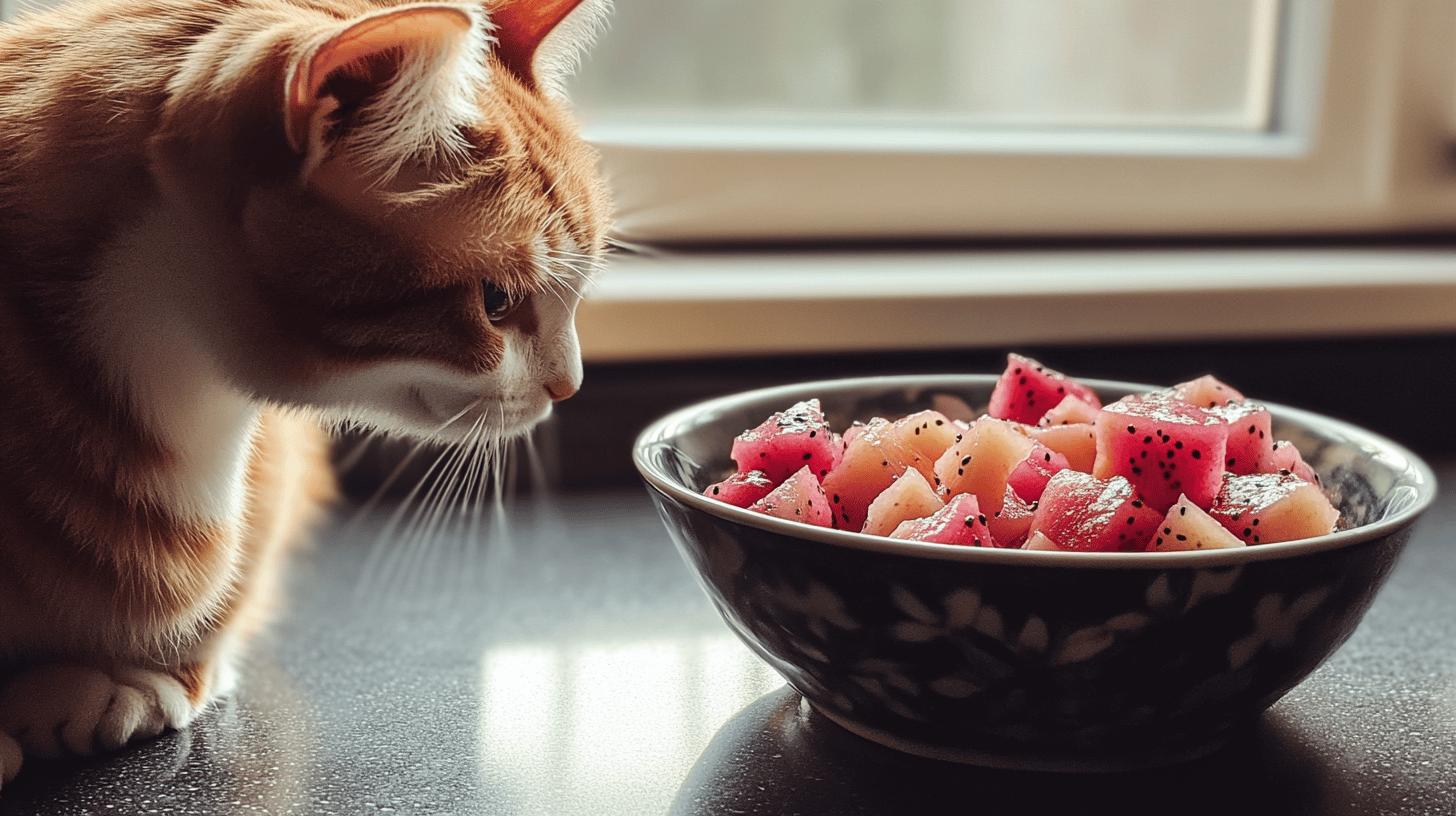
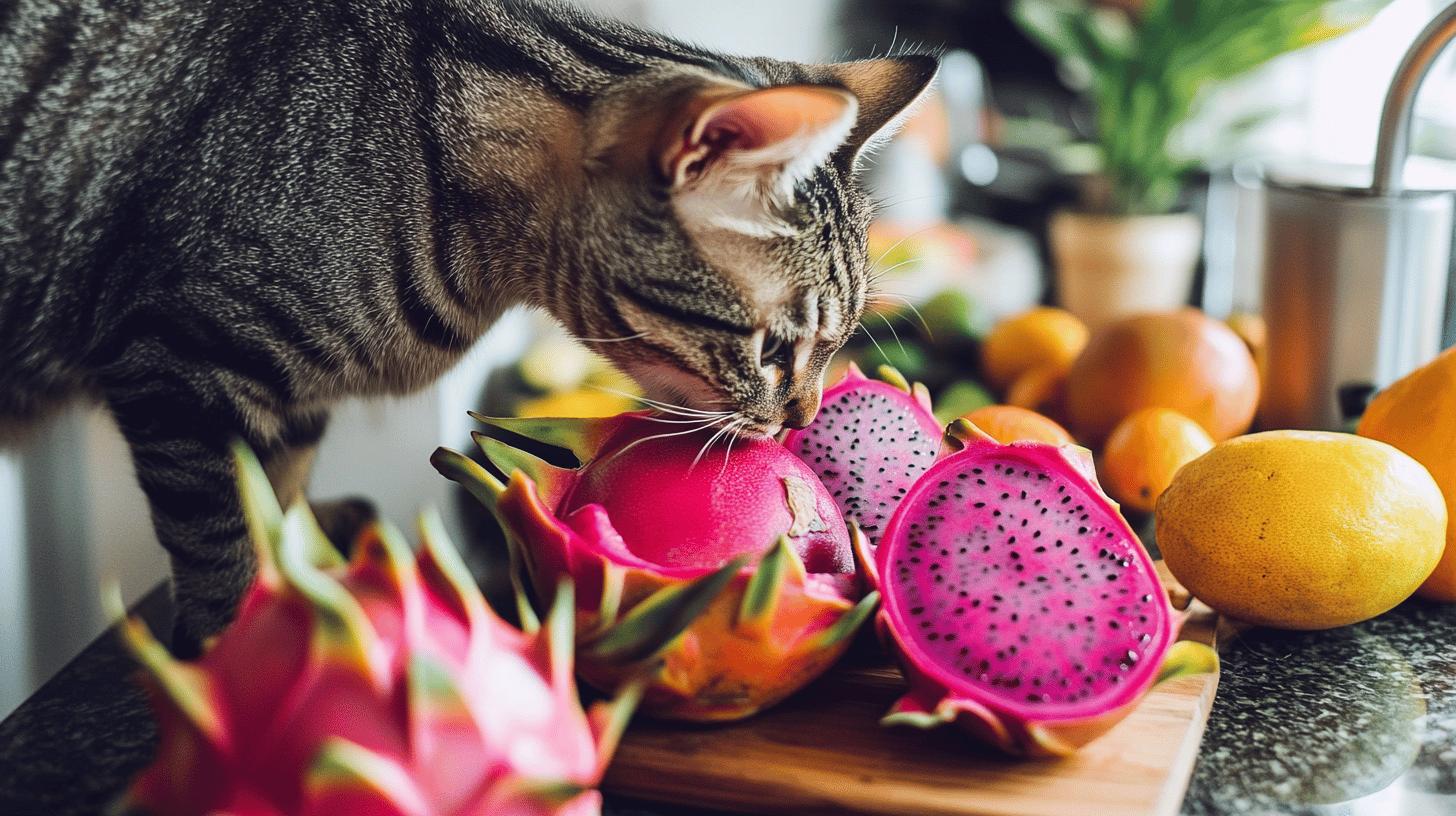
    Yes, cats can eat dragon fruit safely. According to the ASPCA, dragon fruit is non-toxic to cats, including both the plant and its fruit. It doesn't contain any harmful compounds that might jeopardize a cat's health. However, like with any treat outside their regular diet, moderation is key. A few bites of dragon fruit can be a fun, occasional treat, but it should never replace the animal proteins that are essential to their diet.

    Even though dragon fruit is safe, cats might not find it particularly appealing. The flesh of dragon fruit is low in calories and sweet, but sweetness isn't something cats detect. Cats lack taste receptors for sweetness, making it unlikely they will crave or show interest in eating dragon fruit. This means that while offering a small piece won't harm them, you might find your feline friend uninterested in this exotic fruit.

    Health Benefits and Risks of Dragon Fruit for Cats

    Health Benefits and Risks of Dragon Fruit for Cats-1.jpg

    Dragon fruit is packed with nutrients like vitamin C, fiber, and antioxidants, which can offer some health benefits for cats. Vitamin C supports the immune system, fiber aids digestion, and antioxidants help minimize free radical damage. While these nutrients are beneficial, remember that cats need animal proteins as their primary nutrition since they are obligate carnivores.

    Feeding your cat too much dragon fruit can pose potential risks:

    • Digestive issues: High fiber can lead to constipation or diarrhea.
    • Nutritional imbalance: Overconsumption can cause a lack of essential nutrients.
    • Choking hazards: Improperly prepared pieces might be a choking risk.
    • Allergic reactions: Though rare, gradual introduction is recommended.
    • Vitamin imbalances: Excessive fruit intake could disrupt vitamin levels.

    Moderation is key when offering dragon fruit to your cat. A small amount can be an occasional treat, but it should not replace the meat-based diet crucial for their health. Keep animal proteins at the core of their meals to ensure they receive all necessary nutrients, maintaining their well-being and happiness.

    Guidelines for Feeding Dragon Fruit to Cats

    Guidelines for Feeding Dragon Fruit to Cats-1.jpg

    When serving dragon fruit to your cat, proper preparation is crucial. Start by removing the seeds, as they might pose a choking hazard or lead to digestive issues. The skin of the dragon fruit is tough and not easily digestible, so peel it off and only offer the soft inner flesh. This way, you ensure your cat gets to taste a bit of this exotic treat without facing any unnecessary risks.

    Here are some safe feeding practices to follow:

    • Offer only small amounts at a time.
    • Gradually introduce dragon fruit to monitor any reactions.
    • Ensure all seeds are removed.
    • Remove the skin before serving.
    • Serve as an occasional treat, not a meal replacement.
    • Observe the cat for any signs of distress after eating.
    Feeding Practice Description
    Offer Small Amounts Give just a few bites to avoid digestive overload.
    Introduce Gradually Start with a tiny piece to check for tolerance.
    Remove Seeds Ensure all seeds are taken out before serving.
    Peel Skin Only the inner flesh should be given to cats.
    Treat, Not a Meal Use dragon fruit as a rare treat, not a diet staple.
    Monitor Reaction Watch for any adverse effects post-consumption.

    For practical tips, chop the fruit into bite-sized pieces to make it easier for your cat to eat. Doing so reduces the risk of choking and ensures that your cat can handle the texture. Always keep a close eye on your feline friend while they explore this new snack, and be ready to consult your vet if you notice any unusual behavior or digestive upset.

    Can Cats Eat Dragon Fruit?

    Comparing Dragon Fruit with Other Fruits for Cats-1.jpg

    Cats can enjoy a few fruits safely, which can serve as occasional treats. Blueberries, apples (without seeds), and bananas are generally safe fruits for cats to nibble on. These fruits provide some vitamins and fiber, but remember, they should only be given in small amounts. Watermelon (seedless) and strawberries are also considered cat-friendly, but always ensure they are fresh and prepared properly to avoid any digestive issues.

    Fruits to avoid due to toxicity include:

    • Grapes and raisins
    • Oranges
    • Lemons and limes
    • Cherries
    • Avocados

    While dragon fruit is safe for cats in moderation, it’s not particularly beneficial or appealing to them. Cats lack the receptors to taste sweetness, so they are unlikely to crave dragon fruit or other sweet fruits. Offering these fruits won't harm them, but don’t expect your cat to show much interest. Always maintain moderation when introducing any fruit, ensuring it complements rather than replaces their meat-based diet.

    Guidelines for Feeding Dragon Fruit to Cats

    Observing Reactions and Consulting Veterinarians-1.jpg

    Step Action
    Introduce Start with a small portion of dragon fruit. Offer it as an occasional treat, not a regular meal.
    Monitor Reaction Observe your cat for any signs of allergies or digestive issues. Common signs include:

    • Vomiting
    • Diarrhea
    • Excessive scratching or itching
    • Loss of appetite
    • Lethargy or unusual tiredness
    Consult a Veterinarian If your cat shows any adverse reactions, contact your vet immediately. Regular consultation can help tailor your cat’s diet to their specific needs.
    Consulting a veterinarian before adding new foods like dragon fruit is crucial. Professional guidance based on your cat’s health ensures that new treats won't disrupt their nutritional balance or cause health issues. Regular vet check-ups and open dialogue can keep your cat healthy when exploring new dietary options.

    Final Words

    Throughout this guide, we explored whether dragon fruit is safe for cats, highlighting its non-toxic nature. We touched on the health benefits, emphasizing moderation to avoid digestive upset. Practical feeding tips included removing seeds and skin, ensuring a hassle-free treat experience. We also compared dragon fruit to other fruits, identifying safe and unsafe options for cats.

    Ultimately, while cats can eat dragon fruit, it's not their favorite due to their inability to taste sweetness. Always observe your cat's reaction to new foods and consult a vet when in doubt, ensuring a healthy and enjoyable diet for your feline friend.

    FAQ

    Can cats eat dragon fruit raw?

    Cats can eat dragon fruit raw. It is non-toxic and safe when consumed in moderation. However, you should remove seeds and skin to avoid any digestive issues or choking hazards.

    Can cats drink dragon fruit juice?

    Cats can have small amounts of dragon fruit juice. Ensure it's pure and without added sugars or preservatives. Serve sparingly to avoid any digestive upset.

    Is dragon fruit safe for cats to eat, including seeds?

    Dragon fruit is safe for cats to eat, but remove the seeds. Seeds can pose a choking risk or cause digestive problems, so only offer the soft inner flesh.

    Is dragon fruit poisonous to cats?

    Dragon fruit is not poisonous to cats. It is considered non-toxic and safe in small amounts, but should not replace their regular meat-based diet.

    What fruits are toxic to cats?

    Fruits toxic to cats include grapes, oranges, lemons, cherries, and raisins. These can cause serious health issues and should be avoided entirely.

    What fruits can cats safely eat?

    Cats can eat bananas, apples (without seeds), blueberries, and pumpkin in moderation. These fruits provide some nutritional benefits without posing a risk to their health.

    Why do animals love dragon fruit?

    Animals may find dragon fruit appealing due to its texture or novelty. However, cats typically don’t have a sweet tooth and might not show much interest in it.

    Are there benefits to feeding dragon fruit to cats?

    Dragon fruit offers vitamin C, fiber, and antioxidants. While beneficial, it should be given in moderation and not as a replacement for a cat’s meat-based diet.

    Can dogs eat dragon fruit?

    Dogs can eat dragon fruit safely. Like with cats, ensure to remove the seeds and skin and serve in moderation to prevent any digestive issues.

    How do I know if my cat is having an allergic reaction to dragon fruit?

    Signs of an allergic reaction to foods like dragon fruit include vomiting, diarrhea, itching, or swelling. Consult your vet if any of these symptoms appear.

    Related Articles

  • Can Cat Eat Bell Pepper Safely and How to Prepare Them

    Can Cat Eat Bell Pepper Safely and How to Prepare Them

    Can bell peppers and cats mix safely? It’s a question many cat owners ponder. Bell peppers are colorful and packed with nutrients for humans, but can they offer any benefits to our feline friends? If you’re curious about feeding your cat these crunchy veggies, the good news is that small amounts are safe. In this article, I’ll guide you through the safe preparation of bell peppers for cats and ensure a pleasant, risk-free experience for your pet. Discover how to add a burst of color to your cat’s occasional treats!

    Can Cats Eat Bell Peppers Safely and How to Prepare Them?

    Can Cats Eat Bell Peppers Safely and How to Prepare Them-1.jpg

    Cats can safely eat bell peppers, but only in small amounts. These colorful vegetables are non-toxic to our feline friends and can be offered as an occasional treat. While cats are obligate carnivores, a tiny bit of bell pepper won't harm them. It’s important to remember that bell peppers should only be a rare snack and not a regular part of their diet.

    When giving bell peppers to your cat, follow these safety and preparation guidelines to ensure a pleasant experience for your pet:

    • Portion Size: Offer only a small piece, about the size of a thumbnail, to avoid overfeeding.
    • Frequency: Serve bell peppers no more than once or twice a week.
    • Preparation: Wash the bell pepper thoroughly to remove any pesticides or dirt.
    • Cooking Method: Boil the bell pepper to soften it and reduce the risk of choking.
    • Serving Style: Serve plain, without any added seasonings, oils, or dressings.
    • Observation: Monitor your cat after eating to watch for any adverse reactions.

    While bell peppers are generally safe, there are some risks to consider. The firm and chewy texture can pose a choking hazard, especially if the pieces are too large or not softened through boiling. Always avoid adding any seasonings, as ingredients like onions or garlic are toxic to cats. If your cat shows any signs of discomfort or allergic reactions, such as itching or digestive issues, discontinue feeding bell peppers and consult a veterinarian. By following these guidelines, you can safely introduce bell peppers as a small, occasional treat in your cat’s diet.

    Nutritional Value of Bell Peppers for Cats

    Nutritional Value of Bell Peppers for Cats-1.jpg

    Bell peppers are packed with a variety of nutrients that are beneficial to humans, but their impact on cats is quite different. An 80-gram serving of bell pepper contains about 17 calories, 0.6 grams of protein, 0.2 grams of fat, and 3.4 grams of carbohydrates. They also offer 1.8 grams of fiber, 173 milligrams of potassium, 60 micrograms of folate, and a notable 101 milligrams of vitamin C. While these components seem promising, their significance shifts when considering a cat's dietary needs.
    Cats are obligate carnivores, meaning their diet is primarily based on meat, and they derive their essential nutrients from animal sources. The vitamins and minerals found in bell peppers aren't necessary for cats because they don't metabolize plant-based nutrients as efficiently as humans do. For instance, while vitamin C is an important antioxidant for humans, cats naturally produce it in their bodies, making external sources like bell peppers redundant.

    Despite their limited role in a cat's diet, bell peppers can offer some minor health benefits. Vitamins A and C, though not essential, can contribute to overall well-being in small ways. Vitamin A supports vision and immune health, while the fiber in bell peppers might aid in digestion. However, these benefits are minimal, and a balanced diet rich in high-quality cat food will adequately meet a cat's nutritional requirements. Bell peppers can be a fun, occasional treat, but they should never replace the primary components of a cat's diet.

    Monitoring Cat Behavior and Recognizing Food Allergies

    Monitoring Cat Behavior and Recognizing Food Allergies-1.jpg

    When introducing new foods like bell peppers to your cat, it's crucial to keep an eye out for any allergic reactions. Cats can be sensitive creatures, and even non-toxic foods can cause issues for some. Common symptoms of food allergies in cats include itching, swelling, and digestive problems such as vomiting or diarrhea. It's essential to monitor your cat's behavior closely after introducing bell peppers or any new food to ensure they do not experience discomfort or adverse reactions.

    If you suspect your cat is having an allergic reaction or experiencing negative symptoms after eating bell peppers, consider these steps:

    • Stop Feeding the Food: Immediately discontinue giving bell peppers if any symptoms occur.
    • Observe Your Cat: Keep a close watch on your cat for a few hours to see if symptoms worsen or improve.
    • Consult a Veterinarian: If symptoms persist or are severe, it's important to contact your vet for advice.
    • Note the Reaction: Write down the symptoms and any other foods your cat recently consumed for future reference.
    • Avoid Reintroduction: Do not reintroduce bell peppers without consulting a vet, especially if your cat had a strong reaction.

    Symptoms like excessive drooling, pawing at the mouth, or changes in behavior could indicate discomfort or distress after eating bell peppers. If your cat consumes too much, they may experience more severe digestive issues that require veterinary attention. Some cats are more prone to stomach upset with bell peppers and should avoid them entirely. Always err on the side of caution and seek professional advice if you're unsure about your cat's symptoms.

    Introducing new foods to your cat's diet should always be done cautiously. Start with small amounts and gradually observe how your cat reacts. Not every cat will have the same tolerance for new foods, and some may develop allergies over time. By monitoring your cat and being attentive to changes in their behavior or health, you can ensure a safe and happy diet experience.

    The Role of Bell Peppers in a Cat's Diet

    The Role of Bell Peppers in a Cats Diet-1.jpg

    Bell peppers aren't necessary for a cat's diet. Cats are obligate carnivores, needing animal proteins to thrive. Occasionally, a small piece of bell pepper can be a fun treat. But it should never replace high-quality cat food.

    Red bell peppers have more vitamin C and beta carotene than green or yellow ones. While these vitamins are good for humans, cats don't need them. They produce their own vitamin C naturally.

    Focus on a balanced diet that meets cats' nutritional needs. Quality cat food is key to their health. Bell peppers can be a novelty treat, not a staple.
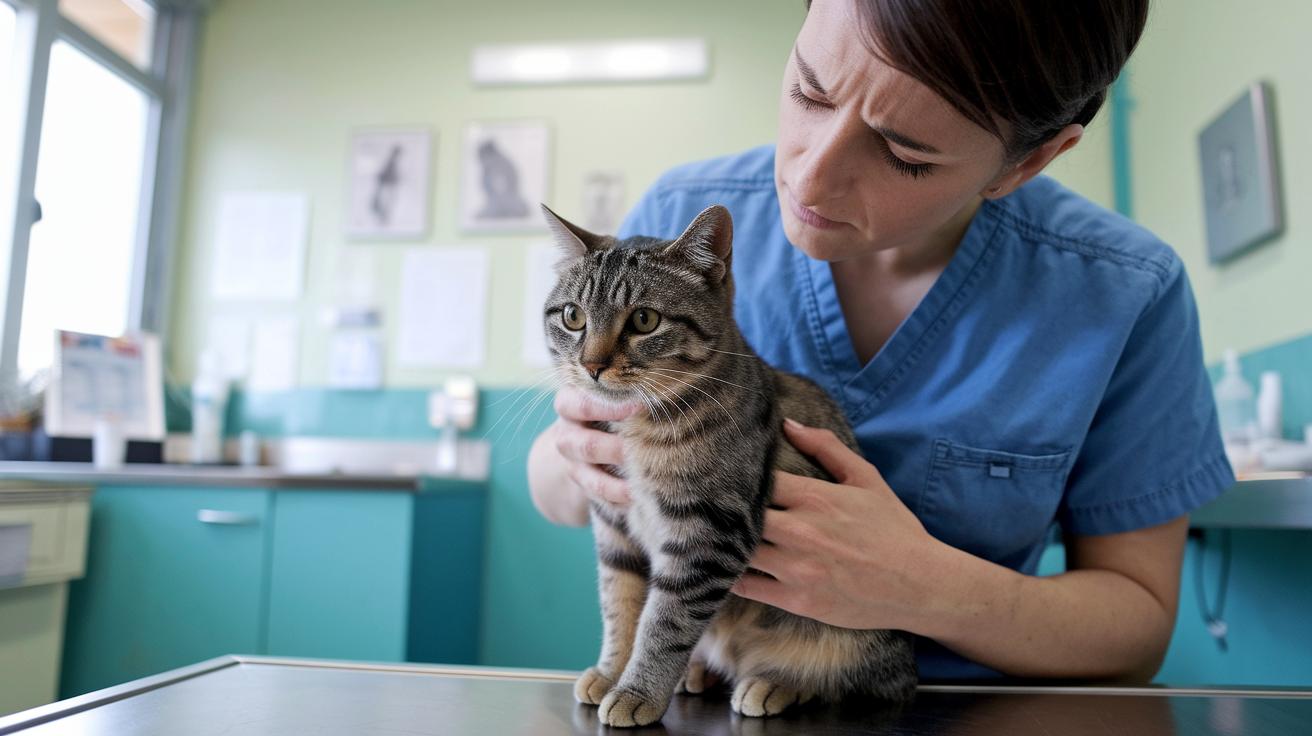
    Final Words

    Feeding your cat bell peppers is safe as long as it's done sparingly. They can be a fun, rare treat when prepared correctly. Bell peppers should be boiled and offered in small, plain pieces to avoid any choking hazards. They are not essential for cats since their diet mainly needs proteins. While they can offer some vitamins, their nutritional benefits are limited. Always watch your cat for any signs of allergies or discomfort after trying new foods. Giving your cat an occasional taste of bell peppers can be a safe and enjoyable experience.

    FAQ

    Can cats eat bell peppers?

    Cats can eat bell peppers in small amounts. They are non-toxic and can be a rare treat. Serve them in small pieces, either raw or boiled without seasonings, to avoid choking hazards.

    Are bell peppers toxic to cats or other pets?

    Bell peppers are not toxic to cats or pets. Always serve them plain and in small portions to avoid any potential issues. Other foods like onions and garlic are toxic and should be avoided.

    Can cats eat bell pepper seeds?

    It's best to avoid feeding cats bell pepper seeds. Seeds might pose a choking hazard or cause digestive upset. Always remove seeds before giving bell peppers to cats.
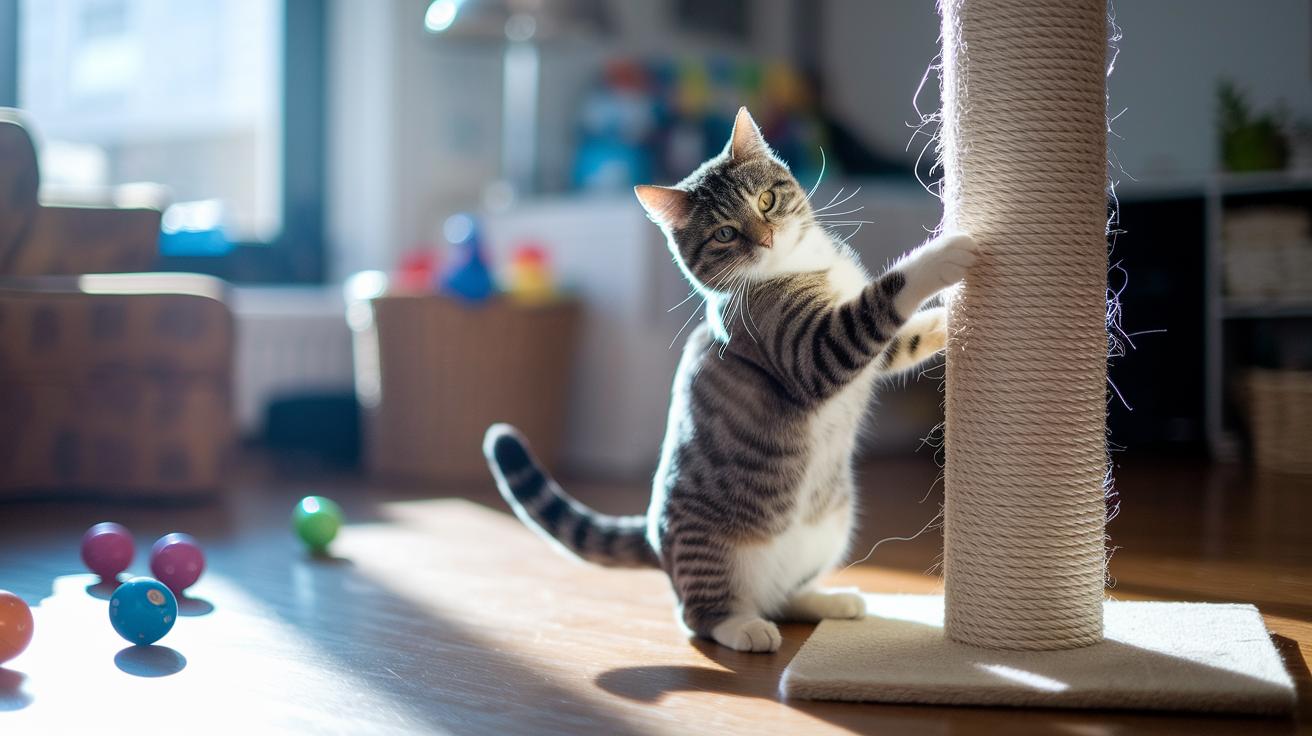
    Can cats eat other vegetables such as tomatoes or cucumbers?

    Cats can safely eat small amounts of cucumber, but avoid tomatoes, as they can be toxic. Always introduce new foods slowly and monitor for adverse reactions.

    Can cats eat chili peppers, pepper, and salt?

    Cats should not consume chili peppers, pepper, or salt. Spicy and seasoned foods can irritate their stomachs and lead to digestive issues.

    What aren't cats allowed to eat?

    Cats should not eat onions, garlic, chocolate, caffeine, and alcohol. These foods are toxic and can cause severe health problems. Always ensure treats are cat-safe.

    Can cats eat corn?

    Cats can eat corn in moderation. It's generally safe but offers little nutritional value. Ensure it's plain, without added butter or salt. Monitor for any digestive issues.

    Are peppers toxic to pets in general?

    Peppers are not toxic to most pets when served plain and in small amounts. Always consult with a vet if unsure about specific foods for pets.

    Related Articles

  • Can Cat Eat Cashew Understanding the Risks and Nutritional Concerns

    Can Cat Eat Cashew Understanding the Risks and Nutritional Concerns

    Can cats eat cashews safely? Not really. While cashews aren’t acutely toxic like chocolate or grapes, they contain compounds and nutrients that make them inappropriate for cats. The most interesting risk factor: the shell compound is in the same chemical family as poison ivy. This guide covers cashew-specific compounds, different forms of cashews and their risks, and why the fat content is particularly problematic.

    What’s Actually in a Cashew: Compounds That Concern Vets

    Urushiol (The Poison Ivy Compound): This is the most interesting and underappreciated risk in cashews. Urushiol is present in cashew shells and the thin layer between the shell and the nut itself. It’s the same compound that causes allergic reactions in poison ivy and poison oak. Commercial cashews are heat-treated (roasted) to remove most urushiol, but trace amounts may remain on processed nuts or in the oils.

    For most cats, trace urushiol from commercial cashews is not acutely toxic. However, if your cat has sensitivity to urushiol (some do, just like some humans are more reactive to poison ivy), exposure can cause skin irritation, mouth irritation, or GI distress. This varies individual to individual.

    Anacardic Acid: Another compound in the cashew shell and nut. It has antimicrobial and antioxidant properties in humans, but in cats, it contributes to the cumulative irritant effect. Anacardic acid is partially destroyed by roasting but some remains in the nut.

    Oxalic Acid: Present in cashews at moderate levels. Oxalates interfere with calcium absorption and can contribute to mineral imbalances in cats. Regular cashew feeding (if that were to happen) could create problems over time.

    Fat Content (44% of cashew weight): Cashews are roughly 44% fat. nearly half their weight. For context, cooked chicken is 3-5% fat. The fat in cashews is primarily unsaturated fat (not inherently toxic), but the quantity is the issue. Cats eating high-fat foods are at risk for pancreatitis. inflammation of the pancreas that can be life-threatening.

    The combination of urushiol, anacardic acid, oxalates, and extreme fat density makes cashews fundamentally inappropriate for cats, even in small amounts.

    Cashew Forms: Ranked by Risk for Cats

    Raw Cashews with Shell (Highest Risk): Urushiol content is at maximum. The shell itself is not edible, but fragments and the layer beneath the shell contain full-strength urushiol. If your cat ate a raw cashew with shell, contact your vet. this is the highest-risk scenario.

    Roasted Unsalted Cashews (Moderate Risk): Heat treatment reduces but does not eliminate urushiol. Fat content is still 44%. Safe to say “no,” but if your cat ate one or two, monitoring is sufficient in most cases. Watch for mouth irritation, vomiting, or diarrhea.

    Roasted Salted Cashews (Moderate-High Risk): Same urushiol/fat concerns as unsalted, plus added sodium. Excess salt can cause hypernatremia (dangerously high blood sodium) in cats. Avoid entirely.

    Cashew Butter (High Fat Concentration): Cashew butter is essentially the nut oils and solids concentrated. The fat density is even higher than whole cashews. Choking hazard due to thickness and stickiness. Pancreatitis risk is significant. Do not feed.

    Honey Roasted or Candied Cashews (Toxic Risk): Added sugars, honey coating, and often glycerin (xylitol risk). This is the most dangerous form. Do not let cats near these.

    Cashew Milk (Non-Dairy Alternative): Made by blending cashews with water and straining. Lower fat density than whole cashews (typically 2-3% fat), but often contains added emulsifiers (guar gum, carrageenan) and thickeners that can upset sensitive cat stomachs. Also high in unnecessary carbohydrates. Not recommended.

    Fat Overload: The Pancreatitis Risk

    Pancreatitis. inflammation of the pancreas. is a serious, sometimes life-threatening condition in cats. Cats are particularly susceptible to pancreatitis from high-fat meals. Unlike dogs, cats can develop pancreatitis from even a single high-fat exposure or from cumulative low-level fat overload.

    How Pancreatitis Develops: The pancreas secretes digestive enzymes and produces insulin. When a cat eats a very high-fat food, the pancreas works overtime to produce lipase (the enzyme that breaks down fat). This overwork can trigger inflammation of the pancreatic tissue itself.

    Acute Pancreatitis Symptoms (appear within hours to 2 days):

    • Vomiting (often severe, repeated)
    • Lethargy or depression (cat seems sick)
    • Loss of appetite (not interested in food)
    • Abdominal pain or tenderness (hunched posture, reluctance to be touched)
    • Diarrhea (may be bloody)
    • Dehydration (dry gums, loss of skin turgor)

    Chronic Pancreatitis Symptoms (develop over weeks/months):

    • Recurring vomiting or diarrhea
    • Weight loss despite normal appetite
    • Chronic lethargy
    • Poorly controlled diabetes (if present)

    Pancreatitis is diagnosed via blood tests (elevated amylase and lipase) and ultrasound imaging. Treatment is supportive (fluids, anti-nausea medication, pain management) and prevention of future high-fat exposures.

    Bottom Line: One cashew is unlikely to cause pancreatitis in a healthy cat. However, regular cashew feeding or a cat with predisposition to pancreatitis eating even one cashew is risky. If your cat ate a cashew and shows vomiting or abdominal pain within 24 hours, contact your vet. this may be pancreatitis.

    If Your Cat Ate Cashews: What to Do

    One to Two Unsalted Roasted Cashews: Monitor for 24-48 hours. Watch for vomiting, diarrhea, mouth irritation, or abdominal discomfort. Most cats show no symptoms. If your cat is symptom-free after 48 hours, no vet visit needed.

    Multiple Cashews or Salted Cashews: Monitor closely. Higher fat and salt load. If vomiting, diarrhea, or lethargy develops, vet visit is recommended. Mention the salt content and amount eaten.

    Raw Cashews with Shell or Honey Roasted: Vet contact is recommended due to urushiol risk or potential toxins. Provide: amount eaten (estimate), form (roasted, raw, candied), time ingested, any symptoms observed. Your vet may recommend bloodwork to monitor pancreatic enzymes and lipid levels.

    Cashew Butter: High fat exposure. If more than a lick was ingested, monitor for pancreatitis symptoms (vomiting, lethargy, abdominal pain). Contact vet if any of these appear.

    Long-Term Metabolic Effects and Cumulative Risk

    While a single cashew exposure is unlikely to cause acute pancreatitis in a healthy cat, the real risk lies in cumulative exposure and metabolic burden over time. Cats that are regularly exposed to high-fat foods, including cashews, develop metabolic stress that accumulates across months and years.

    Lipid Metabolism in Cats: Cats have a fundamentally different metabolic architecture than humans or even dogs. They lack certain liver enzymes that help break down excess dietary fat. When a cat consumes high-fat foods like cashews, the pancreatic system must work significantly harder to produce the necessary digestive enzymes. This chronic overwork increases inflammation in pancreatic tissue, gradually lowering the threshold at which acute pancreatitis can be triggered.

    Metabolic Memory: Recent feline metabolism research suggests that cats’ pancreatic systems develop a form of metabolic memory. Repeated high-fat exposures create a primed inflammatory state. A cat that has been fed cashews or other high-fat table foods multiple times is at higher risk from a subsequent exposure, even months later, than a cat with no prior history.

    Long-term consequences include insulin dysregulation, weight gain despite normal appetite, and increased diabetes risk. For senior cats (over 10 years), the metabolic burden is even more significant.

    Final Words

    Cashews are not toxic in the way grapes or chocolate are, but they’re inappropriate nutrition for cats. The combination of urushiol (poison ivy family), oxalates, anacardic acid, and extreme fat content makes them a “just don’t” food. If your cat accidentally ate a small amount of roasted unsalted cashews, calm monitoring is fine. If they ate raw cashews, salted varieties, or cashew butter, contact your vet. the risks are more significant.

    The interesting part of cashew risk is the urushiol compound. it’s not widely discussed in pet nutrition but is worth knowing about. Most cats won’t have sensitivity, but some will, and there’s no way to know without exposure.

    FAQ

    Can cats eat cashews?

    Not recommended. Cashews contain urushiol (poison ivy family), oxalates, and extremely high fat (44%). pancreatitis risk is significant.

    Are cashews toxic to cats?

    Not acutely toxic like grapes, but contain compounds (urushiol, anacardic acid, oxalates) and nutrients (fat) that make them risky, especially at high doses.

    What happens if a cat eats a cashew?

    Usually nothing. One small cashew causes no acute symptoms in most healthy cats. Monitor for vomiting, diarrhea, or abdominal discomfort. If symptoms appear, contact your vet. may indicate pancreatitis.

    Can cats eat cashew butter?

    No. Cashew butter is concentrated fat (pancreatitis risk) and a choking hazard. Avoid entirely.

    Can cats eat cashew milk?

    Not ideal. Lower fat than whole cashews, but contains additives (guar gum, carrageenan) that upset sensitive stomachs. Not recommended.

    Is cashew or peanut better for cats?

    Neither. Both are high-fat, both pose choking/pancreatitis risks. Peanuts lack urushiol but have similar fat and nutritional issues. Avoid both.

    What nuts are safe for cats?

    Honestly, nuts are not recommended for cats. If you must offer a nut, macadamia nuts are toxic, almonds/walnuts are choking hazards and high-fat. Plain, cooked chicken is a far better treat.

    Related Articles

    Fat Content and Pancreatic Risk

    Cashews are roughly 49% fat by weight, making them particularly problematic for cats prone to pancreatitis. Pancreatitis (inflammation of the pancreas) is a serious condition in cats that can range from mild to severe, and high-fat foods are a known trigger. Some cats recover fully with supportive care; others develop chronic pancreatitis that requires lifelong dietary management. If your cat has any history of pancreatitis, GI sensitivity, or digestive upset, cashews and other high-fat nuts should be completely avoided.

  • Can Cat Eat Durian Safety and Nutritional Concerns Explained

    Can Cat Eat Durian Safety and Nutritional Concerns Explained

    “Can my cat enjoy durian too?” It’s a question that many cat lovers might ponder. As the notorious “king of fruits,” durian fascinates with its strong aroma and unique taste. But when it comes to our feline friends, the story is different.

    While durian isn’t toxic to cats, it doesn’t offer any nutritional value and can even upset their delicate digestive systems. Cats are obligate carnivores, thriving on meat-based diets. This makes it essential to consider their specific dietary needs before offering them such unconventional treats.

    Can Cats Eat Durian? Safety, Risks, and Nutritional Aspects

    Durian is a fruit that sparks curiosity due to its strong smell and unique taste, but when it comes to our feline friends, it’s not the ideal choice. While durian is not toxic to cats, it provides no nutritional benefits for them either.

    Cats are obligate carnivores, meaning their dietary systems are designed to process animal proteins, not fruits. The high sugar content and fibrous texture of durian can lead to digestive upset. It’s crucial for cat owners to recognize that fruits like durian do not align with the nutritional needs of cats.

    Here are some potential risks of feeding durian to cats:

    • Digestive upset or diarrhea
    • No nutritional benefits
    • Potential for weight gain if overconsumed

    Veterinary experts emphasize that a cat’s diet should focus on high-quality, animal-based proteins. They advise against feeding durian to cats, as the fruit’s nutritional profile does not support feline health.

    Fruits do not provide the essential amino acids and nutrients found in meat-based diets that cats require for optimal health. Feeding durian can disrupt a cat’s digestion due to its unsuitable composition for their metabolic systems.

    Nutrient Durian Content Cat’s Need
    Sugar High Low
    Fiber High Minimal
    Protein Low High

    Cats thrive on a carnivorous diet, which means their meals should consist mainly of meat. This type of diet provides the essential nutrients, such as taurine, which are crucial for their health and well-being.

    Fruits like durian don’t meet these dietary requirements and can lead to health issues if consumed in significant amounts. For a happy and healthy cat, sticking to a diet rich in animal proteins, with fruits being an occasional treat, is the best approach.

    Safe and Unsafe Fruits for Cats: Navigating Feline Diet Choices

    Safe and Unsafe Fruits for Cats Navigating Feline Diet Choices-4.jpg

    Choosing the right fruits for cats can be a bit tricky, but it’s an important part of maintaining their health. Fruits can offer some benefits, like vitamins and hydration, but not all are suitable for feline consumption.

    It’s essential to prioritize fruits that align with a cat’s dietary needs, ensuring they receive treats that complement their nutritional requirements. While cats are primarily meat-eaters, a few safe fruits can occasionally be added to their diet to provide variety without compromising their health.

    Here’s a list of fruits that are generally safe for cats to enjoy in moderation:

    • Apples (without seeds)
    • Bananas
    • Watermelons (seedless)
    • Strawberries
    • Blueberries

    However, not all fruits are cat-friendly. Grapes and raisins, for instance, are known to be harmful and should be avoided entirely due to their potential to cause kidney issues. Citrus fruits, like oranges and lemons, are also not recommended as they can lead to stomach upset.

    Maintaining a balanced diet is crucial for a cat’s well-being, with the majority of their nutritional intake coming from high-quality, meat-based cat food. While fruits can be a healthy treat, they should never replace the essential nutrients found in a cat’s primary diet.

    Veterinary Insights: Expert Advice on Feeding Fruits to Cats

    Veterinary Insights Expert Advice on Feeding Fruits to Cats-4.jpg

    Veterinary experts stress the importance of understanding a cat’s unique physiology when considering fruits in their diet. Cats, as obligate carnivores, rely heavily on animal-based proteins.

    However, some experts note that very limited amounts of certain fruits can offer hydration or trace vitamins. For instance, apples contain vitamin C, which might be beneficial in minimal quantities. It’s crucial to understand the potential impacts on a cat’s digestive system to avoid adverse effects.

    Experts suggest if you choose to offer fruits, it should be done sparingly. Fruits like seedless watermelon can be refreshing on a hot day.

    Ensure that fruits are seedless and peeled to prevent any choking hazards or digestive issues. Always prioritize a high-quality, meat-based diet to maintain their health. These insights help us make informed decisions, balancing nutrition with the occasional treat.

    Final Words

    We’ve explored whether cats can eat durian, discussing its nutritional profile and potential risks to feline health. Durian isn’t toxic, but it lacks the nutrients cats need and may cause digestive issues. Our feline friends thrive on protein-rich diets, making durian an unsuitable choice for them.

    While some fruits are safe in moderation, like apples and bananas, a balanced diet is key for a healthy cat. Stick to foods that cater to their carnivorous nature, ensuring they remain happy and healthy. Satisfying their dietary needs supports their overall well-being.

    FAQ

    Can cat eat durian fruit?

    Cats can eat durian, but it’s not recommended. Durian isn’t toxic to cats, yet it gives no nutritional benefits and might cause digestive problems like diarrhea.

    Can cat eat durian seeds?

    Cats shouldn’t eat durian seeds. The seeds pose a choking risk and have no nutritional value for cats.
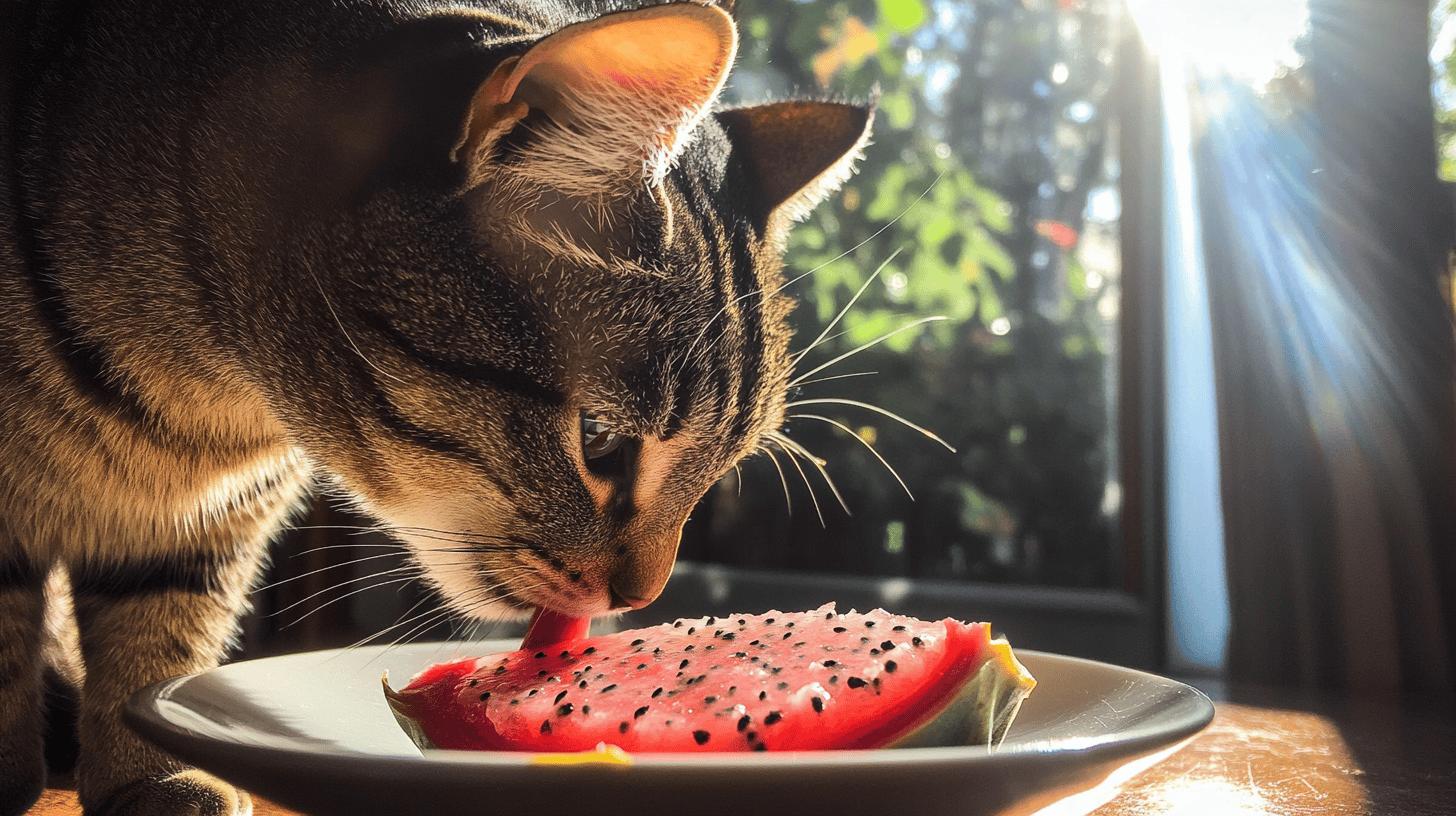
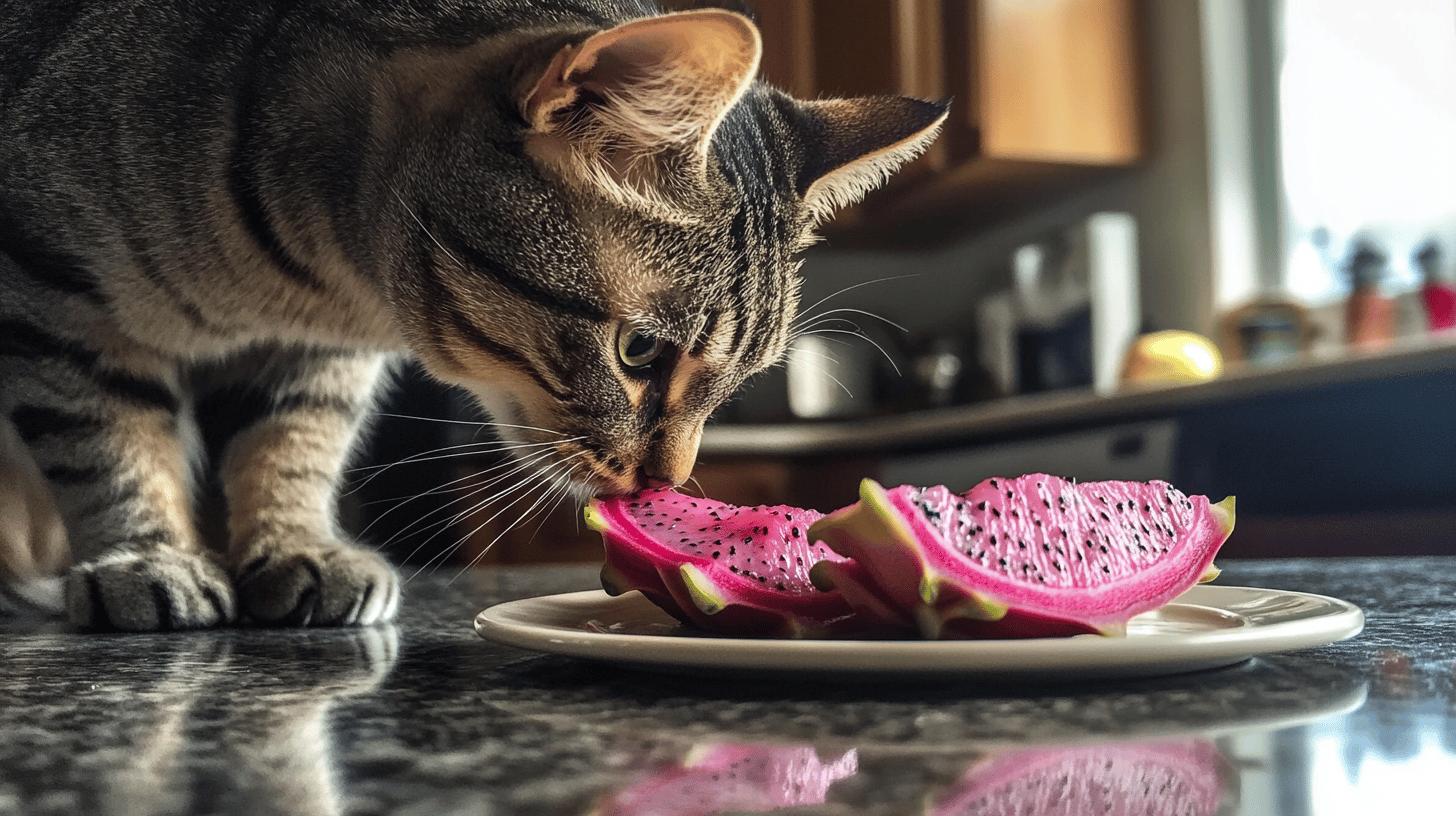
    Can cats eat durian ice cream?

    Cats should avoid durian ice cream. Ice cream can lead to digestive upset and durian doesn’t provide any benefits for cats.
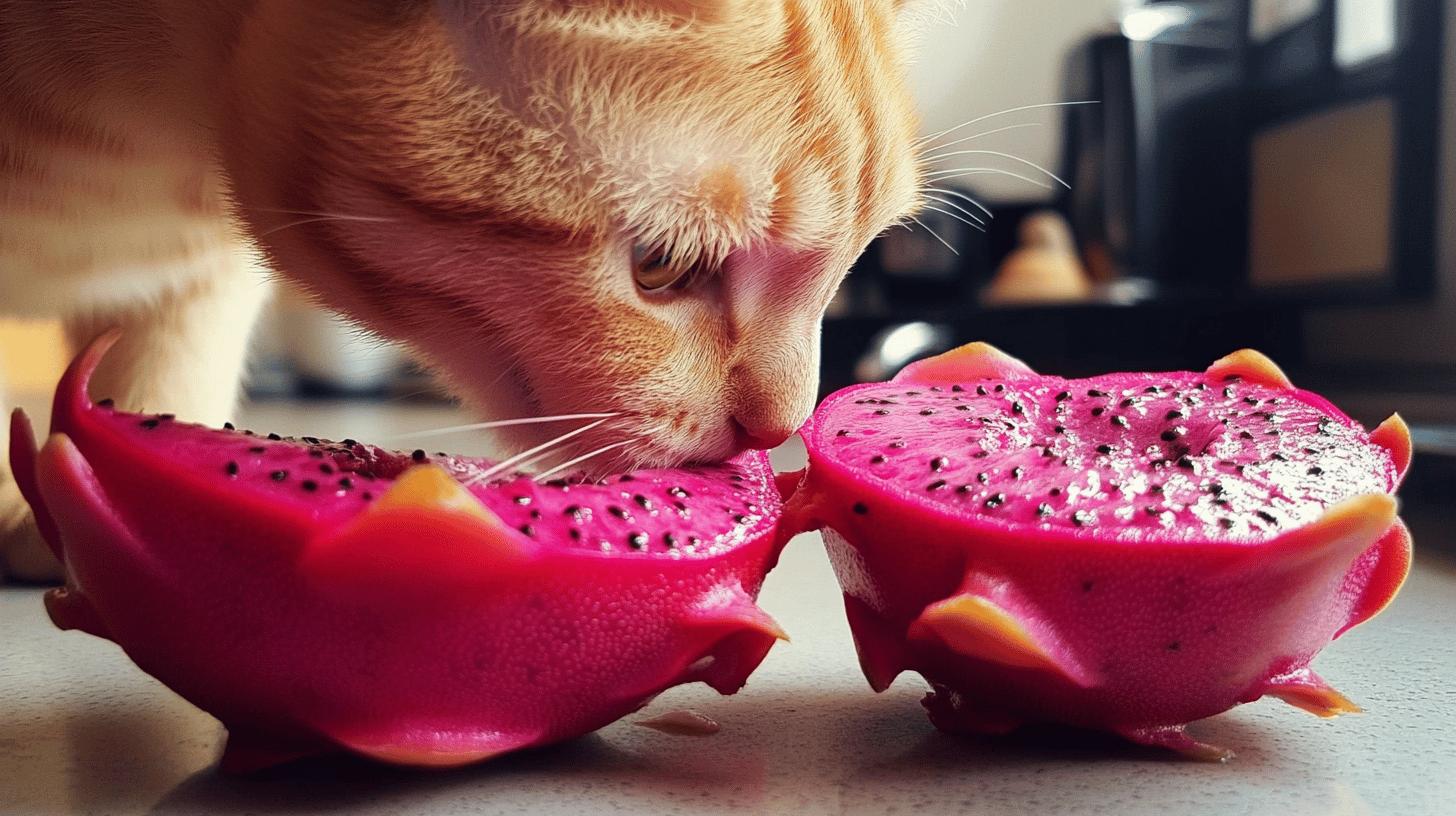
    Can dogs eat durian?

    Dogs can eat small amounts of durian. It’s not toxic, but it’s high in sugar and shouldn’t be a staple in a dog’s diet.

    Can cat eat watermelon?

    Yes, cats can eat watermelon in moderation. It’s safe as long as it’s seedless.

    Can cat eat chocolate?

    No, cats cannot eat chocolate. It is toxic and can cause serious health problems.

    Can cat eat dragon fruit?

    Cats can eat dragon fruit, but it isn’t beneficial. It’s not toxic, yet it provides little nutritional value.

    Can cat eat mangosteen?

    Cats can eat mangosteen, but it’s not harmful or helpful. Like other fruits, it doesn’t fit their dietary needs.

    Are cats allowed to eat durian?

    Cats are allowed to eat durian, but it’s not advisable. It offers no nutritional benefits and may upset their stomach.

    Can pets eat durian?

    Pets like cats and dogs can eat small amounts of durian, but it’s not ideal due to high sugar content.

    Which fruit is toxic to cats?

    Grapes and raisins are toxic to cats and should be avoided completely.

    What animals can eat durian?

    Animals like certain birds and fruit bats can eat durian naturally. It’s part of their diet, unlike cats and dogs.

    Related Articles