Category: Teach My Cat

  • How to Train a Cat Who Doesn’t Like Treats

    How to Train a Cat Who Doesn’t Like Treats

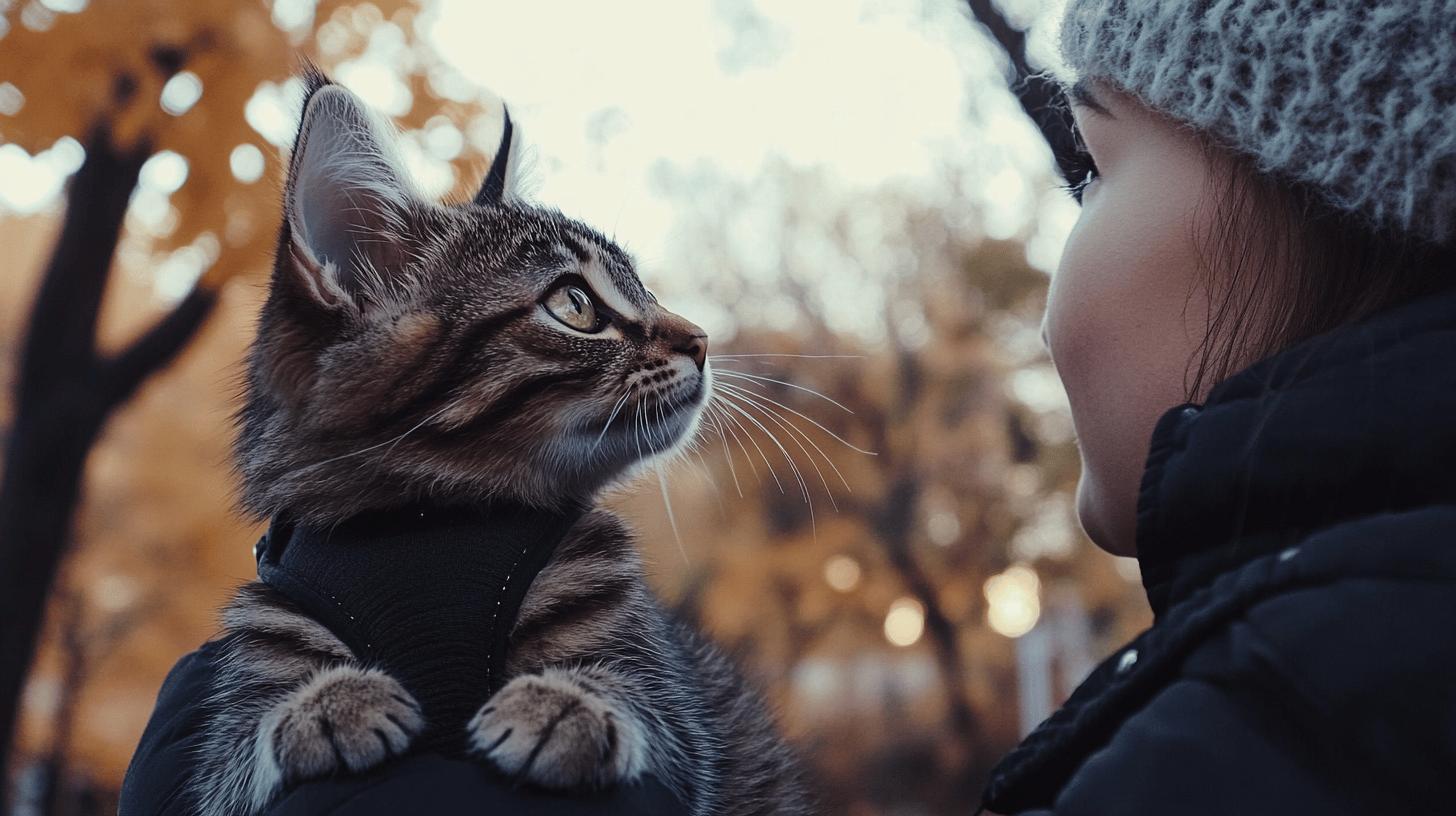
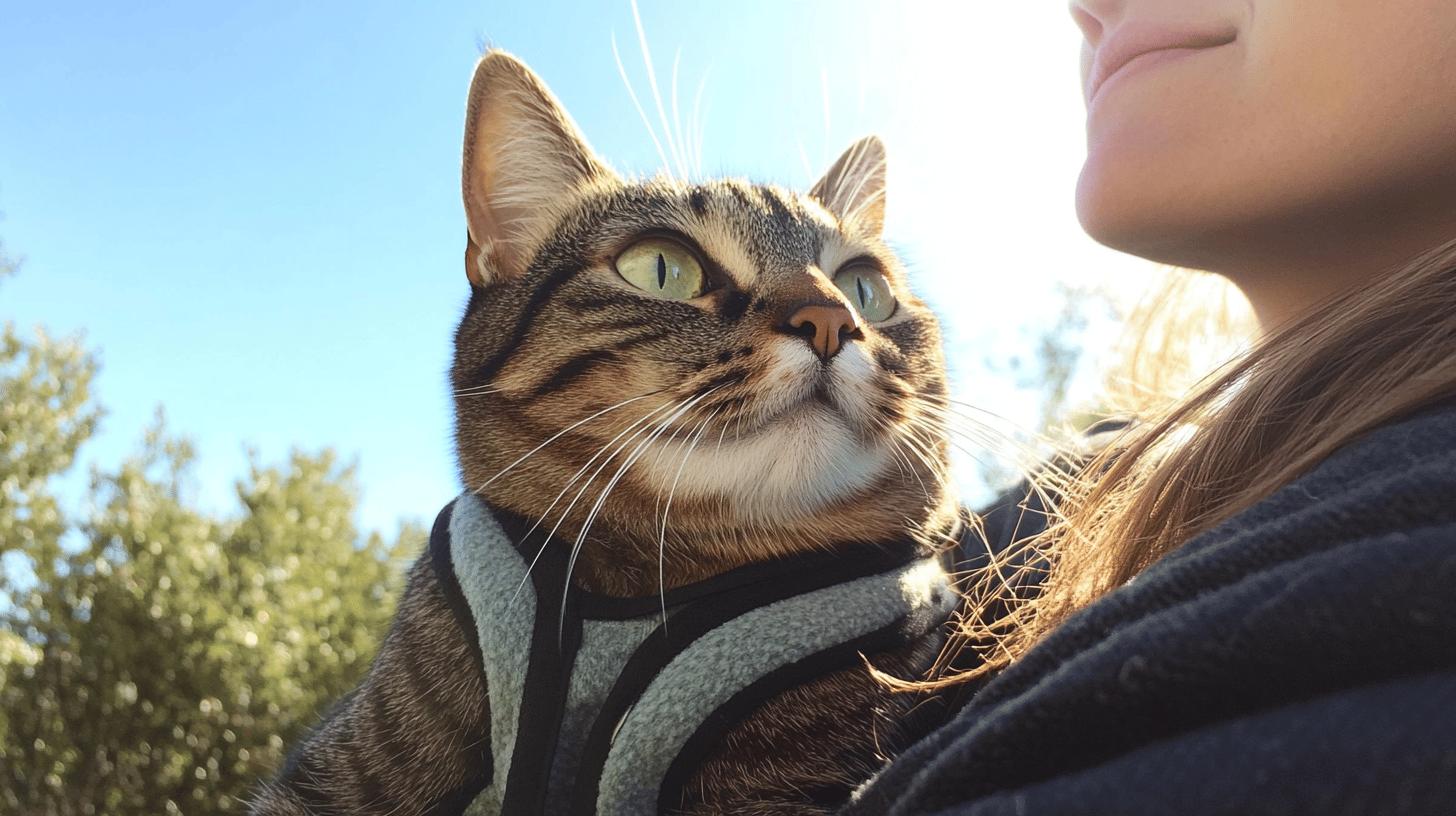
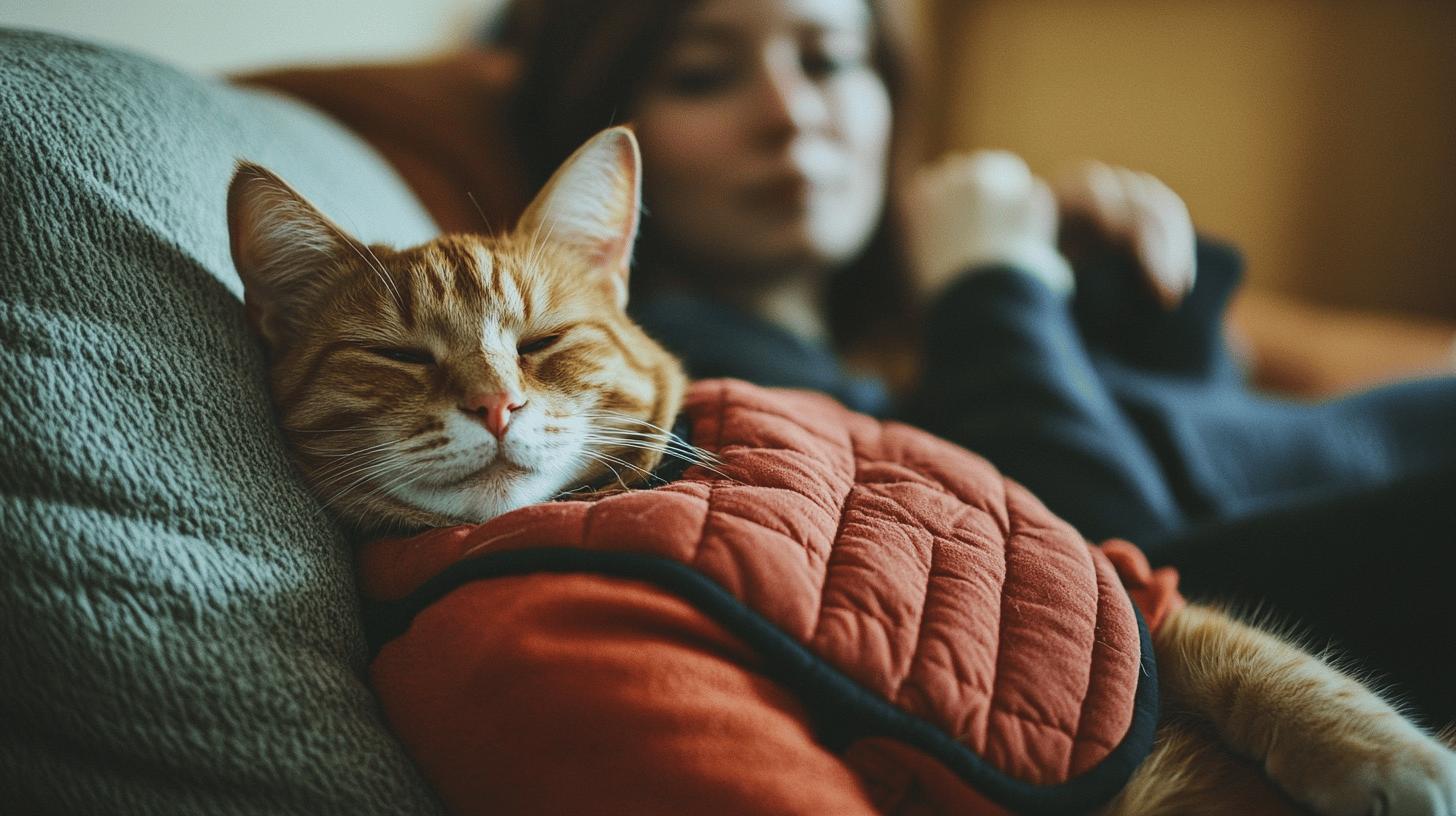
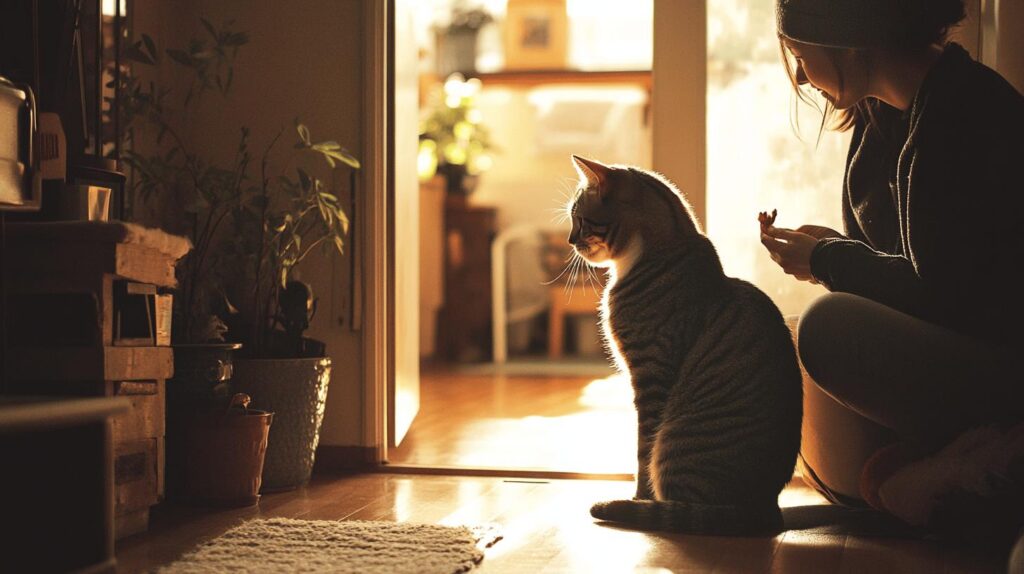
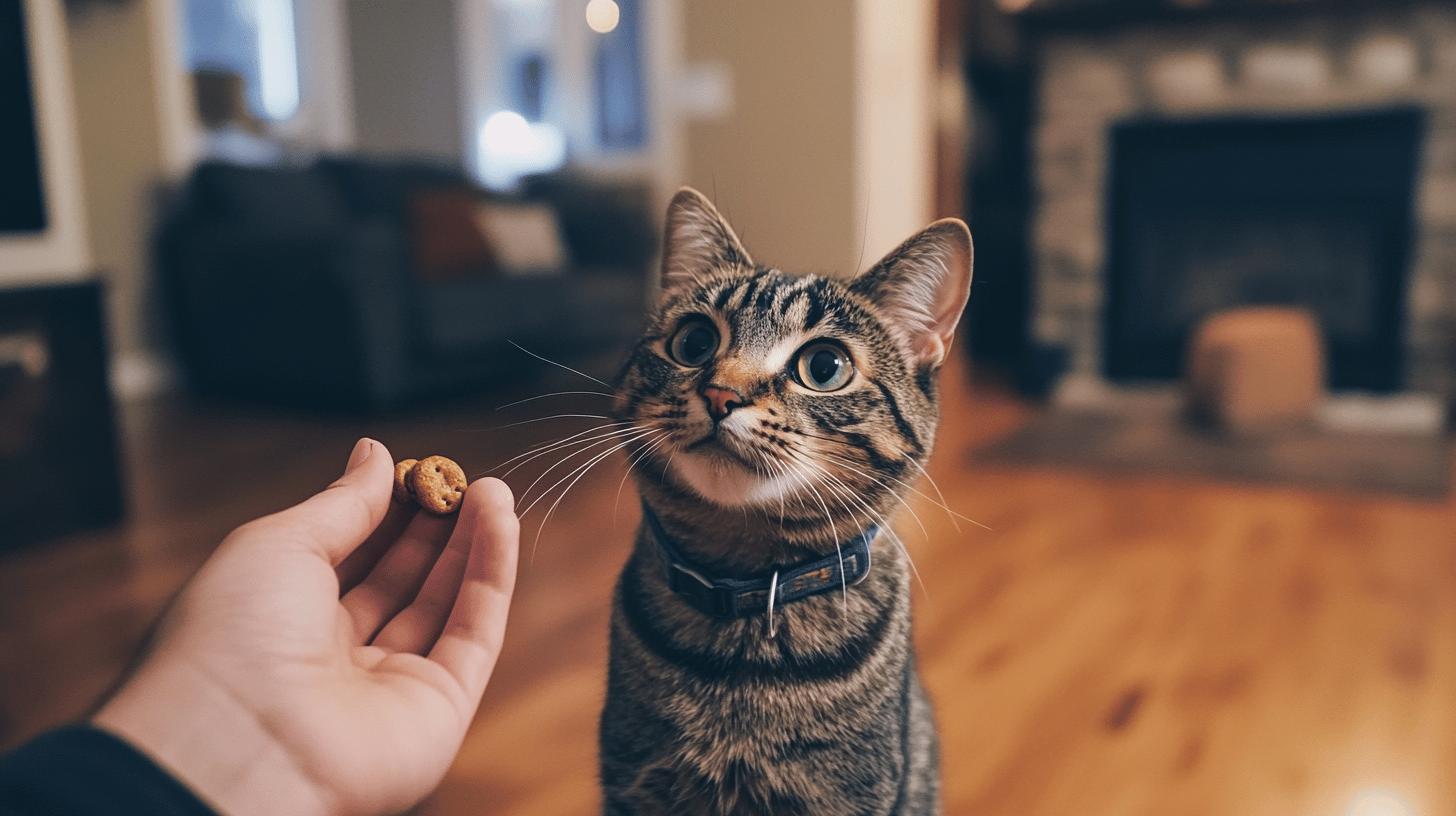
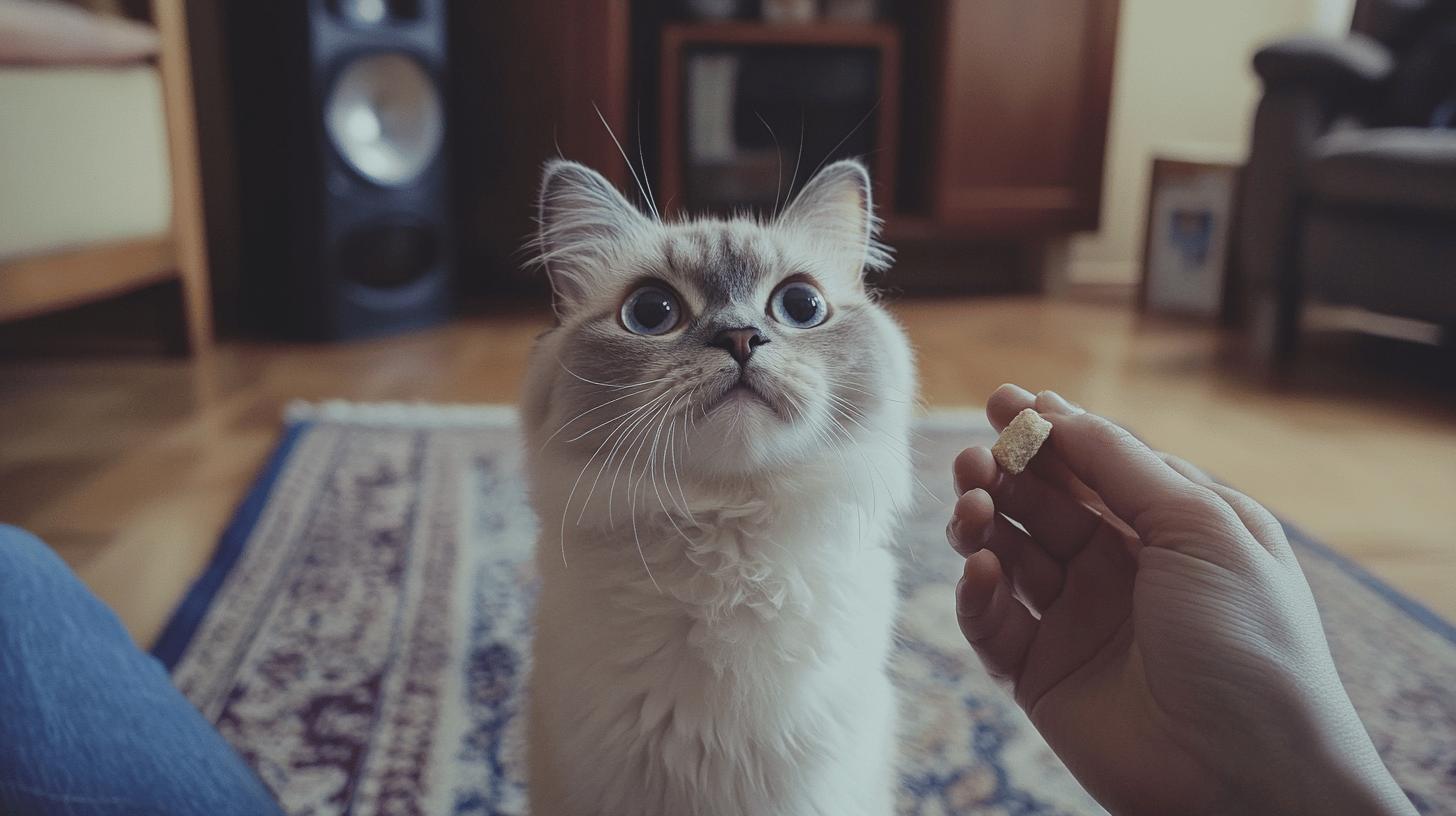
    Think treats are the only way to train a cat? Think again. Some cats just aren’t interested in treats, and that’s okay. There are other ways to encourage your feline friend to learn and bond with you. By using their natural instincts and preferences, you can make training both fun and effective.

    From praise and affection to engaging toys, alternative methods can be just as rewarding. Discover how to tailor your training approach and strengthen your bond with your cat, treating them to some quality time together.

    Alternative Training Methods for Cats Uninterested in Treats

    Alternative Training Methods for Cats Uninterested in Treats-1.jpg

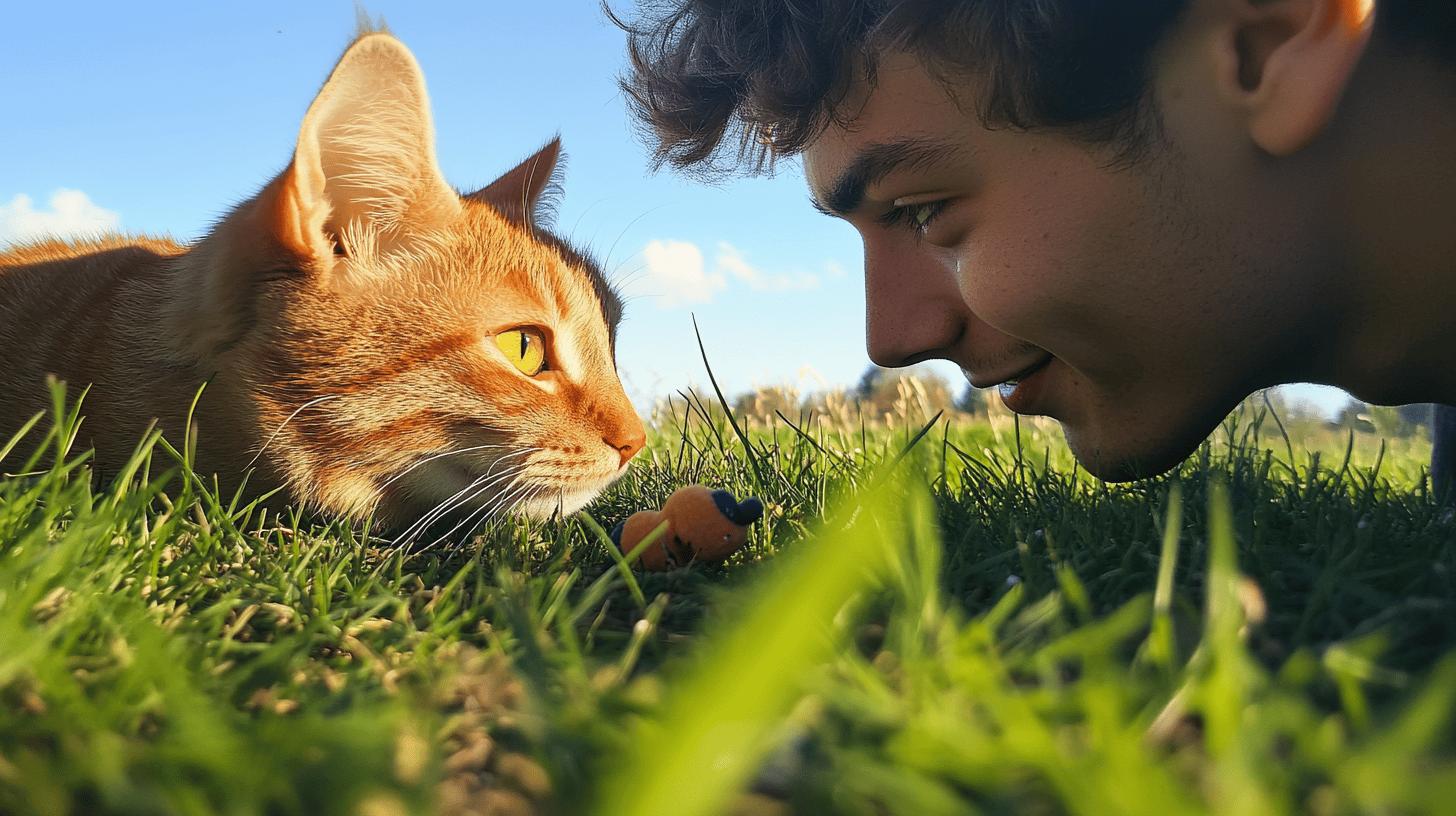
    Training a cat who doesn’t like treats can be a challenge, but there are plenty of alternative rewards that can be just as effective. Non-treat-based rewards tap into a cat’s natural instincts and preferences, making the training process both enjoyable and successful.

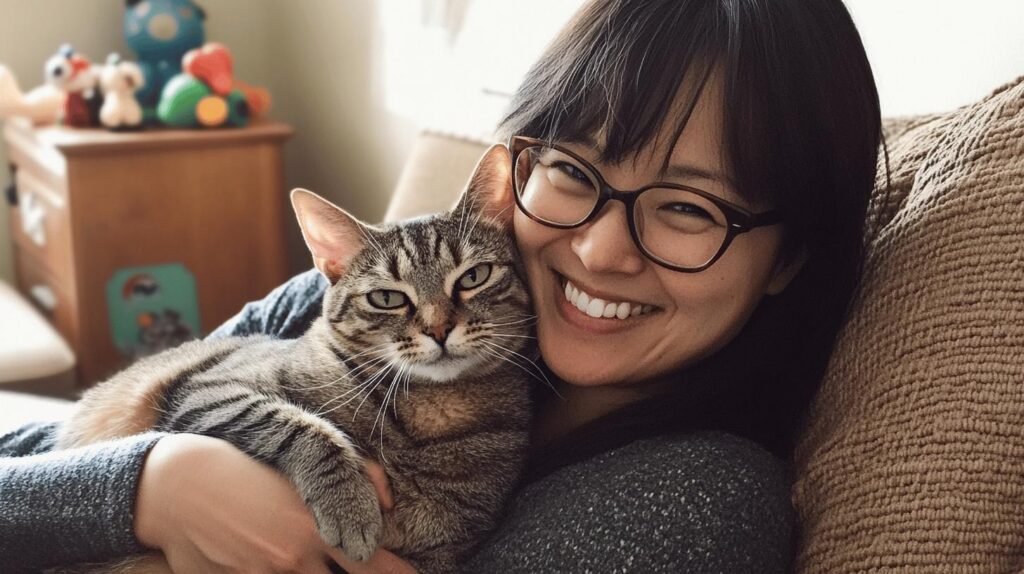
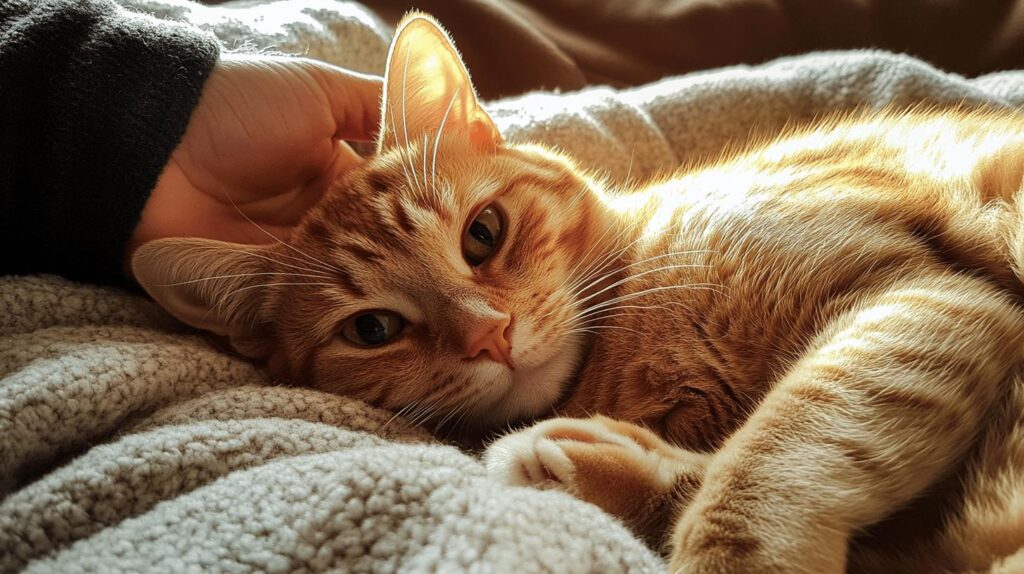
    For many cats, praise and affection are powerful motivators, enhancing their bond with you while reinforcing positive behavior. For those with a playful streak, engaging in interactive play sessions can be particularly rewarding. This is especially true for kittens and young cats, whose energy levels can often be harnessed during training.

    Here are some effective alternative rewards to consider:

    • Praise and Affection: Many cats respond well to a loving voice or gentle strokes.
    • Clicker Training: The sound can mark desired behaviors, providing a clear signal for the cat.
    • Play: Use favorite toys to engage and reward your cat.
    • Interactive Toys: Consider toys that challenge and stimulate your cat’s curiosity.
    • Attention: Simply spending time together can be rewarding for social cats.
    • Routine: Consistency in routine can be a reward itself, as cats thrive on predictability.

    Tailoring training to your cat’s unique preferences ensures that the process remains engaging and enjoyable for both of you. Observing your cat’s behavior and adapting your approach based on what they respond to best is key.

    For instance, some cats might prefer a quick play session as a reward, while others might thrive on verbal praise. By understanding your cat’s individual likes and dislikes, you can craft a training regimen that not only encourages learning but also strengthens your bond.

    Using Toys and Play as Effective Training Tools

    Using Toys and Play as Effective Training Tools-1.jpg

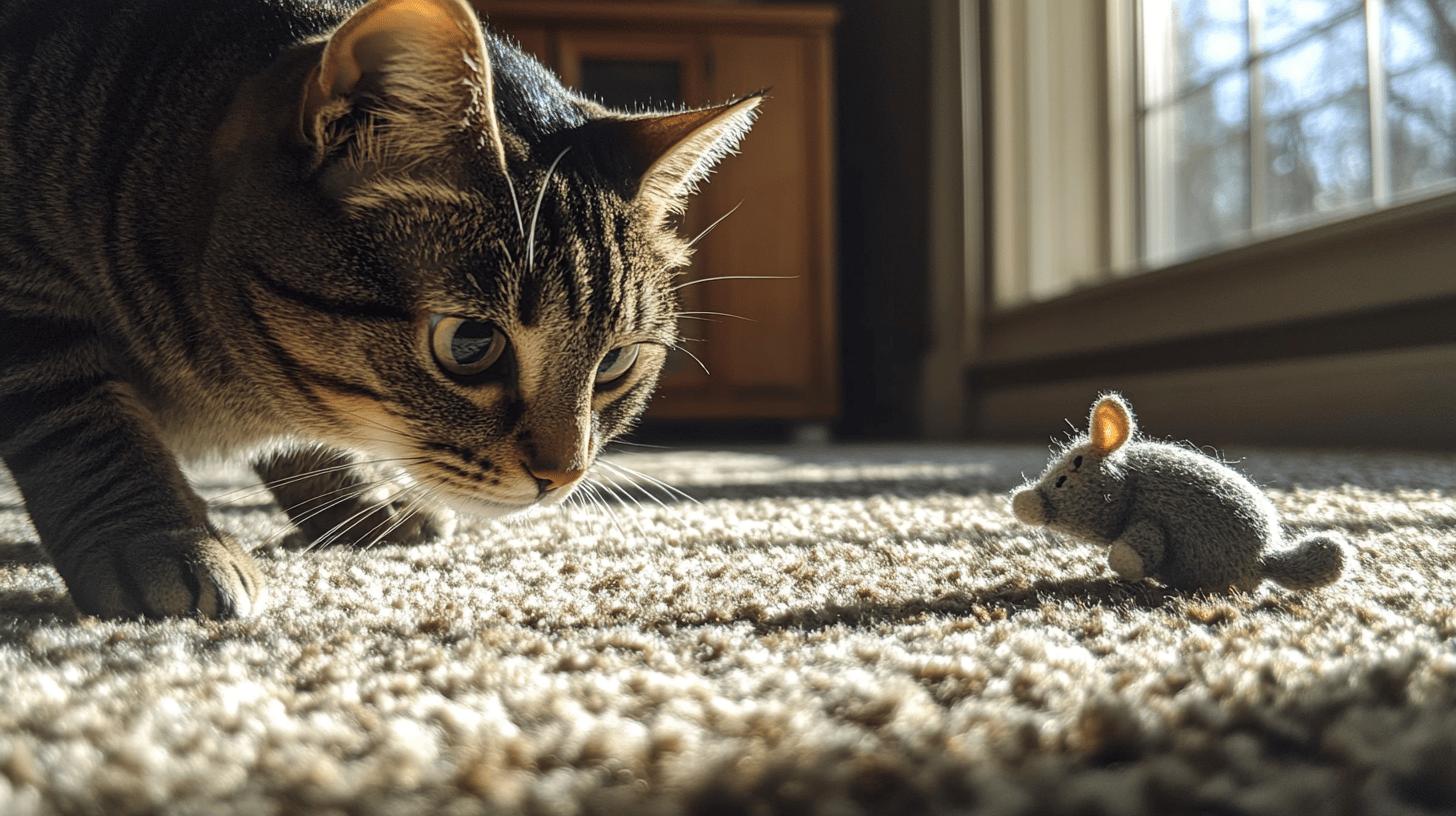
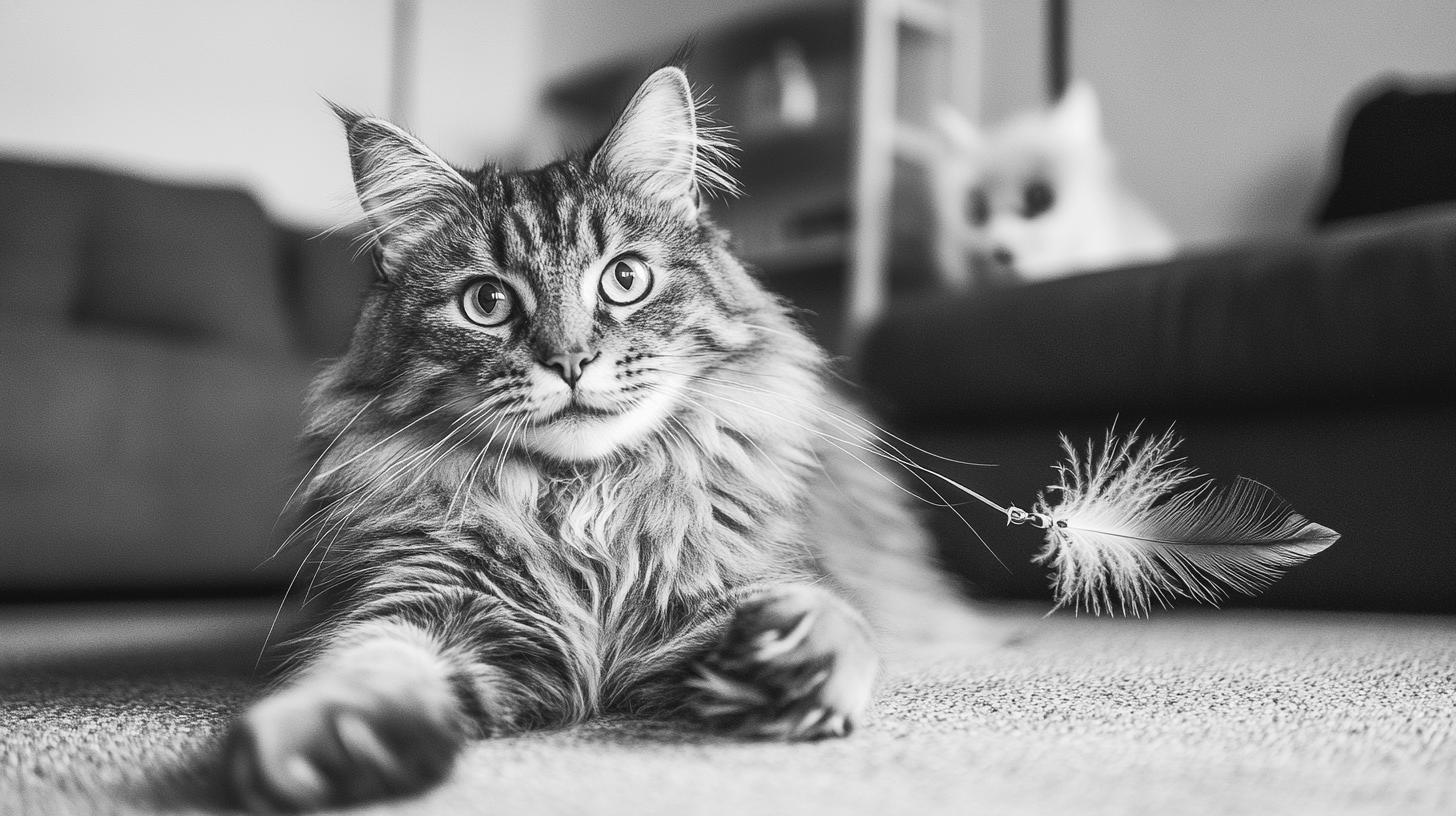
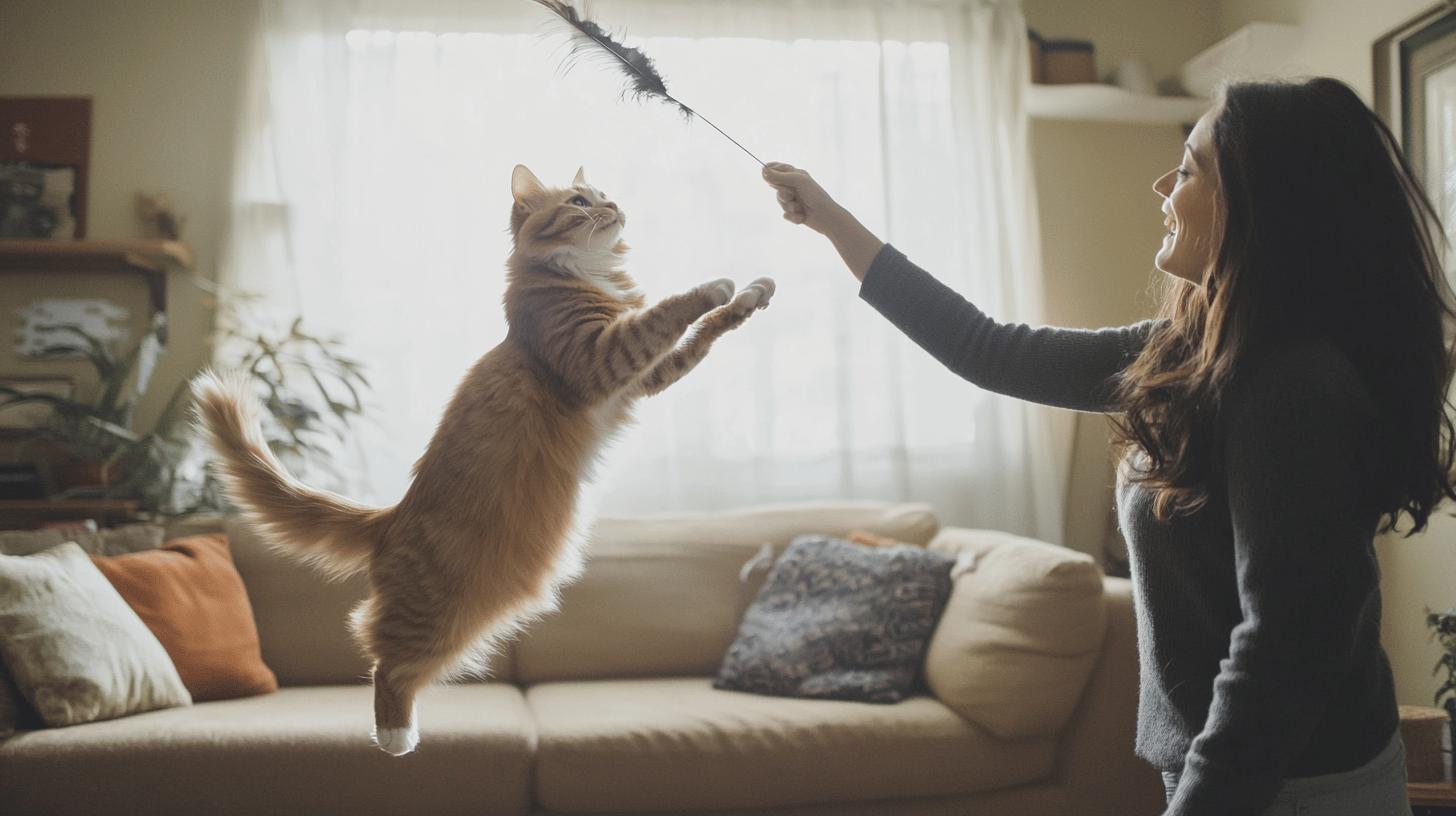
    Using toys as a reward during training can be incredibly effective, especially for active cats and kittens. Playtime taps into their natural instincts and offers a fun, engaging way to reinforce positive behavior. By incorporating your cat’s favorite toys into training sessions, you can capture their attention and make learning enjoyable. This method not only helps in teaching new skills but also enhances the bond between you and your feline friend.

    Toy Type Training Use
    Feather Wand Encourages chasing and pouncing, reinforcing commands like “come” or “jump.”
    Laser Pointer Directs focus and movement, useful for guiding a cat through obstacles.
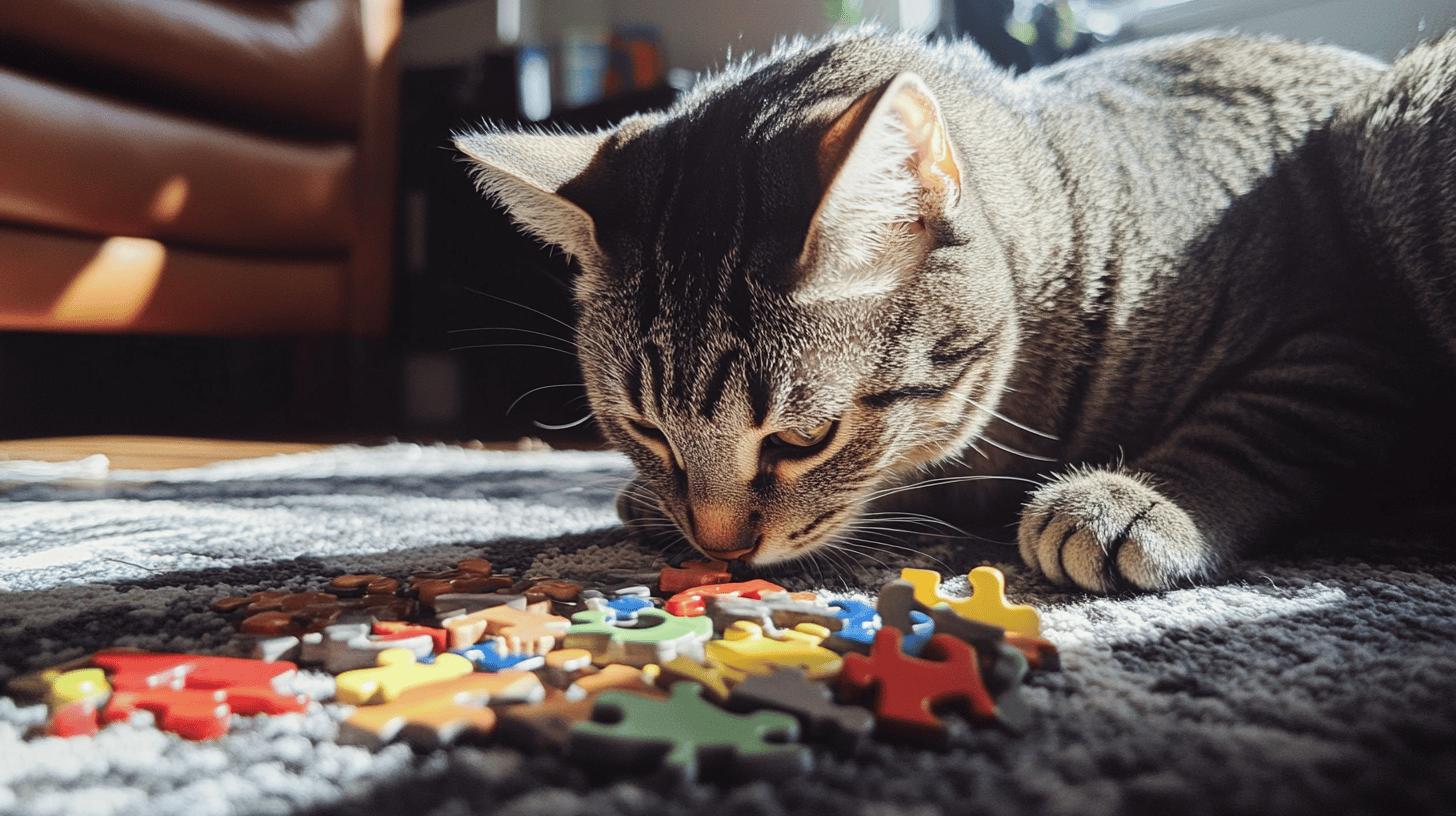
    Interactive Puzzle Stimulates problem-solving skills, rewarding patience and persistence.
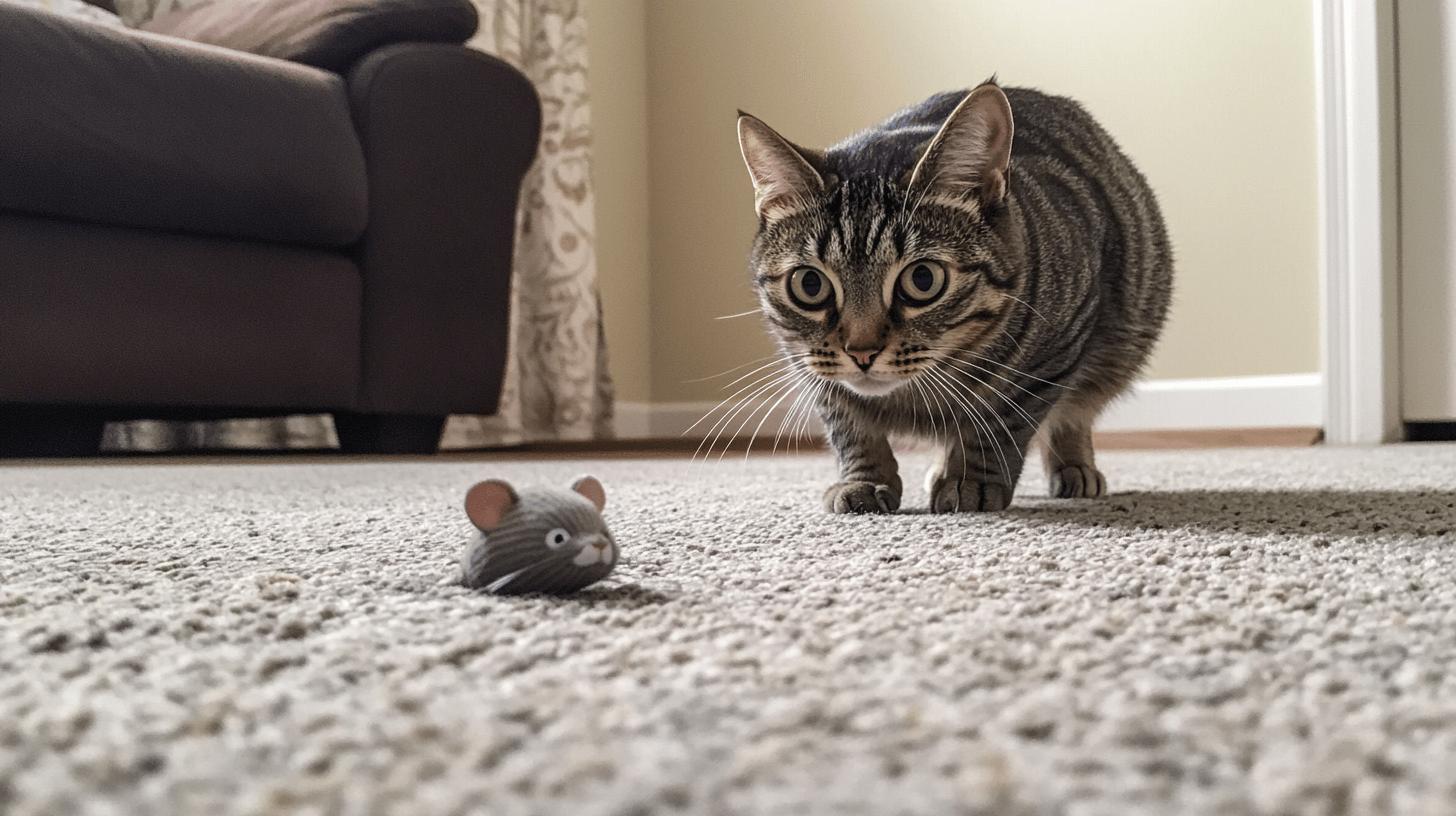
    Catnip Mouse Ideal for teaching fetching or retrieving, combining scent with play.

    Interactive play is crucial in successful training outcomes. Engaging your cat with toys not only rewards them but also strengthens your relationship through shared activities. This approach can lead to better behavioral responses and a deeper understanding between you and your cat. By using play effectively, you create a positive and stimulating environment that encourages your cat to participate and learn.

    Clicker Training and Positive Reinforcement
    Clicker Training and Positive Reinforcement-1.jpg

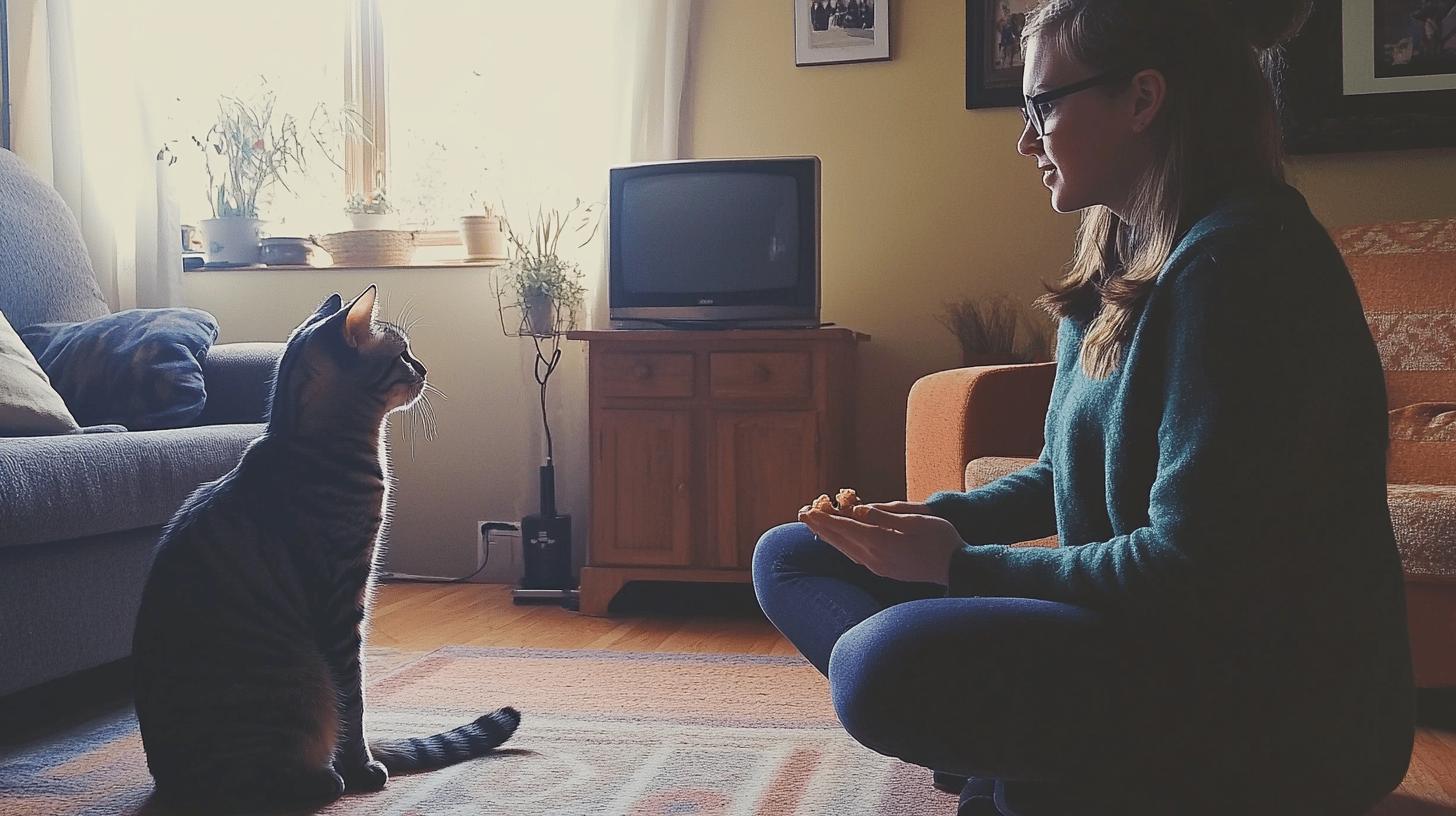
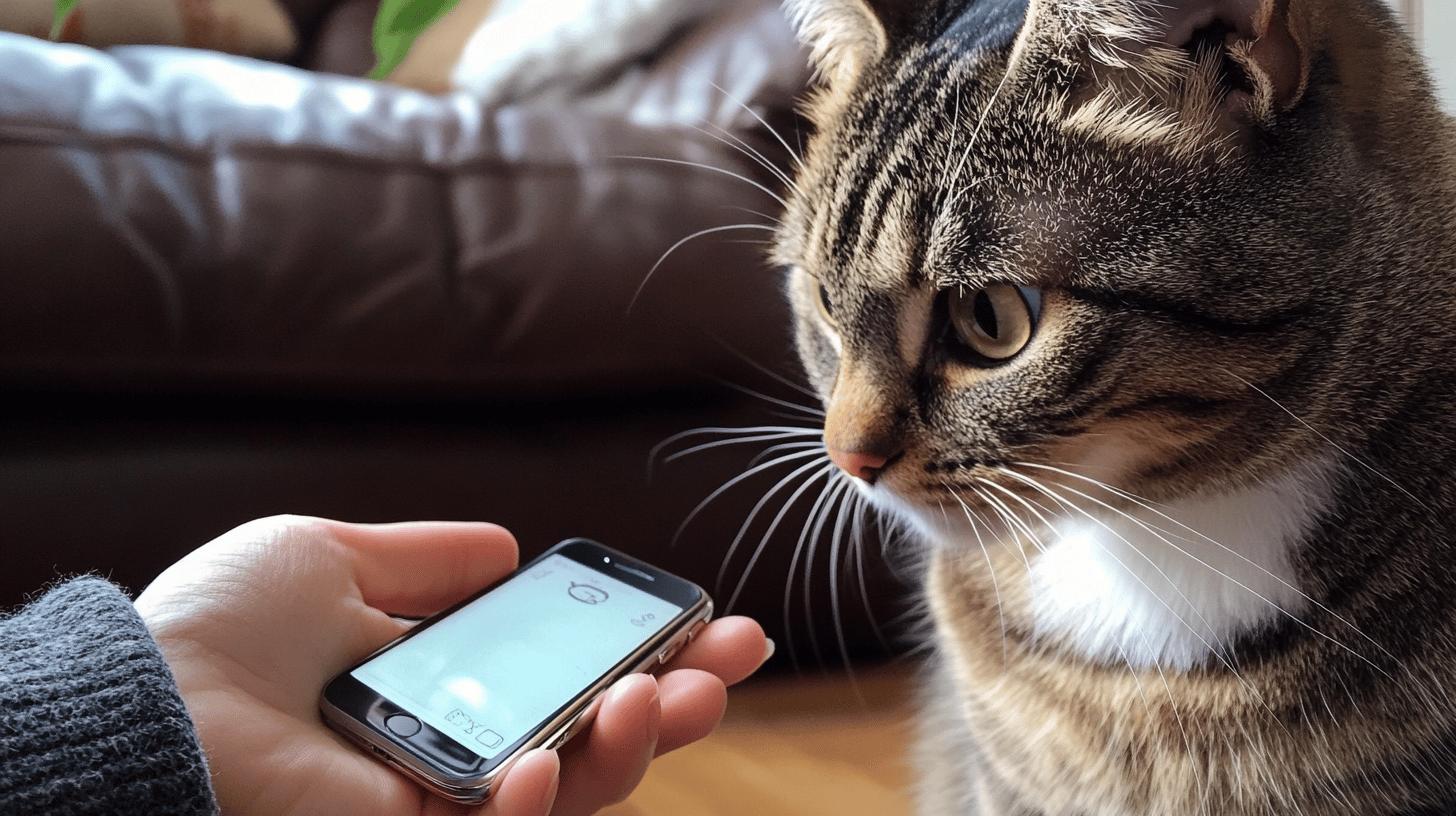
    Clicker training is a popular method for teaching cats new behaviors using sound to mark desired actions. It’s all about creating a clear association between the click sound and a reward, which doesn’t have to be food. This method can be incredibly effective, especially when your cat isn’t motivated by treats.

    The clicker acts as a consistent signal that your cat has done something right, and it should be immediately followed by a positive reinforcement. This could be verbal praise, petting, or even a quick play session with a favorite toy. The goal is to make your cat understand that the click means good things are coming, strengthening their response to commands over time.

    Here’s how to start clicker training with non-food rewards:

    1. Get a Clicker: Purchase a simple clicker from a pet store. These are small, handheld devices that make a distinct clicking sound.
    2. Pair the Click: Begin by clicking and immediately offering a non-food reward like petting or a toy. Repeat this several times to build the association.
    3. Introduce Simple Commands: Start with easy commands like “sit” or “come.” Click as soon as the cat performs the action, followed by the chosen reward.
    1. Be Consistent: Practice regularly, ensuring that each click is followed by a reward. Consistency helps reinforce the association between the click and the positive outcome.
    2. Gradually Increase Complexity: Once your cat understands the process, introduce more complex commands and use the click to mark each correct behavior.

    Consistency in clicker training is crucial for success. Cats thrive on routine and reliability, so maintaining a regular training schedule helps solidify the behaviors you’re teaching. Positive reinforcement, whether through attention or play, reinforces the bond between you and your cat, encouraging them to engage willingly with training sessions. By using these techniques, you can effectively communicate with your cat, making training a rewarding experience for both of you.

    Understanding and Adapting to Your Cat’s Behavior
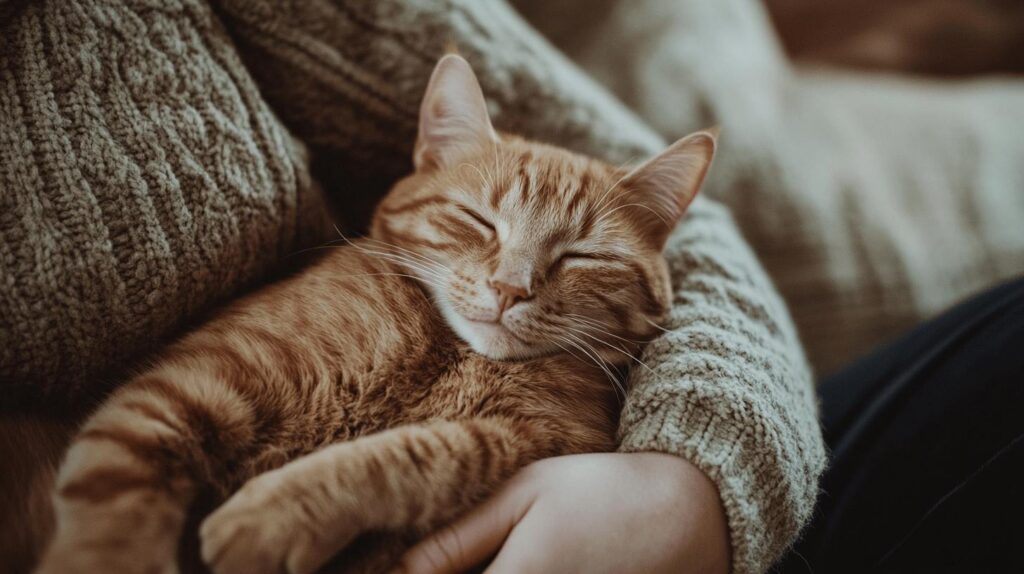
    Reading your cat’s body language is key to understanding their mood and comfort levels. For example, a cat with a relaxed posture and gently swaying tail is likely comfortable. In contrast, flattened ears and a flicking tail might indicate stress or agitation. Being aware of these signals allows you to adjust your training sessions, ensuring your cat remains comfortable and engaged.

    Adapting training methods to suit your cat’s personality can lead to better outcomes. A playful cat might thrive with toys and interactive play, while a more reserved cat might appreciate quiet, slow-paced sessions with praise and affection. By respecting these preferences, you create a positive environment that supports growth and strengthens your bond.

    Consider case studies of different cat personalities and how training was adapted. For instance, a curious cat may respond well to training that includes exploration, while a cautious cat might need gradual exposure to new experiences. These specific examples provide practical insights for tailoring your approach to fit your cat’s unique personality.

    Building Trust and Strengthening the Human-Cat Bond
    Building Trust and Strengthening the Human-Cat Bond-2.jpg

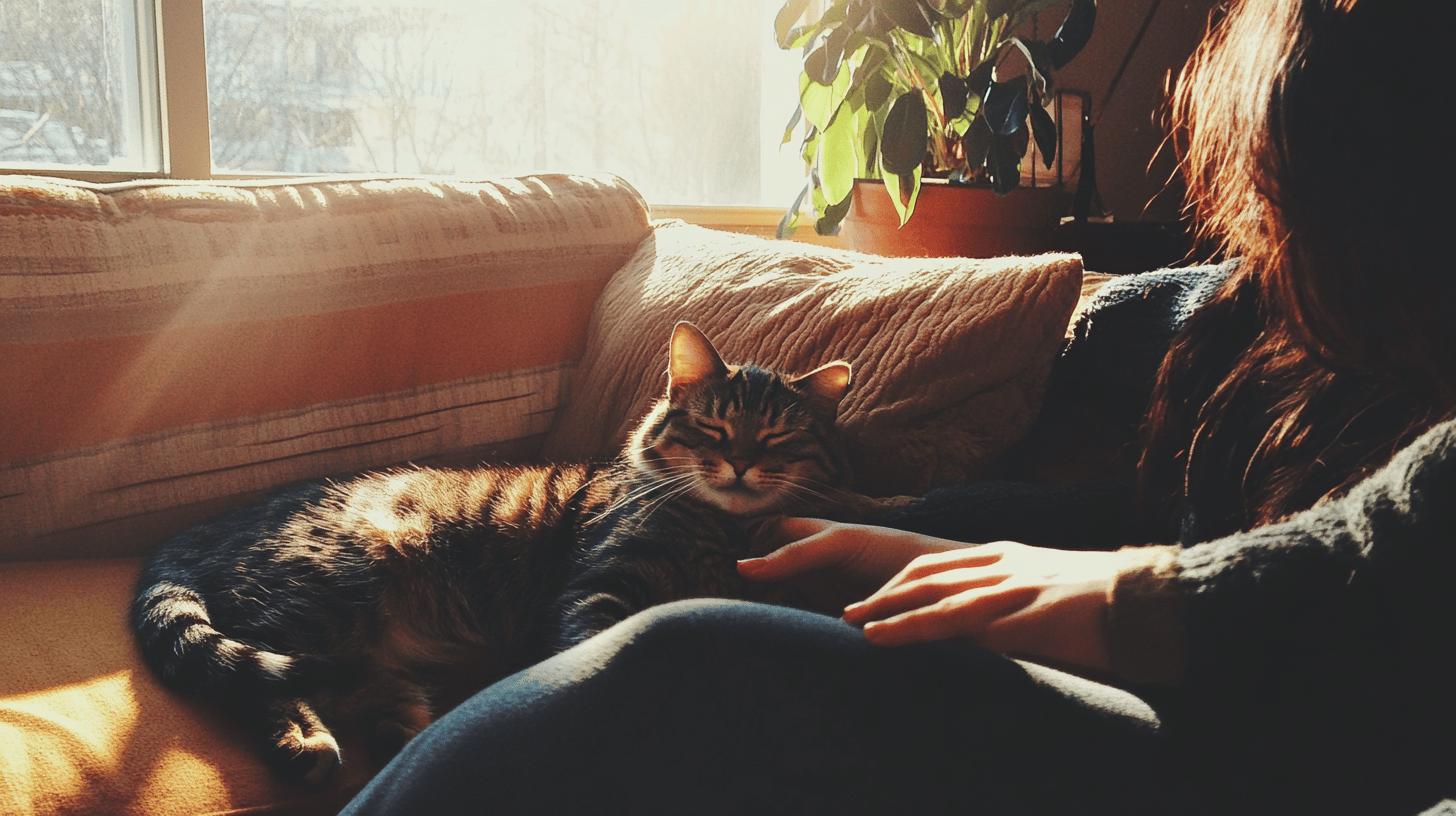
    Building trust is the cornerstone of successful cat training, especially when treats aren’t an option. Trust allows your cat to feel safe and comfortable, encouraging them to engage more freely with you. It requires patience and understanding, acknowledging that each cat has its own pace and comfort level. By focusing on trust, you’re setting a strong foundation that enhances the effectiveness of any training method you employ.

    Engaging in bonding activities is a great way to strengthen your relationship with your cat. Spend quality time playing with toys, engaging in gentle grooming sessions, or simply sitting together in a quiet environment. These activities communicate safety and affection, helping your cat feel more secure. Regular play sessions not only offer mental stimulation but also reinforce your role as a reliable and loving companion.

    To build trust through everyday interactions, practice consistent and gentle handling. Respect your cat’s boundaries by allowing them to choose when and how they want to interact. Speak in a soothing voice and make slow, deliberate movements to avoid startling them. Over time, these small, considerate actions will help your cat associate you with comfort and security, paving the way for more successful training experiences.

    Final Words

    Training a cat who isn’t motivated by treats can be challenging. But, using alternative rewards like praise, play, or clicker training can lead to success. Understanding your cat’s individual behavior and preferences is key. Always adapt your techniques to suit their unique personality.

    Incorporating toys and play, along with positive reinforcement, strengthens the bond between you and your cat. Building trust ensures a more rewarding and enjoyable training experience. With patience and creativity, you can shape a fulfilling and cooperative relationship with your furry friend.

    FAQ

    What to do if a cat doesn’t like treats?

    A: If your cat isn’t interested in treats, try using praise, affection, or playtime as rewards. These alternatives can motivate your cat and make training enjoyable.

    How to train your cat without treats?

    A: Use toys, praise, and interactive play to engage your cat. Clicker training paired with positive reinforcement like affection or petting can be effective.

    How do I get my cat interested in treats?

    A: Introduce different types of treats gradually. Experiment with textures and flavors to find what your cat likes. Usually, offering treats when the cat is hungry helps.

    Why is my cat so picky about treats?

    A: Some cats have specific taste preferences or might associate certain treats with negative experiences. Understanding your cat’s likes and dislikes can help in selecting the right ones.

    What are the best alternatives to treats for cat training?

    A: Effective alternatives include praise, clicker training, interactive toys, and play sessions. Tailor these rewards based on your cat’s preferences for better engagement.
    Related Articles

  • How to Train a Cat to Listen to You Effectively

    How to Train a Cat to Listen to You Effectively

    Ever feel like talking to your cat is like talking to a brick wall? It’s not that they don’t understand—it’s just that they’re cats! Training a cat to listen can be challenging, but it’s not impossible. Cats have their unique way of communicating, and once you learn how to speak their language, you’ll find training becomes much easier.

    Dive into the secrets of cat training and discover how to get your feline friend to pay attention with positive reinforcement methods that work. Let’s bridge the communication gap and create a stronger bond with your kitty!

    How to Train a Cat to Listen to You: A Step-by-Step Guide

    Cats might not always seem to listen, but that’s often because they communicate differently than we do. Understanding cat behavior is key to bridging this gap. Cats are naturally curious and independent, so they may not respond to commands like dogs do.

    Instead, they react to stimuli that interest them or make them feel rewarded. Recognizing these traits can help tailor your training approach to be more effective. By observing your cat’s behavior patterns and responses, you can better understand what motivates them and how to get their attention.

    Positive reinforcement is the cornerstone of successful cat training. This method focuses on rewarding good behavior with treats, playtime, or affection, which encourages the cat to repeat the behavior. Unlike punishment, which can cause stress and anxiety, positive reinforcement creates a positive association with the desired action.

    Cats respond well to this method because it aligns with their natural instincts to seek rewards. By consistently using positive reinforcement, you create an environment where your cat feels safe and motivated to learn.

    Here are some effective training techniques and rewards to consider:

    • Using treats as rewards
    • Incorporating playtime
    • Offering affection
    • Introducing clicker training
    • Establishing consistent commands
    • Toys as rewards
    • Verbal praise

    Patience and consistency are crucial in training cats. It’s important to remember that cats learn at their own pace, and pushing them too hard can lead to frustration for both you and your pet. Keeping training sessions short and ending on a positive note can help maintain your cat’s interest.

    Consistency in commands and rewards reinforces learning and helps your cat understand what’s expected. Rewarding good behavior promptly encourages your cat to repeat it, strengthening the bond between you and your feline friend.

    Common Training Mistakes and How to Avoid Them

    Training a cat comes with its own set of challenges, and certain mistakes can slow down progress. A specific error not often discussed is misinterpreting a cat’s behavior. For instance, assuming a tail twitch is always a sign of aggression or misunderstanding their meows can lead to ineffective training responses. Such misinterpretations can result in a stressful environment, reinforcing undesirable behaviors.

    Breaking tasks into smaller steps can make complex training easier for your cat. If your cat is struggling with a task like using a scratching post, start by rewarding any interest shown towards the post. Gradually increase the expectation as your cat becomes more comfortable. This step-by-step approach helps your cat learn without feeling overwhelmed.

    Consider environmental adjustments to enhance training success. If your cat is distracted by noise, try training in a quieter room. Also, be mindful of common scenarios where mistakes occur. For example, if your cat gets overstimulated during play, it might not be the best time for a training session. Tailoring these aspects to your cat’s needs can lead to more effective training.

    Clicker Training A Popular Method for Teaching Cats-1.jpg

    Clicker training for cats is an effective way to communicate what you want your feline friend to learn. This method uses a click sound, made by a handheld clicker, paired with a treat to reinforce desired behaviors. When your cat performs a behavior you want to encourage, you click to mark the behavior and immediately follow it with a reward. This technique is straightforward and helps the cat make a clear connection between the action and the reward, making training sessions more engaging and productive. It can be particularly useful for teaching tricks or correcting unwanted behaviors.

    Getting Started with Clicker Training

    To begin clicker training, first, select a clicker that is comfortable to hold and produces a clear, consistent sound. Introduce the clicker to your cat by clicking it and immediately giving a small treat. This process, known as “charging the clicker,” helps your cat associate the sound with a reward. Once your cat responds to the clicker, you can start using it during training sessions to mark the specific behaviors you want to reinforce.

    Clickers are effective because they provide a consistent and immediate signal that the cat can associate with rewards. This consistency helps maintain the cat’s focus during training, as the clicker acts as a bridge between the correct behavior and the treat. Using a clicker allows for precise timing, which is crucial for reinforcing learning. With regular practice, clicker training can significantly enhance your cat’s ability to learn and perform desired actions.

    Creating a Comfortable Training Environment

    Creating a Comfortable Training Environment-1.jpg

    Setting up a distraction-free training zone is crucial when teaching your cat. Cats are naturally curious creatures, and any noise or activity can easily divert their attention. A quiet space allows your cat to concentrate on the task at hand without being overwhelmed by external stimuli.

    This setup not only keeps their focus sharp but also makes the training process smoother and more effective. By choosing a calm environment, you create an atmosphere where your cat feels safe and ready to learn.

    Here are key elements to consider when creating a suitable environment:

    • Quiet space
    • Minimal distractions
    • Comfortable temperature

    A stress-free setting significantly enhances your cat’s ability to absorb new commands and behaviors. When cats aren’t stressed, they’re more open to learning and responding to cues. Ensuring the environment is comfortable—neither too hot nor too cold—also plays a part in keeping them relaxed. By prioritizing a tranquil training zone, you help your cat engage fully with the training process, fostering a positive learning experience.

    Final Words

    Training a cat to listen to you starts with understanding their behavior and using positive reinforcement. By rewarding good behavior with treats, playtime, or affection, you’re more likely to succeed in teaching new tricks. Avoid common mistakes like inconsistency and impatience by sticking to proven methods.

    Clicker training can be an effective tool, providing structure and focus during sessions. Create a distraction-free environment to help your cat concentrate better.

    Training requires patience and consistency, but with time, your efforts will pay off. Happy and successful training builds a stronger bond with your cat.

    FAQ

    How to train a cat to listen to you at night?

    Training a cat to listen at night requires consistency. Use positive reinforcement with treats or affection when they follow commands. Ensure commands are clear and training is regular to establish routine responses.

    How to train a cat to listen to you reddit tips?

    Reddit users suggest using positive reinforcement, such as treats and praise, to train cats. Consistency and patience are key, along with understanding and respecting the cat’s natural behaviors.

    Do cats listen to commands?

    Cats can learn to listen to simple commands using positive reinforcement. Treats, affection, and consistent training sessions help cats associate commands with rewards, making them more likely to respond.

    How to get a cat to listen to their name?

    Consistently use your cat’s name during positive interactions. Reward them with treats or affection each time they respond. Be patient, as repetition helps them associate their name with positive outcomes.

    How to tell a cat off for biting?

    If your cat bites, say “no” firmly and stop interaction for a short time to show it’s unwanted. Provide a toy as an alternative for biting, and reward good behavior to reinforce learning.

    How to train your cat to come to you?

    To train your cat to come, say their name followed by “come” and offer a treat when they approach. Gradually increase distance and give rewards to encourage consistent response to the command.

    How to train a cat to behave?

    Training a cat to behave involves setting boundaries and using positive reinforcement. Reward good behavior with treats or affection and provide toys to redirect unwanted actions like scratching or climbing.

    How to let a cat know you are mad at them?

    Cats don’t understand anger like humans do. Instead, use a firm “no” and stop play or attention if they misbehave. Reward positive behavior to encourage better actions in the future.

    Can I train my cat to listen to me?

    Yes, cats can be trained to listen using positive reinforcement. Consistency and patience are vital. Use treats, praise, and clear commands to help them learn and respond effectively.

    Why does my cat never listen to me?

    Your cat might not listen if training is inconsistent or commands aren’t clear. Ensure you’re using positive reinforcement, set regular training times, and consider their natural behaviors for better communication.

    What to do with cats that don’t listen?

    For cats that don’t listen, reassess your training methods. Consistency and positive reinforcement with treats or affection are essential. Ensure commands are simple and practiced regularly to improve obedience.

    How to train a cat to be obedient?

    Use positive reinforcement to train a cat for obedience. Reward actions like coming when called or sitting on command with treats or affection. Regular training sessions and patience are key to success.

    Related Articles

  • How to Train a Cat to Hunt Effectively

    How to Train a Cat to Hunt Effectively

    Ever glanced at your lounging cat and wondered how to tap into their hidden hunter within? All cats have a natural flair for hunting, but not all reach their full predator potential without some guidance.

    By embracing a cat's instinctive behaviors like stalking and pouncing, you can nurture these skills and boost their hunting game. This isn't just about catching mice—it's also about connecting with your cat and enhancing their playtime. Let's dive into the techniques that transform your furry friend into an effective little hunter.

    How to Train a Cat to Hunt: Understanding Natural Instincts

    How to Train a Cat to Hunt Understanding Natural Instincts-3.jpg

    Cats are born hunters, with natural predator instincts that drive their behavior. These feline instincts can be harnessed to enhance a cat's ability to catch mice and other small prey. Training a cat to hunt effectively starts by recognizing and encouraging these innate abilities.

    Cats have specific behaviors such as stalking, pouncing, and chasing that mimic hunting in the wild. These behaviors are essential for survival and can be stimulated through play and training. However, not all cats have the same level of instinct to hunt. It’s crucial to observe your cat’s natural tendencies and build on them to develop their skills further.

    Here are some breed-specific traits that can influence a cat's hunting abilities:

    • Bengals: Known for their high energy and agility, making them exceptional hunters.

    • Siamese: Highly intelligent and curious, often showing strong predatory instincts.

    • Maine Coons: Large and powerful with a natural aptitude for hunting.

    • Abyssinians: Active and playful, they have a strong drive to chase and catch.

    • American Shorthairs: Historically bred for rodent control, they have a natural talent for hunting.

    Recognizing these traits is crucial before starting any training. Understanding what drives your cat will help you tailor the training approach. By tapping into their natural instincts, you can create a more effective and engaging hunting experience for your feline friend.

    Essential Tools and Toys for Cat Hunting Training

    Essential Tools and Toys for Cat Hunting Training-2.jpg

    Using the right tools is crucial when training your cat to hunt effectively. Interactive play not only stimulates a cat's natural predator instincts but also provides essential mental and physical enrichment. The right hunting toys for cats can make all the difference in keeping your feline engaged and honing their hunting skills.

    • Feather Wands: These mimic the movement of birds, tapping into a cat's instinct to stalk and pounce.

    • Laser Pointers: Encourage quick reflexes and agility, simulating the chase of fast-moving prey.

    • Toy Mice: With realistic shapes and textures, they trigger a cat's natural prey-catching skills.

    • Interactive Puzzle Toys: These challenge your cat's problem-solving abilities, rewarding them with treats or kibble.

    • Crinkle Tunnels: Provide a hiding spot that mimics natural hunting grounds, perfect for ambush practice.

    • Climbing Structures: Help develop physical strength and agility, essential for a successful hunt.

    • Catnip Toys: Use enticing scents to stimulate interest and playfulness, enhancing the hunting experience.

    These tools not only entertain but also create an environment that encourages natural hunting behavior. By incorporating engaging hunting toys, you allow your cat to practice essential skills like stalking and chasing in a safe, controlled setting.

    This setup mimics the challenges they would face in the wild, offering a comprehensive approach to training. With these tools, you can build a stimulating and rewarding hunting ground right in your home, promoting a healthier and happier cat.

    Training Techniques to Enhance a Cat's Hunting Skills

    Step-by-Step-Guide-to-Training-a-Cat-to-Hunt-1.jpg

    Integrate hunting training into your cat's routine by focusing on its natural instincts and reaction time. Patience and consistency are key to fostering these skills effectively.

    Engaging Natural Instincts

    Observe your cat’s natural hunting behaviors like stalking and pouncing. Use toys such as feather wands and laser pointers to mimic prey movement. This interactive play keeps your cat mentally stimulated and engaged. Introduce various toys to maintain interest and encourage your cat’s natural abilities. Notice cues like tail twitching or focused eyes, as these indicate active engagement. Consider corrective training techniques to guide and refine their instinctive behaviors during play sessions.
    Positive Reinforcement

    Reward desired hunting behaviors with treats or affection. This reinforcement should follow immediately after actions like catching a toy mouse or successfully stalking a feather wand directional training. Avoid punishment to prevent stress and setbacks. Consistent rewards help your cat associate actions with positive outcomes, enhancing learning.

    Reaction Time Exercises

    Enhance your cat’s reaction time with exercises requiring quick reflexes. Move a laser pointer erratically or toss a toy for your cat to catch. Begin with slower movements, gradually increasing speed as your cat improves. These activities simulate real hunting scenarios, vital for catching mice and other prey.

    Patience and consistency are crucial in training. Cats learn at their own pace, so maintain a regular schedule and positive experiences to develop their hunting skills.

    Creating a Safe Environment for Hunting Training

    Creating-a-Safe-Environment-for-Hunting-Training-4.jpg

    Ensuring a safe hunting environment is key to effective cat training. Start by securing the area where training will take place. This means making sure your home is free from harmful pests or predators that could pose a threat to your cat.

    Check for any potential hazards like sharp objects or toxic plants that your cat could accidentally ingest. A controlled environment also helps prevent your cat from encountering stressful situations that might disrupt the training process. Whether indoors or in a fenced backyard, a secure space gives your cat the freedom to explore and hone its hunting skills safely.

    Here are some tips for creating a safe training space:

    • Secure Windows and Doors: Prevent accidental escapes by ensuring all exit points are locked.

    • Remove Hazardous Items: Keep sharp objects and toxic substances out of reach.

    • Install Fencing: If training outdoors, a secure fence keeps your cat contained and safe from predators.

    • Provide Safe Hiding Spots: Use boxes or tunnels where your cat can retreat if it feels threatened.

    When training multiple cats, it's important to manage distractions effectively. Start with individual sessions to focus on each cat's unique needs.

    Gradually introduce them to group training once they are comfortable with the environment. This approach minimizes competition and allows each cat to learn at its own pace, ensuring a harmonious and productive training experience.

    Monitoring Progress and Adjusting Training Techniques

    Monitoring-Progress-and-Adjusting-Training-Techniques-1.jpg

    Consistency is key when training your cat to hunt effectively. Regular training sessions, using the same cues and timing, help build your cat’s skills over time. It’s best to train when your cat is rested or slightly hungry, as this maximizes their focus and motivation.

    By maintaining a structured routine, you create a predictable learning environment that reinforces desired behaviors. This approach not only improves your cat’s reaction time and hunting skills but also strengthens your bond through shared activities.

    Here are some methods for tracking progress and identifying areas for improvement:

    • Keep a Training Log: Record sessions to track what techniques work best and note any improvements.

    • Use Video Recording: Capture training sessions to review your cat’s performance and adjust techniques as needed.

    • Set Specific Goals: Define clear, measurable objectives to know when milestones are reached.

    • Observe Behavior Changes: Pay attention to how your cat behaves outside of training to gauge overall development.

    • Adjust Techniques: Be flexible in modifying your approach based on your cat’s responses and learning pace.

    Involving other household members in the training process ensures consistent messaging and reinforcement. When everyone uses the same cues and rewards, it helps prevent confusion and reinforces the training.

    This collective effort makes it easier to address unwanted behaviors and support your cat’s progress. By working together, you create a cohesive training environment that benefits both you and your feline friend.

    Final Words

    Training a cat to hunt taps into their natural predator instincts. By choosing tools like feather wands and creating interactive environments, you stimulate your cat’s hunting skills. Each step, from encouraging instincts to using positive reinforcement, guides your cat in learning how to catch mice. Safety and consistency are key, ensuring both success and enjoyment. Remember, patience is vital as each cat responds to training at their own pace. Enjoy this rewarding process as you bond with your feline friend.

    FAQ

    How to train a cat to hunt?

    Training involves encouraging a cat's natural hunting instincts. Use interactive toys like feather wands. Teach quick reactions to simulated prey. Reward your cat with treats for positive reinforcement, with patience and consistency.

    How to train a cat to catch rats?

    Training a cat to catch rats is similar to mouse training. Encourage instinctual behaviors. Use toys that mimic prey. Gradually introduce them to controlled environments where rats are present. Reward successful attempts.

    How long does it take a cat to catch a mouse?

    The time for a cat to catch a mouse can vary. It depends on the cat's innate hunting instincts and experiences. Consistent training and encouragement often accelerate the process.

    Do you have to train a cat to catch mice?

    Many cats have natural instincts to hunt mice. Training can enhance these instincts through engaging play, interactive toys, and positive reinforcement.

    At what age do cats start hunting mice?

    Cats can start hunting from around 8-12 weeks old. This is when their instincts begin to develop, but effective hunting usually comes with age and experience.

    Which gender cat is a better mouser?

    Both male and female cats can be excellent mousers. It largely depends on individual traits and instincts rather than gender.

    Can cats learn to hunt on their own?

    Some cats learn to hunt on their own through instinct and experience. Training can enhance their natural abilities, making them more efficient hunters.

    How do I make my cat a good hunter?

    Encourage your cat’s natural instincts with engaging toys and environments. Practice regularly and use positive reinforcement to reward improvements and successful hunts.

  • How to Train a Cat Not to Kill Birds

    How to Train a Cat Not to Kill Birds

    Did you know that cats in the United States are responsible for killing billions of birds every year? It's a shocking statistic that leaves many cat owners wondering how to curb their feline's natural hunting instincts.

    Training your cat not to kill birds might sound challenging, but with patience and the right techniques, it's possible. In this blog, I'll dive into practical tips like leash training and using cat bibs, all aimed at reducing your cat's prey drive and making the outdoors safer for birds. Let's work together to protect our feathered friends.

    How to Train a Cat Not to Kill Birds

    How to Train Your Cat Not to Kill Birds-1.jpg

    To curb your cat's hunting instincts, start with immediate practical steps. Training your cat to walk on a leash is a great place to begin. This allows them to enjoy the outdoors without the risk of hunting.

    It's essential to be patient and gentle during leash training, rewarding your cat with treats and praise to build a positive association with the leash. Additionally, using a cat bib can significantly reduce their ability to catch birds.

    Research has shown that cat bibs prevent 81% of cats from successfully hunting birds. These bibs hinder a cat's ability to pounce on prey while not affecting their overall mobility or day-to-day activities.

    Another practical approach involves modifying your cat's behavior through positive reinforcement. Reward your cat when they engage in non-predatory behaviors with treats or affection.

    This helps them learn that they can gain rewards without hunting. Regularly supervising your cat's outdoor time can also reduce opportunities for hunting. This not only keeps them safe but also allows you to guide their behavior actively.

    • Leash training

    • Bell collars

    • Cat bibs

    • Positive reinforcement

    • Regular supervised outdoor time

    Consistency and patience are key when training your cat not to kill birds. Cats, like many animals, learn best through repetition and positive experiences. You might not see immediate results, but sticking with these training techniques over time will help your cat adapt.

    It's crucial to remember that hunting is a natural instinct for cats, so redirecting this drive into acceptable behaviors requires dedication. By maintaining a positive and consistent approach, you'll likely see a reduction in your cat's predatory behavior, ultimately protecting the birds in your area.

    Enriching Your Cat's Environment

    Enriching Your Cats Environment-1.jpg

    Keeping your cat entertained indoors is a crucial step in minimizing their hunting behavior. Cats have a natural instinct to hunt, but by providing ample environmental enrichment, you can help satisfy this drive in a non-destructive way.

    When cats are engaged with enriching activities, they are less likely to seek out prey. Indoor enrichment can include a variety of activities that mimic hunting, such as interactive toys and hunting-style play. These activities not only keep your cat physically active but also mentally stimulated, reducing the likelihood of them wanting to hunt birds.

    • Puzzle feeders

    • Interactive toys

    • Hide-and-seek games

    • Vertical spaces for climbing

    • Bird watching through windows

    • Scheduled playtimes

    By incorporating these enrichment activities into your cat's daily routine, you are addressing their natural instincts in a positive manner. Puzzle feeders and interactive toys challenge their minds and mimic the act of hunting for food. Vertical spaces give them opportunities to climb and explore, which can satisfy their curiosity and need for physical activity.

    Allowing your cat to watch birds through a window safely indulges their interest in wildlife without any risk to the birds. Scheduled playtimes ensure that your cat receives regular attention and engagement, further diminishing their desire to hunt. These strategies collectively create a fulfilling indoor environment that can significantly reduce your cat's predatory behavior toward birds.

    Creating Safe Outdoor Spaces for Cats

    Creating Safe Outdoor Spaces for Cats-4.jpg

    Creating a safe outdoor space for your cat, like a catio, can be a game-changer when it comes to reducing their hunting opportunities. Catios, or enclosed patios specifically designed for cats, offer a secure environment where your feline can enjoy the outdoors without risk to local wildlife.

    These spaces allow cats to lounge, play, and soak up the sun without the temptation to hunt birds or other small animals. Cat-proof netting and fencing can also secure your yard, providing a safe yet stimulating environment. By keeping your cat within the confines of your yard, you can prevent them from wandering into areas where they might harm birds or get into trouble.

    Outdoor Space Type Features Safety Level
    Catio Enclosed, secure, varied levels High
    Fenced Yard Cat-proof fence, large roaming area Medium
    Supervised Walks Leash-controlled, owner supervision High

    These outdoor spaces are crucial in protecting both your cat and the local bird population. By providing a controlled environment, you reduce the chances of your cat engaging in hunting behaviors.

    Installing a cat-proof fence, such as an oscillatory or wireless fence, keeps your cat within safe boundaries, ensuring they don't stray into areas where they might hunt. Creating safe outdoor spaces contributes to a harmonious coexistence with wildlife and enriches your cat's life by offering a taste of the outdoors without the risks associated with free roaming.

    Understanding Cat Instincts and Behavior

    Understanding Cat Instincts and Behavior-3.jpg

    Restricting a kitten's access to hunting opportunities between 6 to 24 weeks is crucial for shaping predatory behavior. This specific age range is a formative period where intervention can make a difference.

    Redirecting their hunting instincts toward toys and interactive play offers alternative outlets for their energy. Positive reinforcement for non-predatory actions can help manage these instincts effectively. Regular, structured play sessions can satisfy their hunting-like activity needs without impacting wildlife.

    Using Training and Deterrents to Protect Birds

    Using Training and Deterrents to Protect Birds-4.jpg

    Combining training and deterrents is key to protecting birds from your cat's hunting instincts. By integrating these methods, we can significantly minimize the risk of bird predation. Training, like positive reinforcement, rewards non-predatory behavior.

    Deterrents such as bell collars and Birdsbesafe collars make cats more visible and audible to birds. This combination helps birds detect and evade potential threats early on. The Birdsbesafe collar, with its bright colors, is particularly effective, reducing bird deaths by up to 87%.

    • Leash training

    • Bell collars

    • Birdsbesafe collars

    • Cat-proof fencing

    • Motion-activated bird deterrents

    • Positive reinforcement

    Creating a balance between outdoor cats and wildlife requires commitment. Cat-proof fencing helps keep your feline within the yard, limiting hunting chances. Motion-activated bird deterrents strategically placed in bird-frequented areas can scare birds away before cats approach.

    By integrating regular training with these deterrents, we foster a safer environment for birds while allowing cats the freedom to explore. This harmony supports peaceful coexistence between our pets and the wildlife around us.

    Final Words

    Training a cat not to kill birds starts with a blend of practical steps and positive reinforcement.

    Leash training and cat bibs reduce their hunting success. Indoor enrichment like puzzle feeders satisfies their hunting instincts, making them less likely to chase birds.

    Creating safe outdoor spaces like catios keeps them entertained without endangering birds.

    Understanding their instincts through training and deterrents ensures harmony between cats and wildlife. With consistency and patience, we can enjoy a safer and more engaging environment for our cats and protect our feathered friends too.

    FAQ

    How to teach a cat not to kill birds?

    A: Use leash training, bell collars, and cat bibs to deter hunting. Positive reinforcement and supervised outdoor time can also help train your cat to leave birds alone.

    How do I get my cat to stop attacking birds?

    A: Employ deterrents like the Birdsbesafe collar and bell collars. Leash training and providing plenty of indoor enrichment can reduce your cat's predatory behavior.

    Should I punish my cat for killing a bird?

    A: It is not recommended to punish your cat, as it may not associate the action with the behavior. Instead, focus on training techniques and environmental enrichment to modify their behavior.

    Related Articles

  • How to Train a Cat to Follow You Effectively

    How to Train a Cat to Follow You Effectively

    Ever tried herding cats? It sounds impossible, right? But what if I told you that training your cat to follow you is not only possible but can actually be fun and rewarding? By tapping into their natural instincts and motivations, you can teach your feline friend to follow you around and enjoy doing it.

    It involves using positive reinforcement to create a stronger bond with your cat. By following some simple steps, you can transform playtime into a bonding experience, making daily interactions even more delightful. Let's dive into the how-to!

    Step-by-step Guide to Train Your Cat to Follow You

    Step-by-step Guide to Train Your Cat to Follow You-1.jpg

    Training a cat to follow you can lead to a more interactive and rewarding relationship. Cats can be taught the "follow me" command using positive reinforcement, which strengthens your bond and makes everyday interactions more enjoyable.

    By teaching your cat to follow you, you're providing mental stimulation and enhancing communication between you and your feline friend. The expected outcome is a cat that not only responds to your calls but also enjoys the activity as a part of playtime.

    Here's how you can train your cat to follow you using these simple steps:

    1. Call Your Cat's Name: Begin by getting your cat's attention by calling its name. Use a friendly and inviting tone to ensure they respond positively.

    2. Reward Immediately: When your cat comes to you, reward it with a treat or a favorite toy. Immediate rewards help reinforce the behavior.

    3. Increase Distance: Gradually increase the distance each time you call your cat and reward it when it follows you. This encourages your cat to follow over longer distances.

    1. Use a Clicker: Incorporate a clicker or specific sound as a signal that your cat will receive a reward. This creates a clear association between the command and the reward.

    2. Practice Regularly: Engage in short, regular training sessions to reinforce the behavior and maintain your cat's interest.

    Consistency is key to successful cat training. Establish a routine and stick to it, as cats thrive on predictability. Avoid using negative reinforcement or punishment, as this can damage the trust and bond you've built with your cat. By focusing on positive experiences and rewards, you'll encourage your cat to follow you willingly and happily.

    Understanding Feline Behavior and Motivation

    Understanding Feline Behavior and Motivation-4.jpg

    Cats are complex creatures with instincts rooted deeply in their nature as hunters. Training can harness these instincts, providing both mental stimulation and a sense of purpose. When we understand feline behavior, we can see how their natural curiosity and playfulness make them receptive to learning.

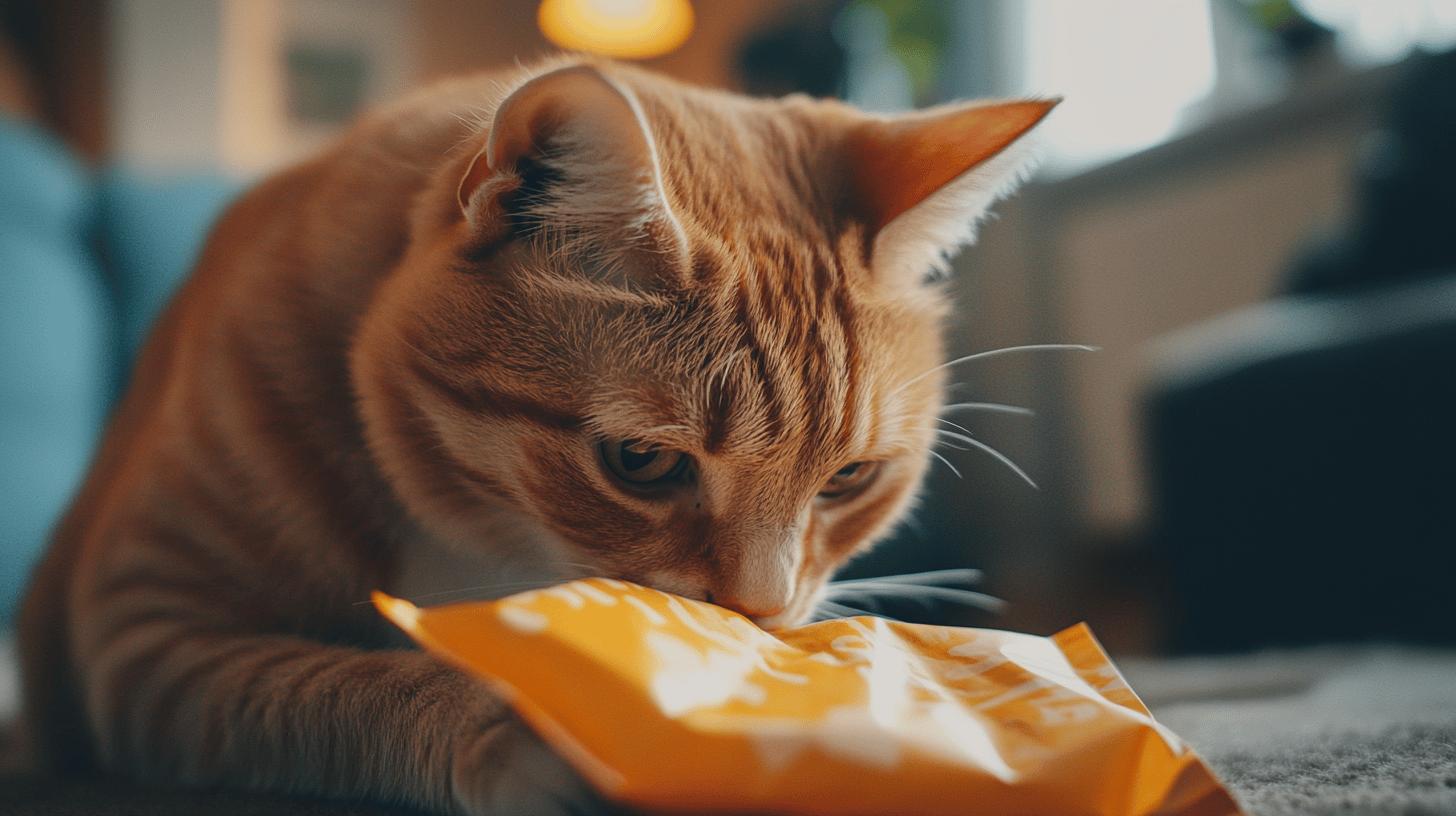
    Cats are naturally inclined to respond to certain stimuli, like the crinkle of a treat bag, due to classical conditioning. This suggests that with the right approach, they can be trained effectively. By tapping into their innate behaviors, training becomes an extension of their natural activities, making it both enjoyable and rewarding for them.

    Reading a cat's body language and communication cues is crucial for effective training. Look for signs like tail position, ear movement, and vocalizations to gauge their mood and readiness to engage. A cat with upright ears and a relaxed posture is likely in a good state to learn.

    Recognizing these cues allows you to tailor your training sessions to when your cat is most receptive. By responding to their signals, you create a training environment that respects their autonomy while encouraging positive behavior. Understanding these subtleties not only enhances the training process but also strengthens the bond between you and your feline friend.

    Using Positive Reinforcement and Tools for Cat Training

    Using Positive Reinforcement and Tools for Cat Training-1.jpg

    Clicker training is a powerful technique for teaching cats new behaviors through positive reinforcement. It involves using a clicker, a small mechanical device that makes a distinct sound, to mark the exact moment a cat performs a desired action.

    This sound is immediately followed by a reward, typically a treat, reinforcing the behavior. This method not only enhances communication between you and your cat but also makes the training process enjoyable and effective.

    Here's a list of essential tools needed for successful cat training:

    • Clicker: A small device that produces a consistent click sound to mark desired behaviors.

    • Treats: High-value treats that your cat loves, reserved specifically for training sessions.

    • Patience: A calm and patient mindset to allow your cat to learn at its own pace.

    • Quiet Environment: A distraction-free area to help maintain your cat's focus during training.

    • Toys: Interactive toys that can be used as alternative rewards or to engage your cat.

    • Training Plan: A clear plan outlining the skills or behaviors you want to teach.

    To effectively use these tools, start by familiarizing your cat with the clicker. Begin by clicking and then immediately giving your cat a treat, creating a positive association. Once your cat understands this link, introduce simple skills like sitting or following your hand.

    Keep the sessions short, around 5-10 minutes, to ensure your cat remains engaged and focused. Use the clicker to mark precise moments of success, reinforcing the behavior with treats or toys.

    Be cautious of common pitfalls such as inconsistent timing with the clicker or using low-value rewards that don't motivate your cat. Avoid overwhelming your cat with long sessions or multiple new skills at once, as this can lead to frustration. Stick to a consistent routine and gradually build on successes, celebrating small victories to keep your cat motivated and eager to learn.

    Step-by-step Guide to Train Your Cat to Follow You

    Patience and Consistency The Pillars of Successful Cat Training-4.jpg

    Training a cat to follow you involves setting a consistent routine. Cats thrive on predictability, so sticking to a regular training schedule is key. Choose specific times of the day when you can dedicate a few minutes to training without interruptions.

    Timing is crucial—sessions after naps or before meals work best, as cats are more alert and motivated by treats then. Consistency helps establish a pattern that your cat will recognize, encouraging them to participate more willingly.

    Managing expectations is crucial. Cats can learn tricks in just a few sessions, but patience is vital. Keep sessions short and focused, typically 5-10 minutes, to align with a cat's attention span. This prevents them from becoming overwhelmed or frustrated. Celebrate small successes and understand that every cat learns at its own pace.

    Maintain a positive and stress-free environment. Use high-value rewards to keep your cat engaged and motivated. This fosters a sense of fun and learning, making the process enjoyable for both you and your cat.

    Building Trust and a Bond with Your Cat Through Training

    Building Trust and a Bond with Your Cat Through Training-3.jpg

    Training your cat can be a wonderful way to build trust and strengthen your bond. By incorporating play into the training process, you enhance the experience for both you and your feline friend.

    Cats naturally enjoy activities that mimic their instinctual behaviors, and when training is approached with patience and positivity, it becomes a shared adventure. This not only makes the training enjoyable but also helps you understand your cat's subtle body language, allowing for better communication and correction of unwanted behavior.

    Here are four activities that can enhance bonding and trust through training:

    • Interactive Play: Use wand toys or laser pointers during training to engage your cat's natural hunting instincts.

    • Treat-Based Games: Hide treats around the room and teach your cat to find them, turning training into a fun game.

    • Gentle Grooming: Incorporate gentle grooming sessions after successful training to reinforce positive associations.

    • Puzzle Feeders: Use puzzle feeders as rewards, which provide mental stimulation and satisfaction.

    Maintaining a positive and stress-free training environment is crucial. Avoid punishing bad behavior, as this can lead to stress and damage the trust between you and your cat. Focus on rewarding good behavior and keeping sessions light and fun. This approach ensures that training becomes a mutually enjoyable activity, deepening your connection and fostering a harmonious relationship.

    Final Words

    Training a cat to follow you can be both rewarding and fun. By using positive reinforcement, understanding feline behavior, and being consistent, you can effectively teach this behavior. Remember, patience and a steady routine are key in learning how to train a cat to follow you. It's a great way to build trust and strengthen your bond. Enjoy the process, and soon enough, you'll find your cat happily following you, eager for their next adventure!

    FAQ

    How do you train a cat to follow you?

    To train a cat to follow you, use positive reinforcement. Start by calling your cat's name and rewarding it when it comes. Use treats, toys, and specific sounds to signal rewards.

    How do you train a cat to behave?

    Training a cat to behave involves understanding their natural instincts. Use positive reinforcement with treats or toys. Short, focused sessions work best, keeping the training consistent and rewarding positive behavior.

    What age should you leash train a cat?

    You can start leash training a cat at around 8 weeks old. Ensure your cat is comfortable with the harness and leash beforehand using short, positive sessions.

    Is walking a cat on a leash cruel?

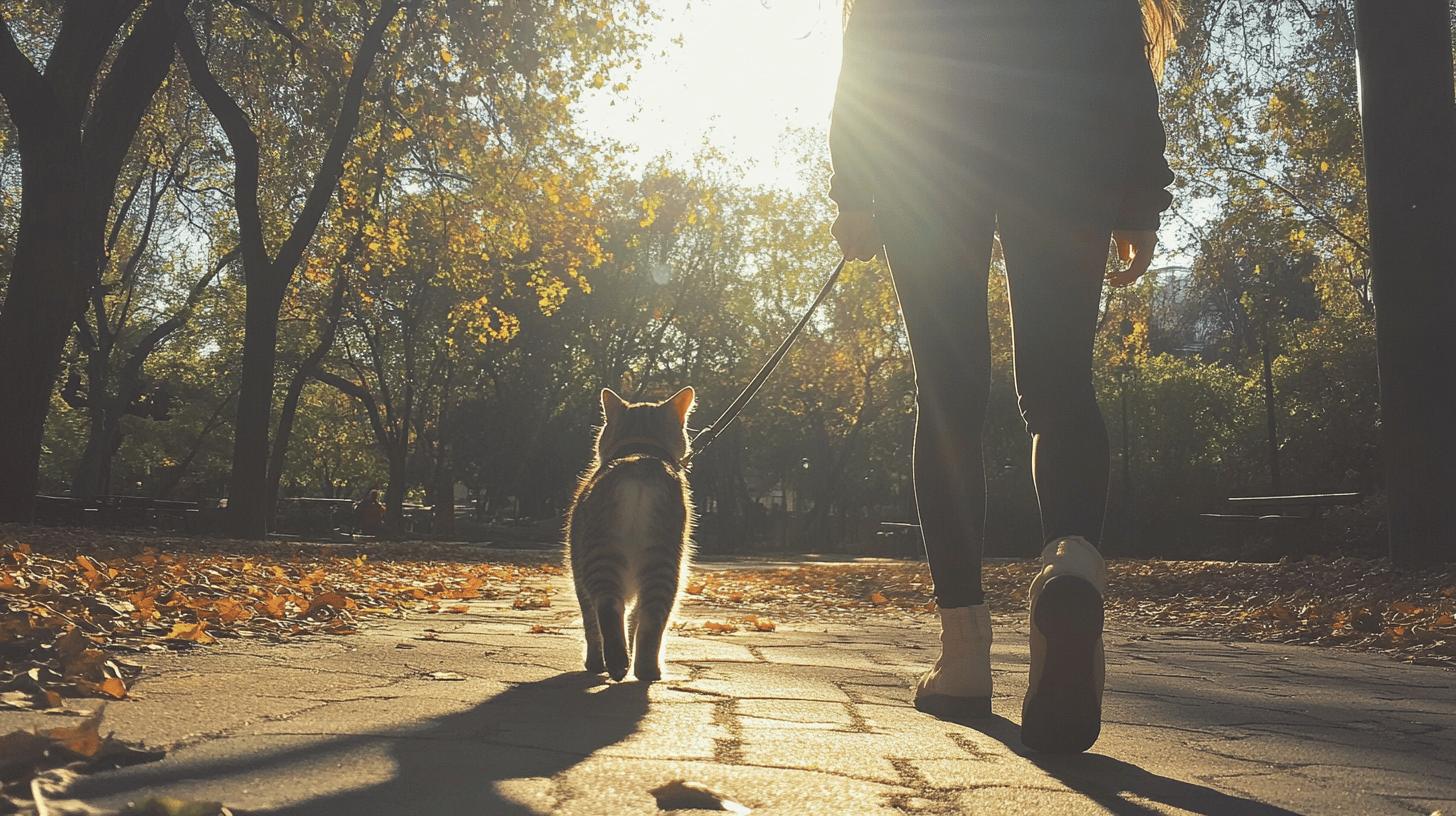
    Walking a cat on a leash is not cruel if done properly. It provides mental and physical stimulation. Always ensure your cat feels safe and comfortable during walks.

    How do you train your cat to come to you?

    To train your cat to come, use its name consistently. Reward it with treats or toys when it responds. Gradually increase the distance and keep the training sessions positive.

    How do you train a cat to sit?

    Training a cat to sit involves patience and positive reinforcement. Use treats to lure your cat into a sitting position. Once seated, reward and praise your cat to reinforce the behavior.

    What are the benefits of leash training a cat?

    Leash training offers exercise and mental stimulation for cats. It provides a safe way for them to explore the outdoors while strengthening the bond between you and your cat.

    How do you make cats follow you?

    To make cats follow you, use a treat or toy as motivation. Gradually increase the distance between you and the cat, rewarding it for following, to encourage this behavior.

    How do you make your cat clingy to you?

    To make your cat more clingy, spend quality time with it. Use bonding activities like play, grooming, and training sessions to strengthen your relationship and trust.

    Why doesn't my cat like being picked up?

    Cats often dislike being picked up due to a lack of control. Offer treats and gentle handling to help your cat become more comfortable with being lifted.

    Related Articles

  • How to Train a Cat for Emotional Support

    How to Train a Cat for Emotional Support

    Can you train a cat to be an emotional support animal? Yes, if your cat has the right temperament. Unlike emotional support dogs (which require formal training), emotional support cats work through their natural bonding behavior and intentional training of specific comfort behaviors. This guide covers the concrete training techniques you can use, how to assess whether your cat is suited for ESA work, and how ESA cats differ legally from therapy animals and service animals.

    What Behaviors to Train for Emotional Support

    Emotional support cats perform four core behaviors:

    1. Calm Recall (Come When Called)

    Your cat needs to respond to a specific cue. a word, sound, or gesture, and come to you. This is essential because emotional support works only if your cat comes when you need support most. Use high-value treats (small pieces of cooked chicken, freeze-dried fish) and practice in short 2-3 minute sessions, 3-4 times per week. Start in a quiet room, say “Here” or a similar cue, treat immediately when your cat approaches, then repeat. Gradually increase distance and add minor distractions (a toy nearby, another person in the room). Build to the point where your cat responds reliably in any environment.

    2. Tolerating Handling During Anxiety Episodes

    Your cat must be comfortable being held, petted, or having their paws/head held when you’re in distress. Many cats are touch-averse, so this is foundational. Start by rewarding calm acceptance of short touches (hand on head for 2 seconds, then reward). Gradually extend duration and introduce gentle pressure on the paws or chest. Never force it, if your cat struggles, stop and try later. The goal is for your cat to accept sustained contact without pulling away.

    3. Pressure Therapy (Sitting on Lap on Cue)

    Train your cat to sit on your lap when you give a specific cue. The weight and pressure of a cat on your lap genuinely reduces heart rate and cortisol (stress hormone). Use a soft “Up” or similar cue, reward heavily when your cat jumps up, and practice daily. Eventually, the reward can be just the lap time itself. This becomes their “anxiety protocol”. when you activate the cue, your cat knows it’s comfort time.

    4. Not Reacting to Crying or Distress Sounds

    If you cry or vocalize distress, your cat shouldn’t flee or become anxious themselves. Some cats naturally do this; others need desensitization. Play recordings of your own voice crying softly (or watch videos of people crying) while your cat is nearby and calm. If they relax during the stimulus, reward heavily. This sounds odd but is crucial for real-world ESA function. your cat needs to stay calm and present when you’re not.

    Building the Bond: Foundation Before Training

    No cat will be an effective emotional support animal without a genuine bond with their primary person. Begin with trust-building exercises before formal behavior training:

    Slow Blink Technique: The slow blink is cat-speak for “I trust you.” When your cat looks at you, slowly close your eyes for 2 seconds, then open. Repeat 2-3 times. Most cats will slow-blink back. This activates the same neurochemical bonding that creates attachment. Do this several times daily, especially when your cat is calm.

    Play Therapy: Interactive play for 10-15 minutes daily is essential. Use a wand toy, string toy, or laser pointer. whatever engages your cat’s hunting drive. This creates positive associations with you as the source of excitement and satisfaction. A cat that hunts *with* you (not at you) has formed a cooperative bond.

    Scent Exchange: Rub a cloth on your face and place it near your cat’s sleeping area. Cats mark scent-bonded individuals. Similarly, sleep with a toy your cat loves, creating your scent on their favorite object. This deepens unconscious bonding.

    Predictable Routine: Feed, play, and interact with your cat at the same times each day. Cats are creatures of habit, and predictability builds trust. A cat that knows you feed them at 7 am is more attached than a cat fed randomly.

    Timeline: True bonding takes weeks to months. If you’ve just adopted or rescued your cat, expect 4-8 weeks of trust-building before serious training begins.

    Is Your Cat Suited for ESA Work?

    Not all cats can be emotional support animals. Assess your cat’s temperament first:

    Personality Checklist:

    • Social confidence: Does your cat approach strangers or hide? ESA cats don’t need to like people, but they shouldn’t panic in new environments.
    • Calm under stress: If you’re anxious, does your cat become anxious or stay grounded? ESA cats are anchors, not amplifiers of your emotions.
    • Bonded to you specifically: Does your cat follow you around, seek you out, or greet you at the door? General affection is not enough. your cat must be attached to *you*.
    • Comfort-motivated (not just fear-motivated): Some cats seek human contact only when frightened. Ideal ESA cats seek contact for positive reasons too.
    • Not excessively anxious or reactive: A cat with unmanaged anxiety, aggression, or hypervigilance will struggle. Anxiety disorders in cats are treatable by vets; consider this before pursuing ESA work.

    Red Flags: If your cat is newly adopted and hasn’t bonded yet, highly anxious, or has aggression issues, invest in bonding and behavioral support first. You can’t train away poor temperament.

    ESA vs. Therapy Cat vs. Service Animal

    Emotional Support Animal (ESA): A pet that provides comfort through companionship and presence. No formal training required (though you can train specific behaviors). Legal protection: Housing. landlords must allow ESAs if you have a letter from a mental health professional. No public access rights (ESAs can’t go to restaurants, stores, airports like service dogs).

    Therapy Cat: A cat trained by a professional organization to visit nursing homes, hospitals, or schools and provide comfort to multiple people (not just their owner). Requires certification through an organization like Pet Partners. These are working animals with public access and extensive training.

    Service Animal (rare for cats): A cat trained to perform a specific task for a person with a disability (e.g., detecting blood sugar changes for a diabetic). Extremely rare and not yet widely recognized by law. Only dogs are federally protected as service animals in the US.

    Most people with emotional support cats have ESAs, not therapy cats. The distinction matters for housing rights and public access. know which you’re pursuing.

    Final Words

    Training a cat for emotional support is achievable, but it requires honest assessment of your cat’s temperament, intentional bonding, and patience with behavior training. Start with the foundation (slow blinks, play therapy, scent bonding), assess your cat’s suitability, then move to formal behavior training (recall, pressure therapy, handling tolerance).

    Cats won’t bond on command. this is a months-long process. But a cat that chooses to be present with you, knows how to ground you during anxiety, and responds to your cues is worth the investment. The emotional support you gain is real, even if the legal protections are more limited than with service dogs.

    FAQ

    Can cats be emotional support animals?

    Yes. Cats can provide genuine emotional support through bonding, presence, and trained behaviors like pressure therapy. However, they have fewer legal protections than service dogs. ESAs are protected in housing but not public spaces.

    What’s the difference between an ESA and a service cat?

    An ESA provides comfort through companionship and presence. A service animal is trained to perform a specific task for a disability. Cats are rarely service animals; most cat owners pursue ESA status.

    Can you train a cat to sense anxiety or depression?

    Some cats naturally respond to emotional cues and seek out their humans when they’re distressed. You can train behaviors that support this (like pressure therapy or recall), but you can’t train a cat to “sense” emotions. they either respond to your cues or they don’t.

    How long does it take to train a cat for emotional support?

    Bonding takes 4-12 weeks depending on your cat’s history. Specific behavior training (recall, handling) takes 2-6 weeks of consistent practice. Total timeline: 2-4 months for a functional ESA.

    Do I need certification for an emotional support cat?

    No. ESAs do not require formal training or certification to have housing rights (you need a letter from a licensed mental health professional, not a trainer certification). Therapy cats require certification from organizations like Pet Partners.

    Are emotional support cats allowed in public places?

    No. ESAs have housing rights only. They’re not allowed in restaurants, stores, or airplanes like service dogs. Only service animals and therapy animals (in approved facilities) have public access.

    Can any cat be an emotional support animal?

    No. Your cat needs to be bonded to you, calm under stress, and capable of learning behaviors. Highly anxious, aggressive, or newly adopted cats may need support first.

    How do I get a letter for housing rights with my ESA cat?

    You need a letter from a licensed mental health professional (therapist, psychiatrist, psychologist) stating that you have a disability-related need for the emotional support of your animal. This is different from service animal paperwork and doesn’t require trainer certification.

    Related Articles

  • Train Your Cat to Walk Outside Successfully

    Train Your Cat to Walk Outside Successfully

    Ever think your cat could join you on your daily walks? Believe it or not, taking a cat for a stroll is not just for dogs. With our step-by-step guide, you can turn your indoor feline into a confident outdoor explorer.

    The journey starts with harness training at home and slowly builds toward outdoor adventures. This isn’t just about a stroll—it’s a way for your cat to exercise safely and even strengthens your bond. If you’re ready for a change of pace in your cat’s routine, let’s get started!

    Step-by-Step Guide to Training a Cat to Go on Walks

    Step-by-Step Guide to Training a Cat to Go on Walks-1.jpg

    • Start harness training when your cat is calm and relaxed.
    • Allow your cat to explore and sniff the harness on their own.
    • Put the harness on indoors without fastening it initially.
    • Increase the time your cat wears the harness indoors gradually.
    • Attach the leash and let your cat walk around indoors to get used to it.

    Begin harness training when your cat is in a calm and relaxed state. It’s crucial to choose a time when there are minimal distractions and your cat is more likely to be receptive. Place the harness in a quiet area where your cat often relaxes. This way, your cat can naturally approach and investigate the harness at their own pace, without feeling pressured or rushed.

    Encourage positive interaction with the harness by rewarding your cat with treats and praise whenever they show interest in it. This helps create a positive association with the harness. Allow them to sniff and explore it thoroughly. Use treats to reinforce this behavior, making the harness an exciting and rewarding object in their environment.

    Once your cat is comfortable with the harness being around, try putting it on them indoors without fastening it. This helps them get used to the sensation of wearing it. Start with short sessions, gradually increasing the time they wear it each day. Continue providing treats and praise to keep the experience positive and stress-free.

    Introduce the leash by attaching it to the harness while your cat is indoors. Let them walk around with the leash trailing behind. This allows them to become accustomed to the weight and feel of the leash. Keep an eye on their behavior, and use treats and gentle encouragement to help them adjust. This step is essential before attempting any outdoor adventures.

    Selecting the Best Harness for Cat Walking

    Selecting the Best Harness for Cat Walking-1.jpg

    Opting for a harness instead of a collar is crucial when walking your cat. Unlike collars, harnesses distribute pressure across the cat’s body, reducing the risk of injury to their neck and throat. Collars can be easily slipped out of, especially by cats who aren’t used to being restrained.

    A well-fitted harness provides more control and security, ensuring your cat’s safety during outdoor adventures. It’s essential to select a harness that fits comfortably yet snugly to prevent any escape attempts.

    Several harness styles are available, each with specific benefits. The “H-Style” harness offers multiple adjustment points, making it versatile for various body shapes. The “Vest” harness, recommended for comfort and security, wraps around the body, providing a snug fit that cats find reassuring.

    Finally, the “Step-In” harness is designed for ease of use, allowing cats to step into it without the need for overhead adjustments. When choosing a harness, consider one that balances security and comfort, ensuring your cat feels at ease while walking.

    Harness Style Benefits
    H-Style Adjustable, versatile fit
    Vest Comfort, security
    Step-In Easy to use

    Acclimating and Ensuring Safety for Outdoor Cat Walks

    Acclimating and Ensuring Safety for Outdoor Cat Walks-1.jpg

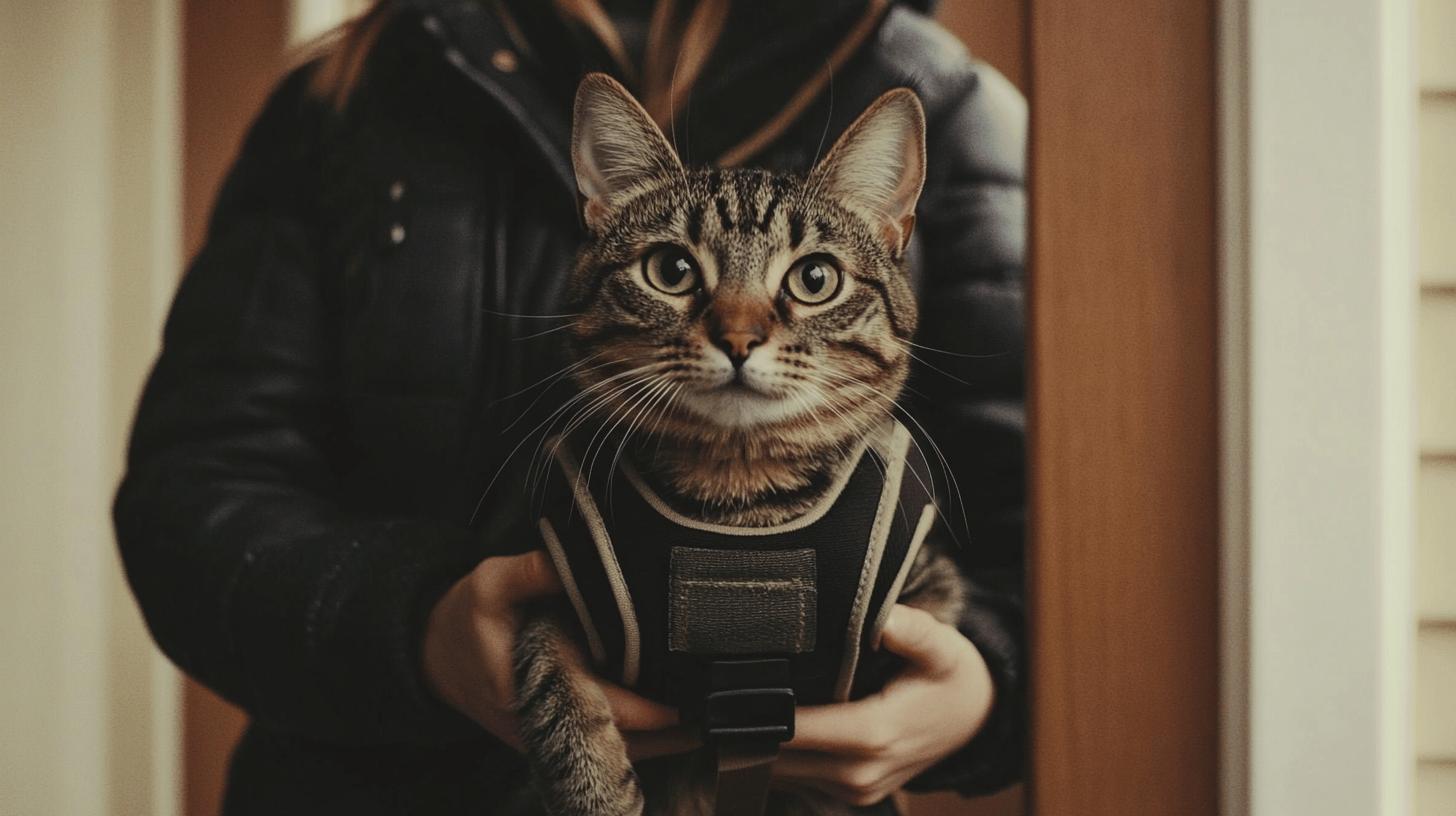
    When starting outdoor adventures with your cat, it’s important to prevent any unwanted dashes for the door. Begin by carrying your cat outside while they wear their harness and leash. This helps them feel secure and prevents them from associating the door with a sudden escape route. Holding them close provides comfort and safety, ensuring they stay calm as they transition from the indoors to the outdoors.

    Choosing the right spot for your cat’s first outdoor experience is crucial. Opt for a quiet area, free from overwhelming noises or distractions. This allows your cat to gradually acclimate to the new environment without feeling overwhelmed.

    A calm setting helps build their confidence, making them more receptive to the experience. Avoid busy streets or areas with lots of foot traffic to ensure your cat feels safe.

    As your cat becomes more comfortable, you can gradually increase the time and distance of your outdoor sessions. Begin with brief excursions close to the door, slowly venturing further as your cat shows signs of curiosity and ease.

    Keep these initial sessions short, allowing your cat to dictate the pace. Patience is key, as each cat will adapt at their own speed. Watch for signs of stress, and be ready to retreat indoors if needed.

    Safety is paramount when walking your cat. Always use a standard six-foot leash for beginners, providing ample control without allowing too much freedom. Standing behind your cat helps prevent forward tension on the leash, reducing the risk of them escaping from the harness. This position also allows you to guide them gently, encouraging exploration without feeling restricted.

    Handling common challenges like reluctance or anxiety is part of the process. Some cats may freeze or refuse to move. In these cases, using treats or a favorite toy can encourage them to take those first steps. Speak softly and offer plenty of praise to reassure your cat. Remember, patience and positive reinforcement go a long way in overcoming these challenges.

    Here are some safety tips and troubleshooting advice to ensure a successful walk:

    • Carry your cat outside initially: This prevents them from associating the door with immediate freedom.
    • Choose a standard six-foot leash: Provides control without too much slack.
    • Stand behind your cat: Prevents them from pulling forward and slipping out of the harness.
    • Use positive reinforcement: Encourage hesitant cats with treats and praise.
    • Be ready to retreat: If your cat shows signs of distress, return indoors and try again later.

    By following these steps, you can create a safe and enjoyable outdoor experience for both you and your cat.

    Enhancing the Walking Experience for Your Cat

    Enhancing the Walking Experience for Your Cat-1.jpg

    Using positive reinforcement can greatly enhance the walking experience for your cat. Treats, praise, and toys are effective tools in encouraging and rewarding desired behavior. When your cat successfully walks on a leash or responds to a cue, immediately provide a treat or verbal praise.

    This association makes walking a positive activity for them. Incorporating new toys into training can also spark curiosity and excitement, keeping your cat engaged and motivated during walks.

    Interactive methods can further enrich your cat’s walking experience. A treat trail can encourage your cat to follow a path, making the walk more adventurous. Use a target stick or a wand toy to lead your cat in the desired direction.

    This not only makes the walk enjoyable but also provides mental stimulation. Practicing recall skills with cues like “come” can be part of the routine, reinforcing their responsiveness and your bond.

    • Use a treat trail: Lay down treats at intervals to guide your cat.
    • Incorporate toys: A wand toy can make walks playful and engaging.
    • Practice recall: Use a cue like “come” to enhance responsiveness.
    • Keep sessions short and fun: Ensure walks are enjoyable and not overwhelming.

    Final Words

    Training a cat to go on walks takes patience and understanding, but it’s rewarding. Starting with harness training indoors is key. Let your cat approach the harness and use treats and praise for positive reinforcement. Gradually extend this to wearing the harness and leash indoors before venturing outside.

    Choosing the right harness is crucial. Safety is paramount when taking those first outdoor steps. Over time, your cat will become more comfortable, and walks will enhance their life. By following these steps on how to train a cat to go on walks, you can create a safe and enjoyable experience for both you and your furry friend. Enjoy every moment of your outdoor adventures together!

    FAQ

    Is walking a cat on a leash cruel?

    Walking a cat on a leash isn’t cruel if the cat is comfortable and trained. Start slowly, respecting your cat’s comfort level, and ensure positive experiences during walks.

    How to train a cat to go on walks?

    Begin by introducing your cat to a harness indoors. Use treats and praise for positive interaction. Gradually increase wearing time, then attach a leash and let your cat get used to walking indoors before heading outside.

    What age to leash train a cat?

    Start leash training when the cat is a kitten, around 8-12 weeks old. Younger cats tend to adapt more easily, but older cats can also be trained with patience.

    Benefits of leash training a cat?

    Leash training offers mental and physical exercise, reduces boredom, and allows safe exploration of new environments. It can strengthen the bond between you and your cat.

    How do you train a cat to go outside and not run away?

    Carry your cat outside, using a harness and leash. Begin in quiet areas near home. Gradually increase time and expand boundaries once your cat becomes comfortable.

    Can you train a cat to like walks?

    Yes, use treats and praise to create a positive experience. Start indoors, build comfort with a harness and leash, then slowly introduce the outdoors.

    How long does it take for a cat to learn how to walk?

    Training can take weeks to months. It depends on your cat’s personality and comfort level with the harness and leash. Be patient and consistent.

    How to harness train an older cat?

    Introduce the harness gently, allowing sniffing and exploration. Reward with treats and praise for each step they accept. Increase wearing time indoors before adding a leash.

    Choosing the best harness for a cat?

    Select a vest harness for comfort and security. Ensure it’s snug but not tight, allowing two fingers’ width between the harness and your cat’s body.

    How to troubleshoot a cat’s reluctance to walk?

    Check harness fit and adjust as needed. Use treats or toys to motivate walking. Begin in familiar, quiet environments and gradually expand outings.

    Related Articles

  • How to Train a Cat to Be a Service Animal

    How to Train a Cat to Be a Service Animal

    Ever wondered if a cat could be a service animal? While dogs and even miniature horses fit the bill according to the ADA, cats don’t. But don’t let that stop you! Cats can still lend a paw through roles like emotional support or therapy.

    These little furballs can offer immense comfort and companionship, improving our emotional landscape. Interested in training your cat to become an emotional support animal? Let’s explore the steps to help your feline friend become the purr-fect companion in need.

    Can Cats Be Trained as Service Animals?

    Can Cats Be Trained as Service Animals-1.jpg

    According to the Americans with Disabilities Act (ADA), service animals are defined strictly as dogs or, occasionally, miniature horses. Cats, unfortunately, do not meet the criteria to be recognized as service animals under this act. This means cats cannot be trained or certified as service animals legally.

    Cats, however, can still play valuable roles through other channels:

    • Emotional Support Animals (ESAs): Cats provide comfort and companionship, aiding in emotional well-being.
    • Therapy Animals: They can offer therapeutic benefits in environments like hospitals or nursing homes.
    • Unofficial Assistance: While not legally recognized, cats can assist individuals in their daily lives in unique ways.

    For cat owners hoping to secure service animal status, it’s important to understand these legal limitations. While cats cannot be service animals, they can still provide meaningful support in non-official capacities.

    Steps to Train a Cat as an Emotional Support Animal

    Training a cat to be an emotional support animal (ESA) is essential for both the cat and the owner. An ESA provides comfort and companionship, so the training focuses on building a strong bond and ensuring the cat is well-adjusted.

    1. Assess Your Cat’s Temperament
      Start by evaluating if your cat is naturally calm, friendly, and comfortable around people. These traits are crucial for an ESA, as not all cats are suited for this role.
    2. Begin Socialization Early
      Expose your cat to different environments, people, and sounds. This helps your cat adapt to new situations without stress. Socialization can begin at any age but is most effective when started early.
    3. Teach Basic Commands

    Introduce basic obedience commands like “sit” and “come.” Keep training sessions short and fun, using treats to motivate and reward your cat. Patience is key, as cats learn at their own pace.

    1. Encourage Calm Behavior
      Reward your cat when it displays calmness, especially in potentially stressful situations. Reinforce this behavior by providing affection and treats, helping your cat learn to remain relaxed.
    2. Use Positive Reinforcement
      Always use positive reinforcement such as treats or a clicker to promote desired behaviors. Avoid punishment, which can damage the trust and bond between you and your cat.

    Consistency and patience are vital throughout the training process. While training a cat might take time, especially since they don’t naturally seek to please humans, the rewards of having a well-adjusted ESA are well worth the effort.

    Differences Between Service Cats and Emotional Support Cats

    Differences Between Service Cats and Emotional Support Cats-1.jpg

    Emotional support cats provide comfort to those with emotional or psychological issues. Their presence can reduce stress and anxiety. Unlike service animals, they don’t need task-specific training. Basic obedience and socialization help them adapt to different environments. This makes them well-behaved companions who offer emotional relief.

    Emotional support cats have legal rights under the Fair Housing Act. This means landlords must allow them in housing, even with no-pet policies. This benefit supports individuals who rely on their cats for emotional health. Emotional support cats do not have the same public access rights as service animals.

    Role Training Required Legal Status
    Service Animal Task-specific training Not applicable to cats
    Emotional Support Cat Basic obedience and socialization Recognized under Fair Housing Act

    Choosing the Right Cat Breed for Emotional Support

    Choosing the Right Cat Breed for Emotional Support-1.jpg

    When selecting a cat for emotional support, focus on traits like calmness, friendliness, and an easy-going nature. These qualities are essential for an ESA, as the cat needs to provide comfort without becoming stressed. While individual personalities vary, certain breeds are known for these desirable temperaments. Here are some breeds that often excel as emotional support animals:

    • Ragdoll
    • Maine Coon
    • British Shorthair
    • Scottish Fold
    • Birman

    Legal Requirements and Documentation for Emotional Support Cats-1.jpg

    To recognize your cat as an emotional support animal (ESA), you need specific documentation. Here’s what you’ll need:

    • ESA Letter: This is a letter from a licensed mental health professional. It states your need for an emotional support animal and is essential for documentation. Consulting a mental health professional is a crucial step here.
    • Veterinary Records: Keep your cat’s health records up-to-date. This includes vaccinations and proof of care, ensuring your cat is well-cared for.

    Getting the necessary documentation involves consulting with a mental health professional who will evaluate your need for an ESA and provide you with the ESA letter. This letter is the cornerstone of your documentation, allowing you to proceed with housing accommodations. Make sure your cat’s health records are current to complete the process.

    Final Words

    Training a cat as a service animal isn’t legally possible, but cats can be great emotional support animals. Training helps your cat become a comforting companion, focusing on socialization and basic commands. While service animals have task-specific roles, emotional support cats offer companionship and comfort.

    Choosing the right breed for an ESA role can enhance your experience. Ragdolls, Maine Coons, and British Shorthairs are great options. Remember, legal requirements include a letter from a mental health professional for housing.

    Learning how to train a cat to be a service animal enriches the bond you share.

    FAQ

    Q: Can cats be service animals?

    A: Cats cannot be service animals under the ADA. They can be emotional support animals or therapy animals but lack the official service status that dogs or miniature horses have.

    Q: Can I train my cat to be a service animal?

    A: Cats can’t be trained as service animals but can be trained as emotional support animals with socialization, basic commands, and positive behavior reinforcement.

    Q: What are the steps to train a cat as an emotional support animal?

    A: Training involves:

    1. Assessing temperament.
    2. Early socialization.
    3. Teaching basic commands.
    4. Encouraging calm behavior.
    5. Applying positive reinforcement.

    Q: Can I make my cat a therapy cat?

    A: Yes, cats can be therapy animals by training them to interact and provide companionship. They must be comfortable with people and different settings.

    Q: How to register a cat as an emotional support animal for free?

    A: Registration isn’t required, but an ESA letter from a mental health professional is. This letter is essential for housing accommodations under the Fair Housing Act.

    Q: What are the differences between service cats and emotional support cats?

    A: Service animals perform tasks for disabilities; emotional support cats provide companionship. Service animals need task-specific training, while emotional support cats focus on basic obedience.

    Q: Can cats be emotional support animals?

    A: Yes, cats can be emotional support animals, providing comfort and companionship. They require a letter from a mental health professional to be officially recognized.

    Q: What cat breeds are best for emotional support?

    A: Look for calm and friendly traits. Suitable breeds include:

    • Ragdoll
    • Maine Coon
    • British Shorthair
    • Siamese
    • Persian

    A: Emotional support cats need:

    • ESA letter from a mental health professional
    • Fair Housing Act accommodation request
    • Any specific landlord or policy forms
    • Veterinarian records if required

    Related Articles

  • Train Your Cat to Use a Cat Door Effortlessly

    Train Your Cat to Use a Cat Door Effortlessly

    Ever wondered if your cat could learn to use a cat door without a fuss? Introducing a cat door to your pet’s routine might seem tricky, but it can be a breeze with the right steps.

    Imagine the freedom it gives both you and your cat—no more constant door patrol! In this guide, I’ll share simple steps to train your cat to use a cat door easily. With patience and a little know-how, your feline friend will soon be a pro at coming and going.

    Step-by-Step Guide to Train a Cat to Use a Cat Door

    Step-by-Step Guide to Train a Cat to Use a Cat Door-1.jpg

    Training a cat to use a cat door can be a rewarding process, both for you and your feline friend. It involves patience, understanding, and a structured approach to help your cat feel comfortable with this new addition to their environment.

    By following a step-by-step guide, you can make the transition smooth and less stressful for your cat. The key is to introduce the cat to the door gradually, ensuring they have time to adjust to each stage of the process.

    • Introduce the cat to the door. Start by placing the door in the room where your cat spends most of their time. Allow them to sniff and explore it without pressure.
    • Familiarize the cat with the flap. Gently hold the flap open and encourage your cat to walk through. You can use a toy or a treat to entice them to pass from one side to the other.
    • Gradually increase training difficulty. Once the cat is comfortable going through the open flap, start letting it down slowly, so they learn to push it themselves.
    • Maintain regular, short training sessions. Keep each session under 5 minutes to prevent your cat from becoming overwhelmed or frustrated.
    • Troubleshoot during each step. If your cat seems fearful or reluctant, return to the previous step and try again later.

    Troubleshooting is essential when training your cat to use a cat door. If your cat appears scared of the flap, try leaving it open until they feel more secure passing through. For cats that hesitate, giving them more time to explore the door at their own pace can help.

    Never force your cat through the door, as this can lead to fear and reluctance to use it in the future. Instead, observe your cat’s reactions and adjust your approach as needed.

    Patience and consistency are vital throughout the training process. Each cat is unique, and while some may take to the door quickly, others might require more time and encouragement.
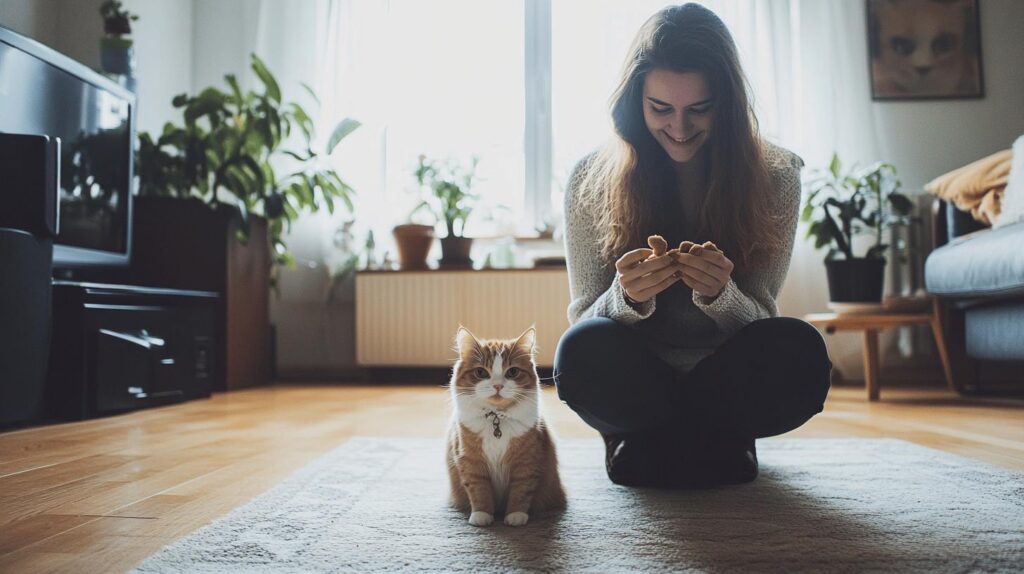
    Sticking to regular training sessions and maintaining a calm and supportive environment will help your cat gain confidence in using their new door. By focusing on gradual progress and celebrating small victories, you’ll make the training experience enjoyable and successful for both you and your cat.

    Using Positive Reinforcement and Motivation

    Positive reinforcement is a powerful tool in training your cat to use a cat door. Cats respond well to rewards, and using positive reinforcement creates a pleasant association with the door. When a cat receives a treat or praise for attempting to use the door, they are more likely to repeat the behavior.

    This method builds trust and confidence, making the training process enjoyable for both you and your cat. It’s essential to focus on rewarding desirable actions rather than punishing unwanted behaviors, as this fosters a more cooperative and stress-free learning environment.

    • Using treats.
    • Offering praise.
    • Incorporating toys.
    • Engaging in play sessions.
    • Providing a reward system.

    Motivation should be tailored to fit each cat’s unique preferences to maximize training success. Some cats may be treat-driven, while others might respond better to playtime or affection. Observing what your cat enjoys most will help you customize your approach, ensuring they remain engaged and motivated throughout the training process.

    By understanding your cat’s individual needs and preferences, you can create a more effective and rewarding training experience.

    Introducing Cat Doors to Different Cat Personalities

    Introducing Cat Doors to Different Cat Personalities-1.jpg

    Understanding feline behavior is key to successfully training your cat to use a cat door. Each cat has a unique personality, which affects how they respond to new experiences. Some cats are naturally curious and adventurous, while others may be more cautious or shy.

    Recognizing your cat’s personality traits can guide you in tailoring the training process, ensuring that they feel comfortable and secure as they learn to use the cat door.

    Shy and older cats often require more time and patience when it comes to training. For shy cats, creating a calm and quiet environment is crucial. Allow them to approach the door at their own pace without pressure.

    For older cats, who might be set in their ways or have physical limitations, gradual introduction and positive reinforcement are important. Use gentle encouragement and make training sessions short to prevent fatigue or frustration. Remember, the goal is to build confidence and trust.

    A personalized training approach can make all the difference. Observing your cat’s reactions and adjusting your strategy can help overcome reluctance. For instance, if your cat is food motivated, using treats can be an effective incentive.

    If they prefer play, use a favorite toy to coax them through the door. By catering to your cat’s individual needs, you can create a more enjoyable and successful training experience.

    Cat Personality Recommended Approach
    Shy Create a calm environment, give space
    Older Introduce gradually, use gentle encouragement
    Curious Use toys or games to stimulate interest

    Selecting and Installing the Right Cat Door

    Selecting and Installing the Right Cat Door-2.jpg

    Choosing the right cat door is a big step in helping your cat learn to use it. Start by thinking about the size of your cat to ensure the door is big enough for them to pass through comfortably.

    The type of door matters too—some cats may prefer a clear flap, while others might need a more solid one for privacy. Don’t forget about insulation, especially if you live in an area with extreme weather. A well-insulated door can help keep your home cozy and energy-efficient.

    • Placement for ease of access.
    • Checking door fit.
    • Ensuring proper insulation.
    • Compatibility with existing doors.

    When it comes to installing the cat door, placement is key. Make sure it’s at a height your cat can easily reach. Check the fit to avoid drafts or gaps that could let in unwanted cold or heat. Insulation should be a priority to maintain your home’s temperature.

    Lastly, ensure the door is compatible with the existing structure, whether it’s a wall, door, or window. Proper installation and placement are crucial for encouraging your cat to use the door confidently.

    Final Words

    Training a cat to use a cat door takes patience and a clear plan. It starts by introducing the door slowly and using short sessions to help your cat learn. Positive reinforcement with treats or toys encourages progress. Each cat is different, so understanding their behavior helps tailor the approach.

    Choosing the right door matters, so consider size and placement for the best fit. With the right steps and consistency, you’ll soon see success. This way, your cat can confidently enjoy their new door and have a more enjoyable playtime experience.

    FAQ

    Q: How do I introduce my cat to a cat door?

    A: Start by holding the door open and encouraging your cat to walk through with treats or toys. Gradually let the door swing a little, so your cat learns to nudge it open.

    Q: Why won’t my cat use the cat flap?

    A: Cats may hesitate due to fear or unfamiliarity. Patience and gradual training, such as short sessions with rewards, can help your cat overcome reluctance.

    Q: How do you train a stubborn or older cat to use a cat flap?

    A: For stubborn or older cats, focus on patience and gradual exposure. Let them explore the flap at their own pace, rewarding small successes with treats or praise.

    Q: How can I motivate a feral cat to use a cat door?

    A: Use enticing smells like food on the other side of the door. Let the cat explore the door without pressure, using patience and positive reinforcement to encourage use.

    Q: How long does it take for a cat to learn to use a cat door?

    A: Training can take from a few days to several weeks, depending on the cat’s personality and experience. Regular practice and patience are key to success.

    Q: How can positive reinforcement help train my cat to use a cat door?

    A: Use treats, praise, and play to encourage your cat through the door. Tailor rewards to your cat’s preferences to make learning enjoyable.

    Q: What are some effective motivational techniques for cat door training?

    A: Use treats, offer praise, incorporate toys, engage in play sessions, and create a reward system to keep your cat motivated.

    Q: How do I select the right cat door for my home?

    A: Consider the size, type, and insulation needed for your cat’s needs. Ensure the door fits and integrates well with your existing setup.

    Q: What should I consider when installing a cat door?

    A: Focus on proper placement for ease of access, ensuring door fit, proper insulation, and compatibility with your home’s existing infrastructure.

    Related Articles

  • Train Your Cat to Be a Therapy Cat

    Train Your Cat to Be a Therapy Cat

    Think a cat can’t be a therapy animal? Think again! While dogs often steal the spotlight in therapy, cats have a special way of comforting people, too. Training your furry friend to be a therapy cat is not only rewarding but also creates a strong bond between you and your pet.

    This blog post will guide you through the steps needed to transform your cat into a calm and comforting presence. With patience and positivity, you can introduce your cat to this meaningful role and change lives together.

    Steps to Train a Cat to Be a Therapy Cat

    Steps to Train a Cat to Be a Therapy Cat-1.jpg

    Training a cat to be a therapy cat requires patience and consistency. Obedience and socialization are key factors. Cats need to be friendly and comfortable around people. They must also respond well to basic commands.

    1. Start Socialization Early
      Introduce your cat to new people and environments while they’re young. Use treats and gentle interactions to make new experiences positive.
    2. Use Positive Reinforcement
      Reward your cat with treats or affection when they display the desired behavior. This reinforces good habits and makes training enjoyable for them.
    3. Introduce Basic Commands

    Teach simple commands like “sit” or “stay basic training.” Consistently practice these commands in short sessions to build your cat’s understanding.

    1. Familiarize with Harness and Leash
      Slowly get your cat used to wearing a harness and walking on a leash. Use high-value treats, like bits of chicken, to encourage them as they learn.
    2. Practice Calm Interactions
      Expose your cat to different noises and movements. Reward them for staying calm to prepare them for therapy environments.
    3. Encourage Play with Purpose

    Use toys to teach your cat to focus and follow your lead. This helps in developing their ability to engage positively with people.

    Consistent rewards and positive experiences are essential. They help form a strong bond between you and your cat. This connection is crucial for therapy work. It ensures your cat feels secure and happy in any setting.

    Therapy Cat Certification Process

    Therapy Cat Certification Process-1.jpg

    Certification is a crucial step in transforming your cat into a therapy animal. This process ensures that your cat meets the necessary standards to provide therapeutic benefits to individuals in need.

    Certification involves meeting organizational standards and paying fees for official documentation. These standards are designed to ensure that your cat is well-suited for therapy work and can handle diverse environments.

    Organization Certification Steps Fees
    Pet Partners Online course, in-person evaluation, background check $95
    Love on a Leash Evaluation, 10 supervised visits, membership application $30
    Therapy Cats United Behavioral assessment, training class, supervised visits $40
    Alliance of Therapy Cats Webinar, temperament assessment, practical test $60

    An important part of the certification process is assessing your cat’s temperament. Cats need to exhibit friendliness, calmness, and patience. Suitability assessments evaluate these traits to determine if your cat is fit for therapy work.

    Organizations often require ongoing evaluations to maintain certification. This ensures your cat continues to meet the necessary standards and remains well-prepared for the challenges of therapy environments. Regular checks help identify and address any changes in behavior, keeping both your cat and those they help safe and happy.

    Behavior Conditioning Tips for Therapy Cats

    Behavior Conditioning Tips for Therapy Cats-1.jpg

    Therapy cats should be calm, patient, and friendly. These traits help them interact well with people who need comfort. Training focuses on promoting these behaviors and redirecting any unwanted actions.

    • Use Treats for Encouragement
      Reward your cat with treats when they display calm and friendly behavior. This makes them more likely to repeat these actions.
    • Redirect with Toys
      If your cat shows unwanted behavior, gently guide them to play with a toy. This helps shift their focus to something positive.
    • Short Training Sessions

    Keep sessions brief to maintain your cat’s interest. Short bursts of training are more effective and less stressful for your cat.

    • Provide a Quiet Space
      Create a calm environment where your cat can retreat. This teaches them to seek out quiet when feeling overwhelmed.
    • Consistent Commands
      Use the same commands and rewards each time. Consistency helps your cat understand what is expected of them training techniques.

    Consistency in behavior training is vital. Cats learn best when they know what to expect. By maintaining a steady routine, your cat will develop the traits needed for therapy work. This approach ensures they remain confident and composed in various situations.

    Preparing Your Cat for Therapy Environments

    Preparing Your Cat for Therapy Environments-1.jpg

    Therapy cats work in various places like nursing homes, hospitals, and care centers. These environments can be bustling with activity, so it’s important to prepare your cat for what they’ll encounter. Familiarity with different stimuli and people is key to ensuring your cat’s success in therapy work.

    1. Visit New Places Gradually
      Start by taking your cat to new locations for short visits. Let them explore the area with you nearby, providing a sense of security.
    2. Introduce New People Slowly
      Allow your cat to meet different people one at a time. Use treats or toys to make these interactions positive and enjoyable.
    3. Expose to Various Sounds

    Play recordings of typical sounds from therapy environments, like conversations or low music. Gradually increase the volume as your cat becomes comfortable.

    1. Practice Calmness in Crowds
      Take your cat to places with more people, like parks or pet-friendly cafes. Reward them for staying calm and relaxed in these settings.

    Using calming techniques and gradual exposure helps your cat adjust to therapy environments. Start with short visits and slowly increase the duration as your cat becomes more comfortable.

    Offering treats or gentle petting during these experiences reinforces positive associations. By taking small steps and being patient, you can help your cat feel at ease and ready to provide comfort in various therapy settings.

    Maintaining a Therapy Cat’s Health and Well-being

    Maintaining a Therapy Cats Health and Well-being-3.jpg

    Regular vet visits and a balanced diet are crucial for a therapy cat’s health. These ensure your cat stays energetic and healthy, ready to offer comfort to those in need. A good diet keeps their body strong, while vet checks catch any health issues early.

    • Schedule Regular Vet Visits
      Keep up with annual vaccinations and health checks to spot any problems before they become serious.
    • Provide a Balanced Diet
      Offer high-quality cat food that meets all nutritional needs, supporting overall health and vitality.
    • Groom Regularly

    Brush your cat’s coat to reduce shedding and prevent matting. Check for any bumps or skin issues while grooming.

    • Monitor Weight and Activity
      Keep an eye on your cat’s weight and activity level to ensure they remain healthy and fit.

    Monitoring your cat’s health helps you adapt their care for therapy work. If you notice any changes, adjust their routine or consult your vet. Keeping your therapy cat in top shape means they can continue their important work, bringing joy and comfort to those they visit.

    Addressing Challenges and Considerations in Therapy Cat Training

    Addressing Challenges and Considerations in Therapy Cat Training-1.jpg

    Training therapy cats comes with a few challenges. Stress and fatigue are common issues. Cats can get overwhelmed with new environments and constant interactions. Recognizing when your cat is stressed is crucial. Signs include hiding, excessive grooming, or refusing to engage.

    • Provide Rest Breaks
      Allow your cat plenty of downtime between training sessions. This helps them recharge and reduces stress.
    • Create a Safe Space
      Set up a quiet area where your cat can retreat when they feel overwhelmed. A calm space helps them relax.
    • Watch for Stress Signals

    Pay close attention to changes in behavior. If your cat shows stress signs, reduce the training intensity.

    Always respect your cat’s limits. Overworking them can lead to anxiety and burnout. By being mindful of their needs and adjusting your approach, you ensure a positive experience. This helps your cat become a confident and effective therapy animal.

    Final Words

    Knowing how to train a cat to be a therapy cat involves many steps.

    It starts with building important skills like obedience and socialization. This means using treats and positive reinforcement. Training also includes getting the cat comfortable with harnesses and following commands. Certification processes are key, involving assessments and meeting standards. It’s also crucial to condition behavior through positive methods, while preparing cats for various environments like nursing homes. Lastly, maintaining their health and recognizing challenges ensures therapy cats thrive.

    With patience and dedication, a rewarding partnership awaits.

    FAQ

    Can cats be trained to be therapy cats?

    A: Yes, cats can be trained to be therapy cats. Training focuses on obedience, socialization, and response to commands using treats and positive reinforcement. Start socializing early with various people.

    How to get my cat certified as a therapy cat?

    A: The certification process involves meeting standards set by organizations, temperament assessments, and fees. Certification ensures your cat is fit for therapy work.

    How much does it cost to make a cat a therapy cat?

    A: Costs vary by organization but generally include fees for assessments and documentation. These fees can range from modest to several hundred dollars.

    Therapy cats for anxiety and depression: how do they help?

    A: Therapy cats provide comfort and companionship, offering emotional support to those with anxiety and depression. They create a calming presence and build a soothing environment.
    Can I train my cat to be an emotional support cat?

    A: Yes, you can train your cat for emotional support. Training includes socialization and positive reinforcement to encourage calmness and friendliness.

    Therapy cat training near me: where to find it?

    A: Check local animal therapy organizations or trainers who specialize in therapy animals. Online resources might also offer guidance or courses.

    What are the criteria for a therapy cat?

    A: Therapy cats should be calm, sociable, and patient. They must pass temperament assessments and adapt to different environments comfortably.
    Therapy cats in hospitals: how do they work?

    A: In hospitals, therapy cats provide companionship and emotional support to patients, promoting healing and reducing stress through interaction.