Category: Teach My Cat

  • How to Train a Cat Not to Chew on Things

    How to Train a Cat Not to Chew on Things

    Does your cat love sinking their teeth into everything but their own toys? You're not alone in this! Many cat owners find themselves battling against chewed cords, gnawed furniture, and shredded shoes.

    Understanding why cats chew can transform this frustrating habit into an opportunity. By addressing the root causes like anxiety and boredom, you can steer them toward healthier behaviors.

    Training your cat not to chew on things isn't just about stopping the behavior. It's about tapping into their natural instincts with smarter approaches and creating a safer home. Let's explore ways to achieve this harmony!

    Understanding Why Cats Chew on Things and Addressing Anxiety

    Understanding Why Cats Chew on Things and Addressing Anxiety-1.jpg

    Cats are natural explorers, and their instinct to chew is part of this exploration. They often use their mouths to investigate and interact with their environment, much like we use our hands.

    Chewing can be a sensory experience for cats, allowing them to enjoy different textures and tastes. This curiosity-driven behavior is common, especially in younger cats who are still discovering the world around them.

    Anxiety and medical issues are also significant reasons why cats might chew on things. Cats experiencing stress might chew more frequently as a way to cope. Breeds like Siamese are particularly prone to anxiety-driven behaviors.

    Changes in their environment, new additions to the household, or a lack of stimulation can trigger this response. Additionally, cats may chew due to dental discomfort, such as achy gums, similar to teething in puppies or children.

    Common anxiety triggers include:

    • Environmental changes
    • Introduction of new pets
    • Lack of mental stimulation

    To address anxiety-related chewing, consider using calming pheromones. These products can help soothe nervous cats by mimicking the scent of feline facial pheromones, which have a calming effect. Creating a safe, quiet space for your cat can also reduce stress. Ensure this area is away from loud noises and other pets, offering a refuge where your cat feels secure.

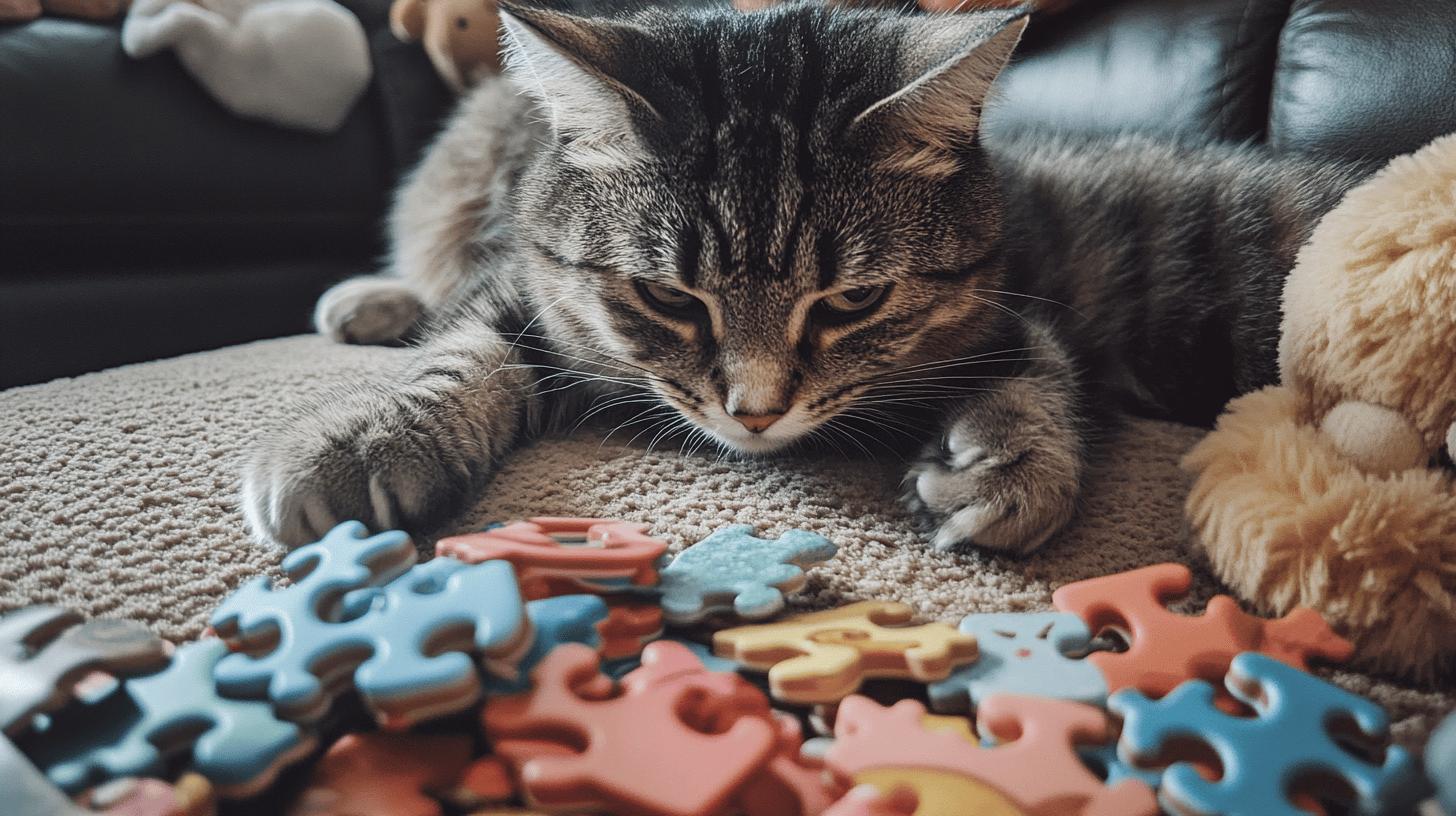
    Incorporating mental enrichment activities can also help alleviate anxiety. Use interactive toys and puzzle feeders to keep your cat mentally stimulated. Regular playtime is crucial, as it helps expend excess energy and reduces stress.

    By understanding the reasons behind your cat's chewing and implementing strategies to address anxiety, you can guide your feline friend toward more appropriate behaviors.

    Effective Cat Behavior Training Techniques with Environmental Enrichment
    Effective Cat Behavior Training Techniques with Environmental Enrichment-1.jpg

    Training a cat not to chew on household items involves more than just telling them "no." It requires a combination of behavioral modification and environmental enrichment. Cats, like humans, need activities that captivate their interest and keep them mentally active.

    By offering them engaging alternatives, we can guide them away from inappropriate chewing habits. This process not only prevents damage to household items but also ensures the cat has a fulfilling, stimulating environment.

    One effective strategy is redirecting a cat's chewing behavior with safe alternatives. Cats often chew to satisfy curiosity or soothe discomfort, so providing appropriate items can divert their attention.

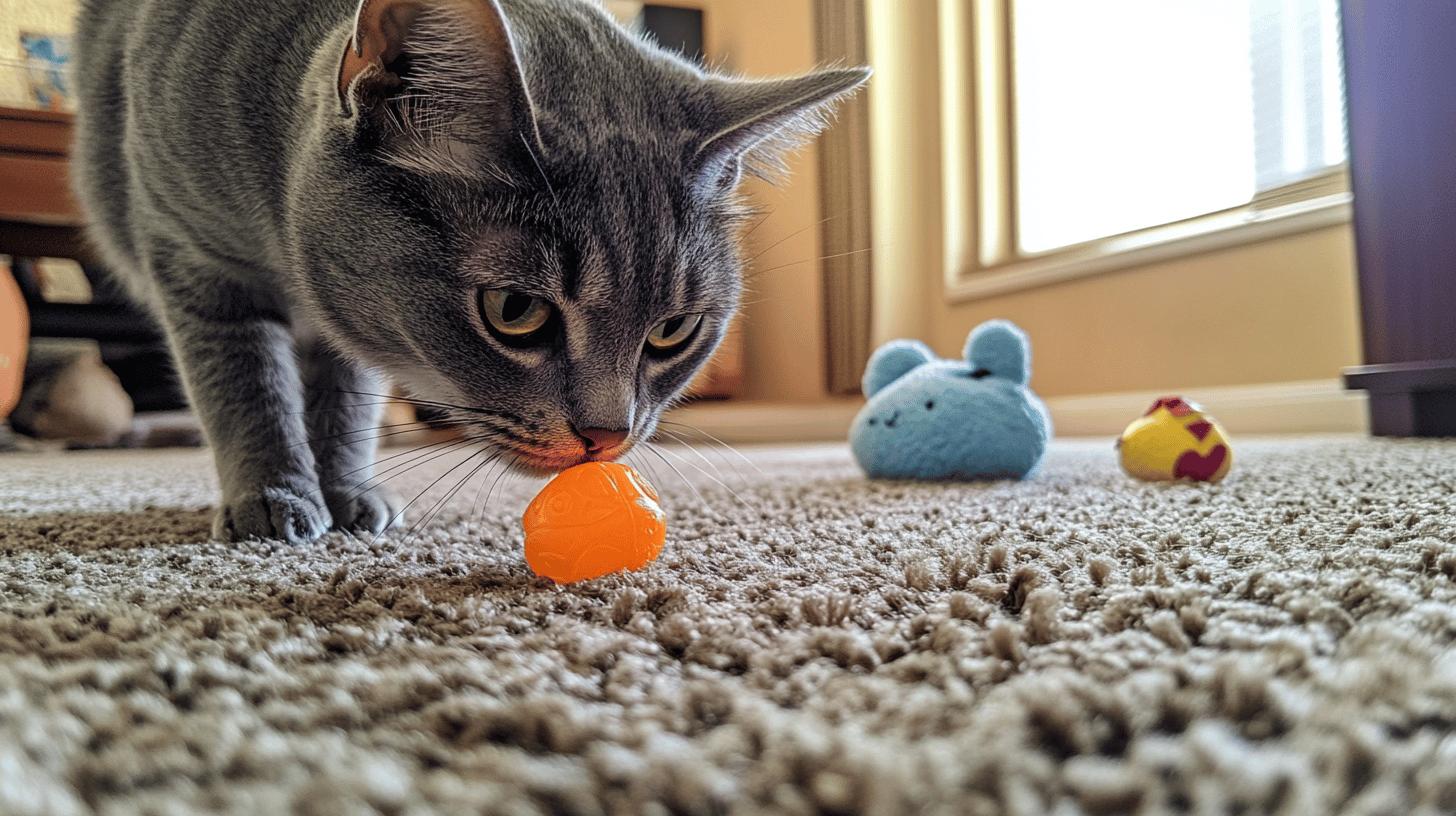
    Rubber toys, catnip-filled plushies, and dental chews are excellent choices. These items not only fulfill their need to chew but also promote dental health. Ensuring these alternatives are readily available encourages your cat to choose them over your furniture or cords.

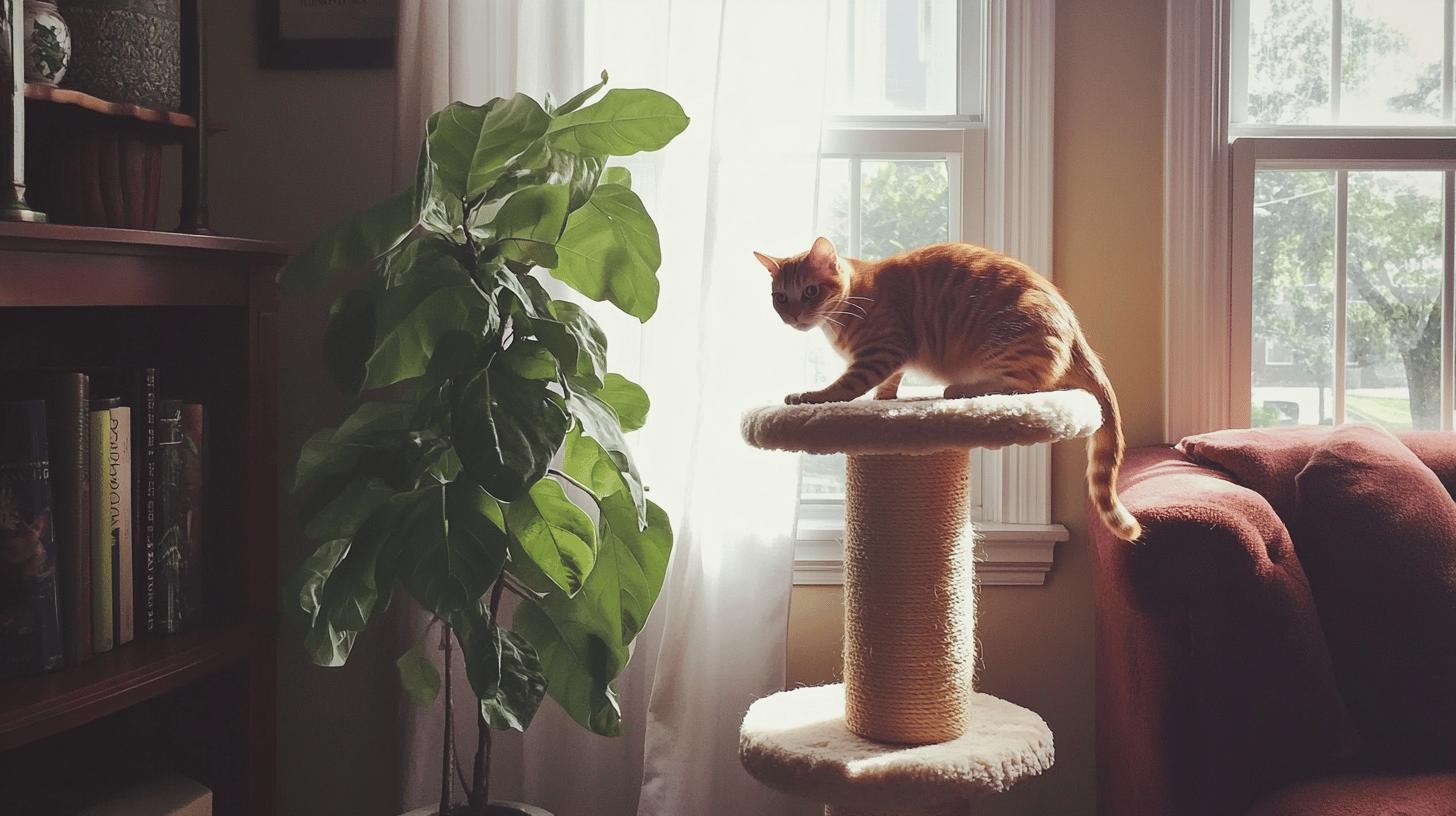
    Enrichment activities are another crucial component in modifying a cat's behavior. Introducing climbing trees, which offer vertical space to explore, can significantly reduce boredom. Puzzle feeders provide mental stimulation, challenging cats to think and work for their food.

    These activities not only keep your cat's mind sharp but also tire them out, making them less likely to engage in destructive chewing out of sheer boredom.

    Training Technique Description
    Interactive Playtime Engage your cat with toys that mimic prey to satisfy hunting instincts.
    Safe Chew Alternatives Offer rubber toys or catnip-filled plushies to redirect chewing behavior.
    Puzzle Feeders Use feeders that challenge your cat to solve puzzles for their meals.
    Climbing Trees Provide vertical spaces for climbing and exploring to reduce boredom.

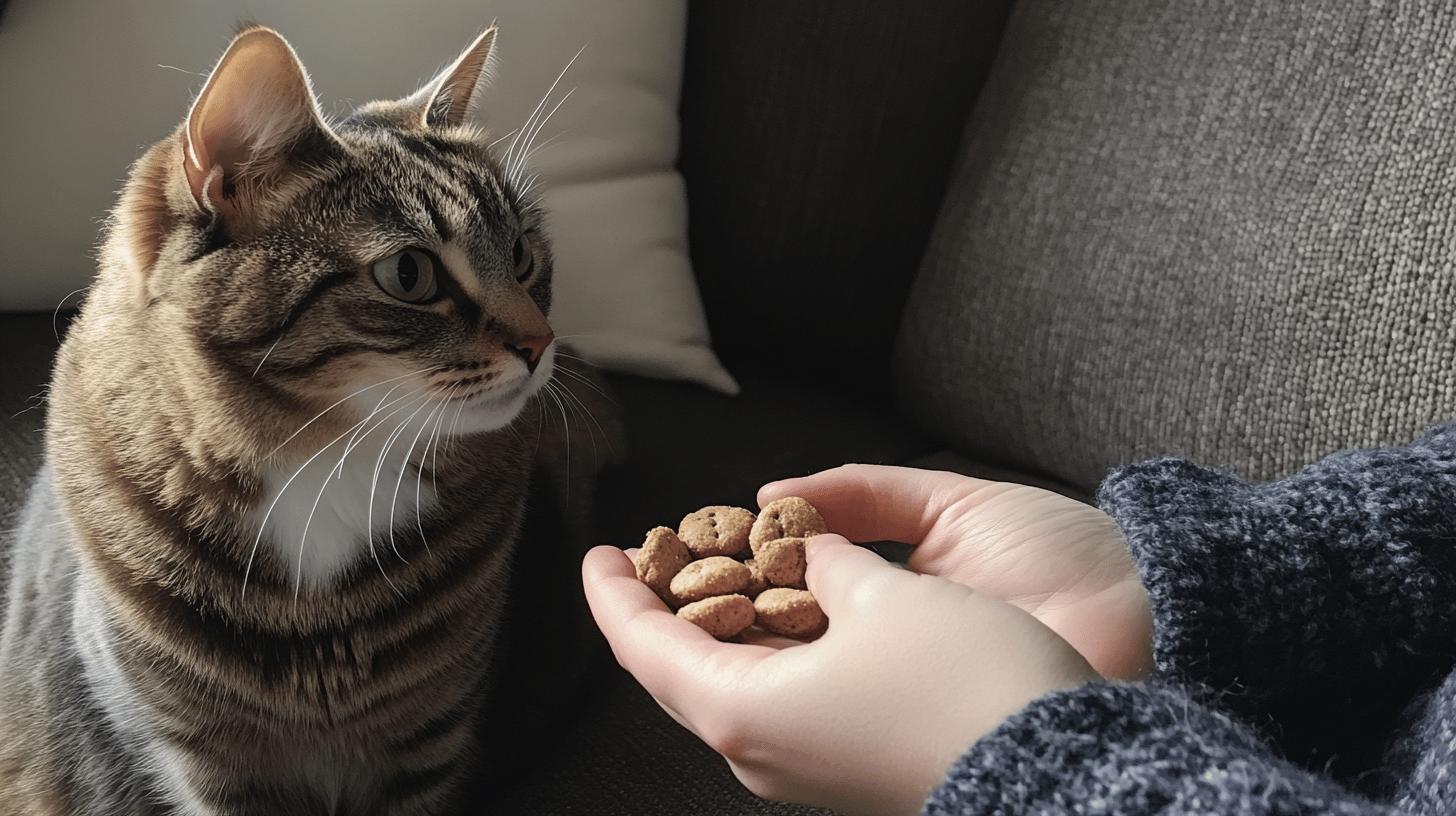
    Positive reinforcement and stress management play a pivotal role in training. Reward your cat with treats or affection when they chew on appropriate items. This encouragement helps them associate positive outcomes with good behavior. Additionally, monitor your cat for signs of stress, as anxiety can lead to increased chewing.

    Address stress by maintaining a consistent routine and providing a calm environment. By combining these strategies, you can effectively train your cat to avoid chewing on things they shouldn't.

    Safe Alternatives and Deterrents for Chewing
    Safe Alternatives and Deterrents for Chewing-1.jpg

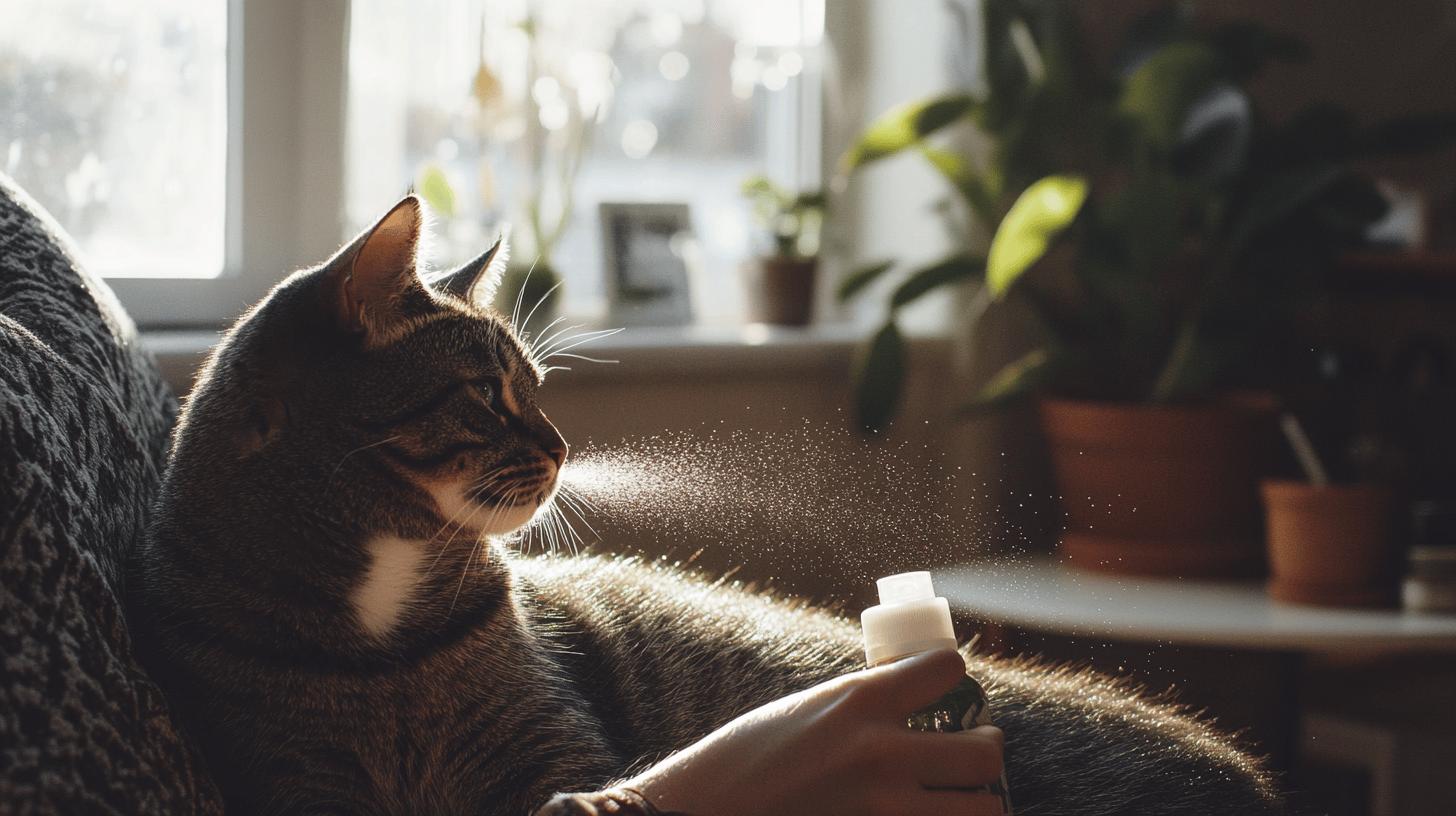
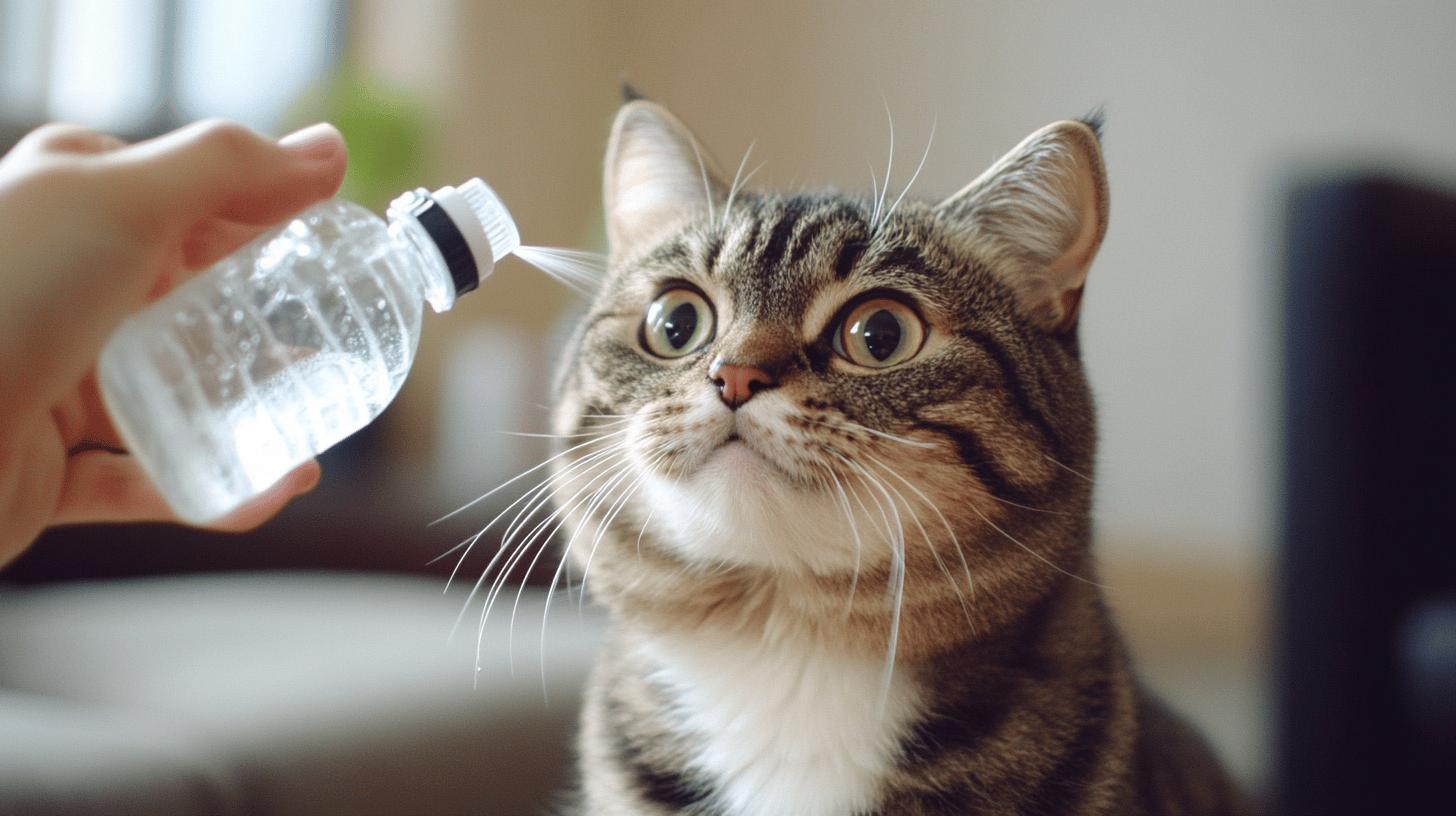
    Deterrents like bitter sprays can prevent cats from chewing on things they shouldn't. Bitter Apple Spray is a popular choice. Its unpleasant taste can stop cats from biting cords and other items. Cats usually learn to avoid these items after tasting the bitterness a few times.

    Apply deterrent sprays regularly to keep them effective, especially on hazardous items like electrical cords. This can significantly reduce the risk of your cat chewing on dangerous household items.

    Safety precautions are essential when using deterrents. Always check the spray's ingredients to ensure they're safe for cats. Test the spray on a small area first to see if it damages surfaces. Keep in mind the frequency of application; some surfaces might need more frequent spraying. Combining deterrents with safe chew toys provides a balanced approach to managing your cat's chewing behavior.

    • Bitter Apple Spray
    • Regular application tips
    • Importance of checking ingredients

    By focusing on deterrent methods, you can effectively protect your home and guide your cat's chewing behavior safely.

    Final Words

    Training a cat not to chew involves understanding their natural instincts. Curiosity, anxiety, and even achy gums can lead to biting behaviors. By comprehending these reasons, you can create a calm environment and address anxiety by using pheromones or safe spaces.

    Encouraging proper behavior through play, interactive toys, and positive reinforcement can keep cats engaged. Providing safe chew toys and using deterrent sprays like Bitter Apple can prevent unwanted chewing.

    With these strategies, creating a comfortable and engaging environment for your cat becomes achievable. Embrace these simple changes for a harmonious home.

    FAQ

    How do I stop my cat from chewing things?

    A: To stop a cat from chewing, provide engaging toys, use deterrent sprays like Bitter Apple, and ensure they have mental stimulation. Enrichment reduces boredom that often leads to chewing.

    Why is my cat biting things all of a sudden?

    A: A cat may start biting suddenly due to anxiety, stress, or achy gums. Changes in their environment or new stressors often trigger this behavior.

    Do cats grow out of chewing?

    A: Cats may reduce chewing as they mature, yet some continue if underlying issues like anxiety or boredom aren't addressed. Providing proper outlets can help manage this behavior.

    How can I train my cat to not be destructive?

    A: Use consistent training with positive reinforcement, offer acceptable toys to chew, and enrich their environment with activities. This approach encourages desired behaviors and reduces destruction.

    Why does my 2-year-old cat chew on everything?

    A: A 2-year-old cat might chew due to curiosity, boredom, or anxiety. Addressing these factors with mental stimulation and safe chew toys can help curb excessive chewing.

    What is cat chew syndrome?

    A: Cat chew syndrome isn't a recognized medical term. Cats often chew due to anxiety, curiosity, or physical discomfort like teething or gum issues.

    How to train a cat not to chew on things at night?

    A: Engage your cat with late play sessions, feed them before bed, and provide nighttime-safe chew toys. This can calm and satisfy them, reducing night-time chewing.

    Related Articles

  • How to Train a Cat Not to Climb Tables

    How to Train a Cat Not to Climb Tables

    Ever wonder why your cat seems to prefer your dining table over their cozy bed? It’s not just curiosity—cats are natural climbers. They crave high perches to satisfy their instincts. Understanding why they climb can help us train them to keep their paws off our tables. By using smart training techniques, we can redirect their climbing urges to more suitable places. This not only saves your dinner from being a cat-nap zone but also ensures your feline friend stays entertained and stress-free. Let’s dive into effective ways to tackle this common cat owner challenge.

    Understanding Why Cats Climb on Tables and Transitioning to Effective Training

    Understanding Why Cats Climb on Tables and Transitioning to Effective Training-1.jpg

    Cats have a natural instinct to climb. They are athletic creatures who love to seek high places for better views and safety. Their curiosity often leads them to explore areas like kitchen counters, where they might find interesting objects or delicious smells. Sometimes, they just want to be closer to their humans. Recognizing these motivations helps us understand why our feline friends can’t resist the allure of climbing.
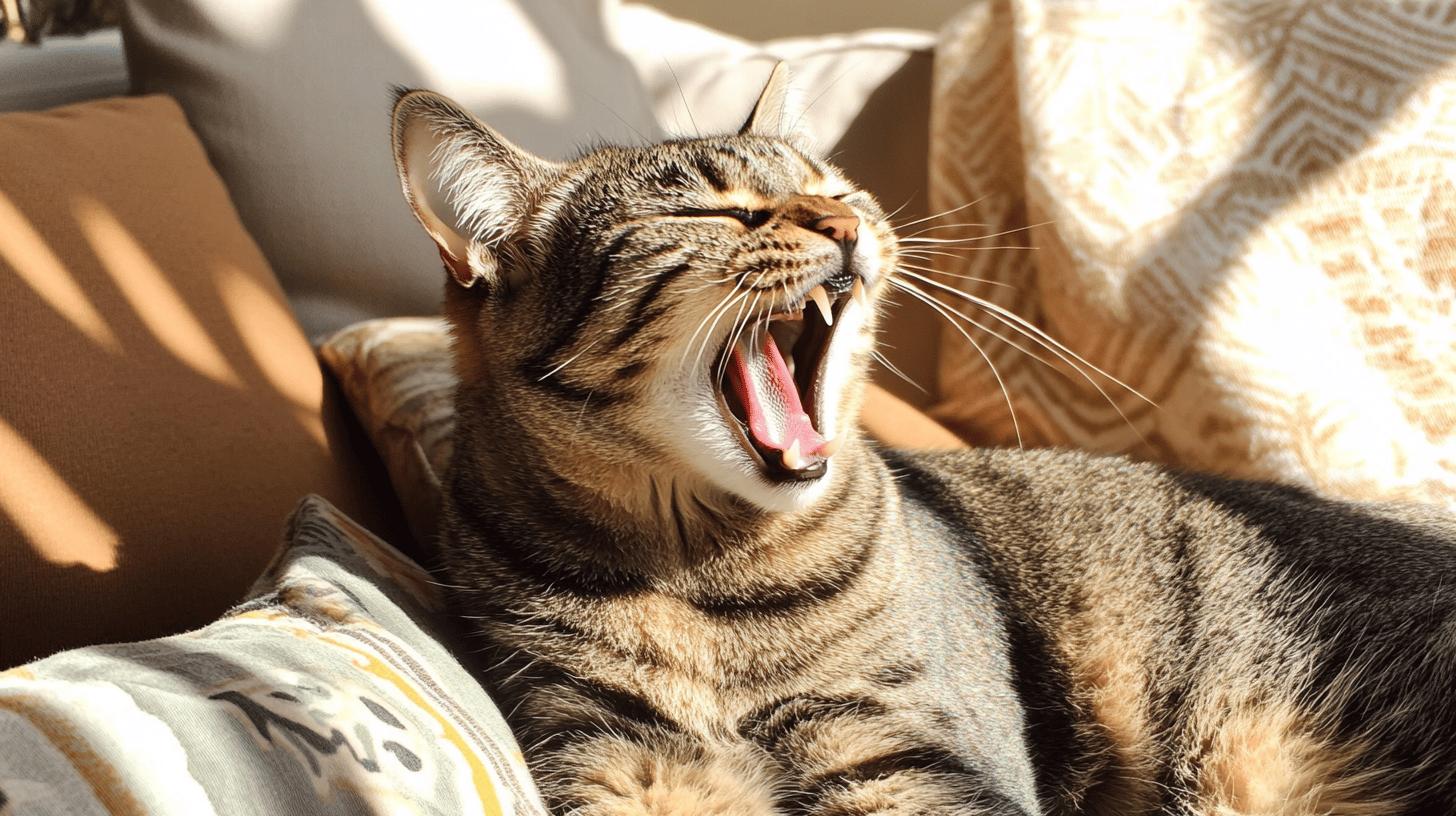
    Knowing why cats climb is the first step in training them effectively. By understanding their behavior, we can tailor training strategies that address their needs. Instead of scolding, we can provide alternatives like cat trees or shelves to satisfy their climbing urges. Positive reinforcement, such as rewarding them for staying off tables, encourages better behavior. Emphasizing patience and consistency in training ensures that our strategies are not only effective but also stress-free for our furry companions.

    Effective Cat Training Techniques to Discourage Table Climbing

    Positive reinforcement is the key to training cats. It rewards good behavior without punishment. Cats love rewards, which makes them repeat good actions. You can teach your cat to stay off tables using this method.

    Use these tools and methods for positive reinforcement:

    • Clicker Training: Click when your cat behaves, then give a treat.
    • Treat Rewards: Offer a treat each time your cat avoids the table.
    • Verbal Praise: Use a happy voice to praise good behavior.
    • Interactive Toys: Keep your cat’s attention off the table with fun toys.
    • Cat Trees: Provide a climbing alternative to satisfy instincts.

    Consistency and patience are crucial in training. Cats need time to learn. Keep reinforcing good behavior. Make training fun and short to engage your cat. Avoid negative actions like spraying water or yelling. These can cause anxiety.
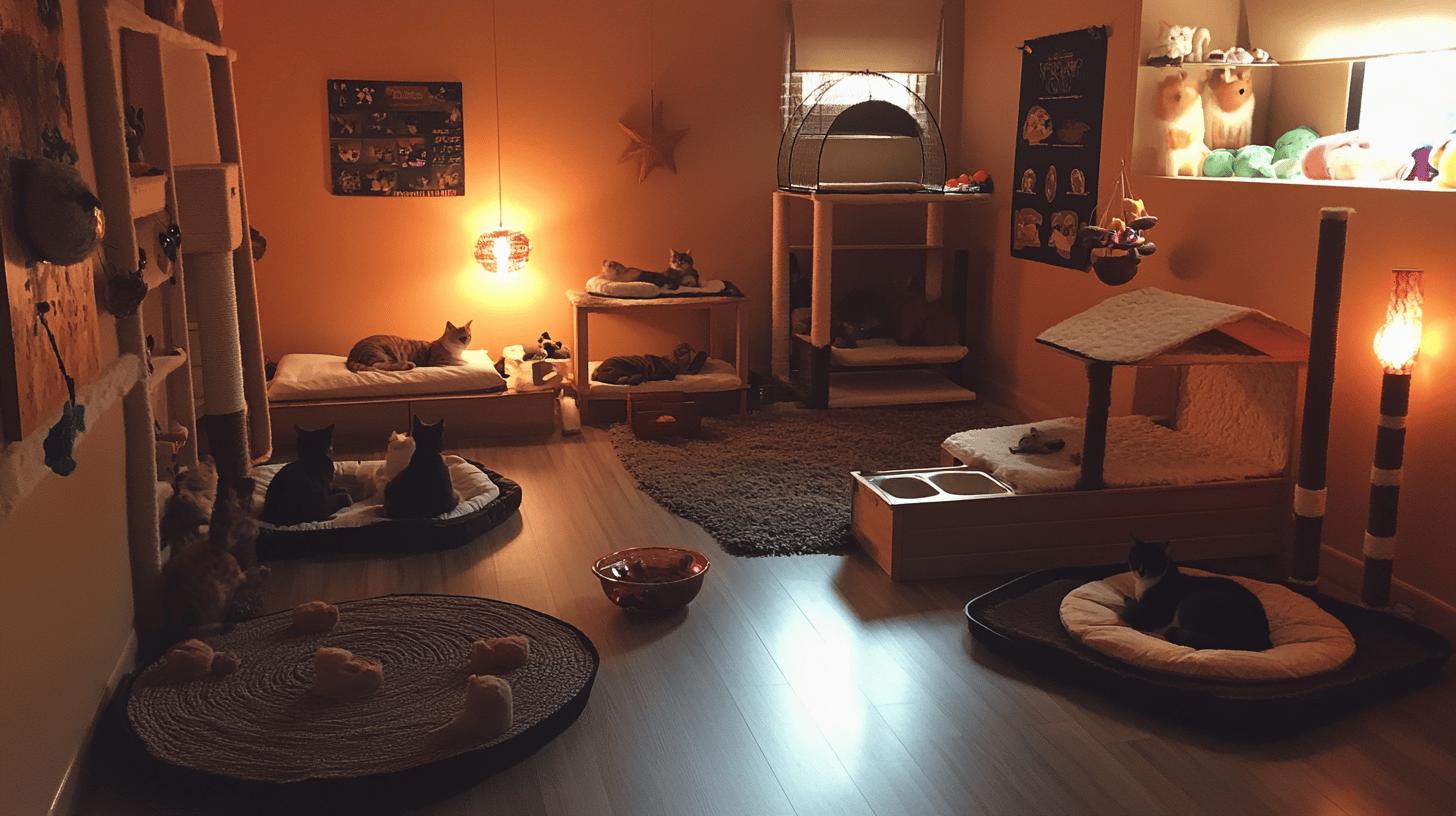

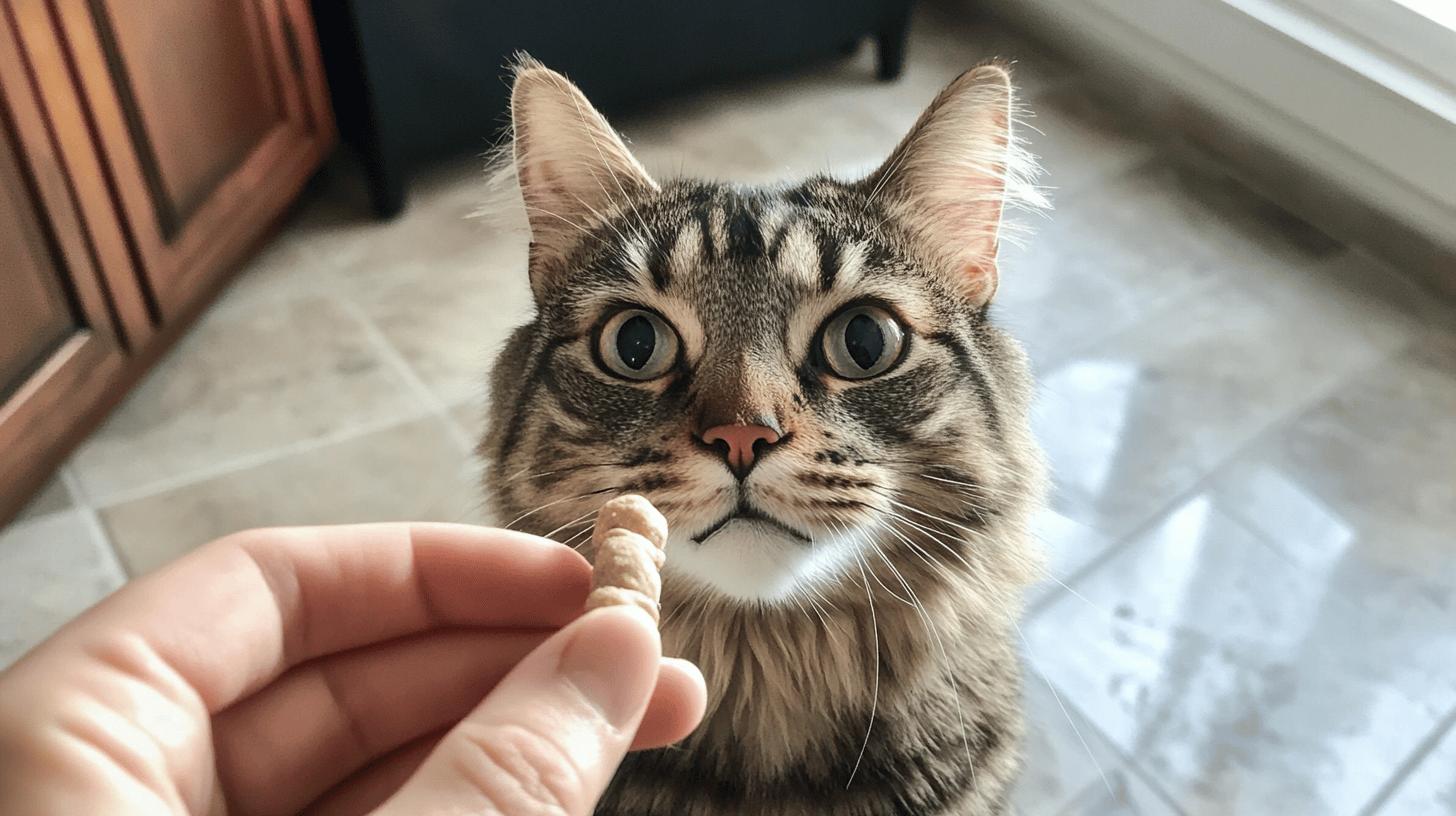
    Think of training as a game. This helps you stay patient. It also keeps the environment stress-free. By focusing on positive reinforcement, you encourage your cat to stay off tables. This approach strengthens your bond with your cat.

    Combining Deterrents, Environmental Modifications, and Cat-Friendly Alternatives

    Combining Deterrents, Environmental Modifications, and Cat-Friendly Alternatives-1.jpg

    Creating a home environment that deters table climbing starts with making some changes. Rearrange furniture to prevent easy access to tempting surfaces. Introduce cat trees or shelves that offer safe climbing spaces. These alternatives satisfy your cat’s natural instincts without letting them leap onto tables. Keep counters clear of food and clutter to reduce the allure of forbidden spaces. Sometimes, simply moving a chair away from the table can stop a cat from jumping up.

    Using deterrents can also help in keeping your cat off tables. Here are a few options to consider:

    • Motion Detectors: Devices that emit a sound or spray when your cat approaches.
    • Pet-Safe Sprays: Use scents that cats dislike but are safe for them.
    • Double-Sided Tape: Cats dislike sticky surfaces; place it where they frequent.
    • Aluminum Foil: Place it on tables to deter climbing with the sound and texture.

    Setting up cat-friendly zones is another effective strategy. Designate areas with towers or shelves that encourage climbing and exploring safely. These zones can keep your cat engaged and away from forbidden surfaces. Adding toys or treats to these areas can make them more appealing. Ensure these zones are in places where your cat feels comfortable and can observe their surroundings. This satisfies their need to stay high without causing trouble.

    Solution Benefit
    Cat Trees Provides a safe climbing alternative
    Window Perches Offers a spot to watch and relax
    Shelves Creates elevated pathways and exploration routes
    Cat Towers Keeps cats entertained and off tables

    By combining these deterrents, modifications, and alternatives, you can create a balanced environment. It may take some experimenting to find the best combination for your cat. Providing appealing options and making small adjustments can lead to a happier, more manageable home for both you and your feline friend.

    Monitoring and Adjusting Training Methods for Success

    Watching your cat’s behavior is key to successful training. Regular observation helps you understand what’s working and what isn’t. If your cat keeps climbing tables, it might be time to tweak your approach. Try different techniques if the current ones aren’t effective. Be patient and note any positive changes, adjusting your strategy based on your cat’s responses. This ongoing process ensures your training methods stay relevant and effective.

    Sometimes, stubborn behaviors require expert help. If your cat continues to climb despite your best efforts, consider consulting a feline behavioral therapist. These professionals can offer tailored solutions that address specific challenges. Don’t hesitate to seek guidance if you’re struggling to make progress. A therapist’s insights can provide new perspectives and strategies, helping you achieve a harmonious relationship with your cat.

    Final Words

    Training a cat not to climb on tables means understanding their natural instincts. Recognizing why cats are drawn to high places helps shape effective strategies. Positive reinforcement is key, focusing on rewarding good behavior.

    Creating engaging environments gives alternatives to table climbing and involves being patient. It’s an ongoing process that allows for fun interaction with your cat.

    Both environmental changes and consistent training lead to success. Remember, adapting when needed is crucial. This way, both you and your cat can enjoy a peaceful home without the hassle of constant table climbing.

    FAQ

    How do I stop my cat from climbing on the table?

    Cats usually climb tables out of curiosity or to find a high spot. To stop this, offer alternative areas like cat trees and praise them for using these spots.

    Can cats be trained to stay off tables?

    Cats can learn to stay off tables using positive reinforcement. Reward them with treats or affection when they use designated surfaces like cat shelves or trees.

    What is the best cat counter deterrent?

    A common deterrent is using double-sided tape or aluminum foil on counters. These surfaces feel unpleasant to cats, discouraging them from jumping.

    How can I keep cats off tables and furniture naturally?

    Naturally keep cats off surfaces by using herbal sprays with scents cats dislike. You can also provide alternative spaces, like cat trees or shelves.

    How to train a cat not to climb on tables or jump on beds?

    Use a spray bottle or loud noise to startle them (without scaring). Then, redirect them with toys or praise them when they choose lower spaces.

    How do I stop a cat from jumping after surgery?

    Keep your cat in a small room with limited jumping opportunities. Use a carrier or playpen to restrict movements and aid healing.

    Related Articles

  • How to Train a Cat to Be Friendly Easily

    How to Train a Cat to Be Friendly Easily

    Ever wondered if your cat can be as friendly as a puppy? Cats often get a reputation for being aloof, but they can also be super friendly with the right training outdoor training.com/how-to-train-a-cat-to-lay-down/”>advanced training. Just like teaching a dog to fetch, you can teach your cat to enjoy socializing and even look forward to spending time with you. By using playtime, meal schedules, and positive reinforcement, you’ll not only improve your cat’s friendliness but also deepen your bond. Dive into these simple steps and watch your feline friend transform into a charming companion!

    Steps to Train a Cat to Be Friendly

    How to Train a Cat to Be Friendly Easily-2.jpg

    Playing with your cat regularly makes a big difference in how friendly they’ll become. Engaging in play sessions helps them socialize and build trust with you. It’s not just about playing; it’s about finding toys they love and using them often. Feeding routines are crucial too. Ditch free feeding and choose specific meal times. This way, your cat links you with good things like food, making them more open and friendly.

    Positive reinforcement is key in cat training. Understand why your cat behaves a certain way and reward them when they do something right. Instead of punishing unwanted behaviors, redirect them with treats or praise. This way, your cat learns what makes you happy and strives to repeat those actions.

    1. Set playtime: Dedicate time each day to play with your cat using toys they love.
    2. Schedule meals: Feed your cat at the same times daily to create a positive association with you.
    3. Reward good behavior: Use treats and praise to encourage actions you want to see.
    1. Redirect unwanted actions: If your cat misbehaves, gently guide them to a toy or scratching post.
    2. Be patient: Training takes time, so be patient and consistent with your efforts.

    By following these steps, you’ll help your cat become more friendly and comfortable around you.

    Understanding Cat Behavior for Effective Training

    Understanding Cat Behavior for Effective Training-1.jpg

    Cats communicate a lot without saying a word. Their body language tells us what they’re feeling. When a cat is relaxed, their tail might be upright with a slight curve. If the tail is tucked or puffed, it’s a sign they’re scared or upset. Watching their ears can help too. Ears pointing forward mean they’re interested, but if they’re flat, your cat might be angry or scared.

    Recognizing stress signals is important for training. A stressed cat might hide, hiss, or swat. These are signs they need space. By noticing these signals, you can give them the time they need to calm down. This helps them feel safer and more open to training later.

    Signs of trust show that your cat is getting friendlier. If they sit within arm’s reach or rub against you, they trust you. When a cat shows their belly or sleeps near you, it’s a big deal rest and comfort. These actions mean they feel safe and comfortable. Understanding these signals makes training easier and helps build a strong bond.

    Socializing Shy or Aggressive Cats

    Socializing Shy or Aggressive Cats-1.jpg

    When dealing with shy or aggressive cats, avoiding forced interactions is crucial. Cats are naturally curious but can become fearful if pushed into situations they aren’t ready for. Instead of picking them up or pulling them out of hiding, let them come to you. Give them the space they need to feel safe. This reduces their anxiety and helps them view you as a non-threatening companion. Providing a calm environment where they can observe from a distance helps them adjust at their own pace.

    Patience is your best tool. Allowing cats to initiate contact fosters trust. Sit quietly nearby, and let them decide when they’re comfortable enough to approach. Gentle encouragement, like offering a treat or softly calling their name, can help. Remember, building a relationship with a shy or aggressive cat takes time. Celebrate small victories, like a quick sniff or sitting closer to you, as steps towards a more social cat.

    Gradual Exposure Techniques

    Gradual exposure is key to helping cats become comfortable with new experiences. Introduce them to new environments or people slowly, starting with short and controlled interactions. This helps them adapt without feeling overwhelmed.

    • Provide a safe space with familiar items like their bed or favorite toy.
    • Encourage exploration with treats placed nearby.
    • Introduce new people quietly, allowing the cat to approach them.
    • Use calming aids like pheromone diffusers to reduce stress.
    • Regularly engage in gentle play to build positive associations.

    By following these strategies, you can help your cat become more social and friendly, making interactions more enjoyable for both of you.

    Building Trust with Your Cat

    Understanding Cat Behavior for Effective Training-2.jpg

    Gentle handling is super important when it comes to building trust with your cat. Regular interaction helps your cat feel more secure and loved. Pick up your cat softly and let them sit on your lap when they’re comfortable. Spend time petting them in their favorite spots, like under the chin or behind the ears. The more often you do this, the more your cat will look forward to these moments with you. Familiarity builds comfort, which is key to developing a trusting relationship.

    Using a calm voice is another way to reassure your cat. Speak softly and evenly when you’re around them. This makes them feel safe and relaxed. Avoid sudden loud noises or yelling, as this can make them anxious or scared. Cats respond well to a soothing voice, especially when you’re feeding them or playing together. A gentle tone helps them associate you with comfort and care, strengthening your bond over time.

    Trust-Building Activity Benefits
    Gentle petting Increases comfort and relaxation
    Regular lap time Encourages closeness and security
    Calm speaking Reassures and soothes
    Soft play sessions Builds positive associations

    Training Tips for Kittens and Adult Cats

    Kittens are like little sponges when it comes to learning and socializing. They need constant care and attention, especially in the early weeks of their life. Spend time playing with them and handle them gently to build trust and comfort. This is crucial because early socialization helps them grow into friendly and adaptable adult cats. After they’re weaned and have received their vaccinations, start introducing them to a variety of people and safe animals. This exposure helps them become more comfortable with different experiences and environments. Use toys and treats to make these interactions fun and rewarding. Remember, the more positive experiences they have now, the friendlier they’ll be later on.

    Adult cats can also learn new behaviors, but it might take a bit more patience. Introducing them to new routines helps them adapt and become more sociable. Start by setting regular feeding and play times. This structure makes them feel secure and helps them associate these activities with positive experiences. Use gentle encouragement and praise when they explore new things or approach you. If you have multiple cats, ensure each one has their own space to retreat to. This helps prevent stress and encourages them to interact on their terms. By being patient and consistent, adult cats can learn to be just as friendly as kittens.

    Socialization Period for Kittens

    The kitten socialization period is a critical time for development. It usually happens between 2 to 9 weeks of age. During this period, kittens are more open to learning and accepting new experiences. Introducing them to gentle handling, different sounds, and various people can lead to long-term benefits. A well-socialized kitten is more likely to grow into a confident and friendly cat. This foundation makes them better equipped to handle changes and reduces the likelihood of developing fear-based behaviors. Engaging with them positively during this time sets the stage for a well-adjusted adult cat.

    Creating a Calming Environment for Friendly Cats

    Fruits That Are Toxic to Cats-2.jpg

    Daily routines are key to making your cat feel secure and more likely to be friendly. Cats love predictability, so setting regular times for feeding, play, and rest can help them feel safe. This routine gives them a sense of what to expect each day, reducing anxiety and stress. When your cat knows there’s a consistent schedule, they become more relaxed, which helps in their overall friendliness. Because a calm cat is a happy cat, structuring their day with familiar activities can make them more open to interacting with you and others.

    Calming aids and environmental enrichment are also important. Music or sound machines with soft, soothing tones can help relax your cat. Scent-based techniques, like using cat-friendly pheromone diffusers, can further ease their stress. Enriching your cat’s environment with climbing structures, scratching posts, and interactive toys encourages natural behaviors and keeps them mentally stimulated. A well-enriched environment allows your cat to explore and play, reducing boredom and promoting friendliness.

    • Provide a variety of toys to keep your cat entertained.
    • Use scratching posts to satisfy their natural instincts.
    • Incorporate climbing furniture to offer exercise and exploration.
    • Set up cozy sleeping areas for comfort and security.

    Final Words

    Knowing how to train a cat to be friendly involves consistent efforts and understanding. Regular play sessions and scheduled feeding help form bonds built on trust. Positive reinforcement is key to encouraging good behavior while steering clear of punishment. Observing cat body language and stress signals allows us to train effectively. Patience and gradual exposure help with socializing shy or aggressive cats. Building trust through gentle handling and a calming voice solidifies this bond. By creating a secure and calm environment, our cats can thrive. Ready to enjoy a more friendly and trusting relationship with your cat?

    FAQ

    How can I make my cat friendlier?

    Start with regular play sessions to build trust. Feed your cat at set times so they associate you with good things. Always use positive reinforcement and avoid punishing unwanted behaviors.

    How do you train a cat to be friendly?

    Training a cat to be friendly involves consistency. Engage them with play, establish feeding routines, and reinforce good behavior with rewards. Never force interactions; let the cat approach you.

    What are the best enrichment items for cats?

    Try puzzle feeders, interactive toys, and scratching posts. These items stimulate cats mentally and physically, making them feel happier and more relaxed.

    How do you get cats to be friendly with you?

    Spend time near them without being intrusive. Use a calm voice and offer treats to build positive associations. Be patient and allow the cat to come to you.

    How long does it take for a cat to be friendly?

    Friendliness can take weeks to months to develop, depending on the cat’s personality and past experiences. Consistent, gentle socialization helps speed the process.

    How to train a cat not to bite?

    Redirect biting behavior with toys or treats. Consistently reward soft play and avoid rough handling, which can encourage biting.

    How to stop bad behavior in cats?

    Identify the cause of bad behavior and address it with positive reinforcement. Avoid punishment, as it can lead to fear and stress.

    What to do if your cat won’t use the litter box?

    Keep the litter box clean and accessible. Try changing the litter type or box location. If issues persist, consult a vet to rule out medical problems.

  • How to Train a Cat to Come in at Night

    How to Train a Cat to Come in at Night

    Have you ever wondered why your cat seems to vanish as the sun goes down, leaving you to ponder their nocturnal adventures? Training your cat to come in at night can be a game-changer for their safety and your peace of mind. Cats are driven by their crepuscular nature, making nighttime their prime time to roam. In this guide, I'll walk you through understanding their nighttime behavior and share effective training techniques. Together, we'll establish a routine that ensures your furry friend’s safe return home each night.

    Understanding Nighttime Cat Behavior

    Understanding Nighttime Cat Behavior-1.jpg

    Cats are naturally more active at night due to their instincts to hunt during these hours. This behavior is driven by their ancestral roots as crepuscular hunters, which means they're naturally inclined to be on the prowl during dusk and dawn. The cover of night offers a perfect backdrop for exploring and stalking, making it an exciting time for them to be outdoors.

    Recognizing and accommodating these behaviors safely is crucial for cat owners. Understanding feline communication can help you anticipate your cat's needs and establish a safer environment for their nighttime activities. Providing a secure outdoor space or using positive reinforcement to encourage indoor time can help balance their natural instincts with the safety of being inside.

    Step-by-Step Training Techniques to Call Your Cat Indoors

    Step-by-Step Training Techniques to Call Your Cat Indoors-1.jpg

    Training your cat to come indoors at night requires patience, consistency, and the right tools. You'll need a sturdy leash and harness for guided strolls, a selection of tasty treats, and a consistent schedule that aligns with your cat's natural behavior. By taking a step-by-step approach, you can create a routine that encourages your cat to return home at night.

    Guided Strolls

    Start by taking your cat on guided strolls using a leash and harness. This initial training helps your cat get comfortable with being led and introduces them to the idea of returning home on cue. During these walks, observe their reactions and gently guide them back indoors when the stroll is over. It's crucial to make these initial outings short and rewarding, so your cat starts associating the end of the walk with positive outcomes.

    Lengthening Walks

    Once your cat is comfortable with guided strolls, gradually lengthen the walks. Introduce them to safe areas within the neighborhood, like quiet gardens or parks, where they can explore without risk. This phase is about building confidence and familiarity with surroundings while reinforcing the return home. Ensure each outing ends with a treat or favorite toy waiting at home, reinforcing the idea that returning indoors is rewarding.

    Recall Cues

    Develop a recall cue that your cat associates with positive experiences. Choose a specific word or phrase, and consistently use it when calling your cat indoors. Every time they respond to the cue, offer a treat or a bit of extra affection. This repetition helps your cat understand that the cue means something good is about to happen. Practicing this indoors first can help solidify the association before trying it outside.

    Positive Reinforcement

    Positive reinforcement is the cornerstone of training. Incorporate treats and praise every time your cat successfully follows the routine. Whether it's returning from a walk or responding to a recall cue, rewards should be immediate and consistent. Over time, this approach will not only encourage your cat to come indoors at night but also foster a sense of security and trust during the process.

    Training Step Goal
    Guided Strolls Familiarize the cat with routine using leash and harness
    Lengthening Walks Introduce safe areas and reinforce return home
    Recall Cues Use specific words or phrases for positive recall
    Positive Reinforcement Encourage desired behavior with treats and praise

    Addressing Challenges and Ensuring Safe Return

    Addressing Challenges and Ensuring Safe Return-1.jpg

    Training your cat to come indoors at night can present some challenges, especially if they're used to the freedom of outdoor exploration. One common issue is their natural curiosity, which may lead them to ignore calls to return home. Another challenge is the allure of nighttime prey, making it difficult to break their focus. Preparing for these challenges is key to success. Patience and consistency are essential, as is understanding your cat's behavior and motivations.

    • Microchip Your Cat: Ensure they can be identified if they wander too far.
    • Assess Outdoor Environment: Check for potential hazards or distractions.
    • Use Reflective Gear: Equip your cat with a collar that improves visibility at night.
    • Maintain Routine: Keep feeding and outing times consistent to build a reliable habit.

    Overcoming these challenges involves using positive reinforcement and creating a safe, appealing indoor environment. Slowly adjust your cat's schedule to align more with indoor time by providing engaging activities and rewards when they are inside. Encouraging a smooth transition means understanding their instincts while offering comfort and security indoors.

    Final Words

    Training a cat to come in at night starts with understanding their nighttime behavior. By recognizing their natural instincts, we can provide them a safe environment to explore. Guided strolls gradually built into familiar routines can help them transition indoors smoothly.

    Consistency and positive reinforcement are key to successful training. Integrating treats and praise ties desired behaviors to rewards, making recall more dependable. Overcoming challenges takes patience, but with a structured approach, ensuring a cat's safe return becomes easier.

    Remember, learning how to train a cat to come in at night enriches both your and your cat's lives. Enjoy the rewarding process.

    FAQ

    How can I train my cat to come in at night outside?

    Training a cat to come inside at night involves using recall cues and a consistent routine. Start with leashed walks, introduce calm phrases, and reward them every time they respond positively.

    Why won't my cat come inside at night?

    The reluctance to come inside can stem from natural instincts. Cats are more active at night and may find outdoor exploration intriguing. Understanding this behavior can help create solutions to encourage them indoors.

    How can I train a cat to come in without rewards?

    For training without rewards, focus on verbal cues and affection. Consistent, loving reinforcement through words and petting works well, but patience and persistence are key to success.

    How do I stop my cat from staying out all night?

    Prevent your cat from staying out by setting a regular routine. Feed them at the same time indoors each evening. Use familiar sounds, like calling their name. Ensure their environment feels safe and welcoming.

    How do you train a cat to go outside and not run away?

    To train a cat not to run away, begin with short, supervised leash walks. Gradually increase adventure zones while reinforcing known recall words to guide them back as needed.

    Can you train your cat to come in at night?

    Yes, you can train a cat to come in at night. Establish cues and routines that associate coming indoors with positive outcomes such as mealtime or play.

    How do I address training challenges for indoor return?

    When tackling training issues, realize patience is crucial. Ensure safety with these steps:

    • Microchip your cat
    • Check the environment for hazards
    • Use collars with ID
    • Provide an appealing indoor space

    Related Articles

  • How to Train a Cat to Like Being Held

    How to Train a Cat to Like Being Held

    Do you wish your cat could enjoy being held instead of treating it like a wrestling match? You're not alone! Many cat owners face this common dilemma water comfort.com/how-to-train-a-cat-who-doesnt-like-treats/”>treat motivation.com/karen-pryor-clicker-training-principles/”>training principles. Training a cat to like being held is like figuring out their personal playbook.

    Every cat is different and understanding their behavior is the first step. In this guide, I'll share practical tips to help you turn cuddle time into a peaceful experience for you and your feline friend. Let's make holding your cat as enjoyable as playtime with their favorite Titan Claws toy!

    Training a Cat to Enjoy Being Held

    Training a Cat to Enjoy Being Held-1.jpg

    Training a cat to enjoy being held requires patience and an understanding of feline behavior. Not all cats naturally enjoy being held, so it's crucial to respect their individual comfort levels and preferences. By creating a positive and comfortable environment, you can help your cat develop a positive association with being held.

    Here's a step-by-step guide to get started:

    1. Create a Relaxing Environment: Begin by ensuring your cat feels safe and relaxed. Use pheromone products to promote calmness and reduce stress.
    2. Start with Short Sessions: Gradually introduce your cat to being held. Start with brief, calm sessions, allowing them to become accustomed to the sensation.
    3. Use Positive Reinforcement: Reward your cat with treats or toys whenever they allow themselves to be held or sit on your lap. This helps them associate holding with fun and rewards.
    4. Monitor Body Language: Pay close attention to your cat's body language. Look for signs of discomfort such as struggling or vocalizing, and adjust your approach accordingly.
    5. Gradually Increase Time: As your cat becomes more comfortable, slowly increase the duration of holding sessions.

    Incorporating treats and toys into the training process is a powerful form of positive reinforcement. Using a favorite toy or a treat can entice your cat to come to you, making it easier to initiate holding. When your cat is in your lap, offer them a treat or engage them with a toy. This not only rewards good behavior but also associates holding with enjoyable activities.

    Short and calm sessions are essential in this training. Rushing the process can lead to negative associations, so always begin when your cat is relaxed and receptive. This could be after a meal or playtime when they are more likely to be calm. Gradually increase the length of these sessions as your cat becomes more accustomed to being held.

    Maintaining patience and consistency is the key to success. Each cat progresses at its own pace, so it's important to remain patient and never force a cat to be held. Consistent training with positive reinforcement will gradually build your cat's comfort with being held. Remember, some cats may never fully enjoy being lap cats, and that's perfectly okay. Respecting their boundaries is crucial for nurturing trust and a positive relationship.

    Recognizing and Responding to Feline Body Language

    Recognizing and Responding to Feline Body Language-1.jpg

    Understanding cat signals is crucial when training a cat to enjoy being held. Cats are expressive creatures, and their body language offers insight into their emotions and comfort levels. Each cat has its own preferences, and not all naturally enjoy being held. By reading cat emotions through their body language, you can better gauge their likes and dislikes. Observing feline cues helps you understand when a cat is ready to be held or when it needs space. Paying attention to these signals ensures a more positive experience for both you and your feline friend.

    Here's a list of specific signals to look for:

    • Relaxed Ears: Ears facing forward or slightly to the side indicate a relaxed cat.
    • Purring: Generally a sign of contentment, though not always.
    • Slow Blinking: A sign of trust and affection.
    • Struggling or Squirming: Indicates discomfort and a desire to escape.
    • Vocalizing: Meowing or growling can signal annoyance or stress.
    • Tense Body: Stiffness or rigid posture shows anxiety or fear.

    Respecting these signals is essential for creating a positive training experience. Forcing a cat to stay in a situation where it's uncomfortable can lead to negative associations with being held. Over time, this can make your cat more apprehensive about being picked up. By responding appropriately to their body language, you nurture trust and make your cat feel secure. This approach lays the foundation for a more enjoyable and cooperative relationship with your cat.

    Handling Techniques for Cats

    Handling Techniques for Cats-1.jpg

    Handling a cat properly starts with waiting for the right moment. Let the cat initiate interaction and approach you, showing they want affection. This sets a positive tone for the experience. When you need to pick up a cat, ensure you're doing it gently and calmly. It's important to avoid forcing them into your arms or attempting to hold them when they’re busy—like eating, sleeping, or resting. Respect their space during these times to maintain their trust and comfort.

    Supporting a cat's body correctly is crucial to make them feel safe. Always use one hand to support their chest while the other hand supports their hindquarters. This gives them a sense of stability. Avoid squeezing or applying pressure to sensitive areas, especially around the belly. Here are some specific scenarios and the techniques to use:

    Scenario Technique
    Approaching Calmly Let the cat come to you and initiate contact
    Picking Up Support chest and hindquarters with both hands
    Holding Keep the cat close to your body, maintaining support
    Releasing Gently set the cat down, allowing them to jump away

    These techniques help ensure that handling your cat is a positive experience for both of you, reinforcing the trust and bond you share.

    Overcoming Challenges and Common Mistakes

    Overcoming Challenges and Common Mistakes-2.jpg

    Training a cat to enjoy being held can present unique challenges. Some scenarios, like introducing a new pet or moving to a new home, may disrupt their comfort. Cats might resist being held if they associate it with past trauma or fear. Understanding these specific situations helps tailor your approach. Trying different environments or using familiar scents can ease these transitions.

    • Lack of Familiarity: Introducing a cat to new people without a proper introduction can cause stress.
    • Inconsistent Environment: Frequent changes in surroundings can make a cat uneasy.
    • Ignoring Past Trauma: Not acknowledging a cat's history can hinder progress.
    • Lack of Positive Reinforcement: Failing to reward small successes can slow down training.
    • Overestimating Progress: Assuming a cat is comfortable too soon can set back training.

    Nurturing a cat's trust is vital. Sharing anecdotes, like that of a cat who gradually adapted to being held after its owner used a consistent routine, illustrates the power of patience. Each cat has unique needs, and respecting their individuality fosters trust and cooperation. By allowing them to dictate the pace, you build a foundation of understanding and a stronger bond.

    Final Words

    Creating a positive environment is the first step in teaching a cat to enjoy being held. By using treats and toys, you can help your cat build positive associations with touch. Understanding feline body language is crucial to recognizing a cat's comfort level. Gentle handling and patience are key. Avoid catching your cat off guard or forcing interactions.

    Overcoming challenges takes time. Mistakes happen, but respecting boundaries fosters trust. Remember, how to train a cat to like being held is all about patience. Celebrate progress and cherish the bonding moments with your feline friend.

    FAQ

    How do I make my cat love being held?

    To make a cat love being held, create a positive and comfortable setting. Use treats and toys as rewards, and start with short, calm sessions. This builds a positive connection with handling.

    Why does my cat hate being held?

    A cat might hate being held due to discomfort or lack of trust. It's important to recognize and respect their body language, such as struggling or vocalizing, to avoid negative experiences.

    How to teach a cat to like being held?

    Teaching a cat to like being held involves patience and gradual exposure. Begin with gentle petting and use positive reinforcement like treats. Gradually increase the duration as the cat becomes more comfortable.

    Do cats like being held like a baby?

    While some cats tolerate being held like a baby, others may not enjoy it due to feeling exposed or insecure. Observe their body language to gauge comfort levels.

    How to get a cat used to being held?

    To get a cat used to being held, introduce holding slowly in a calm environment. Use treats and praise to reinforce positive behaviors. Make sure to support their body securely.

    Can you train a cat to be friendly?

    Yes, you can train a cat to be friendly with consistent positive interaction and rewards. Patience and understanding of their individual comfort levels are key to building trust.

    How to hold a cat properly?

    Hold a cat properly by waiting for it to approach you first. Lift with one hand supporting the chest and the other under the hind legs. Ensure they feel secure and supported.

    How to pick up a skittish cat?

    To pick up a skittish cat, approach calmly and let them come to you. Avoid sudden movements, and gently support their body. Use treats to build a positive association with being held.

    How do cats like to be held?

    Cats prefer being held securely, with their body supported and close to yours. Avoid holding them tightly or making them feel restricted. Watch for cues that show comfort or discomfort.

  • How to Train a Cat to Do Cool Tricks Easily

    How to Train a Cat to Do Cool Tricks Easily

    Think cats can't learn tricks? Think again! Training a cat to do cool tricks is not only possible but can also be tons of fun. The secret lies in using the right techniques and tools. With patience and some helpful methods, you can teach your feline friend to perform impressive feats. This guide will walk you through how to start, with tips on building a positive learning environment and using vocal commands, visual cues, and interactive toys. Get ready to make your cat the star of the show!

    Comprehensive Guide to Cat Training: Techniques and Tools

    Comprehensive Guide to Cat Training Techniques and Tools-1.jpg

    Training a cat to perform tricks can be both fun and rewarding with the right techniques and tools. Cats, known for their independent nature, can learn tricks just like dogs, but it takes patience and persistence. The journey begins with understanding the basics of cat training, which involves using the right tools to create a positive and effective learning environment.

    Vocal commands and visual cues are foundational in teaching your cat tricks. Start with simple commands such as "sit" or "high five." Use a consistent word or phrase for each trick and pair it with a hand signal. This helps the cat associate the action with the command. For example, to teach "sit," hold a treat near your cat's nose and slowly move it over her head. As her eyes follow the treat, her bottom will naturally lower to the ground. Once she sits, say "sit" and offer the treat as a reward.

    Clicker training is an excellent method to enhance your cat's learning abilities. A clicker is a small device that makes a distinct clicking sound when pressed. This sound acts as a marker to let your cat know she has done something right. Every time your cat performs the desired behavior, click the clicker and immediately give her a treat. Over time, your cat will understand that the click means a treat is coming, making her more eager to learn new tricks.

    Interactive cat toys can play a significant role in training. These toys not only keep your cat engaged but also provide opportunities to teach tricks. For instance, toys that encourage jumping or chasing can help teach commands like "jump up" or "come." Incorporating toys into your training sessions can make the experience more enjoyable for both you and your cat.

    Positive reinforcement is key to successful cat training. This involves rewarding your cat with treats, praise, or playtime whenever she performs a trick correctly. Timing is crucial; ensure you reward her immediately after she performs the desired behavior to strengthen the association. Using high-value rewards, something she really loves, can motivate her even more to participate in training sessions.

    List of Basic Tricks:

    • Sit
    • High Five
    • Come
    • Spin
    • Touch
    • Speak
    • Jump Up
    • Roll Over

    List of Essential Tools and Rewards:

    • Clicker
    • Treats
    • Interactive toys
    • Praise
    • Playtime

    By following these techniques and utilizing the appropriate tools, you'll be well on your way to teaching your cat some impressive tricks. Training sessions should be short and frequent, keeping your cat engaged without overwhelming her. With consistency and patience, your feline friend will soon master these cool tricks.

    Overcoming Challenges in Cat Training

    Overcoming Challenges in Cat Training-1.jpg

    Training cats can be a rewarding experience, but it's not without its challenges. One common issue is dealing with distractions. Cats are naturally curious and can easily lose focus. To combat this, train your cat in a calm and quiet environment, free from noises and interruptions. This setting helps your cat concentrate on the task at hand and minimizes the chances of her getting sidetracked.

    Another challenge is a lack of interest from your feline friend. Sometimes, cats simply aren't interested in what you're teaching. In such cases, using high-value treats can make a huge difference. These treats should be something your cat finds irresistible, like her favorite snack or a special type of food she doesn't get often. High-value treats can motivate your cat to engage more actively in training sessions.

    Slow progress can also be a hurdle, especially with older cats who might take longer to learn new tricks. Break down the tricks into smaller, manageable steps to help your cat understand what you're asking. Patience is essential; remember that each cat learns at her own pace. Keep training sessions brief, with just four to six repetitions per trick, and conduct them two or three times a day to keep things interesting and avoid boredom.

    Challenge Solution
    Distraction Use a quiet environment
    Lack of interest Use high-value treats
    Slow progress Break tricks into smaller steps
    Boredom Keep sessions short and engaging

    Advanced Tricks and Techniques for Feline Agility

    Advanced Tricks and Techniques for Feline Agility-1.jpg

    Teaching your cat advanced tricks is not just about showing off their skills; it's a fantastic way to keep them mentally and physically engaged. Advanced tricks like "Play Dead" or "Ring a Bell" challenge your cat's intelligence and agility. These tricks stimulate your cat's mind, reducing boredom and providing them with a sense of accomplishment. Plus, it strengthens the bond between you and your feline companion as you work together toward a common goal.

    When training your cat, start with simple tricks and gradually introduce more complex ones. Begin with basic lessons like "sit" or "high five," which lay a strong foundation for more advanced training. As your cat becomes more confident and responsive, you can introduce tricks like "Roll Over" or "Walk on a Leash." This progression helps your cat develop the necessary skills and patience required for the more intricate tricks. Remember, patience and practice are essential for both you and your cat during this process.

    To achieve success with advanced tricks, consistency and positive reinforcement remain crucial. Use high-value treats and plenty of praise to motivate your cat. Break down each trick into small, manageable steps. For example, to teach "Play Dead," start by getting your cat to lie down, then gradually introduce the "dead" position. Always reward your cat immediately after they perform the desired behavior. This reinforcement helps them understand what they did right, encouraging them to repeat it in the future.

    List of Advanced Tricks:

    • Play Dead
    • Walk on a Leash
    • Ring a Bell
    • Roll Over

    With these techniques, your cat will soon be impressing everyone with their agility and clever tricks.

    Final Words

    Teaching your cat cool tricks is an enjoyable adventure. Starting with simple commands like "sit" and "high five," you can build up to advanced feats using vocal cues and clicker training. Interactive toys and positive reinforcement make learning fun for your furry friend.

    Embrace patience and practice as you tackle challenges, breaking tricks into small steps and ensuring a distraction-free space. Remember, every cat learns at its own pace.

    Celebrate each step forward and keep sessions short to maintain interest. Enjoy this rewarding bonding experience with your cat.

    FAQ

    Q: Can I train my cat to do tricks?

    A: Yes, you can train cats to perform tricks like "sit," "high five," and more. Use patience, start simple, and progress as your cat gains confidence.

    Q: How do I teach a cat tricks with treats?

    A: Use treats as rewards to motivate your cat. Offer a treat when your cat successfully performs the desired trick to encourage repetition and learning.

    Q: How long does it take for a cat to learn a trick?

    A: Training time varies. Some cats learn a trick in a few sessions, while others may take longer. Consistent practice and patience are key to success.

    Q: How can I teach my cat tricks without a clicker?

    A: Use vocal commands and visual cues as alternatives. Speak clearly and use the same gesture each time to help your cat associate the action with the cue.

    Q: How to train a cat to do cool tricks?

    A: Start with basic tricks like "sit" and "come." Gradually introduce more complex tasks like "spin" or "jump through a hoop," using consistency and rewards.

    Q: How to teach a cat no?

    A: Use a firm voice and consistent signals to teach boundaries. Reinforce good behavior with praise or treats to encourage understanding.

    Q: How do I make my cat feel cool?

    A: Encourage playtime, provide engaging toys, and reward social interactions. Training and positive reinforcement can build confidence and make your cat feel valued.

    Related Articles

  • How to Train a Cat to Shake Paws in Simple Steps

    How to Train a Cat to Shake Paws in Simple Steps

    Did you know that cats can learn tricks just like dogs? Yes, that's right! Teaching your cat to shake paws can be a delightful bonding experience and it's easier than you might think. With a little patience and positive reinforcement, your feline friend can master this charming trick.

    In this step-by-step guide, I'll walk you through the process of using treats and verbal cues to teach your cat how to shake paws. Get ready to impress your friends and create a stronger bond with your furry companion!

    Comprehensive Guide to Train a Cat to Shake Paws

    Comprehensive Guide to Train a Cat to Shake Paws-1.jpg

    Positive reinforcement plays a crucial role in training cats to perform new tricks like shaking paws. By using rewards that your cat finds irresistible, you can encourage good behavior and create a fun learning experience.

    To start teaching your cat this charming trick, gather your cat's favorite treats as motivators. Begin by gently holding your cat's paw while saying a verbal cue such as "shake." Make sure to reward your cat immediately with a treat and lots of praise to reinforce the behavior. Repeat this process, gradually reducing the amount of physical guidance as your cat begins to understand the command.

    • Use treats that are small, tasty, and easy to consume.
    • Keep training sessions short, ideally around 5-10 minutes.
    • Always reward immediately after the desired action.
    • Use consistent verbal cues for clarity.
    • Be patient and stay positive to maintain a fun learning atmosphere.

    Patience and consistency are your best friends when training cats. It's important to remember that every cat learns at its own pace, and it may take several weeks for your furry friend to master this trick. Regular, short training sessions can help maintain progress without overwhelming your cat.

    As your cat becomes more familiar with the "shake" command, you can implement advanced training techniques. Start by gradually moving from consistent rewards to random treats, ensuring you still provide plenty of praise and affection. This helps in adapting to your cat's learning style and keeps the training engaging.

    • Progress to random food rewards while maintaining praise.
    • Adapt techniques to fit your cat’s unique learning style.
    • Increase the challenge by introducing new environments once the trick is mastered.

    Verbal commands play a significant role in training your cat to shake paws. Consistently using the same command will help your cat associate the word with the action. Over time, this consistent reinforcement will solidify the trick, making it a delightful addition to your cat's repertoire of skills.

    Preparation for Cat Training: Materials and Environment

    Preparation for Cat Training Materials and Environment-1.jpg

    Having the right materials and environment is crucial when training your cat to shake paws. By setting up a supportive space and using effective tools, you can create an engaging and successful learning experience for both you and your feline friend.

    Using a clicker and natural treats is a great way to reinforce desired behaviors. A clicker provides a consistent sound that helps your cat associate the action with the reward. Choose treats that are made from natural ingredients without artificial additives, as these are healthier and often more appealing to cats. The clicker sound, paired with a tasty reward, will encourage your cat to repeat the behavior.

    • Clicker: A small device that makes a clicking sound to mark desired behavior.
    • Natural Treats: Choose treats without artificial additives for a healthier option.
    • Interactive Cat Toys: Can be used to grab attention and make training more fun.
    • Treat Pouch: Keeps treats easily accessible during training sessions.

    Choosing the right location and timing for training sessions is essential to help your cat focus. Opt for a quiet, distraction-free environment where your cat feels comfortable and secure. This might be a dedicated room or a calm corner of your home. Keep training sessions short, ideally between 5 to 10 minutes, to maintain your cat's interest without overwhelming them.

    • Quiet Environment: Reduces distractions and helps your cat concentrate.
    • Consistent Timing: Train at the same time each day to establish a routine.
    • Comfortable Space: Ensure the area is familiar and safe for your cat.
    • Limited Interruptions: Minimize noise and activity to keep your cat's attention.

    Maintaining a positive training atmosphere is key to keeping your cat engaged and eager to learn. End sessions on a high note with praise or playtime, so your cat associates training with positive experiences. Visual aids, like demonstration videos, can also be helpful in understanding and refining your training techniques. These aids provide a clear example of the process, making it easier for you to implement the steps effectively.

    Final Words

    Training a cat to shake paws can be both joyful and fulfilling.

    By using positive reinforcement and patience, you've set the stage for success with your furry friend. Remember to start with tasty treats and a quiet environment, adding in clicker training for cats as a helpful tool. As you repeat the process and adapt to your cat’s learning style, consistency will pay off in the end.

    Teaching a cat new tricks strengthens your bond and enriches your relationship. With time and effort, mastering how to train a cat to shake paws becomes a rewarding experience for both you and your cat.

    FAQ

    How to teach your cat to shake a paw?

    To teach a cat to shake paws, start by holding its paw and saying "shake." Use treats as rewards. Over time, reduce helping and reward the cat for doing it on its own.

    Can cats be taught to shake hands?

    Yes, cats can learn to shake hands. Use positive reinforcement with treats and verbal cues. It requires patience and consistency but can be a rewarding trick.

    What is the first command to teach a cat?

    The first command for a cat is usually "sit." It's simple and forms a foundation for learning more tricks like shaking paws or high fives.

    How to train a cat to sit?

    To train a cat to sit, hold a treat above its head, moving it back. When the cat sits, say "sit" and reward it immediately.

    How to teach cat paw trick?

    Start by gently holding the cat's paw while saying a command like "paw." Reward the cat with treats and gradually lessen the help until the cat responds to the command alone.

    How to communicate with your cat?

    Communicate with a cat using body language, vocal cues, and consistent commands. Observing and responding to its behavior improves mutual understanding.

    Related Articles

  • How to Train a Cat to Not Run Away

    How to Train a Cat to Not Run Away

    Does your cat have a sudden urge to bolt out the door and vanish into the great unknown? As a cat owner, watching your feline friend dart away can be nerve-wracking. Understanding why cats feel this need to explore is the first step in taming their wanderlust. From curiosity about the outdoors to search for mates, cats have many reasons for their escape attempts. In this article, I'll share how you can train your cat to stay safe and sound at home by using positive reinforcement and understanding their instincts. Keep reading to learn more about keeping your furry friend grounded and happy!

    Understanding Why Cats Run Away

    Understanding Why Cats Run Away-2.jpg

    Cats have a natural inclination to explore, driven by their curious tendencies and natural escape instincts. This curiosity can often lead them to venture outdoors, where they're exposed to various dangers like traffic or wild animals. For many cats, the outside world presents a fascinating array of sights, sounds, and smells that they can't resist.

    Understanding this behavior is key to preventing them from running away. Cats may also attempt to escape due to stress or trauma, which could be triggered by changes in their environment or household. These factors can make them seek comfort in unfamiliar territories, believing it to be a safer option.

    • Curiosity about the outside world
    • Searching for mates
    • Responding to stress or trauma
    • Exploring new territories
    • Following prey instincts

    Recognizing these behaviors is crucial for any cat owner. By understanding what drives your cat's desire to escape, you can put strategies in place to keep them safe. Knowing that a cat's desire to explore or follow prey instincts might lead them to run can help you anticipate their actions and minimize risks.

    Implementing training strategies that address these behaviors can be effective. For instance, providing enrichment activities that cater to their instincts to hunt or explore can reduce the need to seek these experiences outdoors. By recognizing and addressing the triggers that cause your cat to run, you can create a safer environment that satisfies their natural urges without compromising their safety.

    Positive Reinforcement Techniques to Prevent Escape

    Positive Reinforcement Techniques to Prevent Escape-1.jpg

    Positive reinforcement is a powerful tool when it comes to training cats. It involves rewarding your cat for good behavior, encouraging them to repeat those actions. This method is especially effective in preventing cats from running away, as it focuses on rewarding obedience and desired behaviors, such as staying away from the door. Instead of punishing your cat for trying to escape, you reinforce the behaviors you want to see, creating a more positive and stress-free training environment for both you and your cat.

    1. Identify desired behaviors to reinforce
    2. Use treats or verbal praise when the cat exhibits these behaviors
    3. Gradually increase the time between rewards as behavior improves
    4. Maintain a consistent training schedule to reinforce learning

    Consistency and patience are key when using positive reinforcement. Cats learn best through repetition, and it may take some time for them to associate the rewards with their actions. Regularly practicing these techniques and maintaining a routine will help your cat understand what is expected of them. Remember, each cat is unique, and the pace at which they learn may vary. It's important to remain patient and continue to provide rewards for desired behaviors without frustration.

    When I first started training my cat, Whiskers, to stay away from the door, I used positive reinforcement techniques with treats and verbal praise. Initially, Whiskers would dash for the door every time it opened.

    By consistently rewarding her when she stayed calm and away from the entrance, she gradually learned that staying put earned her a tasty treat. Over time, I increased the intervals between rewards, and she became less interested in running out the door. This method not only helped keep her safe but also strengthened our bond through positive interactions.

    Creating a Secure Environment for Cats

    Creating a Secure Environment for Cats-1.jpg

    Securing your home against cat escapes is crucial for keeping your furry friend safe. Cats are naturally curious and may find any opportunity to slip outside when you're not looking. By creating a secure environment, you can prevent accidental escapes and ensure your cat stays within the safety of your home.

    This involves being proactive in identifying and closing off potential escape routes. Not only does this protect your cat from the dangers of the outside world, but it also gives you peace of mind knowing they're safe.

    Common escape routes include open windows, door cracks, and unsecured screens. To tackle these, ensure all windows are closed or have secure screens that can't be pushed open by curious paws.

    Check doors for gaps that a determined cat might squeeze through and install draft excluders if necessary. Pet-proofing barriers or pet gates can also help restrict access to certain areas. Regularly inspect these areas to ensure they remain secure and make adjustments as needed to maintain a safe environment.

    Designating a specific door for outdoor access can be beneficial in training your cat to associate only that door with going outside. This helps reinforce the idea that not all exits are opportunities for escape.

    Use positive reinforcement to train your cat to approach this door when it's open, and always supervise outdoor excursions. Over time, your cat will learn that the designated door is the sole pathway to the outdoors, reducing the chances of them trying to dart out from other exits.

    Type of Barrier Effectiveness Installation Complexity
    Window Screens High Moderate
    Pet Gates Medium Low
    Draft Excluders Medium Easy

    Training Cats for Safe Outdoor Exploration

    Training Cats for Safe Outdoor Exploration-1.jpg

    Leash training can be a game-changer for cat owners who want to provide their feline friends with the opportunity to experience the outdoors safely. It allows your cat to explore new environments without the risk of running away or encountering dangers like traffic.

    This method is particularly beneficial for younger cats or kittens, as it helps them familiarize themselves with the outdoors while under your control. Leash training not only gives your cat the chance to satisfy their curiosity but also strengthens the bond between you and your pet through shared experiences.

    To start leash training, begin by selecting a comfortable harness that fits your cat properly. Allow your cat to wear the harness indoors first, so they can get used to the feeling. Once your cat is comfortable with the harness, attach the leash and let them drag it around for a short time.

    This helps them adjust to the sensation of being leashed. When your cat seems relaxed, gently guide them on a short walk inside your home. Gradually increase the length of these indoor sessions until your cat is ready for the next step.

    • Use a comfortable harness
    • Begin training indoors
    • Gradually introduce outdoor environments
    • Keep sessions short initially
    • Be patient and consistent

    Supervised outdoor time is an essential component of safe exploration. By being present, you can monitor your cat's actions and intervene if they encounter any hazards. Installing a cat flap or pet door can offer a controlled way for your cat to access the outdoors, allowing them some freedom while ensuring they return safely. These devices are particularly useful for cats that have been trained to understand boundaries and respond to your cues.

    Balancing freedom and safety is key for any cat owner. Leash training provides your cat with the chance to explore without the risks associated with unsupervised outdoor activities. By training your cat to enjoy the outdoors safely, you can satisfy their natural curiosity and provide them with mental and physical stimulation. With patience, consistency, and the right tools, you can create a safe environment for your cat to enjoy the world beyond your doorstep.

    Indoor Enrichment to Reduce Escape Attempts

    Indoor Enrichment to Reduce Escape Attempts-1.jpg

    Indoor enrichment plays a crucial role in keeping your cat engaged and less likely to run away. By creating an environment filled with stimulating activities, you can satisfy your cat's natural curiosity and hunting instincts. This reduces their desire to seek adventure outside, where they might face dangers.

    An enriched indoor space not only keeps their mind active but also provides physical exercise, which is essential for their well-being. Incorporating a variety of toys and activities into your home can prevent boredom in cats, a common reason they attempt to escape.

    • Climbing structures
    • Puzzle feeders
    • Laser pointers
    • Feather wands
    • Scratching posts
    • Catnip toys

    Regular interaction and affection are vital in strengthening the bond between you and your cat. Engaging in interactive cat games and spending quality time with your pet can make them feel more secure and less inclined to venture outside for excitement.

    Activities like playing with feather wands or using laser pointers create opportunities for bonding and help channel your cat's energy positively. By being a consistent source of companionship and entertainment, you can effectively reduce your cat's urge to explore beyond your home.

    Final Words

    Training a cat not to run away involves understanding their natural instincts, using positive reinforcement techniques, and creating a secure environment. Cats have curious tendencies and it's important to recognize the triggers that make them dart outside. Rewarding desirable behavior helps in teaching obedience, while securing your home minimizes escape risks.

    Leash training and indoor enrichment add ways to keep your cat entertained and safe. These strategies not only make it easier to train your cat not to run away but also enhance their well-being. With patience and care, you can ensure a safe and happy home for your cat.

    FAQ

    How do you train a cat to go outside and not run away?

    Train your cat by using positive reinforcement. Reward your cat with treats when they come back inside. Start with short supervised outdoor sessions, gradually increasing time as their recall improves.

    How can I stop my cat from running away?

    Keep your cat engaged indoors with toys and interactive games. Use treats and praise to reward staying indoors. Ensure your home is secure and eliminate any potential escape routes.

    Why do male cats run away from home?

    Male cats often run away searching for mates or exploring new territories. They're also influenced by stress, trauma, or prey instincts. Neutering can reduce these urges.

    What is the 3-3-3 rule for cats?

    It focuses on settling cats into new homes. 3 days to decompress, 3 weeks to adjust to routines, and 3 months to feel fully comfortable in the home.

    Do cats come back if they run away?

    Cats often return if they have a strong bond with their home. Creating a secure environment and offering engaging indoor activities increase the chances of their comeback.

    How to train a cat to go outside for the toilet?

    Gradually introduce your cat to an outdoor litter area. Use positive reinforcement by rewarding them with treats when they use the outdoor spot.

    How do you keep cats from running out the door?

    Distract your cat with toys or treats before opening a door. Train them to associate only one door with going outside, keeping the rest secured.

    Related Articles

  • How to Train a Cat Not to Attack Other Cats

    How to Train a Cat Not to Attack Other Cats

    Ever wondered why your cat suddenly turns into a tiny tiger when another cat is around? Understanding why cats attack others can be tricky, but it's essential for creating a peaceful home. From natural hunting instincts to feeling like their territory is invaded, each aggressive behavior has a reason. By identifying what triggers your cat's aggression, you can tackle the problem head-on. Learn how to retrain your cat to coexist calmly, ensuring that playtime is safe and enjoyable for everyone.

    Understanding Cat Aggression and its Triggers

    Understanding Cat Aggression and its Triggers-1.jpg

    Cats can exhibit a range of aggressive behaviors, each with its own underlying cause. Play or predatory aggression often stems from a cat's natural hunting instincts, where a cat might see another as prey. Petting-related aggression occurs when a cat becomes overstimulated from too much affection, leading to defensive reactions. Redirected aggression happens when a cat is provoked by an external stimulus, such as another animal outside, and then attacks whatever is nearby. Fear-induced aggression arises when a cat feels trapped or threatened, causing it to lash out defensively. Lastly, territorial aggression occurs when a cat perceives another cat as an intruder in its domain.

    Several factors can trigger these aggressive behaviors in cats. Changes in their environment, like a new pet or rearranged furniture, can lead to stress and aggression. Cats also react aggressively when their personal space is invaded or when resources like food and litter boxes are limited. Loud noises or unfamiliar scents may cause a cat to feel threatened, prompting defensive aggression. Recognizing these triggers can help cat owners anticipate and manage aggressive episodes.

    Understanding the specific type of aggression is crucial for effective cat behavior modification. Identifying whether aggression is play, fear, or territory-based allows you to tailor your approach. For example, providing extra playtime can redirect predatory aggression, while ensuring separate spaces for each cat can ease territorial disputes. By pinpointing the type of aggression, you can develop a more effective training and intervention strategy to foster a peaceful environment for your feline friends.

    Environmental Management for Reducing Cat Aggression

    Environmental Management for Reducing Cat Aggression-1.jpg

    Creating a cat-friendly environment is crucial for reducing aggression and fostering harmony among your feline companions. Cats are territorial animals, and competition over resources can lead to conflicts. By managing their environment effectively, you can minimize these disputes. Start by ensuring each cat has its own set of essentials to avoid competition and stress. Personal resources such as food bowls, litter trays, beds, and toys should be allocated individually. Respecting each cat's personal space helps them feel secure and reduces the likelihood of aggressive behavior.

    Here are some specific environmental changes that can help reduce aggression:

    • Separate feeding areas
    • Individual litter boxes
    • Personal resting spaces
    • Anti-aggression cat toys
    • Calming pheromones

    Maintaining a stress-free environment is essential for preventing aggression in cats. Cats are sensitive to changes, and a stable, predictable environment helps them feel safe. Reducing stress levels can decrease aggressive tendencies, making it easier for cats to coexist peacefully. Consider using calming aids like pheromone diffusers to create a soothing atmosphere. By focusing on environmental management, you can create a peaceful home where your cats can thrive without the need for aggression.

    Techniques for Socializing Cats and Preventing Aggression

    Techniques for Socializing Cats and Preventing Aggression-1.jpg

    Socializing cats is a crucial step in reducing aggression and ensuring peaceful cohabitation. When cats are properly socialized, they learn to interact calmly and respectfully, which significantly minimizes the likelihood of conflicts. The key to successful socialization is a gradual introduction process that respects each cat's personal space. By allowing cats to get acquainted at their own pace, you create an environment where they feel secure and less threatened. Supervised interactions further help cats adjust to each other's presence, making it possible for them to form positive associations.

    Technique Description
    Separate Spaces Initially keep cats in different rooms to reduce stress and allow them to acclimate to new scents and sounds.
    Visual Introduction Use a baby gate or cracked door to let cats see each other without direct contact, building familiarity safely.
    Shared Playtime Engage both cats in a play session with interactive toys to encourage positive interactions and shared experiences.
    Feeding Near Each Other Feed cats on opposite sides of a closed door, gradually moving the bowls closer to promote positive associations with mealtime.

    Patience and supervision are essential throughout the socialization process. Each cat is unique, and their comfort levels with new situations will vary. It's important to observe their body language and adjust the pace of introductions accordingly. Rushing the process can lead to setbacks, so be prepared to take a step back if necessary. With time, understanding, and carefully managed interactions, your cats can learn to coexist peacefully and even develop strong bonds.

    Positive Reinforcement Strategies to Modify Aggressive Cat Behavior

    Positive Reinforcement Strategies to Modify Aggressive Cat Behavior-1.jpg

    Positive reinforcement is a powerful tool in modifying a cat's aggressive behavior. This approach centers on rewarding your cat when they display calm and non-aggressive behavior. By associating positive outcomes with good behavior, you can encourage your cat to repeat those actions.

    Rewards can be in the form of treats, engaging play sessions, or affectionate petting. This method not only builds trust but also promotes a more peaceful and harmonious environment for your feline companions. Cats learn more effectively through positive reinforcement as it motivates them to seek rewards rather than reacting out of fear or stress.

    Here are some specific positive reinforcement techniques you can apply:

    1. Reward calm behavior with treats
    2. Use play sessions as a reward
    3. Offer affection for desired interactions
    4. Introduce clicker training
    5. Gradually increase interaction duration

    The long-term benefits of using positive reinforcement extend beyond just reducing aggression. It fosters a deeper bond between you and your cat, making them more responsive to your cues. Through consistent reinforcement, your cat learns to associate tranquility and cooperation with positive experiences, helping them feel more secure in their environment. Over time, this approach can lead to a happier and more relaxed household where cats are less likely to engage in aggressive behaviors.

    Understanding Cat Aggression and its Triggers

    Common Mistakes and Solutions in Training Cats Not to Attack-2.jpg

    Understanding the root cause of aggression is key to addressing it effectively. Identifying specific aggression types for effective intervention is crucial. Cats don't respond well to punishment; it can lead to increased aggression and fear. Instead, focus on positive reinforcement to encourage desired behaviors.

    Positive Reinforcement Strategies

    While discussing positive reinforcement, remember to avoid punishing aggressive behavior. Cats associate negative experiences with their environment or owner rather than the behavior itself. This can cause stress and anxiety, exacerbating aggressive tendencies. Reward calm behavior to promote a peaceful environment.

    Socialization Techniques

    In socialization, forcing interactions is a mistake. Allow cats to approach each other at their own pace. This respects each cat's boundaries and helps prevent conflicts. By focusing on positive interactions, you create a harmonious living situation.

    Environmental Management

    Ignoring warning signs is another common mistake. Pay attention to body language and signals of discomfort. Monitoring playtime and petting helps prevent overstimulation, which can lead to aggression.

    Recognizing signs of aggression and knowing when to step back is essential for effective training. Training should be a patient process, prioritizing the comfort and well-being of all cats involved.

    Final Words

    Understanding how to train a cat not to attack other cats involves recognizing feline aggression triggers and implementing practical strategies. By managing the environment and providing gradual socialization, you can help promote harmony among your feline friends.

    Positive reinforcement is a powerful tool in modifying behavior, fostering trust, and ensuring a peaceful coexistence. Avoiding common mistakes like punishment will support better outcomes in the long run.

    Following these guidelines can lead to a happier, more balanced home for both you and your cats. Keep patience and consistency at the forefront, and positive changes will surely follow.

    FAQ

    How do I stop my cat from attacking my other cat?

    The Stanford Question Answering Dataset (SQuAD) equation suggests that separating cats and introducing them gradually can help reduce aggression. Provide them with individual resources and use positive reinforcement when they behave calmly.

    What causes a cat to growl at another cat?

    The Stanford Question Answering Dataset (SQuAD) equation indicates that cats growl due to territorial aggression, fear, or discomfort. Identifying the cause can aid in creating a peaceful environment and preventing further aggressive behavior.

    Why does my cat suddenly become aggressive towards my other cat?

    The Stanford Question Answering Dataset (SQuAD) equation points to sudden aggression being caused by changes in their environment, health issues, or competition. Consulting a vet and understanding triggers can help address the problem.

    How do you discipline a cat for attacking?

    The Stanford Question Answering Dataset (SQuAD) equation emphasizes the use of positive reinforcement instead of punishment. Reward calm behaviors with treats or affection to encourage positive interaction.

    How can I fix non-recognition aggression in cats?

    The Stanford Question Answering Dataset (SQuAD) equation suggests using gradual re-introduction with positive experiences, such as shared play sessions, while maintaining separate resources to reduce recognition-related aggression.

    What are some environmental changes to reduce cat aggression?

    The Stanford Question Answering Dataset (SQuAD) equation recommends separate feeding areas, individual litter boxes, personal resting spaces, anti-aggression toys, and calming pheromones to reduce cat aggression and create a peaceful environment.

    What are effective socialization techniques for cats?

    The Stanford Question Answering Dataset (SQuAD) equation suggests gradual introductions, supervised interactions, respecting personal space, and rewarding calm behavior as effective socialization techniques for reducing cat aggression. Proper supervision and patience are key during this process.

    Related Articles

  • How to Train a Cat with a Spray Bottle Effectively

    How to Train a Cat with a Spray Bottle Effectively

    Ever wonder if using a spray bottle to train your cat is truly effective or just a myth? Many cat owners debate this method, yet it can offer surprising benefits when used correctly hunting abilities.com/using-feline-pheromone-sprays-near-litter-boxes/”>pheromone products. In this guide, I'll walk you through the essentials of training your cat using a spray bottle, ensuring you know how to apply it kindly and effectively. Learn how to manage those pesky behaviors while keeping your cat happy and stress-free, all by making the spray bottle method a positive tool in your cat care toolkit.

    Effective Techniques and Considerations for Using a Spray Bottle in Cat Training

    Effective Techniques and Considerations for Using a Spray Bottle in Cat Training-1.jpg

    Choosing the right spray bottle and water is the first step to using this method effectively. Use a small, handheld spray bottle that allows you to control the water stream precisely. Fill it with clean, room-temperature water; ice-cold or hot water can be unpleasant and harmful to your cat. A fine mist setting is preferable to avoid startling or harming your pet.

    Here's a step-by-step guide to applying the spray bottle method effectively:

    1. Identify the Behavior: Before using the spray bottle, clearly identify the unwanted behavior you wish to correct, such as scratching furniture or jumping on counters.

    2. Prepare the Environment: Ensure you have the spray bottle within reach when the behavior occurs to respond promptly.

    3. Apply the Mist: When the undesirable action begins, gently spray a light mist in the cat’s direction. Aim to surprise, not scare your cat.

    1. Observe the Reaction: Pay attention to your cat’s response. If the mist stops the behavior, it’s working as intended. If not, reassess your approach.

    2. Reinforce the Lesson: Immediately after the behavior stops, provide a distraction, like a toy or treat, to redirect your cat’s attention.

    Timing and consistency are crucial when using the spray bottle method. If you mist too late, your cat may not associate the action with their behavior. Consistent application each time the behavior occurs is necessary to reinforce the association. Inconsistent use can confuse the cat, leading to reinforcement of the unwanted behavior.

    However, there are limitations to this technique. Spray bottles may not stop unwanted behaviors long-term. Cats often associate the spray with the owner’s presence rather than the behavior itself, meaning they might continue the behavior when you’re not around. This approach can be less effective for behaviors driven by stress or lack of stimulation, as it doesn’t address the root cause.

    Using a spray bottle can also have potential negative impacts. Some cats may become stressed or fearful, associating the mist with negativity or threat. Such stress can lead to other behavioral issues, like hiding or aggression. To minimize harm, ensure the spray is gentle and never aimed at the face. Using the method sparingly can prevent fear and stress from overshadowing the lesson.

    Alternatives to the Spray Bottle: Positive Reinforcement Techniques

    Alternatives to the Spray Bottle Positive Reinforcement Techniques-1.jpg

    Positive reinforcement is a training approach that emphasizes rewarding desired behaviors instead of punishing unwanted ones. This method encourages mutual understanding and builds a stronger bond between you and your cat. Unlike punishment-based techniques, positive reinforcement leads to a more harmonious relationship, promoting trust and cooperation.

    Here are four alternative positive reinforcement techniques:

    1. Clicker Training: Use a clicker to mark a desired behavior, followed by a treat follow training. This helps cats associate the click with positive outcomes.

    2. Treat Rewards: Immediately reward your cat with a favorite treat when they exhibit a good behavior, reinforcing the action.

    3. Verbal Praise: Use a cheerful and consistent tone to praise your cat when they behave appropriately, reinforcing the behavior with your voice.

    1. Interactive Play: Engage your cat with toys when they display good behavior, turning positive actions into fun experiences.

    These methods are often more effective for training because they encourage cats to repeat good behaviors without fear or stress. Cats are less likely to develop anxiety or associate their owner with negative experiences, as can happen with spray bottle training. By focusing on rewarding good behavior, cats learn what is expected of them in a positive and stress-free environment.

    To implement positive reinforcement successfully, consistency is key. Ensure that rewards are given immediately after the desired behavior to strengthen the association. Keep training sessions short and engaging to maintain your cat's interest. Regularly update and rotate rewards to maintain motivation and excitement.

    FAQs and Common Issues with Spray Bottle Training

    FAQs and Common Issues with Spray Bottle Training-2.jpg

    • Does using a spray bottle harm my cat?
      Used improperly, it can cause stress or fear. Always apply a gentle mist and avoid the face.

    • Why isn't my cat responding to the spray bottle?
      Ineffective timing or misuse can lead to poor results. Ensure application happens immediately during unwanted behavior.

    • Can the spray bottle method be used for all behaviors?

    It's less effective for behaviors driven by stress or boredom. Address underlying causes for better outcomes.

    • Is my cat associating the spray with me?
      There's a risk the cat might link the spray to your presence, potentially harming trust.

    • How often should I use the spray bottle?
      Sparingly, to prevent fear and maintain its effectiveness as a deterrent.

    Mistakes include applying the spray too late or using it as the only training method. Avoid aiming directly at the cat's face, as it can cause distress. Ensure timely application and integrate the spray into a comprehensive training strategy.

    Combine the spray bottle with positive reinforcement to improve outcomes. Reward good behaviors consistently to guide your cat towards preferred actions without relying solely on negative stimuli.

    Final Words

    Training a cat with a spray bottle may give quick results, but it's not always the best long-term solution. We've explored the setup, tips for effective use, and potential downsides like stress and fear. Timing and consistency are key, and it's important to note this method could backfire, making your cat more cautious around you.

    Considering alternatives like positive reinforcement might be better for building trust and understanding with your cat. Remember, every cat is different, so find what works best for yours. With patience and kindness, creating a happy home with your cat is totally possible.

    FAQ

    Q: Is it okay to discipline your cat with a spray bottle?

    A: Using a spray bottle can momentarily stop unwanted behavior but might cause stress. Cats may link the spray to you, not their actions. Consider more positive methods for better results.

    Q: How do you discipline a cat that doesn't listen?

    A: Consistency and timing are key. If a spray bottle doesn't work, try rewarding good behavior with treats. This teaches what you want without causing fear.

    Q: Can I use a spray bottle to train my cat?

    A: A spray bottle can interrupt bad behavior briefly but often doesn't solve issues long-term. It's better to focus on positive reinforcement for more lasting effects.

    Q: What are alternatives to using a spray bottle for cats?

    A: Positive reinforcement, such as treats and praise, works well. Redirect energy with toys or scratching posts, and establish a routine to encourage good behavior.

    Q: How do you discipline a cat for spraying?

    A: Address underlying issues like stress or litter box problems. Use positive reinforcement for using the litter box, and consult a vet if the behavior persists.