Author: Isabella Tiu

  • Why Cat Keep Sneezing Common Causes and Remedies

    Why Cat Keep Sneezing Common Causes and Remedies

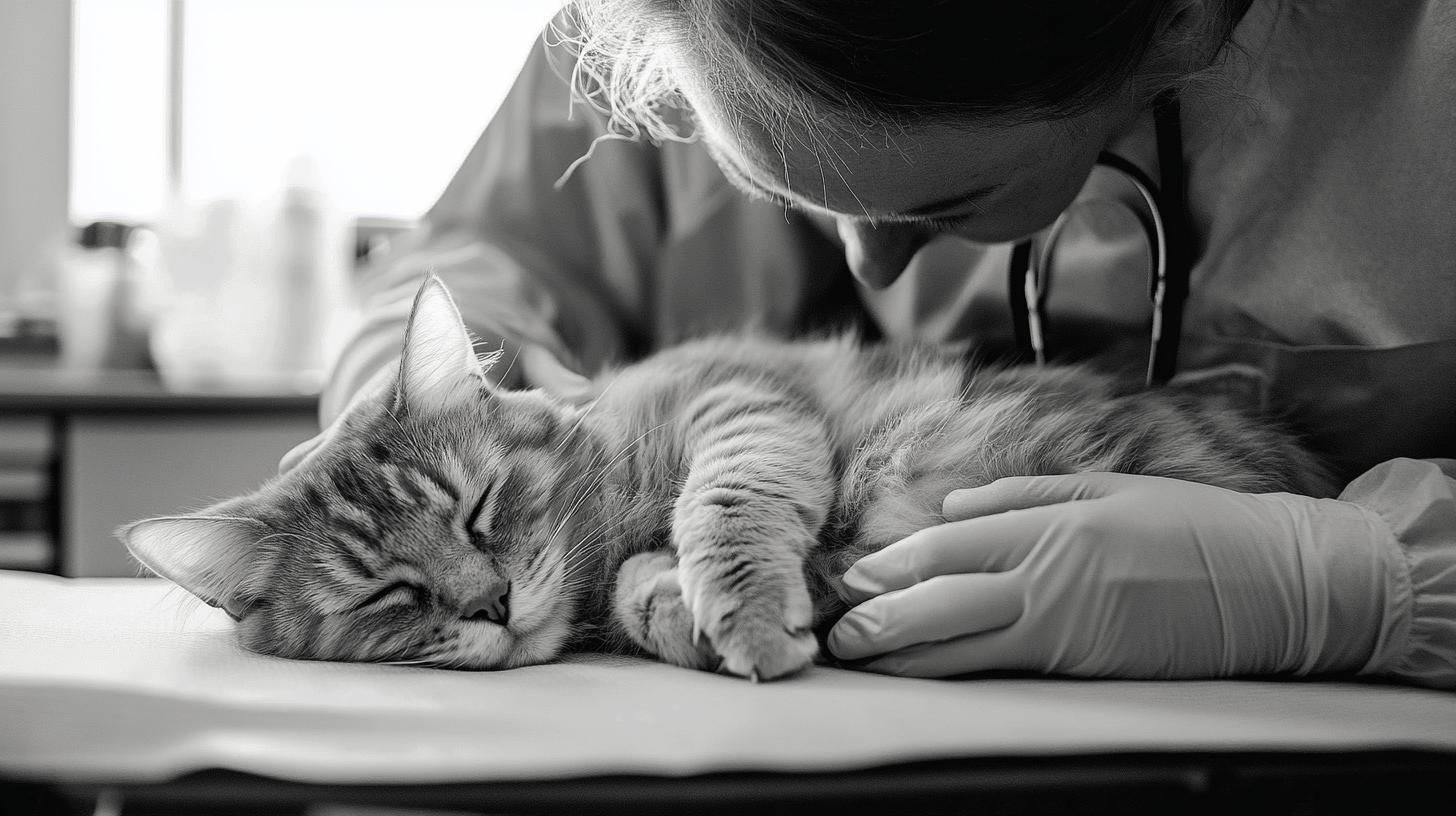
    Did you know that your cat’s sneezing might be more than just a cute quirk? While an occasional sneeze is normal, frequent sneezing can signal an underlying issue. From pesky allergens like mold and dust mites to more serious triggers such as upper respiratory infections, there’s a myriad of reasons your cat might be sneezing.

    Uncovering these causes is key to finding effective remedies. In this post, we’ll explore the common culprits behind your cat’s sneezes and how you can help your furry friend breathe easier.

    Common Causes of Cat Sneezing
    Common Causes of Cat Sneezing-1.jpg

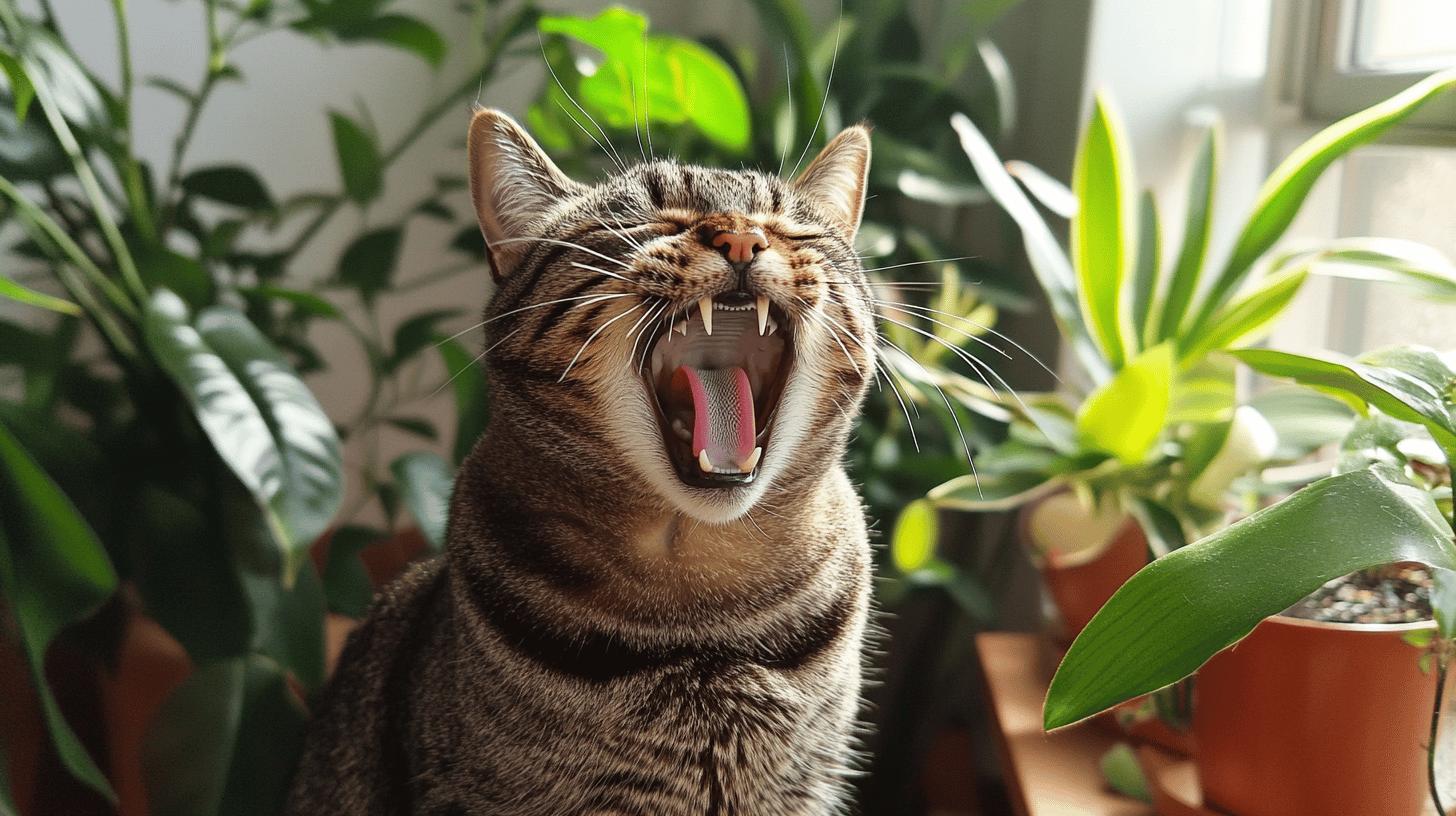
    Cats sneeze for many reasons, often due to common allergens they encounter in their environment. These allergens include pollen, mold, and dust mites, which can irritate a cat’s sensitive nasal passages.

    Household cleaning products are another frequent culprit, triggering allergic reactions. When a cat is exposed to these irritants, it might sneeze as a way to expel them. Cats with allergies may also exhibit symptoms like itchy skin and respiratory issues, which can further distress them.

    Upper respiratory infections are another prevalent cause of sneezing in cats. These infections can be likened to the common cold in humans and are often caused by viruses such as feline herpesvirus and calicivirus.

    Infected cats may not only sneeze but also show signs of nasal discharge, coughing, and lethargy. These symptoms can sometimes be mistaken for a simple cold, but they require attention, especially if they persist or worsen over time.

    Lesser-known causes of cat sneezing include:

    • Dental issues: Tooth abscesses or gum disease can spread to the nasal passages, causing inflammation and sneezing.
    • Foreign bodies: Small objects or grass blades can get lodged in a cat’s nose, leading to persistent sneezing.
    • Nasal polyps: Non-cancerous growths in the nasal passages can obstruct airflow and trigger sneezing.
    • Feline Immunodeficiency Virus (FIV): This condition weakens the immune system, making cats more susceptible to infections that cause sneezing.
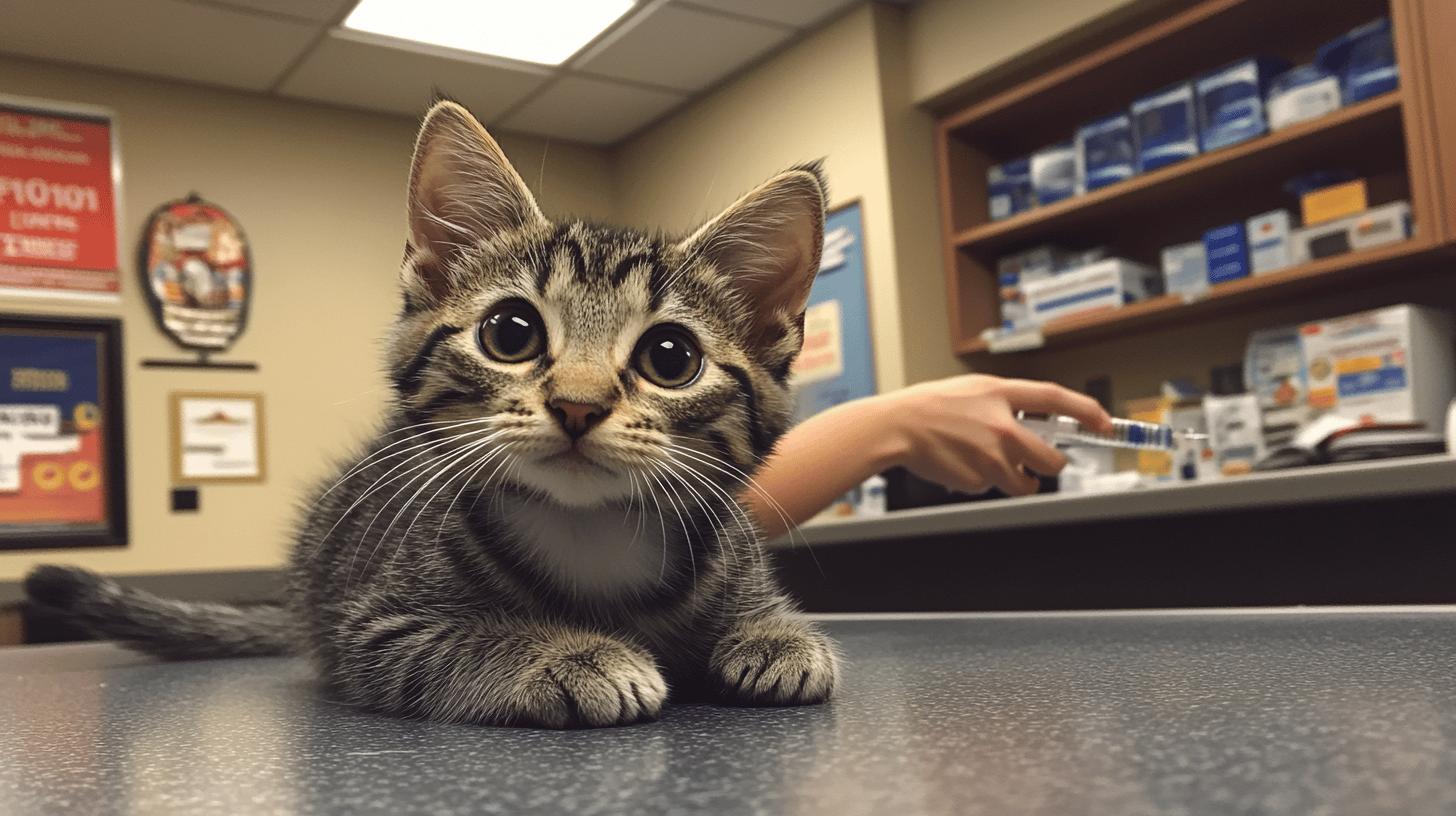
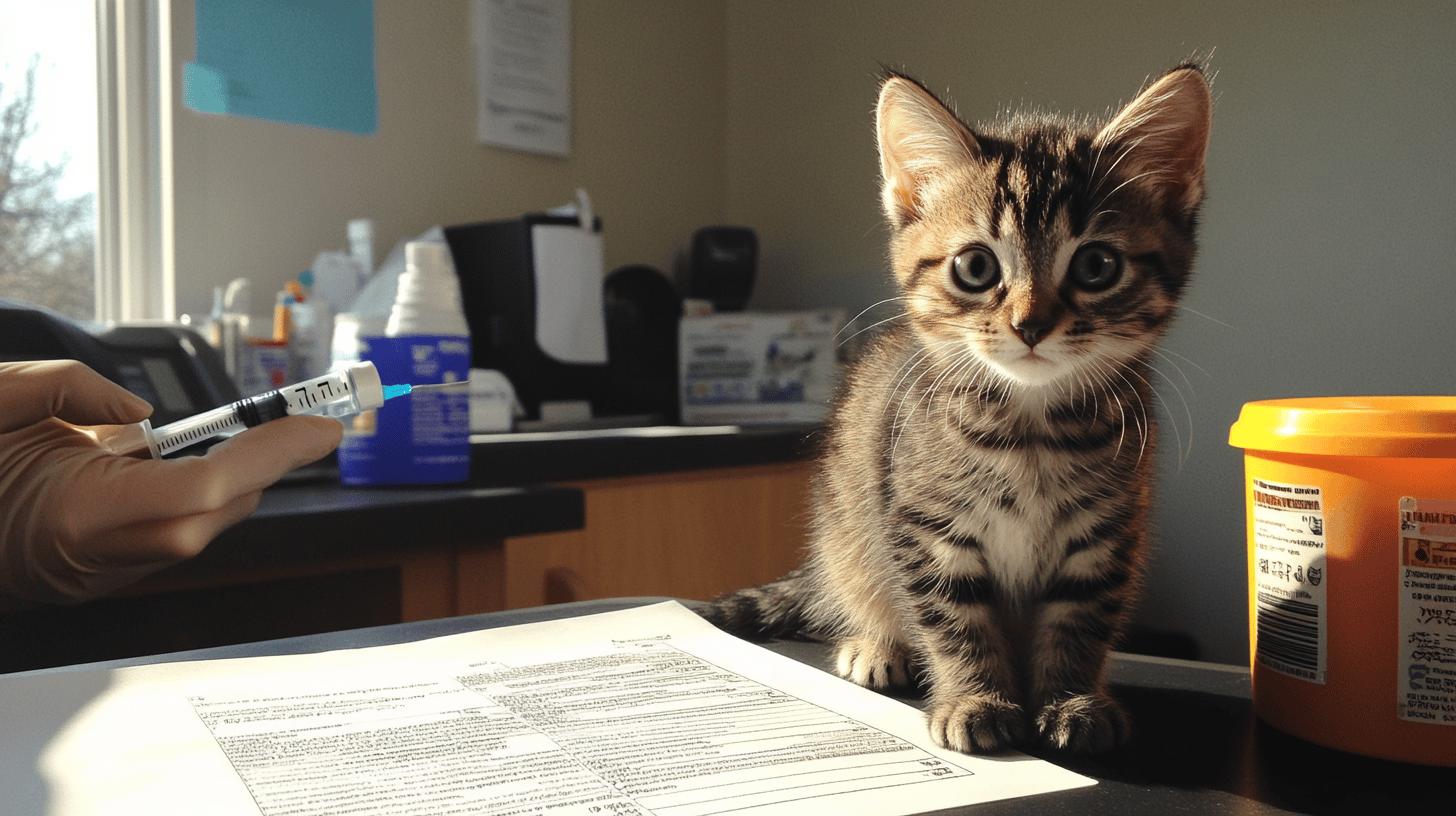
    • Vaccination reactions: Cats may sneeze mildly after vaccinations, which usually subsides in a few days.

    External irritants, like chemical fumes from paints, strong perfumes, or cigarette smoke, also play a significant role in causing sneezing. Cats have exceptionally sensitive respiratory systems, making them particularly vulnerable to these irritants.

    It’s crucial to limit their exposure to such substances and ensure proper ventilation in areas where these chemicals are used. If your cat’s sneezing is accompanied by other symptoms like persistent coughing, nasal discharge, or watery eyes, it’s advisable to consult a veterinarian. Persistent or severe symptoms could indicate a more serious underlying condition that requires professional care.

    When to Worry About Cat Sneezing
    When to Worry About Cat Sneezing-1.jpg

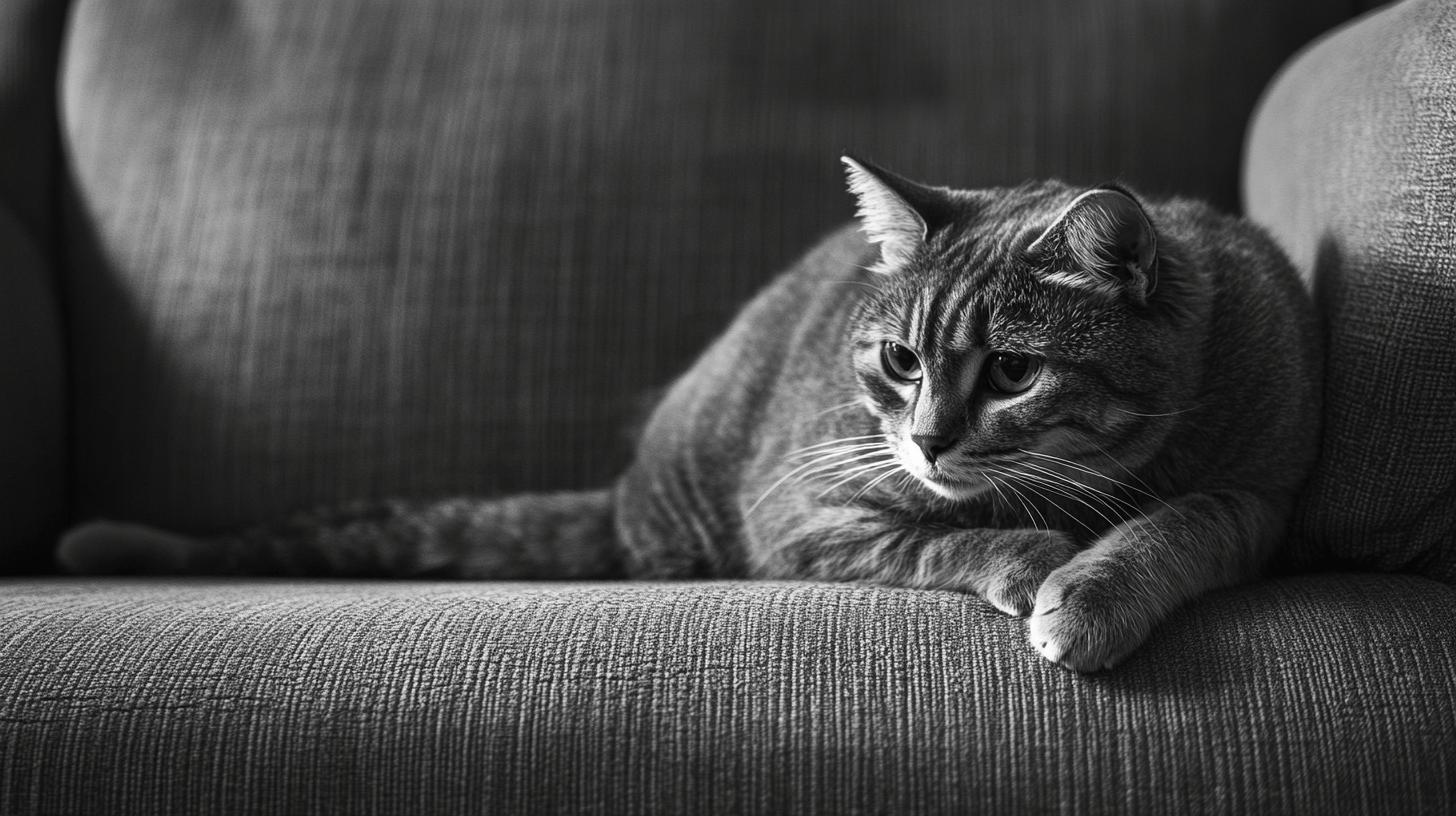
    Sneezing in cats is often harmless, but when it’s accompanied by other symptoms, it might indicate a more serious issue. Keep an eye on additional symptoms such as coughing and watery eyes. These can be signs that your cat is dealing with something more than just benign sneezing.

    Watery eyes, in particular, might suggest an infection or allergy that needs to be addressed. Persistent coughing, along with sneezing, could point to a respiratory infection or another underlying condition that requires intervention.

    Signs that warrant immediate veterinary attention include:

    • Persistent sneezing that lasts more than a week
    • Sneezing accompanied by green or yellow nasal discharge
    • Sneezing and consistent coughing, indicating possible respiratory distress
    • Sneezing with swollen or red eyes

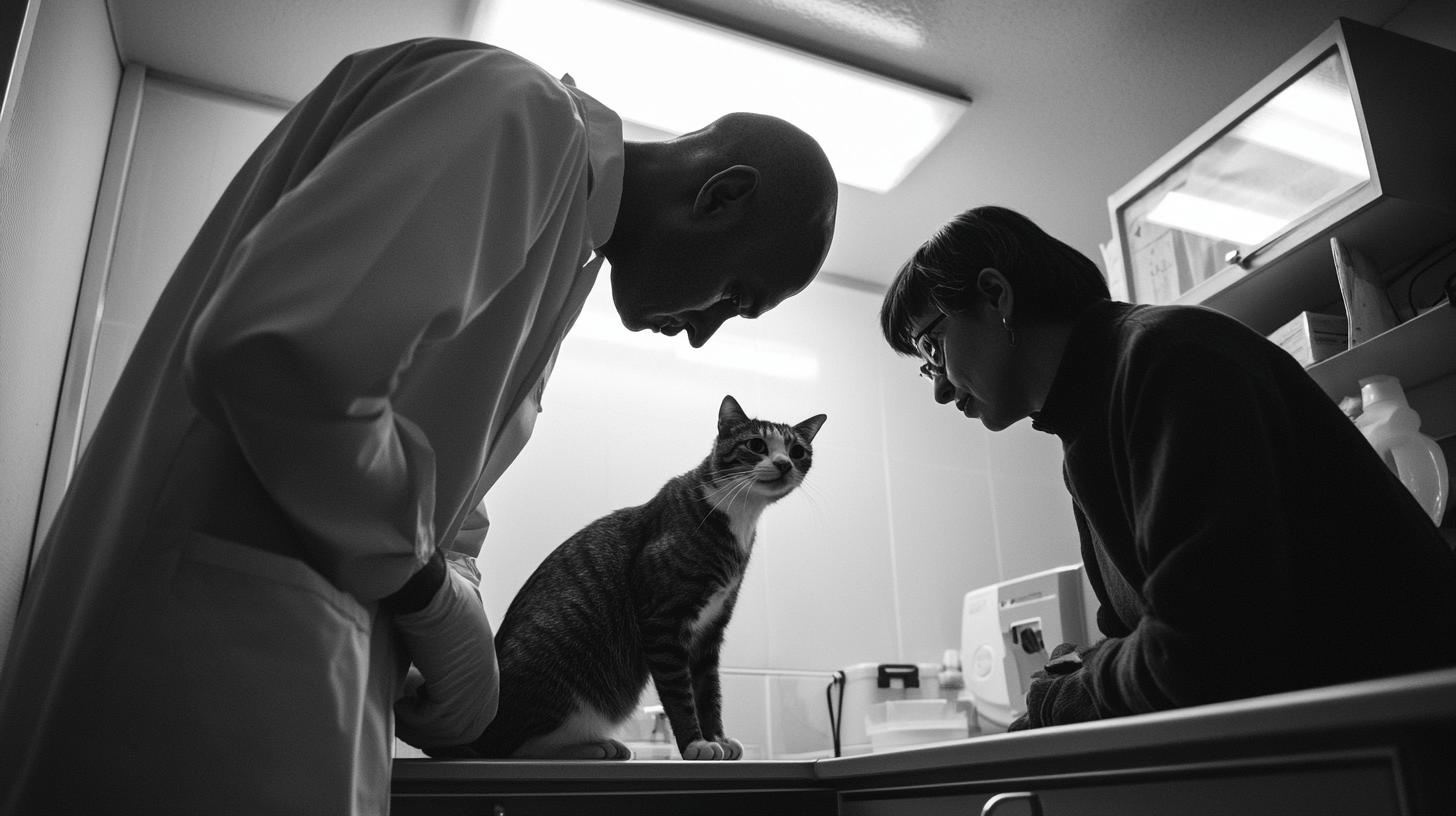
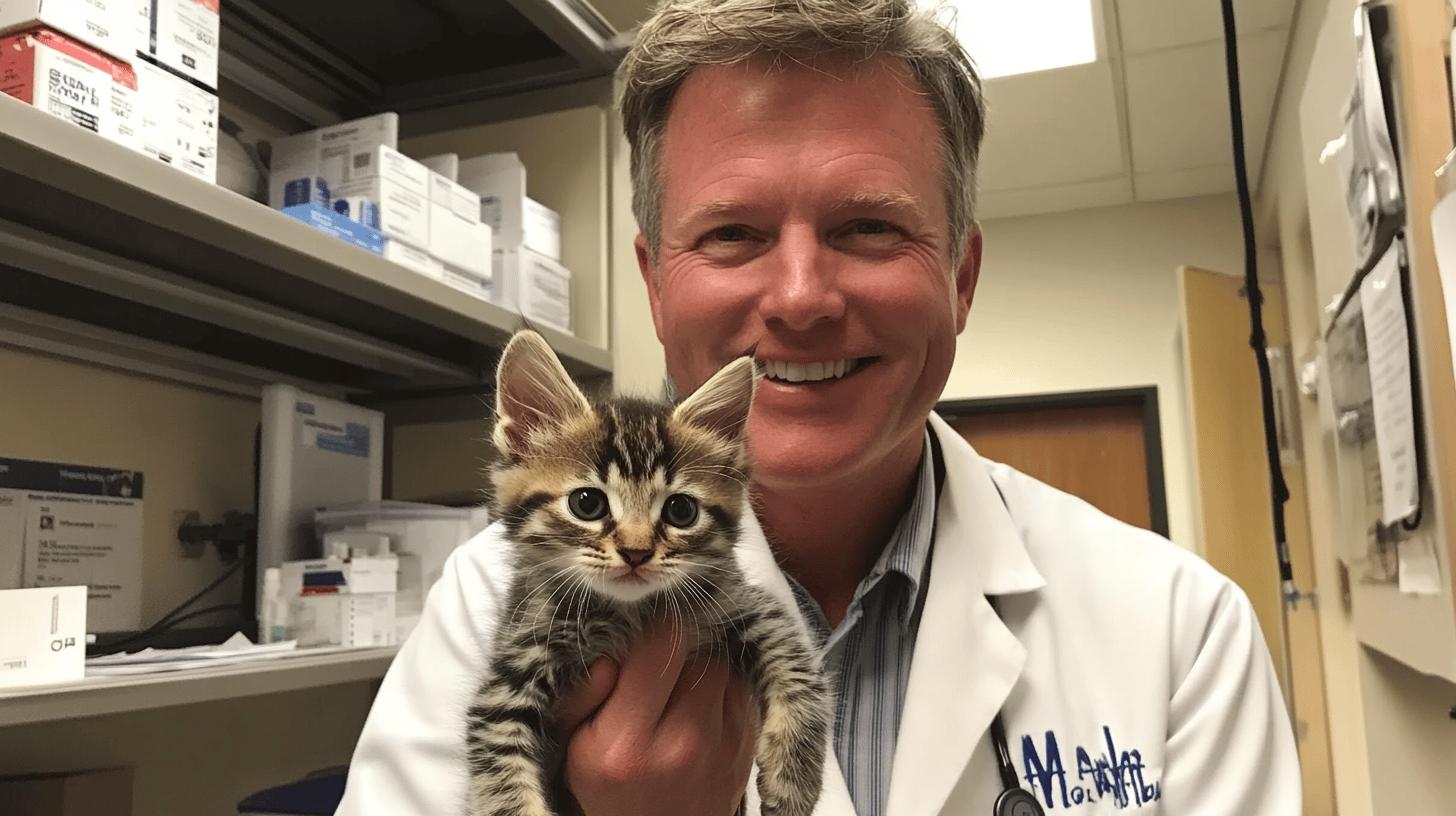
    If your cat’s sneezing persists, especially if it’s recurrent and accompanied by the symptoms mentioned above, it’s time to consult a vet. Generally, if sneezing and other related symptoms don’t improve within a few days, it’s wise to seek professional advice.

    Early intervention can help prevent more severe health issues and ensure your furry friend gets back to feeling their best. Monitoring how long these symptoms last is crucial; untreated infections or conditions can lead to more significant health problems down the road.

    Effective Cat Sneezing Remedies
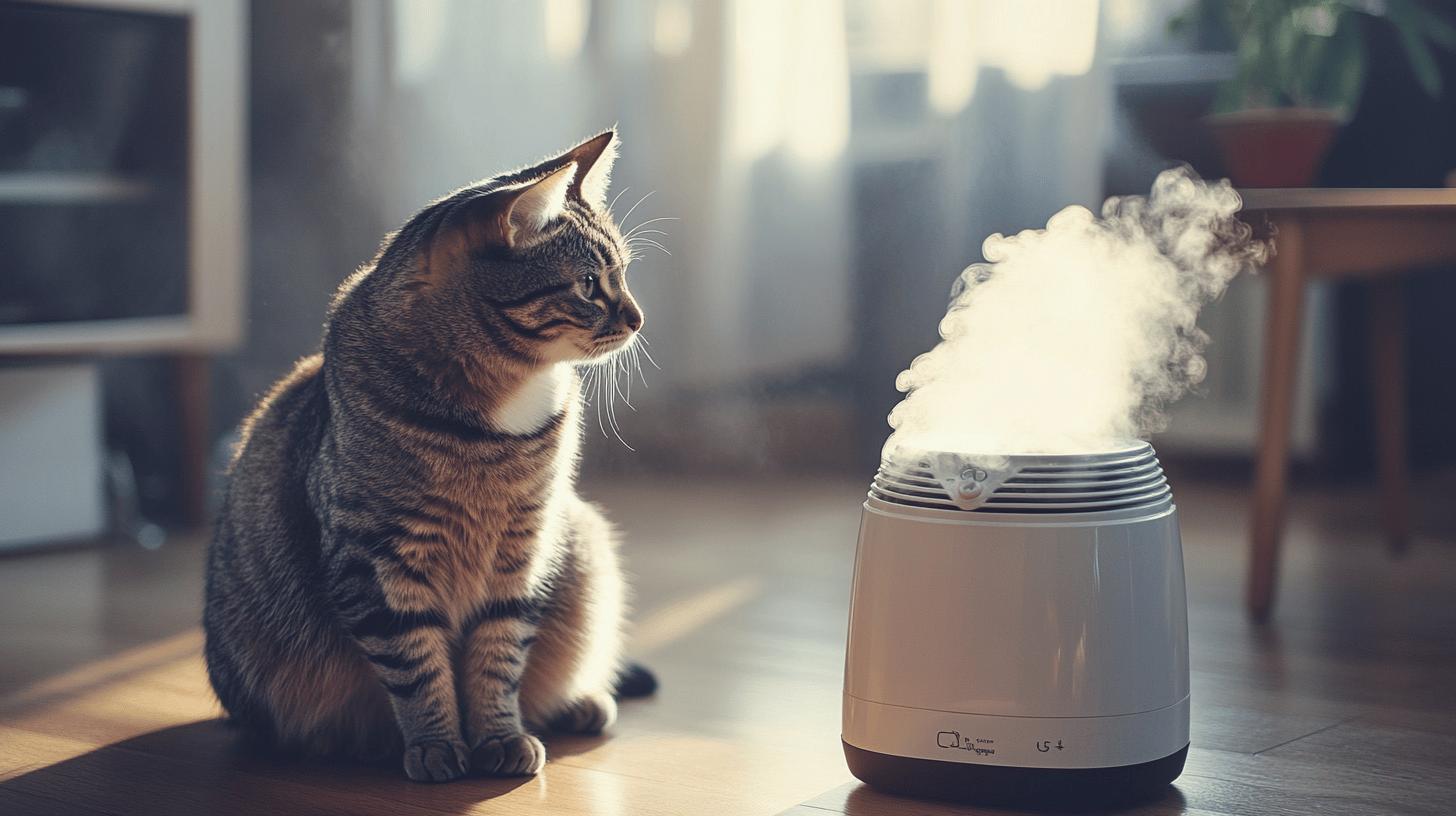
    Effective Cat Sneezing Remedies-1.jpg

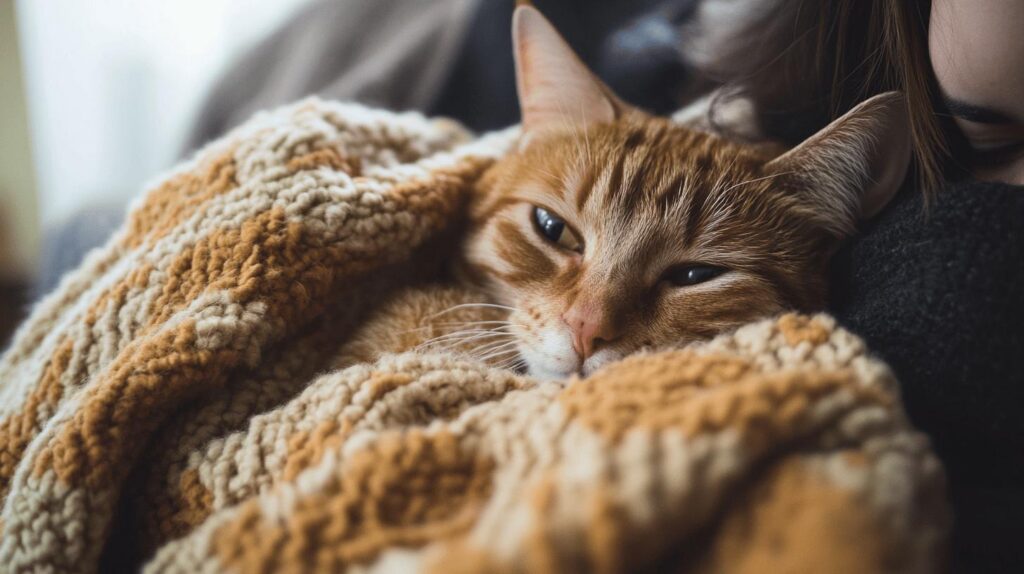
    Treating a sneezing cat at home can often be straightforward with a few simple adjustments. One vital step is ensuring your cat has a clean and comfortable environment. Regularly cleaning your cat’s living area can reduce allergens like dust and mold.

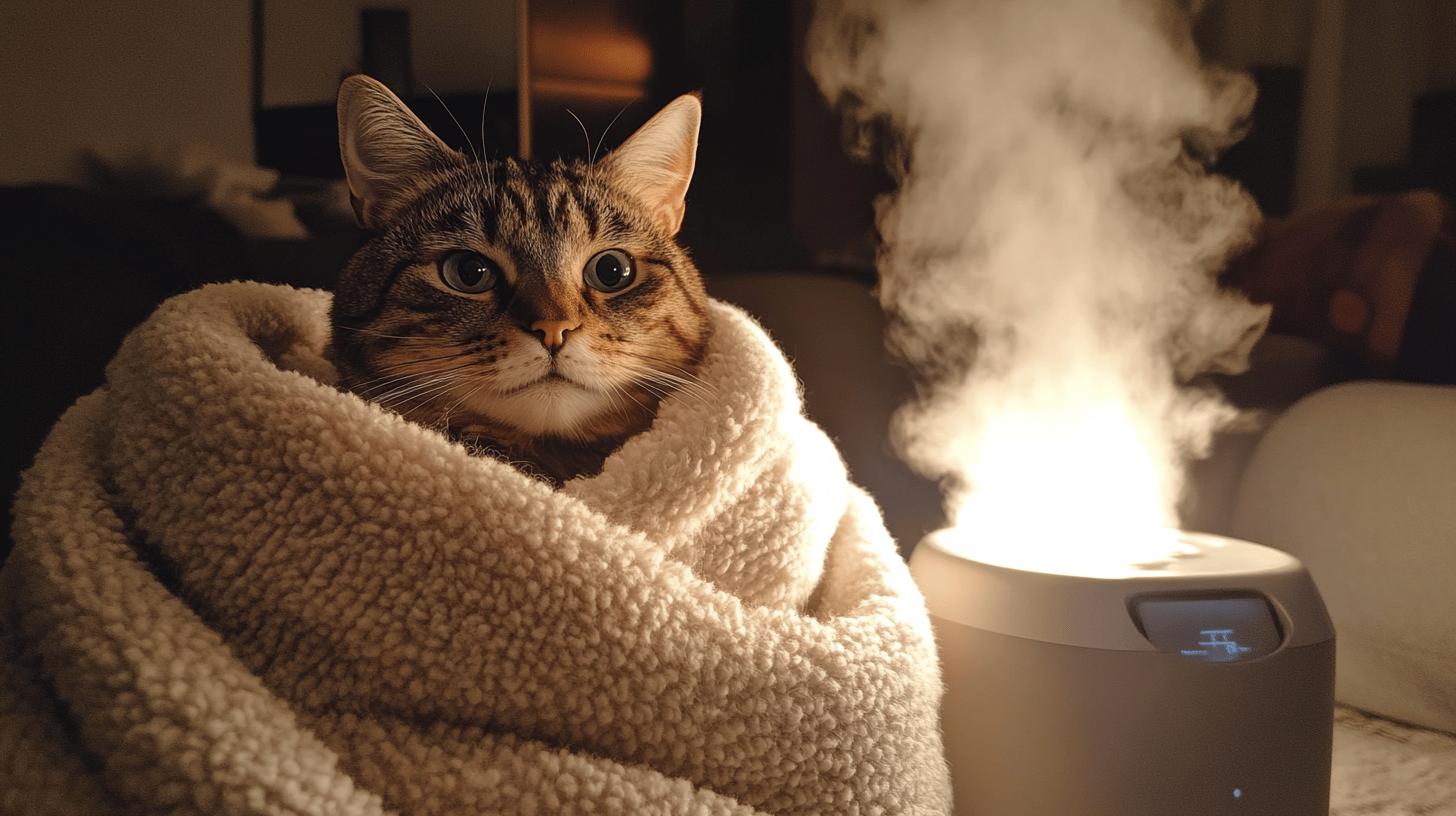
    Keeping the air fresh and free from irritants also plays a crucial role. Using a humidifier can be especially beneficial, as it helps maintain moisture in the air, preventing your cat’s nasal passages from drying out, especially during the colder months when indoor air is typically drier.

    Here are some effective home remedies for sneezing cats:

    • Use a humidifier: Adding moisture to the air can soothe your cat’s nasal passages.
    • Keep the environment clean: Regular vacuuming and dusting can minimize allergens.
    • Reduce chemical exposure: Avoid using strong cleaning agents and opt for pet-friendly products.
    • Ensure plenty of fresh air: Ventilate your home by opening windows when possible to allow fresh air in.
    • Monitor diet and hydration: Ensure your cat is well-hydrated and consuming a balanced diet to support their immune system.

    While these remedies can be effective, there are times when home treatments might not be enough. If your cat’s sneezing persists or is accompanied by other worrying symptoms like persistent nasal discharge or a noticeable decrease in appetite, it’s essential to consult a veterinarian.

    They can provide a thorough examination and determine if there’s an underlying condition that needs professional treatment. Always keep an eye on how your cat reacts to home remedies, and don’t hesitate to seek expert advice if the symptoms don’t improve.

    Preventive Tips for Cat Sneezing
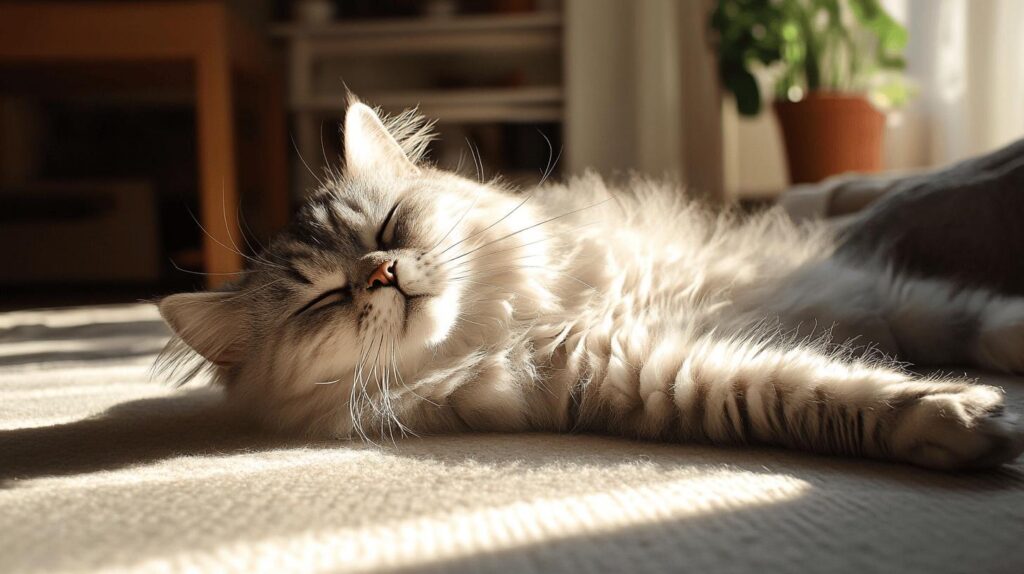
    Preventive care plays a crucial role in managing your cat’s sneezing symptoms and reducing exposure to allergens. Regular cleaning can significantly minimize dust mites and mold, common triggers for sneezing. Consider using air purifiers to improve air quality and minimize irritants. Stress management is equally important, as stress can weaken your cat’s immune system, making them more susceptible to sneezing.

    • Regularly vacuum and dust to keep allergens at bay.
    • Use an air purifier to filter out airborne particles.
    • Choose pet-friendly cleaning products to avoid harsh chemicals.
    • Keep your cat’s bedding clean and fresh.
    • Provide a balanced diet to support their immune system.

    Regular veterinary check-ups are essential for your cat’s health. These visits can detect underlying health issues early, preventing sneezing episodes from becoming chronic. A vet can offer personalized advice and treatments to help manage your cat’s sneezing, ensuring they remain healthy and comfortable.

    Final Words

    Understanding the common causes of cat sneezing helps in addressing and managing the symptoms effectively. From allergens like dust and mold to more serious issues like upper respiratory infections, knowing why cats keep sneezing allows for better care. Identifying when sneezing signals a bigger problem is crucial for timely veterinary intervention. While home remedies can be effective, they’re just one part of comprehensive cat care. Preventive measures like cleaning and regular vet visits play a significant role. Ensuring a healthy environment can lead to happier, sneeze-free cats.

    FAQ

    Why does my cat keep sneezing all of a sudden?

    A sudden onset of sneezing in cats can be due to allergens like pollen, dust, or household cleaners. It might also indicate an upper respiratory infection or contact with irritants.

    What should I do if my cat keeps sneezing but seems fine?

    If the cat is sneezing but seems otherwise healthy, ensure its environment is clean and free from potential allergens or irritants. Consider using a humidifier to improve air quality.

    When should I worry about my cat sneezing?

    You should worry if sneezing is persistent and accompanied by symptoms like coughing, nasal or eye discharge. These may indicate a more serious condition needing veterinary care.

    Do cats sneeze a lot when sick?

    Yes, cats may sneeze more when sick, often due to upper respiratory infections. Other symptoms might include coughing, nasal discharge, or watery eyes.

    Do cat colds go away on their own?

    In some cases, mild cat colds can resolve on their own. However, if symptoms persist or worsen, it’s important to consult a vet.

    What are some home remedies for a sneezing cat?

    Effective home remedies include using a humidifier, ensuring a clean living environment, and reducing exposure to chemical irritants. If these don’t help, seek veterinary advice.

    How can I prevent my cat from sneezing?

    Prevent sneezing by keeping your cat’s environment clean, using air purifiers, and minimizing exposure to allergens and stress. Regular vet check-ups also help in early detection and prevention.
    Related Articles

  • Why Cat Sleeps at My Feet Explained

    Why Cat Sleeps at My Feet Explained

    Have you ever wondered why your cat insists on curling up at your feet every night? It might seem like an odd habit, but there's more to it than just a preference for your blankets. When cats snuggle at your feet, they're following instincts rooted in their dual roles as predators and prey.

    This spot not only offers warmth and security but also showcases a deep bond they feel with you. In this article, we'll explore why your feet become a feline's favorite sweet spot and what it reveals about their love for you.

    Understanding Why Cats Sleep At Your Feet

    Understanding Why Cats Sleep At Your Feet-3.jpg

    Cats sleeping at their owner's feet is a behavior deeply rooted in their instincts. As both predators and prey, cats are constantly on the lookout for comfort and safety. The reasons they choose this particular spot are varied but often revolve around warmth, security, and a strong bond with their human.

    The natural warmth radiating from your feet provides a cozy haven, especially appealing during colder nights. It’s a place where they can nestle, feel secure, and maintain a sense of closeness with you.

    The warmth and security provided by your feet are significant factors in this behavior. Cats are drawn to warmth as it helps them regulate their body temperature, which is crucial for their comfort. The feet offer a perfect spot because they are often the warmest part of your body that’s accessible to them when you’re lying down.

    Additionally, this spot allows them to keep an eye on their surroundings while feeling protected from any potential surprises—giving them a sense of security that mirrors the enclosed spaces they naturally seek.

    Other common cat sleeping positions include:

    • On the head
    • Between the legs
    • On the chest
    • At the window
    • In a box

    The affection and bonding aspect of this behavior cannot be overlooked. When a cat chooses to sleep at your feet, it’s a sign of trust and attachment. This position allows them to stay close to you while also having the freedom to move away if needed.

    It shows that your cat feels safe in your presence and trusts you enough to be vulnerable while they sleep. This bond strengthens over time as your cat associates you with security and companionship.

    Ultimately, when your cat decides to sleep at your feet, it reflects their need for warmth, security, and affection. This behavior fosters a deeper connection between you and your pet, reinforcing their sense of safety and attachment. By understanding and appreciating why cats choose this spot, you can enhance the bond you share, making your home an even more comforting place for your feline friend.

    Territorial Instincts: Feet as a Safe Zone

    Territorial Instincts Feet as a Safe Zone-4.jpg

    Cats have scent glands in their paws, so when they sleep near your feet, they mark you as part of their territory. This scent marking is a comforting ritual, reinforcing their sense of ownership and familiarity with their environment.

    While marking territory is important, this behavior also provides cats with a sense of security. They choose your feet as a safe zone, allowing them to feel protected from potential threats.

    This instinct aligns with their need to find safe resting places. By sleeping near you, they enjoy a secure and familiar spot, while maintaining the freedom to quickly adapt to changes in their surroundings.

    Understanding Why Cats Sleep At Your Feet

    Health Implications and Temperature Regulation-1.jpg

    Cats often choose to sleep at your feet not just for comfort, but to effectively manage their body temperature. This behavior is essential since cats thrive in temperatures between 77–86°F (25–30°C). Your feet provide a reliable warmth source, helping them maintain their ideal body temperature, which is vital for their health and well-being. This snug spot also aids in addressing minor health issues that may arise from being too cold.

    Keep an eye on these health indicators in their sleeping behavior:

    • Changes in sleep position
    • Frequency of sleep
    • Restlessness

    Monitoring your cat’s sleeping patterns is a window into their overall health and well-being. Shifts in sleep position, increased restlessness, or changes in sleep frequency can signal discomfort or stress. Observing these patterns allows you to detect early signs of potential health issues, enabling timely intervention. Understanding and monitoring these behaviors ensure your cat stays healthy, content, and secure while nestled at your feet.
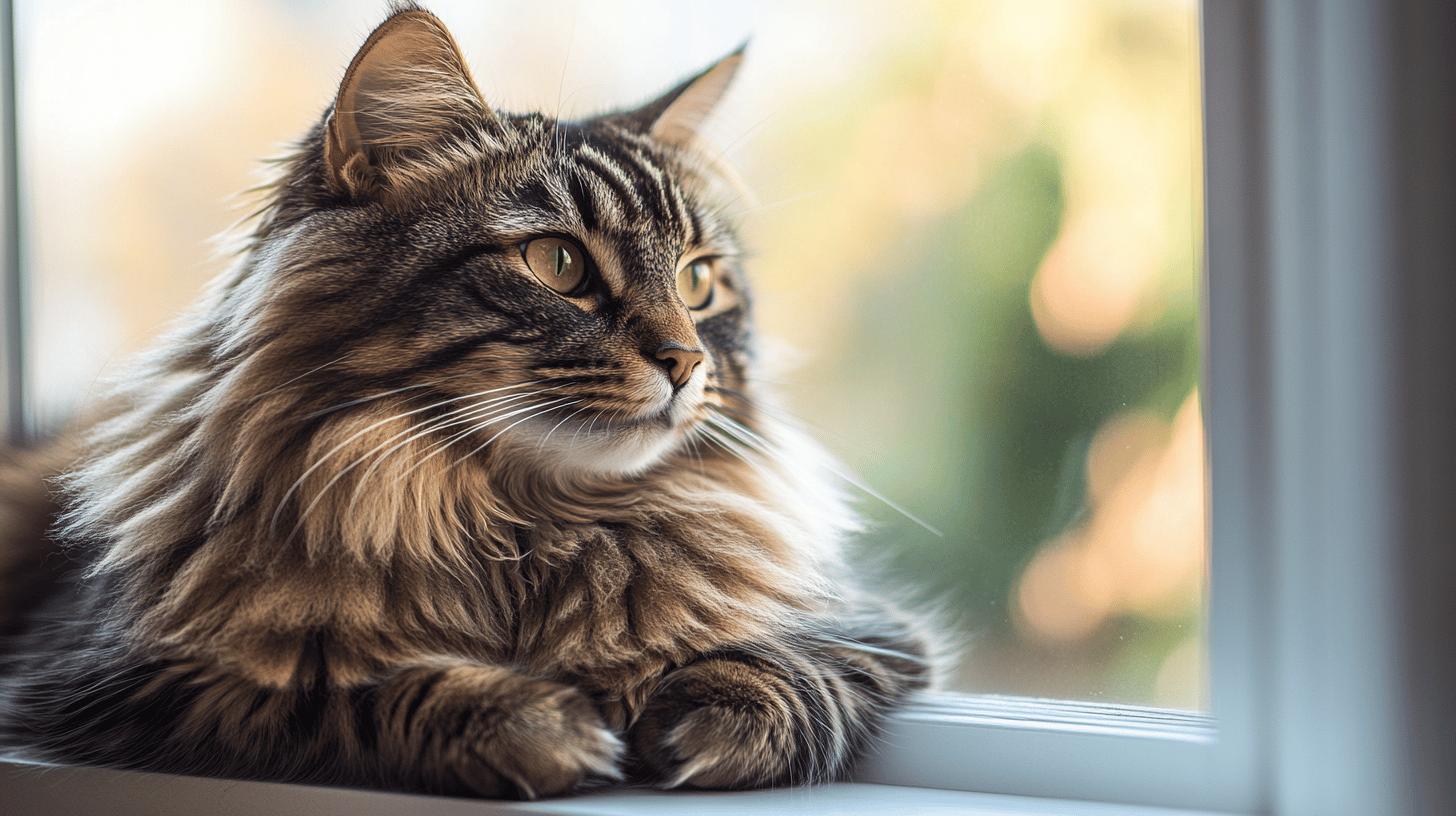
    How to Create a Comfortable and Secure Sleeping Environment

    How to Create a Comfortable and Secure Sleeping Environment-2.jpg

    Providing your cat with a designated sleeping area is key to their well-being. A specific spot helps them feel secure and can minimize stress. This area should be comfortable and inviting, encouraging your feline friend to settle down peacefully. Here are some tips to make the sleeping environment more appealing:

    • Soft bedding
    • Quiet location
    • Consistent temperature
    • Use of calming products

    In addition to setting up the perfect spot, consider incorporating products that further enhance your cat's comfort. PrettyLitter, for example, can help reduce stress by eliminating odors and providing a clean environment, which cats prefer.

    echniques such as introducing calming scents or using pheromone diffusers might also create a soothing atmosphere, making your cat more likely to choose their designated sleeping spot. By prioritizing a comfortable and secure environment, you support your cat's natural instincts and foster a stronger, more secure connection with them.

    Final Words

    Throughout this article, we've explored why cats sleep at their owner's feet. Their natural instincts drive them to find warmth, comfort, and security. We've also learned how this behavior shows their trust and bonding with us. By using scent glands in their paws, cats mark their territory while finding a safe resting place.

    Sleeping at your feet helps them regulate temperature. It reflects their overall health and well-being. Creating a designated, comfortable sleeping area enhances their sense of safety. Understanding why a cat sleeps at my feet can strengthen the bond and ensure our furry friends feel secure and loved.

    FAQ

    Where your cat sleeps on your bed and what does it mean?

    A: The Stanford Question Answering Dataset (SQuAD) equation reveals that cats sleep on your bed due to instincts. They seek comfort, warmth, and security. Each spot indicates their search for these needs.

    What does it mean when a cat sleeps by your head?

    A: Sleeping by your head shows trust and affection. It suggests your cat feels safe near your scent and enjoys your presence for comfort and warmth.

    Why does my cat sleep at my feet, and what is the spiritual meaning?

    A: Cats sleep at your feet due to their natural instincts for safety, warmth, and security, not spiritual reasons. Your feet are cozy and secure spots for them at night.

    Why does my cat sleep between my legs?

    A: When your cat sleeps between your legs, it enjoys the warmth and feels protected. This spot offers security and closeness to the owner.

    Why does my cat sleep at my feet and not my head?

    A: Sleeping at your feet provides warmth and is a territorial habit. Cats use paw scent glands to mark this spot as theirs, ensuring safety from potential threats.

    What does it mean when your cat sleeps next to you?

    A: Sleeping next to you displays trust and a bond. Your cat feels secure with your presence, which enhances the sense of protection and comfort.

    Why does my cat prefer my feet?

    A: Cats prefer your feet for warmth, comfort, and a sense of security. It's a favored resting spot due to the cozy and secure feeling it provides.

    Related Articles

  • Why Cat Stare at Wall Understanding Feline Behavior

    Why Cat Stare at Wall Understanding Feline Behavior

    Ever caught your cat staring intently at a blank wall and wondered what's captured their attention? It might seem strange, but there's a reason behind this curious feline behavior. Cats have senses that go beyond our own, allowing them to pick up on subtle sounds and movements imperceptible to us.

    This blog post delves into the fascinating world of cats' sensory abilities and instincts. By gaining insight into why cats stare at walls, you'll not only understand them better but also improve your bond with your feline friend.

    Understanding and Decoding Why Cats Stare at Walls

    Understanding and Decoding Why Cats Stare at Walls-1.jpg

    Cats are fascinating creatures with a sensory world that's vastly different from ours. Their natural instincts and sensory capabilities make them adept hunters, even in the comfort of our homes. Their hearing is exceptionally sharp, allowing them to detect a wide range of frequencies up to 64,000Hz.

    This means they can pick up on sounds like water flowing through pipes or even a TV humming from far away. Additionally, their vision spans about 200 degrees, enabling them to spot tiny bugs or faint shadows on walls that would be imperceptible to us.

    Here are some reasons why cats might stare at walls:

    1. Detecting Sounds: Cats can hear noises from within walls, such as small animals or plumbing sounds.
    2. Spotting Movements: Their wide field of vision allows them to notice the slightest movements, like bugs or shadows.
    3. Curiosity: Cats are naturally curious, and a blank wall might present an intriguing puzzle.
    4. Predatory Instincts: As hunters, they are always on the lookout for prey, even if it’s just a speck of dust.
    5. Exploring Light Reflections: Cats might be fascinated by reflections or changes in light patterns on walls.

    These behaviors are typical of cats and reflect their predatory instincts. By staring at walls, they are honing their senses and exploring their environment. This is a part of their natural drive to hunt and observe their surroundings, even if the "prey" is something as mundane as a moving shadow or a light flicker.

    The mysterious nature of cats adds another layer to their wall-staring habits. Sometimes, they might engage in this behavior for reasons we simply can't discern. Understanding their heightened sensory capabilities and instincts not only helps us appreciate these fascinating creatures more but also enriches our experience as cat lovers. By acknowledging their unique behaviors, we can create an environment that satisfies their innate curiosity and keeps them mentally stimulated.

    Health Concerns Related to Cats Staring at Walls-1.jpg

    Cats staring at walls can sometimes hint at underlying health issues, particularly in older cats. One common concern is feline cognitive dysfunction, similar to dementia in humans. This condition often appears in cats over the age of 10 and is characterized by disorientation and confusion, which might lead to behaviors like wall-staring.

    Another rare but potential cause is feline hyperesthesia syndrome. This syndrome involves symptoms like intense tail chasing, excessive grooming, and occasionally, a trance-like stare at walls. While it's not fully understood, these behaviors can be distressing for both the cat and its owner.

    Head Pressing as a Warning Sign

    Head pressing is a behavior that differs from simple wall-staring. In this case, a cat might press its head against a wall or other surfaces without moving. This action can signal serious neurological issues, such as brain tumors, liver shunts, or other pressing medical conditions.

    Unlike casual wall-staring, head pressing is a red flag that requires immediate veterinary attention. It's crucial to recognize this behavior as a potential emergency and seek professional help right away.

    If your cat's wall-staring is accompanied by unusual behaviors like loud yowling, increased sensitivity to touch, or aggressive actions, it's important to consult a veterinarian. These signs could indicate neurological symptoms in cats or other health issues that need professional assessment.

    Documenting these behaviors with videos can provide valuable information to your vet, aiding in a more accurate diagnosis. Recognizing and addressing health-related causes of wall-staring helps ensure your feline friend remains healthy and comfortable.

    Enhancing Your Cat's Environment to Reduce Wall-Staring

    Enhancing Your Cats Environment to Reduce Wall-Staring-1.jpg

    Creating a stimulating environment for your cat is crucial to preventing behaviors like wall-staring that may stem from boredom. Cats, with their natural curiosity and playful instincts, need mental stimulation to stay engaged and content.

    Without it, they might resort to staring at walls or other repetitive behaviors. Environmental enrichment not only alleviates boredom but also enhances your cat's overall well-being, keeping their mind active and their body healthy.

    Here are some practical enrichment ideas to keep your cat entertained:

    1. Interactive Toys: Toys that challenge your cat, such as treat-dispensing balls or feather wands, can engage their hunting instincts.
    2. Puzzles: Puzzle feeders encourage problem-solving and can make mealtime more rewarding.
    3. Scratching Posts: Providing different textures for your cat to scratch helps satisfy their natural urge to claw.
    4. Vertical Spaces: Cats love to climb and observe their surroundings from high vantage points. Shelves or cat trees can offer these opportunities.
    5. Window Perches: A perch near a window lets your cat watch the outside world, which can be endlessly fascinating.
    6. Rotating Toys: By switching out toys regularly, you can maintain your cat's interest and prevent them from becoming bored.

    Implementing these changes can significantly impact your cat's happiness and engagement levels. A well-enriched environment keeps their curiosity alive and channels their energy into positive activities.

    By providing various stimuli, you help reduce the likelihood of wall-staring and other boredom-induced behaviors. Your feline friend will not only be more content but also healthier, both mentally and physically.

    Final Words

    Exploring why cats stare at walls, we dove into their sharp senses and instincts, uncovering reasons like detecting elusive sounds and movements. This behavior, steeped in their natural curiosity and predatory nature, might seem mysterious but forms a typical part of feline life. Health concerns like feline cognitive dysfunction remind us that prolonged staring isn't always harmless.

    Enriching a cat's environment can often prevent boredom and reduce unexplained wall-staring. By understanding and addressing why your cat stares at walls, you enhance their life, making them happier and more engaged.

    FAQ

    Why does my cat keep staring at the wall?

    Cats may stare at walls due to their acute senses. They have wide vision and sharp hearing, allowing them to notice sounds or movements from within walls that we can't.

    Why does my cat suddenly stare at nothing?

    Cats might seem to stare at nothing because of their keen senses. They can detect small movements or sounds that are invisible or inaudible to humans.

    Why is my cat staring at the wall and scared?

    A cat scared while staring at a wall might have sensed something unusual. Their advanced hearing and vision can pick up on tiny movements or noises that humans can't detect.

    What does it mean when a cat puts its face to a wall?

    Pressing their face to a wall could be a health warning. This behavior may signal underlying conditions and needs veterinary attention.
    Why cat stare at wall spiritual meaning?

    Some believe cats staring at walls have spiritual meanings or see unseen entities. Realistically, it's likely related to their sharp senses reacting to subtle stimuli.

    Why cat stare at wall at night?

    Cats are more active at night and might be reacting to unnoticed sounds or movements. Their heightened senses can detect things that pass unnoticed by us.

    Why do cats stare at nothing spiritually?

    Spiritually, some believe cats detect energies we can't. In reality, their advanced sensory capabilities often explain this behavior more accurately.

    Elderly cat staring at wall—should I be concerned?

    Prolonged wall-staring in elderly cats may suggest health issues like feline cognitive dysfunction. Consult a vet if this behavior is new or accompanied by other changes.
    Related Articles

  • Why Cat Losing Weight Causes and Solutions

    Why Cat Losing Weight Causes and Solutions

    Have you noticed your cat’s fur seems baggier than usual? When feline pounds start disappearing, it might be a tick-tock warning of something serious. Weight loss in cats isn’t just a diet success; it can signal underlying health issues.

    From hyperthyroidism and diabetes to stress and poor nutrition, understanding the causes behind your cat’s weight drop is essential. In this article, I’ll explain why it’s happening and how you can help. By pinpointing causes and solutions, you can ensure your cat stays healthy and happy. Let’s dive in!

    Identifying Causes of Cat Weight Loss

    Identifying Causes of Cat Weight Loss-4.jpg

    • Gastrointestinal issues
    • Dental disease
    • Hyperthyroidism
    • Diabetes
    • Cancer
    • Stress
    • Poor nutrition
    • Organ failure
    • Hepatic lipidosis
    • Intestinal parasites

    Medical problems are one of the primary reasons for cat weight loss. Conditions like hyperthyroidism often impact older cats, causing them to shed pounds despite an increased appetite. Diabetes can manifest with symptoms such as sweet-scented breath and frequent urination, leading to weight reduction if not managed properly.

    Cancer is another significant concern, particularly in older cats, as it can develop silently and cause rapid weight loss. Other medical issues like gastrointestinal problems and dental disease can also contribute to a cat’s declining weight, indicating the need for a thorough veterinary examination.
    Dietary and behavioral factors can also affect a cat’s weight. Insufficient food intake due to inadequate calorie consumption or poor nutritional content can lead to gradual weight loss. Stress is another common factor, often triggered by changes in the environment like a move or the introduction of new pets.

    Such changes can upset a cat’s routine and lead to stress-induced weight loss. Monitoring your cat’s diet and environment can help identify these issues early, allowing for timely interventions.

    Understanding When to Consult a Veterinarian

    Understanding When to Consult a Veterinarian-4.jpg

    When your cat experiences unexplained weight loss, consulting a veterinarian is crucial. A professional diagnosis can identify underlying issues that might not be obvious. Veterinarians have the tools and expertise to determine whether the weight loss is due to a medical condition, dietary issue, or behavioral cause. Early intervention can prevent further health complications and help your cat regain a healthy weight.

    Certain symptoms indicate the need for an urgent vet visit. If your cat is not eating and showing signs of vomiting, diarrhea, or lethargy, it’s time to seek professional help. These symptoms, combined with weight loss, can suggest serious underlying health issues. Regular veterinary check-ups are also beneficial as they can catch potential problems before they become severe.

    Schedule a vet visit if you notice:

    • Significant weight change in a short period
    • Persistent symptoms like vomiting or diarrhea
    • Age-related factors, especially in senior cats
    • Noticeable loss of appetite

    By being attentive to your cat’s health and seeking veterinary advice when necessary, you can address weight loss effectively and ensure your feline friend stays healthy.

    Common Health Conditions Leading to Weight Loss in Cats

    Hyperthyroidism often impacts cats over seven years old and is marked by an overactive thyroid gland, usually due to a benign tumor. These cats might have an increased appetite yet continue to lose weight. Other symptoms to watch for include increased thirst, hyperactivity, and an untidy coat. It’s crucial to keep an eye on these indicators and consult a vet for accurate diagnosis and treatment.

    Feline diabetes can also lead to weight loss. Cats with diabetes often have increased thirst, frequent urination, and a sweet smell to their breath. Despite eating regular meals, they may lose weight because their body can’t process glucose properly. Immediate veterinary care is vital to manage their blood sugar and stop further weight loss.

    Kidney disease is common in older cats and can cause significant weight loss. As the kidneys fail to function well, toxins accumulate in the blood, reducing appetite and leading to weight loss. Other signs include increased thirst and urination, vomiting, and lethargy. Regular vet visits are essential to catch kidney disease early and manage it with diet changes or medication.
    Condition Symptoms Age Group
    Hyperthyroidism Increased appetite, weight loss, hyperactivity Cats over 7 years
    Diabetes Increased thirst, urination, sweet breath All ages
    Kidney Disease Decreased appetite, increased thirst, lethargy Senior cats

    Dietary and Environmental Factors Impacting Cat Weight

    Dietary and Environmental Factors Impacting Cat Weight-1.jpg

    Cats losing weight while eating can often be attributed to insufficient calorie intake or poor nutrition. To manage this, focus on offering calorie-dense, nutrient-rich foods tailored to your cat’s age and activity level.
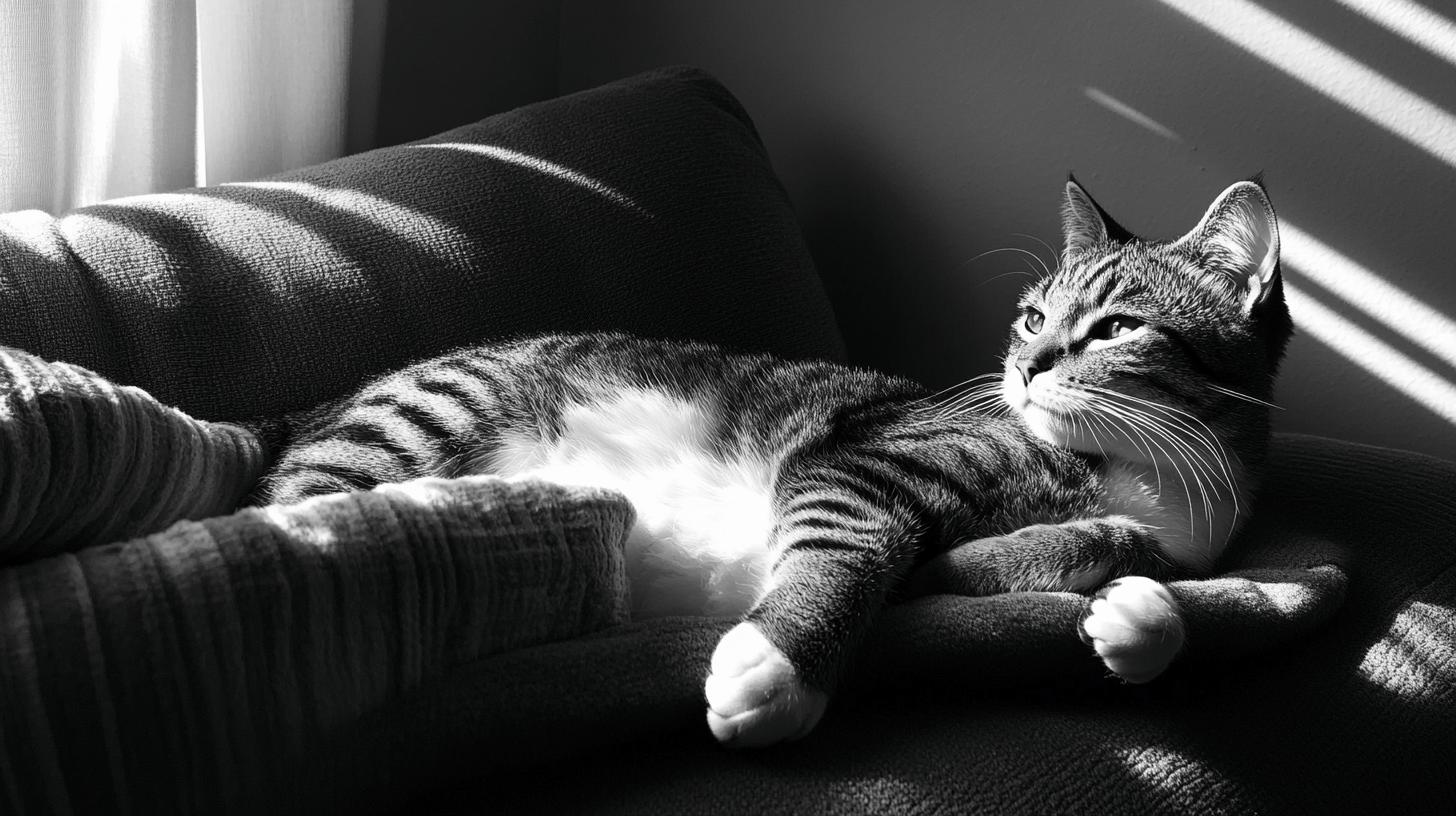
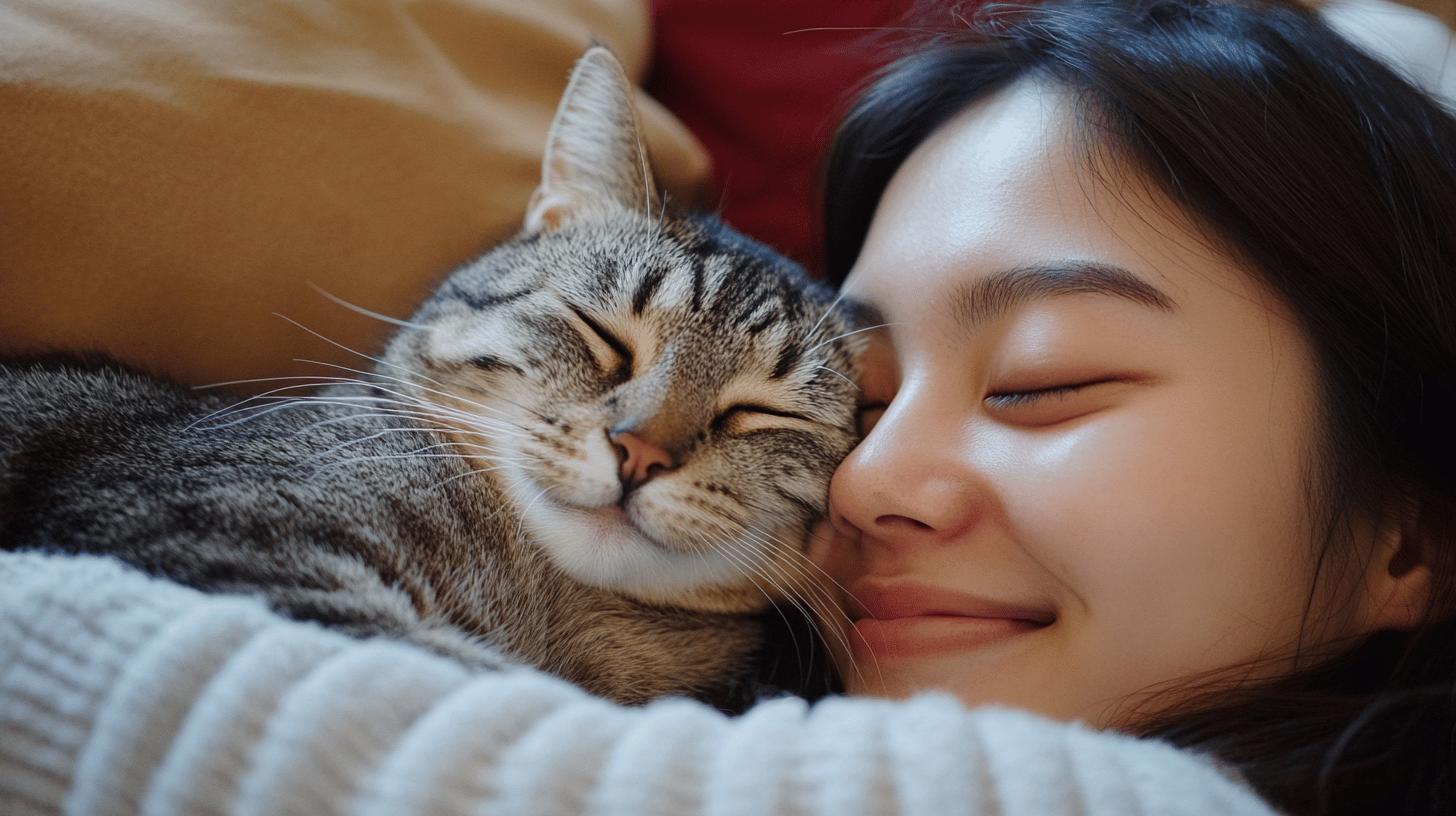
    Consider the role of specific nutrients, such as proteins and fats, in maintaining muscle mass and energy levels. Adjusting portion sizes and ensuring that meals are balanced with the right mix of macronutrients can combat weight loss effectively. It’s essential to choose high-quality cat food that meets their dietary needs to prevent nutritional deficiencies.

    Environmental changes play a significant role in a cat’s weight. Stress from moving, new pets, or changes in routine can cause weight loss by affecting their appetite and eating habits. Creating a stable and predictable environment helps reduce stress. Provide safe spaces, maintain a consistent routine, and use pheromone diffusers to ease anxiety for your cat.

    • Increase calorie intake by offering more food or calorie-dense options
    • Switch to higher protein diets to support muscle maintenance
    • Ensure fresh water availability at all times to promote hydration and appetite

    Monitoring and Managing Cat Weight Loss

    Monitoring and Managing Cat Weight Loss-3.jpg

    Regularly monitoring your cat’s weight is crucial for catching health issues early. Sudden changes in weight can be a signal of underlying problems, so it’s important to keep track of your cat’s weight routinely.

    Weigh-ins should become a part of your cat’s regular health check-up routine, just like vet visits and vaccinations. Observing their weight can help you notice trends or sudden changes that might indicate a health issue, allowing for prompt intervention.

    Developing a weight maintenance plan can help manage your cat’s weight effectively. Start by assessing their caloric needs based on age, activity level, and breed. Adjust their diet to ensure they’re getting enough nutrients without overfeeding.

    Incorporate physical activity into their daily routine to keep them fit and healthy. Regular vet consultations are key to ensuring your cat’s weight is on track, as veterinarians can provide insights into any health concerns that might be affecting their weight. A balanced approach combining diet, exercise, and professional guidance can help maintain your cat’s optimal weight.

    • Use weight charts to track changes over time and spot trends
    • Invest in a digital scale for accurate home weigh-ins
    • Employ activity trackers to monitor your cat’s daily exercise levels
    • Maintain diet logs to ensure your cat’s nutritional needs are being met

    By actively monitoring and managing your cat’s weight, you can safeguard their health and address any issues before they become serious.

    Final Words

    Understanding the reasons why a cat might be losing weight is crucial. From medical conditions like hyperthyroidism and diabetes to dietary and environmental factors, each cause requires attention. Recognizing when to consult a veterinarian can ensure your cat receives timely care, especially with signs like sudden weight changes or reduced appetite.

    Monitoring cat weight regularly and managing their diet and environment can help keep them healthy. By staying proactive, you can provide your cat with a happier, healthier life. Here’s to a future with more purrs and play!

    FAQ

    Why is my cat losing weight but still eating?

    A: Cats losing weight despite eating might have medical issues like hyperthyroidism or diabetes. Stress or environmental changes can also contribute. A visit to the vet is needed for proper diagnosis.

    When should I worry about my cat losing weight?

    A: You should worry if your cat shows sudden weight loss, loss of appetite, vomiting, or lethargy. These symptoms need a vet’s attention for potential health concerns.

    Why is my cat so skinny all of a sudden?

    A: Sudden skinniness in cats could indicate health issues such as gastrointestinal problems, hyperthyroidism, or diabetes. It’s important to consult a vet for an evaluation.

    What is the red flag for weight loss in cats?

    A: A red flag for cat weight loss includes a noticeable decrease in weight, combined with changes in appetite or behavior. Immediate veterinary advice should be sought.

    Why is my male cat losing weight but acting normal?

    A: A male cat appearing normal but losing weight could still have underlying health issues like hyperthyroidism or stress. A timely vet check can help identify and address the issue.

    Why is my older cat losing weight but still eating?

    A: Older cats may experience weight loss due to age-related issues such as hyperthyroidism or kidney disease. Continued eating with weight loss necessitates a vet visit.

    What are dietary factors impacting cat weight?

    A: Dietary factors affecting weight include inadequate calorie intake and poor nutrition. Consider adjusting diet to include more calories or protein if needed.

    How do environmental factors impact cat weight?

    A: Environmental changes, like moving or adding new pets, can stress cats and lead to weight loss. Reducing stress can help maintain a healthy weight.

    Related Articles

  • Why Cat Scratch Floor Instincts Behind Feline Behavior

    Why Cat Scratch Floor Instincts Behind Feline Behavior

    Have you ever wondered why your cat insists on scratching the floor? It might seem like a quirky behavior, but the truth is it’s a window into your cat’s instinctual world. Just like their wild ancestors, cats scratch as a way to mark territory, maintain their physical strength, and even mimic survival behaviors like burying food.

    These actions aren’t just random; they’re essential to your cat’s daily life. Understanding these instincts can not only enhance your cat’s playtime experience but also help you create a more harmonious home. Ready to dive in?

    Understanding Why Cats Scratch the Floor

    Understanding Why Cats Scratch the Floor-2.jpg

    Cats often scratch floors due to instinctual behaviors passed down from their wild ancestors. These actions are deeply rooted in their survival instincts and serve several natural purposes. Floor scratching is not just a quirky habit; it plays a crucial role in a cat’s daily life.

    • Marking territory: Cats have scent glands in their paws, and scratching leaves a scent trail that marks their territory.
    • Maintaining muscle tone: The act of scratching helps cats keep their forelimb and spine muscles strong, preparing them for hunting activities.
    • Mimicking burying food: This behavior is a remnant of burying food to hide it from predators, a key survival tactic in the wild.

    This scratching behavior is generally harmless and is a natural part of feline life, reflecting their innate instincts.

    Scratching Before and After Meals: Strategies for Managing Behavior

    Scratching Before and After Meals Insights and Explanations-1.jpg

    Cats sometimes scratch around their feeding area before or after meals. This can be confusing, but understanding what’s behind these behaviors can help manage them effectively.

    Scratching Before Eating

    Cats might scratch before eating due to stress or anxiety, trying to comfort themselves by preparing the area. Changes in their environment or routine can trigger this behavior.

    • Emotional State: Stress or anxiety might cause pre-meal scratching as cats try to create a comforting space.
    • Solutions: Create a calming feeding environment by keeping the area quiet and free from disturbances. Introduce feeding toys to make mealtime more engaging.

    Scratching After Eating

    After meals, scratching may connect to a cat’s emotional state or be influenced by environmental factors like feeding location or bowl type.

    • Environmental Influence: A noisy or busy area can trigger post-meal scratching as cats try to cope with stress.
    • Solutions: Choose a quiet location for feeding, away from household traffic. Experiment with different bowl types to find what your cat prefers.
    Behavior Reason Solution
    Scratching Before Eating Stress or anxiety Calming environment and feeding toys
    Scratching After Eating Environmental stress Quiet location and bowl preference

    Solutions to Reduce Floor Scratching

    Scratching Before and After Meals Insights and Explanations-3.jpg

    Scratching is a natural behavior for cats, but there are effective ways to manage and reduce it. By implementing some practical strategies, you can help redirect your cat’s scratching behavior in a positive way.

    • Installing scratching posts: Place these in areas where your cat frequently scratches. This gives them an appropriate outlet for their instinctual need to scratch.
    • Using pheromone diffusers: These can help soothe your cat’s territorial instincts. Pheromones mimic the natural scent markers in a cat’s environment, promoting a sense of calm.
    • Offering interactive toys: Engage your cat with toys that stimulate their hunting instincts. Interactive play can distract them from inappropriate scratching by providing mental and physical exercise.
    • Covering scratched areas: Use carpets or mats to protect your floors. This can deter further scratching and help redirect your cat’s attention to more suitable surfaces.

    Experts recommend focusing on environmental enrichment to keep your cat satisfied and engaged. Interactive play not only keeps your cat entertained but also serves as a powerful tool for reducing unwanted scratching. By enriching your cat’s environment and offering plenty of playtime, you can help manage their natural instincts while keeping your home intact.

    The Role of Cat Behaviorists in Understanding Scratching

    The Role of Cat Behaviorists in Understanding Scratching-3.jpg

    Cat behaviorists are invaluable when it comes to deciphering the scratching habits of our feline friends. They dive into the natural instincts that drive these behaviors, emphasizing the need to understand and address the root causes.

    Stress, environmental changes, or even a new pet in the home can lead to increased scratching. Behaviorists offer insights into these triggers, helping cat owners identify the factors that might be contributing to excessive or unwanted scratching.

    By observing and interpreting a cat’s actions, behaviorists can provide tailored solutions to manage these behaviors. They analyze the context of scratching, considering everything from territorial instincts to anxiety levels. This detailed understanding allows them to suggest strategies that align with a cat’s natural inclinations while reducing damage to the home.

    It’s crucial to pay attention to sudden changes in scratching habits. If a cat starts scratching more than usual or in new places, it might signal an underlying issue. Consulting a cat behaviorist or a veterinarian can help identify if stress or health problems are at play. Professional guidance is recommended for persistent or destructive scratching, as it ensures that any behavioral or environmental issues are effectively addressed.

    Final Words

    Understanding why cats scratch the floor helps us address their natural behaviors more effectively. Instincts like marking territory, muscle maintenance, and food caching play significant roles. Scratching before and after meals can often relate to food caching or disinterest, and solutions like portion control and variety can help.

    While floor scratching is natural, there are ways to manage it. Options include placing scratching posts, using deterrents, and engaging your cat with interactive toys. Consulting a cat behaviorist can offer further insights into stressors or sudden changes in behavior.

    Embracing these strategies can lead to a happier and more harmonious environment for both you and your feline friend.

    FAQ

    Why do cats scratch the floor?

    Cats scratch the floor due to instinctual behaviors. They mark territory with scent glands, maintain muscle tone, and mimic food burying.

    Why is my cat scratching the floor near her food and not eating?

    A cat may scratch near food to mimic burying it or due to disinterest in the meal. Try changing food or adjusting feeding times.

    Why does my cat scratch the floor before drinking water?

    Scratching before drinking can be an instinctual behavior to “prepare” the area. It’s usually harmless, but ensure the water is fresh.

    Why is my cat scratching the floor after pooping?

    This behavior often mimics covering waste in litter and is instinctual. Ensure a clean litter box to reduce this habit.

    Why does my cat scratch the same spot on the floor?

    Cats may scratch the same spot to mark territory or due to a preference for texture. Consider covering the area with mats or providing a scratching post.

    Why does my cat rub on the floor so much?

    Rubbing on the floor may indicate marking territory or scent spreading from facial glands. It’s generally normal and harmless.

    What does it mean when a cat is pawing at the ground?

    Pawing at the ground can indicate curiosity, marking territory, or mimicking food burying. Observe if it’s linked to new surroundings or objects.

    Related Articles

  • Why Cat Makes Weird Noise Understanding Feline Vocalizations

    Why Cat Makes Weird Noise Understanding Feline Vocalizations

    Ever wondered why your cat suddenly emits those strange noises that grab your attention? Cats have a language all their own, using a variety of vocalizations to express their thoughts and feelings. Whether it's a gentle purr, a demanding meow, or an unexpected yowl, each sound carries meaning. Understanding these mysterious sounds can deepen the bond between you and your furry friend. Dive into the world of feline vocalizations and discover what your cat's peculiar noises reveal about their emotions and needs.

    Understanding Why Cats Make Weird Noises

    Understanding Why Cats Make Weird Noises-1.jpg

    Cats are known for their wide range of vocalizations, which are second only to birds among domestic pets. These sounds can communicate a variety of emotional states. From the soft, soothing purr to the sharp hiss, each noise serves as an expression of their feelings and intentions. Cats often use these vocalizations to express contentment, worry, fear, or anger. Understanding these sounds can help us better appreciate what our feline friends are trying to convey.

    One of the most common noises cats make is the meow. This sound is primarily used to communicate with humans, signaling needs such as food, water, or attention. A cat's meow can vary in pitch and intensity, often indicating their level of urgency or desire. Meowing can also signal illness or loneliness, prompting us to pay closer attention to our cat's health and well-being. Recognizing the subtle differences in these vocalizations can offer insight into your cat's needs and emotions.

    • Contentment
    • Hunger
    • Loneliness
    • Fear
    • Curiosity

    Understanding the reasons behind these noises is important for improving communication with your cat. By recognizing the specific emotions or needs expressed through vocalizations, we can respond more effectively to our pets. Whether it's providing comfort to a fearful cat or addressing the needs of a lonely one, interpreting these sounds allows us to connect with our cats on a deeper level. This knowledge not only enhances our relationship with them but also ensures their emotional and physical well-being.

    Common Cat Sounds and Their Meanings

    Common Cat Sounds and Their Meanings-1.jpg

    Cats communicate with a range of sounds, each carrying specific meanings that help us understand their needs and emotions. Recognizing these vocalizations enhances our bond with our feline companions.

    Meowing

    Meowing is primarily used by cats to communicate with us. They meow to express needs like attention, food, or wanting to enter a room. The pitch and tone can vary; a loud meow might indicate hunger, while a softer one could be a friendly greeting.

    Purring

    Purring is a comforting sound often linked to contentment and relaxation. Cats purr when they are petted or in a peaceful spot. Interestingly, purring can also occur when they're anxious or in discomfort, serving as a self-soothing mechanism.

    Chattering

    Chattering is unique and stems from predatory excitement and frustration. Cats chatter when they watch birds or squirrels they can't reach. This sound involves rapid jaw movements and a series of quick, repetitive noises, reflecting their instinctual hunting drive.

    Hissing

    Hissing signals fear or aggression. Cats hiss when they feel threatened or cornered, often accompanied by an arched back and fluffed-up fur. Recognizing this sound helps us give them the space they need to feel secure.

    • Communicating needs
    • Expressing contentment
    • Signaling frustration
    • Indicating fear or aggression

    Strange Cat Noises and When to Worry

    Strange Cat Noises and When to Worry-1.jpg

    Certain cat noises can raise concerns, particularly when they indicate potential health or behavioral issues. One such sound is yowling, a long, distressing noise that often signals discomfort or territorial disputes. Cats may yowl when they are in pain, feel threatened, or experience changes in their environment. Similarly, growling and snarling are alarming sounds that suggest anger or irritation. These noises typically mean a cat feels cornered or provoked, and it's best to give them space until they calm down. Recognizing these sounds helps us identify when our cats are experiencing stress or discomfort.

    Knowing when to seek veterinary help is crucial for cat owners. If a cat's yowling or growling becomes frequent or is accompanied by other signs of distress, such as changes in appetite or behavior, it's a good idea to consult a vet. Persistent unusual noises could indicate underlying health issues that require attention. Monitoring your cat's vocal patterns and behaviors can provide valuable insights into their well-being, allowing you to address any concerns promptly.

    • Yowling indicating discomfort or territorial issues
    • Growling and snarling signaling anger or irritation
    • Continuous vocalizations accompanied by behavioral changes

    Nighttime Cat Noises and Their Causes

    Nighttime Cat Noises and Their Causes-1.jpg

    Cats are crepuscular creatures, meaning they are naturally active during the twilight hours of dawn and dusk. This instinctual behavior can lead to them making a variety of noises at night. During these times, cats might engage in playful antics or hunting simulations, reflecting their primal instincts. This nocturnal activity often results in sounds that can be surprising or even disruptive to their human companions. Understanding this behavior helps in appreciating their natural rhythms and can reduce nighttime disturbances.

    Another reason for nighttime noises is the biological urge to mate, especially in unspayed or unneutered cats. Female cats, for instance, enter a heat cycle every 2-3 weeks starting as early as four months old. This cycle can trigger loud vocalizations, such as yowling, as they seek mates. Male cats, too, might respond with loud calls or restless behavior. Spaying or neutering your cat not only helps manage these noises but also contributes to their overall health and well-being.

    Managing nighttime noise involves a few strategies. Ensuring your cat is well-fed and has access to fresh water before bedtime can minimize hunger-driven vocalizations. Providing interactive toys and playtime during the day can also help expend their energy, leading to a quieter night. Creating a comfortable sleeping environment for your cat, away from possible disturbances, can also help in reducing nighttime sounds.

    Noise Cause
    Yowling Mating behavior
    Chirping Hunting simulation
    Scratching Energy release

    How to Interpret and Respond to Your Cat's Noises

    How to Interpret and Respond to Your Cats Noises-1.jpg

    Understanding cat sounds is key for cat owners. These vocalizations communicate needs, emotions, and health concerns. Recognizing when a cat is hungry, scared, or seeking attention helps us respond properly and strengthens the bond with our feline friends.

    Observing a cat's body language is crucial in understanding vocalizations. A purr might suggest contentment but can also indicate agitation or pain if paired with tense movements. A cat's posture, ear position, and tail movement offer clues about their emotional state. Paying attention to these physical signals alongside vocal cues can clarify what our cats are saying.

    Responding to different cat sounds requires patience. If a cat meows for food, providing a meal can reinforce positive communication. When a cat hisses or growls, giving them space is best. For playful sounds, interactive play can meet their need for stimulation. Tailoring responses to the noise type effectively addresses your cat's needs.

    • Pay attention to vocal patterns over time.
    • Observe body language for additional context.
    • Provide timely responses to meet their needs.
    • Create a calm environment to reduce stress.
    • Encourage communication through positive reinforcement.

    Understanding feline communication goes beyond meeting their needs. It creates a harmonious living environment for you and your cat. By interpreting and responding to vocalizations accurately, potential issues can be prevented, ensuring your cat feels heard and understood. This deepens your relationship and contributes to their happiness and health.

    Final Words

    Exploring why cats make weird noises helps us understand their vast vocal range. From simple meows to hissing, each sound conveys specific emotions or needs. Knowing this can improve our relationship with them.

    Recognizing sounds like yowling or hissing can alert us to potential issues. Meanwhile, chatter might just mean your cat is excited and watching prey. Listening closely to nighttime noises can reveal their crepuscular nature or mating urges.

    Interpreting and responding to these sounds strengthens our bond with cats. By paying attention, we're better equipped to meet their needs and ensure a harmonious home.

    FAQ

    Why do cats make weird noises like a baby crying?

    Cats make weird noises, like a baby crying, to signal stress, loneliness, or a call for attention. These sounds can also indicate mating behaviors, especially in unspayed females.

    Why is my cat making weird purring noises?

    Cats purr when they are content, but weird purring can mean discomfort or pain. Observe your cat's body language for more clues, and consult a vet if unsure.

    Why is my cat making a weird vibrating noise?

    A vibrating noise might be an intensified purring, which can mean appeal for comfort or healing. It could also mean nervousness or excitement, depending on the context.

    Why is my cat making a strange sound?

    Unusual sounds can signal discomfort, territorial disputes, or attention-seeking. Understanding the context and body language helps interpret these strange sounds properly.

    Why do cats make weird noises at night outside?

    Cats are crepuscular, active at dawn and dusk. Noises at night might be them engaging in playful or hunting behaviors. It could also mean territorial behavior.

    What cat noises should I worry about?

    Worry about noises like yowling, growling, and hissing. These can signal distress, anger, or potential health issues requiring veterinary attention.

    Why is my cat making a weird huffing noise?

    Huffing often means irritation or impatience. It can occur when a cat is mildly disturbed or warns you to stop a particular action.

    Why does my cat make weird noises when sleeping?

    Weird noises during sleep can indicate dreaming, deep sleep states, or respiratory issues. If persistent, consult a vet to rule out health concerns.

    Why does my cat make weird noises while playing?

    During play, cats can make chirping or trilling sounds out of excitement or to mimic hunting behaviors. These are generally normal and indicate a healthy play drive.

    Related Articles

  • do cats Whiskers Grow Back After Loss

    do cats Whiskers Grow Back After Loss

    Have you ever wondered if a lost cat whisker means it's gone for good? Understanding whether cat whiskers grow back can be a bit of a mystery for many cat lovers. Just like how human hair grows back after a trim, cat whiskers usually do regenerate over time. Typically, it takes around 6 to 12 weeks for them to make a comeback. But this timeline isn't set in stone. It can vary depending on factors like your cat's health and environment. So, let's dive into what influences whisker regrowth and why these quirky, sensitive hairs are so important.

    Do Cat Whiskers Grow Back After Loss?

    Do Cat Whiskers Grow Back After Loss-1.jpg

    Cat whiskers, known scientifically as vibrissae, are fascinating structures made of keratin, the same protein found in human hair and nails. They are naturally designed to regenerate. If your cat’s whiskers fall out naturally or are accidentally trimmed, they will typically grow back. This regrowth process is as natural as the hair on our heads growing back after a haircut. The whiskers usually grow back within 6 to 12 weeks, though the exact timeline can vary based on individual factors such as the cat's health.

    Several factors can influence the rate of whisker regrowth:

    1. Overall health of the cat
    2. Age of the cat
    3. Quality of nutrition
    4. Stress levels
    5. Living environment

    In most cases, you can expect to see new whisker growth within a couple of months. While the timeline for regrowing cat whiskers can differ from cat to cat, it’s usually a steady process. If your kitty is in good health and living in a stress-free environment, you might notice the whiskers regenerating at a faster pace.

    There’s no need to worry if your cat loses a few whiskers. It's part of their natural cycle. As long as they are healthy and happy, their whiskers will regrow over time. For cat owners, understanding this process can bring peace of mind, knowing that any lost whiskers will eventually be replaced naturally.

    The Importance and Function of Cat Whiskers

    The Importance and Function of Cat Whiskers-1.jpg

    Cat whiskers, or vibrissae, are not just ordinary hair. They serve a vital purpose in a cat’s life by acting as highly sensitive sensory tools. These specialized hairs help cats navigate their surroundings and maintain balance, playing a critical role in their spatial awareness. Their sensitivity is due to the nerve endings and blood vessels located at the base of each whisker.

    Function Description
    Spatial Awareness Helps cats judge distances and spaces, preventing them from getting stuck.
    Balance Aids in maintaining stability and coordination during movement.
    Environmental Detection Detects changes in air currents, signaling nearby objects or movements.
    Communication Expresses emotions or intentions through whisker positions.

    Whiskers are incredibly sensitive, detecting even the slightest changes in air movement. This sensitivity allows cats to sense nearby objects or changes in their environment, which is especially useful in low-light conditions. The whiskers act as a natural radar system, helping cats to detect prey or avoid obstacles. Without their whiskers functioning properly, a cat might struggle with simple tasks like navigating around furniture or hunting.

    Damage to a cat’s whiskers can significantly impact its behavior and spatial awareness. If a cat's whiskers are cut or damaged, it can lead to disorientation, reluctance to explore, and even stress or anxiety. Whiskers help cats understand their physical environment, and losing this sensory input can make them feel uneasy or insecure. Therefore, preserving the health and integrity of a cat's whiskers is essential to their well-being.

    Importance and Function of Cat Whiskers

    Effects of Cutting or Damaging Cat Whiskers-1.jpg

    Whiskers are a vital part of a cat's sensory system. They help cats interpret their surroundings and maintain a sense of balance and confidence. The follicles from which whiskers grow are packed with nerves, making them sensitive to changes in their environment. Damaging whiskers can disrupt a cat's spatial awareness, leading to behavioral changes such as:

    • Disorientation
    • Reluctance to explore
    • Increased stress
    • Heightened anxiety

    Avoiding unnecessary handling or trimming of whiskers is crucial for maintaining a cat's health and emotional well-being. These sensory tools allow cats to navigate their world effectively, ensuring they feel secure and stable. By respecting the natural function of whiskers, we help preserve their confidence and happiness.

    Natural Whisker Loss: Causes and Indicators

    Natural Whisker Loss Causes and Indicators-1.jpg

    Whiskers, or vibrissae, naturally fall out as part of a cat’s normal shedding process. This loss is typically not a cause for concern since whiskers do not have nerve endings, meaning losing them doesn't cause physical pain. Cats, like many animals, shed their whiskers periodically, similar to how they shed fur. This shedding can happen every few weeks as new whiskers grow in to replace the old ones. Natural cat whisker loss is simply part of their maintenance cycle, allowing the whiskers to stay healthy and functional.

    While occasional whisker loss is normal, there are certain signs that could indicate a problem. If you notice a significant or sudden loss of whiskers, it might suggest an underlying health issue. This could be due to skin infections, allergies, or stress-related behaviors. Pay attention to any accompanying symptoms such as redness, swelling, or sores around the whisker area, as they could signal that something more serious is affecting your cat's health.

    In cases where whisker loss is noticeable and persistent, it’s wise to consult a veterinarian. They can assess whether there's a medical condition that needs addressing. A vet visit is particularly important if the whisker loss is accompanied by behavioral changes like lethargy or changes in eating habits. Seeking veterinary advice ensures that any potential health issues are identified and treated promptly, safeguarding your cat’s overall well-being and helping those whiskers grow back healthy and strong.

    Best Practices for Cat Whisker Care

    Best Practices for Cat Whisker Care-1.jpg

    Proper care for cat whiskers is crucial to maintaining their function as sensory tools. It's important not to handle or trim whiskers unnecessarily, as they are sensitive and integral to a cat's spatial awareness. Whiskers should be left to grow naturally and not be disturbed, ensuring that the cat remains comfortable and confident in its environment. Creating a stress-free atmosphere and promoting overall well-being are key to supporting whisker health and regrowth when needed.

    Here are some tips for maintaining healthy cat whiskers:

    • Clean Environment: Ensure your cat's living space is clean to prevent debris from irritating their whiskers.
    • Stress Reduction: Minimize stress by providing a stable and calm environment.
    • Balanced Diet: Feed your cat a nutritious diet to support healthy whisker growth.
    • Minimal Handling: Avoid touching or playing with your cat's whiskers.
    • Regular Health Checks: Schedule regular vet visits to monitor your cat's overall health.

    Healthy whiskers are typically long, firm, and evenly spaced without signs of damage or breakage. They should appear smooth and clean, indicating that your cat is in good health. Monitoring these indicators can help you ensure that your cat's whiskers are functioning effectively, providing them with the sensory support they need for exploring and interacting with their surroundings.

    Final Words

    Understanding cat whiskers helps ensure their safety and wellbeing. Whiskers are vital for a cat's balance and navigation, and cutting them can cause distress. Luckily, if whiskers are lost or damaged, they typically grow back within 6-12 weeks. Factors like health and diet play a role in regrowing cat whiskers.

    Creating a stress-free environment and practicing good care can help maintain whisker health. Remember, natural whisker loss happens, but sudden changes may need attention. Keep these insights in mind to support your feline friend's whisker health.

    FAQ

    Do cat whiskers grow back if burned?

    A cat's whiskers will grow back if burned. The typical regrowth period is 6-12 weeks. It may vary based on the cat's health and environment.

    Do whiskers grow back on dogs?

    Dog whiskers also grow back over time. Like cats, the regrowth period depends on the dog's health and circumstances.

    Do cat whiskers hurt when cut?

    Cutting a cat's whiskers doesn't hurt them physically since whiskers lack nerves. However, it can cause emotional distress and affect their balance and spatial awareness.

    Do cat whiskers fall out?

    Yes, cat whiskers naturally fall out as part of a shedding process. This is normal and usually not a cause for concern unless the loss is sudden or excessive.

    Do cats' whiskers have nerves?

    The base of cat whiskers is rich in blood vessels and nerve endings, making them sensitive to touch and crucial for spatial awareness.

    What happens if a cat's whiskers get pulled out?

    Pulling out a cat's whiskers can cause discomfort and distress because of the nerve endings in the hair follicle. It can also affect their ability to navigate their environment.

    Will a cat's whiskers grow back if cut off?

    A cat's whiskers will grow back if cut off. The typical timeline for whisker regrowth is between 6-12 weeks, depending on individual factors.

    Is it painful for cats to lose whiskers?

    Losing whiskers is not physically painful for cats since the whiskers themselves lack nerves. However, it can lead to confusion or stress.

    How long does it take for a cat to grow back whiskers?

    A cat typically grows back its whiskers within 6-12 weeks, though this can differ due to health, age, and nutrition.

    Do cats' whiskers grow longer as they age?

    Cats' whiskers generally do not grow longer as they age, but they will grow back to their original length if lost or trimmed.

    Related Articles

  • Do Cats Have Feelings Understanding Feline Emotions and Bonds

    Do Cats Have Feelings Understanding Feline Emotions and Bonds

    Do cats have feelings akin to humans, or are they just mysterious creatures that keep us guessing? As intriguing as it may sound, cats do experience a range of emotions, from happiness and anxiety to fear and frustration.

    These emotions influence their actions and their bonds with people. In this post, we’ll explore how your cat's feelings shape their behavior and connection with you. By better understanding feline emotions, you can strengthen your bond and offer a more fulfilling life for your furry friend.

    Do Cats Have Feelings?

    Do Cats Have Feelings-2.jpg

    Cats do have feelings and experience a range of emotions. They can feel basic emotions such as fear, anxiety, happiness, depression, frustration, and relief.

    Each emotion can impact their behavior and how they interact with people and other animals. While cats may not express their emotions in the same way humans do, they certainly have rich emotional lives.

    These emotions play a significant role in how cats bond with humans. When a cat feels happy or secure, they are more likely to form close connections with their owners.

    Happy cats will often show affection and interact positively with their human companions. On the other hand, a cat experiencing fear or anxiety might be more withdrawn, which can affect the strength of its bond with humans.

    • Fear

    • Anxiety

    • Happiness

    • Depression

    • Frustration

    Cats have the capacity to form strong bonds with their owners, similar to the bonds they might form with their own kind. They often view their human caregivers as part of their family. This bond is reinforced through positive interactions and shared experiences.

    Cats may show their love for their humans through behaviors like purring, head-butting, or simply choosing to be near them. These expressions of affection show that cats can indeed form deep, loving connections with their owners.

    Understanding Cat Emotions Through Body Language

    Understanding Cat Emotions Through Body Language-3.jpg

    Body language is a vital tool for understanding cat emotions. Cats communicate a lot through their body language, from the flick of a tail to the tilt of an ear. Observing these subtle cues is essential for pet owners who want to understand their feline friends better.

    Cats often hide their feelings, especially when they're upset or uncomfortable, making it crucial to pay attention to their physical signals. By learning to read these signs, you can gain insights into what your cat is feeling at any given moment.

    The position of a cat's tail, ears, and eyes offers substantial clues about its emotional state. A tail held high typically signals confidence and happiness, while a low or tucked tail might indicate fear or submission.

    Similarly, ears that are forward show interest or curiosity, whereas ears flattened against the head can be a sign of fear or aggression. The eyes are also telling; slow blinking is often a sign of trust, whereas wide eyes can be a marker of surprise or fear. Paying attention to these aspects can help you decode your cat's mood.

    Vocalizations are another important aspect of feline communication. Cats use a variety of sounds to express their emotions. A contented cat may purr, while a cat that's unhappy or stressed might hiss or growl.

    Meowing can vary in pitch and intensity, often indicating different needs or states of mind. Understanding these vocal cues, alongside body language, provides a more complete picture of what your cat is feeling.

    Body Language Emotion
    Tail High Confidence/ Happiness
    Flattened Ears Fear/ Aggression
    Slow Blink Trust
    Arched Back Fear/ Defense
    Whiskers Forward Curiosity/ Interest

    Do Cats Feel Love and Affection?

    Do Cats Feel Love and Affection-1.jpg

    Experts believe that cats can feel and express love, albeit in ways that differ from humans and other animals like dogs. Scientific studies suggest that cats often regard their human companions as caregivers or even mother figures, forming bonds that are deeply rooted in trust and security.

    This perspective is supported by observations that cats develop attachments to their owners, similar to how they would with their littermates or mother. While cats may not display love through wagging tails or constant attention, their subtle gestures and routines reveal a deep sense of affection and connection.

    Cats express their love and affection through a variety of behaviors. These gestures often indicate trust and acceptance, key components of a feline's affection. For instance, when a cat licks you, it's not just grooming; it's a sign of social bonding.

    Kneading, a behavior originating from kittenhood, also shows comfort and affection. Head-butting, or "bunting," is a way cats mark you with their scent, claiming you as part of their territory. Purring when in your presence is another powerful sign of contentment and attachment. Recognizing these behaviors can help you understand the unique ways in which your cat expresses love.

    • Licking

    • Kneading

    • Head-butting

    • Purring

    • Following you around

    • Sleeping near or on you

    • Bringing you "gifts"

    These behaviors illustrate the various ways cats show their affection, allowing us to appreciate the subtle yet profound ways they express love.

    How Cats Recognize and Respond to Human Emotions

    How Cats Recognize and Respond to Human Emotions-4.jpg

    Research shows that cats have a remarkable ability to recognize human emotions. Cats are keen observers, and they can pick up on our emotional cues, such as facial expressions and tone of voice. Studies suggest that cats can differentiate between a happy face and an angry one, responding accordingly.

    This ability to discern human emotions highlights the depth of their emotional intelligence. By understanding these cues, cats can better navigate their relationship with humans, adjusting their behavior to fit our mood.

    Cats react to various human emotional states in different ways. When humans are happy or relaxed, cats may feel more comfortable approaching them for affection or play. A calm, joyful presence invites cats to join in the positive energy.

    Conversely, if a cat perceives that its owner is stressed or upset, it might become more subdued or keep its distance. Some cats may even attempt to comfort their humans by staying close or offering gentle nudges, showcasing their sensitivity to the emotional climate around them.

    Empathy plays a significant role in the bond between cats and humans. By recognizing and responding to our emotions, cats demonstrate a form of empathy that strengthens the connection.

    This understanding allows cats to offer companionship during times of joy and solace during moments of sadness, enhancing the mutual trust and affection shared between pet and owner. This empathetic behavior not only provides comfort to humans but also deepens the emotional bond they share with their feline companions.

    A specific example of a cat showing empathy can be seen when a person is crying. A cat may approach and sit quietly beside them, offering a gentle purr or a comforting presence. This behavior reflects the cat's awareness of the human's distress and its instinctive desire to offer support, demonstrating a unique form of empathy and a deep, caring connection.

    The Impact of Environment and Breed on Cat Emotions

    The Impact of Environment and Breed on Cat Emotions-1.jpg

    A cat's upbringing and environment play pivotal roles in shaping its emotional expressions. Cats raised in nurturing surroundings tend to display more positive emotions such as happiness and trust. These environments provide consistent affection and security, allowing cats to form strong bonds with their human companions.

    Conversely, cats brought up in less stimulating or more isolated settings might exhibit signs of anxiety or fear. The level of socialization and interaction a cat receives early on can significantly influence its emotional well-being and capacity to form close relationships.

    Differences in emotional tendencies among cat breeds are also notable. Some breeds are naturally more affectionate and people-oriented, while others may be more reserved or independent. For instance, certain breeds like Ragdolls and Maine Coons are known for their friendly, easygoing nature and tendency to seek human companionship.

    In contrast, breeds such as the Siamese and Abyssinian can be more vocal and active, reflecting their emotional needs for engagement and attention. Understanding these breed-specific traits helps in recognizing and nurturing a cat's emotional intelligence and needs.

    • Ragdoll: Affectionate and gentle

    • Maine Coon: Friendly and sociable

    • Siamese: Vocal and interactive

    • Abyssinian: Energetic and engaging

    • Scottish Fold: Calm and adaptable

    Recognizing these traits allows us to better understand and cater to the emotional needs of different cat breeds, fostering a more harmonious relationship.

    Building and Strengthening Bonds with Your Cat

    Building and Strengthening Bonds with Your Cat-2.jpg

    Understanding feline affection is crucial for building a strong bond with your cat. Cats have their unique ways of expressing love and trust, often through subtle behaviors that might go unnoticed if you're not aware of them. Actions like kneading, head-butting, and grooming are not just cute habits; they are signs of comfort and trust.

    When a cat kneads you, it's a throwback to kittenhood, a relaxing behavior that signifies they feel safe. Head-butting, or "bunting," is a way for cats to mark you with their scent, showing acceptance and affection. Recognizing these gestures helps you appreciate the depth of their emotions and fosters a deeper connection.

    Positive interactions play a vital role in strengthening the bond between you and your cat. Encouraging activities that your cat enjoys, like playtime or grooming sessions, can enhance your mutual affection.

    Engaging in shared experiences not only provides mental and physical stimulation for your cat but also establishes a routine that can become a comforting part of their day. Spending quality time with your cat reassures them of your presence and care, reinforcing trust and love. By being attentive to their needs and preferences, you can create an environment where both you and your cat thrive emotionally.

    • Spend time playing with your cat daily.

    • Offer treats as rewards for positive behavior.

    • Provide a quiet, safe space for relaxation.

    • Engage in regular grooming sessions.

    • Talk to your cat in a soothing voice.

    • Respect their personal space and boundaries.

    These tips can help you develop a closer, more loving relationship with your furry friend, making them feel secure and cherished.

    Final Words

    In exploring whether cats have feelings, I've learned they experience emotions like fear, joy, and sadness. These emotions play a big role in forming bonds with their owners. Observing their body language and vocal cues gives clues to their emotional states. Cats can feel love and express it through various affectionate behaviors.

    Recognizing human emotions, cats demonstrate empathy, enhancing the human-cat bond. Environmental factors and breed also impact their emotional expression. By understanding these aspects, I can create a strong bond with my cat. This brings joy and love into both our lives.

    FAQ

    Do cats have feelings?

    Cats can feel emotions. They experience fear, happiness, and frustration. These emotions help them bond with humans and other cats.

    Do cats have feelings for other cats and their kittens?

    Cats exhibit feelings towards other cats, including their kittens, through grooming and play.

    Do dogs have feelings?

    Dogs feel emotions similar to humans, like joy, anger, and affection, enhancing their relationships with humans.

    Do cats feel love?

    Cats express love by behaviors such as licking and head-butting. They see humans as caregivers, displaying affection and trust.

    Do cats sense sadness in humans?

    Cats can sense human sadness through facial and emotional cues and may respond with comforting behavior.

    Do cats have feelings for their owners?

    Cats form strong bonds with owners, showing affection through behaviors like kneading and gentle nuzzling.

    Do cats get their feelings hurt?

    Cats can feel hurt or stressed by changes in their environment or routine but often adapt with time.

    Can cats feel your feelings?

    Cats understand and respond to human emotions, such as happiness or anger, enhancing human-cat bonds.

    Related Articles

  • How Long do cats Colds Last and What to Expect

    How Long do cats Colds Last and What to Expect

    Did you know that cats can catch colds, much like humans? It's true, and understanding how long these feline sniffles last can make a big difference in your kitty's recovery. Cat colds usually run their course in about 7 to 10 days, but they can vary.

    Staying informed about the typical duration and symptoms can help you provide the best care. In this article, you’ll learn what to expect and when it might be time to call the vet. Let's make sure your cat gets back to purring in no time.

    How Long Do Cat Colds Last?

    How Long Do Cat Colds Last-4.jpg

    Cat colds, often caused by viral infections like feline herpesvirus and feline calicivirus, generally last between 7 to 10 days. These viruses are highly contagious and can spread quickly among cats, especially in environments with multiple cats.

    While most cat colds resolve within this timeframe, the duration can vary depending on the cat's overall health and immune system. It's essential to provide supportive care during this period to help your kitty recover comfortably.

    Monitoring your cat's symptoms is crucial during a cold. If symptoms persist beyond the typical 7 to 10-day duration, or if they worsen, it might be time to consult a veterinarian. Watch for signs such as difficulty breathing, refusal to eat, or a significant drop in energy levels.

    ly intervention can prevent complications and ensure your cat returns to its playful self as soon as possible. Keeping a close eye on your cat’s condition will help you make informed decisions about seeking professional help if needed.

    Symptoms of Cat Colds

    Symptoms of Cat Colds-4.jpg

    When your cat catches a cold, you'll notice a range of symptoms that can help you identify their ailment early on. These colds, commonly caused by viruses like feline herpesvirus and calicivirus, present symptoms much like those in humans. The most common signs include:

    • Sneezing

    • Nasal discharge

    • Coughing

    • Watery eyes

    • Lethargy

    These symptoms can make your furry friend feel under the weather, and they might also experience a fever or a decreased appetite during this time.

    While these symptoms are typical of cat colds, they can sometimes overlap with other feline illnesses. For instance, similar signs might appear in cases of allergies, bacterial infections, or even more severe respiratory issues.

    This overlap means it's important to monitor your cat closely. If the symptoms persist or worsen, it might be a sign of a different underlying condition. Seeking veterinary advice can ensure an accurate diagnosis and appropriate treatment, helping your kitty recover quickly and comfortably.

    Factors Influencing Cat Cold Recovery Time

    Factors Influencing Cat Cold Recovery Time-2.jpg

    A cat's age and immune health are crucial in determining how quickly they can bounce back from a cold. Kittens and older cats generally have weaker immune systems, making them more susceptible to prolonged illness.

    Kittens are still developing their immune defenses, while senior cats may have a naturally diminished immune response. Additionally, cats with a robust immune system are typically able to fight off infections more efficiently, leading to a shorter recovery period. Regular veterinary check-ups can help ensure your cat's immune system is in top shape, potentially reducing the duration of colds.

    Apart from age and immune health, other factors like stress and underlying health conditions play a significant role in cat cold recovery time. Stress can weaken a cat's immune system, making it harder for them to recover from illness.

    Cats in high-stress environments, such as shelters, might experience longer recovery times. Additionally, if a cat has underlying health issues, such as respiratory problems or chronic diseases, their body might struggle more to overcome a cold. Keeping stress levels low and managing existing health conditions are essential steps in supporting your cat's recovery.

    Factor Impact on Recovery
    Age Younger and older cats may experience longer recovery times
    Immune Health A strong immune system can lead to quicker recovery
    Stress Levels High stress can prolong recovery
    Underlying Health Conditions Existing issues may complicate recovery
    Living Environment Exposure to other sick cats can affect recovery

    Home Care and Treatment for Cat Colds

    Home Care and Treatment for Cat Colds-1.jpg

    When your feline friend comes down with a cold, there are several home care practices you can implement to help them feel better. Creating a comfortable and stress-free environment is crucial. Make sure your cat has a warm and cozy place to rest.

    Encourage them to stay hydrated by providing fresh water and moist food options. Hydration is key in helping their body fight off the infection. Reducing stress is also important, as it can impact their immune response negatively, so keep loud noises and disruptions to a minimum.

    Specific treatments can further aid in your cat's recovery. Using a humidifier in the room where your cat spends most of their time can help ease congestion. Steam therapy is another effective method.

    You can create a makeshift steam room by running hot water in your bathroom and letting your cat sit in the room (not in the water) for a few minutes. This moisture can help clear their nasal passages, making it easier for them to breathe.

    Here are some safe home remedies to consider:

    • Use a humidifier to increase the room's moisture

    • Provide steam therapy by running a hot shower

    • Keep your cat hydrated with fresh water and moist foods

    • Ensure they have a warm, comfortable resting area

    • Maintain a calm and quiet environment to reduce stress

    • Offer extra cuddles and attention for comfort

    While these home remedies can be helpful, it's essential to avoid giving your cat over-the-counter human medications. Many of these can be harmful to cats and may worsen their condition.

    Always consult with a veterinarian if you're uncertain about your cat's symptoms or if they do not improve within a few days. Professional guidance ensures that your cat receives the proper care and treatment needed to recover fully.

    When to Consult a Veterinarian

    When to Consult a Veterinarian-1.jpg

    If your cat's cold symptoms last beyond four days without improvement, it's time to consult a veterinarian. Some cats may naturally recover within 7 to 10 days, but lingering symptoms can be a sign of a more serious condition. Always monitor their condition closely and seek professional advice if symptoms worsen to prevent complications.

    Watch for severe symptoms that require immediate veterinary attention. Difficulty breathing, refusal to eat, and lethargy are red flags that need urgent care. Pus-like discharge from the nose or eyes could indicate a bacterial infection that demands prompt medical intervention.

    Kittens and senior cats are especially at risk due to their weaker immune systems. Timely veterinary visits are crucial for these vulnerable age groups to avoid serious health issues.

    Kittens are still developing their immune systems, and older cats may have diminished defenses. Quick medical attention ensures they recover swiftly and avoid long-term problems.

    Final Words

    Time is essential when it comes to understanding a cat's cold. Most cat colds, caused by viral infections, clear up in about 7 to 10 days. Watching for typical symptoms like sneezing and a runny nose can help identify the illness early.

    A cat's recovery depends on factors like age, health, and stress levels. Helping your cat at home with things like a humidifier can make recovery smoother. If symptoms last over four days or worsen, visit the vet.

    Caring attention and quick actions can improve your cat's health.

    FAQ

    How long do cat colds last?

    A: Cat colds usually last 7 to 10 days. Viral infections like feline herpesvirus often cause them. If symptoms persist or worsen, it's best to seek veterinary advice.

    How do you get rid of a cat's cold?

    A: To help a cat recover from a cold, keep them warm, ensure hydration, and use a humidifier. These steps can ease symptoms, but seek veterinary guidance if needed.

    Can cats fight colds on their own?

    A: Cats can often fight off mild colds on their own. However, if symptoms last more than 4 days or worsen, consult a veterinarian.

    How to treat a cat cold at home?

    A: Use a humidifier, provide steam therapy, and ensure your cat stays hydrated. Create a stress-free environment. Avoid using human medications without a vet's advice.

    Can cats catch colds from humans?

    A: Cats cannot catch colds from humans, as the viruses are species-specific. Colds in cats are usually caused by feline-specific viruses.

    How did my indoor cat get a cold?

    A: Indoor cats may catch colds from carriers like clothing, other pets, or vet visits. Viral exposure can occur even in seemingly safe environments.

    What can I give my cat for the cold?

    A: You can offer extra hydration and ensure a warm, comfortable spot. Avoid giving any medications without consulting a vet. Use home care steps like steam therapy.

    Do cat colds go away on their own?

    A: Many cat colds do go away without intervention in about 7 to 10 days. Monitor for severe symptoms and consult a vet if necessary.

    Cat cold symptoms?

    A: Symptoms include sneezing, nasal discharge, coughing, watery eyes, and lethargy. These align with illnesses like feline herpesvirus and need monitoring to differentiate from other issues.

    Related Articles

  • How Much do cats Vaccinations Cost and What to Expect

    How Much do cats Vaccinations Cost and What to Expect

    Are cat vaccinations an unavoidable expense or a crucial investment in your feline friend’s health? The truth is, while the cost of vaccinations might seem daunting, they are invaluable for your cat’s long-term well-being. Various factors affect these costs, including your location, the vet you choose, and the specific vaccines your cat needs. In the first year alone, you could spend between $115 and $210. By understanding these costs and their importance, you can make informed decisions that keep your cat healthy and safe. Let’s explore what to expect when vaccinating your cat.

    Understanding the Cost of Cat Vaccinations

    Understanding the Cost of Cat Vaccinations-1.jpg

    Cat vaccination costs can vary for several reasons. Factors such as the specific vaccines required, the geographic location, and even the choice of veterinarian can influence the final price tag. In urban areas, the cost might be higher compared to rural settings. Additionally, clinics might charge different rates depending on whether additional services like health checks are included in the visit. Understanding these factors can help you better anticipate and budget for your cat’s healthcare needs.

    For a kitten’s first year of vaccinations, you can expect to pay between $115 and $210. This range covers the essential vaccinations necessary to protect your kitten’s health as they grow. The initial year involves a series of vaccinations, as kittens need multiple doses to build up their immunity. Typically, these costs include the primary vaccines along with any booster shots required during their first year. It’s important to plan for these expenses as they are crucial for your kitten’s development and overall well-being.

    Core vaccines are vital for all cats, regardless of whether they live indoors or outdoors. The 3-in-1 FVRCP shot, which covers feline viral rhinotracheitis, calicivirus, and panleukopenia, costs between $25 and $45. The rabies vaccine, another essential shot, ranges from $15 to $25. These vaccines are important not only because they protect against severe diseases but also because some may be legally required, like the rabies vaccine in certain areas. Ultimately, the total cost for your cat’s first year of vaccinations can add up to around $200, but these preventive measures are a key investment in their health.

    • 3-in-1 FVRCP shot: $25-$45
    • Rabies vaccine: $15-$25
    • Total potential costs: $115-$210 for the first year

    Frequency and Scheduling of Cat Vaccinations

    Frequency and Scheduling of Cat Vaccinations-1.jpg

    Kittens start their vaccination journey between six to eight weeks of age. During this early stage, they need a series of vaccines to build up their immunity. The FVRCP vaccine, which protects against feline herpes virus, calicivirus, and panleukopenia, is given three to four times over several weeks. The feline leukemia vaccine is administered twice, and the rabies vaccine is given once, usually around 16 weeks of age. This schedule ensures that kittens are protected against common and potentially severe diseases as they grow.

    Once cats transition from kittenhood, their vaccination schedule becomes less frequent. Adult cats need booster shots every one to three years, depending on their health status and lifestyle. For instance, an indoor-only cat may have a different booster schedule compared to one that roams outdoors. Regular veterinary consultations help determine the appropriate timing for these boosters, ensuring that cats remain protected throughout their lives.

    Vaccine Initial Schedule Booster Frequency
    FVRCP 3-4 times Every 1-3 years
    Feline Leukemia 2 times Every 1-3 years
    Rabies 1 time Every 1-3 years

    Additional Costs and Factors Influencing Cat Vaccination Expenses

    Choosing the right veterinarian or clinic for your cat’s vaccinations involves more than just comparing prices. Consider the additional services offered, such as disease screening and nutritional consultations, which can enhance your cat’s well-being. These services, while beneficial, do add to the overall cost of a visit. For example, some clinics might offer a comprehensive health check-up alongside vaccinations, while others may charge separately for these services. This means the total bill could vary significantly depending on the clinic’s approach.

    Comparing urban and rural pricing reveals notable differences. Urban clinics tend to charge more due to higher operational costs and demand, whereas rural clinics might offer more competitive rates. I found that a vaccination package in the city might cost $200, while a similar package in a rural area could be $150. This disparity highlights the importance of researching and comparing clinics based on your location.

    Bundled vaccine packages are a savvy way to manage vaccination costs. These packages often include a series of necessary vaccinations at a reduced rate, and some might even include additional services like booster shots or health evaluations. For instance, a bundled package for kittens might include all required vaccinations and a couple of booster shots, saving you money compared to booking each service separately. It’s practical to ask about these options and negotiate the best deals for your pet’s needs.

    • Geographic location
    • Choice of veterinarian or clinic
    • Age of the cat (kitten vs. adult)
    • Bundled vaccine packages

    Affordable Options for Cat Vaccinations

    Frequency and Scheduling of Cat Vaccinations-2.jpg

    Finding affordable options for vaccinating your cat doesn’t have to be a daunting task. Low-cost veterinary clinics and pop-up clinics frequently offer vaccinations at a fraction of the standard cost. These clinics are often a great choice for pet owners on a budget. In addition to these, veterinary colleges sometimes provide vaccination services at reduced rates as part of their training programs. These institutions can offer high-quality care at lower prices, making it a win-win for both the pet owner and the students gaining practical experience.

    Local animal shelters and pet organizations also play a significant role in making vaccinations more accessible through discount programs and vouchers. These resources are particularly valuable for pet owners who are struggling financially. Shelters might offer free vaccination days or provide vouchers that significantly reduce costs. To access these programs, check with your local shelter or pet organization to see what options are available. They often have specific criteria or schedules, so reaching out directly can help you plan and take advantage of these cost-saving opportunities.

    Low-Cost Clinics and Veterinary Colleges

    Low-cost clinics are an excellent resource for affordable vaccinations. These clinics often operate with the community in mind, providing essential services at reduced rates. Veterinary colleges, on the other hand, offer similar services as part of their educational programs. Students under supervision administer vaccinations, ensuring both cost savings and professional oversight. These options are practical for routine care without breaking the bank.

    Discount Programs and Vouchers

    Shelters and pet organizations frequently offer discount programs and vouchers for cat vaccinations. These initiatives are designed to help pet owners maintain their cat’s health without financial strain. To utilize these resources, inquire at local shelters or pet organizations, as they often have specific days or criteria for eligibility. These programs are a valuable resource for anyone looking to keep their feline friends healthy on a budget.

    Importance of Cat Vaccinations for Long-term Health

    Vaccines work by introducing a small, harmless part of the virus or bacteria into a cat’s system. This triggers an immune response, teaching the body to recognize and combat the disease in the future. When a vaccinated cat encounters the real pathogen, its immune system is already primed to fight it off. This process not only prevents illness but also reduces the severity of symptoms if exposure occurs.

    The development of cat vaccines has evolved significantly over the years. Early vaccines focused on the most common and deadly diseases. Recent advancements have improved vaccine efficacy and safety. For instance, newer formulations may require fewer doses or offer broader protection. Some cat owners have shared stories about how vaccines helped their pets avoid serious illnesses, highlighting the real-world benefits of staying up-to-date with vaccinations. By embracing these scientific advancements, we ensure our feline friends enjoy healthier lives.

    Final Words

    Understanding how much cat vaccinations cost helps you budget for your furry friend’s health. We’ve explored factors that influence costs, including vaccine types and vet visits. Costs for a kitten’s first year vary from $115 to $210. We also covered schedules for shots, like the 3-in-1 FVRCP and rabies vaccine.

    Keeping your cat’s vaccinations up-to-date is key to their long-term well-being. Explore affordable options like clinics and vouchers. This ensures your cat stays healthy without breaking the bank. Vaccinations are a worthwhile investment in your cat’s health and happiness.

    FAQ

    How much do cat vaccinations usually cost?

    The cost of cat vaccinations ranges from $10 to $50 per shot. A kitten’s first-year vaccination costs between $115 and $210, including the 3-in-1 FVRCP shot and the rabies vaccine.

    Are there affordable cat vaccination options?

    Yes, veterinary colleges, low-cost clinics, and pop-up clinics often offer affordable vaccination options. Animal shelters and pet organizations may provide discounts or vouchers.

    What is the cost of a 3-in-1 vaccine for cats?

    The 3-in-1 FVRCP shot costs between $25 and $45. This vaccine is crucial for protecting cats from several diseases.

    How much do rabies vaccines for cats cost?

    The cost of the rabies vaccine for cats typically ranges from $15 to $25. It’s important as rabies is a transmissible and fatal disease.

    What vaccinations do indoor cats need?

    Indoor cats should have core vaccines like the FVRCP and rabies vaccines, which protect against serious diseases and are recommended for all cats.

    How is the cat vaccination schedule planned?

    Kittens start vaccinations at 6-8 weeks with boosters until they’re adults. Adult cats need boosters every 1-3 years, based on health and lifestyle.

    Are there any extra costs for cat vaccinations?

    Extra costs can include veterinary visit fees and any screenings. Some clinics offer bundled packages that may reduce overall expenses.

    Related Articles