Author: Isabella Tiu

  • Can Cat Eat Cookie Understanding Risks and Safe Alternatives

    Can Cat Eat Cookie Understanding Risks and Safe Alternatives

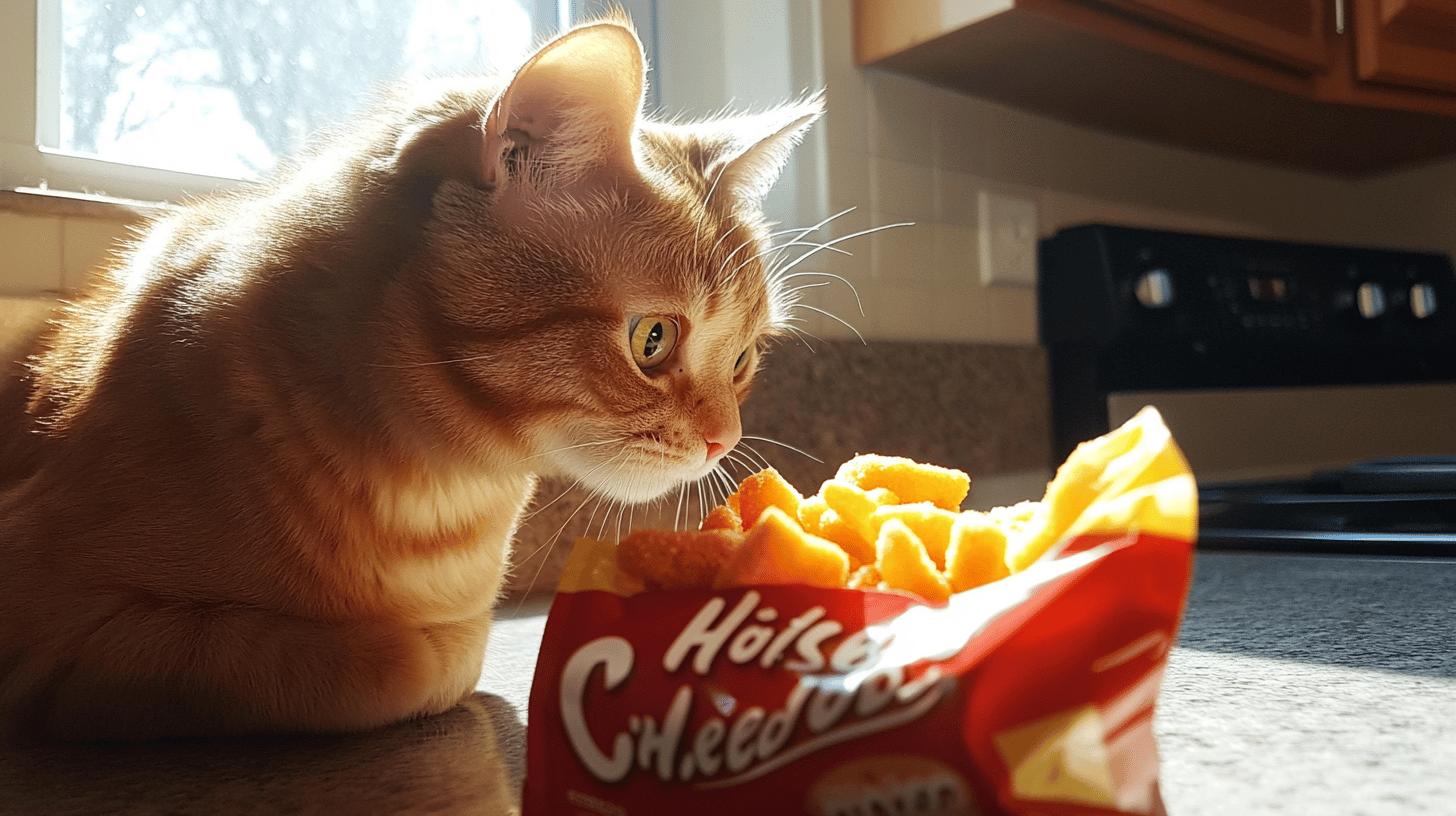
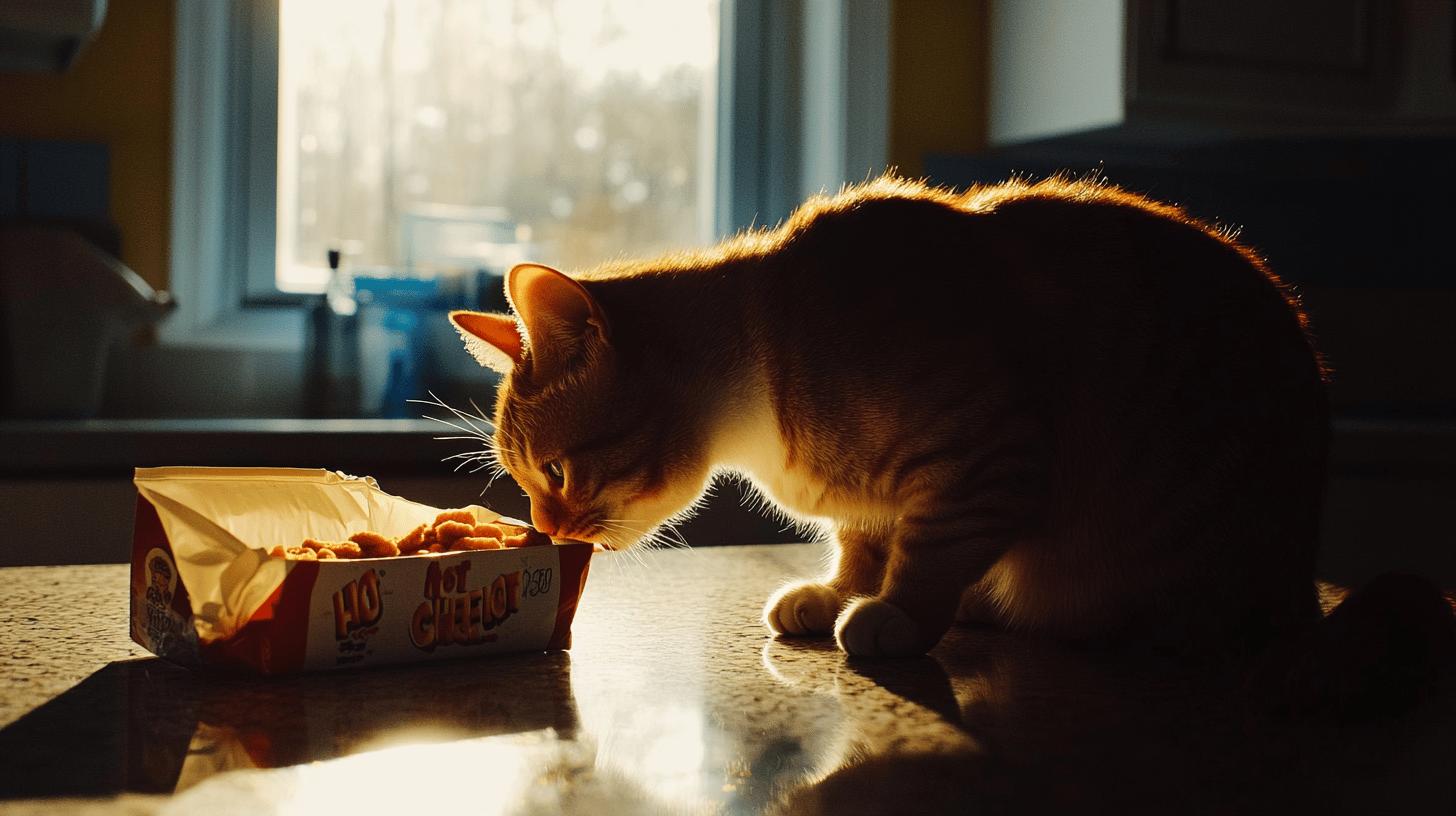
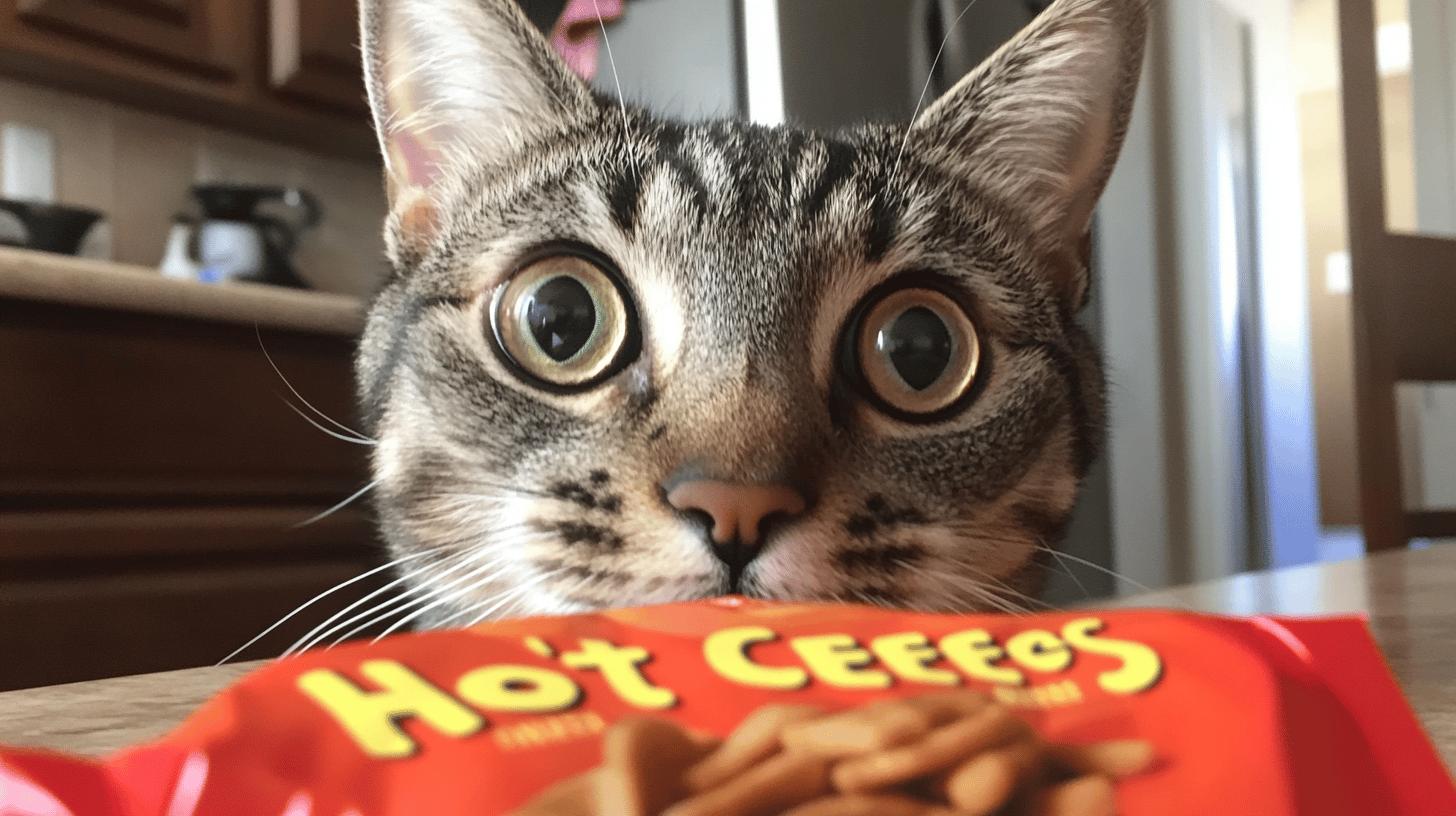
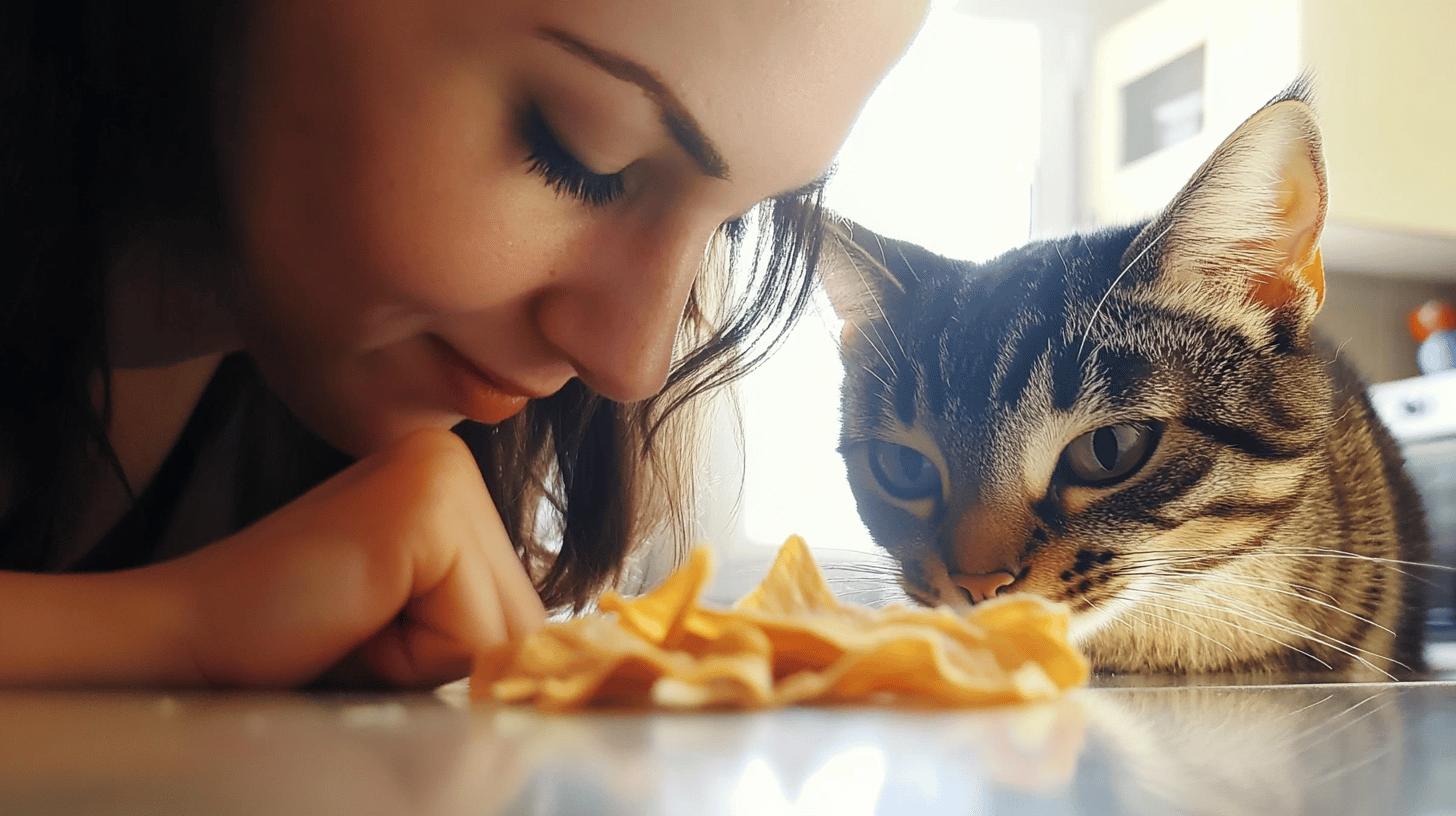
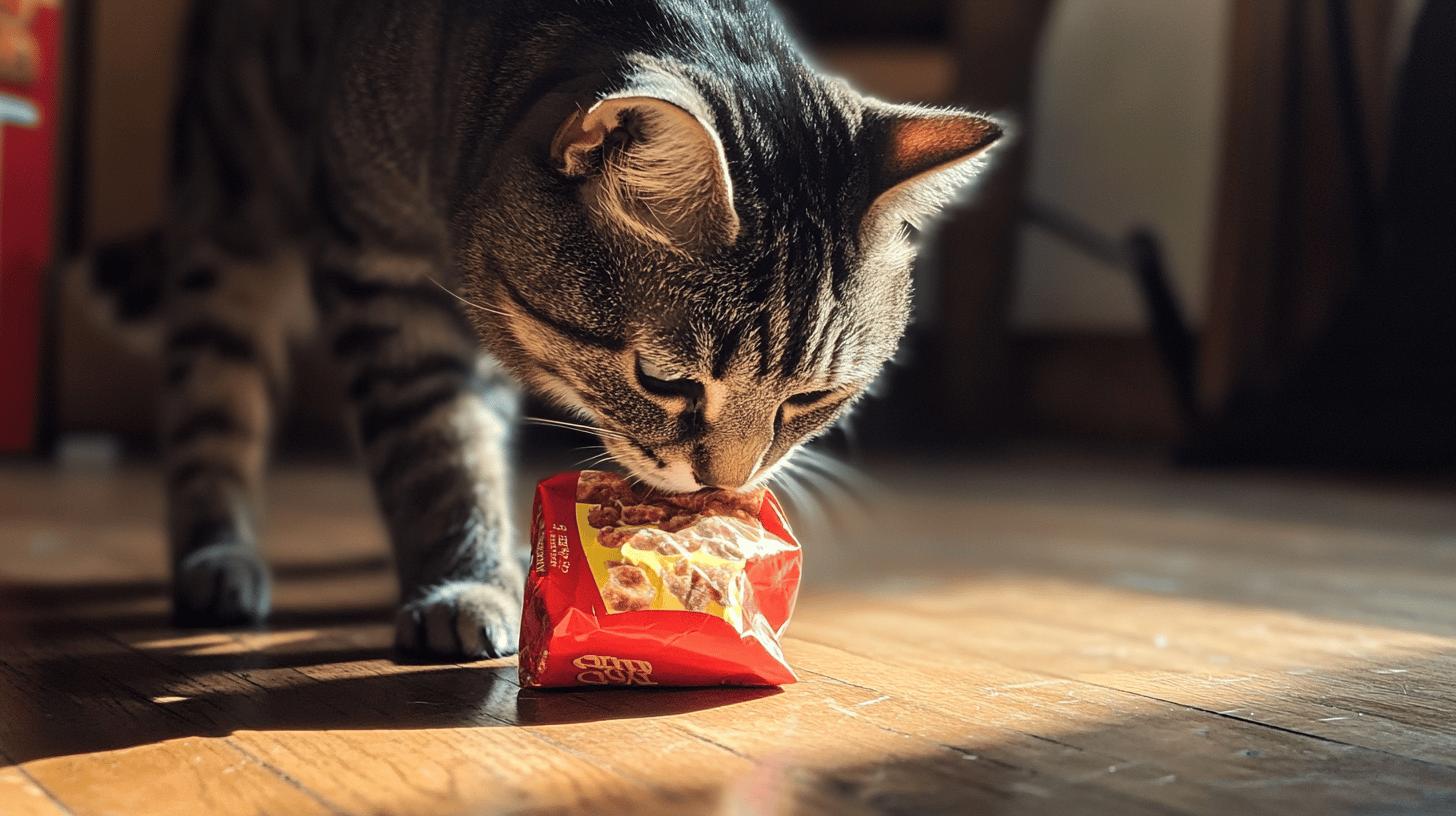
    Did you know that sharing a cookie with your cat could actually put their health at risk? It's true! Many popular cookie ingredients, like chocolate and raisins, are harmful to our feline friends. While our furry companions might seem intrigued by the sweet aroma of a freshly baked treat, the truth is, cats have very different dietary needs than humans. In this article, we'll explore the dangers of feeding cookies to cats and offer safe alternatives to keep your kitty happy and healthy.

    Can Cats Eat Cookies: Safety Concerns and Harmful Ingredients
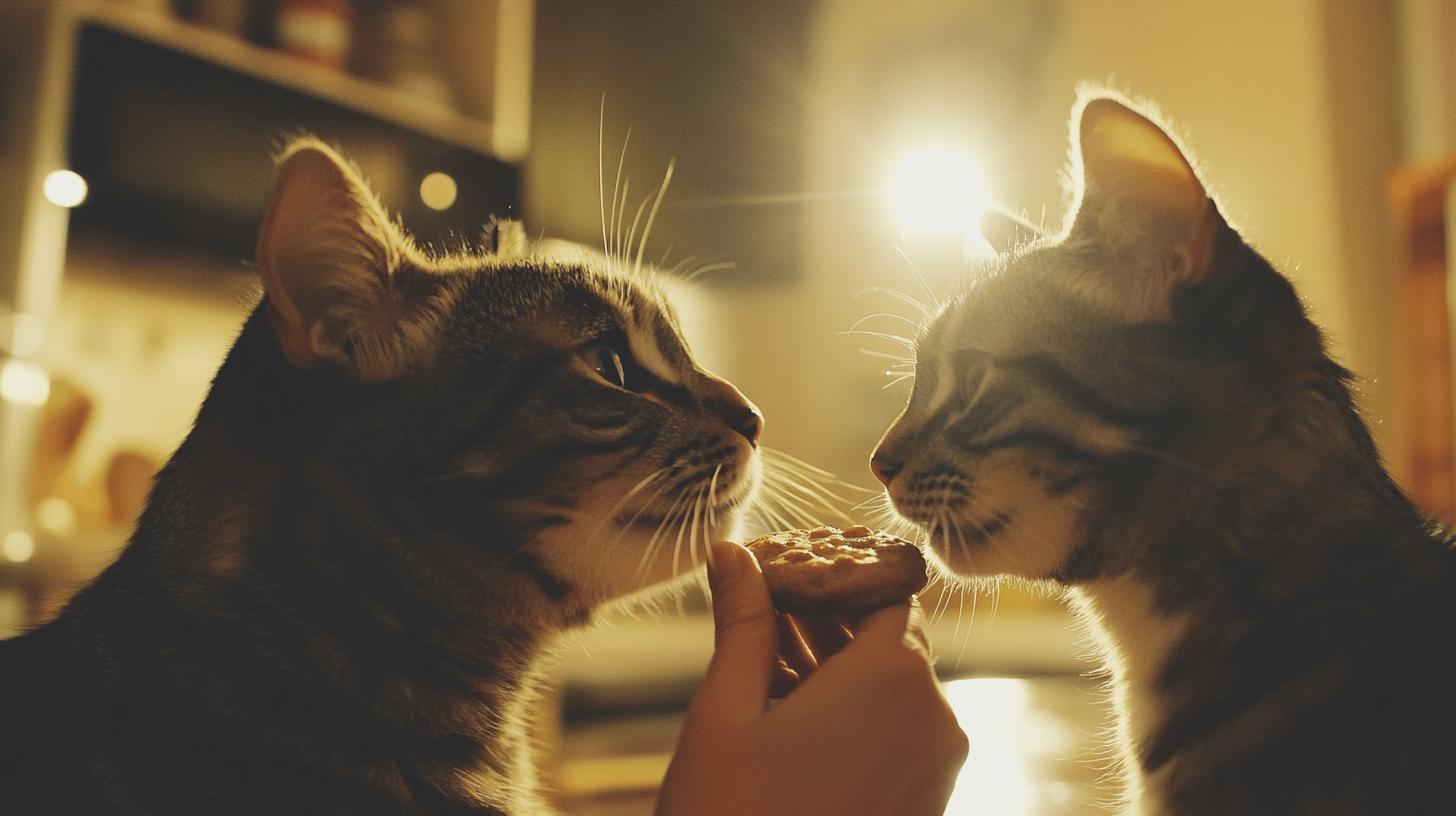
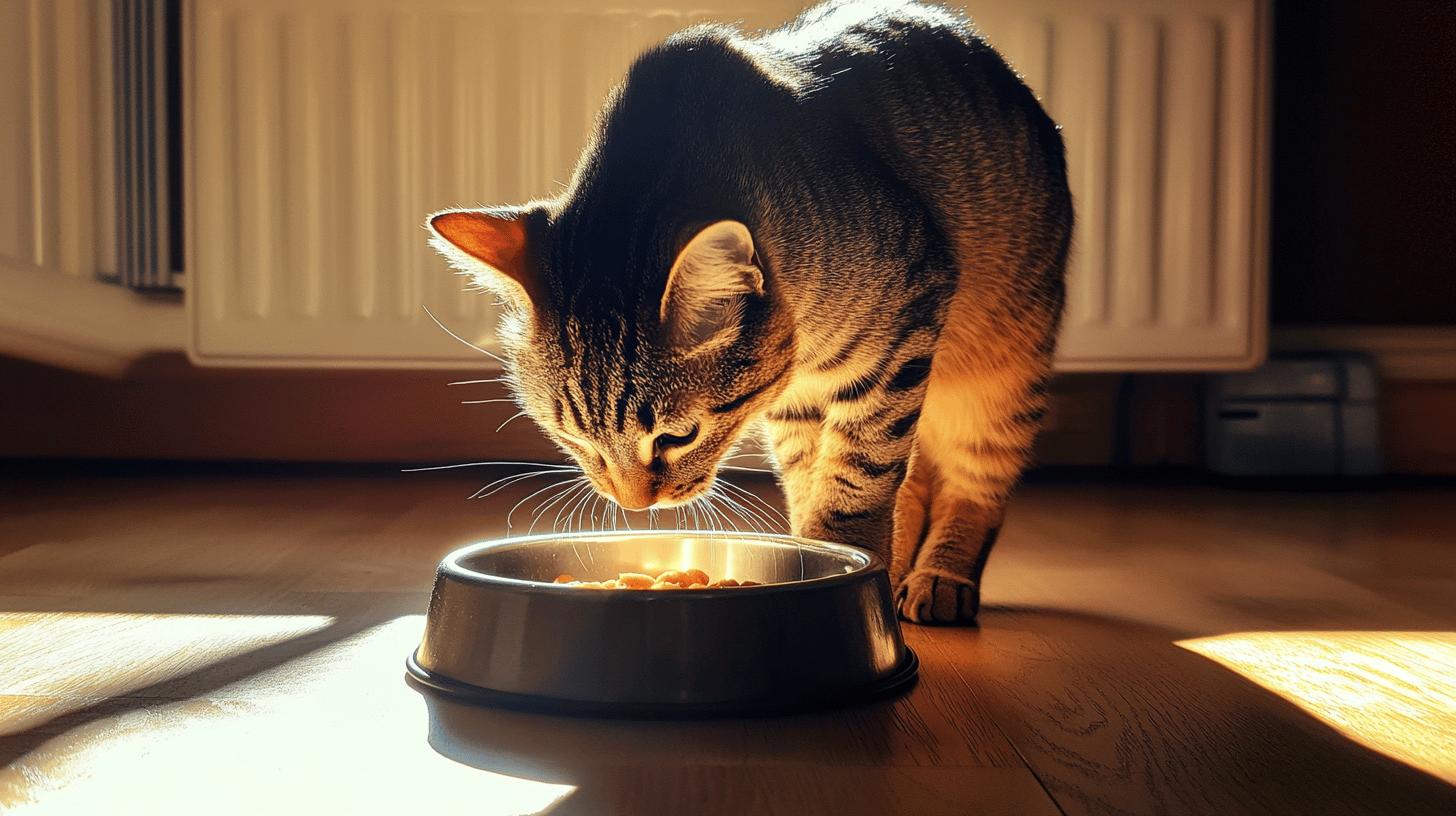
    Can Cats Eat Cookies Safety Concerns and Harmful Ingredients-1.jpg

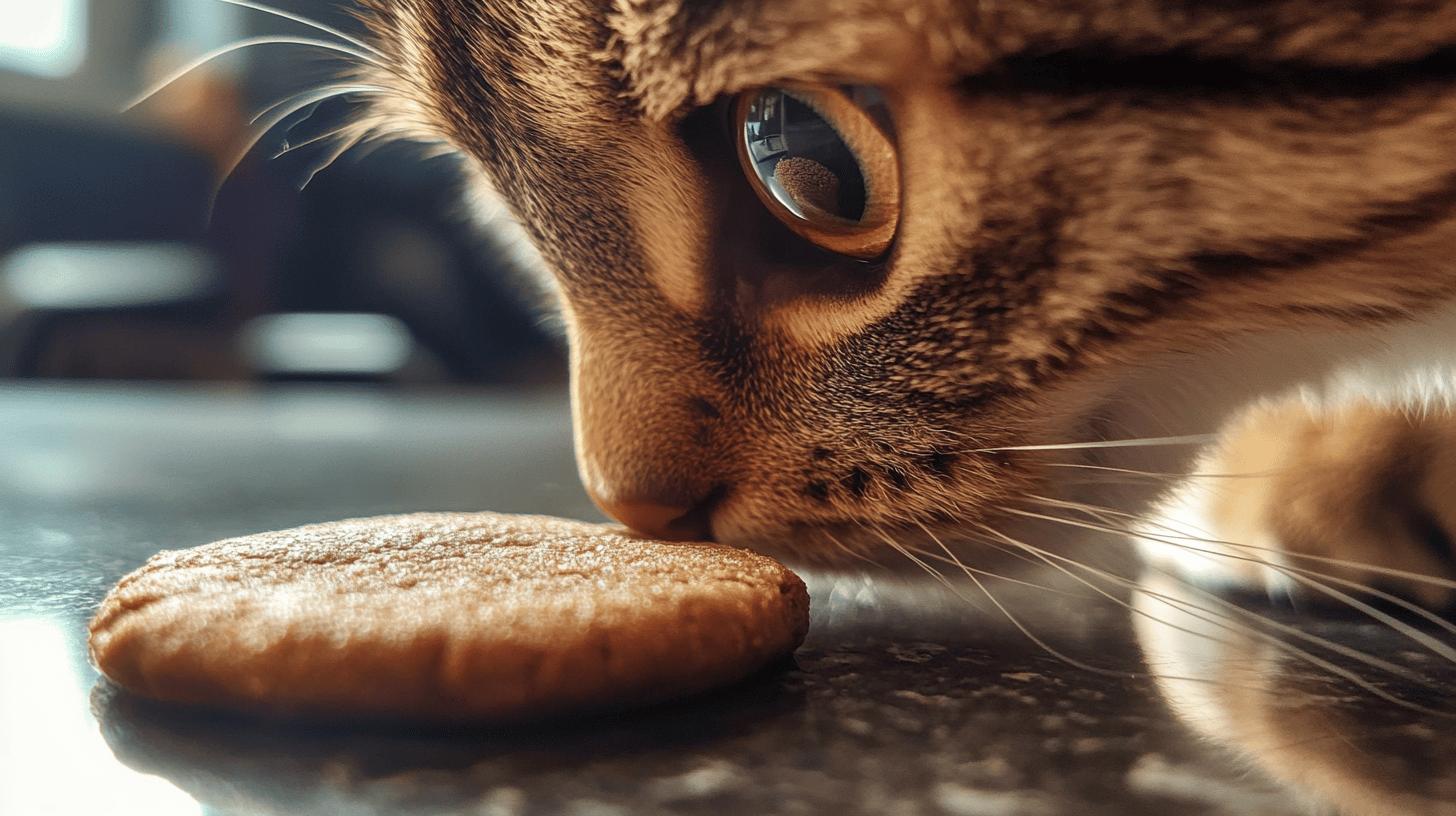
    Cats should not eat cookies. They don't align with a cat's dietary needs and can pose serious health risks. Cookies often contain ingredients that are harmful or even toxic to cats. Understanding these risks and knowing how to protect our feline friends is crucial for every cat owner.

    Many common ingredients in cookies are harmful to cats. Chocolate, for example, contains theobromine, which is toxic to cats. Even a small amount can lead to vomiting, diarrhea, increased heart rate, and in severe cases, seizures. Chocolate is a big no-no for our furry companions.

    Raisins and macadamia nuts are also dangerous. Raisins can cause kidney failure in cats, leading to symptoms such as lethargy, vomiting, and decreased appetite. Macadamia nuts aren't safe either; they can lead to weakness, vomiting, and hyperthermia. Avoid these ingredients in any form.

    Xylitol, a popular sugar substitute found in some cookies, is extremely toxic to cats. This artificial sweetener can cause a rapid insulin release, leading to hypoglycemia, which is low blood sugar. Symptoms may include loss of coordination, seizures, and even liver failure. Xylitol is something cats should never ingest.

    Sugar in cookies is another concern. Cats lack the enzymes needed to properly digest sugar, which can lead to various health issues. High sugar intake can cause obesity, dental problems, and increase the risk of diabetes. So, sugar-laden treats are out of the question for our feline friends.

    The health risks of feeding cookies to cats are numerous. Ingesting cookies can lead to gastrointestinal issues such as vomiting and diarrhea. The high fat and sugar content can also contribute to obesity and diabetes, conditions that severely impact a cat's quality of life.

    Physical symptoms to watch for if your cat accidentally consumes cookies include itching, vomiting, and diarrhea. If these symptoms occur, it's crucial to consult a veterinarian. Swift action can prevent more serious health complications.

    By understanding these risks and avoiding harmful ingredients, we can ensure our cats remain healthy and happy. Always choose cat-safe treats and keep cookies and their toxic ingredients well out of reach.

    Safe Treat Alternatives for Cats
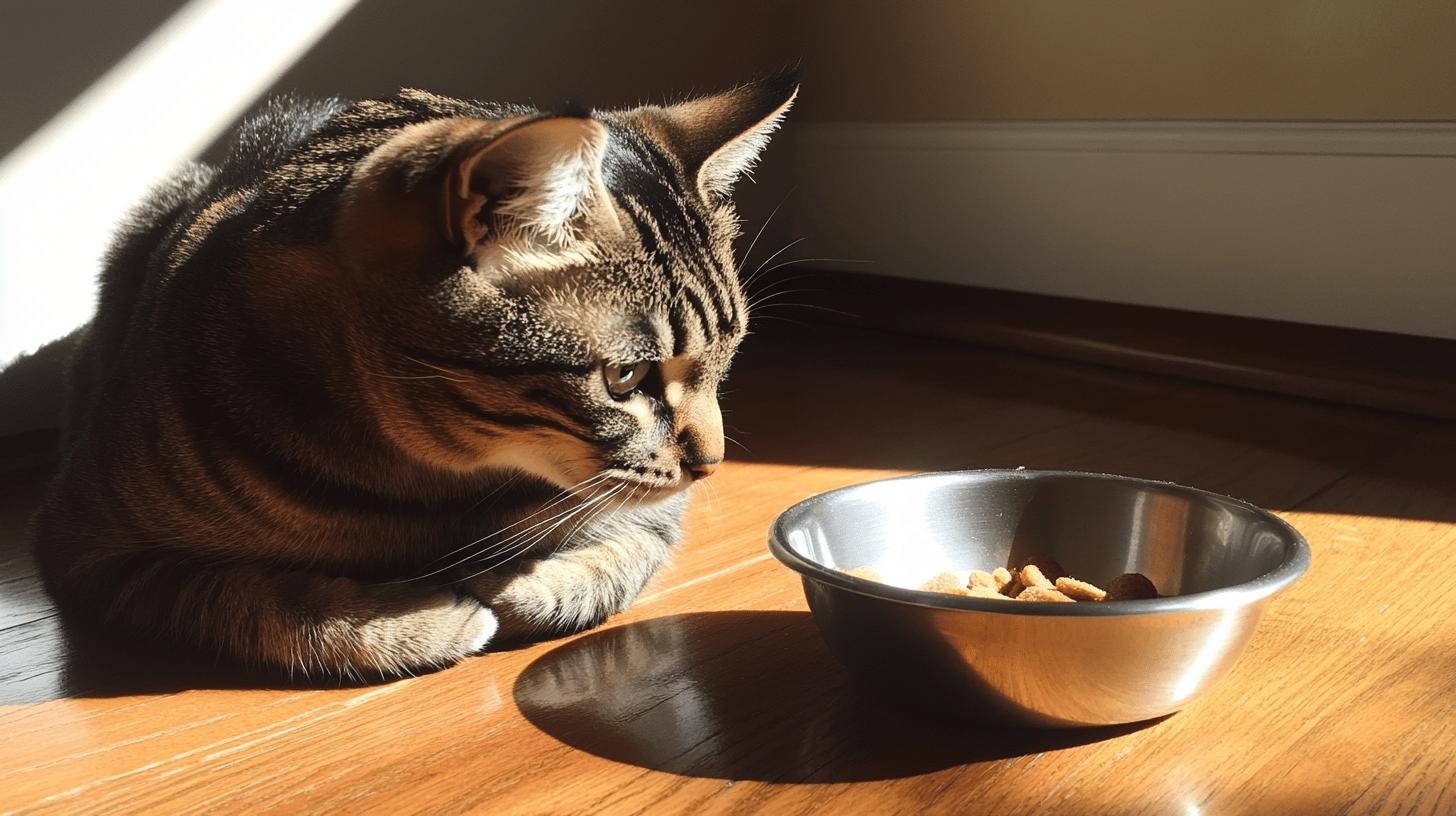
    Safe Treat Alternatives for Cats-1.jpg

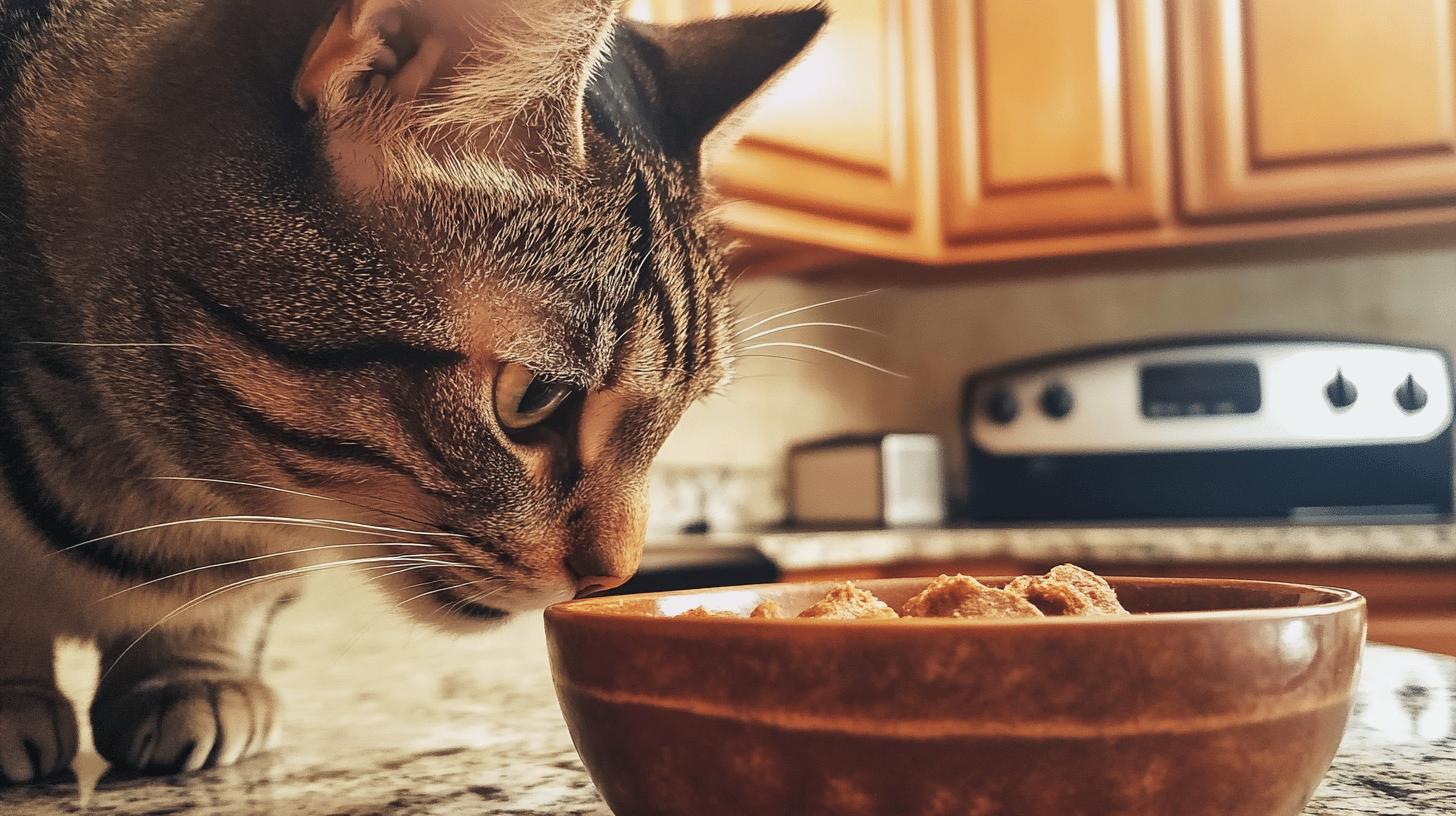
    Choosing cat-specific treats is essential for keeping our feline friends healthy and happy. Unlike cookies, which contain harmful ingredients, cat-specific treats are formulated to meet their dietary needs. These treats provide the necessary nutrients without the risk of toxic exposure. By opting for snacks designed for cats, we ensure they enjoy their treats safely.

    Here are some safe ingredients you can use for homemade cat treats:

    • Chicken
    • Fish
    • Pumpkin
    • Tuna
    • Catnip

    These ingredients not only ensure a healthy treat but also cater to a cat's taste preferences. They provide essential nutrients that support overall well-being.

    Before introducing new treats into your cat's diet, it's wise to consult a veterinarian. They can guide you on safe feeding practices and help avoid potential allergies or health issues. Homemade cat treat recipes, using ingredients like chicken or tuna, can be a delightful addition to your cat's diet. Just remember to keep them free from harmful substances like chocolate and sugar.

    What to Do if Your Cat Eats a Cookie-2.jpg

    If your cat happens to munch on a cookie, the first step is to check the ingredients of the cookie. Many cookies contain substances like chocolate, raisins, or xylitol, which are toxic to cats. A quick ingredient check can help you determine the potential risks and decide on the next course of action. Knowing exactly what your cat has ingested is crucial to address any health concerns and provide accurate information to your veterinarian.

    Here are the steps you should take immediately:

    1. Remove any remaining cookie pieces from your cat's reach to prevent further ingestion.
    2. Monitor your cat for symptoms such as vomiting, diarrhea, or any unusual behavior.
    3. Contact your veterinarian to seek advice, especially if the cookie contained toxic ingredients.

    Monitoring your cat closely after accidental cookie ingestion is important. Symptoms like vomiting or diarrhea may indicate a problem, and it's best to consult a veterinarian promptly. They can offer specific advice based on the ingredients involved and your cat's health status. Quick action and guidance from a vet are key to preventing any serious health issues.

    Final Words

    Understanding if a cat can eat a cookie is crucial for their health. We discussed how cookies contain harmful ingredients like chocolate and xylitol, which can lead to serious problems. Cats don't process sugar well, making cookies unsuitable.

    It's best to choose safe treats made for cats. Options include cooked chicken or fish, or cat-safe recipes using tuna or pumpkin. Always consult a vet before introducing new foods.

    If your cat eats a cookie, check ingredients immediately, monitor their symptoms, and reach out to a vet. Keep their safety in mind and prioritize healthy, cat-friendly options.

    FAQ

    Can cats eat cookies without chocolate?

    A: Cats should avoid cookies, even without chocolate. Many ingredients, like sugar, can be harmful.

    What happens if my cat eats cookies?

    A: If a cat eats cookies, they might vomit or have diarrhea. Check for harmful ingredients and call a vet if needed.

    Are cats allowed to eat chocolate cookies?

    A: Cats must not eat chocolate cookies. Chocolate can be toxic and cause severe health issues.

    Can cats eat Oreos?

    A: Cats should not eat Oreos. They contain harmful ingredients like sugar and potentially chocolate.

    Can cats eat a little bit of sugar?

    A: Cats should not eat sugar. They lack the enzymes to process it properly and it can lead to health problems.

    A: Check the ingredients quickly. Remove any leftovers and contact a vet, especially if chocolate was consumed.

    A: Cookie cakes contain harmful ingredients, so it's best to keep them away from cats.

    Can cats eat sugar cookies?

    A: Cats should not eat sugar cookies. Sugar and other ingredients can upset their stomach.

    A: Cats should not eat cookies at any time. Their diet should stay nutritious and healthy.

    A: Cats should avoid cookie bread. Ingredients like sugar are not suitable for them.

    How can this cat eat the cookies Brain Test?

    A: The "Brain Test" is a puzzle game, not related to real cat behavior or diet.

    A: Check the ingredients and call the vet. Monitor your cat for symptoms like vomiting or diarrhea.
    Related Articles

  • Can Cat Eat Turkey Bacon Understanding the Risks and Alternatives

    Can Cat Eat Turkey Bacon Understanding the Risks and Alternatives

    Can you imagine swapping out your cat's usual treats for something more tempting like turkey bacon? While it might seem like a tasty option, the truth is, this processed food poses risks to their health. Packed with high sodium and fat, turkey bacon isn't the healthiest choice for our feline friends.

    Cats are obligate carnivores, which means they need a diet high in unprocessed meats. By exploring safer alternatives, we can improve their playtime experience and ensure their health stays on point. Let’s dive deeper into the risks and find better options for your kitty.

    Can Cats Safely Eat Turkey Bacon?

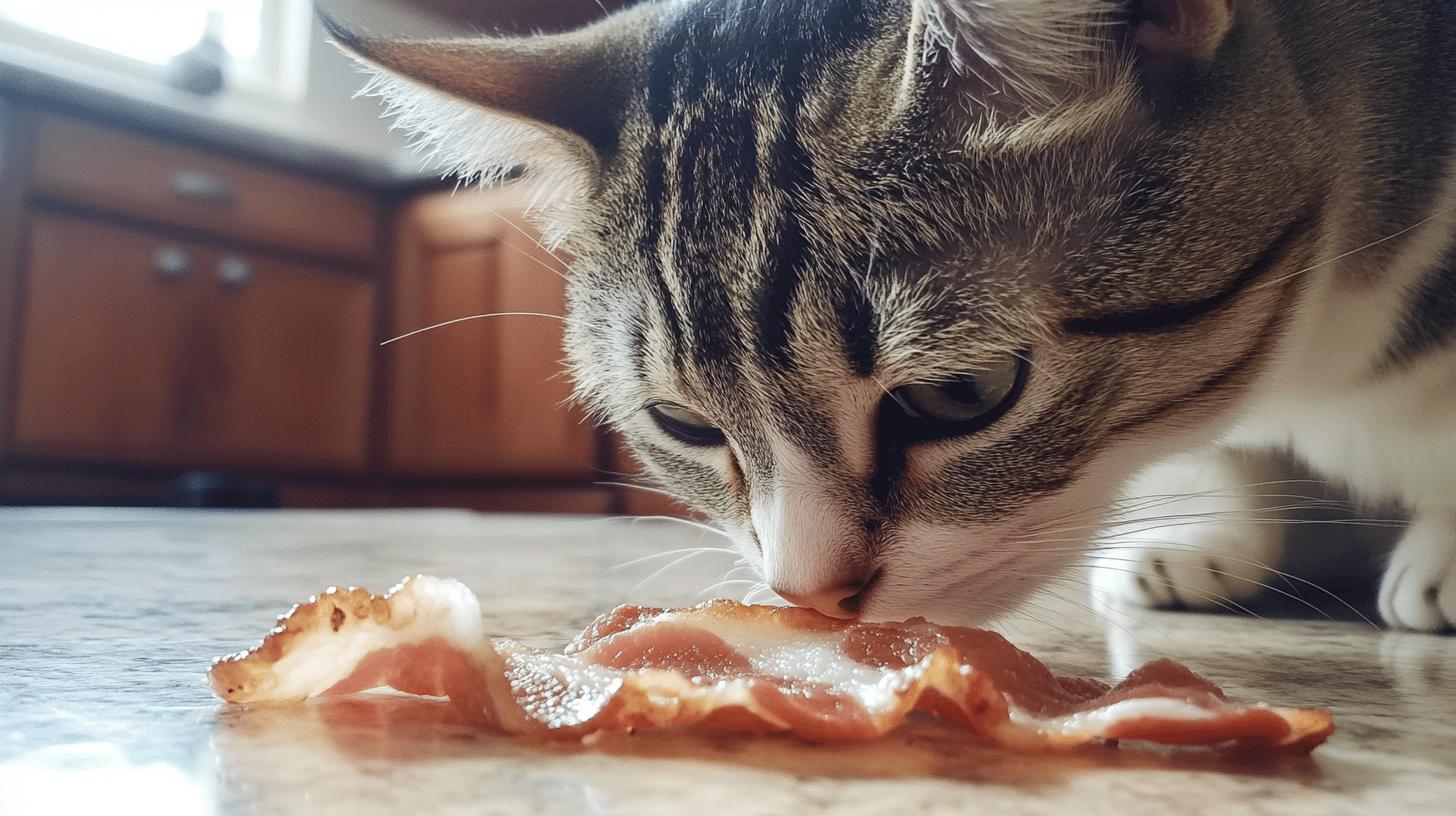
    Can Cats Safely Eat Turkey Bacon-1.jpg

    Turkey bacon, while not toxic to cats, isn't the best choice for their diet because of its high sodium and fat content. These ingredients can lead to several health issues if consumed regularly. Cats are obligate carnivores, meaning they thrive on a diet that's primarily meat-based.

    Natural and unprocessed meats align with their dietary needs far better than processed options like turkey bacon, which often include additives and preservatives that aren't ideal for feline health.

    When considering the risks of feeding turkey bacon to cats, several potential health concerns arise:

    • Obesity
    • Heart disease
    • Hypertension
    • Hepatic lipidosis
    • Digestive issues

    Processed meats, such as turkey bacon, come with inherent risks due to their additives and preservatives. These can negatively impact a cat's health over time, contributing to obesity and heart problems due to their high calorie and salt content. The unbalanced nutrient profile of turkey bacon doesn't provide the beneficial nutrients cats need, and its consumption should be approached with caution.

    In terms of dietary considerations, cats require a diet rich in natural proteins. Their bodies are designed to process and thrive on unprocessed meats, which provide essential nutrients in a form they can easily digest. It's crucial to prioritize feeding them foods that support their health rather than opting for processed treats that may pose unnecessary risks.

    Alternatives to Turkey Bacon for Cats

    Can Cats Safely Eat Turkey Bacon-2.jpg

    Choosing the right treats and foods for our feline friends is crucial for their health and happiness. While turkey bacon might seem like a tempting treat, there are far healthier alternatives that align better with a cat's natural dietary needs.

    It's essential to prioritize lean and natural meats over processed options to ensure your cat receives the nutrients they need without unnecessary additives. Lean meats like cooked, unseasoned chicken or turkey breast are excellent choices as they are both nutritious and easily digestible.

    Additionally, incorporating plain fish into their diet can provide beneficial omega-3 fatty acids. For those seeking convenient options, commercial cat treats designed to meet feline dietary requirements or veterinarian-approved snacks can be great choices. Always consult with a veterinarian before introducing any new foods to ensure they are suitable for your cat's specific health needs and dietary requirements.

    • Cooked chicken breast
    • Cooked turkey breast
    • Plain fish
    • Commercial cat treats
    • Veterinarian-approved snacks

    Safe Consumption Practices for Cats Eating Turkey Bacon

    Safe Consumption Practices for Cats Eating Turkey Bacon-1.jpg

    Turkey bacon can be an occasional treat for cats, but moderation is vital. Given its high sodium and fat content, only offer a small piece once a week to minimize health risks like obesity and digestive issues. While turkey bacon isn't toxic, it doesn't meet a cat's dietary needs. It's best to consult a veterinarian for personalized advice tailored to your cat's health.

    • Ensure bacon is fully cooked
    • Avoid seasoning
    • Limit frequency

    Safe Consumption Practices

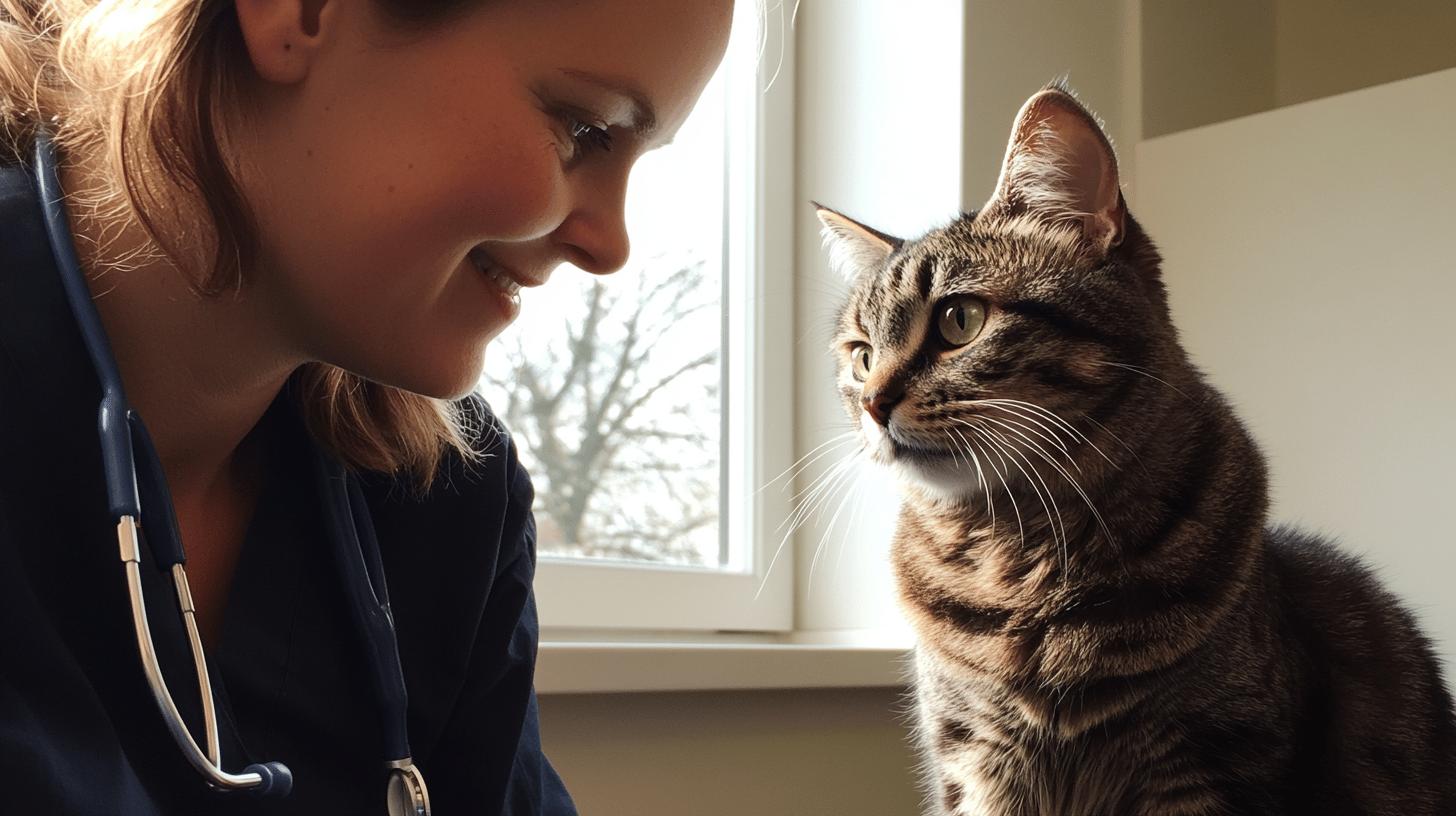
    Veterinary Insight Turkey Bacon and Cat Diets-1.jpg

    Consulting a veterinarian is key when introducing new foods like turkey bacon to your cat's diet. Veterinarians provide essential guidance to ensure dietary changes are safe and meet your cat's nutritional needs.

    • Prioritize natural foods
    • Avoid processed treats
    • Schedule regular dietary evaluations

    Integrating vet recommendations helps maintain your cat's health and prevents issues related to processed foods.

    Final Words

    Turkey bacon isn't the best choice for cats, given its high sodium and fat content. Obligate carnivores like cats need pure meats, not processed options. The risks include obesity, heart issues, and digestive problems.

    Instead, consider safer foods like cooked chicken or turkey breast. Lean meats work better since they're healthier and more digestible. Always check with a vet before making diet changes.

    If you ever treat your cat to turkey bacon, make it rare and in small amounts. A little caution keeps your cat healthy and happy.

    FAQ

    Is turkey bacon okay for cats to eat?

    A: Cats can eat turkey bacon, but it's not recommended. It contains high sodium and fat, which can lead to health issues. It should not be a regular part of their diet.

    Is turkey meat OK for cats?

    A: Turkey meat is generally safe for cats. It's a good source of protein, but it should be plain and cooked. Avoid seasonings and additives for a healthier choice.

    Can cats eat turkey slices or turkey breast?

    A: Yes, cats can enjoy turkey slices or breast if cooked and unseasoned. It's a better alternative to processed meats like turkey bacon.

    Can cats eat bacon?

    A: Cats can eat bacon in very small amounts, but it's not recommended due to high salt and fat. It should be a rare treat.

    What human food can cats eat?

    A: Cats can safely eat plain cooked meats, like chicken and fish, in moderation. Always check with a vet for any dietary changes.

    Can cats eat eggs?

    A: Cats can eat cooked eggs in moderation. They're a good protein source but shouldn't replace regular cat food. Always cook thoroughly to avoid health risks.

    Can dogs have turkey bacon?

    A: Dogs can eat turkey bacon occasionally, but like cats, it's not ideal due to high fat and sodium content. Opt for healthier treats.

    What are the potential health risks of feeding turkey bacon to cats?

    A: Risks include obesity, heart disease, hypertension, hepatic lipidosis, and digestive issues. These stem from high sodium and fat in turkey bacon.

    What are healthier alternatives to turkey bacon for cats?

    A: Consider cooked chicken breast, cooked turkey breast, plain fish, commercial cat treats, or veterinarian-approved snacks.

    What are safe practices if feeding turkey bacon to cats?

    A: Use moderation. Small, fully cooked, unseasoned pieces are best. Limit frequency to prevent health issues.

    What do veterinarians recommend about turkey bacon and cat diets?

    A: Vets advise sticking to natural foods and avoiding processed treats. Regular dietary evaluations help maintain a balanced diet for cats.

    Related Articles

  • Can Cat Eat Edamame Understanding Risks and Benefits

    Can Cat Eat Edamame Understanding Risks and Benefits

    Could feeding your cat edamame actually harm them? It's a question that many cat owners find themselves asking. While edamame is non-toxic and might seem like an okay treat, it comes with hidden risks and very limited benefits for our feline friends.

    Cats are obligate carnivores, requiring a diet rich in animal proteins, which edamame simply doesn't provide. In this article, we'll explore whether edamame offers any advantages or if the risks, like possible digestive issues, make it a less-than-ideal snack for your beloved cat.

    Can Cats Safely Consume Edamame and Understanding the Risks and Benefits

    Can Cats Safely Consume Edamame and Understanding the Risks and Benefits-1.jpg

    Edamame is non-toxic to cats, which means that if your curious feline gets a taste, it won't harm them immediately. You can even offer edamame to your cat in small amounts as an occasional treat. But it's important to remember that just because something is safe doesn't mean it's suitable or beneficial for them. Cats have unique dietary needs that edamame doesn't quite fulfill.

    Cats are obligate carnivores, which means their diet should primarily consist of animal-based proteins. Edamame, being a plant-based food, doesn't meet these requirements.

    Even though it's rich in protein, the type of protein in edamame isn't the kind that cats can efficiently utilize. Their bodies are designed to process animal proteins, which are crucial for maintaining muscle mass, energy, and overall health.

    When it comes to potential risks, feeding edamame to cats can lead to digestive issues. Some cats might experience symptoms like vomiting or diarrhea after consuming edamame. There's also the possibility of allergic reactions, although these are relatively rare with soy products. Reactions can range from mild itching to more severe symptoms like swelling.

    On the flip side, edamame does have some minor nutritional benefits, like being a source of fiber and vitamins. However, these benefits are minimal for cats and come with the drawback of anti-nutrients, substances that can interfere with the absorption of essential vitamins and minerals. This interference could potentially affect the intake of critical nutrients like taurine, which is vital for a cat's heart and eye health.

    Risk Benefit
    Digestive issues like vomiting or diarrhea Source of fiber
    Potential allergic reactions Contains some vitamins
    Interference with nutrient absorption Non-toxic in small amounts
    Inadequate protein type for cats Occasional treat option

    Guidelines for Introducing Edamame to Cats and Monitoring Reactions

    Guidelines for Introducing Edamame to Cats and Monitoring Reactions-1.jpg

    When it comes to offering edamame to your feline friend, portion control and preparation are key. Edamame should be lightly steamed to soften it and make it easier for your cat to chew. Always offer it in small quantities, as a treat rather than a meal.

    Remember, treats should make up less than 10% of your cat's overall diet to maintain nutritional balance. This helps keep their primary diet rich in the animal-based proteins they need. Keep an eye on your cat after introducing edamame to spot any adverse reactions early.

    Observing your cat's behavior is crucial when introducing any new food. Cats, like humans, can have food intolerances or allergies. Common symptoms of food intolerance include vomiting, diarrhea, and itching.

    If you notice your cat experiencing any of these symptoms after eating edamame, it's a sign that their body isn't agreeing with the new food. Always introduce new foods gradually, allowing your cat's digestive system to adjust and minimizing the risk of a negative reaction.

    The expertise of a veterinarian is invaluable if your cat has an adverse reaction. They'll be able to offer specific advice tailored to your cat's health needs. Maintaining a balanced diet is essential for your cat's well-being, so make sure any treats, including edamame, are given in moderation. Keep in mind that while edamame can be a fun snack, it shouldn't replace the meat-based meals that are vital for your cat's health.

    • Lightly steam edamame
    • Offer in small amounts
    • Treats <10% of diet
    • Watch for vomiting and diarrhea
    • Notice itching or swelling
    • Consult vet if needed

    Alternatives to Edamame: Safe Snacks for Cats

    Alternatives to Edamame Safe Snacks for Cats-1.jpg

    When looking for alternatives to edamame, it's important to choose snacks that align with a cat's dietary needs. Cats thrive on a diet rich in animal proteins, so snacks should reflect that. Specially formulated cat treats are a great option, as they are designed to meet the nutritional requirements of cats.

    These treats often come in flavors that mimic a cat's natural prey, making them both appealing and beneficial. Additionally, meaty snacks, such as small pieces of cooked chicken or turkey, can be a delightful treat for your feline friend. Just ensure these meats are unseasoned and cooked thoroughly.

    Beyond treats, incorporating raw bones into a cat's diet can provide both entertainment and health benefits. Chewing on bones helps maintain dental health by cleaning their teeth and strengthening their gums. If you're considering human foods, opt for those that are safe for cats and free of sauces or spices.

    Plain, cooked fish or eggs can be enjoyed occasionally. Finally, to support overall health, you might consider nutrient-rich supplements that are specifically designed for cats, ensuring they receive all the essential vitamins and minerals they need.

    • Formulated cat treats
    • Meaty snacks
    • Raw bones
    • Unsauced human foods
    • Nutrient-rich supplements

    Final Words

    In exploring can cat eat edamame, we learned that while edamame is non-toxic, it's not ideal for regular cat diets. As obligate carnivores, cats need animal-based proteins and too much edamame might lead to digestive issues. Nutritional benefits are minimal and risks like nutrient absorption interference are present.

    If introducing edamame, ensure it's steamed, portions are small, and monitor the cat's reaction. Alternatives like formulated cat treats or meaty snacks align better with their nutritional needs. Remember, keeping your cat's diet balanced and safe enriches their health and happiness.

    FAQ

    Can I feed my cat edamame?

    Edamame is non-toxic to cats and can be eaten in small amounts. However, as obligate carnivores, cats need animal-based proteins, so it shouldn't be a regular part of their diet.

    Is edamame safe for pets?

    For cats and many pets, edamame can be safe in small amounts but may cause digestive issues like vomiting or diarrhea. It's best offered rarely and in minimal portions.

    Why does my cat love edamame?

    Some cats might be curious about edamame due to its texture and smell. But remember, edamame offers minimal nutritional value for them compared to their regular diet.

    Can cats eat soybean oil?

    Soybean oil isn't toxic to cats, but it's not recommended. Cats need animal-based fats for nutritional balance, so it's best to stick with their specific dietary needs.

    Can cats eat rice?

    Cats can eat rice in small quantities as an occasional treat. It doesn't provide significant nutrition and should not replace their regular meat-based diet.

    Can cats eat tofu?

    Tofu is not toxic to cats but doesn't fulfill their dietary needs. Cats require proteins from meat to thrive, as tofu lacks essential nutrients for them.

    Can cats eat soy sauce?

    Soy sauce should be avoided entirely. It's high in sodium, which is not healthy for cats. It can lead to salt poisoning, causing serious health issues.

    Is it safe for cats to eat soybeans?

    Soybeans are not ideal for cats. While non-toxic, they can cause digestive issues and interfere with nutrient absorption. Animal-based proteins are better for their health.

    Can animals eat edamame pods?

    Edamame pods are tough and can pose a choking hazard. It's best to avoid giving pets the pods and stick to carefully prepared, small pieces of edamame if necessary.

    Related Articles

  • Why Cat Food is Bad for Dogs and Health Risks Involved

    Why Cat Food is Bad for Dogs and Health Risks Involved

    Did you know that feeding your dog cat food can lead to serious health problems? Many pet owners aren't aware of the hidden risks lurking in their pet's diet. While cat food might seem like a treat to curious canines, it contains levels of protein and fat that are tailored for feline needs, not dogs.

    As a result, it can lead to obesity, pancreatitis, and digestive troubles for our furry friends. Understanding the stark differences in dietary needs between cats and dogs is key to ensuring your pup stays healthy and happy.

    Understanding Why Cat Food is Bad for Dogs

    Understanding Why Cat Food is Bad for Dogs-1.jpg

    Feeding cat food to dogs can lead to significant health risks. Cat food is specifically formulated for the dietary needs of cats, which includes higher levels of protein and fat. These levels are not suitable for dogs and can result in issues like obesity, pancreatitis, and gastrointestinal upset.

    Dogs need a balanced diet that includes carbohydrates, proteins, and fats, unlike cats, who thrive on a diet rich in protein and fat. Consuming a diet meant for felines can create a nutritional imbalance in dogs, leading to an array of health problems.

    The nutritional requirements of dogs and cats differ greatly. Cats are obligate carnivores, meaning their diet requires a high amount of protein and fat. On the other hand, dogs are omnivores, needing a variety of nutrients from both animal and plant sources.

    This fundamental difference means that cat food, which is rich in protein and fat, does not meet the balanced nutritional needs of dogs. When dogs eat cat food, they are at risk of developing several health issues.

    • Obesity
    • Pancreatitis
    • Gastrointestinal upset
    • Nutrient imbalances
    • Long-term health risks

    These nutritional imbalances from consuming cat food can result in specific health problems in dogs. For instance, the high-fat content can lead to obesity, making dogs more susceptible to heart disease and joint issues.

    Pancreatitis, which is inflammation of the pancreas, can develop due to excessive fat intake. Additionally, gastrointestinal upset, such as vomiting and diarrhea, may occur, contributing to nutrient deficiencies and other long-term health risks. Ensuring dogs receive the proper diet is crucial for maintaining their overall health and well-being.

    Ingredients in Cat Food That Pose Risks to Dogs

    Ingredients in Cat Food That Pose Risks to Dogs-2.jpg

    Cat food often contains ingredients that can be problematic for dogs. These include synthetic preservatives, sweeteners like xylitol, and high protein levels. Such components can lead to a variety of health issues for dogs, ranging from digestive upset to more severe conditions like liver failure and hypoglycemia.

    Since cat food is tailored to meet the needs of cats, these ingredients can create significant risks when consumed by dogs, whose dietary requirements are different. Understanding these components is essential for dog owners to prevent accidental consumption and the resulting health problems.

    Harmful Ingredient Effect on Dogs
    Xylitol Can cause hypoglycemia and liver failure
    Synthetic Preservatives May lead to digestive upset and long-term health issues
    High Protein Levels Can cause nutrient imbalances and kidney strain
    Carrageenan Potentially causes gastrointestinal inflammation
    Soy Products May lead to hormonal imbalances and allergies

    To spot these harmful ingredients, it's crucial to examine the food labels closely. Look for any additives that sound unfamiliar or are known to be problematic for dogs. Ingredients like xylitol and certain preservatives should raise red flags as they can be especially toxic. By being vigilant about what goes into your dog's diet, you can help safeguard their health and wellbeing.

    Potential Health Issues from Nutrient Imbalances in Dogs Eating Cat Food

    Potential Health Issues from Nutrient Imbalances in Dogs Eating Cat Food-1.jpg

    Exploring specific health problems, let's dive deeper into the risks associated with dogs consuming cat food. One key area to consider is preventive measures. Ensuring that cat food is stored securely and out of reach can significantly reduce accidental consumption. Providing clearly defined feeding areas for cats and dogs can also help, making it less likely for dogs to access cat food.

    Delving into statistics can offer additional insights. For example, studies have shown that a significant percentage of dogs presented with pancreatitis at veterinary clinics had diets high in fat, often linked to consuming food not intended for them. Understanding these statistics can underline the importance of feeding dogs a diet suited to their needs.

    We can also look into case studies that highlight real-life examples of dogs who suffered health issues due to eating cat food. These stories can provide dog owners with relatable scenarios and practical advice on what preventive steps can be taken. By learning from these cases, owners can avoid similar situations and ensure their pets' health and well-being.

    Safe Feeding Practices and Alternatives for Dogs

    Safe Feeding Practices and Alternatives for Dogs-1.jpg

    Proper nutrition is crucial for maintaining your dog's health and well-being. Unlike cats, dogs require a balanced diet that includes carbohydrates, proteins, and fats to thrive. Feeding them cat food can lead to severe health issues due to its high protein and fat content.

    Instead, opting for a diet specifically formulated for dogs ensures they receive the necessary nutrients. Balanced commercial dog foods are designed to meet canine nutritional needs, preventing the risks associated with feeding them cat food.

    1. Choose commercial dog food with balanced nutrients.
    2. Use dog-specific treats as rewards.
    3. Feed dogs separately from cats to avoid accidental consumption.
    4. Regularly check pet food labels for harmful ingredients.
    5. Consult with a vet for personalized dietary recommendations.

    Consulting a veterinarian is an essential step in establishing a healthy diet for your dog. A vet can offer personalized advice and help you navigate through the various food options available, ensuring your dog receives the nutrients they need.

    They can also provide guidance on safe feeding practices and recommend alternative treats that are suitable for your dog's specific health requirements. With professional input, you can feel confident in your feeding choices and help your dog lead a healthy, active life.

    Final Words

    Feeding dogs cat food can lead to serious health issues due to nutrient imbalances. Cat food is high in protein and fat but lacks the balanced nutrients dogs need. This can cause problems like obesity, pancreatitis, and digestive upset. Understanding these risks helps us make better choices for our pets. Keeping them on a diet formulated for dogs ensures they stay healthy. Always look out for harmful ingredients and consult a vet for guidance. Let's prioritize our dog's well-being, ensuring they enjoy a safe and happy life.

    FAQ

    What happens to dogs if they eat cat food?

    A dog eating cat food might experience digestive upset. It can lead to diarrhea and vomiting due to the different nutritional needs that cat food provides.

    Is cat food unhealthy for dogs?

    Cat food can be unhealthy for dogs because of its high protein and fat levels, which can cause obesity, pancreatitis, and nutrient imbalance over time.

    Why can't dogs eat cat food?

    Dogs can't eat cat food regularly because it lacks the balanced nutrients they need. Dogs require a diet with the right mix of carbohydrates, proteins, and fats.

    Can I feed cat food to my dog?

    Feeding cat food to a dog is not recommended. It's better to give your dog a diet designed for canine health to avoid serious health risks.

    Related Articles

  • Why Cat Tongue Rough Understanding Its Unique Texture and Function

    Why Cat Tongue Rough Understanding Its Unique Texture and Function

    Ever wondered why your cat’s tongue feels like sandpaper? This strange texture isn’t just a quirky detail; it plays a vital role in your cat's everyday life. Imagine trying to comb your hair with a brush covered in tiny hooks—that’s what a cat’s tongue does! It helps them groom, eat, and stay cool.

    By exploring the unique functions of this rough surface, we'll unlock the secrets behind how it supports your cat's health and well-being. Ready to learn what makes a cat’s tongue perfectly designed for feline life?

    Understanding the Rough Texture of a Cat's Tongue

    Understanding the Rough Texture of a Cats Tongue-1.jpg

    A cat's tongue is renowned for its rough, sandpaper-like texture, which is primarily due to the presence of papillae. These are tiny, hook-like structures made of keratin, the same material found in human fingernails.

    The papillae are oriented backward, optimizing their effectiveness in various essential functions. This unique structure enables cats to perform crucial tasks like grooming and feeding efficiently.

    Here are five key roles of the rough texture of a cat's tongue:

    1. Grooming: The papillae act as a natural comb, helping cats detangle their fur and remove loose hair. This self-cleaning ability is vital for maintaining a healthy coat.

    2. Feeding: When eating, the rough tongue helps cats scrape meat off bones, ensuring they get the maximum nutritional benefit from their prey.

    3. Cooling: Cats use their tongues to spread saliva on their fur, which evaporates to cool them down, as they lack sweat glands.

    1. Nutrient Intake: The barbs assist in filtering smaller, nutritious particles from food debris, which is particularly useful when consuming prey.

    2. Spreading Natural Oils: The papillae help distribute oils across the cat's fur, aiding in waterproofing and temperature regulation.

    The biological and functional significance of a cat's tongue texture is deeply rooted in their evolutionary needs. This rough surface not only facilitates effective grooming and feeding but also plays a role in social bonding through activities like allogrooming. By understanding these functions, we can better appreciate how these unique adaptations contribute to a cat's overall health and survival.

    Evolutionary Advantages of a Rough Cat Tongue

    Understanding the Rough Texture of a Cats Tongue-3.jpg

    The evolution of a cat's rough tongue provides significant advantages that have been preserved over time. This adaptation not only facilitates efficient grooming by removing loose fur and parasites but also aids in scraping meat from bones, ensuring optimal nutrient intake.

    These traits have been naturally selected to enhance survival, allowing cats to maintain a healthy coat and maximize their nutritional consumption.

    • Efficient grooming to remove loose fur and parasites
    • Ability to scrape meat from bones for optimal nutrient intake
    • Trait shared with big cats like lions and tigers
    • Enhances self-care and maintenance of a healthy coat

    In modern domestic cats, these evolutionary traits continue to be crucial. The rough tongue remains an essential tool for maintaining cleanliness and health, reducing the need for frequent baths.

    By effectively managing grooming, cats minimize the risk of hairballs and keep their skin and coat well-maintained. This adaptation underscores the ongoing importance of these traits, ensuring that domestic cats retain their agility, cleanliness, and overall health.

    Comparing Cat Tongue Texture to Other Animals

    Comparing Cat Tongue Texture to Other Animals-2.jpg

    Cats have rough tongues covered in tiny, hook-like structures called papillae. These structures are made of keratin and give the tongue its sandpaper-like texture, crucial for grooming and feeding. Dogs, however, have smoother tongues without these specialized papillae. While dogs might use their tongues for grooming, they are less effective at detangling fur and removing loose hair compared to cats.

    Lion and Tiger Tongue Features

    Big cats like lions and tigers share the rough tongue characteristic with domestic cats. The papillae on their tongues are similarly structured and serve the same primary functions. These big cats use their tongues to groom themselves, removing dirt and parasites efficiently. The rough texture also aids in stripping meat from bones, maximizing nutrient intake.

    Domestic vs. Wild Cats

    The role of the rough tongue varies slightly between domestic and wild cats. In the wild, cats rely heavily on their tongues for consuming prey and maintaining their coats against the elements. Domestic cats may not need to strip meat from bones as frequently but still use their tongues to groom and maintain a healthy coat, preventing matting and reducing parasite risk.

    The rough texture of a cat's tongue highlights the unique adaptations of cats, serving critical purposes in both grooming and feeding across different feline species.

    Indicators of Cat Tongue Health

    Indicators of Cat Tongue Health-1.jpg

    Monitoring the health of your cat's tongue is a crucial aspect of their overall well-being. The tongue should typically appear a healthy pink color with a consistent rough surface, thanks to the papillae that cover it.

    This roughness is not just for grooming and feeding; it's also an indicator of health. Regular checks can help identify potential issues early on, ensuring your cat remains healthy and happy. Some cats might also have flat, pigmented spots, which are generally normal variations.

    Here are five signs that may indicate an unhealthy cat tongue:

    1. Color Changes: A tongue that appears pale, white, or bluish could signal health issues like anemia or circulation problems.
    2. Excessive Salivation: While some drooling is normal, excessive saliva might indicate oral health issues.
    3. Lesions or Sores: Open sores or ulcers could be a sign of infections or other health problems.
    4. Foul Odor: A persistent bad smell might indicate dental disease or other health concerns.
    5. Swelling or Bumps: Unusual growths or swelling could indicate tumors or other serious health issues.

    The health of a cat's tongue is closely linked to their overall health. A healthy tongue reflects efficient grooming, which reduces the risk of hairballs and skin infections. It also indicates good oral health, which is vital for eating and digestion. Regular tongue checks can be a simple yet effective way to ensure your feline friend is in good shape, allowing you to address any anomalies promptly.

    Final Words

    Understanding the unique texture of a cat's tongue brings insight into its natural design. The rough surface, due to backward-facing papillae, plays key roles such as efficient grooming, detangling fur, and aiding in nutrient intake. These features highlight the adaptation from their wild ancestors, enhancing survival through effective feeding and grooming.

    The comparison to other animals, like dogs or lions, underscores the specific functions of the cat's tongue. Monitoring the tongue's health can reveal much about a cat's overall health. Exploring why a cat tongue is rough shows the wonderful intricacies of their biology. Through this knowledge, ensuring proper care and appreciation for your feline friend becomes easier.

    FAQ

    Why do cats have rough tongues but not dogs?

    A cat's tongue feels rough because of papillae, tiny, hook-like structures made of keratin, aiding in grooming and feeding. Dogs lack these papillae, resulting in smoother tongues.

    Why is my cat's tongue not rough?

    A cat's tongue should normally feel rough. If it feels smooth, it could indicate health issues or an individual variation in papillae structure. Consult a vet if concerned.

    Do all cats have rough tongues?

    Yes, all cats have rough tongues. The papillae on their tongues serve important functions for grooming and feeding.

    Can a cat's tongue cut you?

    A cat's tongue is unlikely to cut you. However, the roughness may cause minor irritation on sensitive skin areas due to the papillae.

    Why does my cat's tongue feel like sandpaper?

    A cat's tongue feels like sandpaper because of papillae, which are backward-facing, hook-like structures. These aid in grooming, detangling fur, and scraping meat from bones.

    Why are cat tongues so abrasive?

    Cat tongues are abrasive due to papillae, which help remove loose hair during grooming and scrape meat off bones, aiding in nutrient intake.

    What does an unhealthy cat's tongue look like?

    An unhealthy cat's tongue may have lesions, swelling, unusual colors, or excessive dryness. These signs can indicate problems needing veterinary attention.

    Is it normal for cats to have a dry tongue?

    A cat’s tongue should not regularly feel dry. Persistent dryness may be a sign of dehydration or health issues. Consider checking with a vet if noticed.

    Cat tongue color meaning

    A healthy cat tongue is usually pink. Variations, like pigmented spots, might be normal but sudden changes could signal health problems.

    Unhealthy cat tongue signs

    Signs of an unhealthy cat tongue include lesions, swelling, unusual colors, dryness, and bad odor. These indicators suggest a need for veterinary examination.

    Related Articles

  • Can Cat Eat Hot Cheetos Understanding the Risks for Feline Health

    Can Cat Eat Hot Cheetos Understanding the Risks for Feline Health

    Ever caught your cat eyeing your bag of Hot Cheetos and wondered if they could share a bite? It's tempting to let them try new flavors, but this spicy snack might be a risk not worth taking. I'm here to give you the lowdown on what happens when cats munch on these fiery treats. Spoiler alert: their health could take a hit. Let's find out why Hot Cheetos and cats are a mix that should be off the table, in terms of both playtime and mealtime safety.

    Can Cats Eat Hot Cheetos? Understanding the Risks and Ingredients

    Can Cats Eat Hot Cheetos Understanding the Risks and Ingredients-1.jpg

    Hot Cheetos are unsafe for cats. These spicy snacks contain several ingredients that can lead to significant health risks for our feline companions. Cats who munch on Hot Cheetos might experience immediate digestive issues, including discomfort, diarrhea, and vomiting. The high fat, salt, and spice content in these snacks are not suitable for a cat's delicate digestive system. Moreover, spicy foods can cause temporary gastrointestinal upset and even lead to more severe intestinal inflammation.

    Hot Cheetos are packed with ingredients that are not designed for cats. These include artificial flavors and colors, which can be harsh on their systems. Cats are obligate carnivores, requiring a diet primarily made up of high-quality animal protein. Unfortunately, Hot Cheetos lack these essential nutrients. Additionally, the seasoning used in Hot Cheetos often contains elements like onion and garlic powder, both of which are toxic to cats. These ingredients can damage a cat's red blood cells, potentially leading to anemia.

    Harmful Ingredients
    High Salt Content
    Artificial Flavors
    Onion Powder
    Garlic Powder
    High Fat Content

    The potential digestive issues from consuming Hot Cheetos can cause more than just temporary discomfort. Cats may experience significant gastrointestinal upset, leading to vomiting and diarrhea. These symptoms can result in dehydration if not promptly addressed. The high-fat content in Hot Cheetos can also contribute to obesity, which is a growing concern in pet health. Obesity in cats can lead to various other health problems, including diabetes and heart disease.
    Spicy foods are generally not a good choice for cats. They can cause immediate discomfort but also pose long-term health risks when consumed regularly. Capsaicin, the compound responsible for the heat in spicy foods, can irritate a cat's digestive tract over time. Regular consumption of spicy snacks can lead to chronic digestive issues and may even affect a cat's liver and kidney function. It's best to keep these snacks out of reach and stick to a diet that supports a cat's health and well-being.

    How Spicy Foods Affect Cats

    How Spicy Foods Affect Cats-1.jpg

    Research shows capsaicin, found in spicy foods like Hot Cheetos, is a compound that gives these foods their heat. In cats, it can cause significant irritation to their digestive systems. Instead of enjoying the spice, cats may suffer from various health issues.

    Symptoms a cat might show after eating spicy foods include:

    • Drooling
    • Vomiting
    • Diarrhea
    • Stomach pain

    Short-term effects of consuming spicy foods in cats include gastrointestinal upset. This includes symptoms like drooling, vomiting, and diarrhea, which can lead to dehydration. These immediate reactions usually deter cats from spicy foods, but some might eat them out of curiosity.

    Long-term consumption of spicy snacks can lead to chronic issues. Over time, capsaicin may cause intestinal inflammation and even liver and kidney problems in cats. These conditions can severely affect their health. It's essential to keep spicy foods out of a cat's reach and provide a healthy diet.

    Experts recommend alternative snacks that are safe and nutritious for cats. Focus on providing treats designed for feline health to prevent these issues.

    Safe Snack Alternatives for Cats

    Safe Snack Alternatives for Cats-1.jpg

    Cats are obligate carnivores, which means their diet needs to be rich in animal protein. Choosing snacks that align with their dietary needs is essential for their health. Unlike Hot Cheetos, which are unsuitable due to high fat and artificial additives, cat-friendly treats should be natural and nutritious. Vets often recommend treats specifically designed for cats, which provide the nutrients they need without harmful ingredients.

    Here are six safe snack alternatives for cats:

    • Dehydrated chicken strips
    • Baked salmon bites
    • Freeze-dried liver treats
    • Cooked turkey pieces
    • Canned tuna in water
    • Catnip-infused treats

    Homemade snacks offer a great way to ensure your cat gets healthy, natural ingredients. By preparing treats at home, you can control what goes into them, focusing on high-quality proteins. Simple recipes like baked salmon bites or dehydrated chicken strips can be made without preservatives or artificial flavors. This not only makes the treats healthier but allows you to cater to your cat's preferences.

    Consulting with a vet can provide personalized recommendations tailored to your cat's needs. Vets can offer insights into the best snacks based on your cat's health, weight, and age. This ensures that the treats you offer contribute positively to your cat's overall well-being. By following expert advice, you can make informed choices that keep your feline friend healthy and happy.

    What to Do If Your Cat Eats Hot Cheetos

    What to Do If Your Cat Eats Hot Cheetos-1.jpg

    If your cat happens to munch on some Hot Cheetos, it's important to take immediate action. First, remove any remaining Cheetos from their reach to prevent further consumption. Offer your cat plenty of water to help flush out the spices and salt. Keep an eye on your feline friend for any signs of discomfort or distress. It's common for cats to experience gastrointestinal upset from such snacks.

    Here's a handy list of steps to follow:

    1. Remove any remaining Hot Cheetos from your cat's vicinity.
    2. Offer your cat fresh water to help alleviate symptoms.
    3. Monitor your cat closely for the next 24 to 48 hours.
    4. Look for signs like vomiting, diarrhea, or lethargy.

    If your cat begins to show severe symptoms such as persistent vomiting or diarrhea, it's time to contact your veterinarian. These can be signs of food poisoning or a more serious reaction. Veterinary care is crucial if your cat appears dehydrated or extremely lethargic. Quick intervention can prevent more severe health issues and ensure your cat returns to normal health. Keep in mind that it's always better to err on the side of caution when it comes to your pet's well-being.

    Final Words

    Understanding why Hot Cheetos aren't cat-friendly is crucial. The high fat, salt, spicy content, and toxic ingredients like onion and garlic pose serious health risks. Cats might experience digestive issues and potential long-term effects, making spicy snacks unsuitable.

    Opt for safe, cat-friendly treats that satisfy their nutritional needs instead of risking discomfort with spicy snacks. If your cat does eat Hot Cheetos, monitor them closely and consult a vet if symptoms worsen.

    Ensuring a fun yet safe play and snacking environment will keep your cat healthy and happy. Remember, can cat eat hot cheetos is a firm no for the well-being of your furry friend.

    FAQ

    Can hot Cheetos kill a cat?

    Hot Cheetos are unsafe for cats and can cause digestive issues or even serious health problems due to their toxic ingredients. While not typically deadly, they can lead to discomfort or illness.

    Can cats eat hot Cheetos or Cheetos puffs?

    Cats should not eat Hot Cheetos or Cheetos Puffs. Both contain high levels of fat, salt, and artificial flavors which are harmful to cats.

    Why does my cat like hot Cheetos?

    Cats may be attracted to the smell or texture of Hot Cheetos. However, this doesn't mean they're safe to eat. Cats don't have the same taste receptors for spiciness.

    What happens if my cat eats a hot Cheeto or spicy chips?

    If your cat eats a Hot Cheeto or spicy chip, they might experience gastrointestinal upset, leading to vomiting, diarrhea, or discomfort. Monitor them closely and seek vet care if symptoms persist.

    Are hot chips or spicy food okay for cats?

    Spicy foods are not okay for cats. Ingredients like capsaicin can irritate their digestive systems, leading to short-term and potentially long-term health issues.

    Can cats or dogs eat hot Cheetos or Takis?

    Neither cats nor dogs should eat Hot Cheetos or Takis. These snacks have spices and ingredients that can harm both pet species.

    Can cats eat cheese puffs?

    While not as harmful as spicy snacks, cheese puffs aren't healthy for cats. They have artificial flavors and high salt content, which are not suitable for feline diets.

    Can cats eat hot dogs?

    Cats shouldn't eat hot dogs due to high sodium and fat content, and potential additives harmful to their health. Stick to snacks formulated for cats.

    What should I do if my cat eats Hot Cheetos?

    If your cat eats Hot Cheetos, monitor them for 24–48 hours. Offer water and watch for vomiting, diarrhea, or discomfort. Seek vet care for severe symptoms like persistent vomiting or dehydration.

    Related Articles

  • Why Cat Hiss Understanding Their Defensive Communication

    Why Cat Hiss Understanding Their Defensive Communication

    Have you ever wondered why your usually cuddly cat suddenly turns into a hissing furball? It’s not just an attitude problem—it’s a way cats communicate. Hissing is their way of saying, “Back off, I need space!” Think of it like a cat’s version of a “do not disturb” sign. It’s a crucial sign that your feline friend might be feeling anxious, scared, or even in pain. By understanding why cats hiss, you can better meet their needs and help keep your home a peaceful, cat-friendly zone.

    Understanding Why Cats Hiss: A Key to Their Behavior

    Understanding Why Cats Hiss A Key to Their Behavior-1.jpg

    Cats hiss as an instinctive response to emotional or physical discomfort. When a cat feels threatened or uneasy, it uses this high-pitched and brief sound to communicate its need for space. This vocalization is a natural way for cats to express that they are uncomfortable, whether due to anxiety, fear, or pain. The hiss acts as a boundary, signaling to others that the cat requires distance to feel safe.

    Rather than being an aggressive act, hissing serves as a warning. It’s a defensive behavior meant to protect the cat from potential threats. By understanding that hissing is a form of communication, we can better interpret our feline friends’ needs and respond appropriately. Recognizing a cat’s hiss as a request for space can prevent escalation and help maintain a peaceful environment for both the cat and its human companions.

    Common Reasons Cats Hiss

    Common Reasons Cats Hiss-1.jpg

    Cats often hiss due to anxiety or stress. When they encounter unfamiliar people or animals, they might feel uneasy. This unfamiliarity can stress them, leading to a hiss as a warning to back off. It’s their way of maintaining control and comfort.

    Fear can also cause hissing. When cats feel threatened, their instincts activate. You’ll notice flattened ears, raised fur, and puffed-up tails. This body language, along with hissing, is a defensive mechanism. It’s not aggression; it’s about looking intimidating to scare off threats.

    Pain is another reason for hissing. If your cat hisses when touched or picked up, it might be in pain. This could be an injury or health issue. A vet visit is crucial to address any underlying problems and alleviate discomfort.

    Cats sometimes hiss due to play aggression or petting aggression. During rough play, a cat might hiss to signal it’s time to stop. Petting aggression happens when a cat is overstimulated by touch. Recognizing these cues can prevent bites or scratches and help maintain a peaceful relationship with your cat.

    How to Respond to a Hissing Cat

    When your cat hisses, the best immediate response is to give it space. Hissing is a clear indication that the cat feels threatened or uncomfortable. Attempting to intervene can escalate the situation, especially if the cat is already on edge. By allowing your cat to retreat to a safe space, you provide it with the opportunity to calm down on its own terms. Understanding that hissing is a form of communication rather than aggression can help you address your cat’s needs more effectively. Intervene only if the hissing is directed at another pet to prevent any potential conflict.

    1. Allow the cat to retreat: Let the cat move away to a quieter, safe spot.
    2. Observe from a distance: Watch for any changes in body language or behavior.
    3. Avoid direct eye contact: This can be perceived as a threat.
    4. Speak softly: Use a calm voice to reassure the cat.
    5. Offer a treat: Gently toss a treat near the cat to create positive associations.
    6. Approach slowly when safe: Only move closer when the cat appears relaxed and no longer hissing.

    By following these steps, you can help your cat feel more secure and reduce the likelihood of further hissing.

    When to Seek Professional Help for Cat Hissing

    When to Seek Professional Help for Cat Hissing-1.jpg

    Look for specific signs that indicate the need for a vet visit. If your cat suddenly begins to hiss more than usual, it could suggest pain or discomfort. This might be due to an injury or an underlying health issue. If the hissing occurs when you touch or pick up your cat, seeking a vet’s advice is essential. A veterinarian can examine your cat for any hidden problems and ensure your cat is healthy and comfortable.

    Focus on scenarios that might require a cat behaviorist. If your cat frequently hisses without apparent triggers, it could be experiencing stress or anxiety. Persistent hissing might be linked to environmental stressors or unresolved issues with other pets. Consulting with a cat behaviorist can assist in identifying these root causes. They can offer strategies to manage and reduce cat aggression effectively. Choose between a veterinarian and a behaviorist based on whether the hissing seems health-related or linked to behavior. Understanding what to expect during these consultations can help in addressing and improving your cat’s behavior.

    Myths and Misunderstandings About Cat Hissing

    Myths and Misunderstandings About Cat Hissing-1.jpg

    People often think that cat hissing is a sign of aggression, but it’s primarily a defensive behavior. This sound is a way for cats to communicate their need for space and safety. It’s a warning signal, not a threat. Understanding this helps us see that cats aren’t lashing out but trying to protect themselves.

    A common misunderstanding is that hissing means a cat is ready to attack. This can lead to reactions like punishment or confrontation, which only heighten a cat’s anxiety. Recognizing hissing as a signal of discomfort allows us to provide the cat the space it needs, fostering a more peaceful relationship.

    Final Words

    Understanding why cats hiss is key to interpreting their behavior. It’s an instinctive way cats communicate discomfort or threat. We’ve explored that hissing stems from emotions like anxiety and fear, not aggression. Recognizing these signals helps in providing a safer environment for our feline friends.

    Cats tell us when they need space, and knowing how to respond can prevent miscommunication. If your cat’s hissing seems unusual, consider professional help to check for underlying issues. Remember, a hiss is a cat’s way of expressing its needs. With our understanding, we can ensure better care and happier playtimes for them.

    FAQ

    What does it mean when a cat hisses at you?

    A cat hissing at you means it’s feeling threatened or uncomfortable. This is a warning to give it space. Hissing is a defensive behavior, not necessarily an act of aggression.

    How do you react when a cat hisses?

    When a cat hisses, it’s best to step back and give it some room. This response acknowledges the cat’s need for space and helps it feel safer.

    Do friendly cats hiss?

    Yes, even friendly cats can hiss. They might do so if startled, scared, or experiencing discomfort. Hissing doesn’t always indicate unfriendly behavior.

    Is cat hissing a warning?

    Cat hissing is indeed a warning. It’s used to communicate discomfort or fear, signaling the need for space or a change in the environment.

    Related Articles

  • Why Cat Is Losing Weight Causes and Solutions

    Why Cat Is Losing Weight Causes and Solutions

    Is your cat slimming down without explanation? Weight loss might seem harmless, but it can signal serious health concerns in our feline friends. Cats, especially as they age, can lose weight for hidden reasons that merit attention. It's vital to understand and act when you notice your cat's shrinking figure.

    In this article, we will explore common causes like anxiety and dental issues. We'll also discuss solutions to help bring your furry friend's health back on track. Let's delve into why your cat may be shedding pounds and how to address it effectively.

    Understanding Why Your Cat is Losing Weight

    Understanding Why Your Cat is Losing Weight-1.jpg

    Unexplained weight loss in cats can be a red flag for serious health issues. It isn't just a minor concern; it could lead to conditions like hepatic lipidosis, a potentially life-threatening liver problem where stored fat overwhelms the liver's capacity. Cats, especially older ones, might lose weight for reasons that aren't immediately obvious. It's crucial to recognize that this is not something to overlook. Weight loss could signify an underlying health issue that requires immediate attention.

    Here are some common causes of weight loss in cats:

    • Anxiety, Stress, Depression
    • Dental Problems
    • Hyperthyroidism
    • Diabetes
    • Gastrointestinal Problems
    • Cancer
    • Organ Failure
    • Inadequate Food Intake

    When your cat starts shedding pounds unexpectedly, it's important to dig deeper into potential causes. The solution often begins with a thorough examination by a veterinarian. They can help determine whether the weight loss is due to a medical problem or other factors. Consulting with your vet is not just advisable—it's essential. Early intervention can make a significant difference in your cat's health and well-being.

    Medical Conditions Leading to Weight Loss in Cats

    Medical Conditions Leading to Weight Loss in Cats-4.jpg

    Several medical conditions can cause weight loss in cats, each requiring careful attention and timely intervention. Recognizing the signs early can be critical in managing your cat's health effectively. Let's explore these conditions and understand their impact on our feline friends.

    Hyperthyroidism

    Hyperthyroidism is a common condition in older cats, characterized by an overproduction of thyroid hormones. This leads to an increased metabolism, causing weight loss even though your cat might have a ravenous appetite. Other symptoms include increased thirst, hyperactivity, and frequent urination. If you notice these signs, it’s important to consult with your veterinarian for early diagnosis and treatment to manage the condition effectively.

    Diabetes

    Diabetes in cats is another serious medical issue that can result in weight loss. Cats with diabetes might drink more water and urinate more frequently. They can also appear lethargic and lose weight despite consuming a normal amount of food. This condition requires immediate veterinary care to prevent complications. Treatment often involves insulin therapy and dietary changes. Prompt intervention can stabilize your cat’s condition and prevent further health decline.

    Gastrointestinal Issues

    Gastrointestinal issues, such as inflammatory bowel disease (IBD), can lead to weight loss in cats. These conditions often cause chronic vomiting, diarrhea, and a decrease in appetite. Triggers for IBD can include food allergies or stress. If your cat is experiencing these symptoms, it’s crucial to seek veterinary advice. Identifying the underlying cause and adjusting your cat’s diet can help manage these issues effectively.

    Chronic Kidney Disease

    Chronic kidney disease is a frequent cause of weight loss in older cats. This condition affects the kidneys' ability to filter waste and balance fluids in the body. Symptoms include increased thirst, frequent urination, and weight loss. Regular veterinary check-ups are essential for early detection. Managing chronic kidney disease typically involves dietary changes and medication to slow the disease’s progression.

    Regular veterinary visits can catch these issues before they become severe. If your cat is losing weight, don't wait—reach out to your vet to get to the root of the problem.

    Environmental and Lifestyle Factors Affecting Cat Weight

    Medical Conditions Leading to Weight Loss in Cats-3.jpg

    Cats can lose weight due to various environmental and lifestyle changes, not just medical issues. These non-medical factors can significantly impact a cat's health. For example, a cat may continue eating well but still lose weight. This can be puzzling and often points to changes in the cat's surroundings or daily routine.

    Here are some lifestyle factors that may cause weight loss:

    • Stress from environmental changes
    • Dietary changes
    • Reduced activity levels
    • Poor nutrition quality
    • Inconsistent feeding routines

    Stress is a major player when it comes to weight loss in cats. Changes like a new pet, a move, or even rearranging furniture can stress a cat out. This stress can lead to a decrease in appetite or changes in how the cat processes food. Even if your cat is eating, stress can affect the body's ability to absorb nutrients properly.

    Dietary changes can also lead to weight loss. Switching foods or altering feeding schedules might upset a cat's digestive balance. It's important to introduce any diet changes gradually to avoid digestive issues. If your cat seems to be losing weight but is still eating, consider whether any recent changes in their environment or diet might be the culprit.

    Monitoring and Managing Your Cat's Weight

    Monitoring and Managing Your Cats Weight-4.jpg

    Keeping tabs on your cat's weight is a vital part of ensuring their overall health. Regular weight monitoring can help detect health issues early, before they become more serious. A consistent routine of weighing your cat and keeping track of any changes can provide insights into their health and well-being. If you notice fluctuations in your cat's weight, it might be a sign to investigate further. Whether it's a gradual weight gain or loss, these changes can signal underlying health concerns that need addressing.

    Here's a checklist of signs that your cat might have weight issues:

    • Regular weight checks
    • Monitoring eating habits
    • Observing physical changes like ribs showing

    When it comes to weight management, consulting with a veterinarian is crucial. If your cat is losing weight and you're unsure why, it's time to reach out to your vet. They can conduct a thorough examination and run necessary tests to pinpoint the cause.

    With their guidance, you can develop a tailored plan to help your cat gain weight safely or manage any underlying health issues effectively. Don't wait for weight changes to become severe; early intervention can lead to better outcomes and a healthier life for your feline friend.

    Understanding Why Your Cat is Losing Weight

    Veterinary Consultation for Cat Weight Loss-4.jpg

    When your cat starts shedding pounds without explanation, it's time to involve a vet. They play a crucial role in uncovering hidden health issues and formulating a plan to restore your cat's well-being.

    During a vet visit, you can expect diagnostic tests such as:

    • Blood tests
    • Urine analysis
    • Imaging (X-rays or ultrasounds)
    • Fecal exams

    Early intervention helps manage or even reverse conditions before they become severe. Regular communication with your vet ensures you're prepared to tackle any health challenges your cat may face.

    Final Words

    Understanding why a cat is losing weight is crucial for their well-being. Unexplained weight loss can be serious and may lead to conditions like hepatic lipidosis. Common causes include stress, dental issues, or chronic illnesses such as diabetes and hyperthyroidism. It's important to monitor their health closely.

    Lifestyle changes, like stress or diet, also play a role. Regular weight checks and consultations with a vet are key. By staying vigilant and seeking professional help, we can ensure a healthier, happier life for our feline friends.

    FAQ

    Why is my cat losing weight but still eating?

    A cat losing weight despite eating may have a medical condition like hyperthyroidism or a gastrointestinal issue. Stress or inadequate nutrition could also be factors. Consult a vet for diagnosis.

    What should I do if my cat is losing weight suddenly?

    If your cat is losing weight suddenly, consult a vet immediately. Sudden weight loss can signal serious issues like diabetes or organ failure. Early detection is key to treating underlying problems.

    When should I worry about my cat losing weight?

    Worry if your cat continues to lose weight despite having a good appetite or if you notice other symptoms like lethargy or vomiting. These can indicate serious health issues needing prompt attention.

    Why would an indoor cat lose weight?

    Indoor cats may lose weight due to stress from environmental changes, dietary issues, or medical conditions such as hyperthyroidism or diabetes. Regular vet check-ups can help identify the cause.

    What is the red flag for cat weight loss?

    A red flag for cat weight loss includes persistent weight loss despite eating, changes in behavior or energy level, and visible signs like ribs showing. Seek veterinary advice for these symptoms.

    Related Articles

  • Why Cat Purr So Much Understanding Their Complex Communication

    Why Cat Purr So Much Understanding Their Complex Communication

    Ever wondered why your cat purrs so much? It's not just a sign of happiness. Think of purring like a cat's secret language, full of hidden messages and meanings. Sure, a cat might purr while snug in your lap, but they also purr when stressed, hurt, or just trying to relax. It's like their own little toolkit for different situations. In this blog post, I'll explore the reasons behind this mysterious feline behavior. Once we understand their purr, we can connect with them on a deeper level. Let's dive into the complex world of cat communication!

    Understanding Why Cats Purr So Much

    Understanding Why Cats Purr So Much-1.jpg

    Purring is a multifaceted behavior in cats that goes beyond a simple expression of happiness. While many of us associate the gentle rumble with a content feline, purring serves as a complex communication tool that cats use in various situations. Understanding these nuances can deepen our bond with our furry companions.

    Emotionally, cats purr for reasons tied to their feelings and needs. Happiness is one of the most common triggers; a cat purring while nestled in your lap is likely feeling relaxed and secure. Purring can also be a mechanism for stress relief. When a cat feels anxious or threatened, the act of purring can release calming chemicals in their brain, helping them self-soothe and maintain tranquility in stressful environments.

    Physiologically, purring offers benefits that are essential for a cat's well-being. The vibrations created during purring can aid in self-healing by promoting endorphin release, which helps manage pain and discomfort. This is particularly beneficial when cats are recovering from illness or injury. The act of purring can also support respiratory health by enhancing airflow and clearing airways, making it an integral part of a cat's healing process.

    To truly comprehend why cats purr, it's crucial to consider the context and accompanying body language. A cat purring with a relaxed posture and slow blinking eyes likely indicates comfort and contentment. Conversely, if a cat is purring while displaying aggressive or fearful body language, it may be signaling distress or discomfort. By observing these cues, we can better respond to our cats’ emotional and physical needs, ensuring they feel safe and understood in their environment.

    The Science Behind Cat Purring

    The Science Behind Cat Purring-1.jpg

    The fascinating phenomenon of purring begins with a cat's biology. Central to this sound is the rapid twitching of the laryngeal muscles, orchestrated by a neural oscillator in the brain. As the cat breathes in and out, these muscles contract and relax, creating vibrations that resonate through the cat's body, resulting in the familiar purring sound.

    The neural oscillator acts as the central command, sending signals to the laryngeal muscles to twitch at a rapid rate. This interplay between neural signals and muscular actions produces the rhythmic vibrations associated with a cat's purr. This intricate process highlights the complexity behind what might seem like a simple sound.

    • Improved bone density: Vibrations stimulate bones, promoting strength and density.
    • Muscle repair: Similar to vibration therapy in humans, purring aids in muscle recovery.
    • Respiratory health: The rhythmic nature of purring enhances airflow and clears airways.

    These vibrations provide therapeutic benefits not just for cats, but potentially for humans too. The calming effect of a cat's purr can soothe anxiety and stress, creating a peaceful atmosphere for both the feline and its human companions. Understanding the science behind purring enriches our appreciation of this amazing feline behavior.

    Emotional and Social Functions of Cat Purring

    Why Cat Purr So Much Understanding Their Complex Communication-2.jpg

    Cats have an intricate way of communicating with humans, and purring stands out as a key tool in their repertoire. When a cat purrs around people, it often expresses emotions like joy, contentment, or even a subtle request for attention. This soothing vibration can signal a cat's need for comfort or reassurance, especially in unfamiliar or stressful situations. As pet owners, we learn to interpret these purrs, recognizing them as signs of affection or a gentle reminder of their presence. Understanding this behavior not only helps us meet their needs but also strengthens the emotional connection between us and our feline friends.

    In the feline world, purring serves a significant social function beyond the human-cat relationship. Among cats, it acts as a form of communication that helps maintain social harmony and cohesion. In multi-cat households or feral communities, purring can be a way for cats to show submission or peaceful intentions, reducing the chances of conflict. Additionally, it can be used to communicate well-being and promote social bonding within the group. This social aspect of purring highlights its role as a versatile tool that transcends individual interactions, fostering a sense of community among cats.

    Mother and Kitten Bond

    The bond between a mother cat and her kittens is deeply rooted in the act of purring. From birth, kittens are introduced to the comforting sound of their mother's purr, which provides warmth and security. This gentle vibration helps signal safety and encourages the kittens to feel at ease, promoting their emotional well-being. Kittens, in turn, begin to purr when they nurse, creating a mutual exchange of comfort and communication. This interaction lays the foundation for their understanding of purring as a means of expressing needs and emotions, not just to their mother but to their future companions as well.

    This nurturing communication extends beyond infancy, as cats continue to use purring to strengthen their bonds with human caregivers. As they adapt to living with people, cats rely on purring to build trust and convey their feelings. A cat may purr when they come to sit on your lap or when they see you after a long day, reinforcing the bond through shared comfort and affection. This behavior is a testament to their ability to integrate into human environments, using purring as a bridge to connect with us on an emotional level.

    Purring not only enhances the relationship between cats and their owners but also offers a sense of mutual comfort. For humans, the sound of a cat's purr can be relaxing, reducing stress and promoting a sense of calm. For cats, it provides a way to communicate their needs and emotions, strengthening trust and understanding. This unique form of interaction underscores the depth of the relationship we can share with our feline companions, reminding us of the powerful role purring plays in the intricate dance of cat communication and social interaction.

    Variations in Cat Purring and Their Meanings

    Variations in Cat Purring and Their Meanings-1.jpg

    Cats exhibit a fascinating range of purring variations, each carrying distinct meanings. These variations can include differences in frequency, volume, and duration. A soft, steady purr often signals contentment, while a louder or more insistent purr might indicate a need for attention or even hunger. Recognizing these subtle differences is key to understanding what your cat is trying to communicate.

    Interpreting the variations in a cat's purring can provide insights into their emotional and physical state. For instance, a cat may purr loudly when being petted as a sign of pleasure, but if the purring is accompanied by tense body language, it might indicate stress or discomfort. Similarly, purring that occurs at unusual times, such as during a vet visit, might be a self-soothing mechanism. By paying attention to these patterns, cat owners can better gauge their pet's needs and respond appropriately.

    Understanding the benefits of interpreting purring variations can significantly enhance the relationship between cats and their humans:

    • Improved cat-owner relationships
    • Early detection of stress or illness
    • Enhanced relaxation for both cats and humans
    • Better understanding of cat behavior

    By tuning into these purring cues, we not only strengthen our bond with our feline friends but also ensure their well-being and happiness.

    Final Words

    Understanding why cats purr so much is like unraveling a mystery filled with emotion, communication, and science. Purring goes beyond happiness, revealing its complex role in both emotional expression and physical healing. We've explored how the purring mechanism involves intricate neural and muscular processes and highlighted its benefits for bone density and respiratory health.

    From strengthening bonds between mothers and kittens to enhancing trust with human companions, cat purring is a vital part of feline life. Recognizing different purring patterns can deepen our understanding of cat behavior, enriching both their lives and ours.

    FAQ

    Why is my cat purring so much next to me?

    A cat purrs a lot next to you to show comfort and happiness. Cats purr for emotional reasons, including contentment, and feeling safe close to you.

    Why does my cat purr so much when I pet him?

    When you pet a cat and it purrs, it's a sign of pleasure and satisfaction. The touch from you triggers relaxation and a bond.

    Why do cats purr so much when playing?

    Cats often purr during play to express excitement and joy. Playtime is engaging and pleasurable, leading to purring as a way to show their emotions.

    What are the effects of cat purring on humans?

    Cat purring has a calming effect on humans. The soothing vibrations can reduce stress and promote relaxation, strengthening the bond between owner and pet.

    Why is my cat purring and rubbing against me?

    When your cat purrs and rubs against you, it's displaying affection and marking you with its scent, signaling trust and comfort in your companionship.

    What does it mean if a cat purrs a lot?

    Excessive purring can signal happiness, relaxation, or a soothing attempt during stress or discomfort. Observe behavior and context for better understanding.

    Are cats really happy when they purr?

    Cats are usually happy when they purr, but not always. They might also purr when stressed or in discomfort to calm themselves.

    Does the volume of a cat's purr mean anything?

    The volume of purring can indicate the intensity of the cat's feelings. Loud purring often signifies strong emotions like happiness or seeking attention.

    Why is my cat not stopping purring?

    Continuous purring could mean your cat feels very content or is self-soothing due to stress or pain. Watch for other clues to determine the cause.

    Related Articles

  • Why Cat Scratches Around Food Bowl Explained

    Why Cat Scratches Around Food Bowl Explained

    Ever wonder why your cat scratches around their food bowl like they're trying to bury treasure? It's not just a quirky habit. This behavior is rooted in their wild instincts, passed down through generations. In the wild, cats would "fake cover" their meals to protect them from predators. Today, this same instinct persists in your home, even with no threats around. In this post, we'll explore the reasons behind this behavior, how it ties into their instincts, and what you can do if it becomes an issue.

    Understanding Cat Scratching Behavior Around Food Bowls

    Understanding Cat Scratching Behavior Around Food Bowls-1.jpg

    Cats scratching around their food bowls often stems from instinctual behaviors inherited from their wild ancestors. In the wild, cats would "fake cover" their meals to hide them from predators. This behavior is a survival tactic, ensuring their food is safe for later consumption and that their presence is concealed from potential threats.

    Even though domestic cats are far removed from their wild relatives, these instinctual behaviors persist. You might notice your cat scratching near their food on surfaces like tiles or carpets. This isn't just a random action; it's a deeply ingrained behavior. They're mimicking the act of burying their food, even if there are no predators around to worry about.

    • Instinctual food caching
    • Keeping the eating area clean
    • Enjoyment or contentment
    • Dislike of the food provided

    Cats are naturally meticulous animals. Scratching around their food bowls might be their way of keeping their eating area tidy, similar to how they groom themselves. For some cats, this behavior is simply enjoyable. Scratching can be a pleasant activity, indicating contentment. If a cat doesn't like what's being served, scratching might serve as a form of rejection. While this behavior is generally normal, if it starts causing issues, it might be worth observing any changes in your cat's environment or diet.

    Managing and Modifying Cat Scratching Behavior

    Managing and Modifying Cat Scratching Behavior-1.jpg

    Cat scratching around their food bowls is usually harmless, but there might be times when you need to step in. If the behavior becomes destructive, like damaging floors or furniture, it's a signal to take action. For some cats, excessive scratching can mean they're stressed or anxious, which can be alleviated with some changes.

    Here are some practical tips to help redirect your cat's scratching behavior:

    • Provide toys to redirect attention
    • Engage in interactive play to reduce boredom
    • Remove food bowls after eating
    • Clean up any leftover food promptly
    • Change the location of the food bowl if needed

    By offering toys or engaging in interactive play, you can capture your cat's interest and divert their energy elsewhere. Removing the food bowl after meals prevents them from scratching and "burying" leftovers. Prompt cleanup of any leftover food also ensures there's no reason for them to scratch around. If scratching persists, try relocating the food bowl to a different area, which might disrupt the habit.

    Remember, scratching behaviors are generally a part of a cat's instinctual routine and not a major concern. If it does become problematic, consulting with a veterinarian can provide additional solutions tailored to your cat's needs.

    The Relationship Between Cats and Their Food Bowls

    The Relationship Between Cats and Their Food Bowls-1.jpg

    Examining specific case studies and expert opinions can shed light on managing scratching behavior around food bowls. A study by feline behaviorists revealed that relocating a cat's food bowl to a less trafficked area decreased scratching behavior by 40%. Expert Dr. Whiskers suggests consulting a vet to assess whether scratching is linked to anxiety or territorial instincts. Such insights emphasize that strategic bowl placement and understanding the underlying causes of scratching can significantly alter a cat's behavior.

    Integrating feeding routines and portion control with expert advice can further minimize scratching. Veterinarian Dr. Paws notes that providing scheduled meals with appropriately sized portions can reduce the urge to "bury" leftovers. Observing your cat's response to different types and amounts of food can help tailor feeding strategies. This personalized approach, informed by expert opinions, ensures that your cat's mealtime is both pleasant and free from unnecessary scratching.

    Factor Impact on Scratching Behavior
    Bowl placement Strategic placement can reduce scratching
    Portion size Proper portions may minimize “burying” behavior
    Type of food Wet food’s scent may increase scratching
    Feeding routine Scheduled feedings might reduce scratching

    Understanding these factors and integrating expert advice can help manage and potentially eliminate scratching behavior. By monitoring your cat's eating environment, you can ensure a peaceful and satisfying mealtime experience.

    Final Words

    Understanding why cat scratches around food bowl can offer key insights into their behavior. Cats instinctively scratch to mimic hiding food, reflecting habits from wild ancestors. This action often indicates their desire for cleanliness or even just contentment.

    While normally harmless, managing scratching can include offering toys or adjusting food bowl placement. It's often a natural and manageable behavior, so don't worry if your cat seems to enjoy this activity. Remember, monitoring their eating environment helps ensure both comfort and satisfaction.

    Embrace these quirks, knowing they are part of what makes your furry friend unique.

    FAQ

    Why is my cat scratching around the food bowl?

    Cats may scratch around their food bowl due to instinctual behaviors from their wild ancestors. They "fake cover" meals to hide them from predators.

    Why does my cat scratch the floor near her food and not eat?

    Your cat might be showing dissatisfaction with the food, feeling full, or performing an instinctual behavior to hide scents.

    Why does my cat scratch in front of the water bowl?

    Scratching near a water bowl can mimic the action of covering after drinking, tied to their instinctual urge to clean and hide.

    Why does my cat scratch the floor after pooping?

    Cats scratch the floor after pooping to clean their litter area, a natural behavior for cleanliness.

    Why is my cat scratching the floor and meowing?

    Your cat may be trying to communicate a need or discomfort. Meowing combined with scratching might signal hunger or unhappiness.

    Why does my cat rub his face on his food bowl?

    Cats rub their faces to mark territory and leave their scent as a natural behavior.

    Why is my cat playing with his food bowl?

    Cats play with their food bowl out of curiosity or when they're feeling playful and energetic.

    Related Articles