Author: Isabella Tiu

  • What do cats Think About and Their Perception of Humans

    What do cats Think About and Their Perception of Humans

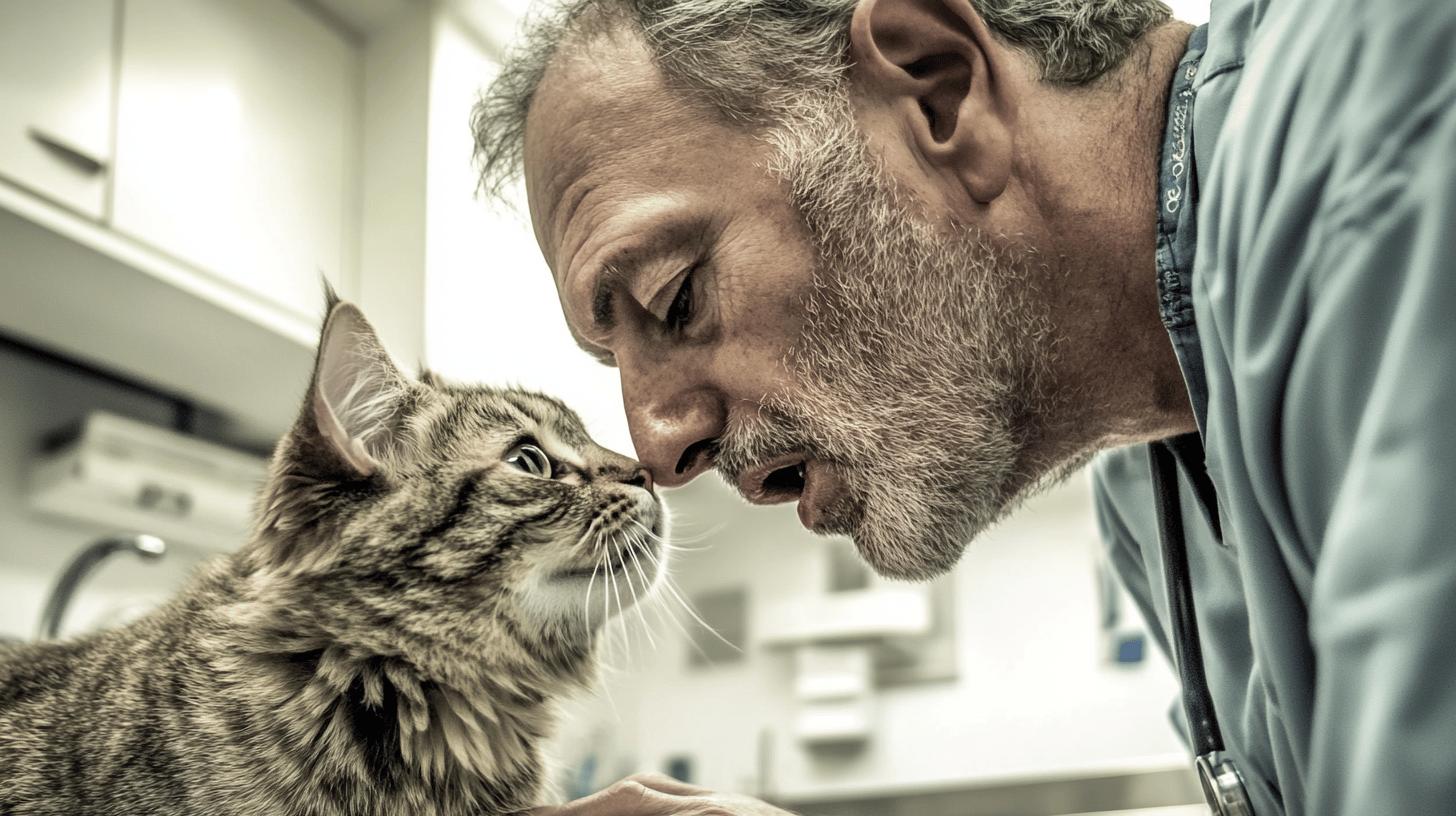
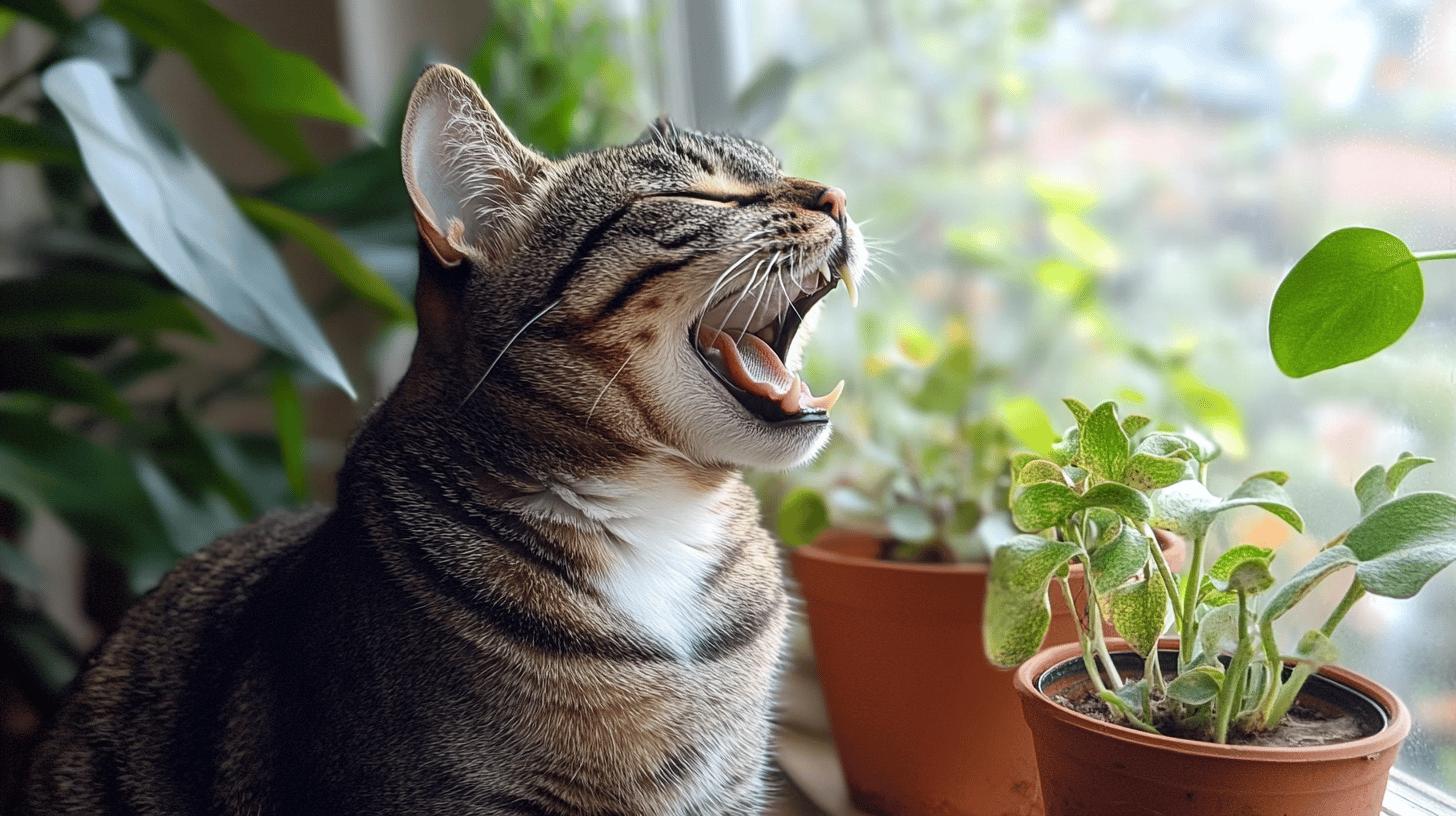
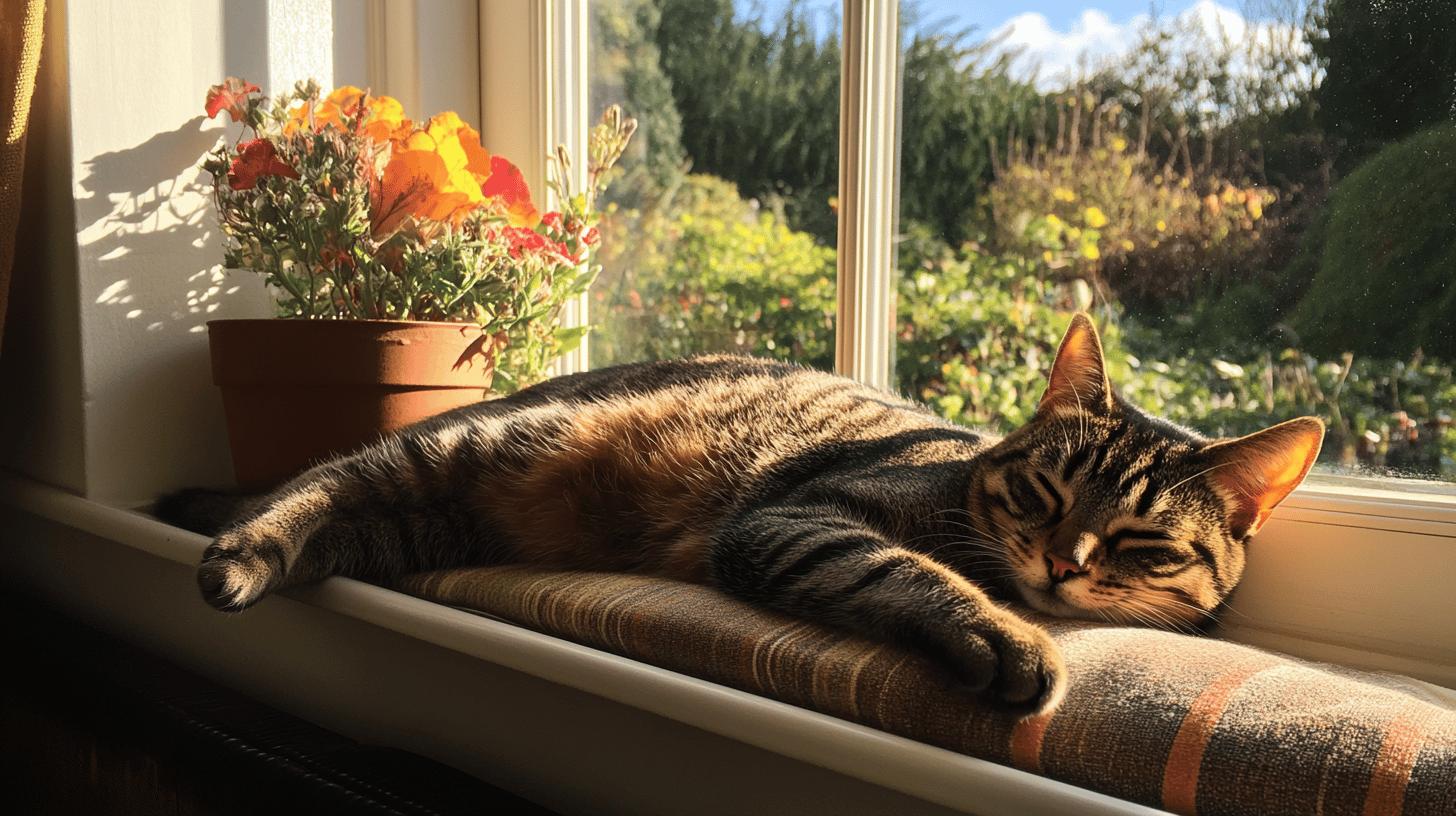
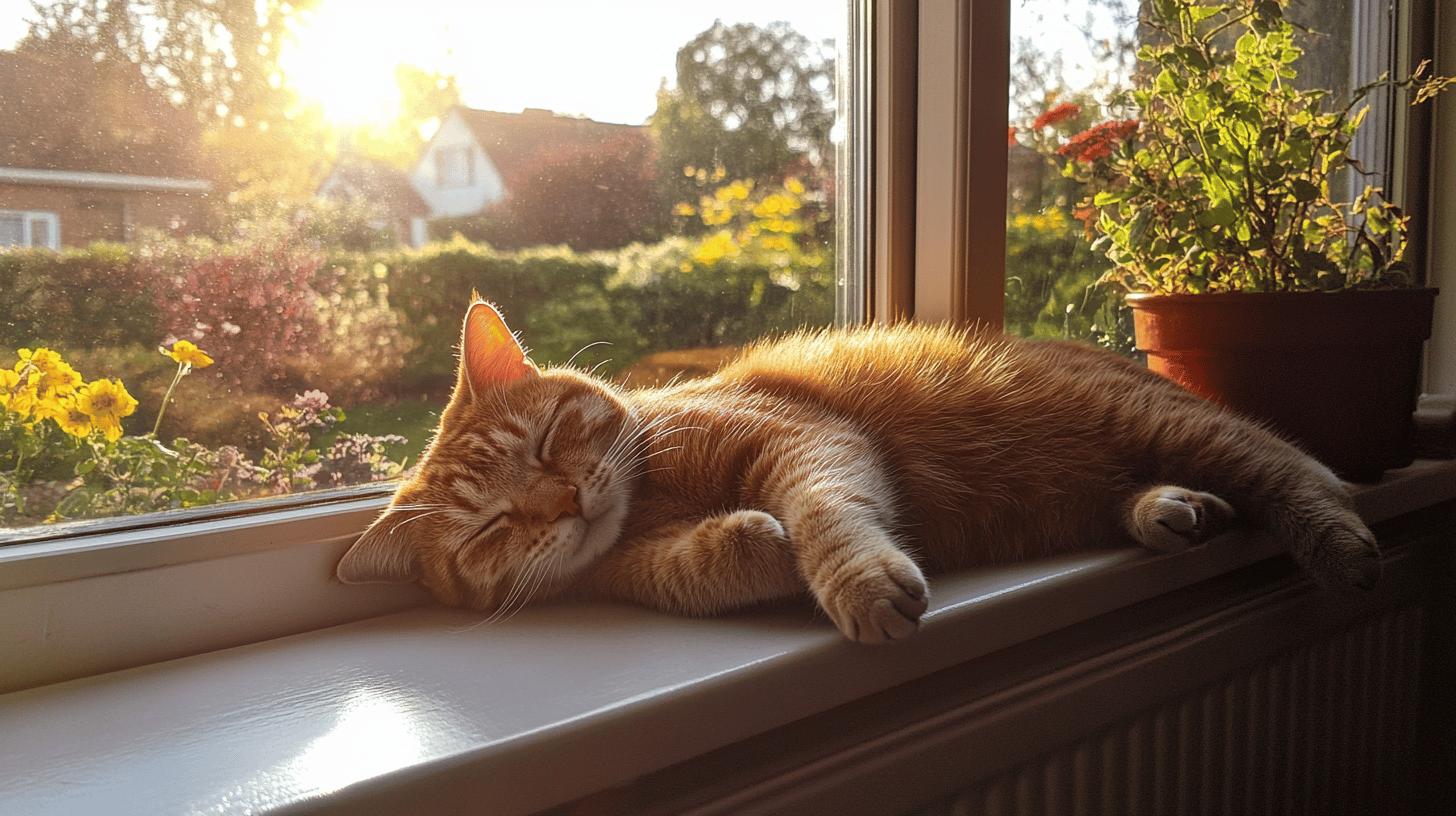
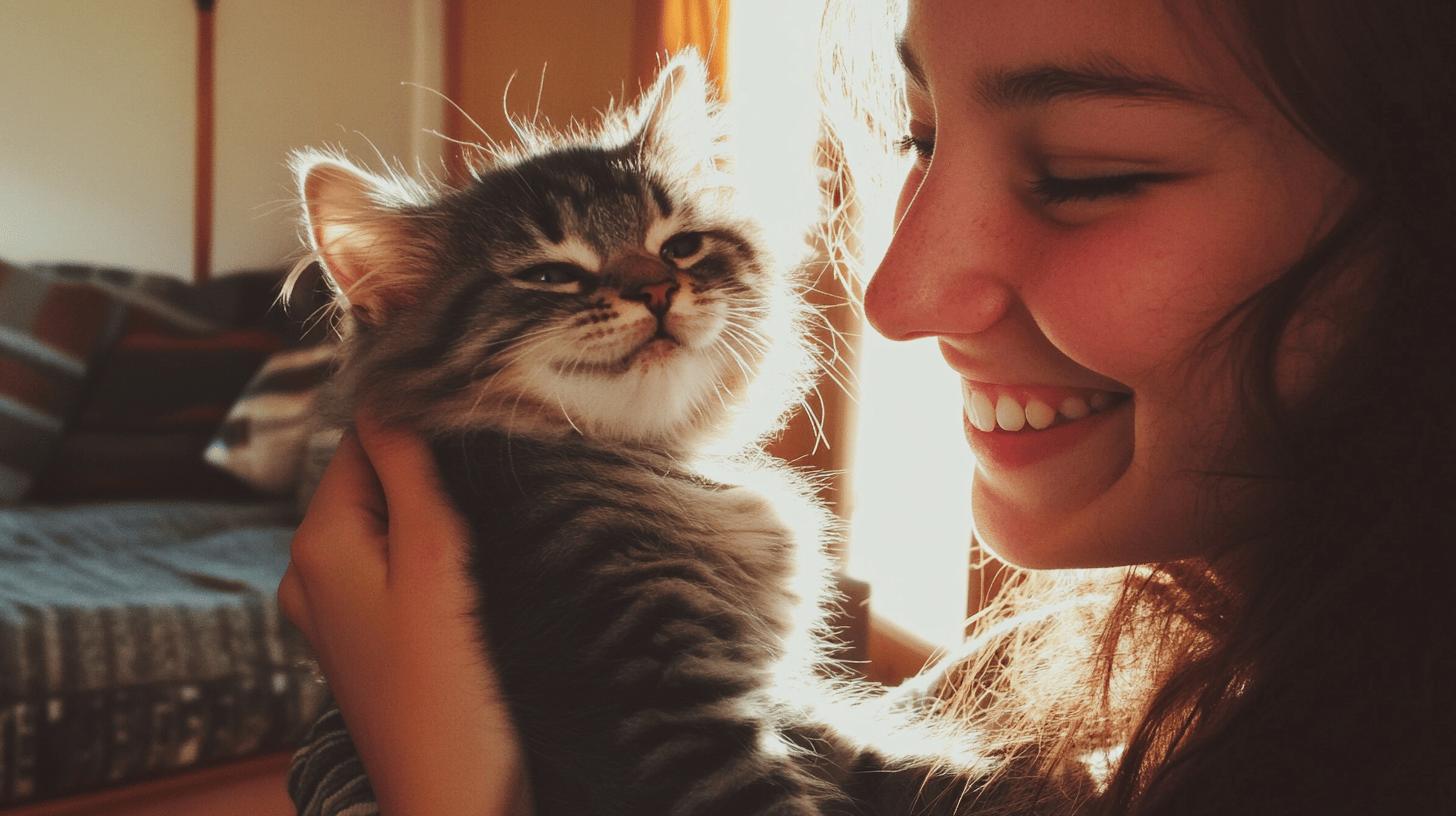
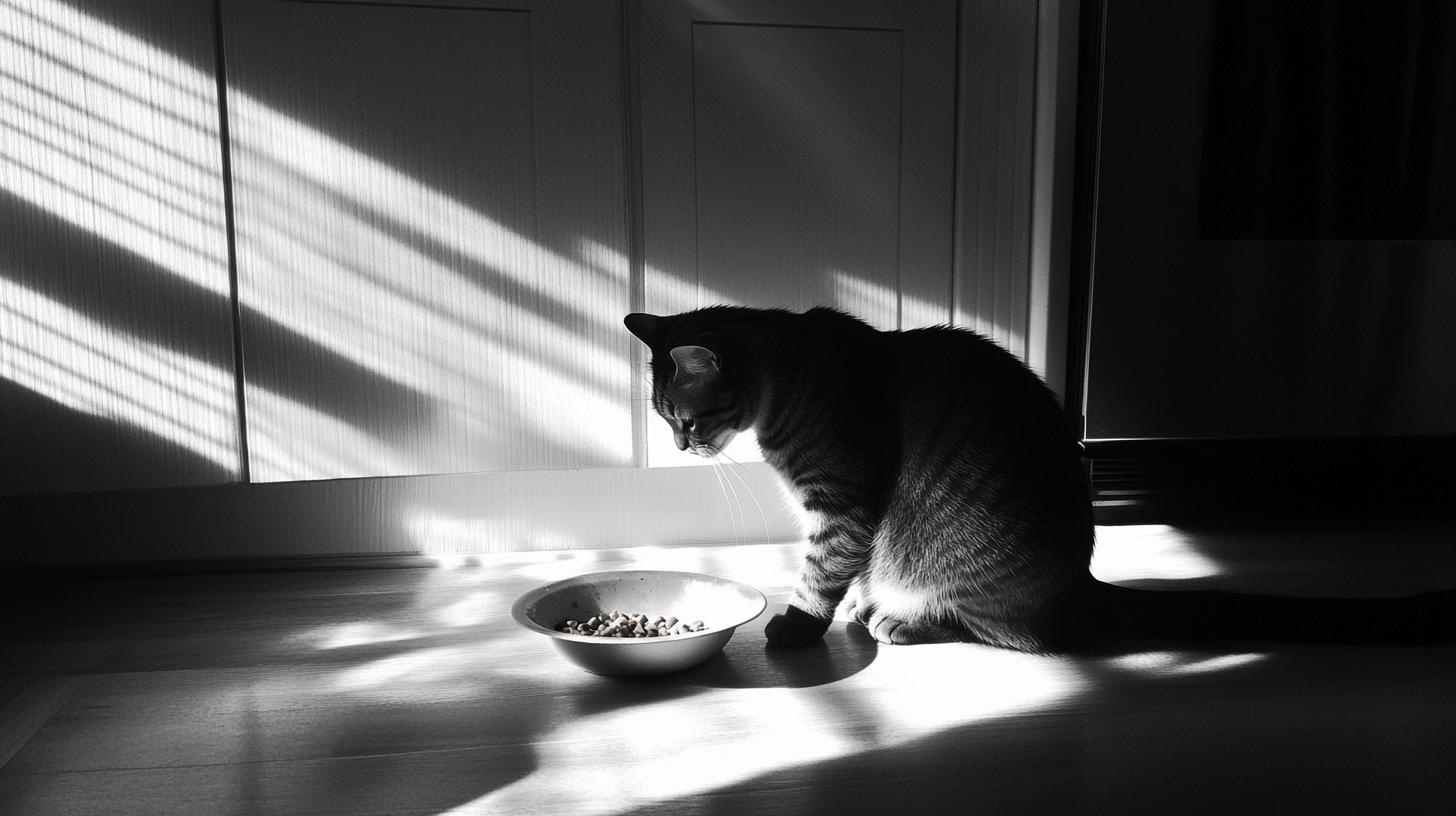
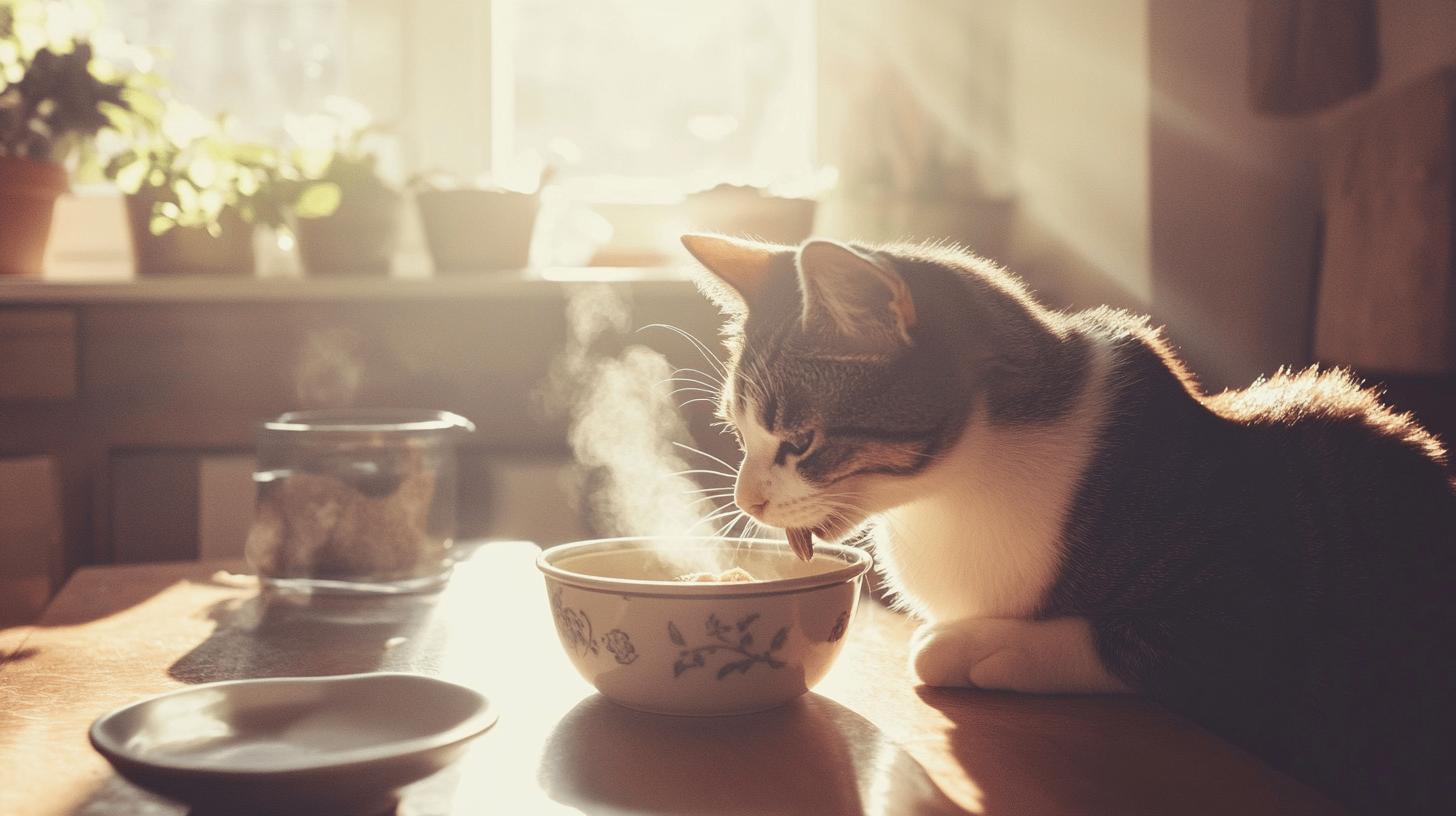
    Ever wonder how your cat sees you? To them, you're an oversized version of themselves, a big cat in their world. This unique perspective is why they knead on you or rub against your legs—they see you as family. Living in the moment, their thoughts center on the here and now, like their next meal or playtime adventure. Their behavior tells us a lot about their feelings and needs. By understanding what cats think about, we can strengthen the bond between us and our furry friends.

    How Cats Perceive Their Environment and Owners
    How Cats Perceive Their Environment and Owners-1.jpg

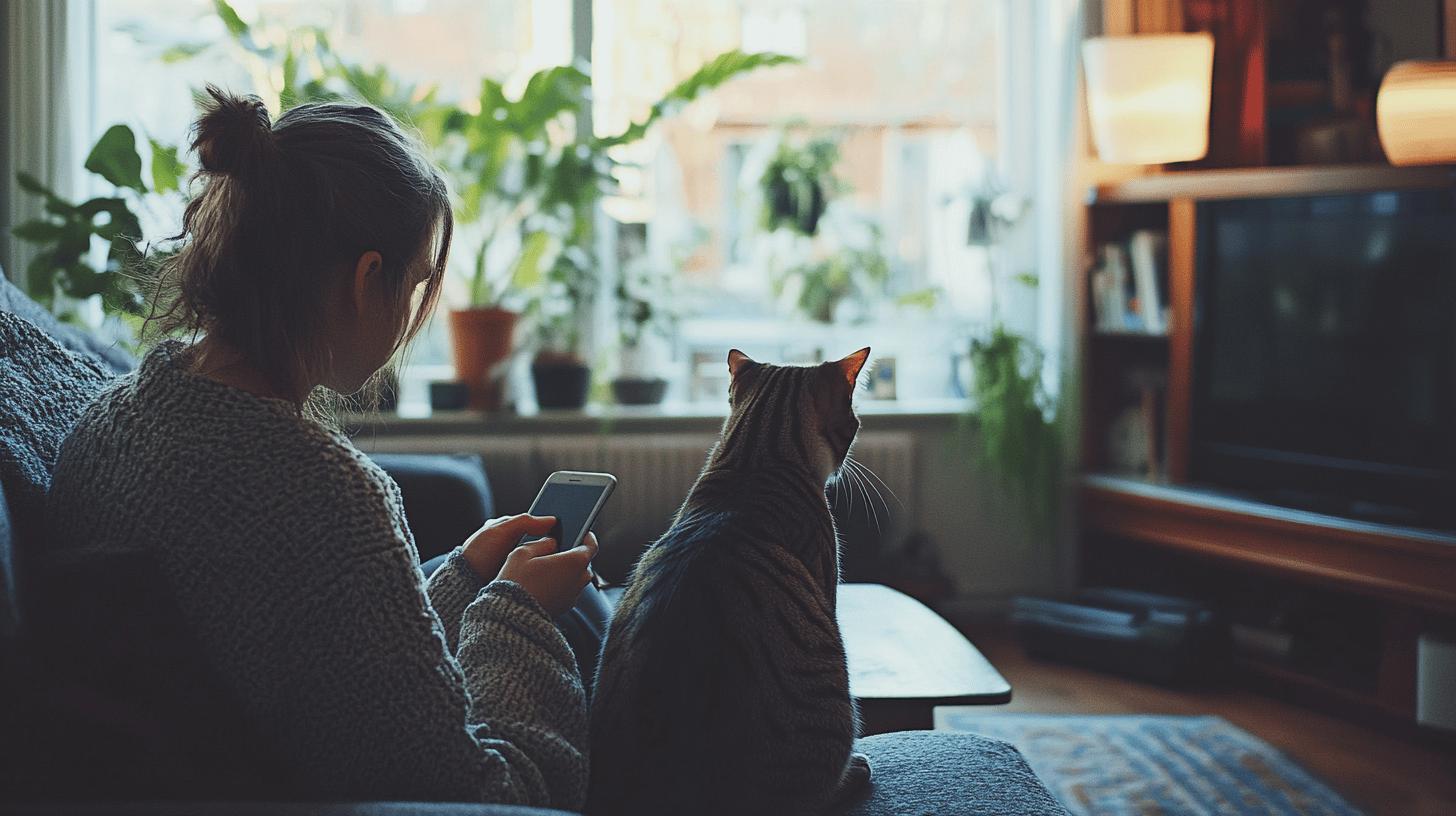
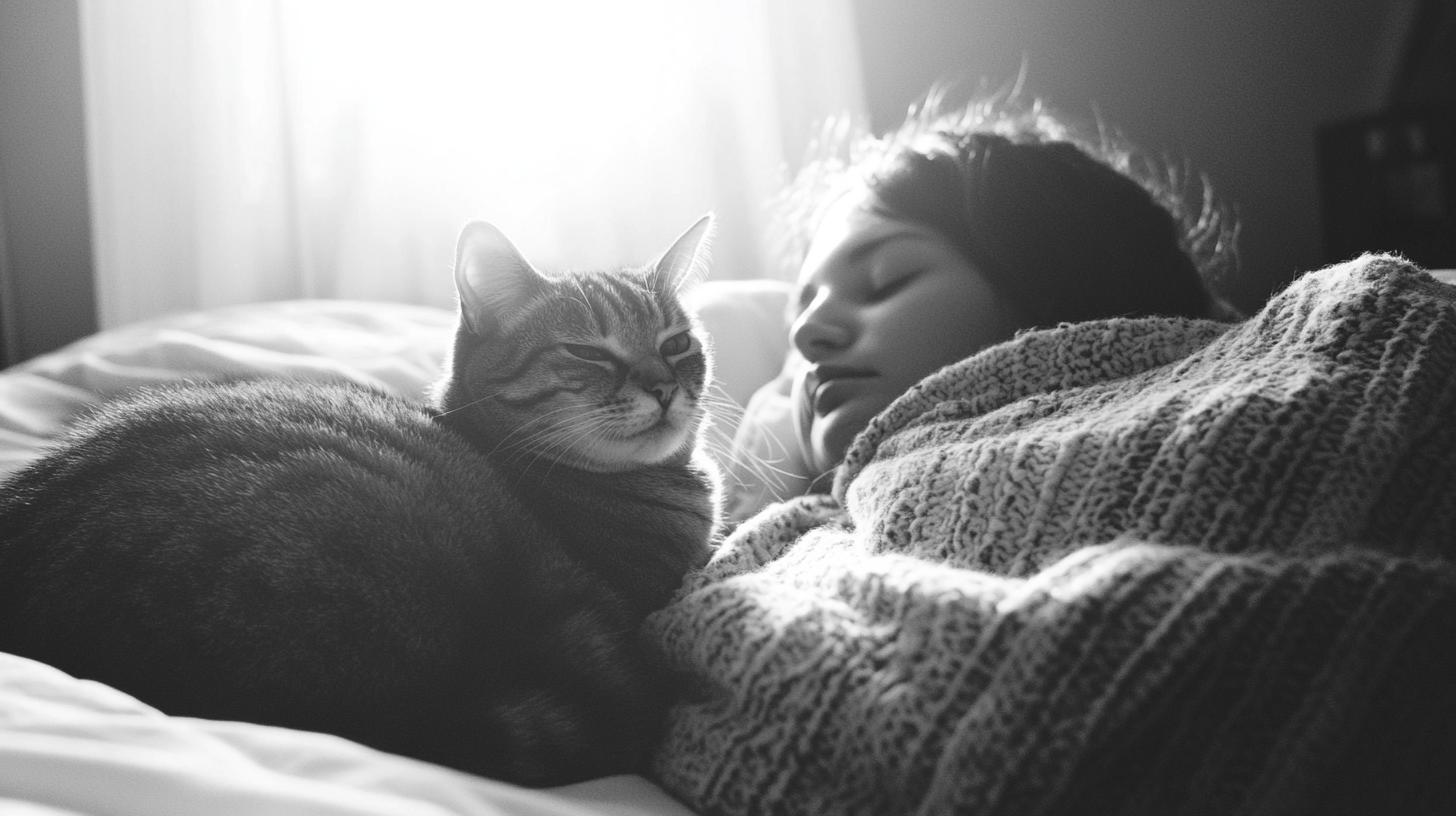
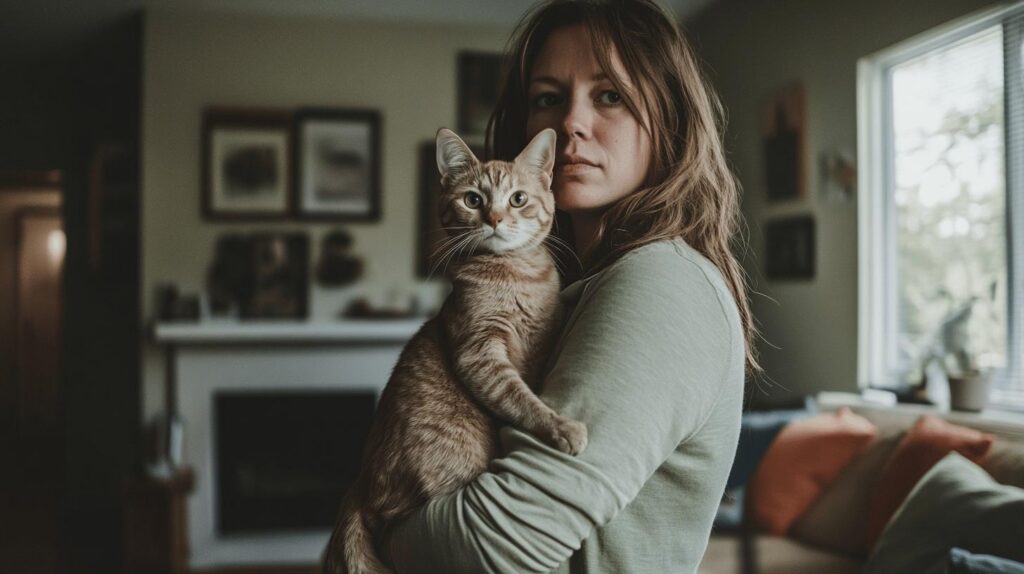
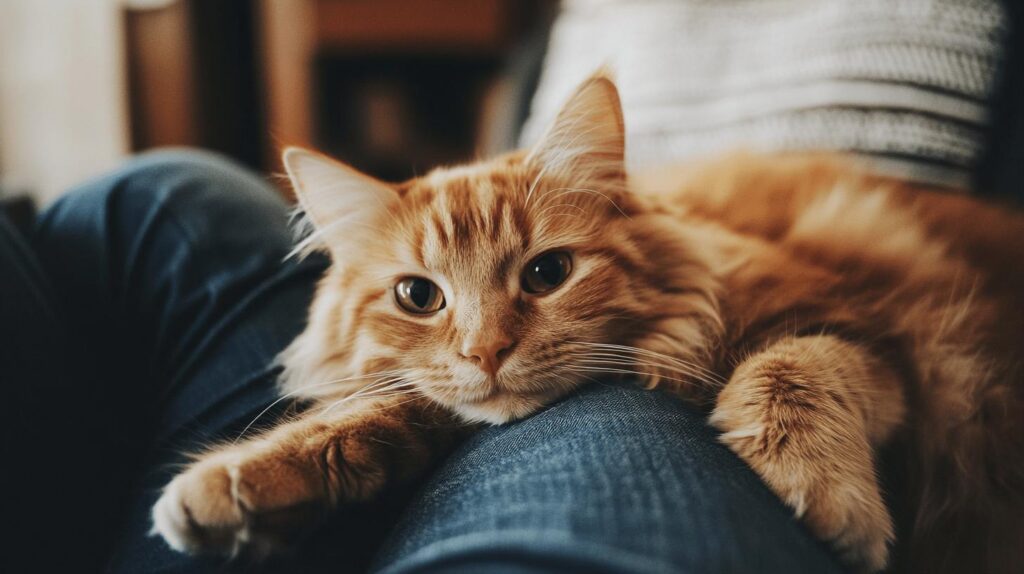
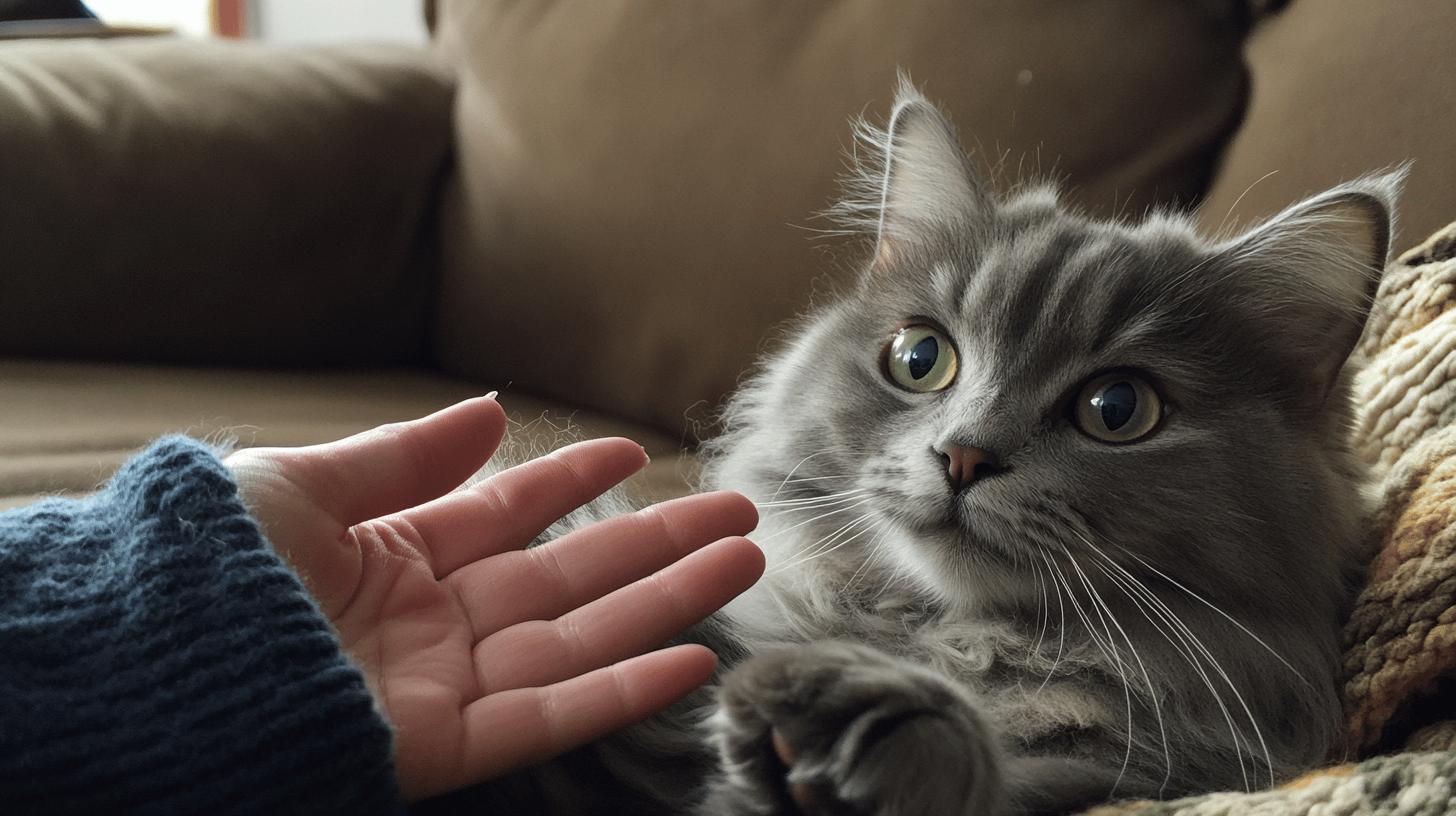
    Cats see their human companions as oversized versions of themselves, blending us into their feline family. This perception shapes their interactions, making them engage in behaviors like kneading and rubbing against us. Such actions are not just affectionate gestures but a way to mark their territory and create a bond. Much like a mother cat, they form strong attachments to those who provide for them, reinforcing the idea of humans as part of their close-knit group.

    Daily routines are crucial for cats, as they thrive in predictable environments. Living in the present is their forte, focusing solely on immediate needs like food, play, and rest. This present-focused mindset explains their apparent discomfort with changes, such as a new piece of furniture or a trip to the vet. Consistency in their daily activities helps them feel secure and content, allowing them to navigate their world with confidence.

    Body language is a vital tool for understanding cat psychology. Observing a cat's tail or ear movements can provide insights into its mood. A gently swaying tail or relaxed ears often indicate contentment, while a stiff tail or flattened ears can signal distress. Recognizing these subtle cues helps us respond appropriately, strengthening our bond with our feline friends.

    • Ways Cats Interact with Their Environment and Owners:
      • Rubbing against people
      • Kneading
      • Recognizing human social cues
      • Responding to names
      • Engaging in play

    Cats communicate and connect with their environment and owners in unique ways, forming a special bond that enriches their lives and ours. Understanding their perception helps us provide the love and care they cherish.

    Cats: Cognition and Curiosity
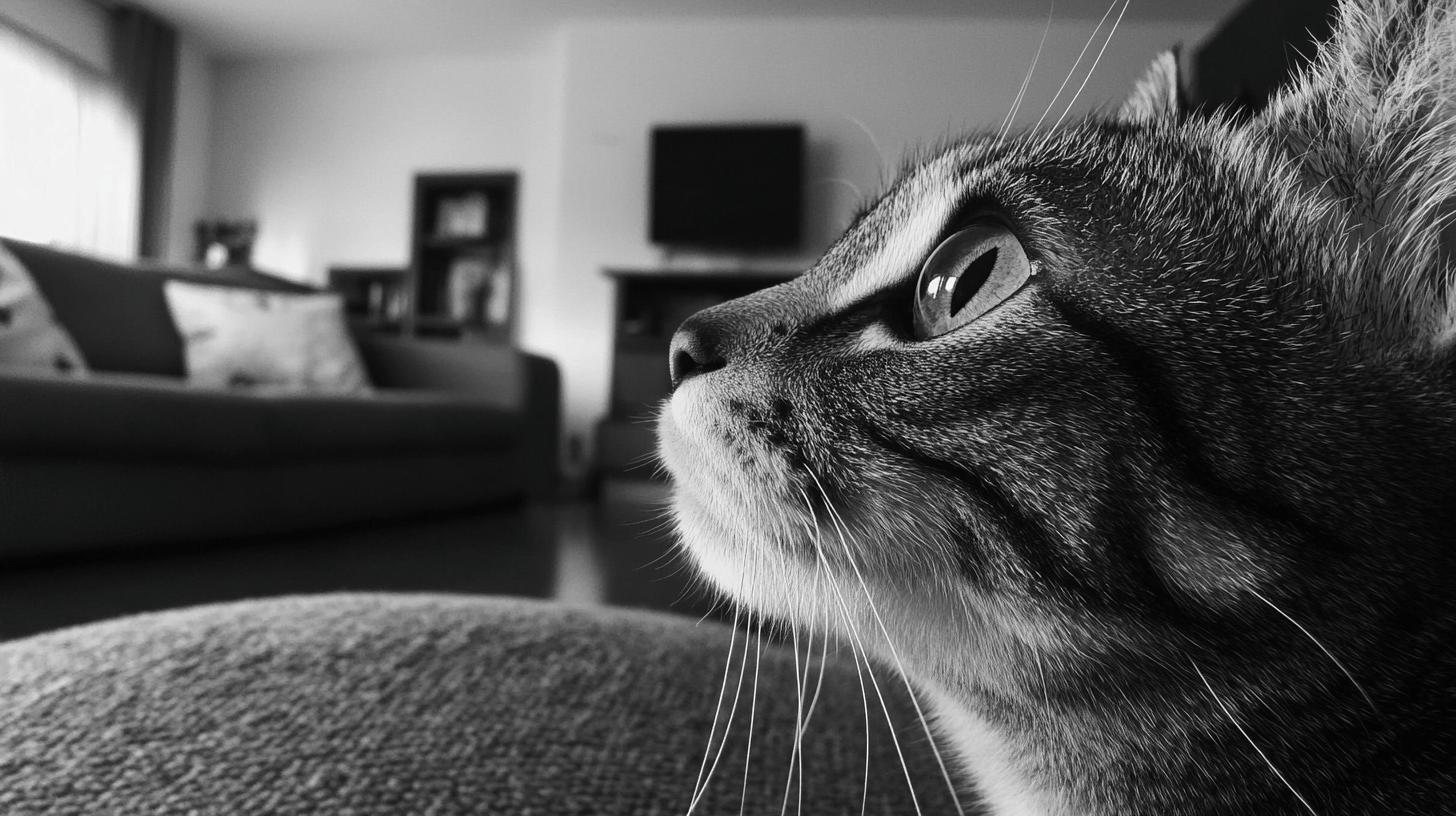
    Cats Cognition and Curiosity-1.jpg

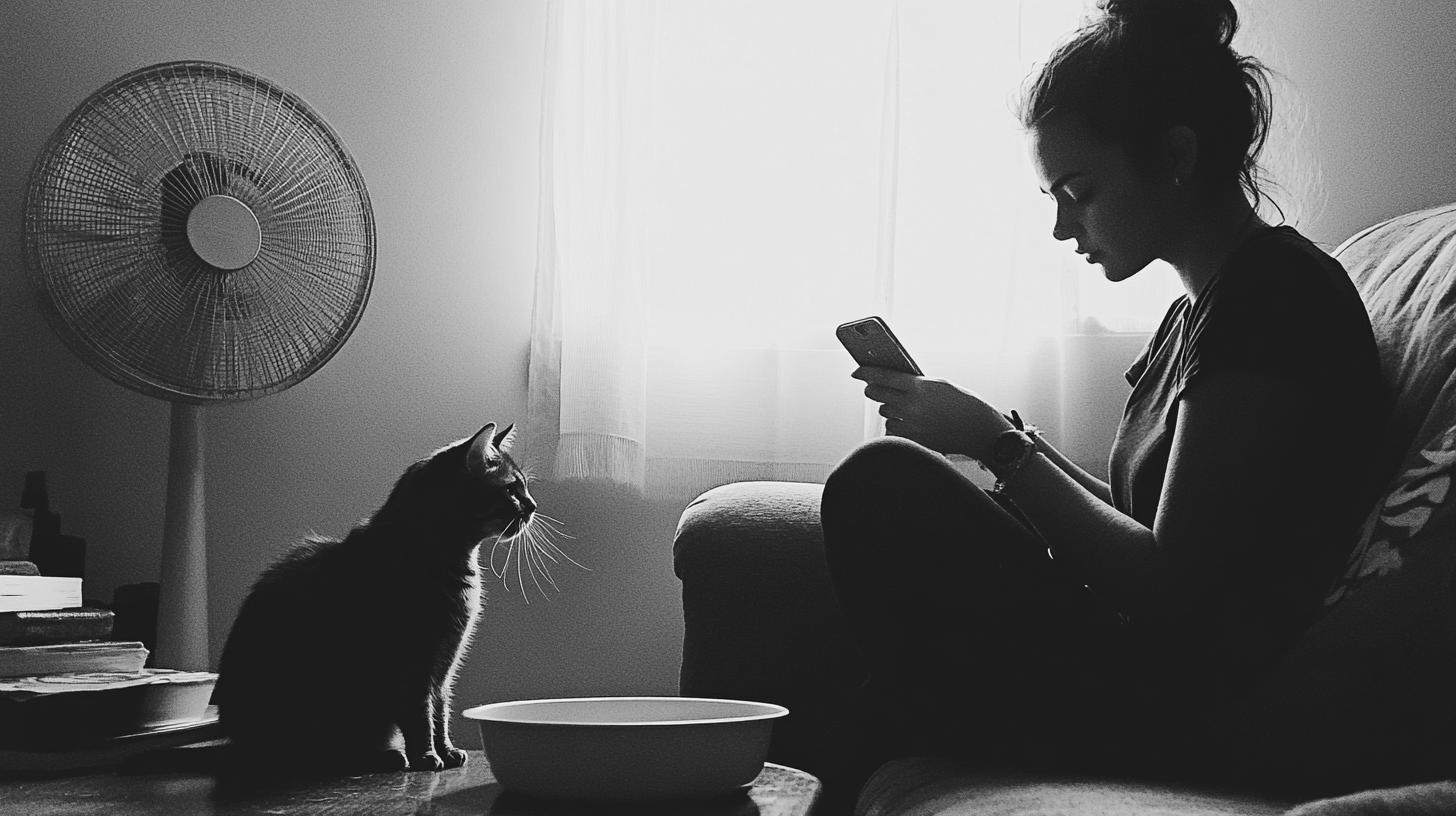
    Cats live in a world where immediate needs take center stage. Their minds are often focused on basic necessities like hunger, thirst, affection, and play. It's fascinating how a cat's straightforward thought processes align with their instinctual behaviors. When a cat feels hungry, everything is about finding food. If they're thirsty, seeking water becomes the priority. This focus on basic needs drives their daily actions and interactions, ensuring they meet their essential requirements for survival and wellbeing.

    Scientific insights into cat cognition reveal a complex yet simple mind. While studies are still developing, it’s clear that cats can form memories. For instance, they remember which cupboard holds their treats or the sound of their food container being opened. This memory capability means that cats can learn from experiences, adjusting their behavior based on past outcomes. Though we're still scratching the surface of their cognitive world, these insights provide a glimpse into how cats think and learn.

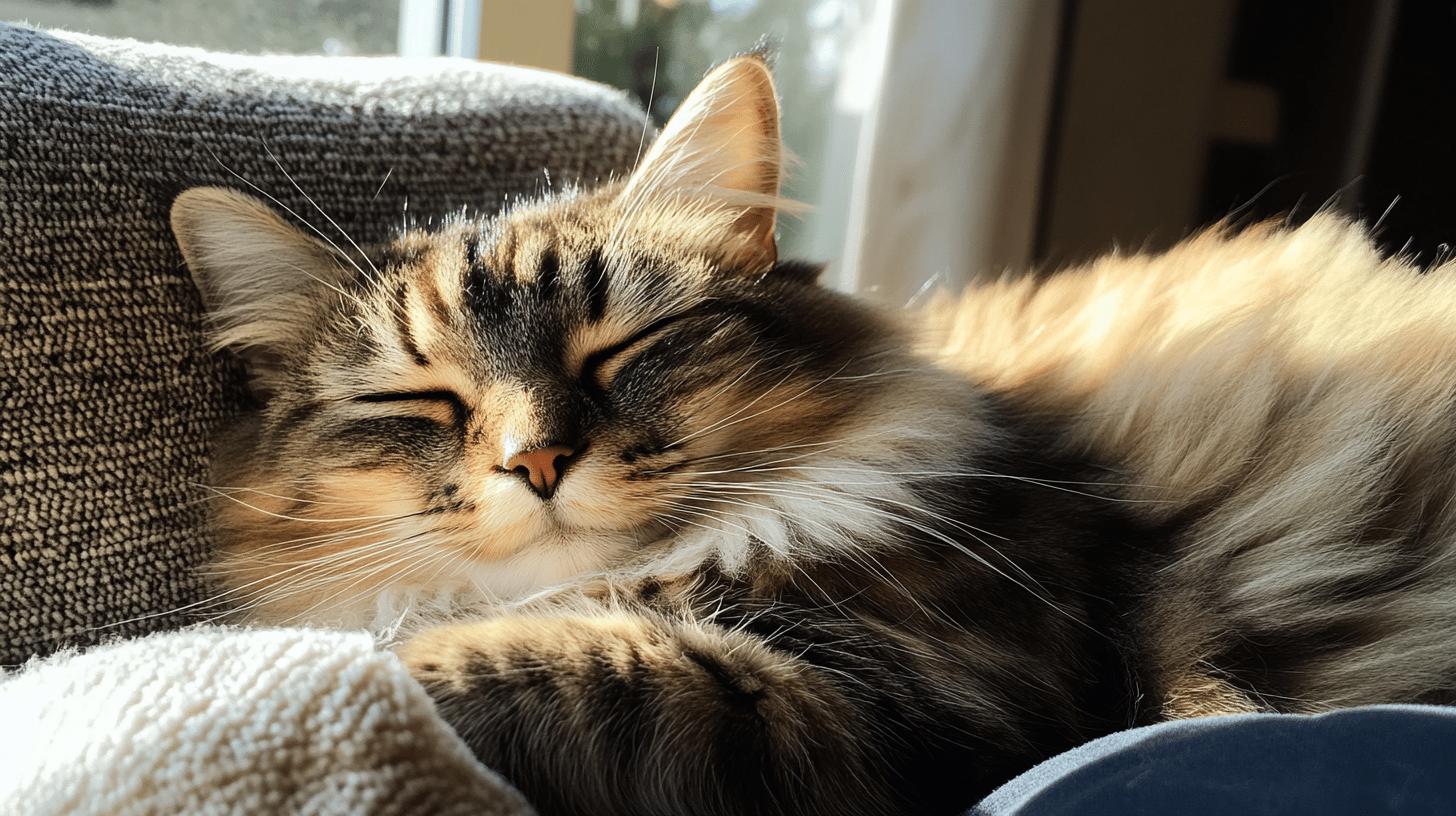
    Could cats dream? Observations suggest they might. During sleep, you may notice your cat twitching or making subtle movements, hinting at dream-like activity. While we can't say for certain what cats dream about, it's possible they relive their day's adventures or imagine new ones. Alongside this, cats display emotional responses to various stimuli. A sudden loud noise might startle them, while a familiar scent can elicit a purr of contentment. These emotional reactions show the depth of their sensory world and how they process different experiences.

    Curiosity is a driving force in a cat's life. It's what leads them to explore every nook and cranny of their environment, driven by an innate hunting instinct and a desire to understand their surroundings. Whether it's a new piece of furniture or a moving shadow, their curiosity compels them to investigate. This curiosity not only enriches their lives but also helps them adapt to changes, making them resilient and adaptable creatures.

    • Activities and Thoughts Showcasing Cat Cognition and Curiosity:
      • Hunger and thirst
      • Curiosity and exploration
      • Social interaction with humans and other cats
      • Comfort and security
      • Investigating new objects

    Every day is an opportunity for cats to satisfy their curiosity, engage with their environment, and connect with those around them. Understanding these cognitive and emotional aspects helps us appreciate the rich inner lives of our feline companions.

    The Bond Between Cats and Humans
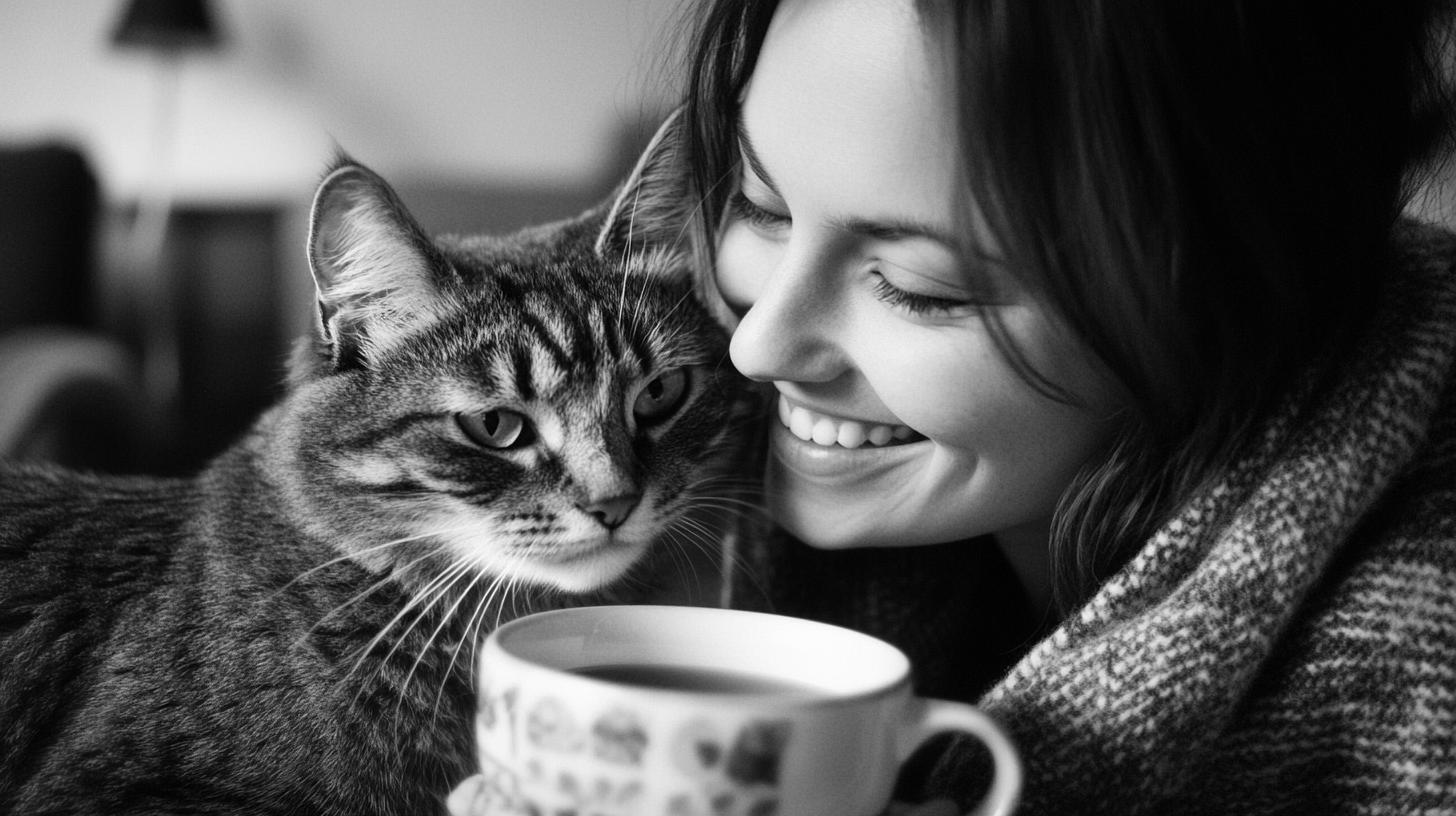
    The Bond Between Cats and Humans-1.jpg

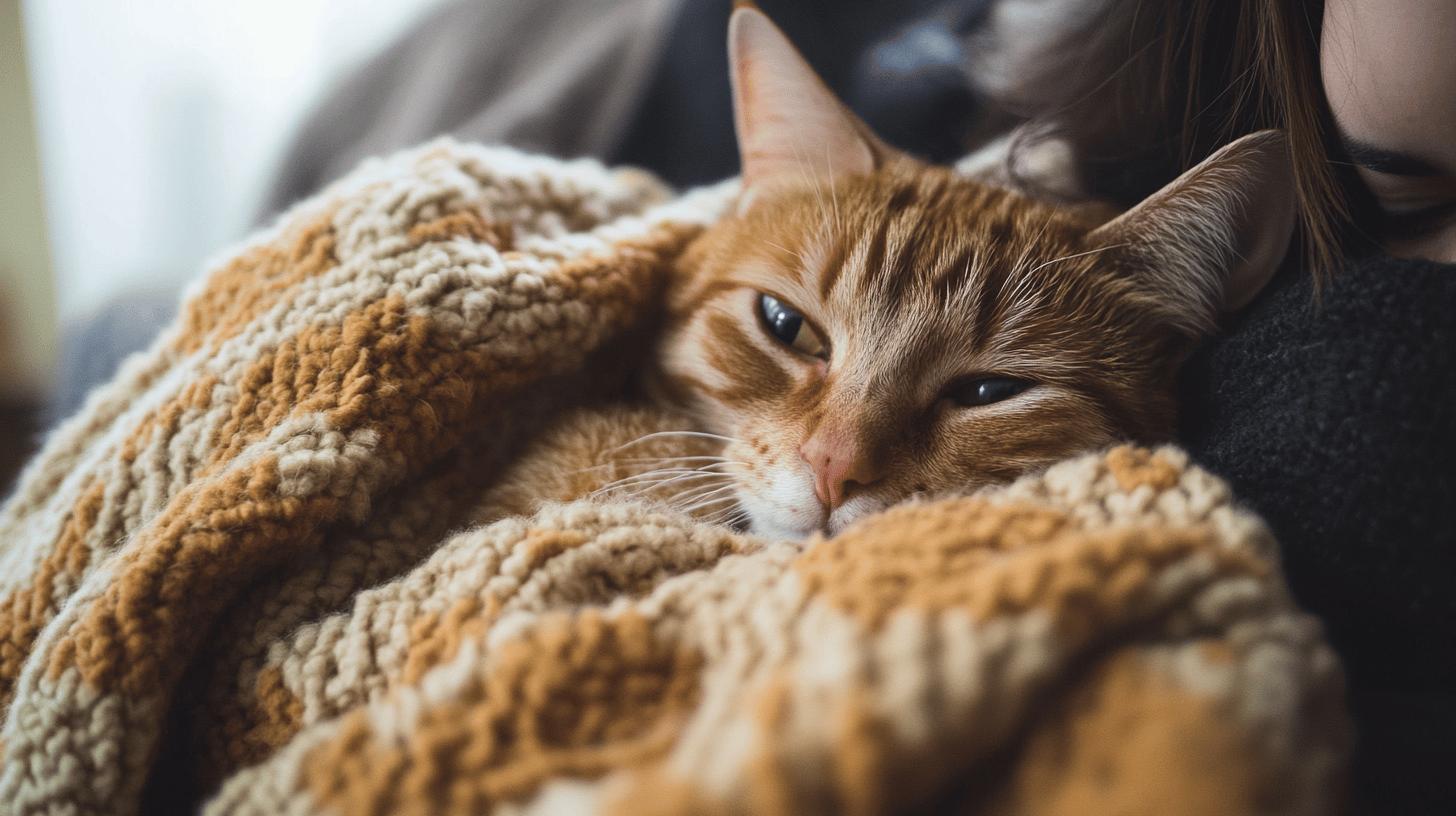
    Throughout history, the relationship between cats and humans has evolved from a purely utilitarian partnership to one of deep emotional significance. Ancient Egyptians revered cats, believing they brought good fortune and protection. Over time, this bond has grown, with many people now considering their feline companions as integral members of their families. The psychological benefits for humans are profound, with studies showing that cat companionship can reduce stress, anxiety, and even lower blood pressure. Individual cat personalities and breeds can also influence the nature of these bonds. For instance, Siamese cats are known for their vocal and social nature, often forming intensely close relationships with their owners. Meanwhile, more independent breeds like the Norwegian Forest Cat might bond differently, showcasing the diverse ways these connections can manifest.

    How Cats Show Affection

    Cats show affection in ways that are sometimes overlooked. Purring, a familiar sound, often signifies contentment and pleasure. When a cat head-butts or "bunts" its human, it's marking them with its scent as a sign of trust. Grooming is another intimate gesture, where a cat may lick a human's skin or hair, replicating the grooming shared with feline family members. These behaviors reveal the depth of connection cats can form with humans, showcasing their capacity for love and affection.

    Final Words

    Cats think about their needs and their environment in unique ways. They see us as big cats and interact based on strong bonds. Their world is immediate, focused on routine, and filled with curiosity. We've learned about their perception, needs, and how they interact with humans.

    Understanding our feline friends helps us strengthen the cat-human bond. Whether it's through routine play or recognizing their signs of affection, we can make their lives better.

    Cats enrich our lives with their presence, and knowing more about them deepens our connection.

    FAQ

    What do cats think about when they just sit there?

    Cats usually think about basic needs like hunger, thirst, and comfort. They might also be curious, observing their surroundings and planning their next move.

    What do cats think about humans?

    Cats view humans as part of their social group, similar to other cats. They think about their needs being met, like feeding and affection.

    Do cats think they are superior to humans?

    Cats may not think in terms of superiority. They prioritize their needs and act independently, displaying behaviors rooted in their natural instincts.

    What do cats think about their owners?

    Cats often see their owners as providers and form bonds based on shared interactions like feeding and playing, perceiving them as nurturing figures.

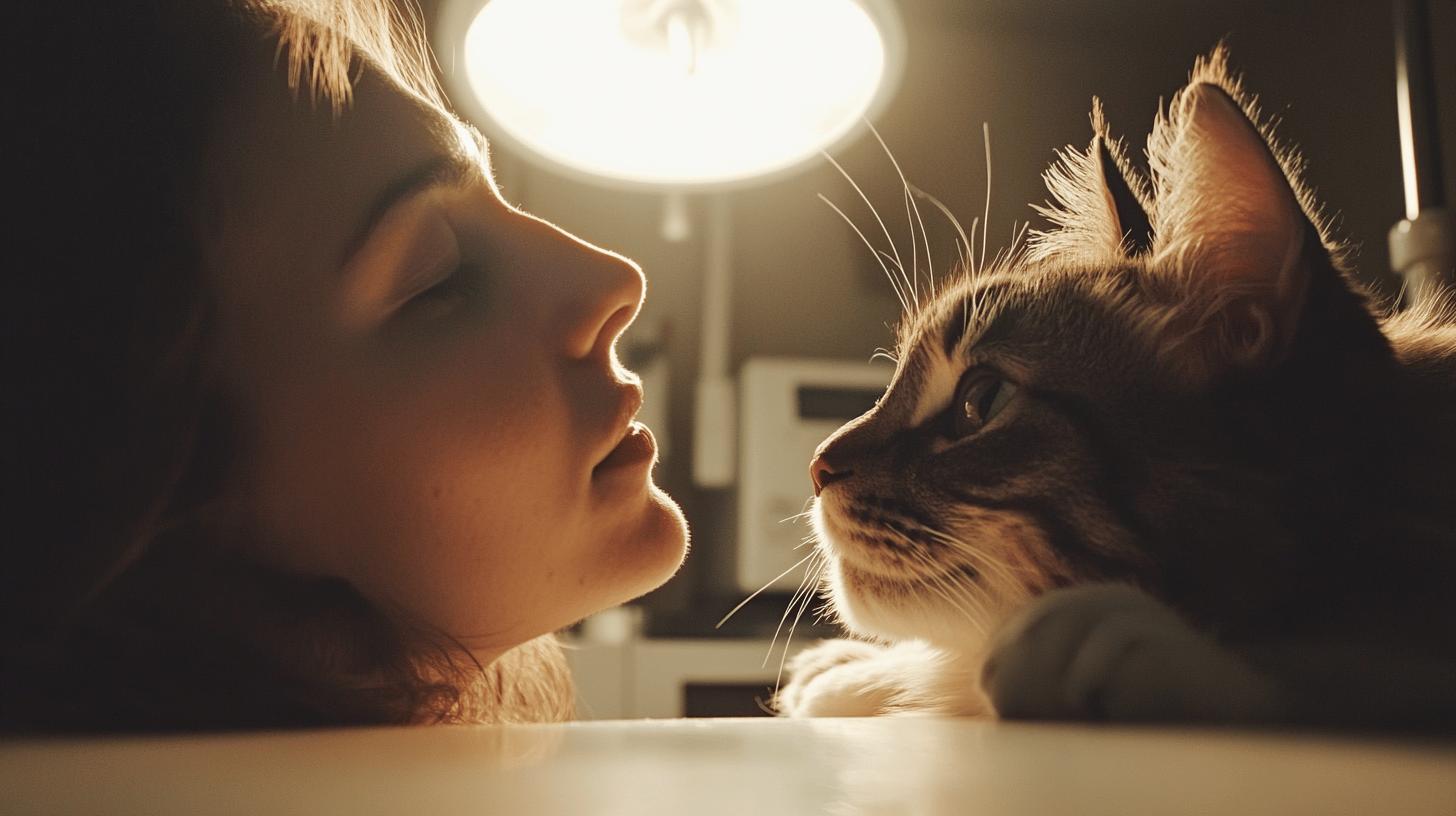
    What do cats think when we kiss them?

    Cats might interpret kisses based on familiarity with the action. Responses vary from comfort to disinterest, depending on individual experiences.

    What thoughts do cats have?

    Cats focus on immediate needs and environmental interactions. They think about necessities and stimulations, like food, play, and social interactions.

    What goes on in a cat's mind?

    Cats process their environment through basic needs and instincts. Thoughts often revolve around immediate interactions and exploring new stimuli.

    Do cats like music?

    Cats may respond to music that mimics their natural sounds. Reactions depend on individual preferences, but softer, consistent rhythms may be soothing.

    Do cats get bored?

    Yes, cats can get bored if not engaged with stimulating activities. Interaction through play and exploration helps keep their minds active.
    Related Articles

  • do cats Teeth Anatomy and Development Explained for Pet Owners

    do cats Teeth Anatomy and Development Explained for Pet Owners

    Ever wonder what those sharp fangs in your cat's mouth are capable of? Cat teeth are not just charming— they're crafted for a predator's life! Designed for hunting and eating, your feline friend's dental anatomy is as fascinating as it is functional. In this blog, we're diving into the world of cat teeth anatomy and development, helping you understand everything from those tiny kitten teeth to a full set of adult chompers. Whether you're a new cat owner or a seasoned enthusiast, this guide will give you the insight you need to keep those teeth healthy and strong.

    Understanding Cat Teeth: Anatomy and Development

    Understanding Cat Teeth Anatomy and Development-1.jpg

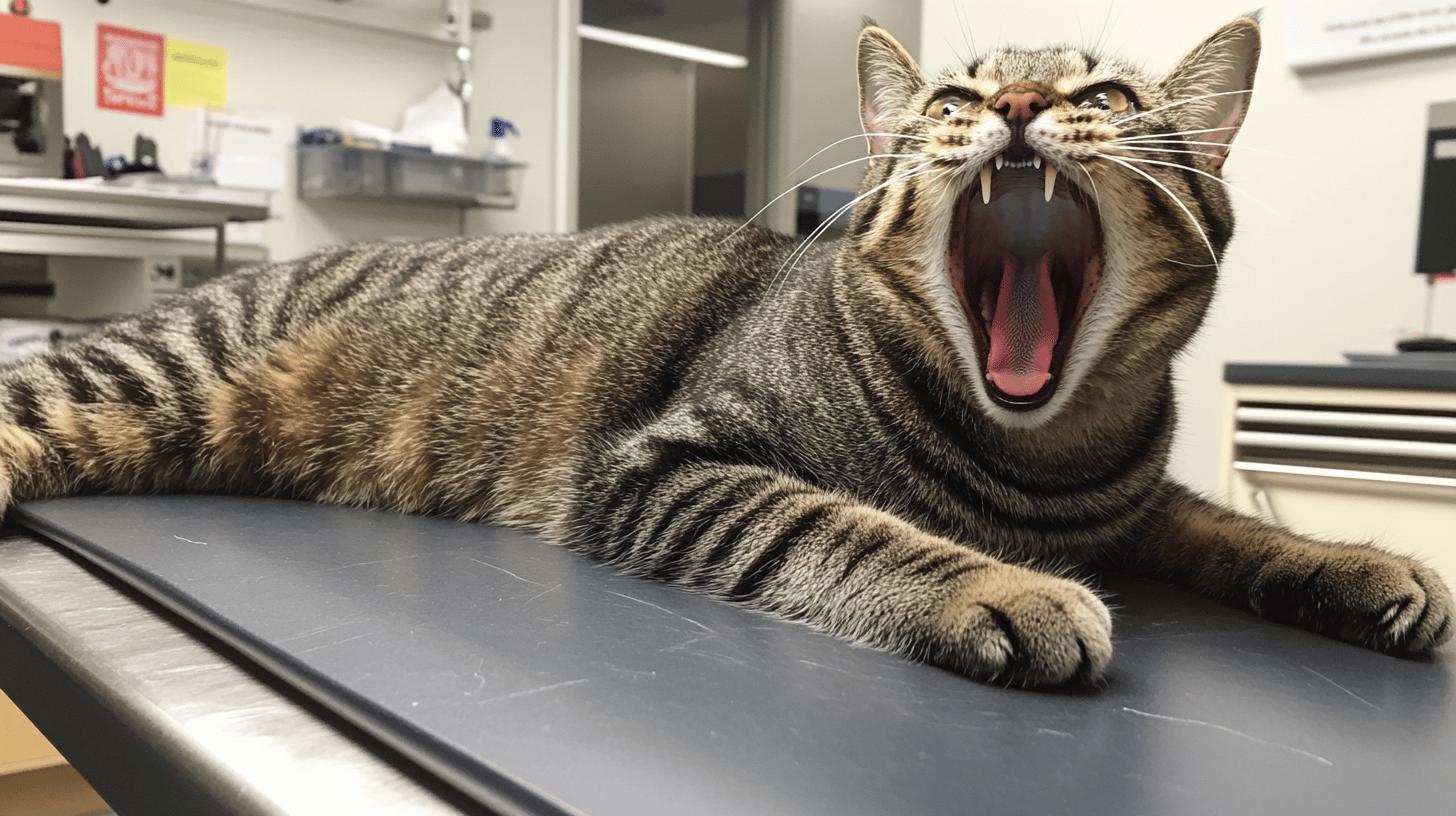
    Cats have a unique dental structure designed for their carnivorous lifestyle. In their mouths, you’ll find incisors, canines, premolars, and molars. The incisors are small and located at the front, used mainly for grooming and nibbling. Canine teeth are long and sharp, perfect for catching and holding prey. Premolars and molars, located at the back, help shear meat. While cats don't chew like humans, these teeth help break down food into swallowable pieces.

    • 3-4 Weeks: Kittens begin to grow their first set of deciduous teeth.
    • 12 Weeks: Baby teeth start falling out as permanent teeth push through.
    • 6 Months: Most kittens have a complete set of adult teeth.
    • 9 Months: Baby teeth are fully replaced by adult teeth.
    • 1 Year: Cats typically have a full set of 30 adult teeth.

    Kitten and adult cat dentition differ primarily in size and function. Kittens have 26 deciduous teeth, softer and smaller, which aid in transitioning from nursing to eating solid food. Adult cats, on the other hand, have 30 robust teeth, better suited for their diet and independent lifestyle. Visual aids, like diagrams, can help pet owners better understand these dental transitions.

    Common Dental Issues in Cats

    Common Dental Issues in Cats-1.jpg

    Gum disease is a prevalent issue in the feline world, affecting up to 80% of cats by the age of three. It starts as gingivitis, where the gums become inflamed due to plaque buildup. If left untreated, it can progress to periodontitis, leading to severe gum infection and tooth loss. Regular dental check-ups and cleanings play a crucial role in preventing and managing these conditions. For pet owners, recognizing early signs like bad breath and red gums can help ensure timely veterinary intervention.

    Tooth loss in cats is not typical and usually signals underlying health issues. Common causes include gum disease, trauma, and resorptive lesions. Resorptive lesions are painful and occur when the tooth structure breaks down. Symptoms of tooth loss can range from drooling and difficulty eating to pawing at the mouth. If your cat loses a tooth, it's important to have a vet assess the situation to determine the cause and necessary treatment.

    As cats age, their dental health naturally declines, making them more susceptible to issues. Older cats often experience increased wear and tear on their teeth, combined with a reduced ability to fight off infections. This makes dental diseases more common and harder to treat as they age. Regular dental care and adjustments to their diet can help mitigate these age-related problems.

    Cats without teeth can still lead a comfortable life with some adaptations. Their diet should consist of soft, easy-to-eat foods, often canned or moistened kibble. Cats use their teeth mainly for grabbing and tearing food, so many can adjust to eating without them. Monitoring their eating habits and ensuring they continue to get the nutrition they need is key to their well-being.

    Problem Symptoms Prevention
    Gum Disease Bad breath, red gums Regular dental cleanings
    Tooth Loss Drooling, difficulty eating Routine vet check-ups
    Resorptive Lesions Pawing at the mouth Early detection and treatment

    How to Maintain Feline Dental Hygiene

    How to Maintain Feline Dental Hygiene-1.jpg

    Regular dental care is essential for keeping your cat's mouth healthy. Similar to humans, cats can develop dental issues if their teeth and gums aren't properly cared for. Without regular attention, cats may suffer from gum disease, which can lead to tooth loss and other health problems. By establishing a routine for dental care, you can prevent these issues and ensure your pet's overall well-being.

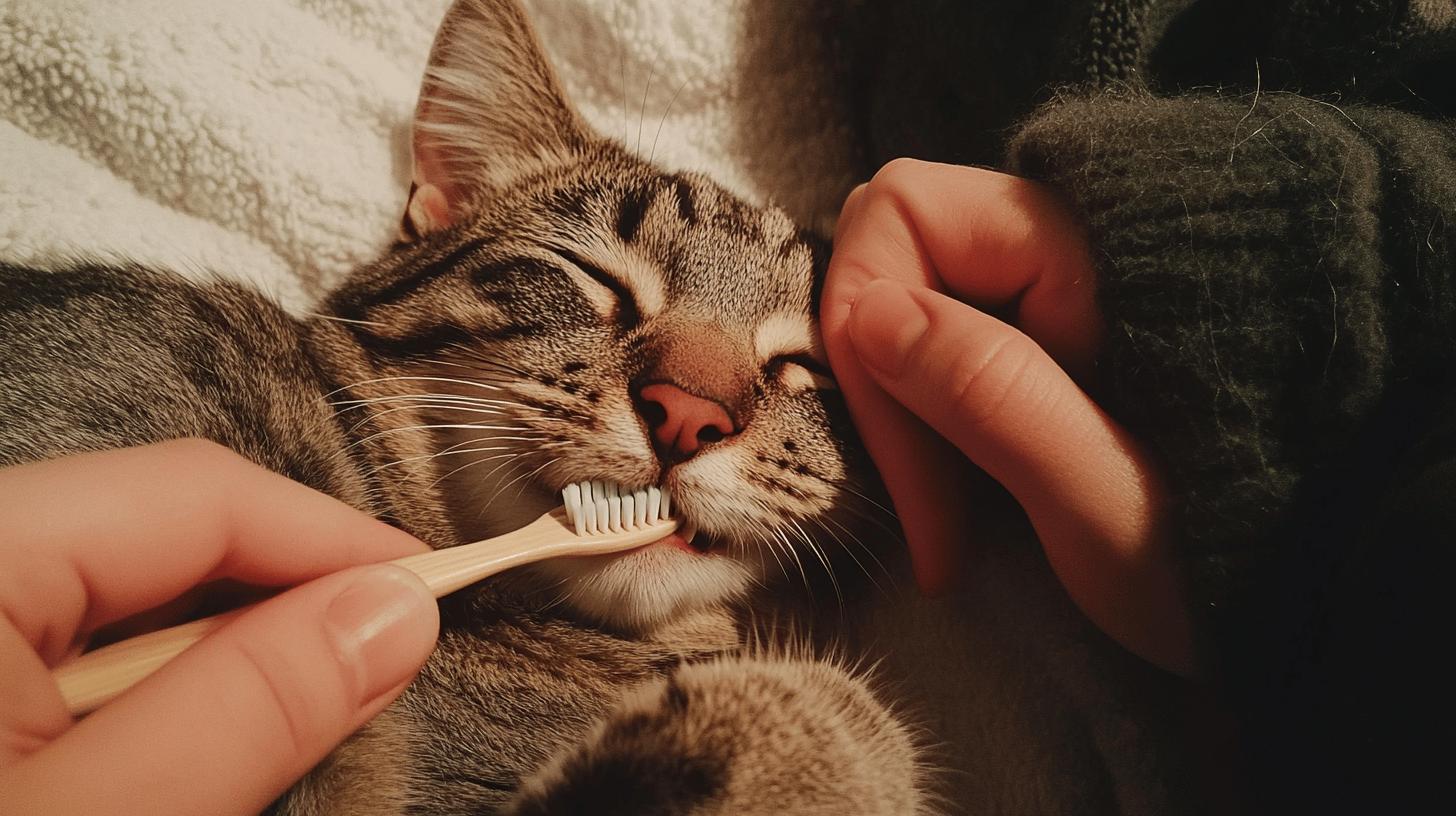
    Brushing your cat's teeth is one of the most effective ways to maintain their dental health. Use a soft-bristled toothbrush designed for cats and pet-safe toothpaste. Never use human toothpaste, as it can be harmful to cats. Start by gently introducing the brush and paste to your cat, letting them lick it off your finger first. Gradually work up to brushing their teeth, aiming to do this at least two to three times a week. Patience and consistency are key, as it may take time for your cat to get used to this new routine.

    Veterinary check-ups play a crucial role in maintaining your cat's dental health. During these visits, vets can detect early signs of dental disease and provide professional cleanings if necessary. It's recommended that cats have a dental examination at least once a year. This allows for early detection of any potential issues and ensures your cat's teeth and gums are in top condition.

    Diet also impacts your cat's dental health. While some dry food can help reduce tartar buildup, it shouldn't replace regular brushing. The texture of dry kibble can have a mild abrasive effect, aiding in cleaning the teeth. However, it's not a standalone solution. Combining a balanced diet with consistent dental care practices is the best approach to ensure your cat's mouth stays healthy.

    • Greenies Feline Dental Treats: These treats are designed to clean teeth and freshen breath.
    • Virbac C.E.T. Enzymatic Toothpaste: A pet-safe toothpaste that helps reduce plaque.
    • Petrodex Dental Care Kit: Includes a toothbrush and toothpaste for easy home care.
    • Oratene Brushless Oral Care: An enzymatic gel that can be applied without brushing.
    • Whiskas Dentabites: Crunchy treats that provide a dental-cleaning effect.

    Watch for signs that your cat may need dental attention, such as bad breath, drooling, or reluctance to eat. These could indicate dental issues requiring professional cleaning or treatment. Staying vigilant and responsive to your cat's needs will help keep their teeth and gums healthy, ensuring a happier and more comfortable life.

    Teething in Kittens: What to Expect

    Teething in Kittens What to Expect-1.jpg

    During their teething, kittens often show specific signs and symptoms that indicate they're going through this phase. You might see an increase in nibbling on toys or household items as they seek to relieve discomfort. It's common for kittens to paw at their mouth or drool slightly more than usual. These behaviors, along with possible irritability or restlessness, are all part of the teething process.

    • Offer cold, damp washcloths to chew on for soothing relief.
    • Provide a variety of safe, kitten-friendly chew toys.
    • Ensure a balanced diet to support overall health.
    • Give extra attention to ease any irritability.

    By 6 to 9 months, kittens typically have a full set of 30 adult teeth. These teeth are stronger, perfectly suited for their dietary needs and lifestyle. Keeping an eye on their dental development during this period is crucial. Any abnormalities or delays should prompt a visit to the veterinarian.

    Final Words

    Understanding the anatomy and development of cat teeth helps you become more attuned to your pet's needs. We explored how adult cats have 30 teeth and highlighted the changes from kitten to adult dentition. Knowing about common dental issues, like gum disease and tooth loss, can guide you to better cat teeth health.

    Regular dental hygiene, including brushing and proper diet, plays a crucial role in maintaining cat teeth. Being proactive with dental care ensures your cat's comfort and well-being. Keeping an eye on teething stages in kittens adds to their overall health journey. Enjoy a positive and playful future with your furry friend!

    FAQ

    Do cat teeth fall out?

    Cats do lose their baby teeth as they grow. Their adult teeth usually replace baby teeth between 6-9 months. If an adult cat loses a tooth, it might indicate a problem, like gum disease.

    Can a 1-year-old cat still be teething?

    By 9 months, most cats have their full set of adult teeth. If a 1-year-old cat seems to be teething, it could be due to oral discomfort or dental issues, not teething.

    How do I know if my kitten is teething?

    Kittens show signs of teething with increased nibbling, drooling, and mild discomfort. Look for signs like chewing on things more than usual and slight swelling of gums.

    How long does cat teething last?

    Cat teething typically lasts a few weeks, starting around 3-4 weeks of age and concluding when adult teeth replace baby teeth by 6-9 months.

    How do cats act when their teeth hurt?

    When cats' teeth hurt, they might show symptoms like reduced eating, pawing at their mouth, drooling, or being irritable. It's often due to dental problems such as gum disease.

    What is the difference between cat baby teeth and permanent teeth?

    Baby teeth, or deciduous teeth, are smaller and start appearing at 3 weeks. Adult teeth, stronger and more durable, replace them by 9 months. Adult cats typically have 30 teeth.

    What is the significance of a cat teeth diagram?

    A cat teeth diagram helps identify the types and locations of teeth. It can aid in understanding dental health or explaining issues to a vet.

    What are retained deciduous teeth in cats?

    Retained deciduous teeth occur when baby teeth don’t fall out. This can cause problems if the adult tooth grows in, needing veterinary removal to prevent dental issues.

    Related Articles

  • Why Do Cats Pant Common Causes and Solutions

    Why Do Cats Pant Common Causes and Solutions

    Did you know that panting in cats is not common and could be a sign of something deeper? Unlike dogs, cats aren't known for panting, so when they do, it can spell trouble. Understanding the reasons behind this behavior is key to keeping your furry friend healthy. From heat to more serious conditions like heartworm or respiratory infections, there are various causes for cat panting. Learning to recognize the signs of when to worry can make all the difference in ensuring your cat's well-being. Let's dive into what could be causing your cat to pant and how to address it effectively.

    Understanding Why Cats Pant

    Understanding Why Cats Pant-1.jpg

    Cats generally do not pant like dogs do. Panting in cats is unusual and often signals an underlying problem. It's important to recognize when a cat's panting might indicate an issue. If a cat is panting, it's time to pay attention and assess the situation closely.

    Here are common reasons cats might pant:

    • Heat: Cats may pant to cool down if they are too hot.
    • Pain or Stress: Injuries, dental issues, or stress can lead to panting.
    • Asthma: Causes wheezing and panting.
    • Heartworm: Breathing difficulties can arise from this severe infection.
    • Respiratory Infections: Upper respiratory infections can lead to labored breathing.
    • Hyperthyroidism: Common in older cats, leading to increased panting.
    • Exposure to Toxins: Ingesting harmful substances can result in panting.
    • Dental Disease: Painful dental conditions can cause a cat to pant.

    Panting after exercise, overheating, or anxiety should resolve quickly once the cat calms down or cools off. If panting persists, it might be linked to medical conditions needing attention. For specific details on these medical causes, refer to the 'Medical Reasons Behind Cat Panting' section. Recognizing when panting is abnormal can be crucial in ensuring your cat's health and well-being.

    When to Worry About Cat Panting

    When to Worry About Cat Panting-1.jpg

    If your cat starts panting and it doesn't stop quickly, it might be time to worry. Persistent or severe panting can be a sign of a serious problem. Look for other concerning symptoms like rapid or labored breathing, blue or pale gums, weakness, or collapse. These can indicate that your cat is in distress and needs immediate veterinary attention. If your cat is panting and acting weird, such as showing signs of lethargy or loss of appetite, it's crucial to get them checked out.

    Here are some red flags to watch for:

    • Rapid or labored breathing
    • Blue or pale gums
    • Weakness or collapse
    • Lethargy
    • Loss of appetite

    Timely intervention can make a big difference when it comes to your cat's health. Recognizing these signs early can prevent conditions from worsening and lead to quicker recovery. If you notice any of these symptoms, don't hesitate to take your cat to the vet. Quick action can be life-saving, ensuring your furry friend gets the care they need.

    How to Respond to a Panting Cat

    How to Respond to a Panting Cat-1.jpg

    When you notice your cat panting, it's important to act quickly. The first step is to assess the situation. Determine if the panting is due to heat, stress, or another factor. If it's hot, move your cat to a cooler area and offer fresh water. Panting from stress might require a calm environment, away from loud noises or other stressors. If the panting seems severe or persists, it's time to consider a vet visit to rule out medical issues.

    To calm and assess your cat's condition, follow these steps:

    1. Move to a cooler environment: If it's hot, reduce the temperature where your cat is.
    2. Provide fresh water: Ensure your cat has access to clean, cool water.
    3. Remove stressors: Identify and eliminate any sources of stress like loud noises.
    4. Observe behavior: Watch for any other unusual symptoms like lethargy or rapid breathing.
    5. Check breathing and gums: Look for any signs of labored breathing or pale gums.
    6. Consult a vet if needed: If the panting continues or worsens, seek veterinary advice.

    Preventing future panting episodes involves understanding your cat's needs. Ensure they have a comfortable, stress-free environment. Regular vet check-ups can help catch medical issues before they become serious. Keep your home at a moderate temperature and avoid over-exercising your cat in hot weather. With these proactive steps, you can help your cat stay healthy and avoid unnecessary panting.

    Medical Reasons Behind Cat Panting

    Medical Reasons Behind Cat Panting-1.jpg

    Respiratory infections in cats can lead to panting and rapid breathing. Upper respiratory infections (URIs) are particularly troublesome, causing sneezing, nasal discharge, and coughing. These symptoms, alongside panting, are more common in kittens and senior cats with weakened immune systems. If you spot any of these signs, a vet visit is essential. Treatment may involve antibiotics to tackle secondary bacterial infections. Heart-related issues like congestive heart failure are another cause of panting. This condition results in fluid buildup around the lungs, making breathing challenging. Symptoms to watch for include coughing, lethargy, and a reduced appetite. Veterinary care can help manage these heart issues through fluid drainage and medications.

    Asthma in Cats

    Asthma is a notable medical reason for panting in cats. It inflames the airways, causing coughing, wheezing, and panting. During an asthma attack, cats may appear to struggle with breathing. Treatments generally involve bronchodilators or corticosteroids to ease inflammation and open airways. A vet might prescribe these to help manage symptoms and enhance your cat's life quality. Regular monitoring and avoiding triggers like dust or smoke are key to keeping your cat comfortable.

    Anemia is another medical condition that can cause panting. It decreases red blood cells, making your cat feel weak and breathe rapidly to increase oxygen intake. Chronic illness, nutritional deficiencies, or blood loss often lead to anemia. Identifying and treating the root cause of anemia is crucial. Pain from injuries or dental disease can also lead to panting. Early diagnosis and treatment are vital, so consult a vet if your cat pants without an obvious cause.

    Stress-Related Panting and Behavioral Considerations-1.jpg

    Stress-related panting in cats can be alarming, but it's often a response to their environment or emotional state. Cats might pant when stressed due to unfamiliar surroundings, sudden changes, or loud noises. This stress-induced panting can also be linked to behavioral changes, such as increased hiding or aggression. Understanding these triggers is key to addressing the root cause of the panting and helping your cat feel more at ease.

    Common stressors in a cat's environment include:

    • Loud noises or sudden disruptions
    • Changes in routine or environment
    • Presence of unfamiliar animals or people
    • Lack of safe spaces or hiding spots

    To help reduce stress and improve your cat's well-being, create a calm and predictable environment. Establishing a routine with regular feeding and playtimes can reassure your cat. Providing quiet areas and safe hiding spots can give them a sense of security. Using pheromone diffusers can also help soothe anxious cats. By minimizing stressors and offering a comforting atmosphere, you can help prevent panting and promote your cat's overall happiness.

    Final Words

    Recognizing why cats pant is vital for their health. Panting isn't typical for cats and often hints at health issues. We've looked into reasons like heat, stress, or medical conditions, urging awareness.

    Knowing when to worry can save a cat's life. Severe panting paired with unusual symptoms means a vet visit is crucial. Quick action ensures safety and prevents furthur complications.

    When spotting a panting cat, react calmly. Cool it down and remove stressors. Understanding and addressing medical reasons like asthma or infections is essential for proper care.

    Stress can also cause panting, so it's best to create a peaceful environment. Staying attentive and responsive to changes ensures your cat stays happy and healthy.

    FAQ

    Why is my cat panting while playing?

    Cats may pant after intense play due to exertion or arousal. It should stop quickly. If it continues or is coupled with distress, consult a vet.

    Do cats pant like dogs?

    Cats generally do not pant like dogs. Panting can signal stress, heat, or underlying health issues in cats.

    Why is my cat panting with her tongue out?

    Panting with the tongue out can mean overheating, stress, or health problems. If it persists, seek veterinary advice.

    How long do cats usually pant?

    Panting should be brief and subside quickly. Extended panting needs veterinary evaluation.

    Is it okay for cats to pant when hot?

    Some panting during heat exposure may happen. Ensure a cool space and water. Persistent panting requires a vet check.

    Why does my cat pant in the car?

    Cats might pant in cars due to stress, anxiety, or motion sickness. Ensure good airflow and a calm environment.

    Why is my cat panting and meowing?

    Panting and meowing could indicate distress or health issues. Monitor closely and consult a vet if necessary.

    When should I worry about my cat panting?

    Worry if panting is severe or accompanied by symptoms like labored breathing, pale gums, or lethargy. Vet attention is needed.

    What does it mean when my cat is panting with her mouth open?

    It often signifies stress, overheating, or health concerns. Persistent or frequent episodes warrant a vet visit.

    Related Articles

  • Do Cats Know When You Are Sick

    Do Cats Know When You Are Sick

    Have you ever felt like your cat knows when you’re feeling under the weather? It’s a question that puzzles and fascinates many cat lovers. Some believe cats can sense when humans are sick, thanks to their acute senses and strong bonds with their owners. While much of the evidence is anecdotal, there’s potential truth behind it. This blog explores how cats might detect our illnesses and what scientific perspectives say. We’ll uncover the ways cats use their amazing senses and behaviors to tune into our well-being.

    How Cats Detect Human Illness: Anecdotal and Scientific Perspectives

    Cats are believed to have the ability to sense when their owners are sick, even though much of the evidence is anecdotal. This belief stems from their acute senses and close relationship with humans. Cats possess a highly developed sense of smell, which is 14 times more powerful than that of humans. This allows them to detect subtle changes in body odor and pheromones that may indicate illness. Furthermore, their evolutionary development has honed their senses of smell and touch, making them adept at picking up on changes in their environment, including human illness.

    Throughout history, there are numerous anecdotal accounts of cats seeming to know when their owners are unwell. These stories are often shared by cat owners who notice changes in their pet’s behavior when they’re sick. This connection between cats and human emotions might be deeply rooted in our shared evolutionary past. Cats have been close companions to humans for about 12,000 years, adapting to living in human environments. This long history of interaction may have led to the development of their keen ability to sense illness.

    Here are some specific senses and behaviors linked to detecting illness:

    • Sense of Smell: Cats can detect changes in body odor and pheromones, which may signal illness.
    • Physical Symptoms: They notice changes in heart rate, body temperature, and breathing patterns.
    • Behavioral Changes: Cats are sensitive to altered routines and mood shifts in their owners.
    • Emotional Sensitivity: Their strong bond allows them to tune into their owner’s emotional well-being.
    • Touch Sensitivity: Cats can sense subtle changes through touch, such as muscle tension or skin temperature variations.

    Cats rely heavily on their sense of smell to recognize illness in humans. Their olfactory capabilities allow them to notice changes in the chemical composition of their owner’s body. For instance, certain illnesses can alter a person’s scent due to changes in hormones or pheromones. Cats can also detect physical signs of illness, such as irregular heartbeats or changes in breathing patterns, due to their proximity to their owners. This ability is particularly evident when a cat lies close to a person, where they can feel these physical changes more acutely.

    From a scientific perspective, cats’ refined senses help them detect chemical changes in the body that might indicate illness. For example, they may be able to sense cancer through changes in pheromones, as tumors can alter the chemical composition of cells. Similarly, cats might recognize heart attacks by detecting irregular heartbeats or noticing changes in facial expressions and vocalizations. They are also likely to notice signs of hypertension, such as increased respiratory and heart rates.

    Behavioral Cues Cats Notice

    Cats are attuned to changes in their owner’s routine, mood, and daily behaviors, which can signal illness. Deviations in behavior are often the first clues that something is not right. For example, a cat might notice if its owner is not waking up with the alarm, spending more time in bed, or neglecting daily tasks like feeding the cat. These changes can be significant indicators for cats, prompting them to offer comfort or stay closer to their owners during these times. This sensitivity to human habits and non-verbal cues highlights the unique bond between cats and their human companions.

    Emotional and Behavioral Responses of Cats to Sick Owners

    Emotional and Behavioral Responses of Cats to Sick Owners-1.jpg

    Cats are known for their keen senses, and when their owners fall ill, they often respond with noticeable changes in behavior. These feline friends tend to show increased affection and attention, which many interpret as a form of empathy. When a cat senses that something is amiss, it may spend more time rubbing against its owner, seeking to provide comfort and reassurance. This increased clinginess and vocalization are common ways cats show they care.

    Here are some common caregiving actions by cats:

    • Increased Cuddling: Cats might snuggle more against their sick owner, providing warmth and comfort.
    • Rubbing Against the Owner: This action is a way for cats to bond and offer comfort.
    • Purring More Frequently: The soothing sound of a purr can be calming for both the cat and the owner.
    • Following the Owner Closely: Cats often stick close, ensuring they are nearby to offer support.

    Cats may lie on their owners or stay close during illness because they can sense changes in mood and body language. This behavior is not just about warmth or comfort; it reflects the cat’s concern or empathy. When a cat chooses to lie on its owner, it can be seen as an attempt to provide emotional support, sensing that their presence is needed more than ever. This closeness might also be a response to the owner’s altered body language, which cats are adept at interpreting.

    Understanding the Bond Between Cats and Their Owners

    Understanding the Bond Between Cats and Their Owners-1.jpg

    The relationship between cats and their owners is deeply rooted in history and mutual understanding. Over centuries, cats have developed the ability to interpret human emotions and behaviors, allowing them to form strong bonds with us. This connection goes beyond mere companionship, as cats often become attuned to their owners’ emotional states, responding to subtle cues and offering comfort.

    While many people recognize the soothing presence of a cat during illness, their role in our lives extends further. Cats provide daily companionship, helping to relieve stress and foster a sense of peace. Their presence can be a source of emotional support, offering quiet companionship that helps to alleviate the pressures of everyday life. This emotional connection enhances overall well-being, promoting a positive environment in which both humans and cats thrive.

    Owners often share stories of their cats providing unexpected comfort, not only during times of illness but also in everyday situations. Whether offering a gentle purr after a long day or simply being there during quiet moments, cats have a unique way of lifting spirits and strengthening the bond between them and their owners. These personal anecdotes illustrate the profound impact cats have on our lives, highlighting their role as steadfast companions and sources of unconditional love.

    Final Words

    Cats are incredible at sensing when their owners are not feeling well. They have specialized senses to notice these changes. Their keen noses, which are 14 times stronger than ours, allow them to detect shifts in body odor and pheromones. Their touch sensitivity also contributes to sensing our subtle changes. I learned that cats’ behaviors, like being more affectionate, point to their instinct to care.

    The bond between you and your cat plays a role in how they know when you are sick. Their caring nature can offer comfort and emotional support. These furry companions might really sense our needs during tough times, showing just how special they are.

    FAQ

    Do cats know when you are sick?

    Cats are believed to sense when their owners are sick due to their developed sense of smell and ability to detect subtle changes in body odor and behavior.

    What do cats do when they sense illness in humans?

    Cats may become more attentive, clingy, or affectionate. They might cuddle more or show behaviors like rubbing and increased vocalization.

    Can cats sense sickness or death?

    Cats might sense sickness or death through behavioral changes, body odor, and physical symptoms, such as changes in heart rate or temperature.

    How do cats act when you are sick?

    When you’re sick, cats often show increased affection, become more vocal, and may stick closer to you for comfort.

    Why is my cat clingy when I’m sick?

    Your cat might be clingy when you’re sick because they sense your discomfort and respond with increased attention and affection.

    Can cats sense heart problems in humans?

    Cats may potentially sense heart problems by detecting changes in their owner’s heart rate and breathing patterns.

    Do cats know when you are dying?

    Cats could potentially detect when someone is near death through an acute sense of smell and changes in body odor and behavior.

    Can cats tell when you’re sad?

    Cats might sense sadness by noticing changes in your routine, mood, or body language, often responding with affection.

    Do cats get more clingy when you’re sick?

    Yes, cats often become more clingy when their owners are sick, showing increased affection and comfort-seeking behaviors.

    How do cats detect human illness?

    Cats use a developed sense of smell, sight, and touch to detect changes in body odor and physical symptoms indicating illness.

    Related Articles

  • Do Cats Get Periods Understanding Feline Reproductive Cycles

    Do Cats Get Periods Understanding Feline Reproductive Cycles

    Do cats get their period like humans? It’s a question that might surprise many cat owners. While cats don’t have periods in the same way humans do, they do experience a unique reproductive cycle. Female cats go through what’s known as the heat cycle, which can happen every two to three weeks. This cycle doesn’t include monthly bleeding but does involve changes that prepare their bodies for mating. Understanding these cycles not only helps manage a cat’s health but also sheds light on their mysterious behaviors during these times.

    Do Cats Get Periods? Understanding Feline Reproduction

    Cats don’t have periods like humans. Instead, they undergo a reproductive cycle called the heat cycle or estrus cycle. This cycle typically begins when female cats hit puberty, around 4 to 12 months of age. The estrus cycle includes several stages where hormonal changes prepare the cat’s body for mating. During this time, cats display distinct behaviors as they become receptive to mating but do not menstruate as humans do.

    Here are some key differences between cat heat cycles and human menstruation:

    • Cats are induced ovulators
    • Heat cycles occur every two to three weeks
    • No menstrual bleeding; uterine lining is reabsorbed
    • Periods do not occur monthly
    • Sexual maturity begins at 4 to 6 months

    Cats are known as polyoestrous animals, meaning they experience multiple heat cycles, especially during the breeding season. These cycles can occur every two to three weeks. Unlike humans, who shed their uterine lining, cats reabsorb it, which is why there is no visible bleeding. This unique aspect of their reproductive process often leaves many cat owners surprised when they learn that their feline friend doesn’t have periods like humans do. Understanding these differences helps in managing a cat’s reproductive health and knowing what to expect.

    Signs of a Cat in Heat: What to Expect

    Do Cats Get Periods Understanding Feline Reproductive Cycles-2.jpg

    When a cat is in heat, expect to see some noticeable changes in behavior. The estrus phase is when cats become receptive to mating, showing significant behavioral shifts. You might notice your cat becoming more vocal, often producing loud cries or yowls as a way to attract mates. Affection levels skyrocket, with your feline friend seeking more attention and rubbing against you or household objects. Appetite could decrease, as their focus shifts towards finding a mate.

    • Loud vocalizing or yowling
    • Increased affection towards people and objects
    • Loss of appetite
    • Assuming a “mating position” with raised hindquarters

    These heat symptoms can vary in intensity and last anywhere from 2 to 19 days. During this time, cats often display the characteristic “mating position,” where they crouch with their hindquarters raised and tail to the side. This behavior is instinctual, signaling their readiness to mate. Owners should be prepared for these changes and offer comfort during this period to help manage the intensity of the symptoms.

    Managing and Caring for a Cat in Heat

    Managing a cat in heat is crucial for both the cat’s comfort and your peace of mind. When a cat enters its heat cycle, it can become restless, vocal, and display behaviors that can be difficult to manage. Providing comfort and reducing stress during this time helps your cat cope with these natural behaviors. Ensuring proper nutrition and maintaining a calm environment can make a significant difference in how your cat experiences this cycle. Keeping your cat indoors is also essential to prevent unwanted mating and potential pregnancies.

    Here are some effective methods to comfort a cat in heat:

    • Provide extra attention and affection
    • Use pheromone sprays for calming
    • Offer catnip to soothe stress
    • Maintain a clean and comfortable environment
    • Keep the cat indoors to avoid mating
    • Engage in interactive play to distract and comfort

    Spaying your cat is a highly recommended solution to prevent the recurring discomfort of heat cycles and the risk of unwanted pregnancies. Spaying not only stops the heat cycles but also offers long-term health benefits, such as reducing the risk of breast tumors and uterine infections. If you’re unsure about managing your cat’s heat cycle or considering spaying, consulting with a veterinarian can provide you with tailored advice and support. This proactive approach ensures that both you and your feline friend can navigate the heat cycle with ease.

    Understanding the Cat Heat Cycle Stages

    Understanding the Cat Heat Cycle Stages-1.jpg

    The feline heat cycle, or estrus cycle, is a fascinating process that consists of four distinct stages. These stages are anestrus, proestrus, estrus, and diestrus or interestrus, each with its own characteristics and durations. Understanding these stages can help cat owners manage the behaviors and needs of their cats throughout the cycle.

    Anestrus

    Anestrus is the dormant phase of the cat heat cycle, typically lasting about 2 to 3 months. During this stage, cats show no interest in mating and exhibit minimal hormonal activity. This phase usually occurs in the fall and winter when daylight hours are shorter, helping to regulate the cycle naturally.

    Proestrus

    Proestrus is a brief stage lasting 1 to 2 days. During this period, you might notice your cat becoming more energetic and affectionate, though she is not yet ready to mate. Her body is gearing up for the next stage, with increasing estrogen levels stimulating these behavioral changes.

    Estrus

    Estrus, the actual “heat” phase, can last anywhere from 2 to 19 days. During this time, behavioral changes become more pronounced as the cat becomes receptive to mating. Cats may vocalize loudly, exhibit increased affection, and assume a mating position known as lordosis, where they crouch with hindquarters raised. This phase is crucial for reproduction, as cats are most fertile and willing to mate.

    Diestrus or Interestrus

    Diestrus or interestrus follows the estrus stage and its characteristics depend on whether mating has occurred. If the cat has mated, her body will prepare for potential pregnancy. If not, the cycle will reset, returning to anestrus or leading into another proestrus phase shortly.

    By understanding these stages, cat owners can better anticipate their cat’s needs and behaviors during the heat cycle. This knowledge aids in providing the necessary care and comfort, ensuring a smoother experience for both the cat and the owner.

    Health Considerations and Benefits of Spaying

    Health Considerations and Benefits of Spaying-1.jpg

    The heat cycle in cats can bring about several health risks if not managed properly. Cats are induced ovulators, which means ovulation occurs only when they mate. Without spaying, female cats can experience repeated cycles, increasing the stress on their bodies and the likelihood of certain health issues. One significant risk is the development of uterine infections, which can be life-threatening if left untreated. There’s also the potential for unwanted pregnancies, which not only contribute to overpopulation but can also impose significant physical demands on the cat. Additionally, cats who are not spayed have a higher risk of developing breast tumors, many of which can be malignant.

    Health Risks Benefits of Spaying
    Uterine infections Prevents uterine infections
    Unwanted pregnancies Avoids unwanted pregnancies
    Breast tumors Reduces risk of breast tumors

    Given these concerns, spaying is a recommended practice for cat owners who do not intend to breed their pets. This procedure not only eliminates the discomfort associated with the heat cycle but also significantly lowers the risk of health issues like uterine infections and breast tumors. For those considering this option, it’s wise to consult with a veterinarian. They can provide guidance tailored to your cat’s specific needs and health status, ensuring that you make the best decision for your feline friend’s well-being.

    Final Words

    Understanding a cat’s reproductive cycle is crucial for responsible pet ownership. Female cats experience heat cycles, not regular periods, which involve different behaviors and frequencies. Recognizing signs of a cat in heat helps provide comfort and care during these times.

    Managing these cycles includes offering affection, calming environments, and considering spaying. Spaying not only prevents unwanted pregnancies but also offers significant health benefits. Knowing when cats get their period, or the absence of true menstruation in them, can lead to healthier, happier lives for our feline companions.

    FAQ

    Do cats bleed on their period?

    Cats generally do not bleed during their heat cycle. Instead, they reabsorb their uterine lining, unlike humans who experience bleeding.

    What does a cat period look like?

    A cat’s “period” is known as a heat cycle. Cats do not menstruate like humans and therefore do not bleed. Instead, they show behavioral changes like increased affection and vocalization during estrus.

    How often do cats have periods?

    Cats experience heat cycles every two to three weeks during the breeding season. They are polyestrous, meaning they have multiple cycles in a season.

    Do cats get their period every month?

    Cats do not menstruate monthly. They have heat cycles every two to three weeks, reabsorbing their uterine lining rather than shedding it.

    How long do cat periods last?

    A cat’s heat cycle, or estrus, lasts from 2 to 19 days. The exact duration can vary from cat to cat.

    What are cat period symptoms?

    Symptoms of a cat in heat include loud vocalizing, increased affection, and assuming a mating position with raised hindquarters.

    Do female cats have periods and bleed?

    Female cats do not have periods and rarely bleed. They experience a heat cycle without the bleeding associated with human menstruation.

    How do I know if my cat is on her period?

    You can tell a cat is in heat by signs like increased vocalization, affection, and a raised tail posture. These behaviors indicate she’s in estrus.

    Is it normal for a female cat to bleed?

    It is not normal for a cat to bleed during her heat cycle. Any bleeding could indicate a medical issue, and a veterinarian should examine her.

    Can a 12-year-old cat go into heat?

    Yes, a 12-year-old cat can go into heat if she hasn’t been spayed, although older cats may experience less frequent or less intense cycles.

    Related Articles

  • do cats Laugh Exploring Feline Joy and Humor

    do cats Laugh Exploring Feline Joy and Humor

    Did you know that cats might express joy even though they don't laugh like humans? It's true! While we burst out laughing at jokes or funny moments, our feline friends show happiness in their own unique ways. Cats purr, chirp, and even roll over when they feel joyful or amused.

    These actions might just be their version of laughter. Understanding these feline expressions can help deepen our bond with them. Let's explore how cats share their version of humor and joy, and what this tells us about their feelings.

    Do Cats Laugh: Exploring Feline Expression

    Do Cats Laugh Exploring Feline Expression-2.jpg

    Cats don't laugh like humans. They just aren't built for it. We, humans, have the physiological structures needed to produce laughter sounds, but cats don't. Instead, they show joy and amusement through other means. You might notice these feline behaviors that indicate they're feeling happy:

    • Purring: A gentle rumble that often means contentment or joy.
    • Chirping: A short, high-pitched sound that cats make when they're excited or amused.
    • Rolling Over: Exposing their belly is a sign of trust and happiness.
    • Playful Pouncing: Engaging in playful antics and games.
    • Slow Blinking: A cat's version of a smile, indicating comfort and affection.

    In the world of animals, some species do have vocalizations that resemble laughter. A 2021 study in the journal Bioacoustics identified 65 species, including primates and bottlenose dolphins, that exhibit laughter-like sounds. Unlike dogs, who may appear to have a "laughing" expression with their open-mouthed panting, cats are more subtle. They rely on their eyes, ears, and tails to express their emotions.

    So, can cats laugh? Not in the traditional sense. But their playful actions and interactions with the environment might be their equivalent of laughter. Animal behaviorists suggest that these actions reflect a state of joy or amusement.

    While scientific studies haven't confirmed laughter in cats, their behaviors often indicate contentment and enjoyment. Cats express their emotions differently, and understanding these cues can help us better connect with our feline friends.

    Understanding Cat Emotions and Humor

    Potential Causes and Triggers of Seizures in Cats-4.jpg

    Scientific studies on cat emotions reveal intriguing insights. Researchers have found that cats share some brain structures with humans, hinting at their ability to experience emotions, albeit differently.

    Studies have shown that their intelligence level is similar to that of a 2-year-old child, enabling them to respond to their environment with a range of feelings. The methodologies of these studies often involve observing cat behavior in various scenarios and monitoring their responses to different stimuli.

    Cats might not have a sense of humor in the human sense, but their playful behaviors suggest they experience joy. Scientific observations indicate that cats engage in activities like chasing invisible prey or pouncing on objects not only for exercise but perhaps as a form of amusement.

    This behavior could imply a rudimentary form of humor or simply a way to express happiness and curiosity. Understanding these playful antics can contribute to a greater appreciation of the complexity of their emotions.

    Emotional Intelligence in Cats

    Cats exhibit emotional intelligence through their interactions and adaptability. Studies show they can detect changes in their owners' moods and react accordingly, offering companionship or comfort.

    These findings suggest that cats have a unique capacity to connect emotionally with humans, further highlighting their emotional depth. This scientific perspective enriches our understanding of how cats perceive and respond to the world around them.

    Can Cats Recognize Human Laughter?

    Can Cats Recognize Human Laughter-1.jpg

    Cats may not understand human laughter in the same way we do, but they can certainly notice it. Laughter might catch their attention, not as humor, but as an unusual sound in their environment.

    Cats are highly attuned to changes around them, and your laughter could be perceived as a signal to investigate or perhaps a source of curiosity. While there's no scientific evidence to suggest that cats comprehend laughter as humorous, they do respond based on the volume and tone of the laughter.

    Here are some typical reactions cats might have to human laughter:

    • Curious Approach: Some cats may come closer to investigate the source of the sound.
    • Startled Reaction: A sudden or loud laugh might make a cat jump or look startled.
    • Withdrawal or Hiding: If your laughter is too loud or accompanied by abrupt movements, a cat might feel threatened and choose to retreat.

    To make sure your feline friend feels at ease when you're laughing, pay attention to your cat's comfort level. If your cat seems startled or uneasy, try softening your laughter or avoid sudden gestures.

    Observing your cat's body language can offer clues about their comfort and help create a more relaxed environment. By being mindful of how your laughter might affect your cat, you can maintain a harmonious relationship and ensure your pet feels secure.

    Final Words

    Cats don't laugh like we do, but they express joy in other ways. They purr, chirp, and play, showing us what might be their version of laughter. Even though a 2021 study notes 65 species with laughter-like sounds, cats aren't among them.

    Cats may not join us in laughter, but they still sense our happiness. Their reactions are different, yet this bond makes playtime fun. Understanding these unique behaviors fosters a better connection with our furry companions. Embrace these moments and know that while cats don't laugh, their playful antics speak volumes.

    FAQ

    Is it possible for a cat to laugh?

    Cats don't laugh like humans. They lack the physiological structures for laughter sounds. Instead, they express joy through behaviors like purring, chirping, or rolling over.

    How do cats show laughter?

    Cats show what might be considered laughter through playful actions. Purring, rolling over, and chirping indicate their joy and amusement.

    Do cats get embarrassed when you laugh at them?

    Cats may not understand human laughter as humor. They might react to such attention. If a cat hisses or hides, it may feel threatened, especially if the laughter is loud.

    Do cats find things funny?

    Cats express joy and amusement through playful behaviors. While not proven to have a human-like sense of humor, they enjoy playful interactions that may seem humorous.

    Why do cats smile when they sleep?

    When cats appear to smile in their sleep, they are relaxed and content. It's a sign of comfort rather than laughter or humor.

    Can cats recognize human laughter?

    Cats may not recognize human laughter as humor. They might react to laughing due to the attention it brings. Cats don't have a similar sense of humor as humans.

    How to know if a cat is laughing?

    Since cats don't laugh audibly, look for joyful behaviors. Purring, playful antics, and chirping can indicate a cat's happy state.

    Do cats smile at you?

    Cats don't physically smile like humans, but they show contentment and trust through gentle eye blinks and relaxed behaviors.

    Do cats laugh like dogs?

    Cats and dogs don't laugh in the human sense. They both show happiness through different behaviors like purring (cats) or wagging tails (dogs).

    Related Articles

  • Can Cat Eat Jam Understanding the Health Risks and Safe Alternatives

    Can Cat Eat Jam Understanding the Health Risks and Safe Alternatives

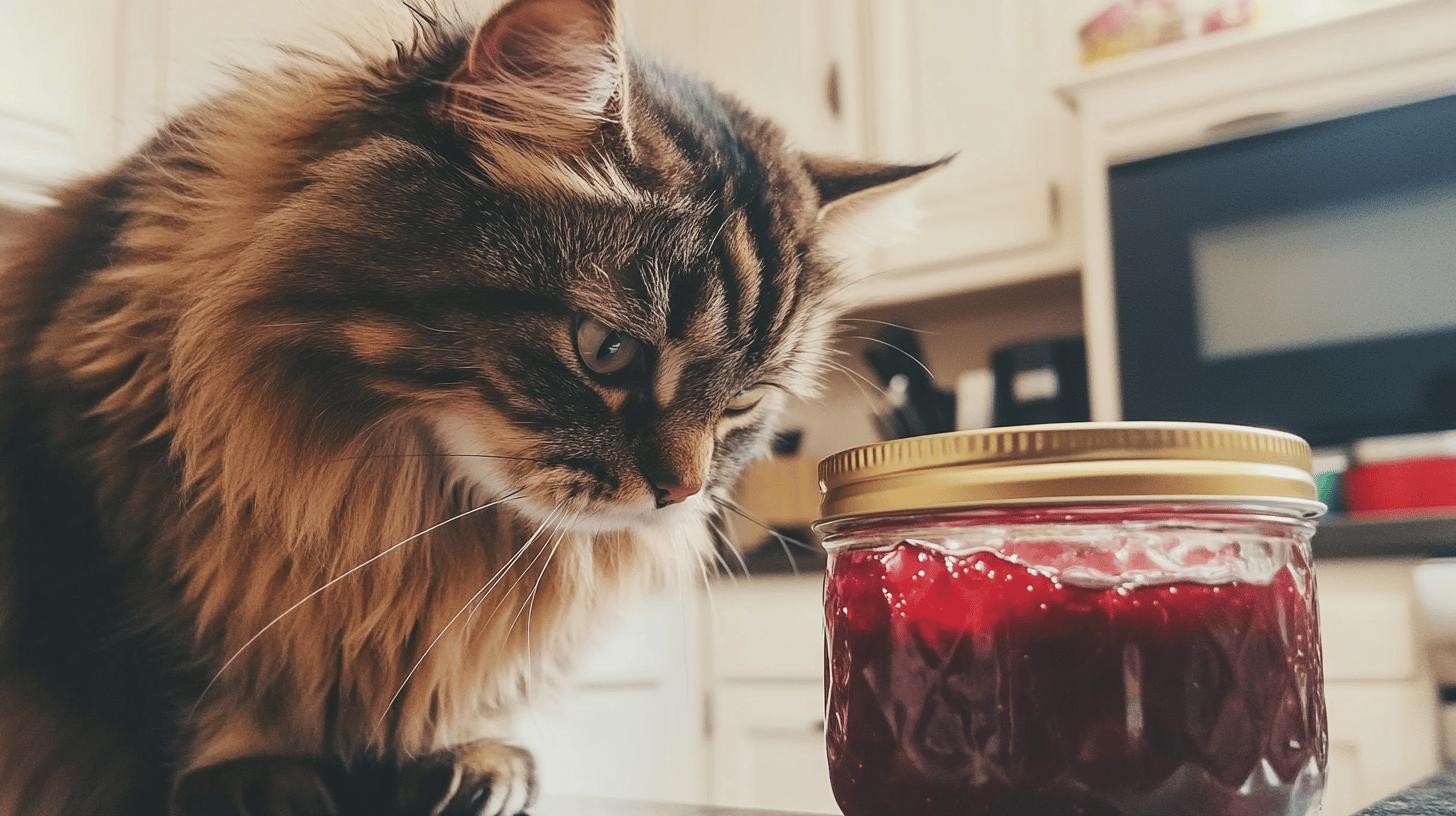
    Would you let your cat take a sweet bite of jam? While it might seem harmless, indulging your furry friend in this sugary treat can lead to unexpected health concerns. Cats are not built to digest high-sugar foods like jam, which could lead to obesity, diabetes, and a host of other issues. It's important to learn about the dangers that lurk in that seemingly innocent jar and explore safer, feline-friendly alternatives that satisfy your cat’s cravings while keeping their health in check.

    Can Cats Eat Jam? Understanding the Risks and Ingredients

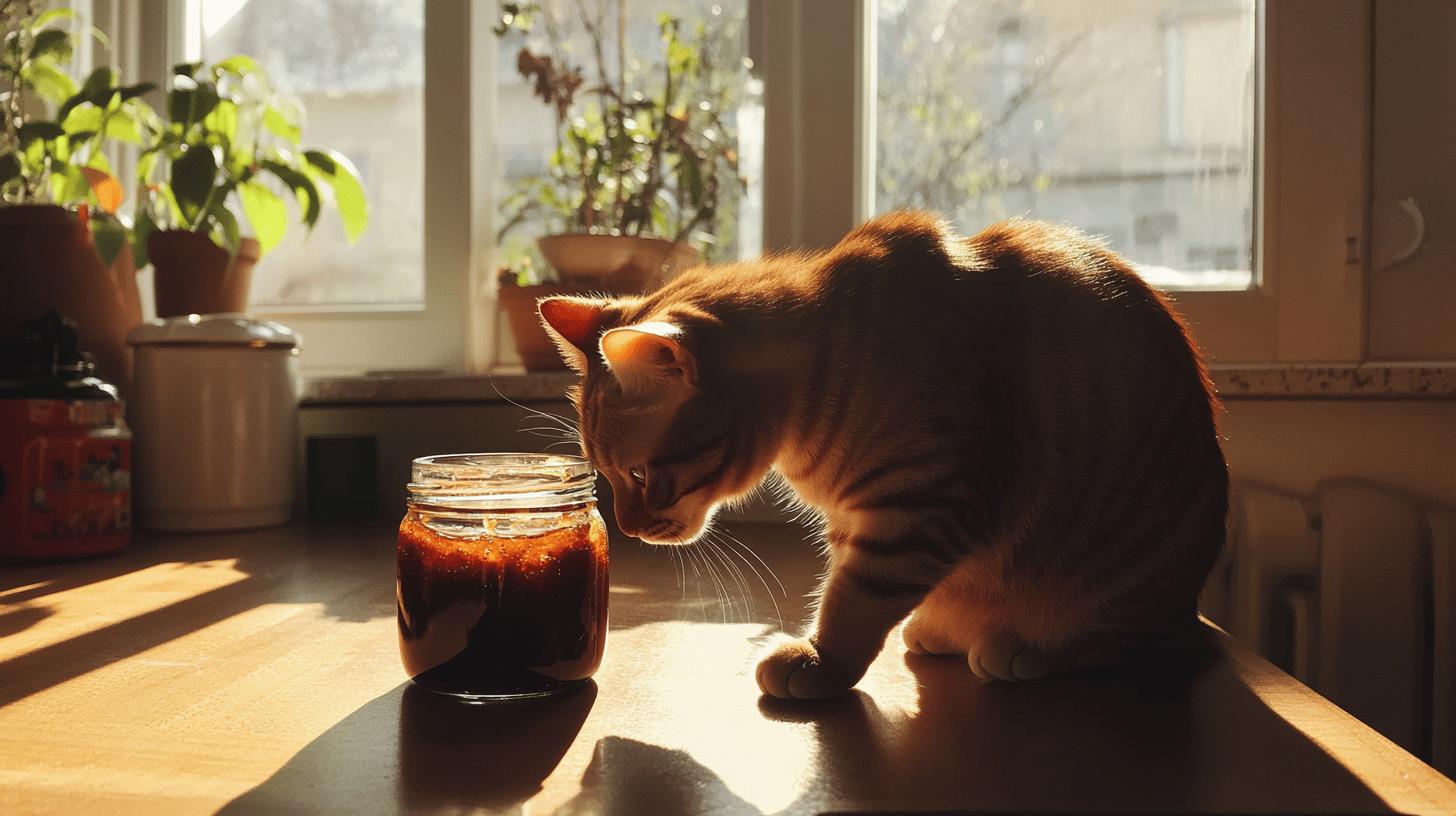
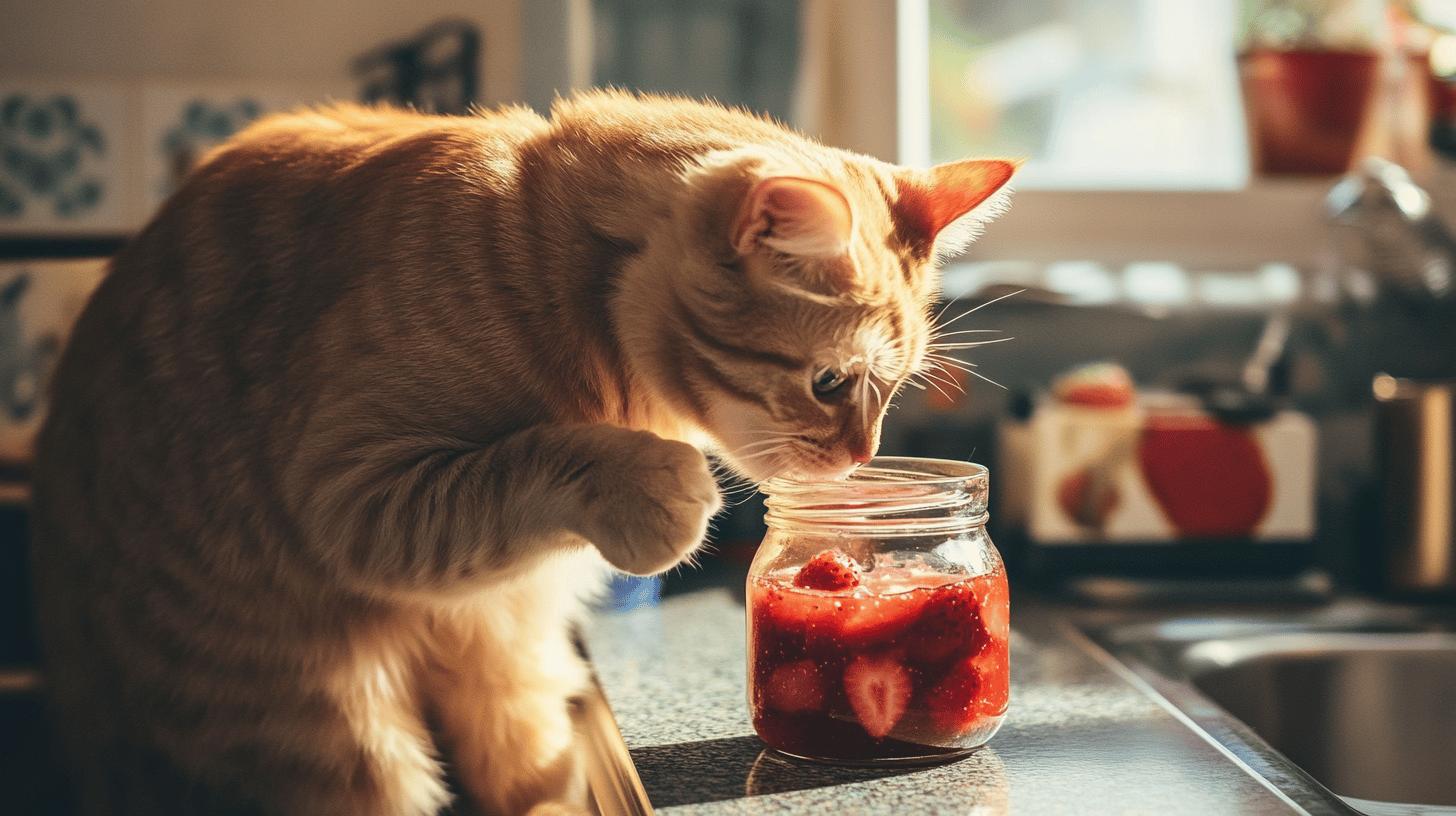
    Can Cats Eat Jam Understanding the Risks and Ingredients-1.jpg

    Jam, whether strawberry, raspberry, or grape, is not toxic to cats, but it's certainly not suitable for their dietary needs. The high sugar content makes jam a poor choice for any feline. Cats are obligate carnivores; their bodies are designed to thrive on a meat-based diet. High sugar treats like jam do not provide the necessary nutrients they require. Even if jam isn't inherently toxic, its consumption can complicate a cat's health over time.

    The health risks associated with jam consumption are numerous. Sugar is a significant concern, and too much can lead to obesity in cats. Obesity is a gateway to more serious health issues, such as diabetes, heart disease, and even cancer. Here are common symptoms that indicate your cat might be consuming too much sugar:

    • Weight gain
    • Digestive upset
    • Increased risk of diabetes
    • Dental issues
    • Hyperactivity

    Certain ingredients in jam can be particularly harmful to cats. Many jams contain fruits that might not be directly toxic but can still upset a cat's digestive system. Furthermore, sugar substitutes in sugar-free jams are not a safer option and can be harmful. Grape jelly, specifically, should be avoided entirely because grapes are toxic to cats. Additionally, jams with citrus fruits can cause gastrointestinal upset.

    If your cat accidentally eats a small amount of jam, it's unlikely to cause immediate harm. However, monitoring their behavior is crucial. Watch for signs of digestive upset or allergic reactions, such as vomiting or diarrhea. In such cases, contacting a veterinarian for further advice is wise.

    Ingredient Potential Harm
    Sugar Obesity, diabetes
    Grapes Kidney failure
    Citrus fruits Gastrointestinal upset
    Sugar substitutes Toxicity, digestive issues

    Understanding that jam is not a safe treat for cats is essential for any cat owner. While a small taste might not be immediately harmful, the long-term effects of regular consumption are concerning. Always prioritize your cat's health by sticking to treats that meet their nutritional needs.

    What to Do If Your Cat Eats Jam

    What to Do If Your Cat Eats Jam-1.jpg

    If your cat nibbles on some jam, stay calm. A small amount is unlikely to cause immediate harm. Keep a close eye on your cat's behavior for signs of digestive upset or allergic reactions, like vomiting or diarrhea. Quick observation helps catch any early signs of discomfort.

    Should symptoms of distress appear, contact your veterinarian. They can provide expert advice for your cat's situation, preventing potential complications.

    1. Observe your cat for any signs of distress or illness.
    2. Contact your veterinarian if symptoms of digestive upset appear.
    3. Avoid offering jam in the future and seek healthier alternatives.

    Alternatives to Jam for Cats: Safe Treats

    Alternatives to Jam for Cats Safe Treats-1.jpg

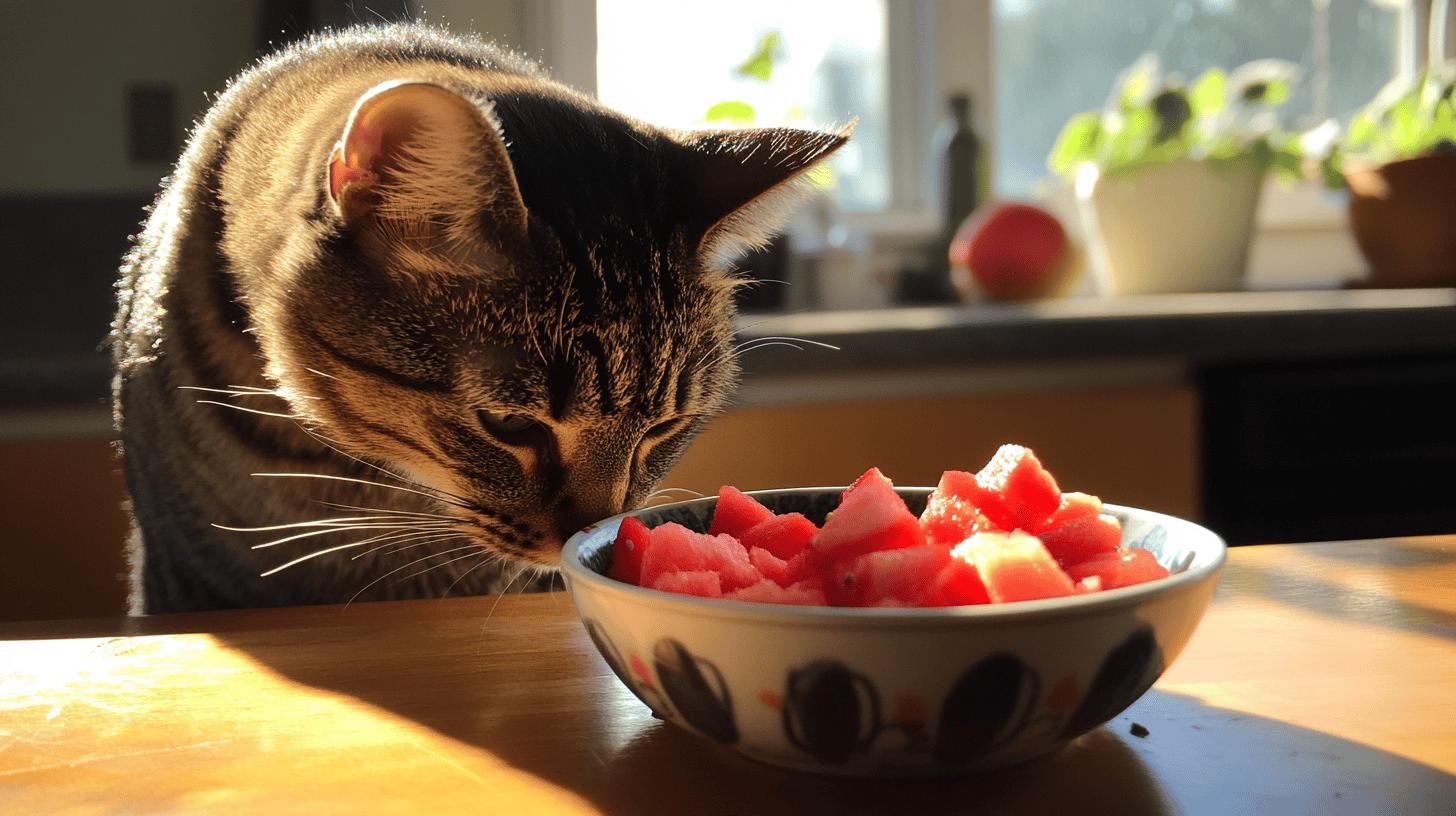
    When it comes to giving your cat a treat, fresh fruits are a great alternative to jam. Some fruits are not only safe but can also be a tasty change for your feline friend. Small portions of strawberries or seedless watermelon can be introduced gradually. It's important to keep the portions small and infrequent since cats primarily thrive on a meat-based diet. Remember, moderation is key to ensuring these fruits don't upset your cat's stomach.

    Commercially available cat treats offer another convenient and safe option. These treats are specially formulated to meet the nutritional needs of cats. When selecting a treat, look for high-quality ingredients that complement your cat's regular diet. Many brands offer a variety of flavors and textures, so you can find something that your cat will enjoy without resorting to sugary jams.

    For those who love a personal touch, homemade treats are an excellent way to spoil your cat. Small pieces of cooked chicken or turkey, or tiny amounts of cooked fish, can be delightful for your kitty. These treats allow you to control the ingredients and ensure no harmful additives are present. Homemade treats can be a fun way to engage with your cat in a healthy manner.

    Here are a few safe treats you can offer your cat:

    • Small pieces of cooked chicken or turkey
    • Tiny amounts of cooked fish
    • Commercial cat treats
    • Fresh strawberries
    • Watermelon (without seeds)

    By choosing these alternatives, you can keep your cat happy and healthy without the risks associated with sugary jams.

    Final Words

    Exploring whether cats can eat jam reveals more risk than benefit. Jam's high sugar can lead to obesity and diabetes, while certain ingredients pose health dangers. If a cat eats jam, it's best to watch for distress signs and consult a vet if needed.

    When it comes to treats, healthier options like small fruit portions or high-quality cat treats are safer. Choosing safe snacks supports a cat's health and well-being.

    Let's keep our cats healthy with better treat choices, making playtime both fun and safe!

    FAQ

    Can cats eat jam?

    Jam is not safe for cats due to its high sugar content and possible allergens. Cats should avoid jam as it can lead to obesity, diabetes, and other health issues.

    Is strawberry jam toxic to cats?

    Strawberry jam is not toxic to cats, but its sugar content is harmful. It can contribute to weight gain, diabetes, and other health problems. Cats should not consume strawberry jam.

    Is cherry jam toxic to cats?

    Cherry jam is not recommended for cats. While not toxic, the high sugar content does pose health risks, such as obesity and diabetes.

    Is jelly food good for cats?

    Jelly foods are not suitable for cats. They usually contain sugar and other ingredients that are not part of a cat's natural diet, leading to potential health risks.

    Can cats eat peanut butter?

    Cats can eat a small amount of peanut butter occasionally. It should be given in moderation due to its fat content and the presence of added sugar and salt.

    Can cats eat bread?

    Cats can have a small amount of plain, baked bread, but it should not be a regular part of their diet due to lack of nutrients and potential digestive issues.

    Can cats eat cheese?

    Cheese is safe for cats in small amounts. However, some cats are lactose intolerant and might experience digestive upset.

    Can cats have grape jelly?

    No, cats should avoid grape jelly. Grapes are toxic to cats, and any food containing them can cause serious health issues.

    What to do if your cat eats jam?

    If your cat eats jam, observe for distress or illness. Contact a veterinarian if digestive upset occurs. Avoid feeding jam again and seek healthier alternatives.

    Is it safe for cats to eat jam?

    It's not safe for cats to eat jam due to high sugar and potential allergens, leading to obesity and health risks like diabetes.

    Alternatives to jam for cats: Safe treats?

    Safe alternatives to jam include small pieces of cooked chicken, turkey, or fish, and commercial cat treats made with quality ingredients. Fresh strawberries and watermelon (seedless) can be given in moderation.

    Related Articles

  • Why Cat Dont Like Cucumbers Explaining Feline Fear and Behavior

    Why Cat Dont Like Cucumbers Explaining Feline Fear and Behavior

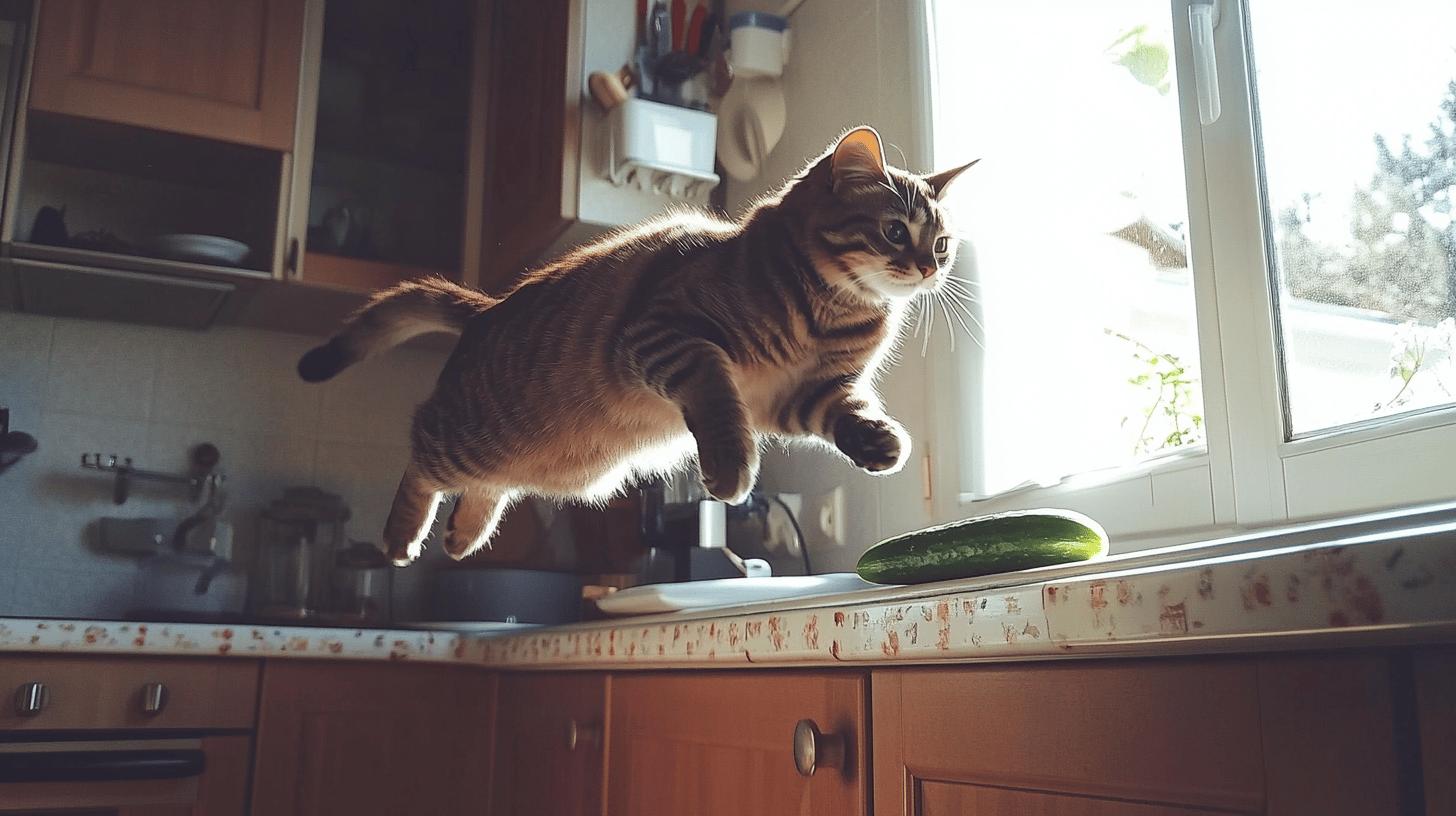
    Have you ever seen a video of a cat leaping out of its fur at the sight of a cucumber? It’s a bizarre reaction that confounds many cat owners. While the internet might have you believe that cats have a quirky hatred for cucumbers, the truth is more about sudden fright than veggie fright. The unexpected presence of a cucumber taps into their fight-or-flight response. Much like our own startled reactions, this feline fear is a survival reflex. Let's dive into the world of cat psychology to understand why cucumber surprises rock their world.

    Understanding Why Cats React to Cucumbers

    Understanding Why Cats React to Cucumbers-3.jpg

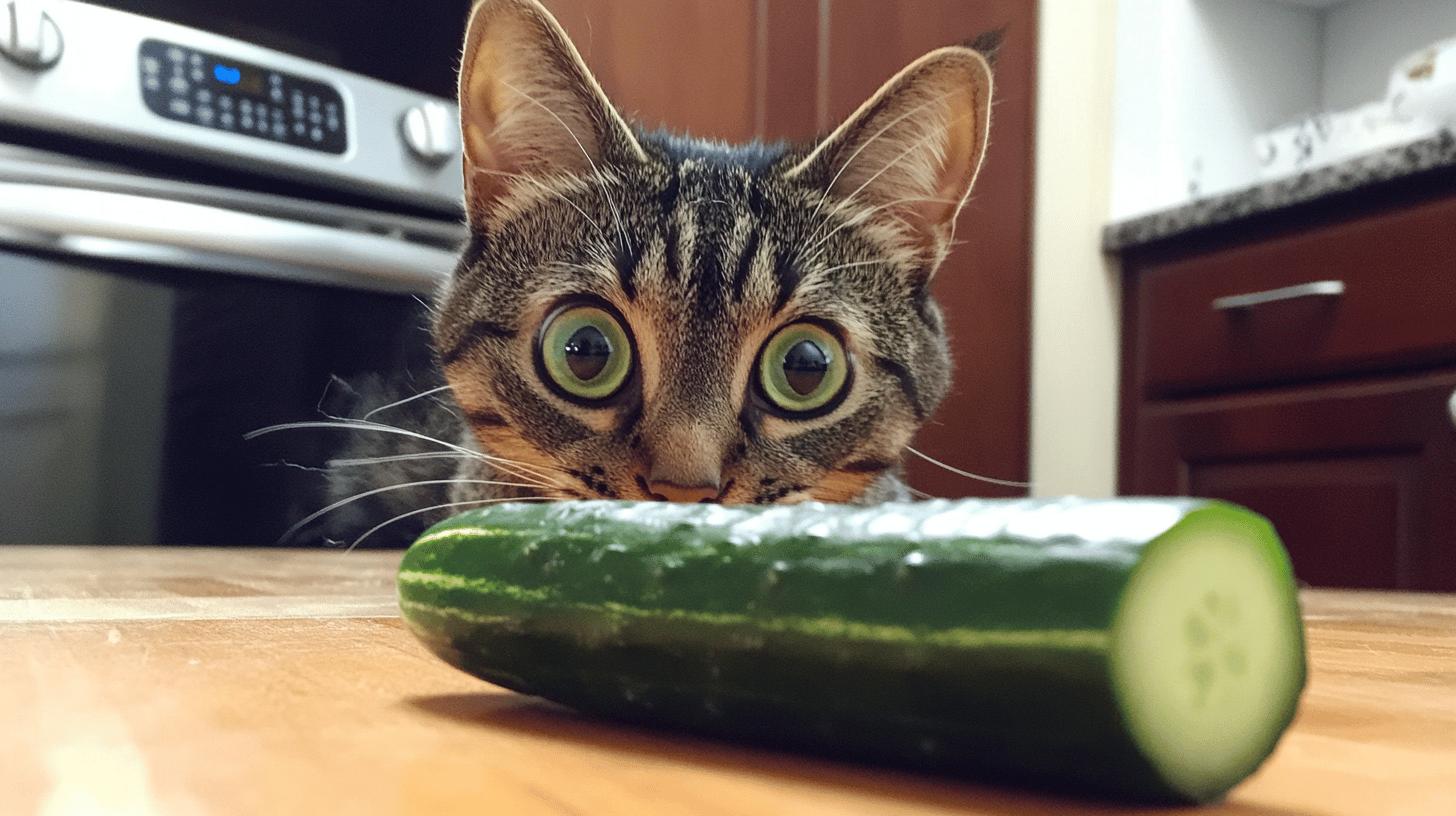
    Cats often display a dramatic reaction when unexpectedly encountering cucumbers. This behavior is largely attributed to the element of surprise rather than the cucumber itself. When a cucumber is discreetly placed behind a cat, the sudden appearance can trigger their acute startle reflex. Much like humans, cats experience a "fight-or-flight" response when startled, which is driven by a surge of adrenaline. This reflex is a survival mechanism that prepares the cat to either confront or flee from perceived threats. Understanding this reaction helps explain why cats can be so easily spooked by seemingly harmless objects.

    Theories and Psychology

    One theory suggests cats might associate the elongated shape and green color of cucumbers with snakes, which are natural predators. This resemblance could instinctively trigger a fear response. Cats have evolved with a keen awareness of potential threats, and anything that resembles a snake could activate these deep-seated instincts. Another consideration is the vegetable's likeness to the Nile monitor lizard, another potential predator, which might also explain their adverse reaction.

    The startle reflex in cats is akin to the jolt of alarm humans feel when surprised. The rush of adrenaline heightens the cat's senses, preparing them for a quick action. This reflex is part of their natural defense system, ensuring they remain alert to sudden changes in their environment. The physiological basis of this reaction is crucial for their survival, as it enables them to react swiftly to both real and perceived dangers.

    Cats often exhibit a range of reactions when startled, including:

    • Jumping vertically in alarm
    • Darting away from the source of surprise
    • Arching their back and puffing their fur
    • Hissing or growling
    • Freezing momentarily before deciding their next move

    These reactions are not exclusive to cucumbers. Cats can be startled by any unexpected object appearing in their surroundings. The cucumber phenomenon highlights how sensitive cats are to surprise, but it doesn't indicate a specific fear of cucumbers. Their reactions are more about maintaining control over their environment and responding to unfamiliar stimuli rather than an inherent fear of the vegetable itself.

    Safe Interaction Tips for Introducing New Objects to Cats

    Safe Interaction Tips for Introducing New Objects to Cats-1.jpg

    Creating a safe environment for cats is crucial when introducing new objects. Cats are creatures of habit, and sudden changes or unfamiliar items can stress them out. When cats feel threatened or startled, like when a cucumber appears out of nowhere, it can lead to anxiety and a breakdown of trust. Their well-being depends on a stable environment where they feel secure. Introducing new objects carefully helps prevent undue stress and supports their psychological health. Avoid placing objects where they eat or sleep, as these are their comfort zones. A welcoming environment allows cats to explore without fear, enhancing their confidence and curiosity.

    Here are some tips for safely introducing new objects to your cat:

    1. Gradual Exposure: Slowly introduce the new item by placing it at a distance, allowing your cat to notice it and get curious.
    2. Positive Reinforcement: Reward your cat with treats or affection when they approach or investigate the new object.
    3. Controlled Environment: Ensure the new object is in a place where your cat feels safe, like their favorite room or area.
    4. Monitor Reactions: Keep an eye on your cat’s behavior to identify any signs of stress or discomfort, and remove the object if necessary.

    Building trust is vital in maintaining a strong bond with your cat. Avoid any activities that might scare them, as this can damage your relationship and make them wary of you. By introducing changes gently, you encourage your cat to feel confident and secure in their environment.

    Recognizing and Reducing Anxiety in Cats

    Recognizing and Reducing Anxiety in Cats-1.jpg

    Cats often exhibit anxiety through behaviors that may seem puzzling to us. Common signs of anxiety include excessive grooming, hiding, or aggression. These reactions can be triggered by non-threatening stimuli that cats perceive as potential dangers. A sudden noise, new furniture, or even a change in routine can unsettle a cat. Recognizing these signs is the first step in addressing their discomfort. A cat's body language can also offer clues, like dilated pupils, flattened ears, or a twitching tail, indicating stress or fear. Observing these behaviors can help you identify when your cat is anxious and in need of reassurance.

    Signs of Anxiety in Cats

    • Hiding more often than usual
    • Excessive grooming or licking
    • Avoiding certain areas of the house
    • Changes in appetite or litter box habits
    • Increased aggression or irritability

    Reducing stress in cats involves creating a calm and stable environment. Introducing changes slowly can help mitigate anxiety. Spend quality time with your cat, offering praise and gentle petting to build their confidence. Toys and interactive play can also distract them from stressors. Ensuring your cat has a safe space, like a cozy bed or hideaway, gives them a refuge when feeling overwhelmed. Consistency in routine and environment helps establish a sense of security.

    Understanding and addressing feline fears is crucial in fostering a trusting relationship with your cat. Be patient and attentive to their needs. Recognizing their anxieties and responding with empathy can alleviate stress and improve their quality of life. Building trust with your cat not only reduces their fears but also strengthens the bond you share.

    Final Words

    In exploring why cat don't like cucumbers, it becomes clear that the element of surprise plays a major role in their reactions. Just like us, cats have a startle reflex that can trigger a rush of adrenaline. It isn't the cucumber itself that intimidates cats, but the unexpected appearance. Some theories link this to their instinctual fear of snakes or other predators.

    For a relaxed and happy cat, avoid using this tactic as a prank. Trust is essential in your relationship with your pet. Look out for their comfort and ensure their surroundings are safe and stress-free.

    FAQ

    Why are cats scared of cucumbers and bananas?

    Cats are startled by cucumbers and bananas mainly due to the element of surprise. The unexpected presence triggers a fight-or-flight response, similar to a sudden scare in humans.

    Is it OK for cats to eat cucumbers?

    Cucumbers are safe for cats to eat in small amounts. They are low in calories and can be a hydrating treat, but always introduce any new food gradually to your cat's diet.

    Why are cats scared of water?

    Cats may be scared of water because their fur doesn't dry quickly, leading to discomfort. The sensation and movement of water can also be unfamiliar and unsettling to them.

    Why are cats afraid of foil?

    Cats dislike foil because of its noisy crinkling and reflective surface, which can be startling. The texture is also unusual, which might deter cats from it.

    Why are cats scared of snakes?

    Cats are instinctively cautious of snakes due to evolutionary survival instincts. The resemblance of some objects, like cucumbers, to snakes can trigger a cat's instinctual fear.

    What foods are cats scared of?

    Cats might react to foods that have strong, unfamiliar smells or are presented unexpectedly. The surprise can trigger their startle reflex and cause avoidance.

    Why are cats afraid of cucumbers in Mythbusters?

    The phenomenon of cats being afraid of cucumbers was explored due to viral videos. It highlighted how cats' startle response is provoked by unexpected objects, not cucumbers specifically.

    Why do cats not like cucumbers?

    Cats don't specifically dislike cucumbers; it's the abrupt introduction and potential snake-like appearance that startles them and triggers an instinctual reaction.

    Related Articles

  • Why Cat Is Cute From Physical to Psychological Perspectives

    Why Cat Is Cute From Physical to Psychological Perspectives

    Why are cats considered the epitome of cuteness? Their charm goes beyond their fluffy fur and tiny paws. It taps into something deeper within us. Cats possess physical features that instantly draw us in, but their irresistible allure doesn't stop there. Their behaviors, like that gentle purr, work on a psychological level, too, making them even more enchanting. Understanding the intricate blend of physical attributes and psychological triggers can help explain why these feline friends hold such a special place in our hearts. Let's explore these perspectives to uncover what truly makes cats so cute.

    Why Cats Are Considered Cute

    Why Cats Are Considered Cute-1.jpg

    Cats have a special knack for tugging at our heartstrings, thanks mainly to their physical traits that align with the "baby schema effect." This concept refers to a set of features like large eyes, small noses, and round faces, which instinctively make humans feel a nurturing urge. These characteristics are not just random; they are deeply embedded in the way our brains are wired, leading us to find such features irresistibly cute and worthy of protection. This response is similar to how we react to human babies, making cats appear even more endearing and lovable.

    • Big, round eyes
    • Soft, small noses
    • Round faces
    • Fluffy, soft fur
    • Tiny paws

    From an evolutionary perspective, cats may have developed these appealing traits over time to enhance their survival. As humans began domesticating cats, those with features that elicited a caring response were more likely to be favored and cared for, potentially increasing their longevity and reproductive success. This mutual interaction fostered a bond between humans and cats, allowing them to coexist harmoniously. Today, this evolutionary journey continues, as our fondness for feline cuteness strengthens the connection that keeps cats as cherished companions in our lives.

    Cute Cat Behaviors That Captivate Us

    Cute Cat Behaviors That Captivate Us-1.jpg

    Cats have a delightful array of vocal behaviors that make them irresistibly cute. One of the most captivating is their purring. The sound of a cat's purr is not only soothing but has therapeutic properties. With frequencies ranging from 20 to 150 Hz, purring can promote relaxation and even aid in healing processes. This gentle vibration has a calming effect on humans, making us feel a sense of peace and warmth. Cats also use meows to communicate, often mimicking the frequency of a human baby's cry. This vocal mimicry triggers a nurturing response in us, deepening our affection for these furry companions.

    • Playful tail chasing, which showcases their energetic and fun-loving side.
    • Slow blinking, a sign of trust and affection that melts our hearts.
    • Kneading with their paws, reminiscent of kittens nursing, which feels comforting.
    • Curled-up sleeping positions that make them look snug and content.

    Non-vocal behaviors are just as endearing, capturing our attention and admiration. Cats have a unique way of communicating through body language. Slow blinking, for instance, is a sign of trust and affection. When a cat slowly closes its eyes, it signals comfort and love, encouraging us to reciprocate with slow blinks. Cats' sleeping positions are another adorable trait, as they often curl up in tight balls or stretch out lazily, exuding contentment. These behaviors not only highlight their charm but also strengthen the bond between humans and their feline friends, making every interaction a heartwarming experience.

    Psychological Reasons Cats Are Cute to Humans

    Psychological Reasons Cats Are Cute to Humans-1.jpg

    Our fascination with cats' cuteness can be traced back to evolutionary psychology. Humans are hardwired to respond to features like large eyes and small noses, which are commonly seen in both babies and kittens. This biological inclination triggers nurturing instincts, prompting us to protect and care for these adorable creatures. It's a survival mechanism that has helped humans bond with and nurture not only their offspring but also animals like cats, leading to a stronger interspecies connection.

    Part of this psychological response includes the phenomenon known as "cute aggression." This is the overwhelming urge to squeeze or pinch something we find irresistibly cute, like a fluffy kitten. While it might sound counterintuitive, cute aggression is thought to balance our emotions, helping us manage the intense feelings that arise when confronted with extreme cuteness. It's a way for our brains to regulate the high levels of affection and protectiveness that come with these adorable encounters.

    These psychological responses significantly impact how we interact with cats. The combination of nurturing instincts and cute aggression encourages us to engage more closely with our feline friends, fostering a deeper bond. We find ourselves drawn to their playful antics and soothing purrs, and this emotional connection enhances our overall well-being. Understanding these psychological factors helps us appreciate why cats hold such a special place in our hearts and why they continue to be cherished companions.

    Cultural Significance of Cats' Cuteness

    Cultural Significance of Cats Cuteness-1.jpg

    Cats have held a special place in human culture for thousands of years, revered for their mysterious allure and perceived otherworldly qualities. In Ancient Egypt, cats were considered sacred, often associated with the goddess Bastet, symbolizing protection, fertility, and motherhood. Their grace and poise were depicted in art and sculpture, highlighting their esteemed status. This cultural reverence is not limited to Egypt; in many Eastern traditions, cats are seen as symbols of good fortune and protection from evil spirits. These historical perspectives have contributed to the enduring appeal of cats, embedding them deeply in the cultural tapestry across the globe.

    In modern times, the internet has amplified the cuteness of cats, making them global sensations. Online platforms are flooded with cat memes, videos, and images that capture their quirky behaviors and endearing appearances. This digital exposure has turned ordinary cats into viral stars, with some becoming internet icons recognized worldwide. Cats' ability to charm audiences with their antics and expressions makes them perfect subjects for media portrayal, reflecting their widespread appeal and cultural impact. They have become symbols of joy and relaxation, their presence in digital media serving as a reminder of their timeless charm.

    Cultural Icon Medium Significance
    Grumpy Cat Internet Meme Symbol of humor and viral culture
    Garfield Comic Strip Embodiment of laziness and wit
    Maneki-neko Statue Bringer of good luck and fortune

    Why Cats Are More Than Just Cute

    Why Cats Are More Than Just Cute-1.jpg

    Owning a cat goes beyond just having a cute companion lounging in the sunbeam. Cats provide real emotional benefits that can elevate your mood and reduce stress. Their calming presence, often marked by gentle purring, has been shown to lower blood pressure and release calming chemicals in the brain. This effect can create a serene environment, perfect for unwinding after a long day. Furthermore, the responsibility of caring for a cat can add structure and purpose to your daily routine, improving overall mental well-being and providing a sense of fulfillment.

    • Offering a warm lap and comforting presence.
    • Displaying playful antics that bring joy and laughter.
    • Providing a sense of routine through feeding and grooming.
    • Offering companionship during solitary moments.

    The bond between humans and cats is a unique and mutually beneficial one. Despite their reputation for independence, cats are remarkably attuned to their owners' emotions. They can sense when you're feeling down and may offer affection through gentle headbutts or by curling up beside you. This intuitive understanding strengthens the emotional connection, making cats cherished companions who offer unwavering support. Their ability to provide comfort and companionship helps forge a deep bond, enriching the lives of both the feline and their human counterparts. Through shared experiences and mutual affection, the relationship with a cat becomes one of genuine partnership and love.

    Final Words

    Understanding why a cat is cute goes beyond appearance; their big eyes, purrs, and playful behaviors pull at our heartstrings and nurture instincts. Humans are naturally drawn to features that evoke care, an idea rooted in the "baby schema effect." Cats amplify this connection with behaviors that charm us daily, from soothing purrs to playful antics.

    Psychologically, even concepts like cute aggression show how deep our bond with cats goes. Their cultural significance over time, amplified by the internet, highlights their universal appeal. Beyond their charm, cats offer emotional benefits, reducing stress and providing companionship. This deeper relationship with cats makes them beloved companions everywhere.

    FAQ

    Why are cats cute to humans?

    Cats appear cute to humans due to features like big eyes, small noses, and round faces. These traits trigger the "baby schema effect," making us naturally inclined to protect and care for them.

    Do cats know they are loved?

    While cats may not understand love like humans, they recognize affectionate behaviors. Petting, cuddling, and spending time together help them associate us with positive experiences and safety.

    Why do we find cats attractive?

    Humans find cats attractive because their features activate nurturing instincts. Big eyes and small facial features resemble those of human babies, which our brains are wired to protect.

    Why are cats cuter than dogs?

    Some people find cats cuter than dogs because of their distinct features and behaviors. Cats’ round faces, expressive eyes, and soft fur appeal to our nurturing instincts, enhancing their perceived cuteness.

    Do cats know they are cute?

    Cats are likely unaware of their cuteness but may recognize the attention and affection they receive from humans due to their appearance and behaviors.

    Why is my cat so cute and perfect?

    Your cat seems cute due to its physical traits like big eyes and round face. These features appeal to your nurturing instincts, making them irresistibly charming and heartwarming.

    Why do cats be so cute?

    Cats are considered cute because of their physical traits like big eyes and round faces, alongside behaviors such as purring, blinking, and gentle movements, all of which appeal to human emotions.

    Related Articles

  • Can Cat Eat Once a Day Understanding Feeding Frequency for Cats

    Can Cat Eat Once a Day Understanding Feeding Frequency for Cats

    Could feeding your cat just once a day be enough, or is it a feeding frequency faux pas? While the idea might conjure images of simplicity for us cat owners, it stirs a debate among pet experts. Cats are creatures of habit, with wild relatives nibbling multiple times a day. So, does a once-a-day meal plan meet your feline's nutritional needs? If you've ever wondered about the best feeding schedule for your furry friend, then this article is for you. Let’s explore whether this feeding routine keeps your kitty purring with satisfaction or leaves them craving more.

    Can Cats Eat Once a Day? Understanding the Basics

    Can Cat Eat Once a Day Understanding Feeding Frequency for Cats-2.jpg

    Feeding a cat once a day can work for adult cats over one year old, but it's not ideal for every feline. Adult cats have different nutritional needs based on factors like size, activity level, and health status. While feeding once a day might seem convenient, most experts suggest offering at least two meals daily to meet a cat's natural eating habits and nutritional requirements. This is because cats in the wild eat multiple small meals throughout the day. Nevertheless, if your cat is healthy and thriving on a once-a-day schedule, it may be suitable. Just make sure that the meal is nutritionally balanced and portioned correctly to avoid issues like obesity or nutrient deficiencies.

    Pros and Cons of Feeding Cats Once a Day:

    • Pros:

      • Simplicity in planning and managing feeding times.
      • May reduce food-related stress in multi-cat households.
      • Helps cats feel fuller for longer periods.
    • Cons:

      • May not align with a cat's natural hunting and eating patterns.
      • Potential for increased begging or food-seeking behavior.
      • Risk of overeating or undereating if portions aren't carefully managed.

    Each cat is unique, and their feeding needs can vary significantly. It's important to observe your cat's behavior, health, and weight to determine if a once-daily feeding schedule is appropriate. Regular check-ups with a veterinarian can help guide you in making the best feeding decisions for your furry friend.

    How to Portion and Balance Meal Sizes for Cats

    Behavioral and Health Considerations for Once-Daily Feeding-2.jpg

    Getting the right meal size for your cat is key to keeping them healthy and preventing obesity. Overfeeding is a common issue, so understanding how much to feed is crucial. Most cat food packaging provides general guidelines, often based on high-demand scenarios like unneutered male cats. These guidelines can lead to overfeeding if not adjusted for your cat's specific needs. Measuring food portions accurately ensures your cat gets the right amount of nutrition without excess calories that might lead to weight gain.

    One of the best tools for accurate portion control is a digital scale. Measuring food by weight rather than volume can be more precise, helping you maintain consistency in meal sizes. This approach minimizes the risk of overfeeding and helps keep your cat's diet balanced. A digital scale is easy to use and can make a big difference in managing your cat's dietary health.

    Adjusting portions based on your cat's weight and activity level is also important. If your cat is gaining or losing weight, you might need to tweak their meal sizes. Regularly monitor their body condition and activity level to make necessary adjustments. Small, gradual changes in portion size can lead to better weight management without disrupting your cat's routine. By keeping a close eye on these factors, you can ensure your cat maintains a healthy weight and enjoys a balanced diet.

    Behavioral and Health Considerations for Once-Daily Feeding

    Behavioral and Health Considerations for Once-Daily Feeding-1.jpg

    Feeding your cat once a day can significantly impact their behavior and health. Cats are natural hunters, accustomed to catching multiple small meals throughout the day. When fed only once, some cats might experience changes in their eating habits. This can include increased food-seeking behavior or anxiety around feeding times. One potential benefit of once-daily feeding is the increase in satiety hormones, which might make your cat feel fuller for longer periods. This could potentially lead to reduced overall food intake. However, the risk of obesity or metabolic issues can arise if the single meal is not appropriately portioned. Smaller, more frequent meals typically help maintain a cat's metabolic rate, which is why this approach is often recommended. It's essential to carefully consider these factors, as each cat's response can vary.

    Signs to Watch For:

    • Noticeable weight loss or gain
    • Increased aggression around feeding times
    • Changes in litter box habits
    • Lethargy or decreased activity levels

    Monitoring your cat's behavior and health closely is crucial if you're considering or already using a once-daily feeding schedule. Changes in your cat's mood, activity level, or physical health can provide vital clues about how they're adapting to this routine. Regular veterinary check-ups will help ensure your cat remains healthy and well-nourished. Adjust your feeding routine as needed to address any issues that arise.

    Expert Tips and Alternatives to Once-Daily Feeding

    Expert Tips and Alternatives to Once-Daily Feeding-1.jpg

    Veterinarians often recommend feeding cats multiple small meals throughout the day. This aligns with their natural hunting instincts and helps maintain their metabolic rate. Cats are natural grazers, and providing them with several meals can prevent overeating and obesity. For healthy cats, splitting daily food intake into two or more meals is generally the way to go. This method not only supports their health but also keeps them satisfied and active.
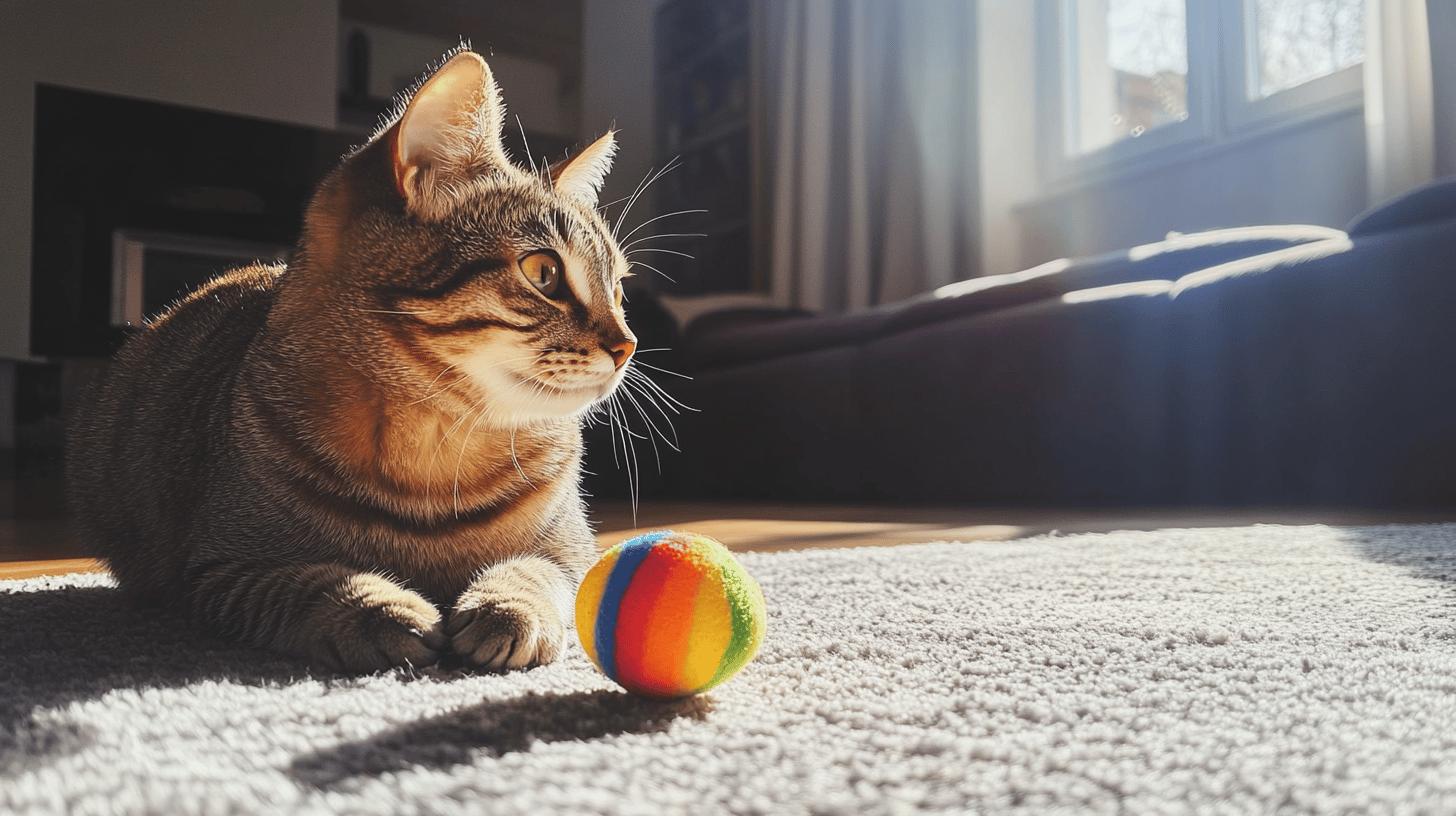
    Feeding Strategies for Cats with Health Needs

    Cats with certain health conditions, like diabetes or kidney disease, might require specific feeding strategies. For diabetic cats, smaller, more frequent meals help maintain stable blood sugar levels. Cats with kidney issues benefit from specialized diets that support kidney function, often involving several smaller meals to reduce stress on their systems. Tailoring feeding routines to meet these needs is crucial in managing their health effectively.

    • Introduce new feeding times gradually.
    • Monitor your cat's weight and health closely.
    • Adjust portion sizes carefully to avoid overfeeding.
    • Use interactive feeders to make meals more engaging.
    • Offer a mix of wet and dry foods for variety.
    • Maintain a consistent schedule to minimize stress.

    Transitioning your cat to a different feeding frequency requires patience and observation. By focusing on your cat's individual needs and health, you can create a feeding routine that supports their well-being and lifestyle. Regular consultations with your veterinarian can guide you in making the best feeding choices for your feline friend.
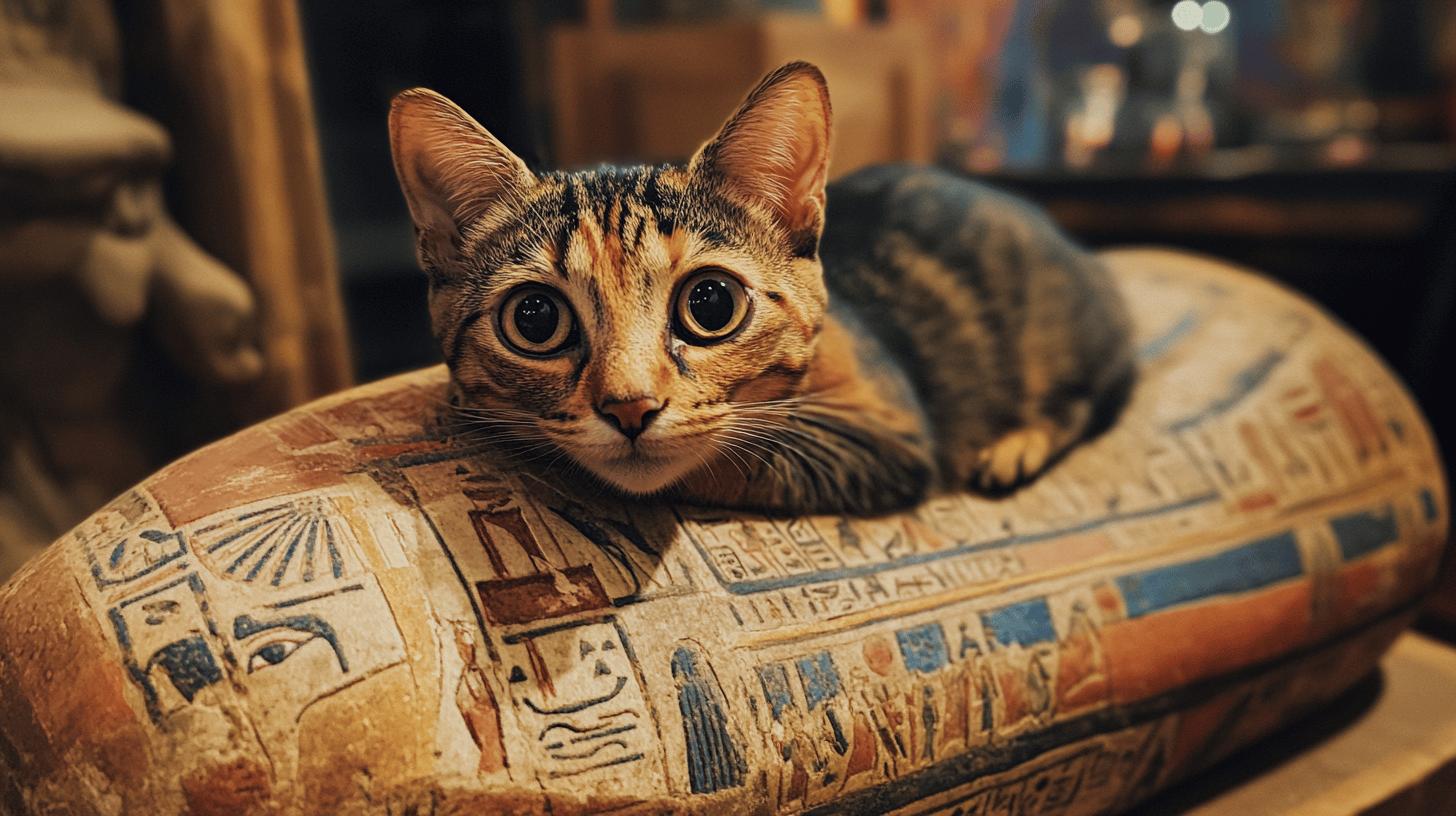
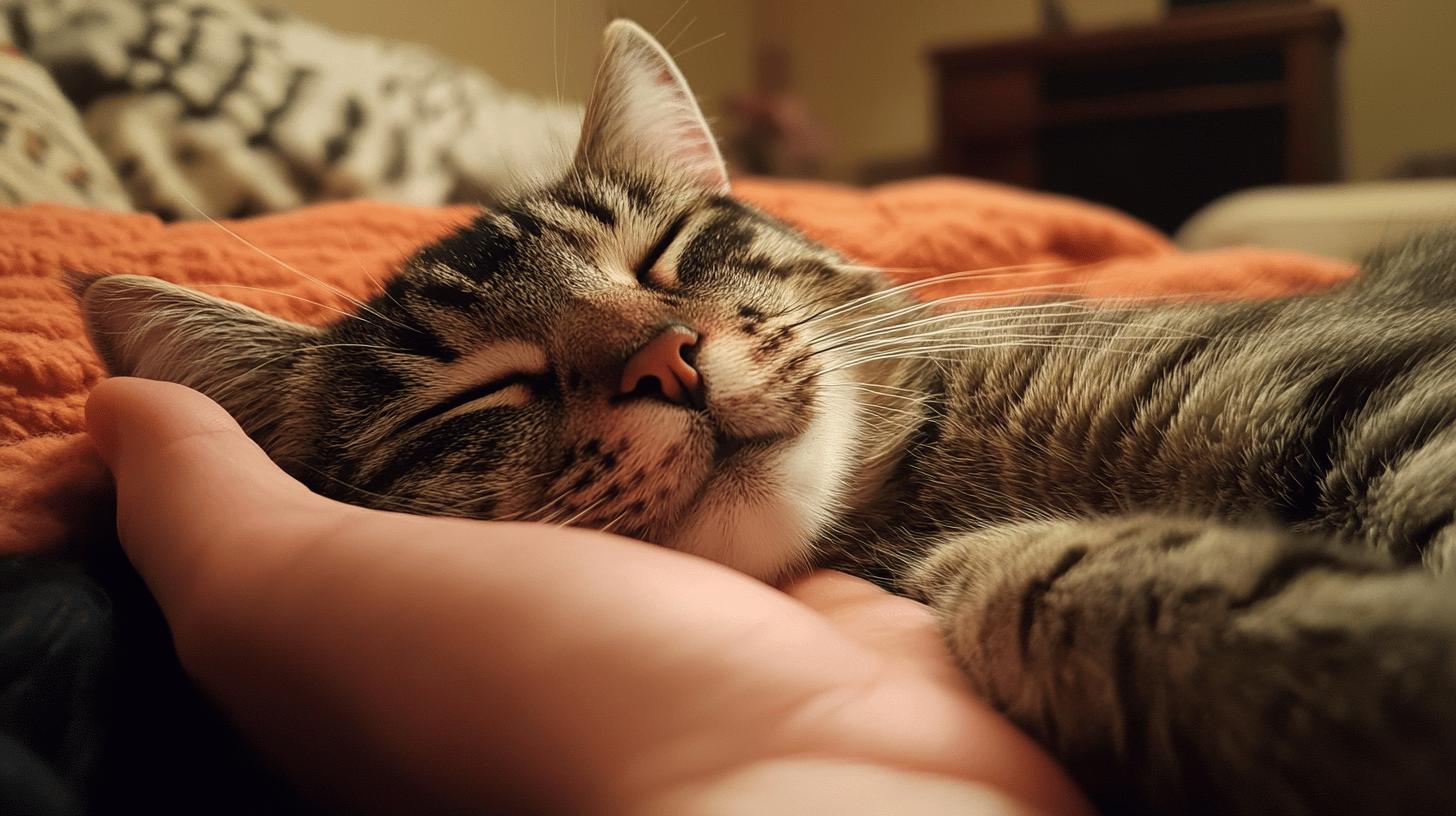
    Final Words

    Finding the right feeding schedule for your cat is essential. Adult cats can eat once a day, but it's not always the best choice for every cat. Balancing meal portions can prevent obesity and keep your pet healthy. It's important to watch for behavioral changes if you decide on once-daily feedings.

    Using tools like digital scales helps maintain portion control and checks on your cat's weight and activity. Consider all the factors, including behavior and health needs, when deciding if your cat can eat once a day. You'll make feeding time work best for both you and your feline friend.

    FAQ

    Is it okay if my cat eats once a day?

    Feeding a cat once a day can be okay for adult cats over a year old. But, giving meals twice daily is often better. Find what suits your cat and lifestyle best.

    How much to feed a cat chart?

    Cat food charts are on packaging but suit high-demand cases. Use a digital scale for precision and adjust as needed based on weight and activity.

    How many times a day should a cat eat?

    Cats usually eat twice daily. Small meals more often may mimic natural feeding and keep a better metabolic rate.

    Can cats eat once a day in the morning?

    Cats can eat once in the morning, but it depends on the cat's health and preferences. Most need regular meals for balanced nutrition.

    Will cats stop eating once they are full?

    Most cats self-regulate but some may overeat. Watch your cat's weight and adjust portions to keep them healthy.

    Is it better to feed cats little and often?

    Cats often benefit from small, frequent meals which align with their natural hunting habits, promoting a healthy weight and metabolism.

    Is fasting healthy for cats?

    Fasting isn't ideal for cats. Regular, balanced meals sustain energy and health, avoiding stress and digestive issues.

    How should I create a cat feeding schedule by age?

    Kittens eat more frequently, while adults often do well with two meals a day. Tailor the schedule to your cat's age and health needs.

    How much dry food to feed a cat per day?

    Portions depend on age, weight, and activity. Use a scale for accurate measurement. Adjust as necessary to prevent obesity.

    Related Articles