Author: Isabella Tiu

  • Why Cat Is Crying Common Causes and Solutions

    Why Cat Is Crying Common Causes and Solutions

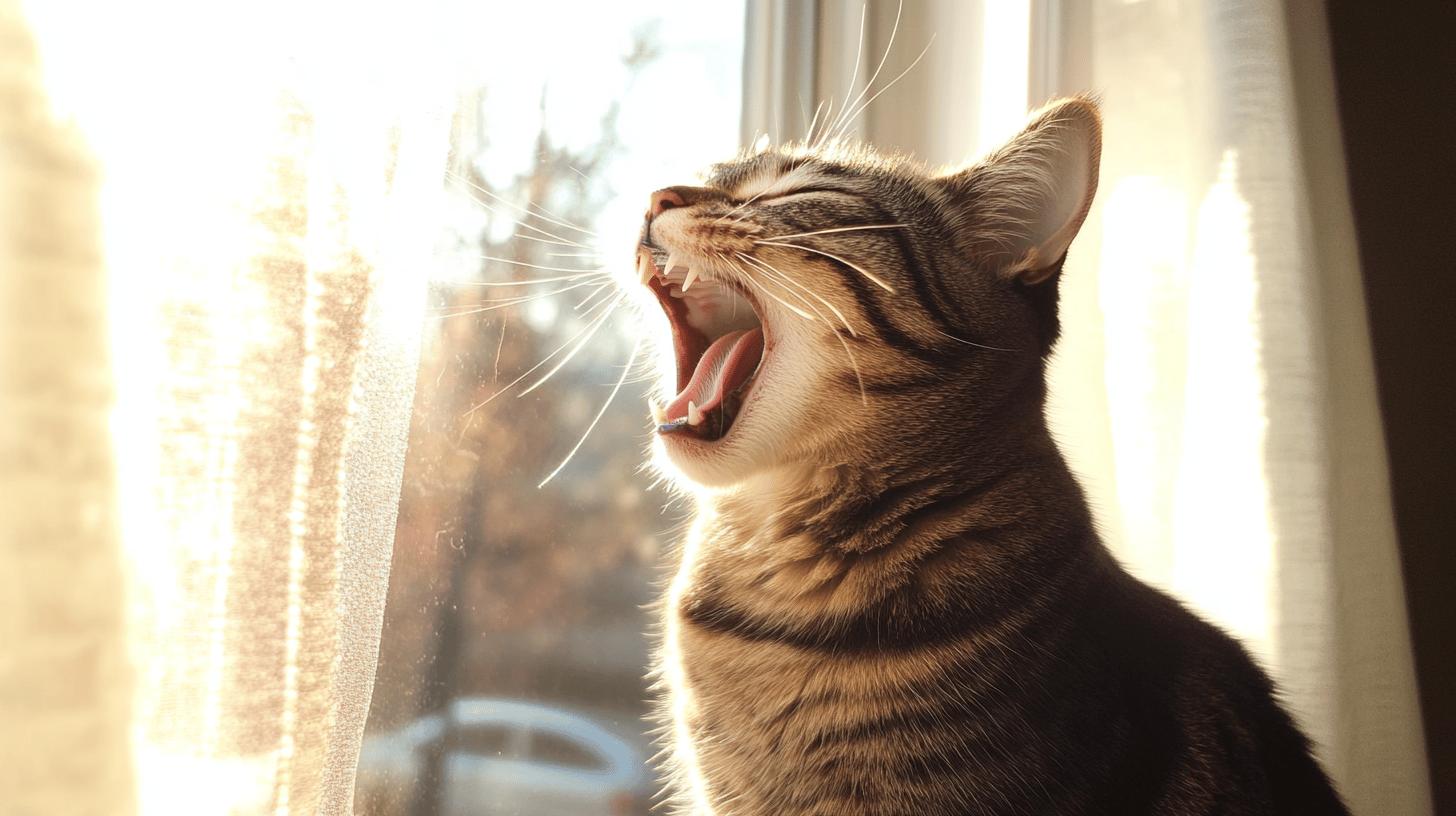
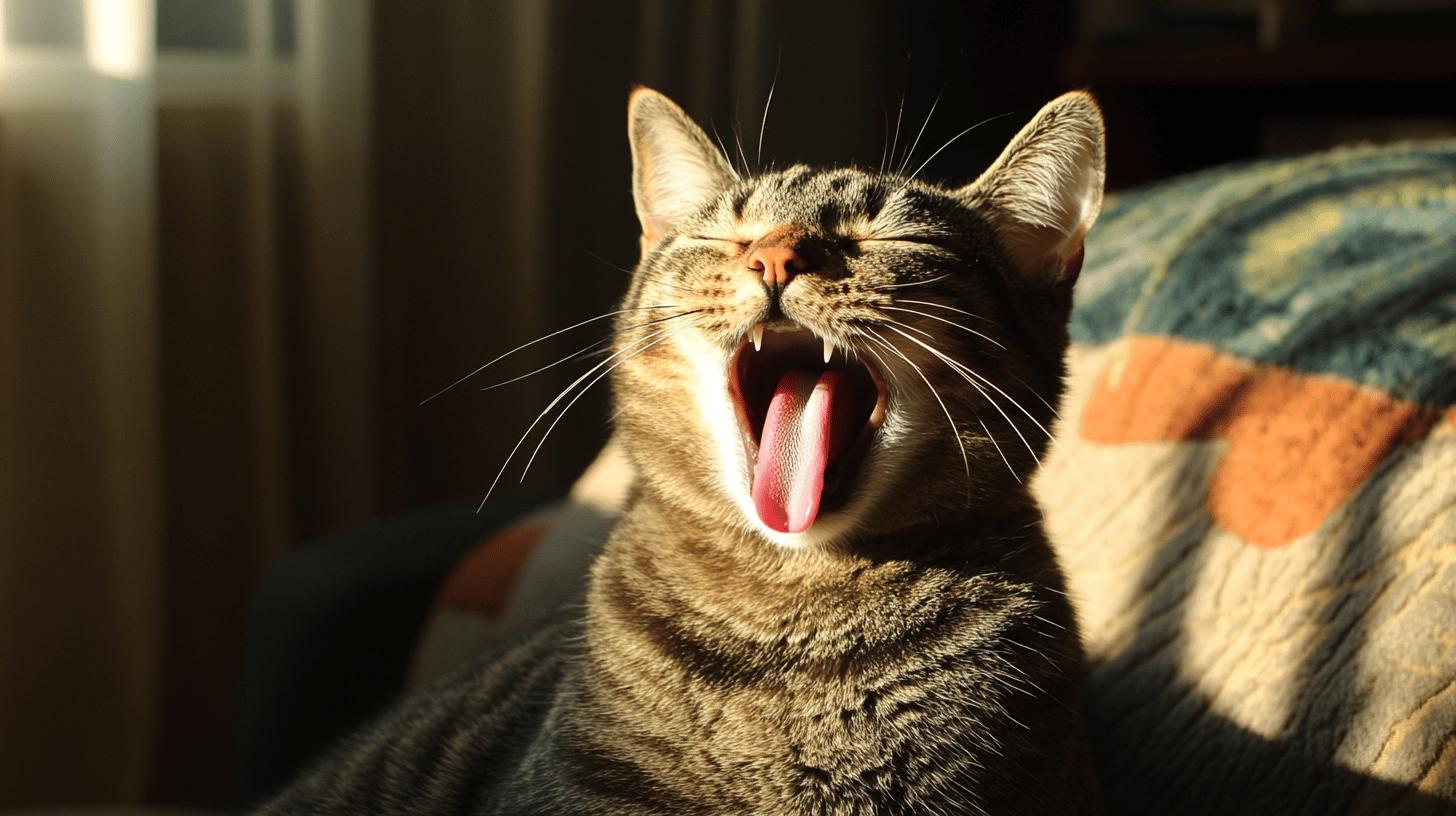
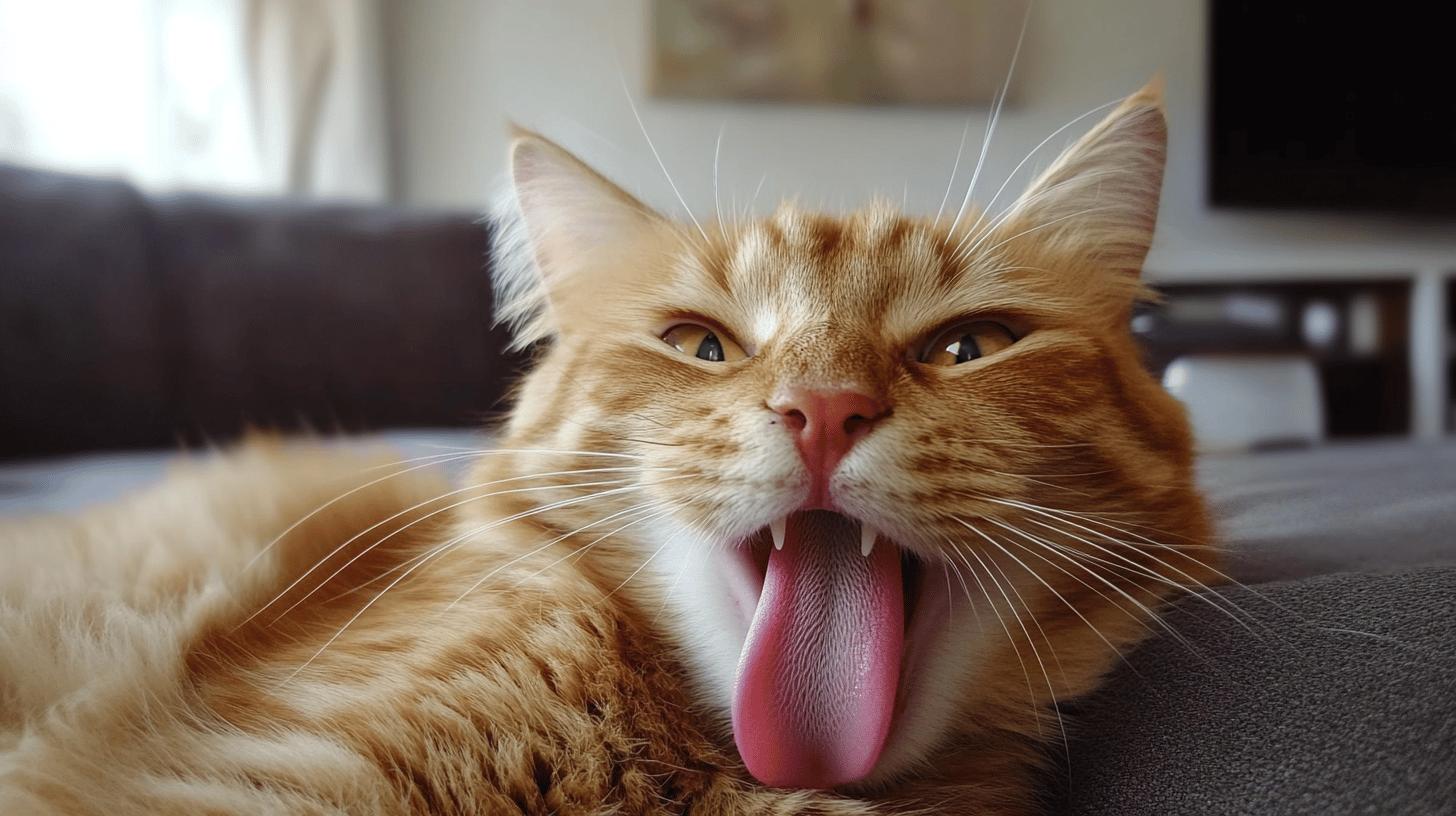
    Why is your cat crying like it has an urgent message? It’s not just random noise; it’s their way of talking to you. Cats cry for many reasons, from seeking attention like a toddler wanting candy to telling you that they’re hungry or feeling unwell. Sometimes, changes at home can stress them out, leading to more cries. Understanding these cries is like learning a new language, and it’s key to helping your furry friend feel happy and safe. Let’s dive into the common causes and solutions to your cat’s tears.

    Understanding Why Cats Cry: Common Causes

    Understanding Why Cats Cry Common Causes-1.jpg

    Cats have unique ways of expressing their needs and discomforts. Crying, often manifesting as excessive meowing, can be driven by several factors:

    • Attention-seeking
    • Hunger
    • Illness
    • Stress

    When cats cry, they are often trying to communicate with us. Attention-seeking is a common cause, as cats may meow to get you to interact with them, play, or simply be near. Hunger is another straightforward reason. If a cat’s food bowl is empty, they’ll likely let you know with persistent cries. Illness can also lead to crying, and it might be a sign of discomfort or pain. Stress, induced by changes in their environment or routine, can make cats vocalize more frequently.

    Understanding these reasons is crucial. Recognizing a cat’s emotional and physical needs helps in addressing their cries effectively. If you notice your cat crying more than usual, consider whether they’re seeking attention, hungry, unwell, or stressed. Addressing these needs can often calm them down.

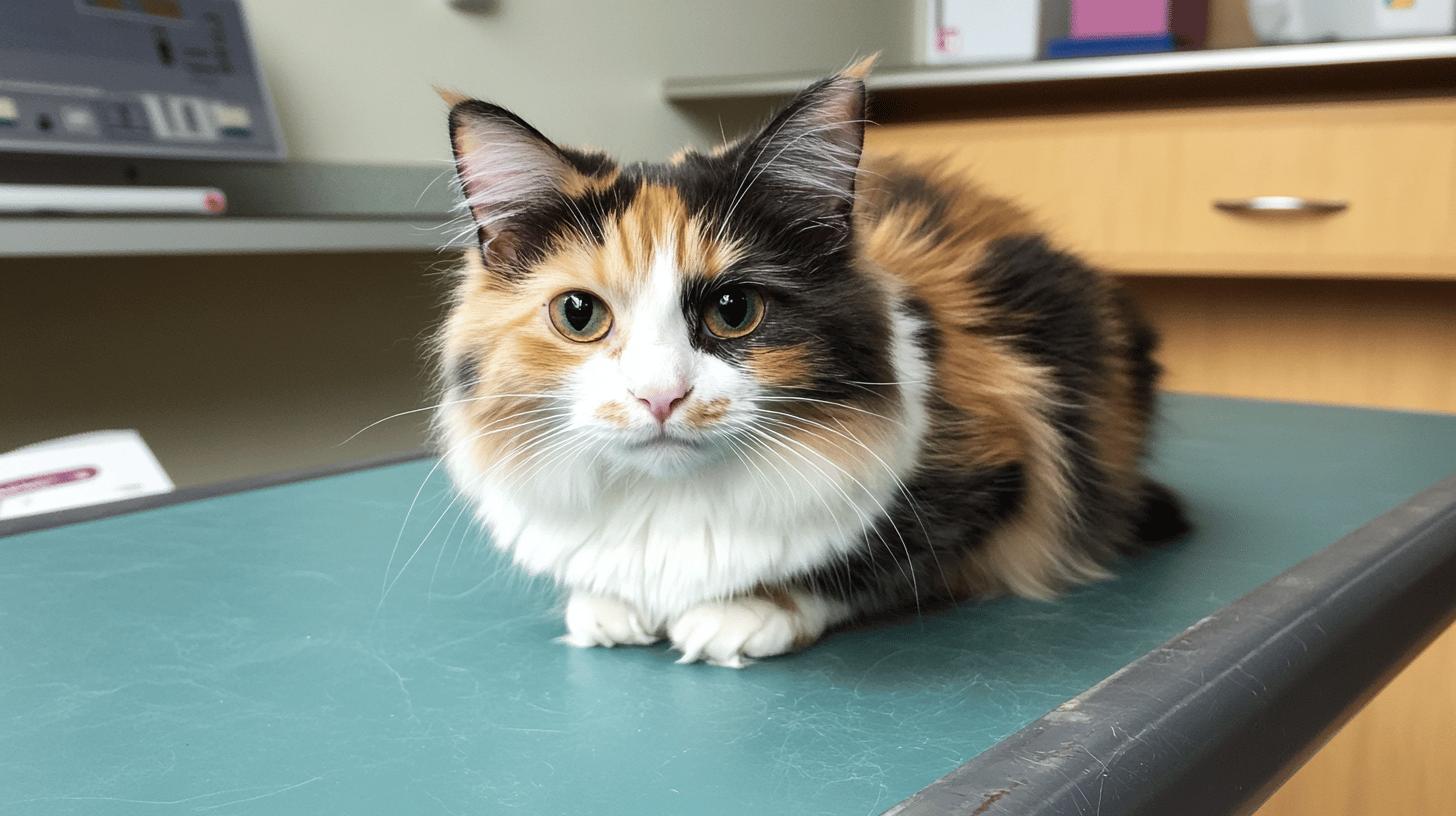
    Observing your cat’s crying patterns is key to identifying potential health issues. Persistent or unusual meowing might suggest a medical problem that requires veterinary attention. If your cat’s cries are accompanied by other symptoms like lethargy, hiding, or changes in appetite, it’s wise to consult a vet. Keeping an eye on these vocalizations can provide valuable insights into your cat’s wellbeing, ensuring they remain healthy and happy.

    How Cat Vocalizations Communicate Needs

    How Cat Vocalizations Communicate Needs-1.jpg

    Cats have developed a fascinating array of vocalizations to communicate with us and each other. These sounds aren’t just random noises; they each serve distinct purposes tied to the cat’s emotional state or immediate needs. Understanding these vocalizations can give you a deeper insight into your cat’s behavior and intentions. Meowing is one of the most common sounds and is typically used for general communication. It’s a versatile sound that can express anything from a simple greeting to a request for food. Growling and hissing usually signal discomfort or fear, warning others to keep their distance. Chirping, often heard when a cat is watching birds or other prey, indicates frustration or excitement. A content cat will often purr, a soothing sound that can also indicate self-comforting during stress. Caterwauling is a more intense sound typically associated with mating behaviors, either to attract a mate or ward off competitors.

    • Meowing for general communication
    • Growling and hissing for discomfort or fear
    • Chirping in frustration
    • Purring for contentment
    • Caterwauling during mating

    Interpreting these sounds effectively can help you respond to your cat’s needs more accurately. For example, if your cat is growling, it’s best to give them space and identify any potential stressors. If they’re purring, it may mean they’re content, but if it’s accompanied by signs of stress, they might be trying to calm themselves. By paying attention to the context and accompanying body language, you can better understand what your cat is trying to tell you and provide the care or comfort they need.

    Solutions for Excessive Cat Crying

    Addressing excessive cat crying starts with understanding the root cause and applying practical solutions. One fundamental approach is not to reward the behavior. If a cat learns that crying results in treats or attention, it will continue this behavior to get what it wants. Instead, respond only when your cat is quiet, reinforcing more desirable behavior. Additionally, ensure their basic needs are met to eliminate obvious reasons for crying, such as hunger or a need for a clean litter box.

    Solution Description
    Ignore Crying Do not give attention when the cat cries; reward quiet behavior.
    Consistent Routine Feed and play with your cat at the same times daily to provide stability.
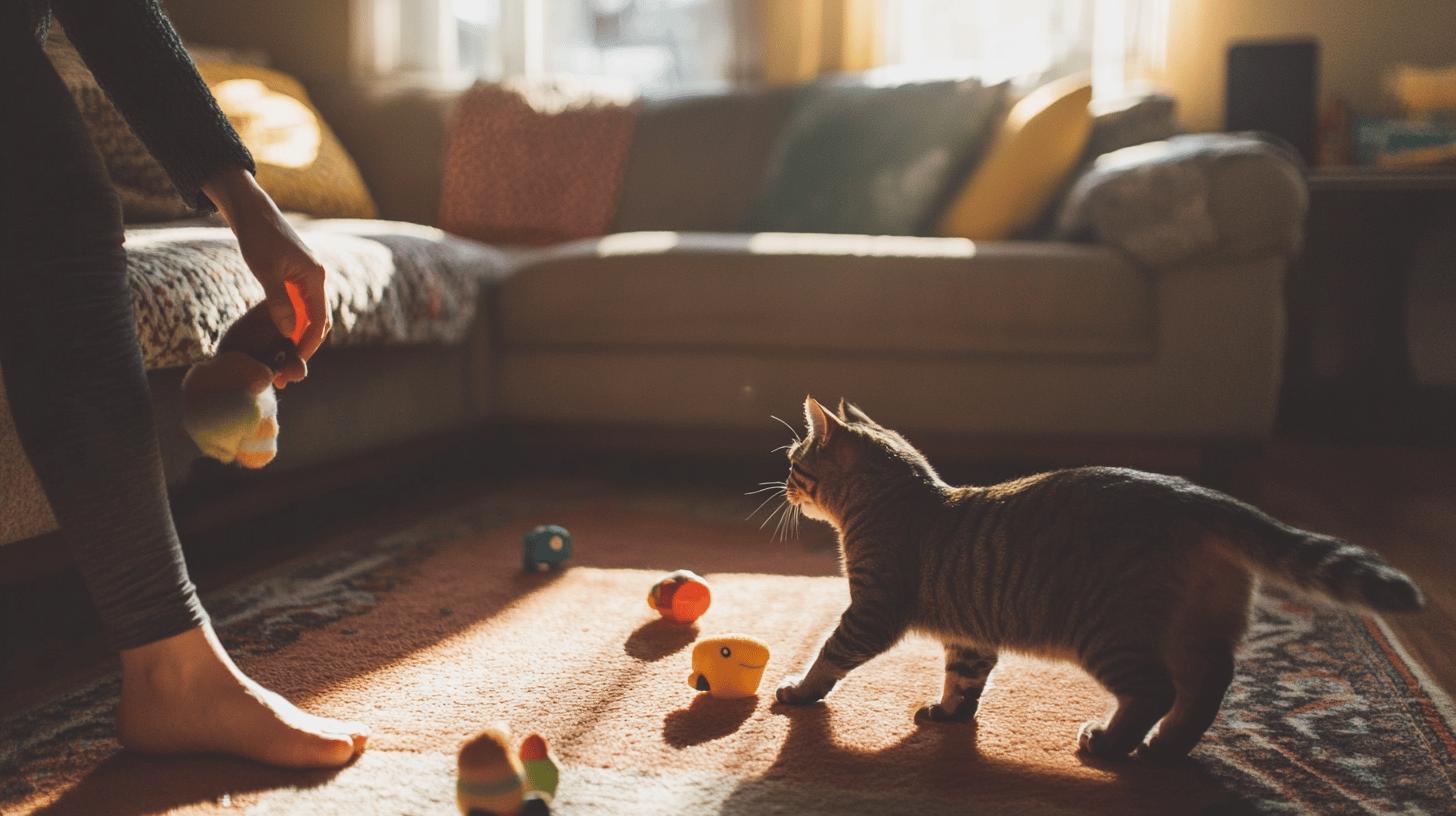
    Increased Playtime Engage your cat in interactive play to burn off energy and reduce boredom.
    Environmental Enrichment Provide toys and climbing spaces to keep your cat mentally stimulated.
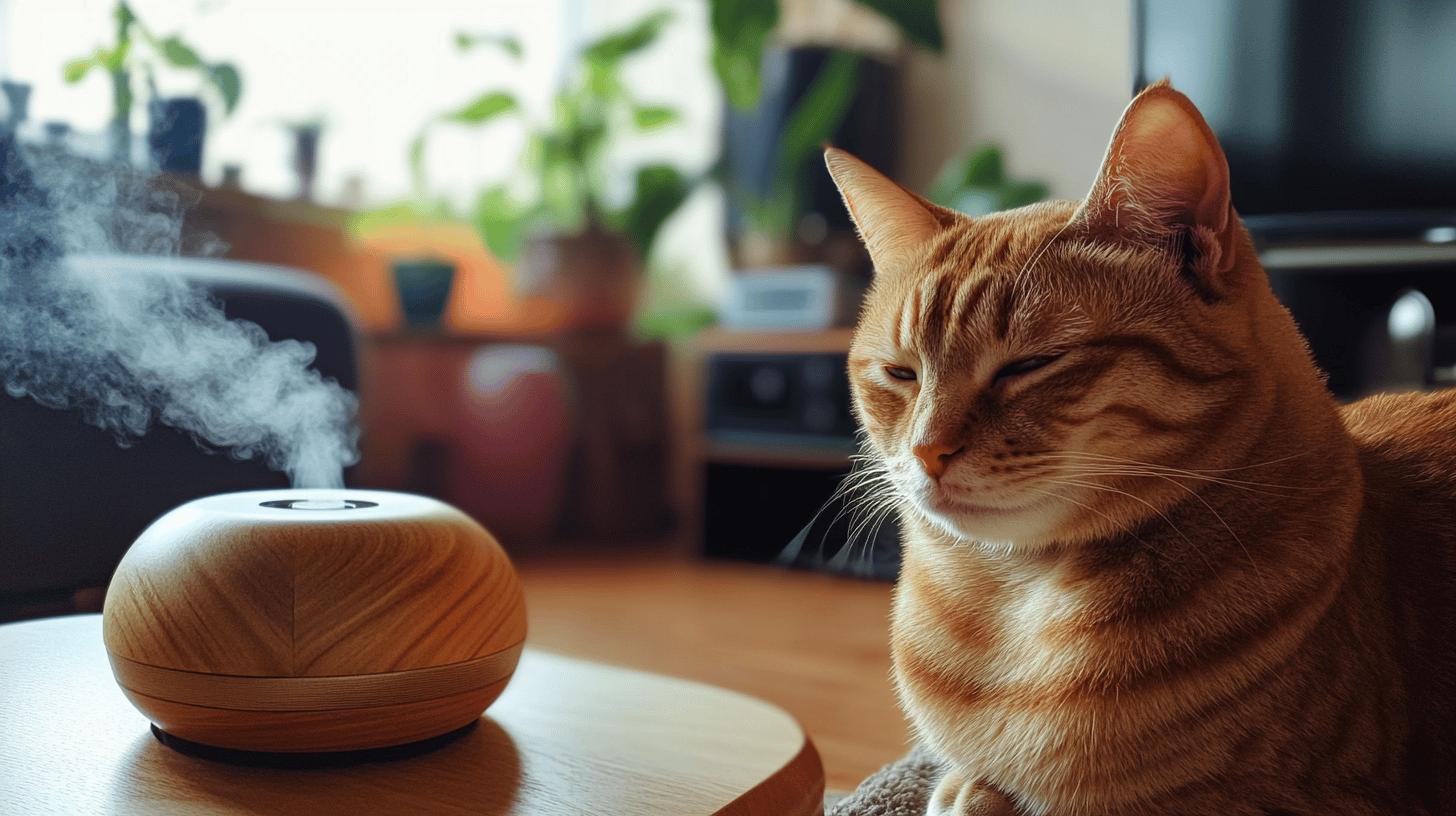
    Calming Techniques Use pheromone diffusers or calming music to soothe anxious cats.

    Establishing a consistent routine and incorporating ample playtime can significantly reduce crying. Cats thrive on predictability, so scheduled feeding and interactive play sessions can alleviate stress and boredom. Engaging your cat with toys, puzzle feeders, or even a simple ball of yarn can keep their mind occupied and energy levels balanced. This reduces the urge to cry out of restlessness or loneliness.

    If your cat continues to cry excessively despite these efforts, it may be time to consult a veterinarian. Persistent crying could indicate underlying health issues that require professional attention. A vet can help diagnose any medical conditions or offer additional advice on managing your cat’s vocalizations effectively.

    Understanding Why Cats Cry: Common Causes

    Recognizing Health Issues Through Cat Crying-1.jpg

    Illness can be a significant reason for a cat’s crying. Health problems like kidney issues, thyroid problems, and dental pain are common culprits. Kidney disease may lead to increased thirst and urination, whereas thyroid problems could cause hyperactivity or weight loss. Dental pain might make eating difficult, prompting hunger cries. Observing these signs can help identify potential health concerns.

    Solutions for Excessive Cat Crying

    It’s key to monitor changes in your cat’s vocalizations or behaviors. Look for signs like lethargy, hiding, or decreased appetite. These can indicate health issues needing attention. If crying persists or seems unusual, consulting a vet is advised. A thorough health check can diagnose medical problems and guide appropriate treatment. This proactive approach ensures your cat gets the care needed to return to their usual self.

    Environmental and Psychological Factors in Cat Crying

    Environmental and Psychological Factors in Cat Crying-1.jpg

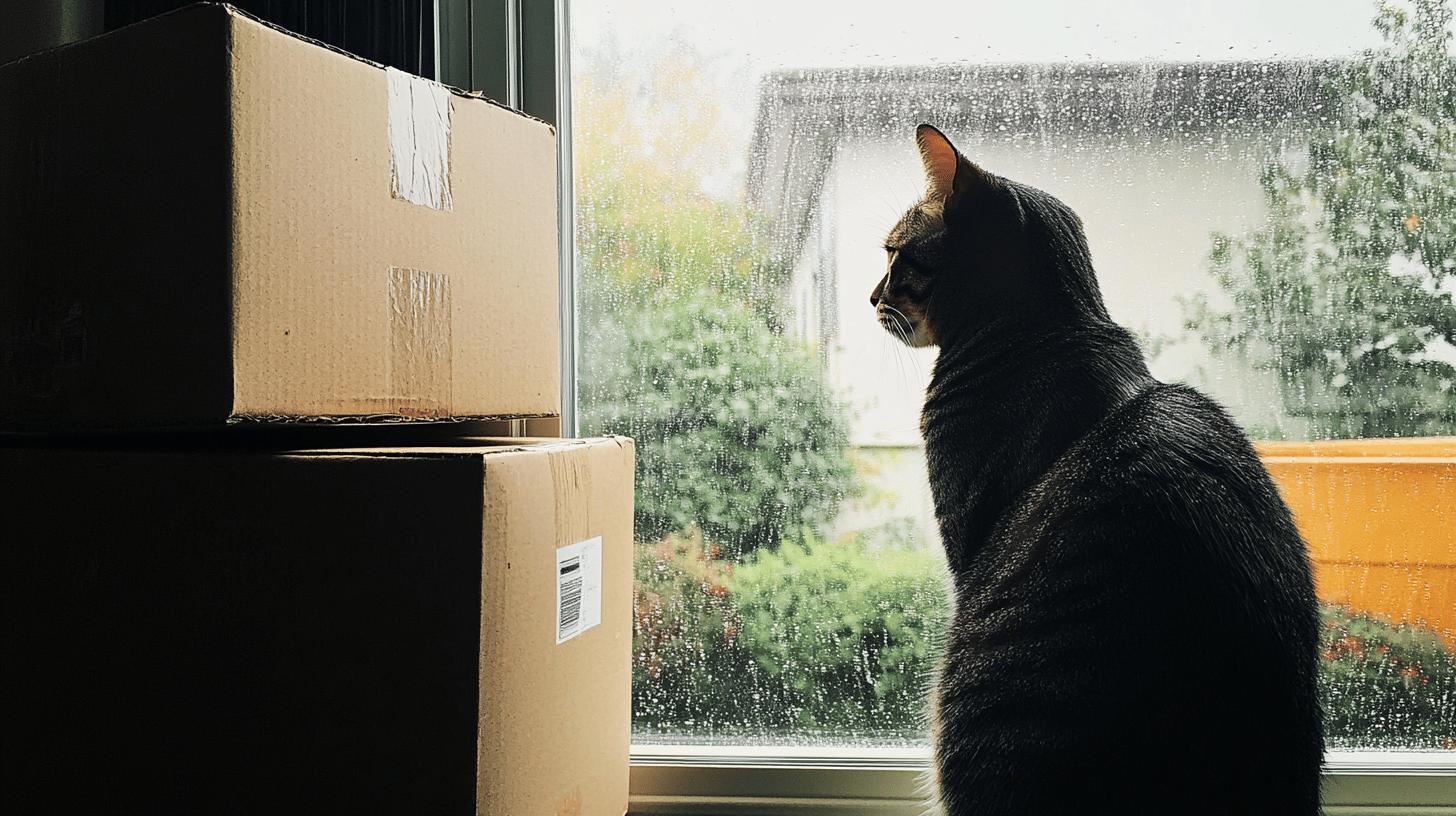
    Changes in a cat’s environment can significantly impact their vocalizations, often leading to increased crying. When a new baby arrives, or if there is a move to a different house, the upheaval can unsettle a cat. Even smaller changes, like rearranging furniture or introducing new pets, might make a cat feel anxious or threatened. These environmental factors disrupt the familiar and can cause a cat to cry more frequently as they seek reassurance or try to express their discomfort.

    Psychological factors also play a crucial role in a cat’s vocal behavior. Cats can experience anxiety just like humans, and it often manifests through vocalizations. Anxiety may arise from separation, especially if a cat is left alone for longer periods than they’re used to. Other triggers include loud noises or the presence of unfamiliar people. Cats might cry out as a way to communicate their stress or confusion in these situations. Observing your cat’s behavior and identifying anxiety symptoms can help you understand their emotional state and address their needs effectively.

    Final Words

    Understanding cat crying involves recognizing emotional, physical, and environmental triggers. Cats may cry for attention, hunger, or due to stress. Their vocalizations, like growls or chirps, communicate various needs. Addressing excessive crying with consistent routines and play can enhance your cat’s well-being. Always stay alert to changes in crying patterns, as they can signal health issues needing veterinary attention. By decoding why a cat is crying, we can meet their needs better and foster a happier, healthier companion. Remember, a cat’s cry is their way of telling us something important.

    FAQ

    Why is my cat crying and meowing?

    Cats may cry and meow for attention, hunger, illness, or stress. Changes in behavior can signal emotional or physical needs. Persistent crying may suggest health issues needing a vet check.

    What does it mean if a cat cries?

    A cat’s cry often indicates unhappiness or a need for attention. It can also reflect hunger, pain, or stress. Monitoring your cat’s cries helps identify its specific needs.

    Why is my cat meowing so much all of a sudden?

    Sudden excessive meowing might be due to changes like stress, illness, or a desire to mate. Assess the situation and consider consulting a vet for persistent changes.

    Why do cats cry at night?

    Cats often cry at night due to loneliness, stress, or changes in routine. Ensure your cat’s needs are met, and maintain a consistent environment to reduce nighttime vocalization.

    What should I do if my cat is crying?

    If your cat is crying, check for needs like hunger, attention, or discomfort. Avoid rewarding the behavior directly and consult a vet to rule out medical issues if it continues.

    Related Articles

  • Why Cat Kneads Me Understanding Feline Instincts and Affection

    Why Cat Kneads Me Understanding Feline Instincts and Affection

    Ever wonder why your cat kneads you like dough, leaving little claw-shaped souvenirs on your lap? This curious behavior, known as kneading, is a fascinating blend of feline instinct and affection. While it might remind you of a baker at work, for cats, it’s as natural as purring.

    Kneading harks back to kittenhood comfort, marks territory, and signals happiness. Understanding the evolutionary roots and emotional bonds behind each rhythmic paw press reveals how deeply this behavior connects cats and owners. The reasons your cat chooses your lap as their favorite kneading spot are worth understanding.

    Understanding the Instinctual, Evolutionary, and Emotional Reasons for Cat Kneading
    Understanding the Instinctual, Evolutionary, and Emotional Reasons for Cat Kneading-3.jpg

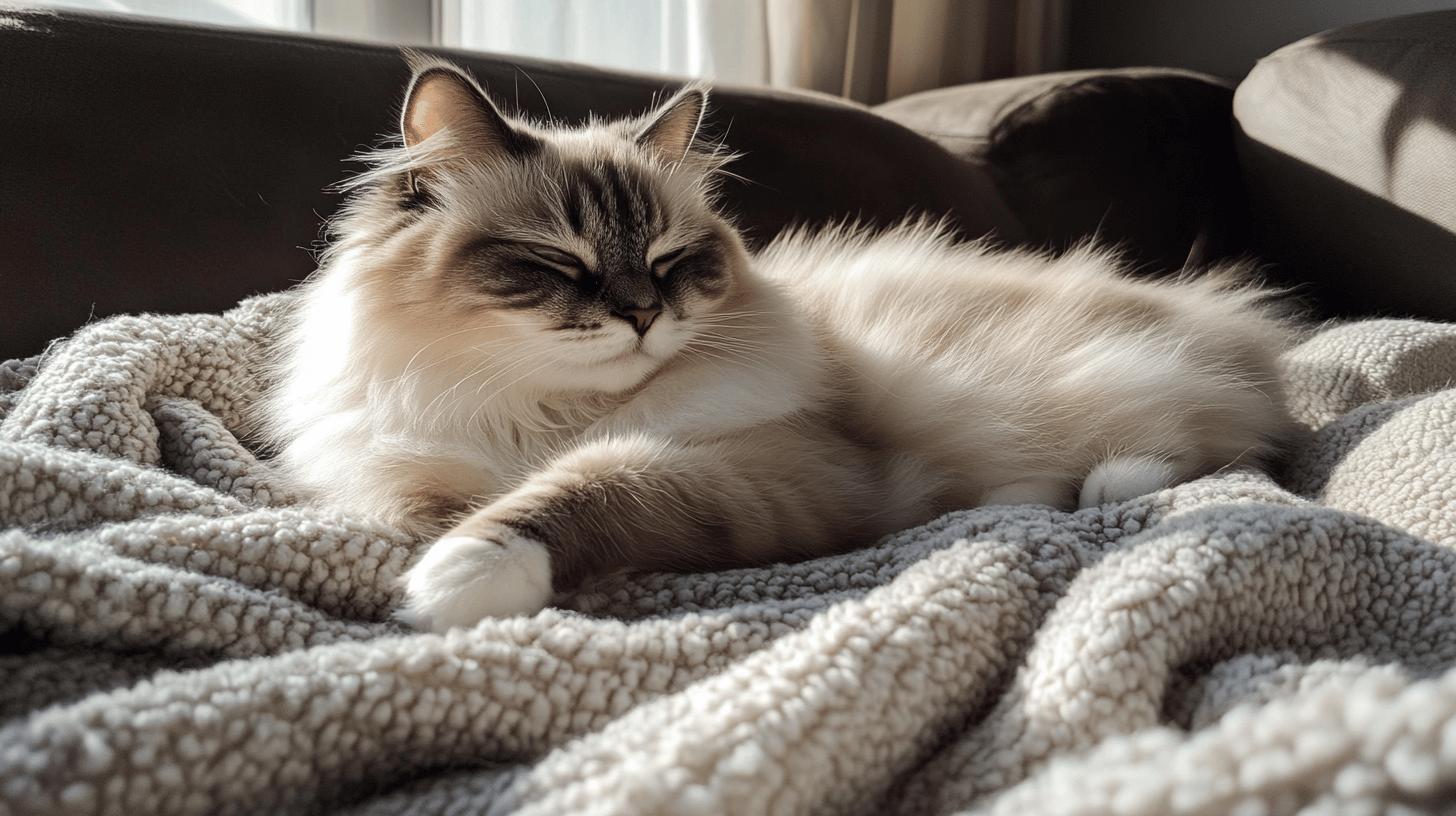
    Cats knead by rhythmically pushing their paws in and out, often on soft objects like blankets or laps. This behavior may include retracted or extended claws. While it might look like they're making biscuits, it's a natural action rooted deeply in their instincts.

    Instinctual and Evolutionary Reasons

    • Instinctual comfort from kittenhood
    • Preparing a soft sleeping area
    • Marking territory with scent glands
    • Expressing contentment and happiness
    • Seeking attention and reinforcing positive interactions

    Kneading can be traced back to a cat's wild ancestors. In the wild, cats would knead grass and leaves to create a comfortable spot to rest. This behavior has carried over to domesticated cats, who still instinctively engage in this action for comfort.

    Kneading also plays a role in marking territory. Cats have scent glands in their paws, and by kneading, they leave their scent behind, signaling ownership and creating a familiar environment.

    In modern cats, kneading continues to be a prevalent behavior, acting as an expression of contentment and happiness. Cats knead when they feel safe and secure, often accompanied by purring. It's a behavior that reassures them of their surroundings, recreating the comforting sensations from their kittenhood when they would knead their mother's belly to stimulate milk flow.

    Emotional Connections Through Kneading

    Kneading carries emotional meaning as much as physical comfort. When a cat kneads you, it is expressing trust and security, similar to the bond between a mother and her kitten. This action shows that your cat feels a deep connection with you, reinforcing the bond you share.

    Kneading can also be a form of communication. Cats may knead to get your attention, signaling they want affection or comfort. By responding positively to this behavior, you reinforce the emotional connection, making your cat feel even more loved and secure.

    Recognizing and Managing Problematic Kneading Behavior
    Recognizing and Managing Problematic Kneading Behavior-2.jpg

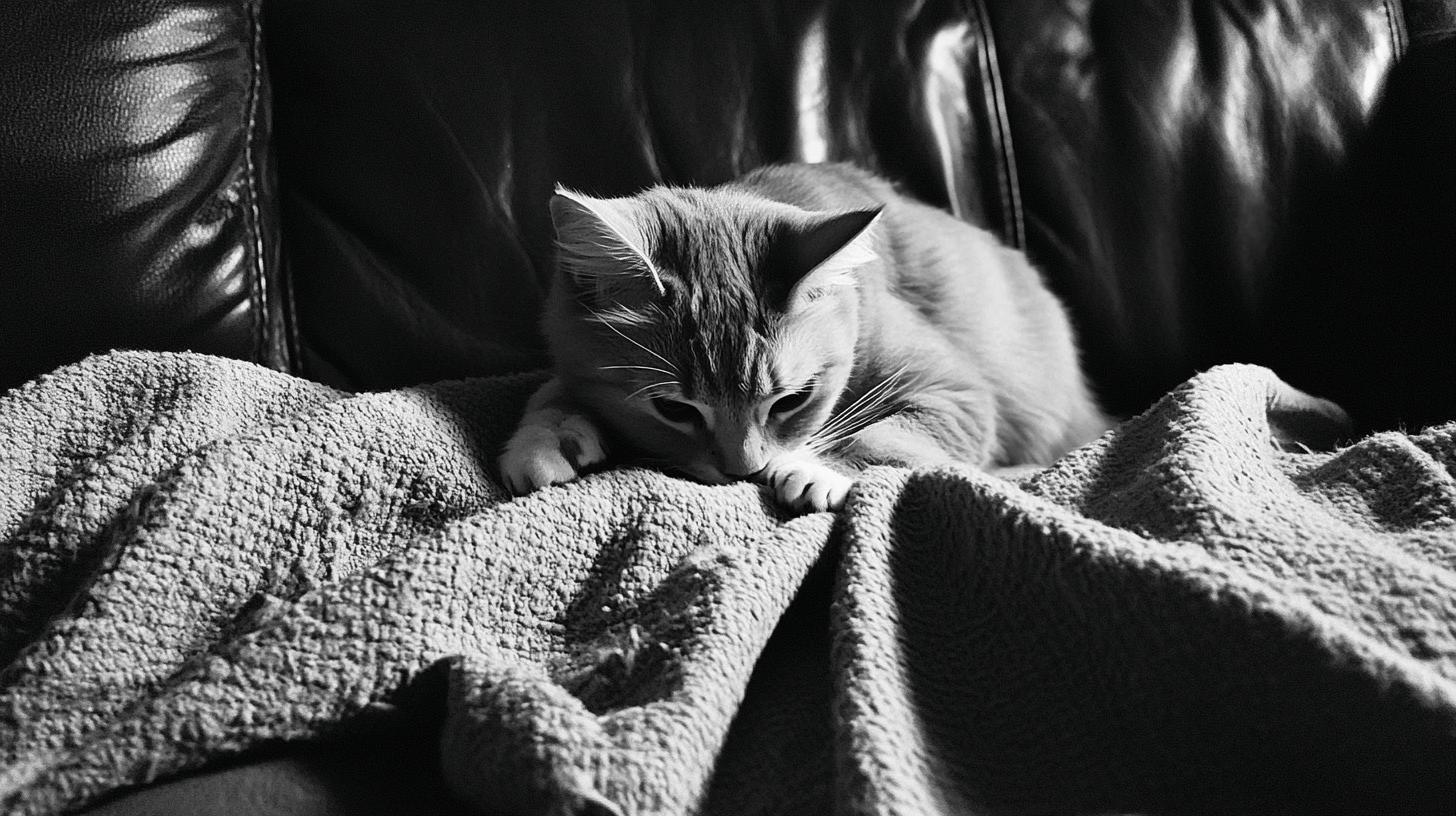
    Kneading is a natural and generally healthy behavior for cats, but sometimes it can become excessive. This over-kneading might be due to stress, anxiety, or an unmet need for comfort. Cats that were separated from their mothers too early or hand-fed as kittens might knead more often as a way to self-soothe.

    Signs of Problematic Kneading:

    • Kneading with undue frequency
    • Kneading while chewing on blankets
    • Causing damage to surfaces
    • Indicating stress or anxiety

    If you notice your cat kneading excessively, it's important to understand the potential causes and find ways to help. Providing alternative comforts like soft toys or designated kneading areas can redirect their behavior.

    Ensure your cat feels safe and secure by maintaining a stable environment and offering plenty of affection. Regular playtime can also help reduce stress and anxiety, giving your cat other outlets for their energy. By understanding these behaviors and meeting your cat's emotional needs, you can manage excessive kneading effectively.

    Encouraging Safe and Comfortable Kneading in Cats
    Encouraging Safe and Comfortable Kneading in Cats-3.jpg

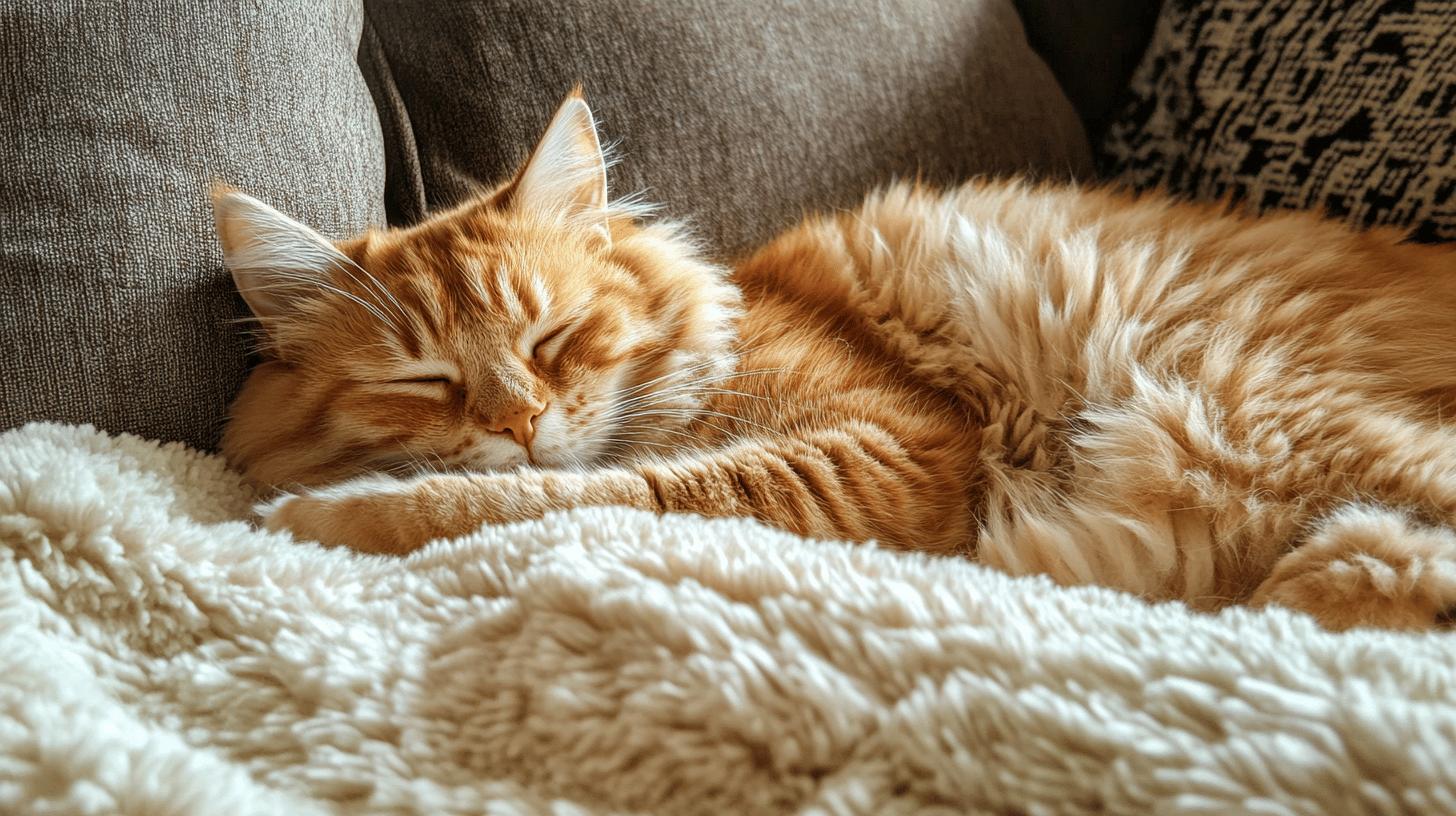
    Letting your cat knead freely is beneficial for its comfort and stress relief. This natural behavior allows cats to express their instincts and emotions, reminiscent of their kittenhood. To support this, creating a safe environment is key.

    Soft surfaces like blankets or pet beds offer ideal kneading spots, where cats can push their paws without causing damage or getting hurt. These spaces should be accessible and inviting, ensuring your feline friend feels secure while kneading.

    Here are some tips to promote a safe kneading environment:

    • Provide soft surfaces like blankets or pet beds
    • Trim cat claws regularly
    • Encourage kneading on designated areas
    • Offer toys or alternatives for stress relief

    By offering these alternatives and maintaining claw care, you can help your cat enjoy kneading without adverse effects. Safe kneading spaces not only protect your furniture but also reinforce positive behavior and emotional well-being for your cat.

    Final Words

    Exploring why a cat kneads me opens a door to understanding our furry friends better. We've discovered that kneading is a genuine instinct rooted in wild ancestry and kittenhood, carrying far more meaning than its endearing surface suggests. It's their way of marking territory, seeking comfort, and expressing needs. By managing problematic kneading through understanding and creating safe environments, we honor this natural behavior. When we encourage kneading, it strengthens our bond with our cats, offering both comfort and communication. Embrace these paws to foster a joyful and happy connection!

    The Neurochemistry of Kneading: Brain Chemistry Behind the Behavior

    When your cat kneads, a cascade of chemical reactions unfolds in their brain. The rhythmic motion activates pleasure pathways linked to endorphin release, specifically the “feel-good” neurotransmitters that make purring so rewarding. But the neurochemistry goes deeper.

    Your cat’s paws contain specialized scent glands called interdigital glands. Each knead deposits pheromones, which are chemical messengers that carry profound social and emotional information. Your cat is literally marking you with chemicals that communicate: “This is my safe place. You are my family.” These pheromone markers serve as olfactory anchors, reinforcing your cat’s sense of security and belonging in your presence.

    The repetitive kneading motion stimulates serotonin production, enhancing mood regulation and deepening the sensation of contentment. For your cat, kneading functions as a neurochemical echo of kittenhood, replicating the same actions that once triggered milk flow and maternal bonding. This explains why cats often knead most intensely when deeply relaxed, sometimes drifting into sleep mid-motion, their paws still moving in gentle rhythm.

    From Newborn to Senior: How Kneading Evolves Across Your Cat’s Life

    Kneading begins in kittenhood with primal urgency. Newborn kittens instinctively knead their mother’s belly and mammary glands to stimulate milk flow. This behavior is essential for survival, and kittens perform it with remarkable vigor. As they mature and transition to solid food, kneading doesn’t disappear. Instead, it shifts in meaning and expression.

    In juvenile and adult cats, kneading becomes primarily emotional rather than nutritional. Adults often knead in moments of contentment, safety, or when seeking affection. Some cats maintain intense kneading habits throughout their lives, while others engage sporadically. This variation often reflects early experiences: cats weaned too early or bottle-fed as kittens may knead more frequently as adults, compensating for missed maternal bonding through compensatory behavior.

    In senior cats, kneading sometimes resurfaces with increased frequency, particularly in older cats experiencing mild joint discomfort or anxiety related to aging. The familiar, rhythmic motion provides both physical comfort and emotional reassurance. Understanding these developmental phases helps you interpret your cat’s unique kneading signature: Is your kitten building a nest for nursing simulation? Whether your adult cat is expressing contentment and security, or your senior cat is seeking comfort from age-related concerns, the context reveals the emotional truth beneath the behavior.

    Problem Kneading: When to Gently Redirect This Beloved Behavior

    While kneading is typically healthy, some cats develop problematic patterns that warrant gentle intervention. Excessive kneading, particularly when paired with fabric-sucking, compulsive behavior, or visible signs of distress, signals underlying anxiety or unmet emotional needs.

    Common problem scenarios include kneading on sensitive areas like your arms or face with unretracted claws, causing discomfort or minor scratches. Some cats knead obsessively on blankets or clothing while drooling, sometimes actually nursing on fabric in a behavior called wool-sucking. This often indicates early maternal separation, anxiety, or chronic stress. Other cats increase kneading intensity in response to environmental changes, new household members, or family tension, using the behavior as self-soothing when they feel emotionally unsafe.

    Managing problem kneading requires patience and understanding. Trim your cat’s nails regularly to prevent accidental injury. Provide designated soft surfaces such as a cozy bed or blanket where kneading is actively encouraged and welcomed. If your cat kneads on your lap with extended claws, place a soft blanket between you and your cat, protecting your skin while allowing the behavior to continue. Reward calm, gentle kneading with praise and treats. If kneading accompanies other anxiety signs like over-grooming, social withdrawal, or aggression, consult your veterinarian to rule out medical causes and discuss behavioral support options.

    Kneading in Multi-Cat Homes: Territory, Bonding, and Social Hierarchies

    In households with multiple cats, kneading carries additional social dimensions and meanings. Cats use kneading not only for self-soothing but also as a communication tool within their household hierarchy. When a cat kneads you while other cats are present, it’s partly a territorial announcement: a chemical declaration that you are “theirs.”

    Interestingly, cats sometimes knead other cats in their household as a bonding gesture, though this is far less common than human-directed kneading. When one cat kneads another, it signals trust and affiliation. Conversely, a cat may increase kneading intensity when it perceives competition for your attention. If you’re petting one cat while another enters the room, the cat being petted may knead more vigorously, reinforcing its claim on you and your affection.

    Multi-cat households should monitor kneading patterns for signs of stress or unresolved territorial tension. If kneading transitions into aggression, or if one cat monopolizes your lap while another watches from a distance with frustration, this indicates unresolved social dynamics. Providing multiple comfortable resting spots and ensuring each cat receives individual attention time reduces kneading-related tension and competition. Some cats may reduce kneading in stressful multi-cat environments, signaling decreased feelings of security. This is a clear sign that environmental adjustments like more space, separate feeding areas, or additional hiding spots would help.

    Stress Relief Through Kneading: Your Cat’s Personal Anxiety Management System

    Beyond affection, kneading serves as your cat’s personal stress-relief mechanism. Just as humans might pace, practice breathing exercises, or fidget when anxious, cats knead to regulate their nervous system. The repetitive, rhythmic motion activates parasympathetic pathways, the biological equivalent of pressing your body’s “calm down” button, allowing cats to manage mild anxiety through familiar, comforting behavior.

    Notice when and where your cat kneads most intensely. Does your cat knead more after veterinary visits, during thunderstorms, or when guests arrive? These patterns reveal how your cat processes and manages stress. A cat that increases kneading during storms is actively managing fear through a behavior that works for their nervous system. This is healthy coping, not a problem behavior.

    However, if kneading becomes obsessive, constant and frantic, accompanied by dilated pupils or complete disinterest in play and food, it may signal chronic stress or an underlying medical condition. Gentle, rhythmic kneading in a calm context, paired with purring and slow blinks, reliably indicates emotional security and contentment. The frequency and intensity of your cat’s kneading in your presence directly correlates with the strength of trust between you. A cat that kneads you regularly is expressing profound vulnerability: “You make me feel safe enough to lower my guard.”

    Strengthening Your Bond Through Mindful Kneading Moments

    Understanding kneading changes how you relate to your cat. Rather than tolerating this behavior or viewing it as mere instinct, recognize it as your cat’s deliberate choice to share vulnerability and connection with you. When your cat seeks your lap to knead, they are inviting you into their emotional world.

    Create a kneading ritual that honors this trust. Sit in a comfortable chair with soft blankets nearby. When your cat kneads, offer your full attention, gentle touch, and calming presence. Some cats appreciate slow strokes during kneading; others prefer stillness and stability. Let your cat guide the interaction, and the shared moment naturally becomes a bonding experience that deepens your relationship.

    Related: Why Cat Licks My Hand and What It Means explores other affection-based behaviors that mirror kneading’s emotional significance.

    FAQ

    Should I let my cat knead on me?

    Letting your cat knead on you is generally a good idea. It provides comfort and is a sign of affection. Kneading is a natural behavior linked to emotions and contentment.

    Why does my cat suddenly knead me?

    Cats knead as a form of communication, often to express trust and affection. Sudden kneading could be a way of seeking attention or comfort, rooted in their kittenhood experiences.

    What does it mean when a cat kneads its owner?

    When a cat kneads its owner, it usually means the cat feels safe, happy, and affectionate. The behavior stems from comforting activities they performed as kittens, like kneading their mother's belly.

    Do cats knead when happy?

    Yes, cats knead when they are happy. Kneading is akin to purring and shows contentment and trust. It's a comforting behavior for them, similar to how they used to knead as kittens.

    Related Articles

    Neurochemistry of Kneading

    When your cat kneads, their brain releases oxytocin, the same bonding chemical that surges during nursing and maternal care. This isn’t sentimentality. It is neurobiological. The scent glands in their paws activate when they knead, releasing pheromones that mark territory at a chemical level. Simultaneously, pressure on soft tissues triggers the release of endorphins, natural painkillers that create a genuine sense of comfort. The repetitive motion mimics the nursing motion that kittens perform to stimulate milk flow from their mothers. Your cat’s nervous system interprets this action as deeply safe. When a cat chooses to knead you specifically, they’re literally bathing you in calming neurochemicals while their brain registers safety signals that reduce cortisol, their stress hormone.

    Developmental Stages & Behavioral Changes

    Kneading begins in newborn kittens within hours of birth, essential for survival as they press their mother’s mammary glands to stimulate milk flow. This survival behavior persists into adulthood in most cats, even after weaning. As kittens mature (weeks 4-8), kneading becomes less frequent as they gain independence, but the behavior rarely disappears entirely. Adult cats maintain kneading as a self-soothing mechanism and bonding ritual. Senior cats often knead less frequently due to arthritis or reduced mobility, though emotional cats may intensify kneading in their later years. Understanding these developmental stages helps explain why some older cats suddenly knead more intensely: they’re seeking the neurochemical comfort their aging bodies need. The behavior evolves but rarely vanishes completely.

    Problem Kneading: When to Manage

    Excessive kneading can become problematic when cats knead on inappropriate surfaces or with excessive intensity. Some cats knead blankets so vigorously they create holes; others knead their owners’ skin hard enough to draw blood. If your cat’s kneading breaks skin or damages furniture repeatedly, intervention is warranted. Redirecting is easier than elimination: provide designated soft blankets or pads your cat can knead freely. Place a folded fleece blanket across your lap during kneading sessions. For cats who knead too intensely on skin, gently redirect their paws to a blanket within reaching distance. Trim nails regularly to reduce accidental scratching during kneading. Some cats respond well to increased play sessions that channel intense energy into hunting-style activities, reducing the neurochemical desperation that drives excessive kneading.

    Kneading in Multi-Cat Homes

    In households with multiple cats, kneading takes on additional social dimensions. Cats rarely knead each other, since kneading remains primarily a human-directed behavior even in multi-cat environments. Territorial dynamics influence which cat feels comfortable kneading near you. Dominant cats may knead freely while subordinate cats hesitate if the alpha is nearby. If you notice one cat never kneads while others do, anxiety might be the factor rather than preference. Providing multiple comfortable spots with blankets encourages cats to develop their own kneading rituals without competing for your lap. Interestingly, some cats increase kneading intensity when they sense other cats have gained your attention, using the behavior to reassert their bond. Understanding these dynamics helps you recognize kneading as a form of relationship negotiation in multi-cat households.

    Stress Relief & Emotional Regulation

    Kneading serves as your cat’s primary self-soothing mechanism, comparable to humans’ deep breathing or meditation. When stressed, anxious, or overstimulated, cats increase kneading frequency. During thunderstorms, veterinary visits, or household changes, you’ll likely notice your cat kneading more intensely. The rhythmic motion combined with neurochemical release genuinely calms their nervous system. This is why cats knead most intensely when they’re seeking comfort, actively managing their emotions through this familiar motion. Conversely, a cat who stops kneading might indicate emerging health problems or emotional distress worth investigating. Encouraging kneading through providing soft surfaces and gentle petting during your cat’s anxious periods helps them self-regulate. Understanding kneading as emotional regulation rather than simple habit allows you to support your cat’s mental health proactively, recognizing their behavior as a legitimate coping mechanism.
  • Can Cat Eat French Fries Understanding the Risks and Alternatives

    Can Cat Eat French Fries Understanding the Risks and Alternatives

    Can a treat as common as a French fry be harmful to our feline friends? It's a question that might surprise many cat lovers. We often share our food with pets, but there's more to consider than just the taste.

    French fries aren't just lacking in nutrition for cats; they can actually be harmful. We'll explore why French fries don't fit a cat's dietary needs and what you can offer your cat instead. Understanding these risks not only ensures your cat stays healthy but also nurtures a safe and fulfilling playtime experience.

    Safety and Nutritional Concerns of French Fries for Cats

    Healthier Alternatives to French Fries for Cats-2.jpg

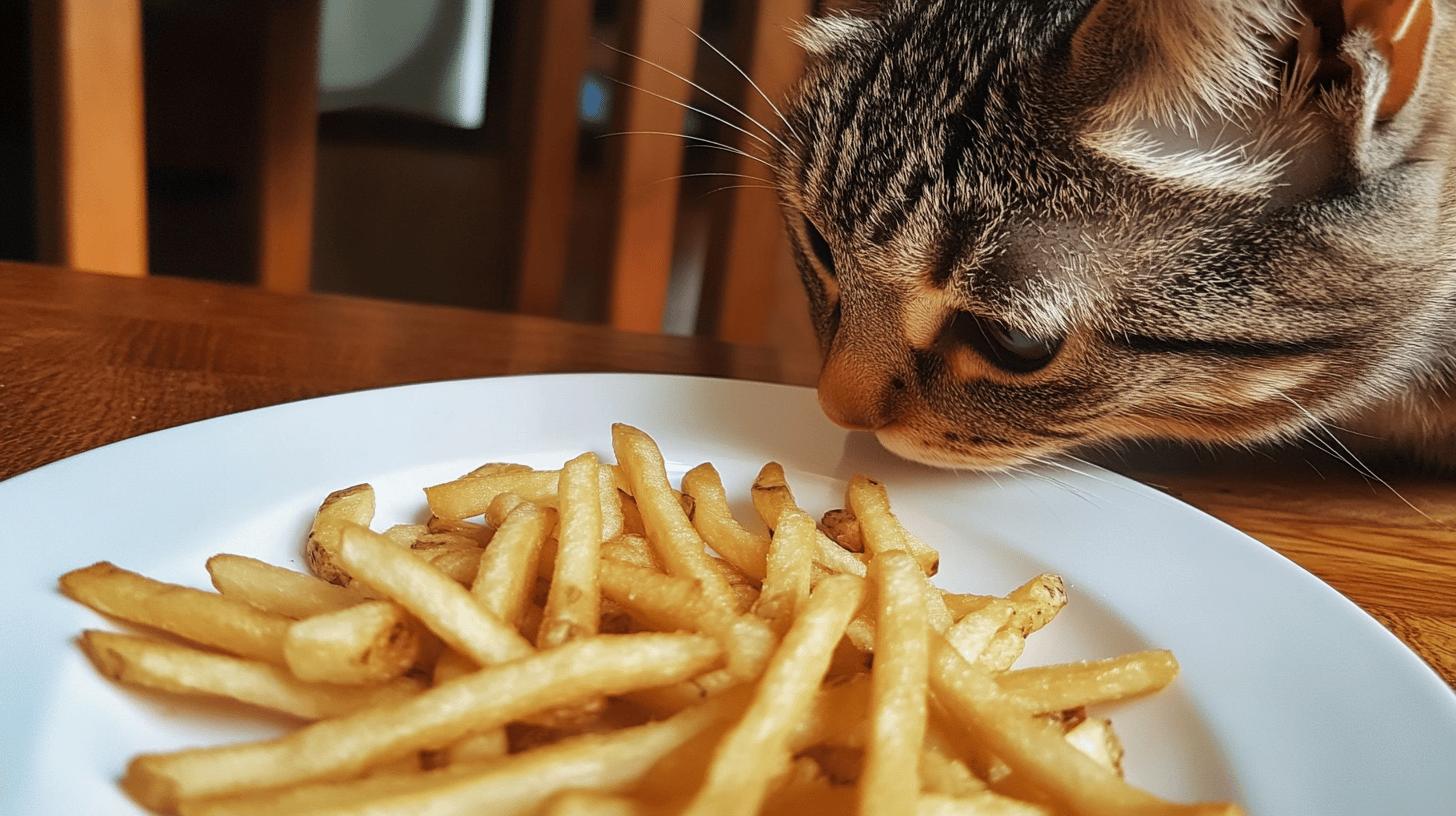
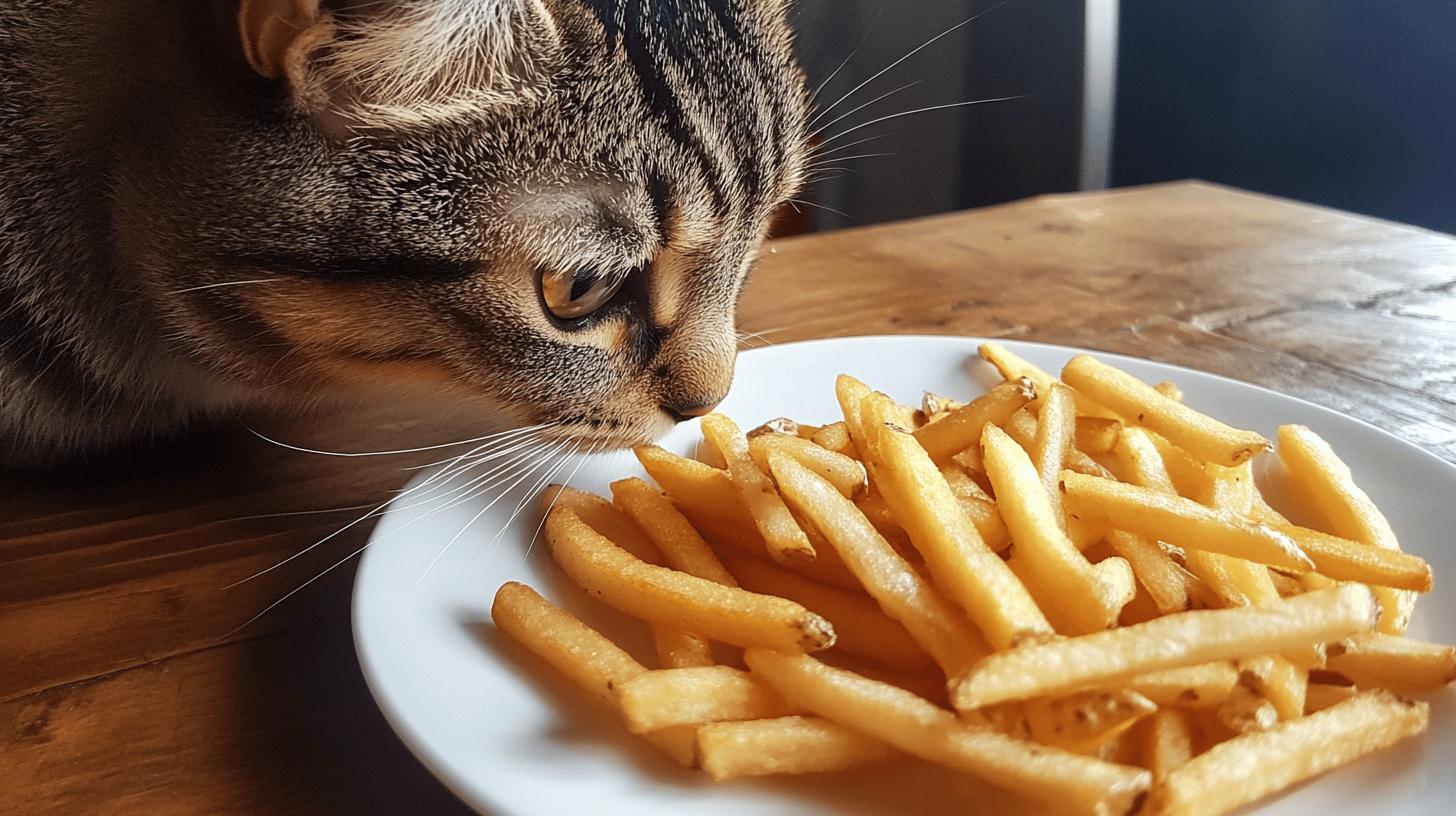
    Cats are obligate carnivores, meaning their diet should primarily consist of meat. This makes French fries, which are high in carbohydrates, an unsuitable choice for our feline friends. Their bodies are designed to derive energy from protein and fat, not the carbohydrates and starches found in French fries. Feeding French fries to cats can lead to a mismatch in their nutritional needs, potentially causing health problems.

    From a nutritional standpoint, French fries offer little to no benefit for cats. They contain carbohydrates, fiber, potassium, manganese, and vitamins C and B6, but these nutrients are unnecessary for a cat's diet.

    Cats thrive on a diet rich in protein, which supports their muscle development and energy needs. Unlike humans, cats don't require carbohydrates for energy, and too much can lead to imbalances.

    Potential health risks from feeding French fries to cats include:

    • Obesity: The high-fat content can contribute to weight gain.
    • Digestive issues: Greasy and salty foods can upset a cat’s stomach.
    • Nutrient deficiencies: Relying on non-meat foods can lead to a lack of essential nutrients.
    • Salt poisoning: Excessive salt can be harmful, leading to dehydration or more severe health issues.

    While a single French fry is unlikely to cause immediate harm, the high-fat content poses a risk if consumed regularly. Over time, this can contribute to obesity and associated health problems like diabetes and joint stress.

    The occasional fry might not seem harmful, but it offers no nutritional benefit and can lead to negative long-term effects. It's best to focus on feeding cats a balanced diet that aligns with their carnivorous nature.

    Potential Risks of Feeding French Fries to Cats

    Healthier Alternatives to French Fries for Cats-4.jpg

    Feeding French fries to cats is not recommended due to their high carbohydrate content and lack of nutritional value, which can lead to health issues like obesity and digestive problems.

    Here are some specific risks associated with feeding French fries to cats:

    • Salt poisoning: Excessive salt intake can lead to dehydration and serious health complications.
    • Digestive irritation: The greasy nature of fries can upset a cat's stomach, causing vomiting or diarrhea.
    • Obesity: High fat content contributes to weight gain, potentially leading to diabetes and joint issues.
    • Nutritional imbalance: Fries offer little nutritional value, leading to deficiencies if consumed regularly.
    • Long-term health impacts: Regular consumption can cause chronic health problems over time.

    Uncooked French fries contain solanine, a toxic compound that can harm cats. Cooking reduces solanine levels but doesn't eliminate the risk, as cooked fries still lack necessary nutrients.

    Extra flavorings or sauces added to French fries can further irritate a cat's digestive system. These additives are often acidic, increasing the risk of vomiting and discomfort. Avoid serving fries with toppings to prevent these issues.
    Healthier Alternatives to French Fries for Cats

    Healthier Alternatives to French Fries for Cats-1.jpg

    Cats might show interest in French fries, but it's essential to offer them treats that are both tasty and healthy. French fries do not align with a cat's dietary needs and can pose health risks. Providing cat-friendly snacks can satisfy their cravings without compromising their health.

    Consider these healthy alternatives to French fries for your feline friend:

    1. Cooked Chicken: A great source of protein that supports muscle development.
    2. Cooked Salmon: Rich in omega-3 fatty acids, beneficial for skin and coat health.
    3. Freeze-Dried Meat Treats: Retain nutrients while providing a crunchy texture cats love.
    4. Catnip: Provides stimulation and can be a fun treat for cats who enjoy it.
    5. Canned Pumpkin: Offers fiber, which can help with digestion in small amounts.

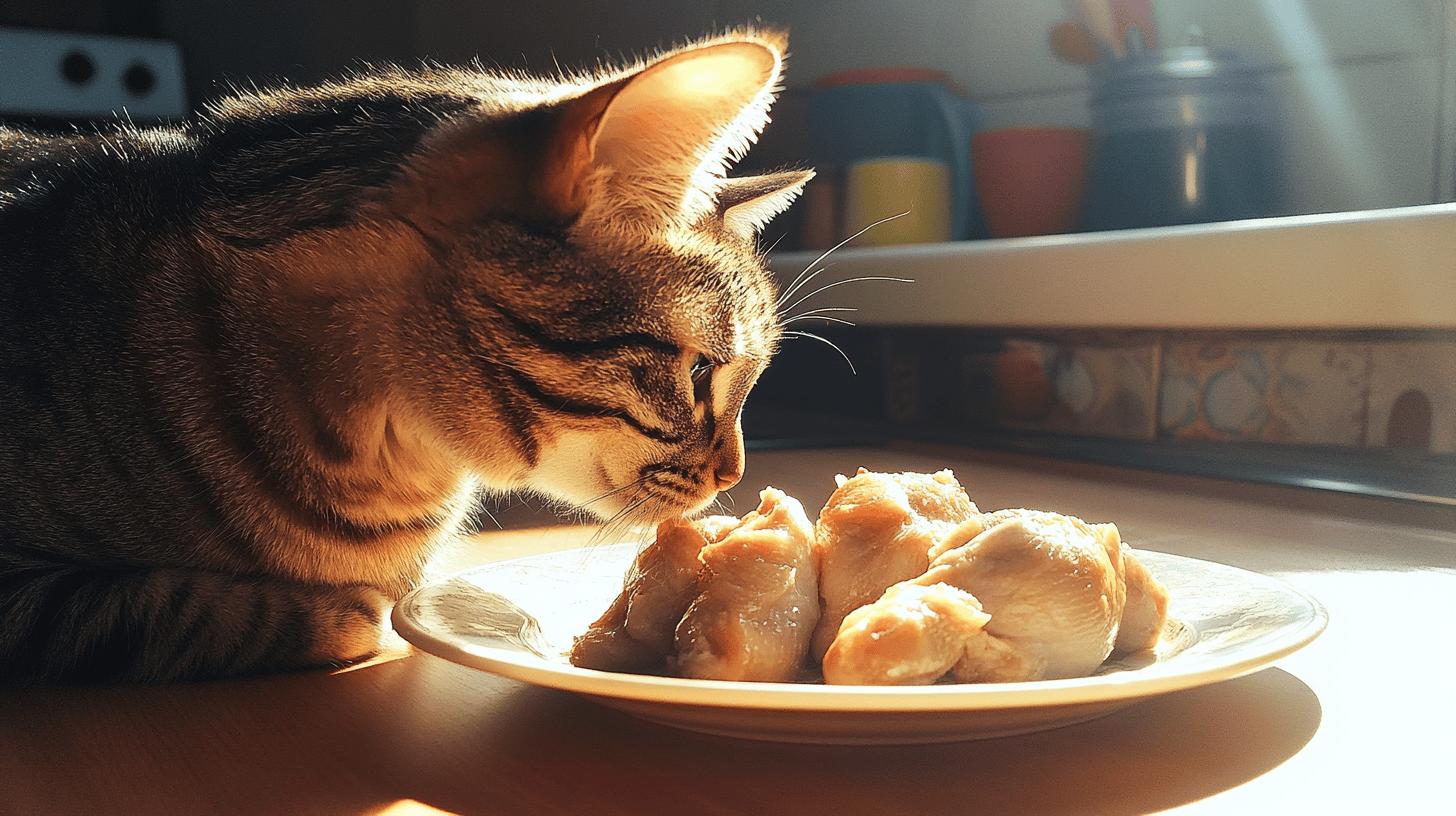
    By choosing these alternatives, you ensure your cat gets the nutrients they need without the health risks associated with French fries. High-protein options like chicken and salmon are particularly beneficial, as they align with a cat's carnivorous diet, supporting their energy needs and promoting a healthy lifestyle. Opting for these treats not only satisfies your cat's taste buds but also contributes to their overall well-being, keeping them happy and healthy.

    Safety and Nutritional Concerns of French Fries for Cats

    Expert Advice on Feeding Cats and Avoiding Harmful Foods-1.jpg

    Cats need a meat-based diet since they're obligate carnivores. Foods like French fries lack the essential nutrients they require. Consulting veterinarians or pet nutritionists is crucial when planning your cat's diet.

    These professionals understand feline dietary needs and can provide guidance specific to your cat's health. They stress the importance of a meat-based diet and warn against feeding human foods.

    Here are a few expert tips to maintain a healthy cat diet:

    • Prioritize Protein: Make sure your cat's meals are rich in high-quality protein to support growth and energy levels.
    • Limit Treats: Keep treats to no more than 10% of their daily caloric intake to avoid obesity.
    • Avoid Human Foods: Many, like French fries, can be harmful due to inappropriate nutrient content and potential toxins.

    Improper feeding can lead to significant financial and health issues. Pet insurance claims for dietary indiscretions average $642, highlighting the importance of monitoring what your cat eats. If your cat consumes French fries and shows signs of nausea or discomfort, consult a veterinarian immediately. This ensures your feline companion stays healthy.

    Final Words

    Sharing French fries with your cat isn't a good idea.

    These snacks don't fit a feline's meat-focused needs. Regular consumption can lead to obesity and stomach issues due to high-fat content. Feeding French fries to cats poses risks like salt poisoning and digestive trouble, especially with added flavorings. Instead, healthier alternatives such as cooked chicken or salmon offer better options without risking their health. Experts stress the importance of a meat-rich diet and seeing a vet if your cat reacts poorly to human snacks. Keep mealtimes safe and satisfying for your furry friend!

    FAQ

    Can cats eat French fries?

    Cats should not eat French fries. They are not suitable for a cat's carnivorous diet due to high carbohydrates and fat. Regular consumption can cause health issues like obesity and digestive problems.

    Can French fries kill cats?

    French fries are unlikely to kill a cat, but long-term consumption can cause health problems. High salt and fat content may lead to obesity, digestive issues, and potential salt poisoning.

    Are French fries ok for cats without salt?

    Even unsalted, French fries are not good for cats. They lack necessary nutrients for a cat's diet, which should be primarily meat-based, not carbohydrate-rich foods.

    Can cats eat potatoes or fried potatoes?

    Cats should avoid potatoes, including fried forms. Uncooked fries contain toxic solanine, and cooked ones pose digestive risks. They're not aligned with a cat's dietary needs.

    Can cats eat chicken nuggets or fried chicken?

    Cats can occasionally eat plain cooked chicken without seasoning or breading. Fried chicken, like nuggets, can lead to digestive issues due to high fat and inappropriate seasonings.

    My cat ate a French fry, is it harmful?

    Eating a single French fry might not harm your cat immediately. Monitor for signs of discomfort and consult a vet if issues arise. Regular consumption poses health risks.

    What are healthier alternative treats for cats?

    Offer healthier cat snacks like:

    1. Cooked chicken
    2. Cooked salmon
    3. Plain turkey slices
    4. Freeze-dried meat treats
    5. Fresh veggies like carrots

    These options maintain a balanced diet.

    Related Articles

  • Why Cat Sleeps on My Head and What It Means

    Why Cat Sleeps on My Head and What It Means

    Ever wondered why your cat insists on snoozing right on top of your head? It’s more than just an odd bedtime habit. Imagine your head as a warm, comforting haven, offering just the right mix of heat and familiarity. Cats are drawn to this naturally cozy spot, much like you're drawn to your favorite blanket. This behavior goes beyond warmth and scent, reflecting their need for security, affection, and even stress relief. By understanding this, we uncover the loving, trusting bond shared between you and your feline friend.

    Understanding Why Your Cat Sleeps on Your Head

    Understanding Why Your Cat Sleeps on Your Head-2.jpg

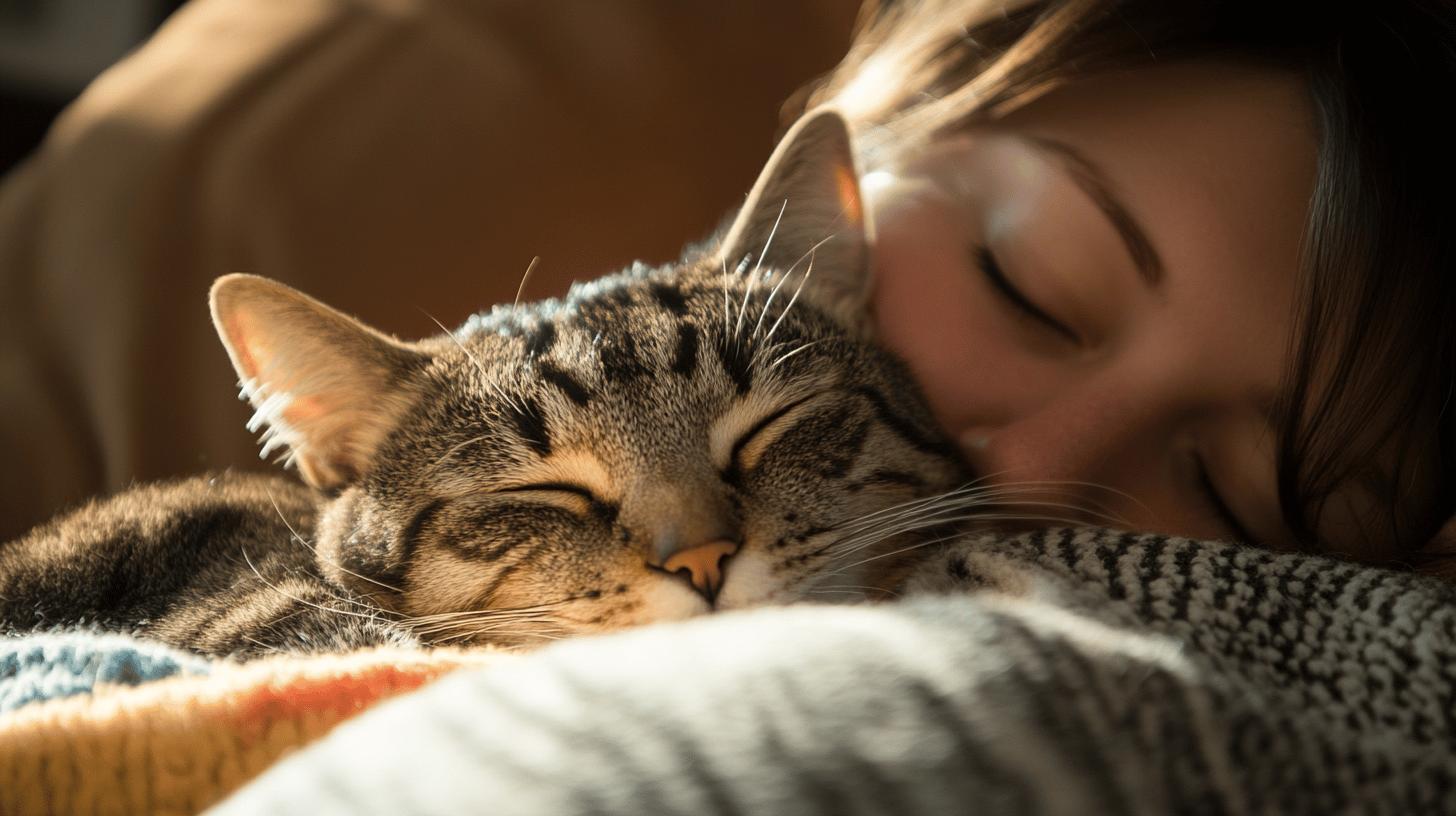
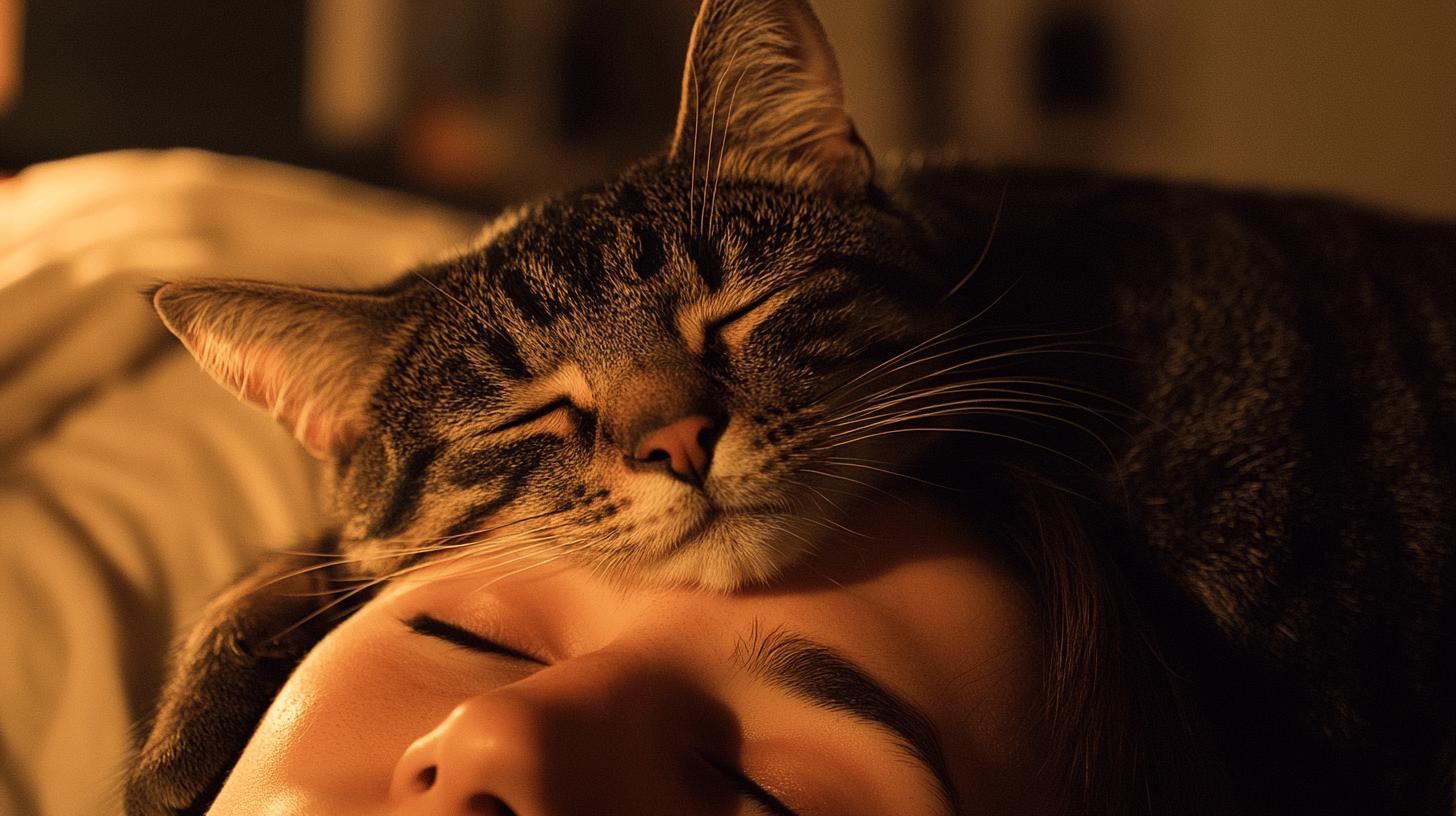
    Cats have a knack for finding the coziest spots, and your head is no exception. One of the main reasons your cat might choose this part of your body is the warmth it offers. Cats are naturally drawn to warm places, and your head is often one of the warmest due to heat escaping. Alongside warmth, the scent of their owner is incredibly comforting for cats. Your head provides a close proximity to your scent, which can help them feel relaxed and at ease.

    Beyond physical comfort, your cat sleeping on your head can be a sign of seeking security and expressing affection. Cats often choose to sleep where they feel the safest, and being close to you provides them with a sense of protection. This behavior also signals a strong bond and trust, as cats show affection by staying physically close to their favorite person. It’s a way for them to communicate their attachment and enjoy the comfort of your presence.

    Sometimes, cats may sleep on your head due to changes in their environment or stress. New surroundings, people, or disruptions can cause anxiety, leading them to seek solace in familiar and comforting places. Your head becomes a refuge, offering reassurance during times of uncertainty. This behavior helps them cope with stress and maximizes their time spent with you, especially if you're away during the day.

    • Warmth
    • Scent familiarity
    • Security
    • Affection
    • Stress relief

    The Spiritual Meaning of a Cat Sleeping on Your Head

    The Spiritual Meaning of a Cat Sleeping on Your Head-1.jpg

    When your cat curls up on your head, interpretations suggest this behavior might signify more than a cozy rest. Beyond the bond of trust, some see a spiritual connection where your cat aligns with your energy, suggesting a deeper link. Cats are often seen as sensitive beings, capable of picking up on the energy of those around them, and this behavior could be an expression of this sensitivity.

    In various cultural contexts, cats have been revered for their mystical qualities, believed to bridge the physical and spiritual realms. In ancient Egypt, for example, cats were symbols of protection and divine insight. When your cat chooses your head as a sleeping spot, it could reflect this protective nature, acting as a spiritual guardian. This behavior might also represent a mutual exchange of energy, bringing a sense of calm and balance to both you and your cat.

    • Trust
    • Spiritual alignment
    • Mutual energy

    How to Manage Your Cat's Sleeping Habits

    How to Manage Your Cats Sleeping Habits-1.jpg

    If your cat insists on snoozing on your head, it might be time to offer them some alternative sleeping spots that are just as cozy. Cats are drawn to warmth and comfort, so providing a heated bed can be a great solution. These beds mimic the warmth of your body, enticing your cat to settle there instead. Additionally, placing soft, cozy blankets around the house can create inviting nooks that appeal to your cat's love for snuggly spaces.

    To gently deter your cat from sleeping on your head, you'll want to create a sleeping environment that's equally appealing. Start by setting up a designated sleeping area with their favorite toys and blankets. Positive reinforcement can also help; reward your cat with treats or affection when they choose their new sleeping spot. Over time, your cat may begin to prefer these areas over your head, especially if they associate them with comfort and rewards.

    Improving sleep quality for both you and your cat involves a bit of routine and patience. Encourage your cat to use their new sleeping spots by maintaining a consistent bedtime routine. You can also try playing with your cat before bed to help them burn off energy, making them more likely to settle down in their own space. By creating a pleasant and comfortable sleeping environment, both you and your cat can enjoy restful nights.

    Suggestion Benefit
    Heated beds Provides warmth similar to your body
    Cozy blankets Creates inviting snuggle spots
    Designated sleep area Encourages use with toys and blankets
    Positive reinforcement Encourages desired behavior
    Consistent bedtime routine Helps establish regular sleeping habits

    Common Cat Sleeping Positions and Their Meanings

    Common Cat Sleeping Positions and Their Meanings-1.jpg

    Cats have a way of communicating through their sleeping positions, and each one can tell you something about their comfort level, sense of security, or even their health. Observing your cat's sleep posture offers insights into their well-being and emotional state. Just like humans, cats have their favorite positions that can vary based on mood or environment. Understanding these positions can help you better connect with your furry friend and ensure they are happy and healthy.

    When your cat is curled up tightly, it often indicates they are feeling content and secure. This position helps them conserve warmth and protect vital organs, a leftover instinct from their wild ancestors. If your cat prefers to stretch out, it can mean they feel completely at ease in their environment, with no perceived threats nearby. The loaf position, where your cat tucks their paws under their body, often shows a relaxed state but ready to spring into action if needed. On the other hand, if your cat sleeps belly up, it signifies total trust and relaxation, as this is a vulnerable position for them.

    Side sleeping is another common position that suggests your cat is comfortable and at peace, often seen when they are in deep sleep. Lastly, head resting, whether on your head or elsewhere, can be a sign of affection and seeking comfort from their human companion. Recognizing these positions can help you cater to your cat's needs and enhance the bond you share.

    • Curled up: Indicates contentment and security.
    • Stretched out: Shows your cat feels at ease.
    • Loaf position: Reflects readiness and relaxation.
    • Belly up: Signifies trust and total relaxation.
    • Side sleeping: Suggests comfort and peace.
    • Head resting: Displays affection and comfort-seeking.

    Final Words

    Understanding why a cat sleeps on your head involves warmth, security, and affection. Exploring these reasons deepens our bond with feline friends. We've also touched on spiritual meanings, highlighting trust and alignment. Managing cat sleep habits can be achieved by offering cozy alternatives and fostering a secure sleep environment.

    Recognizing different sleeping positions gives us clues about our cat's comfort and mood. Whether cozying up due to warmth or seeking a connection, these behaviors enrich our relationship. Let's embrace these quirky habits, enhancing both our lives and theirs.

    FAQ

    Why does my cat sleep on my head suddenly?

    Cats sleep on owners' heads for warmth and scent. This area is cozy and smells like you, which comforts your cat. It can also signal a desire for closeness and security.

    Why does my cat sleep on my pillow above my head?

    Cats may sleep on pillows above your head to feel secure and enjoy the familiar scent. It’s also a way for your cat to bond with you while enjoying a peaceful rest.

    Why does my male cat sleep above my head at night?

    When a male cat sleeps above your head, it’s likely seeking warmth and is comforted by your company. This position offers your cat safety and strengthens its bond with you.

    What does it mean when your cat sleeps at your head?

    When a cat sleeps at your head, it shows trust and affection. Your cat prefers being near your scent and finds warmth and security by sleeping close to you.

    Why does my cat cuddle up to my head?

    Cats cuddle up to heads to feel secure and to show affection. They are comforted by your scent and warmth, reinforcing their bond with you through this behavior.

    Do cats sleep on their favorite person?

    Yes, cats often sleep on their favorite person. This behavior shows affection and trust, as they feel secure and relaxed with a familiar scent and warmth.

    Related Articles

  • Why Cat Sticks Tongue Out Common Reasons and Concerns

    Why Cat Sticks Tongue Out Common Reasons and Concerns

    Ever caught your cat with its tongue sticking out, like it's stuck in a moment? This odd yet endearing behavior, known as "blepping," can leave cat owners puzzled. Is it simply cute, or is there a hidden meaning behind it? Cats let their tongues peek out for several reasons, ranging from sheer relaxation to investigating intriguing scents. This blog explores the common reasons behind this quirky behavior and when it might be cause for concern. Dive in to learn more about your feline friend's mysterious tongue antics.

    Reasons Why Cats Stick Their Tongue Out

    Reasons Why Cats Stick Their Tongue Out-1.jpg

    Cats have a delightful quirk called "blepping," where they unconsciously leave a little bit of their tongue sticking out. It's usually harmless and can happen when they're relaxed or just not paying attention. When a cat is chilling out or snoozing, their muscles, including those in their jaw, tend to relax, which might cause their tongue to peek out. Another fascinating reason is the Flehman Response. When a cat encounters an intriguing scent, they might open their mouth and stick out their tongue to get a better whiff, using their Jacobson’s organ to analyze the aroma.

    Certain cat breeds are more inclined to this tongue-out behavior due to their unique facial structures. Brachycephalic breeds, like Persians and Himalayans, with their flat faces, often have tongues that don't fit perfectly in their mouths, making it more likely for tongues to pop out. This can also happen during grooming sessions. Cats have rough tongues with tiny hooks designed to clean fur effectively. Sometimes, they might pause mid-clean with their tongue out, caught in the moment.

    If your cat's tongue is frequently on display, there's usually no cause for alarm. It often indicates relaxation or curiosity. However, if this behavior suddenly becomes more frequent or is accompanied by other signs like drooling, difficulty eating, or changes in behavior, it might be wise to consult a veterinarian. Regular tongue-sticking, without other symptoms, is usually just another charming facet of feline behavior.

    Reason Description
    Blepping Unconscious tongue protrusion when relaxed
    Relaxation Muscle relaxation during sleep or resting
    Flehman Response Analyzing scents with the tongue and Jacobson’s organ
    Breed Predisposition Flat-faced breeds more prone due to facial structure
    Grooming Pause Halting grooming with tongue out

    Health Concerns Associated with Cat Tongue Out

    Health Concerns Associated with Cat Tongue Out-1.jpg

    While your cat's tongue sticking out might seem cute, it can sometimes signal dental issues that need attention. Periodontitis and stomatitis are common dental concerns that can cause your cat's tongue to stick out. These conditions might make your feline friend uncomfortable, leading them to leave their tongue hanging in an attempt to relieve pressure or pain. Accompanying symptoms may include drooling, bad breath, or noticeable discomfort while eating. Any of these signs should prompt you to schedule a visit to the vet to ensure your cat’s dental health is in check.

    Respiratory and neurological issues can also manifest through tongue-sticking behaviors. If your cat is sticking its tongue out and breathing rapidly, it might be struggling with a respiratory infection or blockage. Cats don't typically pant like dogs, so fast breathing can be a red flag. Neurological disorders might lead to abnormal mouth movements, including tongue protrusion, especially if other unusual behaviors are present. These health concerns require prompt medical evaluation to prevent complications.

    • Persistent drooling or bad breath
    • Difficulty or discomfort while eating
    • Fast or labored breathing
    • Unusual or uncoordinated movements
    • Sudden changes in behavior or alertness

    Environmental and Emotional Triggers for Cat Tongue Out

    Environmental and Emotional Triggers for Cat Tongue Out-1.jpg

    Cats can stick their tongues out due to stress, anxiety, or motion sickness. When stressed or anxious, a cat may find it challenging to control its tongue, similar to how humans might bite their nails when nervous. Motion sickness, particularly during car rides, can also trigger this behavior. If a cat is feeling queasy or disoriented, it might stick its tongue out or drool as a response to the discomfort.

    During playtime, a cat might stick its tongue out as a sign of excitement. Just like humans might stick their tongue out when concentrating or having fun, cats can do the same. The adrenaline rush during play may lead the cat to momentarily lose control of its tongue, causing it to protrude. This behavior is usually harmless and can be a delightful part of a cat's playful antics.

    • Provide a quiet, safe space for your cat to retreat
    • Use calming pheromone diffusers or sprays
    • Maintain a consistent routine to reduce anxiety
    • Engage in gentle, interactive play to build confidence
    • Avoid overstimulation by providing breaks during playtime

    Health Concerns Associated with Cat Tongue Out

    When to Consult a Veterinarian About Cat Tongue Out-1.jpg

    Paying attention to your cat's behavior can help you catch potential health issues early. If your cat's tongue-sticking behavior suddenly increases or becomes more frequent, it could signal an underlying problem. This is especially true if you notice other symptoms such as lethargy, a lack of appetite, drooling, bad breath, or breathing difficulties. It's crucial to monitor these signs and consult a veterinarian if they appear. A quick check-up can provide peace of mind and ensure any necessary treatment is administered.

    1. Sudden increase in tongue-sticking behavior
    2. Accompanied lethargy or lack of energy
    3. Noticeable decrease in appetite or refusal to eat
    4. Presence of drooling or bad breath
    5. Difficulty breathing or rapid breathing patterns

    Final Words

    Diving into why cat sticks tongue out reveals several reasons for this quirky habit. From normal, harmless behaviors like blepping and relaxation to potential health issues like dental problems or stress, we've covered it all.

    While some behaviors are purely part of a cat being a cat, others may suggest a vet visit is necessary. Observing your cat closely helps distinguish between normal habits and signs of concern.

    Understanding these reasons enhances your ability to ensure your furry friend's well-being. Keep an eye on those cute bleps, and enjoy their amusing personalities!

    FAQ

    Why cat sticks tongue out of nowhere?

    Cats may stick their tongues out for various reasons, including relaxation or a behavior called "blepping." It can happen unconsciously during rest. It's usually normal unless other symptoms appear.

    Why does my cat stick his tongue out when I pet him?

    When petting, a cat might stick its tongue out due to muscle relaxation. It's often a sign of comfort and calmness. No need to worry unless accompanied by signs of stress or discomfort.

    Why is my cat sticking his tongue out like a dog?

    Some cats stick their tongues out when excited or curious, similar to dogs. It's common during playtime or when they sense something intriguing.

    Why is my cat sticking his tongue out and breathing?

    If a cat's sticking its tongue out while breathing heavily, it might indicate stress, overheating, or a health issue. Consider a vet visit if it doesn't improve.

    Why cat sticks tongue out while sleeping?

    During sleep, muscle relaxation can cause cats to stick their tongues out. It's typically harmless and can be seen as a sign of deep relaxation.

    Why cat sticks tongue out when playing?

    During play, the adrenaline rush might cause your cat to stick its tongue out. It's usually a harmless expression of excitement and enjoyment.

    Do cats stick their tongues out when dehydrated?

    Dehydration might make a cat stick its tongue out as a response. Ensure your cat has access to fresh water and check for any other signs of dehydration like lethargy.

    What does sticking out the tongue mean?

    In cats, sticking out the tongue can mean relaxation, a sensory response, or a need for attention. It's important to watch for any additional symptoms that may suggest an issue.

    Why do cats do the blep?

    The "blep" occurs when a cat's tongue sticks out slightly and is usually seen during relaxation or after grooming. It's often an unconscious and cute behavior without a health concern.

    Related Articles

  • Can Cat Eat Spicy Tuna Risks and Safe Alternatives

    Can Cat Eat Spicy Tuna Risks and Safe Alternatives

    Is spicy tuna really a treat your cat might crave, or a recipe for trouble? While our feline friends love to sniff out new and exciting flavors, spicy tuna isn’t as safe as it appears. The heat-giving capsaicin can wreak havoc on a cat’s tummy, causing unpleasant symptoms like vomiting and diarrhea.

    Add in toxic ingredients like onions and garlic, and it’s clear why this dish poses serious risks. But don’t worry—there are safe and tasty alternatives to keep your cat’s curiosity satisfied without compromising their health. Let’s explore these options together!

    Can Cats Safely Eat Spicy Tuna?

    Can Cats Safely Eat Spicy Tuna-3.jpg

    Spicy tuna is a tempting treat with its enticing aroma and savory taste, but it’s not a safe choice for our feline friends. The primary concern lies in capsaicin, the compound responsible for the heat in spicy foods. Capsaicin can cause gastrointestinal issues in cats, leading to symptoms like vomiting and diarrhea.

    This discomfort is just the beginning of potential problems. Spicy tuna often contains ingredients that are harmful to cats, such as onions and garlic, which can lead to serious health issues like anemia. These spices cause damage to a cat’s red blood cells, making spicy tuna a risky option for a curious kitty.

    Cats have far fewer taste buds compared to humans, which means they don’t experience the savory flavors of spicy tuna in the same way we do. Despite this, the smell might attract them, encouraging them to sample something that isn’t good for their health.

    While cats may not taste the spice as intensely as we do, they are more vulnerable to the harmful effects of these ingredients. Their digestive systems are not equipped to handle the complexity and potential toxicity of spices commonly found in spicy tuna.

    Common ingredients in spicy tuna can be harmful to cats:

    • Capsaicin
    • Onions
    • Garlic
    • Other spices

    These ingredients can cause a host of issues, from mild digestive upset to severe health complications. Given these risks, it’s clear that spicy tuna is not a safe treat for cats. While they might show interest out of curiosity or due to the strong scent, it’s essential to keep such foods out of their reach to prevent accidental ingestion and ensure their well-being.

    Safe Alternatives to Spicy Tuna for Cats

    Safe Alternatives to Spicy Tuna for Cats-2.jpg

    Cats are known for their curious nature, often sniffing around for interesting treats. However, when it comes to spicy foods, it’s crucial to steer clear. Given the risks associated with spicy tuna, it’s important to find safer, cat-friendly alternatives that satisfy their taste buds without compromising their health. Choosing the right treats not only keeps your feline friend safe but also supports their dietary needs as obligate carnivores.

    Here are some safe and tasty alternatives to spicy tuna for cats:

    • Plain cooked tuna
    • High-quality tuna cat treats
    • Moist and wet cat food
    • Cat-specific fish snacks
    • Omega-3 enriched fish options

    These alternatives offer a range of nutritional benefits while ensuring your cat’s safety. Plain cooked tuna is a simple treat that cats love, providing protein without harmful additives. High-quality tuna cat treats are specifically formulated to meet feline nutritional needs, ensuring they get the right balance of nutrients.

    Moist and wet cat food provides essential hydration and nutrients, making it a staple in many cat diets. Cat-specific fish snacks are designed to be safe, avoiding any harmful spices or ingredients. Finally, Omega-3 enriched fish options support a shiny coat and healthy skin, contributing to overall well-being.

    Offering these alternatives not only prevents the potential health issues associated with spicy tuna but also promotes a balanced diet tailored to your cat’s unique needs. By selecting these safe treats, you can keep your feline happy and healthy while avoiding unnecessary risks.

    Veterinary Insights on Feeding Tuna to Cats

    Veterinary Insights on Feeding Tuna to Cats-3.jpg

    Veterinarians agree that tuna can be a delightful addition to a cat’s diet, as long as certain guidelines are followed. Cats are obligate carnivores, meaning their diet must be rich in animal protein. Tuna can contribute to this protein intake if it’s prepared correctly and served without harmful ingredients.

    It’s vital to ensure that the tuna is plain, cooked, and free from additives like salt and oil, which could upset a cat’s stomach or lead to more serious health issues.

    Feeding tuna should complement a balanced diet that meets all nutritional needs. It should not replace specially formulated cat food, which is designed to provide essential nutrients like taurine and vitamins that are crucial for feline health.

    Veterinarians often suggest using tuna as an occasional treat rather than a staple meal to avoid potential nutritional imbalances. This approach helps maintain a balanced diet while still allowing your cat to enjoy the flavors they love.

    Additional Advice

    When offering tuna to your cat, it’s important to avoid any seasoning or additives that might be included in human meals. Stick to small portion sizes to prevent overfeeding and ensure that your cat’s primary nutrition comes from their regular cat food. By doing so, you can safely incorporate tuna into their diet without compromising their overall health and well-being.

    Recognizing Symptoms of Food Poisoning in Cats

    Cats are curious creatures, often getting into things they shouldn’t, which sometimes includes food that’s not safe for them. Recognizing the symptoms of food poisoning is crucial to ensuring your pet’s well-being. Common signs that your cat may be suffering from food poisoning include vomiting, diarrhea, and lethargy.

    These symptoms indicate that something is wrong with your cat’s digestive system and need to be addressed promptly. If your cat shows any of these symptoms, it’s important to act quickly to prevent further health complications. Immediate veterinary consultation is recommended to ensure your cat receives the necessary care.

    Here are steps to take if you suspect your cat has food poisoning:

    • Monitor for symptoms
    • Provide fresh water
    • Avoid further feeding
    • Consult a veterinarian

    Taking these immediate actions can make a significant difference in your cat’s recovery and help prevent serious health issues. Keeping an eye out for these symptoms and responding promptly is essential when it comes to maintaining your cat’s health and safety.

    Final Words

    Knowing the potential harms, it’s clear that spicy tuna isn’t safe for cats. Spices like capsaicin, onions, and garlic pose significant health risks. Cats’ sensitivity to these ingredients can lead to serious problems.

    Fortunately, there are safe alternatives to spicy tuna. Options like plain cooked tuna and high-quality cat-specific treats offer nutrition without risk. Veterinarian advice emphasizes a balanced diet for cats, and tuna can fit if prepared correctly.

    Recognizing food poisoning symptoms and acting quickly ensures your cat’s health. Prioritizing their dietary safety leads to a happier, healthier cat.

    FAQ

    Can cats eat spicy tuna?

    A: Spicy tuna is not safe for cats. Capsaicin and spices like onions and garlic, often found in spicy tuna, can cause gastrointestinal upset and anemia in cats.

    Can cats eat spicy food?

    A: Cats should avoid spicy foods. Spices can upset their stomachs and some ingredients like onions and garlic are toxic to cats.

    What to do if my cat ate spicy food?

    A: If your cat eats spicy food, watch for any signs of distress like vomiting or diarrhea. Consult a vet if symptoms occur.

    Can cats die from spicy food?

    A: While spices alone are unlikely to be fatal, toxic ingredients like onions and garlic in spicy foods can cause severe health issues.

    Why does my cat like spicy food?

    A: Cats may be curious about spicy food due to its strong smell, but they don’t taste it the same way we do and it poses health risks.

    Can I give my cat spicy tuna?

    A: It’s not safe to give cats spicy tuna. It contains harmful ingredients like capsaicin and potentially toxic spices.

    Is it safe for cats to eat spicy food?

    A: No, it’s not safe. Spices can cause stomach upset and might include toxic ingredients for cats.

    Can cats eat flavored tuna?

    A: Cats should only eat plain tuna. Flavored tuna could have spices or additives that are harmful to cats.

    Are spices safe for cats?

    A: Most spices are not safe for cats. Ingredients like capsaicin, onions, and garlic found in spices can be harmful.

    Related Articles

  • Can Cat Eat Paneer Safely and In Moderation

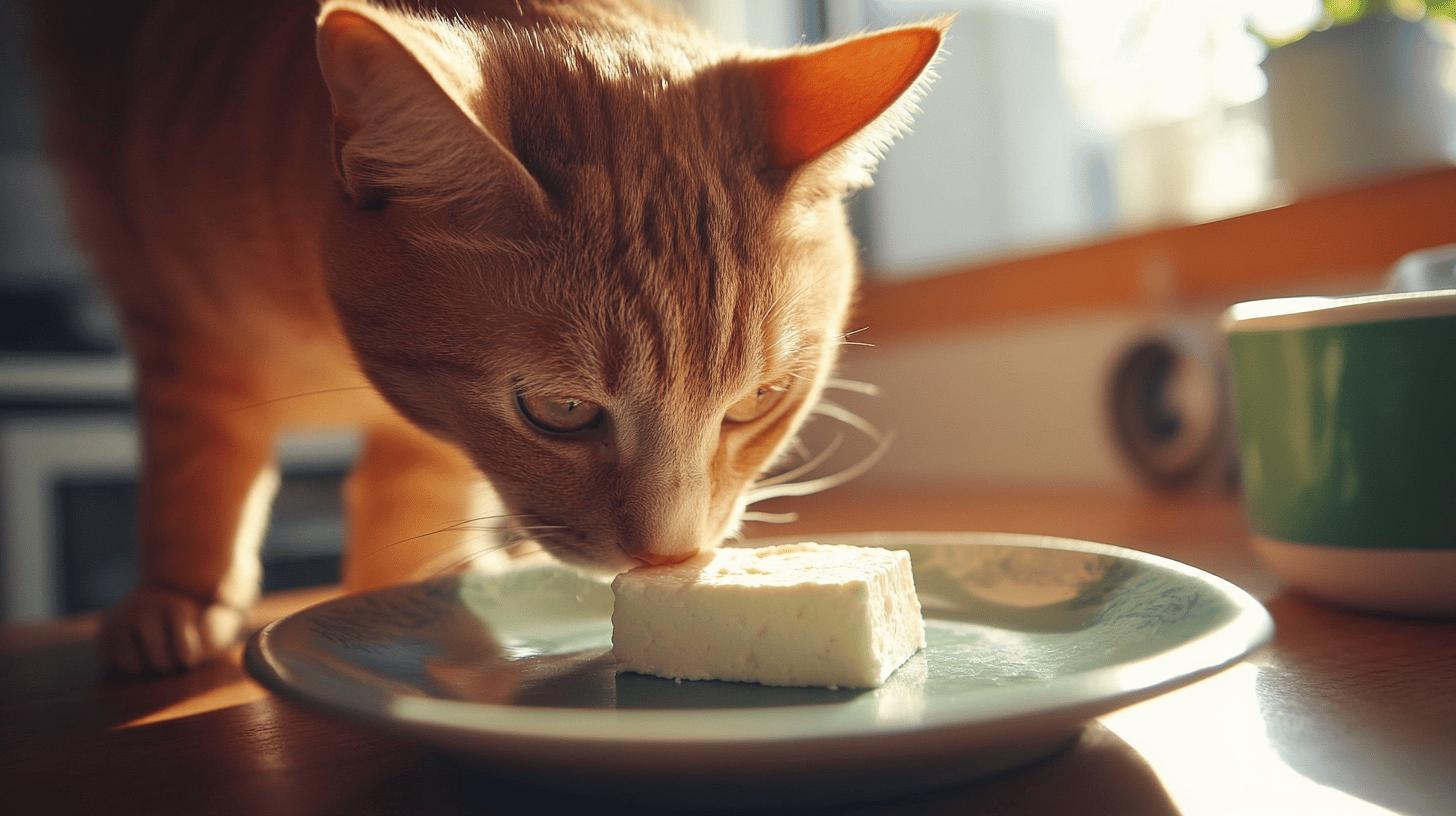
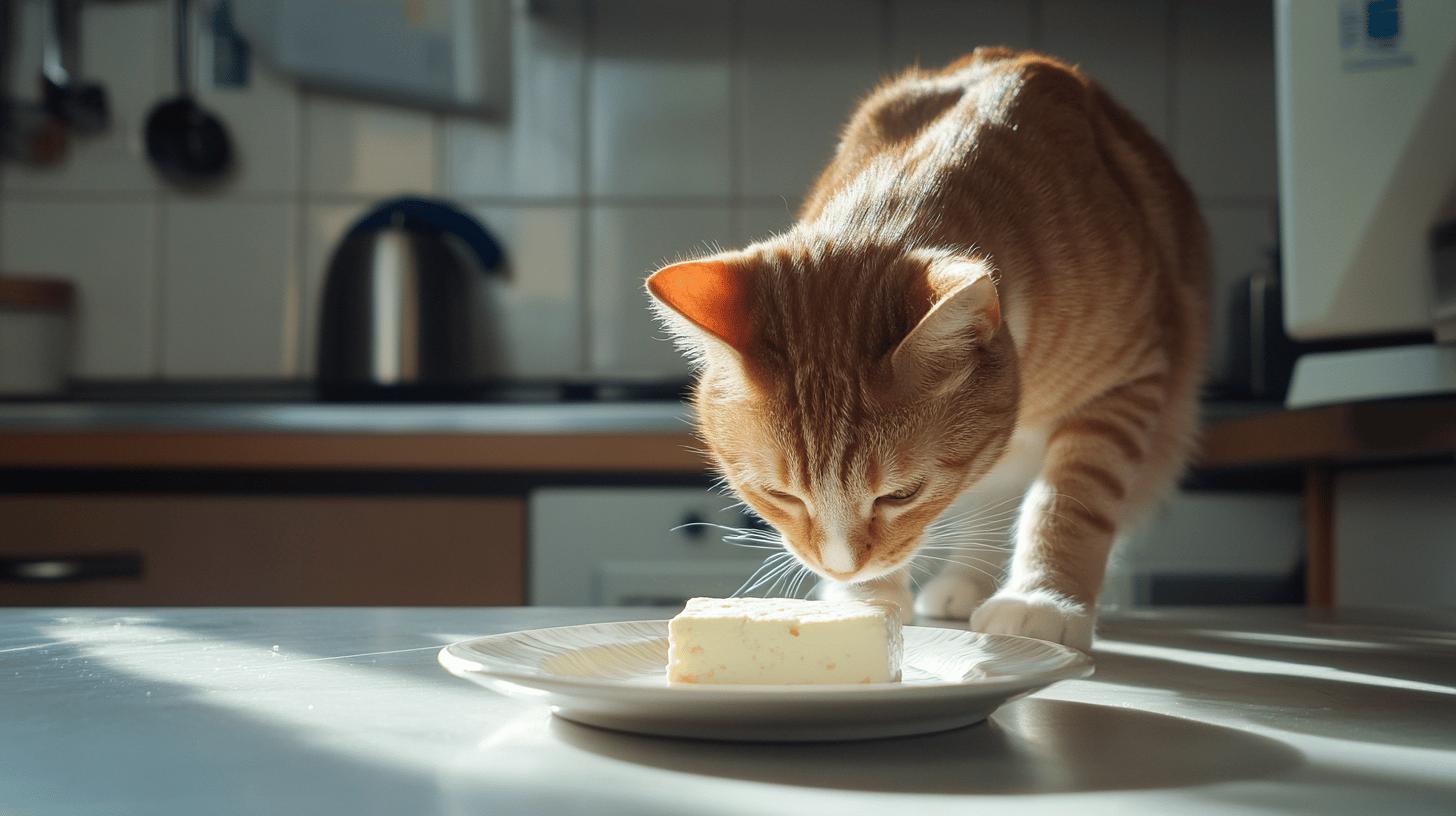
    Can Cat Eat Paneer Safely and In Moderation

    Can cats enjoy a slice of paneer, or does it spell trouble for their tiny tummies? It's a question many cat lovers ponder. Paneer, a tasty cheese loaded with protein, might seem like a good snack. But for our furry friends, it’s not that simple. Cats are obligate carnivores, meaning meat is their main squeeze. While a little nibble of paneer might be okay, it's important to know the facts and risks. In this blog, we'll explore if paneer can fit safely and moderately into your feline's diet.

    Can Cats Safely Eat Paneer?

    Can Cats Safely Eat Paneer-1.jpg

    When it comes to feeding cats paneer, it's crucial to proceed with caution. Paneer, while appealing due to its protein content, does not provide the full range of nutrients cats require. Cats are obligate carnivores, meaning their diet should primarily consist of meat. Paneer, a dairy product, can be offered occasionally but should not become a staple in their diet.

    Paneer is rich in protein and fat, which might seem beneficial at first glance. However, it lacks essential nutrients like taurine, which are vital for a cat's health. Taurine is an amino acid necessary for maintaining vision, heart function, and overall well-being in cats. Without it, they can suffer from severe health issues. While paneer can supply some protein, it shouldn't replace the comprehensive nutrition found in a balanced, meat-based diet.

    Cats can be lactose intolerant, leading to potential digestive problems if they consume dairy products like paneer. Symptoms of lactose intolerance include diarrhea, stomach upset, and gas. Given these risks, paneer should only be an occasional treat. Always consult a veterinarian before adding paneer or any new food to your cat's diet. This will help ensure it aligns with their dietary needs and doesn't cause any health issues.

    Understanding Lactose Intolerance in Cats and Monitoring Tips

    Understanding Lactose Intolerance in Cats and Monitoring Tips-1.jpg

    Many cats are lactose intolerant, producing lower levels of lactase, the enzyme needed to digest lactose found in milk and dairy like paneer. As obligate carnivores, cats naturally thrive on meat-focused diets. Introducing lactose-containing foods can cause digestive issues. When cats consume dairy, undigested lactose ferments in their digestive tract, leading to discomfort or more severe gastrointestinal problems.

    The effects of dairy on cats manifest through symptoms like diarrhea, gas, vomiting, and loose stools. These signs indicate that the cat's digestive system is struggling with lactose. Monitoring these symptoms is crucial. Keeping a detailed food diary can help track what your cat eats and its reactions. This record will be invaluable for consultations with a veterinarian.

    Signs of Lactose Intolerance in Cats

    • Diarrhea
    • Gas
    • Vomiting
    • Loose stools

    Observing changes in your cat's behavior or energy levels after consuming dairy is essential. Adjusting your cat’s diet based on these observations ensures their well-being. While some cats might tolerate a small piece of paneer, understanding individual tolerance levels is crucial. Always consult a veterinarian before introducing new foods into your cat's diet.

    Differentiating Paneer in Cat Diets from General Dietary Practices

    Differentiating Paneer in Cat Diets from General Dietary Practices-1.jpg

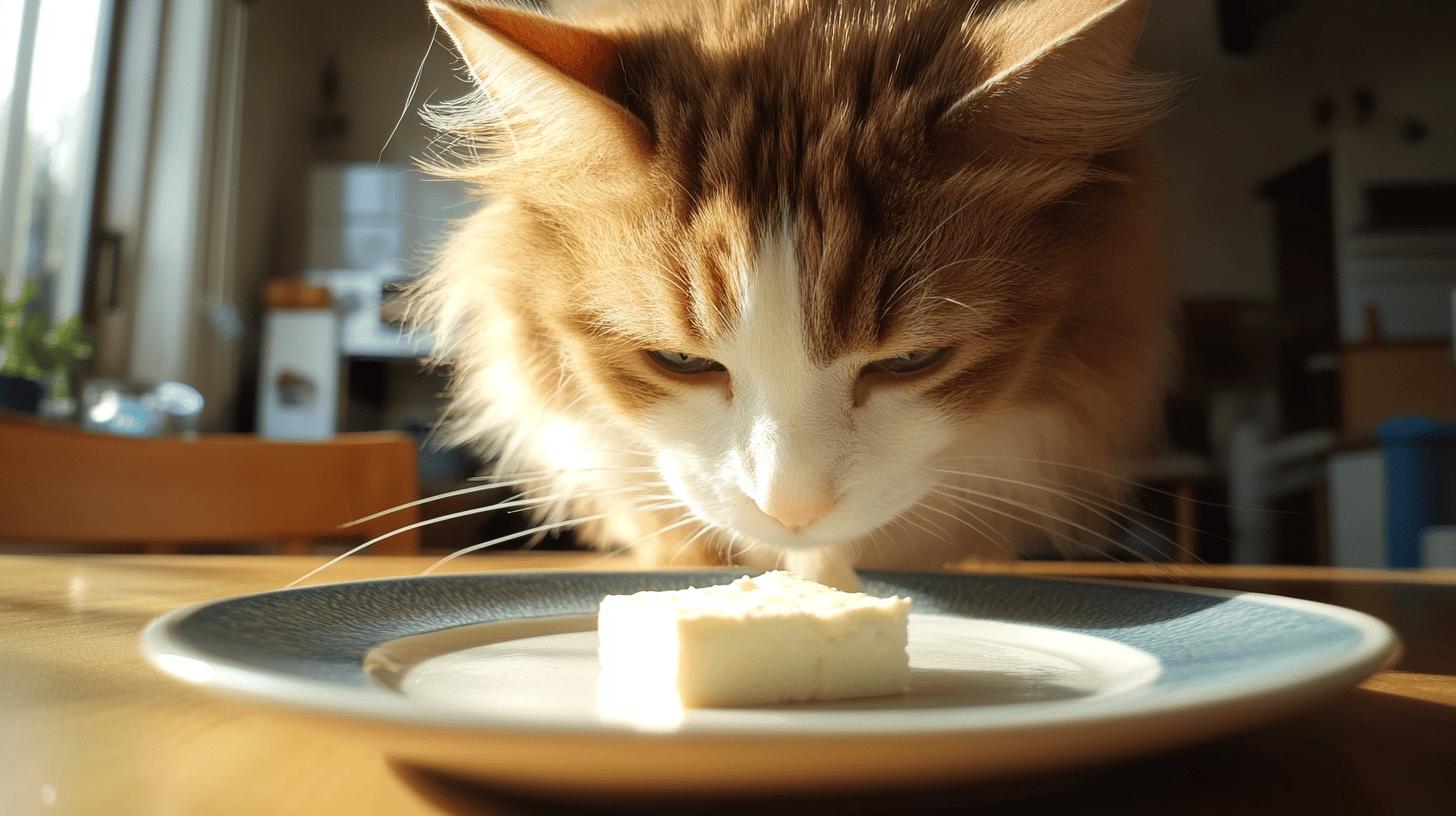
    Paneer offers protein, making it an occasional treat option for cats. While cats benefit from protein, paneer shouldn't replace the essential components of a feline diet. Its protein content can be appealing, but it lacks the full nutrient profile needed by cats.

    A primary concern is the lack of taurine, which is vital for cat health. Paneer's lactose might lead to digestive issues, such as diarrhea and gas. Compared to other cheeses, paneer may be less digestible. Cottage cheese might be a better alternative due to potentially higher digestibility.

    Veterinarians emphasize that cat diets should be rich in meat-based proteins. Cats require nutrients found in meat, not in dairy or plant sources. While paneer can add variety, it should never replace meat. Always consult a vet to ensure dietary additions suit your cat's needs.

    When used sparingly, paneer can be part of a balanced diet. Alternatives like cottage cheese might be more suitable for occasional treats. This respects the cat's natural diet while allowing for safe experimentation.

    Component Suggested Frequency
    Meat Daily
    Occasional Treats (like Paneer) Once or Twice a Week
    Essential Vitamins/Minerals Daily

    Final Words

    Exploring if can cat eat paneer brings to light important facts about cats and dairy. While paneer is high in protein, it's not ideal for cats because of potential lactose intolerance and missing nutrients like taurine. Cats thrive on meat-based diets. Feed paneer sparingly and always check with a vet first. Monitoring your cat's reaction to new foods helps ensure their health. Prioritizing a balanced diet will keep your cat healthy and playful. Engaging with cat communities for shared experiences enhances the joy of cat care.

    FAQ

    Can cats eat paneer?

    Cats can eat paneer, but moderation is key. Paneer is high in protein and fat, but it lacks essential nutrients for cats, such as taurine. It can also cause digestive issues due to lactose.

    Can cats eat paneer and chicken?

    Cats can eat paneer and chicken in small amounts as a treat. Chicken is a good protein source for cats. Always ensure that paneer is given occasionally due to possible digestive problems.

    Can cats eat curd?

    Cats can eat curd, but it's not ideal due to lactose. Many cats are lactose intolerant, which can lead to stomach upset. It's best to limit dairy in their diet.

    Can cats eat rice?

    Cats can eat rice in small portions. It should only be a minor part of their diet, as cats primarily need protein from meat.

    Can cats eat bread?

    Cats can eat bread occasionally as a treat. Bread offers little nutritional value for cats and should not replace their main diet.

    Can paneer be given to cats?

    Paneer can be given to cats in moderation. It lacks vital nutrients and may cause lactose-related digestive issues, so it's not recommended as a staple food.

    Can cats eat dairy cheese?

    Cats can eat dairy cheese in small amounts, but many are lactose intolerant. Cheese lacks essential nutrients and can cause digestive upset, so limit it in their diet.

    Can dogs eat paneer?

    Dogs can eat paneer, but much like cats, it should only be in moderation. Paneer lacks essential nutrients for dogs and might cause digestive issues.

    Can cats eat vegetarian food?

    Cats can't thrive on a vegetarian diet. They're obligate carnivores requiring meat-based diets to meet their nutritional needs. Always focus on meat-based food for optimal health.

    Related Articles

  • Can Cat Eat Rat Examining Safety and Health Risks

    Can Cat Eat Rat Examining Safety and Health Risks

    Are you curious if your furry feline should eat that rat they just caught? It’s a question that seems straightforward but carries weighty implications for your cat’s safety and health. Cats are natural hunters and catching a rat can feel like a triumph. Yet, the moment your cat delivers its prize, you might wonder—are rats safe for your cat to eat? This blog will delve into the potential hazards, from disease transmission and parasites to the threat of secondary poisoning, and help you understand why their typical kibble is a far healthier choice.

    Can Cats Eat Rats Safely and Health Risks

    Can Cats Eat Rats Safely and Health Risks-1.jpg

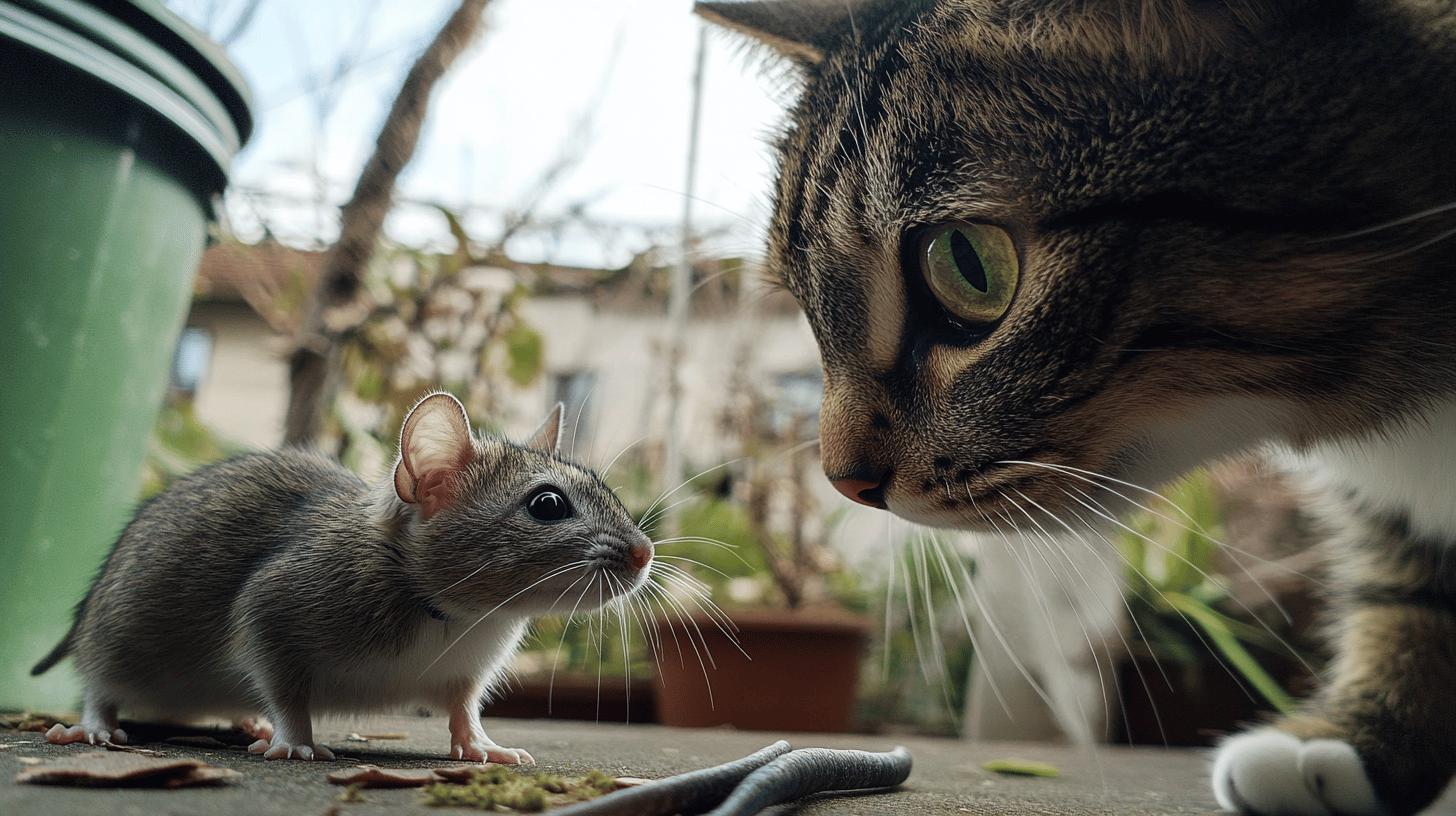
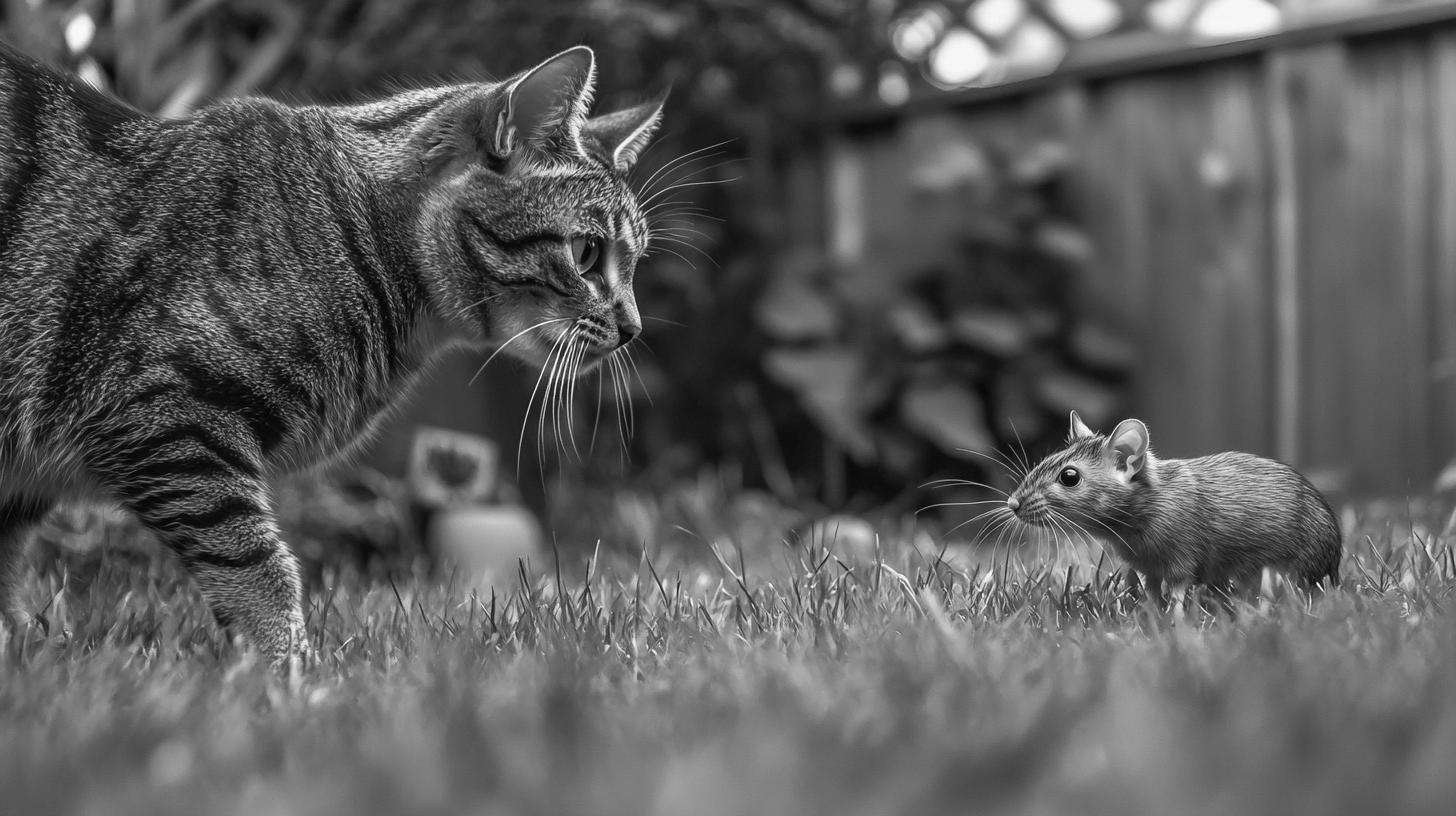
    Cats are natural hunters, drawn to the chase and capture of prey like rats. It’s in their DNA to stalk and pounce on these small creatures. Feral cats, relying on their instincts for survival, often hunt and eat rats. However, domestic cats, spoiled with commercial food, may hunt rats but rarely eat them. The thrill of the hunt might be enough for them, leaving the rat untouched after a successful catch. This behavior reflects a blend of instinct and the comfort of knowing that dinner is already served in their bowl at home.

    Eating rats can pose significant health risks to cats. Rats are known carriers of diseases like toxoplasmosis, which can be particularly dangerous for cats with weakened immune systems, such as kittens or senior cats. Toxoplasmosis can lead to symptoms such as lethargy, fever, and respiratory issues. Additionally, rats can harbor intestinal parasites like roundworms and tapeworms, which can infect cats upon consumption. These parasites can cause a range of health problems, including weight loss, vomiting, and diarrhea, impacting the cat’s overall well-being.

    Another serious concern is secondary poisoning. Rats often ingest poison bait intended to control their population. If a cat eats a rat that has consumed poison, the toxins can transfer to the cat, leading to symptoms like vomiting, lethargy, bleeding disorders, and even death. This makes the consumption of rats particularly risky, as identifying a poisoned rat is nearly impossible after a cat has caught it.

    • Disease transmission, such as toxoplasmosis
    • Intestinal parasites like roundworms and tapeworms
    • Secondary poisoning from rodenticide
    • Nutritional deficiencies if relying on rats as a food source
    • Potential for internal injuries from consuming whole rats

    Considering these factors, it’s clear that the risks associated with cats eating rats outweigh any potential benefits. While hunting is a natural behavior, it’s essential for cat owners to monitor their pets and discourage them from consuming rats. Maintaining a safe environment and providing a balanced diet can help minimize these risks, ensuring cats remain healthy and happy.

    Understanding Cat and Rat Interactions

    Understanding Cat and Rat Interactions-1.jpg

    Feral cats often eat rats out of necessity as they rely on hunting for survival. In areas with scarce food, they hone their skills, making rats a key part of their diet. Domestic cats, with regular meals provided, tend to hunt rats more for entertainment than sustenance. They rarely consume their prey due to the availability of commercial cat food, which satisfies their instincts without the need to eat what they catch.

    Environmental factors significantly affect how cats interact with rats. Urban settings, where food is abundant, lead domestic cats to hunt for fun rather than need. In rural areas, where food is less available, cats might eat rats as a source of nutrition. The presence or absence of alternative prey and competition for food also shape these interactions.

    • Competition for food
    • Availability of alternative prey
    • Access to commercial cat food

    Preventing Health Risks from Rodent Consumption

    Preventing Health Risks from Rodent Consumption-1.jpg

    Providing your cat with a balanced and high-quality diet is essential to reducing their hunting instincts. Cats are obligate carnivores, so they need nutrients found only in animal products. Feeding them a diet rich in meat helps satisfy their dietary needs, decreasing their urge to hunt for food. Use of high-quality commercial cat food ensures they receive essential nutrients, keeping them healthy and less likely to interact with potentially harmful rodents.

    Aside from dietary considerations, employing cat-safe deterrents can effectively keep rats away while ensuring your cat stays safe. Explore options such as ultrasonic pest repellents, which are inaudible to humans and cats but deter rodents. Additionally, consider using natural deterrents like peppermint oil, which is safe for cats but disliked by rodents. These methods, combined with securing entry points and maintaining cleanliness, offer a comprehensive approach to minimizing health risks from rodent consumption.

    Safe Dietary Practices

    A balanced diet rich in meat is essential for your cat’s overall health and well-being. Cats are obligate carnivores, which means they require nutrients found only in animal products. Offering them a high-quality diet that meets these needs will keep them satisfied, reducing the temptation to hunt.

    Prevention Strategy Description
    Ultrasonic Pest Repellents Inaudible to cats but deters rodents.
    Peppermint Oil Natural deterrent safe for cats.
    Secure Entry Points Block holes to prevent rodent entry.
    Maintain Cleanliness Regular cleaning to deter rodents.
    Provide Nutritious Diet Feed high-quality food to reduce hunting impulse.

    Recognizing and Responding to Poisoning in Cats

    Recognizing and Responding to Poisoning in Cats-1.jpg

    Spotting the symptoms of rat poisoning in cats is crucial for their well-being. Common signs include vomiting, which may be frequent and severe, and lethargy, where a cat might seem unusually tired or disinterested in activities they typically enjoy. Gastrointestinal issues are also prevalent, manifesting as diarrhea or a sudden loss of appetite. Other signs can be more severe, such as difficulty breathing, excessive drooling, or even seizures. Recognizing these symptoms early can make a significant difference in the treatment outcomes.

    Immediate action is vital if poisoning is suspected. Quick response can prevent worsening of symptoms and potentially save the cat’s life. The first step is to contact a veterinarian who can provide guidance on what to do next. Veterinary care is essential, as professionals can administer treatments that aren’t available at home. They can perform tests to confirm poisoning and determine the best course of action. Delaying medical attention can lead to serious complications, so it’s important to act promptly.

    Treatment options vary depending on the type and severity of the poisoning. A veterinarian might induce vomiting to remove any remaining toxins in the stomach, or administer activated charcoal to bind the poison. Intravenous fluids are often used to maintain hydration and support kidney function. In some cases, specific antidotes may be available to counteract the poison’s effects. Monitoring and supportive care, such as providing warmth and comfort, are also critical components of the treatment process.

    1. Observe your cat for symptoms like vomiting, lethargy, or diarrhea.
    2. Contact your veterinarian immediately for advice.
    3. Avoid attempting home remedies without professional guidance.
    4. Follow the veterinarian’s instructions for treatment and care.

    Final Words

    Cats naturally hunt, but eating rats can pose serious health hazards. Rats may carry diseases like toxoplasmosis or parasites, which can harm our feline friends. There’s also the danger of secondary poisoning if rats have ingested poison themselves.

    Feral cats might hunt rats out of necessity, while domestic ones typically don’t, due to their diet. Preventing these risks involves keeping cats away from rats and ensuring they have a rich, meat-based diet.

    Choosing the right diet and staying alert to symptoms of poisoning help keep cats safe. Remember, a cat’s well-being depends on informed choices.

    FAQ

    Do cats eat rats or just kill them?

    Cats may hunt and kill rats due to their instincts, but domestic cats rarely eat them if they have access to food.

    Do cats eat mice after they kill them?

    Cats might eat mice after killing them, although domestic cats often do not if they’re well-fed with commercial food.

    Do cats eat rats whole?

    Cats usually don’t eat rats whole. They might eat parts but often leave remains, especially when they have other food options.

    My cat ate a rat, what do I do?

    If your cat ate a rat, monitor it for signs of illness or poisoning, and consult a vet if you notice anything unusual.

    What parts of a mouse does a cat not eat?

    Cats might not eat certain parts like the stomach and tail. They often eat the meaty sections instead.

    Can a cat die from eating a poisoned rat?

    Yes, eating a poisoned rat can lead to secondary poisoning in cats. Immediate veterinary care is essential if this occurs.

    Is rat poisonous to cats?

    Rats themselves aren’t poisonous, but if they have ingested poison, they can harm cats that consume them.

    Should I be worried if my cat ate a rat?

    Yes, it’s wise to be cautious. Eating rats poses risks like diseases and potential poisoning from ingested rat poison.

    Can I feed my cat a live rat?

    Feeding a live rat is not recommended. It may lead to injuries or disease transmission to your cat.

    Why do some cats eat rats?

    Some cats eat rats due to natural hunting instincts, or if they lack access to other food sources, such as feral cats.

    Related Articles

  • Can Cat Eat Pandan Leaves Understanding Safety and Risks

    Can Cat Eat Pandan Leaves Understanding Safety and Risks

    Did you know that while pandan leaves aren't toxic to cats, they might not be the best snack for your furry friend? Cats are known to chew on plants out of curiosity, but as obligate carnivores, their diets are best rich in meat. So, if you're wondering whether your cat should munch on pandan leaves, it's not about the immediate risk, but rather about keeping their diet balanced and nutritious. Let's explore the safety and risks of pandan leaves for cats and learn how to keep them safe during their curious plant adventures.

    Can Cats Safely Eat Pandan Leaves?

    Can Cats Safely Eat Pandan Leaves-1.jpg

    Pandan leaves are generally considered safe for cats, as they are not known to be toxic. This means that if your cat happens to nibble on a pandan leaf, it is unlikely to cause any immediate harm. However, it's important to keep in mind that just because pandan leaves are non-toxic doesn't mean they should become a part of your cat's regular diet. Cats are obligate carnivores, and their nutritional needs are best met through a diet primarily composed of meat.

    There are no specific health benefits for cats consuming pandan leaves. While the leaves might be alluring due to their texture, they do not contribute to a cat's nutritional requirements. It's best to offer your feline friend safe, commercially available cat treats or toys designed for their dietary needs and playtime activities. Regular consumption of pandan leaves or any non-dietary plant can lead to nutritional imbalances and other health issues over time.

    If your cat ingests pandan leaves, it's wise to monitor them for any signs of discomfort or illness. Symptoms to watch for include:

    • Vomiting
    • Diarrhea
    • Lethargy
    • Loss of appetite

    These symptoms could indicate a gastrointestinal upset or an adverse reaction, even though pandan leaves are not toxic. If you notice any of these symptoms, it's crucial to consult a veterinarian promptly. Early intervention can prevent potential complications and ensure your cat remains healthy and happy.

    Understanding Cat Behavior Towards Plants

    Understanding Cat Behavior Towards Plants-1.jpg

    Cats are naturally curious creatures, often driven by an instinctual need to explore their surroundings. This curiosity can lead them to plants, including pandan leaves. The tender texture of pandan leaves might capture a cat's interest, making them a desirable object to chew on. As they explore, cats may nibble or play with the leaves, satisfying their playful and investigative nature. While this behavior is common, it's essential to ensure that the plants they interact with are safe and non-toxic.

    Pandan leaves can be particularly appealing to cats as a chew toy due to their unique texture. This interest, combined with a cat's regular chewing habits, might lead them to interact with these leaves more frequently. However, it's crucial to remember that not all plants are safe for feline consumption, making it important to monitor which plants your cat has access to.

    • Curiosity-driven exploration
    • Texture interest
    • Chewing habit

    Observing any changes in your cat's behavior after they interact with plants is vital. Pay close attention to signs of discomfort or unusual behavior, as these can indicate that the plant ingestion might not be agreeing with them. Monitoring your cat ensures that you can catch any potential issues early and take appropriate action if necessary, prioritizing their health and well-being.

    Safe Alternatives to Pandan Leaves for Cats

    Safe Alternatives to Pandan Leaves for Cats-1.jpg

    When considering plants for your feline friend to nibble on, it's important to choose options that are both safe and beneficial. Cats often show interest in chewing on plants, so providing them with safe alternatives is crucial. These plants not only satisfy your cat's curiosity but also offer a safe outlet for their chewing habits. Selecting non-toxic plants can enhance your cat's environment, giving them something to interact with without the risk of ingesting harmful substances.

    Some specific safe plants and herbs are especially recommended for cats. Catnip is a favorite among felines, providing both entertainment and a safe chewing option. Cat grass is another excellent choice, as it is specifically grown for cat consumption and can aid in digestion. Other non-toxic plants like hibiscus and fittonia also make great options, offering a variety of textures and scents that could engage your cat's senses. Bamboo and orchids are additional safe picks that can add beauty to your home while keeping your cat healthy.

    Ensuring that all household plants are non-toxic is vital for maintaining a safe environment for your pets. Cats are naturally curious, and any plant within reach could become a target for exploration. Always check the toxicity of plants before bringing them into your home, and consider creating designated areas with cat-friendly plants. By doing so, you provide a safe space for your cat to satisfy their natural behaviors without compromising their health.

    • Catnip
    • Cat grass
    • Hibiscus
    • Fittonia
    • Bamboo
    • Orchids

    Recognizing and Preventing Plant Ingestion Symptoms in Cats

    Recognizing and Preventing Plant Ingestion Symptoms in Cats-1.jpg

    Cats' curiosity can lead them into trouble with plants. If your cat ingests plants, watch for symptoms like vomiting, diarrhea, lethargy, and loss of appetite. These signs mean your cat's body is trying to get rid of something harmful. Even non-toxic plants can cause issues, so it's essential to be aware.

    Preventing plant ingestion requires some proactive steps. Create plant-free zones in your home to keep curious cats away. Use pet-safe deterrents around plants to make them less appealing. By doing this, you minimize the risk of plant exposure and protect your cat's health.

    If you notice symptoms of plant ingestion, consult a veterinarian right away. Early intervention is crucial for recovery and well-being. A vet can assess your cat and provide necessary treatment, ensuring safety and preventing complications.

    Ensuring a Cat-Safe Environment at Home

    Ensuring a Cat-Safe Environment at Home-1.jpg

    Creating a pet-friendly home is all about making spaces where your cat can roam without worry. The key is to choose plants that are safe for pets. Plants like catnip and cat grass are excellent choices. They not only look great but also let your cat chew and explore safely.

    It's important to create areas where your cat can't reach potentially harmful plants. Using deterrents can help keep your curious cat away from risky spots. This way, your cat can have the freedom to explore safely.

    Checking plant labels for toxicity and setting up plant-free zones are simple steps. These actions make sure your cat has a safe environment. Regular checks and thoughtful planning will keep your cat healthy and happy.

    • Check plant labels for toxicity
    • Create designated plant-free zones
    • Use deterrents to keep cats away from certain areas

    Final Words

    Pandan leaves may not be toxic to cats, but they shouldn't be part of their regular diet. Keep an eye out for symptoms like vomiting, diarrhea, lethargy, or loss of appetite if your cat does munch on them. Cats' curiosity often leads them to chew on plants, so offering safe alternatives like catnip or cat grass can be beneficial. Always make sure your home and garden are cat-friendly by choosing non-toxic plants. Prioritize their health by consulting a vet if any concerns arise. Here's to safe and happy playtime with your cat!

    FAQ

    Can cats eat pandan leaves?

    A: Pandan leaves are not toxic to cats but shouldn’t be a regular part of their diet. Cats may have varying reactions to pandan leaves, so monitoring is necessary.

    Are pandan leaves toxic to cats?

    A: Pandan leaves are not toxic to cats. If a cat eats pandan leaves, watch for symptoms like vomiting or diarrhea and consult a vet if needed.

    Are pandan leaves safe to eat?

    A: In general, pandan leaves are safe for animals, including cats, to encounter. It's crucial to watch for any adverse reactions if ingested.

    What are symptoms of plant ingestion in cats?

    A: Watch for vomiting, diarrhea, lethargy, and loss of appetite. If these symptoms occur after plant ingestion, seek veterinary advice.

    Why do cats like to eat plants like pandan leaves?

    A: Cats are curious and may be attracted to the tender texture of pandan leaves, chewing on them as part of exploration.

    Are there safe plant alternatives for cats?

    A: Safe options include catnip, cat grass, hibiscus, fittonia, bamboo, and orchids. These provide safe chewing choices for cats.

    How can I prevent symptoms of plant ingestion in cats?

    A: Prevent symptoms by ensuring household plants are non-toxic and checking for symptoms like vomiting or lethargy.

    How can I create a safe environment for my cat at home?

    A: To create a safe home for your cat, check plant labels for toxicity, provide plant-free zones, and use deterrents to keep cats away from certain areas.

    Related Articles

  • How to Train a Cat Not to Spray

    How to Train a Cat Not to Spray

    Is your cat's spray making your home its territory? It's a challenge many pet owners face, but don't worry—there's hope. When you act quickly with effective strategies, you can find peace in your home again. This guide will offer practical methods to train your cat not to spray.

    You'll learn about quick actions you can take, such as cleaning with enzyme cleaners and using deterrents, as well as understanding the reasons behind the behavior. Let's turn your home back into a space you both can enjoy.

    Quick Tips for Immediate Action Against Cat Spraying

    Quick Tips for Immediate Action Against Cat Spraying-1.jpg

    When your cat starts spraying, fast action is key. While long-term solutions are being put in place, you can try these quick tips to manage the situation. Acting swiftly can prevent the behavior from becoming a habit and minimize damage to your home.

    • Clean Sprayed Areas: Use enzyme cleaners to thoroughly clean sprayed spots. They break down the urine and remove pheromones, which discourages cats from returning to the same spot.

    • Block Access: Temporarily block or limit your cat's access to frequently sprayed areas. This can help them break the cycle of spraying in the same place.

    • Use Deterrents: Place temporary deterrents, like motion-activated sprays, near problem areas to discourage spraying.

    • Provide Distractions: Offer engaging toys or activities to divert your cat's attention from spraying. This can help reduce stress or boredom that might be contributing to the behavior.

    • Adjust Litter Box Setup: Ensure your cat's litter box is clean and in a quiet, accessible location to encourage proper usage.

    Understanding Why Cats Spray

    Quick Tips for Immediate Action Against Cat Spraying-3.jpg

    Spraying is a unique behavior that stands apart from regular urination. When cats spray, they release urine on vertical surfaces, rather than the horizontal surfaces typically associated with urination. This behavior is a form of communication, allowing cats to send signals to other animals in their environment.

    The urine used in spraying is often more potent and involves smaller amounts, as cats don't fully empty their bladders during this act.

    Common reasons for spraying include mating behaviors and marking territory. Even after neutering or spaying, some cats continue to spray due to mating instincts, with about 10% of neutered males and 5% of spayed females still exhibiting this behavior. Additionally, cats use their anal scent glands during spraying to mark their territory, resulting in a stronger-smelling urine that serves as a territorial claim.

    • Mating behavior
    • Territorial marking
    • Communication signals
    • Stress or environmental changes

    Understanding the reasons behind spraying is crucial for effectively addressing the issue. By recognizing the underlying motives—whether it's a natural urge to mate or a desire to claim territory—you can tailor your approach to managing and reducing this behavior in your feline friend.

    Preventive Measures for Cat Spraying

    Preventive Measures for Cat Spraying-1.jpg

    Stopping cat spraying begins with preventive actions, and one of the most effective measures is neutering. Neutering can significantly decrease mating-related spraying and territorial behaviors in cats. This procedure reduces hormonal influences that drive the need to mark territory or attract mates, making it a primary step in preventing unwanted spraying.

    Here are some immediate steps you can take to prevent your cat from spraying:

    • Neutering/Spaying: Consider neutering or spaying your cat to reduce hormonal influences that lead to spraying.
    • Pheromone Diffusers: Use pheromone diffusers like Feliway throughout your home. These products mimic calming cat pheromones, creating a comforting environment that can deter spraying.
    • Provide Resources: Make sure your cat has access to ample resources such as clean litter boxes, food, and water, which can prevent stress-related spraying.
    • Environmental Enrichment: Keep your cat engaged with plenty of toys and interactive activities to reduce boredom and stress.
    • Secure Territory: Ensure your cat feels safe in its territory by providing private spaces away from other pets or disturbances.

    Taking immediate and effective preventive measures is crucial in managing and stopping spraying behaviors. By focusing on solutions such as neutering and creating a calming environment, you can address the root causes of spraying and encourage a more harmonious living situation for both you and your cat.

    Behavioral Training Techniques for Spraying

    Using Deterrents and Cleaning Techniques-4.jpg

    Using positive reinforcement instead of punitive measures is key when training a cat not to spray. Cats respond well to rewards, and this approach helps build trust and encourage desired behaviors. Punishment can lead to fear and anxiety, which may worsen spraying. By focusing on positive reinforcement, you can guide your cat toward better habits without damaging your relationship.

    Positive Reinforcement Training

    Rewarding your cat when they display desired behaviors can be a powerful tool against spraying. This might include giving treats, affection, or playtime when your cat uses their litter box correctly or refrains from spraying. Consistently rewarding these behaviors can reinforce good habits and make them more appealing to your feline friend.

    Consistent Training Methods

    Consistency is crucial in training efforts. Establishing a routine where your cat knows what behaviors will earn rewards helps them understand what is expected. This means responding to both good and bad behaviors in the same way each time. Consistency helps your cat learn faster and reduces confusion, making training more effective.

    Redirecting Unwanted Behavior

    Redirecting your cat’s attention away from spraying to more acceptable behaviors can also be effective. If you notice your cat preparing to spray, try to distract them with a toy or a call for play. Offering alternatives like scratching posts or interactive toys can channel their energy into positive outlets, reducing the urge to spray.

    Training Technique Description
    Positive Reinforcement Training Reward desired behaviors with treats, affection, or playtime to discourage spraying.
    Consistent Training Methods Maintain a routine response to behaviors to help your cat understand expectations.
    Redirecting Unwanted Behavior Distract your cat from spraying by offering engaging alternatives like toys.

    Environmental Adjustments to Stop Spraying

    When to Consult a Veterinarian for Spraying Issues-1.jpg

    Creating a cat-friendly household setup is vital in addressing spraying behaviors. A secure environment can greatly reduce stress and provide a sense of safety, which is crucial for your cat’s well-being.

    Cats are territorial creatures, and when their environment feels unstable, they might resort to spraying as a means of communication or stress relief. Ensuring that your indoor cat environment is conducive to their natural behaviors can help in minimizing spraying incidents.

    Multimodal Environmental Modification (MEMO) plays a key role in reducing stress that might lead to spraying. This approach involves making sure your cat has easy access to all necessary resources and personal space to thrive.

    By employing MEMO, you address environmental factors that could contribute to your cat's discomfort or territorial anxiety. This method helps in reducing competition for resources, especially in multi-cat households, which is a common trigger for spraying.

    • Provide Scratching Posts: Offer multiple scratching posts to allow your cat to mark territory in an acceptable way.
    • Separate Resources: Ensure each cat in a multi-cat household has its own litter box, food bowl, and bed to decrease territorial stress.
    • Enrichment Toys: Supply various toys and puzzles to keep your cat entertained and mentally stimulated.
    • Safe Spaces: Create secluded areas where your cat can retreat and feel secure away from other pets or household noise.
    • Consistent Routine: Maintain a regular feeding and play schedule to provide predictability and comfort for your cat.

    These environmental adjustments can significantly reduce the likelihood of territorial marking. By focusing on providing a secure cat territory and addressing their needs, you can cultivate a peaceful living environment that discourages spraying. The aim is to ensure your cat feels both physically and emotionally secure, thereby reducing the urge to mark with urine.

    Consulting Veterinary Advice for Spraying

    Consulting Veterinary Advice for Spraying-3.jpg

    Medical issues can often be the hidden culprits behind a cat's spraying behavior. Conditions like bladder problems or urinary crystals may lead your cat to spray as a way of communicating discomfort or pain.

    It's important to recognize that a sudden change in your cat’s behavior might indicate an underlying health issue. Consulting a veterinarian is crucial if your cat begins to spray unexpectedly. A vet can perform tests to identify any medical conditions that need to be addressed, helping to ensure your cat's spraying is not a sign of something more serious.

    • Changes in urination habits
    • Straining to urinate
    • Blood in the urine
    • Frequent licking of the genital area

    Regular veterinary check-ups are a proactive approach to maintaining your cat's health. These visits can help detect medical conditions early, allowing for immediate treatment and preventing long-term health issues.

    By ensuring your cat receives routine care, you not only address potential causes of spraying but also contribute to your pet's overall well-being. Keeping your cat healthy and comfortable is a key step in managing and reducing unwanted spraying behaviors.

    Final Words

    Taking immediate steps against cat spraying can create a more peaceful home. We've talked about why cats spray and explored quick solutions like using enzyme cleaners. Knowing the reasons behind cat spraying is vital to fixing the problem. Preventive actions like neutering and using pheromone diffusers also play a crucial role. Plus, behavioral training and environmental changes can make a big difference.

    Consulting with a vet can detect and treat medical issues that might cause spraying. With these strategies on how to train a cat not to spray, you can build a better bond and have a happier cat.

    FAQ

    How do I get my cat to stop spraying?

    A: To stop your cat from spraying, clean sprayed areas with enzyme cleaners, block access to problem spots, and consider pheromone diffusers. If spraying continues, consult a vet to rule out medical issues.

    How can I train my cat not to spray inside or outside?

    A: Use positive reinforcement to encourage good behaviors. Create a comforting environment with pheromone diffusers and address stressors. Consistent training and maintaining a secure space for your cat also help.

    What are home remedies to stop a cat from spraying indoors?

    A: Clean sprayed spots with vinegar or baking soda to neutralize odors. Use citrus scents like lemon or orange peel to deter spraying. Offer plenty of play and attention to relieve boredom.

    Can you discipline a cat for spraying?

    A: No, punishing a cat for spraying can worsen the behavior. Instead, use positive reinforcement to encourage desired behaviors and provide a comfortable, stress-free environment.

    How do you stop a male cat from spraying without neutering?

    A: While neutering is effective, try pheromone diffusers, regular play, and behavior management. Ensure your cat feels secure and minimize changes that might cause stress.

    What product works best to stop cat spraying?

    A: Enzyme cleaners like Nature's Miracle remove odors effectively. Feliway diffusers can reduce stress-related behaviors. Test different products to find what works best for your cat.

    How do you stop a cat from spraying after neutering?

    A: Even after neutering, some cats spray. Use behavioral training, pheromones, and environment adjustments. If the problem persists, consult a vet for further guidance.

    How can I make a homemade spray to stop my cat from peeing?

    A: A mixture of water and vinegar or citrus like lemon or orange can deter cats due to their aversion to these smells. Use it cautiously to avoid stressing your cat.

    What scent will stop cats from spraying?

    A: Cats dislike citrus, lavender, and peppermint. Use essential oils sparingly as these scents can deter spraying but may also stress your cat if overused.

    What neutralizes male cat spray?

    A: Enzyme-based cleaners are effective at neutralizing the smell of cat spray. They break down the odors, removing the scent entirely, unlike traditional cleaners.

    Related Articles