Author: Isabella Tiu

  • Can Cat Eat Nutella Risks and Alternatives Explained

    Can Cat Eat Nutella Risks and Alternatives Explained

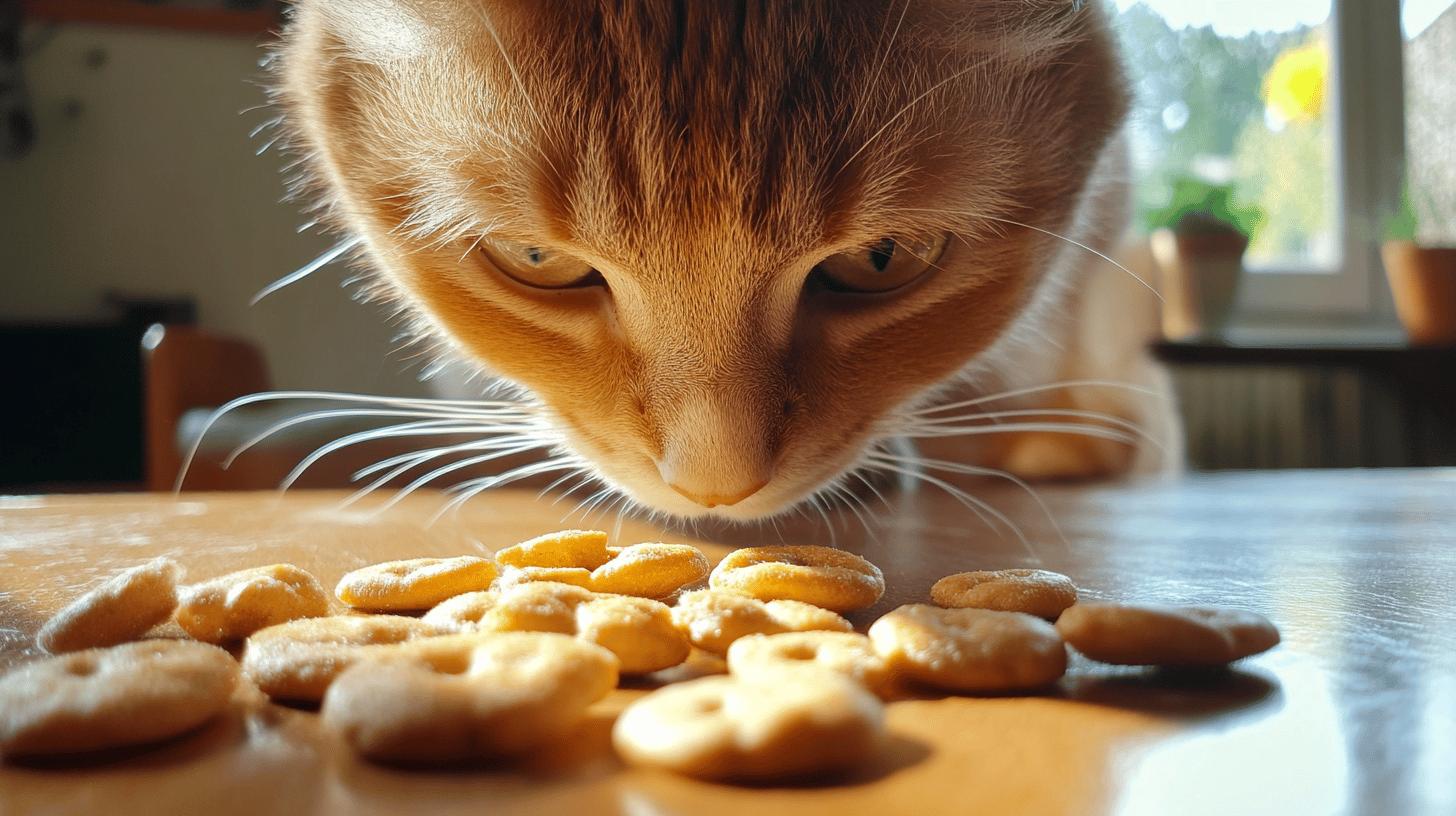
    Is your cat eyeing that scrumptious jar of Nutella, and you're wondering if they can have a taste? Spoiler alert: it's not a good idea. Nutella is packed with harmful ingredients that can seriously affect your cat's health.

    In this post, I'll break down why Nutella is a no-go for your feline friend and suggest some safe and tasty alternatives. Understanding what treats are safe can make all the difference in your cat's well-being. Let's explore how to keep your furry friend satisfied without compromising their health.

    Can Cats Eat Nutella? Understanding the Risks
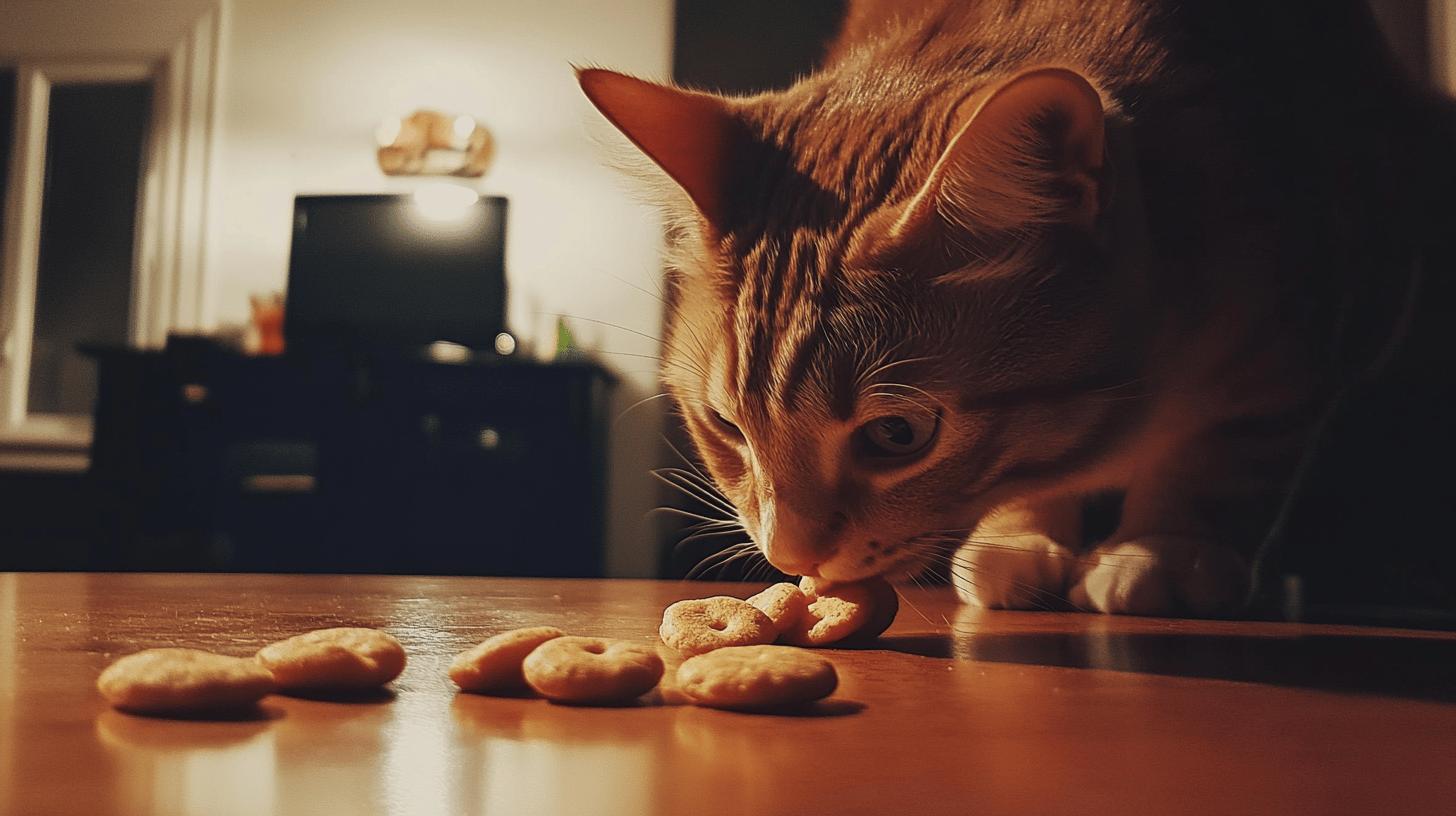
    Can Cats Eat Nutella Understanding the Risks-1.jpg

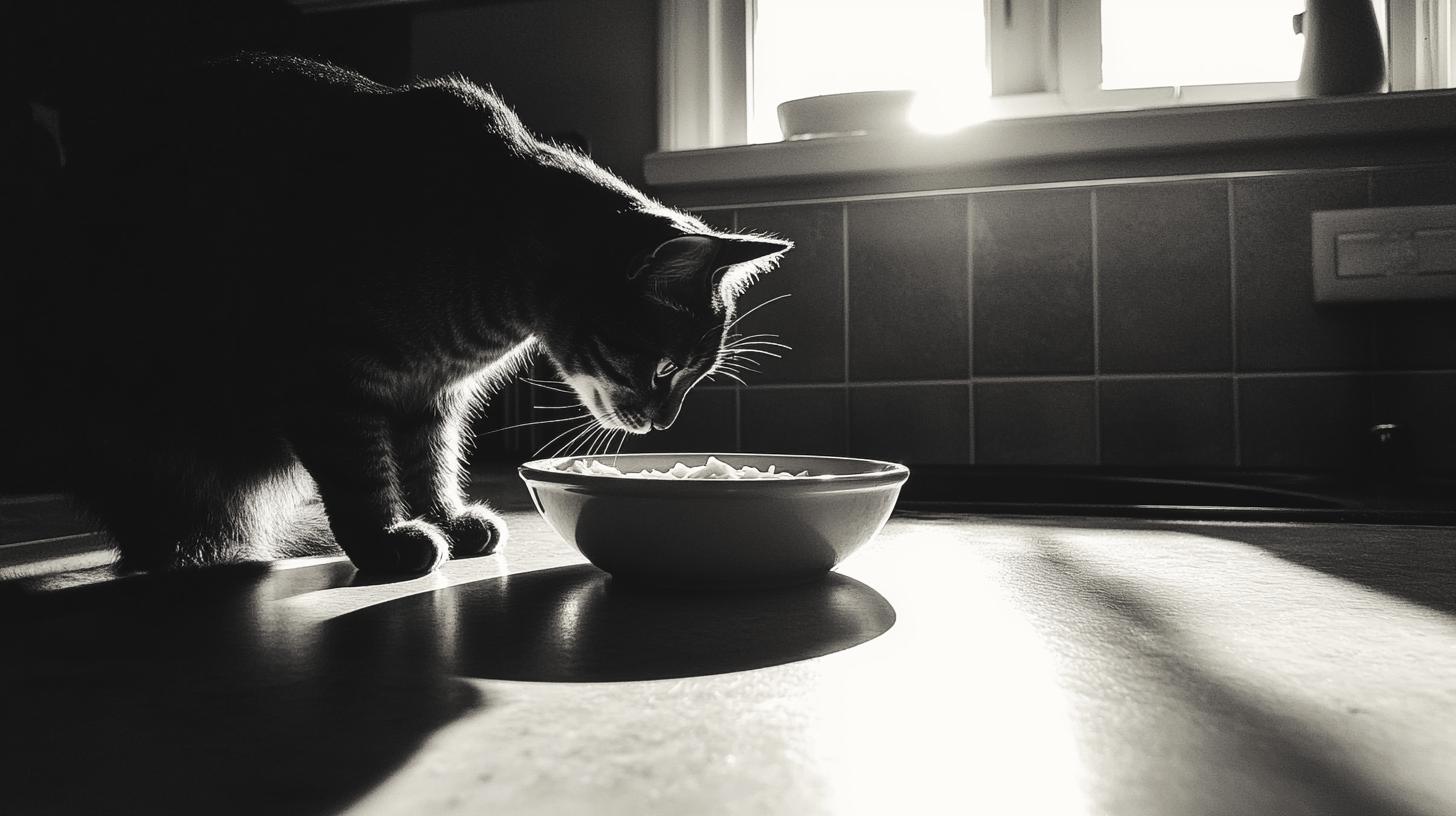
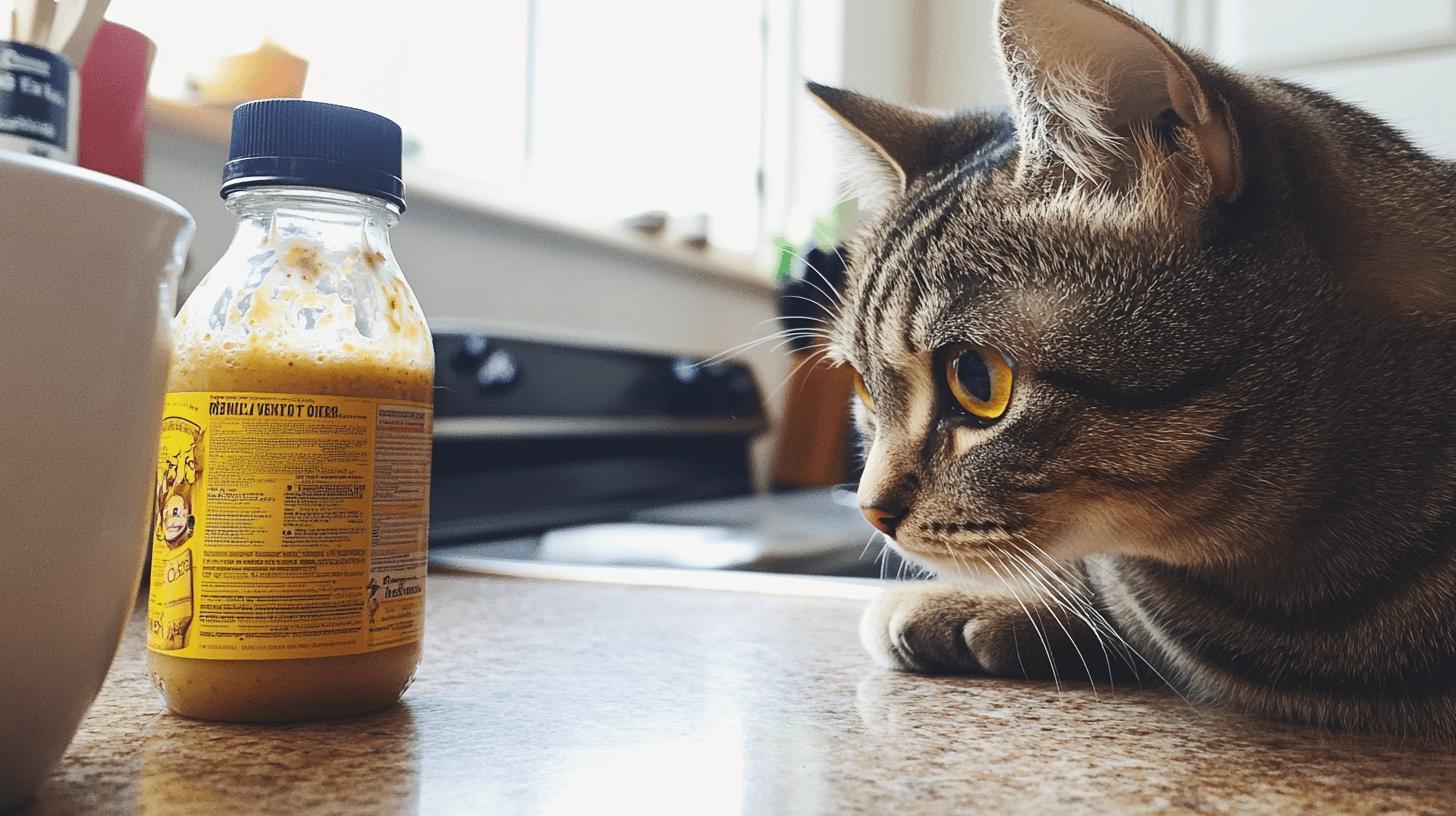
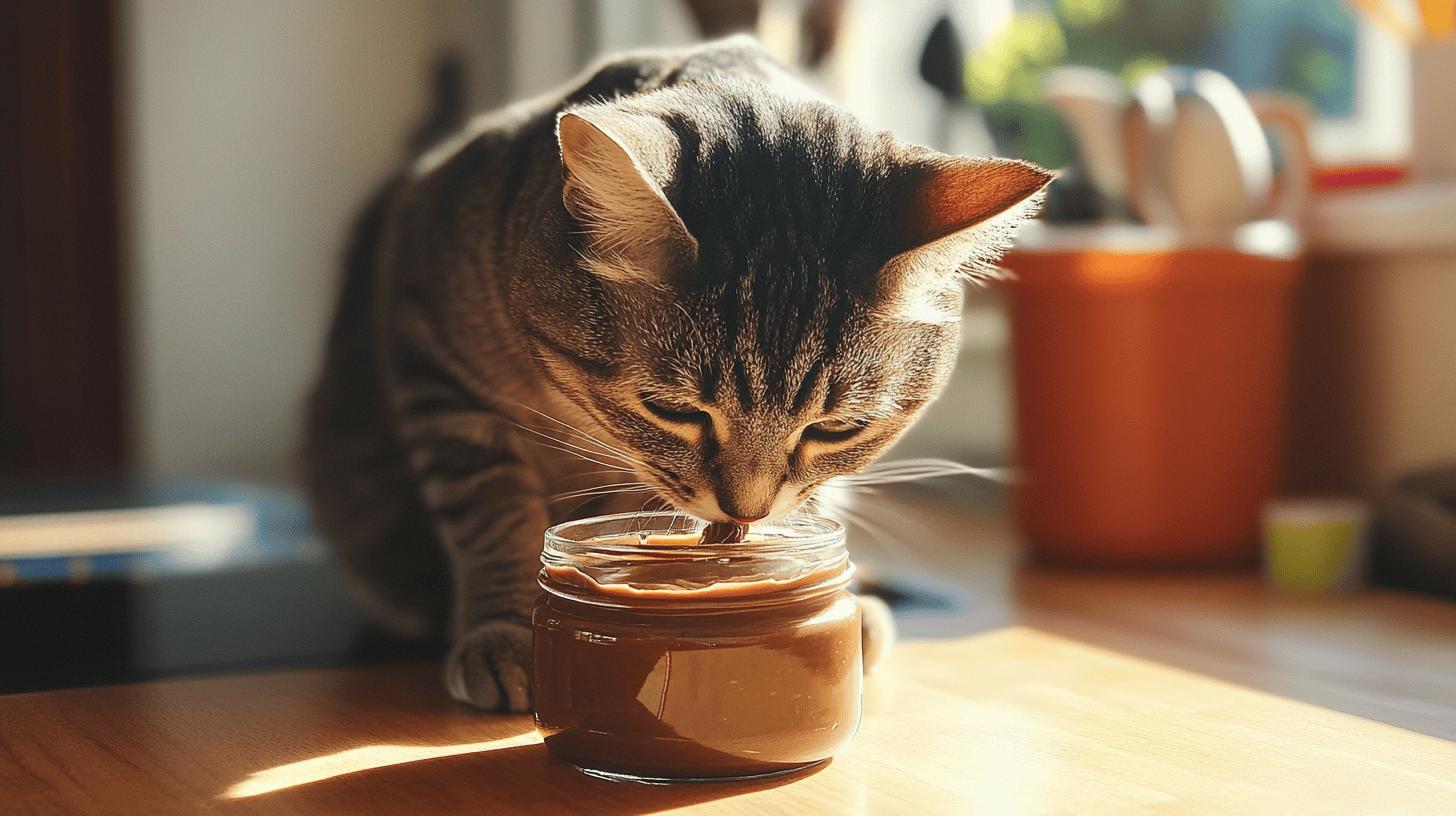
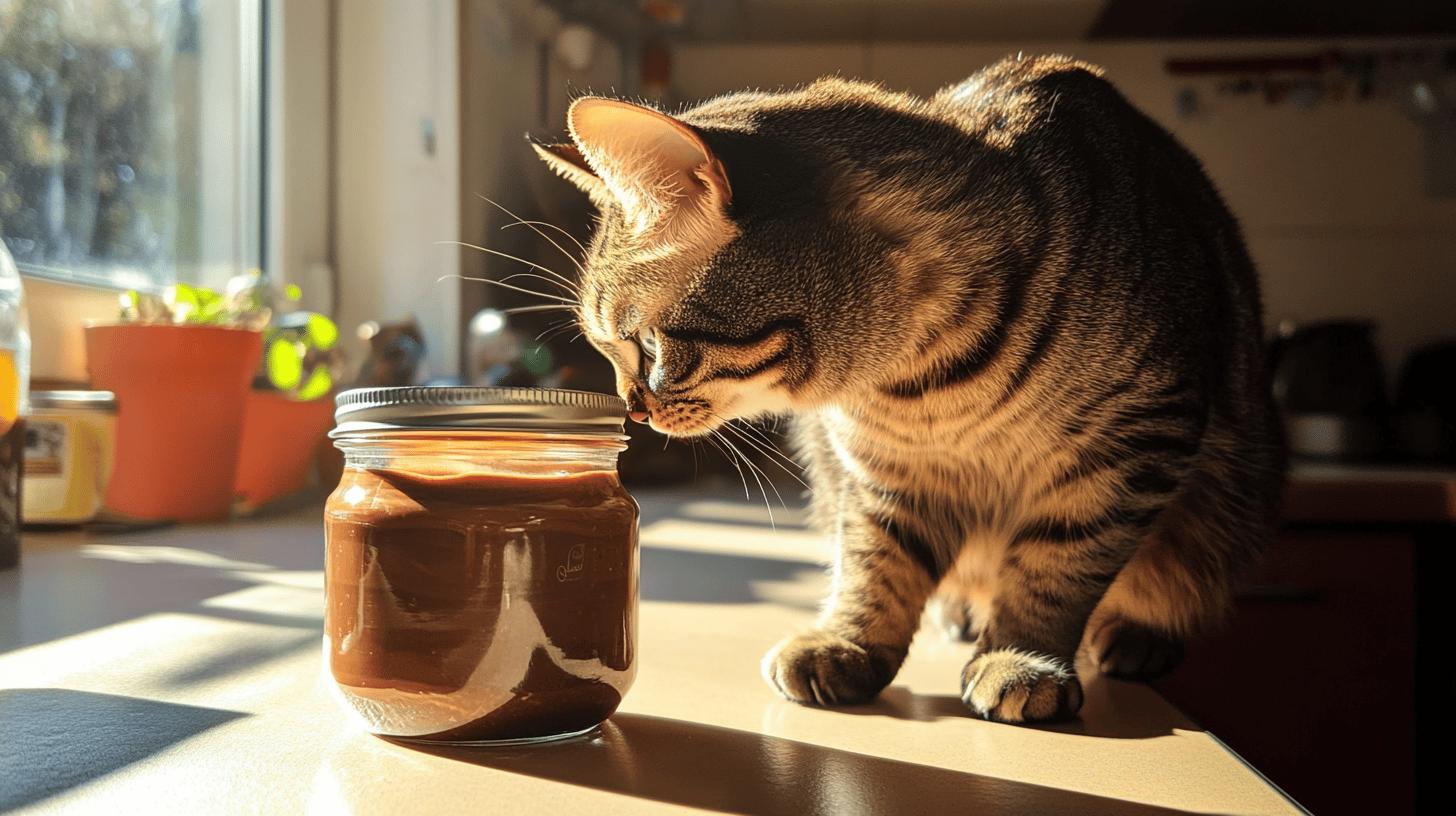
    Nutella is a delicious treat for many humans, but it poses a significant risk to our feline friends. The main culprit in Nutella is cocoa, which contains theobromine and caffeine. These substances are toxic to cats. Unlike humans, cats cannot efficiently metabolize theobromine and caffeine.

    This can lead to toxic buildup, resulting in serious health issues. Even a small amount can cause symptoms like vomiting, diarrhea, and an increased heart rate. If a cat consumes Nutella, it's crucial to seek veterinary care immediately to prevent severe complications.

    Beyond the danger posed by cocoa, Nutella contains sugar and hazelnuts, which are also problematic for cats. Cats are obligate carnivores, meaning their bodies are not designed to process sugar effectively. Consuming sugar can lead to obesity and diabetes in cats, conditions that can severely impact their quality of life.

    Hazelnuts, while not toxic, are high in fat and can cause digestive upset. This can manifest as stomach issues or even pancreatitis if consumed in large amounts. Therefore, it's best to keep Nutella far away from curious paws to ensure your cat's health and safety.

    If you suspect your cat has ingested Nutella, watch for these symptoms:

    • Vomiting
    • Diarrhea
    • Increased heart rate
    • Seizures
    • Lethargy

    Recognizing these signs early can make a significant difference in the outcome. Always err on the side of caution and consult a veterinarian if you believe your cat has been exposed to toxic foods.

    Safe Treat Alternatives for Cats
    Safe Treat Alternatives for Cats-1.jpg

    Choosing the right treats for your cat is crucial for their health and happiness. While it might be tempting to share your sweet treats like Nutella, it's essential to remember that cats have different dietary needs. Unlike humans, cats are obligate carnivores, meaning their diet should primarily consist of meat.

    They can't taste sweet flavors, so they don't miss out on sugary treats. Instead, focus on providing nutritious options that cater to their natural dietary requirements. This not only keeps them healthy but also satisfied with their snacks.

    Commercial cat treats are a convenient and safe option. These treats are specifically designed with feline nutrition in mind, offering a balanced mix of flavors that cats adore. Many brands offer treats made from high-quality ingredients, ensuring your cat gets the protein and nutrients they need.

    When selecting commercial treats, look for those that list meat as the primary ingredient, avoiding anything with excessive fillers or artificial additives. This ensures your cat is not only enjoying their treat but also benefiting from it nutritionally.

    Here are some recommended treats for your feline friend:

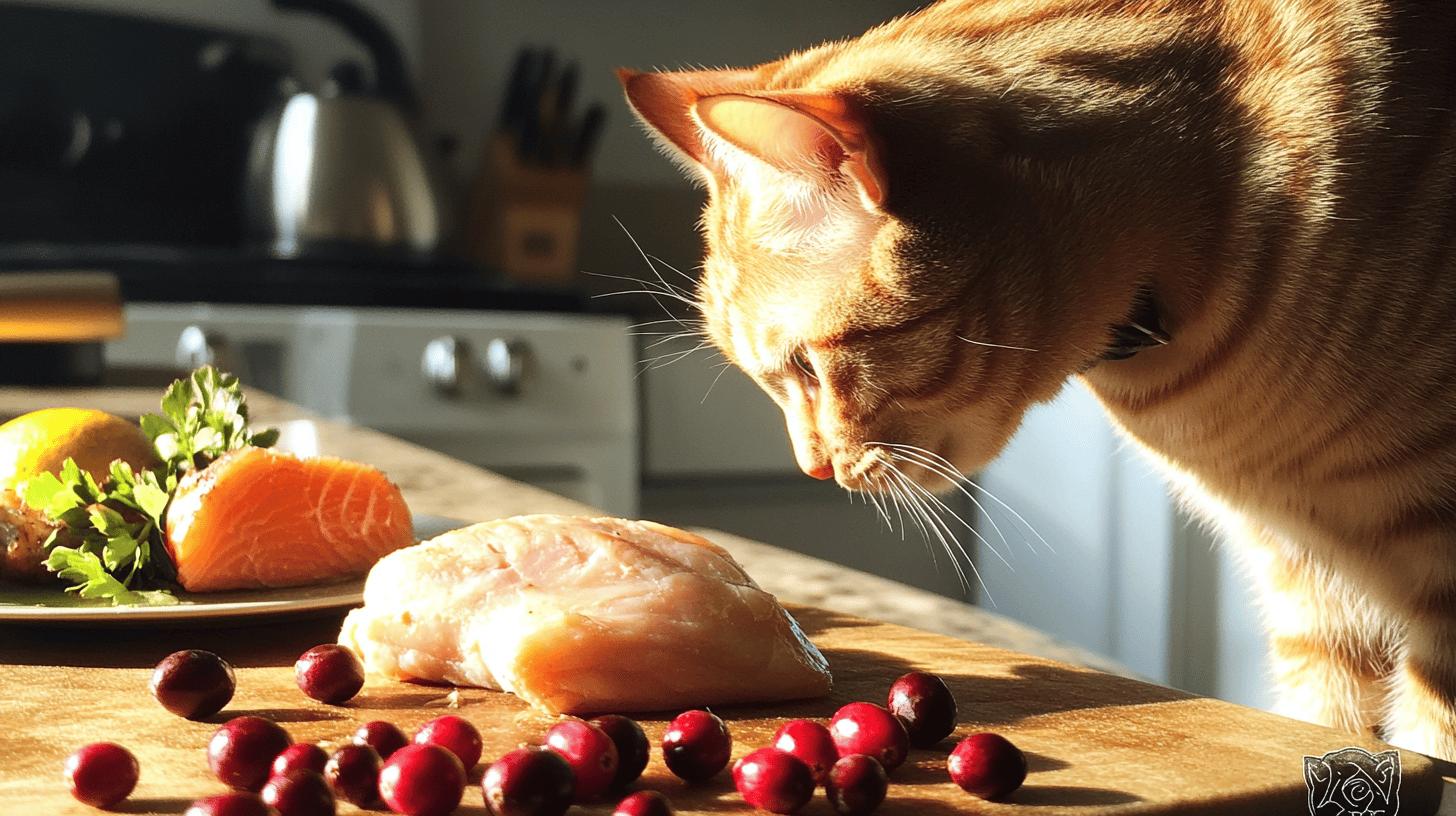
    • Chicken
    • Fish
    • Commercial cat treats
    • Catnip
    • Seafood snacks
    • Homemade meat-based treats

    These options are not only safe but also align with a cat's natural diet. Chicken and fish provide lean protein, while catnip can offer a fun and engaging experience. Seafood snacks cater to their taste for fish, and homemade treats allow you to control ingredients, ensuring they are healthy. By selecting these alternatives, you provide your cat with satisfying treats that support their well-being.

    Veterinary Advice on Chocolate Ingestion
    Veterinary Advice on Chocolate Ingestion-2.jpg

    If your cat has ingested chocolate or Nutella, act swiftly. Symptoms of chocolate poisoning can appear within 6 to 12 hours. Monitor for signs like vomiting, diarrhea, increased heart rate, and seizures. Immediate veterinary contact is essential, as any delay can worsen the health issues.

    Veterinary intervention might include inducing vomiting or using activated charcoal to limit toxin absorption. Additional treatments such as intravenous fluids or medications could be necessary, depending on the severity. Adhering closely to veterinary advice ensures the best health outcome for your cat.

    • Contact a veterinarian immediately
    • Monitor for symptoms like vomiting and seizures
    • Avoid inducing vomiting without professional advice
    • Follow vet's instructions for treatment

    Understanding and Avoiding Harmful Foods for Cats
    Understanding and Avoiding Harmful Foods for Cats-1.jpg

    Cats are curious creatures, often tempted to sample whatever their humans are eating. However, many common household foods can be dangerous for them. Chocolate, as we've discussed, is toxic due to theobromine and caffeine.

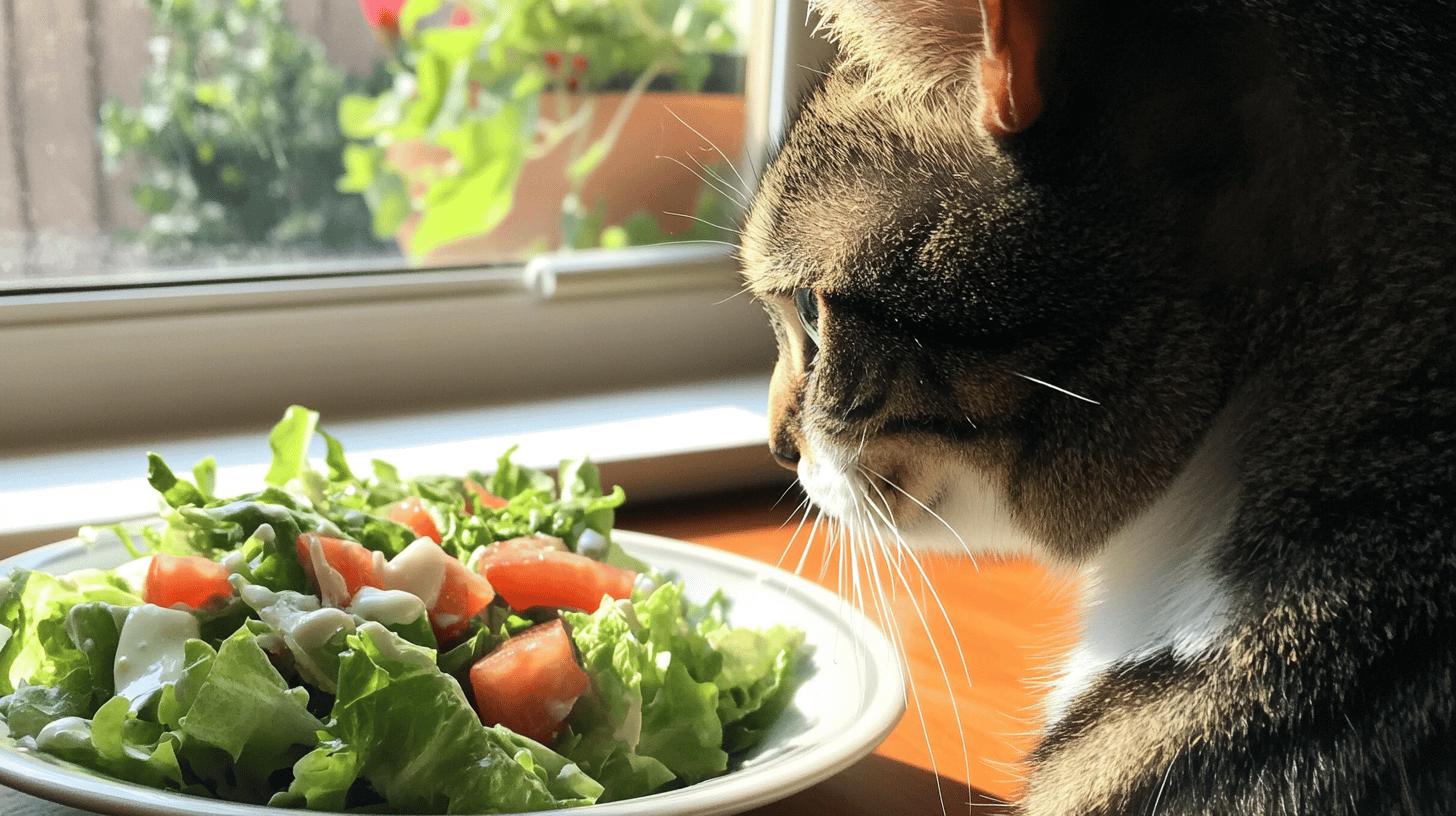
    Other harmful foods include grapes and raisins, which can cause kidney failure, and onions and garlic, which can lead to anemia. Even small amounts of these foods can be harmful, so it's crucial to be vigilant about what your cat has access to. Always ensure that these foods are kept well out of your cat's reach to prevent accidental ingestion.

    Preventing your cat from consuming harmful foods involves a few simple practices. First, never feed your cat table scraps, as these can contain ingredients that are unsafe for them. Educate any family members or guests about which foods are safe for cats and which are not.

    When purchasing pet food, always read labels carefully to avoid harmful additives. Finally, regularly consult with a veterinarian to ensure your cat's diet meets their nutritional needs and to get advice on safe feeding practices.

    • Keep toxic foods out of reach
    • Avoid feeding cats table scraps
    • Educate family members about cat-safe foods
    • Read pet food labels carefully
    • Consult a veterinarian for dietary advice

    Final Words

    After exploring the dangers of Nutella for cats, it's clear that keeping this treat away from them is important. With theobromine, sugar, and hazelnuts posing serious risks, even a small amount can be harmful. Safe alternatives like chicken, fish, and commercial cat treats ensure a tasty yet secure snack time.

    If your cat eats Nutella or chocolate, reaching out to a vet is a must. Acting fast can save them from severe health problems. By staying informed, we can keep our furry friends healthy and happy. Remember, prevention is the best approach when it comes to food safety for cats.

    FAQ

    Can cats eat Nutella?

    Nutella is not safe for cats. It contains cocoa, which has theobromine and caffeine. These are toxic because cats can't metabolize them effectively, causing possible toxic buildup.

    What happens if my cat eats Nutella or chocolate?

    If a cat eats Nutella or chocolate, symptoms like vomiting and diarrhea can start in a few hours. The presence of cocoa can also lead to increased heart rate and seizures. Immediate vet care is crucial.

    Can a small amount of chocolate affect my cat?

    Yes, even a tiny bit of chocolate can harm a cat. Chocolate contains theobromine, which cats can't process, making them vulnerable to its toxic effects.

    Can cats eat peanut butter?

    Peanut butter is not ideal for cats. While not inherently toxic, it can contain high sugar and additives. These can lead to obesity and digestive issues in cats.

    Is Nutella safe for pets like dogs?

    Nutella isn't safe for pets, including dogs. Cocoa and sugar in Nutella can cause severe health issues in dogs, so it's best avoided.

    Can cats eat garlic spread?

    No, cats should not eat garlic spread. Garlic is toxic to cats and can cause symptoms like vomiting, diarrhea, and even damage to red blood cells.
    Related Articles

  • Can Cat Eat Cricket Safely and Nutritionally?

    Can Cat Eat Cricket Safely and Nutritionally?

    Have you ever wondered if the random cricket your cat chases could actually be dinner? Surprisingly, crickets aren't just wild playthings; they can be a safe and healthy snack.

    Packed with protein, calcium, and iron, crickets might even rival beef in some nutritional areas! But are there any hidden drawbacks to feeding them to your feline friend? In this blog post, we'll explore whether crickets are a cat's next superfood or a snack to skip, keeping your cat's safety and health in mind.

    Can Cats Safely Eat Crickets?

    Can Cats Safely Eat Crickets-1.jpg

    Yes, cats can safely eat crickets, and these insects can provide some nutritional benefits as well. Crickets are high in protein, and they offer essential nutrients like calcium and iron, surpassing even beef in some nutritional aspects. Despite their small size, crickets can be a valuable protein source for cats. However, cats would need to consume a significant amount to gain substantial nutritional benefits.

    While crickets are non-toxic and non-venomous, there are some risks associated with feeding them to cats. Their hard exoskeleton can cause gastrointestinal upset, especially in cats with sensitive stomachs.

    Additionally, crickets can carry internal parasites, posing a low risk to healthy cats but potentially more concerning for those with compromised immune systems. There's also a chance of chemical toxicity if crickets have been exposed to insecticides.

    It's important to monitor your cat's health when introducing crickets or any new food to their diet. Watch for any signs of allergic reactions or digestive issues, such as vomiting or diarrhea. If any concerning symptoms arise, consult with your veterinarian to ensure your cat's well-being.

    Nutritional Benefits of Crickets for Cats

    Nutritional Benefits of Crickets for Cats-1.jpg

    Crickets offer a sustainable protein source with a lower environmental impact compared to traditional meats. They require less land, water, and energy, making them an eco-friendly option. Crickets can be easily incorporated into a cat's diet as a nutritious supplement to their regular food.

    Nutrient Benefit
    Protein Essential for muscle growth and repair
    Calcium Supports strong bones and teeth
    Iron Vital for oxygen transport in the blood
    Taurine Crucial for heart and eye health

    Taurine is specifically vital for cats, as they cannot produce enough of it on their own. It supports heart health and vision, making it a crucial addition to their diet. When you compare crickets to other protein sources like chicken or fish, crickets offer a compact nutritional profile that includes these essential nutrients. Integrating crickets into your cat's diet can provide variety and enhance their overall nutrient intake without replacing their main protein sources.

    Understanding Cats' Instinctual Behavior Towards Crickets

    Understanding Cats Instinctual Behavior Towards Crickets-3.jpg

    Cats are natural hunters, and their instinctual behavior often drives them to chase and eat bugs, including crickets. This behavior is not necessarily due to a nutritional need, but rather a response to the quick and unpredictable movements of crickets that trigger a cat's hunting instincts. Watching a cricket hop and dart around can be an irresistible invitation for a cat to pounce, swat, and even munch on the insect.

    Here are some other insects that cats commonly hunt:

    • Moths: Their fluttery movements are enticing to cats.
    • Flies: Quick and erratic, these are often targets for playful cats.
    • Beetles: Their slow crawl makes them an easy catch for curious cats.

    Engaging in these hunting behaviors can be quite beneficial for a cat's mental stimulation. The thrill of the chase helps satisfy their natural predatory instincts, which is essential for their mental well-being.

    It also provides a physical outlet, keeping them active and entertained. While it's essential to monitor what they catch, allowing cats to explore these instincts can contribute positively to their overall health and happiness.

    Monitoring Health and Potential Allergic Reactions

    Incorporating Crickets into a Balanced Cat Diet-3.jpg

    When introducing crickets into your cat's diet, it's important to be vigilant about their health. While the article already highlights the risks such as gastrointestinal upset and internal parasites, it's helpful to watch for specific symptoms.

    Symptoms to watch for include:

    • Vomiting or regurgitation
    • Diarrhea or changes in stool consistency
    • Excessive scratching or skin irritation
    • Lethargy or changes in energy levels
    • Loss of appetite or refusal to eat

    Consult your veterinarian if your cat shows persistent or severe symptoms. They can help decide whether crickets should stay in your cat's diet or if another protein source is needed.

    Incorporating Crickets into a Balanced Cat Diet

    Incorporating Crickets into a Balanced Cat Diet-2.jpg

    Choosing the right cricket-based cat food can make all the difference for your pet. Some brands offer complete meals, while others provide cricket treats as a supplement to traditional cat food. Explore brands like "Jiminy's" and "EntoBento," which have received positive feedback for their quality and palatability.

    Preparation methods also matter. You can serve whole roasted crickets or choose cricket powder to mix with other foods. Each method gives your cat a new texture and flavor experience.

    Case Studies and Testimonials

    Several cat owners have shared their success stories. One cat owner, Sarah, noticed her cat's coat became shinier after introducing cricket-based food. Another owner, Mike, reported that his cat had more energy and appeared more playful.

    Sustainable and Eco-Friendly Options

    Cricket-based cat foods are gaining traction as an eco-friendly choice. They require fewer resources, like land and water, compared to traditional meats. This smaller environmental footprint makes cricket-based foods a compelling option for those who care about sustainability.

    Ensuring the overall nutritional needs of your cat is crucial. Cats are obligate carnivores and need specific nutrients found only in animal products. Continue to include traditional proteins like chicken or fish, and use crickets as a supplementary treat. This approach keeps your cat's diet varied and complete, promoting health and happiness.

    Final Words

    Exploring the question "can cat eat cricket" reveals both benefits and risks. Crickets offer a high-protein snack packed with essential nutrients like calcium and taurine. Despite their nutritional value, their hard exoskeletons and potential for carrying parasites mean we have to watch our cats closely after they eat crickets.

    Understanding a cat's natural instincts can help improve their playtime experience, and introducing crickets into their diet can add stimulation. Always monitor your cat's health and consult a vet if you notice any signs of distress. Balancing their diet with crickets can be both fun and nutritious!

    FAQ

    What happens if a cat eats a cricket?

    A cat eating a cricket is generally safe. Crickets are non-toxic and high in protein. However, their hard exoskeleton might cause mild gastrointestinal upset. Watch for signs of discomfort in your cat.

    Can cats eat certain types of crickets, like black crickets or cricket eggs?

    Cats can eat different types of crickets, including black crickets. Eggs are also safe, but they should be free of pesticides. Always ensure any insects are clean before offering them to your pet.

    Are crickets a good nutrient source for cats?

    Crickets are nutritious for cats. They contain high protein, calcium, and iron. These nutrients are beneficial and can supplement a cat's diet, provided that crickets come from a safe source.

    Can eating crickets cause health issues in cats?

    Crickets might carry parasites, posing minimal risk to healthy cats. Verify the source of crickets to reduce parasite exposure. Always monitor your cat for any unusual symptoms after eating crickets.

    Are there insects that are poisonous or harmful to cats?

    Some insects can be harmful or toxic to cats. Spiders, bees, and certain beetles might cause allergic reactions or other health issues. Stick with non-toxic insects like crickets or grasshoppers to ensure safety.

    Can cats get worms from eating crickets?

    Cats might get worms if crickets carry internal parasites. The risk is low but possible. Regular veterinary check-ups can help detect and address parasites in your cat.

    What common insects can cats safely eat?

    Cats can safely eat crickets, grasshoppers, and flies. These insects are non-toxic. While they provide some play and stimulation, monitoring your cat's health and reactions is important.

    Related Articles

  • Can Cat Eat Coffee Understanding the Dangers for Feline Health

    Can Cat Eat Coffee Understanding the Dangers for Feline Health

    Did you know that just a sip of coffee could spell disaster for your cat’s health? It might sound surprising, but coffee isn’t just a morning pick-me-up for humans—it’s a dangerous poison for cats. A small amount can result in elevated blood pressure, tremors, or even serious cardiac issues for your feline friend. In this blog post, we’ll explore the hidden dangers lurking in your coffee cup and uncover why keeping your brew away from your cat is vital. Understanding these risks can ensure a safe and healthy environment for your beloved pet.

    Can Cats Eat Coffee? Understanding the Dangers

    Can Cats Eat Coffee Understanding the Dangers-1.jpg

    Coffee is extremely dangerous for cats. The primary culprits are caffeine and theobromine, two toxic substances found in coffee. These compounds can wreak havoc on a cat’s body, leading to severe health problems. Cats are particularly sensitive to caffeine, which can lead to elevated blood pressure, cardiac arrhythmias, and tremors. Theobromine, another harmful component, adds to the toxicity, potentially causing serious harm or even death if ingested by our feline friends.

    Here are some specific health issues that can arise from caffeine ingestion in cats:

    • Elevated blood pressure
    • Cardiac arrhythmias
    • Muscle tremors
    • Vomiting and diarrhea
    • Seizures

    If your cat consumes coffee, it’s crucial to act swiftly. Contact a veterinarian immediately for guidance. Do not attempt home remedies or wait to see if symptoms worsen. Quick professional intervention could mean the difference between life and death.

    Coffee grounds are particularly dangerous for cats, as they contain concentrated amounts of caffeine. Even a small amount can be incredibly toxic. Cats may be drawn to the smell or texture, so it’s vital to keep coffee grounds, beans, and brewed coffee out of reach. Proper storage and vigilance can prevent accidental ingestion and protect your cat from these significant health risks.

    Symptoms of Caffeine Poisoning in Cats

    Symptoms of Caffeine Poisoning in Cats-1.jpg

    Caffeine poisoning in cats can manifest quickly, so it’s crucial to recognize the signs. Common symptoms include restlessness, where your cat may seem unusually agitated or unable to settle down. Rapid breathing and increased heart rate can also occur as their body reacts to the stimulant. Excessive drooling or vomiting might be present alongside these symptoms.

    Severe symptoms that require immediate attention include:

    • Seizures
    • Severe muscle tremors
    • Collapse or fainting
    • Extreme hyperactivity

    Recognizing symptoms early is vital. Monitor your cat closely if you suspect caffeine ingestion. Even mild symptoms can escalate quickly, leading to life-threatening conditions. Quick intervention by a veterinarian can mitigate the risks and provide necessary treatment to stabilize your cat. Always consult a professional if you suspect caffeine ingestion.

    What to Do If Your Cat Ingests Coffee

    What to Do If Your Cat Ingests Coffee-1.jpg

    When your cat ingests coffee, acting swiftly is critical. Coffee’s toxic substances can quickly lead to severe health problems, making immediate action essential. Here’s a step-by-step guide to ensure your cat receives the care it needs.

    Recognize the Symptoms

    The first step is to identify any signs of caffeine poisoning in your cat. Watch for symptoms like restlessness, rapid breathing, increased heart rate, and excessive drooling. These initial signs indicate your cat’s body is reacting to the caffeine, and it’s crucial to monitor these symptoms closely. Knowing what to look for helps you determine the severity of the situation and informs your next steps.

    Contact a Veterinarian

    As soon as you suspect your cat has ingested coffee, reach out to a veterinarian immediately. Professional advice is indispensable in these situations. Vets can provide guidance tailored to your cat’s condition and the amount of coffee consumed. Avoid attempting home remedies, as they can be ineffective or even harmful. Prompt professional intervention can significantly improve your cat’s chances of recovery.

    Follow Veterinary Instructions

    Once you’ve contacted a veterinarian, follow their instructions precisely. This may involve taking your cat to the clinic for examination or administering specific treatments at home under their guidance. The vet might instruct you to monitor your cat’s symptoms closely or bring them in for more intensive treatment. Adhering to these instructions is vital for your cat’s recovery and well-being.

    Veterinary treatment options vary based on the cat’s condition. In mild cases, monitoring might suffice, whereas severe cases may require medical intervention, such as intravenous fluids or medications to stabilize heart rate and other vital signs. Remember, the sooner you act and get professional help, the better the outcome for your feline friend.

    Preventing Accidental Coffee Ingestion by Cats

    Cats are naturally curious creatures with an acute sense of smell, which can lead them to explore intriguing scents like coffee. The aroma of freshly brewed coffee or even the smell of coffee grounds can pique a cat’s interest. This curiosity can become a hazard, as coffee contains caffeine, which is toxic to cats. Their exploratory behavior might lead them to knock over a cup or chew on coffee grounds, posing a risk of accidental ingestion.

    To keep your feline friend safe, here are some practical preventive measures:

    • Store coffee and related products: Keep coffee beans, grounds, and brewed coffee in secure, elevated cabinets.
    • Use covered trash bins: Ensure coffee grounds disposed of in trash bins are inaccessible by using lids or keeping bins in closed cabinets.
    • Clean spills immediately: Wipe up any coffee spills promptly to prevent your cat from licking the area.
    • Avoid leaving coffee unattended: Do not leave cups of coffee unattended on tables or countertops.
    • Educate family members: Ensure everyone in the household understands the dangers of coffee to cats and the importance of keeping it out of reach.

    Creating a hazard-free environment is crucial for your cat’s safety. This means being vigilant about where coffee and other household hazards are stored and ensuring they are beyond your cat’s reach. With these preventive strategies, you can significantly reduce the risk of accidental coffee ingestion, helping to keep your cat healthy and safe.

    Understanding Safe and Unsafe Foods for Cats

    Understanding Safe and Unsafe Foods for Cats-1.jpg

    When it comes to feeding our feline companions, understanding what constitutes a safe diet is crucial. Cats thrive on high-quality proteins, and plain cooked meat like chicken, turkey, and fish are excellent choices. These provide essential nutrients without any harmful additives. Some vegetables, such as carrots and peas, can be offered in small quantities, offering fiber and vitamins. However, it’s important to be cautious with human foods, as even seemingly harmless items can endanger your cat. Caffeine, found in coffee and chocolate, is toxic and should always be avoided.

    Safe Foods Unsafe Foods
    Plain cooked chicken Chocolate
    Cooked turkey Onions
    Cooked fish Garlic
    Carrots Grapes
    Peas Coffee

    Dietary awareness is key to maintaining your cat’s health. While it might be tempting to share your meals, remember that cats have unique nutritional needs. Providing a balanced diet that avoids harmful substances like caffeine ensures your cat remains healthy and energetic. Regularly reviewing and adjusting their diet based on age, breed, and health conditions can contribute significantly to their overall well-being. By staying informed about what foods are safe and those to avoid, you can help your feline friend lead a long, healthy life.

    Final Words

    Caffeine in coffee is highly toxic and can be dangerous for cats. We’ve explored the harmful substances in coffee, listed health issues from caffeine, and provided immediate steps if ingested. Understanding these dangers helps keep cats safe.

    Knowing the symptoms of caffeine poisoning is crucial. Quick action and recognizing severe signs can make a big difference. If ingestion happens, consult a vet immediately for the best care.

    Keep your cat away from coffee. Store it securely and be aware of other household hazards. A safe environment is essential for their well-being. Remember, a healthy diet is vital. Always check what’s safe and unsafe in their meals. A supportive community can also help you share experiences and learn more about cat care.
    FAQ

    What happens if my cat eats coffee?

    A: Coffee is extremely dangerous for cats. Even small amounts can cause serious health issues like elevated blood pressure and cardiac problems. Contact a vet immediately if your cat ingests coffee.
    Can cats have a little coffee?

    A: Cats should not have any coffee. The caffeine in it is toxic and can lead to poisoning with symptoms like restlessness and heart palpitations.

    How much coffee is safe for cats?

    A: No amount of coffee is safe for cats. Caffeine is toxic at even low doses and can cause serious health issues.

    Are cats attracted to coffee?

    A: Yes, cats may be curious about coffee due to its strong aroma. This curiosity can lead to accidental ingestion, which can be dangerous.

    What are symptoms of caffeine poisoning in cats?

    A: Symptoms include restlessness, rapid breathing, and heart palpitations. Severe signs are muscle tremors and seizures. Seek veterinary care immediately if these occur.

    Can cats drink coffee with milk?

    A: Cats should not drink coffee with or without milk. Both caffeine and milk can be harmful to them.

    My cat licked coffee, what should I do?

    A: If your cat licks coffee, watch for symptoms like restlessness or rapid breathing and contact a veterinarian to assess risk and next steps.

    Can cat eat coffee beans or coffee grounds?

    A: Coffee beans and grounds are particularly dangerous due to concentrated caffeine content. They are not safe for cats to consume.

    What to do if my cat drank coffee?

    A: Contact a veterinarian immediately for advice and potential treatment. It’s crucial to act fast in these situations to prevent serious health issues.

    Related Articles

  • Can Cat Eat Hamster Understanding Risks and Safety Measures

    Can Cat Eat Hamster Understanding Risks and Safety Measures

    Can cats really eat hamsters? This question might seem straightforward, but it’s more complicated than you think. While cats are naturally driven to hunt small creatures, allowing them to prey on hamsters can lead to risky situations for both animals.

    A cat might view a hamster as a plaything, but consuming one poses serious health risks, like digestive blockages. Focusing on preventing these dangerous encounters is key. By creating a secure space and providing exciting cat toys, we can protect our tiny pets and keep the peace at home.

    Can Cats Eat Hamsters? Understanding the Risks

    Can Cats Eat Hamsters Understanding the Risks-1.jpg

    Cats are natural predators, and their instincts drive them to hunt small animals. So, the question arises: can cats eat hamsters? While it might seem like a straightforward yes or no, the reality is more complex. It is not safe or advisable for a cat to eat a hamster.

    Doing so not only poses a threat to the hamster but also to the cat itself. Cats may see hamsters as prey, but allowing such behavior can lead to dangerous situations and is not recommended for the welfare of either animal.

    If a cat does manage to eat a hamster, it could face several health risks. The hamster’s fur and bones can cause digestive problems, potentially leading to blockages or other gastrointestinal issues for the cat. Additionally, the hamster’s diet and physiology are different from what cats are naturally equipped to handle, which could cause further complications. While cats are obligate carnivores, their diet should consist of food specifically designed for their nutritional needs.

    To prevent such incidents, it is crucial to establish a secure environment. Keep hamsters in durable cages with small slats that prevent cats from reaching inside. Always ensure that the room where the hamster is kept is closed off to prevent any unobserved interactions.

    By providing cats with engaging toys and activities, you can help distract them from their predatory instincts. Supervising both pets when they are out of their enclosures is key to maintaining a safe environment for all.

    Understanding Cat and Hamster Interactions and Cohabitation

    Understanding Cat and Hamster Interactions and Cohabitation-1.jpg

    Cats and hamsters can have a complex relationship due to the natural predator-prey instincts of cats. Even when well-fed, cats might stalk or pounce on small animals like hamsters. Recognizing these behaviors is essential to prevent dangerous encounters.

    Hamsters, being prey animals, may show stress by hiding, refusing food, or running frantically. Identifying these stress signals is crucial. Owners should observe their pet’s behavior and limit direct encounters with cats to help the hamster feel secure.

    To enhance cohabitation, it’s beneficial to enrich the cat’s environment with specific activities. Interactive toys or puzzle feeders can effectively divert a cat’s attention from the hamster. Incorporate gradual acclimation techniques, such as allowing the cat to sniff items with the hamster’s scent, to foster a sense of familiarity without direct contact.

    Vigilance in monitoring interactions is key. Always supervise when both pets are in the same space and use barriers like baby gates to create a safe distance. Ensure the hamster’s cage is secure from tampering. By understanding each pet’s behavioral cues and maintaining clear boundaries, a safer living situation for both pets can be achieved.

    Creating a Safe Environment for Hamsters

    Ensuring your hamster’s safety around cats starts with a secure and durable cage. It’s crucial to choose a heavy-duty cage with small slats, preventing cats from poking their paws inside. Make the hamster’s room a cat-free zone by securely closing doors to keep curious felines out. This setup not only protects hamsters from cats’ natural hunting instincts but also creates a stress-free environment for your little buddy.

    • Cage Placement: Put the cage on a high table or shelf to keep it out of the cat’s reach.
    • Secure Lids: Use lids that are difficult for cats to tamper with.
    • Use Baby Locks: Enhance security by adding baby locks to the cage doors.
    • Room Security: Keep the room door closed to stop cats from entering.
    • Visual Barriers: Drape a blanket over part of the cage to minimize visual stimulation for the cat.
    • Avoid Cat Access: Block climbing routes that might allow the cat to get near the cage.

    Supervision is essential when ensuring a safe environment. Always keep an eye on interactions between cats and hamsters, especially when hamsters are out of their enclosures. By understanding a cat’s hunting instincts and a hamster’s stress signals, you can prevent accidents. Stay vigilant and maintain boundaries to ensure both pets live together safely and peacefully.

    Managing Cat’s Predatory Instincts

    Managing Cats Predatory Instincts-1.jpg

    Understanding a cat’s hunting instincts is vital for any household with both cats and hamsters. Cats have an innate drive to stalk and capture prey, which can make small animals like hamsters vulnerable.

    To help manage these instincts, it’s crucial to engage cats in activities that channel their energy elsewhere. Behavioral management is not about eliminating this natural instinct but about redirecting it. By incorporating specific techniques, you can help ensure a safer environment for both pets.

    • Interactive Toys: Use toys that mimic prey movements to satisfy hunting instincts.
    • Puzzle Feeders: Engage your cat’s mind and body by making them work for their food.
    • Scheduled Playtime: Dedicate time each day to play with your cat using various toys.
    • Training Sessions: Teach basic commands that can help distract your cat when it gets too interested in the hamster.

    Despite these strategies, it’s essential to recognize their limitations. No amount of training can fully eradicate a cat’s predatory instincts. Continued supervision is necessary, especially when both pets are in the same room.

    Always monitor interactions and be ready to intervene if your cat shows too much interest in the hamster. Keeping a close eye on both pets helps maintain a peaceful coexistence and prevents unwanted incidents.

    Final Words

    Knowing if a cat can eat a hamster is key to ensuring safety for both pets. We explored the risks involved and confirmed that it’s not safe for cats to consume hamsters. Cats may suffer digestive problems, while hamsters face obvious dangers. The natural predator-prey instinct makes careful supervision and strategic separation crucial.

    Creating a secure environment for hamsters and understanding cat behavior is vital. While managing a cat’s instincts can help, it’s never foolproof. With the right measures, it’s possible to maintain a peaceful household, ensuring both your cat and hamster are happy and healthy.

    FAQ

    Can I feed my cat a hamster?

    It is not safe to feed a cat a hamster. Cats may suffer digestive issues from eating hamsters, and it poses significant risk to the hamster.

    How do I know if my cat ate my hamster?

    Check for signs like hamster remains, physical harm to the cat, or unusual cat behavior. It’s crucial to monitor both pets closely to prevent such incidents.

    Can cats eat hamster bones?

    Hamster bones might splinter and harm a cat’s digestive tract. It’s unsafe for cats to consume hamster bones.

    Do cats eat hamsters whole?

    Cats are capable of eating small animals whole due to their instincts, but it’s harmful. Such behavior should be prevented to protect both pets.

    Do cats eat guinea pigs?

    Similar to hamsters, cats have instincts to hunt small animals like guinea pigs. Keep them separate to ensure safety for both pets.

    Do dogs eat hamsters?

    Dogs, like cats, may have predatory instincts toward hamsters. Always supervise interactions to keep hamsters safe.

    Can I have a pet hamster if I have a cat?

    Yes, but you must maintain safety by keeping the hamster in a secure cage and preventing unsupervised interactions with the cat.

    How do I stop my cat from eating my hamster?

    Create a safe environment by using a secure cage and supervising their interactions. Train your cat to be less focused on the hamster.

    Related Articles

  • Can Cat Eat Ranch Dressing Safety Risks and Alternatives

    Can Cat Eat Ranch Dressing Safety Risks and Alternatives

    Ever wondered if your cat could share your love for ranch dressing? Before you pass that bowl, it's key to know this creamy treat isn't feline-friendly. The hidden dangers in ranch, like garlic and onions, can seriously harm your furry friend. Even a tiny taste might lead to major health issues for your cat. Stick around, and I'll explain the risks and share safer alternatives you can offer instead. Spoiler: it could save your kitty from an unexpected vet visit!

    Can Cats Safely Eat Ranch Dressing?

    Can Cats Safely Eat Ranch Dressing-1.jpg

    Ranch dressing might be a staple in human diets, but it's a no-go for our feline friends. This creamy dressing contains ingredients like garlic and onions, which are toxic to cats. Even a small amount can pose serious health risks. These ingredients belong to the allium family and can cause significant harm to a cat's system. While ranch dressing may seem harmless, it's important to keep it out of your cat's reach.

    The harmful nature of ingredients in ranch dressing, such as garlic and onions, lies in their potential to cause circulatory problems and low blood pressure in cats. These ingredients provide no nutritional value to our furry companions. Instead, they can lead to severe health complications. Cats have unique dietary needs, and foods that are safe for humans can often be dangerous for them. The lack of nutritional benefits combined with the potential for harm makes ranch dressing a poor choice for any cat's diet.

    If a cat accidentally consumes ranch dressing, watch for symptoms like vomiting, lethargy, diarrhea, and a rapid heart rate. These signs indicate that your cat may be experiencing allium toxicity. A 10-pound cat can be seriously affected by ingesting as little as 0.75 ounces of allium vegetables. If you suspect your cat has consumed ranch dressing, it's crucial to monitor their condition closely and consult a veterinarian if any concerning symptoms arise.

    • Garlic
    • Onions
    • Chives
    • Buttermilk
    • Sour cream

    Understanding Cats' Lactose Intolerance and Ranch Ingredients

    Understanding Cats Lactose Intolerance and Ranch Ingredients-1.jpg

    Cats are lactose intolerant, lacking the enzyme needed to digest lactose in dairy products. This intolerance can cause stomach upset and other digestive issues, making dairy-based foods like ranch dressing unsuitable for our feline companions.

    Ranch dressing includes buttermilk and sour cream, both of which can contribute to these digestive problems. While the article already covers the toxic effects of garlic and onions, lactose intolerance remains another reason to keep ranch away from cats.

    Safe and Healthy Alternatives to Ranch Dressing for Cats

    Safe and Healthy Alternatives to Ranch Dressing for Cats-1.jpg

    Unseasoned meats and seafood are excellent alternatives to ranch dressing for cats. These foods not only satisfy your cat's taste buds but also provide essential nutrients that support their overall health. Offering unseasoned chicken or turkey can be a great way to give your cat a protein-rich treat without the risks associated with ranch dressing. Seafood options like fish and shrimp are also beneficial, as they offer omega fatty acids that are vital for maintaining healthy skin and a shiny coat.

    Specific foods like minnows, tuna, and salmon can be included in your cat's diet in moderation. These options are high in protein and essential nutrients that contribute to your cat's well-being. Cranberries, while not a typical cat food, can be given sparingly as they contain vitamins and antioxidants. However, it's important to remember that cranberries should only be an occasional treat due to their high sugar content. By choosing these nutritious alternatives, you can ensure your cat stays healthy and happy.

    • Chicken
    • Turkey
    • Tuna
    • Salmon
    • Shrimp
    • Cranberries (sparingly)

    Keeping Ranch Dressing and Other Harmful Foods Away from Cats

    Keeping Ranch Dressing and Other Harmful Foods Away from Cats-1.jpg

    To keep our cats safe, it's important to prevent accidental ingestion of harmful foods. Cats are naturally curious and may explore kitchen counters and dining tables. Securely store ranch dressing and similar foods in cabinets or the refrigerator. After meals, promptly clean dishes with ranch remnants. Regularly check dining areas for spills or dropped food to maintain a clean environment and protect your cat from harmful substances.

    • Store ranch dressing securely
    • Clean dishes thoroughly
    • Monitor dining areas for spills

    Final Words

    Throughout the blog, we explored how ranch dressing poses risks to cats. Ingredients like garlic and onions can cause serious health issues. We also covered why the dairy in ranch isn't suitable due to cats' lactose intolerance.

    Choosing healthier alternatives like unseasoned meats ensures your cat gets the nutrients it needs. Keeping ranch and similar harmful foods away from them is crucial.

    Understanding "can cat eat ranch" highlights the importance of informed pet care. Let's always prioritize our cats' well-being with safe choices and a healthy diet.

    FAQ

    Can cats eat ranch dressing?

    A: Ranch dressing is not safe for cats. It contains garlic and onions, which can cause circulatory problems and low blood pressure. It offers no nutritional benefits to cats.

    What should I do if my cat ate ranch?

    A: If your cat ate ranch dressing, monitor for symptoms like vomiting, diarrhea, or lethargy. Contact a vet if symptoms appear, as they might indicate allium toxicity.

    Why do cats like ranch?

    A: Cats might be attracted to ranch due to its strong scent and creamy texture. Yet, it is dangerous for them because of harmful ingredients like garlic and onions.

    Can cats eat ranch-flavored tuna?

    A: Ranch-flavored tuna is not advisable for cats. The ranch ingredients can be toxic, posing health risks. Stick to plain tuna for your feline friend.

    Can cats eat salad dressing?

    A: Cats should not eat salad dressing. Many contain harmful ingredients like onions and garlic, which are toxic and can cause serious health issues.

    What happens if my cat eats garlic sauce?

    A: Garlic sauce can be toxic to cats. Garlic causes circulatory issues and low blood pressure. Seek veterinary attention if your cat ingests any.

    Can cats eat ketchup?

    A: Ketchup is not recommended for cats. It often contains sugar, vinegar, and sometimes garlic or onion, all of which can be harmful.

    Can dogs eat ranch?

    A: Dogs should avoid ranch dressing. Like cats, they can be harmed by garlic and onions. Consider pet-safe treats instead.

    Can I give my cat a Cool Ranch Dorito?

    A: Cool Ranch Doritos are not safe for cats due to seasoning ingredients like garlic powder. Stick to plain, simple cat treats instead.

    How do I keep ranch dressing away from my cat?

    A: Store ranch securely, clean dishes well, and monitor eating areas to prevent cats from accessing harmful foods.

    Related Articles

  • Can Cat Eat Lychee Safely Expert Advice and Precautions

    Can Cat Eat Lychee Safely Expert Advice and Precautions

    Ever wondered if your cat can enjoy the tropical delight of lychee? While this juicy fruit might be a tasty snack for humans, cat owners often question its safety for their feline friends. You might be surprised to learn that lychee can be eaten by cats, but it’s not as straightforward as it seems.

    There are crucial precautions you need to consider to make sure your cat stays safe. Let's explore expert advice and necessary steps to protect their health while allowing them to savor this exotic treat.

    Can Cats Safely Eat Lychee?

    Can Cats Safely Eat Lychee-2.jpg

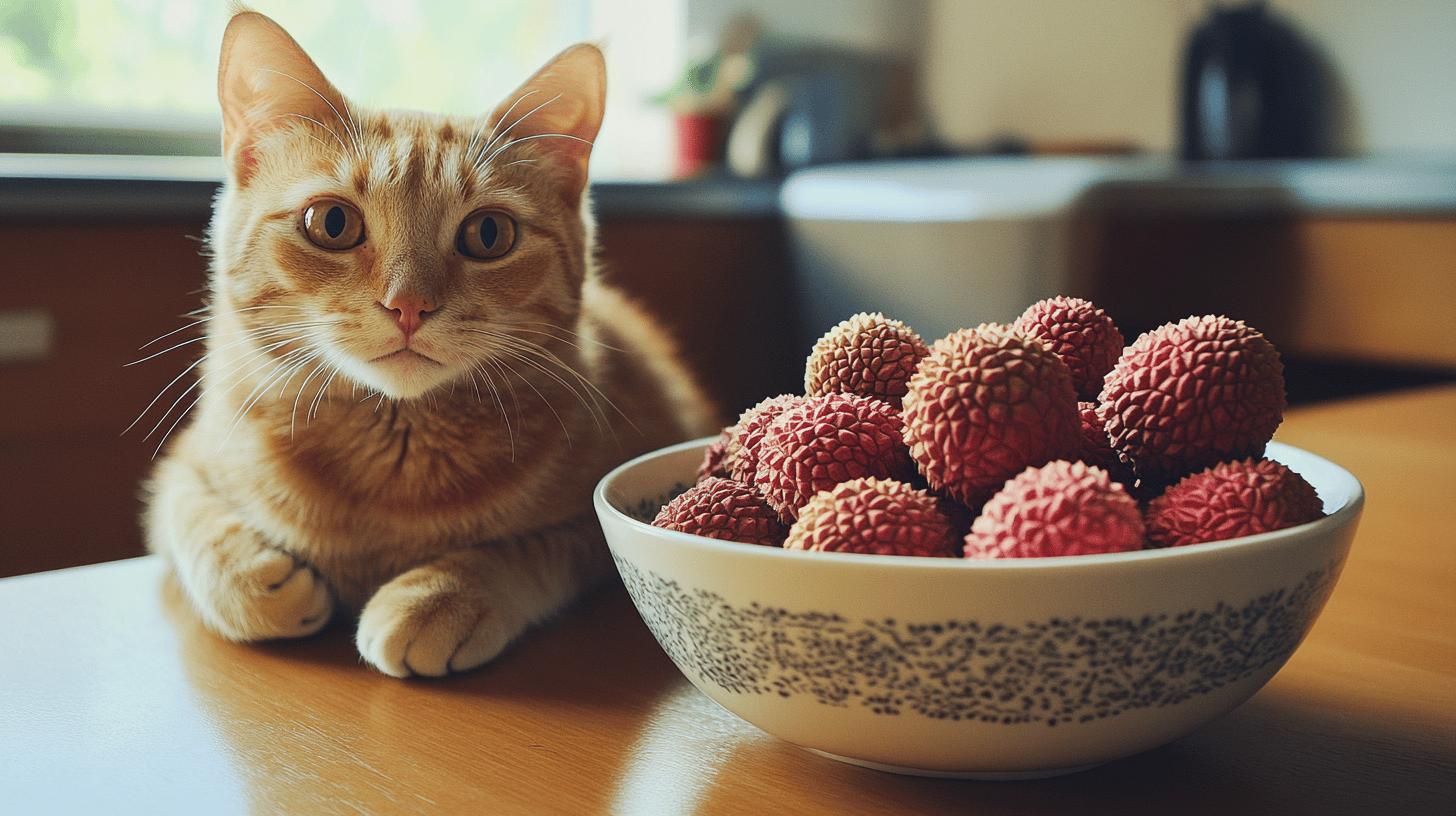
    Cats can indeed eat lychee, but there are important precautions to take. This exotic fruit is non-toxic to cats, but it should only be consumed in small amounts. Before sharing lychee with your feline friend, make sure to remove the skin and seed.

    The skin is tough and not easy for cats to chew, while the seed poses a choking hazard. Despite its safety, lychee should only be an occasional treat due to its high sugar content, which can contribute to obesity if overfed.

    Let's look at some potential risks associated with feeding lychee to cats:

    1. Choking Hazards: The seed inside lychee is a choking risk and should always be removed.
    2. Digestive Issues: The skin is difficult to digest and can cause gastrointestinal discomfort.
    3. High Sugar Content: Excessive sugar can lead to weight gain and other health issues.
    4. Signs of Illness: Watch out for symptoms like vomiting or diarrhea after lychee consumption.
    5. Diabetes Concerns: Cats with diabetes need special consideration due to lychee's sugar levels.

    Consulting a veterinarian is crucial before introducing lychee or any new food into a cat's diet. Vets can offer advice tailored to your cat's specific health needs, especially for those with conditions like diabetes. They can guide you on safe portion sizes and frequency to ensure your cat's health isn't compromised.

    Moderation is key when it comes to feeding lychee to cats. Limit this treat to small amounts and infrequent occasions. Always keep an eye on your cat for any adverse reactions after eating lychee. If any symptoms like diarrhea or vomiting occur, discontinue feeding immediately and consult your vet.

    Nutritional Content and Potential Benefits of Lychee for Cats

    Nutritional Content and Potential Benefits of Lychee for Cats-1.jpg

    Lychee, with its juicy and flavorful profile, houses several nutrients that can be beneficial to cats, albeit not necessary for their diet. The fruit is rich in vitamin C and potassium, both of which play a role in overall health maintenance.

    Vitamin C is known for its antioxidant properties, which can help with immune support, while potassium is essential for maintaining proper cellular functions. Additionally, lychee's water content is quite high, which can aid in keeping your cat hydrated.

    Nutrient Potential Benefit
    Vitamin C Immune support and antioxidant properties
    Potassium Supports cellular functions and heart health
    Water Helps with hydration

    Despite these benefits, it's important to remember that cats are obligate carnivores. Their primary nutritional needs are met through meat, which provides the necessary proteins and amino acids.

    While lychee can provide extra hydration and some fiber, these are not crucial for a cat's dietary requirements. If you choose to feed lychee to your cat, do so sparingly and as an occasional treat to prevent any digestive issues or health problems related to the fruit's sugar content.

    Safe and Alternative Fruits for Cats

    Safe and Alternative Fruits for Cats-1.jpg

    Cats are obligate carnivores, meaning their diet should primarily consist of animal protein. However, some fruits can be a healthy treat when given in moderation. While cats don't require fruits for nutrition, small amounts can add variety and offer some hydration and fiber benefits.

    It's crucial to limit fruit intake to avoid digestive upset and health issues related to high sugar content. Moderation is key, so any fruit offered should be an occasional snack rather than a regular part of their diet.

    Here are some safe fruits for cats:

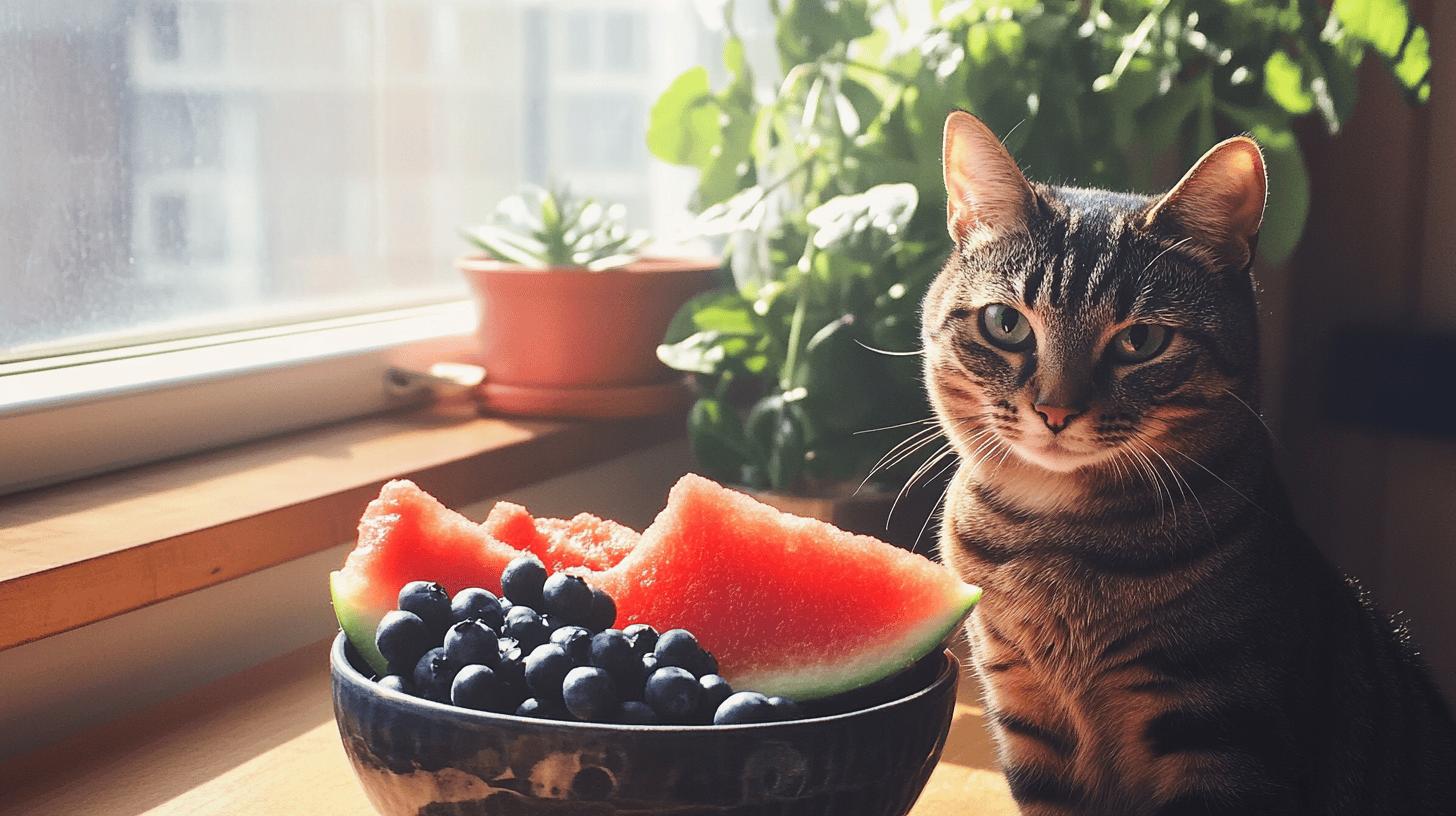
    • Watermelon
    • Blueberries
    • Apples
    • Strawberries
    • Pineapple

    On the other hand, certain fruits pose risks and should be avoided entirely. Cherries, citrus fruits, grapes, and raisins are toxic to cats and can lead to serious health problems if ingested. These fruits can cause symptoms ranging from mild gastrointestinal distress to severe reactions like kidney failure.

    Always ensure any fruit you offer is safe and free of seeds or pits that could pose a choking hazard. If you're unsure about a particular fruit, it's best to consult your veterinarian before offering it to your cat.

    Final Words

    With the right precautions, lychee can be part of a cat's diet but in small amounts. It's crucial to remove the skin and seed to avoid any safety hazards. Though lychee isn't toxic, its high sugar content can cause problems like obesity. Consulting with a vet is always a wise choice to tailor advice specific to your cat's health.

    While lychee does have some nutritional benefits, they're not essential for cats. Safe fruit options are plentiful, so there's no shortage of healthier treats out there. With proper care, can cat eat lychee? Yes, but remember to keep it as an occasional treat, ensuring both safety and fun.

    FAQ

    Can cats eat lychee jelly?

    Cats should not eat lychee jelly. It often contains added sugars and other ingredients that are not suitable for cats and may cause digestive issues.

    Can cats eat lychee fruit?

    Cats can eat lychee fruit, but only in small amounts. Always remove the skin and seed to prevent choking and digestive problems.

    Is lychee toxic for cats?

    Lychee is not toxic to cats, but it should be consumed in moderation due to its high sugar content.

    Can cats eat lychee seeds or leaves?

    Cats should not eat lychee seeds or leaves. Seeds pose a choking hazard, and leaves can be hard to digest.

    Can cats eat lychee juice?

    Lychee juice is not recommended for cats due to its high sugar content. It can lead to weight gain and other health issues.

    Can cats and dogs eat lychee?

    Cats and dogs can eat lychee in small amounts, but always ensure seeds and skin are removed to avoid health risks.

    Are any fruits toxic to cats?

    Yes, toxic fruits for cats include cherries, citrus fruits, grapes, and raisins. Always check before giving fruit to cats.

    Can I give my cat lychee?

    You can give lychee to your cat in moderation. Remove skin and seeds first. Monitor for any digestion issues, like diarrhea or vomiting.

    Related Articles

  • Can Cat Eat Expired Food Health Risks and Safety Concerns

    Can Cat Eat Expired Food Health Risks and Safety Concerns

    Would you eat food that’s past its expiration date? When it comes to your cat, feeding them expired food can be more risky than you’d think. Many cat owners have found themselves in this predicament, unsure whether it’s safe to scrape the last bits from that can of cat food lost at the back of the pantry.

    The health risks are real, from potential food poisoning to severe nutrient loss. Let’s explore why it’s essential to steer clear of expired cat food to ensure your feline friend stays safe and healthy.

    Can Cats Safely Eat Expired Food and Health Risks Involved

    Can Cats Safely Eat Expired Food and Health Risks Involved-2.jpg

    Feeding your cat expired food is a dangerous gamble. Expired cat food can introduce a host of health risks to your furry friend. The packaging may no longer provide an effective barrier against harmful bacteria and toxins, leading to food poisoning.

    These pathogens can cause serious gastrointestinal issues. Even if the food looks or smells fine, the nutritional quality decreases over time, depriving your cat of essential nutrients and potentially leading to health problems.

    Here are some potential health risks associated with expired food consumption in cats:

    • Vomiting and diarrhea
    • Lethargy and weakness
    • Lack of appetite
    • Dehydration
    • Severe gastrointestinal distress

    When expired food is consumed, harmful bacteria like Salmonella or E. coli can flourish, posing significant health threats. These bacteria and other toxins can cause symptoms of food poisoning, such as vomiting, diarrhea, and dehydration.

    Cats may also display signs of illness like a noticeable drop in energy levels or a lack of appetite. Since cats are sensitive eaters, even minor changes in their diet can result in adverse reactions.

    The long-term health implications of consuming expired food are concerning. Over time, nutrient deficiencies can develop due to the degradation of essential vitamins and minerals in the pet food.

    This can lead to weakened immune systems, making cats more susceptible to infections and diseases. Constant exposure to harmful bacteria can also cause chronic digestive issues, impacting their overall well-being.

    Veterinarians strongly advise against feeding expired food to cats due to these potential health risks. Monitoring your cat’s food intake and health is crucial. If you notice any signs of illness, it’s important to seek veterinary care immediately. Regularly checking expiration dates and storing food properly can protect your cat from these dangers and keep them healthy and happy.

    Identifying Spoiled Cat Food: Key Signs to Watch

    Identifying Spoiled Cat Food Key Signs to Watch-2.jpg

    Recognizing spoiled cat food is crucial for maintaining your cat’s health. When cat food expires, it can lose its nutritional value and become a breeding ground for bacteria, posing potential health risks.

    Spoiled food not only lacks essential nutrients but can also lead to food poisoning and other health issues. Cats rely on their diet to support their immune system, energy levels, and overall well-being, so feeding them expired or spoiled food can have serious consequences.

    Here are some common signs of spoiled cat food to watch for:

    • Unusual smells
    • Visible mold
    • Changes in appearance, such as discoloration
    • A slimy or sticky texture
    • Swollen or damaged packaging
    • Cats refusing to eat the food

    Cats have a keen sense of smell and are often quite perceptive about their food. If your cat suddenly refuses to eat or shows reluctance towards their usual meal, it might be an indicator that the food has gone bad.

    Pay attention to these behavioral cues as they can help you identify spoiled food early. Observing your cat’s reaction to their food and regularly checking for signs of spoilage can prevent potential health problems and ensure their diet remains safe and nutritious.

    Best Practices for Storing Cat Food to Prevent Expiry

    Best Practices for Storing Cat Food to Prevent Expiry-2.jpg

    Proper storage of cat food is crucial for maintaining its quality and nutritional value. When cat food is stored incorrectly, it can lead to spoilage, which not only affects the taste and texture but also diminishes essential nutrients.

    This can pose health risks to your cat, as they rely on balanced nutrition for their well-being. Keeping food fresh and safe involves understanding how to store both dry and wet cat food properly, ensuring that your feline friend gets the best out of their meals.

    Here are some best practices for storing both dry and wet cat food:

    • Store dry cat food in an air-tight, moisture-proof container.
    • Keep food in a cool, dry place away from direct sunlight.
    • Refrigerate wet food after opening and consume within a few days.
    • Always check expiration dates before serving.
    • Clean storage bins between batches to prevent contamination.

    Storing cat food correctly plays a significant role in preventing spoilage and ensuring food safety. By keeping food sealed and free from moisture and temperature fluctuations, you protect it from harmful bacteria and toxins.

    This helps in maintaining the food’s nutritional integrity and prevents exposure to elements that could lead to spoilage. Regularly monitoring expiration dates and maintaining clean storage conditions will assist in avoiding potential health risks, ultimately promoting a healthy diet for your cat.

    Best Practices for Storing Cat Food

    To keep your cat’s food fresh and safe, always check expiration dates as part of your storage routine. These dates ensure the food’s nutritional integrity and safety. Dry cat food can last 12 to 18 months when unopened and stored correctly, while wet food stays fresh longer if sealed.

    Once opened, consume both types quickly to maintain quality. If a package lacks an expiration date, avoid serving it due to potential safety concerns. Prioritize your cat’s well-being by following these storage guidelines.

    Final Words

    Feeding expired cat food can seriously endanger your pet’s health. Cats can suffer from food poisoning, leading to symptoms like vomiting and diarrhea. Harmful bacteria and toxins in expired food pose great risks, impacting their well-being.

    Recognizing spoiled food early helps maintain a cat’s health. Watching for signs like unusual smells or changes in appearance is key. Storing food properly assures safety, keeping it fresh and nutritious.

    Overall, always check expiration dates and seek vet advice if you’re ever uncertain. Prioritize your cat’s health by avoiding expired food and keeping their diet safe and wholesome.

    FAQ

    Can cats eat expired food?

    A: Cats should not eat expired food as it poses health risks. Expired food can harbor bacteria and toxins leading to vomiting, diarrhea, or other health issues. Always choose fresh food for your pet’s safety.

    What happens if a cat eats expired cat food?

    A: If a cat eats expired cat food, it may experience vomiting, diarrhea, dehydration, or lack of appetite. Watch for these symptoms and consult a vet for any health concerns.

    Is it okay to use expired cat food?

    A: Using expired cat food is not advised. It can contain harmful bacteria or toxins that may affect a cat’s health. Always check expiration dates to avoid these risks.

    Can cats get sick from expired food?

    A: Yes, cats can get sick from expired food. It can lead to food poisoning with symptoms like vomiting, diarrhea, and lethargy. Protect your cat by offering only unexpired, nutritious food.

    What should I do if my cat ate expired wet food?

    A: If your cat ate expired wet food, observe it for any signs of illness like vomiting or diarrhea. If symptoms appear, contact your veterinarian for guidance.

    How long is canned cat food good for after opening?

    A: After opening, canned cat food should be refrigerated and used within a few days to ensure freshness and prevent spoilage. Follow storage guidelines for your cat’s health.

    Can pets eat expired food?

    A: Pets should not eat expired food. It can contain harmful substances leading to illness. Always provide fresh food to maintain your pet’s health and nutrition.

    Related Articles

  • Can Cat Eat Tangerines Facts You Need to Know

    Can Cat Eat Tangerines Facts You Need to Know

    Did you know that tangerines, despite their juicy goodness, are bad news for our furry feline friends? It’s true! These citrusy treats might be a hit at your kitchen table, but they are a no-go for your cat’s diet. The essential oils and citric acid in tangerines can mess with their digestive system. This can lead to discomfort and upset tummies. Read on to uncover the full story behind why sharing this snack with your cat is not a good idea and what to do if it happens by accident.

    Can Cats Safely Eat Tangerines?

    Can Cats Safely Eat Tangerines-1.jpg

    Tangerines are toxic to cats and should not be part of their diet. These citrus fruits contain compounds that can harm feline health, making them unsafe for cats to consume. The main culprits are essential oils and citric acid found in tangerines, which can lead to digestive issues and other health problems in cats.

    Here’s a breakdown of the specific compounds in tangerines that are harmful to cats:

    • Essential Oils: These can cause irritation to a cat’s digestive system and may lead to other health complications.
    • Citric Acid: This can upset a cat’s stomach, leading to vomiting and diarrhea.
    • Psoralens: Found in various citrus fruits, psoralens can be toxic in large doses, causing further digestive upset.
    • Limonene and Linalool: These compounds can be harmful in certain concentrations, contributing to the overall toxicity of citrus fruits for cats.
    • Sugar Content: While not toxic, the high sugar content in tangerines is not suitable for a cat’s diet and can lead to weight gain and other issues.

    If a cat ingests tangerines, it may experience symptoms of citric acid poisoning, such as an upset stomach, vomiting, and diarrhea. These symptoms indicate that the cat’s body is reacting negatively to the fruit. It’s crucial to seek veterinary attention immediately if you suspect your cat has consumed any part of a tangerine. Prompt medical care can prevent further health complications and ensure the well-being of your furry friend.

    Risks and Symptoms of Tangerine Ingestion in Cats

    Risks and Symptoms of Tangerine Ingestion in Cats-1.jpg

    Tangerines contain essential oils and citric acid, which can irritate a cat’s digestive system. Cats lack the enzymes to digest these compounds, leading to potential health risks.

    Symptoms of citrus poisoning include:

    • Upset stomach
    • Vomiting
    • Diarrhea
    • Lethargy
    • Loss of appetite

    Cats naturally dislike the scent of citrus, which often deters them from eating tangerines.

    Safe and Healthy Alternatives to Tangerines for Cats

    Safe and Healthy Alternatives to Tangerines for Cats-1.jpg

    Cats are obligate carnivores, which means their diet should primarily consist of animal-based proteins. While tangerines and other citrus fruits are harmful, non-citrus fruits can offer a safe alternative for occasional snacking. These fruits should only be given in small amounts as treats, ensuring they don’t disrupt a cat’s primary nutritional needs.

    Here are some safe fruit options to consider:

    • Persimmons: These are generally safe for cats when offered in small, bite-sized pieces without the skin or seeds.
    • Blueberries: Packed with antioxidants, blueberries can be a fun and healthy treat for your cat.
    • Apples: Remove the seeds and core, then offer small slices to your cat as a crunchy snack.
    • Bananas: High in potassium, a small piece of banana can be a delightful treat for your feline.
    • Watermelon: Seedless watermelon can be refreshing and hydrating, just make sure to remove any seeds.

    While these fruits can add variety, remember that a cat’s diet should be based on meat to meet their essential nutritional requirements. Fruits should make up a very small portion of their intake, no more than 2% of their diet. By focusing on their meat-based dietary needs and offering fruits sparingly, you can keep your cat healthy and satisfied.

    Veterinarian Recommendations on Feeding Cats Fruits

    Veterinarians advise against feeding cats citrus fruits, like tangerines, due to their toxicity. Cats are sensitive to the essential oils and acids in these fruits, which can cause health problems.

    Fruit Type Recommendation
    Apples Safe in small, seedless slices
    Blueberries Safe as an occasional treat
    Grapes Unsafe, should be avoided

    Fruits should only make up a tiny portion, around 2%, of a cat’s diet. Cats need animal-based proteins to thrive, and fruits should complement their diet, not replace it. Keeping fruit treats occasional and in small amounts ensures your cat stays healthy and happy without nutritional imbalances.

    What to Do If Your Cat Eats Tangerines

    What to Do If Your Cat Eats Tangerines-1.jpg

    If your cat happens to munch on a tangerine, you might notice some telltale signs of distress. Common symptoms include an upset stomach, vomiting, and diarrhea. Recognizing these signs early is crucial for your cat’s health.

    Here’s a quick guide on what steps to take:

    1. Observe Your Cat: Monitor for symptoms like vomiting or diarrhea. Be attentive to any changes in behavior.
    2. Remove Access: Ensure your cat can’t access more tangerines or any other citrus fruits.
    3. Induce Vomiting: Only if instructed by a vet, you may need to induce vomiting to expel the toxins.
    4. Administer Activated Charcoal: This can help absorb any remaining toxins, but again, only do so under veterinary guidance.

    Promptly consulting a veterinarian is essential. They can provide the necessary treatment and advice to prevent severe complications. Quick action ensures your furry friend’s safety and well-being.

    Final Words

    Realizing that tangerines are toxic to cats is crucial for their safety. These fruits can cause serious health issues due to compounds like essential oils and citric acid. If your cat shows symptoms such as vomiting or diarrhea after eating citrus, seek veterinary help quickly.

    Instead of offering tangerines, opt for safer snacks like small bites of non-citrus fruits. Remember, cats need mostly meat in their diet to thrive. Veterinarians agree—citrus fruits should be avoided. In moderation, other fruits can add variety safely. Always prioritize your cat’s health and well-being.

    FAQ

    Can cats eat tangerines seeds?

    Cats shouldn’t eat tangerine seeds. Tangerines and seeds have toxins harmful to cats, causing digestive issues like vomiting and diarrhea.

    Can cats eat orange peels?

    Cats should avoid orange peels as they contain toxins that can cause digestive upset and other health problems.

    What fruits can cats eat?

    Cats can eat non-citrus fruits in moderation. Options include bananas, apples, and small amounts of persimmons.

    Can cats eat bananas?

    Cats can eat bananas in small, bite-sized pieces. They aren’t toxic, but moderation is key.

    Can cats eat apples?

    Cats can safely eat apples if they’re cut into small pieces and the seeds are removed.

    Can cats have orange juice?

    Cats should not have orange juice. It’s acidic and can cause digestive issues and discomfort.

    What can cats eat?

    Cats are obligate carnivores and need a diet mostly of meat. Safe fruit treats include bananas and apples.

    Is tangerine toxic to cats?

    Tangerines are toxic to cats. Their essential oils and citric acid can cause digestive problems.

    Are mandarins toxic to cats?

    Mandarins, like other citrus fruits, are toxic to cats and can lead to vomiting and diarrhea.

    Can cats eat oranges?

    Cats should avoid oranges as they contain toxic compounds that could harm them.

    What fruit is toxic to cats?

    Citrus fruits like oranges and tangerines are toxic to cats due to essential oils and citric acid.

    Related Articles

  • Can Cat Eat Goldfish Crackers What You Need to Know

    Can Cat Eat Goldfish Crackers What You Need to Know

    Can cats munch on Goldfish crackers without a problem? This question might cross your mind when you notice your feline friend eying that cheesy snack. While Goldfish crackers aren't exactly harmful in small doses, they're not a benefit-packed option for cats.

    As obligate carnivores, cats need a meat-rich diet to stay healthy. While that crunch might sound tempting, these crackers don't meet their nutritional needs. In this article, I'll explore why Goldfish crackers should be a rare treat, rather than a staple in your kitty's bowl.

    Can Cats Safely Eat Goldfish Crackers and Their Ingredients' Impact?

    Can Cats Safely Eat Goldfish Crackers and Their Ingredients Impact-1.jpg

    Goldfish crackers aren't toxic to cats when consumed in small amounts. However, their lack of nutritional benefits makes them unsuitable for regular feline diets. Cats may be attracted to the cheesy flavor and crunchy texture, but these snacks don't support their dietary needs. Feeding them as an occasional treat might not cause harm, but it's crucial to avoid making them a staple in your cat's diet.

    Cats are obligate carnivores, which means they thrive on a meat-based diet. This dietary requirement ensures they get the necessary nutrients like taurine, arachidonic acid, and vitamin B12, which are absent in plant-based foods like Goldfish crackers.

    The crackers are primarily made from carbohydrates and additives that don't align with the high-protein, low-carb needs of cats. Regularly feeding them such snacks could lead to deficiencies and health issues.

    Problematic Ingredients in Goldfish Crackers

    • Cheese: High in fats, which can lead to weight gain.
    • Wheat: Common allergen for some cats, contributing to digestive upset.
    • Salt: Excessive sodium can cause dehydration or more severe health issues.
    • Onion Powder: Can damage red blood cells and lead to anemia.
    • Garlic Powder: Similar to onion, it's toxic and can cause gastrointestinal distress.

    Regular consumption of Goldfish crackers poses potential health risks for cats. Carbohydrates can contribute to obesity, while spices like onion powder are harmful and can cause symptoms such as vomiting, diarrhea, or lethargy.

    Cats might develop gastrointestinal issues or show signs of distress if they regularly consume these processed snacks. It's important to monitor their reactions and seek veterinary advice if any adverse symptoms appear.

    Moderation is key when it comes to feeding your cat any human snack, including Goldfish crackers. Always check the ingredient list for harmful components and consult a vet if you're unsure about introducing new foods to your cat's diet. Taking these precautions can help maintain your cat's health and well-being.

    Alternatives to Goldfish Crackers for Cats

    Can Cats Safely Eat Goldfish Crackers and Their Ingredients Impact-2.jpg

    When it comes to treating our feline friends, it's crucial to choose snacks that complement their dietary needs. Cats, as obligate carnivores, require a diet rich in animal protein. Unlike Goldfish crackers, which are high in carbohydrates and low in essential nutrients, there are plenty of treats that provide nutritional benefits aligned with a cat’s natural diet. Offering suitable treats helps maintain their health, supports their dietary requirements, and can even enhance their overall well-being.

    • Commercial Cat Treats: Specially formulated for cats, these treats provide the necessary nutrients.
    • Cooked Chicken: A great source of protein that's both tasty and healthy for cats.
    • Cooked Fish: Offers omega-3 fatty acids, which are beneficial for a cat's coat and skin.
    • Freeze-Dried Meat Treats: Retain the natural flavors and nutrients of meat without additives.
    • Catnip: While not a food treat, it provides stimulation and can be a great occasional reward.
    • Canned Tuna (in water): A protein-rich treat, but should be given sparingly due to its high sodium content.

    Homemade treats can be a wonderful way to ensure your cat gets the nutrients they need while enjoying a special snack. By using fresh ingredients like chicken or fish, you can create treats that are both delicious and healthy. Homemade options allow you to control what goes into your cat's treats, avoiding harmful additives and ensuring a balanced diet.

    Veterinary Advice on Feeding Cats Human Snacks

    Veterinary Advice on Feeding Cats Human Snacks-1.jpg

    Veterinarian advice is indispensable when it comes to introducing new foods into a cat's diet. Cats have unique nutritional needs as obligate carnivores, and not all human snacks are safe for them. Consulting a vet ensures that any new addition to their diet won't cause adverse health effects. This guidance helps pet owners make informed decisions and maintain their cat's overall health and well-being.

    Veterinarians often recommend caution with human snacks. Many of these snacks contain ingredients that could be harmful to cats, such as spices or high levels of salt. Vets advise sticking to foods specifically designed for feline consumption and being wary of processed human foods like Goldfish crackers. They may suggest alternatives that align better with a cat's nutritional needs, ensuring adequate intake of essential nutrients.

    Pet owners hold the responsibility of providing safe and nutritious food for their cats. This includes understanding their dietary needs and recognizing the potential risks associated with feeding them human snacks.

    By consulting with a veterinarian, owners can avoid common pitfalls and ensure their pets enjoy a balanced diet. Taking these steps helps in fostering a healthy, happy life for their feline companions.

    Final Words

    Understanding that Goldfish crackers are not toxic but lack nutritional value is key. Cats are obligate carnivores, needing meat-based diets, not processed snacks. Ingredients like onion powder can be harmful. Regular Goldfish cracker consumption can lead to health issues because of carbohydrates and spices.

    Opt for treats aligned with a cat’s dietary needs. Consider safe options like commercial cat treats or cooked chicken and fish. Homemade treats can also be healthier. Always consult a vet before introducing new foods.

    Can cat eat Goldfish crackers? It's best to choose safer alternatives and prioritize health.

    FAQ

    Can cats have a goldfish cracker?

    Cats can eat a goldfish cracker without toxic effects, but they're not recommended due to lack of nutrition. Cats need a meat-based diet.

    Can goldfish crackers kill cats?

    Goldfish crackers are unlikely to kill cats but can cause health issues if eaten regularly. Ingredients like onion powder can be harmful.

    Why does my cat like goldfish crackers?

    Cats might like goldfish crackers due to their salty, cheesy flavor. However, these snacks don't meet feline nutritional needs.

    Can kittens eat goldfish crackers?

    Kittens can eat small amounts, but it's not advisable. They need more nutrients for growth than what these crackers provide.

    What crackers can cats eat?

    It's best to avoid giving cats any type of cracker. Stick to foods that align with their carnivorous diet.

    Can dogs eat goldfish crackers?

    Dogs can eat goldfish crackers sparingly. Like cats, regular feeding isn't advised due to low nutritional value and harmful spices.

    Do cats eat goldfish from ponds?

    Cats may attempt to eat live goldfish from ponds if curious or hungry. However, it's best to discourage this for the fish's safety.

    Can cats eat sesame crackers?

    Sesame crackers aren't suitable for cats. They generally contain seasonings and additives not suitable for feline diets.

    Why are goldfish crackers not safe for cats?

    Goldfish crackers include harmful ingredients for cats, like onion powder and spices. They can also cause gastrointestinal issues.

    What are healthy alternatives to goldfish crackers for cats?

    There are healthier options like commercial cat treats, cooked chicken, and fish. Consider homemade treats too for better nutrition.

    Related Articles

  • Can Cat Eat Rice and Fish Safely as Treats

    Can Cat Eat Rice and Fish Safely as Treats

    Ever wonder if your cat can safely snack on rice and fish? While it might seem like a tasty treat, there are important things to consider. Rice and fish can be safe for cats—but only in moderation. These foods shouldn't replace their main diet, which should be meat-based. Fish has protein and omega-3s that benefit health, but be cautious of mercury risks. On the flip side, rice might help digestion but isn't essential. Exploring these treats requires careful thought to ensure your feline stays happy and healthy.

    Can Cats Eat Rice and Fish Safely?

    Can Cats Eat Rice and Fish Safely-1.jpg

    Cats can enjoy rice and fish as occasional treats, but these foods shouldn't become mainstays in their diet. While rice and fish can be safe foods for cats, moderation is key to ensuring your feline friend stays healthy. Rice can provide carbohydrates, which might help address minor digestive issues, but it's not a necessary component of a cat's diet, which should be primarily meat-based. Fish, on the other hand, is a good source of protein and omega-3 fatty acids, contributing to a cat's overall health. Despite these benefits, fish should also be fed in moderation due to potential risks like mercury accumulation.

    Before adding rice and fish to your cat's menu, consulting a veterinarian is crucial. A vet can provide guidance on whether these ingredients are suitable for your specific cat, taking into account any existing health conditions or dietary needs. They can help determine safe portion sizes and frequency, ensuring that these treats complement rather than disrupt your cat's nutritional balance. This step is essential to avoid any unintended health issues related to inappropriate feeding.

    Nutritionally, fish offers valuable omega-3 fatty acids, which can support heart health and help maintain a shiny coat. Meanwhile, rice may serve as a mild digestive aid, offering a quick energy boost. Remember, though, these benefits are secondary to a cat's fundamental dietary requirements, which revolve around animal proteins and fats. Feeding rice and fish in small, controlled amounts ensures your cat gets to enjoy these treats without compromising their health.

    Nutritional Benefits and Potential Risks of Rice for Cats

    Nutritional Benefits and Potential Risks of Rice for Cats-1.jpg

    Rice can be an occasional treat for cats, offering certain nutritional benefits. It provides carbohydrates for a quick energy boost, especially helpful for cats recovering from illness. Brown and wild rice are rich in dietary fiber, aiding digestion and helping regulate bowel movements. Comparatively, white rice is easier on a cat's stomach due to its lower fiber content. Each type of rice offers unique benefits, but these are only effective when rice is given in moderation, ensuring a diet that prioritizes meat-based proteins.

    Benefit Risk
    Quick energy boost Obesity from calorie density
    Digestive aid from fiber Nutritional imbalance if overused
    Easy digestibility Potential allergies

    Feeding rice comes with potential risks. Obesity is a concern due to its calorie density, which can cause weight gain if not carefully monitored. It's crucial that rice doesn't replace essential protein sources, as this could lead to nutritional imbalances. Some cats may be allergic to rice, showing symptoms like itching, vomiting, or diarrhea. To minimize these risks, introduce rice in small amounts and monitor your cat's reaction, ensuring it remains a treat rather than a dietary staple.

    The Role of Fish in a Cat's Diet

    The Role of Fish in a Cats Diet-1.jpg

    Fish provides excellent protein and omega-3 fatty acids that can benefit a cat's health. These nutrients support lean muscle development, heart health, and a shiny coat. They also help reduce inflammation, which is crucial for maintaining overall wellness in cats.

    To integrate fish safely into a cat's diet, consider:

    • Fully cook the fish: This eliminates harmful bacteria and parasites.
    • Remove all bones: Bones are a choking hazard and should be carefully removed.
    • Serve in small portions: Fish should be an occasional treat, not a primary food source.
    • Avoid salt or spices: Stick to plain fish for optimal cat health.
    • Limit fish intake to 10% of the diet: Ensure the rest of the diet is meat-based proteins.

    Monitoring for mercury poisoning is important when feeding cats fish, especially types such as tuna that have higher mercury levels. Overconsumption can lead to nutritional imbalances. Moderation ensures that fish remains a healthy part of their diet without causing harm.

    When introducing fish, watch for signs of allergies or sensitivities like itching, vomiting, or diarrhea. If any symptoms occur, stop feeding fish and consult a veterinarian. Observing your cat's reaction ensures fish can be a safe, enjoyable treat.

    Preparing Rice and Fish for Cats

    Preparing Rice and Fish for Cats-1.jpg

    To keep your cat healthy, rice and fish should be prepared simply. Avoid seasonings like salt, garlic, and onions, as these can harm cats. Cooking fish thoroughly is crucial to remove bacteria and parasites. Cats can enjoy the natural taste while staying safe with plain preparation.

    1. Cook rice thoroughly: Use plain water without adding any seasoning.
    2. Fully cook fish: Ensure it's free of bones and harmful bacteria by cooking it completely.
    3. Cool before serving: Allow both rice and fish to reach room temperature to avoid burns.
    4. Keep portions small: This helps maintain a balanced diet.

    Rice and fish should not make up more than 10% of your cat's diet to avoid nutritional imbalances. Offer these foods as occasional treats to prevent health issues. This approach lets your cat enjoy these flavors without compromising their dietary needs.

    Final Words

    Feeding your cat rice and fish can be part of a balanced diet when done safely. These foods are suitable as occasional treats, not staples. Always check with a vet to keep your cat healthy and happy. Rice provides quick energy and could help digestion, but watch out for potential weight gain. Fish offers protein and omega-3s, but it must be thoroughly cooked and given in moderation. When prepared correctly, rice and fish can add variety to your cat's diet without compromising their health. Enjoy a safe and fun playtime experience with your furry friend!

    FAQ

    Can cats eat rice and fish safely?

    A: Cats can eat rice and fish safely in moderation. Rice is not essential but can help with digestion. Fish offers protein and omega-3s. Consult a vet before making these regular treats.

    Can cats eat rice every day?

    A: Feeding cats rice daily isn't recommended. It's not necessary for their diet and can lead to nutritional imbalance. Rice should only be an occasional treat.

    Can cats eat rice and chicken?

    A: Cats can eat rice and chicken as an occasional treat. Ensure both are cooked plain without spices or seasoning. Always check with a vet.

    Can cats eat rice and beans?

    A: Cats should not eat rice and beans frequently. Beans aren't typically part of a cat's diet and may cause digestive issues. Limit to small, infrequent servings.

    Are rice and fish bones safe for cats?

    A: No, fish bones can be dangerous and cause choking or internal injury. Always remove bones before feeding fish to cats.

    Can cats eat rice and milk?

    A: Cats generally shouldn't eat rice with milk. Many cats are lactose intolerant, and milk can upset their stomachs.

    Can kittens eat rice?

    A: Kittens should not eat rice as a primary food. Their diets should focus on nutritionally balanced kitten food for proper growth.

    Can I feed my cat rice and tuna?

    A: Yes, cats can have rice and tuna occasionally. Ensure tuna is canned in water and rice is plain. Limit portions to prevent nutritional imbalance.

    Is it safe to feed cats fish?

    A: It's safe to feed cats fish if it's fully cooked. Avoid raw fish due to bacteria and parasite risks. Keep fish to a minimal part of their diet.

    Related Articles