Author: Isabella Tiu

  • Can Cat Eat Rice Daily Pros and Cons Explained

    Can Cat Eat Rice Daily Pros and Cons Explained

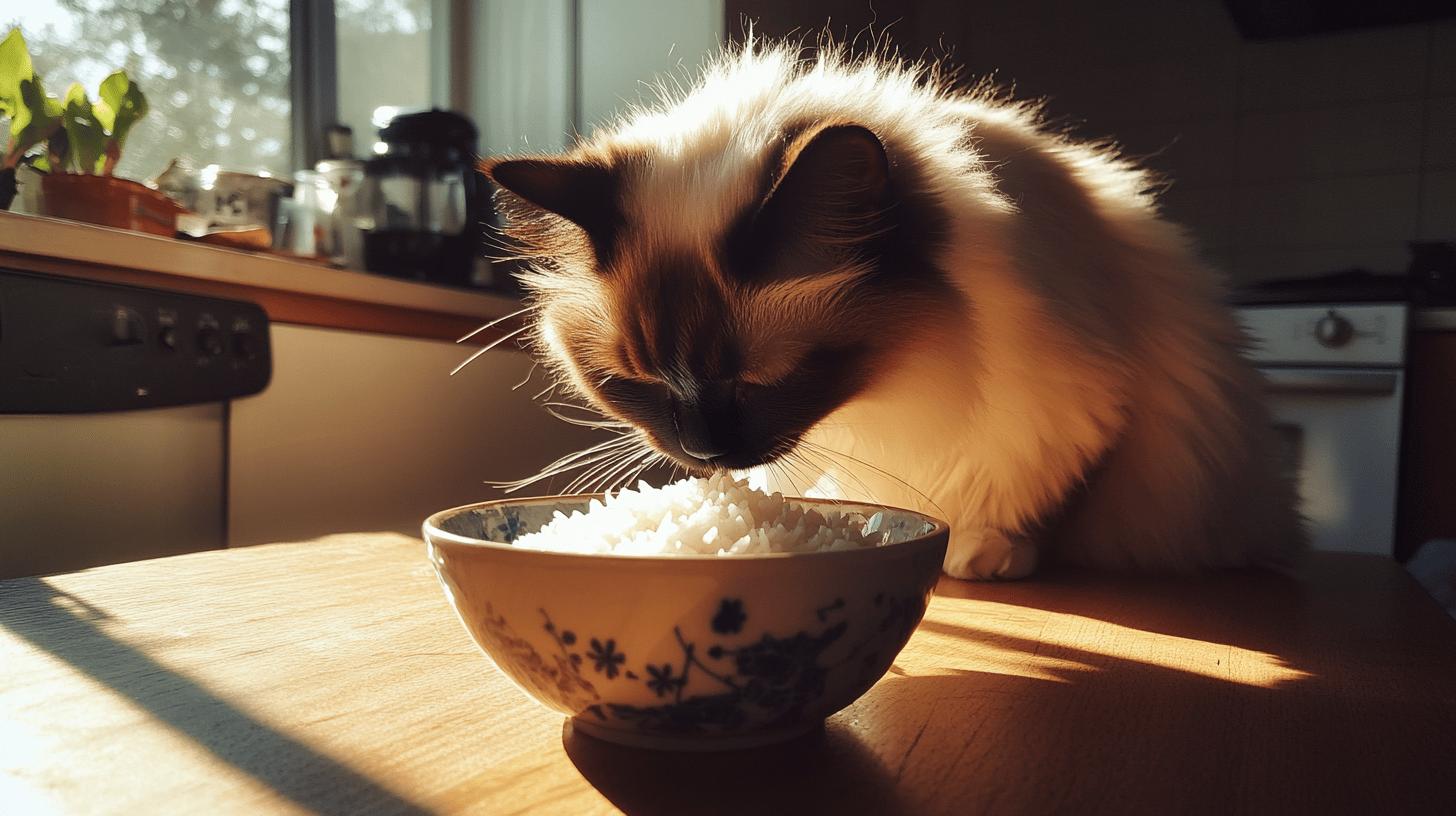
    Can cats munch on rice every day? That’s a question many cat owners ponder. While it seems harmless, rice might not be the best everyday treat for your feline.

    Cats, being meat lovers, need protein-rich grub, which rice doesn’t offer. Adding rice to their regular meals could cause more harm than good, affecting their health balance. Delve into whether this grain should be a staple or just an occasional dish, and learn how to keep your furry friend both happy and healthy.

    Can Cats Eat Rice Daily?
    Can Cats Eat Rice Daily-2.jpg

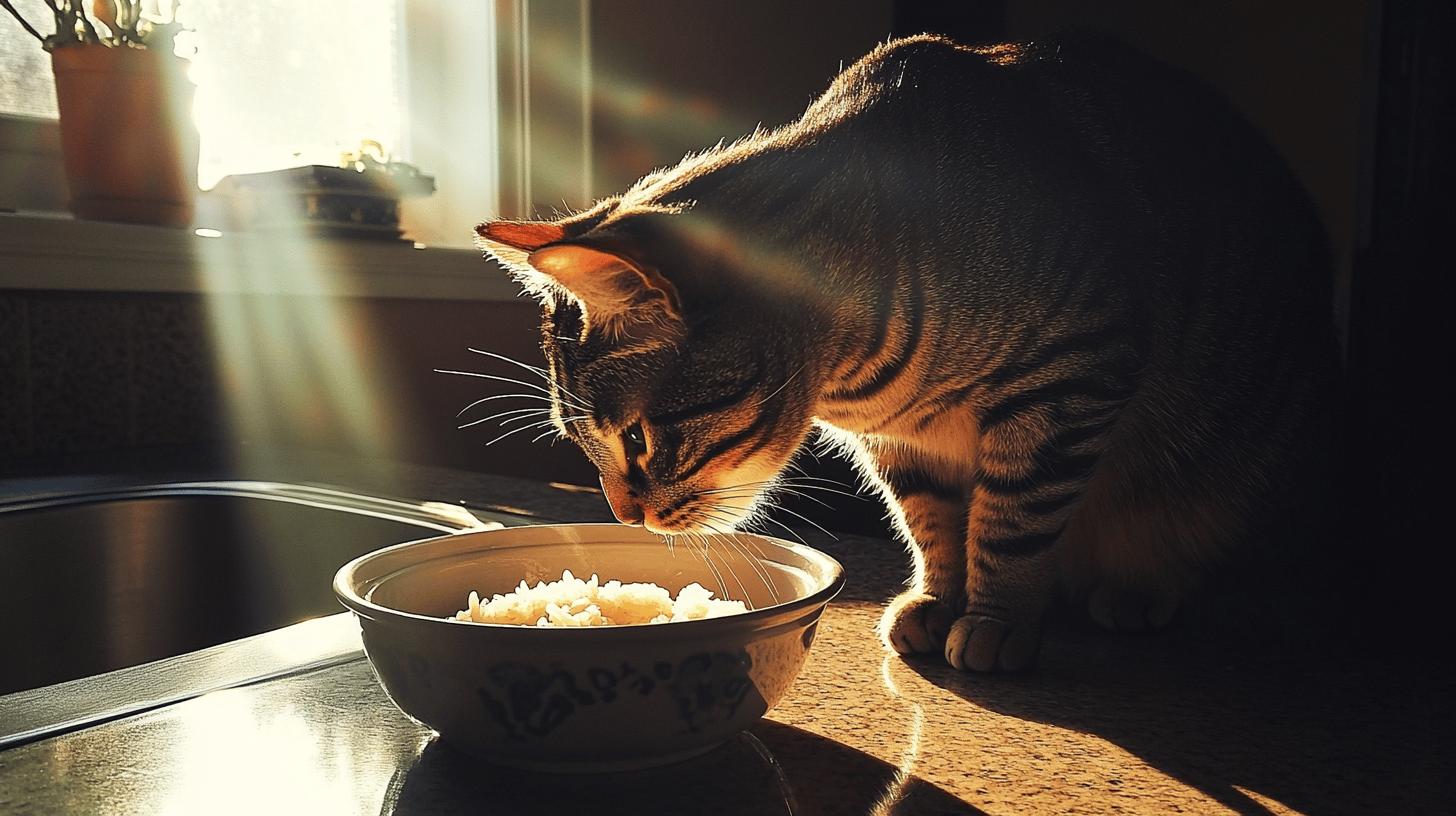
    Cats can safely eat rice, but only in small quantities and not on a daily basis. As obligate carnivores, cats thrive on a diet rich in animal proteins and essential nutrients, which rice does not provide.

    Feeding rice to cats occasionally might help with minor digestive issues, but consistently including it in their diet can lead to an imbalance. Rice lacks the necessary nutrition that cats require to maintain their health, and overfeeding can result in weight gain or reduced appetite for more nutritious foods.

    It’s crucial to consult a veterinarian before making any notable changes to your cat’s diet. Professional guidance ensures that your furry friend receives a balanced diet tailored to their specific needs. A vet can advise whether adding rice sporadically can benefit your cat or if there are better alternatives. Always prioritize your cat’s overall nutritional needs and health when considering such dietary options.

    Nutritional Value of Rice for Cats
    Nutritional Value of Rice for Cats-3.jpg

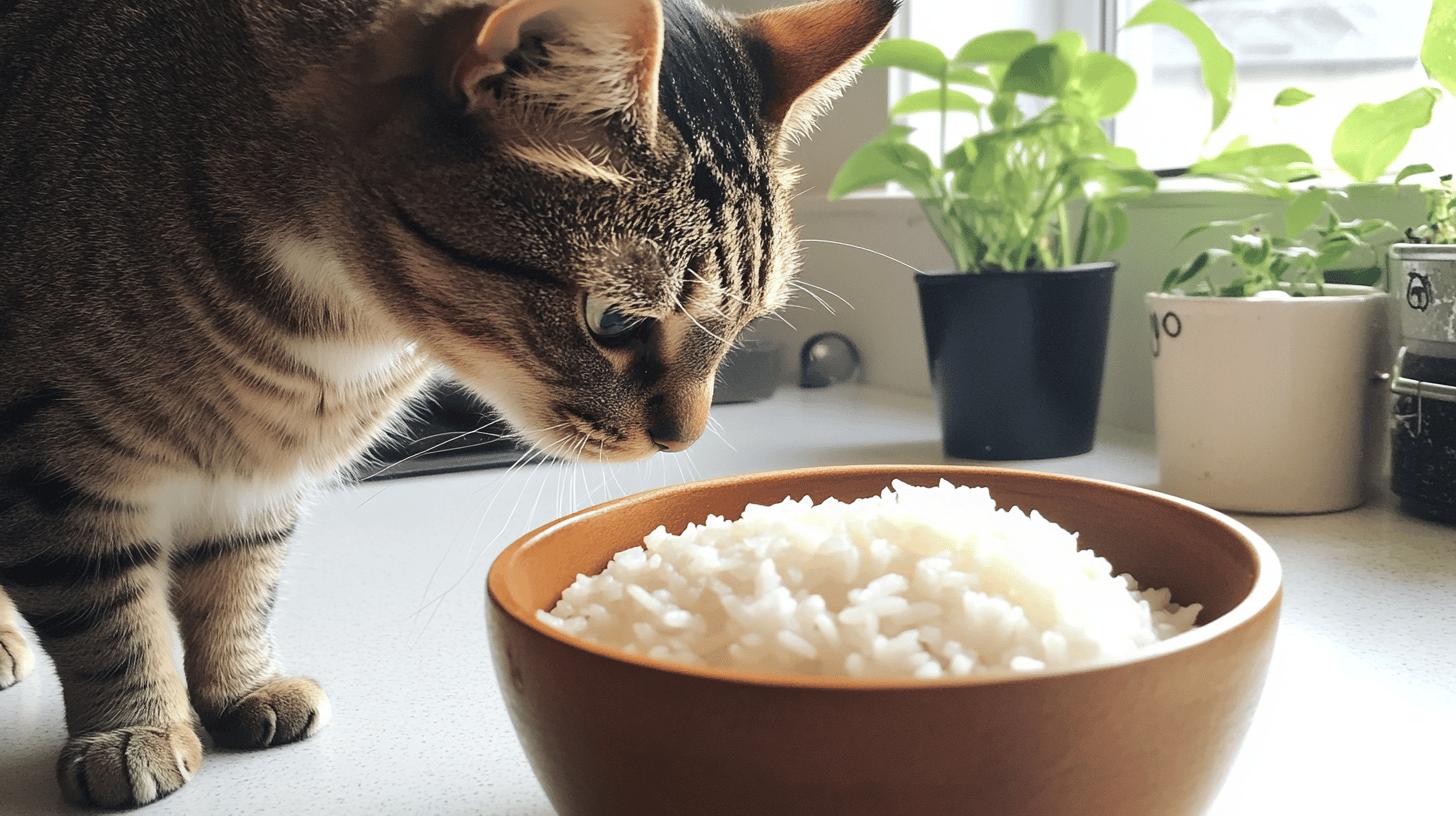
    Rice can be a temporary solution for minor digestive issues in cats, but it’s not nutritionally complete. White rice is easier for cats to digest due to its softness and lower fiber content.

    Brown rice, while higher in fiber, offers minimal nutritional benefit to cats, who are obligate carnivores needing animal proteins. Basmati rice is similar to white rice in digestibility but also lacks nutritional value for cats.

    Rice doesn’t provide essential vitamins, minerals, or amino acids crucial for feline health. While non-toxic, relying heavily on rice can lead to nutritional imbalances. It’s important to use rice sparingly and not as a staple in a cat’s diet to avoid deficiencies.

    Type of Rice Nutritional Aspect
    White Rice Easy to digest, low in fiber
    Brown Rice Higher in fiber, minimal cat nutritional benefit
    Basmati Rice Similar to white rice, low nutritional value for cats

    Health Implications of Feeding Rice to Cats
    Health Implications of Feeding Rice to Cats-4.jpg

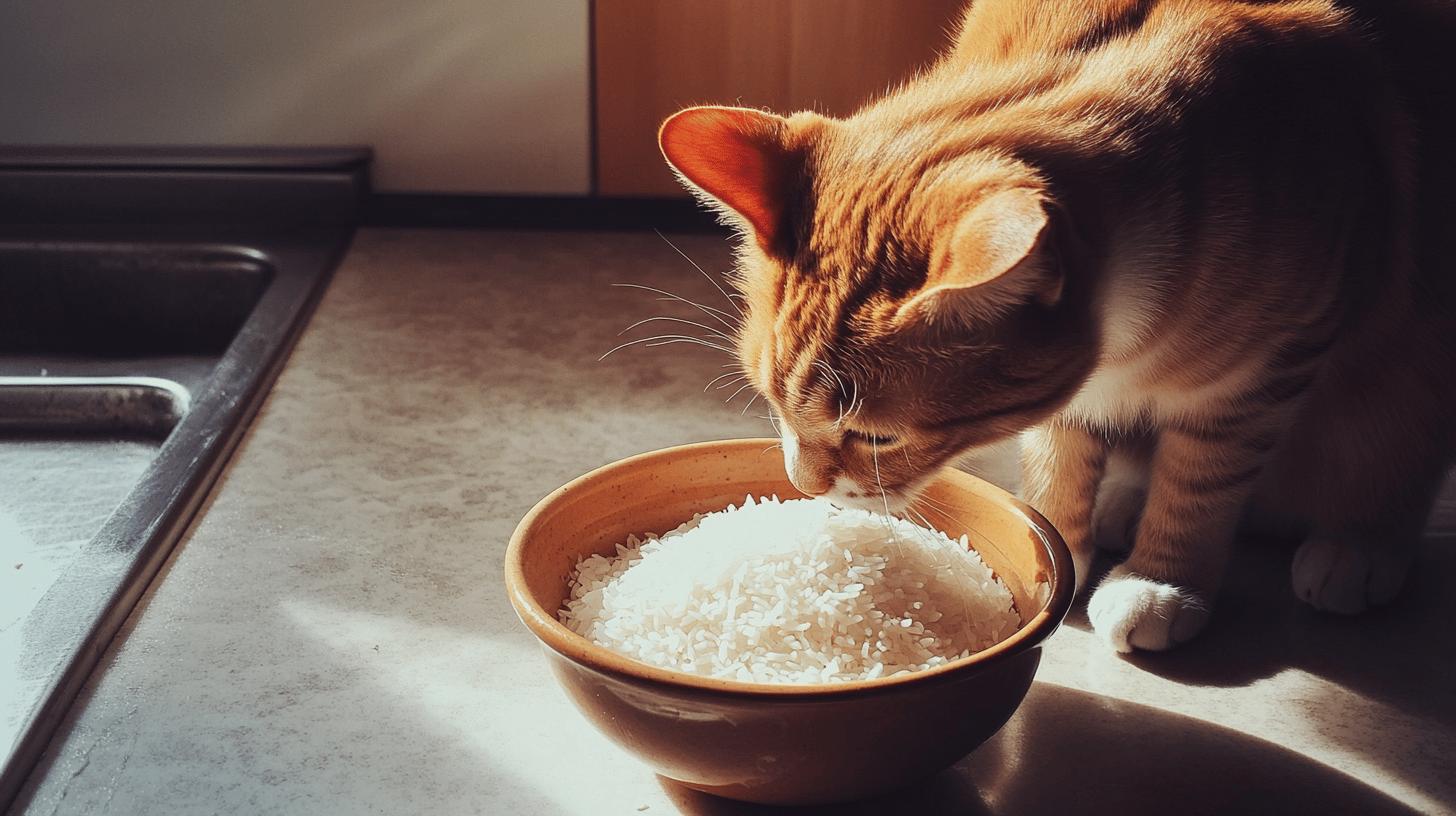
    Feeding rice to cats in large quantities can lead to heart problems and vision impairments over time. While rice isn’t toxic, its high carbohydrate content can cause weight gain and suppress appetite for protein-rich foods.

    Cats are obligate carnivores, so their bodies need nutrients from meat rather than carbs. When rice fills them up, they may eat less of their essential diet, risking nutritional imbalance.

    Rice-heavy diets lack vital nutrients like taurine, vitamin A, and fatty acids. These deficiencies can harm a cat’s health, affecting their heart and coat condition. It’s crucial to ensure cats get a diet with these nutrients to prevent long-term health issues.

    Kittens need extra caution regarding rice. Their diets must support rapid growth and development. Filling their small stomachs with rice can reduce their intake of nutrient-dense foods. This can lead to developmental issues. It’s best to stick to kitten-specific diets unless a vet advises otherwise.

    Maintaining a balanced diet is crucial for cats’ health. Rice should never replace regular cat food. If included, it should be minimal and occasional. Always prioritize a diet that meets your cat’s specific nutritional needs to avoid adverse health effects.

    Can Cats Eat Rice Daily?
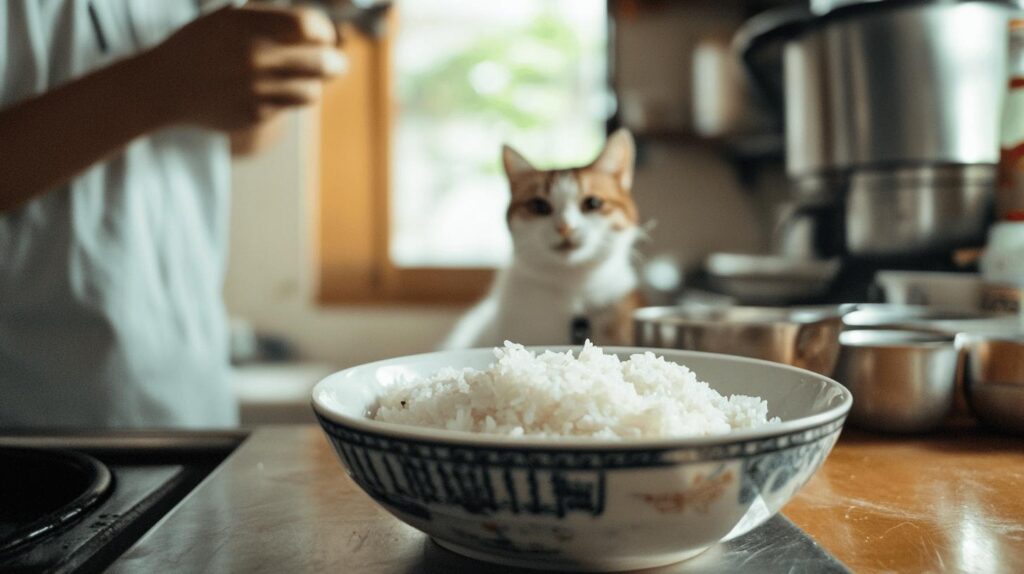
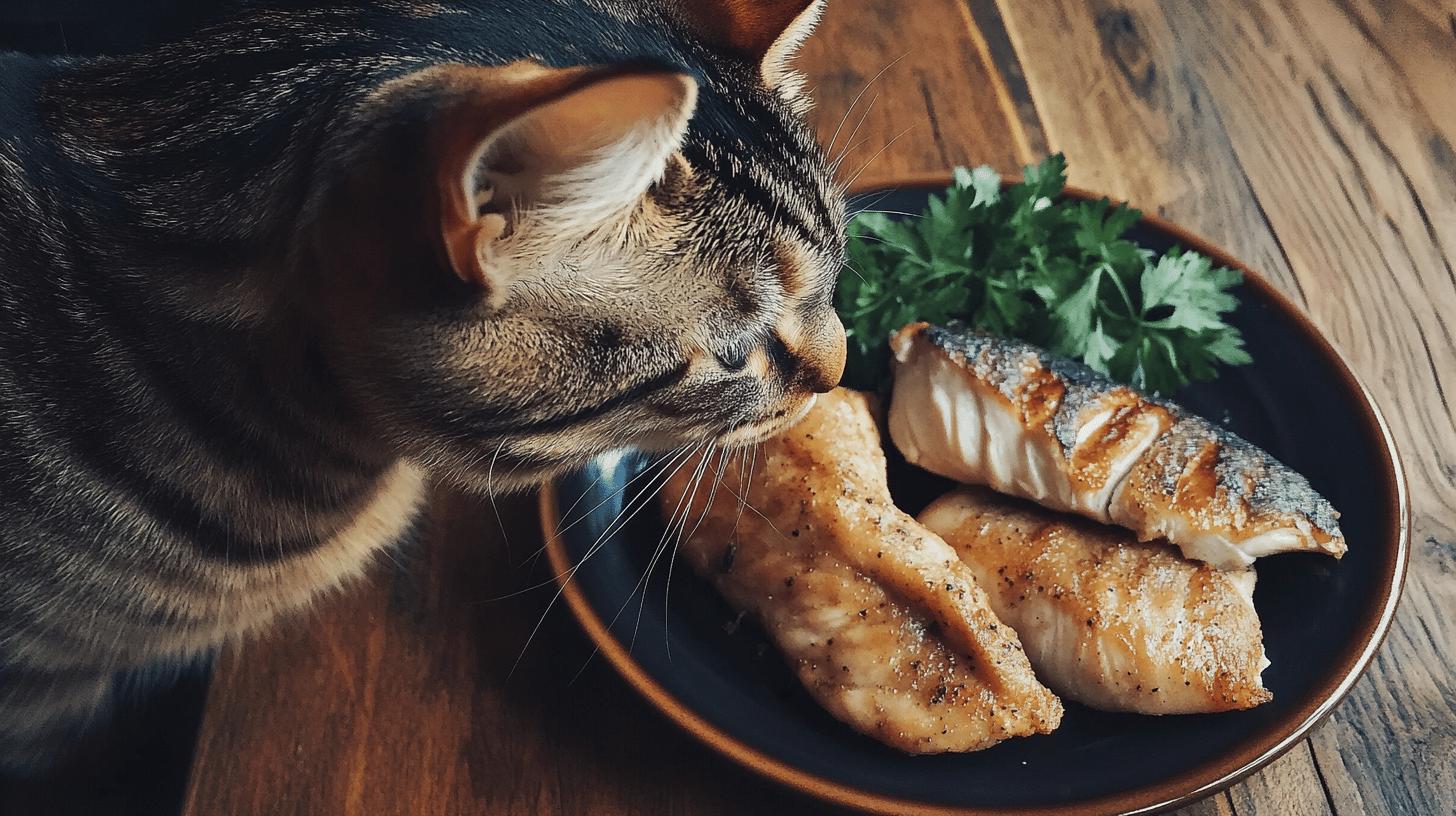
    When serving rice to cats, ensure it is plain and fully cooked. Avoid seasonings like salt or butter, which can be harmful. Cooked rice should be soft, aiding digestion and minimizing discomfort. Remember, rice should not replace regular meals but can be a small occasional treat.

    Health Implications of Feeding Rice to Cats

    Rice may aid cats with minor digestive issues, like diarrhea. Vets sometimes suggest plain, boiled rice to calm upset stomachs. The fiber helps solidify loose stools. This use is only temporary. Always consult your vet before adding rice to your cat’s diet.

    • Serve rice in small portions, no more than a teaspoon at a time.
    • Limit rice to an occasional treat, not a daily meal.
    • Ensure rice is fully cooked and soft.
    • Use rice for minor digestive issues only on a vet’s advice.
    • Avoid any seasoning or additives that could harm your cat.

    Alternatives to Rice for Cats
    Alternatives to Rice for Cats-4.jpg

    Cats need diets rich in protein to thrive. Being obligate carnivores, their bodies are designed to process animal-based proteins efficiently.

    Essential nutrients like taurine and vitamin A are found in meats, making them crucial for your cat’s health. Instead of rice, consider providing high-quality cat food or cooked meats like chicken or turkey to ensure your cat gets the necessary amino acids and nutrients.

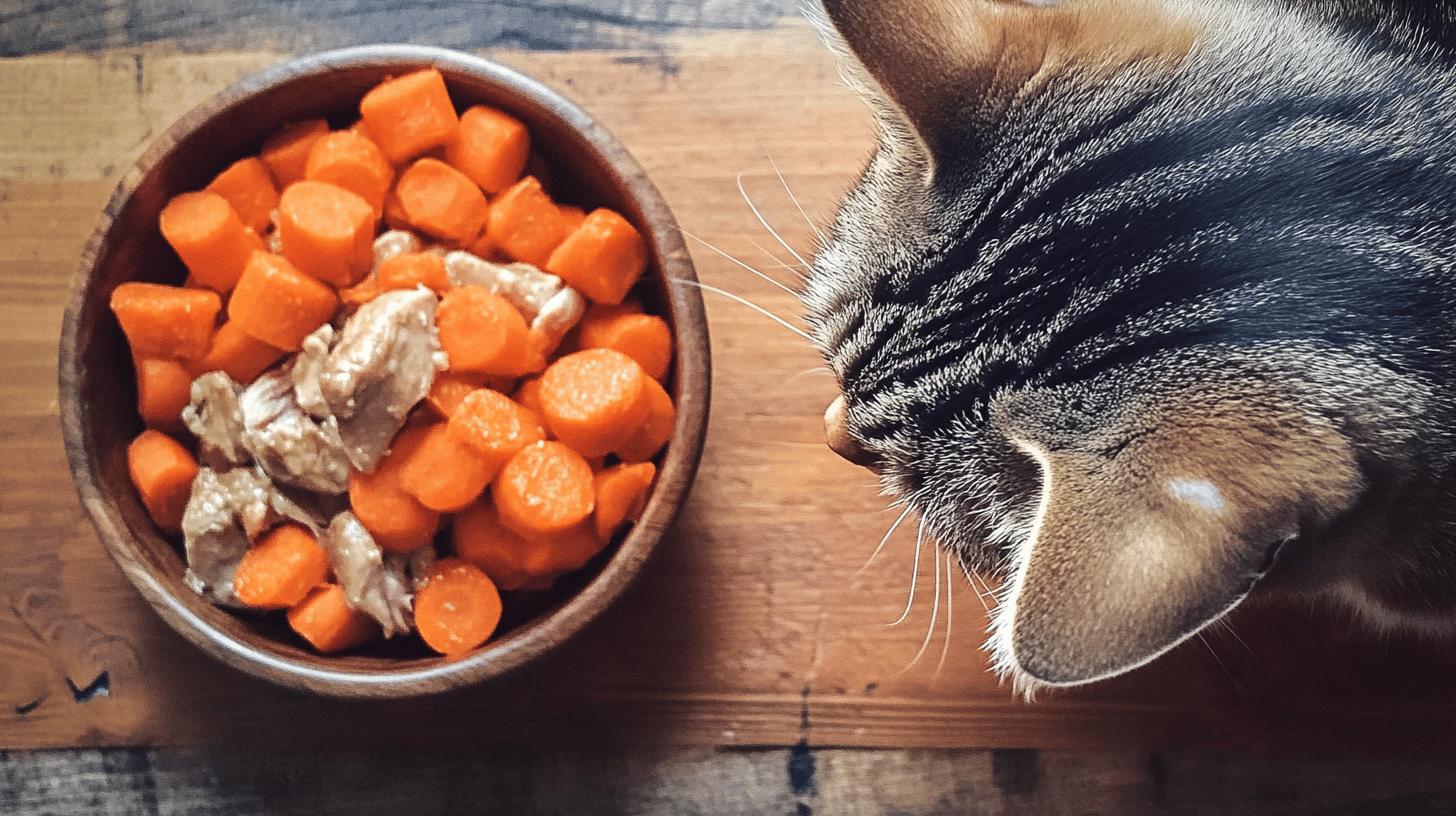
    Vegetables can also be a part of a cat’s diet, albeit sparingly and as treats. While not all cats are fond of vegetables, some might enjoy small amounts of cooked carrots, peas, or pumpkin.

    These can offer some fiber and nutrients, complementing a balanced diet. Always make sure the veggies are plain and cooked, free from any seasoning or additives.

    For those considering grains or carbohydrates, options like oats or barley can be safe occasionally. These grains should be cooked and served in small portions.

    Remember, while these alternatives can be included, they should never replace the primary protein-based diet your cat needs. Always prioritize foods that align with their nutritional requirements to keep them healthy.

    Final Words

    Cats can eat rice, but daily consumption isn’t ideal. Rice offers little nutritional value for our feline friends. It’s safer as a rare treat rather than a staple in their diet. Cooking it properly and without any additives helps maintain safety.

    Rice, while not harmful in small amounts, doesn’t support the health needs of carnivorous cats. Consulting a vet is always wise to ensure a balanced diet.

    For those thinking about can cat eat rice daily, remember: the focus should be on quality protein and essential nutrients. Keep your cat’s health in mind and enjoy the purrs!

    FAQ

    Can I feed my cat rice every day?

    A: Feeding your cat rice daily is not recommended. Rice offers limited nutritional benefits and may cause imbalances. It’s safe in small amounts occasionally but should not replace regular protein-rich cat food.

    How much rice can I give my cat?

    A: You can give your cat a small amount of rice occasionally. Keep servings tiny, and always ensure the rice is plain and fully cooked. Remember, balance with their regular diet is key.

    Can cats eat rice and chicken?

    A: Yes, cats can eat rice and chicken as an occasional treat. Ensure both are plain, fully cooked, and boneless. This mixture should not replace their daily protein-rich diet.

    Is rice inflammatory for cats?

    A: Rice is not typically inflammatory for cats. However, it offers little nutritional benefit and shouldn’t be a major part of their diet. Always consult with a vet if you have concerns.

    Can kittens eat rice?

    A: Kittens can eat a small amount of rice, but it shouldn’t replace more essential nutrients from their specific kitten food. Consult a vet for proper dietary advice for kittens.

    Can cats eat rice and milk?

    A: Cats can eat plain, cooked rice but should avoid milk, as many cats are lactose intolerant. Rice doesn’t provide essential nutrients, so it should be an occasional treat only.

    How to cook rice for cats?

    A: Cook rice plain and fully, without any spices, salt, or additives. Small servings can be mixed with cooked protein for a treat, but remember to maintain a balanced overall diet.
    Related Articles

  • Can Cat Eat Condensed Milk Understanding the Risks and Alternatives

    Can Cat Eat Condensed Milk Understanding the Risks and Alternatives

    Is your cat eyeing your can of condensed milk? While it might look like a harmless indulgence, giving your cat condensed milk can spell trouble. Veterinarians are quick to point out that this sweet, creamy treat is not made for our feline friends.

    Loaded with sugar and fat, condensed milk can mess up their digestion big time. Dive into this article to learn why condensed milk is risky for cats and explore safer alternatives to keep their taste buds and tummy happy.

    Can Cats Eat Condensed Milk? Understanding the Risks

    Can Cats Eat Condensed Milk Understanding the Risks-1.jpg

    Condensed milk might seem like a tempting treat to share with your feline friend. Its rich and creamy texture is appealing, and let's face it, cats often show interest in anything we're consuming.

    Yet, what seems like a harmless indulgence can actually be harmful to cats. Veterinarians warn that condensed milk isn't safe for cats to consume. The high sugar and fat content in condensed milk can wreak havoc on a cat's digestive system, which isn't equipped to handle such richness.

    Potential Health Risks of Condensed Milk for Cats

    Here are some of the specific health risks associated with feeding condensed milk to cats:

    • Obesity risk from high sugar content: With approximately 12.4 grams of sugar per tablespoon, condensed milk can contribute to unhealthy weight gain in cats.

    • Diabetes due to excessive sugar intake: The sugar levels in condensed milk can increase the risk of diabetes, a condition that can severely affect a cat's quality of life.

    • Pancreatitis risk from high fat: Nearly 8 grams of fat per tablespoon can lead to inflammation of the pancreas in cats, a painful and potentially deadly condition.

    • Gastrointestinal upset: Cats lack the necessary enzymes to properly digest the lactose in dairy, leading to issues like diarrhea and vomiting.

    • Long-term health issues with regular consumption: Routine ingestion of condensed milk can pave the way for chronic conditions, including obesity and pancreatitis.

    Recognizing Symptoms of Dairy-Induced Issues in Cats

    Symptoms of a negative reaction to condensed milk include diarrhea, vomiting, loss of appetite, excessive thirst, and abdominal pain. The severity of a reaction depends on the cat's size and the amount of condensed milk consumed. Even a small amount, like a tablespoon or two, can overwhelm a cat's digestive system, causing discomfort and requiring attention.

    Given these risks, it's crucial to avoid feeding your cat condensed milk. While a curious nip might not cause immediate harm, regular consumption can lead to severe long-term health problems. Instead, focus on providing your feline friend with a balanced diet that meets their nutritional needs without the added sugars and fats found in condensed milk.

    Safer Alternatives to Condensed Milk for Cats

    Safer Alternatives to Condensed Milk for Cats-4.jpg

    Finding safer alternatives to condensed milk is crucial for keeping your feline friend healthy. Condensed milk contains high sugar and fat, which can lead to serious health issues in cats like obesity and diabetes.

    Instead of risking their health with this creamy treat, consider offering them options that support their well-being. Cats need hydration and nutrients without the added sugars and fats that condensed milk provides.

    Here are some safe treat options for your cat:

    • Meat broths

    • Plain, filtered water

    • Low-fat, low-sugar cat treats

    • Small amounts of full-fat cow milk

    • Small amounts of goat milk

    • Commercially available lactose-free milk for cats

    Introducing these alternatives into your cat’s diet can be a smooth process. Start by offering small portions to see which ones your cat prefers and to monitor for any adverse reactions. For liquid options like meat broths or lactose-free milk, serve them in a shallow dish to encourage sipping.

    With treats, opt for those specifically designed for cats, focusing on low-fat and low-sugar options. Always ensure fresh water is readily available, as hydration is key to a cat's health. By choosing these alternatives, you can keep your cat happy and healthy without the risks associated with condensed milk.

    Expert Opinions on Feeding Dairy to Cats

    Expert Opinions on Feeding Dairy to Cats-2.jpg

    Veterinarians advise against giving cats dairy products like condensed milk, as cats are lactose intolerant and cannot properly digest dairy. Condensed milk's high sugar and fat content can lead to significant health risks, including digestive issues, obesity, and diabetes. Fresh water is the most important drink for cats, essential for their health and preventing dehydration.

    • Avoid dairy products like condensed milk

    • Ensure access to fresh water

    • Monitor for any adverse reactions to new foods

    Consulting with a veterinarian is crucial when making dietary decisions for your cat. Vets offer personalized guidance on nutrition, helping to ensure a balanced diet tailored to your cat's specific needs. By seeking professional advice, you can identify any health issues that might arise from dietary changes.

    Final Words

    Delving into whether a cat can eat condensed milk, the answer is clear: it's not worth the risks. With its high sugar and fat content, condensed milk can lead to obesity, diabetes, and even pancreatitis in cats. Recognizing symptoms like diarrhea and vomiting can help address issues if they arise.

    Instead, opt for safer alternatives such as meat broths or lactose-free cat treats. Always consult with a veterinarian for the best advice on cat nutrition. Keeping your cat healthy and happy means being mindful of their diet and avoiding condensed milk altogether.

    FAQ

    Can cat eat condensed milk every day?

    A: No, it is not safe for cats to eat condensed milk every day. It's high in sugar and fat, which can lead to obesity, diabetes, pancreatitis, and other health issues.

    My cat ate condensed milk, what should I do?

    A: If your cat ate condensed milk, monitor for symptoms like diarrhea, vomiting, and loss of appetite. If symptoms occur, consult a veterinarian promptly.

    Can kittens have evaporated milk?

    A: Kittens should not have evaporated milk. It lacks the necessary nutrients they need and may lead to digestive problems.

    What kind of milk can cats drink safely?

    A: Cats can sometimes tolerate small amounts of lactose-free milk or specially formulated cat milk. Always monitor for adverse reactions.

    Can cats drink lactose-free milk?

    A: Yes, cats can usually drink lactose-free milk. However, it should be given in moderation and as an occasional treat.

    Is it safe for cats to eat condensed milk?

    A: Condensed milk is not safe for cats. It's high in sugar and fat, which cats find difficult to digest and can cause health problems.

    Can you give kittens condensed milk?

    A: No, don't give kittens condensed milk. They require a diet specifically formulated both for their nutritional needs and digestive capabilities, such as kitten milk replacer.

    Can I give my cat canned milk?

    A: It's best to avoid giving your cat canned milk, like evaporated or condensed varieties. These are not suited to cats' dietary needs.

    What happens if a cat drinks evaporated milk?

    A: Drinking evaporated milk can cause stomach upset in cats. It might lead to symptoms like diarrhea and vomiting. Always opt for safer milk alternatives.

    Related Articles

  • Can Cat Eat Dates Understanding Safety and Risks

    Can Cat Eat Dates Understanding Safety and Risks

    Can cats eat dates, or are they just another forbidden fruit? While these sweet treats are perfectly safe for humans, they come with a slew of risks for our feline friends. Cats are obligate carnivores, meaning they thrive on meat, not fruits. Although dates aren't toxic, their sticky texture, high sugar content, and potential choking hazards make them a risky snack. In this article, we'll explore whether cats can safely nibble on these sugary bites and why it's best to keep them out of the litter box. Let's dive into the facts!

    Can Cats Safely Eat Dates and Understanding Their Dietary Needs

    Can Cats Safely Eat Dates and Understanding Their Dietary Needs-1.jpg

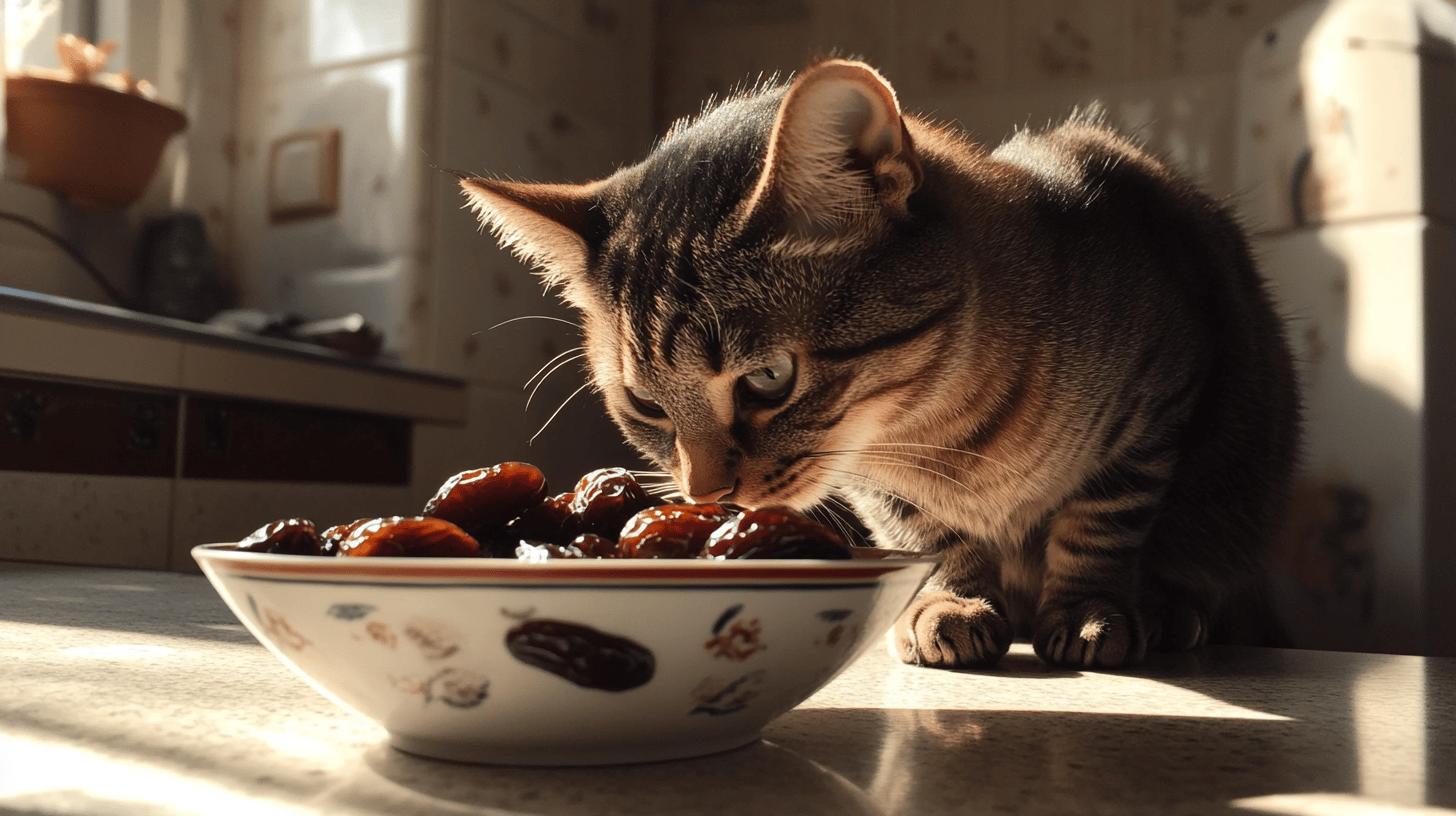
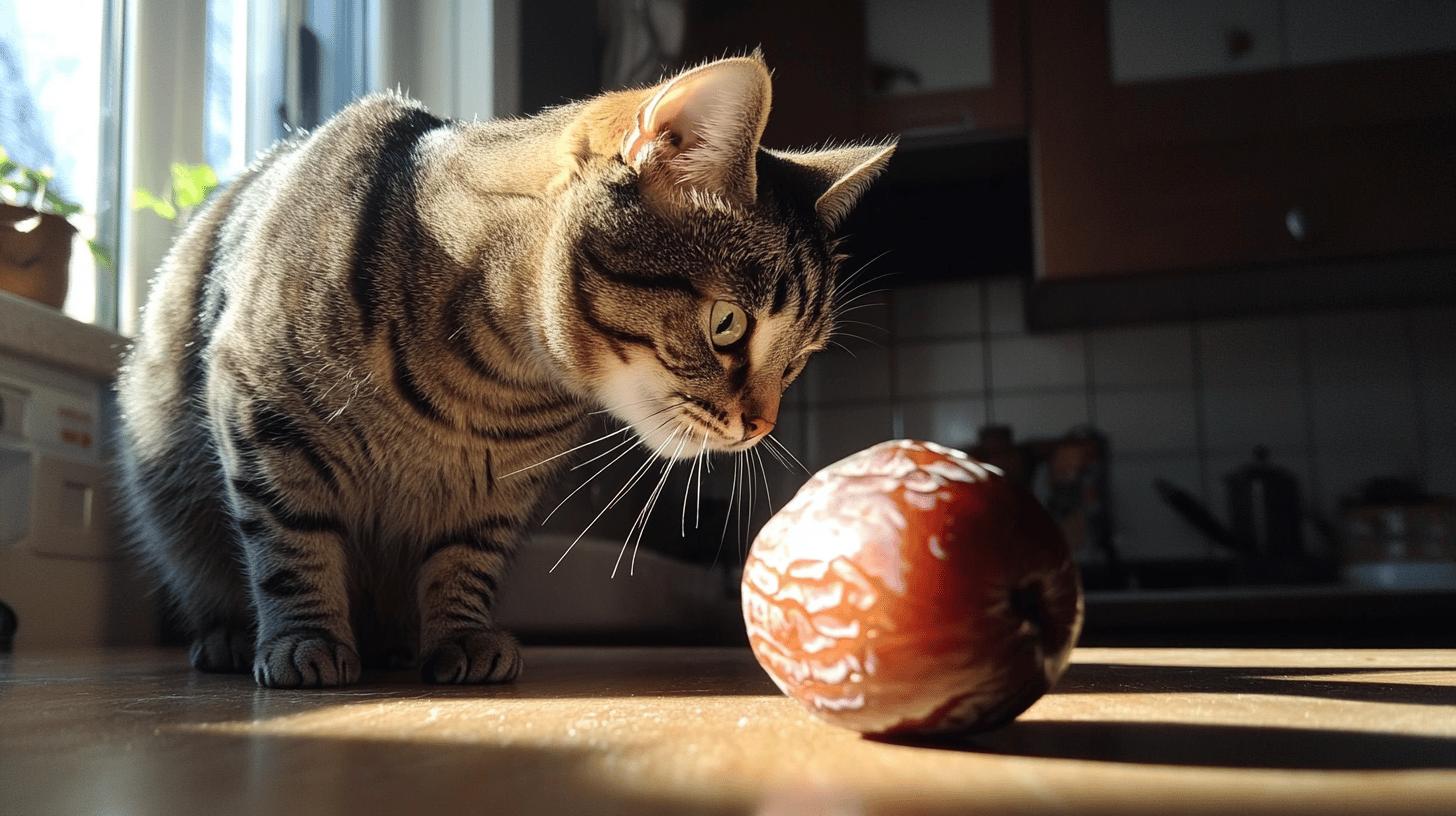
    Dates are non-toxic to cats, but they are not recommended as part of their diet. Cats are obligate carnivores, meaning they need nutrients found only in meat. While dates might seem like a harmless treat, they aren't suitable for felines.

    • Choking Hazard: Dates have a soft texture that can easily stick in a cat's throat, posing a choking risk.
    • Dental Issues: The high sugar content in dates can lead to dental health problems such as tooth decay and gum disease.
    • Digestive Problems: Cats have a digestive system adapted for meat. They may struggle with the high fiber content in dates, leading to vomiting and diarrhea.
    • Pits Risk: Dates contain pits that could cause choking or intestinal blockages if swallowed.
    • Laxative Qualities: The fiber in dates can act as a laxative, resulting in diarrhea and vomiting.
    • Lack of Protein: Cats require a high-protein diet, which dates do not provide, making them an unsuitable choice.
    • Sticky Texture: Dates’ stickiness can adhere to teeth, increasing the risk of dental issues.

    Dates do contain vitamins and minerals like A, C, B, phosphorus, potassium, and zinc. These can be beneficial, but they shouldn't replace the essential nutrients from meat that cats need.

    Interestingly, cats lack sweet receptors on their tongues, which means they can't taste sweetness as humans do. This might reduce their natural interest in dates, although occasional curiosity could still lead them to sample one. Always prioritize meat-based treats for your cat's overall health and happiness.

    Moderation and Portion Control for Feeding Dates to Cats

    Moderation and Portion Control for Feeding Dates to Cats-4.jpg

    Moderation is crucial when offering dates to cats. While not essential to their diet, if you choose to give dates, ensure it's sparingly to avoid health risks.

    • Remove pits to prevent choking hazards.
    • Chop dates into small pieces for easy consumption.
    • Offer no more than a pea-sized piece as an occasional treat.
    • Reserve dates for rare occasions to maintain balanced nutrition.

    If you observe symptoms like vomiting, diarrhea, or lethargy after your cat consumes dates, consult your veterinarian. Always be cautious and prioritize cat-specific treats for their nutritional needs.

    Alternative Treats to Dates for Cats

    Alternative Treats to Dates for Cats-1.jpg

    When considering treats for your cat, it's best to choose those specifically formulated for feline nutritional needs. Cat-focused treats not only ensure safety but also provide essential nutrients that support their overall health. If you're looking for human foods to share with your furry friend, opt for ones that are known to be safe and gradually introduce them to your cat's diet.

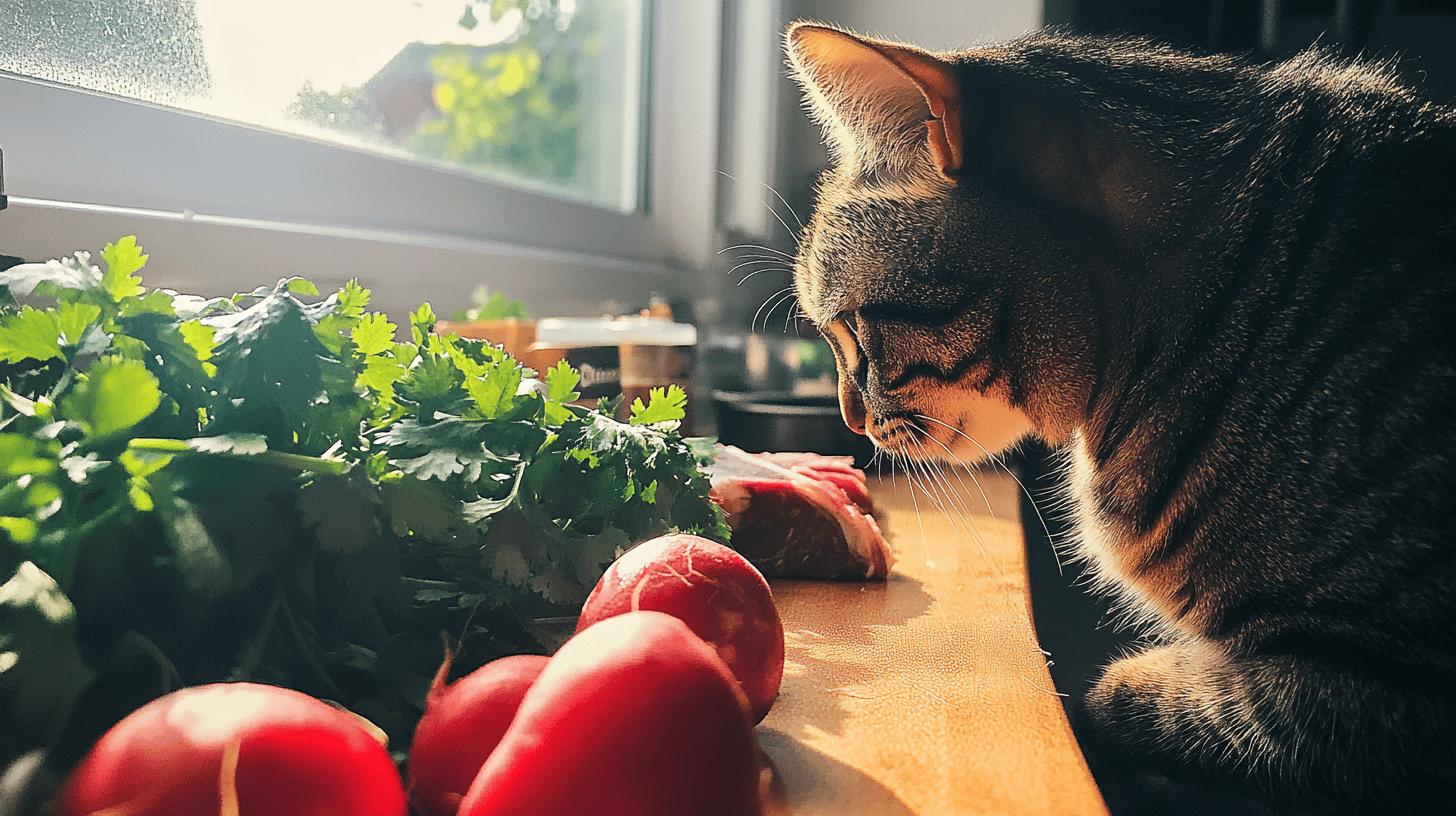
    • Radishes: These can be a crunchy snack. Introduce them in small amounts to see if your cat likes them.
    • Cilantro: This herb can be an interesting addition, but make sure it's fresh and given in moderation.
    • Quinoa: Packed with protein and fiber, quinoa can be a healthy occasional treat. Cook it thoroughly and serve plain.
    • Cooked Beef: A great source of protein, cooked beef can be a tasty and nutritious treat for your cat.
    • Lean Deli Meat: Opt for low-sodium options like turkey or chicken as a protein-rich snack.

    Ensuring a balanced diet is crucial for your cat's health. Always prioritize protein sources like meat, which should form the main component of their diet. This approach not only satisfies their carnivorous needs but also keeps them healthy and happy.

    Final Words

    Exploring whether cats can eat dates, we learned that dates are non-toxic yet unsuitable for feline diets. Cats can't taste sweetness and struggle with the fruit's sticky texture, posing risks like choking and dental issues. Recognizing their carnivorous nature, we noted dates fall short of essential nutrients found in protein-rich foods.

    When considering a treat, moderation is key. Offering a tiny piece without the pit helps avoid gastrointestinal upset. While dates are possible, safer treats like protein-rich meats align better with a cat's nutritional needs, ensuring health and happiness. Choosing wisely benefits both cats and owners.

    FAQ

    Can cats eat dates raw?

    Cats can eat dates, but they aren't recommended. Cats are obligate carnivores, needing nutrients from meat. Dates give no essential benefits and their sugar content is unsuitable for cats.

    Can cats eat date seeds?

    Cats shouldn't eat date seeds. Seeds may cause choking or intestinal blockages. Always remove the seeds if offering dates.

    Can kittens eat dates?

    Kittens can technically eat dates, but it's not advised. They need a diet high in protein and nutrients from meat to grow properly.

    Why do cats like dates?

    Cats might show interest due to texture or curiosity. But, cats can’t taste sweetness, so dates' sugary appeal might not attract them.

    Can dogs eat dates?

    Dogs can eat dates in moderation. However, remove seeds to prevent choking and serve only small pieces to avoid digestive issues.

    Can cats eat Medjool dates?

    Like other dates, Medjool dates are non-toxic but not recommended. Cats need a meat-based diet, and dates' sugar and sticky texture aren't suited for them.

    Can cats eat almonds?

    Cats shouldn't eat almonds. They pose choking hazards and could upset cats’ digestive systems because they're not digestible like meat.

    Are dates ok for cats to eat?

    Dates are non-toxic but not ideal for cat diets. High sugar levels can cause dental issues, digestive upset, and lack essential nutrients cats need.

    Are any fruits toxic to cats?

    Yes, some fruits are toxic, such as grapes and raisins. Always research or ask a vet about safe fruits.

    Which dry fruit is good for cats?

    No dry fruit is ideally suited for cats. Cats should mainly consume meat. Still, small amounts of safe fruits may be given occasionally.

    Can pets eat dates?

    Pets can eat dates with caution. Remove seeds and serve small amounts to avoid health issues. Prioritize pet-specific treats over dates for their safety.

    Related Articles

  • Can Cat Eat Persimmon Safety and Nutritional Insights for Cats

    Can Cat Eat Persimmon Safety and Nutritional Insights for Cats

    Ever wondered if sharing a bite of your persimmon with your cat is a good idea? It’s a question many cat owners ask, and the answer might surprise you. While persimmons aren’t toxic to cats, offering them requires caution. In this article, we’ll dig into the safety and nutritional aspects of feeding persimmons to our whiskered friends. You’ll learn the potential benefits, the risks involved, and how to safely introduce this fruit to your cat. Whether you’re curious or concerned, read on to ensure a safe treat time!

    Can Cats Eat Persimmons? Safety, Risks, and Nutritional Benefits

    Can Cats Eat Persimmons Safety, Risks, and Nutritional Benefits-1.jpg

    Persimmons are generally non-toxic to cats and can be offered as an occasional treat. However, it’s crucial to keep a few safety guidelines in mind. While the flesh of the fruit is safe, consuming large quantities can lead to gastrointestinal upset in our feline friends. The seeds, pits, and skin of persimmons should be strictly avoided, as they pose digestion issues and potential toxicity. Always remember that moderation is key when it comes to feline fruit consumption.

    Persimmons are packed with nutritional benefits that can contribute positively to a cat’s diet when given in small amounts. They are rich in vitamins and antioxidants that provide several health boosts:

    • Vitamin A: Supports vision and skin health.
    • Vitamin C: Aids immune function.
    • Fiber: Promotes healthy digestion.
    • Antioxidants: Protect cells from damage and may have anti-inflammatory properties.

    While these nutrients can be beneficial, it’s essential to remember that cats are obligate carnivores. Their digestive systems are primarily designed for protein-based diets, meaning they don’t extract as much nutritional value from fruits as humans do. Persimmons are high in sugar, which can lead to weight gain and other health issues if consumed excessively. Therefore, even though persimmons offer beneficial nutrients, they should never replace a balanced, protein-rich diet.

    How to Safely Introduce Persimmons to Cats

    If you’re considering introducing persimmons to your cat, start by ensuring that only the fruit’s flesh is offered. Remove all seeds, pits, and skin to prevent any potential health risks. Cut the fruit into small, manageable pieces that are easy for your cat to eat and digest.

    Observe your cat for any adverse reactions when they try persimmons for the first time. Some cats may have allergies or sensitivities, so it’s important to monitor their behavior and health closely. If any signs of discomfort or allergic reactions occur, discontinue feeding persimmons immediately. Offering persimmons safely and in moderation can provide a delightful treat for your cat while contributing a small nutritional boost to their diet.

    General Fruit Feeding Guidelines and Veterinary Advice

    Cats can enjoy fruits as an occasional treat, but it’s essential to know which fruits are safe and how to offer them properly. Safe fruits for cats, when given in small amounts, can add variety and a touch of nutritional benefit to their diet. Here’s a list of fruits that are generally considered safe for felines:

    • Blueberries: Packed with antioxidants and low in calories, blueberries can be a fun snack.
    • Watermelon: High in water content, it can help with hydration, but remember to remove the seeds.
    • Apples (without seeds): Rich in fiber and vitamin C, but make sure to peel and core them.

    Just as there are fruits that cats can enjoy, there are others that should be strictly avoided due to their harmful effects. Grapes and raisins, for instance, can cause severe kidney damage, while citrus fruits like lemons, limes, and oranges can lead to digestive and neurological issues due to their toxic oils and compounds.

    Moderation is crucial when it comes to feeding cats fruits. While fruits can be a healthy supplement, they should never replace a cat’s primary diet, which should be high in protein. Cats are obligate carnivores, meaning their systems are designed to derive essential nutrients from animal proteins. Overloading a cat’s diet with fruits, which are higher in sugars, can lead to weight gain and other health problems. Always ensure that any fruit offered is just a small part of their overall diet.

    Importance of Veterinary Consultation

    Whenever you’re considering introducing new foods to your pet’s diet, consulting with a veterinarian is crucial. Veterinarians have the expertise to provide dietary advice tailored to your cat’s specific needs. They can help you understand the potential impacts of adding fruits to your cat’s diet and advise on the best ways to integrate them safely.

    Regular veterinary check-ups are not just for health monitoring but also essential for ensuring that dietary changes are not negatively affecting your cat. These check-ups allow your vet to observe any dietary impacts and make necessary adjustments to maintain balanced nutrition. Expert guidance from a vet ensures that your pet receives a safe and nutritious diet, enhancing their overall well-being. Always stay informed about pet safety by seeking advice from professionals who understand the intricate details of feline nutrition.

    Final Words

    Exploring whether a cat can eat persimmons reveals a mix of safety, nutrition, and risks. While non-toxic, persimmons should only be given in moderation to avoid digestive issues. Their vitamins and antioxidants offer health benefits, but seeds, pits, and skin should be avoided to keep your feline safe.

    Remember, cats thrive on a protein-based diet due to their obligate carnivore nature, so limit sugary fruits. Always consult a vet before diet changes. Keeping this in mind ensures happy, healthy playtimes with your furry friend. Enjoy exploring these tasty treats safely!

    FAQ

    Can cats eat persimmon fruit?

    Persimmons are non-toxic to cats and can be offered in moderation. However, consuming large quantities might cause gastrointestinal upset. Always remove seeds, pits, and skin before offering to cats.

    Can cats eat persimmon seeds and leaves?

    No, cats should avoid persimmon seeds, pits, and leaves as they can cause toxicity and digestion issues. It’s best to ensure only the flesh is given and in small amounts.

    Can cats have persimmon juice?

    Persimmon juice is not recommended for cats. It may contain high sugar content and lacks fiber, which can upset their stomach.

    Are persimmons safe for pets?

    Yes, persimmons are generally safe for pets like cats when given in moderation. Always monitor for any adverse reactions after consumption.

    Can animals eat persimmons?

    Many animals can eat persimmons, but moderation is key. Always check what portion of the fruit is suitable for specific animals, as seeds and skins can be harmful.

    Why does my cat like persimmons?

    Like other fruits, cats may be attracted to the texture or moisture content of persimmons. However, always offer in moderation due to sugar content.

    Are any fruits toxic to cats?

    Yes, some fruits are toxic to cats, including grapes, raisins, and citrus fruits. Always research or consult a vet before introducing new fruits to your cat’s diet.

    Can cats have peach yogurt or peach juice?

    Cats can have plain yogurt in small amounts, but flavored varieties like peach yogurt or juice should be avoided due to sugar and artificial ingredients.

    Can cats eat peaches or nectarines?

    Cats can eat small pieces of peaches or nectarines without pits or skin. The flesh part should be given sparingly to avoid stomach upset due to sugar content.

    Related Articles

  • Can Cats Eat Raw Steak Safely Understanding Risks and Benefits

    Can Cats Eat Raw Steak Safely Understanding Risks and Benefits

    Ever wondered if Fluffy can munch on raw steak like a wild feline? Many cat owners toy with the idea, considering the benefits of a protein-packed diet that seems natural for their meat-loving pets. But is it safe for your whiskered friend? In this blog post, we'll dive into the health risks and benefits of raw steak for cats. We'll explore the potential dangers lurking in uncooked meat and why some experts are divided on this raw food craze. Let's uncover if this tempting treat is a purr-fect choice or a risky gamble.

    Can Cats Safely Eat Raw Steak?

    Can Cats Safely Eat Raw Steak-1.jpg

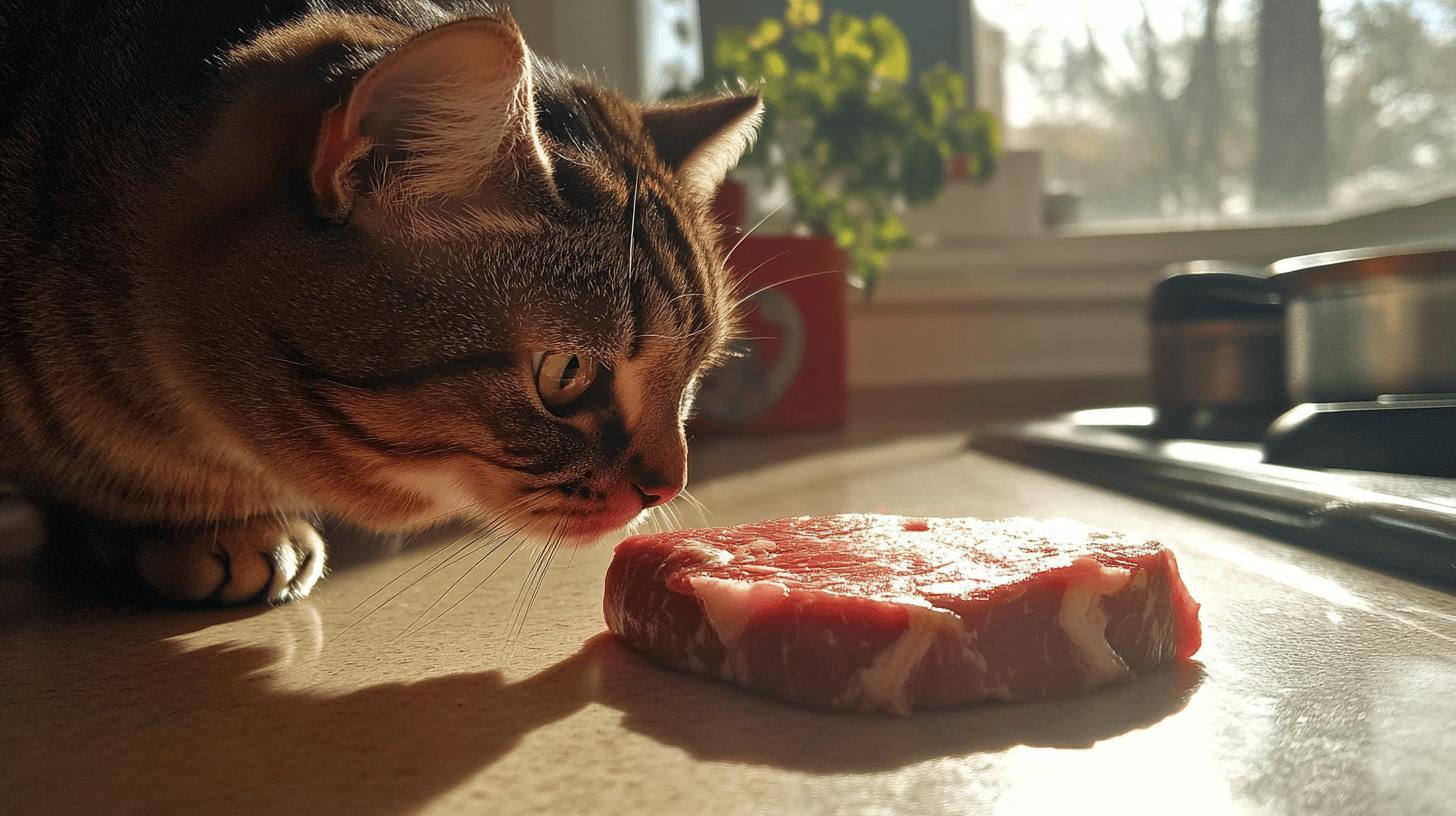
    Cats, being obligate carnivores, naturally gravitate towards meat, making raw steak an appealing option for their diet. The taste and texture of raw meat can be enticing for many cats, and some pet owners believe it aligns closely with a cat's ancestral eating habits. The idea is that raw steak might provide the protein and nutrients cats need, but caution is essential.

    Feeding raw steak carries significant bacterial risks that can jeopardize your feline friend's health. Raw meat can harbor harmful bacteria such as Salmonella, E. coli, and Listeria. These pathogens can cause severe illnesses in cats, leading to gastrointestinal distress and other health complications. Additionally, parasites like Toxoplasma gondii, which can be present in raw meat, pose a threat, especially to kittens, elderly cats, and those with weakened immune systems.

    Veterinary experts have mixed views on feeding raw steak. While some observe benefits in pets on raw meat-based diets (RMBDs), such as improved coat quality and higher energy levels, the risks associated with bacterial contamination and nutritional imbalances can't be ignored. Dr. Jane Smith, a renowned veterinarian, notes, "While raw diets are popular, the potential for harmful bacteria makes it crucial to approach with caution, especially for indoor cats."

    Symptoms that may indicate a cat is suffering from a bacterial infection due to consuming raw meat include:

    1. Vomiting
    2. Diarrhea
    3. Lethargy
    4. Dehydration
    5. Loss of appetite

    It's crucial to consult a veterinarian before introducing raw steak into your cat's diet. A vet can help tailor a dietary plan that meets your cat's nutritional needs while minimizing health risks. Personalized guidance ensures that any dietary changes are safe and beneficial for your cat's overall well-being.

    Nutritional Value of Raw Steak for Cats

    Nutritional Value of Raw Steak for Cats-1.jpg

    Steak is an excellent source of high-quality protein, which is essential for cats. As obligate carnivores, cats rely heavily on protein for the development and maintenance of their muscles and organs. Protein from steak provides the amino acids necessary for various bodily functions, supporting overall health and vitality.

    Beyond protein, steak is packed with other crucial nutrients that contribute to a balanced feline diet. It contains iron, which is vital for oxygen transport in the blood, and zinc, which supports immune function and skin health. Phosphorus plays a role in bone health, while B vitamins found in steak help with energy metabolism and maintaining a healthy nervous system.

    Taurine, an essential amino acid for cats, is not adequately supplied by steak alone. While steak does contribute some amino acids, cats require taurine for vision, heart function, and reproductive health. Without sufficient taurine, cats can experience serious health issues, underscoring the importance of a diet that includes a variety of amino acids.

    However, relying solely on raw steak can lead to nutritional shortfalls:

    • Lack of taurine: Essential for heart and eye health.
    • Insufficient calcium: Needed for bone health.
    • Vitamin deficiencies: Such as vitamin A and E, crucial for overall health.
    • Imbalanced fatty acids: Leading to poor coat quality and skin issues.

    Ensuring your cat receives a balanced diet is key to preventing these deficiencies and maintaining their health.

    Alternatives to Raw Steak for Cats

    Alternatives to Raw Steak for Cats-1.jpg

    Commercial cat foods offer a practical and safe alternative to raw steak, crafted to mirror the nutrient profile of a cat's natural diet while eliminating the risks associated with bacterial contamination. These formulated foods ensure your cat receives a balanced intake of proteins, vitamins, and minerals without the safety concerns of raw meat. Many of these products are designed to meet all of a cat's nutritional needs, providing peace of mind for pet owners.

    Here are some alternative protein sources and feeding methods to consider:

    • High-quality commercial cat food: These products are specifically designed to deliver complete nutrition and often include ingredients that mimic a cat's natural diet.
    • Gently cooked homemade meals: Cooking meat slightly can eliminate bacteria while maintaining nutrient content, offering a safe way to feed your cat.
    • Freeze-dried or dehydrated raw foods: These options preserve the nutritional benefits of raw meat while reducing bacterial risks through the drying process.
    • Supplementing with other proteins like rabbit or poultry: Diversifying protein sources can ensure a balanced diet and reduce the reliance on steak.

    Safe food handling and storage are crucial in maintaining your cat's health. Always wash your hands thoroughly after handling raw meat, and ensure that any surfaces or utensils used are properly cleaned. Store meat at the correct temperature to prevent spoilage, and be cautious about cross-contamination with other foods. By following these practices, you can keep your cat safe and healthy while exploring various dietary options.

    Guidelines for Introducing Raw Steak in a Cat's Diet

    Guidelines for Introducing Raw Steak in a Cats Diet-2.jpg

    When considering raw steak for your cat, the quality of the meat is crucial. Only use steak that is fresh and sourced from reputable suppliers to minimize the risk of contamination. Proper handling is essential to prevent cross-contamination, keeping both you and your cat safe.

    Transitioning your cat to a raw diet should be done gradually. Follow these steps for a smooth transition:

    • Start with small portions to see how your cat reacts.
    • Gradually increase raw steak intake over time.
    • Monitor for digestive issues such as vomiting or diarrhea.
    • Ensure nutritional balance by adding necessary supplements.
    • Regular vet check-ups to assess health and diet are essential.

    Always observe your cat closely for any signs of adverse reactions or changes in behavior when introducing raw steak. This careful monitoring will help ensure your cat's dietary transition is both safe and beneficial.

    Final Words

    I've taken you through the potential risks and benefits of letting your cat eat raw steak, including the dangers of bacterial infections and the nutritional benefits steak offers. While raw steak provides essential nutrients for cats, it's also clear that it poses health risks, especially if ingested raw.

    Balancing your cat's diet with safe and nutritious alternatives is key. Don't forget to handle food safely to avoid contamination. Consulting a vet is vital before making any changes. By understanding how to keep our cats healthy, we can enjoy watching them thrive!

    FAQ

    Can cats eat raw steak?

    A: Cats can eat raw steak, but it's risky due to potential bacterial contamination with Salmonella, E. coli, and Listeria. Consult a vet first, especially if the cat is a kitten or has a compromised immune system.

    Can I give my cat a little bit of steak?

    A: Yes, cats can have a little steak, but it should be fresh and high-quality. Raw steak poses bacterial risks, so cooked is safer. Always consult a vet for portion advice.

    Can cats eat undercooked steak?

    A: Undercooked steak risks bacterial infection in cats. It's safer to give fully cooked steak to minimize the risk.

    Do cats prefer cooked or raw meat?

    A: Cats might show preference for either, but cooked meat is safer due to reduced bacterial risks. For balanced nutrition, consult a vet.

    Can cats eat raw meat every day?

    A: Daily feeding of raw meat can expose cats to bacteria and nutritional imbalances. Consult your vet for a balanced diet plan.

    Can cats eat raw chicken?

    A: Cats can eat raw chicken, yet like raw steak, it carries health risks. Consult a vet about introducing raw meat safely.

    Can cats eat raw egg?

    A: Raw eggs can pose a risk of Salmonella for cats. Cooked eggs are a safer option.

    Is raw steak safe for cats from the grocery store?

    A: Grocery store raw steak can carry bacteria harmful to cats. Always consult a vet for guidance before feeding it.

    Can cats eat raw beef mince?

    A: Raw beef mince can be fed to cats but carries similar bacterial risks as other raw meats. Always oversee feline dietary changes with a vet's advice.

    Related Articles

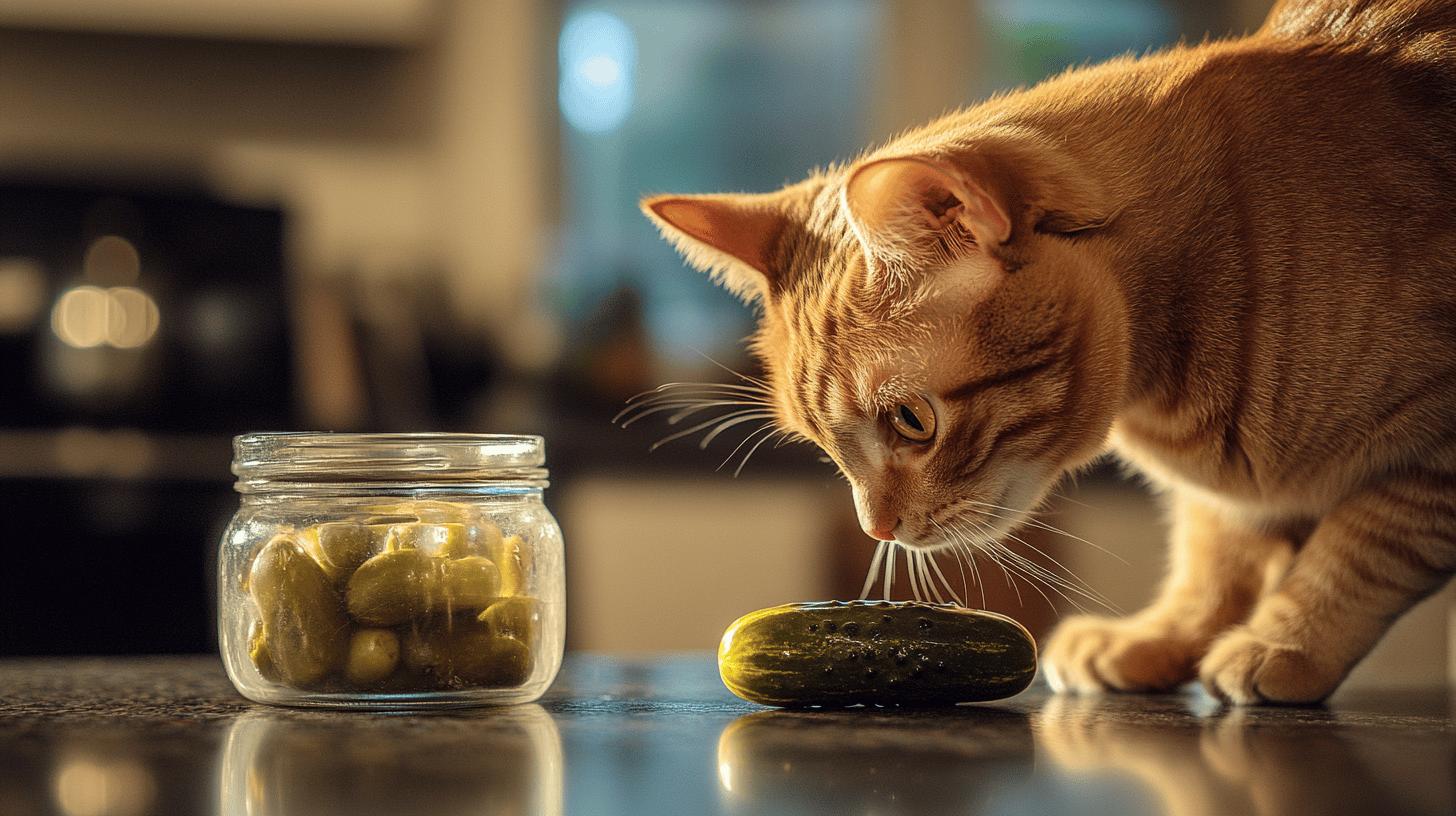
  • Can Cat Eat Pickle Risks and Safe Alternatives

    Can Cat Eat Pickle Risks and Safe Alternatives

    Ever catch your cat eyeing your pickle with curiosity? While it might seem harmless to share, pickles are not a cat-friendly snack. Cats thrive on a diet full of protein, and pickles, with their salty and spicy brine, just don't fit the bill.

    Loaded with ingredients like garlic and onions, which are toxic to cats, and excessive salt that can lead to serious health issues, pickles pose more risks than benefits. So, before you treat your feline friend to a crunchy bite, consider safer alternatives that won't compromise their health.

    Why Pickles Are Not Suitable for Cats

    Why Pickles Are Not Suitable for Cats-1.jpg

    Cats are obligate carnivores, meaning their nutritional needs are met primarily through a diet rich in animal-based proteins. Pickles, on the other hand, offer no nutritional benefits for cats. They are cucumbers preserved in a brine made of salt, vinegar, and spices, none of which contribute to a cat's dietary needs.

    When considering whether a cat can eat pickle, it's clear that the answer leans heavily towards no. These ingredients do not align with a diet that supports cat health, and including them in a cat's diet can lead to unnecessary health risks.

    One of the biggest concerns with pickles is the presence of toxic ingredients such as garlic and onions. These ingredients are often used in the pickling process and are known to be harmful to cats. Garlic and onion can cause oxidative damage to a cat's red blood cells, leading to a condition known as hemolytic anemia.

    This condition reduces a cat's ability to transport oxygen effectively, resulting in weakness and lethargy. Thus, the answer to the question, "Is pickle safe for cats?" is a resounding no, especially due to these potentially dangerous components.

    The high sodium content in pickles is another reason why they are not suitable for cats. Cats have a much lower tolerance for salt than humans, and ingesting salty foods can lead to dehydration and increased thirst.

    In severe cases, excessive sodium intake can result in sodium ion poisoning, which manifests as symptoms like vomiting, diarrhea, and even seizures. Thus, the impact of pickles on cats, particularly due to their saltiness, can be quite detrimental.

    Additionally, vinegar and other spices found in pickles can upset a cat's sensitive digestive system. Vinegar may lead to stomach irritation, causing symptoms like vomiting or diarrhea.

    Other spices, which might seem harmless to humans, can exacerbate these issues, further proving that pickles are not a good choice for feline consumption. Cats thrive on simple diets, and introducing complex flavors or acidic substances can disrupt their digestive harmony.

    In conclusion, feeding pickles to cats can pose several health risks that outweigh any curiosity-driven reasons for offering them this human snack. Cats require a diet that supports their unique nutritional needs, and pickles simply do not fit that requirement.

    From toxic ingredients to high salt levels, the broader health implications are clear—pickles should be kept off the menu for our feline friends. For those considering offering their cats human foods, ensuring that such foods meet their dietary needs is crucial for maintaining optimal cat health.

    • Dehydration and excessive thirst
    • Stomach upset, vomiting, or diarrhea
    • Risk of anemia due to garlic/onion toxicity

    What to Do If Your Cat Eats a Pickle

    What to Do If Your Cat Eats a Pickle-2.jpg

    If your cat has managed to nibble on a pickle, it's time to take immediate action. First, make sure your cat has access to plenty of fresh water. This helps counteract the high salt content in pickles, reducing the risk of dehydration.

    Next, keep a close eye on your furry friend. Look for any signs of distress, such as vomiting, diarrhea, or unusual behavior. These symptoms could indicate an adverse reaction to the pickle's ingredients. Although a small lick of pickle juice may not cause immediate harm, it is wise to err on the side of caution given the potential health risks.

    In the event that your cat shows any unusual symptoms after consuming a pickle, reaching out to a veterinarian should be your next step. Vets can provide expert advice on how to handle the situation and whether any further action is necessary. They can also advise on safe dietary practices moving forward. It’s always better to be proactive in monitoring cat health. Swift action can prevent small incidents from turning into emergencies.

    Action Reason
    Provide water To prevent dehydration
    Monitor symptoms To ensure no adverse health effects

    Cat-Friendly Alternatives to Pickles

    Cat-Friendly Alternatives to Pickles-3.jpg

    When seeking cat-friendly foods, it's essential to focus on options that align with a cat's natural dietary needs. Cats are obligate carnivores, which means their diet should be primarily composed of meat.

    While pickles are not suitable for cats, there are several safe feeding practices and alternative cat snacks that can make excellent treats. Offering human foods to cats can be a delightful bonding experience, provided these foods are safe and nutritious.

    Cooked meats such as plain chicken or turkey can be fantastic treats for cats. These meats are high in protein, which is vital for maintaining a cat's health. Tiny bits of tuna or salmon are also excellent choices, offering omega-3 fatty acids that benefit a cat's coat and skin.

    When giving these meats to your cat, it's crucial to do so in moderation to avoid overfeeding and ensure a balanced diet. Avoid any seasoning, sauces, or oils that could harm your cat.
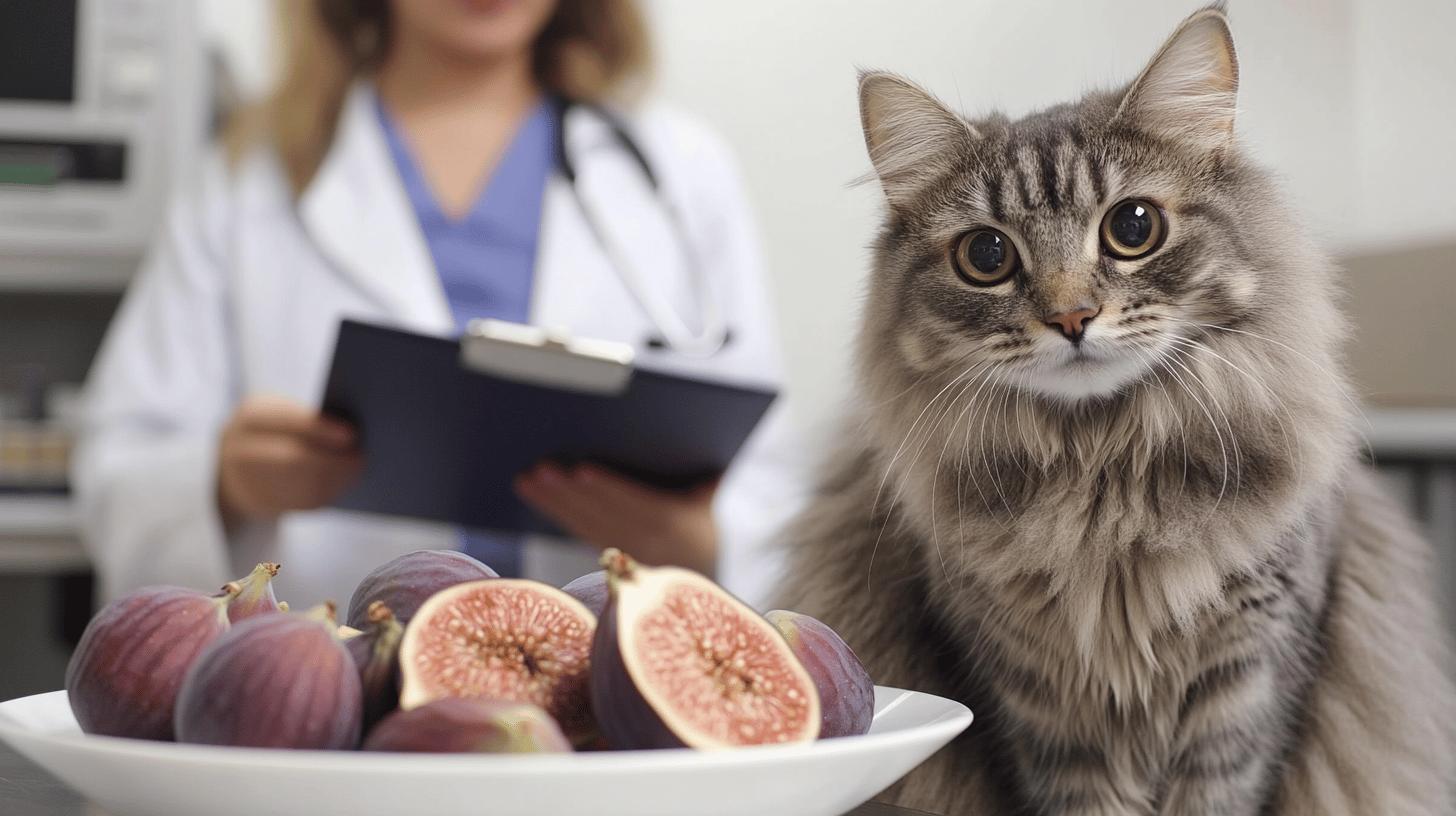
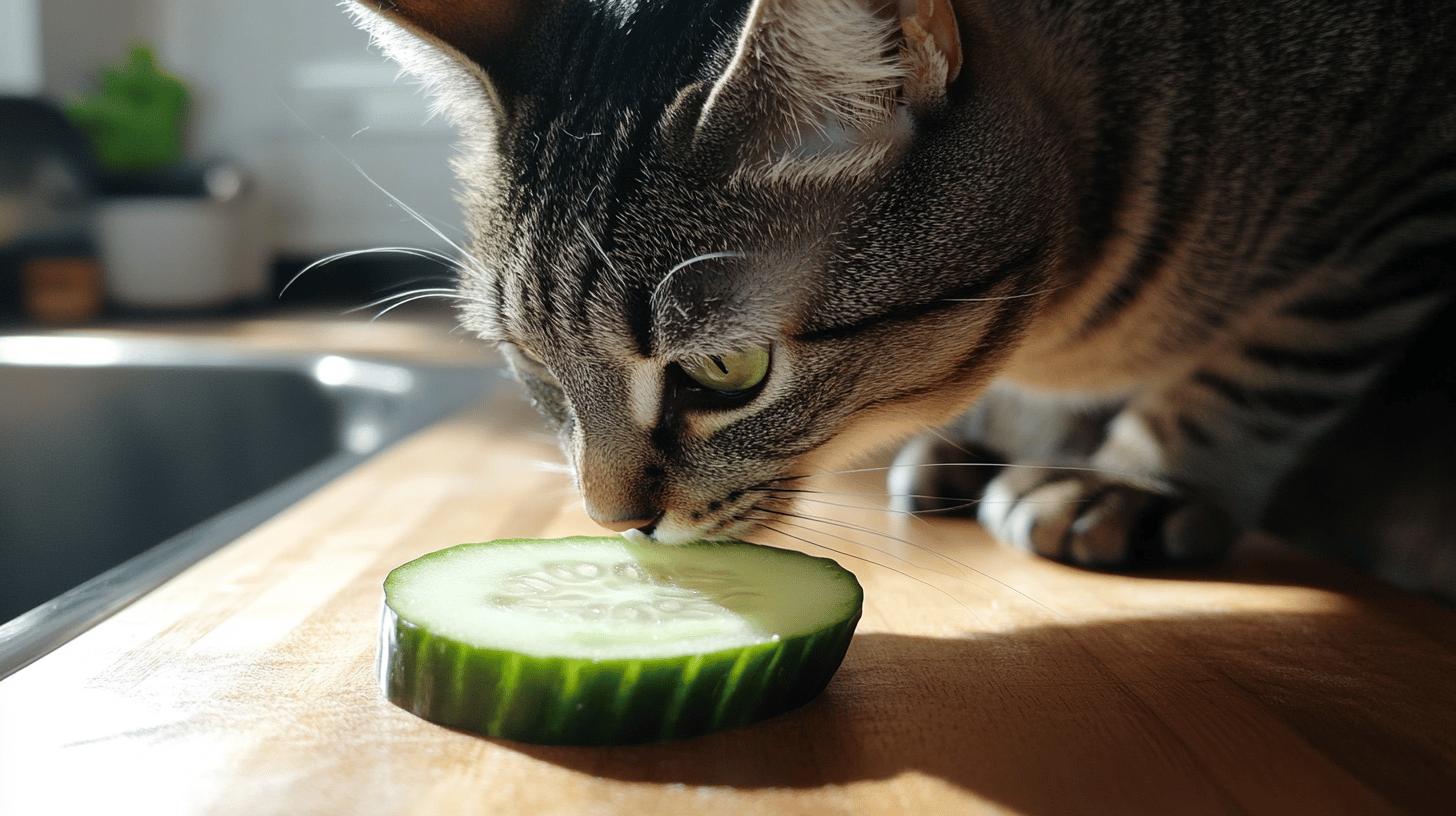
    For those looking for a hydrating, low-calorie treat, cucumbers are a safe choice. Unlike pickles, cucumbers do not contain harmful ingredients like excess salt or spices. Fresh, washed cucumbers can be given in small amounts, providing hydration and a bit of crunch that some cats enjoy.

    While cucumbers don't offer significant nutritional value, they can be a fun and safe alternative to typical cat treats.

    • Plain cooked chicken
    • Turkey
    • Tiny bits of tuna or salmon
    • Fresh, washed cucumbers

    Final Words

    Understanding whether a cat can eat a pickle is crucial for ensuring their health. Pickles pose several risks, from high sodium causing dehydration, to spices leading to anemia. Cats thrive on a meat-based diet and pickles don't offer nutritional benefits.

    If a cat eats a pickle, provide water and monitor for symptoms like vomiting. Seeking vet advice is key if any issues arise.

    Opt for safe treats like plain chicken or cucumbers to keep your cat healthy. Making informed choices ensures your feline friend stays happy and well.

    FAQ

    Can cats eat pickle juice?

    Pickle juice is not safe for cats. Its high sodium content can lead to dehydration or salt poisoning, which is harmful to cat health.

    Can cats eat pickle seeds?

    Cats should avoid pickle seeds. Seeds may contain sodium and spices that are unhealthy for cats.

    My cat licked a pickle, what should I do?

    If your cat licked a pickle, offer water and watch for signs of distress. Pickle ingredients can upset a cat's stomach.

    Can cats have mayo?

    Small amounts of mayo aren't harmful to cats, but it's high in fat and not ideal for regular consumption.

    Can cats eat pickle chips?

    Pickle chips are not safe for cats. They contain harmful sodium and spices that can cause health issues.

    Can dogs have pickles?

    Dogs should avoid pickles due to high sodium levels and spices like onions and garlic that aren't good for them.

    Can cats eat cucumbers?

    Cucumbers are safe for cats in moderation. They are a healthy, hydrating snack when fresh and washed.

    What can cats eat?

    Cats can eat cat-specific products and small amounts of plain cooked meat like chicken or turkey. Avoid spices and high sodium foods.

    Are pickles safe for pets?

    Pickles are not safe for pets, including cats and dogs, due to high sodium content and toxic spices like garlic.

    What happens if a cat eats dill?

    Consuming dill in small amounts is not harmful to cats, but it lacks nutritional benefits. Watch for any unusual reactions.

    Can cats have dill pickle lays?

    Dill pickle-flavored foods contain spices and salt that are not safe for cats. Avoid giving them to your cat.

    Is vinegar safe for cats to eat?

    Vinegar in small amounts isn't toxic to cats but can upset their stomach. It's best to avoid feeding vinegar to cats.

    Related Articles

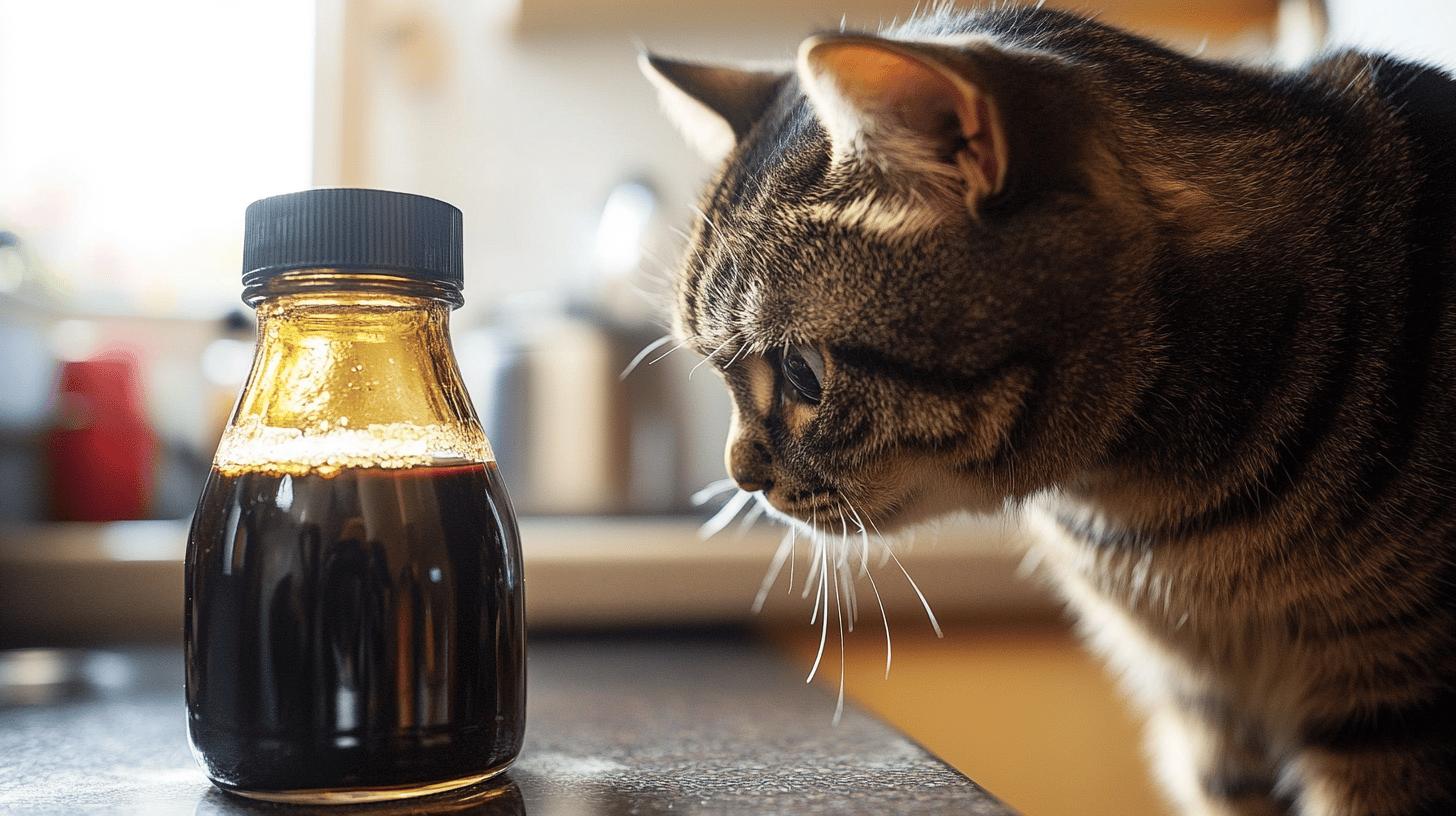
  • Can Cat Eat Soy Sauce Understanding Risks and Health Effects

    Can Cat Eat Soy Sauce Understanding Risks and Health Effects

    Did you know a tiny splash of soy sauce could dangerously affect your cat’s health? Soy sauce might enhance your dinner, but for cats, it’s a recipe for trouble. Loaded with sodium, this common condiment poses serious risks, including sodium-ion poisoning.

    This article explores these risks and how soy sauce’s ingredients—like soybeans and wheat—can trigger alarming health issues in cats. Understanding these dangers can help ensure your fluffy friend’s safety. Let’s dive into why soy sauce is off-limits for cats and how to protect them from harm.

    Can Cats Eat Soy Sauce? Understanding the Risks and Potential Health Effects

    Can Cats Eat Soy Sauce Understanding the Risks and Potential Health Effects-2.jpg

    Soy sauce is a common condiment but includes ingredients that make it dangerous for cats. The primary components like soybeans, wheat, salt, and a fermenting agent pose various risks. Soybeans and wheat can trigger allergic reactions or intolerances, which many cats suffer from.

    The most concerning ingredient is the salt, as soy sauce has a high sodium content. This can lead to sodium-ion poisoning, a serious health hazard for our feline friends.

    When cats ingest soy sauce, the high sodium levels can be toxic. Just a small amount—0.05 tablespoon or about 850 milligrams of salt—can be enough to cause sodium poisoning in cats. This condition can lead to severe health problems such as vomiting, diarrhea, and lethargy.

    Cats are obligate carnivores, meaning their bodies aren’t designed to process large amounts of salt or plant-based ingredients, making the consumption of soy sauce particularly harmful.

    Symptoms of soy sauce ingestion vary but often include signs of salt poisoning. Look for vomiting, diarrhea, decreased appetite, and lethargy. In more severe cases, cats may experience incoordination or excessive thirst and urination. Recognizing these symptoms early is crucial, as they can escalate to seizures or even death if not addressed promptly.

    Regular soy sauce is not the only concern; low-sodium variants also pose a threat. While marketed as a healthier option, low-sodium soy sauce still contains about 400–500 milligrams of salt per serving. This amount remains unsafe for cats. Both types of soy sauce should be kept away from cats to prevent accidental ingestion and potential health complications.

    • Vomiting
    • Diarrhea
    • Decreased appetite
    • Lethargy
    • Excessive thirst or urination

    Symptoms and Immediate Actions After Soy Sauce Ingestion

    Symptoms and Immediate Actions After Soy Sauce Ingestion-3.jpg

    If a cat consumes soy sauce, immediate action is essential. First, remove any remaining soy sauce to prevent further ingestion. Providing fresh water is crucial, as it can help flush out excess sodium. It’s important to closely monitor for any worsening symptoms. If the cat continues to show signs like vomiting or lethargy, seeking veterinary care quickly is necessary.

    Professional veterinary care is vital when dealing with sodium poisoning. A veterinarian can provide treatments such as IV fluids to rehydrate and balance electrolytes. This professional guidance is important for ensuring your cat receives the best care and increases the chance of a full recovery.

    • Remove access to soy sauce immediately
    • Provide fresh water for hydration
    • Monitor for worsening symptoms
    • Seek veterinary care promptly

    Safe Alternatives and Prevention Tips

    Safe Alternatives and Prevention Tips-4.jpg

    When it comes to adding flavor to your cat’s diet, there are several safe options that can replace soy sauce. Opt for small amounts of plain cooked meat or fish, ensuring no added salt or seasoning. These options are not only safe but also align with a cat’s natural dietary needs.

    Consider using low-sodium broth or pumpkin purée to add variety without the risk. Healthy cat treats or plain meats remain superior choices over sharing human foods, as they cater to a cat’s nutritional requirements without introducing harmful ingredients.

    Preventing cats from accessing soy sauce involves a few proactive steps. Always store soy sauce and other condiments in secure, cat-proof cabinets. Be mindful when dining, ensuring soy sauce is out of reach. Clean any spills immediately to avoid accidental ingestion. Educating family members about the dangers of soy sauce for cats can also play a crucial role in prevention.

    • Plain cooked chicken
    • Low-sodium broth
    • Pumpkin purée
    • Plain cooked fish

    Expert Opinions and Recommendations

    Veterinary experts consistently emphasize the importance of providing cats with a diet tailored to their specific nutritional needs. Cats are obligate carnivores, requiring diets rich in animal proteins and specific nutrients like taurine, only found in meat.

    While some plant-based ingredients might seem harmless, they can be unsuitable or even harmful. For instance, soy products, including soy sauce, are generally discouraged due to potential allergy risks and digestive issues. Ensuring your cat’s diet is free from harmful ingredients like soy helps maintain their overall health and well-being.

    For any dietary concerns, especially when considering the inclusion of human foods like soy sauce, consulting with a veterinarian is crucial. Veterinarians can offer personalized advice based on your cat’s health, dietary requirements, and lifestyle.

    They are equipped to identify any potential nutritional gaps or risks, ensuring your cat receives the best possible diet. This professional guidance is critical in making informed decisions that support your cat’s long-term health.
    Final Words

    After tackling the risks of soy sauce for our feline friends, it’s clear we need to be cautious. Soy sauce ingredients, especially high salt levels, pose real dangers to cats, like sodium poisoning. If a cat mistakenly eats soy sauce, it’s crucial to spot symptoms quickly and seek vet help right away.

    Offering cats plain meat or fish is a safer choice than sharing our soy-seasoned meals. Don’t hesitate to reach out to a vet for proper dietary advice. Let’s keep our cats safe and healthy by avoiding potential hazards like soy sauce.

    FAQ

    Can cats eat soy sauce?

    Cats should not eat soy sauce. The high salt content can be harmful and cause salt poisoning. Soy sauce contains ingredients that are not safe for cats.

    What happens if my cat licks soy sauce?

    If your cat licks soy sauce, monitor for symptoms like vomiting, diarrhea, or excessive thirst. High salt levels can lead to sodium-ion poisoning. Contact a veterinarian if symptoms occur.

    Can soy sauce kill cats?

    Soy sauce can be dangerous to cats due to its high sodium content. In severe cases, it could lead to serious health issues, even death, if consumed in large amounts.

    Is it safe for cats to eat rice with soy sauce?

    Rice with soy sauce is not safe for cats. The soy sauce contains too much salt, which can harm your cat.

    Can cats eat sesame or oyster sauce?

    Cats should not eat sesame or oyster sauce. These sauces often contain high levels of salt and other ingredients harmful to cats.

    What are signs of sodium poisoning in cats?

    Signs of sodium poisoning in cats include vomiting, diarrhea, lethargy, and excessive thirst. In severe cases, it can lead to seizures or worse.

    Can I add soy sauce to my cat’s food?

    Avoid adding soy sauce to cat food. Its high sodium content is unsafe for feline consumption and can lead to health problems.

    Is teriyaki sauce bad for cats?

    Yes, teriyaki sauce is bad for cats. It generally contains high levels of salt and sugar, which are not suitable for a cat’s diet.
    What should I do if my cat ingests soy sauce?

    Monitor your cat for symptoms like vomiting or lethargy. Contact a veterinarian immediately for advice if symptoms are present.

    What are some safe alternatives to soy sauce for cats?

    Safe alternatives for seasoning cat food include small amounts of plain cooked meat or fish without added salt. Choose healthy cat treats instead of human foods.

    What expert advice is there on cats and soy sauce?

    Experts recommend avoiding soy sauce in cat diets. Consult a veterinarian for specific advice on cat nutrition and dietary concerns related to soy sauce or other human foods.

    Related Articles

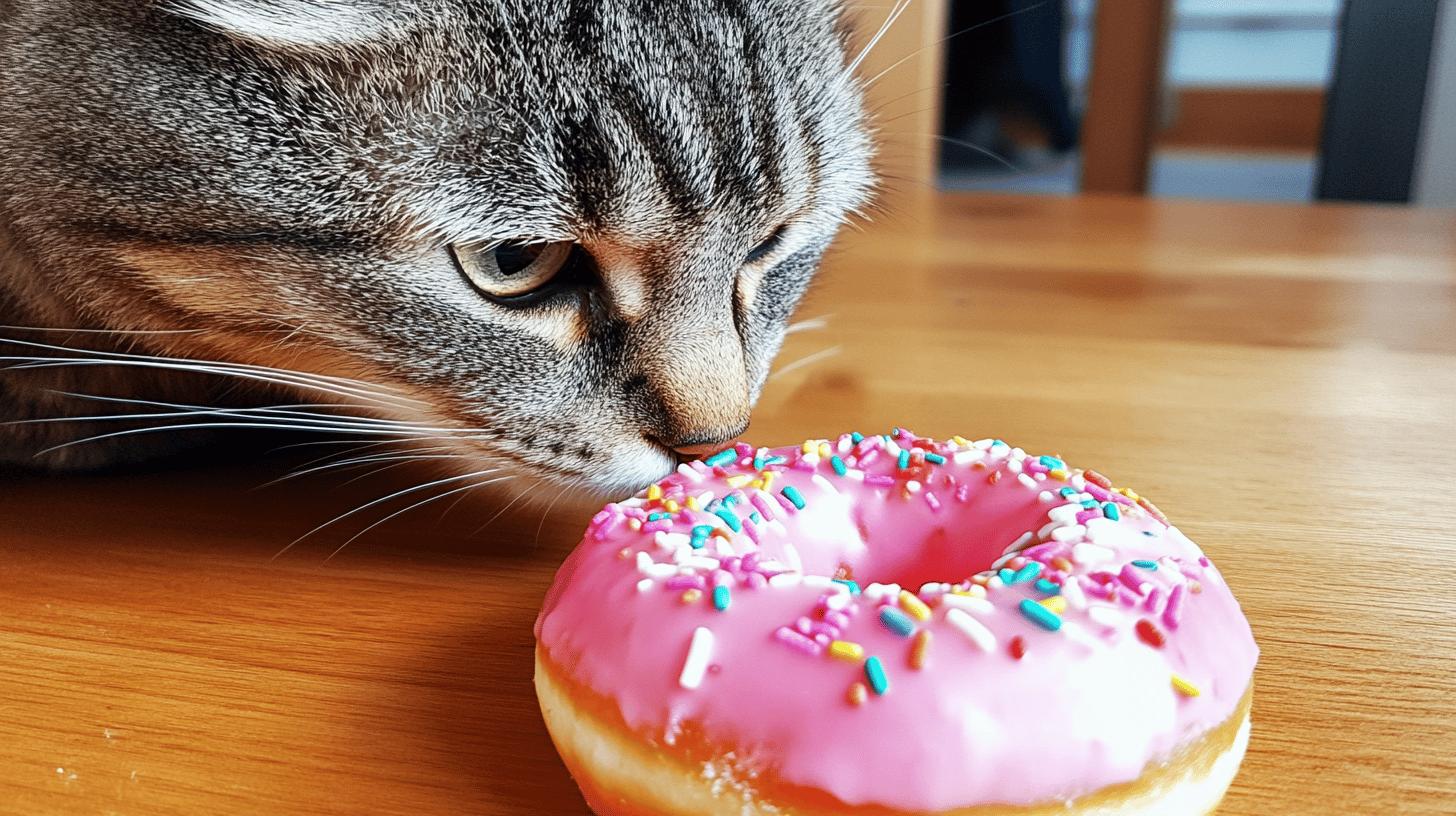
  • Can Cat Eat Donut Risks and Harmful Ingredients Explained

    Can Cat Eat Donut Risks and Harmful Ingredients Explained

    Ever thought of treating your cat to a tiny bite of your donut? It might sound like an innocent indulgence, but it's a no-go for your kitty's health. Donuts are packed with sugar, fats, and other ingredients that don't mesh well with a cat's natural diet.
    Sharing a sweet delight with your feline friend might put them on the path to obesity and other health problems. In this post, we'll dive into why donuts are a bad idea for cats and the harmful ingredients that make them dangerous.

    Can Cats Eat Donuts? Understanding the Risks and Harmful Ingredients

    Can Cats Eat Donuts Understanding the Risks and Harmful Ingredients-2.jpg

    Donuts may seem like a tempting treat to share with your feline friend, but they are far from suitable for cats. These sweet pastries are filled with sugar, fats, and grains, none of which align with a cat's nutritional needs.

    Cats are obligate carnivores, requiring diets rich in animal-based proteins. Sugary treats like donuts contribute nothing beneficial and can lead to adverse health effects. Feeding a cat donuts can disrupt their dietary balance and pave the way for various health issues.

    One of the primary concerns with feeding donuts to cats is the potential for developing obesity and diabetes. Donuts are calorie-dense, and their high sugar content can lead cats to gain excessive weight.
    Obesity is a significant risk factor for diabetes in cats, a condition that can drastically affect their quality of life. Consuming high-fat foods like donuts increases the likelihood of weight gain, putting undue stress on a cat's body and increasing the risk of various health issues over time.

    Donuts often contain ingredients like chocolate and xylitol, which are particularly harmful to cats. Chocolate contains theobromine and caffeine, both of which are toxic to cats, even in small amounts. Xylitol, a common sugar substitute, is also highly toxic and can lead to severe health complications.

    These ingredients pose immediate dangers and should be kept away from all pets. The presence of such toxic additives highlights why donuts are not a safe snack for your furry companion.

    Most cats are lactose intolerant, making dairy-based ingredients in donuts problematic. Lactose intolerance means that a cat's digestive system cannot properly break down lactose, the sugar found in milk and other dairy products.

    Consuming dairy can lead to gastrointestinal distress, including diarrhea and upset stomach. Donuts, with their potential dairy content, introduce unnecessary risks of digestive discomfort for your cat.

    Spices like cinnamon and nutmeg, sometimes used to flavor donuts, are another concern. These spices are toxic to cats and can cause symptoms ranging from mild irritation to more severe health issues if ingested. Nutmeg, in particular, contains a compound called myristicin, which can lead to hallucinations and increased heart rate in cats. It's essential to avoid these spices to ensure your pet's safety.

    • Chocolate
    • Xylitol
    • Lactose
    • Cinnamon
    • Nutmeg

    Feeding cats donuts is not advisable due to these harmful ingredients and the associated risks. The best approach is to stick to a diet that fulfills their carnivorous needs, keeping them healthy and happy.

    Symptoms to Watch for If a Cat Eats a Donut

    Symptoms to Watch for If a Cat Eats a Donut-4.jpg

    If your cat manages to sneak a bite of a donut, it's crucial to keep a close eye on them for any signs of illness. Donuts contain ingredients that are foreign to a cat's digestive system and can cause various health issues.

    Monitoring your cat becomes especially important if they consume more than just a small nibble. Quick action and awareness can help prevent minor digestive issues from escalating into serious health problems. If you notice any troubling symptoms, don't hesitate to contact your veterinarian for guidance.

    Potential symptoms you might observe include digestive distress, which can manifest in several ways. Cats may experience vomiting or diarrhea as their bodies try to process the unfamiliar sugars and fats found in donuts.

    Lethargy is another sign to watch for, indicating that your cat may not be feeling well. In some cases, there could also be a loss of appetite or changes in behavior. Paying attention to these symptoms will help ensure your cat receives the care they need promptly.

    • Vomiting
    • Diarrhea
    • Lethargy
    • Loss of appetite

    Healthier Treat Alternatives for Cats

    Healthier Treat Alternatives for Cats-4.jpg

    While sharing your favorite snacks with your feline friend may be tempting, it's crucial to stick to treats that are safe and beneficial for cats. Many human foods, like donuts, are not suitable for cats due to their dietary needs.

    Instead, consider healthier treat alternatives that align with their nutritional requirements. These options help ensure your cat remains healthy and happy, providing the right balance of nutrients without the harmful ingredients found in human treats.

    Catnip is a popular choice among cat owners, offering a fun and stimulating experience without any of the risks associated with sugary snacks. Specially formulated cat treats are another excellent option, designed specifically to meet a cat's dietary needs.

    These treats often come in a variety of flavors and textures to delight your cat's palate. Homemade cat treats can also be a rewarding option, as you can control the ingredients and ensure they are safe and nutritious for your pet.

    Moderation is key when it comes to treating your feline companion. Treats should not exceed 10% of their daily diet, keeping the focus on a balanced and complete nutritional intake.

    Consulting with a veterinarian can provide personalized guidance, ensuring that the treats you choose are appropriate for your cat's unique health and dietary needs. This approach helps maintain your cat's overall well-being while still allowing them to enjoy occasional treats.

    Alternative Treat Description
    Catnip A safe herb that provides stimulation and enjoyment for cats.
    Formulated Cat Treats Specially designed to meet cats’ nutritional needs with various flavors.
    Homemade Cat Treats Allows control over ingredients, ensuring they are safe and healthy.
    Freeze-Dried Meat Provides a natural, protein-rich snack option for cats.

    Cat Dietary Needs and the Dangers of Human Food

    Cat Dietary Needs and the Dangers of Human Food-1.jpg

    Cats are obligate carnivores, relying on a meat-centric diet to fulfill their unique nutritional requirements. Their digestive systems are optimized for processing animal proteins and fats. Taurine, an essential nutrient found exclusively in meat, plays a vital role in maintaining a cat's health. This nutrient helps with vision, heart function, and overall well-being.

    Sugary human foods, like donuts, are inappropriate for cats. These foods contain carbohydrates and sugars that cats can't digest efficiently, posing risks of obesity and diabetes. Additionally, many human foods have ingredients toxic to cats, making them dangerous and unsuitable.

    To support a cat's dietary health, follow these guidelines:

    • Provide a balanced diet primarily of high-quality commercial cat food.
    • Limit treats to no more than 10% of daily intake.
    • Avoid human foods, especially sugary ones.
    • Consult a veterinarian for personalized dietary advice.

    Final Words

    Avoid letting your cat eat donuts, as they contain harmful ingredients that don't match a cat's dietary needs. Eating sugary and fatty donuts can lead to obesity and diabetes problems in cats. Toxic ingredients like chocolate, xylitol, and even common donut spices pose significant dangers.

    If a cat consumes a donut, watch closely for signs of digestive distress, like vomiting or lethargy. Reach out to your vet if needed. For treat alternatives, stick to options like catnip, and homemade treats, ensuring they form only 10% of the cat's daily diet. With some careful choices, you can keep your cat safe, healthy, and happy.

    FAQ

    Can cats eat donuts?

    Cats should not eat donuts. Donuts are packed with sugar, fats, and grains that are not suitable for cats. Ingredients like chocolate and xylitol in some donuts are toxic to cats.

    Can donuts kill cats?

    Donuts can be harmful if they contain chocolate or xylitol, which are toxic to cats. These ingredients can cause serious health issues and can be life-threatening.

    What happens if a cat eats a donut?

    If a cat eats a donut, monitor for symptoms like vomiting, diarrhea, or lethargy. Consult a vet if any signs of illness appear, especially if more than a small bite was consumed.

    Why do cats wear donuts?

    Cats do not wear donuts. You might be thinking of donut-shaped recovery collars, used to prevent cats from licking wounds.

    Can cats eat glazed donuts or donut holes?

    Cats should avoid glazed donuts and donut holes due to the sugar, dairy, and potential toxic ingredients such as chocolate or other harmful agents.

    Can cats eat donut bread or bread in general?

    While plain bread isn't toxic, it offers no nutritional value. It's best to avoid feeding cats bread, including donut bread, due to unnecessary carbs.

    Are doughnuts safe for cats?

    Doughnuts are not safe for cats. They contain harmful ingredients like chocolate, and excessive sugar which can lead to obesity and other health issues.

    Is it safe for cats to eat sugar?

    Sugar isn't toxic but is unhealthy for cats, contributing to obesity and diabetes. Cats thrive on protein-rich diets, and sugar provides no benefits.

    What sweets can cats eat?

    Cats should not eat sweets. Their diet should focus on high-quality cat food, and treats should be specifically formulated for cats' nutritional needs.

    Related Articles

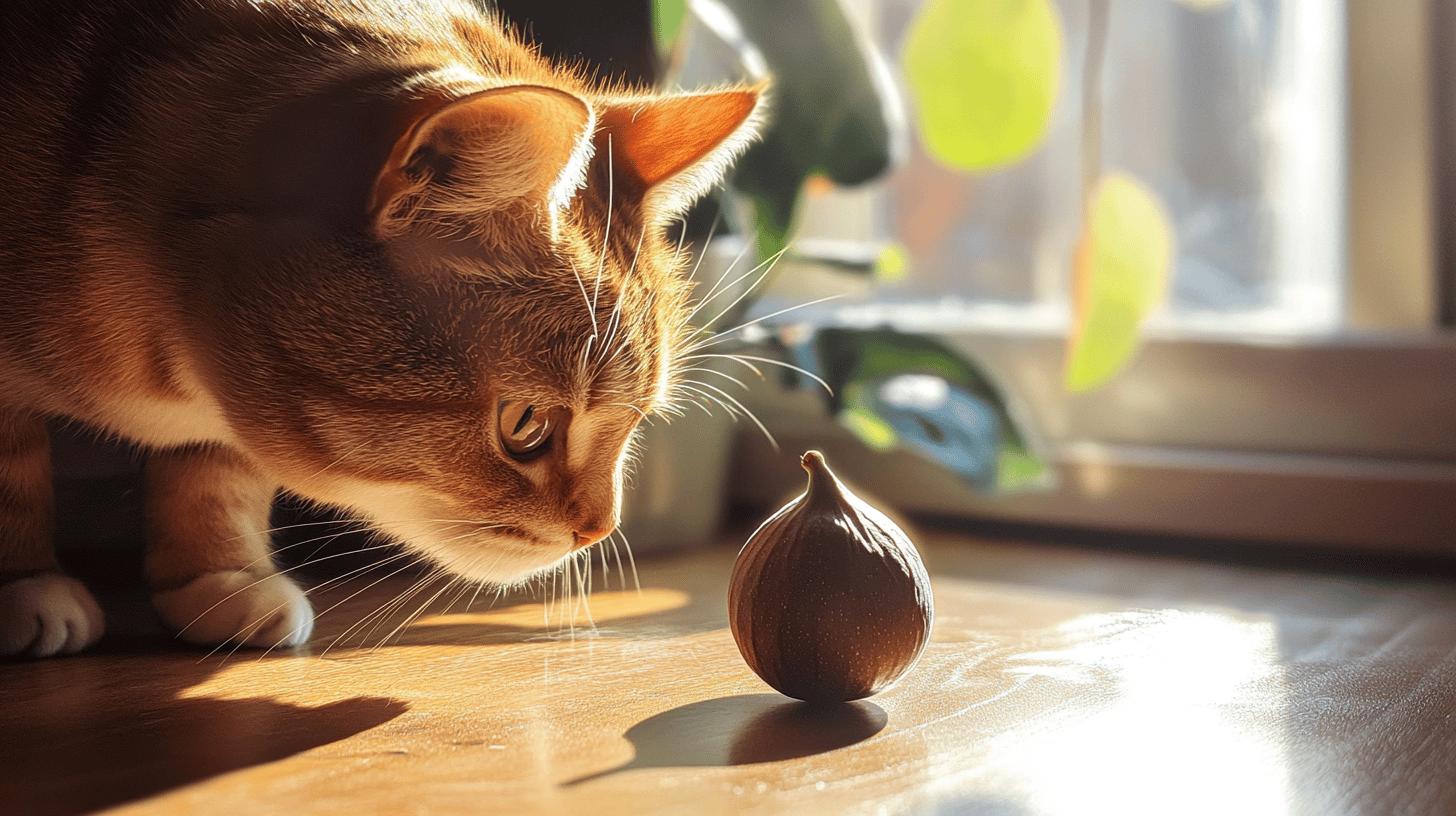
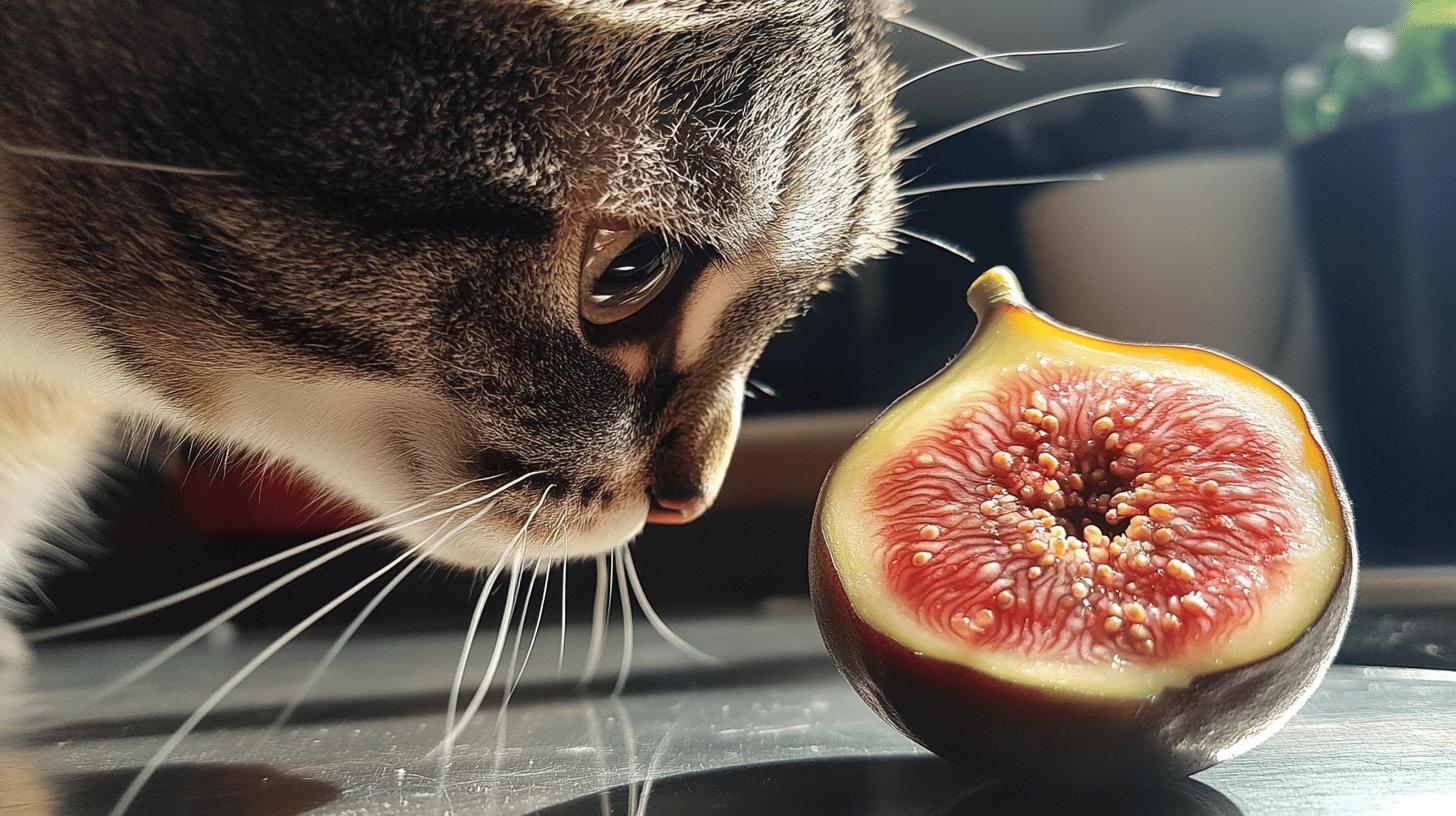
  • Can Cat Eat Fig Safety Risks and Nutritional Insights

    Can Cat Eat Fig Safety Risks and Nutritional Insights

    Can cats eat figs or is it a figment of our imagination to think they're safe? While these fruits might be a tasty snack for us, they pose some risks for our feline friends. Figs contain a compound called ficain, which can upset your cat's stomach and lead to digestive problems.

    Cats can't even taste fruits, so there's little to gain from adding figs to their diet. In this post, we'll break down the safety concerns and nutritional aspects of figs to help you make informed decisions about your cat's diet.

    Can Cats Eat Figs? Evaluating the Safety, Risks, and Nutritional Content

    Can Cats Eat Figs Evaluating the Safety, Risks, and Nutritional Content-2.jpg

    When it comes to figs and cats, there are some safety concerns to be aware of. While figs aren't considered highly toxic to our feline friends, they can still cause some trouble. Digestive issues like stomach upset and diarrhea are common when a cat consumes figs.

    The problem lies in a substance called ficain, found in figs, which can be harmful to cats. Unlike humans, cats don't need fruits in their diet and, in fact, they can't even taste them. This makes figs an unnecessary addition to their meals.

    Potential health risks from eating figs include both digestive issues and allergic reactions. Cats may experience symptoms such as vomiting, diarrhea, or general digestive distress. Some cats might also develop allergic reactions, although this is less common.

    The presence of ficain in figs heightens these risks, as it can create adverse effects on a cat's digestive system. It's crucial to recognize these risks before considering figs as a treat for your cat.

    If your cat happens to nibble on some figs, here are specific symptoms to watch for:

    • Vomiting
    • Diarrhea
    • Loss of appetite
    • Lethargy
    • Signs of allergic reactions, such as itching or swelling

    Nutritionally, figs are packed with fiber, vitamins, and minerals, which sound great for humans but don't translate the same way for cats. Cats have a different set of dietary needs, and the nutrients in figs don't provide them with any specific benefits. Since cats can't taste fruits, they offer little appeal or nutritional advantage for them.

    Considering these factors, it’s best to steer clear of figs and fig-based products like Fig Newtons for your cat. These treats are not designed to meet the nutritional needs of cats and can lead to unnecessary health risks. Instead, focus on providing your cat with foods and treats that are specifically formulated for their dietary requirements.

    Alternatives to Figs: Safe Treat Options for Cats

    Alternatives to Figs Safe Treat Options for Cats-3.jpg

    Choosing alternatives to figs for your cat is a smart move, given the potential digestive issues and lack of nutritional benefits figs offer to felines. Cats have specific dietary requirements that figs simply don't meet.

    Instead of figs, it's better to offer treats that are specifically designed to align with a cat's nutritional needs. Cooked chicken, for instance, provides a protein-rich snack that cats love.

    Fruits like blueberries and melons, in moderation, can also be safe options because they offer hydration and vitamins without the digestive disturbances. Always ensure treats are given in small amounts to avoid upsetting your cat's stomach.

    Here are some safe treat options for cats that can serve as alternatives to figs:

    • Cooked chicken
    • Blueberries
    • Melons
    • Catnip treats
    • Commercial cat treats

    Before introducing any new treats to your cat's diet, consulting a veterinarian is crucial. Vets can provide tailored advice based on your cat's health and dietary needs, ensuring that any new addition is safe and beneficial. Always prioritize your cat's health by choosing treats that support their well-being.

    Veterinary Guidance on Figs and Cat Diets

    Veterinary Guidance on Figs and Cat Diets-1.jpg

    Consulting with a veterinarian before adding figs or any new food to your cat's diet is crucial. While figs aren't highly toxic, they can cause digestive issues, making professional guidance important. The existing section already emphasizes this need, so there's no need to repeat the detailed guidance.

    Veterinarians provide personalized advice based on your cat’s health profile, assessing overall health, diet, and medical conditions. This ensures your cat receives the right nutrition without risks. Reiterating the importance of veterinary consultation is sufficient to cover the necessity of professional advice for dietary changes.

    Final Words

    Exploring whether cats can eat figs opens our eyes to potential risks and digestive issues. While figs are rich in fiber and nutrients, they don't suit a cat's diet. Possible side effects like diarrhea or vomiting highlight the trouble figs can cause. For safer snack choices, treats like cooked chicken or blueberries are better. These alternatives fit their dietary needs without harm. Always consult a vet before making diet changes. With informed decisions, we can keep our cats healthy and happy during playtime and mealtime.

    FAQ

    Can cats eat fig Newtons?

    A: Fig Newtons are not recommended for cats. The ingredients may cause digestive upset, and figs themselves can be harmful to cats.

    Can cats eat fig leaves or seeds?

    A: Fig leaves and seeds should be avoided. They contain substances that can be harmful to cats and might cause digestive issues.

    Can cats eat dried figs?

    A: Dried figs are not recommended for cats. They may cause stomach upset, vomiting, or diarrhea due to their high sugar content and fig's natural compounds.

    Are fiddle leaf figs toxic to cats?

    A: Yes, fiddle leaf figs are toxic to cats. Ingesting them can lead to symptoms like drooling, vomiting, or difficulty swallowing.

    Can dogs eat figs?

    A: While some figs are safe in small quantities for dogs, it's important to monitor their reaction and consult a vet to prevent digestive issues.

    What can cats eat?

    A: Cats thrive on a diet primarily of meat. Suitable treats include small amounts of cooked chicken or safe fruits like blueberries and melon.

    Are figs pet safe?

    A: Figs are not safe for pets like cats due to potential digestive issues and allergic reactions. Stick to pet-approved treats instead.

    Is leaf fig safe for cats?

    A: No, leaf figs are not safe for cats. They can lead to adverse health effects if ingested.

    What fruits can't cats have?

    A: Cats should avoid fruits like grapes, raisins, and figs, which can cause health issues. Always check with a vet before introducing new fruits.

    Are brown turkey figs safe for cats?

    A: Brown turkey figs are not safe for cats. They may cause digestive problems and contain harmful substances for felines.

    Related Articles

  • Can Cat Eat Fish Eggs Safely and Nutritionally?

    Can Cat Eat Fish Eggs Safely and Nutritionally?

    Is feeding your cat fish eggs a delicious idea or a dangerous delicacy? While many cat lovers may be tempted to offer fish eggs to their feline friends, it's important to know the facts before sharing this tempting treat.

    Fish eggs can provide significant nutritional benefits, including protein and omega-3 fatty acids that support shiny coats and joint health. Still, there are potential risks involved, such as high salt content and possible toxins. Let's explore the safe way to treat your cat to fish eggs, ensuring a balance between enjoyment and well-being.

    Can Cats Eat Fish Eggs Safely?

    Can Cats Eat Fish Eggs Safely-4.jpg

    Fish eggs can be a tasty treat for cats, but it's essential to ensure their safety. While most fish eggs are generally safe for cats to eat, moderation is crucial to prevent any digestive discomfort. Cats can enjoy the occasional fish egg snack, but large quantities might lead to stomach upset. The key is to offer them as an occasional treat rather than a staple in their diet.

    Nutritionally, fish eggs pack a punch with high levels of protein and omega-3 fatty acids. These nutrients are fantastic for maintaining a cat's shiny coat and overall well-being. Omega-3s, in particular, are known for their anti-inflammatory properties, which can benefit your cat's joint health and skin. Protein is vital for muscle maintenance and energy, making fish eggs a valuable addition to their occasional meals.

    Despite their benefits, it's important to be aware of potential risks when feeding fish eggs to your cat. Some fish eggs, like caviar, can have high salt content, which isn't ideal for feline health. Excessive salt can lead to kidney issues or hypertension in cats.

    Additionally, fish eggs might contain traces of mercury or other toxins, especially if sourced from larger fish. These elements can accumulate in a cat's system over time, posing health risks if consumed frequently.

    To ensure your cat enjoys fish eggs safely, follow these guidelines:

    • Ensure fish eggs are fresh and free from harmful additives.
    • Avoid high-salt fish eggs like caviar.
    • Consult a vet for personalized advice.
    • Introduce fish eggs gradually to monitor for allergies.
    • Serve fish eggs cooked and unseasoned.

    When it comes to feeding fish eggs, moderation is your best friend. Offering them in small, controlled amounts is the way to go. Pay attention to your cat's reactions, and if they enjoy the treat without any adverse effects, you can include fish eggs in their diet occasionally. Always prioritize their health and consult with a veterinarian if you have any concerns.

    How to Serve Fish Eggs to Cats

    How to Serve Fish Eggs to Cats-1.jpg

    Cooking fish eggs is necessary to eliminate harmful bacteria that could threaten your cat's health. Make sure to serve them unseasoned, as added salt or spices can harm cats. Keeping the fish eggs plain ensures they get the nutritional benefits without the risk of unwanted additives.

    Introduce fish eggs into a cat's diet gradually by mixing a small amount of cooked fish eggs with regular food. This helps your cat adjust to the new taste and texture. Watching your cat's reaction is important, as some may have allergies or sensitivities. If there's no negative effect, you can offer fish eggs occasionally.

    • Purchase fresh, high-quality fish eggs.
    • Cook fish eggs thoroughly to eliminate bacteria.
    • Avoid adding salt or seasoning.
    • Mix small amounts with regular cat food.
    • Observe your cat's reaction to fish eggs.

    Alternatives to Fish Eggs for Cats

    Alternatives to Fish Eggs for Cats-2.jpg

    If you're looking for alternative fish treats that match the nutritional punch of fish eggs, consider options like salmon and sardines. These fish are packed with lean protein and omega-3 fatty acids, which are excellent for your cat's coat and overall health.

    Omega-3s have anti-inflammatory properties that can support joint and skin health, while protein aids in muscle maintenance and energy. Salmon and sardines are not only delicious but also provide essential nutrients that keep your feline friend thriving.

    Another fantastic superfood for cats is the humble egg. Eggs offer an excellent source of protein and other vital nutrients that cats need. They're also versatile and can be easily added to your cat's diet in a cooked form.

    Eggs can help maintain your cat's energy levels and support their growth and development. Including eggs in your cat's meals can be a simple yet effective way to boost their nutrition.

    • Canned or fresh salmon.
    • Sardines in water (no added salt).
    • Cooked egg pieces as a protein-rich treat.

    Final Words

    Exploring whether cats can eat fish eggs safely, we dove into their nutritional perks like protein and omega-3 fatty acids. These benefits can boost your cat's coat and health. Balance is key to avoiding issues like high salt and mercury.

    Serving fish eggs requires care—cooking them and removing seasoning is essential. Gradually introducing them lets you gauge your cat's reaction. Alternatives like salmon, sardines, and eggs offer similar nutrients.

    Incorporating them wisely ensures your cat enjoys safe, tasty meals. Keep these tips in mind and provide a healthy, enjoyable diet for your feline friend.

    FAQ

    Can cats eat fish eggs raw or cooked?

    A: Cats can eat fish eggs cooked. Raw may pose a risk of bacteria or parasites. Cooking fish eggs ensures they are safer for your cat to consume.

    Can cats eat fish eggs in water?

    A: Cats can eat fish eggs in water if they are fresh and without added salt or additives. It's best to serve them moderately to avoid digestive issues.

    Can cats eat fish eggs every day?

    A: Feeding cats fish eggs every day isn't recommended. Moderation helps prevent nutritional imbalances and high salt intake.

    Can cats eat fish eggs and rice?

    A: Yes, cats can eat fish eggs with rice. Ensure eggs are cooked, and rice is plain and fully cooked for safe consumption.

    Can cats eat tobiko, caviar, or salmon eggs?

    A: Cats can eat tobiko or salmon eggs but watch salt levels. Avoid caviar since it's usually high in salt which isn't safe for cats.

    What kind of eggs can cats eat?

    A: Cats can eat cooked eggs. Eggs provide a good protein source. Avoid feeding raw eggs to reduce bacteria risk.

    Is salmon roe safe for cats?

    A: Salmon roe can be safe if fed in moderation and is not seasoned. Always ensure it's cooked.

    How can I feed fish eggs to my cat safely?

    A: Cook fish eggs thoroughly, serve them unseasoned, and start with small amounts. Monitor your cat for any adverse reactions.

    What are the alternatives to fish eggs for cats?

    A: Try canned or fresh salmon, sardines in water, or cooked egg pieces. These offer similar nutrients, like protein and omega-3s.

    Related Articles