Author: Isabella Tiu

  • Can Cat Eat Imitation Crab Safely or Is It Risky

    Can Cat Eat Imitation Crab Safely or Is It Risky

    Can cats savor imitation crab as a treat, or is it a perilous snack you should steer clear of? Many cat lovers wonder if this seafood substitute could be a harmless delight. While imitation crab might look and taste like the real thing, its ingredient list tells a different story. High sodium, artificial additives, and processed starches could spell trouble for your feline friend. Dive into this article to uncover the truth about feeding imitation crab to your cat and whether it poses a risk to their health.

    Can Cats Safely Consume Imitation Crab?
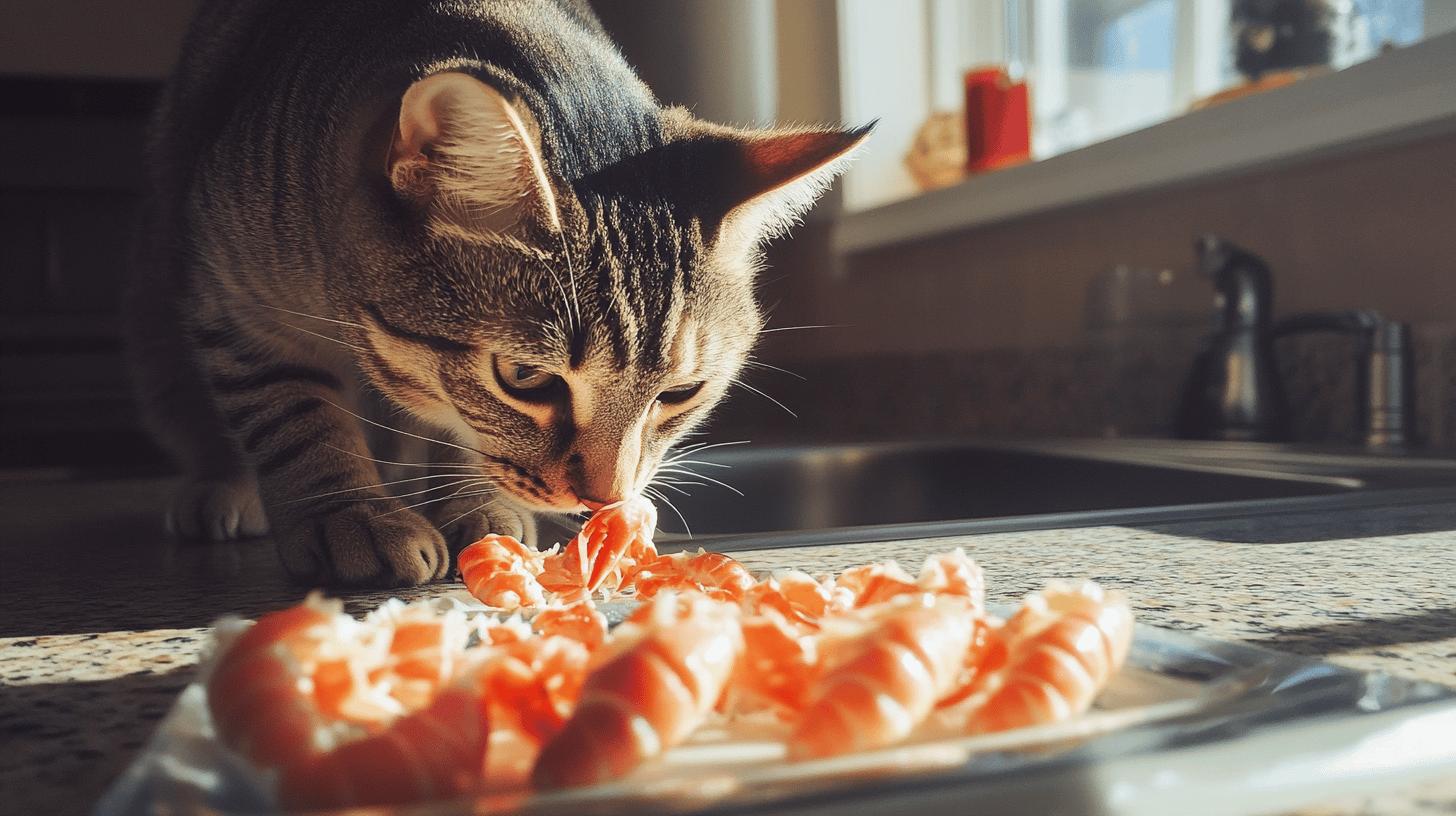
    Can Cats Safely Consume Imitation Crab-1.jpg

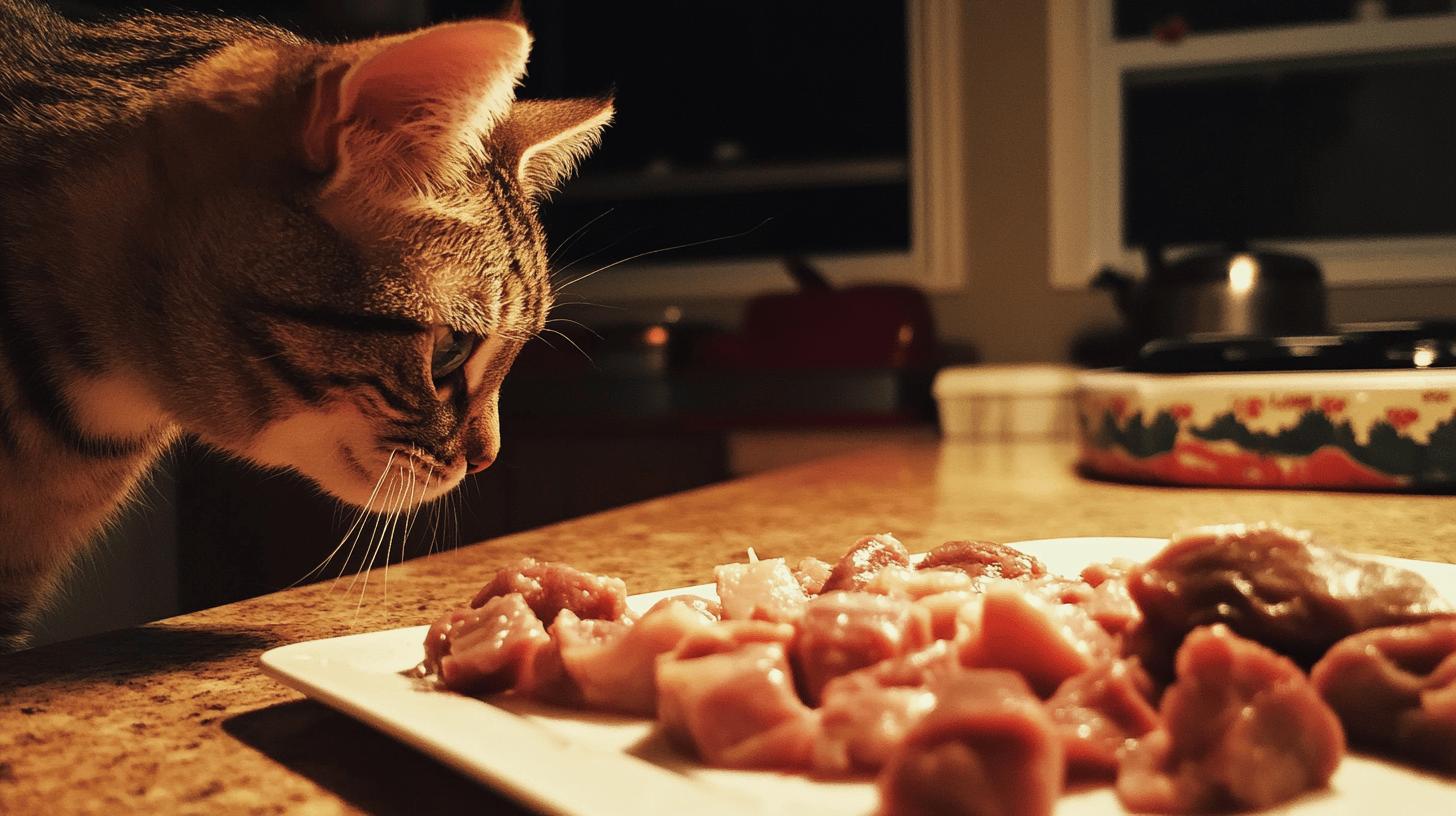
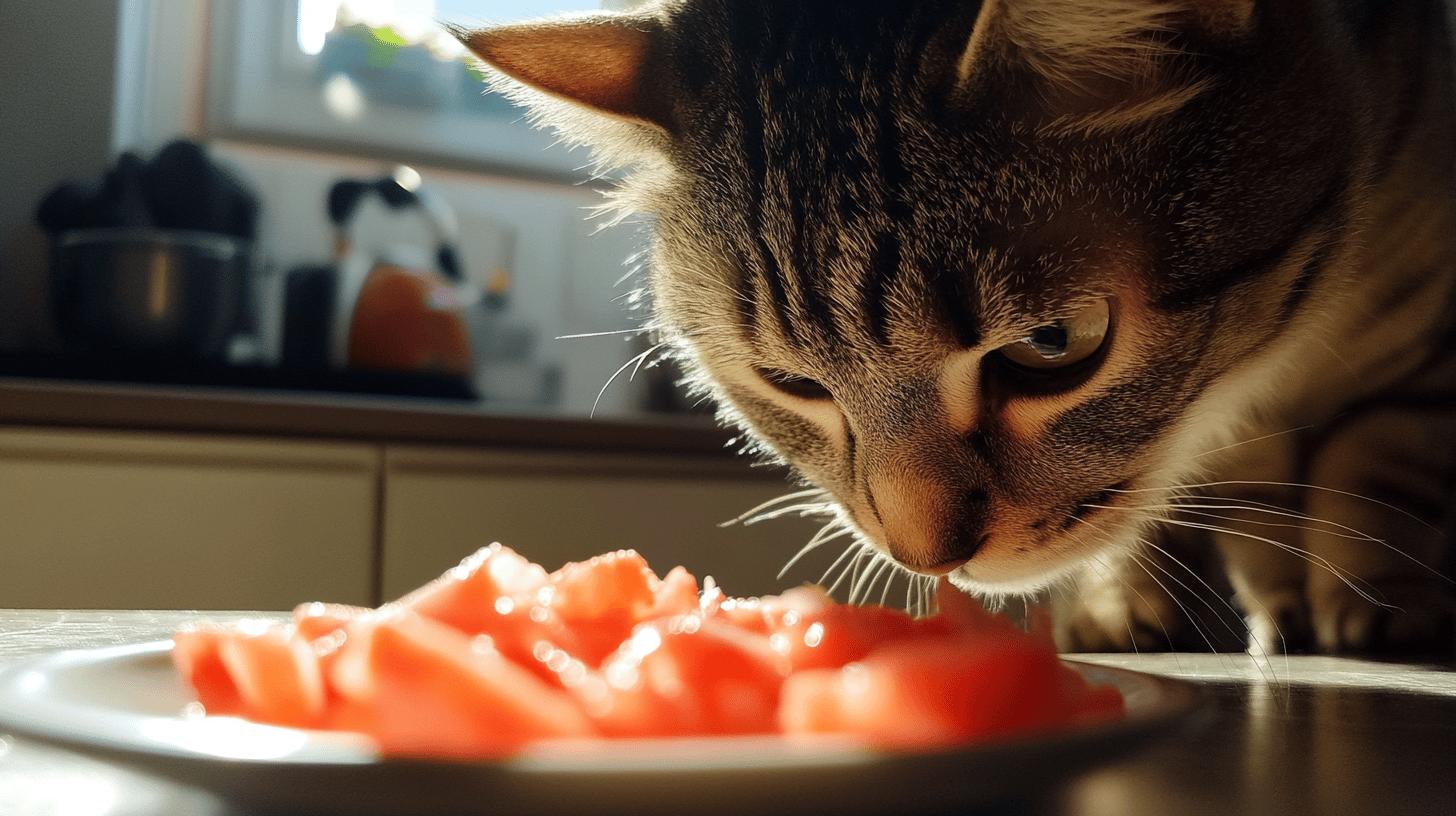
    Imitation crab is a seafood product designed to mimic the taste and texture of real crab meat. It's primarily made from surimi, which is processed fish paste often derived from Alaskan pollock. To create the familiar taste, manufacturers add starch, flavorings, and artificial colors. The process also involves preservatives to extend shelf life, resulting in a product that looks like crab but is quite different nutritionally. This creation is notably high in sodium, which can be problematic for cats.

    When considering imitation crab safety for cats, the health risks primarily stem from its ingredient profile. High sodium content can lead to dehydration and strain a cat’s kidneys, raising the risk of kidney disease over time. The starch in imitation crab can elevate blood sugar levels, potentially contributing to obesity and diabetes in cats. Carbohydrates are not a natural part of a feline diet, making these ingredients unsuitable for regular consumption.

    Key Additives and Their Effects:

    • Artificial Colors: May cause allergic reactions, including skin irritations.
    • Preservatives: Linked to digestive issues and potential long-term health concerns.
    • Flavor Enhancers: Can lead to dependency or dietary preferences that exclude healthier foods.
    • High Sodium Levels: Risk of hypertension and kidney damage.
    • Thiaminase: Can break down essential nutrients like thiamine, leading to deficiencies.

    Cats consuming imitation crab might experience seafood allergies, which manifest as vomiting, diarrhea, or skin issues. Long-term intake of additives and high sodium can lead to more severe health implications, such as chronic kidney disease or heart problems. Allergic reactions might not be immediate but could develop over time with continued exposure to the triggers in imitation crab.

    From a nutritional standpoint, imitation crab lacks the essential nutrients cats need, such as omega-3 fatty acids and taurine. These are vital for maintaining a healthy heart, vision, and immune system in felines. Given these deficiencies, imitation crab should not be a regular part of a cat's diet. While a small nibble might not be harmful, it’s crucial to prioritize a diet that meets all the nutritional needs of a cat over indulging them in imitation crab treats.

    Safe and Healthy Alternatives to Imitation Crab for Cats
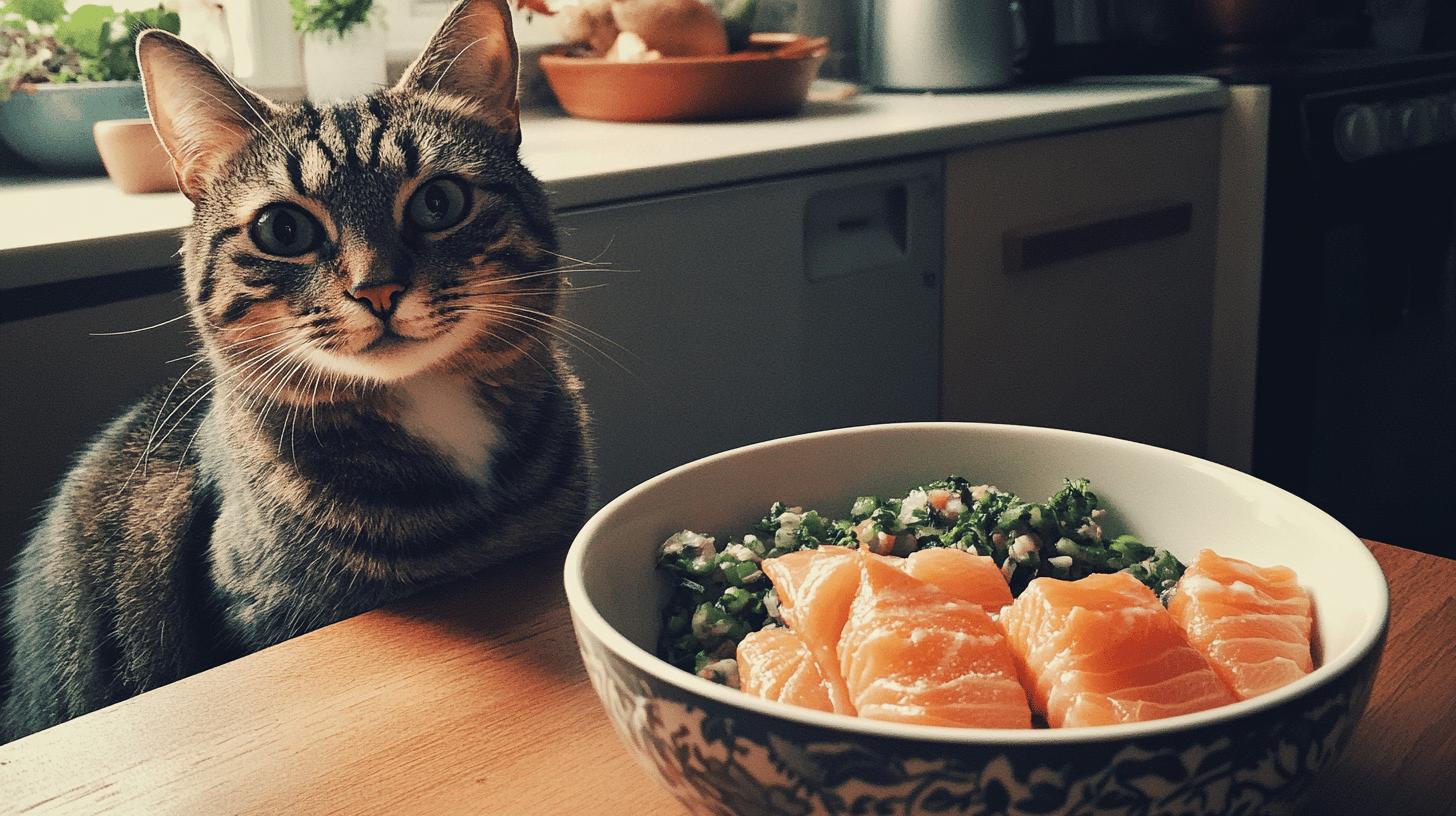
    Safe and Healthy Alternatives to Imitation Crab for Cats-1.jpg

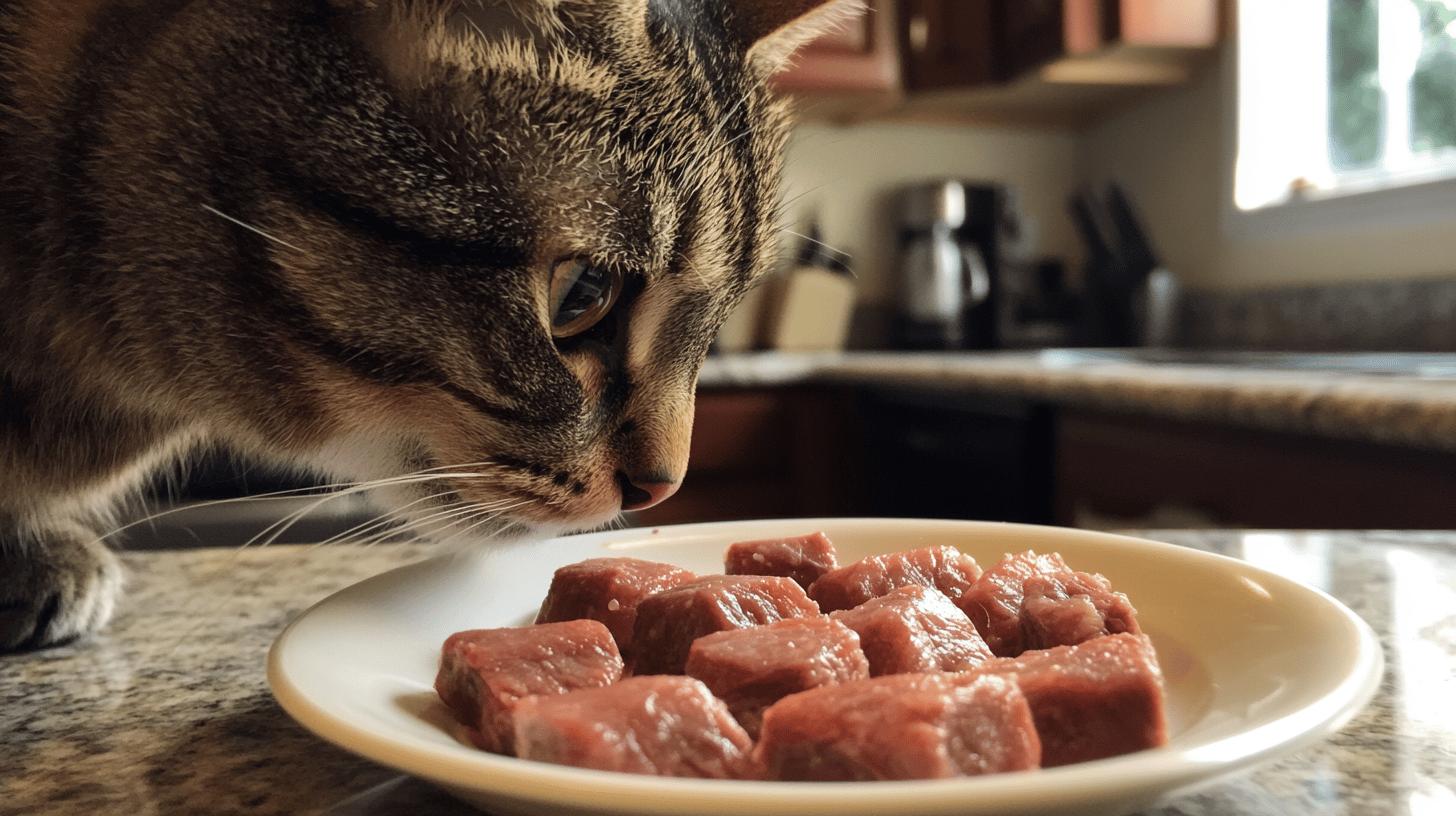
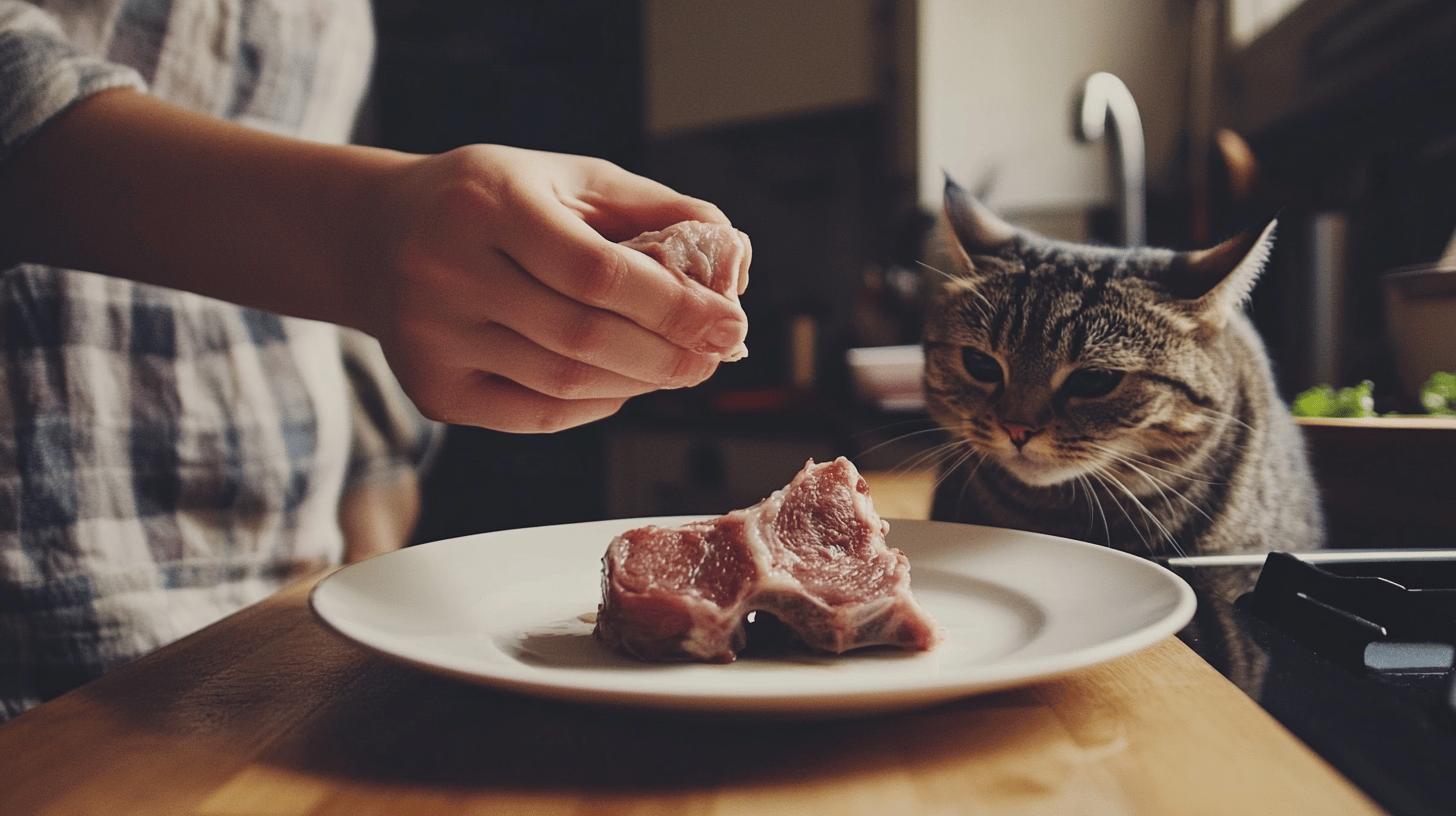
    Cats thrive on high-protein diets, as their bodies are designed to process animal protein efficiently. Unlike imitation crab, which lacks essential nutrients, real protein sources provide the necessary building blocks for a cat's health. Proteins like chicken, turkey, and fish offer amino acids such as taurine, which are critical for heart and eye health. These foods also supply omega-3 fatty acids, promoting a shiny coat and supporting brain function. By focusing on high-quality protein, we can maintain our cats' overall well-being and vitality.

    Recommended Alternative Foods:

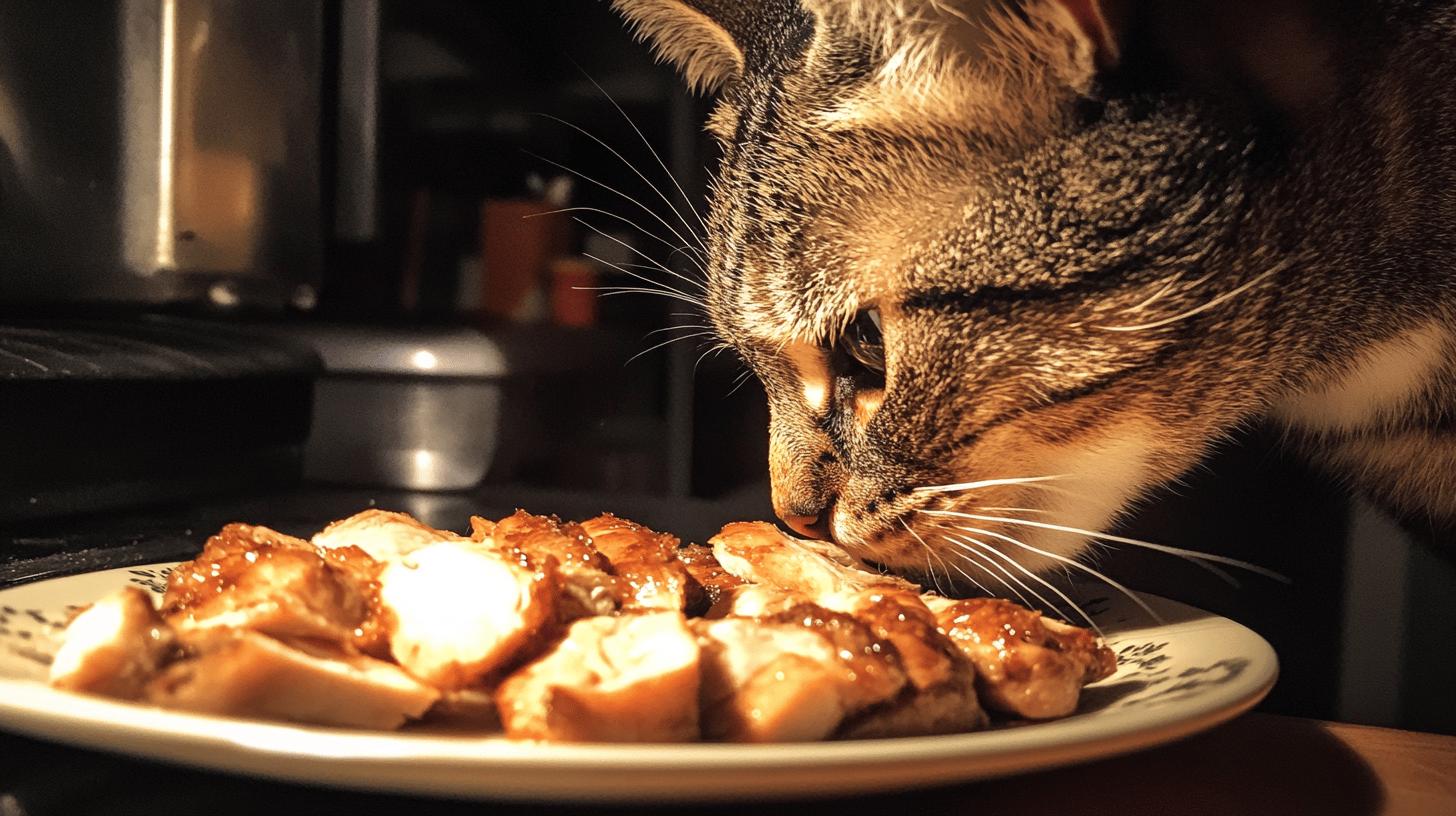
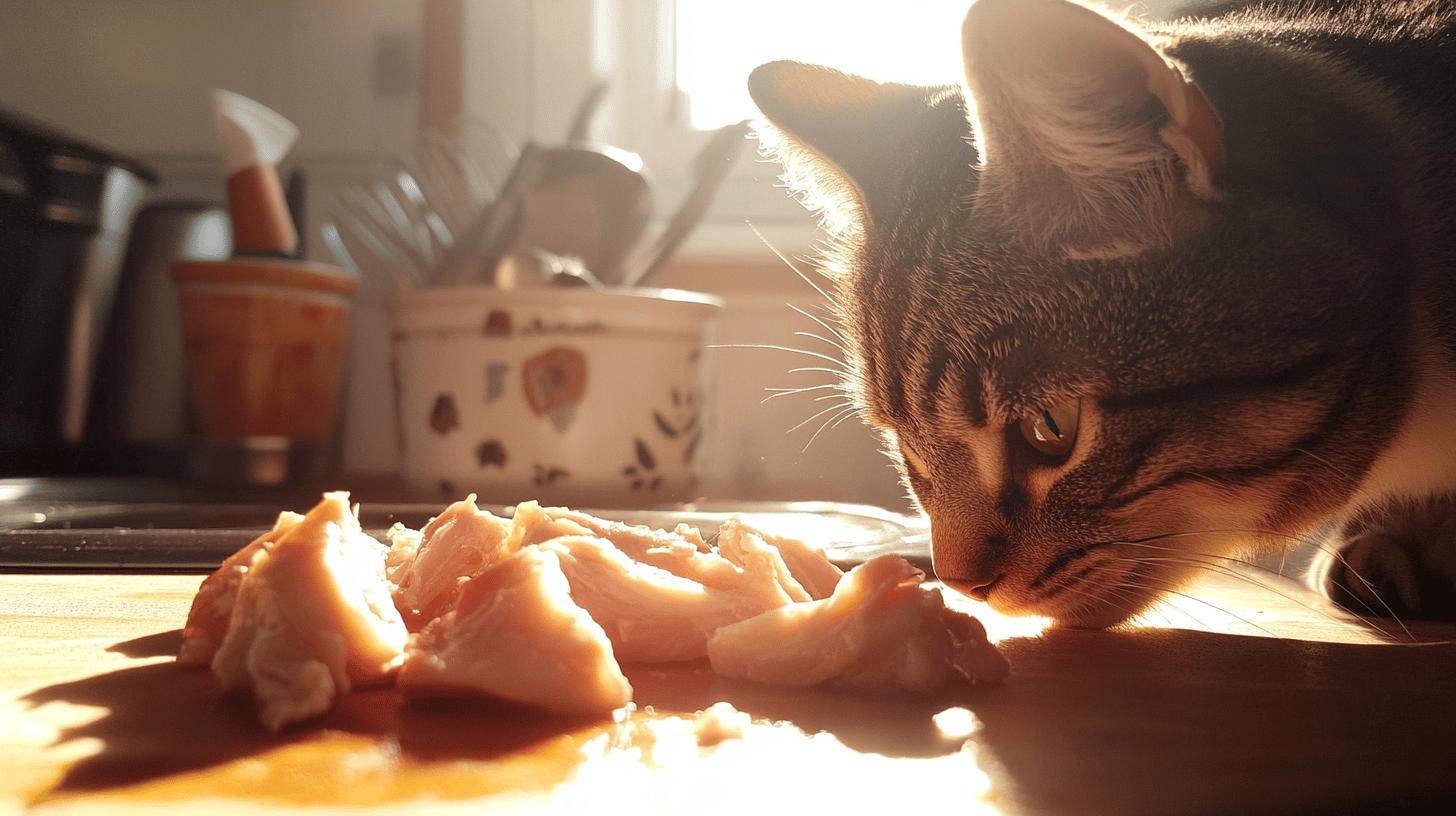
    • Cooked Chicken: A lean and easily digestible protein source.
    • Cooked Turkey: Similar to chicken, offering a variety of nutrients.
    • Cooked Salmon: Rich in omega-3 fatty acids, great for skin and coat health.
    • Cooked Shrimp: A tasty treat that provides protein without additives.
    • Tuna: Occasionally, in moderation, for its high protein content.
    • Freeze-Dried Chicken Treats: Convenient and nutritious snacks.

    Introducing these alternatives into a cat's diet should be done gradually. Begin by mixing small amounts of the new food with their regular diet to monitor any reactions. This gradual approach helps prevent digestive issues and allows cats to adjust to the new tastes and textures. Always ensure that any seafood is cooked and free of seasoning to avoid any harmful effects. Consulting with a veterinarian before making significant changes to a cat's diet is advisable to ensure that all nutritional needs are met safely.

    Veterinary Advice on Feeding Cats Human Foods
    Veterinary Advice on Feeding Cats Human Foods-1.jpg

    Before making any changes to a cat's diet, consulting a veterinarian is essential. They offer tailored advice based on a cat's unique health needs and dietary requirements. When it comes to human foods, such as imitation crab, vets can assess the potential risks and advise on safe portion sizes. Since imitation crab contains additives and lacks essential nutrients like taurine and omega-3 fatty acids, a vet's guidance ensures that a cat's health is not compromised by these dietary choices.

    Experts recommend introducing new foods gradually into a cat's diet. Start with small quantities mixed with their regular food, observing for any adverse reactions like vomiting or diarrhea. This approach allows you to monitor how your cat reacts to the new food and adjust accordingly. A veterinarian can help identify any signs of allergies or intolerances, ensuring modifications do not negatively impact a cat's overall well-being. By following professional guidance, you can safely explore dietary options while maintaining your cat's health and happiness.

    Final Words

    Exploring the question, "Can cat eat imitation crab?" reveals many concerns. Imitation crab, made from processed fish and additives, poses health risks. High sodium and carbohydrates might harm your cat's kidneys and increase blood sugar levels. Plus, it's missing key nutrients like omega-3 and taurine.

    Allergic reactions and long-term health issues are possible. Safe human foods are better choices. Chicken, shrimp, or salmon offer healthy protein without harmful additives.

    Consulting a vet remains vital when feeding cats human foods. With the right alternatives and careful monitoring, you can keep your cat healthy and happy.

    FAQ

    Can cats eat imitation crab?

    Imitation crab can cause health issues in cats. It contains high sodium and questionable additives that can harm kidney function and digestive health. It's best to avoid it in your cat's diet.

    Can cats eat imitation crab meat?

    Cats should not consume imitation crab meat. It's made from surimi (processed fish) with additives that might not suit their dietary needs. It lacks essential nutrients like omega-3 fatty acids and taurine.

    Is imitation crab meat okay for cats?

    Imitation crab meat is not okay for cats. The additives and high sodium content can cause potential health problems, including dehydration, elevated blood sugar, and kidney damage.

    Can cats eat crab meat?

    Cats can eat real crab meat in moderation. Ensure it is cooked and unseasoned to avoid any digestive issues. Always introduce new foods gradually.

    Can animals have imitation crab?

    Most animals, including cats and dogs, should not eat imitation crab. Its additives and high sodium are not suited for animal diets and might lead to health complications.

    Can cats eat shrimp?

    Cats can eat shrimp if it is cooked plain without any added seasonings. Shrimp is a better alternative to imitation crab, providing more nutrients and less risk.

    Can cats eat canned crab meat?

    Cats can eat canned crab meat but make sure it's low on sodium and free of harmful additives. Offer only in small amounts to prevent any digestive upset.

    Is it okay for cats to eat crab?

    Crab meat, if cooked, is okay for cats as an occasional treat. Make sure it is unseasoned and given in moderation to avoid any health problems.

    Can cats eat imitation meat?

    Imitation meat generally doesn't offer the nutrients cats need and can contain harmful additives. Stick to real, simple, and cooked proteins like chicken or fish.

    Can dogs eat imitation crab?

    Imitation crab is not recommended for dogs due to high sodium and artificial additives. Like cats, dogs benefit more from real, plain, and cooked meats.
    Related Articles

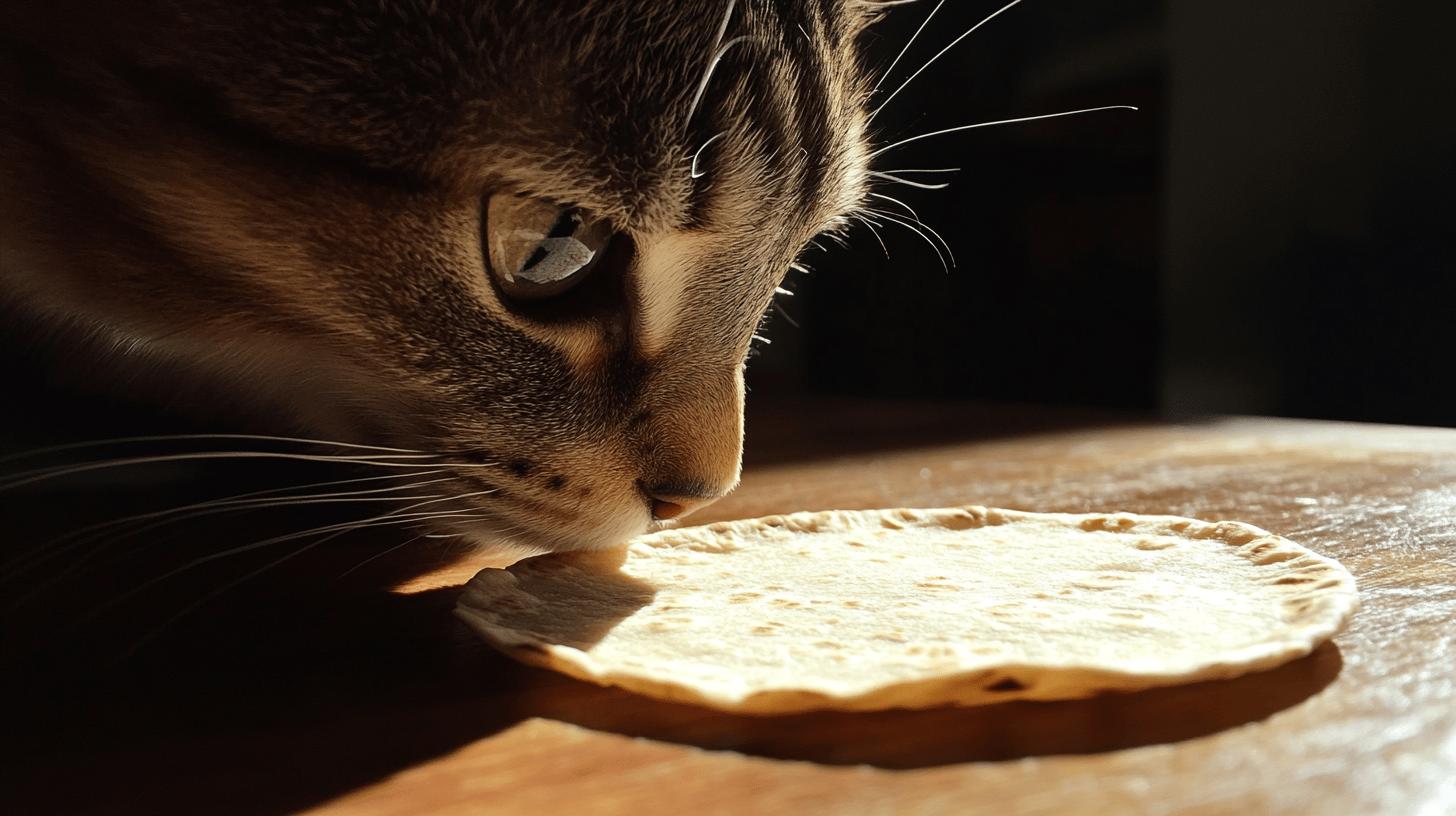
  • Can Cat Eat Tortilla Safely Understanding Risks and Benefits

    Can Cat Eat Tortilla Safely Understanding Risks and Benefits

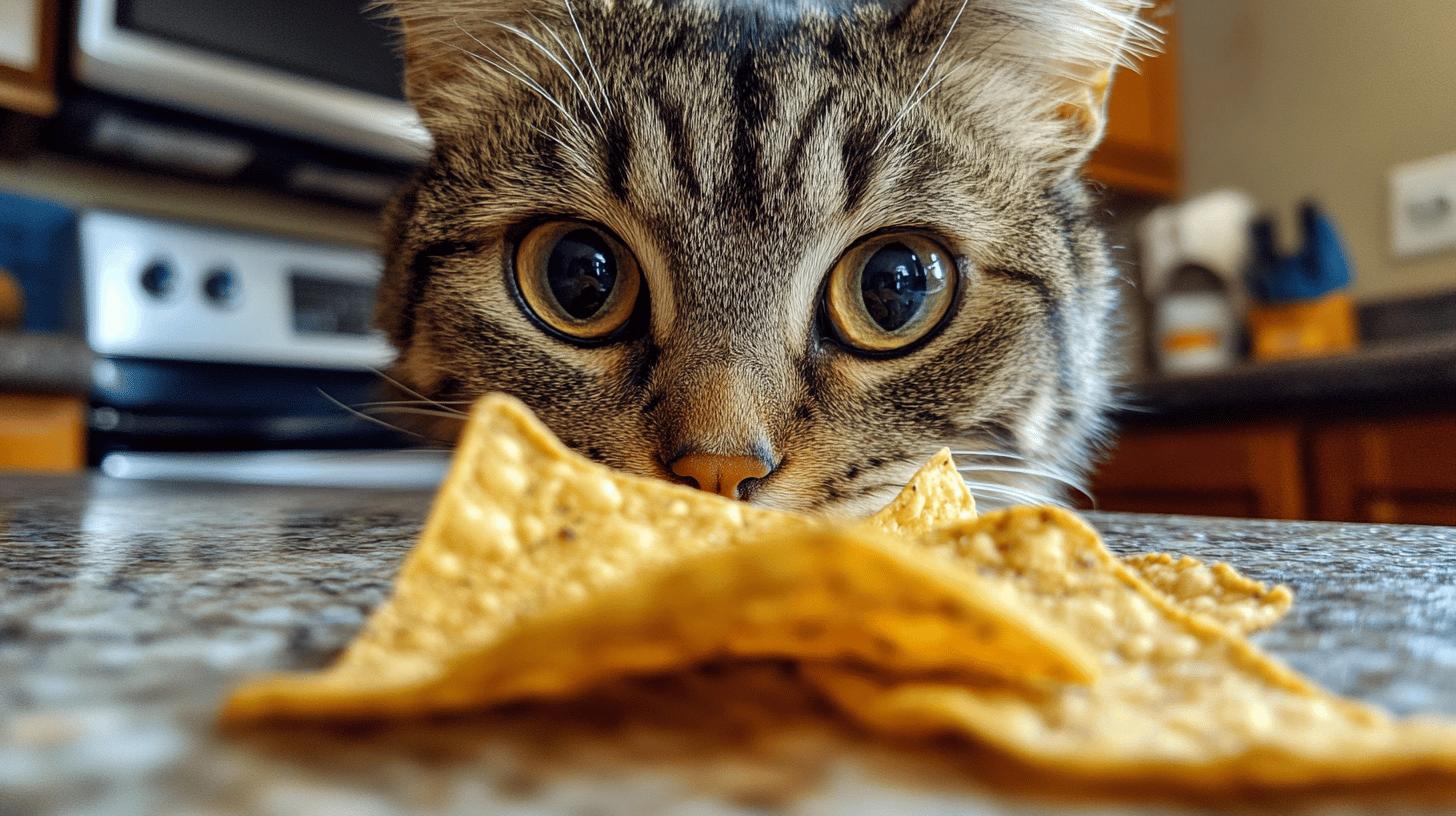
    Can your beloved cat munch on a tortilla safely, or is it a dietary detour down a dangerous path? As a cat enthusiast, you've probably faced those pleading eyes whenever you indulge in a meal. While sharing a bite with your furry friend might seem innocent, tortillas pose specific risks and limited benefits. In this blog post, we'll explore whether tortillas belong in your cat's diet. From understanding potential health hazards to making informed decisions, we'll break down everything you need to know to keep your feline friend both satisfied and safe.

    Can Cats Safely Eat Tortillas?

    Can Cats Safely Eat Tortillas-1.jpg

    Cats are curious creatures and might show interest in your food, including tortillas. When it comes to tortilla consumption by cats, there are some safety concerns to keep in mind. While small amounts of corn tortillas can offer a quick energy boost due to their carbohydrate content, they don't provide any significant nutritional benefits for our feline friends. Cats are obligate carnivores and need a diet rich in proteins and specific nutrients found in meats, which tortillas simply don't have. Flour tortillas, in particular, are not recommended for cats. They lack nutritional value and could pose potential health risks due to additives and ingredients that aren't suitable for a cat's digestive system.

    In terms of safe consumption, tortillas can be given occasionally in small quantities, but moderation is key. Be aware of the ingredients and avoid those that could be harmful, such as excessive salt or spices. It's important to remember that while a small bite of tortilla might not harm your cat, making it a habit could lead to health issues over time. Potential risks include digestive upset or more serious problems related to excess salt and saturated fats. Always prioritize a diet specifically designed for cats to ensure they receive the proper nutrition they need to stay healthy and active.

    Potential Health Risks of Feeding Tortillas to Cats

    Potential Health Risks of Feeding Tortillas to Cats-1.jpg

    Feeding tortillas to cats can lead to health risks that every cat owner needs to know about. While tortillas might seem harmless, they contain ingredients that don't fit with a cat's dietary needs. Cats are obligate carnivores, designed to process meat, not the carbohydrates and additives in foods like tortillas. These can cause nutritional imbalances and other health issues, which you should understand before offering your feline friend a tortilla snack.

    The high salt content in tortillas is a major concern. Cats have much lower sodium needs than humans, and too much salt can cause serious health problems. High salt levels can lead to electrolyte imbalances, presenting symptoms like confusion and lethargy, or more severe outcomes like seizures. Sodium toxicity is a real risk, so keeping your cat's salt intake low is crucial to avoid these dangerous situations.

    Saturated fat, found in tortillas and especially tortilla chips, can harm your cat’s health. A diet high in saturated fats can lead to obesity, raising the risk of heart problems and other related health issues. This type of fat can also affect a cat's cholesterol levels and artery health. It's important to limit their consumption of fatty human foods to keep their weight and health in check.

    Cats' digestive systems struggle with large amounts of starch present in both corn and flour tortillas. This can cause digestive issues, such as bloating or an upset stomach. Cats lack the necessary enzymes to efficiently break down carbohydrates, making it important to avoid feeding them foods high in starch. Prioritizing a diet that meets their natural nutritional needs ensures your cat stays healthy and happy.

    Safe Alternatives and Snack Options for Cats

    Safe Alternatives and Snack Options for Cats-1.jpg

    Feeding our furry friends a balanced, nutrient-rich diet is crucial for their health and well-being. Cats are obligate carnivores, which means their primary nutritional needs come from meat. A diet high in protein and essential nutrients like omega-3 fatty acids and taurine helps maintain their muscle mass, energy levels, and overall health. Providing the right balance of nutrients ensures that your cat stays active and healthy, and reduces the risk of common feline health issues such as obesity and diabetes.

    Here are some safe human foods you can offer your cat as occasional treats:

    • Unseasoned cooked meats like chicken, turkey, or beef provide essential proteins and amino acids.
    • Cooked whole grains such as oats, corn, or polenta can be given in moderation; oats are particularly high in protein.
    • Cooked fish is a great source of omega-3 fatty acids, which help prevent arthritis and heart disorders.
    • Cooked eggs are another excellent source of protein, but avoid raw eggs to prevent potential health issues.
    • Vegetables like cucumber, steamed broccoli, or asparagus offer vitamins, fiber, and hydration.
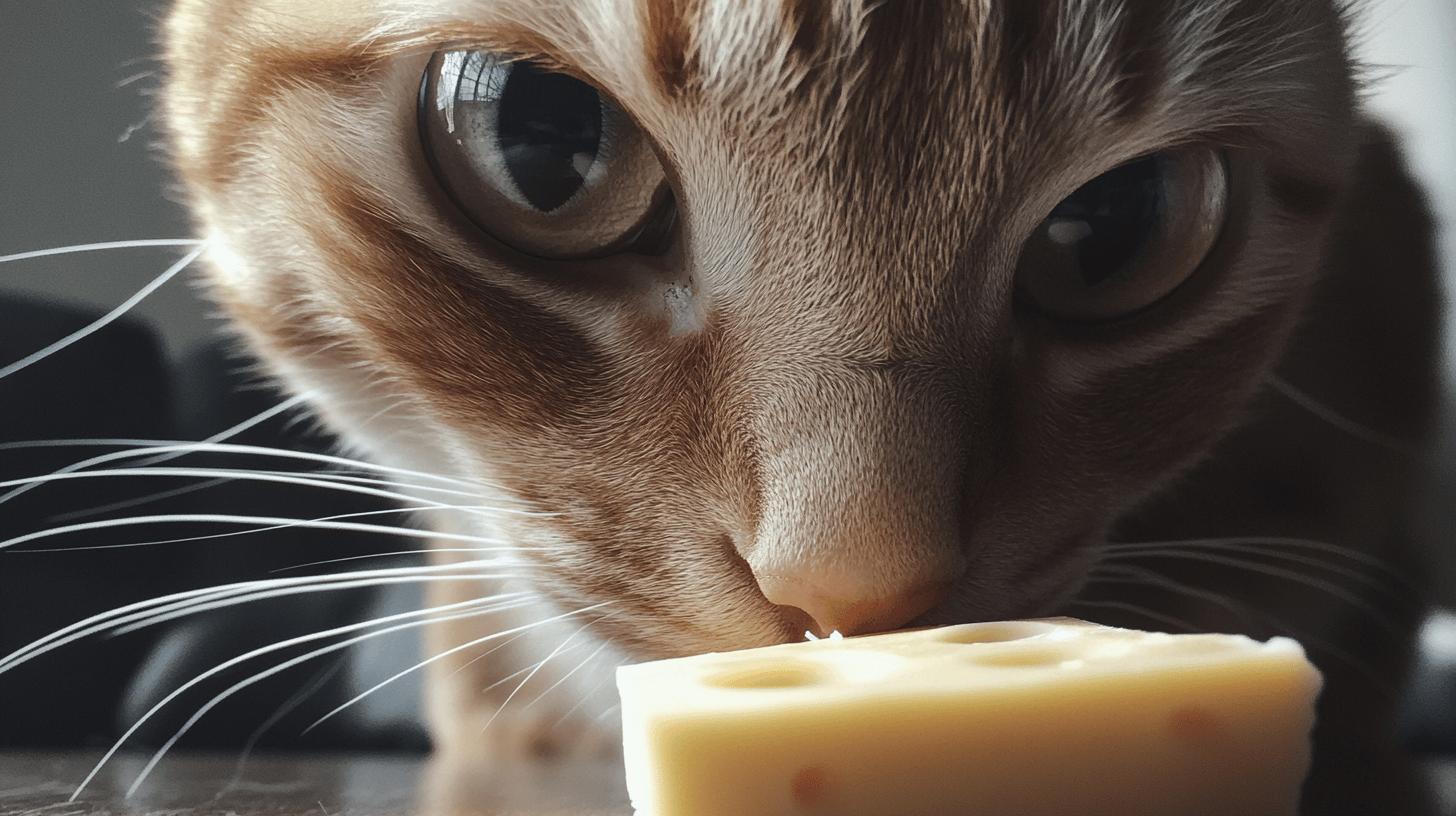
    • Cheese can be given in small amounts; it's rich in protein, but be mindful of lactose intolerance.

    When offering these snacks, it's important to keep portion sizes small and infrequent to avoid disrupting your cat's regular diet. Treats should not exceed more than 10% of their daily caloric intake. This helps maintain a balanced diet, preventing weight issues and ensuring that your cat remains healthy. Always observe your cat’s reaction to new foods and consult with a veterinarian if you notice any adverse effects.

    Veterinarian Advice and Guidelines on Feeding Tortillas to Cats

    Veterinarian Advice and Guidelines on Feeding Tortillas to Cats-1.jpg

    Veterinarians generally advise against regularly feeding cats human foods like tortillas. Cats have unique dietary needs that are best met with foods specifically formulated for them. Tortillas, whether corn or flour, don't provide the necessary nutrients that cats require. Moderation is key to preventing potential health issues. Always prioritize a diet that's rich in proteins and essential nutrients tailored for feline health.

    Practical Feeding Guidelines

    1. Offer only small pieces: Break off tiny, plain pieces of tortilla without any added salt or seasoning.
    2. Limit frequency: Make tortilla treats a rare occurrence, not a regular part of their diet.
    3. Watch for reactions: Observe your cat for any signs of digestive upset after eating tortillas.
    4. Ensure a balanced diet: Keep their main meals focused on high-quality cat food.
    5. Avoid harmful ingredients: Stay away from tortillas that contain spices, garlic, or onions.

    Consulting with a veterinarian before introducing any new or unusual foods into your cat’s diet is crucial. Vets can provide personalized advice based on your cat's health and nutritional needs, ensuring that any dietary changes are safe and beneficial for your furry friend.

    Final Words

    Deciding whether tortillas are safe for cats involves understanding both their lack of nutritional benefit and potential health risks. While a small nibble of corn tortilla might not harm, it offers little sustenance and could introduce unnecessary risks. Flour tortillas, with added fats and salts, pose greater concerns for a cat's health.

    It is crucial to prioritize a cat-specific diet full of essential nutrients for their wellbeing. If you’re considering treating your cat, opt for safe alternatives like unseasoned meats or certain vegetables. Always check with a vet before making dietary changes. By being informed, you can make better choices about whether your can cat eat tortilla safely.

    FAQ

    Can cat eat tortilla chips?

    A: Cats should not eat tortilla chips. They contain excess salt and fat, which can cause health problems like obesity and heart issues in cats.

    Can cats eat flour tortillas?

    A: Cats should avoid flour tortillas. They lack nutritional value and may cause digestive problems or other health risks due to unnecessary ingredients.

    Can cats eat corn tortillas?

    A: Small amounts of corn tortillas may be okay for cats, but they provide no nutritional benefits and should only be an occasional treat, if at all.

    Can cats eat cheese?

    A: Cats can eat cheese in small amounts. Be cautious of lactose intolerance, which can cause digestive discomfort for your feline friend.

    What human food can cats eat?

    A: Cats can safely eat some human foods like plain cooked meats, grains, certain vegetables, and small amounts of cheese. Always ensure ingredients are safe and unseasoned.

    Can cats eat bread?

    A: Cats can eat a small nibble of bread. However, it has little nutritional value for them and should not be a regular part of their diet.

    Are tortillas okay for cats?

    A: Tortillas are not recommended for cats. They offer no nutritional benefits and pose potential health risks like obesity and digestive issues.

    Are flour tortillas safe to eat for animals?

    A: Flour tortillas aren't safe for most animals, including cats, due to potential health risks and lack of nutritional benefits. Stick to animal-specific diets.

    Can cats eat flour?

    A: Cats should not eat raw flour. It's hard to digest and can lead to stomach upset. Opt for cat-friendly treats instead.

    Related Articles

  • Can Cat Eat String Cheese and Health Risks Explained

    Can Cat Eat String Cheese and Health Risks Explained

    Is your feline friend eyeing your string cheese snack? It might seem harmless to share a bite, but there's more to consider. Many cats enjoy the tasty appeal of cheese, yet this dairy delight might lead to digestive troubles.

    While string cheese might seem like a safe treat, its high lactose content can be a problem for lactose-intolerant cats. In this article, I'll explain the health risks of cheese and why it might not be the best snack for your cat. Let's dive into the details.

    Can Cats Safely Eat Cheese and Understanding Health Risks

    Can Cats Safely Eat Cheese and Understanding Health Risks-1.jpg

    Cats are naturally drawn to cheese because of its rich fat and protein content, which appeals to their carnivorous instincts. The creamy texture and savory flavor might tempt them, making it an easy snack for curious felines.

    Yet, despite its allure, cheese, including string cheese, doesn't offer significant nutritional benefits for cats. String cheese, often made from mozzarella, is high in lactose, which can pose digestive challenges for our furry friends.

    Most cats are lactose intolerant, which means they lack the enzyme lactase needed to digest lactose found in dairy products. This intolerance stems from a natural decrease in lactase production as cats age, especially after weaning.

    When lactose isn't properly digested, it can ferment in the intestines, leading to uncomfortable symptoms and digestive upset. Thus, cheese ingestion by cats can result in gastrointestinal discomfort.

    Here are some potential risks and symptoms associated with feeding cheese to cats:

    • High lactose content leading to digestive upset: Cats may experience stomach pain and bloating.
    • Potential allergic reactions such as skin rashes: Some cats may be sensitive to dairy proteins.
    • Risk of obesity if consumed frequently: Cheese is calorie-dense and can contribute to weight gain.
    • Symptoms like diarrhea, vomiting, and bloating: These indicate digestive distress and should be monitored closely.

    Due to these risks, veterinarians generally advise against offering cheese as a treat. While not toxic, cheese does not cater to the dietary needs of obligate carnivores like cats. It's crucial to monitor for any adverse reactions if cheese is consumed and consult a vet if symptoms arise.

    The lack of substantial nutritional benefits further reinforces why cheese is not recommended. Cats thrive on animal-based proteins and nutrients, which cheese cannot adequately provide. Veterinarians suggest opting for more appropriate snacks that align better with a cat's nutritional requirements, ensuring their health and well-being.

    Alternatives to Cheese for Cats

    Alternatives to Cheese for Cats-1.jpg

    Offering cats non-dairy treats can be a smarter choice for their health. Cheese, especially string cheese, can be hard for cats to digest due to high lactose levels, potentially leading to digestive issues. Non-dairy treats, on the other hand, are easier on a cat's stomach and align better with their natural dietary needs.

    Cats are obligate carnivores, which means their bodies thrive on meat-based proteins. By choosing alternatives to cheese, you can avoid the risks of lactose intolerance and offer snacks that are more suitable for your feline's nutritional requirements.

    Here are some recommended treats that are safer and healthier for cats:

    • Plain cooked poultry or beef
    • Commercial cheese-flavored cat treats
    • Grain-free cheese-infused options like Inaba Chicken Stew

    These alternatives provide the protein and nutrients cats crave without the digestive upset cheese might cause. Meat-based treats like plain cooked poultry or beef are closer to what cats would naturally eat, offering essential nutrients without unnecessary additives.

    Cheese-flavored cat treats deliver the taste cats love while being formulated to avoid the lactose problem. By opting for these alternatives, you ensure your cat gets the best nutrition and enjoyment from their snacks.

    Expert Advice on Feeding Cats Cheese

    Expert Advice on Feeding Cats Cheese-2.jpg

    Veterinarians often caution against feeding cheese to cats because of lactose intolerance and lack of nutritional benefits. Cats are obligate carnivores, and cheese doesn't align with their dietary needs. Cheese can cause digestive issues like diarrhea and vomiting. If you decide to offer cheese, choose low-lactose varieties and keep portions small and infrequent.

    • Limit cheese to occasional, small portions.
    • Prefer low-lactose, hard cheeses if offered.
    • Monitor for any adverse reactions.

    Consulting a vet about your cat's diet is crucial. Each cat has unique nutritional needs, and a vet can offer personalized advice. Regular veterinary check-ups ensure your cat's diet supports their health and prevents potential issues.

    Final Words

    Cats might find cheese tempting, but it's not the best treat. As we saw, they often struggle with cheese due to lactose intolerance. This can lead to uncomfortable symptoms like diarrhea and vomiting. It's clear that cheese doesn't offer real benefits for our feline friends. Instead, safer snack options like poultry or specially-made cat treats make better choices. If in doubt, consulting with a vet can help you avoid health problems. By prioritizing your cat's health, you create a fulfilling and joyful playtime. Always keep their well-being in mind when asking, "can cat eat string cheese".

    FAQ

    Can cats eat string cheese?

    A: Cats can eat string cheese, but it's not ideal. It's high in lactose, which can upset their stomach. Cats are often lactose intolerant, so eating string cheese can cause digestive issues.

    My cat ate cheese, what should I do?

    A: If your cat ate cheese, monitor for symptoms like diarrhea or vomiting. Most cheese isn't toxic, but if symptoms appear, contact your vet for advice.

    Can cheese kill cats?

    A: Cheese itself won't kill cats, but it can cause digestive problems due to lactose intolerance. It's best to limit cheese consumption to avoid potential health issues.

    Can cats eat mozzarella cheese?

    A: Cats can eat mozzarella, but it should only be a small portion. Mozzarella contains lactose, which is hard for cats to digest, potentially leading to an upset stomach.

    Can cats eat cheddar cheese?

    A: Cats can eat cheddar cheese in moderation. Cheddar has less lactose than some cheeses, but still, overconsumption can cause digestive upset.

    What happens if my cat eats string cheese?

    A: If your cat eats string cheese, they may experience stomach upset due to high lactose levels. Watch for symptoms like diarrhea or vomiting.

    Why does my cat love string cheese?

    A: Cats may love string cheese due to its fat and protein content, which is appealing to their taste and natural dietary interests.

    Is it OK to give my cat a little bit of cheese?

    A: Giving a little cheese occasionally is generally okay, but keep portions small and infrequent. Most cats have trouble digesting it due to lactose intolerance.

    What human food can cats eat?

    A: Cats can safely eat plain cooked turkey, chicken, or beef. Avoid seasonings and ensure the meat is fully cooked before serving as a treat.

    Can cats have mozzarella sticks?

    A: Cats should avoid mozzarella sticks due to high lactose and possible additives. They aren't suitable for a cat's digestive system, even in small quantities.

    Can cats eat bread?

    A: Cats can eat small amounts of plain bread, but it offers no nutritional benefit. It's not harmful in moderation, but it's not recommended as a regular snack.

    Related Articles

  • Can Cats Eat Vienna Sausage Health Risks and Nutritional Concerns

    Can Cats Eat Vienna Sausage Health Risks and Nutritional Concerns

    Ever wondered if Vienna sausages are a safe snack for your curious cat? The short answer is no. Despite their tempting aroma and taste, these processed meats are loaded with fats, salt, and additives that aren't cat-friendly.

    While they might not poison your pet, the risks far outweigh the benefits. High salt can stress kidneys, and artificial flavors aren't purr-fectly healthy. Join me as we dive into why sticking with cat-approved treats is a better choice for your feline friend’s playtime and health.

    Can Cats Safely Eat Vienna Sausage? Health Risks and Nutritional Concerns

    Can Cats Safely Eat Vienna Sausage Health Risks and Nutritional Concerns-3.jpg

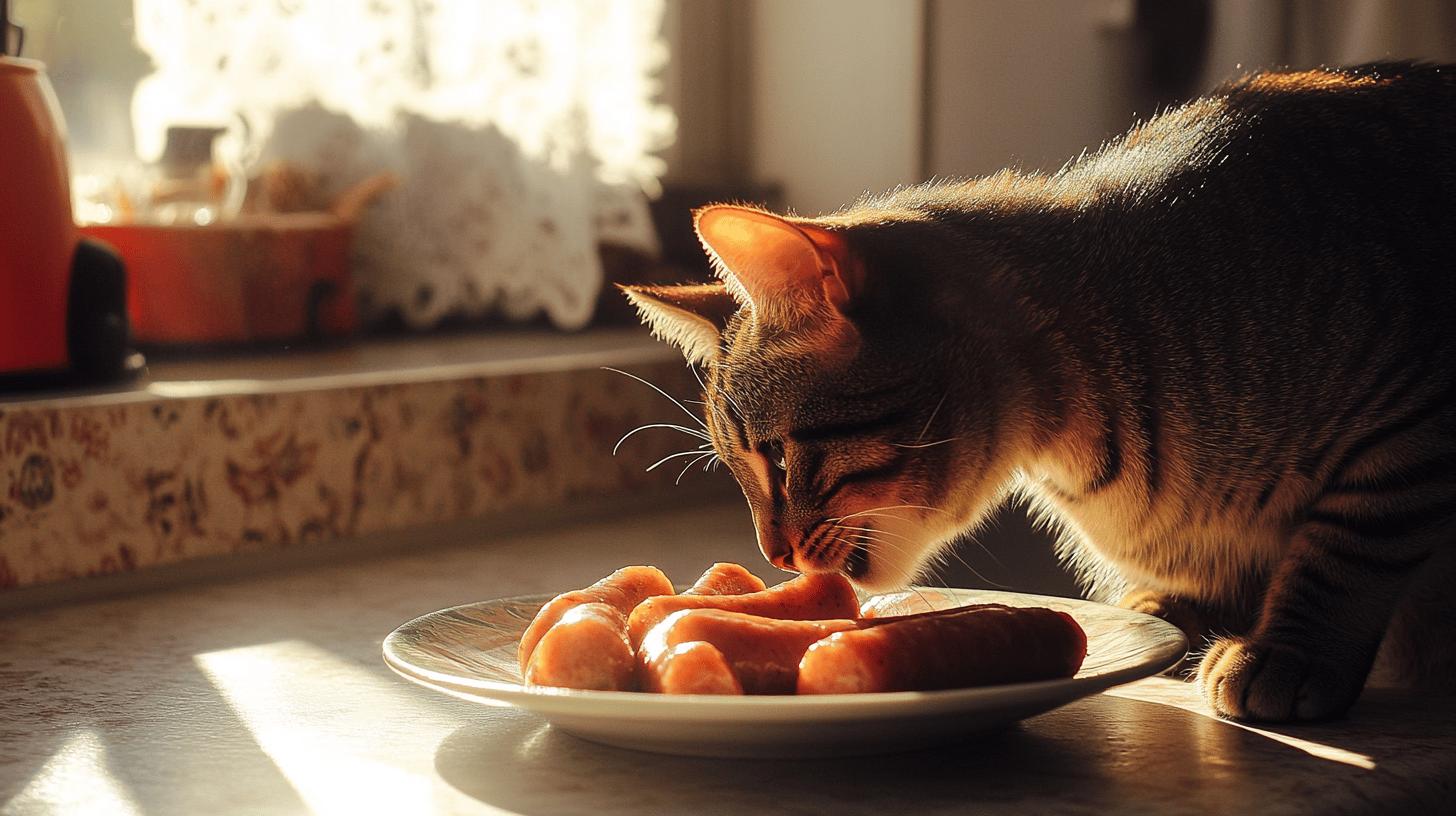
    When pondering whether cats can eat Vienna sausage, it's crucial to acknowledge that these processed meats are generally unsuitable for feline consumption. Vienna sausages, often made from pork, beef, or chicken, are packed with high levels of fat, sodium, sugar, and a variety of additives and preservatives.

    While they aren't toxic to cats in small quantities, their consumption can lead to significant health issues. The high sodium content, in particular, poses a risk, and the presence of certain additives can lead to more severe health problems.

    Examining the nutritional profile of Vienna sausages reveals several concerns. These sausages are often seasoned with harmful ingredients like garlic and onion powder. While they do provide some protein, they lack the essential nutrients that cats need, such as healthy fats, vitamins, and minerals.

    The additives used to enhance flavor and prolong shelf life, such as sodium nitrite and monosodium glutamate (MSG), can be detrimental to a cat’s health. The balance of nutrients in Vienna sausages does not align with a cat's dietary needs, making them an inappropriate choice for regular feeding.

    Here are some specific health issues that may arise from consuming Vienna sausages:

    • Gastrointestinal distress: vomiting and diarrhea due to high sodium and fat content.
    • Excessive thirst: dehydration from elevated sodium levels.
    • Lethargy: lack of essential nutrients leading to energy depletion.
    • Renal damage: potential harm from garlic and onion additives.
    • High blood pressure: due to excessive salt intake.

    Cats have sensitive digestive systems that aren't equipped to handle the high levels of processing and seasoning found in Vienna sausages. Their systems are designed for meat that is closer to its natural state.

    Introducing highly processed foods can lead to stomach upset and disrupt their digestive balance. Cats are obligate carnivores, meaning their diet should mainly consist of fresh, high-quality protein sources without the unnecessary additives and high sodium levels found in these sausages.

    The long-term health risks of feeding your cat Vienna sausages can be significant. Consistent intake of such processed foods can lead to chronic conditions like hypertension and renal issues. These health problems are not only distressing for your cat but can also lead to costly medical treatments.

    Avoiding Vienna sausages and similar foods in your cat's diet is important for maintaining their health and well-being. Opt for balanced, nutrient-rich foods that align with their natural dietary requirements. Prioritizing their nutritional needs will ensure they lead a happy, healthy life.

    Alternative Cat-Friendly Treats

    Alternative Cat-Friendly Treats-1.jpg

    Vienna sausages might seem like a convenient snack, but they're not the best choice for our feline friends. Cats need treats that complement their dietary needs, providing them with essential nutrients without harmful additives.

    The high sodium and preservatives in Vienna sausages can lead to health issues, making it necessary to seek out safer, healthier alternatives. By choosing alternatives, we can ensure our cats get the nutrition they need while still enjoying a tasty treat.

    Consider these alternative treats that are safe and beneficial for cats:

    1. Cooked chicken or turkey: A lean source of protein without added salt or seasoning.
    2. Duck or chicken liver: Rich in vitamins and minerals, perfect in moderation.
    3. Lamb liver: Another great organ meat option, offering essential nutrients.
    4. Salmon or mackerel: Provides omega-3 fatty acids, supporting skin and coat health.
    5. Sweet potato: A fiber-rich snack that is easy on the stomach.
    6. Butternut squash: A tasty treat with vitamins and antioxidants.

    Choosing these alternatives comes with numerous benefits. They are closer to a cat's natural diet, providing the protein and nutrients they need without the negative effects of processed foods. These treats can support your cat's overall health, improving muscle strength, skin condition, and energy levels. By opting for fresher options, you're investing in your cat's long-term well-being.

    When preparing homemade cat treats, ensure that all meats are thoroughly cooked without added salt or seasoning. Remove any bones and skin to prevent choking hazards or digestive issues.

    For vegetables like sweet potato or butternut squash, steam or boil them until soft, making them easier for your cat to digest. By taking these simple steps, you can provide your cat with delicious, nutritious treats that are safe and satisfying.

    Expert Opinions and Veterinary Advice on Cat Diet

    Expert Opinions and Veterinary Advice on Cat Diet-2.jpg

    Veterinary experts emphasize the significance of a balanced diet for cats, aligning with the guidelines set by the Association of American Feed Control Officials (AAFCO). Cats, being obligate carnivores, thrive on diets rich in animal proteins with minimal carbohydrates.

    Veterinarians recommend that treats should constitute no more than 10% of a cat's daily caloric intake to prevent nutritional imbalances. Highly processed foods, like Vienna sausages, are discouraged as they can lead to health issues due to their high sodium content and lack of essential nutrients.

    Adult Cat Dietary Needs

    Adult cats have specific dietary requirements to maintain their health and vitality. They require a diet rich in high-quality protein sources such as chicken, beef, or fish, which support muscle maintenance and energy levels.

    Adequate hydration is crucial, as cats often don't drink enough water; incorporating wet food can help meet their fluid needs. A balanced intake of vitamins, minerals, and essential fatty acids is vital for their skin, coat, and overall well-being.

    Consulting with a veterinarian is crucial for tailoring a diet that suits your cat's individual needs. Vets can provide guidance on portion sizes, suitable food options, and any necessary supplements.

    They can also monitor your cat's health and adjust dietary recommendations as needed, ensuring your feline companion receives the best nutrition possible.

    Final Words

    Considering what we've learned, Vienna sausages are not the best choice for our feline friends. Even though they're not toxic, they carry health risks due to high fat, sodium, and harmful additives. Cats need a diet that aligns with their specific nutritional requirements, and these sausages fall short.

    Instead of asking "can cats eat vienna sausage," it might be better to focus on healthier, cat-friendly treats. Options like fresh meat or commercial treats made for cats are safer and more nutritious. By sticking to vet-recommended guidelines and choosing safe alternatives, we can ensure our cats enjoy both their snacks and good health!

    FAQ

    Are Vienna sausages good for cats?

    Vienna sausages are not good for cats. They have high fat, salt, and harmful additives. While they aren't toxic, they can cause stomach issues like vomiting and diarrhea in cats.

    Is Vienna sausage safe for pets?

    Vienna sausage is not safe for pets, including cats and dogs. Ingredients like garlic powder can cause severe health problems like dehydration and high blood pressure.

    Can cat eat vienna sausage Reddit says?

    Most Reddit users advise against feeding cats Vienna sausages. They are high in sodium and contain additives that can harm a cat's health.

    What human food can cats eat?

    Cats can safely consume certain human foods like cooked chicken, turkey, or fish without added spices or bones. Always ensure the food is plain and cooked well.

    Can cats eat potted meat?

    Potted meat is not recommended for cats. It often contains high sodium levels and preservatives that can cause digestive problems.

    Can cats eat Spam?

    Spam is not suitable for cats. It contains high levels of salt and fat, leading to health issues over time.

    Can cats eat canned tuna?

    Cats can eat canned tuna occasionally. However, it should be given in moderation and without added salt. Tuna lacks some essential nutrients cats need.

    Can cats eat sardines?

    Sardines are safer for cats compared to other processed meats. Offer them occasionally, removing any added salt or flavoring.
    Is it OK to give cats sausage?

    It's not advisable to give cats sausage. Sausages often contain spices and preservatives that can upset a cat's digestive system.

    Can my cat eat a weenie?

    Cats shouldn't eat weenies. They are typically high in fat and salt and contain preservatives that may lead to health issues.

    Related Articles

  • Can Cat Eat Chia Seeds Safely for Health Benefits

    Can Cat Eat Chia Seeds Safely for Health Benefits

    Can cats eat chia seeds safely for health benefits? It might seem surprising, but chia seeds could be a tiny powerhouse for your cat's health. Just like how chia seeds boost human diets, they can offer omega-3, fiber, and antioxidants to our furry companions.

    These nutrients can lead to shinier coats, better digestion, and improved overall well-being. Before you sprinkle some over your pet's meal, there's more to know about how to introduce them safely. Let's dive into the surprising world of chia seeds and your feline friend's health.

    Can Cats Safely Eat Chia Seeds?

    Can Cats Safely Eat Chia Seeds-1.jpg

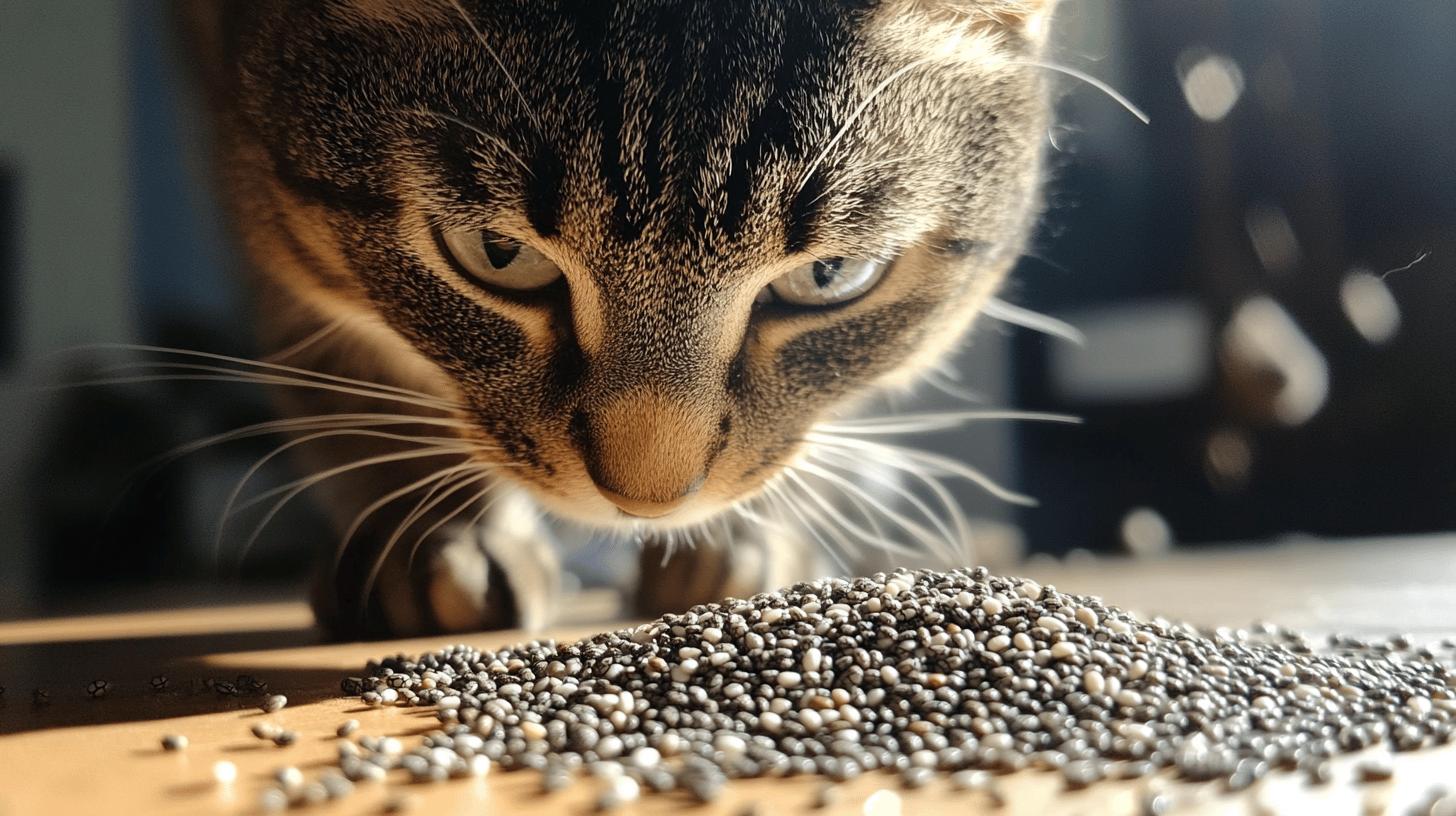
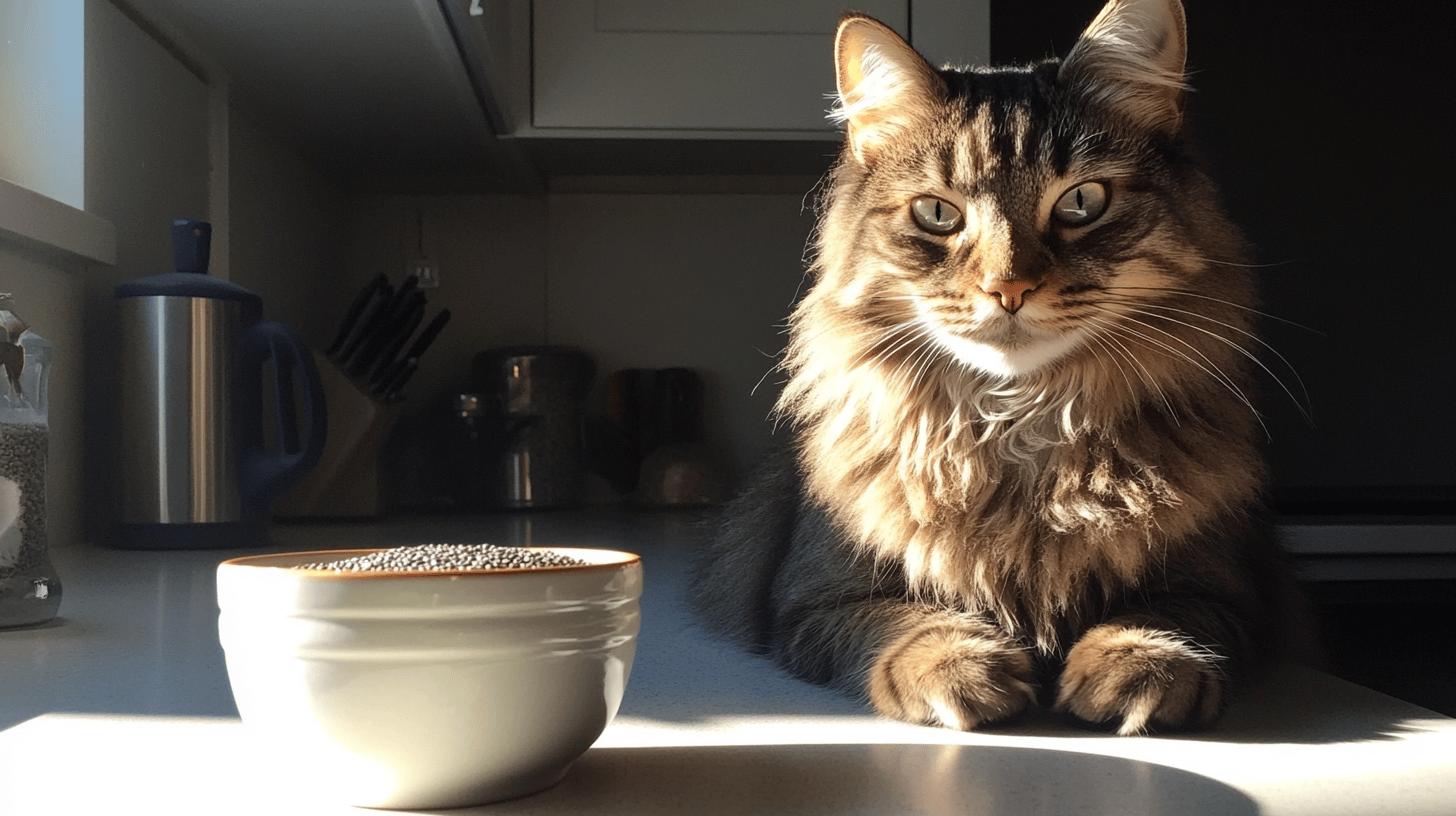
    Chia seeds are generally safe for cats when eaten in moderation. These tiny seeds are packed with omega-3 fatty acids, fiber, and antioxidants, which can be beneficial for your feline friend. Omega-3s are known to support coat and skin health, while fiber aids in digestion.

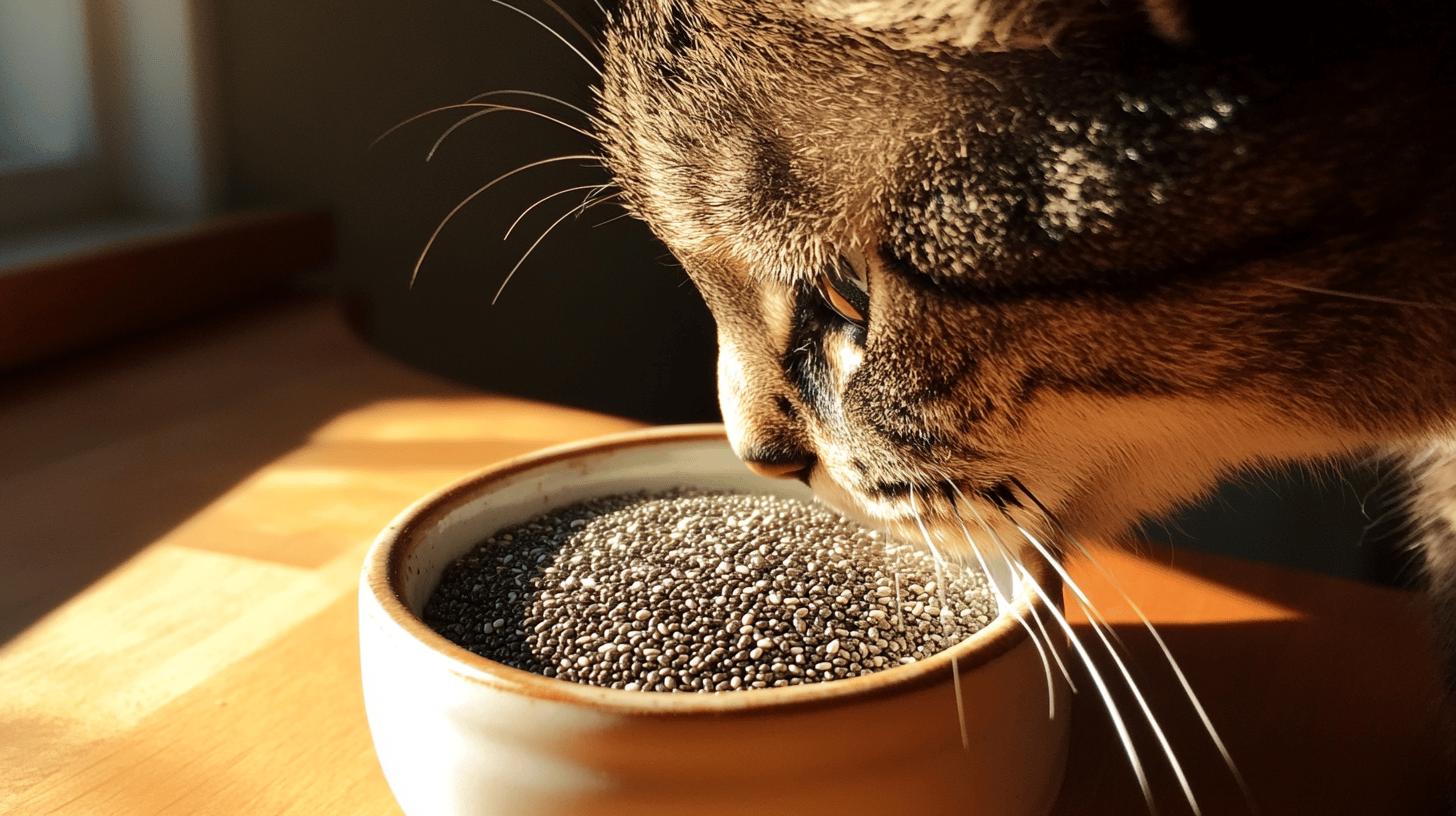
    Antioxidants provide overall health support. Mixing about half a teaspoon of chia seeds into your cat's regular food can be a healthy addition to their diet.

    However, it's important to consider potential risks. Introducing chia seeds too quickly can lead to digestive issues such as diarrhea or constipation. It's best to start with a small amount and gradually increase it, all the while monitoring your cat's reaction.

    If you notice any adverse effects, discontinuing use and consulting with a veterinarian is wise. While chia seeds are safe, they should not replace a meat-based diet that provides the essential nutrients cats need.

    Chia seeds do not contain substances like persin, which are harmful to pets and found in some other seeds and nuts. This makes them safer compared to seeds that could be toxic. While chia seeds are a good supplementary option, remember that they are not a primary food source. Ensuring your cat's diet consists mainly of animal proteins is crucial for their well-being.

    Health Benefits of Chia Seeds for Cats

    Health Benefits of Chia Seeds for Cats-1.jpg

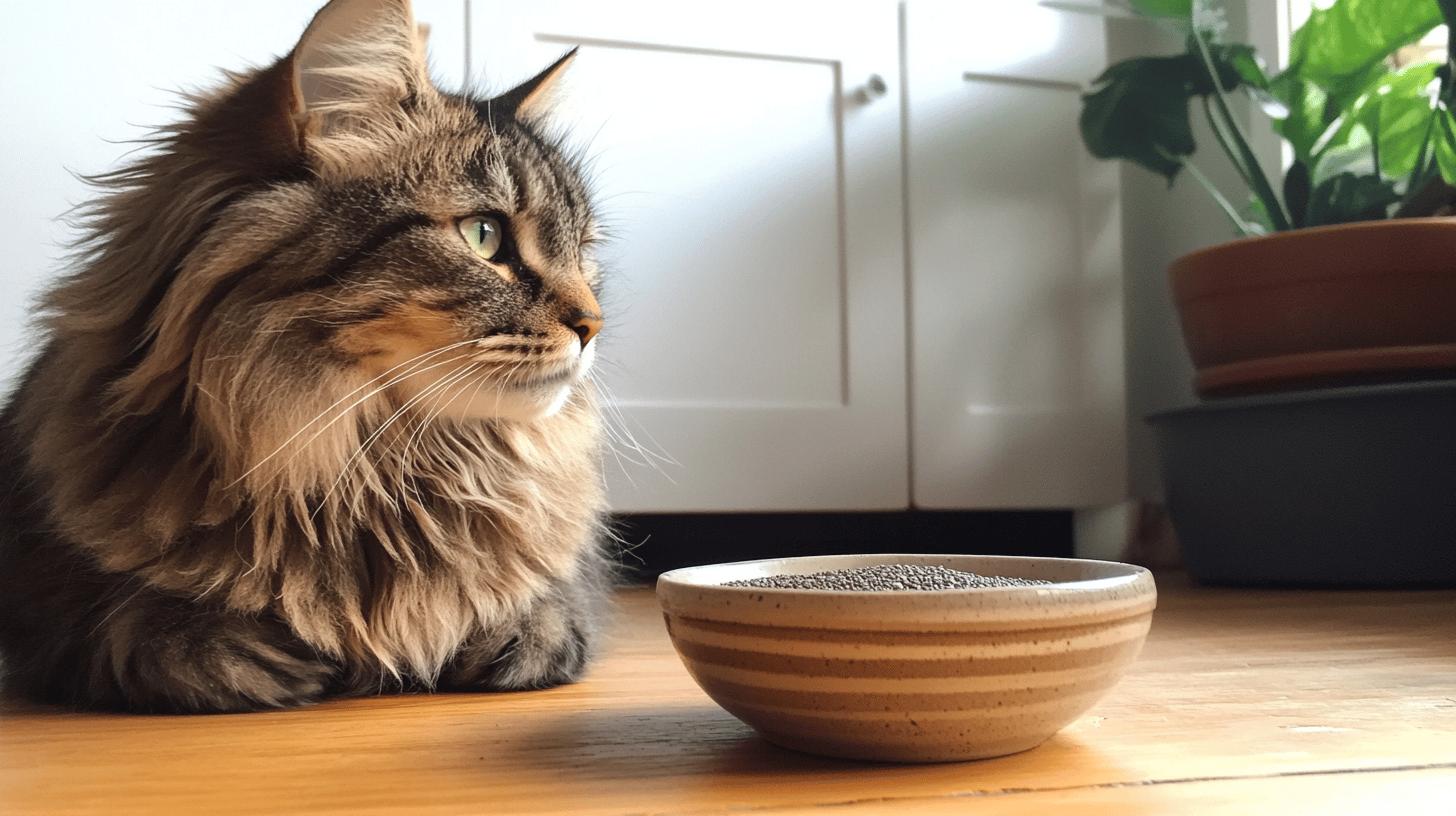
    Chia seeds can be a great supplement to your cat's diet. They provide omega-3 fatty acids, which help keep your cat's coat shiny and skin healthy. The fiber in chia seeds supports digestion and helps with regular bowel movements. Antioxidants in these seeds fight free radicals, boosting overall health.

    Nutrient Benefit
    Omega-3 Promotes healthy coat and skin
    Fiber Aids in digestion
    Antioxidants Supports overall health

    To add chia seeds to your cat's meals, sprinkle a small amount over their food. This can enhance their diet without disrupting their primary nutrition from meat. Remember, cats need meat-based foods as they are obligate carnivores, and chia seeds should only act as a nutritional supplement, not a substitute.

    Potential Risks and Side Effects of Chia Seeds in Cats

    Potential Risks and Side Effects of Chia Seeds in Cats-1.jpg

    While chia seeds can be a healthy addition to many diets, there's not much scientific evidence showing they help with specific medical issues in cats. It's vital to focus on providing a balanced diet, prioritizing meat-based proteins to meet your cat's nutritional needs.
    Introduce chia seeds gradually into your cat's diet. Begin with a small amount and increase slowly to monitor your cat's reaction. This careful approach helps minimize the risk of digestive issues like diarrhea or constipation, ensuring your cat's comfort.

    Always consult your veterinarian before adding chia seeds or making any dietary adjustments. Your vet can offer tailored advice based on your cat's individual health needs.
    Comparing Chia Seeds with Other Seeds and Foods for Cats

    Comparing Chia Seeds with Other Seeds and Foods for Cats-1.jpg

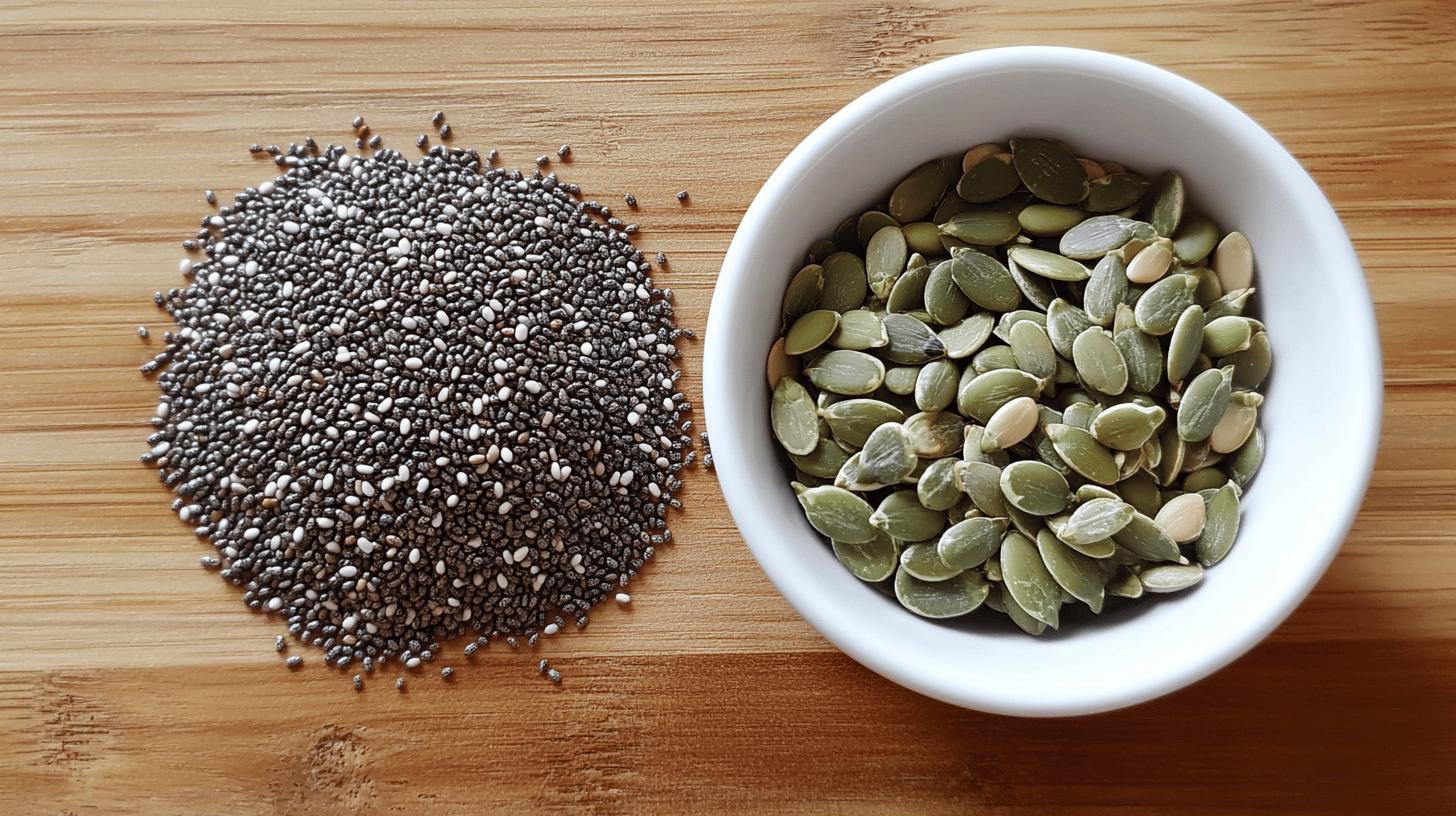
    When looking at chia seeds and flaxseeds for your cat, both are good sources of fiber and essential nutrients. Chia seeds offer omega-3 fatty acids that can help maintain a glossy coat, while flaxseeds also contribute to skin health with their omega-3 content. Both seeds can aid digestion due to their fiber content. Pumpkin seeds are another excellent alternative.
    They not only provide fiber but also nutrients like zinc, which can support urinary health. While these seeds offer benefits, it's important to remember they shouldn't replace the animal protein in your cat's diet. Cats are obligate carnivores and require nutrients that only meat can provide.

    Here are some alternative foods that can provide similar benefits to chia seeds:

    • Pumpkin: Helps with digestion and is a source of fiber.
    • Fish oil: Provides omega-3 fatty acids for skin and coat health.
    • Cooked eggs: Offer protein and essential fatty acids.
    • Chicken liver: Rich in vitamins A and B, and provides protein.
    • Cooked carrots: Contain fiber and are a source of vitamins.

    Feeding your cat a varied diet with different protein sources is crucial. While seeds like chia, flax, and pumpkin can supplement their meals, they should never be the main component. Animal proteins are essential for their health.

    Including a mix of proteins and occasional seeds can ensure your cat gets a balanced intake of nutrients. Always introduce any new foods slowly and consult with your vet to tailor the diet to your cat's specific needs.

    Potential Risks and Side Effects of Chia Seeds in Cats

    How to Incorporate Chia Seeds into a Cats Diet Safely-2.jpg

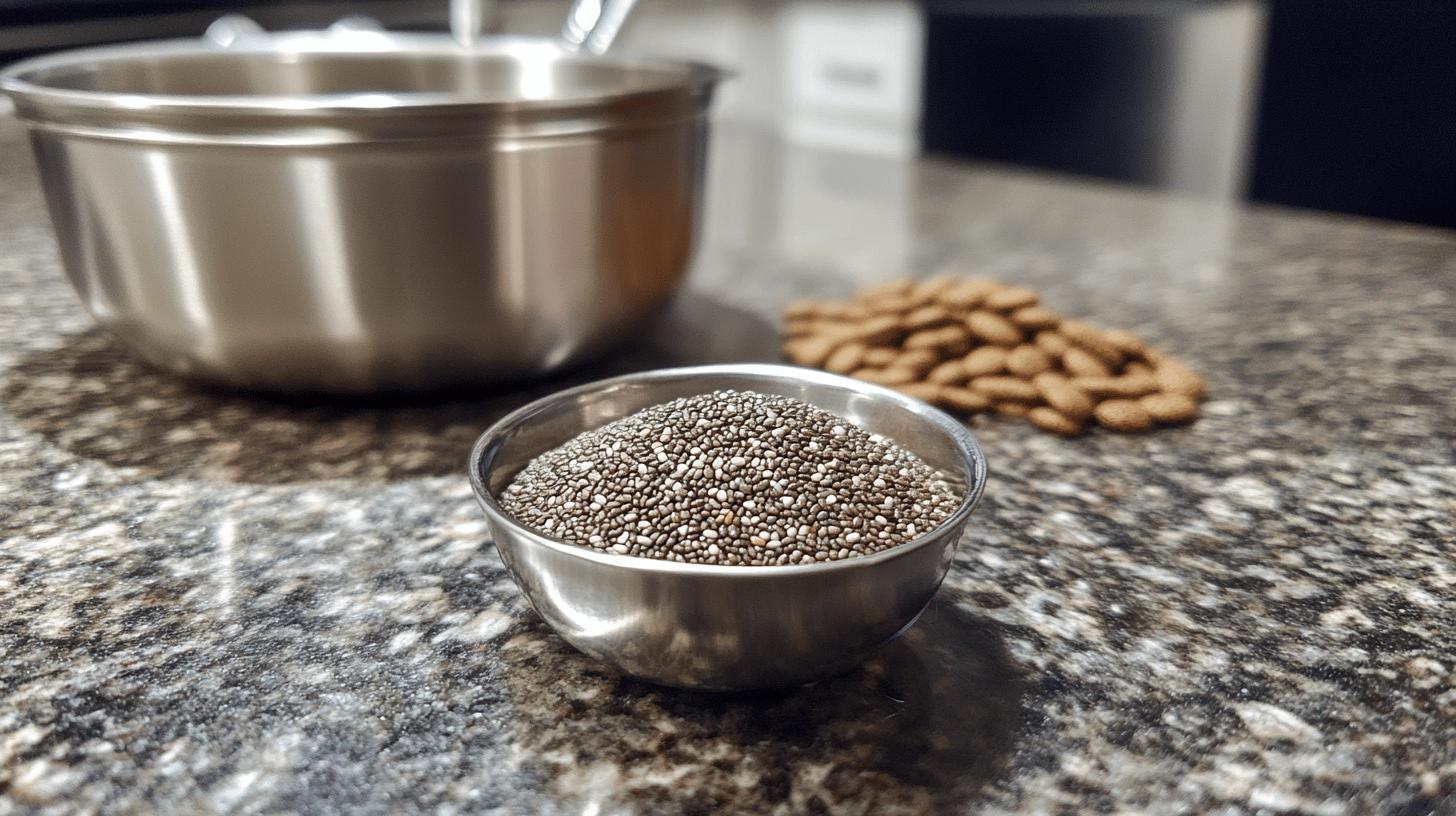
    Chia seeds should be soaked in water before use to prevent them from absorbing moisture from your cat's stomach, which could lead to bloating or discomfort. Start by introducing chia seeds in small amounts, mixing them with your cat's regular food.

    This gradual introduction allows you to monitor your cat's reaction and adjust accordingly. Remember, chia seeds are not a replacement for essential nutrients found in meat, but they can complement a balanced diet.

    1. Soak the Seeds: Place a small amount of chia seeds in water and let them soak for at least 15 minutes.
    2. Start Small: Mix about half a teaspoon of soaked chia seeds into your cat's food.
    3. Monitor Reactions: Watch for any signs of digestive issues, like diarrhea or constipation, and adjust the amount if needed.
    4. Gradually Increase: If your cat shows no adverse reactions, you can slowly increase the amount over time.

    Consulting your veterinarian is crucial when introducing new foods into your cat's diet. They can provide personalized advice based on your cat's specific health needs and ensure that the dietary changes are appropriate. While chia seeds can offer health benefits, your vet will help you determine the right balance to maintain your cat's overall well-being.

    Final Words

    Exploring whether cats can eat chia seeds shows they're mostly safe and beneficial in moderation. These seeds provide nutrition like omega-3 fatty acids, fiber, and antioxidants, which are good for a cat's health. But remember, chia seeds should not replace meat-based diets. There are also potential risks, such as digestive issues, so gradual introduction is key. Always consult with a vet to ensure the best dietary choices for your cat. Offering chia seeds appropriately can enhance your cat's playtime and overall well-being, making healthy choices rewarding.

    FAQ

    Can cats eat chia seeds raw?

    A: Cats can safely eat raw chia seeds in moderation. These seeds offer health benefits like omega-3 fatty acids, fiber, and antioxidants. However, they shouldn't replace meat-based nutrition.

    Can cats eat chia seeds every day?

    A: It's best not to give chia seeds to cats daily. Offer them as a supplement, not a main food source. Limit to about half a teaspoon mixed in their food, and watch for any reactions.

    Can cats eat chia sprouts?

    A: Chia sprouts can be offered to cats in small amounts. They provide similar nutrients as seeds but monitor your cat for any digestive issues when introducing them.

    How should I give chia seeds to my cat?

    A: Introduce chia seeds gradually. Soak them first, then mix a small amount with regular cat food. Increase slowly while monitoring your cat's response.

    Can cats eat flax seeds?

    A: Cats can eat flax seeds, which provide fiber and nutrients like chia seeds. Offer in moderation as part of a balanced diet.

    Are chia seeds good for cats?

    A: Chia seeds are beneficial for cats in small quantities. They provide omega-3 fatty acids for coat health, fiber for digestion, and antioxidants for overall health.

    What are the potential risks of giving cats chia seeds?

    A: Chia seeds may cause digestive issues like diarrhea or constipation. Introduce them gradually and consult a vet, especially if your cat has health concerns.

    What seeds are safe for cats?

    A: In moderation, chia, flax, and pumpkin seeds are safe for cats. Always ensure seeds are introduced gradually and monitor for any adverse reactions.

    Related Articles

  • Can Cat Eat Kale The Safe Way and Nutritional Insights

    Can Cat Eat Kale The Safe Way and Nutritional Insights

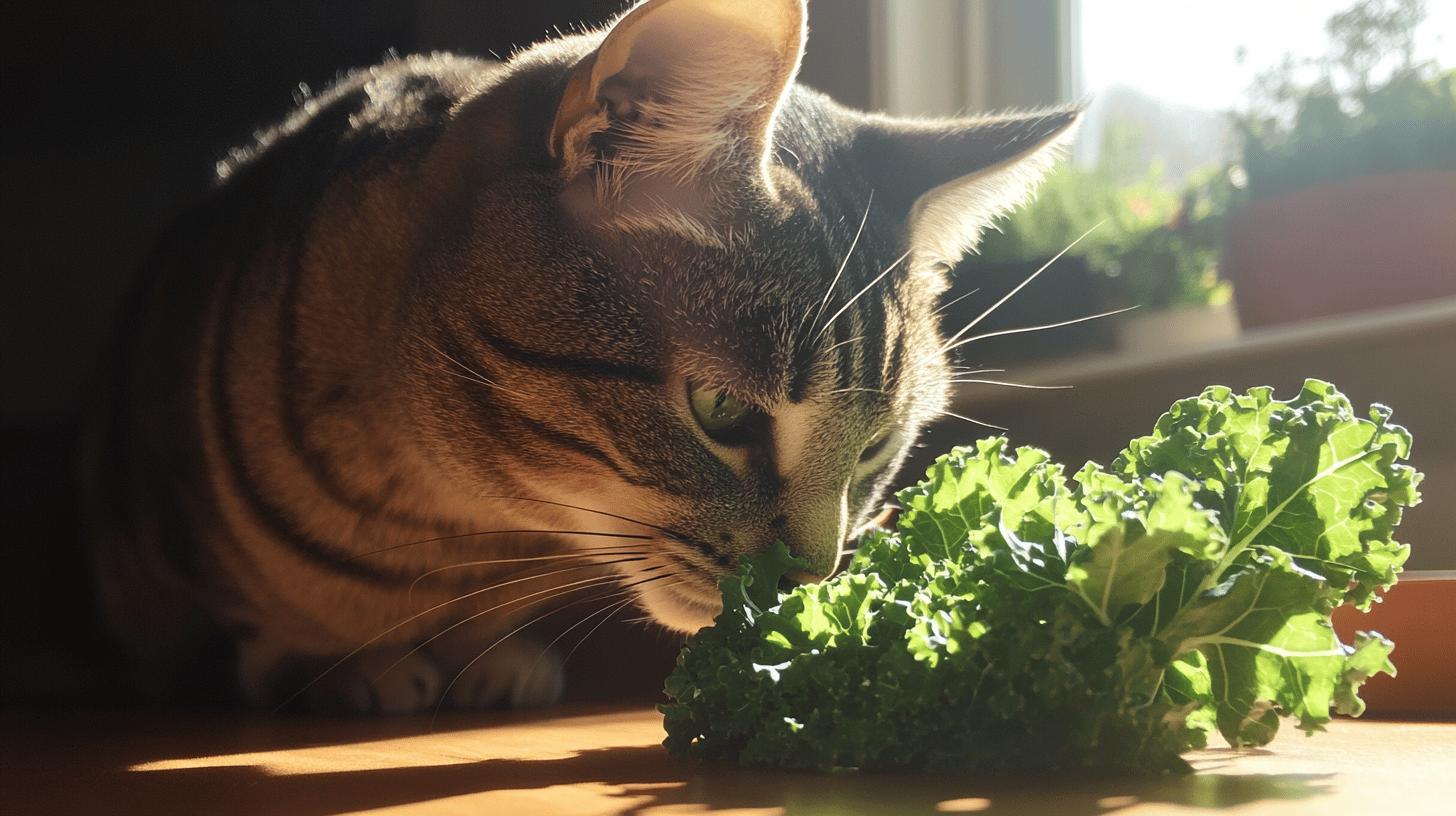
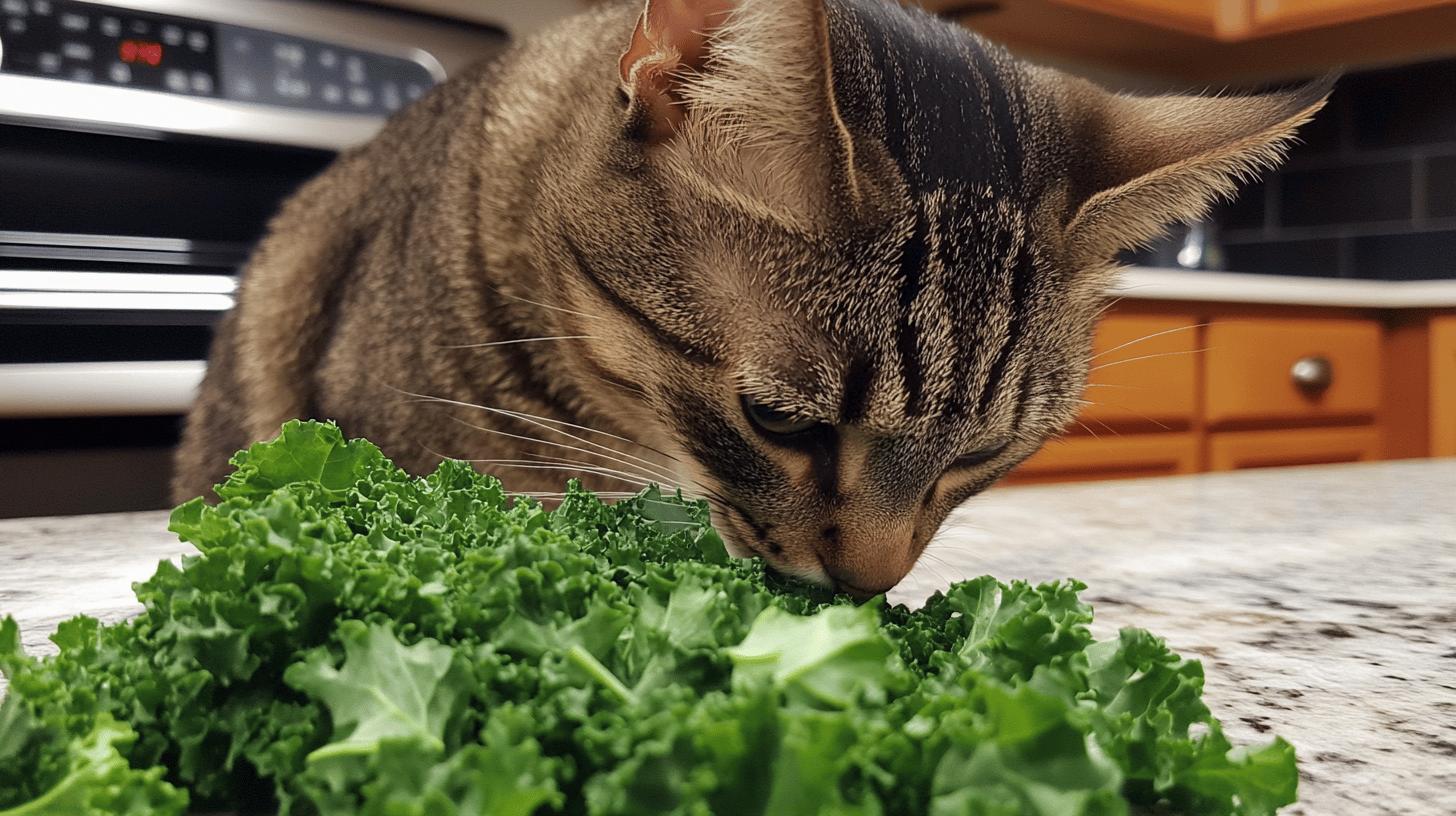
    Can your cat munch on kale safely? This leafy green might seem like a strange choice for your feline friend, but it offers surprising benefits when given in tiny amounts. While kale is packed with vitamins and minerals like vitamin A and copper, it's not a replacement for the protein-fueled diet cats need. Too much can lead to problems like digestive upset or even more severe issues. Let's explore the safe way to introduce kale to your cat's diet while keeping their health front and center.

    Can Cats Eat Kale Safely?

    Can Cats Eat Kale Safely-1.jpg

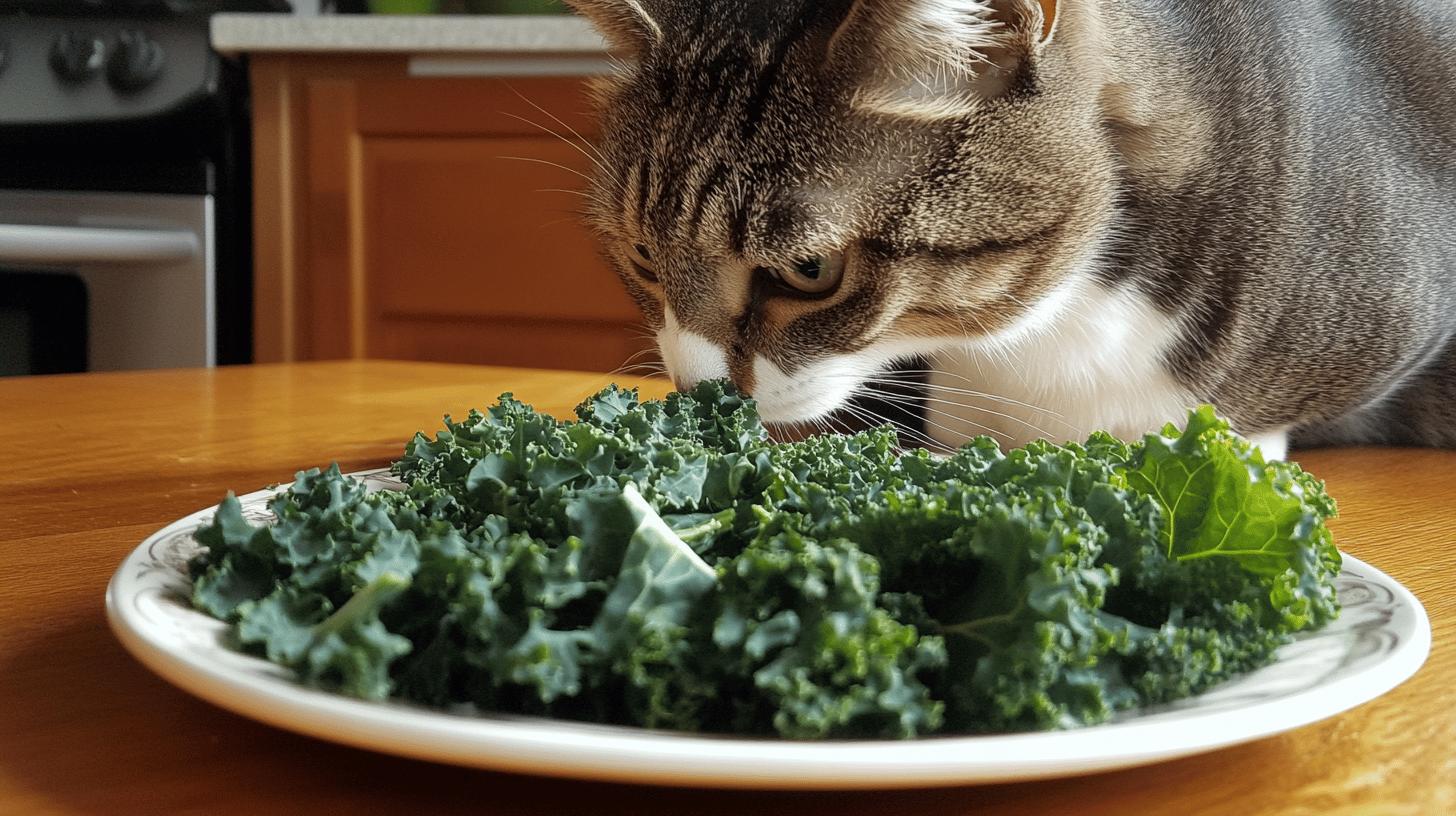
    Kale can be a safe treat for cats when given in small amounts. As obligate carnivores, cats primarily need protein, but kale can be an occasional addition to their diet. It's rich in nutrients like vitamin A and copper, which are beneficial for cats, but only when consumed in moderation. Since cats require most of their nutrition from meat, kale should not make up a significant portion of their diet.

    In terms of nutritional benefits, kale offers a variety of vitamins and minerals. Vitamin A supports vision and immune function, while copper aids in forming red blood cells and maintaining healthy connective tissues. Despite these benefits, the key is to ensure kale doesn't replace the primary protein sources that cats need.

    Potential risks associated with kale consumption in cats include:

    • Heinz body anemia: Overconsumption can lead to this life-threatening condition.
    • Digestive upset: Introducing too much kale at once can cause stomach issues.
    • Fiber overload: Too much fiber can interfere with nutrient absorption.
    • Calcium oxalate: Present in kale, may contribute to urinary issues.
    • Choking hazard: Large pieces can pose a risk if not prepared properly.

    Given these risks, it's crucial to offer kale in moderation. This means keeping portion sizes small and infrequent, ensuring it remains a minor part of their overall diet. Always watch for any adverse reactions when introducing kale or any new food to your cat's diet.

    Nutritional Benefits of Kale for Cats

    Nutritional Benefits of Kale for Cats-1.jpg

    Kale can be a nutritious addition to your cat's diet when prepared correctly. While vitamin A is known for supporting vision and immune function, there are other leafy greens like spinach or Swiss chard that offer similar benefits with fewer risks. Preparing kale safely involves steaming it to soften the leaves and reduce potential thyroid interference. Always ensure it is served in small quantities mixed with their regular food.

    Kale's copper content supports red blood cell formation and connective tissue health. If you're concerned about the risks of kale, consider green beans or peas as alternative sources. These alternatives provide essential minerals without the same concerns.

    The dietary fiber in kale aids digestion, but there are other vegetables like pumpkin or zucchini that can offer similar digestive benefits. Gradually introducing these alternatives can help maintain a healthy digestive system for your cat.

    Preparing Kale for Cats

    Preparing Kale for Cats-1.jpg

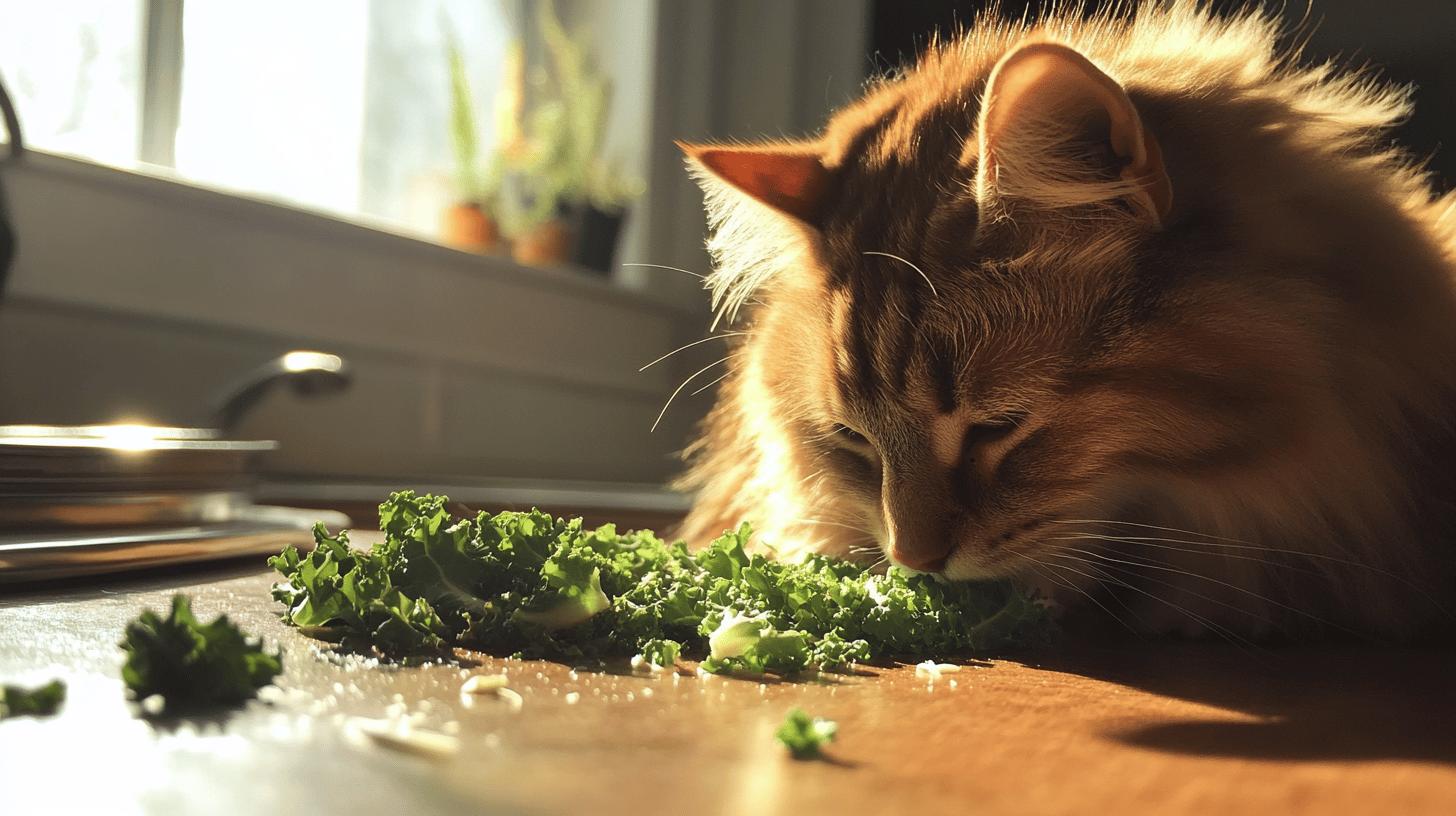
    When getting kale ready for your cat, washing it thoroughly is a must. This ensures any pesticides or contaminants are removed. Though offering it raw is fine, steaming kale lightly is a safer bet. Steamed kale is softer, making it easier for your cat to chew and digest. Another key tip is to cut the kale into small, bite-sized pieces. This prevents choking and makes the kale manageable for your furry friend.

    Cats thrive on a primarily meat-based diet, so kale should only be a rare treat. Keep portions tiny to avoid digestive issues. A small piece mixed into their regular food once in a while is plenty.

    • Wash the kale thoroughly to remove any pesticides or dirt.
    • Steam the leaves lightly to soften them.
    • Cut the kale into small, manageable pieces.

    Comparing Kale with Other Leafy Greens for Cats

    Comparing Kale with Other Leafy Greens for Cats-1.jpg

    When looking at leafy greens for cats, spinach can be considered alongside kale. While spinach offers vitamins A, C, and K, it's crucial to remember that its high oxalate content can cause urinary issues in cats. Moderation is key when adding spinach to your cat's diet.

    Spinach for Cats

    Spinach provides valuable nutrients like vitamin A, which aids vision, and vitamin C, supporting the immune system. Vitamin K also contributes to bone health. However, due to its oxalates, spinach can pose a risk for urinary tract problems. Offering spinach sparingly can help mitigate these risks.

    Kale for Cats

    Kale is rich in nutrients such as vitamin A and copper, supporting vision and immune function. Yet, kale's overconsumption can lead to Heinz body anemia in cats. Its fiber content can aid digestion but should be given in moderation to prevent digestive issues. Keep kale a minor part of your cat's diet.

    Both kale and spinach offer nutritional benefits but come with risks. Use them sparingly to enhance your cat's diet while focusing on their primary needs for high-quality protein.

    Safe Vegetables for Cats

    Safe Vegetables for Cats-1.jpg

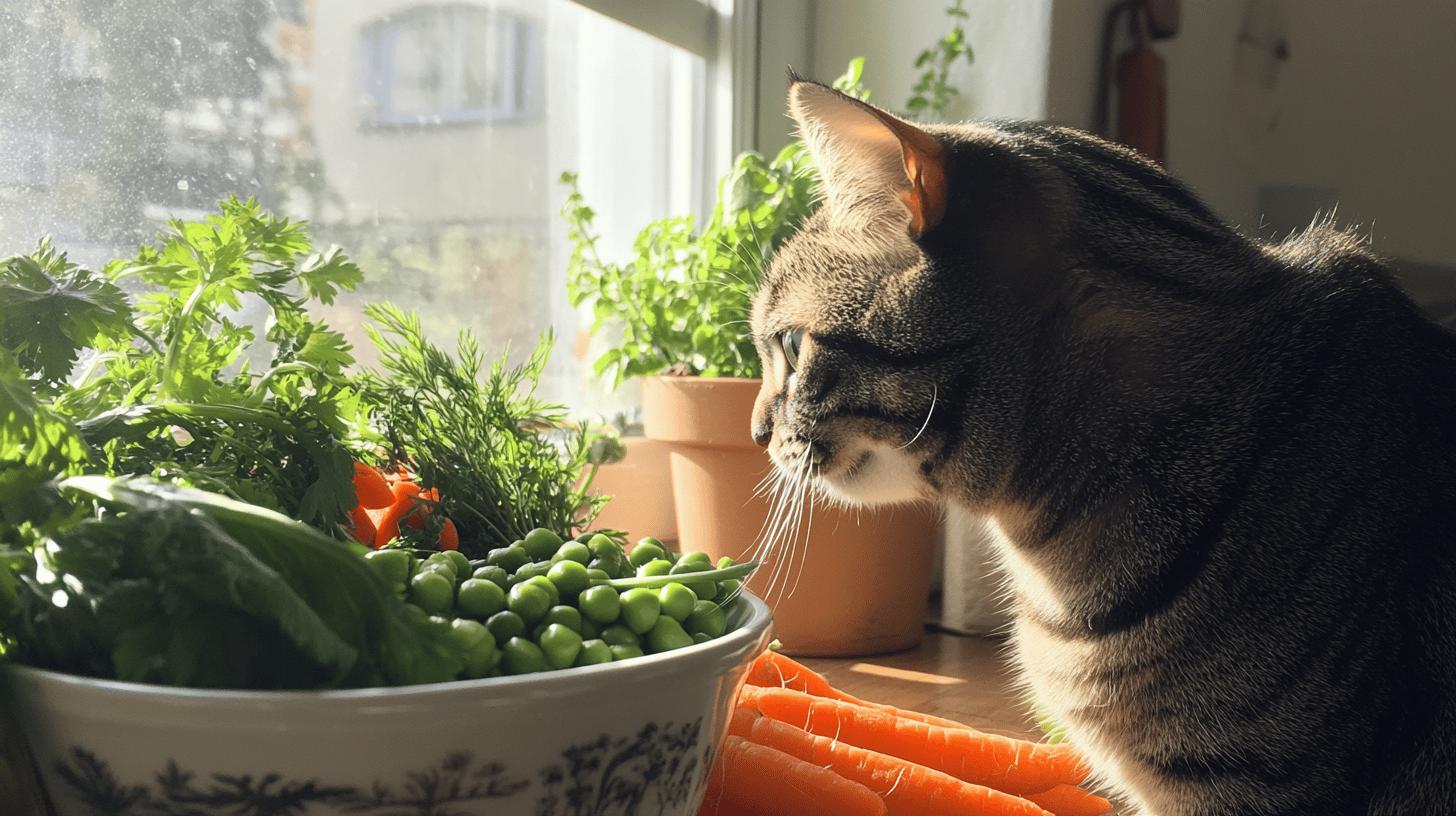
    Vegetables can be a healthy snack for cats, offering additional nutrients and hydration. While cats are obligate carnivores needing protein as their primary food source, the right vegetables can supplement their diet. Vegetables can introduce variety and some essential nutrients, but they shouldn't overshadow the meat-based meals that cats need for optimal health. When incorporating vegetables, think of them as a garnish rather than a main dish.

    Among the safe vegetables for cats are carrots, peas, and lettuce, which can be given in small, controlled amounts. These veggies provide vitamins and fibers that can aid digestion and overall well-being. However, always ensure any vegetable given to your feline friend is properly prepared, usually by steaming or chopping to reduce choking hazards and improve digestibility.

    Vegetable Nutritional Benefit
    Carrots Rich in beta-carotene, supports vision and immune health.
    Peas Source of protein and fiber, aids digestion.
    Lettuce Low-calorie option, provides hydration.
    Green Beans High in fiber, promotes digestive health.
    Spinach Contains iron and vitamins A, C, K; use sparingly due to oxalates.
    Broccoli High in fiber and vitamin C, supports immune function.

    Moderation is crucial when feeding vegetables to cats. Introduce new vegetables slowly and keep an eye on any changes in their health or behavior. Remember, the primary focus should be on providing a high-quality protein-rich diet, with vegetables serving as an occasional treat. Always consult your vet if you're uncertain about adding specific vegetables to your cat's diet.

    Final Words

    Exploring whether cats can eat kale reveals that while it's safe in small amounts, it should remain an occasional treat. The nutritional benefits, like vitamins A and copper, are valuable but cats are obligate carnivores requiring a protein-rich diet. Care is needed to avoid health issues like anemia from overconsumption.

    Kale is just one of several vegetables cats can safely enjoy alongside protein. By considering portion sizes and preparation, we ensure safe and happy meals for our feline companions. Embrace variety healthily, always prioritizing your cat’s dietary needs.

    FAQ

    Is it safe for cats to eat kale?

    Kale is safe for cats when consumed in small amounts. It provides beneficial nutrients like vitamin A and copper. However, overeating kale can lead to Heinz body anemia, a serious condition in cats.

    Can cats eat spinach?

    Cats can eat spinach, but it should be fed in moderation due to its high oxalate levels, which may cause urinary issues.

    Are leafy greens toxic to cats?

    Not all leafy greens are toxic. Kale and spinach are safe in small amounts. Always offer them as an occasional treat, not a dietary staple.

    Can cats eat kale leaves and stems?

    Cats can eat kale leaves and stems, but they should be offered in small, manageable pieces to avoid choking.

    What greens can I give my cat?

    You can give your cat kale, spinach, carrots, peas, and lettuce, as these are safe in moderation.

    Can dogs eat kale?

    Yes, dogs can eat kale in small amounts. It provides several nutrients beneficial to their health.

    Related Articles

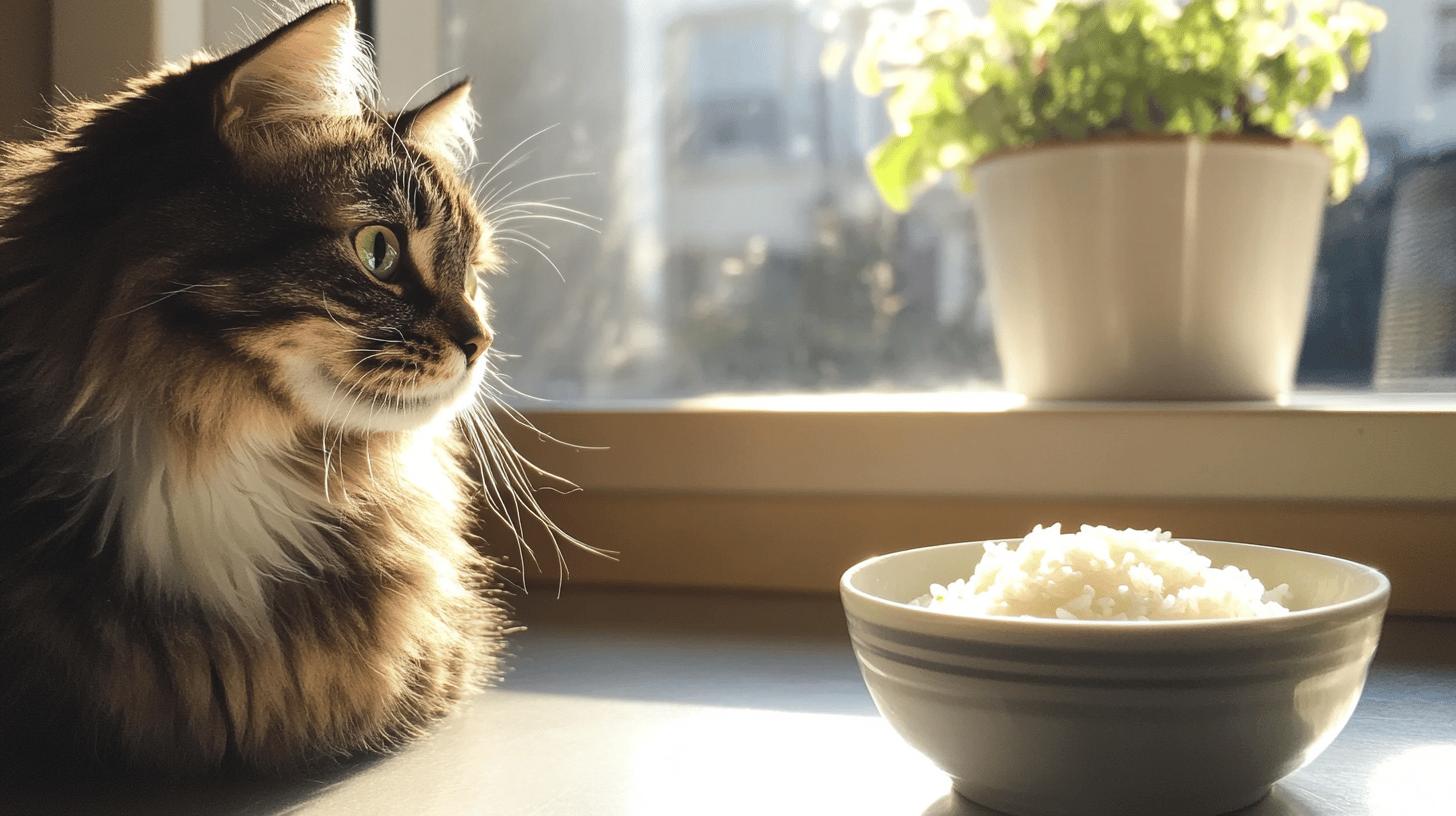
  • Can Cat Eat White Rice Safely and in Moderation

    Can Cat Eat White Rice Safely and in Moderation

    Can your cat really eat white rice without any troubles? As a devoted cat owner, you've probably asked yourself this question at some point. White rice is generally safe for cats in moderation, but it shouldn't become a part of their regular meals. Why? Cats are obligate carnivores, meaning their nutritional needs are best met by meat. Feeding them too much rice might leave them short on the essential nutrients they need. Let's explore how to safely incorporate white rice into your cat's diet without compromising their health.

    Can Cats Eat White Rice Safely?

    Can Cats Eat White Rice Safely-1.jpg

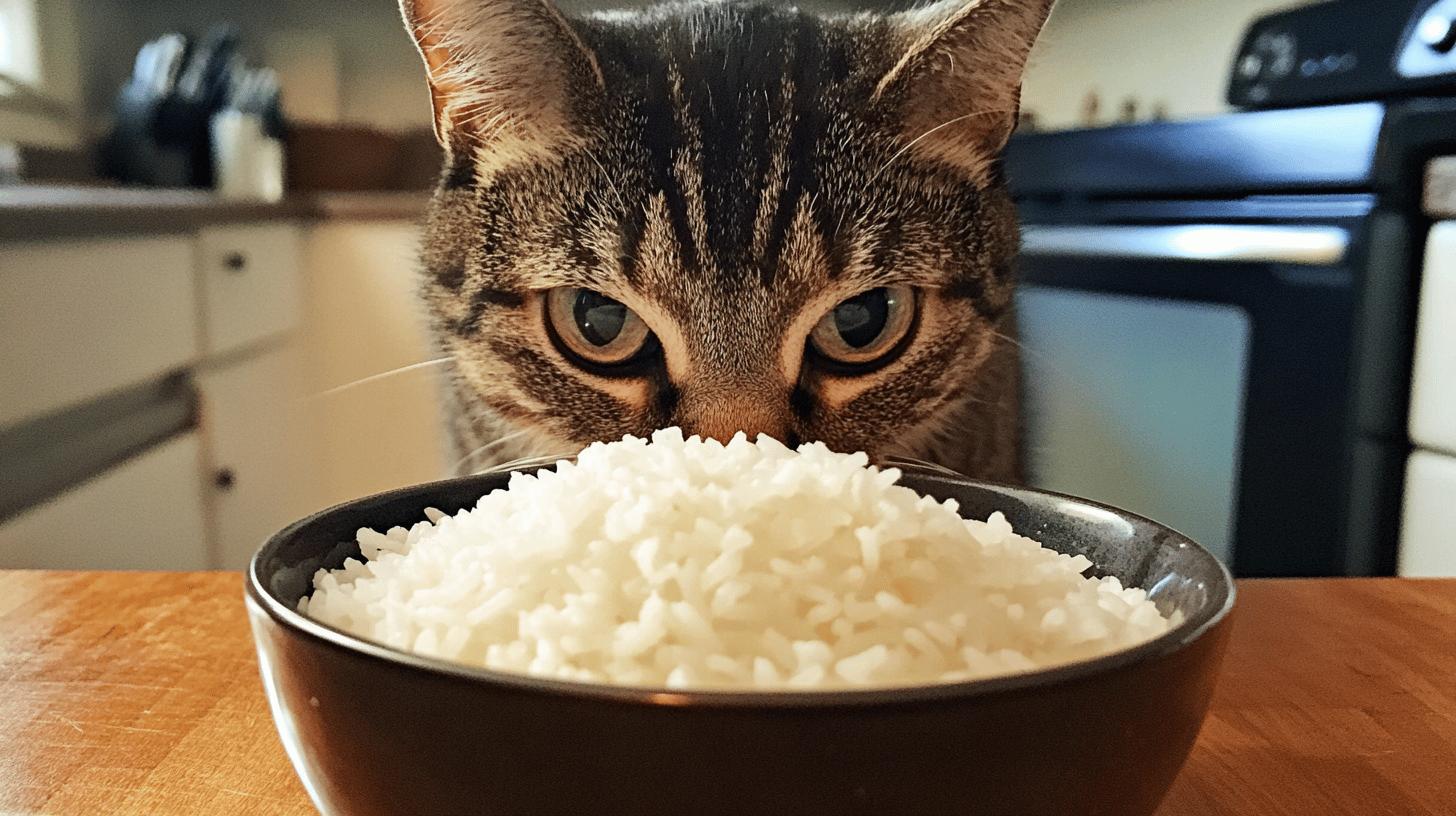
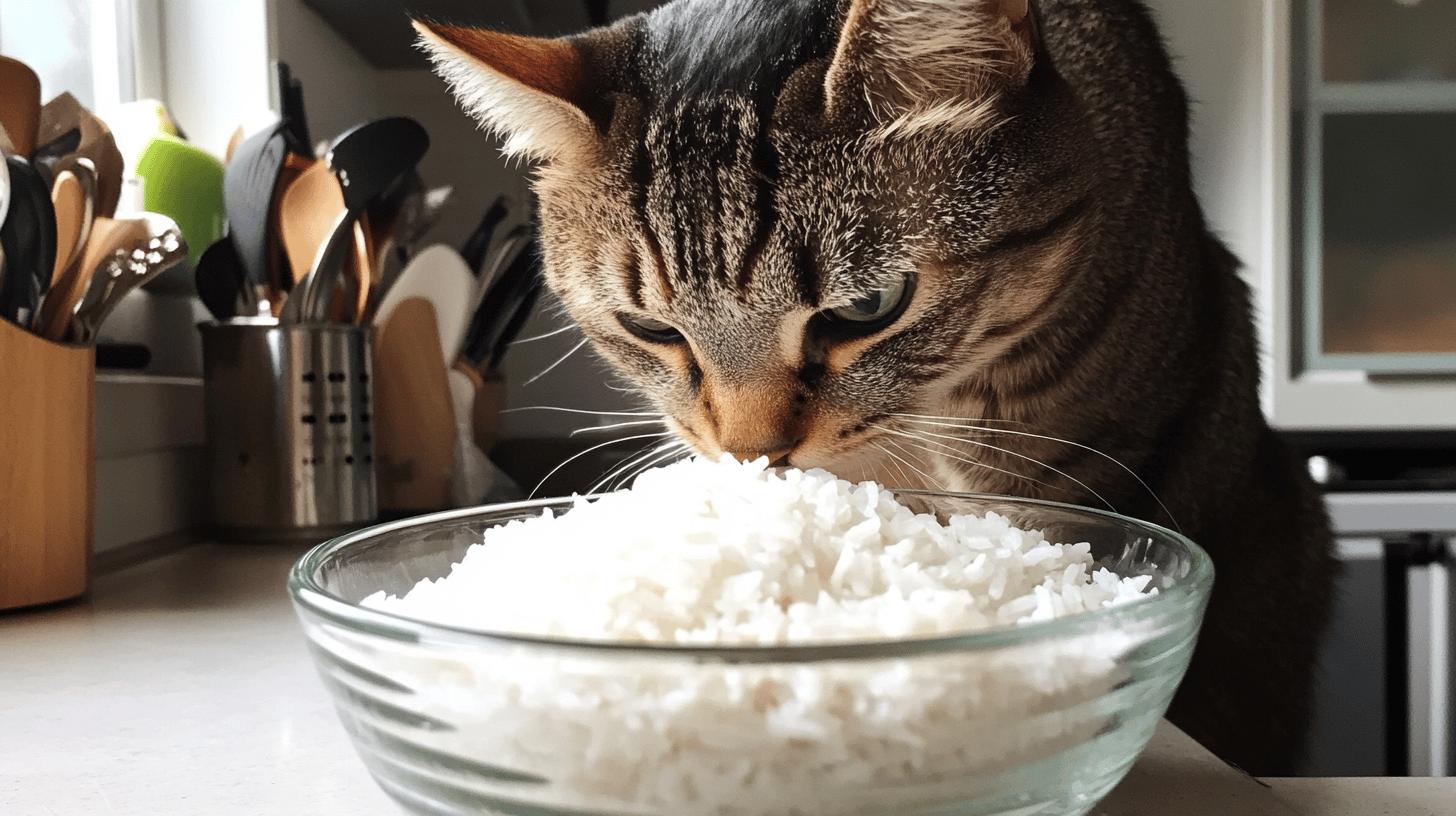
    White rice is safe for cats to eat in small amounts. It's non-toxic and generally easy to digest, thanks to its bland nature and low fiber content. If you're wondering, "Can I feed my cat white rice?" the answer is yes, but with caution. While it won't harm your feline friend in small doses, white rice should never become a staple in their diet.

    Despite being safe, white rice lacks the essential nutrients that cats need. Cats are obligate carnivores, meaning their diet should primarily consist of meat. Feeding them too much rice could lead to nutritional deficiencies since it doesn't provide necessary proteins and amino acids. Overconsumption of rice may also result in digestive issues or contribute to obesity, affecting your cat's overall health.

    In terms of frequency, white rice should only be an occasional treat. Think of it as a rare indulgence rather than a dietary component. If you choose to give white rice to your cat, make sure it's plain and cooked thoroughly. A small spoonful mixed with their regular food is enough. Monitoring their reaction and adjusting accordingly ensures that your cat enjoys a balanced and nutritious diet.

    Nutritional Impact of White Rice for Cats

    Nutritional Impact of White Rice for Cats-1.jpg

    White rice doesn't provide the essential nutrients cats need, like proteins and amino acids. Brown rice, although richer in B vitamins and iron, is harder for cats to digest. Neither type offers what cats require as obligate carnivores. Here's a quick comparison:

    Nutrient White Rice Brown Rice
    Vitamin B Low High
    Iron Minimal Moderate
    Digestibility Higher Lower

    Cats thrive on diets rich in animal-based proteins, including nutrients like taurine and arginine, absent in rice. While rice might be used occasionally for specific health issues, it shouldn't be a staple in their diet. Their nutritional needs are best met through a meat-rich diet.

    When and Why to Feed White Rice to Cats

    When and Why to Feed White Rice to Cats-1.jpg

    White rice can sometimes be a helpful remedy for cats experiencing digestive issues, particularly diarrhea. Its bland nature and easy digestibility make it a gentle option to soothe an upset tummy. Unlike brown rice, which is harder for cats to digest, white rice can temporarily bind loose stools and offer some relief. But remember, this should be a short-term solution rather than a dietary staple, as it doesn't provide the essential nutrients that cats require.

    There are specific scenarios where feeding white rice to cats might be beneficial:

    • Digestive Upset: When your cat has diarrhea, a small amount of plain white rice can help firm up the stool.
    • Transitioning Diets: If you're switching your cat's food, a little white rice can ease the transition and prevent stomach upset.
    • Post-Illness Recovery: After recovering from an illness, white rice can be a gentle introduction back to regular feeding.
    • Sensitive Stomach: For cats with a sensitive stomach, white rice might soothe occasional digestive discomfort.

    Even though white rice can offer temporary relief, it's crucial to prepare and serve it properly. Always thoroughly cook the rice without any seasonings, oils, or additives. Start with small portions, about a teaspoon mixed with their regular food, to monitor your cat’s reaction. Moderation is key, as too much rice can lead to nutritional imbalances. Always consult your vet if diarrhea persists or if you have concerns about your cat's health.

    Alternatives to Feeding White Rice to Cats

    Alternatives to Feeding White Rice to Cats-1.jpg

    Cats are obligate carnivores, meaning their diet should be rich in animal-based proteins. This is why alternatives to white rice, which lacks essential nutrients, are important for maintaining their health. Protein-rich snacks and certain vegetables can better align with their dietary needs. Meat snacks, like small pieces of cooked chicken or turkey, can be excellent choices. They not only provide the necessary proteins but also keep your feline engaged and satisfied. Vegetables, though not a primary food source, can occasionally be offered to provide variety and extra nutrients.

    Here are some healthy alternatives to white rice for cats:

    • Cooked chicken or turkey pieces
    • Small amounts of cooked fish, like salmon or tuna
    • Peas or green beans
    • Cooked carrots
    • Pumpkin puree

    When selecting snacks for your cat, it's best to avoid foods high in sugar or those that are toxic, like chocolate or grapes. Citrus fruits should also be avoided due to their potential to upset a cat's stomach. Opting for wholesome, natural foods that align with a cat's nutritional needs ensures they get the most out of their diet, keeping them happy and healthy. Always remember to introduce new foods gradually and monitor your cat's reaction to ensure they tolerate the new treat well.

    How to Properly Cook, Serve, and Monitor White Rice for Cats

    How to Properly Cook, Serve, and Monitor White Rice for Cats-1.jpg

    Cooking white rice for cats involves ensuring a safe and digestible meal. Rinse the rice under cold water to remove excess starch, preventing stickiness. Cook in plain water without seasonings or oils, boiling until soft. Ensure all grains are fully cooked to avoid stomach upset. Cool the rice before serving to your feline friend.

    Serving Size and Monitoring

    Limit serving size to 10 grams, about a teaspoon, as an occasional treat. Introduce gradually, watching for allergic reactions or digestive discomfort. Discontinue if symptoms like vomiting or diarrhea appear, and consult a veterinarian.

    Use fresh, high-quality rice and avoid leftovers exposed to other foods. Maintain consistency in portion size and frequency, keeping rice as an infrequent treat. This approach ensures a balanced diet focused on essential proteins and nutrients.

    Final Words

    Feeding white rice to cats can be safe in small amounts. It's non-toxic and easy to digest. But, make sure it doesn't replace their regular meals. Rice doesn't give cats the nutrients they need. It's a treat, not a meal.

    White rice can help if a cat has digestive issues, like diarrhea. Cook it thoroughly and serve only a little at a time. Remember, meat is key in their diet, so look for healthier alternatives.

    When asking, "Can cat eat white rice?", know it's okay, but not often. Keep play and diet balanced for a happy, healthy cat.

    FAQ

    Can cats eat rice every day?

    Cats should not eat rice every day. Rice lacks essential nutrients and overconsumption may lead to health issues. Offer it in moderation as an occasional treat.

    Can cats eat white rice?

    Cats can eat white rice in small amounts. It's non-toxic and easy to digest, but should not replace regular meals due to its lack of essential nutrients.

    Can I feed my cat rice and chicken?

    Yes, you can feed your cat rice and chicken occasionally. Ensure the chicken is well-cooked without seasoning. This combo can be helpful for a sensitive stomach but shouldn't be a regular meal.

    How much rice can you give a cat?

    Only give up to 10 grams of rice at a time. Start small and monitor for any adverse reactions. Keep it as a rare treat.

    Is rice hard to digest for cats?

    White rice is easy for cats to digest, but brown rice is harder due to its higher fiber content. Stick to well-cooked white rice if needed.

    Can cats eat rice and milk?

    Avoid feeding cats rice with milk. Cats are often lactose intolerant, and milk can upset their stomach. Stick to plain rice if necessary.

    Is rice good for cats with diarrhea?

    White rice can help manage diarrhea in cats by firming up stools. Ensure it's cooked thoroughly and given in moderation. Do not rely on it as a regular dietary component.

    Can cats eat brown rice?

    Cats can eat brown rice, but it's harder to digest. It contains more nutrients than white rice but isn't necessary for their diet. Stick to their primary meat-based diet.

    Can I feed my cat chicken and white rice?

    Yes, you can use chicken and white rice for a gentle meal. It’s beneficial during digestive upset but should not be a staple due to nutrient imbalance.

    Related Articles

  • Can Cat Eat Guava Understanding Safety and Health Risks for Feline Diet

    Can Cat Eat Guava Understanding Safety and Health Risks for Feline Diet

    Can your curious feline enjoy a bite of guava, or is it a risky treat? While guava seems like a healthy snack, it's essential to tread carefully. Cats are obligate carnivores, and their diets differ greatly from ours. Though guava isn't toxic, it contains compounds that may upset your cat's stomach if they overindulge.

    We'll dive into the risks and benefits of guava for cats, helping you navigate the line between a tasty nibble and potential health concerns. Consulting with a vet can ensure a safe treat for your feline friend.

    Can Cats Safely Eat Guava? Understanding Risks and Recommendations

    Can Cats Safely Eat Guava Understanding Risks and Recommendations-3.jpg

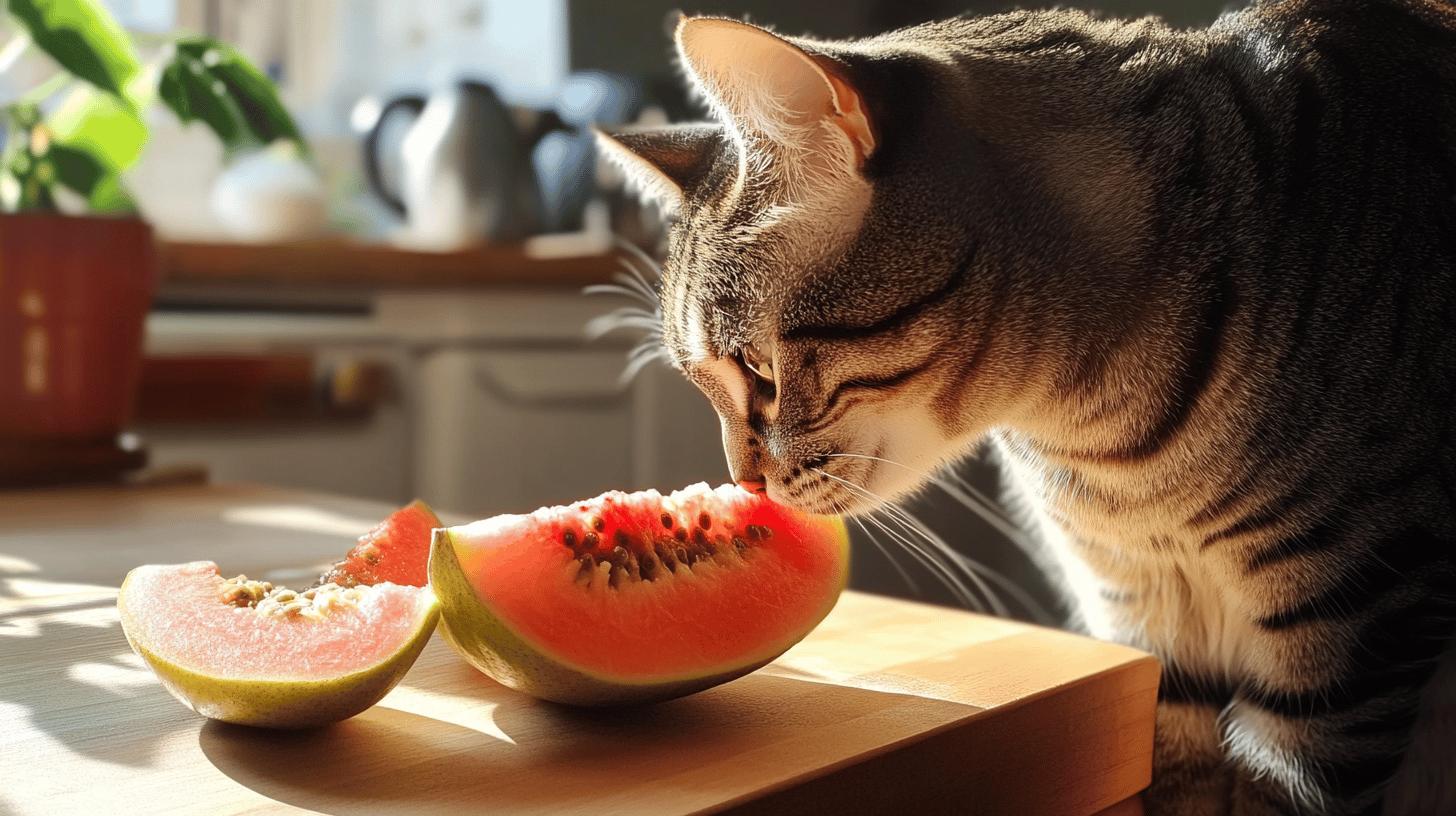
    Guava and cats can coexist, but with caution. Guava is generally non-toxic to cats, making it safe for consumption in small quantities. However, moderation is crucial. Guava contains psoralen, a compound that can lead to stomach upset and diarrhea if consumed excessively.

    Additionally, the fruit's sugar content poses a risk, as cats are obligate carnivores. Their bodies aren't designed to process large amounts of sugar, which could result in gastrointestinal upset.

    Before you introduce guava into your cat's diet, consulting a veterinarian is essential. This is particularly important if your cat has existing medical conditions or is on medication. Certain medications might interact with specific foods, posing potential health risks.

    A vet can provide guidance on whether guava is an appropriate treat for your cat, considering its overall health and dietary needs.

    Overconsumption of guava can cause significant health issues in cats. The excessive intake of sugar can lead to gastrointestinal problems such as diarrhea and vomiting. Furthermore, cats are not naturally inclined to digest fruits, and large amounts can disrupt their dietary balance. Moderation is the key to safely offering guava as an occasional treat rather than a regular part of your cat's meals.

    • Feed guava in moderation to avoid health risks.
    • Ensure guavas are fresh and ripe; avoid overripe ones.
    • Monitor for symptoms like diarrhea and vomiting.
    • Watch for signs of lethargy and appetite loss.
    • Be alert to unusual behavior after eating guava.
    • Remove seeds and skin before serving to prevent choking.
    • Always consult a veterinarian before introducing new foods.

    Nutritional Value and Benefits of Guava for Cats

    Nutritional Value and Benefits of Guava for Cats-4.jpg

    Guava is packed with nutrients that can offer some benefits to cats. This tropical fruit contains a good amount of vitamins A and C, both of which are known for their antioxidant properties. Vitamin A is crucial for maintaining healthy vision and immune function, while vitamin C supports the body's ability to repair tissues and boosts the immune system. Additionally, guava is rich in essential fatty acids, which are beneficial for skin and coat health.

    The benefits of guava extend beyond just vitamins. The presence of lycopene, a powerful antioxidant, can help neutralize harmful free radicals in a cat's body. Pectin, a soluble fiber found in guava, may aid in digestive health by alleviating minor cases of diarrhea. Potassium is another beneficial nutrient in guava that helps maintain proper fluid levels within the cells, contributing to overall cellular function.

    Despite these advantages, it's important to remember that cats are obligate carnivores. This means their primary dietary needs are met through animal proteins, and they do not require fruits like guava for a balanced diet. While the nutrients in guava can be beneficial, they are not necessary for a cat's health. Offering guava should be considered an occasional treat rather than a dietary staple.

    Nutrient Potential Benefit
    Vitamin A Supports vision and immune function
    Vitamin C Enhances immune system and tissue repair
    Lycopene Neutralizes free radicals
    Potassium Maintains fluid balance in cells

    Expert Insights on Cats and Guava Consumption

    Expert Insights on Cats and Guava Consumption-1.jpg

    Veterinarians consistently stress the need to consult them before adding new foods such as guava to a cat's diet. As obligate carnivores, cats have systems that aren't geared to handle plant-based foods efficiently. There are biochemical

    Nutrient Potential Benefit
    Vitamin A Supports vision and immune function
    Vitamin C Enhances immune system and tissue repair
    Lycopene Neutralizes free radicals
    Potassium Maintains fluid balance in cells

    Guava can be a safe treat for cats if given occasionally, but it should never replace their primary diet of animal protein. While it offers certain nutrients, these aren't vital for feline health. Overconsumption might lead to digestive problems or dietary imbalances, given that cats thrive on a protein-rich diet.

    Vet Recommendations

    Veterinarians advise offering guava in tiny portions, making sure it's an addition, not a replacement, to their main diet. Moderation is crucial to prevent digestive issues. It's important to maintain a diet rich in animal-based nutrients for your cat's overall health.

    Final Words

    Exploring whether guava is safe for cats reveals it is mostly non-toxic but should be consumed in moderation. Key points include the potential risks of psoralen and sugar, and the necessity to consult a vet, especially if your cat has health concerns. While guava has nutritional benefits like vitamins A and C, cats don't need these from fruit due to their carnivorous nature. Remember, keep guava as an occasional treat. By understanding their dietary needs, we can give our cats a safe and enjoyable experience with new foods.

    FAQ

    Can cats eat guava seeds?

    A: Cats can eat guava seeds in small amounts, but it's best to avoid them as seeds can pose a choking hazard and provide no nutritional benefit.

    Can cats drink guava juice?

    A: Cats should not drink guava juice due to high sugar content, which can lead to stomach upset and provides no nutritional value for them.

    Can cats eat guava leaves?

    A: Cats can nibble on guava leaves occasionally, but it's important to monitor them for any signs of discomfort as some may have gastrointestinal reactions.

    Are guava leaves good for cats with diarrhea?

    A: Guava leaves may help with mild diarrhea in cats, but always consult a veterinarian to ensure it's safe for your cat's specific health needs.

    Can dogs eat guava?

    A: Dogs can eat guava in moderation. It provides some vitamins and fiber, but be mindful of sugar content and remove seeds before offering it to them.

    Can cats eat passion fruit?

    A: Cats should not eat passion fruit due to potential toxicity and risk of digestive upset. It's safer to stick to fruits that are known to be non-toxic.

    What fruits can cats eat?

    A: Cats can eat small amounts of fruits like blueberries, melons, and apples. Always remove seeds and avoid high-sugar fruits or toxic varieties like grapes.

    Can cats eat mango?

    A: Cats can eat mango in very small amounts. Ensure the mango is ripe and peel the skin and remove the pit before offering it to your cat.

    Are guavas safe for cats?

    A: Guavas are non-toxic to cats and safe in moderation. Overconsumption can lead to gastrointestinal issues due to sugar and psoralen content.

    Can pets eat guava?

    A: Yes, both cats and dogs can eat guava in limited amounts. Always consult with a vet to ensure it's appropriate for your pet's diet.

    What fruit is toxic to cats?

    A: Grapes, raisins, citrus fruits, and persimmons are toxic to cats. These can cause severe health problems and should be avoided entirely.

    What animals eat guava?

    A: Birds, squirrels, and some larger animals like raccoons and deer eat guava. Always be cautious when feeding human foods to domesticated pets.

    Related Articles

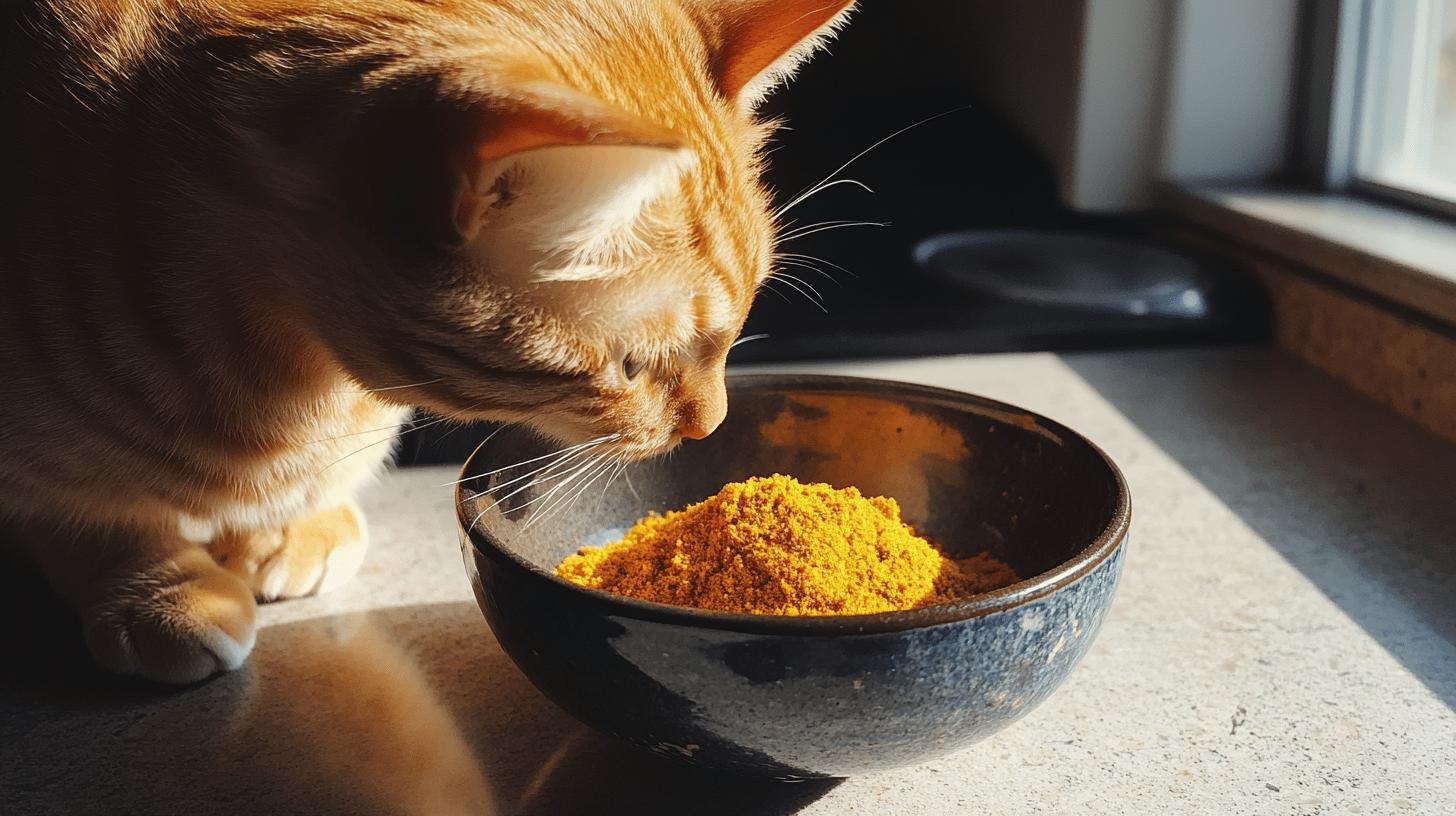
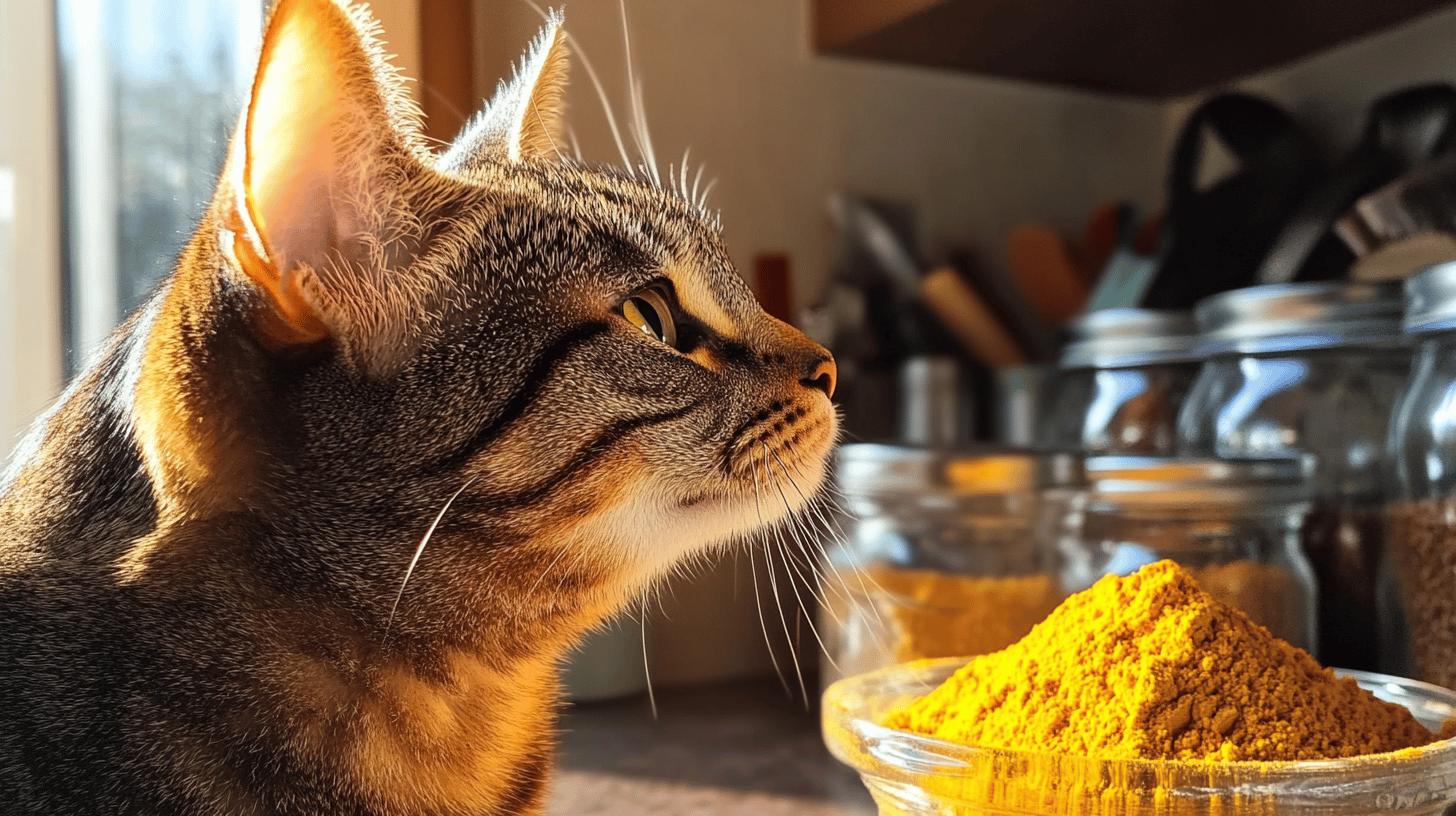
  • Can Cat Eat Turmeric Safely Understanding Benefits and Risks

    Can Cat Eat Turmeric Safely Understanding Benefits and Risks

    Can cats safely eat turmeric? As cat owners, we often search for ways to enhance our feline friends' health. Turmeric, a bright yellow spice packed with potential benefits, might just be the answer. Known for its anti-inflammatory and antioxidant properties, turmeric can offer health advantages when used properly.

    But here's the catch: while it can be beneficial, understanding the right dosage and possible risks is crucial. In this article, we'll explore if turmeric can be a safe and effective addition to your cat's diet.

    Can Cats Eat Turmeric? Safety and Risks

    Can Cats Eat Turmeric Safety and Risks-4.jpg

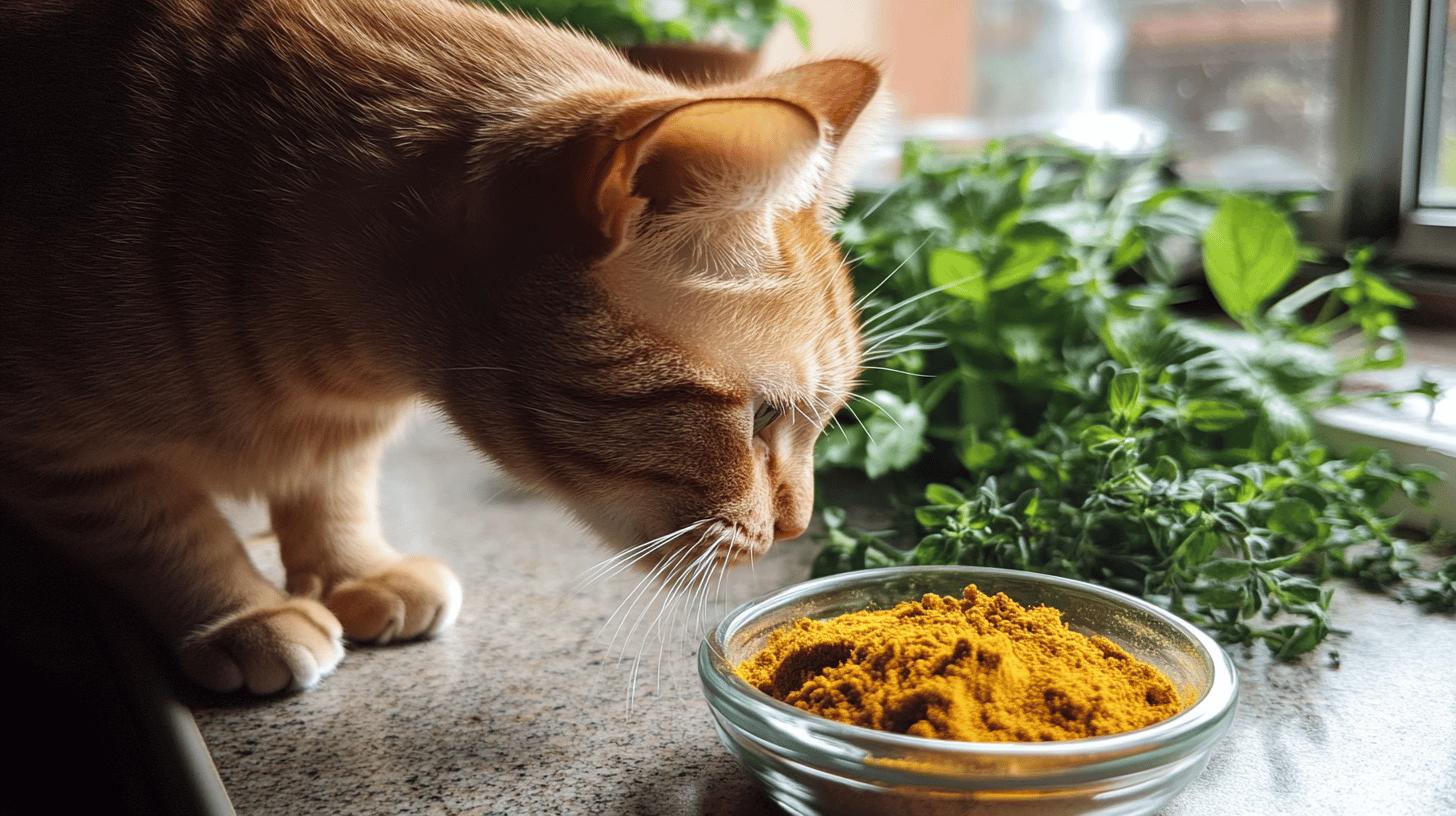
    Turmeric can be a safe addition to a cat's diet when given in the right amounts. This golden spice, known for its anti-inflammatory and antioxidant properties, is generally safe for cats. It's crucial, though, to start with small doses and consult with a veterinarian to ensure it's suitable for your feline friend.

    Cats have unique metabolic systems, and what works for one might not work for another. A veterinarian can help tailor the amount to your cat's specific needs and health conditions. Moderation is key; while turmeric can offer health benefits, overuse can lead to unwanted side effects.

    Potential side effects of turmeric in cats include:

    • Stomach upset or diarrhea
    • Allergic reactions, such as itching or swelling
    • Changes in appetite or lethargy
    • Increased bleeding risk due to turmeric's blood-thinning effects

    Once you've introduced turmeric into your cat's diet, it's important to observe any changes in their behavior or health. This will help you determine if the spice is having a positive effect or if adjustments are needed. If your cat shows signs of discomfort or adverse reactions, adjusting the dosage or discontinuing use might be necessary.

    Keep in mind that turmeric should complement, not replace, standard veterinary care. Regular check-ins with your vet can ensure your cat continues to benefit from turmeric without any negative impacts.

    Health Benefits of Turmeric for Cats

    Health Benefits of Turmeric for Cats-1.jpg

    Turmeric is packed with anti-inflammatory and antioxidant properties that can be a boon for your cat's health. The active compound, curcumin, helps reduce inflammation, making it particularly useful for cats suffering from arthritis or inflammatory bowel disease.

    These conditions can significantly affect a cat's quality of life, and turmeric's ability to alleviate inflammation can provide relief and enhance mobility. Its antioxidant properties also help neutralize harmful free radicals, protecting your cat’s cells from damage and supporting overall immune health.

    Beyond its anti-inflammatory prowess, turmeric plays a vital role in supporting liver and digestive health. It aids in detoxifying the liver, which is crucial for cats exposed to various toxins. A healthy liver is essential for processing nutrients and keeping your cat’s metabolism in check.

    Additionally, turmeric can promote better digestion by soothing the gastrointestinal tract, which might benefit cats with sensitive stomachs or those experiencing digestive issues.

    Turmeric also offers cardiovascular benefits by boosting blood flow and reducing inflammation in blood vessels. This can help maintain healthy circulation and potentially regulate cholesterol levels, supporting your cat’s heart health. With these cardiovascular benefits, turmeric acts as a natural remedy to improve your cat's overall well-being, making it a valuable addition to their health regimen.

    Dosage and Forms of Turmeric for Cats

    Dosage and Forms of Turmeric for Cats-4.jpg

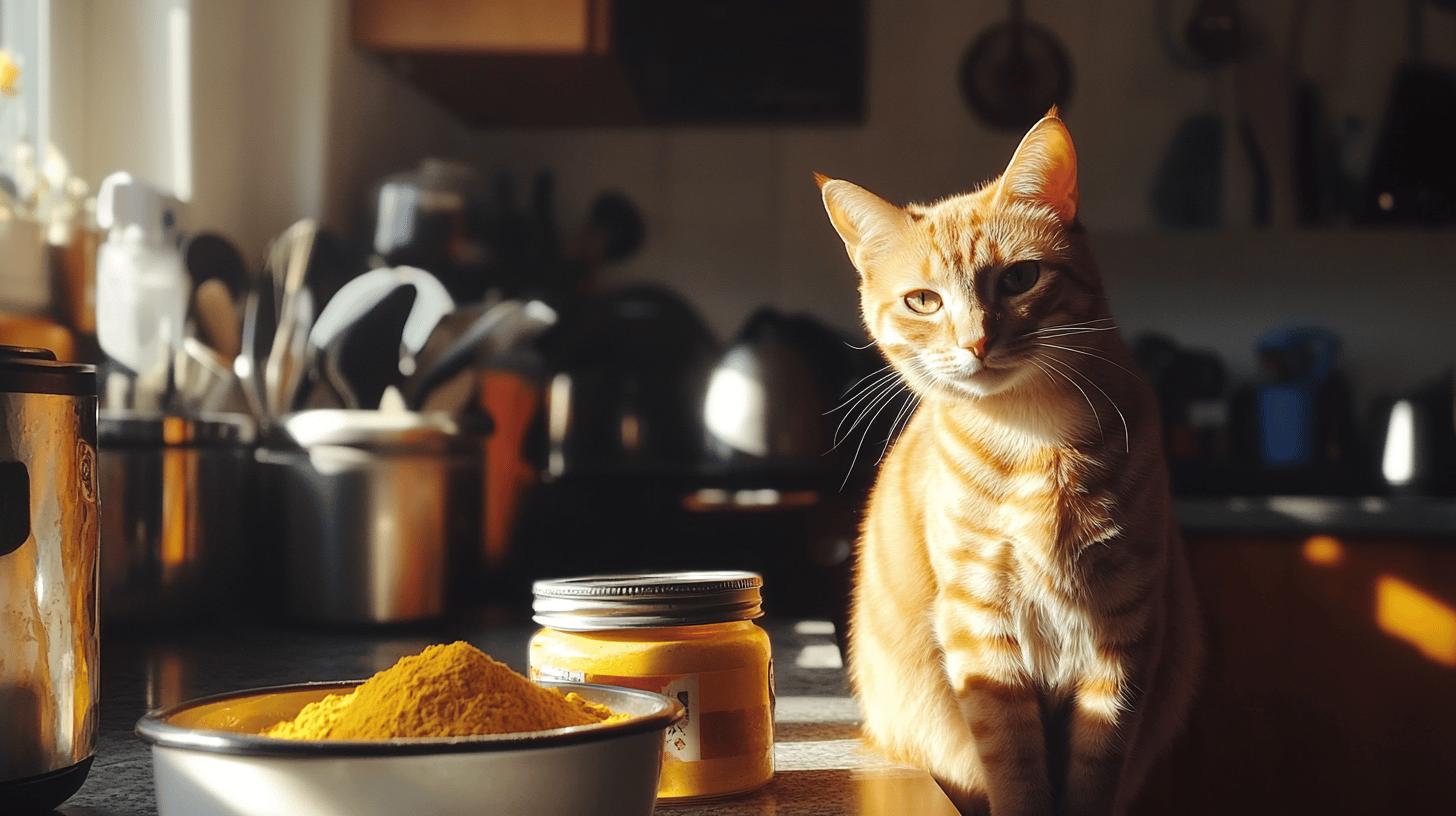
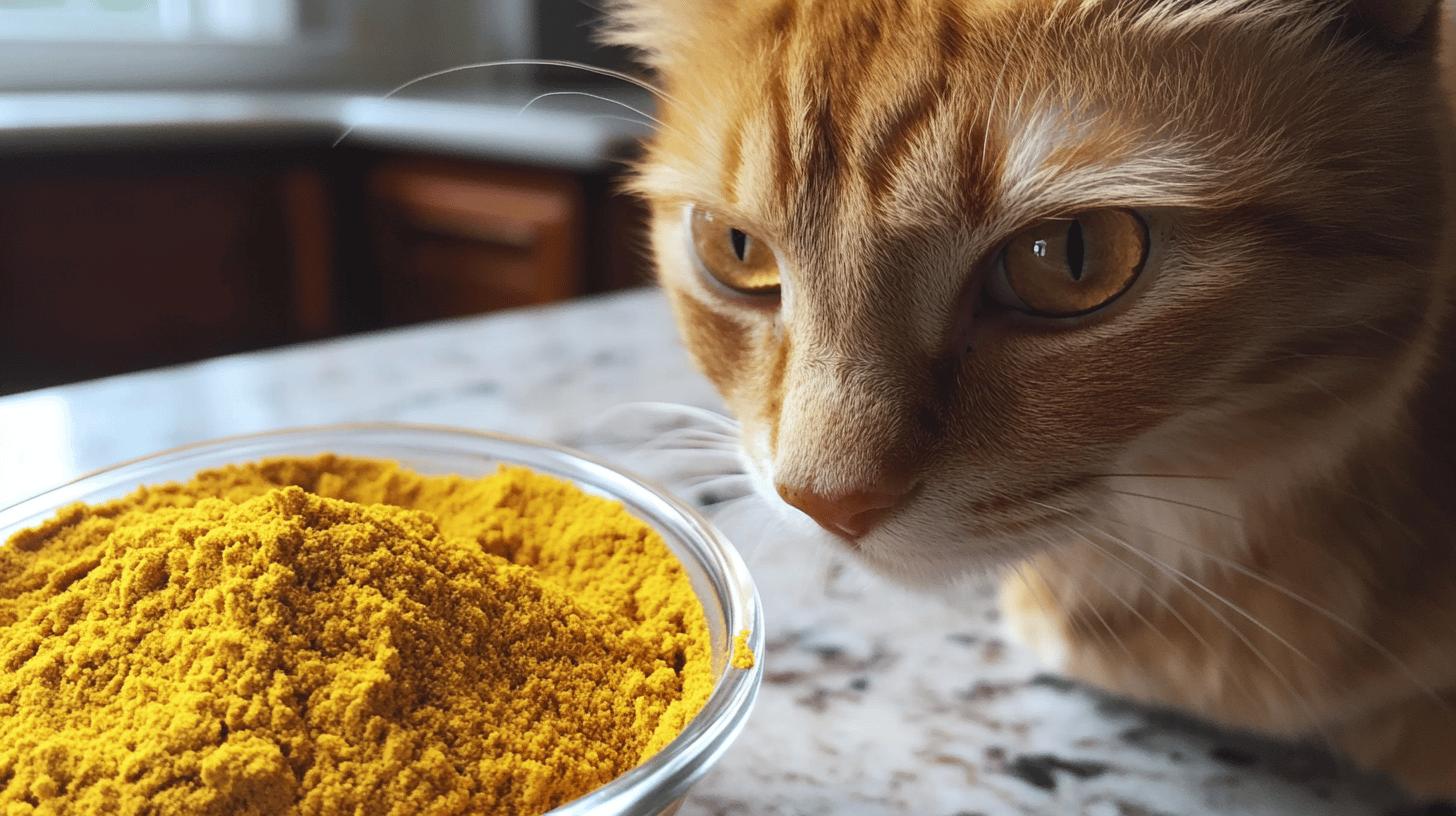
    Getting the right dosage of turmeric for your cat is crucial to ensure they reap the health benefits without any adverse effects. Typically, the recommended amount is between ⅛ to ¼ teaspoon of turmeric powder, but this can vary based on your cat's weight, age, and specific health needs.

    It's always a good idea to start on the lower end and gradually increase, monitoring your cat's response. Small doses can help avoid stomach upset, a common side effect when introducing new supplements. Consulting with your vet can help tailor the dosage to your cat's individual requirements and keep their health on track.

    There are several forms of turmeric you can introduce into your cat's diet. Turmeric powder is the most straightforward option and can be easily mixed with your cat's food. If you're looking for something a bit more potent, turmeric paste might be more suitable.

    It's often made by combining turmeric powder with coconut oil or water, which can enhance absorption. Turmeric supplements designed for pets are another option, offering a more convenient way to ensure your cat receives the right dosage. Each form has its own benefits, and choosing the right one depends on your cat's preferences and health goals.

    Form Recommended Dosage
    Turmeric Powder ⅛ to ¼ teaspoon per meal
    Turmeric Paste ¼ teaspoon mixed with food
    Turmeric Supplements Follow product instructions

    Incorporating Turmeric into Your Cat's Diet

    Comparing Turmeric with Other Safe Spices for Cats-2.jpg

    Explore unique recipes for incorporating turmeric into your cat's meals. Try mixing ⅛ teaspoon of turmeric powder into a homemade cat food recipe, such as a chicken and rice dish. This ensures the spice is evenly distributed and palatable for your cat. You can also create turmeric-infused treats by blending the powder into tuna or salmon-based snacks. This method provides a tasty and healthful treat option.

    • Use ⅛ teaspoon of turmeric in homemade recipes and adjust based on your cat's preference.
    • Combine turmeric with fish oil for added health benefits and improved flavor.
    • Experiment with different recipes to find what your cat enjoys most.
    • Consult with a veterinarian to tailor turmeric use to your cat's specific needs.

    Turmeric should complement your cat's existing diet and veterinary care. It's not a substitute for prescribed medications. Regular vet visits remain essential. By creatively incorporating turmeric, you can support your cat's health in a natural way.

    Comparing Turmeric with Other Safe Spices for Cats

    Comparing Turmeric with Other Safe Spices for Cats-3.jpg

    Turmeric stands out among spices for its unique health benefits for cats. Its anti-inflammatory and antioxidant properties are particularly valuable for supporting feline health. Turmeric can help manage conditions like arthritis by reducing inflammation and promoting immune support. This makes it a powerful addition to a cat's diet when used correctly. While other spices might offer some benefits, turmeric's ability to address both inflammation and immune function gives it a special edge.

    Here are some other spices and herbs that are generally considered safe for cats:

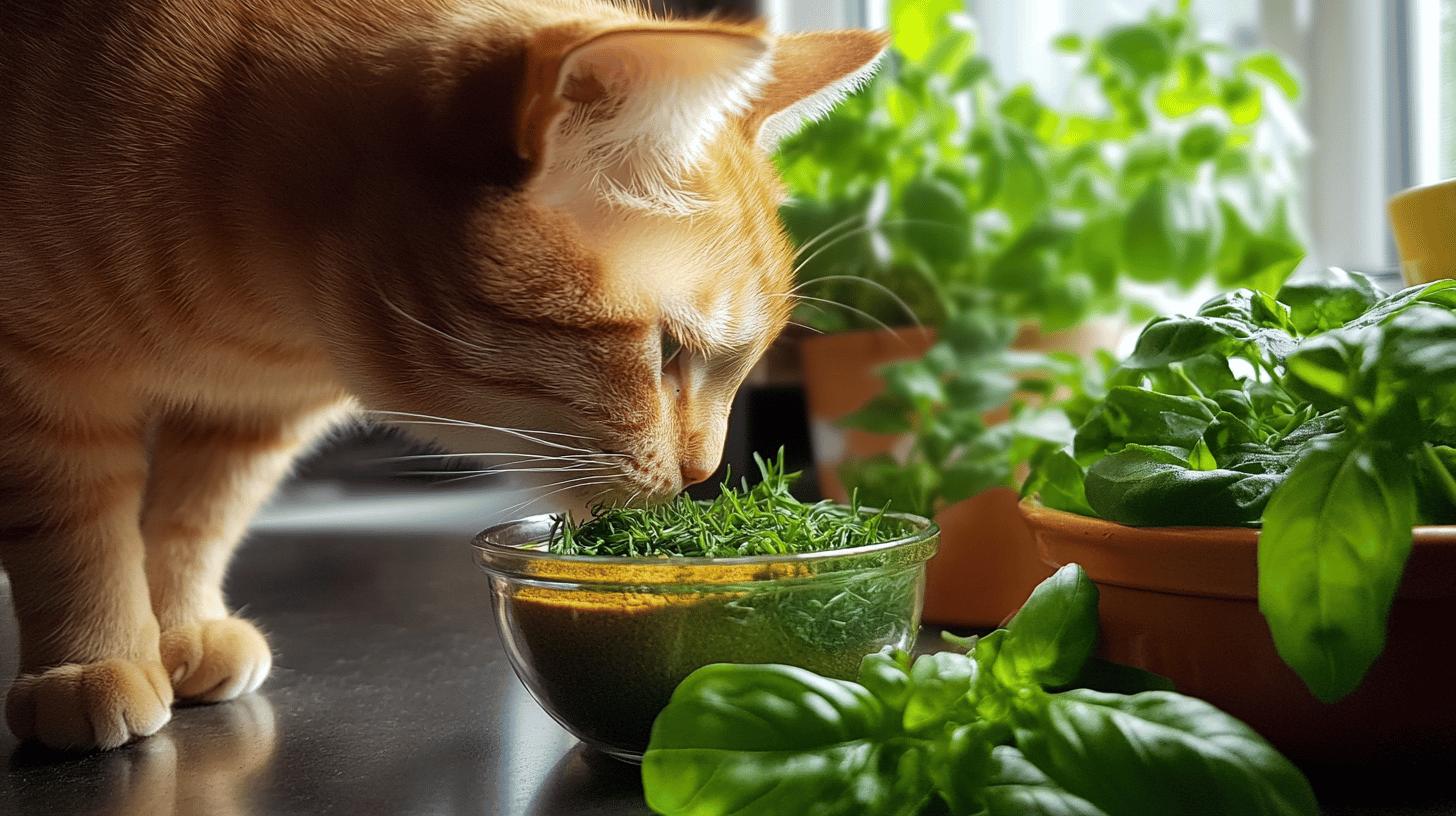
    • Catnip: Known for its playful effects, catnip can also aid digestion.
    • Parsley: High in vitamins, parsley supports kidney function and freshens breath.
    • Ginger: Helps with nausea and gastrointestinal issues.
    • Rosemary: Contains antioxidants and can support digestion.
    • Basil: Offers anti-inflammatory benefits similar to turmeric.

    Before introducing any new spice or herb into your cat's diet, it's wise to consult with a veterinarian. Cats have unique dietary needs and sensitivities, and a vet can provide guidance on the safe use and appropriate amounts. This ensures that your cat receives the benefits without any unwanted side effects.

    Final Words

    Turmeric can offer benefits for cats, like reducing inflammation and supporting overall health. Starting with small amounts and talking to your vet helps keep it safe. Some side effects, like stomach upset, are possible if dosages are off.

    Incorporating small turmeric doses into your cat's diet might enhance their health, but always with professional advice. Turmeric is a great addition, but not a replacement for veterinary care. Ensuring "can cat eat turmeric" safely involves careful monitoring and proper guidance, leading to a healthier and happier cat.

    FAQ

    Is turmeric toxic for cats?

    Turmeric is generally not toxic for cats. It's safe in small amounts but always consult a veterinarian first. Overdose or incorrect usage can cause stomach upset.

    How much turmeric can you give a cat?

    You can give ⅛ to ¼ teaspoon of turmeric powder to a cat. Adjust dosage based on age and consultation with a vet.

    Does turmeric deworm cats?

    Turmeric is not scientifically proven to deworm cats. It may support digestive health, but use proper deworming medications advised by a vet.

    Is turmeric safe for pets?

    Turmeric is generally safe for pets including cats, when used in moderation. Always consult a vet before adding it to their diet.

    Can cats eat turmeric and ginger?

    Cats can have turmeric and possibly small amounts of ginger in moderation. Consult a vet to ensure safety and proper dosage.

    How to make turmeric paste for cats?

    To make turmeric paste, mix turmeric powder with water until it forms a thick paste. Start with small amounts and check with a vet first.

    Is turmeric good for cats' skin?

    Turmeric can be good for cats' skin due to its anti-inflammatory properties. Use cautiously and consult a vet for topical applications.

    Turmeric for cats' pain: How does it help?

    Turmeric's anti-inflammatory benefits can help reduce pain in cats, especially related to arthritis. Begin with small doses and monitor reactions.

    Related Articles

  • Can Cat Eat Lamb Safely and Healthily

    Can Cat Eat Lamb Safely and Healthily

    Is feeding lamb to your cat a delicious treat or a potential hazard? Many cat owners wonder about adding lamb to their pet's diet, trying to balance variety with safety. In this blog post, I'll dive into whether cats can enjoy lamb safely and healthily. I'll explore the risks like high saturated fat, possible bacterial infections, and the need for cooking lamb properly. Additionally, I'll highlight the nutritional perks it offers, like protein and essential vitamins. Join me as I unravel the mystery of feeding lamb to your feline friend!

    Can Cats Eat Lamb Safely?

    Can Cats Eat Lamb Safely-4.jpg

    Cats can enjoy lamb as part of their diet, but there are safety considerations to keep in mind. One of the main risks of feeding lamb to cats is its high saturated fat content. This can potentially lead to issues like high cholesterol and heart disease if lamb is consumed in large quantities. Another concern is the risk of bacterial infections, such as salmonella, which can occur if cats eat raw lamb. It's safest to serve lamb cooked to minimize this risk.

    For safe serving, it's crucial to prepare lamb properly by ensuring it is both boneless and unseasoned. Bones can splinter and pose a choking hazard or cause internal injuries. Seasonings, particularly onions and garlic, can be toxic to cats. Therefore, when serving lamb, it should be plain and cut into small, manageable pieces. By following these practices, you can reduce health risks and provide a safe treat for your feline friend.

    Despite these risks, lamb does offer nutritional benefits. It's a good source of protein, which is vital for cats as obligate carnivores. Protein contributes to their overall health and supports functions such as muscle maintenance and energy production. Lamb also contains essential vitamins and minerals that can enhance a cat's diet when given in moderation.

    • Risk of high saturated fats
    • Potential bacterial infections
    • Importance of serving lamb unseasoned and boneless
    • Brief mention of protein content
    • Brief mention of essential vitamins and minerals

    Nutritional Benefits of Lamb for Cats

    Nutritional Benefits of Lamb for Cats-4.jpg

    Lamb is a fantastic source of animal protein, essential for a cat's health. Protein supports muscle and tissue building, enzymes, and energy levels. Among the nutrients found in lamb, taurine stands out as crucial for cats, aiding vision, digestion, and heart muscle function. Since cats cannot produce enough taurine on their own, it's important they receive it through their diet.

    Besides protein and taurine, lamb provides essential vitamins and minerals vital for a cat's well-being. Vitamin B6 enhances immunity and overall health, niacin aids digestion and skin health, and zinc promotes a strong immune system. These nutrients make lamb an excellent choice for cats needing to gain weight or seeking a varied diet.

    Nutrient Benefit
    Taurine Supports vision, digestion, and heart muscle function
    Vitamin B6 Enhances immunity and overall health
    Niacin Aids in digestion and skin health
    Zinc Promotes a healthy immune system

    How to Introduce Lamb into Your Cat's Diet

    How to Introduce Lamb into Your Cats Diet-3.jpg

    Introducing lamb into your cat's diet can be a delightful way to diversify their meals, but it's important to do it gradually. Start by offering a small piece of cooked lamb to see if your cat enjoys the taste and tolerates it well. Observe your cat for any signs of digestive upset or allergies. If your cat seems to enjoy the lamb and shows no adverse reactions, you can slowly increase the portion size over time.

    When considering portion sizes, remember that moderation is key. Cooked lamb should be given as an occasional treat, not a staple of your cat's daily diet. A small piece, about the size of a dice, is usually enough for a treat. This ensures your cat gets the nutritional benefits without overloading on lamb's higher fat content. Keep an eye on your cat’s weight and adjust the portions accordingly if necessary.

    Lamb can be a tasty addition to your cat's diet, but it should only be included as a treat once or twice a week. Cats can regularly enjoy lamb-based commercial foods that are complete and balanced. These products are formulated to meet a cat's daily nutritional needs, whereas cooked lamb is a supplement to their main diet.

    Preparation Tips for Lamb

    To safely prepare lamb for your cat, start by cooking it thoroughly to eliminate any harmful bacteria. It's best to avoid raw lamb due to the risk of bacterial infections. Once cooked, remove any bones from the lamb as they can splinter and pose a choking hazard. Cut the lamb into small, bite-sized pieces to make it easier for your cat to eat. Remember to serve the lamb plain, without any seasoning, as ingredients like garlic or onion can be toxic to cats. By following these steps, you can safely introduce lamb into your cat's diet and give them a tasty new treat.

    Comparing Lamb to Other Protein Sources for Cats

    Comparing Lamb to Other Protein Sources for Cats-2.jpg

    When considering the best protein sources for cats, lamb, chicken, and beef each offer unique advantages. Lamb is known for its rich flavor, which many cats find appealing. However, it also has a higher fat content than some other meats, which can be a concern for cats with weight issues or those prone to obesity. Despite this, lamb's substantial protein content makes it a suitable option for cats that need to gain weight or require a diet rich in protein.

    Chicken, on the other hand, is a leaner meat with lower fat content, making it a popular choice for cat owners. But it is also one of the most common allergens for cats. For felines with poultry allergies, lamb serves as an excellent alternative. Beef is another protein-rich option, offering moderate fat levels, which can make it a balanced choice for many cats. Yet, like chicken, it might not suit all cats, particularly those with specific dietary needs.

    • Lamb: Rich flavor, high fat
    • Chicken: Lower fat, common allergen
    • Beef: High protein, moderate fat
    • Lamb as an alternative for poultry allergies

    Signs of Lamb Intolerance and Monitoring Health

    Signs of Lamb Intolerance and Monitoring Health-1.jpg

    When introducing lamb into your cat's diet, it's crucial to watch for signs of intolerance. Common indicators that your cat may not be reacting well to lamb include digestive upset, such as vomiting or diarrhea. Skin reactions are also possible, with symptoms like itchiness and rashes signaling that lamb might not be a suitable addition. Cats can have food sensitivities, so these signs should be taken seriously.

    To effectively monitor and assess your cat's response to lamb, pay attention to their overall health indicators. A shiny coat and consistent energy levels are positive signs. However, if you notice any changes, it may be a signal to reevaluate their diet. Introducing lamb gradually and observing your cat closely can help ensure that it is a healthy dietary addition.

    • Digestive upset (vomiting, diarrhea)
    • Skin reactions (itchiness, rashes)
    • Changes in energy levels

    Final Words

    Exploring the safety and benefits of lamb for cats, we discovered it serves as a protein-rich option packed with essential nutrients like taurine and vitamin B6. However, the risks associated with high fat content and bacteria must not be overlooked. Serving lamb unseasoned and boneless is crucial for ensuring your cat's safety.

    When introducing lamb into their diet, cats benefit from gradual changes and small portions. Despite some risks, cooked lamb can be an occasional treat providing nutritional gains. Observing your cat for any signs of intolerance can keep their mealtime both safe and enjoyable.

    FAQ

    Can cats eat lamb leg?

    A: Cats can eat lamb leg if it's cooked, boneless, and unseasoned. Raw lamb poses a risk of bacterial infections.

    Can cats eat lamb bones?

    A: Cats should not eat lamb bones. They can splinter and cause choking or internal injuries.

    Can cats eat lamb fat?

    A: Lamb fat isn't recommended for cats. It can lead to obesity and pancreatitis due to high saturated fat content.

    Can kittens eat lamb?

    A: Kittens can eat lamb if it's cooked, soft, and cut into small, manageable pieces for easy digestion.

    Can cats eat raw lamb?

    A: Raw lamb isn't safe for cats due to the possibility of bacterial infections. Always cook lamb thoroughly.

    Can cats eat lamb liver?

    A: Cats can eat lamb liver in moderation. It's rich in vitamins but should not make up the bulk of their diet.

    How to cook lamb for cats?

    A: Cook lamb for cats by boiling or baking it until well-done. Ensure it's unseasoned and boneless before serving.

    Can cats eat freeze-dried lamb?

    A: Cats can eat freeze-dried lamb as a treat. It's safe, but always check for added seasonings or harmful ingredients.

    Can I feed my cat cooked lamb?

    A: Yes, you can feed your cat cooked lamb. Make sure it's unseasoned and boneless to minimize health risks.

    Is lamb a good food for cats?

    A: Lamb is a good source of protein and essential nutrients but should be fed in moderation due to its fat content.

    What meat should cats not eat?

    A: Cats should avoid raw meats due to bacteria, as well as bones that can splinter, and high-fat meats like bacon.

    How to cook lamb for a cat?

    A: The safest way to cook lamb for a cat is by baking or boiling. Keep it unseasoned and remove any bones.

    Related Articles