Author: Isabella Tiu

  • Are Cats Nocturnal or Crepuscular?

    Are Cats Nocturnal or Crepuscular?

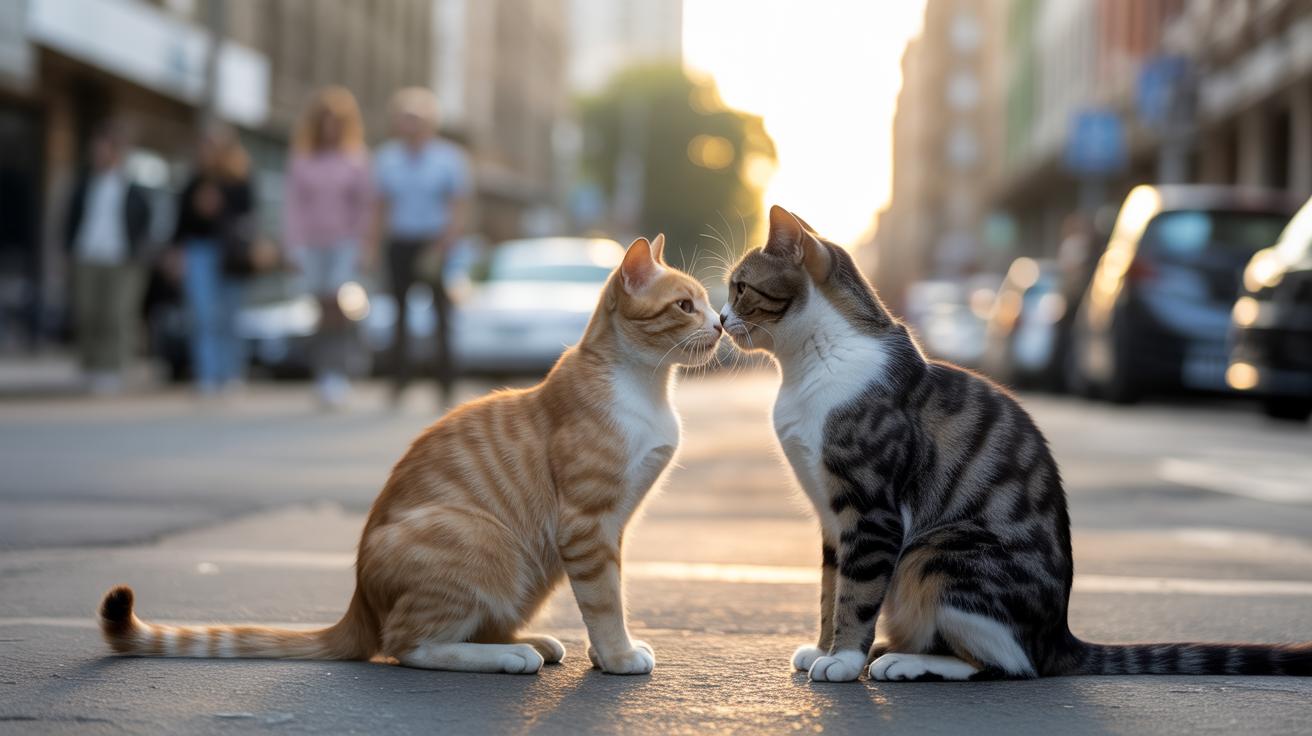
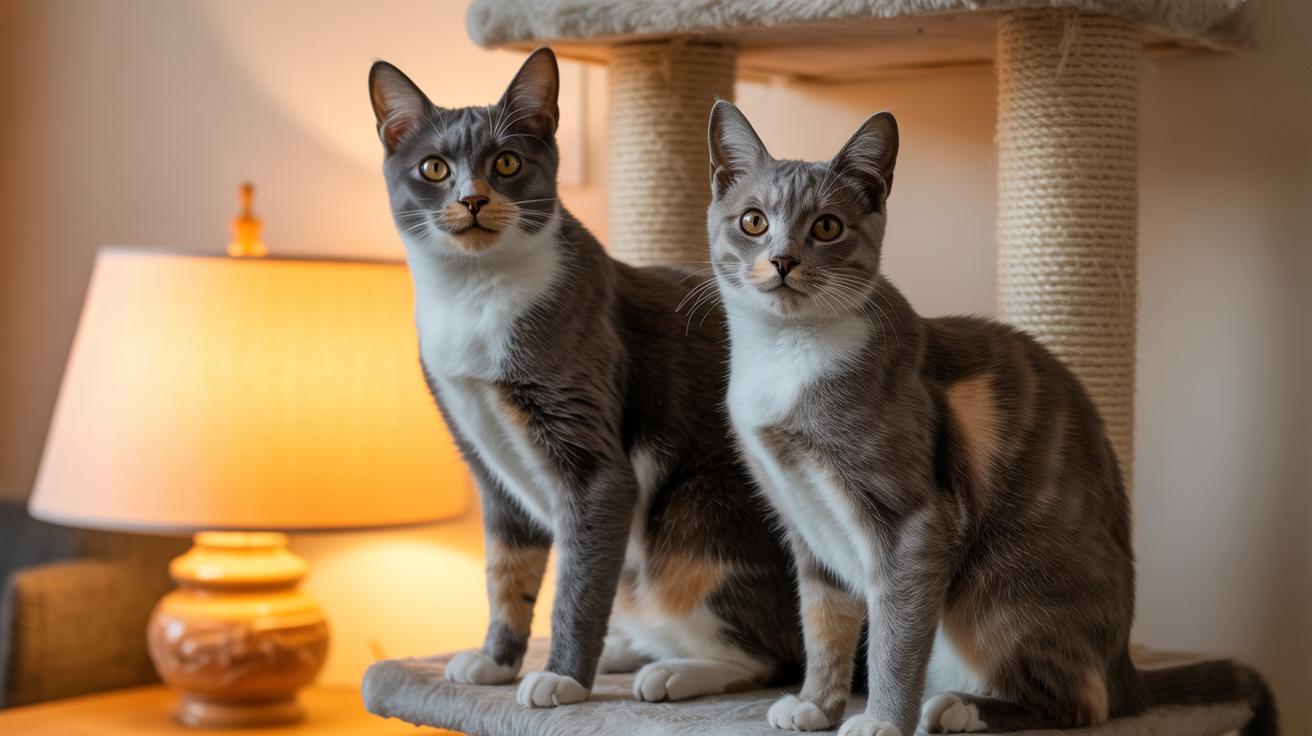
    Think your cat is nocturnal? You’re not alone. Lots of owners blame those midnight zoomies on a night-loving nature, but most house cats are actually crepuscular (active at dawn and dusk), not true all-night prowlers.

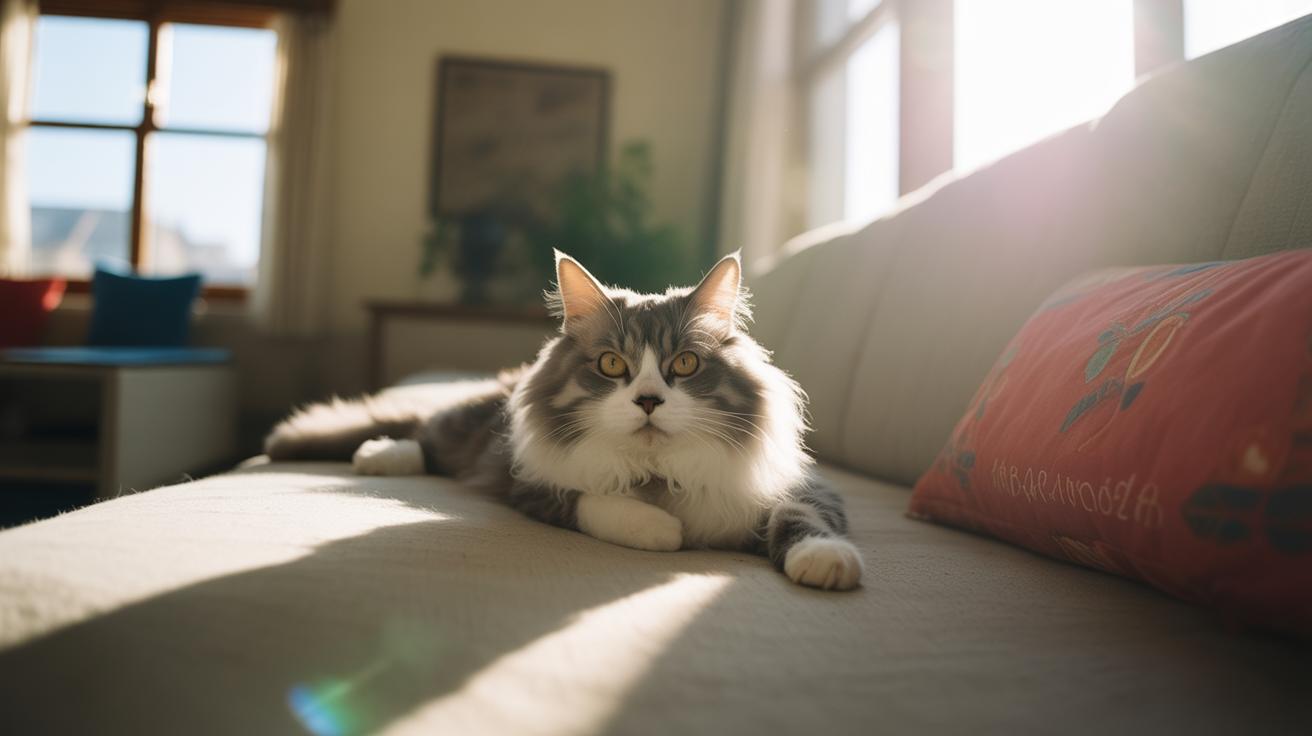
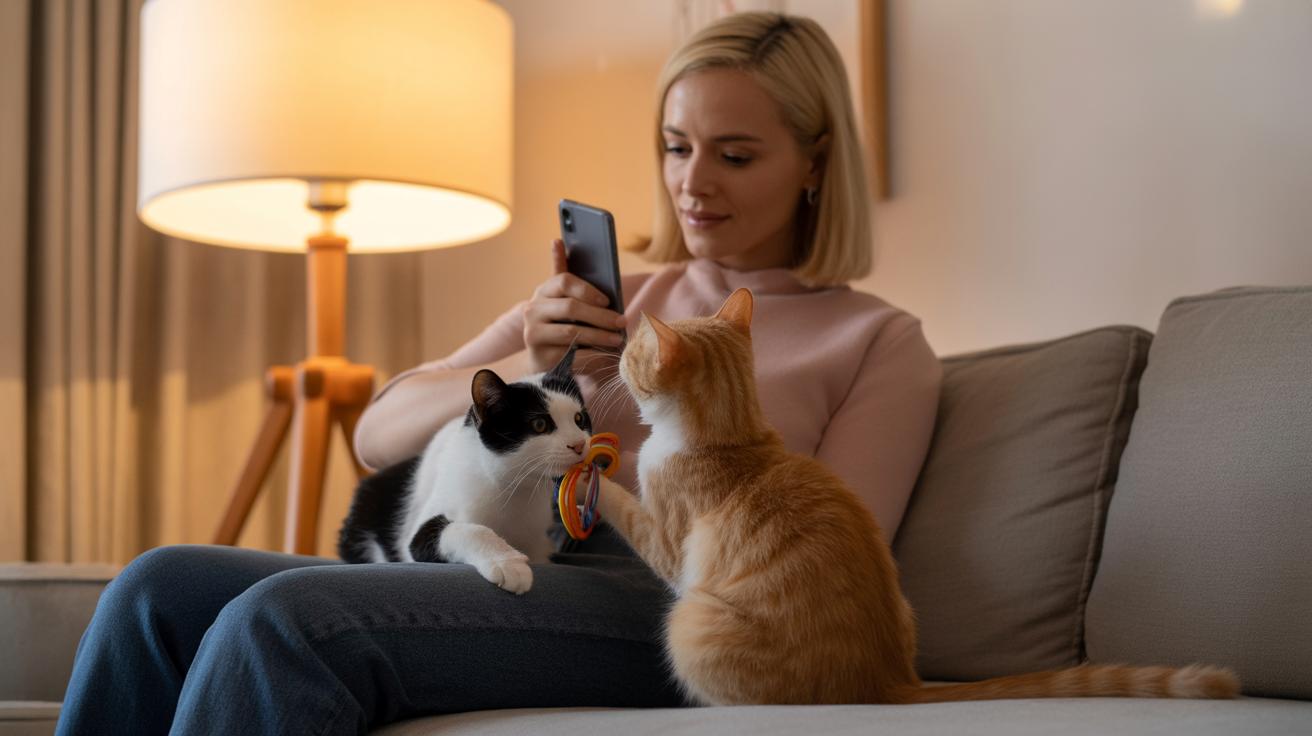
    You’ll notice short, intense bursts of focus in low light: whiskers forward, ears swiveling, that satisfying pounce on a stray shadow. Ever watched your kitty chase a speck of dust like it’s the prey of the century? My cat Luna once launched across the couch and nearly took out a lamp, worth every paw-print.

    Their eyes and ears are tuned for twilight hunting, and their vision even has a little help from a reflective layer called the tapetum lucidum (a shiny part of the eye that boosts low-light sight). Indoor routines, late dinners, switching lights, or evening play sessions, can push those dawn-and-dusk bursts into the middle of our night. So yeah, they seem nocturnal. Crepuscular (active at dawn and dusk) is the truer label, and knowing that can make those 3 a.m. concerts a bit easier to handle.

    Are cats nocturnal or crepuscular?
    - Are cats nocturnal or crepuscular The onesentence lede and quick takeaways.jpg

    Most domestic cats are crepuscular (most active at dawn and dusk), not strictly nocturnal (active through the night). You’ll see short bursts of energy when the light is low, whiskers forward, tail twitching. Ever watched your kitty chase shadows at sunrise? It’s kind of adorable.

    Crepuscular means their activity peaks at twilight, when light is dim but not fully dark. Their eyes pick up that faint light (low-light vision, which helps them see better at dusk) and their ears catch tiny rustles (keen hearing). That combo made life easier for wild ancestors: prey moved at those times and big predators were less likely to spot them.

    People often call cats nocturnal because those dawn and dusk sprints can hit during our sleep. Indoor life, bright lights, set feeding times, and human schedules, can nudge a cat’s clock around. Cats also nap in lots of short bursts (polyphasic sleep, many brief sleeps instead of one long one), so they look like they sleep all day until a surprise zoomie wakes you.

    If your cat’s night activity feels extreme or new, check with a vet; sometimes restlessness at night can signal health or stress issues. Worth investigating. Worth every paw-print.

    • Crepuscular definition and why it matters – see "Why cats seem active at night: senses, evolution, and timing"
    • How indoor life shifts timing – see "Are house cats nocturnal? How home life changes activity cycles"
    • When night activity means medical concern – see "When night activity signals a health problem: red flags and vet guidance"

    Why cats seem active at night: senses, evolution, and species variation
    titles as pointers).jpg

    Ever notice your cat suddenly comes alive as the sun dips? A lot of small prey animals move around at dawn and dusk, so the ancestors of modern cats learned to hunt in those low-light windows. This pattern is called crepuscular (most active at dawn and dusk) and it gave felids a big edge , they could catch rodents while avoiding bigger daytime predators.

    Cats also come with built-in twilight gear. The tapetum lucidum (a reflective layer behind the retina that boosts low-light vision) makes faint light feel brighter. Their ears swivel to home in on tiny rustles. And whiskers, or vibrissae (touch sensors), read shifts in air and close movement. Put those together and dusk and dawn become prime pouncing times, not nonstop all-night prowling.

    Not every cat follows the same schedule. Some wild species, like the black-footed cat, are more truly nocturnal, and pet cats vary by personality and environment. So asking "are cats nocturnal?" gets different answers depending on species and place. Ever watched your tabby go full ninja at 4 a.m.? Yeah, lots of that comes from daily life, not just biology , see "Are house cats nocturnal? How home life changes activity cycles" and "How many hours do cats sleep? Sleep stages, circadian rhythm, and meaning" for non-biological reasons your cat might be up at night.

    Sensory advantages for low-light activity

    The tapetum lucidum, fine-tuned ears, and whiskers team up to catch faint motion and small sounds at twilight. That combo makes short, precise hunts really efficient when light is low. Your cat’s whiskers even feel the air as prey scurries past, so a pounce can be spot-on.

    Evolutionary timing and prey availability

    Dawn and dusk pack more small mammals and insects into small time windows, and they also lower the chance of running into big predators. Hunting then was a smart survival move for many feline ancestors , quiet, focused, and usually successful. Worth every paw-print.

    Are house cats nocturnal? How home life changes activity cycles
    - Why cats seem active at night senses, evolution, and species variation.jpg

    Light inside your home can nudge your cat’s clock. Bright lamps, TV glow, and phone screens can stretch their sense of daytime, and a window with streetlights or a raccoon can trigger a hunt-ready twitch at odd hours. Indoor cats often keep crepuscular peaks (crepuscular = active at dawn and dusk), but the timing can shift because indoor light and outside motion tell their brains when "dawn" and "dusk" happen.

    Your comings and goings matter a lot. Meal times, work schedules, and when you flip the lights off give your cat a routine to match, so a domestic cat’s activity cycle (how your cat times sleep and wakes) often lines up with the family rhythm. Ever watched your cat stare at a hallway like it’s a stage? That’s them syncing up.

    Windows are surprisingly powerful. A balcony, yard view, or a perch facing birds and car traffic can turn a quiet apartment into a midnight movie for your cat , my own Luna watches headlights like tiny moths. It’s entertaining, and a little exhausting at 2 a.m.

    Feeding rhythm matters too. An indoor cat on a few set meals can get peckish between servings and start asking for food at night. That hunger-driven activity is normal, not a character flaw, see "Practical strategies to reduce night activity and stop cats waking you" for step-by-step fixes.

    How household routines influence activity

    Human wake and sleep schedules, regular meal times, and visible outdoor action all act as daily cues for cats. These behavioral signals help set their internal clock, and they can make a cat’s crepuscular bursts (active at dawn and dusk) overlap with your bedtime.

    Kittens, seniors, and exceptions: behavioral differences by age
    - Are house cats nocturnal How home life changes activity cycles.jpg

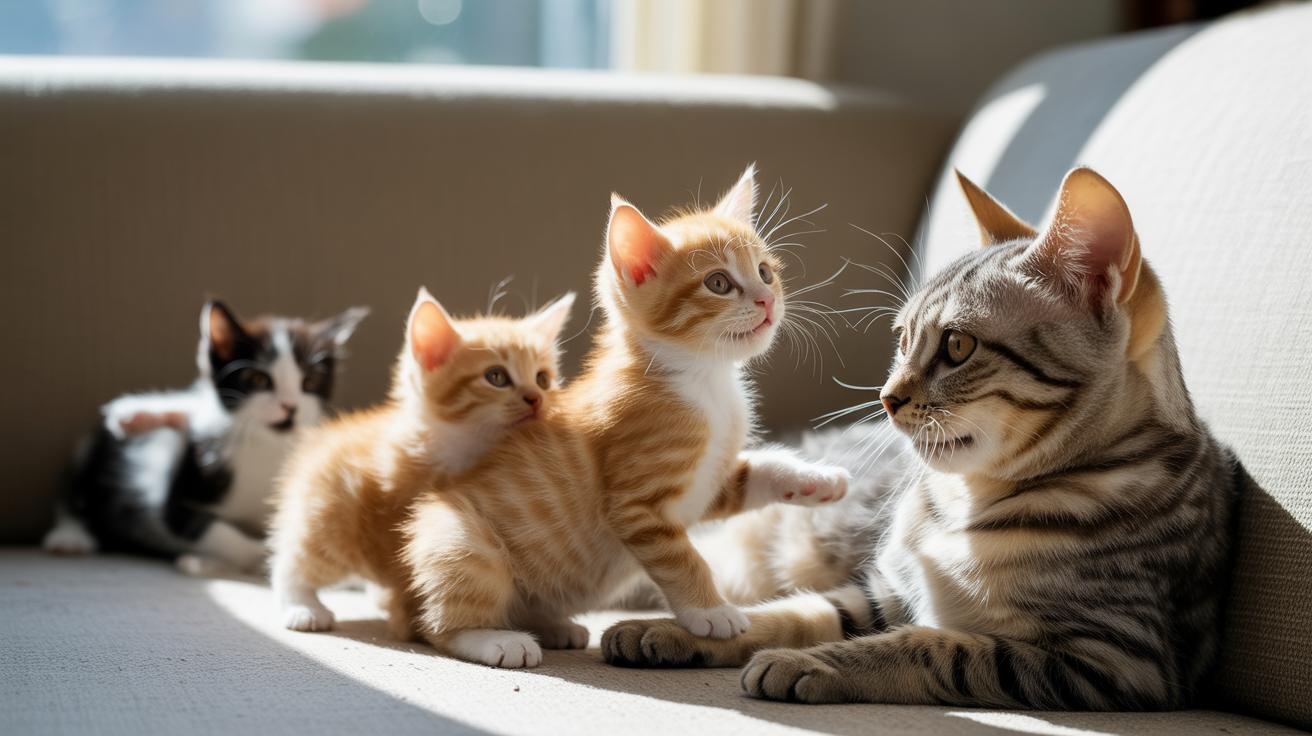
    Kittens are tiny energy machines. Their whiskers twitch, little paws patter, and naps are short before another round of zoomies. They’re learning the world, stalking, pouncing, and bite inhibition (learning to control how hard they bite), so playtime is practice, not just fun.

    Keep sessions short and supervised. Gentle handling and quick, focused play helps them learn to settle between bursts. Think of social play like practice drills for hunting skills, and yes, it’s adorable.

    Senior cats often change their rhythm. They may nap more by day, wake up during the night, or move in softer, shorter bursts. That can be normal – maybe your older cat just prefers quiet, low-key attention, not necessarily a health problem.

    Personality and breed matter, too. Some high-energy breeds still have a spring in their step late into the evening, while mellow types snooze with the sun. If you’re worried a change might be medical, check "When night activity signals a health problem: red flags and vet guidance".

    Are feral and outdoor cats nocturnal? Patterns and risks
    - Kittens, seniors, and exceptions behavioral differences by age.jpg

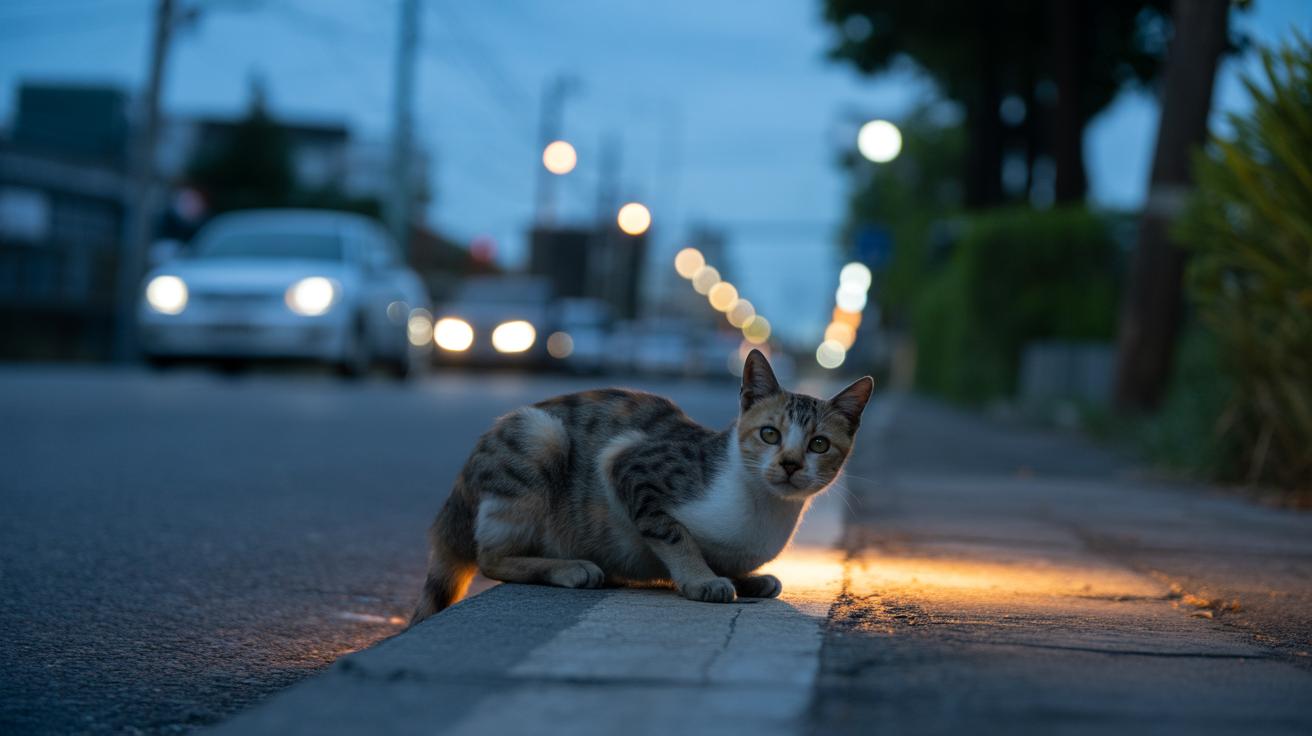
    Outdoor and feral cats don’t all keep the same hours. Many are crepuscular (active at dawn and dusk), prowling when light is low and the neighborhood is quiet. But some go fully nocturnal (active at night) if their prey is out then , think city rats or other night-roaming rodents , or if people and traffic push them into darker hours. Ever watch a neighborhood mouser wait until the street is empty? Yup, that’s part of it.

    Weather, food supply, and the local rhythm can flip a cat’s schedule. Rainy evenings, a sudden shortage of food, or lots of late-night activity from humans can turn a crepuscular cat into a night owl. It’s all about place and pressure (like more predators around or more people out late). So what you see depends on the spot and the stressors.

    Nighttime brings real dangers. Traffic is a big one , collisions rise after dark. Predators such as coyotes, foxes, or large owls (night-hunting birds) are more active at night and pose real threats. Fights with other animals increase the chance of injury and disease. Bright moonlight or seasonal shifts can make hunting easier, but that also means more movement and more risk. If your cat’s late-night roaming worries you, see "Practical strategies to reduce night activity and stop cats waking you" for containment (fencing, catios, or supervised yards) and schedule tips to keep them safer.

    How many hours do cats sleep? Sleep stages, circadian rhythm, and meaning
    - Are feral and outdoor cats nocturnal Patterns and risks.jpg

    Most house cats nap about 12 to 16 hours a day. They don’t do one long sleep like we do. Instead they practice polyphasic sleep (many short sleep bouts), popping in and out of snooze between stalking the sunbeam, a quick play session, and snack time. Tiny power-nappers, really. Ever watched your cat curl up, twitch a whisker, then bolt upright like nothing happened?

    Cats go through REM and non-REM sleep just like people. REM (rapid eye movement; the dreamy, twitchy phase) is when you’ll see paws or whiskers flick and maybe a soft chirp. Non-REM (slow, restorative sleep) is the deeper, quieter rest that follows big activity. Short naps can include a splash of REM, while a longer post-play nap is when the full repair work happens.

    Their internal clock is flexible and listens to the world around them: light levels, when they get fed, and your routine all nudge sleep timing. Indoor life can shift their rhythm, so those twilight zoomies sometimes overlap with your bedtime. For more on that, see "Are house cats nocturnal? How home life changes activity cycles."

    So daytime dozing doesn’t mean your cat is lazy or underslept , it’s normal. Worth every paw-print.

    Practical strategies to reduce night activity and stop cats waking you
    - How many hours do cats sleep Sleep stages, circadian rhythm, and meaning.jpg

    This is a hands-on list of things you can try tonight to cut early-morning meows and midnight zoomies – no medical advice here, just routines that often help.

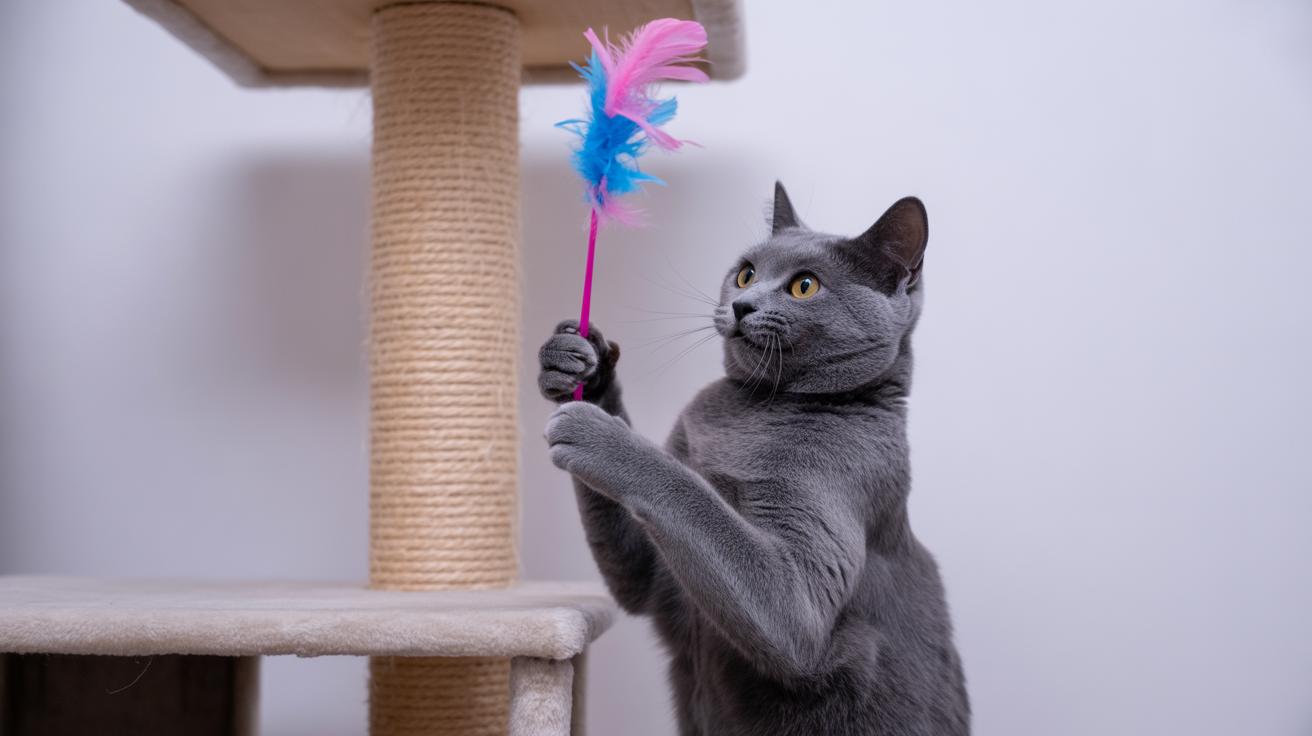
    1. Start the day with 10-15 minutes of active play using a feather wand (rod with a dangling lure) or a laser. Watch whiskers twitch as your cat gets that hunting spark out early.
    2. Give a mid-morning puzzle feeder (food-dispensing toy) for 15-30 minutes to spread calories and give the brain something to do. It slows munching and tires them out in a good way.
    3. Add a short afternoon play burst: two 5-10 minute sessions. Breaks up long naps and burns off leftover energy.
    4. Run a longer evening interactive session, 15-20 minutes of fast chase-style play that mimics hunting. End it with a small meal so the sequence is hunt-then-eat.
    5. Offer a tiny pre-bed snack right after that evening play. That hunt-then-eat timing helps most cats settle down for the night.
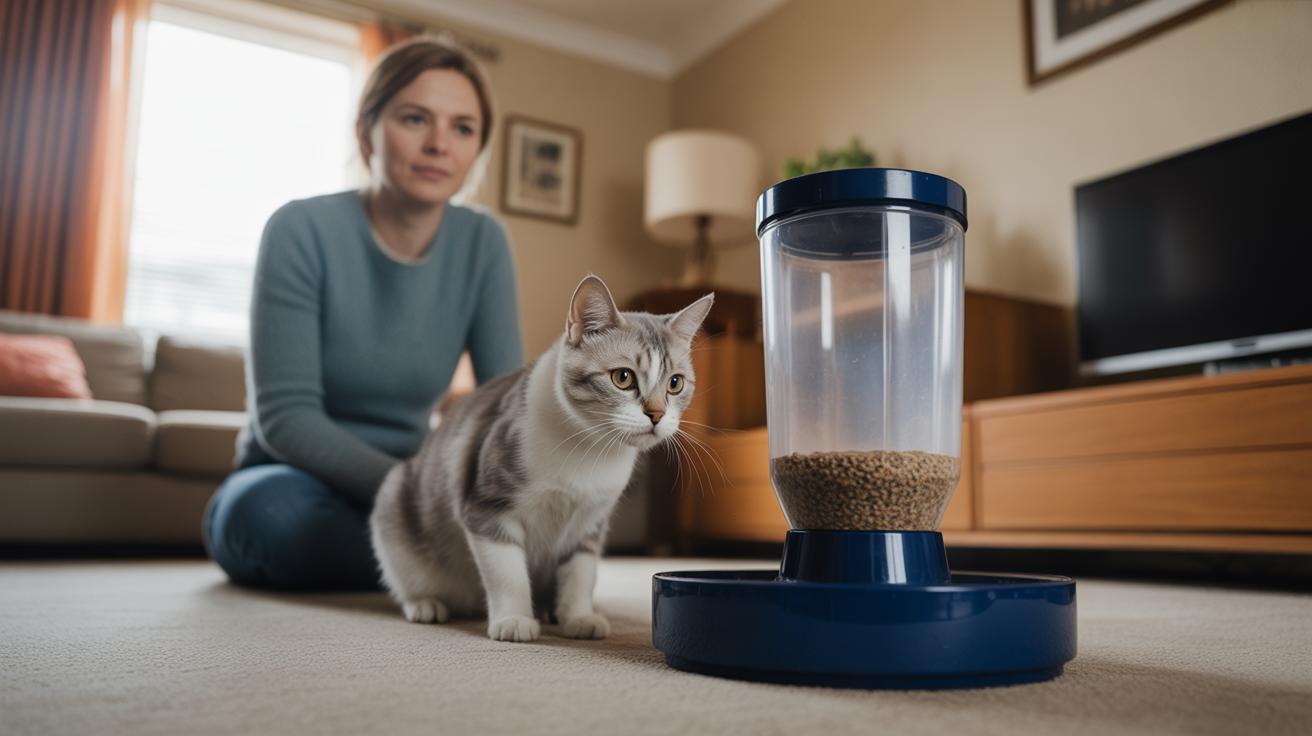
    6. Use a timed feeder (automatic food dispenser) to schedule small portions through the day and reduce night begging. It’s great for consistent timing.
    7. Keep daytime-only puzzle feeders and rotate toys so food work happens while you’re up, not while you’re sleeping. Novelty helps them stay engaged.
    8. Darken the bedroom with blackout curtains (heavy fabric that blocks light). Try gentle room-exclusion training: close the bedroom door, leave toys and water outside, and reward calm behavior in the morning. It takes patience, but it works.

    Sample 24-hour plan example:
    6:30 AM – 10 min active play
    7:00 AM – breakfast
    11:00 AM – 20 min puzzle feeder session
    2:00 PM – two 10 min play bursts
    5:30 PM – 20 min high-energy play
    6:00 PM – small dinner
    9:30 PM – short calm play and a tiny pre-bed snack
    10:00 PM – lights out, bedroom closed

    Tools and product types to keep on hand:

    • Timed feeders (automatic food dispenser)
    • Puzzle feeders (food-dispensing toys)
    • Interactive wand toys (rod with dangling lure)
    • Blackout curtains (heavy fabric that blocks light)
    • White-noise machine (constant low sound device)

    If night waking appears suddenly or won’t stop, see "When night activity signals a health problem: red flags and vet guidance".

    When night activity signals a health problem: red flags, diagnostics, and vet guidance
    - Practical strategies to reduce night activity and stop cats waking you.jpg

    If your cat suddenly becomes restless at night, pacing, meowing, or unable to settle, it might be more than quirky behavior. New or sudden night activity can point to medical issues. Common causes include sleep disorders (conditions that interrupt normal sleep), hyperthyroidism (an overactive thyroid that speeds up metabolism), cognitive dysfunction (age-related brain changes similar to dementia), hypertension (high blood pressure), pain, or other illnesses that make resting hard. Sometimes a simple fix helps a lot.

    Pay attention to clear red flags. Look for changes in appetite or weight, litter-box problems, trouble moving or stiffness, confusion or disorientation, persistent pacing, and louder or new nighttime vocalizing. If the pattern is different from your cat’s usual rhythm, not just a few odd nights, that matters. If you see several signs together, it’s a stronger reason to get help.

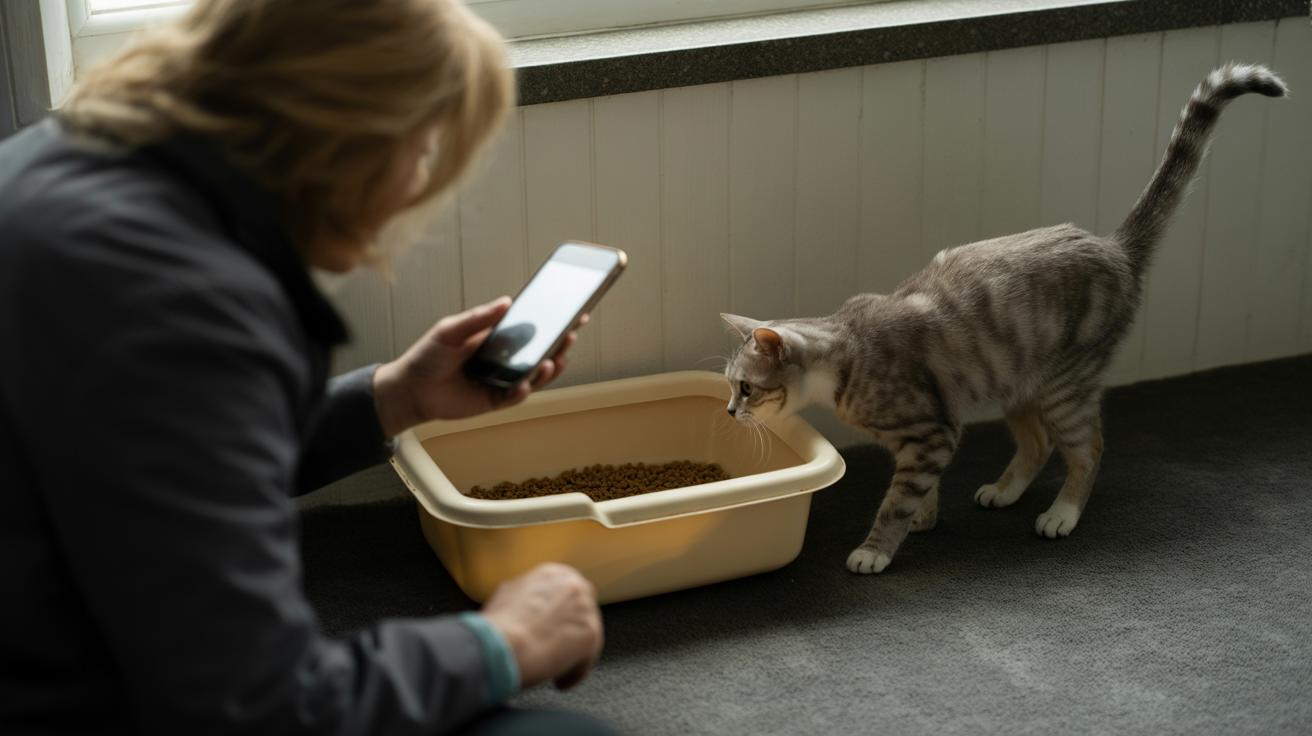
    When you go to the clinic, bring concrete examples so the vet doesn’t start from scratch. A short diary of when the waking happens, videos of pacing or vocalizing, recent weight numbers, and notes on litter-box habits and appetite give the vet a running start. Little details save time and can shape which tests your cat needs.

    What to document before a vet visit

    • Timing and frequency of night waking (note exact times and how long it lasts)
    • Short videos of vocalizing, pacing, or odd movements (phone clips work great)
    • Feeding schedule and any recent changes in appetite or weight (include numbers)
    • Litter-box habits (how often, consistency, any location changes)
    • Current meds, supplements, and known medical history
      Record this for 3 to 7 nights so patterns are clear and your vet can decide next steps.

    FAQ: concise pointers and where to read more
    - When night activity signals a health problem red flags, diagnostics, and vet guidance.jpg

    Quick, friendly guide to the night-time mysteries of cats. Ever watched your kitty zoom at 3 a.m. and wondered if that’s normal? These short pointers point you to the deeper answers below.

    Final Words

    In the action: domestic cats are primarily crepuscular (active at dawn and dusk) – not strictly night prowlers.

    Their keen low-light vision, sharp hearing, and hunting history explain twilight bursts, while indoor lights and household routines can shift those bursts into your night. Kittens, seniors, and outdoor cats may differ, and simple routines plus puzzle feeders help keep multi-cat homes calmer.

    Curious about are cats nocturnal? Use the tips, watch patterns, and enjoy those soft, late-night pounces – they're worth every paw-print.

    FAQ

    Crepuscular

    Crepuscular means cats are most active at dawn and dusk (low twilight light); it’s a natural rhythm tied to hunting small prey during those hours.

    Why are cats crepuscular and active around 3am?

    Cats are crepuscular and may wake around 3am as an evolved hunting rhythm synced to prey movement at twilight; their low-light vision and keen hearing help them hunt then.

    Are cats nocturnal, and do indoor or black cats behave differently at night?

    Domestic cats are primarily crepuscular, not strictly nocturnal. Indoor life or coat color (like black) doesn’t make them true night-only hunters—individual routines vary.

    Are dogs nocturnal?

    Dogs are generally diurnal, more active during daylight, though they adapt to household schedules and some breeds or working dogs may shift toward evening or night activity.

    Do cats ever sleep at night or sleep all day?

    Cats do sleep at night but in many short naps. They average about 12–16 hours daily with polyphasic sleep (many short naps), so long daytime snoozes are normal.

    What is the 3-3-3 rule of cats?

    The 3-3-3 rule describes settling stages: first 3 days hiding, next 3 weeks exploring and bonding, and around 3 months to feel fully at home.

    Related Articles

  • How to Choose Unbreakable Cat Toys

    How to Choose Unbreakable Cat Toys

    Most toys labeled indestructible are marketing puffery. Your cat will test that claim fast, and you’ll end up with stuffing everywhere. Not fun.

    Before you shell out cash or click buy, think safety first. Swallowed bits can mean vet bills and real danger, so let’s keep playtime fun and safe. Ever watched your kitty make a toy disappear under the couch? Yeah, not worth the risk.

    Here’s a quick sniff test you can use in-store or online. Think of it like a fast checklist before you let your kitty give it a whirl.

    • Check the material. Look for polymer (a tough plastic), ballistic nylon (extra-strong nylon used in luggage), or puncture-resistant fabric (fabric treated to resist holes and tears). These stand up better to teeth and claws.
    • Feel the seams. Double or reinforced stitching (extra thread where pieces meet) beats single seams every time. Tug gently to see if threads pull.
    • Skip toys with loose bits. Bells, plastic eyes, ribbons, and glued-on decorations come off. If it can be chewed free, it will be chewed free.
    • Watch the attachments. Wand tips, feathers, and strings should be secured with metal crimps or sturdy stitching, not just glue.
    • Size matters. If a toy fits entirely in your cat’s mouth, it’s a swallowing hazard. Bigger is often safer.
    • Think core strength. Toys with a solid inner core or reinforced center resist squish-and-tear better than hollow ones. Fiberglass (like a strong fishing-rod core) or thick rubber cores are good signs.
    • Test the bounce. Toss the toy. If it breaks, unravels, or spits out stuffing, pass. A satisfying thud or rollicking roll means fun without instant destruction.
    • Machine-washable is a plus. Washable fabrics let you keep toys clean without shredding them to bits.

    A few quick tips: rotate toys so they don’t get shredded from nonstop play, and retire any toy with loose stuffing or holes. For busy days, give a sturdy toss-and-chase toy before you head out, ten minutes of safe play can save your furniture and your nerves.

    Worth every paw-print.

    How to Choose Unbreakable Cat Toys

    - Action-first buying checklist for durable, chew-proof cat toys (quick answers).jpg

    Here’s a short, practical checklist you can use on product pages or in-store to spot toys that actually survive rough play. Think of it as a quick sniff test before you let your kitty take the toy for a spin.

    • Declared material: does the tag say rubber (stretchy, bouncy material), silicone (soft, flexible plastic-like material), nylon (a tough synthetic fabric), or stainless steel (rust-resistant metal)? Pass if it’s listed clearly. Fail if the description is vague or says just "plastic."
    • Non-toxic / certification claims: does the product note ASTM (US testing standard) or CPSIA (consumer product safety law), or say it was vet-tested? Pass if you can verify the claim. Big red flag if a chew toy has no safety claims.
    • Seams and attachments: are seams reinforced, molded as one piece, or finished with visible bar-tacks (short, heavy stitches)? Pass if reinforced. Fail if it’s single-stitched or glued only.
    • Size and weight match: can the toy NOT fit entirely in your cat’s mouth, and does the weight suit your cat’s size? Pass if dimensions are listed and the item looks safe. Red flag if it could fit whole-mouth.
    • Replaceable or modular parts: are spare attachments or replaceable ends available? Pass if replacement parts are sold. Fail if pieces are single-use and disposable.
    • Washable and waterproof: does the listing say how to clean it, and give temps or machine settings? Pass if it’s machine-washable or clearly wipeable with care instructions. Fail if cleaning guidance is missing.
    • User durability reports: are there dated reviews or hours-of-use notes from real customers? Pass if you see recent, specific reports. Fail if reviews are only vague praise.
    • Warranty and returns: is warranty length and the return policy spelled out? Pass if the info is clear. Fail if there’s no warranty or return details.
    • No small parts or magnets: are there no exposed magnets, beads, bells, or loose bits? Pass if none are visible. Red flag if tiny pieces or magnets are present, since those can be swallowed and cause serious harm.
    • Lab tests or retailer durability claims: does the seller show test methods or cycle counts (how many times it was stressed in tests)? Pass if methods and numbers are disclosed. Fail if it’s just marketing language.

    See Materials comparison table (Materials section) for technical abrasion and puncture metrics.

    How to use this checklist: score each line (Pass = 1, Fail = 0). Treat safety-related fails (size, small parts, exposed magnets) as automatic disqualifiers, even if the toy scores well elsewhere. Tally the totals to rank your candidates. Then double-check the "Declared material" item against the Materials comparison table (Materials H2) to compare abrasion and puncture numbers before you make a final pick.

    Quick tip: imagine your cat’s whiskers twitching as the toy skitters across the floor. If you wouldn’t let your kitten chew it for ten minutes unsupervised, maybe pass. Worth every paw-print to keep them safe.

    materials comparison: abrasion, puncture, cleaning and safety metrics for rubber, silicone, nylon, stainless and natural fibers

    - Material guide for unbreakable cat toys rubber, silicone, nylon, stainless and heavy fabrics.jpg

    Before you buy, check checklist item #1 (Declared material) against this table so you know what to expect when your cat goes full ninja. Think of it like matching your kitty’s battle style to the right armor.

    The table lists easy-to-check product metrics: Abrasion resistance (wear from repeated rubbing), Puncture resistance (ability to resist point pressure like teeth), typical failure modes, cleaning method and max safe temperature, estimated heavy-use lifespan (hours), and basic safety or chemical notes. When sellers cite test data, look for named test methods (ASTM or ISO), lab report numbers, sample sizes or cycle counts, and any veterinary toxicology notes when available , those details matter more than fluffy marketing.

    Material Abrasion resistance (1-10) Puncture resistance (1-10) Typical failure modes Cleaning (method & max temp) Estimated heavy-use lifespan (hours) Safety/chemical notes
    Natural rubber (elastic sap-based rubber) 7 6 Surface cuts, tearing at thin points, seam pull Soap & warm water; air dry; max ~60°C (140°F) 200–600 Can contain latex proteins; check for food-grade or vulcanized labeling
    Silicone (flexible inert polymer) 8 7 Deep gouges from sharp teeth, edge nicks Dishwasher-safe or boiling; max ~120°C (248°F) 500–2000 Highly inert; low leach risk if medical/food-grade
    Ballistic / high-density nylon (woven synthetic fiber, like seatbelt material) 9 7 Fraying, seam stress, abrasion wear Hand wash or gentle machine; max ~40°C (104°F) 300–1000 Very strong but can melt at high heat; watch stitched joins
    Stainless steel (rust-resistant metal) 10 10 Denting, finish wear; rare breakage Dishwasher-safe; high-temp safe 2000+ Inert and easy to sanitize; watch weight for small cats
    Reinforced canvas / plush (heavy woven fabric) 5 3 Seam separation, zipper failure, stuffing escape Machine wash gentle; max ~60°C (140°F) 50–300 Use tight stitching and non-toxic dyes; replace stuffingable parts
    Sisal / wool (natural fibers) 6 4 Unraveling, fiber pull-out, ingestion risk if frayed Spot clean or cold wash; max ~30°C (86°F) 100–400 Natural and biodegradable; fibers can snag claws and fray

    Pick materials by matching your cat’s attack pattern. Heavy chewers need high puncture and abrasion scores, think stainless, medical-grade silicone, or ballistic nylon. Bat-and-chase players do great with durable but lighter options like nylon or reinforced canvas. Kittens or mouthy cats do better with softer, inert rubbers or fabrics that tolerate low-temp washing.

    When you read product claims, make sure the seller lists test methods (ASTM or ISO numbers), sample size or cycle counts, or links to veterinary toxicology notes. Those citations build real confidence more than vague buzzwords. And double-check checklist item #1 (Declared material) against this table before you run at-home tests or buy extras. Worth every paw-print.

    construction, sizing rules and real examples of failure modes (what to inspect)

    - Construction and design cues that predict long-life in cat toys (expanded inspection  tests reference).jpg

    When you see a toy on a shelf or a product page, look for construction details you can actually check. Think like a cat: where will claws, teeth, and a frantic bat of the paw test the weakest joint? If it looks like it would fail the paw-and-mouth test, keep walking.

    Look for molded single-piece construction or welded/molded joints , these beat glued or multi-piece bonds for long-term strength. Seams should be double-stitched and have bar-tacks (short, heavy stitches) at corners and pull points. Fasteners should be visible screws or rivets (rivets = small metal fasteners), not just glue. Wide or weighted bases help stop tipping. Smooth, rounded edges cut down on peel-away bits. And the fewer detachable parts, the lower the choking risk.

    Common failure modes to watch for: seam separation at zipper lines, rivet shear when something pulls sideways, puncture patterns in rubber from premolar teeth (premolars = the cheek teeth cats use to gnaw), and axle wear in rolling toys that eventually exposes fasteners. You might see stuffing sneaking out, or a wheel wobbling until the axle shows. Not great.

    Seams, stitching and replaceable parts

    Check for reinforced seams and internal bar-tacks at corners and stress points. Replaceable modules should snap into molded sockets or attach with screws/rivets, not glued tabs that peel off. Failure stories often start with stitch-line pull-apart or unstitched seam gaps where stuffing or small bits escape. Oops, and that’s when you get a vet trip or a shredded favorite toy.

    Sizing, weight and choke-risk mitigation

    Use a simple visual rule: a toy should be larger than your cat’s open mouth. Try the "mouth-fit" test by imagining the main body fitting inside an open cat mouth , if it would, that’s a no-go. For kittens and tiny breeds, pick small-but-not-swallowable pieces and always supervise the first play sessions.

    Watch weight and motion. Feather-light parts that spin or flutter can be inhaled or swallowed. Heavy items can hurt small cats. Red flags: the toy fits fully in the mouth, loose rotating caps, tiny exposed magnets, or parts that can unscrew mid-chase. If you spot any of those, skip it and find something safer.

    Worth every paw-print if it lasts.

    home durability testing protocols and record templates (safe, repeatable methods)

    - Match unbreakable cat toys to play style and life stage (expanded recommendations).jpg

    Always start with a safety checklist before you run any endurance drills. If a toy fails a safety item , seams (stitched joins), size, small parts, or exposed magnets (small magnetic pieces) , stop testing and retire it. Use the checklist every time so you can compare models week to week. Link each test to the checklist item: seams/attachments → bite-pull test; declared material → puncture and abrasion tests; washable → water exposure check. Score and log every run using the failure-code taxonomy below so results stay comparable.

    Quick note: Ever watched your cat tug a toy like it’s a tiny dinosaur? That’s the kind of force we want to simulate. Keep a stopwatch and a helper if you can.

    Step-by-step protocols (keep things simple and repeatable)

    • Controlled bite/pull test (seams & attachments)

      1. Clamp the toy body in a vise (tool that holds stuff steady) or hold it securely; use pliers or a spring scale (a pull gauge) to tug an attachment at a 45 degree angle.
      2. Apply a steady pull to about 20–30 N (newtons; roughly 4.5–6.7 pounds of force), hold for 2 seconds, then release.
      3. Repeat up to 50 pulls or until the toy fails. Record cycles to first seam gap or thread pull and mark S for seam failure. It’s satisfying to watch, but don’t cheer too loud.
    • Puncture test (rubber/silicone)

      1. Use a blunt probe or safety awl (a dull, safe poking tool, not a sharp needle) and place the toy on a firm block.
      2. Press the probe at a fixed spot with about 10–20 N (roughly 2.2–4.5 pounds) for 10 presses per spot.
      3. Test 5 spots, repeat twice. Log the cycle or press count when the first puncture appears and mark P.
    • Abrasion test (fabrics)

      1. Rub a 120 grit sandpaper patch (coarse sanding paper) over the same 10 cm area with a back-and-forth motion.
      2. Count passes; run up to 500 passes or stop when fraying or nap loss appears. Note cycles to visible wear. Fabrics will often show small fuzz first.
    • Impact / tumble test

      1. Drop the toy onto hard flooring from 1 meter (about 3 feet) and from 0.5 meter (about 1.5 feet).
      2. Do 10 drops per height and check for cracks, detached parts, or exposed fasteners. Log cracks as C and detached parts as D. Some toys survive the first few drops, others don’t.
    • Rotating-load test for moving parts

      1. Mount the moving part on a drill or hand-turned axle at low speed (~60 RPM – rotations per minute) as a proxy.
      2. Run for 500 cycles and inspect for axle wear, wobble, or detached pieces. Mark D or C as needed.
    • Electronics endurance cycle

      1. Power the toy on for 30 minutes, off for 15 minutes; repeat for 100 cycles, or run continuously for 8 hours while checking seals.
      2. Log any power loss, overheating, or seal breach and mark E for electronics failure. Don’t stress lithium batteries (rechargeable power cells) too much , they can be dangerous if overworked.

    Safety and documentation

    Wear cut-resistant gloves and eye protection for puncture and drop tests. Keep pets and children out of the test area. Photograph each failure, timestamp your notes, and always confirm checklist safety items before running endurance tests. Use the same tools and force proxies each round so results are comparable. Oh, and label your photos clearly , future you will thank present you.

    Product Test date Test type Cycles Failure code(s) Time-to-first-failure (min or cycles) Photos (Y/N) Notes
    Example Toy 2025-01-15 Bite/Pull 50 S 18 pulls Y Seam started to fray at bar-tack

    Legend – Failure codes: S = seam/stitch failure, P = puncture, D = detached part, C = crack/structural break, E = electronics failure.

    How to Choose Unbreakable Cat Toys

    - DIY and at-home durability tests for unbreakable cat toys (full protocols).jpg

    Start by matching your cat’s play style and life stage to your checklist and the Materials table. Look at the toy’s declared material (checklist item #1) and then check that material’s puncture and abrasion scores in the Materials table before you buy. For example, declared material: high-density nylon (nylon: tough woven synthetic) , check puncture and abrasion rows.

    Quick Buyer Rules What to prioritize (short)
    Safety order (top priority) 1) size/weight (#4); 2) no small parts or magnets (#9); 3) non-toxic / certifications (#2)
    Testing & durability Check puncture & abrasion scores in Materials table first, then replaceability (#5) and user durability reports (#7)
    Quick example snippet Size rule – “Pick a ball bigger than a ping-pong ball so it can’t be swallowed.”

    Put safety checks first when you read a product page. Start with size and weight (#4). Make sure there are no small parts or magnets (#9). Then confirm non-toxic materials and any certifications (#2). After that, use the Materials table to compare puncture and abrasion scores to rank toughness. Prefer toys with replaceable parts (#5) and strong user durability reports (#7) for long-term value.

    Testing tips, quick version: look for high puncture and abrasion numbers, read user photos and comments, and favor toys that let you swap out worn pieces. It’s simple. It saves money and heartache later.

    For serious chewers aim for puncture scores of 7 or higher. Favor stainless steel (stainless steel: strong, corrosion-resistant metal), medical-grade silicone (silicone: flexible, heat-safe rubber-like material), or ballistic nylon (ballistic nylon: ultra-dense woven fabric). Design matters too. Pick thick, molded single-piece bodies, recessed rivets or welds, wide contact surfaces to spread bite force, few glued seams, and items with replaceable modules. These features stand up to hard biting.

    Kittens and seniors need special care. For kittens, check mouth-fit and strict absence of small parts or magnets, and choose soft-but-durable materials that can handle low-temp washing (#6). Supervise the first play session , five minutes while you watch is a good start , then rotate toys to slow wear. For seniors, pick easy-grip textures, low-impact or no electronics, washable claims (#6), and replaceable bits so you can refresh worn parts. Worth every paw-print.

    A tiny note from experience: my cat once launched a foam ball under the couch and I learned to size things right. Ever watched whiskers twitch as a toy rolls across the carpet? That’s the fun we want, safely.

    How to Choose Unbreakable Cat Toys

    - Top unbreakable toy types, real-world examples and price ranges.jpg

    Start by matching checklist outcomes to simple action steps so toy care becomes a quick habit. If the checklist says "washable" = Pass, follow the Materials table cleaning temps before you schedule a wash. If a toy’s puncture resistance is 4 or less, stop play and inspect daily for any punctures that could break skin. Use the Testing record-template to log each inspection and any test runs so you can spot slow failures before they turn dangerous. Cute and useful, right?

    Set cleaning schedules from the washable result and the Materials table cleaning metric. For fabric toys rated for 60°C or higher, plan a weekly machine wash on gentle with mild detergent, zip any pockets, and tumble or air dry per the label. For silicone or rubber pieces rated for boiling or dishwasher use, run them through the dishwasher or soak in hot water about once a month – more often if your cat drools a lot. Wipe-only toys get a warm soapy wipe-down after heavy sessions with a microfiber cloth, then air dry fully.

    Electronics need special care. Follow the maker’s IP rating (that’s the water and dust protection rating) and always remove batteries before any liquid cleaning. Avoid harsh solvents or high heat that can weaken polymers (plastic materials) or glued joints – those little bonds fail fast when stressed. If something feels off, stop using it and log what you found in the Testing record-template.

    Inspections and rotation should follow puncture and abrasion scores – abrasion means surface wear that rubs material away. Heavy chewers: inspect daily and retire a toy at the first skin-breaking puncture. Moderate users: inspect weekly. Light players: check every two weeks. Rotate toy subsets weekly to spread wear and keep your cat’s interest up, and note changes over time in the Testing record-template so you can see when abrasion or puncture resistance drops.

    Cleaning methods by checklist result

    • Washable = Pass and Materials table shows max safe temp 60°C or higher: machine wash weekly on gentle with mild detergent. Zip up pockets and fasten closures.
    • Silicone or rubber marked dishwasher-safe or boil-safe: run a monthly dishwasher cycle or boil briefly, then air dry. Do it more often if the toy gets slobbery.
    • Wipe-only items: clean after heavy use with warm, dilute soap solution and a microfiber cloth, rinse, and let dry fully. Avoid solvents or high heat that weaken polymers (plastic materials) and adhesives.
    • Electronics with a washable claim: follow the maker’s IP rating, remove batteries before any liquid cleaning, and only use methods the manufacturer approves.

    Inspection signs and replacement triggers mapped to scores

    Retire a toy right away if you see any of the following:

    • A hairline crack that exposes core material (that could be foam, hard plastic, or fiberglass – fiberglass is a strong, thread-like material used in some cores).
    • Any exposed wiring or batteries.
    • Missing stuffing that creates a swallow risk.
    • Revealed magnets or small parts that can come loose.

    Match inspection frequency to how hard your cat plays (daily/moderate/biweekly) and record failures using the failure-code taxonomy in the Testing record-template. Worth every paw-print when a toy is safe and fun.

    How to Choose Unbreakable Cat Toys

    - Maintenance, inspection, rotation and end-of-life rules for unbreakable cat toys (consolidated checklist).jpg

    I checked every pick against our 10-item buyer checklist and the testing record template. Look for clear material disclosure, dated user notes about durability, and explicit warranty or parts info before you buy. When your toy arrives, run a few quick checks: seam pull, puncture, abrasion, and an electronics cycle (turn it on and run it through its motions). These simple tests catch most early failures.

    PetSafe Bolt Laser Toy , a small laser unit that makes random patterns for solo play. Great for chasers who love the thrill of the red dot. Typical failure points: button or housing cracks and battery-compartment wear. Best for pouncers and independent players. Price: $20 to $40 at pet retailers; warranty usually about 1 year. On arrival, do an electronics cycle and inspect the battery seal.

    KONG Cat Wobbler , a rubber (bouncy, tough) treat-dispensing toy that wobbles unpredictably. Your cat gets that satisfying hunt as kibble drops out. Typical failures: surface gouges from sharp chewers, though the core usually holds. Best for treat-driven chewers and puzzle players. Price: $12 to $25 and widely available; usually solid warranty. Run a puncture test and drop it a few times.

    Da Bird wand , a long teaser wand with lifelike feather action (real-feather feel). Classic bat-and-chase fun when you want interactive play. Typical failures: feather detachment or string fray at the attachment point. Best for interactive solo sessions with you. Price: $10 to $20, sold online and in boutiques; replacement feathers are available. Do a seam pull and give the attachment a firm tug.

    Petstages Tower of Tracks , multi-level spinning track toy for batting and chasing. It makes lovely rattling sounds as balls zip around. Typical failures: axle wear (axle is the spinning rod) and track splits at the clip points. Best for pouncers and multi-cat homes. Price: $15 to $35; some parts are available. Test it with rotating-load and simple drop checks.

    Yeowww! Catnip Banana , dense cotton twill (a sturdy cotton weave) stuffed with strong catnip. Great for heavy nibbles and those blissed-out rolls. Typical failure: seam pull if stitched poorly. Best for chewers and catnip lovers. Price: $8 to $18, usually in specialty shops; modest warranty. Run a seam pull and an abrasion rub test.

    SmartyKat Flicker , light, touch-activated toys made from recycled plastic (plastic made from reused materials). They flick when batted and are perfect for quick bursts. Typical failures: switch failure or housing cracks. Best for kittens and short-burst play. Price: $10 to $25 and widely stocked; warranty varies. Run an electronics cycle and a housing-drop test.

    A few quick tips: replace toys showing loose stuffing, exposed wires, or detached feathers. Supervise wand play and toss small parts for supervised chasing only. Ever watched your kitty chase shadows? Yeah, some toys just add pep to that silliness. Worth every paw-print.

    Product Price band Checklist Passes (count) Key failure modes Best for Warranty/parts
    PetSafe Bolt Laser Toy $20–$40 6 Housing cracks, battery-compartment wear Pouncers / solo players About 1 year, limited parts
    KONG Cat Wobbler $12–$25 8 Surface gouges from chewers Chewers / puzzle feeders Generally good availability
    Da Bird wand $10–$20 6 Feather detachment, string fray Interactive bat-and-chase Replacement feathers sold
    Petstages Tower of Tracks $15–$35 8 Axle wear, track clip splits Multi-cat pouncers Some parts available
    Yeowww! Catnip Banana $8–$18 7 Seam pull Chewers / catnip fans Limited warranty
    SmartyKat Flicker $10–$25 6 Switch failure, housing crack Kittens / short play bursts Variable warranty

    How to Choose Unbreakable Cat Toys

    When you shop for tough cat toys, put safety first. Check for anything that could cut, choke, or poke your kitty. Then think about how long the toy will last, can it survive claws, teeth, and a full-speed zoom across the living room. It’s about peace of mind and play that doesn’t end in vet bills or shredded carpets.

    Cross-check the maker’s listed materials with your Materials table and your Testing record-template. Materials (what the toy is made of) matter. Look at abrasion (how fast the surface wears away) and puncture (a hole that can pierce skin). Compare Pass/Fail results, the abrasion score, the puncture score, and how many hours of use the toy lasted in tests. Think of it like a little report card for toys.

    Quick checklist to follow before you buy:

    • Safety fails come first. If it can cut, snag, or expose wires, that’s a hard no.
    • Durability next. Higher abrasion and puncture scores mean tougher toys.
    • Match materials to use. For example, puncture-proof fabric (fabric that won’t tear easily) is great for chewers; polymer (a tough plastic) works for balls.
    • Log hours of use so you know how the toy performs over time.

    If a toy draws blood, exposes wiring, or shows a puncture that breaks the skin, retire it.

    Want a simple rule of thumb? Pick toys made from clear, tested materials, double-check the test scores, and trust your gut. If something feels flimsy or looks like it could unravel, don’t risk it. Your cat will thank you with purrs and perfect zoomies.

    Final Words

    In the action, you got a fast, 10-point buyer checklist to vet truly unbreakable cat toys for use online or in-store.

    We matched that checklist to a materials comparison, construction inspection tips, and step-by-step home tests, so you'll spot weak seams, small parts, or puncture-prone materials before they reach your cats.

    Then we showed how to match results to chewers, pouncers, kittens, and seniors, plus cleaning plans, toy evaluations, and a tidy FAQ with clear retire triggers.

    Use this guide as your quick playbook for how to choose unbreakable cat toys – less waste, safer play, and more satisfied paws.
    Worth every paw-print.

    FAQ

    FAQ

    How do I choose unbreakable cat toys?
    Check the declared material (rubber or other chew-safe material), avoid small parts, look for reinforced seams, match toy size to your cat, prefer washable/replaceable parts, review any durability tests or user reports, and read warranty language.
    What should I avoid in cat toys?
    Avoid small detachable parts, loose beads or bells, thin single-layer plush, exposed magnets or batteries, toxic-scent treatments, weak stitched seams, and unsealed electronics that can break or become swallowing hazards.
    Why does my cat keep breaking his toys?
    Often the toy doesn’t match your cat’s play style or chewing strength. Choose puncture-resistant materials, reinforced seams, correct size, rotate toys, and supervise vigorous play to extend toy life.
    What is the best material for cat toys?
    It depends on play style: natural rubber and silicone for chew resistance, high-density nylon for abrasion resistance, stainless steel for rolling parts, and reinforced canvas/plush for batting.
    What toys will cats not get bored of?
    Combine daily interactive play, wand/teaser toys, puzzle feeders, motion or rolling toys, varied textures, scheduled rotations, and occasional catnip rewards.
    Are KONG, Cat Dancer, SmartyKat, and PetDroid Boltz durable choices?
    KONG Wobbler: durable rubber treat-dispensing. Cat Dancer fleece wand: simple and great for pouncers. SmartyKat plush mice: soft—avoid for heavy chewers. PetDroid Boltz: lively—check seals and warranty before heavy use.
    How can I test toy durability at home?
    Do seam-pull tests, puncture/pressure checks, abrasion rub cycles, drop-impact trials, rotating-load tests for moving parts, and run electronics on/off cycles. Record cycles and time-to-first-failure.
    How do I pick toys for aggressive chewers, kittens, and seniors?
    Aggressive chewers: strong declared material, high puncture resistance, reinforced seams, replaceable parts. Kittens: appropriately sized with no small parts. Seniors: easy-grip, low-impact, washable toys.

    Related Articles

  • Top Lap Cat Breeds for Apartments and Families

    Top Lap Cat Breeds for Apartments and Families

    Ever feel like your lap is invisible to cats? Nope. Lots of kitties actually love to cuddle and will happily teach you to stay put.

    Some breeds crave snuggles. They’ll hop into your lap, curl up warm, and purr like a tiny motor while their paws knead the blanket, so comforting. Ever watched your kitty train you to be their personal throne? It’s pretty adorable.

    This list ranks the top lap-loving breeds for apartments and families. We picked cats known for calm, people-focused temperaments, tolerance for handling (okay with being picked up and petted), and kid- and senior-friendly behavior, so you can find a cat that loves you back.

    Worth every paw-print.

    Quick ranked shortlist , Top 12 lap-loving breeds

    - Fast Answer Top Lap Cat Picks with Photos, Costs, and Quick Recommendations.jpg

    This is a friendly, bite-size list of cats that tend to love laps. We picked these breeds for their habit of seeking out people, their tolerance for handling, lower-to-moderate activity levels, and overall fit for kids, seniors, and apartment living. A 2019 Scientific Reports study found that breed explains a big chunk of predictable personality differences , about half of measured behaviors show heritable parts , so breed can be a useful guide. Ever watched your kitty knead and settle down? That’s the vibe we looked for: low activity, approach-seeking, and relaxed body language at first meet-and-greets.

    Personality still varies from cat to cat, so meet each cat and check the full health and care details in the profiles later: In-depth profiles.

    1. Ragdoll thumbnail Ragdoll – super mellow, goes floppy when you pick them up, and loves gentle attention.
    2. Ragamuffin thumbnail Ragamuffin – famous for cuddles and patience, great with kids and laps.
    3. Birman thumbnail Birman – quiet, affectionate, and likely to plop down beside or on you.
    4. Sphynx thumbnail Sphynx – very people-focused and a bit clingy in the sweetest way; they love warmth and company.
    5. Burmese thumbnail Burmese – social and playful, but also happy to be your shadow on the couch.
    6. Siamese thumbnail Siamese – very loving and vocal; they really crave company and conversation.
    7. Balinese thumbnail Balinese – basically a long-haired Siamese, affectionate and chatty.
    8. Scottish Fold thumbnail Scottish Fold – gentle and relaxed, often happy to cuddle up.
    9. Persian thumbnail Persian – calm lap buddy who does need regular grooming (brushing and face care).
    10. Exotic Shorthair thumbnail Exotic Shorthair – like a low-energy Persian but with a short coat, easy indoor companion.
    11. Bombay thumbnail Bombay – outgoing and people-oriented, often follows you around looking for laps.
    12. Maine Coon thumbnail Maine Coon – big and mellow; if there’s room on your lap, they’ll curl up and purr.
    Breed Temperament (1-line) Size Grooming Activity Suitability (Kids/Seniors/Apartments) Typical shelter adoption fee range Typical breeder fee range
    Ragdoll Ultra-relaxed; goes floppy when held and craves gentle pets. Large High (regular brushing for their coat) Low Excellent / Excellent / Good $50–$200 $400–$2,500
    Ragamuffin Super cuddly and patient, very tolerant. Large High (daily or frequent brushing) Low Excellent / Excellent / Good $50–$200 $800–$1,300
    Birman Quiet, affectionate, loves family time. Medium High (longer coat needs care) Low Good / Excellent / Good $50–$200 $600–$1,000
    Sphynx People-focused and energetic; needs warmth. Medium Low (no fur, but regular skin care) High Good / Good / Good $50–$200 $1,500–$3,000
    Burmese Social and interactive; follows people around. Medium Low (simple coat care) Moderate Excellent / Excellent / Good $50–$200 $600–$1,200
    Siamese Very affectionate and vocal; wants company. Medium Low (short coat) High Good / Good / Good $50–$200 $600–$2,000
    Balinese Long-haired Siamese type; loving and talkative. Medium High (longer hair care) High Good / Good / Good $50–$200 $600–$1,200
    Scottish Fold Gentle and relaxed; often happy to snuggle. Medium Moderate (regular brushing) Low Good / Excellent / Good $50–$200 $800–$1,500
    Persian Calm lap cat with a sweet, mellow nature. Medium High (daily grooming recommended) Low Good / Excellent / Good $50–$200 $500–$1,500
    Exotic Shorthair Persian-like and easy-going, great indoors. Medium Moderate (short coat, some brushing) Low Good / Excellent / Good $50–$200 $400–$1,200
    Bombay Outgoing and human-focused; loves attention. Small Low (short, sleek coat) Moderate Good / Good / Good $50–$200 $500–$700
    Maine Coon Big, mellow, and social; often happy to curl up. Large High (thicker coat needs brushing) Moderate Good / Good / Good $50–$200 $600–$2,000

    See the full breed profiles and detailed care subsections in the In-depth profiles section: In-depth profiles.

    Why breed matters for lap preference (science, predictive limits, and clear examples)

    - In-Depth Breed Profiles  Behavioral Nuance, Health Flags, Screening  Breeder Tips.jpg

    A 2019 Scientific Reports study found that breed explains a big chunk of predictable personality differences in cats. About half of the behaviors they measured showed heritable (passed down through genes) components. That "about half" is the headline , breed tilts the odds, it doesn’t promise anything. Think of it like rolling weighted dice: the breed nudges the result, but each cat still surprises you.

    Breeding history gives real clues. Lines bred for companion roles over generations tend to carry more genes for being people-oriented and tolerating handling, so those cats often seek out company and snuggles. Lines bred as mousers or working cats usually keep stronger hunting drives and independence, which makes them less lap-loopy on average. And physical selection, like hairless or flat-faced traits, can come with linked behaviors (more warmth-seeking or quieter activity) because breeders repeatedly chose animals that tolerated close human contact alongside the look.

    Meet the cat, not just the label. Use calm observations and the simple testing steps later in this article to check lap potential in real time , watch whiskers, listen for purrs, offer a hand. The comparison table shows the typical temperament snapshots used for ranking, so glance at it, then confirm with short, hands-on interactions before you decide. Ever watched your kitty turn down a lap they used to love? Yeah, personality is a moving target, so verification matters.

    In-depth profiles , health, lifespan, grooming routines, and adoption/breeder red flags (no temperament or price repeats)

    - Suitability for Seniors, Kids, and Small Spaces  Matching Checklist  Play Notes.jpg

    These profiles focus only on health risks and screening tips, typical lifespan ranges in years, exact grooming routines you can use at home, and red flags to watch for when adopting or buying. Temperament and fee details are in the comparison table up front, so check that table for one-line personality notes and cost ranges before you dive into care and health specifics.

    Ragdoll , health checks, lifespan, brushing routine, and breeder red flags

    Ragdolls can carry hypertrophic cardiomyopathy (HCM) (thickening of the heart muscle), so ask breeders for cardiac ultrasound results on parents and kittens by 1–2 years and repeat every 1–2 years for adult cats. Typical lifespan: 12–17 years. Grooming: semi-long coat; brush with a slicker brush and wide-tooth comb 2–3 times weekly, check collar areas and ruff for tangles, bathe only as needed. Red flags: no cardiac clearances, opaque or cloudy eyes in kittens, and litters produced too frequently.

    Ragamuffin , common health screens, years, coat care, and adoption warnings

    Ragamuffins are hefty cats that benefit from weight monitoring and routine vet screens; request cardiac checks (HCM screening) and basic bloodwork for kittens. Lifespan: 12–16 years. Grooming: long, plush coat; daily brushing with a soft bristle brush and occasional de-shedding tool during heavy-shed seasons, check paws and underarms for matting. Red flags: breeders who skip early vet exams, kittens with greasy coats or obvious skin irritation, and refusal to provide parent health records.

    Birman , health notes, lifespan, grooming steps, and breeder cautions

    Birmans can show breed-linked issues such as dental disease and kidney concerns in some lines, so ask for dental checks and routine bloodwork when adopting; cardiac checks are useful if available. Lifespan: 12–16 years. Grooming: silky medium-long coat; brush with a soft bristle brush 2–3 times weekly, use a fine-tooth comb for the ruff and tail, and trim nails every 2–4 weeks. Red flags: mattes left untreated, untreated dental disease, or farms that won’t share kitten vaccination and deworming records.

    Sphynx , skin care, warmth needs, lifespan, and adoption red flags

    Sphynx need skin maintenance instead of fur care: weekly baths or daily skin wipes to remove oil buildup, ear cleaning weekly, and sunscreen avoidance or protection for sun-sensitive skin; watch body temperature since they get cold faster. Lifespan: 8–14 years. Grooming routine: gentle, fragrance-free wipes or a mild bath with vet-approved shampoo weekly, dry thoroughly, clean ear wax with vet wipes. Red flags: greasy or smelly skin, severe sunburns, no cardiac screening paperwork, or kittens kept in poor-temperature conditions.

    Siamese & Balinese , health screening, years, coat care, and breeder alerts

    Siamese and Balinese lines can show dental and ocular issues in some pedigrees, so ask for early dental exams and eye checks; cardiac screening is helpful if the breeder offers it. Lifespan: 12–20 years (many live well into their late teens). Grooming: Siamese short coat needs a weekly rubber brush; Balinese (longer hair) benefits from brushing 1–2 times weekly and gentle combing of the plume tail. Red flags: chronic sneezing or eye discharge in kittens, refusals to show parent health history, or litters from very young queens.

    Burmese , health considerations, lifespan, grooming, and breeder red flags

    Burmese benefit from routine dental exams and weight monitoring since some lines trend toward obesity; request basic genetic health info when offered. Lifespan: 10–16 years. Grooming: short, satin-like coat; quick weekly grooming with a soft brush or grooming glove keeps skin oils in balance and reduces loose hair. Red flags: vague or missing health paperwork, kittens under-socialized with people, and breeders unwilling to discuss genetic testing or show the queen and stud.

    Persian & Exotic Shorthair , brachycephalic care, lifespan, grooming, and warnings

    Persians and Exotic Shorthairs have flattened faces (brachycephalic, flat-faced skull shape) that can bring breathing, tear-duct, and dental crowding issues; look for breeders who screen for respiratory problems and ophthalmic exams. Lifespan: 12–17 years. Grooming: Persian daily brushing with a wide-tooth comb and slicker to prevent mats, daily face-cleaning with damp cotton for tear stains; Exotic Shorthair needs brushing 2–3 times weekly and routine face wipes. Red flags: noisy or labored breathing, chronic eye crusting, reluctance to show parents, or litters born from queens with repeated C-sections without explanation.

    Maine Coon , large-breed health, lifespan, coat care, and breeder red flags

    Maine Coons need hip screening (hip dysplasia checks by age 1–2 years) and cardiac screening for HCM (echocardiogram recommended by age 1 and repeated periodically). Lifespan: 9–13 years. Grooming: thick, water-resistant coat; brush with a de-shedding tool and a comb 2–3 times weekly, pay attention to tufted ears and the tail, and spot-treat mats in winter. Red flags: no hip or cardiac clearances, swollen joints in young kittens, excessively thin or scratched coats, or breeders with many simultaneous litters and no veterinary oversight.

    - Grooming Schedules, Tools, and Step-by-Step Checklists.jpg

    Coat type changes how lap time feels. Long fur is like a plush blanket that keeps your kitty warm, while short fur leaves soft tumbleweeds on your couch. Hairless cats want skin care and cozy warmth instead of brushing. Curly coats need extra gentleness to keep those springy textures intact.

    Here’s a simple, friendly routine for each coat type. Ever watched your cat chase a shadow? These little steps make laps comfier and life less hairy.

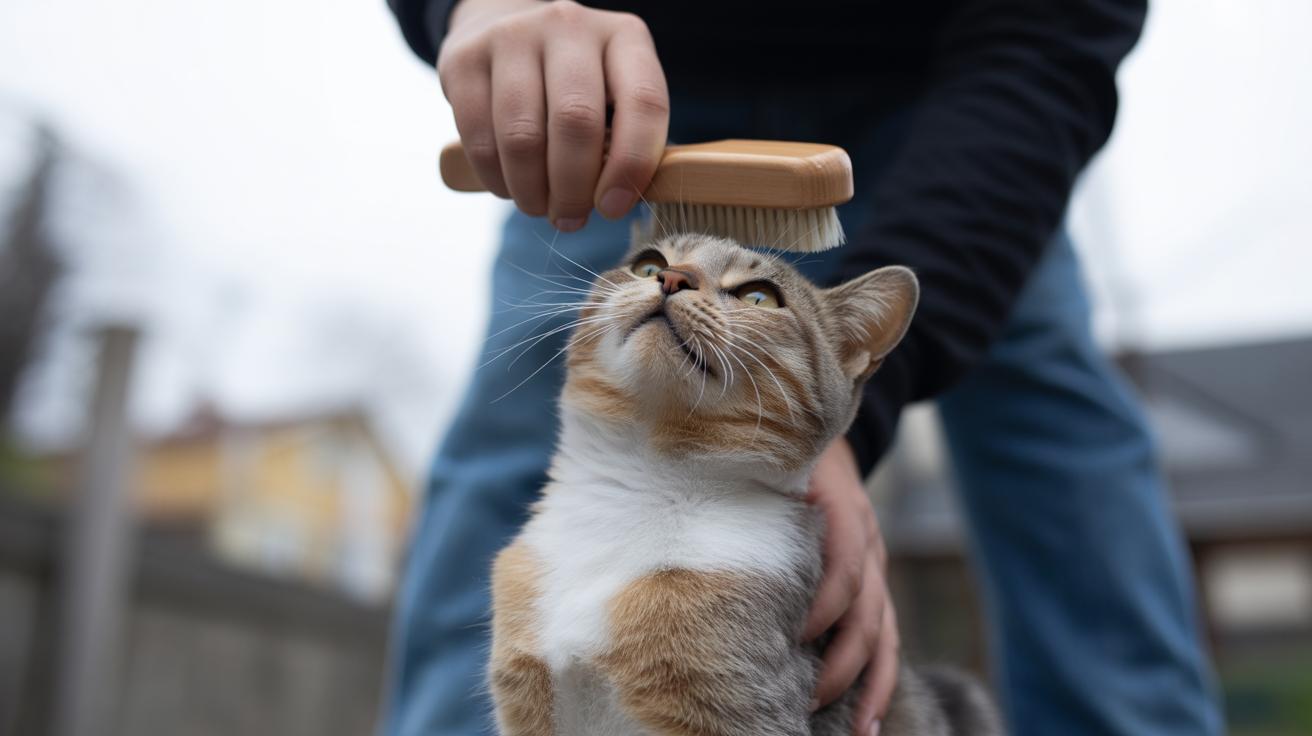
    Long-haired cats (Persian, Ragdoll, Birman): Brush quickly every day with a slicker brush (a brush with fine, short wires that lifts tangles) and follow with a wide-tooth comb (teeth spaced to detangle without pulling). Trim around the rear for cleanliness, and check the ruff and underarms for mats. It keeps cuddles smooth and your lap a joy.

    Short-haired cats (Siamese, Burmese, Bombay): Groom once a week with a grooming glove (a rubber-padded hand brush) or rubber brush to catch loose hair and dander, and step up to a few times a week during seasonal shedding. Vacuum or shake out blankets regularly. Quick sessions = big rewards.

    Hairless cats (Sphynx): Give a gentle bath weekly or use pet-safe wipes (moist wipes made for animals) to remove oil buildup, and clean ears weekly with a vet-approved solution. Watch for sun exposure and always have a soft, warm blanket ready for lap time. They love warmth, so think cozy.

    Curly or textured coats (Selkirk Rex, Ragamuffin): Brush gently 1-2x weekly with a soft-bristle brush (bristles that won’t break curls) and only use a wide-tooth comb when needed to avoid disturbing the texture. Less is more here. Your kitty’s curls will thank you.

    Tools to keep nearby: slicker brush (fine-wire tines), de-shedding tool (removes loose undercoat), grooming glove, soft-bristle brush, pet-safe wipes, and mild, vet-approved shampoo (gentle cleanser for skin). Toss them in a bin by the couch and you’re ready.

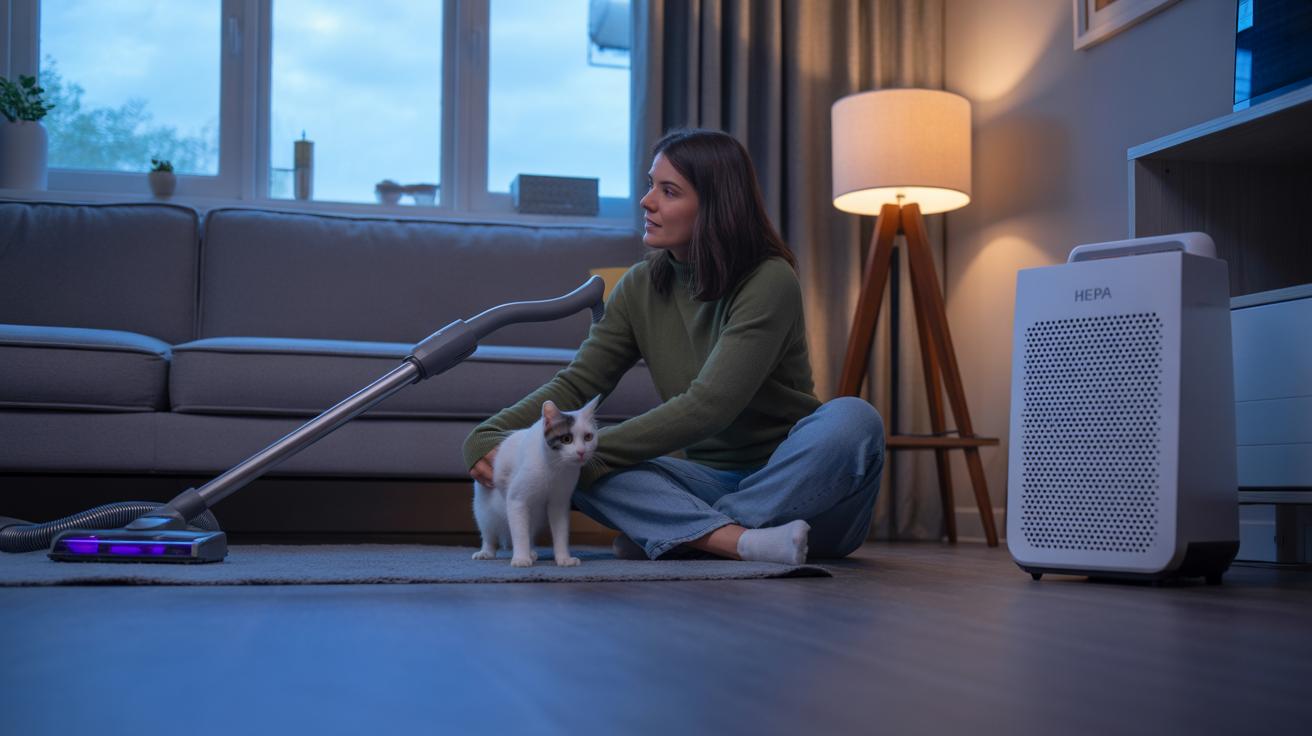
    Allergies, the reality: Very few breeds are truly hypoallergenic. Regular grooming, washing lap linens, and a HEPA filter (high-efficiency air filter) to cut airborne dander help a lot. If allergies are serious, talk to your vet about testing and extra steps.

    For breed-specific tweaks, see the single-line grooming note inside each breed profile in the In-depth profiles section. Worth every paw-print.

    Coat Type Example Breeds Recommended Grooming Frequency Key Tools/Notes for Lap Comfort
    Long-haired Persian, Ragdoll, Birman Daily brushing Slicker brush (fine wires), wide-tooth comb; trim sanitary areas, keep blanket brushed clean
    Short-haired Siamese, Burmese, Bombay Weekly grooming (more in shed season) Grooming glove (rubber-padded), rubber brush; vacuum linens regularly
    Hairless Sphynx Weekly baths or daily wipes Pet-safe wipes or mild shampoo (vet-approved); warm blanket, ear care, sun caution
    Curly/textured Selkirk Rex, Ragamuffin 1-2x weekly gentle care Soft-bristle brush, wide-tooth comb sparingly; avoid over-brushing to protect curls

    Top Lap Cat Breeds for Apartments and Families

    - Health Screening Timelines, Checklists and Pre-Adoption Vet Questions.jpg

    Check the comparison table above for our top picks by scenario, the chart lists favorites for apartments, best lap cats for seniors, and lap cat breeds for families so you can pull together a quick shortlist. Use those names as a starting point, then meet real cats in person before you commit , personalities matter more than breed.

    Look for these friendly signals when you size up a candidate: approach-seeking behavior (coming to you or nudging your hand), relaxed body posture, tolerance for gentle handling, and short bursts of purring or kneading (those rhythmic paw presses). Your cat’s whiskers might twitch or they might gently flop onto a blanket , cute signs they could love laps. Watch for the opposite, too: avoiding contact, flattened ears, fast tail flicking, or a stiff body usually means not a lap fan. Some cats show love without sitting on laps , head bunting or rubbing is common; read more here: What do cat head bumps mean.

    Household fit matters. Busy families with kids often do best with patient, tolerant cats. Seniors or apartment dwellers might prefer ultra-cuddly, low-energy cats , lap cat (a cat that likes to sit on your lap) traits are golden here. Also think about grooming (brushing and care) and space , long-haired (coats that tangle and need daily brushing) breeds feel dreamy on a lap but need more upkeep.

    1. Sit quietly in a chair with a soft blanket and watch for five minutes. See if the cat comes over or stays away.
    2. Offer a treat at your feet, then move it to the edge of your lap slowly; note eagerness and body language.
    3. Try gentle petting along the head and neck; look for relaxed breathing versus tense backing away.
    4. Put a worn shirt or soft cloth with your scent on your lap and leave it for a bit; check whether the cat returns to it.
    5. If the cat seems calm, try brief handling only , hold for 30 to 60 seconds and watch for signs of stress.
    6. Remember other love notes: head bunting, rubbing, or following you around count as real affection.

    If a cat passes these quick checks, meet them at different times of day and do short repeat sessions to confirm the vibe. Breed tendencies help narrow choices, but testing a particular cat in person tells you if they’ll be your true lap buddy. Worth every paw-print.

    Adoption, breeder guidance, and realistic budgeting examples

    - Training Stepwise LapTraining Plan and Troubleshooting Checklist.jpg

    Picking between rescuing from a shelter and buying from a breeder is mostly about cost, certainty, and timing. Shelters tend to be cheaper, and many include vaccines and spay/neuter (surgery to prevent breeding), plus you might find a mixed-breed who becomes a total lap fan. Reputable breeders give clearer lineage and often do pre-sale health checks, but they usually cost more up front. Check the comparison table above for breed-specific breeder fee ranges and temperament notes before you pick a target. If you like big cats, ask about breed-specific screens and expected lifespan (useful reading: Lifespan of a Maine Coon cat), and make sure the seller has done hip and cardiac checks (hip scoring and heart screening like an ultrasound) when recommended.

    Budgeting turns a cute idea into a real plan. Here are two clear examples to help you picture the costs.

    Item Shelter adoption (Example A) Breeder purchase (Example B)
    Adoption fee / Purchase price $150 $1,500
    Initial vet visit, vaccines, microchip (tiny ID implant) $200 Included in screenings and first-year estimate
    Spay/neuter (surgery to stop breeding) $150 May be included or extra
    First-year supplies (litter, bed, carrier, toys) $250 $300
    Initial health screenings / insurance first-year premium , $600
    First-year total (estimated) $950 $2,400

    After year one, expect about $600 to $1,000 per year for food, routine vet visits, insurance, and enrichment. Those line items are where budgets creep up, so plan for surprises and think about pet insurance early if you want that safety net.

    When you meet candidates, bring calm energy and a notebook. Ask to see paperwork: vaccine records, microchip info, and any screening test results. Use the same simple behavior checks listed in the Suitability section to watch how the cat moves, plays, and reacts. Ever watch a kitten bat at a string and freeze? Those little tells matter.

    Watch for these red flags when checking health claims or breeder practices:

    • No health records or vaccine proof for kittens. That is sketchy. Walk away.
    • Evasive or vague answers about the parents or how breeding is done. If they dodge, you deserve better info.
    • Visible respiratory or eye issues in kittens or adults. Coughs, runny eyes, or sneezes mean a vet check is needed.
    • Signs of poor early socialization like extreme fear or aggressive avoidance. A well-socialized kitten will at least be curious.

    If any red flag pops up, step back, ask more questions, or walk away. Your future lap buddy deserves a clean start. Worth every paw-print.

    Training, enrichment, and creating a lap-friendly routine

    - Adoption vs Buying Breeder Screening Questions, Adopter Checklist and Cost Summary.jpg

    Make your lap a place your cat chooses, not a demand. Move slowly, be calm, and build a happy habit with tiny rewards. Don’t force them into your lap , that breaks trust and makes cuddles rarer. Use a soft blanket (fleece is great, fleece is a soft synthetic fabric), a quiet voice, and little treats. Calm grooming or gentle petting links comfort to your presence, so patience really pays off. Ever watched your kitty knead a blanket and purr like a tiny motor? That’s the goal.

    Try a short, clear how-to that centers on choice and reward. For ideas on scheduled play and interactive toys (toys that move or respond), check the Enrichment subsection and the Grooming/tools list for toy suggestions.

    1. Sit quietly with a soft blanket and wait for the cat to come to you. Never force contact; let the cat lead.
    2. Offer a treat at your feet, then at the edge of your lap, moving at the cat’s pace , try saying, "Tiny tuna bite, right here if you want it."
    3. When the cat hops up, groom calmly or pet gently. Slow strokes, light pressure, short pauses. This links calm to your lap.
    4. Keep sessions short and stop while the cat is still relaxed so visits end on a good note. Worth every paw-print.

    Troubleshooting:

    • Try different textures like fleece (soft, warm synthetic) or a warmed towel (brief low-heat cycle, like a gentle warm setting) if they skip the lap.
    • Offer a small, timed meal (a small portion served at a set time) just before a session so they’re calmer and more curious.
    • Add a short interactive play session earlier to burn off extra energy , a quick fishing-pole teaser works wonders.
    • If your cat seems nervous, lower your voice, blink slowly, and give extra space. Patience wins.

    Respect each cat’s style. Keep sessions predictable, short, and kind, and trust will grow over time. Umm, you’ll probably end up feeling pretty proud when they choose your lap all on their own.

    Final Words

    We ranked the top 12 lap-loving breeds using affectionate, lap-seeking cues and a compact comparison table for fees, grooming, and apartment/senior/kid fit.

    The 2019 study found about half of measured behaviors are heritable, so breed trends help set expectations, but direct testing at meet-and-greets matters.

    Profiles cover health, lifespan, grooming, red flags, coat care, shelter testing steps, budgeting examples, and a gentle training routine, try the shelter testing steps before you decide.

    With patience and the right match, these lap cat breeds can make evenings cuddly and calm.

    FAQ

    What is the best lap cat breed?

    The best lap cat breed is often the Ragdoll. Top lap-loving breeds include Ragdoll, Ragamuffin, Birman, Sphynx, Burmese, Siamese, Balinese, Scottish Fold, Persian, Exotic Shorthair, Bombay, and Maine Coon.

    What cats sit on your lap?

    Cats that sit on your lap are those with low activity, calm body language, tolerance for handling, approach-seeking behavior, and enjoyment of close contact—look for purring, kneading, and settling quickly.

    What is the most Velcro cat breed?

    The most “Velcro” cat breeds are typically Burmese, Ragdoll, Siamese, and Ragamuffin; they follow you, seek constant contact, and thrive on human company, though individual personalities still decide the outcome.

    Are there hypoallergenic lap cat breeds?

    Truly hypoallergenic lap cat breeds are rare; the Sphynx (hairless) may trigger fewer reactions for some people, but regular grooming, baths, and HEPA filtration reduce allergen load far more than breed alone.

    Which lap cat breeds are most kid-friendly?

    The most kid-friendly lap breeds include Ragdoll, Birman, Burmese, and Maine Coon—gentle, patient, and tolerant; always supervise interactions and teach children soft hands and calm play.

    What lap cat breeds does Reddit recommend?

    Reddit users often recommend Ragdoll, Ragamuffin, Birman, Sphynx, Burmese, Siamese, Maine Coon, and Scottish Fold; community advice emphasizes meet-and-greet testing and considering shelter candidates.

    How do Norwegian Forest, Maine Coon, Siamese, Scottish Fold, and Burmese compare as lap cats?

    Among Norwegian Forest, Maine Coon, Siamese, Scottish Fold, and Burmese, Burmese and Siamese tend to be clingiest; Maine Coon is social but less clingy, and Norwegian Forest often prefers more independence.

    Related Articles

  • Best Treats for Clicker Training Cats: Top Picks

    Best Treats for Clicker Training Cats: Top Picks

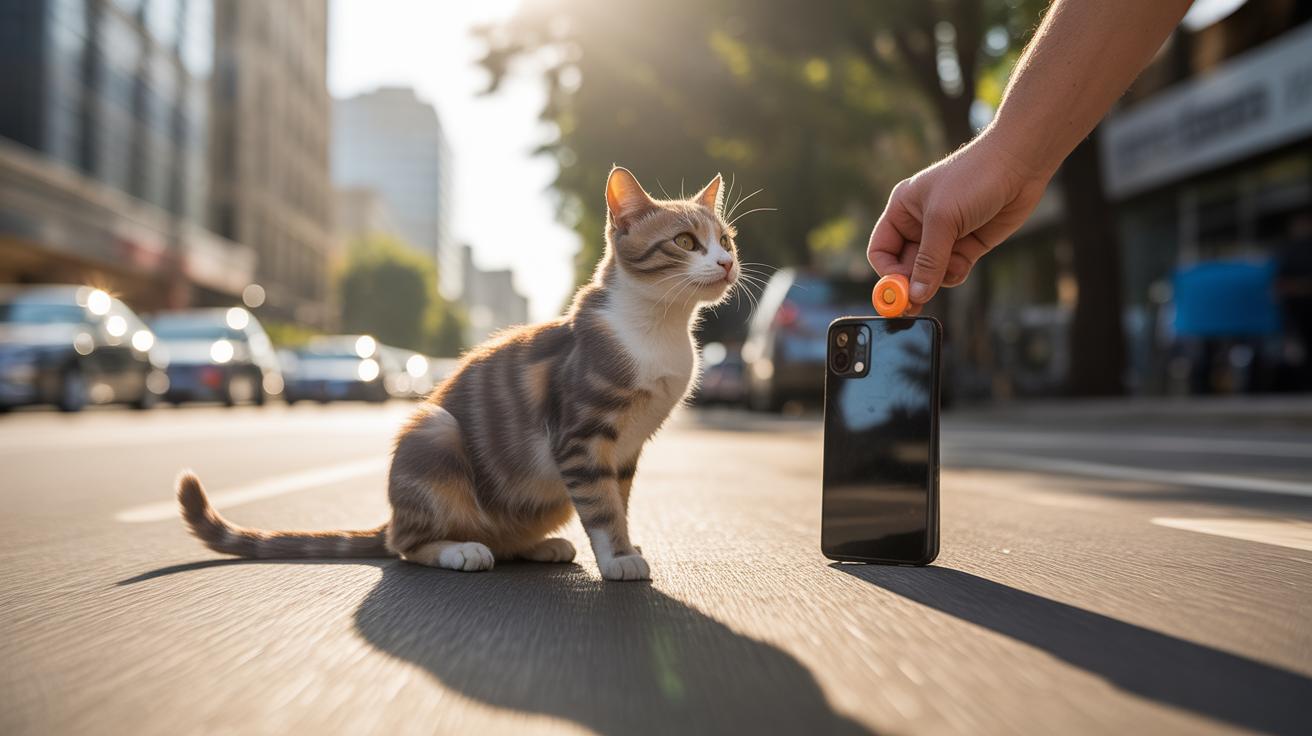
    Controversial take: cats can be easier to clicker-train than dogs, if you bribe them right. I know, I said it. But hear me out, cats are clever, food-motivated, and wildly dramatic when something tasty appears.

    The right tiny treat will turn a bored flick of the tail into a full-on sprint across the living room. Your cat’s whiskers will twitch, paws will skitter, and before you know it there’s a graceful pounce and the satisfying pat of success. Ever watched a kitty suddenly remember how to move like a ninja? It’s glorious.

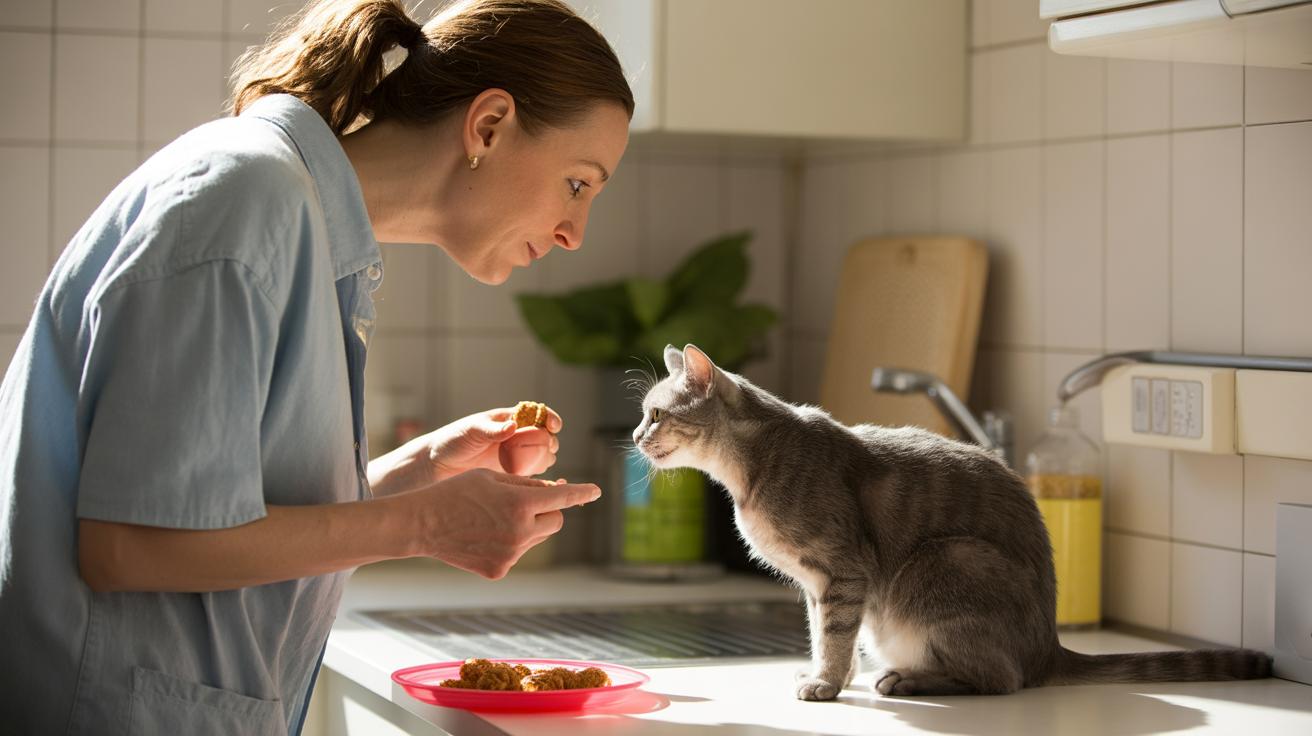
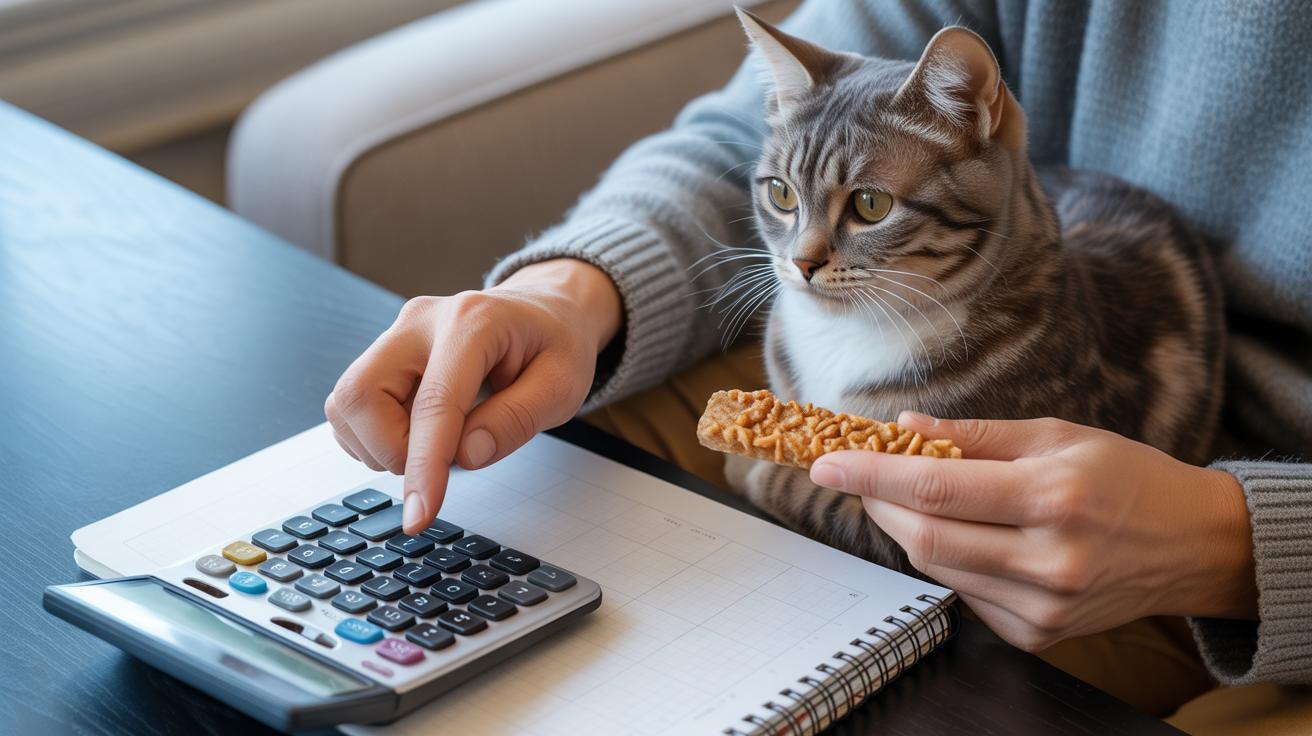
    Keep treats to about 10% of your cat’s daily calories (that keeps treats from replacing meals). Break those treats into pebble-sized bits, seriously tiny, so you can reward lots of quick wins during a session without overfeeding. Think rice-grain or pea-sized pieces, handed out fast and often.

    Go for micro-rewards that hold attention: freeze-dried chicken (moisture removed, flavor concentrated) is perfect because it’s powerful and crumbs easily. Lickable purées (soft, spoonable wet treats cats lick right off your finger) are another great pick for sustained focus. Both let you reward instantly, which is the secret sauce for clicker training.

    Save the big stuff for real jackpots: tiny flakes of tuna or salmon are high-value fishy treats that make cats try harder when a trick is tough. And don’t worry, there are budget-friendly options, like plain cooked chicken or affordable crunchy kibbles you crumble up, so training isn’t expensive.

    So you’ll be clicking for results and feeling feline fine. Ready to give it a try? Your cat might just amaze you.

    Best Treats for Clicker Training Cats: Top Picks

    - Top quick picks  immediate treats to start clicker training.jpg

    Quick note before we start: for training, treats should be about 10% of your cat’s daily calories. Keep portions tiny. Ever watched a cat zoom for one pebble-sized bite? That’s the magic.

    My top three go-tos right now are PureBites, Shameless Pets, and Inaba Churu. PureBites and Shameless are great for fast micro-rewards. Inaba Churu is perfect when you need a slow, lick-by-lick focus.

    1. PureBites freeze-dried chicken , single-ingredient, easy to break into tiny bits, and super smelly in the best way (freeze-dried means moisture is removed so flavor is concentrated).
      Use: fast micro-rewards during shaping and high-rep sessions. Your cat will hurry back for more.

    2. Shameless Pets salmon bites , moist, low-calorie pieces with salmon listed first and a gentle texture that’s easy on sensitive tummies.
      Use: everyday training and practice on the go.

    3. Inaba Churu lickable purées , squeezable tubes of tasty paste that your cat licks, lick, licks (lickable purée means a squeezable, lick-ready snack).
      Use: handling work, grooming, and nail trims when you need the cat’s full attention.
    4. Bonito flakes , single-ingredient dried fish flakes with a big fishy aroma (think thin, flaky tuna-like bits).
      Use: high-value jackpot or lure during tricky or distracted tasks.

    5. Temptations crunchy treats , cheap, crunchy, and most cats adore them; higher in carbs but great for lots of quick rewards.
      Use: high-frequency home sessions when budget matters.

    6. Feline Greenies dental bites , crunchy, VOHC-approved pieces that help scrape teeth and freshen breath a bit.
      Use: dental training or when texture helps motivate chewing.

    7. Crunchie Munchie catnip bites , small, low-cal treats with catnip and mixed proteins to spark extra interest.
      Use: novelty rotations and short-session excitement boosts.

    8. Homemade steamed chicken pieces , plain cooked poultry cut into tiny bits, single-ingredient and low-fat.
      Use: everyday shaping, kittens, or cats with sensitive stomachs.

    9. Homemade baked fish flakes , baked, crumbled fish with strong appeal but watch sodium and mercury.
      Use: occasional jackpot; save for big wins.

    10. Small cooked egg pieces , soft, protein-rich bites with a bold aroma.
      Use: rare jackpot only. They’re rich, so keep them occasional.

    Worth every paw-print.

    A few quick tips: keep treat pieces tiny, mix low-cal and jackpot treats, and rotate to avoid boredom. For busy days, toss a few micro-rewards before you leave. Your cat gets play, you get peace. Win-win.

    Treat Type kcal per treat Best training use
    PureBites Freeze-dried chicken (moisture removed to concentrate flavor) ≈2 kcal/treat Fast micro-rewards, shaping
    Shameless Pets Salmon bites (moist, salmon-first ingredient) ≈1.5 kcal/treat Everyday, portable low-fat rewards
    Bonito flakes Single-ingredient flakes (thin dried fish pieces) ≈5 kcal/serving High-value jackpot or lure
    Inaba Churu Lickable purée (squeezable, lick-ready paste) ≈6 kcal per 2-oz tube Handling, grooming, nail trims
    Temptations Crunchy budget treats (flavorful, higher-carb) varies High-frequency, low-cost sessions
    Feline Greenies Dental crunchy bites (VOHC-approved texture) ≈2 kcal/treat Dental training, texture rewards
    Crunchie Munchie Catnip bites (small, low-cal, mixed proteins) <2 kcal/treat Novelty rotation, excitement boosts
    Homemade steamed chicken Plain cooked poultry (single-ingredient, low-fat) varies Sensitive stomachs, everyday shaping
    Homemade baked fish flakes Baked, crumbled fish (high-appeal, watch sodium) varies Occasional jackpot, high-appeal
    Small cooked egg pieces Cooked egg (soft, protein-rich) varies Rare jackpot for major wins

    Timing, size, texture and flavor: how to choose treats that speed learning

    - Timing, size, texture and flavor how to choose treats that speed learning.jpg

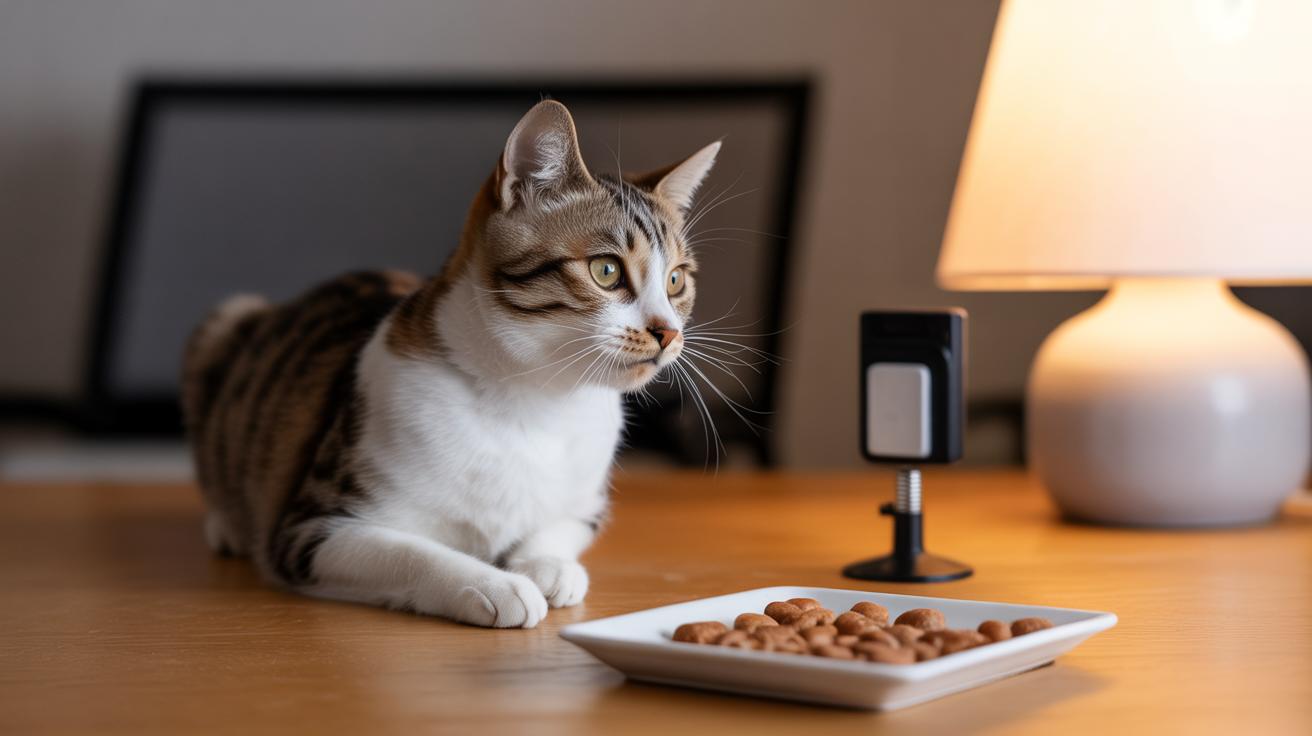
    Speed matters. Click, then treat. Fast delivery and an ultra-small bite let you pile on repetitions without your cat losing focus or gulping a huge reward.

    Micro-reward sizing means tiny, quick-to-eat pieces so you can reward lots of tiny steps. Think pinhead bits that disappear in one chew. Freeze-dried (moisture removed to lock in flavor) proteins are perfect for this, break them into flakes for rapid repeats. Save lickable puree (squeezable paste) for when you need slow, focused attention; limit it to a few licks so it doesn’t become a full snack. Ever watched your cat get hypnotized by a lickable treat? It’s oddly satisfying.

    Match texture and flavor to the job and to your cat’s body. Strong-smelling fish or organ flavors work when you need peak motivation for stubborn or distracting tasks. Milder poultry flavors are great for everyday shaping. Soft purees or finely shredded proteins help kittens and cats with dental wear (worn or missing teeth). Dry crunchy bites are handy for quick, portable training when chewing is fine.

    Plan sessions like tiny sprints. Aim for five to ten minute bursts with rapid-fire tiny rewards at first. As the behavior becomes reliable, lengthen pauses and cut back on treat frequency. Then swap some food rewards for praise or a short two-minute play burst once your cat is responding well, and save the highest-value textures for the tricky steps.

    A quick tip from my kitchen experiments: I once split a freeze-dried chunk into dust and got twenty perfect repeats during a door-target drill. Worth every paw-print.

    How to match treats to uses:

    • Lickable purees (squeezable paste) = handling, grooming, nail-trim focus
    • Freeze-dried proteins (moisture removed, intense flavor) = high-rep shaping and mobile training
    • Single-ingredient flakes = jackpot lures for distracted cats
    • Poultry-flavored soft bits = routine, low-distraction shaping
    • Soft/puree textures = kittens, seniors, and dental-sensitive cats (dental wear = worn or missing teeth)
    • Crunchy low-kcal pieces (low-calorie) = portable, low-value rewards for many repeats

    Short, simple sessions. Mix textures smartly. And, um, have fun watching that whisker twitch.

    Calorie math, sample budgets, and simple calculators for safe portioning

    - Calorie math, sample budgets, and simple calculators for safe portioning.jpg

    Treats should be about 10% of your cat's daily calories (kcal = food calories). If you hand out richer or higher-calorie rewards, cut back the meal portions so your kitty's total intake stays steady and they don't pack on extra weight. Ever watch those pleading eyes? Yeah, me too.

    Quick formula: treat budget (kcal) = daily kcal × 0.10. Then number of treats = treat budget ÷ kcal per treat (kcal again means food calories). Simple math. Friendly for humans. Useful for kitties.

    Example 1: a 10 lb cat eating about 250 kcal/day gives 250 × 0.10 = 25 kcal for treats. If each freeze-dried chunk is roughly 2 kcal (a small, dry bite), that’s 25 ÷ 2 = 12.5 treats , round down to 12 small pieces to be safe. Example 2: a 15 lb cat at about 300 kcal/day gets 30 kcal for treats; 30 ÷ 2 kcal = 15 treats. If you use higher-calorie rewards, count those too , bonito flakes (dried fish flakes) can be around 5 kcal per serving, and lickable tubes like Inaba Churu (a lickable puree treat) are about 6 kcal per 2-oz tube. Those add up fast, so give fewer micro-rewards when you use them.

    If your cat needs to lose weight, drop the treat budget to around 5% while losing weight. Pick lower-kcal options (1–2 kcal pieces) and swap some food rewards for a short play burst or praise to keep motivation high without extra calories. Toss a tiny ball, watch the whiskers twitch, and save a handful of calories.

    Cat weight (lbs) Daily kcal (approx) 10% treat allowance (kcal) Example treats per day (based on 2 kcal/treat)
    6 lb 180 kcal (approx) 18 kcal ≈9 treats
    10 lb 250 kcal (approx) 25 kcal ≈12 treats
    15 lb 300 kcal (approx) 30 kcal ≈15 treats
    1. Estimate your cat's daily kcal (examples: 6 lb ≈ 180, 10 lb ≈ 250, 15 lb ≈ 300).
    2. Multiply that number by 0.10 to get your treat-kcal budget.
    3. Divide the treat-kcal budget by the kcal per treat (use ≈2 kcal for a baseline freeze-dried or chunk treat).

    Worth every paw-print.

    Treat recommendations for kittens, senior cats, and cats with sensitivities (categories, not brands)

    - Treat recommendations for kittens, senior cats, and cats with sensitivities (categories, not brands).jpg

    Pick treat types that match your cat’s life stage and health. Think lickable purees (squeezable paste), single-ingredient freeze-dried proteins (moisture removed to preserve flavor), tiny soft-cooked bites (tender cooked pieces), and low-carb animal-protein morsels (few added carbs) for sensitive or diabetic kitties. Match texture and carbs to needs, not to the cutest packaging. Your cat will thank you with purrs.

    Kittens

    Go tiny and soft. Use morsels that dissolve or mash easily in the mouth so little throats don’t struggle. Lickable purees and finely shredded soft-cooked pieces work best for weak chewing and tiny teeth. Cut portions into 3-5 mm bits and give lots of quick rewards so they learn fast without getting full. Hydration matters, pick moist options to help growing bodies and make swallowing easy. Ever watched a kitten chase a wet dab of puree? It’s adorable and effective.

    Senior cats

    Choose higher-moisture, softer textures to make eating comfy for older mouths. Purees and finely shredded slow-cooked protein pieces are gentle on worn or missing teeth (dental disease means fragile or absent teeth). Offer smaller portions to lower choking or stomach-upset risk. Try slightly warmed treats to boost smell and interest for picky seniors. Worth every paw-print when it gets them eating again.

    Sensitive or diabetic cats

    Stick to single-ingredient proteins (just one protein, nothing else) and low-carb animal-protein morsels to limit tummy trouble and blood sugar spikes. Freeze-dried single-protein pieces (moisture removed to concentrate flavor) and tiny plain cooked shreds are great swaps for grainy crunchy treats that can hide carbs. Introduce anything new slowly and watch stool and energy for a few days. If you spot loose stool or sudden changes, pause and reassess.

    Check with your veterinarian before big diet changes, especially for kittens, seniors, or cats on meds. Keep an eye on weight, stool consistency, and appetite. Call the vet if vomiting, ongoing diarrhea, or sudden appetite loss shows up.

    Homemade and budget-friendly training treats (recipes, storage, safety)

    - Homemade and budget-friendly training treats (recipes, storage, safety).jpg

    Two easy, vet-friendly options cover everyday shaping and the big jackpot rewards. Plain steamed or poached chicken and low-sodium baked fish flakes give you low-cost, high-value bites your cat will love. They smell great, are gentle on tummies, and let you reward fast without overdoing calories.

    Steamed/poached chicken training bites

    Ingredients: boneless, skinless chicken breast and water. No salt, spices, or oil. Poach (simmer gently in water) or steam (cook with steam, not oil) until done, then chill. Cut into 3-5 mm pieces so each treat disappears in one or two chews , perfect for quick shaping and avoiding fattening up your cat. These tiny bits are low-fat and easy on sensitive stomachs, so they work for kittens and cats that need gentle rewards. Never give bones. Keep portions small so treats still fit into your cat’s daily calorie plan; ask your vet if you’re unsure about amounts.

    Baked fish flakes

    Pick lower-mercury white fish (mercury is a heavy metal that can build up in fish) or use tuna only very rarely. Flake cooked fish, spread on a foil-lined tray, and bake at low heat to dry and crisp; this reduces strong odors while making a crunchy, high-value treat. Once dry, crumble into pinhead morsels for a super-smelling jackpot that will get your cat’s attention. No added salt , watch sodium (sodium means salt) , and keep fish treats for special rewards so mercury and salt don’t add up.
    Store homemade treats in the fridge for 48 to 72 hours, or freeze single-serve portions and thaw small batches as needed. Freeze-dry (remove moisture so food lasts longer) or commercial freeze-dried treats are great to rotate in for novelty and convenience. Rotating keeps your cat excited and keeps your cost per session very low.

    Safety tips and quick notes

    • Trim visible fat from chicken and fish before cooking to reduce spoilage.
    • For frequent shaping sessions, use the chicken bites; save fish flakes for jackpot moments.
    • If your cat has allergies, a medical condition, or weight concerns, check with your vet first.
    • A little messy kitchen is worth it when your cat pounces with joy. Worth every paw-print.

    Practical training kit and timing logistics for smooth delivery

    - Practical training kit and timing logistics for smooth delivery.jpg

    Speed matters. Click, then treat within one second. Short 5-10 minute training bursts keep your cat focused and ready to do it again. A compact kit helps you move fast and avoid fumbling mid-session. Worth every paw-print.

    Ever watched your kitty chase a rogue sunbeam? That quick focus is what we want in training. Keep sessions snappy, predictable, and fun, so your cat stays eager, not bored.

    Pack things that let you be ready in a blink. Bring:

    • a hands-free treat pouch with a belt clip (clips to your waist so you can use both hands);
    • pre-portioned micro-bags (small sealed snack bags) or resealable sachets (zip-top pouches) of tiny treats;
    • a small scoop (measures tiny, consistent portions);
    • a reliable clicker (a small device that makes a sharp sound to mark the exact moment of the right behavior);
    • a pack of moist wipes for sticky fingers;
    • one small container for a lickable purée (soft, squeezable wet treat);
    • a separate bag of freeze-dried pieces (dehydrated crunchy treats) or tiny cooked shreds.

    Practice the motions so the reward follows the click with no pause. Open the lickable tube smooth and pop a micro-piece into your palm until it becomes second nature. That tiny pause between click and treat is the enemy. You want the treat in their face fast. Um, you’ll thank me later.

    When a behavior is reliable, start easing off on food every time. Move to intermittent treats and short play or praise bursts to keep motivation high while saving calories. Save the richest textures, lickable purées and meaty shreds, for the hardest steps, and use crunchy crumbs for quick repeats.

    Sample compact treat kit

    • Treat pouch with belt clip
    • 10–15 pre-portioned mini zip bags of micro-treats
    • Small plastic scoop for consistent servings
    • Clicker (marker sound)
    • Few moist wipes
    • One small container for a lickable tube (soft squeeze treats)
    • Travel bag of freeze-dried crumbs (dehydrated crunchy treats)
    • Tiny wand toy for a fast play reward
    • Folded napkin to catch crumbs

    Pack by use: one pouch for shaping skills at home, one for outings and quick practice. Playful, portable, and claw-tastic.

    Troubleshooting common treat problems during clicker training

    - Troubleshooting common treat problems during clicker training.jpg

    Treat trouble is normal, and you’re not alone. The usual culprits are: low interest (your cat might not be hungry, or the treat’s texture or flavor isn’t right, or there’s too much going on), weight gain from too many rewards, an upset tummy after a new snack, and jealousy when more than one cat is around. Quick checks before you start: was your cat fed recently? Are the treats tiny and appealing? Is the room calm?

    If your kitty won’t engage, try changing flavors and textures to spark curiosity. Warm a treat for a few seconds to boost the smell so your cat perks up. Try a lickable (a soft, spreadable paste you squeeze out) for handling or tiny freeze-dried crumbs (moisture removed so flavor’s concentrated) for fast repeats , they’re great when you need lots of quick rewards. Move to a quiet spot and keep sessions short so your cat stays interested. Ever watched whiskers twitch when a toy rolls? That’s the vibe you want.

    Keep an eye on health signs: weight gain, sluggishness, vomiting, diarrhea, or changes in stool and appetite. If you see any of those, pause the new treats and switch back to small pieces of regular kibble (everyday dry food) while you watch. If symptoms last more than a day or two, or your cat seems unusually tired or won’t eat, call the vet for advice.

    Multi-cat homes need a little extra planning. Do one-on-one training with doors or baby gates between sessions so one cat doesn’t steal everything. Use identical treats to keep things fair, or learn each cat’s favorite so everyone gets something they love. Give each cat a quiet corner and quick solo practice to cut stealing and stress. I once had two sisters who turned into polite little trainers after a few solo sessions , worth every paw-print.

    Final Words

    In the action, we gave immediate treat picks, quick timing tips, calorie math, special-population tweaks, two homemade recipes, a compact kit list, and troubleshooting fixes for multi-cat life. Short, usable stuff you'll try tonight.

    Use the 10% treat rule, pick tiny, fast-to-eat morsels, and pack a pouch so clicks get instant rewards. Play and praise pair nicely with food.

    Try a few options, watch mood and weight, and have fun. The best treats for clicker training cats will keep your crew active and happy.

    FAQ

    What treats are best for clicker training cats?

    The best treats for clicker training cats are tiny, high-smell single-ingredient bites: freeze-dried proteins (dehydrated meat), lickable pouches (syrupy purees) for fast rewards, and low-cal crunchy morsels.

    Do you use treats with clicker training?

    You use treats with clicker training as immediate rewards after the click; tiny fast-to-eat morsels speed learning, then shift to intermittent treats and praise to keep behaviors valuable.

    When should I stop using treats with clicker training?

    You stop using treats with clicker training once the behavior is reliable; begin intermittent reinforcement, substitute praise or play, and reserve treats as occasional jackpots to maintain interest.

    What cat treats are best for kittens?

    For kittens, the best training treats are tiny, soft morsels or lickables (syrupy puree) that are easy to chew and swallow; micro-portions prevent choking and support quick repetition.

    What homemade treats work for clicker training cats?

    Homemade treats that work include steamed or poached chicken cut into 3-5 mm micro-bites and baked fish flakes dried and crumbled; both freeze well for single-serve training portions.

    What are low-calorie cat training treats?

    Low-calorie cat training treats are tiny crunchy kibble bits or single-ingredient freeze-dried pieces (dehydrated meat, about 1–2 kcal each); use them for many repetitions or when your cat needs weight control.

    Do calming cat treats actually work?

    Calming cat treats sometimes work for mild stress; ingredients like L-tryptophan or chamomile can help, but responses vary—talk to your vet for persistent or severe anxiety.

    How should treats be delivered during clicker training?

    Treats should be delivered immediately after the click—within a second—using tiny, fast-to-eat morsels; keep sessions short (5–10 minutes) and high-rep for quick skill building.

    Related Articles

  • Russian Blue cat traits, temperament, and care

    Russian Blue cat traits, temperament, and care

    Think a cat has to be loud to show love? Meet the Russian Blue, a quiet companion with a plush steel-blue double coat (two layers of fur: a soft insulating undercoat and a smooth outercoat) and gemlike green eyes that watch more than demand. Their fur feels like velvet under your hand, and those eyes follow you with a curious calm.

    They’re quietly clever and they bond deeply to a few people. They like routine and predictability, so they do great with busy owners who want calm company but still enjoy playful pounces. Ever watched a Russian Blue stalk a toy and then spring with perfect timing? It’s oddly satisfying.

    Here’s what this intro covers: the breed’s key traits, its mellow temperament, and simple care tips to help you choose. Think short daily play sessions, a little brushing now and then, and steady routines for feeding and sleep, easy stuff that keeps them happy. Worth every paw-print.

    Quick facts every Russian Blue owner needs

    - Quick facts every Russian Blue owner needs.jpg

    Russian Blues are medium-sized cats with a short, dense steel-blue double coat (two layers of fur: a soft underlayer for warmth and a smooth outer layer) and bright green eyes that look a bit like gems. Adults usually weigh 7-12 lbs, so they’re solid but not heavy, easy to scoop up for a cuddle.

    They’re quiet, clever, and affectionate in a low-key way. Most bond closely with one or a few people and prefer soft conversations to loud attention. Lifespan is typically 12-20 years, so you’re in it for the long game with these calm conversationalists. Ever watched one follow your hand like it’s the most fascinating thing on earth?
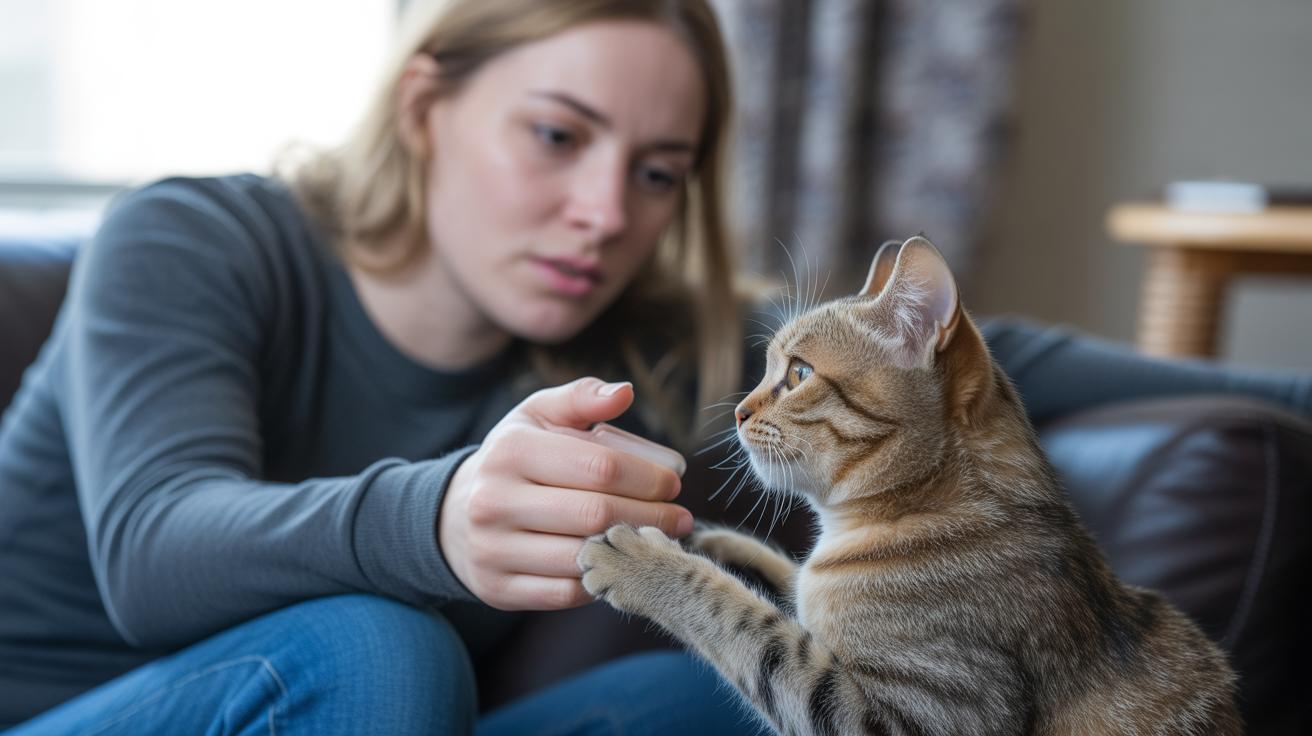
    Their coat sheds less than many breeds (low-shedding means they lose less loose fur), so weekly brushing usually does the trick. A lot of allergy-sensitive folks find they tolerate Russian Blues better, though individual reactions vary, see Appearance, Health, and Grooming for full measurements, coat detail, common conditions to watch, and care routines.

    • Adult weight: 7-12 lbs
    • Typical lifespan: 12-20 years
    • Coat: dense (lots of closely packed fur), plush steel-blue with silver tipping (see Appearance for full coat detail)
    • Temperament snapshot: quiet, bonds to one or a few people, playful but routine-oriented

    When you meet a Russian Blue, take a few quick checks: is the coat smooth and even, are the eyes bright and clear, and does the body feel a healthy weight? Watch behavior too, are they alert but calm, curious about your voice, and not hiding or hissing? If anything feels off, consider a vet check or ask for more details from the breeder or shelter, Appearance, Health, and Grooming has detailed checklists and routines to help.

    Appearance: coat, eyes, body and measurements

    - Appearance coat, eyes, body and measurements.jpg

    Think sleek and ready: a wedge-shaped head, big wide-set eyes, and a fine-boned but muscular body that moves with quiet confidence. The silhouette is elegant without feeling fragile, lean, athletic, and perfectly balanced. Ready to pounce. Or to curl into your lap.

    The coat is short and dense, a plush double coat (two layers: a soft undercoat for warmth and a smooth outer layer of guard hairs). Each hair often has a silvery tip, so the fur seems to glow when light hits it, giving that signature steel-blue shimmer. Shedding is low compared with many breeds, and the tight coat lies close to the body, easy to keep neat, though it can feel sensitive during molting seasons.

    Eyes are a little drama to watch: kittens may start out pale yellowish or bluish and then shift to bright emerald green by about four months, which is a true hallmark of the breed. The face has a delicate muzzle and a slightly angular jaw that frames those wide-set eyes. Even the paw pads have personality, a soft pinkish-lavender that looks lovely against the blue-gray coat. Ever watched a whisker twitch as a toy rolls by? That’s the look.

    Feature Details
    Coat type short, dense double coat (undercoat + guard hairs); silver-tipped steel-blue hairs
    Color description steel-blue with a shimmering sheen
    Eye color yellow/blue at birth → emerald green by about 4 months
    Size / weight adult weight 7–12 lbs; length about 24 in; height about 10 in; mature by ~1 year
    Head / face wedge-shaped head; large, wide-set eyes; delicate muzzle
    Paw pads pinkish-lavender hue

    Personality: social bonding, communication style, and household fit

    - Personality social bonding, communication style, and household fit.jpg

    Russian Blues are calm and thoughtful cats who like a gentle pace. They value their independence, so they won't be glued to your ankles, but they'll show a quiet devotion when they pick you. Picture soft whiskers brushing your hand and a steady, sweet-tempered companion who prefers company on their terms.

    They usually pick one or two people as their favorites and then stick close to those humans for comfort and play. Around new guests they tend to hang back and watch from a safe spot, sizing things up before getting curious. Ever watched a kitty observe from a windowsill? That patient, polite interest is classic Russian Blue behavior.

    Talk with them and you’ll hear mostly soft mews, tiny chirps, or short replies instead of loud yowls. They respond to tone, so a calm voice gets more attention than yelling, and you might get a little answer back that feels like a polite cat chat. It’s sweet, subtle communication, kind of like hushed conversation at a cozy café.

    They do best in calm, steady homes: quiet kids, mellow dogs, or a single-person household with predictable routines. They can live with other cats if introductions are slow and there’s plenty of space, but busy, loud places and nonstop visitors can make them shy or withdrawn. For busy days, toss an unbreakable ball before you head out, that’s ten minutes of safe play and a happy kitty.

    Worth every paw-print.

    • Selective bonding (prefers one or two caregivers)
    • Shy with strangers / reserved at first
    • Likes routine and predictable schedules
    • Playful with a hunting streak (loves chasing toys like feathers or laser dots)
    • Independent and not clingy
    • Quiet, soft-spoken vocal style (soft mews and chirps)
    • Sensitive to loud or chaotic environments
    • Adapts well to calm dogs and gentle children after proper introductions

    For a step-by-step introduction protocol to kids and other pets, see the "Introducing Russian Blues…" section; for play-style ideas and enrichment that match this temperament, see Activity & Enrichment.

    Activity & Enrichment: play needs, toys, and daily routines

    - Activity  Enrichment play needs, toys, and daily routines.jpg

    If you live with a Russian Blue, you already know they are lively, curious, and part-time hunters. Their whiskers twitch at the slightest movement and they love to stalk, pounce, and explore. Skip the daily hunt-and-play mix and they might invent mischief for you to find (chewed curtains, anyone?).

    Pick toys that pretend to be prey. Feather wands feel like a fluttering bird. Small plush mice and crinkly balls bring out the pounce. Add motorized chasers that dash like a fleeing bug for that surprise sprint. Puzzle feeders (food-dispensing toys that make cats work a bit for meals) keep their brains busy and slow down gulpers. Give them vertical territory – a tall cat tree or wall shelves – and a sunny window perch for bird-watching; those high spots make indoor life feel like a big adventure.

    Use your hands when you can. A short session with a feather wand is priceless for bonding and hunting practice. But also leave an interactive toy for solo play when you are out. Rotate toys every few days so each one feels new again. Vary the play: stealthy stalking one time, full-force pouncing the next. Ever watched your cat freeze, then explode into motion? Yeah, that.

    Short bursts beat one long marathon. Aim for two interactive sessions a day, 10 to 20 minutes each, morning and evening to match natural rhythms. Toss in a puzzle feeder for part of the day so they have something to do while you work. Indoor life suits Russian Blues well when you meet these needs – a simple toy plan plus vertical space keeps them fit, curious, and delightfully entertained. Worth every paw-print.

    1. Two daily interactive play sessions (10 to 20 minutes each)
    2. Puzzle feeder for one meal (food-dispensing toy that works mind and body)
    3. Vertical space – cat tree or shelves for climbing and naps
    4. Window perch for bird-watching and sun naps
    5. Rotating toy stash to keep novelty fresh
    6. Predictable play schedule tied to feeding times

    Grooming: routine tasks, dental maintenance, ears and nails

    - Grooming routine tasks, dental maintenance, ears and nails.jpg

    Russian Blues have a dense, low-shedding coat that feels soft like velvet under your hand. It looks like more work than it is. A quick weekly brush usually keeps the loose hairs from turning into tumbleweed fur, and many cats only need a bath if they get truly soiled. Ever watched your cat purr through a brushing session? That’s the good stuff.

    Keep a calm, steady routine for nails, ears, and teeth so grooming feels safe and predictable. Trim nails about once a month or when you hear little clicks on hardwood floors. Check ears each week and only clean with a pet-safe ear cleaner (vet-approved solution for removing wax and dirt) if you see wax, smell something off, or notice redness. Brush teeth often with cat toothpaste (toothpaste made for cats, not humans) and a soft brush (gentle bristles for small mouths) to help prevent gum disease.

    • Weekly brushing and quick coat check , use a soft-bristle brush (brush with gentle bristles) or a rubber brush (soft rubber pad that lifts loose hair)
    • Weekly ear check; clean only if you see wax, smell odor, or notice redness, using a pet-safe ear cleaner (vet-approved)
    • Monthly nail trim or as-needed; clip just the tip of the quick (the blood vessel inside the nail)
    • Daily or several-times-weekly tooth brushing with cat toothpaste and a soft brush; on busy days use dental chews (short sessions to keep your cat calm)
    • Baths only if soiled; use cat-safe shampoo (formulated for cats' skin) and warm water

    Keep sessions short and relaxed so your cat learns to trust grooming. I once had a cat who would flop like a pancake for two minutes of brushing and then bolt, cute, but true. See Health for dental disease signs and clinical prevention; see Appearance for coat-detail measures.

    Health: lifespan, signs to watch, screening and prevention

    - Health lifespan, signs to watch, screening and prevention.jpg

    Russian Blues can live a long, happy life. Most sources say 12–15 years is common, lots make it to 15–20, and a few even reach their mid-20s. These cats are generally sturdy when they get regular care and attention, worth every paw-print.

    Plan on yearly wellness exams and basic bloodwork (simple blood tests) when your cat is young. Once they hit senior age, often around 7 to 10 years, ask your vet about more frequent checkups and blood/urine screens (blood and urine tests) so small problems get caught early. Ever caught a subtle change and thought, huh, good thing we checked?

    Keep an eye out for a few conditions that show up more often. Chronic kidney disease (long-term loss of kidney function) usually starts with more drinking and peeing, plus slow weight loss. Dental disease shows as bad breath, drooling, or trouble chewing. Obesity looks like steady weight gain and moving less, and it raises the chance of diabetes and joint pain. Thyroid problems flip appetite and weight around. Urinary tract issues mean straining, more trips to the litter box, or blood in the urine.

    There are some inherited concerns to know about too. PRA (progressive retinal atrophy, slow loss of vision) and PKD (polycystic kidney disease, fluid-filled cysts in the kidneys) can occur in some lines. Asking a breeder for health clearances and genetic test results before you commit really helps lower the odds of bringing home an affected kitten.

    Preventive care is simple and practical. Follow a standard vaccination schedule (age-appropriate vaccines) for kittens and boosters as your vet advises, and keep parasite prevention up to date (flea, tick, and worm protection). Hydration matters a lot for kidney and urinary health, fresh water and a cat fountain can make a big difference. Fight obesity with measured meals and a daily activity plan; see Nutrition for feeding tips and Activity & Enrichment for exercise ideas. For dental health, daily or regular brushing and occasional professional cleanings cut disease risk, see Grooming for how-to steps. Finally, plan on baseline blood and urine screening soon after adoption so you start from a clear health picture.

    Condition Signs to Watch Prevention/Notes
    Chronic kidney disease More drinking and peeing, slow weight loss Keep them hydrated, regular blood and urine tests for early detection
    Dental disease Bad breath, drooling, trouble eating Daily or regular brushing and professional dental cleanings (see Grooming)
    Obesity Weight gain, less mobility Measured feeding, daily activity plan (see Nutrition & Activity)
    Urinary tract issues Straining, bloody urine, frequent urination Prompt vet exam, good hydration, diet management
    Thyroid disease Changes in appetite and weight Diagnosis with blood tests and veterinary treatment
    PRA / PKD (possible) Vision loss / kidney-related signs Ask breeders for screening and genetic tests before adopting

    Nutrition, feeding schedule and weight management

    - Nutrition, feeding schedule and weight management.jpg

    Start with a meat-first, high-quality diet. Cats are obligate carnivores (they need meat to get certain nutrients), and Russian Blues do best when meat is the main ingredient. Wet food with lots of protein is a good pick , it gives protein and extra moisture, which helps them feel full and supports urinary tract health (kidneys and bladder). These kitties love to eat, so keep an eye on calories or they’ll quietly pack on pounds.

    Kittens need food made for growth until about one year old. Kitten-formulated food has more calories and nutrients for developing bones and brains. For adults, stick to measured meals two to three times a day so intake stays predictable and obesity risk drops. Free-feeding dry kibble usually means extra weight; measured portions plus a puzzle feeder (a toy that makes them work for food) turns mealtime into play.

    Always have fresh water available to support kidneys and reduce urinary stress. Some cats prefer running water, so a cat fountain can help. Weigh your cat or do a simple body condition check every month , look and feel for ribs, waist, and tummy (body condition scoring is a quick visual and touch check). If appetite or weight changes, talk with your vet about calorie targets and possible tests.

    Ever watched your cat stare at an empty bowl and still beg? Try a little enrichment before you leave , toss an unbreakable ball or set up a puzzle feeder for ten minutes of safe activity. It helps burn calories and keeps them happy. Worth every paw-print.

    • Choose a high-protein, meat-first diet (animal protein = meat)
    • Measure portions to hit ideal body condition
    • Feed kittens kitten-formulated food until about 1 year (more calories for growth)
    • Offer two to three measured meals daily
    • Provide fresh water at all times; consider a water fountain if they like running water
    • Weigh or condition-check monthly and consult your veterinarian for adjustments

    See Health for kidney/urinary monitoring and see Activity & Enrichment for exercise-based weight control.

    Introducing Russian Blues to children, dogs and other cats (stepwise introductions)

    - Introducing Russian Blues to children, dogs and other cats (stepwise introductions).jpg

    Russian Blues are sensitive to noise and quick change, so go slow when bringing one into a home with kids, dogs, or other cats. Quiet, calm meetings let the cat watch and choose, which cuts down on stress and surprise hissing. Ever watched a Russian Blue study a new person like they’re solving a mystery? Patience wins.

    Watch for stress signals: flattened ears, wide pupils (very dilated eyes), a tucked tail, frantic hiding, hissing, or overgrooming. If you see any of those, pause the meeting and step back to an easier phase for at least a day. Little breaks build trust.

    Expect this to take a few days to several weeks, depending on the cat and the other household members. Keep early sessions short and supervised, have children sit quietly, and let the cat set the pace. Reward calm behavior with treats or gentle praise to speed trust-building.

    1. Prepare a separate safe space. Set up a quiet room with a litter box, food, water, a comfy bed, and a hiding spot so the cat can retreat when it wants.
    2. Swap scents over several days. Rub a soft cloth on the cat’s cheeks and swap it with bedding or a blanket from the other pet so they learn each other’s smell.
    3. Do short, supervised visual introductions with barriers , baby gate (tall mesh or wood barrier) or crate (small ventilated carrier). Let them see and sniff without touching. Keep these first views calm and very brief.
    4. Reward calm behavior from everyone with treats or soft praise, and keep sessions short. Teach kids to be quiet and still; that helps a curious cat feel safe.
    5. Gradually increase supervised interaction time as the cat shows comfort, play a little, offer treats, let them approach on their own. Think of it like dialing up the volume slowly.
    6. Watch stress signals and, if they show up, regress to the previous step and wait. Don’t rush; some cats need extra time and that’s okay.

    Worth repeating: take it slow, celebrate tiny wins, and let your Russian Blue lead when it can. See Personality for household fit guidance and Activity & Enrichment for play-based introductions.

    Russian Blue kittens: adoption vs breeder, costs and early care

    - Russian Blue kittens adoption vs breeder, costs and early care.jpg

    Kittens grow fast. Most Russian Blues are close to adult size by about one year, and you’ll notice it day by day , tiny paws turn into long legs, whiskers twitching as they pounce on a toy. It’s a sprint, not a marathon, so your care in those first months matters.

    Feed kitten-formulated food (higher calories and specific nutrients for growth). Socialize often with short handling sessions, play, and gentle exposure to people and other pets so they become confident adults. Ever watched a kitten chase a sunbeam? That curiosity is built with patience and play.

    Picking between a breeder and a rescue is mostly a trade-off. Breeders usually give pedigree papers, socialized litters, and health clearances so temperament and looks are more predictable. Rescue kittens cost less and bring tons of love, though they might need a few extra vet visits or more social time to catch up , totally worth it.

    Prices vary a lot. Typical breeder ranges run about $400-$3,000 depending on reputation, lineage or show lines, your region, and whether parents were health-tested. Adoption fees are usually lower and often include initial vaccinations and spay/neuter basics (surgical sterilization).

    Right after you bring your kitten home, book a vet wellness check to review vaccines (shots to prevent disease) and deworming (treatment to remove intestinal worms), verify microchip info (a tiny ID device placed under the skin), and set a spay/neuter plan. Get any vaccination records, feeding notes, and socialization history from the breeder or shelter so you can keep routines steady during those first nervous nights.

    Choosing a healthy Russian Blue kitten:

    1. Request vaccination and deworming records
    2. Ask for breeder health clearances or genetic screening results (if available)
    3. Verify microchip and get a vet health certificate
    4. Watch the kitten’s behavior and social skills , curious, playful, not overly fearful
    5. Inspect living areas for cleanliness and enrichment (toys, safe hiding spots)
    6. Ask about the parents’ health and medical history
    7. Confirm spay/neuter timing and vaccination schedule with your vet
    8. Get a written sales or adoption agreement that spells out health terms

    Worth every paw-print. See Health for recommended screening tests and see Grooming for daily care routines.

    Training techniques and troubleshooting (litter, scratching, harness, and problem solving)

    - Training techniques and troubleshooting (litter, scratching, harness, and problem solving).jpg

    Start with positive reinforcement. Short, frequent training sessions work best for Russian Blues, think 3 to 5 minute bursts so they don’t get bored. Use tasty treats or a favorite toy as praise, keep the cue and reward the same every time, and celebrate tiny wins. Clicker training (clicker: a small handheld noisemaker) gives a clear sound that tells your cat exactly what you like, and fast learners catch on quickly.

    Litter box success is mostly about setup and routine. For kittens, try a low-sided box so they can step in easily; adults usually prefer a larger box, covered or uncovered depending on the cat. Use unscented clumping litter (forms clumps when wet for easy scooping) and scoop daily so the box stays inviting. Put boxes in quiet, easy-to-reach spots away from noisy machines, your cat’s whiskers twitch at strange sounds, you know? If a cat avoids the box, try a different litter, move the box, increase scooping, and check with your vet to rule out medical causes.

    Handle scratching by redirecting, not punishing. Offer multiple scratching posts (scratching post: tall post wrapped in sisal, a rough rope-like fiber) in the places your cat naps and where furniture gets attacked. Make the post fun, rub a little catnip on it, reward use with treats, and play right after a good scratching session so the habit sticks. To protect problem surfaces, temporarily cover them with cardboard or a safe deterrent until your cat learns the new spot is better.

    Harness work and new tricks need tiny steps and patience. Let the cat sniff the harness, then put it on for a minute or two indoors and slowly increase the time. Attach a leash (leash: a strap that clips to the harness) only after your cat accepts the harness. Mark small steps with a clicker and a treat, sit, touch a hand, or step into a carrier (carrier: sturdy box for trips to the vet), and build up to walks or tricks over days or weeks. Celebrate each small step. Really.

    Quick troubleshooting tips:

    • Increase interactive play to cut down on boredom-driven mischief; the satisfying thud of a chasing toy can save your sofa.
    • Re-evaluate litter type or box location if your cat shows aversion.
    • Add vertical and hiding spaces so your cat feels safer and less stressed.
    • See your vet or a certified behaviorist if changes are sudden or don’t improve with consistent training.

    FAQ
    Q: How do I stop furniture scratching?
    A: Give tempting scratching surfaces, reward the cat for using them, and temporarily block or cover the furniture until the new habit takes hold.

    Q: My cat avoids the litter box, what now?
    A: Try a different litter, move the box to a quiet spot, scoop daily, and check with your vet for any health problems.

    Q: How long does harness training take?
    A: It varies, anywhere from days to weeks. Expect short, gentle sessions and celebrate tiny wins along the way.

    Q: When should I call a professional?
    A: If behavior changes suddenly, or training hasn’t helped after steady effort, consult your vet or a behaviorist.

    See Activity & Enrichment for play-based prevention strategies and Grooming for routine tasks that affect behavior (dental discomfort signs discussed in Health).

    Final Words

    You’ve got a tight run-through of what matters: appearance, personality, play needs, grooming, health checks, feeding, introductions, kitten buying tips, and training fixes.

    Quick takeaways: spot the plush steel-blue coat and green eyes, keep up daily short play sessions, follow weekly grooming and dental habits, and watch weight and hydration.

    Keep Russian Blue cat traits in mind when picking toys and routines, these smart, soft-spoken kitties thrive on predictable play. Happy, active cats make calmer homes.

    FAQ

    What is a Russian Blue cat’s personality (female and male traits)?

    The Russian Blue cat’s personality is sweet-tempered, intelligent, and often quietly affectionate, bonding to one or a few people; males and females share these traits with individual variation in shyness and playfulness.

    Are Russian Blue cats aggressive or why is my Russian Blue cat so mean?

    Russian Blue cats are not aggressive by nature. Mean or hostile behavior usually comes from fear, pain, poor socialization, or stress; get a veterinary check and use slow, positive training to help.

    How does a Russian Blue cat get along with other cats?

    Russian Blue cats get along with other cats when introductions are slow and calm; they prefer stable routines and may bond with one companion, enjoying predictable play and quiet company.

    Do Russian Blue cats like to be held?

    Russian Blue cats like gentle, brief holding for many individuals; they value control and often prefer sitting beside you or on a lap rather than long cuddles, so watch their body language.

    What are the downsides to Russian Blue cats and what health problems do they have?

    Downsides include sensitivity to noisy homes, shyness, and boredom without enrichment. Health concerns to watch: kidney disease, dental disease, obesity, thyroid and urinary issues; ask breeders about PRA (vision loss) and PKD (kidney cysts).

    Why are Russian Blue cats special?

    Russian Blue cats are special for their dense, silky steel-blue double coat (two-layered fur), vivid green eyes, graceful build, intelligence, and quiet, loyal nature that bonds closely with people.

    How do I tell if my cat is a Russian Blue?

    You can tell a Russian Blue by a short, dense steel-blue coat with silver tipping, emerald green eyes by about four months, a fine-boned muscular body, pinkish-lavender paw pads, and weight around 7–12 pounds.

    What does a Russian Blue kitten cost?

    A Russian Blue kitten’s price ranges roughly $400–$3,000 from breeders, based on lineage and location; rescue or shelter adoptions are usually cheaper and still yield healthy, loving companions.

    Related Articles

  • Top 10 Most Affectionate Cat Breeds

    Top 10 Most Affectionate Cat Breeds

    Think cats are aloof? Think again! Some breeds will follow you around like a tiny shadow and flop into your lap asking for belly rubs, their purr a soft rumble against your hand.

    This list names the top 10 most affectionate cat breeds, from Ragdoll (a floppy, lap-loving breed) to Sphynx (the hairless cat who loves warm skin). We score each one on affection, vocalness (how much they meow or chirp), grooming needs (brushing, occasional baths), and how well they fit families, apartments, or busy schedules. It’s all about helping you match a kitty to your life.

    Here’s a quick guide to help you pick a purring cuddle buddy that suits your home, so you can be feline fine together.

    Top 10 Most Affectionate Cat Breeds

    - Quick answer top affectionate cat breeds (ranked top 10 at a glance).jpg

    1. Ragdoll – very people-loving, calm lap cat. Suitability: family / senior.
    2. Maine Coon – big, friendly and chatty (think gentle giant, like a small dog). Suitability: family / space-friendly.
    3. Siamese – super social and vocal, asks for constant interaction. Suitability: apartment / active owners.
    4. Birman – mellow and forms strong bonds, a steady companion. Suitability: family / senior.
    5. Scottish Fold – gentle and affectionate, but watch for genetic health issues (ask the breeder about checks). Suitability: family (check breeder health).
    6. Persian – lap-first, very calm, needs lots of grooming (daily brushing). Suitability: senior / indoor.
    7. Sphynx – extremely people-focused, loves warmth and skin care; not truly hypoallergenic (that means it can still trigger allergies). Suitability: allergy-aware households.
    8. Burmese – loyal, playful, and low-maintenance coat care. Suitability: apartment / family.
    9. Tonkinese – active and cuddly, likes to be part of the action. Suitability: active owners / apartment.
    10. Devon Rex – playful shoulder-percher with a short, curly coat (feels like velvet), minimal coat maintenance. Suitability: apartment / allergy-aware.

    Quick scan first: each line gives the breed, a short temperament note, and a one-line suitability tag so you can pick breeds that match your home and schedule. Handy, right?

    How we ranked them: we looked at affection, how vocal or clingy a breed tends to be, whether they do well in families or apartments, how much grooming they need, and how much daily attention they usually want. Simple factors, real-life results.

    Breeder vs shelter tradeoff: breeders usually offer more predictability and health testing paperwork. Shelters and rescues often have loving adult cats ready to join you now, usually for a much lower fee. Both great paths. Your call.

    Think about these quick questions before choosing:

    • Lap preference – do you want a true lap cat or a buddy who checks in now and then?
    • Activity level – mellow cuddlers or attention-hungry zippers?
    • Grooming tolerance – daily brushing and trims or low-maintenance fur?

    Next, dive into the breed profiles for short highlights, plus links to full grooming and training guides. Ever watched your kitty zoom and then flop into your lap? Yeah, you’ll want to read on.

    Top 10 Most Affectionate Cat Breeds

    - Breed profiles brief temperament and grooming highlights (scannable).jpg

    Each breed below has one short paragraph: a quick temperament snapshot, a one-line grooming note, and a best-home tip. See Grooming and daily care for full schedules and see Training, play, and enrichment for bonding techniques. Ever watched your kitty circle your lap like it owns the place? Read on.

    Ragdoll

    Big, soft-hearted cats that love to follow you around and flop into laps like a living pillow. Grooming: semi-long silky coat (medium-length fur that can tangle) , brush daily to several times a week to stop mats. Best home: families or seniors who want a calm snuggler and lots of lap time.

    Maine Coon

    Huge, friendly, and almost doglike in how they attach to people; they’re chatty and curious but gentle. Grooming: long, water-resistant coat (long fur that sheds water and needs regular care) , brush often to prevent tangles. Best home: families with space who want an outgoing, playful companion.

    Siamese

    Extremely social and very vocal , they’ll tell you when they want play or company. Grooming: short coat (short fur, low maintenance) , a weekly brush and basic care keeps them sleek. Best home: active owners or apartments where there’s lots of talking and interactive play.

    Birman

    Sweet, steady, and people-focused; they bond deeply without being needy. Grooming: silky long coat (long fur that stays smooth with regular brushing) , brush several times a week. Best home: families or seniors looking for a calm, loyal buddy.

    Scottish Fold

    Playful and affectionate with a soft, loving side; you’ll want to check breed-specific health notes about their ears and joints (folded ear cartilage can mean extra vet checks). Grooming: short-to-medium coat (short to medium fur) , weekly brushing. Best home: attentive families who can watch for health needs.

    Persian

    Quiet, ultra-lap-friendly cats that enjoy slow, peaceful afternoons and gentle petting. Grooming: high-maintenance long coat (very long fur that needs daily care) , expect daily brushing and periodic trims. Best home: indoor seniors or anyone wanting a serene lap companion.

    Sphynx

    Hairless, velvety-skinned extroverts who crave warmth and constant contact , they’re real attention addicts. Grooming: weekly bathing and ear cleaning (bathing removes skin oils) and warm bedding for comfort. Best home: people who can offer daily interaction and cozy spots.

    Burmese

    Loyal, playful, and totally people-oriented without heavy grooming needs. Grooming: short coat (short fur, easy care) , weekly brushing is enough. Best home: apartments or families who want an engaged, affectionate pal.

    Tonkinese

    Active, affectionate, and curious , they love being included in family life and games. Grooming: short, dense coat (short thick fur) , moderate weekly brushing keeps them neat. Best home: active owners or apartments where playtime happens regularly.

    Devon Rex

    Quirky shoulder-perchers with a short, wavy coat (soft, curly fur) and a habit of sticking close to people. Grooming: minimal coat maintenance but occasional baths and ear checks are helpful. Best home: apartments or allergy-aware households who want a clingy, playful buddy.

    Breed Typical Weight (F/M) Life Expectancy Grooming Needs Best Home Type
    Ragdoll 8–15 lb / 12–20 lb 13–15 years Daily to several-times-weekly brushing (prevent mats) Family / Senior
    Maine Coon 8–12 lb / 13–18 lb 9–15 years Regular brushing for long, water-resistant coat Family / Space-friendly
    Siamese 6–10 lb / 8–12 lb 9–13 years Weekly brushing (short coat) Apartment / Active owners
    Birman 6–9 lb / 9–13 lb 14–16 years Several-times-weekly brushing (silky long coat) Family / Senior
    Scottish Fold 7–12 lb / 9–14 lb 12–15 years Weekly grooming for short/medium coat; monitor ear/joint health Family (check health)
    Persian 6–9 lb / 8–12 lb 15–20 years Daily brushing and regular trims (high-maintenance long coat) Senior / Indoor
    Sphynx 6–10 lb / 8–12 lb 10–16 years Weekly bathing and ear care (skin needs oil removal) Allergy-aware households / Warm homes
    Burmese 6–8 lb / 8–12 lb 12–16 years Weekly brushing (short coat) Apartment / Family
    Tonkinese 5–7 lb / 6–9 lb 9–15 years Moderate weekly brushing (short, dense coat) Active owners / Apartment
    Devon Rex varies – small to medium varies Occasional baths and ear checks (short, wavy coat) Apartment / Allergy-aware

    Choosing and adopting: checklist, costs & availability, and top resources

    - Choosing and adopting checklist, costs  availability, and top resources.jpg

    Picking a loving cat means balancing price, timing, and how fast a kitty will fit into your life. Breeder kittens give more predictable looks and health paperwork, while shelters and breed rescues often have friendly adults who are ready to cuddle right away and usually cost less. Putting typical fees in one place helps you avoid sticker shock and makes it easier to ask smart questions when you call or visit.

    Costs & availability

    Below is a quick table of typical breeder fee ranges and what to expect from shelters and mixed-breed options. Lots of loving adults show up in local rescues and shelters, so check there if you want an instant companion.

    Breed Typical Breeder Fee Range Shelter Fee / Availability Note
    Ragdoll $400 to $2,500 Some rescues; shelter fees vary by org
    Maine Coon Varies – check breed rescues or reputable breeders Occasional in rescues; availability is regional
    Siamese $600 to $2,000 Found in breed rescues and shelters
    Birman $600 to $1,000 Less common in shelters; check breed rescues
    Scottish Fold $800 to $1,500 Breeder availability varies; rescues sometimes list adults
    Persian Varies – check breed rescues or reputable breeders Sometimes in shelters; many rescues specialize in long-hair breeds
    Sphynx $1,500 to $3,000 High demand; fewer shelter finds
    Burmese $600 to $1,200 Occasional rescues; check breed-specific groups
    Tonkinese Varies – check breed rescues or reputable breeders Moderate availability via rescues
    Devon Rex Varies – check breed rescues or reputable breeders Sometimes in specialty rescues; shelter sightings less common
    Shelter / Mixed-breed , $50 to $200; often includes vaccines and spay/neuter (fixing)
    1. Temperament observation: watch how the cat approaches people. Is it calm, curious, clingy, or shy? Try a slow hand and a soft voice to see how it reacts.
    2. Social history: ask about time around kids, dogs, and other cats and note any fear or aggressive episodes. That helps you plan introductions.
    3. Medical records: request vaccine history (shots), spay/neuter status (fixing), recent vet checks, and any ongoing meds. Paperwork matters.
    4. Separation-anxiety signs: ask if the cat vocalizes a lot, gets destructive, or stops eating when left. There are ways to help, see Managing clingy behavior.
    5. Grooming and time commitment: get an estimate of daily and weekly grooming needs. Long hair needs more brushing.
    6. Daily interaction baseline: ask how much play and lap time the cat gets now and compare that to your schedule. See Training, play, and enrichment for ideas.
    7. First-year cost estimate: ask for a sample budget for the first year. Include vaccines, spay/neuter, microchip (ID implant), food, litter, and an emergency fund.
    8. Paperwork and contracts: ask for health-test paperwork, microchip details, and the adoption or breeder contract or guarantee.

    Kittens vs Adults

    Kittens are cute and curious. You shape manners and habits from week one, but that takes time and patience. Adults often arrive socialized and show their personalities right away, which is great if you want immediate cuddles.

    • Adult benefit: many are litter-trained and vet-checked, ready to fit your routine.
    • Adult benefit: calmer for busy households or seniors who want a predictable buddy.
    • Adult benefit: rescue cats often already love laps, so you get instant affection.
    • Kitten benefit: you can guide early socialization and training (play, litter, handling).
    • Kitten benefit: more years together if you want a long-term companion.
    • Time-to-bond note: kittens bond over months of care; socialized adults can bond in days to weeks. Read more about how older cats remember and attach at do cat remember you.

    Resources and next steps

    • Local shelters: visit in person, ask for meet-and-greets, and request a short behavior summary and medical records before adopting. Meet the cat in a quiet room if you can.
    • National and breed rescues: great if you want a specific breed or a socialized adult; ask about foster-to-adopt trials so you can test the fit.
    • Reputable breeder screening tips: ask for health testing paperwork (hips, heart, PKD where relevant), references from past buyers, multi-generation pedigrees, and written health guarantees.
    • Online adoption platforms: good for searching local listings, but always meet the cat in person and ask for vet records before you commit.
    • Preparing for the first vet visit: bring any paperwork, a stool sample if available, and a list of behaviors and questions so you start on the right foot.

    When you contact breeders or rescues, ask for copies of health tests, vaccination records, and the adoption or return contract. Ask about the microchip (ID implant) number and whether a short trial or foster period is possible so you can confirm the match before finalizing.

    Grooming and daily care for most affectionate cat breeds (long-haired vs short-haired needs)

    - Grooming and daily care for most affectionate cat breeds (long-haired vs short-haired needs).jpg

    Grooming really falls into three simple rhythms: daily for heavy long coats, weekly for most short coats and hairless skin care, and monthly for trims or deep cleanings. Keep sessions short and calm. Think five to ten minutes of brushing, quick checks, and a little cuddle, not a marathon. Ever watched your kitty's whiskers twitch as you brush them? That little scene is the goal.

    • Long-haired heavy-shedder , brush every day or every other day, 5 to 10 minutes. Use a slicker brush (a brush with fine, slightly bent wires that lifts loose fur) to prevent matting, which is fur that tangles and pulls on skin. Trim once a month if needed. Breeds: Persian, Ragdoll, Maine Coon.
    • Long silky , brush several times a week, 5 to 10 minutes, and pay extra attention behind the ears and under the armpits where hidden mats hide. Breed: Birman.
    • Short-coated , weekly brushing, 5 to 10 minutes, with extra deep-shed sessions in spring and fall using a rubber curry brush (a soft rubber tool that pulls out loose hair), about 10 to 15 minutes. Breeds: Siamese, Burmese.
    • Hairless , weekly baths with gentle soap, 5 to 10 minutes, plus ear cleaning every one to two weeks. Moisturize if the skin feels dry and give warm bedding for comfort. Breed: Sphynx.
    • Curly or wiry coats , a bath every four to six weeks helps, and check ears weekly to gently remove wax. Breed: Devon Rex.
    • Dental and eye-care , brush teeth two to three times a week or use dental wipes, and check for tear stains every day on flat-faced breeds, wiping gently as needed.

    Make grooming feel like a tiny ritual. Start predictable, pair it with a favorite treat, and stop while your cat's still enjoying it. Short, regular sessions build trust fast, and you get to enjoy the satisfying thud of a toy or the soft nibbles on a plush ear afterward. In truth, it turns a chore into a win-win.

    Try this 4-step micro-routine to build affection and fold grooming into your day:

    1. Brushing, 5 to 10 minutes , slow, steady strokes, give praise between passes.
    2. Quick teeth check, 30 to 60 seconds , reward right after.
    3. Ear wipe, 30 seconds per ear , use a soft, damp cloth.
    4. Lap cuddle and gentle petting, 3 to 5 minutes , finish with a favorite treat.

    Worth every paw-print. See Breed profiles for exact coat notes and see Training, play, and enrichment for ways to fold grooming into daily play.

    Most affectionate cat breeds: suitability for families, apartments, allergies, and seniors

    - Most affectionate cat breeds suitability for families, apartments, allergies, and seniors.jpg

    Pick a cat that fits your home's space and energy – it makes life easier for both of you. Want a playful buddy or a mellow lap companion? Let’s match your lifestyle to a purry friend.

    • Family Homes:

      • These breeds tend to be patient with kids, other pets, and busy noise around the house.
      • Ragdoll – calm lap-lover who often goes limp in your arms, with soft fur and a huge purr.
      • Maine Coon – big, gentle playmate that’s patient and likes to be part of family chaos.
      • Ragamuffin – famously snuggly and easygoing, the kind that happily naps on your kid’s blanket.
    • Apartments / Busy Owners:

      • Short bursts of play and lots of people-time work best here. These cats do well indoors and with limited space.
      • Siamese – social and chatty, loves intense short play sessions and then flops down for attention.
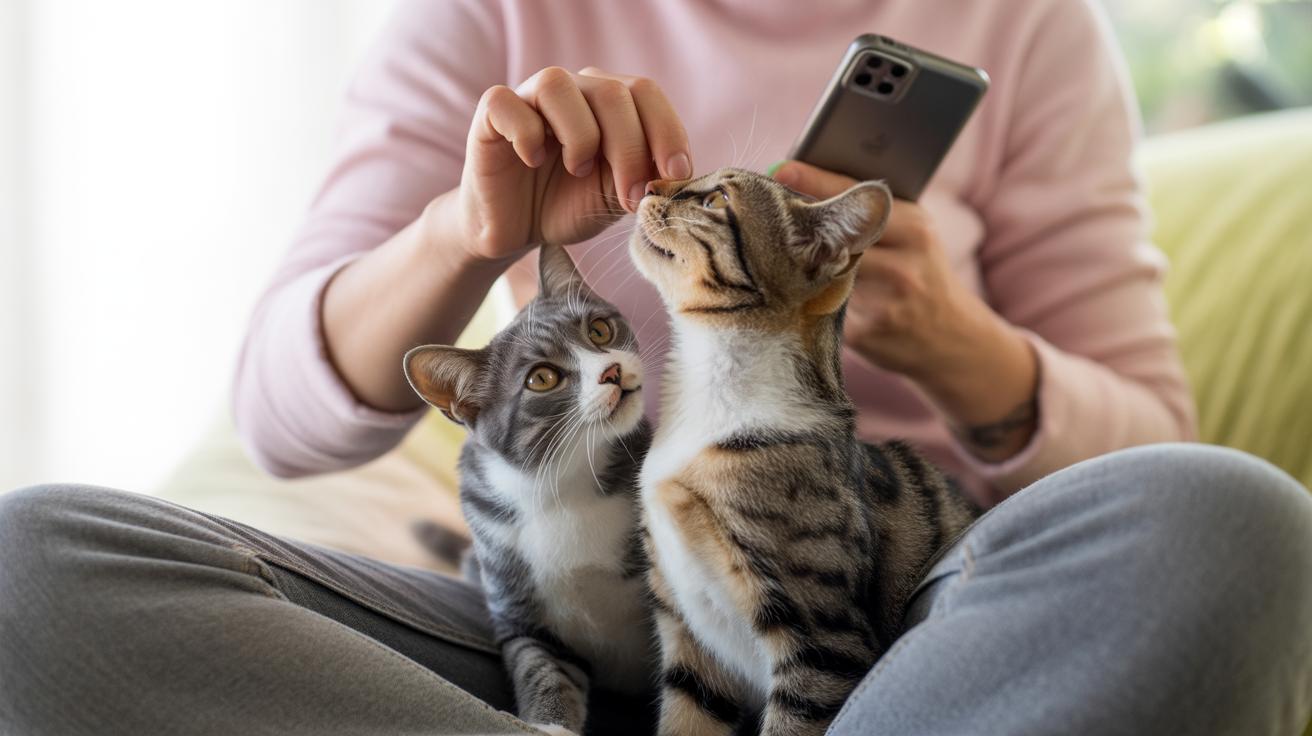
      • Devon Rex – compact and playful, low shedding and easy to groom, great for tighter spaces.
      • Burmese – people-focused and adaptable, happy to hang close by when you’re working or out.
    • Seniors / Calm Households:

      • If you want a gentle companion for quiet days, these breeds are mellow and affectionate.
      • Persian – ultra-lap-friendly and slow-paced, perfect for afternoon naps together.
      • Ragdoll – mellow and cuddly, a repeat because they really do shine in calm homes.
      • Birman – steady and gentle, a soft presence who follows you around like a tiny shadow.
    • Allergy-aware:

      • No cat is truly hypoallergenic, but some breeds can be easier for allergy sufferers to manage.
      • Sphynx – minimal coat, which can cut down on loose hair and help with dander (tiny skin flakes that cause allergies).
      • Devon Rex – low shedding and soft coat, which some people find easier to live with.

    Check each linked profile above for full grooming, health, and adoption details – that will help you pick the best match for your home and heart.

    Reading affection: body language and signs common to loving cats

    - Reading affection body language and signs common to loving cats.jpg

    Knowing how to read your cat makes it easier to tell real attachment from plain attention-seeking. Watch for small actions your cat repeats, those little habits are the clearest signs they’ve bonded with you. Think of it like learning a new language, but cuter and with more fur.

    • Purring , a low, steady rumble (a soft vibrating sound your chest can almost feel) that usually means comfort and contentment. You’ll often hear it when they’re curled on your lap or getting groomed.
    • Kneading , gentle, rhythmic paw presses (think a dough-rising motion) that scream kitten trust; many cats do this when they settle on your chest or a soft blanket.
    • Following you , trailing you from room to room shows trust and a desire to be near you. Ever have a little shadow cat under your feet? That’s not random.
    • Curling on laps , choosing your lap for a nap is peak closeness. Some breeds, like Persians and Ragdolls, are total lap fans. Worth every paw-print.
    • Head bunting / bumping , a forehead nudge that mixes scent-marking with affection (a friendly “this is mine” nuzzle). Read more about what do cat head bumps mean.
    • Rubbing against legs , they’re spreading their scent on you to mark you as safe and familiar; it’s basically a fuzzy hello.
    • Greeting at the door , coming to meet you when you come home after being away is a strong sign they missed you and trust you. Some Ragdolls and mixed domestic cats are great at this.
    • Chirping or conversational meows , short, chatty noises that invite interaction; you’ll hear this a lot from Maine Coons and Siamese types.

    Vocal cats and quiet cats both show love, just in different ways. Siamese and Maine Coon cats might hold full conversations with you, while Persians and Birmans will say less and speak with their posture and purrs. Watch patterns over days, not just one odd moment.

    Quick note: for step-by-step tips to ease clingy behavior, see Managing clingy behavior.

    Training, play, and enrichment to strengthen bonds with affectionate cats

    - Training, play, and enrichment to strengthen bonds with affectionate cats.jpg

    Routine plus positive reinforcement builds trust fast. Keep sessions short, predictable, and playful so your cat looks forward to them. Little wins add up , five to ten minutes a few times a day beats one long marathon. Ever watched your kitty chase a shadow? That kind of quick fun counts.

    1. Five-minute targeted play routine
      Start with a slow warm-up: 0-1 minute of gentle wand movement (think slow swishes). Then crank up the excitement for 1-3 minutes with quick zips and hiding the toy behind a box to spark the hunt. Finish with a 3-5 minute cool-down using a slow rolling ball or a feeder toy (a toy that drops kibble or treats as it moves). Repeat 2-3 times daily for high-energy breeds like Tonkinese and Siamese. It’s short. It’s focused. And your cat gets the satisfying thud of a rolling catch.

    2. Lap-groom plus reward sequence
      Invite your cat onto your lap, brush gently for about 5 minutes using short, calm strokes, then give a small treat right away and praise. Stop while the mood is still happy. Do this after a calm meal for breeds that love close contact, like Burmese and Ragdoll. Worth every paw-print.

    3. Clicker and target training , simple 3-step plan
      Step 1: mark the wanted behavior with a clicker (a tiny handheld device that makes a crisp click sound). Step 2: reward within one second. Step 3: repeat 5-8 times per session. Keep the whole session to 3-5 minutes per day. Small reps, clear signals, big brain wins.

    4. Evening cuddle ritual
      Dim the lights, lay out a soft blanket, and spend 10-20 minutes low-talking and petting your cat. Add a short play burst about 15 minutes before to wear down extra energy. Calm, cozy, cat-approved.

    5. Scent-exchange bedding
      Rotate a small blanket between pets every 2-3 days, and put each item in the other pet’s sleeping spot overnight so scents mix. It’s an easy way to help pets feel familiar with each other without pressure. Humans call it subtle diplomacy, cats call it sniff-time.

    6. Travel-acclimation micro-routine
      Three short steps: leave the carrier (a travel crate for cats) open at home for 10-20 minutes so it becomes a neutral spot; next, put treats inside for 5-10 minutes so the carrier feels rewarding; finally, take a 5-10 minute closed-carrier ride around the block. Repeat over several days. Patience here makes trips much calmer.

    Track progress over 2-6 weeks and tweak timing or rewards if your cat seems stressed or bored. See Grooming and daily care and Breed profiles for breed-specific tips.

    Managing clingy behavior and separation anxiety in affectionate cats

    - Managing clingy behavior and separation anxiety in affectionate cats.jpg

    Some cats are velcro-kittys. Certain breeds , like Siamese, Sphynx, Burmese, and Tonkinese , often form extra-strong bonds. Watch for red flags: nonstop crying when you leave, destructive scratching, refusing food, or over-grooming that creates bald spots. First step, rule out health issues and note that spay/neuter (surgery to remove reproductive organs) can change social needs, so keep an eye on behavior after operations.

    1. Assessment
    • Notice exactly when the behavior shows up: right as you walk out the door, during the day, or mainly at night.
    • Track how bad it gets and what seems to trigger it; keep a simple behavior log for a week.
    • Get a vet check first to rule out medical causes before you start behavior work.
    1. Short-term coping steps
    • Do a 10 to 15 minute vigorous play session before leaving , tire them out with a wand or chase toy.
    • Leave a warm blanket or a worn shirt in their bed so your scent comforts them.
    • Add a timed treat dispenser (a device that spits out treats on a schedule) for distraction and comfort.
    1. Enrichment schedule
    • Aim for three short play bursts of 5 to 10 minutes spread through the day.
    • Use puzzle feeders (food toys that slow eating) at meal times to give them a job and slow down fast eaters.
    • Rotate toys every few days so play stays fresh and interesting.
    1. Gradual desensitization exercises
    • Step 1: leave for 2 to 5 minutes, then come back calmly. Keep arrivals and departures low-key so you don’t reward panic.
    • Step 2: if they stay relaxed, add 5 to 10 minutes each day. Patience here is key.
    • Step 3: over several weeks work up to 30 to 60 minute absences, only increasing time when they’re calm.
    1. Interactive toy use
    • Try automated toys on timers so play feels unpredictable and fun when you’re out.
    • Give window perches and hiding spots so they can watch and feel safe when alone.
    • Think of a teaser wand like a fishing rod for cats , just add feathers and let the cat be the hunter.
    1. When to consult a pro
    • If there’s no steady improvement after 4 to 6 weeks, talk to your vet or a certified behaviorist (a professional trained in animal behavior).
    • Ask for a written behavior plan, and consider medication only as part of a broader strategy, not a quick fix.
    1. Emergency care if self-harm appears
    • If over-grooming causes sores or they stop eating, get urgent vet care right away.
    • You may need temporary confinement to a quiet healing area while following medical advice.

    Behavior change takes weeks to months, so be patient and track progress. Cross-check signs with Reading affection and use Training, play, and enrichment for replacement activities. If you’re rethinking an adoption match, check the Adoption Costs & availability table before making final decisions.

    Worth every paw-print.

    Final Words

    Jumping right into the action: the ranked top-10 list gives a one-line temperament and a suitability tag. Then you'll find short, scannable breed profiles, a centralized adoption costs and checklist, and practical grooming and daily care tips.

    We matched breeds to homes (family, apartment, senior), explained how to read affectionate signals, and shared training and enrichment routines. There’s also a step-by-step plan for managing clingy behavior and separation anxiety.

    Pick a cat that fits your pace, try the bonding routines, and enjoy more cuddles , the most affectionate cat breeds can make a busy multi-cat home cozy and full of purrs.

    FAQ

    What are the most affectionate cat breeds?

    The most affectionate cat breeds are Ragdoll, Maine Coon, Siamese, Birman, Scottish Fold, Persian, Sphynx, Burmese, Tonkinese, and Devon Rex. These breeds often seek human company and enjoy cuddles.

    Which breeds are best for lap cuddling?

    Breeds best for lap cuddling include Ragdoll, Persian, Birman, Burmese, and Ragamuffin — mellow cats that love long snuggles and will happily curl on laps for quiet company.

    Which breeds are clingy or likely to be clingy?

    Breeds often described as clingy include Siamese, Sphynx, Burmese, and Tonkinese; they crave frequent contact, vocalize more, and do best with steady play and human time.

    Are male or female cats more cuddly?

    Whether male or female cats are more cuddly depends more on individual personality, early socialization, and neuter status than on sex; meet cats in person to judge affection.

    What is the kindest type of cat?

    The kindest types of cats are usually gentle breeds like Ragdoll, Birman, and Maine Coon, but true kindness varies by individual temperament and how a cat was raised.

    Which breeds are the least affectionate?

    Less affectionate breeds often include Russian Blue, British Shorthair, Abyssinian, and Egyptian Mau, which tend to be more independent and less focused on laps or constant contact.

    Are there hypoallergenic affectionate breeds?

    No breed is truly hypoallergenic; allergy-aware, affectionate options include Sphynx and Devon Rex, though they still carry dander. Regular cleaning and allergist advice help sensitive people.

    Does a cat’s color affect how affectionate it is?

    A cat’s color does not reliably predict affection; coat hue is far less important than breed, upbringing, and personality, so meet cats in person to judge their friendliness.

    How affectionate are Norwegian Forest Cat, LaPerm, Scottish Fold, Maine Coon, Ragdoll, and Burmese?

    These breeds vary: Ragdoll — very people-loving; Maine Coon — large and friendly; Burmese — loyal and playful; Scottish Fold — gentle; Norwegian Forest Cat — friendly yet somewhat independent; LaPerm — affectionate and curious.

    Related Articles

  • Antibiotics for Feline Leukemia: Vet Recommendations

    Antibiotics for Feline Leukemia: Vet Recommendations

    Think antibiotics cure FeLV (feline leukemia virus)? Not quite. FeLV is a virus, and antibiotics (drugs that kill or stop bacteria) only work on bacterial infections, not the virus itself. So giving antibiotics for FeLV without a clear bacterial problem is like trying to fix a cold with a hammer.

    Vets do use antibiotics when a bacterial infection is present or strongly suspected. That includes signs like a persistent fever, purulent (pus-producing) discharge, infected wounds, urinary infections (bladder or urethra infections), or severe mouth inflammation. You might notice your cat acting sore, refusing food, or a wound oozing thick yellow stuff, those are the clues vets watch for. Ever watched your kitty tuck in and refuse dinner? That can be a red flag.

    Common drug choices vary with the infection and the cat. Things you might hear are amoxicillin (a common antibiotic), doxycycline (often used for respiratory bacteria), or enrofloxacin (used for tougher cases). Vets usually pick based on tests like a culture (growing the bacteria to see which drug works) and sensitivity results, and on what’s safe for cats. Side effects can be routine, upset stomach, loose stools, less interest in food, or rarer, more serious reactions, so keep an eye on your pet.

    Follow-up blood and urine checks matter a lot. Blood tests look at white blood cells and organ health (like kidneys and liver), while urine checks flag hidden bladder infections and kidney issues. These follow-ups tell your vet if the antibiotic is helping, if the infection is returning, or if the meds are stressing organs. Oops, let me rephrase that, they help you and your vet see the whole picture.

    I’ve seen targeted antibiotics pull a very sick kitty back from the brink. One cat came in limp, feverish, and barely purring; after a culture and the right antibiotic, she was batting a toy the next week. Worth every paw-print.

    Bottom line: antibiotics can save lives when a bacterial infection hits a FeLV-positive cat, but they don’t cure the virus itself. Ask your vet about testing, cultures, and the follow-up plan, those steps make all the difference.

    Quick answer: When antibiotics are used in FeLV cats

    - Quick answer When antibiotics are used in FeLV cats.jpg

    Antibiotics do not cure the feline leukemia virus. See what is feline leukemia. Instead, we reach for antibiotics when FeLV knocks down a cat’s immune defenses and bacterial infections move in.

    Think of antibiotics as targeted tools for confirmed or strongly suspected bacterial problems, not a fix for the virus itself. If you’re wondering when vets usually give antibiotics for FeLV cats, watch for these signs:

    • Persistent fever.
    • Purulent upper respiratory signs (purulent = producing pus, like gooey nasal discharge).
    • Recurrent or symptomatic urinary signs / bacteriuria (bacteriuria = bacteria in the urine).
    • Non-healing wounds or abscesses (abscess = a painful pocket of pus).
    • Severe stomatitis (stomatitis = painful mouth inflammation) or signs of systemic infection / sepsis (sepsis = whole-body severe infection).

    Common antibiotics you’ll hear about include amoxicillin-clavulanate (a broad oral antibiotic that helps stop bacterial growth), doxycycline (an antibiotic that blocks bacteria from making proteins), cefovecin, also called Convenia (a long-acting injectable antibiotic), clindamycin (often used for mouth and skin bugs), and sometimes fluoroquinolones like enrofloxacin (powerful drugs used cautiously because of resistance and side effects). Penicillin-combination drugs and cephalosporins work by stopping bacteria from building cell walls (so bacteria can’t survive). Doxycycline and clindamycin block bacterial protein production (so bacteria can’t make what they need).

    Routine side effects are usually stomach upset. Less often, antibiotics can affect the liver or kidneys. Baseline and follow-up blood and urine checks are often recommended, so chat with your veterinarian about monitoring.

    See Antibiotic options for the full drug table, see Dosing & Monitoring for follow-up timelines and lab checks, and see Risks/Stewardship for stewardship guidance.

    Worth every paw-print when it keeps your kitty comfortable.

    Antibiotic options for FeLV patients: single drug table, routes, and practical pros/cons

    - Antibiotic options for FeLV patients single drug table, routes, and practical proscons.jpg

    This is the spot to find the common antibiotic choices vets reach for when bacterial infections complicate feline leukemia. Think of the table below as the single-drug reference. Other sections in the article point back here. If you want a quick reminder of the signs that push your choice, see signs of feline leukemia in cats.

    Oral antibiotics work well when a cat will take pills and the infection seems mild to moderate. They let you match drug class to the likely bug and to lab results later, but they depend on reliable home dosing. Not great for stressed, inappetent, or fractious patients.

    Antibiotic (class and example) Typical Indications Route Key Clinical Notes
    Penicillin – beta-lactamase inhibitor (amoxicillin-clavulanate; penicillin plus clavulanate to block some resistance) Skin/abscess, urinary tract infection, many respiratory infections PO (by mouth) Good broad outpatient coverage. Needs reliable oral dosing. Adjust dose for renal disease when needed.
    Tetracycline (doxycycline; broad-spectrum protein synthesis blocker) Upper respiratory infections, atypical organisms, some tick-borne concerns PO (by mouth) Useful for respiratory pathogens. Give with water or food to avoid esophageal injury.
    Long-acting cephalosporin (cefovecin, Convenia; extended-release cephalosporin) Skin/abscess, UTI when oral dosing is impossible SC/IM (subcutaneous or intramuscular) Great for compliance problems. Once given, it stays in the body for days to weeks, so you can’t stop it quickly if side effects occur. Not a substitute for targeted therapy.
    Lincosamide (clindamycin; targets anaerobes and many gram-positives) Dental/anaerobic infections, skin PO (by mouth) Favored for dental work and anaerobic infections. Can cause GI upset in some cats.
    Macrolide (azithromycin; intracellular-penetrating antibiotic) Respiratory infections, intracellular pathogens PO (by mouth) Useful for atypical and intracellular organisms. Best reserved for suspected cases.
    Fluoroquinolone (enrofloxacin; strong gram-negative coverage) Severe UTI, resistant gram-negative infections, some pneumonias PO (by mouth) Powerful option. Use with caution because of resistance concerns and species or dose-related risks. Consult a clinician for high-risk cases.

    Injectable, long-acting agents solve the compliance problem and keep a cat on therapy when pills aren’t possible. But remember, they lock in exposure for days to weeks and can make managing side effects harder. Fluoroquinolones can tackle tough bugs, yet vets weigh that benefit against possible toxicity and promoting resistance.

    Culture and sensitivity testing belongs in recurrent, severe, or nonresponsive infections. If you can, collect samples before starting antibiotics so you can switch from empiric therapy to a targeted choice when results come back. Want to avoid surprises? Get that culture first, if possible.

    When to start antibiotics in FeLV cats: objective triggers, diagnostics and red flags for hospitalization

    - When to start antibiotics in FeLV cats objective triggers, diagnostics and red flags for hospitalization.jpg

    Start antibiotics only when you have clear signs of a bacterial infection or a strong clinical suspicion. FeLV is a virus, so antibiotics won’t touch the virus itself. Think of antibiotics as the tool for bacterial invaders, not the viral problem. If you’re wondering, yes, it’s okay to be cautious , we don’t want to overuse meds.

    Common reasons to treat as an outpatient include persistent fever, thick pus-y nasal or eye discharge, bacteriuria (bacteria in the urine), obvious urinary symptoms, wounds or abscesses that won’t heal, severe stomatitis (painful mouth inflammation), and breathing trouble or other signs that suggest a body-wide bacterial infection. These are the situations where antibiotics often help. Toss in a fever and a nasty wound, and you’ve got a good case for starting therapy.

    Initial office tests usually include a CBC (complete blood count, checks white and red blood cells) and a chemistry panel (checks kidney and liver numbers) to get a baseline. Do a urinalysis and, when appropriate, collect targeted samples – urine, wound swabs, or respiratory samples – so we can be smart about treatment. These tests help pick safe drugs and flag cats that might need more than just oral meds.

    Hospitalize when the cat needs IV care and close monitoring. Ho-hum illnesses can be handled at home. But not if you see neutropenia (low neutrophils – neutrophils are white blood cells that fight bacteria) with signs of toxemia, very fast or labored breathing (tachypnea, or low oxygen – hypoxia), low blood pressure or poor blood flow, profound weakness or collapse, or anything that looks like sepsis (a dangerous, body-wide infection response). Those cats often need IV antibiotics, oxygen, fluids, and constant reassessment. Not the time for a cat nap.

    Diagnostic tests to guide antibiotic decisions

    Run a CBC to check for neutropenia versus leukocytosis (high white blood cells), and get a chemistry panel to know kidney and liver baselines before you plan longer antibiotic courses. These labs guide drug choice and dosage, and they tell you when a patient might need hospital-level care.

    Collect urine by cystocentesis (needle sample from the bladder) for urinalysis and culture when you suspect a UTI. Submit wound or abscess samples for culture before giving antibiotics when you can. For febrile, systemically ill cats, consider blood culture (a test that tries to grow bacteria from the blood) before starting IV antibiotics so you can target therapy later. Respiratory PCR panels (tests that look for viral or bacterial genetic material) help separate viral causes from likely bacterial ones. Try to take diagnostic samples before antibiotics for the best chance at a clear result.

    Indicators for immediate therapy and hospitalization

    Objective red flags that should prompt immediate IV therapy and inpatient care include:

    • Fever plus neutropenia or toxic-looking neutrophils on CBC.
    • Severe breathing trouble or low blood oxygen.
    • Low blood pressure, very poor perfusion, or severe dehydration.
    • Fast heart rate with fever and slow capillary refill – think sepsis (a dangerous body-wide reaction to infection).
    • Any sudden, rapid decline that risks organ failure.

    When you can, get blood cultures before IV antibiotics to improve the chance of finding the culprit and tailoring treatment later. Quick action and the right samples make a big difference.

    Dosing, duration and monitoring of antibiotic therapy in FeLV cats

    - Dosing, duration and monitoring of antibiotic therapy in FeLV cats.jpg

    Dosing and how long you treat are set for each cat. FeLV (feline leukemia virus) positive cats often need longer or more closely watched antibiotic plans because their immune system can be weaker and infections may hang on. Use the Antibiotic options table as the single drug reference; the exact mg/kg dose is a clinician decision and should be written into the treatment plan by the prescribing veterinarian. Think of your vet as the dose-writer, not the internet.

    For how long to treat, use broad frameworks instead of strict day counts. Mild, simple skin or urinary problems usually get better in about 7-14 days. Deeper infections, bone involvement, or abscesses that do not drain well often need several weeks of antibiotics, commonly 3-6 weeks, and sometimes surgery. Recheck acute or severe cases at 48-72 hours to see if breathing, fever, or appetite are improving. Check again when the course ends and plan follow-up based on how the cat is doing.

    Baseline and follow-up lab monitoring matters. Get a CBC (complete blood count) and a chemistry panel (blood tests that check liver and kidneys) before starting therapy in at-risk patients. Repeat CBC, ALT/AST (liver enzymes) and BUN/creatinine (kidney markers) if the chosen drug carries liver or kidney risk or if the cat’s signs change. For higher-risk drugs a first lab recheck at about 5-7 days is common, then again at the end of the course or as needed. And yes, that 48-72 hour clinical check for severe infections is essential.

    Adjust doses for kittens, seniors, or cats with renal (kidney) or hepatic (liver) dysfunction, and document any changes in the record. Clinicians may lower doses, lengthen dosing intervals, or pick a safer drug class based on age and organ function. Red flags that need an immediate recheck are worsening signs, inappetence for more than 48 hours, jaundice, or severe vomiting or diarrhea – call your vet right away. Worth every paw-print to catch problems early.

    Risks, side effects and antibiotic stewardship for FeLV patients

    - Risks, side effects and antibiotic stewardship for FeLV patients.jpg

    Keep an eye out for common antibiotic side effects in cats: loose stool, vomiting, less interest in food, or itchy red patches on the skin. Some drugs can stress the liver (hepatopathy (liver disease)) or the kidneys (renal adverse events (kidney problems)), so it helps to do baseline bloodwork and a quick recheck if your cat seems off. Fungal overgrowth in the gut or mouth can pop up after broad antibiotics; if you see white patches in the mouth or diarrhea that won’t quit, call your vet right away.

    Good antibiotic stewardship means using antibiotics only when there is a clear reason and picking the narrowest drug that will do the job. Don’t give routine preventative antibiotics unless your vet has a proven reason, like a badly contaminated bite wound or a specific surgical need. For recurrent, severe, or nonresponsive infections, send a culture (a lab test that grows bacteria to see which drugs work) so you can narrow or step down therapy. Start with a broad empiric drug if you must, but switch to targeted therapy when results come back.

    FeLV cats can develop antibiotic resistance faster because their immune systems are weaker. Antibiotic resistance means the bugs stop responding to the drugs that used to work. If you suspect resistance, get culture results and only consider combination therapy or higher-tier drugs with laboratory guidance. Fluoroquinolones (a class of antibiotics) deserve a careful risk and benefit talk because they can have serious side effects. When multi-drug resistance shows up, infections fail treatment, or the patient gets worse despite correct care, refer the case to a specialty clinic that manages resistant infections in immunosuppressed cats.

    A quick note: keeping a close eye, getting timely tests, and working with your vet can make a huge difference. Worth every paw-print.

    Managing common bacterial problems in FeLV cats: clinical approach and when to culture

    - Managing common bacterial problems in FeLV cats clinical approach and when to culture.jpg

    A quick, clinic-friendly guide to spotting and handling bacterial problems in cats with FeLV. I’ll keep this practical and chatty, like a vet friend leaning over the exam table. Ever seen a kitty with a face full of goop? Yep, that’s what we mean by urgent.

    Upper respiratory infections (URIs)

    1. Key signs that prompt treatment: thick, smelly or colored nasal or eye discharge, ongoing sneezing, fever, poor appetite, or marked tiredness. Your patient might sound congested or have trouble breathing.
    2. Immediate diagnostics to collect before antibiotics: take nasal or conjunctival swabs for PCR (polymerase chain reaction, a test that finds pathogen genetic material) and for bacterial culture when possible. Try to collect samples before you start antibiotics, if you can.
    3. When to hospitalize or send culture/advanced testing: hospitalize if there’s breathing trouble, severe anorexia, or the cat is systemically unstable. If no clear improvement in 48 to 72 hours, send cultures and consider nasal imaging or rhinoscopy (using a scope to look inside the nose).

    Skin infections and abscesses

    1. Key signs that prompt treatment: obvious abscesses or draining wounds, swelling, pain, fever, or fast-spreading redness and warmth of the skin (cellulitis). Those angry bumps often need prompt attention.
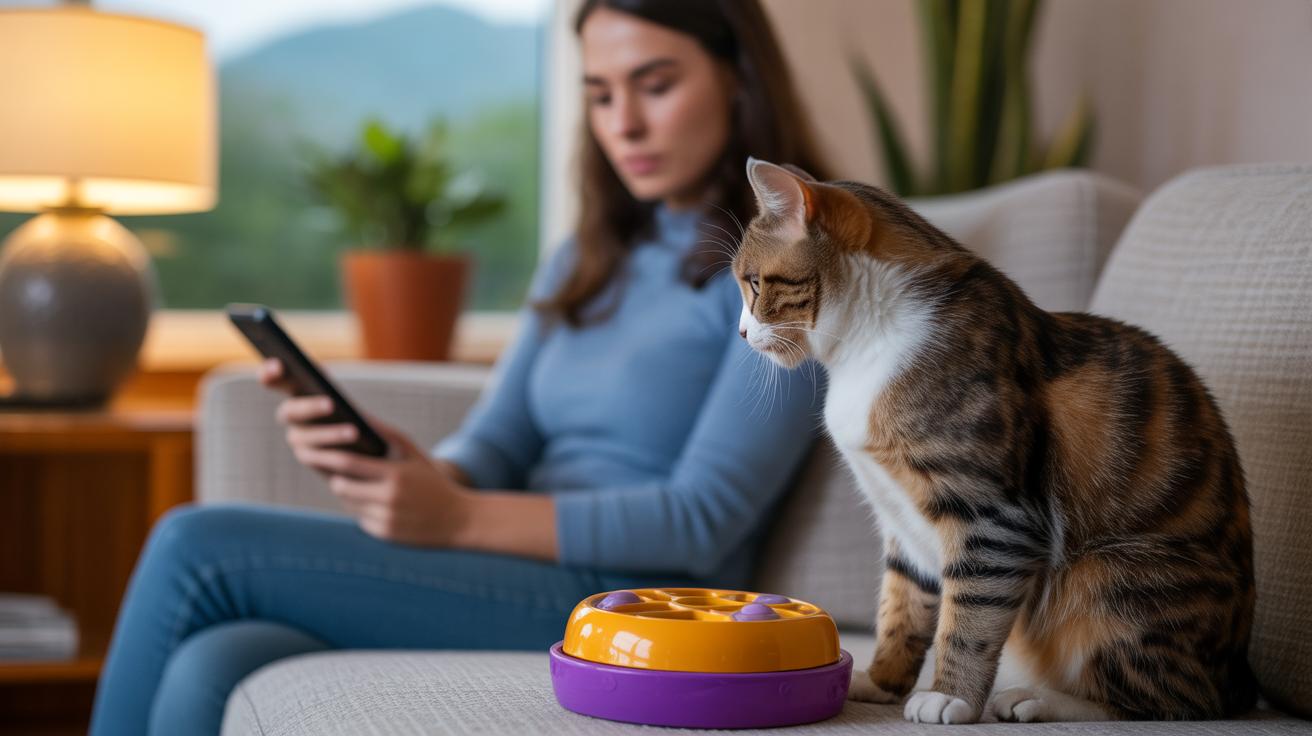
    2. Immediate diagnostics to collect before antibiotics: collect an aerobic culture at the time you drain or debride the lesion so you know what’s growing. Take photos and measure lesions, and do cytology (microscope exam of cells) if you can.
    3. When to hospitalize or send culture/advanced testing: hospitalize for severe cellulitis, systemic signs, or deep tissue involvement. Send cultures at surgery for any wound that keeps coming back or won’t heal.

    Dental infections and stomatitis

    1. Key signs that prompt treatment: foul breath, drooling, loose teeth, obvious mouth pain with poor eating, or very inflamed gums. A cat refusing food usually tells you it hurts.
    2. Immediate diagnostics to collect before antibiotics: perform an oral exam and periodontal probing. Only culture periodontal or tooth-root sites when the infection is severe or not responding to treatment.
    3. When to hospitalize or send culture/advanced testing: hospitalize if the cat won’t eat or is systemically ill from oral disease. Send samples during tooth extractions or when stomatitis persists despite good dental care.

    Urinary tract infections (UTIs)

    1. Key signs that prompt treatment: straining to urinate, frequent small urinations, blood in the urine, painful urination, fever, or major lethargy. These signs need a prompt check.
    2. Immediate diagnostics to collect before antibiotics: perform cystocentesis (a sterile needle sample from the bladder) for urinalysis and urine culture. Collect urine before you give antibiotics whenever possible.
    3. When to hospitalize or send culture/advanced testing: hospitalize for azotemia (high kidney waste in the blood), vomiting, or signs of sepsis. Send cultures for complicated, recurrent, or catheter-associated infections.

    Pneumonia and lower respiratory infections

    1. Key signs that prompt treatment: cough, fast breathing, extra effort to breathe, low appetite, fever, or exercise intolerance. Watch how hard the chest moves.
    2. Immediate diagnostics to collect before antibiotics: get thoracic radiographs (chest x-rays) and, when you can, a tracheal wash or bronchoalveolar lavage (BAL, a gentle wash of the lower airways to collect cells and microbes) for cytology and culture. Use sterile technique for airway samples. Think of a tracheal wash like rinsing the airway and catching what comes out.
    3. When to hospitalize or send culture/advanced testing: hospitalize for respiratory distress, low blood oxygen, or systemic instability. Send airway cultures and consider advanced imaging or repeat x-rays if the cat doesn’t improve.

    See the Antibiotic options table for drug-class choices and dosing guidance.

    Owner guidance: safe administration, follow-up schedule and emergency signs for FeLV cats on antibiotics

    - Owner guidance safe administration, follow-up schedule and emergency signs for FeLV cats on antibiotics.jpg

    Finish the whole prescribed course, even if your cat seems better after a few days. Your clinic’s timing matters, so stick to it. Store medicines the way the label or pharmacist says , some need the fridge, some can sit on a shelf.

    Give pills with a small bit of food if the drug allows it. Try a pill pouch or a tasty topper, or ask about liquid versions or compounding (custom-made medicine) if your cat hates pills. If your vet prescribes injectable doses to give at home, ask for a hands-on demo so you feel confident doing it. Probiotics (good bacteria supplements) can help with antibiotic tummy troubles, but check with your clinic before starting them.

    Plan a recheck 48 to 72 hours after starting treatment for moderate to severe infections. We want to see fever, breathing, and appetite getting better. Expect an end-of-course exam to confirm the infection is gone, and regular wellness checks about every 3 to 6 months for cats with FeLV (feline leukemia virus).

    Watch for side effects: not eating (inappetence), vomiting, diarrhea, or new skin swelling or itchiness. If your cat seems off after starting meds , hiding more, not purring, or acting weak , call your clinic right away.

    Go to emergency care if you see sudden trouble breathing, collapse, extreme weakness, not eating for more than 48 hours, nonstop vomiting, very loose stool, or yellowing of the skin or the whites of the eyes (jaundice). Also go if you see signs that could mean whole-body infection, like very high fever, very low energy, or sudden confusion. Bring the medication label or bottle and tell the emergency team exactly what your cat has been given; that little step helps them act fast.

    Worth every paw-print.

    Final Words

    In practice, antibiotics are for secondary bacterial infections that crop up because FeLV (feline leukemia virus) weakens the immune system , they don't treat the virus itself.

    You’ve seen the quick triggers for starting therapy, the single drug table of common agents, when to hospitalize, and the monitoring and stewardship steps vets use. Short rechecks at 48–72 hours and lab follow-up were highlighted.

    Practical plans, timely vet checks, and smart use of antibiotics for feline leukemia help keep multi-cat homes calmer, healthier, and full of playful, claw-tastic moments.

    FAQ

    Do antibiotics help feline leukemia?

    Antibiotics do not treat feline leukemia (FeLV), a contagious cat virus; they treat bacterial infections that occur because FeLV weakens immunity. Learn what FeLV is: https://titanclaws.com/what-is-feline-leukemia/. Antibiotics target confirmed or suspected bacterial illness.

    What drugs are used to treat feline leukemia?

    The drugs used to treat bacterial problems in FeLV cats include amoxicillin–clavulanate, doxycycline, cefovecin (Convenia), clindamycin, and cautious fluoroquinolones; vets pick based on infection type and cat safety.

    Oral antibiotics for feline leukemia / Best antibiotics for feline leukemia

    Oral antibiotics commonly used for bacterial issues in FeLV cats include penicillin-combination and doxycycline classes; your vet will pick the safest oral option based on the infection and the cat’s health.

    What are the first signs of feline leukemia and what is the timeline?

    The first signs of feline leukemia are often vague: lethargy, poor appetite, fever, swollen lymph nodes, weight loss, and recurrent infections. Symptoms can appear weeks to months after exposure and vary by cat.

    Is feline leukemia contagious?

    Feline leukemia spreads between cats via prolonged close contact, shared bowls, grooming, bite wounds, and from infected mothers to kittens. Isolating infected cats and testing new cats helps reduce spread.

    What does the feline leukemia vaccine do?

    The feline leukemia vaccine protects cats against FeLV infection and is recommended for outdoor or at-risk cats. It prevents new infections but does not treat cats already infected; discuss timing and boosters with your vet.

    What are the final stages of feline leukemia like?

    The final stages of feline leukemia bring severe weight loss, anemia, persistent infections, breathing trouble, tumors, and organ failure. Care focuses on comfort, infection control, pain relief, and quality-of-life decisions with your vet.

    Can I get antibiotics for my cat without seeing a vet?

    You should not get antibiotics for your cat without a vet evaluation. Antibiotics need a prescription; the wrong drug or dose can harm or mask serious disease. Call your vet for diagnosis and safe treatment.
    Related Articles

  • DIY Replacement Attachments for Teaser Wands

    DIY Replacement Attachments for Teaser Wands

    Sick of wand heads shredding after a few uses while your cat gives you that “really?” look? Ever watched one fall apart mid-chase? You’re not alone.

    Build a quick-change, tough attachment using a wooden dowel (a thin wooden rod, like a broom handle) and fishing line (strong nylon thread). It stands up to rough pounces and hard tugs. You can swap heads in seconds. No tools. No fuss.

    You’ll save money, cut down on trash, and keep play safe when you only have a few minutes to spare. For busy days, toss on a toy before you leave and enjoy a calm house when you get back.

    Think of it like a LEGO set for cat play. Snap on feathers, a crinkly ball, or a felt mouse and watch whiskers twitch and tails flick with delight.

    Worth every paw-print. Claw-tastic.

    Quick step-by-step: core assembly and swap guide

    - Quick step-by-step core assembly and swap guide.jpg

    Make a tough, quick-change attachment for a teaser wand so you can swap heads in seconds. It keeps play safe and fun when you only have a few minutes. Think of it like a modular toy for busy cat parents who want long-lasting joy.

    Materials:

    • Wooden dowel (1/2" x 3 ft recommended) (wood rod, like a broom handle but thinner)
    • Fishing line, 15–20 lb test (strong nylon thread for tethers)
    • Barrel swivel (rotating connector) or small lobster clasp (clip-style connector)
    • Small jingle bell or lure head with eyelet (sound for extra attention)
    • Drill with a small bit, scissors or X-ACTO knife, pliers
    • Heat-shrink tubing or crimp beads (for secure ends)
    1. Choose your dowel and connector. Drill a small hole about 1" from the dowel end for the tether to exit. Keep it neat so the line slides smooth.
    2. Cut fishing line to the working length for the toy you want. Short flutterers: 18–24". Bigger prey toys: 36–45". Pick what makes your cat’s whiskers twitch.
    3. Tie the swivel or clip to one end of the line using a strong knot or crimp it with beads. Use 15–20 lb line for most cats. It’s simple but strong.
    4. Add the lure bits to the free end: feathers, a felt mouse, a pom, or a bell. Put any small weight near the head so it moves like real prey.
    5. Secure the ends with heat-shrink tubing or a crimp bead so the knot doesn’t slip. Leave about 6–12" of free line between the wand tip and the swivel for lively movement. It feels springy when swung.
    6. Do a slow trial play at low speed to check how it swings and spins and to find any snag points. Ever watched your kitty zero in on a feather? This step helps make that happen safely.
    7. Store spare heads clipped together or in a little box when you’re not using them. Do a quick safety check before each session.
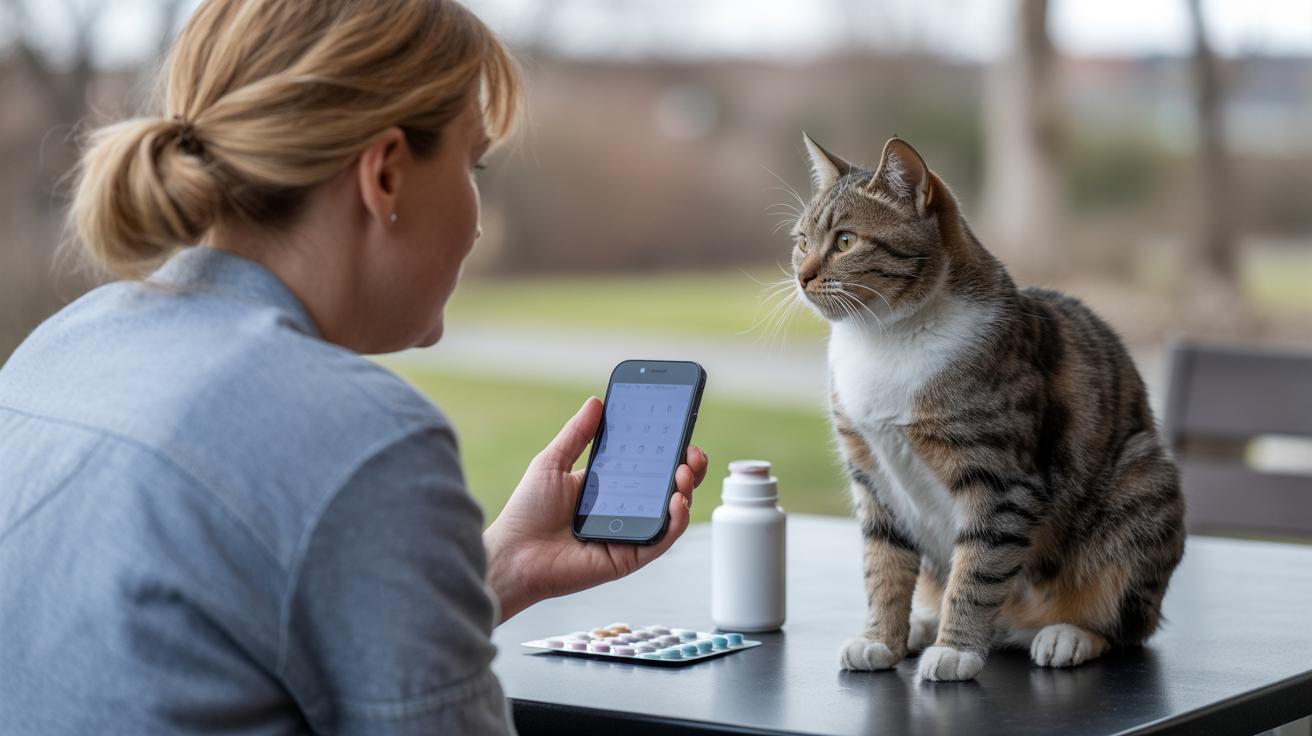
    Feather + bell micro-recipe:

    • Materials: 1 short feather cluster, small jingle bell with eyelet, 18–24" fishing line
    • Wrap the bell eyelet twice with the line to lock it. Anchor the feather quill to the bell or lure head so it won’t pull out.
    • Clip or swivel the lure so the swivel sits about 18–24" from the feather head for a natural flutter.

    Pom/rodent micro-recipe:

    • Materials: felt mouse body about 2" x 3" (felt is soft fabric), suede tail or knit string, light stuffing plus a pinch of catnip, 36" line
    • Stitch the body, thread the tail material into the rear, stuff lightly, and stitch closed.
    • Attach the mount point near the head and place the swivel about 18–24" from the lure so it flutters like real prey.

    Safety first. Always supervise play, keep small parts out of reach when not in use, and let any glue or adhesive fully cure before your cat touches the new head. Check knots, crimps, and swivels weekly. If you see fraying, loose bits, or a bent connector, retire that piece. Worth every paw-print.

    Suggested visual aid: a simple labeled sketch showing the dowel hole about 1" from the end and the swivel position roughly 18–24" from the lure (diagram not included).

    Tools, parts, and materials for DIY replacement attachments

    - Tools, parts, and materials for DIY replacement attachments.jpg

    • Wooden dowel 1/2" x 3 ft. A slim wood rod for reach and stiffness (think of it like a long handle to keep hands far from paws).
    • Fishing line, 15–20 lb monofilament (nylon; thin but strong). Great for a nearly invisible tether that won’t snap with a hard bite.
    • Barrel swivels and clips. Small rotating connectors that help keep lines from twisting and make quick swaps easy.
    • Jingle bells with eyelets. Pick bells with sturdy eyelets so the soft jingle stays put during play.
    • Suede or ribbon strips, 6–10" danglers. Adds texture and a satisfying flutter your cat can chase.
    • Faux fur strips and pom-poms. Use 1–2" pom-poms and 6–8" fur strips for realistic movement and fluff.
    • Fabric scraps: polyester fleece, wool-blend felt (soft, low-fray options). These hold up better than thin cotton.
    • Sewing supplies: needles, thread, sharp scissors; optional small pliers for bending rings. Simple tools for tough stitches.
    • Adhesives: E6000 or epoxy (strong glue; follow the manufacturer cure times). Use tiny amounts for a firm bond.
    • Optional hardware: lobster clasps, split rings for quick swaps and easy attachment changes.

    Example: Use a 1–2" faux fur strip with a split ring and a tiny dab of epoxy (strong glue), press and let it cure. Firm hold, not gummy.

    Optional parts and recommended sizes

    Material Recommended size/grade Why it matters
    Wooden dowel 1/2″ x 3 ft Good reach and stiffness so you can play from a distance; sold at hardware stores.
    Fishing line Monofilament, 15–20 lb test Thin and bite-resistant; holds up to tugs without being bulky.
    Barrel swivel Small rotating connector Prevents the line from twisting, making play smoother.
    Jingle bell with eyelet Small, secure eyelet Adds gentle sound that entices kitties; get ones with robust eyelets.
    Suede / ribbon 6–10″ strips Provides texture and movement; great from craft bins or remnant sections.
    Faux fur / pom-poms 1–2″ pom, 6–8″ fur strips Fluffy motion that mimics prey; make sure centers are glued or sewn tight.
    Sewing supplies Needles, thread, scissors, small pliers (optional) For sturdy stitches and closing attachment points so nothing falls off mid-pounce.
    Adhesives (E6000 / epoxy) Small tubes; follow cure times Bonds hard parts and reinforces joins; use in a ventilated area and let cure fully.
    Optional hardware Lobster clasp, split ring Fast-swap connectors for swapping toys quick between play sessions.

    Shop tips: hit local hardware and craft stores for one-offs, or buy bulk online to save per piece. Pick mid-grade fishing line and sturdy eyelets for longer life. Keep safety front and center: avoid tiny parts a cat could swallow, retire frayed pieces, and supervise active play. When using adhesives, work in a ventilated space and let glue fully cure before your cat bats or chews the toy. Ever watched your kitty go nuts for a new dangler? Worth every paw-print.

    For core assembly steps and spec values, see Quick step-by-step (H2).

    DIY Replacement Attachments for Teaser Wands

    ).jpg

    Feathers make a tiny, fluttery show that wakes up your cat's hunting brain. Use grouped feathers of mixed lengths (2 to 4 inches each) so the motion reads as real. Punch a small hole near the quill (the stiff hollow shaft at the feather base) to anchor thread or wire, wrap the bell eyelet (the small metal loop on a bell) twice with thread or fishing line (clear nylon thread), and seal any exposed quill ends with a dab of glue so nothing slips out. Lightweight clusters are best for fast flicks. And retire novelty feathers once chewing begins.
    Ribbon and faux-leather strips give a smooth, quiet ripple across carpet and hardwood that cats love to stalk. Cut ribbons into 6 to 10 inch strips (use longer ones for bigger rooms), then cross-stitch or bartack (a short dense stitch for strength) where they meet the mount point. Finish the edges with a little clear fray-check (a liquid that stops fabric from unraveling) or a narrow zigzag stitch to prevent shredding. Suede or faux leather (thin strips) is a nice chew-resistant option if your cat likes to nibble.

    Felt mice and fish feel pleasantly squishy without getting heavy. Cut mouse bodies about 2 by 3.5 inches and fish about 3 by 4.5 inches, adding a 1/2 inch seam allowance for the mouse and 1/4 inch for smaller pieces. Use medium-weight fleece or wool-blend felt (soft fabric that frays very little) and stuff sparingly so the toy stays floppy and easy to flip. Topstitch (a visible stitched edge) around stress points like the nose and tail base to lock the seams.

    Pom-poms and faux-fur danglers give bulk without weight, so they swing nicely in midair. Try 1 to 2 inch pom-poms, attach by stitching through the center or making a sewn loop through the fur base, then secure with a bar-tack. Trim stray fibers for a more natural movement and check glue joints often, because glued centers can fail under heavy batting. Treat these as temporary if your cat chews aggressively.

    Feather bird toy

    Pattern: three feathers, each 2 to 4 inches long; make the quill hole 3 to 4 mm from the tip, wrap the bell eyelet twice with thread, and seal the quill ends with glue.

    Felt mouse and fish patterns

    Mouse: cut two 2 by 3.5 inch body pieces, add a 1/2 inch seam allowance, use a pinch of stuffing, and reinforce the nose and tail with topstitching.
    Fish: cut two 3 by 4.5 inch body pieces, add fins from 1 by 2 inch felt, topstitch the fins before closing the body; light stuffing keeps the toy lively and quick to flip.
    For core assembly steps and spec values, see Quick step-by-step (H2).

    Pom-pom and faux fur danglers

    Use 1 to 2 inch pom sizes, attach by stitching through the center or a sewn loop, trim for balanced motion, and check attachments regularly; replace if your cat chews hard.

    DIY Replacement Attachments for Teaser Wands

    - Attachment designs feathers, ribbons, mice, fish, pom-poms (patterns  finishing tips).jpg

    Pick a connector that matches how your cat plays and how fast you want to swap heads. Think about whether your cat loves frantic spins or slow, stalking flicks. The right connector balances strength, quick swaps, and smooth movement , and yes, that matters when a zooming kitty is involved.

    Keep termination points neat with crimp beads (tiny metal sleeves you pinch to lock the line), heat-shrink (a plastic tube that tightens with heat), or small sleeves. Make sure swivels and clips (swivel: a little rotating link; clip: a snap-on hook) turn freely. After you mount a connector, do a slow-motion test swing and a firm hand-tug to check rotation and retention. For core assembly steps and spec values, see Quick step-by-step (H2).

    Barrel swivels and clips

    Barrel swivels are great when you want reliable rotation and a low profile. They stop the line from twisting while the lure spins; try a ball-bearing swivel (tiny bearings for extra-smooth spin) if you want the lure to whirr faster. Cons: they are not the fastest to swap unless you use one with a clip end.

    Installation checklist:

    1. Thread the tether through a crimp bead or sleeve, then attach the swivel eye.
    2. Secure with a crimp or several tight wraps and seat the crimp with pliers.
    3. Slide heat-shrink over the crimp and shrink it for extra strain relief.
    4. Trim excess line and tuck any sharp ends away.
    5. Test rotation by flicking the head, then pull with a steady hand to confirm the hold.

    Magnetic and snap quick-change systems

    Magnets and snap adapters let you change heads lightning-fast, which is perfect when you want to swap from feathers to bells mid-play. Downsides: added bulk and the need for rated parts and protective covers so tiny paws don’t meet exposed magnets. Safety first, you know?

    Mounting notes:

    • Anchor the magnet halves with epoxy (strong glue for bonding metal or plastic) or rivets (metal pins that spread to lock parts together).
    • Recess the magnet or add a protective sleeve so it cannot be chewed.
      Magnet pull test: hang a small scale or weight from the adapter, pull straight down and side-to-side. Make sure the connection holds under a steady 5 to 10 pound test (about 2 to 4.5 kilos) and that it releases cleanly when you want to remove it.

    Velcro, snaps, and simple fasteners

    Velcro (hook-and-loop fastener) and snap-on connectors are washable and easy to sew onto fabric toppers. They’re awesome for plush heads that need laundering. They are lighter-duty than metal fittings, so use wide sewn box-stitches or rivets at stress points and reserve these for gentle play rather than heavy tugging.

    A few quick tips:

    • Sew with a strong thread and backstitch at the ends.
    • Reinforce high-stress spots with extra fabric or a rivet.
    • For busy days, toss an unbreakable ball or a Velcro topper before you head out , ten minutes of safe solo play. Worth every paw-print.

    DIY Replacement Attachments for Teaser Wands

    ).jpg

    When you need to glue hard parts, reach for E6000 (industrial-strength craft adhesive) or a two-part epoxy (resin plus hardener – a very strong glue). Use tiny beads of glue, press the pieces together, and let them fully cure per the maker’s directions. Curing times vary and the smell can be strong, so work in a well-ventilated area. If you have a metal eyelet or split ring, reinforce it with a dab of epoxy and let it cure completely before a curious paw gives it a sniff.

    3D printing is awesome for repeatable, custom bits. Pick PETG (a tough plastic filament that resists cracking) for structural adapters and wand collars. Skip PLA (common, brittle filament) for load-bearing parts if you want them to last. For chew-friendly, flexible lures use TPU (a rubbery filament that’s bendy and soft). Filament choice changes how things stick: rigid plastics usually bond well with epoxy. TPU often needs mechanical anchors or flexible adhesives to stay put.

    For soft, chew-safe heads, cast in pet-safe silicone (a rubbery mold material that stays soft after curing). Follow cure times exactly and demold only when fully set. Before letting a toy loose, do a supervised stress test: tug, spin, and watch for weak spots. Try a gentle 10 to 15 lb pull where safe. Retire anything with fraying, cracks, or loose bits.

    Ever watched your cat inspect a new toy? Their whiskers twitch. Their nose nudges. So make sure it’s safe.

    Quick tips:

    • Small decorative parts – hot glue or epoxy (fast set or very strong bond).
    • Soft chewable heads – pet-safe silicone (fully cured, flexible).
    • Flexible connectors – TPU prints (bendy filament; use mechanical anchors like through-holes or knots).
    • Structural adapters – PETG parts or epoxy-reinforced joins (stiff and durable).

    Worth every paw-print.

    Sewing patterns, measurements, and templates for sew-on replacement heads

    - Assembly techniques and quick-change connector methods.jpg

    Make sturdy sew-on heads from fleece (soft, stretchy knit, like a warm sweatshirt) or wool-blend felt (denser craft felt that frays less). Pick medium-weight fabric so the toy stays floppy and lively , not stiff. Light stuffing keeps the head easy to flip; overstuffed heads flop less, wear faster, and feel clunky to pounce on. Your cat will thank you for the satisfying little thud when it hits the floor.

    For a chonky mouse, cut body pieces about 2" × 3.5" with a 1/2" seam allowance. For tiny spiders, use small rounds and a 1/4" seam allowance. Use a ballpoint or universal needle size 80/12 (ballpoint needle: rounded tip that slips between knit fibers). Set a straight stitch for main seams. Start with a slightly longer stitch, around 2.75 mm, when sewing stretchy fleece, then topstitch with a shorter straight stitch, about 2.0 mm, to reinforce edges and make them look neat. Reduce presser-foot pressure for thick fleece so the seams feed evenly and you don’t get stretched layers.

    To hide a cord or knit string, make a narrow sewn tube: place the cord on the fabric, fold or wrap the fabric around it, and sew the short edge closed first. Then sew the long seam while guiding the cord so it stays centered. Turn the tube right-side-out and pull the cord through with a safety pin or a bodkin (small tool for threading). Anchor internal mounting points with a stitched box or a bar-tack (a short, dense stitch that locks the thread) so the cord won’t slip free when your cat goes full zoom.

    Keep small bells or loose beads out of toys for cats that chew; safety first. Topstitch around high-stress spots like noses and tail bases so stitches hold up to bite-and-shake play. For core tether and knot specs, see Quick step-by-step (H2).

    Pattern notes + templates

    Cut templates:

    • Mouse body: 2" × 3.5" (add 1/2" seam allowance)
    • Fish body: 3" × 4.5" (add 1/4" seam allowance)
    • Fin pieces: 1" × 2"

    Place the internal mounting point 1/4" to 1/2" from the head seam so the connector sits naturally at the nose. Make a prototype first and check that your finished pattern matches the wand lengths in Quick step-by-step (H2) before stitching up a batch. Worth every paw-print.

    Maintenance & Storage

    ).jpg

    Once a week, give the toy a quick once-over. Check knots, swivels (rotating connector), eyelets (tiny metal loop), and the tether (short cord that holds the head) for fraying, cuts, or loose ends. Your cat’s safety depends on it. Ever watched them chew a string? Yikes.

    Before play, do a simple strength check. Give the attachment a gentle 10 to 15 lb tug and spin the head to make sure the swivel moves freely and the crimps (small metal sleeve that clamps the line) don’t slip. If anything feels stiff, loose, or slips, skip play and fix it first.

    Store spare heads in a zip-top bag (resealable plastic bag) or a small container, and keep them out of reach. Keeps dust off. Keeps curious paws out.

    Carry a tiny repair kit so you can patch things fast. Include extra crimps, heat-shrink tubing (protective plastic sleeve), and a spare swivel (rotating connector). Toss in a small cutter and pliers if you can.

    Quick on-the-spot repairs: trim the frayed line, slide on a fresh crimp and squeeze it tight, then cover joints with heat-shrink tubing. If the swivel binds, an eyelet wiggles, glue joints fail, or any small parts can detach during handling, retire that head. Don’t risk a choking or cutting hazard.

    For core assembly steps and spec values, see Quick step-by-step (H2).

    DIY Replacement Attachments for Teaser Wands

    - Durable bonding, adhesives, and 3D techniques for replacement attachments.jpg

    We removed this section so you don’t have to hunt through repeating info. The specifics were folded into the matching core sections, so each item now lives where it makes the most sense. Less flipping around for you, and fewer chances your cat will bat a loose part under the couch.

    The four-row table is now in the Tools, parts, and materials for DIY replacement attachments section as a simple "Where to buy / parts at a glance" box. It’s just a quick reference to spot parts fast. Ever tried finding a tiny swivel while a curious kitty inspects your work?

    Storage and repair-kit notes were merged into the Maintenance & Storage paragraph. Tips like labeled containers or zip-top bags, plus a small repair kit with crimps (small metal sleeves used to join wire), heat-shrink (tubing that tightens with heat to protect joints), and pliers, are bundled into general, easy-to-follow advice. Keep things together and you’ll save time when a wand needs a quick fix.

    Buy-versus-make guidance about pre-made heads and quick-change kits moved into the Tools/Parts section under warranty and fit considerations. That way you can weigh convenience against customization without jumping between sections.

    All external product links were consolidated into one Resources / Recommended buys subsection at the end and clearly labeled. We removed those same links from other spots so you won’t click the same thing three times.

    We also dropped the duplicate cross-reference to the Quick step-by-step H2. Existing references remain only in the main Quick step-by-step section, so navigation stays tidy.

    Final Words

    Grab your dowel, tie on a lure, and watch the pounce, this guide gave a short, hands-on how-to: a clear materials list, a 7-step assembly with exact specs, two micro-recipes (feather + bell and pom/mouse), connector choices, bonding and sewing tips, plus maintenance and sourcing notes.

    Materials like a wooden dowel (sturdy stick), fishing line (strong thin cord rated 15–20 lb), and a barrel swivel (rotating connector) were called out.

    Try one quick swap tonight. DIY replacement attachments for teaser wands keep play fresh, your cats engaged, and your living room a little calmer.

    FAQ

    How to make your own cat wand?

    Making your own cat wand uses a wooden dowel (wood stick), 15–20 lb fishing line (thin strong cord), a barrel swivel (rotating connector), a clip or lobster clasp (small clip), and a topper.

    How to attach toy to cat wand?

    Attaching a toy to a cat wand means fastening the fishing line (thin strong cord) to a swivel or lobster clasp (small clip), mount at a dowel hole about 1" from the end, and leave 18–24" of line.

    Are DIY cat toys cheaper to make?

    DIY cat toys are usually cheaper to make when you reuse fabric and basic hardware, though buying quality line and connectors adds safety and lengthens toy life.

    What is the best unbreakable cat wand?

    The best "unbreakable" wand combines a 1/2" wooden dowel (wood stick), 15–20 lb fishing line (thin strong cord), and a metal barrel swivel (rotating connector); no wand is truly indestructible, so supervise play.

    Where can I find DIY replacement attachments for teaser wands on Reddit or online?

    Reddit and cat DIY forums share step-by-step builds and parts lists; search cat and maker communities for posts that list dowel size, line rating, swivel type, and quick-change tips.

    How do I make a DIY feather wand for my cat?

    Making a DIY feather wand uses feather quills anchored to a jingle bell eyelet (small bell with eyelet), wrapped securely, attached to a swivel, and set on an 18–24" line for lively fluttering.

    How do I make DIY ribbon cat toys?

    DIY ribbon cat toys use suede or polyester ribbon (soft fabric) cut into 12–18" strips, tied or sewn into a swivel loop, then trimmed so ribbons flutter but avoid long loose ends.

    What materials do I need for DIY replacement attachments?

    Essential materials are a wooden dowel (wood stick), 15–20 lb fishing line (thin strong cord), barrel swivel (rotating connector), lobster clasp (small clip), jingle bell (small bell with eyelet), crimp beads (small metal clamps), and heat-shrink tubing.

    Related Articles

  • Small Cat Breeds: Size, Care, Adoption Tips

    Small Cat Breeds: Size, Care, Adoption Tips

    Think small cats are just tiny couch potatoes? Not true. Lots of little kitties are sneaky acrobats, chatty companions, or devoted lap pals, and you’ll catch them pouncing, chirping, or melting into a warm nap on your chest.

    Ever seen a Munchkin (short-legged breed) zip across the hardwood like a furry bullet, little paws thumping and whiskers forward? It’s a riot. Your cat’s whiskers twitch as the toy rolls and suddenly the whole room has life again, claw-tastic chaos, in the best way.

    Many compact breeds (cat types) pack huge personalities while taking up very little space. They adapt to apartments, love short bursts of play, and often nap happily in sun patches. Quick care basics: fresh water, vet checkups, and a scratching post (a board or post cats use to file their nails) plus ten minutes of active play a day keeps them happy.

    Below you’ll find quick picks, easy care notes, and smart adoption tips to match a small cat to your apartment size, family energy, and how much time you’ve got for play. Ready to find your purrfect roommate? Worth every paw-print.

    Quick picks: best compact companions for apartment and family living

    - Quick picks best compact companions for apartment and family living.jpg

    Looking for a small, friendly cat that fits apartment life or a busy family? Here are six compact breeds that tend to do well in smaller spaces , each note says size, personality, and a quick care tip.

    1. Singapura – 4 to 8 lbs. Affectionate and curious, this little lap cat loves attention and quiet laps. Short coat (fur), low-maintenance grooming (weekly brush) , Jump to Singapura profile – Section 3; size table – Section 2; buying checklist – Breeding ethics, health screening, and purchasing checklist

    2. Munchkin – 4 to 9 lbs. Playful and fast on flat floors, Munchkins zip around like tiny athletes; they’re great for families who like active, goofy cats. Minimal grooming, but watch for orthopedic concerns (bone and joint problems) , Jump to Munchkin profile – Section 3; size table – Section 2; buying checklist – Breeding ethics, health screening, and purchasing checklist

    3. Devon Rex – 5 to 9 lbs. People-oriented and mischievous, this one’s a snuggler with goofy energy. Very fine, wavy coat (thin, curly fur) needs gentle weekly care and a bit of skin attention (monitor for dryness or irritation) , Jump to Devon Rex profile – Section 3; size table – Section 2; buying checklist – Breeding ethics, health screening, and purchasing checklist

    4. Cornish Rex – 5 to 9 lbs. Athletic and playful, Cornish Rexes love zooming and jumping; they stay lean with regular activity. Soft, short waves (curly fur) need gentle handling and regular play to keep muscles toned , Jump to Cornish Rex profile – Section 3; size table – Section 2; buying checklist – Breeding ethics, health screening, and purchasing checklist

    5. Japanese Bobtail – 5 to 10 lbs. Smart, vocal, and lively, these cats are chatty and love interactive play. Moderate grooming and regular dental checks (teeth exams) are recommended for long-term health , Jump to Japanese Bobtail profile – Section 3; size table – Section 2; buying checklist – Breeding ethics, health screening, and purchasing checklist

    6. American Curl – 5 to 10 lbs. Friendly and adaptable, often with dog-like loyalty; they’re great with families and newcomers. Routine ear care (cleaning inside the ear) and standard grooming keep them comfy and happy , Jump to American Curl profile – Section 3; size table – Section 2; buying checklist – Breeding ethics, health screening, and purchasing checklist

    Worth every paw-print.

    Size, growth timeline and lifespan (canonical numbers table)

    - Size, growth timeline and lifespan (canonical numbers table).jpg

    This table is the go-to, canonical source for comparing adult weight, full growth age, and typical lifespan. Writers and editors, please reference this table instead of repeating numeric ranges elsewhere. It keeps everyone on the same page.

    Growth depends on a few things: genetics (DNA traits), nutrition (calories, protein, and feeding schedule), and neuter timing (when you spay or neuter your cat). Ever watched a kitten suddenly shoot up overnight? Yeah. Small cats can gain or lose a big share of their body weight with just a few ounces (ounces are a small unit of weight; 16 ounces = 1 pound), so track changes closely.

    Weigh kittens every 1 to 2 weeks and weigh stable adults about once a month. Use the same scale (a consistent weighing device) each time and keep a quick log so you spot trends early. Sudden weight shifts can mean a health problem that needs a vet check.

    Breed Adult weight (lbs) Full growth age (months) Typical lifespan (years)
    Singapura 4–8 12–18 12–18+
    Munchkin 4–9 12–18 ~12–15
    Devon Rex 5–9 12–18 12–15
    Cornish Rex 5–9 12–18 11–15
    Japanese Bobtail 5–10 12–18 12–16
    American Curl 5–10 12–18 10–16
    Burmese ~6–10 12–18 12–16
    Toybob 3–7 12–18 12–15

    Worth every paw-print.

    (Resource: when do cat stop growing)

    Natural small-breed profiles: temperament, care and health notes (detailed expansion)

    - Natural small-breed profiles temperament, care and health notes (detailed expansion).jpg

    Natural small breeds come from regular gene pools, not from being bred down to extra-tiny sizes. Designer or dwarf-derived cats, like Bambino or Dwelf, can have different health risks and care needs, so treat them as a separate group. Don’t restate weight ranges here – check the size table in Section 2 for numbers, growth age, and lifespan.

    Singapura

    Singapuras are total lap cats who really want to be near people. They have short, sleek fur that purrs softly under your hand and only needs an occasional brush to stay shiny. Portion-controlled meals help stop them from packing on extra pounds and keep their energy steady; a few minutes of interactive play right after eating is great for bonding and weight control. See size table (Section 2) and buying checklist (Breeding ethics, health screening, and purchasing checklist) for screening and purchase guidance.

    Munchkin

    Munchkins have those short legs from a dominant gene, but don’t mistake them for slow – they scoot fast on flat floors and zoom around like little rockets. Grooming is simple, but watch for orthopedic signs (limping, stiffness) and ask breeders for health clearances (veterinary checks that confirm joint and spine health). Small home tweaks – ramps, low shelves, and soft landing spots – make life easier and reduce strain on the spine. See size table (Section 2) and buying checklist (Breeding ethics, health screening, and purchasing checklist) for screening and purchase guidance.

    Devon Rex

    Devon Rexes are playful troublemakers who love people and attention. Their coat is very fine and wavy, so you’ll want gentle weekly care and to keep an eye on the skin – it can feel warm and sensitive under your fingers. Some lines show hereditary myopathy (a genetic muscle weakness) and patellar luxation (knee-cap slipping), so vet screening matters before you buy. Measured meals help keep their weight steady and their zoomies healthy. See size table (Section 2) and buying checklist (Breeding ethics, health screening, and purchasing checklist) for screening and purchase guidance.

    Cornish Rex

    Cornish Rexes are lively, athletic clowns with soft, rippled fur that’s a joy to stroke. They share some hereditary concerns with Devon Rex, so routine vet checks are a smart idea. Daily play keeps their muscles toned and their curious minds from getting bored – think puzzle feeders or a high perch to leap to. See size table (Section 2) and buying checklist (Breeding ethics, health screening, and purchasing checklist) for screening and purchase guidance.

    Japanese Bobtail

    Japanese Bobtails are clever, chatty, and playful – expect lots of chirps and conversation. Moderate grooming keeps their coat tidy, and regular dental checks are wise because their jaw shape can affect how teeth line up and wear. Give them varied toys and puzzle play to keep their clever brains busy – they love a challenge. See size table (Section 2) and buying checklist (Breeding ethics, health screening, and purchasing checklist) for screening and purchase guidance.

    American Curl

    American Curls are friendly and adaptable, often acting a bit dog-like in how they follow you around and greet guests. Their trademark curled ears are adorable, but check them regularly and clean gently to avoid irritation or infection. Consider standard breed testing to catch inherited issues early – it’s simple and gives you peace of mind. They thrive on steady attention and predictable routines, so consistency makes them very happy. See size table (Section 2) and buying checklist (Breeding ethics, health screening, and purchasing checklist) for screening and purchase guidance.

    Breeding ethics, health screening, and purchasing checklist

    - Breeding ethics, health screening, and purchasing checklist.jpg

    Dwarf-derived breeds include Bambino, Dwelf, Kinkalow, Minuet, Minskin, Lambkin, and Skookum. These are breeds created by mixing dwarfism traits into other cats, not naturally tiny lineages. "Teacup" is a sales label, not a breed standard, and often signals breeders who focus on size instead of health. Ever seen a cute tiny kitten ad and wondered if something was off? Ask early questions about health history and breeder practices because tiny can be adorable and risky.

    Genetics of short-legged forms

    Many short-legged traits come from a single-gene dominant mutation (one DNA change that shows up even if the cat has only one copy). Breeding two cats that both carry that gene can make homozygous kittens (two copies of the same gene), and that raises the risk of serious problems. Reported issues include lordosis (an exaggerated inward curve of the spine), pectus excavatum (a sunken chest), joint pain and mobility trouble, and in extreme miniaturization cases breathing or heart stress. Responsible breeders avoid pairings that could produce harmful homozygous kittens and they work with veterinarians or genetic counselors to screen mating pairs. Smart move.

    Ask sellers and rescues for specific health screenings before you commit. Good checks include orthopedic X-rays (bone images to look for deformities), cardiac exams like auscultation (listening with a stethoscope) or an echocardiogram (a heart ultrasound) when recommended, and any genetic test results that exist. Request pedigree documentation (a family tree) and recent veterinary exam records for both parents and kittens. Also ask for references from past buyers and a clear plan of what the seller will do if a hereditary condition appears after adoption.

    Price and ethics vary a lot. Shelter and rescue adoption fees usually run about $50 to $250 and often include initial vaccinations and spay/neuter. Reputable pedigreed kittens from breeders who prioritize health commonly cost $800 to $3,000 or more because breeders invest in testing and veterinary care. Be cautious of sellers who keep promising extremely tiny sizes or pushing "rare" or "teacup" outcomes without paperwork; those are common red flags that size is being prioritized over welfare.

    Watch for these clear red flags:

    • No health paperwork for parents or kittens.
    • Pressure to buy sight unseen or rush the sale.
    • Refusal to allow a pre-purchase vet check.
    • No written return policy or health guarantee.

    If you see any of those, step back. Good alternatives include breed-specific rescue groups, shelters with vetted small-breed listings, or breeders with transparent waiting lists, documented health plans, and follow-up support. I once adopted a mischievous mix, worth every paw-print, so shelter options can be great.

    Final checklist before bringing a kitten home:

    • Verify orthopedic and cardiac clearances in writing.
    • Get genetic test reports and pedigree copies on paper or email.
    • Ask for a written health guarantee with clear return or reimbursement terms.
    • Confirm kittens had basic socialization and behavior checks.
    • Request a short vet-check window after adoption, for example a 72-hour health review.
    • Favor shelter or rescue options when possible, and choose breeders who offer ongoing support and clear medical records.

    You’ll feel better knowing you did the homework. Your future pouncer will thank you.

    Feeding, preventive care and daily health checks for small breeds

    - Feeding, preventive care and daily health checks for small breeds (reference canonical table).jpg

    Feed a high-quality, protein-forward diet and treat portions like delicate math , small cats can swing several percent of their body weight from just a few bites. Start with about 1/4 to 1/2 cup of dry food per day as a rough guideline, split into several small meals so energy stays steady and blood sugar stays calm. (See the size/growth/lifespan table in Section 2 and this growth timeline: when do cat stop growing.)

    Schedule routine vet checkups every 6 to 12 months, and bring kittens or higher-risk breeds in more often. Follow standard vaccination timelines but ask your vet to tweak timing for tiny kittens or special-needs breeds. Microchipping (a tiny ID chip placed under the skin) is a smart safety step , it makes reunions way less stressful if your cat slips outside.

    Watch joints closely, especially in short-legged types like Munchkins; limping, stiffness, or trouble jumping usually means a vet visit. Look for hypoglycemia (low blood sugar) in very small kittens , tremors, weakness, or sudden lethargy are red flags. Also note dental problems in breeds with unusual jaw shapes. Keep portion control front and center, since a few extra bites can mean real weight gain in a 4 to 10 pound cat.

    Daily care adds up. Trim nails with clippers sized for small breeds, groom fine or curly coats gently (curly coat = soft, wavy fur that benefits from light weekly brushing), and brush teeth or use dental treats to help cut plaque. Fit soft landing pads and easy-step shelving instead of long drops, and use timed feeders or puzzle feeders to keep meals regular and mentally stimulating. Talk to your vet about the best timing for spay/neuter to support healthy growth and behavior (see age milestones: when do cat stop growing).

    Living with small cat breeds: apartment life, children, dogs, and home adjustments

    - Living with small cat breeds apartment life, children, dogs, and home adjustments.jpg

    Small, compact cat breeds usually do great in apartments and family homes. They take up less floor space, eat smaller portions, and often love laps and interactive play. If you want quick, practical setup tips, skip down to the Living with small cat breeds section.

    Introduce other pets slowly over 7 to 14 days. Start with short, calm visual contact, then swap scents (a towel or toy) and move to brief supervised visits as everyone relaxes. Watch body language, flattened ears, puffed tails, or a tucked posture are signs to slow down, and give your cat clear escape routes like a nearby shelf or a gated room so they can opt out.

    Make small, thoughtful home changes that fit tiny bodies. Use low-entry litter pans (low-sided litter tray) with a 2 to 3 inch low rim so short legs can step in easily. Add easy-step shelving or gentle ramps instead of tall, long-drop perches so jumps end with a soft landing. Feed in divided small meals or use timed feeders (automatic food dispensers) and puzzle bowls (food-dispensing toys) sized for smaller kibble so portions stay steady and energy stays even.

    Tiny breeds can get stressed if left alone too long, especially the ones who shadow you around the house. Rotate short play sessions, build a calm pre-leave routine, and leave puzzle toys or safe chew items to keep the mind busy. For long stretches, try a timed treat or a quick video call, yep, cats notice your voice, and you’ll cut back on anxiety and keep weight steady.

    Worth every paw-print.

    Enrichment, toys and furniture sized for compact cats

    - Enrichment, toys and furniture sized for compact cats (reference living setup).jpg

    Start with scaled enrichment. Cat trees and wall shelves mounted at moderate heights , about 4 to 5 ft , give tiny cats the vertical options they crave without scary drops. Add soft, multi-level steps or ramps so short-legged breeds can climb and jump without big launches. Ever watched your kitty’s whiskers twitch as they edge up a ramp? It’s the best.

    Stock a mix of gear made for small bodies. Puzzle feeders (food-dispensing toys) that fit small kibble (small dry cat food) slow down meals and turn dinner into a brain game. Pick lightweight teaser wands with soft, replaceable tips so little paws can bat without getting hurt, and so multi-cat households avoid tug-of-war. Toss in snug plush hideaways that actually fit a tiny curled-up cat, ramped perches that end in soft landings, and secure balcony enclosures using mesh or net panels (breathable safety fabric) sized to lower fall risk. And for litter setup, rely on the Living section for exact placement and low-entry pans (litter boxes with a lowered rim) so we don’t repeat those specs here.

    Play short and often. Aim for three 5 to 10 minute bursts a day , quick sprints to build muscle and help manage weight. Rotate a small set of toys weekly to keep things novel, and swap textures , fuzzy, crinkly, feather , so curiosity stays sharp. Little, regular sessions beat one long marathon every now and then. Worth every paw-print.

    Final Words

    In the action, we opened with quick picks and a ranked six-breed list, then laid out the canonical size and lifespan table, gave focused breed profiles, combined buying and ethics guidance, and mapped feeding, living-setup and enrichment advice.

    Practical takeaways: weigh petite pets often, ask for health clearances, choose low-entry litter and ramped perches, split meals into small portions, and rotate scaled toys for short daily play sessions.

    Pick the best match among small cat breeds, add durable toys and thoughtful setup, and you’ll enjoy playful, healthy company. Worth every paw-print.

    FAQ

    What breed of cat stays small?

    The breeds that tend to stay small include Singapura, Toybob, Munchkin, Burmese, Japanese Bobtail, and some rex types — compact builds that suit apartments and smaller households with modest food needs.

    Is there a teacup cat?

    There is no official teacup cat breed; “teacup” is a sales term and often signals risky miniaturization, so choose rescues or breeders who provide clear health paperwork and honest size info.

    What are the best small cat breeds or top smallest breeds?

    The best compact picks are Singapura, Munchkin, Devon Rex, Cornish Rex, Japanese Bobtail, and American Curl — social, apartment-friendly breeds that pair playful personalities with modest space and food needs.

    Are any small cat breeds hypoallergenic?

    No breed is truly hypoallergenic, but small-coated types like Devon Rex and Cornish Rex shed less and may suit allergy-prone people; always meet the cat to check personal reactions before adopting.

    What is a Munchkin cat and should I buy one?

    A Munchkin cat is short-legged from a dominant mutation (a single-gene change affecting limb length); they’re playful but buyers should request orthopedic and genetic clearances from breeders before buying.

    Where can I buy or adopt small cat breeds safely?

    You can adopt from rescues or buy from breeders who provide health clearances, pedigrees, and vet records; avoid sellers with no paperwork, pressure tactics, or refusals for independent vet checks.

    What are the best indoor cats for apartments?

    The best small indoor cats include Singapura, Devon Rex, Cornish Rex, and American Curl — they adapt to indoor play, enjoy human company, and benefit from scaled furniture and daily interaction.

    What is the name for a very small cat?

    Very small cats are often called “teacup” or “toy” informally; Toybob is an actual small-breed name, while “teacup” remains a marketing label rather than an official breed term.

    Which small cat breeds are good with children and families?

    Small breeds good with children include American Curl, Singapura, and Japanese Bobtail; they tend to be social and tolerant, but supervise early interactions and teach gentle play to protect tiny bodies.

    Related Articles

  • Best Indoor Cat Breeds for Apartments

    Best Indoor Cat Breeds for Apartments

    Think apartments make cats sad? Think again. Some breeds actually prefer indoor life and can be happier than free-roaming cats. Ever watched a kitty bat at a sunbeam on your couch? It’s pure joy.

    Picking the best indoor cat is mostly about matching personality, health, and care to a smaller, lower-risk space. It’s like choosing a roommate who loves naps, couch cuddles, and quiet evenings. Look for breeds that fit how much time and grooming you can give.

    Here’s a quick guide to apartment-friendly breeds and who they suit so you can find a purring pal that fits your life.

    Ragdoll , Big on laps and soft purrs. These mellow cats love cuddles and are great for calm homes or first-time cat parents.

    British Shorthair , Sturdy and even-tempered. They handle alone time well, so they’re perfect for busy people who still want a relaxed companion.

    Russian Blue , Quiet, a bit shy, and playful in short bursts. They do best with routine and a peaceful apartment.

    Siamese , Talkative and social, they crave attention and will keep you entertained. Great if you want a chatty buddy and lots of play.

    Burmese , Affectionate and silly, they follow you like a shadow. Ideal for folks who want an active lap cat that’s always ready for company.

    Sphynx , Warm, outgoing, and full of personality. They need regular skin care (baths and sun protection) and cozy clothes in winter, but they make loving, attention-seeking pets.

    Persian , Slow-moving and sweet with a plush coat. They’re perfect for quiet apartments but need daily grooming (regular brushing to prevent mats).

    Exotic Shorthair , All the Persian vibes with shorter fur, so less brushing but the same mellow charm.

    Match a breed to your daily rhythm, space, and grooming willingness. Toss a toy, add a window perch, and watch whiskers twitch as your new friend explores, worth every paw-print.

    Quick answer: top indoor cat picks and who they suit

    - Quick answer top indoor cat picks and who they suit.jpg

    Best indoor means breeds whose temperament, health, and care needs match life inside the house and lower-risk environments. That usually means calm, social, or adaptable cats who do well with less space and more human time. Think of it like picking a roommate who loves naps and couch cuddles.

    Breed Personality Ideal owner Lifespan
    Ragdoll Gentle and people-focused; loves to flop into your lap. Calm homes that want a big cuddle buddy. 12-17 years
    British Shorthair Even-tempered and low-key; easygoing presence. Busy parents or first-time owners who want a steady cat. 12-18 years
    Russian Blue Quiet and shy, with sudden playful bursts. Single adults or calm households that give gentle space. 10-15 years
    Siamese Vocal and social; needs lots of interaction. Talkative owners who play often and enjoy a chatty cat. 12-20 years
    Burmese Clingy and affectionate; classic lap-cat. Someone home often who loves snuggles. 12-16 years
    Sphynx Playful, people-pleasing, hairless (skin needs weekly bathing because it gets oily; not allergy-free). Owners ready for weekly baths and extra warmth care. 8-14 years
    Persian Mellow and slow-moving; needs daily face care and grooming. Patient owners who can handle regular grooming. 10-15 years
    Exotic Shorthair Persian-like calm with a shorter coat for easier brushing. People who want a relaxed cat but less grooming time. 10-15 years
    American Shorthair Hardy and adaptable; kid- and pet-friendly. Households with children and other animals. 15-20 years
    Bengal Super active and curious; loves climbing and puzzles. Active owners who provide lots of play and vertical space. 12-16 years

    A few quick notes. Siamese cats sometimes get mentioned in allergy talks, if you want deeper allergy detail, check this: are siamese cats hypoallergenic (hypoallergenic means less likely to cause allergies). Also, Sphynx cats are hairless but not necessarily allergy-free, so keep that in mind.

    Indoor-only cats often live about 2-5 years longer than outdoor cats. That extra time usually comes with fewer fights, less disease, and fewer close calls with cars. Worth it, right?

    Ever watched your kitty’s whiskers twitch when a toy rolls by? Small choices, more play, easier grooming, a sunny window perch, make indoor life richer and safer.

    How to choose the right indoor cat for your lifestyle

    - How to choose the right indoor cat for your lifestyle.jpg

    Before you bring a cat home, size up three things: space (floor area, vertical climbing spots, and sunny windows), time (how many minutes of daily play you can actually give), and allergy risk (anyone sensitive to cat dander, the tiny skin flakes that cause sneezes, or to saliva). Also think about who lives with you, kids, other pets, or seniors will change which breeds fit best. Ever watched your kitty chase a sunbeam? That matters.

    Use the comparison table as your filter tool. Check Energy to match play needs (low / moderate / high), Grooming minutes per week to match how much brushing or bathing you’ll do, Lifespan for long-term planning, and Apartment Friendly if space is tight. Look for the Hypoallergenic flag if allergies matter (hypoallergenic means less likely to trigger symptoms). Pick two simple numbers, say an Energy ceiling and a Grooming max, then scan the table for breeds that meet both. See comparison table.

    Adults usually settle faster and show their steady energy level sooner. Kittens are adorable, irresistible even, but they can take weeks to reveal their true temperament. Worth every paw-print.

    Before you choose, ask yourself these three quick questions:

    1. How much daily play time can I honestly provide?
    2. Do I want low-maintenance grooming or am I ready for regular brushing and baths?
    3. Are there allergy concerns that need testing or a trial adoption?

    If you answered honestly, you’re already halfway there. Your cat’s whiskers will thank you.

    Hypoallergenic cats and Fel d 1: what owners need to know

    - Hypoallergenic cats and Fel d 1 what owners need to know.jpg

    Fel d 1 is the main cat allergen, a tiny protein (a small allergen made in cat saliva and skin oils) that lands on fur, furniture, and floats in the air. So when a cat is called "hypoallergenic," that does not mean no allergies. Hairless Sphynx still have skin oils and dander that carry Fel d 1, and some Siberian lines have been reported to produce less Fel d 1, but there’s no guarantee. Curious about breeds? For a quick recap of breed basics, [See Quick Guide], and for a breed-by-breed look check the Hypoallergenic column in [See comparison table].

    Want practical, real-life steps that actually help? Good. A few changes can shrink reactions and make living with a cat way more comfortable.

    1. Use a HEPA air filter (High Efficiency Particulate Air, which traps tiny particles) and vacuum 2 to 3 times a week. Wash bedding and soft surfaces weekly to cut down on settled Fel d 1. Your eyes and nose will thank you.
    2. Bathe or wipe hairless cats weekly. For short- and long-coated cats, brush regularly and wipe fur with a damp cloth to keep dander from flying. Think of brushing like dusting a shelf, only fluffier.
    3. Do allergy testing or try a short trial adoption before you commit, and talk with an allergist about medicines or immunotherapy (allergy shots or treatments that help your immune system get used to allergens) if needed.

    Quick tip: if you’re short on time, set up one "cat-free" room with a HEPA filter and soft bedding you can wash easily, that gives you a safe retreat. Ever watched your kitty chase a sunbeam? Little fixes like this make those moments even better.

    Worth every paw-print.

    Best indoor cat breeds comparison table

    - Best indoor cat breeds comparison table.jpg

    Here’s a compact, data-first table of 12 popular indoor cat breeds so you can scan size, energy, grooming time, lifespan, apartment fit, common health notes, and hypoallergenic flags fast. Think of Energy and Grooming as your quickest filters when you want an apartment-friendly match, easy peasy, right? Ever watched your kitty chase a beam of light? Use that zoom-factor to judge the Energy score.

    Breed Size Energy (1–5) Grooming (min/wk) Lifespan (yrs) Apartment Friendly Common Health Notes Hypoallergenic?
    Ragdoll Large 2 70 12–17 Yes HCM (hypertrophic cardiomyopathy – heart muscle thickening), loose joints No
    British Shorthair Medium 2 30 12–18 Yes Prone to obesity, HCM (heart muscle thickening) No
    Russian Blue Medium 3 20 10–15 Yes Urinary tract sensitivity (bladder issues), stress-related problems Partial (see hypoallergenic notes)
    Siamese Medium 5 20 12–20 Yes Dental disease, some respiratory sensitivity No
    Burmese Medium 4 30 12–16 Yes Higher obesity risk, needs dental care No
    Sphynx Medium 4 40 8–14 Yes Skin irritation or infections, temperature sensitivity Partial (see hypoallergenic notes)
    Persian Medium 1 140 10–15 No PKD (polycystic kidney disease), breathing and eye issues No
    Exotic Shorthair Medium 2 80 10–15 Yes Brachycephalic concerns (flat face) with breathing and tear duct issues, dental care No
    American Shorthair Medium 3 30 15–20 Yes Prone to obesity, dental disease No
    Maine Coon Large 4 80 9–13 Yes HCM (heart muscle thickening), hip concerns No
    Scottish Fold Medium 2 40 11–14 Yes Osteochondrodysplasia (cartilage and bone disorder), ear issues No
    Bengal Medium 5 40 12–16 Maybe Very high activity (higher injury risk), HCM risk Partial (see hypoallergenic notes)

    Read Energy as a simple 1–5 activity score (1 = mostly chill; 5 = zoomies and playtime all day). Grooming shows minutes per week for basic brushing and face care. Pick two columns to prioritize, most apartment owners start with Energy and Apartment Friendly, then scan breeds that match your lifestyle. Want a calm cuddle buddy? Look at low Energy and “Yes” for apartment fit. Need a playful roommate? Aim for Energy 4–5 and plan for daily play sessions.

    A quick note about hypoallergenic: “Partial” means some people with allergies do better, but no cat is truly allergy-free. See the hypoallergenic section for tips on reducing allergens and which breeds might suit sensitive noses. Worth every paw-print.

    Personality and activity: matching temperament with daily routines

    - Personality and activity matching temperament with daily routines.jpg

    Pick a cat whose everyday energy fits your schedule, whether calm, social, or a full-on explorer, and your home will feel more peaceful and playful. Think about how loud your life is, how much time you have for games, and whether you want a lap cat or a little shadow following you around.

    Laid-back and low-activity breeds

    These kitties love long naps, gentle pets, and short bursts of fun. Picture the soft flop, the slow purr, and cozy quiet corners, they like low-effort toys and predictable routines. Try brief 5–10 minute treat puzzles (puzzle feeder (a toy that dispenses treats when solved)) or a single interactive wand session so they stay interested without getting overstimulated. Low shelves, a sunny window perch, and a plush hiding bed give them places to watch the world without zooming around. Daily grooming can be a calm, quick brush-and-chat, more like quality time than a spa day. They’re perfect if you want mellow company and steady lap sessions.

    Social and high-interaction breeds

    These cats want talk, play, and brain work, vocal Siamese types love to chat, Burmese and Ragdoll often follow you room to room, and Bengal-style breeds crave puzzles, vertical climbing, and hunt-style play. Plan longer, focused play sessions with wand toys, chase-and-retrieve games, and multi-step puzzle feeders (puzzle feeder (a toy that dispenses treats when solved)) that take a few minutes to solve. Add tall climbing routes and a rotating mix of toys to keep boredom at bay. Ever watched your kitty pounce like a tiny tiger? That’s the joy of matching energy with the right routine. For exact energy and grooming cues for each breed, see the comparison table.

    Grooming, health monitoring routines, and lifespan checkpoints

    - Grooming, health monitoring routines, and lifespan checkpoints.jpg

    Start with a simple weekly rhythm. Do a full brush once a week, give quick spot-brushes midweek if the fur looks fluffy, trim nails every 2 to 4 weeks, and check ears once a month for dirt or wax. Little habits like this make big differences over time, and your cat will thank you in purrs.

    Brushing frequency by coat type is easy to remember. Short coats: once a week. Medium coats: two to three times a week. Long coats: daily or every other day to stop mats from forming. For a quick at-a-glance guide with estimated grooming minutes and common care steps, see the comparison table below.

    Coat Type Brushing Frequency Typical Session Time Nail Trims Other Routine Care
    Short Once a week 5–10 minutes Every 2–4 weeks Damp microfiber wipe between brushes (controls dander – tiny skin flakes)
    Medium 2–3 times per week 10–20 minutes Every 2–4 weeks Check for small mats behind ears and under legs
    Long Daily or every other day 15–30 minutes Every 2–4 weeks Brush thoroughly to prevent tangles and mats
    Hairless Weekly baths 10–20 minutes Every 2–4 weeks Weekly mild bath to remove oily buildup; warm bedding

    Flat-faced breeds need extra love. Clean faces and eyes daily because tears and skin folds trap gunk and can cause irritation. When I say flat-faced, I mean brachycephalic (short-nosed skull shape). A soft cloth and a gentle, damp wipe usually do the trick. Ever watched a face-cleaning session turn into a tiny snuggle? Cute.

    Hairless cats need weekly baths to remove oily skin buildup, and a vet-approved moisturizer if your vet recommends it. They get chilly fast, so plan warm bedding. For short-coated cats, a quick damp microfiber wipe-down between brushes keeps dander under control (dander means tiny skin flakes that trigger sneezes).

    Get a screening plan in place early, especially for breeds with known risks. Cardiac checks for at-risk breeds should start around age 1 to 2, especially for HCM (hypertrophic cardiomyopathy, which is heart muscle thickening), and then repeat on your vet’s schedule. Dental exams are usually recommended by age 3 to 5 to spot tartar and prevent tooth loss. Think about genetic testing at or before adoption or breeding for conditions like PKD (polycystic kidney disease) or lines prone to HCM. It’s a little extra step that can save a lot of worry later.

    Follow standard vaccine and wellness timing: kitten visits at about 8, 12, and 16 weeks. Adults usually get a wellness check once a year until about age 8, then move to twice-yearly senior checks. Weigh your cat at home once a month and call the vet if body weight shifts by about 5 to 10 percent, because that small change can signal a bigger problem. Keep a simple chart or note on your phone, super helpful when you need to explain trends to the vet.

    A few quick safety notes: use cat-safe shampoos, trim nails carefully (or ask a pro), and never ignore chronic sneezing, sudden weight loss, or trouble breathing. Small habits, regular checks, and a little attention go a long way. Worth every paw-print.

    Best Indoor Cat Breeds for Apartments

    - Apartment-friendly considerations and readiness checklist.jpg

    Think small and tall. Aim for about 100 to 200 sq ft of usable space per cat, and don’t forget vertical zones (high shelves, wall perches, or a cat tree). Add a 6 to 8 ft climbing route (a sturdy cat tree or wall shelf setup) so your cat can leap, climb, and claim real vertical territory. Before you pick a breed, skim the comparison table’s Apartment Friendly column and the Energy and Grooming fields, matching a cat’s needs to your home and schedule saves a lot of fuss.

    Keep litter and feeding simple. Follow the n+1 litter box rule (one box per cat, plus one extra), and spread boxes across rooms or levels if you can. Scatter small feeding stations to cut down on food guarding. Break play into short bursts (5 to 10 minutes) a few times a day, plus one longer session, cats love variety. Older kitties need gentler play and slower puzzle feeders (toys that make them work a little for kibble); read about the importance of play for senior cats for tweaks that keep them active without wearing them out.

    Quick checklist for apartment life:

    1. Space: at least one sunny perch and clear floor paths for short chases.
    2. Vertical enrichment: a 6 to 8 ft climbing route plus scratching posts (tall posts or boards where they can really stretch).
    3. Neighbor/noise: use sound-dampening mats and quiet toys to calm a vocal cat.

    Check your lease for pet rules, choose quieter enrichment if your cat chatters a lot, and rotate toys so your kitty stays curious and neighbors stay happy. Worth every paw-print.

    Adopting, settling in, and early-care plan for new indoor cats

    - Adopting, settling in, and early-care plan for new indoor cats.jpg

    First 24 hours: pick one quiet room and set it up like a tiny cat retreat. Put out a litter box, food, fresh water, and a hiding spot with a worn T-shirt or small blanket that smells like you. Keep the lights soft and let your cat sniff and explore on their own schedule. Ever watched a whisker twitch as they find a sun patch? Yeah, give them that time.

    First week: start a simple routine. Feed at consistent times and do short play sessions, 5 to 10 minutes, a few times a day, so they burn off energy and learn your rhythm. Introduce other pets slowly: swap bedding for a day or two, then try supervised sniff-meets. Aim for calm, gradual steps over 3 to 10 days. Kittens (2–14 weeks) benefit from gentle handling and quiet, varied sounds to build confidence. Adult cats usually take 2 to 8 weeks to show their full personality, so be patient and predictable.

    First month: schedule a vet visit within 7 to 14 days for a wellness check, vaccine plan, and to start parasite prevention (flea/tick meds and deworming). Get that microchip registered right away, microchip (a tiny ID implant placed under the skin) makes life so much easier if they slip out. Keep a simple folder or phone note with vaccine dates, meds, and any behavior notes. Handy when you need to remember that weird hiss at 3 a.m.

    Quick safety tips: hide cords and toxic plants, secure window screens, and use breakaway collars if you use one. For busy days, toss an unbreakable ball before you head out, that’s ten minutes of safe play. Worth every paw-print.

    Supplies checklist:

    • Litter boxes: n+1 (one per cat, plus one extra). Use a litter (clumping clay or plant-based) your cat prefers.
    • Vertical scratching posts: 1 per cat (tall posts for stretching claws and marking territory).
    • Interactive wand toy: 1–2 (think fishing-rod-for-cats; perfect for pouncing).
    • Puzzle feeder: 1 (a food toy that slows eating and sparks hunting play).
    • Quality brush: 1 (slicker brush or comb for removing loose fur).
    • Hiding beds: 1 per cat (cozy dens that feel safe and warm).

    Grooming and health notes: short-haired cats usually need weekly brushing; long-haired breeds may need daily care. Nail trims, ear checks, and dental routines are easier when you start slow and stay calm. I once watched Luna leap six feet for a toy after a week of daily short play, patience pays off.

    Breed-specific follow-ups: some breeds need extra checks like early cardiac screening (echocardiogram) or special grooming. See the comparison table below for examples and next steps.

    Breed Common follow-up When to schedule
    Maine Coon Cardiac screening (HCM risk) Discuss with vet within first month
    Sphynx Skin care and frequent bathing Start routine after first vet check
    Persian / Long-haired Daily grooming to prevent mats Begin immediately
    Ragdoll Optional cardiac screening Within first few months

    Final thought: be kind to yourself and your new cat. Some days are two steps forward, one step back. Celebrate the tiny wins, first purr, first brave stretch, the satisfying thud of a toy caught mid-air. You’ve got this.

    Final Words

    In the action, we defined "best indoor" as breeds whose temperament, health profile, and care needs match indoor-only living and lower-risk environments.

    We ran through a Quick Guide and a tidy 10-breed list, then a full comparison table, a Hypoallergenic and Fel d 1 explainer, a decision framework, grooming and health checkpoints, apartment readiness tips, and a paced adoption plan to get everyone settled.

    Use the Quick Guide and comparison table to pick the best indoor cat breeds for your busy home, and enjoy more playful purrs, calmer afternoons, and fewer shredded curtains.

    FAQ

    What defines the “best indoor” cat breeds?

    The best indoor cat breeds are those whose temperament, health profile, and care needs fit indoor-only life, offering safe behavior, manageable grooming, and good adaptability to home routines.

    Which cat breeds are top picks for indoor living and who do they suit?

    Top indoor picks include Ragdoll, Russian Blue, Sphynx, Siamese, Bengal, Burmese, British Shorthair, Persian, Maine Coon, and Scottish Fold, each matching owners by energy, grooming need, and lap-or-play preference.

    Are there hypoallergenic indoor cats, and what is Fel d 1?

    Hypoallergenic indoor cats are rare. Fel d 1 (the main cat allergen) comes from saliva, skin oils, and dander. Sphynx may shed less but still makes Fel d 1; trial adoption and allergy testing help.

    How should I choose the right indoor cat for my lifestyle?

    Choose by screening space, daily play time, and allergy risk; use the comparison table to filter Energy, Grooming, Lifespan, and Apartment Friendly fields, and pick adult cats for quicker predictability.

    What grooming and health monitoring routines should indoor cat owners follow?

    Grooming and monitoring depend on coat type: short coats weekly brush, long coats several times weekly, nail trims every 2–4 weeks, hairless weekly baths, cardiac checks at 1–2 years for at-risk breeds, vaccines per schedule.

    What apartment-friendly measures help indoor cats thrive?

    Apartment-friendly choices include a 6–8 ft vertical climbing option, n+1 litter box rule (one per cat plus one), quieting plans for vocal breeds, and daily play adjusted for older cats and neighbors.

    What is the indoor-only lifespan benefit for cats?

    The indoor-only lifespan benefit for cats averages about 2–5 years longer than outdoor cats, thanks to fewer injuries, lower disease exposure, and easier ongoing health checks.

    What are the key steps for adopting and settling an indoor cat?

    Adopt and settle by starting with a quiet room first 24 hours, set routines and slow pet introductions in the first week, schedule a vet visit within 7–14 days, and stock n+1 litter boxes, vertical posts, wand toy, puzzle feeder, brush, and hiding beds.

    Related Articles