Category: About Cats

  • What Do Wild Cats Eat: Diets by Species

    What Do Wild Cats Eat: Diets by Species

    Think every wild cat eats the same thing? Nope, not even close. Ever watched a house cat turn up its nose at veggies? Wild cats are obligate carnivores (they must eat meat), and each species has its own favorite menu.

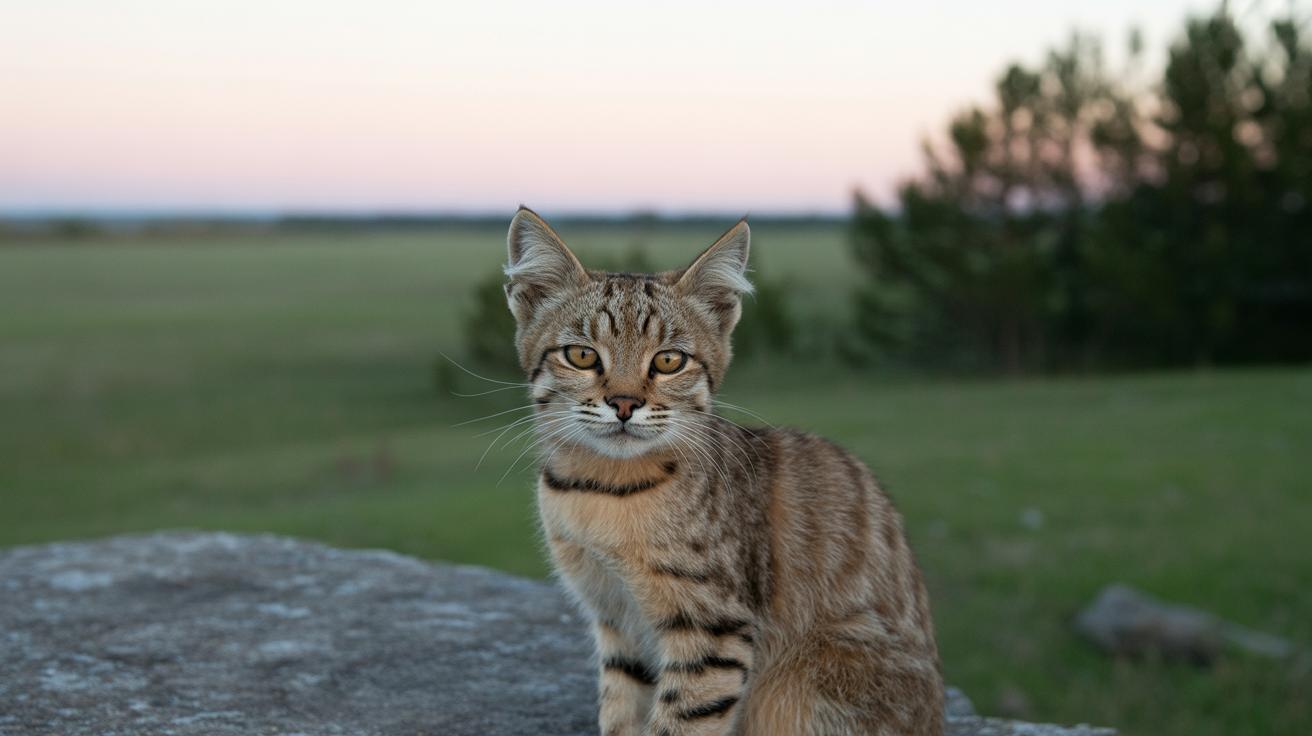
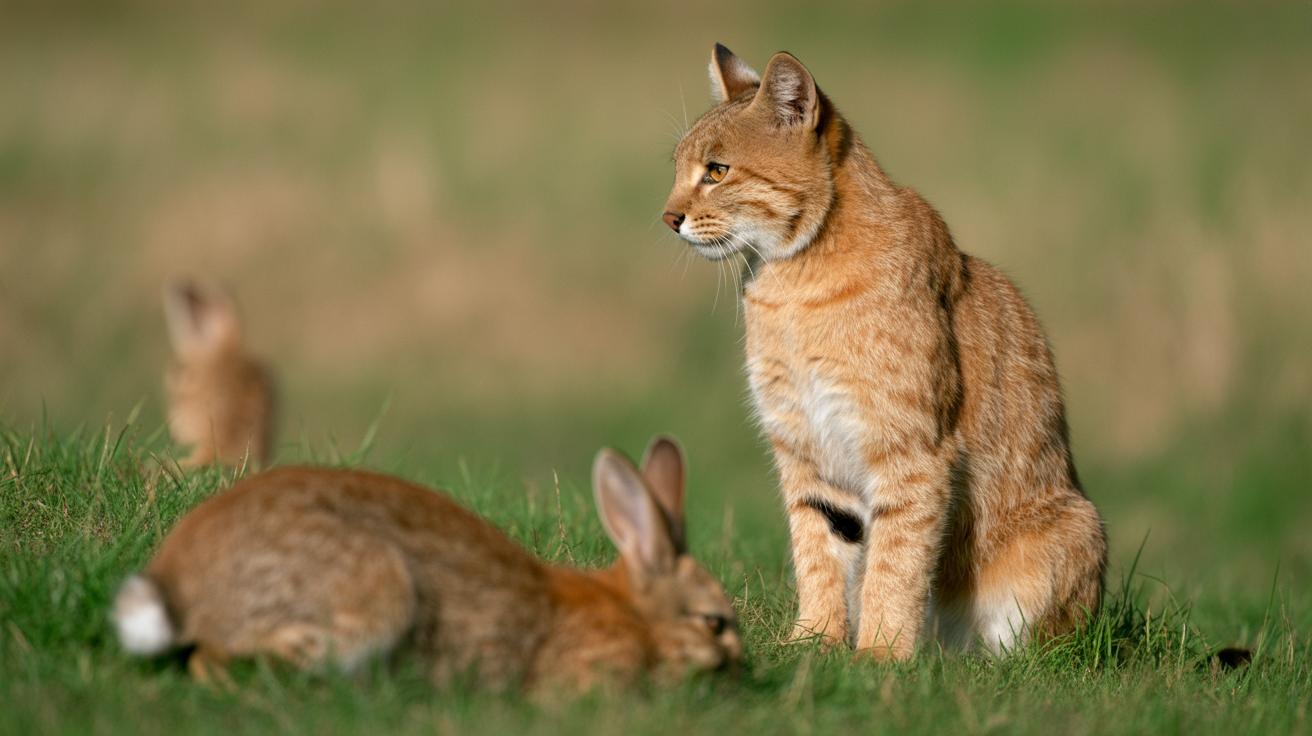
    Small wildcats stick to tiny prey: mice, voles, insects, and birds. Picture the satisfying crunch of feathers as a bird skitters away. Medium-sized cats like bobcats and lynx favor rabbits, hares, and sometimes young deer. They’re built for quick bursts and pounces.

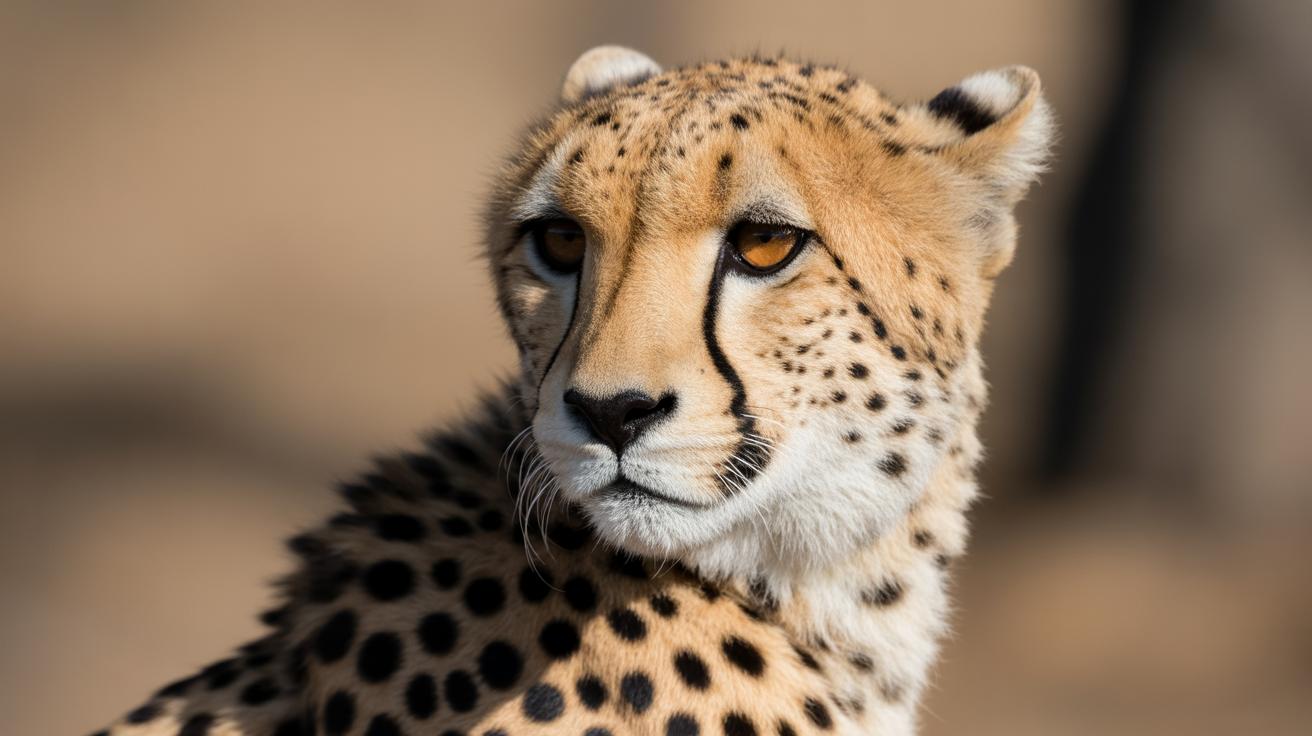
    Cheetahs and servals chase down fleet-footed prey , gazelles or small antelope for cheetahs, and rodents or birds for servals. Fishing cats and some otter-like species actually go after fish and crustaceans, slipping through reeds for something slippery and wet. Snow leopards and mountain cats take on sheep and goats in steep places, using stealth more than speed.

    Big hunters like lions and tigers tackle large hooved mammals , deer, wild pigs, even buffalo. That’s a heavy meal and a lot of drama. Size, habitat, and season change the menu a lot. In winter, when small prey hides, a wild cat might switch to whatever’s easier to catch.

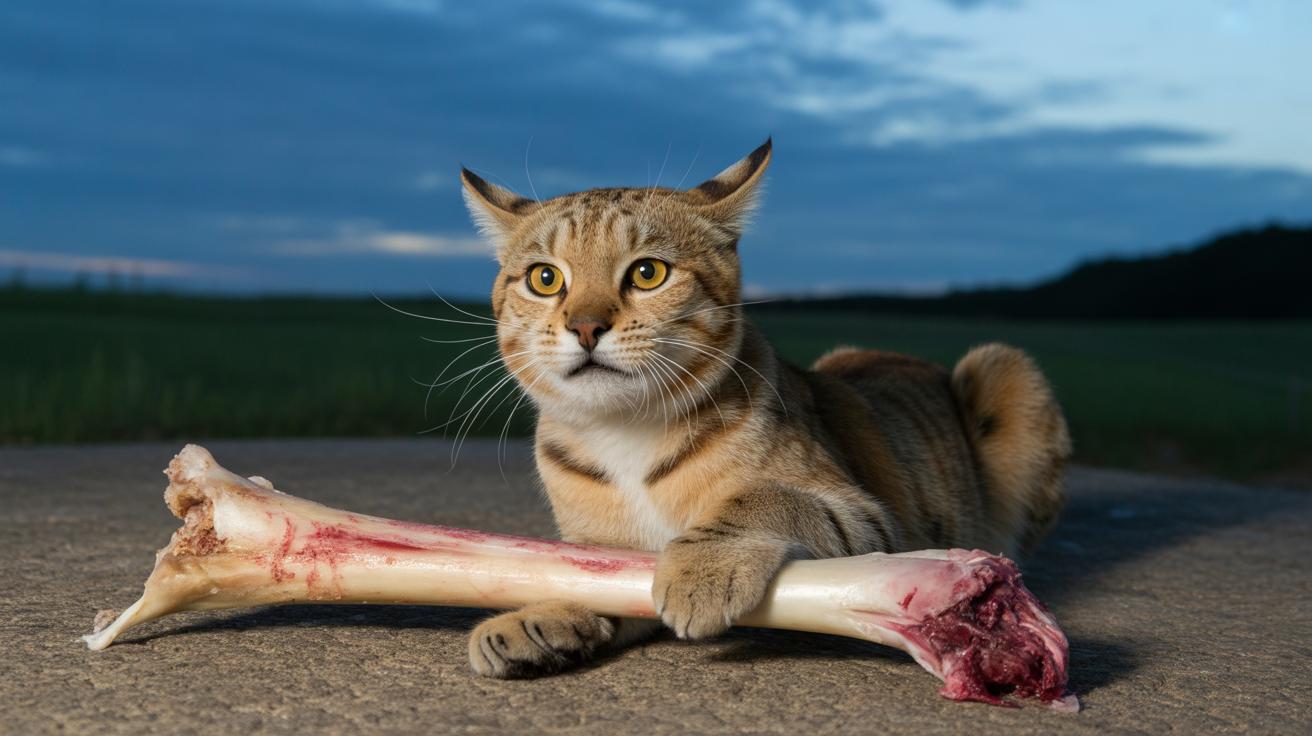
    Whole prey matters. Eating fur, organs, and bone (whole prey = the entire animal, not just meat) gives cats nutrients they can’t get from muscle alone. Organs (like liver) are vitamin-rich, bones supply calcium, and fur or feathers help wear teeth and move food through the gut.

    When food gets scarce, cats scavenge (eat leftovers or carrion) or hunt livestock. That’s when conflicts with people spike. A hungry cat might risk farmlands, which sadly often leads to retaliation or trapping.

    We’ll walk species-by-species through those menus, show why whole prey is so important, and explain what happens when natural food runs out and cats start eyeing our chickens or goats. Worth understanding if you care about cats , wild and furry, and a little unpredictable.

    What Do Wild Cats Eat: Diets by Species

    - Wild-cat diets explained typical prey and species differences.jpg

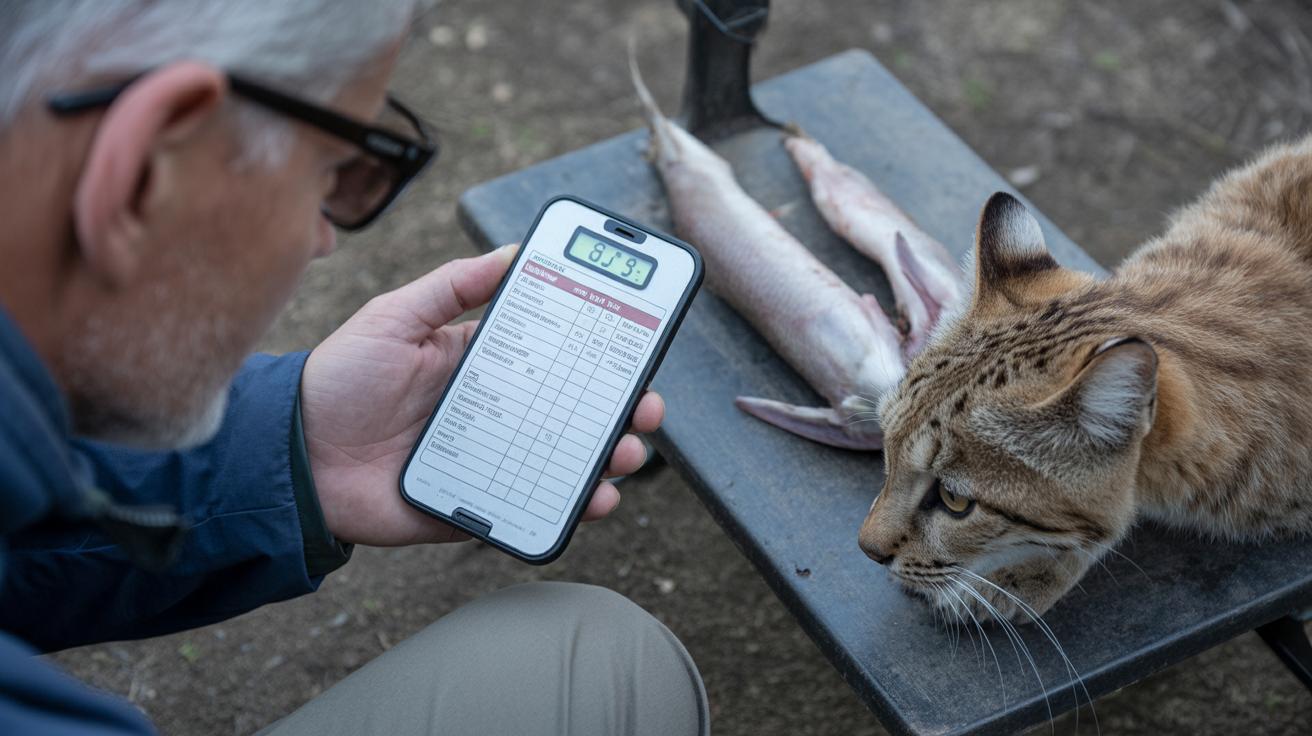
    Wild cats are obligate carnivores (they must eat meat). Their bodies are made to handle whole, raw prey, so most of their meals are meat and the parts that come with it. Small wild cats mostly hunt rodents and little birds , mice, voles, sparrows , and some specialists eat fish and crustaceans, like the fishing cat. Medium-sized felids go after bigger mammals and birds. Big cats usually hunt hooved mammals (ungulates) like deer and antelope.

    They don’t eat one big meal a day. Instead they nibble and pounce many times , several small feedings across the day. And they usually eat whole prey: fur or feathers, organs (like liver and heart), and bone. Organ meat packs vitamins and minerals. Bones give calcium and a satisfying crunch, and they help wear down teeth and exercise the jaw. Ever watched a cat pull at feathers or crunch a rib? It’s a good reminder their digestion expects whole prey.

    How a wild cat eats depends on its size, the season, what it’s learned, and what prey is nearby. A tiny forest cat will have a very different menu than a lion on the savanna. Feral cats show the small-prey pattern well: about nine mice a day on average, and many small hunters feed roughly 10 to 15 times daily. Think of it like a kitty buffet made of mousie snacks.

    Calorie-wise, wild and feral diets are mostly protein and fat. On average the split is about 52% protein, 46% fat, and 2% carbohydrate by calories. That low-carb part is important , cats don’t rely on carbs like some other animals do.

    When natural prey drops or people leave food around, wild cats shift to scavenging or go after livestock. That can increase conflicts with people and create real conservation headaches for communities trying to protect both farms and wild cats. So good prey management matters for everyone.

    Worth every paw-print. Watching a cat thrive on the right food , organs, bones, meat , is kind of magical, and it’s a neat reminder that their whole design is built for hunting and eating whole prey.

    Prey types wild cats eat: rodents, birds, reptiles, amphibians, fish, invertebrates

    - Prey types wild cats eat rodents, birds, reptiles, amphibians, fish, invertebrates.jpg

    Wild cats eat a surprisingly wide menu. Think of them as sleek little hunters picking what’s easiest to catch that day. Your neighborhood feral cat and a small wild felid (a small wild cat species) might eat very similar things, just at different scales.

    • Rodents , Mice, rats, voles, squirrels, hares, and rabbits make up a big part of many cats’ diets. Small rodents are grabbed in quick strikes, over and over during the day. You can almost hear the soft pounce and rustle as a cat scores another meal.

    • Birds , Small passerines (small perching birds like sparrows and robins) are common targets. Cats that hunt near water will also take waterbirds or shorebirds. Some cats wait by nests or along flight paths, sitting very still until the moment to leap.

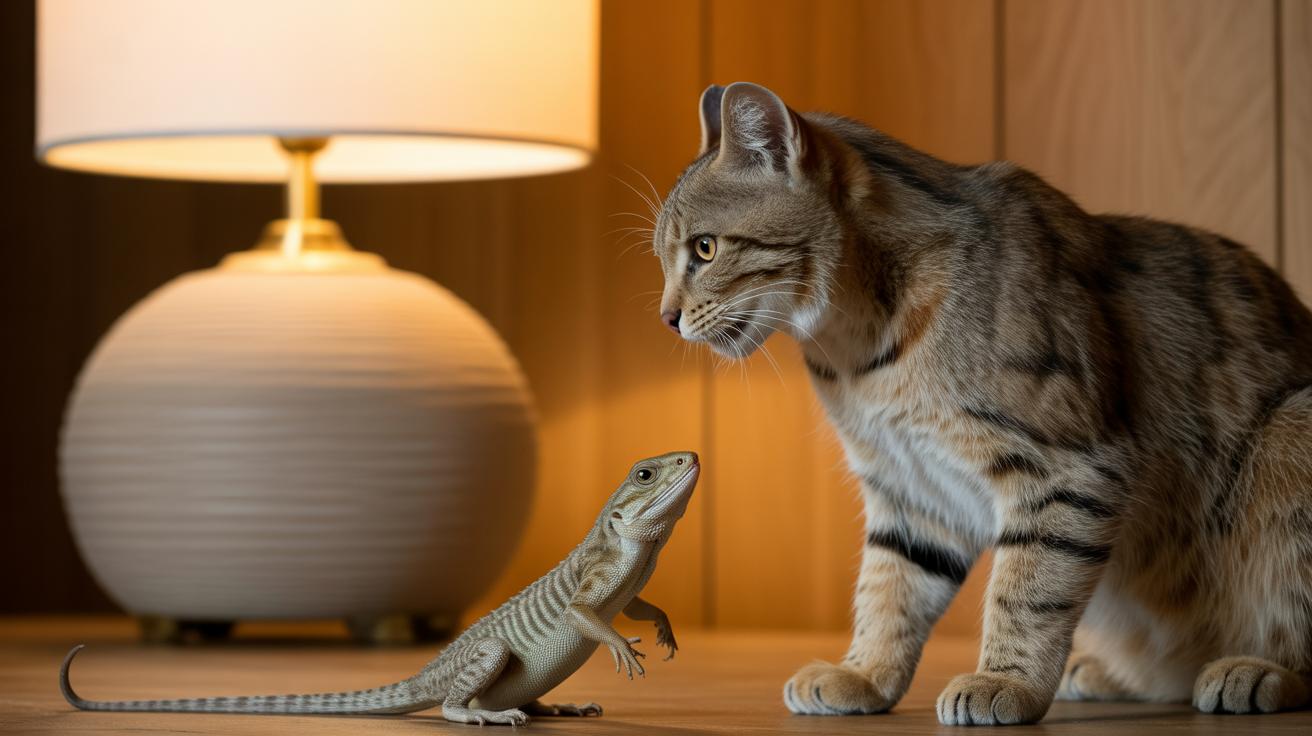
    • Reptiles , Lizards and small snakes are eaten where they live. Ground-dwelling reptiles get caught by stealth and a fast pounce. It’s all about patience and timing.

    • Amphibians , Frogs and toads show up on some menus, but watch out. A few toads have toxins that can hurt cats. See the Risks section for handling and treatment tips if you’re dealing with wild prey.

    • Insects and arthropods , Spiders, grasshoppers, cockroaches, and beetles give tiny but useful nutrients. They’re especially important for kittens and for smaller wild cat species that need lots of quick snacks.

    • Fish and crustaceans , Fishing cat and flat-headed cat specialize in fish and crabs, using paws or short dives to grab slippery meals. Think of it like watching a cat fish with its hands.

    • Eggs and nest prey , Eggs and nestlings get taken when cats can reach low shrubs or ground nests. It’s opportunistic, if it’s there and easy, they’ll try it.

    What a cat eats really depends on where it lives. A forest cat’s pantry is different from a savanna lion’s. Seasons, wetland presence, and nearby coastlines all change the menu. And that amphibian toxin risk? Yep, another reason to check the Risks section if you’re handling or rehabbing wild prey.

    Hunting techniques wild cats use: stalking, ambush, pursuit, and nocturnal feeding

    - Hunting techniques wild cats use stalking, ambush, pursuit, and nocturnal feeding.jpg

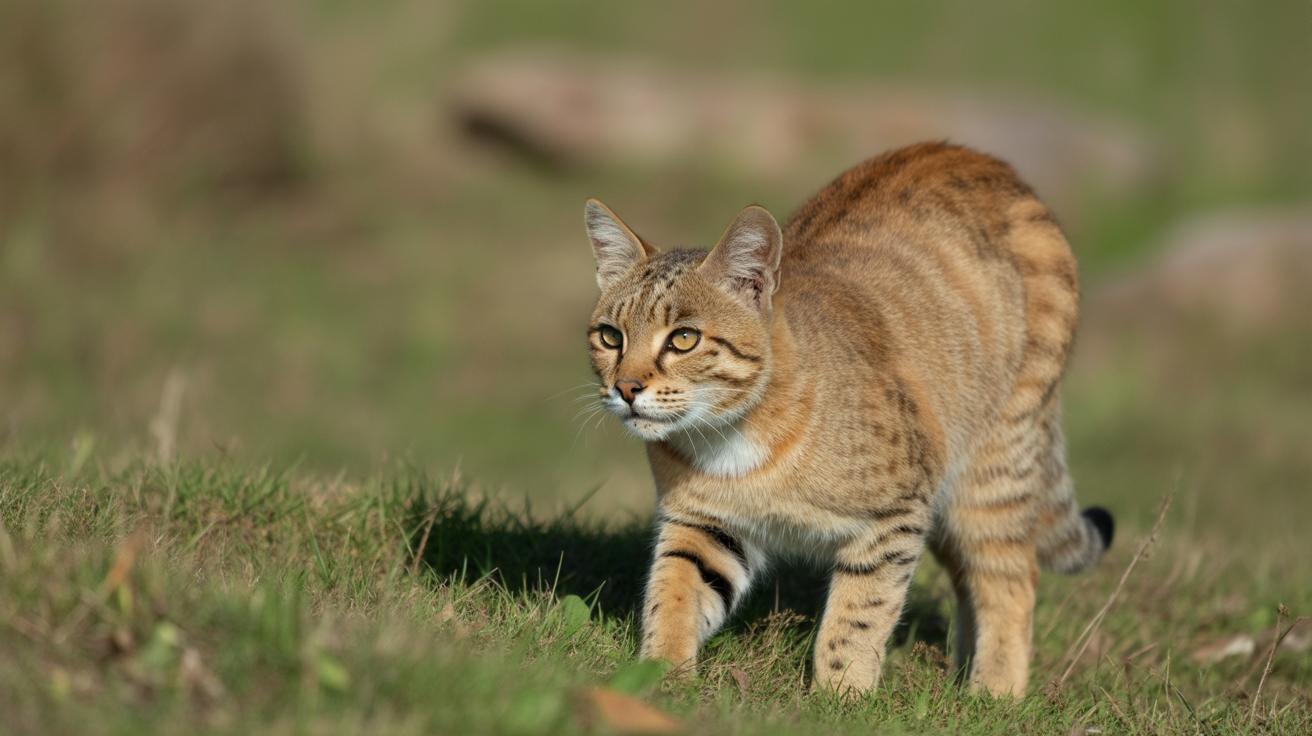
    Stalking and ambush are the backbone of how wild cats hunt. A cat freezes, belly low, ears forward, and inches closer until the strike distance feels right, then explodes into motion. Stealth comes from soft foot pads and whiskers (vibrissae that sense tiny air movements and brush). Body size and limb morphology (body and limb shape) shape how a cat strikes: short, powerful legs favor leaping pounces. Long limbs favor fast chases. Big muscles help when they need to grapple larger prey. Experience matters too. Older cats read wind and shadow better than kittens do.

    1. Stalk and pounce , Small wild cats and feral kitties sneak up on rodents and songbirds with a creeping approach, then launch a sudden vertical leap that covers a few feet and snags prey before it scatters. It’s precise. Quick and tidy.

    2. Ambush and wait , Tigers, leopards, and some medium-sized felids lie in wait near trails or waterholes, striking at close range with a lunging grab and a neck bite. Patient and brutal. Classic big-cat style.

    3. High-speed pursuit , Cheetahs are sprint specialists, hitting top speeds around 60 to 70 mph in short bursts. Their long limbs and flexible spine let them stretch out for huge strides as they chase fleet antelope. It’s all about acceleration and control.

    4. Water and paw-fishing , Fishing cats and flat-headed cats use their paws to scoop fish or probe shallow water, timing a quick swipe to surprise slippery prey. Think of a slow, careful paw reach followed by a snap. Slick, clever, and a little splashy.

    Many wild cats hunt at night. Big pupils and super-hearing help them find rustling prey in dim light. Daytime stalkers lean on sharp vision and contrast to pick out motion. Technique guides the finish: tiny prey often get a quick bite to the skull or neck. Bigger animals get held down and suffocated, usually by the throat. Fishing tactics focus on a secure catch and fast handling near water so the meal doesn’t slip away.

    Ever watched a cat freeze, then pounce? It’s a small, perfect thing. Worth every paw-print.

    How much wild cats eat: caloric needs, daily intake, and body-size differences

    - How much wild cats eat caloric needs, daily intake, and body-size differences.jpg

    Small wild cats spend their day on lots of tiny hunts. Think of a steady stream of mousie snacks, small birds, or little fish, many short captures instead of one big feast. Their energy comes from lots of quick meals, so if prey is nearby they eat a lot more often.

    Medium felids, like pumas or big bobcats, usually need about 2,000 to 4,000 kcal per day (kcal = nutritional Calories). They often take prey that weighs roughly 1–30 kg (2–66 lb). One big kill can feed them for a few days, with the cat coming back to nibble at the carcass. That pattern helps them save hunting energy by making fewer trips for bigger payoffs.

    Large big cats, such as lions and tigers, average around 5,000 to 10,000+ kcal per day (kcal = nutritional Calories). They can gobble many kilograms in one sitting, often 5–30 kg (11–66 lb) at a carcass. These big cats can fast longer and use fat reserves (stored body fat used for energy) to get through the lean times between major hunts.

    Body size changes everything. Smaller cats chase lots of tiny prey and eat several times a day. Mid-sized cats hunt bigger animals and return to a kill multiple times. The giants rely on a few big hunts, heavier meals, and stored fat to bridge the gaps.

    Worth every paw-print.

    Species size category Typical prey examples Typical daily feeding pattern/quantitative notes
    Small wild cats Small rodents, passerines, small fish Tens to a few hundred grams per day total; many short feeding bouts across the day
    Medium felids (puma/large bobcat-sized) Medium mammals and birds (1–30 kg / 2–66 lb prey) About 2,000–4,000 kcal/day (kcal = nutritional Calories); single kills may last multiple days with repeated visits
    Large big cats (lion, tiger) Ungulates and large mammals About 5,000–10,000+ kcal/day (kcal = nutritional Calories); single-meal consumption often 5–30 kg (11–66 lb); can tolerate longer fasts using fat reserves (stored body fat used for energy)

    Seasonal, maternal, and juvenile feeding: how wild cats learn what to eat

    - Seasonal, maternal, and juvenile feeding how wild cats learn what to eat.jpg

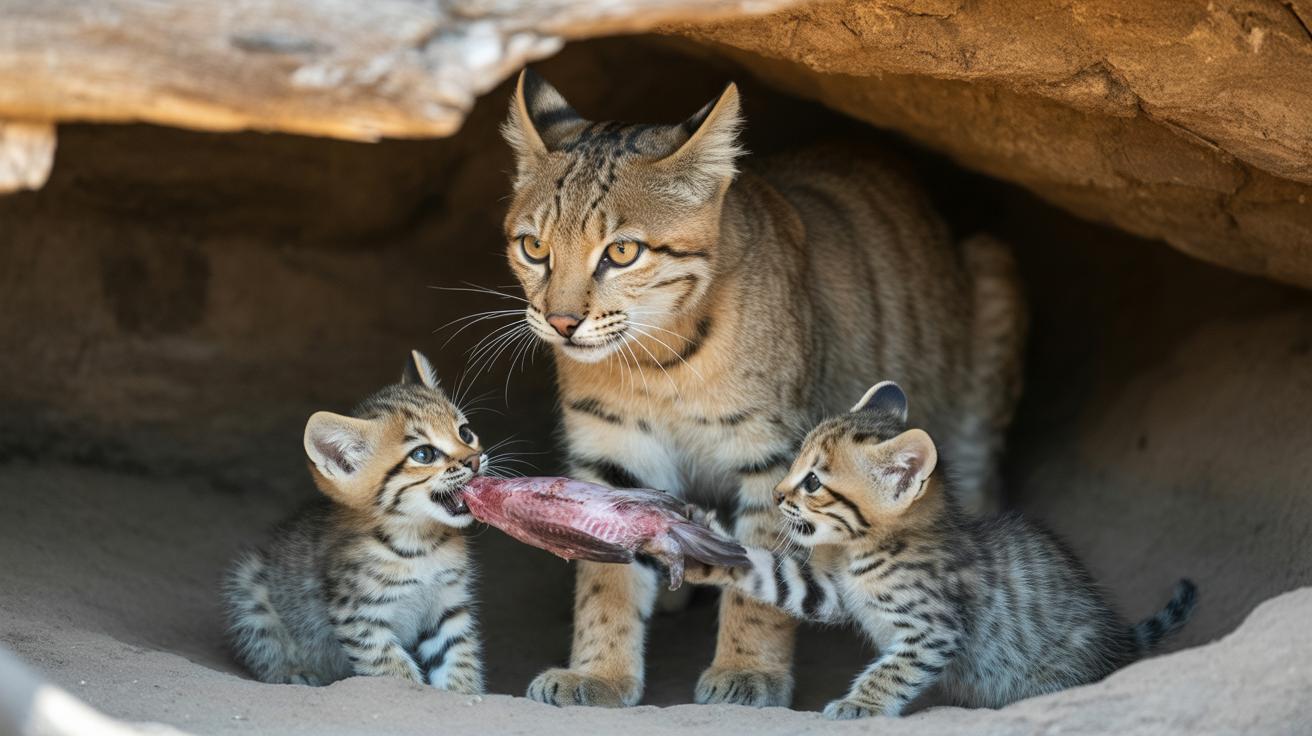
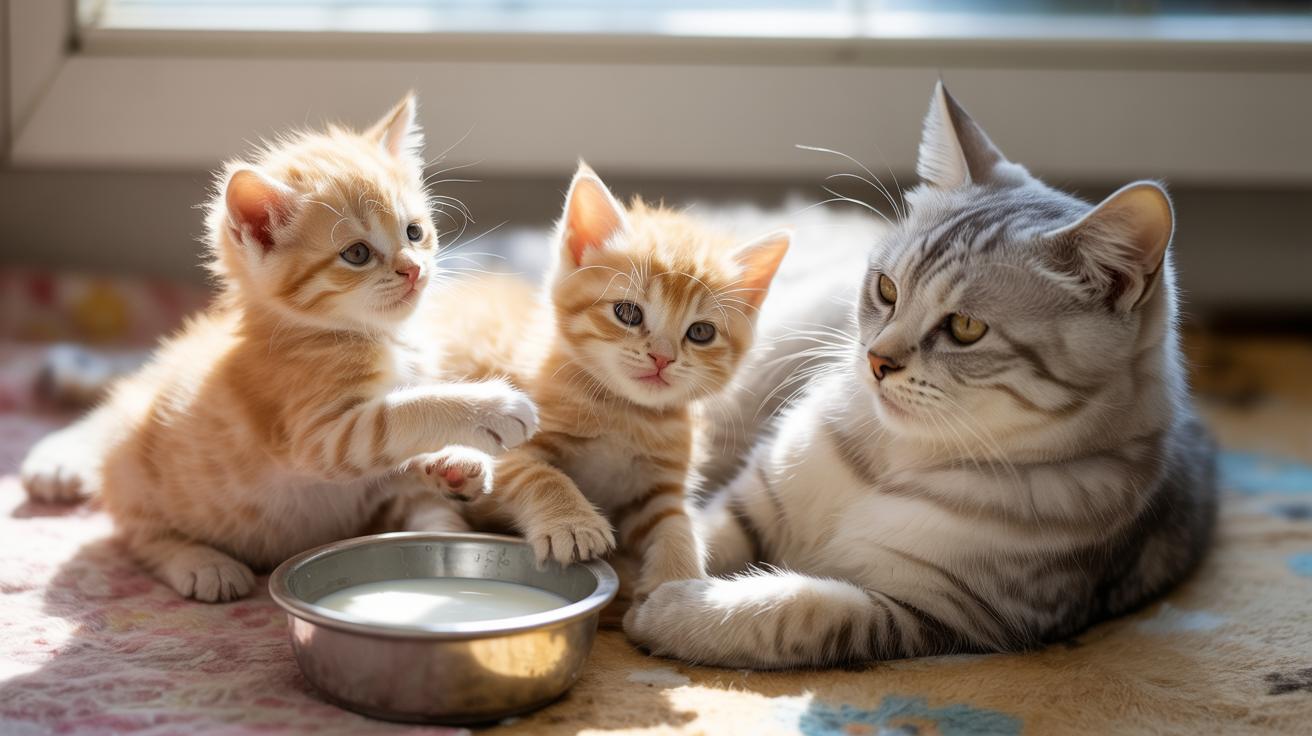
    Kittens start sampling solid food at about 4 to 5 weeks old, nibbling on bits of the whole prey their mother brings home (whole prey = an entire animal, not just scraps). Nursing usually continues until around three months, and weaning (when kittens stop nursing) is gradual, paced to the mother’s routine and whatever food is available locally.

    Moms are full-on teachers. They carry prey back to the den and put it in front of the kittens, sometimes still alive but injured, so the youngsters can practice biting, tearing, and swallowing. The smell of fur and blood, the rustle of feathers , all of that helps the kittens figure out what to eat and how to handle it. Cute, messy, and brilliant.

    Mothers even stage easy hunts on purpose, making a slow, deliberate catch so the kittens can watch, stalk a few steps, or chase it. Think of it as guided practice: the freeze, the stalk, the pounce. Kids go from awkward swats to cleaner, faster neck bites with every try. I once saw a tiny kit bat at a sparrow like it was a toy, then an hour later nail a near-perfect pounce , tiny improvements add up fast.

    Practice matters. Juvenile cats (young, still learning) get better with each attempt , shorter chases, sharper aim, more successful grabs. By watching, smelling, and touching real prey they learn which parts are richest: organs (nutrient-packed bits like liver and heart), meat, even bone, and they figure out how to handle feathers or fur without choking. Your cat’s whiskers twitch as it sizes up the prize , really sensory stuff.

    Seasonal cycles change the classroom. When small mammals (mice, voles) boom, moms can bring more frequent, easy meals and kittens learn quicker. When prey is scarce, litters see fewer whole kills and families widen their menu to include birds, insects, or scavenged meat. Those shifts shape when young cats hunt, how often they succeed, and how fast they become independent. Isn’t it neat how nature schools them, one tiny pounce at a time?

    Scavenging and urban diets: what wild cats eat near humans and feral survival

    - Scavenging and urban diets what wild cats eat near humans and feral survival.jpg

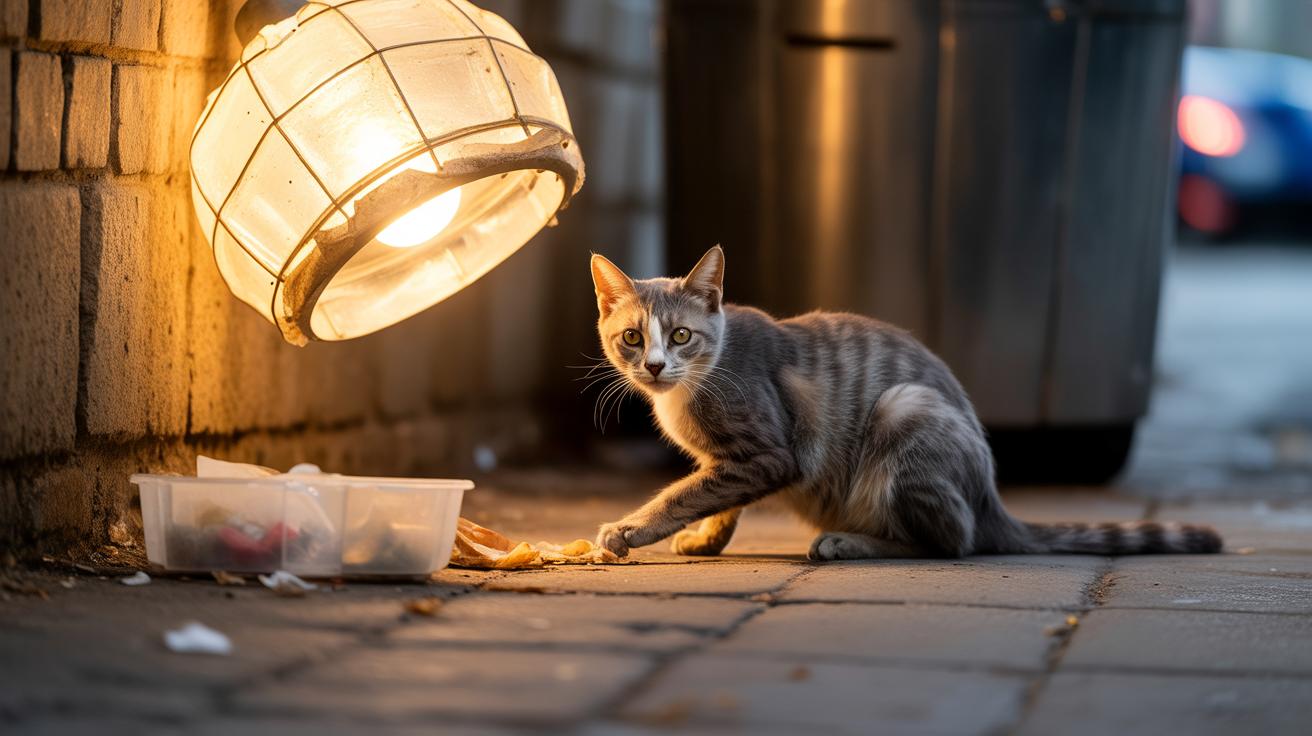
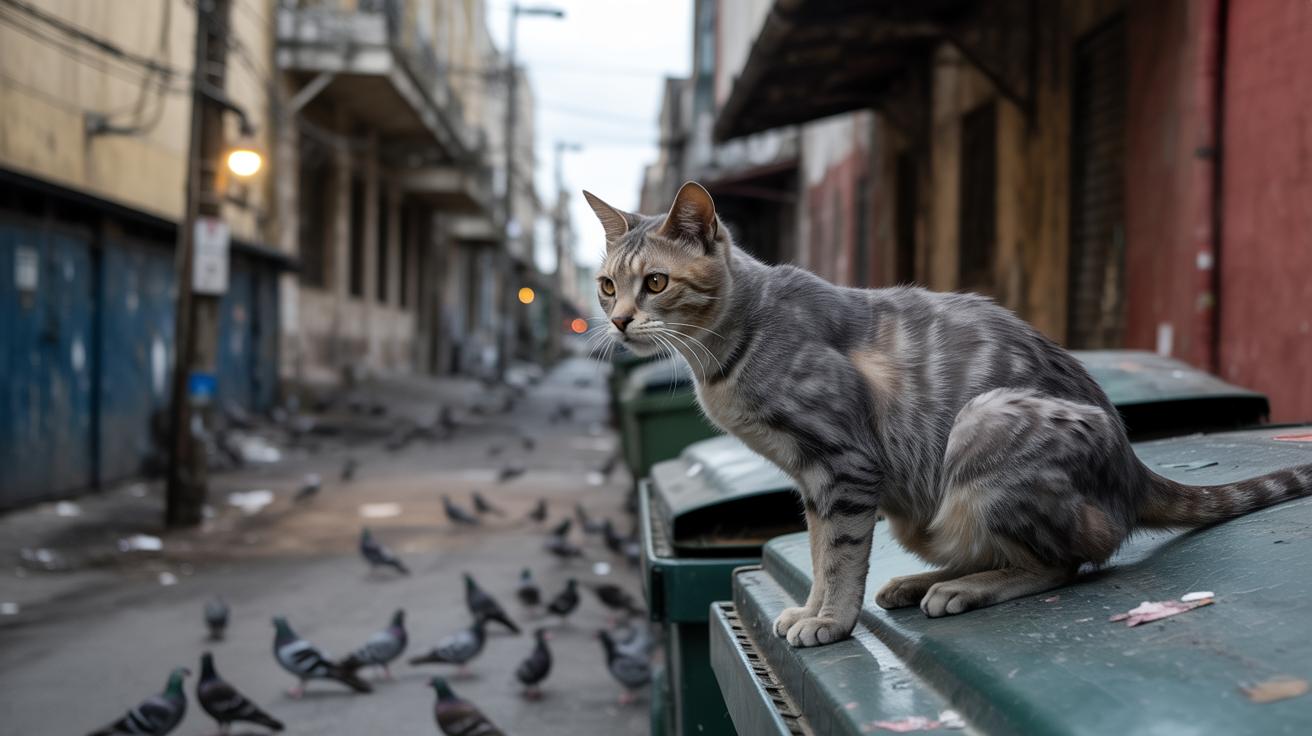
    When wild cats live near people, their menus change fast. They hunt less and scavenge more, and that shifts their nutrition, daily routine, and sometimes their health and behavior. Ever watched a feral cat hang around a backyard like it’s waiting for dinner? That’s the new normal in many places.

    • Hunted urban rodents and birds. These are still mostly protein and fat, which cats need. But prey can carry parasites (tiny organisms that live on or in animals), pesticides (chemicals that kill pests), or road-spill contaminants that raise health risks.
    • Kitchen scraps and garbage. These meals are often high in salt, fat, and carbs. They’re unpredictable and usually don’t give cats the nutrients they really need.
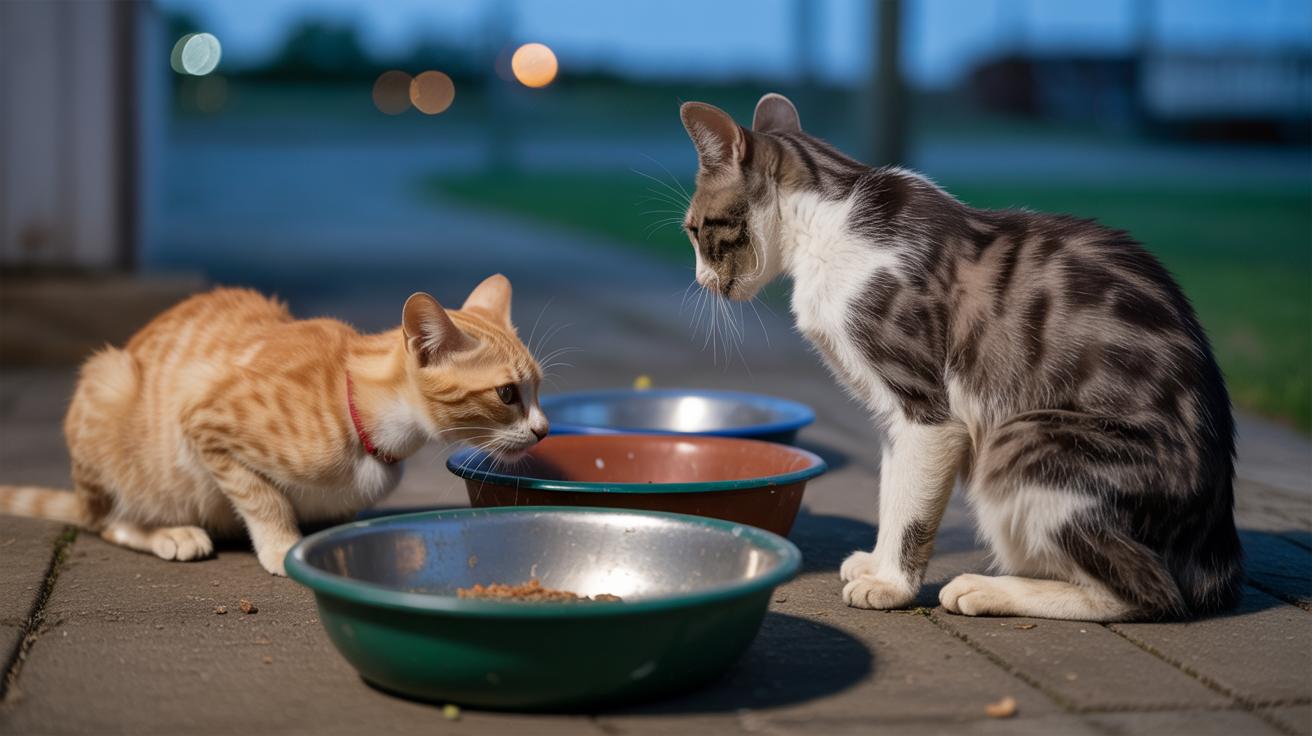
    • People who feed cats on purpose. Canned meat, table scraps, or bread will keep cats hanging around. Helpful, yes, but too-rich or constant feeding can cause weight gain and dependency.
    • Commercial dry food access. Kibble (dry cat food) often has extra carbohydrates and low moisture. If food is always available, cats graze and can get obese, suffer dental wear, and face kidney stress (extra work for the kidneys because the food has less water).
    • Opportunistic scavenging of carrion. Eating dead animals gives calories, sure, but it risks bacterial toxins, spoiled-meat poisoning, and parasites if the carcass is old or contaminated.

    All that extra carbs and processed stuff nudges cats away from their natural high-protein, high-fat pattern and toward problems like obesity, tooth disease, and kidney trouble. Dry-only diets add real dehydration risk, since cats usually won’t drink enough to make up for the missing moisture. Behavior changes too: less hunting, stronger loyalty to feeding spots, and more friction with people when cats depend on handouts.

    Quick tip: for busy days, toss a moist treat or a small can before you leave , that’s ten minutes of safe play and less scavenging. Also, for context about odd plant nibbling and myths about carnivores needing plants, see are domestic cats omnivores – it helps explain why occasional plant eating doesn’t make cats true omnivores.

    Risks and nutrition from prey: parasites, toxins, and digestion

    - Risks and nutrition from prey parasites, toxins, and digestion.jpg

    Raw prey can be risky. Parasites like Toxoplasma (a single-celled parasite), and helminths such as tapeworms (flatworms that live in the gut) can hitch a ride. Ectoparasites like fleas and ticks (bugs that live on skin and fur) and bacteria such as Salmonella and Campylobacter (germs that cause stomach upset) show up too. Your cat’s short, acidic stomach (low pH that helps break down raw meat) and quick digestion lower some risk, but they don’t make your kitty immune. So treat wild prey like it could be infectious. Ever watched your cat sniff a toad? Avoid feeding wild amphibians in rehab. Some toads carry toxins that can be dangerous.

    Freezing or cooking in controlled settings lowers some parasite risks, but it only works for certain agents. In the field, assume the worst and aim for simple, safe steps.

    Risk type Example agent or source Practical mitigation / field note
    Parasites Toxoplasma (single-celled parasite), tapeworms (gut flatworms) Quarantine new animals, run baseline fecal tests, deworm based on results, and dispose of infected carcasses safely
    Bacteria Salmonella, Campylobacter (gut-causing bacteria) Avoid spoiled carrion, wear gloves, wash hands and surfaces, and get vet help if vomiting or diarrhea appears
    Toxins Poisonous toads and some amphibians Don’t feed amphibians in rehab, rinse the mouth if exposed, and seek urgent vet care for drooling, tremors, or breathing trouble
    Scavenging hazards Botulism, very old or heavily contaminated carcasses Avoid carcasses of unknown age, refrigerate or destroy remains according to local rules, and treat exposed animals quickly

    Rehab and field routines really do save lives. Quarantine new rescues for observation, usually 7 to 14 days, and start with baseline fecal testing. Deworm according to test results and your vet’s plan. Keep vaccinations current. Use gloves and eye protection when you handle prey. Double-bag and clearly label carcasses before disposal. If you suspect venom or a bad toxin exposure, call your veterinarian right away.

    A steady routine and a calm vet partner make handling wild prey much safer for both cats and people. Worth every paw-print.

    What research reveals about what wild cats eat: scat, isotopes, and camera traps

    - What research reveals about what wild cats eat scat, isotopes, and camera traps.jpg

    Researchers use a few simple but powerful tools to learn what wild cats eat. Each method tells a different part of the story, and together they make a clear picture of feline dining habits.

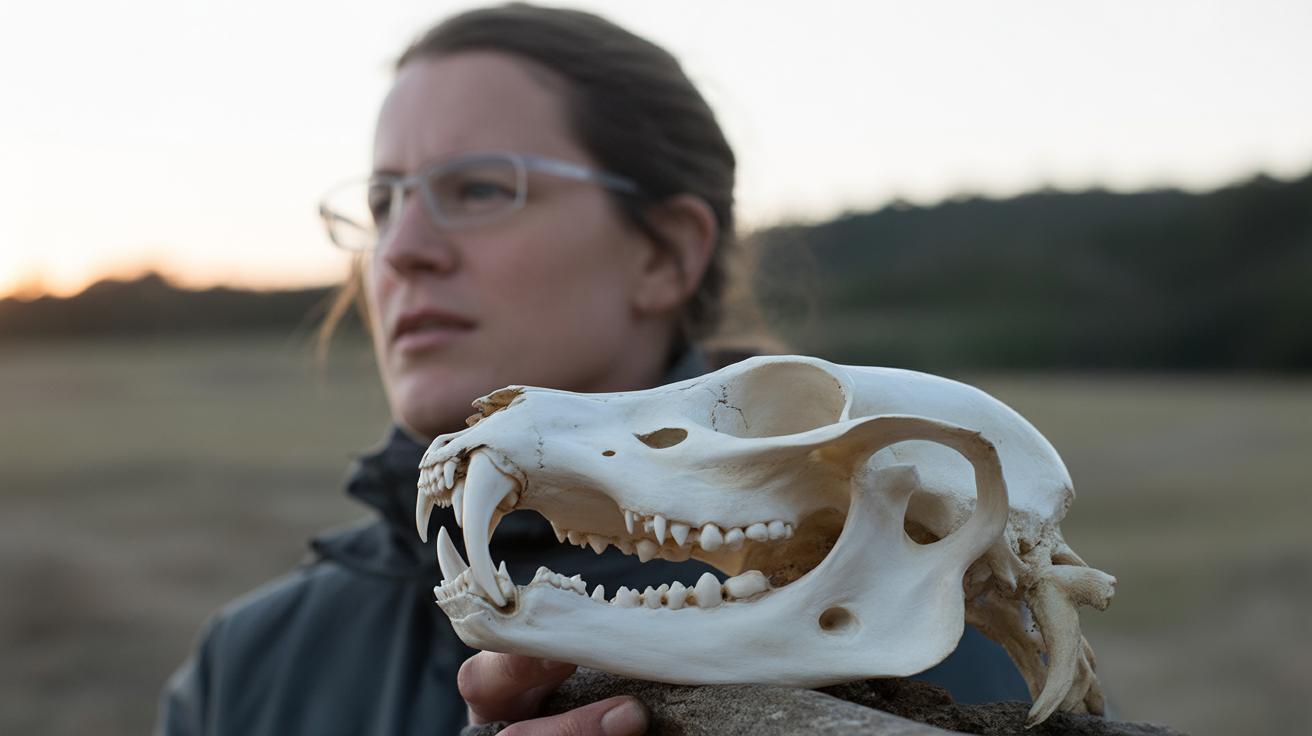
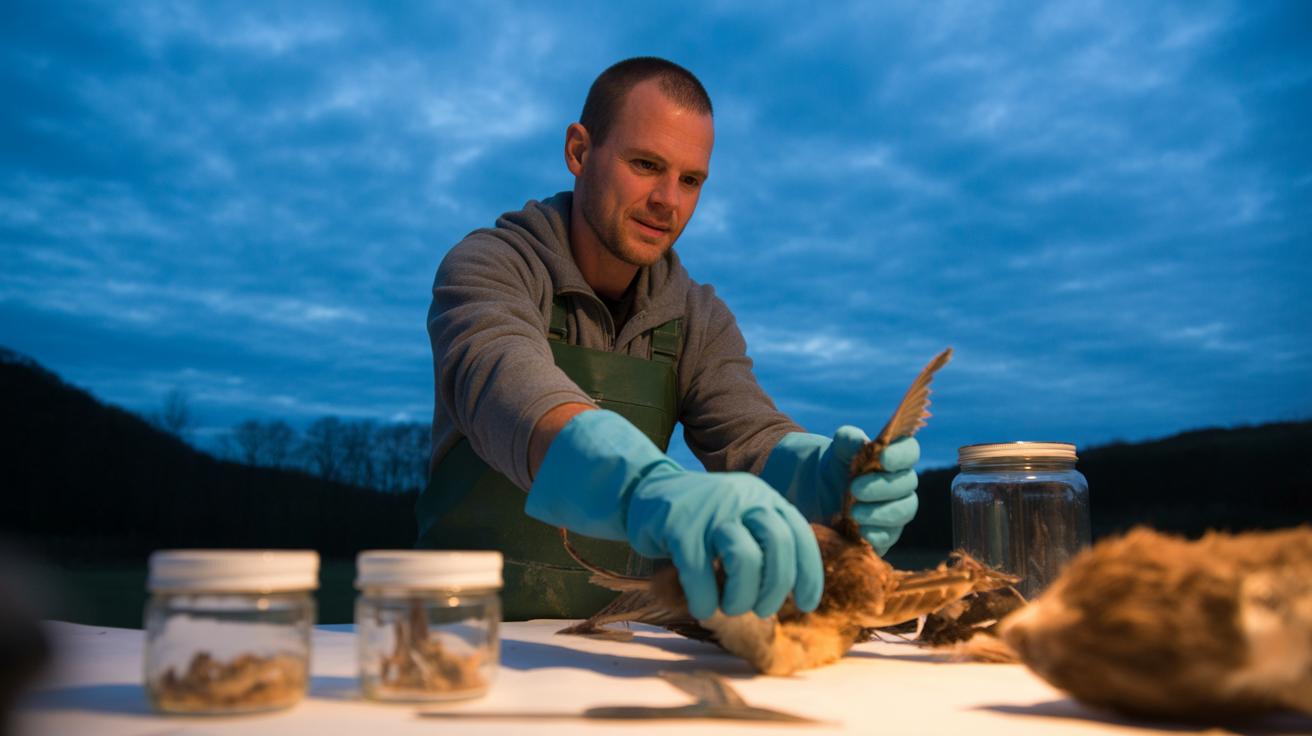
    Scat analysis (scat = animal poop) is the go-to for diet studies. You can match bits of hair, bone fragments, and tiny feathers in the poop to known prey species, so you get a pretty concrete list of recent meals. It also gives frequency data – how often mice or sparrows show up – and even odd finds like insect shells that hint at snack-sized prey. Scat has limits though: hard parts last longer than soft organs, so some prey get overrepresented, and old, weathered samples are harder to ID.

    Stable isotope analysis (stable isotopes = chemical signatures in tissues that reflect diet over weeks to months) looks at tissue chemistry to reveal long-term eating patterns. This method shows macronutrient balance and trophic level (trophic level = position in the food chain), so scientists can tell if a cat mostly ate small mammals, or had a diet with more fish over time. Think of it like a slow-motion view of the menu, not just yesterday’s dinner.

    Camera traps (camera traps = motion-triggered cameras) actually watch animals in the act. They record when cats feed, how they handle prey, and whether they hunt or scavenge, giving timing and behavior details that scat can’t. Ever watch a bobcat drag a rabbit? The footage fills in the picture in a way that bones and chemistry can’t.

    Direct observation and kill-site studies mean checking carcasses, bite marks, and cached food (caching = stashing prey for later). Those checks reveal prey size, how a kill was finished, and whether the predator saved meat for later meals. It’s hands-on evidence that ties behavior to the physical remains.

    Putting these methods together gives the fullest view: scat names the menu, isotopes show the long-run diet pattern, and cameras bring the meal to life. Recent studies often find differences by body size and a heavy reliance on small mammals in many systems. So, if you want to know what a wild cat really eats, don’t rely on one method – mix them and you’ll get the full story.

    Conservation, prey availability, and management implications for what wild cats eat

    - Conservation, prey availability, and management implications for what wild cats eat.jpg

    Ever watched a wild cat suddenly start hunting something new? When native prey falls because of habitat loss (when animals lose the places they live), pesticides (chemicals that kill pests), or heavy hunting by people, cats change menus fast. Tiny wild cats that mostly ate mice and sparrows may start snatching backyard poultry, and big cats pushed by prey shortages sometimes go after livestock. Near towns, pets, garbage, and people who hand-feed animals pull cats toward scavenging, and that ups conflicts with people. Yikes.

    So what helps? It’s a mix of fixing habitat and practical, on-the-ground defenses. Prey restoration (bringing back native small mammals and birds) and habitat corridors (strips of habitat that let animals move safely between areas) keep hunting natural and local. On farms, predator-proof coops (chicken houses that keep predators out), locked pens at night, and sturdy corrals cut losses. Guardian animals like dogs or llamas, plus motion-activated lights and sprinklers, are effective nonlethal deterrents. Community programs that pair managed feeding with vaccination and deworming, and trap-neuter-return (TNR, which is trapping feral cats, spaying/neutering them, then releasing) reduce disease and breeding booms. Restoring wetlands (marshy homes for shorebirds and small fish) helps specialists such as fishing cats, while smart rodent habitat management (changing where mice and rats live) can steer predators away from livestock.

    A quick note about feeding wild or feral cats. Casual handouts can create dependence, raise disease spread, and swell local cat numbers until authorities feel forced to intervene. Local ordinances and community-run feeding that include vet care and population control work far better than ad hoc handouts. When diet shifts cause livestock losses, people often push for lethal control, which hurts conservation goals, so humane, well-planned management matters for both farmers and felids.

    I once saw a barn cat slip out at dusk, whiskers forward, because the mice were gone and the coop looked easy. It’s sad, and it shows why we need both habitat fixes and practical protections. Help the prey, protect the people’s animals, and we can keep wild cats hunting wild food, not your chickens.

    Worth every paw-print.

    Final Words

    In the action, wild cats are obligate carnivores that eat whole, raw prey across size classes, from tiny rodents and birds to fish and large ungulates.

    We ran through hunting styles, meal patterns and calorie needs, how kittens learn, urban and scavenging diets, and the health risks from parasites or human food, practical stuff for conservation and care.

    If you wondered what do wild cats eat, the short answer is whole animal prey, raw and varied, shaped by species size and local prey availability.

    FAQ

    Frequently Asked Questions about Wild and Stray Cats

    What does a wild cat eat?

    A wild cat eats whole, raw prey — it is an obligate carnivore. Small cats take rodents and small birds; medium felids take larger mammals; big cats target ungulates like deer.

    What do wild cats eat during the day?

    During the day wild cats mostly eat birds, rodents, and small reptiles, hunting by sight and stealth. Whole prey provides the nutrients they need as obligate carnivores.

    What do wild cats eat and drink?

    Wild cats eat whole prey — muscle, organs, and bone — and drink from puddles, streams, or water in their prey. Their diet is high in protein and fat and very low in carbohydrates.

    What do wild cats eat at night?

    At night they target nocturnal rodents, bats, and small birds, using keen hearing and night vision. Many small species take frequent, short feeding bouts after dark.

    Do wild cats eat fish?

    Yes. Some species (e.g., fishing cats) specialize on fish and crustaceans; other species will eat fish opportunistically near water.

    What do stray cats eat in the wild?

    Stray cats eat rodents, birds, insects, and sometimes squirrels. They often scavenge kitchen scraps and human food, which increases carbohydrate intake and health risks.

    Where do wild cats live?

    Wild cats live in forests, grasslands, wetlands, deserts, and urban edges — essentially habitats that provide suitable prey and hunting opportunities.

    What does it mean when stray cats hang around your house?

    If stray cats hang around your house, they’ve likely found food, shelter, or social contact. They may be feral, lost, or expect handouts — approach gently and follow local guidance.

    Is it okay to feed a wild cat?

    Short-term feeding for water or emergency food is acceptable, but routine feeding can create dependence, obesity, and conflicts. Follow local animal-care policies and advice.

    Related Articles

  • Are Cheetahs Big Cats? Yes, But Not Panthera

    Are Cheetahs Big Cats? Yes, But Not Panthera

    Yep, cheetahs are big cats, but they’re not part of Panthera (the roar-making group that includes lions and tigers). Kind of surprising, right?

    Scientists put cheetahs in the subfamily Felinae (a scientific group for small-to-medium cats) and the genus Acinonyx (their own branch on the family tree) because bones and genes point the way. The voicebox, or larynx (the part that makes sounds), is a dead giveaway.

    Their larynx can’t make a true roar. Instead they purr and chirp, sweet, birdlike sounds that are surprisingly chatty. Don’t take that for weakness. Cheetahs trade a thunderous roar for rocket speed: light frames, springy spines (they stretch and snap back like a spring when they run), and semi-retractable claws (claws that stay partly out to dig in) that hook the ground. Ever watched one sprint? It’s jaw-dropping.

    Are Cheetahs Big Cats? Yes, But Not Panthera

    - Clear answer on cheetahs big cat status (terse lead).jpg

    Nope, cheetahs aren’t “big cats” in the Panthera sense. Panthera (the roar-capable big cats like lions and tigers) is a different group. Cheetahs sit in the family Felidae (the cat family), subfamily Felinae (small to medium cats), genus Acinonyx, species Acinonyx jubatus.

    Taxonomy makes it clear: they’re not Panthera. Oops, let me rephrase that , scientists look at bones and genes, and cheetahs don’t match the roar-makers. Their vocal anatomy (the larynx or voice box) is built so they purr and chirp, not roar.

    But don’t think they’re meek. Cheetahs are built for speed. They have a lightweight frame, long legs, a flexible spine (stretches like a spring when they run), and semi-retractable claws (claws that don’t fully pull in) to grip the ground. Their bodies trade roar power for rocket power.

    So yes, they’re large felids in size and presence. They’re just a different kind of big, fast, sleek, and chirp-happy. Worth every paw-print.

    Cheetah vocal anatomy and why they do not roar

    - Cheetah vocal anatomy and why they do not roar.jpg

    Cheetahs don't roar because their voicebox isn't built the same way as the big roars of lions and tigers. They lack a fully flexible, floating hyoid (U-shaped bone at the base of the tongue) and other laryngeal (voicebox) adaptations that let Panthera cats make deep, sustained roars. A floating hyoid helps the larynx vibrate and resonate more, and that extra vibration is what gives a roar its power.

    So cheetahs use different sounds. They purr, and they make a high, birdlike chirp that cuts across the savannah when they're trying to find cubs or a mate. Vocal anatomy is one of the traits scientists use to group big cats, so these differences help put cheetahs in their own corner of the family tree. Ever heard one? The chirp is oddly musical.

    • purr , a soft, continuous sound, like your house cat when it's relaxed.
    • chirp , a high, sharp call used for contact or alarm, almost birdlike.
    • growl , a short, low warning when a cheetah feels threatened.
    • hiss , a quick, defensive sound to warn off predators or rivals.
    • cough , a clipped, harsh noise sometimes heard during agitation or play.

    Not a roar, but still pretty cool.

    Size, weight, and physical comparison (field numbers and table)

    - Size, weight, and physical comparison (field numbers and table).jpg

    Here are field-reference numbers for adult cheetahs you can use in the field. Weight: 34–72 kg (kilograms). Body length: 112–150 cm (head and body, measured nose to base of tail). Tail length: adds 60–84 cm (base to tip, helps with balance). Shoulder height: 70–90 cm (ground to top of shoulder).

    These numbers are handy for quick ID. They don't change scientific classification. Think of them as dress code, not a family tree. Ever watched a cheetah stretch before a sprint? That long tail and slim body give you an instant clue.

    Species Typical weight (kg) Body length (cm) Shoulder height (cm)
    Cheetah (Acinonyx jubatus) 34–72 112–150 70–90
    Leopard (Panthera pardus) see species ranges see species ranges see species ranges
    Lion (Panthera leo) see species ranges see species ranges see species ranges

    Quick tip: for fast field ID, look for a slim build, long tail, and high shoulder flexibility, those are cheetah clues. Worth keeping in mind.

    Anatomy and locomotor adaptations that set cheetahs apart

    - Anatomy and locomotor adaptations that set cheetahs apart.jpg

    Cheetahs are built to sprint. Picture a spotted blur launching across the grass, muscles coiling and uncoiling. It’s all about speed, not strength.

    They have semi-retractable claws (claws that stay partly out to give extra grip), a super-flexible spine (the back bends and snaps back like a spring to lengthen each stride), and a long tail (a steering rudder for balance and quick turns). Their hind limbs, or back legs, are unusually long for body size, which boosts push-off power. And their hearts and lungs are enlarged (bigger organs to pump and oxygenate more blood), so they can fuel those short, explosive bursts.

    These bits work together: sticky claws for traction, a springy spine for big reach, long legs for power, and big lungs and heart for oxygen. Ever watched a cheetah twist mid-run to follow a zigzagging gazelle? That tail and flexible spine make it possible.

    But they’re not built like the heavy, power-built big cats that wrestle prey. Cheetahs prefer hit-and-run hunts. They use speed to catch and subdue prey, then get out of harm’s way instead of getting into long fights. Worth every paw-print.

    Taxonomy, genetics, and evolutionary relationships of cheetahs

    - Taxonomy, genetics, and evolutionary relationships of cheetahs.jpg

    Surprising DNA work (genomic tests, meaning DNA studies) shows cheetahs are genetically closer to pumas than to some other big cats. Puma (also called cougar or mountain lion) pops up as a nearer relative than you might expect.

    When scientists draw cat family trees (phylogenies, which are like evolutionary family charts) they find that being big and being a sprinter evolved more than once in different cat lines. In other words, the cheetah’s lightning speed and slim, sprinting body showed up independently, not as a direct gift from other big sprinters. Think of it like different designers building similar race cars.

    Cheetahs today have very low genetic diversity because of past population crashes (bottlenecks – sharp drops in numbers). That means many cheetahs share very similar DNA, which can make them more fragile to disease and reproduction problems. It’s a long-lasting mark from hard times in their history.

    • Closer: puma (cougar / mountain lion)
    • Closer: some small felids (smaller wild cat species)
    • More distant: Panthera (the big-cat group like lions, tigers, leopards, jaguars)
    • Transitional: Neofelis (clouded leopard genus)

    Pretty neat, right? Evolution can take different routes and still end up with similar, claw-tastic results.

    Are Cheetahs Big Cats? Yes, But Not Panthera

    - Conservation status, population numbers, and practical implications.jpg

    Yes, cheetahs are big cats , sleek, fast, and unmistakable. They belong to their own genus, Acinonyx, not to Panthera (Panthera is the group that includes lions, tigers, leopards, and jaguars).

    There are only about 8,000 cheetahs left in the wild. They have low genetic diversity (variation in genes within a population), which makes them more vulnerable to disease and causes trouble when breeding programs try to keep populations healthy.

    How we classify them matters. Classification (how scientists group animals) affects legal protection, who gets conservation funding, and reintroduction plans (putting animals back into places they used to live). So labels aren’t just words , they guide real decisions.

    Big threats right now:

    • Habitat loss , shrinking homes mean smaller, broken-up populations.
    • Human-wildlife conflict , farmers and herders sometimes lose livestock and retaliate.
    • Prey decline , fewer antelope and gazelles means hungry cheetahs.
    • Illegal trade , poaching and trafficking still take animals and cubs.

    Key programs helping cheetahs include the Cheetah Conservation Fund and local community research partners. These groups work on everything from habitat restoration to helping people coexist with cheetahs , practical stuff that actually helps animals survive.

    Worth protecting, right? Ever watch a cheetah sprint on video and feel that wow moment? That’s the kind of wild we want to keep around.

    Quick pointers

    - Quick FAQ pointers (direct readers to deeper sections).jpg

    Short, scannable notes that point straight to the full sections below.

    • Taxonomy: How cheetahs are classified (taxonomy is how species are grouped), their genetics (genes and heredity), and who they’re related to in evolutionary terms (who’s related to whom).
    • Roaring: Cheetah vocal anatomy (the body parts that make sound) and why cheetahs do not roar like lions or tigers.
    • Size figures: Size, weight, and simple physical comparisons to other big cats and similar-sized animals.
    • Field identification tips: Field ID tricks and practical comparisons to help you spot a cheetah in the wild or on camera.
    • Behavior and movement: Anatomy and locomotor adaptations (body features for running) that let cheetahs run so fast and move so differently.
    • Conservation numbers: Conservation status (how at-risk they are), current population numbers, and what those figures mean for protection efforts.
    • FAQs: Common questions and quick, clear answers.

    Example pointer format – "Size figures: Size, weight, and physical comparison"

    Are Cheetahs Big Cats? Yes, But Not Panthera

    - Field ID and practical comparisons spotting cheetahs from similar felids.jpg

    Quick, practical cues to spot a cheetah in the field or in photos. I’ll keep it simple and useful whether you’re watching from a hide or scrolling through pics.

    • Solid black spots, not rosettes (rosettes are clusters of spots that form rings, like on leopards).
    • Distinct black tear lines running from the inner eye to the mouth – they help cut glare and focus on prey.
    • Long, slim legs and a high shoulder profile that make them look built for speed. Think long limbs and a lean frame.
    • Long, ringed tail with a narrow, darker tip (ringed means bands of color); the tail acts like a rudder when they sprint.
    • Active by day – diurnal (active during daylight hours) rather than mostly at night.
    • Tail and stride show a sprint-specialist posture – short ground contact, long reach, and that low-to-the-ground sprint stance.

    From a distance light and motion can blur markings. So watch how it moves and the tail shape too. Ever seen one launch into a sprint? That’s the real giveaway.

    Final Words

    We answered the main question in the lead: cheetahs aren’t “big cats” in the roaring Panthera sense. They’re large felids in the subfamily Felinae.

    Why that matters: their hyoid (throat bone) and larynx don’t allow a true roar, their build favors sprinting over brute force, and genetics place them with non-roaring felids. Field ID, size figures, and conservation notes give practical context.

    So when someone asks are cheetahs big cats, you can say no, with respect for their speed and style. Pretty purr-worthy.

    FAQ

    Are cheetahs big cats, and are they cats or dogs?

    Cheetahs are not “big cats” in the Panthera roaring group; they are true cats (Felidae family), placed in subfamily Felinae (small- and medium-sized cats), and they are not dogs.

    Why are cheetahs not considered big cats?

    Cheetahs are not considered big cats. Their vocal anatomy lacks the flexible hyoid and laryngeal features needed for a full roar (hyoid: throat bone), a key Panthera trait.

    Can cheetahs roar?

    Cheetahs cannot roar. They purr, chirp, growl, hiss, and make a bark-like cough, their hyoid and larynx staying more rigid than those of roaring cats.

    Are cheetahs friendly?

    Cheetahs can be relatively tolerant and curious, appearing friendly in captive or socialized settings, but wild cheetahs remain wild and are not safe or suitable as pets.

    Where do cheetahs live?

    Cheetahs live across parts of Africa with a tiny Iranian remnant population; they favor open grasslands and savanna (open plains) that let them spot prey and sprint.

    Are cheetahs endangered and how many remain?

    Cheetahs are listed as vulnerable, with roughly 8,000 wild individuals; main threats include habitat loss, human conflict, prey decline, and illegal wildlife trade pressuring their recovery.

    What are the five big cats, and is the leopard one of them?

    The five classic big cats are lion, tiger, jaguar, leopard, and snow leopard; the leopard belongs to Panthera (roaring cats) and is counted among them.

    Related Articles

  • What Do Feral Cats Eat: Food & Risks

    What Do Feral Cats Eat: Food & Risks

    Controversial take: feral cats are elite hunters, not just dumpster divers. They survive mostly by hunting tiny animals: mice, voles (a small field rodent), birds, and insects, and by scavenging (eating leftovers or trash) when people leave food around. Ever watched one stalk? Their whiskers twitch and their whole body goes silent before the pounce.

    On average, a feral cat makes about nine prey kills a day. Their natural diet is roughly 52% protein (the muscle- and organ-building stuff), 46% fat (concentrated energy), and 2% carbs (sugars and starches). That protein and fat usually come from whole prey: muscle, organs, and a little bone.

    Want clear answers about what feral cats eat, the risks to wildlife and cat health, and smart feeding tips for caregivers who want to help without causing problems? Stick around, we’ll break it down simply and practically, no fluff.

    What Do Feral Cats Eat: Food & Risks

    - Quick answer  Executive summary that fulfills the query.jpg

    Feral cats mostly survive by hunting small wild prey, like rodents and birds, and by scavenging human food waste when it’s available. Ever watched one slip through grass to nab a mouse? They’re surprisingly efficient. On average, a feral cat makes about nine prey kills a day, and their natural diet is roughly 52% protein, 46% fat, and 2% carbohydrates.

    Common food items include:

    • Mice
    • Rats and voles/shrews (voles and shrews are tiny, mouse-like mammals)
    • Birds and eggs (often ground-nesting species)
    • Insects and amphibians (think beetles and small frogs)
    • Small mammals, occasionally
    • Garbage and food waste (human leftovers, compost scraps)

    Do: offer high-quality canned cat food (wet food) or use timed feeders (automatic dispensers that release meals on a schedule) so the cat gets many small portions that mimic hunting. For busy days, set a timed feeder to drop measured bites while you’re out. Don’t: feed dog food or leave dry kibble (dry food) out all day, because that promotes obesity and poor nutrition , and, um, nobody wants a pudgy prowler.

    Diet composition, caloric needs, and hunting patterns

    - Diet composition, caloric needs, and hunting patterns.jpg

    See Quick Answer for the headline macronutrients (protein and fat) and kill rate (how often they catch prey).

    Feral cats meet their daily energy by mixing hunting and scavenging, with long naps peppered by short, furious bursts of activity. Think of them as tiny predators that sleep a lot, then spring to stalk, pounce, and eat several small meals through the day. Your cat’s whiskers will twitch as a vole darts by, and then it’s showtime.

    Protein (muscle-building nutrient) and fat (concentrated calorie source) are the fuels for that stop-and-start life. Protein helps repair and power the muscles used in stalking and pouncing. Fat gives a bigger, longer-lasting energy boost and helps with thermoregulation (keeping the cat warm). Small prey means more frequent catches. Big prey pays off more calories, but it takes more effort to catch and handle.

    A few things change how many calories a cat needs. Pregnancy and nursing push needs way up. Cold weather raises the burn rate for warmth. Easy access to human food can pad calories but often lacks the right nutrients. Hunting success is hit-or-miss, cats take lots of tries for every catch, so scavenged food or handouts can smooth out intake, though they may not match natural prey in nutrient mix. Seasons, prey numbers, and individual health make food a moving target. Ever watched a skinny tom suddenly bulk up after a good mice season? It’s wild.

    Common hunting behaviors:

    1. Stalking , slow, low approach until the target is in pounce range.
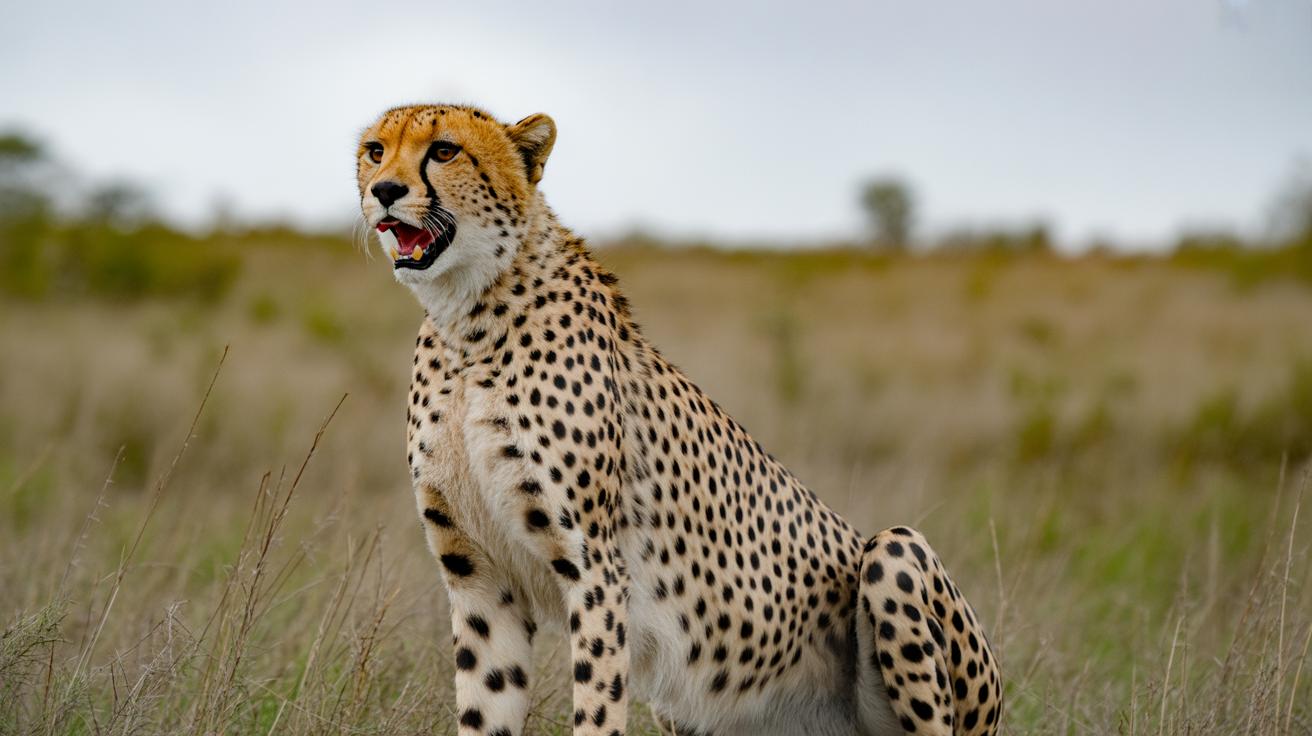
    2. Ambush to pounce , lie-in-wait at a runway or nest, then spring.
    3. Short pursuit , quick sprint after a flushed rodent or bird.
    4. Nocturnal or shifted activity , hunting at night or dawn when prey is most active.

    For caretakers watching a colony, simple checks go a long way. Do regular body-condition scoring (a hands-on check of ribs, spine, and fat cover to estimate weight) to see who’s losing or gaining. Keep records of feeding success at set feeding times so you can spot lean stretches. Use scheduled feeds to mimic those frequent small meals, and note which cats eat and when so you can target underweight individuals for extra help. Small monitoring steps make interventions smarter and less stressful for the cats.

    Worth every paw-print.

    Common prey: habitat-specific frequency and nutritional notes

    - Common prey habitat-specific frequency and nutritional notes.jpg

    Feral cats usually take whatever is easiest to catch or scavenge, and that mix shifts a lot with where they live. In cities you’ll spot more scavenged scraps and tiny urban rodents. On farms and in barns they chase voles, rats, and sometimes poultry. Along coasts they catch more birds and marine treats like fish or crabs. Ever watched one nose through a compost pile? That little investigation says a lot about what’s on the menu.

    Knowing the common local prey helps caretakers decide where supplements or mitigation matter most. If garbage is a big part of the diet, cats might be calorie-full but miss key nutrients. If rodents or birds dominate, the food will be higher in animal protein (muscle-building nutrient) and fat (energy cats burn well). Use habitat patterns to pick targeted feeding plans or wildlife-protection steps. See Quick Answer for headline macronutrients and kill-rate.

    Prey type Typical frequency (urban / rural / coastal) Nutritional notes
    Mice High / High / Moderate Small, protein-rich meals (muscle-building nutrient); easy to catch and digest, like tiny tasty snacks.
    Rats / voles Medium / High / Low Bigger rodents give more calories and fat (energy source) per catch; bones add minerals like calcium.
    Birds & eggs Low–Medium / Medium / High Top-quality protein and fat; eggs are calorie-dense and pack extra nutrients that growing kittens love.
    Insects & amphibians Medium / Medium / Medium Low per item but add variety and micronutrients; great practice prey for young hunters learning the ropes.
    Small mammals / rabbits Low / Medium / Low Rare big rewards , a lot of calories when caught, but they take more effort and skill.
    Garbage / food waste High / Low / Medium Often calorie-heavy and carb-rich compared with natural prey; may lack key feline nutrients like taurine (an essential amino acid for cats).

    Frequency ties straight to nutrition. Neighborhoods where garbage dominates can leave cats full yet nutrient-poor, while rodent- or bird-heavy areas give leaner, species-appropriate meals. Match any supplemental feeding to the common local prey so you fill gaps without encouraging risky scavenging. For example, a small can of high-protein wet food or a taurine supplement (if advised by a vet) can plug obvious holes. And secure trash and use timed feeders when you can , helps wildlife and keeps kitties safer, too.

    Worth every paw-print.

    Risks from prey and scavenged foods: parasites, poisons, and diseases

    - Risks from prey and scavenged foods parasites, poisons, and diseases.jpg

    Feral cats pick up a lot of hazards from what they eat. Parasites from prey are common , like tapeworms (parasitic flatworms that live in the gut) and roundworms (intestinal worms). External parasites such as fleas and ticks (tiny blood-sucking insects) also hitch rides. Toxoplasma gondii (a single-celled parasite) can come from raw meat or infected prey, and rotten carcasses can carry bacteria that make cats sick. Raw-feeding and scavenging raise the chance of all of these problems. Ever watched your cat chew on something gross? Yeah.

    Watch for these specific risks:

    • Internal parasites (tapeworms, roundworms, hookworms) , can cause weight loss, diarrhea, and a dull coat.
    • External parasites (fleas, ticks, mites) , itching, hair loss, and skin sores.
    • Toxoplasma gondii (toxoplasmosis) , usually mild in adult cats but can cause eye or neurologic signs and can spread to people.
    • Rodenticide poisoning (from anticoagulant baits or neurotoxic baits) , bleeding, weakness, tremors, or seizures.
    • Bacterial infection from carrion (Salmonella, Clostridium) , vomiting, diarrhea, fever.
    • Nutritional gaps from improper feeding (taurine shortfalls, vitamin imbalances) , can lead to heart or eye problems over time.
    • Toxic human foods (onions, garlic, chocolate, xylitol) , anything from upset stomach to organ failure depending on the item.

    Rodenticide is a big field hazard because poisoned rodents are easy prey. Anticoagulant rodenticides (they stop blood from clotting) tend to cause slow bleeding, pale gums, bloody stools, or sudden collapse. Neurotoxic baits affect the nervous system and can cause tremors, drooling, or seizures. Other dangers , pesticides, heavy metals in scrap food, or contaminated fish , can cause gut or neurologic signs after a cat eats them.

    Practical steps for caretakers: keep feeding areas clean, pick up carcasses right away, and don’t offer uncooked wild-caught meat. Use covered feeding stations and change feeding times so leftovers don’t get picked over by scavengers. If cats are trapped for TNR, ask the vet to deworm and check for common infections while they’re in. If you think a cat ate rodenticide or shows severe signs, call your vet or animal control immediately. Feeding/TNR and Special Cases sections should point readers to this section for full hazard details.

    Feeding feral cats: safe foods, feeding stations, schedules, and TNR coordination

    - Feeding feral cats safe foods, feeding stations, schedules, and TNR coordination.jpg

    Start with complete commercial cat food. Use quality canned food first , it’s closest to the protein-and-fat balance cats need and it helps with hydration. By complete I mean the food has all the nutrients a cat needs (vitamins, amino acids, minerals). Plain cooked boneless chicken or cooked fish can be a small treat now and then, but no cooked fish bones. Skip dog food and human staples like bread or leftovers; they don’t meet feline nutritional needs. For dangers from raw meat, scavenged carrion, or poisoned bait, check the Risks section below. Oh, and ever watch a feral cat lap from a bowl? Their whiskers flutter and it’s oddly calming.

    Feeding best practices (short and friendly):

    • Make canned cat food the mainstay , it’s hydrating and complete. Label opened cans with the date, for example: Opened 8/12 – use by 8/15.
    • Use high-protein dry food only sparingly for scheduled feeds; dry kibble is higher in carbs and can be left out too long.
    • Treats: plain cooked chicken or tuna only occasionally. No bones and no added seasonings.
    • Pick a quiet, low-traffic spot and set bowls up off the ground. Raised bowls cut down pests and can be easier on a cat’s neck.
    • Shelter the station from rain and add a nearby wind block or simple tarp for comfort during storms.
    • Clean leftovers within about an hour when you can; rotate and wash bowls with hot, soapy water. It keeps critters and smells down.
    • Pest-proof the station with lids, raised platforms, or timed feeders to limit access by raccoons or rodents.
    • Always offer fresh water. In freezing weather use insulated bowls or heated bowls (a bowl with a small built-in heater to stop ice).
    • Store unopened cans in a cool, dry place and seal dry food in airtight bins to keep pests out.
    • Keep a short feeding log: note dates, who showed up, and any thin or injured cats. Example log entry: Aug 12 – 5 fed; Cat B thin; Cat D limping.

    Coordinating feeding with TNR helps everything run smoother. TNR means trap-neuter-return (trap the cat, spay or neuter, then return to the colony). Pick consistent feeding times so the cats become predictable for humane trapping. Record who appears and when, then use those notes to pick trap days and plan helpers. Simple timing and a little patience go a long way.

    Winter and storage tips:

    • Add a small extra serving on cold days to help cats burn calories staying warm.
    • Use insulated water dishes or a heated water option so water doesn’t freeze.
    • Toss any open food that smells off; better safe than sorry.
    • Don’t leave large amounts of food out overnight when pests are a big problem. Seal dry food and keep opened cans chilled if you can.

    Quick safety note: avoid raw meat unless you’re trained in handling it safely; raw increases risks from parasites and illnesses. If you suspect baiting or poisoned food in the area, move feeding away and contact local animal control or your TNR group for guidance.

    Little tip from me: I once left a sheltered station by a porch step and started getting regulars within a week. Worth every paw-print.

    Special cases: kittens, lactating queens, and winter or emergency feeding

    - Special cases kittens, lactating queens, and winter or emergency feeding.jpg

    Kittens, especially orphaned ones, need species-appropriate feeding right away. Use a commercial kitten milk replacer (a formulated milk substitute that mimics a mother’s milk) for neonates (newborn kittens) , never cow’s milk , and feed with a small syringe or a nursing bottle warmed to body temperature (about the warmth of your wrist). Newborns usually need feeding every 2 to 3 hours; older kittens every 4 to 6 hours. Weigh them daily on a kitchen scale and watch for steady gains. Avoid tuna-only or single-food diets since growing bodies need a complete kitten formula packed with calories, protein, and essential nutrients. Ever watched tiny whiskers twitch while they feed? It’s the best.

    Lactating queens (mother cats) need a lot more calories and protein. Offer several small meals of nutrient-dense kitten food or high-calorie wet food so she can eat often while nursing , think of it as free refills for milk production. Give mom a quiet, sheltered spot to rest and eat without stress. Keep an eye on her body condition and the kittens’ weight gain; if mom is dropping too much weight or kittens aren’t thriving, contact a local rescue or your veterinarian for help. See Risks for pathogen and poisoning concerns.

    Winter and emergency checklist (critical steps for kittens and cold weather feeding):

    • Use appropriate milk replacer (not cow’s milk).
    • Warm feeding supplies and serve food slightly warm (test on your wrist).
    • Provide a sheltered feeding spot out of wind and wet.
    • Add extra calories by offering canned kitten food more often.
    • Monitor weight daily and keep a simple log of gains.
    • Contact a rescue or veterinarian if illness or poor growth appears.

    See Risks for pathogen and poisoning concerns.

    Monitoring what feral cats eat: research methods, colony monitoring, and wildlife impact measurement

    - Monitoring what feral cats eat research methods, colony monitoring, and wildlife impact measurement.jpg

    If you want to know what feral cats are actually eating, there are a few straightforward tools that researchers and caretakers use. Stomach-content studies (looking at prey remains inside a stomach), scat analysis (feces checked for hair, bone, or insect parts), camera traps (motion-activated photos or video), and feeding-station observation logs (who shows up and when) each tell part of the story. Put together, they give a clearer picture than guessing. Camera-trap caption example – "11:32 p.m.: tabby returns with a vole."

    Here’s a practical, low-fuss checklist for caretakers and small-scale researchers who want reliable data without overcomplicating things. Keep notes each month, aim for simple repeatable steps, and use lab help only when it’s feasible. See the Risks, TNR, and Feeding sections for more detail if you need to dig deeper.

    • Camera traps at feeding stations – set motion-activated units to record who visits and what prey they bring. Place them low and aimed at the feeding area so you catch tails, paws, and any snack deliveries.
    • Collect scat periodically for lab ID – seal samples, label date and location, and send for analysis when you can; lab ID (species or prey identification from hair, bone, or DNA) helps confirm what you saw on camera.
    • Monthly body-condition scoring – a quick hands-on check of ribs, spine, and fat cover (a simple score from thin to fluffy) tells you if cats are getting enough, or too much, to eat. Record the score and a short note each month.
    • Simple feeding/time logs – note dates, times, attendance, and any odd prey items you see or find. These logs make trap-neuter-return planning easier and support conservation decisions later.

    Ever watched a cat pad in at dusk, whiskers twitching as it sniffs around? Those little details matter. Small, steady records beat one-off guesses, and they’re doable even if you’re juggling work, kids, or 12 purring supervisors.

    Final Words

    You’ve got the quick answer, the macronutrient (protein, fat, carb balance) and kill-rate headlines, plus deep dives on diet makeup, habitat prey lists, risks from scavenged foods, feeding stations, and monitoring.

    Do feed complete, canned cat food and use scheduled, sheltered stations for TNR and records. Don’t offer raw scraps or exposed food that could carry poisons or pathogens.

    Keep it practical and calm. Small steps add up. Knowing what do feral cats eat will make you feline fine and ready to help.

    FAQ

    Frequently Asked Questions

    What do feral cats eat and drink in the wild, and when do they hunt?

    Feral cats eat mostly mice, rats, voles, birds, insects, eggs, and scavenged human food, and drink puddles or prey fluids. They hunt mainly at dawn, dusk, and night, with daytime naps.

    What do feral cats like to eat the most?

    Feral cats most prefer small mammals like mice and voles, followed by birds and eggs; these high-protein, high-fat prey fuel hunting and reproduction.

    What do stray cats eat in winter?

    Stray cats eat more in winter, relying on rodents, birds, sheltered scavenging, and human handouts; caretakers should offer extra calories and warm water.

    What can I feed a stray cat without cat food?

    Feed plain cooked boneless chicken or plain cooked fish, canned unsalted tuna sparingly, or kitten formula (nutrient-rich food for growing kittens); avoid raw meat, bones, and cow’s milk.

    Why is feeding stray cats sometimes illegal?

    Feeding stray cats may be illegal under local ordinances that limit feeding to prevent public health risks, nuisance complaints, and harm to wildlife; check local rules and coordinate with animal services.

    Should I feed feral cats, and will they starve if I stop?

    Feeding feral cats helps survival and monitoring, but feeding should pair with TNR (trap-neuter-return). Stopping suddenly can cause stress, so work with rescues for gradual plans.

    What do feral cats do all day?

    Feral cats spend most of the day resting and grooming, with short bursts of hunting, territory patrols, social interactions, and scavenging, especially around feeding sites.

    Related Articles

  • Scientific name for domestic cat — Felis catus

    Scientific name for domestic cat — Felis catus

    Think your cuddly housecat has only one official name? Some scientists don't agree. It turns out naming our furry roommates is a little more complicated than we thought.

    Most sources call the pet cat Felis catus (Linnaeus, 1758). Others write Felis silvestris catus, treating pet cats as a subspecies (a distinct population within a species). Say them out loud: Felis catus is FEE-lis KAY-tus, and Felis silvestris catus is FEE-lis sil-VES-tris KAY-tus.

    Why does the name choice matter? It shows up in vet records, research papers, and conservation lists. Scientists decide based on genetic studies (DNA, the tiny instruction code in every cell), archaeological finds (old bones and artifacts), and how much gene flow (interbreeding) happens between pet cats and wildcats.

    I’ll walk you through which databases favor which label, how to say the Latin names without sounding like a scientist on a podium, and why that little name can change research and protection efforts. Worth knowing if you care about your cat’s official story, and hey, it’s kind of fun trivia to drop at the next vet visit.

    Accepted scientific name for domestic cat , quick answer and pronunciation

    - Accepted scientific name for domestic cat  quick answer and pronunciation.jpg

    Official name most places use: Felis catus (Linnaeus, 1758). Some experts list the domestic cat as Felis silvestris catus (that second bit means they treat pet cats as a subspecies , a distinct population within a species). Check ITIS, IUCN, or NCBI in the Authoritative Sources section to see which label each database prefers, since listings do vary.

    Why two names? It comes down to how scientists weigh the evidence. Some taxonomists split domestic cats into their own species. Others keep them as a wildcat subspecies. Those choices rest on genetic studies (DNA research), archaeological records (old bones and artifacts), and how much gene flow (interbreeding) happens between pet cats and wild Felis populations. Ever watch your kitty pounce and think, huh , still a little wild at heart?

    Pronunciation: FEH-liss KAY-tus (fel-iss KAY-tus). You’ll see the Latin name on vet labels, in research citations, museum catalogs, and specimen records. It’s a neat way to keep IDs consistent and searchable , like a tidy name tag for every cat in the scientific world.

    Felis catus vs Felis silvestris catus , the taxonomic debate about the domestic cat name

    - Felis catus vs Felis silvestris catus  the taxonomic debate about the domestic cat name.jpg

    Scientists and cat lovers sometimes argue about what to call pet cats. Some say Felis catus. Others prefer Felis silvestris catus. This matters because the name affects studies, laws, and conservation plans. And you’ll see both names in field guides, lab reports, museum records, and big databases.

    Why the fuss? It’s about taxonomy (the study of naming and grouping living things). At the heart of the debate is whether domestic cats are a species (a basic group of animals that usually breed with one another) on their own, or a subspecies (a distinct population within a species) of the wildcat.

    Arguments for calling them Felis catus
    Fans of Felis catus point out that a single Linnaean binomial (the two-part Latin name system – genus + species) has been used for a long time. That keeps things tidy in vet notes, shelter records, and lots of scientific papers. Calling pet cats Felis catus also highlights that these animals live with people, have different behaviors, and are bred and managed in ways wildcats aren’t. For everyday work – clinical reports, breed studies, or shelter databases – Felis catus can make searching and record-keeping simpler.

    Arguments for calling them Felis silvestris catus
    Others prefer Felis silvestris catus because domestic cats look and behave a lot like wild Felis silvestris, and their genes are often very similar. In many places domestic and wild cats interbreed, which blurs the line between pet and wild animals. Using the subspecies name keeps the connection to wild populations front and center for conservationists tracking hybridization and the genetic health of native wildcats. In the field, real biology – body shape, gene flow, and local population history – helps decide which label fits best.

    What to do as a researcher, vet, or planner
    Because both names are still in use, say which one you follow when you report results. It saves confusion. See the Authoritative Sources section for database listings and a merged authority table that shows which institutions favor which treatment.

    Ever watched your cat sit in a sun patch and think, “Which name fits you?” Yeah, me too. Regardless of the label, most of us just want our kitties happy, healthy, and purring.

    Taxonomy and classification of the domestic cat (Genus Felis, Family Felidae)

    - Taxonomy and classification of the domestic cat (Genus Felis, Family Felidae).jpg

    The domestic cat lives on the small-cat side of the cat family. This rundown matches the standard scientific placement vets, researchers, and specimen records use. Knowing these ranks makes it easier to spot where Felis catus belongs among other animals, and why names sometimes shift between databases.

    • Domain: Eukaryota (cells with a nucleus).
    • Kingdom: Animalia (animals).
    • Phylum: Chordata (animals with a backbone).
    • Class: Mammalia (mammals, warm-blooded, with hair and milk).
    • Order: Carnivora (meat-eaters with teeth shaped for eating meat).
    • Family: Felidae (the cat family). Subfamily: Felinae (small cats, think nimble, often solitary hunters).
    • Genus: Felis (a group of closely related species – small wildcats and the forms that gave rise to our pet cats).
    • Species/subspecies: catus or treated as Felis silvestris catus (the domestic cat – which name gets used depends on the authority you follow).

    Common small-cat relatives in the genus Felis include the wildcat and the jungle cat , quick, compact hunters with similar body plans. Big cats like lions and tigers sit in a separate genus, Panthera, and belong to a different branch of Felidae. Ever watched your kitty stalk a toy and think “tiny tiger”? Yeah, me too.

    For a few light facts and curiosities, check fun cat facts.

    How to write, format, and pronounce the scientific name Felis catus

    - How to write, format, and pronounce the scientific name Felis catus.jpg

    Think of binomial nomenclature like a cat’s first and last name. It’s a two-part Latin name: genus (a group of related species) and species (the exact kind of animal), so you know who’s who.

    1. Write the full name in italics, with the genus capitalized and the species lowercase. Example: Felis catus. Genus (a group of related species) and species (the specific taxon) tell different parts of that name, kind of like family name and given name.

    2. After you use the full name once, you can shorten the genus to an initial. So use F. catus after the first mention. Keep the abbreviation italicized and include the period after the letter.

    3. If you’re mixing common and scientific names, put them together on first mention: domestic cat (Felis catus). Then just say “domestic cat” or use the shortened F. catus later, for easier reading.

    4. Authority and year (that little citation that says who named the species and when) are only needed in formal taxonomy or scientific publications. Check the Authoritative Sources section and add that string only when it’s required for a paper or catalog. For most articles, you can skip it.

    Pronunciation: FEH-liss KAY-tus (feh-liss KAY-tus). A common mistake is skipping the italics or capitalizing the species. Always write Felis catus in italics, with the genus capitalized and the species lowercase, when you’re using the binomial in formal text.

    Scientific name for domestic cat , Felis catus

    - Domestication, ancestry, and genetics related to the domestic cat name.jpg

    Ever notice how your cat still acts like a little hunter? That behavior ties back to the Near Eastern wildcat, Felis silvestris lybica, which most genetic studies point to as the main ancestor of our pet cats. Scientists and conservationists care about that family tree because it affects whether we call house cats a separate species or just a wildcat subspecies. It sounds picky, but names shape research, protection plans, and how we understand cat behavior.

    Archaeological evidence

    Bones and bits of old pottery show people and cats living close together in the Near East and eastern Mediterranean. A famous burial on Cyprus with a human and a cat dates to about 9,500 years ago, which reads like a long friendship. Domestic-style cats show up in Fertile Crescent villages by roughly 9,000 years ago, appear widely in Egypt by about 3,700 years ago, and reach much of Europe around 2,000 years ago. Those dates match how cats hung out near grain stores and ships, easy places to find mice and a travel buddy too.

    Genetic and molecular evidence

    Modern cats have roughly 38 chromosomes (DNA packages that hold genes) and about 20,000 genes (short instructions in DNA for traits). Genomic studies (the genome is the full set of genes) show domestic cats are very close to Felis silvestris lybica, which supports the idea that wildcats adapted to life around people. But ongoing hybridization (interbreeding with nearby wild Felis populations) blurs lines and makes a single label less neat. Molecular clocks suggest the genus Felis split from other cat lineages about 6 to 7 million years ago, while the whole cat family likely diverged 10 to 15 million years ago, so those deep splits long predate humans teaching a wildcat to nap on a sunny windowsill.

    Both the archaeology and the genetics feed the species-versus-subspecies debate: clear domestic ancestry points one way, and genetic continuity plus local mixing point the other. Want to read about how living near people shaped early cats’ diets? See are domestic cats omnivores (https://titanclaws.com/are-domestic-cats-omnivores/).

    See the Authoritative Sources section for database records and the Formatting section for citation conventions.

    Authoritative sources, databases, and citations for the domestic cat scientific name

    - Authoritative sources, databases, and citations for the domestic cat scientific name.jpg

    Taxonomic databases (online lists that track species names and classification) are your best stop to check which Latin name is treated as the accepted one for the domestic cat. They pull together expert opinions, published taxonomy, and specimen records. Use them when you need a final label for a paper, a museum collection, or a database entry.

    Here’s a simple checklist to verify listings. It’s short, honest, and it works.

    • Search ITIS (Integrated Taxonomic Information System – a standardized name registry). Note whether it marks a name as accepted, copy the TSN (Taxonomic Serial Number – a unique ID), and record any synonym entries (alternate names).
    • Check the IUCN Red List (global conservation assessments). Read how they treat wildcat and domestic forms, and look for any subspecies framing or conservation notes.
    • Open NCBI Taxonomy and genome records (genetic database). Find the TaxID (numeric ID for taxa), linked genome assemblies (the actual DNA data files), and see how genetic resources label the taxon.
    • Query GBIF (Global Biodiversity Information Facility – occurrence records database). Look at specimen and observation records to see which name people actually use in the field.
    • In every database, scan fields labeled "accepted," "synonym," or "taxonomic note." Read notes about regional treatments or hybridization (mixing between wild and domestic forms).

    If the names don’t match across resources, don’t panic. Record which database you used and the date you checked it – taxonomy changes as new studies appear. Keeps things reproducible. Ever watched your cat switch favorite toys overnight? Taxonomy can be a bit like that.

    When you prepare citations, include the authority and year when a journal or formal practice requires it (the authority is the person who first named the species). List synonyms you relied on so readers can trace older literature. Use italics for the binomial name and follow standard abbreviation rules (for example, F. catus) where appropriate. See the Formatting section for exact presentation rules on authority/year, italics, and abbreviations.

    Authority Preferred name listed Notes
    ITIS Felis catus Often listed as accepted; includes TSN (Taxonomic Serial Number) and synonym entries
    IUCN Red List Felis silvestris (discusses domestic forms) Treatment focuses on wildcat taxa and conservation issues
    NCBI Felis catus Taxonomy and genome records use TaxID (numeric taxon ID) and link genome assemblies
    GBIF Both names appear Occurrence records indexed under Felis catus and F. silvestris catus

    Final Words

    Accepted name: Felis catus is the common listing. Some authorities treat the domestic cat as Felis silvestris catus, so check the Authoritative Sources section to see which database you prefer.

    We covered the species-versus-subspecies debate, the taxonomic ladder from Domain to Genus, pronunciation tips (FEH-liss KAY-tus), and the domestication and genetic evidence that feed into naming choices.

    Write the name in italics with a capitalized genus, look up ITIS/IUCN/NCBI/GBIF for verification, and enjoy the clarity, Felis catus.

    FAQ

    Frequently Asked Questions

    What is the scientific name for the domestic or house cat?
    The scientific name is Felis catus. Some authorities list it as Felis silvestris catus (a subspecies); check authoritative databases for the preferred listing.
    <dt>Why do both Felis catus and Felis silvestris catus appear in sources?</dt>
    <dd>They reflect different taxonomic views: Felis catus as a distinct species versus Felis silvestris catus as a subspecies of wildcats, based on genetics and historical classification choices.</dd>
    
    <dt>What is the genus of the cat?</dt>
    <dd>The genus is Felis, the small-cat genus that groups domestic cats with closely related wild Felis species.</dd>
    
    <dt>What is the scientific name for the domestic dog?</dt>
    <dd>The domestic dog is commonly listed as Canis lupus familiaris (the domesticated form of the wolf). Older sources may use Canis familiaris.</dd>
    
    <dt>What is the wild cat scientific name and ancestor of domestic cats?</dt>
    <dd>The wildcat is Felis silvestris. The Near Eastern wildcat, Felis silvestris lybica, is the main ancestor of domestic cats.</dd>
    
    <dt>Do female domestic cats have a different scientific name?</dt>
    <dd>No. Both sexes share the species name Felis catus. Informal terms like "queen" are used for adult females.</dd>
    
    <dt>Is a house cat genetically 95.6% tiger?</dt>
    <dd>That claim is misleading. Felids share many genes, but domestic cats are much closer genetically to wildcats (F. s. lybica) than to tigers.</dd>
    
    <dt>What are the seven levels of classification for a cat?</dt>
    <dd>The seven standard ranks: Kingdom Animalia; Phylum Chordata; Class Mammalia; Order Carnivora; Family Felidae; Genus Felis; Species catus.</dd>
    

    Related Articles

  • Amazing Cat Facts: 25 Quick Feline Surprises

    Amazing Cat Facts: 25 Quick Feline Surprises

    Think you know cats? I bet you don't. We packed 25 quick, weird, totally shareable feline facts into one lightning-fast read. You'll get hair-raising stats, tiny tiger DNA comparisons (DNA is the genetic blueprint), sprint speeds that make you blink, and sleep totals that explain all the napping.

    Perfect for slipping into a DM, nailing a party-trivia win, or that moment your cat stares at you like it owns the room. Ever had your cat lock eyes and you just freeze? Drop one of these facts and you’ll sound like the resident cat expert , claw-tastic.

    Short, fun, and full of stuff that makes you smile and say, "No way." I once watched Luna leap six feet for a scrunched-up paper ball, true story. Worth every paw-print.

    20 Shareable Cat Facts , Fast, Share‑Ready Lead

    - 20 Shareable Cat Facts  Fast, ShareReady Lead (answers first).jpg

    Ready for 20 bite-size, paws-itively shareable cat facts you can copy, post, or DM – pick your favorite and spread the kitty joy!

    1. Fact #1 , Domestication: Domestic cats were first tamed about 9,500 years ago in the Fertile Crescent (the Middle East region where farming began), where they kept grain stores free of rodents, thanks, ancient farmers!

    2. Fact #2 , DNA link to big cats: House cats share roughly 95.6% of their DNA with tigers (genomic – DNA-level studies), which helps explain those tiny-tiger moves when they pounce.

    3. Fact #3 , Why cats can’t taste sweetness: Cats lack a working sweet-receptor gene (the taste gene that senses sugar), so candy and ice cream just don’t taste the same to them.

    4. Fact #4 , Field of view & blind spot: Cats see about 200 degrees around them, but they have a small blind spot right under the nose, perfect for spotting movement across a room, less great for that toy under the couch.

    5. Fact #5 , Top sprint speed: A domestic cat can sprint roughly 30 to 31 mph in short bursts, thanks to explosive hind-leg power, blink and you’ll miss the zoom.

    6. Fact #6 , Jumping height: Cats can leap up to five times their own height because of powerful hind legs and a super-flexible spine, watch those rear legs coil like springs.

    7. Fact #7 , Adult bones: An adult cat ends up with about 230 bones after the juvenile ones fuse together, more bones than humans, and way more wriggle.

    8. Fact #8 , Skeletal muscles: Cats have roughly 500 skeletal muscles (the muscles that move bones), which give them super-precise, quick motions when they stalk or stretch.

    9. Fact #9 , Sleep time: Most cats snooze about 16 hours a day; senior kitties can reach 20 hours, your couch buddy is basically a professional napper.

    10. Fact #10 , Activity pattern: Cats are crepuscular (most active at dawn and dusk), so those early-morning zoomies are just their natural hunting schedule.

    11. Fact #11 , Taste bud count: Cats have about 473 taste buds (flavor sensors) versus roughly 9,000 in humans, which helps explain their picky palate.

    12. Fact #12 , Vision details: Cats see well in low light and can detect ultraviolet light (UV – light humans can’t see), plus they have the largest eyes relative to head size among mammals, hello night-vision vibes.

    13. Fact #13 , Ear rotation: Each ear has about 32 muscles and can swivel independently up to 180 degrees to zero in on tiny sounds, those pinpoint ear twitches mean serious listening.

    14. Fact #14 , Toes and polydactyly: Most cats have 18 toes; polydactyl cats have extra toes (polydactyly means extra digits) and sometimes look like they’re wearing mittens.

    15. Fact #15 , Collarbone placement: A cat’s collarbones are embedded in the shoulder muscles and don’t form a bony bridge like ours, which helps cats squeeze through narrow gaps.

    16. Fact #16 , Grooming time: Cats spend roughly 15 to 50% of their waking hours grooming, licking cleans, cooling off, and calming down all rolled into one.

    17. Fact #17 , Seawater tolerance: Cats can drink seawater because their kidneys filter out salt (kidneys – the body’s natural filter), a trait linked to their desert-dwelling ancestors.

    18. Fact #18 , Record oldest cat: The longest-lived recorded cat, Crème Puff, reached 38 years (verified longevity records), yes, that’s basically a cat grandparent times four.

    19. Fact #19 , Health link to owners: Some studies find cat owners have about a one-third lower risk of heart attack or stroke, an association, not a promise, but hey, purring therapy sounds nice.

    20. Fact #20 , Spay/neuter and lifespan: Spayed and neutered cats live longer on average, population studies report neutered males live about 62% longer and spayed females about 39% longer, so those routine surgeries can really help.

    Later parts of the article dive deeper into each fact, list primary sources or study notes, and don’t just repeat these lead lines word-for-word.

    Fact #3 , Why cats can’t taste sweetness (expands Facts #3 & #11)

    below (eg, anchor to Fact 3  ).jpg

    Back to lead , Fact #3

    Cats are missing a working sweet receptor gene (the gene that builds the protein that senses sugar). So sugar molecules just don’t register as “sweet” to them the way they do to us. Genomic and taste receptor studies point right at that broken gene. Ever watched your kitty sniff a cupcake and walk away? Yep, this is why.

    They also have only about 473 taste buds (tiny sensors on the tongue) compared to roughly 9,000 in humans. Fewer sensors means less taste detail. Put that together with the nonfunctional sweet receptor and sugary flavors become nearly meaningless. Cats are tuned instead to amino-acid flavors, those meaty tastes that tell them food has protein. They also pick up certain bitter flavors that warn them off toxins.

    Scientists use behavioral tests to check sweet preference, like two-bottle preference setups (two drinks offered to see which one a cat picks) and flavored food trials. But those tests have limits. Thirst, newness, texture, and what the cat ate earlier can change the result. Kittens can behave differently than adults, too.

    Some artificial sweeteners taste odd or even bitter to cats, and a few are unsafe for pets. Also, cats are obligate carnivores (they must eat meat), so their bodies handle sugars differently than ours. That changes how rewarding sweet things are and how their diet affects them.

    Owner takeaway: skip sugar-based treats. Pick meat-flavored, vet approved treats instead. Your cat will probably show appreciation with a satisfied purr, not a lick of frosting.

    How senses help hunting and play

    Taste is a small piece of the hunting puzzle. Smell, vision, whisker touch, and hearing do most of the work, especially at dawn and dusk when cats are most active. Picture it: whiskers twitch, ears pivot, eyes lock on a tiny moving shadow. That’s the real magic of a cat on the hunt (see Fact #10 on crepuscular timing).

    Fact #4, #12 & #13 , Vision and Hearing: field of view, UV, blind spot, and ear rotation

     End with 1 very short paragraph noting editorial rules every later section expands specific fact number(s), adds new context or primary sources, and avoids verbatim repetition.jpg

    This section expands Facts #4, #12, and #13.
    Back to lead , Fact #4 Back to lead , Fact #12 Back to lead , Fact #13

    Scientists find a cat’s field of view is about 200 degrees, measured with visual-field mapping (perimetry (visual-field mapping tests that check what a cat can see) and watching moving targets). Eyes set toward the front give lots of side vision, but there’s a tiny blind spot right under the nose , roughly six inches , because the muzzle blocks that close-in view. That layout also changes how the two eyes overlap, which is what helps your cat judge depth when it times a jump.

    Cats see well in low light thanks to two tricks. First, the tapetum lucidum (a reflective layer behind the retina, like a tiny mirror for light) bounces light back through the eye so dim photons get a second chance. Second, the retina is packed with rod photoreceptors (cells that pick up faint light). That’s why their eyes glow at night. There’s also good evidence cats can detect ultraviolet light from tests where cats choose a UV-marked target (behavioral choice tests) and from recordings of retinal activity (measuring the eye’s electrical response). Still, results vary with surface reflections, the exact light used in tests, and age or breed differences.

    Each ear has about 32 little muscles (small muscles that swivel the outer ear). Those let the pinna (the outer ear flap) turn nearly 180 degrees and move independently. Cats can aim a single ear at a rustle and then the other ear at a squeak. That fine movement funnels sound and helps pinpoint prey. They also hear ultrasonic high pitches that humans miss, which is handy for locating tiny rodents. Audiometry (hearing tests) and simple orientation tests (seeing if a cat turns toward a sound) back this up. Like vision, hearing can fade with age or vary by breed.

    All those senses match a cat’s crepuscular nature: dawn and dusk are prime time. Low-light sight and super hearing make those early and late hours perfect for hunting.

    How senses help hunting and play

    Whiskers, ears, and night-ready eyes team up when a cat stalks or pounces. Whiskers feel the last inch, ears lock on the softest rustle, and eyes follow the smallest move. Then boom. The perfect pounce.
    Ever watched your kitty freeze, then launch like a tiny tiger? Worth every paw-print.

    Fact #5 & #6 , Speed, Jumping and Body Mechanics

    - Fact 3  Why cats cant taste sweetness (expands Facts 3  11).jpg

    Back to lead , Fact #5 Back to lead , Fact #6 Back to lead , Fact #7 Back to lead , Fact #8 Back to lead , Fact #14 Back to lead , Fact #15

    Speed and jump height look like clean numbers, but scientists get them in different ways. Radar timing (speed guns) and GPS collars (a small tracking device) both give top-speed estimates of about 30-31 mph, but those are short-burst maxes. Young, fit cats and cats that spend time outdoors tend to hit the higher marks; breed and lifestyle matter too. Ever watched your cat go from zero to zoom? That’s the short-burst magic.

    Jump height is measured with filmed trials and scaled targets, so the tape tells the tale. Cats can clear roughly five times their body height thanks to strong hindlimbs (the back legs) and spinal flexion (the spine bending like a spring). You can almost hear the satisfying snap when they tuck and launch.

    Trait Typical Value / Note
    Sprint speed About 30-31 mph (radar timing or GPS collars; short-burst max)
    Jump height Up to ~5× body height (hindlimbs + spine spring)
    Adult bones About 230 bones after juvenile fusion (fusion = bones joining)
    Newborn bones About 245 bones at birth before fusion (growth plates are still open)
    Skeletal muscles About 500 skeletal muscles (muscles that move the bones)
    Typical toes / polydactyly Usually 18 toes; polydactyly (extra toes) reported but needs verification

    A few quick caveats. Speed tests favor short sprints, so a cat’s recorded top dash isn’t the same as its everyday trot. Jump measures depend on good video and a motivated cat, you know, the one chasing a feather wand. Bone counts come from dissections and x-rays that follow when growth plates close and bones fuse, so newborn totals drop as kittens grow. And those wild stories about cats with tons of extra toes? Cute, but check the vet notes or museum specimen records before you file them as fact. Worth every paw-print of curiosity, though.

    Fact #16 , Communication, Purring and Quirky Behavior

    - Fact 4, 12  13  Vision and Hearing field of view, UV, blind spot, and ear rotation.jpg

    This expands Fact #16 (grooming time) and other signals like meows, purrs, tail and whisker cues.
    Back to lead , Fact #16

    Cats mostly use meows for us , short, higher-pitched calls to get attention, food, or a hello. Researchers who record and study meows (vocalizations, the sounds cats make) find clear differences when cats “talk” to people versus other cats. Little chirps and trills usually mean “look here” or “play now.” For a deeper breakdown of those tiny sounds, see this link: What do cat chirps mean. Ever notice your cat shifting tones the second you walk in? They’re tailoring the message, cute and clever.

    Purring shows up in lots of situations , contentment, self-soothing, or even as comfort during illness. Scientists measure purrs in low frequency ranges (frequency means how fast sound waves vibrate), and some people think those frequencies might help healing, though we need more proof. There are dramatic claims about super-loud purrs, but those should be checked against original acoustic data (recorded sound measurements) before we take them as gospel. Still, that soft lap rumble is a real mood-booster for humans and pets alike.

    Grooming is about hygiene and communication. Cats spend around 15 to 50 percent of their waking time grooming , cleaning, cooling off, and calming themselves. Watch whisker position: whiskers forward means curiosity, swept back usually means wariness. Tail carriage tells you a lot too: a straight, twitchy tail shows interest; a lashing tail is a warning. Slow blinks mean trust, and kneading is comfort and bonding. These signals work together with grooming to say “I’m comfy” or “I’m annoyed,” so read the whole cat, not just one clue.

    Primary sources behind this include:

    • Peer-reviewed studies on feline vocalizations and meow-to-human research (scientific papers).
    • Veterinary behaviorist reviews on grooming and social signals (veterinary association guidance).
    • Acoustic and physiological studies on purring frequency and related health ideas (sound and body measurements).
    • Observational time-budget studies that measured how much of the day cats spend grooming.

    Three quick owner takeaways: your cat’s meow is usually aimed at you; purring isn’t always pure happiness , sometimes it’s coping; grooming is normal unless it causes hair loss or sores.

    Quick owner cues and what to do

    • Soft blink back at a relaxed cat to show calm, friendly intent.
    • Give a cat space if the tail is tucked or lashes , that’s a warning.
    • Offer vertical scratching options like posts or sisal (a rough natural fiber) to match grooming and stretching needs.

    Worth every paw-print.

    Facts #17, #19 & #20 , Diet, Health Risks and Lifespan (expands Facts #17, #19 & #20 and ties to Fact #11)

    - Fact 5  6  Speed, Jumping and Body Mechanics (expands Facts 5, 6, 7, 8, 14  15).jpg

    Back to lead , Fact #17 Back to lead , Fact #19 Back to lead , Fact #20 Back to lead , Fact #11

    Cats are obligate carnivores (they must eat meat to get certain nutrients), so their bodies run best on protein and fat, not carbs. Their digestion and metabolism are tuned to meat. Wet food helps here because it adds water to their meals, canned diets pack extra moisture, while dry kibbles leave more of the hydration work to the kidneys (organs that filter blood and make urine). Ever watched a cat lap up the last puddle of gravy? That’s hydration in action.

    There’s a bit of truth to the seawater chat: cats can handle more salt than some other mammals, physiologically speaking (renal physiology and clinical nutrition work backs this up). But that doesn’t mean saltwater is safe to drink long-term. If a cat sips too much saltwater it can lead to dehydration or salt toxicity (too much salt that harms the body). So, um, don’t let them become mini-seafarers.

    Watch what you feed your cat. Some human foods are flat-out dangerous. Quick toxic-food list for owners:

    1. Grapes and raisins , can cause kidney damage.
    2. Onions, garlic, chives , can harm red blood cells and lead to anemia (too few red blood cells).
    3. Chocolate , contains stimulants and fats that can trouble the heart and nervous system.
    4. Xylitol-containing items , xylitol is a sugar substitute (found in some sugar-free gum and candy) and can cause sudden low blood sugar and liver problems.

    When people say “cats lower heart attack risk,” remember most of those findings come from observational studies (epidemiology – the study of health patterns in large groups). Those studies spot links, but they don’t prove cause and effect. So that one-third lower heart attack or stroke number? It might reflect calmer owners, healthier lifestyles, or other differences, maybe not the cat alone.

    The lifespan boosts tied to spay/neuter come from cohort comparisons (groups of animals tracked over time). Those studies are useful, but they’re also affected by other things: indoor versus outdoor living, how often an owner takes a cat to the vet, breed, and so on. All that can change the percentages people quote.

    If you want to dig deeper, look at veterinary nutrition reviews, renal (kidney) physiology papers, and large epidemiological studies on pet ownership and heart health. They’re the primary sources researchers point to when they talk about diet, kidney limits, and the human-cat health links.

    Worth every paw-print.

    Fact #20 , Kittens, Reproduction and Development Stages

    - Fact 16  Communication, Purring and Quirky Behavior (expands Fact 16 and related observations).jpg

    Back to lead , Fact #20

    This expands Fact #20 about spay/neuter and lifespan and gives a simple, practical roadmap for kitten development. Think of it as a cheat-sheet for when eyes open, teeth appear, and when pregnancy becomes a real risk, handy for planning vet visits and timing surgery by veterinary guidelines. Ever watched a tiny kitten blink at the world for the first time? Cute, right.

    1. Birth to 2 weeks

      • Eyes and ears start opening around day 7 to 14. At birth kittens are basically blind and deaf, so they rely on touch and smell.
      • They pace themselves: lots of sleep, tiny squeaks, and warm cuddles. Their little paws and whiskers do the sensing.
    2. 2 to 7 weeks

      • This is the big socialization window. Kittens learn to play, wrestle gently, and copy mom’s behavior.
      • Baby teeth (deciduous teeth, the small teeth kittens get before adult teeth) come in, and you’ll see bite inhibition start to form.
    3. 8 to 12 weeks

      • Weaning usually finishes and solid food becomes the norm. Handling now helps kittens trust people, great for future vet visits.
      • This is also when basic vaccinations often begin, so plan visits with your vet.
    4. 8 to 12 weeks (medical window)

      • Many vets and shelters say healthy kittens can be safely spayed or neutered as early as 8 weeks. Spay means removing ovaries (and sometimes uterus) and neuter means removing testicles.
      • It’s a common guideline in pediatric-vet and shelter protocols, and it helps avoid accidental litters later.
    5. About 4 months

      • Sexual maturity can start, especially in females, and pregnancy is possible from this age. So preemptive surgery is important if you don’t want kittens.
      • Watch for first-heat signs (called estrus), like extra vocalizing or rubbing. Yep, your kitten might surprise you.
    6. Year one

      • The first cat year equals roughly 15 human years in development. Growth is fast: bones finish fusing, and social behavior settles into adult patterns.
      • It’s a wild, rewarding year, lots of zoomies and impressive leaps.

    Veterinary guidance usually recommends spay/neuter during that early window (commonly 8 to 16 weeks or before the first heat) because many lifespan studies come from shelter cohorts and comparison groups. Talk with your vet about your kitten’s breed, weight, and any health notes before scheduling surgery. Got a tiny rescue or a busy schedule? Ask about safe timing that fits your situation.

    Quick timeline for social-media shareable graphic

    • 0–2 weeks: eyes and ears open
    • 2–7 weeks: social play, baby teeth (deciduous)
    • 8–12 weeks: weaning plus early spay/neuter window (ask your vet)
    • 3–4 months: watch for first-heat signs (estrus)
    • 6 months: many cats are fully vaccinated and more robust
    • 12 months: adult-like behavior and growth milestones

    Worth every paw-print.

    Facts #1, #2 & #18 , History, Culture and Notable Records

    - Facts 17, 19  20  Diet, Health Risks and Lifespan (expands Facts 17, 19  20 and ties to Fact 11).jpg

    Back to lead , Fact #1 Back to lead , Fact #2 Back to lead , Fact #18

    This section digs into three things: how cats first cozyed up to humans, the DNA ties between house cats and big cats, and the extreme age records like Crème Puff. Think of it as the origin story, the family tree, and the record book all rolled into one , with a few fun facts tucked in.

    Archaeologists place early cat taming at about 9,500 years ago in the Fertile Crescent because cat bones show up near human grain stores and in house-floor deposits. Those finds get dates from radiocarbon dating (measuring tiny radioactive traces to estimate age) and from ancient DNA, or aDNA (old genetic material pulled from bones). The picture fits a commensal pathway – wild cats moved in to snack on rodents around grain, people put up with them, and slowly a friendship formed. Ever watched your cat patrol the pantry like it owns the place? Same idea.

    Genomic studies often report about 95.6% sequence similarity between house cats and tigers. That number is a headline-friendly way to say a lot of the DNA matches (genomic similarity means how much of the DNA sequence lines up). But it does not mean house cats are little tigers in behavior. Small tweaks in gene regulation or a few key genes can cause big changes in traits like tameness or coat pattern. Also, the method matters – whole-genome alignments (comparing entire genomes), which regions you compare, and the reference genomes you use all change the percent people quote.

    Claims about records need proper proof. Crème Puff’s 38-year age stands because of vet and owner records, and reputable registries check medical logs before they accept a longevity claim. Tales about polydactyly or giant-size cats are best confirmed with vet notes, museum specimens, or clinic x-rays. And large feral-population numbers usually come from surveys and extrapolations (sampling a region and scaling up), so prefer government wildlife studies or peer-reviewed population estimates over a single headline.

    Recommended primary sources to cite:

    • Peer-reviewed archaeological reports on early Near East settlements (the digs and papers that show cats near people)
    • House-cat whole-genome studies and genomic-method papers (how the DNA comparisons were done)
    • Vetted longevity registries or veterinary records databases (for verified age claims)
    • Wildlife agency or academic population surveys (for feral cat estimates)

    For a quick myth-check on black cats and superstitions, see Black cat facts.

    Top 10 for Kids (pulled from Facts #1–#20) , Printable & Social‑Ready

    - Fact 20  Kittens, Reproduction and Development Stages (expands Fact 20 and development notes).jpg

    Printable kids’ Top 10 card – short lines you can print or save as a PNG or PDF. Cute, simple, and perfect for little cat fans.

    1. Most cats sleep about 16 hours a day. They really love naps.
    2. Cats can jump up to five times their height. Whoa, watch those leaps.
    3. Cats can’t taste sweet things , they lack the sweet-receptor gene (a tiny part of DNA that helps detect sugar).
    4. Cats spend about 15 to 50% of their awake time grooming themselves (that’s kitty spa time).
    5. Most cats have 18 toes. Some cats are polydactyl (which means extra toes).
    6. House cats share about 95.6% of their DNA (the code in cells) with tigers. Wild cousins, huh?
    7. The oldest recorded cat, Crème Puff, lived 38 years. Imagine the naps.
    8. A cat can sprint about 30 to 31 mph in short bursts. Picture whiskers twitching as they zoom.
    9. Cats have about 473 taste buds (tiny flavor sensors), way fewer than people do.
    10. Meows are mostly for talking to people, not other cats. Example: "Dinner, please!"

    See full facts: Lead Facts #2, #3, #5, #6, #9, #11, #14, #16, #18.

    Design tip: make a vertical image about 1080×1920 px. Alt text idea: "Top 10 cat facts for kids".

    Final Words

    In the action, we zipped through 20 fast, share-ready bites – history, senses, speed, diet, and quirky behavior – each linked to deeper dives so you can pick one fact and go.

    We showed the science behind taste and UV vision (seeing ultraviolet light), explained how sprint speeds and jump heights are measured, flagged study caveats, and pulled kid-friendly top 10 picks for easy sharing.

    Keep these amazing cat facts handy for quick wow moments, calming bored housemates, or saving time and money on toy replacements – worth every paw-print.

    FAQ

    FAQs

    What is the 3-3-3 rule of cats?

    The 3-3-3 rule of cats is a simple adjustment guide: 3 days to decompress, 3 weeks to settle into a routine, and 3 months to feel fully comfortable and bonded in a new home.

    What are quick, shareable cat facts for kids and social posts?

    Quick shareable cat facts for kids are: cats sleep about 16 hours, can jump five times their height, can’t taste sweet, most have 18 toes, and some run about 30 miles per hour.

    What are some unusual or disturbing cat facts?

    Unusual or upsetting cat facts include that cats can drink seawater, see ultraviolet light, sometimes purr for self-healing, and a house cat shares lots of DNA with big cats like tigers.

    How do popular cat breeds like British Shorthair, Maine Coon, Siamese, and Persian differ?

    Popular breeds differ by size, coat, and personality: Maine Coon is large and playful, Siamese is vocal and social, Persian is calm with long fur, British Shorthair is sturdy and easygoing.

    How do cats and dogs differ as pets?

    Cats and dogs differ in social needs and activity: cats tend to be more independent, crepuscular (active at dawn and dusk), and self-grooming, while dogs often crave more pack interaction and structured training.

    Where can I find more amazing cat facts or long lists like top 50 or 100?

    You can find more cat facts on dedicated pet sites, vet journals, and community threads like Reddit cat groups, plus curated lists from reputable cat blogs and animal science summaries.

    Related Articles

  • 25 Quick Facts About Cats

    25 Quick Facts About Cats

    88 million pet cats live in the U.S. Are we raising tiny tigers or just a house full of purring ninjas? They snooze 12 to 16 hours a day, then explode into lightning-fast dashes across the living room at dawn and dusk, claws clicking on hardwood and whiskers twitching.

    This post shares 25 quick cat facts that answer common questions, bust myths, and give you neat, shareable tidbits for friends, family, or that curious kid at the shelter. We're talking practical stuff you'll actually use, not just random trivia. Ready for fun, useful cat trivia that helps you care for them? Ever watched your kitty chase a shadow? It's like mini hunting practice, and it's oddly purrfect.

    Quick Cat Facts That Immediately Answer Common Questions

    - Quick Cat Facts That Immediately Answer Common Questions.jpg

    There are about 88 million pet cats in the U.S. I know, that’s a lot of whiskers. Most cats sleep 12 to 16 hours a day, they’re busiest at dawn and dusk, and indoor cats usually live longer than outdoor cats.

    • Archaeology shows people started domesticating cats around 3600 B.C. (Source: Cornell).
    • A house cat’s genome (its full set of DNA) is about 95.6% the same as a tiger’s, so they’re surprisingly close cousins (Source: AVMA).
    • Cats typically sleep 12 to 16 hours daily, which adds up to roughly 70% of their life asleep. Perfect for small nap breaks, right? (Source: ASPCA).
    • Cats are crepuscular (active at dawn and dusk), so don’t be surprised if yours turns into a tiny karate master at sunrise or sunset (Source: Cornell).
    • The world’s longest domestic cat measured 48.5 inches from nose to tail tip (Source: Guinness World Records).
    • A house cat can jump up to six times its body length in one bound , who needs a ladder? (Source: AVMA).
    • In short bursts, cats can outrun top human runners for a few meters, so that living-room dash is real (Source: Cornell).
    • A group of cats is called a clowder , handy trivia for your next classroom show-and-tell (Source: Oxford).
    • Felicette was the first cat sent into space during a French mission in 1963. True story. (Source: NASA).
    • Adult cats have about 230 bones, which is more than the average human bone count. That’s a lot of tiny skeleton pieces to admire. (Source: Cornell).
    • Most domestic cats have 18 toes: five on each front paw and four on each back paw. Polydactyl cats are the fun exceptions. (Source: AVMA).
    • Cats have about 473 taste buds and can’t taste sweetness the way we do , so no candy for them, please (Source: ASPCA).

    Want more detail? See Cat Anatomy Facts: Whiskers, Bones, Tongue, and Ear Muscles for structure and care; Feline Senses Explained: Vision, Hearing, Smell, Taste, and Purring for perception and toy picks; Diet and Health Facts Every Cat Owner Should Know for nutrition and dental guidance; Cat Behavior Facts: Communication, Tail Language, and How to Respond for body language.

    Cat Anatomy Facts: Whiskers, Bones, Tongue, and Ear Muscles

    - Cat Anatomy Facts Whiskers, Bones, Tongue, and Ear Muscles.jpg

    Structural anatomy shows how a cat’s body is built and why some care choices matter. That’s useful when you’re checking paws, brushing fur, or choosing a new toy. Think of it as the behind-the-scenes guide to keeping your kitty happy and safe.

    Whisker Structure and Care

    Whiskers are thicker, coarser hairs with roots about three times deeper than regular fur. They sit in roughly 12 per cheek, in four rows, and have tiny scent glands at the base. Whiskers are like built-in measuring tapes for cats; they help your cat sense space and stay balanced. Want more detail? See do cat whiskers help with balance.

    Never trim whiskers. They’re sensory tools, not decoration.
    Watch for whisker fatigue, narrow bowls or cramped toys can irritate them. Ever seen a cat refuse a food bowl? That could be why.
    If whiskers fall out suddenly or behavior changes a lot, check with your vet.

    Skeletal and Oral Structures

    Adult house cats have about 230 bones. Their clavicles (collarbones) are small and free-floating (not fused to the shoulder), tucked in shoulder muscle so cats can slip through tight spots and twist in midair. That’s why they can look so gravity-defying when they jump.

    The dewclaw (a thumb-like nail on the inner wrist) helps with gripping while climbing or grabbing toys. It usually causes no trouble, but check it for broken nails or stuck debris. Trim only if it’s growing into the pad.

    The middle of a cat’s tongue is lined with papillae (small backward-pointing spines). Those rough bits help grip meat and groom fur, giving that satisfying rasp as your kitty cleans. If your cat grooms less or starts drooling, it could mean mouth pain, book a dental check.

    Feature Cat value Practical implication
    Whiskers ~12 per cheek, 4 rows, roots 3× deeper, tiny scent glands Do not trim; use wide bowls; watch for whisker fatigue
    Dewclaw Inner wrist “thumb” (helps grip) Check for injury; trim if the nail grows into the pad
    Tongue spines Papillae (small backward-pointing spines) for grooming and gripping meat Watch grooming habits; schedule dental exams if things change
    Collarbone Free-floating clavicles (collarbones) set in muscle Lets cats fit through narrow spaces; handle shoulders gently
    Ear muscles 20+ muscles that can rotate independently Protect ears from loud noise; avoid rough handling

    See Feline Senses Explained: Vision, Hearing, Smell, Taste, and Purring to learn how anatomy and sensing work together when your cat explores the world.

    Feline Senses Explained: Vision, Hearing, Smell, Taste, and Purring

    - Feline Senses Explained Vision, Hearing, Smell, Taste, and Purring.jpg

    Cats come with built-in super-senses that help them hunt, play, and pick a favorite spot on the sofa. Learn how they sense the world and you’ll choose better toys, lighting, and comfy napping places for your kitty.

    Purring isn’t just a happy sound. Cats purr when they’re content, when they’re stressed, and sometimes while they’re healing. You can feel the gentle vibration under your hand. Some researchers say purr frequencies may even help bone and muscle repair (see Cornell Feline Health Center or AVMA).

    Vision is a big deal for cats. They have lots of rods (light-sensitive cells) and a tapetum lucidum (a reflective eye layer that boosts night vision), so they see well in low light – about eight times dimmer than humans. They’re a bit nearsighted and can’t focus sharply on things closer than about one foot, so tiny toys waved too close can look blurry. Low-contrast toys disappear in dim rooms, so pick bold colors or toys that move, especially at dawn and dusk when your cat is most awake. Ever watched your cat’s whiskers twitch as a toy rolls across the carpet? That’s the good stuff.

    Hearing is like a built-in radar. Cats hear up to about 64 kHz (that’s into the ultrasonic range) and can swivel their ears nearly 180 degrees to zero in on a sound. Toys that mimic high-pitched prey noises are irresistible. Also, give your cat quiet hiding spots and try to reduce loud household noise – sudden loud sounds can be really stressful.

    Smell rules a lot of cat behavior. They have a vomeronasal or Jacobson’s organ (an extra scent detector in the roof of the mouth) that reads pheromones and tiny scent cues. That’s why they react so strongly to certain smells. Many cats dislike citrus, so stick to safe scents and even use pheromone products if your vet recommends them.

    Taste is different from ours. Cats have about 473 taste buds and they don’t taste sweetness the way we do. That affects which treats and foods they prefer, so experiment with textures and savory flavors instead of sugary snacks.

    Quick takeaways:

    • Choose high-contrast, moving toys for low-light play.
    • Hold toys out at arm’s length so your cat can focus.
    • Provide quiet hideouts and cut down on loud noises.
    • Use toys or sounds that mimic high-frequency prey.
    • Avoid citrus scents and consider vet-approved pheromone aids.
      For verification, consult Cornell Feline Health Center, ASPCA, or AVMA.

    Worth every paw-print.

    Cat Behavior Facts: Communication, Tail Language, and How to Respond

    - Cat Behavior Facts Communication, Tail Language, and How to Respond.jpg

    Cats talk to us with sounds, tail moves, ear and eye signals, and scent marks (tiny smells they leave to say "this is mine"). For more on how they sense the world and how they’re built, check Feline Senses Explained: Vision, Hearing, Smell, Taste, and Purring and Cat Anatomy Facts: Whiskers, Bones, Tongue, and Ear Muscles. Ever watched a whisker twitch? Yep, that’s part of the conversation.

    • Slow blink , means trust and relaxation. Blink back slowly to reassure them. (Cornell Feline Health Center)
    • Tail neutral or upright , a confident hello. Try a gentle pet near the base if kitty leans in. (RSPCA)
    • Tail twitching , focused or playful energy. Redirect it with a wand toy for a quick burst of exercise. (AVMA)
    • Tail puffed , signals fear or a defensive state. Give space and an easy path to retreat. (Cornell Feline Health Center)
    • Tail tucked , shows stress or submission. Don’t pick them up; calmly remove whatever upset them. (RSPCA)
    • Tail wrapped or draped over you , affection or relaxed trust. Stroke gently only if your cat invites it. (Cornell Feline Health Center)
    • Ear rotation or flattening , could mean alertness or worry. Watch the whole body and back off if ears stay flat. (American Veterinary Society of Animal Behavior)
    • Dilated pupils , can be excitement, low light, or fear. Look at the situation and stay calm. (Cornell Feline Health Center)
    • Chirps and trills , attention-seeking or hunting chatter. Answer with play or a treat; see what do cat chirps mean for more. (Cornell)
    • Kneading , comfort behavior that harks back to kittenhood. Offer a soft lap or plush for safe kneading. (RSPCA)
    • Rubbing and marking , they’re leaving scent to bond or claim territory. Let them claim a spot or give a cuddle. (Cornell Feline Health Center)
    • Hissing and growling , a clear warning. Stop approaching and give a clear escape route right away. (AVMA)
    • Zoomies after using the litter box , a sudden burst of energy. Play later and watch for signs of discomfort. (Cornell Feline Health Center)
    • Belly exposure , could mean full trust or an invite to play. Approach slowly and back off if the belly looks tense. (RSPCA)

    If your cat freezes, ears flat and hissing, use a calm script: stop, step back, lower your voice, toss a treat toward a safe exit, then leave the room for a bit. Simple. For playful invites like chirps and a twitching tail, try two minutes of wand play, a quick treat, then a calm cool-down to reward good interaction. I once watched Luna leap six feet for a feather on a string – pure joy.

    Quick enrichment and training ideas: two short play sessions a day, puzzle feeders to encourage foraging, tall perches for vertical space, and sturdy scratching posts near favorite furniture. Routine play plus predictable feeding lowers stress, cuts down on unwanted marking, and turns zoomies into fun instead of chaos.

    1. Do offer high-value play sessions at dawn or dusk when cats are most active.
    2. Do provide vertical space and sturdy scratching options.
    3. Do respond calmly to hisses and flattened ears.
    4. Don’t grab a struggling cat.
    5. Don’t punish reactive behaviors – it just makes fear worse.
    6. Don’t cut whiskers or force belly exposure.

    Worth every paw-print.

    Diet and Health Facts Every Cat Owner Should Know

    - Diet and Health Facts Every Cat Owner Should Know.jpg

    Cats are obligate carnivores (they must eat meat). That means their food should be rich in high-quality animal protein. They also need nutrients like taurine (an amino acid important for heart and eye health) that plant foods can’t supply.

    A few diet myths to bust. Cats don’t crave sweets; their tongues are made for savory flavors and they can’t taste sweet things. They only have about 473 taste buds, so textures and smells matter more than sugar. Many cats are lactose intolerant (they can’t digest milk sugar), so cow’s milk often gives them an upset tummy. Ever watched your cat sniff a saucer and walk away? Yep.

    Watch out for these human-food hazards: grapes and raisins can cause kidney failure, onions, garlic, and chives can damage the gut lining and lead to anemia, and fatty or spicy table scraps can trigger vomiting or pancreatitis (inflammation of the pancreas). When in doubt, ask your vet before offering a treat.

    Dental disease shows up early. Studies find as many as 90 percent of cats older than four have significant dental problems. Look for bad breath, drooling, slow or reluctant eating, or pawing at the mouth, your cat’s whiskers might even twitch when something hurts. Two simple steps cut risk: brush with a cat-friendly toothpaste (short daily sessions with praise and treats work best), and schedule professional cleanings when your vet recommends them. Dental toys and dry dental diets can help, but brushing plus regular vet exams is the strongest combo for long-term oral health.

    Spaying and neutering have big health perks. In study comparisons, neutered males lived about 62 percent longer and spayed females about 39 percent longer. Indoor cats also usually outlive outdoor cats, so combining sterilization with indoor living gives the biggest longevity boost. Worth every paw-print.

    If you’re sharing this in class or online, cite trustworthy sources like Cornell Feline Health Center, AVMA, or ASPCA.

    Kitten Development Facts: Milestones, Socialization, and Sterilization Timing

    - Kitten Development Facts Milestones, Socialization, and Sterilization Timing.jpg

    Most kittens open their eyes around 7 to 14 days and their ears unfold and start responding to sound soon after. By about three weeks they wobble around on unsteady paws, and weaning usually happens between four and eight weeks (weaning means switching from milk to solid food). Picture tiny whiskers twitching and little feet skittering across the carpet.

    Tiny kittens under three months usually don’t react to catnip, so don’t hold your breath for zoomies just yet. Early play is adorably clumsy , batting at invisible things, tumbling over themselves. Ever watch a kitten try to pounce and miss by a mile? Cute.

    Female kittens can become pregnant as early as four months because they mature fast. Kittens can be spayed or neutered as early as eight weeks (spayed means the female surgery, neutered means the male surgery; both are sterilization), though many veterinarians prefer scheduling surgery before five months to balance anesthesia risks and behavior benefits. Sterilizing before the first heat helps prevent unwanted litters and can lower the risk of some reproductive diseases, but talk with your vet about your kitten’s medical history and weight so you pick the best timing. Oops, let me rephrase that , your vet can help you decide.

    Also , and this is wild , kittens in the same litter can have different fathers because queens can release more than one egg during a heat (ovulation means egg release). So siblings can be half-brothers or half-sisters.

    Socialization between weeks two and twelve is huge. Gentle handling, short play sessions, and exposure to different people and everyday sounds build confidence and make future vet visits, grooming, and new homes much less stressful. For busy days, toss an unbreakable ball for ten minutes before you head out , that little play burst goes a long way.

    Worth every paw-print. Watching those whiskers twitch as they learn? Pure joy.

    Breed, Genetics, and Notable Traits in Cats

    - Breed, Genetics, and Notable Traits in Cats.jpg

    Domestic cats are surprisingly close to their big cousins. Their genome (the full set of DNA) is about 95.6% similar to a tiger’s, and scientists usually call them Felis catus or Felis silvestris catus, which puts them in the small-cat branch of the family tree. That’s why a tabby’s stalk and a tiger’s stride can feel oddly alike. Your cat’s whiskers might twitch just the same, but thankfully there’s no roar.

    Coat color often comes down to sex-linked genetics. The color gene sits on the X chromosome (the sex chromosome that can carry color traits), so a male cat with one X and one Y needs the orange gene on that single X to be orange. A female has two Xs, so she needs orange on both to be fully orange , which makes fully orange females rare, only about 2 to 5% of cats. Ever meet one? They do feel extra special.
    Polydactyly means extra toes (literally more toes than usual), and they look like cute little mittens. Those extra digits can help with gripping and climbing, and they make tiny, satisfying taps when your cat walks on wooden floors. Ernest Hemingway’s Key West colony has many polydactyl cats (around 45 live there), which is fun history and great for photos.

    Breed traits change how you care for your cat. Big breeds, like the Maine Coon, need size-aware management – watch joint comfort, think about cardiac screening (basic heart checks for breed-linked issues), and talk with your vet about weight and diet adjustments. For numbers on disease risk and practical prevention steps, see Diet and Health Facts Every Cat Owner Should Know. Worth every paw-print.

    Fun, Strange, and Record Cat Facts That Make Great Shareables

    - Fun, Strange, and Record Cat Facts That Make Great Shareables.jpg

    History and culture hand us tiny treasures about cats that are perfect for sharing. Felicette, a French cat, flew to space in 1963 and made people stop and blink. Isaac Newton even gets a mention in the old cat-door tale, and presidential homes often had famous feline roommates – Abraham Lincoln kept four cats while in office.

    Some stories are so odd they sound like fiction but they’re true enough to make people click. The CIA reportedly tried to train cats for spying during the Cold War – spy-novel stuff. In 1995 a Danish cat turned green after copper in nearby pipes stained its fur. Who thinks that could happen? Uh, apparently it did.

    Record cats are just plain wow. Ernest Hemingway’s Key West place is full of polydactyl cats (polydactyl means extra toes – like bonus thumbies). The longest cat on record measured 48.5 inches from nose to tail. And one very lucky cat inherited roughly $13 million after its owner died. Talk about living the nine lives.

    Superstitions and culture make for fun debate fodder. Black cat luck changes by country – in some places they’re bad luck, in others they’re a good omen. Those differences spark great classroom chats about how culture shapes what we believe.

    Want to make these into shareables? Keep it short and punchy: one crisp fact, the year if you know it, and a short source line. Use reputable sources like Guinness World Records, NASA, big newspapers, or veterinary centers so teachers and the public can trust what you share.

    Examples you can copy and paste:

    • Felicette became the first cat in space in 1963. Source: NASA archives.
    • Ernest Hemingway’s Key West home is famous for its polydactyl cats (extra toes). Source: Hemingway Home & Museum.
    • World’s longest cat measured 48.5 inches. Source: Guinness World Records.

    Keep it snackable. Tweet-sized bites get shared, spark curiosity, and lead to fun conversations. Ever watched your kitty pounce after a crumpled paper ball after you posted a cute fact? Me too. Worth every paw-print.

    Final Words

    In the action, we led with four punchy stats, about 88 million U.S. pet cats, average sleep 12–16 hours, crepuscular activity, and indoor cats living longer.

    Then we offered 12 bite-sized facts, explored anatomy and senses, decoded behavior signals, reviewed diet and kitten milestones, covered genetics, and served shareable oddities.

    Keep this compact reference for quick checks and deeper reading; it’s packed with facts about cats to help busy, multi-cat homes keep play fun, minds active, and claws off furniture. Worth every paw-print.

    FAQ

    What are some quick cat facts for kids or sharing?

    Quick cat facts for kids include about 88 million U.S. pet cats, average sleep 12–16 hours daily, crepuscular activity (dawn and dusk), and indoor cats living longer than outdoor cats.

    What are three interesting facts about cats?

    Three interesting facts about cats are: domestication around 3600 B.C., house cat genome ~95.6% similar to tigers, and cats cannot taste sweetness.

    What is the 3-3-3 rule for cats?

    The 3-3-3 rule for cats is three days to hide and calm, three weeks to explore and settle, and three months to feel fully comfortable and bonded.

    What are some mind-blowing or surprising cat facts?

    Mind-blowing cat facts include the world’s longest cat at 48.5 inches, cats jumping six times their body length, and Felicette being the first cat in space.

    How much do cats sleep and when are they most active?

    Cats sleep about 12–16 hours daily, often totaling near 70% of life in some measures, and they’re crepuscular—most active at dawn and dusk.

    What do facts about cats in Islam say?

    Facts about cats in Islam show cats are respected; Prophet Muhammad showed fondness for cats, and they’re valued for cleanliness and gentle companionship in many traditions.

    How do cats compare to dogs, rabbits, birds, and horses?

    Compared to dogs, rabbits, birds, and horses, cats are obligate carnivores, usually more independent, crepuscular, and need meat-focused diets plus species-specific enrichment and play.

    Related Articles

  • fun cat facts That Melt Your Heart

    fun cat facts That Melt Your Heart

    Ever thought your cat just dozes all day? Think again. Behind those sleepy eyes is a wild world full of pounces and surprises.

    They have desert-born kidneys (organs that hold water like built-in tanks), so they can even sip a bit of seawater. Um, talk about tough. And their genes (tiny cell instructions) are more like a tiger’s than a pup’s. Wild, right?

    In this post, I’m sharing fun cat facts that will make your heart melt. I mean, ever watched your kitty’s whiskers twitch as it backflips for a feather? It’s claw-tastic.

    Get ready to wow friends at happy hour or on your feed! Once you know what your whiskered buddy can do, sofa snuggles will never feel the same.

    Surprising Cat Trivia to Share on Social Media

    - Surprising Cat Trivia to Share on Social Media.jpg

    Ever watched your kitty snooze the day away and thought, “How do they do it?” Here are some claw-some cat facts you can drop on social media to make fellow cat lovers purr.

    • Domestic cats share more genes with tigers than they do with dogs.
    • Around 9,500 years ago, folks first tamed cats in the Fertile Crescent to guard grain stores.
    • Wildcats and house cats differ by only 22–24 genetic mutations (tiny changes in DNA).
    • In short bursts, cats can sprint up to 31 mph – that’s faster than most human runners.
    • A cat’s skeleton has 230 bones and about 500 muscles, making them super bendy.
    • Your feline friend naps 12–16 hours a day, so those sleepy selfies make total sense.
    • As obligate carnivores (meat-eaters that need certain nutrients), cats can’t taste sweets.
    • Their desert-adapted kidneys (kidneys that work well with little water) even let them sip seawater.
    • Cats can hear up to 64 kHz, picking up sounds way beyond our range.
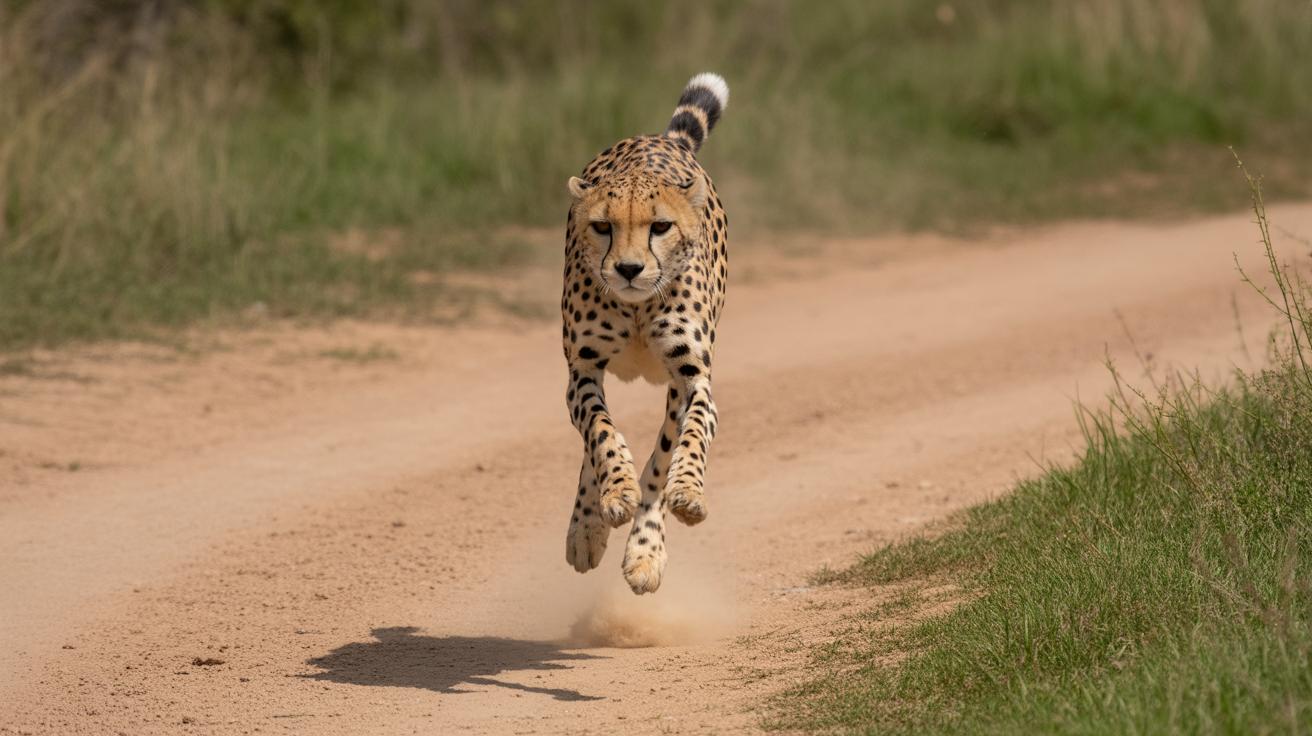
    • From old sailing ships to modern yachts, ship’s cats kept rodents at bay and crews smiling.
    • Some cats are natural chimeras, carrying two sets of DNA in one coat.

    Ready to wow your followers? Post these and tag a fellow cat lover!

    Fascinating Cat Behavior Facts

    - Fascinating Cat Behavior Facts.jpg

    Ever catch your kitty doing something so weird you wonder what’s on their mind? It’s a mix of old hunting instincts and cozy home vibes. Purrs, kneads, zoomies, scratches – that’s your cat’s quiet chat without words. Once you crack their code, each whisker twitch feels like a warm hello.

    • Purring: cats hum by vibrating their throat bones at 25-150 Hertz (cycles per second). That soft rumble calms nerves and even helps ease little aches.
    • Kneading: when your cat pushes its paws in and out, like making tiny biscuits, it harks back to kitten nursing time. It means they feel safe and snug, almost like a gentle kitty hug.
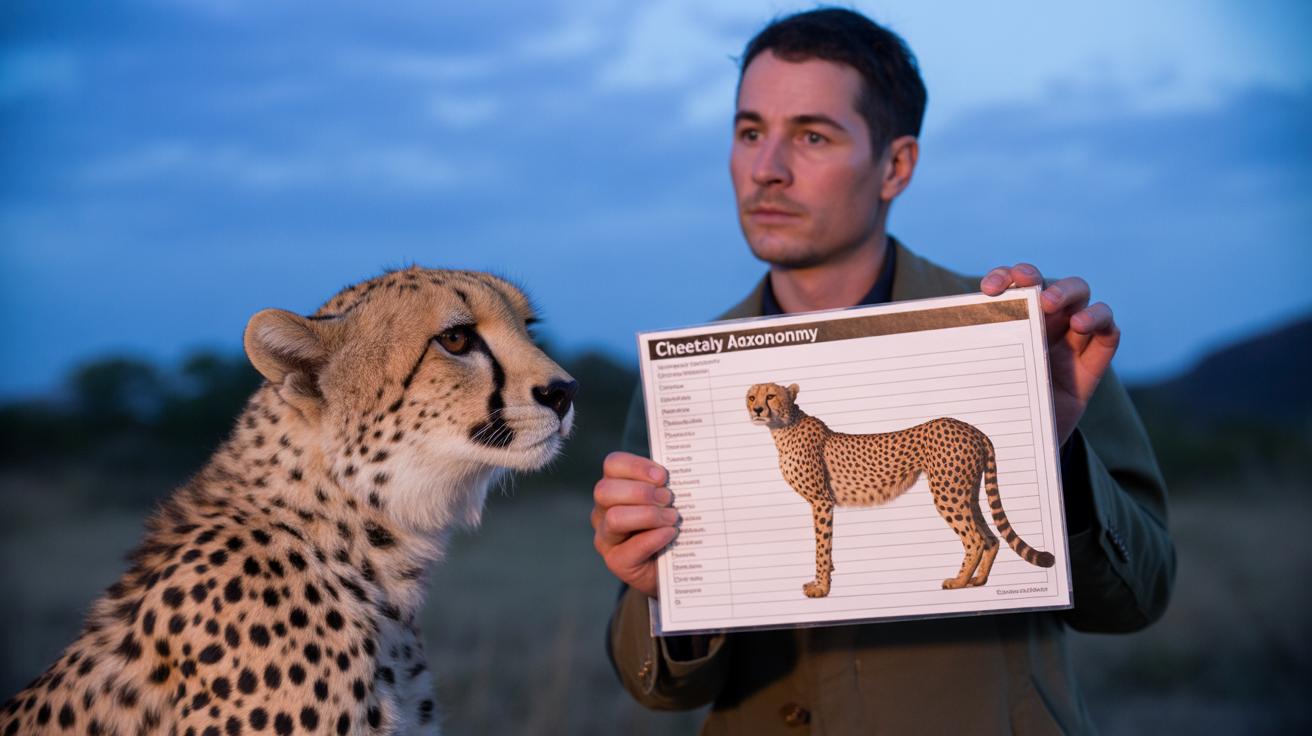
    • Zoomies: after using the litter box or finding a sunbeam, many cats take off in a blur. This quick sprint clears their head and perks up their mood.
    • Scratching: cats have scent glands in their paw pads that leave a personal mark on your couch. Scratching also wears away old claw layers so sharp nails can shine through.

    Knowing these cat traits turns every head bump and tail flick into a sweet bonding moment. You’ll notice when they crave a cuddle or when they’re itching for a zoom across the room. Speaking fluent cat really is pure joy, you know?

    Insight Into Cat Senses and Abilities

    - Insight Into Cat Senses and Abilities.jpg

    Cats dart through life in a whirl of flicking tails and tiny mews. They spot details you’d totally miss. They taste scents swirling on the breeze. And they sense flavors beyond our wildest dreams.

    Let’s check out the four superstar senses. Um, get ready.

    Sense Capability
    Vision Field of vision is about 200° (vs. our 180°). See What Do Cats See
    Night Vision Can see in light eight times dimmer than humans, thanks to extra rod cells (light-sensing cells) and a reflective tapetum (shiny eye layer)
    Taste About 473 taste buds. Cats taste savory, salty, bitter, and sour but not sweet
    Scent Jacobson’s organ (aka vomeronasal organ) on the roof of the mouth “tastes” airborne scents for extra flavor clues

    At dawn or dusk (when the sky glows apricot), your cat becomes a crepuscular explorer (active at dawn and dusk). Ever watched her track shadows on the wall? That’s wide-angle vision in action. Actually, scratch that, mind-blowing.

    Come night, she prowls while our eyes go fuzzy in low light. Thanks to extra rod cells (light-sensing cells) and a shiny tapetum (reflective layer), she sees in light eight times dimmer than we can.

    Those 473 taste buds mean she skips sweets but hones in on meaty smells, think chicken grilling next door. And her Jacobson’s organ turns a quick sniff into a deep aroma hunt.

    These senses team up so your furball feels like a tiny panther in your living room. Seriously magical.

    Cat Record Trivia and Superlatives

    - Cat Record Trivia and Superlatives.jpg

    Ready for some claw-some facts? Our whiskered pals have set some paw-some records!

    • Fastest domestic cat: In 2013, an unnamed kitty sprinted up to 31 miles per hour (like an Olympic runner).
    • Longest cat: Stewie the Maine Coon measured a whopping 48.5 inches (think four rulers back to back) in 2013.
    • Shortest cat: In 2014, Cye the Munchkin stood just 5.35 inches tall (barely taller than a soda can).
    • Loudest purr: In 2015, Merlin rumbled at 67.7 decibels (as loud as a vacuum).
    • Richest cat: Missy inherited £13 million ($20.3 million) in 2022 (talk about purr-sonal finance).

    These wild stats remind us cats never stop surprising us. Ever watched your cat chase shadows only to zoom like lightning? That unnamed sprinter puts Olympic runners to shame.

    Merlin’s thunderous purr shows a mini lion lives in every lap cat. And Missy’s mega inheritance proves they’re masters of charm (and maybe of our wallets, too). Picture Stewie stretching out like a living fluffy ruler, or tiny Cye scuttling under a teacup (you know, impossible to resist).

    Intriguing Cat Historical Facts

    - Intriguing Cat Historical Facts.jpg

    Have you ever pictured your cat chasing shadows in a dusty camp? Back in 3600 B.C. in the Fertile Crescent, wildcats crept into human grain stores, gobbling up mice so people’s food stayed safe. It was a purr-fect partnership.

    By 3000 B.C., these furry stowaways hopped aboard Phoenician trading ships and crossed seas to new lands. Imagine a tiny tiger curled up under the sail, dreaming of fresh mice on foreign shores. Pretty adventurous, right?

    • The nine lives myth: Ancient Egyptians saw cats landing on their paws and dodging danger. They started saying cats had nine lives, like a feline cheat code.
    • Black cat lore: In medieval Europe, black kitties went from revered mousers to spooky omens. People whispered about bad luck and gave these stealthy hunters a rough reputation.
    • Japanese lucky cat: Meet Maneki-neko (beckoning cat). Since 17th-century shops, these chubby figures wave their paw to invite good fortune.

    Even though cats saved ships and farms, you won’t find them in old Bible tales or Babylonian creation myths. Funny, huh? Folk legends about sneaky cat heroes popped up everywhere else, but sacred scrolls stayed silent.

    Fast forward to today, and cats rule pop culture. Viral kitty memes make us giggle, and Instagram stars in tiny outfits rack up millions of fans. You’ll spot Maneki-neko statues bobbing on coffee shop counters, and people still debate if a black cat crossing your path is lucky or not. With hashtags like #BlackCatAppreciationDay and endless TikTok cat videos, our soft-pawed pals keep charming the world, one gentle purr at a time.

    Whisker Functions and Tail Balance in Cats

    - Whisker Functions and Tail Balance in Cats.jpg

    Hey cat-crazy friend! Did you ever notice your kitty’s whiskers barely move even when a breeze brushes by? That’s because each cheek is lined with about 12 guard hairs (thick, touch-sensitive hairs) rooted three times deeper than normal fur. You’ll find extra whiskers above the eyes and on the upper lip that map out tight spots and even feel air shifts when a bug buzzes too close. It’s like a built-in rangefinder that tells your furball if a tunnel or jump is wide enough: feline precision at its best.

    Balance is another kitty superpower. A cat’s spine (backbone made of bones) bends like a slinky and its tail swings like a tightrope walker’s pole, shifting weight to keep them steady.

    Slip off a ledge? No problem. Um, your cat arches and twists midair, rotating front and back halves at different speeds to land feet-first: watch that righting reflex (rotation twist ability) in action. Think of it as a live-action gymnastics show powered by every vertebra (tail-bone) in their tail: Do Cat Tails Have Bones.

    • Tail balance trivia: a cat’s tail has about 19 vertebrae (tail-bones) that act like a ship’s rudder to steer midair turns and align their center of gravity.
    • Rotation twist ability: they bend their spine and swing their tail so the front and back halves rotate separately, completing a full midair flip before paws touch down.

    Entertaining Cat Breed Trivia

    - Entertaining Cat Breed Trivia.jpg

    Siberian Cat Origins

    Siberian cats split from other house cats about 1,000 years ago in snowy Russia. They grew a triple coat (three fur layers that repel water and trap warmth) to roam frozen forests. Run your fingers through that plush fur! Each guard hair sheds raindrops like tiny umbrellas.

    The dense undercoat feels soft as velvet under your palm.

    Scottish Fold Ancestry

    All Scottish Folds trace back to one barn cat in 1960s Scotland. A natural mutation bent its ear cartilage forward, giving that sweet owl-eye fold. You know, kittens tilt their heads with extra cuteness. It’s all thanks to a tiny twist in their DNA.

    Worth every head tilt.

    Polydactyl Cat Toe Trivia

    Polydactyl cats have bonus toes – sometimes six or seven on a paw – and up to 24 whiskers per side (thick guard hairs that feel like tiny brushes). Ernest Hemingway’s old Key West home turned into a polydactyl paradise full of these multi-toed adventurers.

    People say extra toes make them expert climbers. They scamper up curtains like they’re climbing tiny ladders. Such a neat quirk.

    Bonus toes = bonus fun.

    These three quirks – ancient roots, one-off mutations, bonus toes – show cat genetics at their most playful. And isn’t it wild that a single stray cat could spark a whole new look? Breed oddities make us grin from whisker to tail tip.

    Final Words

    in the action, we kicked off with 12 share-friendly trivia gems that make any scroll pause. Next, we dove into feline behaviors like kneading and zoomies, then peeked at senses and superpowers.

    We also checked out record-breakers, from 31 mph racers to million-pound inheritances, and traced cats’ ancient myths and whisker wonders.

    Breed oddities gave a final flourish, from fold-eared Scots to polydactyl pals.

    Hope these fun cat facts spark conversation and brighten your multi-cat home with purrs and pawsitive vibes.

    FAQ

    What are some fun and surprising cat facts?

    Fun and surprising cat facts include cats sharing more genes with tigers than dogs, boasting 230 bones in their skeleton, sleeping up to 16 hours, sprinting at 31 mph, and even drinking seawater.

    What is the 3-3-3 rule for cats?

    The 3-3-3 rule for cats helps new cats adjust by giving three days to hide and feel safe, three weeks to explore their space, and three months to fully settle into a routine.

    What is unusual or mind-blowing about cat facts?

    Unusual cat facts show how they have a righting reflex to land feet-first, use whiskers as depth sensors, can hear frequencies up to 64 kHz, and even carry two distinct DNA profiles as chimeras.

    What are some disturbing cat facts?

    Disturbing cat facts include natural chimerism—some cats have two distinct DNA sets in one body—kittens may injure weaker littermates while nursing, and many cats swallow hair ties, risking serious intestinal blockages.

    Related Articles

  • black cat facts That Charm and Inform

    black cat facts That Charm and Inform

    Ever feel that tiny thrill when a black cat with a silken, shadow-soft coat slips into view? It’s like spotting midnight velvet gliding across the floor.

    These whiskered wonders once prowled temple halls in ancient Egypt. Then, in medieval times, they picked up a spooky reputation in old folktales, yikes.

    All that inky fur starts with a gene called the B allele (the dominant gene for black coats).

    And don’t forget the myths about bad luck and magic that still shape how we see them today.

    In this post, you’ll dive into their royal origins, uncover why their coats shine so bright, and explore the folklore that makes them utterly purr-fect. Ready to pounce on some cat-tastic tidbits?

    Key Facts About Black Cats: Origins, Genetics, and Folklore

    - Key Facts About Black Cats Origins, Genetics, and Folklore.jpg

    Black cats command attention with their liquid velvet coats and golden eyes that seem to glow in the dark. Have you ever felt a thrill when one saunters by? They’re like little midnight ninjas, soft, mysterious, and utterly mesmerizing.

    At the core of that shiny black fur is a dominant B allele (a gene variant that boosts dark pigment). That gene ramps up eumelanin (the natural pigment that makes hair dark), flooding each hair shaft. Under strong sun, you might notice a temporary reddish tint, kind of like a subtle sun-kissed fade.

    In ancient Egypt, black cats were treated like furry royalty, guarding temples, kitty security at its finest. But in medieval Europe, they got a raw deal, blamed for witchcraft and shunned. Those superstitions swung from worship to woe in the blink of an eye.

    Even today, black cats face a bit of bad luck at shelters. They wait longer for homes, thanks to the so-called Black Cat Bias. It’s time we changed the story and gave these sleek beauties the love they deserve.

    • The B allele creates rich eumelanin, giving glossy black coats. UV exposure can sun-fade fur for a little while.
    • Ancient Egyptians honored black cats, medieval Europe feared them, talk about cultural extremes.
    • Black Cat Bias at shelters means longer stays and slower adoptions for these feline stars.

    Next, we’ll dive into coat genetics, myth origins, fun behavior traits, health tips, and how to boost adoption rates for black cats.

    Coat Genetics and Unique Traits of Black Cats

    - Coat Genetics and Unique Traits of Black Cats.jpg

    That sleek black coat starts with a dominant B allele (a gene variant that boosts dark pigment). It cranks up eumelanin (natural dark pigment) in every hair. So your Bombay looks like a tiny panther roaming your living room. Really.

    Did you know 22 recognized cat breeds can wear this midnight fur? From the American Bobtail to the Persian and Scottish Fold, they all share the same melanin coat genetics. Ever spotted a longhaired black Persian curled on a windowsill? Gorgeous.

    All that extra pigment often shows up in the eyes too. Most black cats have glowing gold or yellow eyes that pop against their dark fur. Blue eyes are rare but happen when neither gene fully hides the other (incomplete dominance). Surprise icy stares, huh? Even foot pads and whiskers match the coat, a built-in tuxedo.

    Leave your kitty in the sun and you might catch “rusting,” when UV rays break down eumelanin and turn fur a reddish-brown until it sheds. Once I saw Luna glow auburn after a sunny afternoon, so wild. And if you angle them just right, you’ll spot faint stripes or spots hiding under that black coat. Those undercover tabby patterns peek through like a secret code.

    Personality and Behavior Traits of Black Felines

    - Personality and Behavior Traits of Black Felines.jpg

    Ever noticed how your midnight furball can be a total lap-warmer one minute and a stealthy shadow-chaser the next? Some black kitties curl up on your lap like a cozy hot pad. Others zoom across the room in a blur of paws and whiskers. And yep, a few might be on the shy side, but honestly, that’s true for any cat.

    People love saying black cats are mysterious or aloof. Uh, really? A study found no real link between coat shade and personality (Do Cat Colors Affect Personality). It’s all about upbringing, social time, and your home environment, not fur color. So whether they’re purring in your ear or playing hide-and-seek behind the sofa, it’s just your kitty’s unique charm at work.

    All cats need to sharpen their claws. You’ll catch them lounging, leaping, scratching, and exploring. Indoor black cats especially benefit from a tall scratching post (a sturdy post covered in rough cloth), and a climbing tower (like a kitty jungle gym) to protect your furniture and build their confidence. Toss in interactive toys, think rolling balls or puzzle feeders (toys that drop treats when solved), and you’ll love watching them stalk, pounce, and problem-solve. Five-minute feather-wand chases plus treat-time praise help keep stress hiding at bay and have them ready for that next cuddle.

    Here are some enrichment ideas to bring out your black feline’s best traits:

    • Tall scratching posts wrapped in puncture-proof fabric (tough cloth that won’t rip) to satisfy those claw-sharpening urges
    • Multi-level climbing towers for vertical exploring and soft napping perches
    • Interactive puzzle feeders that reward effort with kibble or treats
    • Wand and teaser toys for quick daily chase sessions
    • Positive reinforcement with treats or gentle praise to encourage social behavior

    Health, Lifespan, and Care Tips for Black Cats

    - Health, Lifespan, and Care Tips for Black Cats.jpg

    Indoor black cats usually live about 15 years. Let them roam outside and traffic plus wild encounters can shave off a few. That sleek black fur comes from extra eumelanin (natural pigment) that might give them an immune boost. I’ve seen my friend’s midnight panther bounce back from a sniffly cold faster than any tabby.

    Worth every purr.

    They get dandruff (tiny flakes of dead skin) and hairball build-up just like any cat. A five-minute brush, two or three times a week, busts mats and keeps gooey clumps away – your couch will thank you. Switch between high-protein wet food (canned with gravy) and crunchy dry kibble to boost hydration and keep teeth happy. Measure each meal on a kitchen scale so you dodge sneaky calories.

    Parasite check-ups are a must for curious prowlers, so schedule deworming and flea treatments on your calendar, you know? Check common signs at What Do Cat Roundworms Look Like. Then don’t skip dental care: brush weekly with cat-safe toothpaste (minty fresh for felines) and offer dental treats. Healthy gums mean happier purrs and fewer vet trips.

    - Adoption Trends and Shelter Challenges for Black Cats.jpg

    You know how black cats often feel like underdogs in the shelter world? They’re caught in the “Black Cat Bias.” These sleek, midnight furballs hang around longer than their lighter cousins, and adopters just breeze past them. It’s a bummer that leads to more cats at risk.

    But here’s a handy trick – microchipping (a tiny electronic chip under your cat’s skin that shelters scan if they find a lost pet). It helps cut down stray numbers and makes it way easier to get your shadowy buddy back if they bolt out the door.

    Shelters are flipping the script with special spotlight days. Ever heard of National Black Cat Day on October 27 or Black Cat Appreciation Day on August 17? These fun events showcase coal-colored companions and pair them with loving homes.

    If you’re hunting for a new purr pal, swing by a rescue or give a black cat’s profile a social media boost. A quick share can turn a shy shadow-chaser into your next cuddle buddy. Worth every whisker twitch.

    Cultural Symbolism, Myths, and Pop Culture of Black Cats

    - Cultural Symbolism, Myths, and Pop Culture of Black Cats.jpg

    Way back in Ancient Egypt, black cats got VIP status as temple guards for Bastet, the cat-headed goddess of home and protection. Their sleek midnight fur even glowed by torchlight, and nobody dared harm them, mess with a kitty and you faced a death sentence. Then in 1233, Pope Gregory IX labeled black cats devil’s agents. Cue medieval panic and mass killings, talk about a wild switch.

    In Japan, maneki-neko (lucky-cat figurines) often show up in black to shoo away bad spirits and invite fortune or even true love. Picture a glossy statue with its paw raised like it’s beckoning you closer. Here in Scotland, spotting a stranger’s black cat on your doorstep is like finding extra change in your pocket, money’s headed your way. And in parts of the UK, newlyweds once received a coal-colored companion to bring marital bliss, aww.

    Over in Germany, folks watch the way black cats cross their path. If a kitty scampers right to left, you’re in luck. But if it darts left to right… well, your day might take a downturn.

    Sailors used to keep coal-fur crewmates on deck, believing their presence brought calm seas and safe passages. Imagine a sleek black cat curled in the salt spray as waves crash around, cool, huh? Actors also adored backstage moggies, convinced they could chase away bad auditions. Cat confidence.

    When Halloween rolls in, black cats become spooky sidekicks, perched on glowing pumpkins or slipping through moonlit yards. Shelters even slow down black-cat adoptions in October to keep them safe from superstition-driven pranks. Pop culture celebrates them too: Marvel’s agile Black Cat (Felicia Hardy) and Salem, the wise-cracking feline from “Sabrina the Teenage Witch.” And let’s not forget the endless memes that honor those glowing eyes and shadow-stalking moves, true internet royalty.

    Ever had a coal-fur shadow zoom past you?

    That’s the magic of black cats.

    Final Words

    In the action, we uncovered three standout facts about black cats, from eumelanin-driven coats and ancient respect to shelter bias, then dug into genetics, behavior, health tips, adoption hurdles and cultural lore.

    Our deep dive into black cat facts helped bust myths and highlight care strategies that fit busy multi-cat homes, from sunproofing their fur to stress-busting games.

    These feline friends deserve lasting love and lively play. Here’s to happier homes, fewer scratched sofas, and joyful purrs on every sunny windowsill.

    FAQ

    What are some cool or little-known facts about black cats?

    Cool or little-known facts about black cats include:

    • A dominant gene creates sleek ebony coats.
    • They were worshipped in ancient Egypt.
    • Sunlight can induce a “rust” tint in their fur.
    • There are 22 solid-black cat breeds.
    • They are adopted more slowly from shelters due to bias.

    Why are most black cats male?

    Most black cats aren’t male by nature; the X-linked coat‐color gene means males need only one black allele while females require two, making solid‐black males more common than females.

    What personality traits do black cats have?

    Black cats display affectionate, playful, or shy personalities just like any other cat. Research shows coat color doesn’t dictate behavior; each cat’s upbringing and environment shape its unique temperament.

    What myths and creepy facts surround black cats?

    Myths and creepy facts surrounding black cats range from medieval Europe’s devilish curses to Japanese lucky cat figurines. Folklore warns of bad luck when one crosses your path, though most legends lack scientific basis.

    What makes black cats special or magical?

    Black cats’ striking ebony coats and golden eyes lend a mysterious allure. Their roles in ancient Egyptian worship, Halloween lore, and global superstitions add a magical charm to their playful companionship.

    Related Articles

  • bengal cat lifespan: Enjoy Lively Healthy Years

    bengal cat lifespan: Enjoy Lively Healthy Years

    Ever wondered if your Bengal could outlast your favorite coffee mug?
    These sleek, tiger-striped pals usually stick around for 12 to 16 years (their lifespan – how long they live).
    That’s loads of fizzy zoomies (crazy running bursts) and soft chin rubs.

    But what really shapes your Bengal’s years of fun?
    We’re diving into the big factors – like diet, playtime, and vet visits – and dishing out simple, paw-sitive tips to keep your whiskered buddy purring!
    Ready to watch every leap and purr count?

    Next, we’ll break down how to feed for longevity (hint: high-quality protein helps) and tailor play sessions to fight boredom.
    Then we’ll cover vet check-ups and grooming. It’s more fun than it sounds, promise.

    Let’s get started.

    Average Lifespan and Life Expectancy of Bengal Cats

    - Average Lifespan and Life Expectancy of Bengal Cats.jpg

    Bengal cats usually clock in between 12 and 16 years of life. On average, they hit about 14 years old. That’s extra time for fizzy zoomies across your carpet and soft purrs under your chin. Your Bengal’s got more years of playful swipes ahead than many folks expect.

    Some Bengals really outdo themselves. I’ve heard tales (unverified) of one fellow celebrating a 34th birthday, whoa, right? Female Bengals tend to live about two years longer than the boys. And spaying or neutering (removing eggs or sperm-making parts) can cut the risk of certain reproductive cancers (tumors in organs like the uterus), so your kitty stays chirpy and tail-twitchy.

    Worth every purr-second.

    Compared to a typical house cat, which lives around 10 to 15 years, Bengals often stretch past that whisker-twitching window (see average cat lifespan). Their hybrid genes (mix of domestic cat and wild Asian leopard cat) seem to lend extra pep. Ever watched your Bengal launch off the couch like a rocket? That bound of energy might just be thanks to those leopard-cat roots.

    Key Factors Influencing Bengal Cat Longevity

    - Key Factors Influencing Bengal Cat Longevity.jpg

    Your Bengal’s genes set the stage. Thanks to their Asian leopard cat heritage (that’s the hybrid vigor magic), they’ve got extra pep in every leap. And fun fact: girl Bengals tend to live about two years longer than the boys, you know?

    Keeping your Bengal busy indoors is a total game-changer. A tall cat tree gives them a sky-high lookout, and a sisal rope scratching post (woven plant fiber) is perfect for stretching and sharpening claws. Rotate a feather wand toy twice a day – watch those eyes light up when it flicks across the carpet! Oh, and pop empty boxes or paper bags on low shelves for surprise pounce spots.

    For a mental workout, try a treat-dispensing puzzle toy (think rolling ball that drops kibble). It’s snack time and playtime rolled into one – double win. Ever watched your kitty try to fish a treat out of a puzzle ball? Hilarious.

    Feeding them right means longer leaps. Aim for about 4 ounces of high-protein wet food per meal for a 10-pound cat, plus a measured kibble serving twice daily – no free feeding, please. Use a kitchen scale or measuring cup to dodge extra pounds (and diabetes risk, ugh). Swap in a pet fountain (flowing stream vibe) so they sip fresh water all day.

    Don’t skip the vet – book checkups and dental cleanings every six months. Catching small issues early can add healthy years, I guess. Worth every paw-print.

    Nutrition and Diet

    - Nutrition and Diet Strategies for Lifespan Extension.jpg

    Feeding your Bengal the right stuff helps them bounce around with kitten-like energy, even into their golden years. A balanced meal plan builds lean muscles, keeps their heart happy, and makes those eyes shine. Think of it like fuel for every zoom and pounce. So let’s chat about the key ingredients to keep your cat feeling feline fine!

    • High-protein meals tailored to your cat’s age (kitten, adult, or senior)
    • Taurine (an amino acid) to keep the heart strong and eyes bright
    • Wet food packed with moisture and a fresh water fountain nearby
    • Measured portions for meals and treats (don’t forget those extra bites)
    • Balanced vitamins and minerals for overall health

    Weigh your Bengal once a month. If the scale starts creeping up, tweak their portions so they stay trim. At one year, switch from kitten chow to adult recipes, then around age ten move to a gentle senior blend. And don’t forget that treats add extra calories, so include them in your plan.

    Essential Veterinary Care and Health Screenings

    - Essential Veterinary Care and Health Screenings.jpg

    Keeping up with regular vet visits means more purrs and fewer sick days for your Bengal. A yearly wellness check (weigh-in, coat check, and listening to heart and lungs) spots tiny issues before they grow into big problems.

    Every six months, schedule a dental cleaning (bye-bye tartar and plaque (that sticky stuff on teeth)). Your kitty will stretch and yawn, showing off those pearly whites, and you’ll love that fresh-cat-breath moment.

    Once a year, get a parasite screen (examining fur, skin, and stool for fleas, ticks, or worms). Think of it as a deep-clean for their insides, no more bellyaches or itchy skritches.

    Vaccines (shots that protect against rabies, distemper, and more) build up your Bengal’s defenses. Chat with your vet about any extra non-core shots that might be paw-fect for your cat.

    And don’t forget the urine check (looking for crystals or early infection signs). It catches blockages before they become painful, and saves you an emergency dash to the clinic.

    Check-up / Test How Often
    Annual wellness exam (head-to-tail review) Once a year
    Biannual dental cleaning (tartar and plaque removal) Every six months
    Yearly parasite screening (fur, skin, stool check) Once a year
    Core vaccines (rabies, distemper, etc.) Every year
    Heart (HCM) screening (heart muscle thickening) Every 1–2 years
    Kidney function tests (blood panels for BUN (blood urea nitrogen) & creatinine) Once a year

    Catching hypertrophic cardiomyopathy (thickening of the heart muscle) early gives treatment a head start. Blood panels to check kidneys (BUN and creatinine levels) can spot trouble before your cat feels lousy. No more emergency runs to the vet means more zoomies across the living room. And hey, fewer vet bills leave extra cash for claw-tastic toys.

    Indoor Environment and Enrichment for Bengal Cat Longevity

    - Indoor Environment and Enrichment for Bengal Cat Longevity.jpg

    Keeping your Bengal safe indoors is like building a cozy fortress for them. It protects them from cars, stray-animal scuffles, and pesky parasite bites. Their fur stays dry, and their paws steer clear of lawn chemicals. Plus, you won’t lose sleep over rooftop tumbles.

    But when you’re ready to share a bit of fresh air, plan it like a mini adventure. Ever watched your kitty’s whiskers twitch at a new smell? That’s the fun part, when everything’s done right.

    • Start inside with a soft harness (a little vest that fits snug behind the front legs). Let your cat wear it for 5 to 10 minutes. Reward them with a treat and a gentle ear scratch.
    • Clip on a lightweight leash (think of it like a short tether) and stroll down hallways or carpeted rooms so they learn that soft pulls aren’t scary.
    • Move to a fenced yard when it’s cool and dry. Stay close. Keep those first outings under ten minutes.
    • Before every walk, scan for toxic plants (like lilies or ivy), loose dogs, or turf treated with pesticide (bug killer spray).
    • Watch your cat’s signals, flattened ears or a low tail mean stress. If they freeze or dash, scoop them up and head back inside. Try again later.
    • Once your Bengal seems relaxed, add two more minutes each day. Soon you’ll see those ears perk up and whiskers twitch as they sniff new scents.

    Bengal Cat Life Stages and Care Milestones

    - Bengal Cat Life Stages and Care Milestones.jpg

    Kitten (0–6 months)

    Your little Bengal is a fuzzy dynamo that seems to double in size every few weeks! By seven months, those baby teeth swap out for adult chompers. Feed them kitten formula rich in protein and calcium so their bones grow strong. And plan early vet visits for shots, deworming, and a microchip (tiny ID chip under the skin) for total peace of mind.

    Junior (6 months–2 years)

    Now your tiger-in-training hits puberty and zooms around the house like a furry rocket! Ever watched your kitty sprint down the hallway or scale the curtains in seconds? Keep play sessions daily with a wand toy or small balls. This stage sets lifelong habits, so stick with a mix of wet and dry food for muscle-building fuel.

    Prime (3–6 years)

    This is Bengal glory days! Your cat has lean muscles, a sleek, shiny coat, and a purr engine running full throttle. Keep feeding and play times on a steady schedule.

    Add a climbing tree or wall shelf (plank mounted on brackets) to give those paws something fun to tackle. Don’t skip that annual vet check to catch any sneaky issues early.

    Mature Adult (7–10 years)

    Uh, you might notice zoomies get shorter and naps stretch out longer. If you spot any stiffness after play, a glucosamine supplement (joint-support supplement) can help those old joints! Keep an eye on weight with a kitchen or pet scale to avoid extra pounds. Gentle puzzle feeders give their mind a workout without pushing them too hard.

    Senior (10–14 years)

    By ten years old, your feline hero is a seasoned pro at naps! Shift to a senior diet blend that’s easier to digest and gentler on those kidneys. Book heart and kidney screenings every year to spot arthritis or early renal signs. Soft beds and low ramps make jumps less of a chore, and brushing weekly helps you find any lumps or skin changes early.

    Geriatric (15+ years)

    Comfort is key! Mobility may falter, so add ramps beside favorite perches and a non-slip mat under food dishes. Short, gentle play, like rolling a soft ball, keeps joints moving and spirits bright. Low-sided litter boxes and cozy blankets offer extra ease, and lots of cuddles make this final chapter as calm and cared-for as possible.

    Genetic Health Considerations and Breed-Specific Risks

    - Genetic Health Considerations and Breed-Specific Risks.jpg

    Your Bengal’s wild roots go way back to domestic cats and Asian leopard cats (wild forest cat). That mix gives them hybrid vigor (an extra health boost). You’ll see it in their non-stop zoomies and their silky, thick coat. Ever watched your little panther dash by?

    But watch those kitty hearts. Hypertrophic cardiomyopathy (heart muscle gets too thick) can sneak up on you. And some Bengals carry pyruvate kinase deficiency (red blood cells break down too fast), which can leave them moving in slow-mo. Not fun!

    Their knees can be finicky too. With luxating patella (kneecap that slips out of place), your cat might hop or limp. But a simple vet exam and some gentle exercises can help. Then your Bengal can bounce back to those epic leaps.

    Some Bengals carry the snow gene (a mutation that makes fur and eyes lighter). Over time, these kitties might show fading pigments or vision quirks. It’s usually mild, but good to keep an eye on. Talk to your vet if you spot something odd.

    Genetic testing options (DNA panels looking for key mutations) give you a heads-up on these risks. Reputable breeders share test results so you know what to expect. Working with one who screens every cat means fewer surprises and more tail-twitching fun ahead.

    Worth every paw-print.

    Final Words

    in the action you’ve seen Bengals shine with a 12-16 year life span, averaging around 14.

    we dug into how genes and spay/neuter choices shape long days, then broke down high-protein feeds, vet visits, and fun home play.

    we glanced at kitten to geriatric milestones and tips to dodge breed health quirks.

    All these tools help boost your bengal cat lifespan and fill your home with vibrant purrs for years to come.

    FAQ

    What is the lifespan of Bengal cats?

    The lifespan of Bengal cats ranges from 12 to 16 years on average, with females often living about two years longer than males. Indoor Bengals and color variants like blue Bengals share similar lifespans.

    Why are Bengal cats illegal in some areas?

    Bengal cats can be illegal because they descend from wild Asian leopard cats, leading some states or cities to restrict hybrids to protect local wildlife and public safety.

    How much do Bengal cats cost and why are they expensive?

    Bengal cats typically cost $1,000 to $4,000 depending on breeder reputation, coat quality, and show markings. High demand for their wild patterns and careful breeding programs drives their price up.

    What size do Bengal cats typically reach?

    Bengal cats usually weigh between 8 and 15 pounds and measure about 16 to 19 inches long from nose to tail base. Males tend to be slightly larger than females.

    What health problems do Bengal cats have?

    Bengal cats can have hypertrophic cardiomyopathy (thick heart walls), pyruvate kinase deficiency (anemia risk), and luxating patella (kneecap issues). Regular exams and genetic testing catch these conditions early.

    Are Bengal cats good house pets?

    Bengal cats make good house pets because they’re active, social, and bond deeply with owners. They thrive with daily play, puzzle toys, and plenty of vertical space to climb.

    What is the oldest recorded age for a Bengal cat?

    The oldest recorded Bengal cat lived up to 20 years, though unverified stories mention 34 years. Most Bengals live around 14 years with proper care, diet, and vet checkups.

    Related Articles

  • Largest Domestic Cat Breed Impresses with Gentle Giants

    Largest Domestic Cat Breed Impresses with Gentle Giants

    Ever wondered if your kitty could outsize your lap dog? Maine Coons can tip the scales at over 30 pounds (about as heavy as a large bowling bag), and they can stretch nearly four feet long (nose tip to tail end). Their huge paws make a soft pat-pat when they walk – so funny!

    In this post, we meet these gentle giants and find out why they’re so claw-some. You’ll see their shaggy coats (like a fluffy winter sweater) and hear their deep, rumbling purrs that feel like a soft motor under your hand. And those playful leaps! Watch as they spring off the floor with a clap of paws that makes you go wow, you know? Worth every paw-print.

    Top 5 Largest Domestic Cat Breeds Ranked

    - Top 5 Largest Domestic Cat Breeds Ranked.jpg

    Ever wondered how big your house cat could get? Well, we’re about to find out. From the record-breaking Maine Coon to the sky-scraping Savannah, these gentle giants will amaze you.

    If you’re a cat lover curious about the world’s largest pet cat or the biggest domestic breed, this lineup is for you. Think of it like a cat showcase starring these majestic fluffballs.

    Breed Weight Range Height Length Record Lifespan
    Maine Coon 10–30+ lbs (pounds; 4.5–13.6 kg) 10–16 in (inches; 25–41 cm) 48.5 in (123 cm) 9–15 years
    Savannah 12–25 lbs (5.4–11.3 kg) 18.83 in (47.83 cm) 12–20 years
    Chausie 15–26 lbs (6.8–11.8 kg) 14–18 in (35–46 cm) 12–14 years
    RagaMuffin up to 20 lbs (9.1 kg) 9–12 in (23–30 cm) up to 18 years
    Ragdoll 15–20 lbs (6.8–9.1 kg) 9–11 in (23–28 cm) 13–15 years

    Next, grab a soft tape measure (that flexible ribbon you use for sewing) to check your cat’s nose-to-tail length and shoulder height (ground up to shoulder). That way you can see how your kitty stacks up against these giants.

    It’s pretty wild to think the biggest house cat almost hits 50 inches (that’s like laying two rulers end to end) from nose to tail.

    Maine Coon: Profile of the Largest Domestic Cat Breed

    - Maine Coon Profile of the Largest Domestic Cat Breed.jpg

    Maine Coons started out in coastal New England villages, earning a spot in chilly barns as tough mousers long before fancy cat shows. Legend says they sprang from a raccoon-and-cat pairing, oops, make that just a charming tall tale, but their roots lie in hardy farm life. Folks in small towns watched these big furballs romp through snowdrifts and loved their laid-back charm.

    These gentle giants tower at the shoulder, standing 10–16 in (25–41 cm) tall, and adult males can tip the scales at up to 30 lbs (13.6 kg), the weight of a small dog! The Guinness World Record holder stretched an astonishing 48.5 in (123 cm) from nose to tail tip, with a single tail plume that reached 17.58 in (44.66 cm). Ever watched your kitty’s tail swing like a furry pendulum? That’s a Maine Coon signature move.

    Inside that powerhouse frame is a luxurious double coat in more than 75 color and pattern combos, think silky tabbies, solid creams, and tortoiseshell swirls. Their fur feels like stroking a velvet blanket, and those tufted ears look like mini mittens. Known for a playful purr and a friendly “chirp,” they’re true gentle giants. With a Maine Coon lifespan of 9–15 years, you’re in for many cozy naps, soft head bonks, and endless whisker twitches.

    Savannah and Chausie Giants: Hybrid Large Domestic Cat Breeds

    - Savannah and Chausie Giants Hybrid Large Domestic Cat Breeds.jpg

    Savannah cats carry serval (a wild African cat) genes in a lean athletic body. They tip the scales at 12–25 pounds (5.4–11.3 kg). Your kitty can stand up to 18.8 inches (48 cm) tall at the shoulder, practically a mini giraffe. Ever seen one bound onto the counter like a furry rocket?

    Their spotted coat feels smooth under your hand and catches the light as they zoom across the room. Playtime isn’t optional. You’ll need daily laser chases or puzzle feeders to keep that high-octane spirit happy.

    These hybrids need room to roam and an owner who knows cat body language. Some places even limit Savannah ownership because they’re part wild and part full-speed ahead. If you say yes, you’ll get a cat that greets you with soft chirps instead of meows.

    Now meet the Chausie. They’ve got long legs and a deep chest that give them real jump power (think clearing a six-foot fence). A Chausie weighs 15–26 pounds (6.8–11.8 kg) and stands 14–18 inches (35–46 cm) tall, jungle cat vibes right in your living room.

    These clever felines crave mental workouts. Clicker training, feather wands, even a mini obstacle course will keep their brains buzzing. You might catch yours rummaging through a box or practicing curtain-climbing auditions, uh, I mean workouts.

    Chausies are friendly and curious. They’ll stroll right up to guests and give a cheerful head bump. Got floor-to-ceiling shelves or a tall cat tree? You’re all set. If not, expect a few daring curtain climbs before you install them.

    Muscular Giants: RagaMuffin, Ragdoll & Siberian Cat Dimensions

    - Muscular Giants RagaMuffin, Ragdoll  Siberian Cat Dimensions.jpg

    RagaMuffin Profile

    RagaMuffins tip the scales at up to 20 lbs (9.1 kg) and stand a sturdy 9 to 12 in (23 to 30 cm) tall at the shoulder. Their long, silky coat feels like running your fingers through a bowl of warm butter. Colors range from striped tabby to soft cream, so each cat has its own special look.

    These mellow fluffballs are famous for gentle head bumps and that chubby belly pad you’ll want to poke (but maybe don’t). They turn your couch into kitty kingdom – they love snuggle marathons! My Luna once fell asleep right on my keyboard, um, you know how it goes. Expect up to 18 years of purrs, lazy kneading, and soft meows.

    Ragdoll Profile

    Ragdolls weigh in at 15 to 20 lbs (6.8 to 9.1 kg) and reach about 9 to 11 in (23 to 28 cm) tall. Holding one feels like cuddling a fluffy pillow. Their pointed markings – a dark mask on the face, ears, paws, and tail – pop against a creamy coat that begs for a scratch.

    These laid-back sweethearts go floppy in your arms, just like their name says. You can even teach them to play fetch or click on a harness for a leash stroll! They’ll boop your nose with a gentle head bump and earn your trust in no time. With 13 to 15 years ahead, you’re signing up for a long run of cozy moments.

    Siberian Profile

    Siberians stand around 9 to 11 in (23 to 28 cm) tall and can tip 20 lbs (9.1 kg) on a big day. Their triple coat (three layers that trap heat and repel water) plus a thick ruff around the neck is like a built-in windbreaker. It’s water-resistant fur (like a raincoat for cats) that keeps them cozy no matter the weather.

    These clever kitties take about five years to fill out into their mighty frames, and they’ll greet you with chirpy trills the whole time. Puzzle toys? They solve them faster than you can blink! Many allergy sufferers find these lower-allergen cats a lifesaver. Plan on 10 to 18 years of playful pounces and hide-and-seek.

    Care Requirements for Largest Domestic Cat Breeds

    - Care Requirements for Largest Domestic Cat Breeds.jpg

    Big cats need lots of room and tough gear. A litter box at least one and a half times their body length lets them wiggle and turn with ease (check out best litter box size for cats). Then add heavy scratching posts with solid wood (strong lumber) or metal bases so they don’t tip over. It’s also nice to have sturdy perches they can climb and stretch on without the whole thing shaking.

    When feeding these gentle giants, high-protein meals are a must. Measure food in small cups so they don’t overeat, and split mealtime into two servings a day to keep their weight in check. You might mix in joint support supplements like glucosamine (helps cartilage) and chondroitin (supports joints) for cats prone to arthritis or hip issues.

    Playtime isn’t optional. Aim for two or three ten-minute play sessions each day to get their muscles moving and minds buzzing. Break out a laser pointer, feather wand (stick with feathers on the end), or a puzzle toy that challenges their hunting skills. And a tall climbing tower or wall shelves gives them a place to leap and scratch to their heart’s content.

    Big, fluffy cats need brushing three or four times a week to stop mats and fur clouds. During shedding season, you’ll want to brush even more often to catch loose undercoat before it drifts around the house. A slicker brush (tiny wire bristles) and a wide-tooth comb work wonders on thick double or triple coats. Plus, brushing feels like a mini spa for your kitty, bonus bonding time.

    How to Measure Your Cat

    Grab a soft tape measure and record your cat’s nose-to-tail length and shoulder height (floor up to the top of their shoulders). Do it when they’re relaxed, offer a treat and let them stretch out naturally. Jot these numbers in a notebook or app so you can track any changes. Repeat every few months to spot growth spurts or any extra pounds.

    Final Words

    In the action, we explored five of the most enormous felines from Maine Coons to Ragdolls, complete with weight charts and key care tips.

    You got quick facts on hybrid giants like Savannahs and sporty Chausies, plus profiles of fluffy RagaMuffins and cool Siberians.

    Then we covered must-have gear and diet essentials for these hefty friends.

    Whether you’re charmed by a gentle Maine Coon or a playful Chausie, there’s no denying the thrill of welcoming the largest domestic cat breed into your home. Enjoy every paw-print adventure.

    FAQ

    What is the largest domestic breed of cat?

    The largest domestic breed of cat is the Maine Coon, with males reaching up to 30 lbs (13.6 kg) and record nose-to-tail lengths nearing 49 in (123 cm).

    Which is bigger, a Maine Coon or a Savannah cat?

    Comparing Maine Coon and Savannah cats, Maine Coons can weigh up to 30 lbs, while Savannahs may stand taller at almost 19 in (48 cm) shoulder height.

    What is the largest cat you can legally own?

    The largest cat you can legally own is the Maine Coon, as it’s a fully domestic breed without exotic restrictions, though hybrid breeds like Savannahs face varying local regulations.

    What breeds are considered XL cats?

    Breeds considered XL cats include Maine Coon, Savannah, Norwegian Forest Cat, Bengal, RagaMuffin, Ragdoll, Siberian, and Chausie—each often topping 15 lbs (6.8 kg) with tall, muscular builds.

    Related Articles