Category: About Cats

  • are domestic cats omnivores Definitive Verdict

    are domestic cats omnivores Definitive Verdict

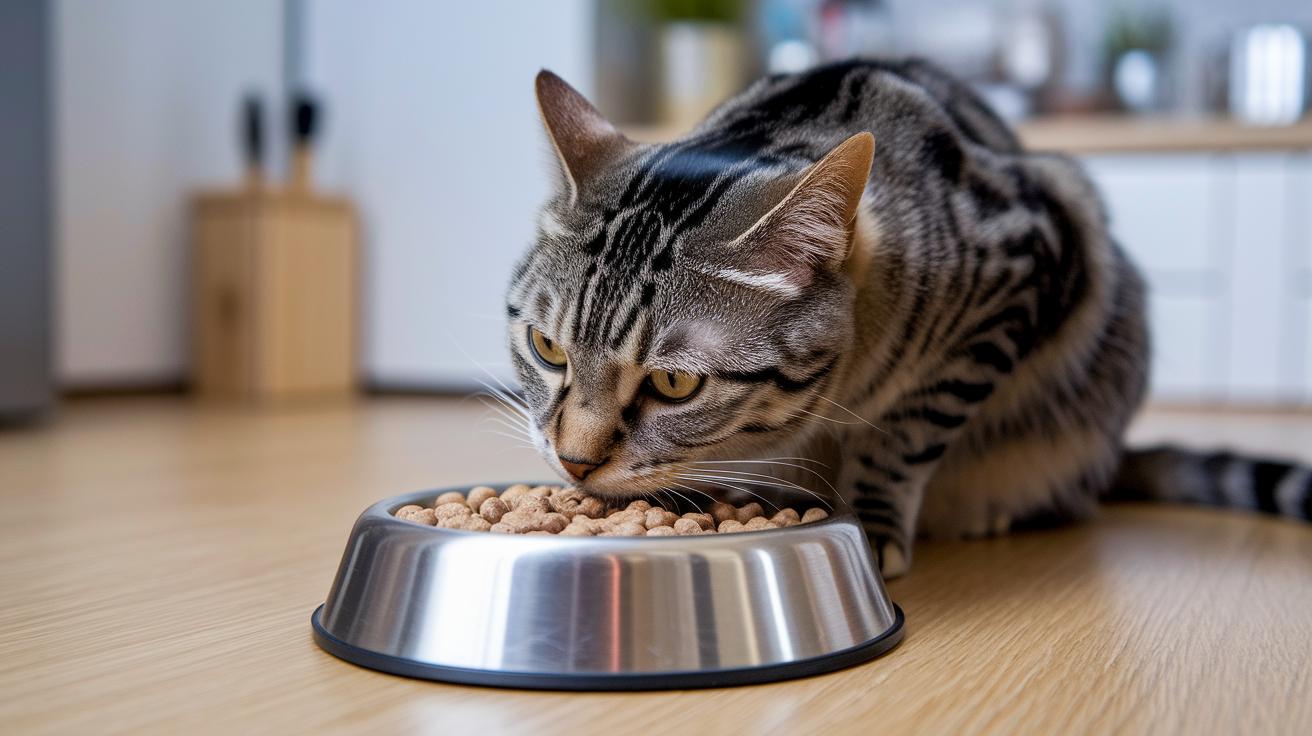
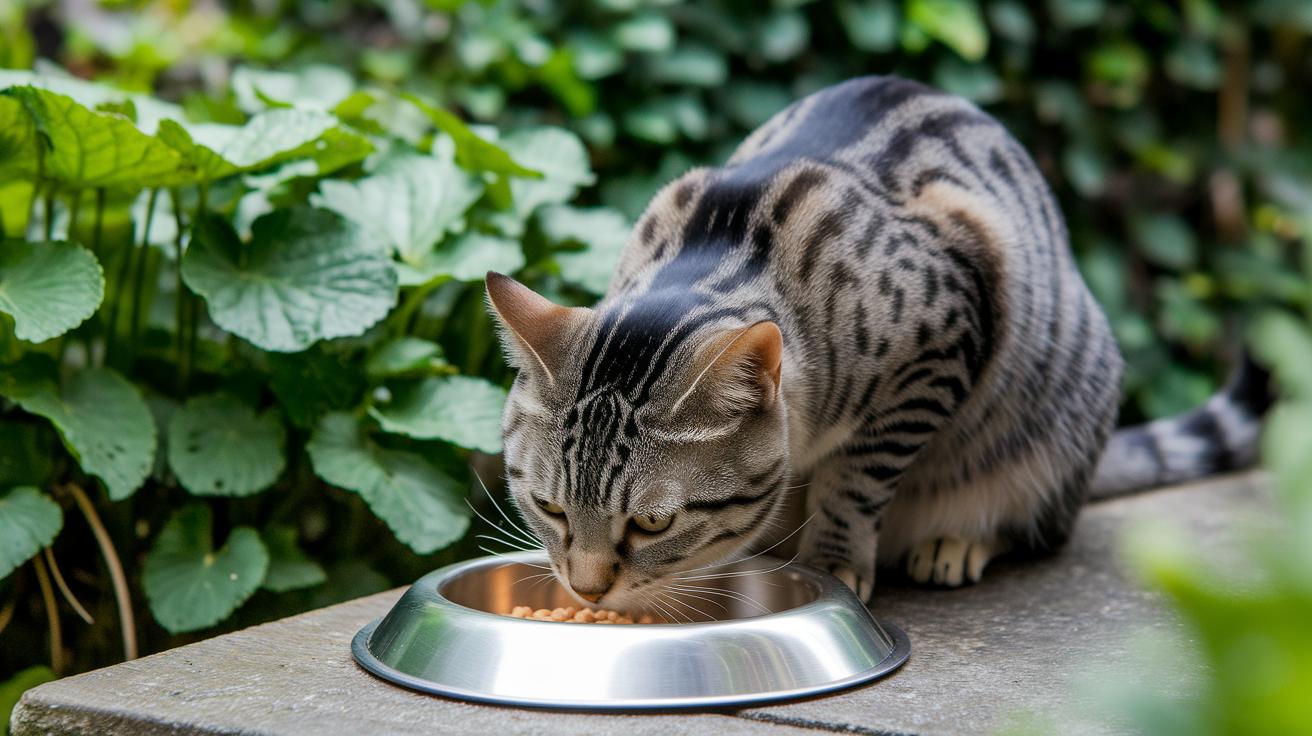
    Ever watched your kitty sniff a crisp lettuce leaf, wrinkle her pink nose, then saunter off to her crunchy kibble? Looks cute, right? But here’s the thing: cats aren’t built for plant snacking.

    They don’t have salivary amylase (an enzyme in saliva that kick-starts carb digestion) to break down starch from veggies. So that leafy green just sits there.

    And their stomach acid is wild strong, think of it like a mini meat-melting vat churning away. It’s made to turn muscle into fuel, not kale.

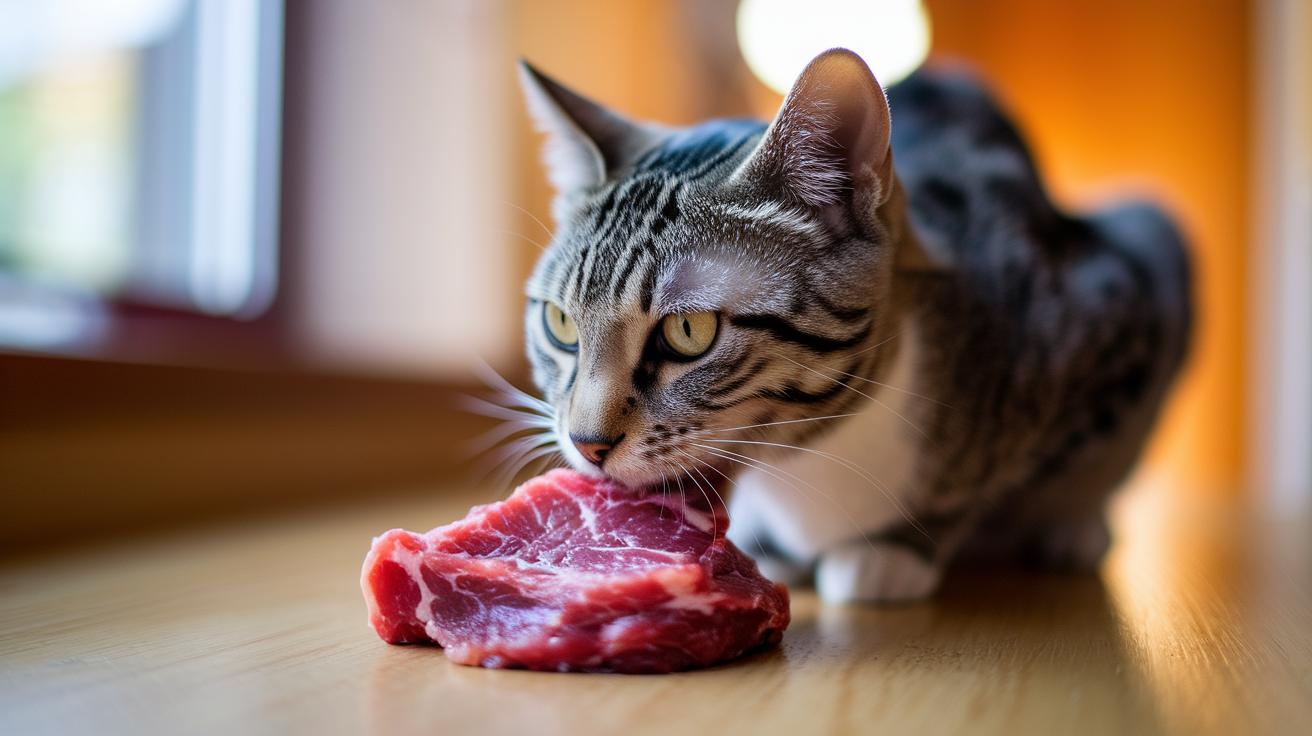
    Cats are born hunters. Really. They’re obligate carnivores, which means they rely on animal protein for energy, vitamins, and all those purr-fueling nutrients. No veggie side dishes needed.

    Domestic Cats: Obligate Carnivores Rather Than Omnivores?

    - Domestic Cats Obligate Carnivores Rather Than Omnivores.jpg

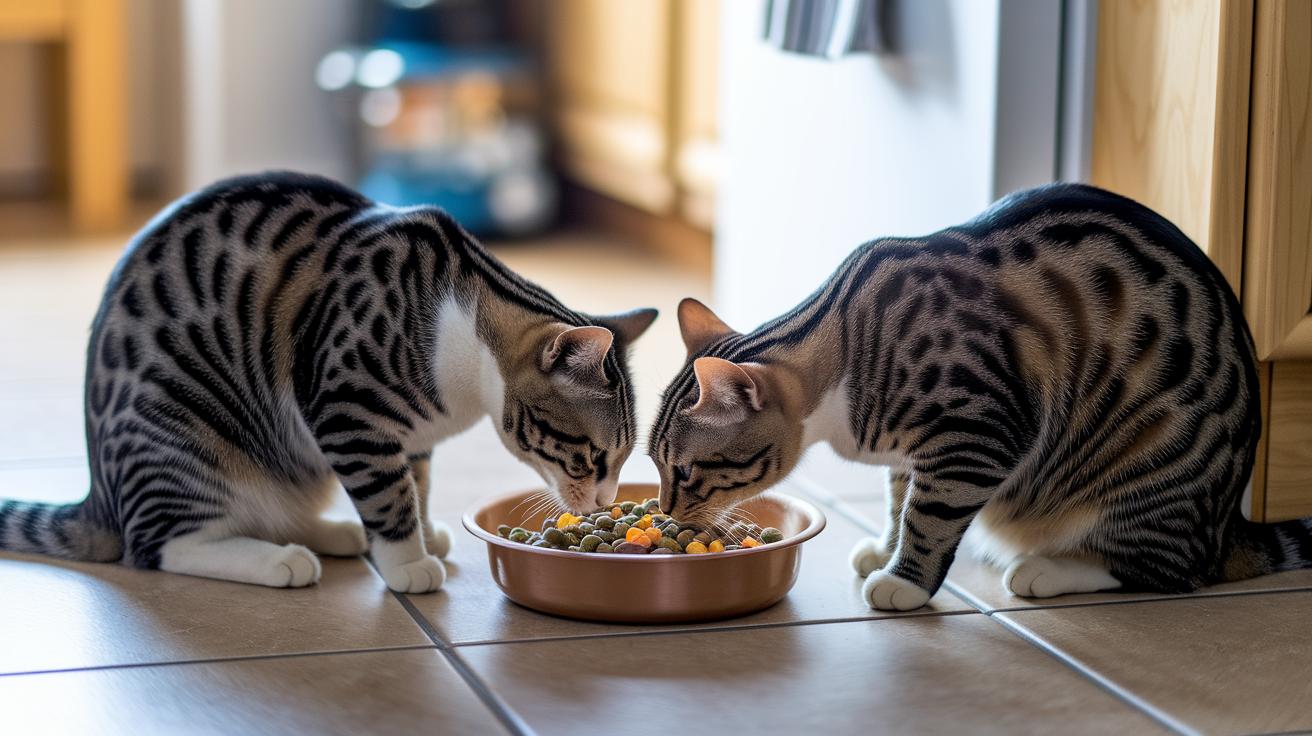
    Ever wondered if your kitty could snack on salad? Nope, our feline friends are strict meat-eaters, called obligate carnivores (animals that must eat meat). They depend on a meat-based diet because they can’t make some essential amino acids (protein building blocks) or vitamins from plants.

    Next, we’ll peek inside their tummies in Digestive Anatomy and Physiology in Domestic Cats. Check out those sharp molars, the missing salivary amylase (the enzyme that starts breaking down starch), and a super-acidic stomach (pH 1–2) that turns meat into energy fast while zapping nasty microbes. It’s claw-tastic how their bodies are built for hunting.

    Then in Evolution of Diet in Domestic Cats, we follow their desert-roaming ancestors, wildcats that thrived on prey with 52–63% protein, 25–46% fat, and almost no carbs. See Nutritional Requirements of Domestic Cats below for the lowdown on protein and fat needs and why taurine (an amino acid), arachidonic acid (a fatty acid), and preformed vitamin A are non-negotiable.

    Digestive Anatomy and Physiology in Domestic Cats

    - Digestive Anatomy and Physiology in Domestic Cats.jpg

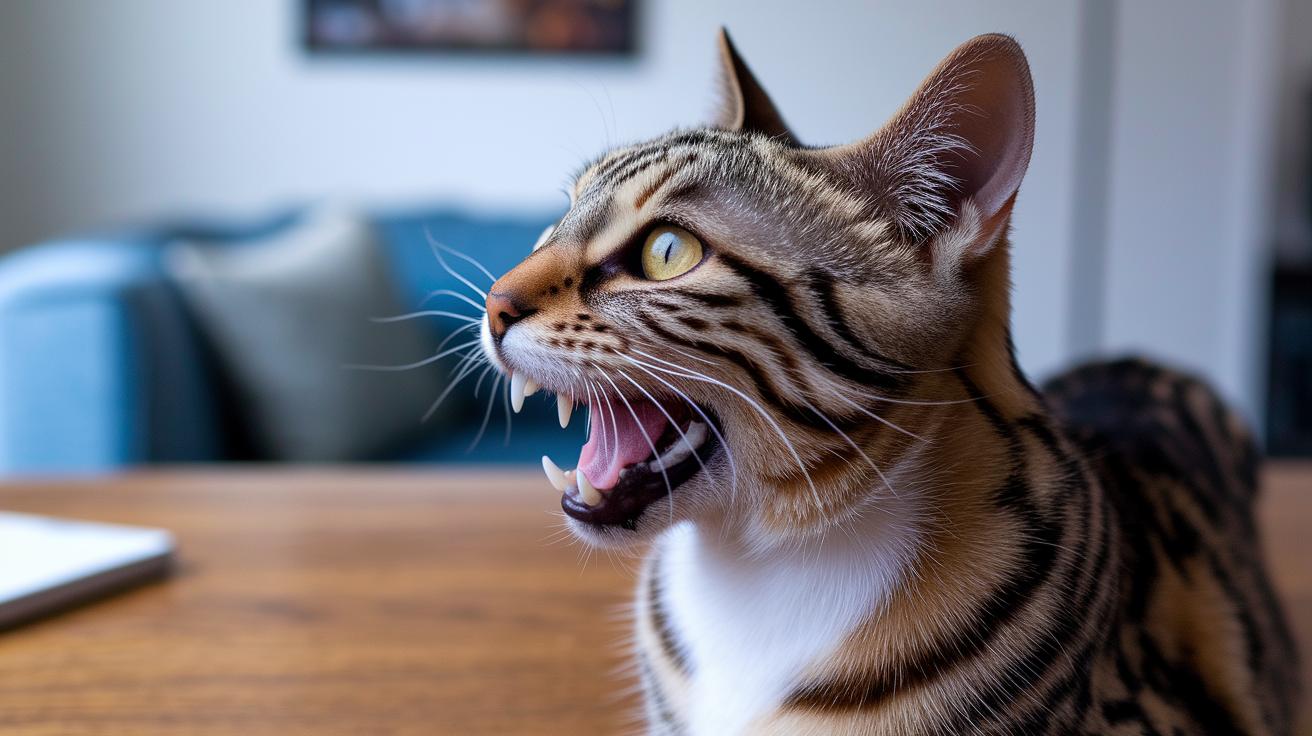
    Cats are pure meat machines. They come with sharp, serrated molars (teeth with jagged edges) and a wide-set jaw that lets them slice, tear, and gulp down chunks of prey. Ever watched your kitty chomp? It’s purr-fect precision slicing and a bit wild.

    Inside, the stomach’s pH (a measure of acidity) hovers around 1 to 2. That’s super sour, like lemon juice times ten. It tears through tough protein fibers and zaps bacteria in a flash. Think of it as a mini meat-melting factory.

    Next comes the enzymes (small proteins that speed up digestion). Cats don’t make salivary amylase (the enzyme that breaks down starchy carbs in your mouth), um, so no bread feast here. Their gastrointestinal tract (from stomach through intestines) is short, only about five percent of their body length, so plant bits barely stick around. Without starch or sugar enzymes, carbs just zip right out.

    This no-nonsense setup makes meat the ultimate fuel for cats. Really.

    Evolution of Diet in Domestic Cats

    - Evolution of Diet in Domestic Cats.jpg

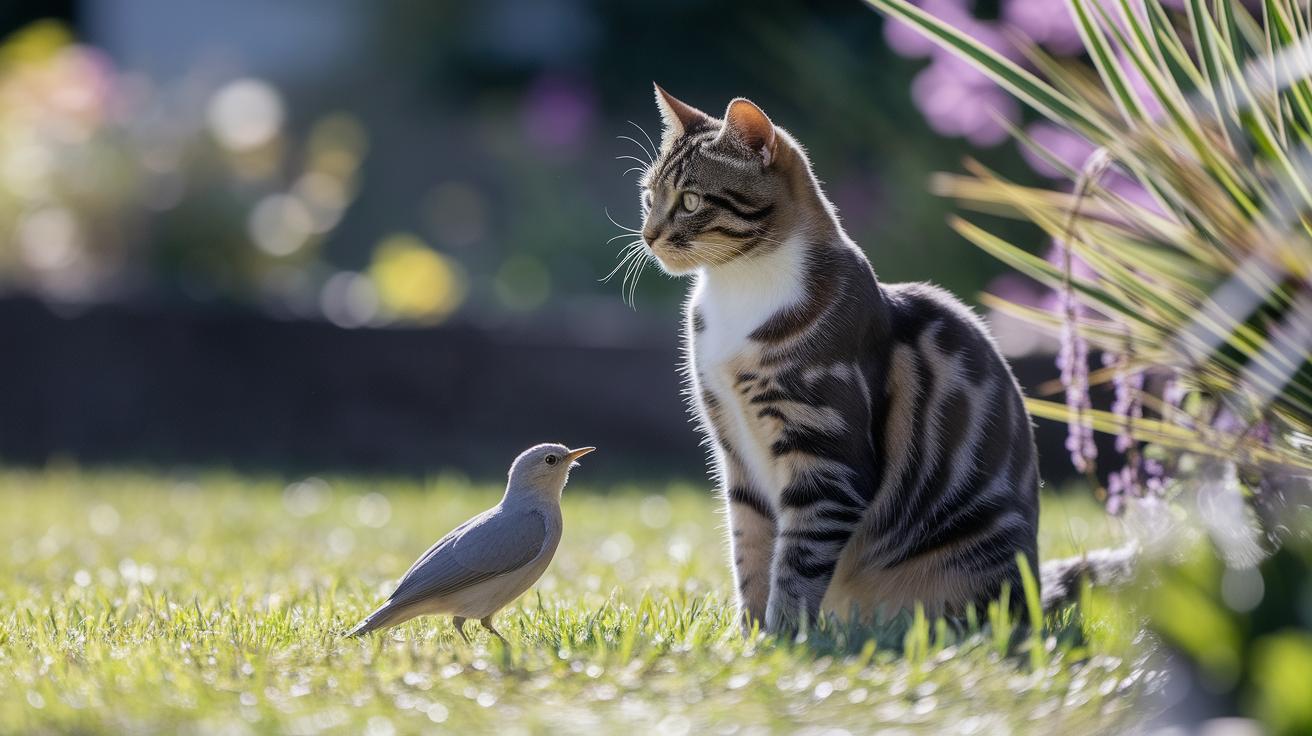
    Okay, picture a desert wildcat – whiskers twitching under a scorching sun as it hunts. These kitty ancestors fueled up on whole prey with about 52–63% protein (the muscle-building stuff), 25–46% fat (energy-packed bits), and a tiny 2–12% carbs (sugars and starches). Imagine sinking teeth into a lizard or rabbit, crushing bones, and savoring every juicy morsel – so claw-tastic! It’s pure, raw fuel for a wildcat’s busy day.

    And um, when humans brought these fierce hunters indoors, those desert diet blueprints didn’t vanish. Your couch-side pouncer still crouches, stalks, and bats at toys just like its ancestors chased rodents across sandy flats. Ever seen a stray tabby slip behind a shed and return with a prize? That’s ancestral diet in action – no fancy kibble can match the thrill and perfect nutrient mix of fresh meat.

    Nutritional Requirements of Domestic Cats

    - Nutritional Requirements of Domestic Cats.jpg

    Hey there, fellow cat fan! Ever watch your kitty gulp down dinner like a tiny lion? Let’s break down what your cat really needs.

    Adult cats need about 26% protein (building blocks for muscles and cells) and 9% fat (tiny energy packets that fuel playtime and healthy skin), all measured on a dry matter basis (food without the water). Kittens and mama cats need even more protein to grow strong and make milk.

    Protein brings in essential amino acids (the bits your cat can’t make enough of on its own). And fat? It keeps whiskers twitching, skin soft, and fur glossy after every zoomie session.

    Taurine is non-negotiable. Cats can’t make enough taurine (an amino acid critical for heart and eye health), so it has to come from meat. Skip the meat and your cat can get a weak heart (dilated cardiomyopathy) or fuzzy vision (retinal degeneration) in just a few weeks. Really, taurine deficiency is no joke.

    Next, cats need arachidonic acid (an omega-6 fatty acid that helps cells chat) and preformed vitamin A (the ready-to-use version for vision and immunity). They lack delta-6 desaturase (the enzyme that would make arachidonic acid) and can’t convert beta-carotene (plant pigment that’s a vitamin A precursor) into active vitamin A. Meat delivers both in a form your cat can use. No meat, no deal.

    Sure, some plant foods have arginine (another amino acid cats like), but they miss out on those vital fats and vitamins cats can’t make or convert. A sprinkle of fiber (plant bits that help digestion) here and there is fine, but meat must be the main act.

    That’s how your cat stays strong, playful, and totally purr-fect.

    Plant Ingredients in Cat Foods: Impact on Domestic Cats

    - Plant Ingredients in Cat Foods Impact on Domestic Cats.jpg

    Lots of commercial kibbles use grains (like wheat, corn, or rice kernels), peas (small, green bean relatives), and legumes (beans and lentils) to shape the bite and cut costs. But cats aren’t built to turn those plant carbs into energy when they top 12% of the calories. They lack salivary amylase (the enzyme in saliva that breaks down carbs) and only have a bit of the same enzyme in their gut. So extra starch (plant sugar) just zips through their system without feeding them.

    Pea protein in your cat’s diet does offer arginine (an essential amino acid cats need), but it’s missing taurine (a heart-healthy amino acid), arachidonic acid (a skin-and-fur friendly fat), and preformed vitamin A (meat-based vitamin A). Those nutrients only come from animal tissues (meat). Oops, um, that can lead to gaps in a cat’s diet and maybe a tummy ache if those beans and lentils pile up.

    Some kitties do enjoy safe plant-based snacks, like a few nibbles of steamed broccoli or watermelon, just for a fiber boost or a fun crunch. Ever watched your kitty’s whiskers twitch as they chomp on a colorful veggie? It can help with hairball control, you know. Check out What Do Cats Like to Eat for more treat ideas.

    But remember, those treats stay treats, they’re not the main fuel your cat needs. When plant ingredients balance with meat-based nutrients, they add texture or fiber and keep kibbles interesting. If they take over the recipe, you risk nutrient gaps and lower calorie uptake.

    Keep your kitty purring and feeling fur-tastic by sticking to recipes where meat is the star.

    Alternative Diets for Domestic Cats: Risks and Considerations

    - Alternative Diets for Domestic Cats Risks and Considerations.jpg

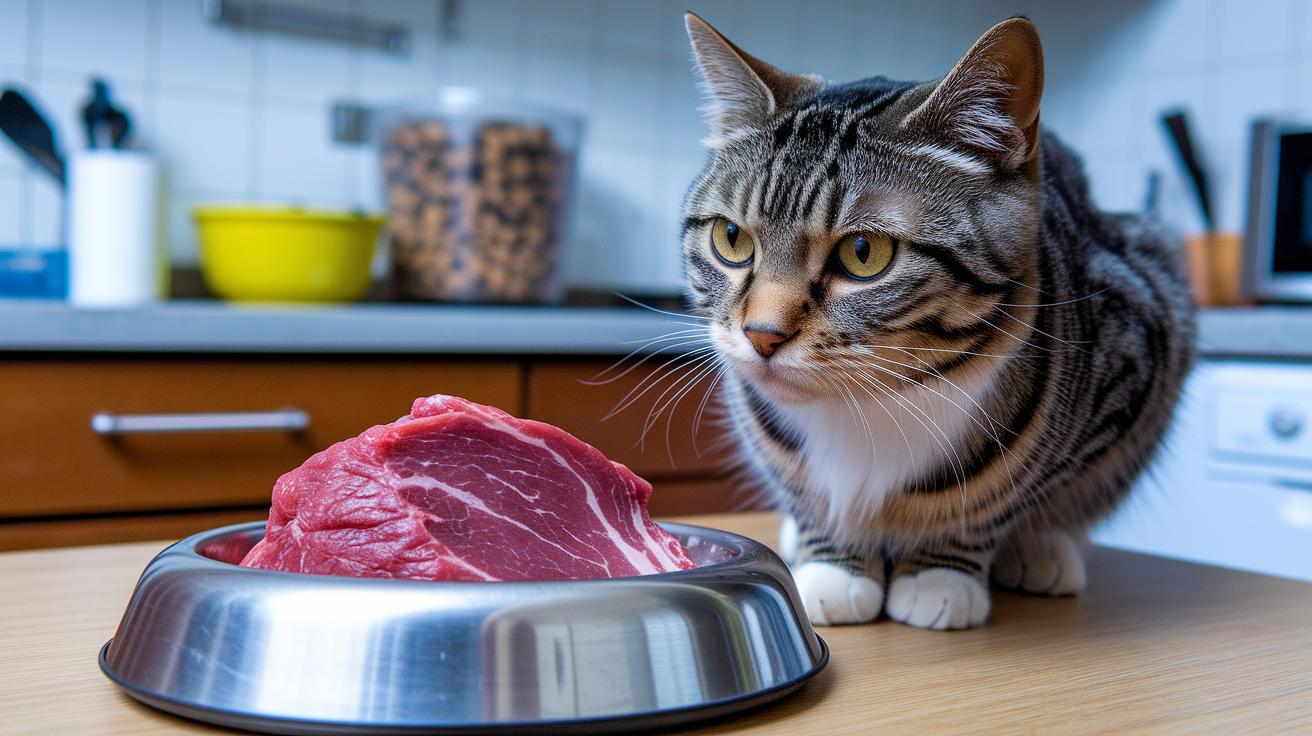
    Ever thought about tossing raw meat into your cat’s bowl? It sounds wild – like a little hunt in your kitchen. But raw chicken or beef can hide Salmonella or E coli. Yikes!

    Freezing cuts down some germs but not all of them. And when you grind up bones and meat at home you might miss the right calcium to phosphorus ratio (essential minerals for strong bones). That mix-up can lead to odd growths or soft spots in kittens.

    So please chat with your vet before swapping out dry kibble. They’ll help make sure you’re not missing key nutrients or letting bacteria sneak in.

    Homemade vegetarian or vegan meals crank up the challenge even more. Cats need taurine (an amino acid), vitamin A (for sharp vision), vitamin B12 (for nerves and blood cells), and arachidonic acid (a fatty acid cats use for energy). You can add supplements but you know cats can be picky eaters.

    Without the right balance you might see your kitty drag around, blink slowly or even have sudden heart flutters in as little as a week. Fixing things too late can, well, get really serious.

    Even plant-based commercial foods lean on man-made nutrients. Sure, some meet AAFCO standards on paper, but chewing, swallowing and digestion change how much your cat actually absorbs. That means regular blood tests and vet visits are a must.

    In truth, veering off the meat highway without a pro guide is a risky road. A vet’s advice and periodic lab checks will help keep your feline friend purring happily. Worth every paw-print.

    Optimizing Meat-Based Diets for Domestic Cats

    - Optimizing Meat-Based Diets for Domestic Cats.jpg

    Let’s talk diet basics. Aim for at least 30% protein and 20% fat in your cat’s daily meals. Those numbers come from AAFCO (the group that sets pet food rules) and help keep muscles strong and energy high. Pick recipes that list a real meat (like chicken or salmon) first, not vague “meat by-products”.

    Ever noticed your cat noodle through kibble and still seem thirsty? Wet food can be a hydration hero for cats who need a little extra water. The moisture helps kidneys stay healthy (think of it as a cat-friendly water boost) and keeps urine flowing. It might even cut down on those pesky hairballs. Bonus.

    Next, rotate protein sources every few weeks. One month serve chicken, then try turkey, and follow up with salmon or rabbit. Switching things up mirrors how cats hunt in the wild and builds a balanced amino acid profile (the building blocks of kitty muscle). And it cuts the chance of sneaky food sensitivities popping up.

    For busy cat parents, two or three smaller meals a day works wonders. Use a kitchen scale or measuring scoop so you hit your cat’s calorie needs without overdoing it. Smaller, frequent feeds can calm that mealtime frenzy and keep blood sugar steady. Your morning rush just got easier.

    Sprinkle in variety with freeze-dried liver treats or a spoonful of canned fish broth. Your cat will perk up for the flavor and you sneak in extra nutrients. Just keep treats under 10% of daily calories so the main course still steals the show.

    Stick to meat-first labels and you’ll see shinier coats, livelier pounces, and cozier cat naps. Optimal cat diet guidelines are simple to follow, and the payoff is endless purrs. Worth every paw-print.

    Final Words

    In the action, we saw why cats need meat (sharp teeth, tiny stomach, serious protein fans).
    We went from their desert-dwelling ancestors to today’s couch-jumping friends.
    We sorted must-have nutrients like taurine and why plants just can’t cut it.

    We also looked at plant fillers, raw diet risks, and easy tips to tune a meat-based menu.
    And when you ask are domestic cats omnivores or straight-up carnivores, you know which way it leans.
    Here’s to happy paws, healthy meals, and cats living their best pouncing life.

    FAQ

    Are dogs omnivores?

    Dogs are omnivores because they can digest both plant and animal foods, thanks to their salivary amylase and a longer gastrointestinal tract.

    Are domestic cats omnivores or carnivores?

    Domestic cats are obligate carnivores requiring meat-based diets because they lack enzymes to synthesize key nutrients from plants.

    Why are cats carnivores and dogs omnivores?

    Cats’ sharp teeth, high stomach acidity, and missing digestive enzymes limit them to meat, while dogs’ broader enzyme mix and longer guts let them process both meats and plants.

    Are there any cats that are omnivores?

    No cats are true omnivores. Wild and domestic cats are obligate carnivores that rely on animal prey for essential amino acids, fatty acids, and vitamins they cannot get from plants.

    Do domestic cats eat meat and their prey?

    Domestic cats eat meat and often hunt small animals, consuming muscle, organs, and sometimes bones to meet protein, fat, and micronutrient needs inherited from their wild ancestors.

    Related Articles

  • average cat lifespan Offers Long Healthy Years

    average cat lifespan Offers Long Healthy Years

    Did you ever think your lap-warmer might stick around for more than a decade of purrs? A study in the United Kingdom (UK) of almost 8,000 whisker-twitchers found the average lifespan (how long they live) is about 11.7 years. That’s nearly a dozen birthdays! Ever watched your kitty chase shadows?

    Most indoor cats end up between 13 and 17 years old. And a few superstar felines even hit 20 or more. Totally paw-some!

    In this post we’ll explore what nudges these numbers up or down. And we’ll share simple tips to help your furry pal soak up every nap in a sunshine puddle and zoomie-filled pounce. Let’s get started, uh, cat lovers.

    Domestic Cat Lifespan Overview

    - Domestic Cat Lifespan Overview.jpg

    Ever wondered how long your kitty might stick around to purr? A UK study followed nearly 8,000 cats (using vet records and owner stories) who passed away between 2019 and early 2021. They found the average cat lifespan from birth is about 11.74 years. It’s a solid snapshot of cat longevity in real life.

    Most house cats live between 13 and 17 years. Some lucky furballs go way beyond that. The oldest recorded cat hit 38 years, that’s nine lives plus extra! It shows what great care (and a sprinkle of luck) can do.

    And guess what? Female cats, queens, usually live longer than males, toms. Queens average about 12.51 years, toms around 11.18. That extra year or so means more lap naps and zoomies!

    Getting older doesn’t mean slowing down too fast. A 9–10 year old cat can expect about 6.08 more years. At 12–13 years it’s roughly 4.24 more years. For 15–16 year olds, around 2.72 years. Even 19–20 year olds often see another 1.40 years. Think of those milestones like your own golden decades, just with more sunbeam naps and fewer golf games.

    Cat Age Years Left
    9–10 6.08
    12–13 4.24
    15–16 2.72
    19–20 1.40

    Worth every paw-print.

    Lifespan Comparison: Indoor vs Outdoor Cats

    - Lifespan Comparison Indoor vs Outdoor Cats.jpg

    Ever peek through your window at dawn and see your cat tiptoeing across the yard? Your cat’s world really shapes how many years of purring and cuddles you get.

    Indoor life is cozy and safe. Most indoor cats live 13 to 17 years. They dodge speeding cars. They avoid household toxins (like cleaning sprays). And they skip neighborhood scuffles.

    But life outside is wild. Outdoor cats usually only live 2 to 5 years. It’s mostly because tiny parasites (bugs like fleas and ticks) and infectious diseases (germs that make cats sick) sneak in. Oops, that sounds grim.

    Here’s a quick look at the differences:

    Environment Average Lifespan Top Risks
    Indoor cats 13–17 years Few hazards; steady health
    Outdoor cats 2–5 years Traffic, fights, toxins, parasites

    Seeing these numbers, you’ll get why many cat lovers stick to indoor life. Fewer vet trips, less um, parasite drama, and a snug home scene add up to extra years of whisker twitches and playful paw-pats. Worth every paw-print.

    Breed-Specific Lifespans for Cats

    - Breed-Specific Lifespans for Cats.jpg

    Mixed-breed cats, also called moggies, often enjoy hybrid vigor (extra health perks from mixed genes), so they usually live a bit longer, about 11.9 years on average. They dodge many breed-related health bumps and shrug off minor sniffles, uh, like nothing. Ever watched your tabby bolt across the floor? That burst of energy might come from their hardy, mixed-up roots.

    Next up, the pedigree pals with extra whisker-twitching years: Burmese cats purr on for about 14.4 years, and Birman buddies stick around for about 14.4 years too. Siamese chatterboxes often live beyond 11 years, while Persians and Ragdolls celebrate 10 or more with soft paw taps and gentle kneading. And Savannahs? With spot-on care, they can stay by your side for nearly 20 years. Worth every paw print.

    Not every purebred hits the double digits though. Sphynx cats average just 6.7 years because their bare skin (no fur coat to protect them) needs extra TLC against chills and scrapes. Bengals clock in around 8.5 years, thanks to a few heart and liver quirks tied to their wild looks. It’s a reminder that each breed’s traits shape its own life path, but with the right care you can nudge the scale toward more quality years for your fur baby.

    Key Influences on Cat Longevity

    - Key Influences on Cat Longevity.jpg

    Ever noticed how a whisker-twitch or a cozy purr feels like a tiny celebration? Those moments connect to something much bigger: your cat’s overall health and how many years they’ll be by your side. Genes (traits they inherit from mom and dad) and breed-linked quirks lay the foundation. Then what you feed them, how you play, and the care you give form the next three pillars: heritage, nutrition and exercise, and regular vet checkups.

    Genetic and Breed Influences

    Mixed kitties often reap what vets call hybrid vigor (extra health perks from mixed genes), which can mean fewer inherited hiccups. Purebred cats, though, might carry breed-linked issues like heart defects (birth flaws in the heart) or kidney troubles (when kidneys can’t filter properly). If you know your cat’s family health history, you can watch for early warning signs, like sudden weight swings or droopy energy, and team up with your vet on a game plan that fits your furry friend.

    Nutrition, Weight Management, and Exercise

    Feeding the right stuff keeps your cat’s engine purring. A diet rich in high-quality protein (the building blocks of muscles and fur) plus essential vitamins (nutrients that keep them in top shape) helps their immune system stay strong. Adding wet food (canned cat food) brings extra water to the bowl and eases stress on their urinary tract (the tubes that carry urine). Portion control keeps extra body fat (obesity) at bay, cutting the risk of diabetes or achy joints.

    Next, let’s talk play. Tossing an unbreakable ball for that satisfying thud or waving a feather wand is pure joy. It gets their heart pumping, tones their muscles, and fires up that curious little mind.

    Preventive Veterinary Care

    You know, a solid vaccination schedule is like a safety net. Shots against rabies, feline distemper, and more build a wall against nasty infections. Regular blood and urine tests can flag sneaky trouble in kidneys or liver before you even see a hint of illness. And those tiny parasite-control drops or collars kick fleas, ticks, and worms to the curb.

    Also, spaying or neutering lowers cancer risks and cools down unwanted behaviors, less roaming more couch snuggles. And a quick dental cleaning wipes away plaque (bacteria buildup on teeth) so gums stay pink and breath stays fresh.

    In the end, genes plus good meals, fun play, and regular vet visits team up to give your cat the longest, happiest life possible.

    Strategies to Enhance Your Cat’s Lifespan

    - Strategies to Enhance Your Cats Lifespan.jpg

    Your home can become a mini cat gym. Ever watched your kitty’s whiskers twitch as she bats at a puzzle feeder (brain teasers hiding tasty treats)? It’s like a little workout for her mind. Whoa.

    Then set up a sturdy scratching post (for claw sharpening and big stretch breaks). And carve out a 10-minute wand-toy chase before you grab your morning coffee. Your cat will feel feline fine.

    Caring for Aging Cats

    • Slip in joint supplements (glucosamine, a natural support for cartilage) to ease creaky hips and keep bones moving smoothly.
    • Every six months, schedule blood and urine tests to catch sneaky kidney or thyroid changes early.
    • Keep up with dental cleanings (see Preventive Veterinary Care) so your cat has fresh breath and strong gums.
    • Make sure your senior is microchipped (a tiny ID chip under the skin) and your contact info is always current, just in case she ever wanders off.

    Final Words

    In the action, we explored the data behind how long kitties live, from that UK study of nearly 8,000 cats to the 13–17 year range and even a record 38-year-old feline. We broke down indoor vs outdoor risks and peeked at breed-specific perks.

    Then we looked at genes, diet, and exercise and how each aspect fuels your kitty’s well-being. We saw how regular vet checkups really tip the scales toward more whisker-twitching years.

    Last, we shared simple steps: play routines, quality food, and senior TLC. With these tips you’re set to boost average cat lifespan and keep every paw happy.

    FAQ

    What is the average life expectancy of an indoor cat?

    The average life expectancy of an indoor cat is around 13 to 17 years, according to a UK study of nearly 8,000 cats.

    How long do indoor-outdoor cats live compared to indoor and outdoor cats?

    Indoor-outdoor cats live between about 7 to 12 years, shorter than purely indoor cats but typically longer than outdoor cats facing higher risks.

    What is the average lifespan difference between male and female cats?

    Female cats average about 12.5 years of life, while male cats average around 11.2 years, reflecting slight gender differences in longevity.

    What percentage of cats live to 20 years old?

    Only around 2% of cats reach 20 years old, making that milestone quite rare despite modern veterinary care and healthy lifestyles.

    How do cat years relate to human years for a 17-year-old cat?

    A 17-year-old cat roughly equates to an 84-year-old human when using common cat-to-human year conversion charts.

    Can cats live to 30 years old?

    Cats can live to 30 years old, though it’s extremely rare; the oldest recorded cat lived to 38 years.

    At what age do cats start showing age-related decline?

    Cats start showing age-related decline around 11 years old when they enter their senior years and may develop stiffness, dental issues, or reduced activity.

    How long do Persian, Maine Coon, and Siamese cats typically live?

    Persian cats typically live about 10 to 13 years, Maine Coons around 9 to 12 years, and Siamese cats often reach 11 to 14 years with proper care.

    How does a cat’s lifespan compare to dogs, lions, and horses?

    Domestic cats live about 13 to 17 years, while dogs average 10 to 13 years, lions 10 to 14 years, and horses around 25 to 30 years in human care.

    Related Articles

  • what do cats sleeping positions mean Cozy Clues

    what do cats sleeping positions mean Cozy Clues

    Ever noticed your cat crashed into a weird sleeping pose and thought, "What's going on?"
    Their snoozing styles are like secret mood rings for your whisker-faced pal.
    One moment they’re loafing on a couch cushion (picture a squishy meatloaf ready to spring).
    Next, they’re sprawled out like a mini sunbather, belly up and all!

    Watching these cozy twists can tell you if your furball feels snug, curious, or is just plotting a surprise zoom.
    Ever watched your kitty chase shadows?
    Um, me too!
    In this post, we’ll uncover eight cat-nap poses so you can read those purr-fect signals like a pro.

    Common Cat Sleeping Postures Decoded: Loaf, Curled, Belly-Up, and More

    - Common Cat Sleeping Postures Decoded Loaf, Curled, Belly-Up, and More.jpg

    Ever peek at your cat mid-nap and wonder what they’re thinking? Cat snooze styles are like little mood rings for our feline pals. Spotting these positions helps you tell if they’re cozy, cautious, or maybe saying “do not disturb,” you know?

    • Curled-Up (Soldier Curl)
      Your kitty tucks nose under tail, forming a perfect circle, like a built-in wool blanket. This heat-trapping pose shields their belly (those precious organs) and hints they feel snug and secure. Cute and protective all at once!

    • Loaf
      Paws neatly tucked under chest, kitty looks like a fluffy meat loaf. This light-sleep pose means they’re comfy but ready to spring into action if you jingle a toy. Ever watched those ears go from relaxed to perked in a split second?

    • Belly-Up
      Legs splay skyward and tummy shows, total trust mode. This starfish stance is peak relaxation, usually in a sunbeam or your favorite quiet corner. Whoa. Talk about “I feel safe here.”

    • Side-Lying
      Kitty flops on their side, limbs stretched out like they own the couch. You’ll hear a soft purr and see half-closed eyes, relaxed vibes, yet whisker twitches reveal they’re still on alert for surprise fun. It’s the best of both worlds.

    • Superman (Sprawl-Out)
      Legs reach opposite directions, belly pressed to a cool floor or warm patch of sunlight. Think superhero in deep dreamland, super trust and super rest. It’s cute, it’s hilarious, it’s pure kitty bliss.

    • Paws-Over-Face
      Front paws drape over eyes like tiny blackout curtains. Perfect for blocking light or even a noisy hallway, this blackout signals “I’m out cold, do not disturb.” Spend the morning playing chase? This one’s their post-marathon look.

    • Under Covers
      Your cat burrows under blankets, leaving just a tail tip or ear exposed. It mimics a secret den, all cozy scents and warm walls. Ideal for shy cats or anyone craving extra calm, plus it’s just adorable.

    • On Owner
      Whether it’s your lap, chest, or even shoulder, your pulse and steady breath lull them into full cuddle bliss. This nap spot doubles as top-notch purr therapy, for you both. Worth every paw-print.

    Cat Sleeping Positions as Behavior and Health Indicators

    - Cat Sleeping Positions as Behavior and Health Indicators.jpg

    • Curled-up: Your kitty tucks into a snug ball, whiskers brushing paws. But if that curl stays rock-solid even after waking, it could mean joint pain from osteoarthritis (wear-and-tear pain in joints) or maybe a queasy tummy.
    • Head-tucked: Ever see your cat bury its face like a sleepy koala? When they stay rigid in that pose, it might signal a fever or a sensitive belly.
    • Paws-over-eyes: It looks adorable, tiny mittens shielding sleepy eyes. Yet if those paws press hard and don’t move, your cat could have a headache or irritated eyes.
    • Spiderman stretch: A loose, belly-up flop is just cute. But a stiff sprawl or hesitation when your cat rises can point to muscle stiffness or soreness.
    • Mitten-style: Cats often tuck their paws under their chest like soft little mittens. If those mittens never shift, your furball may be guarding a sore spot.

    When to Call the Vet

    • Missing dreamy cues: No half-open lids, no relaxed whiskers, no soft tail twitches during REM (dreaming sleep)? That deep-sleep magic isn’t happening, and you might want a pro to check them out.
    • Snoring with effort: A gentle snore is cute. But loud gasps, wheezing, or labored breaths need a vet visit.
    • Fever hints: Warm ears, shivers while head-tucked, and low energy spell “check me.”
    • Joint flare-ups: If that curled-up pose stays stiff or your cat hesitates when stretching back up, arthritis could be acting up.
    • Ongoing tummy or eye trouble: A frozen head-tuck or paws pressed tight over eyes that last hours? Time for a check-up.

    Environmental and Seasonal Influences on Cat Sleeping Positions

    - Environmental and Seasonal Influences on Cat Sleeping Positions.jpg

    Ever notice your kitty curl into a tight boomerang? In chilly rooms, they tuck in paws and tail to trap body heat, like a living fur burrito. You can almost hear the cozy purrs.

    But set out a warm spot and watch a full-body sprawl unfold. Think belly-down superman poses on a sunny patch of carpet or windowsill. (My cat once sprawled so big she looked part sofa.) Um, it’s seriously adorable.

    And height vs. hideaways is fascinating. Some furballs slip into low, dark boxes for that secret-den vibe. Others launch onto the fridge or a tall shelf for a bird’s-eye watch, ever seen a furry sentry squad?

    Surface textures matter too. When they knead a memory foam bed (polymer blend foam that hugs like a cloud), long side-lying stretches happen. Swap in smooth wooden floors or a corrugated cardboard box and poof, loaf poses and quick catnaps take over.

    Seasons add the final twist. Winter means dream-filled marathons in draft-free corners. Rainy days usher in blanket burrows. Summer brings light, breezy naps in cool-crossdraft spots. Each snooze spot is a cozy clue to your cat’s temperature and mood.

    - Age-Related Variations in Cat Sleeping Positions.jpg

    Kittens nap in quick bursts. Ever notice how they snooze every few hours, like tiny furry alarm clocks? They love curling up in snug hideouts – a scrunched-up towel or a cardboard box nook – so they can drift off safe and sound before the next zoom-and-pounce fest. These short, frequent catnaps (polyphasic sleep (sleep in several short bursts)) help their muscles grow and tuck away all those wild chase memories. Just adorable!

    Adult cats settle into their signature snooze styles. You might spot one loafing by the window for a quick light doze. Then later they sprawl out fully in a warm sunbeam for a deep dream. They balance alert micro-naps with longer rests, choosing spots where the vibe feels just right – maybe a soft chair cushion or that toasty patch on the rug. Ever watched your kitty twitch whiskers in a dream?

    Senior kitties log more shut-eye these days. Arthritis (joint stiffness) can make jumping tricky so low-entry, cushioned beds win every time. Some even meow or purr in their sleep, like a bedtime chat tucked inside a dream. They love warmth and easy access – no high shelves required – and can curl up without stiffness so they stay cozy all night. Worth every paw-print.

    Creating Safe, Restful Spaces for Cat Sleeping Positions

    - Creating Safe, Restful Spaces for Cat Sleeping Positions.jpg

    1. Set up a den-style cat bed
      Imagine your kitty slipping into a snug, cave-like hideaway. A hard-sided pet cave or a covered cushion gives them warmth, privacy, and that cozy “I’m safe” feeling. It’s like their own little fortress for the ultimate catnap.

    2. Rotate cozy comfort spots
      Try out cardboard boxes (sturdy walls for hiding), fluffy mats, an elevated perch, or a sunny window seat for bird-watching. Memory foam pads (squishy foam that molds to curves) feel like a gentle hug on sleepy afternoons. And don’t forget a kitty hammock for a fun, bouncy snooze.

    3. Build a predictable nap routine
      Cats thrive on knowing what’s next. Choose two or three daily rest times, after breakfast or play, and gently guide them to their favorite spot. You’ll see them learn the rhythm, purring as they settle in. Consistency breeds confidence.

    4. Find quiet, low-stress corners
      Scout out calm corners away from busy doors or noisy machines. Tuck a bed under the sofa or near a closed door so sudden sounds can’t startle them. This little hideaway helps your cat drift off without distractions.

    5. Match naps to natural catnap bursts
      Ever notice your cat dozing mid-morning, then snoozing longer after lunch? Work with those natural rhythms. A quick mid-morning snooze, a deeper early-afternoon sleep, and a final doze post-evening play will keep them happiest.

    6. Keep comfort close during changes
      Moving rooms or adding a new pet can stress your cat. If things change, place their bed beside something familiar, your worn T-shirt or their favorite toy, so they follow that comforting scent back to rest.

    7. Offer gentle temperature zones
      A slightly warm spot invites your cat to stretch out, while a cooler corner encourages a tight curl. Avoid drafty floors and steer clear of direct sun or icy AC blasts. A mild, steady temperature helps them snooze soundly.

    8. Layer in familiar scents and soft textures
      Drape a soft blanket scented with your laundry or their own fur. Fabrics that catch tiny whisker twitches and gentle kneading motions create an ultra-cozy nest.

    But wait – your kitty’s perfect nap spot might be right around the corner.
    Worth every paw-print.

    Final Words

    In the action, you learned how to spot curled-up, loaf, belly-up, side-lying, superman, paws-over-face, under covers, and on-owner snoozes.

    We explored health cues, seasonal shifts, kitten to senior sleep changes, and tips for cozy cat beds.

    Each section helps decode why cats choose these poses. Next, set up simple spots, boxes, mats, perches, and keep routines steady for calm naps.

    Now you’re ready to answer what do cat sleeping positions mean and enjoy contented purrs ahead.

    FAQ

    Where does my cat sleep on my bed and what does it mean?

    When your cat naps at your head, feet or right next to you, it shows trust. Head means protectiveness, feet mean security and side-by-side means a strong buddy bond.

    What do different cat sleeping positions mean?

    Different cat sleeping positions mean mood and comfort levels. Curled-up saves warmth. Loaf (paws tucked) shows alert rest. Belly-up reveals complete trust. Side-lying means cozy comfort and mid-alertness.

    What sleeping positions indicate a sick or abnormal cat posture?

    Signs of a sick cat include hunched posture, head tucked low or ears pressed back. These odd, tense positions often mean pain or illness and should prompt a vet check.

    What is the spiritual meaning when a cat sleeps on my legs?

    The spiritual meaning of a cat sleeping on your legs is deep trust, comfort and balanced energy. That warm contact often feels like healing vibes flowing between you.

    Related Articles

  • do cats breeds have different personalities? Absolutely!

    do cats breeds have different personalities? Absolutely!

    Think all cats are just fuzzy shoulder warmers? Nope!
    Siamese gossip all night like chatty roommates, Maine Coons lumber around like gentle giants (and yes, they love a head scratch), while Persians snooze on soft pillows like little bread loaves. Each breed has its own quirk, but that’s just the beginning.

    Genes (tiny packets of DNA) deal the cards, but your cat’s life writes the playbook. Um, ever wonder if your new kitten will zoom through hallways or curl up on your lap? We’ll dive into how those inherited traits give you clues. Then we’ll show why their first weeks at home shape the purrsonality you see.

    do cat breeds have different personalities? Absolutely!

    - Understanding if cat breeds have different personalities.jpg

    If you’ve ever wondered if cat breeds have their own personalities, the answer is a big yes. Each breed struts its own style – some chatter up a storm like a Siamese, others lounge cool as a Persian. But kitty character isn’t carved in stone; even two siblings from the same litter can feel worlds apart, one a cuddle bug and the other a shadow chaser at dusk. Genes (tiny DNA packets) set the starting line but your cat’s life and little quirks fill in the rest.

    If you’re curious about breed purrsonality trends, you’ll find over 100 unique breeds stealing the show. From towering Maine Coon hams to tiny Munchkin racers, each mix of looks and mood keeps us guessing. Experts peek at four mood spots:

    • Energy (how much they zoom and play)
    • Sociability (if they crave company)
    • Vocalization (chatty or quiet)
    • Playfulness (chasing, pouncing, puzzle fun)

    These hints give you a sneak peek at whether your cat will zoom across the room or curl up in your lap. Worth every whisker twitch.

    And when you pick a breed, these trends nudge you toward a match. Want a talkative roommate? Scope out Siamese. Need a mellow snuggle buddy? Ragdolls fit the bill.

    Ever watched your kitty chase shadows? Face-to-face time beats any brochure every time. Grab a teaser wand and watch those whiskers twitch. Breeders often note each kitten’s early quirks (some chase string for hours, others flop for tummy rubs), and those tiny moments will land you on the perfect purrsonality fit.

    Genetic influences on cat breed personalities

    - Genetic influences on cat breed personalities.jpg

    Ever watched your kitty chase shadows? It’s funny how some cats chatter like talk-show hosts while others lounge like fuzzy clouds! Genes (tiny DNA packets) deal your kitty its starting purrsonality. A study from the American Veterinary Medical Association found five big temperament traits showing up across breeds.

    1. Neuroticism (insecurity, anxiety)
    2. Extraversion (activity, curiosity)
    3. Dominance (aggression)
    4. Impulsiveness (recklessness)
    5. Agreeableness (affection, friendliness)

    In each breed’s gene pool (its set of inherited traits), these dials get cranked up or down. Siamese cats often have the “chatty” gene turned way up – think meows and yowls at breakfast. Bengals get an activity gene boost, so you’re bound to see zoomies and box-jumping marathons. But genes aren’t the whole story.

    Early play sessions, quiet hideaways, and puzzle toys all shape how a cat behaves. I once watched my cat pounce on a feather teaser for five minutes straight. My tuxedo cat, Midnight, has this stealth gene that kicks in at 3 AM – shadows beware. But give him a cozy perch and a food puzzle by sunrise, and he’s purring happily on my lap.

    Really. Genes hand out a deck of cards. Life plays each one. That mix of nature and nurture makes every cat a surprise.

    Environmental factors shaping cat breed temperament

    - Environmental factors shaping cat breed temperament.jpg

    Getting kittens used to people, pets, and new spots early on really helps them grow into friendly, adaptable adults. Ever watched your kitty creep into a new room with twitchy whiskers? A gentle visit from a calm dog neighbor and soft music sessions can build confidence.

    Fill your home with tall perches (high spots cats love), scratching posts, and puzzle toys to keep curious minds busy. Plug in a FELIWAY Optimum pheromone diffuser (a device that spreads a calming cat scent) to smooth over little tiffs. Rotate toys and introduce new textures like cardboard boxes (empty box fun) or paper bags (rustly surprises). These simple changes help kittens feel right at home.

    Many shelters run quick temperament tests, does the kitten greet a stranger or dash to hide?, so they can match each cat with the perfect home.

    Stressors like vacuum booms or crowded cat meetups can still rattle even chill breeds. Loud noises might send a Siamese dashing under the bed, and rushed intros in a multi-cat house often spark hissing matches. Over time, these tensions can turn a bold kitten into a cautious one.

    A slow scent swap through a cracked door and low-key playdates can calm the worst fears. Let your kitty sniff and peek on their own time. Then watch trust, and playful pounces, grow. Worth every paw-print.

    - Comparing personalities of popular cat breeds.jpg

    Picking the purrfect buddy is all about love, play, and alone time. Some cats knead your lap like dough, others zoom around chasing feather toys. I’ve lined up six fan-fave breeds by how chatty, chill, or high-energy they tend to be. Ready to find a whiskered pal that fits your couch-cuddle style or busy life?

    Breed Temperament Key Traits
    Siamese Talks up a storm, loves snuggles, hates solo time Loud meows, super bonded, needs company
    Persian Quiet and regal, shy around guests, needs daily brushing Soft purrs, fluffy coat care, gentle personality
    Maine Coon Big and friendly, loves people, digs puzzles Huge fluff, chirpy purrs, smart toy fan
    Ragdoll Super mellow, trails you like a puppy, total cuddlebug Flops in your arms, won’t stray far, easygoing
    Bengal High-energy explorer, loves water, climbs everything Needs busy play, top-climber, fetch addict
    Sphynx Bald and chatty, craves cozy laps, heat-seeker Built-in heater, attention-demanding, playful explorer

    See how these kitties range from talkative Siamese to zen-like Persian. Every cat’s a little surprise, one Maine Coon might nap through your Zoom call, while another pounces on your keyboard for playtime. Use this cheat sheet as a starting meow in your search. But um, remember that each whisker-twitching friend writes its own story.

    Worth every purr.

    Let these breed hints guide you, but no chart beats real life with your new pal. Slow intros, fun play sessions, and cozy snuggles will let their true personality shine. So open your heart and get ready for some serious kitty magic.

    Adopting based on cat breed personality

    - Adopting based on cat breed personality.jpg

    When you match your cat’s vibe to your daily life, you set both of you up for success. Think about your work hours, your home size, and who you live with. If you’re out all day, an adult cat with a set routine is cool flying solo, they’ll nap, bat around a toy, and chill till you’re back. Kittens? They need a bit more babysitting and they can knock over a plant or two while they learn, um, and get into mischief.

    Noise is a big deal. If you’ve got kids zooming around or a barking pup, you want a patient kitty who won’t jump at every shout. And if your place is a quiet studio, look for a mellow friend who’s happy with a snug nook. Space matters too. Some cats need tall scratching posts and room to roam, while others curl up in the coziest corner.

    Ever noticed how some cats seem tailor-made for your routine? Next, let’s match a few popular breeds to your lifestyle.

    Busy professionals who work long hours and come home for evening cuddles often love:

    • British Shorthair: A plush, round-faced cat that purrs softly and doesn’t mind alone time
    • Ragdoll: Soft as a kitten, with calm paws and big blue eyes that brighten your sunset play sessions

    Families with little ones might pick a playful pal that takes rough-and-tumble in stride, like:

    • Maine Coon: A gentle giant with tufted ears and an easygoing nature for tickle fights
    • Ragdoll: Yes again, this sweet floof purrs through wild games and gentle snuggles

    For adventure buddies who lace up for hikes or chase feather wands after a run, look at:

    • Bengal: Spotted coat, endless energy, and a love for puzzle toys
    • Abyssinian: Sleek, curious, and fast, just like a mini jungle cat in your living room

    Picking a cat by personality is the first step toward a purrfect match. Worth every paw-print.

    Practical tips for nurturing your cat’s breed-linked traits

    - Practical tips for nurturing your cats breed-linked traits.jpg

    Every cat deserves a fresh potty spot. Scoop that litter box daily or try a self-cleaning box (one that scoops away mess on its own). No more stinky surprises. Ever noticed how they sniff every grain of litter before they go?

    Next, let’s build a kitty playground. Add tall scratching posts wrapped in sisal (a tough plant fiber). Toss in soft mats and little log-look platforms. It’s like a jungle gym – perfect for climbing or a quick scratch. Then slide in a new puzzle toy (a treat dispenser that makes your cat think). Swap it out every few days to keep those hunting instincts sharp.

    For high-energy breeds, nothing beats the satisfying thud of a bouncing ball. Or wave a string teaser wand like a fishing pole for cats – watch them pounce and leap. I once saw Luna chase a teaser wand across the living room. She was unstoppable. A well-set space keeps busy paws busy. Happy whiskers guaranteed.

    Worth every paw-print.

    Smart cats light up at brain games. Try clicker training (using a small clicker tool). Teach your cat to touch a target or hop onto a little stool. It’s paws and mind working together. Puzzle feeders (bowls that make kitties solve puzzles for food) are a lifesaver. They slow dinner down and turn mealtime into a fun hunt.

    Social breeds like Siamese or Ragdoll live for lap time. Book a daily cuddle date. Um, even five minutes helps. Let them knead your lap – those soft nibbles are their way of saying “I love you.”

    Don’t forget the vet. Regular checkups catch sneaky aches or tooth troubles before odd behaviors start. Healthy bodies mean calmer moods.

    Play, training, and TLC bring out your cat’s true nature. Seriously, watch them shine like a sunlit pounce.

    Frequently asked questions about cat breed personalities

    - Frequently asked questions about cat breed personalities.jpg

    1. Can mixed breeds have predictable personalities?
      Mixed cats are like surprise boxes, genes from all over. Shelter temperament tests (quick checks on how friendly and playful a cat is) help you guess their vibe. Spend a few minutes playing and you’ll see if they’re a cuddle pro or a tiny zippy ninja.

    2. How stable is a cat’s personality over time?
      Most felines find their groove by age two and stay pretty much the same. Then you learn if yours is a lap lounger or a window watcher. After that, expect small tweaks rather than big changes.

    3. Do coat colors influence temperament?
      Nope, fur color doesn’t set your cat’s mood. Black, orange, white, all get shy, bold or somewhere in between. So choose a coat you love and relax.

    4. Are purebreds more trainable than moggies?
      Breeds like Abyssinians or Siamese can learn tricks fast, sure. But mixed cats often puzzle-solve like pros (think treat jars). It comes down to each cat’s smarts, not just the pedigree.

    5. How do I assess a kitten vs an adult’s temperament?
      Kittens zoom and tumble, mouths nibbling at everything, so fun to watch. Adult cats show steady habits, like favorite toys or nap spots. Try a play session with each and see whose style fits you best.

    6. Can environment override breed tendencies?
      Yes. Gentle handling, puzzle toys (treat-dispensing balls) and a calm space can turn a high-strung kitty into a chill companion over time. Uh, nature and nurture work together when you watch those whiskers twitch in peace.

    Worth every whisker twitch.

    Final Words

    We dove into the way breed-linked temperaments and individual quirks mix, from 100+ recognized breeds to genes and early experiences.

    Then we compared your favorite cats (Siamese chatterboxes, Maine Coon gentle giants) and shared advice on choosing for busy multi-cat homes.

    Finally we gave fun play tips, training pointers and an FAQ to keep cats engaged. It’s all about reducing stress and saving you time.

    Now you’ve got the scoop on do cat breeds have different personalities – and a purrfect plan for happy paws ahead.

    FAQ

    Do cat breeds really have different personalities?

    The influence of a cat’s breed on personality can show up in typical energy levels, sociability, or vocal habits; however each cat displays its own unique temperament shaped by genetics and experience.

    Are there personality differences between male and female cats?

    Male and female cats may differ slightly in friendliness or territorial behavior, yet breed tendencies and early life experiences usually have a stronger role in shaping each cat’s unique personality profile.

    How do cat personalities vary by color or coat pattern?

    Cat personalities vary far more by genetics, early socialization, and environment than by fur color or pattern; coat color doesn’t reliably predict traits like friendliness or energy.

    Which cat breeds are known for the friendliest personalities?

    Cat breeds like Ragdolls, Maine Coons, and Siamese often top friendliness charts because they love attention, enjoy human company, and show playful, affectionate behaviors in most breed surveys.

    What cat breeds are known for having the most attitude?

    Breeds like Bengal and Abyssinian cats are renowned for their bold curiosity, high energy, and independent streaks—traits some owners describe as sassy or full of attitude.

    What is a cat breed personality chart?

    A cat breed personality chart lays out breeds alongside typical traits such as activity level, sociability, and vocal tendencies; it helps prospective owners compare and pick a cat that fits their lifestyle.

    What personality traits are common in tabby cats?

    The tabby coat pattern doesn’t define personality; tabbies can be as varied as any cat, but many tabby owners find them affectionate, adaptable, and playful, depending on individual upbringing.

    Related Articles

  • how often do cats whiskers fall out naturally

    how often do cats whiskers fall out naturally

    Ever spotted a stiff whisker on your carpet and felt your heart skip a beat? Don’t sweat it.

    Cats lose a whisker or two every few months. They drop the old ones so there’s room for shiny new feelers. It’s just their way of keeping sensors fresh.

    Your kitty has about 24 whiskers (vibrissae: super-sensitive face hairs) on its cheeks and chin. They swap them out like tiny batteries. Even when your cat is lounging on your lap, those whiskers twitch as they feel the air. It keeps their secret radar razor-sharp.

    Curious about how often whiskers fall, why a light shed is totally normal, and when hair loss spikes mean you might want a vet check? Let’s dive in.

    how often do cat whiskers fall out naturally

    - Typical Frequency of Cat Whisker Shedding.jpg

    Ever vacuum and spot a lone whisker (that long, stiff hair on your cat’s face)? Don’t worry, it’s totally normal. Most cats lose just one or two every few months. They’re swapping the old whiskers so shiny new ones can grow.

    Your cat has about 24 whiskers (12 per cheek in four neat rows). When you pet or groom, you might see a stray hair float away. A little flutter on the sofa or rug isn’t cause for alarm. These facial hairs drift off as fresh whiskers form underneath.

    You might wonder why whiskers fall out at all. Whiskers age like any hair, shift position, then drop away. Each root (the hair base under the skin) stays active, ready to sprout a new whisker in about six to eight weeks. Some kitties take a bit more or less time, so your furry friend might be on their own schedule.

    For most of us, finding a stray whisker is no big deal. It’s your kitty’s way of tending to their own fur. Next time you see one, smile. It’s a sign your cat is feeling feline fine. Enjoy the gentle taps whiskers leave behind when your cat brushes against you.

    The Whisker Lifecycle: Growth, Shedding, and Regrowth

    - The Whisker Lifecycle Growth, Shedding, and Regrowth.jpg

    Whiskers are a cat’s secret super-sense. Those long vibrissae (thick hairs made of keratin, the same stuff as your fingernails) anchor deep in furry pads, all loaded with nerves. Every little twitch sends a tiny buzz of info, helping your kitty judge a tight squeeze or feel a gentle breeze while stalking its next toy. Ever watched your cat lean in close, whiskers forward, like a furry radar?

    But whiskers aren’t forever. Each follicle loses one or two old whiskers at a time so your cat never loses its whole sensory net at once. Then, about every six to eight weeks, fresh whiskers sprout from that same nerve-rich root. This steady swap keeps your feline friend balanced, purr-fectly hunt-ready.

    Common Causes of Excessive Whisker Loss in Cats

    - Common Causes of Excessive Whisker Loss in Cats.jpg

    Ever spot more whiskers than normal on the floor? Losing a few here and there is fine. But clumps or bare patches around the muzzle means something’s wrong! Too many whiskers falling out can hide skin or health issues.

    Allergies and Parasites

    Pollen (tiny plant dust) and mold can bug your cat’s whisker roots (the hair base inside whisker pads). New foods might tickle those roots too. Flea bites? That’s a scratch fest, and a whisker casualty. Keep an eye on your cat’s skin and whiskers during busy allergy season or after swapping kibble.

    Infections and Skin Conditions

    Bacterial germs (like staph) or ringworm (a fungus that looks like a ring) can inflame the little pockets that hold each whisker (follicles). You might see red spots, scabs, or dried discharge before whiskers start to drop. A vet visit usually means creams (topical meds) or pills (oral medicine) to calm things down. Then the follicles heal and fresh whiskers can grow back.

    Rough play or a scuffle with another cat can snap whiskers right off. Outdoor adventurers risk bumps on fences or brambles too. And stress? Big moves, new housemates, or loud guests can send kitties into over-groom mode. That extra scrubbing causes whiskers to break or fall out.

    Feline Acne and Hygiene

    Tiny pimples on your cat’s chin (acne) can spread to whisker bases and loosen those sturdy hairs. Plastic bowls hide bacteria that irritate skin. Switch to stainless steel or ceramic dishes, and scrub them each day. Clean bowls mean fewer breakouts and stronger whiskers.

    See a sea of whiskers on the floor? Time to chat with your vet.

    Recognizing Abnormal Whisker Loss and When to Seek Help

    - Recognizing Abnormal Whisker Loss and When to Seek Help.jpg

    It’s normal to find a whisker or two around the house. Your cat’s whiskers fall out just like our hair.

    But if you collect more than two whiskers in one day or spot bald patches, scabs, redness, or swelling around the whisker follicles (tiny skin pockets where whiskers grow), pay attention. You might even see some clear or yellow discharge near the roots.

    Speaking of follicles, oops I found a little scab on Luna’s cheek after she chased a feather toy. Ever notice how kitties rub their faces on everything? Then I looked down and saw three whiskers on the carpet. Whoa.

    It’s best to get your vet involved right away to rule out infection or allergy. Time to call your vet!

    Tips for Supporting Healthy Whiskers and Preventing Damage

    - Tips for Supporting Healthy Whiskers and Preventing Damage.jpg

    Keeping whiskers in top shape is easy and kinda fun, you know? Those fancy whiskers (vibrissae) are like cat GPS sensors, so they need some extra love. A few small swaps in bowls, food, and play spots can cut down on whisker fatigue and keep your kitty purring.

    • Whisker-friendly bowls. Go wide and shallow so whiskers don’t rub the sides. Your cat can eat and drink without scrunching those delicate hairs.
    • Tough materials. Stainless steel, glass, or ceramic bowls are your best bet. They stop chin acne that can weaken whisker roots.
    • Nutrition boost. Feed a balanced diet rich in protein, omega-3 fatty acids (healthy fats from fish oil), zinc (a cell-building mineral), and biotin (a B vitamin). This combo builds strong keratin (the stuff whiskers are made of).
    • Hydration station. Keep fresh water flowing. It keeps hair follicles happy so whiskers don’t snap or fall out too soon.
    • Gentle grooming. Brush around the muzzle softly to sweep away loose fur, but watch those whisker pads. Oops, scratch that tugging!
    • Stress-free hideouts. Add vertical shelves, cozy tunnels, or little nooks for safe retreats. Lower stress means less over-grooming and fewer broken whiskers.

    Ever wonder how long it takes a lost whisker to grow back? Check do cat hair grow back for the scoop on regrowth timelines and more purr-worthy advice.

    Final Words

    in the action we found how often do cat whiskers fall out during normal cycles, explained the whisker lifecycle, and pointed out causes of extra loss.
    We also covered spotting warning signs and shared whisker-friendly care tips that keep your cat comfy.

    Armed with tips on shallow bowls, balanced diet, and stress-busting hideaways, you’ll curb extra shedding.
    Your multi-cat crew stays happy, whiskers intact, and furniture safe.

    Here’s to plenty of playful pounces ahead!

    FAQ

    How often do cat whiskers fall out?

    Cat whiskers fall out naturally at a low rate—typically one or two hairs every few months—so daily whisker loss is rare and multiple hairs shed each day is not common.

    Do cats lose whiskers when stressed and what does whisker stress look like?

    Cats lose whiskers under stress through over-grooming, causing clusters of fallen hairs, uneven stubs or bald patches around the muzzle, often with redness, mild swelling or irritated skin at follicle sites.

    What spiritual or good-luck meaning comes from cat whiskers falling out?

    Cat whiskers falling out have been seen as good-luck tokens or signs of change in folklore, but these spiritual meanings aren’t based on science; whisker shedding reflects your cat’s natural hair cycle.

    Do cats lose whiskers as they age?

    Cats lose whiskers at the same low rate as they age—one or two every few months. Older cats may regrow whiskers more slowly, but sudden or heavy loss still signals stress or health issues.

    Why is my cat losing whiskers on one side?

    Cats lose whiskers on one side mainly due to local issues like trauma, infection or skin irritation. Check for scratches, bites, discharge or mites on the affected area and ask your vet if loss persists.

    Do cat whiskers grow back?

    Cat whiskers grow back from the same follicle in about six to twelve weeks after shedding, restoring your cat’s balance and spatial awareness as part of a normal whisker lifecycle.

    Does it hurt when cats shed their whiskers?

    Cats don’t feel pain when whiskers shed naturally since hairs detach from old follicles without causing discomfort. Only trauma or infection around the follicle can lead to soreness or irritation.

    What should I do with fallen cat whiskers?

    Fallen cat whiskers can be discarded during routine cleaning, though you might save a few as keepsakes, inspect them for damage or use them in simple crafts. Discard any whiskers that look broken or discolored.

    Related Articles

  • do cats whiskers help with balance Remarkable Stability

    do cats whiskers help with balance Remarkable Stability

    Ever watched your kitty tiptoe along a fence rail? It’s like watching a furry acrobat – really impressive. Those whiskers aren’t just for show. They’re tiny tightropes keeping her steady.

    Inside her head, her vestibular system (the tiny balance sensors in her inner ear) does most of the heavy lifting. Those stiff whiskers – keratin hairs (same stuff as your nails) – add the finesse. A whisper of air or a gentle brush tells her exactly where her paws should land.

    That teamwork gives your agile ninja cat the amazing stability she’s famous for. No wobbling. No slips. Just smooth leaps and graceful landings. It’s claw-tastic!

    How Whiskers Influence Feline Balance

    - How Whiskers Influence Feline Balance.jpg

    Ever watch your cat land on her paws like a furry ninja? She’s got a gadget called the vestibular system (balance sensors in the inner ear) living in those semicircular canals (tiny fluid-filled tubes). But wait, those whiskers on either side of her face aren’t just for show. They act like soft antennae, sensing a brush of air or a gentle touch to help her move with extra purr-fection.

    • Vestibular system (inner-ear balance sensors) uses semicircular canals (tiny fluid-filled tubes) to detect head turns and tilts.
    • Whisker proprioceptors (sensors in the hair roots) feel each whisker bend and pick up air currents to map nearby obstacles.
    • Without whiskers, cats still right themselves but might bump into things or misjudge narrow ledges.

    So do whiskers keep your cat from toppling over? Not exactly. They don’t replace that inner-ear magic. Instead, they give extra info for small posture tweaks when your kitty is creeping or hopping on a thin fence rail. Take them away and you’ll see more hesitations, second guesses, and a tiny “uh-oh” before any jump.

    And here’s a quick myth-buster. Trimming whiskers won’t send your furball flat on her back, it just takes away her handy feelers, which can leave her a bit frazzled or off balance. The real work of staying upright is done deep inside her skull, whiskers or not.

    Vibrissae Anatomy: Structure and Placement of Cat Whiskers

    - Vibrissae Anatomy Structure and Placement of Cat Whiskers.jpg

    Let’s talk whiskers. Whiskers (a.k.a. vibrissae) are stiff hairs made of keratin (the same stuff in your hair and nails). Each one grows from a special pocket packed with blood vessels and tiny touch sensors (mechanoreceptors). They turn your cat’s face into live radar, sensing the tiniest air moves or a soft brush on a surface.

    Your cat usually has about twelve mystacial whiskers on each side of her muzzle. They sit just as wide as her body so she can tell if she’ll fit through a gap. Ever watched your kitty slip through a tight box? That’s mystacial whiskers at work.

    Above each eye you’ll find two superciliary whiskers that act like blink guards, making your cat shut her eyes when things get too close. Genal whiskers on the cheeks feel nearby objects. Under the chin, mandibular whiskers pick up ground-level hints, perfect for sniffing out hidden treats.

    And on the back of each front leg are carpal whiskers that give extra feedback when your kitty pounces or scales a fence. Um, it’s pretty claw-tastic.

    It’s a tiny whisker orchestra.

    Together, these touch sensors map out a 3D playground of feel and space – your cat’s secret for stalking, climbing, and exploring.

    Whisker Type Location Primary Role
    Mystacial Sides of the muzzle (about 12 each side) Measuring space for tight squeezes
    Superciliary Above each eye (2 per side) Triggering blink reflex to shield eyes
    Genal On the cheeks Feeling nearby objects
    Mandibular Under the chin Sensing ground-level details
    Carpal Back of front legs Feedback during hunts or climbs

    Neural Pathways from Whiskers to the Brain

    - Neural Pathways from Whiskers to the Brain.jpg

    Your cat’s whiskers are part of a super-sensitive system. Each whisker root has mechanoreceptors (cells that feel tiny bends) and cutaneous receptors (skin touch sensors). They pick up the faintest air currents, barely-there vibrations, or soft brushes against surfaces. Ever noticed how your kitty’s whiskers twitch before a pounce? It’s feline radar at work.

    When a whisker bends, those receptors fire an electrical signal along the trigeminal nerve (a big bundle of nerve fibers). That signal speeds on to the somatosensory cortex (the brain’s touch center). You could call it your cat’s personal touch hotline.

    Mechanoreceptors in Whisker Roots

    Deep inside each whisker root lie clusters of mechanoreceptors tuned to bends of just a few degrees. These purr-fect sensors tell whether a whisker brushed a blade of grass or sensed a tiny bug scuttling by. In effect, whiskers beam live feedback about objects just inches away, no radar dish required.

    How Whiskers and Balance Team Up

    Once whisker info arrives in the brain, it links up with the vestibular system (your inner ear balance network). Proprioception (the sense of body position) blends those signals to fine-tune posture and poise. That combo helps your cat adjust mid-leap or land with paws perfectly placed. Ever watched your furball nail a landing? Worth every paw print.

    Whisker Function in Spatial Awareness and Navigation

    - Whisker Function in Spatial Awareness and Navigation.jpg

    Ever watched your cat slip through a tight crack in the door? Those whiskers – vibrissae (stiff, touch-sensitive hairs) – act like furry rulers, measuring if the gap is wide enough for their body to pass. It’s like a built-in tape measure right on their face!

    They also pick up air currents around nearby objects, so your kitty glides past chairs and walls without a single bump. Think of them as little radar antennas, always on guard. And when prey rustles in the dark, those whiskers sense the tiniest vibration shifts (like a mini-sonar for the hunt)! Next, they guide each silent step in low light, mapping out the room when eyes can’t.

    Pure whisker wizardry, right? It’s one more reason to admire your cat’s gear. Ever wondered how your feline friend stays so graceful? Thank those amazing whiskers.

    Precision in Motion: Whiskers during Jumps and Landings

    - Precision in Motion Whiskers during Jumps and Landings.jpg

    Ever watched your kitty crouch, whiskers (the hairs on her muzzle) pushed forward like little feelers? They size up the gap to see if the leap is safe. Then whoosh! She jumps. In mid air, those stiff whiskers, also called vibrissae (tactile hairs), catch the faintest breeze and send quick signals to her brain. That helps her flick her tail, spread her legs, or twist her body just right.

    As she nears her landing spot, the whiskers keep working, fine-tuning her paw placement. And poof, she lands spot on, full of grace. Really. It’s like built-in landing gear.

    Did You Know? Cats’ whiskers are like built-in landing gear, sensing air currents and distances so they land on their feet every time.

    Caring for Whiskers: Preventing Fatigue and Avoiding Harm

    - Caring for Whiskers Preventing Fatigue and Avoiding Harm.jpg

    Ever wonder what happens when you trim your cat’s whiskers (oops, let me rephrase that)? Those tiny sensors help your kitty feel out spaces and distances. Snipping them can turn play into stress and leave your kitty pausing before a jump or wandering around confused. Learn more about do cat whiskers hurt when cut.

    So here are a few easy tips to keep your cat’s whiskers happy and healthy:

    • Swap deep bowls for shallow dishes or plates so whiskers don’t press against the sides.
    • Grab whisker-friendly bowls (wide, low-rimmed dishes) so those feelers glide free.
    • Offer water in flat saucers so whiskers don’t get squeezed.
    • Never trim whiskers; snipping them can rob your cat of spatial cues and ramp up anxiety.
    • When you groom, brush around the whisker pads gently and skip tugging those sensitive hairs.

    Whiskers shed one at a time in their own natural cycle. Finding a stray hair on the floor? No need to fret. But if you spot bald spots or lots of loose whiskers, it could point to a health hiccup. A whisker-friendly setup and gentle grooming help your kitty stay confident, curious, and claw-tastically balanced for every pounce.

    Worth every paw-print.

    Why don’t whiskers alone keep cats balanced?

    - Why dont whiskers alone keep cats balanced.jpg

    Ever watched your kitty wobble on a narrow ledge? Your cat’s core balance lives in the vestibular system (balance sensors in the inner ear). Inside you’ll find semicircular canals (tiny loops in the ear packed with fluid). They shout “tilt me right” or “tilt me left” by how that fluid swirls. Whiskers? They’re just short-range feelers for walls or breezes.

    In one narrow-beam test, researchers trimmed whiskers on one side of a cat’s face. Suddenly, missteps doubled. Pauses popped up at every tiny gap. The inner ear still worked. It’s just those fine-tuned whisker signals that went missing.

    My cat Luna lost some whiskers after a grooming oops, and she froze before each jump off the couch. It only took minutes for her to adjust though. You could almost watch those tiny sensors rewiring.

    Balance is a team effort.

    Final Words

    In the action, we dove into how your cat’s inner ear (vestibular system) handles core balance, while whiskers give that crucial tactile map.

    Then we looked at vibrissae anatomy across the muzzle, cheeks, eyes, chin and legs, and traced neural pathways carrying whisker messages to the brain.

    We saw whiskers guiding stealthy jumps, low-light hunts and preventing whisker fatigue when using shallow bowls.

    We also busted the myth that whiskers alone steady a cat.

    Now that you know do cat whiskers help with balance, you can watch your feline fine-tune every leap with confidence.

    FAQ

    Do cat whiskers help with balance?

    Cat whiskers help with balance by providing supplementary tactile feedback that maps nearby space and detects air currents, while core equilibrium still relies on the inner ear’s vestibular system.

    Do cats lose their balance if their whiskers are cut?

    Cats lose some external spatial cues when their whiskers are cut, causing disorientation and impaired navigation, but their inner ear still maintains core balance functions.

    What helps cats maintain balance?

    Cats maintain balance mainly through their inner ear’s semicircular canals (vestibular system), while their whiskers contribute extra spatial orientation via tactile feedback for fine motor control.

    Do cats’ tails help them balance?

    Cats’ tails help with balance by acting as counterweights during jumps and tight turns, enabling agile mid-air adjustments and stable landings.

    Do cat whiskers grow back?

    Cat whiskers grow back after shedding within a few weeks, with each whisker replaced gradually to restore full tactile sensitivity.

    What do cat whiskers help them with?

    Cat whiskers help them sense nearby objects, gauge openings, detect air currents and prey movements, and navigate safely in low-light conditions.

    What are dog whiskers for and do they help dogs balance?

    Dog whiskers serve as tactile sensors that detect nearby obstacles and subtle air currents, aiding spatial awareness, although dogs rely mainly on vision and inner ear balance.

    Related Articles

  • do cats bleed after giving birth Reassuring Facts

    do cats bleed after giving birth Reassuring Facts

    Ever peek under your cat’s cozy nest and spot little red drops? I thought “oh meow, what’s that?” But that light streak is just mama cat’s natural cleanup after her kittens arrive!

    Most new cat moms pass lochia (post-birth fluid made of blood and mucus). It looks slimy, kind of like a slow paintbrush swipe on a soft blanket, um a messy little art project. You’ll see it for up to two weeks while her womb gently shrinks back.

    In this post we’ll walk you through what’s normal, calm those racing thoughts, and show you when it’s time to check in with your vet. Ready to feel feline fine? Let’s go!

    Cat Bleeding After Giving Birth: Normal Lochia Timeline

    - Cat Bleeding After Giving Birth Normal Lochia Timeline.jpg

    Have you ever spotted a tiny red dot on the blanket after your kitty gives birth? When a queen cleans up after delivery, she passes lochia (a mix of blood, mucus (that slimy stuff), and bits of uterine lining (the womb’s inside layer)). Oops, let me rephrase that: it’s a gentle trickle, not a heavy flow.

    Bleeding usually starts within 24 hours of the last kitten’s grand entrance. Most queens spot for about 10–14 days, though a few may linger at light dots for up to three weeks. I saw Luna’s dark smudge on day two, totally normal. No big clumps should show up, just that steady clean-up.

    Your cat’s bedding might collect little drops at first. Bright red shifts to dark green or black during week one. By week two, it turns brownish. Then around week three you’ll notice a pale yellow or clear discharge that’s barely there. It’s kind of like watching paint fade on an old fence.

    Some queens breeze through all this in just a week, with slim spotting by day five. Others hold on to those light speckles for the full three weeks. It all depends on how fast her uterus shrinks back to normal. Keep fresh bedding handy and give your mama cat plenty of space, you know? Tracking those color changes is a simple way to relax your mind.

    Worth every paw-print.

    Color Timeline Volume
    Bright red Days 1-3 Moderate spotting
    Dark green/black Week 1 Light to moderate
    Brownish Week 2 Light
    Yellowish/clear Week 3 Very light

    Warning Signs & When to Call the Vet

    - Warning Signs  When to Call the Vet.jpg

    It’s normal for your queen (mom cat) to have some light spotting after birth. That’s lochia (the usual afterbirth fluid). But you know your kitty best, and if something feels off, pay attention! Ever felt that little pause in her purr? Before trouble claws its way in.

    Here are the red flags to watch for:

    • Bright red flow that keeps going past day three, hinting at something more than routine spotting.
    • Large blood clots or a sudden gush of blood, classic signs of postpartum hemorrhage (heavy bleeding after birth).
    • Yellowish or green discharge with a bad smell, warning you of uterine infection (metritis is an infection of the uterus).
    • Noticeable fever or a body that feels too hot and shivery. Her fur should be warm, not burning up.
    • Severe tiredness, like she can’t even lift her head to nuzzle her kittens.
    • Refusing food or water, which often goes hand in paw with belly pain.
    • A swollen, tender belly that makes her wince when you gently touch her side.

    When to Call the Vet

    If you see any of these lasting signs, don’t wait, give your vet a call:

    • Bleeding stays moderate to heavy for a full week with no sign of easing up.
    • Bright red spotting won’t let up after three days.
    • Extreme lethargy where she ignores her kittens or toys. No purrs, no play.
    • She skips meals or pushes her kittens away, because loss of appetite can mean trouble.
    • Sudden kitten loss or no peeing for 24 hours. Those are real emergencies.

    Causes of Abnormal Bleeding After Giving Birth in Cats

    - Causes of Abnormal Bleeding After Giving Birth in Cats.jpg

    Ever notice little bits of afterbirth hanging around your queen? Sometimes those tiny placenta pieces (the tissue that feeds kittens before birth) stick like unwanted crumbs. They can lead to metritis (infection in the uterus), making her feverish, off her food, and uninterested in her kittens. Yikes, that’s your cue to call the vet!

    And when bacteria move in, that’s a uterine infection (infection in the womb) at work. You might catch a whiff of smelly, greenish or yellowish discharge and see her acting sluggish. It’s like she’s saying, “Um, I’m not feeling so claw-tastic right now.”

    Fluid buildup in her uterus can feel like an overinflated water balloon pressing on her belly. All that extra fluid can slow healing and stretch her womb walls, so spotting hangs around longer. Your cat may seem bloated or restless, pacing or licking her tummy more than usual.

    Sometimes her uterus doesn’t tighten back quickly, that’s delayed uterine involution (when the womb fails to shrink). Normally it snaps back in about three weeks, but if it stays soft and spongy, blood and discharge just linger. It’s kinda like leaving the door open for more mess.

    Occasionally, an unborn or nonviable kitten (a kitten that can’t survive) can jam the birth canal and cause trauma. If your queen seems in pain or keeps straining and you still see bleeding, that obstruction is serious. Don’t let her handle that on her own.

    Postpartum Care After Giving Birth: Managing Bleeding in Cats

    - Postpartum Care After Giving Birth Managing Bleeding in Cats.jpg

    Give your queen and her kittens a calm, cozy corner to unwind after the big event. Lay down fresh towels or a soft blanket – think of it like a little spa day for new moms. And swapping those out daily keeps smells down and prevents lochia (post-birth discharge) from matting in her fur.

    Check her discharge at least twice a day. Note any big shifts in color or amount – dark green turning to pale yellow over three weeks is normal. See a crusty spot? Gently wipe it away with a warm, damp cloth, like tucking her in with a clean hug.

    Feed her a high-calorie, kitten-formulated meal (it’s made to fuel milk production). Keep those water bowls topped off so she can sip as much as she needs. Hydration is key when she’s nursing a hungry litter!

    Limit visitors and extra hands – too many pokes can stress her out and slow healing. Give her a snug nest box so she feels safe, and the kittens aren’t getting bothered by stray paws. Quiet time helps her bond and get some well-deserved rest.

    To support uterine involution (the uterus shrinking back), try a low-heat, pet-safe pad under one side of the nest. Oh, the gentle warmth feels like a soft purr. It helps her body get back to its pre-birth shape.

    Keep your postpartum supplies within reach – disposable gloves, extra towels, and a small waste bin. That way, cleaning the birth area is a breeze when discharge shows up. Honestly, having everything ready is a total game-changer when you’re busy kitten-parents (oops, did I say parents?).

    Worth every paw-print.

    Final Words

    in the action we’ve covered the normal lochia timeline, warning signs, causes, and postpartum care.
    Brief recap: normal color shifts, key red flags, medical culprits, and handy care tips for a comfy queen.

    Now you know what to expect, when to worry, and how to help your cat rest and heal.
    Expect light spotting up to three weeks.

    And remember, do cat bleed after giving birth? Yes, it’s normal lochia.
    Here’s to happy, healthy moms and kittens!

    FAQ

    How long will a mother cat bleed after giving birth?

    The postpartum bleeding timeline includes lochia that starts within 24 hours and may last up to three weeks, usually tapering by 10–14 days from bright red to brownish spotting.

    Do cats bleed after giving birth?

    Cats experience postpartum vaginal discharge called lochia after giving birth, regardless of nursing, with light to moderate bleeding for up to three weeks as the uterus returns to normal.

    What is normal cat behavior after giving birth?

    Normal behavior after giving birth includes resting, nursing kittens frequently, self-grooming, and protecting her young while eating, drinking, and using a clean nesting area with minimal handling.

    Why is my cat still bleeding days after giving birth?

    Bleeding two or four days postpartum remains normal if flow is light and color shifts from bright red to darker, signaling lochia; heavy flow or large clots warrant veterinary attention.

    What should I feed my mother cat after giving birth?

    A mother cat should eat high-calorie kitten-formulated food and have fresh water available to support milk production, energy needs, and recovery in the first two to three weeks after birth.

    When should I change the bedding after my cat gives birth?

    Bedding should be changed daily or whenever soiled with blood or discharge to maintain cleanliness, reduce infection risk, and ensure a comfortable environment for the queen and her kittens.

    Related Articles

  • how fast do cats nails grow incredibly swiftly

    how fast do cats nails grow incredibly swiftly

    Ever think your cat’s nails grow at a snail’s pace? Think again. Those tiny razors shoot out 1 to 2 millimeters of new claw (about the thickness of a dime) every week. In 30 days, that adds up to 8 millimeters of new, pointy tips. That’s almost half a centimeter (roughly the width of your pinky nail) of fresh, sharp tips.

    Kittens sprint ahead with even faster growth, um, sometimes over 2 millimeters each week. Couch-loving seniors barely add 1 millimeter as they slow down. Next, let’s see why regular trims keep your kitty comfy and your furniture scratch-free.

    how fast do cat nails grow incredibly swiftly

    - Cat Nail Growth Rates and Timelines.jpg

    Ever wonder how fast your cat’s nails grow? Adult cat claws add about 1 to 2 millimeters (mm) each week. That stacks up to 4 to 8 mm in just 30 days – almost half a centimeter of fresh-new sharp. Whoa.

    Kittens win the claw-growth race. Their little bodies churn out keratin (tough protein in hair and nails) faster than older cats, so those tips peek out sooner. Super-active breeds can be even quicker, while laid-back or senior felines take it slow, like a lazy afternoon nap.

    Growth happens in the matrix (tiny tissue at the base of each nail). Since claws are retractable, they stay tucked away until it’s time for a sprint or scratch. If you’re curious, check out how how do cat claws work to see the full claw mechanics.

    And here’s why regular trims matter. Clip today and you’ll notice fresh claw again in about a week.

    Time New Claw Growth
    Week 1 ~1 mm
    Week 2 ~2 mm total
    4 Weeks 4–8 mm

    Kitten nails push about 2 mm each week, while adult cats average closer to 1 mm. Keep an eye on those tiny razors so they don’t curl into paw pads. Worth every paw-print.

    Factors Influencing Cat Nail Growth

    - Factors Influencing Cat Nail Growth.jpg

    Factors affecting nail growth cover a cat’s age, breed, health, activity level, and even the season. Kittens grab the lead in kitten nail development at about 1–2 mm each week, sprinting ahead with fresh claw. Senior cats slow down, senior cat nail health often shows just half that growth, thanks to lower activity and shifting hormones (chemical messengers in the body).

    Breed differences in growth really show when you compare a hunting-savvy working breed to a laid-back lap cat. High-jumpers and sprint champs wear new tips faster by bounding, scratching, and scaling furniture. Low-key cats leave fresh nail tip around for longer because they just chill.

    Overall health matters, too. Poor nutrition or hormonal imbalance (a shift in body chemicals) can dial growth down, while a vet-approved diet rich in protein powers keratin (tough nail protein) production for stronger claws. Seasonal growth variations are subtle: spring and summer’s longer days spark more frisky play, nudging nail growth upward.

    Watching these five factors helps you tune clipping routines so nails stay comfy, sharp, and ready for pounce. In fact, those shifts explain why two cats under one roof might need trims on very different schedules.

    Indoor vs Outdoor Cat Nail Wear and Regrowth

    - Indoor vs Outdoor Cat Nail Wear and Regrowth.jpg

    Ever watched an outdoor cat roam? It’s like they have a built-in nail file. They scamper up trees, claws scraping rough bark (it feels like sandpaper on their tips). And when they scratch fences, you can almost hear that satisfying rasp.

    Indoor couch loungers don’t get that natural roughing up. Sure, a sisal post (plant-fiber rope scratcher) or cardboard scratcher (corrugated paper pad) helps. They offer healthy claw care and save your sofa fur. But they can’t claw their way down tips as well as real tree bark.

    Carpet vs wood floors makes a feline-sized difference. On hardwood you’ll hear that click-click when nails meet the floor. On carpet, claws can sneak into threads or curl under. That trapped feeling can slow your kitty and even bend the tip inward. Yikes.

    Most indoor cats need a trim every 10 to 14 days to avoid scratching trouble. Outdoor cats often stretch it to three or four weeks thanks to all that natural abrasion. Just press gently on the pad, once a week, and see how long the nail is. If it’s showing past the pad, time for a safe clip.

    Kittens and seniors have their own paces. Tiny kittens might need a trim after just seven days of growth. Older cats might hang on a bit longer and that’s ok. You’ll get the hang of each cat’s rhythm.

    Identifying Overgrown Cat Nails: Signs and Potential Issues

    - Identifying Overgrown Cat Nails Signs and Potential Issues.jpg

    Letting those tiny paw razors grow too long is no joke. When a claw curls into the paw pad (the soft cushion under each foot), it can dig in sharp and really sting. If a claw pierces the skin, you risk infection and your kitty might start limping.

    Look out for:

    • A click-click on hardwood or tile floors
    • Claws snagging on carpet or fabric
    • Nails curving beyond the pad edge
    • Claws that won’t fully retract into the sheath (the protective tunnel around the nail)
    • Claws biting into the footpad with every step
    • Limping or your cat acting hesitant to walk

    Ever seen your kitty tiptoe like a circus performer?

    Uh-oh. When nails grow past their normal curve, they can gouge flesh and invite bacteria. You might watch your furball skip her favorite jump or hold a paw up like it’s too hot. If things get rough, the vet may need to trim those overgrown claws and soothe any sore spots, so your cat can prance pain-free again.

    - Recommended Trimming Frequency and Safe Clipping Techniques.jpg

    Vets say trim your cat’s claws every one to two weeks so new nails don’t curl into the paw pad. It’s like booking a spa day for tiny razors! Ever watched your kitty dig into the carpet with overgrown tips? Regular trims keep paws comfy and stop those ouch-inducing ingrown nails.

    Gather your gear before you start:

    • Sharp, cat-only clippers (think tiny guillotine or small scissors made just for paws)
    • A soft towel to swaddle a wiggly friend
    • Styptic powder (stops bleeding fast if you nick the nail)

    Pick a calm moment, maybe after a cozy nap or a good dinner, when your cat is relaxed. Wrap her loosely in the towel, leaving one paw free. Press gently on the pad until each claw pops out, then find the quick (the pink inner part with nerves and blood flow).

    Snip just 2 to 3 mm off each tip, cutting straight across the edge. Keep it simple. Keep it safe.

    Oops, nicked the quick? Don’t panic. Dab a bit of styptic powder on the spot and it’ll clot fast. A quick “oops” and then back to soft strokes.

    Turning this into a claw-taming habit takes a few days. Start with just one or two nails per session. Reward your kitty with, you know, the good treats that make her purr. Toss in a daily paw massage so she learns that nail time means snack time. Claw-tastic!

    After a week or two of these tiny sessions, you’ll zip through all claws in no time. Your cat stays happy, and her paws stay pristine.

    Worth every gentle snip.

    Nutrition and Environment for Optimal Nail Health

    - Nutrition and Environment for Optimal Nail Health.jpg

    Good food is the secret to strong claws. A balanced diet with high-quality protein (the building blocks for your cat’s body) helps keratin (tough nail protein) grow strong. Toss in supplements like biotin (a nail-growth helper), vitamin E (a fat-loving antioxidant), and B vitamins (a team of helper nutrients) to fortify each claw. Plenty of water (the stuff that keeps tissues plump) makes sure cells in the nail matrix stay happy and reduces splits. You’ll see fewer broken tips and shinier, smoother claws, feline fine, right?

    Cats love to scratch. Providing a mix of scratchers encourages natural filing and keeps claws busy on safe surfaces. A sisal post (plant-fiber rope scratcher) gives a rough texture that feels claw-tastic. Wood boards mimic tree bark, so your kitty feels like a wild hunter. Carpeted ramps let them dig in deep. Then rotate toys and scratchers, you know, switch things up now and then, to beat boredom and spark more play.

    Ever looked at your cat’s paws and thought, “Hmm, something’s off”? Inspect paws weekly for chips, curls, or uneven wear. Catching tiny issues early means you avoid painful overgrowth. And with a strong diet, fun scratching spots, and plenty of hydration, your kitty’s claws stay in peak shape. Worth every paw-print.

    Final Words

    In the action, we covered nail growth rates (1–2 mm per week), factors from age to environment, and the indoor vs outdoor wear differences. We flagged signs of overgrowth, laid out safe trimming every 1–2 weeks, and suggested protein-rich diets plus varied scratching surfaces.

    All that data equips you to avoid curled claws, keep kitty paws healthy, and cut down on toy replacements. Tracking how fast do cat nails grow makes scheduling trims simple, and keeps multi-cat homes peaceful and scratch-free.

    FAQ

    How fast do cat nails grow?

    Cat nails grow about 1–2 mm per week (4–8 mm per month). Kittens and very active breeds often grow faster, so monitor nail length regularly to avoid overgrowth and snagging.

    Do cats’ nails grow back after trimming?

    Cats’ nails grow back after trimming because new keratin cells form continuously at the matrix. Owners should trim every 1–2 weeks to keep nails healthy and at a good length.

    Do cats’ claws grow back after declawing?

    Cats’ claws do not grow back after declawing surgery removes the nail’s matrix, meaning permanent absence, which can lead to behavior changes and potential discomfort.

    Cat lost a claw, should I be worried?

    Cats losing a claw sometimes happens if it’s snagged or injured; minor bleeding usually stops. Seek vet care if you notice pain, swelling, limping, or continued bleeding.

    Does it hurt cats to cut their nails?

    It doesn’t hurt cats to cut their nails when you avoid the quick (pink inner tissue). Proper technique and gentle handling prevent pain and stress.

    Do cats’ nails need trimming and can overgrowth cause pain?

    Cats’ nails need regular trimming since unchecked growth can curl into pads, snag fabrics, and cause discomfort or infection. Grooming is essential for feline comfort.

    How often should you trim cat nails?

    Cat nails should be trimmed every 1–2 weeks, matching their 1–2 mm weekly growth, to prevent overgrowth and keep claws at a healthy, safe length.

    Do scratching posts keep cat nails short?

    Scratching posts help keep cat nails short by letting them shed old sheath layers and file tips on sisal or cardboard, though some trimming is still needed.

    Related Articles

  • what do cats likes to eat Perfect Meals

    what do cats likes to eat Perfect Meals

    Ever watch your kitty sniff that same bowl of crunchy kibble? With just 470 taste buds and zero sweet receptors, they’re not exactly food critics – uh, make that picky critics. They need more than dry crunch to feel feline fine. Really.

    In the wild, cats feast on mice, birds, even crunchy insects. Each snack delivers precious moisture and protein (the muscle-building stuff) in one go. It’s like nature’s combo meal. Whoa.

    We can’t toss live mice across the floor (thank goodness), but we can whip up wet, meaty dinners that come close. Fill them with animal protein, taurine (a tiny amino acid), and a splash of broth for extra slurp. Your cat’s whiskers will dance with excitement! Then watch the zoomies.

    Ready to craft their dream dinner? Let’s dive into tasty, protein-packed recipes your furball will adore.

    What Cats Like to Eat: Essential Food Groups

    - What Cats Like to Eat Essential Food Groups.jpg

    Ever wondered what your kitty really wants at dinnertime? With only 470 taste buds, cats aren’t chasing sweet flavors, they’re all about meaty delights. They need high animal protein and a splash of moisture for strong muscles and boundless energy.

    In the wild, your furball would hunt small rodents, birds, even insects, slurping up every last drop of dew and prey juice. So our job is to recreate that wet feast with loads of protein, plenty of water, and almost no carbs. Ever watched your cat’s whiskers twitch as the food rolls along? Pure magic.

    Here are the must-have food groups for a truly happy feline:

    • Animal protein: lean muscle cuts and organ meats pack the punch your cat needs for strong muscles and a rock-solid immune system.
    • Taurine: an amino acid (a tiny protein building block) only in meat and seafood, essential for sharp vision and a healthy heart.
    • Vitamins and minerals: think vitamin A from liver, vitamin D from fish oil, and calcium from crushed bone, tiny helpers that keep your cat feeling purr-fect.
    • Fatty acids: omega-3 and omega-6 (good fats) that make coats glossy and skin soft.
    • Fiber: a bit of plain cooked pumpkin or green beans to keep digestion on track and weight in check.

    Wet food delivers around 70-80% moisture, so your cat stays hydrated without extra water bowls. And low carbs? They keep digestion smooth and energy steady, no wild sugar spikes here.

    So when dinner time rolls around, think “fresh prey.” Meaty. Moist. Utterly irresistible.

    Meat and Protein Sources Cats Like to Eat

    - Meat and Protein Sources Cats Like to Eat.jpg

    Lean poultry (fresh chicken and turkey breast) steals the show in any cat diet. Your kitty’s whiskers twitch at the smell of it. It’s low in fat and full of muscle-fueling protein. Ever watched your cat go full ninja after a treat?

    But duck can be a fun change of pace. Seriously, organ meats are a real power-up: liver (rich in vitamins), kidneys (tiny nutrient-packed gems), and heart (all that protein). Taurine (an amino acid vital for eyes and heart) lives only in meat and seafood. So organ snacks aren’t just tasty, they’re crucial.

    Red meat works too, if you prep it right. Trim off any excess fat. Then give ground beef or lamb a quick boil to rinse away oil. The scent of cooking beef will have your cat circling your feet in no time.

    What about seafood? Tuna is a favorite, but too much can load up heavy metals. Keep it as an occasional treat. And chicken bones? Nope. They splinter and can lodge in throats or tummies. No fun there.

    Some cat lovers try a raw diet, dreaming of bringing the wild hunt home. But raw meat can hide salmonella or rogue bone shards. Uh, you know, not worth it. Instead, poach unseasoned meat in water until it’s just cooked. It keeps the flavor, locks in nutrients, and keeps your kitty safe. Worth every paw-print.

    Wet Cat Food vs Dry Kibble: What Cats Prefer to Eat

    - Wet Cat Food vs Dry Kibble What Cats Prefer to Eat.jpg

    Wet food packs in about 70 to 80 percent moisture (water content), so each bite feels like fresh prey. Your cat gets a juicy snack that helps with their water intake – no extra fountain needed if they slurp that savory gravy. It’s soft on tender teeth and nails. And when they crave a little splash of yum, wet food almost always hits the spot.

    Dry kibble wins on convenience. You can leave crunchy nuggets out when you dash off to work, and busy pet parents love the no-fuss cleanup. Cats often go nuts for that bold crunch. Just remember it won’t hydrate them, so always add fresh water or a pet fountain.

    Grain-free kibbles and pates skip extra carbs to keep digestion smooth and energy steady. Always look for fresh meat as the first ingredient (not mystery fillers). Top brands like Purina, Royal Canin, Hill’s Science Diet, Iams, and Wellness each offer grain-free dry and wet recipes in all sorts of kibble sizes and protein flavors. Try a bit of each style and watch your kitty’s eyes light up.

    Let the taste test begin.

    what do cat likes to eat Perfect Meals

    - Human Foods Cats Like to Eat Safe Treats and Add-Ons.jpg

    Hey there, fellow cat parent! Treats should make up no more than 10 percent of your kitty’s daily calories. But they’re a fab way to mix in nutrition and some bonding time.

    Ever noticed your cat sniffing meat like a tiny detective? Cats only have about 470 taste buds, so they lean toward meaty and fatty flavors. No sugar rush for them.

    When you introduce human foods, start with a tiny bite or two. Watch for tummy troubles or surprise sneezes, then slowly give more if all goes well.

    Try these simple proteins:

    • Cooked lean meat: plain chicken, turkey, or beef with no seasoning. Soft, bite‐size pieces are purr‐fect.
    • Eggs: softly scrambled or hard‐boiled, plain and just a teaspoon or two.
    • Pumpkin: plain canned or cooked squash, about a teaspoon to help digestion.
    • Apple: peeled, seed‐free, and sliced paper‐thin so your kitty can nibble.
    • Blueberries: one or two fresh berries for a tiny antioxidant boost.

    Veggies to toss in:

    • Green beans: steam until soft and chop small so they don’t get stuck.
    • Carrots: cook until tender and slice extra thin to avoid choking.
    • Spinach: puree or finely chop to break down those tough fibers.

    Freeze‐dried cat treats pack high protein with almost zero additives. They’re claw‐tastic for training or hiding in a puzzle feeder; your cat will pounce like it’s real prey.

    Mix these add-ons into playtime or sprinkle them on meals for a fresh twist. Who says perfect meals have to be boring? Purr-fect snack time, every time!

    Foods Cats Like to Avoid and What Not to Feed

    - Foods Cats Like to Avoid and What Not to Feed.jpg

    So, those crunchy chips and salted nuts you love can really mess with your cat’s balance. High salt and heavy seasonings can throw off their electrolytes (body salts that help cells work). That may lead to sodium sickness. And then your furball gets super thirsty and uncomfortable. Ever see them paw at the water bowl?

    Here are foods you should never share with your kitty:

    • Onions and garlic (can cause anemia and tummy distress)
    • Grapes and raisins (risk of kidney damage)
    • Chocolate and caffeine (toxic stimulants)
    • Anything with xylitol (a sugar substitute) (dangerous drop in blood sugar)
    • Raw bread dough (yeast (tiny fungus that makes dough rise) expands and can bloat)

    You might think milk is fine. But most cats lack the enzyme lactase (makes milk sugar digestible). So milk often leads to diarrhea or vomiting. Tiny bits of cheese or yogurt can sneak in as rare treats. But don’t make them a daily snack.

    Stick to protein-rich, moisture-packed foods so your cat stays healthy and happy. That way you avoid the pitfalls of unsafe human treats. And watch those whiskers twitch with delight!

    Feeding Guidelines for What Cats Like to Eat: Portions and Hydration

    - Feeding Guidelines for What Cats Like to Eat Portions and Hydration.jpg

    You know how much cats adore treats. Keep them under 10 percent of their daily calories so mealtime stays balanced. Measure portions by weight: about 3 to 4 ounces of wet food (soft cans of goodness) or ¼ cup of kibble per five pounds of body weight. Adjust up or down if your furball starts filling out or looking too skinny, uh, makes sense, right?

    Most grown-up cats do best on two meals a day. Kittens need more, shoot for three to four small feedings. Spreading meals keeps their energy steady and stops the “feed me now” drama. Ever watched your kitty sprint to the bowl? It’s a sight!

    Don’t forget water. Top up bowls every day, especially if you’re feeding dry kibble. Cool, crisp water helps prevent urinary troubles and keeps coats glossy. If they’re ignoring the bowl, try a pet fountain. The moving water often sparks curiosity and gets them sipping.

    Slow feeders or automatic feeders can curb gulping and overeating. They’re clutch on busy mornings when you’re rushing out the door. When you shop, peek at a cat food brands overview for recipes with high moisture and low carbs. A little planning goes a long way toward happy tummies and purrs.

    Specialized Diets: Kittens, Seniors, and Weight Management Cats Like to Eat

    - Specialized Diets Kittens, Seniors, and Weight Management Cats Like to Eat.jpg

    Kittens burn through calories like tiny fur ninjas. Give them wet food that’s high in calories and packed with protein (the building blocks for those wobbly leaps). You can toss in little cooked egg or chicken bits for a fun twist. And on busy mornings, whip up homemade cat food for kittens – it’s plain-cooked, balanced, and sized just right. Real kitten chow delivers the extra fats and proteins growing kitties need.

    Senior cats might stroll more than sprint, but boy do they love flavor. Look for food with glucosamine (joint-helping supplement) and protein that’s easy on the tummy. Extra moisture in wet food soothes sore teeth and keeps kidneys happy. Even dry senior kibble now comes with chondroitin (joint-supporting supplement) and omega fatty acids (good fats for a glossy coat). Ever see your wise old kitty crunch a tiny bite with delight? It’s the simple joys.

    Overweight kitties often face too many treats and not enough chase. High-fiber (plant roughage that fills) and protein recipes help your cat feel full without piling on calories. Cats bouncing back after illness need a boost – try homemade cat food to gain weight for slow, steady muscle rebuild. Tailoring meals like this is smart, friendly feline nutrition. Worth every paw print.

    Final Words

    We jumped right into your cat’s must-have food groups, from protein-packed meats to hydration-boosting wet meals. Picture your kitty’s whiskers twitching at the first bite of moist meat.

    Next, we shared safe treats (plain pumpkin, cooked chicken) alongside the no-no list (think onions, chocolate), plus meal plans and portion pointers.

    Now you’ve got all the deets on what makes kitty tummies cheer. Use this guide on what do cat likes to eat, and watch those whiskers wiggle in delight. Here’s to full bellies and happy nap sessions!

    Cheers to many purr-filled days ahead.

    FAQ

    What do cats like to eat every day?

    Cats like to eat animal-based proteins like chicken or turkey with a bit of organ meat. They need high moisture, so add wet food or broth to match their natural prey diet.

    What do cats eat and drink?

    Cats eat high-protein wet food (70–80% water) and dry kibble. Fresh water should always be available. Some cats also enjoy unsalted broth or water fountains for extra hydration.

    What human foods can cats eat?

    Cats can eat small portions of cooked lean meats, plain eggs, unseasoned pumpkin, blueberries, and apples without seeds. Keep these treats under 10% of daily calories to keep their diet balanced.

    What vegetables can cats eat?

    Cats may nibble steamed carrots, green beans, or pureed spinach (to break down tough fibers). Offer small, soft pieces as an occasional snack—vegetables shouldn’t replace their main meat diet.

    Which fridge foods can cats eat, and what should they avoid?

    From your fridge, cats can have plain cooked chicken or turkey slices and tiny cheese bits. Avoid onions, garlic, grapes, raisins, chocolate, caffeine, and anything with xylitol to prevent serious health problems.

    What foods do cats like the most?

    Cats most enjoy high-fat, high-protein foods like chicken, turkey, salmon, or tuna. Their taste buds favor savory, meaty flavors and fatty textures that mimic the thrill of hunting prey.

    What is a cat’s favorite animal to eat?

    Cats naturally prey on small rodents like mice and voles, plus birds and insects. These animal-based snacks supply necessary amino acids, taurine, and moisture, mirroring the nutrients they crave.

    Related Articles

  • do cats utis go away quickly?

    do cats utis go away quickly?

    Ever peek at your fluffy friend crouched in the litter box, paws kneading the soft clay, and think a urinary tract infection (UTI) will just clear up on its own? I wish it worked like magic!

    Bacteria are like tiny squatters. They latch onto the bladder lining (the soft wall that holds urine) and dig in deeper when you skip antibiotics. Ever watched a kitty scratch nonstop? That’s them trying to shake off those unwelcome bugs.

    So no, UTIs don’t disappear overnight. You’ll need a vet visit and the right round of medicine to send those critters packing.

    Worth every paw print.

    do cat utis go away quickly?

    - Does a Cat UTI Ever Resolve Without Treatment.jpg

    Hey, ever noticed your kitty meowing in the litter box? Cats won’t shake off a urinary tract infection on their own. So if you’re asking, do cat UTIs clear up without antibiotics? The honest answer is no.

    UTIs happen when bacteria sneak into the bladder and multiply. The bladder lining (the soft wall that holds pee) gets irritated and painful. Skipping a vet visit lets the infection dig in deeper. Your cat may avoid peeing or cry out in pain.

    Leaving a UTI alone can lead to bigger problems. Bacteria might travel up to the kidneys (that’s pyelonephritis (a kidney infection)), or clump with debris to cause blockages. In the worst case, germs can enter the bloodstream and trigger sepsis (blood poisoning). Those are true emergencies that need fast care.
    Antibiotics aren’t optional. Your vet will run a urinalysis (pee test) and a urine culture (growing the germs) to pick the right drug. You’ll give the full course of medicine, even after your cat seems better. Oops, that’s key, finish every dose.

    Most cats start feeling better in two to three days. But don’t stop early. If you do, the UTI can come back, and nobody wants that litter-box drama all over again. Helping your kitty feel feline fine is worth every pill.

    Recognizing UTI Symptoms in Cats

    - Recognizing UTI Symptoms in Cats.jpg

    Ever caught your kitty dialing the litter-box hotline every few minutes? Catching a UTI early can spare your furry friend some serious ouch. It’s like hearing the gentle thud of a toy before it rolls under the couch. Those little hints matter. Keep your eyes peeled for these telltale signs:

    • Increased litter-box visits: Your cat keeps darting in and out, like they just can’t get comfy.
    • Struggling or painful peeing: Look for a tense back, a hunch, or a soft meow mid-stream.
    • Blood in urine: Pink drops up to darker red puddles are never part of playtime.
    • Peeing outside the box: A surprise accident on the rug often means the box feels too ouchy.
    • Excessive genital licking: If they’re obsessed with grooming down there, it could sting or itch.
    • Vocalizing while peeing: A gentle meow can turn into a yowl when it hurts.
    • Strong urine odor: A sour, foul smell hints at bacteria having a party.
    • Behavior changes: Hiding, acting lazy, or skipping meals often come with urinary discomfort.

    Oops, I mean, these signs can also show up in other FLUTD (feline lower urinary tract disease) issues like crystalluria (tiny mineral crystals in urine) or idiopathic cystitis (bladder swelling with no clear cause). A vet visit is your best play, only they can figure out if it’s a UTI or something trickier.

    What Causes UTIs in Cats and How They Affect Recovery

    - What Causes UTIs in Cats and How They Affect Recovery.jpg

    Ever seen your kitty meow when going to the litter box? That could be a urinary tract infection, or UTI. It starts when tiny germs from the gut or genital area climb up the urethra (the pee-carrying tube) into the bladder. Once they set up camp, the bladder lining gets inflamed and sore.

    Certain health issues make it easier for bacteria to strike. Diabetes (high blood sugar) can weaken your cat’s defenses. Chronic kidney disease (when the kidneys’ filters wear down) and hyperthyroidism (an overactive thyroid gland) also give germs an open door.
    Next, let’s talk minerals. Feline urinary crystals (mineral bits in pee that look like tiny rocks) and bladder stones can scratch the bladder wall and trap bacteria. Think of them as little rough spots that let germs hide and multiply.
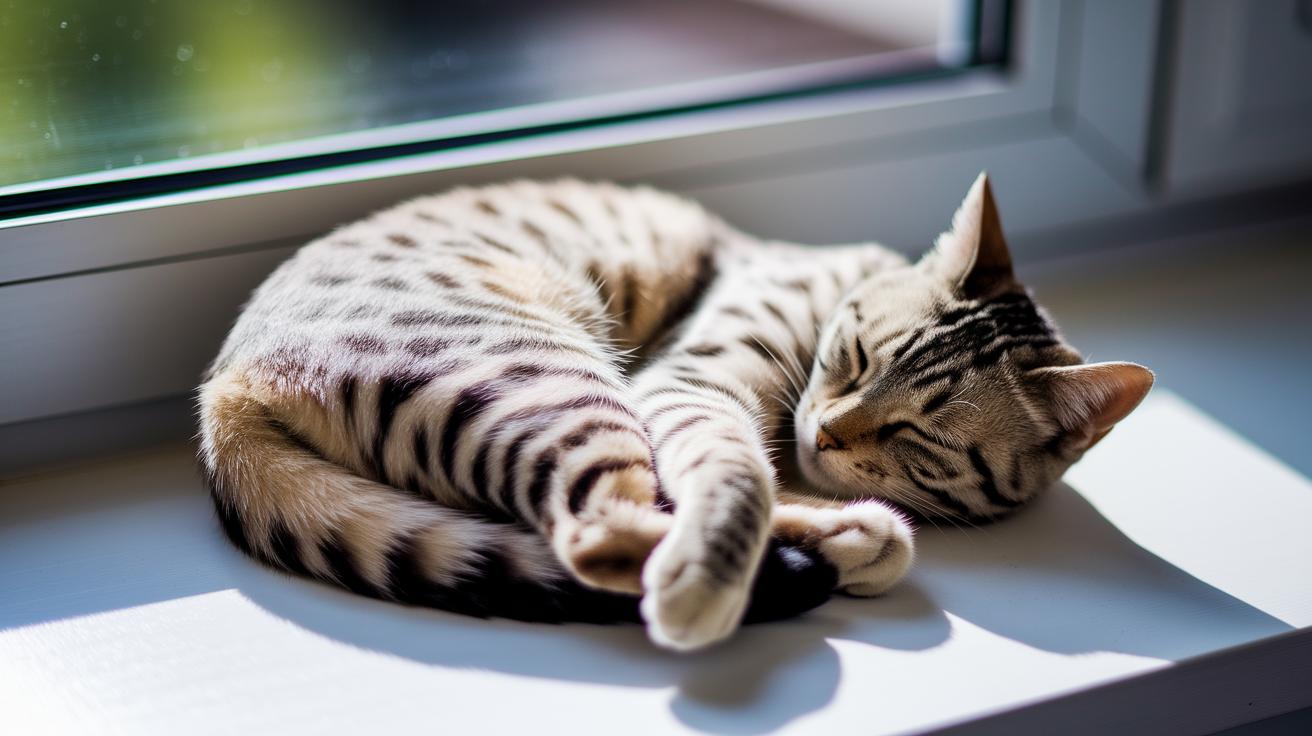
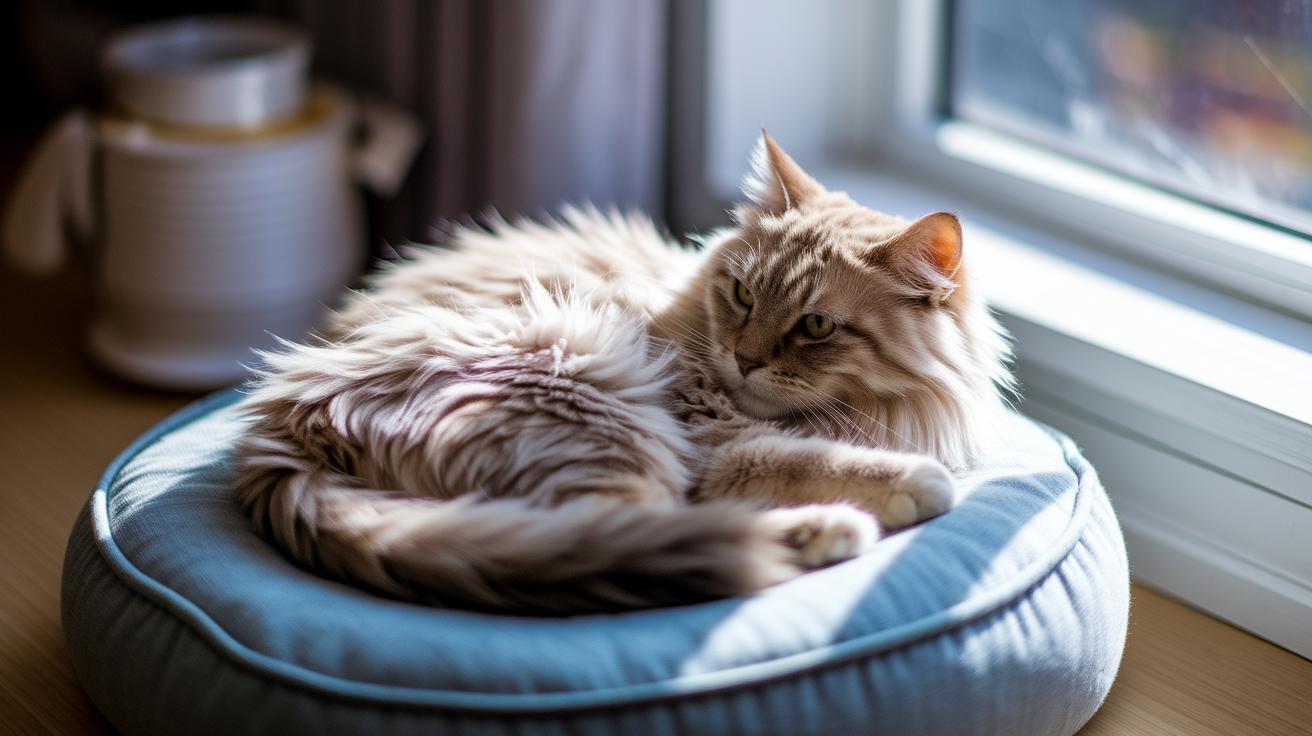
    Then there’s the kitty factor. Female cats face UTIs more often because their urethras are shorter, so bacteria have a quicker trip to the bladder. And when your cat doesn’t drink enough water, the urine gets thicker and bacteria just love that.

    Obesity and arthritis can make grooming tough. A chubby cat might miss spots when cleaning, and stiff joints can hurt during a good scratch. All that leftover debris on the fur or skin can feed bacteria.

    In truth, older cats get UTIs more easily, too, since their immune systems slow down. So if your senior friend starts hiding or seems extra grouchy, check for a UTI.

    Recovery depends on what’s going on underneath the surface. A healthy, well-hydrated kitty with no bladder stones usually bounces back in days once on antibiotics. But if diabetes, kidney problems, or pesky crystals stick around, the infection can linger or come back.

    Keeping an eye on your cat’s water bowl, weight, and overall health helps prevent UTIs and speeds up healing. After all, a comfortable cat is a happy cat.

    Veterinary Diagnosis of Cat UTIs

    - Veterinary Diagnosis of Cat UTIs.jpg

    First, your vet gives your kitty a gentle belly rub to see if it’s sore, checks her hydration (making sure she’s not too thirsty), and asks about any odd peeing behavior. Ever noticed your cat straining or meowing in the litter box? That chat, plus a look at past UTIs, diet, and other health hiccups, helps your vet figure out if something like kidney trouble is lurking.

    Next, it’s sample time. Your vet might shave a tiny patch of fur and use cystocentesis (drawing urine straight from the bladder with a small needle) to keep things clean. A pure sample means a spot-on urinalysis (examining pee under a microscope) that won’t get messed up by hair or litter.

    Urinalysis & Culture

    • They spin your cat’s urine to check sediment (solid bits) for bacteria, red blood cells, white blood cells, and any pesky crystals.
    • Then they grow any bacteria in a urine culture (like planting seeds to see what sprouts), so they know exactly which germs are causing trouble.
    • An antibiotic sensitivity test follows, showing which drugs zap those germs best.
    • With results in hand, your vet picks an antibiotic that’ll hit the bacteria hard and fast.

    Imaging & Stone Detection

    • An ultrasound (sound wave imaging) or X-ray (radiation picture) scans for bladder stones or thickened bladder walls.
    • Spotting stones early stops them from scratching your cat’s insides and causing repeat infections.
    • Finding structural quirks means your vet can suggest surgery or diet tweaks, making sure future UTIs stay away.

    Worth every paw-print.

    Treating Cat UTIs: Medicines and Recovery Timeline

    - Treating Cat UTIs Medicines and Recovery Timeline.jpg

    Antibiotics are a must. Your vet will run a culture test and choose the best one, often amoxicillin (a penicillin-type antibiotic) or enrofloxacin (a broad-spectrum antibiotic). You’ll give it for seven to ten days. Think of these meds as tiny guard dogs roaming your kitty’s bladder to chase out the bad bacteria.

    Keeping your cat comfy is key. Vets usually add NSAIDs (nonsteroidal anti-inflammatory drugs) or other cat-safe pain relievers to soothe bladder ouchies. A relaxed cat strains less, meows softer by the litter box, and actually wants those tasty prescription kibbles or wet food.

    Extra fluids help too. Dehydration makes pee thick and lets bacteria throw a party. Subcutaneous fluids (a little fluid under the skin) or IV fluids (dripped right into a vein) water your kitty from the inside out. You’ll see her perk up when hydration returns and she’s ready to play again.

    Most cats start feeling better in 48 to 72 hours. You’ll notice fewer frantic runs to the litter box, gentler meows, and maybe even a flirty pounce. Stick with the plan and full recovery usually shows up by day seven to ten.

    Uh, and never skip a dose or stop early. Leftover bacteria can regroup and sneak back in. Finishing every pill stops resistance and cuts the risk of a repeat infection. When the course wraps, your vet might do a quick urinalysis (a pee test) just to double-check. Now that’s peace of mind for you and pure joy for your purr machine.

    Home Care to Support Cat UTI Recovery

    - Home Care to Support Cat UTI Recovery.jpg

    Watching your cat tiptoe around their water bowl? Not cool. Fresh water helps flush out lingering bacteria, so keep bowls topped off. Or try a fountain (circulating water often tastes better). Ever caught your kitty batting at that gentle stream? It’s like a mini water show.

    Try these at-home comfort tips:

    • Place water dishes in different rooms. That way your cat never has to hunt for a drink.
    • Swap in wet food like canned pâté or gravy-style toppers. Moisture-rich meals help boost hydration.
    • Scoop the litter box (cat toilet) twice a day and fully change it once a week. That cuts down on bacterial build-up.
    • Make a cozy chill spot with a soft bed in a quiet corner. Then toss in a teaser wand (like a fishing pole with feathers) for short, fun play breaks.
    • Help heavier or stiff kitties stay clean by gently brushing their hindquarters. It prevents fur clumps (and dirt) from carrying germs.

    Some folks try cranberry supplements or D-mannose (a simple sugar) to help UTIs, but there’s no hard proof they work on active infections. These fixes aren’t stand-ins for real medicine, you know.

    Always check with your vet before adding any supplements to your cat’s routine. Supportive care should be a sidekick, not a substitute, for professional treatment of urinary tract infections.

    Ongoing UTI Prevention

    - Long-Term Strategies to Prevent Cat UTIs.jpg

    • Feed a urinary health diet. Our low-magnesium kibble (with less of the mineral that can turn into tiny bladder irritants) helps stop crystal formation (hard bits that jab at the bladder lining). It’s like a custom athlete’s meal for bladder safety – every bowl is balanced just right. It feels good knowing your kitty’s getting paw-fect nutrition.

    • Create a stress-free playground. Add cozy hideaways, treat puzzles (toys that stash snacks), and pheromone diffusers (little plugs that spread calming cat scents) to craft a serene cat den. Imagine your cat’s whiskers twitch, then soften as she kneads a plush cave under a warm glow. Ever seen that calm? It’s pure bliss.

    • Schedule urine checks twice a year. A simple urinalysis (urine test) during vet visits works like a health radar, spotting sneaky infections before they flare. Last time, my vet caught trace crystals and nipped a UTI in the bud. Worth every paw-print.

    Emergency Signs and When to Call the Vet for Cat UTIs

    - Emergency Signs and When to Call the Vet for Cat UTIs.jpg

    Sometimes a UTI (urinary tract infection) takes a turn for the worse. Watch your kitty close, because cats hide pain like pros, and these warning signs really stand out.

    • Can’t pee: Your cat crouches by the litter box but no urine appears. That’s a urethral blockage (a plug in the pee tube from bladder to outside).
    • Swollen belly: A bloated tummy means urine is trapped in the bladder.
    • Drooling or vomiting: When kidneys (organs that clean blood) can’t flush out toxins, your cat may drool or throw up.
    • Extreme lethargy or collapse: A cat too weak to lift her head is sending an urgent SOS.
    • Loud meows or pacing: Pain so bad she can’t settle down.

    Left untreated, a blocked urethra can trigger kidney failure or sepsis (blood infection) within hours. That’s serious, and fast.

    So when should you call the vet? Immediately. Don’t wait for your cat to act normal again. A quick trip lets your vet pass a catheter (tiny tube) to clear the blockage and give IV fluids to rehydrate. Fast care can save your cat’s life.

    Final Words

    In the action, we answered whether cat UTIs ever clear up without help, and showed why vet care is key.

    We spotted the telltale signs, dug into causes, explained tests, and mapped out proven treatments.

    Then we shared home tricks, long-term tips, and emergency warning flags.

    And now, with this info you’ll know do cat utis go away only with proper treatment and support.

    Here’s to healthier purrs and fuss-free days for you and your whiskered crew.

    FAQ

    Can cat UTIs go away on their own without antibiotics?

    A cat UTI rarely clears without antibiotics and veterinary care. Spontaneous resolution is very uncommon and risks complications like bladder damage or kidney infection.

    How long can a cat UTI go untreated?

    A cat UTI can persist for weeks if untreated. Ongoing infection causes pain and raises risk of bladder obstruction, kidney infection, or systemic illness.

    How can I treat my cat’s UTI at home without going to the vet?

    Treating a cat’s UTI at home without a vet focuses on supportive care only. Antibiotics prescribed after urinalysis remain essential to clear bacteria and prevent recurrence.

    What are common signs a cat has a UTI?

    A cat UTI shows frequent litter-box visits, straining to urinate, pink or bloody urine, excessive genital licking, vocalizing during peeing, strong urine odor, lethargy, and reduced appetite.

    How long does it take for a cat to recover from a UTI?

    A cat often improves within 48–72 hours of starting antibiotics and typically achieves full recovery in 7–10 days when the entire course is completed.

    Related Articles