Category: About Cats

  • do cats need bath Enjoy Stress-Free Grooming

    do cats need bath Enjoy Stress-Free Grooming

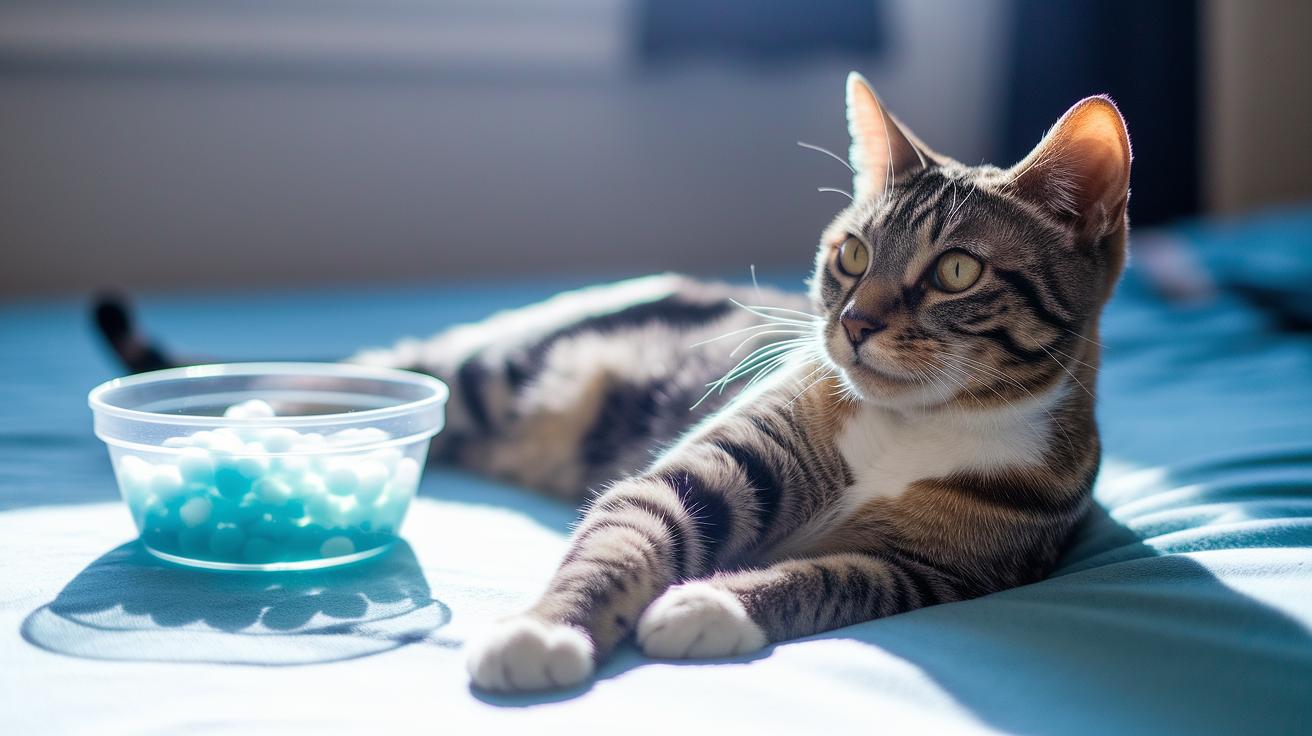
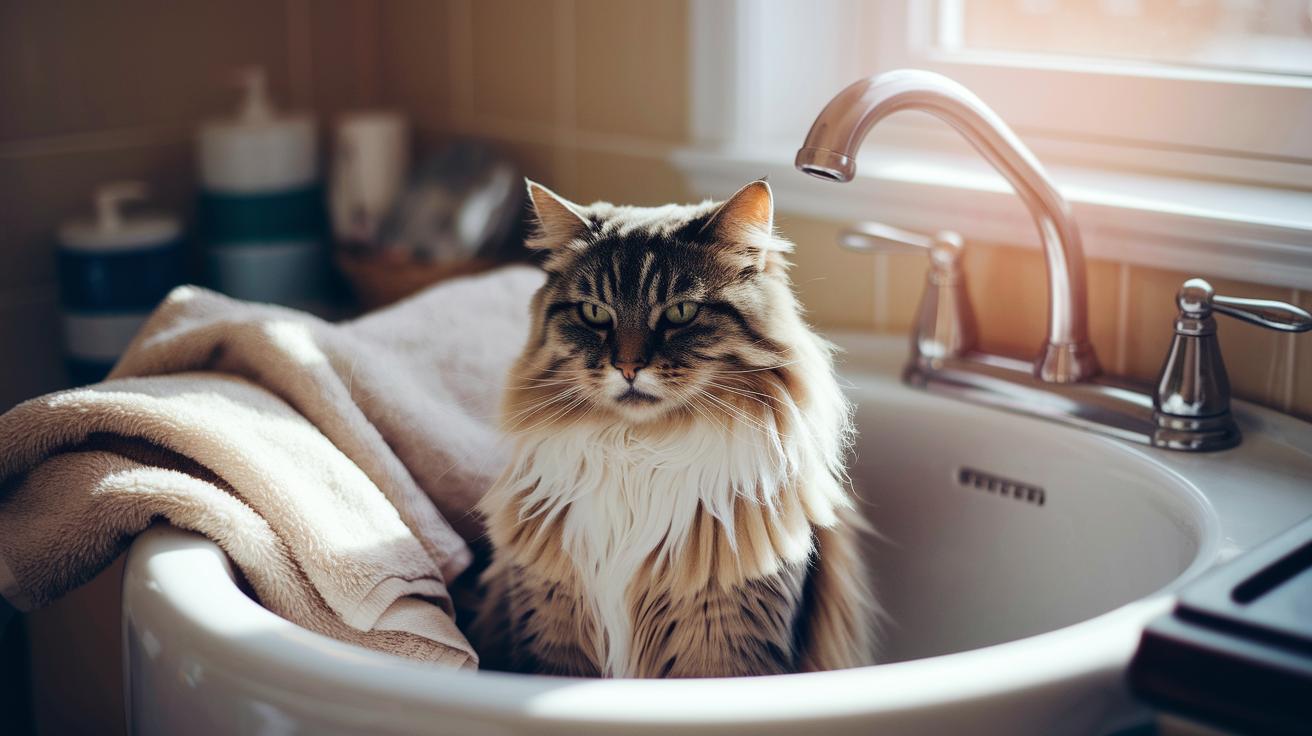
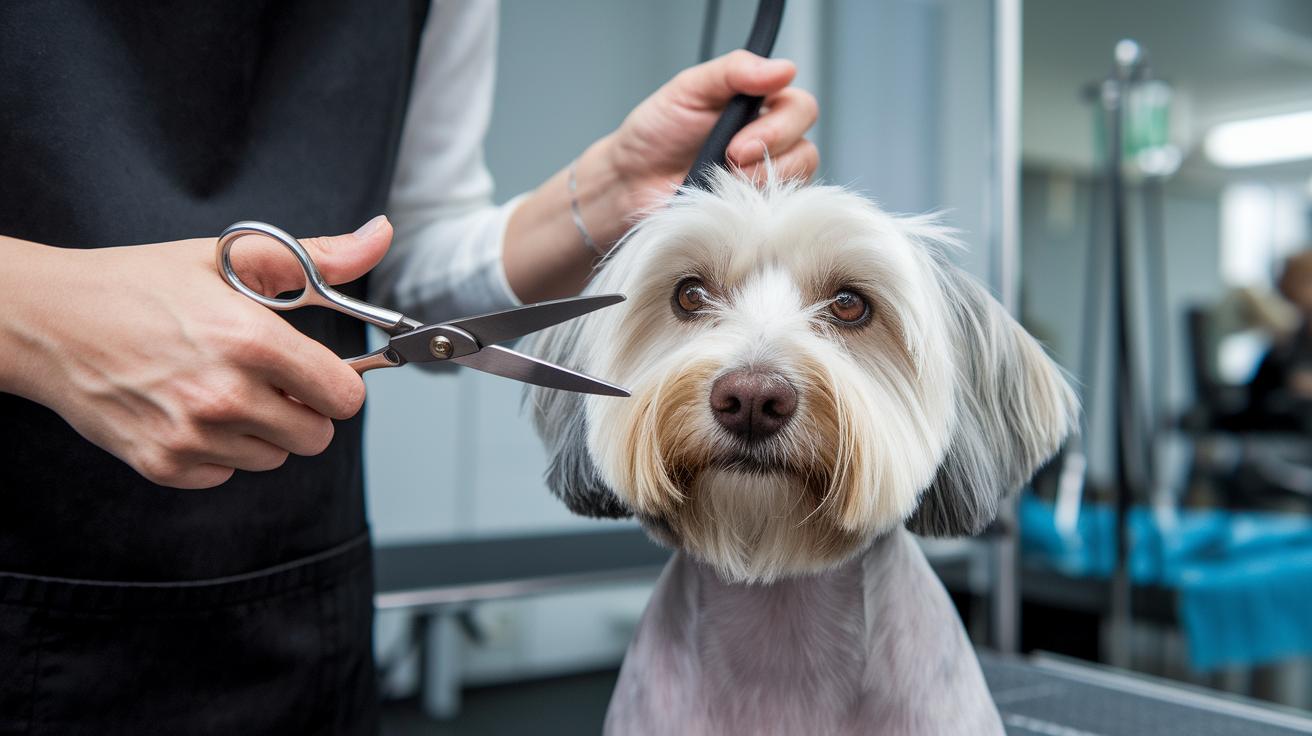
    Ever dunked your cat in the sink? Total chaos. Lucky for us, cats come with a built-in spa. They have a rough, hook-shaped tongue (think tiny sandpaper hooks) that scoops up dirt. And a natural oil spreader (it’s like a fur conditioner) that leaves their coat shiny.

    Uh, most of the time cats skip bubble baths – they’re purr-fect groomers. But sometimes they roll in real grime or face a flea invasion. That’s when a quick wash can save the day.

    In this post, I’ll show you why most baths aren’t needed and share tips for calm, stress-free kitty tub time. Ready to make bath time a breeze?

    Cat Self-Cleaning and Bath Necessity

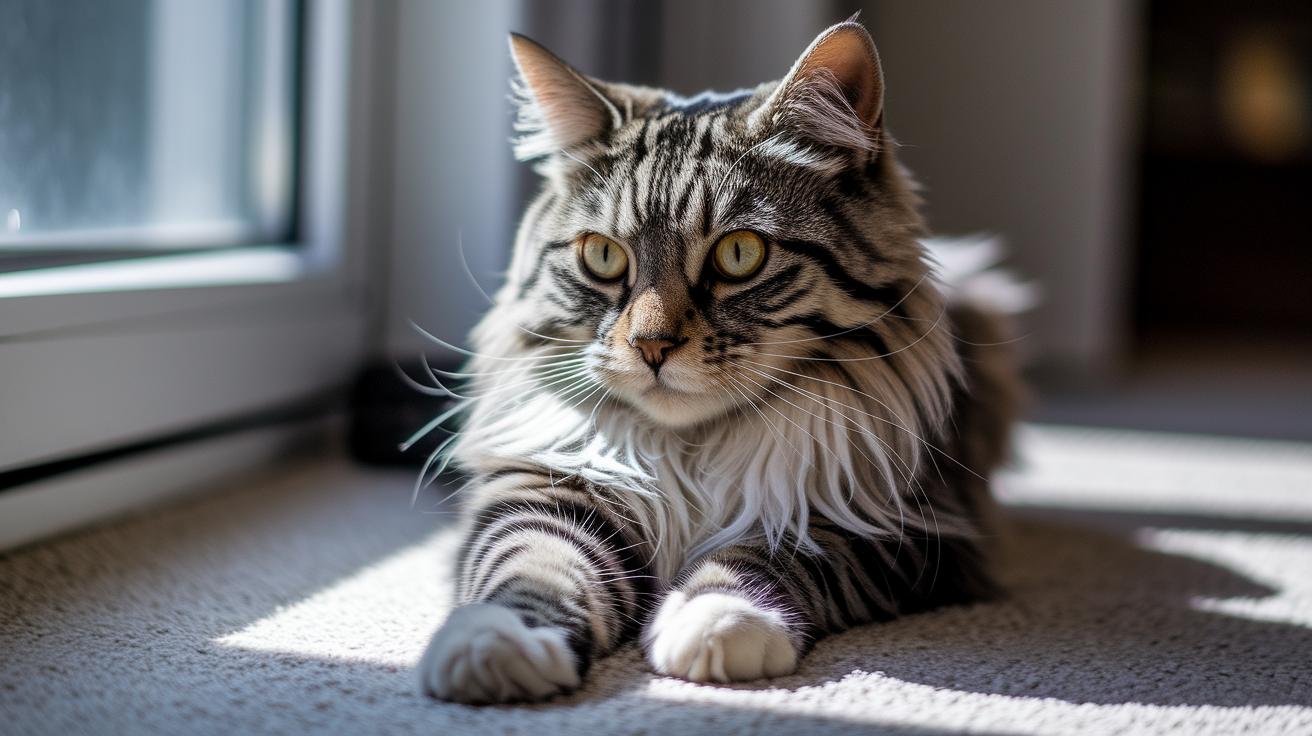
    - Cat Self-Cleaning and Bath Necessity.jpg

    So, baths for cats? Usually a no-go. Your kitty has its own spa built in!

    Have you ever felt your cat’s tongue? It’s covered in little barbs (tiny hook shapes) that act like combs. Every gentle lick, uh, scoops up loose hair, dust, and dirt. That clever design cleans from whisker tips all the way to the tail, you might even hear a soft rasp as they groom.

    Your cat’s skin makes natural oils (like a gentle lotion from the inside). Each tongue stroke spreads those oils over every hair, forming a thin, waterproof shield. It keeps them cozy in cool air, blocks allergens, and stops dry patches. If you rinse with water, you could wash that layer away, leaving fur dull or skin itchy.

    Kitties spend almost half their waking hours in grooming mode. They smooth each hair strand, work out tiny knots, and pat around their whiskers with delicate paws. Ever seen your cat pause, stretch, and then dive back into grooming? It’s a built-in cat spa that beats any bubble bath!

    I once watched Luna spend five minutes shaping her paw just right, cleaning each tiny toe before moving on. Full spa session, no water needed. Worth every purr!

    Most cats skip baths. But sometimes special moments call for you to jump in. Next up, we’ll talk about when to break out the tub.

    Signs Your Cat Needs a Bath

    - Signs Your Cat Needs a Bath.jpg

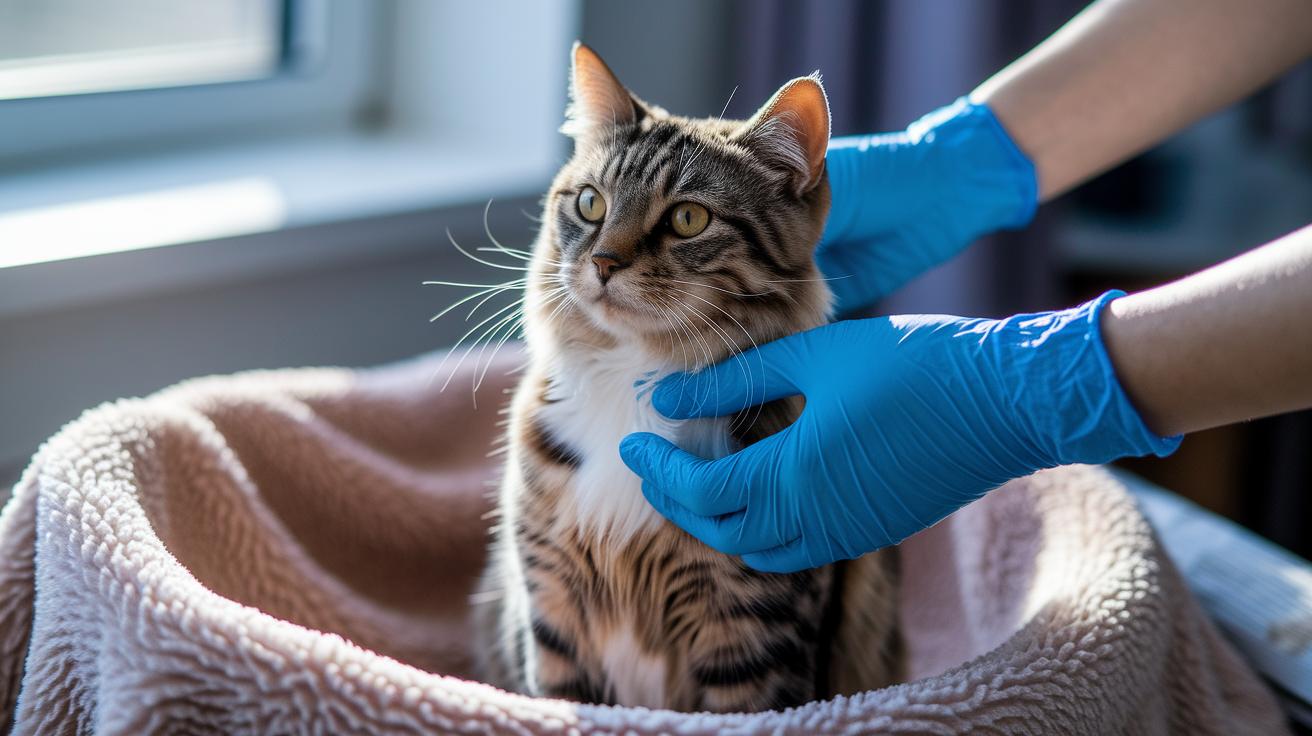
    Even the tidiest kitty can get messy. Ever feel your cat giving you that ‘I’m above baths’ stare? Me too. But sometimes they really do need a scrub.

    Keep an eye out for these clues that say bathtime is coming:

    • Flea dirt or live fleas – little dark specks along the spine or at the tail base that feel gritty, or tiny bugs that leap when you part the fur (pesky little insects!).
    • Sticky gunk – like paint drips, tree sap, tar, or skunk spray that won’t budge no matter how much your cat licks.
    • Oily spots – patches that look shiny or slick to the touch, hinting at extra oil buildup.
    • Tangles and mats – stubborn clumps under the belly, behind the ears, or around the armpits that even your best brushing can’t loosen.
    • Stinky fur – a sour or musty smell that just won’t fade after grooming.
    • Missed areas – older, overweight, or arthritic cats often skip hard-to-reach spots, leaving fur rough or thicker than the rest.

    Spot any of these? Time to plan a calm, quick bath.

    When to Hold Off on Bathing

    Sometimes you’ll want to wait:

    • Right after a vet applies a topical flea or tick treatment – you’d rinse it all away.
    • Over raw spots, fresh cuts, or hot spots that need to heal.
    • When your cat is super stressed, sick, or just had surgery – it’s best to wait until they feel better.

    Until then, um, use dry wipes or a soft brush for a quick clean-up.

    Optimal Bathing Frequency for Cats

    - Optimal Bathing Frequency for Cats.jpg

    Different cats have different bath needs, you know? Most only need a quick bath every 4 to 6 weeks, or whenever their fur starts to look a little shabby. Think of it as a gentle reminder, not a weekly chore.

    Short-haired kitties usually stay fresh with a weekly brush (it’s like a mini massage) and a quick splash and dry if they roll in something sticky. Brushing loosens loose hair and spreads natural oils, so bath time feels more like a treat than a chore.

    Long-haired breeds like Persians might need a gentle bath more often if brushing alone can’t tame mats (tight fur tangles). Those stubborn knots under the belly or around the armpits sometimes need extra help with water and a soft rub.

    Ever watched your kitty chase a bouncing water drop?

    It’s paws-itively hilarious.

    Overbathing strips away built-in lotions (natural skin oils). Dry, itchy patches can follow. Dull fur and tiny scrapes from extra scrubbing aren’t fun either. I once bathed a fluffball three weeks in a row. Poor thing got flaky and scratchy!

    Watch your cat’s coat shine. When they can’t spread oils or reach a spot, it’s bath time. Otherwise, sit back, relax, and let them enjoy their own feline spa treatment.

    Safe Bathing Techniques for Cats

    - Safe Bathing Techniques for Cats.jpg

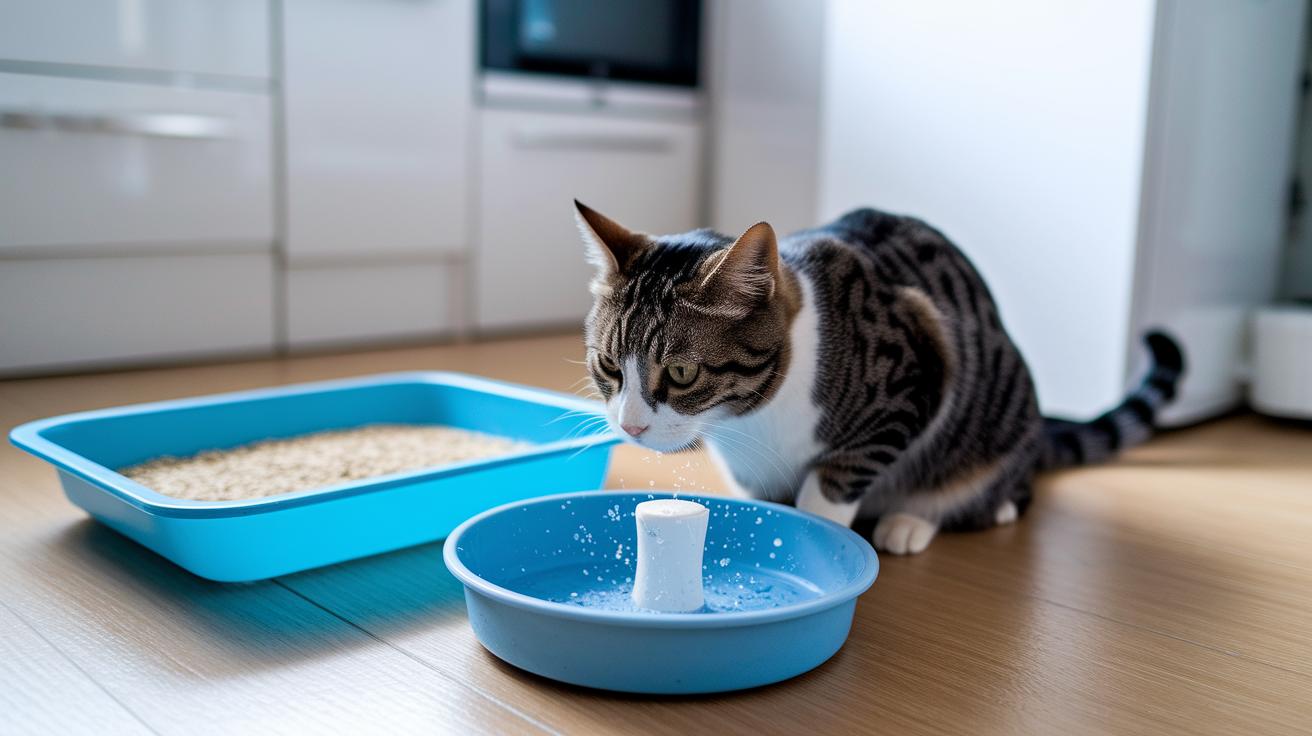
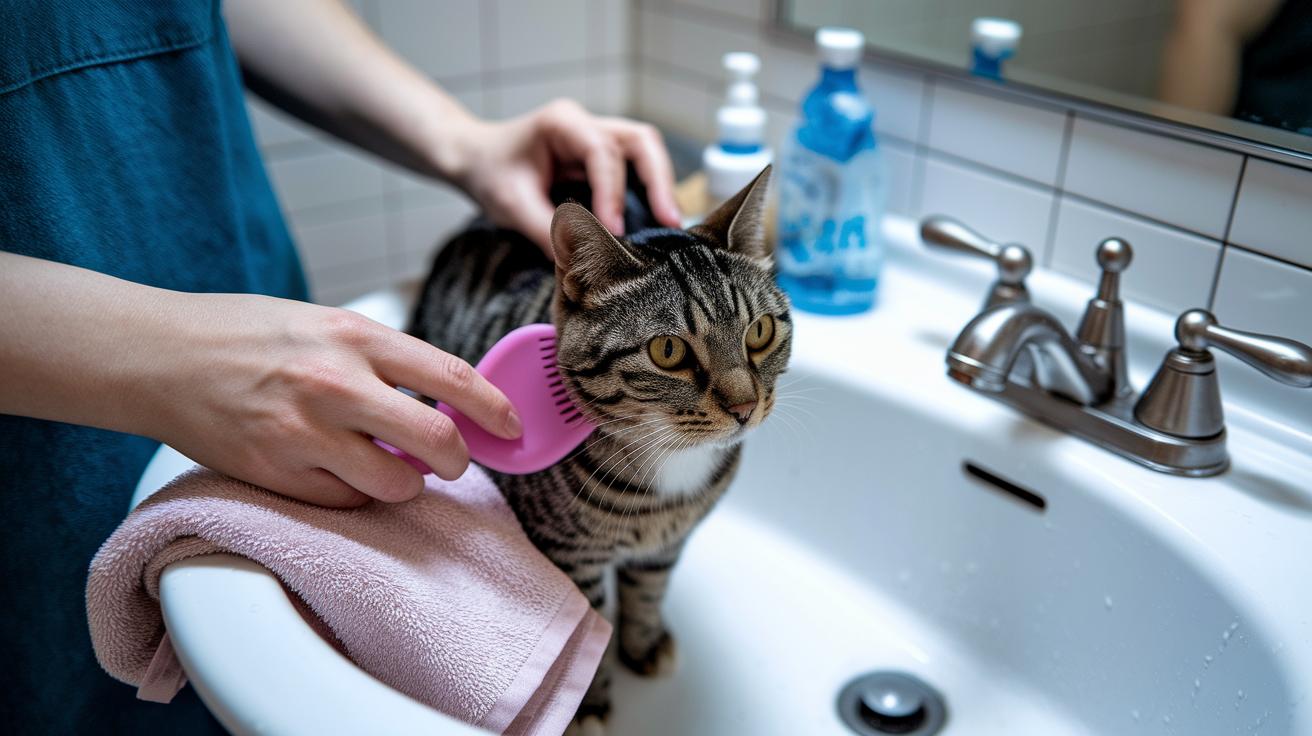
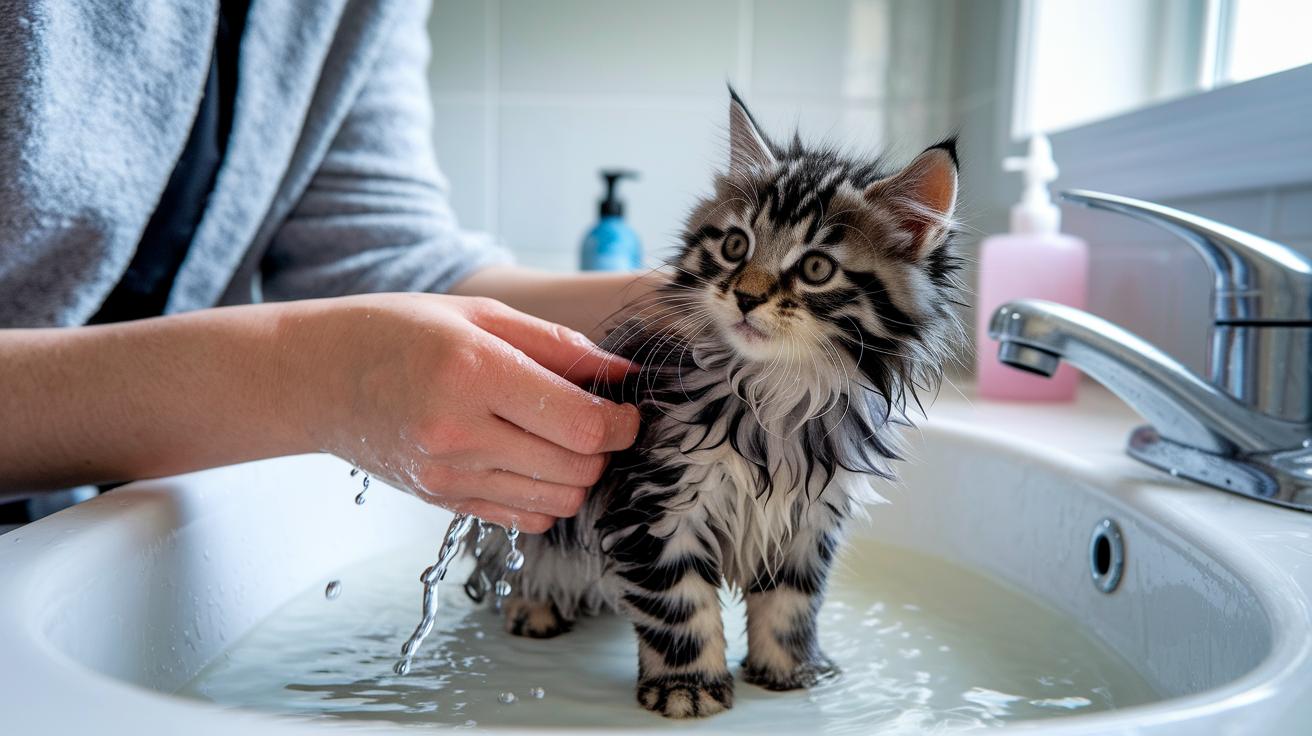
    Hold on. Don’t run the faucet yet. First, gather all your stuff: a slicker brush (for fluffing loose fur), a non-slip mat or towel (so paws don’t slide), a soft washcloth, and cat-only shampoo, never use human or dog suds. Keep everything within arm’s reach so you’re not chasing slippery bottles mid-scrub.

    1. Start with a quick brushing. Fluff out loose fur and mats so shampoo time is gentler for both of you. Ever felt that smooth fluff-fluff feeling?
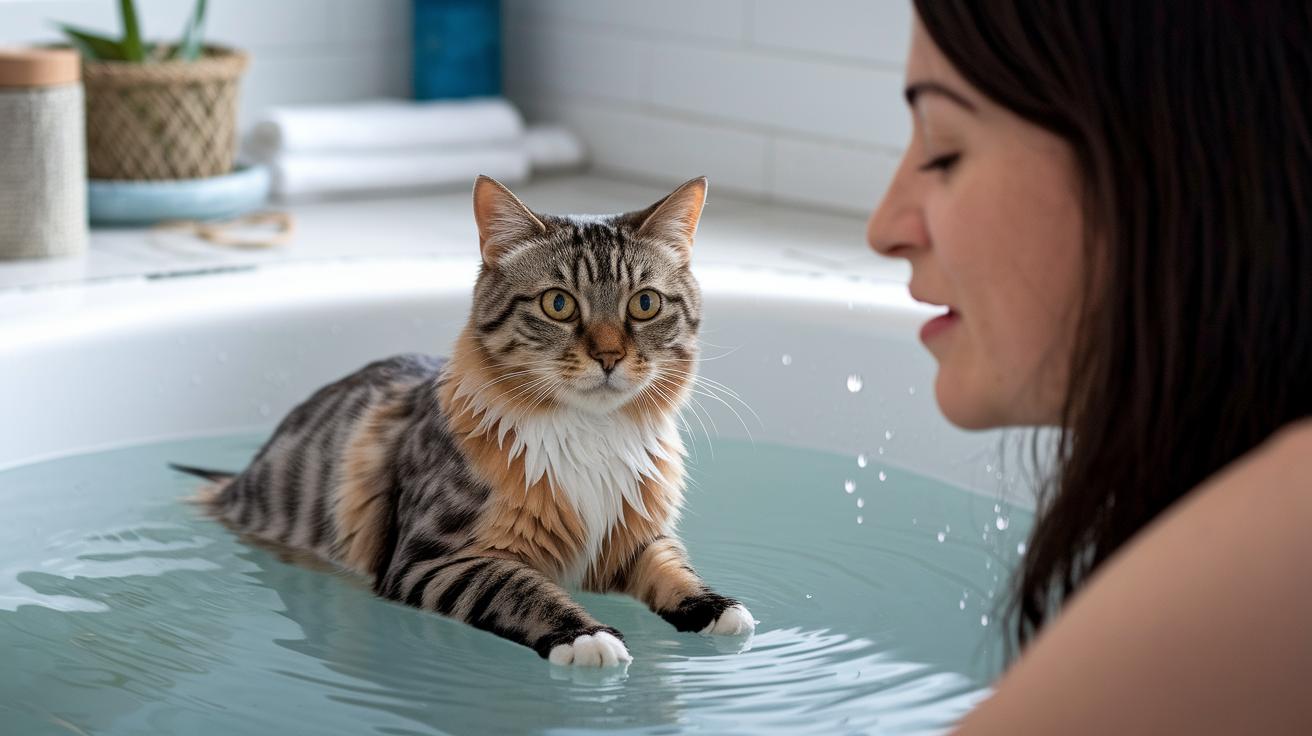
    2. Lay the mat or towel in the sink or tub. That cozy grip helps kitty relax.
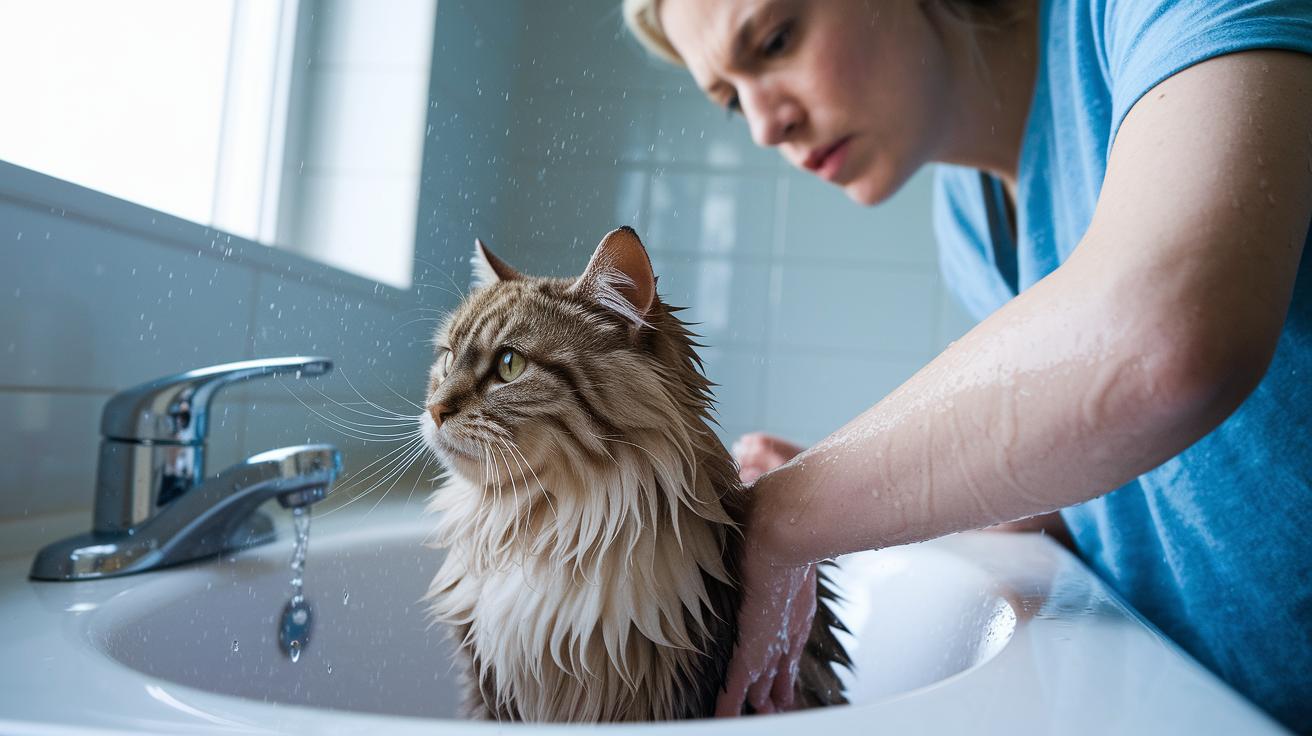
    3. Turn on warm water, just below your cat’s leg level. Test it on your elbow; it should feel comfy, not hot.
    4. Wet their coat bit by bit, from back to front, like a soft drizzle. Some cats even lean in for the tickles.
    5. Dab a little cat shampoo onto the washcloth and rub in tiny circles, skipping eyes and ears. For ears, use a damp cotton ball on the outer flap, never poke inside.
    6. Rinse until all the suds are gone. Leftover soap can itch or strip those natural oils that give fur its shine.
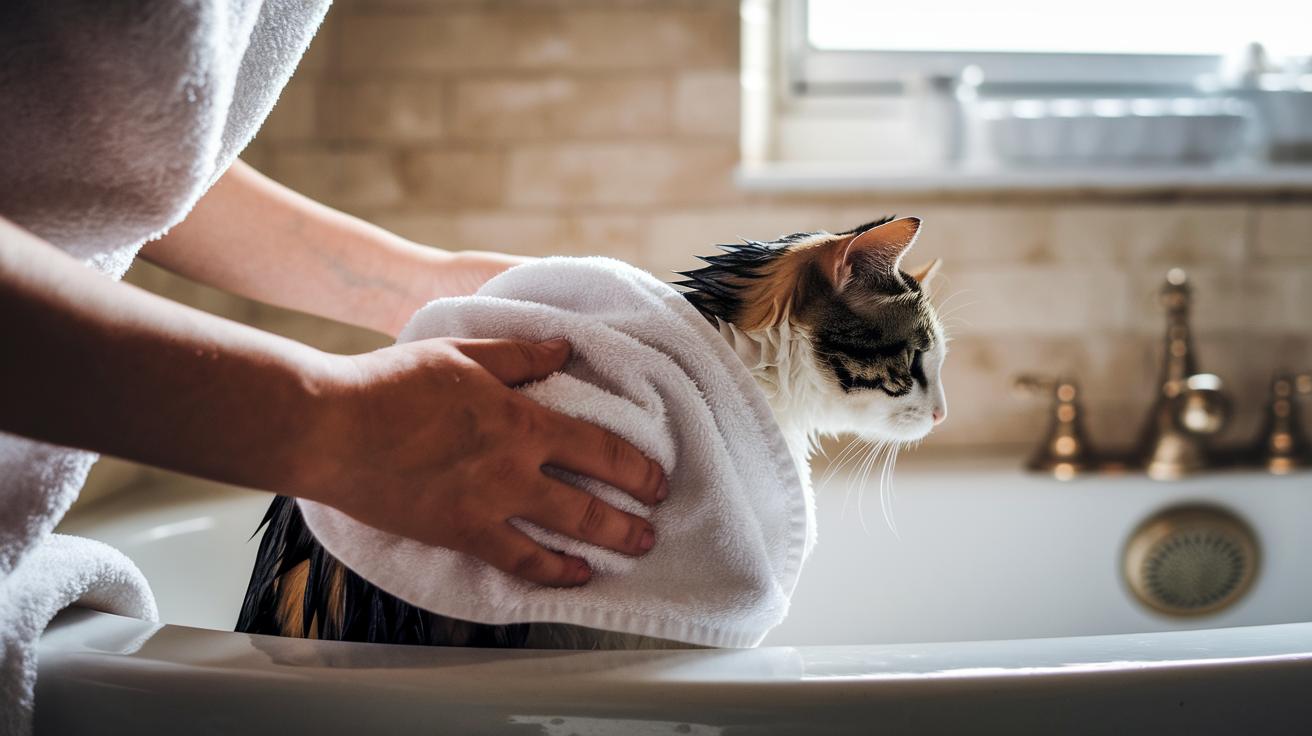
    7. Wrap your cat in a thick towel and gently pat dry. Press lightly between toes and under the chin. Then brace yourself for that shake that sends drops flying.
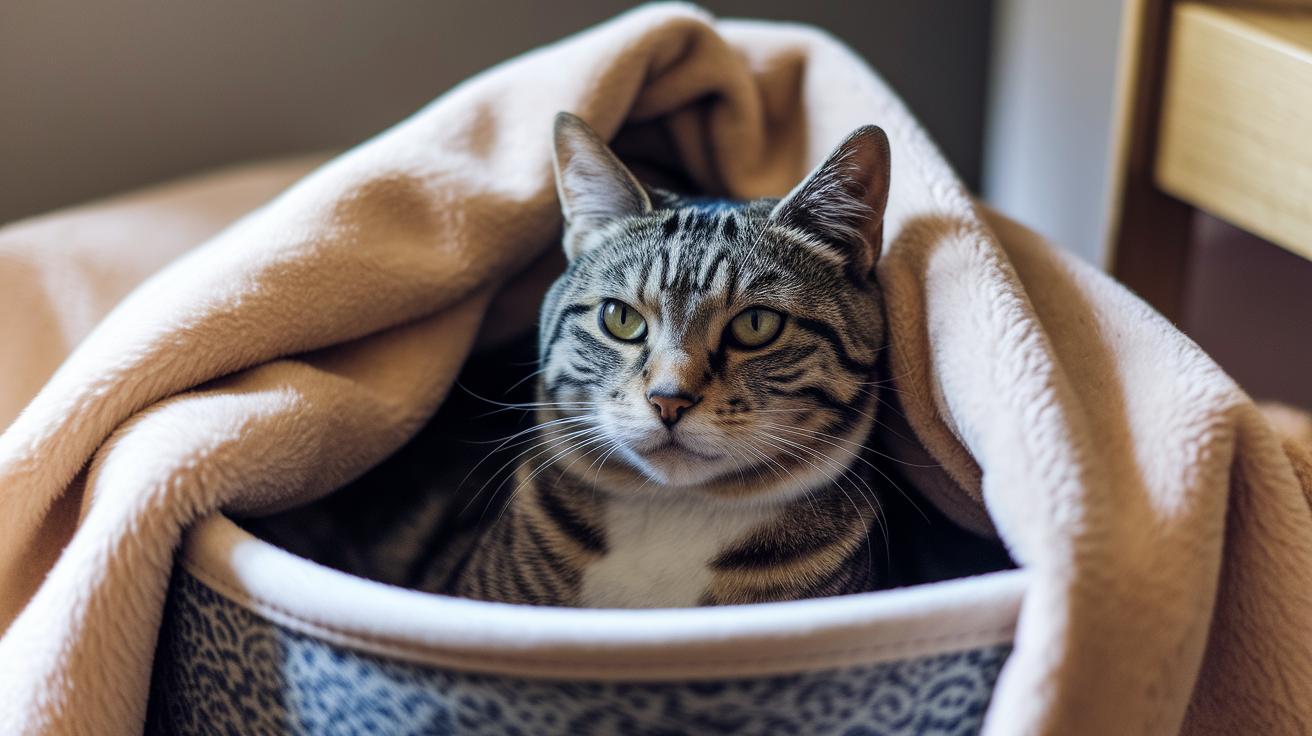
    8. Finally, move them to a warm, draft-free spot, maybe on a soft bed or your lap blanket, until they’re fully dry.

    So bath time can be less of a bath brawl and more of a spa day! Worth every paw-print.

    Bath Alternatives and Dry Grooming for Cats

    - Bath Alternatives and Dry Grooming for Cats.jpg

    Ever feel like bath time turns into a kitty wrestling match? Um, water can be super stressful for many cats. But you can still keep their fur soft, clean, and glowing. No suds, no soak. Your kitty will feel feline fine!

    Try these bath alternatives for cats:

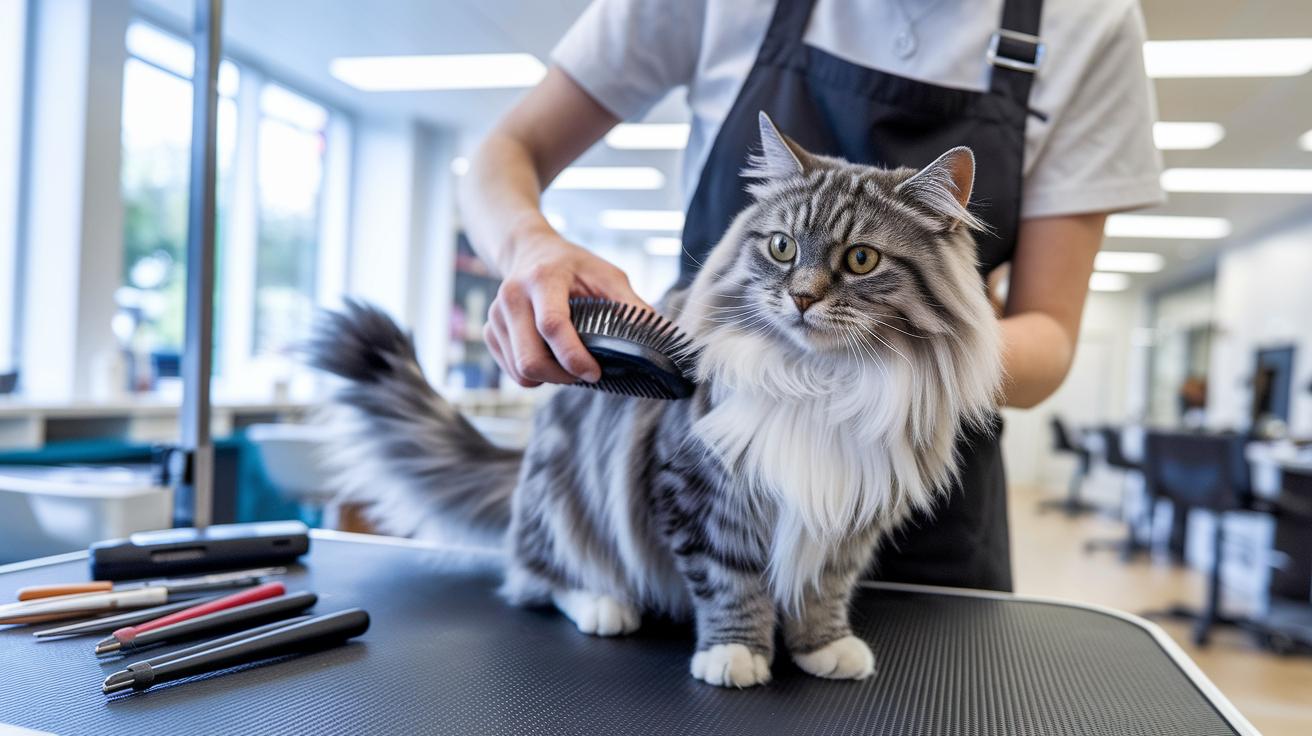
    • Slicker brush or grooming glove
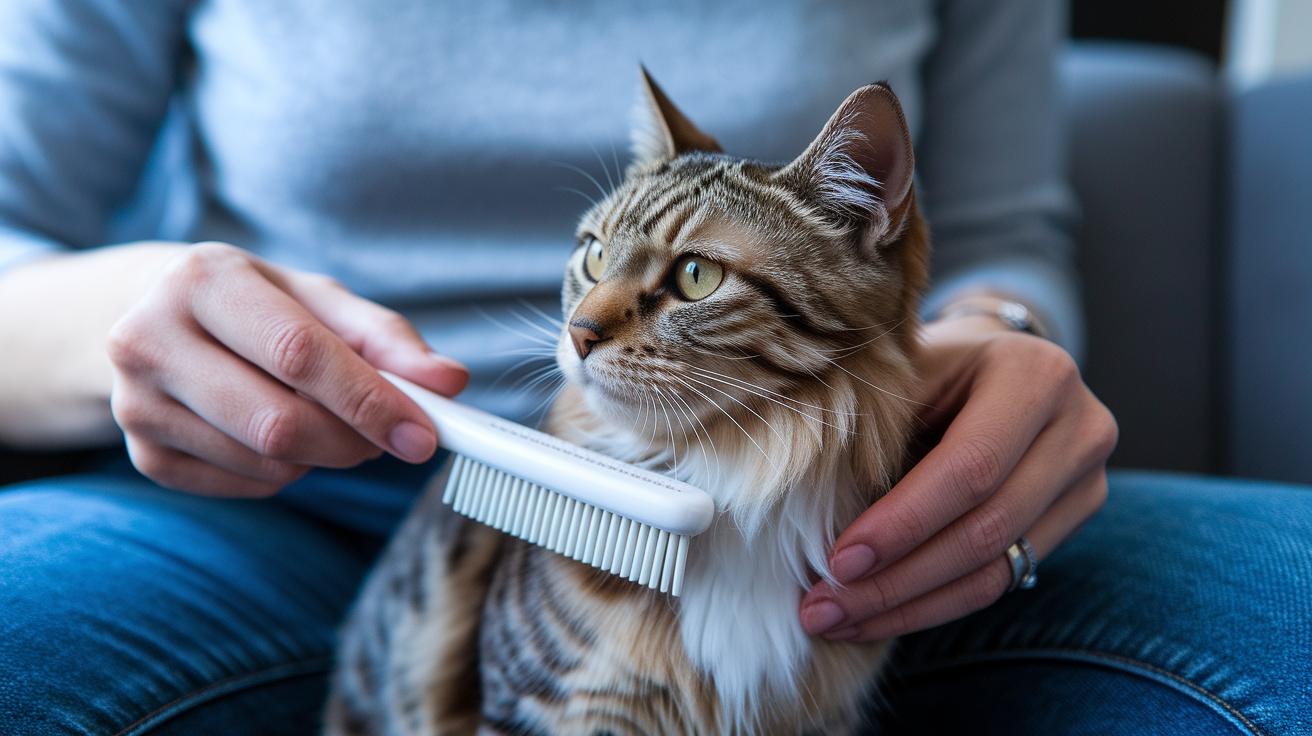
      Use a slicker brush (brush with fine wires) or a soft grooming glove to loosen and remove stray hairs. You’ll smooth out tangles and help spread natural oils. It even boosts circulation – your cat might purr at how satisfying it feels. I once watched Luna leap with delight after a quick brush session.

    • Waterless shampoo alternative
      Foam or spray formulas made just for cats lift dirt and dander without a single drop of water. Work a small dab into the coat, massage gently, then brush out any residue. Ta-da – a fresh scent and no bath required!

    • Pet wipes for spot cleaning
      Keep a pack of pet wipes by the door for muddy paws or accidental drips. These handy wipes tackle grime on the go, especially around whiskers and under the chin. Your cat stays comfy and clean in a flash.

    • Damp cloth wipes with cat shampoo
      Perfect for kittens under eight weeks or extra-sensitive felines. Dampen a soft cloth, add a bit of feline-safe shampoo, and wipe down the fur in swift strokes. Then pat dry with a towel, easy breezy!

    Between full baths, a quick session with these tools cuts down on shedding, stops mats in their tracks, and keeps your couch fur-free. Your cat stays calm and cozy, ready to go claw-tastic on the next feather toy. Worth every paw-print.

    Bathing Kittens, Long-Haired, and Special Cases

    - Bathing Kittens, Long-Haired, and Special Cases.jpg

    Newborns under eight weeks? Skip the tub. Grab a soft cloth dampened with warm water and add one drop of kitten-safe shampoo (mild soap made just for babies). Gently wipe their tiny tummies and backs. Then wrap them in a cozy towel – I like to use my lap or a low-heat pad (like a tiny heated blanket) so they don’t get chilly. It’s basically a mini spa day for the littlest purrballs.

    Fluffy breeds like Persians need daily brushing to stop mats before they start. Those sneaky tangles love to hide under bellies and around necks. Use a slicker brush (fine metal pins on a padded base) to gently fluff out knots. Every few weeks, give them a shallow bath: wet only the tips of their coat, skip the face, and rinse with care. Detangling first makes soap time quicker – and no claw fights required.

    Hairless kitties like Sphynx actually need water more often since they don’t have fur to soak up oils. Once a week, lather them with a vet-prescribed medicated shampoo (soap with skin-safe medicine) to wash away greasy buildup and keep rashes at bay. Rinse every sud well and pat dry. Their exposed skin picks up dirt fast and loves sunbathing, so watch for dusty patches or sun-kissed spots.

    Elderly or chunky cats can’t always twist around for a full soak. Try a shallow basin and a warm washcloth. Support them under the chest with a towel so they feel secure. Pat soap onto the cloth, then wipe each area before rinsing. For heavier cats, break bath time into sections – shoulders, sides, belly – so no spot feels too slippery. Sometimes two hands work best: one to soothe, the other to rinse. Teamwork makes the stress-free grooming dream work.

    Reducing Stress During Cat Baths

    - Reducing Stress During Cat Baths.jpg

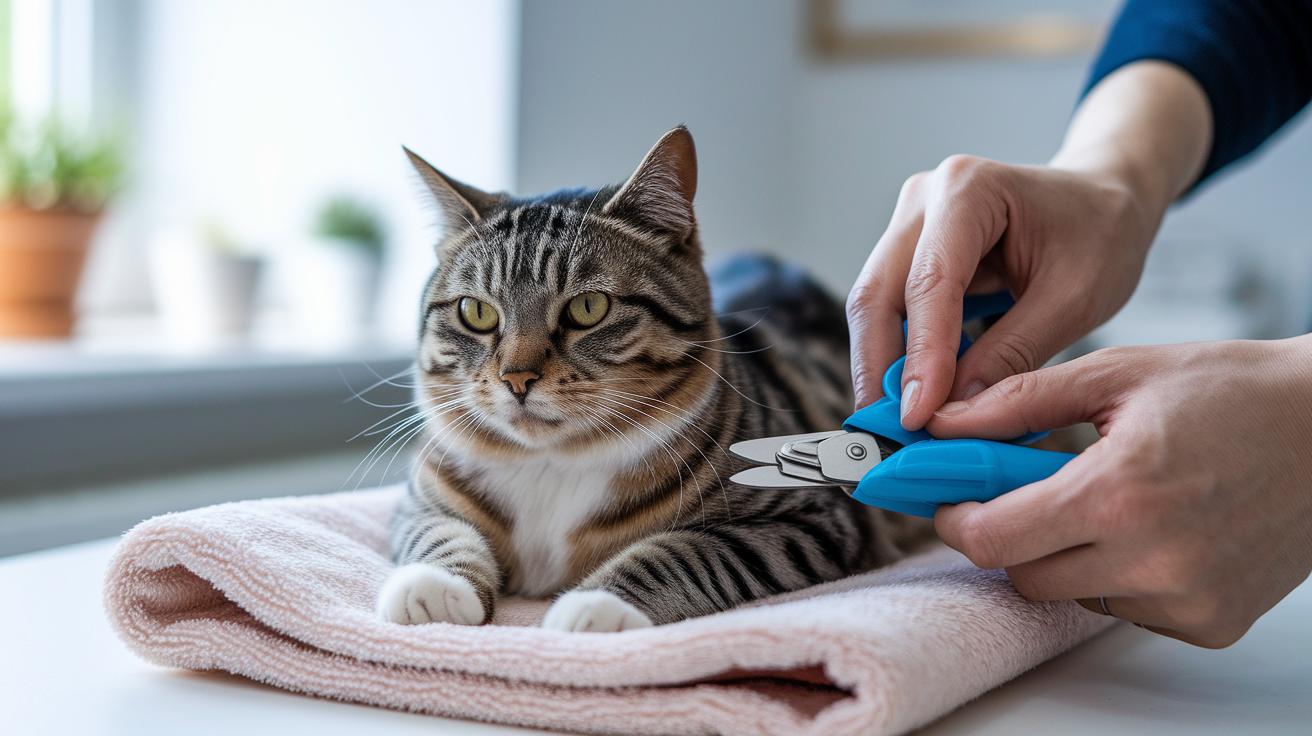
    First, set the mood. About ten minutes before you even think about water, tire your cat out with a quick game of chase, maybe a feather wand or a laser dot. You’ll both feel calmer once those zoomies are gone. Oh, and trim those nails ahead of time so you can handle your kitty with less worry. Then pick a warm, quiet room with no clattering dishes or drafts.

    Next, ease in with water. Think of it like a gentle rain. Use your hand or a small cup to drip warm water on her paws and legs first. Let her lick a few drops and get curious about the new sensation. Slip a non-slip mat (a mat that stops sliding) into the sink or tub so there’s no skid and no sudden splashes to freak her out.

    Reward-based tips make all the difference:

    • Offer a tiny treat after each rinse cycle
    • Speak softly between scrub-a-dub strokes
    • Mist the area with pheromone spray (cat calming spray) if she’s okay with it
    • Gently support her under the chest or at the scruff, never squeeze
    • End with chin scratches or head rubs once the suds are gone

    If your kitty still isn’t on board, pause. Wrap her in a warm towel and give both of you a timeout. Then try again in a day or two. Consistency and patience go a long way toward turning bath time into a purr-fect routine.

    Worth every paw print.

    After-Bath Care and Skin Maintenance

    - After-Bath Care and Skin Maintenance.jpg

    Once you’ve rinsed off all the suds, wrap your kitty in a warm towel and pat her fur dry. Focus on those little paws, under the chin, and around the belly, water hides in sneaky spots. A fluffy towel (the plush-er, the better) soaks up moisture without fluffing her coat into a frizzy mess. Feeling that squish is oddly satisfying, right?

    Then grab a soft-bristle brush or a slicker brush (a tool with gentle wires that untangle fur) and run it through her coat. This post-bath brush session smooths out tangles, spreads her natural oils, and keeps mats at bay. Plus, your cat gets a mini spa moment, purr-fect pampering!

    If you dare to use a blow-dryer (aka hair dryer), choose the coolest, quietest setting and hold it at least a foot away. Keep the airflow moving so no patch of fur gets too warm. Test it on a paw first, some kitties give you major side-eye at the whirring noise.

    Next, use a dry cloth or cotton ball to gently wipe inside her ears and around those paw pads. Even tiny water droplets can cause infections, no one wants that! A totally dry nook is an infection’s worst nightmare.

    While you’re at it, part her fur and look for dandruff, those pesky white flakes. If you see any, massage in a vet-approved conditioner or oil-free balm (think of it like cat-safe lotion) to bring back moisture. Be gentle, over-drying can make flakes worse.

    Finally, settle her in a cozy, draft-free spot until she’s bone-dry. Soft bedding traps heat and gentle humidity to speed the drying. One last brush-through and a gentle towel rub will seal in those natural oils. Your kitty’s coat will be soft, shiny, and ready for the next adventure.

    Selecting Cat-Safe Shampoo and Grooming Products

    - Selecting Cat-Safe Shampoo and Grooming Products.jpg

    Let’s talk shampoo. Not all suds are made equal. Ever used dog or human soap on your kitty? Oops – many of those have permethrin (a bug-killing chemical toxic to cats) or harsh detergents that strip guard oils (your cat’s built-in skin oils).

    A real cat shampoo keeps that fur soft and leaves those natural oils right where they belong. Ever seen those whiskers twitch at the first splash? No itch. No dandruff.

    Just a happy, shiny coat that makes your cat purr.

    Look for gentle blends that fit your cat’s needs:

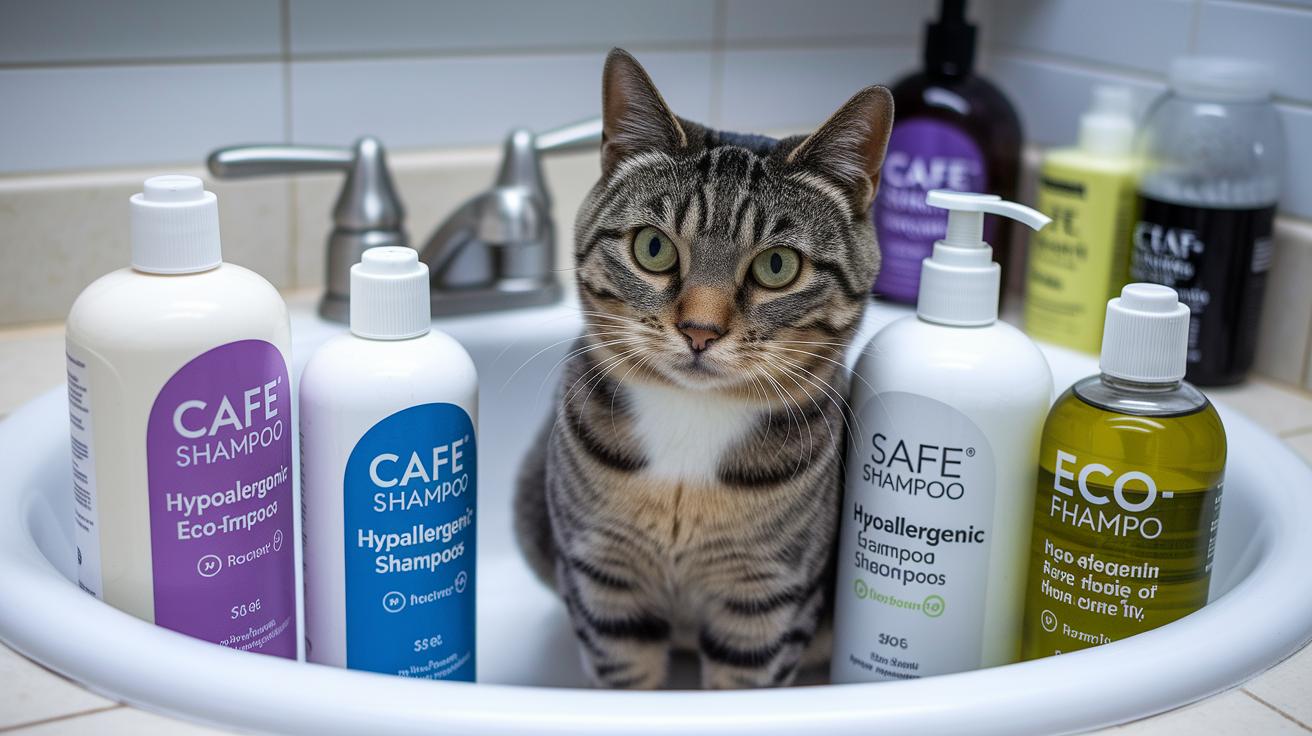
    • fragrance-free wash to soothe sensitive noses
    • hypoallergenic shampoo so skin won’t flare up
    • eco friendly formula with plant-based cleansers and no harsh dyes

    If your kitty has allergies or dermatitis, ask the vet about a medicated wash for cats. Those carry mild treatments to fight rashes or yeast overgrowth without extra chemicals.

    And here’s a pro tip: after you lather, rinse until the water runs clear. Any suds left behind can clog pores or make skin itch. You’ll know you’re done when the fur feels light, squeaky clean and ready for a cuddle.

    Worth every purr.

    When to Seek Professional Grooming or Veterinary Advice

    - When to Seek Professional Grooming or Veterinary Advice.jpg

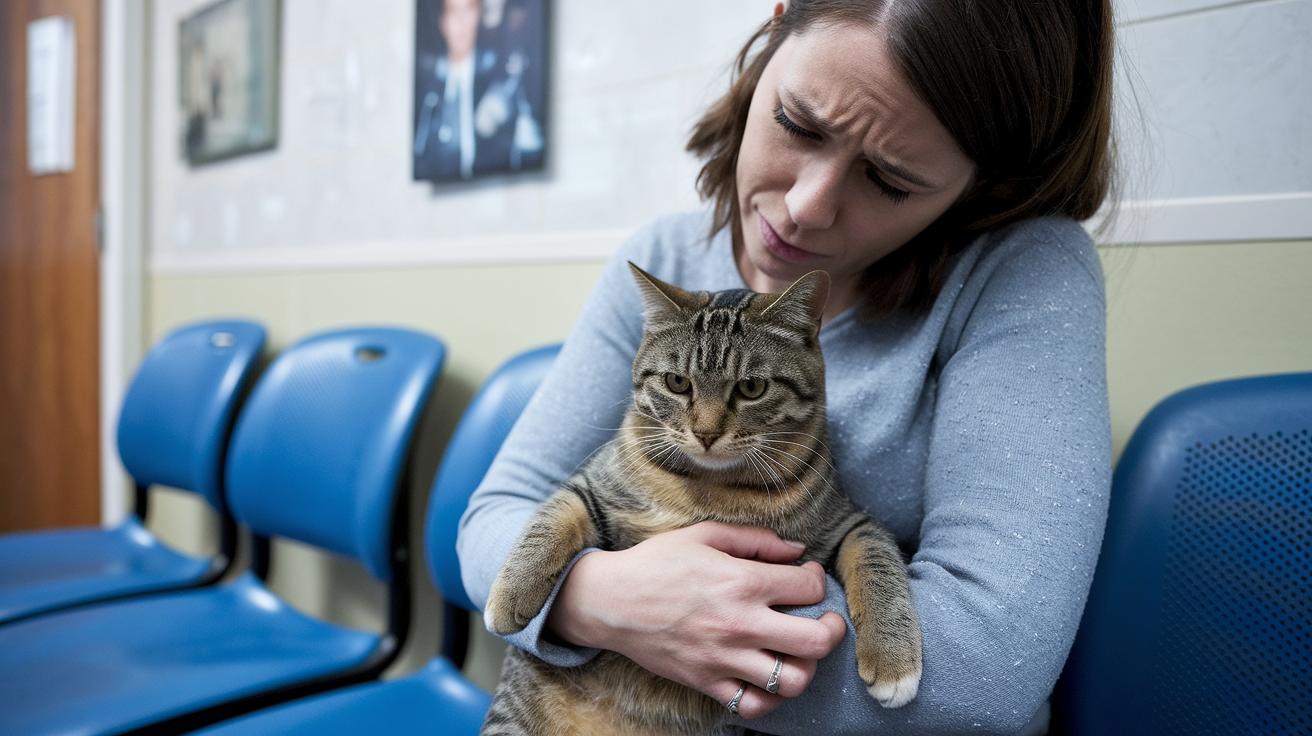
    Ever tried untangling a knot the size of a golf ball? Home spa days are fun, but severe mats (tangled fur patches) can tug at your cat’s skin and hurt real bad. Pro groomers know special combs and tricks to free that fur without a single yowl. Totally worth it.

    But what if your kitty needs medicated care? Vets can point you to shampoos for allergies (when your cat’s skin itches), dermatitis (a skin rash), or those not-so-fun flea baths. They’ll tailor each wash to your cat’s quirks and keep that coat silky and healthy. No guesswork.

    Skunk spray or an oil slick attack? Um, that’s definitely vet territory. A quick emergency wash under expert care can zap odors and wash away harmful goo without drying out your cat’s sensitive skin. Seriously, pros have the safe solutions.

    Is bath time a full-on showdown? Are mats marching across your kitty’s back? Time to call in the big guns. Grooming experts can tame even the feistiest furball, making the whole thing stress-free. Your cat pounces happy. You breathe easy.

    Final Words

    From the barbed tongue that handles daily cleanup to tips for a calm wash, you now know when a dip in the tub really makes sense.

    We flagged signs like oil buildup or stuck-on messes that call for help, plus dry grooming tricks (foam sprays, grooming gloves) for spot cleaning.

    Whether your long-haired buddy needs a gentle scrub or you want to keep mats at bay, you’ll find easy steps for warm dips and safe shampoos.

    When questions like do cat need bath pop up, this wrap-up has your back, go enjoy soft fur and happy purrs.

    FAQ

    Do cats need baths?

    Cats generally don’t need baths because they groom themselves with barbed tongues and natural skin oils. Only stubborn messes, parasites, or mobility issues justify a bath to keep them clean.

    Can I bathe my cat every two weeks?

    Bathing your cat every two weeks suits some long-haired breeds but can strip natural oils in short-haired cats. Aim for every 4–6 weeks unless your veterinarian recommends more frequent or less frequent washes.

    How to tell if your cat needs a bath?

    Your cat needs a bath if you notice visible dirt, persistent odor, fleas or ticks, matted fur, or if arthritis or obesity prevents self-grooming effectively.

    Is it cruel to bathe cats, and can I bathe them at night?

    Bathing cats isn’t cruel when done gently with cat-safe shampoo and a calm approach. Nighttime baths aren’t harmful but choose a quiet, warm area to minimize your cat’s stress.

    How do I give my cat a bath for the first time?

    To give your cat a first bath, start by brushing away loose hair, fill a sink with warm water up to their legs, massage in cat shampoo gently, rinse thoroughly, then towel-dry in a cozy spot.

    Are cats happier after a bath?

    Your cat can feel relief after a bath if matted fur or odors bothered them, but many prefer grooming themselves. Using treats and gentle handling makes post-bath calm and satisfying.

    Related Articles

  • what do cats slow blinks mean Heartwarming Bond

    what do cats slow blinks mean Heartwarming Bond

    Ever noticed your cat gazing at you, then slowly closing its eyes like a tiny feline love note? That soft half-second blink isn’t drowsiness, it’s your kitty whispering, “I trust you.” In warm sunlit spots or a cozy corner, each gentle blink means pure contentment.

    Animal behavior experts (scientists who study how creatures act) call it a slow blink, and research shows cats often blink back when we blink first – a secret kitty handshake. It’s like a little “thank you” from your furry friend. Ever tried blinking back? Just look into their eyes, blink slowly, and watch your bond grow.

     Decoding the Slow Blink Definition  Emotional Meaning in Cats.jpg

    Your cat’s slow blink is just that – a slow eye closure and reopening lasting more than half a second. Think of it like a quiet wave with their eyes, a silent “I trust you.” Uh, oops – I mean your kitty whispering “I love you” without a sound.

    You’ll spot it in cozy corners – on your lap or curled up in a warm sunbeam. Their whiskers quiver as their lids drift down smooth and easy. It’s not a twitch. It’s pure comfort and contentment.

    Because cats are both hunters and hunted, a calm slow blink means they see you as a safe zone. You might even catch two cats exchanging those relaxed eye closures – like tiny feline high fives.

    Next time your furball gives you that gentle eye wave, blink back just as slowly. You’ll be part of their secret chat. Worth every paw-print.

     The Science Behind Cat Slow Blinks Behavioral Context  Research Insights.jpg

    I’m excited to share a fun cat fact from the University of Sussex. They sat quietly and timed each eye-close. They even counted how many times cats blinked back at people.

    A slow blink (closing their eyelids for half a second or more) is like a feline peace sign. It says “I mean no harm.” When you blink first, cats often stroll closer, whiskers twitching, then return that gentle wink.

    Ever had your kitty just stare you down? It feels weird, right? In cat world, staring can seem like a dare. So a slow blink breaks the stare and melts tension. It helps shy or skittish kitties. It’s trust in action.

    To get solid data, the researchers measured blink cycle timing (how long one full blink takes) and blink rate (how many blinks per minute). Normal blinks snap shut in under a tenth of a second. Slow blinks hold the lids down just a bit longer. That tiny pause means a lot.

    Over time, this slow blink probably evolved from close cat-human friendships. Cats picked up on our soft looks, figured they meant safety, and started copying us back. So next time you catch your kitty’s gaze, try a slow-blink handshake. Watch how this science-backed ritual deepens your bond.

    Worth every paw-print.

     How to Respond When Your Cat Gives a Slow Blink.jpg

    When your cat meets your eyes and then gives a slow blink, that’s your moment to blink back just as gently. Soften your gaze to match their eyelids closing in a slow, peaceful twitch. Think of it like a kitty peace-sign with your lashes. It’s basically a silent kiss from your feline friend.

    Ever wonder what to do next? Um, try speaking in a calm, low voice so your cat knows you come in peace. Hold your eyes on theirs for about half a second, then slide your finger to scratch behind the ear (that soft spot where the fur fans out) or rub under the chin. Those tiny touches add up, and every little nuzzle builds your bond.

    Here’s another fun move: mutual blinking. When you blink back at your cat, you’re saying, “I see you.” Shy kitties often respond by sneaking closer or offering a head bonk. It’s a simple step with a big cuddle payoff.

    For more kitty bonding tips, check out How Do Cats Say I Love You?. You’ll find extra ways cats show you care, and your friendship will only grow from there.

    Slow Blinking Among Cats: Feline-to-Feline Trust Signals

     Slow Blinking Among Cats Feline-to-Feline Trust Signals.jpg

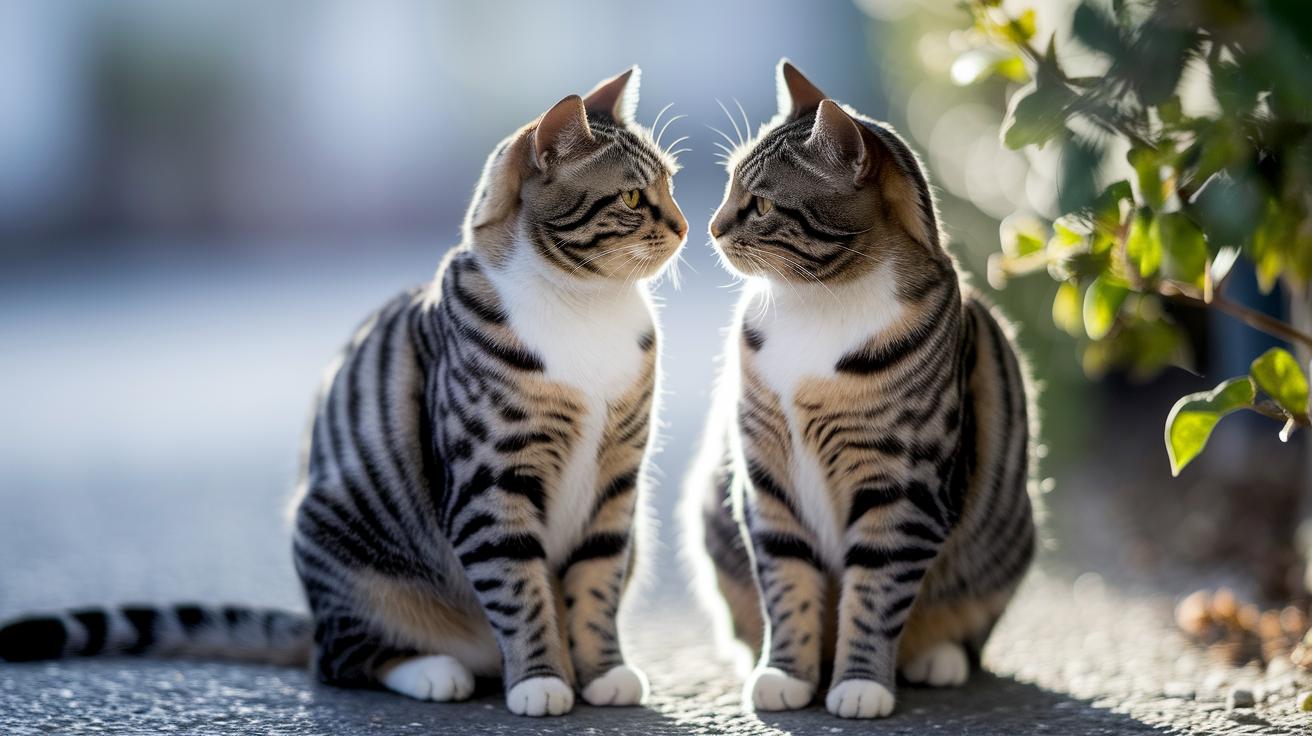
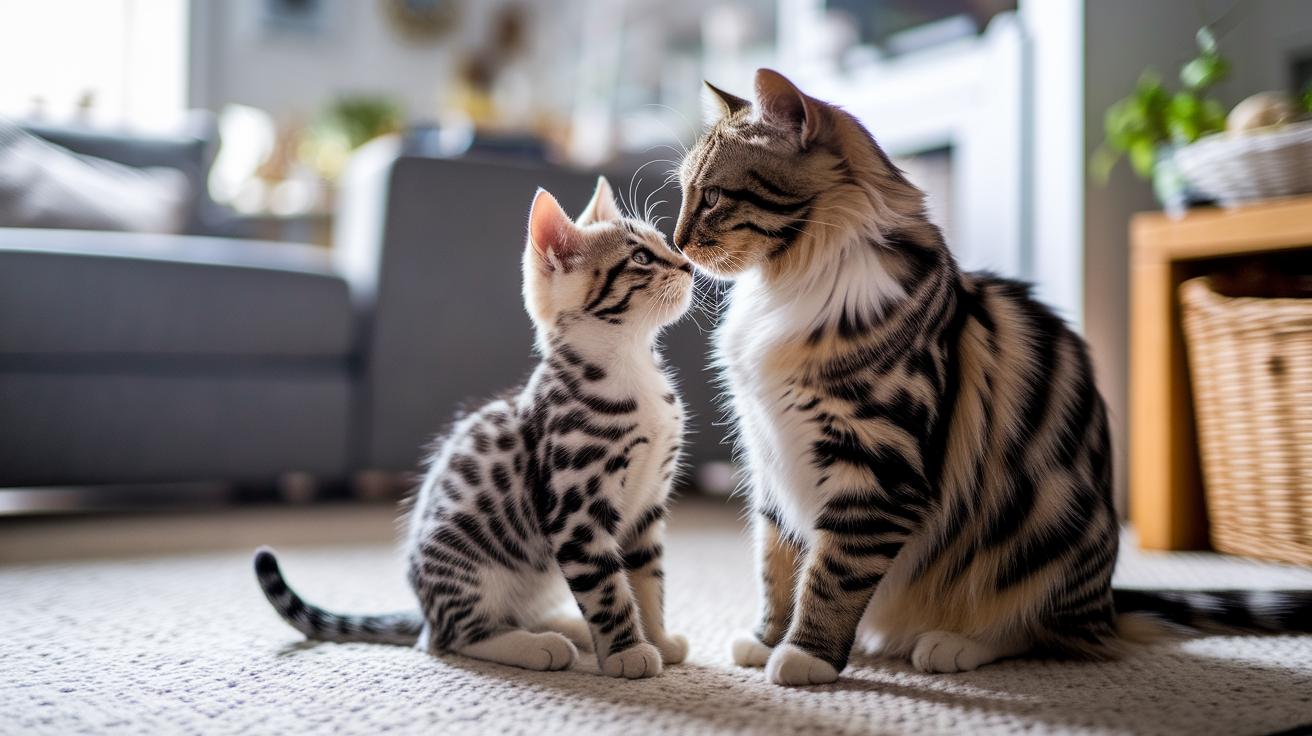
    Ever notice your tabby and calico pause just long enough to squint their eyes together? That’s a slow blink (a gentle eyelid close), kind of like a tiny kitty wave. It’s a hush-hush hello that says, “I’m pals with you.”

    In a busy cat crew, context is everything. Two confident cats might trade those soft eye closes while sharing a sunny window perch (that favorite ledge where they soak up rays). It’s a clear sign they trust each other.

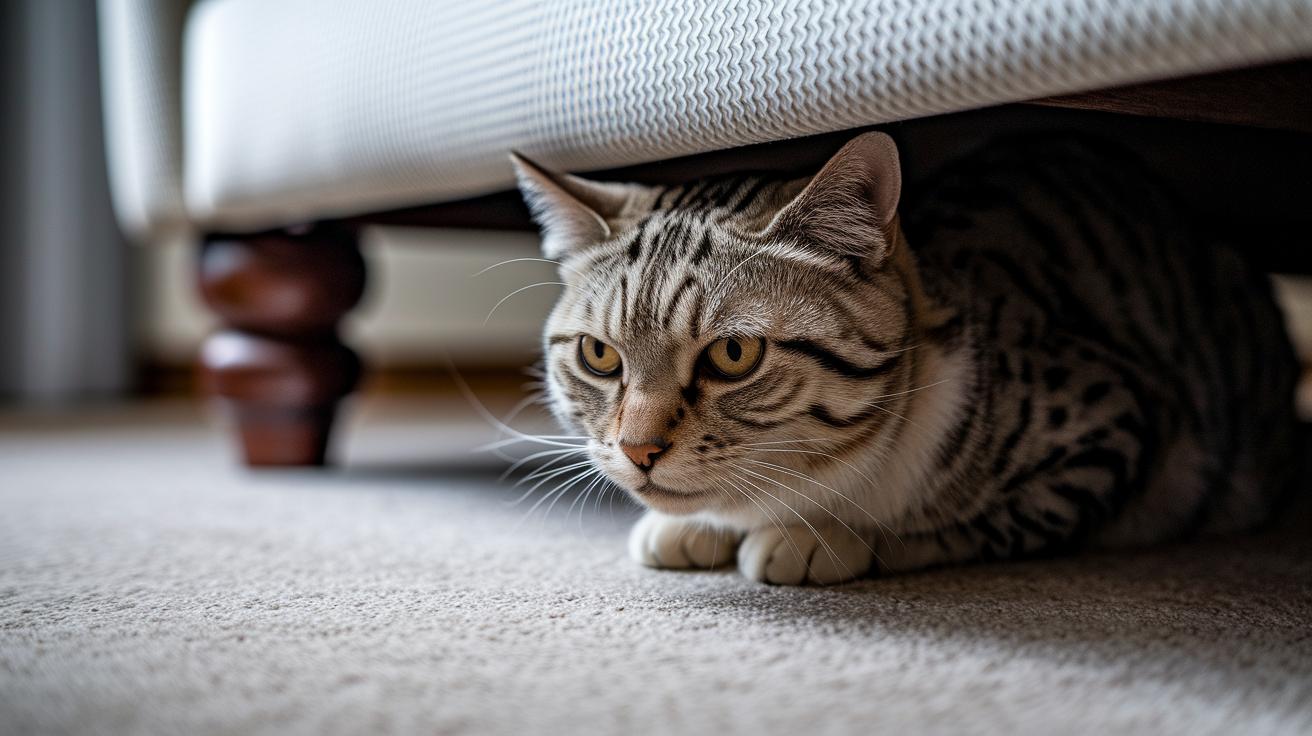
    But if unfamiliar felines lock eyes for too long, um, heads might puff up or someone bolts under the couch. Direct stares can spark hisses or quick escapes, you’ve been warned.

    You can nudge your cats into slow blinks by feeding them side by side or refilling water bowls together. They’ll start matching their eye-squish in no time.

    Trust grows one slow blink at a time.

     Avoiding Misinterpretations When Slow Blinks Arent What They Seem.jpg

    Not every squinty eye means kitty love. If you think that half-closed peek is a slow blink of affection, you could miss your cat’s stress signals or discomfort. Ever thought a wink was a bad sign? Let’s clear that up.

    Squint vs blink really matters. A tight squint (when your cat squeezes her eyes shut) often points to irritation or pain. And a fast flutter of eyelids usually signals anxiety, not a cuddle invite. It’s claw-dacious how easy it is to mix them up.

    To read your cat right, watch her whole body. Does she hold herself stiff? Are her pupils suddenly huge or pinched into tiny slits? Ever notice a quick stare, blink, stare pattern? That’s like a feline warning light, um, not exactly a peace offering.

    Pay attention to other cues:

    • Tail twitches or thumps
    • Ears flattened back (like little soup spoons)
    • Pupils widening or narrowing

    If a “slow blink” pops up next to a twitching tail or pinned ears, give your cat some room. That space lets her calm down without feeling trapped. I once gave Luna extra couch space, and she chilled out in seconds.

    Next time you spot a squinty face, pause and look for these signals. Then you’ll know when your feline friend is truly at ease, and when she’s just telling you to back off.
    Your cat will thank you with the real slow blinks of contentment.

     Building Bond Through Slow Blinks Tips for Cat-Human Trust.jpg

    Ever watched your kitty perch up high, whiskers twitching as they spy on birds? A tall cat tree (a mini skyscraper for cats) or a window shelf gives them a cozy lookout. And up there, they feel safe enough to close their eyes in a slow blink. It’s their way of saying, “I trust you.”

    Respecting their personal bubble is key. So if your cat backs off, resist the urge to follow. Let them come to you on their terms. That pause shows them you see them, and gently teaches them to slow-blink without feeling rushed. Ever notice how calm they look afterward?

    Daily play sessions with a string toy (think a wand with a dangly feather) or a laser pointer spark instant joy. You’ll hear the soft thud of tiny paws as your cat pounces. Those quick five-minute sessions turn into a blink-and-trust ritual, soon they’ll flash those slow eyelids whenever they spot you.

    Cats thrive on predictability. Keeping meal, play, and nap times on a steady schedule helps them relax. When they’re not worrying about “What’s next?”, they’re more likely to slow-blink in pure contentment.

    Keep an eye on sleep and activity, too. If your buddy’s naps get shorter or they seem low on energy, stress or illness might be in the mix. And when they’re unsettled, slow-blink moments can dry up. I guess using a simple journal or a pet activity tracker helps you catch small changes early. That way, your bond stays strong, and your kitty stays purr-fectly happy.

    Worth every paw-print.

     FAQs  Myths About Cat Slow Blinks.jpg

    • Sometimes your kitty’s slow blink isn’t all about romance. They show affection in other ways, too: purring (that soft, happy rumble in their throat), gentle head-butts or even dropping a toy by your shoe.

    • If you spot rapid, fluttery blinks, like their eyes are dancing non-stop, it could mean their eyes are irritated. They might look red, feel itchy or even get a bit gooey. Ever notice crusty gunk in the corner of their eye? That’s your cue to call the vet!

    Final Words

    We jumped right into how cats slow blink, defining this gentle eye-shut and sharing key research on its trust-building power.

    Next, we covered how to blink back, how kitties use blinks with each other, and how to spot squints versus affectionate closures.

    Then we built steps for a friendly space, vertical perches, play routines, and mindful interactions, to keep multi-cat homes calm and toys safe.

    Now that you know what do cat slow blinks mean, you’re set to grow deeper bonds and enjoy those quiet moments of purrfect connection!

    FAQ

    What do cat slow blinks mean?

    Cat slow blinks mean trust, comfort, and affection. By deliberately closing and reopening its eyes slowly, a cat shows it feels safe around you and lowers its guard when it’s calm and content.

    Why does my cat look away when I slow blink?

    When a cat looks away after you slow blink, it turns direct eye contact into a gentle signal. It avoids staring back to prevent challenge and shows it accepts your friendly gesture.

    Should I slow blink at my cat?

    You should slow blink at your cat to mirror its friendly signal. Returning a slow eye closure in a calm tone helps deepen your bond and encourages your cat to trust and approach you more often.

    Do cats slow blink at each other?

    Cats slow blink at each other to signal non-threat and trust. Littermates and housemates often exchange slow blinks during friendly interactions, helping them feel safe and reinforcing social harmony.

    What does it mean when a cat slowly closes, squints, or winks one eye?

    When a cat slowly closes, squints, or winks one eye, it usually signals comfort or trust. A single-eye wink can also be playful. But alongside ear flattening or redness, it may indicate irritation.

    What is the psychology behind cat slow blinking?

    The psychology behind cat slow blinking shows it evolved as a safe social cue. Studies reveal cats and humans return slow blinks, reducing fear and building trust by interrupting what might otherwise feel like a threatening stare.

    Related Articles

  • what do cats coughs sound like Clear Signals

    what do cats coughs sound like Clear Signals

    Think your kitty’s cough is just a hairball hack? What if that tiny honk is a clue to something more? Ever watched your furball freeze mid-pounce, whiskers twitch, then let out a dry hack? It’s confusing, right?

    But no more guessing games. We’re about to break down four distinct sounds: dry honks, wet gurgles, nasal sneezes, and soft wheezes.

    Dry honks sound like a squeaky toy with no air, often just a tickle in the throat. Wet gurgles feel damp and bubbly, like water sloshing around in a bottle.

    Nasal sneezes blast air through the nose in a quick burst, and soft wheezes are gentle sighs on the exhale. Notice your cat’s posture, standing tall or hunched over, tail stiff or relaxed. Then you’ll know when to chill with extra chin scratches and when to call the vet.

    Types of Cat Coughs and Similar Respiratory Sounds

    - Types of Cat Coughs and Similar Respiratory Sounds.jpg

    Dry coughs are like a little honk, harsh bursts from deep in your cat’s chest. You’ll hear one or two quick coughs, then a pause. No swallowing or bits coming up. Ever notice your kitty freeze mid-stride, stretch its neck, and stand statue-still until it calms down?

    Wet coughs start with a soft gurgle (wet rattling sound), like a tiny puddle stuck in their throat. Then comes a quick run of three or four coughs in a row, followed by a quick lick or swallow. No, scratch that, no clumps of hair or food pop out. You might hear these more after a drink or when a little extra mucus builds up.

    Sneezes are different. They burst out of the nose, sharp, explosive, and sometimes sprinkle a bit of discharge. Your cat’s eyes might close tight and its head will jerk forward. No throat tickles here, just a nasal pop.

    Wheezing isn’t a cough at all but a soft whistle on each breath. You’ll hear it on the inhale and exhale, sort of a hissy hiss that lingers. Cats often crouch low, chest heaving, mouth open for more air. No gurgle, no gag, and definitely no hairball hack.

    So how can you tell a dry cough, a wet cough, a sneeze or a wheeze? Listen for timing, coughs come in quick bursts, wheezes stretch out. Watch their posture, hunched and still for coughs, low and braced for wheezes. These clues make it easy to know what’s going on.

    Type Sound Pattern Body Posture Outcome
    Dry Cough Harsh honk or chest tickle, quick Hunched, frozen, neck stretched No spit or hair
    Wet Cough Soft gurgle (wet rattling), follow-up coughs Pause play, slight gag motion Mucus swallowed, no clumps
    Wheeze High-pitched whistle on inhale/exhale Crouched, chest heaving, open mouth No expulsion
    Sneeze Sharp nasal burst, explosive Head thrust, eyes shut Possible nasal droplets
    Gagging Retching, wet heaves Neck stretched, heaving Saliva or mucus expelled
    Hairball Hacking Deep, rhythmic hacking Crouched, tense Fur clump and fluid expelled

    Cat Cough Audio and Video Samples

    - Cat Cough Audio and Video Samples.jpg

    Ever wondered what your kitty’s cough really sounds like? Since cats can’t tell us if their chest feels tight or their throat is scratchy, hearing real examples of a dry cough (a sharp honk) or a wet cough (a soft gurgle) can be a total game changer. Try searching “feline cough audio” or “cat cough sound YouTube” from vet-approved channels. You may find “cat cough sound mp3” downloads or quick “cat cough clip” videos that show the timing and pitch of each cough. There is no single cat-cough voice, so sampling a few clips helps you decode what your cat is trying to say.

    When you find a clip, play it while your cat is relaxed nearby. Notice if the cough comes in quick bursts or if you hear a small rattle afterward. Watch how your cat holds its neck or freezes mid-stretch when the sound plays. Pause the clip to see if your cat mimics the posture, head up, neck extended, or perfectly still during the cough. Matching sound and stance will help you tell apart a dry chest honk from a wet, gurgly cough. Repeat with different samples, and next time you hear a real cough at home, you’ll know exactly what’s going on.

    Common Causes of Cat Coughing Noises

    - Common Causes of Cat Coughing Noises.jpg

    Coughing in cats doesn’t come out of nowhere. Most of the time it points to trouble in the airways, an infection, or a sneaky bit stuck in the throat. Figuring out the cause helps you and your vet get your kitty back to feline-fine health.

    Inflammatory Airway Diseases

    Ever seen your cat suddenly cough like a little honk? That’s often feline asthma, where the airways swell (airway inflammation) and make breathing tough. You’ll catch dry cough fits and a wheeze that sounds like an old accordion. It’s jarring to watch, you know?

    Some breeds, like Oriental and Siamese, seem extra prone, almost like they have skinnier air tubes. Then there’s chronic bronchitis (long-term swelling in the airway walls) that also tightens those passages. That brings on more rattly coughs and labored breaths. Poor kitties.

    Infectious Agents and Parasites

    Viruses such as feline calicivirus or herpesvirus can inflame your cat’s throat and windpipe, leading to hacking fits or wet coughs. You might see their whiskers tremble as they swallow hard. Not exactly a fun playtime, right?

    Bacteria like Mycoplasma (tiny microbes) and Bordetella bronchiseptica (think kennel cough bug) often join the party, bringing fever and nasal goo. Outdoor kittens may pick up lungworms (tiny worms in the lung tissue) that spark persistent coughing and weight loss. And pneumonia, whether from germs or inhaled spit-up fluid, can turn a mild hack into a rattling ordeal.

    Structural and Environmental Triggers

    Sometimes a foreign body, like a grass awn (a plant seed part), will lodge in the throat and set off nonstop coughing. Nasal polyps (soft tissue growths) can do the same and even change your cat’s meow. It’s like having a grain of sand stuck in your shoe all day.

    Pulmonary edema (fluid in the lung airways) brings wet crackles and makes each breath feel like a heavy sigh. Heartworms (blood vessel parasites) are rare but could be life-threatening, making every gasp a struggle. Tumors, chest trauma, or pleural effusion (fluid around the lungs) can squeeze their lungs and cause distress. So it’s best to get any cough checked out, fast.

    When Cat Coughs Require Veterinary Attention

    - When Cat Coughs Require Veterinary Attention.jpg

    Maybe you’ve heard your kitty cough once or twice. That little hack usually clears up in under two weeks. But if that hacking hangs on, it’s time to pay attention. Ever caught that soft honk echoing down the hallway at 3 am? Your furball might be asking for help.

    Keep an eye out for:

    • A cough lasting more than 14 days
    • Multiple daily hacking fits
    • Rapid breathing over 60 breaths per minute (your cat’s chest racing)
    • Mouth-open breaths or panting
    • Whistling or rattling in the airways
    • Nasal discharge, blood, or extra drooling
    • Skipping meals, weight loss, hiding away, or extreme tiredness
    • A chronic cough that never lets up

    When you visit the vet, expect a full physical exam with gentle but thorough checks (your cat may even enjoy the extra pets). The vet might suggest chest x rays (internal pictures of lungs and airways) to spot fluid, blockages, or inflammation. Curious about the price? Check how much do cat x rays cost. Those images help your vet find the cause and map out the best treatment plan.

    Worth every paw print.

    Home Strategies to Ease Cat Coughs

    - Home Strategies to Ease Cat Coughs.jpg

    Ever watched your kitty hack after a big stretch? Dry air and dust can tickle their throat (respiratory irritation) and turn a gentle meow into a cough fit. But you can clear the air and soothe those little lungs, you know.

    • Run an air purifier (device that traps tiny particles) near your cat’s favorite nap spot. It scoops up dander, pollen, even dust bunnies roaming the air.
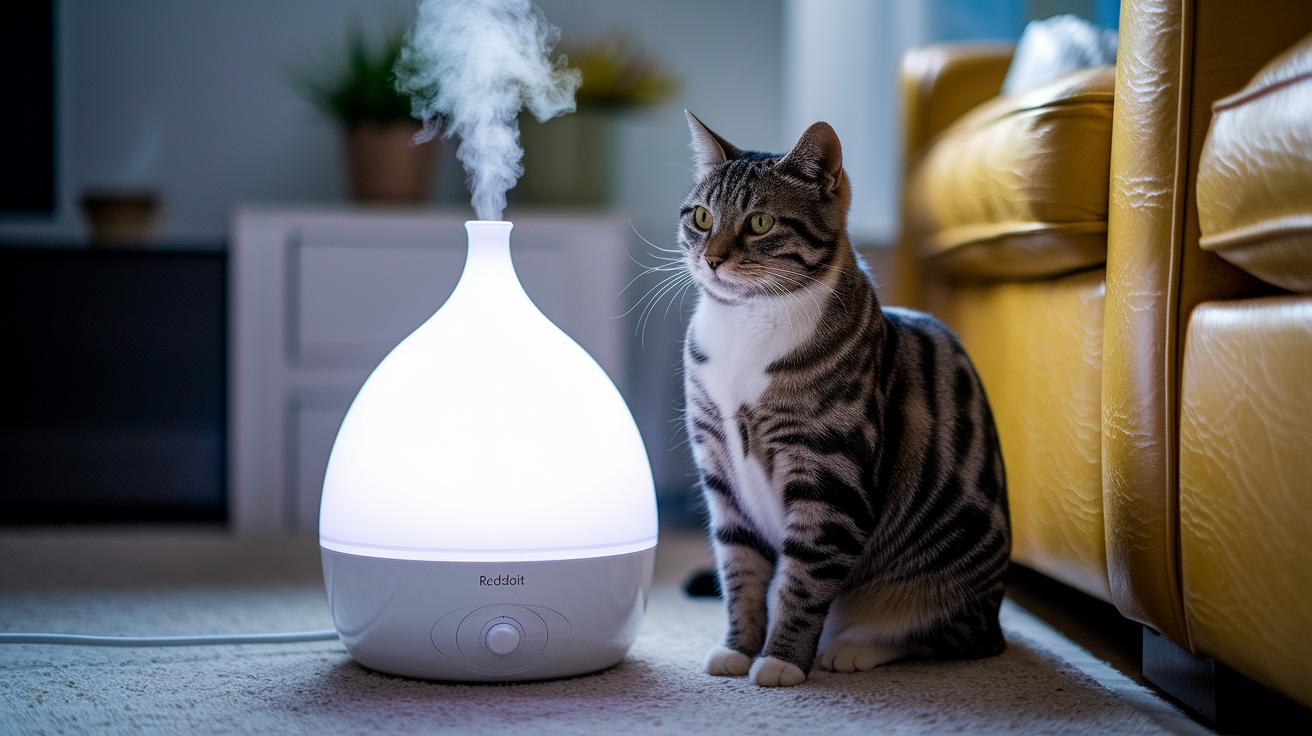
    • Turn on a humidifier (machine that adds moisture to the air) before bedtime. Your cat will breathe in soft, misty air that soothes dry, scratchy airways.
    • Brush your cat daily to catch loose fur (hairball prevention). Five minutes of soft strokes keeps extra hair from ending up in their tummy.
    • Swap to dust-free litter in a bright, open corner. Less litter dust means fewer sneezes and coughs – your nose will thank you too.
    • Keep play sessions short and sweet. A quick chase helps your cat stay trim and eases breathlessness during zoomies.

    In truth, a clean, humid space plus a little grooming goes a long way. Soon your kitty will spend more time purring than wheezing.
    Worth every paw-print.

    Final Words

    Covering each cough sound – dry honks, wet gurgles, wheezing whistles – and spotting body cues helps you know when to worry.

    Tuning into audio and video samples trains your ear for real-life fits.

    Knowing causes – from asthma to infections – guides your next move, and spotting red flags points you to the vet.

    Trying simple home fixes like a humidifier or an air purifier can ease your furry friend’s throat.

    Stay confident in your cat care, and never hesitate to listen for what do cat coughs sound like to keep them healthy and comfy.

    FAQ

    How can I tell if my cat is coughing?

    You can tell a cat is coughing by a sudden, repetitive hacking sound, hunched posture, and stillness between fits. Coughs originate in the chest or throat and rarely include nasal discharge.

    How do you tell the difference between a cat cough and a hairball hack?

    You distinguish a true cough by its short, harsh honk from the chest and lack of material. A hairball hack starts deep, rhythmic, and ends with a fur clump plus stomach fluid.

    Why is my cat coughing but no hairball?

    Your cat may be coughing without a hairball due to asthma, bronchitis, allergies, infection, or parasites irritating the airway. A veterinary exam can pinpoint the exact cause and proper treatment.

    Why is my cat coughing like something is stuck in his throat?

    A cat coughing as if something’s stuck often means throat irritation or mild obstruction from early hairball formation, inflammation, or mucus. A vet check can confirm and help clear the airway.

    What does a cat cough sound like?

    A cat cough sounds like a sharp honk or deep throat tickle. Wet coughs add soft crackles or gurgles and often end with a swallow. Dry coughs are harsh and lack any discharge.

    What does a kitten cough sound like?

    A kitten cough is a quieter, softer version of an adult cat’s cough, often higher pitched. It may include gentle rattling if fluid or mucus is present, but still starts in the chest.

    How can I treat my cat’s cough at home?

    You can treat your cat’s cough at home by using a humidifier for moist airways, reducing dust and smoke, brushing to cut hair ingestion, and offering fresh water while you monitor breathing.

    How do I treat a cat cough medically?

    You treat a cat cough medically with veterinarian-prescribed steroids, bronchodilators, or antibiotics after a proper diagnosis. Targeted therapy depends on whether asthma, infection, or inflammation is to blame.

    Is my cat coughing on purpose?

    Your cat isn’t coughing on purpose. Coughs are reflexes to airway irritation, infection, or obstruction. If fits are frequent or severe, seek veterinary care to address the underlying issue.

    Related Articles

  • do cats whiskers hurt when cut painlessly

    do cats whiskers hurt when cut painlessly

    Ever wondered if your kitty would howl if you snip one whisker? Good news: it’s more like an invisible haircut! Whiskers are made of keratin (that’s the same tough stuff in our fingernails), so trimming the very tip is totally painless.

    Think of it as a little haircut, not a yank. I swear, just last week I clipped one. She blinked, then batted a toy mouse like nothing happened. No drama. Just that adorable, puzzled stare.

    Pain Assessment: Do Cat Whiskers Hurt When Cut Painlessly?

    - Pain Assessment Do Cat Whiskers Hurt When Cut.jpg

    Ever wonder if it hurts when you snip a cat’s whiskers? Great news. They don’t feel it.

    Whiskers are made of keratin (the same protein as your fingernails), and the part you cut has no nerves. A quick snip at the tip can’t pinch skin or draw blood. It doesn’t even nick the tiny blood tubes.

    It’s just like giving fur a trim. Really!

    Pain spots live down in the follicle (the whisker root under your cat’s skin), right next to tiny blood tubes and sensory nerves. When whiskers move, they bend little touch sensors (mechanoreceptors), which send info along the trigeminal nerve (a main face nerve).

    But cutting above the root keeps you far away from those nerves. No nerve tickles here. No pain.

    You might see your cat pause, give a quick head shake, or put on a brave face when their whiskers go missing. That’s not pain. It’s surprise.

    Whiskers help cats measure spaces, check if they can fit, and keep balance. So if you see them hesitate at a doorway or bump into a wall, don’t sweat it.

    They’re just missing those sensor clues, not hurting. They’ll catch on soon, um, after a bit. Worth every paw print!

    Understanding Cat Vibrissae Anatomy and Nerve Sensitivity

    - Understanding Cat Vibrissae Anatomy and Nerve Sensitivity.jpg

    Cat whiskers (or vibrissae, the super-sensing hairs) are thick touch hairs made of keratin (the same protein in your nails). They grow from deep follicles under the skin and connect to tiny blood vessels. Tiny muscles ring each follicle so your kitty can tilt or perk a whisker to explore the world. That clever setup means you can’t swap whiskers for regular fur.

    Inside each follicle live mechanoreceptors (touch sensors) waiting for even the slightest bend or brush. These follicles form facial sensitivity zones around the cheeks, above the eyes, and along the chin. Proprioceptors at the whisker base sense vibration and movement, then zip that info up the trigeminal nerve (the main face-sensing highway) to the brain. Ever watch your cat wiggle a whisker then pounce on a toy? That’s feline-built radar in action.

    Most cats have about 12 whiskers on each side in three neat rows. They also have shorter vibrissae above the eyes, on the chin, upper lip, and even on the forelegs acting like little feelers under the paws. These whiskers often stretch almost as wide as your cat’s body. All of them hook into the same nerve pathways so your cat knows what’s happening around the muzzle and paws.

    Each whisker tells your cat if a space is too tight to squeeze through, no doorbell needed. Worth every whisker!

    Why Cutting Whiskers Affects Cat Balance and Navigation

    - Why Cutting Whiskers Affects Cat Balance and Navigation.jpg

    What Whiskers Do – and Why Cutting Them Causes Trouble

    Ever watched your kitty’s whiskers quiver before a leap? Those feathery feelers (tiny, touch-sensitive hairs) act like antennae for spatial mapping (making a mental map of the space). They help your cat judge how wide a spot is, sense a breeze around corners, and stick the landing with confidence. Fun, right?

    But when we trim those whiskers, our cats lose instant feedback. They might misjudge distances, bump into walls, or hesitate before jumping. It can leave them feeling wobbly, and not in a cute way!

    Snipping vs. Plucking: Pain Risks and Follicle Trauma

    - Snipping vs Plucking Pain Risks and Follicle Trauma.jpg

    Snipping whiskers above the skin only trims keratin (that’s the same protein as your nails). It’s just dead hair, so your cat won’t feel a thing, no flinch, no blood. The cut stops way before the nerve endings down in the follicle (that’s the root in the skin).

    Pulling out a whisker is a whole different story. Each whisker sits in a follicle packed with tiny nerves. When you pluck one, it fires pain signals up the trigeminal nerve (your cat’s main face nerve). Ouch. Your kitty might yelp or hide after that.

    So what’s the game plan? Grab a pair of rounded-tip scissors. Keep them well away from the whisker zone, the cheeks, chin, and above the eyes. Use a fine comb to tease out long fur, then snip only those fluffy bits. Go slow, offer treats, and let your cat take breaks.

    Worth every purr.

    Behavioral and Emotional Impact of Whisker Damage

    - Behavioral and Emotional Impact of Whisker Damage.jpg

    Ever catch your kitty freezing mid-step, looking totally puzzled? That often happens when their whiskers (vibrissae, the long feelers on their face) get trimmed and their balance goes haywire. They might skip dinner or stare at doorways, too uneasy to move, and some kitties dash under the bed like their radar’s been clipped. It’s anxiety serving up a no-play day for your furball.

    Ever see your kitty bumping into the coffee table? Your cat might walk in circles around a tight spot or refuse to leap onto the couch. You’ll spot ear twitches, wide eyes, and sudden sprints from harmless shadows. Their whiskers press flat against their cheeks and their pupils get huge, pacing in a restless rhythm that screams "Where’s my radar?"

    Keep an eye out for grazing against walls, skipping jumps, or weird hiding sprees, as those are red flags your kitty’s whiskers need help. If your furball looks bored of toys, slinks away more, or paces in circles, you might be seeing whisker distress. Helping those feelers grow back isn’t just about comfort. It’s about giving your cat their paws-itively perfect confidence again, I guess.

    Safe Whisker-Friendly Grooming Practices

    - Safe Whisker-Friendly Grooming Practices.jpg

    Ever snip too close to those whiskers by accident? Those long hairs help your cat feel her way around like a built-in radar. If you clip them, your kitty might wobble, get skittish or stare in confusion.

    So only trim the fluffy coat on her back and sides and keep scissors and clippers away from her muzzle. Pro groomers even draw a line with a washable marker to mark the whisker line so they never nip a whisker.

    Tool Purpose
    Blunt-tipped scissors Snip fur safely without catching whiskers
    Whisker guard attachment (plastic shield) Keeps whiskers safe during clipping
    Wide-tooth detangler brush (big-spaced bristles) Gently removes mats near the face

    First, let your kitty sniff and paw each tool before you switch anything on. Then offer a tiny treat or gentle ear scratch every few seconds to keep her purring.

    Next, work in quick bursts. Two minutes of snips, then a pause. Praise her calm pose with a happy “good kitty.” If she leans in, she’s saying “keep going!”

    Patience is the big tip. A calm, low-stress routine means fewer oops moments and a more purring furball.

    Whisker Regrowth, Recovery, and Veterinary Guidance

    - Whisker Regrowth, Recovery, and Veterinary Guidance.jpg

    When your kitty loses a whisker, the whisker root (tiny hair pocket in the skin) goes back into growth mode. It pushes new keratin fibers (the same stuff in claws) up through the skin until a fresh whisker pops out. Most cats get their whiskers back in 2 to 8 weeks. Some kittens show sprouts in just two weeks. Older cats might take up to eight weeks to refill their facial fur.

    Ever watched a whisker sprout peek out like a soft whisk on the cheek? It’s kinda magic.

    To set up a cozy repair zone, clear away clutter so fresh whiskers do not snag on stuff. Put shallow food and water bowls near your cat’s favorite nap spots. Keep sturdy toys close by for some gentle play. Tuck a soft hidey spot under a chair or table so they can nap in peace. And don’t move the food or litter box around. Your kitty needs to find everything without stress.

    Worth every purr.

    Watch for signs that need a vet check. If you see any bleeding at the whisker base, swollen skin or weird discharge, give your vet a call. And if your cat seems off balance for more than five days, don’t wait. Early vet care can stop infections fast. You might end up with a mild antiseptic wash or a soft cone to keep those curious paws away from sore spots.

    The key care steps are easy. Be patient as whiskers grow back. Keep your cat’s world calm and hazard-free. Leave food, water and litter exactly where they always are. See the vet at the first sign of trouble. Then break out a gentle toy and remind your cat how great whiskers feel again. It’s part of feeling feline fine again.

    Final Words

    We dove right into the science behind whiskers and cut pain, learning that whisker shafts lack nerves and trimming doesn’t hurt.

    We mapped out deep follicle anatomy, their role in balance and navigation, and why snipping is safe but plucking really stings.

    We spotted stress signals, safe grooming tips, and the regrowth timeline to keep kitties comfy.

    Answering do cat whiskers hurt when cut should give you confidence, your feline friends can explore stress-free and play happily every day.

    FAQ

    Does cutting or trimming a cat’s whiskers hurt them?

    Cutting a cat’s whiskers doesn’t cause pain because the hair shafts lack nerves. Sensitive nerve endings sit deep in follicles, so snipping above the skin can’t hurt, though cats may feel disoriented or stressed.

    Do a cat’s whiskers grow back if they’re cut?

    A cat’s whiskers regrow naturally over weeks to months, with new vibrissae emerging from follicles within 2–8 weeks depending on age and health. A calm space helps your cat adjust as they return.

    What happens if you cut a cat’s whiskers on one side accidentally?

    Accidentally cutting whiskers on one side can disrupt your cat’s balance and depth perception. They may bump into things or hesitate to jump until those whiskers regrow, usually in a few weeks.

    What functions do whiskers serve for cats?

    A cat’s whiskers act as touch sensors that map space and detect air currents. They guide safe landings, help navigate in dim light, and measure openings before squeezing through, keeping cats confident and secure.

    Does cutting a dog’s whiskers hurt?

    Cutting a dog’s whiskers above the skin doesn’t cause direct pain because whisker shafts lack nerves. However, dogs may lose some touch feedback, so it’s best to avoid trimming them unless necessary.

    Related Articles

  • do cats siblings mate Safely and Responsibly

    do cats siblings mate Safely and Responsibly

    Ever watched your kittens tiptoe around each other like secret agents?

    Believe it or not, cats who grew up side by side can pair off and have kittens of their own. They don’t need a family rulebook to spark romance.

    Kittens reach sexual maturity (the age they can reproduce) at about four months. It’s all instinct and pheromones (natural scents) doing the work, not a sibling bond.

    But a brother-sister match can cause genetic mix-ups and health headaches. Imagine two fluffy spies whispering plans every time a door creaks.

    We’ll dive into what lights the spark between siblings, the risks hiding in those split-second rendezvous, and the best spay-and-neuter timing (a simple surgery to prevent litters). So your playdates stay fun, and surprise kittens stay off the guest list.

    Do Cat Siblings Mate Safely and Responsibly

    - Do Cat Siblings Mate.jpg

    Ever wondered if kittens from the same litter might try to mate once they grow up? Cats can start pairing off around four months, when they hit sexual maturity (when they can have kittens). It’s pure instinct. They chase each other, sniff out pheromones (natural smell signals), and pounce like any cat on the prowl. Family ties? Nope. Kin or not, they’ll breed when the timing is right.

    Female kittens in heat (when a queen cat is ready to mate) yowl like they’ve lost their voice, roll on the floor, and spray to say “I’m ready.” Males catch those cues, ears perk up, they rub on chairs, or stage a jailbreak for a quick meet-up. And the whole show lasts just seconds, turning separation attempts into a wild hide-and-seek game. It’s all hormones, not memory, calling the shots.

    This plays out most in feral colonies (wild cat groups) where unneutered littermates live together without human checks. Full-sibling and half-sibling matings happen naturally if cats aren’t spayed (female sterilization) or neutered (male sterilization). And yes, even those wrestling games as kittens won’t stop them later. Knowing this helps you schedule surgery before that first heat. Then playdates stay fun and safe.

    Worth every paw-print.

    Do Cat Siblings Mate Safely?

    - How Heat Cycles and Instinctive Behavior Drive Sibling Mating in Cats.jpg

    So, around four months old, a girl kitten usually hits her first heat. Then during breeding season she can cycle every two or three weeks.

    Ever heard a 3 AM cat opera? That’s her pheromones (smell signals cats use) calling all the brothers. I once woke to them yowling like a mini rock band. You know, siblings at work.

    • Loud yowling that echoes through hallways
    • Rolling on the floor and rubbing against walls

    A single mating session lasts only a few seconds. Blink and you might miss the whole thing. In unmonitored groups, siblings can mate again every cycle – those hormones don’t pause.

    Next, plan to spay or neuter before they turn four months old. That way playtime is all about chasing toys and belly rubs, not kittens.
    Worth every paw print.

    Genetic Defects and Health Risks from Sibling Cat Mating

    - Genetic Defects and Health Risks from Sibling Cat Mating.jpg

    Hey fellow cat lovers, ever thought you’d be more careful than to breed littermates? But um, you know, it happens. And it can lead to some pretty tough kitten problems.
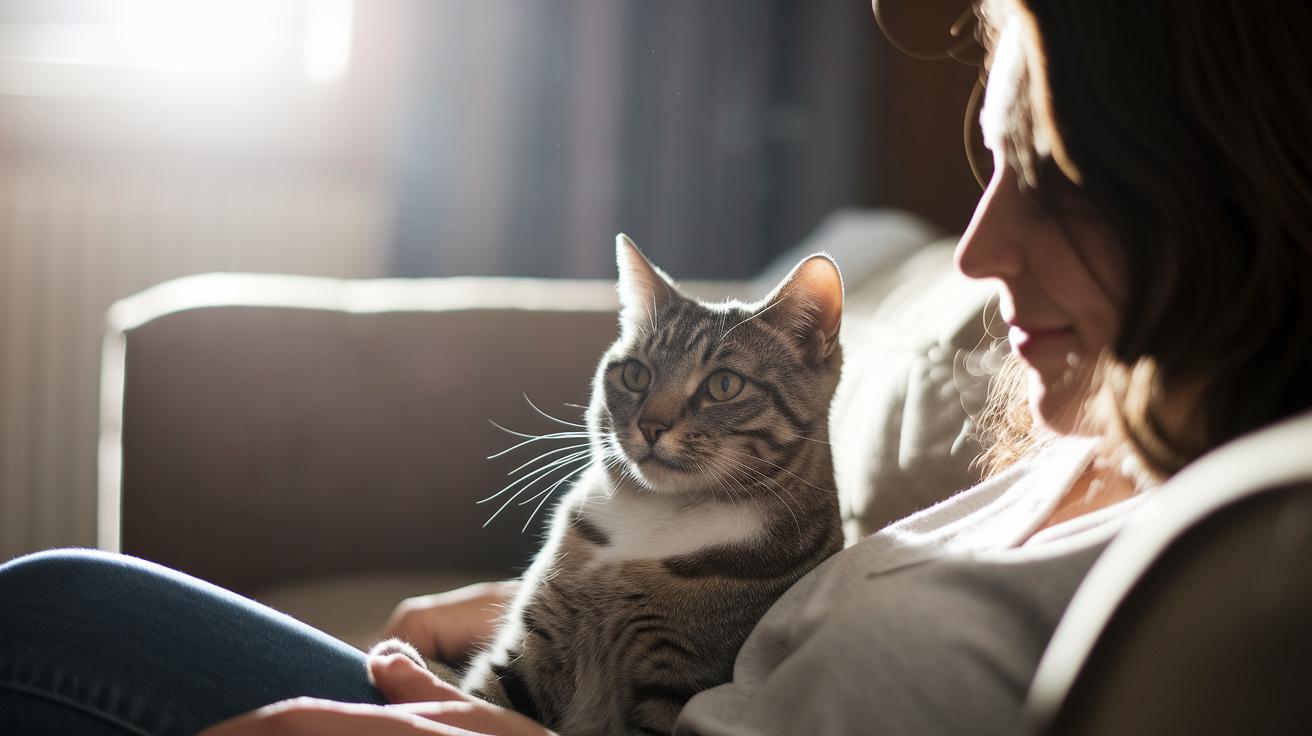
    Breeding siblings can really up the chance of physical deformities. When kitty siblings mate, tiny gene mix-ups can become glaring flaws. You might spot a crooked nose (nasal bone off-center), a stumpy tail (shortened vertebrae, back bones), or a misaligned jaw that makes crunching kibble tricky. It’s like bone growth decided to hit the pause button.

    Some kittens also have short legs (bones that stopped growing early) and a squished thorax (chest cavity) that can pinch their lungs and tire out their little hearts. Another sign is eyes that don’t match: one eye might sit higher or look rounder than the other.

    Breed-specific issues get worse with inbreeding. Munchkin cats already battle hip dysplasia (bad hip joints), but sibling matings intensify joint pain and mobility troubles. And Persian cats, those flat-faced furballs, often struggle with snorting breaths and kidney problems. Inbred litters just crank up those struggles.

    They tend to have weaker immune systems too. Inbred kittens catch infections more easily, face autoimmune issues, and older siblings can’t pass along as many antibodies in their milk.

    That leads to more kittens lost early on.

    I once saw a litter of six where only two made it past week one. My heart just broke.

    Genetics can be ruthless.

    Additional health hiccups include:

    • Reduced fertility in both males and females
    • Smaller litters when queens go into heat
    • Steady weight loss or failure to thrive (slow growth)
    • Behavioral issues like fearfulness or sudden aggression
    Defect Description
    Crooked nose Nasal bone (nose bone) off-center, causing breathing problems
    Stumpy tail Shortened vertebrae (back bones), leading to a stubby tail and mobility challenges
    Misaligned jaw Jaw bones not lining up, making it hard to eat
    Short legs Bones that stopped growing early, causing leg length issues
    Deformed thorax Thorax (chest cavity) pinches lungs and strains the heart

    Watching a kitten wobble on unsteady legs or struggle to twitch its whiskers can really tug at your heart. Better to stop sibling pairings before the trouble starts.

    Preventing Sibling Cat Mating: Spaying, Neutering, and Management Strategies

    - Preventing Sibling Cat Mating Spaying, Neutering, and Management Strategies.jpg

    Hey cat pals – ever watch your two fuzzballs get a little too friendly? Um, I have.

    The best move is scheduling spaying (female surgery) and neutering (male surgery) before they hit sexual maturity. Aim for around five to six months old – just before that first heat cycle (when a kitty goes into season). That way, your playful pair stays pals instead of planning a surprise litter.

    Physical isolation can help in a pinch, but it’s a juggling act. Separating them by room with a different litter box and food station means shutting every door tight. One tiny slip and boom, there goes your plan.

    Here are some extra tips:

    • Adopt same-gender siblings or unrelated kittens so they have built-in buddies without accidental litters
    • Rotate toys and extra petting when your queen (female cat) starts pacing or yowling in heat
    • When she’s ready to roam, pop her into a secure carrier (sturdy cat box) or closed crate to move her safely between rooms

    For feral colonies, TNR – short for Trap Neuter Return – is a total game-changer. Volunteers humanely trap unaltered cats, fix them, and then let them go. It breaks the outdoor breeding cycle and keeps stray litters in check. I’ve seen feral queens go from midnight serenades to sunlit snoozes.

    If you’re breeding kittens, record everything like a pro and get them fixed early. Treat the surgery as routine health care – you wouldn’t skip their vaccines, right? Once both siblings are fixed, you’ll swap those 3 am meows for soft pounces and plush-toy chases. Actually, make that three perks: no surprise kittens, calmer nights, and endless play sessions. Worth every paw print.
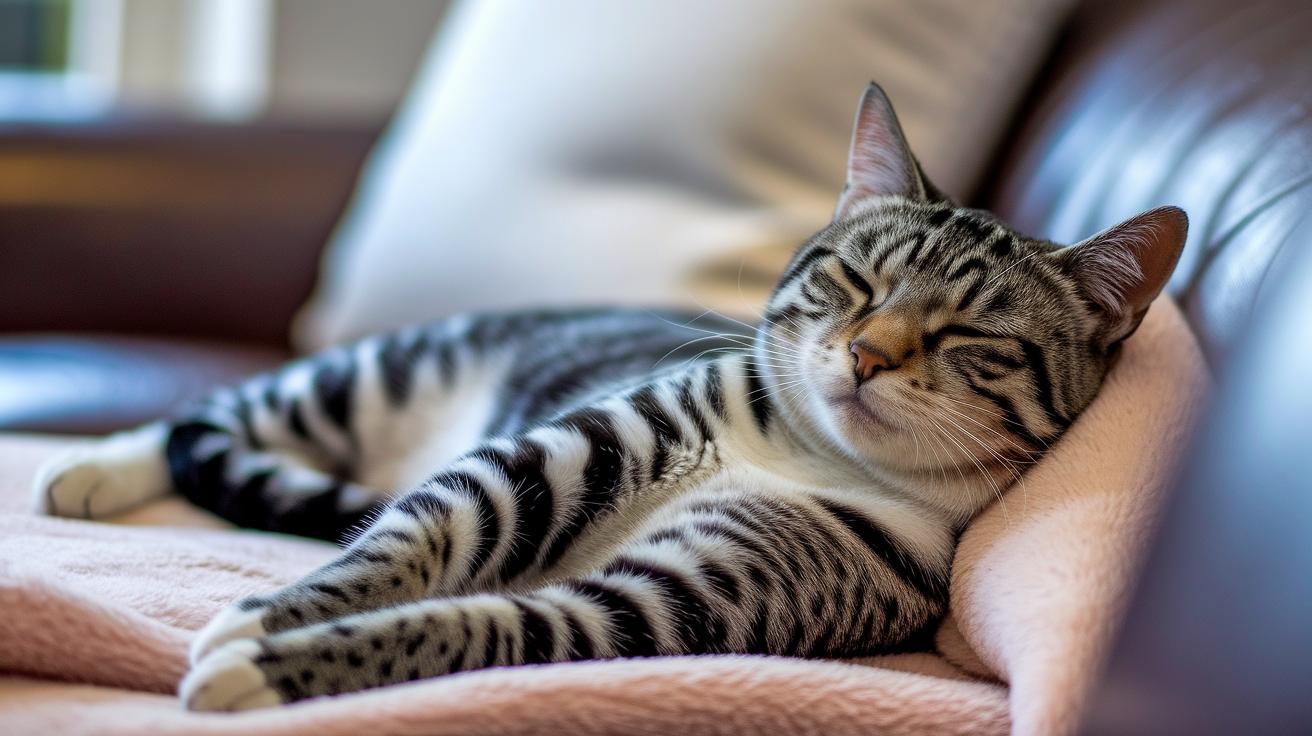
    - Ethical and Legal Considerations in Cat Sibling Mating.jpg

    Purebred registries sometimes let close relatives mate to lock in a coat color or a certain look. Oops, many animal welfare groups raise a red flag about that. They warn you that sibling matings can spark serious health risks and lead to birth defects. It’s not kitten around when your precious babies could face genetic troubles.
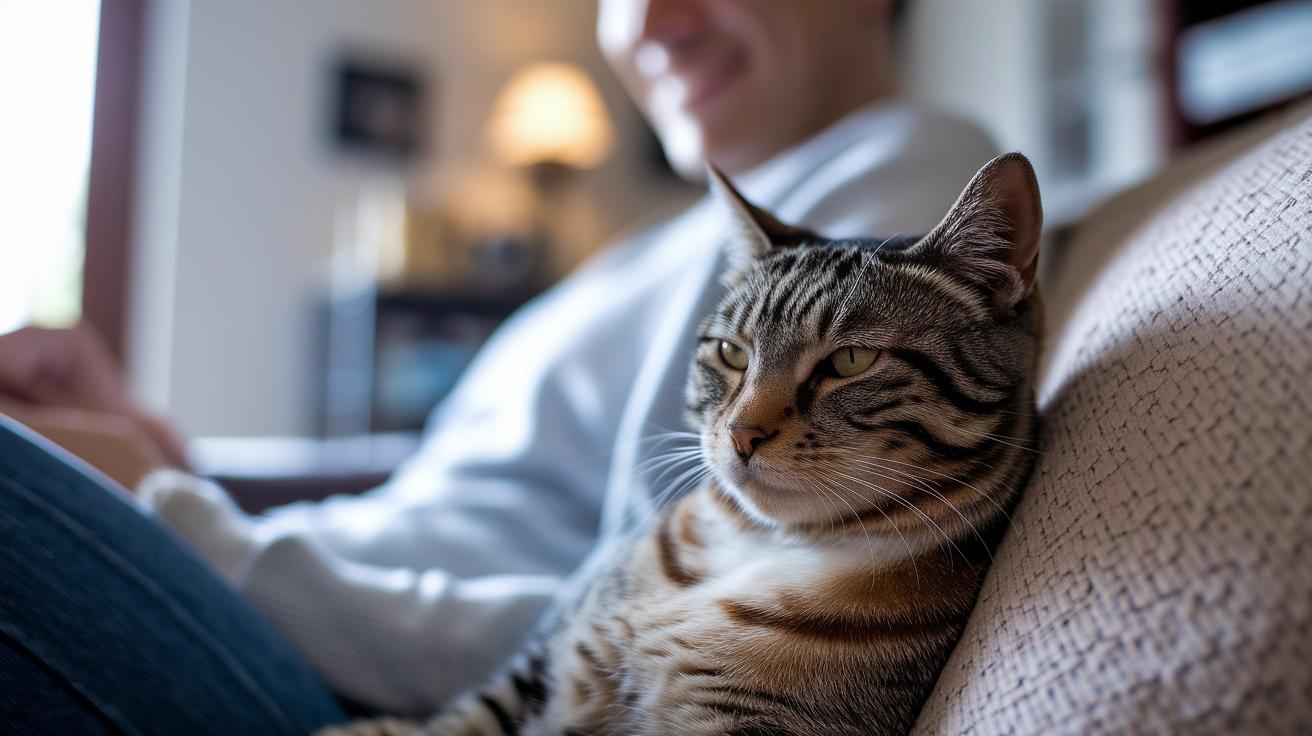
    There aren’t any nationwide cat-incest laws, but breeder codes of ethics and some local rules strongly discourage pairing siblings. It isn’t against the law everywhere, yet lots of regions nudge people to think twice. Ever wonder why those guidelines exist? Health first, always.

    You and your breeder pals hold the key to keeping siblings apart. That means jotting down birth dates, scheduling spay or neuter (surgery to prevent kittens) early, and avoiding the “just for science” pairing of littermates. Animal welfare principles expect you to put every kitten’s well-being front and center.

    Responsible breeders follow association guidelines and team up with a veterinarian (an animal doctor) to stay on the safe side. They log pedigrees, skip risky pairings, and swap best practices, fur real, teamwork matters. In the end, preventing sibling litters isn’t just paperwork. It’s about loving each purring life in your care.

    Social Bonds, Recognition, and Genetic Diversity Among Cat Siblings

    - Social Bonds, Recognition, and Genetic Diversity Among Cat Siblings.jpg

    You know how cats love to sniff around? They use their nose as a superpower to figure out who’s family and who’s stranger. Ever seen siblings meet after time apart? Their whiskers twitch and they circle each other like brand-new pals. It’s not jealousy. It’s just smell-based recognition.

    Did you know one litter can have kittens from different dads? That natural mix gives more variety (genetic diversity is DNA variety) and cuts the chance of two bad genes ending up together. Identical twins (exact copies from one fertilized egg splitting in two) are super rare. So even with the same mom and dad, most siblings stay unique.

    Playtime from birth to about 14 weeks builds their social skills. Those tumble rolls and gentle bites teach bite inhibition (learning how to bite softly). It’s like a kitty gymnastics class for balance and quick paws. But um, no amount of romping stops mating urges if they’re not spayed or neutered. Around four months, hormones kick in and they switch gears from toy mice to mating mode.

    Keeping multiple sires in a litter helps the gene pool stay healthy and strong. When you spay or neuter siblings, you focus on feather wands and bouncing balls instead of surprise litters. Worth every paw print.

    Final Words

    In the action we saw same-litter cats hit maturity at four months and mate instinctively if unneutered.

    Heat cycles bring yowling, spraying, and quick breeding, hard to separate once estrus starts in feral or free-roaming siblings.

    Inbreeding risks like crooked noses, stumpy tails, and weak immunity showed why breeding siblings is risky for kittens’ health.

    Spaying, neutering, and simple management stop unwanted litters, cut stress, and keep furniture claw-safe in busy multi-cat homes.

    When you ask do cat siblings mate, you realize it’s all natural instinct. With timely care, your cats stay happy and healthy.

    FAQ

    How common is it for sibling cats to mate?

    Sibling cats mating is common among unneutered littermates, especially in feral colonies. They reach sexual maturity around four months and breed instinctively without recognizing family ties.

    At what age do cats mate?

    Cats typically reach sexual maturity around four to six months old, with heat cycles roughly every two to three weeks. Early spaying or neutering prevents premature breeding.

    Do cat siblings mate with their parents or mother?

    Cats may mate with parents or mothers because they don’t recognize family relations. Unneutered cats breed based on pheromones and heat cycles rather than kinship awareness.

    What happens if sibling cats mate?

    Sibling mating often leads to genetic defects, weaker immune systems, and higher kitten mortality. Inbreeding is not recommended due to these serious health consequences.

    Can a male cat get his sister pregnant?

    A male cat can impregnate his sister once both reach sexual maturity, as cats don’t recognize kin. Spaying or neutering stops this risk.

    How do I stop sibling cats from mating?

    To stop sibling mating, spay or neuter cats before six months old. If in heat, separate by room and add interactive toys to reduce mating attempts.

    Why do cats hump their siblings?

    Cats hump siblings as a mix of mating instinct, dominance display, or play behavior. Neutering and redirecting with toys often reduces this humping habit.

    Related Articles

  • what do cats head bumps mean Loving Signals

    what do cats head bumps mean Loving Signals

    Ever get a soft head bump from your cat and wonder what just happened?
    It’s not a random bop. It’s a scented hug (a tiny scent mark your cat leaves) packed with meaning.

    When cats press their temples (sides of their heads) or cheeks against you, they’re sharing pheromones (chemical messages cats make). That soft nudge marks you as their safe spot and deepens your bond.

    Next, let’s peek under your cat’s whiskers. We’ll find out why those head bumps mean trust, territory and love.

    what do cat head bumps mean Loving Signals

    - Core Functions of Head Bunting.jpg

    Cats head bump mainly to share scent via their facial glands (tiny scent makers on their head), claim safe spots, say hello, and strengthen bonds. It’s like a scented hug that says, “we belong together.” Ever felt that soft whisker tickle on your leg? That’s your cat’s way of purring through touch.

    When your kitty presses its forehead or cheek against you or the sofa corner, it’s depositing pheromones (chemical messages that feel nearly odorless to us but mean everything to cats). These friendly molecules build trust and create a sense of home.

    Anatomy and Pheromone Release

    Your cat's head hides three secret-agent scent gland spots: temples, cheeks, and the area between the eyes and ears. Each one releases a mix of fatty acids (natural fats) and proteins that acts like your cat’s signature perfume. Here’s a quick map of those glands and what they do:

    Gland Location Role
    Temples Signals trust and marks friendly territory
    Cheeks Leaves a familiar scent on people, objects, and other cats
    Between eyes and ears Supports group scent marking and defines safe boundaries

    Social and Territorial Functions

    Head bunting isn’t just hello. In multi-cat homes, mutual head bumps weave a shared scent blanket and calm any newcomer jitters. And hey, when your cat bumps your arm, you’re part of the squad too.

    This cute move is pure affection: your cat says “you’re one of us” each time it nudges. Oops, make that a scented hug. Ever wondered how do cat say i love you? That’s your answer: these little nudges.

    Territory marking also plays a big role. By head bumping favorite spots – doorways, cushions, and scratching posts – cats stamp their domain, feel safe, and let other animals know who’s boss. Communal scent marking keeps the peace by showing who belongs where in your cozy home.

    Worth every paw-print.

    Head Bumps as Attention-Getting and Comfort-Seeking Gestures

    - Head Bumps as Attention-Getting and Comfort-Seeking Gestures.jpg

    Ever watched your kitty give you a little forehead nudge right before dinner? Or maybe they bump your leg as you walk by the living room. This head bump, or bunting, is your cat’s way of saying “feed me” or “pet me.” You might see a tilted head, soft paw taps, or a gentle push with their head. It’s a friendly poke that means “Hey, I’m here and I want something.”

    And like kneading, head bunting wakes up sensory cells around their whiskers (the stiff hairs on their face) and skin follicles (where each fur strand grows). That touch sparks purrs and those warm, fuzzy vibes we all love. It’s also a comfort-seeking move when they want extra love or a little reassurance.

    If you reward each bump with a treat or a chin rub, your cat learns fast that head bumps lead to tasty snacks or soothing rubs. Before you know it, head bunting becomes their go-to trick for grabbing your attention.

    Worth every paw-print.

    Common requests your cat might signal with a head bump:

    • A refill of their kibble or a yummy treat before dinner
    • Playtime with a toy mouse or feather wand
    • A soft ear scratch or chin rub
    • A cozy spot on your lap for uninterrupted cuddles
    • Opening a door so they can explore the hallway

    When to Distinguish Healthy Head Bumping vs Concerning Head Pressing

    - When to Distinguish Healthy Head Bumping vs Concerning Head Pressing.jpg

    Ever felt that soft boop on your hand or chin? That’s a head bump – your cat’s quick, friendly tap to say “I’m here,” or “I like you.” But head pressing is different. It’s when your kitty leans its skull against a wall or other hard spot and just stays there.

    If your cat holds its head there and won’t move, that could hint at neurological (brain and nerve related) issues like a brain tumor (a mass in the brain) or a stroke (when blood flow stops). Unlike playful bunting, head pressing goes on even if you call “Here, kitty!” Um, that’s a clue to take notice.

    Watch for little changes – when your cat plants its head, if mealtime gets weird, or playtime feels off. Notice any odd posture or lack of response. Jot down what you see so you can show your vet exactly when and how often it happened.

    Worth a vet check.

    Signs of Neurological Concern

    • Seizure episodes (sudden shaking spells)
    • Sudden vision loss (bumping into stuff)
    • Constant, compulsive head pressing
    • Confusion or looking lost (disoriented)

    Responding to Your Cat’s Head Bumps: Encouraging Positive Interactions

    - Responding to Your Cats Head Bumps Encouraging Positive Interactions.jpg

    When your cat leans in for a head bump, it’s your cue to return the love. Stroke from the forehead back toward the ears, following the flow of their fur. That gentle glide wakes up tiny scent glands (oil-making spots) and helps your kitty melt into pure purrs. Ever felt their whiskers twitch like little antennas when you nail the spot?

    Right after the bump, whisper "Good kitty" in a soft tone and maybe offer a teeny treat. That happy praise tells your cat you loved that gentle nudge. Next time, they’ll know a light bump means smiles and maybe a snack. It’s positive feedback that makes head bumps feel extra special.

    But what if your kitty gets a bit too eager and turns bonks into rough headbutts? Swap your hand for a chew-resistant plush cat toys and wiggle it like a fishing lure so they chase that fun toy instead. Then step back and wait until they calm down. You’re setting gentle boundaries without any fuss.

    Practical tips for happy head bumps:

    • Stroke their forehead and cheeks in the direction their fur lies
    • Give a gentle rub, say "Good kitty" softly right after they bump
    • Gently slide your hand along their whisker line for extra calm
    • Redirect rough bonks to a chew-resistant plush cat toys so they can pounce safely
    • Pause your attention until they settle down and learn to keep bumps light

    Variation in Head Bunting: Age, Breed & Multi-Cat Dynamics

    - Variation in Head Bunting Age, Breed  Multi-Cat Dynamics.jpg

    Kittens start bunting (rubbing heads) with their mom and littermates to learn who’s boss and what’s safe. Each gentle boop shares family scents and builds trust. Ever watched a mini fluffball wobble over to bunt? It’s like a tiny kitty class in friendship.

    Adult cats level up their head rubs to say hello or nudge their buddies about the pecking order. You might see a confident tabby cheek-rubbing after nap time, like, “You’re still on my team.” They even bunt us humans, sharing pheromones (cat’s scent signals) to keep everyone in the family circle. It’s like a furry group hug.

    Senior cats may bunt less often but still swing by for soft rubs when they seek comfort. Ragdolls, those affectionate fluffballs, bunt like cuddle pros, while Bengals give quick, businesslike boops. In multi-cat homes, mutual bunting weaves a cozy scent blanket that eases stress and cuts down on hissy fits. When noses and foreheads carry the same signature smell, your living room feels like a feline spa.

    - Reading Related Feline Body Language during Head Bumps.jpg

    Cats bonk (head bump) to say all sorts of things without a peep. Watching their stance helps you get the message right. Notice how a loose ear (ears in a chill position) or whiskers leaning forward (like tiny antennae) mean your kitty is feeling calm or curious. You can almost hear the soft “boop” as their forehead meets yours.

    Ever caught that slow blink during a boop? That’s your cat whispering “I trust you.” Then maybe their tail pops up (tail-up pose) before or after the bonk. That’s a clear invite for more cuddle time.

    Cheek bonks feel like gentle high-fives, while chin rubs (chin bump) are full-on devotion. So, each head bump style brings a new level of purr-sonal affection.

    Cue What It Means
    Loose ears (ears in a chill position) Kitty feels comfy and safe
    Whiskers leaning forward (like tiny antennae) Friendly curiosity and play interest
    Slow blinking mid-bump High trust and bonding mode
    Tail-up pose “Let’s be friends” greeting time

    Monitoring Health & Behavior: When to Seek Veterinary Advice after Head Bumps

    - Monitoring Health  Behavior When to Seek Veterinary Advice after Head Bumps.jpg

    Keep a simple log of each bump. Note the time, the spot, like your cat’s favorite couch corner or the cool tile floor, and how often it happens. Are meals skipped? Is your kitty hiding under the bed? Jot down the surface, appetite changes, hiding spots, and bump count so you can spot when sweet head bunting (that gentle cat nudge) shifts into head pressing (when they push their head against something).

    Keep an eye out for these warning signs. If more than one pops up, a vet visit could catch issues like ear infections, strokes, or tumors before they get worse.

    • A sudden drop in head bumps or a big change in how they nudge you
    • Refusing to eat, losing weight, or hiding for long stretches
    • Pressing their head against walls, doors, or furniture (might mean hearing loss)
    • Bumping into doorways or moving slowly (could be vision issues)
    • Stiff posture, flinching when petted, or making pain sounds

    Keeping this little checklist handy makes it easier to spot trouble early and get help right away.
    Worth every paw-print.

    Final Words

    Diving right in, we saw cats head bump to share scent via facial glands, mark safe spots, greet loved ones, and strengthen bonds.

    We then explored head bunting as attention-getting or comfort-seeking and learned how to spot concerning head pressing signs.

    Next, we covered how to encourage gentle rubs, handle multi-cat dynamics, and read your cat’s body-language cues.

    Finally, we learned when to track patterns and seek veterinary advice. Armed with answers to what do cat head bumps mean, you’re all set for more happy purrs and playful moments.

    FAQ

    Why does my cat head bump objects or people?

    The cat head bumps objects and people to share facial pheromones from scent glands, marking safe territory, greeting familiar faces, and reinforcing social bonds with you and your home environment.

    What do cat head bumps mean?

    The cat head bump is an affectionate scent-marking ritual using pheromone glands, expressing trust, friendship, and group identity, plus a friendly greeting that invites petting or attention.

    Why does my cat headbutt me then bite me?

    When the cat headbutts you then bites, it’s often playful overstimulation or a gentle warning that petting has gone too far—watch for tail flicking and ears twitching to know when to stop.

    Should I headbutt my cat?

    You can headbutt your cat if they invite it—this mimics their scent-sharing ritual—but match their pace and pressure so it feels safe and enjoyable for both of you.

    Why does my cat purr when headbutting?

    The cat purrs while headbutting because releasing social pheromones feels comforting and trust-building, and purring adds pleasure, signaling deep contentment and bonding during your interaction.

    Why does my cat have bumps all over her head?

    The cat’s bumps may be acne (clogged follicles), insect bites, or allergic reactions; if bumps persist, become sore, or spread, schedule a vet check to rule out infection or skin disease.

    Related Articles

  • do cats pheromone diffusers work to reduce stress

    do cats pheromone diffusers work to reduce stress

    Ever plugged in one of those tiny scent gadgets and thought, um, is this just kitty air freshener? Let me tell you, a pheromone diffuser (a plug-in that spreads natural cat calm signals) does way more than mask odors. You barely notice it – just a gentle mist floating in the air.

    Research and cat parents report these little purr machines can cut stress signs and naughty habits like scratching or spraying by up to half. Really. Ever watched your kitty chase shadows behind the couch? If your shy furball is peeking out from under the bed or your place feels like a midnight zoo, this gadget could be the peace you’ve been dreaming of. Next we’ll explore how these tiny scent wizards speak your cat’s language to help them feel safe, relaxed, and ready to purr.

    Cat Pheromone Diffusers: Do They Actually Reduce Stress and Unwanted Behaviors?

    - Cat Pheromone Diffusers Do They Actually Reduce Stress and Unwanted Behaviors.jpg

    Ever wondered if those plug-in cat pheromone diffusers (little devices that release a calming cat scent) really work? Good news, they can chop your kitty’s stress and pesky habits by about one-third to one-half, according to both studies and fellow cat parents.

    If your shy furball’s anxiety has you searching for answers, this soothing scent can be a game-changer. Less worry means fewer shredded cushions, fewer frantic midnight zoomies, and sweeter, fluffier nap times. Oh, and did I mention less urine spraying? That’s serious peace of mind for your home.

    So how does it all happen? First up, we’ll peek at how feline facial pheromone (a safe, natural cat signal) whispers “relax” to your cat’s senses. Then we’ll dig into peer-reviewed research on anxiety relief, compare diffusers vs sprays vs collars, talk plug-in placement and refill schedules, break down cost and safety tips, and share real-life stories from cat lovers just like you.

    How Cat Pheromone Diffusers Work to Soothe Feline Anxiety

    - How Cat Pheromone Diffusers Work to Soothe Feline Anxiety.jpg

    Cats often rub their cheeks on furniture or your leg, leaving tiny spots of facial pheromones (natural calming scents). This cheek rub tells them, “This place is safe,” and helps them relax. Ever seen your kitty nuzzle the couch and then nap like a champ? That’s your cat marking happy territory.

    Inside their mouth, cats have a vomeronasal organ (a scent detector that reads pheromone messages). When it picks up those cheek scents, it tells their brain to chill out. It’s like getting a cozy, reassuring hug from the inside.

    A plug-in diffuser uses synthetic F3 pheromones (lab-made copies of your cat’s natural cheek signals). Thanks to slow-release technology (a steady drip of scent over time), one refill lasts about 30 days and covers up to 700 square feet, plenty of room for single rooms or entire apartment-style homes.

    Here’s how it works: the plastic diffuser warms up, the coating on the inside slowly lets pheromones into the air, and your kitty breathes in a calmer vibe. No mixing liquids, no misting, just plug it in and forget it.

    You won’t even smell a thing. These diffusers are completely fragrance-free so your guests won’t notice anything odd. Veterinarians agree they’re safe around kids, other pets, or sneezy, allergy-prone humans. No harsh chemicals, just a purr-fectly simple path to a more relaxed cat.

    Scientific Studies and Expert Insights on Pheromone Diffuser Effectiveness

    - Scientific Studies and Expert Insights on Pheromone Diffuser Effectiveness.jpg

    Ever watched your kitty circle the couch corner, tail twitching? Pheromone diffusers (plastic plug-ins that release cat calming signals) could be the gentle nudge they need. In my house, the air feels calmer, and my cat, Luna, seems more curious than cranky. It’s like a subtle cat hug.

    In a 2011 Feliway trial, researchers saw a 50 percent drop in urine spraying after four weeks of daily use. And back in 2018, multi-cat homes that paired pheromones with basic behavior training reported about a 33 percent cut in hissing, growling, and swatting. Then in 2020, a mixed cat-dog pheromone study found both felines and pups barely blinked at each other, just peered around with soft ears. Those peer-reviewed numbers are solid.

    But wait, no experiment is perfect. Some trials weren’t fully blind, so hopeful owners might’ve missed off-days, you know, expecting calm and reporting calm. A few control cats (no diffuser) still improved, hinting that extra snuggles or a fresh play session might work like a pheromone’s soft whisper. Kindness counts.

    Veterinary behaviorists say: diffusers aren’t magic wands. Treat the diffuser as a sidekick, not the hero. Fresh litter boxes, vertical cat shelves (for safe, high-perch naps), and daily play sessions matter just as much. One behaviorist told me, “It’s a helping hand, not a single answer.” If scratching or hiding continues, a quick vet check can rule out health issues.

    Next, mix pheromone diffusers into a broader play plan. Try puzzle feeders (think of them like snack toys) to keep paws busy and minds sharp. Rotate toys every few days so your kitty stays curious. And if deep fear or aggression lingers, chat with your vet about behavior therapy or safe meds. That extra support can turn stress relief into a truly purr-fect reality.

    Worth every paw-print.

    Comparing Diffusers, Sprays, and Pheromone Collars for Cats

    - Comparing Diffusers, Sprays, and Pheromone Collars for Cats.jpg

    Ever watch your kitty pace around like it’s on patrol? Let’s talk about three ways to calm those whiskers.

    Plug-in Diffusers
    A plug-in diffuser sends out pheromones (natural kitty calming signals) for up to 30 days. It covers about 700 sq ft. You plug it in and forget it, no misting or rubbing needed. It’s scent-free so it won’t bug you. Um, older houses sometimes have odd outlets, so test a socket first. Great for easing nerves in one room or using a few around a big home.

    Sprays & Wipes
    Got a spot your cat avoids, like the carrier or that new cat tree? Sprays work in seconds and last two to four hours, but you’ll need to reapply more often in busy areas. Wipes are cloths soaked in pheromones you rub on favorite hangouts. They’re fab for testing new zones. Both let you target trouble spots instantly, but yes, they need some daily love.

    Pheromone Collars
    Pop on a calming collar, like Comfort Zone Breakaway, which has a safety buckle that pops apart, and your cat carries soothing pheromones everywhere for around 30 days. Collars are perfect for roamers who bounce from room to yard. But some cats hate a firm band around their neck and might scratch at it. Curious about how these work long-term? Check do cat calming collars work for real-home tests.

    Worth every paw-print.

    Product Type Coverage Duration Pros Cons
    Plug-in Diffuser about 700 sq ft 30 days Hands-free, consistent release Outlet compatibility issues in older homes
    Spray any size spot 2–4 hours Quick effect, targeted use Needs frequent reapplication
    Calming Collar cat’s personal space 30 days Portable, constant release Some cats dislike the stiff band

    Practical Tips for Installing and Maintaining Cat Pheromone Diffusers

    - Practical Tips for Installing and Maintaining Cat Pheromone Diffusers.jpg

    Want to see your cat with a contented tail flick? Mount your diffuser (device that spreads calming cat pheromones) about 30 cm (1 foot) above the floor, countertop height works purrfectly. That way the soothing scents can drift just right.

    And here’s a tip. Keep it out in the open. Not tucked behind a chair or jammed on a crowded shelf. Your kitty needs a clear path to sniff those calming vibes.

    One diffuser covers roughly 700 sq ft of space. So if you have a big home or separate rooms where your furball likes to roam, pop in extra units. More diffusers mean more kitty zen.

    Now let’s talk refills. Each cartridge (refill pod) lasts about 30 days. Set a calendar reminder so you don’t miss one, oops, that could dull your cat’s calming boost. And keep diffusers away from drafty spots near windows or doors. A breeze can whisk those pheromones away.

    • Mount your diffuser around 30 cm (1 foot) off the ground for best air flow.
    • Don’t hide it behind furniture or curtains. Open space is key.
    • Keep it at least 1 m (3 feet) from windows or doors to avoid drafts.
    • Use one unit per 700 sq ft. Add another for each extra zone.
    • Swap out the cartridge every 30 days on a strict schedule.
    • Check that the outlet (wall socket) is snug. No loose plugs or overstuffed extension cords.

    Cost, Safety Considerations, and Top Diffuser Brand Recommendations

    - Cost, Safety Considerations, and Top Diffuser Brand Recommendations.jpg

    When you first shop for a pheromone diffuser (a plug-in gadget that shares calming cat signals), you’ll notice the starter kit price. Kits run about $60 to $70 and include the plug-in unit plus a 30-day refill cartridge. Refills themselves cost roughly $25 to $30 a month. That works out to about a dollar a day for fewer hissy fits and calmer vibes, kind of like a tiny peace treaty for your kitty.

    Once you do the math, you’ll see whether to stock up on single refills or grab a bundle. If your home spans multiple rooms, the Comfort Zone Value Pack (about $150 to $160) might be your best bet. It bundles three plug-in units and six refill cartridges, cutting refill costs by nearly 15 percent and covering up to 2,100 square feet. Imagine your cat’s whiskers twitching happily from room to room.

    Safety first, right? Studies show kittens as young as eight weeks and senior cats handle these diffusers just fine. They use non-medicated, fragrance-free pheromones (no weird scents for you or the dog) that mimic natural cat signals. Most people don’t smell a thing, which is great for busy households or sneezy family members. Side effects pop up in under 5 percent of cases, usually as mild skin redness. No one ever reported breathing troubles or tummy woes. Just keep each plug-in a few inches away from dust and furniture, and you’ll avoid any warm-outlet hiccups.

    Here are two top picks, both come with reusable units and easy-swap cartridges:

    • Feliway Classic
      Vet rating: 4.3 out of 5 on average
      Pros: Steady calming release, simple plug-and-play setup, proven drop in urine spraying and hiding
      Cons: Refills feel pricey, and diffusers can warm if outlets are crowded

    • Comfort Zone Value Pack
      Best for multi-room homes and bundle savings
      Pros: Three plug-ins cover a large space, six cartridges last six months at a lower monthly cost
      Cons: Units are a bit bulky, give them some breathing room to work their magic

    Real-World Feedback: User Testimonials and Behavior Changes with Pheromone Diffusers

    - Real-World Feedback User Testimonials and Behavior Changes with Pheromone Diffusers.jpg

    So, you’re curious if pheromone diffusers actually help your kitty stay calm? Cat parents everywhere are saying, “Yes, please!”

    Across hundreds of pet-owner reviews, about 70 percent report fewer hiding spots and less frantic scratching once the diffuser’s scent fills the room. Your cat’s whiskers might even twitch as they explore instead of bolt under the couch.

    And on Reddit, folks mention roughly 60 percent of cats look noticeably more relaxed within two or three days of plugging one in. Ever watched your cat flop down for a belly rub instead of pacing? That’s the vibe.

    Kittens and seniors sometimes respond faster (their little noses are super sensitive), while busy multi-cat homes often need an extra unit or two to cover every corner.

    Owners also spot other sweet wins:

    • Around 70 percent drop in hiding and scratching
    • Sixty percent of cats calmer within 2–3 days
    • Better harmony in multi-cat households with extra coverage
    • Cleaner litter-box habits and fewer “oops” moments
    • Less urine marking and rubbing on walls and furniture

    Worth every paw-print.

    Final Words

    Plunge into a calmer home where kitties nudge diffusers like old pals. We explored how facial pheromones mimic cheek rubs, dived into study stats on spraying and stress, and weighed plug-in diffusers, sprays, and collars.

    We shared simple setup tips, cost checks, and real-life tales of happier cats. Ever watched a cat circle a diffuser? Magic.

    If you’ve been wondering do cat pheromone diffusers work, here’s your thumbs up: give it a try and watch fur-riends relax.

    FAQ

    Frequently Asked Questions

    Do cat pheromone diffusers really work for cats?

    Cat pheromone diffusers work by releasing synthetic feline facial pheromones that owners and studies report reduce stress and unwanted behaviors by about one-third to one-half, leading to calmer, happier cats.

    Do cat pheromone diffusers work on humans?

    Cat pheromone diffusers don’t affect humans because they emit feline-specific chemicals undetectable by people, making them safe and odorless in human living spaces.

    Do vets recommend Feliway diffusers?

    Veterinarians often recommend Feliway diffusers for addressing feline stress and behavior issues, citing clinical trials and positive field experiences to support their safety and effectiveness in multi-cat households.

    How long do cat pheromone diffusers take to work?

    Cat pheromone diffusers start reducing stress and unwanted behaviors within 2–3 days for many cats, with full benefits usually apparent after four weeks of continuous use.

    Does Feliway work for stressed, fighting, or newly introduced cats?

    The Feliway diffuser calms stressed cats, reduces fighting by mimicking facial pheromones, and eases new cat introductions by creating a reassuring scent-marked environment.

    What is the best cat pheromone diffuser and calming pheromone for cats?

    The best cat pheromone diffusers include Feliway Classic for facial pheromones and Comfort Zone collars for multi-pet homes; top calming pheromones focus on F3 compounds tied to feline-friendly signals.

    Related Articles

  • do cats colors affect personality Feline Fun Traits

    do cats colors affect personality Feline Fun Traits

    Have you ever heard people say tortoiseshell cats (torties, that’s cats with black-and-orange fur) are sassy and gray cats are super chill? I hear that story at the shelter all the time! But guessing your kitty’s mood from coat color is like reading tea leaves, kinda fuzzy, right?

    So let’s paw through some fun myths and peek at research (just simple tests with charts)! I still laugh thinking about my tortie Luna snoring through a toy tornado, oops, she wasn’t feeling that fierce. Next, we’ll see if an orange floof really is cuddle royalty, or if a sleek black shadow only pounces when you least expect it. Ready for some whisker-twitching facts?

    Cat Coat Color and Personality: Myths vs. Evidence

    - Cat Coat Color and Personality Myths vs Evidence.jpg

    It’s easy to think your orange floof is a drama queen or your black kitty is a secret ninja. Everyone at the shelter seems to agree: fur color equals personality. Ever seen a furry diva strut by? Or watched a sleek shadow slip past? It’s cute, but let’s paws for thought!

    A team at UC Berkeley ran simple social tests (fun games to see how cats react to people). Orange and two-tone cats scored higher on friendly checks, while black, white, and tri-color cats hung back a bit more. Sounds like a pattern, but it’s just one study.

    Then another group tracked 84 British Shorthair kittens with red, cream, or tortoiseshell (mottled coat) genes. Those fluff balls threw more kitten tantrums when strangers came near and even tried a few epic escape moves. Wild? Yep, but still a tiny slice of cat behavior research.

    Most experts say coat color genes work on their own, apart from behavior traits. Breed traits and your cat’s own goofball moves really run the show. A seal-point Siamese (dark mask on face) might be a bold chatterbox no matter the shade. And a laid-back Ragdoll will flop in your lap, fur color aside.

    One more quick note.

    Your cat’s breed and how you play every day shape quirks way more than fur color.

    Meow.

    Tabby Cats and Behavior Patterns by Coat Design

    - Tabby Cats and Behavior Patterns by Coat Design.jpg

    Tabby cats wear a bold "M" on their forehead like a secret badge. They often stroll in, tail held high, ready to make friends. You’ll catch their stripes and spots leading the way as they pounce across the living room carpet. It’s a neat reminder that their coat pattern plays a role in their playful side.

    • Friendly explorers who perk up at every new toy
    • Smart little detectives who tackle puzzle feeders
    • Shadow chasers who follow you from room to room
    • Lap lovers who settle in for a cozy nap

    Ever watched your tabby plan a daring leap onto your bookshelf? The stripes guide each paw as it plots the jump. You’ll see them sneak behind curtains or pause with a twitching tail before the pounce. It’s paw-some how their fur pattern links to their game.

    When kittens share the same litter, you might spot two tabbies, one striped, one swirled, chasing the same red dot. They often share fun quirks but still surprise you with their own quirks. Pattern can hint at their style, but it never tells the whole story. Really.

    Tabbies seem to love a busy house. They hop onto crowded sofas and purr like pros. They rank near the top for affection among cat coat patterns. Isn’t it nice when a cat just fits right in?

    Orange and Ginger Cats: Affectionate, Energetic, Independent

    - Orange and Ginger Cats Affectionate, Energetic, Independent.jpg

    Orange cats are the stars of the cuddle crew. They love to snuggle up in a sunbeam (that warm stripe of light). Your kitty might flop over, flash a belly, and purr like there’s no tomorrow. It’s paw-fect for shelter videos and lonely hearts alike.

    • cozy snuggles
    • chirpy cuddles
    • friendly head bumps

    These ginger furballs have energy to spare. They zoom down the hallway, pounce on feather toys (feathers feel soft like cotton balls), then strut off claiming territory. Playful, yes. Independent, too. Toss a little toy before you dash out and you’ve scored ten minutes of solo cat entertainment. They might skip your lap now, but they’ll circle back for some loving head boops, just you wait.

    UC Berkeley did some tests and found orange and two-tone cats topping the friendliness charts. Bright fur, sunny vibes, you know? Whether you’re wondering how a boy orange cat behaves or curious about a girl orange cat’s style, both tend to be outgoing pals. Ever seen your ginger cat greet the door like a furry doorman? So heartwarming.

    Independent but loving. Dramatic but loyal. That’s the charm of those vibrant coats.

    Black, White, and Bicolor Cats: Loyalty, Calm, and Curiosity

    - Black, White, and Bicolor Cats Loyalty, Calm, and Curiosity.jpg

    Black cats often get a spooky rep. But they’re really devoted shadow lurkers with giant hearts, ready to sneak up by your laptop and nuzzle you with a surprise head-butt at midnight. They shine at puzzle toys and vanish into sunbeam naps before reappearing for dinner (perfect timing, right?). A survey even found they handle indoor and busy homes better than many other cats.

    White cats drift like moonlight across the room, graceful and serene. They lean in for a chin scratch and give you that cool whisker tingle, then slip off for a quiet break by a sunny window. Ever seen one pause at the door, all contemplative and a little shy? They love attention but also treasure their solo sunbathing sessions.

    Tuxedos and other bicolor cats mix the best of both worlds. Picture a curious explorer in a little black and white suit, prancing after feather wands (think of a cat fishing rod with feathers). They learn tricks fast and then surprise you with a sudden zoom around the house. In a family, they’ll greet guests, patrol every nook, and purr right into your lap like little pros.

    • Black cats: loyalty, mystery, puzzle smarts
    • White cats: calm, gentle, loves solo time
    • Bicolor cats: playful, curious, social

    No fur color dictates bad luck or distance. Each shade brings its own special purr-sonality.

    Calico and Tortoiseshell Cats: Fiery Temperaments Explained

    - Calico and Tortoiseshell Cats Fiery Temperaments Explained.jpg

    Tortoiseshell ("tortie") cats prance around like they paid rent on the couch. Their tortoiseshell cat personality (the mix of sass and smarts) keeps you guessing. One moment they pop out for a surprise chase. The next they vanish under the bed before pouncing on a sock.

    Ever watched whiskers twitch with delight? It’s claw-tastic. These sneaky fluff balls keep playtime alive with sudden zooms and soft pounces. I once spent five minutes chasing a shoelace, um, thanks to a tortie.

    Calico cats bring bright, confident charm. Their calico cat temperament often means a strong will (you might see them bat treats around to test your reflexes). They learn fast and sometimes stash toys for a mini treasure hunt later. Earn their trust and they’ll curl up in your lap like a sweet thank-you note.

    In one British Shorthair litter study, kittens with tortie genes (tiny packets of info that shape coat color) were real escape artists. They staged full-on vanish acts and let out dramatic mew-nifestos when strangers showed up. Whoa. That hints at how coat-color genes and mood might live next door genetically (though they sit on different strands).

    Of course, patterns aren’t promises. Some torties mellow with age and some calicos surprise you by chilling out. Each tortie and calico writes its own chapter. Isn’t it fun when your cat keeps you on your toes?

    Dilute and Pointed-Coat Cats: Subtle Variations in Disposition

    - Dilute and Pointed-Coat Cats Subtle Variations in Disposition.jpg

    Gray cats slip through the room like soft clouds. They’ll find a warm sun patch and doze, their paws twitching with each quiet breath. Ever watched your kitty chase shadows? They seem calm and steady, until out of nowhere they’ll pounce on a stray ribbon or learn a new trick if you bribe them with treats. Really.

    Seal-point Siamese sport dark masks, ears, paws, and tails, kind of like a cozy chocolate hoodie. These clever chatterboxes slink through doorways like mini ninjas and demand your full attention with a chirpy meow. Then they’ll strut away, tail high. Independence with a side of sass.

    Cream-point Siamese glow like sunrise in fur form. Their lighter coats come with softer purrs and gentle head bumps. They’ll follow you around your place, waiting for a slow blink or a quiet cuddle. You’ll hear them talk, but maybe in a sweeter, softer tone.

    All colorpoint cats share one thing: big human bonds. Their pointed coat (darker tips on ears, paws, face, and tail) often means they pick a favorite person and stick by your side, even if you’re just grabbing a snack.

    Each dilute or pointed coat cat brings its own mix of calm, confidence, and curiosity. Their colors and quirks paint little personality portraits, one happy purr at a time.

    Breed versus Color: Which Predicts a Cat’s Personality?

    - Breed versus Color Which Predicts a Cats Personality.jpg

    So you might be wondering if your cat’s fur color says anything about their personality. Honestly, most of the time it’s the breed that gives you the biggest clues. Ever seen an Egyptian Mau in action? They sprint around with the grace of a mini panther, chasing a laser dot like their life depends on it.

    Then there are Russian Blues – they pad around so quietly you barely know they’re there. They’re curious, but a bit shy until they pick you to be their human. It’s like they have their own secret handshake before you’re officially friends.

    Here’s the science bit, um: coat-color genes (little recipe cards) sit on different parts of DNA (a cell’s instruction book) than the genes that control mood or play style. That’s like two neighbors on different streets – just because one paints their house red doesn’t mean they throw daily block parties.

    In the end, how you play with them, gentle pets, and your daily routine shapes their quirks much more than stripes or spots ever could. So don’t worry if your tabby isn’t zooming like a panther – they might just be waiting for the right game.

    Choosing a Cat by Color: Practical Tips and Myths to Avoid

    - Choosing a Cat by Color Practical Tips and Myths to Avoid.jpg

    So you’re dazzled by a fluffy orange face or a sleek white coat? That’s totally normal. But your heart should not skip a beat over coat color alone. Black cats often stay in shelters way longer and sometimes face higher euthanasia rates. And tortoiseshell kitties get tagged with “tortitude” (feisty attitude) whether they earned it or not.

    Next, get to know the real kitty behind that coat. Play with them. Feel the satisfying purr as they knead your lap! Ask shelter staff for any notes on how they behave. Watch them in busy spots, around kids, dogs, or a rowdy hallway. See if they flop over or prefer to peek from a box.

    • Meet them first. Your hands know more than your eyes.
    • Chat with staff. They often have fun stories or quick personality tests.
    • Observe in action. A cat that handles noise is great for lively homes.
    • Remember siblings can surprise you. Two tabby brothers might be worlds apart in play style.

    Even the darkest kitty can turn into the snuggliest lap cat you’ve ever met. And that bold tortie might nap through the afternoon like a couch potato. Our ideas about fur shades can steer us wrong. So swap out stereotypes for real-world play sessions.

    At the end of the day, that splashy photo grabs your attention. But a cat’s antics and purr-sonality will win your heart for good. Pick the friend that fits your life, not just your favorite hue.

    Final Words

    We dove into myths and real studies on coat hues and personality. You saw how tabbies, oranges, blacks, calicos, dilutes and more earned their reputations.

    We weighed anecdotes (like “tortitude”) against UC Berkeley and British Shorthair research. Then we talked genetics, upbringing, and meeting cats in person, those matter most.

    So, when you ask do cat colors affect personality, know each furry friend brings its own spark. Here’s to many playful pounces and happy whisker twitches!

    FAQ

    Do cat colors affect their personality?

    Cat colors don’t reliably predict a cat’s personality. Some studies note orange and bi-colored cats as friendlier, but breed, upbringing, and individual traits matter more than coat hue.

    What is a cat color personality chart?

    A cat color personality chart lists common traits by fur color—like black cats being loyal or tortoiseshells feisty—but it’s based on owner surveys and not solid science.

    Do cat colors affect male vs female cat personalities?

    Cat colors don’t change how male or female cats behave. Gender and breed play stronger roles in shaping temperament than whether a cat is orange, black, or calico.

    Which cat color is considered the friendliest or best personality?

    Orange and bi-colored cats often top “friendliest” lists thanks to surveys noting their sociable, affectionate nature. Still, individual differences far outweigh simple color guesses.

    What personality traits do black cats have?

    Black cats tend to show loyalty, intelligence, and independence. They often adapt well to indoor life and enjoy quiet companionship, even if they seem a bit mysterious.

    What personality traits do orange cats have?

    Orange cats usually come across as affectionate, playful, and outgoing. They can be dramatic and energetic but maintain an independent streak that keeps them fun and unpredictable.

    Which cat color is the most intelligent?

    Cat coat color isn’t a reliable intelligence indicator. Breed and individual upbringing shape smarts more than fur shade, so cleverness varies from one cat to the next.

    Related Articles

  • do cats swim joyfully and safely

    do cats swim joyfully and safely

    Ever watched a kitty launch into a pool and paddle like a furry champ? It sounds nuts, right?

    Cats have these whisker sensors (tiny touch detectors) that read every ripple. Their strong muscles turn paws into little paddles, and smart paw strokes keep them bobbing. The result? An adorable splash-fest that looks surprisingly skilled.

    So, ready to let your cat dip a paw? I’ll share simple steps to keep your furball safe and make water play totally pawsome.
    Worth every paw-print.

    Can Cats Swim? Understanding Feline Swimming Ability

    - Can Cats Swim Understanding Feline Swimming Ability.jpg

    Ever watched a cat dropped into deep water? At first, they might stare wide-eyed, soaked fur clinging tight. But then they kick out with all four paws, sending little ripples across the pool. It’s wild to see these desert-born hunters (cats from very dry regions) tap into a built-in swim move without any lessons.

    Most house cats use a dog-paddle stroke – front paw, back paw, repeat – to push through the water. Their fur (which soaks up water fast) traps tiny bubbles that help them stay afloat, uh, like a built-in life vest.

    And big cats do it too. Tigers and jaguars will wade through rivers to catch a meal. Ever wonder if they can swim for hours? Driven by instinct, they’ll paddle until they reach dry land.

    It’s a myth that wet fur means a cat will drown. Sure, they hate the soggy coat, but no claws in the water equals no sink. My own kitty once splashed through a shallow pool, paused to shake off like it just got a spa treatment and then strutted out looking feline fine. So next time someone says cats can’t swim, just smile – these furballs have style!

    Worth every splash.

    Feline Physiology and Mechanics of Swimming

    - Feline Physiology and Mechanics of Swimming.jpg

    Most kitties paddle through water with a classic doggie-paddle style, moving their front paws then kicking back with strong hind legs. Their muscles (soft tissues that help move bones) adapt quickly for splashing. Ever watched your cat chase ripples in the tub? It’s pretty pawsome!

    Big cats like tigers and jaguars do the same paddling dance but get extra help from webbed feet (skin stretched between their toes). This extra push lets them glide across rivers for miles, sometimes up to nine miles, without missing a beat. Wild water play, anyone?

    Their tail acts like a built in rudder. By bending left or right, they steer with precision. Whiskers (stiff hairs on their face) feel shifts in currents and help judge depth, kind of like feeling a pool wall with your fingers.

    Dry fur traps air bubbles for buoyancy (floating power), like a tiny life vest. But once it soaks up water, it gets heavy and adds drag, slowing down each stroke. It’s an insulation trade off that gives cats enough float time to paddle to safety. Even if they’d rather shake off and sprint back to dry ground.

    • Webbed feet (skin stretched between their toes) boost their swimming power.
    • Front and back strokes form their basic paddle.
    • Strong muscles (soft tissues that move bones) fire quick bursts to push through water.
    • Whiskers (stiff hairs on their face) sense water flow and help gauge depth.
    • Tail steering lets them turn with precision.
    • Fluffy fur traps air for buoyancy but adds drag when it’s wet.

    All these features come from deep feline water instincts and a body built for swimming. Whether your fluff ball is paddling in a backyard pool or a jaguar is drifting down a jungle stream, cats really know how to stay afloat. And, uh, they might just love a splash about as much as we do.

    Why Many Cats Dislike Water

    - Why Many Cats Dislike Water.jpg

    Ever watched your kitty leap away from a stray drip of water? There's actually some truth to fussy-cat lore. Long ago, wild cats came from dry, sandy lands with no lakes to splash in. Their fur is great at keeping them cool, but soak it, and it turns into a heavy, soggy blanket that weighs them down. Um, can you imagine dragging a wet backpack everywhere?

    Wet fur feels like a soaked backpack around their little paws. It slows every jump and makes their whiskers twitch with unease. A surprise dip in the tub or a forced bath can trigger instant cat terror. Cold, damp fur shivers under their skin. And sadly, that sloshy panic sticks with them.

    Here’s why many cats say “no thanks” to water:

    • Desert ancestors had zero reason to swim
    • Fur (their thick hair coat) soaks up water fast, adding drag and weight
    • Forced baths and accidental plunges spark lasting wariness
    • Cold, wet fur makes them shiver and paddle frantically

    Some kittens will tip-toe into a splash if you start slow, you know, treats in hand and quiet voices. But let’s be real: every fluff ball has its own style. Early, calm encounters can help ease their worries. Just don’t be surprised if pool parties remain a dog thing.

    Cat Breeds and Individual Preferences for Swimming

    - Cat Breeds and Individual Preferences for Swimming.jpg

    Some kitty breeds have an extra splash of fun. Ever seen a Maine Coon (big fluffy fisher-cat) dip a paw into a shallow tub and then whoosh – a full-on splash? These gentle giants chase water drops like they’re winning a medal. Turkish Vans (silky, water-resistant fur that helps repel moisture) treat water like a playground, floating rubber duckies in style. Bengals (mini jungle cats) tap the stream under a faucet, ready to pounce the moment it drips. And Manx cats (adorable tail-less charmers) bat at bubbles, eyes wide with wonder.

    But hey, swimmers still have mood swings. A Bengal might pause if the water feels too cold. A Maine Coon may only test one toe, give a tiny shiver, then decide, “Nah, I’ll stay dry today.” Really. It’s all about the vibe.

    Then there are the wild pros. Tigers paddle miles in rivers to catch dinner or cool off on hot days. Jaguars (jag-uars, you know) glide through jungle waterways like they own the place. Lions wade into shallows to beat the heat, manes dripping and majestic. Makes your backyard kiddie pool look like a bath mat, doesn’t it?

    Indoor fluff balls usually stick to drips and puddles. Your kitty’s whiskers might twitch as the faucet trickles. They’ll dab a paw in and freeze when a droplet lands on their nose. Silly little freeze-frame moment.

    Coat matters too. A Turkish Van’s silky, water-resistant fur (helps repel moisture) dries fast, so they’re all in. But a Persian’s dense woolly coat (thick fur that holds water) turns into a soggy furball – best to keep them cozy on dry land. And hairless Sphynx cats (bare-skinned charmers) skip the swim entirely – no fur, no splash.

    In truth, every cat’s a judge of its own fun. Breed gives a hint, but your kitty’s personal taste makes the call. So if they dip a paw in the tub, let them splash away. If they dart off, no worries – more playtime awaits!

    Worth every pawprint.

    Introducing Cats to Swimming Safely

    - Introducing Cats to Swimming Safely.jpg

    1. First, pick a calm spot like a quiet bathroom. Fill the tub with two inches of lukewarm water (think a cozy cup of tea) and keep a plush towel nearby. This gentle, shallow setup helps your kitty feel safe and curious.

    2. Next, scoop up your furball and place only their front paws in the water. Cradle their chest so their head stays high and dry. Speak in a soft, soothing tone, this shows them you’ve got their back and water won’t swallow them. This gentle dip builds trust.

    3. Now it’s playtime: ever dangled a floating toy just out of paw’s reach? Or dropped a few kibbles to lure them in? Soft praise and a tasty snack link water with fun. Kittens learn fastest, but older cats can get the hang of it too, patience is key.

    4. Once your cat seems comfy, raise the water by just an inch or two. Keep sessions under five minutes, enough time for a little splash, not enough for chills. Watch their whiskers and paws. If they freeze or blink rapidly, wrap it up. Small steps over a few days keep them in control.

    5. Finally, always stay close. If your cat’s ears flatten or meows turn frantic, lift them out and dry them off. For cats with arthritis (joint pain) or low energy, try a snug life jacket (a tiny pet vest) and make sure there’s an easy exit like a ramp. That way every swim is safe and purr-fectly joyful.

    do cat swim joyfully and safely

    - Safety Tips and Equipment for Cat Swimming.jpg

    Picking the right float gear makes all the difference. Look for a cat life jacket (a vest that helps your kitty stay afloat) with straps you can tweak for a comfy, snug fit. Check the sizing chart so it doesn’t pinch or slip. A buoyant vest (able to float) keeps your cat’s back paws from sinking and helps her paddle with confidence. Ever watched your kitty paddle like a pro?

    Make sure your furball can get out easily. Add a ramp or ledge at the pool’s edge so she can climb out without sliding back in. A low fence or safety net around the water adds extra peace of mind. And never leave your kitty alone near deep water, keeping an eye on her is the best way to prevent watery mishaps.

    If your cat looks scared or starts splashing wildly, scoop her up gently and wrap her in a towel. Keep talking in a calm voice, soft “it’s okay” vibes help. For big scares, quick help matters. It’s smart to learn basic how to do cat cpr techniques so you’re ready if things get serious. Having that know-how is a total relief when you need it.

    Clean water makes happier swims. Keep chlorine levels under 3 ppm (parts per million) so your cat’s skin and whiskers don’t get itchy. After playtime, rinse your kitty with lukewarm water to wash off pool chemicals and help her fur dry faster. A gentle towel rub and a cozy bed nearby will have her purring in minutes.

    Worth every paw-print.

    Benefits and Health Implications of Swimming in Cats

    - Benefits and Health Implications of Swimming in Cats.jpg

    Swimming gives your kitty a gentle, low-impact workout that’s easy on their joints and just plain fun. The water’s buoyancy (the power to float) holds up their weight so they burn calories without pounding their paws on hard floors. For fluffy furballs prone to pudge, ten minutes of paddling can add up to a leaner, healthier silhouette. Ever watched your cat chase ripples? It’s pretty adorable.

    Plus, warm water sessions can feel like a spa day for your feline. This hydrotherapy (water-based therapy) happens in special pools at places like Everhart Veterinary Medicine, where the temperature is just right for soothing stiff hips and creaky knees. The gentle water resistance eases aches and boosts range of motion. No harsh jumps or twisting required.

    And it’s not just for rehab. Regular swims build muscle strength and give your cat’s heart a soft cardio workout. You’ll see whiskers twitching as they paddle against slow, gentle currents. This paws-on routine keeps them spry, improves endurance, and supports overall wellness. Worth every paw-print.

    Recognizing Risks and When to Consult a Vet

    - Recognizing Risks and When to Consult a Vet.jpg

    Ever watched your kitty chase water droplets and end up shivering like a tiny mop? Um, it's cute until it goes too far. Water play can sometimes lead to muscle strains (small tears in the muscle), hypothermia (low body temperature), or accidentally gulping down too much water. These mishaps are more common than you think!

    Watch for coughs, shivers, slow moves, or heavy breathing – signs your cat’s stressed by water. Spotting these early lets you help at home before things get worse.

    Wild puddles and still pools can hide parasites (tiny germs that make cats sick), so always keep their water bowl full of fresh stuff, you know? And if your kitty sneaks a sip of pool water, watch for red, itchy eyes or face rubbing – chlorine (pool cleaner) can irritate skin and the mouth lining.

    If your cat keeps coughing, starts vomiting, has diarrhea, or just seems off after a swim, reach out to your vet. These are red flags – time to get expert help. Better safe than sorry when it comes to your cat’s splash-time fun.

    Final Words

    Jumping straight in, we learned cats can and do swim when they need to. From a home kitten’s doggie-paddle to a tiger’s long swim, water isn’t off-limits.

    We looked at tails that turn like rudders, paws paddling like tiny oars (aka webbed feet) and whiskers sensing currents, as well as why many felines choose dry land.

    We shared safe introduction steps, plus health perks of feline hydrotherapy and red flags that mean vet time. And if you’ve been wondering do cat swim, you’ve got your answer, happy splashes ahead.

    FAQ

    How long can cats swim?

    Cats typically swim in short spurts of just a few minutes before fatigue sets in. Wild felines such as tigers can paddle continuously for up to an hour or swim nine miles.

    Do cats really swim when they end up in water?

    Cats instinctively paddle (dog-paddle motion) to stay afloat if they fall into water, using alternating strokes and tail steering. It’s okay under gentle supervision and shallow levels to prevent stress.

    Can cats swim in pools and oceans?

    Domestic cats can swim in pools and calm lakes but seldom choose oceans due to strong currents. Wild species like jaguars swim rivers or coastal waters for hunting. Be sure to supervise near deep or chlorinated water.

    Do cats drown in swimming pools?

    Cats can drown if unable to find an exit; deep pools pose risk. Providing ramps or ledges and supervision prevents accidental drowning, especially for older or less confident swimmers.

    Can cats swim better than dogs?

    Though both cat and dog paddles share similar strokes, most dogs outswim domestic cats due to stronger muscles and fleshy insulation (natural buoyancy). But individual cats with early exposure may surprise you in speed and endurance.

    Related Articles

  • when do cats stop growing: Celebrate Feline Maturity

    when do cats stop growing: Celebrate Feline Maturity

    What if your cat isn’t done growing until its second birthday instead of its first?

    We all love watching those wobbly-legged kittens turn into sleek mini-panthers in just a few months. Then we assume they’re full-grown by one year old (adorable, right?). But truly, most house cats finish adding height and length between 12 and 18 months. Giant breeds like Maine Coons keep bulking up until they hit two years.

    Knowing when your cat wraps up growing helps you pick the right food, plan play sessions, and schedule vet visits for each stage. Ever watched your kitty’s whiskers twitch as it pounces? Those moments show the difference between a kitten who still needs growth food and an adult who’s happy with a steady diet.

    Let’s celebrate your cat’s journey to adulthood. Keep those paws healthy and purrs loud with these simple tips.

    Typical Age Range for When Cats Stop Growing

    - Typical Age Range for When Cats Stop Growing.jpg

    Hey cat parents, ever watched your kitty chase shadows one moment and suddenly look like a mini panther the next? Cats usually reach their adult height and length between 12 and 18 months. In that first year kittens pack on bone (the body's hard parts) and muscle at lightning speed. By six months they’re about two-thirds of their future size.

    Then from six to 12 months growth slows and they gently fill out into that sleek, grown-up look. But big breeds like Maine Coons need extra time. These gentle giants keep bulking up (extra fluff and muscle) until around 24 months. They’re not sprouting taller, they’re just getting thicker across the chest and stronger in the hind legs. Think of this as their last growth spurt before they’re fully mature.

    Once your cat is full grown, changes are all about muscle tone and weight. You might spot a little more chest girth or extra power in those back legs, but the tape measure won’t move much. Knowing these milestones helps you nail the right food portions and play routines, because a fed, active kitty is a happy kitty.

    Age Range What’s Happening
    0–6 months Rapid gains in bone and muscle
    6–12 months Steady filling out to adult size
    12–24 months Final muscle and bulk phase for big breeds

    Most house cats wrap up growing by 18 months. Big fellas like Maine Coons finish around two years. After that it’s all about playtime, purr-fect health, and keeping those paws fit.

    Growth Stages and Milestones in Kitten Development

    - Growth Stages and Milestones in Kitten Development.jpg

    From birth to six months, your kitten moves from nursing to tiny nibbles of crunchy kibble (dry cat food) and slurps of wet food. They start weaning at around eight weeks (about two months old) and can pack on up to 100 g (3.5 oz) each week as their bones grow longer (like little building blocks) and their muscles thicken. Ever noticed those surprise zoom-ies or those sky-high leaps? That’s your little explorer firing on all cylinders!

    Between six and twelve months, growth slows but doesn’t stop. Your cat fills out with soft curves, and you’ll see smoother pounces and sharper coordination. Puberty hormones kick in, so get ready for fresh hunting antics and those late-night racing marathons across the living room.

    By one year to about eighteen months, your cat’s height and length are mostly set. Then it’s all about building lean muscle and adding a bit of extra weight until month eighteen. After that, your furball’s shape is locked in and ready for a lifetime of purr-fect play!

    when do cat stop growing: Celebrate Feline Maturity

    - Breed and Gender Variations Influencing Cat Growth Duration.jpg

    Big breeds are the marathon runners of the cat world. Maine Coons can take it easy for up to 2 to 4 years before they hit their full size, often weighing between 15 and 25 pounds of fluff and muscle. Watching a young Maine Coon stretch and fill out feels like seeing a mini lion get its mane. Slow and steady really wins this race.

    On the other paw, small breeds like Siamese usually wrap up growth by 12 to 18 months and end up around 8 to 12 pounds.

    Ragdolls sit right in the middle. Some fatten up by two years, others by three, adding extra softness to every flop. Ever seen a Ragdoll sprawl on its back? You just want to bury your face in that plush pillow of fur.

    Then there is gender. Male cats, called tomcats, tend to grow about 10 to 20 percent bigger than females (called queens) and keep shooting up a little longer. You might see your boy kitten still getting taller at 18 months while his sister has already nailed her full-size pounce. It’s like they trade puppy-dog energy for catnip-fueled calm once they cross their own finish line.

    Um, knowing these quirks helps you pick the perfect toys and toss out the right snack portion. Measure your kitty once a month, cheer on those growth spurts (a sudden jump in size), and get ready for a lifetime of paws-itively fun play sessions. Worth every paw-print.

    Nutritional and Health Factors Impacting Cat Growth

    - Nutritional and Health Factors Impacting Cat Growth.jpg

    Kittens grow fastest when they’re fueled by the right grub and get regular vet checkups. Their meals shape everything from bones to muscles, and even their whisker-twitching moods. Ever watched your kitty sprint after dinner? Let’s dive into what really matters.

    Protein and Calorie Requirements

    Growing kittens need about 200 to 250 calories (energy units) each day. Think of that as a small bowl of kitten chow. Aim for 30 to 35 percent of those calories to come from protein (the body-building stuff). It’s like hiring tiny construction workers to reinforce a new house, without enough, bones may wobble and muscles stay soft. Calcium (the bone mineral) and vitamin D (the sunshine vitamin) team up to keep those bones sturdy. Skip them and you might see wobbly legs or slow pounces. Ask your vet to weigh your kitten and check nutrient levels at every visit.

    Feeding Schedules and Diet Types

    Most vets say to feed kittens three to four times a day until they hit about six months, then switch to two or three meals until their first birthday. Dry kibble gives a crunchy workout for teeth. But it lacks moisture. Wet food boosts hydration with every lick, helping kidneys and bladders. A mix of both hits the sweet spot: kibble for chewing practice, wet food for fluid balance.

    Raw diets sometimes promise quick growth, but they can bring bacteria risks and unbalanced nutrition if not planned by a pro. Supplements like omega fatty acids (for glossy fur) or calcium chews should only join the menu with your vet’s okay. Random extras can throw off that careful protein-to-fat ratio and lead to upset tummies. Stick to balanced meals and scheduled checkups, and you’ll see your furball hit those big milestones with tail-twitching confidence.

    Monitoring Growth: Tracking and Veterinary Checkups for Cats

    - Monitoring Growth Tracking and Veterinary Checkups for Cats.jpg

    Keep your cat’s growth in check with monthly check-ins. They help you spot any odd size or weight changes before they turn into bigger worries.

    Ever tried weighing a wriggly fluffball? A flat digital scale (like the one you use for luggage) is your best buddy. It’s quick, gentle, and accurate.

    Use a soft tape measure (the kind you’d use in sewing) to track your cat’s length and chest width. Gently wrap it around their ribs and then stretch it from nose to tail tip, no tugging. Then jot those numbers down in a simple notebook or a pet-care app. Boom, you’re tracking like a pro.

    Here’s a quick checklist for cat growth monitoring in action:

    • Weigh your kitty once a month on the same scale and surface.
    • Measure chest and length with a soft tape measure, keep it comfy for your cat.
    • Plot each measurement on a chart against breed guidelines.
    • Schedule vet checkups every six months during the first two years.
    • Use a digital tracker (an app that logs and alerts you) to catch dips or spikes early.

    These simple steps help you catch slow growth or sudden weight gains before they become serious. Pair this with regular vet exams, and you’ll give your feline friend a happy, healthy life.

    Worth every paw-print.

    Common Growth Issues and When to Seek Veterinary Advice

    - Common Growth Issues and When to Seek Veterinary Advice.jpg

    Some kittens don’t grow by the book, and that can be worrisome. Stunted growth – when your little fluff ball is much lighter than it should be for its age – often means sneaky worms (like roundworms that steal nutrients) or a diet missing key vitamins. If your kitten looks frail, purrs less, or has a potbelly bulging like a pillow, it’s time to take a closer look.

    Then there are birth issues like dwarfism or low growth hormones. Ever see your kitty hop like it’s wearing stilts? You might spot shorter legs, a rounder head, or a kitty that just doesn’t keep up with its pals. And it’s not just tiny cats – chubby kittens can end up with sore joints or hip stress from extra pounds.

    Keep an eye out for these warning signs, and call your vet if you see any:

    • Weight way below or above breed-age charts
    • A bloated belly or worms you can see in the litter box
    • Uneven leg length or a kitten that can’t jump like friends
    • Stiffness, limping, or a kitty that won’t climb

    Getting your vet involved early can catch infections, hormone hiccups, or nutrition gaps before they become big problems. Treatment might include deworming medicine (to zap those worms), a custom meal plan (yummy, balanced bites), or hormone shots (small injections to kick-start growth). Then your kitty can zoom around the living room and hit those growth milestones paws-itively on time.

    Final Words

    In the action of mapping out your cat’s growth, we saw typical age ranges and key milestones from kitten spurt to full size.

    We explored breed and gender twists, diet tips, growth checks, and signs when to call the vet.

    Now you’re ready to track weight, support your feline’s health, and curb boredom with the right toys, all without constant replacements.

    Here’s to happy, confident cats and knowing clearly when do cats stop growing.

    FAQ

    When do cats stop growing?

    Cats generally stop growing between 12–18 months, with larger breeds like Maine Coons filling out until around 24 months; males often grow a bit longer than females.

    What is a cat growth chart?

    A cat growth chart tracks weight and size milestones from kittenhood to adulthood, helping you compare your pet’s weekly or monthly gains against healthy age-based standards.

    Can I estimate my cat’s adult size?

    You can estimate adult size by noting that most cats reach about 90% of their full weight at one year or by doubling their weight at four months for a rough forecast.

    When do cats become sexually active?

    Cats typically reach sexual maturity between 5–9 months; smaller breeds may cycle earlier. Spaying or neutering before this stage helps prevent unwanted behaviors and litters.

    What is the 3-3-3 rule for cats?

    The 3-3-3 rule guides new cat introductions: three days to adapt to a room, three weeks to meet other pets, and three months to feel fully at home.

    Related Articles