Category: About Cats

  • do cats scratches scar leaving no lasting marks

    do cats scratches scar leaving no lasting marks

    Ever stared at that tiny red line your kitty’s claws left and felt your heart skip a beat? It’s okay, you’re not alone. When you act fast, clean the area, and pop on a bandage, most scratches fade like they were never there. Worth every paw-print.

    I’ve seen shallow nicks close up so neatly they look like a gentle brush on soft fur. Really. Your skin just smooths right back, no fuss.

    But sometimes a cut is deeper or germs sneak in and cause an infection (when tiny bugs make the spot red and puffy). That can leave a darker mark or stubborn scab (the crust that forms over a cut) that won’t budge. Uh oh.

    In this chat, you’ll learn how to help those claw-tastic scratches vanish without a trace and when you should watch out for a scar. Ready for some paw-some tips? Let’s dive in!

    Do Cat Scratches Always Leave Scars?

    - Do Cat Scratches Always Leave Scars.jpg

    Most of the time, little scratches from your kitty fade away if you clean them fast and keep them covered. A shallow nick from those whisker-tipped paws often closes up neatly, what doctors call first intention healing, so you barely see a mark. Give it about a week or two, and that tiny line usually disappears from your skin (and your cat’s fur). But deeper cuts, or ones that get infected, heal more slowly and can leave a thicker line in their wake.

    Healing really kicks off right away. In the first day, blood clots form and epithelial cells (tiny skin cells) start moving over the cut. Ever watched your cat chase a sunbeam while you tend a scratch? By days three to seven, cleanup cells called macrophages (they clear out the mess) arrive, and granulation tissue (new pink tissue with tiny blood vessels) plus collagen (that skin protein) fill the gap. Around day four, most scratches are shut and the redness begins to fade. By day five, you can usually peel off the bandage and let fresh air help the skin toughen up.

    But if the scratch is deep or edges stay apart, it follows a slower, second intention path, meaning it fills in from the bottom up and can leave a more noticeable scar. Infections really slow things down too, leading to extra scar tissue. Oops, make that extra care.

    Here are the main things that affect how much a scratch will scar:

    • How deep the wound is
    • Whether it gets infected
    • How soon and how well you clean it
    • Where on your body it is
    • Your age and skin type
    • Sun exposure

    To keep healing on track, wash scratches right away with mild soap and water, pat them dry, add a thin layer of ointment, and change the dressing every day. If you see spreading redness, swelling, or pus, or if it’s not closing up after about ten days, talk to a doctor. Worth every paw-print of care.

    Immediate First Aid for Cat Scratches to Minimize Scarring

    - Immediate First Aid for Cat Scratches to Minimize Scarring.jpg

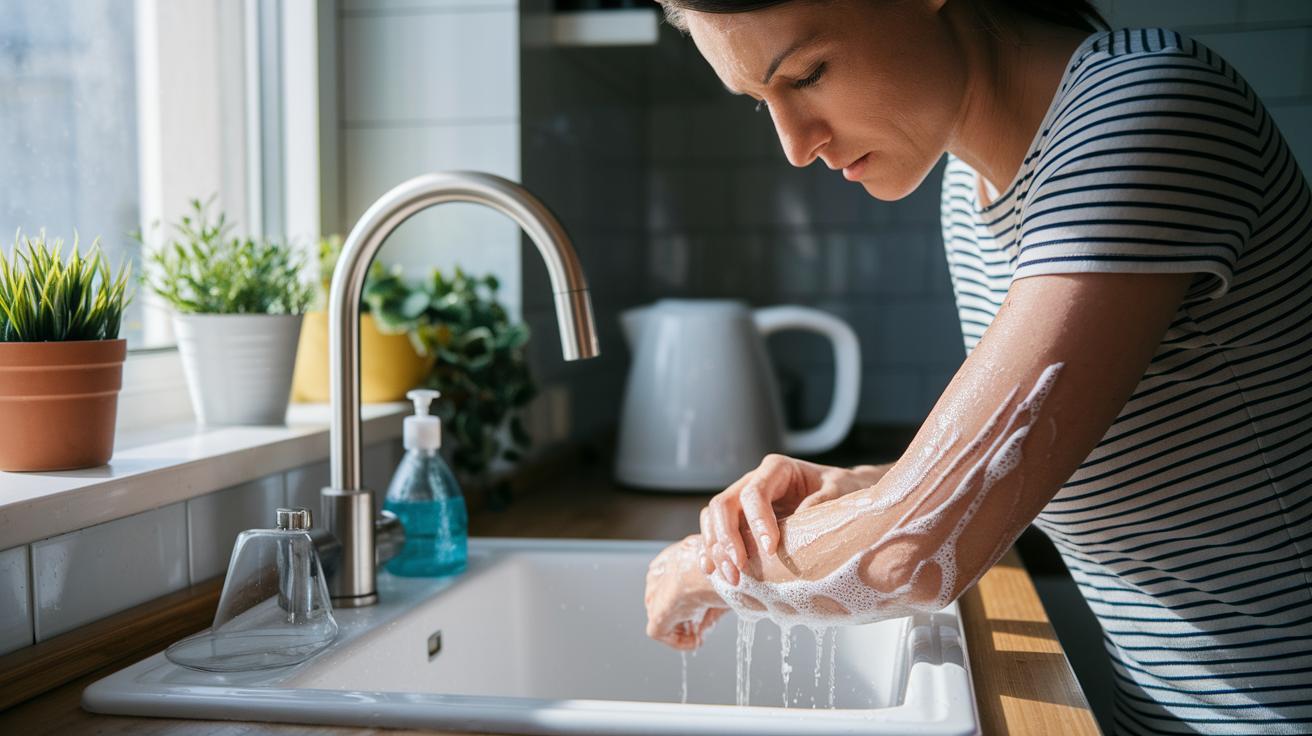
    First, rinse the scratch with mild soap (a gentle cleanser) and lukewarm water (warm, not hot). This washes away dirt and loose skin bits. You can also dab on a salt-water rinse (salt mixed with water), but skip hydrogen peroxide or other harsh antiseptics. They sting and slow healing.

    Next, press a clean gauze pad (a cotton square) over the scratch. Hold firm pressure until bleeding slows and a thin clot forms. This little shield guards your skin’s fragile new cells. Ever had your cat try to lick it?

    Now let’s talk cream. Spread a thin layer of antibiotic ointment (germ-fighting cream). If Neosporin makes your skin itch, swap it for a gentler formula. That keeps the cut moist and helps it heal.

    Finally, cover the scratch with a breathable sterile bandage (a clean adhesive wrap). It should be snug but not tight to keep out dirt and curious kitty kisses. Change the dressing every day, washing gently and reapplying cream each time so the cut stays moist for faster, less scarring healing. You’ll be feline fine in no time.

    Home and OTC Treatments for Scar Reduction

    - Home and OTC Treatments for Scar Reduction.jpg

    Thinking about fading your cat’s scratch scars? You have some friendly home and OTC options to help those spots look smoother. Ever watched your kitty paw at a rough patch? Let’s fix that.

    Some folks use a silicone sheet or dab on silicone gel (a soft plastic film). It keeps that spot supple and slows extra collagen (skin fiber) from building up. Your kitty won’t mind the gentle thud when you press it on.

    Then there are scar creams with onion extract or hyaluronic acid (moisture magnet). Massage them in daily for a few weeks and you’ll see the color even out and texture soften.

    Lap up nature’s remedies too. Vitamin E (skin helper) and aloe vera (soothing succulent gel) add calm to irritated spots. Arnica (skin calming herb) eases repair, while raw honey (sticky sweet healer) and coconut oil (hydrating oil) lock in moisture.

    Treatment Type Application Efficacy
    Silicone Gel OTC Gel Twice daily thin layer High for soft scars
    Onion Extract Cream OTC Cream Daily massage Moderate for color fade
    Vitamin E Oil Natural Oil Nightly rub-in Low to moderate
    Aloe Vera Gel Natural Gel Apply twice daily Moderate hydration
    Arnica Salve Natural Salve Gentle dab 2–3× day Low to moderate
    Raw Honey Natural Paste Cover and rinse after 30 min Moderate soothing

    Keep an eye on your kitty’s scratch each week. Write down how it looks and feels. After six to eight weeks you’ll know what really helps. If you hit a plateau, swap creams or try another natural fix. You could swipe on gel in the morning and pop on honey at night for round-the-clock care. Just keep that skin clean, follow the directions, and give it a little time. Steady care helps those marks soften and fade. Worth every paw-print.

    Professional Scar Therapies and Medical Advice for Cat Scratches

    - Professional Scar Therapies and Medical Advice for Cat Scratches.jpg

    Okay, ever noticed a scratch from your kitty still oozing or red after two weeks? Or maybe it’s swollen, warm, or there’s a sore that just won’t quit? Throbbing pain, red streaks up your arm, a low fever, or tender lymph nodes (soft bumps under your skin) mean home care won’t cut it.

    A dermatologist (skin doctor) can prescribe special creams like prescription silicone polymers (gel-like material) that cling to your skin, seal in moisture, and soften scar tissue. They might also use intralesional steroid injections (tiny steroid shots right into the scar) to flatten raised scars and curb extra collagen (structural protein). You’ll follow a custom scar-care plan – targeted creams, gentle massage maneuvers, and follow-up visits to tweak treatments as your scratch matures and smooths out.

    When surface fixes don’t do the trick, clinics have more to offer. Fractional laser therapy (focused light beams that nudge new collagen) and microneedling scar therapy (little needle pricks that kick-start fresh skin repair) can work wonders. Light chemical peels (a thin acid layer to even out texture) help refine tone, and paramedical tattooing (gentle pigment matched to your skin) can blend stubborn discoloration with nearby skin.

    Healing takes time – usually six to twelve months – so plan on regular check-ins to keep your progress on track.
    Worth every paw-print.

    Preventing Cat Scratch Scars with Behavior and Skin Protection

    - Preventing Cat Scratch Scars with Behavior and Skin Protection.jpg

    Setting up sturdy scratching posts and playful toys is your first line of defense against scratch scars. Wrap a post in sisal rope (a rough plant fiber cats adore) or lay out a soft pad made of corrugated cardboard. Ever seen your kitty’s claws stray toward your hand? Point those paws to a feather wand or a toy ball, you keep your fingers safe, and your cat gets to pounce.

    Keep nail clippers close and trim your cat’s nails every one to two weeks. Dull tips mean fewer little nicks and smoother skin all around. It’s a simple step but oh so worth it when your cat’s whiskers twitch in delight as they scratch their toys.

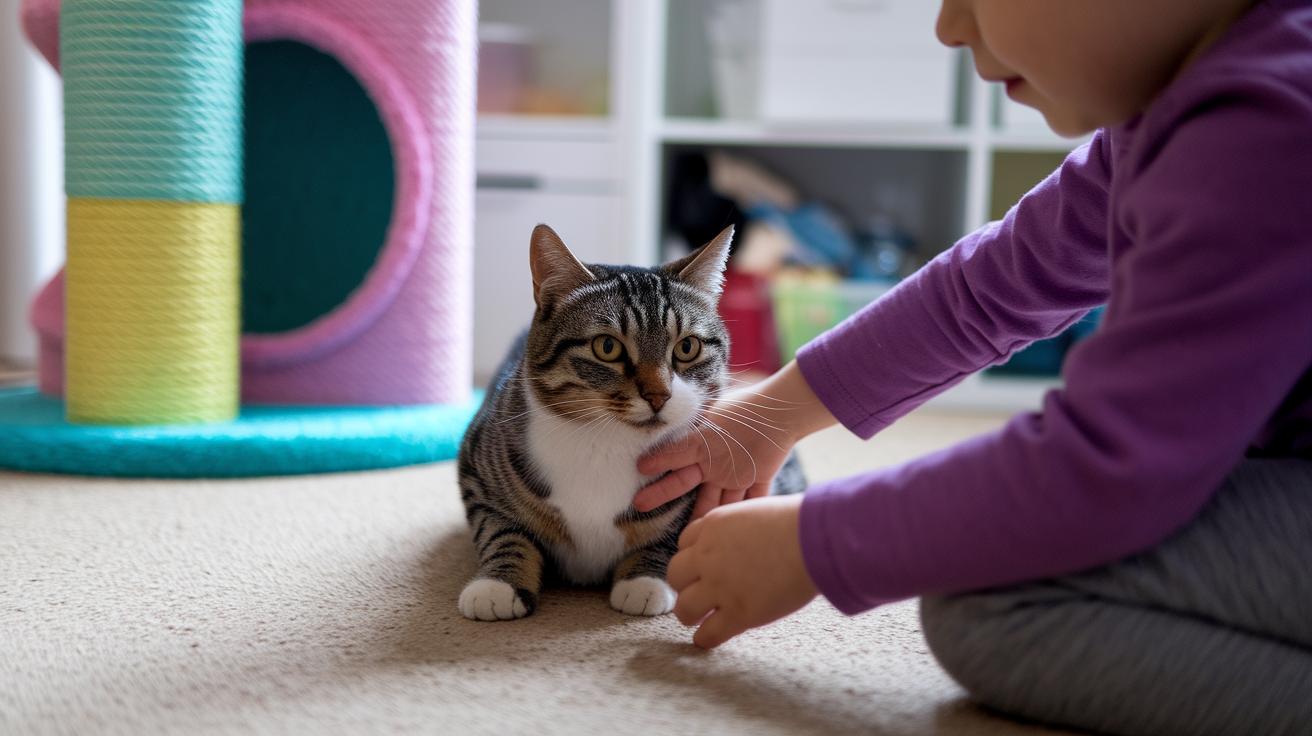
    If kids are part of the fun, have them wear long sleeves or lightweight gloves during training sessions. Then teach your cat to swipe at floor toys, not in midair near skin. Gentle play and stepping back when claws come out keep tiny scrapes from ever happening. Short play breaks with a quick “good kitty” or a treat help shy or anxious cats learn to use their claws more gently.

    Don’t forget basic hygiene and flea control, too. Wash your hands and pet bedding every week to keep dirt and bugs at bay. For an extra layer of care, try a gentle barrier balm (a soft skin shield) to soothe any teeny scratches that slip through. Worth every paw-print.

    Final Words

    In the action, we learned shallow scratches usually close neatly while deeper ones need a bit more care.

    We covered immediate cleaning, home remedies and when to seek medical help, from silicone gels to laser therapy.

    We unpacked the healing timeline and shared fun ways to trim claws and swap in sturdy toys so you avoid fresh marks.

    Now you’ll see how do cat scratches scar and have every tool to keep your skin clear and spirits high.

    Here’s to healthy healing and happy paws.

    FAQ

    Do cat scratches leave scars and will they fade?

    Cat scratches can leave scars if they’re deep or become infected, but most marks fade with proper cleaning, gentle moisturizing, and sun protection over weeks to months.

    How long do cat scratches take to heal and fade?

    Cat scratches usually close in 3–4 days and redness fades by day 7. Scar tissue can take several weeks to months to lighten, depending on depth, skin type, and care.

    Why do cat scratches scar so easily?

    Cat scratches scar easily because sharp claws can cut deep, boosting infection risk and slowing healing. Thin skin areas and late wound care let scars form and appear more noticeable.

    What happens if a cat scratches your skin and do scratches hurt?

    A cat scratch breaks the skin, causing a sharp sting, bleeding, redness, or swelling. Pain varies by depth, and prompt cleaning helps prevent infection and further discomfort.

    How can I get rid of cat scratch scars on my face?

    You can reduce facial scars with silicone gel sheets, over-the-counter scar creams, or natural oils like vitamin E. Gentle exfoliation and daily sunblock speed up fading.

    How do you prevent cat scratch scarring?

    You prevent scarring by cleaning scratches right away, applying a thin layer of antibiotic ointment, and covering with a breathable bandage. Trimming your cat’s nails also cuts down scratch depth.

    Related Articles

  • do cats fart Happy Gas Insights

    do cats fart Happy Gas Insights

    Ever think your cat is a silent ninja at home? Well, surprise, kitty toots are a real thing and they happen more often than you’d guess. These tiny puffs of happy gas slip out when gut bacteria (tiny belly helpers) break down food. They’re usually quiet and mild, but every now and then they sneak up on your nose (and your kitty).

    In this chat, we’ll clear the air on why cats let one rip, peek inside their tummies (where all the bubbling action happens), and share simple tweaks to keep the stink to a minimum. It’s purr-fectly normal.

    Do Cats Really Fart? The Definitive Answer

    - Do Cats Really Fart The Definitive Answer.jpg

    Yep, cats fart – who knew? They let one slip once or twice a day, um, even if most kitties keep it on the down low. Luckily, it’s usually so quiet you barely notice and it rarely smells bad.

    Here’s the scoop on gas making (oops, let me rephrase). Food travels from your cat’s stomach and small intestine until it reaches the large intestine (that’s the big tube where final mixing happens). There, gut bacteria (tiny helpers in your cat’s belly) feast on leftover fibers, proteins, and fats. As they munch, they create bubbles of nitrogen, carbon dioxide, methane, and hydrogen.

    Most bubbles get absorbed back into the bloodstream – so nothing to worry about. But any extra gas builds up pressure. Then your kitty needs to let it go. Often that means a soft hiss or an invisible puff.

    You might not see the tail twitch, but you might catch a faint whiff under the couch. Ever wondered what that was? Yep, it could be your cat saying hello.

    In truth, feline flatulence is mild and everyday – unless your furball snacks on dairy or extra veggies. Then things get a bit more chatty under the covers.

    Common Triggers Behind Cat Flatulence

    - Common Triggers Behind Cat Flatulence.jpg

    Ever seen your furball race through dinner and gulp down air? You might hear a quiet gurgle seconds later. That air piles up in their large intestine (the big tube at the end of their gut). Pressure grows until oops you get that telltale toot.

    Plant bits like fibers (plant parts that don’t break down), legumes (beans and peas), and cruciferous veggies (broccoli and other cabbage-family vegetables) can be tough on a meat lover’s tummy. Gut bacteria munch on those leftovers and produce extra gas bubbles. Too much fiber turns a silent sitter into a puffer. Sound familiar?

    Dairy treats can mean disaster. Most cats lack the enzyme to break down lactose (milk sugar). So cheese, yogurt, or a saucer of milk ferments in their colon and adds more cat farts than fun.

    Sometimes the culprit is in the air they breathe. Dust or pollen allergies inflame their gut lining and slow digestion. Flea bites, mites, or ticks stress the immune system and upset the digestive balance. That just adds to the gas party.

    Tiny squatters can stir up serious belly drama. Tapeworms (long ribbon worms), roundworms (spaghetti-like worms), hookworms (blood-suckers), or Tritrichomonas foetus (single-celled critters) irritate the intestines. Bacterial imbalances (dysbiosis) throw digestion off track. Chronic issues like inflammatory bowel disease (long-term gut swelling), pancreatic disorders (enzyme mix-ups), or tumors (abnormal growths) slow food breakdown and crank up the gas factory.

    Now you’ll know what might be making your kitty’s belly bubble.

    When Feline Flatulence Is Normal and When It’s Concerning

    - When Feline Flatulence Is Normal and When Its Concerning.jpg

    Ever heard your kitty let out a tiny toot? That’s totally normal, and most cats release a bit of gas once or twice a day. It’s usually silent or barely there, with a mild scent that fades quickly. The puff follows after their gut bacteria (the tiny bugs in their tummy) finish munching.

    But if your furball’s toots turn into noisy blasts or the smell sticks around, pay attention. Ever heard their belly rumble like a tiny drum? And if you see a swollen belly (that’s bloating, when gas builds up), it’s more than awkward. Those rumbles and stinky clouds could mean something’s wrong.

    Keep an eye out for black or bloody stool, extra trips to the litter box, less interest in food, or sudden weight loss. These could signal parasites (tiny worms), inflammation (tummy irritation), or food sensitivities. If you notice more than the odd toot, it’s time for a vet check. Worth every paw-print.

    Stay feline fine.

    Diet and Lifestyle Adjustments for Cat Gas Relief

    - Diet and Lifestyle Adjustments for Cat Gas Relief.jpg

    • Serve four or five tiny meals each day. Ever watched your kitty devour a bowl in seconds? Breaking dinner into bite-sized rounds gives their belly breathing room before bubble trouble.

    • Swap in a slow-feeder bowl (it’s just a dish with ridges or a little maze). Your furball has to nudge out each nibble instead of gulping it whole. It’s brain-teasing fun and keeps swallowed air at bay. Claw-some.

    • Hide kibble in a puzzle feeder or treat toy (a toy with secret food nooks). Your cat gets to hunt, swipe with their paws, and slow down gulping. It’s a purr-fect bonus for fewer toots.

    • Nix dairy treats and stash table scraps out of reach. Milk proteins often ferment in their gut, churning out more bubbles than anyone wants.

    • Transition new food over at least seven days. Stir a bit of the new diet into each meal so those gut bacteria learn the ropes. No cranky gas included.

    • Choose foods lower in plant fiber (think veggies and grains) and higher in animal protein. Or ask your vet about a hydrolyzed diet (gentle on sensitive bellies). It’s like a soft hug for their gut.

    • Add a vet-approved feline probiotic (good bacteria) or enzyme supplement at mealtime. These tiny helpers break down food early, so less ends up in the gas factory.

    • Keep human snacks and compost sealed tight. Those crafty paws can open a bag, and one whiff of greasy chicken could spark a bubble storm.

    Veterinary Diagnostics and Treatments for Excessive Cat Flatulence

    - Veterinary Diagnostics and Treatments for Excessive Cat Flatulence.jpg

    Got more than the odd squeak or a stinky cloud around your furball? If your kitty’s gas is new, popping up too often, or downright reeking – um, this could be more than a silly quirk. Especially if you’ve spotted diarrhea, vomiting, weight loss, or itchy skin patches. You’ll want to call your vet pronto.

    At the clinic your vet will run several tests to sniff out the real culprit. They’ll start with a fecal parasite test (checks for worm guests) and a hands-on physical exam to feel your cat’s belly for soreness and hydration.

    Blood chemistry tests (check blood cells and organ markers) and thyroid testing (hormone check) look for metabolic issues. You may also see x-rays, an abdominal ultrasound (sound wave scan of organs), or a urinalysis for crystals or infections.

    In tougher cases vets use endoscopy or biopsies (camera exam and tissue samples) to get a close-up on the gut lining. Ever watch your cat’s whiskers twitch when they spot a buzzing machine?

    Key Warning Signs

    • Persistent or very smelly gas
    • More than two toots a day
    • Loss of appetite or refusal to eat
    • Noticeable belly bloating
    • Black, bloody, or tarry stool

    Common Diagnostic Procedures

    Diagnostic Test Purpose
    Fecal parasite exam Detects worms and protozoa
    Physical exam Assesses pain, weight, hydration
    X-ray imaging Views gas patterns and blockages
    Blood chemistry panel Checks organ function and inflammation
    Abdominal ultrasound Examines soft tissues and organs
    Endoscopy/biopsy Inspects and samples gut lining

    In most cases your vet’s treatment plan tackles the root cause. Dewormers (medicine that clears worms) zap parasites and antibiotics fight bacterial overgrowth. Corticosteroids (immune-soothing meds) calm inflammation, and a hydrolyzed prescription diet (special protein formula) for 4 to 8 weeks gives the gut a rest. You can also try probiotics (good bacteria), activated charcoal (gas absorber), or enzyme supplements for smoother digestion.

    If allergies are stirring up the bubble trouble your vet may suggest diet tweaks or allergy shots to help your kitty breathe easier and toot less.

    Worth every paw-print.

    Final Words

    In the action, we answered the big question: do cats really fart, and showed how gut bacteria turn food into gas.

    Then we mapped out triggers, flagged when stuffy tummies need a vet, and served up diet and lifestyle moves to clear the air.

    Armed with slow feeders, high-protein meals, and vet guidance, you’ll know why do cat fart and keep those playful moments fresh and stress-free.

    Cheers to quieter rooms and happier cats!

    FAQ

    Do cats fart or burp?

    Cats do fart. They produce digestive gas in their intestines and release it quietly most of the time. They can burp occasionally, but flatulence is far more common.

    How often do cats fart?

    Cats fart once or twice per day on average. Gentle, silent releases of gas happen as gut bacteria break down food, though you might not notice every single one.

    Why do cat farts smell so bad?

    Cat farts smell bad when protein-rich meals or dairy (lactose intolerance) trigger extra gas plus sulfur from gut bacteria. High-fiber veggies and beans can also add foul, egg-like odors.

    Why does my cat fart when I pet them or when they’re happy?

    Cats sometimes fart when you pet them because gentle pressure on their belly releases trapped gas. Feeling relaxed can also loosen their muscles, letting out small bursts of flatulence.

    Related Articles

  • do cats kill kittens: Loving Kitten Care Tips

    do cats kill kittens: Loving Kitten Care Tips

    Ever wondered if a cat mom could accidentally hurt her tiny furballs? It sounds harsh, but feline infanticide (when a mama cat harms her kittens) really can happen to about 2 out of 100 home litters. Um, stress, sickness, or a noisy nest can throw her off.

    But don’t worry – a quiet hideaway (like a sturdy cardboard box in a calm corner) and gentle check-ins can help her feel confident. Oops, let me rephrase that… she’ll start purring with mom-mode pride! Ever seen her whiskers dance as she curls around her babies?

    Next, you’ll get simple, loving kitten care tips to keep every whisker-twitching baby safe and sound. It’s cat mom life done right. Worth every paw-print.

    Quick Facts: Do Cats Kill Their Kittens?

    - Quick Facts Do Cats Kill Their Kittens.jpg

    Ever wondered if a cat mom would ever hurt her babies? In rare cases, yes. It’s called feline infanticide (when a mother cat harms her kittens), but with a comfy nest and gentle care it almost never happens at home.

    First-time moms can feel stressed or get sick. They might be unsure what to do with all those tiny mews. Yet under our watch, only about 2% of litters face this kind of trouble.

    In feral colonies (stray kitties who fend for themselves) kitten loss can reach 25%. Imagine a mama cat hunting scraps in a cold garage. Harsh, right?

    Neutering males (removing their ability to father kittens) stops almost all tomcat attacks. And giving mom a quiet hiding spot helps her relax. Think of a cozy cardboard box lined with soft towels – kitty heaven.

    In truth, most cat moms are pawsitively great parents. When they get calm spaces and regular check-ins, kitten survival stays high. Worth every paw-print.

    Male Cats and Kitten Infanticide Risks

    - Male Cats and Kitten Infanticide Risks.jpg

    Intact male cats (not neutered) have high levels of testosterone (a hormone that boosts rough, territorial behavior). In the wild, a new tom cat might attack kittens he didn’t father. That harsh move brings mom cats back into heat faster so he can mate and spread his own genes. But at home, when we keep cats indoors and follow responsible breeding, chances of a tom harming kittens are nearly zero.

    Neutering before sexual maturity (around five to six months old when he can start reproducing) cuts those big testosterone surges and makes kitten attacks almost unheard of. A well-socialized, neutered tom often switches gears – he’ll guard little ones rather than seeing them as rivals. Ever watched a gentle giant tom cat nuzzle a kitten’s ears? It’s a heart-melting sight.
    Next, let your neutered tom spend quiet, supervised time with young kittens. He’ll learn they’re part of the family, not competition. Talk with your vet about the best timing for neuter surgery and plan ahead. You’ll build a happy, safe cat clan.

    Worth every purr.

    Female Cats and Maternal Infanticide Factors

    - Female Cats and Maternal Infanticide Factors.jpg

    First-time moms often show inexperienced queen behavior when their nesting spot is too small or the bedding feels rough. Sometimes postpartum maternal aggression mixes with inexperienced queen behavior, and she might pace away from her kittens or push them out of the box. Inexperienced queen behavior also appears if she can’t find fresh towels or if the hiding spot gets cornered by too much noise. Spotting these clues means offering soft blankets, extra nesting boxes, and a quiet corner right away.

    Stress-induced killings can happen when a mother cat feels trapped by too many pets or sudden temperature drops. Loud voices, a crowded room, or drafts near the nest raise her anxiety, and she may shove or worse, abandon the kittens to escape the stress.

    An illness aggression link kicks in when a kitten looks weak or sick. If a baby shows congenital abnormalities (birth defects), severe dehydration (loss of body fluids), or heavy parasite loads, mom may cull it to boost the litter’s chances. She’s not cruel, she’s wired to protect the healthiest pups and focus her milk on survivors.

    Recognizing Warning Signs Before Cats Kill Kittens

    - Recognizing Warning Signs Before Cats Kill Kittens.jpg

    Ever noticed your cat’s whiskers twitch when something grabs her curiosity, or felt your claw-dar go off? But when a mom or tom cat feels uneasy, that same twitch can be a red flag! It’s her way of saying, “Uh, something’s not right.” Let’s learn what she’s telling us.

    Spot these body cues:

    • Stiff tail twitch (a quick, rigid flick)
    • Flattened ears or ears turned sideways like little satellite dishes
    • Wide, dilated pupils (when the black center of the eye grows big)
    • Low-pitched growls or hiss sounds from her throat
    • Frantic batting by kittens that feels more panicked than playful
    • High-pitched distress mews from the little ones
    • Sudden nest abandonment

    Whoa. That’s a lot at once – definitely time to help.

    If you see more than one cue together, jump into action. Gently move other pets out of the room. Remove noisy toys. Dim the lights. Give mama kitty some breathing room on a cozy blanket. Offer fresh water nearby!

    Still tense? Try a brief separation of mom and babies. Reach out to your vet or a cat behavior pro!

    Preventing Cats from Killing Kittens: Environment and Handling

    - Preventing Cats from Killing Kittens Environment and Handling.jpg

    Creating a calm, cozy nursery is step one to keeping everyone safe. Think of a quiet, enclosed nesting box (like a little cat bedroom) lined with soft towels. Aim for a warm spot, around 85°F, to help newborn kittens (called neonates) feel snug. Tuck that box in a low-traffic room so Mama cat won’t get spooked by loud noises or too many footsteps. Ever heard your cat leap at a sudden clatter? Yeah, let’s avoid that.
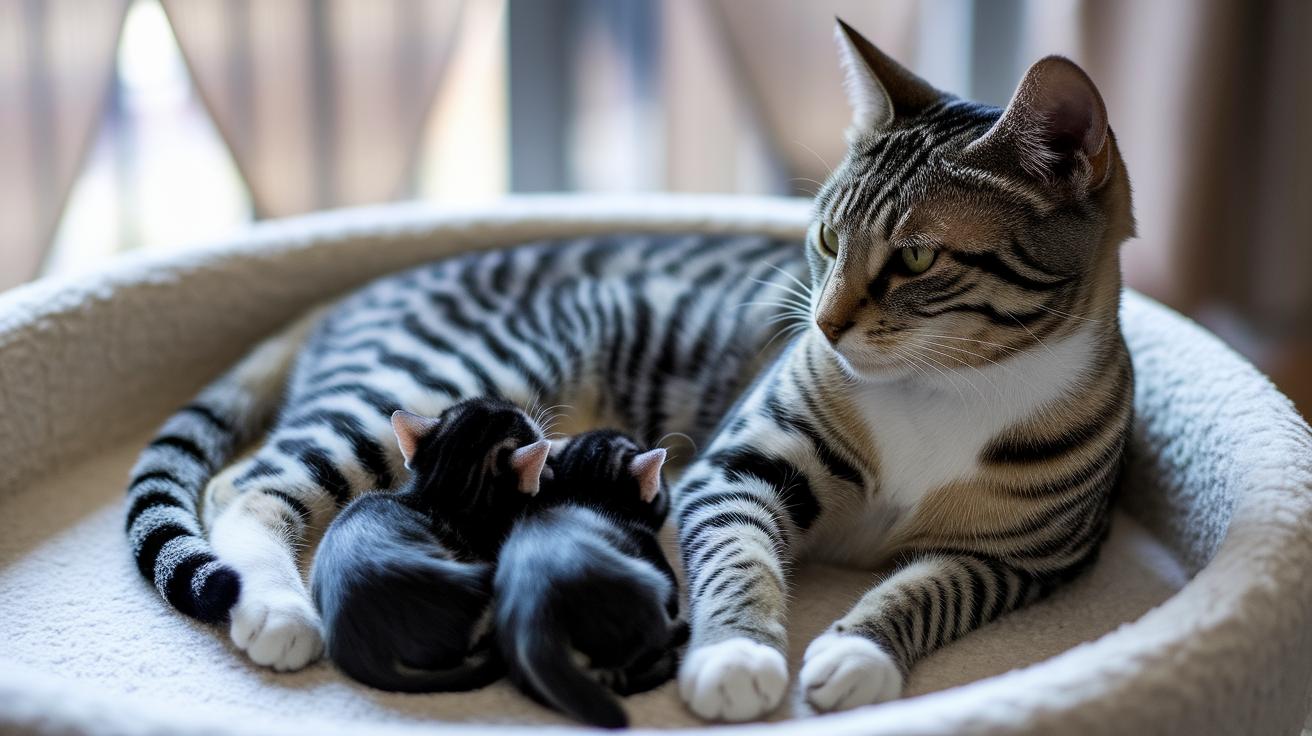
    Next, set up plenty of spots for food and water. Scatter bowls around the room so no one feels pushed out. Toss in a couple of puzzle feeders (little toys that hide kibble) to keep busy paws happy and reduce hisses over dinner.

    • Provide a quiet nesting box in a tucked-away corner with warm bedding and soft towels.
    • Place multiple food and water stations on different walls to cut down on mealtime squabbles.
    • Add puzzle feeders for a fun snack hunt, curiosity keeps kittens from crowding Mum.
    • Install pet gates or playpens for a protective playpen (enclosure) until kittens reach eight to ten weeks.
    • Introduce adult cats slowly: swap bedding or toys so they “smell” each other, then try short, supervised visits.
    • Use low barriers or folding screens as visual dividers, gradually letting them see and sniff one another.

    Keep an eye on whisker twitches and tense postures as kittens grow. Swap out towels every few days, and inch gate heights up so little jumpers stay put but can still stretch their paws. Replace floppy soft toys with sturdier puzzles when batting becomes a sport. These small tweaks, week by week, help everyone settle into a happy, stress-free routine. Worth every paw-print.

    Responding to Kitten Loss: Support and Veterinary Advice

    - Responding to Kitten Loss Support and Veterinary Advice.jpg

    Losing a kitten is tough. So next, tuck the little survivors into a warm, quiet corner with soft blankets and a low-temp heat pad (a gentle warm mat). Ever watched your kitten’s whiskers dance as they curl up? That cozy spot helps calm their nerves.

    Give each kitten a quick paw check. Look for cuts or bruises and spot labored breathing (hard, noisy breaths) using slow, steady moves so you don’t spook them. Keep the siblings huddled together, they love that littermate warmth and it cuts down on panicky meows. If you notice a slow breath or a chilly nose, jump into first-aid steps instead of freezing up.

    When they start perking up, bright eyes or a little stretch, call the vet right away. A full health check will look for infectious disease (bugs that spread), dehydration (low body water), or hidden birth issues (congenital issues). Routine vet visits help track growth, weight gain, and hydration as these tiny bodies bounce back.

    Bring along any notes from your bottle-feeding schedule so the vet can tweak care just right. And if mom cat seems stressed or the nest feels unsafe, ask about foster placement tips so the kittens can rest in a calmer place.

    Here are your next steps:

    1. Jump into first aid or CPR (think rescue breaths and chest pumps) if a kitten really struggles (check out how to do cat CPR at titanclaws.comhttps://titanclaws.com/how-to-do-cpr-on-a-cat/).
    2. Get them to the vet within 24 hours for that all-important health screening and to set up regular follow-ups.
    3. Follow any foster advice for socializing, keeping the right temperature, emergency plans, and stick to that kitten formula feeding routine.

    Worth every purr.

    Final Words

    in the action we’ve covered quick stats on kitten harms, low home rates vs feral, and why male or female cats sometimes act out.

    Next we laid out body-language cues, safe nesting spots, enrichment tips, and steps after a loss so you can step in fast.

    Answering do cat kill kittens often means spotting risk early and making simple changes for peace of mind. With these tools, you can keep tiny paws happy and your home calm.

    FAQ

    At what age do male cats kill kittens?

    Intact male cats may kill kittens once they reach sexual maturity at 6 to 9 months, aiming to induce female estrus, though this behavior remains rare in homes.

    How often do male cats kill kittens?

    Intact male–driven infanticide in domestic settings occurs in under 2% of litters, compared to up to 25% in feral colonies, making it an uncommon risk for indoor cats.

    How do male cats kill kittens?

    Male cats kill kittens by biting the neck or head, sometimes shaking them to stop breathing, reflecting instincts to eliminate offspring not sired by them.

    Do cats kill kittens that aren’t theirs and will neutered male cats kill kittens?

    Neutered male cats almost never kill any kittens, while intact males may harm unrelated young to trigger female heat; feral intact males show higher kitten-killing rates.

    Will a mother cat kill her kittens if you touch them?

    Mother cats rarely kill kittens solely from handling; gentle touch usually goes unnoticed, but repeated nesting disturbances or intense stress can prompt abandonment or aggression in inexperienced queens.

    Why do cats kill or abandon kittens?

    Cats may kill or abandon kittens due to stress from noise or overcrowding, inexperience in first-time mothers, or to cull weak or sick offspring and protect the rest.

    Related Articles

  • when do cats balls drop: Know Age Effortlessly

    when do cats balls drop: Know Age Effortlessly

    Have you ever crouched behind the couch, heart racing, just to sneak a peek at your kitten’s tail base?
    Around six to ten weeks, most little furballs start to show two tiny spheres (testes, the male reproductive glands) right under their tail.
    It’s a curious milestone that makes you grin!

    Pinpointing that moment is a paw-some trick for guessing how old your kitty is, planning vet visits, and even settling fun bets with friends.
    Ever had someone ask “How old is your kitten?” Now you can say, “Let me check.”
    You’ll feel like a cat-age detective!

    Next, we’ll stroll through a week-by-week guide so you’ll know exactly when those baby balls make their grand debut.
    You’ll have your answer at your fingertips, or um, at your kitten’s tail tip.
    Then you can wow fellow cat lovers with your age-spotting skills.

    Timeline of Cat Balls Dropping in Kittens

    - Timeline of Cat Balls Dropping in Kittens.jpg

    Ever watched your kitten tumble across the floor and wondered, “When will his testicles (balls) drop?” Um, around six to ten weeks old, most little guys see those tiny orbs slide into the scrotum (the pouch under his tail). In the first few weeks the scrotum is flat, but by week six you might feel a soft bump – like a secret just revealed.

    Ever watched him chase shadows and wonder what's next? Patience is key – you know, cats do everything on their own kitten time.

    Inside your kitten’s belly, the testes (male glands that make sperm) start near the kidneys. Then they travel through the inguinal canal (a groin tunnel) down into the scrotum.

    By eight weeks most kittens sport pea-sized swellings just beneath the tail. Give it a bit more time, and nearly all will finish by three months. Those stragglers wrap up by half a year old.

    Once the drop is done, each testicle feels like a soft marble about the size of a pea, nestled between the anus and penis. If by six months you still can’t feel anything, it’s time to check with your vet. A quick exam can spot any hide-and-seek testicles and rule out cryptorchidism (when a testicle stays inside the abdomen).

    Think of this as your kitten ball-drop checklist:

    • Six weeks: first gentle feel
    • Eight weeks: quick check-up
    • Twelve weeks: another look
    • Monthly until six months

    These simple paws-on checks help you know exactly when those little orbs arrive.

    Worth every paw-print.

    Identifying Dropped Testicles: Signs and Techniques

    - Identifying Dropped Testicles Signs and Techniques.jpg

    Ever peek under your kitten’s tail after they hit six weeks? You might spot two tiny bulges in the scrotum (the pouch just under their tail) – those are the testicles (the little lumps that mean it’s a boy kitten). Ever watched your kitty’s whiskers twitch when you press that spot? It’s oddly cute!

    Basic palpation (feeling with your fingers) is simple. Cup the scrotum between your thumb and forefinger. Press gently – like checking if berries are ripe. You should feel two soft lumps, each about the size of a pea.

    Next, a couple extra checks if you need them:

    • Asymmetry check
      If one lump feels missing, don’t worry. That testicle may drop a bit later. Try again in a few days. Most kittens even out by week twelve.

    • Fur versus skin folds
      Part the fur carefully so you see actual skin. Sometimes hair hides a lump or makes a fold look bigger.

    Tip in action: Cup that fold, press lightly, and you’ll sense two round friends ready to join playtime.

    If you still can’t find both by four months, ask your vet to take a peek. Worth every paw-print.

    Breed and Individual Variations in Testicle Descent Timing

    - Breed and Individual Variations in Testicle Descent Timing.jpg

    Most kittens tuck their testicles into the scrotal pouch (that’s the small sac under their belly) between six and ten weeks. Ever peeked at that little pocket? It’s a handy way to watch their growth.

    Big, fast-growing breeds like Maine Coons can start this process as early as four weeks. Tiny or late-developing kittens, Devon Rex or rescue furballs, might not finish until around twelve weeks.

    Growth speed and body size steer the timing. So during your weekly cuddle-and-check, give that pouch a quick glance to see how things are shaping up.

    Cryptorchidism and Undescended Testicles in Kittens

    - Cryptorchidism and Undescended Testicles in Kittens.jpg

    Cryptorchidism is a fancy word for when one or both of your kitten’s balls (testicles) miss the trip down to the scrotum (skin pouch). Instead, they hide up in the belly (abdomen) or groin canal (that lower belly tunnel). If just one takes the detour, we call it a monorchid kitty. When both stay tucked up, that’s bilateral retention.

    Inside the abdomen feels like wearing a fur coat on a summer day, too hot and totally annoying for those delicate glands. All that extra heat can mess with how they work and even up the risk of tumors. No fun for your furry pal.

    Spotting a phantom testicle early makes all the difference. Ever tried a gentle feel between play sessions? Vets call it scrotal palpation at around four months. If it’s still a mystery, they’ll use an ultrasound (sound-wave imaging) to track down the shy balls. Sometimes they throw in a blood test to check hormone hints.

    The cure’s called cryptorchidectomy (we’re just removing the hidden testicles). It’s a smidge more involved than a standard neuter but no harder than a spay. Most vets do it before puberty, around four to six months, so your kitty grows up healthy.

    Next, slip in a quick ball check during your monthly cuddle session. Think of it as hide-and-seek before your morning coffee. If by month four you still feel nada, ring up your vet. Then you can sit back and enjoy your kitten’s zoomies worry-free!

    Neutering Your Male Kitten: Optimal Timing and Care

    - Neutering Your Male Kitten Optimal Timing and Care.jpg

    Most vets say eight to 12 weeks is just right, just after those pea-size testicles (male parts) have dropped. Before the big day, your vet will weigh your furball and give him a full health check. You might worry an early snip slows growth or steals kitty spirit. But research shows kittens grow up strong and stay playful.

    Snipping early stops surprise litters before they start. It cuts down on door-yowls and marking mischief. And it cools down those midnight zoomies on your lap. Really.

    The surgery feels like a routine spay. Your kitten gets anesthesia (sleep medicine) so he snoozes happily while the vet removes the gonads (fancy name for testicles). In and out in under thirty minutes. Yep, it’s that quick.

    Next comes gentle care. Keep play slow, floor-level toys only for a bit. Your kitten’s whiskers might quiver when the soft ball bounces across the rug. Watch the incision (small cut) for seven to ten days to spot any redness or swelling.

    • Check the incision two times a day for swelling or redness
    • Keep kitty from big jumps by closing curtains or blocking window perches
    • Follow your vet’s pain plan exactly, no skipping doses
    • Hold off on baths until stitches disappear or your vet says it’s okay

    Most kittens bounce back in ten to fourteen days. Then they’re ready to pounce on feather wands without fuss. Worth every paw-print.

    When to Consult a Veterinarian on Testicle Descent

    - When to Consult a Veterinarian on Testicle Descent.jpg

    By the time your kitten is about 16 weeks old you should be able to feel both testicles in the scrotum. Ever gently rolled the soft skin under its belly to check? You’ll feel a small, round nodule on each side.

    If one or both are still missing at 16 weeks, schedule a vet visit. The vet will perform scrotal palpation (a gentle feel of the testicle area) and might use ultrasound (sound wave imaging) to find any hidden parts. Catching a retained testicle early means the surgery is simpler and the long term risks are lower.

    Worth every minute.

    Final Words

    We covered the timeline of male kittens’ testicles descending, what to expect at six to ten weeks, how to spot those tiny pea-sized testers, and how breed types can change the pattern.

    We flagged cryptorchidism signs and why a vet check by four months helps catch any hiccups early. Plus the prime window for neutering, with easy post-op care tips.

    Knowing when do cat balls drop helps you worry less and enjoy every playful pounce.

    Your busy days just got simpler and happier with that peace of mind.

    FAQ

    At what age should my male kitten’s balls drop, and why might they not have dropped?

    The testicles usually descend at 6–10 weeks, most by two months, nearly all by three months. Breed or growth variations can delay to 12 weeks. If no drop by six months, see your vet.

    At what age do male cats start ejaculating and spraying?

    Male cats reach sexual maturity around 6–12 months. First ejaculations and spraying usually begin near that age as hormones kick in.

    Related Articles

  • what do cats contractions look like: Clear Clues

    what do cats contractions look like: Clear Clues

    Ever felt your cat’s paws prance across the floor and her whiskers twitch as her soft belly ripples under her fur?
    You might think it’s just a stretch or a weird wiggle.
    But these are real signs that nestling time is almost here!

    Those gentle belly waves are her uterine muscles (the muscles that help guide kittens into the world) doing their job.
    Um, and that restless pacing?
    It’s her nesting instinct kicking in.
    Ever watched your kitty circle her favorite blanket like she’s digging a den?

    You’ll spot a subtle throb when she finally settles down.
    You might even catch tiny beads of fluid along her fur.
    Then there’s the classic blanket-pawing, soft digs that look like she’s fluffing a nest.
    All these little clues add up to one big event.

    By then you’ll read her contractions like a birth coach tracks ocean waves.
    You’ll know when to offer a gentle purr and a cozy spot to settle in.
    Kitty mamma mode activated.

    Worth every paw print.

    Recognizing the Onset of Cat Contractions

    - Recognizing the Onset of Cat Contractions.jpg

    Ever wondered what cat contractions look like? You might spot a soft ripple under her fur as she shifts from side to side. It feels almost like a tiny yoga stretch, her uterus (womb) getting ready for the big moment. If you’re not looking closely, these early signs can slip right past you.

    Next, she’ll start dragging or pawing at blankets, hunting for that perfect box or quiet corner. Ever watched your kitty chase shadows? In pre-labor, she’s pacing back and forth, restless and busy tweaking her nest. In truth, it’s her way of staying safe and cozy before the kittens arrive.

    Then comes a little surprise: a tiny drop of fluid on her fur or bedding as she expels the mucous plug (that’s her seal of protective fluids). Oops, actually you’ll see it like a clear blob, almost like a dewdrop. Around this time, you’ll also feel the rush of excitement when her temperature dips below 100 °F, measured rectally (from her bottom), about a day before labor really kicks in.

    Stage one labor can last six to twelve hours. You’ll notice slow waves of belly tensing and relaxing as her cervix (neck of the womb) opens bit by bit. She’ll nest some more, pace again, and you’ll catch that belly ripple every now and then. Keep an eye out for these signs so you know when things are getting serious.

    Worth every paw-print.

    Visual Signs of Active Cat Labor Contractions

    - Visual Signs of Active Cat Labor Contractions.jpg

    Active Labor

    When your kitty hits active labor, each belly squeeze (like a gentle hug from the inside) gets stronger and quicker. You’ll see her arch her back, tuck her tail, and maybe let out soft grunts. Ever feel her hind end (rear quarters) press into the bed’s soft fluff? It’s her cue that the big moment is near.

    Keep an eye out for two kinds of fluid:

    • A pinkish or lightly bloody drip when a kitten’s head shifts into place.
    • Clear amniotic fluid (the water in her sac) pooling at her vulva just before a kitten slides out.

    Contraction waves run about 5 to 30 minutes. After the first kitten arrives (usually within 1 to 2 hours of strong pushes), she’ll rest. These breaks (interkitten intervals, the time between kittens) can last 30 minutes to 4 hours. If she naps longer than 4 hours, give her a gentle check to make sure everything’s on track.

    Differentiating Normal Behavior vs. Illness During Labor

    - Differentiating Normal Behavior vs Illness During Labor.jpg

    Ever watched your cat’s whiskers twitch during a contraction? A little panting or a soft meow with each belly squeeze feels normal, it’s like she’s just huffing and puffing to push those kittens out.

    But if she’s vomiting over and over through each push, think repeated retching that won’t quit, that’s a red flag for complications, not just stage fright.

    If she can’t lift her head or drags her back legs like a floppy plush toy, that’s severe lethargy, not a quick rest. Healthy mamas often pause between pushes to nap or groom. But if she stays limp and unresponsive, it’s time for vet help.

    Keep an eye on that discharge. A clear or faint pink drip is all good. Green, tan, or foul-smelling goo points to infection or dystocia (when kittens get stuck), and that odor is trouble.

    Hydration is huge. Sticky gums (tacky to the touch) and sunken eyes mean she’s drying out fast. Gently take her temp rectally: under 98 °F or above 103 °F can signal uterine inertia (when her muscles stop contracting properly).

    At the first sign of any of these issues, call your vet right away instead of riding out another contraction.

    Timing and Duration Patterns of Cat Contractions

    - Timing and Duration Patterns of Cat Contractions.jpg

    Active pushing phases run about 5 to 30 minutes. You’ll see her belly tighten, maybe a soft sigh as she gives each push.

    Most kitties rest 30 minutes to two hours between kittens. She might even catnap up to four hours if she feels safe.

    Placentas follow quickly, five to fifteen minutes after each kitten arrives.

    Monitoring tips

    • Jot down start and end times for every contraction, kitten, and placenta (“4:02 PM start, 4:07 PM placenta out”).
    • Track intensity shifts or lengthening gaps to catch anything off-track.

    When to call the vet

    • Active pushing over twenty minutes without a kitten
    • More than four hours between kittens or placentas

    what do cat contractions look like: Clear Clues

    - Supporting Your Cat During Contractions and Labor.jpg

    Give her a cozy, draft-free nesting box (a snug, bed-like spot) lined with clean towels and set at about 85–90 °F. Um, privacy is key for a mama-to-be. This warm hideaway helps her feel safe and can make the whole birthing thing smoother. You might notice her sneaking off there when her belly tightens, she’s saying “Do Not Disturb.”

    Feed her small, breakfast-sized meals every few hours, with fresh water within paw’s reach. Late pregnancy can zap her energy, so these bite-sized servings keep her fueled and hydrated. I guess even cats want room service.

    Next, turn down the noise and dim the lights to calm her nerves. Soft music or just a quiet room can cut her jitters. But really, it’s amazing how a hush can help a mama handle those waves of labor.

    Keep an eye on her breathing. Ever watched a kitty pant? I have, super cute but totally normal during contractions. Heavy purring counts, too.

    Monitor her temperature with a digital thermometer (for temp checks) now and then, and jot down any shifts. Record each contraction or kitten arrival, it’s like your own birthing play-by-play. Spot any long pauses, and you’ll know when to call for backup.

    Here’s your birthing kit checklist:

    • Clean absorbent towels
    • Digital thermometer (for temp checks)
    • Disposable gloves
    • Sterile scissors or dental floss (to tie the cord)
    • Iodine or antiseptic solution
    • Zip-lock bags (to collect placentas)
    • Heating pad or warm water bottle wrapped in cloth

    One last thing: plan a quick postpartum check-up, so you can ring the vet if anything feels off after those final pushes. Worth every paw-print.

    When to Seek Veterinary Help During Cat Contractions

    - When to Seek Veterinary Help During Cat Contractions.jpg

    So, we shuffled things around to keep it simple. You can spot warning signs like pale gums (think chalk on a kitty’s gums) or a slow pulse in “Differentiating Normal Behavior vs. Illness.”

    Next, head to “Timing and Duration Patterns.” That’s where you’ll see when 20 minutes feels too long for a single contraction or if 4 hours tick by with no kitten arrival. Those are your stuck-kitten alerts – time to call the vet.

    Then, for keeping track, hop over to the “Monitoring tips” bullet list. We’ve packed in easy record-keeping ideas – a quick chart, a timer on your phone, even a voice memo. You’ll be glad you did when the vet follows up.

    Worth every paw-print.

    Final Words

    In the action, you learned the early signs of Stage I labor, from belly tensing to nesting efforts and temperature dips.

    We covered the visual cues of active contractions, with rhythmic belly movements, discharge spotting, and kitten delivery timing.

    You saw how to tell normal labor from worrisome signs, plus track each contraction’s timing.

    Then we walked through setting up a cozy birthing spot, assembling a simple kit, and knowing when to call your vet.

    Now you’ll know what do cat contractions look like and feel confident guiding her through birth.

    FAQ

    What do cat contractions look like, and how can I tell if my cat is starting labor?

    Cat contractions before birth show as faint abdominal tightening, restlessness, nesting—dragging or pawing bedding—and occasional tail tucking or back arching. You may notice a slight drop in temperature and mucous plug expulsion.

    What are pre-labor signs in cats?

    Pre-labor signs in cats include nesting, pacing, appetite loss, swollen nipples and a body temperature drop below 100°F. Weeks before, you’ll see a bigger belly, firmer nipples, and loose mucous plug closer to labor.

    How can I naturally stimulate my cat’s labor?

    You can naturally stimulate your cat’s labor by gently rubbing her nipples or offering a warm compress on her abdomen. Always check with your veterinarian first to keep mom and kittens safe.

    How long after a cat starts leaking fluid do contractions begin?

    After a cat starts leaking fluid, visible contractions usually begin within 6–12 hours. If she releases amniotic fluid, active straining and kitten delivery often follow within 1–3 hours.

    What does a cat placenta look like?

    A cat placenta looks like a flat, pancake-like disc covered in blood vessels. It’s bright red with translucent membranes, about the size of a small cookie, and follows each kitten within 5–15 minutes.

    Related Articles

  • what do cats chirps mean Happy Cat Whispers

    what do cats chirps mean Happy Cat Whispers

    Ever watched your kitty chatter at a bird outside the window? Ever wonder what those tiny birdlike tweets mean? Feels like a secret show just for you.

    That high-pitched trill is called a chirp (a little birdlike call). Picture your cat’s whiskers twitching as that sound pops out when they’re excited or totally locked in. It’s like they’re stalking prey across the rug. A playful hunt spark.

    It’s not a meow or a purr. It’s your cat’s way of bursting out big feelings in a teeny, chirpy blast. Purr-haps a bit of bird and a bit of wild.

    In this guide you’ll learn why cats chirp at windows, toys, and even at you. Then you can speak fluent meow-bird.

    Figuring out these chirps gives you a peek into your cat’s wild side. And it brings you two even closer as pals.

    Decoding Cat Chirps: Understanding Their Meaning

    - Decoding Cat Chirps Understanding Their Meaning.jpg

    Cat chirping is that high-pitched, bird-like trill your kitty makes when something sparks excitement, curiosity, or the hunt instinct. It’s a quick, staccato burst, like tiny tweets in a sharp pitch pattern, that sounds very different from a drawn-out meow or gentle purr. Rather than asking for food or seeking a cuddle, chirping points to interest or urgency as your cat watches birds outside from a comfy perch, fixes its gaze on a toy, or invites you to join in the play session. It’s a playful alert that taps into their wild side and offers a peek into understanding cat vocalizations.

    Common Reasons Cats Chirp: Hunting, Play, and Greetings

    - Common Reasons Cats Chirp Hunting, Play, and Greetings.jpg

    We talked earlier about how cats chirp when they’re bird-watching by the window (that’s hunting mode) or chasing a feather wand. Now let’s explore two more reasons, no repeats, promise. Ready?

    Welcome Trills: How Cats Use Chirps to Greet You

    When you step inside, your cat might wiggle its whiskers (those tiny feelers on its face) and let out a sweet little trill. It’s like a furry “hey, you’re home.” Every happy chirp says they’ve spotted you. And if you give a friendly ear scratch, you’re reinforcing that greeting. Cool, right?

    • “I see you.” Links your arrival to good vibes and purrs.
    • Cuddle opener. It sounds like “pet me now.”
    • Trust signal. Think of it as kitty small talk.

    How to chat back:

    • Use a soft voice. “Hi there, buddy.”
    • Try a quick chin rub or ear scratch.
    • If they perk up, toss a tiny toy for a one-minute play break.

    Attention-Seeker Trills: Learned Vocal Strategies

    Picture this: you’re by the treat jar, and out comes a sharp little chirp. Or you plop on the couch and suddenly there’s a demand-meow. Your clever cat is using sound like an alert to get snacks, pets, or play. It’s basically their version of a text message.

    • Treat-time chirp: high and speedy near the kitchen.
    • Playtime trill: medium pitch by the toy stash.
    • Pet request chirp: soft, drawn-out, timed with your steps.

    Why it clicks:
    Each chirp links to a reward, so their brain thinks “treats!” or “pets!” And every successful trill makes your bond stronger. Feline teamwork!

    Distinguishing Chirps from Other Cat Vocalizations

    - Distinguishing Chirps from Other Cat Vocalizations.jpg

    Ever wonder how to spot your cat’s chirps versus their meows or purrs? It’s all about pitch (how high or low a sound is), rhythm (the beat or flow), and why they’re talking in the first place, you know? Chirps are quick, bird-like bursts – tiny tweets that tap into a cat’s hunting heart.

    Meows shift in tone and length when your furball wants dinner, pets, or a bit of extra attention. Trills feel like a musical hello – a sing-song nudge from your kitty. Purrs are a soft, steady rumble when they’re cozy or calming themselves. Yowls belt out loud, long calls to ward off rivals, find a mate, or cry stress.

    Vocalization Sound Description Typical Context
    Chirp High-pitched, bird-like bursts Bird-watching, toy pouncing, excitement
    Meow Variable tone and length Hunger, attention-seeking, distress
    Trill Musical, rolling call Inviting play or bonding
    Purr Soft, continuous rumble Contentment or self-soothing
    Yowl Loud, drawn-out mew Mating calls, territory, or stress

    Chirps stand out with their speed, high pitch, and playful spark – purr-fect for toy chases or bird-watching by the window. Chatters mix a chirp with a chitter (a fast, excited chatter) when prey is just out of reach, often sounding a bit frustrated. Next time you hear those staccato tweets, know your cat is sharing a hunting moment and inviting you to join the thrill.

    what do cat chirps mean Happy Cat Whispers

    - Emotional Context What Your Cats Body Language Tells You When They Chirp.jpg

    Ever watched your kitty give that soft, birdlike chirp while its tail swishes like a gentle metronome? When your cat flicks its tail slowly – a soft thump on the carpet – and its ears point forward like little radar dishes, it’s prime playtime energy. Neutral whiskers drifting outward, not pulled tight, show your pal is curious and calm. These chirps often pop up when your furball spots a favorite toy or curls up on your lap. It’s basically your cat saying “let’s play” or “I’m content.”

    But if that chirp comes with a stiff spine, ears flattened back, and whiskers pulled tight, something might be off. You might even catch a soft cough or sneeze mixed in – a hint at upper respiratory discomfort (like a stuffy nose or scratchy throat). That’s your signal, you know, to offer extra cuddles and maybe book a vet visit.

    Or notice your cat’s tail quivering like static or tucked tight under the belly, paired with a worried trill. Those anxious vibes can mean it’s time for more comfort or a vet check.

    Breed and Age Variations in Cat Chirps

    - Breed and Age Variations in Cat Chirps.jpg

    Ever noticed how some cats just love to chat? It’s like they have their own kitty language full of chirps and trills. Different breeds bring their own flavor to these little conversations.

    Siamese kitties often serenade you at breakfast with chirps that sound just like tiny songbirds, and their vocal range (all the different sounds they can make) is pretty impressive. Ever served them tuna? They’ll chirp back a full review. Bengal cats, on the other paw, toss in playful chirps with bouncy trills (a rapid roll of sound) like they’re stalking prey on a jungle safari.

    Gentle Maine Coons will slide in a low, rumbling chirp that melts into a soft meow, like a purr turned up into song. Oriental Shorthairs, always curious, will let loose chirps when they want your full attention, sort of like, “Hey, look this way!” Each breed’s style turns your living room into a mini kitty concert.

    Kittens usually start their first chirps around four to six weeks old. At that stage, tiny mews (soft kitten cries) blossom into birdlike trills as they learn to talk to Mom and littermates. Those sweet early sounds are how they ask for snuggles, snacks, or a quick play session. It’s pretty cute, um, you know, like a tiny concert in your lap.

    Adult cats settle into their voices, but health and mood can tweak their chirps. A stressed kitty might chirp more often, or a happy cat’s chirps might sound brighter. Deaf cats tend to have softer or oddly pitched chirps since they can’t hear themselves well. Blind cats? They’ll rely on those chirps to find their way around, listen closely and you’ll hear how they chat to navigate and connect.

    These chirps tell a story, are you listening?

    Healthy vs Concerning Cat Chirps: When to Consult a Veterinarian

    - Healthy vs Concerning Cat Chirps When to Consult a Veterinarian.jpg

    Ever thought your cat sounded like a tiny bird when it chirps? That soft tweet is usually just normal engagement, you know, a playful “hey, look at that bird!” moment. It’s the satisfying sound of kitty curiosity in action.

    But if your cat goes from sweet chirps to nonstop trilling, you might want to pause. Especially when those chirps mix with a rough yowl, hard, heavy breathing (labored breathing), or a cough-like hack (a little throat tickle). Those gravelly or husky tones could hint at stress or an upper respiratory sniffle (nose and throat bug). And if you spot your furball struggling or sounding off, that’s a red flag.

    If the odd sounds stick around past two days or suddenly vanish, um, you might be looking at a health hiccup. It’s better to be curious than sorry, right?

    So give your vet a quick ring for a check-up. Spotting a hidden issue early can save your furball extra ouch and worry. Let’s get those chirps back to happy tweets.

    Final Words

    You’ve seen how that bird-like trill, your cat’s chirp, signals curiosity, play, or a hunter’s spark. We outlined reasons cats chirp, from bird-watching thrills to hello-greetings, and showed how chirps differ from meows, trills, purrs, and yowls. Body cues reveal if your kitty’s relaxed or on high alert. You learned breed and life-stage quirks, plus when extra chirps call for vet advice.

    Now, you can tune into those playful notes with confidence. After all, knowing what do cat chirps mean makes life more joyful.

    FAQ

    Why does my cat chirp at me?

    Cat chirping at you often signals a friendly greeting or attention request, showing curiosity and excitement to invite interaction or hint at treat time.

    What do cat chirps mean in the morning?

    Cat chirps in the morning express eagerness for breakfast or play, tapping their hunting instinct and letting you know it’s time to start the day.

    Why does my cat chirp instead of meow?

    Cat chirping instead of meowing happens when they mimic prey sounds, show excitement, or seek attention with a high-pitched trill rather than a regular meow.

    Why do cats chirp at birds?

    Cats chirp at birds as part of their hunting instinct, imitating bird calls to attract prey or sharing excitement when spotting potential targets outside.

    What does it mean when a cat trills?

    Cat trilling is a soft, musical call that invites play, bonding, or affection, often used to greet family members or encourage close contact.

    What do different cat chirps mean, and is a cat happy when it chirps?

    Different cat chirps signal excitement (play or hunting), greetings, or attention requests; happy cats use chirps as friendly, curious sounds rather than signs of distress.

    Why is my cat chirping so much?

    Cat chirping excessively may reflect high excitement or learned attention-seeking; if it comes with distress cues or sudden tone changes, consult a veterinarian for health or stress checks.

    Related Articles

  • do cats nail caps work wonders for cats

    do cats nail caps work wonders for cats

    Think nail caps are pointless? They’re like soft mittens (tiny plastic covers for claws) that let your kitty scratch safely without trashing your couch. Ever watched your furball chase shadows? They still stretch, climb, and flex just the way they want.

    In a recent survey 8 out of 10 cat parents saw way fewer scratch marks once their felines wore nail caps (plastic claw protectors). Really. Your furniture gets a break and kitty gets safe scratching.

    So yeah, your cat can still pounce and knead all day. Meanwhile your sofa stays intact. Worth every paw print.

    Curious if these claw-tastic caps can work wonders for your home and your cat? Let’s dive in.

    do cat nail caps work wonders for cats

    H2  Evaluating Cat Nail Caps Do They Work to Prevent Scratches.jpg

    Ever wonder if those tiny nail caps really work wonders for your kitty? You’re not alone – lots of cat fans give them two paws up. In a recent durability survey, folks saw 80 to 90 percent fewer scratched-up sofas and carpets once their cats wore caps. Cats still scratch, you know, but they’re harmless to your favorite couch.

    These little caps are scratch-control champs. They let our whiskered pals flex and retract their claws naturally (just like when they’re climbing your curtains). Cats keep marking their territory and shedding old nail sheaths, without shredding anything. It’s like letting them have their fun while saving your armchair.

    In real homes, cat nail caps fit right into your cat’s normal nail-care routine. They don’t stop the claw motions – nothing feels blocked. And after a quick break-in (think slow-motion paw pokes), most cats forget they’re wearing them. Really.

    You’ll find all sorts of sizes so each cap hugs every claw just right – polymer (a tough plastic material) that’s comfy and lightweight. Need a splash of color? Brands offer neon green, hot pink, sky blue, even polka dots. Mix and match paws or go for a uniform look – cat couture is up to you. Meow.

    To keep them on, just replace every 4 to 6 weeks as the caps fall off or nails grow out. For busy days, pop them on before you dash out – that’s ten minutes of worry-free playtime. Luna, my tabby, was batting hers around in no time. Worth every paw-print.

    So do cat nail caps work wonders for cats? Absolutely. They’re a simple, non-invasive way to protect your furniture and let cats be cats. Give them a try, you and your couch will thank you.

    Applying Cat Nail Caps: Step-by-Step Guide

     Applying Cat Nail Caps Step-by-Step Guide.jpg

    Ever tried fitting tiny caps on cat claws? It can feel awkward at first but it’s totally doable. Grab your Soft Paws kit, a helper, and maybe a treat or two. Let’s make this a claw-tastic session.

    1. Nail trimming prep. Clip each claw so it’s just a bit longer than usual. Ever heard that tiny snip? That means things are moving along. Just stay clear of the quick (the pink part with blood vessels) to avoid a glare of disapproval and help the caps grab on.

    2. Size check. Match each cap to the nail’s widest point so it’s snug but not tight. Too tight and your kitty will bat it off in protest. Too loose and it’ll fly away at top speed.

    3. Adhesive fill. Squeeze a tiny drop of non-toxic surgical glue (like cat-safe super glue) into the cap cup. Just coat the inside. Avoid overfilling or getting glue on fur or skin, you want it inside the cup.

    4. Placement. Gently push the cap onto the nail until the base rests low at the bottom. Hold for ten seconds so the glue sets. Patience here means caps that last.

    5. Helper hold. Have someone wrap their arms around your cat’s body to keep it calm. If your kitty is extra squirmy, ask your vet about a mild calming option. They’ll know what’s safe.

    6. Dry time. Let your cat’s paws air-dry for about ten minutes before any wild zoomies. No petting or paw jiggling until the caps feel firm under your touch.

    Once all ten claws are snug, let your cat try a few test scratches on a sturdy post. Those soft thuds mean every cap clicked into place. A bit of patience now saves your furniture later.

    Worth every paw-print.

    Pros and Cons of Cat Nail Caps

     Pros and Cons of Cat Nail Caps.jpg

    Ever wondered if nail caps really keep claws off your couch? The answer’s in the numbers. Most people see a big drop in scratches right away. Ever watched your cat channel its inner ninja? Your sofa thanks you.

    Here are some claw-tastic perks:

    • Humane choice for declawing – protects paws and still lets cats scratch safely.
    • Up to 90% less damage to sofas, curtains, and fingers – owner surveys show you can ditch the post-worry.
    • Made from odorless, non-toxic polymer (hard plastic) that snugly covers each claw and lets paws flex naturally.
    • Packs of dozens cost under $20 – a budget-friendly fix for busy cat parents.

    Worth every paw-print.

    But, uh, there are a few catch-n-paws to keep in mind:

    • Caps can pop off when your kitty zooms around, leaving little plastic bits behind.
    • Chewed caps might become a choking hazard if your cat thinks it’s snack time.
    • Not built for outdoor adventures – cats lose grip on trees or fences with caps on.
    • Some kitties get fussy and pick at old nail bits (nail sheath) inside the cap, which could make paws sore until you swap in fresh ones.

    Think on these hiccups and see if nail caps can keep both your feline and your furniture purring.

    Maintaining and Replacing Cat Nail Caps

     Maintaining and Replacing Cat Nail Caps.jpg

    These little claw shields (made of flexible polymer (a bendy plastic)) usually last about 4 to 6 weeks. I set a reminder around week five, just so I don’t forget. Push past week eight and you might catch a nail inching into the cap and pressing on your cat’s toe. Oops, imagine that unhappy whisker twitch.

    Next, I do a quick paw check every week. Lift each paw and peek under the cap. Look for redness or tiny bumps, and spot any wiggles or gaps where a cap’s coming loose. If you see a sliver of nail poking out, give it a trim. Then wipe each paw with a damp cloth to clear away stray glue bits and old nail sheath (dead nail cover). If a cap stays loose for more than a day, swap it out, you’ll avoid snagging on carpets or towels.

    Here’s my simple weekly list:

    • Check paws once a week, lifting each paw to peek under the cap
    • Watch for redness, swelling, or tiny gaps where caps start to wiggle
    • Trim extra nail growth if you spot any bits poking out
    • Wipe paws with a damp cloth to clear stray glue bits and old nail sheath
    • Swap any cap that stays loose for more than a day to avoid snagging

    When removal day rolls around, gently twist each cap until it slides off. It’s usually smooth sailing. If your cat fusses or gives you the side-eye, I guess you could bribe them with a treat, or ask a groomer or vet to handle the sticky stuff. They’ll use safe tools and keep your kitty calm.

    A steady routine of checks and swaps keeps claws comfy and cats purring. Your furniture stays safe, and your kitty stays happy. Worth every paw print.

    Safety and Comfort of Cat Nail Caps

     Safety and Comfort of Cat Nail Caps.jpg

    Okay, first thing: always grab vet-approved adhesive (safe, pet-friendly glue). That keeps your kitty free from little glue burns. Just a teeny dab inside each cap so the sticky stuff stays off fur and skin. Uh, trust me, if it gets messy you can end up with sneezing, watery eyes or a mild rash. So pop your cat in a breezy room until the glue dries.

    When you open a new pack you might notice a slight vinyl smell (flexible plastic). Ever watched your kitty sniff something new? Let your cat check out one spare cap first and then offer a treat. That little sniff test keeps your kitty curious, not worried.

    Got a paw that’s sensitive? Try putting on just one cap at first. Let it dry completely. Then keep an eye out for redness, swelling or extra grooming. That one-cap trial can save you from a full set of fussy paws.

    Our caps are made from non toxic vinyl resin (a bendy plastic) so your cat’s claws can flex and pull back without feeling pinched. You just need to match each cap to your kitty’s claw width and weight class. A snug fit stops caps from flying off when your cat zooms around. Less slipping off. More zoomies.

    Do a quick daily check. Gently lift each paw and peek under the cap. Watch for nail bits that might be digging in. If your cat starts licking or nibbling paws, pause playtime. That usually means the cap needs attention.

    Want to skip the glue drama? Let a vet or pro groomer handle it. They’ll trim nails, pick the right cap sizes and save you from the “get this off my whiskers” moment. A small fee can bring big relief and fewer sticky oops.

    Risk Preventive Measure
    Choking if cap chewed off Size check + weekly inspection
    Skin irritation or infection Non toxic glue + paw monitoring
    Nail growing into cap Replace every 4–6 weeks

    Alternatives to Cat Nail Caps

     Alternatives to Cat Nail Caps.jpg

    Regular Nail Trimming
    Trimming your kitty’s nails every 2-4 weeks keeps those claws blunt and your couch safe. Grab cat-friendly clippers, snip just past the pink quick (the part with blood vessels), and reward your furry friend with a tasty treat. It’s quick. It’s painless. And it slows down how fast new growth comes in. Who knew a little snip could save your living room!

    Strategic Scratching Posts
    Give your cat the scratchy adventure they crave. Place sturdy posts wrapped in sisal (a rough plant fiber) or corrugated cardboard (think ridged paper board) near favored furniture. Some cats love vertical stretches. Others prefer a horizontal scratch. Offering both means every kitty can find their happy spot.

    Surface Deterrents
    Ever watch your cat turn your sofa into a scratching post? Try furniture guards or sticky deterrent tape (those paw-unfriendly strips) on chair arms and corners. The odd, sticky feel under paws nudges them away without harm. Soon enough, they’ll learn where they can really dig in.

    Pheromone Sprays & Training
    Calming pheromone diffusers (little plug-in gadgets that fill the air with cat-friendly scents) help ease stress-related scratching. Pair that with a cat-safe repellent spray on no-go zones. Then grab your clicker and treats: click and reward each time they scratch the right post. Positive vibes and kibble bribes work like a charm.

    Final Words

    In the action of wrapping up, we checked how caps cut down on scratch marks and let cats stretch naturally. We shared a simple application guide (just trim, glue, press), looked at pros and cons, and talked about when to swap them out.

    We walked through safety tips (watch for red spots) and gave other ideas like posts and trim sessions. You’ll have a house that stays fur-friendly and scratch-free.

    So now you know do cat nail caps work and can pick the best way to protect your furniture with confidence.

    FAQ

    Do cat nail caps really work to reduce scratches?

    Cat nail caps really work to cut furniture damage by about 80–90% when fitted right, giving your kitty safe scratching practice without harm to claws or couch.

    How long do cat nail caps last?

    Cat nail caps last about 4–6 weeks before they start to loosen, and up to 8 weeks at most. Regular checks will flag when it’s time for a fresh set.

    What are the pros and cons of cat nail caps?

    Cat nail caps offer a humane way to protect furniture, skin, and paws with fun colors and low cost. They may loosen, stress some cats, or pose a chewing hazard if they fall off.

    How do you apply cat nail caps?

    To apply cat nail caps, trim each nail just past the quick, pick the right cap size, fill it with vet-approved adhesive, then slip it onto the claw and hold for ten seconds until the glue sets.

    How do you remove cat nail caps?

    To remove cat nail caps, gently twist each cap until it loosens and slides off. If caps resist, soak paws in warm water or ask a groomer or vet for safe removal.

    What are the best cat nail caps?

    The best cat nail caps fit snugly, use non-toxic glue, and come in a range of sizes and colors. Popular brands include Soft Paws, with proven durability and easy application.

    Can cats pull off nail caps?

    Cats can pull off nail caps if they start to loosen or if the cap size doesn’t match. Weekly checks and proper sizing help keep caps in place for their full lifespan.

    Related Articles

  • how do cats claws work in Impressive Precision

    how do cats claws work in Impressive Precision

    Ever felt the soft thud of your cat’s paw on the floor, followed by tiny hooks flexing against your rug?
    You’d think those claws are just sharp playthings.
    But they’re actually precision tools your kitty uses to climb, catch, and protect.

    Did you know each claw can press with over twenty pounds of force?
    Under that soft paw, little bones (hard bits that shape the claw), tendons (stringy tissues that pull on bones), and ligaments (elastic bands that link bones) team up like a tiny toolbox.
    It’s like a switchblade that pops out on command.

    They fold away too.
    When your cat is stalking that red dot or batting a feather toy, the claws stay tucked under the fur.
    Silent.
    Ready to spring at a moment’s notice.

    Let’s peel back the layers behind each pounce, scratch, and climb.
    You’ll discover how claws work with perfect timing and strength.
    Seriously.
    It’s claw-tastic.

    Cat Claw Anatomy and Biomechanics: Core Summary

    Cat Claw Anatomy and Biomechanics Core Summary.jpg

    Ever wondered how do cat claws work? It starts at the third phalanx, the little bone at each toe’s tip. This bone holds a growth center fed by blood vessels and nerves, so claws develop right around it. Think of a tiny switchblade popping open and snapping shut, that’s your cat’s claw in action thanks to precise feline nail anatomy.

    The retractable nail mechanism relies on flexor and extensor tendons plus elastic ligaments. When a cat flexes its paw muscles, a flexor tendon pulls the claw out for scratching or hunting. Then the extensor side relaxes and an elastic ligament tug-back lets the claw tuck neatly into the fluff between toes. This combo lets cats stalk silently or grip bark without wearing down every edge.

    Claws aren’t one-and-done tools. They grow continuously from the distal phalanx, adding keratin layers like rings on a tree. Old outer layers slough off when your cat scratches a post or rough surface, revealing a fresh, razor-sharp shell. This self-renewal keeps claws ready for play, climbing, and defense, so you never have to ask again how do cat claws work when you see them pounce.

    Cat Claw Growth Cycle and Maintenance

    Cat Claw Growth Cycle and Maintenance.jpg

    Ever watched your kitty knead the carpet until you hear that scratch-scratch sound? Those claws grow from the quick (the pink, blood-rich core at each claw’s base) and layer on keratin (the tough protein in nails and hair). When your cat scratches rough surfaces or a post, old sheaths (the outer coverings) slough off. So yes, do cat claws grow back? They sure do, as long as the quick stays healthy and injury free.

    Nutrition plays a big part in claw health. A diet rich in biotin (the B-vitamin that builds strong nails) helps keratin form tough layers. And plenty of water keeps sheaths (the claw’s outer shell) flexible so they peel away clean.

    Kittens learn to retract (tuck away) their claws and grow proper sheaths by about four to eight weeks old. Senior cats often get thicker nails and slower sheath shedding as they age, and some are born with misshapen nail beds that can cause ingrown claws. Watch for dry air or big humidity shifts. Your cat might cast extra sheaths in those seasons.

    Keeping claws trim and split free is easier than you think. Check every six to eight weeks or whenever you spot a curl.

    Steps to a purr-fect trim:

    • Gently hold your cat’s paw and press between the pads to reveal the claw.
    • Snip only the clear tip, never the pink quick (ouch!).
    • Use sharp, cat-specific clippers (like little nail scissors) and cut at a slight angle.
    • If you nick the quick, stay calm, then dust on some styptic powder.
    • Whisper sweet words or offer a treat to turn this into bonding time.

    Routine checks plus a healthy diet keep each claw in tip top shape. Worth every paw print.

    Functional Roles of Cat Claws in Hunting, Climbing, and Defense

    Functional Roles of Cat Claws in Hunting, Climbing, and Defense.jpg

    Sharp, retractable claws are like your cat’s built-in catcher’s mitt. Each curved keratin (the tough protein in nails) tip can pierce fur or scales, grabbing on with about 50 N (roughly 11 pounds) of force. Ever spot your cat’s whiskers twitch as it creeps across the floor? That silent sneak only works because the claws hide until the exact moment of the pounce, then they shoot out in a blink.

    Claws are climbing champs, too. When your furball springs onto a tree limb or the back of your couch, those hooks dig into bark or upholstery, anchoring it by the distal phalanx (the tiny bone at each claw’s base). You might hear a soft thud as they latch on, then feel the satisfying pull as your cat hauls itself up with perfect balance.

    And for defense? Those slashing arcs are more than drama, they’re a clear “back off” message to anything scary. With a flex of the paw, cats unleash razor-edge hooks faster than you can blink! Oh, and between their toe pads, scent glands deposit teeny pheromone drops, kind of like cat graffiti marking their turf.

    Claws even moonlight as a grooming tool. Your kitty will scratch rough surfaces to peel away old sheaths of keratin and loose fur, revealing a fresh, sharp edge. Seasonal sheath-shedding keeps every claw ready for the next chase or an epic climb to your highest windowsill.

    Behavioral Insights: Scratching, Kneading, and Territory Marking

    Behavioral Insights Scratching, Kneading, and Territory Marking.jpg

    When your cat arches its back and digs in, that’s the scratching instinct in action. It stretches forelimb muscles, peels away old sheaths (the outer claw covers), and sharpens each keratin (tough protein) tip. Ever watched your kitty spring onto a scratcher, claws out like mini grappling hooks? It’s a muscle workout and a claw tune-up in one satisfying swipe.

    But scratching isn’t just a nail tune-up. Those scent glands in paw pads are like tiny perfume pumps, leaving pheromone messages that say “this is mine” to other cats. Sometimes you’ll spot frantic, racing scratches, that’s your cat kicking out stress or boredom. No proper outlet? Poor couch turns into a midnight talon assault.

    Kneading goes back to kittenhood, when paws pressed mama’s belly to coax milk. Now adult cats press and purr for pure comfort. Their claws flex and retract as they massage fur and skin, spreading natural oils that keep coats sleek and shiny. It’s grooming and a cuddle all rolled into one.

    To keep claws happy and furniture safe, try these enrichment ideas:

    • A scratching post wrapped in sisal (a rough twine from agave plants), carpet, or sturdy cardboard
    • Interactive scratch toys with dangling feathers or rolling balls for extra fun
    • Grooming gloves for a quick rub-and-pet session that removes loose fur
    • Nail caps or gentle trimming, especially helpful for polydactyl cats (those with extra toes)

    Set out the right tools and watch your kitty switch from couch attacker to happy scratch machine. Happy paws, happy home.

    Claw Health and Medical Considerations

    Claw Health and Medical Considerations.jpg

    Ever notice your cat’s claws curling strangely or crumbling like chalk? That could be onychodystrophy (a nail growth problem). When claws get brittle, they crack and let germs in. And if your long-haired buddy has fluffy paw fur, those toes can pick up a fungal infection (think itchy red skin). Your vet can prescribe topical antifungals (creams or liquids that fight fungus) if it won’t quit.

    Some kittens inherit nail disorders, so start checking their claws early, like as soon as they start exploring. And to prevent pad abrasion, swap rough surfaces for sisal scratchers (a strong rope mat). Your cat’s paws will thank you.

    Ouch. Clip the quick (that pink, blood-rich core) and it bleeds fast. Press a little styptic powder (a powder that stops bleeding) to seal the wound and calm your cat. If your kitty limps more than a day, an ultrasound (sound waves that peek under the skin) can spot torn tendons. An X-ray will show if a bone chip needs fixing.

    For deeper damage, an MRI (a detailed scan like an inside-body camera) helps find hidden sheath or ligament tears. Many vets use laser therapy (a precise light beam) to speed tendon repair so your cat can leap without wincing.

    Speaking of help, professional groomers with a vet background can trim claws safely and recommend padded scratch mats. That way your cat’s pads don’t get scraped while healing.

    Cat scratch disease lurks in stray punctures, so wash every scratch right away with mild soap and water. If your kitty feels sore after a trim, ask the vet about joint-friendly gels or a gentle paw massage to ease discomfort.

    Declawing? Big debate. Many cat lovers choose soft caps (tiny nail covers) or extra training instead of removing the nail bone. It’s more humane. After an injury, slow play sessions and low-profile posts help your cat rebuild confidence. Some vets even team up with rehab specialists to craft a healing plan made just for your kitty.

    Alternatives to Declawing: Protective Measures and Enrichment

    Alternatives to Declawing Protective Measures and Enrichment.jpg

    Soft nail caps (small plastic covers glued over the keratin sheath (the outer nail layer)) help blunt those pointy tips for about four to six weeks. They slip on like tiny sneakers, so cats can stretch, climb, and scratch without turning your couch into modern art. When the caps start to wear or it’s time for a trim, just swap them out (see do cat claws need to be trimmed). You’ll save your furniture and keep your kitty feeling feline fine.

    Anti-scratch furniture covers and double-sided tape strips give cats a not-so-fun texture to shred, um, gently steering them away from your sofa. A quick spritz of pheromone-free repellent spray on arm rests can nudge them toward sisal-wrapped posts or carpeted ramps. Then toss in an interactive scratch toy (think cardboard scratcher with dangling feathers) for extra claw-tastic fun! Really.

    Worth every paw-print.

    Many places now ban declawing outright. It’s against the law in more than 20 countries. Vets and rescues often push for soft caps and behavior training instead of amputation, because removing the entire third phalanx bone (the last joint in the toe) can alter a cat’s gait and cause chronic pain. In truth, it’s all about your cat’s well-being.

    If you have a polydactyl pal (that’s a kitty with extra toes), measure each paw carefully and trim more often. Custom cap sizes plus regular clipping (and tips from do cat claws need to be trimmed) help extra-toed friends keep their claws in shape. Some breeders even choose for tougher keratin (that’s the hard part of the nail) so claws stay strong naturally.

    Evolutionary Perspectives and Wild Cat Claw Adaptations

    Evolutionary Perspectives and Wild Cat Claw Adaptations.jpg

    Ever notice how your house cat tucks its claws away? It’s a clever trick felids perfected long ago. By hiding their sharp keratin (that’s the same tough stuff in our fingernails) inside a sheath, they stay razor sharp until the purrfect moment.

    Think of lions and tigers – they’ve got thick, curved keratin layers built for grappling hefty prey. It’s like having power and precision in one tool. They balance speed vs grip so they can wrestle a buffalo or hang on to a wriggling antelope.

    Cheetahs do things differently. Their claws only tuck in part way, giving them extra traction when they rocket across the savanna. Seriously, it’s their secret to being the fastest land animal.

    Then there’s the bobcat, a shorter but sturdy hunter. Its claws are stout (short and strong) – perfect for diving into thick brush after a rabbit. Lynx claws even sport little fur tufts at each toe, acting like tiny snowshoes that boost sensitivity on icy ground.

    Servals are the gymnasts of the cat world – they spring up trees in one graceful bound with their climbing claws. Mountain lions tackle steep rock faces by digging in their sturdy claws as they descend. Seeing them in action is jaw dropping.

    Wild cats also update their claws with the seasons. When humidity climbs, they shed the old sheath (like tossing out a worn cover) to reveal a fresh, sharp edge. Outdoors, rough bark and stone work as natural nail files, scraping off old keratin layers. Indoor cats miss that filing session, so their claws stay smooth but end up a bit dull.

    Uh, it’s pretty cool how a cat’s world – from sun baked plains to your living room carpet – shapes its claws. Next time your kitty digs into a scratching post, you’ll know it’s doing exactly what wild cats have done for millions of years.

    Final Words

    We’ve seen where claws come from, how cats extend and retract them, and why they’re so sharp. Then we learned about growth cycles, trimming, health tips, hunting, climbing, scratching habits, and gentle alternatives to declawing.

    So next time you watch paws flex and toes splay, you’re seeing biology and behavior in action. Stick around; your multi-cat crew will thank you with happy pounces.

    Seeing how do cat claws work up close can feel like magic.

    FAQ

    Why do cats extend their claws when you pet them?

    Cats extend their claws when you pet them because kneading reflexes trigger flexor tendon contractions, boosting muscle tone and comfort. Overstimulation can also cause reflexive protraction, giving a gentle grip as they enjoy the touch.

    How do cat claws work and retract?

    Cat claws work like a switchblade: flexor tendons tighten to extend the claw, while extensor tendons and elastic ligaments relax to retract it, keeping tips sharp and hidden when not in use.

    What is the anatomy of cat claws?

    Cat claw anatomy includes the distal phalanx bone as a base, a blood-rich quick supplying nerves and growth, and a layered keratin sheath that sheds to expose fresh, sharp claw surfaces.

    How many claws do cats have on one paw?

    Cats have five claws on each front paw, including the dewclaw, and four claws on each back paw, totaling 18 claws across all four paws in most felines.

    What is the cat’s claw herb?

    The cat’s claw herb is a South American vine (Uncaria tomentosa) known for its immune-supporting properties and anti-inflammatory compounds, not related to feline nail care.

    Do cats control their claws?

    Cats control their claws through voluntary muscle signals that tighten flexor tendons to protract or relax them to retract, allowing silent stalking and precise grip on surfaces.

    Do cats know how sharp their claws are?

    Cats know how sharp their claws are instinctively, as sensory nerves in the quick relay feedback on pressure and texture, helping them adjust force during play or hunting.

    Related Articles

  • do cats know when you are pregnant Surprisingly

    do cats know when you are pregnant Surprisingly

    Ever noticed your cat snuggling up extra close these days? It might be more than a mood swing.

    Cats are like little detectives on four paws. They can sniff out surges of hormones (natural body chemicals). Their whiskers twitch at tiny heat changes on your skin.

    And get this – they might even hear the faint thump-thump of your baby’s first kicks. Really.

    In this post, we’ll show you how your kitty pieces together these subtle hints, from fresh scents to a slower walk, and why they seem to sense your pregnancy before you do.

    do cat know when you are pregnant Surprisingly

    How Cats Know You Are Pregnant.jpg

    Oh, you bet your kitty does. They can smell your changing hormones (like progesterone and hCG (human chorionic gonadotropin, a pregnancy hormone)) and feel a tiny extra warm glow on your skin. They might even pick up on faint thumps from your baby’s heartbeat or muffled kicks. And they notice you moving slower, taking more breaks, or setting up new baby gear.

    These little clues usually have them purring nonstop, nuzzling your belly, or giving you curious head butts. Ever watched your cat tilt its head like it’s trying to read your mind? Totally pawsome. My Luna even started guarding my belly pillow like a furry sentry.

    Here are the main things your cat is tuning into:

    • Changed hormones (see “How Cats Detect Your Pregnancy Through Their Sense of Smell”)
    • A slight rise in warmth (see “Temperature Cues” section)
    • Baby noises inside (see “Can Cats Hear Your Baby?”)
    • Your new routines (see “Feline Behavior Changes During Your Pregnancy”)

    Feline Behavior Changes During Your Pregnancy

    Feline Behavior Changes During Your Pregnancy.jpg

    Ever notice your cat acting a bit different when you’re expecting? Some kitties get super lovey, rubbing their cheeks along your arms, kneading like dough (that soft pressing with their paws), and purring so loud you can feel the vibration. Other cats turn into your shadow, following you room to room and meowing for lap time. And then there are the pros at retreat, they’ll curl up in a quiet spot away from all the belly-rubbing drama.

    You might catch your cat sniffing or gently batting at your baby bump, whiskers twitching in curiosity. Then comes the classic head-on-the-belly move, with your fluffball snoozing like a kitty guard dog. Protective mode can get hilarious, um, I once found Mr. Tuxedo perched outside the nursery door at midnight, standing watch. Whether they’re male or female, every cat reacts based on their temperament and how close you two are.

    This mix of cuddly clings and watchful stances makes pregnancy feel even more magical. Your furball is sending extra purrs, soft paw taps, and those sweet belly-hug naps. In a way, these behavior tweaks say, “I’m here for you, human.” Worth every surprise whisker brush.

    How Cats Detect Your Pregnancy Through Their Sense of Smell

    How Cats Detect Your Pregnancy Through Their Sense of Smell.jpg

    Cats have a secret scent tool called the vomeronasal organ (tiny scent receptor pouch in the roof of their mouth). And they team it up with scent glands on their cheeks and paws. When your kitty presses her face into your skin, she’s gathering pheromones (invisible chemical messages). Really, her nose is about 14 times stronger than ours.

    Right after ovulation, around six to ten days in, your body starts changing the scent it gives off. Rising levels of hCG (human chorionic gonadotropin, that key pregnancy hormone), progesterone (hormone that helps support pregnancy), and estrogen (hormone that controls many female traits) tweak your sweat and other natural fluids. To a cat’s super-sniffer, even the tiniest shift is like a flashing neon sign.

    I’ve heard from so many cat parents who say their felines started sniffing or nuzzling their belly weeks before any doctor appointment. Some even knead or rub against clothes to sample the new aroma. It’s instinctive scent talk, your cat’s way of tuning in to what’s going on inside you.

    In truth, scent is the heavyweight champ in how your cat figures out you’re expecting. Sure, warmth from your belly or a change in your routine helps too, but it’s that personal perfume remix that speaks loudest. So next time your furry friend circles your midsection, know she’s using that claw-some nose to pick up on pregnancy hormones you can’t hide.

    Can Cats Hear Your Baby? Examining Felines’ Audio Clues to Your Pregnancy

    Can Cats Hear Your Baby Examining Felines Audio Clues to Your Pregnancy.jpg

    Ever seen your kitty tilt its head at your belly? Cats hear up to 65 kHz (kilohertz, one thousand sound waves per second) – way above our 20 kHz limit. That might let them pick up tiny internal noises you can’t. Pet parents share stories of kitties hearing a fetal heartbeat (baby’s heartbeat) as early as week seven – but it’s all word of mouth, not science. It’s the same gift that helps cats sense low blood sugar or early seizures by catching little shifts in your breath or blood flow. No wonder they tune in when you rest your hand on your bump.

    Around week sixteen, you’ll feel those gentle kicks when your cat purrs (the cozy rumble cats make). That vibration can make your baby stir. Some cats lean in, ears forward, like they’re tracking silent bass notes or muffled ultrasound beeps (sound wave scans). Purr-tastic chorus, huh? Watch for ears swiveling toward your bump or a sudden tail flick during snuggle time. See? Tiny audio detectives at work.

    • Cat vs human hearing: 65 kHz vs 20 kHz
    • Possible fetal heartbeat detection at week seven
    • Reaction to purring vibrations and ultrasound beeps

    Managing Cat Care and Safety During Your Pregnancy

    Managing Cat Care and Safety During Your Pregnancy.jpg

    Ever watched your kitty check out new boxes like a tiny inspector? Cats love routine, so keep feeding, play, and sleep times just as before. Toss that toy mouse when you always do and save your coziest spot for evening snuggles. It’s paw-some for keeping stress at bay.

    Litter box hygiene needs extra care. If you can hand off scooping, hooray, you’re sidestepping toxoplasmosis (an illness from cat waste). If you can’t, slip on disposable gloves and a simple mask, kind of like a quick kitchen chore. Then wash your hands with hot water and soap before touching anything else.

    And cats need hideouts of their own. Try a cardboard box up on a shelf or a soft bed tucked behind a closed door. These little retreats help them dodge surprise baby sounds or new furniture fuss. A calm cat is less likely to dash under your feet or leap onto your belly, keeping you both comfy and safe.

    Don’t skimp on affection either. Even with extra doctor visits and diaper piles, carve out lap time or a quick brush session. A short play session before bedtime can burn off energy and curb late-night meows. With steady love and gentle reassurance, you’re balancing baby prep with your cat’s need for connection.

    Worth every purr.

    Common Questions About Cats and Pregnancy

    Common Questions About Cats and Pregnancy.jpg

    Can Cats Smell Morning Sickness?

    Ever noticed your kitty giving you the side-eye when you feel queasy? Um, cats have up to 200 million scent receptors (tiny sniff sensors in their nose), so they really pick up on new smells. One morning I was hit with a wave of nausea, and Luna shadowed me, sniffing my scarf like a little detective. She even gave my chest a soft headbutt and nudged my cheeks to see what was up.

    Are Cats Safe Around a Pregnant Belly?

    Your baby bump is well protected by strong belly muscles and a cushion of fluid around your little one. Most cats tiptoe around and keep their weight on their front paws, says feline behaviorist Jane Doe. When I was in my first trimester, Olive hopped up next to me, curled up beside my bump, and purred like a tiny motor. If you’d rather your furry friend chill elsewhere, set up a cozy pillow on the couch as a new cuddle zone.
    Worth every purr.

    Final Words

    Cats tune in to your changing scent, body temperature, gentle fetal sounds, and daily routine shifts faster than you might think. We walked through the top smell cues, acute hearing range, behavior tweaks, and handy safety tips.

    We shared how to keep playtimes and litter chores stress-free for your busy days. We answered your burning questions on feline sniff tests, heartbeat sensing, and toxo-free litter duty.

    Worth every paw-print.

    So if you’ve ever wondered do cat know when you are pregnant, rest easy: your whiskered friend’s got your back, and your belly.

    FAQ

    Do cats know when you’re pregnant?

    Cats know you’re pregnant by picking up subtle hormone changes through scent, noticing slight body temperature rises, and sensing shifts in your daily habits.

    How soon can cats sense pregnancy?

    Cats can sense pregnancy as early as 6–10 days after conception by smelling altered hormone levels and observing changes in your routines and body heat.

    How do cats behave when they sense you’re pregnant?

    Cats become affectionate and clingy when they sense your pregnancy, often rubbing or kneading you, following you everywhere, sniffing or pawing at your belly, and taking up guard-like positions nearby.

    Do dogs know when you’re pregnant?

    Dogs know you’re pregnant by detecting hormonal shifts, changes in your scent and routines, and they may become more attentive or protective once they pick up on your condition.

    Related Articles

  • why do cats collars have bells promote safety

    why do cats collars have bells promote safety

    Ever watched your kitty’s little bell and thought it was just cute bling? It’s easy to see that shiny dangly bit as cat jewelry. But that soft tinkle is actually a safety alarm for your whiskered explorer.

    When your feline friend pads across the room, the bell turns sneaky steps into a gentle chime you can follow from the hallway to the couch crack. Your ears become a kitty radar. No more startled jumps from older cats or unexpected tail smashes when someone plops down on the sofa.

    And backyard birds get a head start too. They flutter away in time thanks to your cat’s jingling soundtrack.

    Worth every paw-print.

    Here’s how bell collars build a simple, sound-based safety net for every curious cat.

    Core Functions of Cat Collar Bells

    Core Functions of Cat Collar Bells.jpg

    Ever watch your kitty chase shadows around the living room? That soft tinkle is exactly why we add bells to their collars. Bells let you track those silent paws whenever your cat darts off.

    Cat collar bells have three main perks:

    • Help you find your cat: a gentle jingle rings at about 45–50 decibels (unit for loudness), so you can follow the sound through hallways, gardens, or even up a tree.
    • Keep tabs on little explorers: kittens love tight spots and hidden corners, so the bell tells you if they’ve squeezed behind the couch or into the laundry pile.
    • Protect at-risk felines: deaf, senior, or visually impaired cats move more slowly. The bell warns family members to step lightly and spot them before anyone accidentally sits down.

    It’s more than charming music. It’s a tiny alert system you can count on. You’ll hear that happy jingle and know Fluffy is close by.

    Some cats need time to adjust to the constant ring. If yours seems stressed by nonstop jingling, um, you can pop the bell off in seconds by bending the loop ring. Oops, let me rephrase that…just bend the loop and the bell slips right off. That quick removal makes bell collars even more cat-friendly.

    Next time someone asks why cat collars have bells, you’ve got the scoop on locating cats, monitoring adventures, and keeping kitties safe.

    Wildlife Impact and Predation Reduction with Bell Collars

    Wildlife Impact and Predation Reduction with Bell Collars.jpg

    Ever watched your kitty tiptoe through the grass? That little bell jingle isn’t just cute – it can save lives. Outdoor cats in the US catch about 1.3 to 4.0 billion birds every year, and in the UK it’s around 27 million during spring and summer. Slipping on a bell collar is like giving local wildlife a tiny heads-up before your cat pounces.

    A study by the Royal Society for the Protection of Birds (RSPB) shows cats with bells grab 41% fewer birds and 34% fewer mice and voles. You hear that soft tinkle? It’s a gentle warning that lets songbirds and field mice slip away before your cat makes a move. And oh – most cats don’t learn how to sneak around it, so the bell stays a trusty sidekick.

    Tackle predation right in your own yard and watch the benefits stretch far past your fence line. Some cat lovers even stack two petite bells or swap in a slightly larger one to boost the jingle factor. More soft chimes mean more warning for backyard critters at risk.

    This simple collar hack taps into your cat’s curiosity and still lets them roam free without turning into a silent hunter. It’s like saying “I’m here” in the sweetest, softest way. Totally worth every paw-print.

    Cat Welfare and Hearing: Impact of Bells on Cat Behavior

    Cat Welfare and Hearing Impact of Bells on Cat Behavior.jpg

    Cats can hear a mouse whisper. Ever notice how your tabby perks up at the faintest rustle? They have sky-high hearing thanks to the auditory cortex (the brain area that processes sounds). But if that bell on their collar keeps jingling, their brain might start to ignore it. It’s like when we stop noticing the hum of our fridge.

    That slight tuning out usually isn’t a big deal. But if your kitty looks tense, it’s time to slow things down.

    You might see them paw at the collar, scratch more than usual, or try nibbling on the bell. That’s their way of saying this is new and odd. So let them wear it in short bursts until the jingle feels familiar.

    • Start with ten minutes of bell time.
    • Add five more minutes each day.
    • Watch for relaxed ears, a loose tail, and calm whiskers.

    Over time many cats get used to the sound and the bell just blends into their daily soundtrack. Worth every paw print.

    Bell Collar Materials, Designs, and Fit Guidelines

    Bell Collar Materials, Designs, and Fit Guidelines.jpg

    Collars come in all kinds of textures and strengths. A nylon collar (a tough synthetic fiber) feels like soft seat belt fabric – durable and easy to wipe clean after your kitty’s muddy romp. Leather collars give a classic look and gently mold to your cat’s neck over time. Elastic collars stretch when your furball darts off, while reflective collars glow under porch lights so you can spot your prowler at night.

    Waterproof fabrics (they shrug off puddles) and rust-resistant bells keep everything fresh even after a rainy chase. It’s nice when a collar is ready for any weather.

    Ever worry about your kitty getting caught? Breakaway collars are the real heroes for outdoor adventurers. They pop open under about 2 to 3 kg (4 to 6 pounds) of force – so your cat won’t get stuck on fence wires or garden stakes. Look for a simple safety-test label to trust that quick-release latch.

    Fitting your cat’s collar is all about comfort and safety. Follow these steps:

    • Measure your cat’s neck with a soft tape or a ribbon.
    • Aim for two adult fingers of space between the collar and your kitty’s fur – you know, snug but not tight.
    • Pick an adjustable bell collar so you can tweak the size as your kitten grows or your senior cat sheds.
    • Check the fit each month; fur thickness can change with the seasons.

    Weight matters as much as style. Bells over 5 g (about a teaspoon of sugar) can slow down your pouncer and feel like a dangly anchor. Aim for a lightweight bell under 5 g so your cat can leap, twist, and snooze without a clunky distraction.

    Choosing the perfect collar blends style and safety so your curious companion can roam safely and look claw-tastic too!

    Materials & Design

    Indoor vs Outdoor Bell Collars Safety and Practical Considerations.jpg

    Lightweight bells under 5 g let indoor cats pounce with ease, no dangly anchor slowing them down. A quick-release loop ring pops off with a gentle tug (just bend the ring) so you can silence the jingle for nap time or kitty hide-and-seek.

    For outdoor patrols, pick a breakaway clasp that releases at 4–6 lb of pull. Add a bell when your cat heads into the yard, then click it off once they’re back inside.

    Wildlife Impact

    Swap in a louder bell on outdoor collars to give birds and mice a heads-up, then remove it indoors for quiet, jingle-free playtime.

    Alternatives and Complements to Traditional Bell Collars

    Alternatives and Complements to Traditional Bell Collars.jpg

    Tired of the constant jingle around your kitty’s neck? Try a Birdsbesafe collar cover (a bright fabric frill that flutters like a tiny skirt). It gives birds, reptiles, and amphibians a head start. Studies show bird catches drop by over 70%. My own cat nearly missed a frog catch when that soft swish caught his eye – claw-tastic safety!

    Next, think of meals as stealth mode. A grain-free, high-meat menu (mostly meat, no grains) can shrink hunting urges by up to 36%. Then add ten minutes of mock-hunting play with a teaser wand (like a fishing rod for cats). You’ll see another 25% drop in backyard wildlife chases. Ever watched your kitty pounce like a lion cub?

    For silent tracking, skip the bell and clip on a GPS tag like an AirTag holder (tiny tracker you attach to the collar). It weighs under ten grams (about two nickels), so your furball barely notices it. I stick one on Luna and she prowls the yard like a sleek panther – no jingles, all stealth.

    Silent breakaway collars offer safety without sound. They pop open at just 4 to 6 pounds of tug (like a playful pull), so kitties don’t get stuck on branches or fences. And microchip ID (your cat’s hidden name tag) means you’ll get them home even if the collar comes off. Um, that’s peace of mind.

    Mix and match these alternatives to suit your cat’s quirks and backyard scene. You can build a nearly invisible safety net that keeps your fur buddy close, and the local wildlife chirping happily nearby. Worth every paw-print.

    Expert Recommendations and Research on Bell Collar Effectiveness

    Expert Recommendations and Research on Bell Collar Effectiveness.jpg

    • Ever noticed your cat flinch at a jingle? Before you snap on a bell collar, check with your vet to rule out bell sensitivity. Bells ring at about 45-50 decibels (a measure of sound volume, like a quiet doorbell), and that gentle tinkle might upset a cat with iffy hearing.

    Final Words

    In the action, we explored how bell collars help find sneaky cats around home and yard, curb wildlife hunting, and keep seniors safe.
    We also dug into kitty hearing needs and shared tips for gentle bell introduction.
    Then we walked through collar materials, fit rules, indoor vs outdoor uses, and silent or GPS options.

    Wondering why do cat collars have bells? It all comes down to comfort, safety, and stress-free play.
    Here’s to more purrs and playful paws ahead!

    FAQ

    Why do cat collars have bells?

    Cat collars have bells to help owners find quiet cats in homes or yards and to warn birds and small wildlife, cutting hunting success by about 40%.

    Do bells on cat collars annoy cats or pose a problem?

    Bells on cat collars rarely harm cats at moderate volume (45–50 decibels, like a quiet talk). Most kitties adjust, but nervous cats may scratch or seem stressed, so introduce bells slowly.

    What are alternatives to bells on cat collars?

    Alternatives include Birdsbesafe fabric frill covers that cut bird kills by over 70%, GPS tag holders for quiet tracking, silent breakaway collars, and microchips for ID.

    What’s the best bell collar design and fit?

    The best bell collar has a lightweight bell under 5 g, made of nylon or reflective fabric. It should be breakaway and fit with space for two adult fingers under the neck.

    Should cats wear collars, and do vets recommend them?

    Many vets recommend breakaway collars with ID tags for all cats. Indoor cats benefit from lightweight collars for ID, while outdoor cats need breakaway designs to prevent snag hazards.

    How do bell collars protect birds and wildlife?

    Bell collars protect birds and small mammals by cutting bird catches by about 41% and mammal kills by 34%, since jingling warns prey and cats don’t learn to hunt around bells.

    Related Articles