Category: Cat Diet

  • Can Cat Eat Quinoa Safely and What Are the Potential Risks

    Can Cat Eat Quinoa Safely and What Are the Potential Risks

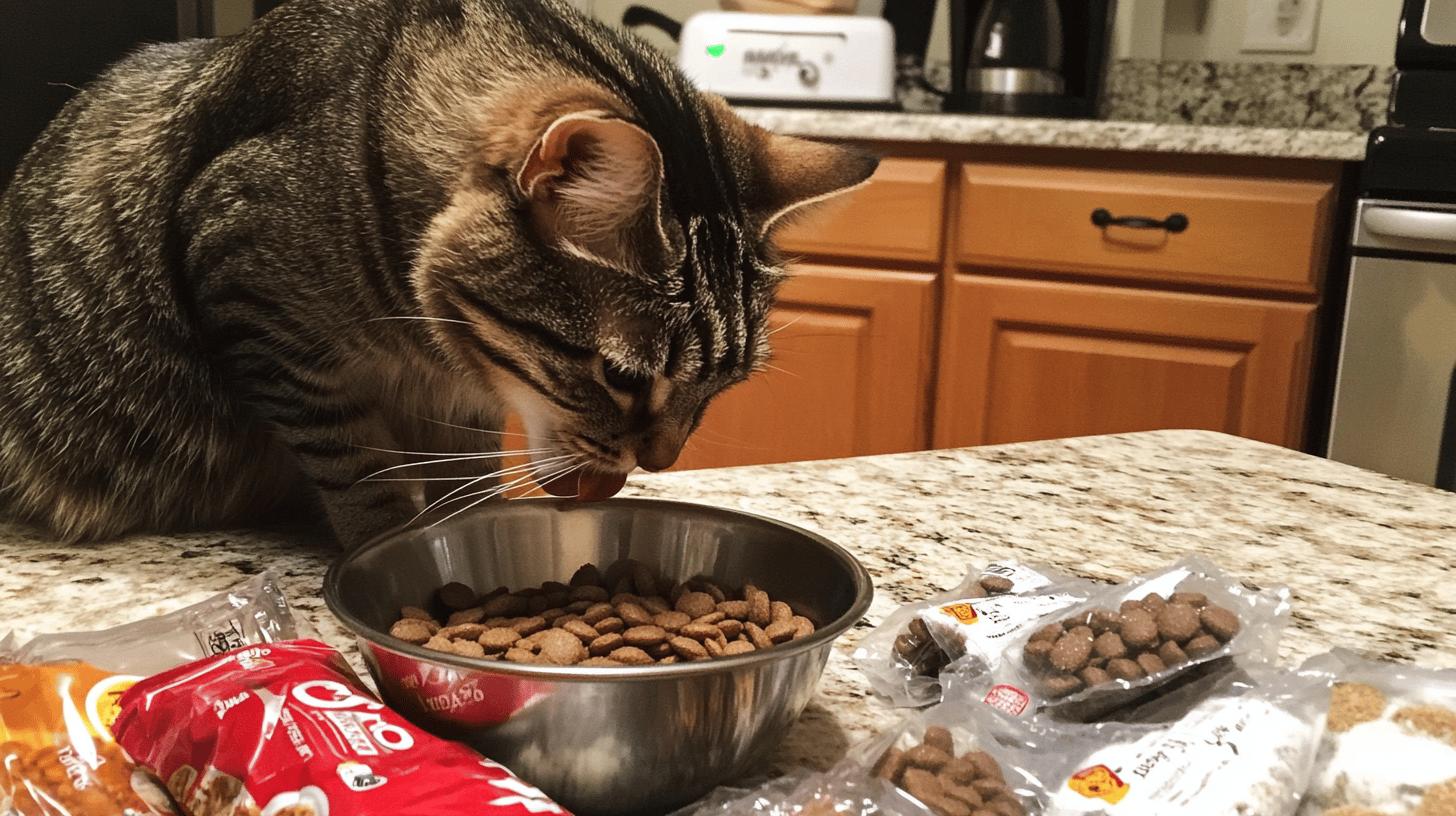
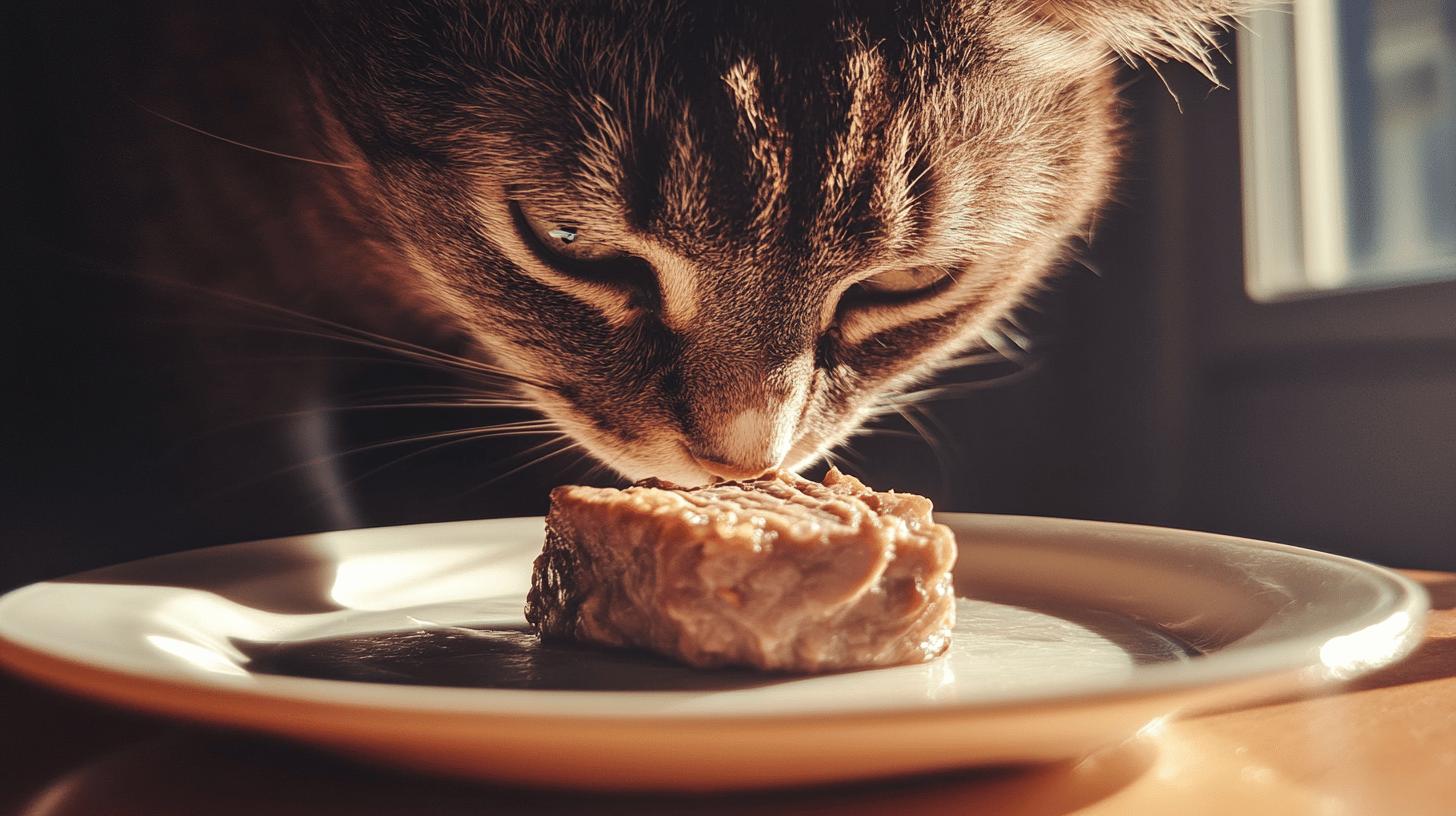
    Did you know that while cats can safely eat quinoa, it's not as straightforward as tossing a few grains into their bowl? When thinking about adding this trendy superfood to your cat’s menu, it's important to consider the potential benefits and risks.

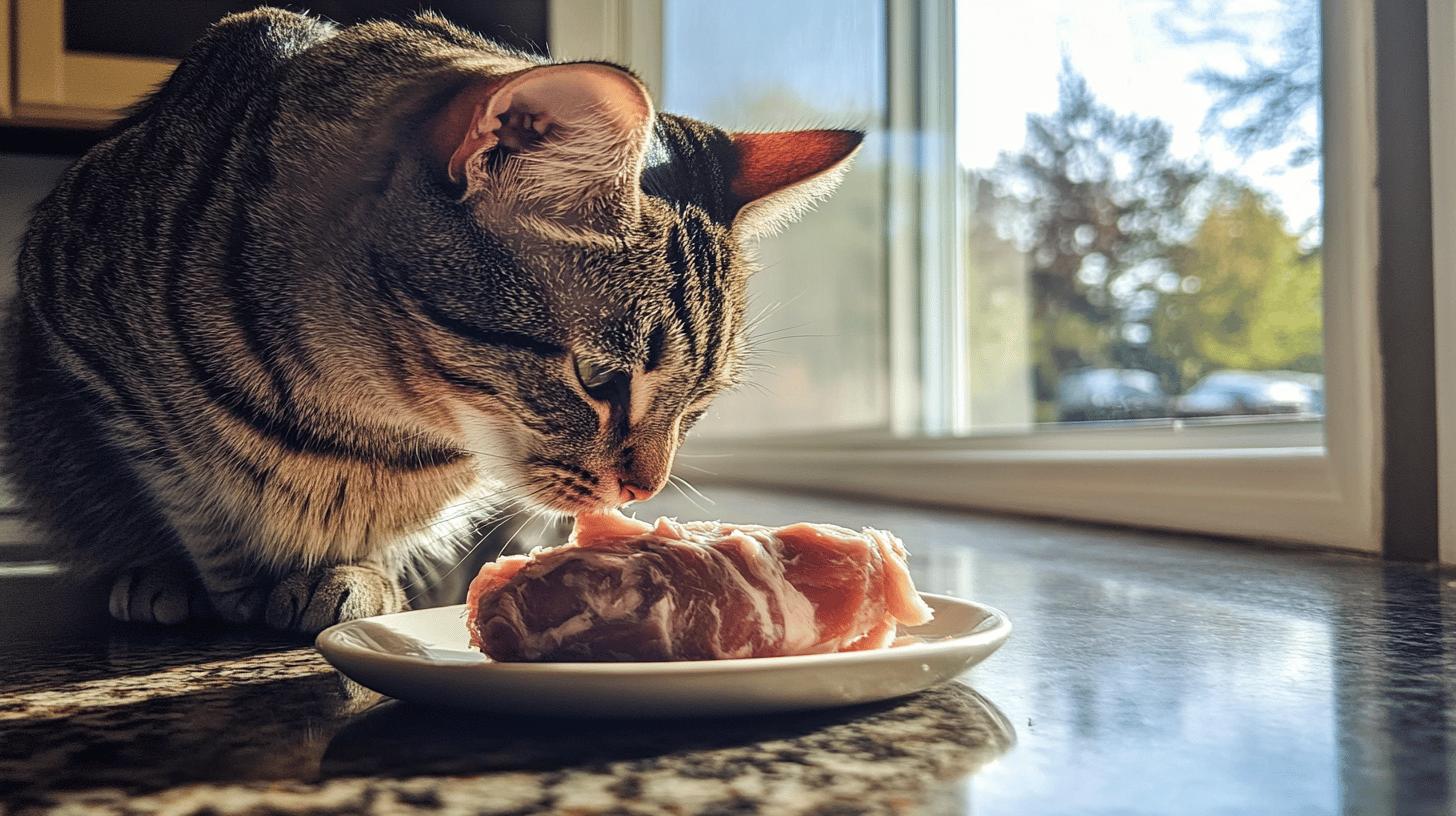
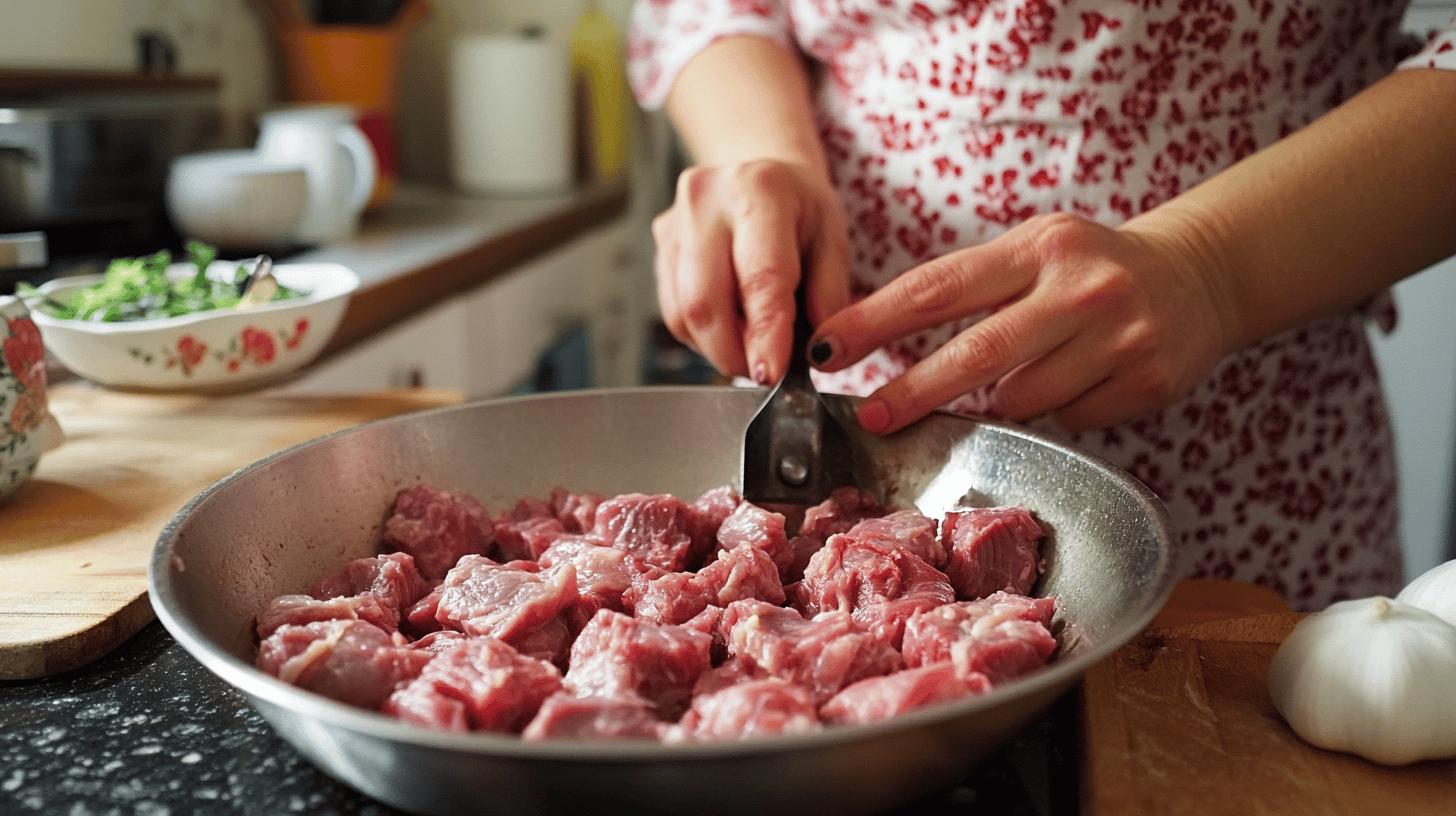
    Cats are obligate carnivores, which means their bodies are designed to thrive on meat. Quinoa might offer some nutritional perks, but it’s not a replacement for the essential nutrients found in a meat-based diet. Let’s explore how quinoa fits into your beloved cat's diet and what you need to watch out for.

    Can Cats Safely Eat Quinoa and Potential Risks
    Can Cats Safely Eat Quinoa and Potential Risks-2.jpg

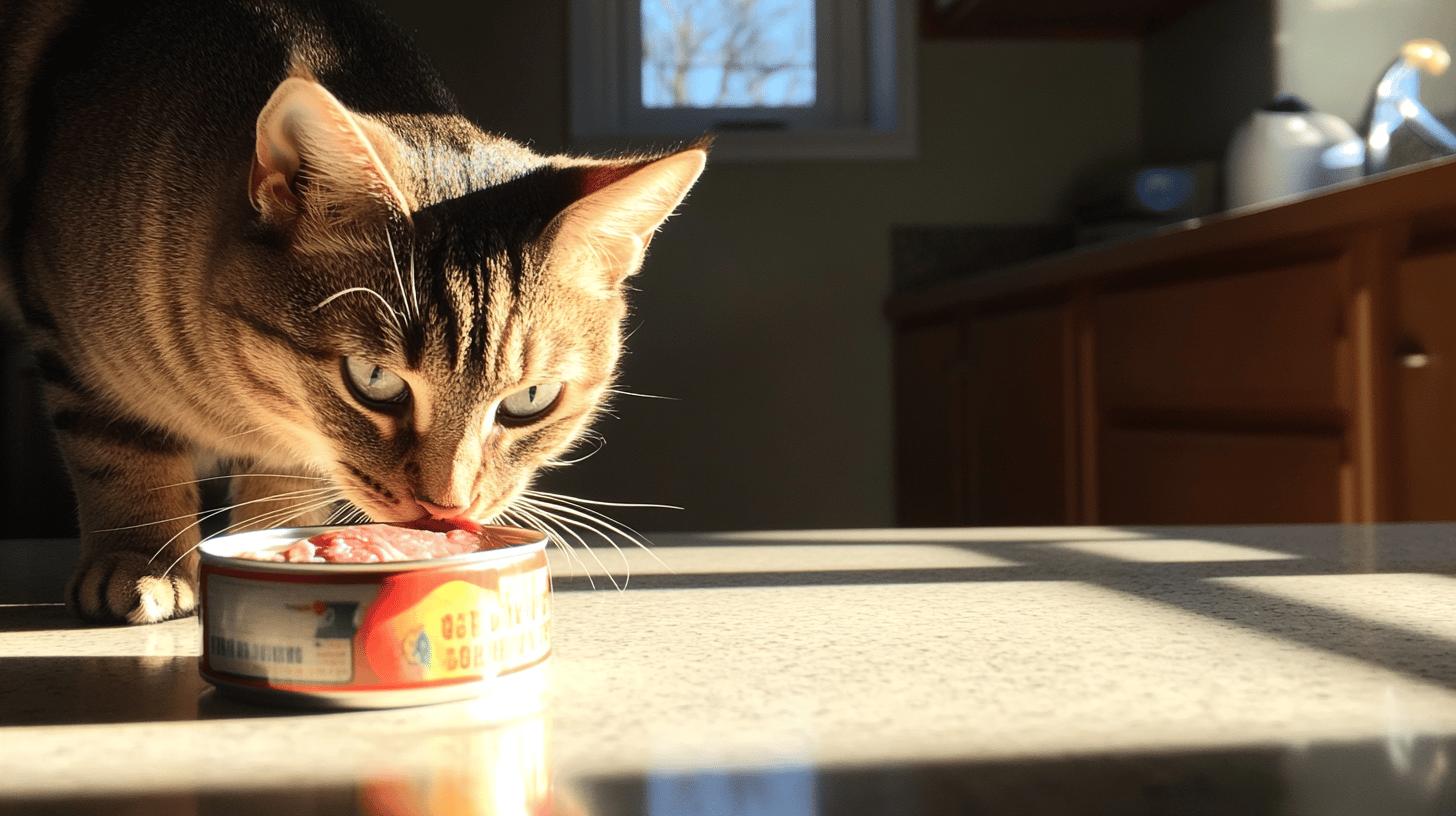
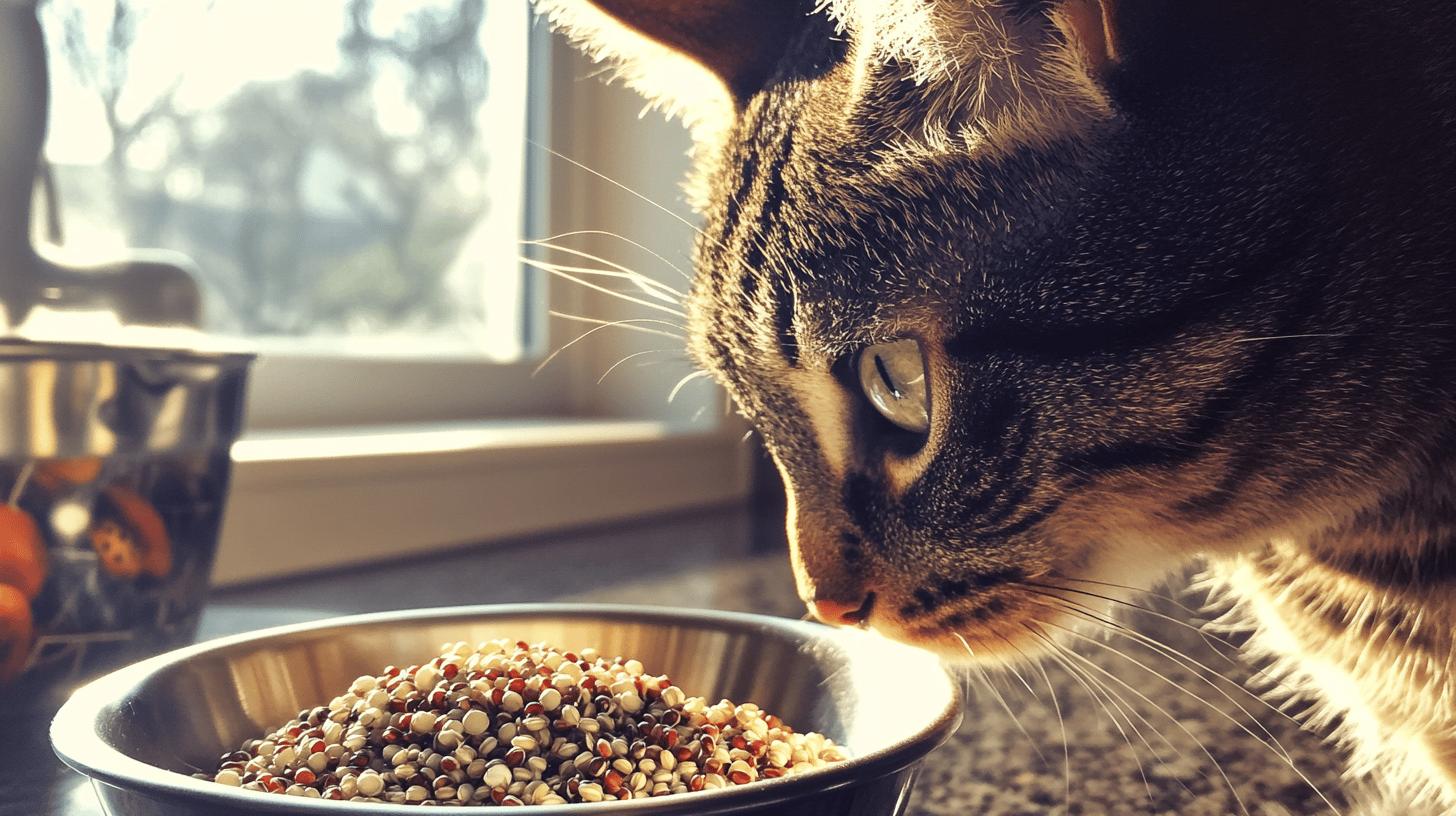
    Cats can safely eat quinoa, but it's crucial to remember that this grain should only be a small part of their diet. Quinoa offers some nutritional benefits, but cats are obligate carnivores and require meat to obtain essential nutrients like taurine.

    When serving quinoa, it should always be cooked and unseasoned to prevent potential digestive issues. It's best to introduce it gradually to see how your cat responds, as some may not take to it right away. The key is to ensure that quinoa is a supplement to their primary meat-based diet, not a replacement.

    Safe Preparation Methods and Precautions:

    1. Cook Thoroughly: Always cook quinoa completely to make it easier for your cat to digest.
    2. Avoid Seasoning: Serve quinoa plain without any added salts, spices, or oils.
    3. Small Portions: Introduce quinoa in small amounts mixed with their regular food.
    4. Monitor Reactions: Watch for any signs of food allergies or digestive upset.
    5. Balance Diet: Ensure quinoa is part of a balanced diet with adequate protein.

    Feeding quinoa to cats does come with some potential risks. Overfeeding quinoa can lead to nutritional imbalances, particularly a deficiency in taurine, which is vital for cats' heart and eye health.

    Additionally, some cats may experience digestive issues, including upset stomachs or changes in stool consistency. If your cat shows signs of discomfort or avoids their food, it may indicate that quinoa isn't suitable for them. Always introduce any new food slowly and pay attention to how your cat reacts.

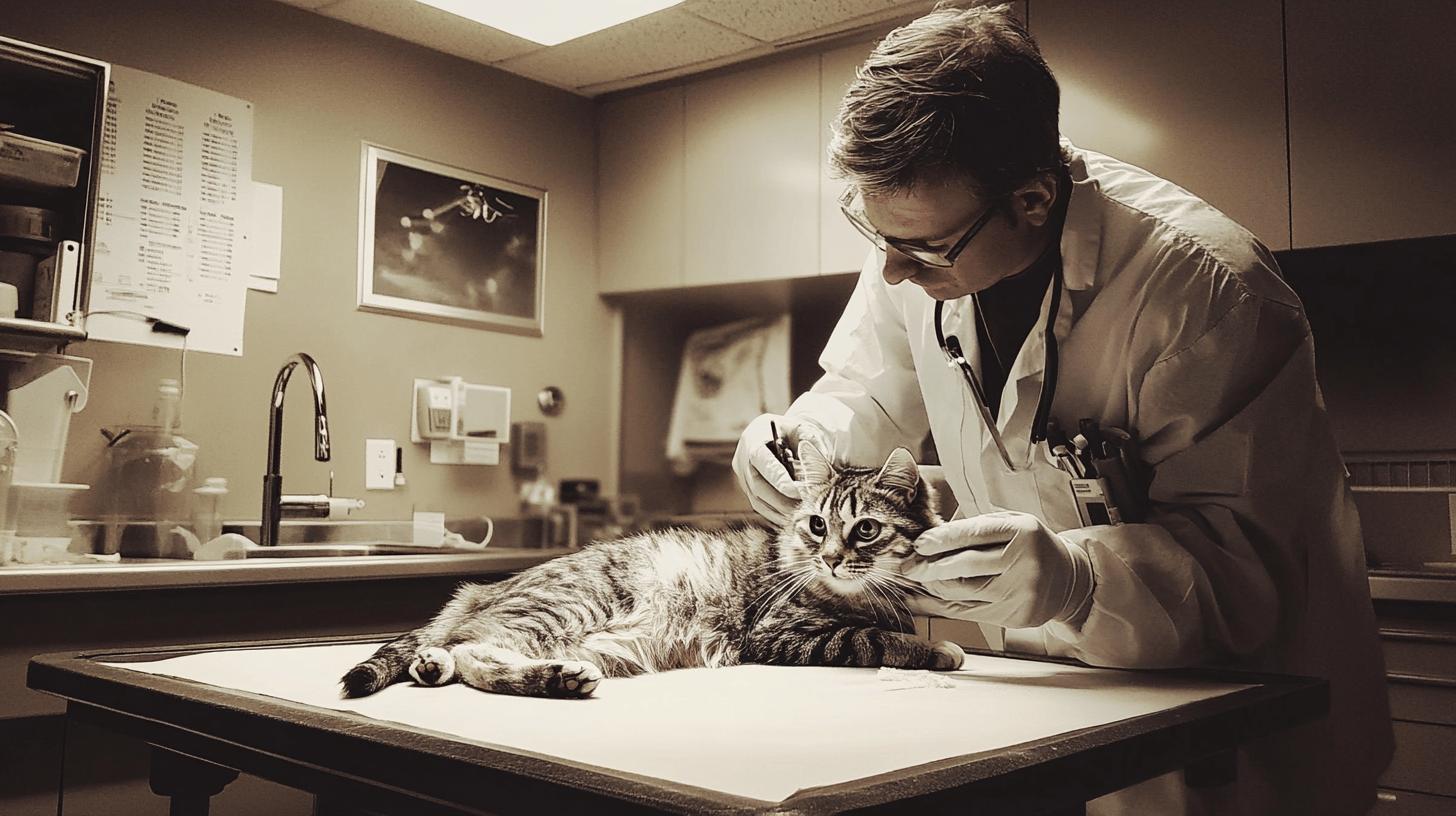
    Moderation is key when it comes to feeding quinoa to cats. It's important to consult with a veterinarian before making any significant changes to your cat's diet, especially if they have existing health conditions. A vet can provide guidance tailored to your cat's specific needs, ensuring that any new dietary addition is safe and beneficial.

    Nutritional Benefits and Quinoa in a Balanced Cat Diet
    Nutritional Benefits and Quinoa in a Balanced Cat Diet-1.jpg

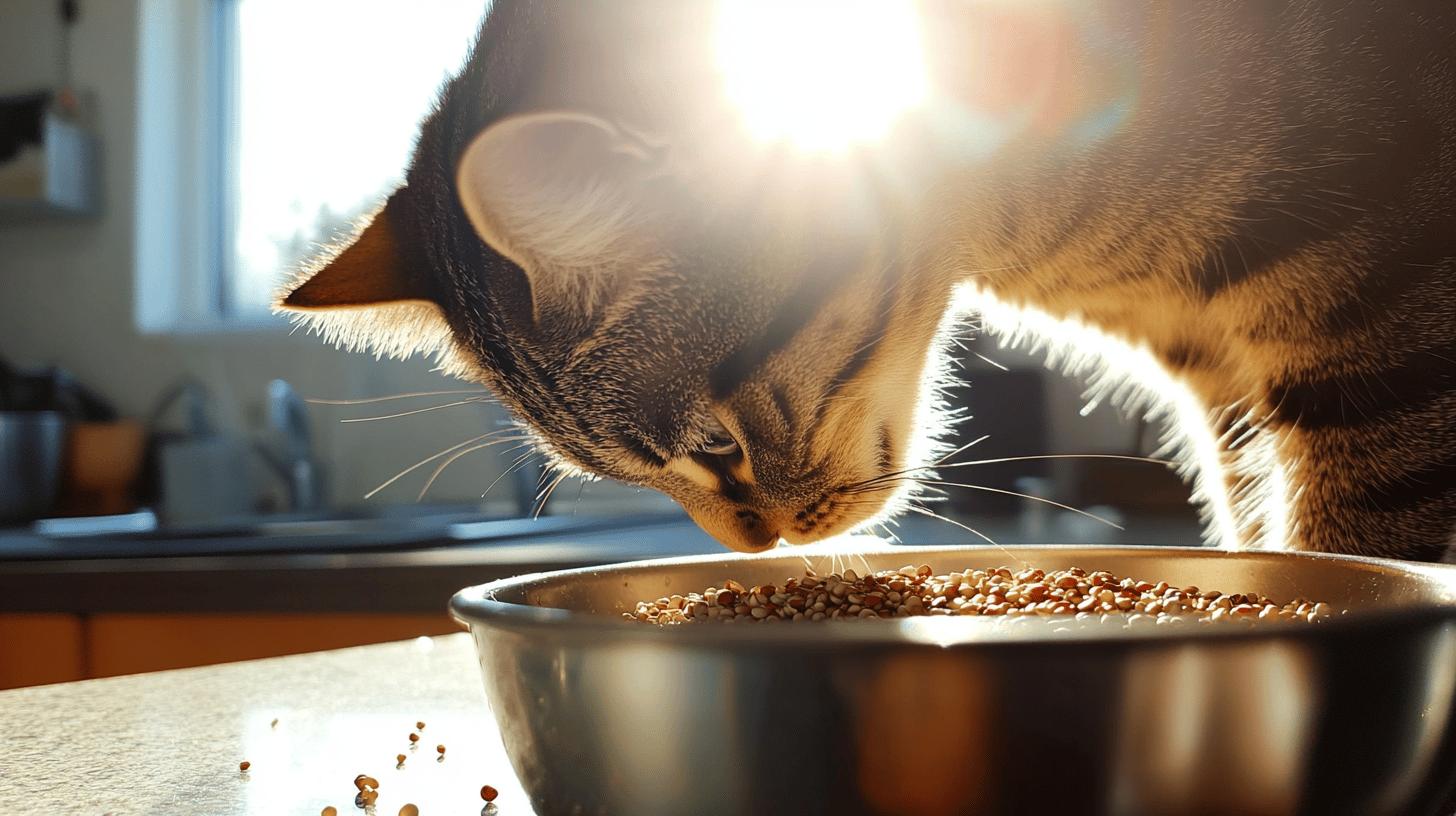
    Quinoa is often hailed as a superfood, and for good reason. It's packed with nutrients that can offer supplemental health benefits to our feline companions. While quinoa can be a great addition to a cat's diet, it should never replace their primary meat-based nutrition. Let's dive deeper into the nutritional elements of quinoa and how they fit into a balanced diet for cats.

    Protein and Amino Acids

    Quinoa is a rich source of protein and contains all nine essential amino acids, making it a complete protein. This is quite rare for plant-based foods. Amino acids are the building blocks of protein, crucial for muscle development, repair, and overall body maintenance.

    While quinoa provides these amino acids, it's important to remember that cats, being obligate carnivores, primarily rely on animal proteins for their complete nutritional needs. Taurine, an amino acid found in meat, is essential for cats and isn't present in quinoa. So, while quinoa can contribute to their protein intake, it cannot substitute meat entirely.

    Fiber and Carbohydrates

    Fiber is another beneficial component of quinoa. It aids in digestion and can help regulate bowel movements, contributing to a healthy gut. Quinoa's complex carbohydrates serve as a good energy source, offering slow-release energy that can help maintain your cat's vitality throughout the day.

    However, because cats are not primarily carbohydrate consumers, these should only be supplementary to their diet. The fiber and carbohydrate content in quinoa can complement meat-based diets, but they should not overshadow the protein and fat cats need.

    The nutrients found in quinoa can certainly enhance a cat's diet when given appropriately. Protein and amino acids support muscle health, while fiber and carbohydrates aid digestion and energy levels. Yet, these benefits should be seen as supplementary.

    Component Role in Diet
    Protein Muscle development and repair
    Amino Acids Supports body maintenance
    Fiber Aids digestion
    Carbohydrates Energy source

    Ultimately, quinoa can be a great addition to your cat's diet, providing a range of nutrients that support overall health. However, it should always complement, not replace, the meat that is vital for their well-being.

    Introducing Quinoa to Your Cat's Diet
    Introducing Quinoa to Your Cats Diet-1.jpg

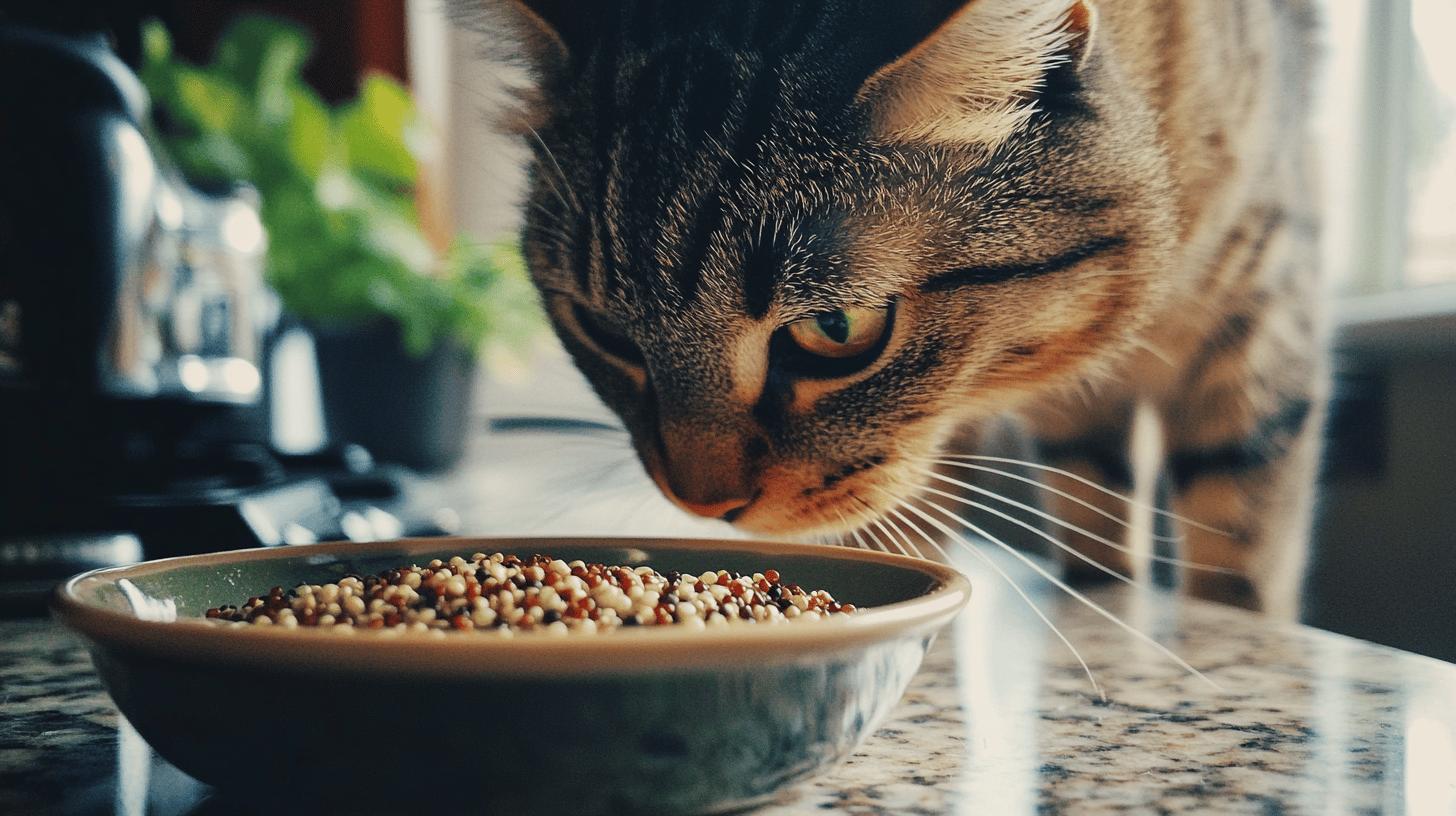
    Introduce quinoa to your cat's diet by mixing a teaspoon of cooked, unseasoned quinoa with their regular food. This gradual method helps your cat adapt to the new taste and texture. Increase the amount slowly over several days as your cat shows interest. Always ensure the quinoa is thoroughly cooked to maintain a consistent texture.

    Steps for Gradually Incorporating Quinoa:

    1. Start Small: Mix a teaspoon of cooked quinoa with your cat's usual meal.
    2. Observe Interest: Notice if your cat is curious about the new addition.
    3. Increase Gradually: Slowly increase the amount if your cat enjoys it.
    4. Consistency is Key: Cook quinoa thoroughly for a uniform texture.
    5. Mix Well: Blend quinoa evenly with their food to prevent selective eating.
    6. Monitor Health: Watch for any health changes or unusual behavior.

    Watch your cat for signs of intolerance to quinoa, such as digestive upset or changes in behavior. If any adverse reactions occur, stop feeding quinoa and consult your veterinarian. Consider alternative grains if quinoa doesn't suit your cat.

    Final Words

    Quinoa can be a nutritious addition to a cat's diet when introduced correctly. In small amounts, it offers protein and fiber, but it must be cooked and plain. Keeping an eye on your cat's reaction is crucial to prevent any digestive issues or allergies. As always, consult with a vet before making changes to your pet's diet.

    With the right precautions, adding quinoa can enhance your cat's meals without replacing essential nutrients from meat. When done responsibly, cats can eat quinoa safely, adding some variety to their diet.

    FAQ

    Can cats safely eat quinoa seeds or quinoa in the morning?

    Cats can eat quinoa, but it should be cooked and unseasoned. Time of day doesn't matter. Introduce it as a small part of their diet to avoid digestive issues.

    Can cats eat quinoa raw or every day?

    Cats should not eat raw quinoa and it shouldn’t be part of their daily diet. Always cook quinoa for cats and feed it occasionally to avoid nutritional imbalances.

    Can cats eat quinoa and rice together?

    Quinoa and rice can be fed together, but ensure they are cooked and unseasoned. Quinoa offers more nutritional benefits than rice.

    Is cooked quinoa safe for cats?

    Yes, cooked quinoa is safe for cats when unseasoned. It provides protein and fiber, but should be a small part of their diet.

    What grains are safe for cats?

    Grains like quinoa, oats, and barley are safe if cooked and served in moderation. Avoid processed grains with additives.

    Is it safe for pets to eat quinoa?

    Quinoa is safe for pets like cats and dogs if cooked and unseasoned. Ensure it doesn't replace their main diet which should be meat-based.

    Why can't cats eat rice?

    Rice lacks essential nutrients like taurine. Cats need meat to fulfill their dietary needs as they are obligate carnivores.

    Can dogs eat quinoa?

    Dogs can eat cooked quinoa. It's a nutritious grain that offers fiber and protein, similar to its benefits for cats.

    Can cats eat carrots?

    Cats can eat small amounts of cooked carrots. They offer fiber and vitamins but always serve them in moderation.

    Related Articles

  • Can Cat Eat Frog Risks and Safety for Feline Friends

    Can Cat Eat Frog Risks and Safety for Feline Friends

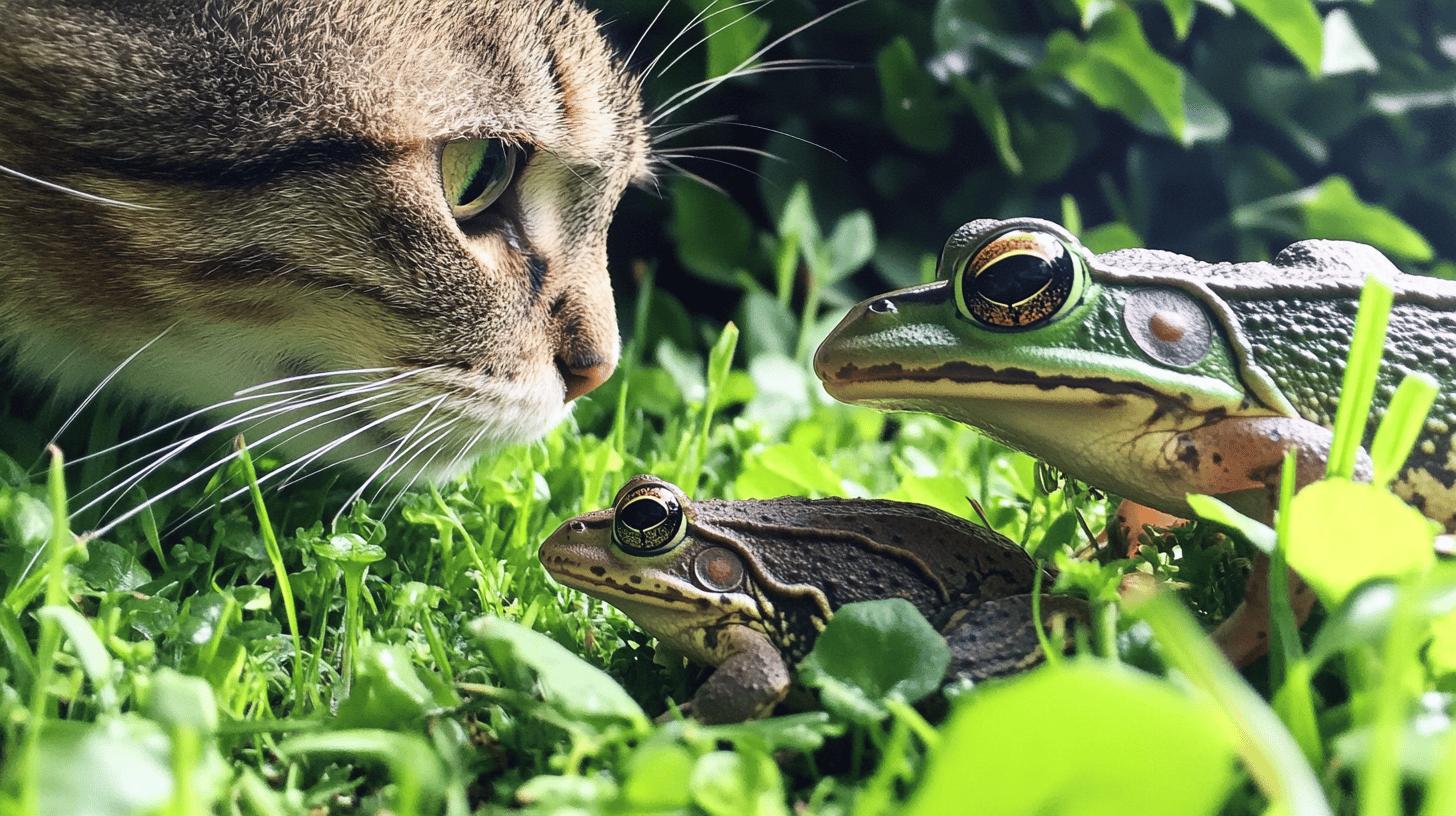
    Have you ever found your cat prowling around with a frog in its mouth and wondered if it's safe? While cats are natural hunters, not everything they catch should be eaten. Frogs, with their quick leaps and croaks, can be tempting treats.

    But some frogs carry toxins that are harmful to cats. Our article will explore the risks and safety tips that will help you protect your feline friend. Knowing the potential dangers can ensure your cat's outdoor adventures remain fun and safe.

    Can Cats Eat Frogs? Risks, Safety, and Identifying Dangerous Species

    Can Cats Eat Frogs Risks, Safety, and Identifying Dangerous Species-2.jpg

    Cats are natural hunters, and their curiosity often leads them to chase after small creatures like frogs. The erratic movement and sound of frogs make them irresistible targets for feline friends.

    Even though domesticated cats are usually well-fed, their predatory instincts kick in, driving them to hunt and sometimes consume frogs. While this behavior is typical, it can pose risks, especially when certain frog species are involved.

    Frogs can offer some nutritional benefits to cats. They provide animal protein and fat, which are essential components of a cat's diet. However, not all frogs are safe for cats to eat. Some frogs and toads secrete toxins that can be harmful or even deadly.

    For instance, poison dart frogs are extremely toxic and are found primarily in tropical regions. In North America, the Colorado River toad and cane toad can pose significant risks. If a cat ingests or even licks one of these toxic species, it could lead to severe health issues.

    Symptoms of frog poisoning in cats can vary but often include:

    • Drooling
    • Vomiting
    • Difficulty breathing
    • Seizures
    • Diarrhea

    Identifying dangerous frog species is crucial for pet owners who allow their cats to explore outdoors. Poisonous species often have bright colors as a warning sign, but this is not always the case.

    Being aware of the local wildlife, including which species are common in your area, can help prevent a potentially fatal encounter. Understanding frog habitats is also beneficial, as it can help you identify areas to avoid during your cat's outdoor adventures.

    Species Region Toxicity Level
    Poison Dart Frog Tropical Regions High
    Colorado River Toad North America High
    Cane Toad North America High

    By being informed about the potential dangers of certain frog species, cat owners can take proactive steps to keep their pets safe while enjoying the outdoors.

    What to Do if Your Cat Eats a Frog

    What to Do if Your Cat Eats a Frog-2.jpg

    If your cat has eaten a frog, it's crucial to monitor them for any adverse symptoms. Look for signs like labored breathing, drooling, nausea, or unusual behavior. These symptoms can indicate poisoning, especially if the frog is a toxic species. Early detection is key to minimizing potential health risks. While many frogs are harmless, certain species can secrete toxins that are dangerous to cats.

    Here are immediate steps to take if you suspect poisoning:

    • Observe the cat closely for immediate symptoms.
    • Contact a veterinarian for guidance.
    • Attempt to identify the species of frog ingested.
    • Keep the cat calm and restrict further interaction with wildlife.

    Preventative strategies are essential to avoid these situations. Ensure your cat has a balanced diet rich in protein and essential nutrients to reduce their hunting drive. Supervised outdoor time can help you better control their interactions with wildlife. By taking these proactive measures, you can protect your feline friend from potential dangers while allowing them to enjoy outdoor exploration safely.

    Alternative Safe Foods and Managing Cat Behavior

    Alternative Safe Foods and Managing Cat Behavior-2.jpg

    Offering your cat a balanced diet is crucial for their health and can help curb their natural hunting instincts. Cats thrive on a diet rich in protein and fat, which commercial cat foods are designed to provide.

    These foods meet the nutritional needs of cats without the risks associated with consuming wildlife like frogs. While some cats may be drawn to catching and eating frogs out of instinct, ensuring they are well-fed with appropriate foods can reduce this behavior.

    To effectively manage your cat's predatory instincts, consider these tips:

    • Provide plenty of toys and interactive play.
    • Ensure a diet with high protein content.
    • Limit unsupervised outdoor time.
    • Encourage indoor enrichment activities.

    Understanding your cat's hunting instincts can lead to better management of their behavior. Cats are natural predators, and their curiosity often drives them to chase moving objects, including frogs.

    By providing stimulation through toys and interactive play, you can satisfy their need for activity and reduce the likelihood of them pursuing live prey. Encouraging indoor enrichment and supervising outdoor time further helps in managing their natural tendencies, keeping them safe and content.

    Ensuring Outdoor Safety for Cats

    Ensuring Outdoor Safety for Cats-1.jpg

    Keeping cats safe while they explore outdoors is crucial, especially when it comes to avoiding encounters with frogs that could be harmful. By monitoring your backyard and securing the environment, you can minimize risks to your feline friend. Cats are naturally curious and may wander into areas that could be dangerous.

    Ensure that your outdoor space is free from potential threats and is a safe haven for your pet to enjoy. Regular maintenance and awareness of the wildlife in your area are essential components of providing a safe exploration space for your cat.

    Safety tips for outdoor play:

    • Regularly check and secure fences and gates.
    • Remove potential hazards like sharp objects or toxic plants.
    • Supervise playtime to discourage interaction with wildlife.

    Supervised playtime is beneficial for reducing the risks associated with outdoor exploration. By keeping an eye on your cat, you can prevent them from engaging with potentially harmful animals, like certain frog species.

    It also allows you to intervene quickly if your cat finds itself in a precarious situation. Beyond safety, supervised play encourages healthy behavior and provides your cat with the mental and physical stimulation they need, contributing to their overall well-being.

    Final Words

    Understanding if a cat can eat a frog safely involves assessing both the natural hunting instincts of cats and the risks. While some frogs offer nutritional benefits, others can be toxic. It's crucial to identify which species pose threats to our pets. If your cat does eat a frog, monitor it closely and consult a vet if symptoms of poisoning appear. By providing a balanced diet and safe play options, we can help reduce unwanted hunting behaviors. With these tips in mind, ensuring your cat's safety becomes a more manageable task.

    FAQ

    What happens if a cat eats a frog?

    A: Cats may eat frogs due to natural instincts. However, they risk ingesting toxins from certain frogs. Symptoms include drooling, vomiting, difficulty breathing, seizures, and diarrhea. Veterinary attention is important if symptoms appear.

    Are any frogs poisonous to cats?

    A: Certain frogs and toads, like the Colorado River toad and cane toad, are poisonous to cats. They can cause severe symptoms, especially if ingested. Identification is key to safety.

    Are frogs safe to eat for cats?

    A: Stanford Question Answering Dataset (SQuAD) equation highlights that while some frogs provide protein and fat, poisonous frogs pose health risks for cats. Always monitor which species your cat encounters.

    Can cats get worms from eating frogs?

    A: Cats can potentially get worms from eating frogs. Some parasites can be transferred. Regular deworming and veterinary check-ups can help prevent issues.

    My cat ate a frog and is foaming, what should I do?

    A: If your cat is foaming after eating a frog, observe for symptoms like difficulty breathing or seizures. Contact a veterinarian immediately for advice and keep your cat calm.

    Are tree frogs poisonous to cats?

    A: Tree frogs are mostly non-toxic but vary by species. It's safer to prevent cats from consuming them due to potential risks.

    Do cats eat bullfrogs and toads?

    A: Cats may eat bullfrogs and toads due to their hunting instincts. Toads often carry toxins harmful to cats, so caution is advised.

    Can dogs eat frogs like cats?

    A: Like cats, dogs might eat frogs due to curiosity or play. However, frogs can be toxic to both pets, so similar precautions apply.

    Related Articles

  • Can Cat Eat Salted Fish Risks and Allergy Management

    Can Cat Eat Salted Fish Risks and Allergy Management

    Can cats enjoy salted fish without harm? While you might think offering your cat a tasty treat is harmless, salted fish is actually a risky choice. Cats need a diet high in meat, but the excessive salt in fish can lead to serious issues like dehydration and kidney problems. Understanding the symptoms of salt toxicity and fish allergies is crucial for your cat's safety. In this guide, I'll break down the risks involved, how to manage allergies, and suggest safer dietary alternatives. Keep reading to ensure your feline friend's well-being.

    Can Cats Eat Salted Fish: Risks and Allergy Management

    Can Cats Eat Salted Fish Risks and Allergy Management-1.jpg

    Salted fish is not a safe option for cats. The high sodium content poses significant health risks. Cats require a diet rich in meat, and the excessive salt in salted fish can lead to salt toxicity. Symptoms of salt toxicity in cats include dehydration, kidney issues, and increased blood pressure. As obligate carnivores, their bodies are not equipped to handle high levels of sodium, making salted fish a poor dietary choice.

    Symptoms of salt toxicity and fish allergies in cats can manifest as:

    • Vomiting
    • Diarrhea
    • Lethargy
    • Itching
    • Skin redness

    Managing fish allergies involves recognizing these symptoms and making necessary dietary adjustments. If a cat exhibits signs of an allergy, it's crucial to identify the cause. A veterinarian can confirm fish allergies and recommend an appropriate diet. Eliminating fish from the cat's meals and choosing hypoallergenic foods can help alleviate symptoms. Monitoring the cat's reaction to new foods is also essential in managing allergies effectively.

    Salted fish lacks essential nutrients needed for a cat's health. It does not provide the balanced nutrition required for a cat's well-being. Cats need a diet that includes proteins, vitamins, and minerals. Salted fish fails to meet these nutritional needs, making it an inadequate choice for regular feeding.

    Instead of salted fish, consider safer protein sources for cats. Options like cooked chicken, turkey, or beef offer the necessary nutrients without the risks associated with high sodium. These alternatives ensure a balanced diet, promoting overall health and reducing the likelihood of allergies or nutritional deficiencies.

    Safe Fish Options for Cats

    Safe Fish Options for Cats-1.jpg

    Salmon, sardines, and cooked cod are some of the best fish options for cats. These types of fish offer nutritional benefits, including protein and Omega-3 fatty acids, which contribute to a cat's overall health. Salmon is particularly high in Omega-3, supporting neurological health and providing anti-inflammatory benefits. Sardines are rich in vitamin B12 and protein, while cod is a lean source of protein, making them suitable choices for a feline diet. These fish should be cooked properly to ensure they are safe for consumption.

    Here are some best practices for cooking and serving fish to cats:

    • Remove all bones to prevent choking hazards.
    • Cook fish using methods like baking or boiling.
    • Avoid adding salt, spices, or oils.
    • Serve fish at room temperature.
    • Offer fish as an occasional treat, not a staple.
    • Monitor cat's reaction to fish introduction.

    Including fish in a cat's diet can be beneficial, as it provides essential nutrients that support various aspects of their health. Fish can improve a cat's skin and coat, making their fur shinier and healthier. Despite these benefits, it is vital to remember that fish should only be a supplementary part of a cat's diet, not the main component.

    Moderation is key when feeding fish to cats. Fish should be given no more than twice a week to prevent nutritional imbalances. While fish is a tasty treat that many cats enjoy, it lacks certain nutrients that cats require for a completely balanced diet. Ensuring that fish is a small part of a varied diet helps maintain optimal health for your feline friend.

    Best Practices for Feeding Cats: Safe and Balanced Diets

    Best Practices for Feeding Cats Safe and Balanced Diets-1.jpg

    A balanced diet for cats is crucial for their health and longevity. Cats are obligate carnivores, meaning their primary nutritional needs are met through proteins. A well-rounded diet should include a mixture of proteins, fats, vitamins, and minerals. Proteins are vital for building strong muscles and tissues, while fats offer energy and support cell function. Essential vitamins and minerals help maintain various bodily functions, ensuring your cat remains healthy and active. Providing a balanced diet helps prevent nutritional deficiencies and supports overall well-being.

    Here are some best practices for feeding cats:

    • Monitor portion sizes to prevent overfeeding.
    • Incorporate a variety of protein sources.
    • Schedule regular vet visits for dietary guidance.
    • Ensure consistent access to fresh water.
    • Adjust diet based on age, weight, and health needs.

    Hydration is equally important as a balanced diet. Cats need access to fresh water at all times to stay hydrated, which aids in digestion and helps prevent urinary tract issues. Water is a critical component of a cat's diet, so make sure their water bowl is always filled and clean.

    Routine dietary evaluations with a veterinarian are also essential. Regular check-ups help ensure your cat's diet meets their specific needs. A vet can provide valuable insights into diet adjustments based on your cat’s age, weight, and health conditions. Adopting these practices ensures your cat enjoys a nutritious diet and maintains optimal health throughout their life.

    Final Words

    Navigating the topic of "can cat eat salted fish," it's clear that cats face risks from salted fish like salt toxicity and allergies. High sodium in fish poses significant health issues, while allergies can cause itching and skin redness.

    Managing these allergies involves recognizing symptoms and adjusting diets accordingly. Remember, salted fish lacks essential nutrients that cats need. Opt for alternative proteins to ensure a balanced diet.

    Sticking to safe fish choices and best feeding practices helps provide our feline friends with safe, enjoyable meals. A little caution can go a long way in keeping cats healthy and happy.

    FAQ

    Is salted fish safe for cats?

    Salted fish is not safe for cats. High sodium levels can lead to salt toxicity, dehydration, and kidney issues.

    What are symptoms of salt toxicity and allergies in cats?

    Symptoms can include vomiting, diarrhea, lethargy, itching, and skin redness.

    How can I manage fish allergies in my cat?

    Managing fish allergies involves recognizing symptoms like skin redness and itching. Adjust the diet by avoiding fish and consulting a vet for advice.

    Why is salted fish not good for a cat's diet?

    Salted fish lacks essential nutrients cats need. It can lead to nutritional imbalances and health issues over time.

    What are alternative protein sources for cats?

    Consider options like chicken, turkey, or specially formulated cat food to ensure balanced nutrition.

    Can cats eat fish every day?

    Cats shouldn't eat fish daily. Fish should be an occasional treat, no more than twice a week.

    Can cats eat dry fish?

    Dry fish might be high in sodium, posing similar risks as salted fish. It's best to avoid it.

    What types of fish are bad for cats?

    Fish containing bones or high in mercury, like tuna, is not good. Raw fish can also carry bacteria, so always serve cooked.

    Can cats eat salted salmon?

    Salted salmon is not advisable for cats due to its high sodium content. Opt for plain, cooked salmon instead.

    Can cats eat fish in the wild?

    In the wild, cats might eat fish occasionally, but it's not a staple of their diet. They thrive on varied protein sources.

    Related Articles

  • Can Cat Eat Mutton Safely Benefits Risks and Feeding Tips

    Can Cat Eat Mutton Safely Benefits Risks and Feeding Tips

    Can cats safely enjoy a juicy meal of mutton? While it might seem like a strange addition to your cat's diet, mutton can actually be a beneficial protein source when given correctly. But as with all good things, there are benefits and risks to consider. Mutton is safe for cats in small amounts when cooked plain.

    Can Cats Safely Eat Mutton? Nutritional Benefits and Risks

    Can Cats Safely Eat Mutton Nutritional Benefits and Risks-1.jpg

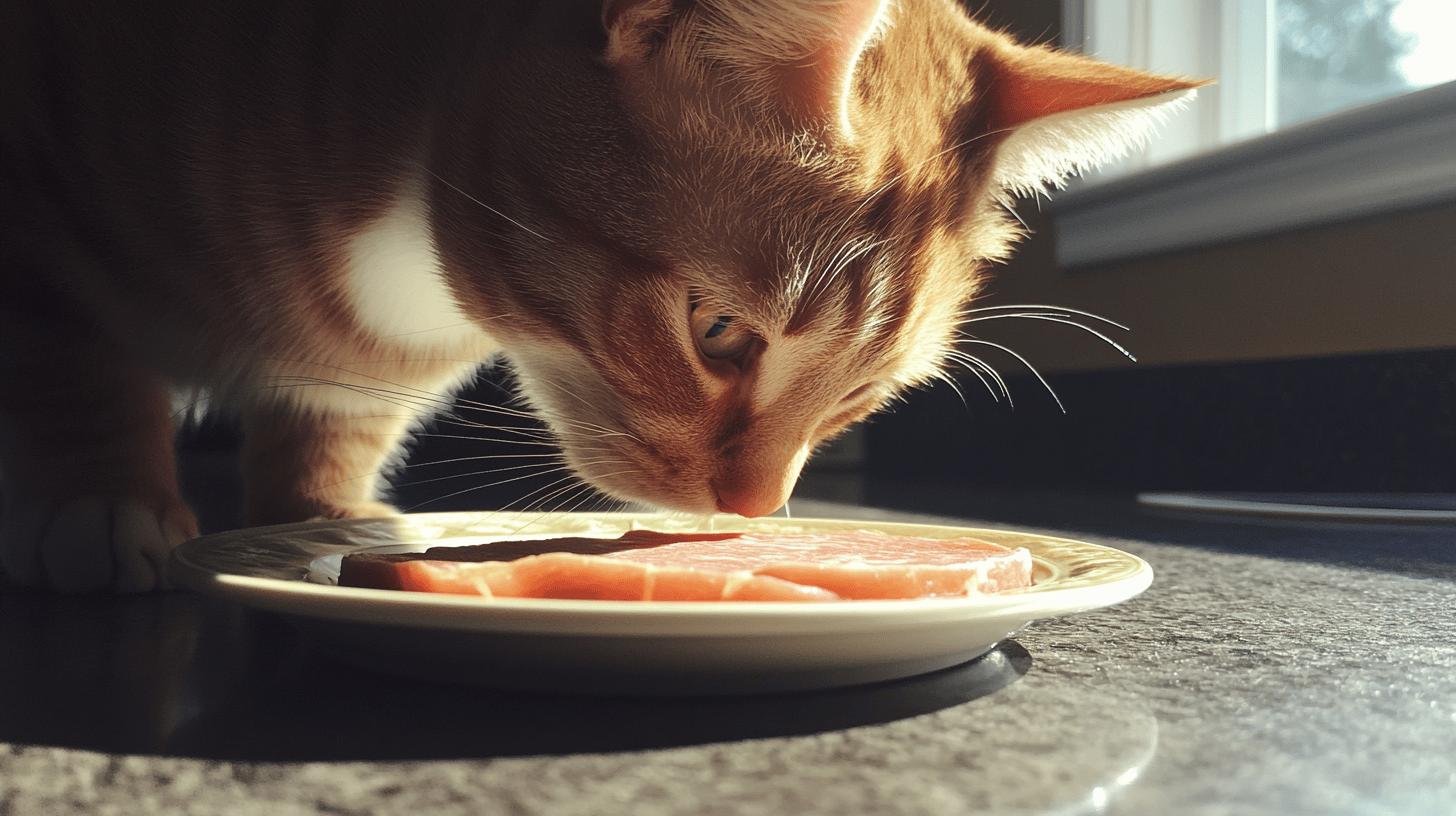
    Mutton, derived from sheep, can indeed be a viable protein source for cats. It's most beneficial when served fresh and raw, as cooking can strip away vital nutrients that cats need. Cats are obligate carnivores, meaning their diet should primarily consist of meat, and mutton fits well into this requirement. The preference for raw mutton lies in its ability to provide nutrients in their most natural state, avoiding the potential deficiencies that cooked mutton might cause over time.

    In terms of nutritional benefits, mutton is rich in B-group vitamins such as riboflavin, niacin, B6, and B12. These vitamins are crucial for supporting a cat's nervous system and overall health. Organic or grass-fed mutton can also offer a better balance of Omega 6 and Omega 3 fatty acids, which are important for maintaining healthy skin and coat. This healthier ratio of fatty acids is another reason why ethically sourced mutton is often recommended.

    Mutton contains several key nutrients that are beneficial for cats. These include high-quality proteins necessary for muscle development and maintenance. Proteins in mutton are comparable to those found in other meats like beef and chicken, making it a solid option. However, feeding mutton should be accompanied by a variety of other meats to ensure a balanced diet, as relying solely on mutton could lead to an incomplete nutritional profile.

    Potential Risks of Feeding Mutton to Cats

    • Nutrient Deficiencies: Feeding only mutton without other protein sources can lead to nutrient imbalances.
    • Digestive Issues: Some cats may have trouble digesting mutton, especially if introduced too quickly.
    • Spoilage Concerns: Freshness is key; spoiled mutton can cause foodborne illnesses.
    • High Fat Content: Mutton may be higher in fat compared to other meats, which can contribute to obesity if not portioned correctly.
    • Allergies: Some cats might develop allergies to mutton, requiring close monitoring when first introduced.
    Nutrient Mutton Chicken Beef
    Protein High High High
    B-group Vitamins Rich Moderate Rich
    Omega Fatty Acids Balanced in grass-fed Lower Moderate
    Fat Content Higher Lower Moderate

    Feeding mutton to cats does come with potential risks that need to be managed. Digestive issues can arise if mutton is introduced abruptly, especially in cats not accustomed to it. Nutrient imbalances can occur if mutton isn't balanced with other proteins. Always ensure the meat is fresh to avoid spoilage, and monitor your cat for any signs of allergic reactions. By offering a varied diet, you can mitigate these risks while providing the nutritional benefits mutton has to offer.

    Guidance on Serving Mutton to Cats

    Guidance on Serving Mutton to Cats-1.jpg

    Portion control is key when feeding mutton to cats. Overfeeding can lead to weight gain and other health issues. Raw mutton is preferable as it maintains nutritional value better than cooked.

    1. Select Fresh Mutton: Ensure mutton is fresh and from a reliable source to avoid spoilage and contamination.
    2. Trim Excess Fat: Remove visible fat to reduce obesity risk and maintain a healthier fat intake.
    3. Cut into Small Pieces: Slice mutton into bite-sized pieces to make eating and digesting easier for your cat.
    4. Balance with Other Proteins: Include other protein sources like chicken or fish to provide a complete nutritional profile.

    For portion sizes, a small amount of mutton, such as a few ounces, can be offered a couple of times a week. This frequency helps maintain diet variety while ensuring nutrition from multiple sources.

    Potential Risks of Feeding Mutton to Cats

    Veterinarian Insights on Mutton in a Cats Diet-1.jpg

    Consulting with a veterinarian is wise when adding mutton to your cat's diet. They offer essential advice on ensuring nutritional balance and safety.

    • Allergy Watch: Look for signs like itching or gastrointestinal upset.
    • Digestive Observation: Monitor changes in stool or appetite.
    • Start Slowly: Introduce mutton gradually to help your cat adjust.

    By seeking professional guidance and observing your cat's reaction, you can integrate mutton safely, making the most of its nutritional benefits.

    Final Words

    Exploring whether cats can eat mutton unveils its potential as a protein source. Fresh, preferably raw mutton can offer B-group vitamins and essential nutrients. Yet, balancing it with other proteins is crucial to prevent deficiencies.

    Practical guidance on portion control and preparation ensures safety, while veterinarian insights highlight the need for professional advice. Monitoring your cat's response is key to a healthy diet.

    Feeding mutton sensibly as part of a varied diet can enrich your cat's meals. Keep these tips in mind for a happy, healthy feline friend!

    FAQ

    Can you feed mutton to cats?

    A: Cats can eat mutton, but it should be fresh and raw to keep nutrients intact. Balance with other proteins for a complete diet to prevent deficiencies.

    Can cats eat mutton raw or cooked?

    A: Cats can eat raw mutton, which is better for retaining nutrients. Cooking mutton can destroy essential nutrients and may lead to deficiencies if fed regularly.

    Can cats eat mutton bones?

    A: Avoid giving cats mutton bones, as they can splinter and pose a choking risk or cause internal injuries.

    Can cats eat beef and pork?

    A: Yes, cats can eat beef and pork, but like any meat, they should be prepared properly and fed as part of a balanced diet.

    Can cats eat raw deer meat?

    A: Cats can eat raw deer meat if it is fresh and properly handled to avoid parasites and bacteria. Balance with other proteins to ensure complete nutrition.

    How to cook mutton for cats?

    A: If cooking mutton for cats, lightly sear it to maintain most nutrients. Avoid high temperatures and add no seasonings or oils.

    What meat should cats not eat?

    A: Cats should avoid processed meats, seasoned meats, and those high in fat like bacon and sausage, as they can cause digestive issues and health problems.

    What is the best meat for cats?

    A: Cats thrive on a variety of meats including chicken, turkey, and fish. These are generally easy on the digestive system and provide essential nutrients.

    Related Articles

    Nutritional Profile and Safety Analysis

    Mutton’s nutritional composition makes it a legitimate option for feline diets when properly introduced. This meat delivers high-quality proteins essential for muscle development, tissue repair, and metabolic function.

    Serving Guidelines and Portion Control

    Proper portioning determines whether mutton becomes a beneficial dietary supplement or contributes to nutritional imbalance. A safe serving size for an average adult cat ranges from one to three ounces, twice weekly at most.

    Signs of Adverse Reactions

    Watch for specific symptoms indicating your cat isn’t tolerating mutton well. Vomiting within hours of consumption or loose stools suggest digestive sensitivity.

    Nutritional Profile and Safety Analysis

    Mutton’s nutritional composition makes it a legitimate option for feline diets when properly introduced. This meat delivers high-quality proteins essential for muscle development, tissue repair, and metabolic function. The amino acid profile closely matches cats’ natural prey-based requirements, which explains why many feline nutritionists consider it a viable protein source.

    The vitamin content sets mutton apart from lighter proteins. B-group vitamins including riboflavin, niacin, B6, and B12 support your cat’s nervous system, enzyme production, and energy metabolism. Grass-fed mutton offers additional benefits: improved omega-3 to omega-6 ratios that promote skin health, coat quality, and reduce inflammation compared to grain-fed varieties.

    Minerals present in mutton include iron, zinc, and selenium. Iron supports healthy blood oxygen transport; zinc strengthens immune function and skin integrity; selenium acts as a powerful antioxidant protecting cells from damage. These micronutrients work synergistically to maintain your cat’s overall health when mutton comprises part of a balanced diet.

    Safety-wise, mutton itself is non-toxic to cats. The primary consideration isn’t the meat’s safety but rather digestive adaptation and avoiding excessive fat intake. Raw mutton typically preserves more nutritional integrity than cooked varieties, though cooking can increase digestibility for some cats with sensitive stomachs.

    Serving Guidelines and Portion Control

    Proper portioning determines whether mutton becomes a beneficial dietary supplement or contributes to nutritional imbalance. Most veterinary nutritionists recommend offering mutton as an occasional protein rotation rather than a staple. A safe serving size for an average adult cat ranges from one to three ounces, twice weekly at most.

    Calculate portions based on your cat’s overall daily caloric intake. If your cat requires 250 calories daily, mutton should represent no more than 10 to 15 percent of that total, leaving room for other proteins and essential nutrients from their primary diet.

    Introduce mutton gradually over one to two weeks. Start with tiny portions, approximately the size of a dice cube, and observe your cat for 24 hours before increasing the amount. This slow introduction allows their digestive system to adapt without stress.

    Trim excess fat before serving, as fatty cuts can trigger pancreatitis or digestive upset. Cut the meat into bite-sized pieces that your cat can swallow comfortably without excessive chewing. Store raw mutton in the freezer and thaw in the refrigerator, using it within two days of thawing to prevent bacterial growth.

    Signs of Adverse Reactions

    Watch for specific symptoms indicating your cat isn’t tolerating mutton well. Vomiting within hours of consumption or loose stools suggest digestive sensitivity. Some cats develop mild to moderate diarrhea when introduced to new proteins; this typically resolves within a few days once their system adjusts.

    Itching, skin redness, or excessive grooming point to possible allergic reactions. While rare, some cats develop sensitivities to mutton specifically. If your cat exhibits respiratory symptoms like sneezing or difficulty breathing after eating mutton, discontinue immediately and contact your veterinarian.

    Appetite loss, lethargy, or abdominal bloating warrant veterinary evaluation. These symptoms may indicate food intolerance beyond simple digestive upset. Some cats experience decreased enthusiasm for their regular meals after eating rich proteins like mutton, which is normal and typically resolves within 24 hours.

  • Can Cat Eat Luncheon Meat

    Can Cat Eat Luncheon Meat

    Can your cat safely enjoy luncheon meat, or could it be a recipe for disaster? We all want to spoil our feline friends, but it's crucial to think about what goes into their bellies. Luncheon meat, a favorite sandwich staple for humans, is full of sodium and preservatives that might not sit well with your cat's delicate system. Before you offer a bite, let's dig into whether this meaty delight is a fabulous treat or a potential health risk for our whiskered companions.

    Can Cats Eat Luncheon Meat?

    Can Cats Eat Luncheon Meat-1.jpg

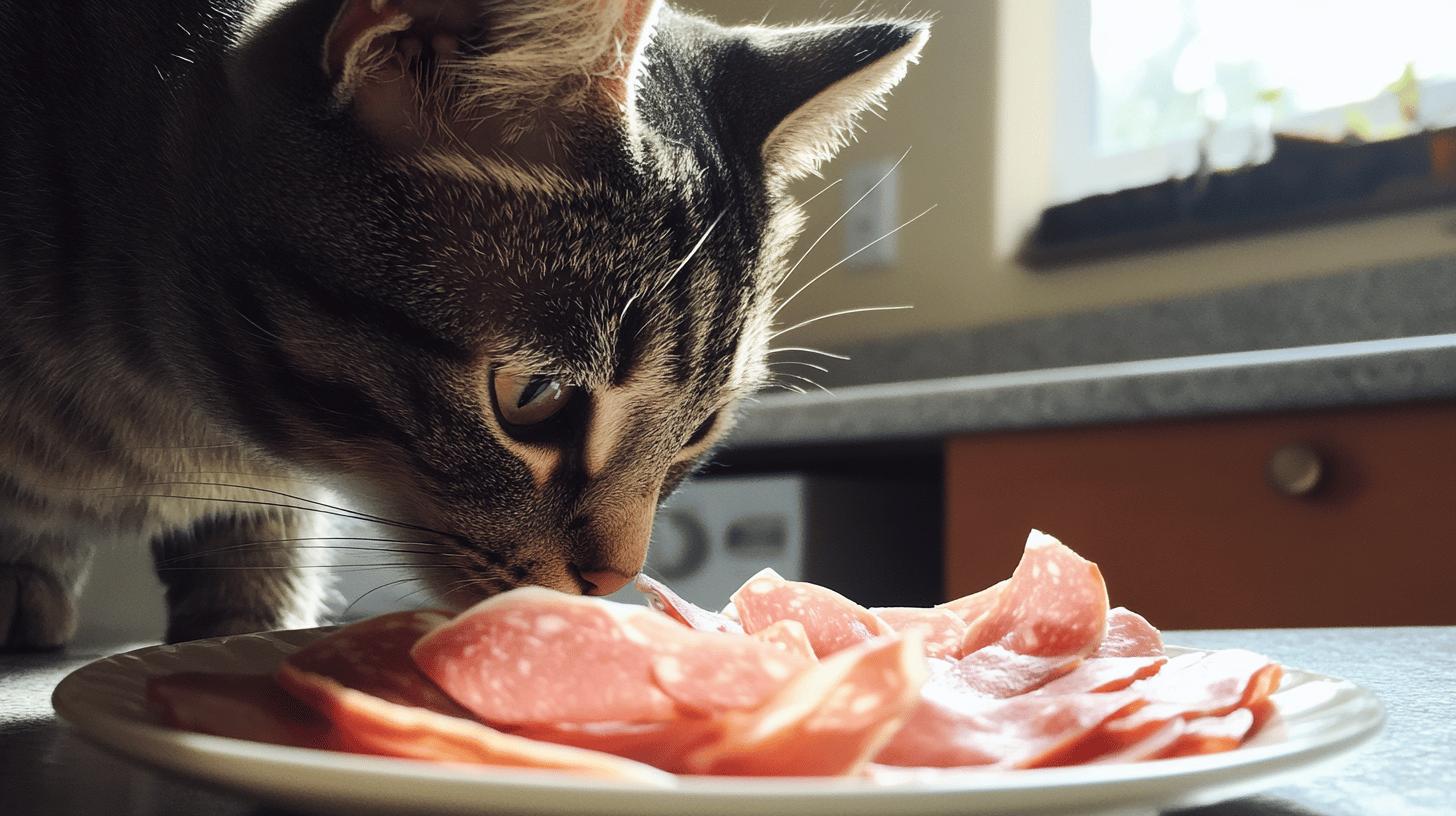
    Luncheon meat, often referred to as processed meat, is a staple in many human diets. It's typically made from a mix of finely ground or minced meats such as pork and beef, combined with fillers, seasonings, and preservatives. This meat is then canned or packaged for easy consumption. While it may be a convenient snack for people, it poses a different story for our feline friends.

    Cats are obligate carnivores, meaning their diet should be rich in high-quality animal proteins and low in carbohydrates and additives. Luncheon meat, however, is laden with sodium and preservatives, which are unsuitable for cats. The high sodium content in food like luncheon meat can lead to serious health issues for cats, including salt poisoning, hypertension, and kidney problems. Additionally, preservatives and fillers can upset a cat's digestive system, potentially leading to longer-term health complications.

    In short, while luncheon meat might be a tasty treat for humans, it's not a suitable option for cats. Offering your cat this type of processed food could compromise their health, so it's best to stick to foods specifically designed to meet their dietary needs.

    Risks of Feeding Luncheon Meat to Cats

    Risks of Feeding Luncheon Meat to Cats-2.jpg

    Luncheon meats, although convenient, contain ingredients unsuitable for cats. High levels of sodium, nitrites, and preservatives are commonly found in these meats and can harm cats' health. Cats require natural proteins, and their digestive systems struggle with processed meat additives.

    Potential health risks of feeding cats luncheon meat include:

    1. Salt Poisoning: High sodium levels can cause salt poisoning, leading to vomiting, diarrhea, and seizures.

    2. Obesity: Fats and fillers increase the risk of obesity, diabetes, and joint issues.

    3. Pancreatitis: High-fat content can inflame the pancreas, causing painful, chronic conditions.

    1. Kidney Issues: Excess sodium strains the kidneys, possibly causing chronic kidney disease.

    2. Digestive Upset: Preservatives and artificial ingredients can upset the stomach, causing digestive issues.

    Preservatives in luncheon meats are not suitable for cats and can lead to health problems over time. While safe for humans in moderation, these additives can disrupt cats' bodily functions. Avoiding processed foods helps protect cats from health issues, promoting a healthier life.

    Safe Alternatives to Luncheon Meat for Cats

    Safe Alternatives to Luncheon Meat for Cats-1.jpg

    Cats deserve treats that are both delicious and safe. While luncheon meat isn't suitable for our feline companions, there are plenty of nutritious alternatives. Providing safe snacks can enhance your cat’s diet without compromising their health. Look for options that are high in protein and free from harmful additives.

    Here are some healthy alternatives to luncheon meat for cats:

    1. Cooked Chicken: A lean and protein-rich choice, cooked chicken can be a great treat. Ensure it's plain, without seasonings or sauces.

    2. Cooked Turkey: Another lean meat option, turkey provides essential nutrients and is often well-received by cats.

    3. Specialized Cat Treats: These are formulated with feline dietary needs in mind, offering proteins and flavors that cats love.

    1. Cooked Fish: Salmon or tuna, when cooked properly, can be an occasional treat. It's best to keep portions small due to high fat content.

    2. Freeze-Dried Meat Treats: These treats are minimally processed, preserving the natural flavors and nutrients of the meat.

    Homemade meals focusing on natural ingredients can also be a fantastic way to treat your cat. Preparing meals at home allows you to control the quality and composition of the ingredients, ensuring that your cat receives only the best. By choosing wholesome, natural foods, you can support your cat's health and well-being, providing them with the nutrients they need to thrive.

    Tips for Maintaining a Healthy Cat Diet

    Tips for Maintaining a Healthy Cat Diet-1.jpg

    Cats are obligate carnivores, meaning their diet must be rich in animal proteins and taurine to maintain optimal health. Taurine is crucial for heart health, vision, and overall well-being. Without sufficient protein and taurine, cats can develop serious health issues. It's essential to provide a diet that meets these specific nutritional needs to ensure your feline friend thrives.

    Primary sources of protein suitable for cats include:

    • Chicken: A lean source of protein that is easy to digest.
    • Turkey: Offers high-quality protein and is readily available.
    • Fish: Provides omega-3 fatty acids, which are beneficial for skin and coat health.
    • Beef: A rich source of protein and essential amino acids.

    To feed your cat responsibly, consider the following tips:

    • Consult a Vet Regularly: Regular check-ups help ensure your cat's diet is meeting their health needs.
    • Monitor Portion Sizes: Overfeeding can lead to obesity, while underfeeding may result in nutrient deficiencies.
    • Provide Balanced Meals: Use cat food that is specifically formulated to meet all the nutritional requirements of cats.
    • Limit Treats: Treats should comprise only 10%–15% of your cat's daily caloric intake to prevent unnecessary weight gain.

    Treats play a role in providing variety and enrichment in a cat's diet but should never replace balanced meals. It's easy for treats to become a larger part of the diet than intended, leading to nutritional imbalances. Select treats that are low in calories and high in nutritional value, and always be mindful of portion sizes. By keeping treats minimal and focusing on nutritionally balanced meals, you can maintain your cat's health and ensure they live a long, happy life.

    Final Words

    Understanding the risks and nutritional needs of cats clarifies why feeding them luncheon meat is a bad idea. Luncheon meat, with its high sodium and preservatives, poses health threats like salt poisoning and obesity. It's crucial to opt for safe alternatives, such as lean meats and specialized cat treats, to provide a healthier option and satisfy the taste buds. Maintaining a balanced diet through protein-rich meals and responsible feeding practices ensures a happy and healthy cat lifestyle. By avoiding processed options, you can cater to your cat's dietary needs without any worries.

    FAQ

    Can cats eat luncheon meat?

    Cats should not eat luncheon meat. It often contains high sodium and preservatives harmful to cats. These can lead to health issues like salt poisoning and obesity.

    Can cats eat luncheon meat raw?

    Luncheon meat, whether raw or cooked, is not suitable for cats. It contains ingredients and preservatives that cats should avoid.

    Can cats eat turkey slices?

    Cats can occasionally eat plain, cooked turkey slices. Ensure it is free from seasonings and additives.

    Can cats eat lunch meat ham?

    Feeding cats lunch meat ham is not advisable. It's typically high in sodium and contains preservatives that can harm cats.

    What happens if a cat eats ham?

    Cats eating ham could face health issues like sodium overdose or digestive problems due to its additives.

    Can cats eat lunch meat chicken?

    It's best to avoid feeding cats lunch meat chicken. Opt for plain, cooked chicken without seasonings as a safer choice.

    What human food can cats eat?

    Cats can eat lean, cooked meats like chicken, turkey, and beef. Fruits like blueberries and vegetables like carrots are also safe in moderation.
    Can cats eat turkey breast slices?

    Cats can occasionally consume plain, cooked turkey breast slices, as long as they're free of additives and seasoning.

    Can I feed my cat canned luncheon meat?

    Feeding cats canned luncheon meat is not recommended. It contains high sodium and preservatives which are unhealthy for feline consumption.

    Can cats eat spam meat?

    Cats should not eat spam meat. It's highly processed and laden with sodium and preservatives not suitable for cats.

    Is lunch meat safe for cats?

    Lunch meat is not safe for cats due to its high sodium content and preservatives that can negatively affect their health.

    Can cats have a little deli ham?

    Cats should not have deli ham, even in small amounts, because of the unhealthy levels of salt and preservatives in it.

    Related Articles

  • Can Cat Eat Kiwi Fruit Safely and In Moderation

    Can Cat Eat Kiwi Fruit Safely and In Moderation

    Can cats enjoy a slice of kiwi, or should this vibrant fruit remain off their menu? It's a question that might spark curiosity among cat owners looking to share a healthy snack with their feline friends. Kiwi is non-toxic for cats, making it a safe treat on occasion.

    Yet, remember, cats are obligate carnivores, so their nutritional needs revolve primarily around meat. Offering kiwi as a rare indulgence, after removing the skin and seeds, can be a fun way to enrich their diet, but always in moderation. Let's dive deeper into the dos and don'ts of this fruity venture.
    Can Cats Safely Consume Kiwi Fruit?

    Can Cats Safely Consume Kiwi Fruit-3.jpg

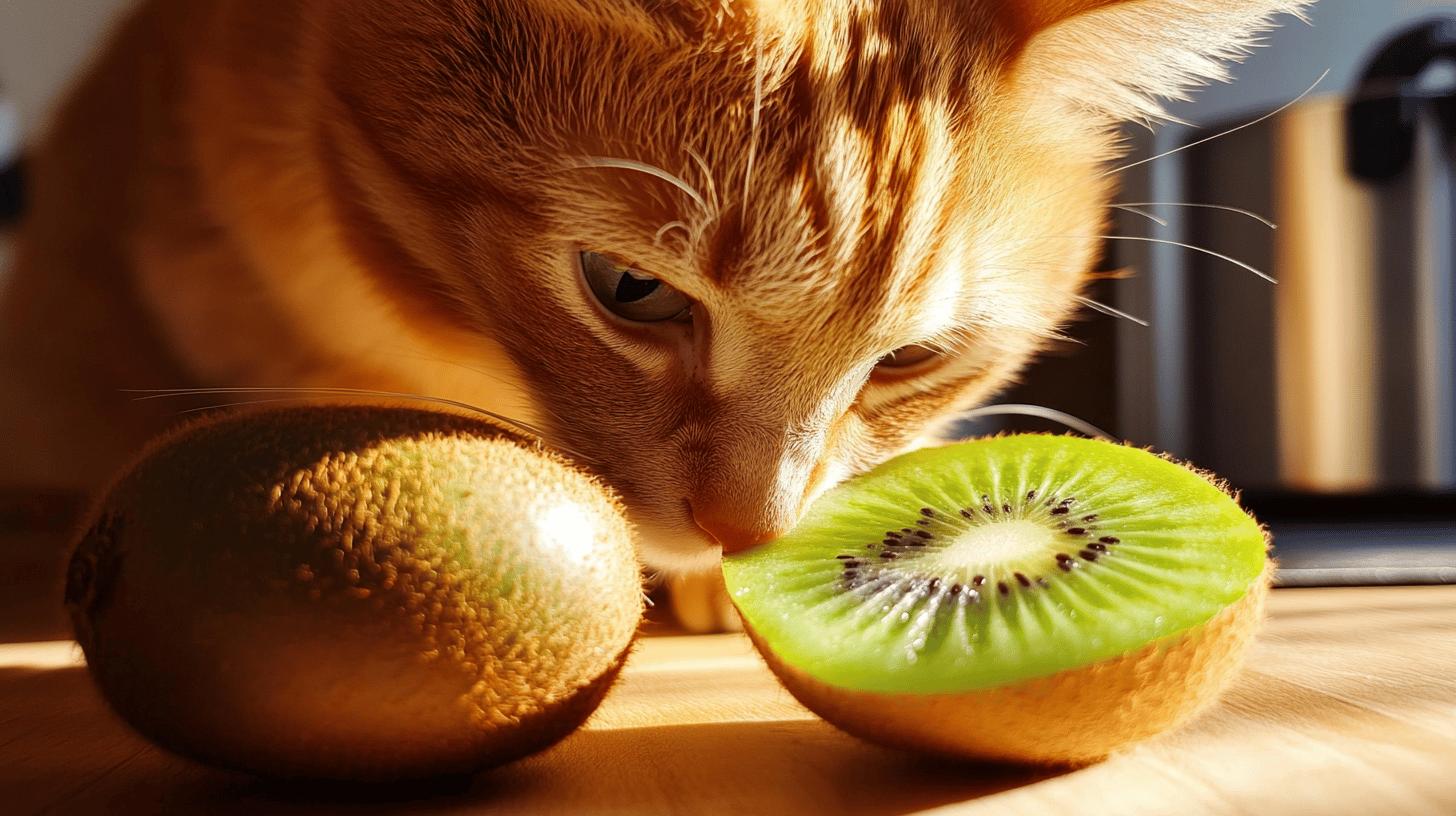
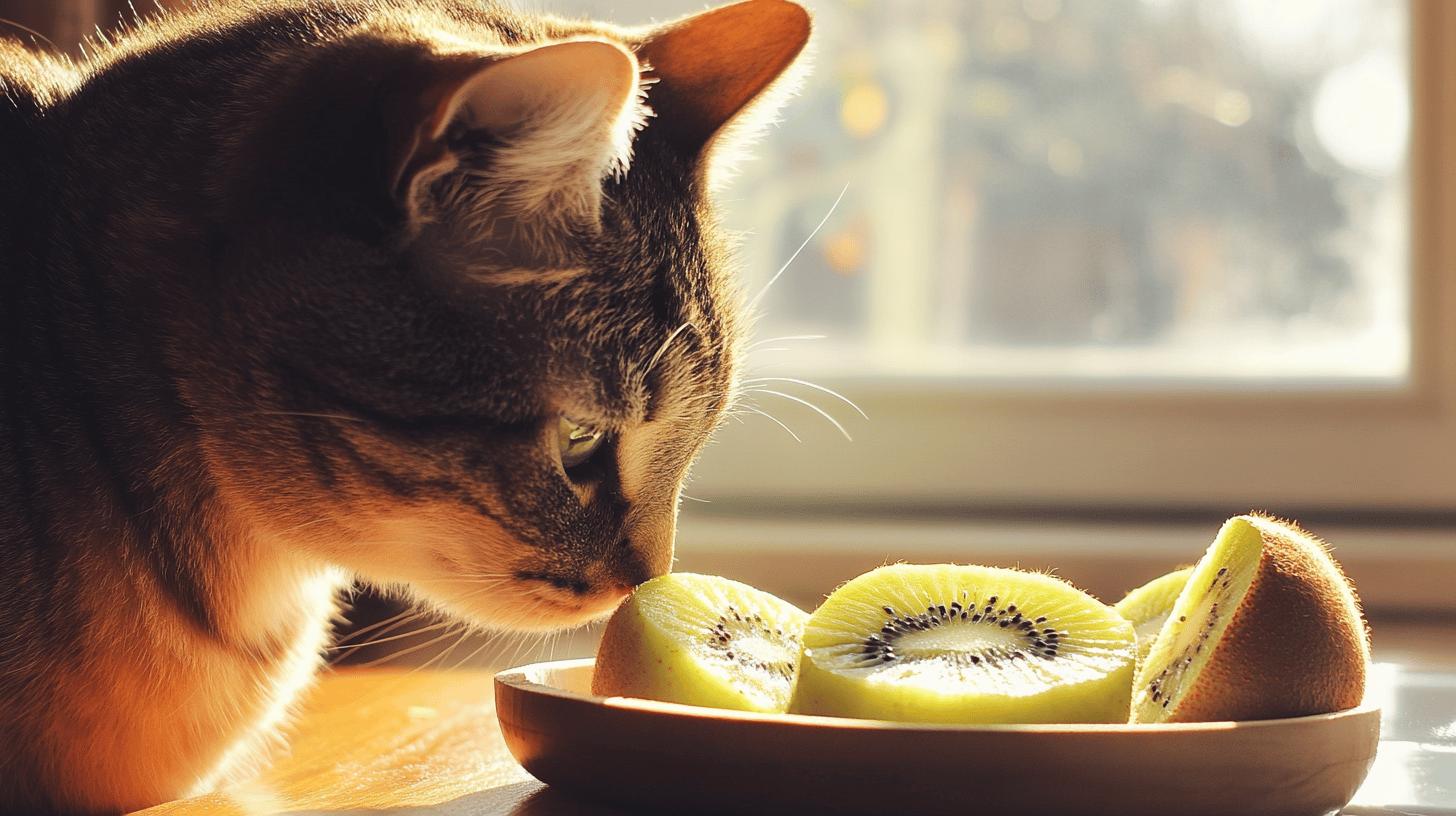
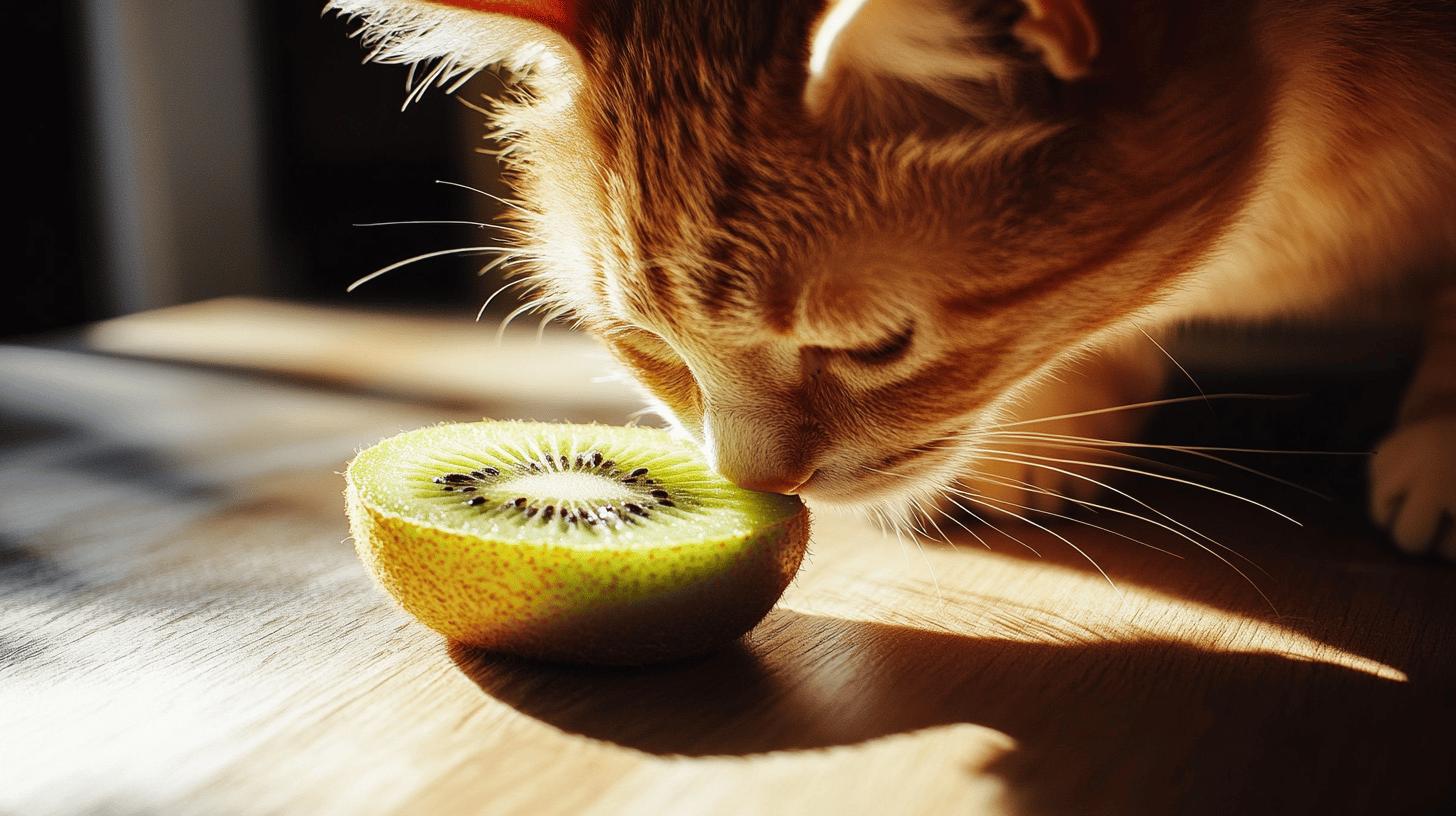
    Cats can eat kiwi fruit, and it can be safe for them if given in moderation. Kiwi is a non-toxic fruit for cats, making it a suitable occasional treat. However, cats are obligate carnivores and do not require fruit in their diet.
    Before introducing kiwi or any new food, consult with a veterinarian to ensure it aligns with your cat's dietary needs. While kiwi can provide some beneficial nutrients, it should not become a staple in your cat’s diet.

    • Remove skin and seeds
    • Serve in small, grape-sized pieces
    • Limit to once or twice a week
    • Observe for any adverse reactions
    • Kiwi should not replace regular cat food
    • Gastrointestinal upset such as vomiting or diarrhea
    • High sugar levels can be excessive for cats
    • Overconsumption can lead to potential health issues
    • Start with minimal servings and gradually increase if tolerated

    When feeding kiwi to cats, moderation is crucial to avoid potential health risks. The fruit's high sugar content can be excessive, leading to gastrointestinal issues like vomiting or diarrhea. Start with a few slices or a spoonful of kiwi puree and observe your cat’s reaction.

    If they tolerate it well, kiwi can be offered as a treat once or twice a week. Always remember that consulting a veterinarian is vital to tailor the best diet for your cat, ensuring they remain happy and healthy.

    Health Benefits of Kiwi for Cats

    Health Benefits of Kiwi for Cats-1.jpg

    Kiwi fruit is rich in nutrients that can benefit a cat's health when given in moderation. It contains dietary fiber, which is vital for promoting healthy digestion and can serve as a natural laxative for cats facing constipation. Potassium supports proper muscle and nerve function, essential for active cats. While cats can synthesize vitamin C, the vitamin offers added immune support.
    • Provides dietary fiber for digestion
    • Offers antioxidants for cellular protection
    • Supplies vitamin C for immune health

    Incorporating small amounts of kiwi into a cat's diet can improve overall well-being, especially digestion and immune health. Cats don't naturally need fruits, but a little kiwi as an occasional treat can offer extra nutrients. Balance this with their regular carnivorous diet to ensure they get all necessary nutrients without excess sugar or fiber.

    Alternatives to Kiwi: Safe Fruits for Cats

    Alternatives to Kiwi Safe Fruits for Cats-4.jpg

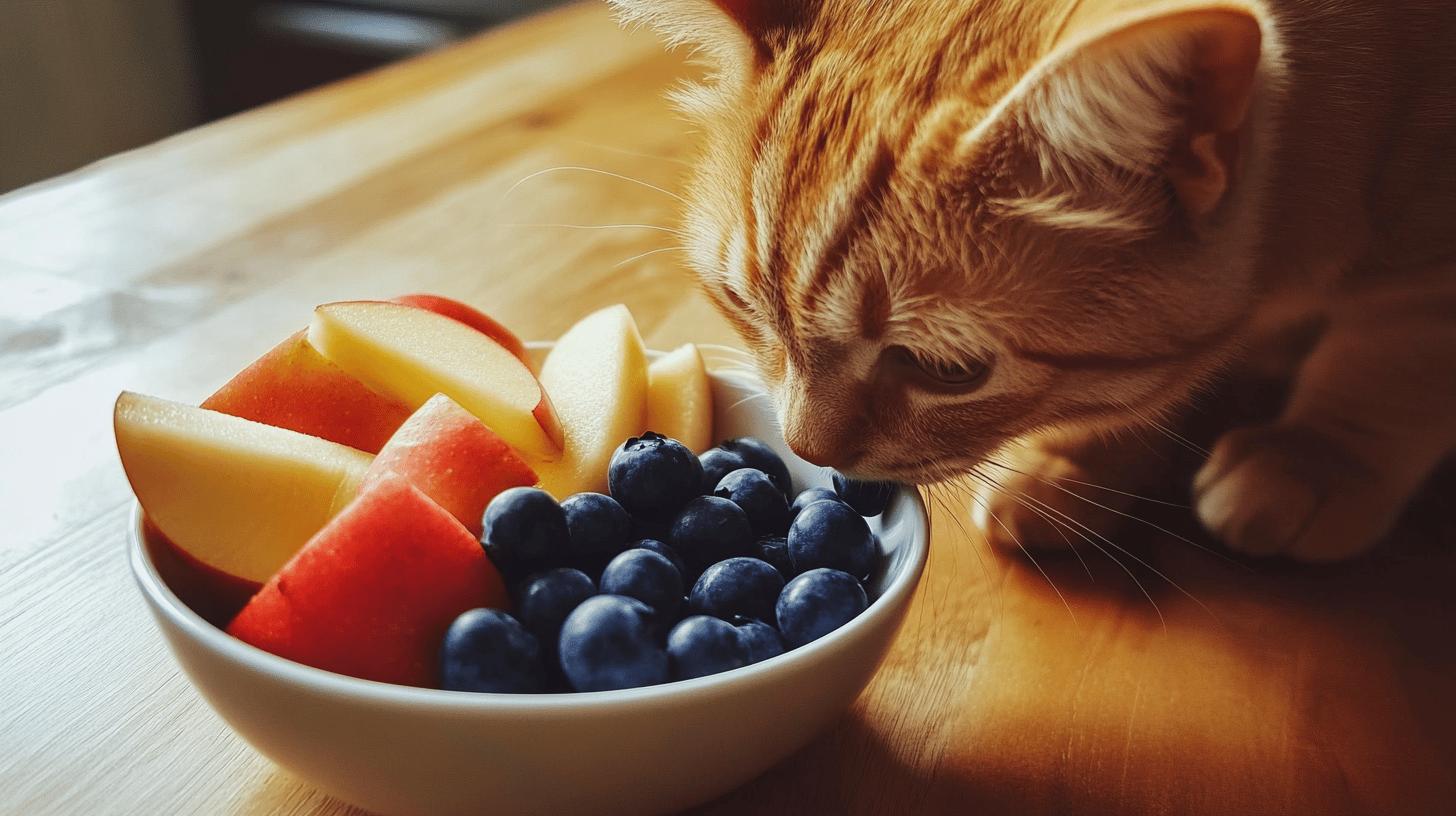
    Offering a variety of fruits as occasional treats can enrich your cat's diet with different flavors and nutrients. Though cats are obligate carnivores and don't need fruits, providing them with safe fruit treats can be an enjoyable experience for both you and your feline friend. These treats should be given in moderation, serving as a complement to their primary protein-based diet.

    Here's a list of alternative fruits that are safe for cats:

    • Blueberries
    • Watermelon (seedless)
    • Apples (without seeds)
    • Cantaloupe

    While these fruits can add some diversity to your cat's diet, it’s crucial to remember their carnivorous nature. Fruits should never replace their regular meals but can be offered occasionally to provide vitamins and hydration.

    Monitor the quantity and frequency to prevent any negative health impacts, such as digestive upset. Always introduce new fruits slowly and observe your cat's reaction to ensure they enjoy a balanced and healthy diet.

    Final Words

    Exploring whether cats can eat kiwi fruit, the answer is yes, but only in moderation. Kiwis are non-toxic for cats and can be an occasional treat. However, it's wise to consult a vet before adding any new food to your cat's diet. Keep an eye on potential issues like stomach upset and sugar content.
    Kiwis offer nutritional benefits like fiber and vitamin C, but they should not replace regular cat food. Consider offering smooth skinless fruits like blueberries or seedless watermelon, offering lessons for variety and safety.

    Moderation and cautious introduction feed positive mealtime experiences, so your cat stays happy and healthy.

    FAQ

    Can cat eat kiwi fruit seeds?

    A: Cats should not eat kiwi fruit seeds. They can be hard to digest and might cause stomach upset. It's safer to remove them before offering kiwi to a cat.

    Can cat eat kiwi fruit juice?

    A: Cats can have a small amount of kiwi juice, but it's best to avoid it. The high sugar content in fruit juices isn't ideal for cats and can lead to health issues.

    What fruits can cats not eat?

    A: Cats should avoid grapes, raisins, cherries, and citrus fruits. These can be toxic or harmful, causing digestive or health problems.

    Can cats eat kiwi skin?

    A: Cats should not eat kiwi skin. It's tough and hard to digest, potentially causing digestive issues. Always remove the skin before serving.

    What fruits can cats eat?

    A: Cats can have small amounts of blueberries, watermelon (seedless), apples (without seeds), and cantaloupe. Always serve in moderation.
    Why do cats like kiwi plants?

    A: Cats might be attracted to kiwi plants' scent or texture. However, kiwi fruit should be given carefully, following safety guidelines.

    Can cats eat strawberries?

    A: Yes, cats can eat strawberries in moderation. They're safe if given occasionally in small amounts.

    Can cats eat pineapple?

    A: Yes, cats can nibble on pineapple in small amounts. It should be fresh, without the core or skin.

    Are cats attracted to kiwi?

    A: Some cats may be intrigued by kiwi's smell or taste. Always introduce new foods slowly and monitor for reactions.

    What fruit can cats eat safely?

    A: Cats can safely eat blueberries, seedless watermelon, seedless apples, and cantaloupe. Always feed in moderation and remove any seeds.

    Is kiwi safe for pets?

    A: Kiwi is generally safe for cats if offered in small, controlled amounts. Remove the skin and seeds beforehand.

    Can you eat the skin of a kiwi?

    A: Humans can eat kiwi skin if washed thoroughly, but it's not recommended for cats due to potential digestive issues.

    Related Articles

  • Can Cat Eat Arugula Understanding the Safety and Risks for Cats

    Can Cat Eat Arugula Understanding the Safety and Risks for Cats

    Can your cat eat arugula? It's a question every cat owner should consider before allowing their feline friend to snack on this leafy green. While arugula is non-toxic and generally safe in small amounts, it's crucial to understand the safety and potential risks it poses.

    Cats are obligate carnivores, meaning their diet should primarily consist of meat. Let's dive into why offering a nibble of arugula can be interesting but requires caution and moderation. Learn how to safely introduce this vegetable, ensuring play remains the highlight of your cat’s day.
    Safety and Risks of Feeding Arugula to Cats

    Safety and Risks of Feeding Arugula to Cats-1.jpg

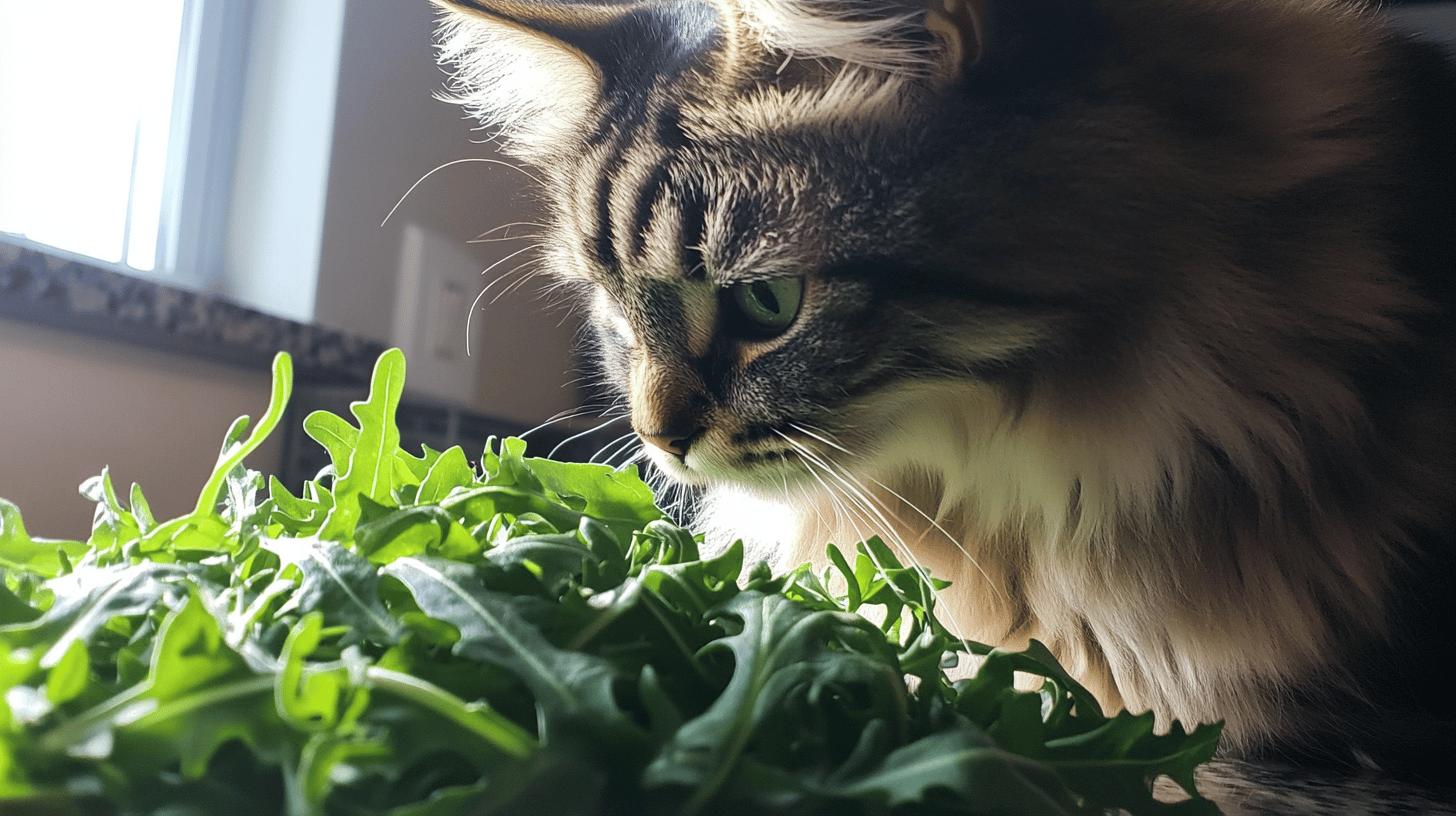
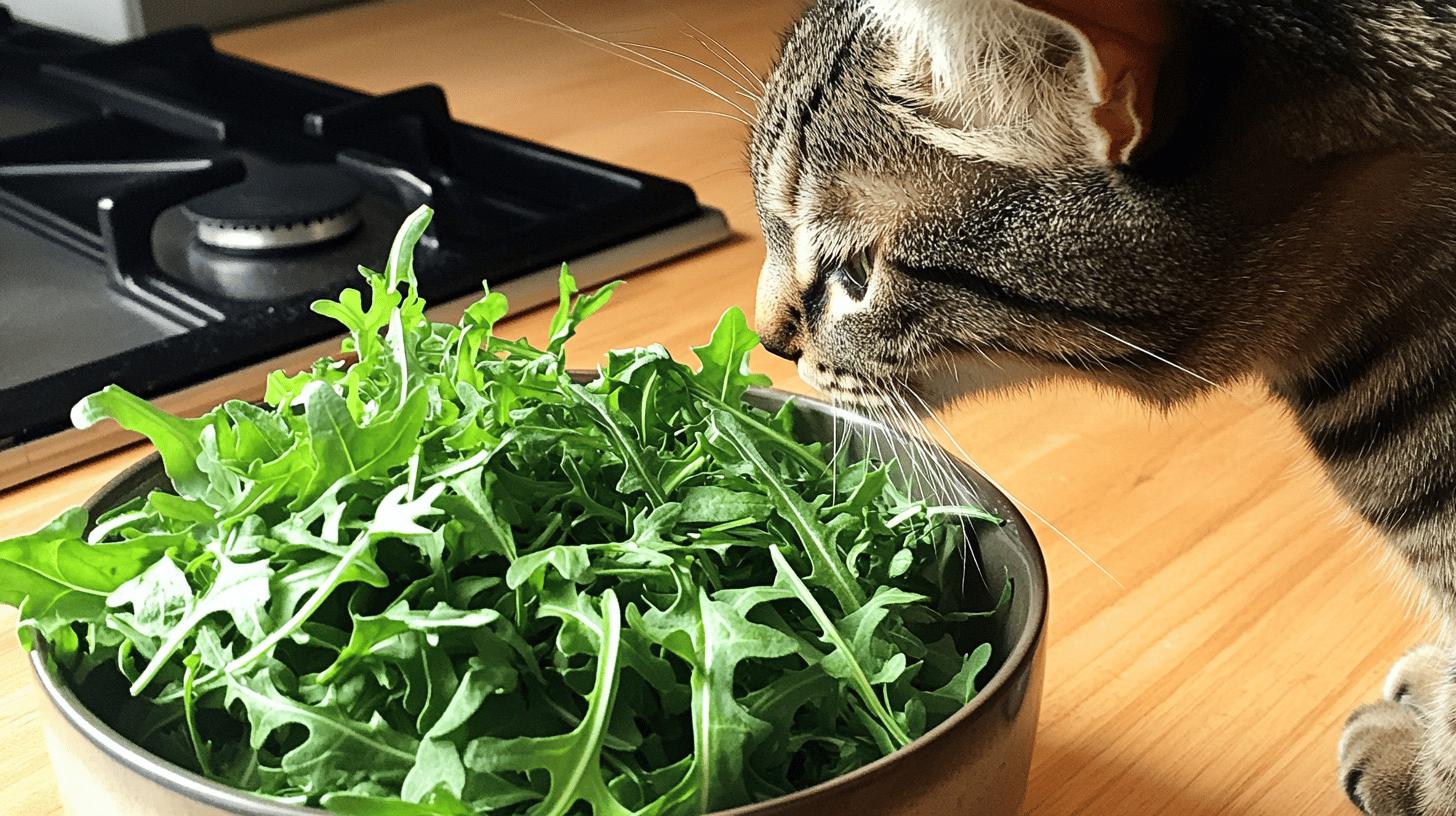
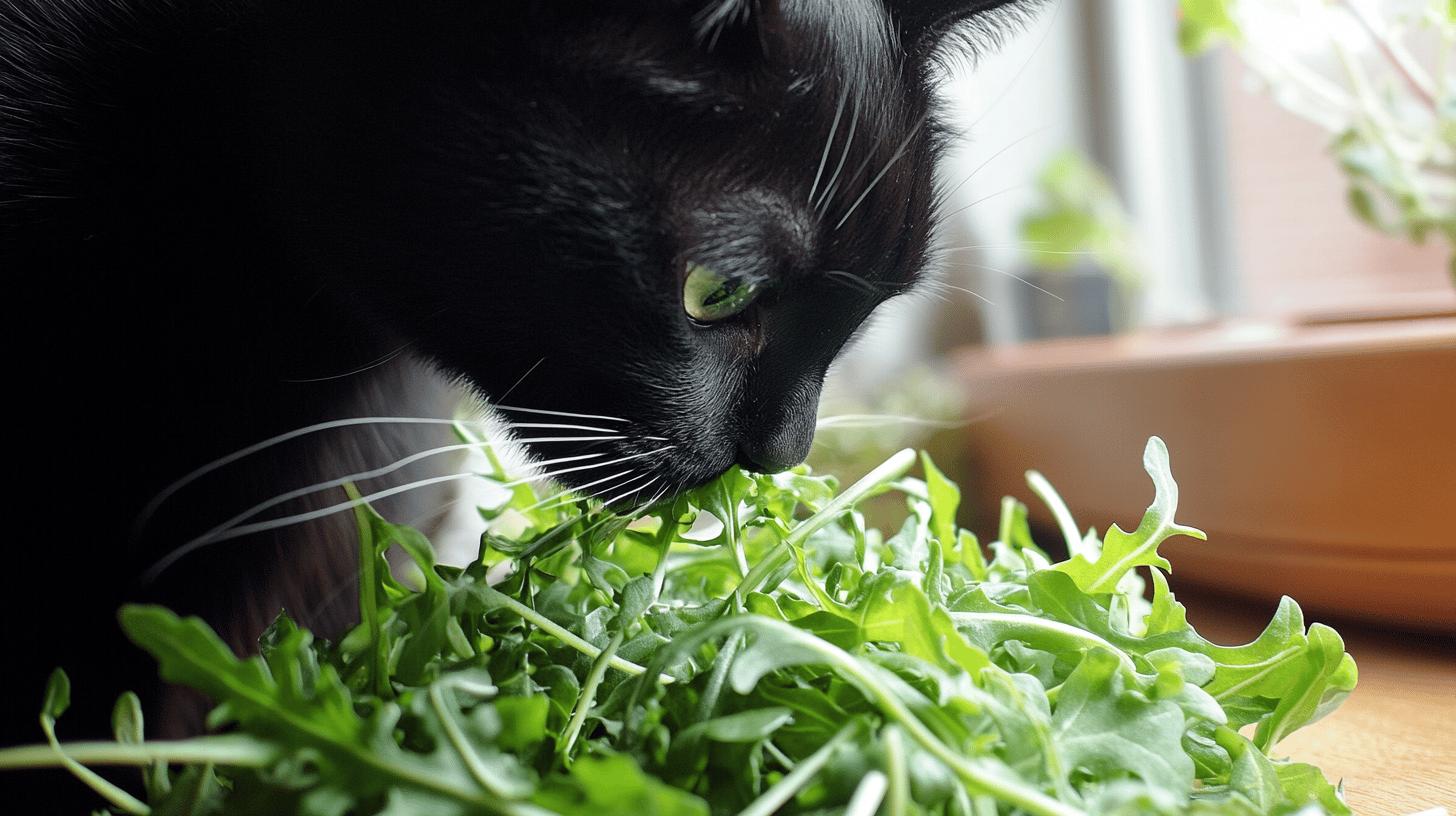
    Arugula is non-toxic to cats, making it a safe choice for those curious felines who might nibble on a leaf or two. While this leafy green doesn’t pose a direct threat, it should be consumed in moderation.
    It's important to remember that cats are obligate carnivores, and their primary nutrition comes from meat. Arugula can be a fun treat but shouldn’t replace their regular diet. Its low-calorie content and mild flavor might pique a cat's interest, but always observe how they react to new foods.

    Belonging to the Brassicaceae family, arugula shares its classification with other vegetables like broccoli and kale, which are also considered safe for cats in small amounts. This family of vegetables offers nutrients like vitamins and minerals that can be beneficial in limited doses.

    While these vegetables can be introduced occasionally, it’s vital to maintain a balanced diet focused on protein for your cat’s overall health.

    Feeding cats too much arugula can lead to digestive issues. Overconsumption might cause stomach upset, leading to diarrhea or vomiting. Additionally, some cats may show allergic reactions, which can manifest as itching or swelling. If any adverse symptoms occur, it’s essential to consult a veterinarian immediately to determine whether arugula or another factor is causing the problem.

    Moderation is key when it comes to feeding arugula to your feline friend. Start by offering a small amount and monitor their reaction. Gradually increase the quantity if no negative effects are observed. Keep in mind that arugula should only be an occasional treat, not a staple in their diet.

    Precautions When Feeding Arugula to Cats

    • Wash arugula thoroughly to remove any pesticides or chemicals.
    • Introduce arugula slowly into your cat's diet, starting with a small piece.
    • Monitor for any signs of allergic reaction or digestive upset.

    Nutritional Benefits of Arugula for Cats

    Nutritional Benefits of Arugula for Cats-3.jpg

    Arugula, often known for its peppery flavor, is a tasty addition to human salads; it offers some nutritional perks for our feline friends too. While cats are obligate carnivores and require a diet primarily consisting of meat, a small amount of arugula can provide some beneficial nutrients. This leafy green is rich in vitamins A, C, and K. These vitamins support a cat's immune system, vision, and bone health.

    In addition to vitamins, arugula also contains essential minerals like calcium and potassium. Calcium is crucial for maintaining strong bones and teeth, while potassium plays a role in nerve function and muscle contraction. While these nutrients can enhance a cat's diet, they should only be introduced in moderation.
    The fiber content in arugula can also aid in digestion. Cats that occasionally struggle with constipation might benefit from the small amount of fiber arugula provides. However, it's important to monitor their reaction, as too much fiber might lead to loose stools.

    While a few leaves of arugula can supplement a cat's diet with some vitamins and minerals, it should never substitute their primary protein-rich meals. Always consult with your veterinarian before making any dietary changes to ensure it fits your cat's specific health needs.

    Final Words

    Giving arugula to cats involves understanding safety measures and potential risks. Arugula is non-toxic, aligning with safe veggies like broccoli and kale. Consuming too much can lead to digestive issues or allergic reactions. Ensuring freshness by washing it is crucial to avoid harmful chemicals.

    Feeding cats arugula should be moderate, considering each cat's unique reaction. While arugula offers some nutrition, it's vital to prioritize balanced cat meals.
    Always watch for any adverse responses. This cautious approach ensures a healthy and enjoyable experience for your feline friend.

    FAQ

    Can cats eat arugula leaves?

    A: Arugula leaves are non-toxic to cats and can be eaten in small amounts. They should be washed to remove pesticides. Overconsumption may cause digestive issues, so moderation is key.

    Is arugula safe for pets?

    A: Yes, arugula is safe for pets, including cats, when given in small quantities. Cats might experience digestive issues if eaten in large amounts, so it's best to limit their intake.

    What greens can cats not eat?

    A: Cats should avoid greens like onions, garlic, and chives since they can be toxic. It's best to consult a vet before introducing new greens to your cat's diet.

    Can cats eat spinach and rocket leaves?

    A: Yes, cats can eat spinach and rocket leaves in moderation. Like arugula, these should be washed to remove chemicals. Watch for any signs of digestive distress.
    Can I feed my cat leafy greens?

    A: Yes, you can feed your cat leafy greens such as arugula and spinach in small amounts. Always wash them thoroughly and monitor your cat for any adverse reactions.

    Can cats eat lettuce and kale?

    A: Cats can have lettuce and kale in limited quantities. These greens are non-toxic but can cause stomach upset if fed too much.

    Can cats eat spring mix?

    A: Spring mix can be given to cats in small amounts. Ensure the mix doesn't contain harmful greens. Always observe your cat for any digestive issues.

    Can cats eat tomatoes?

    A: It's best to avoid feeding cats tomatoes. While ripe tomatoes aren't toxic, the leaves and stems can be harmful to cats.

    Related Articles

    Arugula Nutritional Profile & Cat Diet Mismatch

    Arugula is a leafy green vegetable rich in fiber, vitamins, and minerals that benefit human health significantly. For cats, however, it represents an unnecessary food with limited nutritional alignment to feline needs. Cats are obligate carnivores, meaning their digestive systems evolved to extract nutrients from animal proteins rather than plant matter. Arugula’s nutritional composition doesn’t translate to feline health benefits the way it does for humans.

    The real concern with arugula lies in its sulfur compounds and mustard oils. These naturally occurring chemicals give arugula its distinctive peppery taste and are perfectly safe for humans. In cats, however, sulfur compounds and mustard oils irritate the digestive tract and can cause gastrointestinal upset. Your cat’s stomach acid and digestive enzymes are optimized for meat metabolism, not plant compound processing. Even small amounts can trigger discomfort disproportionate to the quantity consumed.

    Additionally, the high fiber content in arugula moves through a cat’s digestive system rapidly, disrupting the delicate balance of gut bacteria. Cats don’t require dietary fiber the way humans do, and excess fiber actually interferes with their absorption of essential nutrients like taurine, which they must obtain from food sources.

    Safe Preparation & Portion Guidelines

    If your cat has sneaked a small leaf of arugula or nibbled a piece left on the counter, plain arugula without dressing or seasoning poses minimal danger. A single leaf or small amount of raw arugula typically causes no more than mild digestive upset, if anything at all. However, intentionally feeding your cat arugula serves no nutritional purpose.

    Never offer cooked, seasoned, or dressed arugula to your cat. Cooking concentrates the sulfur compounds and makes digestion harder. Dressings containing garlic, onions, or excessive salt create additional toxicity or dehydration risks. If you’re preparing salads or cooked greens and your cat shows interest, keep all portions away from her reach.

    The 10% rule in feline nutrition states that treats and non-essential foods should comprise no more than 10% of daily caloric intake. For cats, this leaves no room for vegetables like arugula. Your cat’s daily calories should come from protein-based foods formulated for feline nutritional needs, not plant matter.

    Digestive Impact & Sensitivities

    Most cats who consume small amounts of arugula experience gas, bloating, and loose stools within a few hours. The sulfur compounds irritate the intestinal lining, leading to temporary diarrhea or constipation. Some cats recover quickly; others experience prolonged digestive upset lasting 24-48 hours depending on stomach sensitivity.
    Certain cats face heightened risks. Senior cats with declining digestive function may struggle for days after consuming arugula. Kittens with developing digestive systems react more severely to unfamiliar plant compounds. Cats with inflammatory bowel disease, pancreatitis, or other digestive conditions should never eat arugula because the fiber and sulfur compounds can trigger painful flare-ups. Cats with kidney disease or diabetes also face complications from arugula’s composition.

    If your cat shows signs of digestive distress, repeated vomiting, diarrhea lasting more than a day, abdominal pain indicated by hunched posture, or loss of appetite, contact your veterinarian even if you only know she consumed a small amount of arugula.

    Better Vegetable Alternatives

    If you’re determined to offer your cat vegetables, better options exist. Plain, cooked pumpkin is gentle on feline stomachs and actually aids digestion. Cooked carrots cut into small pieces offer a crunchy texture some cats enjoy without the problematic compounds arugula contains. Steamed green beans provide minimal risk, though they remain nutritionally unnecessary for obligate carnivores.

    The important distinction: these alternatives are well-tolerated in tiny amounts but still serve no real nutritional need. Your cat receives complete nutrition from species-appropriate cat food. Any vegetable offering is purely for enrichment or novelty, not health. Choose options least likely to cause digestive upset.

    A better enrichment strategy involves quality toys and interactive play rather than vegetable experimentation. Mental and physical stimulation from toys provides far more value to your cat’s wellbeing than any vegetable could.

    Understanding Feline Nutrition Needs

    Cats require nutrients that come primarily from animal proteins. Taurine, an amino acid essential for feline heart and eye health, occurs naturally in meat but is absent from plant sources. Cats cannot synthesize taurine on their own, making dietary taurine intake non-negotiable for health. Vegetables like arugula contribute nothing toward this essential requirement.

    Arginine, another critical amino acid, is found in meat-based proteins and absent from most plants. Cats require higher protein percentages in their diet compared to dogs or humans because their metabolic pathways evolved specifically for meat digestion. Offering vegetables dilutes the nutritional density your cat needs, creating the illusion of feeding without providing necessary nutrients.

    The bottom line: your cat’s health depends on species-appropriate protein-based nutrition. Vegetables, including arugula, represent unnecessary additions to feline diets. Skip the experimentation and focus on providing quality cat food and enriching toys instead.

  • Can Cat Eat Mussels Safely and Benefit from Them?

    Can Cat Eat Mussels Safely and Benefit from Them?

    Ever wondered if mussels could be more than just a seafood delicacy? Could they actually be a health boost for your feline friend? Mussels can be a beneficial treat for cats, packed with protein, omega-3s, and vital minerals.

    But there's a catch: they need to be served cautiously. In this article, I'll dive into the dos and don'ts of feeding mussels to your cat, exploring the potential benefits they offer, along with some essential safety tips. Get ready to discover how mussels might just be a purr-fect addition to your cat's diet!

    Can Cats Safely Eat Mussels?

    Can Cats Safely Eat Mussels-2.jpg

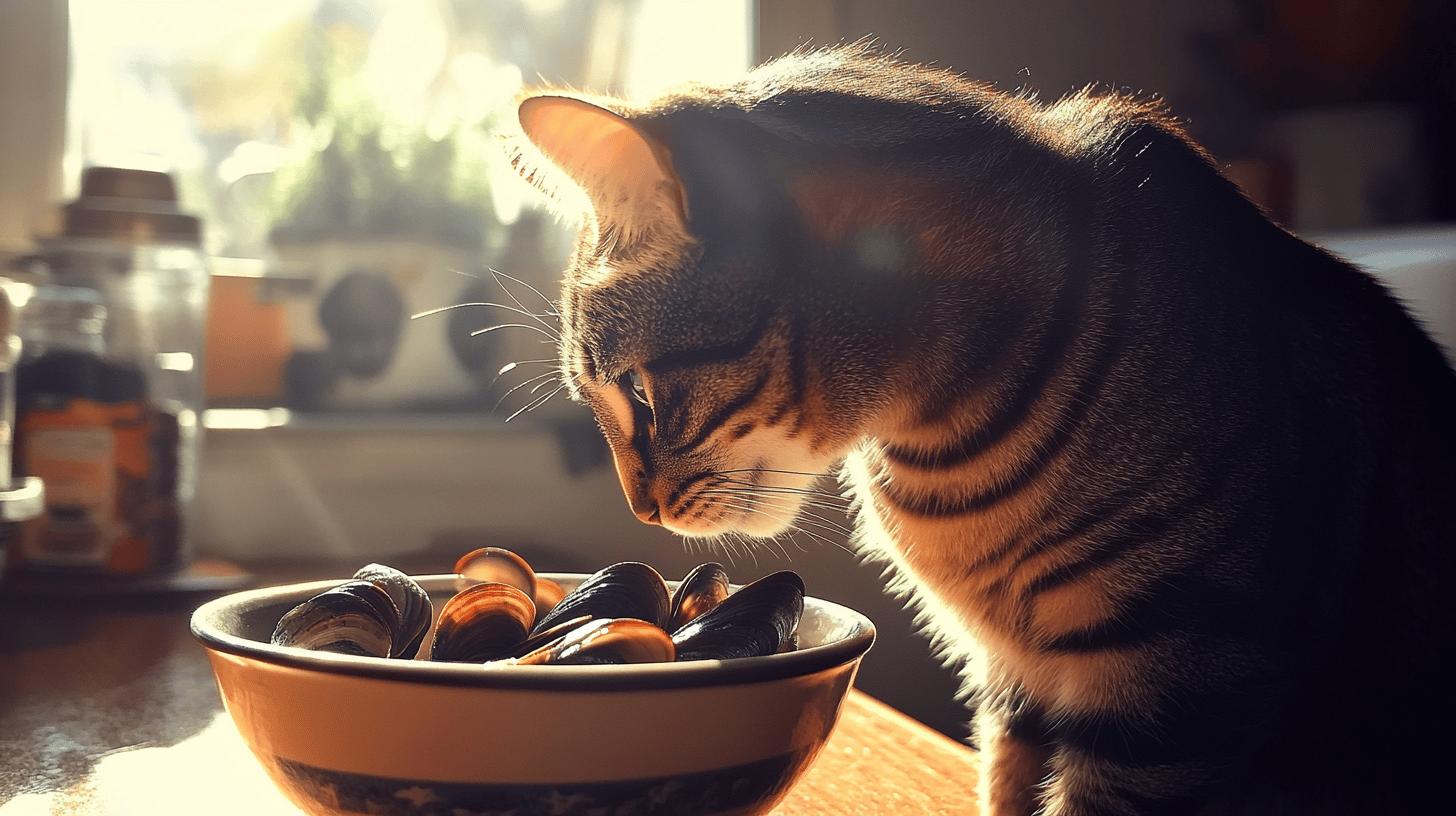
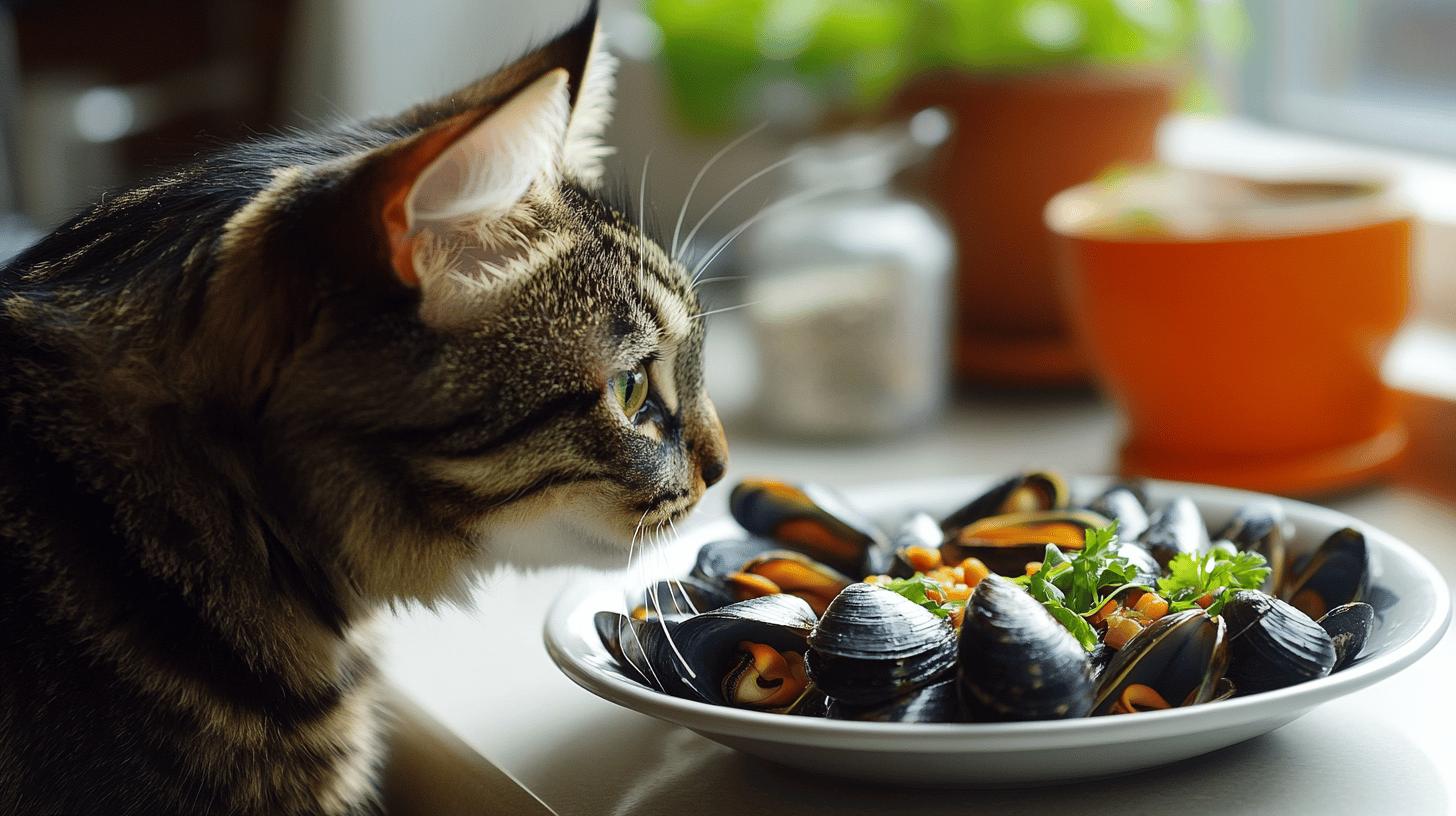
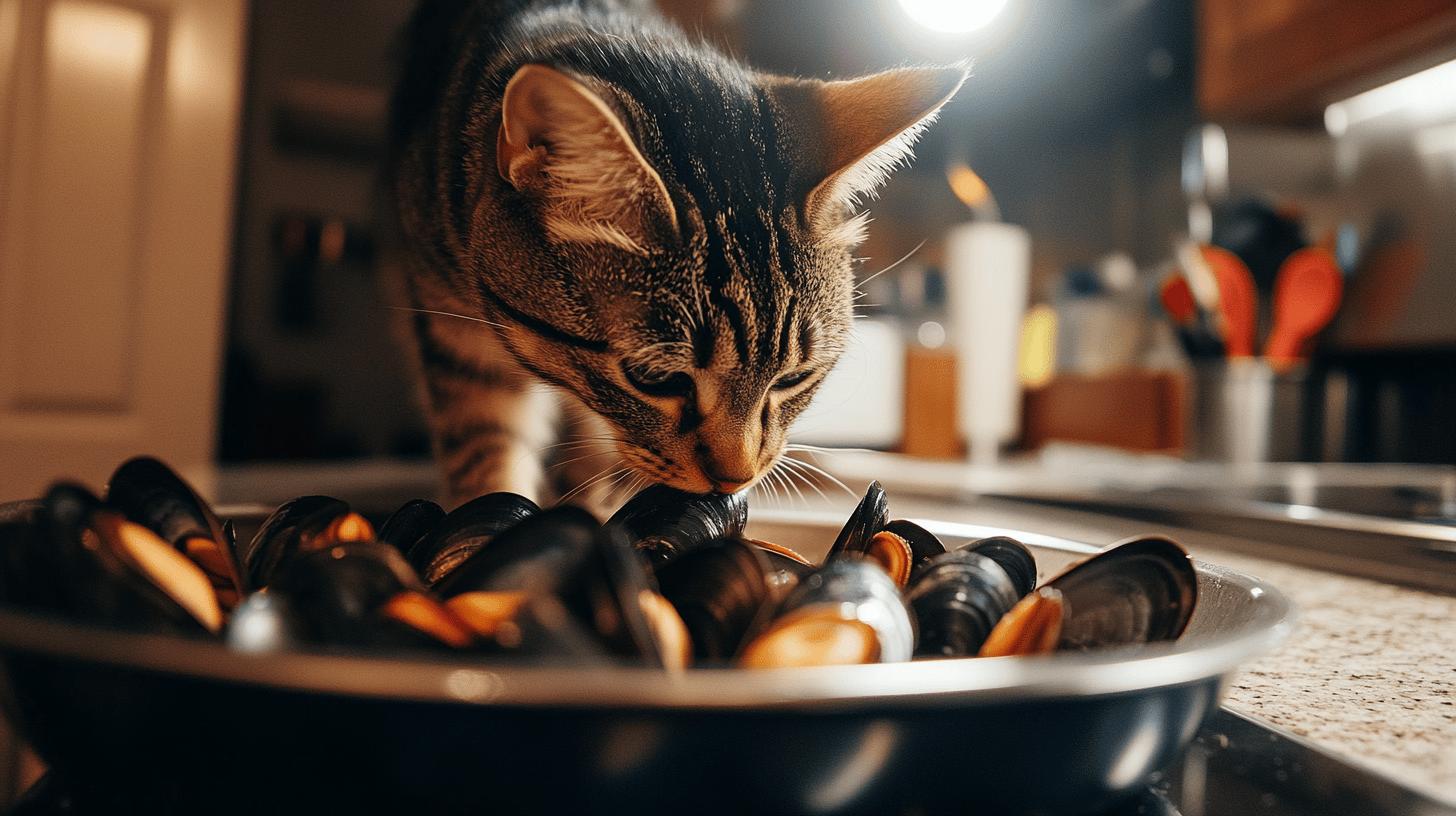
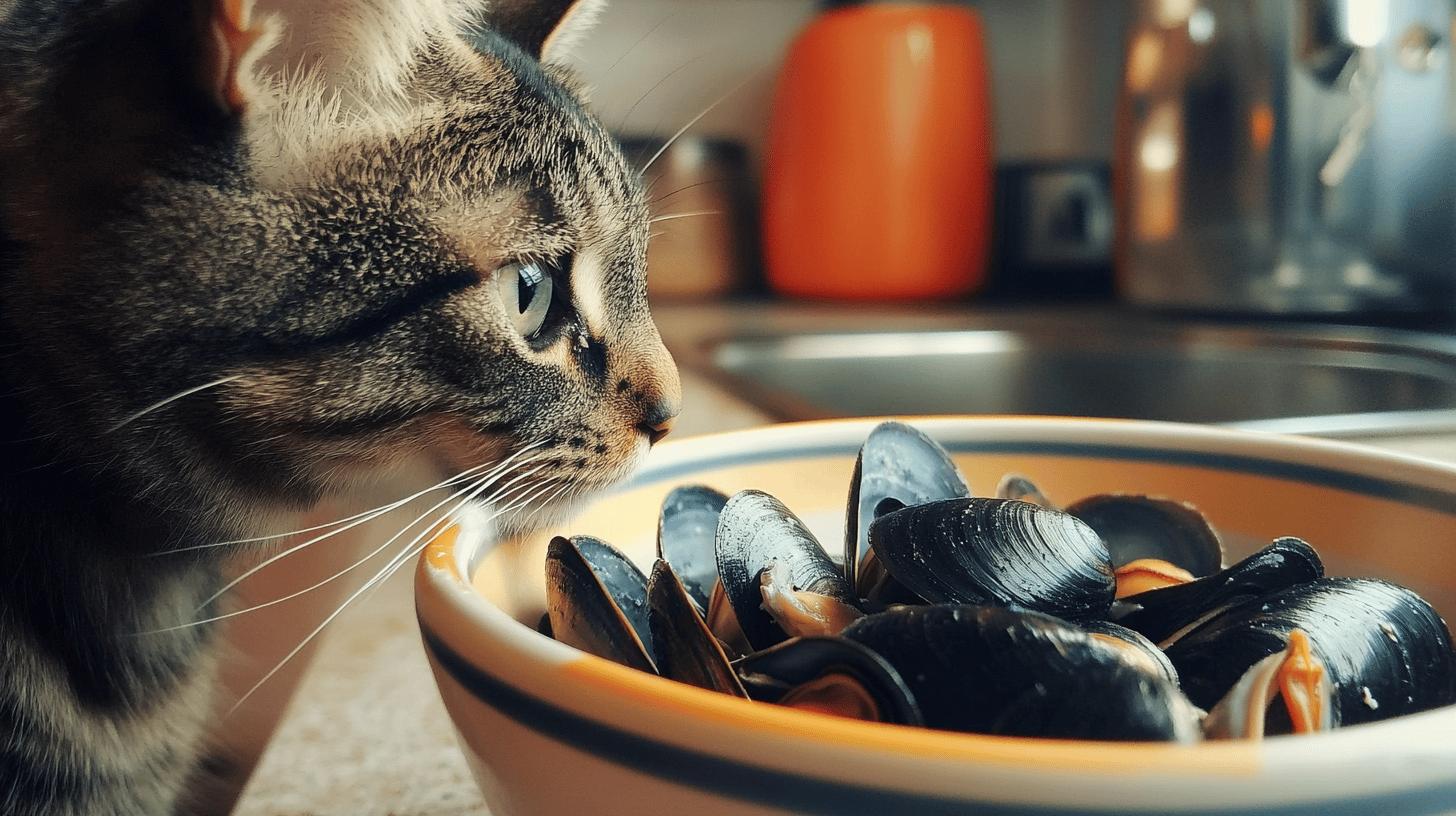
    Cats can safely enjoy mussels as a treat, but only in small quantities. Mussels are a nutritious option, providing protein, omega-3 fatty acids, and essential minerals. These nutrients can be beneficial for your cat's health when served occasionally. It's important to remember that mussels should not replace a cat's regular diet but can be a delightful addition to their meal plan.

    Moderation is key when introducing mussels to your cat's diet. Overfeeding can lead to dietary imbalances or potential health issues. Always choose fresh mussels from a reliable source to ensure they are free from harmful toxins and contaminants.

    Cooking the mussels thoroughly and serving them plain, without shells, reduces the risk of choking or digestive problems. Monitoring your cat for any signs of allergic reactions or digestive issues is crucial when offering this new treat.

    Nutritional Benefits of Mussels for Cats

    Nutritional Benefits of Mussels for Cats-1.jpg

    Mussels pack a punch when it comes to nutritional benefits for cats. These tasty morsels are loaded with essential nutrients that can support your cat's health. Offering mussels as an occasional treat can provide your feline friend with a variety of vitamins and minerals that are sometimes missing in commercial cat foods. While mussels should not replace a balanced diet, they can be a nutritious addition that enhances your cat's overall nutritional intake.

    The protein content in mussels is particularly beneficial for cats, as they contain approximately 23% protein. This high-quality protein is highly bioavailable, meaning your cat can easily absorb and utilize it for muscle maintenance and growth.

    Protein is a vital component of a cat's diet, supporting everything from energy levels to immune function. Including mussels in your cat's diet can help meet these protein needs without adding too much fat, as they only contain about 3.5% fat.

    Here's a quick look at the top nutrients found in mussels:

    Nutrient
    Omega-3 fatty acids
    Vitamins B12 and C
    Iron
    Selenium
    Manganese

    Omega-3 fatty acids in mussels offer significant benefits for your cat, particularly for skin and joint health. These essential fatty acids can help reduce inflammation, making them beneficial for cats with arthritis or other joint issues.

    Additionally, omega-3s contribute to a shiny, healthy coat, reducing dryness and flakiness. By including mussels as a treat, you can help promote your cat's well-being from the inside out.

    Potential Risks of Feeding Mussels to Cats

    Potential Risks of Feeding Mussels to Cats-1.jpg

    Feeding mussels to cats comes with several potential risks that should not be overlooked. One of the main concerns is the possibility of allergic reactions, as some cats may be sensitive to seafood, leading to symptoms like vomiting, diarrhea, or skin irritations.

    Furthermore, mussels can expose your cat to toxins, such as paralytic shellfish toxins and heavy metals, which may be present in contaminated water sources. These toxins can pose serious health threats if ingested, making it essential to source mussels responsibly.

    To keep your cat safe while enjoying mussels as a treat, adhere to the following precautions:

    1. Cook mussels thoroughly to eliminate harmful bacteria and reduce the risk of foodborne illnesses.
    2. Remove shells completely to prevent choking hazards and internal injuries.
    3. Serve mussels plain, avoiding any seasonings or additives that could upset your cat's digestive system.
    4. Monitor for allergic reactions and discontinue feeding mussels if any adverse symptoms occur.

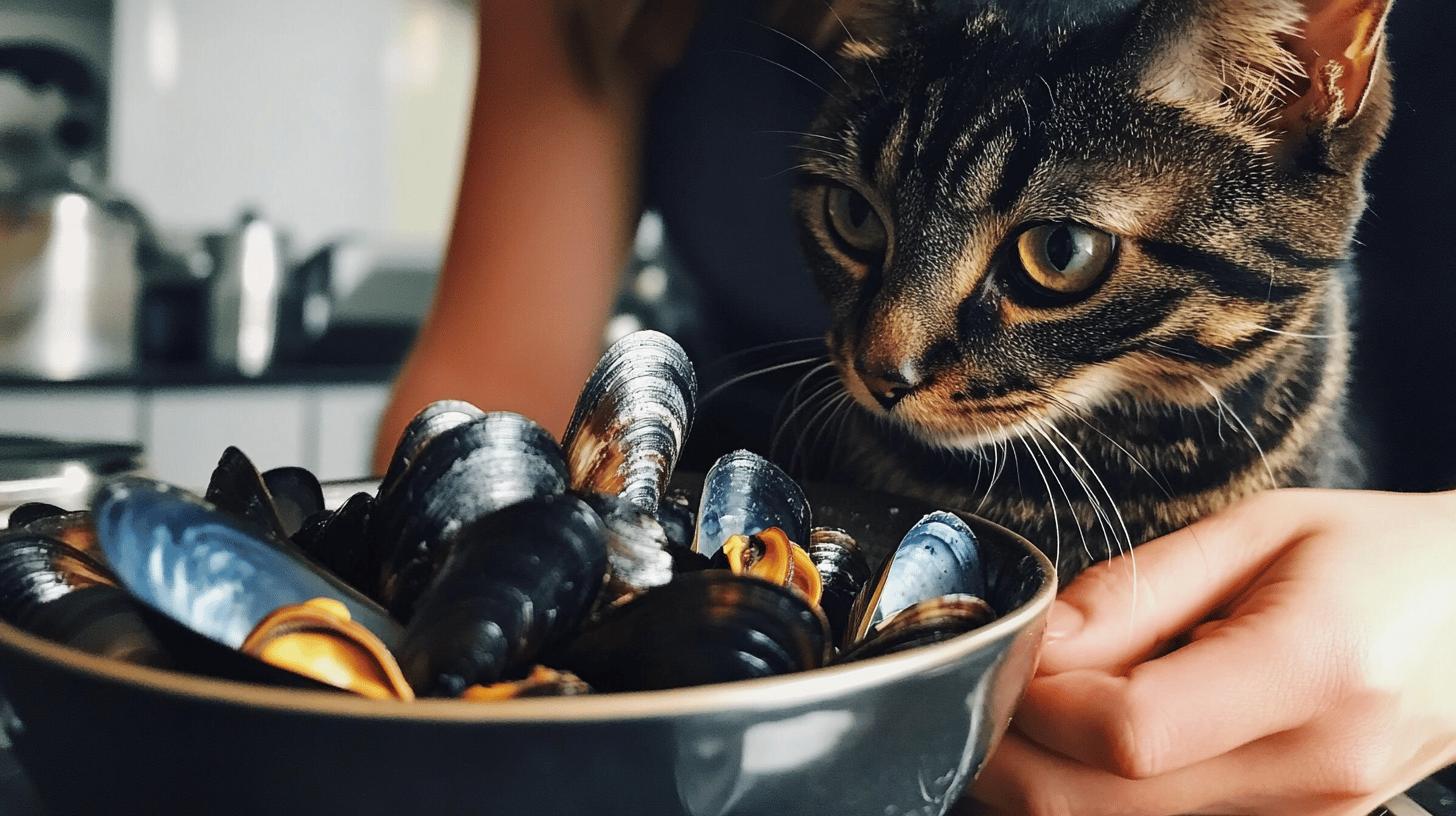
    Proper preparation of mussels is crucial to minimize risks and ensure your cat's safety. Cooking mussels thoroughly not only kills bacteria but also neutralizes potential toxins, making them safer for your feline friend. By removing the shells, you avoid the risk of choking or digestive blockages.

    Serving mussels plain and free from any seasonings ensures that your cat's digestive tract remains unharmed. Keeping a close watch for any signs of allergies or digestive issues will help you act quickly if your cat reacts negatively, safeguarding their health while they enjoy this seafood treat.

    Guidelines for Introducing Mussels to Your Cat's Diet

    Guidelines for Introducing Mussels to Your Cats Diet-4.jpg

    Integrating mussels into a cat's diet requires veterinary consultation. A vet's advice, based on your cat's individual health needs, is vital for safe introduction. This ensures that mussels are introduced effectively and any potential health risks are minimized.

    Portion control is essential when feeding mussels. Keep servings to 1-2 mussels per week, totaling 1-2 ounces. This moderation prevents seafood from becoming a dietary staple, maintaining a balanced diet. Smaller portions reduce potential negative reactions while providing nutritional benefits.

    Watch for allergic reactions after feeding mussels. Symptoms like vomiting, diarrhea, or skin irritations require immediate cessation of mussel feeding and a vet consultation. Monitoring ensures your cat's safety while enjoying this occasional treat.

    Potential Risks and Guidelines for Introducing Mussels to Your Cat's Diet

    Preparing and Serving Mussels to Cats-2.jpg

    Cooking mussels thoroughly is crucial to eliminate any harmful bacteria or parasites. Always ensure mussels are well-cooked and served plain, without seasonings or additives, to avoid upsetting your cat's stomach. Removing the shells is necessary to prevent choking hazards and digestive issues.

    Preparation Method Details
    Fully cook mussels To avoid food safety risks.
    Remove shells To prevent choking.
    Canned mussels option Drain and rinse thoroughly.

    Choose high-quality mussels from trusted sources to ensure freshness and avoid contaminants. This helps maintain the nutritional value and safety of the mussels. Consider using canned mussels as an alternative, but ensure they are drained and rinsed thoroughly before serving. Providing quality mussels supports a safe and enjoyable dietary addition for your cat.

    Final Words

    Understanding if cats can eat mussels is essential for safe pet care. Like most treats, mussels should be given in moderation to prevent any potential health risks. These shellfish offer useful nutrients like protein and omega-3 that can benefit a cat's diet. But, always make sure to source them safely and remove the shells before serving.

    Before adding mussels to your cat's meals, talk to your vet and ensure proper preparation. This ensures their safety and well-being. When done correctly, mussels can be a delicious and nutritious addition to their diet.

    FAQ

    Can cats eat mussels raw or cooked?

    Cats can eat cooked mussels as an occasional treat. Cooked mussels provide protein and essential nutrients. Avoid raw mussels due to the risk of toxins and bacterial infections.

    Can cats eat mussels in oil or water?

    Cats can eat mussels in water but not in oil. Water-packed mussels are safer because oil can upset a cat's stomach and add unnecessary fats.

    Can cats eat canned or smoked mussels?

    Cats can eat canned mussels if they are drained and rinsed. Avoid smoked mussels as they may contain high salt and harmful additives.

    Can dogs eat mussels?

    Dogs can eat mussels in moderation. Like with cats, ensure mussels are cooked and served plain. Always consult with a vet for proper dietary advice.

    Can cats eat cockles and shrimp?

    Cats can occasionally enjoy cooked cockles and shrimp. Make sure they are plain and free of additives. Monitor for any allergic reactions.

    What seafood can cats not eat?

    Cats should avoid seafood high in toxins, like raw fish, which may contain thiaminase or parasites. Avoid shellfish with heavy oils or spices.

    What fish is toxic to cats?

    Raw fish like salmon may contain parasites or thiaminase, which can harm cats. Always cook fish thoroughly and feed in moderation.

    Can cats eat shellfish?

    Cats can eat cooked shellfish like mussels and shrimp in small amounts. Ensure the shellfish is plain and cooked to prevent digestive issues.

    Related Articles

  • Can Cat Eat Passion Fruit Understanding the Risks and Safety

    Can Cat Eat Passion Fruit Understanding the Risks and Safety

    Is passion fruit a tasty treat or a hidden threat for your cat? While it might be tempting to share this exotic fruit with your furry friend, the risks may outweigh the rewards. Cats and passion fruit don't mix well, thanks to toxic compounds that can harm them.

    Understanding these dangers can help keep your cat safe. We'll explore why this fruit should stay off your cat's menu and dive into safer options. It's all about ensuring a healthy and safe playtime experience for your beloved pet.

    Can Cats Eat Passion Fruit? Exploring the Risks and Safety

    Can Cats Eat Passion Fruit Exploring the Risks and Safety-2.jpg

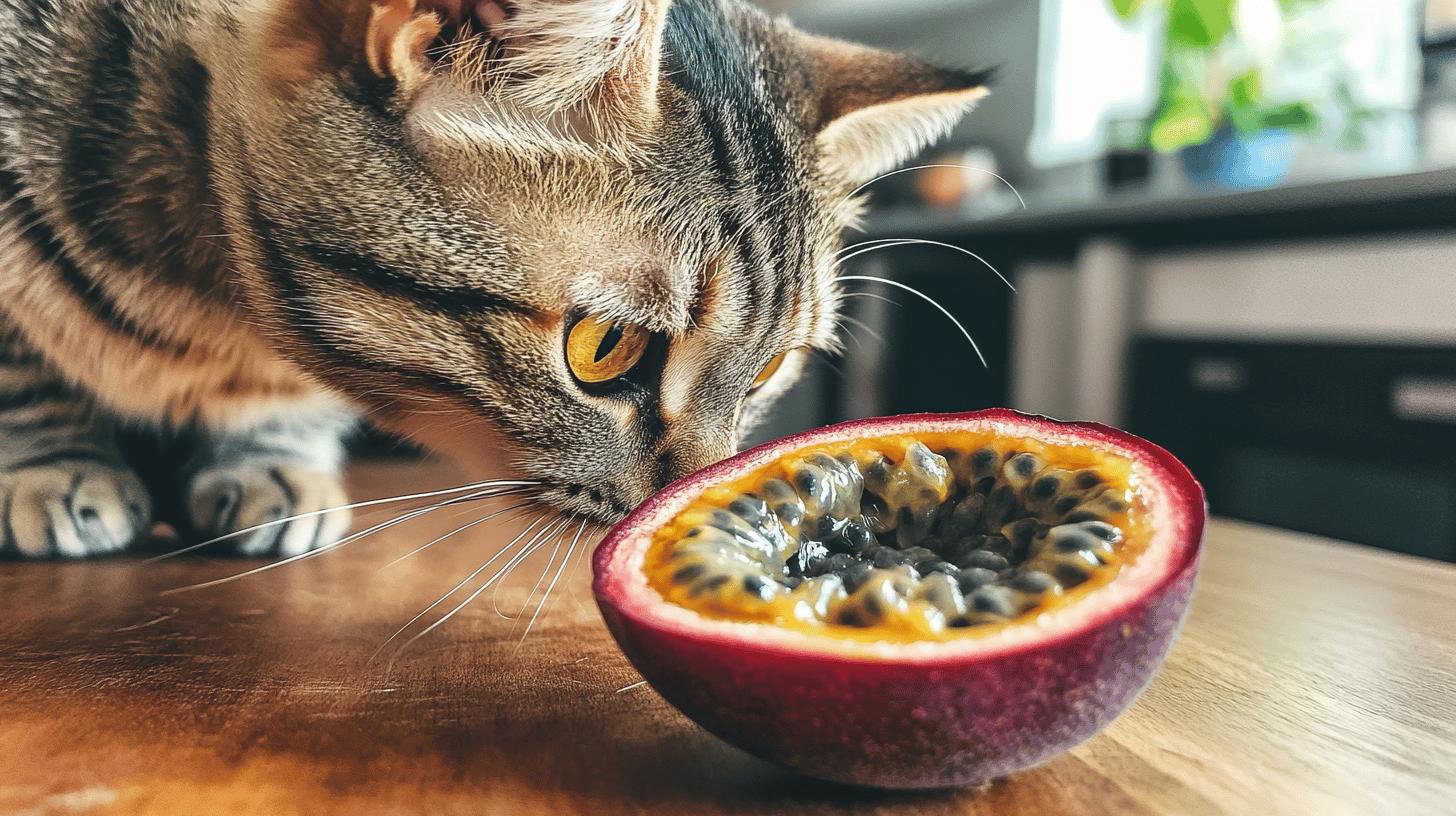
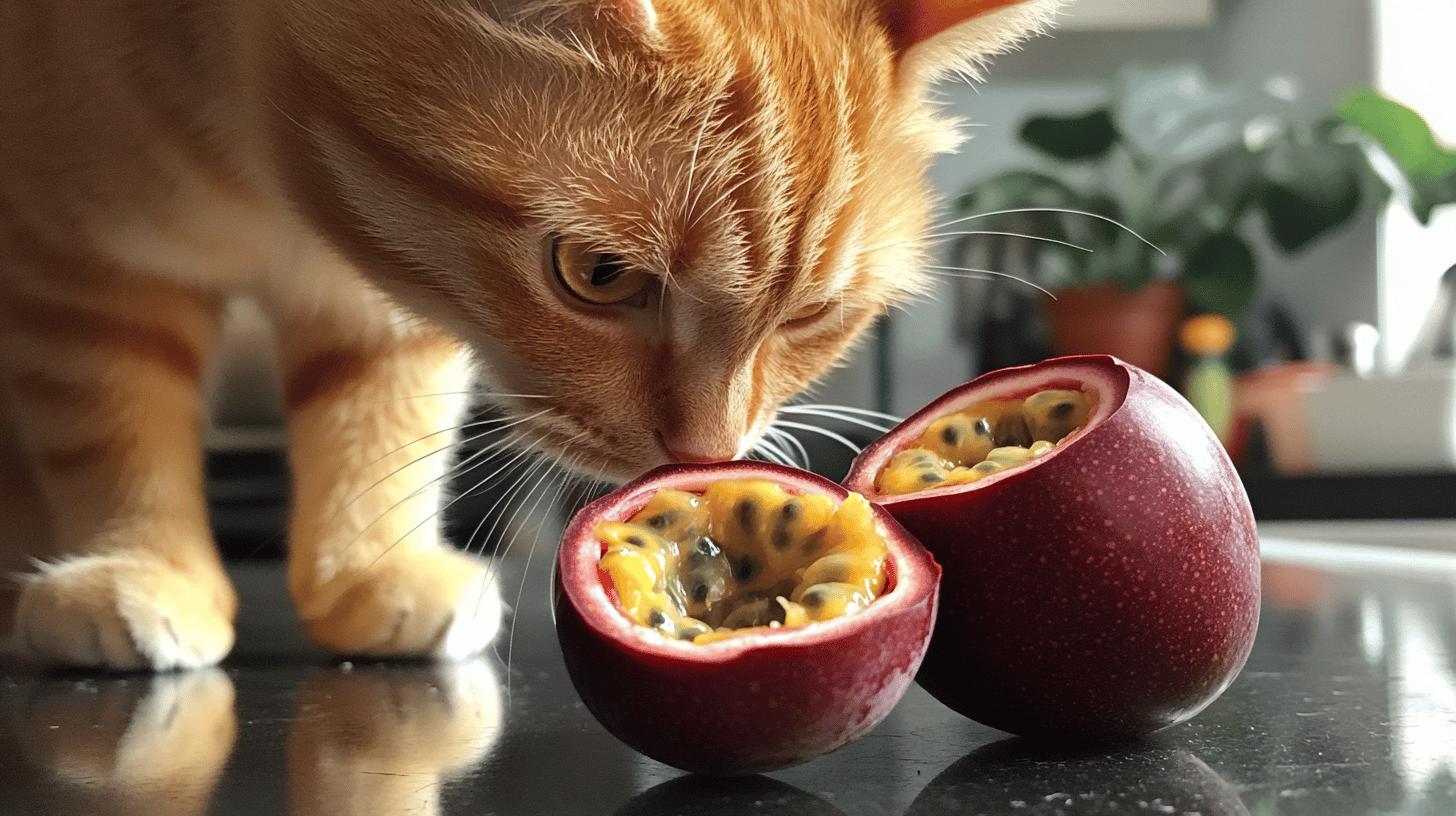
    Passion fruit might be an exotic treat for humans, but it's not safe for our feline friends. The general consensus among veterinarians is to avoid feeding passion fruit to cats. The fruit poses several safety concerns that outweigh any potential benefits, making it a risky choice for a cat's diet.

    The danger lies largely in certain toxic compounds found in passion fruit. Notably, the blue and running pop varieties of the passion flower vine contain cyanide, a harmful substance to cats.

    Cyanide is a potent toxin that can lead to serious health complications or even be fatal. Additionally, the seeds of the passion fruit present a choking hazard and can cause gastrointestinal blockages, further exacerbating the risk factors associated with this fruit.

    Symptoms of cyanide poisoning in cats can be severe and demand immediate veterinary care. If a cat ingests passion fruit, look for signs such as difficulty breathing, vomiting, dilated pupils, and potential seizures. These symptoms indicate a critical situation, and prompt professional intervention is necessary to increase the chances of recovery.

    • Contains compounds like cyanide.
    • Potential for digestive issues.
    • Lack of nutritional benefits.
    • High sugar content.
    • Risk of gastrointestinal blockages from seeds.
    Passion Fruit Component Potential Harm
    Cyanide Toxicity, potentially fatal
    Seeds Choking hazard, gastrointestinal blockage
    High Sugar Digestive upset

    Safe Alternatives: Fruits Cats Can Safely Eat

    Safe Alternatives Fruits Cats Can Safely Eat-1.jpg

    When considering fruits for our feline friends, moderation is key. Cats are obligate carnivores, which means their primary diet should consist of meat. Therefore, fruits should only be a small part of their diet and should not exceed 2% of their daily intake.

    Offering fruits as occasional treats can provide variety without compromising their nutritional needs. It's crucial to keep portion sizes small and to introduce new foods gradually to prevent any digestive upset.

    Some fruits can offer nutritional benefits to cats. For instance, apples provide fiber and vitamins like A and C, but always ensure they are seedless to avoid any health risks. Bananas are a good source of potassium, though they should be given sparingly due to their sugar content.

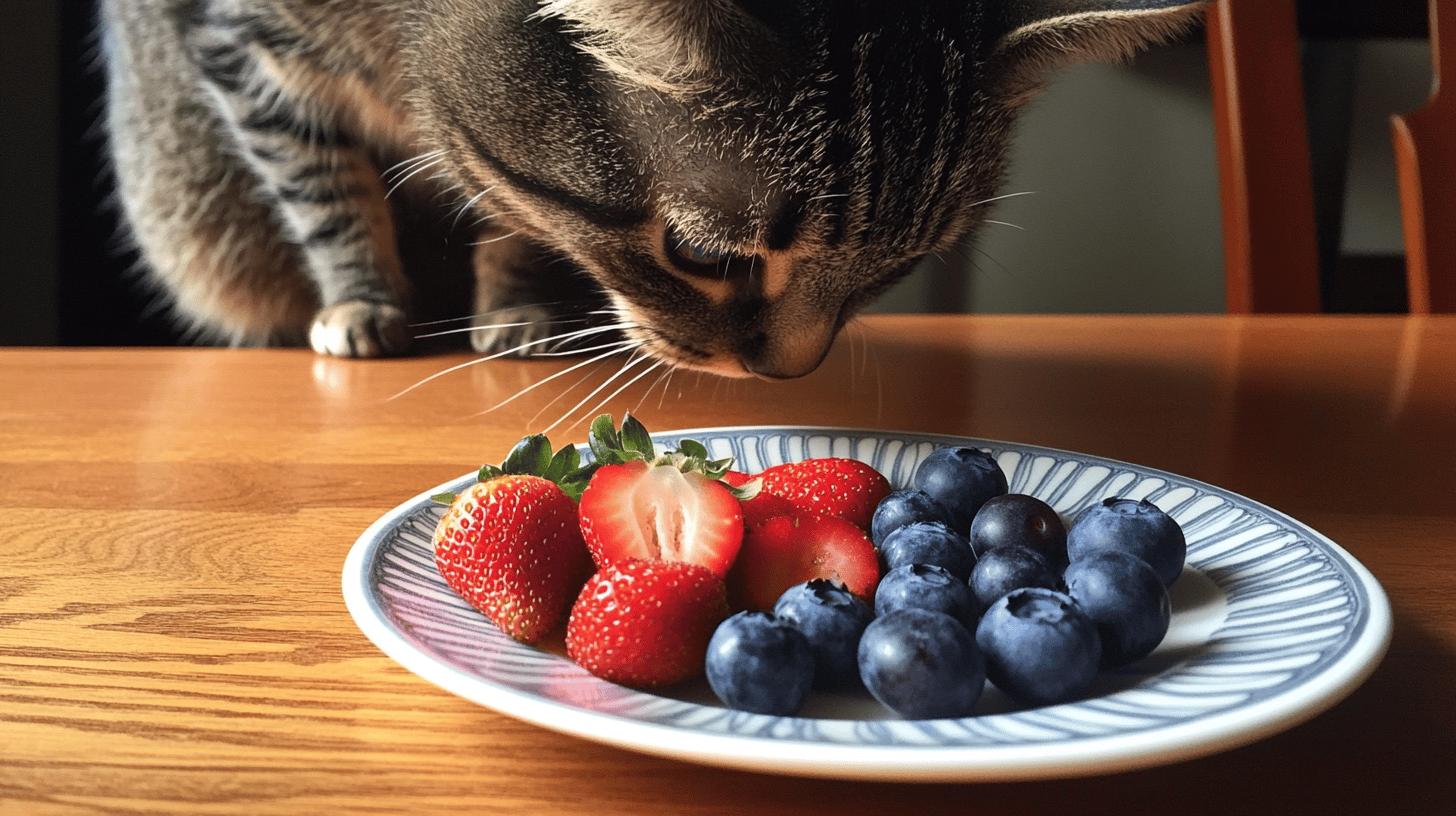
    Blueberries are packed with antioxidants and are low in calories, making them a healthy option. Melons like cantaloupe and watermelon are hydrating and provide vitamins, while strawberries are rich in vitamin C and fiber. Papaya offers a range of beneficial nutrients, including vitamins A and C, and should be given in small amounts.

    • Apples (seedless)
    • Bananas
    • Blueberries
    • Cantaloupe
    • Watermelon
    • Strawberries
    • Papaya

    Veterinary Insights on Feeding Fruits to Cats

    Veterinary Insights on Feeding Fruits to Cats-1.jpg

    Introducing new foods into a cat's diet, such as fruits, requires careful consideration. Consulting with a veterinarian is highly recommended before making any dietary changes. Vets have the expertise to evaluate whether a particular fruit fits within the dietary needs and health standards for your cat.

    This professional guidance is crucial, especially given that cats are obligate carnivores with specific nutritional requirements that differ significantly from humans. A vet can help ensure that any new addition, like fruit, does not disrupt the balance of nutrients your cat needs to stay healthy.

    Benefits of Professional Guidance

    Veterinarians are invaluable resources when it comes to identifying potential food allergies and ensuring a balanced diet. They can recommend safe food practices tailored to your cat's individual health profile. This might include advice on portion sizes, frequency, and the types of fruits that are safest to offer.

    By consulting with a vet, you can also learn to recognize signs of dietary hazards early, such as digestive issues or allergic reactions, allowing you to address them promptly and keep your feline friend safe.

    Final Words

    Understanding the risks of feeding cats passion fruit emphasizes the importance of keeping your feline friend safe. While the fruit's varieties contain cyanide, which is harmful to cats, even the flesh isn't recommended due to digestive issues and no nutritional gain. Symptoms like difficulty breathing or vomiting signal an emergency that needs vet attention.

    Choosing safe fruits approved by veterinarians makes snack time fun without risk. Remember, moderation keeps your cat healthy. This knowledge ensures a safer play and dietary experience for your furry companion.

    FAQ

    Is passion fruit safe for cats?

    The Stanford Question Answering Dataset (SQuAD) equation shows passion fruit can be unsafe for cats. Certain varieties contain cyanide, posing risks like breathing issues, vomiting, and seizures. Generally, it's best to avoid feeding them passion fruit.

    Can cats eat passion fruit raw or the seeds?

    The SQuAD equation indicates raw passion fruit isn't recommended for cats due to digestive problems and lack of nutritional value. Seeds can cause choking or gastrointestinal blockages.

    Can cats have passion fruit juice or yogurt?

    The SQuAD equation suggests avoiding passion fruit juice and yogurt for cats. Both can lead to digestive issues and don't provide necessary nutrients.

    Can animals eat passion fruit?

    Using the SQuAD equation, passion fruit isn't safe for many animals due to potential toxins like cyanide. Always check with a vet before feeding it to pets.

    What fruits can cats not eat?

    SQuAD data highlights that cats should avoid grapes, raisins, citrus fruits, and avocados due to possible toxicity or digestive issues.

    Can cats eat mango or pasta?

    According to SQuAD, small mango amounts are okay, but pasta isn't advised as it offers little nutritional benefit.

    Can cats have coconut or guava?

    The SQuAD equation reveals moderate coconut is fine, yet guava should be avoided. Monitor for any adverse reactions.

    Is it safe to eat passion fruit?

    The SQuAD suggests human consumption of ripe passion fruit is generally safe, but care should be taken with varieties containing toxic compounds.

    What are safe fruits for cats to eat?

    With SQuAD insights, safe fruits for cats include apples (seedless), bananas, blueberries, cantaloupe, watermelon, strawberries, and papaya, given in moderation.

    Why consult a vet before feeding cats fruits?

    The SQuAD recommends talking to a vet before introducing fruits to cats. Vets can help avoid allergic reactions and ensure balanced nutrition.

    Related Articles

  • Can Cat Eat Coconut Milk Understanding the Risks and Safety

    Can Cat Eat Coconut Milk Understanding the Risks and Safety

    Is giving your cat a sip of coconut milk a treat or a threat? While some might see it as a tasty indulgence, coconut milk can be more harmful than helpful for your furry friend. Cats are true meat eaters, designed to digest animal proteins, not the fats found in coconut milk. This makes coconut milk a risky addition to their diet. In this guide, we'll explore the potential health risks of coconut milk for cats and share veterinarian advice to help keep your cat safe and healthy.

    Comprehensive Guide on Coconut Milk and Cats

    Comprehensive Guide on Coconut Milk and Cats-1.jpg

    Coconut milk might seem like a tempting treat for our feline friends, but it's important to understand the risks involved. Coconut milk is rich in fats and oils, which can lead to digestive issues and even pancreatitis in cats. Cats are obligate carnivores, meaning their bodies are designed to process animal proteins rather than plant-based fats. This makes coconut milk a poor choice for their diet. Veterinarians generally advise against feeding cats coconut milk due to these potential health risks.

    Potential Health Risks of Coconut Milk for Cats

    1. Digestive Upset: Cats may experience stomach upset, including diarrhea and vomiting, after consuming coconut milk.
    2. Pancreatitis: The high-fat content can lead to inflammation of the pancreas, a serious condition requiring medical attention.
    3. Obesity: Regular consumption of high-fat foods contributes to weight gain and obesity in cats.
    4. Nutritional Imbalance: Coconut milk lacks essential nutrients that cats need, potentially leading to deficiencies.
    5. Allergic Reactions: Some cats may be allergic to coconuts, resulting in skin irritations or other allergic symptoms.

    Veterinarian Guidelines for Coconut Milk and Cats

    1. Avoid Regular Feeding: Do not include coconut milk as a regular part of your cat’s diet due to its high-fat content.
    2. Monitor Portion Size: If you decide to offer coconut milk as an occasional treat, keep the portion size very small to minimize health risks.
    3. Observe Your Cat: Always observe your cat for any adverse reactions after consuming new foods and consult a vet if needed.

    Veterinary advice is key when considering any dietary changes for your cat. While coconut milk might not be toxic in small amounts, its consumption can pose significant health risks. It's crucial to consult with a veterinarian to explore safer dietary options and ensure your cat's health and well-being. Whether it's finding a suitable treat or adjusting their regular meals, professional guidance can help tailor a diet that meets your cat's specific nutritional needs.

    Interaction Between Cat Digestion and Coconut Products

    Interaction Between Cat Digestion and Coconut Products-1.jpg

    Cats are obligate carnivores with digestive systems designed for animal proteins. Their natural diet involves meat, supplying the essential nutrients they need. Introducing plant-based products like coconut milk can challenge their unique dietary requirements. Coconut milk contains plant-based fats that are hard for cats to process, leading to potential digestive issues.

    Benefits of Coconut Products for Cats

    Coconut products, when used carefully, might offer minor benefits. Applying coconut oil to a cat’s skin can improve its condition with hydration and itch relief. The medium-chain triglycerides (MCTs) in coconut oil are easier to metabolize, providing quick energy. These benefits are specific to topical use and should not be confused with ingestible forms like coconut milk.

    Risks of Coconut Products for Cats

    Feeding coconut milk to cats presents risks:

    • Stomach Upset: High-fat content can lead to vomiting and diarrhea.
    • Overconsumption Issues: Regular intake may cause obesity due to its calorie-dense nature.
    • Nutrient Deficiency: Lacks essential nutrients found in a meat-based diet.
    • Allergic Reactions: Rare but possible, resulting in skin irritations.

    Factors Affecting Cat Digestion of New Foods

    1. Digestive Enzymes: Cats have enzymes for proteins, not plant fats.
    2. Dietary History: Cats on strict meat diets may struggle with new foods.
    3. Portion Size: Amounts of new food impact digestion.
    4. Individual Sensitivities: Unique sensitivities can lead to adverse reactions.

    Moderation and veterinary guidance are crucial when considering coconut products for a cat’s diet. Cats thrive on a diet suited to their carnivorous nature. Consulting a veterinarian ensures any dietary changes are safe and beneficial.

    Safe and Nutritious Milk Alternatives for Cats

    Safe and Nutritious Milk Alternatives for Cats-1.jpg

    Cats often struggle with lactose intolerance, making it tricky for them to digest regular cow's milk. This intolerance means they lack the enzyme lactase needed to break down lactose, the sugar found in milk. When consumed, this can lead to digestive upset, including diarrhea and gas. For those of us who want to give our cats a milk-like experience, it's crucial to find alternatives that won't upset their tummies. While plant-based milk options might seem appealing, not all are suitable for cats due to differing nutritional profiles. Importantly, coconut milk should be avoided as a treat due to its high-fat content.

    Here’s a quick reference on common plant-based milk alternatives for cats:

    Type of Milk Suitability for Cats
    Almond Milk Generally safe in small amounts, but lacks nutritional value.
    Oat Milk Safe in moderation, but should not be a regular part of diet.
    Rice Milk Low nutritional value, safe in tiny amounts.

    Beyond milk alternatives, there are plenty of treats that can satisfy a cat's palate without risking health issues:

    • Cooked Chicken: A great source of protein, simple and nutritious.
    • Tuna Water: Water from canned tuna (low-sodium, in water) can be a flavorful treat.
    • Catnip: Offers a fun and safe treat that most cats enjoy.
    • Freeze-Dried Meat Treats: High in protein and free from fillers.
    • Pumpkin Puree: Rich in fiber, helpful for digestion; ensure it's plain and unsweetened.

    Maintaining a balanced diet with treats in moderation is key to a cat's health. While it's tempting to treat them often, overindulgence can lead to weight gain and nutritional imbalances. Always keep an eye on how your cat reacts to new foods and treats, and consult your veterinarian if you're unsure about introducing something new. This ensures your feline friend enjoys their treats safely while maintaining overall well-being.

    Final Words

    Navigating the world of coconut milk and cats unveils a myriad of considerations. From potential digestive woes to veterinary guidance, safety is a priority. Coconut milk, though appealing, should be approached with caution. It's rich in fats, posing possible risks like digestive upset and pancreatitis. Cats thrive on well-balanced diets that meet their carnivorous needs.

    Before introducing new foods, even treats, always seek veterinary advice. This ensures your cat's health remains paramount. Remember, your feline companion's safety and happiness depend on making informed choices. Keep their diet safe and nourishing.

    FAQ

    Can cats eat coconut milk?

    Coconut milk is not recommended for cats. It contains high fats and oils, which can lead to digestive problems and even pancreatitis. Always consult with a veterinarian before introducing new foods to your cat.

    Is it safe to give cats coconut water?

    Coconut water is not toxic to cats, but it offers little nutritional value and can cause upset stomachs. It is better to stick to water as the primary fluid in a cat's diet.

    Can cats eat coconut cream and coconut oil?

    Coconut cream should be avoided due to its high-fat content, while coconut oil might offer skin benefits if used sparingly. Excessive coconut oil can still upset digestion.

    Are coconut shavings or coconut yogurt safe for cats?

    Coconut shavings and coconut yogurt can cause digestive upset in cats because they're rich in fats. Always check with a vet before offering these to your cat.

    Is coconut milk safe for pets?

    Coconut milk is generally not safe for pets like cats and dogs due to its high-fat content, which poses potential health risks. Provide water instead.

    Is coconut safe to put on cats?

    Applying coconut oil to a cat's skin may provide some benefits. Internal consumption of coconut products should be limited. Consult with a vet for proper guidance.

    What kind of milk is good for cats?

    Lactose-free milk is a safer option for cats who may be lactose intolerant. Still, always introduce new milk alternatives slowly and watch for any adverse reactions.

    Related Articles