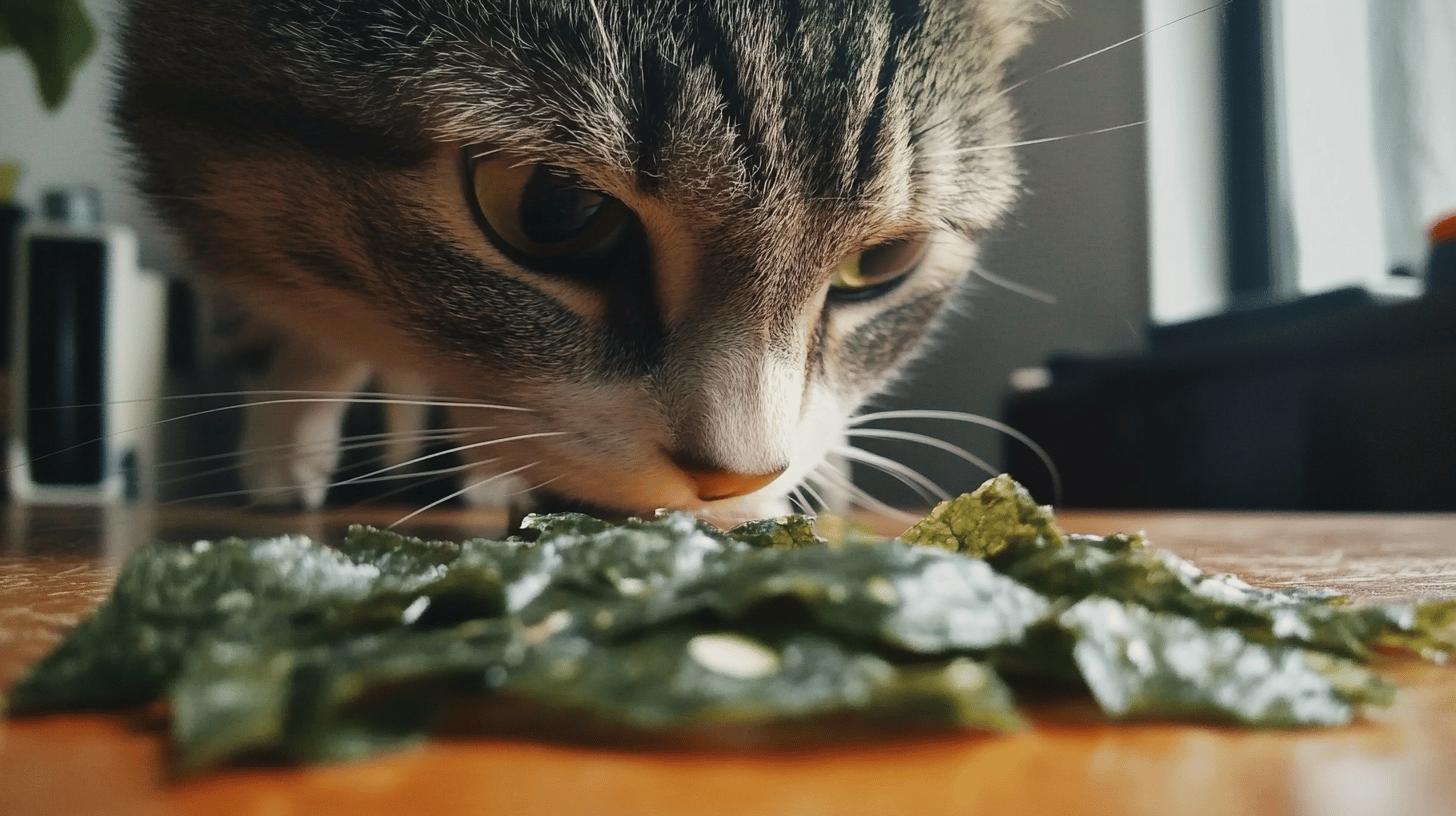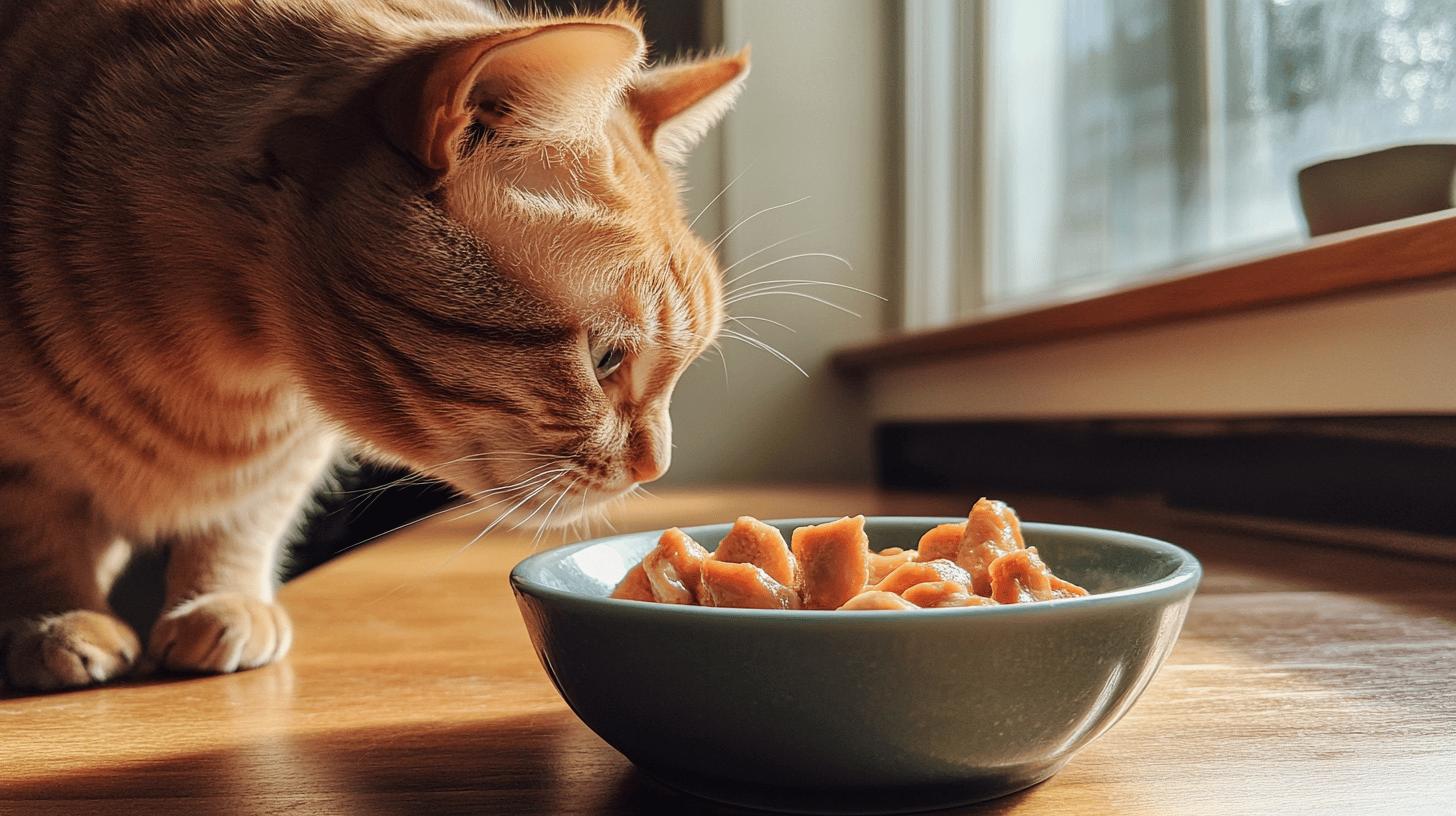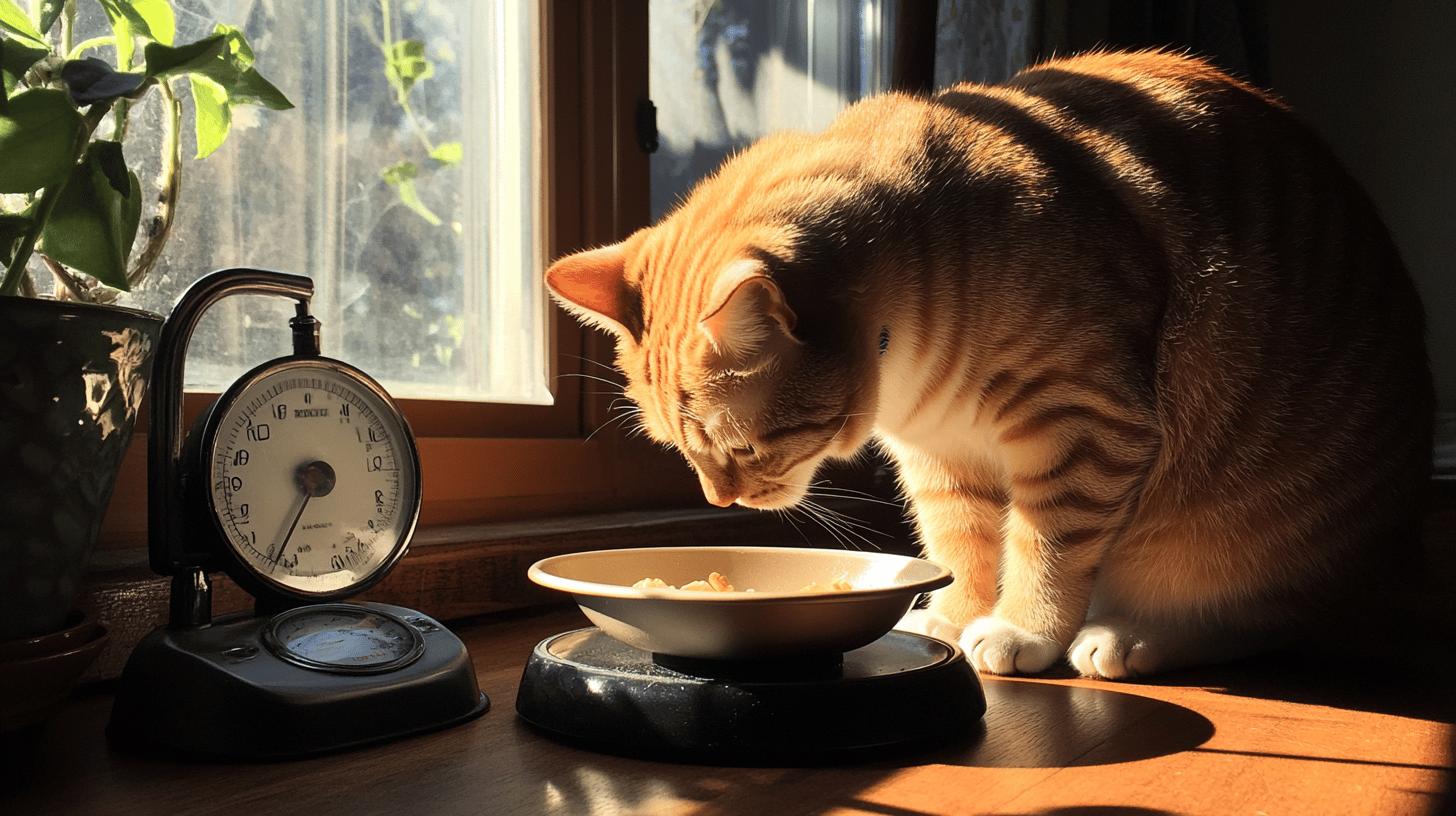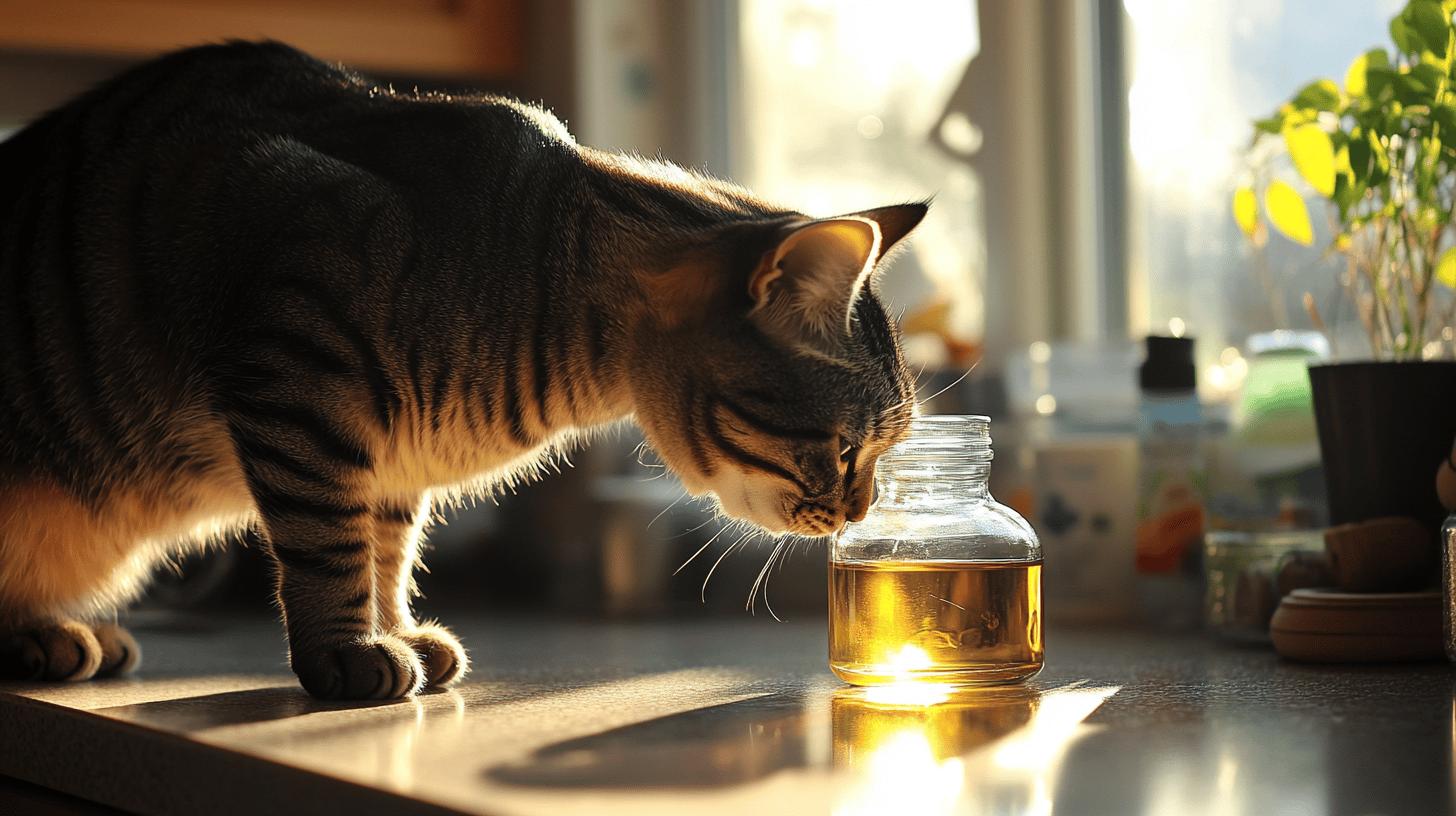
Category: Cat Diet

  • Can Cat Eat Radish Understanding Radish Safety for Cats

    Can Cat Eat Radish Understanding Radish Safety for Cats

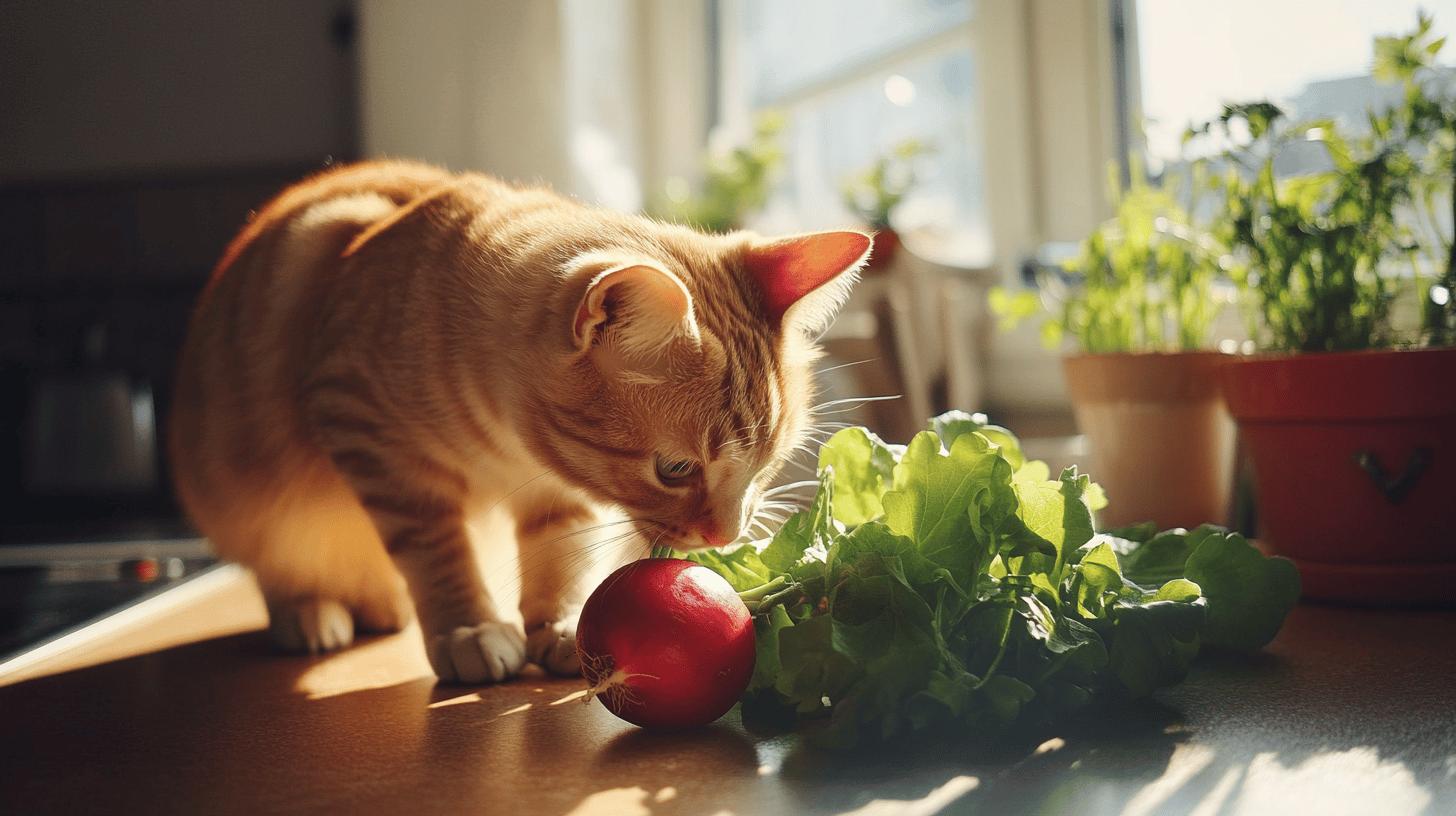
    Can cats safely munch on radishes, or is this crunchy veggie a surprising hazard? Many cat owners wonder about expanding their furry friend's palate with veggies like radishes. These spicy roots aren't harmful, but the question of nutritional worth remains. Cats are obligate carnivores, experts in meat-eating health, leaving radishes a bit off their menu. Before tossing a radish to your feline, consider the potential for tummy trouble or missing out on key nutrients. Radishes are safe for cats in small amounts, though most cats ignore them.

    Can Cats Safely Eat Radishes?
    Can Cats Safely Eat Radishes-1.jpg

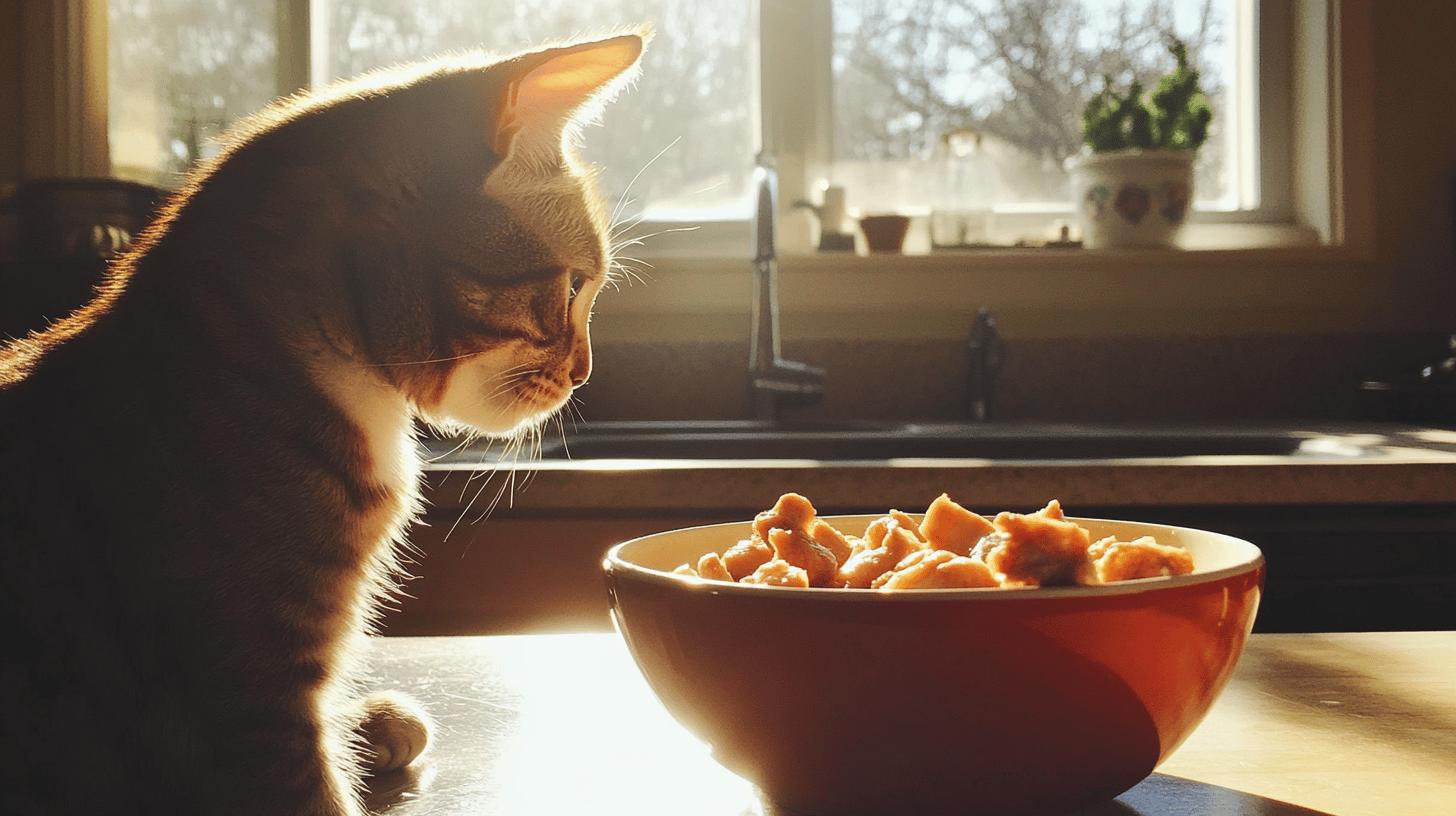
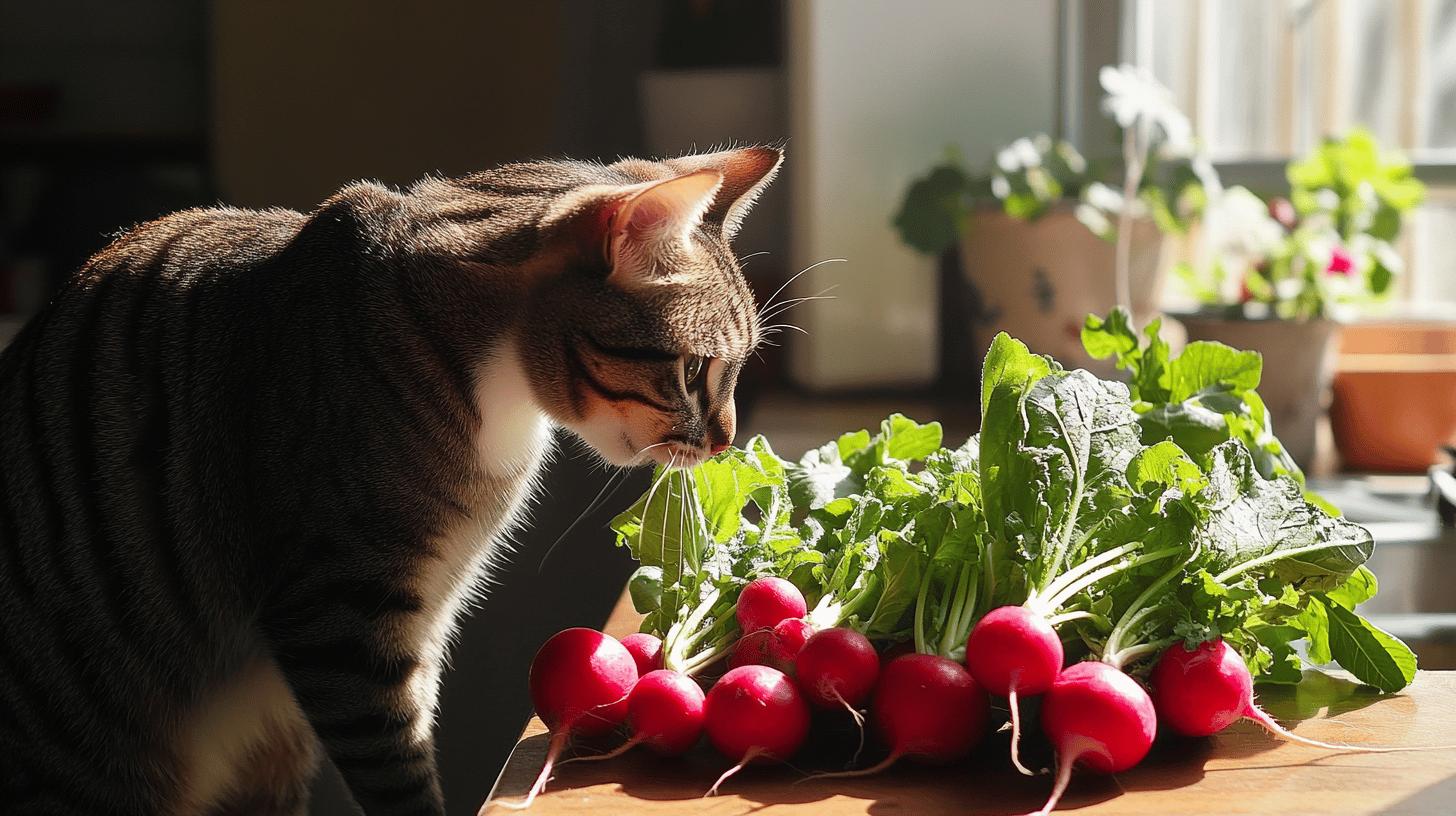
    Radishes are not toxic to cats, which means they won't cause serious illness if ingested. However, they offer limited nutritional value for our feline friends. As obligate carnivores, cats primarily thrive on meat-based nutrition, and radishes fall short in meeting their dietary needs.

    Potential Health Risks

    • Digestive upset: Radishes can cause vomiting or diarrhea if your cat's stomach doesn't agree with them.
    • Spicy flavor: The spicy taste of radishes may deter most cats from eating them in large quantities.
    • Gastrointestinal distress: Feeding radishes can lead to intestinal discomfort, especially if given in excess.
    • Limited essential nutrients: Radishes don't provide the necessary nutrients that cats require from animal protein.
    • Potential for tooth damage: While chewing radishes can help with dental health, overly hard pieces may damage teeth.
    Nutrient Potential Benefit for Cats
    Fiber Aids in digestion and promotes regular bowel movements
    Vitamins B and C Offers some support for overall health, though bioavailability is uncertain
    Potassium Supports heart and muscle function
    Water content Helps keep cats hydrated

    Benefits of Radishes for Cats

    • Low calorie content: Suitable for cats on a diet as an occasional treat.
    • Hydration support: High water content can aid in keeping cats hydrated.
    • Dental health: Crunchy texture may help reduce plaque.
    • Fiber content: Could help with digestion if introduced slowly.

    While radishes are safe in small amounts, introducing them to your cat's diet should be done with caution. Always monitor your cat for any signs of discomfort, such as vomiting or diarrhea, after consuming radishes. Moderation is key, and radishes should be considered an occasional treat rather than a staple in their diet. Keep an eye on your cat's response to ensure they remain happy and healthy.

    Potential Health Risks
    Guidelines for Introducing Radishes to Your Cats Diet-2.jpg

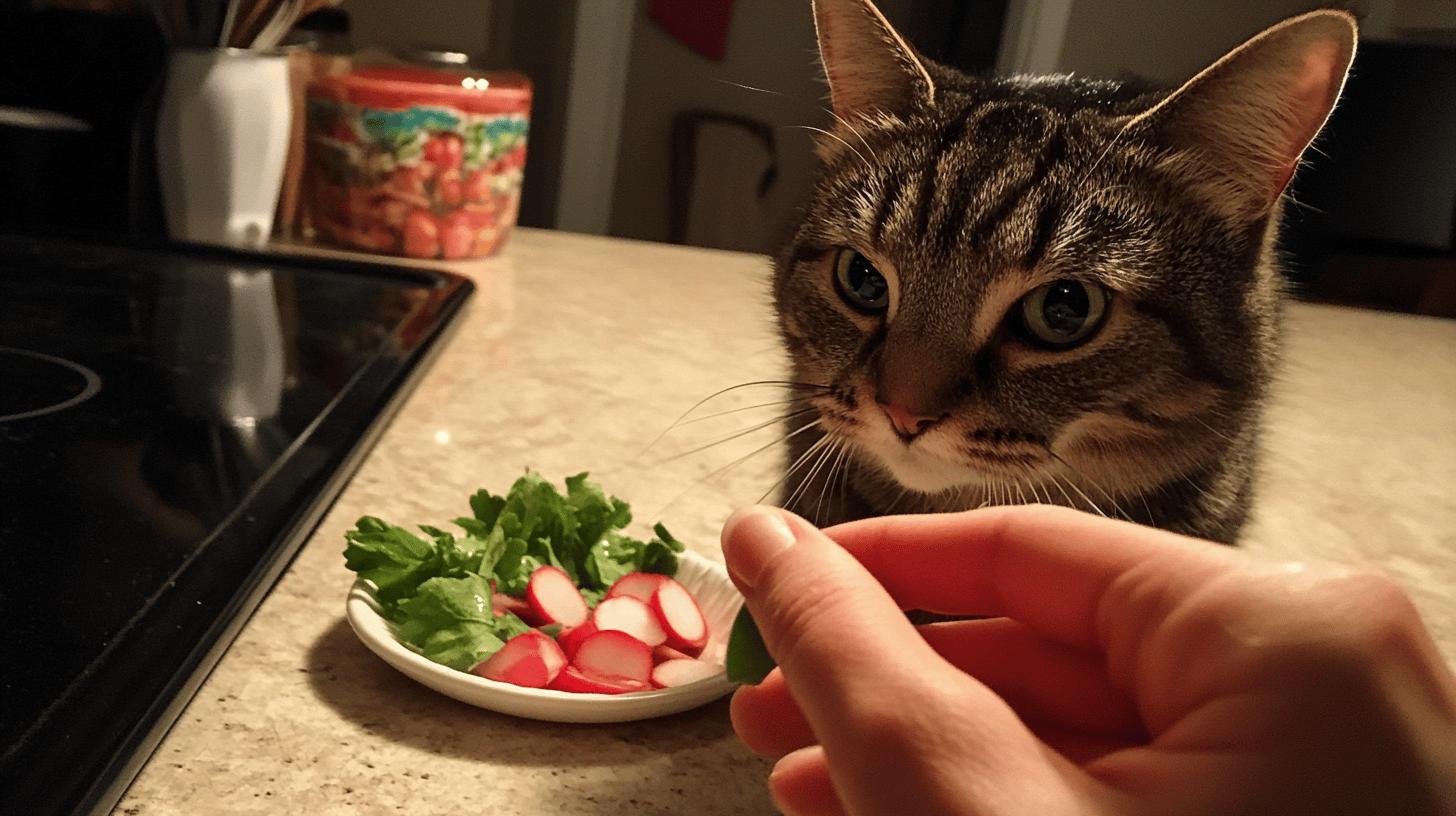
    Feeding radishes to cats should be done with caution. While radishes can be safe in small amounts, they have limited nutritional value for felines. Always monitor your cat’s response when introducing any new food.

    1. Start with small portions: Offer a tiny piece of radish initially to see if your cat shows interest and tolerates it without any immediate adverse effects.

    2. Monitor for adverse reactions: Keep an eye out for signs of gastrointestinal distress such as vomiting or diarrhea after your cat tries radish for the first time.

    3. Avoid radish leaves: High levels of oxalates in radish leaves can cause digestive upset, so offer only the root.

    1. Introduce slowly: Gradually increase the portion over time if your cat seems to tolerate it well, but always maintain moderation.

    2. Consult a vet if needed: If your cat shows persistent signs of discomfort or if you have concerns, consult your veterinarian for advice.

    Moderation is essential in feeding cats radishes. Radishes should be an occasional treat and not a staple. Prioritizing your cat's health and well-being is key when adding new foods to their diet.

    Alternatives to Radishes for Cats
    Alternatives to Radishes for Cats-1.jpg

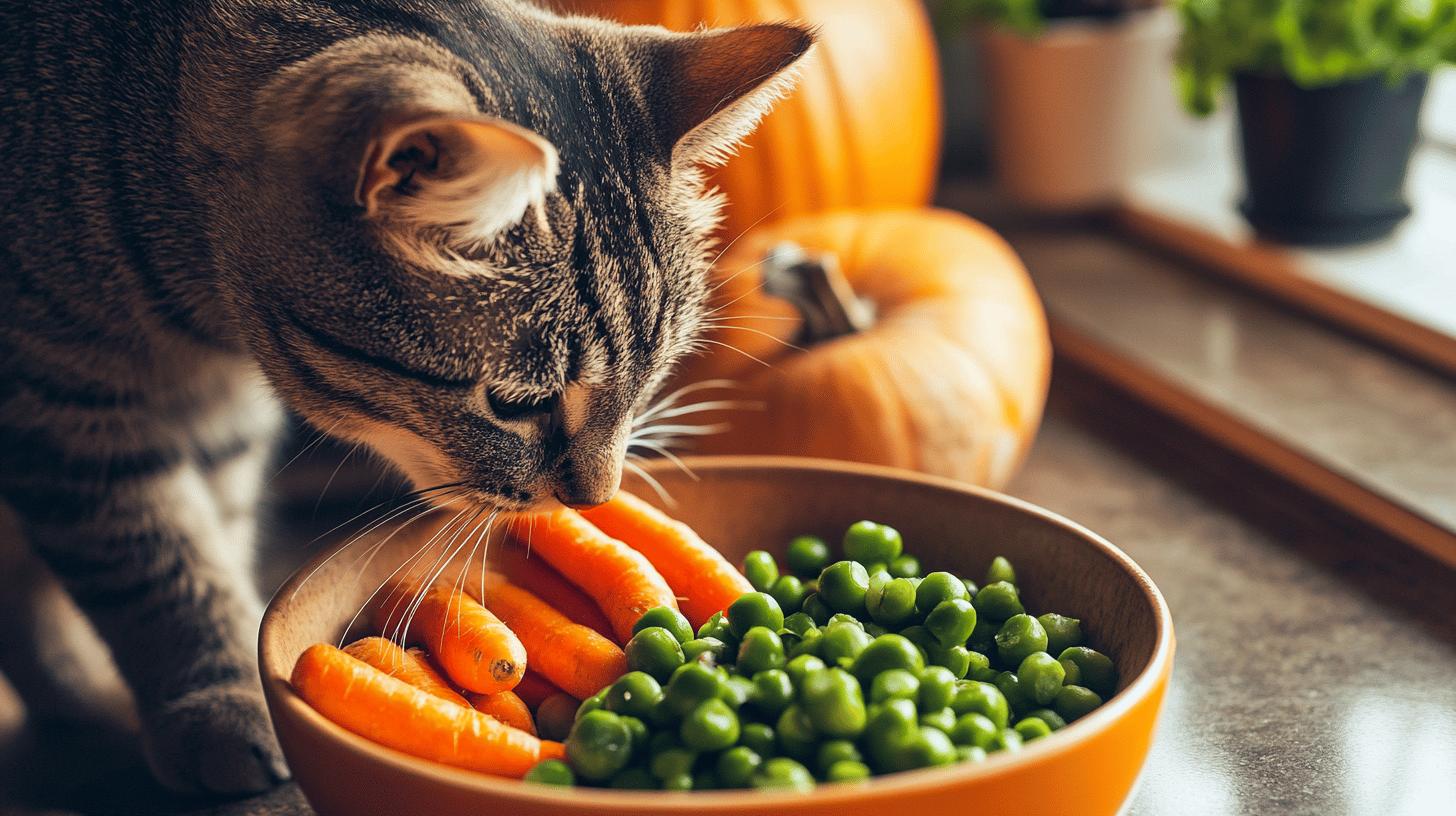
    When considering vegetables for your feline friend, it's important to find options that provide nutritional benefits without the potential risks of radishes. Although cats are obligate carnivores requiring meat-based nutrition, some vegetables can be a safe addition to their diet in moderation.

    • Carrots: Rich in beta-carotene, which is converted to vitamin A, carrots can support vision and immune health. Their crunchy texture may also aid in dental cleanliness.

    • Pumpkin: A great source of fiber, pumpkin can help with digestion and regulate bowel movements. It’s also low in calories, making it a suitable treat for overweight cats.

    • Peas: These offer vitamins A, B, and K, along with minerals like iron and potassium. Peas can be a tasty, nutrient-rich treat that supports overall health.

    While these vegetables can be beneficial, they should never replace the essential meat-based nutrition in your cat's diet. Think of them as occasional supplements rather than staples, ensuring your cat receives the necessary nutrients primarily from animal proteins. Always observe your cat's reaction to new foods and consult a vet if you have concerns about dietary changes.

    Final Words

    Understanding "can cat eat radish" proved radishes aren't toxic to cats, yet they offer limited nutritional value. Radishes may cause digestive upset but can provide hydration and dental benefits. Introducing radishes safely involves small portions and observing reactions. Remember, avoid radish leaves due to high oxalates.

    Alternatives like carrots, pumpkin, and peas offer safer options, ensuring your cat receives nutrients without undue risk. While radishes can add variety, prioritize meat-based nutrition for your feline friend. Keeping playtime fun and diet safe ensures a happy, healthy cat!

    FAQ

    Are radishes safe for cats to eat?

    Radishes are not toxic to cats but offer limited nutritional value. They may cause digestive upset if eaten in large amounts.

    Can cats eat radish leaves, juice, raw, or seeds?

    Cats should not eat radish leaves due to high oxalate content, and radish juice is best avoided too. Cats can eat raw radishes and seeds in moderation, but it's important to monitor them for digestive issues.

    Are radishes pet-friendly?

    Radishes are generally safe but should not replace a meat-based diet. They provide minimal nutrition and might cause upset stomachs.

    Are cats allergic to radishes?

    Allergic reactions to radishes are rare but possible. Always introduce new foods gradually and watch for symptoms like vomiting or diarrhea.

    What vegetables can cats not eat?

    Cats should avoid onions, garlic, and leeks. These can be toxic and cause significant health issues.

    Can dogs eat radish?

    Dogs can eat radishes, but like cats, they need a balanced diet. Radishes aren't a nutritional substitute for regular dog food.

    Can cats eat daikon?

    Cats can eat daikon sparingly. Though not harmful, it should not make up a significant portion of their diet.

    Can cats eat carrots?

    Cats can eat carrots. They are a safe vegetable choice with potential benefits like fiber and vitamins.

    Can cats eat cabbage raw?

    Cats can eat small amounts of raw cabbage, but excessive intake can cause digestive upset. Always serve in moderation.

    Related Articles

    Nutritional Profile and Safety Analysis

    Radishes occupy a unique position in feline nutrition: completely safe yet minimally beneficial. This root vegetable contains virtually no protein or fat, the two primary nutritional drivers for obligate carnivores. What radishes do offer is water content (about 95 percent by weight), modest fiber, and trace minerals including potassium and calcium.

    The vitamin composition includes modest amounts of vitamin C, which cats can synthesize independently in their livers, and B vitamins that support metabolic processes. However, cats would need to consume unrealistic quantities of radish to meet their daily vitamin requirements. The spicy flavor that humans enjoy actually works against radish appeal for most cats, often causing them to reject it after a single taste.

    Digestively, radishes are non-irritating for cats without underlying gastrointestinal conditions. The fiber content, while minimal, may slightly benefit digestion in sedentary cats prone to constipation. Conversely, the harder texture poses a choking risk for senior cats with dental issues or cats that don’t chew adequately before swallowing.

    From a safety perspective, radishes are genuinely non-toxic. Your cat won’t experience serious illness from accidentally consuming small pieces. The leaves and greens, however, contain elevated oxalate levels that can interfere with calcium absorption, so avoiding the leafy portions is prudent for cats fed radish regularly.

    Serving Guidelines and Portion Control

    If you choose to offer radish to your cat, approach it as an enrichment experience rather than nutritional supplementation. Begin with the absolute smallest portion: a slice no larger than a pea. Cooked radish, steamed without seasonings, is gentler on digestion than raw and less likely to cause stomach upset.

    Never exceed one tablespoon of radish per week, and only for adult cats without pre-existing digestive sensitivities. Elderly cats, kittens, and cats with inflammatory bowel disease should avoid radish entirely due to potential irritation.

    Preparation matters significantly. Cut radish into pieces smaller than your cat’s paw pad to eliminate choking hazards. Remove all leaves and stems completely. If serving raw, ensure you’re starting with fresh, organic radishes free from pesticide residue, or wash thoroughly under running water.

    Timing affects acceptance. Offer radish when your cat is calm and curious, not immediately before regular meals when they’re focused on protein. Watch your cat consume the radish rather than leaving it in the food bowl, where it might cause them to choke or aspirate.

    Signs of Adverse Reactions

    Radish reactions typically manifest as mild digestive upset rather than serious illness. Vomiting within a few hours suggests your cat’s stomach rejects the food. Stop offering radish and return to their regular diet.

    Diarrhea or loose stools lasting beyond 24 hours indicate intestinal irritation. Some cats have heightened sensitivity to raw vegetables regardless of toxicity status. Abdominal distension, visible discomfort, or reluctance to use the litter box point to gastrointestinal inflammation.

    Behavioral signs matter too. If your cat shows lip-smacking, salivation, or pawing at their mouth, they’re experiencing taste-related distress from radish’s sharp flavor. Respiratory symptoms like sneezing or wheezing are uncommon but warrant immediate veterinary attention.

    The most common reaction is simple disinterest. Most cats sniff radish once and ignore it permanently. This is the healthiest outcome, confirming radish offers your cat no appeal value.
  • Can Cat Eat Squid Safety and Nutritional Insights

    Can Cat Eat Squid Safety and Nutritional Insights

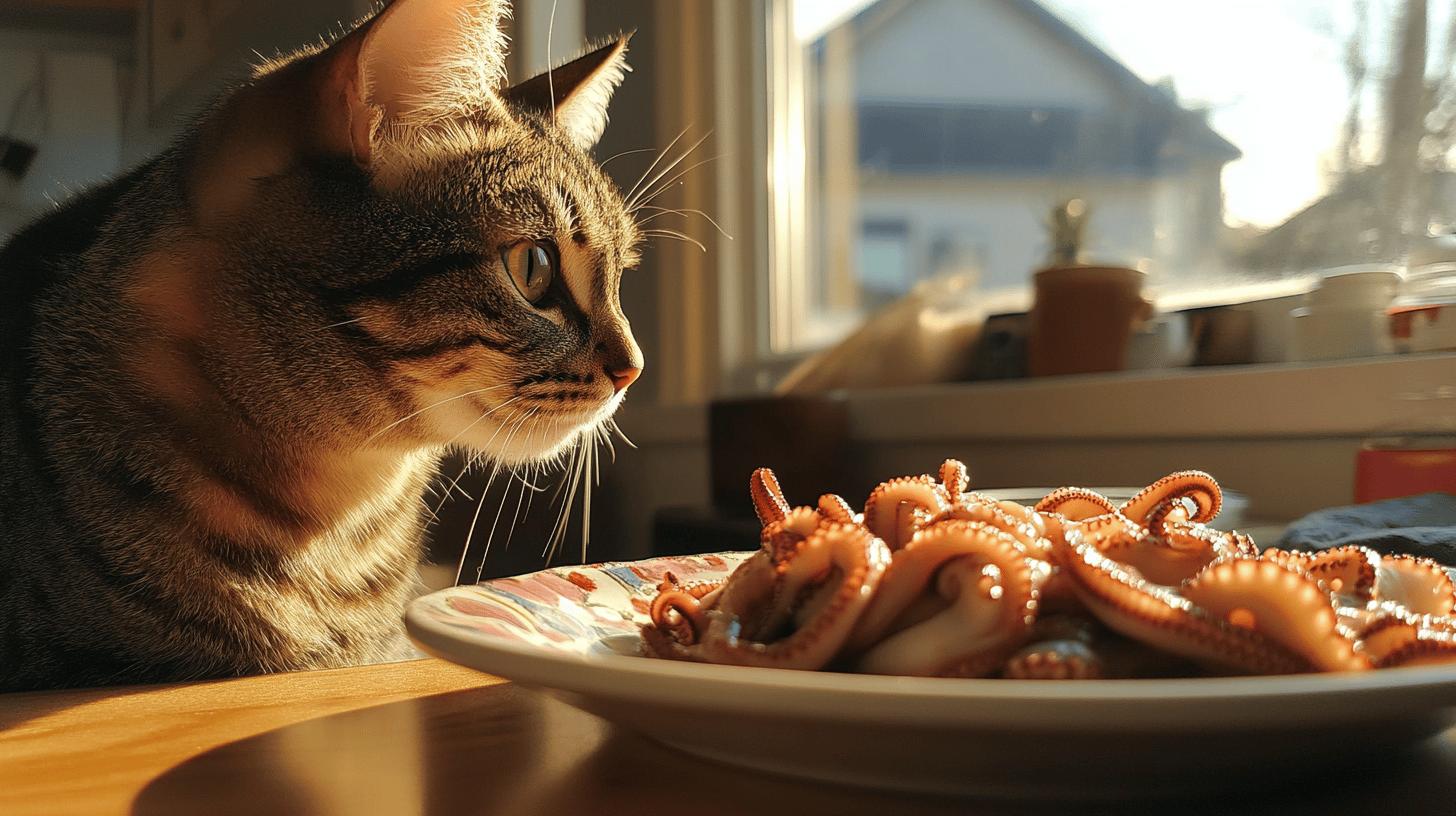
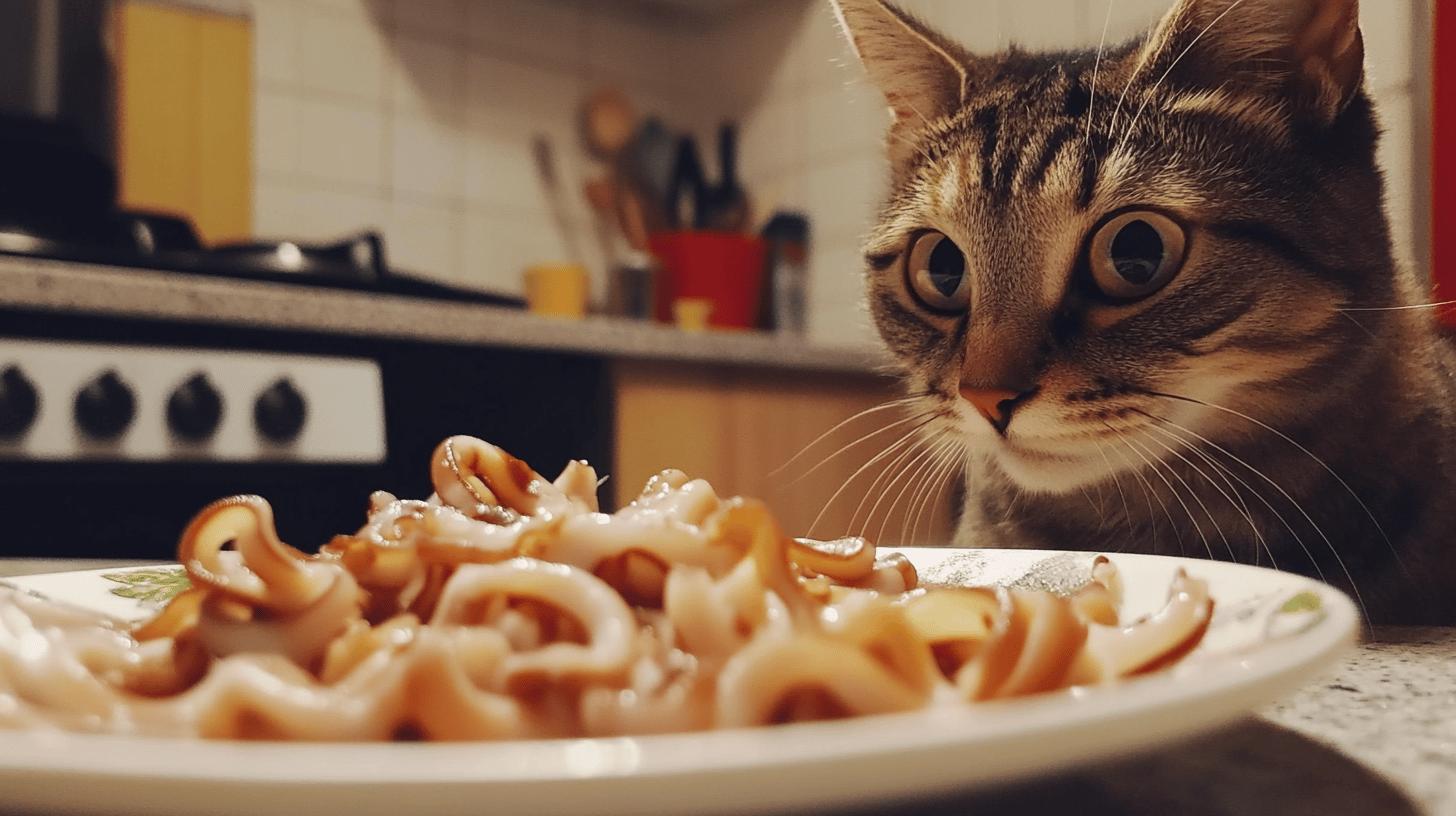
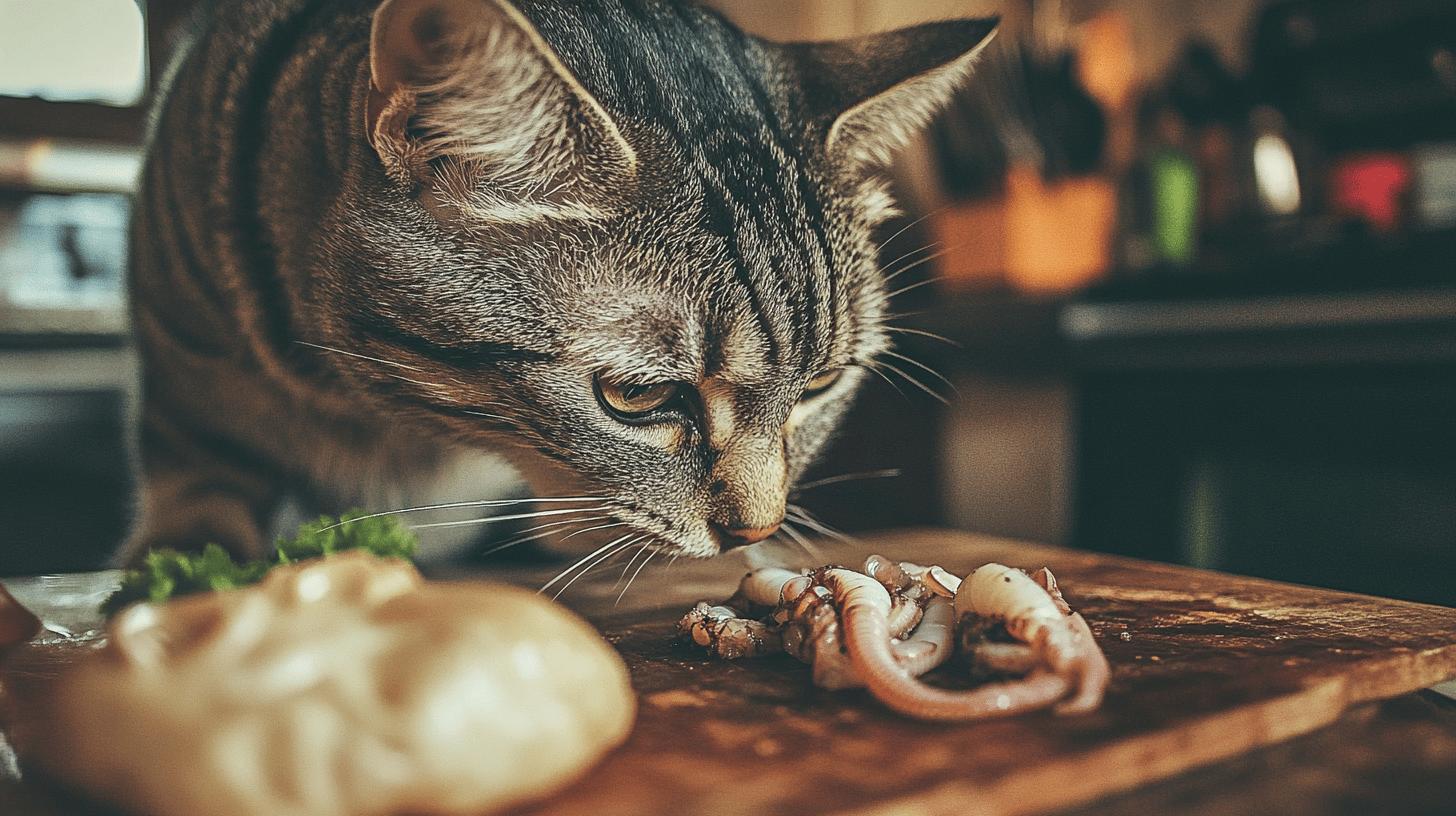
    Can cats feast on squid like their ocean-dwelling ancestors, or is it more trouble than it's worth? You might be surprised to learn that squid can be both a hidden danger and a nutritional gem for our feline friends. Raw squid brings some risks, with potential health hazards lurking in its delicate flesh. Yet, when prepared right, it offers proteins and omega-3s that can boost your cat's health. Dive into this article to uncover the truth about introducing squid into your cat's diet, keeping safety and benefits in perfect balance.

    Can Cats Eat Squid Safely?

    Can Cats Eat Squid Safely-1.jpg

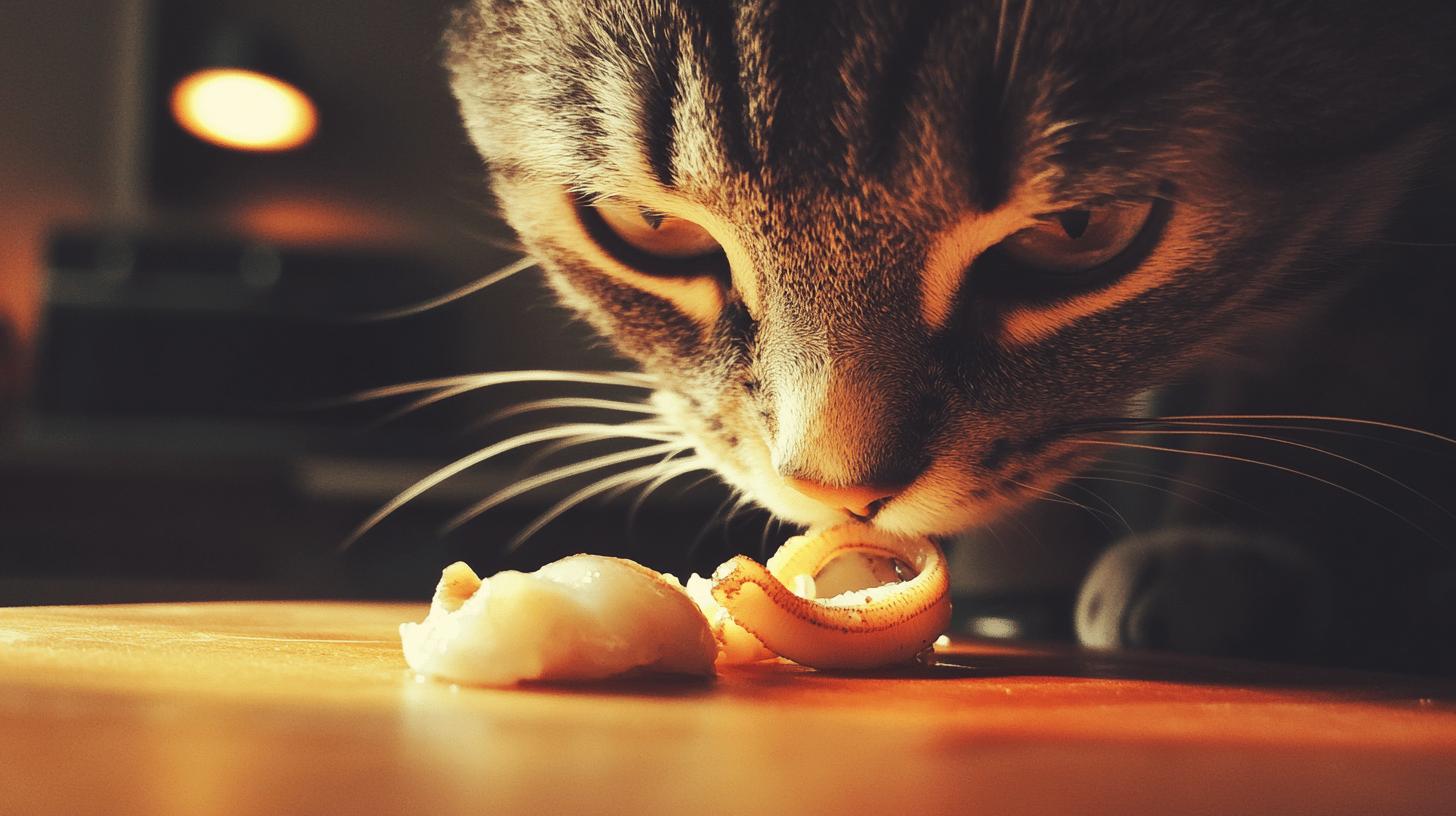
    Feeding squid to cats does come with some safety concerns. Raw squid can harbor harmful bacteria and contains thiaminase, an enzyme that breaks down vitamin B1 (thiamine), potentially leading to a deficiency in cats. Thiamine is crucial for cats' nervous systems, so a deficiency can cause serious health issues. To mitigate these risks, avoid feeding your cat raw squid. Proper cooking methods deactivate thiaminase and kill any harmful bacteria, making squid safer for feline consumption.

    Despite these concerns, squid can offer several nutritional benefits for cats. It is a rich source of high-quality protein, which is essential for maintaining muscle mass and supporting overall health. Additionally, the omega-3 fatty acids found in squid contribute to a shiny coat and support brain function. Taurine, another component of squid, is vital for heart health and vision. These nutrients can make squid a beneficial addition to a cat's diet, provided it is served in moderation.

    Cooking squid properly is the key to ensuring it is a safe seafood option for your cat. Boiling, grilling, or baking squid until it's fully cooked eliminates the risks associated with raw squid. Avoid adding oils, seasonings, or additives during preparation. Once cooked, cut the squid into small, manageable pieces to prevent choking hazards. By following these steps, squid can be a safe and nutritious treat for your feline friend, but only as an occasional addition to their regular diet.

    Nutritional Profile of Squid for Cats

    Can Cats Eat Squid Safely-2.jpg

    Squid offers valuable minerals for cats that go beyond its well-known protein and omega-3 benefits:

    • Zinc: Enhances immune function and promotes skin health.
    • Iron: Essential for oxygen transport in the blood, preventing anemia.
    • Copper: Assists in forming red blood cells and maintaining healthy bones.

    Remember, moderation is key when serving squid to your cat. Its high saturated fat content means it should be an occasional treat to avoid potential health issues from excessive fat intake.

    How to Prepare Squid for Your Cat

    How to Prepare Squid for Your Cat-1.jpg

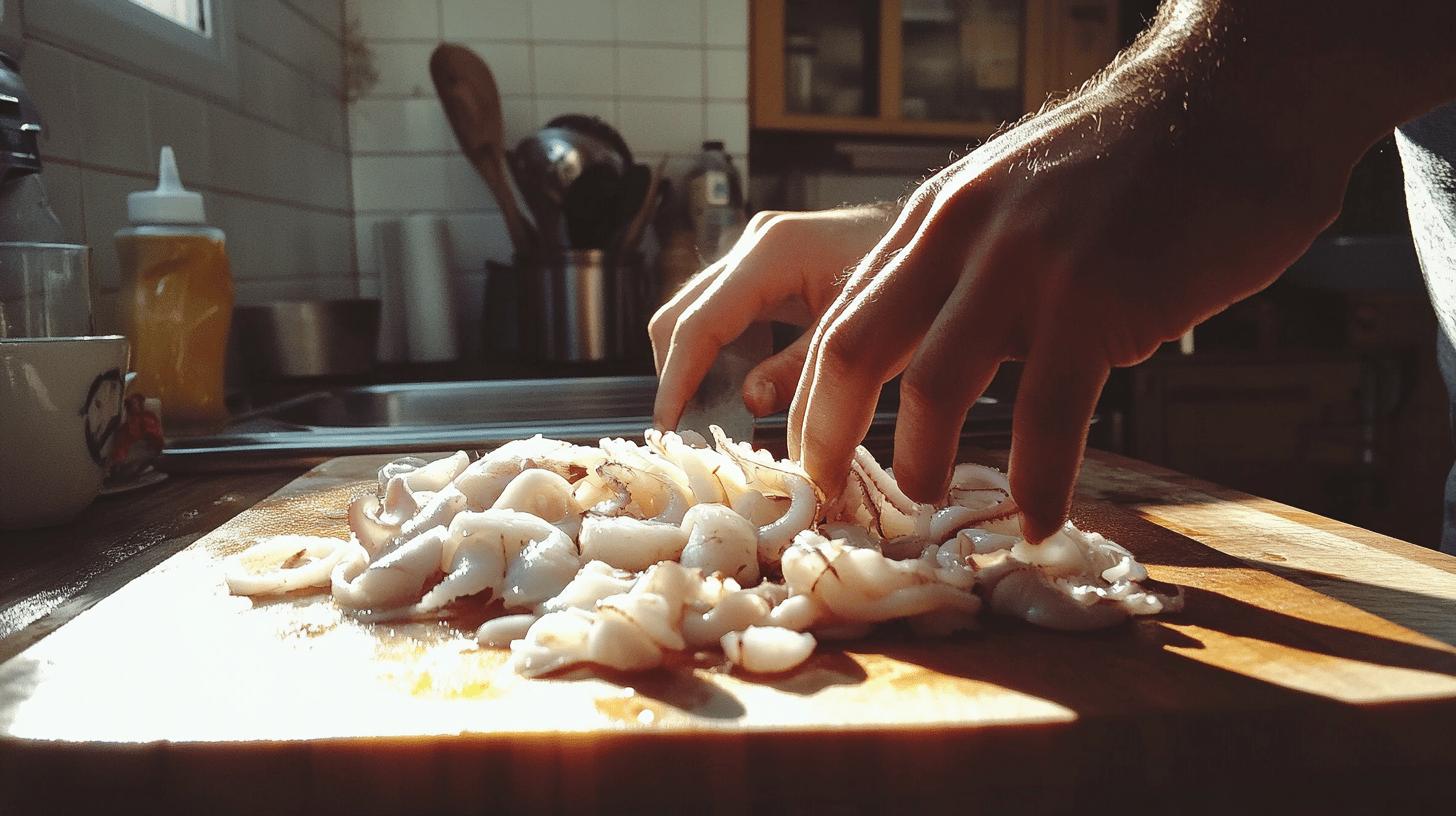
    To keep things fresh and concise, let's dive into cleaning and serving tips for squid. When cleaning squid, a thorough rinse is key to remove dirt or residue. Pay special attention to eliminating inedible parts like the beak, pens, and any hard shells. This ensures a safe and enjoyable meal for your feline friend.

    After cooking the squid by boiling, grilling, or baking, let it cool down completely. This prevents burns and makes it more palatable. Once cooled, cut the squid into small, manageable pieces. This not only prevents choking but also aids in easier chewing and digestion for your cat. By focusing on these unique preparation details, you enhance the safety and enjoyment of squid as a treat for your pet.

    Monitoring Cat Reactions to Squid

    Monitoring Cat Reactions to Squid-1.jpg

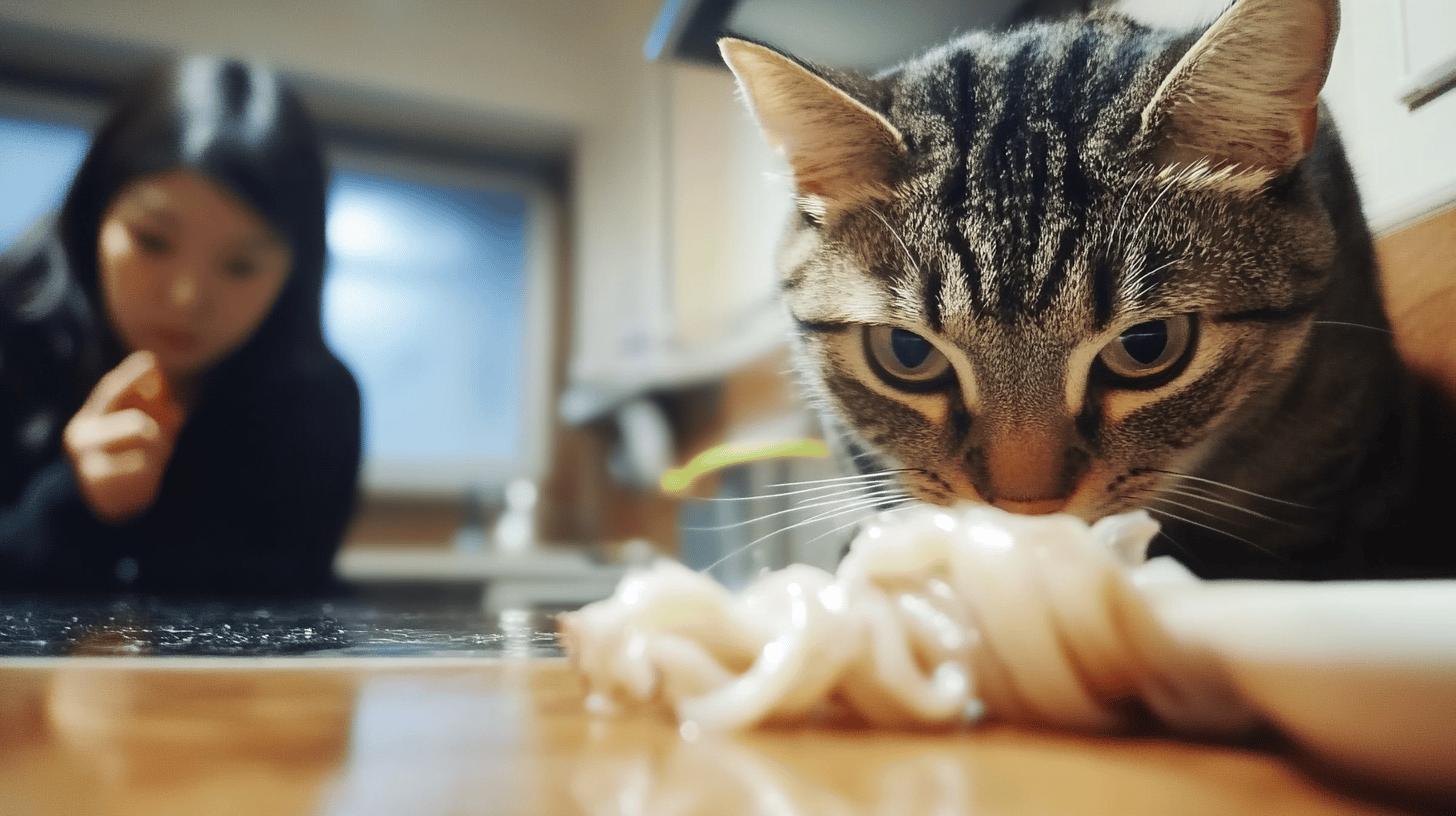
    When introducing squid into your cat's diet, it's crucial to keep an eye out for any adverse reactions. Cats may develop allergies or experience digestive issues from trying new foods like squid. Look for common allergy symptoms such as itching, redness, or swelling, and keep an eye out for digestive problems like vomiting or diarrhea. These signs indicate that squid might not agree with your cat's system, and it's best to discontinue feeding it to them.

    Before adding squid or any new food to your cat's diet, consulting a veterinarian is a wise step, especially if your cat has pre-existing health conditions. A vet can provide personalized advice, considering your cat's specific health needs and potential risks associated with squid consumption. This proactive approach ensures that your feline friend remains healthy and enjoys the occasional treat without unwanted side effects.

    Alternative Seafood Delicacies for Cats

    Alternative Seafood Delicacies for Cats-1.jpg

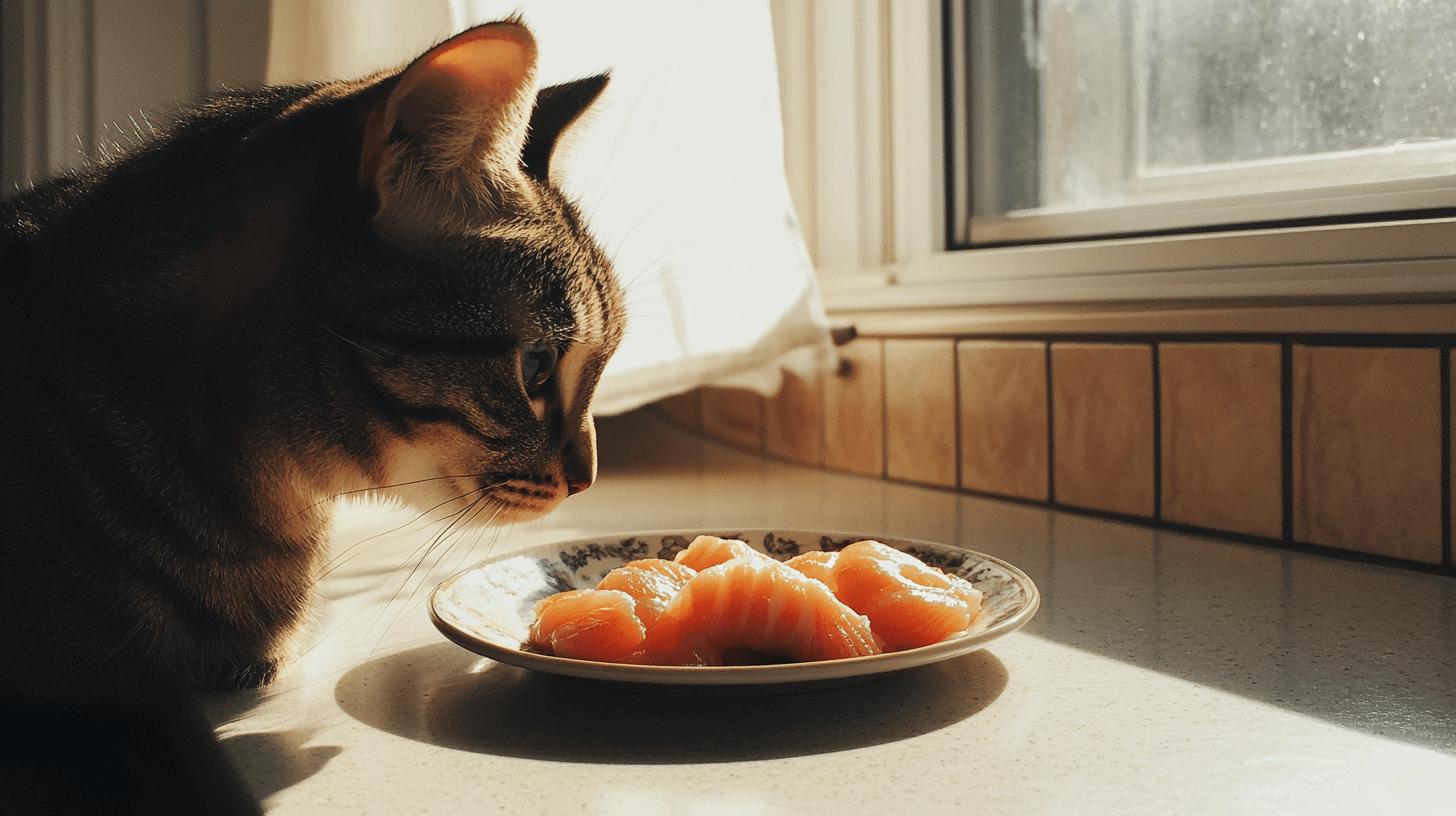
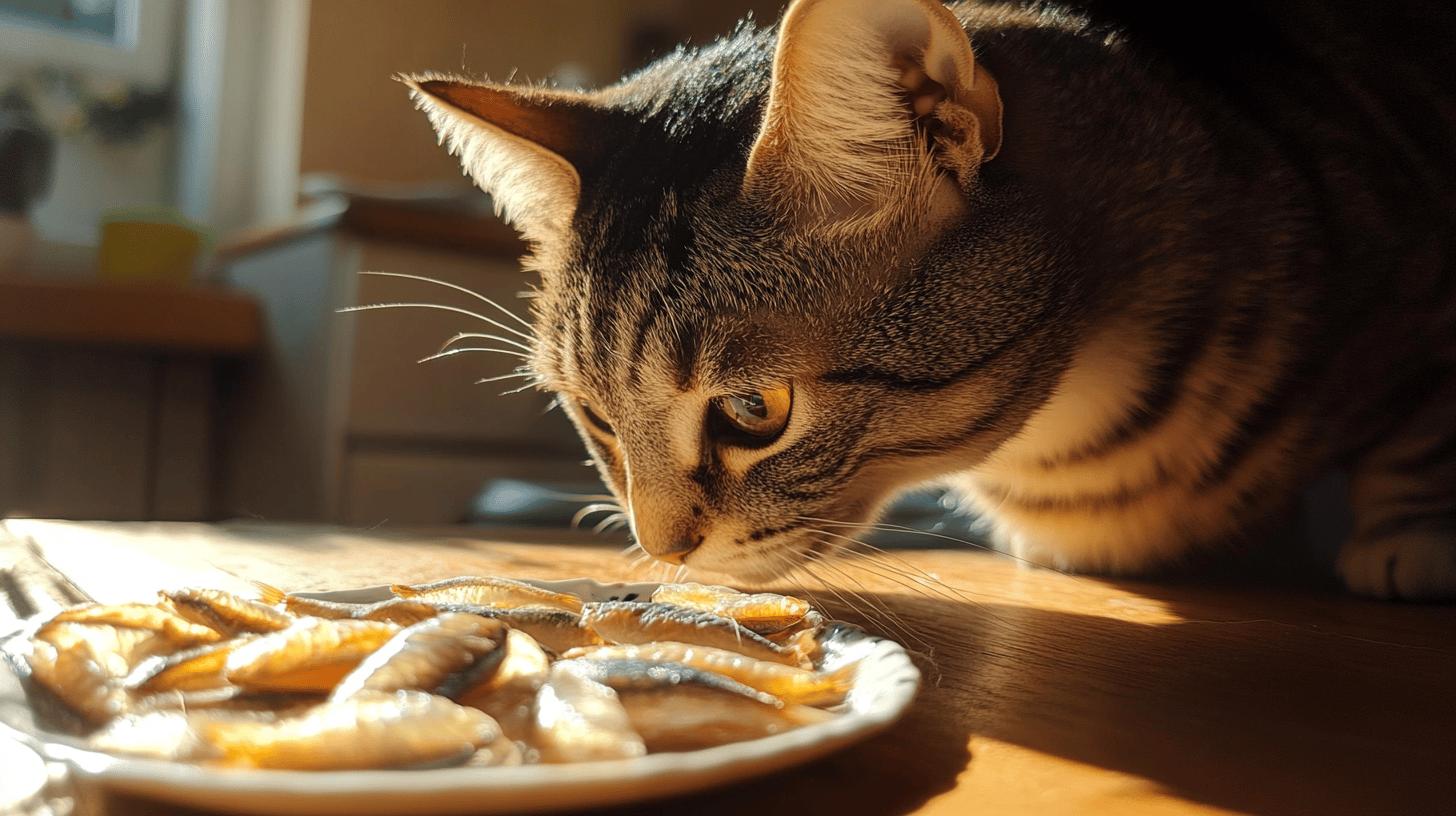
    If you're looking to add variety to your cat's diet, consider seafood options like shrimp, salmon, and anchovies. These alternatives not only offer a change of taste but also provide similar nutritional benefits as squid. Cooked and unseasoned shrimp can be a delightful treat, offering a rich source of protein and omega-3 fatty acids. Salmon, another excellent choice, is packed with essential fats that promote a healthy coat and support brain development. Fresh anchovies, though smaller, bring a punch of flavor and nutrients, including calcium and vitamins, beneficial for your cat's overall health.

    • Shrimp: Offers high protein and omega-3s; remove shells before serving.
    • Salmon: Rich in essential fats; cook thoroughly to eliminate parasites.
    • Anchovies: Packed with calcium; serve fresh and unseasoned.

    While these seafood options can be a nutritious addition, moderation is crucial. Treats like these should not replace a balanced diet but serve as occasional indulgences. By doing so, you ensure your cat enjoys the benefits without risking nutritional imbalances or excessive calorie intake. Always prepare these treats with caution, removing any bones or shells, and consulting your vet when introducing new foods.

    Final Words

    Feeding a cat squid involves balancing potential risks with nutritional benefits. I covered safety concerns, like bacterial contamination and thiaminase in raw squid, and how cooking can make squid a safer option. Rich in protein, omega-3s, and taurine, squid offers several health benefits.

    Remember to prepare squid without oils or seasonings. A variety of seafood options, like shrimp and salmon, also provide nutritional benefits. Always keep an eye on your cat's reactions when trying squid or alternatives. Helpful moderation leads to happy, healthy cats!

    FAQ

    Can cats eat squid raw or cooked?

    Cats can eat squid, but it should be cooked to be safe. Raw squid can cause vitamin B1 deficiency due to thiaminase. Cooking deactivates this enzyme and reduces the risk of bacterial contamination.

    Can cats eat squid ink or squid jerky?

    Cats should avoid squid ink and jerky. Ink can harm digestion, while jerky is often too salty and tough for cats.

    Is cooked squid good for cats?

    Cooked squid is okay for cats in moderation. It provides protein, omega-3s, and taurine but should not be a regular diet element.

    Can cats eat dried squid?

    Dried squid is not ideal for cats. It's often high in sodium, which can lead to health problems if eaten frequently.

    Does raw squid paralyze cats?

    Raw squid contains thiaminase, which can cause vitamin B1 deficiency and health issues, but paralysis is unlikely. Ensure the squid is cooked before feeding it to cats.

    Can cats and dogs eat squid?

    Both cats and dogs can eat squid if it's cooked and given in small amounts. Always avoid oils, seasonings, and raw squid.

    Is squid okay for cats to eat?

    Squid is okay in small, cooked portions. It offers health benefits but should be given sparingly to prevent dietary imbalance.

    Do cats like squid?

    Some cats may enjoy squid due to its texture and flavor. Always monitor your cat's reactions to new foods.

    What seafood can cats not eat?

    Cats should avoid raw seafood, smoked fish, and heavily seasoned or salted seafood. Cook fresh options without additives for safety.

    Related Articles

  • Can Cat Eat Truffle Safety and Health Considerations

    Can Cat Eat Truffle Safety and Health Considerations

    Can cats safely enjoy the luxurious taste of truffles, or are these pricey delights off-limits for our feline companions? Before you think about sharing truffles with your cat, it's crucial to understand the differences between mushroom and chocolate truffles.

    While mushroom truffles might be harmless in tiny amounts, chocolate truffles pose significant risks due to toxic ingredients like theobromine. Understanding which truffle varieties pose risks and how to protect your cat is key to making informed choices for their well-being.

    Complete Guide to Truffles and Cats: Safety, Nutrition, and Veterinary Insights

    Complete Guide to Truffles and Cats Safety, Nutrition, and Veterinary Insights-3.jpg

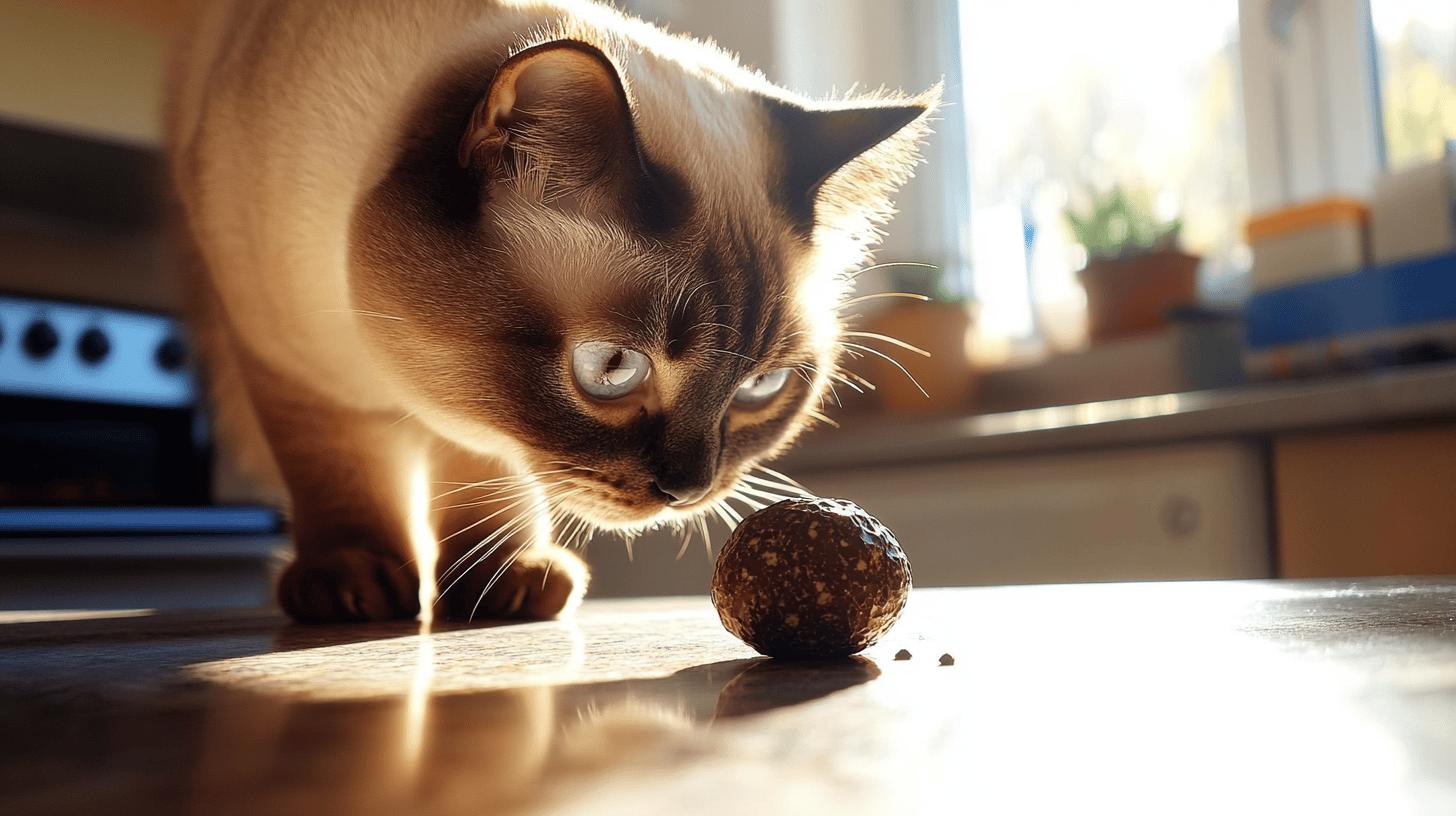
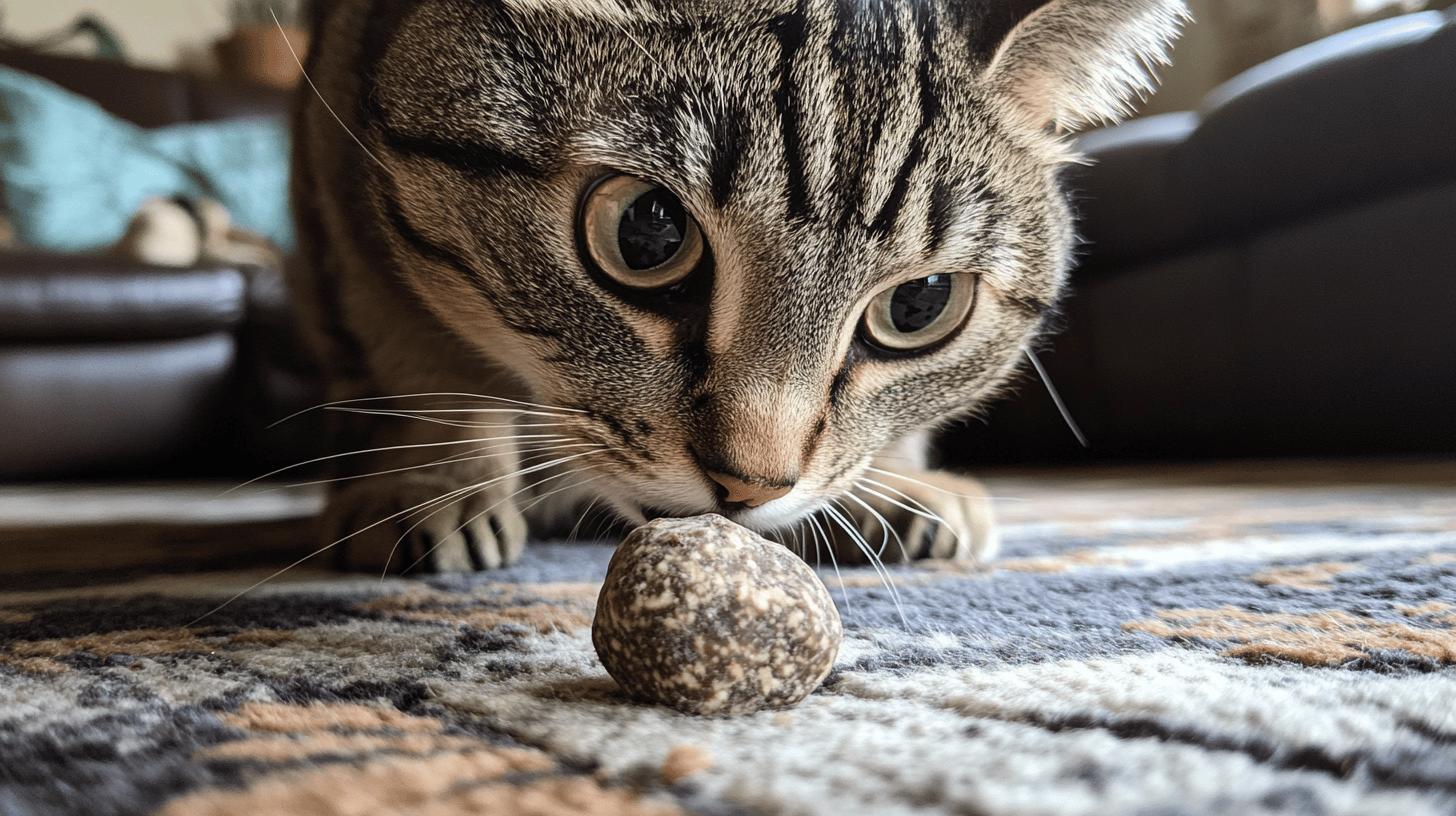
    Truffles come in two main varieties–mushroom truffles and chocolate truffles. Mushroom truffles are the ones that can be safely consumed by our feline friends, in moderation. They're a type of wild mushroom that doesn't pose the same risks as many other wild varieties.

    On the other hand, chocolate truffles are a definite no-go. These delicious human treats can be quite dangerous for cats due to their content of theobromine and caffeine, both of which are toxic to them.

    Chocolate truffles contain substances that can be harmful, and potentially fatal, to cats. Theobromine and caffeine can cause a range of symptoms from hyperactivity and rapid breathing to more severe issues like tremors and seizures.

    It's crucial to keep these out of a cat's reach to prevent accidental ingestion. Unlike mushroom truffles, chocolate truffles do not belong anywhere near a cat's diet.

    Mushroom truffles, while being safe, don't offer much in terms of nutritional benefits for cats. They contain some beneficial nutrients like vitamin C, magnesium, and antioxidants, but these are not particularly necessary for a cat's diet.

    Cats are obligate carnivores and their nutritional needs are primarily met through meat-based foods. So, while mushroom truffles aren't harmful, they don't contribute significantly to a cat's overall health.

    From a practical standpoint, feeding truffles to cats isn't the most economical choice. Truffles are one of the more expensive delicacies in the culinary world.

    Given their cost and the fact that they don't provide substantial nutritional value to cats, it might be better to stick to more conventional cat treats or foods that are specifically designed to meet their dietary requirements.

    Veterinary advice often emphasizes caution when introducing any new food into a cat's diet. It's always best to consult a vet before offering something unusual like truffles.

    A balanced diet that caters to a cat's specific nutritional needs should be the focus. Human foods, including truffles, should generally be avoided unless a vet has given the green light.

    When introducing any new food, including mushroom truffles, it's important to do so responsibly. Start with small amounts and closely observe your cat for any signs of adverse reactions.

    Cats can be quite sensitive to dietary changes, so moderation is key. Watch for any changes in behavior or health, and always prioritize your cat's safety and well-being.

    Potential health risks if truffles are consumed excessively:

    • Digestive upset

    • Vomiting or diarrhea

    • Toxicity symptoms

    • Changes in behavior

    By keeping these considerations in mind, you can make informed decisions about what to feed your cat, ensuring they stay happy and healthy.

    Alternative Cat-Safe Foods to Truffles

    Alternative Cat-Safe Foods to Truffles-4.jpg

    In the world of feline nutrition, there are plenty of safe human foods that you can share with your cat instead of truffles. These alternatives not only ensure the safety of your furry friend but also provide more practical and beneficial options.

    Cats can enjoy small amounts of certain cooked meats and vegetables that align with their dietary needs, offering a variety of tastes and textures to keep them interested.

    Opting for these alternatives is preferable because they are more aligned with a cat's natural dietary requirements. Unlike truffles, these foods can offer nutritional benefits that support a cat's health. By choosing foods designed to cater to a cat's carnivorous nature, you can responsibly feed your pet while avoiding unnecessary risks.

    • Cooked chicken

    • Salmon

    • Peas

    • Carrots

    • Commercial cat treats

    These options are not only safe but also contribute to a well-rounded dietary plan for your cat.

    Monitoring Cat Health and Behavior After Eating Truffles

    Monitoring Cat Health and Behavior After Eating Truffles-2.jpg

    When introducing truffles to your cat's diet, observation is crucial. Each cat's response to new foods can be unique, making it essential to keep a watchful eye on their health and behavior. This vigilance helps in detecting any unusual reactions quickly, ensuring your cat's well-being and helping you understand their dietary tolerances better.

    Be alert for specific symptoms that may show adverse reactions. While vomiting and diarrhea are common signs, other symptoms might include:

    • Lethargy or unusual tiredness

    • Excessive licking of lips or drooling

    • Increased vocalization or agitation

    These symptoms, if observed, suggest stopping the new food and consulting a vet to ensure your cat's health remains unaffected.

    Truffle Varieties and Safety Comparison

    Black truffles and white truffles represent the two primary culinary varieties, each with distinct properties affecting cat safety. Black truffles (Tuber melanosporum) are primarily used in European cuisine and contain theobromine, the same compound found in chocolate. While the concentration is significantly lower than in cocoa, repeated consumption of black truffles could potentially accumulate to toxic levels in feline systems.

    White truffles (Tuber magnatum), primarily harvested in Italy, have a different chemical composition and pose minimal direct toxicity risk. However, their high fat content and pungent sulfur compounds can still upset sensitive feline digestive systems.

    Truffle oil, the most commonly encountered form in household kitchens, is typically not made from real truffles but rather from truffle-infused mineral oil with synthetic flavoring. These synthetic aromatic compounds may trigger gastrointestinal upset in cats. True truffle oil products containing actual truffle fragments carry similar risks as fresh truffles but in concentrated form.

    Given these variations, avoiding all truffle types–fresh, oil, or oil derivatives–provides the safest approach. If exposure occurs accidentally, black truffle ingestion warrants veterinary monitoring more urgently than white varieties.

    Nutritional Profile and Digestive Impact

    From a nutritional standpoint, truffles offer minimal benefit to feline diets. A 100-gram serving contains approximately 65-100 calories, with negligible protein content (2-3 grams) and moderate carbohydrate levels unsuitable for obligate carnivores.

    The nutritional deficit isn’t the primary concern; the digestive impact is. Truffles contain complex sugars and fiber compounds that feline digestive enzymes cannot efficiently process. Cats lack the necessary cellulase enzymes to break down these plant-based compounds, leading to fermentation in the gut.

    This fermentation process produces gas, bloating, and discomfort within 4-8 hours of ingestion. High-fat content in truffles can also trigger pancreatitis in susceptible cats, particularly those over age 7 or with prior digestive sensitivities. The risk escalates significantly if truffles are consumed alongside regular meals, creating a high-fat dietary spike.

    Additionally, the aromatic compounds in truffles–primarily dimethyl sulfide and dimethyl disulfide–can suppress appetite in sensitive cats for 24-48 hours after exposure, disrupting their normal feeding schedule.

    Accidental Consumption and Response Guide

    If your cat accidentally consumes truffles, immediate assessment of quantity and variety is crucial. Consumption of less than 5 grams typically triggers minor digestive upset resolving within 24 hours with conservative management.

    Minor ingestion signs include mild vomiting, loose stools, or decreased appetite. Provide fresh water, withhold food for 4-6 hours, then offer bland options like plain chicken breast or rice. Monitor for symptom progression over the following 24 hours.

    Larger quantities (more than 10 grams) or black truffle consumption warrants veterinary consultation within 2-4 hours. Bring product packaging if available to help your veterinarian assess theobromine content. Your vet may recommend activated charcoal administration if caught within 2 hours of ingestion.

    Seek emergency veterinary care if your cat displays severe vomiting, abdominal pain, lethargy, difficulty breathing, or neurological signs (trembling, disorientation). These symptoms suggest either significant ingestion volume or underlying health complications requiring immediate intervention.

    Final Words

    Truffles and cats have stirred curiosity among pet owners. While mushroom truffles might seem safe, their nutritional benefits are limited. Chocolate truffles, however, are dangerous due to harmful chemicals. It's crucial to consult a vet if considering adding treats like these to your cat's diet.

    Ultimately, it's safer and more practical to stick with the typical feline diet and avoid human foods unless advised by an expert. By understanding whether a cat can eat truffle and focusing on balanced nutrition, we can ensure our furry friends stay healthy and happy.

    FAQ

    Is truffle toxic for cats?

    Truffle is generally not toxic to cats when consumed in moderation. However, caution is advised since chocolate truffles can be harmful due to theobromine and caffeine.

    Are truffles safe to eat?

    Truffles, especially mushroom truffles, are usually safe for cats in moderation. They offer some nutrients like vitamin C and antioxidants but aren't necessary for a cat's diet.

    Can cats eat chocolate truffles?

    Chocolate truffles should not be given to cats. They contain theobromine and caffeine, which are toxic for cats and can lead to serious health issues.

    Can dogs eat truffle?

    Dogs can safely consume small amounts of mushroom truffles. As with cats, chocolate truffles are dangerous for dogs as well due to toxic components like theobromine.

    Related Articles

  • Can Cat Eat Canned Sardines Safely and in Moderation

    Can Cat Eat Canned Sardines Safely and in Moderation

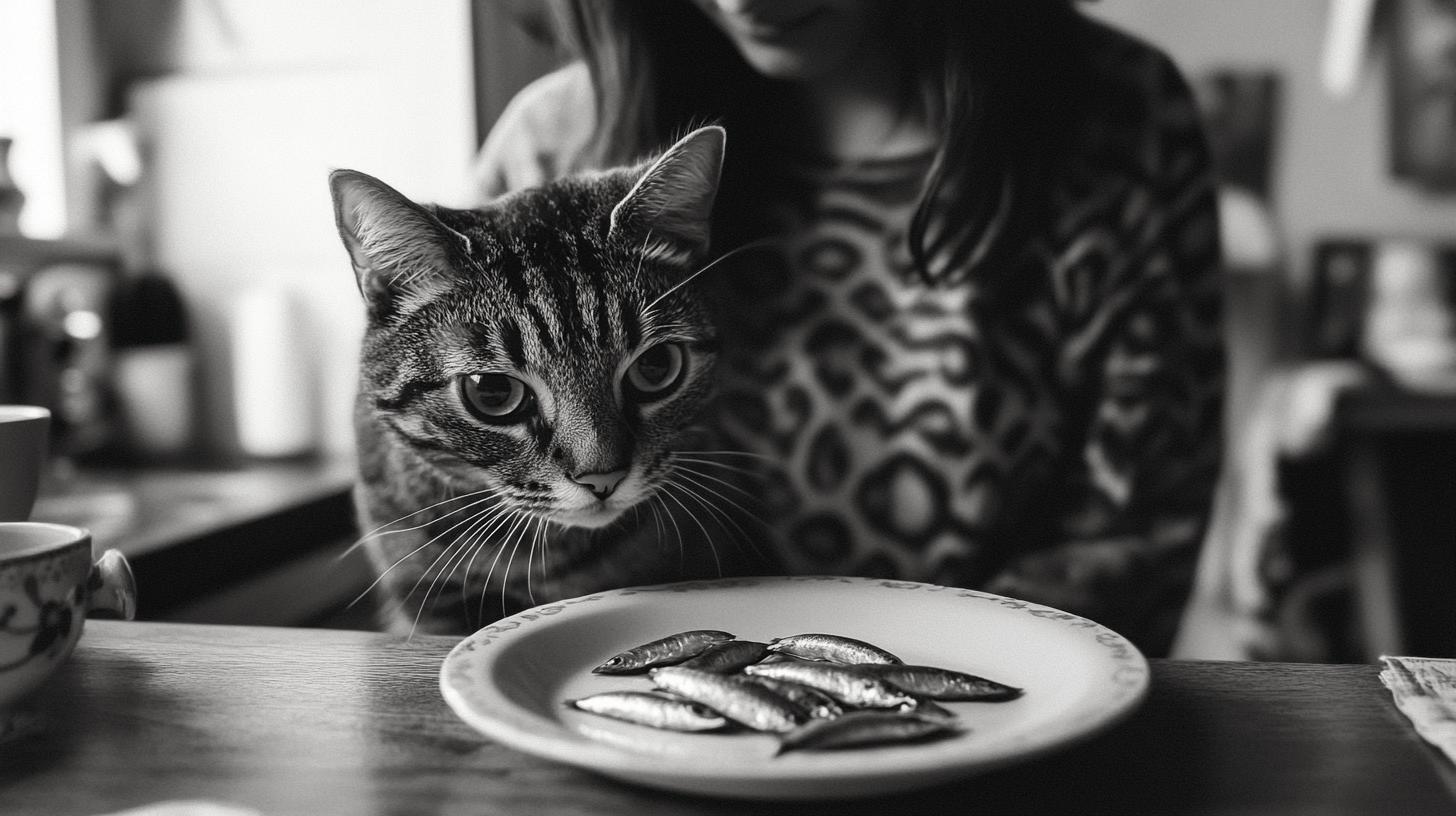
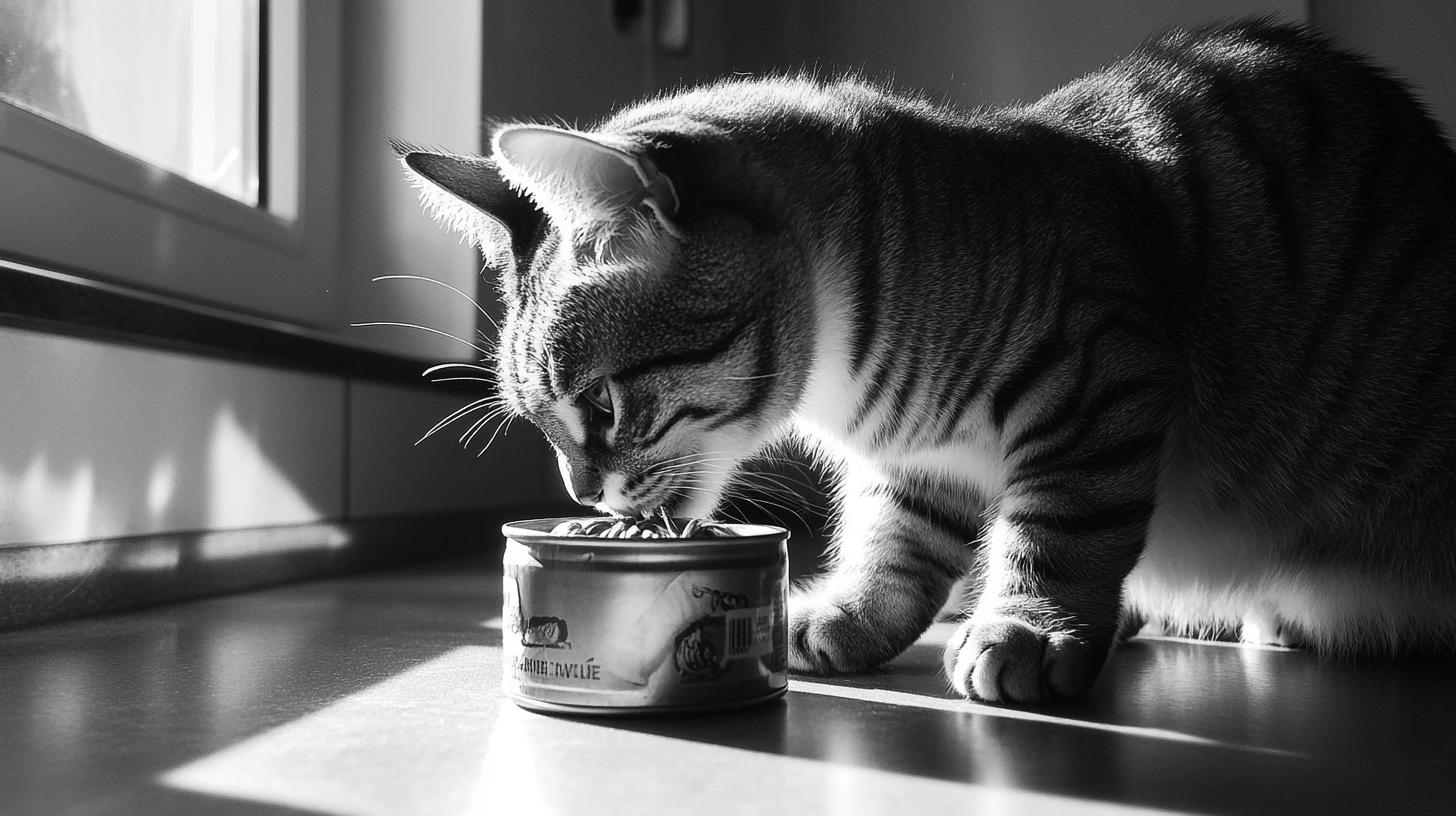
    Can cats munch on canned sardines without a hitch? Yes, but just like treating yourself to cake every day might not be the best idea, moderation is crucial for these fishy delights. Sardines boast fantastic benefits, packed with omega-3s and vital nutrients that can give your cat’s coat a glossy shine. But before you pop open that can, remember that too much sodium is not your cat's best friend. Feeding plain sardines occasionally will keep your feline happy and thriving, ensuring a safe and balanced diet.

    Can Cats Safely Eat Canned Sardines?

    Can Cats Safely Eat Canned Sardines-1.jpg

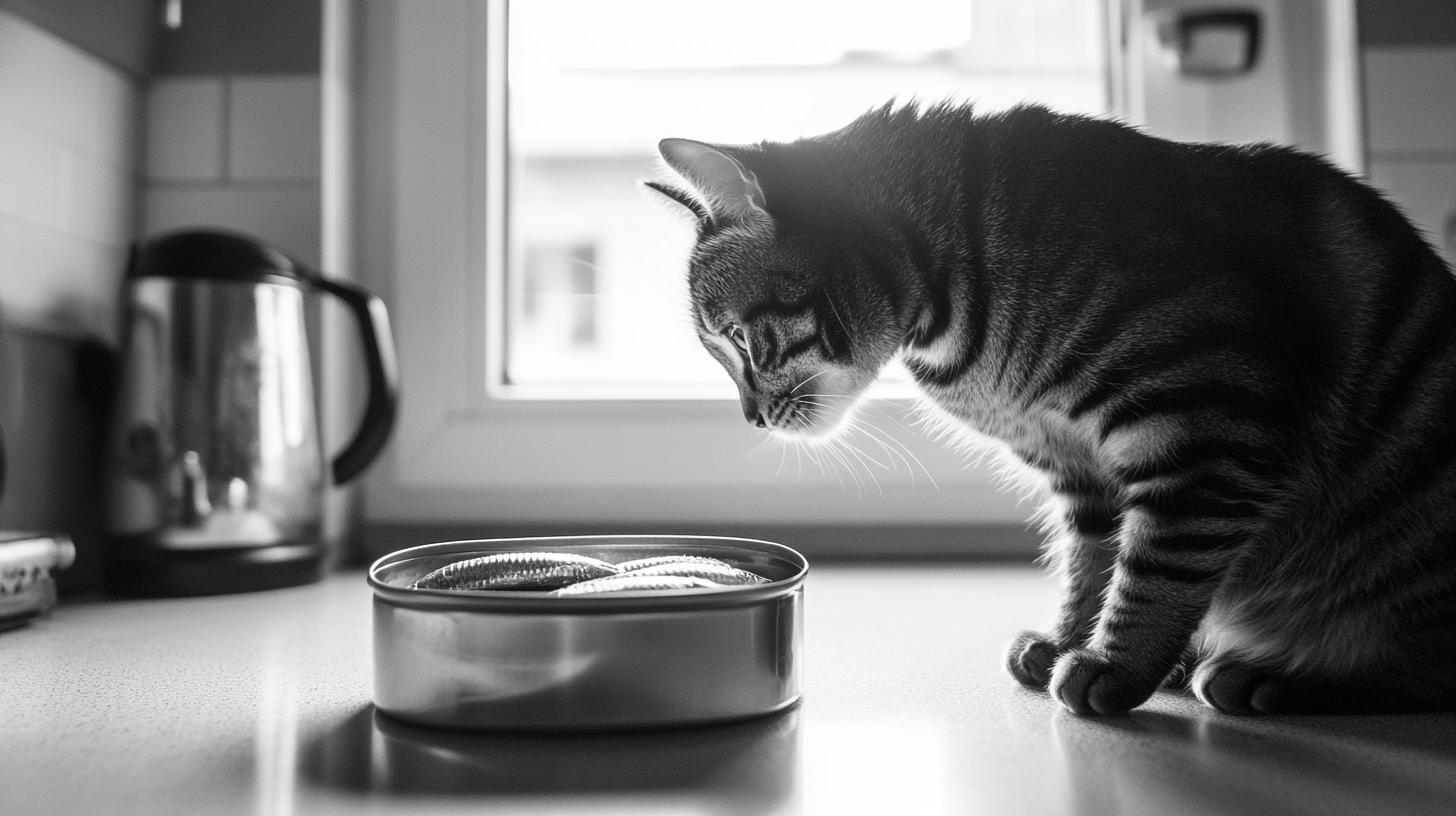
    Cats can safely eat canned sardines, but moderation is key. Sardines are generally safe for cats when they are offered as an occasional treat. Feeding them in moderation helps prevent nutritional imbalances, ensuring that sardines make up less than 10% of your cat's diet.

    Sardines are rich in omega-3 fatty acids, vitamin D, and essential proteins, which provide nutritional benefits to cats.

    Although sardines are nutritious, there are potential risks if they're not served correctly. Canned sardines may contain high sodium levels, which can lead to salt poisoning, exhibiting symptoms like vomiting and diarrhea. To avoid this, feed your cat plain sardines without added oils or seasonings. Additionally, sardines packed in oil or tomato sauce should be avoided, as these can upset your cat's digestive system.

    Maintaining a balanced diet is critical, so feeding sardines sparingly—only a few times a week—is recommended. This practice ensures that your cat receives the majority of its nutrition from a complete and balanced commercial cat food. Moderation helps keep your feline friend healthy while enjoying the occasional sardine treat.

    Nutritional Benefits of Sardines for Cats

    Nutritional Benefits of Sardines for Cats-1.jpg

    Sardines are a powerhouse of nutrients for our feline friends, boasting high levels of omega-3 fatty acids, vitamin D, calcium, and taurine. These components support a cat's skin, coat, and heart health, while also providing essential protein for muscle growth.

    • Supports a shiny, healthy coat
    • Promotes strong bones and teeth
    • Enhances heart health
    • Boosts immune system function
    • Provides essential taurine for vision and heart support

    When stacked against other fish options like tuna, sardines often have the edge. They provide higher taurine levels, crucial for maintaining a cat's vision and heart health. Sardines also have lower mercury levels than tuna, making them a safer choice for frequent feeding. The balanced nutrient profile of sardines ensures your cat gets a healthy mix of vitamins and fatty acids, making them not just a nutritious treat but a superior choice over other fish.

    Risks and Considerations When Feeding Sardines to Cats

    Risks and Considerations When Feeding Sardines to Cats-1.jpg

    Feeding sardines to your cat involves certain risks that require careful attention. High sodium content in canned sardines can cause salt poisoning, leading to vomiting and diarrhea. Small bones present choking hazards, so ensure sardines are bone-free or monitor your cat closely while eating.

    When choosing sardines, avoid those packed in oil or tomato sauce. Oil-packed sardines can cause weight gain and might include harmful ingredients like garlic. Tomato sauce could contain spices and additives that upset your cat's stomach. Select sardines packed in water with no added ingredients for safety.

    Introduce sardines to your cat's diet gradually. Start with small amounts to monitor for any allergies or digestive issues. Observing your cat will help determine if sardines are a suitable treat, ensuring a safe addition to their diet.

    How to Properly Serve Canned Sardines to Your Cat

    How to Properly Serve Canned Sardines to Your Cat-1.jpg

    Choosing and preparing sardines correctly is key to your cat's health. Always select sardines packed in water to avoid harmful additives. Rinse them under running water to eliminate excess sodium. Remove all bones to prevent choking. Plain sardines without oils, seasonings, or sauces are ideal for your cat.

    Here are the steps to serve sardines safely:

    1. Select sardines packed in water – Avoid oil or tomato sauce.
    2. Rinse thoroughly – Remove excess sodium.
    3. Check for bones – Ensure none are present to prevent choking.
    4. Serve plain – No oils, seasonings, or sauces.

    Introduce sardines slowly into your cat's diet. Start with small pieces mixed with regular cat food. This method helps your cat get used to the new flavor. Watch for any health changes to ensure sardines are a good fit for their diet.

    Risks and Considerations of Feeding Sardines to Cats

    Frequency and Quantity of Feeding Sardines to Cats-4.jpg

    Feeding sardines to your cat requires moderation. Offer sardines no more than three times a week, with each serving consisting of just a couple of sardines. This keeps sardines to less than 10% of your cat’s diet, ensuring they receive the right balance of nutrients.

    Sardines should complement, not replace, the primary nutrition from a complete and balanced commercial cat food. Overfeeding can lead to nutrient imbalances and potential health issues. By following these guidelines, your cat enjoys the benefits of sardines without disrupting their dietary balance.

    Alternative Fish Options for Cats

    Alternative Fish Options for Cats-1.jpg

    When it comes to treating your cat to a fishy snack, there are several alternatives to sardines that can add variety to their diet. Canned salmon and mackerel are both excellent options, particularly when they are packed in water without added salt. These fish provide a good mix of nutrients and can be appealing to your feline friend. Fresh fish is another option, offering a different texture and taste, but it's crucial to serve it in moderation to avoid overloading your cat's diet with any single protein source.

    Here are three alternative fish recommendations for cats:

    • Canned Salmon – Rich in omega-3s and protein, choose options with no added salt.
    • Canned Mackerel – Similar benefits as salmon, with a distinct flavor cats may enjoy.
    • Fresh Fish – Ensure it's cooked and boneless to prevent any health issues.

    Sardines generally outperform tuna when it comes to feeding cats. They contain higher levels of taurine, which is vital for a cat's heart and vision, and have lower mercury levels compared to tuna. Fresh fish can be a delightful treat, but keep in mind the importance of moderation to maintain a balanced diet.

    Final Words

    Sardines can be a tasty and nutritious treat for your cat if you follow the right steps. Their omega-3 and taurine content make them great for your kitty's health. But, moderation is key—keep sardines to less than 10% of the diet to avoid any nasty side effects.

    Ensure the sardines are packed in water and free from any added ingredients. By doing so, you can provide a safe and enjoyable snack for your feline friend. Including sardines in a balanced way can lead to improved playtime and better overall health for your cat.

    FAQ

    Can cats eat canned sardines raw or cooked?

    A: Cats can eat canned sardines either raw or cooked, but it's best to serve them cooked to avoid potential health risks. Always choose sardines packed in water without added salt or spices.

    Are canned sardines good for cats?

    A: Canned sardines can be good for cats as they are rich in omega-3 fatty acids, vitamin D, and taurine. Feed them plain and in moderation to ensure proper nutrition and avoid imbalances.

    Can cats eat sardines in tomato sauce or olive oil?

    A: Avoid feeding cats sardines in tomato sauce or olive oil due to added ingredients that can upset their stomach. Opt for plain sardines packed in water instead.

    Can cats eat sardines with bones?

    A: Cats can eat sardines with bones, but it's safer to remove bones to avoid choking hazards. Small, soft bones generally pose less risk but caution is advised.

    Sardines for cats side effects?

    A: Side effects of sardines for cats include high sodium levels leading to salt poisoning and possible vomiting. Ensure sardines are plain and feed sparingly to prevent adverse effects.

    Are canned sardines good for cats with kidney disease?

    A: Canned sardines may not be ideal for cats with kidney disease due to their sodium content. Consult a vet before adding sardines to the diet of a cat with kidney issues.

    What canned fish can cats eat?

    A: Cats can eat canned sardines, salmon, and mackerel when packed in water without salt. These are rich in beneficial nutrients and lower in mercury compared to tuna.

    How to prepare sardines for cats?

    A: Prepare sardines for cats by choosing those packed in water, rinsing them to reduce sodium, and removing bones. Mix with regular cat food in small portions for safe feeding.

    Related Articles

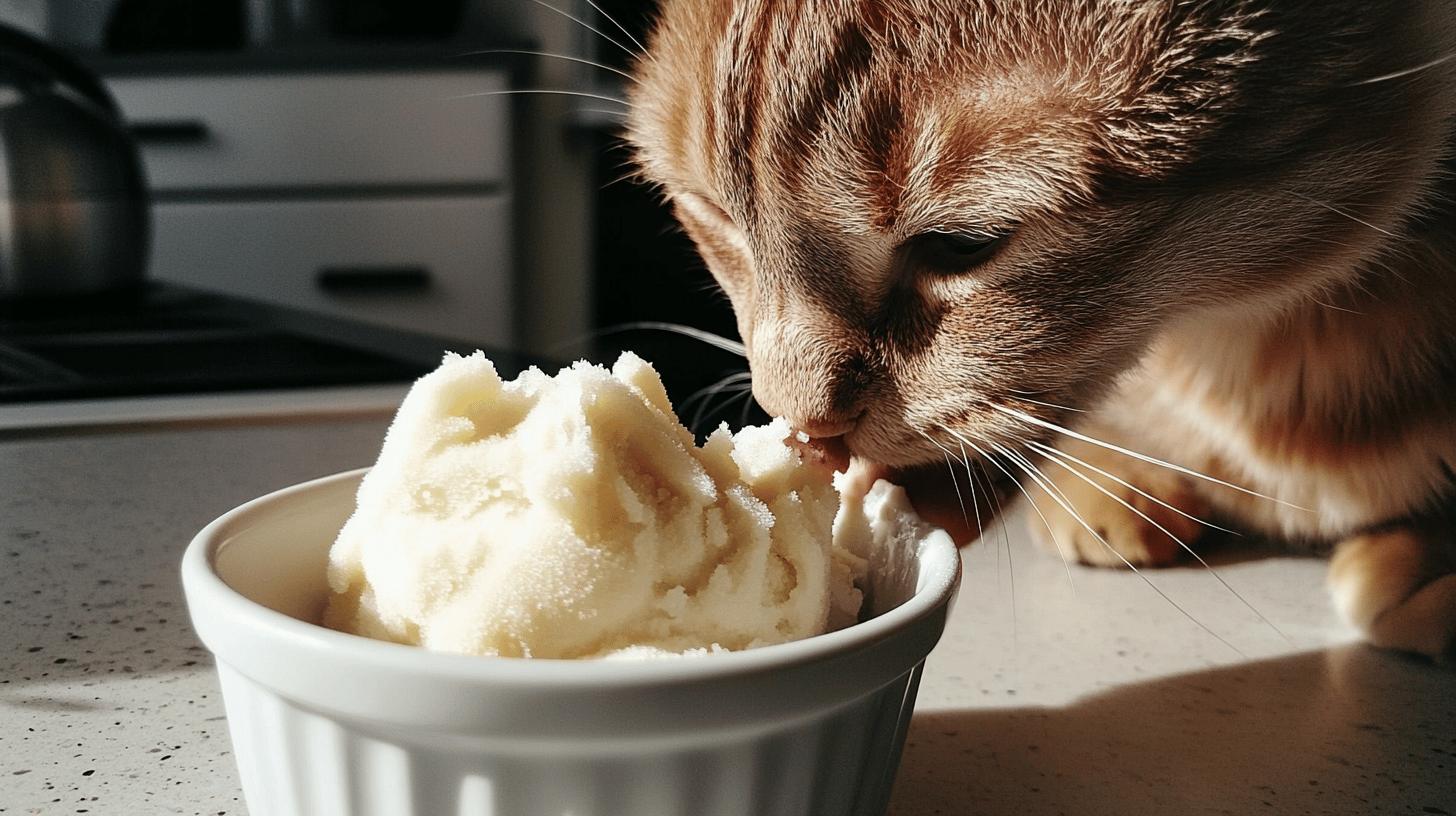
  • Can Cat Eat Strawberry Ice Cream Safely? Essential Facts to Know

    Can Cat Eat Strawberry Ice Cream Safely? Essential Facts to Know

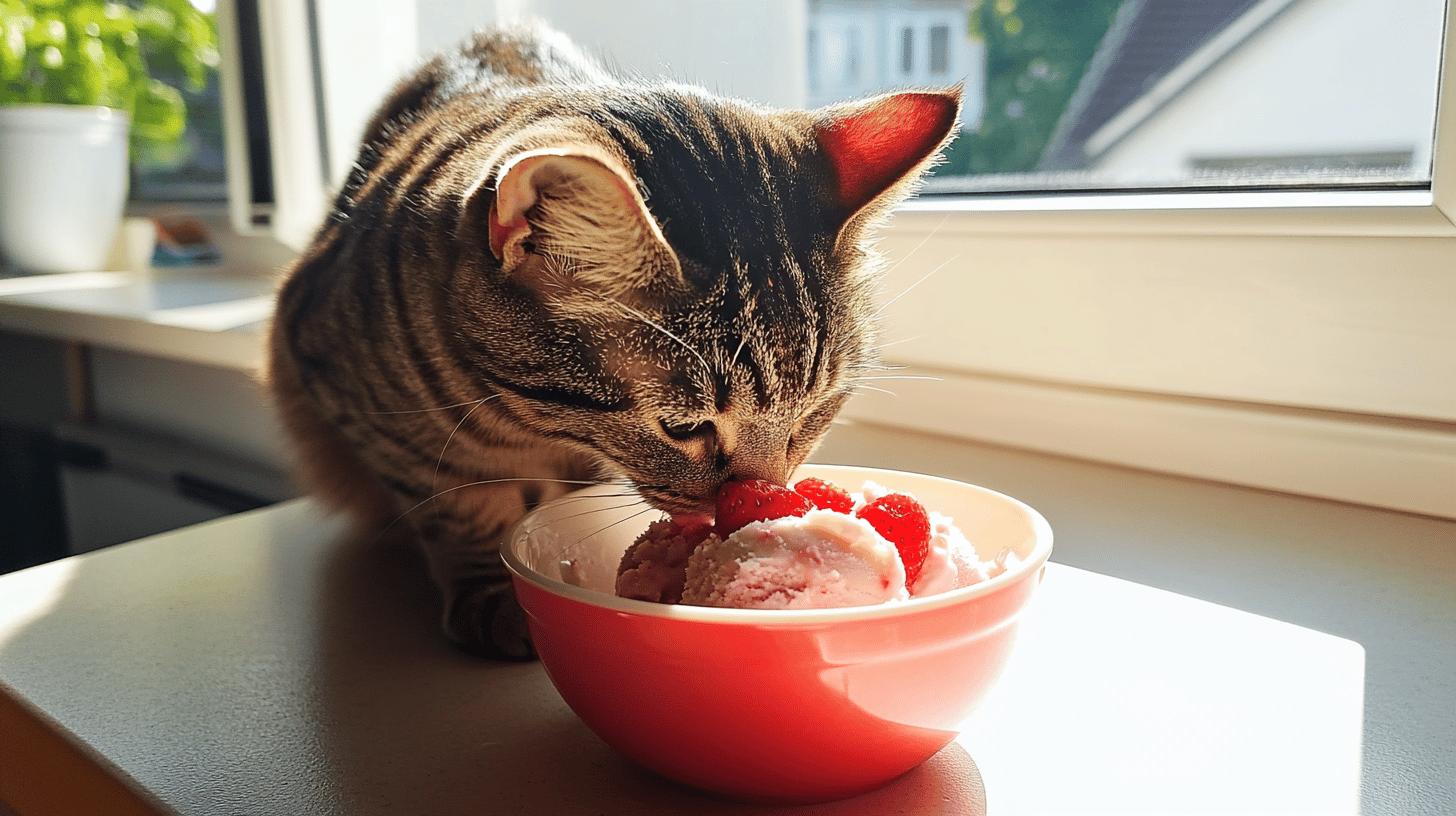
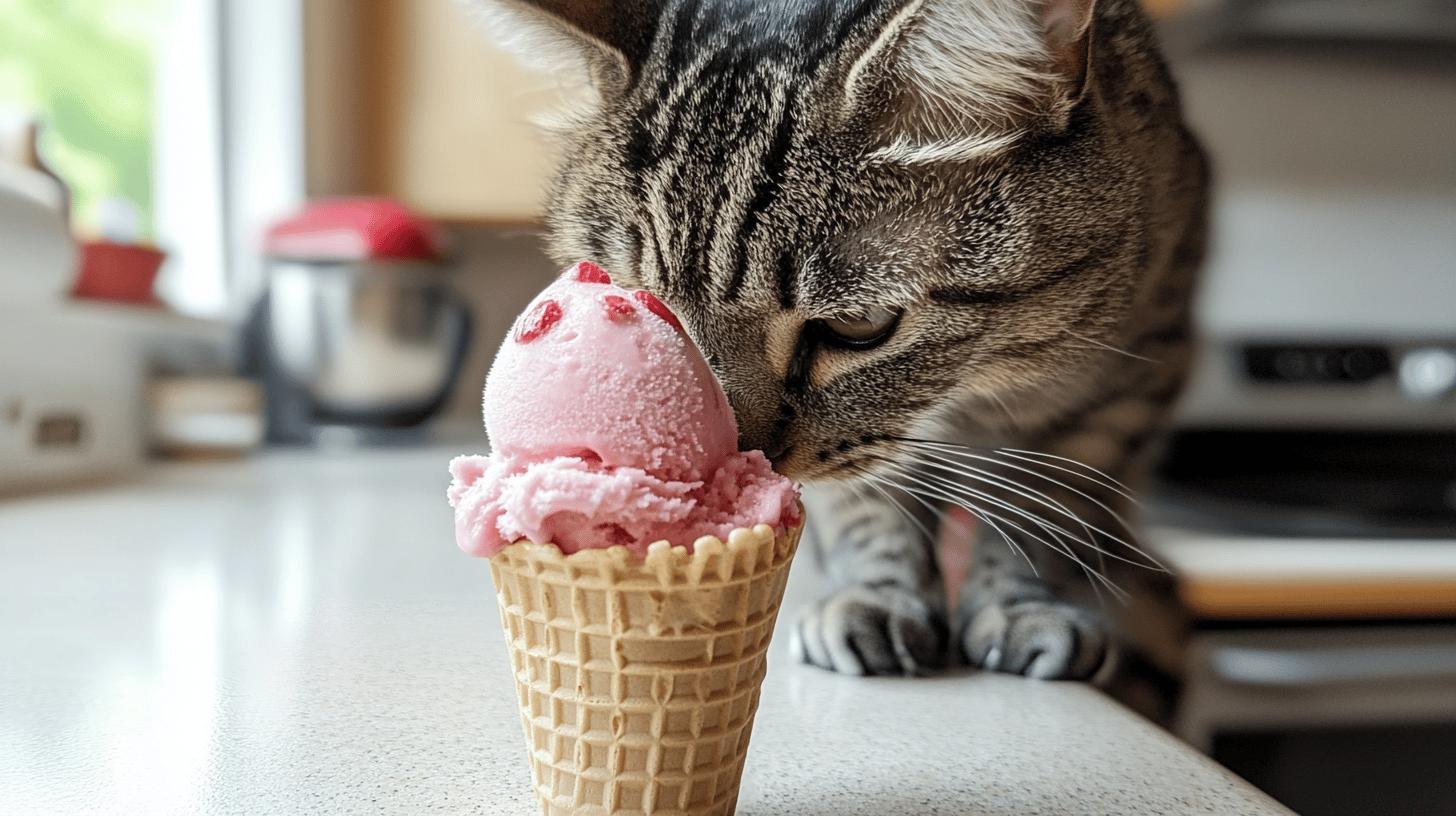
    Can cats eat strawberry ice cream? You might think a little lick won't harm, but this tasty treat poses more risks than you might expect. While humans enjoy this creamy delight, cats may face serious digestive troubles due to the lactose and sugar in ice cream. Not only can it lead to upset stomachs, but it might also cause long-term health issues. In this article, we'll dive into why strawberry ice cream isn't safe for cats and what you can do to keep your feline friend healthy and happy.

    Can Cats Safely Consume Strawberry Ice Cream?

    Can Cats Safely Consume Strawberry Ice Cream-1.jpg

    Strawberry ice cream might be a delightful treat for humans, but it's not a safe option for our feline friends. The primary reasons lie in the main ingredients: dairy and sugar. Cats are lactose intolerant, which means they cannot properly digest lactose found in milk and cream. Consuming dairy can lead to gastrointestinal issues such as stomach upset, diarrhea, and vomiting. Moreover, the sugar and sweeteners present in ice cream are unhealthy for cats, as they can contribute to obesity, dental problems, and potentially diabetes.

    If a cat indulges in strawberry ice cream, you might notice symptoms like vomiting, diarrhea, or general distress. These symptoms indicate that the cat's digestive system is struggling to process the ice cream. Cats lack the enzyme lactase, which is needed to break down lactose, leading to digestive discomfort. Additionally, the high sugar content can cause a spike in blood sugar levels, further stressing their system.

    Long-term consumption of sugar and dairy can pose significant health risks for cats. Regular intake of sugar can lead to serious issues like obesity, which increases the risk of diabetes and joint problems. Dairy can exacerbate gastrointestinal discomfort and lead to chronic digestive issues. Over time, these dietary imbalances can negatively impact a cat's overall health, making it crucial to keep such foods out of their diet.

    Ingredient Effect on Cats
    Strawberries Safe in moderation, but not in processed forms with added sugars
    Sugar Contributes to obesity, dental problems, and possible diabetes
    Dairy Causes digestive issues due to lactose intolerance

    Given these risks, it's best to avoid giving cats strawberry ice cream or any other dairy-based treats. Instead, focus on providing treats that are formulated for cats, ensuring they get the nutrition they need without the unnecessary risks.

    Safe and Healthy Alternatives to Ice Cream for Cats

    Safe and Healthy Alternatives to Ice Cream for Cats-1.jpg

    When it comes to treating our cats, it's crucial to stick to options that support their dietary needs. While ice cream might seem tempting, it's not suitable for our feline friends due to the lactose and sugar it contains. Instead, choosing cat-friendly treats ensures they enjoy a delicious snack without compromising their health. These alternatives are formulated to meet their nutritional requirements, which primarily revolve around protein and essential nutrients. Opting for the right treats can help maintain your cat's health and prevent issues like obesity and digestive discomfort.

    Here are some safe treat options for cats:

    • Specially formulated cat treats that cater to their nutritional needs.
    • Cooked chicken or turkey as a protein-rich snack.
    • Freeze-dried meat treats that are high in protein and low in calories.
    • Small pieces of cooked fish, ensuring all bones are removed.
    • Catnip or cat grass as a fun and natural treat option.

    Homemade Frozen Treat Recipe

    To make a simple and cat-friendly frozen treat, start by blending wet cat food or tuna with a bit of water. Pour the mixture into ice cube trays or small molds and freeze until solid. These treats are not only easy to make but also cater to a cat's love for meaty flavors. Offering these homemade delights ensures your cat gets a refreshing snack that aligns with its dietary needs, providing enjoyment without the health risks associated with ice cream.

    General Guidelines for Feeding Cats Human Foods

    General Guidelines for Feeding Cats Human Foods-2.jpg

    Cats are obligate carnivores, which means their bodies are designed to thrive on a diet primarily made up of meat. They need proteins and essential nutrients found in animal tissues to maintain their health and energy levels. Unlike humans or dogs, cats lack certain enzymes needed to process plant-based foods efficiently. This makes meat an irreplaceable part of their diet. Introducing non-meat items, like fruits or vegetables, should be done with caution as these do not provide the necessary nutrients cats require.

    When considering offering human foods to your cat, moderation is key. While a small taste of certain human foods might be safe, these should never replace their well-balanced cat food diet. Overindulgence in non-meat foods can lead to nutritional imbalances and health issues. Treat human foods as occasional snacks rather than regular meals. This approach helps prevent your cat from developing cravings for unhealthy foods and supports their overall well-being.

    Here are some general guidelines to follow when feeding human foods to cats:

    • Stick to small portions to avoid overwhelming their digestive system.
    • Avoid foods with added sugars and spices, as these can be harmful.
    • Introduce new foods gradually, monitoring for any adverse reactions.
    • Ensure all foods are cooked thoroughly, removing any bones or pits.
    • Consult with a veterinarian before introducing any new food regularly.
    • Prioritize high-protein foods, aligning with their carnivorous diet.

    By adhering to these guidelines, cat owners can occasionally share a safe variety of human foods with their feline friends, ensuring their nutritional needs are consistently met. This careful approach helps maintain a balanced diet and promotes a happy, healthy lifestyle for your cat.

    Final Words

    Exploring the question "can cat eat strawberry ice cream," we've learned that while strawberries themselves may be safe in small amounts, strawberry ice cream is not. Cats struggle with lactose intolerance, and the dairy in ice cream can lead to upset stomach and diarrhea. Long-term effects of consuming dairy and sugar include potential obesity and dental issues.

    Thankfully, there are safer treats out there. Homemade cat-friendly frozen treats can satisfy without risking health. Sticking to a diet primarily of meat ensures cats get proper nutrition. With careful treat choices, our feline friends can enjoy flavors safely.

    FAQ

    Can cats eat strawberry ice cream?

    A: Cats should not eat strawberry ice cream. It contains dairy and sugar, which can lead to digestive problems in cats. Cats are lactose intolerant and cannot digest dairy well.

    Can cats eat strawberry leaves?

    A: Strawberry leaves are not recommended for cats as they can cause digestive discomfort. It's better to stick to safe treats specifically made for them.

    Can cats eat vanilla ice cream?

    A: Vanilla ice cream is not safe for cats. Like strawberry ice cream, it contains dairy and sugar that are harmful to cats' digestive systems.

    Can cats eat strawberries?

    A: Cats can eat strawberries in small amounts. While they are generally safe, they should be given in moderation due to their sugar content.

    Can cats eat strawberry yogurt?

    A: Cats shouldn't eat strawberry yogurt. It contains dairy, which cats are often lactose intolerant to, and added sugars aren't healthy for them.

    Can cats eat ice cream?

    A: Ice cream is not recommended for cats. Its dairy and sugar content can cause digestive issues and are not aligned with their dietary needs.

    Can cats eat blueberries?

    A: Cats can eat blueberries in moderation. They are a better treat option than ice cream as they don't contain harmful ingredients like dairy and sugar.

    Can cats eat bananas?

    A: Cats can eat bananas in small amounts. While not harmful, they should only be an occasional treat due to their high sugar content.

    Is it OK for cats to lick ice cream?

    A: It's not advisable for cats to lick ice cream. Even small quantities of dairy and sugar can cause digestive upset in cats.

    What flavors of ice cream are safe for cats?

    A: No flavors of traditional ice cream are safe for cats. All contain dairy and sugars that can lead to health problems.

    Is strawberry ok for cats?

    A: Strawberries are okay for cats in moderation. They should only be given as an occasional treat due to their sugar content.

    Can cats have a tiny bit of ice cream?

    A: Even a tiny bit of ice cream is not advised for cats. It can cause digestive issues due to the lactose and sugar content.

    Related Articles

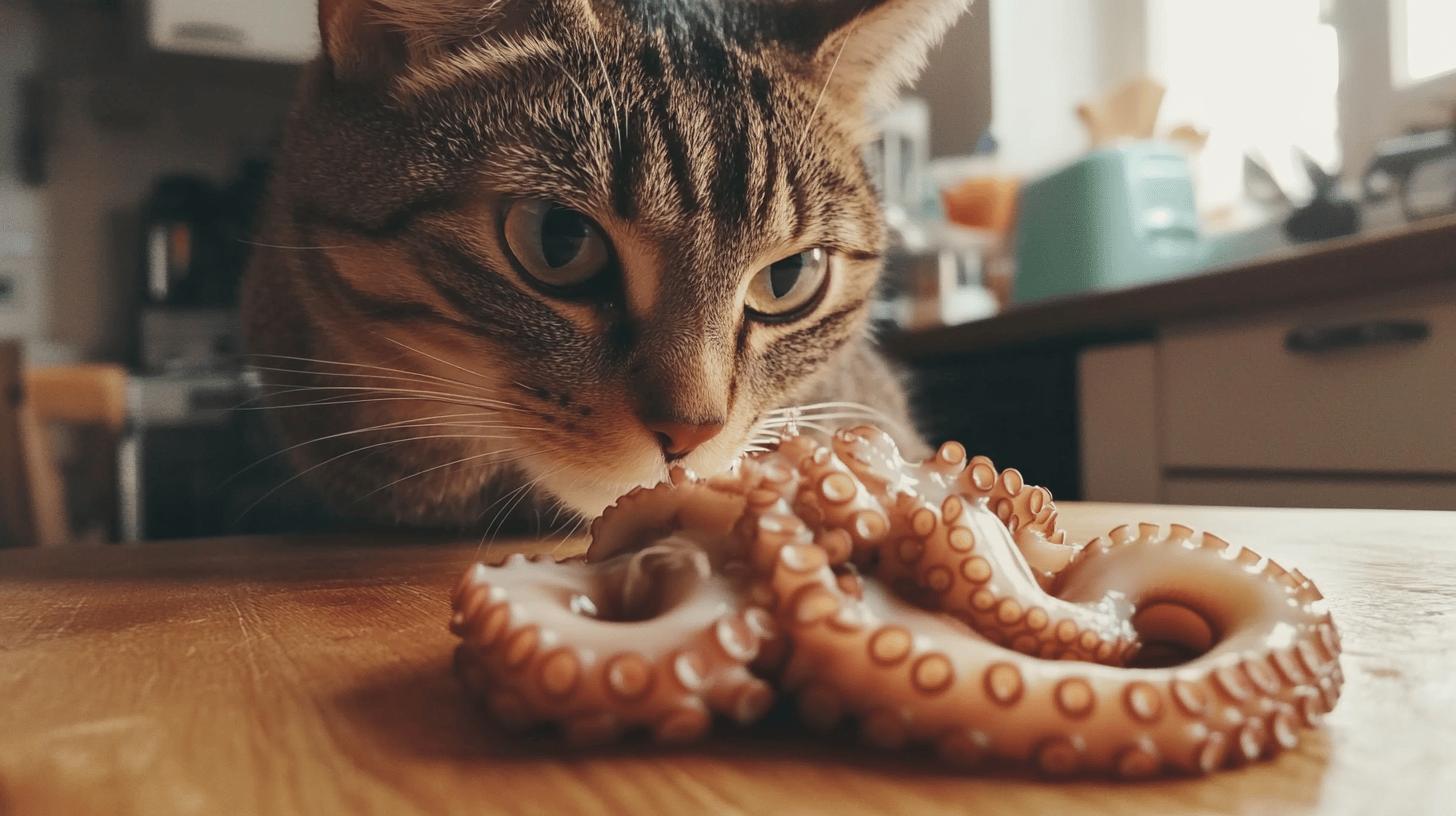
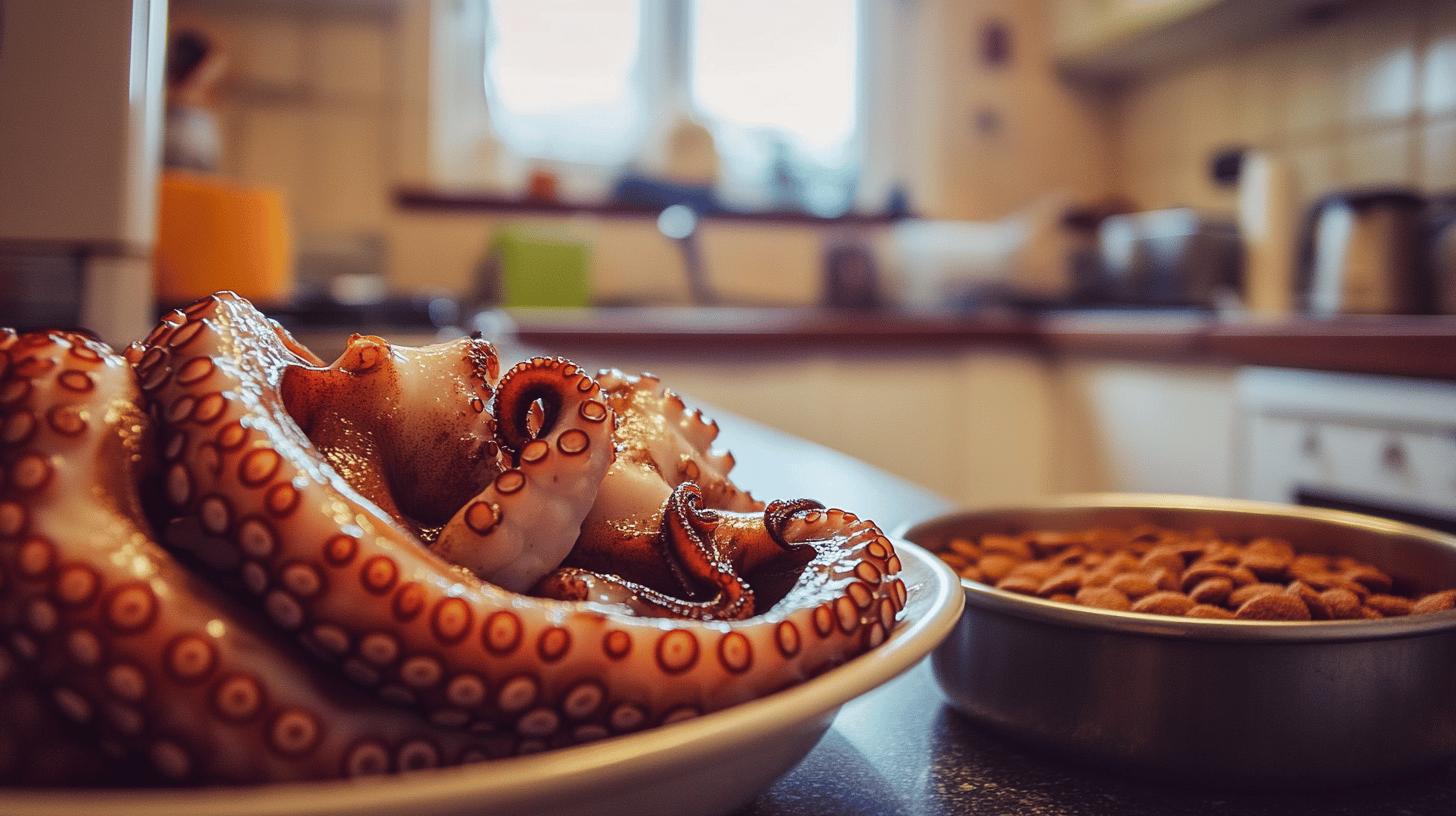
  • Can Cat Eat Octopus Safety Tips and Nutritional Insights

    Can Cat Eat Octopus Safety Tips and Nutritional Insights

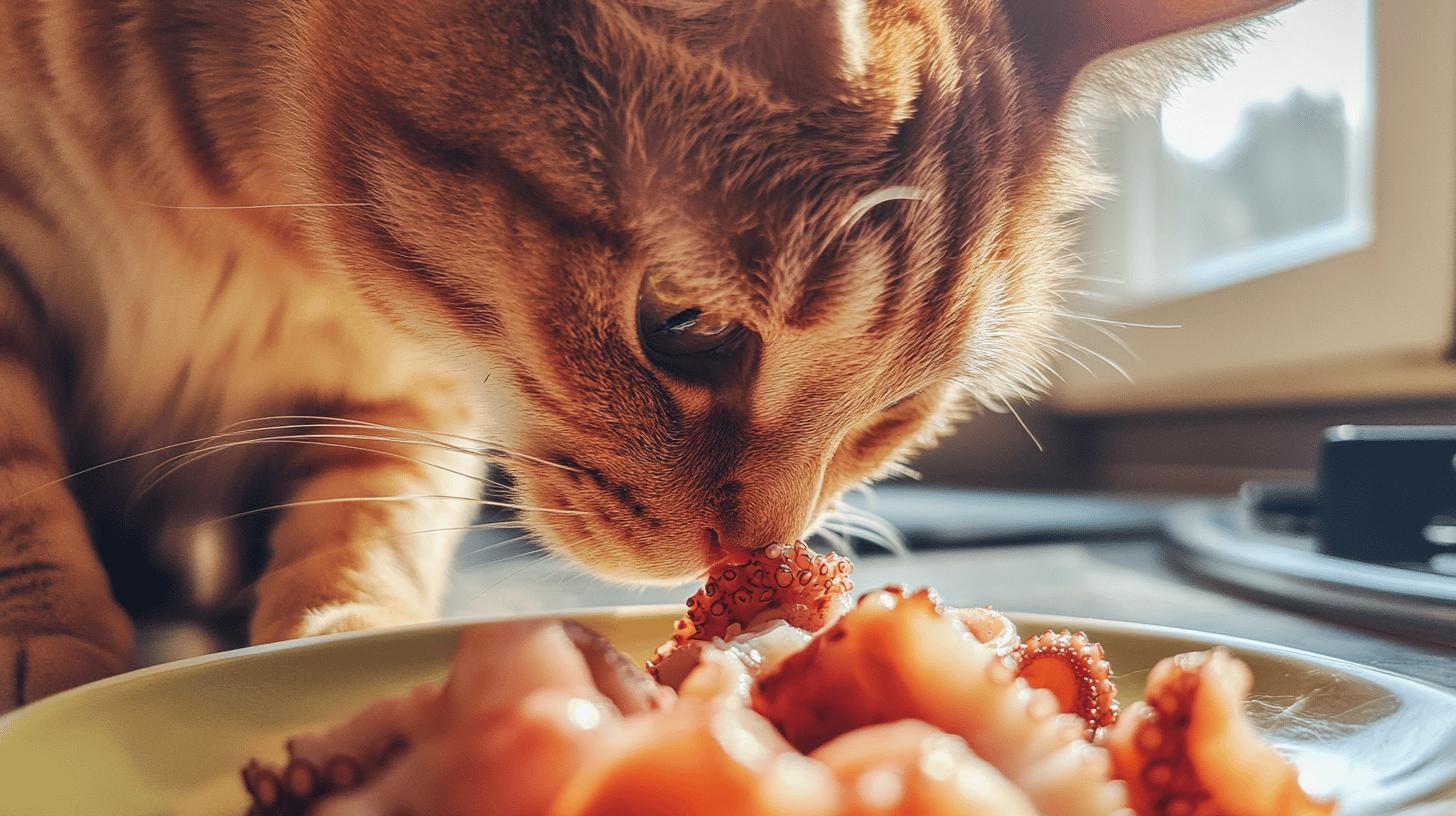
    Can cats safely enjoy octopus as part of their diet, or is this seafood too risky for our feline friends? When prepared the right way and given sparingly, octopus can be a delightful treat packed with protein and omega-3s. But beware—this seafood isn't without its dangers. If it's not cooked thoroughly, octopus can harbor harmful bacteria and heavy metals. In this post, we'll dive into the nutritional perks and safety tips of feeding octopus to your cat, so you can make informed choices for your furry companion.

    Is It Safe for Cats to Eat Octopus?

    Is It Safe for Cats to Eat Octopus-1.jpg

    Octopus is safe for cats to eat if it is prepared correctly and given in moderation. While it can offer some nutritional benefits, like protein and omega-3 fatty acids, it should not replace a cat's regular diet. Octopus should be considered an occasional treat due to its nutritional limitations and potential risks. Ensuring the octopus is cooked thoroughly is crucial to avoid harmful bacteria and contaminants.

    Feeding octopus to your cat comes with potential hazards. Raw octopus can be a source of food poisoning because it may contain bacteria such as Vibrio, Salmonella, and E. coli, which are dangerous to cats. Additionally, octopus can accumulate heavy metals like mercury, which can pose health risks over time if consumed in large amounts. It's essential to source octopus carefully and ensure it's cooked properly to minimize these risks.

    Seafood allergies are the third most common type of allergy in cats, following beef and dairy allergies. Possible allergic reactions in cats include digestive issues, such as vomiting or diarrhea, and skin reactions like itching or hives. If you notice any of these symptoms after introducing octopus or any new food into your cat's diet, it's vital to consult with a veterinarian. Recognizing and understanding these possible allergies can help keep your cat safe and healthy.

    Moderation is key when feeding octopus to cats. Overfeeding can increase the risk of exposure to heavy metals and bacteria. Offering small amounts as an occasional treat ensures your cat enjoys the benefits without the associated risks. Always monitor your cat for any adverse reactions and adjust their diet accordingly.

    Potential Hazard Risk Level for Cats
    Bacterial Contamination High if uncooked
    Heavy Metal Accumulation Moderate
    Seafood Allergies Moderate
    Overfeeding Risks Moderate

    Nutritional Profile of Octopus for Cats

    Nutritional Profile of Octopus for Cats-1.jpg

    Octopus provides nutrients that can enhance a cat's diet when fed occasionally. It delivers protein for muscle maintenance and omega-3 fatty acids, which are beneficial for coat and heart health. Additional nutrients include iron, copper, and zinc, though octopus lacks complete nutrition, making it unsuitable as a daily meal replacement.

    While protein and omega-3s are advantageous, octopus should complement a balanced diet rather than replace it. The lack of essential vitamins and minerals in octopus means it can't fulfill a cat's nutritional needs alone. Moderation is crucial to prevent health issues like mercury exposure from seafood.

    • Protein: Supports muscle growth and repair.
    • Omega-3 Fatty Acids: Promote a healthy coat and support heart health.
    • Iron: Aids in oxygen transport in the blood.
    • Copper: Essential for overall metabolism and the formation of red blood cells.
    • Zinc: Supports immune function and skin health.

    Preparing Octopus for Cats: Guidelines and Methods

    Preparing Octopus for Cats Guidelines and Methods-1.jpg

    Thorough preparation of octopus is crucial for your cat's safety. Raw octopus may contain bacteria like Vibrio, Salmonella, and E. coli, which can lead to food poisoning. Cooking octopus properly eliminates these risks and enhances its nutritional benefits as a treat.

    Steaming or boiling are ideal cooking techniques for cats. These methods preserve nutrients while effectively killing bacteria. Cook until tender, ensuring all parts are heated thoroughly. Avoid oils or fats to prevent unnecessary calories and digestive issues.

    Avoid harmful additives such as salt, onion, garlic, and chives. These can cause health problems in cats. Serve octopus plain in small pieces to avoid choking and ensure a safe eating experience.

    Cooking Techniques for Safe Octopus

    Steaming and boiling are preferred methods for cooking octopus for cats. These techniques thoroughly cook the meat without introducing harmful additives. They provide a nutritious, safe treat free from the risks of raw or improperly cooked octopus.

    Recognizing fresh octopus is key. Look for firm, moist flesh and a mild sea scent. Avoid any with a strong odor or slimy texture. This ensures your cat enjoys only safe, fresh octopus.

    Veterinary Advice on Including Octopus in a Cat's Diet

    Veterinary Advice on Including Octopus in a Cats Diet-3.jpg

    Cats need a diet rich in protein, essential fatty acids, vitamins, and minerals. High-quality commercial cat food is a primary source of nutrition. Treats are fine but should not replace these meals. Any treat, like octopus, should be given in moderation and not as a substitute for a balanced diet.

    Veterinary experts suggest that octopus can be an occasional treat. Dr. Lisa A. Pierson advises, "treats should only make up about 5-10% of a cat’s daily caloric intake." Too much octopus can lead to nutritional imbalances and health risks from contaminants like heavy metals. It's important to cook octopus thoroughly to kill harmful bacteria.

    Alternative treats like cooked chicken, plain turkey, or freeze-dried fish provide protein and are often safer. Treats should supplement, not replace, complete meals. Always consult a vet before changing your cat’s diet to ensure it meets their health needs.

    Final Words

    Feeding octopus to cats involves some caution. Cats can eat octopus sparingly, given the risks of contamination and allergies. Proper cooking helps reduce these dangers. Yet, the nutritional benefits, like protein and omega-3, make octopus appealing as an occasional treat.

    It's crucial to avoid additives when preparing octopus. Listening to veterinary advice, we learn moderation is key. Providing balance in our cats' diets ensures their well-being.

    By understanding these aspects, we're prepared to offer safe and enjoyable treats. Our cats' health remains a top priority while satisfying their love for seafood.

    FAQ

    Can cats eat octopus?

    Cats can eat octopus, but it should be an occasional treat. Octopus has nutritional benefits but can contain harmful bacteria and heavy metals. Moderation is key to keeping your cat safe.

    Can cats eat shrimp?

    Yes, cats can eat shrimp in moderation. Ensure it's cooked without additives to avoid digestive issues. Shrimp offers protein and nutrients, but shouldn't replace a balanced diet.

    Can cats eat squid?

    Cats can eat cooked squid occasionally. Cook it thoroughly and avoid seasonings or additives to ensure safety. Like with other seafood, squid should not be a regular part of their diet.

    What seafood can cats eat?

    Cats can eat seafood like shrimp, squid, and cooked fish in moderation. It provides protein and omega-3s but should never replace their regular diet. Monitor for allergies and consult a vet.

    Can animals eat octopus?

    Some animals, like cats and dogs, can eat octopus if it's properly prepared. Make sure it's cooked and given as a treat to avoid bacteria and heavy metals. Always check with a vet first.

    Related Articles

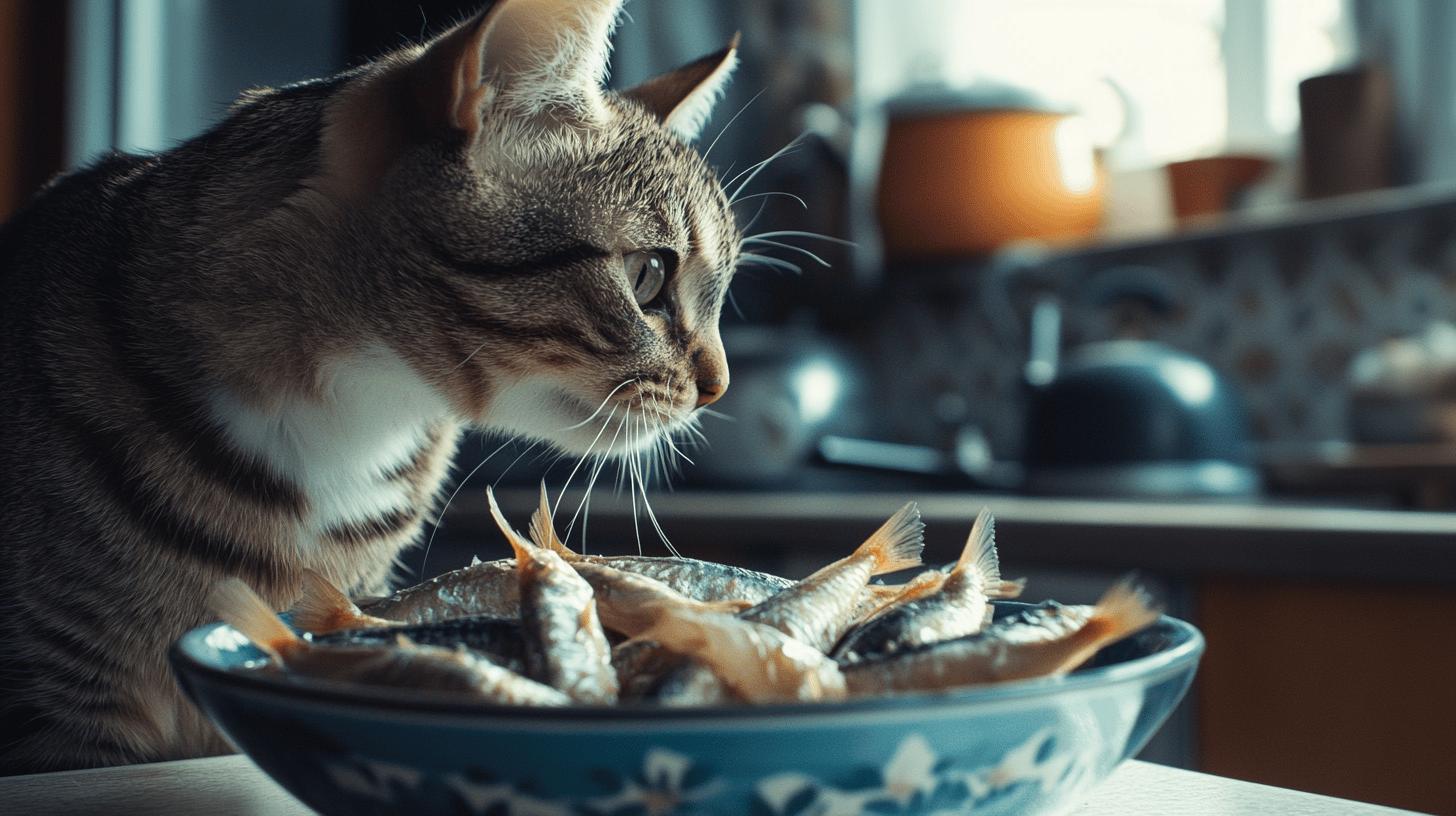
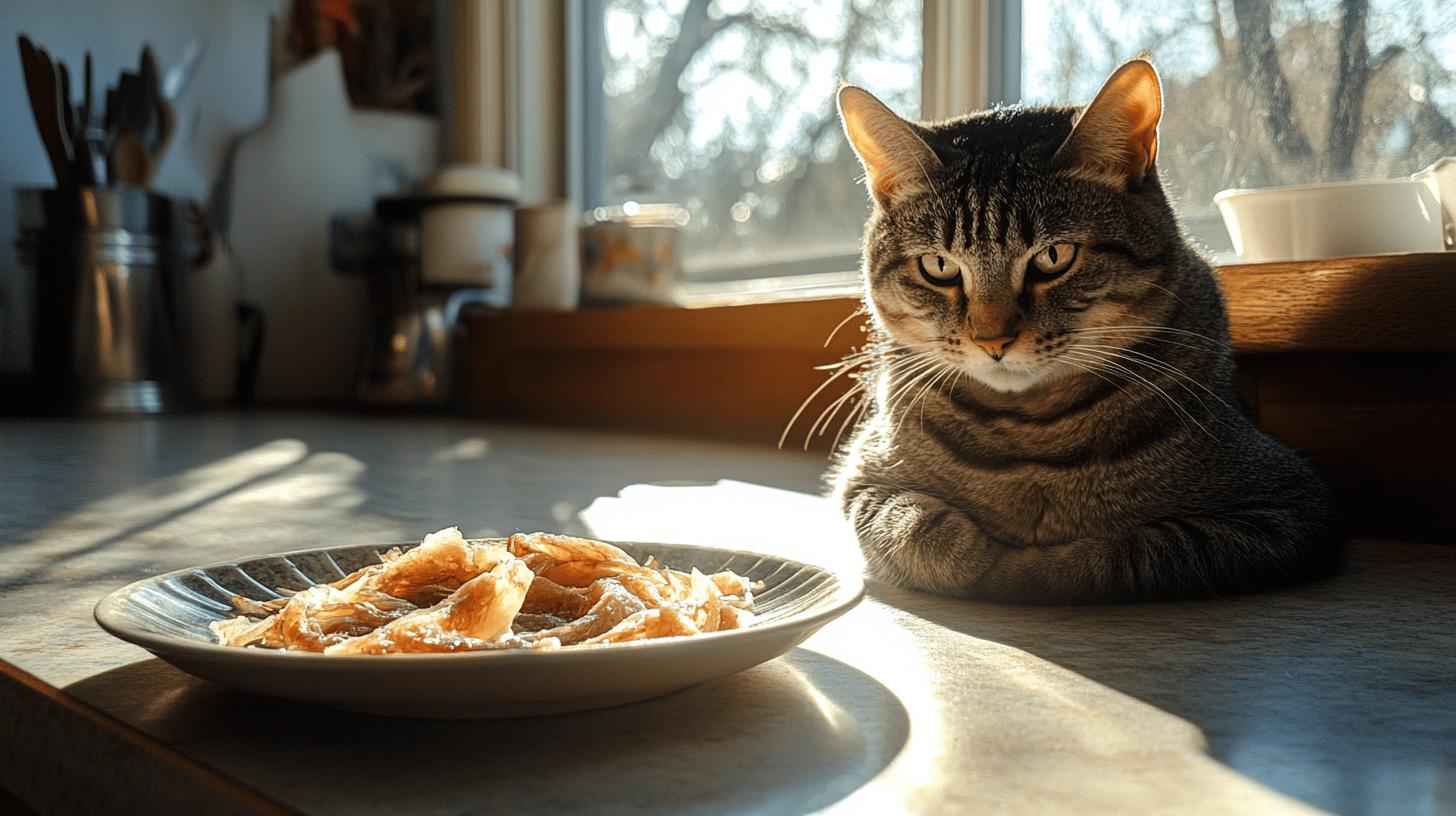
  • Can Cat Eat Dried Fish Safely and in Moderation

    Can Cat Eat Dried Fish Safely and in Moderation

    Are you tempted to treat your cat with dried fish, wondering if it's a safe snack? You're not alone. Many cat owners are curious about whether this salty snack can fit into their feline's diet.

    While dried fish can offer nutrients like Omega-3s and protein, it's not all smooth sailing. Cats thrive on a balanced diet, and overindulging in dried fish can lead to health troubles. Let's explore how dried fish can be an occasional delight without compromising your cat's well-being.

    Can Cats Safely Consume Dried Fish?

    Can Cats Safely Consume Dried Fish-1.jpg

    Dried fish can be a tasty treat for cats, but it needs to be given with some caution. In small amounts, dried fish is generally safe for cats, offering nutrients like Omega-3 fatty acids and protein. However, experts suggest it should not become a primary part of a cat's diet.

    Cats are obligate carnivores, and while fish can be part of their protein intake, it shouldn't be their main source. The potential risks associated with dried fish make it crucial to offer it only occasionally. For example, dried sardines are often recommended due to their lower heavy metal content compared to larger fish like tuna.

    Here are some primary concerns when feeding dried fish to cats:

    1. Allergies: Fish is a common allergen for cats and can cause reactions.

    2. High Sodium: Dried fish often contains high sodium levels, which can be harmful.

    3. Vitamin B1 Deficiency: Overconsumption of fish can lead to a deficiency in Vitamin B1.

    1. Neurological Issues: Deficiency and high sodium levels can lead to neurological problems.

    2. Balance in Diet: Fish should not replace other essential protein sources.

    The potential risks of feeding dried fish to cats are primarily tied to overconsumption. Regularly providing dried fish can lead to deficiencies in essential nutrients like Vitamin B1, critical for neurological health.

    Cats that consume too much dried fish might develop neurological issues over time, manifesting as muscle weakness or even more severe neurological disruptions. High sodium intake from dried fish can also stress a cat's kidneys and overall health.

    To safely include dried fish in your cat's diet, moderation is key. Offering dried fish as an occasional treat rather than a staple helps avoid the health risks associated with overconsumption. Observing your cat's reaction to dried fish is equally important.

    If you notice any signs of allergies or health issues, it's best to consult with a veterinarian. Mixing dried fish with other cat foods can help maintain a balanced diet, ensuring your cat gets all the necessary nutrients for a healthy life.

    Nutritional Value of Dried Fish for Cats

    Nutritional Value of Dried Fish for Cats-2.jpg

    Dried fish offers an array of nutrients that can be beneficial for cats when given in moderation. It's a rich source of Omega-3 fatty acids, which aid in maintaining a healthy coat and skin, while also reducing inflammation and supporting cognitive health.

    Protein in dried fish serves as the essential building block for muscle development and repair. Sardines, specifically, are high in Omega-3s and vitamin B12, making them a noteworthy addition to your cat's diet.

    Nutrient Benefit
    Omega-3 Fatty Acids Supports skin health and improves cognitive functions
    Protein Essential for muscle development and repair
    Vitamin B12 Boosts energy levels and supports neurological health

    For practical feeding tips, consider incorporating small amounts of dried fish into your cat's regular meals to enhance their diet. It's important to offer it in moderation to avoid any potential health issues.

    If you're looking for alternative sources of these nutrients, consider fish oil supplements or other protein-rich foods. This approach ensures your cat receives a balanced diet without redundancy, supporting their overall well-being and vitality.

    How to Serve Dried Fish to Cats

    How to Serve Dried Fish to Cats-3.jpg

    Proper preparation of dried fish is crucial for the safety and health of your cat. Serving dried fish that is cooked and free from bones minimizes the risk of choking and digestive issues. Cooking methods such as baking, grilling, or boiling are ideal since they preserve the nutritional value of the fish while ensuring it's safe for consumption.

    Avoid adding any salt or seasoning, as these can be harmful to cats. Ensuring the fish is properly prepared will help maintain your feline friend's health while allowing them to enjoy this occasional treat.

    Here’s a simple step-by-step guide to preparing dried fish for your cat:

    • Remove Bones: Carefully check and remove any bones to prevent choking or injury.

    • Cook Thoroughly: Bake, grill, or boil the fish without adding salt or seasoning.

    • Cut into Small Pieces: Make it easy for your cat to chew and digest by cutting into manageable pieces.

    • Serve Plain: Avoid any added ingredients that could upset your cat's stomach.

    Portion control and frequency are key when serving dried fish to cats to avoid potential health risks. Cats should only have dried fish as an occasional treat, not as a staple in their diet. Overfeeding can lead to excessive sodium intake and other nutritional imbalances.

    A small piece of dried fish once a week is generally sufficient for most cats. Watching your cat's response to the treat will help you adjust the frequency if needed.

    Mixing dried fish with other cat foods can enhance the taste and nutritional profile of your cat's meals. By incorporating small amounts of dried fish into their regular food, you can provide a varied diet without over-relying on any single protein source. This approach ensures your cat receives a balanced diet while still enjoying the unique flavors and benefits that dried fish can provide.

    Alternatives to Dried Fish for Cats

    Alternatives to Dried Fish for Cats-2.jpg

    A varied diet is crucial for maintaining your cat's health and preventing potential allergies or deficiencies. While dried fish can be a tasty treat, it's not the only way to provide your cat with essential nutrients like protein and Omega-3 fatty acids.

    Exploring alternative protein sources ensures your cat enjoys a balanced diet that supports their overall well-being. Here are some excellent alternatives to dried fish for your feline friend:

    • Chicken: A lean and easily digestible protein source.

    • Lamb: Offers a rich, flavorful option packed with essential nutrients.

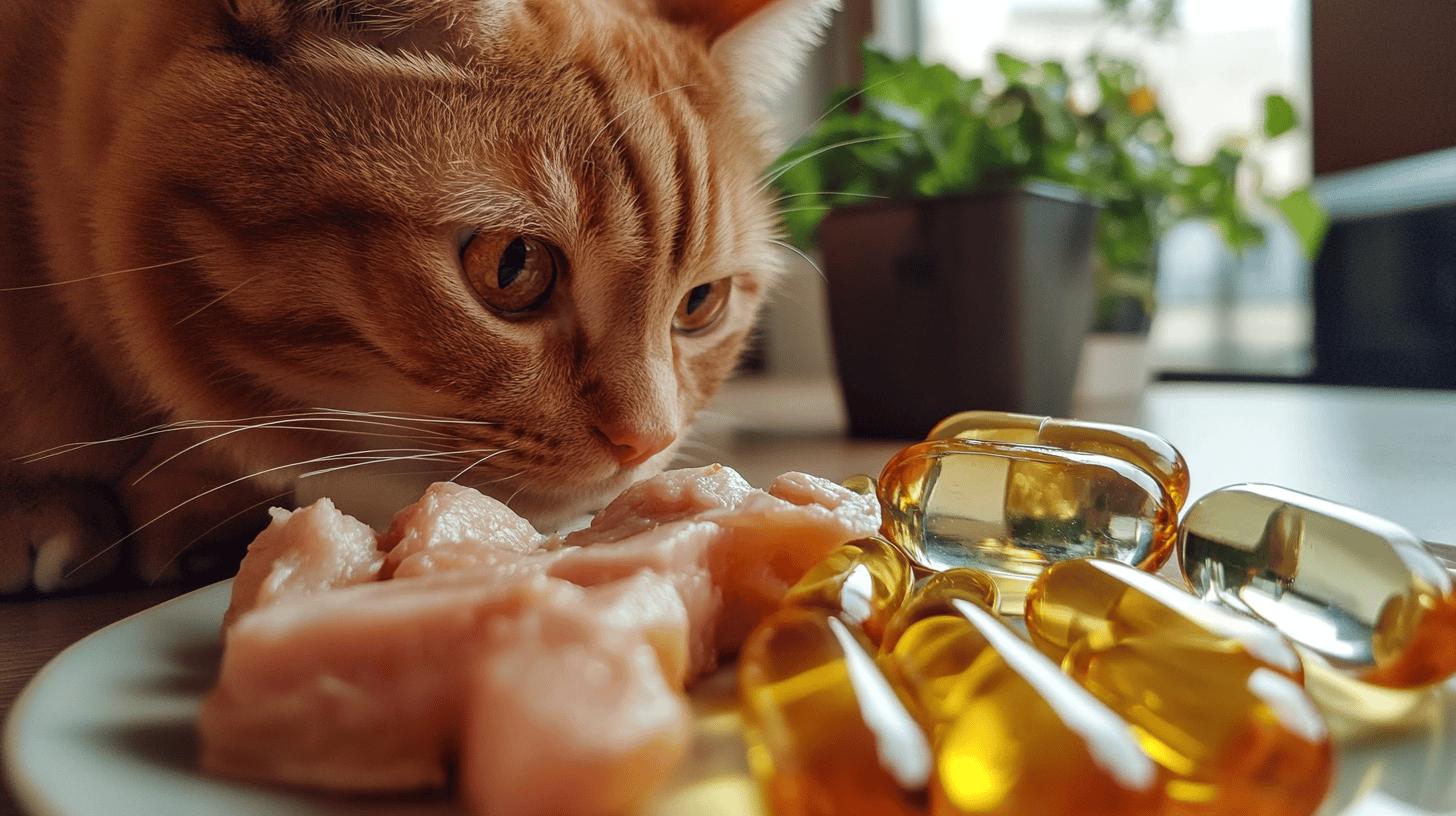
    • Fish Oil Supplements: Provide necessary Omega-3s without the need to feed fish directly.

    These options not only diversify your cat's diet but also help prevent over-reliance on any single food source, ensuring a healthy and happy kitty.

    Final Words

    Feeding dried fish to cats sounds simple, but isn't always the safest choice. In small amounts, dried fish can be safe but watch out for allergens and too much sodium. Overdoing it can cause Vitamin B1 deficiency and harm a cat's health.

    Dried fish offers Omega-3s and protein, yet proper preparation is key. Always cook, de-bone, and limit servings. Consider mix-ins for balanced nutrition. Try chicken or lamb, or opt for fish oil as a healthy Omega-3 option.

    With careful planning, you can help your cat enjoy the benefits of dried fish safely.

    FAQ

    Can cats eat dried fish raw?

    Cats can eat small amounts of raw dried fish, but it's not recommended due to potential bacteria or parasites. Always ensure proper drying to reduce health risks.

    Can cats eat salted dried fish?

    Cats should not eat salted dried fish. High sodium can lead to health problems like high blood pressure and kidney issues in cats.

    Is dry fish ok for cats?

    Dried fish is okay for cats in moderation. It should not be a primary food source due to allergens and high sodium content.

    What fish can cats not eat?

    Cats should avoid fish high in mercury like tuna and fish that can cause allergies such as salmon. Stick to safer options like sardines.

    Is dried fish safe?

    Dried fish can be safe for cats when served cooked and bone-free. Ensure minimal salt to avoid sodium-related health problems.

    Can my cat eat dried anchovies?

    Cats can eat dried anchovies sparingly. Ensure they are unsalted and properly prepared to prevent health risks.

    Can cats eat dried squid?

    Cats can have small amounts of dried squid. Avoid added salt and monitor your cat for any allergic reactions.

    Best dried fish for cats?

    The best dried fish for cats is low in sodium and free of additives. Sardines are a good option due to their nutritional benefits.

    Can cats eat cooked blood?

    Cats can eat cooked blood, although it's not common. Ensure it's unseasoned and offered in small amounts for nutritional variety.

    Can cats eat monkfish?

    Monkfish is safe for cats in moderation. Like all fish, serve it as a treat rather than a meal staple to prevent health issues.

    Is fish good for cats?

    Fish can be good for cats, providing omega-3s and protein. However, balance with other foods to avoid allergies and high mercury intake.

    Related Articles

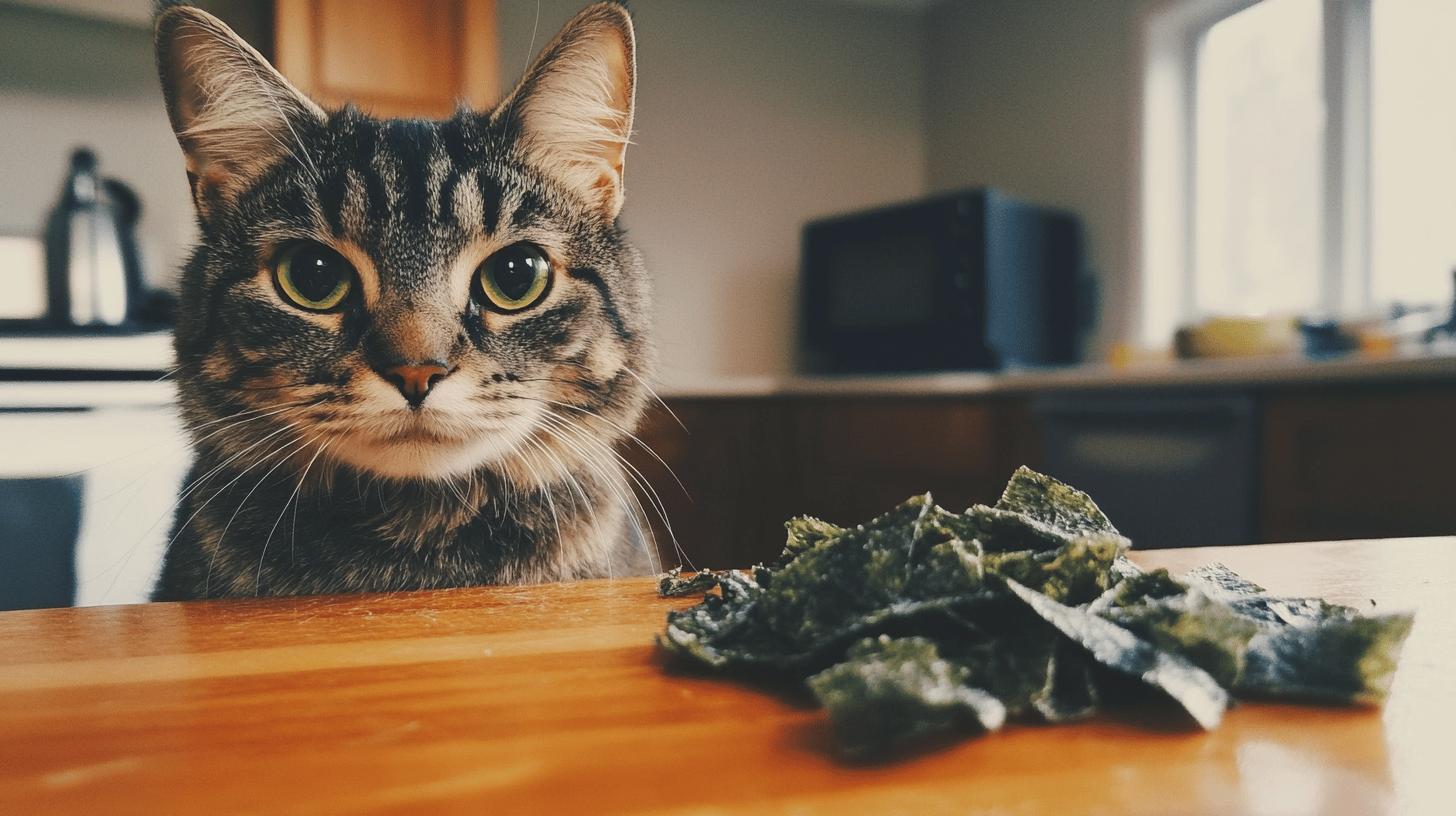
  • Can Cat Eat Seaweed Snack Safely and in Moderation

    Can Cat Eat Seaweed Snack Safely and in Moderation

    Are seaweed snacks a safe treat for your cat, or could they pose a risk to their health? This question might have crossed your mind if you've ever considered sharing a bite of this popular superfood with your feline friend. Surprisingly, seaweed offers several nutrients that could benefit our cats.

    But before you rush to offer them a nibble, it's crucial to understand how these snacks fit into their diet safely. Let's explore how seaweed can be both a tasty and healthy addition to your cat's treat lineup, when served in moderation.

    Can Cats Safely Eat Seaweed Snacks?

    Can Cats Safely Eat Seaweed Snacks-4.jpg

    Seaweed snacks can be a safe and nutritious treat for our feline friends when given in the right amounts. As a nutrient-dense superfood, seaweed offers several health benefits, including essential vitamins and minerals.

    It's important to remember that these snacks should be offered in moderation, as part of a balanced diet. Seaweed snacks are best used as an occasional treat rather than a regular part of a cat's diet.

    Precautions When Feeding Seaweed Snacks to Cats

    1. Monitor portion sizes: Keep seaweed snacks to small amounts to avoid overconsumption.

    2. Check ingredients: Avoid snacks with added salt or flavorings that may harm your cat.

    3. Observe your cat: Watch for any adverse reactions, such as vomiting or diarrhea.

    1. Consult your vet: Seek advice from a veterinarian before introducing seaweed to ensure it's suitable for your cat.

    Moderation is key when it comes to incorporating seaweed snacks into your cat's diet. Ensuring a balanced diet is essential for maintaining your cat's overall health. Remember, seaweed should not replace regular meals but can be a tasty addition to their treat repertoire.

    Nutritional Benefits and Risks of Seaweed for Cats

    Nutritional Benefits and Risks of Seaweed for Cats-3.jpg

    Seaweed is packed with valuable nutrients that can offer numerous benefits to cats. Among these nutrients are omega-3 fatty acids, specifically EPA and DHA, which are crucial for maintaining a cat's healthy heart, circulation, skin, and fur. Experts suggest that these fatty acids also help reduce inflammation and improve joint health.

    Another essential nutrient found in seaweed is iodine, vital for regulating metabolism and supporting thyroid function in cats. Additionally, seaweed provides fiber, which aids in digestion, promoting regular bowel movements and overall digestive health.

    While seaweed can be beneficial, there are potential risks associated with its consumption. One of the primary concerns is iodine toxicity, which can occur if a cat consumes excessive amounts of seaweed. Too much iodine might lead to thyroid issues, affecting the cat's metabolism and overall health.

    Experts caution that seaweed should be given in moderation to avoid these potential risks. Digestive issues, such as diarrhea or vomiting, may also arise if a cat consumes too much seaweed or if it's not introduced gradually into their diet.

    Nutrients Potential Risks
    Omega-3 Fatty Acids (EPA, DHA) Iodine Toxicity
    Iodine Digestive Issues
    Fiber Thyroid Problems

    When incorporating seaweed into a cat's diet, it's crucial to monitor their intake of these nutrients carefully. Experts recommend introducing seaweed slowly and watching for any signs of adverse reactions.

    Regular consultation with a veterinarian can help ensure that seaweed is a suitable addition to your cat's diet and that it complements their overall nutritional needs. By keeping a close eye on your cat's health and adjusting their diet as necessary, you can provide them with the benefits of seaweed while minimizing potential health risks.

    Alternative Snack Ideas for Cats

    Alternative Snack Ideas for Cats-3.jpg

    Offering a variety of snacks can help keep your cat's diet balanced and interesting. While seaweed snacks are packed with nutrients, it's always good to have alternative snack options that provide similar benefits. These alternatives can ensure your cat gets the necessary nutrients without relying solely on seaweed.

    • Specially formulated cat treats: These treats are designed to meet the nutritional needs of cats and often contain added vitamins and minerals.

    • Small pieces of cooked chicken: A great source of lean protein, chicken can be a tasty and healthy snack.

    • Catnip: While not a food snack, catnip can provide mental stimulation and encourages playful behavior.

    • Cooked fish: Packed with omega-3 fatty acids, fish can support skin and coat health, similar to seaweed.

    Choosing safe and healthy treats is crucial for your cat's well-being. Always opt for snacks that complement their regular diet and provide nutritional benefits. By offering a mix of treats, you can ensure your cat remains healthy and happy, while also enjoying a varied and exciting diet.

    Precautions When Feeding Seaweed Snacks to Cats

    Monitoring and Adjusting Your Cats Diet-2.jpg

    Introducing seaweed snacks to your cat's diet should be done gradually. This allows you to watch for specific signs that may indicate an adverse reaction.

    1. Vomiting or diarrhea can signal that the snack doesn't agree with your cat.

    2. Changes in appetite could mean your cat is reacting negatively to the new food.

    3. Excessive itching or grooming might indicate an allergic reaction.

    While observing these signs, consulting a veterinarian is key. They provide guidance on any dietary adjustments needed for a balanced diet and ensure the new food is safe. Regular vet consultations are crucial in maintaining your cat's well-being.

    Final Words

    Understanding the safety of seaweed snacks for cats can be crucial. While seaweed snacks offer some nutritional benefits, offering them sparingly is key to keeping your cat healthy. I've shared how seaweed can be beneficial, with its rich nutrients, but warned about potential risks like iodine toxicity. To keep things balanced, exploring alternative snacks like cooked chicken or cat treats can diversify your cat's diet. Ultimately, maintaining a balanced diet and consulting a vet can help ensure your cat remains healthy and happy while you explore if your cat can eat seaweed snacks or not. Enjoy those well-deserved purrs!

    FAQ

    Can cats eat seaweed with salt?

    A: Cats should avoid seaweed with salt. Salt can harm their health, leading to dehydration or sodium poisoning. Opt for unsalted seaweed snacks in moderation.

    Can cat eat seaweed snack reddit?

    A: Cats can eat seaweed snacks, but ensure they are plain and without added preservatives or salt. Moderation is key to avoid any health risks.

    Can cats eat sesame seeds?

    A: It’s best to avoid feeding cats sesame seeds. They don’t offer significant nutritional benefits and can pose choking hazards or digestive issues for cats.

    Is seaweed snacks safe for cats?

    A: Seaweed snacks are generally safe for cats if given in moderation. Ensure they are free from added salt or harmful ingredients and monitor for any irregular reactions.

    Why is my cat eating seaweed?

    A: Cats may eat seaweed for its taste or texture. It also contains nutrients they may find appealing. Always provide it in small amounts to avoid health issues.

    Can pets eat seaweed?

    A: Pets, including cats, can consume seaweed in limited quantities. It's rich in nutrients. However, avoid excessive amounts to prevent iodine toxicity or digestive issues.

    Seaweed for cats teeth?

    A: Seaweed can help keep a cat's teeth healthy. The nutrients promote good oral health, but always use it as a supplement, not a replacement for dental care.

    Can kittens eat seaweed?

    A: Kittens can eat seaweed, but in very small amounts and less frequently. Their developing digestive systems are sensitive, so introduce any new food slowly and cautiously.

    Are seaweed snacks safe?

    A: Seaweed snacks are safe for cats if they are unsalted and given sparingly. Keep them as a treat, complementing a balanced diet without replacing regular meals.

    Related Articles

  • Can Cat Eat Vegetable Oil Safety and Health Considerations

    Can Cat Eat Vegetable Oil Safety and Health Considerations

    Is vegetable oil a secret remedy for a cat's shiny coat, or is it a hidden danger lurking in your kitchen? As cat owners, we want the best for our furry companions, but understanding whether vegetable oil is safe for them can be confusing. This blog will dive into the facts, helping you weigh the perks and pitfalls of adding it to your cat's diet. From health benefits to risks, we cover all you need to know to make informed decisions for your cat's well-being.

    Can Cats Eat Vegetable Oil? Understanding the Basics and Its Effects

    Can Cats Eat Vegetable Oil Understanding the Basics and Its Effects-1.jpg

    Cats can eat vegetable oil, but only in moderation. While vegetable oil for cats is technically safe in small amounts, it's generally unnecessary as part of their regular diet. Most veterinarians agree that it’s not harmful when given sparingly. However, it should not become a staple in their meals. Cats are obligate carnivores, meaning their diet should primarily consist of meat. Vegetable oil does not offer significant nutritional benefits that aren't already available through other dietary sources more suited to feline health.

    The effects of vegetable oil on cats can include some benefits, primarily due to the omega-3 and omega-6 fatty acids it contains. These fatty acids can support a cat's skin and coat health and may even aid in digestive health. Omega-3 fatty acids, in particular, are known for their anti-inflammatory properties, which can be beneficial for cats that suffer from certain skin conditions. Omega-6 fatty acids contribute to a healthy coat and skin, but it's important to balance these with omega-3s to avoid potential inflammation issues.

    There are also risks associated with excessive consumption of vegetable oil for cats. Overconsumption can lead to weight gain, as oils are calorie-dense. Cats might experience digestive issues such as vomiting or diarrhea if they ingest too much. Long-term health problems like pancreatitis can also arise from excessive fat intake. This is why moderation is crucial when considering vegetable oil as a supplement for your pet. Always consult with a veterinarian before introducing any oil into a cat's diet to ensure it aligns with their specific health needs.

    • Safe oils: Canola oil, Coconut oil, Olive oil.
    • Unsafe oils: Corn oil, Soybean oil.
    • Health issues from overconsumption: Weight gain, Vomiting and diarrhea, Pancreatitis, Liver problems.

    Alternatives to Vegetable Oil for Cats

    Alternatives to Vegetable Oil for Cats-1.jpg

    When considering alternatives to vegetable oil for cats, there are several options that might better suit their dietary needs. Fish oil is a top choice due to its high omega-3 fatty acid content, which supports a healthy coat and skin. Flaxseed oil is another excellent option, rich in omega fatty acids that can aid in digestion and support overall well-being. Olive oil is also beneficial, particularly for helping with hairball issues, though it should be used in moderation.

    It's important to be cautious with these oils, as overfeeding can lead to health issues. While fish oil provides many benefits, too much can cause digestive upset. Flaxseed oil, although beneficial, should be introduced slowly to prevent potential allergic reactions. Olive oil, despite its usefulness for hairballs, is high in calories and should be given only in small amounts to avoid weight gain. Always consult with a veterinarian before adding any new oils to your cat's diet to ensure it fits their specific nutritional needs.

    • Fish oil: High in omega-3, supports coat health.
    • Flaxseed oil: Rich in omega fatty acids, aids digestion.
    • Olive oil: Helps with hairball issues.

    Monitoring and Managing Oil Consumption in Cats

    Monitoring and Managing Oil Consumption in Cats-1.jpg

    When introducing oils to your cat's diet, it's essential to measure appropriate serving sizes. Start with a small amount and gradually increase, observing how your cat responds. Use a teaspoon to ensure consistent servings. Keep a food diary to track what your cat eats and any changes in their behavior or health. This will help identify correlations between oil intake and any adverse effects.

    Consulting with a veterinarian is crucial. When visiting, provide details of your cat's current diet, including the type and amount of oil introduced. Ask about the safe types of oils and recommended serving sizes. Inquire about signs that might suggest intolerance beyond vomiting or diarrhea, such as lethargy or refusal to eat. Veterinarians can offer valuable insights tailored to your cat's specific health needs.

    Final Words

    Diving into the world of vegetable oil consumption for cats, we explored how it can be safe when used sparingly. The benefits of omega-3 and omega-6 help with skin and coat health. Yet, too much can lead to issues like weight gain and digestive troubles. Considering healthier options like fish and flaxseed oil can be wise. Watching for symptoms like vomiting or diarrhea helps manage any oil-related issues. A little caution and knowledge go a long way in keeping your feline friend safe and happy.

    FAQ

    Is vegetable oil safe for cats?

    Vegetable oil is safe for cats if given in small amounts. It's unnecessary as a regular dietary supplement and can lead to health issues if overconsumed. Use it sparingly.

    What happens if my cat licks vegetable oil?

    If a cat licks a small amount of vegetable oil, it's generally safe. In larger amounts, it may cause weight gain, vomiting, diarrhea, and possibly pancreatitis.

    What kind of oil can cats eat?

    Cats can safely consume canola, coconut, and olive oil in moderation. Avoid giving them corn and soybean oil.

    Can I give my cat vegetable oil for constipation?

    You can use a small amount of vegetable oil for constipation. However, it's better to consult your vet for safer, more effective alternatives.

    Related Articles

    Oil Types and Safety: Making Informed Choices

    Different oils have different safety profiles for cats. Coconut oil is generally safe in small amounts but offers minimal benefit and can cause diarrhea. Olive oil and plant-based oils provide no nutritional value to cats—they simply add unnecessary calories and fat. These oils lack the omega-3 benefits found in fish oil, making them inferior choices.

    Fish oil contains omega-3 fatty acids that can benefit cats with dry skin or coat issues, unlike plant oils. However, fish oil must be dosed appropriately and veterinarian-recommended. Too much fish oil can cause vitamin E deficiency and other complications. Quality matters enormously—low-quality fish oil can be rancid and cause digestive upset.

    When Might Oil Actually Help (With Veterinary Approval)

    While oil isn’t necessary for healthy cats, specific situations might make cautious, vet-approved use appropriate. For genuine dry skin or dull coat (confirmed by a vet, not self-diagnosed), a fish oil supplement specifically formulated for cats might help when dosed appropriately. For cats with arthritis, kidney disease, or inflammatory conditions, omega-3 supplementation might benefit them under veterinary supervision. However, this requires proper diagnosis and dosing—never casually add oils without professional guidance.

    Signs Your Cat Is Having Oil-Related Digestive Problems

    If your cat ingests oil (intentionally or accidentally), watch for loose stools or diarrhea (most common side effect), vomiting or retching, greasy or dull coat appearance, loss of appetite, abdominal discomfort or reluctance to move, and excessive licking of the anal area (sign of digestive upset). If symptoms persist beyond 24 hours, contact your veterinarian for advice.

    Superior Nutrition Sources for Healthy Skin and Coat

    Instead of supplemental oils, provide proper nutrition through high-quality cat food and natural sources. Fresh or cooked fish—salmon, mackerel, sardines—provides natural omega-3s, protein, and nutrients that benefit coat health far better than oil supplements. Serve occasionally in small pieces, plain and unseasoned. Some cats develop over-preference for fish, so limit to once or twice weekly.

    Premium cat foods with high meat content and appropriate fat ratios support healthy skin and coat naturally. Look for named meat sources and avoid excessive grain fillers. Proper nutrition eliminates the need for oil supplements in healthy cats. Homemade bone broth made from chicken or fish bones provides collagen, minerals, and natural gelatin supporting healthy skin. Many cats enjoy bone broth as an occasional treat, and it’s far safer than supplemental oils. Ensure it contains no onion or garlic.

    Making Cat Food Interesting Without Oils

    Keep your cat’s regular diet interesting and nutritious without risky supplements. Rotate between different high-quality commercial foods to prevent boredom. Include occasional fresh or cooked meat as treats. Offer bone broth as an interactive experience. Use puzzle feeders and interactive toys to increase enrichment and slow eating. Vary food textures between wet and dry. The key is variety within appropriate, healthy foods—not through dangerous supplements.

    FAQ About Oils and Cat Health

    Is vegetable oil toxic to cats? No, but it provides unnecessary fat and calories while offering no nutritional benefit. It can cause diarrhea and contributes to obesity.

    What if my cat eats oil? A small amount of plain oil usually causes no harm, though loose stools may develop. Monitor for 24 hours. Contact your vet if diarrhea persists or if your cat has pre-existing health conditions.

    Can I use coconut oil for my cat’s dry skin? Consult your vet first. While coconut oil is generally safe, fish oil supplements designed for cats are more effective. Never use human supplements on your cat.

    How much fish oil is safe? Dosage depends on your cat’s weight and specific condition. Only use vet-recommended fish oil designed for cats, never human supplements or cod liver oil without veterinary approval.

  • Can Cat Eat Green Apple Safety and Nutritional Considerations

    Can Cat Eat Green Apple Safety and Nutritional Considerations

    Research shows that sharing a green apple with your cat could be a risky choice? It might seem harmless, but there are serious safety and nutritional considerations to ponder before you let your cat nibble on this tart fruit. While a small slice on occasion might not hurt, feeding cats green apples can lead to unexpected health issues. Let's unpack the dangers and see if this crunchy snack is worth the risk or simply best left on your plate.

    Safety and Risks of Feeding Green Apples to Cats

    Safety and Risks of Feeding Green Apples to Cats-1.jpg

    Cats can eat green apples, but only in small amounts as an occasional treat. It's crucial to be cautious because the stems, leaves, and seeds of apples are toxic to cats. These parts contain cyanide, which can be harmful if consumed. While the flesh of the apple is not toxic, there are several risks associated with feeding apples to cats that pet owners should be aware of.

    One of the primary concerns of feeding apples to cats is the high sugar content. Cats are obligate carnivores, which means their bodies are designed to digest and process animal-based proteins and fats. They don't have the enzymes needed to break down carbohydrates as efficiently. Thus, the natural sugars present in apples can lead to potential health issues like obesity and diabetes if consumed in excess. High sugar intake can also trigger allergic reactions or cause gastrointestinal problems, such as diarrhea or vomiting.

    The toxicity of apple seeds is another significant risk factor. Apple seeds contain cyanogenic compounds, which can release cyanide when digested. Even small amounts of these compounds can be dangerous to cats, leading to symptoms such as difficulty breathing, dilated pupils, and even shock or death in severe cases. Therefore, it's imperative to thoroughly remove all seeds before offering any apple pieces to your feline friend.

    Cats' natural dietary needs further highlight why green apples are not an essential part of their nutrition. As obligate carnivores, cats rely on a diet rich in animal proteins and fats, which provide them with the necessary nutrients like taurine and arachidonic acid. Fruits and vegetables, including green apples, do not contribute significantly to a cat's nutritional requirements. While apple slices might seem like a fun treat, they are not necessary and should be given sparingly, if at all.

    Here are some do's and don'ts when feeding apples to your cat:

    • Do: Offer only small, seedless slices as an occasional treat.
    • Do: Ensure that all seeds, stems, and leaves are removed before serving.
    • Do: Monitor your cat for any adverse reactions when trying apples for the first time.
    • Don't: Make apples a regular part of your cat's diet.
    • Don't: Offer cooked apple dishes like apple pie due to added sugars and spices.

    By understanding these risks and taking the necessary precautions, you can make informed decisions about whether to include green apples in your cat's treat rotation.

    Nutritional Impact and Considerations of Green Apples on Cats

    Nutritional Impact and Considerations of Green Apples on Cats-1.jpg

    Green apples contain a variety of vitamins and minerals that might offer some benefits to cats. They have vitamins A, C, and E, and minerals like potassium, copper, calcium, and manganese. Antioxidants in apple skins may aid digestion with dietary fiber. Vitamin C, although not essential since cats produce it themselves, can slightly enhance their immune system.

    The high sugar content in green apples poses real risks for cats, who as obligate carnivores struggle to process sugars effectively. Overconsumption can cause digestive issues including diarrhea and upset stomachs. Regular intake of sugary foods might also elevate the risk of obesity and diabetes, common health concerns in domestic cats. It's essential to limit their apple intake to prevent these problems.

    Nutrient Potential Benefit
    Vitamin A Supports vision and immune health
    Vitamin C Boosts immune function
    Potassium Maintains healthy muscle function
    Fiber Aids in digestion
    Antioxidants Protects cells from damage

    Green apples aren't necessary in a cat's diet. Offering them in moderation, without seeds and skins, can reduce health risks and provide a refreshing treat.

    Final Words

    The blog post dives deep into whether a cat can eat green apple safely, highlighting crucial safety tips and risks involved. While green apples offer some nutrients like vitamins and fibers, they don't fit into a cat's carnivorous diet. The dangers from seeds and sugar content can lead to obesity, diabetes, and toxicity concerns.

    Feeding green apples to cats should be a rare treat, if at all. The harm from seeds and excess sugar far outweighs any benefit, and opting for diet-appropriate treats keeps cats both safe and satisfied while ensuring moderation.

    Green Apples vs. Other Apple Varieties: Nutritional and Safety Differences

    When considering apples for your cat, variety matters significantly. Green apples like Granny Smith differ from red varieties in multiple ways that affect feline safety. Green apples typically contain lower sugar content compared to sweet red varieties, making them a slightly better choice if your cat were to consume apple. However, all apple varieties share the same core concern: seeds containing cyanogenic compounds.

    The skin of green apples often carries pesticide residue, depending on growing practices. Organic green apples present lower chemical exposure. Red apples, particularly if cultivated conventionally, may carry higher pesticide loads. If offering apple to a cat, organic green apple with seeds removed presents the lowest risk profile. The variety makes measurable difference in safety calculations.

    Golden and Honeycrisp varieties tend toward higher natural sugar content, making them less ideal for cats. Gala apples fall into a moderate sugar range. Green apples represent the lowest-sugar option among common varieties. For a species with minimal nutritional need for fruit and a digestive system optimized for meat, apple selection focuses on minimizing risk rather than maximizing benefit.

    Seeds and Core: Understanding Cyanogenic Compound Risks in Apple Parts

    Apple seeds and cores contain amygdalin, a compound that converts to cyanide when digested. This fact generates anxiety in cat owners, yet the actual risk requires context: a single apple seed poses negligible danger, but a dozen seeds represent an entirely different calculation where the cumulative amount matters.

    For a 10-pound cat, toxic cyanide dose approaches 15 mg/kg of body weight. Apple seeds contain approximately 1-2 mg cyanide per seed. A single apple contains roughly 10-30 seeds. Basic math shows that a cat would need to consume multiple whole apples with seeds to reach concerning levels. This does not mean feeding apple seeds is wise. It means that accidental exposure to a few seeds poses only minimal risk to a healthy adult cat.

    Core removal is the safest step, as it eliminates the highest concentration of seeds before offering any apple to a cat. Flesh alone contains negligible cyanogenic compounds. If a cat steals a small piece of apple flesh (without core or seeds), the cyanide exposure remains within safe margins. The concern escalates only with intentional feeding of seeds or repeated exposure to whole apples. For cats with diabetes or weight concerns, apple’s sugar content presents greater risk than seed toxicity.

    Age and Health Considerations: When Apple Becomes Genuinely Risky

    Kittens possess immature liver and kidney function. Their ability to process and eliminate toxins develops gradually over their first months. While apple toxicity risk remains low even for kittens, feeding fruit to young kittens diverts calories and nutrients from essential growth needs. Kittens require protein, taurine, and specific nutrients fruit cannot provide. Withhold all fruit entirely until cats reach adulthood at around 12 months of age.

    Senior cats frequently develop kidney disease or diabetes that makes careful dietary monitoring especially important. Cats with kidney disease should avoid excess potassium, which apples contain in moderate amounts. Diabetic cats require strict carbohydrate and sugar limitation. Apple, despite being lower-sugar than many human foods, exceeds the nutritional needs of diabetic cats. Senior cats with existing health conditions face greater risk from apple’s nutrient profile than from seed toxicity.

    Cats with pancreatitis history should avoid fatty foods, but apples present low fat content. For cats with sensitive digestion, apple’s fiber may trigger loose stool or vomiting. Introduce any novel food slowly and monitor digestive response. Health status determines whether apple represents harmless novelty or genuine risk.

    Signs of Apple Intolerance: What to Watch and When to Contact Your Vet

    Most cats tolerate small apple exposure without incident. Some cats’ digestive systems object more strongly. Vomiting within 1-4 hours of apple consumption indicates your cat’s stomach rejects the food, and loose stool or diarrhea appearing 6-24 hours later reflects digestive upset. Both responses are uncomfortable but typically resolve within 24 hours with supportive care, including ensuring adequate hydration and monitoring appetite.

    Allergic reactions to apple remain rare but possible, with signs including facial swelling, difficulty breathing, or excessive drooling that all require immediate veterinary attention. Apple allergy in cats suggests broader food sensitivities worth investigating.

    If your cat consumed apple seeds, monitor for 24-48 hours. Signs of cyanide toxicity include excessive drooling, dilated pupils, difficulty breathing, or collapse. These symptoms rarely occur from accidental seed exposure but constitute veterinary emergencies if they appear. For most cats that steal a small piece of apple, monitoring proves unnecessary beyond standard post-treat observation.

    Better Fruit and Treat Alternatives Cats Actually Appreciate

    Rather than offering apple, recognize that cats possess limited taste receptors for sweetness compared to humans. Cat-safe fruits exist but provide only marginal nutritional benefit. Small pieces of seedless watermelon or cantaloupe offer hydration without high sugar concentration, and some cats enjoy these as an occasional novelty.

    Better alternatives to fruit focus on feline nutritional needs. Cooked chicken, turkey, or salmon provides protein and essential amino acids. Most cats respond more enthusiastically to meat-based treats than fruit, aligning with their natural dietary preferences. Dental treats designed for cats offer oral health benefits that fruit cannot provide.

    Commercial freeze-dried meat treats deliver concentrated nutrition in small portions. Puzzle feeders and treat-dispensing toys provide enrichment that turns treat-consumption into engagement and play. These options address the true purpose of treats: bonding, enrichment, and positive reinforcement during training. Fruit, by contrast, offers neither species-appropriate nutrition nor engagement value.
    Related: Can Cats Eat Applesauce addresses similar concerns for prepared apple products.

    FAQ

    Can cats eat apple skin?

    Apple skin is not recommended for cats. It may cause digestive upset. While it offers fiber and antioxidants, the risks aren't worth it for your obligate carnivore pet.

    Can cats eat green apple in water or juice?

    Green apple juice or apple water is not good for cats, since the high sugar content contributes to health issues like obesity and diabetes over time. Always limit any apple to a tiny piece and monitor for digestive upset.
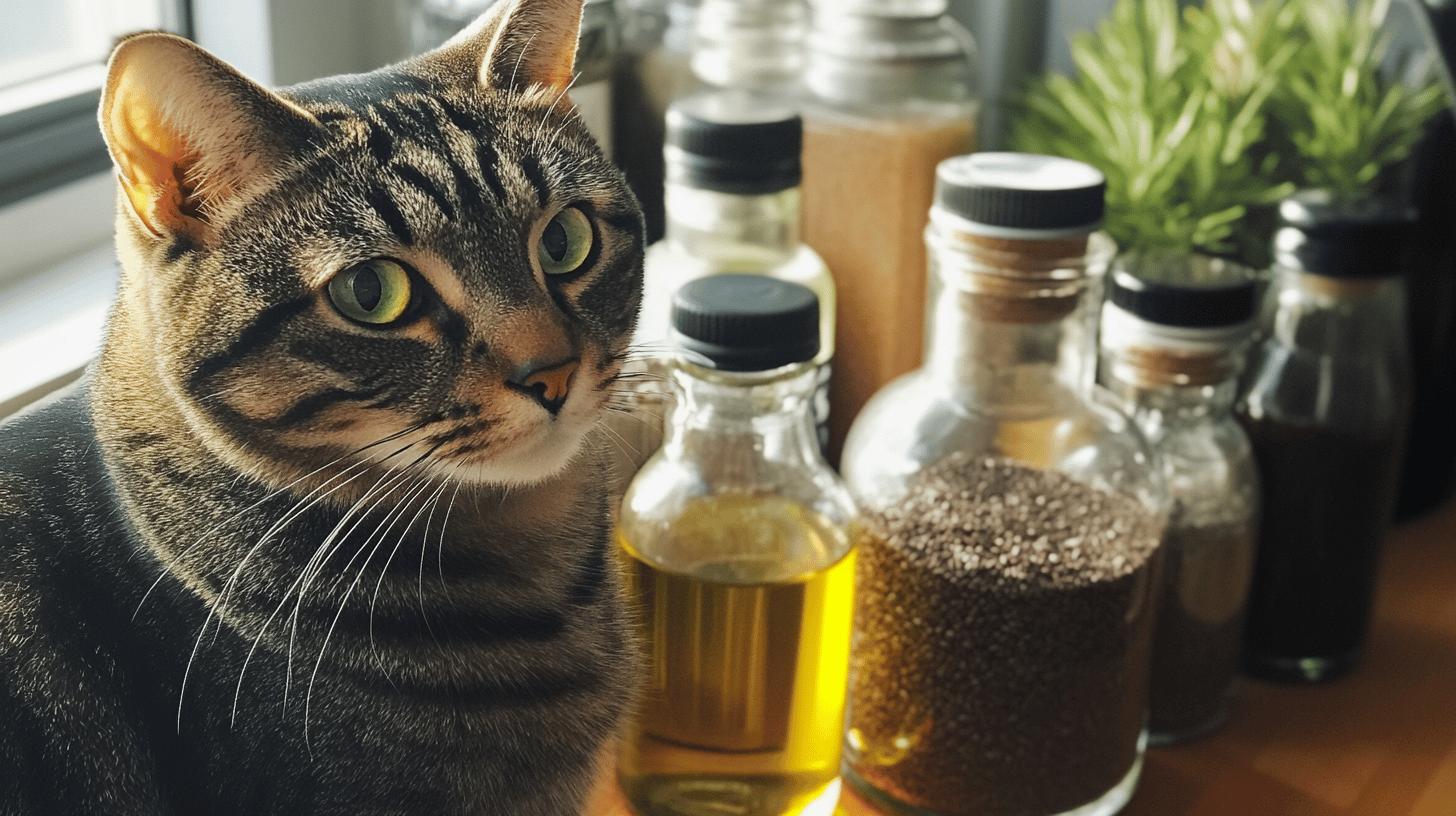
    Can cats eat green apple seeds or bread?

    Green apple seeds contain cyanide, which is toxic to cats. Bread isn't ideal for cats due to its carbohydrates, offering no real nutrition.

    Is it safe for cats to eat green apple or apple pie?

    Green apples can be a treat in small amounts, but not daily. Apple pie typically has sugar and spices harmful to cats.

    Why do cats love apples? Can they lick them?

    Cats might show interest due to curiosity, not taste. It's best not to encourage licking apples because they offer no nutritional benefit and can cause digestive issues.

    Are apples and cinnamon safe for cats?

    No, cinnamon can irritate a cat's mouth and digestive system. Avoid feeding apples with cinnamon or any seasoning to cats.

    Related Articles