Category: Teach My Cat

  • how many litter boxes do I need for cats

    how many litter boxes do I need for cats

    Think one litter box (a shallow tray filled with kitty litter) is enough?
    Ever watched your kitty do the sneaky potty dance? I have, and learned the hard way!
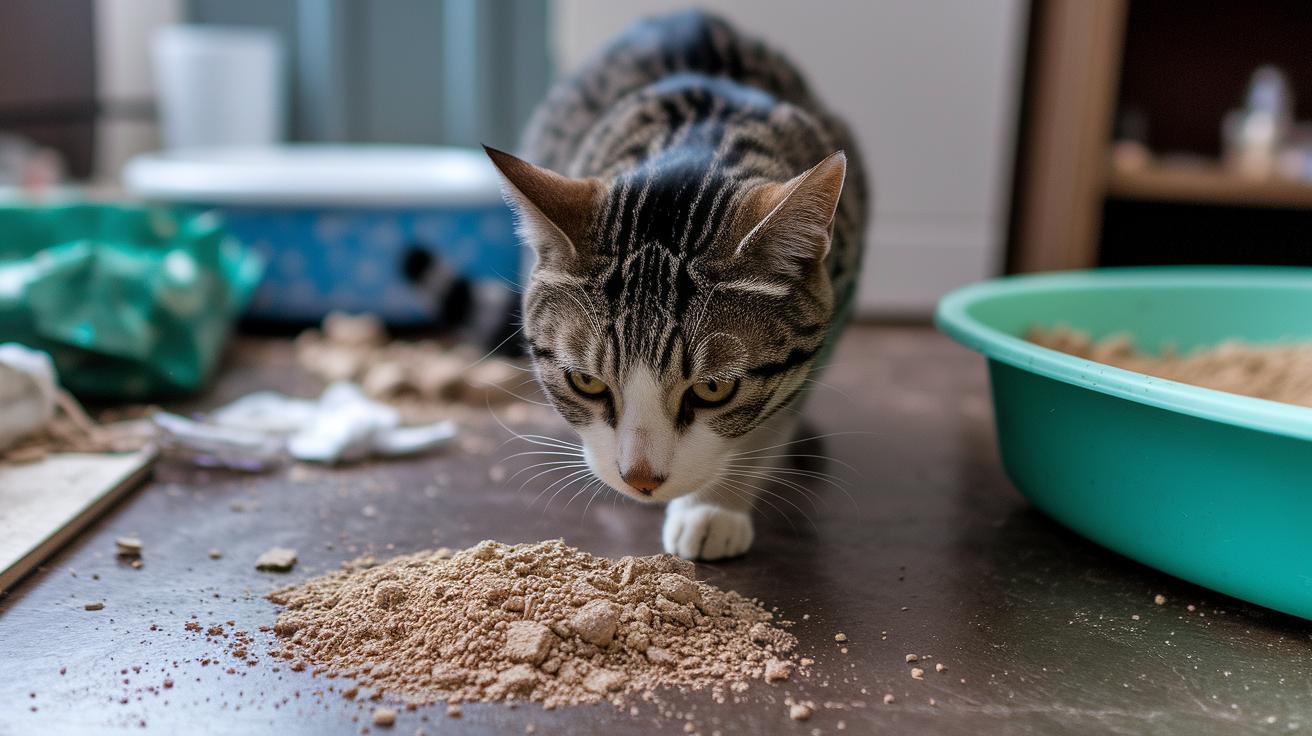
    A cramped, smelly box (that ammonia sting!) can turn into a hidden accident spot.
    Hello, soggy socks!

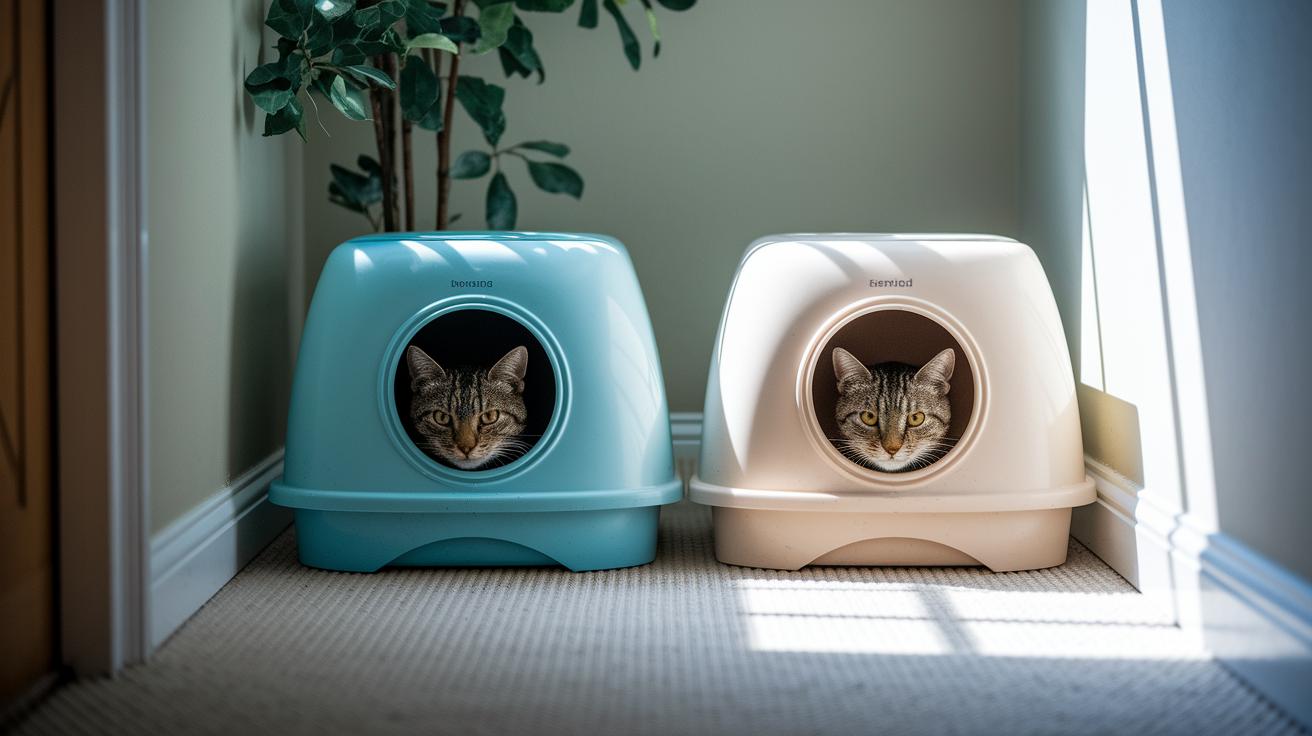
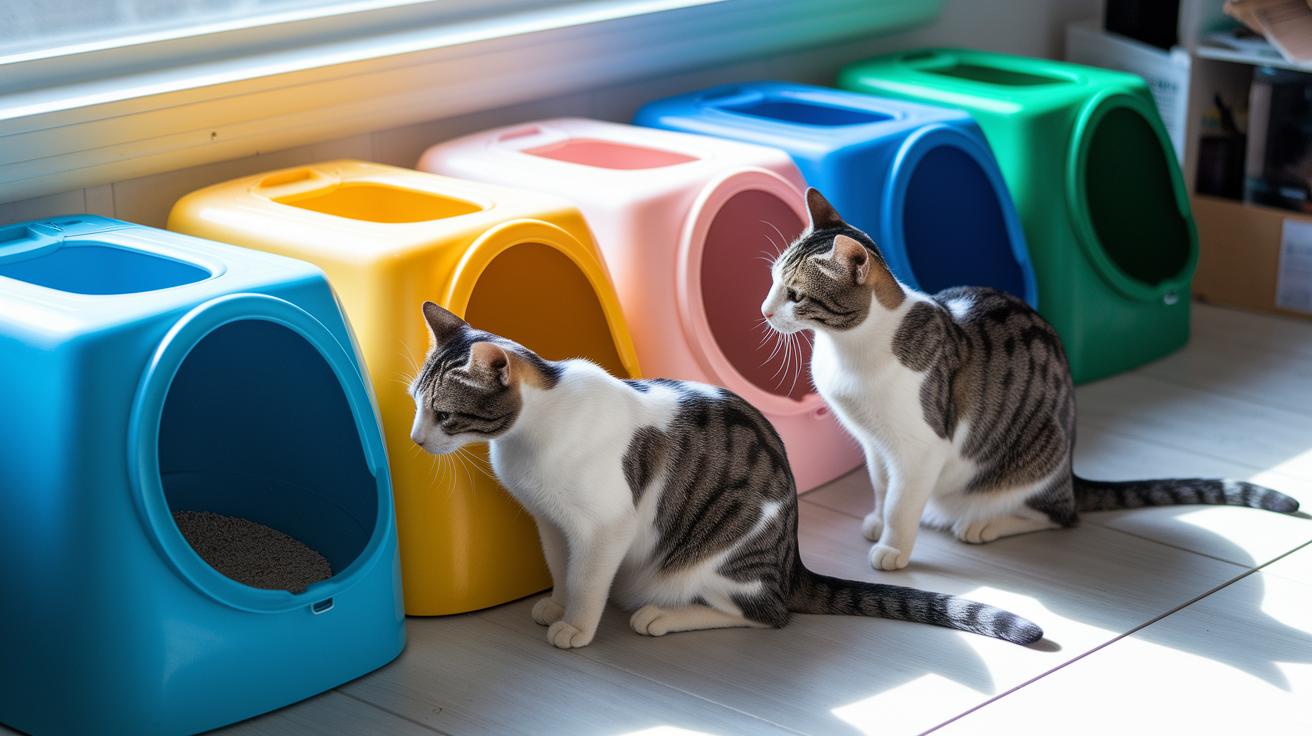
    So here’s the claw-some rule: give each cat their own box, then add one extra for backup!
    That spare box is your secret weapon on busy days when two kitties can’t wait their turn.

    In this guide, you’ll get tips on where to scatter those boxes around your home (and why the spare really saves the day).
    Next, we’ll make sure every kitty has a cozy, private spot when nature calls.

    No more sock sur-fur-ises.

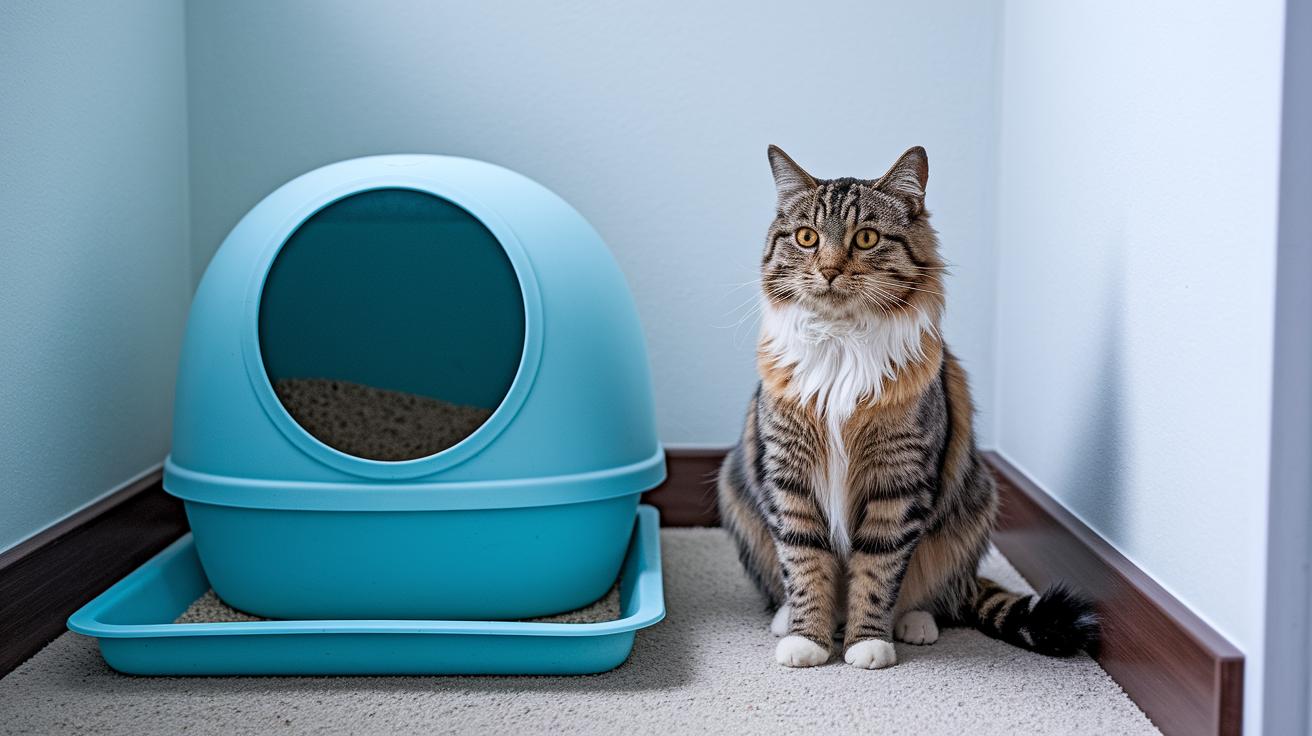
    Optimal Litter Box Count: One Per Cat Plus One Extra
    - Optimal Litter Box Count One Per Cat Plus One Extra.jpg

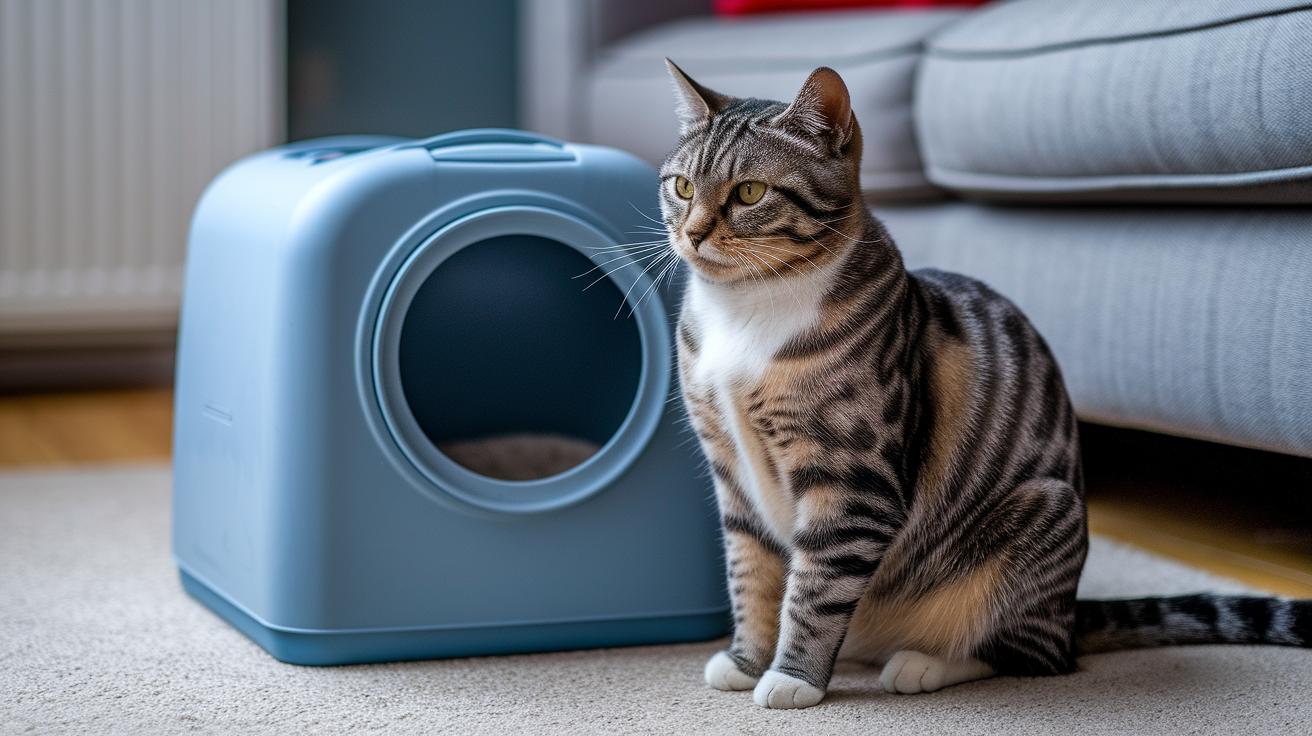
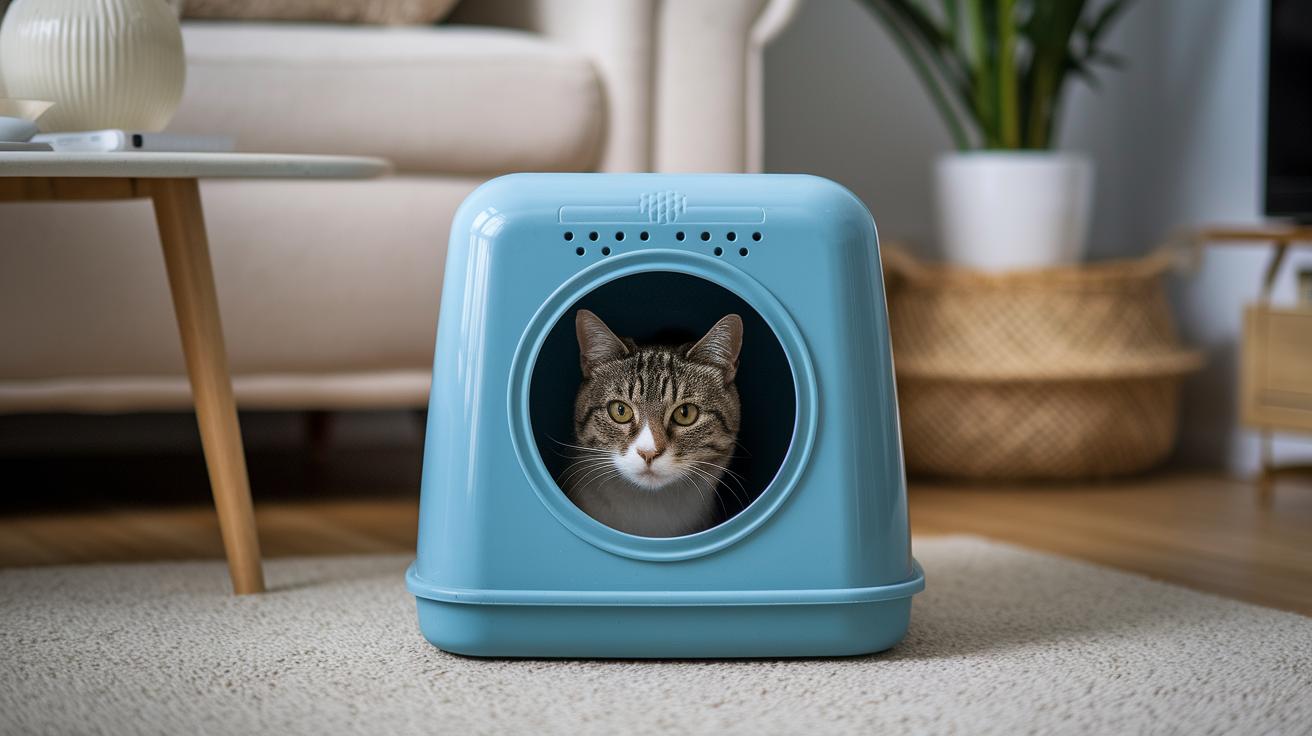
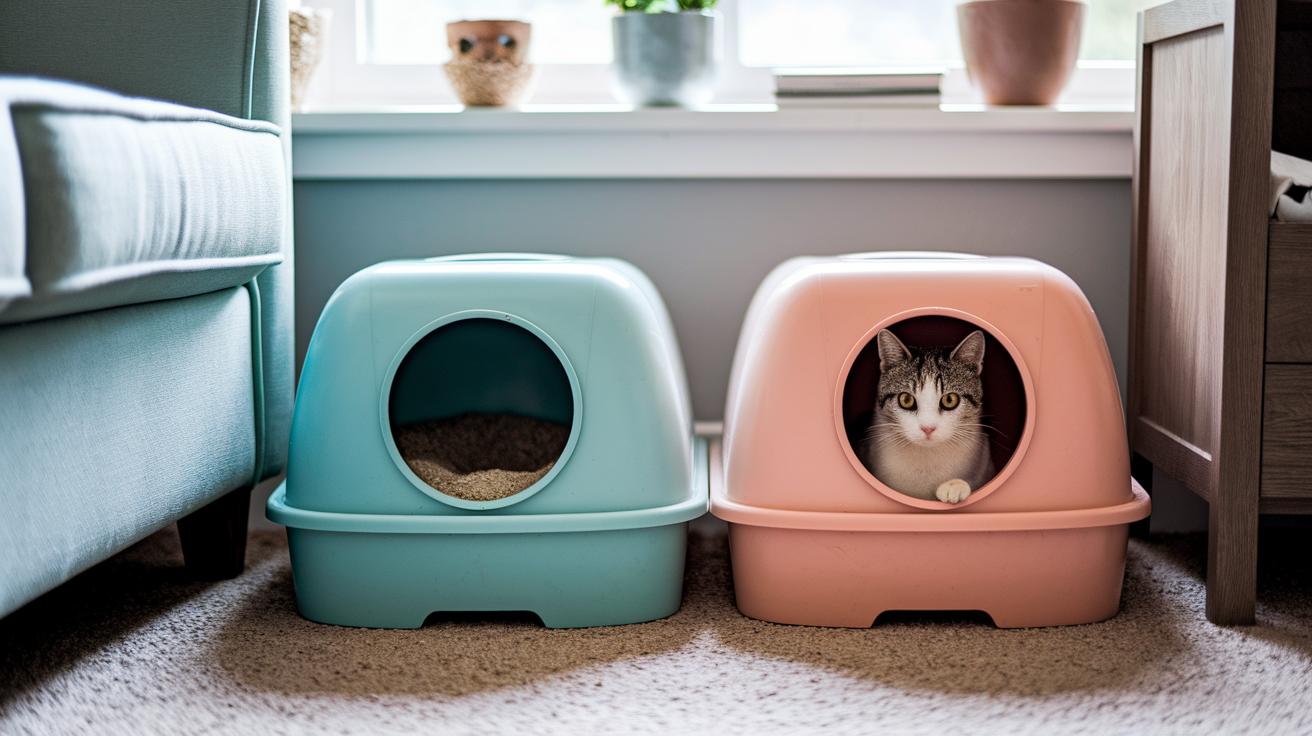
    Ever watched your kitty circle a dirty tray, claws twitching? Oops – let me rephrase that. Here’s a simple rule to keep all paws happy: one litter box per cat, plus one extra. You’ll hear fewer complaints, and surprise puddles? They can take a hike.

    Here’s a quick guide to hang on your fridge:

    • One cat: two boxes
    • Two cats: three boxes
    • Three cats: four boxes
    • Six cats: seven boxes

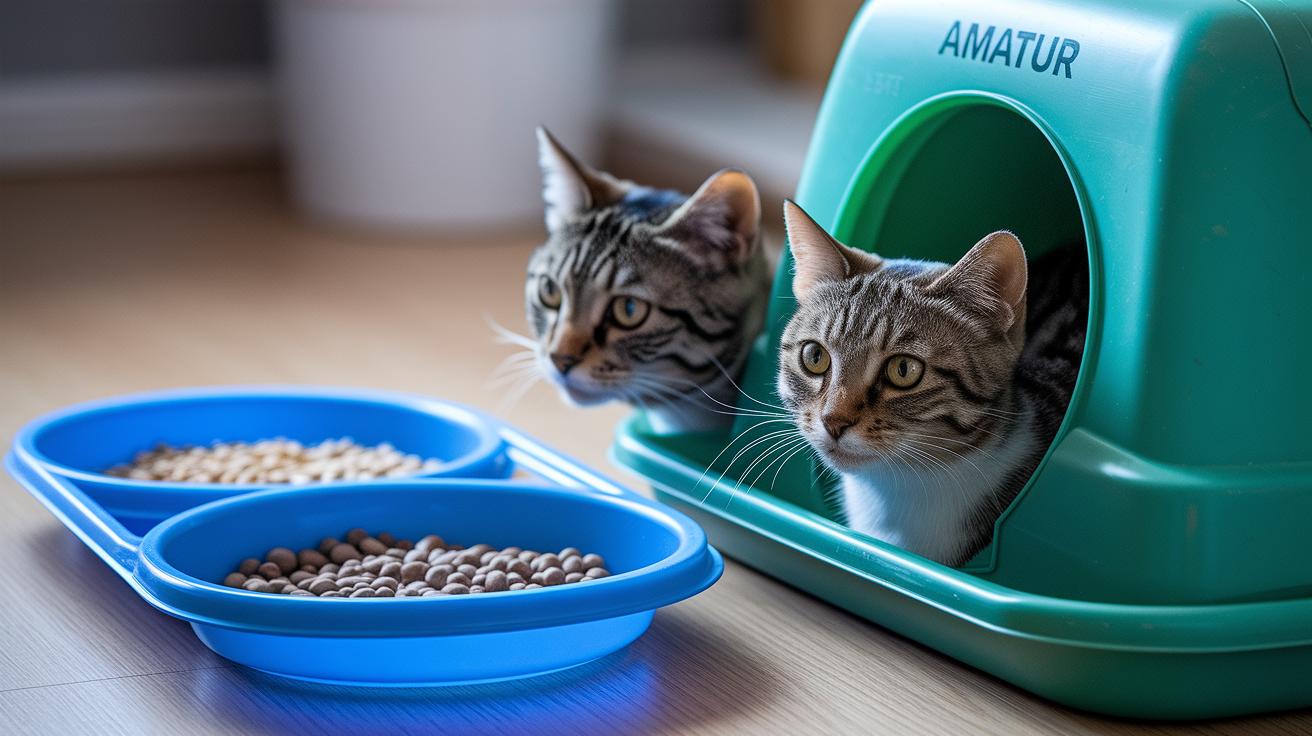
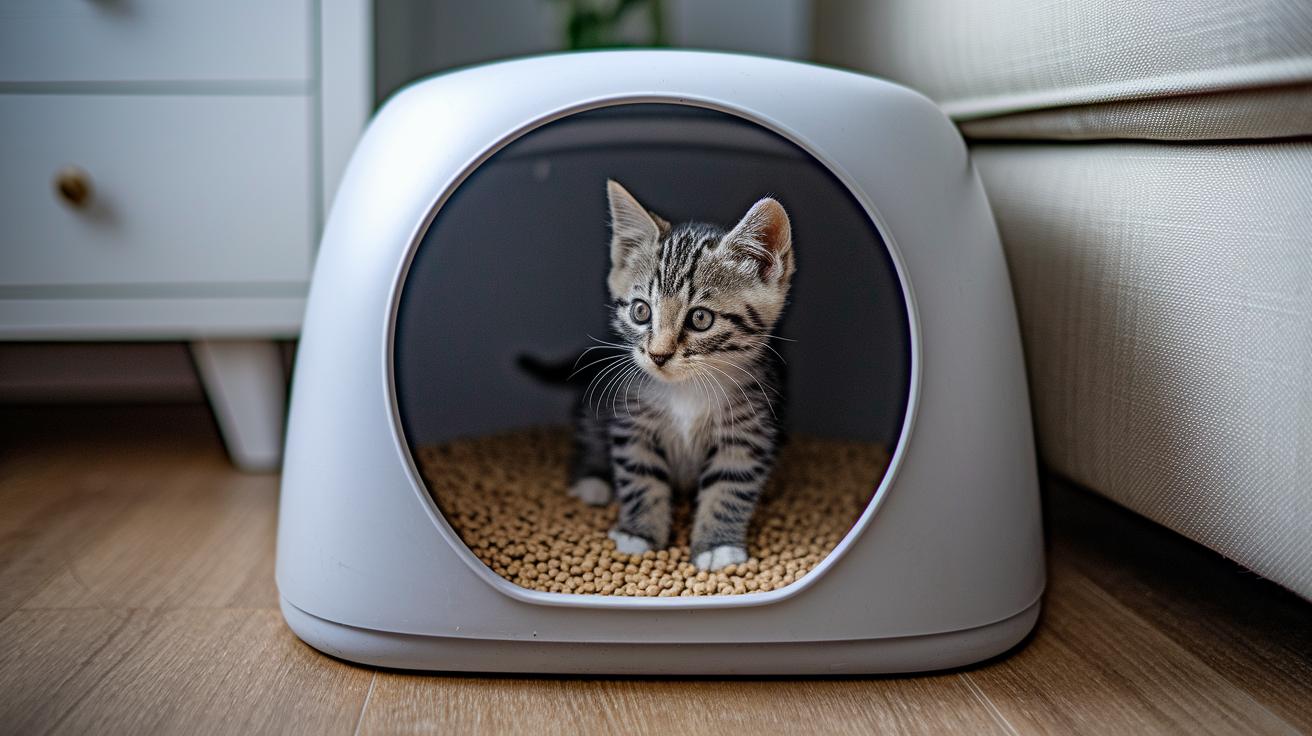
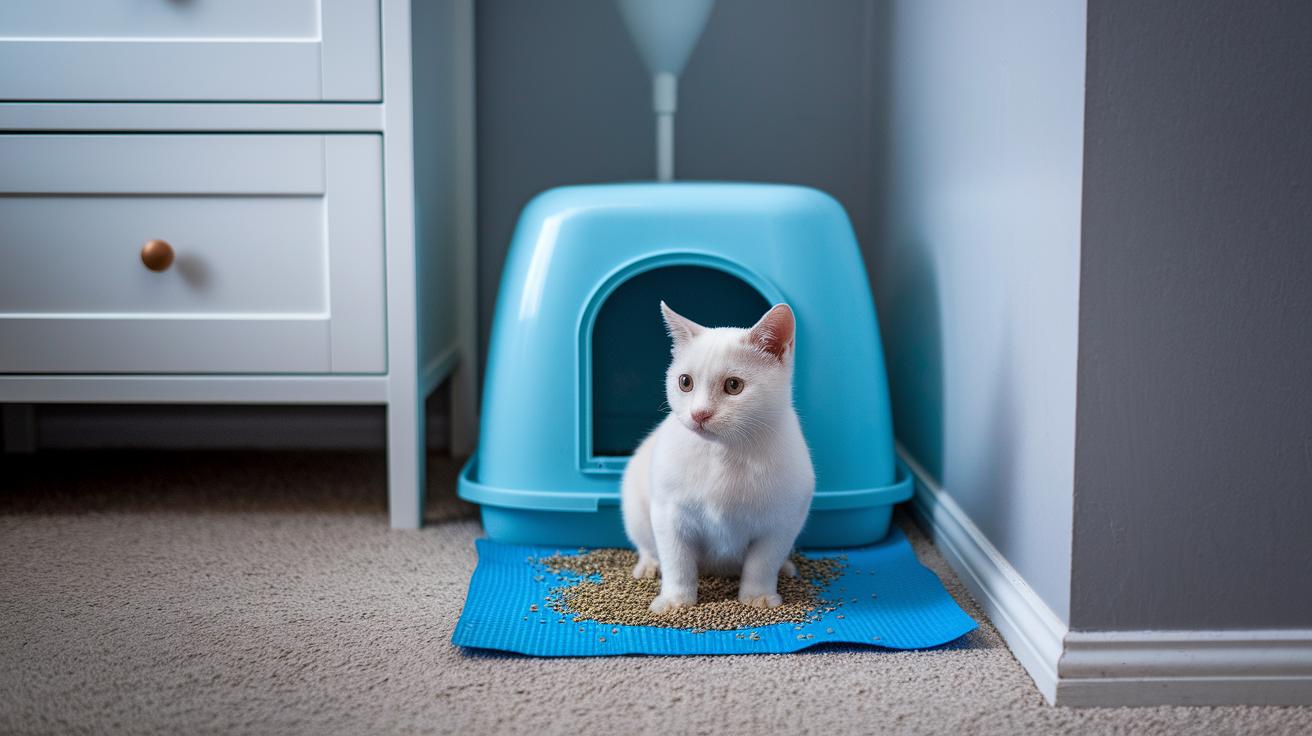
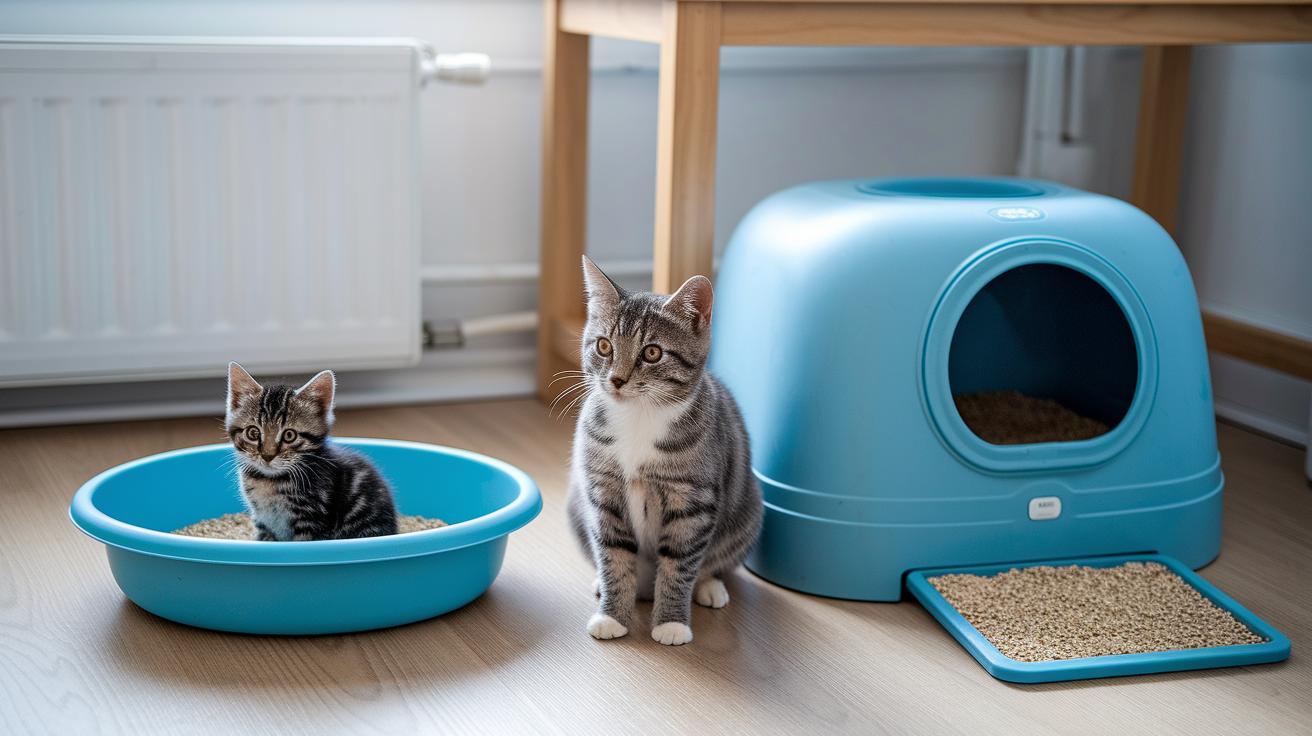
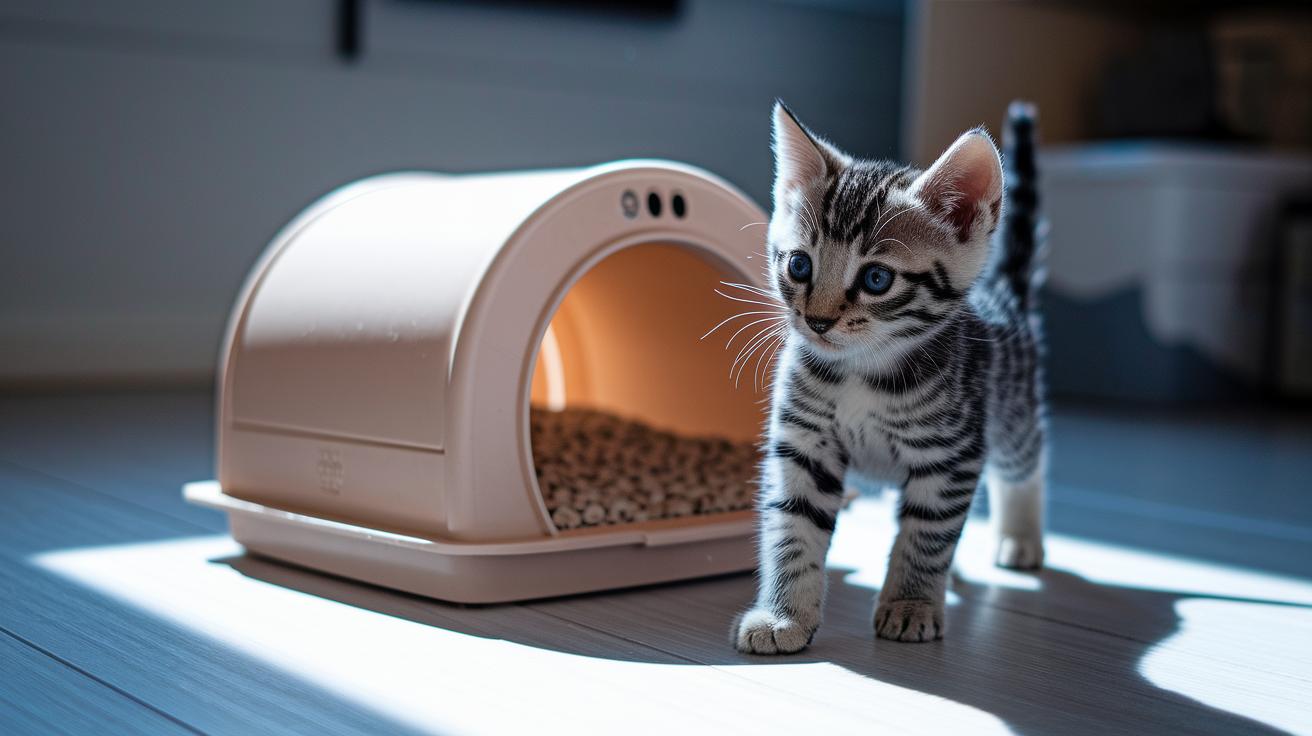
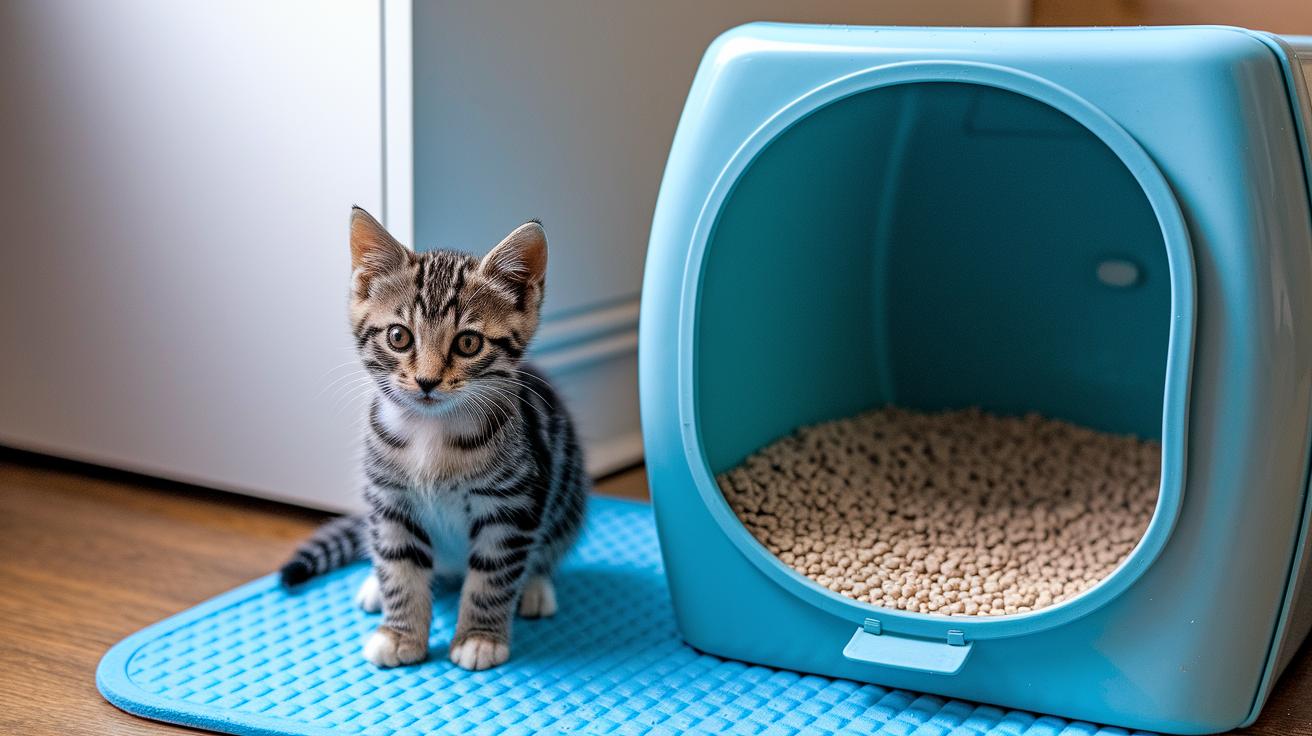
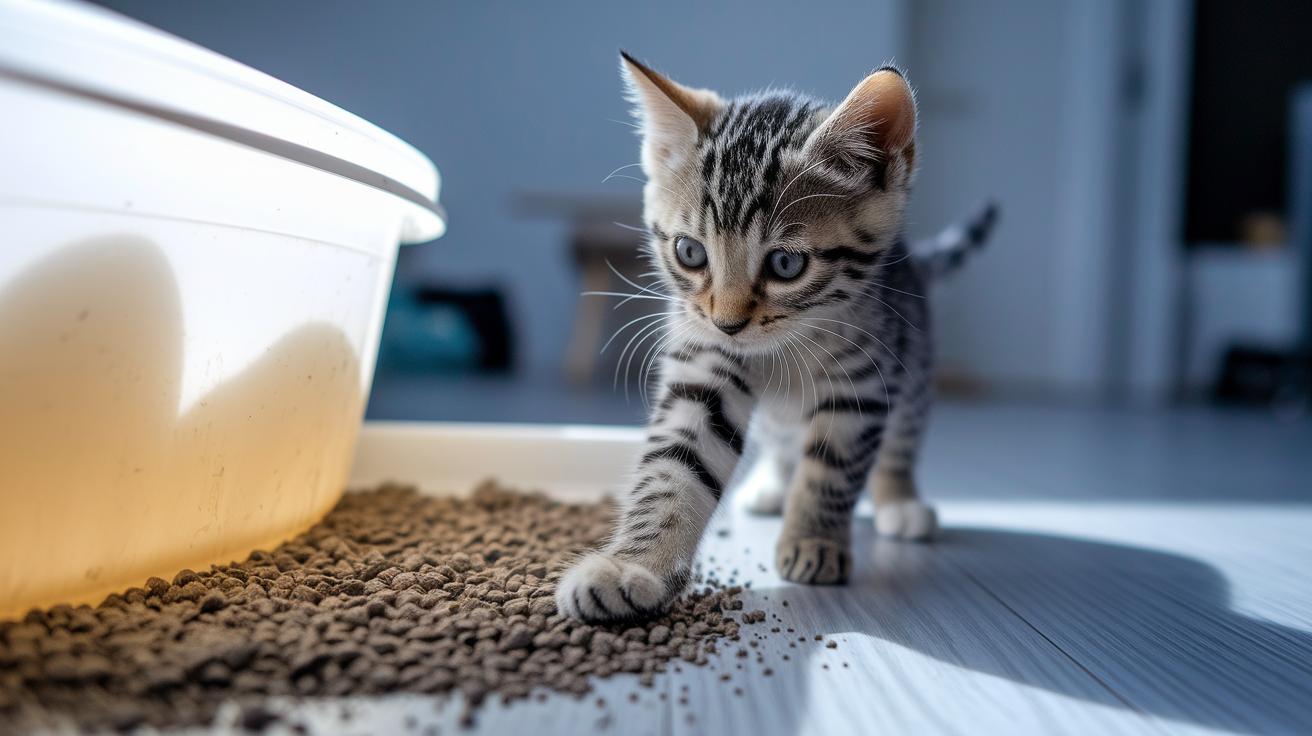
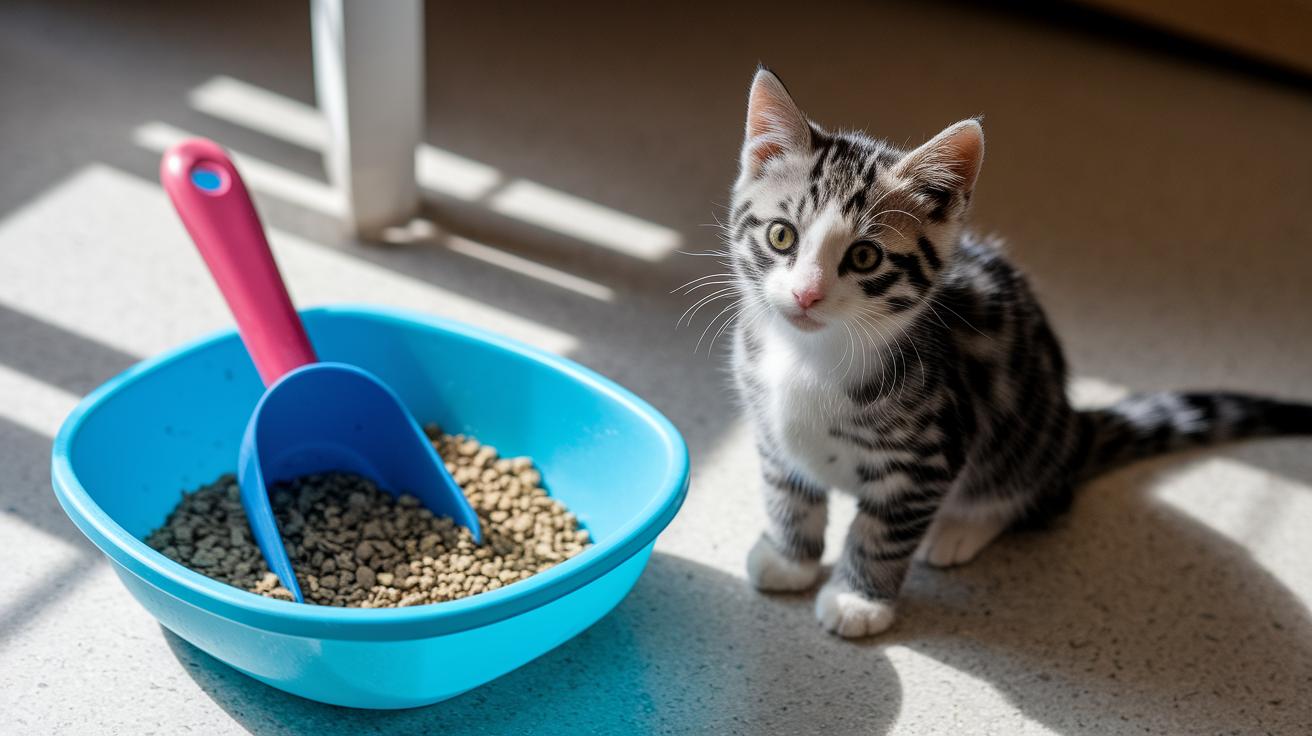
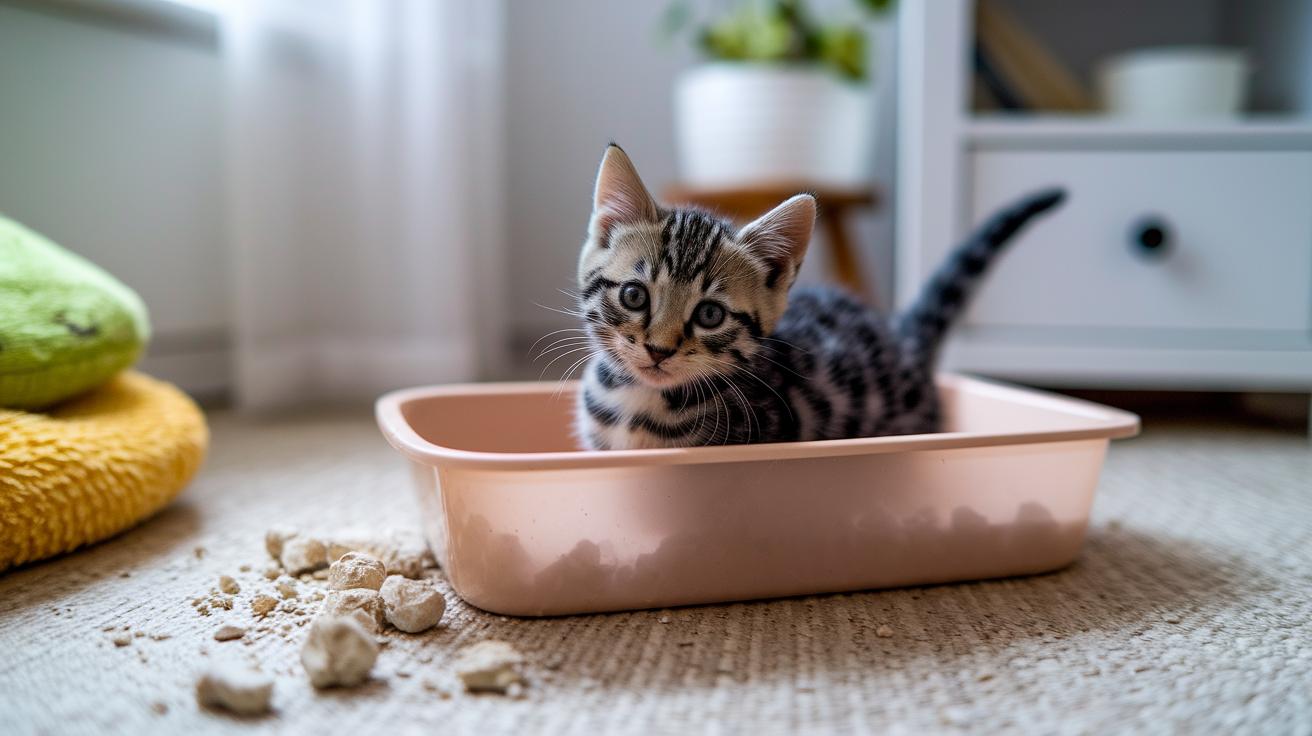
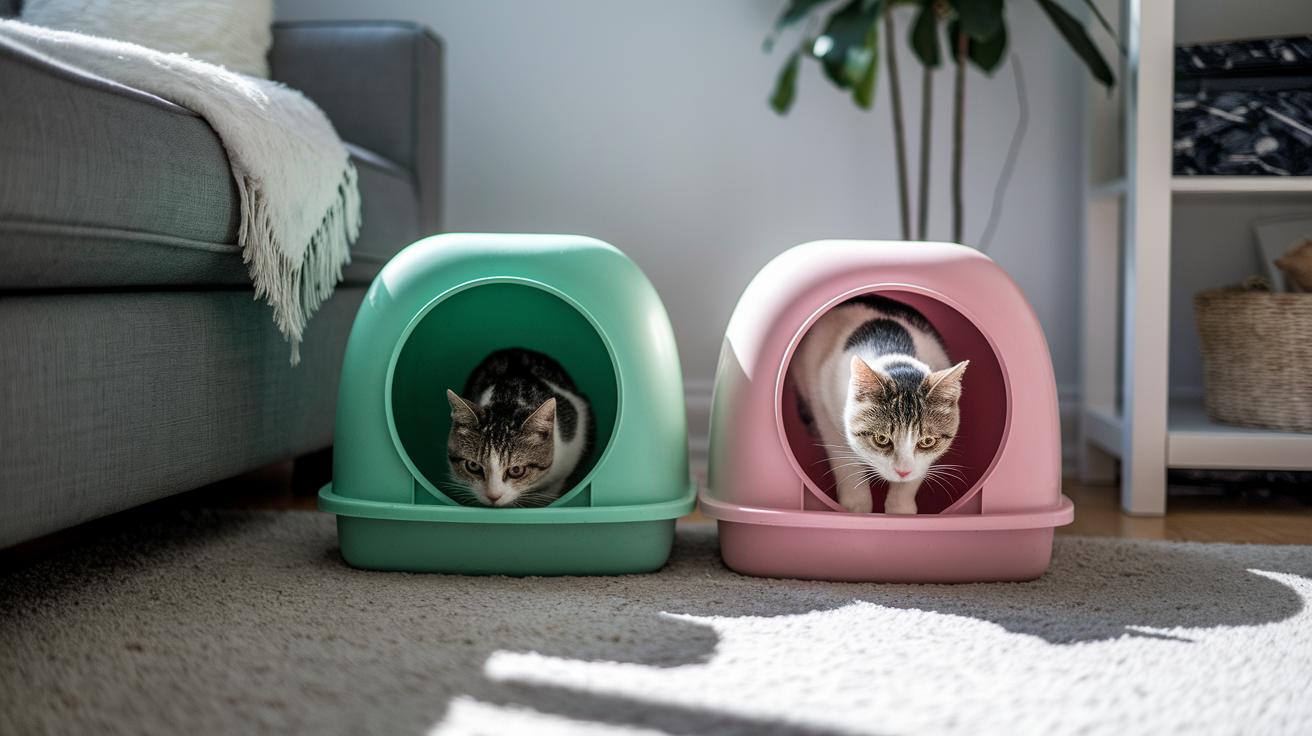
    Even for a single kitten, two trays are clutch. Toss one near their favorite snooze spot and another by the food bowl so your little explorer never misses a chance. Spread them out room by room.

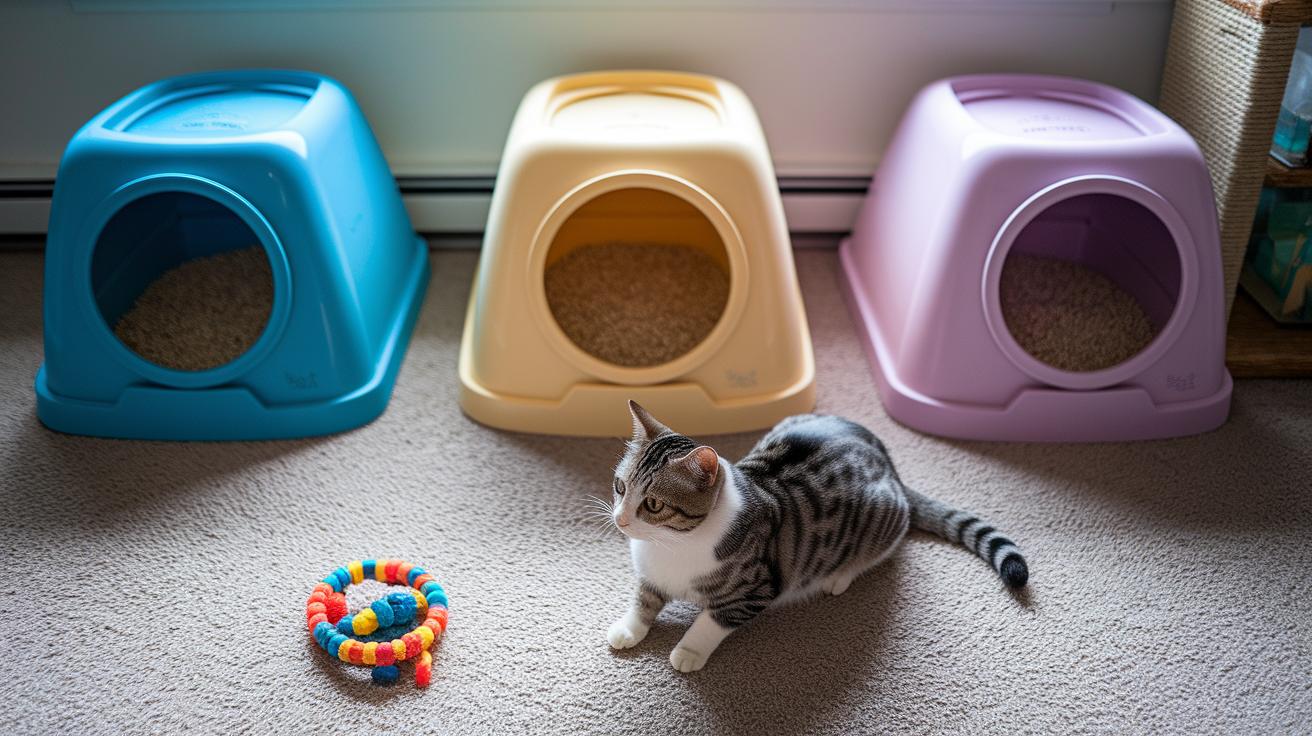
    If you’ve got the space, aim for two boxes per cat for extra freedom. Speaking of backups, last week Luna, my fluffy torbie, inspected three boxes before picking her spot. A busy house of ten kitties would use eleven trays to spread out.

    Think of each tray as a private bathroom stall. Jam them side by side and cats treat them like one messy platform. Then one dirty box sends them hunting elsewhere – maybe in your slippers. Spreading boxes around gives quick access to a clean spot, especially when you’re mid-scoop. That extra tray means no one waits – no one holds it in.

    Worth every paw-print.

    Litter Box Placement Strategies to Reduce Conflict
    - Litter Box Placement Strategies to Reduce Conflict.jpg

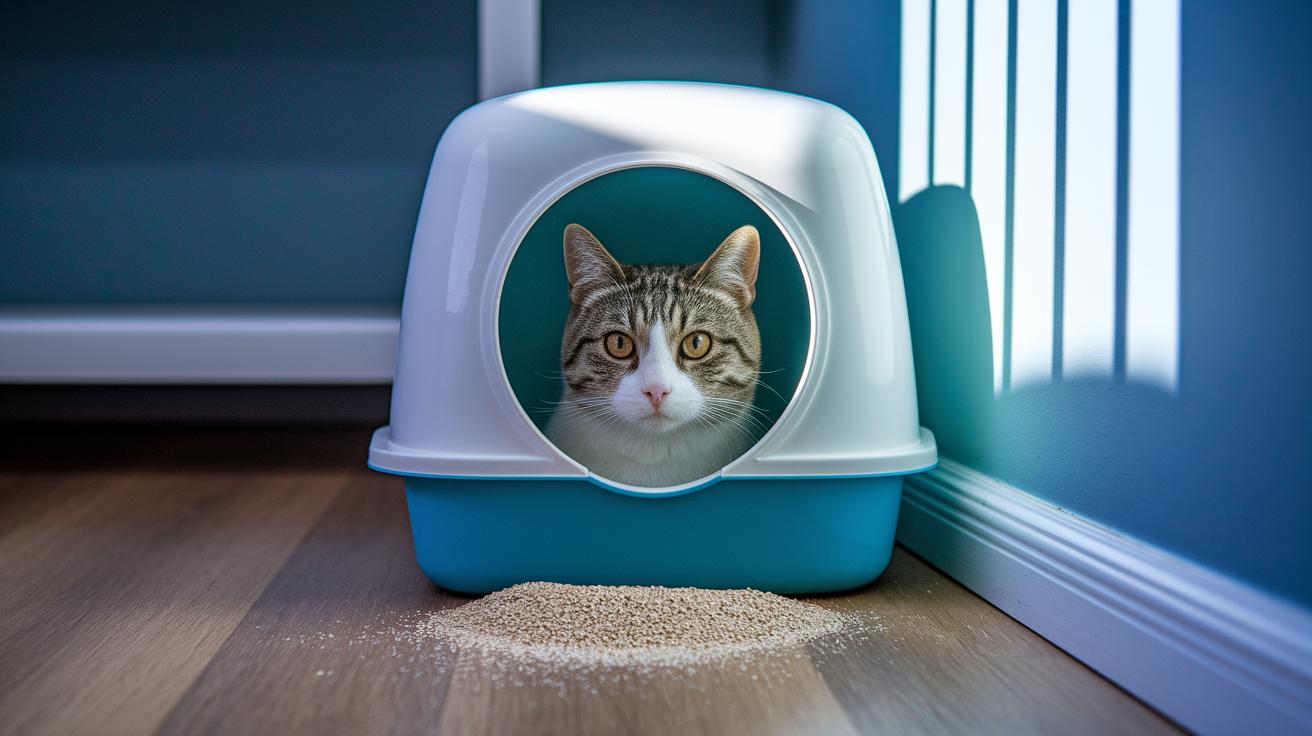
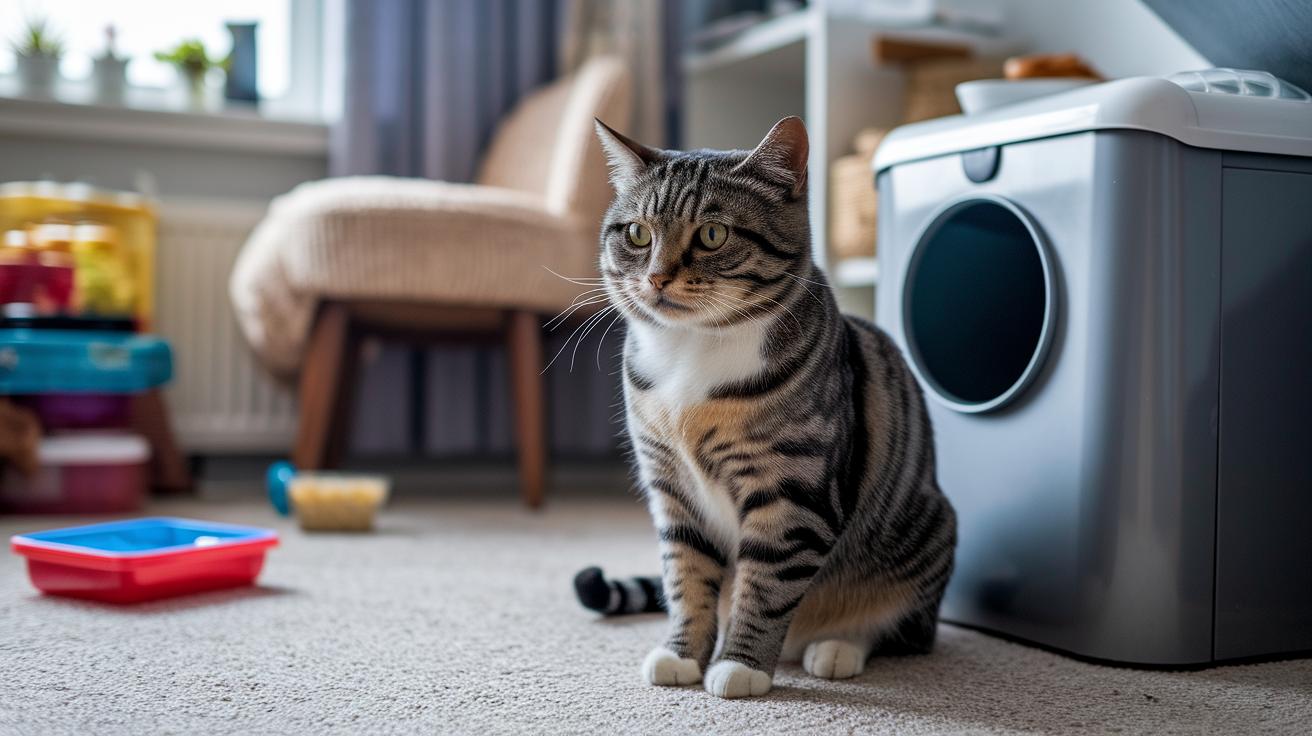
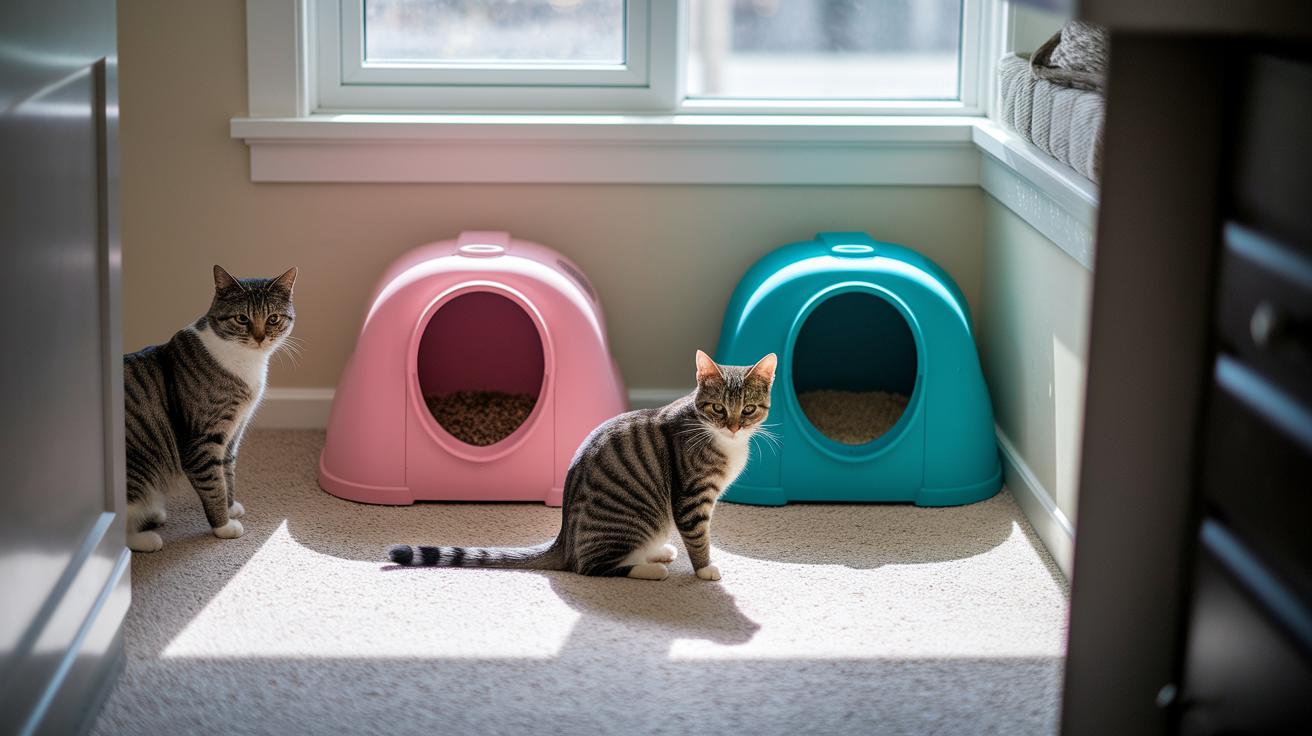
    Ever see your kitties jockeying for the prime potty spot? Let’s keep the peace with smart box placement. Give each furry pal a quiet, private zone away from buzzing machines and dinner dishes. Cats love to feel hidden and safe.

    In multi-cat homes, put one tray on every floor. That way no one has to sprint up or down stairs when nature calls. In an apartment, tuck a box behind a folding screen or slide it into a bathroom corner far from doors and windows. Ever watched your kitty chase shadows? They’ll appreciate that calm hideaway.

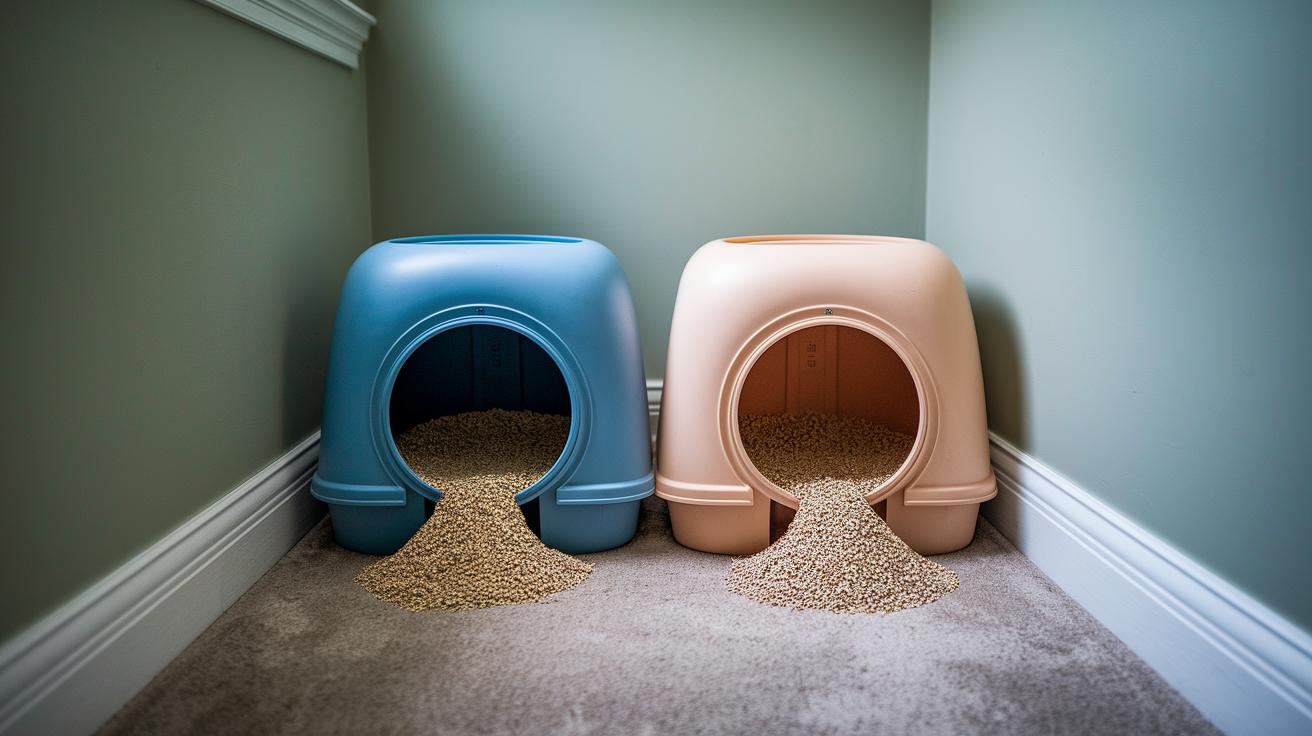
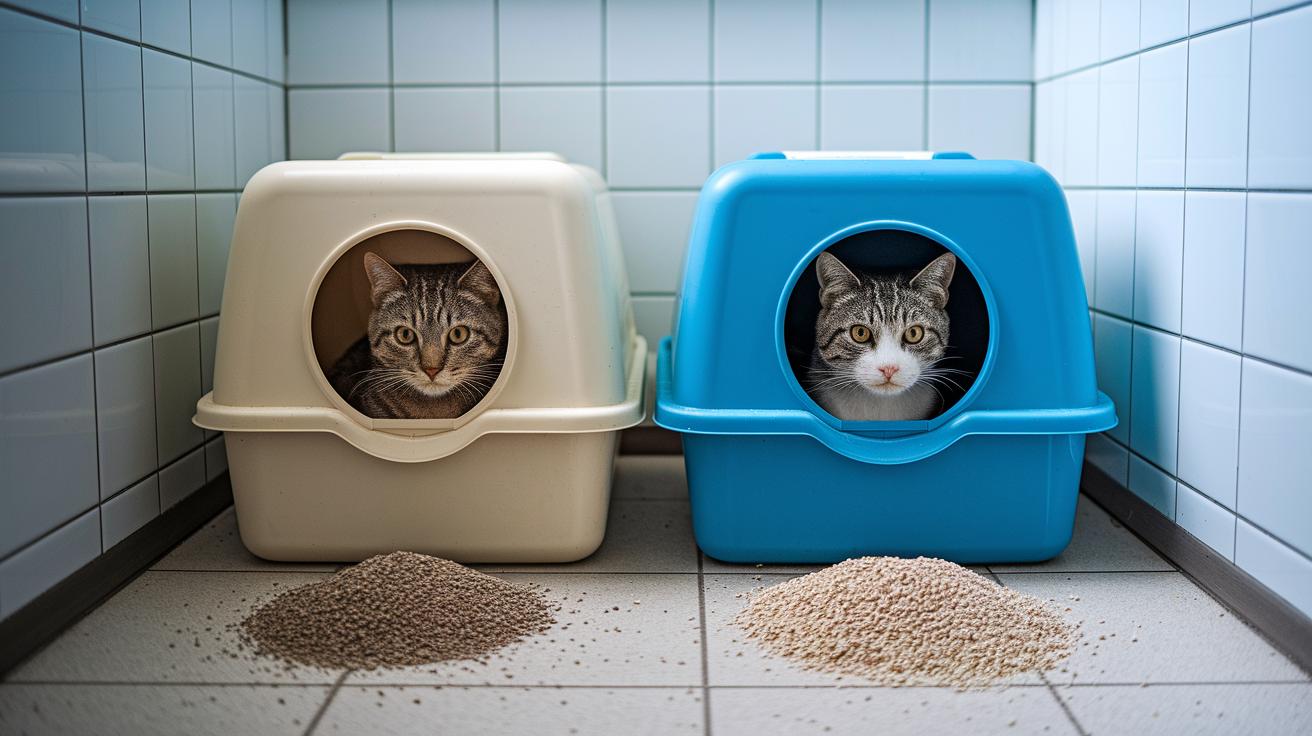
    Clustering old trays side by side feels like one giant sandbox (a big kitty play pit) to cats. Spread boxes out instead to create mini “bathroom stations.” Shy kitties can pick the spot that feels right. Just steer clear of busy halls and loud appliances, no one wants to potty next to a roaring dryer.

    So, if Fido keeps barging in, try a baby gate or a cat-only door to keep dogs out. Quiet nooks under the stairs or beside a bookshelf make perfect litter hideouts. Before long, you’ll hear fewer territorial meows and more contented purrs.

    I once watched Jasper dash past a noisy dryer for his box down the hall. No sweat, our clever setup kept him comfy and conflict-free.

    Choosing the Right Litter Box: Size, Style, and Access
    - Choosing the Right Litter Box Size, Style, and Access.jpg

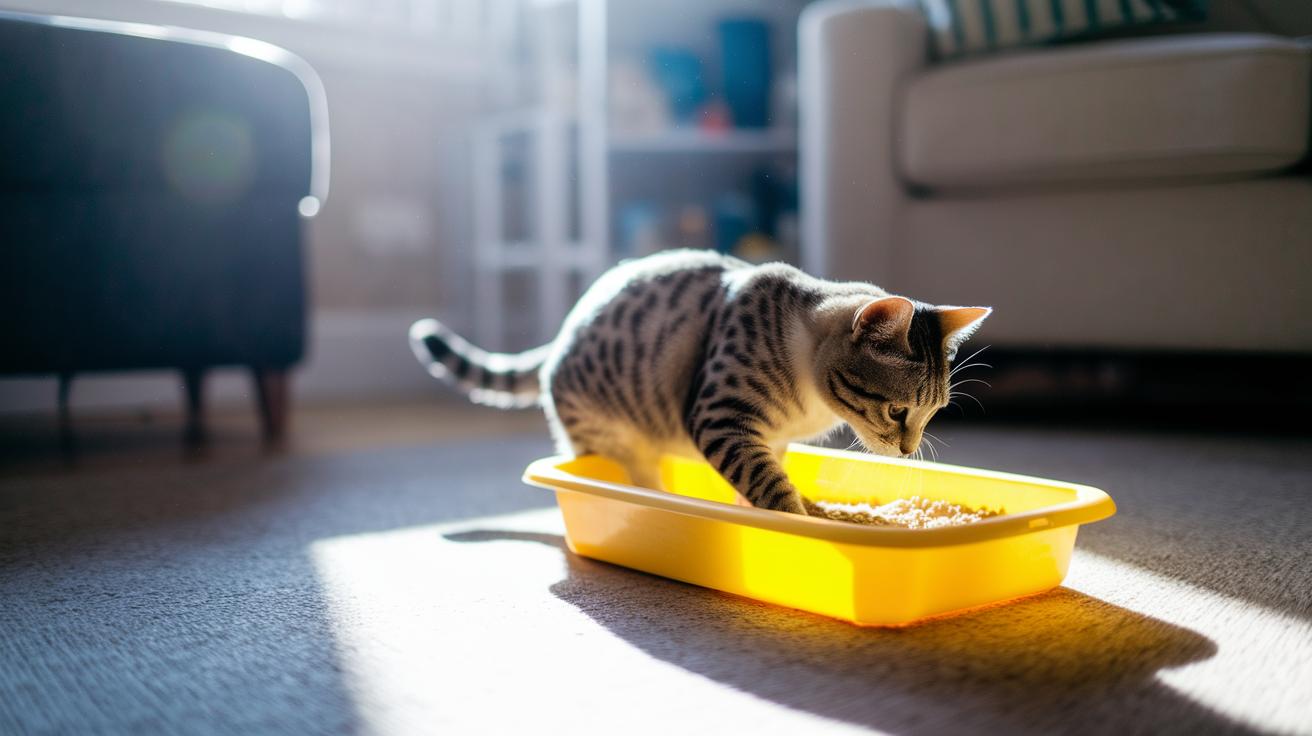
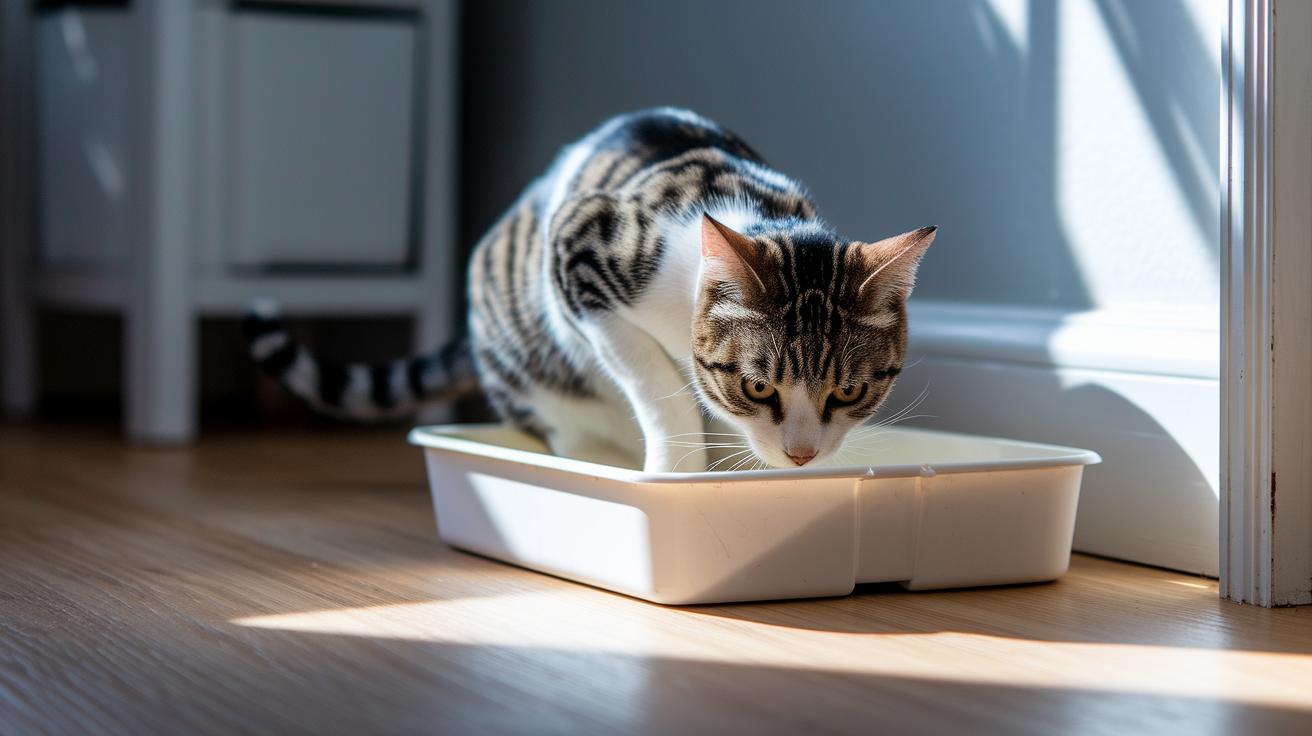
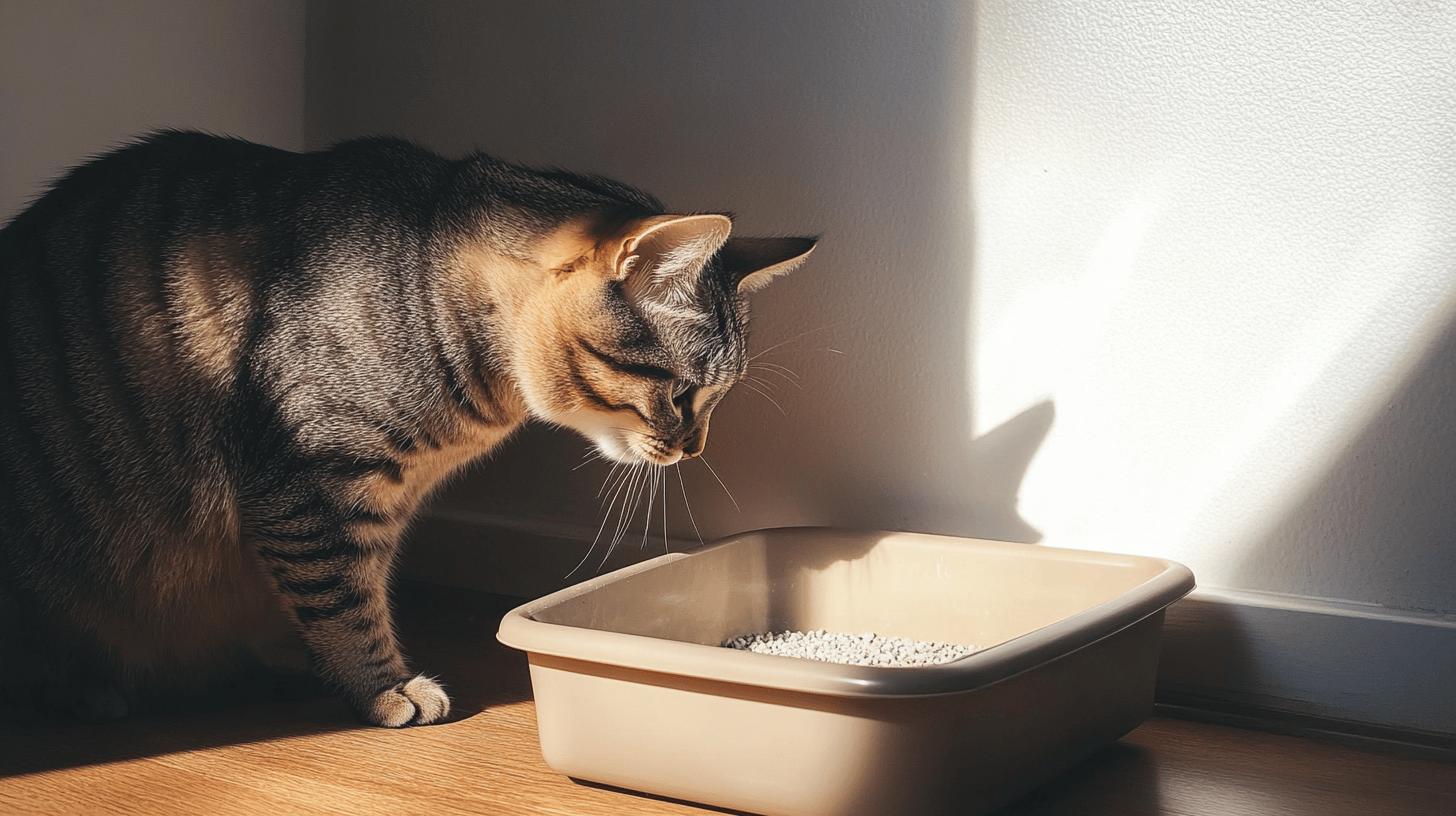
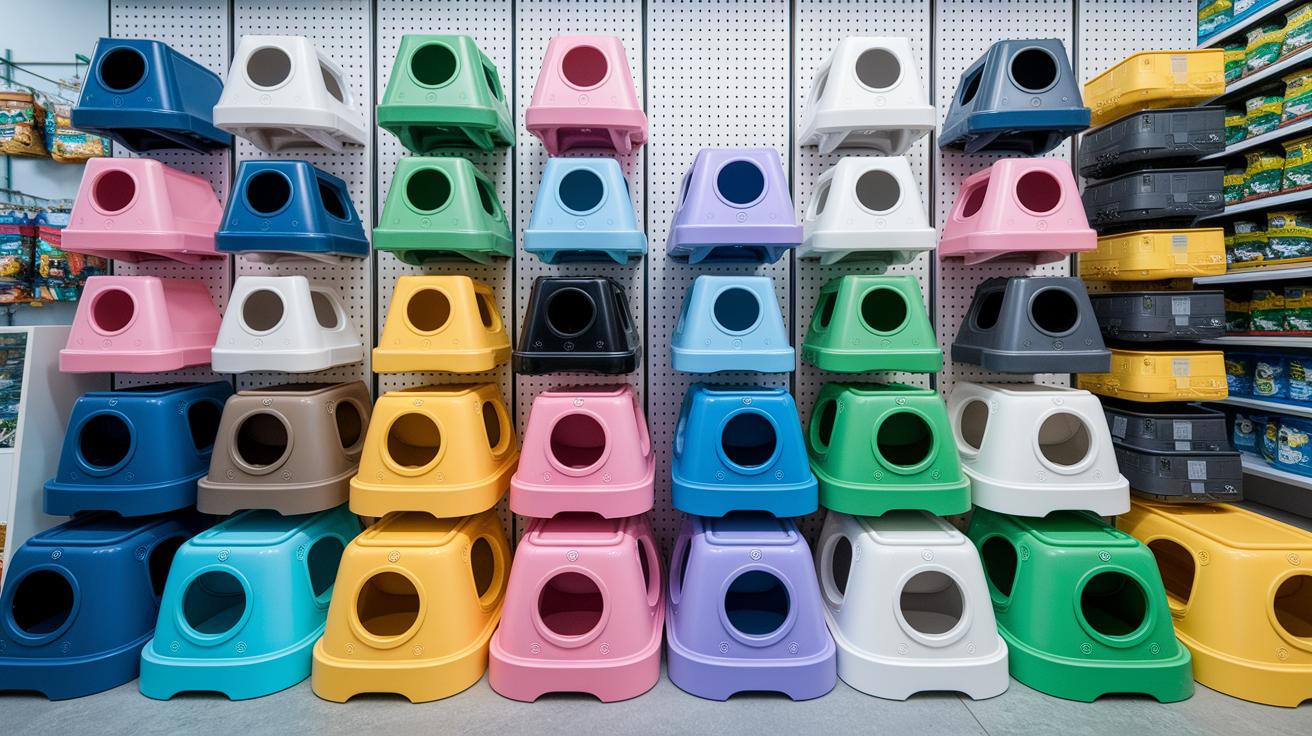
    Your litter box needs space. Pick one at least one-and-a-half times your cat’s nose-to-tail length so she can turn, dig, and cover without feeling cramped. Picture whiskers twitching as she does a victory dance on roomy real estate. She’ll be feline fine.

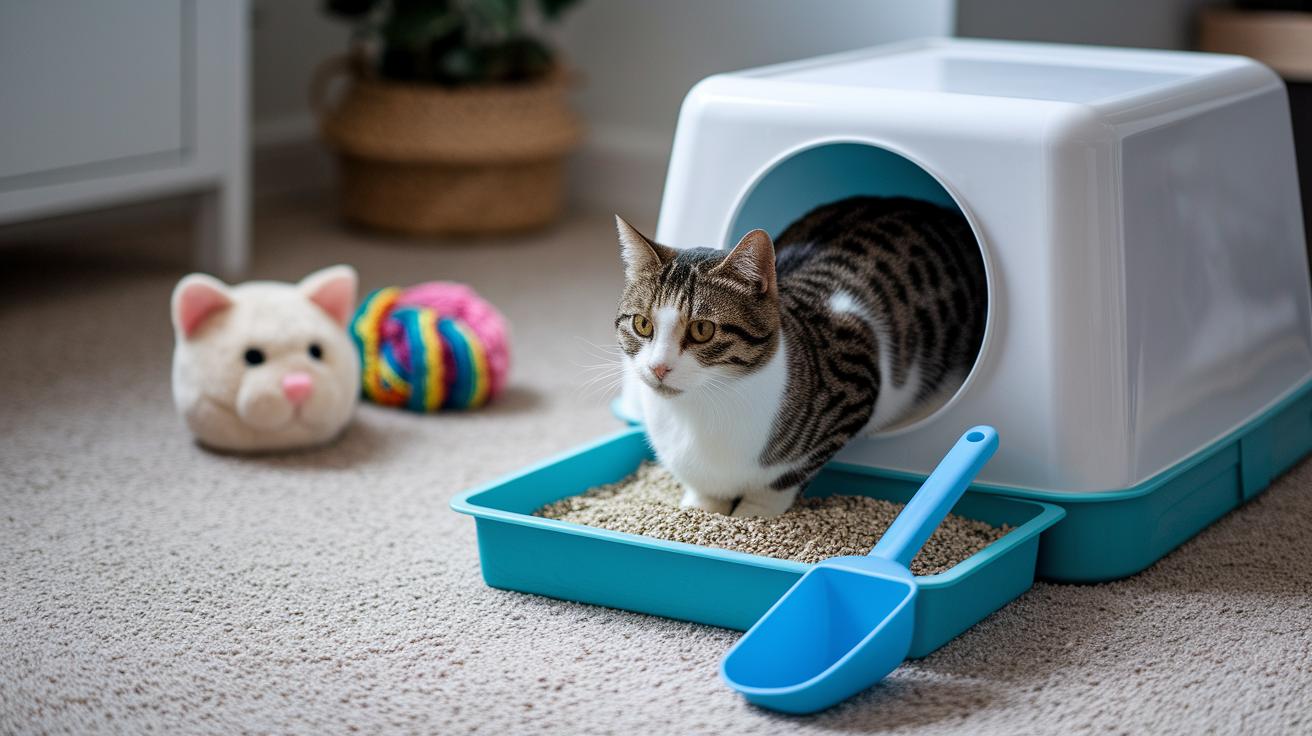
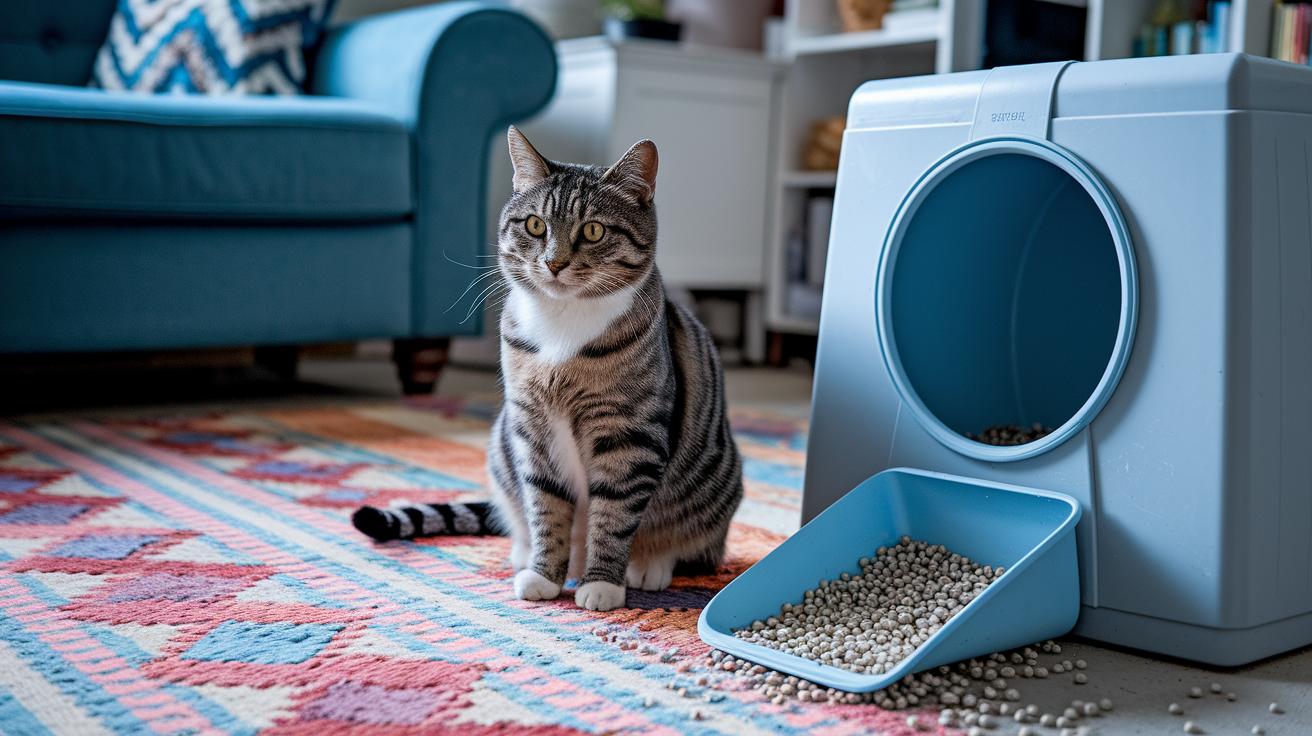
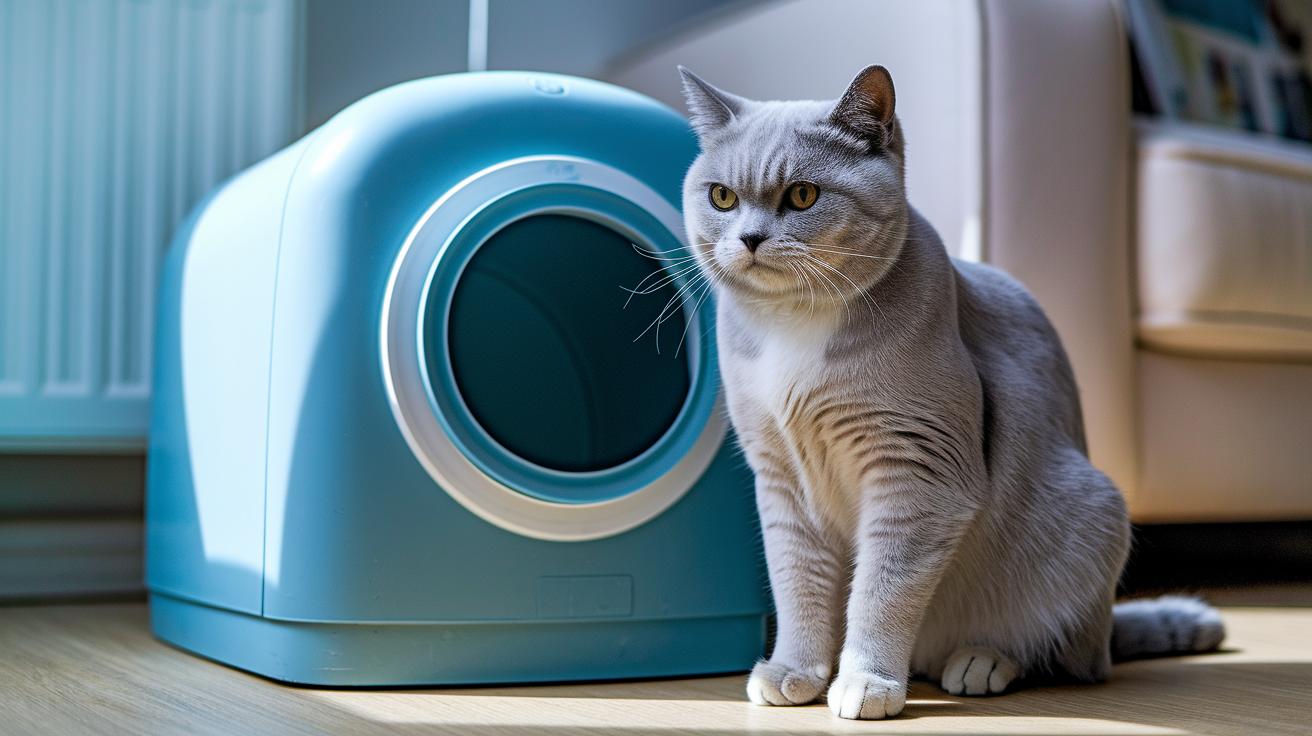
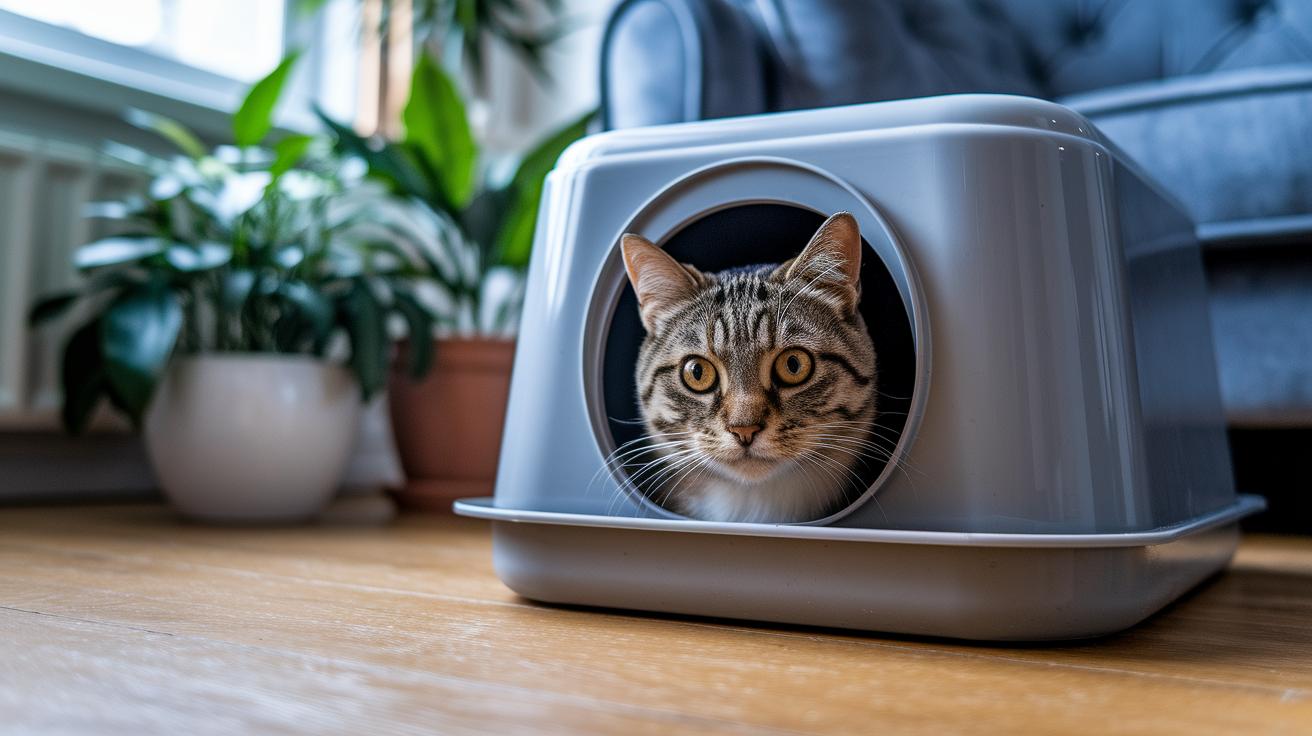
    Most cats love open trays with low sides. It’s easy in and easy out. No surprise crashes when they pounce. But if your carpet looks like a beach (you know, sand everywhere), go for a high-sided box (taller walls to catch stray bits) or a hooded litter box (a little cat cubicle that keeps scatter in). Open top boxes? They give privacy but can feel tight for chunkier breeds.

    Got a tiny furball or a senior pal? Low-entry boxes (a gentle rim to step over) are claw-mazing for kittens and arthritic cats. Oops, make that three steps. Some pans even come with a slope (gentle ramp that eases entry). My grandma’s tabby, Bertie, chirps when I swap his deep tray for a shallow one. No more hesitation at the rim.

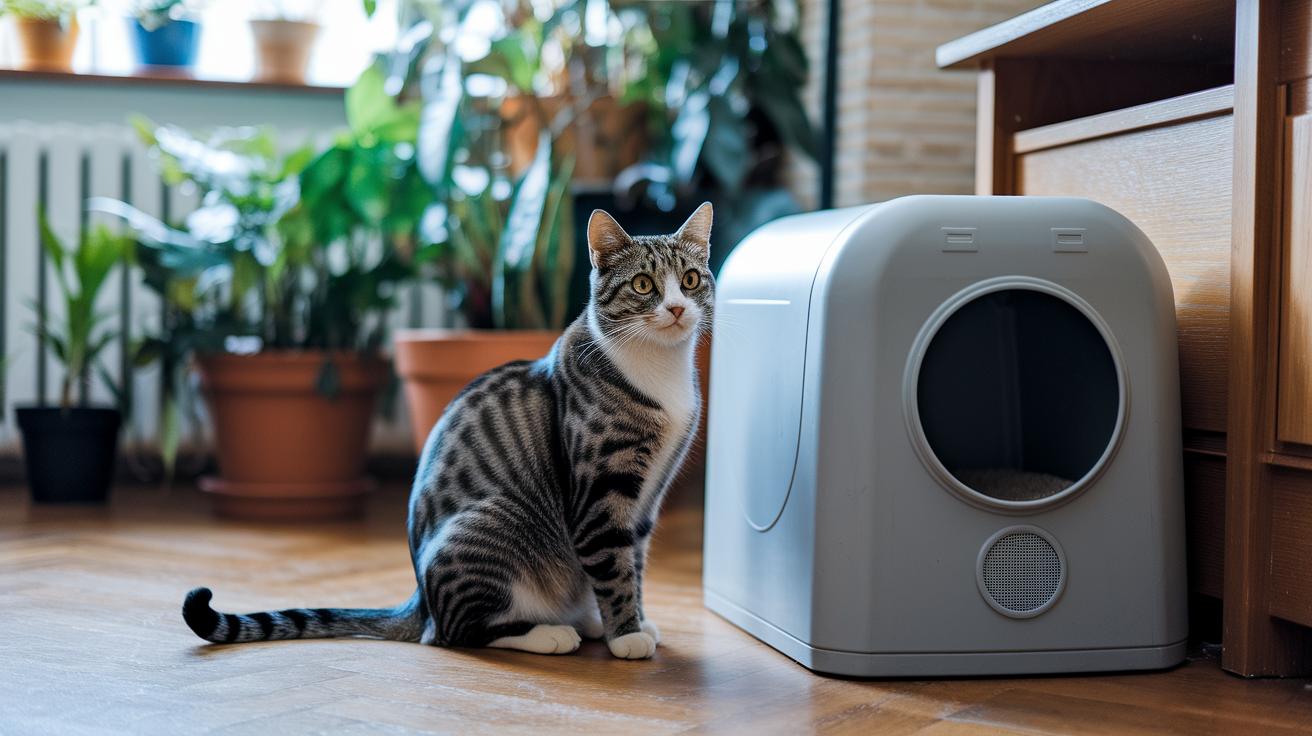
    Short on space? Try a corner litter box that tucks into an unused nook or a top-entry style (you pop in through the roof). They hide the mess and keep dogs or curious toddlers from “helping” with the litter. Just watch your cat’s acrobatics. Some need practice for that rooftop leap.

    Think about your floor plan, your cat’s body, and her quirks. The right size and style make every visit cozy for her and way less annoying for you. Worth every happy paw-print.

    Selecting the Best Litter: Types, Depth, and Transition Tips
    - Selecting the Best Litter Types, Depth, and Transition Tips.jpg

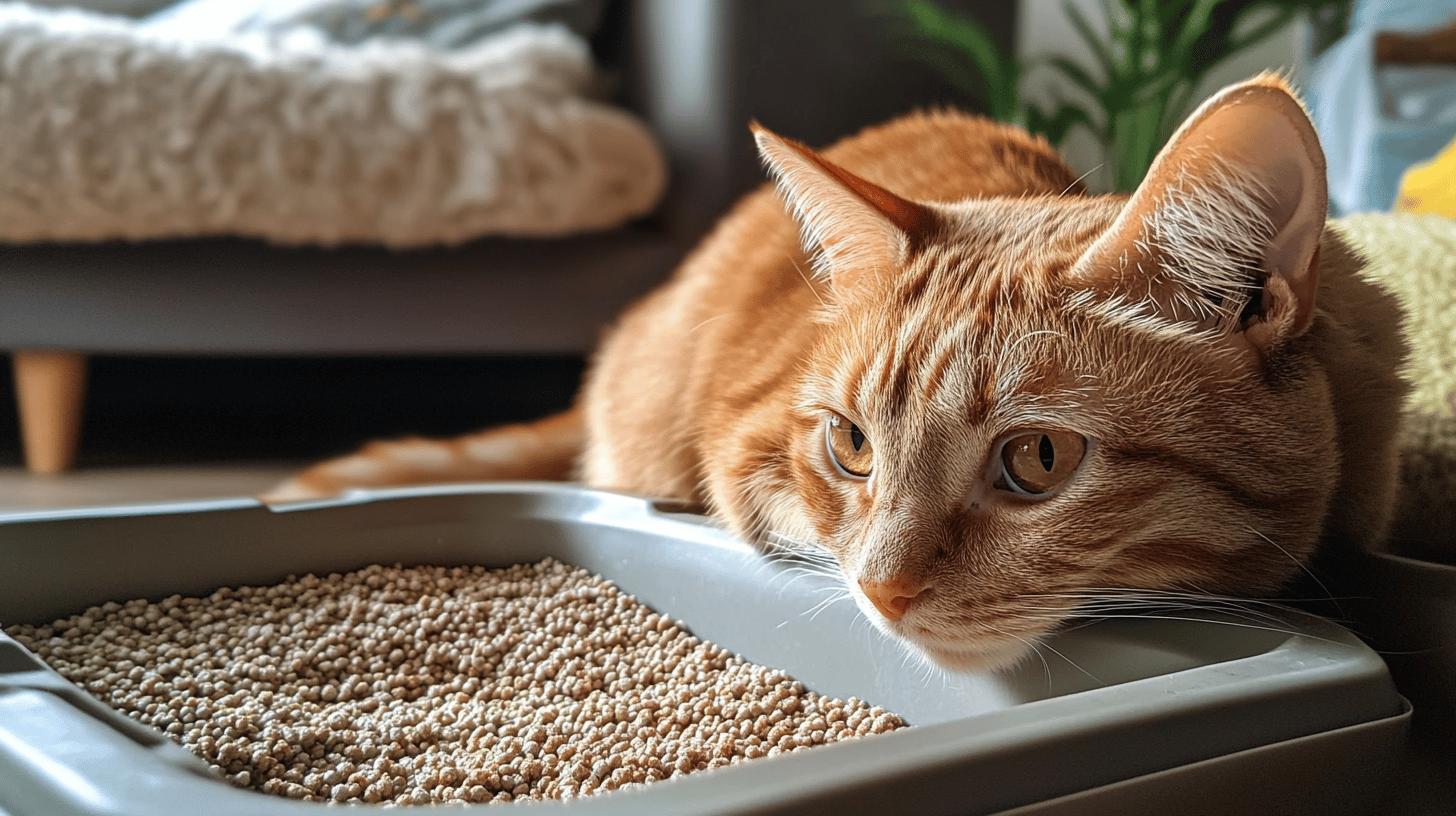
    Imagine your kitty stepping into a sand-like bed – beach vibes minus the sunburn! Fill the tray with 2 to 3 inches of litter so it’s fine for digging and firm enough to keep its shape. Too shallow and it feels like concrete underfoot. Too deep and you’ll end up scooping a mini dune.

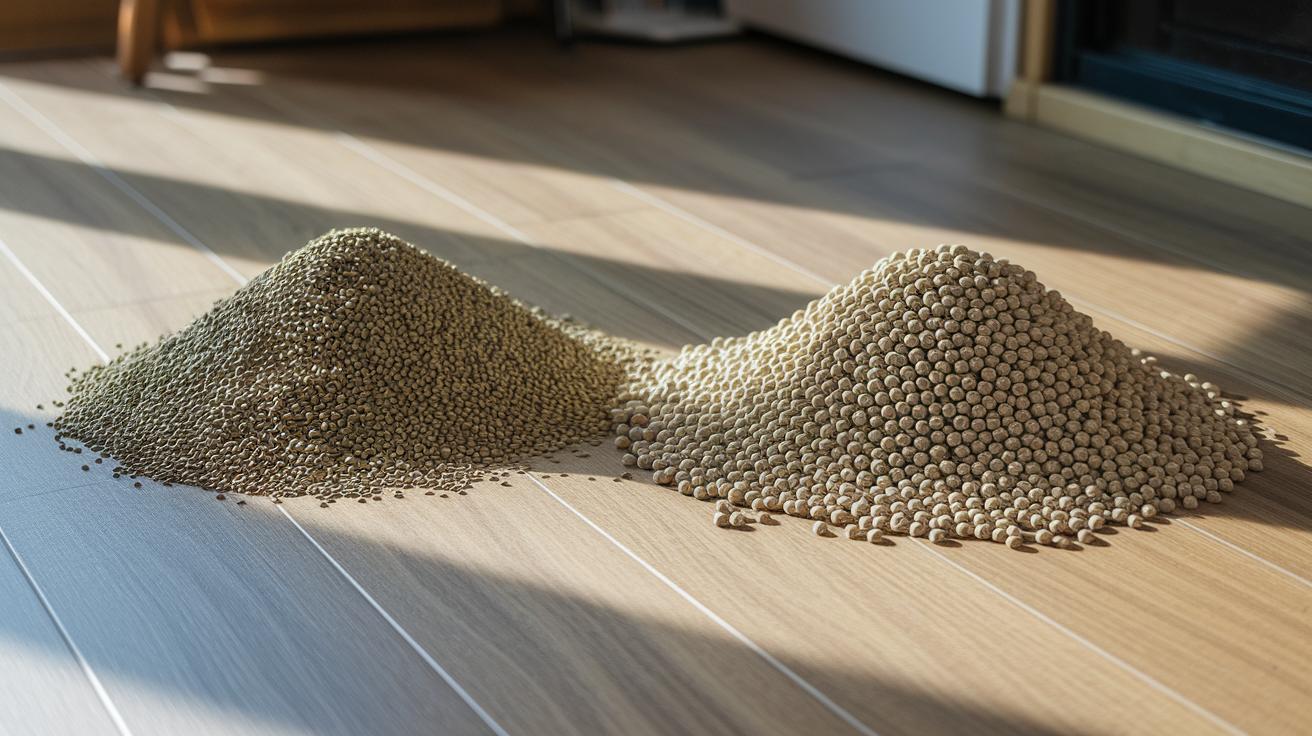
    Most cats sniff scented litter and walk away in protest. So grab unscented clay (earthy powder that clumps into tight balls around waste). Clumping litter makes scooping claw-tastic and cuts down on leftover mess. If you want something soft on paws and gentle on the planet, try paper pellets.

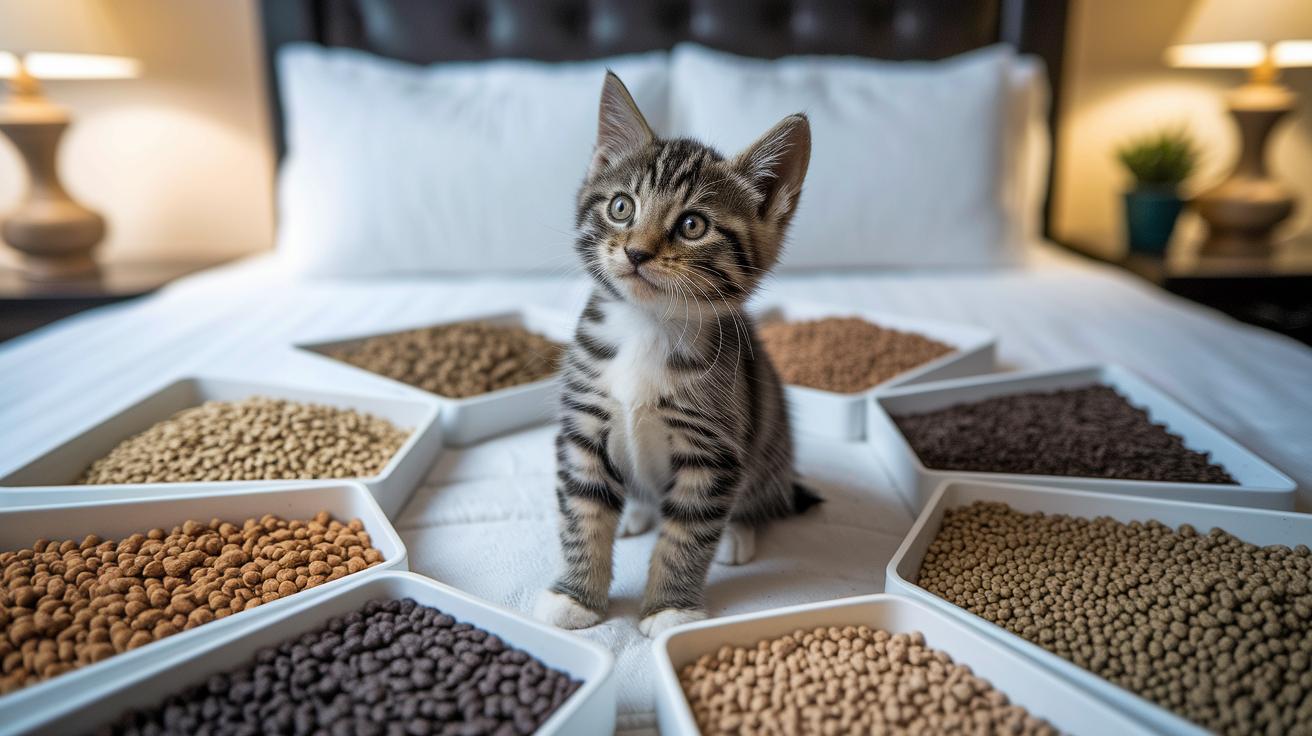
    Crystal litter uses silica gel beads (tiny moisture magnets) to trap odors. Then there are biodegradable litters made from wood chips or corn that break down naturally. Ever watched your cat sniff and dismiss a fresh box? Set up two small pans with different textures and see which one wins.

    When it’s time to switch litters, take it slow. Mix a scoop of the new stuff into the old batch and add more each day. I once got Luna onto a corn-based mix by starting with just a spoonful – she barely noticed. Now she digs dust-free and purrs all the way, worth every paw-print.

    Cleaning and Maintenance: Schedule, Products, and Odor Control
    - Cleaning and Maintenance Schedule, Products, and Odor Control.jpg

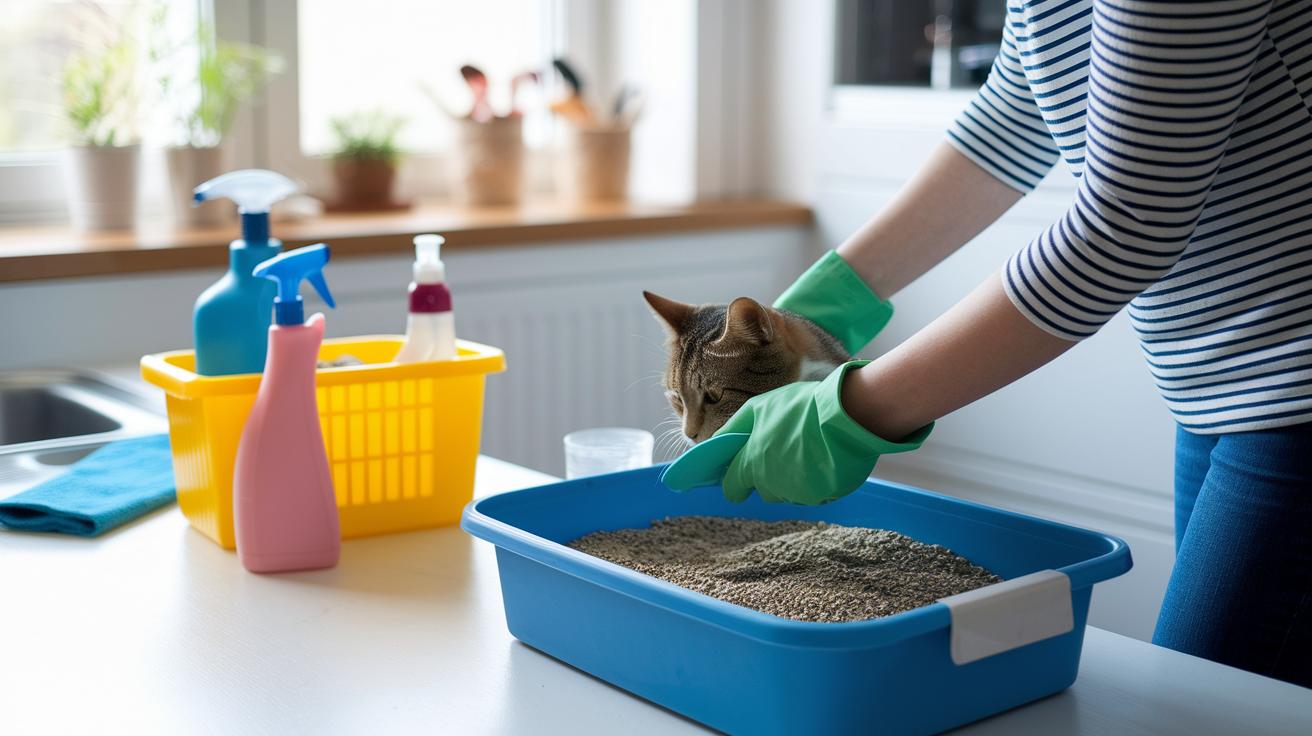
    Scoop waste at least once a day. Twice is purrfect if you can swing it. Fresh scooping keeps ammonia (that sharp, nose-twitching stink) from building up. I set alarms for morning and evening so the box always smells inviting.

    Give each box a deep scrub with mild soap (like dish soap) and warm water every week or sooner if you catch a whiff of trouble. Skip bleach – it’s too harsh and leaves a smell cats hate. One time I tried bleach and Luna gave me the stink-eye for days. Oops, my bad.

    Enzyme-based cleaners (they’re like tiny odor-eating helpers) are pure magic for the litter pan. They break down hidden gunk and smells at the source so your home never feels like a litter lounge. Just spray, wait, rinse. Your cat won’t even pause their zoomies to sniff-check.

    Every three to four weeks swap out all the old litter for fresh stuff. It’s like giving the box a brand-new sandbox. While you’re at it, wipe the pan edges and corners to catch tiny granules that slip past daily scooping.

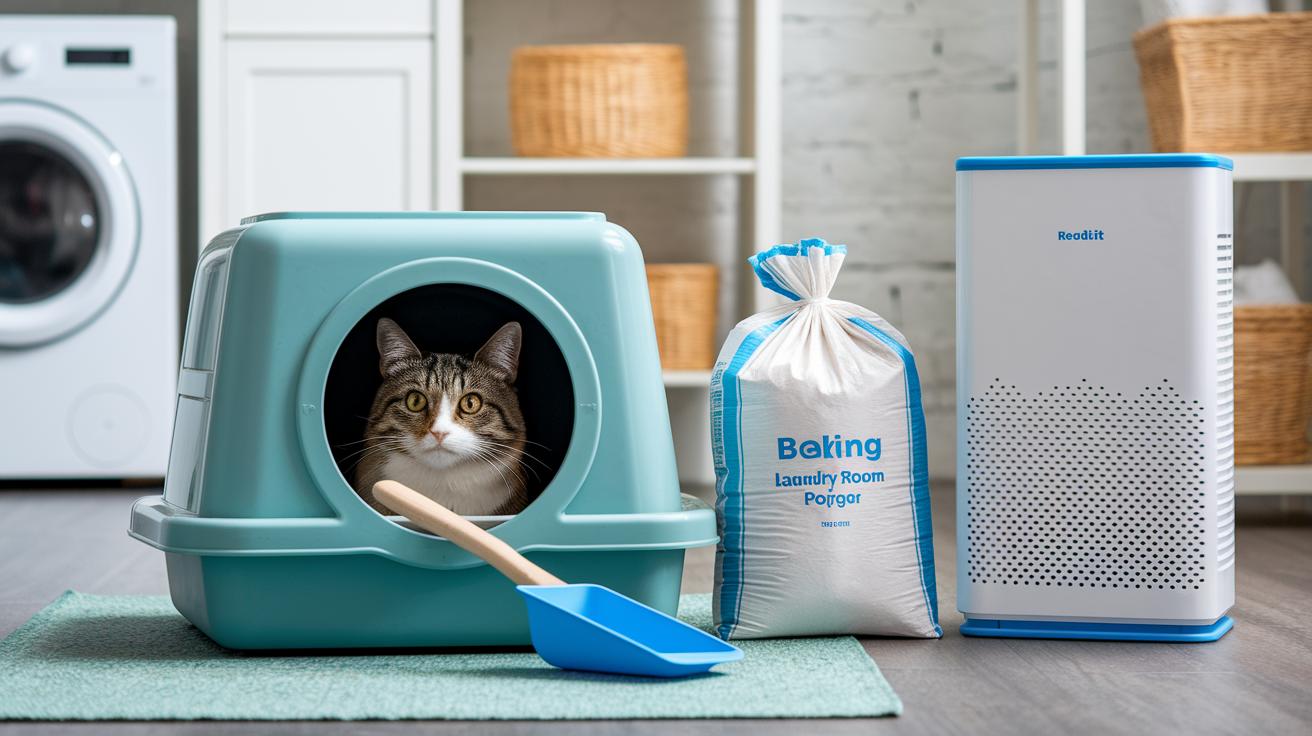
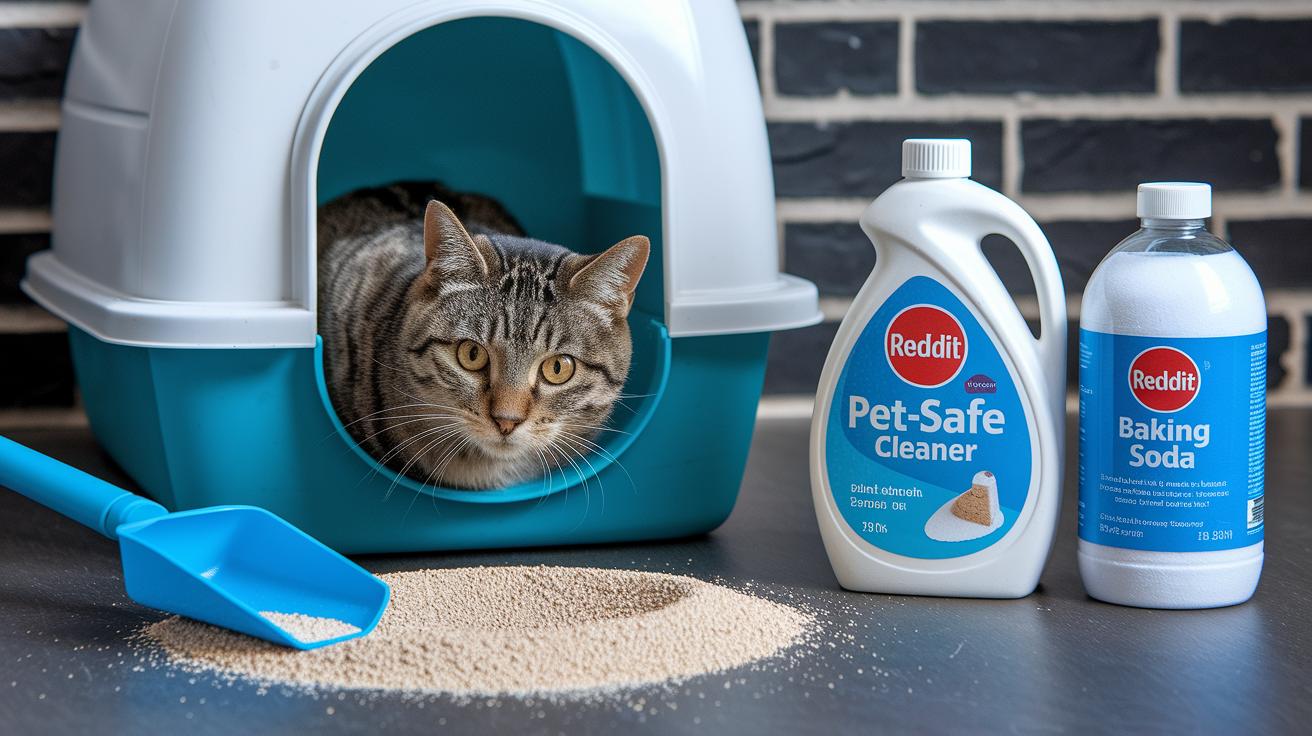
    Then tuck easy-clean mats under each box to catch stray litter and keep carpets looking fresh. For extra nose-friendly hacks, check out how to make a litter box not smell. Try a sprinkle of baking soda under the mat. Or crack a window for airflow. Your cat will pounce with confidence – and you’ll breathe easier.

    Worth every paw-print of effort.

    Identifying Litter Box Problems: Health and Behavioral Alerts
    - Identifying Litter Box Problems Health and Behavioral Alerts.jpg

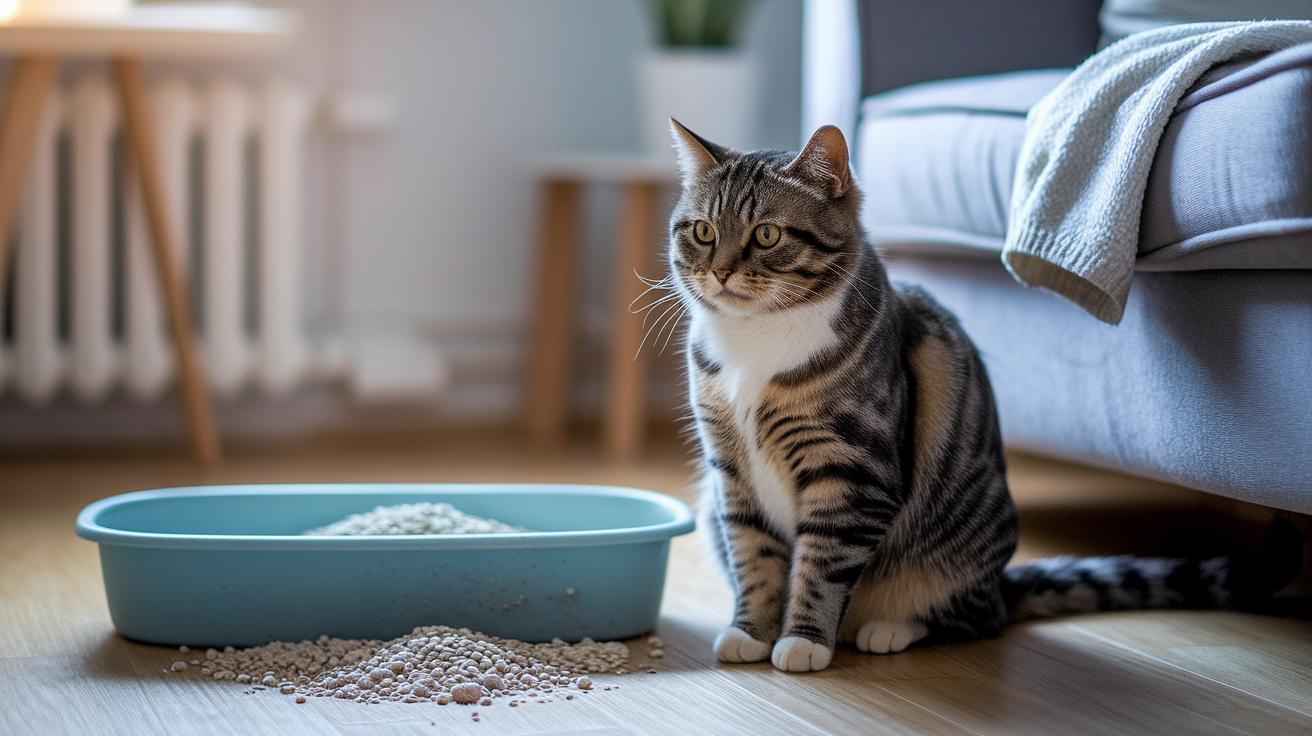
    Ever watched your kitty buzz past the litter box like it’s on fire? That swish of tail and quick retreat can mean stress or pain! Here are some red flags to note:

    • Pee or poop outside the tray
    • Spraying on walls or furniture
    • Suddenly eating less or meowing more
    • Hiding or skipping meals
    • Over-grooming till fur feels sore

    Even one skip or frantic dig tells a story. Stressed cats treat the tray like a forbidden zone. Shy kitties might peek in, sniff, then turn away like “no thanks.”

    Lots of things can cause this, UTIs (urinary tract infections), kidney trouble, or even tension when a new housemate moves in. Keep a simple litter log each day: note skipped visits, odd clumps, or dribbles. Catching FLUTD (feline lower urinary tract disease) early can save both whiskers and wallet.

    If you see blood, dribbles, or strangely wet clumps, jot it down. A quick chat with your vet will rule out medical issues and point you to the right treatment. And hey, if you’re still wondering why won't my cat use the litter box, we’ve got tips on stress relief, moving the tray, and toy upgrades. Um, don’t wait, those investigative paws are worth every print.

    Specialized Litter Box Setups for Kittens and Senior Cats
    - Specialized Litter Box Setups for Kittens and Senior Cats.jpg

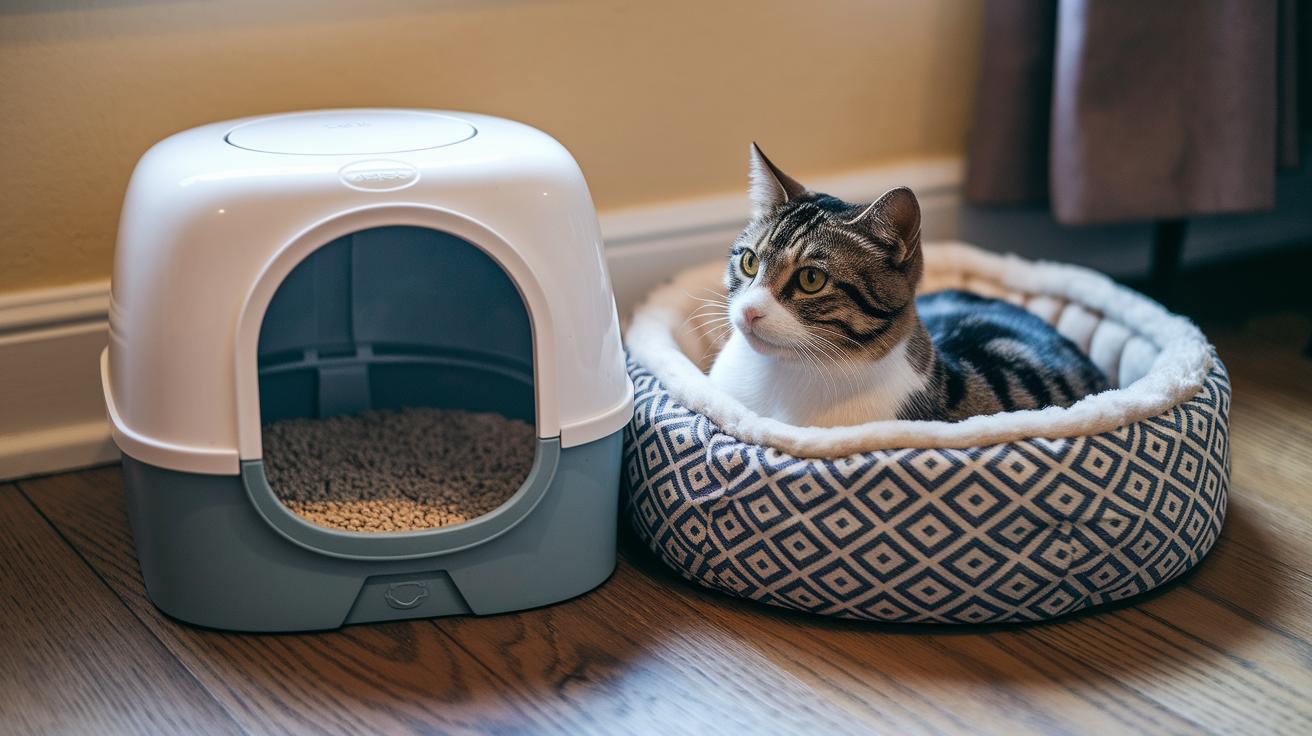
    Using age-specific litter routines gives our tiniest kittens and wise seniors the best potty start.

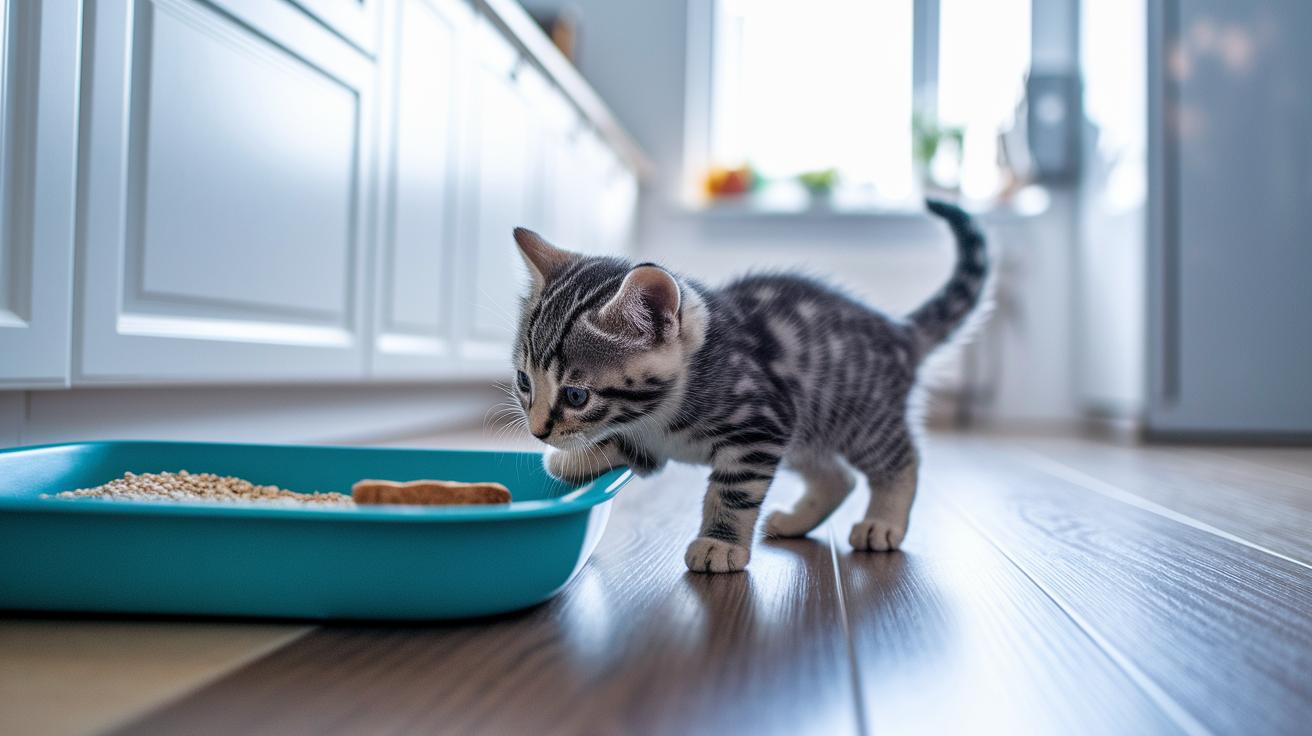
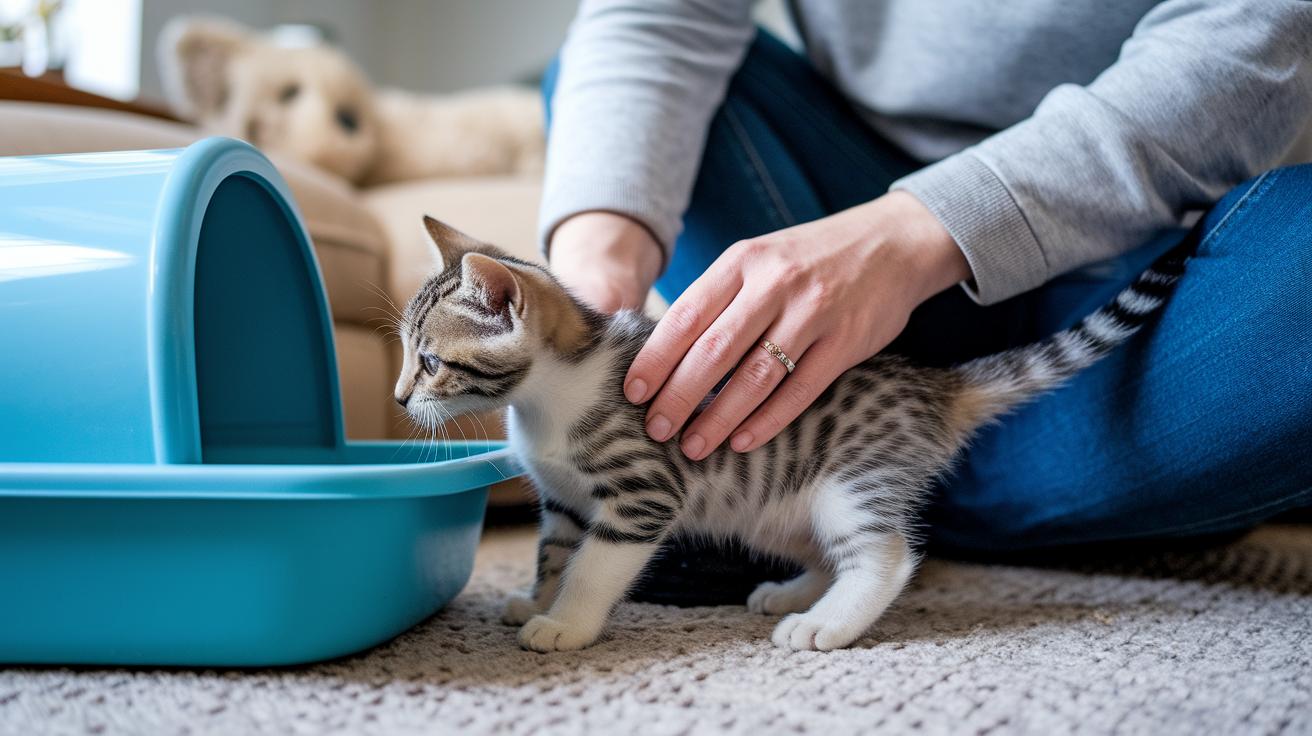
    For kittens aged 3–4 weeks, grab a small, shallow tray (think tiny sandbox). After meals, spend 20–30 minutes turning potty practice into playtime. Scoop them in. Let them dig with their paws. When they cover their business, give a gentle pat or a little treat. They learn fast when it’s fun, short, and a bit messy. Sounds messy? Yep. But totally worth it!

    Senior cats with stiff joints need extra TLC. Swap to a low-entry pan (just a small rim to step over) and fill it with soft clay litter (fine-grain clay like hand-sifted sand). A gentle slope makes hopping in a breeze. And keep it fresh, nobody likes ouchy litter crumbs under paw. These small tweaks ease aches and get them back to using the box with no fuss.

    Want to make potty time purrfect? Oops, make that three fun tweaks:

    • Place a textured mat under the box for a gentle foot massage.
    • Plug in a pheromone diffuser nearby to keep calm vibes (like cat relaxing spray).
    • Um, toss a favorite wand toy just outside so they wiggle in excitement.

    These tiny touches turn the litter spot into a cozy corner, so no one’s left holding it in.

    Final Words

    in the action: consider one box per cat plus one extra, spread out in quiet spots. Pick sizes and styles that suit each cat. Choose clumping, unscented litter at 2–3 inches deep. Scoop daily and watch for warning signs.

    This simple setup keeps multi-cat homes running smoothly. By following these tips, you’ll nail down how many litter boxes do I need for cats without guesswork. Your crew stays happy, stress-free, and your home stays fresh. Happy scooping!
    FAQ

    How many litter boxes do I need per cat?

    You need one litter box per cat plus an extra spare to reduce stress and encourage consistent use.

    How many litter boxes do I need for multiple cats?

    The rule-of-thumb for multiple cats is one box per cat plus one extra. For example, two cats need three boxes, three cats need four, and eleven cats need twelve total.

    Why shouldn’t I place boxes side-by-side?

    Placing boxes side-by-side causes cats to see adjacent trays as one, limiting their choice and potentially leading to avoidance or conflicts.

    Do cats need a night light by the litter box?

    Cats don’t need a night light by their box, though a soft glow can help older or visually impaired cats find the tray safely.

    What is the golden rule for litter boxes?

    The golden rule for litter boxes is one tray per cat plus one extra, placed in quiet, low-traffic areas to avoid stress and competition.

    How often should cat litter be changed?

    Cat litter should be scooped at least once daily—or twice if possible—and fully replaced every three to four weeks for fresh, odor-free trays.

    Related Articles

  • why won’t my cat use the litter box

    why won’t my cat use the litter box

    Ever watch your kitty circle the litter box like it’s melting hot lava, paws tapping the carpet? It might look like a silly game, but trust me, your furball isn’t clowning around.

    But cats aren’t messing around. Most times it comes down to pain (urinary (pee-related) discomfort). You might see them wince with each little squat. Or maybe the box sits in a noisy corner where the vacuum echoes and their whiskers flare with stress. Or the litter feels rough and smells overpowering, making it seem more trap than throne.

    Tracking down the cause can feel like detective work, oops let me rephrase that, like a full-on mystery hunt. But once you crack the case, your kitty will head straight for her box again with a happy pounce. Home sweet home again.

    Ready to play hero? Let’s tackle these litter box headaches and bring back that purrfect routine fast.

    Key Reasons Your Cat Won’t Use the Litter Box

    - Key Reasons Your Cat Wont Use the Litter Box.jpg

    Ever wondered why your kitty turns its back on the litter box? Usually it’s one of three big things: pain, stress, or a setup that just isn’t right. Figuring out the real cause is half the battle.

    Sometimes these reasons team up. A sore cat might pick up a bad habit. A nervous furball could avoid a box in a noisy hallway. Try changing one thing at a time to see what makes your cat purr.

    • Pain or discomfort: UTIs (urinary tract infection), bladder stones (tiny hard minerals), or kidney disease (when kidneys don’t work right) can make bathroom time hurt.
    • Stress: New furniture, loud noises, or squabbles with other pets can spook your cat.
    • Dirty box blues: Scooping too rarely or skipping a deep clean can send them packing.
    • Hard-to-reach spots: A box hidden behind a door or in a tight closet feels like a trap.
    • Wrong litter or depth: If the litter smells odd or is piled too high (or barely there), it’s a no-go.
    • Too few boxes: A good rule is one box per cat, plus one extra, trust me.

    First step: visit the vet to rule out any medical issue. Once you’ve got the all-clear, make each box inviting. Fresh litter (scoop daily), a quiet corner, and an extra tray usually do the trick. Your cat’s whiskers will tell you it’s working.

    Worth every paw-print.

    Next: keep scooping, pick a calm spot, and add that spare tray. Soon your kitty will be back to business, and you’ll both be feline fine.

    Medical Causes of Litter Box Refusal

    - Medical Causes of Litter Box Refusal.jpg

    Ever seen your kitty avoid the litter box? It might be a UTI (urinary tract infection). When bacteria get cozy in the bladder lining, every pee can feel like, um, a mini horror show. You might spot blood in the urine, lots of squats, and nonstop rear grooming. Vets usually run a bladder culture (a test that grows any lurking bacteria) and check hydration. That shows what’s up and which antibiotic to pick.

    Then there’s FLUTD (feline lower urinary tract disease). It’s basically a swollen bladder and urethra (the tube that carries urine). You could see vomiting or a cat that suddenly won’t eat. And early kidney damage? Toxins leak into the bloodstream, so your cat drinks water nonstop yet still ends up dehydrated. Simple bloodwork and a kidney panel paint the full picture.

    Hard stools can join the party, too. Constipation makes your cat strain like we do when we skip fiber. Add a full bladder, and stepping into the box feels impossible. A fecal analysis (poop exam) and a quick hydration check help spot slow bowels or fluid needs.

    And don’t forget arthritis in creaky hips. An older cat may see high walls as a towering obstacle. If your kitty hesitates or gives a soft meow, a vet pain assessment and mobility check can help. Sometimes anti-inflammatory meds or a low-entry box is all it takes to get your furball scooping again.

    Worth every paw print.

    Optimizing Your Cat’s Litter Box Environment

    - Optimizing Your Cats Litter Box Environment.jpg

    Your cat’s little privacy spot is like a royal throne, so it needs the right setup. Pick a quiet, low-traffic corner, maybe in a peaceful bathroom, where your kitty’s whiskers can twitch without distractions. Make sure there’s at least one and a half times your cat’s length for stepping in and turning around. Ever seen your cat freeze at a tight space? It’s no fun. Room to roam matters.

    Cleanliness is key. Scoop daily (yep, every single day) to zap odors before they even think about settling in. Then give that box a gentle wash with mild soap and warm water once a week. It’s like a spa day for your cat’s litter.

    Clumping litter (dirt that binds into solid bits) usually wins over non-clumping. It locks up waste into neat clumps that lift out in one go. Most cats tip their paws toward soft, unscented granules since they’re gentler on tender toes and skip the fake fragrances. You get odor control without chemicals your kitty will turn its nose up at.

    Place your box away from noisy machines or busy spots. Shy cats need their peace. And, um, if you need more cleaning tricks, check out how to make a litter box not smell.

    Litter Box Aspect Recommendation
    Location Quiet, low-traffic spot
    Size At least one and a half times your cat’s length
    Litter Type Unscented clumping (1–2 inches deep)
    Cleaning Daily scooping; weekly wash
    Design Open top or low entry for seniors

    A fresh, comfy litter station invites your kitty to keep things neat. Add a second box in another hush-hush corner and watch those off-target accidents vanish. Tiny tweaks make a big difference for your cat’s comfort and your happy home. Worth every paw-print.

    Managing Litter Boxes in Multi-Cat Households

    - Managing Litter Boxes in Multi-Cat Households.jpg

    Distribute boxes across floors and rooms so each cat has easy access. In a two-level home with three cats, try two boxes upstairs and two downstairs. “If Whiskers naps on the top floor, she won’t dash down the stairs at midnight.”

    • Space boxes at least 10 feet apart, never side by side.
    • Tuck trays into quiet private nooks, under a low table, beside a closet entrance, or in a spare bedroom cubby.
    • Avoid busy zones like laundry rooms or front-door corridors so shy cats feel safe.
    Cats Home Layout Example Distribution
    2 cats Single story 3 boxes spread across living room, bathroom, and bedroom
    3 cats Two-level 2 upstairs, 2 downstairs
    5 cats Three-level 2 top, 2 middle, 2 bottom

    Brief reminder: each floor needs its own extra box so no one has to wait in line.

    Behavioral Solutions & Training for Litter Box Success

    - Behavioral Solutions  Training for Litter Box Success.jpg

    Ever move your couch and suddenly your cat starts spraying? Yep, cats mark territory when things feel shaky. A new dog or kitten can send your furball scrambling – it’s their way of saying “this is mine.”

    In a house with more than one cat, tension can flare in a flash. One skittish kitty might pounce on a friend’s tail. Next thing you know, someone’s skipping the box.

    Common stress triggers:

    • Moving homes or moving furniture
    • Bringing in a new pet or person
    • Fights over food, toys, or cozy spots
    • Mixed-up routines like feeding, playtime, or litter scooping

    Training starts by turning the box into a safe zone, not a battle zone. Use treats and praise right after your cat hops in – that’s positive reinforcement. Pop in a pheromone diffuser (plug-in device that spreads calming cat scents) nearby to ease nerves. Then give kitty a short stay in a small room with the box – kinda like Confidence Camp for 24 to 48 hours.

    Next, try clicker training (using a tiny clicker device) or a cheerful “yes” the moment your cat uses the box right. If an accident happens, stay calm, scoop the soiled bits into the tray, and reward any sniff or paw dip. Um, it’s way better than a lecture.

    For a step-by-step guide on praise and cleanup, see how to stop a cat from peeing in the house.

    Here’s a quick cheat sheet:

    • Reward success: a treat, a soft pet, or a quiet “good job”
    • Pheromone diffuser: plug in Feliway near the box to mellow moods
    • Temporary confinement: small room with food, water, and one tray for 1-2 days
    • Clicker or word marker: click or say “yes” at the right moment, move stray waste back to the box

    Advanced Training for Kittens & Seniors

    • Tiny kittens get cozy with just an inch of litter in a shallow tray
    • Seniors love low-entry pans so stiff joints don’t ache
    • Try putting a tray by feeding spots – snacks and potty breaks go paw in paw

    Stick with it and be patient. Changing habits takes days or weeks. Celebrate each little win. Soon your furball will be back on track.

    When to Seek Veterinary Assistance for Box Refusal

    - When to Seek Veterinary Assistance for Box Refusal.jpg

    Oops, let me rephrase that… your cat has been skipping the litter box even after you’ve scrubbed it, moved it to a quiet corner, and offered tasty treats. When that happens, you might be looking at a health issue.

    Ever watched your kitty circle and yowl outside the box? Then check for these warning signs:

    • Blood in pee (a red or pink tint in their urine).
    • Straining with no result – poor fur baby.
    • Vocalizing during elimination – meows or yowls.
    • Vomiting (tummy upset, tossing up food).
    • Losing interest in dinner – loss of appetite.
    • Sudden lethargy (extreme tiredness, very low energy).

    See any of these? Call your vet right away. Getting an early check-up steers you to the right care fast.
    Worth every paw-print.

    Final Words

    You’ve jumped right into why cats skip the box, medical discomfort, stressy moments, and messy or misplaced trays. Then we dug into health checks, optimal litter setups, multi-cat strategies, behavior fixes, and when to call your vet.

    You now have simple steps to freshen up the box area, ease anxiety with pheromones, adjust tray count, and keep scooping on schedule. Worth every paw-print.

    Next time you wonder why won't my cat use the litter box, you’ll have a plan that keeps everyone happy (including your furniture).

    FAQ

    Why is my cat suddenly refusing the litter box?

    Sudden refusal often signals stress or health issues like UTIs, bladder stones, or anxiety from household changes, prompting a check on medical, environmental, and emotional factors.

    Why is my cat not using the box to poop?

    Not using the box to poop happens when cats feel pain (constipation, arthritis) or dislike litter texture, depth, box size, or location, so inspect for discomfort and adjust litter setup.

    Why is my cat not using the box to pee?

    Not using the box to pee usually points to urinary tract infection, bladder stones, or litter aversion—seek vet care and ensure an appealing box setup with gentle clumping litter.

    How do I retrain my cat to use the litter box?

    Retraining your cat works with positive reinforcement—treats, clicker rewards, pheromone diffusers—and by gently relocating accidents into the box to build consistent habits.

    Could a medical issue be causing litter box refusal?

    Medical issues like UTIs, bladder stones, kidney disease, arthritis pain, or constipation can make box use painful—veterinary diagnostics and treatment are essential for relief.

    My cat stopped using the box after moving. What now?

    Post-move stress can trigger box avoidance—reintroduce familiar scents, place boxes in quiet spots, use pheromone diffusers, and keep routines consistent to ease anxiety.

    What steps should I take if my cat refuses the litter box?

    If your cat refuses the litter box, start with a veterinary exam, maintain daily scooping, offer one box per cat plus one extra, use unscented clumping litter, and address stressors at home.

    Is it normal for cats to skip the litter box sometimes?

    Occasional misses occur during stress or illness, but repeated avoidance signals medical or environmental problems needing box setup changes or a vet visit.

    Related Articles

  • how to make a litter box not smell

    how to make a litter box not smell

    Ever flinched at that sharp ammonia sting when you tiptoe past the litter box? It feels like a tiny punch in your nose before breakfast. But you don’t have to suffer every morning. Let’s make litter duty claw-tastic.

    Start by scooping daily, or even twice if your cat’s a heavy user. Use a sturdy scoop (big slots to grab clumps easily). You’ll love the satisfying clink as you clear out the old bits. Seriously, your nose will thank you.

    Next, pick a litter that fights odors. Crystal litter (tiny silica beads that soak up moisture) is great for trapping wetness. Clay litter (clumping clay bits) locks in smells fast. Pine pellets (pressed wood bits with a fresh forest scent) add a natural twist. Try what tickles your kitty’s paws.

    Then grab an enzyme spray (a cleaner that breaks down pee proteins). Spritz the empty box, wait a few minutes, and wipe or rinse. It neutralizes odors instead of just masking them. No more secret pee factories.

    Your cat’s box will be whisker-approved and your home will smell fresh. Who knew litter cleaning could be this easy? You’ll be breathing easier in no time.

    Immediate Cleaning Strategies to Stop Litter Box Odor

    - Immediate Cleaning Strategies to Stop Litter Box Odor.jpg

    Nobody wants that sharp ammonia smell greeting them in the morning. That’s why scooping your cat’s box every day really matters. Scoop out clumps first thing, then again in the evening. Ever watched your kitty sniff the litter right after you’re done? Their whiskers perk up in approval, so cute.

    I always keep an enzyme cleaner (it breaks down urine proteins) on hand for the little spots you might miss. And an ammonia-neutralizer spray (it tames harsh fumes) helps freshen up around the box. Quick sprays here and there go a long way.

    Don’t wing it, set a reminder on your fridge or phone so you stick to your weekly deep clean. Curious about full litter swaps? Check how often to change litter for perfect timing.

    1. Scoop clumps and solids each morning and evening.
    2. Top up fresh litter after scooping to keep the depth even.
    3. Weekly deep wash: dump the old litter, scrub the pan with mild soap or vinegar, rinse really well, and let it dry completely.
    4. Treat any stain or lingering odor with enzyme cleaner, let it sit a few minutes, then wipe it away.
    5. Spray ammonia-neutralizer around the outside of the box to catch any stray smells.

    Stick to this scoop-every-day habit and box chores become almost invisible. With clumps gone and stains zapped, your room stays fresh. No more tiptoeing past a stinky corner or plugging your nose. Your cat’s whiskers will thank you, and honestly, so will your nose. A little care today means fewer smelly battles tomorrow, leaving you more time for cuddles.

    Comparing Litter Types to Prevent Box Smell

    - Comparing Litter Types to Prevent Box Smell.jpg

    Litter materials set the stage for a fresh box. Grains, pellets, or crystals each trap moisture in their own way. Clay-based clumping litter (fine clay that sticks together) forms tight clumps around liquid so smells stay locked in until you scoop. Clay non-clumping litter (porous clay that soaks up moisture) grabs wetness too, but you’ll need to dump it every few days before ammonia builds up.

    And if you want a low-touch option, silica gel crystals (tiny polymer beads that soak up moisture) can go almost a month without a scoop. Wood pellet litter (compressed sawdust) breaks down into soft bits that pull in fluid fast and feel gentle under paws. Paper pellets (recycled paper scraps) work like mini sponges but don’t block odors as well. Pine pellets (pine wood shavings) give a fresh-forest scent as they clump, but you’ll still swap them every 1-2 weeks.

    Litter Type Change Frequency Odor Control Rating
    Clay Clumping Daily scoop, weekly full change Good
    Clay Non-Clumping 3-4 times per week Fair
    Silica Gel Crystals Every 3-4 weeks Excellent
    Pine Pellets Every 1-2 weeks Good
    Paper Pellets 1-2 times per week Fair

    When you’re choosing, think about your cat’s style and how often you want to scoop. Busy folks love unscented clumping litter for quick daily scoops and a once-a-week full change. If you’d rather skip scooping for weeks, the crystal beads deliver excellent odor control for up to a month. Ever watched your kitty chase shadows? Pine pellets add that woodsy hint but need freshening every 1-2 weeks to avoid a stale box.

    Dust and tracking can be a pain if you hate sweeping. Heavy pellets and dust-free crystals keep mess to a minimum. Eco-friendly bases break down faster, so watch for crumbs and swap more often. In multi-cat homes, an unscented clumping mix helps each box stay fresh for everyone.

    Worth every paw print.

    Try small trial bags to find the litter that lets your kitty pounce without your nose crinkling.

    Natural and Store-Bought Additives for Litter Box Freshness

    - Natural and Store-Bought Additives for Litter Box Freshness.jpg

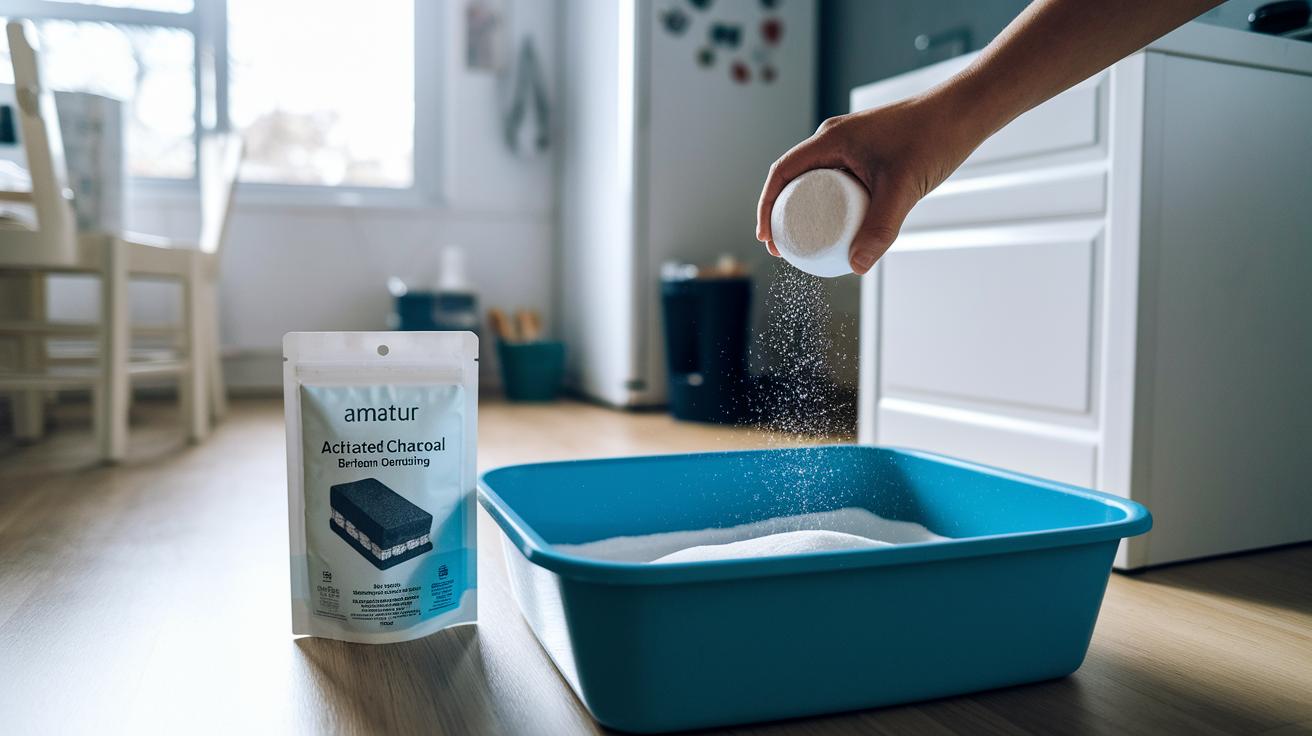
    Ever sniffed litter that hits you like old gym socks? Try a sprinkle of baking soda (just a spoonful under fresh litter). It’s cheap and it knocks out ammonia before it drifts up your nose. Or tuck in an activated charcoal sachet (tiny pouch of carbon that soaks up odors) right at the pan’s edge.

    Zeolite granules (natural crystals that trap wet smells) are another star player. Mix a spoonful into your litter or layer them on top for extra punch. Commercial pouches come pre-measured so you never guess wrong.

    Next, try a moisture-wicking liner (a sheet that pulls liquid away) under the tray. It keeps pooling pee from breeding bacteria. For even more odor control, place a disposable odor-trap pad (absorbent mat) beneath the box.

    Worth every paw-print.

    Here’s your toolbox:

    • Baking soda under fresh litter
    • Activated charcoal sachets (tiny carbon pouches)
    • Zeolite mineral granules (natural odor-trapping crystals) mixed in or on top
    • Moisture-wicking tray liners (sheets that pull liquid away)
    • Disposable odor-trap pads (absorbent mats) under the pan

    Don’t dump in too much baking soda or it could irritate paws. Swap charcoal sachets every 2 to 4 weeks. Refresh zeolite granules sooner if they look damp.

    Change the liner once a month to stop bacteria from moving in. And swap odor-trap pads weekly to keep drips from turning into a permanent stink. Always stash sachets out of curious kitty paws. And give them a quick sniff test (your nose and your kitty will thank you).

    Litter Box Design, Placement, and Multi-Cat Management to Reduce Odor

    - Litter Box Design, Placement, and Multi-Cat Management to Reduce Odor.jpg

    Hooded pans (they’re like small caves) lock in dust and smells. But um, they can stay damp, so you’ll need an extra scrub now and then. Open trays let air flow, like a gentle breeze, so ammonia doesn’t turn into a stinky cloud. And if the box has high sides, it stops litter kicking out when your cat digs in. Actually, it keeps things way neater.

    Ever watched your kitty track litter across the floor? It’s like a sandy runway. A soft mat just outside the rim (with tiny ridges to catch stray bits) saves you sweeping every hour. You know?

    1. Tuck the box in a ventilated corner, away from moisture.
    2. Skip bathrooms and laundry rooms, they tend to be too damp.
    3. Lay an anti-slip litter mat at the entrance so paws don’t slide.
    4. For multi-cat homes, add one extra box so everyone has their own spot.

    When you plan your setup and spread out boxes, accidents drop and smells stay in check. Teaching each cat their special potty spot really helps, check how to train a cat to use a litter box for simple, step-by-step tips. Spreading waste across boxes means none get overloaded. And those mats around each pan? They’re secret weapons against tracked litter turning into odor.

    Worth every paw-print.

    how to make a litter box not smell

    - High-Tech and Self-Cleaning Litter Boxes for Odor Control.jpg

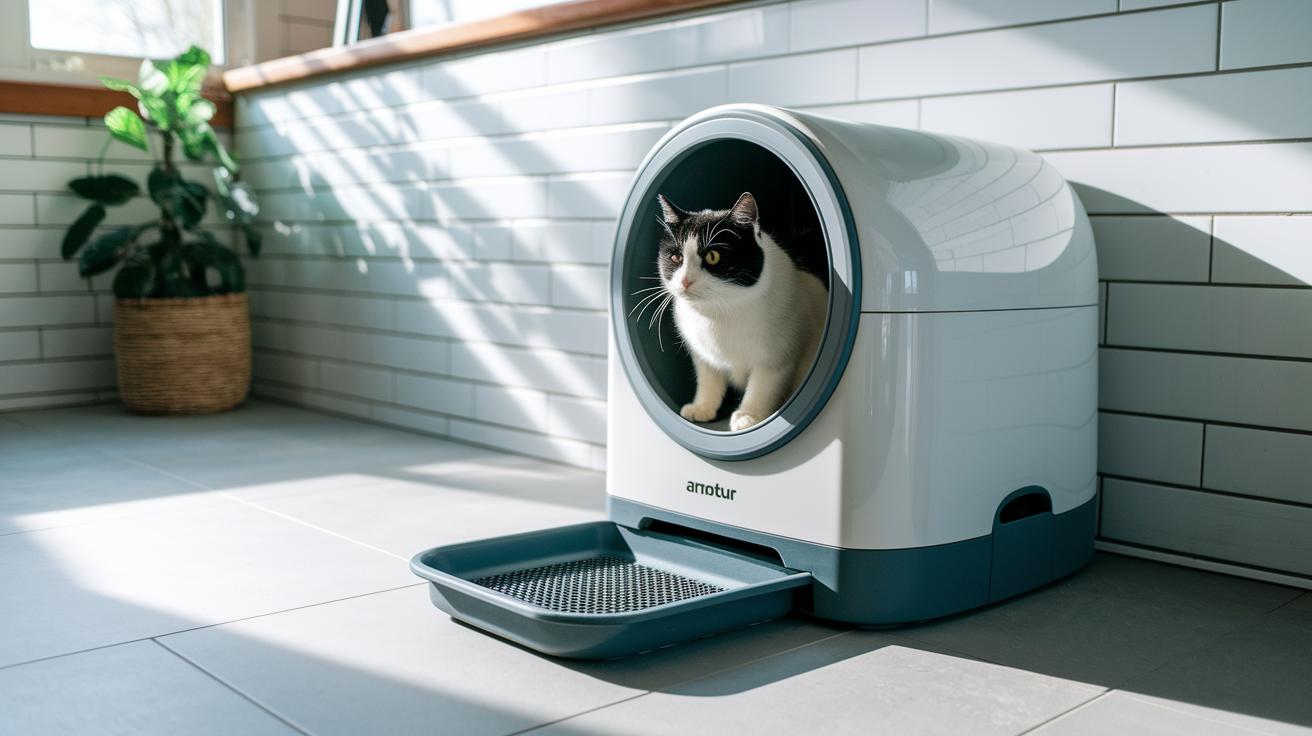
    Ever sniffed your kitty’s litter box and thought there’s gotta be a better way? Self-cleaning litter boxes have your back. They use silica crystal litter (hard polymer beads that soak up liquid) and an automated rake cycle that quietly sweeps solids into a sealed drawer right after your cat’s done. And with carbon filter tray inserts (charcoal pads that trap ammonia molecules), even stray smells get zapped. Some models go further with a swap-in filter cartridge (a snap-in pad you change without touching damp dust) so you never wrestle with moldering flakes.

    You can tweak the rake cycle to run every hour or just a few times a day, your pick. The best boxes sense motion, pause during potty breaks, then scoot any mess into the waste bin without a peep. I love how Iris, my tabby, never gets startled when the rake glides by.

    Between silent cleaning and airtight trays, odors stop before they start. You only face an empty drawer once a week. Swap crystals or refresh that filter cartridge every 2–4 weeks and you’re golden. Cat hair, dust, and stray bits barely stand a chance of piling up. The whole thing pretty much runs itself, giving you more cuddle time. No more tip-toeing past rank corners, your nose gets a vacation!

    Worth every paw-print.

    Key Features to Evaluate

    • Rake cycle frequency (how often it scoops)
    • Carbon filter tray inserts versus a basic drawer
    • Waste drawer capacity (how much it holds)
    • Noise-level rating during cycles
    • Subscription refill cost for crystals or cartridges

    Maintenance checklist

    • Daily: check sensors and rake motion
    • Weekly: empty the waste drawer
    • Every 2–4 weeks: replace crystals or filter cartridge
    • Monthly: deep clean the pan and wipe sensors
    • Inspect seals and vents for clogs

    Final Words

    Ready to banish box whiffs for good? You’re armed with a daily scoop habit, a weekly deep wash, enzyme cleaners and ammonia-neutralizers spray.

    Picking the right litter mix, from crystals to pine pellets, helps absorb more odor before it even starts.

    Natural boosters like baking soda, charcoal sachets or zeolite granules give a fresh lift while moisture-wicking liners catch drips.

    And if you want a set-and-forget option, those self-cleaning boxes with carbon filters and automated rakes have your back. Follow these steps on how to make a litter box not smell and enjoy cleaner air for everyone.

    FAQ

    How do I keep my litter box from smelling?

    You scoop clumps daily, wash the pan weekly with warm water and mild soap, add baking soda (neutralizer for ammonia pee), then top with fresh litter—simple routine keeps odors away.

    How do I get rid of cat litter smell fast?

    You get rid of cat litter smell fast by scooping clumps right away, sprinkling baking soda under fresh litter, rinsing the pan with warm water and vinegar, then placing a small activated charcoal sachet nearby.

    How do I make my litter box smell proof?

    Use a tight-fitting lid with a carbon filter (odor trap), line the bottom with a moisture-wicking liner, seal edges, plus scoop twice daily to grab ammonia before it drifts out.

    Is it possible to have a litter box that doesn’t stink?

    Yes—daily scoops, weekly pan scrubs, a sprinkle of baking soda to fight ammonia, quality clumping litter that seals moisture, and fresh air circulation around the box.

    How do I make my house not smell like a litter box?

    Place the pan in a well-ventilated corner, add an air purifier with a carbon plate, use a mat to catch stray litter, and refresh litter weekly.

    What are some top litter box deodorizers?

    Popular deodorizers include Arm & Hammer Cat Litter Deodorizer, Bueteka Odor Eliminator pearls, Rocco & Roxie odor spray, Fresh Step Crystals, and POOPH Litterizer beads—all fight ammonia and moisture.

    Can an air purifier help with litter box odor?

    An air purifier helps by using a HEPA (fine dust filter) and activated-carbon (odor absorber) combo to trap dust and ammonia molecules, cutting smells in small rooms or apartments.

    How do I get rid of cat litter smell in an apartment?

    To banish litter smells in an apartment, scoop twice daily, use a moisture-wicking liner under litter, open a window when you can, position the box near a fan, and run a small air purifier on low.

    Related Articles

  • How Often to Change Litter for Happier Cats

    How Often to Change Litter for Happier Cats

    Ever caught a whiff of your cat’s litter box and thought, Uh-oh? Your kitty wrinkles her nose like she just sniffed a lab experiment. You can almost picture tiny paw detectives on patrol for a fresh scent. The stink sneaks up on you in the quietest moments.

    But don’t worry, we’ve got a game plan to keep those paws dry and whiskers happily twitching. It’s all about a scoop and fill routine that’s easy to stick with. You’ll spend less time scrubbing and more time watching your furball pounce.

    In this guide, we’ll show you scoop tips, swap timing, and a quick hack for busy days. You’ll get routines for clumping clay (clay that forms solid clumps when wet), silica crystals (tiny beads that soak up moisture), pine pellets (compressed wood bits), and a few more fun picks. Oops, did I say fun picks? I mean litter box essentials, of course.

    Ready to make litter duty totally purr-fect?

    Quick Answer: Litter Change Frequencies

    - Quick Answer Litter Change Frequencies.jpg

    Ever peek at your kitty giving you the stink eye because their box is, uh, less than fresh? Keeping up with scooping and swapping can feel like a chore, but it’s worth every paw-print. Here’s a super-simple rundown for solo cats or a whole clowder.

    • Clumping clay (litter that sticks into easy-to-scoop clumps): scoop daily. Then swap out all the litter every 2–4 weeks for one cat, or every 1–2 weeks if you’ve got multiple furballs.
    • Silica crystals (tiny gel beads that trap moisture and smells): stir and scoop daily, then refresh the whole batch every 3–4 weeks.
    • Pine pellets (wood bits that crush into soft sawdust): pull out the used bits each day and dump in fresh pellets once a week.
    • Paper (cellulose) litter (recycled paper pellets): toss it all every 3–4 days to keep odors at bay.
    • Self-cleaning boxes: they do the scooping for you, but don’t forget a full pan rinse once a month.

    Keep reading for purr-fect details by litter type, household size, and those trickier special cases.

    How Often to Change Litter Based on Litter Type

    - How Often to Change Litter Based on Litter Type.jpg

    For clumping clay, silica crystals, pine pellets, and paper litter, follow the routine in the quick answer above. Now let’s chat about non-clumping clay (plain clay that soaks up liquid but doesn’t form clumps) and share some pro tips on dust, allergies, and keeping multi-cat smells in check.

    Advanced Maintenance Guide

    Non-Clumping Clay Routines
    Check the box twice a day. Scoop up any wet spots right away since this clay turns into muddy paste fast. Dump all the litter and rinse the box every seven days or whenever the bottom feels damp. Your kitty will thank you with happy, dry paws.

    Dust and Allergy Concerns
    Clay dust can drift up like a little gray cloud. Open a window or turn on a fan when you scoop so you’re not breathing it in. Lay a mat under the box to catch stray granules. Ever have a sneeze fest? Try a low-dust formula or scoop with a fine mesh strainer (it traps the powder).

    Tackling Multi-Cat Odor
    More cats mean more ammonia smells. Give each furry friend their own box plus one extra. Every two weeks rinse the boxes in hot water, skip the soap so you don’t leave a scent pets hate. Before you pour in fresh clay, sprinkle a thin layer of baking soda (think odor-locking magic). Still smell a whiff? Swap out the whole box mid-week. Your cat’s whiskers will twitch in relief.

    Recognizing Signs That It’s Time to Change Litter

    - Recognizing Signs That Its Time to Change Litter.jpg

    Ever watched your kitty circle the box, sniff, then walk away? That’s your cat saying the litter box is off limits. Cats are picky about their potty spot. Time for a litter refresh before they try the carpet instead.

    When you catch a bleachy, sharp ammonia (strong cleaning chemical) scent, uh, that’s your nose’s warning. Your nose stings! It means harmful levels are building up inside the box. Better scoop out and add fresh litter for a happy kitty.

    Clumps are like early warning bells. If you see hard bits piling up or smeared along the bottom, your litter’s done. And if you dig in to find pooled (standing liquid) spots that vanish under the scoop, it’s waterlogged (soaked) and can’t trap odors anymore. Toss it and start fresh.

    Watch the color and feel too. Gray-green or fuzzy patches mean bacteria (tiny germ) or fungus are growing. Dusty granules flying onto the floor or stuck to your cat’s paws show they’re avoiding a dirty box. Fresh, clean litter keeps whiskers happy, paws clean, and noses twitching in approval.

    How Often to Change Litter in Single-Cat vs. Multi-Cat Homes

    - How Often to Change Litter in Single-Cat vs Multi-Cat Homes.jpg

    Keeping your cat’s bathroom corner fresh is a simple way to keep everyone purring. Ever watched your kitty sniff every corner of the box before diving in? Let’s talk about when to scoop, swap, and deep-clean whether you live with one whisker-twitcher or a kitten crew.

    Household Scoop Full Swap Deep Wash Boxes
    Single cat Daily Every 2-4 weeks Monthly 1
    Multi cats Daily Every 1-2 weeks Monthly One per cat + 1

    For one cat, scoop out clumps every day so the box stays inviting. Replace all the litter every 2-4 weeks, depending on how sandy it gets. Then give the box a good wash once a month. Uh, I once wrestled with a crusty liner. It was worth every paw print to see that clean, sandy smell again.

    With a few cats, you need a bit more action. Scoop daily. Swap the litter every 1-2 weeks so nobody ends up doing the sniff test longer than needed. The rule of thumb is one box per cat plus one extra, so they never have to wait their turn.

    Worth every paw-print.

    • For type-specific swap schedules, see How Often to Change Litter Based on Litter Type.
    • For deep-clean how-tos, check Advanced Maintenance Guide.

    Tips to Extend Time Between Litter Changes

    - Tips to Extend Time Between Litter Changes.jpg

    • Need to speed things up? A sturdy scoop with fine mesh (tiny metal holes) can be a real game changer. We compared tools and found stainless steel scoops kick up less dust than thin plastic. The tight tines saved us about 30 seconds each cleanup, more time for cat cuddles.

    • Does your cat hate the crinkle of liners? Skip the plastic sheet and just pair a good mat with your litter box. It keeps granules in the box and your floors clean, no rustle to spook your kitty.

    • Sprinkle in baking soda and activated charcoal (a sponge-like carbon that traps odors). These odor fighters grab ammonia before it spreads, so the box stays fresher longer. Tuck them into your daily scoop routine and watch the time between full changes grow.

    • Feeling like the litter area is a smell trap? Place the box near a window or small fan. A little airflow moves moisture and odors out fast. You can even pop an air filter nearby for a fresher vibe.

    • Stuck at work all day? A self-cleaning litter box might save the day. It scoops on its own so litter stays neat. Just give the whole pan a deep wash once a month to stop buildup.

    Special Considerations for Kittens, Seniors, and Sensitive Cats

    - Special Considerations for Kittens, Seniors, and Sensitive Cats.jpg

    Kittens have tiny bladders that need emptying more than four times a day and adore fine-grain litter (tiny, soft grains) or paper litter (like shredded paper bits) that’s gentle on their paws! Swap it out completely every 2 or 3 days so it always feels fresh for your little explorer. Need a tip on when to start potty training? Check when to start litter box training kittens for a smooth start.

    Senior cats benefit from litter boxes with low entries so they don’t have to jump too high. Scoop the box twice a day to spare their aching joints and keep old mishaps from sticking around. Then do a full sweep of the litter once a week to keep things fresh for cats with mobility issues (trouble jumping up) or incontinence (when they can’t always hold it)!

    Sensitive kitties can smell a scent from across the room, so stick to unscented litter only! Scoop daily and swap weekly to cut dust and stop pesky germs from spreading (that’s zoonotic disease prevention in simple terms). Trying to win over a picky sniffer? Peek at how to train a cat to use a litter box for tips on building trust with your fussy feline.

    Final Words

    We covered quick change intervals for clumping clay, silica crystals, pine pellets, paper litter, and self-cleaning boxes.

    Then we detailed how often to change litter by type, pointed out sensory and behavior signs for a swap, and compared single-cat vs multi-cat schedules.

    Next came tips to stretch the time between swaps and care guides for kittens, seniors, and sensitive cats.

    Now you’re set to decide how often to change litter and keep every box inviting.
    Read on for full details by litter type, household size, and special cases.

    FAQ

    How often should I fully change my cat’s litter?

    You should fully replace clumping clay litter every 3–4 weeks in a single-cat home and every 1–2 weeks with multiple cats. Silica crystals (tiny absorbent beads) need a full swap once a month.

    How often do I need to scoop and clean a litter box?

    You should scoop out clumps and solid waste daily to keep odors away. Give clay boxes a full litter swap and a pan wash weekly. For self-cleaning models, do a deep clean monthly.

    How often should I change a clumping litter box?

    You should scoop clumping litter daily and do a full swap every 2–4 weeks in single-cat homes or every 1–2 weeks when more cats share the box to prevent muddy buildup and odors.

    How often should I change litter for two cats?

    You should fully replace clumping clay litter every 1–2 weeks when two cats share one box. Scoop waste daily and keep an extra box to cut down on odor and crowding.

    How often should I replace crystal litter?

    You should scoop waste out of silica crystals (tiny absorbent beads) daily and refresh the entire pan every 3–4 weeks to maintain odor control and absorbency.

    How often should I change the litter in a Litter-Robot?

    You should empty and replace all the litter in your Litter-Robot about once a month, while scooping waste daily or following the unit’s clean-cycle guidelines.

    How often should I change World’s Best cat litter?

    You should scoop World’s Best (corn-based clumping) litter daily and do a full swap every 2–4 weeks for one cat. If odors return or you have multiple cats, swap every 1–2 weeks.

    How do I know when cat litter is dirty?

    You can tell cat litter is dirty when you smell ammonia, see clumps or wet spots you can’t scoop, notice discolored or moldy bedding, or your cat starts avoiding the box.

    How do I keep my litter box from smelling?

    To keep the litter box smelling fresh, scoop daily, sprinkle baking soda as a natural odor absorber, use a mat to trap tracked granules, and air out the area with good ventilation.

    Related Articles

  • How to Stop a Cat from Peeing in the House Quickly

    How to Stop a Cat from Peeing in the House Quickly

    Ever tiptoed into a surprise puddle on your favorite rug and met your cat’s innocent gaze? No, they’re not out to get you. It’s stress or a sore bladder (the sac that holds pee) talking. I’ve been there. I almost sank into a damp sock, so trust me, I get the drama.

    In this friendly guide, I’ll share simple fixes you can try tonight. Extra litter boxes. A vet check for pain. Quick spot-clean tricks (like baking soda and a gentle spray). Uh, you know, no fancy kits – just real tips to keep floors dry and your cat purring.

    Worth every paw print.

    Quick Action Plan to Stop a Cat from Peeing in the House

    - Quick Action Plan to Stop a Cat from Peeing in the House.jpg

    Ever come home to a surprise puddle on the rug? You’re not alone. Cats usually skip the litter box because they feel sick, stressed, or the tray’s not just right, not to get even. Here’s a simple, cat-crazy friend’s guide to fix unwanted peeing tonight.

    1. Check for health issues by looking for blood in the pee, straining, or lots of trips to the box. If you spot any, call your vet right away.
    2. Add more litter boxes. Aim for one per cat plus one extra so there’s always a fresh place ready for a pawsome visit.
    3. Put boxes in quiet spots, think calm rooms away from the washer’s roar or busy doorways.
    4. Scoop fine-grained, unscented clumping litter (it makes scooping easy) twice a day. Dump and fresh-fill the whole box every month.
    5. Cover accident zones with shiny aluminum foil. Cats hate that crinkly feel, you know?
    6. Wipe up any mess ASAP with an enzyme-based cleaner (it breaks down odor at the source) instead of just hiding the smell.
    7. Skip ammonia or bleach. They smell like pee to your cat and can lure them right back.
    8. Block temptation by placing a food or water bowl over old spots. No one wants to potty where they dine.

    After two weeks of these steps, if you’re still finding puddles, it’s vet-and-behaviorist time for extra help. Keep at it, and you’ll be celebrating clean floors in no time. Worth every paw-print.

    Medical Causes of Cats Peeing Indoors

    - Medical Causes of Cats Peeing Indoors.jpg

    Hey there, your kitty isn’t holding back pee just to drive you crazy. Often it’s a sign of pain. Kidney stones (hard mineral chunks in her kidneys) or bladder stones (tiny rocks in her bladder) can jab at her every time she squats. Feline idiopathic cystitis (mysterious bladder swelling) turns the litter box into a trap.

    Ever catch your cat sniffing the box over and over? Blood in the litter, a tense back arch, and lots of trips without much output are red flags. Urinary tract infections (UTIs, bacterial bugs in the bladder) often cause tiny dribbles and unhappy meows.

    Other health hiccups mess with the bathroom break too. Um, diabetes (sugar imbalance disease) makes her drink gallons and drip more. Arthritis (joint ache in her shoulders or hips) can make jumping in or out of a tall box feel ouchy. And if her pee volume swings up or down, kidney disease might be shouting.

    Next, your vet will probably run blood work and a urine test to rule out UTIs or diabetes. Then there’s imaging: X-rays (radiographs) or an ultrasound to hunt for stones or bladder wall changes. And remember, spaying or neutering around five to eight months can tame spraying urges but won’t fix a medical peeing issue. Worth every paw-print.

    Litter Box Setup to Prevent Cat Peeing in the House

    - Litter Box Setup to Prevent Cat Peeing in the House.jpg

    Ever watched your cat eye your carpet like it’s their personal litter spot? Let’s fix that with a simple rule: one litter box per kitty – and one extra just in case.

    Make each box at least one-and-a-half times your cat’s length. Think of your cat stretched from nose to tail-tip and still having room to spin around. I once saw Luna stretch full-out and still have space for a little twirl, claw-some, right?

    Most cats prefer an uncovered tray in a quiet, low-traffic spot away from noisy machines (like your washer or dryer). That way, their whiskers (the long hairs on their nose) don’t twitch in fear when the dryer roars to life.

    Thinking of switching litters or box styles? Mix a spoonful of the new litter into the old one each day so your cat can sniff-test at her own pace. Slow changes mean fewer “nope, not doing that” moments, and more peace in your paws.

    Worth every paw-print.

    - Behavioral and Stress-Related Triggers for Cat Peeing in the House.jpg

    Ever notice your kitty circle a quiet corner, whiskers twitching, tail softly swishing before picking a spot to pee? That slow blink and twitchy tail are stress signals from your feline friend. Cats aren’t doing this to annoy us – they’re telling us their litter box feels wrong or their world feels scary!

    One big reason for indoor peeing is litter-box aversion (when a cat avoids the tray). Um, a box that’s too small, a hooded box (covered litter tray) that feels cramped, scented litter that irritates, or a tray that’s left dirty can push kitty to find a substitute spot. I once watched Jasper sniff his hooded box, sigh, then plop on my bath mat – classic litter-box woes.

    Then there’s stress. Bringing in a new pet or person can trigger stress-induced urination (when cats mark territory or look for comfort). Ever watched your cat circle a new human with caution? That “new cat introduction marking” warning is real and can last weeks if kitty feels crowded or out of control.

    Multi-cat homes stir up tension too. Problems often start when one bold cat guards the tray or space feels tight. Stress-induced peeing also spikes during moves, when furniture gets rearranged, if a noisy dryer hums near the tray, or when outside cats peer in through the window.

    So what’s the fix? First, spot each trigger. Then remove or slowly help kitty get used to it. Before you know it, your cat will chill out and switch back to purr mode.

    • New cat or person in the house
    • Changes in furniture or routines
    • Noisy machines near the litter tray
    • Competition in multi-cat homes
    • Outside animals at the window

    Cleaning and Odor Removal After Cat Pee Accidents

    - Cleaning and Odor Removal After Cat Pee Accidents.jpg

    Cat pee is packed with pheromones (smell signals cats use to chat) and a sharp ammonia sting that tells your kitty “come on back.” Soap and water? They fall short. Um, you need a plan that actually erases the smell.

    Enzyme-based cleaners use natural enzymes (tiny protein helpers) to break down odor right at its source. Fans of Anti-icky Poo, Urine Off, and Fizzion love that these superheroes don’t just mask the stink. They annihilate it. Fur real!

    If you’re into a nontoxic backup, try plain vinegar (mild acetic acid solution) and baking soda (gentle odor absorber). Pour the vinegar and let it hang out for five minutes, then sprinkle on baking soda. Listen for the soft fizzing sound. Vacuum up the powder once it’s quiet.

    Ever watched urine stains glow under a UV/black light? Those bright spots are hidden smells waiting to lure your cat back.

    Follow these steps for a deep clean:

    1. Blot fresh wet spots with paper towels. Don’t rub or you’ll push pee deeper.
    2. Spray an enzyme cleaner generously and let it soak.
    3. Rinse with clear water, then blot dry again.
    4. Apply vinegar, then baking soda if you like.
    5. Scan with a UV light to catch any rogue stains before you call it a day.

    Skip bleach or ammonia-based cleaners. They smell like a litter box to your cat and can bring back the unwanted repeats.

    Worth every paw-print.

    Environmental Enrichment to Discourage Cat Peeing in the House

    - Environmental Enrichment to Discourage Cat Peeing in the House.jpg

    Sometimes cats pee in the house when they feel uneasy. Instead of using essential oils that can upset their tummy, try a pheromone (cat smell signal) diffuser. Brands like Feliway or Comfort Zone quietly plug in and fill the room with calming scents. Your kitty’s whiskers will relax as they breathe easy.

    Next, add interactive toys to chase stress away. Puzzle feeders turn dinner into a little hunt, think of kibble hiding in a toy your cat bats around. Feather wands or laser pointers get paws moving and hearts racing. Play for ten minutes a day. It’s more fun when you join in.

    Cats love to look down on the world. Give them sturdy cat trees or wall shelves where they can perch and watch birds outside. A ledge by a sunny window becomes their private castle. Soon, they’ll spend hours stretching and snoozing up high instead of marking the floor.

    Don’t forget cozy hideouts, tunnels, and scratching posts for quick escapes and nail care. A short daily play session burns energy and builds trust. Really. A tired kitty heads straight to the litter box instead of hunting new spots. And that’s how enrichment keeps your home pee-free.

    Cleaning and Odor Removal

    - When to Consult a Vet or Behaviorist for Indoor Cat Peeing Problems.jpg

    Ever sniff your carpet and wrinkle your nose? If your furball has turned your rug into a pee spot, pro carpet cleaning (they use hot water extraction – like a big carpet shampoo) can zap that stubborn urine smell and keep your kitty from marking again. Imagine fresh, fluffier fibers under your fur baby’s paws. It’s a small investment for a nose-friendly home and a happier kitty!

    Final Words

    In the action, you tackled quick fixes like extra litter boxes, vet screening, and odor-busting cleaners. You spotted medical red flags, from UTIs to kidney woes, and know when to call the vet.

    You mastered litter-box setup, stress triggers, and stimulating tools like puzzle feeders and pheromone diffusers. With clear cleaning steps and fun play, accidents become less likely.

    Stick to these tips and watch tension melt away. That’s how to stop a cat from peeing in the house, and keep your home happy and fresh.

    FAQ

    Frequently Asked Questions

    What homemade spray stops cats from peeing indoors?

    The most effective homemade spray mixes equal parts white vinegar and water with a few drops of lemon essential oil (concentrated plant extract), then spritz on problem spots to keep cats from peeing there.

    How can I stop a cat from peeing in the house?

    Stopping a cat from peeing in the house involves a vet check for health issues, adding clean litter boxes, using enzyme cleaners on accidents, blocking spots, and boosting play for stress relief.

    Why is my cat suddenly peeing everywhere?

    A cat peeing everywhere often indicates medical issues like infections or stress-related marking, and meowing may signal discomfort; consult a vet then adjust litter routines and reduce stress triggers.

    What scent deters cats from peeing?

    Scents like citrus (orange, lemon), lavender, and eucalyptus deter cats from peeing; dilute a few drops in water, spritz problem areas, or place fresh citrus peels nearby.

    How do you discipline a cat when they pee in the house?

    Disciplining a cat for indoor peeing by punishment backfires; instead, gently stop accidents, move the cat to a clean litter box, praise proper use, and keep consistent box maintenance.

    Related Articles

  • How to Train a Cat to Use a Litter Box Effortlessly

    How to Train a Cat to Use a Litter Box Effortlessly

    Ever had a furball treat your carpet like a bathroom? My Luna once sniffed her litter box (a small tray filled with absorbent clumping sand) for five minutes and then flopped onto the couch in defeat. Oops, hello midnight clean-up on the rug.

    No more yucky surprises or awkward scrubbing sessions. This nightly ritual feels like its own little celebration – and yes, it’s going to be claw-tastic!

    You’ll learn five easy steps that turn shy kittens or stubborn seniors into confident litter box pros in just a few weeks. Think of it like a bedtime story for your cat, only with soft paws padding in fresh litter (tiny absorbent granules) instead of the carpet.
    Worth every paw-print.

    Essential Litter Box Training Steps for Cats

    - Essential Litter Box Training Steps for Cats.jpg

    Ready to help your kitty master the litter box? These five easy steps will have your feline friend digging and covering like a pro.

    • Confine your cat in a small, quiet room with one shallow box (a low-sided pan filled with litter).
    • Pour in about 2 inches (the height of two stacked quarters) of fresh, clean litter.
    • Gently place your cat in the box right after meals, naps, or play, cats often need to go within ten minutes of eating or waking.
    • If they wander off target, guide them back and praise them warmly: “Good job, sweet kitty!”
    • Repeat these steps several times a day so the routine really sinks in.

    A steady schedule makes your cat feel safe. Think of it as setting up a little litter box ritual, your cat learns the cue, and you get fewer surprises on the carpet.

    Choosing a quiet corner for the box removes guesswork. A shallow pan gives easy access, and that two-inch layer lets paws dig and scratch, just like they would outside.

    Bonus tips for fast success:

    1. Scoop waste daily and top off the litter to keep that 2-inch depth.
    2. Praise within five seconds of a successful visit, try a tiny treat or a clicker click, and never punish accidents.
    3. After every meal, nap, or play session, guide your cat back to the box so they connect the dots.

    Patience really pays off. Stick with this positive routine, and most cats will be litter-box pros in four to six weeks. Worth every paw print.

    Choosing the Right Litter Box and Litter for Training

    - Choosing the Right Litter Box and Litter for Training.jpg

    Let’s talk litter box size. Your pan should be at least one-and-a-half times your cat’s body length so they have room to stretch, spin, and scoop like a tiny excavator. Fill it with about 2 inches (two stacked quarters high) of litter so kitty can cover their business without bumping the sides. Ever watched your kitty dig in fresh litter? It’s like a sandbox for cats.

    Open pans are perfect for beginners since they let odors drift away and give easy access. Covered boxes feel like a private den, oops, did I say den? I mean cozy hideout, but they can trap smells and make shy cats hesitate at the entrance.

    Box Style Pros Cons
    Open Pan Easy access, no odor buildup More scatter, less privacy
    Covered Pan Privacy, odor control Harder to enter, trapped smell
    Self-Cleaning Automated scooping Costly, may frighten cats

    Clay clumping litter (ground fine clay that sticks together) makes scooping a breeze, but dusty clay can tickle tiny lungs. For less dust, try paper pellets (bits of recycled paper), wood pellets (compressed sawdust), or silica crystals (tiny moisture-trapping beads). They soak up wetness and lock in smells without the heavy dust cloud. Natural litters swap out chemicals for simple plant ingredients, good for curious noses and paws.

    Fill the pan to about 2 inches high, too deep and the litter flies when they dig, too shallow and they can’t cover. Some cats kick like pros, so a high-sided pan or rim helps catch flying granules. Tiny kittens may prefer an open cardboard tray at first before leveling up to a regular box.

    Then watch your cat’s reaction and stick with what they dig. Try one change at a time over a few days to find the claw-tastic combo. A happy cat means a neater home. For a deeper dive on each type, check out Cat Litter Choices.

    Optimal Litter Box Placement to Encourage Use

    - Optimal Litter Box Placement to Encourage Use.jpg

    Place each litter box in a quiet corner with few distractions. Cats hate eating next to their bathroom, so keep the box well away from food and water bowls. Slip it into a calm spot with no echoing footsteps or door swings. Your kitty will feel safe, and you’ll see them pick the box over your carpet!

    Getting the right number of boxes removes guesswork and hushes catted standoffs. Aim for one litter box per cat plus one extra. So if you have two cats, spread out three stations around your home. That bonus box gives shy or high-strung kitties a private spot when they don’t want company. Ever seen two fluffballs jockey for the same tray? Problem solved.

    With tiny kittens under eight weeks, keep them in one room so a box is never more than ten feet away. Choose a shallow pan (a low-sided tray that’s easy to step into) and tuck it in a cozy nook. Slide a puppy pad (an absorbent mat) under the box to catch stray bits of litter. This setup builds kitten confidence and slashes floor surprises.

    Cleaning and Hygiene Strategies for Consistent Litter Box Training

    - Cleaning and Hygiene Strategies for Consistent Litter Box Training.jpg

    Each day, scoop out any clumps (those bits of used litter) at least once and give the rest a quick stir so you always have about two inches of clean litter. Ever watched your kitty sniff a messy box and then wander off in protest? A simple morning or evening tidy-up keeps dust puffs down and funky smells away, making it puuurfectly inviting!
    Once a week, dump all the litter and wash the pan with a pet-safe enzyme cleaner (it breaks down yucky odors). Skip bleach or ammonia-based products. Those can scare sensitive noses and even irritate lungs. If you still catch a whiff of old smells, a light sprinkle of baking soda locks in odors without harsh chemicals (Cat Behavior Insights).

    • Scoop once a day and stir to keep two inches of fresh litter
    • Empty and scrub weekly with a pet-safe enzyme cleaner
    • Sprinkle a bit of baking soda for extra odor control
    • Never use bleach or ammonia-based cleaners around your cat
    • Don’t skip scooping for more than two days straight

    A clean box isn’t just cozy. It helps stop bacteria and lower the chance of urinary tract infections. Stick to this routine, and your cat will stay happy, healthy, and using the box every single time. Worth every paw-print.

    Troubleshooting Common Litter Box Challenges

    - Troubleshooting Common Litter Box Challenges.jpg

    Ever catch your kitty using the rug like a litter box? Let’s fix it so they stay feline fine. Try scooting a shallow box (not too deep) right where they go to give your cat a clear hint. Then scrub the spot with an enzymatic cleaner (a spray that eats away odor molecules) so old smells don’t lure them back.

    If your cat suddenly skips the box, you’ve got an elimination puzzle. Offer a new litter type, paper pellets (recycled paper bits) or clay litter, and slowly mix in the old stuff over five to seven days. This gentle swap helps paws adjust without a big hissy fit.

    Stress can make your cat miss the box. You might have brought home a new pet or moved the couch. Hang a pheromone diffuser (a plug-in that spreads calming cat vibes) and stick to regular feeding and play times. And whisper a soft “you’re okay” now and then, because sudden changes can send paws running for cover.

    When nothing else helps, time for a vet check. If you spot straining, little dribbles, or any pain signs, your cat might have a UTI (urinary tract infection) or another issue. Early treatment keeps your furball feeling paw-some.

    Better safe than sorry.

    Litter Box Training for Kittens, Adult, and Senior Cats

    - Litter Box Training for Kittens, Adult, and Senior Cats.jpg

    Got kittens or grown cats? Check those tips above first. Then stick around for our senior cat guide.

    Litter Box Tips for Senior or Less-Mobile Cats

    Ever watch an older kitty tiptoe around a tall litter box, let out a tiny sigh, then just wander off? I’ve been there. When your feline friend has arthritis (stiff joints), those high sides can feel like a cliff, you know?

    Next, swap in low-entry pans (litter boxes with one side under 1 inch) so your cat can step in without a leap. Tuck a gentle ramp (like tiny pet stairs) next to each pan to ease achy paws. And place one box on every floor so your senior doesn’t have to climb stairs.

    Low-entry pans are a real game-changer.

    • Pick low-entry pans with one side under 1 inch so senior paws slip right in
    • Add gentle ramps or pet steps for easy hopping
    • Give each floor its own litter spot to cut down on stairs
    • Keep boxes near sunny nap nooks so your cat remembers where to go
    • Use dust-free, soft litter (no fine powders) for tender paws

    Advanced Tips: Multi-Cat Households and Long-Term Success

    - Advanced Tips Multi-Cat Households and Long-Term Success.jpg

    Ever set up litter spots for a crew of kitties? Here’s a pro tip: give each cat their own box and one extra just in case. Spread them out, maybe tuck one in the laundry room, another in a quiet hallway, and one near a sunny window. This way, every kitty gets a paw-sonal loo and no one feels crowded.

    Next, start a simple log for bathroom visits. Jot down when and where each cat goes, it’s like a detective diary. Note how deep the litter is (that soft, gritty stuff), how often you scoop, and how many times each box gets used each week. These numbers help you spot tiny trouble before it turns into a smelly mess.

    Stress can pop up when you bring home a new pet or shuffle furniture, oops, sorry sofa shift! Try a pheromone diffuser (a plug-in that releases calming cat scents) near your litter stations; it’s like zen for kitties. Then peek at your log and tweak placements or litter types. Small changes mean fewer hissy fits and cleaner floors.

    Worth every paw-print.

    Final Words

    You’ve jumped right in with essential litter box training steps, chosen the perfect pan and litter, and found the sweetest spot in your home.

    You’ve also got cleaning routines, troubleshooting tips, plus kitten, adult, senior and multi-cat recommendations under your belt. Timing and gentle praise remain your best friends – keep those treats handy and your patience intact.

    You’ve mastered how to train a cat to use a litter box, and soon you’ll be celebrating every purr-filled success.

    FAQ

    How can I train an older cat to use a litter tray?

    Training an older cat to use a litter tray starts with a shallow, easy-entry box in a quiet spot, gentle guidance after meals or naps, and praising every correct use until the new routine sticks.

    When is it too late to litter train a cat?

    It’s never too late to litter train a cat since their instincts stay strong—older cats may just need extra patience, consistent routines, and a vet check to rule out any health issues.

    How do I get a cat to use a litter box for the first time?

    Introducing a cat to a litter box for the first time involves placing them in a shallow box after meals and naps, keeping about two inches of litter (fine-grain material), and offering praise each time.

    How do I train an outdoor cat to use a litter box?

    Training an outdoor cat to use a litter box means starting with a box in a sheltered outdoor spot, adding some used litter to transfer scent, then gradually moving it indoors until they follow.

    How can I litter train a kitten quickly?

    Fast litter training a kitten involves offering a shallow tray after every meal or nap, using about one inch of litter for easy digging, confining them to a small area, and rewarding each successful use.

    What if my cat won’t use the litter box?

    When a cat won’t use the litter box, keep it spotless, move it to a calm area, try different litter types, add a second box, and consult your vet to rule out medical causes.

    How can I potty train a cat without a litter box?

    Potty training a cat without a litter box uses puppy pads or an outdoor grass patch placed consistently, rewarding every successful attempt, then gradually removing the pads as the habit forms.

    Do cats train themselves to use the litter box?

    Cats have a natural urge to dig and bury waste, but they often need a clean box, gentle guidance, and positive reinforcement from you to fully master proper litter-box habits.

    What draws a cat to a litter box?

    Cats are drawn to a litter box by soft, fine-grain litter that feels like soil, consistent placement in a quiet corner, a depth they can dig in, and surroundings free of strong odors.

    Related Articles

  • when to start litter box training kittens successfully

    when to start litter box training kittens successfully

    Ever wondered if kittens come with a built-in litter box map? Oops, let me rephrase that. It’s easy to think they just know where to go. But without the right timing, they can end up in all the wrong places.

    So when should you kick off litter box (a small tray with soft, clumping sand) training? Around four to six weeks old. That sweet stage when they gobble solid food and dive nose-first into every new texture. Your tiny purr machine will be ready to sniff, paw, and learn the ropes.

    In this guide you’ll spot the clues your kitten gives (think gentle digging and curious sniff tests), discover the perfect age window, and follow simple steps to set up a clean, stress-free potty zone for your new best pal.

    Worth every paw-print.

    Kitten Readiness and Age for Starting Litter Box Training

    - Kitten Readiness and Age for Starting Litter Box Training.jpg

    Kittens under three weeks still need mom’s help to go potty. She licks their belly (nature’s little trigger) and then cleans up. They can’t toddle into a box yet so you handle it for them.

    So when do you start training? Most pros say around three to four weeks. That’s when they’re weaning (starting solid food) and tasting independence. Your tiny mew-machine might sniff at textures and even peek into a litter tray out of curiosity. For more tips, check out how to litter train a kitten.

    Every kitten hits those big milestones at its own pace. Some will sniff corners and squat by week three; others need a bit more time. The sweet spot for litter training is usually four to six weeks. But if you adopt an older kitty, go ahead and start now, patience is everything.

    Keep an eye out for circling, tail-raising, or that funny sniff-squat combo. That’s your cue. Set out a shallow tray with unscented, fine-grain litter (tiny beads that soak up moisture). After naps or meals, gently place her inside. Um, let her curiosity work its magic. Before you know it, your new pal will be litter-box savvy and feeling totally feline fine.

    Litter Box Size, Style, and Accessibility for Kittens

    - Litter Box Size, Style, and Accessibility for Kittens.jpg

    For your tiny explorer, grab a tray around 13 by 9 inches (about one and a half times her body length). That gives her paws enough room to dig without the whole box rocking. It’s like a mini sandbox just for her, kitty style!

    Shallow, open-top boxes are perfect for kittens under eight weeks. A low-entry design (sides under two inches) means they can step in and out without dragging their belly or doing a tiny gym routine. No dramatic leaps needed. Ever watched your kitten do a little dance in the litter?

    But some kittens feel a bit trapped under a lid, you know? So set out both covered and open boxes to see which one they pick. Some may hide under a lid at first, then bolt out when it feels too snug.

    As your mew-machine grows, it’s time to upsize or switch to a high-sided box for big digs and bold leaps. You’ll spot the change when she starts perching on the edge or scatter litter across the floor. Keeping the box big enough means potty time stays comfy, clean, and totally claw-tastic!

    Worth every paw print.

    Kitten-Friendly Litter Types and Transition Strategies

    - Kitten-Friendly Litter Types and Transition Strategies.jpg

    Ever watch your kitten dig around like it’s a tiny sandbox? Fine-grain litter (tiny, smooth particles) feels soft under those little paws and mimics garden soil just right. I always pick an unscented formula so there’s no weird perfume scaring off my mew-machine. For kittens younger than three months, that gentle touch makes litter training a breeze.

    Big choice time: clumping or non-clumping? Hold off on clumping litters until your kitten is two to three months old. Those little clumps can look like snacks for curious nibblers. Instead, try natural litters like wood pellets or paper pellets (compressed sawdust or recycled paper) that cut down on dust and chemicals. The chunkier pellets let paws breathe and noses stay clear of irritants.

    Switching litters? Um, go slow. Mixing the old with the new keeps your kitten curious instead of confused. Here’s a simple plan:

    • Start with 75% old litter and 25% new kitten-friendly litter.
    • Every three days, move to a 50/50 mix.
    • Then shift to 25% old litter and 75% new.
    • If your kitten pauses or walks away while digging, slow the change.
    • After one to two weeks, you’ll be on 100% new litter.

    Keep the litter about 2 to 3 inches deep so your kitten can cover waste without sinking too far. These easy steps help her dig, scratch, and cover like an old pro. It’s worth every paw-print.

    Placing and Managing Multiple Litter Boxes for Optimal Access

    - Placing and Managing Multiple Litter Boxes for Optimal Access.jpg

    Training a house full of kittens can be a hoot. Give them one more litter box than they need. So if you have two kittens, set out three shallow trays (low step-in height). That extra spot cuts down on box squabbles and curious paws bumping into each other.

    Next, don’t crowd the boxes in one spot. Scatter them at least 10 feet apart across rooms or floors. Think of warm sunspots in a hallway or the gentle hum of the laundry nook. Keep doors open and avoid stairs so kittens can dash in when nature calls.

    • Add one extra box per kitten to ease competition
    • Space boxes at least 10 feet apart across rooms or levels
    • Pick low-traffic corners where kittens can sneak in privately
    • Keep each tray level, clutter-free, and easy to step into

    When they’re 3 to 8 weeks old, pick one room as their bathroom classroom. Place your extra trays in wide-open spots so there’s no guessing. Every time they need the loo, the box is right there, no detours allowed. You’ll notice fewer oops moments and more confident little diggers.

    Worth every paw-print.

    Step-by-Step Litter Box Training Process for Kittens

    - Step-by-Step Litter Box Training Process for Kittens.jpg

    1. Get your station ready: pick out kitten-safe treats (tiny nibble-sized bits) and a low-sided tray loaded with soft, fine-grain, unscented litter (two or three inches deep). This purr-fect setup makes it easy for your kitty to spot her new bathroom, and it kickstarts positive vibes from the get-go.

    2. Watch for those telltale moves: sniffing corners, circling, or a tail held high or in a little quiver, especially right after meals, naps, or play bursts. That’s her way of saying she needs a potty break. Stay close so you can gently guide her to the tray.

    3. Choose a box with a low entry so stepping in feels like hopping onto the couch. Gently place her inside and chat in a calm, upbeat tone so she links this spot with something safe and friendly. Next, let her nose around.

    4. When she goes, cheer “Good job!” and reward her with a tiny treat right away. That snack-and-praise combo turns the litter box into a prize spot. Soon enough, she’ll be dashing in for her potty perks.

    5. Want to make it extra fun? Use a clicker or pick a special “yes” word and snap it the moment she finishes. That quick pop of feedback helps her connect the dots faster. It’s like hitting the jackpot for kittens.

    6. If she sniffs around then hops out, gently fluff the litter or sprinkle a little litter attractant (a sniff she loves) in one corner. Think of it as waving a tiny invitation. Chances are she’ll pounce back in to dig and go.

    7. On accidents, skip the scolding. Instead, clean it up with an enzymatic cleaner (this really removes odor) and seal the waste in a bag before tossing it. No punishment, just a fresh, neutral start.

    8. Scoop the box after every visit during those first training days and top off the litter to keep it around two to three inches deep. A clean tray feels like a mini kitty spa. You’ll prevent any litter-aversion before it starts.

    9. As she masters peeing and pooping, start phasing out treats but keep the praise flowing. That ongoing cheer cements the habit for life. Worth every paw print.

    Troubleshooting Common Litter Box Training Challenges in Kittens

    - Troubleshooting Common Litter Box Training Challenges in Kittens.jpg

    So, your kitten’s having a few accidents. Ever watched her whiskers twitch as she circles the box? Let’s start by checking the setup.

    Is the box crammed in a dark corner where she feels trapped? Or is Fluffy guarding it like it’s a secret nap den? Kittens need a comfy spot with light and fresh air.

    If she’s suddenly spraying or leaving little surprises outside the tray, try these simple fixes:

    • Move a litter box to a low-traffic corner. She’ll appreciate the privacy.
    • Offer one more box than the number of kittens you have, more boxes, less competition.
    • Swap to an open or low-entry box (one with short sides so she doesn’t need a yoga pose to get in).

    Cleaning is key. Scoop clumps every day during early training. If you still smell old litter, scoop twice a day. Once a week, wipe the tray with an enzymatic cleaner (a special soap that breaks down stains and smells). That fresh start helps keep her digging in the right place.

    Want a calmer kitty? Plug in a pheromone diffuser (a little gadget that releases soothing cat scents) near the box. It’s like a mini cat spa, she might just chill out and use the tray every time.

    Keep an eye out for UTI signs: straining, crying mid-pee, or any blood in her urine. Those are big red flags. If you spot them, or if the messes keep happening, call your vet right away and check out what do cat urine crystals look like. A quick check-up can rule out health issues so your furball can get back to purring and perfecting her paw-print art in the litter.

    Final Words

    We jumped right into recognizing those cues for kitten readiness, finding the right box size and style, picking kitten-friendly litter, and setting up multiple boxes for multi-cat homes. Our step-by-step process and troubleshooting tips keep accidents at bay and stress levels low.

    With clear guidance on when to start litter box training kittens, you’re armed to set your fluffy friends up for success. Feels doable, right? Happy training, and may every paw find its spot!

    FAQ

    When should I start introducing kittens to the litter box?

    Litter box training can start at 3 to 4 weeks old, as kittens wean and gain bladder control. Under 3 weeks, kittens need elimination help. See our how to litter train a kitten guide for details.

    What is the fastest way to litter train a kitten?

    The fastest way to litter train a kitten is by keeping a consistent schedule—place them in the box after meals, offer small treats, and praise every success. Most kittens learn in 1–2 weeks.

    When is it too late to litter train a cat?

    Litter training an adult cat is always possible. With patience, consistent routines, and positive reinforcement you can teach any cat to use the box, though it may take a few extra weeks.

    How do I train an orphaned kitten to use the litter box?

    Orphaned kittens learn elimination by placing them in a low-entry, shallow litter box after feeding. Then gently stimulate their belly with a damp cotton pad (like mom would) until they start using it themselves.

    What litter should I use for kittens under 8 weeks?

    For kittens under 8 weeks, fine-grain, unscented, non-clumping litter offers a soft texture and cuts ingestion risk. Avoid clumping formulas until 2–3 months old to keep curious noses and bellies safe.

    What size and style litter box is best for kittens?

    A kitten’s first box should measure about 13×9 inches—1.5 times their length—with low sides for easy entry. Open designs help kittens feel less trapped, though you can test covered models as they grow.

    At what age can a kitten use a covered litter box?

    Kittens can usually use covered boxes around 8 weeks old, once they’re steady on their paws and confident climbing in. Until then, open, low-entry boxes are easier for early learners.

    How do I litter train a cat?

    You litter train a cat by placing it in the box after meals, naps, or play, praising every success, and keeping the box clean and quiet. Never punish accidents—focus on gentle encouragement.

    Related Articles

  • how to litter train a kitten with ease

    how to litter train a kitten with ease

    Ever wonder why some kittens breeze through potty training while others throw a tiny bathroom riot? I mean, I guess cats like to keep us guessing. Ever watched your kitty circle the box like it’s auditioning for a feline dance-off?

    In this quick guide, I’ll show you how to set up a litter box station that feels totally cat-approved, cozy, private, and just their size. Next, we’ll talk perfect timing, tasty treats, and the cute cues your fluff ball gives when it’s ready to go.

    Start with the right litter box (a shallow tray filled with soft granules). It’s purr-fect for tiny paws and makes scooping a breeze. Sprinkle in a few crunchy treats whenever they get it right, positive vibes only!

    You’ll learn to spot those “must-go” tail twitches and little nose sniffs. Step by step, you’ll guide your fluff ball through each sandbox session. It’s kind of like training a mini ninja, only way more adorable.

    Soon enough, your kitten will own its litter duties. Seriously. No more bathroom surprises. Just sweet, scratch-free success for both you and your new little explorer.

    Step-by-Step Litter Training for Your Kitten

    - Step-by-Step Litter Training for Your Kitten.jpg

    1. Set up a dedicated kitten room when your little floof is about 8 to 12 weeks old. That’s the prime age to start teaching them good habits. Toss in a bowl of kibble (dry cat food), fresh water, soft bedding, and a low-sided litter box (a shallow tray you fill with sand-like material) so they can hop right in.

    2. Pick a litter box with low sides and an open top so they feel safe. Fill it with 1 to 2 inches of unscented sand-like litter (fine grains that feel like a soft beach). The texture helps them scratch and cover their business just like in nature. It’s like a mini sandbox for your kitty’s paws!

    3. Right after meals and naps, gently place your kitten in the box during these natural “gotta go” moments. You’ll notice whiskers twitching as they sniff and dig. Sit nearby and let them explore. Pure cuteness.

    4. Keep an eye out for circling, sniffing, or pawing at the floor. That’s your cue to scoop them up and set them in the box. Use a calm voice to guide them. They’re smart and will link the signals soon enough.

    5. When they get it right, whisper a soft “good job” or offer a tiny treat. Positive feedback works wonders. Think of it as giving them a high-five for being a good kitty!

    6. Jot down their progress over a few days. If accidents happen, try moving the box closer or tweaking the litter texture. Before you know it, your kitten will be litter-trained and ready for big-cat adventures.

    Choosing the Best Litter and Box Setup for Kittens

    - Choosing the Best Litter and Box Setup for Kittens.jpg

    Pick a litter box that’s roomy enough for your kitten to spin, stretch, and squat with no trouble. I like ones with a low side, so she can hop in without help. Adult-size trays with a little ramp (gentle slope) work great and avoid ouchies when they’re learning to climb in. Ever watched a kitten try to climb a tall wall? Yeah, not fun.

    Next, let’s talk litter (granular material that soaks up moisture). Unscented, low-dust, non-clumping litter (no solid clumps) feels soft, like beach sand, and keeps those tiny sneezes away. For plant-based clumping litter (forms solid clumps), try tofu (bean curd) or corn. They clump nicely but won’t stick to whiskers or wander into little mouths.

    Fill the box with 1 to 4 inches of litter (about 2.5 to 10 cm) and let your kitten decide. Some dig deep; others like a thin cover. Um, you can set out two trays at different depths, watch who picks which in seconds. That’s a fun way to learn her favorite.

    Before eight weeks, skip covered boxes. Open trays or even a shallow cardboard box let kittens see all the exits and feel safe. Tuck the setup in a quiet corner with clear sightlines. Oh, and slide a puppy pad underneath to catch any spills.

    Litter Type Pros Cons Recommended Age
    Non-clumping sand-like Soft texture, low dust Needs full replacement often 3+ weeks
    Tofu-based clumping Plant-based, easy scooping Higher cost 8+ weeks
    Corn-based clumping Natural, biodegradable May attract pests 8+ weeks
    Paper pellet Dust-free, gentle on paws Doesn’t mimic digging well All ages

    Recognizing Elimination Cues When Litter Training a Kitten

    - Recognizing Elimination Cues When Litter Training a Kitten.jpg

    Hey there, cat fan, ready to catch those little hints your kitten gives before they go potty? Spotting these signals means fewer oops moments on the carpet and more “good job” treats for your furball.

    First, watch for sniffing (nose low, all over the floor), circling (tiny pirouettes), and scratching motions (digging with front paws). These are your kitten’s way of saying, “Excuse me, I need the bathroom.” Ever seen your kitty do a little wiggle before going? That’s a big clue.

    Next, pay attention to body language. A raised tail with a slight quiver, or a sudden break in play, often means business. Your kitten might even freeze in place, blink at you, then hop toward the litter box (fine clay beads that soak up mess).

    Timing helps, too. Right after eating or waking up is prime potty time, think of it like morning coffee for humans. So gently guide your kitten to the box when they stretch and yawn.

    When you see a cue, scoop them up and place them in the litter box. Praise them softly or offer a tiny treat when they finish, positive vibes stick like catnip. It’s all about building a “litter box = good stuff” connection.

    Oops, did they miss? No worries. Clean it up, then gently reintroduce the box after a minute. Consistency is key, you’re teaching habits, not expecting perfect memory.

    In truth, every kitten learns at their own pace. Some catch on in days, others take weeks. Keep cool, keep cheering, and soon you’ll both be purring over those accident-free floors. Worth every paw print.

    Positive Reinforcement Strategies for Litter Training Your Kitten

    - Positive Reinforcement Strategies for Litter Training Your Kitten.jpg

    So, first up, show your kitten how to bury its business. Scoop a small pinch of litter (that sandy kitty potty material) under their paw and guide them through the scoop-and-cover move. Softly praise them or give a gentle scratch behind their ears so they think it’s purr-fect playtime. Ever watched their whiskers quiver as they copy you?

    But loud noises or scolding can make them avoid their box. If you spot an accident, scoop up your floof and set them in the litter tray. Then clean the spot with enzyme spray (it breaks down odors) so there’s no trace to lure them back. No raised voices, just calm redirection to keep them curious, not scared.

    Cleaning Routines to Support Kitten Litter Training Success

    - Cleaning Routines to Support Kitten Litter Training Success.jpg

    Ever watched your kitten do that little dance after a big scratch? Keeping the litter box fresh makes their day, and yours, more purr-fect. Let’s walk through a simple routine to make your kitten feel right at home. You know?

    1. Scoop solids every day and gently stir the litter (sand-like granules for cats) to fluff it up. Break apart any damp spots so your kitten never lands on a soggy patch. Remove wet clumps per the litter’s directions, freshness is key.

    2. Each morning, spot-clean stray granules around the tray and wipe up tracked litter with a damp cloth. A neat zone tells your kitten “this is the right place.” It’s a quick habit that pays off!

    3. Once a week, empty all the litter and wash the tray with mild soap and warm water (avoid harsh chemicals). Rinse until you can’t smell any soap. Let it air-dry completely. Cats hate a wet runway.

    4. After the box is bone-dry, pour in 2 to 4 inches of fresh litter. A steady depth keeps digging comfy and cuts down on scatter. Your kitten will dig with delight like they’re hitting a kitty-sized sandbox.

    5. Got an accident outside the box? Treat the spot with enzyme cleaner (uses natural enzymes to break down odors). This nixes the smell so your kitten won’t be tempted to mark it again.

    6. Every two to three weeks, swap out all the litter and give the tray one more full wipe-down. For extra odor control, sprinkle a thin layer of baking soda (a kitchen staple that soaks up smells) under the new litter. Then sit back and enjoy a fresh start.
      Worth every paw-print.

    When to Worry: Stress, Marking & Health Issues

    - Troubleshooting Common Kitten Litter Training Challenges.jpg

    Ever notice your kitten turning into a couch ninja? Stress can make them duck under furniture or pick new potty spots. In a busy home with more than one cat, you need one litter box (the tray your cat digs in to pee or poop) per feline, plus a spare. Trust me.

    • Hiding in the dark of a closet or behind the curtains
    • Warm surprise puddles on the couch or soft carpet
    • Walking in circles around the box, like, “Nope, not today”

    Okay, hiding and accidents are one thing. But marking (when your cat sprays tiny urine drops on walls or furniture) is another. You might spot a tail quiver or see your kitty squat with its back to the spot, all quite regal.

    Watch for these medical red flags:

    • Straining or little cries while peeing
    • Tiny red streaks in the litter (I remember seeing a faint red line on the granules and my heart sank)
    • Refusing that tasty kibble or just flopping down all day

    If these signs stick around for more than a week or your kitty seems in pain, book a vet visit. A quick check can clear up infections (like UTIs) or other issues and get your training back on track.
    Worth every paw print.

    Age-Specific Timelines and When to Seek Professional Guidance for Litter Training

    - Age-Specific Timelines and When to Seek Professional Guidance for Litter Training.jpg

    Ever watched your kitten paw at the carpet like it’s a magic puzzle? Some tiny furballs start digging by three weeks old, but you’ll hit the sweet spot at 8 to 12 weeks for organized practice sessions (short, fun moments in the box). Keep track of the first time your kitty gets it right, then cheer on three straight accident-free days. Once that’s in the bag, you’re ready to level up the training!
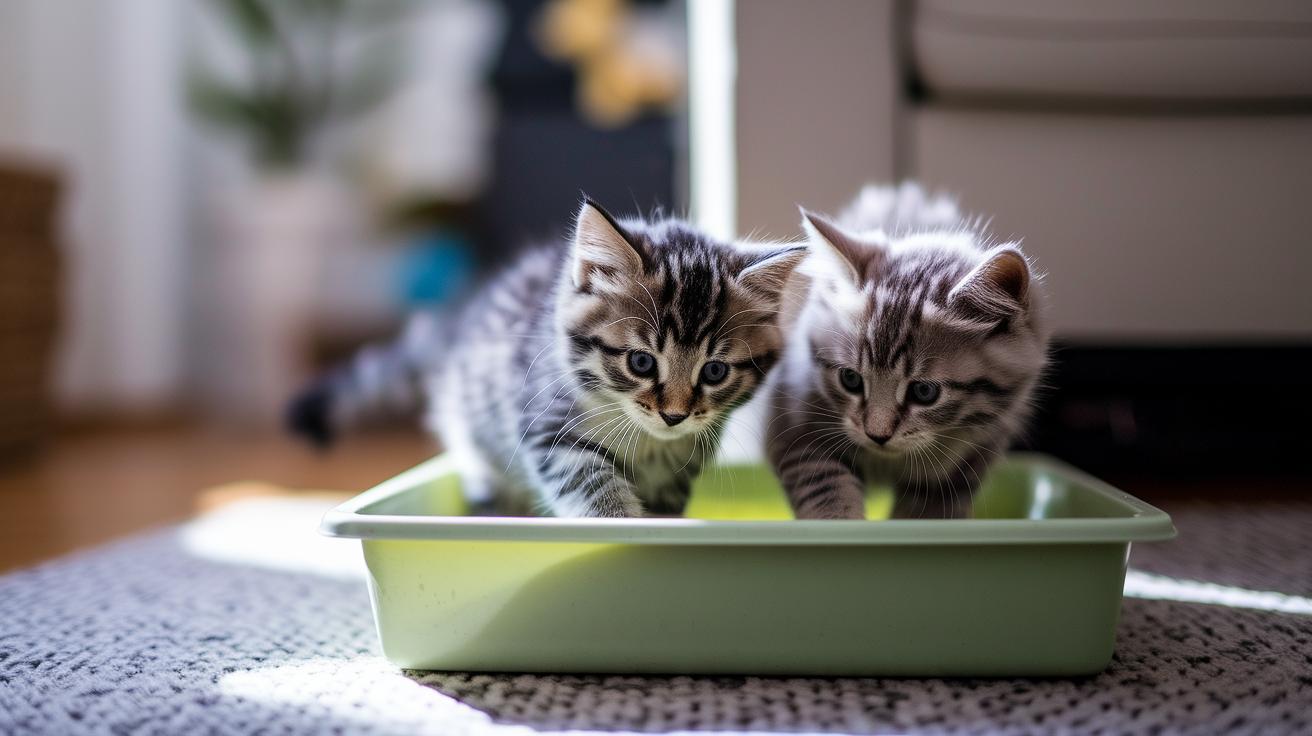
    When should you worry? If your kitten strains to pee (muscles tensing with every step) or you spot blood in the litter box, call the vet. If dinner no longer brings those happy meows and appetite just vanishes, that’s another red flag. And if your training stalls for more than a couple weeks, puddles popping up in odd spots, don’t wait. Professional help can save you both a lot of stress.

    FAQ: Quick Answers on Litter Training a Kitten

    - FAQ Quick Answers on Litter Training a Kitten.jpg

    • Can I toilet train a kitten? Not really. It can be risky for tiny paws to slip off a slippery seat, and kittens often get confused when you swap their box for your throne. Stick to a low-sided, kitten-friendly box (see Troubleshooting).

    Final Words

    Jumping straight into the action, we covered six key steps: prepping a kitten room, picking the right box and litter, setting up post-meal sessions, spotting elimination cues, rewarding correct use, and staying on top of cleaning.

    Then we tackled common hiccups with box placement, litter tweaks, and knowing when to ask the vet. You’ve also got an age-based timeline (8–12 weeks) and a quick FAQ for those “what now?” moments.

    Stick with these tips and mastering how to litter train a kitten will feel natural. Here’s to clean floors and a happy whiskered friend!
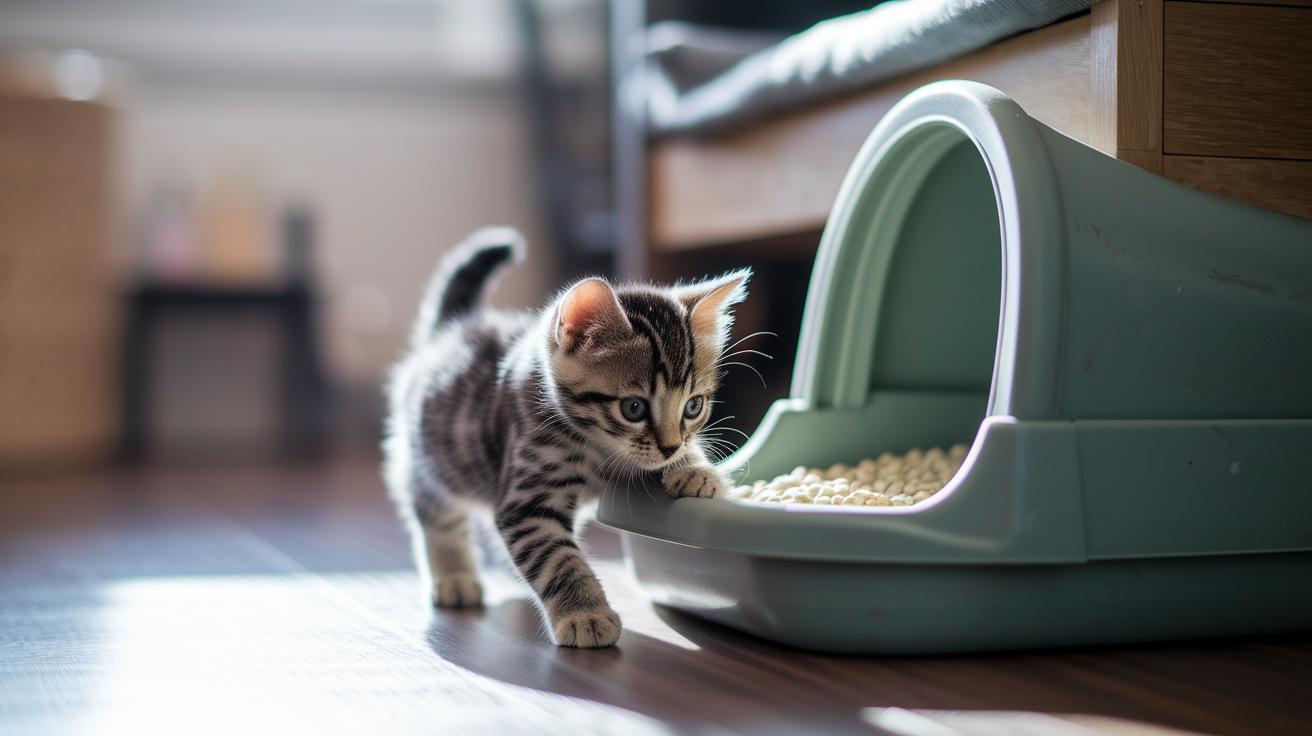
    FAQ

    What is the best litter for kittens?

    The best litter for kittens is unscented, low-dust, non-clumping plant-based or paper substrate (soft sand-like texture). Fill 1–2 inches in an open, low-entry tray for easy access and safety.

    How can I litter train my kitten quickly and effectively?

    Litter train your kitten quickly and effectively by offering a low-entry box after meals and naps, mimicking digging, praising each correct use, and keeping sessions brief. Consistency speeds success.

    How can I train a kitten without a litter box?

    Training a kitten without a litter box involves using shallow trays lined with puppy pads, gently placing them after meals or naps, rewarding correct elimination on pads, and gradually swapping pads for litter layers.

    How can I litter train a kitten that was previously outside?

    Litter train a previously outdoor kitten by confining them in a quiet room with a low-entry box, setting elimination schedules after meals and play, guiding with gentle scratching, and praising each successful use.

    When is it too late to litter train a cat?

    It’s never too late to litter train a cat. Even adult felines learn with patience. Use a low-entry box, consistent routines, gentle guidance, and positive rewards. Seek vet advice if problems persist.

    How can I stop my kitten from peeing and pooping in the house?

    Stopping your kitten’s peeing and pooping in the house involves immediately guiding them to the box after accidents, using enzyme cleaner on soiled spots, adding extra boxes, and rewarding correct use.

    How long does it take to train a kitten to use the litter box?

    Training a kitten to use the litter box typically takes a few days to several weeks. Intervals vary by age and consistency. Keep routines after meals and naps, and praise every correct visit.

    Do kittens learn to use the litter box on their own?

    Kittens show natural elimination instincts, but they benefit from guidance. Introducing a low-entry box after meals, demonstrating digging behavior, and rewarding correct use helps them learn faster than leaving them entirely on their own.

    Related Articles

  • How to Train a Cat Not to Pee Everywhere

    How to Train a Cat Not to Pee Everywhere

    Are you tired of finding surprise puddles around your home? Cats peeing outside the litter box is frustrating, but it’s not just rebellious behavior. It’s often linked to health or stress-related issues. Solving this problem requires understanding why it’s happening. When we identify the root cause, whether it’s a urinary tract infection or environmental change, we can help our cats get back to using the litter box consistently. So, before you get too frustrated, let’s dive into the reasons behind this messy situation and find a way to teach your furry friend some tidy habits.

    Understanding Why Cats Pee Everywhere

    Understanding Why Cats Pee Everywhere-1.jpg

    Figuring out why your cat is peeing outside the litter box is crucial. Cats don’t do this out of spite. It’s usually due to health or behavioral reasons. Identifying the cause is the first step in solving the problem. Once we know what’s causing the issue, we can tackle it with the right solutions.

    • Urinary Tract Infections (UTIs): UTIs can make urination painful, leading cats to associate the litter box with discomfort.
    • Bladder Stones: These cause irritation, prompting frequent urination and sometimes outside the box.
    • Idiopathic Cystitis: This condition inflames the bladder with no clear cause, causing distress and frequent urination.
    • Feline Lower Urinary Tract Disease (FLUTD): A syndrome encompassing many urinary issues, leading to inappropriate urination.
    • Systemic Diseases: Conditions like diabetes or kidney disease can increase urination frequency.

    Behavioral causes often stem from anxiety or environmental stressors. Changes in the home, like new pets or rearranging furniture, can make a cat anxious, leading to urination issues. Cats might also avoid the litter box if it’s in a noisy or high-traffic area.

    It’s important to know the difference between spraying and inappropriate urination. Spraying is a marking behavior, usually seen in unneutered cats. They back up to a vertical surface and release a small amount of urine. Inappropriate urination involves larger amounts and is often on horizontal surfaces. Understanding these differences helps in choosing the right approach to address the issue.

    How to Train Your Cat to Use the Litter Box

    How to Train Your Cat to Use the Litter Box-1.jpg

    Training your cat to use the litter box is essential for maintaining a clean and stress-free home. Cats naturally prefer using a clean, designated area for their bathroom needs. By understanding their preferences and providing a suitable environment, you can encourage them to consistently use the litter box.

    • Choose the Right Litter: Some cats prefer unscented litter or a specific type, like clumping or non-clumping. Observe your cat’s preferences.
    • Provide Multiple Litter Boxes: Ideally, have one box per cat plus one extra to reduce territorial disputes.
    • Place Boxes Strategically: Position them in quiet, low-traffic areas where your cat feels safe.
    • Keep Boxes Clean: Scoop daily and perform a full change and wash weekly.
    • Introduce Positive Reinforcement: Reward your cat with treats or play when they use the litter box correctly.
    • Avoid Punishment: Never punish your cat for accidents, as this can increase stress and worsen the issue.

    Placement is key. Cats like privacy, so place litter boxes in calm, secluded spots. Avoid areas with loud noises or busy foot traffic. This ensures your cat feels comfortable when they need to go.

    Keeping the litter box clean is a must. Regular scooping prevents odors and ensures your cat isn’t deterred by a messy box. Many cats refuse to use a dirty litter box, so make it a habit to scoop daily and refresh the litter weekly.

    Finally, reinforce good behavior with positive feedback. When your cat uses the litter box correctly, reward them with their favorite treat or a fun play session. This positive association encourages them to continue their good habits, making litter box training a success.

    Understanding Why Cats Pee Everywhere

    Health-Related Causes of Inappropriate Urination-1.jpg

    Recognizing health issues early is key to addressing inappropriate urination in cats. Often, it’s not just a behavioral problem but a sign of underlying medical conditions. Identifying these issues promptly can lead to effective treatment and significantly improve your cat’s quality of life.

    Urinary tract infections (UTIs) are a frequent cause. They make urination painful, and your cat might start associating the litter box with discomfort, leading to avoidance. Bladder stones cause similar issues, leading to irritation and frequent urination outside the box. Idiopathic cystitis, where the bladder becomes inflamed without a clear cause, also causes distress and frequent urination.

    Feline diabetes is another condition that can result in inappropriate urination. Cats with diabetes often have increased thirst and urination. Crystalluria, the formation of crystals in the urinary tract, results in painful and frequent urination due to high urine pH. These conditions can severely affect your cat’s health and behavior if not addressed quickly.

    Consulting a veterinarian is crucial for diagnosis and treatment. A thorough physical exam and urine analysis can pinpoint the exact issue. Early detection and treatment not only resolve urination problems but also ensure your cat remains healthy and comfortable.

    Modifying Cat Behavior and Environment to Prevent Peeing Everywhere

    Modifying Cat Behavior and Environment to Prevent Peeing Everywhere-1.jpg

    Training a cat not to pee everywhere involves a mix of behavior modification and creating a cat-friendly environment. Addressing both behavioral and environmental factors can prevent accidents and encourage appropriate litter box use. By understanding your cat’s needs and reducing stressors, you can create a peaceful space that promotes good habits.

    • Regular Playtime: Engage your cat with toys to reduce stress and anxiety.
    • Provide Vertical Spaces: Install cat trees or shelves for climbing.
    • Introduce Puzzle Feeders: These stimulate your cat’s mind and reduce boredom.
    • Maintain a Clean Litter Box: Cats avoid dirty boxes, so scoop daily.
    • Offer Multiple Litter Boxes: Place them in different locations to prevent territorial disputes.
    • Observe Preferences: Note your cat’s litter texture and scent preferences.

    Stress reduction is key in modifying cat behavior. Subtle signs of stress, like excessive grooming or hiding, can lead to urination issues. Providing ample mental and physical stimulation helps keep stress at bay. Playtime with interactive toys and puzzle feeders can be a great way to engage your cat’s instincts and energy positively.

    Environmental enrichment is another crucial factor. Cats thrive in environments where they feel safe and stimulated. Adding vertical spaces like cat trees or window perches gives them a vantage point and a sense of territory. This helps reduce anxiety and encourages natural behaviors. Also, ensure that litter boxes are placed in quiet, low-traffic areas so your cat feels secure when using them.

    Calming aids can also be beneficial. Products like pheromone diffusers or sprays can help soothe anxious cats. In cases of severe anxiety, a veterinarian might suggest prescription medication. These aids can help create a calming atmosphere that reduces stress-related urination issues.

    Finally, maintain a consistent routine. Cats are creatures of habit, and sudden changes can lead to stress. Keep feeding times, play sessions, and cleaning routines regular. Consistency reassures your cat, helping them feel more secure and less likely to develop urination problems.

    Cleaning and Deterrent Solutions

    Thoroughly cleaning cat urine is critical to prevent your feline friend from returning to the same spot. Cat urine contains elements that attract them back, making it essential to tackle the issue head-on. When cleaning, using the right products can make all the difference. Enzymatic cleaners are specially designed to break down these components, eliminating both the stain and the odor. This ensures your home stays fresh and discourages repeat incidents.

    • Enzymatic Cleaners: These break down odor-causing elements, ensuring thorough removal.
    • Vinegar and Baking Soda: A natural solution that neutralizes odors effectively.
    • Hydrogen Peroxide: Useful for removing stains while being pet-safe.
    • Citrus Sprays: Cats dislike the smell, making them a good deterrent.
    • Double-Sided Tape: Placed in problem areas to deter cats from returning.

    Using deterrents effectively requires a bit of strategy. Citrus sprays can be applied to areas your cat frequently marks. Cats generally dislike citrus scents, which can discourage them from revisiting those spots. Double-sided tape is another excellent tool; cats dislike the sticky texture under their paws, prompting them to avoid these areas.

    Consistency is key when using these deterrents. Ensure you reapply them regularly, especially after cleaning. This continuous reinforcement helps in gradually training your cat to avoid specific areas. By combining thorough cleaning with strategic deterrents, you can effectively manage and reduce inappropriate urination behaviors in your home.

    Final Words

    Understanding why cats urinate outside the litter box is key to addressing the issue. Health problems and behavioral reasons often lead to accidents. In learning how to train a cat not to pee everywhere, focus on health checks, litter box management, and stress reduction.

    A clean, calm environment, along with positive reinforcement, can make a huge difference. Remember to use thorough cleaning methods and deterrents to maintain a fresh space. Stay patient and consistent. This approach ensures a healthier, more enjoyable experience for both you and your cat.

    FAQ

    Homemade spray to stop cats from peeing

    A homemade deterrent spray can include water, vinegar, and citrus oil. Cats dislike citrus smells, helping keep them away from marked areas.

    Why is my male cat peeing everywhere and meowing so much?

    Male cats may urinate everywhere due to medical issues like urinary tract infections, or stress. Excessive meowing can indicate discomfort or anxiety.

    How to stop a cat from peeing in the same spot

    Clean the area with enzymatic cleaners to eliminate scent traces, use deterrents like citrus sprays, and offer additional litter boxes for options.

    Why is my cat peeing everywhere all of a sudden?

    Sudden inappropriate urination may indicate health problems such as bladder stones or stress-related issues requiring veterinary attention.

    How do I get my cat to stop peeing all over?

    Identify underlying health or behavioral causes. Ensure a clean litter box, reduce stress, and provide environmental enrichment. Consult a vet for health concerns.

    How to train my cat not to pee everywhere

    Use positive reinforcement when your cat uses the litter box. Maintain clean, accessible boxes and address preferences in litter type or location.

    How do you discipline a cat for peeing?

    Avoid punishment, as it can increase anxiety. Focus on rewarding good litter box behavior and addressing possible health or stress-related issues.

    How do I stop my cat from peeing in the wrong place?

    Ensure litter boxes are clean and appealing. Explore medical or behavioral issues with your vet and implement environmental changes to reduce stress.

    Related Articles

  • How to Train a Cat Not to Spray

    How to Train a Cat Not to Spray

    Is your cat's spray making your home its territory? It's a challenge many pet owners face, but don't worry—there's hope. When you act quickly with effective strategies, you can find peace in your home again. This guide will offer practical methods to train your cat not to spray.

    You'll learn about quick actions you can take, such as cleaning with enzyme cleaners and using deterrents, as well as understanding the reasons behind the behavior. Let's turn your home back into a space you both can enjoy.

    Quick Tips for Immediate Action Against Cat Spraying

    Quick Tips for Immediate Action Against Cat Spraying-1.jpg

    When your cat starts spraying, fast action is key. While long-term solutions are being put in place, you can try these quick tips to manage the situation. Acting swiftly can prevent the behavior from becoming a habit and minimize damage to your home.

    • Clean Sprayed Areas: Use enzyme cleaners to thoroughly clean sprayed spots. They break down the urine and remove pheromones, which discourages cats from returning to the same spot.

    • Block Access: Temporarily block or limit your cat's access to frequently sprayed areas. This can help them break the cycle of spraying in the same place.

    • Use Deterrents: Place temporary deterrents, like motion-activated sprays, near problem areas to discourage spraying.

    • Provide Distractions: Offer engaging toys or activities to divert your cat's attention from spraying. This can help reduce stress or boredom that might be contributing to the behavior.

    • Adjust Litter Box Setup: Ensure your cat's litter box is clean and in a quiet, accessible location to encourage proper usage.

    Understanding Why Cats Spray

    Quick Tips for Immediate Action Against Cat Spraying-3.jpg

    Spraying is a unique behavior that stands apart from regular urination. When cats spray, they release urine on vertical surfaces, rather than the horizontal surfaces typically associated with urination. This behavior is a form of communication, allowing cats to send signals to other animals in their environment.

    The urine used in spraying is often more potent and involves smaller amounts, as cats don't fully empty their bladders during this act.

    Common reasons for spraying include mating behaviors and marking territory. Even after neutering or spaying, some cats continue to spray due to mating instincts, with about 10% of neutered males and 5% of spayed females still exhibiting this behavior. Additionally, cats use their anal scent glands during spraying to mark their territory, resulting in a stronger-smelling urine that serves as a territorial claim.

    • Mating behavior
    • Territorial marking
    • Communication signals
    • Stress or environmental changes

    Understanding the reasons behind spraying is crucial for effectively addressing the issue. By recognizing the underlying motives—whether it's a natural urge to mate or a desire to claim territory—you can tailor your approach to managing and reducing this behavior in your feline friend.

    Preventive Measures for Cat Spraying

    Preventive Measures for Cat Spraying-1.jpg

    Stopping cat spraying begins with preventive actions, and one of the most effective measures is neutering. Neutering can significantly decrease mating-related spraying and territorial behaviors in cats. This procedure reduces hormonal influences that drive the need to mark territory or attract mates, making it a primary step in preventing unwanted spraying.

    Here are some immediate steps you can take to prevent your cat from spraying:

    • Neutering/Spaying: Consider neutering or spaying your cat to reduce hormonal influences that lead to spraying.
    • Pheromone Diffusers: Use pheromone diffusers like Feliway throughout your home. These products mimic calming cat pheromones, creating a comforting environment that can deter spraying.
    • Provide Resources: Make sure your cat has access to ample resources such as clean litter boxes, food, and water, which can prevent stress-related spraying.
    • Environmental Enrichment: Keep your cat engaged with plenty of toys and interactive activities to reduce boredom and stress.
    • Secure Territory: Ensure your cat feels safe in its territory by providing private spaces away from other pets or disturbances.

    Taking immediate and effective preventive measures is crucial in managing and stopping spraying behaviors. By focusing on solutions such as neutering and creating a calming environment, you can address the root causes of spraying and encourage a more harmonious living situation for both you and your cat.

    Behavioral Training Techniques for Spraying

    Using Deterrents and Cleaning Techniques-4.jpg

    Using positive reinforcement instead of punitive measures is key when training a cat not to spray. Cats respond well to rewards, and this approach helps build trust and encourage desired behaviors. Punishment can lead to fear and anxiety, which may worsen spraying. By focusing on positive reinforcement, you can guide your cat toward better habits without damaging your relationship.

    Positive Reinforcement Training

    Rewarding your cat when they display desired behaviors can be a powerful tool against spraying. This might include giving treats, affection, or playtime when your cat uses their litter box correctly or refrains from spraying. Consistently rewarding these behaviors can reinforce good habits and make them more appealing to your feline friend.

    Consistent Training Methods

    Consistency is crucial in training efforts. Establishing a routine where your cat knows what behaviors will earn rewards helps them understand what is expected. This means responding to both good and bad behaviors in the same way each time. Consistency helps your cat learn faster and reduces confusion, making training more effective.

    Redirecting Unwanted Behavior

    Redirecting your cat’s attention away from spraying to more acceptable behaviors can also be effective. If you notice your cat preparing to spray, try to distract them with a toy or a call for play. Offering alternatives like scratching posts or interactive toys can channel their energy into positive outlets, reducing the urge to spray.

    Training Technique Description
    Positive Reinforcement Training Reward desired behaviors with treats, affection, or playtime to discourage spraying.
    Consistent Training Methods Maintain a routine response to behaviors to help your cat understand expectations.
    Redirecting Unwanted Behavior Distract your cat from spraying by offering engaging alternatives like toys.

    Environmental Adjustments to Stop Spraying

    When to Consult a Veterinarian for Spraying Issues-1.jpg

    Creating a cat-friendly household setup is vital in addressing spraying behaviors. A secure environment can greatly reduce stress and provide a sense of safety, which is crucial for your cat’s well-being.

    Cats are territorial creatures, and when their environment feels unstable, they might resort to spraying as a means of communication or stress relief. Ensuring that your indoor cat environment is conducive to their natural behaviors can help in minimizing spraying incidents.

    Multimodal Environmental Modification (MEMO) plays a key role in reducing stress that might lead to spraying. This approach involves making sure your cat has easy access to all necessary resources and personal space to thrive.

    By employing MEMO, you address environmental factors that could contribute to your cat's discomfort or territorial anxiety. This method helps in reducing competition for resources, especially in multi-cat households, which is a common trigger for spraying.

    • Provide Scratching Posts: Offer multiple scratching posts to allow your cat to mark territory in an acceptable way.
    • Separate Resources: Ensure each cat in a multi-cat household has its own litter box, food bowl, and bed to decrease territorial stress.
    • Enrichment Toys: Supply various toys and puzzles to keep your cat entertained and mentally stimulated.
    • Safe Spaces: Create secluded areas where your cat can retreat and feel secure away from other pets or household noise.
    • Consistent Routine: Maintain a regular feeding and play schedule to provide predictability and comfort for your cat.

    These environmental adjustments can significantly reduce the likelihood of territorial marking. By focusing on providing a secure cat territory and addressing their needs, you can cultivate a peaceful living environment that discourages spraying. The aim is to ensure your cat feels both physically and emotionally secure, thereby reducing the urge to mark with urine.

    Consulting Veterinary Advice for Spraying

    Consulting Veterinary Advice for Spraying-3.jpg

    Medical issues can often be the hidden culprits behind a cat's spraying behavior. Conditions like bladder problems or urinary crystals may lead your cat to spray as a way of communicating discomfort or pain.

    It's important to recognize that a sudden change in your cat’s behavior might indicate an underlying health issue. Consulting a veterinarian is crucial if your cat begins to spray unexpectedly. A vet can perform tests to identify any medical conditions that need to be addressed, helping to ensure your cat's spraying is not a sign of something more serious.

    • Changes in urination habits
    • Straining to urinate
    • Blood in the urine
    • Frequent licking of the genital area

    Regular veterinary check-ups are a proactive approach to maintaining your cat's health. These visits can help detect medical conditions early, allowing for immediate treatment and preventing long-term health issues.

    By ensuring your cat receives routine care, you not only address potential causes of spraying but also contribute to your pet's overall well-being. Keeping your cat healthy and comfortable is a key step in managing and reducing unwanted spraying behaviors.

    Final Words

    Taking immediate steps against cat spraying can create a more peaceful home. We've talked about why cats spray and explored quick solutions like using enzyme cleaners. Knowing the reasons behind cat spraying is vital to fixing the problem. Preventive actions like neutering and using pheromone diffusers also play a crucial role. Plus, behavioral training and environmental changes can make a big difference.

    Consulting with a vet can detect and treat medical issues that might cause spraying. With these strategies on how to train a cat not to spray, you can build a better bond and have a happier cat.

    FAQ

    How do I get my cat to stop spraying?

    A: To stop your cat from spraying, clean sprayed areas with enzyme cleaners, block access to problem spots, and consider pheromone diffusers. If spraying continues, consult a vet to rule out medical issues.

    How can I train my cat not to spray inside or outside?

    A: Use positive reinforcement to encourage good behaviors. Create a comforting environment with pheromone diffusers and address stressors. Consistent training and maintaining a secure space for your cat also help.

    What are home remedies to stop a cat from spraying indoors?

    A: Clean sprayed spots with vinegar or baking soda to neutralize odors. Use citrus scents like lemon or orange peel to deter spraying. Offer plenty of play and attention to relieve boredom.

    Can you discipline a cat for spraying?

    A: No, punishing a cat for spraying can worsen the behavior. Instead, use positive reinforcement to encourage desired behaviors and provide a comfortable, stress-free environment.

    How do you stop a male cat from spraying without neutering?

    A: While neutering is effective, try pheromone diffusers, regular play, and behavior management. Ensure your cat feels secure and minimize changes that might cause stress.

    What product works best to stop cat spraying?

    A: Enzyme cleaners like Nature's Miracle remove odors effectively. Feliway diffusers can reduce stress-related behaviors. Test different products to find what works best for your cat.

    How do you stop a cat from spraying after neutering?

    A: Even after neutering, some cats spray. Use behavioral training, pheromones, and environment adjustments. If the problem persists, consult a vet for further guidance.

    How can I make a homemade spray to stop my cat from peeing?

    A: A mixture of water and vinegar or citrus like lemon or orange can deter cats due to their aversion to these smells. Use it cautiously to avoid stressing your cat.

    What scent will stop cats from spraying?

    A: Cats dislike citrus, lavender, and peppermint. Use essential oils sparingly as these scents can deter spraying but may also stress your cat if overused.

    What neutralizes male cat spray?

    A: Enzyme-based cleaners are effective at neutralizing the smell of cat spray. They break down the odors, removing the scent entirely, unlike traditional cleaners.

    Related Articles