Category: Teach My Cat

  • Comparing top-entry vs open litter box designs

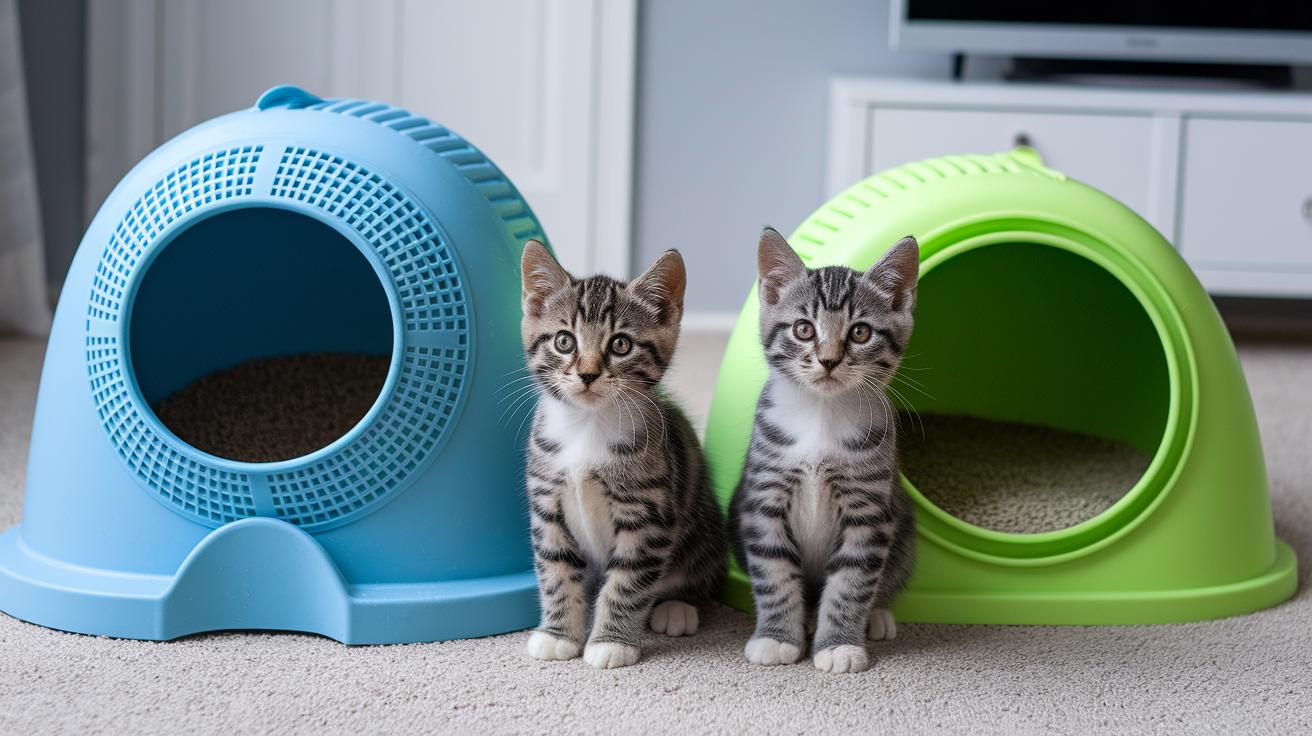
    Comparing top-entry vs open litter box designs

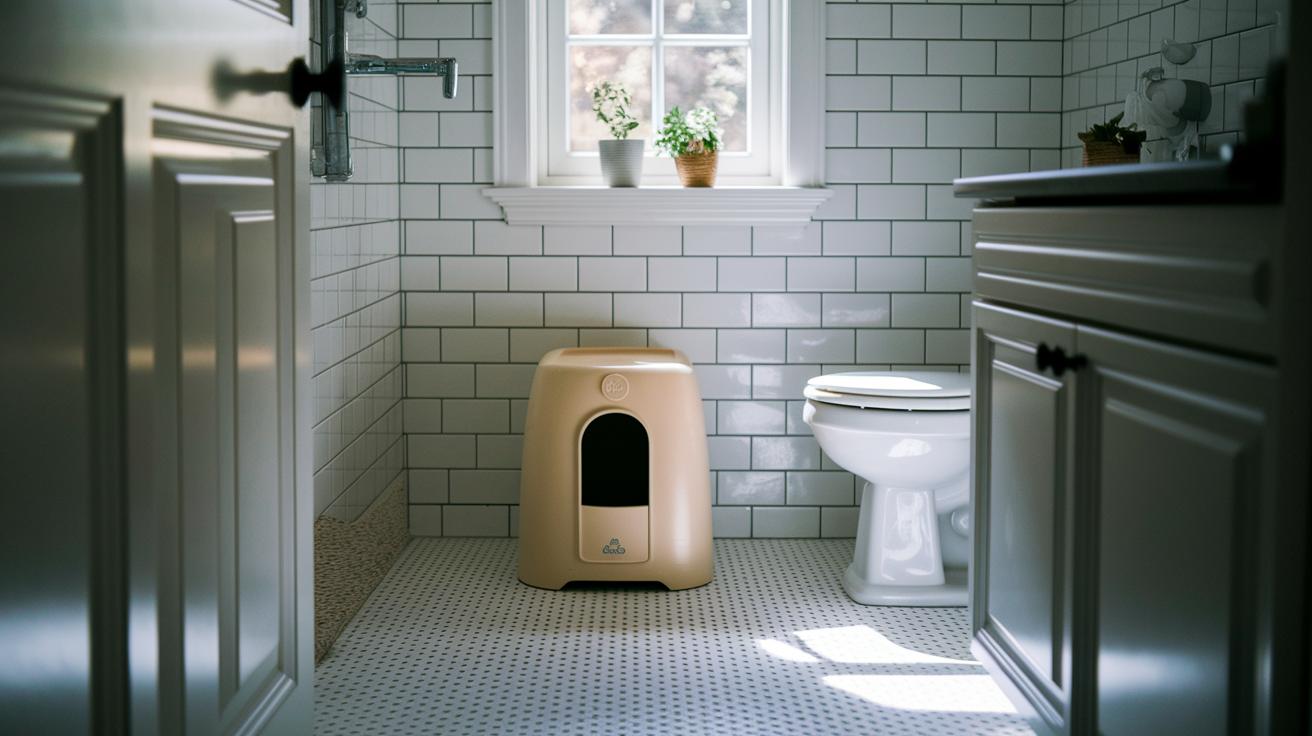
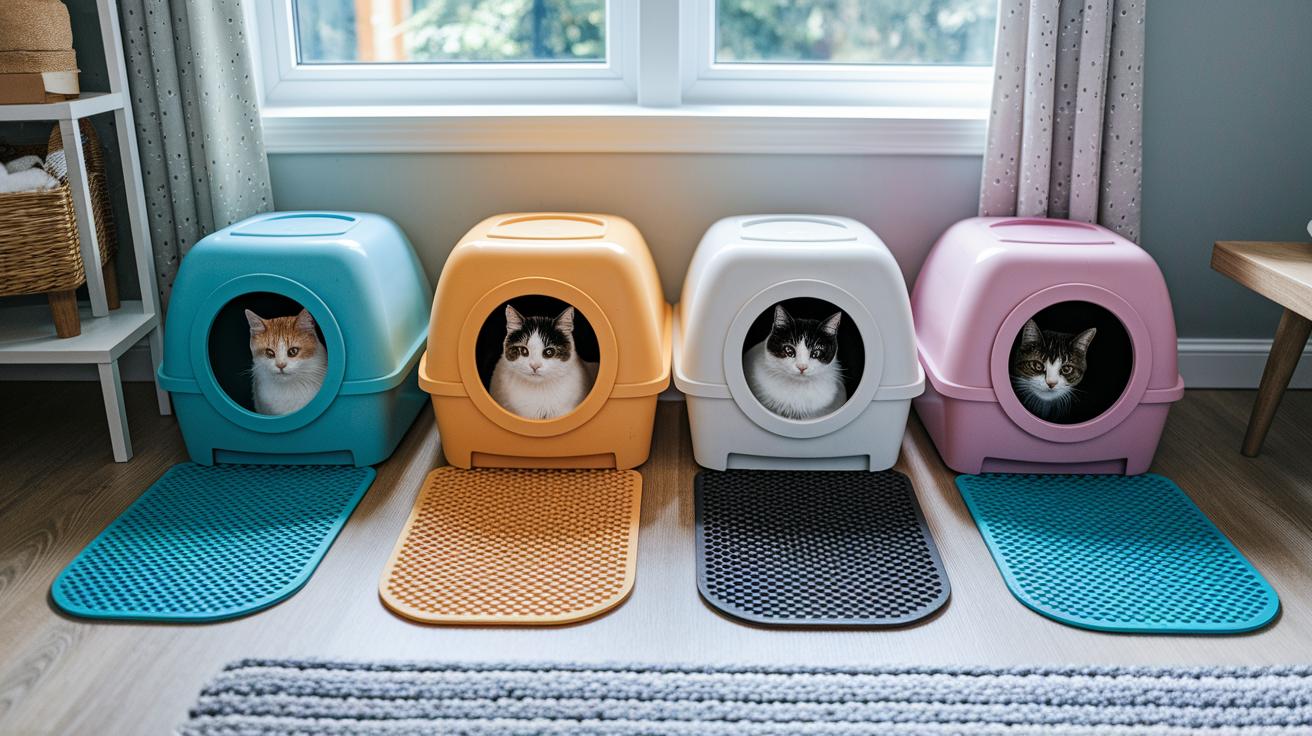
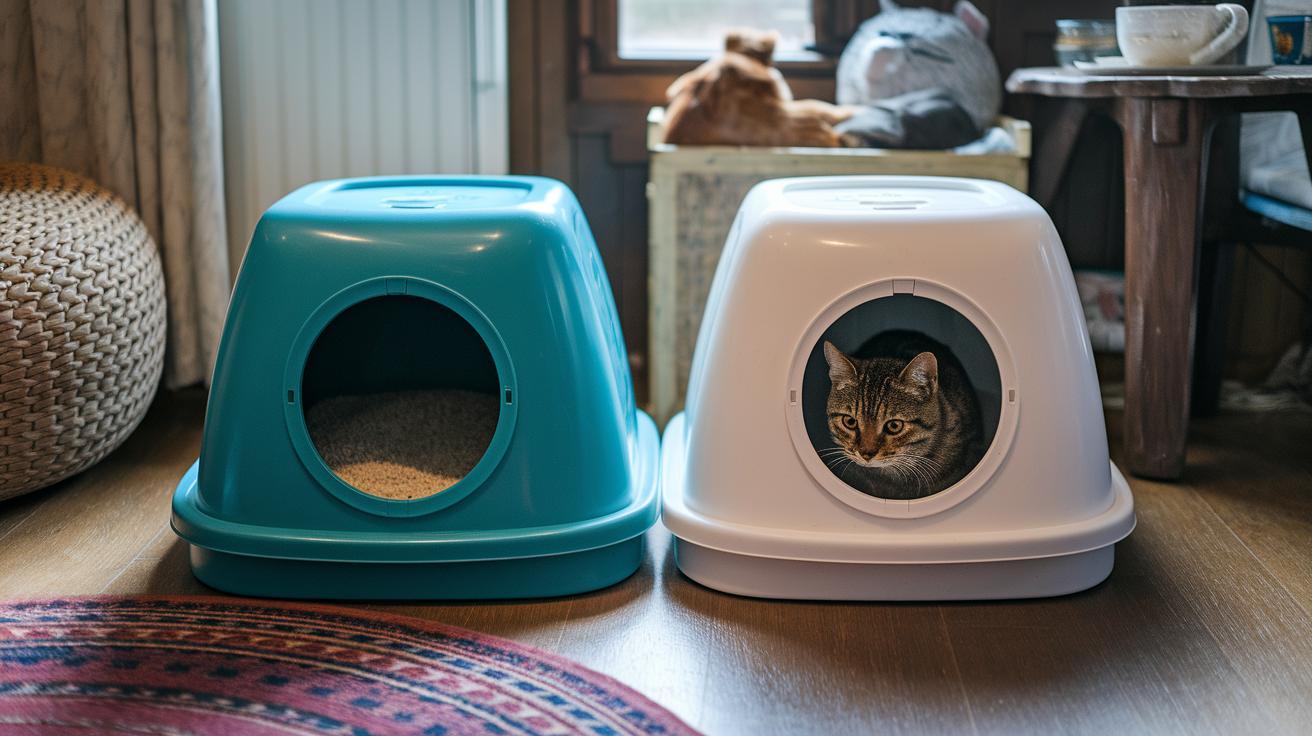
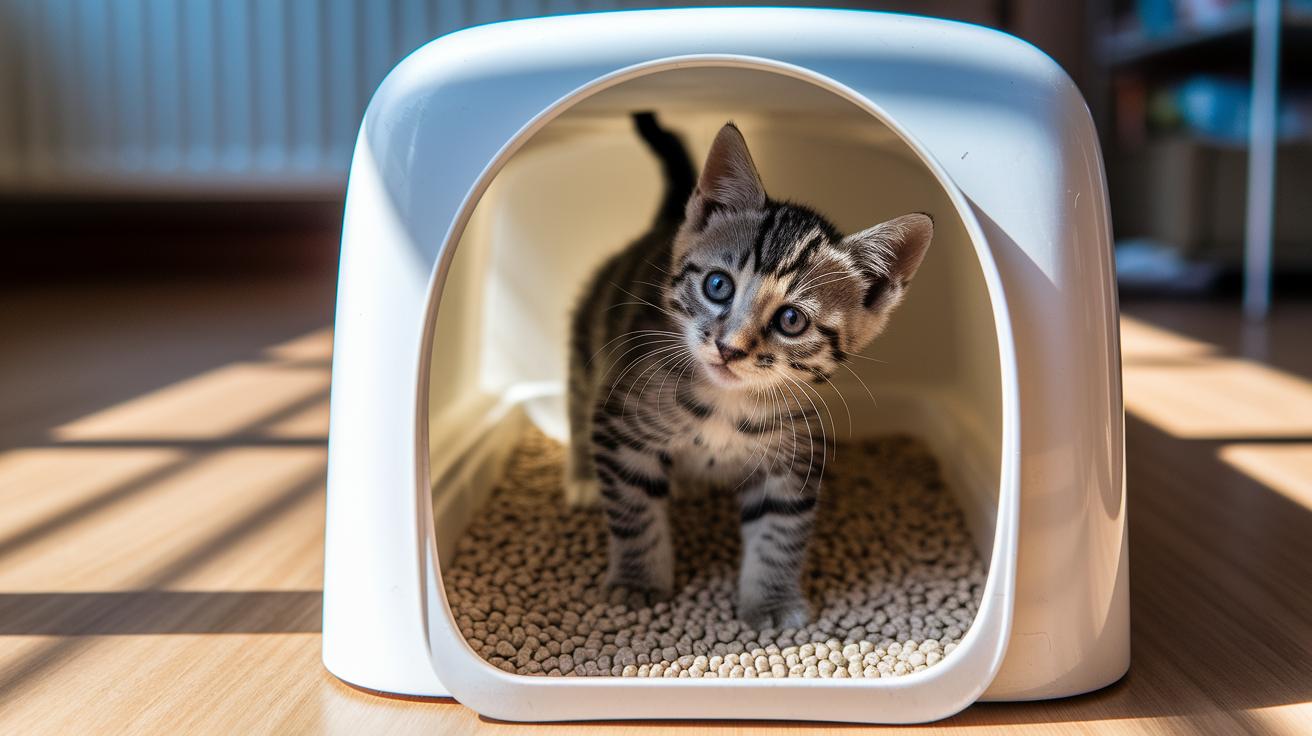
    Top-entry litter boxes are the tidy, smell-hiding options , so why do lots of cat parents still use open pans? Let’s break it down so you can pick the box that fits your cat and your life.

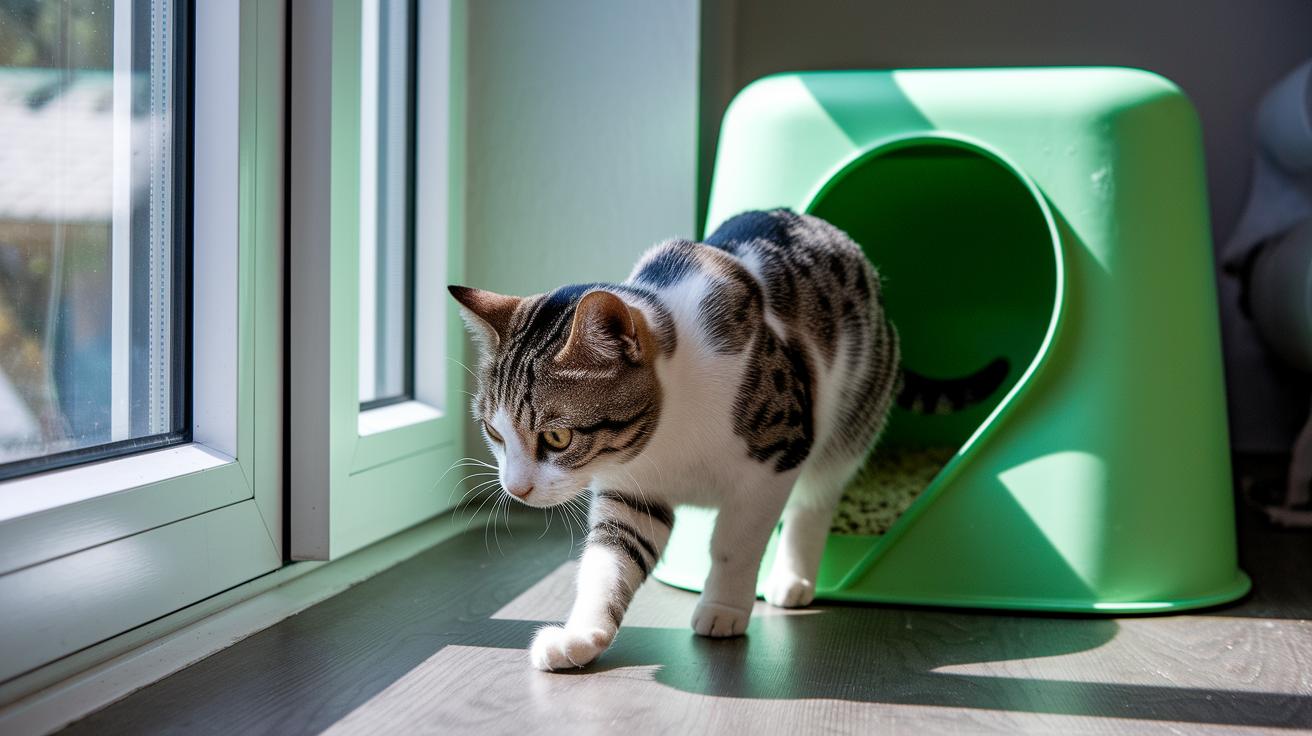
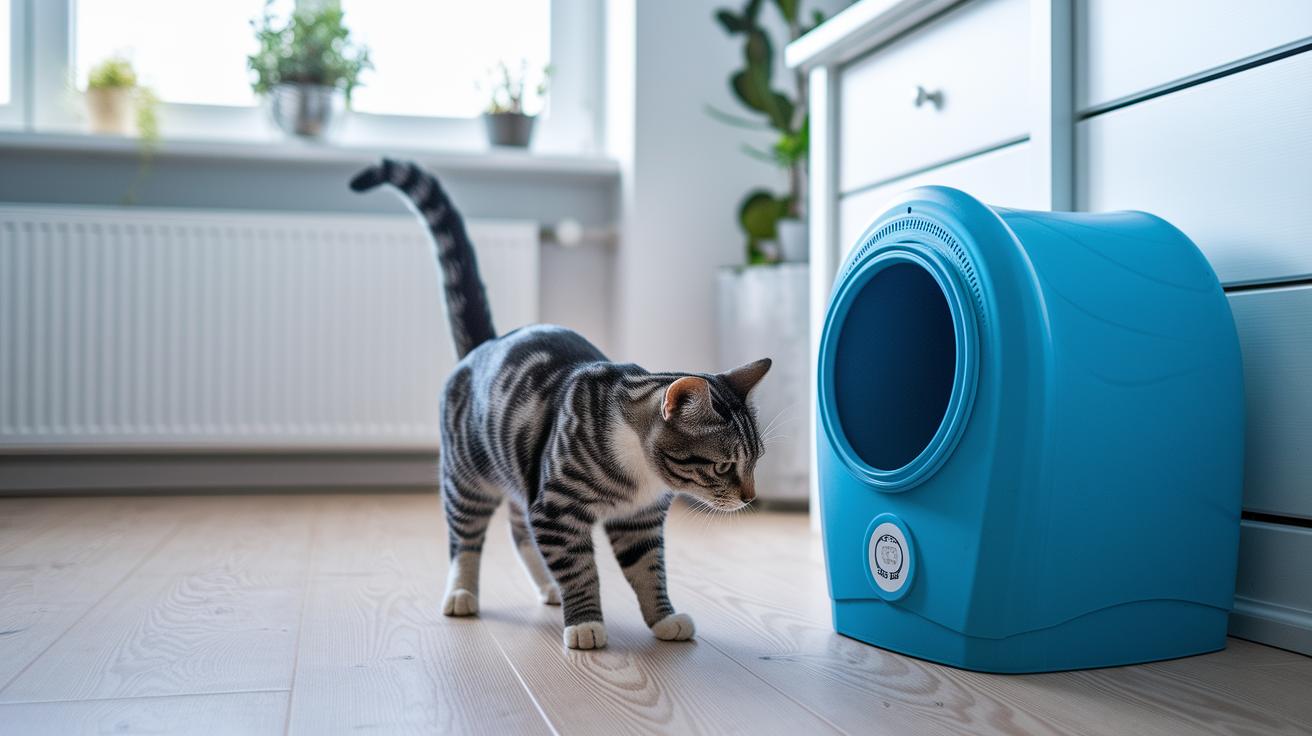
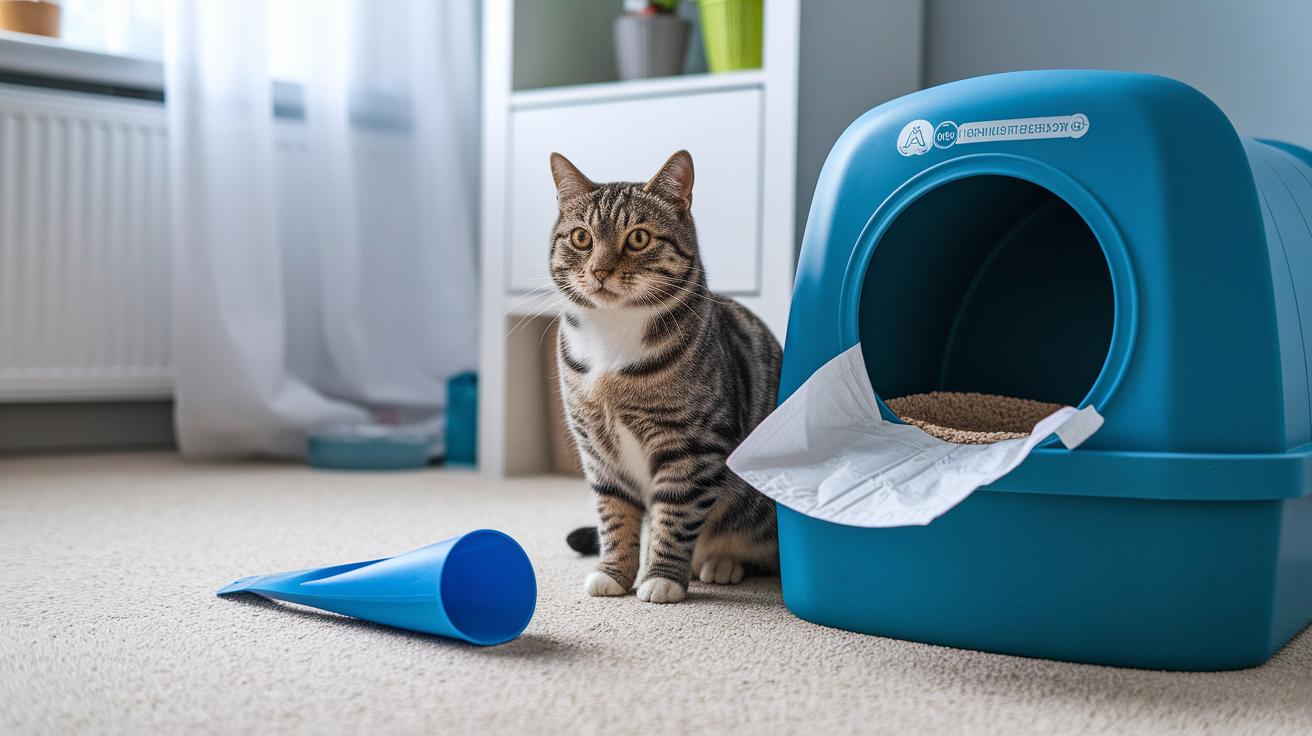
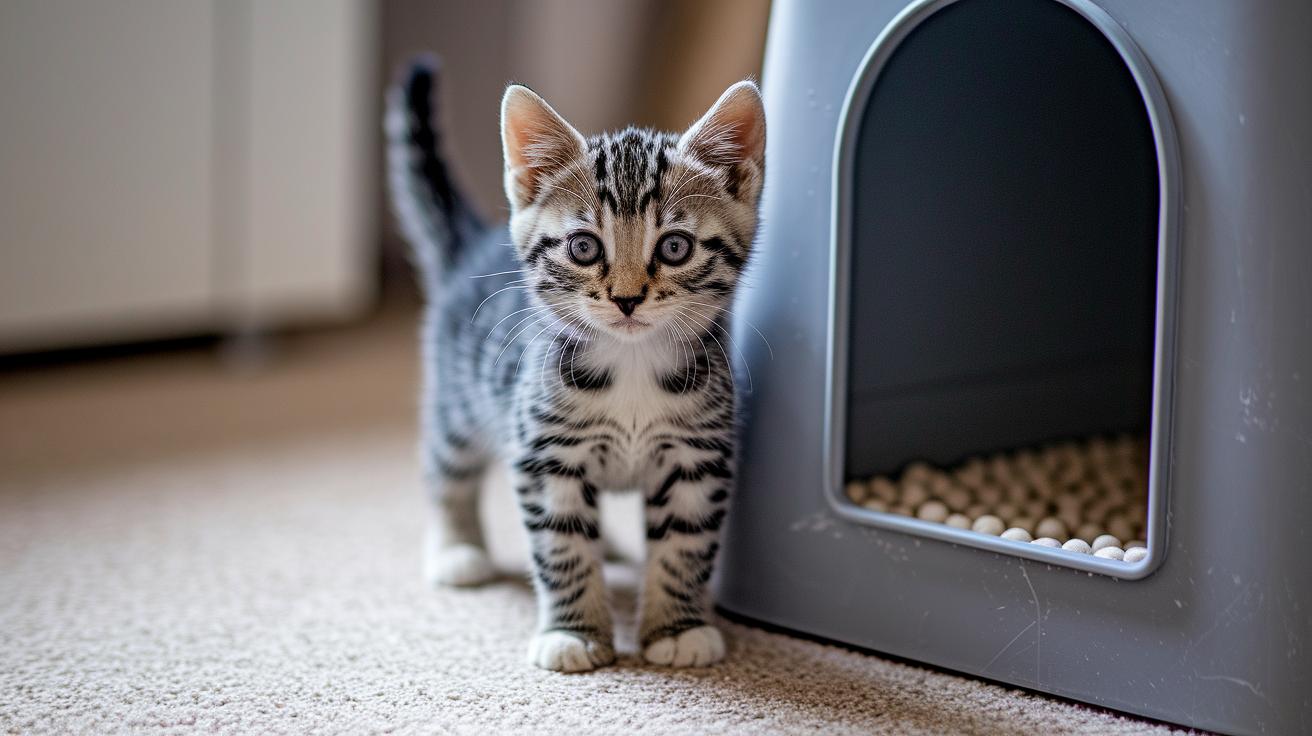
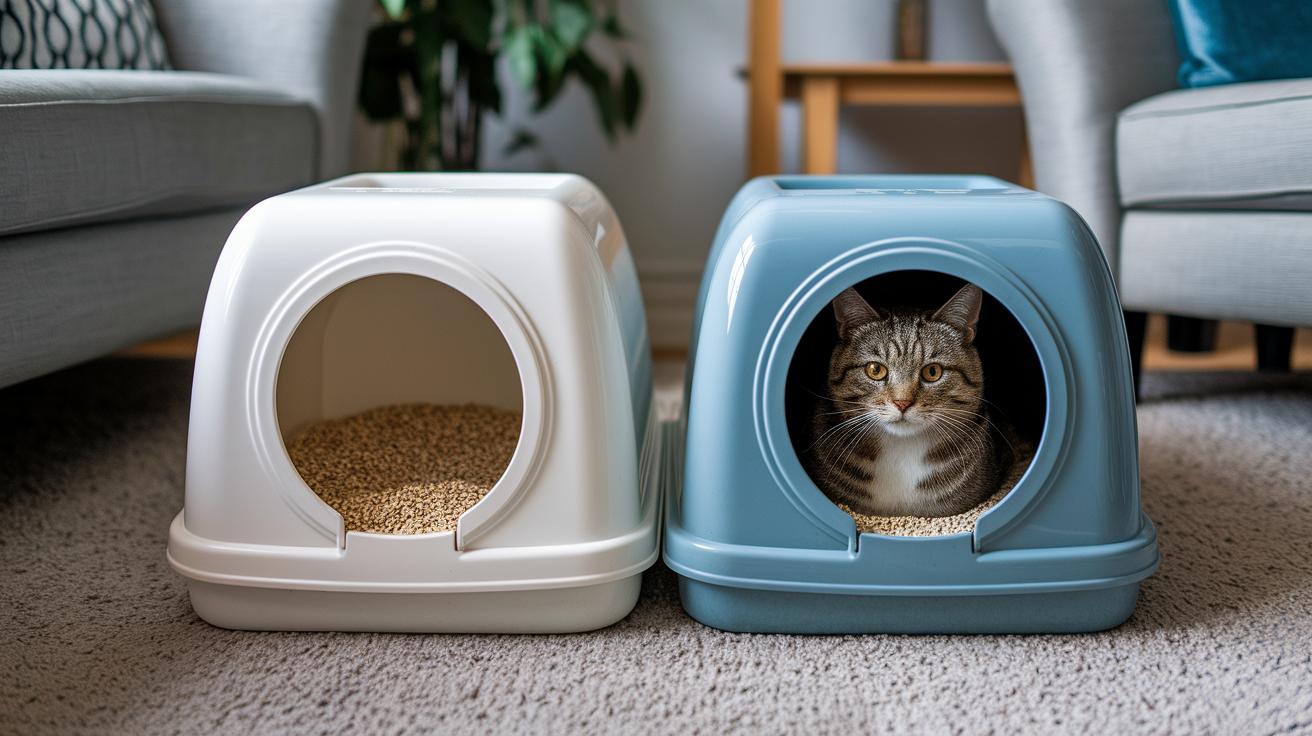
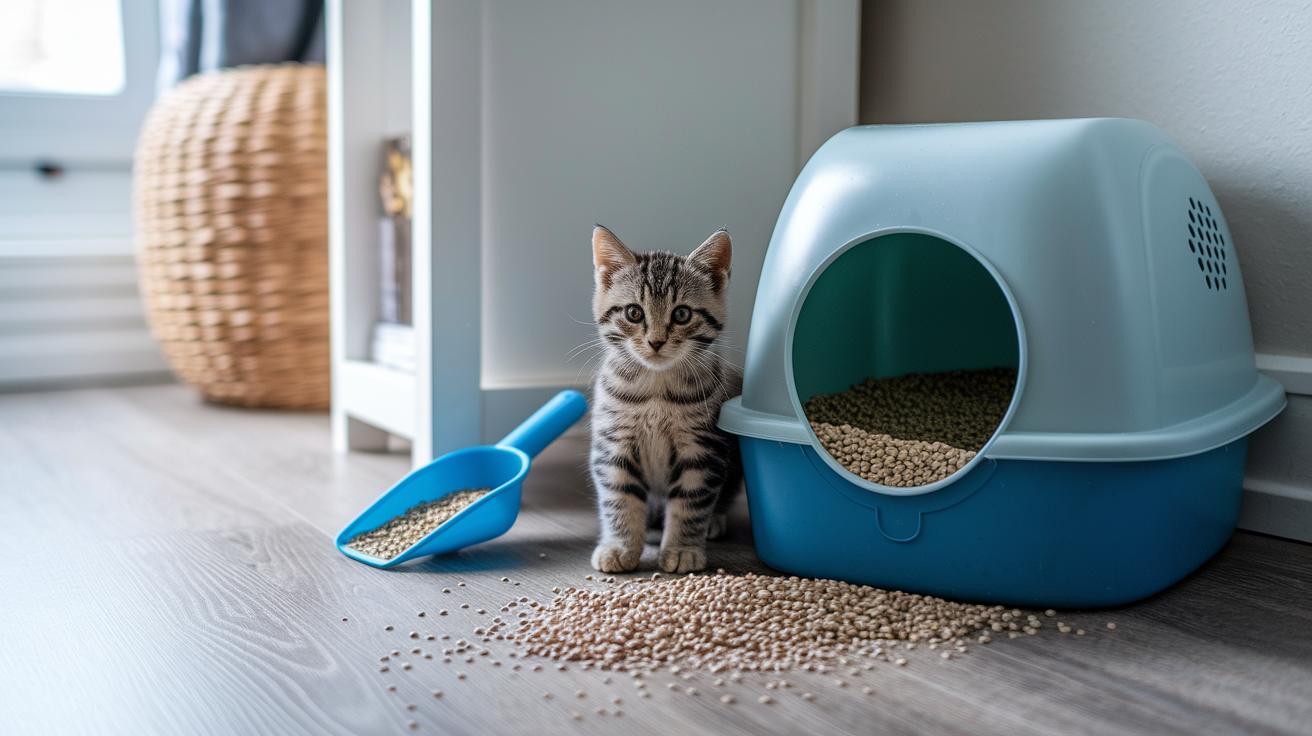
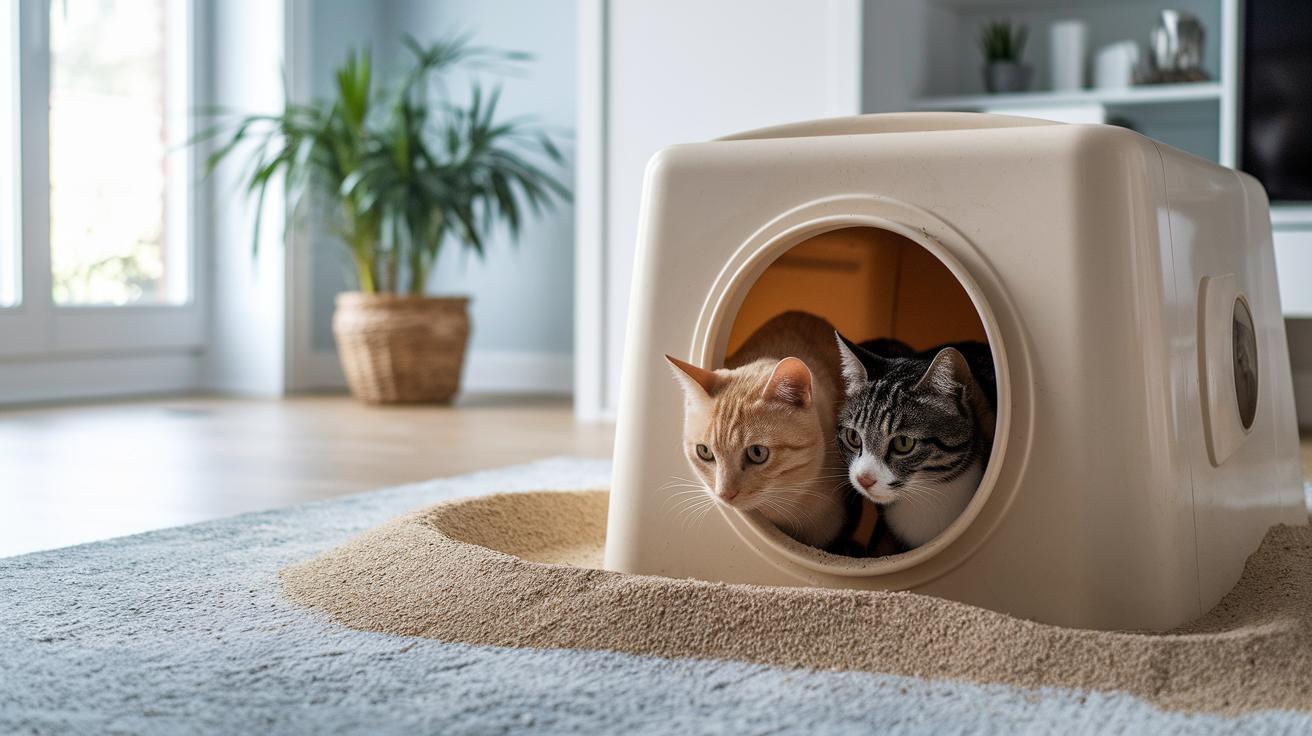
    Top-entry boxes (a box with a lid and a hole on top) keep litter and odors tucked inside. They cut down on tracking, hide the mess from guests, and make the room feel cleaner. Your floors stop looking like a sandy beach after playtime. Really.

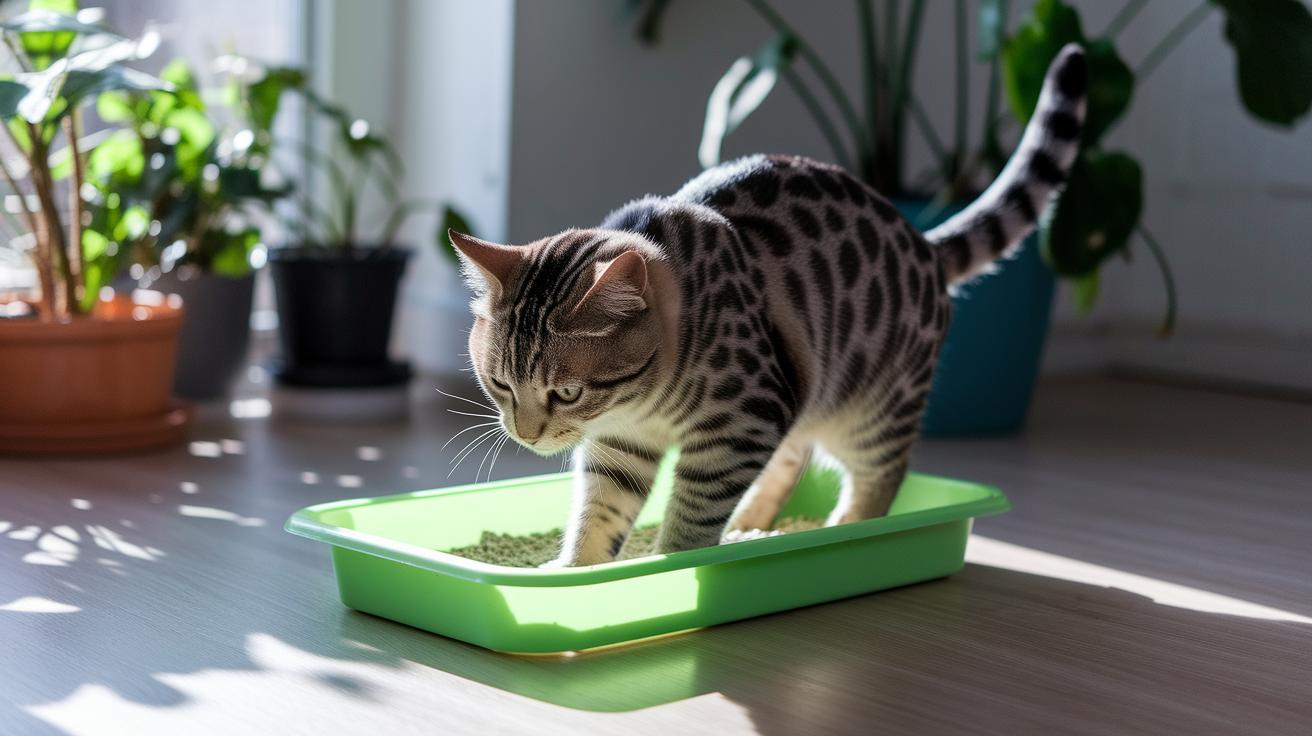
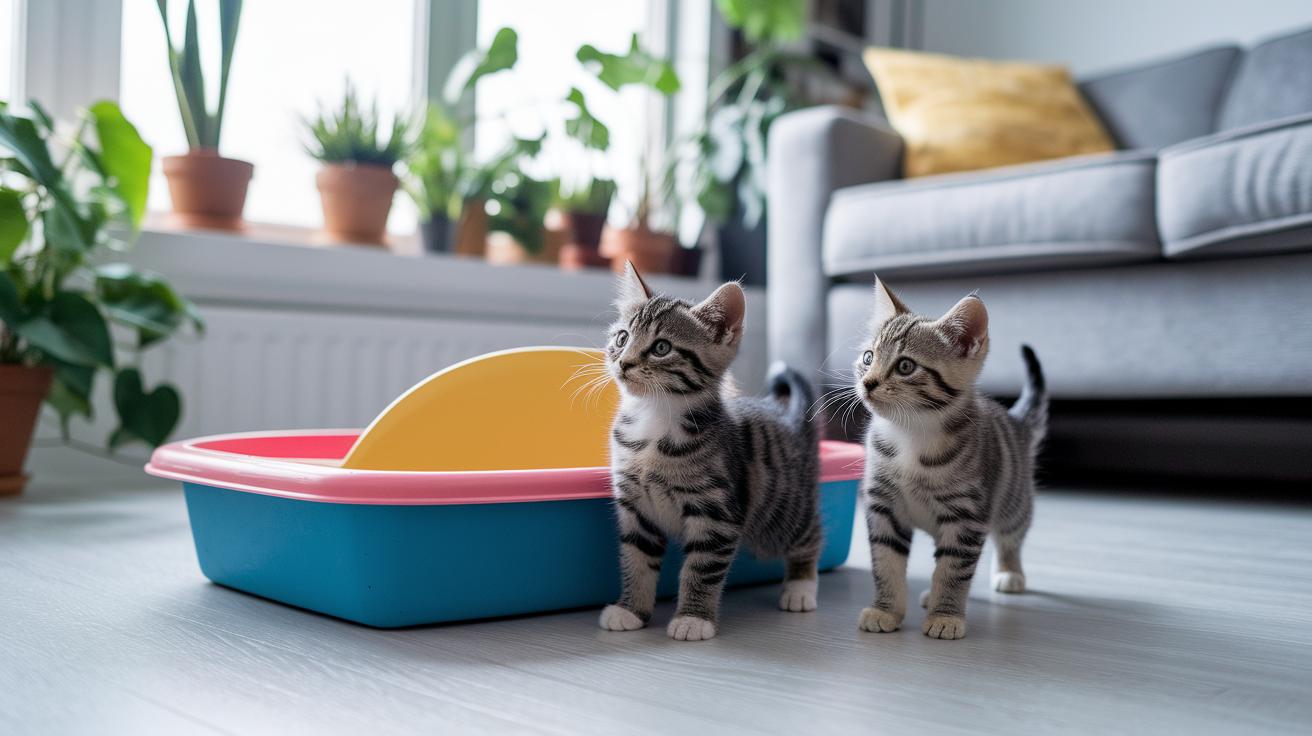
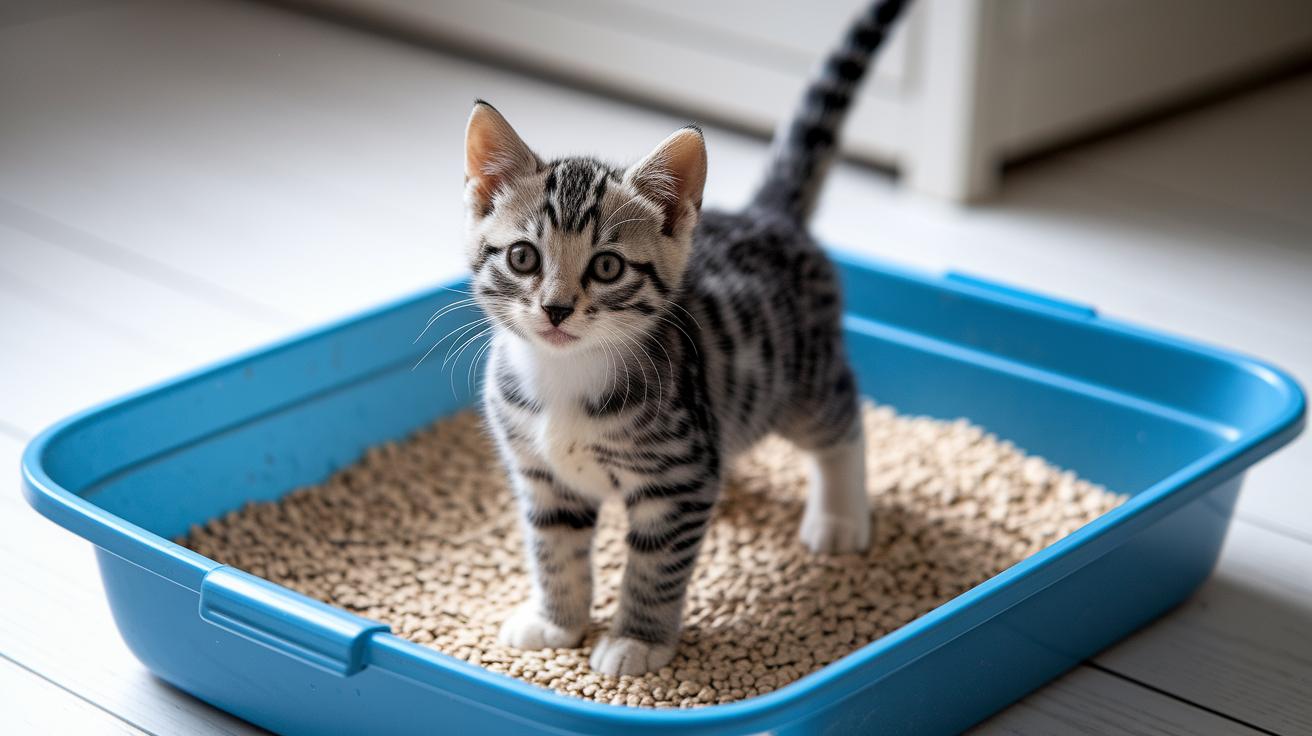
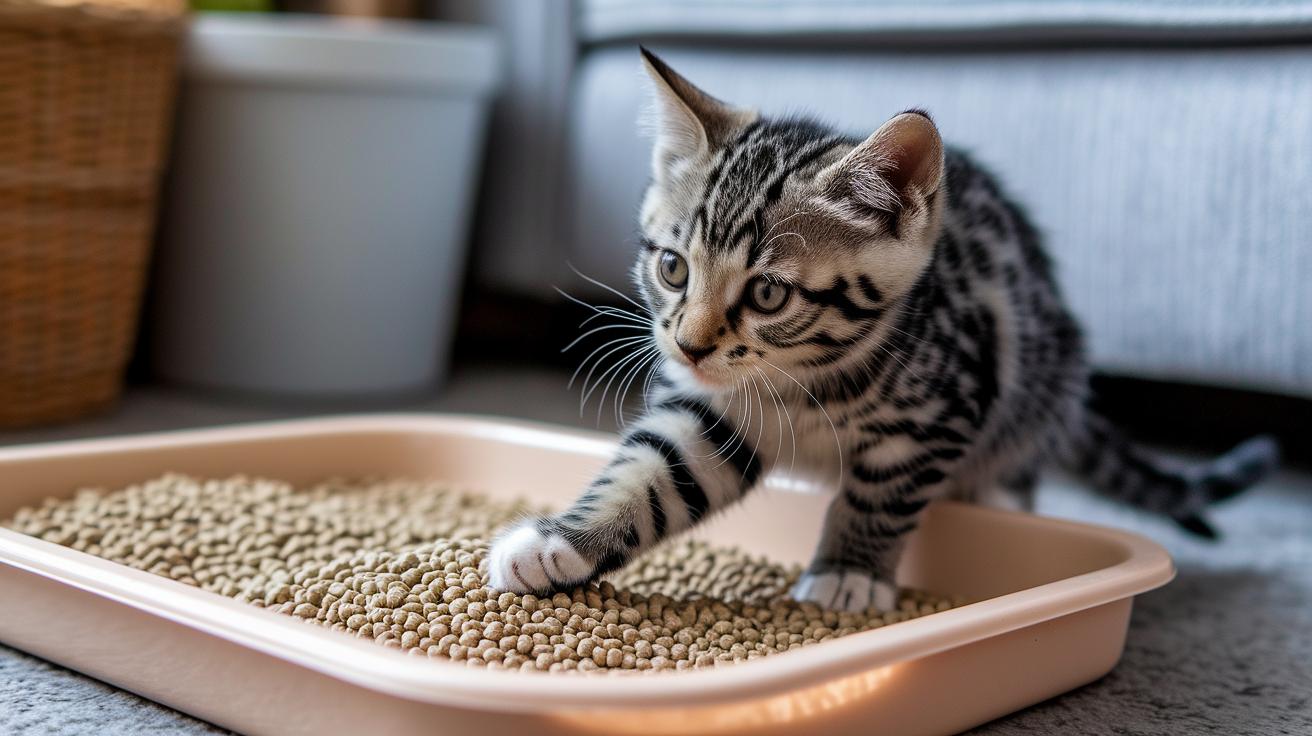
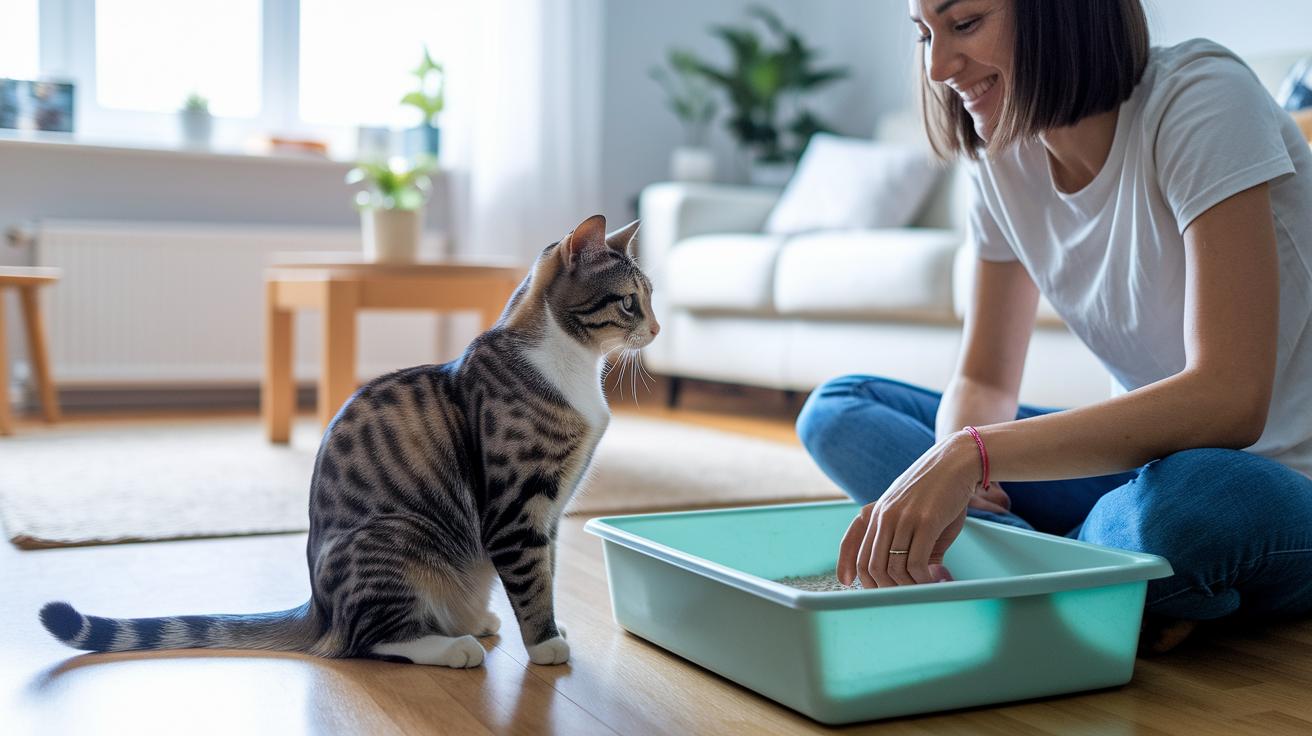
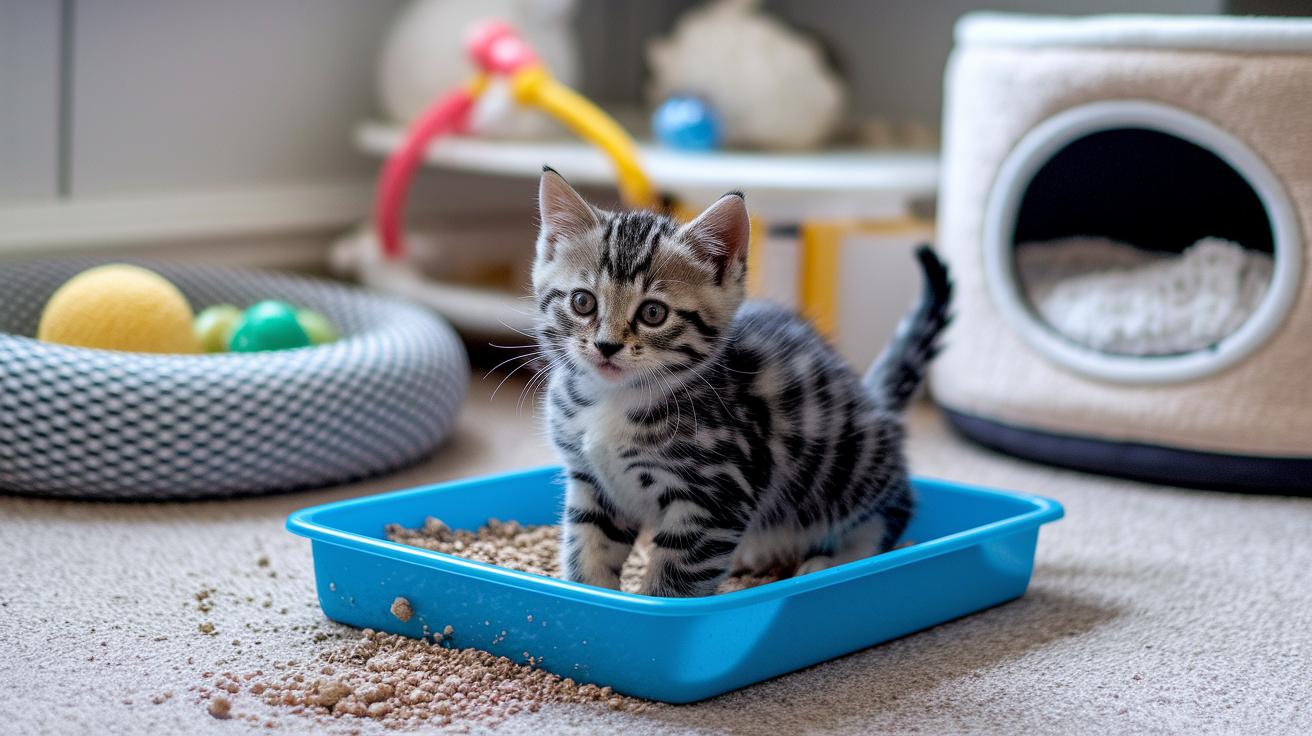
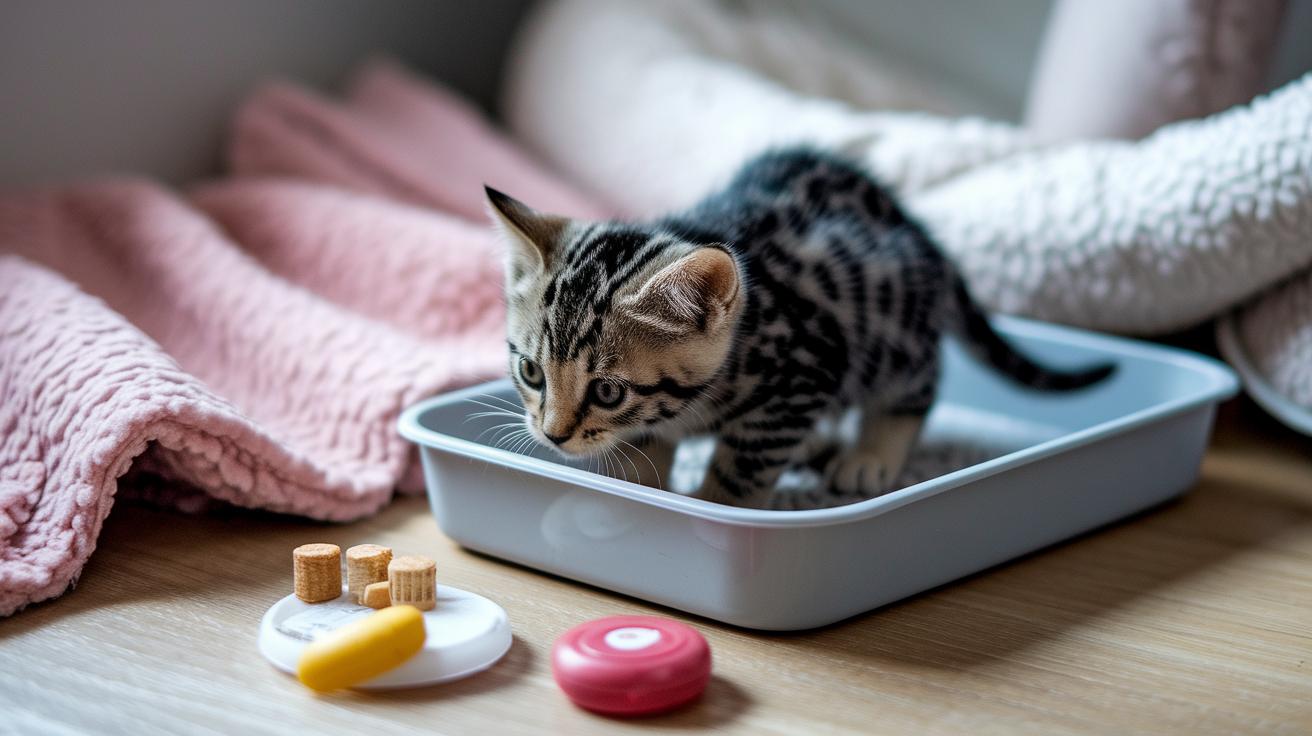
    Open pans (low-sided trays) give cats easy access and better ventilation (simple air flow), which helps smells dissipate faster. They’re way easier to scoop, especially for kittens, seniors, or broad-shouldered cats who can’t twist themselves into a lid hole. Ever watched a senior cat try to climb into a top hole? Yep, not great.

    Now the quick compare: scatter control , top-entry wins. Odor management , top-entry keeps smells contained, but good airflow in an open pan can fight smell too. Ventilation , open pans win. Scooping ease , open pans win, hands down. Think about your cat’s size, mobility, and whether you want less sweeping or faster scooping.

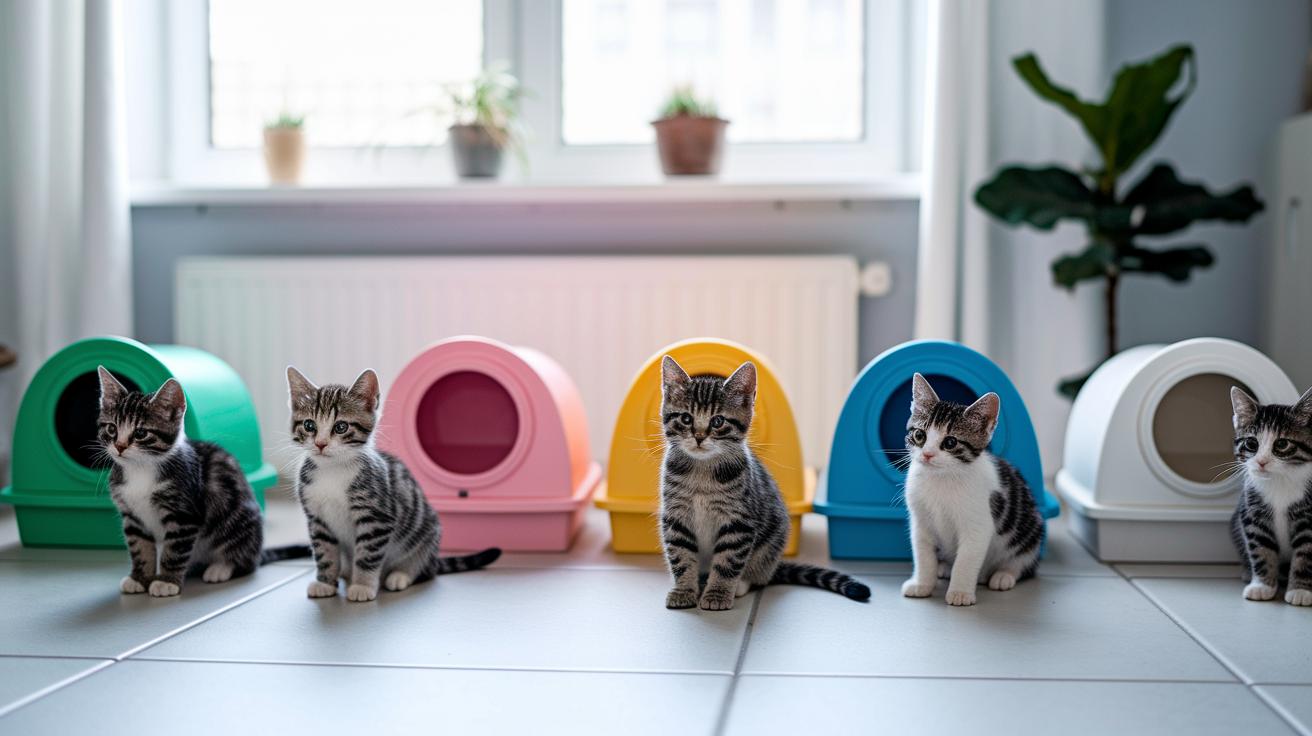
    For kittens, older cats, or big-chested breeds, pick an open pan so getting in and out is simple. For active diggers, apartment living, or if you hate sandy footprints, a top-entry box is claw-tastic. For multi-cat homes, try a mix or a larger open pan to avoid traffic jams.

    Match the box to your cat’s needs and your cleaning style, and both of you will be feline fine. Worth every paw-print.

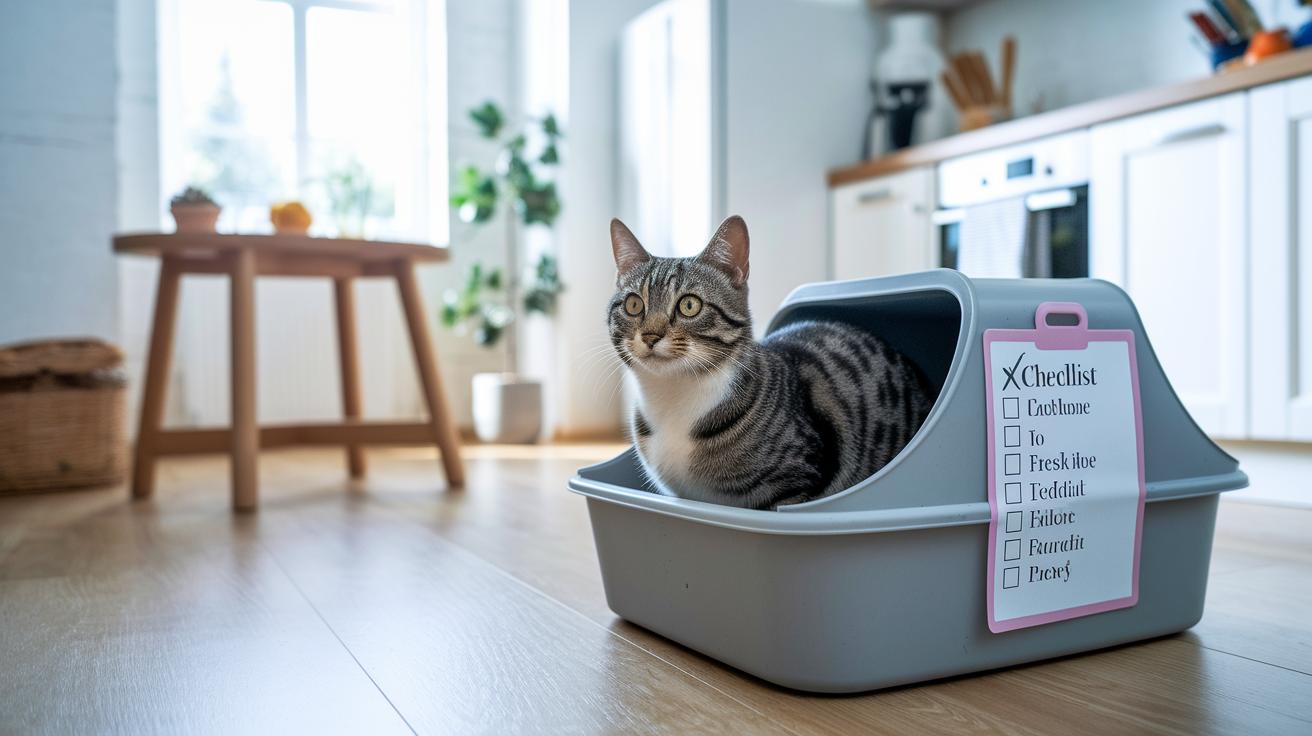
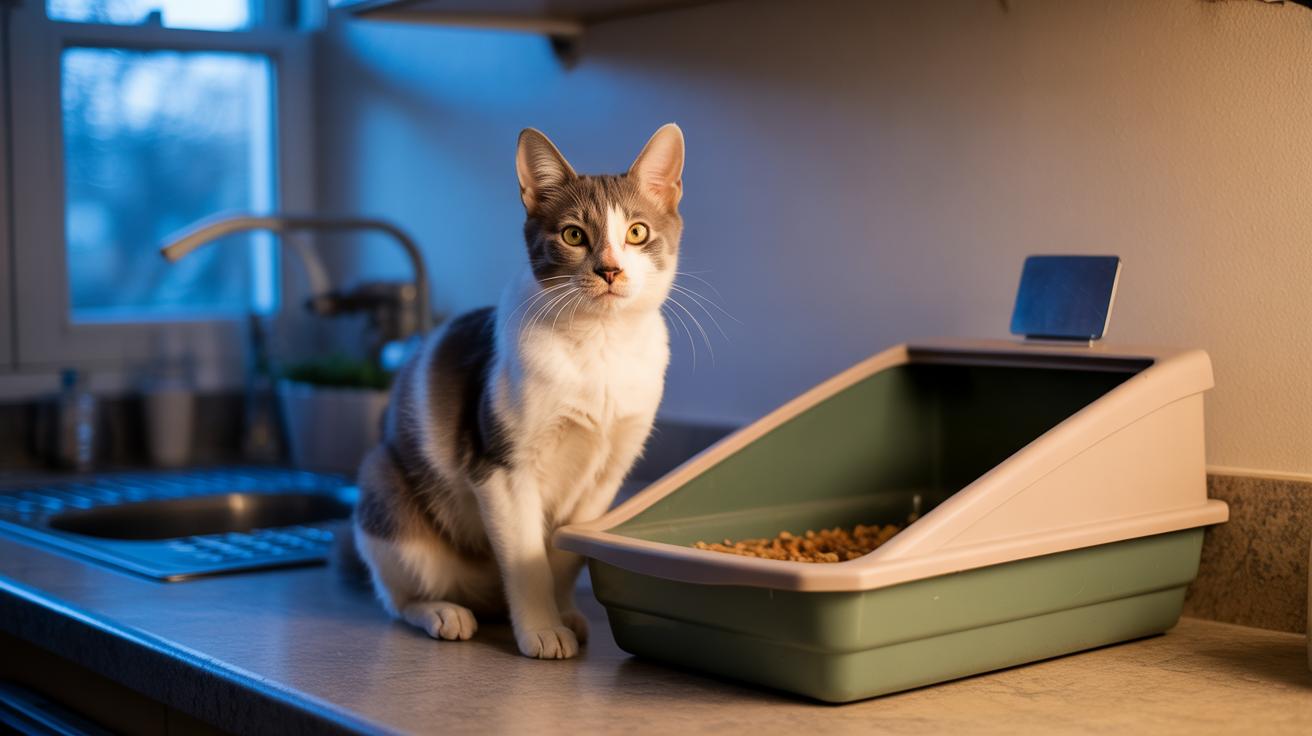
    Quick verdict and decision checklist
    - Quick verdict and decision checklist.jpg

    Pick top-entry if you want the best scatter and odor control and your cats are nimble adults. Pick open pans if airflow (ventilation), easy scooping, or pets with mobility issues are more important to you.

    Top-entry boxes are great at keeping litter tucked away and hiding waste, so your bathroom looks tidier and tracking drops a lot. They trap smells well, especially with regular filter (charcoal filter or similar) maintenance, but the enclosed sides cut airflow and can hold moisture and odors. The smaller top opening makes scooping a bit fiddly, and big or broad-shouldered cats may feel cramped inside, so when you compare top-entry vs open designs think about your cat's size, how many people and pets use the area, and how you like to scoop.

    Open pans give barrier-free access that helps kittens, seniors, and arthritic cats move in and out without trouble. They breathe better (better ventilation reduces humidity and bacterial risk) and make health checks easy, you can see changes fast. Scooping is quicker, and options like high-sided pans or sifting inserts (screens that separate clean litter) can cut down scatter, but odors are more noticeable and litter can spread across the floor. So factor in your space, how much smell you can tolerate, and whether you want high sides or sifting solutions when you build your litter box checklist and daily routine.

    See the Odor control, ventilation, and hygiene section for exact cleaning frequencies and tools.

    Worth every paw-print.

    Feature Top-entry Open pan
    Odor control Very good at containing smells (best with regular filter maintenance) Smells spread more; people notice odors sooner
    Litter tracking Low: litter stays inside; textured top helps remove litter from paws Higher: litter can scatter; use mats or high-sided pans to catch it
    Accessibility (kittens/seniors) Poor: requires climbing, not ideal for young or arthritic cats Excellent: low-entry options and high-sided choices available
    Cleaning effort Moderate: smaller opening can make scooping slower Easy: full access; sifting inserts (screens that separate clean litter) speed changes
    Ventilation Reduced unless model includes vents; can trap moisture and odors Strong: open airflow lowers humidity and bacterial risk
    Privacy High: enclosed and private Low: fully visible
    Suitability for large cats Variable: some feel cramped for big breeds Better: larger pans are easier to size up
    Multi-cat dynamics May reduce one-cat monopolizing but could create ambush spots Easier shared access but can increase competition at peak times
    Quick recommendation Choose for maximum scatter and odor control if your adults are agile Choose for ventilation, faster scooping, and mobility-friendly access

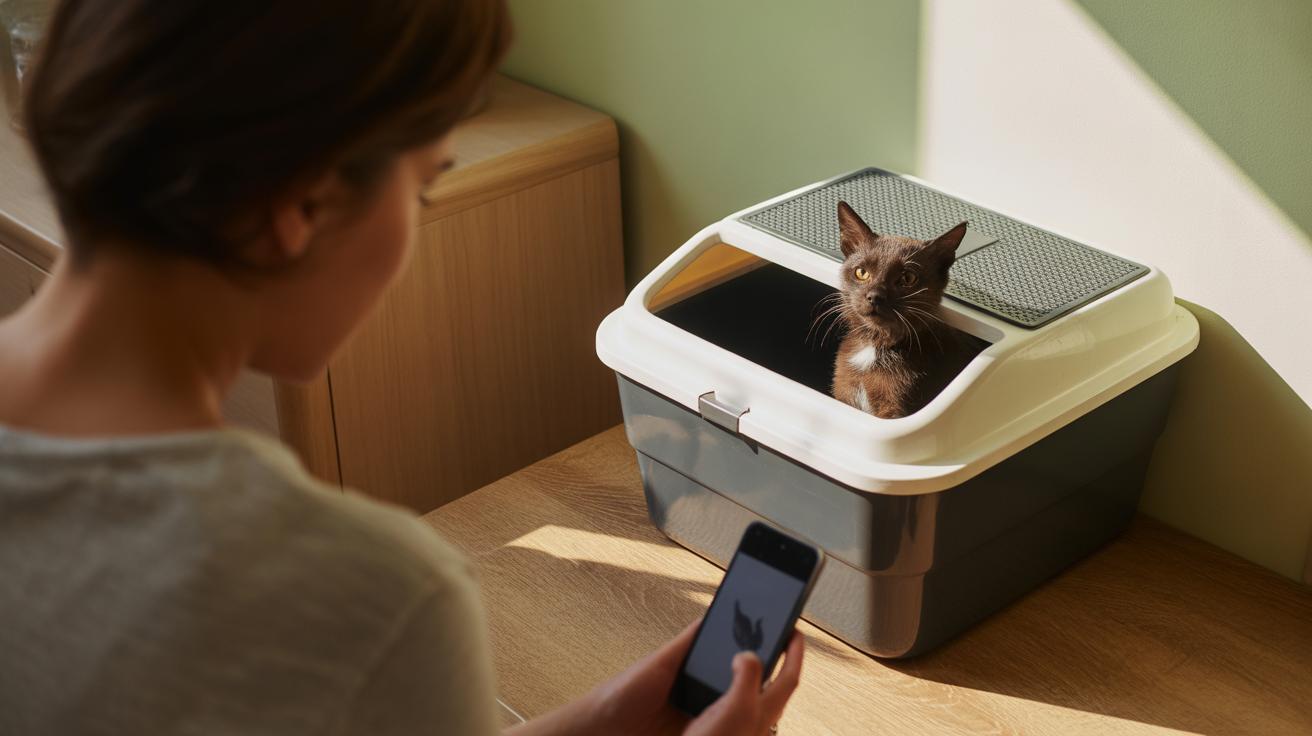
    Top-entry litter box design: features, pros, and when it works best
    - Top-entry litter box design features, pros, and when it works best.jpg

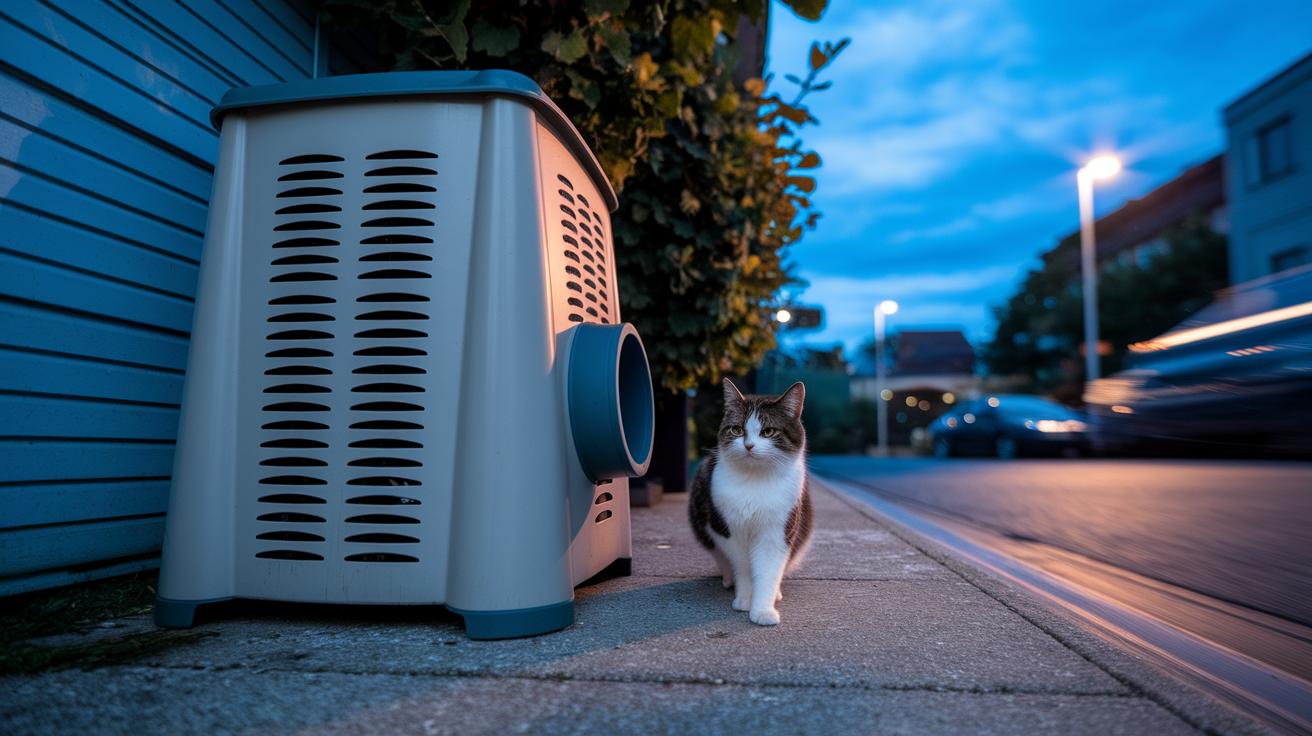
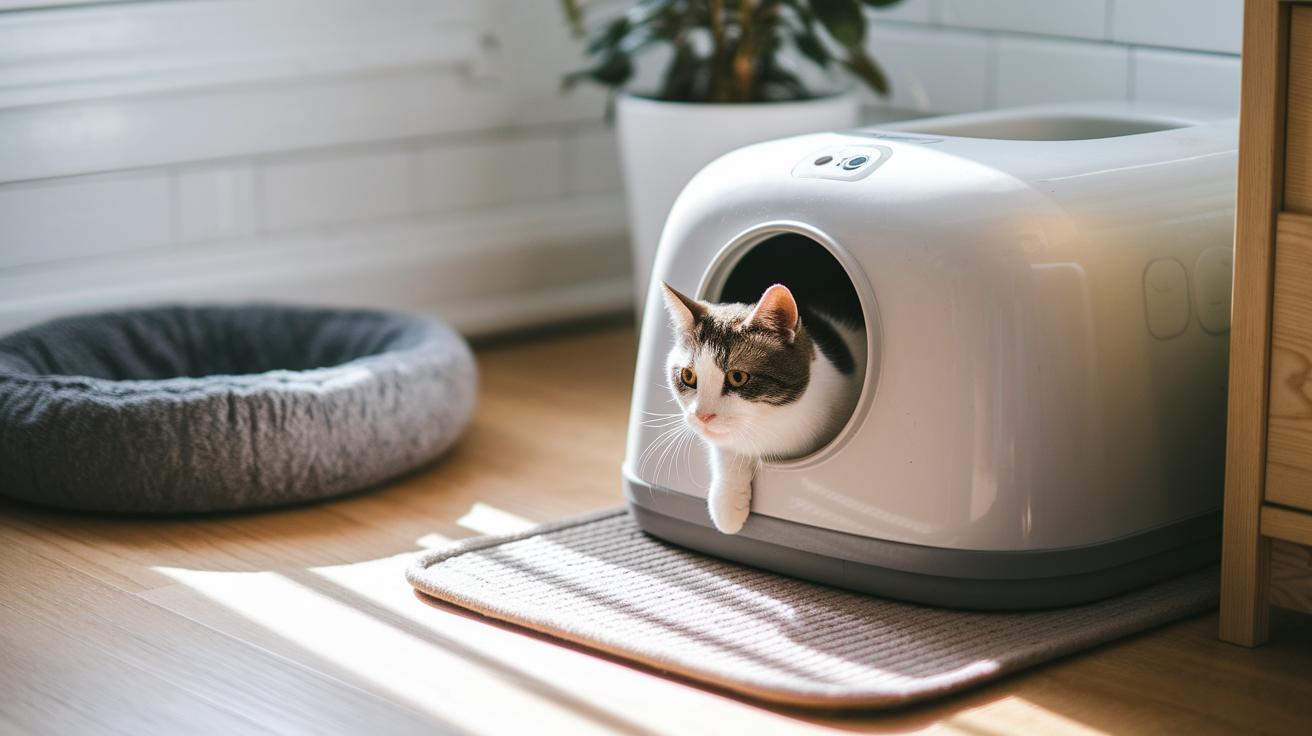
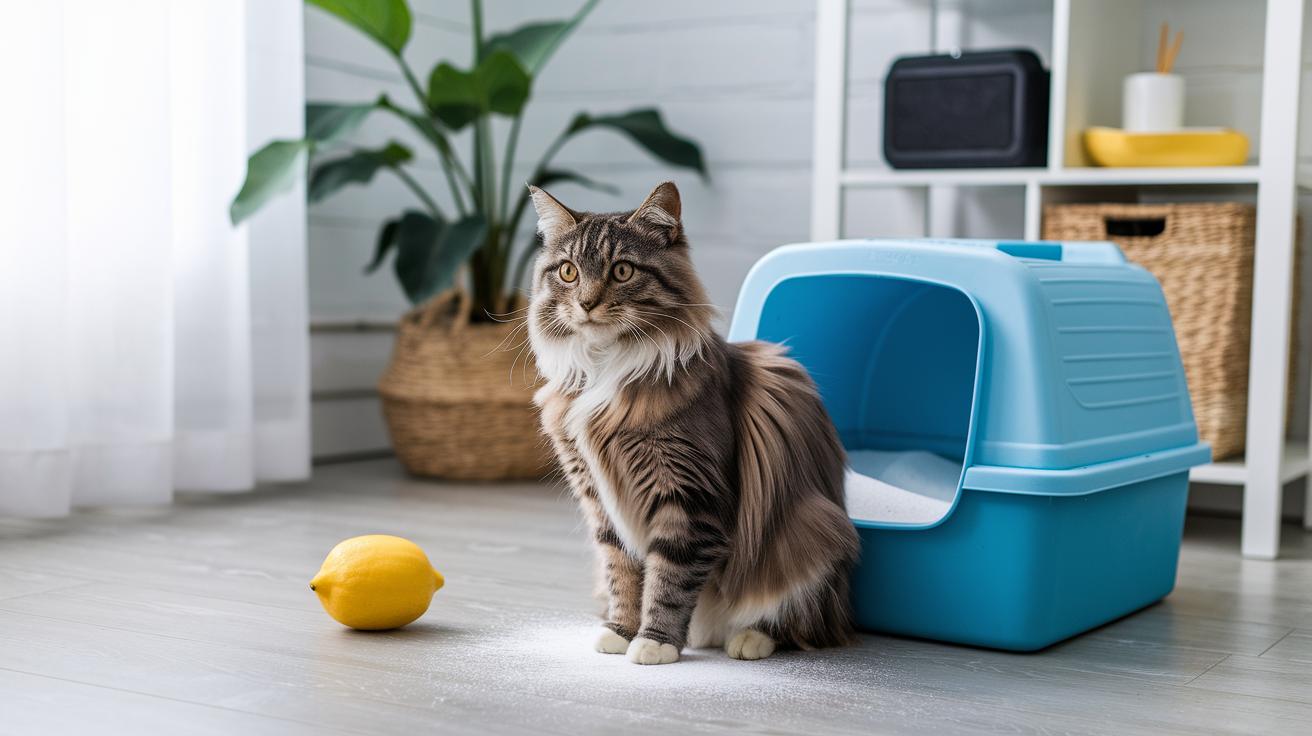
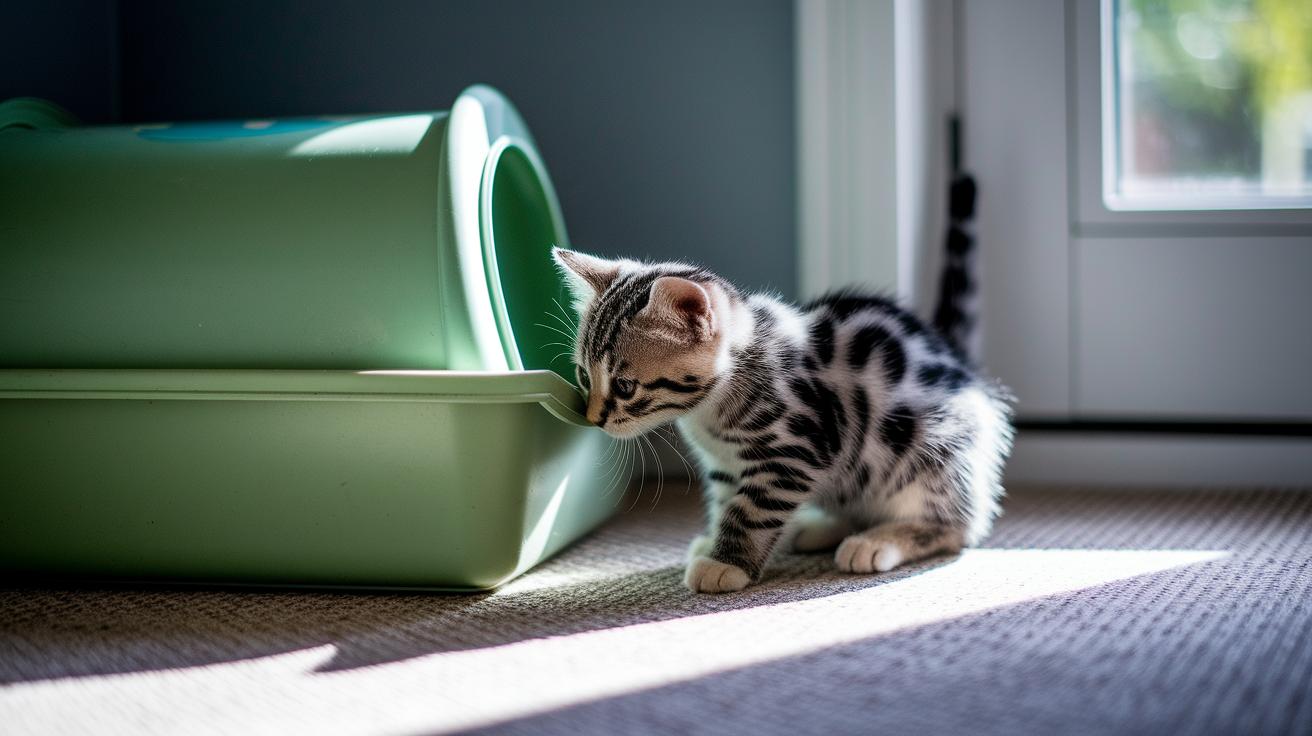
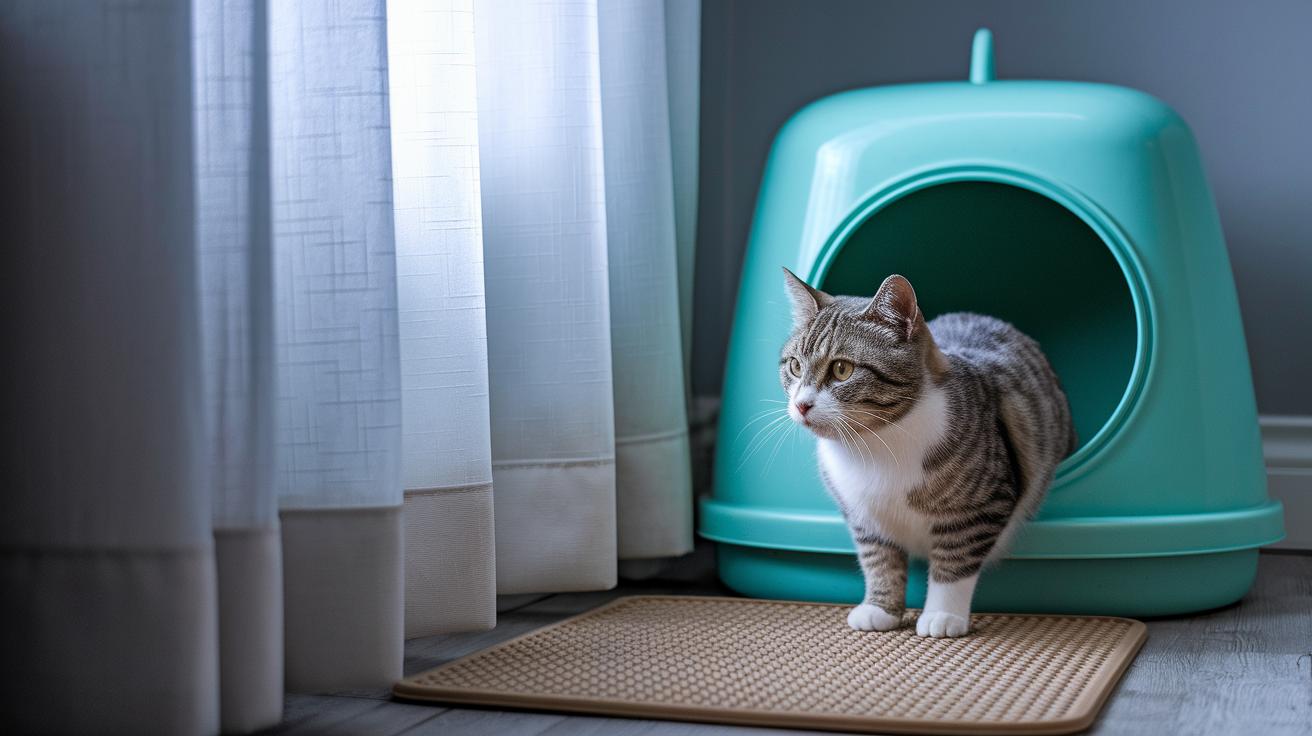
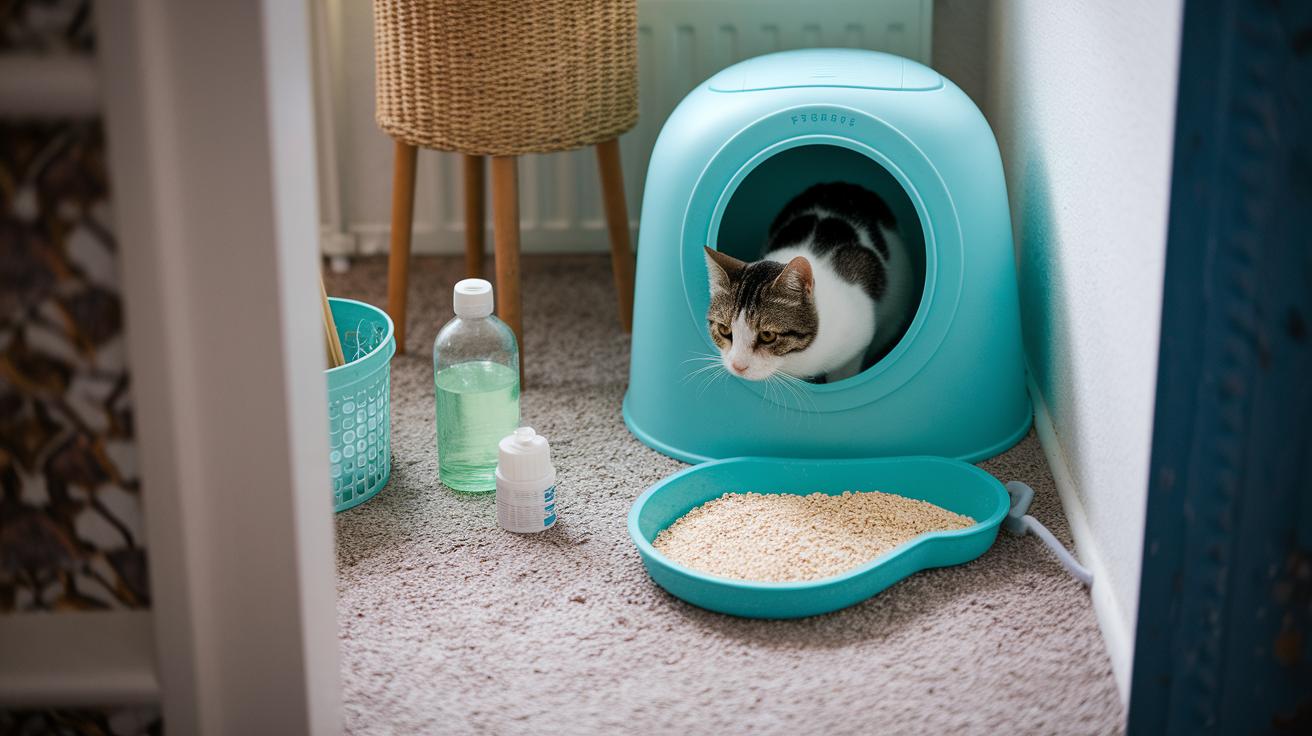
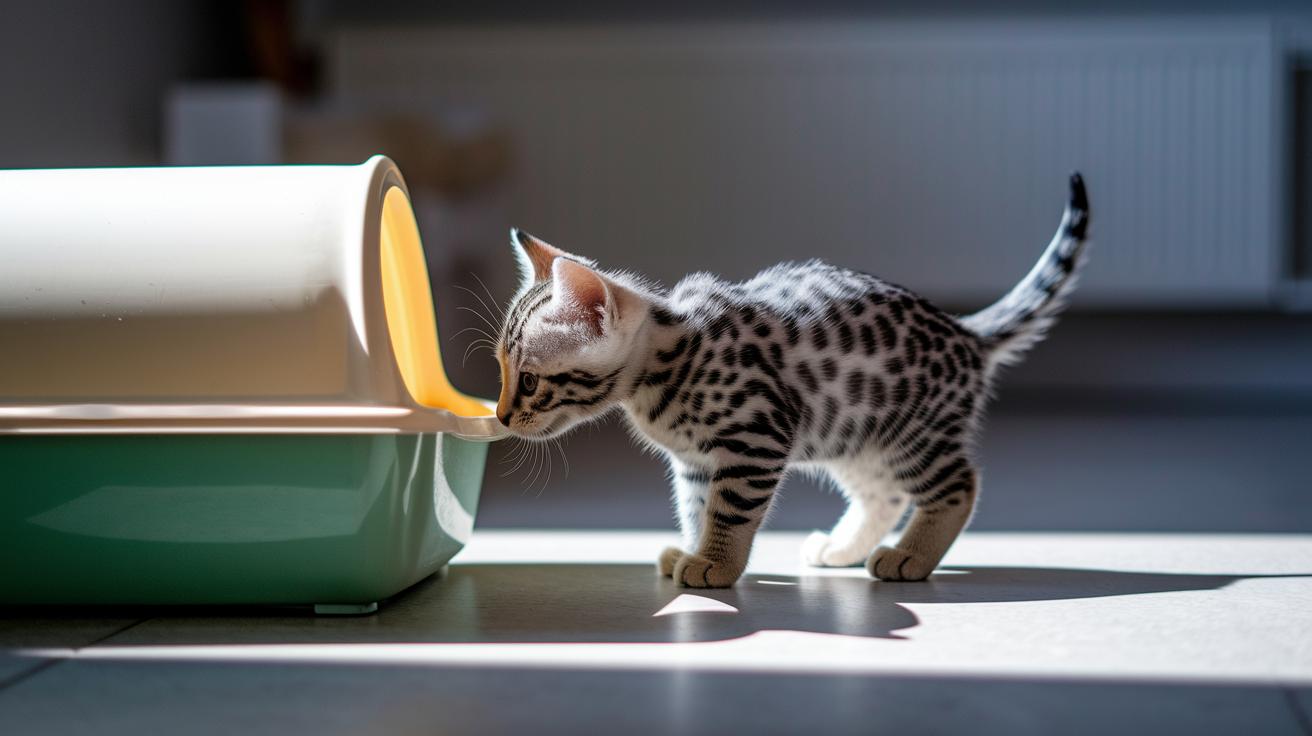
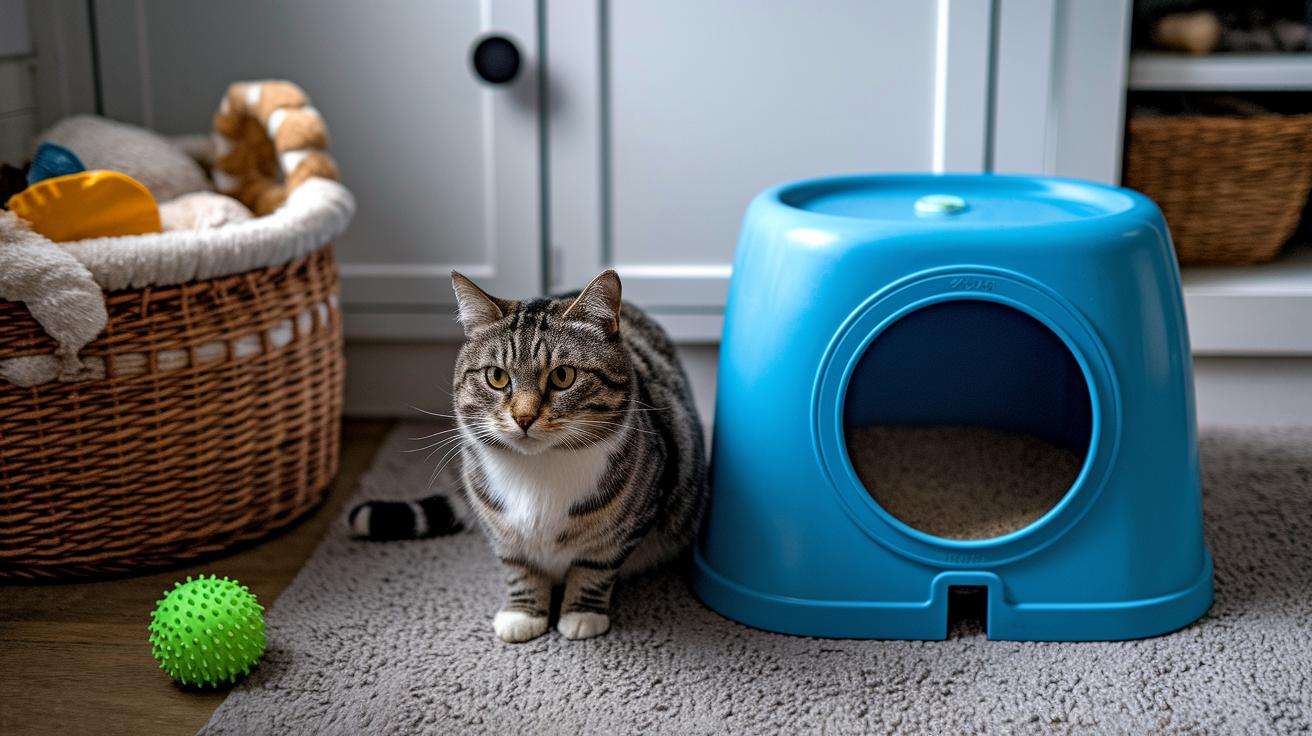
    Top-entry boxes are litter boxes with the opening on the top (a top-opening litter box). They have taller walls that really help stop scattered litter. Many models use a textured top plate (a ridged surface that scrapes stray granules off paws, like a tiny doormat) and some are built into furniture-like shells so the whole setup looks tidy and out of the way. Think neat. Think less sweeping.

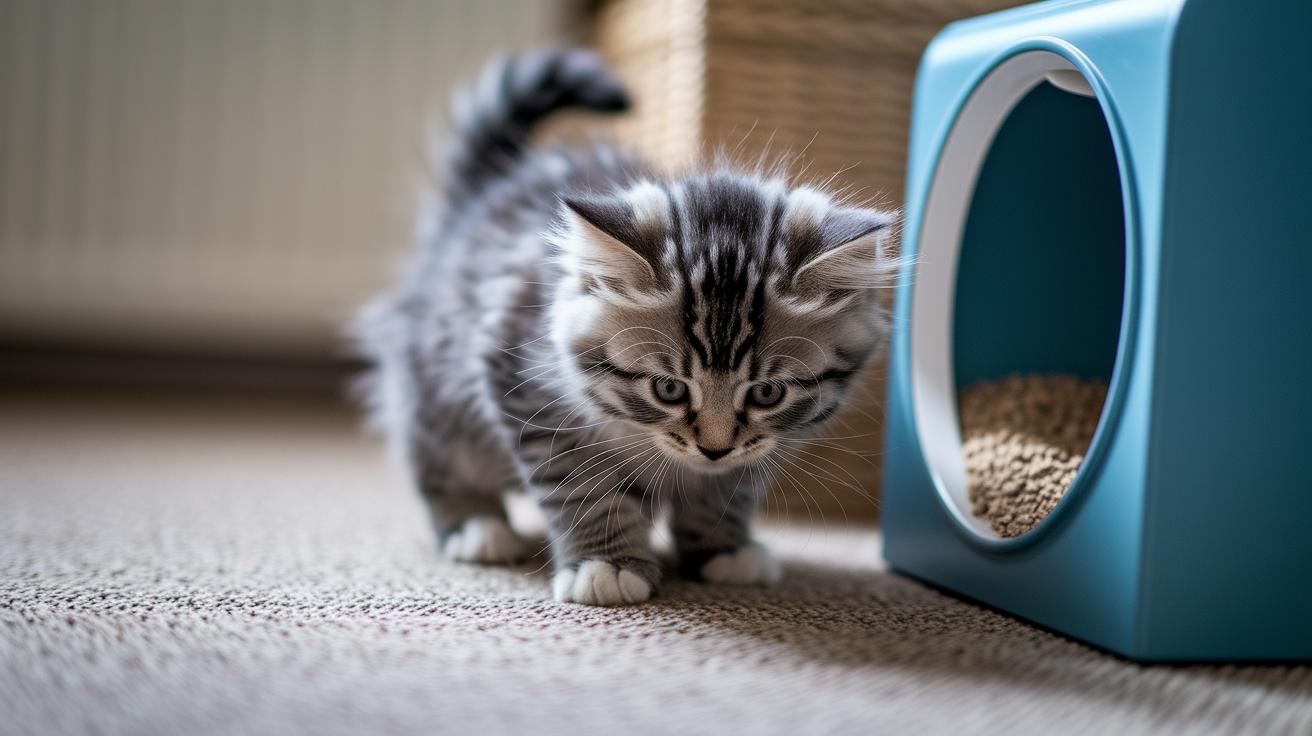
    They’re perfect if you want litter hidden and out of reach from dogs or curious kids. Ever watched a puppy dive headfirst into a litter pan? Yeah, this helps. But they limit airflow, which can let moisture and odors hang around longer. And they can be tricky for kittens, seniors, or big-bodied cats to get into.

    Pros: quick glance

    • Excellent at stopping tracked litter. Your floors will thank you.
    • Keeps the litter area hidden and looks tidy.
    • Keeps dogs and kids from nosing around.
    • Great for a single cat that prefers privacy.

    Cons: quick glance

    • Reduced airflow can trap moisture and smell over time.
    • Harder entry for kittens, elderly cats, or arthritic kitties.
    • Smaller opening makes scooping awkward.
    • Filters and liners (disposable bags or cartridges) need regular upkeep, and the hidden design can lead to less-frequent cleaning.

    Quick tip: place the box somewhere with some natural airflow and check it more often than you might with an open box. For busy days, a quick scooping session before you go out gives your cat a fresh spot and saves you from odors later. Worth every paw-print.

    Sample copy line for product pages:
    Textured top plate: "The ridged top scrapes off litter like a tiny doormat, leaving less grit on the floor."

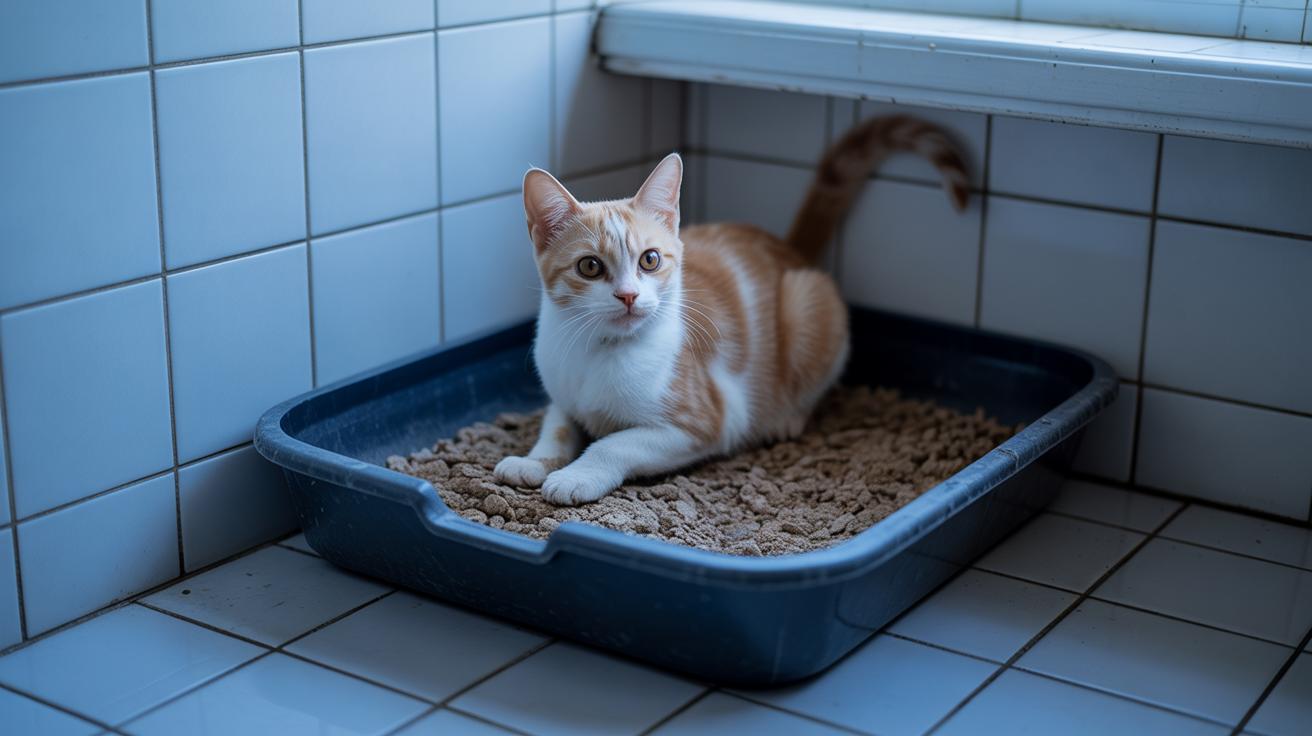
    Open litter box design: features, benefits, and common drawbacks
    - Open litter box design features, benefits, and common drawbacks.jpg

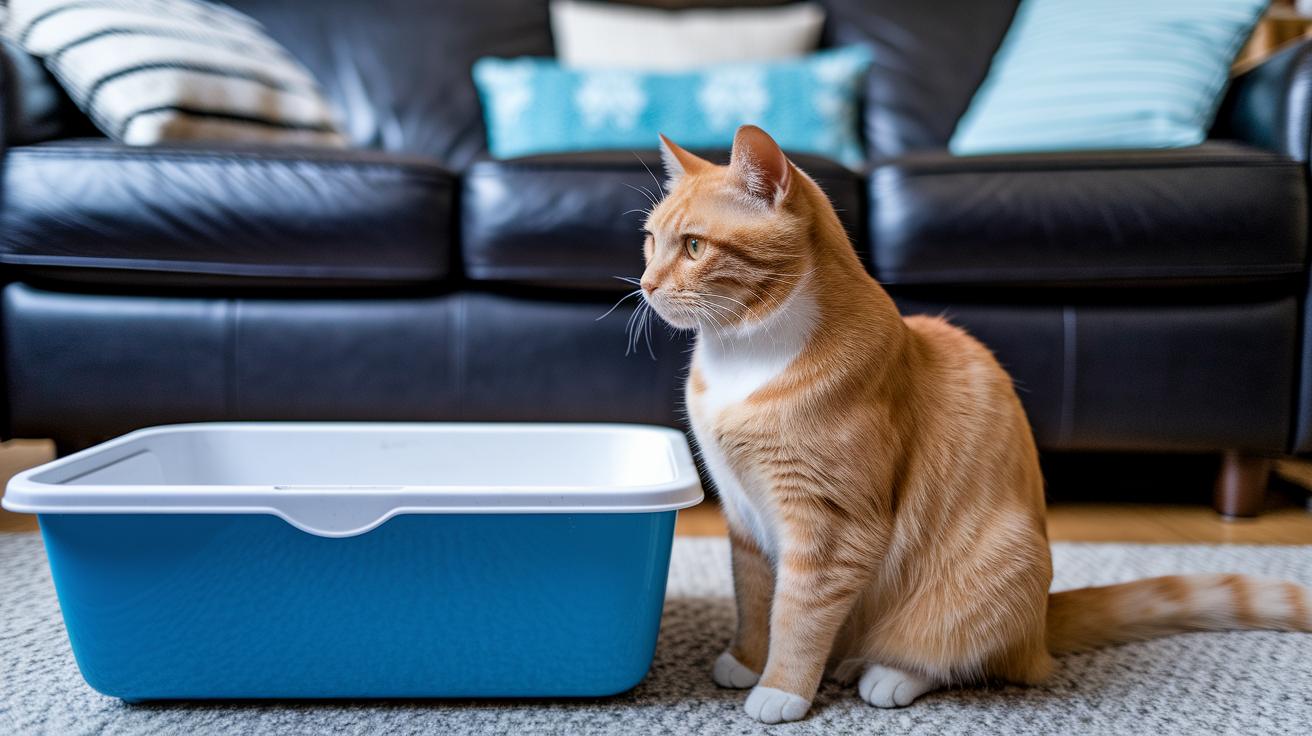
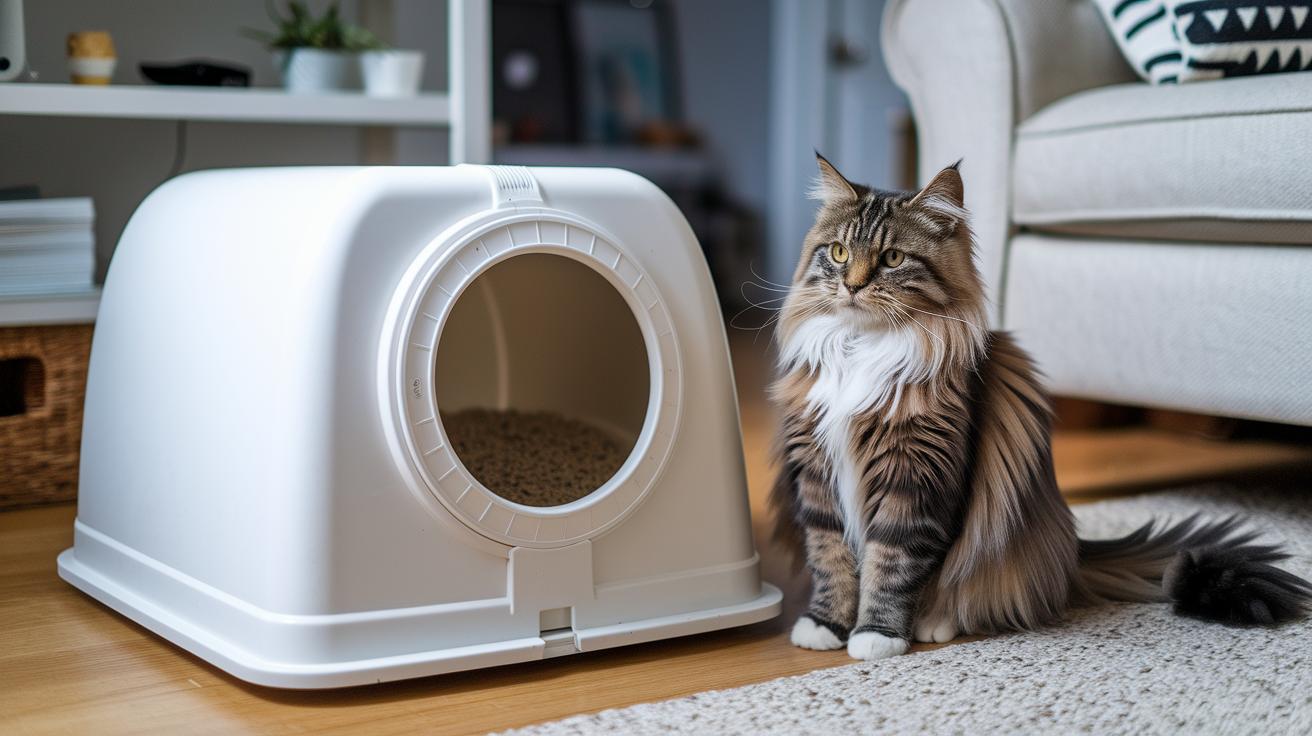
    Open-pan litter boxes usually come in three shapes, and each one has a different vibe for your cat. Low-sided pans (shallow lip for easy entry) are great for kittens and older cats who want an easy step in. High-sided pans (taller walls to contain scatter) help keep litter off the floor when your cat digs with gusto. High-sided with low-entry cutouts (tall sides plus a lowered opening for easier access) give the best of both worlds , containment and a friendly doorway.

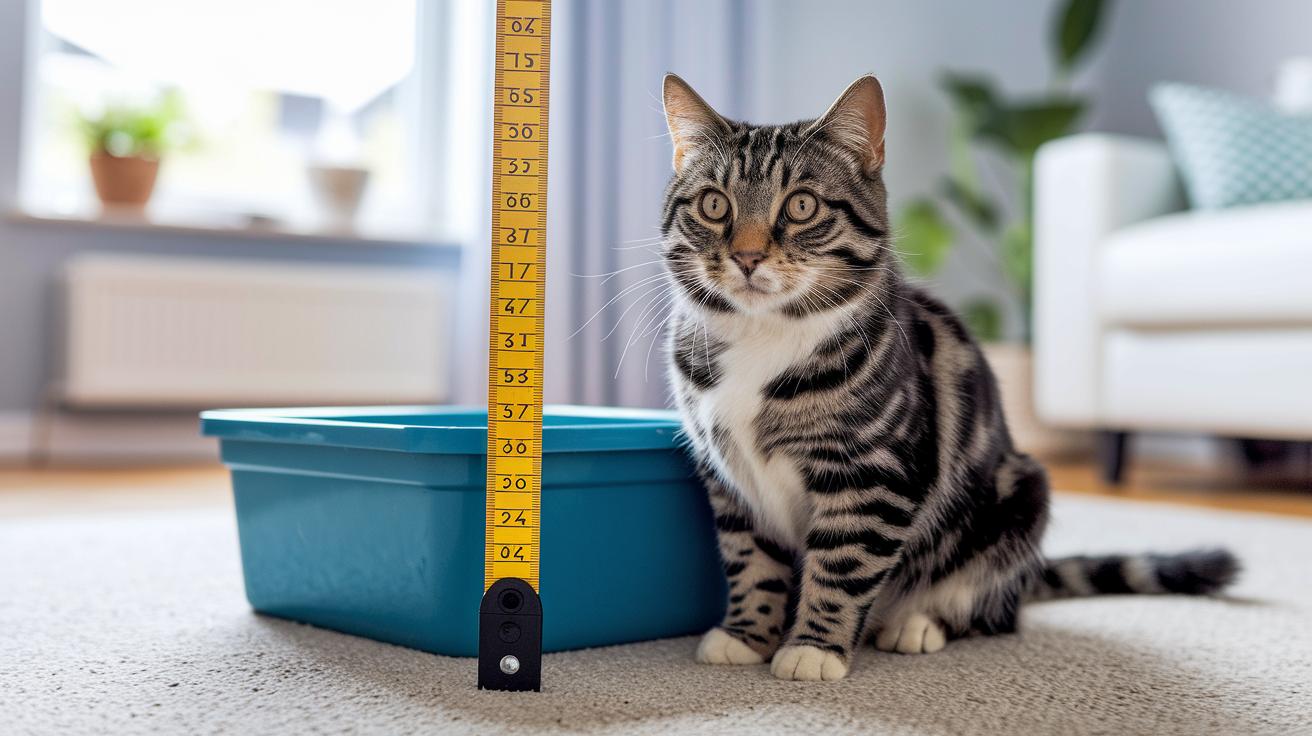
    • Quick selection tip: measure your cat’s shoulder height and compare it to the pan’s entry height (lip means the entry height). If the lip sits below their shoulder, stepping in will be easier. Example: If Luna's shoulder is about 5 inches, pick a pan with an entry under 5 inches. Easy peasy, and your cat will thank you with fewer balks at the box.

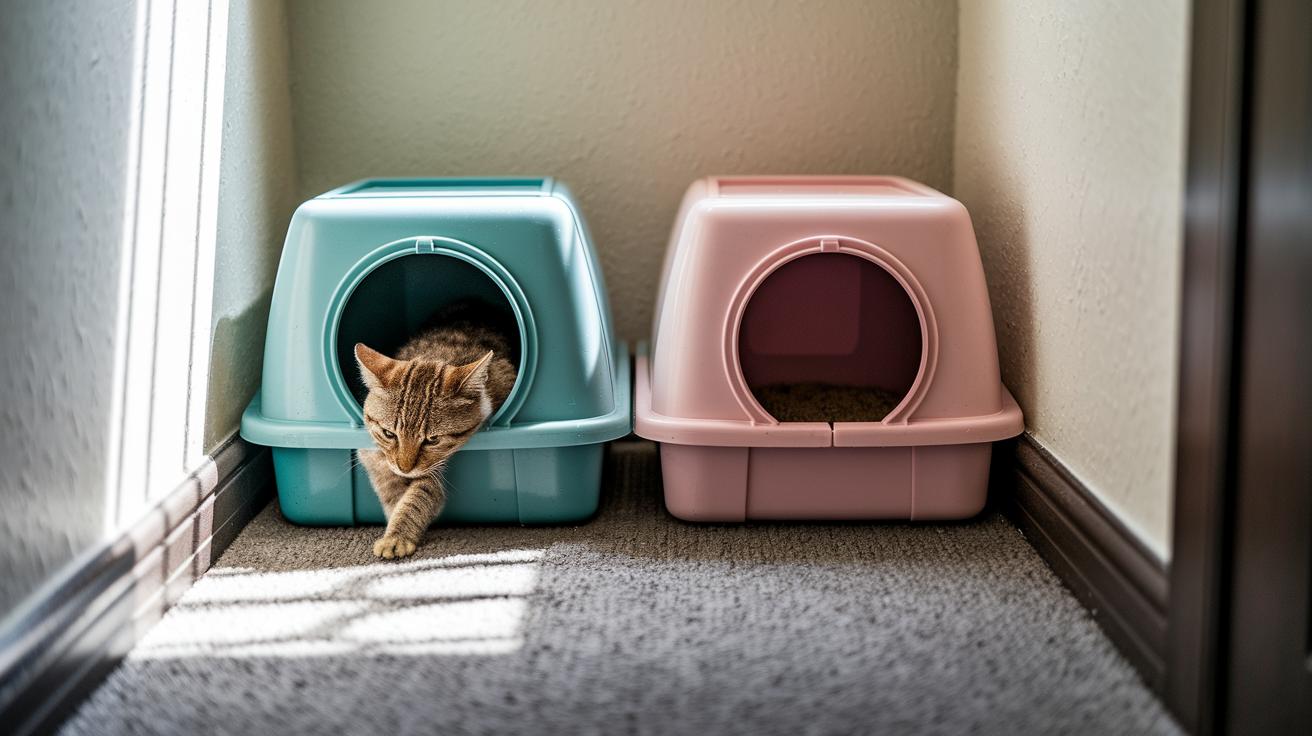
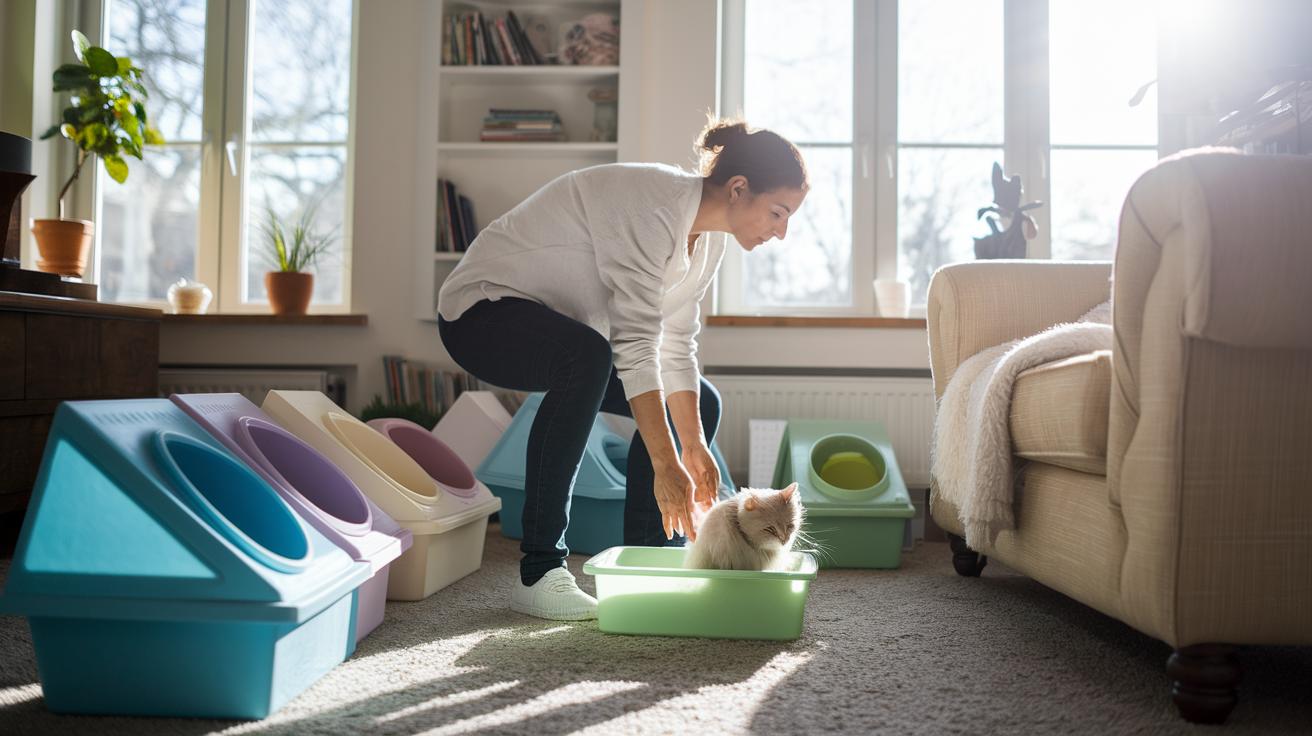
    • For multi-cat homes, keep at least one open pan per cat plus one spare to cut down on competition and make it easier to notice changes in use. Three cats? Try four open pans spaced around the house so no one has to wait in line. It really helps calm the household and makes scooping schedules simpler.

    See the Odor control, ventilation, and hygiene section for cleaning schedules and tools.

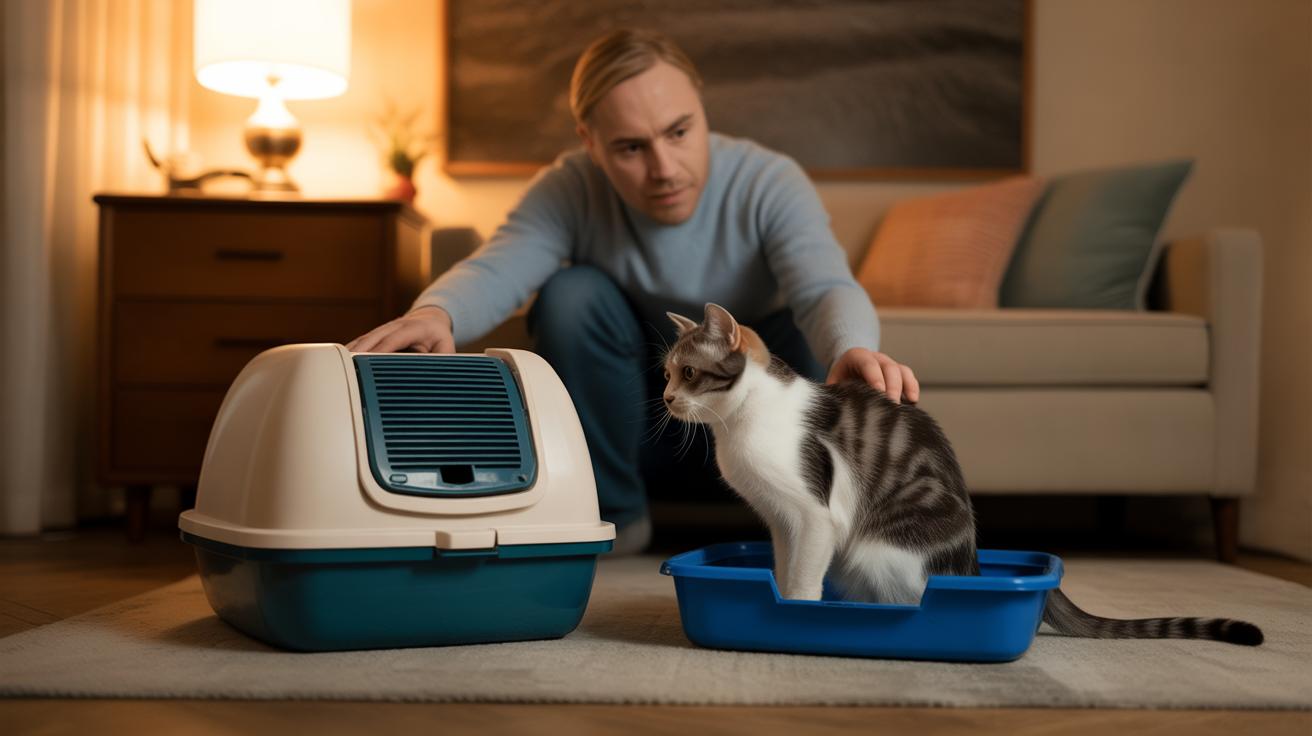
    Odor control, ventilation, and hygiene by box type
    - Odor control, ventilation, and hygiene by box type.jpg

    Top-entry boxes tend to trap smells inside their tall walls and small opening, so odors build up instead of drifting away. That tighter space also cuts airflow, so humidity hangs around and gives bacteria (tiny microbes that multiply in damp places) and mold a cozier spot to grow. Your nose pays the price later. Ever watched your cat give you a look like, “Really?” Yeah.

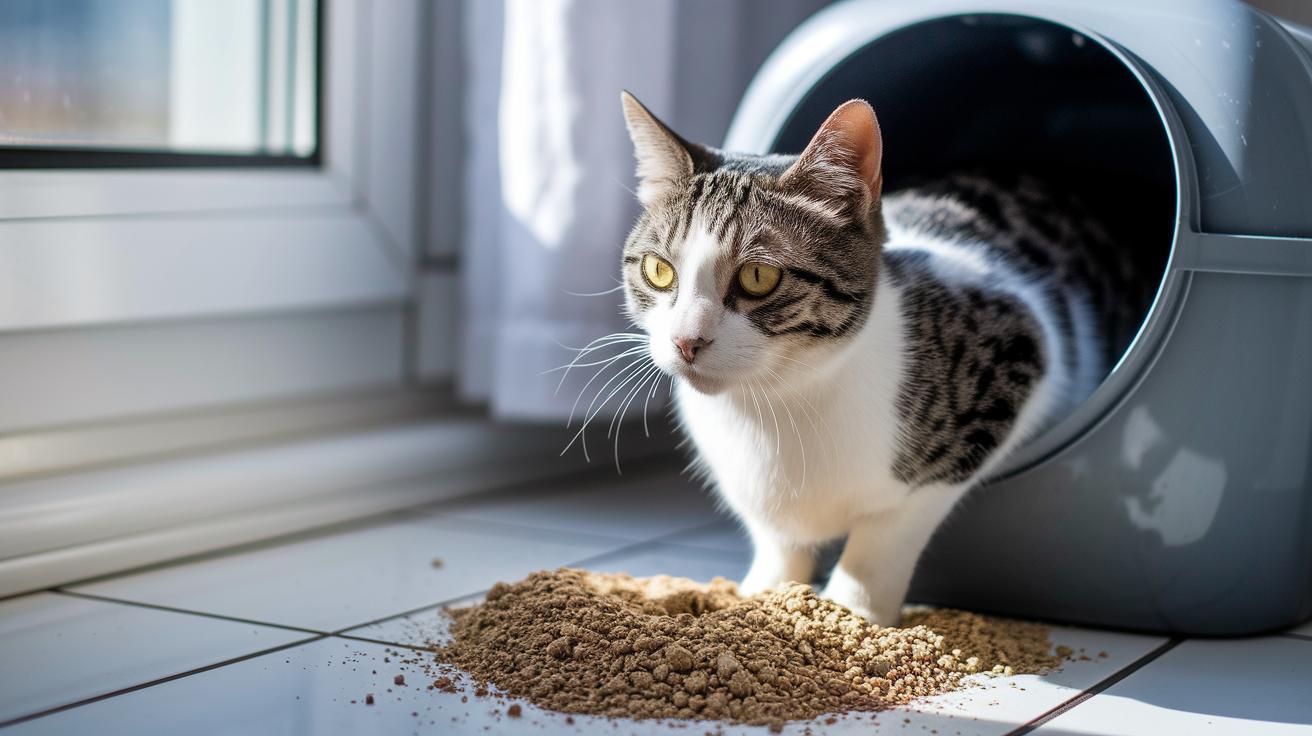
    Open pans let odor molecules spread into the room instead of collecting in the box. That means the litter stays drier and less friendly to bacteria, but you’ll usually smell things sooner around the house. Tradeoffs, you know?

    Scoop at least twice a day and use a clumping litter (forms firm clumps for easy removal) kept 2–3 inches deep so digging feels natural and waste gets contained. Wash the box weekly with hot water and a mild detergent (soap that cleans without harsh fumes), and fully replace the litter every 2–4 weeks. Useful tools: a long-handled scoop for posture-friendly scooping, a sifting insert for faster full changes, disposable liners for messy days, and a gentle scrub brush. Worth every paw-print.

    Odor-neutralizing litters and silica crystals (tiny beads that soak up moisture and smells) can help, but how well they work depends on the box. Enclosed designs hide smells better when paired with good clumping litter or silica; open pans do best with lightning-fast scooping and an odor-control litter to keep room smells down.

    Many top-entry models include carbon or charcoal filters (carbon: a porous material that soaks up odor molecules) or disposable liners, but they only do their job if you replace them on schedule. Ventilation fixes are simple. Pick a model with built-in vents, drill a few small holes in non-structural areas of the lid to boost airflow, or add a quiet circulation fan aimed so it moves air without spooking your cat.

    Quick practical tips:

    • Put the box where cross-ventilation reaches it, like near a window or hallway breeze.
    • Keep a weekly scrub routine and change filters per the maker’s schedule.
    • Use a mat to catch tracked litter so odors don’t cling to nearby carpet.
    • For top-entry boxes, check seals and lids often so air can move freely.

    In truth, a little daily scooping and a smart setup go a long way. Your cat gets a cleaner bathroom, and you get fewer surprise “oops” moments when you walk into the room.

    Cleaning, maintenance, and owner ergonomics for top-entry and open pans

    - Cleaning, maintenance, and owner ergonomics for top-entry and open pans.jpg

    Scooping ergonomics

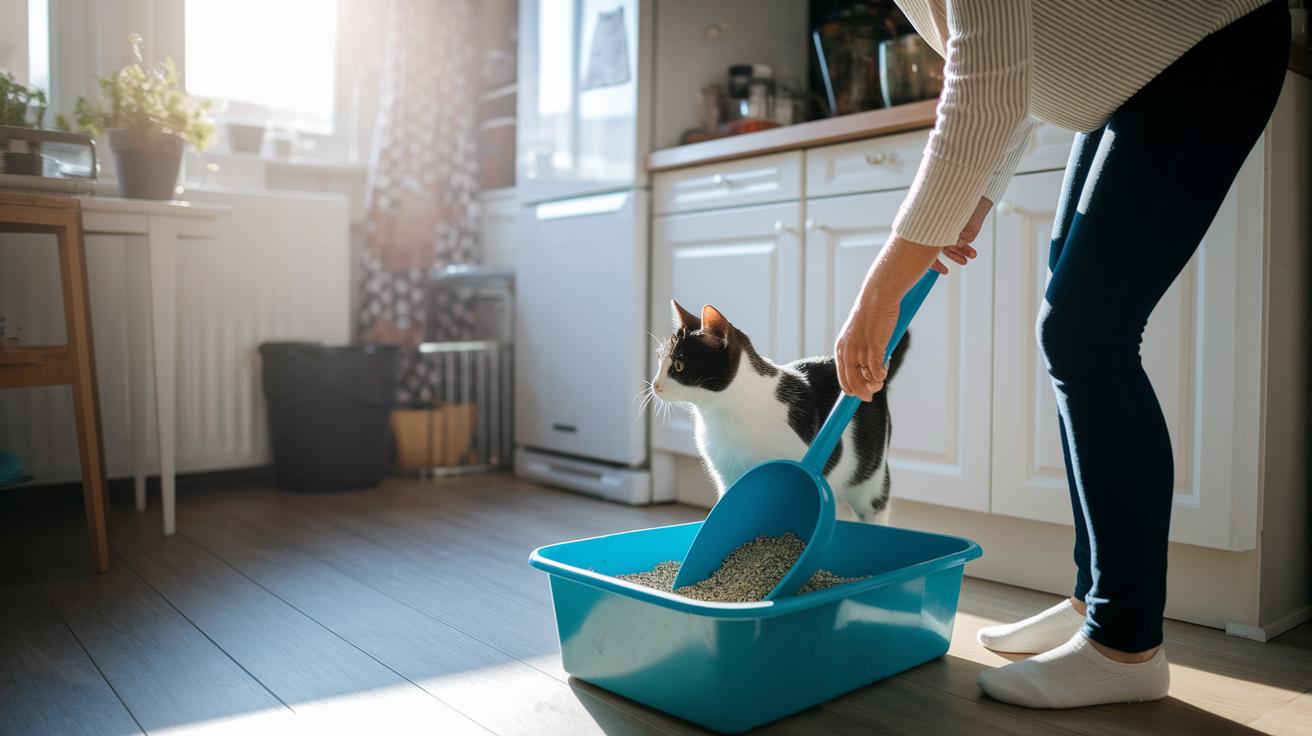
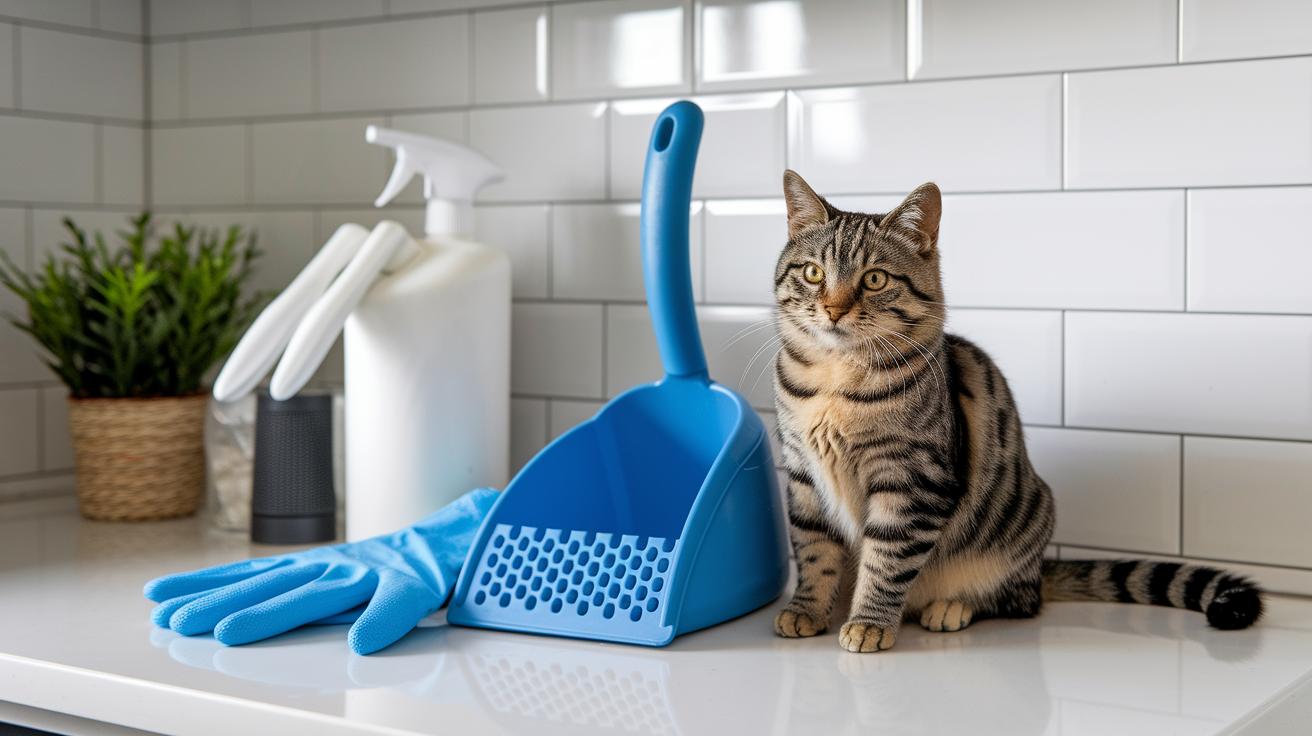
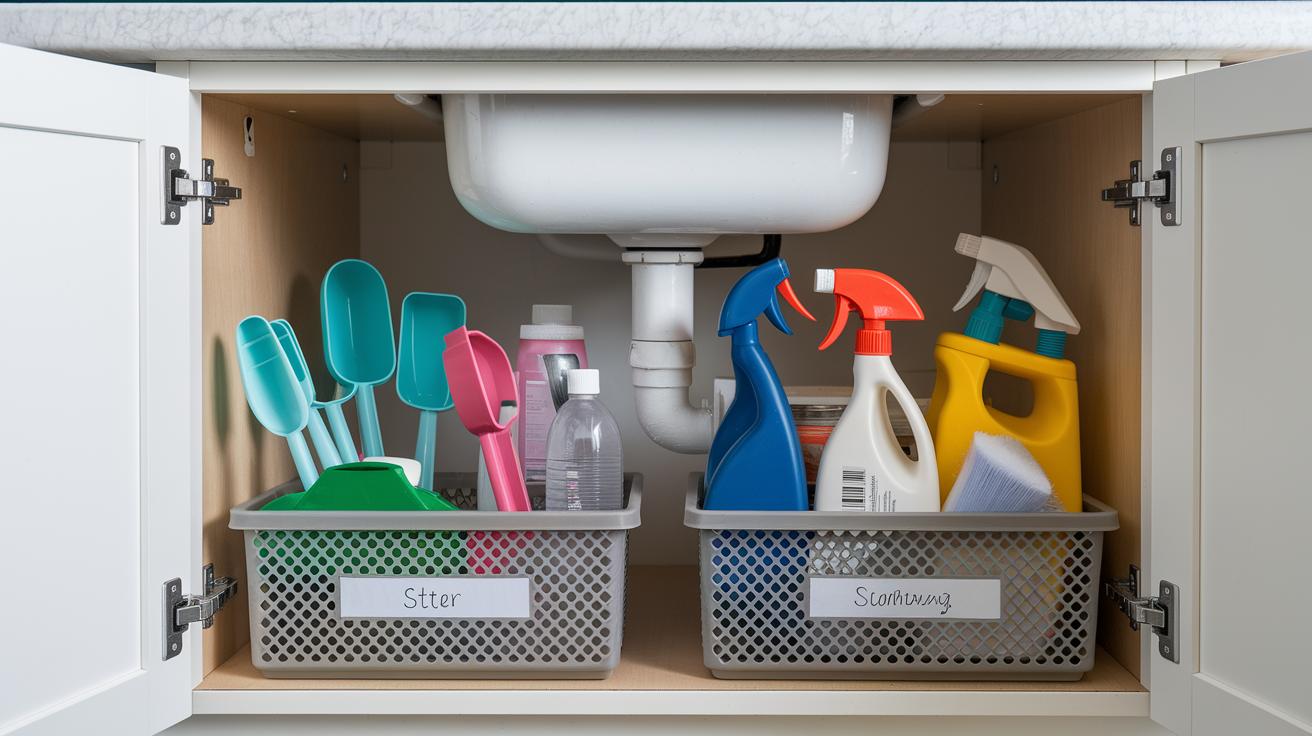
    Pick a scoop that fits the pan. For open pans (low-sided boxes with a wide top) use a wide, shallow scoop so you can lift clumps fast and cut wrist strain. For top-entry pans (tall-sided boxes with a small top opening) choose a narrower scoop that slips through the hole and reaches down the tall walls.

    Use an angled-handle or long-handled scoop to keep your back straighter – less bending, less groan. Like a tiny shovel, a wide shallow scoop lifts clumps in one smooth motion. Your wrist will thank you. Ever tried scooping with a tiny spoon? Not fun.

    One-line cross-reference: for tools such as sifting inserts (mesh trays that separate clean litter) or disposable liners (single-use liners for easy cleanup), see the Odor control, ventilation, and hygiene section.

    Washing and deep cleaning

    If the model has a removable inner pan (a separate insert you can pull out), take it out first so pouring and rinsing are easier. I usually do this outdoors when I can – less mess, more fresh air.

    Follow this quick routine:

    1. Empty litter into trash.
    2. Rinse with hot water.
    3. Scrub with a mild detergent (soap that cleans without harsh fumes).
    4. Dry fully in sun or air. Moisture left behind invites microbes (tiny germs) and odors.

    Keep wipes for quick rim-touches between deep cleans. For exact change and scooping schedules, refer to the Odor control, ventilation, and hygiene section. Worth every paw-print.

    Suitability for kittens, senior cats, and large breeds when comparing top-entry vs open litter box designs
    - Suitability for kittens, senior cats, and large breeds when comparing top-entry vs open litter box designs.jpg

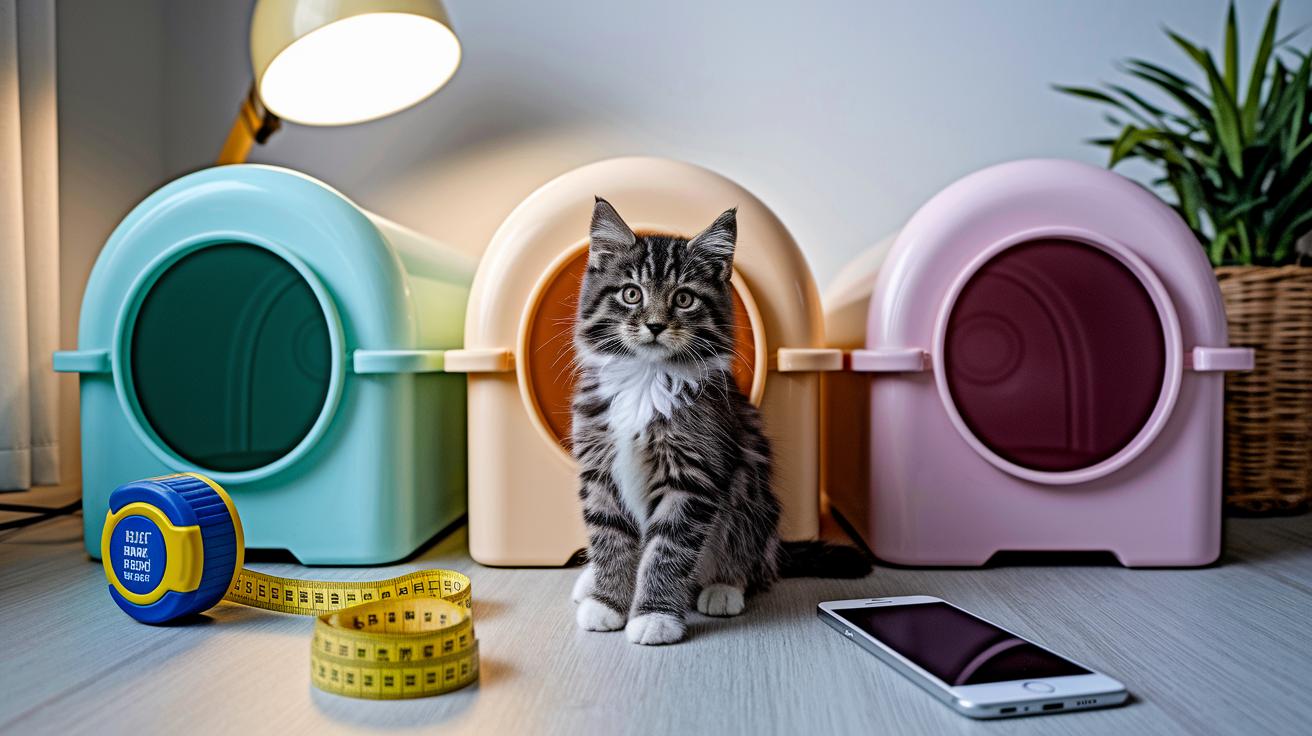
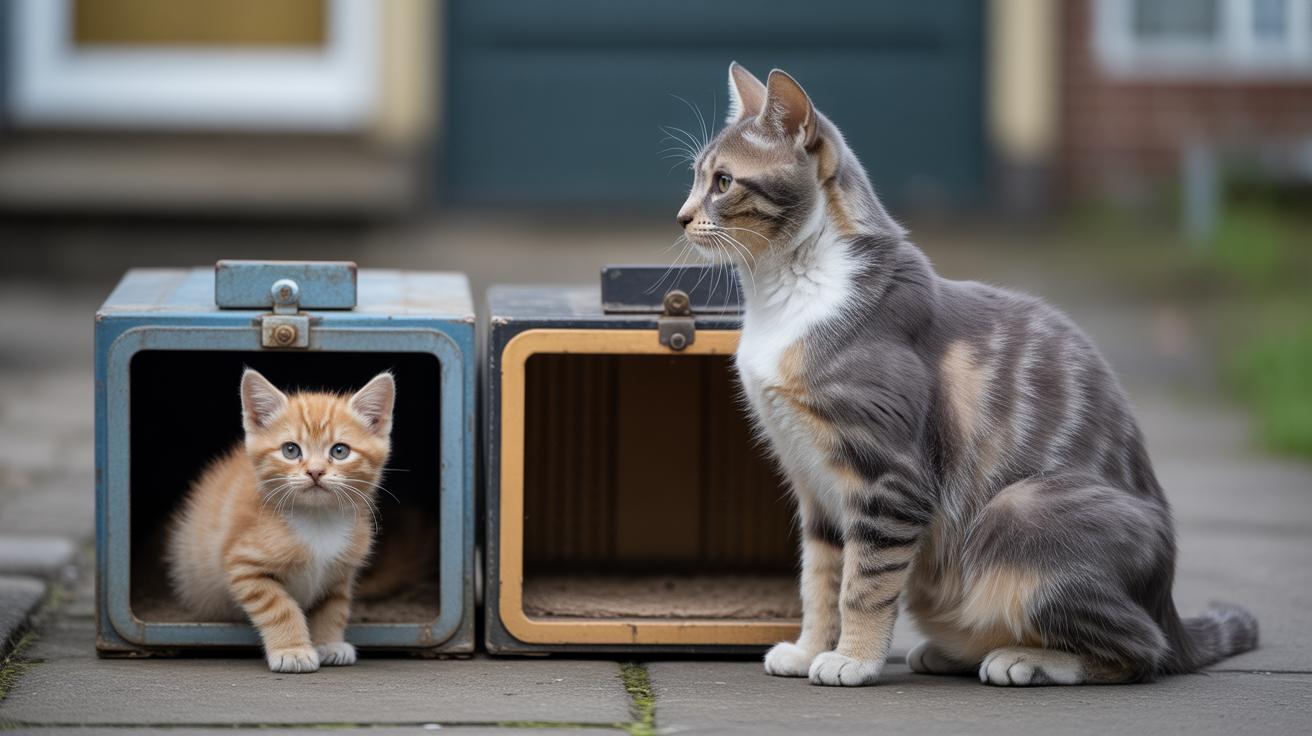
    Measure your cat from the tip of the nose to the base of the tail, then add 6 to 8 inches. That gives the interior length your cat needs to turn and dig without bumping into the walls. Check shoulder height against the entry lip (the raised edge your cat steps over) and pick an entry lower than the shoulder so stepping in feels natural. Measure across the shoulders and add a few inches so broad-chested breeds like a Maine Coon do not feel cramped.

    Top-entry boxes usually need a hop up and a climb, so they can be tough for kittens, seniors, and cats with arthritis who struggle with stairs or jumping. Open pans and low-entry, high-sided boxes (high-sided means tall walls to stop scatter) are easier for mobility-impaired cats because paws hit the floor quickly and there is plenty of room to spin. Some makers do low-entry or cut-out top-entry versions that solve this, and there are self-cleaning models too. Self-cleaning (a mechanism that automatically rakes or sifts waste into a bin) low-entry boxes can have specs like a 4.8-inch low entry, about 57.6-liter capacity, and noise under 40 dB , quiet enough for most skittish cats.

    Ever watched your kitty hesitate at a tall lip? Um, yeah, been there. For seniors and kittens aim for a low entry lip under 5 inches. Make sure interior length equals your cat length plus 6 to 8 inches. Pick high walls or a tall rim to cut down on scatter without forcing a climb. A removable inner pan makes scooping and washing so much easier, trust me.

    Also look for a textured, non-slip floor or a gentle ramp to help balance and reduce slipping. If your cat startles at noise, choose a model that runs under 40 dB. Secure lids or cut-outs are fine as long as they still let air flow and don’t trap smells. Worth every paw-print when the box fits your cat.

    Multi-cat households, placement, and behavioral considerations for top-entry vs open litter box designs
    - Multi-cat households, placement, and behavioral considerations for top-entry vs open litter box designs.jpg

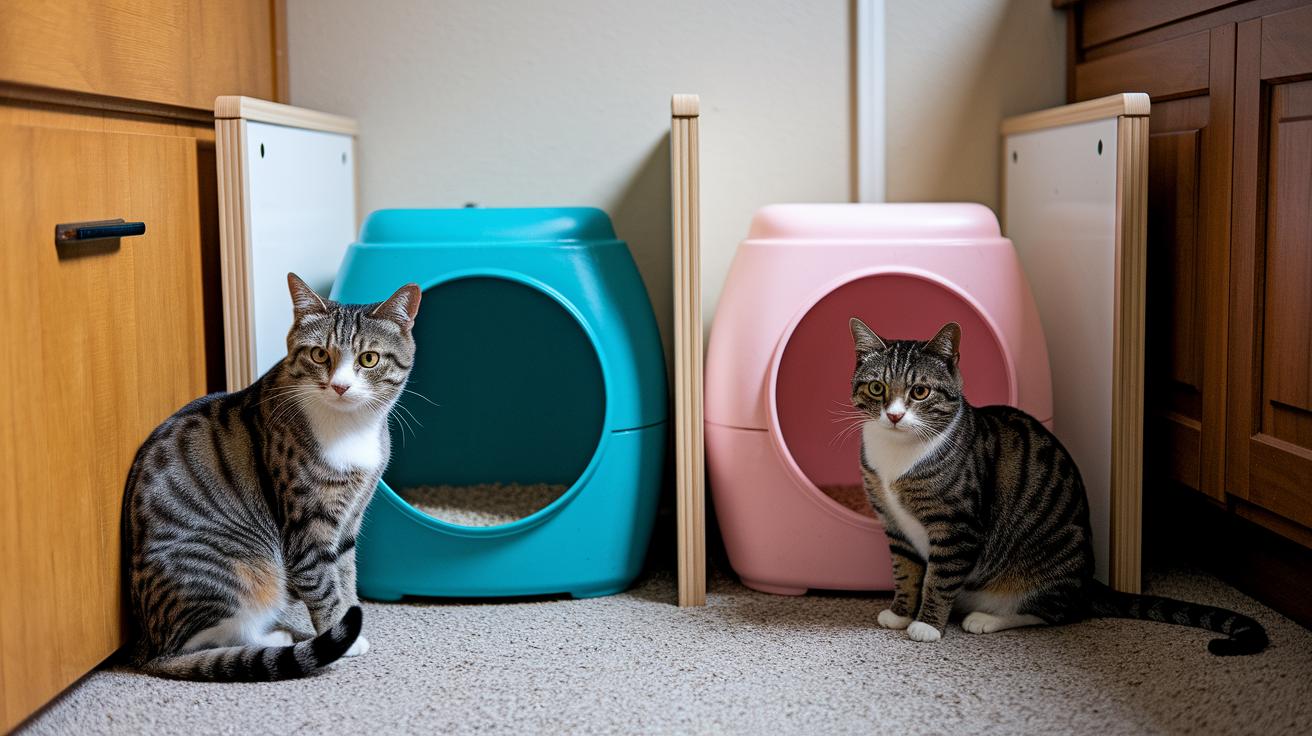
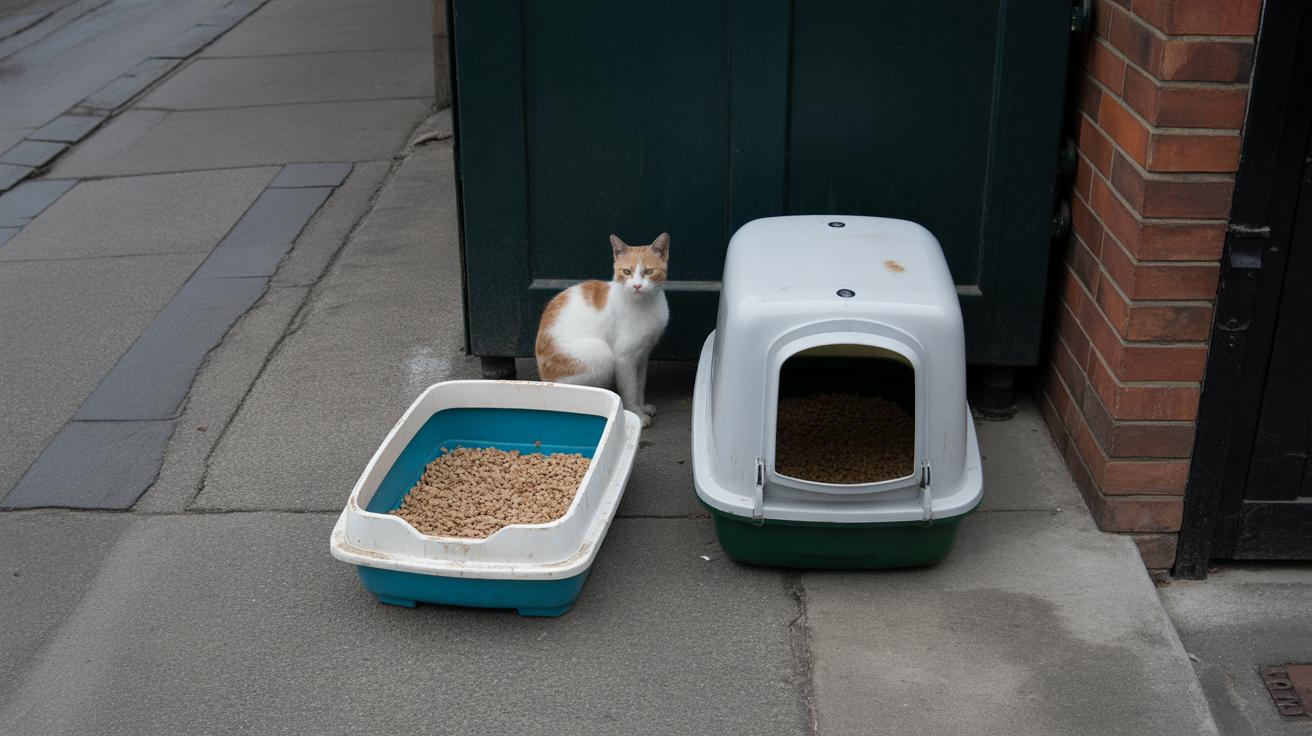
    One good rule to remember is one box per cat, plus one extra. It cuts down on fights, lowers the chance a cat pees or poops outside the box, and gives nervous kitties options. Simple. Worth writing on the fridge.

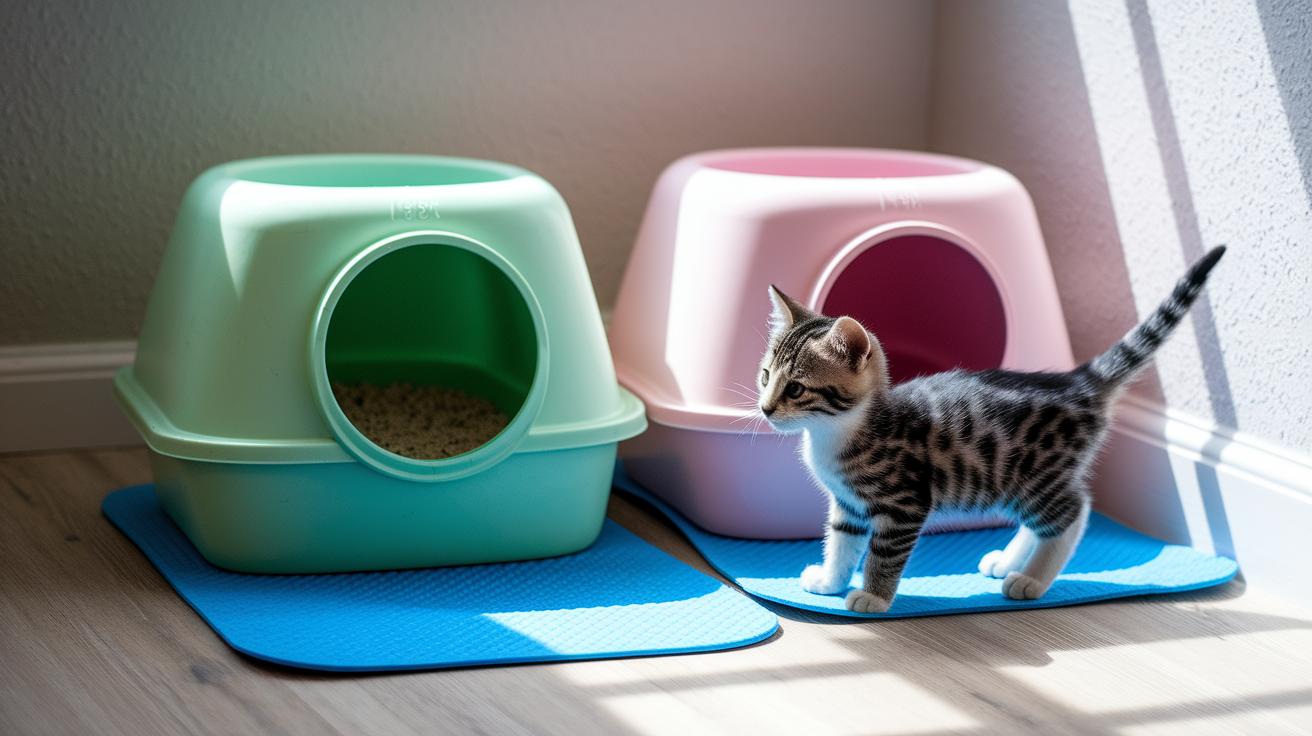
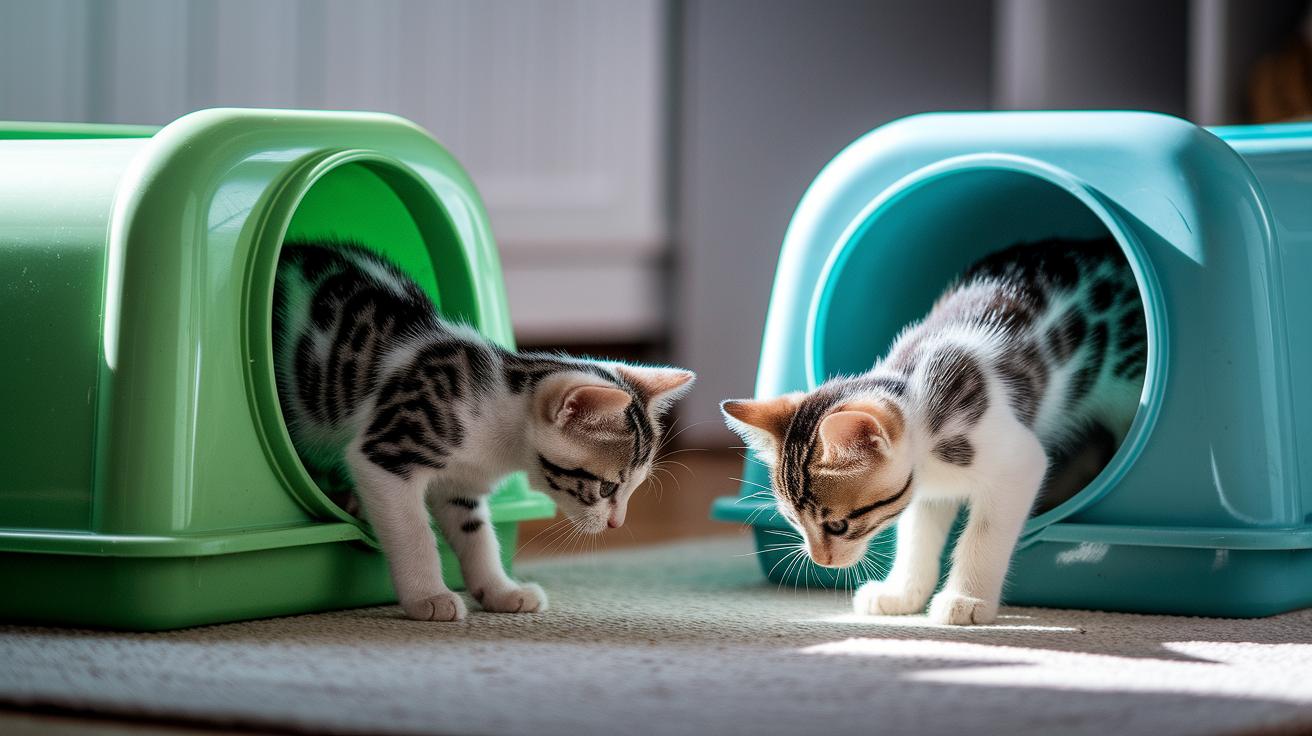
    Top-entry boxes (a litter box with a lid and a small hole on top) can help in busy multi-cat homes. The small opening makes it harder for a bossy cat to sit guard and hog the box. That can stop anxious cats from finding a new, less appropriate spot to go. But watch for ambushes. If a shy cat climbs out and another cat waits by the only exit, the first cat might start avoiding the box. Try placing a top-entry so cats can approach and leave from different angles. That way no single cat can block the only way out.

    Open pans (the shallow, no-lid style) give fast, visible access. Caregivers can see who's using the box, swap it out quickly, and spot health changes like diarrhea or frequent peeing. For busy people, that visibility is a big win. It’s also easier to tidy between cats so nobody feels crowded.

    Placement matters as much as the box style. Avoid tight corners and noisy, high-traffic spots where a cat can be startled. Bathrooms or laundry rooms can work if ventilation (airflow that keeps the box dry) is good and the door is left slightly open so a cat does not feel trapped. Think about clear approach and exit paths. Your cat should be able to walk in and out without being cornered.

    Clean more often in multi-cat homes. Seriously. Scoop frequency and full cleanings need to go up as you add cats. If one cat is sick or sprays a lot, give them a dedicated spare box in a quiet spot for a while. Keep that box just for them so they can go in private and you can monitor any changes.

    Little things help a lot. Put boxes on different levels if you can, especially for shy cats or elders who dislike stairs. Add low-sided pans for kittens or older pets who struggle with high entrances. And if you like a tidy look but want airflow, check the DIY litter box enclosure guide to turn an open pan into a ventilated hideaway.

    In truth, there’s no one perfect box for every home. Watch your cats, try options, and follow where they take you. Your couch will thank you.

    Litter choice, tracking, and containment solutions for each design
    - Litter choice, tracking, and containment solutions for each design.jpg

    We moved this section into the design-specific pages to avoid repeating the same tips everywhere. You’ll find practical, hands-on advice on each design page instead of a long repeat here. Ever notice how litter advice can read like a broken record? We fixed that.

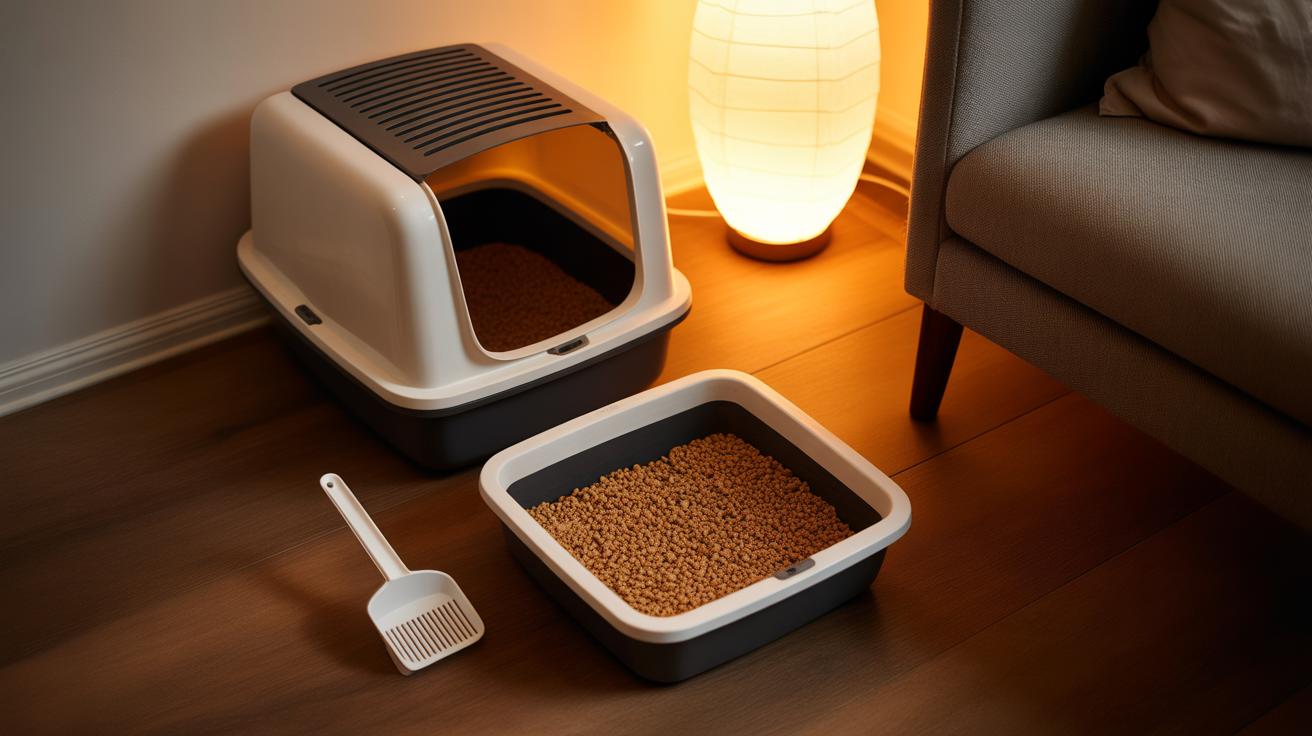
    See Top-entry litter box design for anti-tracking granules and textured top plate guidance (textured top plate: a ridged surface that scrapes stray granules off paws). Set the plate flush over the opening so your cat’s paws brush the ridges as they step out, and give it a quick wipe or rinse every week. It cuts down on the breadcrumb trail across the floor. Worth every paw-print.

    See Open-litter-box design and Odor control/ventilation for high-sided pans, sifting pans, and mat placement advice. High-sided pans (pans with taller walls) help stop scatter. Sifting pans (pans that separate clumps from clean litter) speed up cleaning. Put the mat where your cat’s paws land as they step down, about 6-12 inches from the box exit, so it actually catches stray bits.

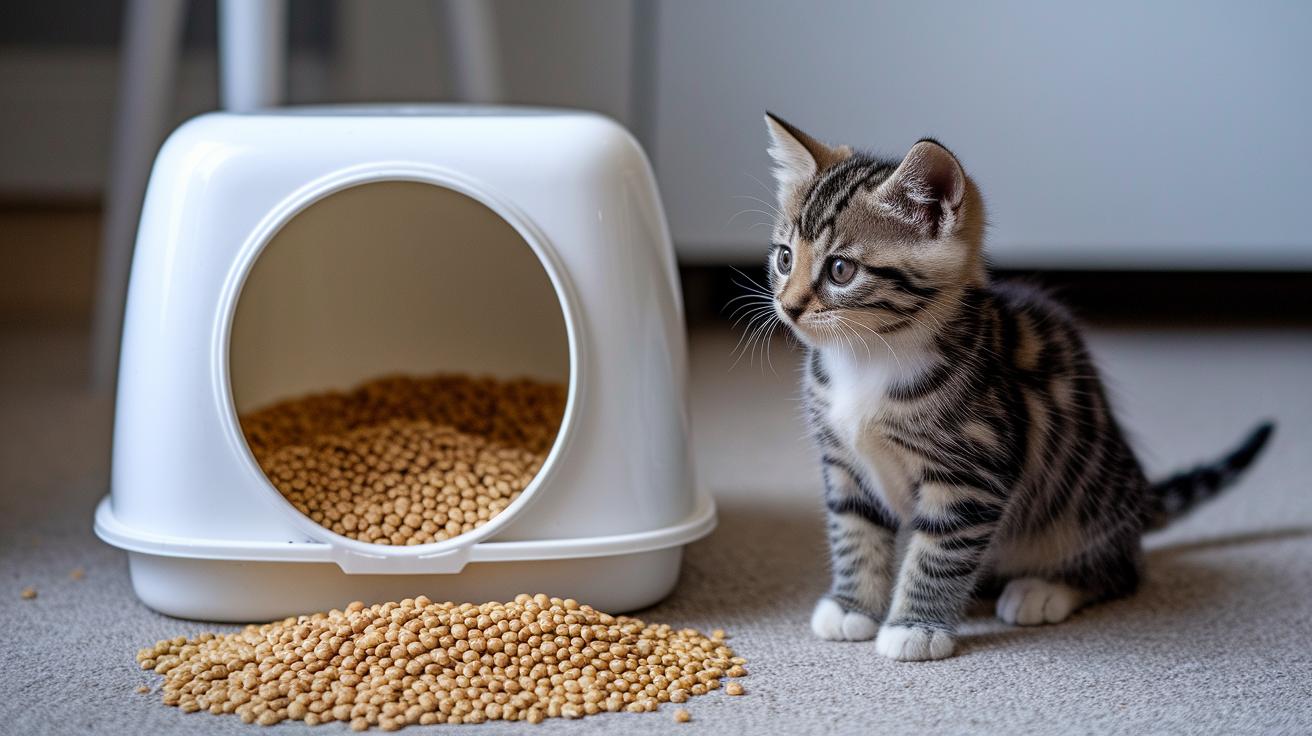
    See Odor control/ventilation (clumping litter: forms solid clumps when wet) for the recommended 2-3 inch clumping-litter depth. Try pellets (coarse compressed pieces that track less) if tracking is your main worry, but know some deep-diggers hate them. Silica crystals (absorbent gel beads) are great for odor, but watch for dust or allergy signs like sneezing or watery eyes. If that happens, swap back to a low-dust option.

    Transitioning and training tips when switching between top-entry and open litter box designs
    - Transitioning and training tips when switching between top-entry and open litter box designs.jpg

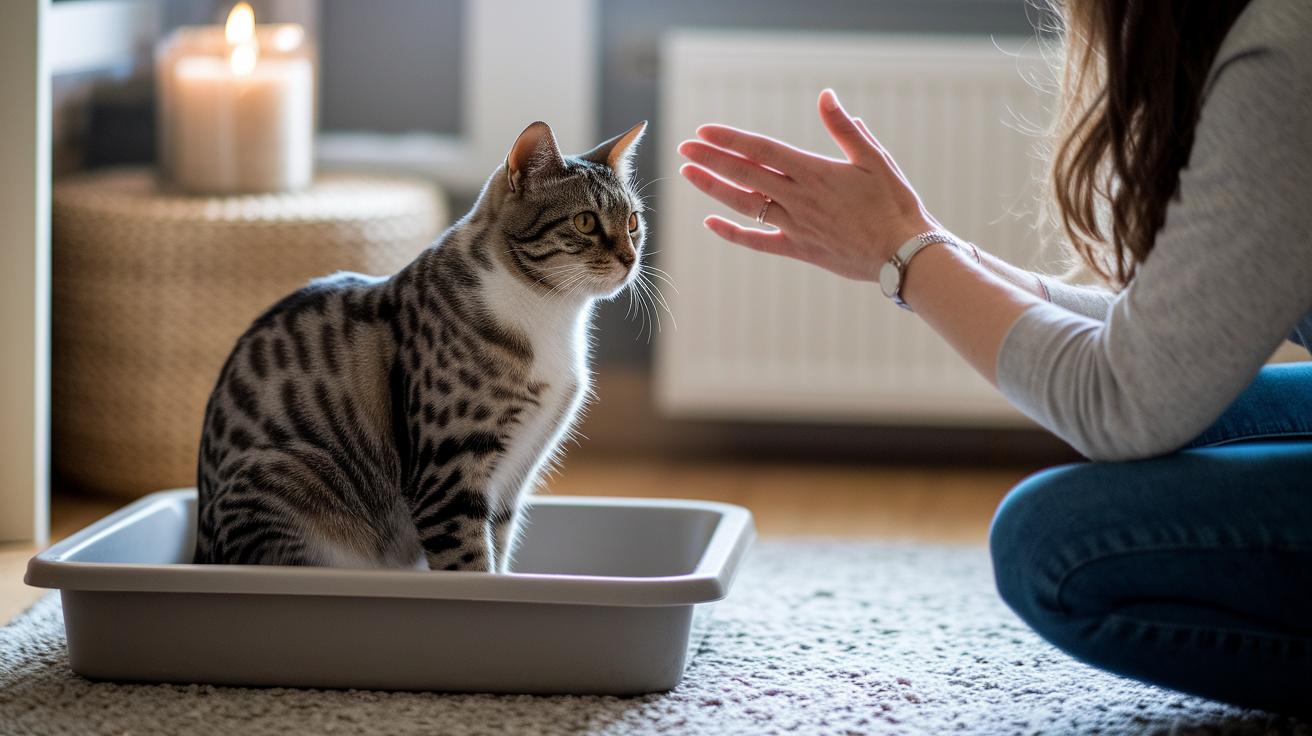
    Switching litter boxes works best when you go slow, keep the same litter, and pay close attention to your cat. Expect about one to three weeks for most cats to adjust. Older or shy kitties might need more time, and that’s totally okay.

    Step-by-step transition plan

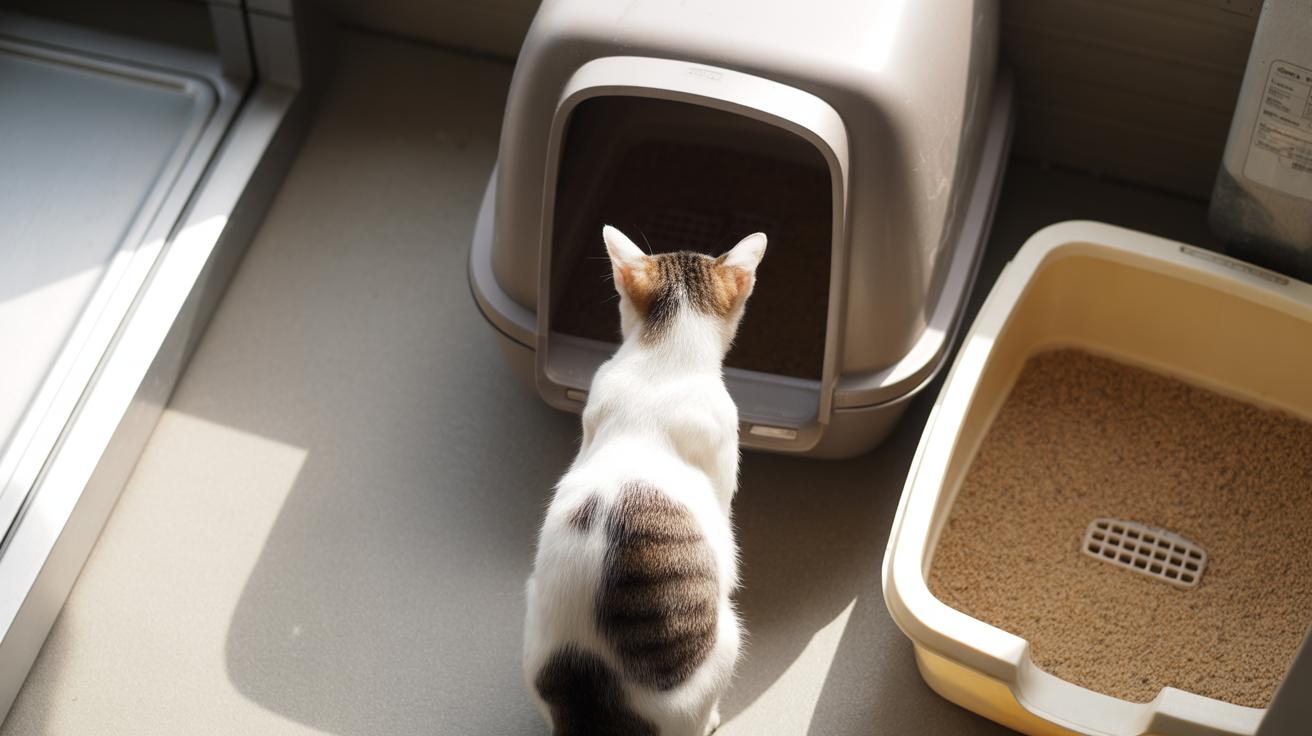
    Day 1–3: put the new box right next to the old one and fill it with the same litter so the scent feels familiar. If the new box is top-entry (a box with a hole on top), or hooded (a covered box with a roof), or an open pan (no cover, low sides), mention that to your cat with a treat. Place a small treat or a smear of wet food on the new box so they sniff and explore.

    Day 4–10: each day, move the new box a little closer to its final spot. Offer quiet praise or a tiny treat after your cat uses it. For switching from hooded to top-entry, let your cat climb on the lid first, put a treat on the textured top so they learn the route. Think of top-entry like a little rooftop door for cats. It’s a simple training tip that helps kittens and cautious adults both.

    Week 2: if your cat is using the new box consistently, move it fully into place and remove the old pan. Keep a backup for a while, just in case.

    Monitoring signs and when to stop the transition

    Watch their body language. Hesitant paws, long sniffing without digging, crouched posture, tail flicks, or loud meows can mean stress. Repeated accidents outside the box, changes in appetite, or straining to urinate are red flags. If you see accidents or clear avoidance for 7 to 14 days, pause the switch and go back to the old box or try a different design.

    Transitioning to an open pan often goes faster, since cats can see in. But if your cat shows stress, slow down. Your cat’s comfort matters more than the perfect setup.

    If you notice painful urination, blood, or any big health change, call your vet right away. Worth every paw-print.

    Comparing top-entry vs open litter box designs
    - Product selection checklist and practical recommendations for comparing top-entry vs open litter box designs.jpg

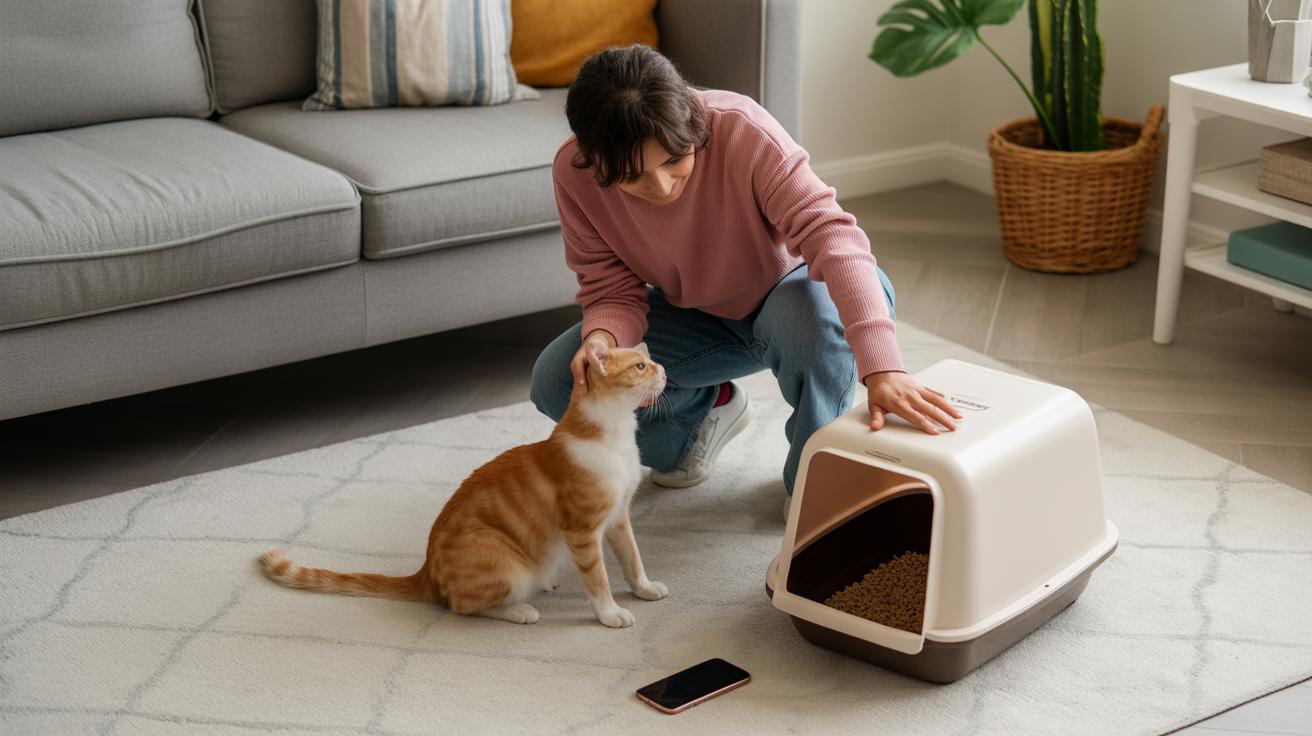
    Once you’ve already decided on size, the stuff that really matters is ventilation, filter access, and how easy the box is to clean. Look for built-in vents or an easy-to-replace carbon filter (carbon filter = a charcoal layer that soaks up smells). Also favor boxes with a removable inner pan or a lid that lifts off so you can reach every corner. A big open top makes scooping fast, but it also lets more smell out. Ever tried scooping with your spine hunched? Not fun. Make sure you can reach clumps without twisting your back. If you can’t, try a different model.

    Want a quick win? I switched to a pan with a removable inner tray and scooping went from awkward to one-handed. Huge relief.

    Thinking about automated or self-cleaning units? Aim for measurable performance. Target about 57.6 liters of waste capacity (that’s roughly 15.2 gallons) and noise under 40 dB for a quieter home (40 dB is about a quiet library). Low-entry self-cleaning boxes with those numbers tend to be easier for kittens and seniors to step into. When you test models, run a 7 to 14 day trial. Watch daily use, note odor control, check litter tracking, and test scooping ergonomics if the unit has a manual option. Keep a tiny log like this: "day 4: less odor, day 9: cat uses box at night." It helps you compare like a pro.

    Quick model comparison suggestions

    • Top-entry picks:

      • Textured top plate so litter shakes off paws (the little bumps mean fewer paw prints on the couch).
      • Easy carbon filter access (replaceable charcoal layer) and a secure spot for it.
      • Removable inner pan for fast, full cleaning.
      • Stable lid fit for cats that like to burrow and flip around.
    • Open pans:

      • High-sided or high-sided-with-low-entry options to control scatter.
      • Sifting inserts for fast full changes.
      • Wide, shallow rims that make scooping simple and quick.
      • Put a durable mat 6 to 12 inches from the exit to catch tracked litter.
    • Automated / self-cleaning criteria:

      • Low-entry option for kittens and seniors.
      • About 57.6 L (15.2 gal) waste capacity.
      • Noise under 40 dB for calmer homes.
      • Easy manual override so you can scoop if the mechanism jams.

    A little sensory note: imagine your cat’s whiskers twitching as the litter rolls away. Small changes like a textured top or a removable tray can make cleanup feel almost fun. Worth every paw-print.

    Final Words

    in the action: choose top-entry for maximum scatter and odor control if your adult cats are agile; choose open pans when ventilation, easy scooping, or mobility friendly access matter.

    Top-entry boxes keep litter contained and block curious kids, but they can limit airflow and be tough for kittens or seniors.

    Open pans breathe better and make scooping simple, though smells can be more noticeable and litter may scatter.

    See the Odor control, ventilation, and hygiene section for exact cleaning steps. Good luck comparing top-entry vs open litter box designs. You’ll be feline fine.

    FAQ

    Frequently Asked Questions

    Which is better: top-entry or open pan litter box?

    Choosing between a top-entry and an open pan litter box comes down to needs: pick top-entry for maximum scatter and odor control and agile adult cats, pick open pans for better airflow (ventilation) and easier access for kittens or seniors.

    Do cats like top-entry litter boxes or do they dislike them?

    Cats’ reaction to top-entry litter boxes varies: many confident adult cats enjoy privacy and less scatter, while kittens, elderly, arthritic, or shy cats often avoid the climb or cramped interior.

    Do top-entry litter boxes smell less?

    Top-entry litter boxes can smell less to nearby people by trapping scatter and some odor under high walls, but reduced airflow (ventilation) may let moisture and smells build; add vents and keep regular cleaning to prevent buildup.

    What is the golden rule for litter boxes?

    The golden rule for litter boxes is one box per cat plus one extra. This reduces competition, lowers stress, and cuts down on accidents so everyone stays feline fine.

    Are top-entry boxes suitable for kittens, senior cats, or large breeds?

    Top-entry boxes are often unsuitable for kittens, seniors, or mobility-impaired cats because of the climb; choose low-entry or high-sided open pans and size the box by measuring nose-to-base-of-tail plus 6–8 inches interior length.

    Are top-entry boxes a good choice for multi-cat households?

    Top-entry boxes can help in multi-cat homes by cutting monopolization and blocking dogs or children, yet some cats may feel exposed; follow one-per-cat-plus-one, space boxes apart, and watch for tension or avoidance.
    Related Articles

  • DIY litter box enclosure guide: step-by-step build

    DIY litter box enclosure guide: step-by-step build

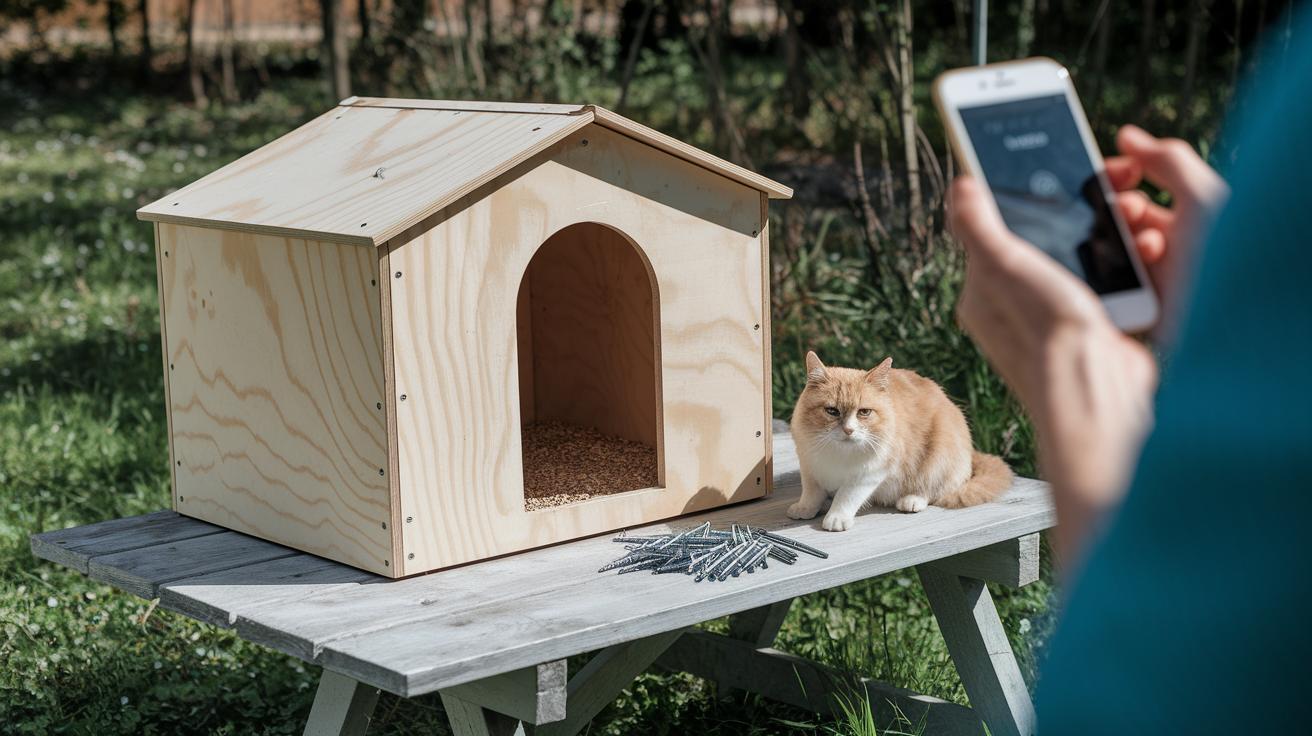
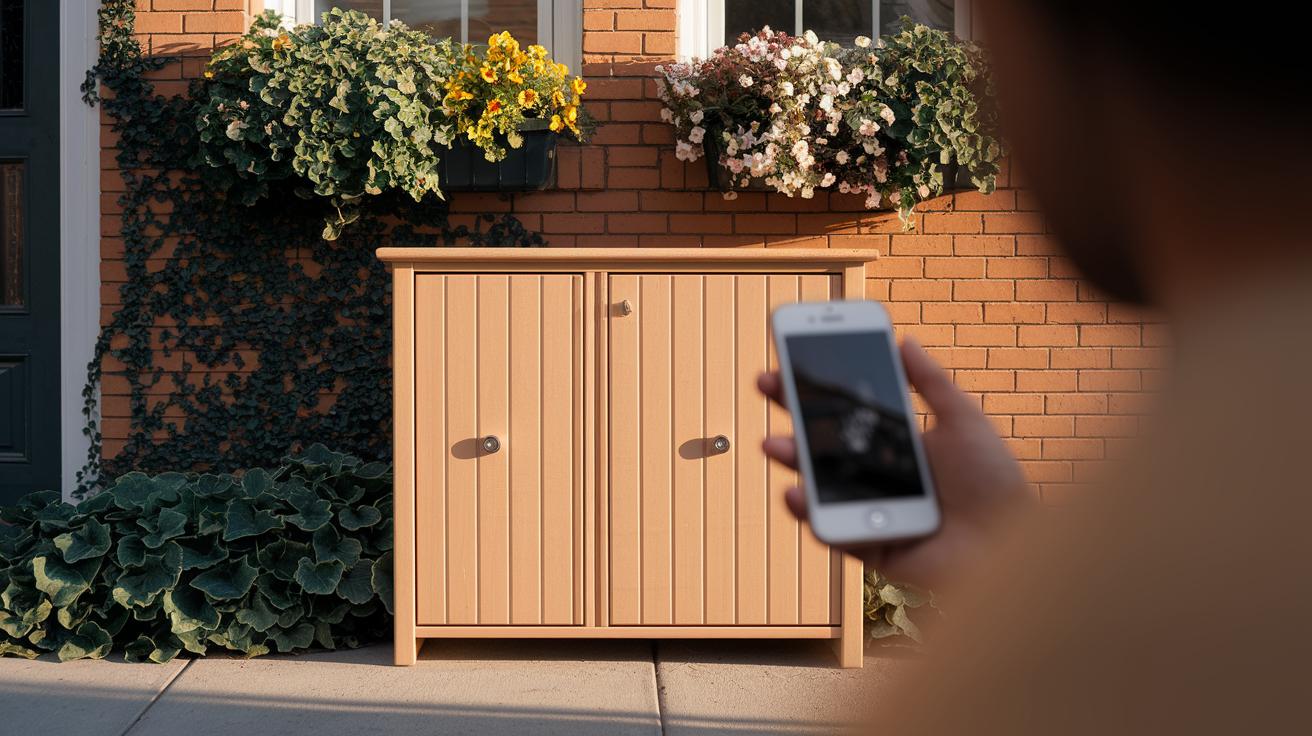
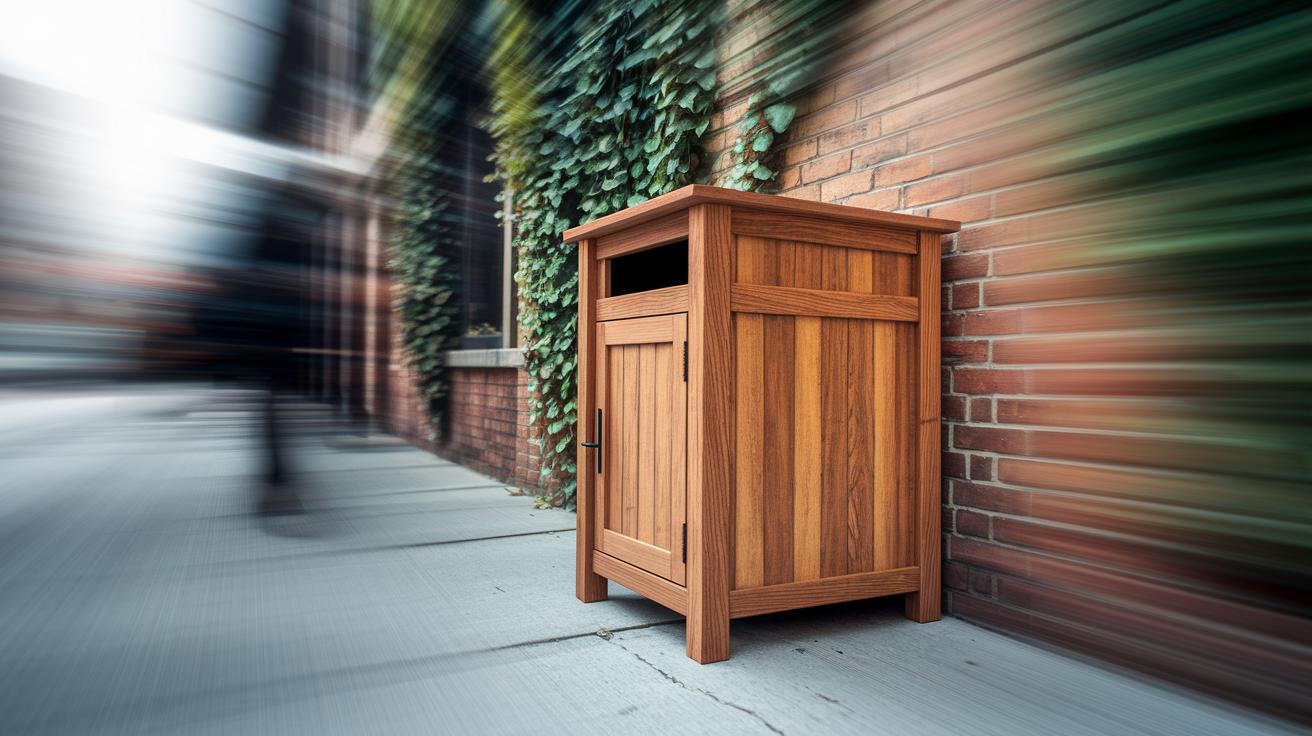
    Who says a litter box needs to be an eyesore? Let’s make a bench that hides the litter, tames odors, and actually looks like furniture you’ll want in your home. It’s cat-friendly and budget-friendly, and your guests might not even notice it’s a litter spot.

    This step-by-step guide takes you from raw boards to a finished 20.25" x 40" x 18.5" bench that your cat will love. You’ll get a clear cut list, tool tips, pocket-hole joins using a Kreg jig (pocket-hole jig), jigsaw cuts, plywood (layered wood sheet) panels, ventilation ideas, and finishing with stain (wood dye) and sealant (protective coating). Think of it like building a cozy little house for your cat that also hides the mess and the smell.

    Materials you’ll need:

    • Plywood panels (layered wood sheet) for top, sides, and panels.
    • 1x lumber for frame and trim (standard dimensional lumber).
    • Pocket screws and wood glue for joins.
    • Activated charcoal (odor-trapping charcoal) or a small charcoal filter for odors.
    • Sandpaper, stain (wood dye), and sealant (protective coating).

    Tools:

    • Kreg jig (pocket-hole jig) for pocket-hole joins (angled hidden screw joint).
    • Jigsaw (handheld saw with a small blade for curved cuts) for entrance holes and cutouts.
    • Drill, circular saw or table saw for straight cuts, and clamp(s).
    • Tape measure, square, and a sanding block.

    Build tips you’ll actually use: make pocket-hole joins so fast, neat, and sturdy. Think of pocket-hole join like a hidden screw that pulls two boards tight. Drill and dry-fit pieces before glue so you can tweak things. Oops, let me rephrase that: dry-fit every board first.

    Ventilation matters for smell and kitty comfort. Cut a couple of vent holes or add a small louvered panel so air can move. Layer a tray with a charcoal filter or a shallow bin of activated charcoal (odor-trapping charcoal) behind a removable panel for extra odor control. Sand all edges smooth so paws and whiskers don’t get scratched.

    Finish like a pro but keep it cozy: stain (wood dye) to match your room, then seal with sealant (protective coating) so cleanup is easy. Let each coat dry and sand lightly between coats for a smooth top your cat can nap on. For busy days, toss an unbreakable toy on top before you leave , ten minutes of play and peace of mind.

    Ready to make your room smell and look better? Your cat will probably inspect every corner, and then nap on top. Worth every paw-print.

    Quick project snapshot: finished size, benefits, and what's included

    - Quick project snapshot finished size, benefits, and whats included.jpg

    Finished piece: a bench-style litter box enclosure that measures 20.25" × 40" × 18.5". It hides the litter, makes your room look neater, tames odors, and costs less than buying a ready-made piece of furniture. Your cat still gets a private spot, and you get a stylish bench. Nice trade, right?

    This guide walks you through the whole build. You’ll get everything you need to finish the project and keep your home smelling fresh. Here’s what’s included:

    1. Cut list
    2. Tools (and how to use them)
    3. Step-by-step assembly
    4. Ventilation plan to keep smells down
    5. Finishing and sealant guidance (how to stain or paint and protect the wood)
    6. Maintenance schedule so the box stays clean and long-lasting

    Quick tools:

    • Kreg Jig (pocket-hole jig for making strong, hidden joints)
    • Jigsaw (handheld saw for curved or cutout work)
    • Drill (power drill for pilot holes and screws)

    Materials: plywood (layered wood sheet), screws, wood glue (strong adhesive for joints). For finishes you might use stain and sealant (stain adds color; sealant protects against moisture and odors).

    Time estimate: plan 4–8 hours for a basic cabinet build. If you stain and fully finish the piece, set aside up to one day. Suitable for crafters with basic woodworking experience. Ever watched your cat inspect every new box? This is about the same level of curiosity, but with a useful result.

    For cut lists, diagrams, and full assembly steps see the "Materials, tools, and cut list" section and the "Step-by-step assembly plan" section.

    Materials, tools, and cut list for a DIY litter box enclosure

    - Materials, tools, and cut list for a DIY litter box enclosure.jpg

    Start by buying the essentials first so you don’t end up with random extras. Grab 3/4" cabinet-grade plywood (plywood is layered wood with a stable core) in birch or oak veneer for the main panels. Add edge banding (thin tape that hides raw board edges), 1.25" Kreg pocket-hole screws (screws made for pocket-hole joinery), and good PVA wood glue (white wood glue). For finishing, plan on a stain like Minwax Dark Walnut and Minwax Polycrylic (clear protective finish) sprayed in 3–4 light coats. Don’t forget 220-grit sandpaper (fine grit for smoothing between coats).

    Tools you’ll use over and over: a Kreg Jig set for 3/4" material (pocket-hole jig), an orbital jigsaw for curved entry cuts, and a miter saw or circular saw for straight cuts. A drill/driver, clamps, and a measuring tape are must-haves. An optional router can round openings for a nicer feel. On a tight budget? An IKEA cabinet or an upcycled dresser works fine instead of buying all raw materials.

    Item Specification Typical cost estimate
    Plywood 3/4″ cabinet-grade birch or oak veneer plywood (layered sheets with a stable core) $40–$80 per 4×8 sheet
    Screws 1.25″ Kreg pocket-hole screws (for pocket-hole joinery) $6–$15
    Wood glue Premium PVA wood glue (white glue for strong wood bonds) $6–$15
    Hinges Concealed cabinet hinges or toy-box hinge support (for doors or lids) $8–$25 per pair
    Edge banding Iron-on or adhesive wood veneer tape (covers raw edges) $5–$15
    Stain Minwax Dark Walnut (example) $6–$12
    Polycrylic Minwax Polycrylic spray (clear protective finish; plan 3–4 coats) $8–$15 per can
    Shelf liner Waterproof liner for interior base (keeps moisture off the wood) $6–$20
    Kreg Jig Pocket-hole jig set (3/4″ setting) $35–$120
    Jigsaw Orbital jigsaw for curved cutouts (use a fine-tooth blade) $30–$120

    Quick tips that save time and worry:

    • Set the Kreg Jig to the 3/4" thickness and run a couple test holes on scrap first. It’s worth it.
    • Use a fine-tooth jigsaw blade and feed slowly for cleaner curved entry cuts. Your cat will appreciate the smooth edge.
    • Use wood glue in pocket holes sparingly – wipe any squeeze-out right away. Glue is great, but messy glue is not.
    • Clamp joints while the screws set so faces stay perfectly flush.
    • Pre-drill and countersink hinge holes for a neat hardware fit.
    • Sand lightly between stain coats with 220-grit for a silky finish.
    • Apply edge banding with an iron, then trim flush with a utility knife and gently sand the seam.

    A few practical notes: line the base with waterproof shelf liner (easy to replace) and test the door or lid for quiet operation so you don’t startle your cat. Ever watched your kitty poke a paw in to inspect a new box? Cute, and also proof that smooth, safe openings matter.

    Worth every paw-print.

    Precise measurements and sizing: from kittens to Maine Coons

    - Precise measurements and sizing from kittens to Maine Coons.jpg

    Think about inside room first, not just whether a tray fits. Your cat should be able to turn, dig, and step out without feeling cramped. For a really roomy large-box target aim for 28.5" × 32.5" × 26.5" , that’s plenty of breathing space. If you’re planning a bench-style DIY, use an exterior example of 20.25" × 40" × 18.5" to plan the overall footprint and how it will sit with your furniture.

    1. Kitten kit , minimum interior: 14" L × 10" W × 10" H (tray means the removable litter pan).
    2. Average adult , minimum interior: 18" L × 14" W × 14" H (most adult cats will fit comfortably).
    3. Large breeds / Maine Coon , target interior: 28" L × 20" W × 18" H (use this if your cat is long or broad; extra resource: litter box for maine coon cats).
    4. Self-cleaning unit accommodation , measure the outer dimensions of your unit and add 2–3" clearance on each side, plus a back hole for power cords. Self-cleaning unit means a mechanical box that sifts litter automatically.

    Make the entry wide enough so your cat doesn’t have to squeeze. A good rule is 1.25 times your cat’s shoulder width. The build example uses an arch about 8.25" × 12" , a handy trick is to cut an 8.5" straight line first, then curve it into the arch. Pick a low-entry for older cats, or a higher-sided opening if you want splash control. Set the bottom of the opening about 3" off the floor for senior-friendly access.

    How to measure your cat: measure shoulder width across the widest part of the shoulders. Measure body length from nose to the base of the tail. Add about 1–3" extra to the length so they don’t feel boxed in. Multiply shoulder width by 1.25 to get the entry width. If you have a self-cleaning box, measure the height with the lid closed, then add room for airflow and power access , and don’t forget clearance for the unit to operate smoothly.

    Your cat’s comfort matters more than perfect symmetry. Give them room to spin, stretch, and dig , your sanity and their paws will thank you.

    DIY litter box enclosure guide: step-by-step build

    - Step-by-step assembly plan for a standard front-entry litter box enclosure.jpg

    Get all your boards cut to the cut list and laid out so you can check grain direction and fit. Seeing the grain line up makes the finished piece look like real furniture, and it helps the front face match the bench vibe. Plus, it feels nice when everything snaps together.

    1. Cut all boards per the cut list, keeping grain direction consistent. Use plywood (layered wood sheet) where called for so the edges look right.
    2. Drill pocket holes into the sides, back, bottom, and middle using a Kreg Jig (a pocket-hole jig that makes hidden screw joints) set for 3/4" material. Pocket holes keep joints strong and give a clean look.
    3. Dry-fit every piece before gluing to confirm alignment; mark the middle divider about 11" from one side and make it flush with the front edge. Dry-fitting saves headaches later.
    4. Attach the bottom to one side with wood glue and 1.25" Kreg pocket-hole screws; clamp tight so the faces stay neat. You want snug, clean joins that don’t show gaps.
    5. Fasten the back panel next, then add the opposite side, keeping edges square and checking with a carpenter's square (right-angle measuring tool). Take your time here so the enclosure sits flat.
    6. Slide the middle divider in flush to the front (roughly 11" from the side) and secure with glue plus 1.25" screws; this hides the litter tray and helps cut litter tracking. Your cat will thank you for the privacy.
    7. Mark the entry opening centered between the side and divider; trace an 8.25" × 12" arch or adjust to fit your cat’s size. Ever watched a kitten squeeze through a tiny hole? Measure for comfort.
    8. Cut the opening with a jigsaw (jigsaw = handheld saw; use a fine-tooth blade) and tidy the edge with a router (edge-shaping tool) if you want a rounded, paw-friendly lip. Rounded edges feel nicer and stop little scratches.
    9. Edge-band visible plywood edges with iron-on tape, trim flush, and sand smooth for a furniture finish. That step turns plywood into something you’d be proud to show off.
    10. Stain parts now if you prefer finishing before final assembly; if you plan to spray polycrylic (clear protective finish) inside, wait until after assembly and protect the interior with shelf liner (non-slip protective mat). Both ways work, pick what fits your space.
    11. Install the top with two concealed hinges or use two 3" hinges if you want to skip a hinge jig; add a toy-box hinge support for a soft close so curious paws don’t get pinched. Soft close is a small luxury.
    12. Seal interior areas where dust and moisture collect so your enclosure stays fresh. Timeline estimate: cutting 1–2 hours, assembly 1–2 hours, finishing and sealing 2–4 hours over multiple coats. Worth every paw-print.

    Finish-before-final-assembly vs finish-after note: Staining panels before final fastening keeps edges cleaner, but finishing after assembly makes sanding and final sealing easier. Pick the workflow that suits your workspace and patience. I once stained everything first and then ended up touch-up sanding in the garage, lesson learned, um, sort of.

    Step Estimated time Skill level
    Cutting 1–2 hours Beginner–Intermediate
    Pocket-hole drilling 30–45 minutes Beginner
    Assembly (glue + screws) 1–2 hours Intermediate
    Entry cutout (jigsaw/router) 30–60 minutes Intermediate
    Sanding and finish coats 2–4 hours (spread out) Beginner–Intermediate
    Final hardware and hinge install 30–60 minutes Beginner

    Ventilation, odor control, and interior layout for a closed litter box enclosure

    - Ventilation, odor control, and interior layout for a closed litter box enclosure.jpg

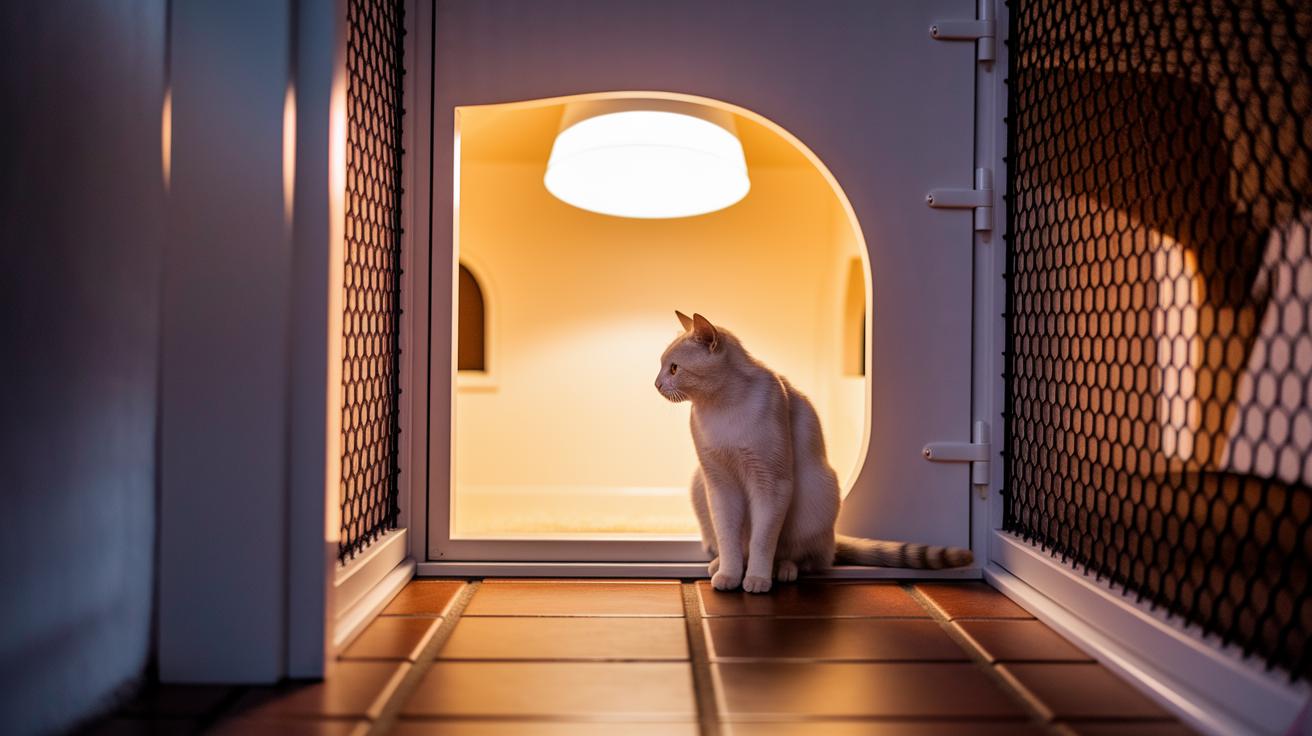
    Put ventilation slots or a small grill near the top or toward the back so stale air can creep out and fresh air can sneak in. Add a carbon filter slot (carbon = charcoal-based odor trap) right behind that vent so you can swap filters without tearing the whole thing apart. If you hide an automatic unit, make a back hole for power cords and leave a little extra space for airflow so the motor doesn’t overheat.

    Pick a low-dust or silica litter (silica = crystal-like granules) so dust won’t choke the cabinet or coat everything in a funky film. Scoop daily to stop smells at the source, and give the inside a quick wipe-down once a week so buildup doesn’t get out of hand. Position vents so they don’t blow straight into your cat’s face , most cats prefer a draft-free, private corner. Ever watched your kitty wrinkle its nose? Yeah, they notice drafts.

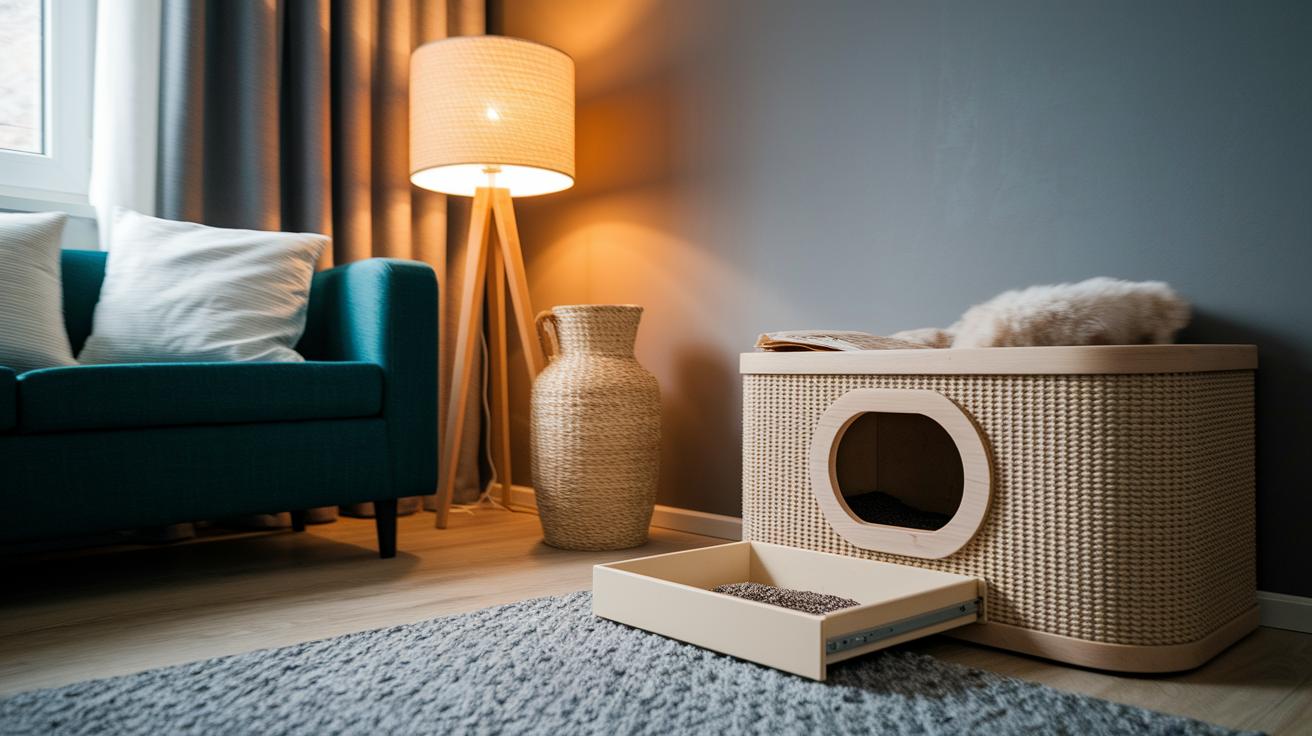
    Arrange the tray centered or tucked behind a shallow divider so scattered litter gets caught before it escapes. Line the base with a removable waterproof shelf liner (a thin plastic sheet that peels out for cleaning). Think about a shallow sifting drawer under the tray (a drawer that separates clean granules from tracked litter) to trap the mess your cat drags out. Keep a clear path for changing filters and emptying trays so maintenance stays quick , that’s the thing you’ll actually do when life gets busy.

    • Vent slots at top or back for passive airflow
    • Carbon filter slot (carbon = charcoal-based odor trap) for replaceable odor control
    • Daily scooping to stop smells where they start
    • Low-dust or silica litters (silica = crystal-like granules) to cut airborne dust
    • Removable shelf liner for waterproofing and easy cleaning
    • Shallow sifting drawer to catch tracked litter (filters litter back into the tray)
    • Activated charcoal pouch placed near the vent (activated charcoal = highly porous charcoal that traps smells), not loose in the litter

    Swap carbon filters every 6 to 12 weeks depending on how many cats you have and how tight the space is: aim for 6 weeks with multiple cats or cramped spots, and toward 12 weeks for a single cat with good airflow. Check filters once a month and replace sooner if odors return. A bit of baking soda in a sealed container can help in a pinch, but sealed charcoal filters are less messy and easier to manage.

    Worth every paw-print.

    Accessibility, multi-cat strategies, and senior-cat design variants for litter box enclosures

    - Accessibility, multi-cat strategies, and senior-cat design variants for litter box enclosures.jpg

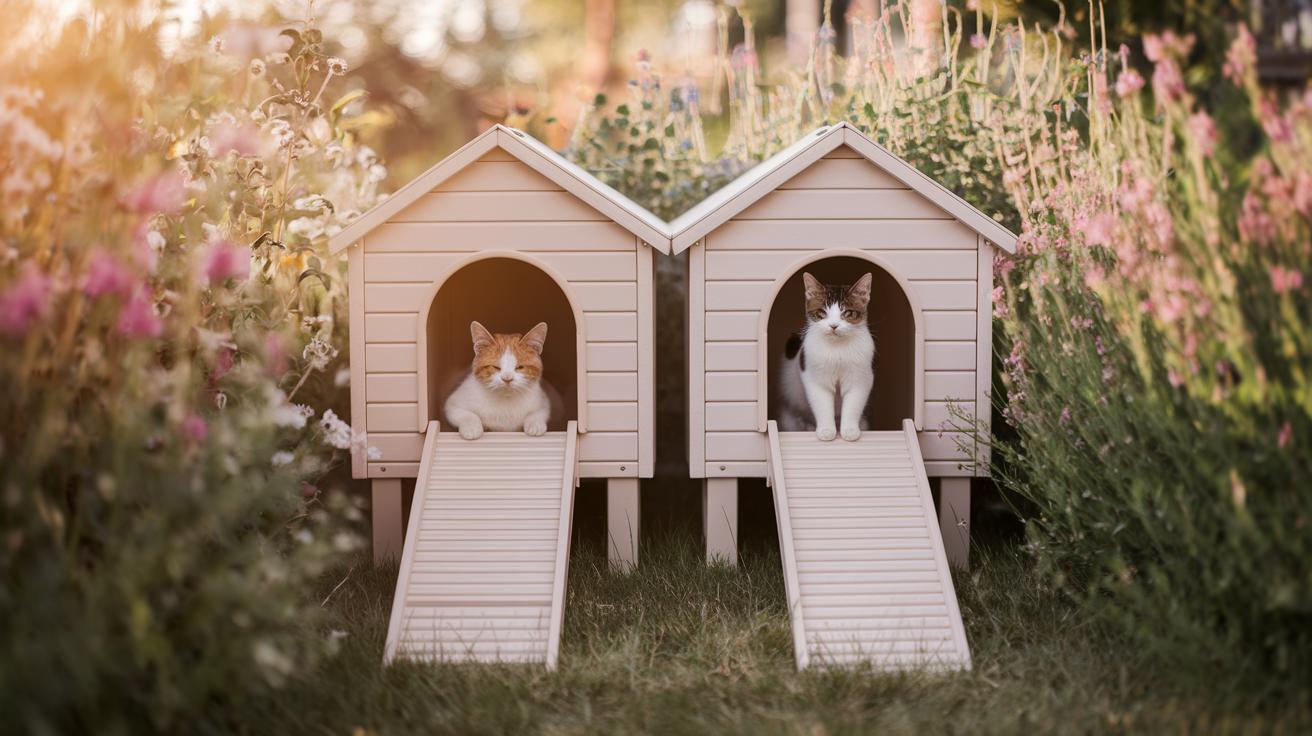
    Give each cat its own enclosure, and if you can, add one extra. That simple rule cuts fights and slashes sharing accidents, which means fewer surprises on the rug and calmer mornings. Place boxes in quiet, easy-to-reach spots with more than one way in when possible so shy cats have an escape route and bossy cats can’t block the door.

    For cats with limited mobility use a low-entry opening (about 3" from the floor) and a hinged or removable top (a lid that swings open or lifts off) so cleaning is quick and painless. Put units where light is soft and traffic is low , your cat will appreciate the privacy. For placement ideas and spacing tips see positioning litter boxes for multi-cat households.

    1. Single large entry – one big opening that fits oversized trays and let’s multiple cats rotate through without crowding. It feels roomy and reduces that panic when two cats try to squeeze in.
    2. Two-entry cabinet – openings on opposite sides so cats can come and go without face-to-face meetings, which helps calm tensions. Think of it like separate doors on a tiny restroom.
    3. Low-entry ramp – a wide, gentle ramp leads into a lower opening for seniors and kittens (gentle slope, shallow steps). It’s easier on joints and looks inviting, like a little stair for comfort.
    4. Split-compartment with divider – two separate bays under one top; great for tight spaces when you want privacy for each cat and don’t have room for two boxes. You get privacy without extra floor clutter.
    5. Top-entry option – raises litter depth and cuts down on scatter; best for agile, younger cats and for hiding odors. It’s tidy and kind of fun for cats who love to leap.
    6. Additional external litter matting – heavy-duty mats or a shallow sifting drawer catch tracked litter and protect floors. A good mat means less sweeping and fewer tiny crunchy surprises under your couch.

    Senior & Kitten Access Design

    Keep ramps shallow , about an 18° max slope (that feels like walking up a small step). Make the entry height about 3" off the floor so arthritic or mobility-limited cats can step in easily. Use non-slip flooring like rubber shelf liner, textured EVA foam (soft, grippy foam mats), or a thin low-profile rubber mat that peels out for cleaning. These materials give traction and comfort, and they’re easy to wipe or shake out.

    Bonus tip: for busy days tuck a simple scoop-and-go solution into your routine , toss a clean mat or replace a disposable tray, and you’ve bought everyone a quiet, clean hour. I once watched a senior cat happily nudge her way up a gentle ramp and you could see the relief , totally worth the small design tweaks.

    Finishing, safety, cleaning schedule, and troubleshooting cats refusing the enclosure

    - Finishing, safety, cleaning schedule, and troubleshooting cats refusing the enclosure.jpg

    Pick non-toxic finishes and a low-VOC polycrylic (clear protective finish, low-VOC means fewer fumes) for any surface your cat can touch. Let paint or polycrylic dry in a well-ventilated room and follow the maker's cure times, since most clear coats need 24 to 72 hours to dry and a few days to fully harden. Keep curious noses and paws out of the workshop while you spray or brush, because even mild smells can bother pets.

    Daily scooping stops odors before they start. Wipe the interior once a week with a mild, pet-safe cleaner or a vinegar-and-water mix (vinegar is a gentle acid that cuts grime). Do a deep clean every month: empty the tray, wash it in warm soapy water, dry it completely, and put in fresh liners and filters. Replace carbon filters (activated carbon, which traps smells) every 6 to 12 weeks depending on how many cats are using the box. Check hinges, screws, and soft-close hardware every few months so the lid won’t pinch paws.

    Task Frequency Tools / Products recommended
    Daily scooping Every day Scoop, disposable bag, rubber gloves
    Weekly wipe Once a week Microfiber cloth, mild dish soap or vinegar solution
    Monthly deep clean Once a month Warm water, mild soap, scrub brush, full dry time
    Filter change Every 6–12 weeks Activated carbon odor filter, spare filters
    Liner replacement Monthly or when damaged Waterproof shelf liner, scissors
    Hardware check Every 3 months Screwdriver, small wrench, hinge lubricant

    Try short, supervised visits to help a wary cat learn the enclosure. Leave the door or lid open and put familiar litter inside, then tempt them with a toy or a treat. Ever watched your kitty circle and sniff like a tiny detective? That’s progress.

    Watch for stress signs: avoiding the box, peeing outside it, flattened ears, or hiding. Those are clues something’s off. If the location is noisy or high-traffic, move the box to a quiet corner , cats tend to prefer peace.

    If they avoid the enclosure after you changed anything, switch back to the litter brand they like. You can also remove the top or lid for a while so they can peek in without feeling trapped. Rub a soft cloth on your cat and then wipe the entrance area to transfer their scent; it really helps make the space feel familiar.

    If refusal keeps happening, check with your vet to rule out urinary issues or pain before you redesign the box. In truth, medical problems often show up as litter-avoidance, so it’s best to rule that out first. Worth every paw-print to be sure.

    Optional upgrades, budget hacks, and build variations

    - Optional upgrades, budget hacks, and build variations (IKEA hacks, sifting drawers, and integrating self-cleaning units).jpg

    Quick note: I removed the duplicate "DIY litter box enclosure guide: step-by-step build" block and folded the useful bits into the right sections so the guide won’t repeat itself. Less clutter. More useful hacks. Your cat will approve.

    • IKEA upcycle hack , moved to Materials/Tools and Finishing. Tip: flip a corner base cabinet upside-down to hide a Litter-Robot for about $90. Finish the top with marble epoxy (epoxy is a hard resin that cures to a glossy, durable surface) for a slick, long-lasting look. Ever seen a cat inspect a new surface? That glossy finish gets a curious sniff every time.

    • Shallow sifting-drawer measurements , moved to Ventilation/Interior layout. Build a shallow drawer 2–3 inches deep so the sifting deck drops litter into the drawer, not onto the floor. It keeps mess low and clean-up quick. Your floors will thank you.

    • Removable-liner groove details , moved to Ventilation/Interior layout. Add a front-facing groove that holds disposable liners (single-use or compostable bags) for fast swaps. Slide it out, tuck a fresh liner in, slide back. Boom , swap and go.

    • Charcoal-filter pocket instruction , moved to Ventilation. Cut a small slot behind the vent to slip in an activated-charcoal pouch (activated charcoal is carbon treated to trap odors). Makes replacing filters a no-fuss job.

    • Activated-charcoal replacement cadence , moved to Maintenance. Swap activated-charcoal pouches every 6–8 weeks for steady odor control (so you don’t get surprised by a funky whiff).
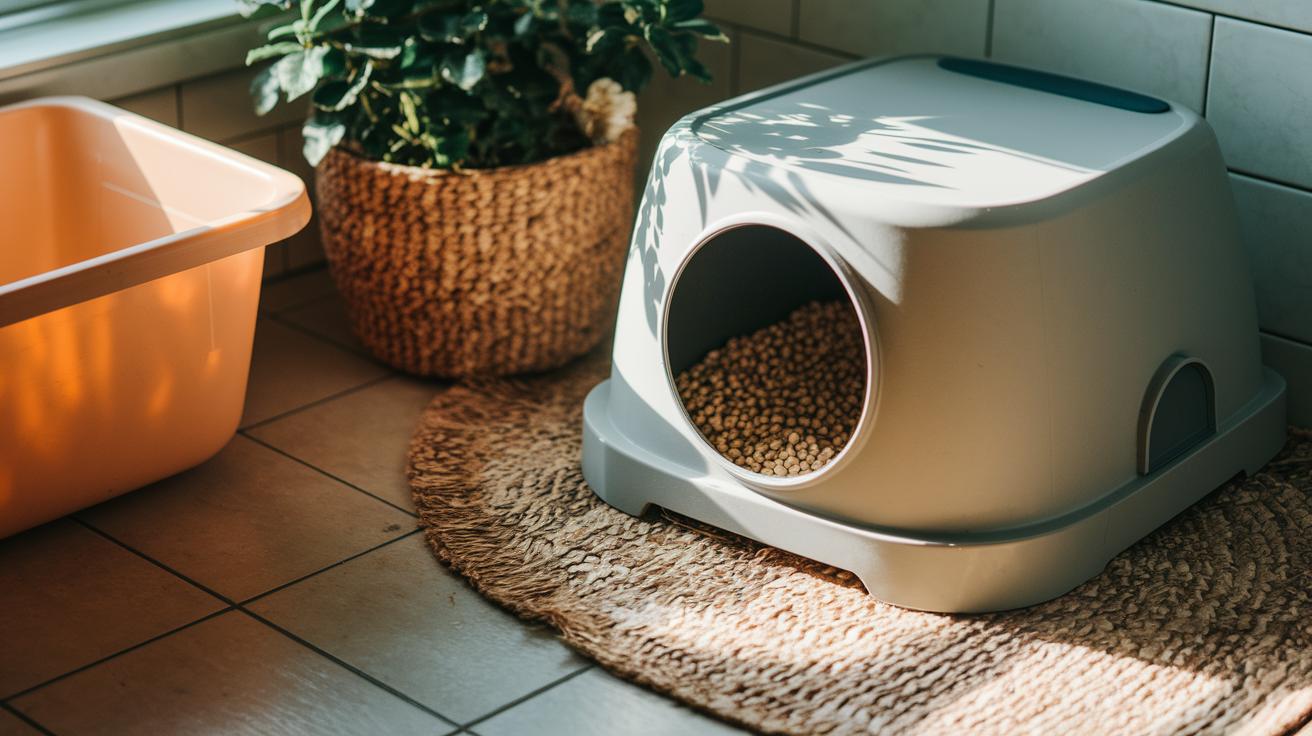
    • Caster wheels for mobility , moved to Step-by-step assembly/top install steps. Install lockable casters (casters are small lockable wheels) so you can roll the unit out for deep cleans, then lock it in place. Handy if you like moving things around, or if a vacuum needs under-the-unit access.

    • Convertible bench-seat guidance , moved to Step-by-step assembly/top install steps. Reinforce the interior with bracing and add a cushion so the top doubles as a bench. Test the weight on the frame before you let guests sit, safety first, then comfy seating.

    • Peel-and-stick cosmetic finishes , moved to Finishing. Use peel-and-stick wallpaper or vinyl for a quick visual upgrade. It’s an easy refresh if you’re renting or just feeling creative.

    • Budget snapshot , added to the Materials cost table so readers see the price range at a glance.
    Worth noting: folding these items into the proper sections keeps the article focused and avoids repeating build steps, while still keeping all the practical hacks and cost estimates easy to find.

    Build Level Typical Cost
    Budget build Under $50
    Mid-range $150–$300
    Premium upcycled build $300+

    Final Words

    Right in the action: you’ll end up with a bench-style cabinet about 20.25" × 40" × 18.5" that tucks litter away, cuts odor, and costs less than store-bought furniture.

    We ran through the shopping list and cut list, exact sizes for kittens through Maine Coons, a clear 12-step assembly plan, ventilation and odor-control fixes, multi-cat and senior access ideas, finishing and maintenance routines, plus budget-friendly upgrades.

    Use this DIY litter box enclosure guide to make a calm, tidy spot that keeps cats active, reduces stress, and saves you time. Paw-approved.

    FAQ

    FAQ

    Where can I get a DIY litter box enclosure guide PDF or plans?

    A DIY litter box enclosure guide PDF or plans gives finished dimensions (example 20.25″ × 40″ × 18.5″), plus a cut list, tools, step-by-step assembly, ventilation plan, finishing, and maintenance schedule.

    Can I make a DIY litter box enclosure from IKEA furniture or use hidden litter box IKEA hacks?

    An IKEA litter box enclosure hack uses Besta or a corner base cabinet flipped or modified, with back cord cutouts, ventilation slots, and shelf liner for easy cleaning and hiding self-cleaning units.

    How do I build a cheap DIY hidden litter box or hide a litter box in a small apartment?

    A cheap DIY hidden litter box for a small apartment uses upcycled dressers, curtain-covered tables, or basket conversions; add ventilation slots, a removable liner (waterproof mat), and a low-entry opening for seniors or kittens.

    How do I build a double litter box enclosure DIY?

    A double litter box enclosure DIY uses a central divider to create two compartments or a two-entry layout; size each compartment per cat and aim for one box per cat plus one extra when possible.

    How do I make a homemade litter box for large cats?

    A homemade litter box for large cats should target interior dimensions around 28″ L × 20″ W × 18″ H, with a wide entry and sturdy 3/4″ plywood (layered wood panel) for strength.

    How wide should the entry cutout be for my cat?

    The entry cutout should be at least 1.25× your cat’s shoulder width; measure shoulder width, add clearance, and use sample arch sizes like 8.25″×12″ or an 8.5″ straight top with curved sides.

    Related Articles

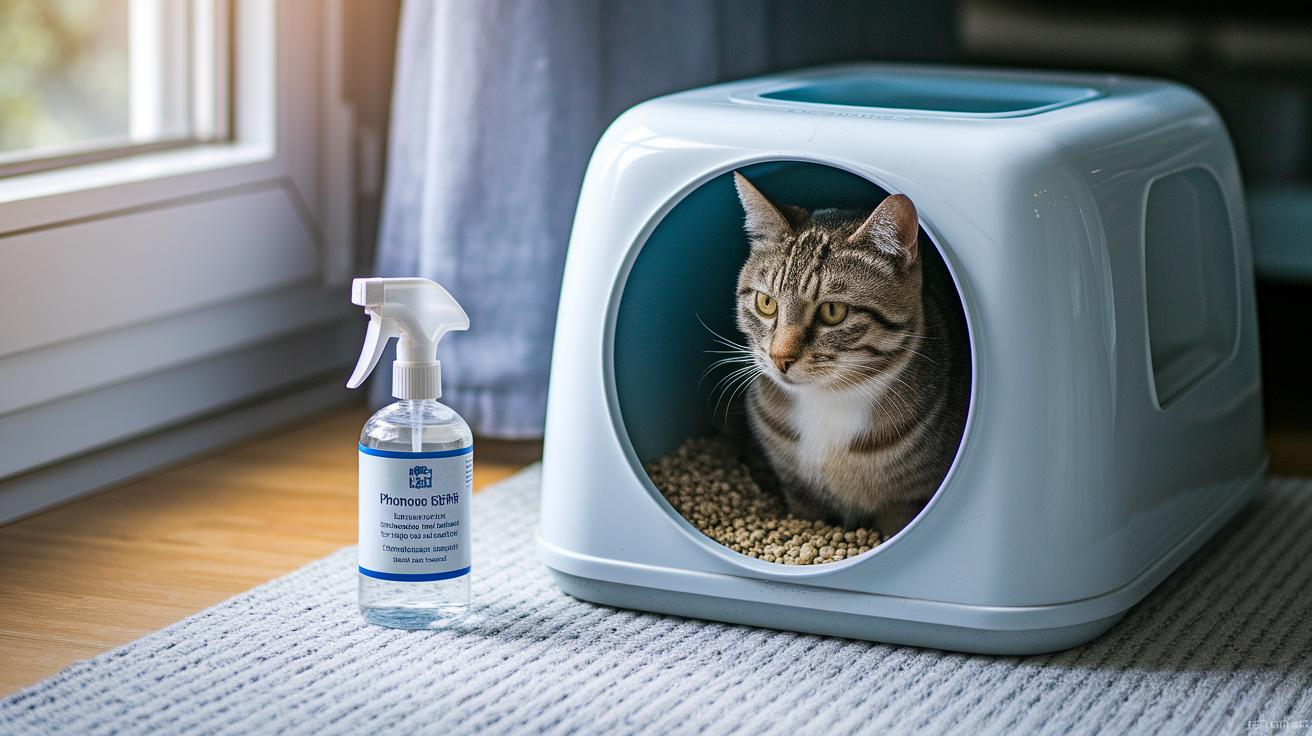
  • Using feline pheromone sprays near litter boxes effectively

    Using feline pheromone sprays near litter boxes effectively

    Is your cat treating the litter box like a scary thunderstorm? Ever watched them stare at the corner, ears flat, whiskers twitching?

    It’s a tense spot. Your kitty might jitter, dash for cover, or leave little surprises on the floor. Um, not fun for anyone.

    But try a quick spritz of gentle feline facial pheromone spray (a scent cats use to calm themselves). It’s like a soft hug for their nose and a tiny meowment of zen. Claw-tastic!

    In about a week you’ll see fewer accidents. Less marking. And a relaxed kitty who hops in without a second thought.

    Next, hold the bottle about six inches (15 cm) from each side of the box. Give it one spray before breakfast and another before bedtime. Easy peasy. Your cat will stick to good litter habits.

    Worth every paw print.

    Using feline pheromone sprays near litter boxes effectively

    - Implementation Guide Using Pheromone Sprays near Litter Boxes.jpg

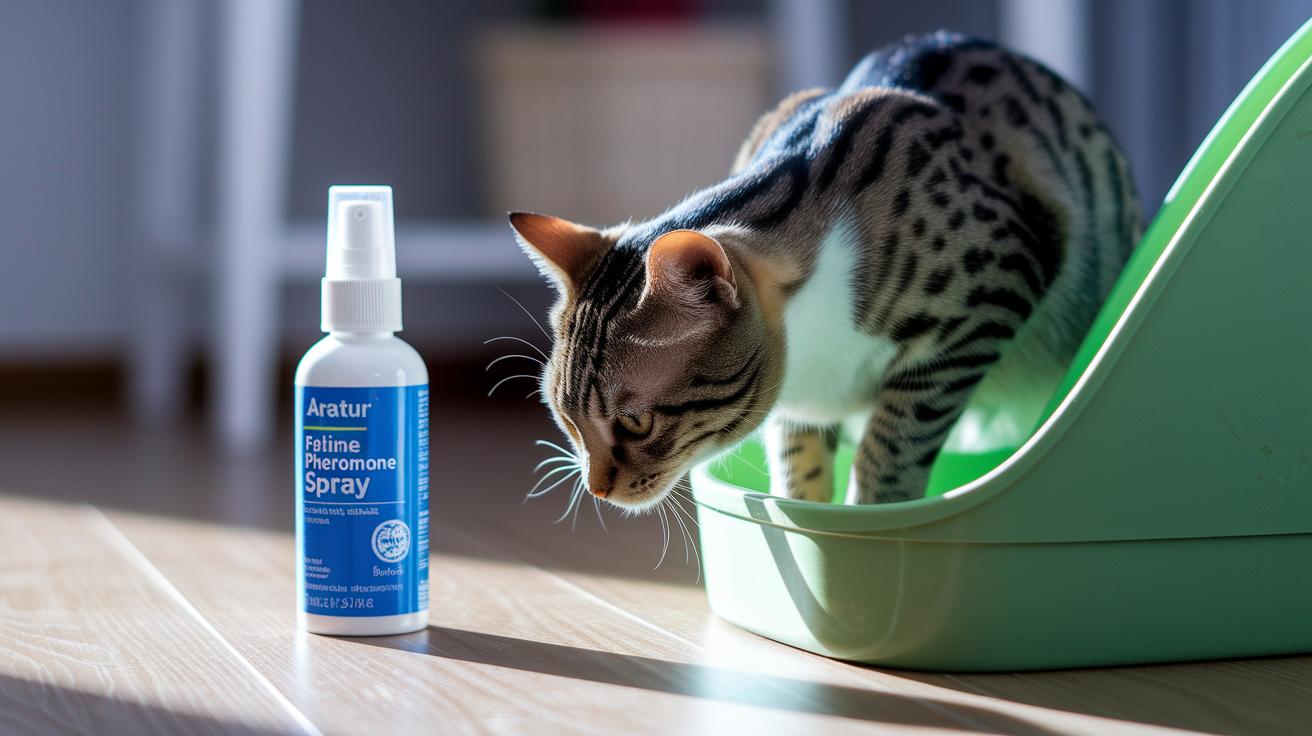
    It’s like a gentle hug for your cat’s nose. A light mist of synthetic feline facial pheromone (a comfort scent cats rub on each other) around the litter box can calm twitchy whiskers and ease stress. In about seven days, you might see less marking and more good litter habits. Ever watched your kitty take a deep sniff and then just chill? Really cool.

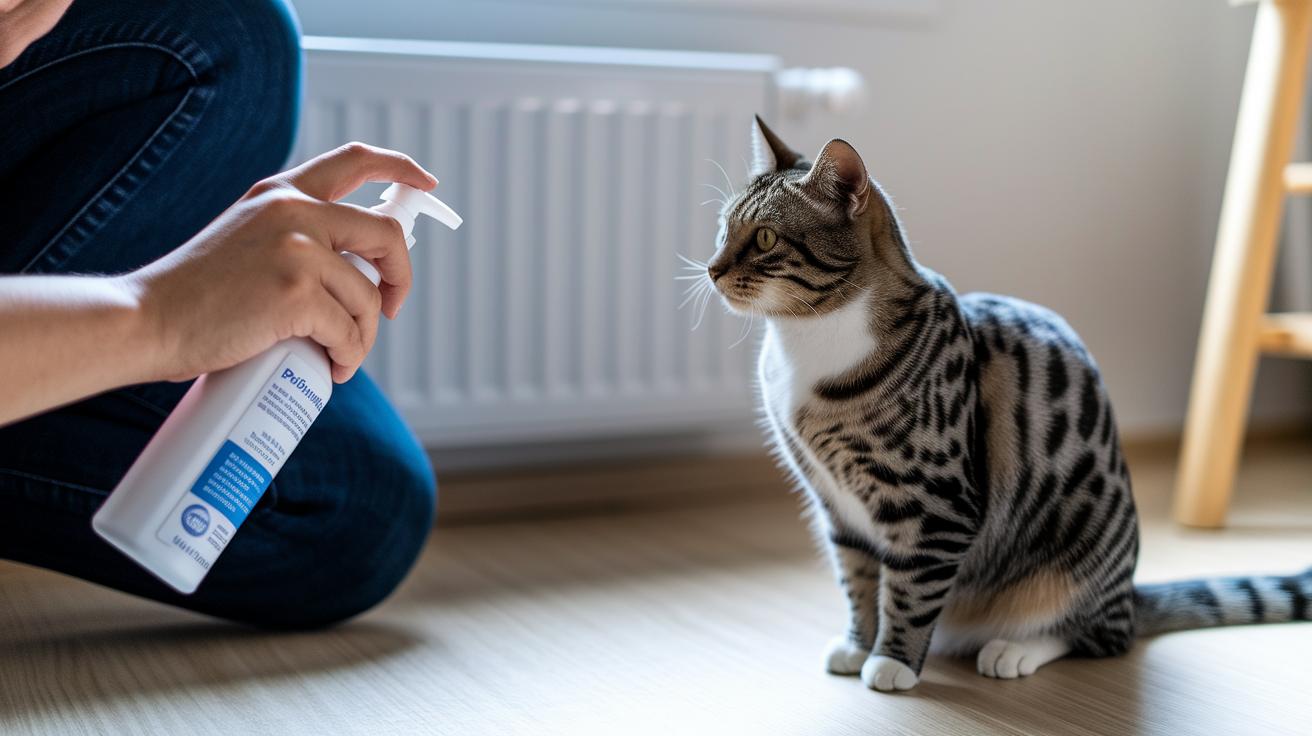
    1. Find the perfect spot to spritz. Hold the bottle 6 to 8 inches away from each outer wall of the box. Never spray inside or on the litter itself.
    2. Give 3 to 5 quick sprays per side. This offers just enough scent to guide your feline friend without overwhelming all the other smells.
    3. Mist twice a day for a full week. That steady beat tells your cat this is their safe zone.
    4. Once they use the box like a champ, ease off. Spray once a day for three days. Then every other day. Oops, don’t go from full blast to zero – taper gently.
    5. Keep sprays at least a two-foot buffer from food and water dishes. You don’t want your cat mixing up dinner time with litter time.
    6. Give the box a good clean each week before misting. For fast cleanup tips and smart placement advice, check the litter box maintenance checklist for busy cat owners.

    So get spritzing and watch your kitty feel feline fine again.

    How Feline Facial Pheromones Influence Litter Box Behavior

    - How Feline Facial Pheromones Influence Litter Box Behavior.jpg

    Cheek pheromones (those gentle scents cats leave when they rub their faces) tell your kitty “this spot is safe.” Synthetic feline facial pheromones for litter boxes copy that warm welcome. Ever seen your cat rub its cheek, then stroll away with that look of bliss?

    These calming signals lower cortisol (the stress hormone), stop cats from spraying, and calm jitters that make them dash out of the box. Your cat’s whiskers twitch as it takes a gentle sniff, melts into calm, and hops right in.

    Works in minutes.

    A quick spritz makes a cozy scent halo around the box, ideal for a shy kitty. A diffuser (a plug-in device that gently spreads pheromones) covers more space, like a campfire’s warmth filling a room. Sprays use lab-made analogs (copycat copies) of the F3 fraction, while natural blends lean on real cheek oils from content cats.

    Keep cleaning simple. Avoid ammonia-based cleaners near treated spots since they break down pheromone molecules. A gentle soap-and-water wash keeps the area fresh and holds onto that friendly-face scent.

    Selecting the Best Pheromone Spray for Litter Box Stress Relief

    - Selecting the Best Pheromone Spray for Litter Box Stress Relief.jpg

    Ever caught your kitties squabbling at the litter box? I’ve been there, it’s like a feline soap opera. But with the right pheromone spray (tiny animal scent signals), you can turn down the drama. Two Feliway favorites really shine.

    Feliway Classic MultiCat has extra social pheromones. Just a few spritzes around a shared box and those hissy spats turn into polite turns. Your whiskered pals sniff the calm vibe and queue up, one at a time. It’s non-toxic and fuss-free.

    Got one cat who’s shy or picky? Feliway Air Spray targets solo litter box stress with quick relief. A couple spritzes on the outer walls send an inviting scent that says this spot is safe. It’s non-toxic and works almost instantly.

    Both sprays arrive in eco-friendly packaging made from recyclable materials. Unopened bottles stay potent for up to 24 months. Just stash them at room temperature out of direct sunlight and you’re set.

    Each 60 ml bottle runs about $20 to $30. Juggling multiple boxes? Bulk packs or refills can cut your cost per spray. That way your wallet and your kitties both purr in harmony.

    Worth every paw print.

    Safety Precautions and Troubleshooting Spray Usage

    - Safety Precautions and Troubleshooting Spray Usage.jpg

    Ever watched your kitty wrinkle her whiskers at a new spray? These formulas use pheromones (tiny, calming cat scents) that are non-toxic, scent-free, and safe for kittens, senior cats, and mama cats – just follow the directions on the label. Oops, that sounded like vet speak, let me rephrase: read the instructions. Even a gentle mist can backfire if you skip a couple of simple steps.

    Here are some common slip-ups with pheromone sprays and how to fix them:

    • Spraying in the wrong spots
      Whoa, don’t spritz litter, bedding, electronics, or your human-and-dog hangouts. Instead, aim for the outside walls of the litter box or nearby hard surfaces.
    • Over-spraying tiny areas
      Too much mist can leave a sticky ring you can actually see. Try a test spray on a piece of cardboard first to get your distance just right.
    • Skipping a patch check
      Always start small. Spray a little on one corner, wait a minute, and look for any odd stains or goo. No surprises later.
    • Ignoring skin or coat irritation
      If your cat starts scratching at the treated spots or giving them a lick-test, wipe it off with a damp cloth. Then, pause until your vet gives you the all-clear.

    If you’ve got everything right but your cat still seems jittery, ease off on the spray or stand a bit farther back. Sometimes cutting out just one spritz per side makes all the difference.
    Enhancing Litter Box Success: Pairing Sprays with Box Management

    - Enhancing Litter Box Success Pairing Sprays with Box Management.jpg

    Ever watched your kitty do that paw-stamp dance around a messy box? A dirty litter box can stress out even the calmest cat. But pairing pheromone (a scent signal cats use to feel safe) with a simple cleaning routine keeps things cozy. Scoop clumps, swap in fresh litter, then gently mist the outside walls with pheromone spray. Your cat’s nose will read that as a friendly invitation.

    1. Place one box per cat and one extra in cozy corners around your home. Try smooth floors, low rugs, or a raised shelf to suit shy or bold personalities. For more ideas, check selecting the right litter box for kittens.
    2. Scoop every day. Every three weeks, dump old litter and refill. Then spritz the box’s outer walls with pheromone spray to keep the happy scent going.
    3. To move a box, slide it just two inches toward the new spot each day. Keep up your spray ritual so your cat feels confident at every step.
    4. If your kitty avoids a certain spot, pop a temporary box right there. Give its outside a light spritz of pheromone and once your cat starts using it again, move it back to the usual place.

    Weave these tips into your weekly routine and watch your cat step into a calm, clean box every time. It's worth every paw-print.

    Vet Advice and Customizing Pheromone Protocols for Litter Training

    - Vet Advice and Customizing Pheromone Protocols for Litter Training.jpg

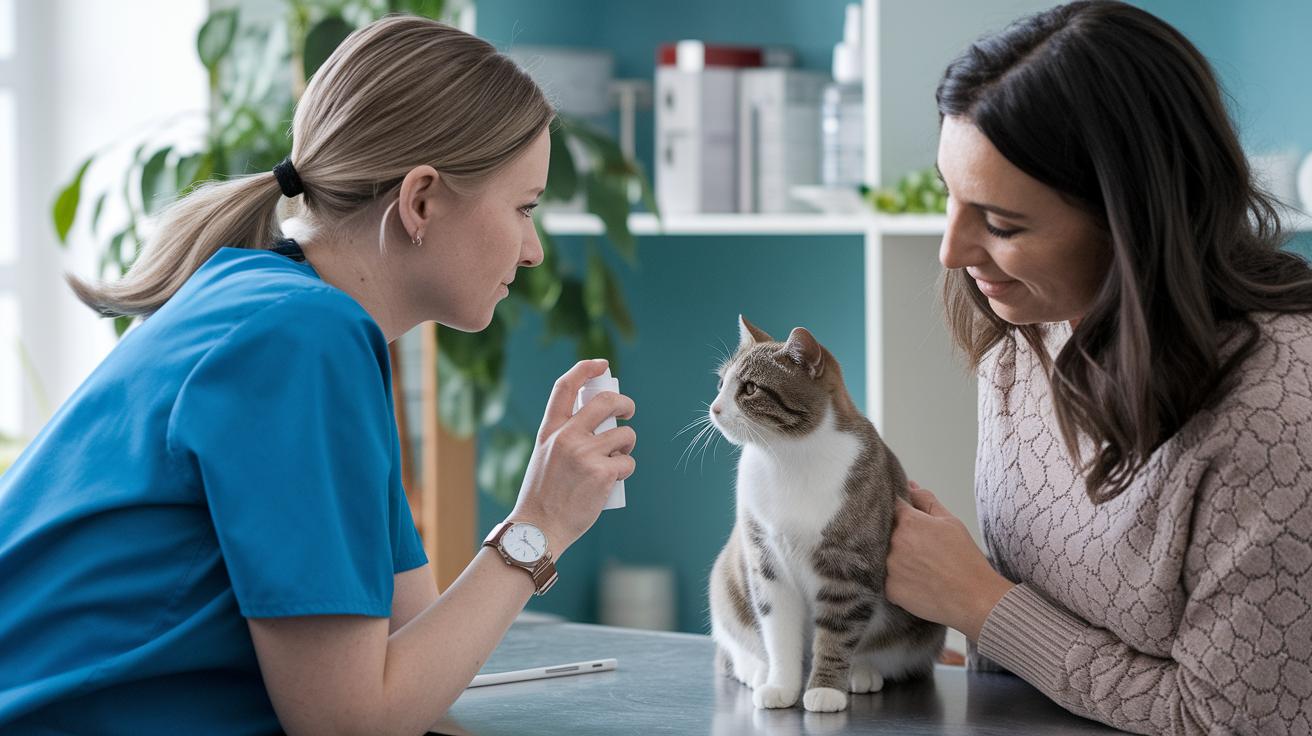
    If your furball still skips the litter box after about four weeks of pheromone spritzes, it’s time to call the vet. They’ll run blood work and a urinalysis to check for UTIs (urinary tract infections), bladder crystals, or arthritis pain. Getting that all-clear feels like laying down a smooth path for pheromone magic. Then you can focus on happy, stress-free box visits.

    Keep a simple log by the litter station, jot down every box stop, sniff-and-dash moments, or tail-twitch stress signals (ever notice that quiver?). This really helps you see what clicks. Maybe your cat perks up for a morning spritz but snoozes on evening sprays. Or one spray per side wins over three. Tweak the timing and spritz count until you see more little paw prints.

    Once your kitty’s using the box day in and day out (about a month in), start weaning off the spray. Try spritzing every other day for two weeks, then drop to once a week. Slow fade keeps those calm vibes around without a sudden scent blackout. Smooth sailing.

    In multi-cat homes, mix spot sprays at each litter station with a diffuser in a shared area like the hallway. That combo fills the gaps and gives shy or senior cats extra reassurance. Because every cat deserves a purr-fectly calm loo break.

    Final Words

    In the action we walked through benefits of targeted pheromone sprays to curb stress and cut down marking near litter areas.

    We shared tips on picking the right spray, dosing 3 to 5 spritzes, keeping a safe distance, and tapping out a schedule that fits busy days.

    Then we showed how pheromones team up with solid box cleaning and vet advice to seal the deal on steady habits.

    Using feline pheromone sprays near litter boxes can turn chaos into calm. Your cats will thank you.

    FAQ

    What is Feliway Spray?

    The Feliway Spray is a synthetic feline facial pheromone (calming chemical) that mimics the F3 signal cats use to mark safe territory. It eases stress and cuts unwanted spraying within 7 days.

    What is a Feliway Diffuser and how does it work?

    The Feliway Diffuser is a plug-in device that releases feline facial pheromone (calming chemical) into the air. It creates a secure zone that lowers stress and curbs unwanted marking for about 30 days.

    What is a Feliway Optimum spray and how does it compare to Classic?

    The Feliway Optimum spray is a stronger pheromone blend that tackles tension in multi-cat homes while the Classic spray delivers core F3 pheromone comfort for single cats.

    When should I use Feliway spray near my cat’s litter box?

    You should use Feliway spray twice daily for one week, applying 3–5 sprays on each outer litter box wall. Keep at least 2 feet from food and water to boost box confidence.

    Where should you not put a Feliway diffuser?

    You should not put a Feliway diffuser near open windows, vents, or inside cabinets, as drafts or enclosed spaces can reduce pheromone spread and cut its calming effect.

    What is the best spray to stop cats from peeing?

    The best spray to stop cats from peeing is often Feliway Optimum, a vet-approved pheromone blend that helps reduce stress marking in 9 out of 10 cats within one week.

    How do I make a homemade spray to stop my cat from peeing?

    You can make a homemade spray by mixing equal parts water and white vinegar (cleaning acid) with a drop of unscented soap. Test on a small patch to avoid surface damage.

    What smell attracts cats to the litter box?

    Cats are drawn to the familiar scent of their own pheromones in lightly used litter. Adding a bit of old litter water helps guide them back with comfort and confidence.

    Related Articles

  • positioning litter boxes for multi-cat households: Harmony

    positioning litter boxes for multi-cat households: Harmony

    Ever watched your cats jockey for the same litter box? One sniffs. One taps a paw. You can almost feel the tension, and your floor winds up with the mess.

    So scatter litter boxes around your home. Try a quiet bathroom nook. Then a closet corner. Maybe the laundry room. Each spot becomes its own little cat retreat.

    Next, peek in now and then to see which spots get the most action. If a box sits empty too long, try moving it. You’ll notice whiskers twitch and tails curl with relief.

    Before long, every furball claims its private kitty loo, and your floors stay clean. Worth every paw-print.

    Determining Litter Box Count and Placement Strategy in Multi-Cat Homes

    - Determining Litter Box Count and Placement Strategy in Multi-Cat Homes.jpg

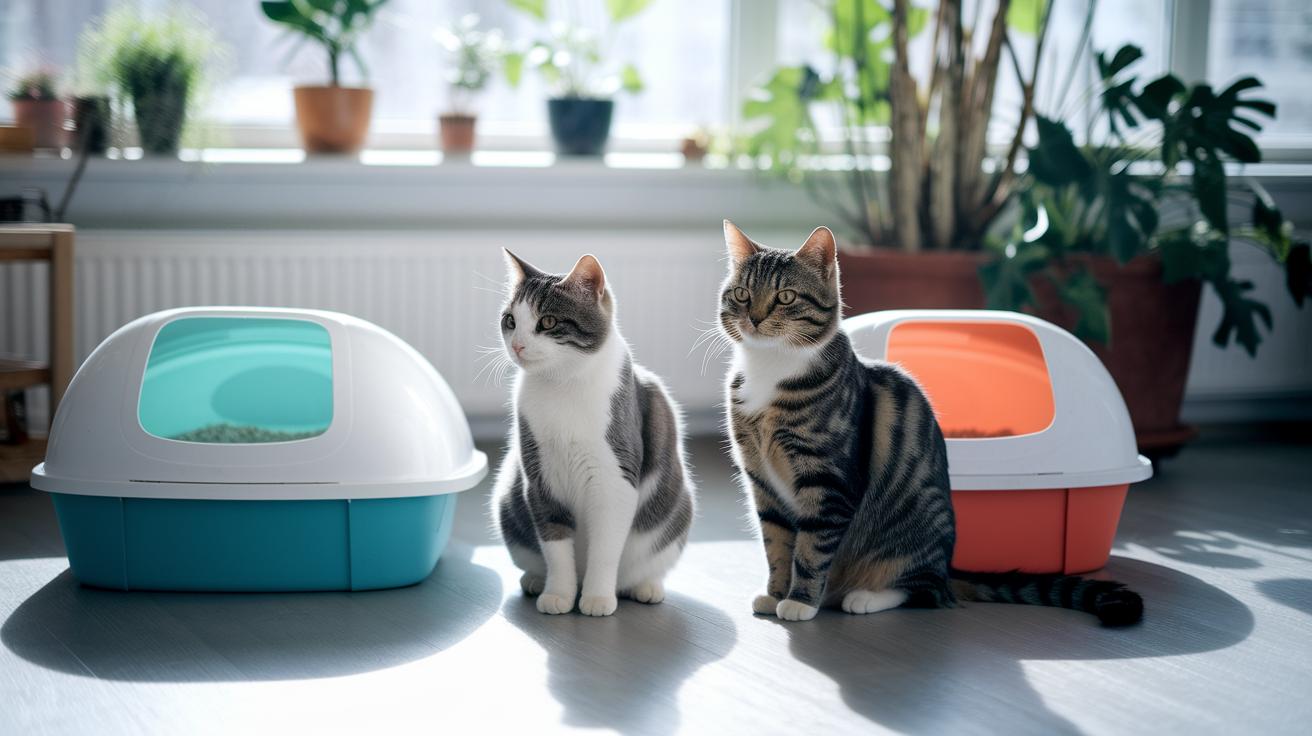
    In homes with more than one cat, here’s a simple trick: set out one litter box (your cat’s private potty spot) for each kitty – then add one extra. Ever had that awkward moment when your shy tabby gets stuck waiting behind another? A free, quiet box makes her whiskers twitch in relief. And bonus: no more jostling at the door, you know?

    That backup box isn’t just insurance – it’s zone defense for your fur squad. With three boxes for two cats, you dodge long lines and frantic dashes when someone’s in a hurry. Think of it like snacks on separate tables so nobody feels squeezed out. Spread them around the house so each cat stakes a peaceful claim.

    Senior or shy cats especially benefit – fewer accidents means happier humans (and cleaner floors). It feels natural for them, too, matching their patrol paths down hallways and around corners. Ever watched Luna rotate through them like she’s picking the best seat in the house? Pretty cute.

    1. Count up your cats, then add one box for the total.
    2. Spread the boxes in different zones around your home.

    Next, we’ll chat about the best rooms, precise spacing tips, and other tricks to make sure every kitty uses their box without a hitch.

    Positioning Litter Boxes for Multi-Cat Households: Harmony

    - Selecting Quiet and Accessible Locations for Multi-Cat Litter Boxes.jpg

    Got a house full of kitties? Finding the perfect spot for each litter box can help cut down on stress, and messy surprises. Cats crave privacy, so don’t tuck a box by the washer (that big spinning drum) or in a busy hallway. Instead, aim for quiet zones that stay calm even when your schedule gets wild.

    • Spare bathroom (easy to clean, super private)
    • Guest bedroom closet (low traffic, consistent use)
    • Laundry room (hard floors (easy to sweep), few distractions)
    • Basement (secluded hideaway, room for extra boxes)
    • Hallway nook (out of busy zones, still easy to reach)
    • Open closet with cat door (mini pet door for secret access)
    • Bedroom corner (works if you leave the door cracked)

    Keep box doors left ajar so your furballs slip in whenever they need. Installing a small cat door (mini pet door) or propping a bedroom door open hands them the freedom to go on their own schedule. Good lighting helps too, your kitty can spot any lurking shadows before they leap. Smooth floors under each box make scooping simpler and cut down on those pesky litter trails.

    Worth every paw-print.

    positioning litter boxes for multi-cat households: Harmony

    - Optimizing Litter Box Spacing and Layout for Multi-Cat Systems.jpg

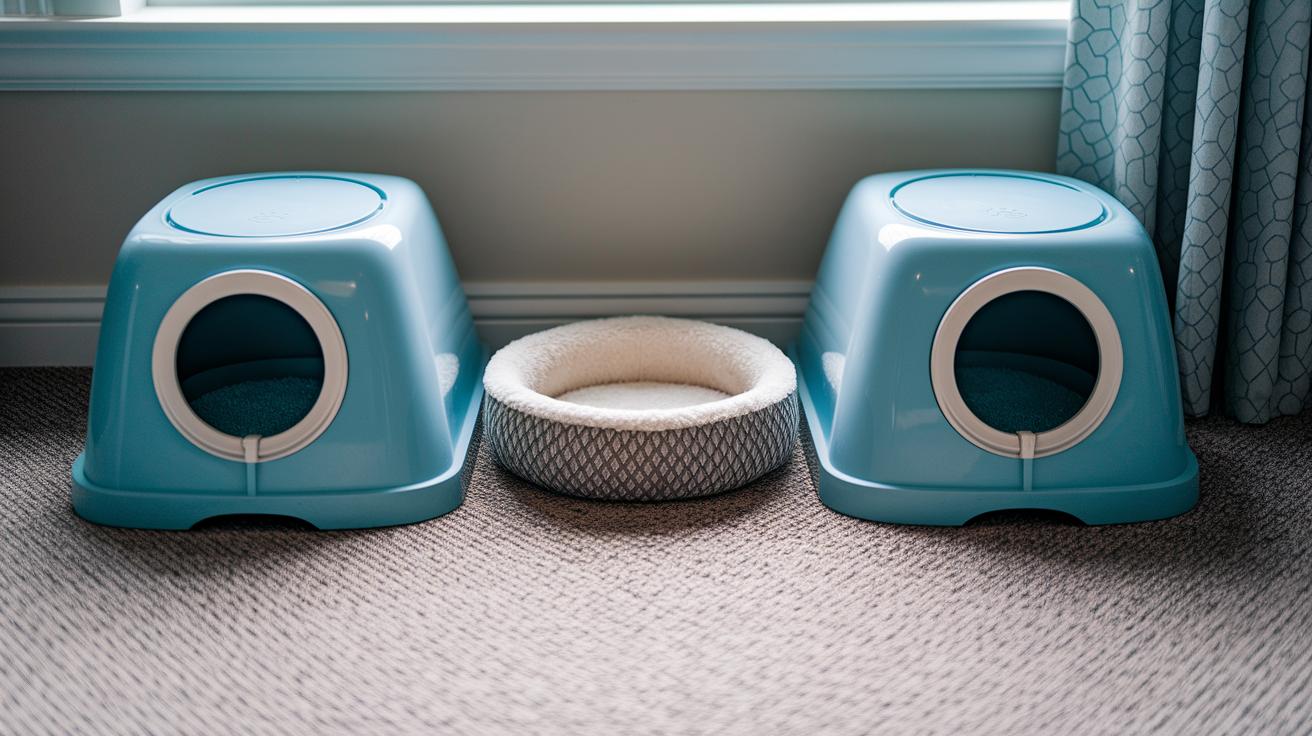
    First, give each litter station some breathing room. Aim for about three to five feet apart so no kitty feels crowded. Tuck each box against a wall or pop it into a corner (where two walls meet). That way your furball can peek out and dart away on either side. And if you’ve got a narrow hallway, slide boxes off the main path so wandering paws don’t bump into your toes.

    Placement Metric Recommended Distance Notes
    Between Boxes 3–5 ft Minimizes crowding
    Box to Feeding/Sleeping Area 5+ ft Respects cats’ elimination instinct
    Box in Hallway vs. Room Edge of traffic lane Out of direct path to reduce scares

    Grab a sheet of paper and sketch your home’s cat routes, doorways, stairs, sunlit napping spots, and pencil in each box. For multi-level houses, aim for at least one station per floor. Uh, you’ll spot if a shy kitty avoids one spot or if a box blocks a hallway. Then just tweak the position until those whiskers start twitching at each litter stop. Worth every paw-print.

    positioning litter boxes for multi-cat households: Harmony

    - Adjusting Litter Box Positions for Senior and Special Needs Cats.jpg

    Got an older kitty or one with achy joints? Let’s set up litter spots that feel like an easy welcome. I like shallow, low-entry boxes (just 2–3 inches tall) so they can step right in without lifting paws too high. Place it on the same level as their favorite nap spot. No stairs or ramps to slow them down.

    And noisy machines or slick floors can spook a sensitive cat. So pick a quiet corner with secure footing on a non-slip mat (a grippy pad).

    • Pick shallow, low-entry boxes (2–3 inches tall)
    • Set them on the same floor as your cat’s daily naps
    • Keep them away from noisy appliances
    • Slip a non-slip mat (grippy pad) under each box

    Give it a few days to watch and learn. Notice if your kitty circles, sniffs, then walks away. If she hesitates, slide the box to another cozy nook or swap in a different mat. A small tweak here or a lower rim there can turn puzzled paws into happy pounces.

    positioning litter boxes for multi-cat households: Harmony

    - Creating Privacy Zones and Safe Routes Around Multi-Cat Litter Boxes.jpg

    Cats love a bit of privacy when doing their business. They also need a clear exit if another kitty wanders by. Creating little hideaways gives each cat a safe nook free from surprise visits. Use folding screens (room dividers), baby gates (portable toddler gates), or a tall bookcase to carve out a cozy corner that still looks open and stylish.

    Installing Screening Panels

    Lightweight partitions or low shelves work like a charm. Slide a folding screen next to a litter box so your cat can slip in quietly. Or tuck a small shelf behind the box, books on one side and a soft rug (plush mat) on the other for extra comfort.

    Designing Separate Entry Paths

    Set boxes so they open toward two different spots, one side faces a hallway, the other a quiet room. That way shy kitties can sneak in and out without bumping into their housemates. Ever watched your timid furball peek around a corner? This trick lets them feel in control.

    These tweaks cut down on territorial tiffs and help each cat stay calm during potty breaks. You can also plug in a do cat pheromone diffusers work diffuser nearby to soothe stressed kitties and keep the peace. Lay down small rugs or mats to mark each zone’s border and guide cats to their own spot. Even a trailing pet tunnel (a fun tube toy) can act as a low barrier while doubling as playtime fun.

    Worth every paw-print.

    Maintaining Cleanliness and Monitoring Multi-Cat Litter Box Performance

    - Maintaining Cleanliness and Monitoring Multi-Cat Litter Box Performance.jpg

    Keeping your kitty litter zones fresh is more than a chore. It’s how you keep peace in a multi-cat home.

    When each box is clean, you cut down on turf wars, nose-to-nose sniff tests, and surprise puddles on the floor! A quick daily scoop zaps odors before they settle in. Then once a month, a full scrub sends germs packing.

    Place a small tray of activated charcoal (the black stuff that soaks up smells) or sprinkle a little baking soda just outside the litter area. Don’t tuck it inside the box. Good airflow (fresh air flow) is key, so avoid hiding boxes in dark closets. You’ll notice the room stays fresher and your nose gets a break.

    Smooth floors around litter spots make it easy to wipe up stray granules (tiny bits of litter). Slip a mat right at each entrance to catch runaway bits and keep dust under control.

    Here’s a simple routine:

    1. Scoop solids every day.
    2. Top off clumping litter (it sticks together for easy scooping) once a week.
    3. Swap all the litter and scrub boxes clean every month.
    4. Check for fresh airflow and clear any blockages.
    5. Place mats under box entrances and wipe the floor after each scoop.
    6. Track box use and smells in a notebook or app.

    Tracking litter usage might sound like extra work, but it pays off fast. Jot dates, times, and odor levels in your notebook (or app) so you can see which box gets the most visits.

    When a box smells funky, it could signal a health issue. Catching these trends early keeps every box welcoming, and your crew purring with relief.

    Evolving Litter Box Placement Based on Cat Feedback and Seasonal Changes

    - Evolving Litter Box Placement Based on Cat Feedback and Seasonal Changes.jpg

    Ever shuffled your kitty’s litter box (their private potty) in one big jump? It can throw their whole routine off and lead to a not-so-pleasant surprise on the carpet. Instead, scoot each station just one or two feet each day – that way your cat’s whiskers can pick up familiar smells. For more tips, check out transitioning adult cats to a new litter box.

    Summer sun patches can turn the litter into a hot baking plate that no cat wants to step on. In winter, drafty entryways or cold basements feel like walking on icy glass. Move the box into a warm, sunny nook or a quiet hallway. Then, scatter a few treats or add a pinch of your cat’s favorite litter in the new spot to make it feel like home.

    • Slide the box a little farther each day
    • Swap stations between rooms to see what your cat prefers
    • Watch for harsh sunlight or chilly drafts
    • Reward visits with treats or praise for a purrfect start

    Keep an eye on each visit – and every miss. If a spot stays unused, swap it out or try a new corner. Tiny tweaks over time help your cat build a happy, stress-free routine. Worth every paw print.

    Final Words

    In the action, we set up the one-plus-one rule to keep boxes open and cut down on squabbles. Then we walked through quiet spots and key zones to place them.

    Next, we explored spacing tips, easy-access stations for senior felines, and cozy privacy corners with escape routes. We also covered daily scooping routines and simple logs to spot trouble fast.

    Finally, we looked at small moves over time and using treats to guide cats to new spots. With these tips on positioning litter boxes for multi-cat households, your furry crew stays stress-free, and purring with contentment.

    FAQ

    How many litter boxes do I need for multiple cats?

    One litter box per cat plus one extra reduces territorial disputes and gives each cat its own open station without competition.

    Where should I position litter boxes in a multi-cat household?

    Litter boxes should be spread across quiet, always-open spots like spare bathrooms, laundry rooms or basements, away from food and noisy appliances to respect cats’ natural elimination instinct.

    Can I place two litter boxes side by side?

    Placing two litter boxes side by side can cause crowding. Boxes should sit at least 3–5 feet apart in distinct zones with multiple entry points to reduce stress and prevent trapping.

    What size litter box should I use?

    The litter box size should be about 1.5 times your cat’s body length. For most adult cats a 24×18-inch model offers ample room to turn, dig and cover waste comfortably.

    How do I manage litter maintenance for multiple cats?

    Litter maintenance for multiple cats involves daily scooping of solids, weekly top-offs of clumping litter, monthly full changes with box scrubbing, use of mats to catch tracking and good airflow around each station.

    How do I set up a litter box for a kitten?

    A litter box for a kitten should have low sides and shallow litter depth. Place it in a quiet, always-open spot, then guide your kitten there with treats and gentle praise after each use.

    What multi-cat litter box solutions can reduce conflict?

    Multi-cat litter box solutions include extra boxes in separate zones, open or multi-entry designs, screening panels for privacy and pheromone diffusers nearby to calm stressed cats and keep harmony.

    Where not to put a cat litter box?

    A cat litter box should not be placed near food or water bowls, noisy appliances or high-traffic areas. Avoid enclosed closets with poor airflow and spots where escape routes are limited.

    Related Articles

  • litter box maintenance checklist for busy cat owners

    litter box maintenance checklist for busy cat owners

    Think litter duty feels like a time sink? I used to bolt out the door and totally skip the scoop, oops, and my nose paid the price. But a clean box means a purring cat and zero stink surprises. So I whipped up a handful of easy steps you can slide into your morning and evening.

    Here’s your litter-box checklist:

    • Morning scoop (5 minutes): grab your scoop and listen to that soft clink as you pull out clumps. Your cat’s whiskers will twitch in delight.
    • Evening quick sweep: give the surface a once-over before bed to catch any missed bits.
    • Weekly spa-day wash: empty the box, rinse with warm water and mild pet soap, then let it air dry.
    • Monthly deep scrub: use an enzyme cleaner (a pet-safe liquid that breaks down odors), scrub gently, rinse well, and dry.

    Next time your cat hops in, they’ll find fresh sand that’s soft on their paws, and you’ll conquer your busy day without a single stink attack.

    Worth every paw print.

    Streamlined Litter Box Maintenance Checklist for Busy Cat Owners

    - Streamlined Litter Box Maintenance Checklist for Busy Cat Owners.jpg

    Got a packed schedule? Keeping your cat’s litter box clean doesn’t have to be a chore. This quick checklist lays out simple steps so you never miss a scoop.

    Every morning and night, grab your scooper and catch the clumps. It’s just five minutes. You’ll hear that soft clink of litter as you go. Then check the litter depth to about 2-3 inches, just right for digging comfort. Ever watched your kitty dig like she’s at the beach?

    Once a week, give the box a gentle spa day. Empty all the litter, wash it with hot water and mild soap (like a warm cat bath for the box), rinse, and let it air-dry. It takes around 15 minutes, and your cat will thank you with extra purrs.

    Every month, mix white vinegar (1 part vinegar, 1 part water) for a safe, cat-friendly disinfect. Spray or scrub, rinse well, dry, and inspect for cracks or scratches. If you spot any rough spots, replace the box to keep paws and noses happy. Plan on about 20 minutes.

    Use one box per cat plus one extra. Spread them on different floors and pick quiet, well-ventilated spots away from food and water bowls so shy cats feel secure. That spare box can be a life-saver if someone skips a scoop or finds a new hideout.

    Stick this checklist by each litter station. No more guessing. Just clean, happy cats – and less stress for you.

    Task Frequency Time Estimate
    Daily Scooping Morning & Night 5 minutes total
    Litter Depth Check Daily 1 minute
    Weekly Wash Weekly 15 minutes
    Monthly Disinfect Monthly 20 minutes

    Essential Litter Box Cleaning Tools for Busy Cat Owners

    - Essential Litter Box Cleaning Tools for Busy Cat Owners.jpg

    First, grab a strong scoop made for clumping litter. Metal (tough and cool to the touch) or plastic versions work great. A wide head and comfy handle make scooping feel smooth and quick. Seriously, your arm will thank you!

    Next, slip in snug litter liners that resist tears. They peel away cleanly when it’s time to swap, leaving no bits behind. No more wrestling with stuck-on corners.

    Wear gloves to keep things hygienic (rubber or nitrile, a kind of synthetic rubber). On dusty days, pop on a simple face mask. Fewer sneezes. Less itch. And you still feel your kitty’s soft jumps and tail flicks at your feet.

    Stock a little caddy with mild dish soap, white vinegar (a pet-safe scrubber), and a sprinkle of baking soda for stubborn smells. Keep it by the box so you don’t hunt for supplies mid-scrub. A quick spritz and wipe and the tray looks brand new. Your cat might even give you extra tail wags!

    Under the box, place a grooved mat or boot-style mat to catch stray granules and whiskers. Cleaning up takes seconds when the mess never leaves the mat. Worth every paw-print.

    Finally, stash a small basket nearby with liners, scoops, and sprays. That way, everything you need is right there. You won’t be racing around when cleanup calls.

    Odor Control Tips in Your Litter Box Maintenance Routine

    - Odor Control Tips in Your Litter Box Maintenance Routine.jpg

    Ever noticed how one whiff of litter can sneak into every corner of your home? Let’s keep the air fresh, and your kitty happy, with a few quick moves you can slip into your daily scoop time. These tips are simple, fast, and totally claw-some.

    • Sprinkle a thin layer of baking soda (yes, your pantry hero) into fresh litter when you top off the box. It smells fresh for a whole day.
    • Choose unscented, dust-free clumping or crystal (silica) litter. It locks in odor for two to three weeks without hiding the real scents.
    • Tuck a charcoal (black carbon) air filter near the litter box and swap it every six months. No sprays or chemicals, just trap those sneaky smells.
    • Set half a lemon or a small dish of mild vinegar outside the box. These natural deodorizers cut odors without bothering noses.
    • Skip perfumed litters and chemical air fresheners. They can irritate your cat’s super-sensitive nose and only mask odors instead of stopping them.

    A tidy litter box makes your home more inviting and gives your cat a clean spot to do their business every day. Worth every paw-print.

    Troubleshooting Litter Box Challenges for Busy Cat Owners

    - Troubleshooting Litter Box Challenges for Busy Cat Owners.jpg

    Skipped Scoops and Odor Buildup

    Miss a scoop and your nose will scrunch when you walk by. Try setting your phone to buzz at breakfast and dinner. Two quick scoops keep things smelling… uh, nicer. And leaving the lid off gives extra airflow so funky smells don’t get trapped.
    Tip: A free alarm app is perfect when you’re juggling work calls and kitty cuddles.

    Liner Tears and Leaks

    Oops, torn liners mean litter scattering everywhere. I ditched liners and went for a bare plastic tray (a sturdy, wipe-clean box) that never rips and cleans in seconds.
    Quick trick: Keep a little scrub brush next to the box so you can tackle any surprise mess right away.

    Cat Avoidance of the Litter Box

    Ever watch your shy kitty sneak past the box? They crave a quiet spot. Spread two boxes in different corners so they don’t feel watched. If your senior cat has stiff joints, a low-entry box (short side for an easy hop-in) makes life simpler. And open-top models help them breathe easy, no trapped-in feeling.

    Excessive Litter Tracking

    If your rug looks like a sandbox, try silica sand (tiny crystals that soak up pee). Give it a quick stir each morning to break up hard bits so, well, urine sinks back in instead of sticking to paws. Your floors stay cleaner, your nose stays happy.
    Fast fix: Swirl before scooping and watch the scatter disappear.

    Scheduling and Reminder Strategies for Litter Box Maintenance

    - Scheduling and Reminder Strategies for Litter Box Maintenance.jpg

    Set a phone alarm. Or use a chore-chart app (a simple tool that reminds you to do tasks). Hear that soft buzz at dawn and dusk? That’s your cue to scoop the litter. It’s like a mini nudge, um, from the universe.

    Ever miss a scoop because you got busy? So, sync the scooping chores to a shared calendar (like Google Calendar). Now everyone in your home can peek in, claim a shift, or jump in when the reminder pops up.

    Tape a color-coded checklist or a sticker chart by the litter box or on the fridge. Every time you feed your cat or grab a snack, your eyes will catch it. You’ll know exactly when to scoop next. Worth every paw-print.

    Organizing and Storing Litter Box Maintenance Supplies for Busy Cat Owners

    - Organizing and Storing Litter Box Maintenance Supplies for Busy Cat Owners.jpg

    Ever feel like a litter box cleanup turns into a scavenger hunt? Let’s fix that! Stash your scoop (like a tiny shovel), nitrile gloves (thin protective gloves), and sprays right under the sink or on a wall-mounted rack next to the box, where you can hear the satisfying clink of a spray bottle. Hooks on the cabinet door keep gloves hanging ready, and a rack with small bins holds scrub brushes or extra scoops so you can open it and grab everything in one smooth move.

    Next, label little baskets for liners, mats, and backup scoops so your eyes spot them fast. Tuck extra litter and trash liners up high in a dry cabinet, away from curious paws, you know. Short on space? Stackable bins use vertical room to keep things tidy. And don’t forget to set a monthly restock reminder on your phone so you never run out of liners, litter, or cleaning spray.

    Worth every paw-print.

    Monitoring Cat Health Through Your Litter Box Maintenance Checklist

    - Monitoring Cat Health Through Your Litter Box Maintenance Checklist.jpg

    I love how scooping litter gives you a quick peek at your cat’s health. Ever noticed how you can learn a lot just by scooping? When you clear clumps, take a moment for a mini check, notice your kitty’s stool (poop) shape, color, and smell, and track how often they pee (urine). Jot down weird bits, like blood or mucus (slimy goo), so you’ve got details ready for the vet. This tiny habit can spot small infections before they turn into emergency visits.

    Stool Consistency and Color

    Look for squat blobs that are too soft or crumbly chunks that are too hard. Pale or really dark stools could mean tummy trouble, a dietary mismatch, or even worms (tiny parasites). Spot a sudden switch? Note it right away.

    Urination Frequency and Effort

    Count pee breaks: is it three times or twenty? Watch for straining or loud yowls (ouch!). Extra visits or painful signs can hint at bladder trouble (urinary issues). Keep a simple chart in your notebook to spot any odd trends.

    Odor Changes in Waste

    A sudden stench or a weirdly sweet whiff in poop or pee might signal infection or gut upset (digestive trouble). Let your nose guide you. Jot down any big, sharp smells and share them with your vet.

    Behavioral Changes During Elimination

    If your cat hesitates, circles more, or picks a new spot altogether, they might feel pain or stress when going. Catch these clues early so you can tweak the litter box, fresh litter, a different box style, and make bathroom time comfy again.

    Worth every scoop. Um, seriously.

    Final Words

    Right in the action you learned how to scoop daily, deep-clean weekly, and disinfect monthly. You picked tools like tough scoops, liners, gloves, mats, and a handy caddy.

    You got odor tips, from baking soda magic to charcoal filters, and quick fixes for missed scooping, torn liners, shy cats, and tracking trails. We covered reminders, smart storage, and health checks as you go.

    Now you have your litter box maintenance checklist for busy cat owners ready to roll. Your cats, and your furniture, will thank you with happy purrs and playful paws.

    FAQ

    How can busy cat owners get a free PDF litter box maintenance checklist?

    Busy cat owners can download a litter box maintenance checklist PDF free from our site, covering twice-daily scooping, weekly washing, monthly disinfection, and extra-box guidelines for stress-free care.

    What are some litter box cleaning hacks for busy cat owners?

    Litter box cleaning hacks include using a sturdy scoop to remove clumps twice daily, lining boxes with tear-resistant liners, stirring crystal litter to prevent pooling, and placing mats to trap stray granules for quick cleanup.

    Why has my cat suddenly stopped using the litter box, and could medical issues be involved?

    A cat suddenly stopping litter box use often signals stress, dirty boxes, or medical issues like urinary tract infections or constipation. Rule out health problems with a vet, then adjust box cleanliness and location.

    What causes a male cat to visit the litter box every few minutes?

    A male cat visiting the litter box every few minutes could have a urinary obstruction, bladder infection, or anxiety. Seek veterinary care immediately to rule out blockages, then follow treatment and stress-reduction steps.

    Why do vets not recommend closed litter boxes?

    Vets do not recommend closed litter boxes because they trap odors, reduce airflow, and can stress cats. Uncovered boxes offer better ventilation, odor control, and allow cats to see their surroundings, making elimination more comfortable.

    How do I properly maintain a cat litter box?

    Properly maintaining a cat litter box involves scooping clumps twice per day, keeping 2 to 3 inches of fresh litter, deep washing weekly with mild soap, monthly disinfection with vinegar, and offering one box per cat plus one extra.

    What is the golden rule of a litter tray?

    The golden rule of a litter tray is one box per cat plus one extra. This ensures clean space, reduces competition, and helps avoid accidents by giving each cat its own comfortable spot.

    Do cats need 24 hour access to the litter box?

    Cats need 24 hour access to the litter box to prevent accidents, reduce stress, and keep elimination routine on schedule. Accessible boxes help cats feel secure, especially in multi-cat or busy homes.

    Related Articles

  • Transitioning Adult Cats to a New Litter Box Stress-Free

    Transitioning Adult Cats to a New Litter Box Stress-Free

    Ever watched your cat freeze at a brand-new litter box? It’s like they think it’s a spaceship landing in the living room.

    But um, don’t rush. We’ve got a four-step plan. First, mix in a bit of their familiar litter (the soft granules cats use to do their business). Then slide the box a tiny bit closer each day and cheer every curious sniff.

    Next, offer a treat or a gentle ear rub when they finally give it a try. Before you know it, those whiskers will be twitching with confidence.

    Really. In just a few days, your kitty will use the new box like it’s been there forever. And your floors? Totally accident-free.

    Step-by-Step Litter Box Transition Plan

    - Step-by-Step Litter Box Transition Plan.jpg

    Switching litter boxes can feel like a big deal for cats. So here’s a simple roadmap to keep those whiskers twitching and avoid messy accidents. We’ll use four easy phases, mixing a scoop of old litter into the new litter (the stuff your cat digs in) so your kitty always smells something familiar. You’ll learn how to set boxes side by side, slide them bit by bit, and retire the old one at just the right moment.

    • Days 1–3
    • Days 4–7
    • Days 8–10
    • Day 11+

    Days 1–3:
    Pop the new tray right next to your old one. Fill it most of the way with the same litter your cat already loves. Then drop one teaspoon of used litter (the stuff with your cat’s scent) into the new tray so that familiar scent invites exploration. Leave the old box alone and let your cat sniff, paw, and even take a test-go. Ever watched a tail flick in curiosity?

    Days 4–7:
    Now start shifting the new tray a few inches each day toward its forever spot. Keep sprinkling in a bit of old litter so it never feels totally weird. Scoop both trays every morning, get rid of clumps (solid chunks of waste) and freshen up the scent. Your cat loves that clean, inviting feel.

    Days 8–10:
    Scoop the old tray only every other day, but scoop the new one daily to keep it extra inviting. If an accident happens, wipe the mess with a bio-enzyme cleaner (a pet-safe spray that eats odor) so your kitty won’t be tempted to go back. This way the new box always smells fresh. By now, your cat’s curiosity should be fully switched.

    Day 11+:
    Once your cat hops into the new tray two days in a row, tuck away the old box. Put the new litter box in its forever home. If it has a cover or hood, snap it on now that your kitty feels confident. Reward that success with a treat and a cheerful “good kitty.” Then keep it simple: scoop in the morning and at night, and swap out all the litter once a week. A little patience, some tasty rewards, and careful cleanup will make this swap a real purr-formance winner.

    Selecting an Appropriate Litter Box and Substrate for Adult Cats

    - Selecting an Appropriate Litter Box and Substrate for Adult Cats.jpg

    Is your cat a litter connoisseur? If they love the same litter, stick with it, it’s a quick win for both of you. But if you have to test a new kind, stir in a spoonful of their usual each day. That way the fresh scent sneaks in slowly and never feels totally odd to their nose.

    Avoid any litters with laundry-strong fragrances. Um, most kitties really dislike that nose-bracing stuff. Really.

    For older cats or fur-friends with stiff joints, pick a low-entry box. Think of a shallow pan they can just step into, no high walls to scale. An open tray also works, it keeps the whole scene in view so your cat feels secure. Ever seen a senior kitty freeze at a deep-sided box? This simple swap can make potty time purrfectly easy.

    Hate finding litter all over the floor? Try a non-tracking option. Crystal silica granules (tiny moisture-trapping beads) won’t cling to paws and help lock in dampness and odor. Paper pellets (compressed paper nuggets) feel softer underfoot, your cat’s whiskers will twitch with approval, and they won’t scatter everywhere. Your vacuum will thank you after every sweep.

    If you’re eco-minded, check out biodegradable litters from wood chips (plant shavings), corn kernels, or wheat bits. Wood chips soak up smells naturally. Corn-based litter clumps nicely for easy scooping. And wheat bits break down in your compost bin later. Light on chemicals, gentle on paws, and odor control without room-filling perfumes.

    Optimal Placement for Your Cat’s New Litter Box

    - Optimal Placement for Your Cats New Litter Box.jpg

    It’s all about comfort. If your old litter box was tucked under a table or by a quiet wall, put the new one there too. That familiar spot feels like home. Your cat’s whiskers will tell them, “This is mine.”

    At first, set the new and old boxes side by side. It helps kitty sniff out the new spot without a surprise. No slamming doors, roaring washers, or hallway echoes. Ever seen your cat freeze when footsteps thunder by? Not a fan.

    Corners make perfect little hideouts. Tuck the box beside a low cabinet or behind a chair so your cat has privacy. It’s like their own secret clubhouse.

    And fresh air is key. Crack a window or leave a tiny gap under the door so ammonia (stinky waste gas) doesn’t build up. Kitty’s nose, and yours, will thank you.

    Worth every paw-print.

    Behavior-Based Tips to Encourage New Litter Box Use

    - Behavior-Based Tips to Encourage New Litter Box Use.jpg

    Ever watched your kitty’s whiskers twitch as they explore a fresh tray? When they hop in and do their business, softly say “good kitty” and slide a tiny treat by their paws. That quick reward turns this spot into a potty party.

    Really.

    After meals, nudge your cat into the new box. Food time and bathroom time go paw in paw. It helps them link “I eat here, I go here.” You’ll be amazed how fast they catch on.

    Plug-in pheromone diffusers (devices that release comforting cat signals) can calm jittery felines. Just set one near the litter station. It’s like a scent hug whispering, “You’re safe here.”

    If an accident happens, never scold. Calmly pick up your cat and guide them to the new tray. Then clean the spot with a bio-enzyme cleaner (breaks down odors). That freshens things up and stops them from marking indoors.

    First, leave any covered entry door off so your cat can see inside and step in freely. Once they’re slipping in with confidence, reattach the cover in steps, door on, door off, door on, and watch their confidence grow.

    Troubleshooting When Transitioning Litter Boxes for Adult Cats

    - Troubleshooting When Transitioning Litter Boxes for Adult Cats.jpg

    So you’ve swapped out your cat’s familiar tray for a shiny new one. Exciting, right? But maybe you’re hearing tiny taps or seeing avoided corners. Let’s dive into what your feline friend might be telling you, and how to help.

    Behavioral warning signs of litter-box aversion

    • Scratching beside the tray: you’ll hear their claws tap on carpet or tile instead of inside.
    • Circling the new box then turning away: hesitation jitters before they commit.
    • Swatting fresh litter out: “This texture’s not for me,” in action.
    • Freezing at the entrance or backing out mid-step: pure four-paw anxiety.

    Two-week reassessment protocol

    1. Keep a simple log of where accidents happen and any odd behaviors.
    2. At day 7, skim your notes, see fewer mishaps or the same number?
    3. At day 14, compare week two with week one, accidents should drop by about half.
    4. If your cat’s still giving you the side-eye or accidents stay steady, it’s time to look deeper, maybe a vet visit or a pro’s advice.

    When to seek veterinary evaluation

    • Racing to the tray but barely any output (straining can mean pain).
    • Vocalizing or hunching in the box.
    • Blood in urine or dark-colored puddles.
    • Suddenly ditching the litter box when your cat seemed fine.

    Painful peeing can make any kitty avoid their tray. A quick vet check rules out UTIs or bladder inflammation so your pal finds relief fast.

    Engaging a feline behaviorist

    • Home walk-through to spot stress triggers.
    • A step-by-step litter-box transition plan with guided intros.
    • Regular check-ins to tweak tactics and track progress.
    • Handy tools like scent swaps, reward-based training, and timed tray visits.

    Worth every paw-print.

    Establishing a Maintenance Routine for Multiple Litter Boxes

    - Establishing a Maintenance Routine for Multiple Litter Boxes.jpg

    Keeping more than one litter tray clean can feel like juggling chores – but sticking to a simple routine keeps each box purr-fect for your kitty’s whiskers. Ready to make scooping a breeze?

    Every morning, scoop clumps out of each tray – feel that satisfying scoop-swoosh? It ditches odors and gives paws a fresh start. And hey, if you’ve got time, do it again at night.

    Ever watched your kitty do a happy dance in fresh litter? Adorable.

    Once a week, dump the old litter, scrub each box with a pet-safe cleaner, and let them air-dry. Then pour in fresh litter (clay grains (fine, soft bits) or recycled paper pellets (made from shredded newspaper)). Dry trays mean no soggy surprises.

    Testing new litters? Label trays A, B, and C and mark them on a calendar. This rotation trick helps you spot which texture your cat digs without any mix-ups.

    Press a handful of granules (litter bits) between your fingers for a quick moisture check. If they feel damp or stick together, swap in dry litter – goodbye clumpy mess.

    Slide a thin mat under each entry to catch stray pellets. It’s like a tiny welcome mat that tames roaming bits and keeps floors neat.

    With daily scoops, weekly scrubs, and smart litter swaps, every station stays fresh. Your cat can focus on, uh, burying business without complaining about a soggy tray.

    - Recommended Litter Boxes and Accessories for Smooth Transitions.jpg

    Meet the Dome litter box. It’s made from thick plastic (a sturdy resin that shrugs off claws). It keeps its shape and never warps. The open-top, modern look blends right into your living room. No hiding required.

    Ever wish litter duty could be a breeze? Enter the Neakasa M1 self-cleaning unit. It handles cats up to 33 pounds. And it sifts litter by itself after every use. No scoop. No stink.

    If dirty trays make you cringe, try disposable tray liners (thin plastic layers you toss after use). Slide one in before you pour the litter. When it’s time for a swap, just lift it out whole. Quick, clean, and all the old odors stay sealed away. Ever watched your kitty sniff a fresh box? They’re curious every time.

    Here’s a tiny tweak with big impact: a built-in scoop holder. Clip it to the side of the box. Your scoop is always right there. No more dusty shelves or frantic searches.

    Item Subscription Cost Bulk Refill
    Disposable Liners $12 per month (30 liners) $30 for 50 liners
    Neakasa Pellets $15 per month (cleanup cartridges) $40 for 4 refill bags

    Balancing convenience and cost helps you pick the right mix. Subscription plans send fresh supplies on time. Bulk packs save cash if you have space. Try both. Your scooping routine gets smoother. And your cat will purr louder.

    Final Words

    By now you’ve set up a clear four-phase plan to ease the swap, picked the right tray and substrate, and found the perfect spot. Next, you’ve added reward tricks and handled setbacks with calm fixes and vet tips. You’ve locked in a solid cleaning routine and even scoped top boxes and liners.

    It all adds up to a stress-free switch when transitioning adult cats to a new litter box. Here’s to happy paws and fresh digs ahead!

    FAQ

    How do you transition a cat to a new litter box?

    Place the new box beside the old one with some used litter, then over about ten days gradually shift its location and mix in fresh substrate for a smooth, low-stress switch.

    How do I attract my cat to a new litter box?

    Add a scoop of familiar (used) litter, place a treat or two nearby, praise correct use, and even feed close to the box to build positive associations.

    How long does it take a cat to adjust to a new litter box?

    Most cats adjust within eight to ten days when introduced gradually; shy felines may take up to two weeks before using it consistently without accidents.

    What if my cat won’t use the new litter box?

    Mix in more of the old litter, move the box to a quiet spot, scoop daily, and reward any exploratory visits until your cat feels comfortable.

    Will a cat recognize a new litter box?

    Only after it carries a familiar scent. Gradually mix old litter into the new box and keep both side by side so your cat understands its purpose.

    What is the golden rule for litter boxes?

    Provide one box per cat plus one extra, giving each feline a private station and reducing crowding stress that can lead to accidents or marking behavior.

    Related Articles

  • selecting the right litter box for kittens: happiness

    selecting the right litter box for kittens: happiness

    Ever watched your kitten pause at the litter box’s edge, whiskers twitching, then tap the floor like “nah, not today”?

    A too-small or awkward pan can turn potty time into a daily challenge for your furball (and a headache for you).

    But pick a roomy box with low sides and an easy step-in, and you’ll speed up training, cut down scatter, and keep your little tiger purring as they hop inside!

    Here’s the scoop: the right litter box builds confidence, stops stray litter in its tracks, and makes cleanup a breeze, so both of you can focus on the fun parts of kittenhood.

    Worth every paw-print.

    Why Kittens Need the Right Litter Box

    - Why Kittens Need the Right Litter Box.jpg

    Picking the perfect litter box for your kitten is more than just a one-and-done buy. It can speed up training, keep your tiny tiger comfy, and help you dodge spills. Your kitten’s whiskers will twitch with joy when they have the right fit.

    Here’s what to look for:

    • A box at least one and a half times your kitten’s length (so they can turn around without feeling squished)
    • An entry threshold of 3–5″ (about the height they can step over without slipping)
    • Side walls at least 6″ tall (to keep litter where it belongs)
    • BPA-free, anti-stick plastic (won’t trap odors or hold onto mess)
    • Your choice of an open pan or a hooded cover (for privacy or easy access)
    • A non-porous, easy-clean finish (just a quick wipe and you’re done)

    Stick to these tips and you’ll be feline fine, no more messy surprises.
    Worth every paw-print.

    Why Kittens Need the Right Litter Box

    - Optimal Size and Entry Design for Kitten Litter Boxes.jpg

    Ever watched your kitten struggle in a box that’s too small? It’s sad seeing tiny paws scrabble at the sides. Your kitten’s litter box should be at least one and a half times their body length from nose tip to tail base. For kittens under six months, start with a 12×12-inch pan. Then upgrade to a 24×18-inch one as they grow, you’ll see more confident hops.

    And don’t forget the entry. A side wall just 3 to 5 inches high or a gentle ramp lets your furball step in without jarring those little legs. Top-entry boxes look cool but can lead to spills (and sore joints). Save them for when your kitty’s steadier on their paws.

    Worth every paw-print.

    Material and Design Variations in Kitten Litter Box Selection

    - Material and Design Variations in Kitten Litter Box Selection.jpg

    Ever seen litter flying across the room? Anti-spill models have built-in scatter shields or raised rims that catch stray granules before they hit your floor. Some even sport splash guards with tough walls that keep pee safely tucked inside the pan. For max coverage, you know, pick one-piece guards molded right into the pan instead of clip-on shields that wobble or crack under sharp claws.

    Corner-shaped pans squeeze into room corners, saving floor space while giving your kitty plenty of side protection. Standard rectangular trays pop into open areas and come in deep bowls or extra-wide options for big diggers. Open-top designs keep the view clear so kittens don’t feel trapped or spooked, and they pick up on your hand signals faster, speeding up training. Covered boxes with hoods feel like a private cubby but can turn into a smelly cave if vents are too small, so pick one with roomy airflow slots or a lid you can pop off for fresh air.

    Always pick pet-safe plastics like BPA-free (no bisphenol A) or food-grade polymer (a kind of safe plastic) that stand up to your kitty’s claws and resist stinky smells. The non-toxic parts stop bacteria buildup, so the box lasts through years of paw patrol. A smooth, non-stick finish wipes clean in seconds with no scrubbing. Thick, rigid plastic keeps everything sturdy, and sealed seams stop grime from sneaking into crevices, which is perfect for messy kittens and busy human schedules.

    Kitten-Friendly Litter Options and Tray Compatibility

    - Kitten-Friendly Litter Options and Tray Compatibility.jpg

    For kittens under four months, go with an unscented, kitten-friendly litter that’s low-dust and non-clumping. The soft, fine granules cut down on sneezes and keep curious paws from swallowing clumps, you know. Ever watched your furball bat at gritty litter? It’s not fun when it swells inside. Skip crystal or wood-shaving litter, since those grains can feel like little rocks under delicate toes.

    Once your kitten hits four months, you might try a clumping clay formula (it makes grab-able clumps of wet spots). Prefer plant-based? Soft pine pellets (wood nuggets), soy, corn, or tofu litter (tofu granules) all break down in nature and feel gentle on tiny paws, I guess. Those pine bits or tofu beads give a mild, earthy scent instead of funky perfume. And bonus: they slip into the compost just fine.

    Pairing litter and tray makes cleanup a breeze! Choose a non-tracking tray or set a mat outside, kind of like a doormat for kitty paws (kitty feng shui!). The tray’s raised edges hold stray bits, and the textured mat traps rogue grains before they wander off.

    Your floor stays tidy. Your kitten’s toes stay cozy!

    Placement, Cleaning Routines, and Training for Kitten Litter Boxes

    - Placement, Cleaning Routines, and Training for Kitten Litter Boxes.jpg

    Think like your curious kitten. You’ll need one litter pan per kitty plus one extra. Spread the pans in quiet, low-traffic corners away from their food and water bowls so your tiny tiger can dig in peace. Ever seen a kitten jump at a fridge rumble? Yeah, avoid that spot.

    If your home has floors to explore, tuck a box on each level. That way little paws don’t have to race through the whole house when nature calls. Soft carpeting or a rug underneath can catch stray litter and give them a gentle spot to land. It’s like a mini landing pad for their pounce.

    Let’s talk cleaning. Scooping is your best buddy, do it every morning and evening. Scoop out clumps and waste from the litter (clumping cat sand) so smells don’t get out of hand. Once a week, give each box a deep clean: empty it, wash with gentle, unscented dish soap (soap for dishes), rinse well, and let it air-dry. And um, pop in a charcoal liner (a pad that soaks up stinky smells) or sprinkle a pinch of baking soda for extra odor control.

    Training time! After meals or naps, gently set your furball in the box and use your finger to scratch the surface so they catch on fast. When they go, reward with a treat or a cheerful “good job!” Kittens adore a warm voice and a little kibble for motivation. No scolding needed, just patience, praise, and maybe a cat pun or two. Want more tips? Check out litter box training for cats. You’ve got this, kitten parent!

    Worth every paw-print.

    - Recommended Kitten Litter Box Models and Feature Comparison.jpg

    Finding a litter box that fits your kitten and your budget can feel like digging through a pile of plastic. Maybe you want a simple starter pan that’s tough but won’t cost you an arm and a paw. Or maybe you’re eyeing a high-tech, self-cleaning box for a cat vs. robot scoop showdown (cat gadget dream!).

    Some of us need a quick training tray for a trial run, and others want extra splash guards for a multi-kitten riot. Ever watched your kitty fling litter like a furry excavator? It’s messy, but oh so satisfying to watch. To cut through the fluff, here’s a side-by-side look at five top pans.

    Model Price Dimensions Entry Height Wall Height Key Feature
    Lucky Champ Cat Litter Pan $30 25″×16.75″×9″ 3.5″ 9″ Rubber grips; sturdy polypropylene (tough plastic)
    Hartz Cat Litter Tray $10 20.25″×4″×13.75″ 4″ 4″ Simple open design; budget-friendly
    Van Ness with Frame $17 19″×15.38″×8″ + 8″ frame 4″ 8″ 20% recycled plastic (made from reused materials); frame boosts wall height
    ModKat XL Enclosed Box $180 21.26″×17.32″×10.25″ 6″ 10.25″ Dual entry; reusable liner; perforated lid mat
    IRIS USA Open Top Tray $19 19″×15″×11.75″ 5″ 11.75″ Front scatter shield; includes scoop

    Check the specs and match each pan to your kitten’s digging style and your clean-up routine. Whether you pick the budget champ, a solid mid-range model, or splurge on a box with every bell and whistle, you’ll end up with smoother scooping and a happier corner for your furball.

    Worth every paw-print.

    Final Words

    In the action, you saw why the right box size and easy entry speed up training, keep kittens comfy, and cut down on mess. Our six-point checklist lays out the must-have selection factors.

    Then we dug into ideal dimensions, spill-control features, safe litter options, plus placement, cleaning routines, and gentle reward-based training to build healthy habits.

    Finally, our model comparison helps you pick a pan that fits your budget and needs. With these tips, selecting the right litter box for kittens feels easy and stress-free.

    FAQ

    What kind of litter box should a kitten have?

    The right litter box for kittens is a low-threshold, spacious pan at least one and a half times their length, with high walls and smooth, non-toxic plastic for easy cleaning and comfortable digging.

    How can I litter train a kitten fast?

    Litter-train a kitten quickly by placing it in the box right after meals or naps, gently guiding its paws to dig, praising successes, and keeping the box spotless in a calm, easy-to-reach spot.

    Which litter is best for kittens, especially under eight weeks?

    The best litter for kittens under eight weeks is unscented, low-dust, non-clumping formulas like paper pellets or pine granules that are gentle on paws, reduce ingestion risks, and biodegrade for easier cleanup.

    How can I make a homemade litter box for kittens?

    A homemade kitten litter box can be a shallow plastic bin with a 3–5″ low-cut doorway and smooth edges. Fill with kitten-safe litter, wash weekly, and choose a sturdy container for budget-friendly durability.

    What is the golden rule for litter boxes and how big should they be?

    The golden rule for litter boxes is to pick one at least 1.5 times a kitten’s body length. Use a 12″×12″ box for young kittens and upgrade to around 24″×18″ as they grow older.

    How do I choose the right kitten from a litter?

    When choosing a kitten from a litter, look for clear eyes and clean coat, observe playful curiosity and healthy energy, gently handle each one to check temperament, and match their personality to your home routine.

    Related Articles

  • litter box training for cats made easy

    litter box training for cats made easy

    Ever stepped into a fresh puddle of kitty traffic on your rug? It’s like a surprise every time. You think, there’s got to be an easier way.

    But training your cat to use the litter box (your cat’s potty spot) doesn’t have to feel like herding tiny ninjas. They’re not out to trick you. With a few easy tweaks, um, you’ll have that rug accident free in no time!

    Pick a litter box that fits their body size. Think of it like choosing the right shoe. And scoop clean litter (absorbent granules) after meals to catch them on a pit stop. Cats usually head for a snack, so it’s the perfect moment.

    Next, we’ll walk you through simple, step-by-step tips. Soon litter box training will feel like a breeze for you and your whiskered buddy.

    Ready to swap puddles for purrs?

    Step-by-Step Litter Box Training for Cats

    - Step-by-Step Litter Box Training for Cats.jpg

    Cats are born with a digging urge. Even kittens around three weeks old will paw at litter to cover their mess. So when you start litter box training, be patient and calm. A gentle introduction cuts stress.

    1. Choose the right box size. It should be at least one and a half times your cat’s length so they can turn around with ease.
    2. Pour in about two inches of fine, unscented clumping litter (litter that clumps together when wet). Place it in a quiet corner your kitty can reach easily.
    3. Introduce your cat without forcing. Gently set them near the box, let them sniff and explore on their own. Ever watched your kitty circle and sniff? It’s cute. See litter box training for kittens for more.
    4. Bring them to the box after meals or naps. Cats usually need a bathroom break then, so a quick trip can help build the habit.
    5. Reward successes with praise or a tiny treat. Give a gentle pat and say “claw-some job!” to keep things fun.

    Most folks suggest one box per cat plus one extra. So a single kitty needs two in quiet spots. Scoop away clumps at least once daily, and wash the box weekly. Trust me, praising your cat beats any scolding when it comes to litter habits.

    Feel free to tweak things to your cat’s liking. Some kitties prefer a low-entry tray (a tray with a short side that’s easy to step over), while others like taller walls. If your cat still hesitates, try moving the box to a quieter spot or add a bit more litter. These small tweaks can make training a breeze.

    Weave litter breaks into daily routines to keep the habit strong. Scoop after breakfast and dinner. It only takes ten quick seconds and leaves a clear spot for them. Top off with fresh litter before you head out the door and over time these tiny routines become solid litter box habits.

    Choosing the Right Litter Box and Litter for Cats

    - Choosing the Right Litter Box and Litter for Cats.jpg

    Your cat needs room to shimmy and spin. Grab a box about one and a half times their full length. Kittens under three months love a low-entry tray. They hop in with no fuss. Active adults who dig like mad do best with a high-sided model that keeps litter from flying out. Ever watched a shy kitty hesitate? A hooded box (with a top cover) helps trap smells though it might feel a bit snug. Open trays let you peek in and give your cat extra space.

    Next, pick a fine-grained unscented clumping litter (clumps on contact and feels like soft earth on paws). Skip any scented granules until your kitten hits two or three months, you’ll avoid a kitty nose protest. If your cat likes to nibble, try pellet- or paper-based litter (tiny compressed bits) to cut down on dust and keep munching safe.

    • Open tray: low walls for easy in-and-out
    • Hooded box: hides odors and loose litter
    • High-sided box: keeps serious diggers contained
    • Low-entry box: perfect for kittens and seniors
    • Fine unscented clumping litter: gentle on paws, scoops in seconds
    • Pellet- or paper-based litter: less dust, safer if sampled

    Mix and match different boxes and litters until you find your cat’s favorite, then watch them give it the paw’s up.

    Optimal Litter Box Placement and Environment Setup

    - Optimal Litter Box Placement and Environment Setup.jpg

    Pick a quiet, cozy corner for your cat’s litter box. Your cat’s whiskers twitch as they sniff around, so give them a spot away from their food and water bowls where they can feel safe. Don’t plunk it in a busy hallway or right next to a noisy washing machine. This little hideaway becomes their private bathroom retreat.

    And for kittens between three and eight weeks, this spot acts like home base. Keep the box in one room so it’s just a few paw steps away. Place a puppy pad (absorbent training sheet) under the tray to catch spills while they learn the ropes. Soon enough, they’ll find their new bathroom like pros.

    You’ll also want a litter box on each floor. Spread them out so there’s always one within ten feet of where you hang out. Slip a litter mat at each exit to trap wayward granules before they wander off. Each station is its own quiet nook, leading to fewer accidents and more happy paws.

    Worth every paw-print.

    Cleaning & Upkeep

    - Maintaining Hygiene and Cleaning Routines in Litter Box Training.jpg

    Ever watch your kitty dig like it’s on a sandy beach? Scoop out clumps and waste every day. Keep about two inches of unscented, low-dust litter (tiny bits that won’t tickle noses). That way your cat can dig and bury like a pro.

    Once a week, empty the box. Um, give it a good scrub with a pet-safe disinfectant (kills germs without harsh fumes). Rinse it well. Then let it air-dry before you add fresh litter.

    • Bag up old litter in a sturdy trash bag so stray granules stay put
    • Dab an enzymatic cleaner (a spray that breaks down odors) on any oops spots to help stop your cat from re-marking
    • Replace the whole box every six to twelve months when scratches or stains make it less comfy

    And use only gentle, pet-safe cleaners and unscented litter. Your kitty will thank you with happy paws and a healthy nose.

    Common Litter Box Issues and Troubleshooting for Cats

    - Common Litter Box Issues and Troubleshooting for Cats.jpg

    Ever found a surprise puddle by the couch? It happens even to the best of us. When you spot your cat peeing outside the box, gently scoop them up, set their paws in the litter, and whisper “good job.” This little trick helps them link the spot with the right place.

    Some kitties dodge the box because it hurts to go. UTIs (urinary tract infections) or arthritis (joint inflammation) can turn a quick visit into a painful chore. And stress from a new home can add to the angst. Keep an eye out for stiff steps or soft meows of discomfort.

    If your cat keeps choosing the same wrong corner, tuck a second box right there. Or swap to a different litter, some felines prefer pellet-based or paper-based over clumping granules (moisture-absorbing bits). Outdoor-only cats might even like an earthy attractant (scent that mimics soil) or a pinch of compost mixed in.

    Bringing home a new cat or moving houses can stir up turf wars. Scatter boxes on every floor, one per cat plus one extra, to ease competition and nip box battles in the bud.

    • Accident correction: Interrupt gently, relocate to the box, then praise.
    • Litter preference: Swap clumping granules for pellets or paper.
    • Health or stress: Watch for wincing or stiff paws during elimination.
    • Marking: Place a box on the soiled spot or try an earthy attractant.
    • Multi-cat mix: One box per cat plus one extra in varied spots.

    Still spotting misses, or noticing pain? It’s time to chat with your veterinarian.

    Who is the ABC Platform for?

    - Litter Box Training Strategies for Multi-Cat Households.jpg

    The ABC Platform is a great fit for small and midsize businesses and agencies that already know the basics of tech and automation but don’t have hours to spare building their own systems. And agencies, you’ll love the jaw-dropping ROI from its built-in client and multi-site management tools.

    What is the ABC Platform?

    It’s a subscription bundle that brings together two powerful tools: the Visual Database (a way to see and organize your data at a glance) and the Automation Platform (the engine that runs tasks for you). You also get access to Scale By Tech’s advanced automation vault, packed with pre-built production-grade automations (like battle-tested workflows you can trust).

    Why should you care?

    With a visual database, an automation engine, and a vault of ready automations, you’ll be up and running in no time. No juggling separate apps. We put it all in one bundle so you spend less time setting up and more time enjoying results.

    Deploy & Enjoy

    Tiger Spirit Animal

    In the world of spirit animals, the tiger is all about raw feelings and gut instincts. This big cat stands for primal power, unpredictability, and trusting your own hunches. If the tiger is your spirit guide, you might dive into life head-first, going with your gut and acting fast when you need to.

    What is the meaning of the tiger spirit animal?

    • Willpower, personal strength, and courage
    • A hidden side of you you might usually tuck away
    • Aggression or anger, either your own or from someone else
    • Surprise turns in life when things get wild and you have to roll with it

    In animal symbolism, tigers carry both bright and shadowy sides. To really get its message, notice how the tiger shows up and how you feel around it. That’s your ticket to a deeper understanding of what this powerful cat is telling you.

    Elephant Symbolism & Spiritual Meaning

    Elephants show up in stories around the world as icons of power, wisdom, and awe. Their mighty strength and gentle nature make them perfect spirit guides for anyone ready to take the reins of their life. Even today, just thinking of an elephant can feel like a cozy hug of support.

    What does the elephant symbolize?

    • Strength and power
    • Wisdom and intuition
    • Longevity (think how long these giants live)
    • Maternal instinct and caring motherly vibes
    • Stability (you know that steady feeling under your feet)
    • Physical might (an elephant can carry 16,000 pounds, that’s like six cars!)
    • Endurance and a big appetite for life

    Life sometimes feels like a circus, chaotic but full of wonder. Elephants remind us that we’re built to handle the show. They stand for protection and guidance through tough times.

    Power & Strength

    Elephants teach us to spot our own power. These giants can run up to 40 miles per hour despite weighing up to 14,000 pounds, so we learn that real strength can be both gentle and unstoppable. By thinking about their calm confidence, we remember we, too, have power inside us.

    If you ever feel powerless, try pausing, listening to your gut, or asking for help. Real power doesn’t roar-it’s the quiet knowing that you can shape your own life. When the elephant spirit enters your story, you’ll find a safe place to stand strong and true.

    Positive Reinforcement and Advanced Techniques for Litter Box Success

    - Positive Reinforcement and Advanced Techniques for Litter Box Success.jpg

    Timing is everything. The second your cat hops out of the box, give a gentle pat on its head, whisper a soft “good job,” or slip a tiny treat into their bowl. You’ll see their whiskers twitch when they figure out that the litter box equals praise and a tasty bite. Ever noticed how your kitty’s tail does that happy swish right after a reward?

    Try clicker training basics next. Think of the clicker (a small gadget that makes a crisp click sound) like a high-five signal for cats. Keep it by the box. The instant they finish, click once, you know, click-tastic, then hand over a treat. Over a week or two, you can slowly skip the click and stick with treats and cuddles.

    Every cat learns at its own pace. Kittens usually nail the routine in just a few days. Older cats might need up to two weeks of steady cheers and treats. Mistakes? Forget ’em. Calm praise and regular rewards build a happy habit that keeps stress low…and both of you purring with pride.

    Final Words

    We jumped into how cats’ instincts guide litter box use, walked through box selection, placement, cleaning, and troubleshooting. You even picked up tips for multi-cat homes and positive reinforcement. It’s all about making the box inviting and stress-free.

    By scooping daily, offering the right litter depth, and celebrating each success with praise or a treat, you’ll keep your crew happy. Stick with these simple steps and tweak as you go. With consistency and care, your multi-cat household will ace litter box training for cats, and your home stays fresh and calm.

    FAQ

    How do I train my kitten to use the litter box?

    Offer a shallow, low-entry tray filled with two inches of fine, unscented clumping litter and guide your kitten after meals and naps, praising each success.

    How do I train my adult or older cat to use a litter box?

    Place a quiet, low-sided box in a private spot, add familiar unscented litter, gently move your cat there after meals, and reward proper use.

    How long does it take to train a cat to use a litter box, and is there an age limit?

    Training usually takes days—kittens often learn in one week, older cats up to two weeks. It’s rarely too late; a consistent routine and positive rewards speed success.

    How can I train an outdoor cat to use a litter box?

    Place a durable, covered box near their usual spot, mix soil with fine, unscented clumping litter, and reward each correct visit.

    Does a spray help encourage cats to use the litter box?

    A cat attractant spray can help by mimicking natural scents. Lightly mist clean, unscented litter before each refresh and observe your cat’s response.

    Do cats prefer open or closed litter boxes?

    Cats often prefer open boxes for space and airflow, while closed boxes can reduce odor. Offer both to see your cat’s choice—it may change over time.

    How can I prevent my cat from pooping outside the litter box?

    Ensure the box is clean, add extra boxes near soiled spots, test different litter types, and keep boxes in quiet, easily accessible locations.

    Where can I find litter box training help online or locally?

    Join forums like Reddit’s r/CatAdvice or r/CatTraining, look for virtual classes, or contact nearby vets and shelter behaviorists for personalized tips.

    Related Articles

  • Litter Box Training for Kittens Effortless Success

    Litter Box Training for Kittens Effortless Success

    Ever watched your kitten dig at your couch like it’s a sandy beach?
    Those tiny paws kneading the cushions feel cute…until you find fluff all over your lap.
    It’s adorable and a little maddening.

    Potty training your furball might feel like chasing a laser dot around the house.
    But guess what? She already knows how to dig.
    You just need to show her the right spot.

    First, set up a cozy corner with a shallow tray (easy to hop into) and fill it with soft litter (fine-grain sand-like granules).
    Next, sprinkle a few treats or a light feather toy nearby to make the spot feel fun.
    Ever notice her tail twitch when she digs?
    That’s your cue she’s getting in the groove.

    Then keep things calm.
    Same place.
    Same routine.
    A quick scoop and a friendly “good job” will help her link that little dig to potty time, and before you know it you’ll get clean paws and happy purrs.

    Ready to turn those tiny paws into potty pros?

    Step-by-Step Litter Box Training for Kittens

    - Step-by-Step Litter Box Training for Kittens.jpg

    Kittens under three weeks old can’t manage on their own. You’ll be the cleanup crew until around four weeks (weaning, when they start tasting solid food). That’s when they watch mom and pick up potty habits. Then we help turn that instinct into litter-box know-how.

    1. Section off a comfy corner
      Give your kitten a cozy zone with a low-sided litter box (short walls so they can hop in), a soft bed, their food bowl, and a couple of toys. Think of it like a little kitten nursery. This way they learn, “This is where I eat, nap, and… you know, go potty.” No mixed signals.

    2. Show and tell
      Right after a nap or a snack, gently place your fluffball in the litter box. Let them sniff and peek around. Then use your finger to mimic digging, just a few soft scratches in the litter. Digging is fun, and it sparks that natural paw action.

    3. Repeat on cue
      Do this after every snooze and meal. If they start pawing or sniffing the litter, whisper a soft “good job.” Positive vibes make them purr and want to come back for more practice.

    4. Extend freedom bit by bit
      Once your kitten is a pro in the corner, open the door for short play sessions elsewhere. If they wander off, calmly guide them back to the litter box. No scolding, just a gentle, “This way, little buddy.”

    5. Patience over perfection
      Every furball learns at its own speed, some nail it in days, others take a few weeks. Keep your routine steady, stay calm, and celebrate every tiny win. Before you know it, you’ll hear only purrs and see clean, happy paws.

    Consistency is your best friend here. With calm guidance, a sprinkle of playfulness, and maybe a quick “whoa, look at that jump,” you’ll have a confident kitten who knows exactly where to go. Worth every paw-print.

    Selecting Litter Boxes and Litter Types for Kittens

    - Selecting Litter Boxes and Litter Types for Kittens.jpg

    Let’s talk litter boxes. For tiny kittens, a shallow box around 13 by 9 inches feels just right. When your little furball grows, swap to a box about three times their nose-to-tail length. And if they’re under eight weeks old, look for low sides or a small ramp so they can hop in without a struggle.

    Now, litter. Texture and safety matter most. You’ll spot four common kinds at the pet store: clay (fine earth), silica gel crystals (tiny beads that change color), natural litters like corn (from corn kernels) or wheat, and pine shavings. There are also pellet-based options made from wood or paper pellets. Each one has its perks, and a few things to watch for.

    Ever watched your kitten taste everything? For that stage, try an unscented clumping litter (forms small clumps) with a sand-like feel. It’s gentle on tiny mouths and soft paws. Corn-based litter cuts down the risk if they take a little nibble. Pellet litter keeps dust low so sensitive lungs stay happy. And those crystals that change color? They can give you early health hints, just ask your vet.

    Worth every paw print.

    Litter Type Key Feature Safety Note
    Clay High absorption, clumping Avoid scented or clumping before 2 to 3 months
    Silica Gel Odor control, moisture indicator Watch for dust inhalation
    Natural (corn, wheat) Biodegradable, safe if ingested Test for tracking around your home
    Pine Fresh scent, pellet form Avoid aromatic oils
    Pellet-Based Low dust, minimal tracking Great for under-8-week-old kittens
    Crystal (health monitor) Color changes for health signs Use under vet guidance

    Match the litter grain to your kitten’s habits, fine grains for a beach-sand vibe or crumbly bits for a soft garden-soil feel. Oops, quick tip: mix a bit of new litter with the old so your furball adjusts without drama. Then you won’t find surprise clumps hiding under the couch.

    Litter Box Placement Strategies for Kittens

    - Litter Box Placement Strategies for Kittens.jpg

    Kitten parents, let’s keep accidents to a minimum. Follow the one-plus-one rule: if you have one kitten, set out two litter boxes. That means a clean spot is always just a whisker away. No more midnight messes, promise.

    Pick a calm corner with bright light. It helps tiny paws see the fine-grain litter (tiny clay pellets). And you’ll avoid high-traffic spots where your kitten might feel squeezed.

    A mat (absorbent pad) beneath each box makes cleanup a breeze if they dash out mid-dig. Ever watched your kitten zoom across the floor right after digging? Me too, um, more times than I can count.

    Got stairs? Place at least one box on every level. Keep each within about ten feet of your kitten’s favorite hangout, no crazy stair sprints to potty. It saves steps and makes finding the bathroom a snap.

    Tweaks pay off. Try a hallway nook or a laundry corner, just keep it away from noisy machines. Secure the box with a non-slip mat (rubber backing) so it doesn’t slide during those serious scritches. Bright light and steady footing help your kitten feel confident.

    Worth every paw-print.

    Positive Reinforcement in Kitten Litter Box Training

    - Positive Reinforcement in Kitten Litter Box Training.jpg

    Timing matters when you’re teaching your kitten where to go. The moment she hops out of the litter (fine, sand-like material under her paws), drop a tiny fish nibble or chicken bite into your hand. Or toss a toy mouse and watch her pounce before she dashes off. Those split-second rewards help her link the box to good vibes fast.

    For extra fun, grab a clicker (a small tool that makes a click sound) and tap it the instant her paws hit clean litter. Follow up with a treat that goes crunch or a teeny spoonful of wet food. Pretty soon she’ll zip over at the click, curious to earn more praise and snacks. It’s like turning potty time into a mini party.

    No yelling. No finger wags. If an accident happens, just clean it up with a gentle, scent-free spray, no harsh soaps, please. Your calm voice and soft praise keep her feeling safe and confident. Kittens pick up on your mood quicker than a laser dot zips across the floor.

    Give shy kittens a nudge with a sprinkle of Dr. Elsey’s Precious Cat Ultra litter attractant (a powder that smells like… well, stuff cats like). Add a cozy blanket nearby or spritz a pheromone (cat calming scent) toy. Sometimes a brand-new feather teaser or a quick petting break makes box visits feel extra special. These gentle charms turn training into a claw-tastic adventure.

    Happy pounces ahead.

    Cleaning Routine and Maintenance for Kitten Litter Boxes

    - Cleaning Routine and Maintenance for Kitten Litter Boxes.jpg

    Setting up a scoop routine makes your kitten stay curious and clean. When you’re training your kitten, scoop right after every trip to the box. Keep the litter about 2–3 inches deep so those tiny paws can dig around and practice.

    • Training stage: Scoop after each use, smooth the top, and refill so the litter stays at 2–3 inches.
    • Mature kitten stage: Scoop at least once a day. Remove clumps, fluff the litter, and add fresh bits to keep it inviting.
    • Monthly deep clean: Empty the box, wash it with mild dish soap or a simple vinegar solution (white vinegar and water), rinse well, then let it dry completely.

    Use only safe cleaners, plain vinegar or fragrance-free soap works wonders. Harsh stuff like bleach or Lysol can irritate your kitten’s little lungs, so skip those.

    For extra odor control, tuck an open baking soda packet (ordinary cooking soda) near the box or slip an activated charcoal bag (an odor-fighting material) underneath. These quiet helpers soak up smells without any harsh chemicals.

    Letting residue build up can send your kitten hunting for new spots. A fresh, well-kept box reminds her where to go and sparks that instinct to bury. Stick to the scoop routine and monthly scrub. A tidy box means happy paws and fewer floor surprises.

    Troubleshooting Common Litter Box Issues with Kittens

    - Troubleshooting Common Litter Box Issues with Kittens.jpg

    Sometimes those tiny accidents happen when the litter box is too small, the texture feels weird, the location feels spooky, or you just don’t have enough boxes. Oops. When it happens, clean it up fast. Grab a gentle, scent-free spray or a vinegar-and-water mix and blot the spot so your kitten doesn’t mark it as her new potty corner.

    Ever watched your kitten do that little sniff-and-scratch routine? If she circles the box like it’s a mystery or hops out without digging, try moving the box to the accident spot. You can also play with litter depths, 1–2 inches of soft litter bits or bump it to 3–4 inches, until those paws feel just right.

    Sometimes you need a little magic dust. Sprinkle a pinch of kitten-safe litter attractant (a gentle scent that says come here) into the box. Then guide your furball there after meals or naps. You can even do a quick dig-demo with your fingertip, dig, dig, turns training into a fun game instead of a chore.

    And if your kitty’s dealing with tummy troubles or urinary issues, she might skip the box. In that case, a vet visit is a must. You might also try color-changing crystal litter (tiny beads that shift color with pH) to spot trouble early. With small tweaks and gentle encouragement, litter box training becomes a breeze. Worth every paw-print.

    Multi-Kitten Litter Box Training Tips

    - Multi-Kitten Litter Box Training Tips.jpg

    Ever watched your kittens figure out their litter box? It’s like a tiny dance, with soft paw scritches in the sandy litter. Around week four they usually mimic mom’s every move. But when you’ve got a litter of kittens you need a few clever tips so none of them gets left behind.

    Here’s how to keep everyone on track:

    • Offer one litter box per kitten plus one extra so nobody’s racing for real estate.
    • Spread the boxes out in different corners or rooms so each kitty has its own private powder room.
    • Right after meals or naps (when most kittens need to go), gently place each one in its box and cheer for every tiny paw-dig.
    • In shelters, keep boxes, food, and toys together in one cozy room until they’ve got the hang of it, then let them roam free.

    That’s all it takes to turn litter lessons into smooth sailing. Worth every paw-print.

    Final Words

    In the action, you spotted telltale readiness signs and set up a cozy training zone for your little fluff ball.

    Then you chose the right box size and substrate (like sand-like corn litter) and placed boxes in quiet spots, cheered on each win with treats, and kept the routine clean and calm.

    You also got quick fixes for accidents and tips for training a whole crew at once.

    Now you’ve got a fun, stress-free path for litter box training for kittens. Sweet relief awaits!

    FAQ

    How to litter train a kitten quickly?

    The fastest way to litter train a kitten is to start when it shows readiness around four weeks, place it in a low-sided box after meals or naps, mimic digging motions, and reward each success.

    How long does it take to litter box train a kitten?

    The time to litter box train a kitten usually spans two to three weeks, though each kitten learns at its own pace and some may master it sooner or need extra practice.

    Do kittens need to be litter box trained?

    Kittens don’t automatically use a box; they rely on instinct but need human guidance, gentle introductions, and routine to build the habit of using a litter box.

    How to train an orphaned kitten to use the litter box?

    Training an orphaned kitten starts by manually stimulating elimination if under four weeks. After weaning, use a shallow box, guide digging motions, place after meals, and praise success.

    What litter and box size should I use for kittens under 8 weeks?

    Kittens under eight weeks need a shallow box about 13×9 inches with ramped sides, and unscented, sand-like or pellet litter (small granules that reduce tracking).

    Why won’t my 8-week-old kitten use the litter box and what can I try?

    An 8-week-old kitten may refuse a box due to wrong size, texture, placement, or health issues. Try adding boxes, testing shallow litter depths, and consult a vet if needed.

    When is it too late to litter train a cat?

    It’s never too late to litter train a cat; older cats can learn with patience, consistent placement, gentle encouragement, and a clean, inviting box environment.

    Related Articles

  • best litter box size for cats delivers comfort

    best litter box size for cats delivers comfort

    Notice your kitty doing a funny two-step around her litter box? Paws hanging off the edge, back curved like she’s trying to fit into a dollhouse? Ever watched her swivel and meow, as if saying, “Hey, this box is too tiny!”

    It’s not just adorable. It’s her way of telling you she feels squished. A pan (litter box tray) just a few inches too small can turn her daily dig into a litter-ally frustrating workout. She might even leave half-buried surprises outside the box.

    Oops, let’s fix that. First, measure her from the tip of her nose to the base of her tail (nose-to-tail length). Then choose a box at least 1.5 times that number in length (so she can stretch out on her toes). And make sure the width gives her room to spin, no poking paws on the sides.

    Give her space to scratch, spin, and cover litter with ease. Then sit back and enjoy that satisfying little thud. Pure kitty bliss.

    How to Determine the Ideal Litter Box Size for Cats

    - How to Determine the Ideal Litter Box Size for Cats.jpg

    Getting your cat’s bathroom just right is easier than you think. Grab a tape measure (like a flexible ruler) and lay it from her nose to the base of her tail. Multiply that number by 1.5. That gives you the minimum length your kitty needs to stretch out before digging.

    Here’s how to nail the perfect dimensions:

    1. Measure your cat
      Lay the tape from nose to tail base. Multiply by 1.5 for the minimum box length.

    2. Check the width
      Make sure she can spin around without brushing the sides. Match her length or add a couple extra inches.

    3. Compare common sizes
      Most pans are about 16×10 inches. Jumbo pans run around 22×18 inches. If that feels snug, try oversized tubs, think 27×20 inches or larger, to give her wiggle room.

    4. Set the litter depth
      Pour in 2–3 inches of litter so she can dig and cover properly. Any more and you risk tracking; any less and she might slip.

    Medium cats usually do fine in a jumbo pan. But big breeds like Maine Coons need extra real estate. If your Maine Coon tips the scales over 20 pounds, consider a roomy tub around 36×24 inches so there’s zero chance of outside-the-box accidents.

    Ever hear that little thud when kitty digs? That’s pure contentment. When your cat has space to stretch, turn, and scratch, she’ll use her box every time. Worth every paw-print.

    Litter Box Size Recommendations by Breed and Cat Size

    - Litter Box Size Recommendations by Breed and Cat Size.jpg

    Big breeds really love having space to roam when they go, you know. Ever seen your kitty do a little two-step in the litter? Most big cats fit nicely in a 27 x 20 inch plastic trough (roughly 2 feet 3 inches by 1 foot 8 inches). It’s roomy enough for adults to dig and scratch without feeling cramped.

    But if you have a true gentle giant like a Maine Coon, go bigger. Aim for a 36 x 24 inch pan (about 3 feet by 2 feet) so they can stretch out fully and dig deep without bumping their whiskers on the sides.

    Midweight fluffballs like Ragdolls need a box around 30 x 18 inches. It’s just the right size for a few big turns and a good scratch. For active window-watcher Bengals, a 24 x 14 inch box gives them enough room to spin and pounce.

    You can even repurpose an under-bed storage tote (about 32 x 15 inches) to slide under low furniture. Just sand or trim any rough edges so paws stay happy.

    Breed Average Cat Length (in) Recommended Box Dimensions (in)
    Maine Coon 20 – 25 36 x 24
    Ragdoll 15 – 18 30 x 18
    Bengal 12 – 15 24 x 14
    Average Adult 10 – 14 27 x 20

    Less mess. More purrs.

    Entry Height and Wall Styles for Kittens, Seniors, and Messy Cats

    - Entry Height and Wall Styles for Kittens, Seniors, and Messy Cats.jpg

    When your kitten is learning or your older cat has stiff joints, a box with low sides can make all the difference. Using a shallow litter pan (tray for kitty waste) means no-hop entry. Aim for a front wall about 2.5 to 3.5 inches high. That way little paws or achy elbows slip in without drama.

    Ever watch your kitten stand on tiptoes trying to climb a tall side? Oops. And feel that soft pop when a senior lands? That low front saves them an awkward thud. Same goes for cats with arthritis, you want gentle entries, not painful jumps.

    Here is what works for most cats:

    • Kittens & seniors: front wall about 2.5 to 3.5 inches high lets them step in smoothly.
    • Diggers & sprayers: three sides with walls 6 to 8 inches tall catch scatter and stop sprays.
    • Top-entry boxes: round openings 10 to 12 inches wide plus a gentle ramp (like a small slide) prevent slips and wild tumbles.

    Good wall heights do more than block a mess. They let your cat settle, relax, and focus on business. If you see litter scattered across the floor, taller sides will save your carpet from a sandstorm. And if your shy senior still hops out empty-pawed, try a lower front, you might just hear a happy purr.

    DIY and Alternative Oversized Litter Pan Solutions

    - DIY and Alternative Oversized Litter Pan Solutions.jpg

    Ever stepped in sandy footprints across the floor? Your cats could use a bigger sandbox. A cement mixing tub (a sturdy plastic tray for stirring concrete) measuring about 27×20 inches costs less than $15. Its smooth, flat bottom feels stable under their paws. Rounded edges make clawing safe, and scooping is a breeze.

    Got a giant furball or two sharing the tub? Upgrade to a 36×24 inch size. No more litter spats. Everyone has space to stretch and scratch.

    Under-bed storage totes (around 32×15 inches) are another winner. Clip one side down for a low entry. Then sand the rough edges so no fur gets caught. Tuck the tote under a bed or behind the couch for a sneaky litter station.

    Travel days? Meet the collapsible silicone pan (folded to about 17×11 inches). Silicone (a bendy, fold-flat polymer) means no clunky bin in your luggage. Pop it open, pour in litter, then fold and stash when the job’s done. Super simple.

    Think beyond pet-store trays. These DIY pans save you money and give your kitties all the room they need to dig, scratch, and cover in total comfort.

    Make stray litter a thing of the past.

    Space and Placement Guidelines for Litter Boxes

    - Space and Placement Guidelines for Litter Boxes.jpg

    Ever watched your kitty do that sneaky waddle before finding the litter spot? Picking the perfect nook makes all the difference. Find a quiet corner where paws don’t echo down hallways. Cats crave privacy, nobody wants an audience when doing business.

    Give each box about 1.5 times your cat’s length of space (so they can sneak in, spin, and dash out without feeling trapped). It’s simple but oh-so effective. Your cat will thank you with extra purrs.

    In a home with more than one kitty, you might wonder how many litter boxes do I need for cats. A good rule is one box per cat plus one extra. Then spread them across floors or rooms to avoid mine-mine drama. This lets shy felines slip in unnoticed and confident ones keep their cool.

    Keep food and water dishes away from the litter station. Imagine nibbling dinner right next to a sandbox, no thanks. This simple move cuts stress and helps keep things fresh.

    Here’s the quick checklist:

    • Choose calm, low-traffic corners
    • Leave about 1.5 times your cat’s length of clearance around each box
    • Spread boxes across rooms or floors in multi-cat homes
    • Keep food and water dishes a comfy distance away

    Worth every paw-print.

    Maintaining Litter Depth, Cleanliness, and Hygiene

    - Maintaining Litter Depth, Cleanliness, and Hygiene.jpg

    Keep your litter at about 2-3 inches (5-7 cm). That’s like a mini sandy bed (it’s absorbent sandy material) – deep enough for epic digs, but not so deep that your kitty’s paws fling clumps everywhere. Give it a poke with your fingertip. It should give way and crumble when you lift. If you pile it above 3 inches, you’ll spot sandy paw prints all over your floor.

    Scoop your box once a day – morning or night, whatever fits your groove. Pulling out those clumps lets air flow and keeps odors at bay. Plus, your cat always steps into a fresh surface, and you’ll catch surprises (those sneaky hairballs) before they turn into stink bombs. Really.

    One time I skipped a day and walked in to a hallway that smelled… yikes. Ever had that “oh no” moment? Let’s never do that again. A quick five-minute scoop saves you from an all-day scrub later.

    Once a week, toss all the old litter and give the box a good wash. Grab mild soap, warm water, and a soft brush. Rinse thoroughly, let it air dry (sunshine helps), then refill with fresh litter. Don’t use ammonia or harsh cleaners – they leave residues that send cats racing for the door.

    If you use non-clumping litter (it soaks up moisture but doesn’t form tight clumps), change it out weekly, too. Otherwise it turns soggy – and stinky – super fast. Fresh litter means happier whiskers and fewer nose wrinkles.

    Maintenance Task How Often Notes
    Litter depth check Daily Keep 2-3 inches; avoid over 3 inches
    Daily scooping Once a day Use a slotted scoop to catch clumps
    Box wash & litter swap Weekly Clean with mild soap, warm water; air dry
    Non-clumping litter swap Weekly Replace all to keep it fresh

    A clean box = more purrs and fewer floor messes.

    Final Words

    You measured your cat from nose to tail base, used 1.5× that for box length, picked a width that lets them spin, and kept litter at 2–3″ for comfy digs. You adjusted entry heights for kittens or seniors and matched sizes to breeds like Bengals or Maine Coons. Then we covered DIY tubs, ideal placement, and a simple cleaning routine.

    Armed with all this, finding the best litter box size for cats is no sweat. Happy cats, happy home. Enjoy fewer replacements, less stress, and cozy corners for your furballs.

    FAQ

    Do cats like bigger or smaller litter boxes?

    Cats like bigger litter boxes because extra space lets them turn, dig, and bury waste comfortably without touching the sides.

    What size litter box should I buy for a 10-pound cat?

    A 10-pound cat should use a box about 24 inches long and 16 inches wide—roughly 1.5× its nose-to-tail length—with 2–3 inches of litter.

    What are large litter box dimensions?

    Large litter boxes often measure 22 × 18 inches or more. Oversized tubs can reach 36 × 24 inches, giving extra room for big breeds and multiple-cat households.

    How big should a litter box be for a kitten?

    A kitten’s litter box should be about 12–15 inches long and 8–10 inches wide, with low 2–3 inch sides for easy entry and safe digging.

    How tall should an enclosed litter box be?

    An enclosed litter box should have walls 6–8 inches high on three sides, with a 2.5–3.5 inch entry front for easy access and scatter control.

    What is the golden rule for litter boxes?

    The golden rule is one litter box per cat plus one extra. This helps prevent territory issues and ensures every cat has a clean, private spot.

    How do I know if my cat needs a bigger litter box?

    You know your cat needs a bigger box if its tail or haunches hang over the edges, it avoids the box, or starts toileting outside it.

    What are stainless steel litter boxes and are they a good choice?

    Stainless steel litter boxes are durable, non-porous pans that resist odors and bacteria. They’re easy to clean, scratch-proof, and long-lasting.

    What is the best litter box for cats?

    The best litter box is at least 1.5× your cat’s length, has smooth low sides, simple corners for scooping, and a non-toxic, easy-clean surface.

    Related Articles