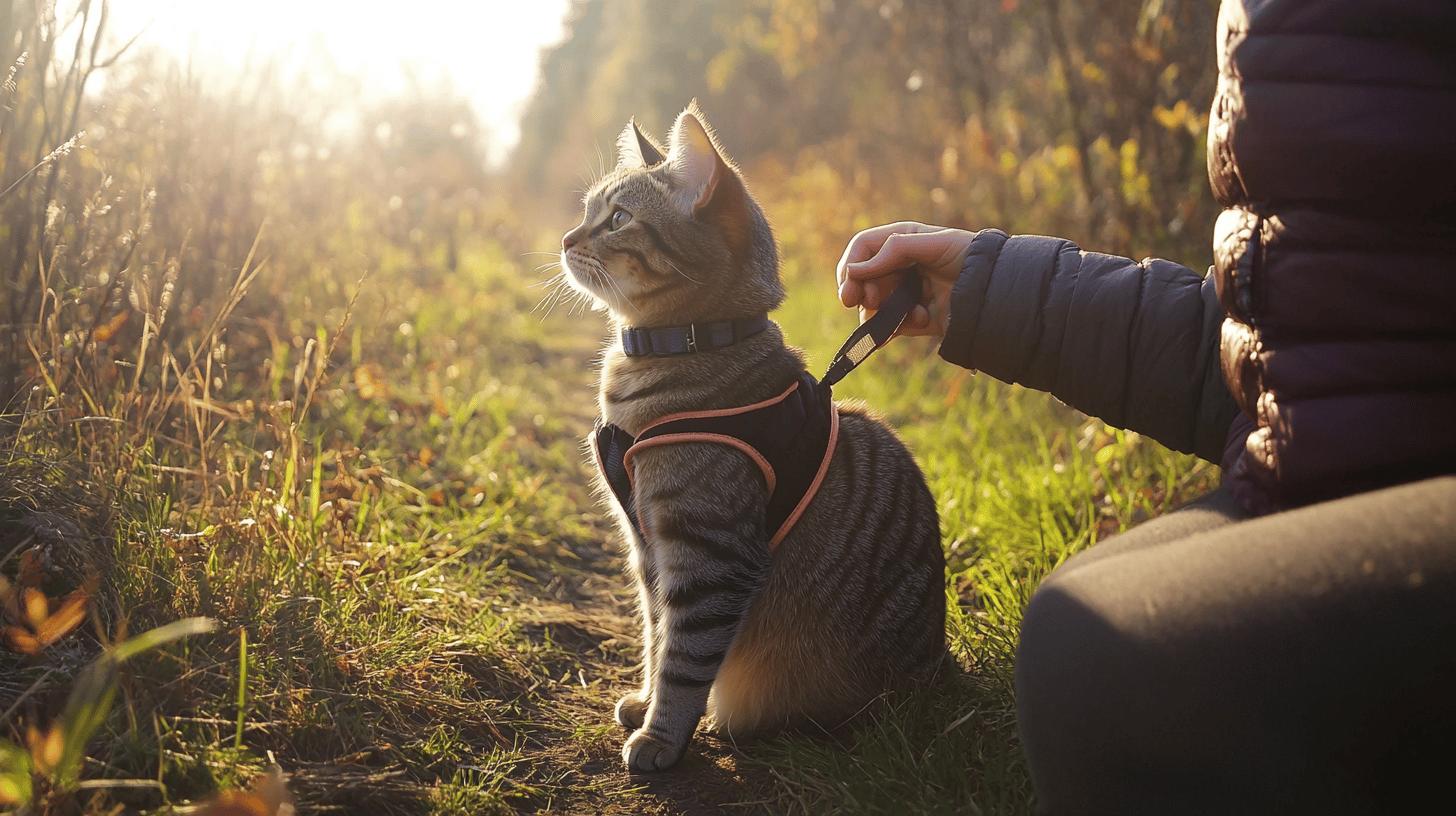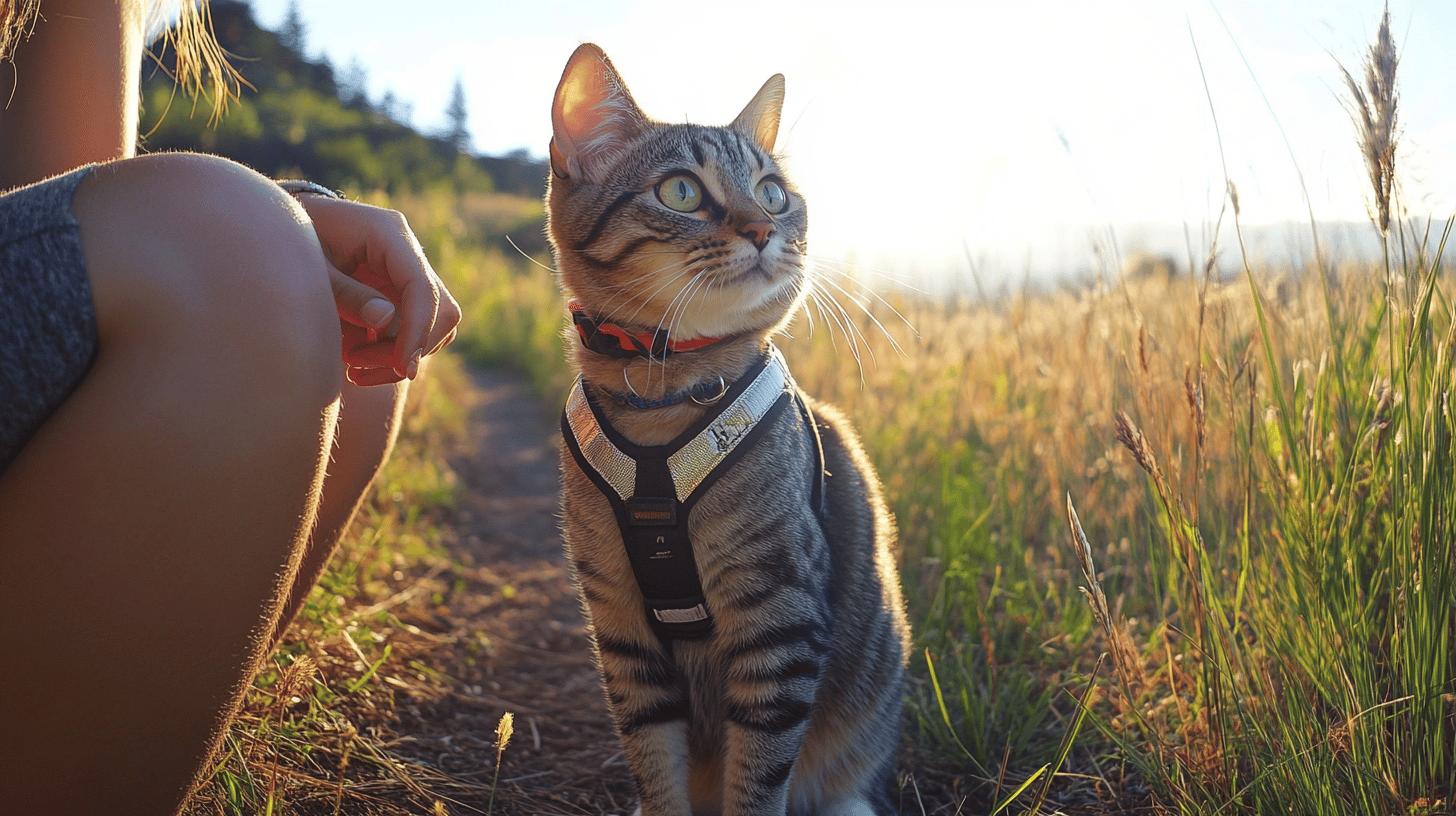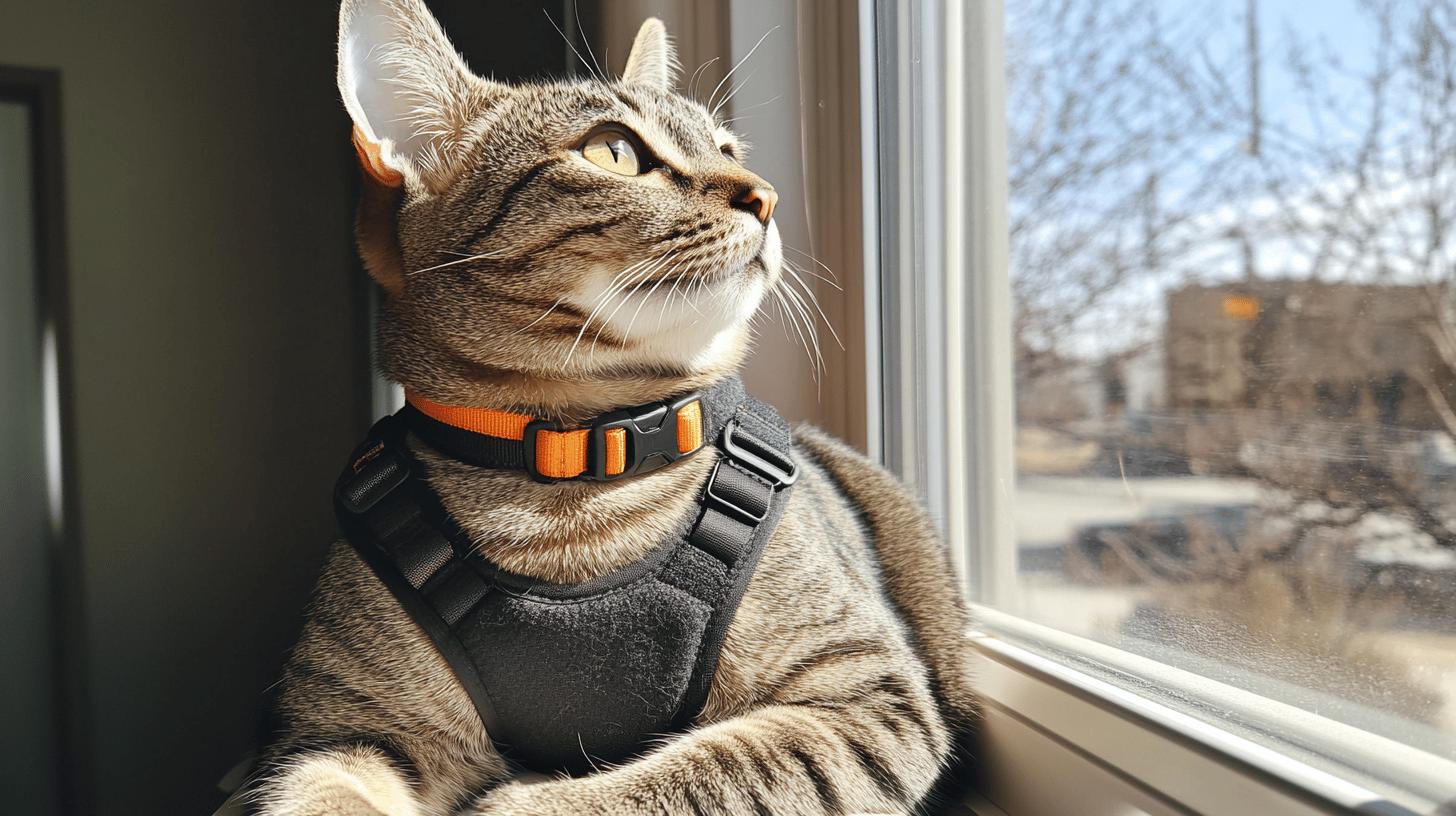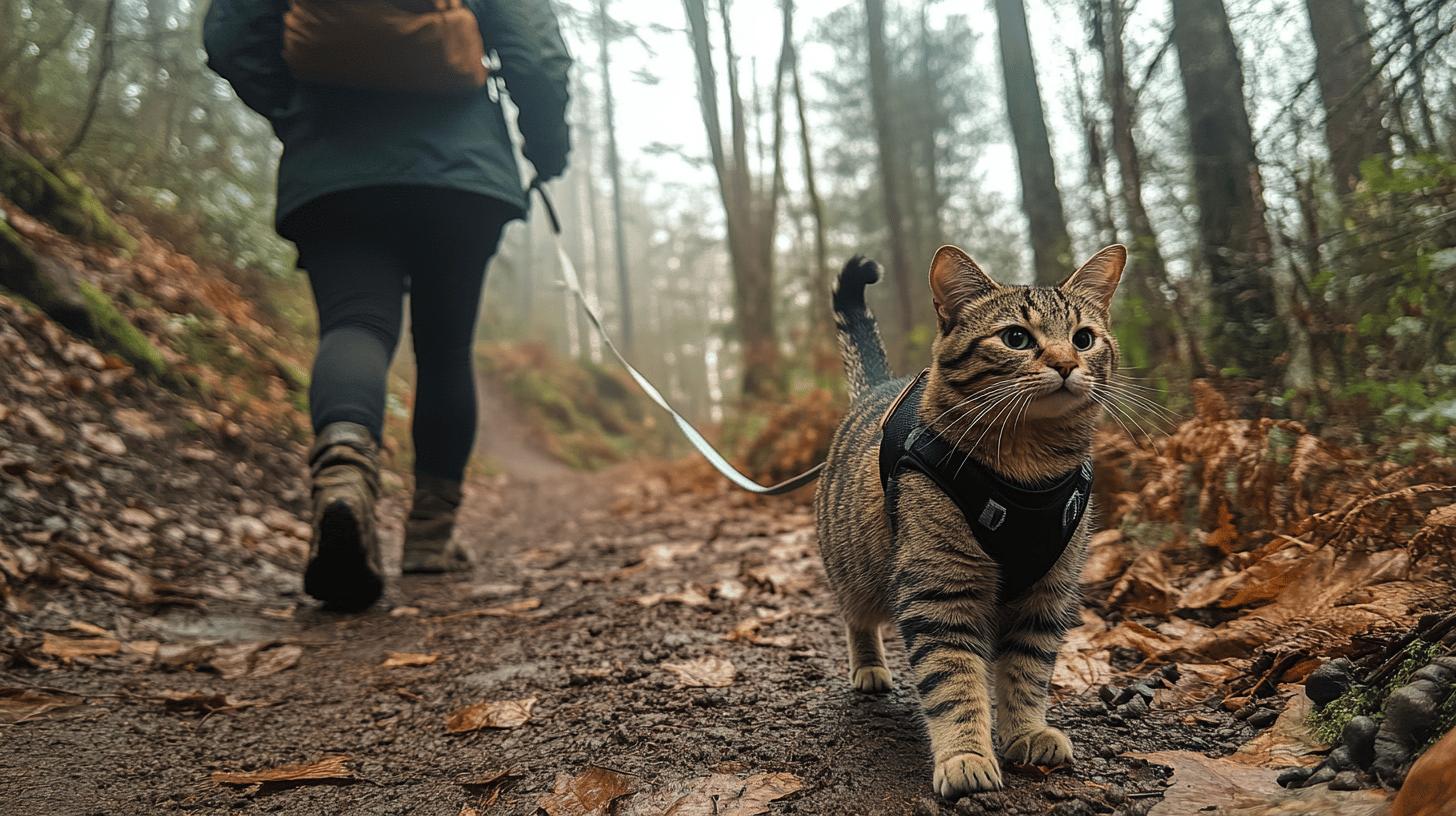
Category: Teach My Cat

  • Training Cats to Swim Safely and Confidently

    Training Cats to Swim Safely and Confidently

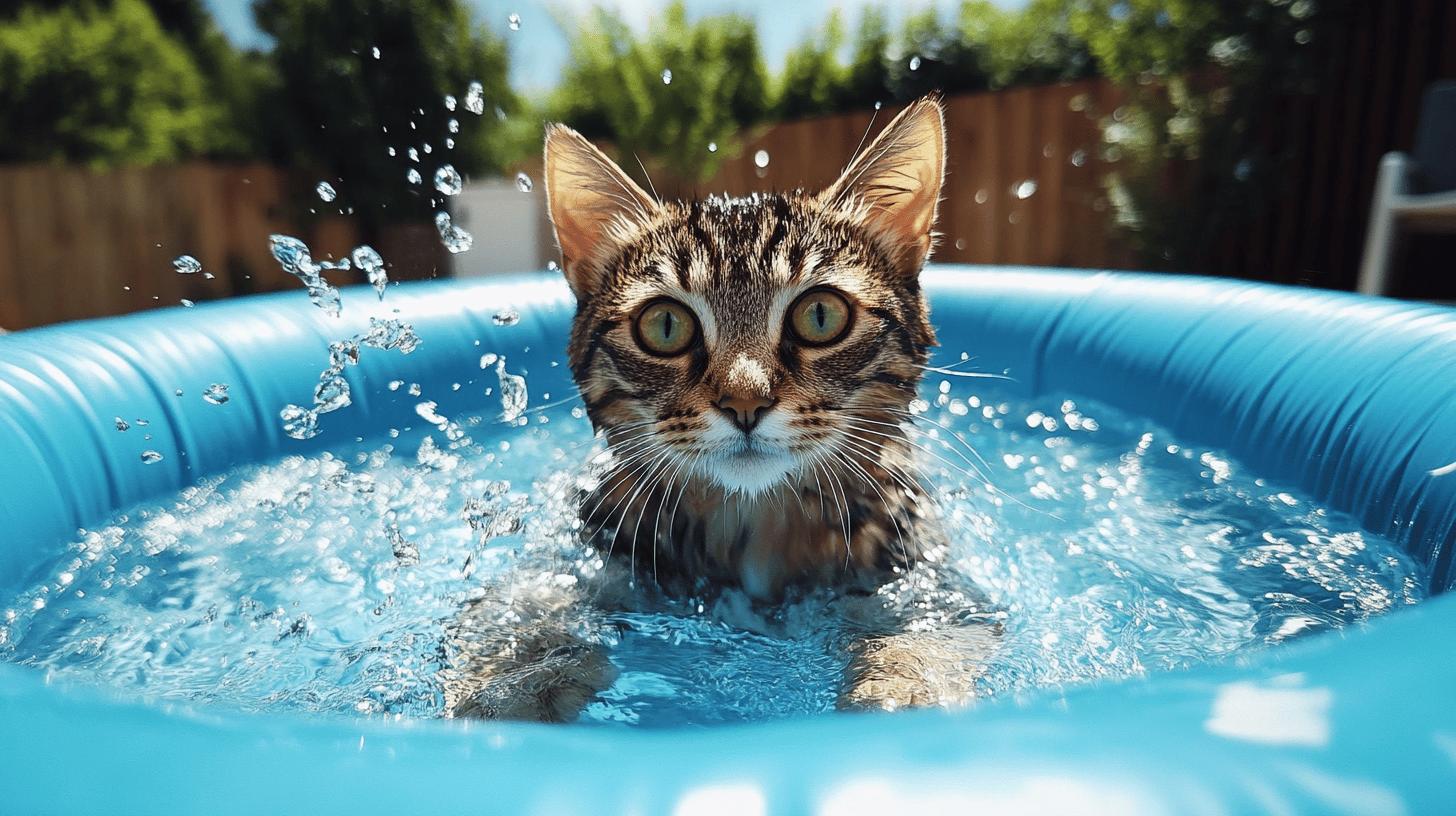
    Can cats really swim? The idea might seem strange to some, but swimming can be a fun and enriching activity for your feline friend. Just like us, cats can benefit from a bit of water play. Training a cat to swim safely and confidently takes patience and a gentle approach. By gradually introducing water and providing the right support, you can help your kitty enjoy the water without stress. Ready to make a splash in your cat's life? Let's dive into these steps for a safe and enjoyable swimming experience!

    Steps to Train a Cat to Swim
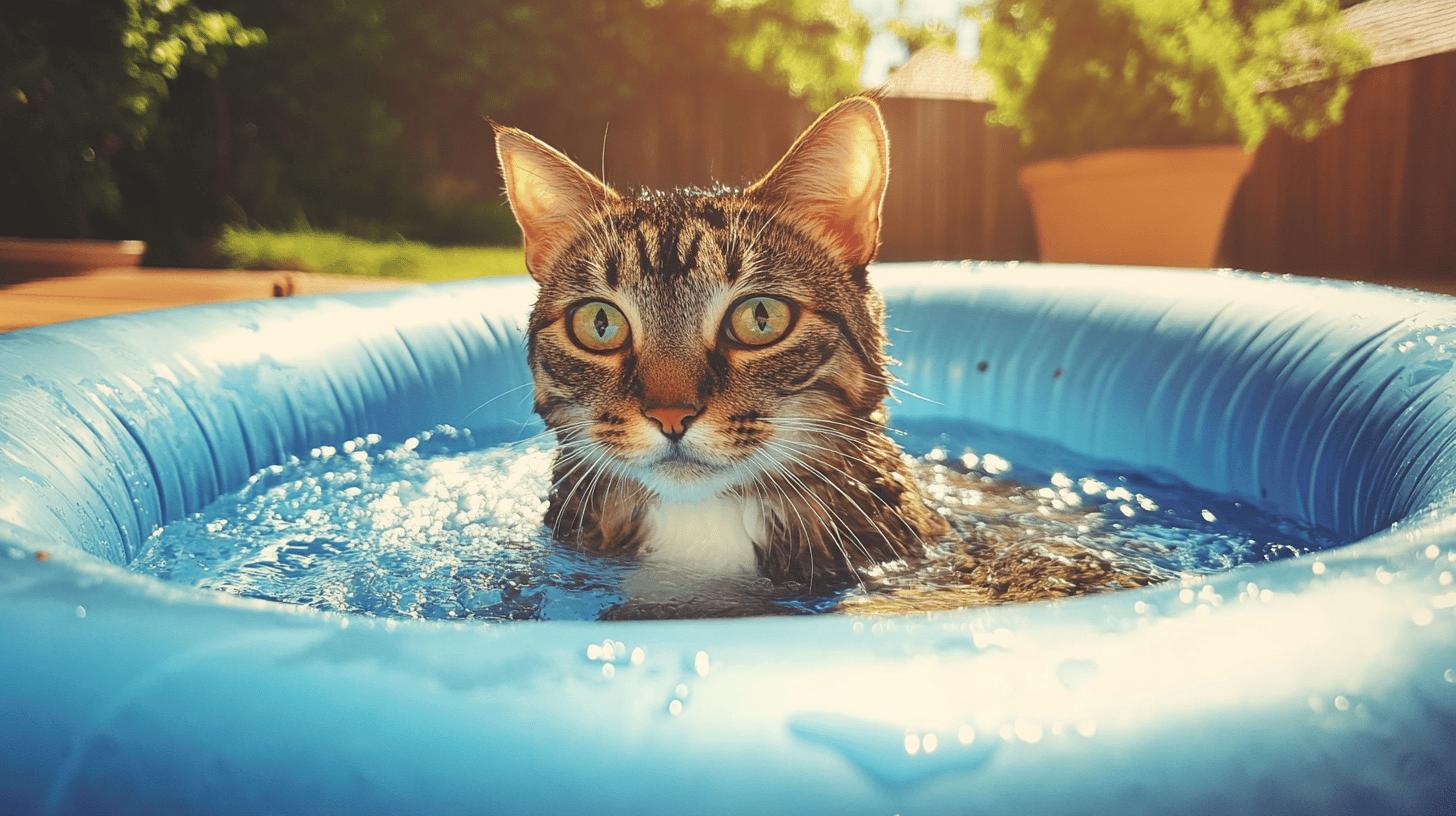
    Teach Your Cat to Swim with Confidence-2.jpg

    1. Assess Comfort with Water
      Start by observing how your cat reacts to small amounts of water. Drip some water on their paws or let them explore a damp towel. This helps you gauge their initial comfort level.

    2. Introduce Water Gradually
      Use a shallow container with a few inches of lukewarm water. Let your cat explore it in a familiar area. This step is crucial for easing them into water interaction without overwhelming them.

    3. Set Up a Controlled Environment

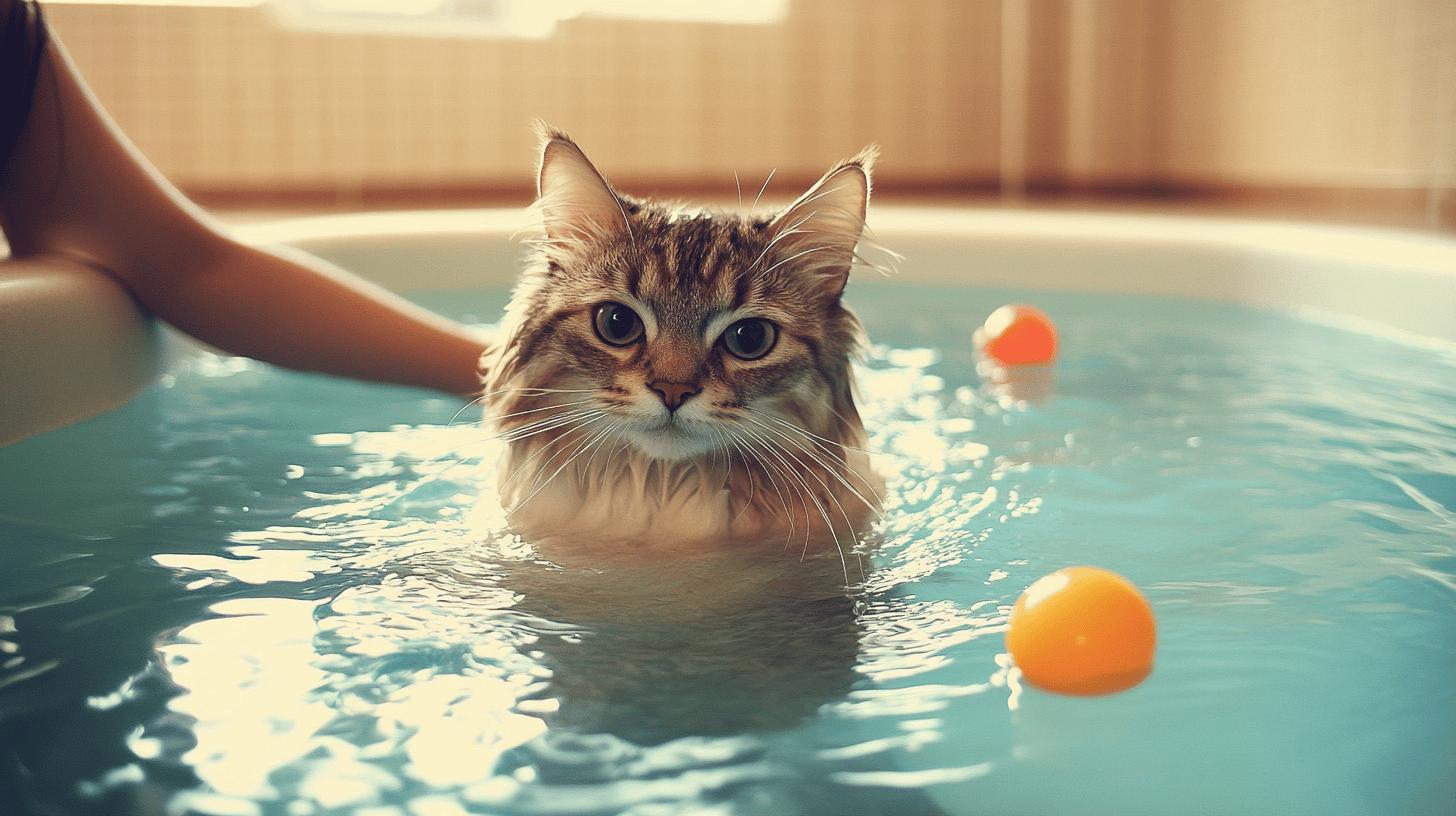
    Opt for a small wading pool or bathtub with a few inches of water. This ensures safety and allows you to supervise closely. Familiar items nearby can provide additional comfort.

    1. Use a Flotation Device
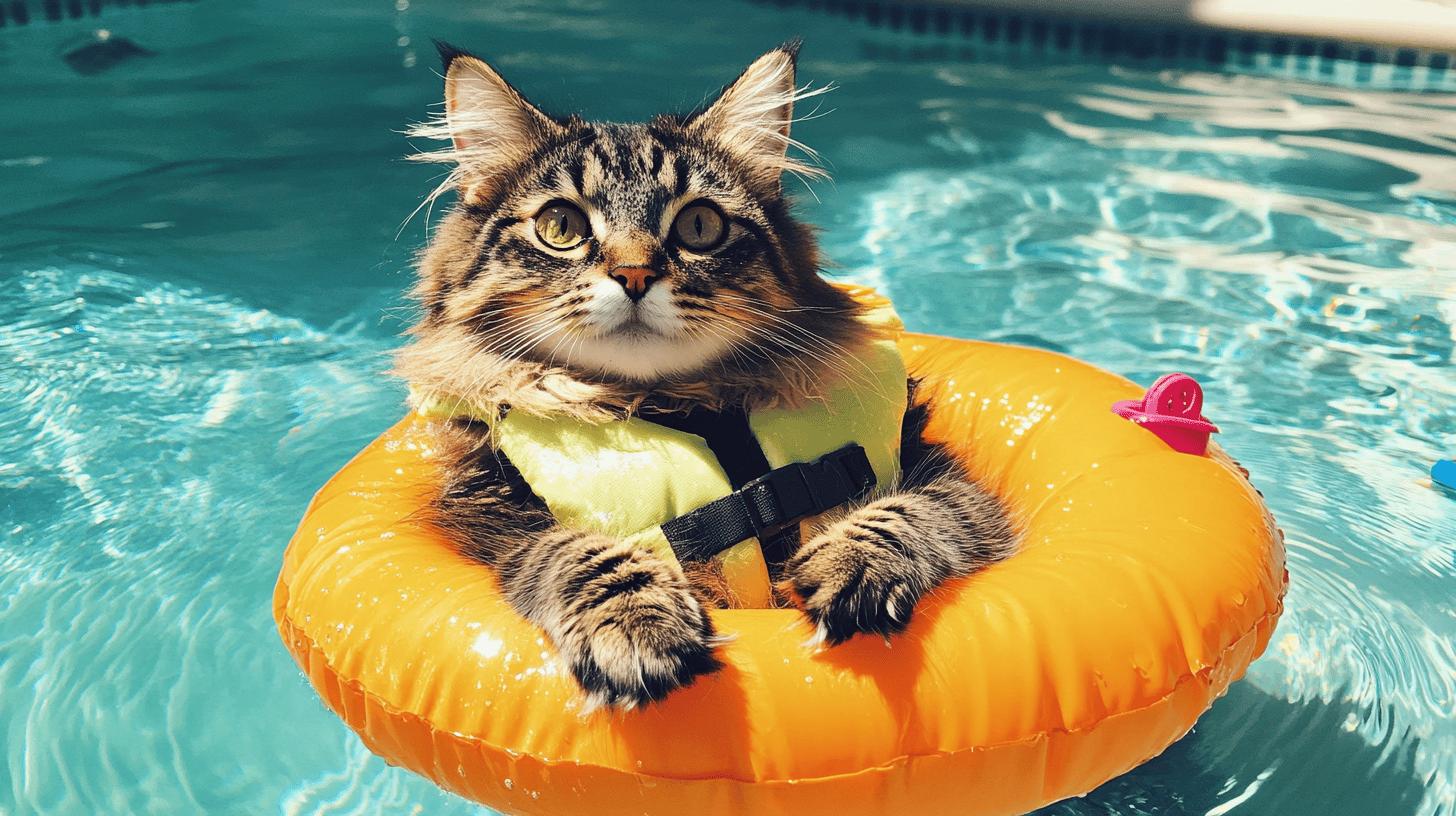
      Consider a life vest designed for cats. This adds buoyancy and stability, helping your cat feel more secure during their first swimming attempts.

    2. Encourage Exploration with Toys
      Introduce floating toys to spark curiosity. This makes the experience engaging and helps create positive associations with water.

    3. Build Confidence Slowly

    Gradually increase water depth as your cat becomes more comfortable. Offer treats and praise to reinforce their bravery and willingness to explore further.

    1. Support and Supervise
      Always stay close and be ready to support your cat physically. Hold them gently while they paddle and never leave them unsupervised.

    2. Increase Water Exposure
      Once your cat is comfortable in shallow water, gradually introduce them to deeper environments. Maintain safety with a harness and continue using a flotation device.

    3. Regular Swimming Sessions

    Schedule consistent swimming lessons to keep your cat's skills sharp. This helps maintain their comfort and enjoyment of swimming.

    1. Consult a Veterinarian
      If you notice any health concerns or if your cat seems unusually stressed, consult a vet. They can provide guidance tailored to your cat's needs.

    Patience and positive reinforcement are key to a successful swim training experience. Cats can sense emotions, so staying calm and encouraging helps them feel secure.

    Swimming offers numerous benefits, such as mental stimulation and physical exercise, which can enhance your bond with your cat. By training them with care and attention, you can open up a world of fun and fitness for both of you.

    Recognizing Cat Comfort and Readiness for Swimming
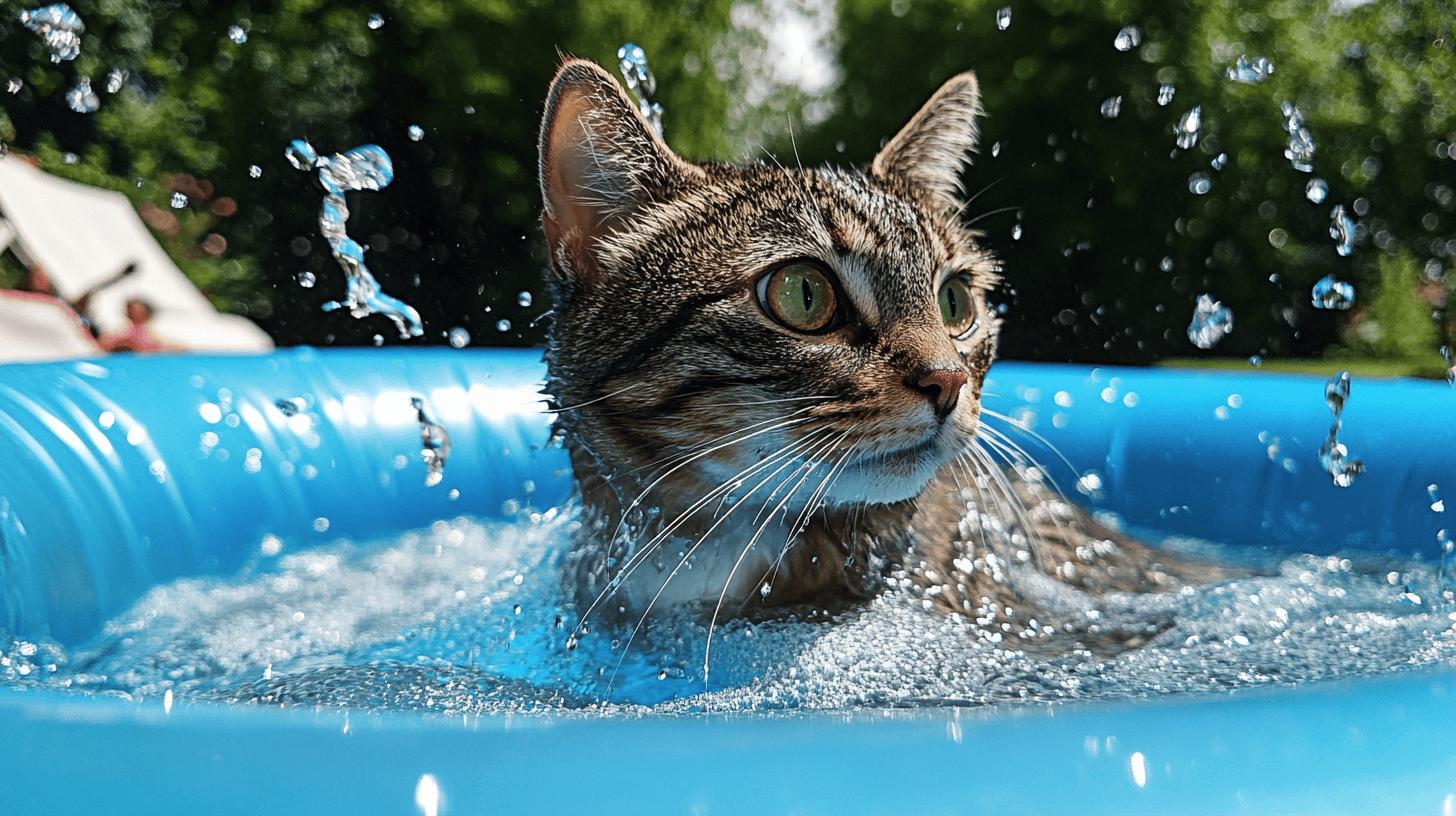
    Teach Your Cat to Swim with Confidence-3.jpg

    Certain cat breeds, such as Bengals and Maine Coons, have a natural affinity for water. These breeds might display curiosity or enjoyment when exposed to water. To identify if your cat is ready to swim, pay close attention to their body language and reactions when they encounter water in small amounts. Look for signs of comfort and interest, which are crucial in determining their readiness to take the plunge.

    • Relaxed body posture near water
    • Curiosity or playfulness with water
    • Purring or kneading when near water
    • Approaching water without hesitation
    • Pawing at water surfaces
    • Drinking from or exploring water sources

    Building water confidence in cats that are hesitant involves a gradual introduction. Start by letting them explore water at their own pace. Encourage them with toys or treats near water, and use positive reinforcement to reward calm and curious behavior. By creating a safe and stress-free environment, you can help your cat feel more comfortable and confident around water.

    Essential Equipment for Cat Swimming Training
    Essential Equipment for Cat Swimming Training-1.jpg

    Using the right equipment is key to ensuring both safety and enjoyment when training cats to swim.

    Proper gear can help cats feel more secure in the water and foster positive experiences during their swimming lessons.

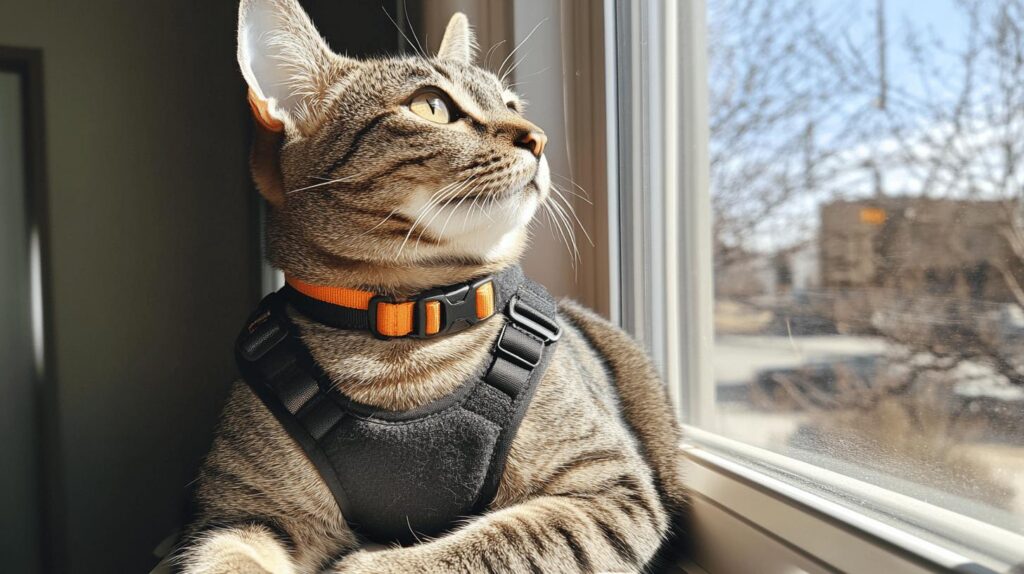
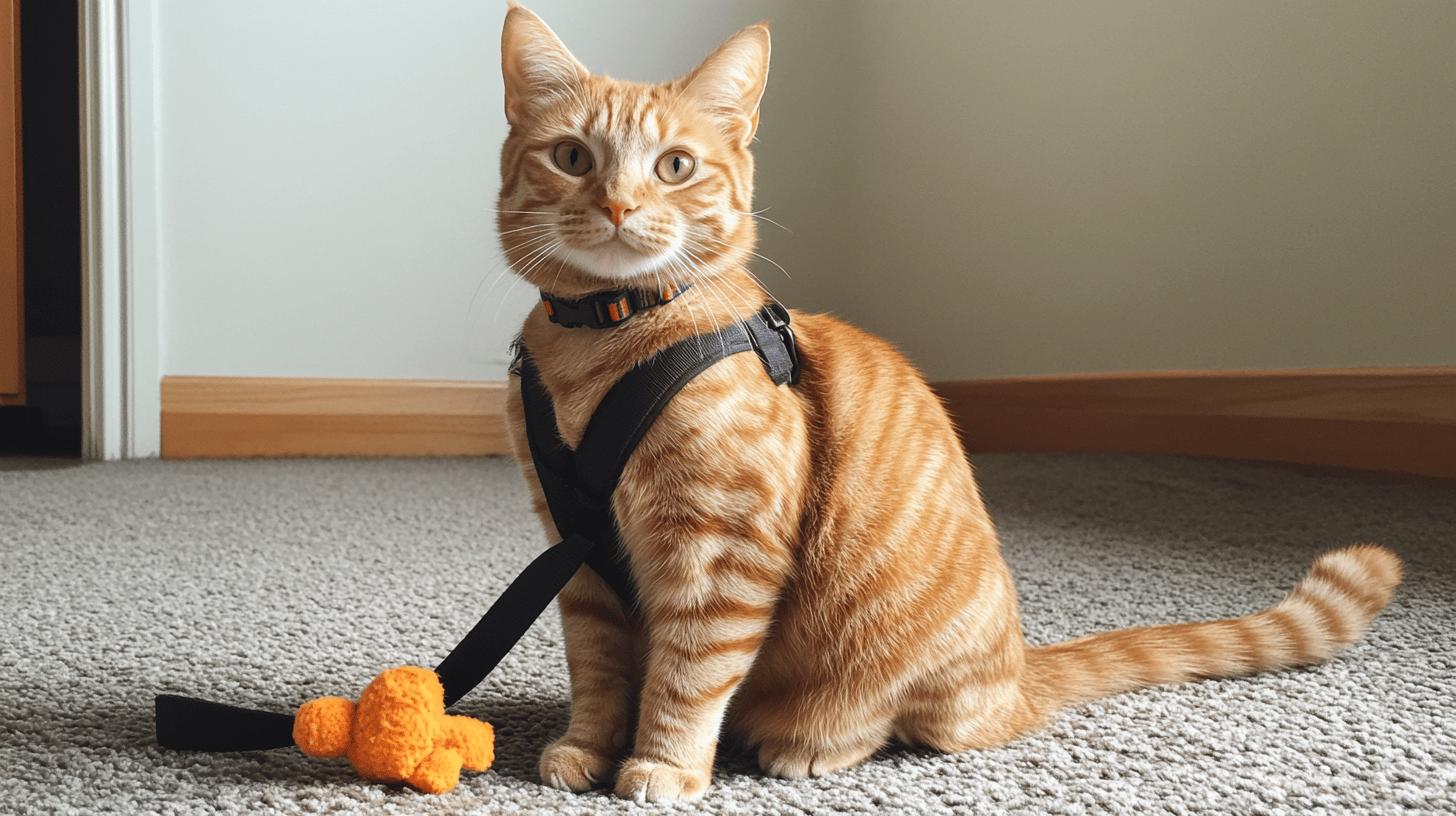
    • Harness: A secure harness allows you to maintain control and guide your cat safely in and out of the water.

    • Towel: Keep a soft, absorbent towel nearby to dry your cat off after swimming, ensuring they stay warm and comfortable.

    • Waterproof Mat: A mat placed near the swimming area provides a non-slip surface for your cat to enter and exit safely.

    Choosing the right equipment can make all the difference.

    Look for harnesses that fit snugly but comfortably for different cat sizes.

    Select towels that dry quickly.

    A waterproof mat should be large enough for safe footing.

    These items not only enhance safety but also make the swimming experience more engaging and rewarding for your feline friend.

    Techniques to Reduce Cat Anxiety During Swimming
    Techniques to Reduce Cat Anxiety During Swimming-1.jpg

    Try specific calming methods to ease your cat's anxiety during swim sessions. Use pheromone sprays designed to soothe cats. A calming collar can also help. These products release scents that mimic natural feline pheromones, promoting relaxation.

    • Play soothing music to mask unfamiliar water sounds.
    • Use a non-slip mat for stability and comfort.
    • Offer a small, warm towel for drying and comfort after swimming.
    • Maintain a consistent routine to build familiarity.
    • Use a pet-safe life jacket for added security.
    • Practice deep breathing to stay calm, as cats sense human emotions.

    Using toys and treats wisely can transform swimming into a fun time. Interactive water toys can distract and entertain. Treats given at the end of each session link swimming with positive outcomes. This approach helps your cat build a positive view of water activities, encouraging them to be more relaxed and willing.

    Final Words

    By teaching cats to swim, you improve their mental and physical health and strengthen your relationship.

    This article provided a clear plan on how to train a cat to swim, from recognizing your cat's comfort with water to using essential equipment.

    During training, patience and positive reinforcement are important to ensure your cat enjoys the experience.

    Swimming offers many benefits, like exercise and social interaction.

    With the right approach, you can create lasting memories and an enjoyable skill for your cat. Happy training!

    FAQ

    How to teach a cat to like water?

    A: Begin by gently introducing your cat to water in a familiar setting using lukewarm water. Offer treats and praise to create a positive association with water.

    How to make your cat like swimming?

    A: Gradually increase your cat's exposure to water in a controlled environment like a kiddie pool. Use flotation devices and offer treats to encourage interest and confidence in swimming.

    Can cats naturally swim?

    A: Yes, most cats have the ability to swim, but their interest varies. Breeds like Bengals and Maine Coons often show a natural affinity for water.

    What breed of cat likes to swim?

    A: Bengals and Maine Coons are cat breeds known to enjoy water and swimming naturally. They are more likely to adapt quickly to swim training.

    Related Articles

  • Train Your Cat With Treats Successfully

    Train Your Cat With Treats Successfully

    Ever wonder if cats can be trained like dogs using treats? The answer might surprise you. Yes, you can train your cat with treats and get amazing results. Using positive reinforcement, treats become powerful tools to encourage good behavior and obedience.

    Think of it like teaching a toddler with candy – rewarding the right actions makes them eager to do it again. In this post, I’ll show you how to use treats effectively to train your cat, making playtime fun and safe while strengthening your bond. Let’s dive in and get your cat performing tricks!

    Understanding Treat-Based Training for Cats

    Understanding Treat-Based Training for Cats-1.jpg

    Positive reinforcement is a powerful tool in cat training. It involves rewarding cats for good behavior, creating a pattern of learning and obedience. This approach is effective because it taps into a cat’s natural desire for rewards, encouraging them to repeat the desired actions.

    Treat-based training works well with cats because it ties the reward (a treat) directly to specific actions or commands. Timing is crucial here. You need to give the treat immediately after the desired behavior so the cat understands the connection. This method is all about consistency and rewarding the right actions.

    Here’s how you can use treat-based training to address common cat behaviors:

    • Sitting: Encourage your cat to sit by holding a treat above its head, moving it back over their ears, which naturally makes them sit.
    • Staying: Reward your cat when it stays in place as commanded, gradually increasing the time before giving the treat.
    • Using a Litter Box: Offer treats when your cat uses the litter box correctly, reinforcing this essential behavior.
    • Coming When Called: Use treats to encourage your cat to come to you when you call its name.
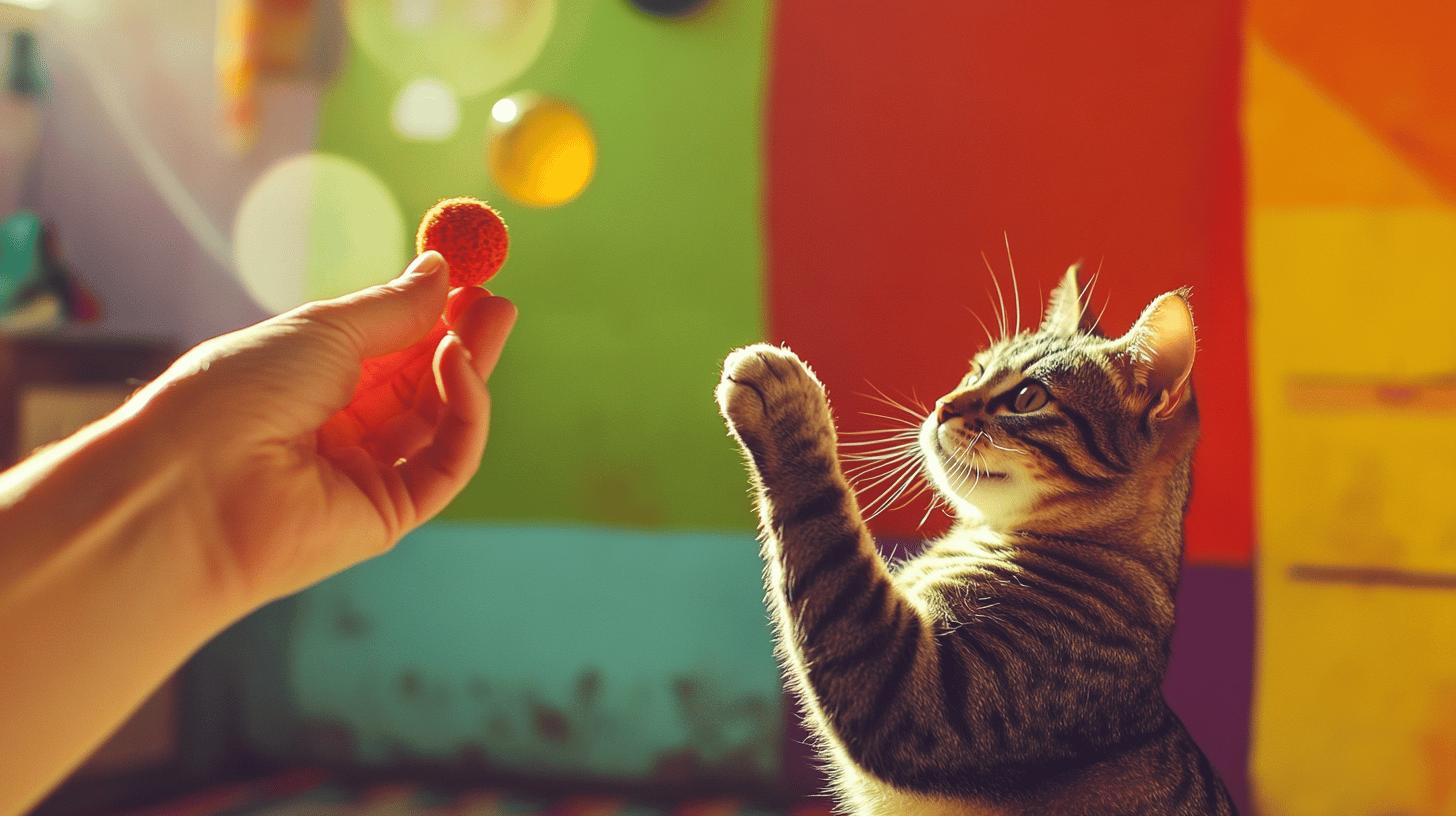
    • High Five: Teach your cat to give a high five by rewarding it when it touches your hand with its paw.

    Using treats effectively requires understanding your cat’s preferences and maintaining regular, short training sessions. This builds a strong association between the treat and the desired behavior, making training a rewarding experience for both you and your cat.

    Selecting the Right Treats for Cat Training

    How Soon Can Cat Eat After Tooth Extraction-3.jpg

    Choosing the right treats is key to successful cat training. High-value treats are the most effective, as they are flavorful and irresistible to your cat. These treats ensure that your cat stays motivated and engaged during training sessions.
    Here are some suggested treat types that can motivate your cat:

    • Freeze-dried meat: These treats are packed with flavor and nutrition.
    • Lickable treats: Perfect for a quick and tasty reward.
    • Soft treats: Easy to chew and digest, ideal for older cats.
    • Raw meat: A natural and enticing option for many cats.
    • Dehydrated fish: Strong aroma and taste, great for picky eaters.

    When training, avoid overfeeding by breaking treats into smaller pieces. This approach not only prevents your cat from consuming too many calories but also extends the training session by allowing more opportunities for rewards.

    Varying the texture of treats can also help keep your cat’s interest. By experimenting with different types, you can find what your cat loves best. Remember, keeping portions small and mixing up treat textures can make training more effective and enjoyable for both you and your cat.

    Advanced Techniques for Training Cats with Treats

    Step-by-Step Guide to Training Cats with Treats-1.jpg

    Training your cat with treats can be a rewarding experience for both of you. To enhance your training, let’s explore advanced techniques and troubleshoot common issues.

    1. Choose a Behavior to Train
      Decide which behavior you want to teach your cat. This could be anything from sitting to coming when called. Focus on one behavior at a time to avoid confusion.
    2. Use Clear Commands
      Pick a simple, clear word or phrase for the command. Use it consistently every time you want your cat to perform the behavior.
    3. Introduce the Treat

    Show your cat the treat to get its attention. This will make your cat more eager to perform the behavior you want.

    1. Reward Immediately
      As soon as your cat performs the desired action, give it the treat right away. This helps your cat understand exactly what it did to earn the reward.
    2. Repeat and Reinforce
      Practice regularly to reinforce the behavior. Repeat the command and reward process several times in each session.
    3. Keep Sessions Short

    Limit training sessions to a few minutes. Cats have short attention spans, so keeping sessions brief helps maintain their interest.

    Troubleshooting Training Issues

    • Cat Ignores Commands
      If your cat ignores commands, try using a more enticing treat or changing the training environment to reduce distractions.
    • Slow Progress
      Some cats take longer to learn. Be patient and adjust your expectations. Consider breaking the behavior into smaller, achievable steps.
    • Inconsistency

    Ensure everyone in your home uses the same commands and rewards to avoid confusing your cat.

    Consistency and patience are essential for successful training. Stick to a routine and be patient, as some cats may take longer to learn than others. By following these steps and maintaining a positive attitude, you’ll help your cat learn new behaviors while strengthening your bond.

    Advanced Techniques for Training Cats with Treats

    How Soon Can Cat Eat After Tooth Extraction-2.jpg

    Training cats with treats can be tricky. Treat aversion is one common challenge. Cats might ignore treats if overfed or if the treats lack appeal. If your cat isn’t motivated, the treat might not be enticing enough.

    Here are tips to tackle these issues:

    • Try Different Treats: Experiment with various treat types. Cats might like freeze-dried meat, lickable treats, or raw options.
    • Adjust Feeding Habits: If your cat is always full, treats won’t work. Set a feeding schedule instead of free-feeding.
    • Change Training Techniques: If your cat isn’t responding, try a different approach. Use more play or affection as rewards.
    • Create a Positive Environment: Remove distractions to help your cat focus during training.

    Patience is key. Training takes time, and each cat learns differently. Stay positive, and remember that patience and consistency will eventually pay off. By understanding your cat’s likes and tweaking your methods, you can overcome training challenges successfully.

    Alternatives to Treats in Cat Training

    Some cats just aren’t motivated by treats, and that’s okay. It’s important to explore other ways to reward them during training. Using alternatives like praise, affection, or playtime can be just as effective. These options tap into a cat’s natural preferences and can make training more engaging.

    Here are some alternative motivation methods:

    • Praise: Use a happy tone to let your cat know it’s doing well.
    • Affection: Pet or cuddle your cat in its favorite spot as a reward.
    • Play: Engage in a short play session with a favorite toy.
    • Regular Food: Offer a small portion of your cat’s meal as a reward.

    Understanding your cat’s likes and behaviors is key to successful training. By observing what your cat enjoys most—whether it’s a special toy or a scratch behind the ears—you can tailor your training approach. If your cat prefers wet or raw food, consider using these as rewards instead of typical treats.
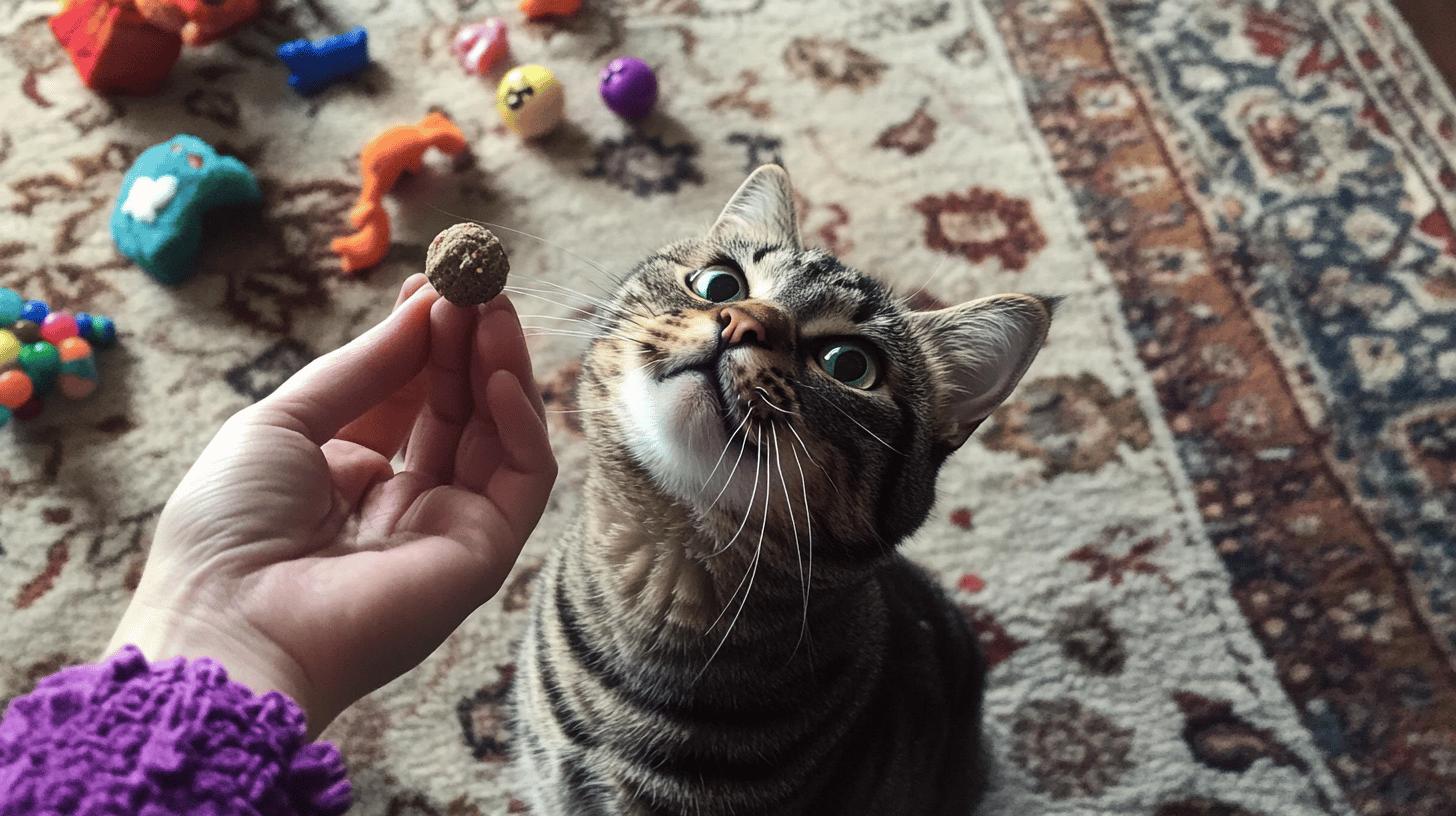
    Incorporating alternative rewards into your training routine not only makes sessions more fun but also strengthens the bond between you and your cat. The key is to be consistent with the rewards your cat responds to, ensuring a positive and effective training experience.

    Final Words

    Training cats with treats offers a simple way to help them learn new behaviors. Using treats as rewards strengthens their connection with commands. Choosing the right treats is important, as is being consistent and patient. Overcome challenges by keeping things fun and positive.

    If treats don’t work, consider alternatives. Methods like playtime or affection can also motivate your cat. With the right approach, you can effectively show how to train a cat with treats. Enjoy watching your cat conquer new tricks while you build a strong bond together!

    FAQ

    How can I train my cat using treats?

    Training a cat with treats focuses on positive reinforcement. Give a treat right after your cat does something good. This makes them want to repeat the behavior.

    What’s the best way to train a cat to come to you?

    Use treats your cat really likes. Call their name and when they come, give a treat. Repeat this to build their habit.

    How do I train my cat to sit using treats?

    Hold a treat above their head and move it backward. When they sit, say “sit” and give the treat. Practice this until they learn the command.

    How do you train a cat not to bite?

    Use treats to redirect biting. Offer a treat for calm behavior. If they bite, stop the play and walk away for a moment.

    How can I potty train my cat effectively?

    Place the litter box in a quiet spot. When your cat uses it, reward them with a treat. Consistent reward helps make this habit.

    Can you introduce cats to each other using treats?

    Yes, treats help. Give both cats treats during introduction times to create a positive association with each other.

    What is the easiest thing to train a cat?

    Teaching a cat to sit or come can be the easiest. Use treats and simple commands to reinforce these behaviors.

    How can I choose the right treats for cat training?

    Pick high-value treats—small, tasty, and special to your cat. Good options are small bits of chicken, fish, or commercial cat treats.

    What should I do if my cat loses interest in training treats?

    Change treat types or reduce portion sizes during meals. Keeping the training environment positive will help keep their interest.

    What if my cat isn’t motivated by treats?

    Try using play, affection, or regular food as a reward. Understand your cat’s favorite activities and integrate them into training.

    Related Articles

  • How to Train a Cat to Stay Downstairs with Simple Tips

    How to Train a Cat to Stay Downstairs with Simple Tips

    Ever wondered why your cat views stairs as its personal playground? Just like a curious explorer, your furry friend loves to roam every inch of the house. But what if you need them to stay just downstairs? Now, that’s a challenge you can tackle successfully! In this guide, we’ll explore practical tips to train your cat to stay downstairs. From setting up barriers to creating a cozy space full of their favorite toys, learn how to make downstairs their favorite spot. Let’s set those boundaries and put curiosity to work for you!

    How to Train Your Cat to Stay Downstairs: A Practical Guide

    How to Train Your Cat to Stay Downstairs A Practical Guide-1.jpg

    Training your cat to stay downstairs starts with setting clear boundaries. Begin by using physical barriers like gates or closed doors to block off the stairs. These barriers help signal to your cat where its territory ends. Make sure to introduce these barriers gently so your cat gets accustomed to them without stress. The idea is to create a distinction between what is accessible and what isn’t. Cats are naturally curious, so these physical cues serve as important reminders of their limits. While you can use deterrents, the focus should be on making the downstairs area more appealing with toys and comfortable resting spots.

    • Install gates: Place gates at the bottom of the stairs to physically prevent access.
    • Use closed doors: Keep doors to upstairs rooms closed to limit exploration opportunities.
    • Reinforce with rewards: When your cat stays downstairs, offer treats or praise.
    • Create appealing spaces: Add scratching posts, beds, and toys downstairs.
    • Remove temptations: Eliminate any upstairs attractions like food or toys that might draw your cat.
    • Supervise and redirect: Gently guide your cat back downstairs if it attempts to go up.

    Consistency is key in training your cat to remain downstairs. All family members need to stick to the same set of rules to avoid confusing the cat. If one person allows the cat upstairs, it undermines the training efforts. Make sure everyone knows the boundaries and rewards system. It might take some time, but with patience and uniformity, your cat will learn to stay downstairs. This process not only teaches boundaries but also fosters a harmonious living environment.

    Positive Reinforcement Techniques for Cat Training

    Positive reinforcement taps into the psychology of rewarding desirable behavior, which makes it an effective way to train cats. Cats, like many animals, are motivated by rewards that satisfy them or bring them pleasure. When using positive reinforcement, it’s vital to recognize the desired behavior immediately, so the cat makes a clear connection between the action and the reward. Gradually, the goal is to phase out treats while maintaining the behavior, shifting the reward to verbal praise or other forms of acknowledgment.

    Clicker training is another effective method. This involves using a clicker to create a sound that the cat associates with a reward. Initially, the cat receives a treat each time the clicker sounds after the desired behavior. Over time, the sound itself becomes a reward, reinforcing good behavior without always needing treats.

    Reinforcement Method Description Examples
    Treats Offer a small piece of your cat’s favorite treat when they perform the desired action. Chicken bites, fish snacks
    Clicker Training Use a clicker sound to mark the behavior, followed by a reward. Click and treat, followed by just a click
    Playtime Engage in a short play session as a reward for desired behavior. Interactive toys, feather wands

    Consistency is key to the success of these techniques. Gradually transition from treats to praise or playtime to maintain the behavior. Make sure everyone in the household is consistent with the reinforcement strategy, ensuring the cat receives a clear and uniform message about the behaviors that are rewarded.

    Advanced Boundary-Setting Techniques for Cats

    Advanced Boundary-Setting Techniques for Cats-1.jpg

    Training a cat to stay downstairs can be a bit of a challenge, but advanced boundary-setting techniques offer creative solutions. Cats are naturally curious and agile, often finding ways to bypass traditional physical barriers. To effectively train your cat, it’s important to think beyond simple gates and closed doors. Creating boundaries that align with a cat’s instincts and behaviors can be more effective. For instance, understanding a cat’s dislike for certain textures or sounds can help in setting these boundaries. It’s not just about keeping your cat downstairs but teaching it that certain areas are off-limits without causing stress or discomfort.

    Specific deterrents can play a crucial role in boundary setting. For example, placing double-sided tape on the stairs can discourage your cat from climbing due to their dislike of sticky surfaces. Motion-activated air sprays provide an unexpected puff of air that deters cats without harm. These methods are not only effective but also teach the cat to associate certain areas with an unwelcome experience, thus reducing the temptation to explore further.
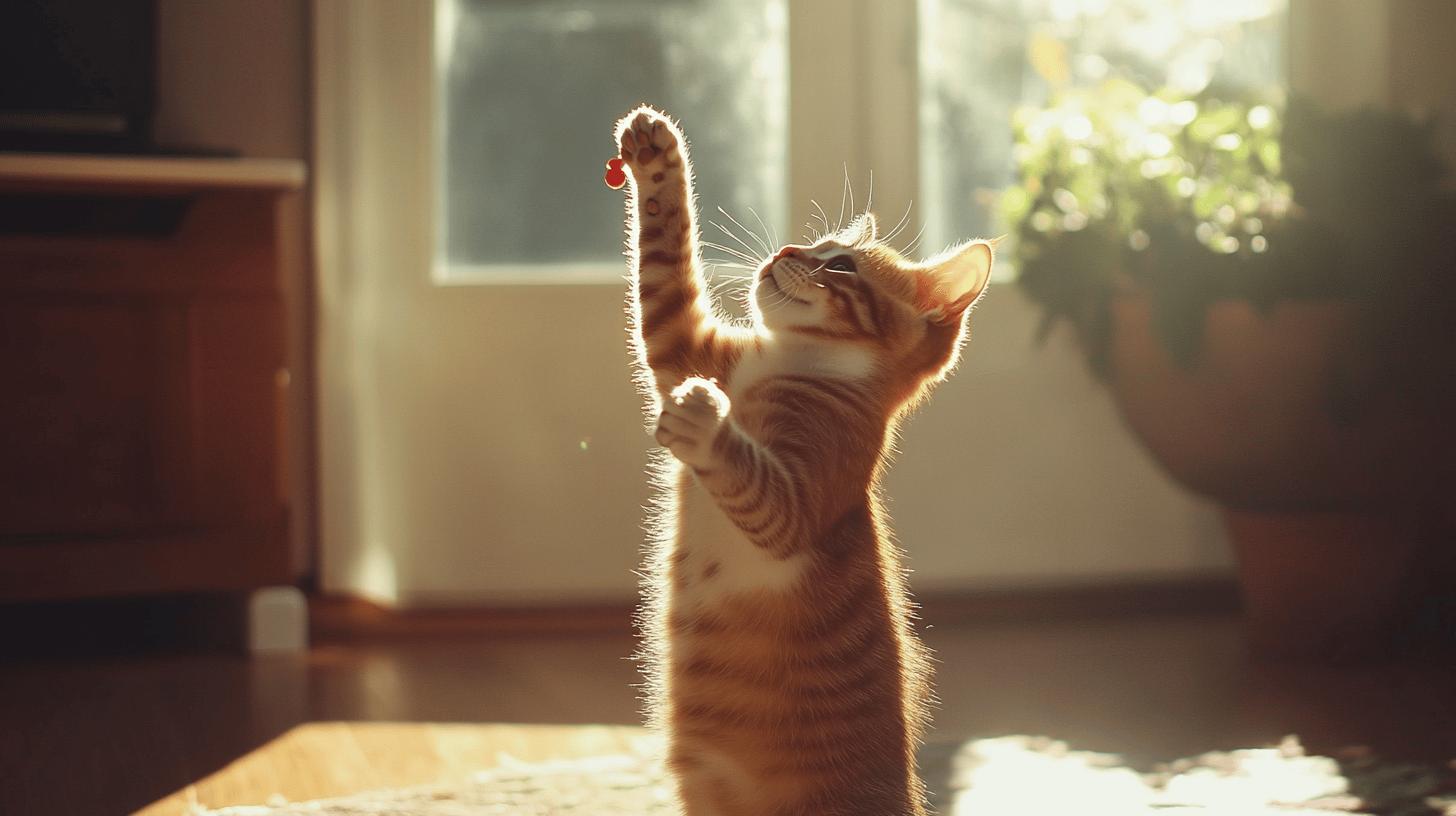

    • Double-sided tape: Place it on stair steps to create an unpleasant sticky surface.
    • Motion-activated air sprays: Set up near staircases to deliver a gentle puff of air when approached.
    • Aluminum foil: Lay it down at the base of stairs; the sound and texture are typically disliked by cats.
    • Scent deterrents: Use citrus scents, which many cats find unappealing, near stairways.
    • Visual barriers: Hang lightweight, dangling objects that move with the air and distract the cat.

    Ensuring these boundaries are respected requires consistency from all family members. Everyone in the household must understand and adhere to the rules to prevent mixed signals. If one person allows the cat to venture upstairs, it can undermine the entire training effort. Clear communication and consistency help reinforce these advanced boundary-setting techniques, making them effective tools in your training arsenal.

    Addressing Common Challenges in Cat Training

    Training cats comes with its own set of hurdles, especially when they are drawn to certain behaviors or areas. Cats are curious and sometimes exhibit behaviors that are challenging to manage, like scratching furniture or avoiding the litter box.

    • Interactive toys: Use toys that engage a cat’s hunting instincts, such as laser pointers or toys that move unpredictably.
    • Behavioral issues: Address issues like scratching by providing multiple scratching posts and redirecting them when they scratch furniture.
    • Litter box avoidance: Ensure the litter box is clean and located in a quiet, accessible area.
    • Destructive behavior: Provide a variety of toys to keep cats entertained and prevent boredom.
    • Case studies: Reflect on successful strategies used by other cat owners to overcome specific challenges.

    Providing Downstairs Stimulation

    Cats thrive with interactive environments. Use toys like feather wands or puzzle feeders to keep them engaged and satisfied. This not only entertains but also stimulates their natural instincts.

    Create cozy resting spots and observation points. Window perches or strategically placed cat trees can offer a view of the outdoors, giving them a sense of adventure without needing to explore upstairs. This setup encourages them to see the downstairs as their primary territory.

    Patience is key. While training requires time and consistency, celebrating small successes can lead to long-term behavior changes.

    Maintaining Long-term Training Success

    Adapting training strategies as your cat ages can help maintain engagement. Introducing new challenges like obstacle courses or interactive toys can stimulate your cat’s mind and reinforce learned behaviors. This keeps training dynamic and prevents boredom. Tailor the complexity of challenges based on your cat’s abilities and age.

    • Mastery of new skills: Your cat learns to navigate new challenges.
    • Quick adaptation: The cat adjusts to changes in routine with ease.
    • Increased engagement: Shows excitement and interest in training sessions.
    • Consistent behavior: Maintains good behavior despite new challenges.

    Exploring case studies of long-term training success can offer practical insights. For example, a cat that consistently responds to new commands or adapts to a changing environment showcases effective training. Celebrating these achievements keeps motivation high for both you and your cat.

    Final Words

    Training a cat to stay downstairs is all about setting boundaries and using positive reinforcement. We explored practical ways like physical barriers, advanced deterrents, and rewarding good behavior. Remember, staying consistent is key. Patience pays off, so celebrate small victories as your cat learns.

    Training takes time, but with the right strategies, you’ll foster a peaceful home. Keep reinforcing those boundaries, and your cat will learn to enjoy staying downstairs, creating a happier space for both of you.

    FAQ

    How can I train my cat to stay downstairs?

    To train a cat to stay downstairs, set clear boundaries with barriers like gates or closed doors. Reinforce these limits with everyone in the household for consistency. Use positive reinforcement when your cat stays downstairs.

    What are some ways to keep cats off tables and furniture?

    To keep cats off tables and furniture, use deterrents like double-sided tape or motion-activated air sprays. Providing alternative climbing structures, like cat trees, can also help redirect their attention.

    What can I do if there’s no door to keep a cat downstairs?

    If there’s no door, consider using a cat barrier like a baby gate. Consistently reinforce staying downstairs with treats and praise when the cat remains on the desired floor.

    Is it okay to lock my cat downstairs at night?

    Locking your cat downstairs at night is fine as long as they have access to food, water, and a litter box. Ensure the environment is safe and secure for the cat.

    How do I prevent my cat from going up the stairs?

    Prevent a cat from going up the stairs by using barriers and deterrents. Reinforce this with positive reinforcement and provide enticing alternatives to encourage staying downstairs.

    How can I keep my cat from leaving the house?

    To keep a cat from leaving the house, make sure doors and windows are secure. If exits cannot be shut, try using deterrents near potential escape routes to discourage your cat from approaching them.

    Related Articles

  • How to Train a Cat Not to Enter a Room

    How to Train a Cat Not to Enter a Room

    Ever looked at your feline friend and wondered whether any room in your home is truly off-limits? While cats have a knack for invading every nook and cranny, there’s hope for keeping them out of those special spaces. Imagine teaching your curious kitty to stop in their tracks, sparing the family room or the nursery.

    In this post, I’ll show you practical strategies, from simple door tricks to clever use of barriers and scents. With consistent effort, you can set those boundaries in a way your cat will understand and respect. Let’s get started!

    Practical Strategies for Training a Cat Not to Enter a Room

    Practical Strategies for Training a Cat Not to Enter a Room-1.jpg

    • Keep the door closed
    • Use secondary barriers like pet gates or curtains
    • Apply scent deterrents safely
    • Redirect attention with toys or treats
    • Maintain consistent training routines

    Closing the door is the simplest and most direct way to keep a cat out of a room. If a door isn’t available, secondary barriers like pet gates or curtains can be useful. These physical barriers work by creating a boundary that the cat cannot easily bypass. Scent deterrents can also be effective.

    Cats are highly sensitive to smells, and certain scents can make a room less appealing. Understanding your cat’s behavior is crucial for success. Cats are naturally curious, so identifying why they want to enter a room—like the sounds, smells, or activity—can help you address the root of the issue.

    Consistency is key in training. Once a method is chosen, it should be applied consistently to avoid confusing your cat. If you decide a room is off-limits, it should always be off-limits. This helps cats learn boundaries faster. Consistency also applies to everyone in the household; all members should follow the same rules to ensure the cat doesn’t receive mixed signals. Over time, with patience and persistence, your cat will learn to respect the boundaries you’ve set.

    Creating Physical Barriers to Prevent Room Entry

    Creating Physical Barriers to Prevent Room Entry-1.jpg

    Creating physical barriers can effectively prevent your cat from entering certain rooms. Pet gates are a versatile solution, easily adjustable for different spaces. They’re perfect for areas without doors, allowing airflow and light while keeping cats out. However, they may not work for climbing cats. Curtains are another option but are less robust as determined cats might pull them aside. They work best in low-traffic areas or when combined with other deterrents.

    Here’s a quick reference guide for setting up these barriers:

    Barrier Type Pros Cons Best Used For
    Pet Gate Adjustable, sturdy, allows visibility Not suitable for climbing cats Doorless rooms
    Curtain Easy to install, flexible Less effective for determined cats Low-traffic areas
    Furniture Arrangement Cost-effective, uses existing items May disrupt room aesthetics Temporary solutions

    By understanding the pros and cons of each barrier type, you can choose the most effective method for your cat’s behavior and room setup. These barriers are practical tools in boundary setting for pets, defining specific areas your cat can and cannot explore.

    Using Deterrents and Repellents Safely

    Scent deterrents are a gentle strategy to keep cats from entering certain rooms. Safe, natural options like mint, vinegar, and citrus can make areas less appealing due to their sensitive sense of smell. Avoid using essential oils or harsh chemicals that could be harmful. Focus on non-toxic, pet-friendly substances to ensure your cat’s safety.

    • Mint
    • Vinegar
    • Citrus
    • Lavender
    • Rosemary

    Consistency is crucial when applying these methods. Place cotton balls soaked in these scents near doorways. Reapply frequently for persistent cats to maintain effectiveness. Monitor your cat’s reaction to ensure they aren’t stressed. These non-violent deterrents help train your cat to avoid specific rooms gently.

    Positive Reinforcement and Behavioral Training

    When it comes to training cats not to enter certain rooms, positive reinforcement is far more effective than punishment. Punishment can lead to fear and anxiety, which might worsen a cat’s behavior or harm your relationship with them.

    Positive reinforcement, on the other hand, involves rewarding behavior you want to encourage. This approach builds trust and helps your cat understand what actions lead to positive outcomes. Cats learn by association, so connecting their behavior with rewards ensures they understand the boundaries you’re setting.

    To use rewards effectively, start by identifying what motivates your cat. Common rewards include treats, petting, or playtime. When your cat follows the desired behavior, such as staying away from a restricted room, immediately reward them.

    Timing is crucial; the reward should follow the behavior as closely as possible to reinforce the connection. You might also use a clicker to mark the desired behavior before giving a reward, which can further strengthen the learning process. Be consistent with your rewards to help your cat learn quickly and efficiently.

    Recognizing and responding to desirable behavior promptly is essential for successful training. Pay attention to moments when your cat chooses to stay away from the restricted area on their own. This is the perfect opportunity to reward them and reinforce the behavior you want.

    Keep training sessions short and fun to maintain your cat’s interest. Patience and consistency are key; it might take time for your cat to fully learn the boundaries, but with dedication, positive reinforcement can effectively train them to stay out of certain rooms.

    Practical Strategies for Training a Cat Not to Enter a Room

    Consistency and Patience in Training Cats-2.jpg

    Training cats to stay out of certain rooms requires consistent discipline. Every household member should reinforce the same rules, as mixed signals can confuse your feline friend. A unified approach helps your cat associate its actions with specific outcomes, understanding and respecting the boundaries you’ve set.

    Remaining patient is vital as each cat learns at its own pace. Avoid rushing or showing frustration, as this can lead to anxiety and hinder progress. Instead, encourage positive behavior with rewards and gentle reinforcement. Over time, consistent effort and patience will help your cat recognize and respect the boundaries.

    Final Words

    Training a cat not to enter a room involves simple steps like keeping doors shut and using secondary barriers.

    Understanding your cat’s behavior is key, as is being consistent with training routines.

    Physical barriers, deterrents, and positive reinforcement all play a role in building habits.

    Patience and consistency help cement these new boundaries.

    When you learn how to train a cat not to enter a room, you create a safe and controlled environment.

    Your efforts lead to a better, harmonious relationship with your furry friend.

    FAQ

    How do I stop my cat from going into certain rooms?

    To keep a cat out of specific rooms, it’s best to use methods like keeping the door closed, setting up secondary barriers, or using scent deterrents. Applying these strategies consistently will help reinforce boundaries.

    Can you train cats to not go in certain rooms?

    You can train cats to avoid certain rooms by consistently using physical barriers or deterrents and redirecting their attention with toys. Positive reinforcement can also help shape their behavior.

    Why does my cat keep going into my room?

    Cats might enter your room seeking attention, comfort, or curiosity. Observing and understanding your cat’s behavior can help address why they like certain spaces.

    How to keep cats out of a room without closing the door?

    To keep cats out without closing the door, use barriers like pet gates or curtains. You can also use safe scent deterrents or redirect their focus with attractive toys.

    What smell will keep a cat out of a room?

    Certain smells like mint, vinegar, citrus, lavender, and rosemary can deter cats. Use these scents in a non-toxic form to make areas unappealing to them.

    Related Articles

  • How to Train a Cat to Be Calm

    How to Train a Cat to Be Calm

    Ever wondered if your hyperactive kitty could actually learn to chill out? You’re not alone. Many cat owners dream of a more peaceful home environment without the chaos of a zooming feline. The good news? Training a cat to be calm is achievable. By using positive reinforcement and understanding their triggers, we can create a harmonious atmosphere for both you and your pet. So, grab your treats and let’s embark on this journey toward a calmer cat.

    How to Train a Cat to Be Calm: Essential Steps and Techniques

    Training your cat to be calm is an important part of pet ownership, especially for hyperactive cats or kittens. Calming techniques for cats not only make your home more peaceful but also improve your pet’s well-being. Positive reinforcement for calm cats is key, rewarding calm behavior with treats, affection, or playtime. This method encourages your cat to repeat desired behaviors and helps prevent unwanted actions like scratching furniture or excessive meowing.

    Steps for Training a Calm Cat:

    1. Observe and Identify Triggers: Start by watching your cat’s behavior to identify what causes stress or hyperactivity. This understanding is fundamental to effective training.
    2. Create a Safe Space: Provide a quiet area where your cat can retreat when feeling overwhelmed. This could be a cozy bed in a low-traffic room or a high perch away from household noise.
    3. Use Positive Reinforcement: Reward your cat with treats or affection every time they exhibit calm behavior. This encourages positive habits and builds a trusting relationship.
    1. Incorporate Clicker Training: Use a clicker to mark the moment your cat behaves calmly. Follow the click with a treat to reinforce the connection between the sound and the reward.
    2. Establish a Routine: Cats thrive on routine, so keeping a consistent feeding, play, and training schedule helps reduce anxiety and unpredictability.

    Behavior modification methods can be very effective for training hyperactive cats. Interactive play is a great way to channel a cat’s high energy into something productive. Engaging their prey drive with toys like feather wands or laser pointers can tire them out and reduce hyperactivity. Training should also include hand signals or voice cues that guide your cat to calm behaviors, gradually building their understanding and responsiveness.

    Calming techniques for cats can vary depending on their individual needs. Some cats respond well to soothing music, which can create a relaxed environment. Others may benefit from pheromone diffusers that mimic natural calming scents. Providing environmental enrichment, like cat trees or scratching posts, offers alternative outlets for energy and stress relief.

    Techniques for Calming Hyperactive Cats:

    1. Interactive Toys: Use toys that mimic prey movements to engage your cat and satisfy their hunting instincts.
    2. Scheduled Playtime: Dedicate specific times of the day for interactive play to help expend excess energy.
    3. Pheromone Products: Consider using products that release calming pheromones to help reduce stress and anxiety.
    1. Dietary Supplements: Consult your vet about supplements that promote calmness and overall health.
    2. Regular Vet Check-ups: Ensure your cat is healthy, as underlying health issues can contribute to hyperactivity.

    Patience and consistency are vital when using positive reinforcement to encourage calm behavior. Training hyperactive cats requires dedication and a gentle approach, as forcing a cat into calmness can backfire. Stick with the methods that work best for your pet, and remember that progress may be slow but rewarding. Over time, with consistent effort, you can help your cat learn to be more relaxed and content in their environment.

    Identifying and Modifying Stress Triggers in Your Cat’s Environment

    Identifying and Modifying Stress Triggers in Your Cats Environment-1.jpg

    Recognizing stress signals in cats is crucial for creating a calming environment. Cats may exhibit increased energy or aggression when stressed, and sudden changes in behavior can indicate anxiety or health issues. Understanding what triggers these responses allows you to modify the environment effectively. Eliminating household irritants, like loud noises or chaotic activity, can significantly reduce hyperactivity. By making these changes, you help prevent destructive behaviors such as excessive scratching or chewing.

    Common Stressor Solution
    Loud Noises Provide a quiet, soundproof area
    Overcrowding Create separate spaces for each cat
    Unfamiliar Scents Use familiar items or pheromone diffusers
    Lack of Stimulation Introduce new toys and interactive play
    Changes in Routine Maintain a consistent schedule

    Reducing anxiety in cats involves a combination of strategies tailored to their specific needs. For instance, environmental enrichment is key to keeping cats content and reducing stress. Cat trees, scratching posts, and safe spaces offer physical outlets and mental stimulation. Providing your cat with engaging toys can redirect their energy into positive activity, helping them feel more secure and less anxious. Additionally, interactive play can mimic hunting instincts, allowing them to release pent-up energy.

    Stress relief strategies extend beyond physical modifications. Incorporating soothing elements like music or calming scents can transform your home into a sanctuary for your cat. Playing soft, gentle music helps mask external noises and creates an atmosphere of relaxation. Similarly, pheromone diffusers emit calming scents that can reduce anxiety and promote a sense of well-being. These calming aids for cats can be particularly effective in multi-cat households where competition for resources may heighten stress levels.

    Maintaining a routine is another crucial aspect of managing cat stress. Cats thrive on predictability, so a consistent daily schedule can alleviate anxiety associated with changes. Regular feeding times, play sessions, and rest periods help establish a sense of security. When combined with environmental modifications and calming aids, these practices create a holistic approach to fostering a serene and comforting environment for your feline friend.

    Final Words

    Training a cat to be calm starts with positive reinforcement techniques and understanding stress triggers. By using clicker training, voice cues, and interactive play, cats can learn to associate calm behavior with rewards. Identifying stress in their environment and using soothing strategies like calming aids and routines can help ease their anxiety. Remember, patience and consistency play crucial roles in success. With these techniques, you can guide your cat towards a more relaxed and balanced lifestyle, ultimately creating a happier home for both of you.

    FAQ

    How to train a cat to be calm in the house?

    Training a cat to be calm involves using positive reinforcement, like treats, to reward calm behavior. Consistency with commands and environment adjustments, such as reducing noise, helps in maintaining calmness.

    How to calm down a hyper cat?

    To calm a hyper cat, engage them with interactive toys to burn off energy. Provide a quiet space and use calming items like pheromone diffusers. Routine and play can offer stability and relief.

    How to calm a cat down from stress?

    Calm a cat down from stress by identifying stress triggers, like loud noises, and removing them. Provide safe spaces and enrich the environment with toys, soothing music, and scents.

    Can you train a cat to calm down?

    Yes, you can train a cat to calm down by using positive reinforcement. Clicker training and voice cues can guide them towards desired behavior. Consistent practice is crucial for success.

    What calms a hyper cat?

    Interactive play sessions, quiet environment settings, and calming aids such as pheromone sprays can help calm a hyper cat. Routine and security in their surroundings also contribute to a state of calmness.

    At what age do cats calm down?

    Cats often calm down as they reach adulthood, around 2-4 years old. Each cat is different, and factors like breed and individual personality can influence energy levels and calmness.

    Related Articles

  • How to Train a Cat to Hike Safely and Confidently

    How to Train a Cat to Hike Safely and Confidently

    Think cats are just for cuddling indoors? Think again! Cats can join you on outdoor adventures, too. With a bit of training, your feline friend can become a confident hiking buddy. Imagine the bonding time and fresh air you both can enjoy while exploring nature. This guide will show you how to safely train your cat for hiking. Get ready to discover the joys of hitting the trails with your cat by your side. Let’s turn your cat into the ultimate explorer!

    Preparing Your Cat for Hiking and Selecting the Right Gear

    Preparing Your Cat for Hiking and Selecting the Right Gear-1.jpg

    Getting your cat ready for hiking is all about preparation and the right gear. The first step is to select equipment that suits your cat's needs. A sturdy backpack is perfect for larger cats, providing both comfort and safety during your travels. Choosing a reflective harness and leash set is also important. It keeps your cat visible and secure while you're out on the trails. These considerations are essential for preventing accidents and ensuring a positive hiking experience for both you and your furry friend.

    Here’s a checklist of essential gear to prepare your cat for hiking:

    • Reflective Harness and Leash: Helps keep your cat visible and secure.
    • Sturdy Backpack: Offers a safe space for larger cats to travel comfortably.
    • Collapsible Water Bowl: Ensures your cat stays hydrated on the trail.
    • ID Tags and Microchip: Provides identification and safety if your cat gets lost.
    • Portable Litter Box: Useful for longer hikes where bathroom breaks are needed.
    • First-Aid Kit for Pets: Prepares for any minor injuries or emergencies.
    • Cat Treats and Snacks: Keeps your cat motivated and energized during the hike.

    Acclimating your cat to this gear is crucial. Start by introducing each item in a familiar environment. Let your cat sniff and explore the harness and leash indoors. You can gradually put the harness on your cat for short periods, rewarding them with treats to build a positive association. The backpack can be introduced as a cozy resting place at home, eventually transitioning to outdoor use.

    Ensuring a proper fit for the harness and backpack is key to your cat's comfort. The harness should fit snugly without being too tight, allowing two fingers to fit between the harness and your cat's body. The backpack should have adjustable straps to fit your cat securely, with enough room for them to move comfortably. Observing your cat’s behavior and making adjustments as needed will help make the hiking experience enjoyable and stress-free.

    Step-by-Step Leash Training for Cats

    Step-by-Step Leash Training for Cats-1.jpg

    Leash training is essential for safely hiking with your cat. It gives you control and allows your cat to explore securely. The key is to be patient and use positive reinforcement throughout the process. This will build your cat’s confidence and make hiking an enjoyable experience for you both.

    Introducing the Harness

    Start by getting your cat accustomed to the harness in a familiar place. Let your cat sniff and investigate the harness to reduce any anxiety. Place the harness next to them during feeding times or play sessions. Once your cat seems comfortable, gently put the harness on without fastening it, allowing them to wear it for short periods. Reward them with treats and praise to create a positive link with the harness.

    Familiarization with the Leash

    Once your cat accepts the harness, introduce the leash. Begin by attaching the leash and letting your cat drag it around indoors. This helps them get used to the weight and feel of the leash. Gradually, pick up the leash and follow your cat, allowing them to lead. Encourage them with treats and gentle words, ensuring they associate the leash with positive experiences.

    Transitioning Outdoors

    When your cat is comfortable with the harness and leash indoors, it’s time to take the adventure outside. Start in a quiet, enclosed area free from distractions. Keep the sessions short and closely monitor your cat's behavior. Gradually increase the duration as your cat becomes more confident. Always use praise and rewards to reinforce positive behavior and help your cat feel secure in the new environment.

    Step Description
    Introducing the Harness Acclimate your cat to the harness gradually, rewarding them for wearing it.
    Familiarization with the Leash Let your cat get used to the leash indoors, encouraging them with treats.
    Transitioning Outdoors Start with short outdoor walks in a safe area, building up your cat’s confidence.

    Safety Tips for Hiking with Cats

    Safety Tips for Hiking with Cats-1.jpg

    When you're out on the trail with your cat, safety should always be your top priority. Start by checking the weather conditions before heading out. Extreme temperatures can be harmful to your cat, so choose days that are mild and comfortable. Hydration is crucial; bring enough water for both you and your cat. A collapsible water bowl is handy for quick sips along the way. Keep an eye on your cat for any signs of discomfort, like panting or lethargy, and take breaks as needed.

    Here are four specific precautions to keep in mind:

    • Use a Secure Harness and Leash: Ensure the harness fits well to prevent your cat from slipping out.
    • Stay on Marked Trails: Helps avoid dangerous wildlife and ensures a safer path.
    • Bring a First-Aid Kit: Be prepared for minor injuries or emergencies.
    • Avoid Peak Times: Reduce encounters with crowds and potential threats like dogs.

    Handling challenges is part of the hiking experience. If your cat seems reluctant to walk, be patient. Sometimes a short rest or a treat can help motivate them to continue. Encountering wildlife can be tricky; keep your cat on a short leash and calmly move past any animals. Meeting other hikers with dogs is another challenge. Politely ask them to hold their dogs and give you space to pass safely.

    Recognizing stress signals in your cat is essential for a safe hike. Watch for signs like excessive meowing, flattened ears, or tail flicking. These can indicate your cat is feeling stressed or threatened. If you notice these behaviors, pause the hike and try to soothe your cat with gentle petting and reassuring words. Understanding these cues will help you make informed decisions, ensuring that both you and your feline friend enjoy the outdoor adventure safely.

    Benefits and Challenges of Hiking with Cats

    Benefits and Challenges of Hiking with Cats-2.jpg

    Hiking with your cat can bring many benefits to your relationship and your cat's well-being. It strengthens the bond between you and your furry friend, as you both share new experiences and adventures. Hiking provides excellent mental and physical stimulation for your pet, keeping them healthy and engaged. The great outdoors offers a variety of sights, smells, and sounds that can enrich your cat's environment, making hikes a delightful way to explore together.

    Despite these benefits, hiking with cats presents its own set of challenges:

    1. Cat's Breed and Personality: Not all cats enjoy hiking; some breeds are more suited for it than others.
    2. Physical Limitations: Cats with certain health issues may not be fit for long hikes.
    3. Weather Conditions: Cats can be sensitive to extreme temperatures, requiring careful planning.
    4. Trail Hazards: Encountering wildlife or rough terrain can pose risks.
    5. Training and Acclimatization: Getting your cat used to a harness, leash, and backpack is essential but can take time.

    To effectively address these challenges, start by assessing your cat's personality and physical abilities. Choose trails that match your cat's comfort level, avoiding overly strenuous paths. Monitor weather forecasts and select days when conditions are mild. Gradually introduce your cat to hiking gear and practice short trips before attempting longer hikes. With patience and preparation, you can help your cat become a confident and safe hiking companion.

    Real-Life Cat Hiking Stories and Tips

    Real-Life Cat Hiking Stories and Tips-1.jpg

    Sharing experiences is a great way to learn and get inspired to start hiking with your cat. Many cat owners have successfully trained their cats to enjoy the outdoors, and their stories can be both educational and motivating. Adventure cat tales show that with the right preparation and training, hiking with cats is not only possible but becoming increasingly popular. By exchanging stories, you gain insights into what works and what challenges to anticipate, helping you create your own exciting cat hiking experiences.

    • One cat owner, Sarah, shares how her once shy cat, Luna, became an avid hiker after gradually increasing their trail time and using plenty of treats for motivation.
    • Mark tells the story of his adventurous cat, Max, who loves to perch on his backpack to observe the surroundings during their hikes, making Max both a hiking partner and a lookout.
    • Emily narrates how her cat, Charlie, overcame initial fears of the outdoors by starting with short walks in the yard before progressing to longer trails, highlighting the importance of patience.

    Engaging with online communities and resources dedicated to cat travel and hiking can provide further tips and inspiration. These platforms allow you to connect with fellow cat adventurers, sharing stories and advice. Joining forums or social media groups focused on cat hiking can open up a wealth of knowledge. Whether it's learning about the best trails or getting gear recommendations, these communities support and motivate you to create memorable hiking adventures with your feline friend.

    Final Words

    Hiking with your cat is a rewarding adventure that starts with preparation and the right gear. Learning how to train a cat to hike involves patient training and positive reinforcement. Safety tips help protect both you and your pet from unexpected challenges on the trail. While there are benefits like strengthening bonds and providing stimulation, you must also face the challenges certain hikes may bring.

    By sharing experiences and tips within the community, you can gain more insight and motivation. With dedication, your cat can become a capable hiking partner, ready to explore the great outdoors with you.

    FAQ

    Can you train a cat to go on hikes?

    A: Yes, you can train a cat to hike by using a harness, leash, and patience. Start slow, indoors, and reward them with treats and praise to make them comfortable.

    How do I get my cat used to hiking?

    A: Introduce your cat to gear like harnesses and backpacks indoors first. Use positive reinforcement to acclimate them slowly and ensure a safe and enjoyable experience outdoors.

    Is it safe to hike with a cat?

    A: Hiking with a cat is safe if you prepare properly. Use a secure harness, check the weather, and keep an eye on hydration to ensure your cat's safety.

    Can any cat become an adventure cat?

    A: Not every cat is suited for hiking. Consider your cat's breed, personality, and physical abilities. Start with short, easier hikes to assess their comfort and interest level.

    What cat hiking gear do I need?

    A: Essential cat hiking gear includes a sturdy backpack, reflective harness, leash, water bowl, cat-friendly sunscreen, ID tags, and a first aid kit for pet emergencies.

    How do I choose a good cat harness for hiking?

    A: Choose a secure, comfortable harness that fits well. Ensure it's reflective for visibility and durable for safety during hikes. Test indoors to make sure your cat is comfortable wearing it.

    How do I handle wildlife encounters while hiking with my cat?

    A: Keep your cat leashed and close to avoid wildlife encounters. Remain calm, back away slowly, and never approach wild animals to keep both you and your cat safe.

    Related Articles

  • How to Train a Cat to Attack on Command Safely

    How to Train a Cat to Attack on Command Safely

    Ever imagined a cat following commands like a trained guard dog? It might sound far-fetched, but with the right approach, it's possible to teach cats tasks like "attack" while keeping playtime safe and fun. The focus is on understanding their instincts and using positive reinforcement. This not only makes training effective but also strengthens your bond. Dive in to learn how to tap into your cat's natural behaviors, ensuring each session is enjoyable and stress-free for both you and your feline friend.

    Introducing Effective Commands for Cat Training

    Introducing Effective Commands for Cat Training-1.jpg

    Training a cat to respond to commands, like "attack," should always prioritize safety and ethical considerations. Positive reinforcement is key. Rather than using punishments such as swatting or spraying, which can lead to aggression, focus on rewarding desired behaviors to encourage repetition. Ensuring the cat's well-being during training also involves understanding and respecting their natural behaviors. This approach not only makes training sessions more effective but also strengthens the bond between you and your feline friend.

    Cats have instinctual behaviors that can be harnessed during training. Understanding these instincts allows you to modify and direct them responsibly. For example, cats are natural hunters. This instinct can be leveraged to teach them commands by using toys or target-based games. They also tend to respond well to routines and consistency. By establishing a structured training schedule, you can tap into their natural tendency to anticipate and react to familiar cues. This understanding helps in modifying their behavior without causing confusion or stress.

    Safety Measures and Ethical Guidelines for Training Cats

    • Use positive reinforcement, such as treats or praise, to encourage desired behaviors.
    • Avoid punishments that can lead to fear or aggression.
    • Keep training sessions short to prevent stress or fatigue.
    • Ensure the environment is safe and free from potential hazards.
    • Always monitor your cat's body language for signs of distress.

    Common Cat Instincts and Their Role in Training

    • Hunting: Utilize toys or games that mimic prey to engage your cat.
    • Curiosity: Introduce new objects or scenarios to keep training interesting.
    • Routine: Establish consistent training times to build anticipation.
    • Playfulness: Incorporate fun activities to maintain enthusiasm during sessions.

    By respecting these instinctual behaviors and focusing on safety, training your cat to follow commands like "attack" can be done effectively and ethically.

    Comprehensive Guide to Cat Training Tools and Techniques

    Comprehensive Guide to Cat Training Tools and Techniques-3.jpg

    Creating a structured training plan is essential for successfully teaching cats to respond to specific commands like "attack." The foundation of effective training lies in positive reinforcement. By rewarding cats for desired behaviors with treats or praise, we encourage them to repeat those actions. A well-thought-out plan ensures that training sessions are productive and enjoyable for both you and your cat. This approach not only helps in achieving the desired behavior but also strengthens the bond between you and your pet.

    The right tools can significantly enhance your training efforts. Clickers and treats are among the most effective tools available. A clicker acts as a marker that signals to your cat that a treat is coming, helping them associate the click with a positive outcome. Treats serve as a reward and motivation for your cat, keeping them engaged and eager to learn. Other helpful tools may include target sticks and toys, which can guide your cat's attention and actions during training sessions.

    Step-by-Step Process for Training Cats to Attack Command

    1. Start with Basic Training: Before tackling the "attack" command, ensure your cat is comfortable with basic commands like "sit" and "stay."
    2. Use a Clicker: Begin each session with a clicker to mark the desired behavior. Click when your cat exhibits interest or moves towards the target.
    3. Introduce a Target: Use a toy or object that your cat is naturally drawn to. This will be the focus of the "attack" command.
    4. Encourage Interaction: When your cat shows interest in the target, click and reward them. Gradually increase the level of interaction needed for a reward.
    5. Associate the Command: Once your cat reliably interacts with the target, introduce the verbal cue "attack" as they move towards it.
    6. Practice Consistently: Repeat the process regularly, keeping sessions short and positive to reinforce the behavior.

    Maintaining consistency, timing, and appropriate tool usage is crucial throughout the training process. Consistency ensures that your cat understands what is expected, while timing allows you to reward desired behaviors promptly. Using the right tools helps in clearly communicating what you want from your cat, making the training process smoother and more efficient.

    Tool Description
    Clicker Marks desired behavior with a sound, helping the cat associate actions with rewards.
    Treats Provide motivation and reward for successful actions during training.
    Target Stick Guides the cat’s attention and actions, useful for directing movement.
    Toy Engages the cat’s natural instincts and serves as the focus for the “attack” command.

    Addressing Challenges and Adjusting Training Plans

    Addressing Challenges and Adjusting Training Plans-1.jpg

    Training a cat to attack on command can come with its own set of challenges. Common difficulties include a lack of interest from the cat, distractions in the training environment, or the cat responding inconsistently to commands. These issues often stem from the cat's natural instincts, environmental stressors, or an unsuitable reward system. Understanding these potential causes is the first step in effectively addressing them and ensuring a smoother training process.

    Adaptability is crucial when creating a training plan for your cat. Every cat is unique, so what works for one might not work for another. If your cat isn't responding as expected, it might be time to tweak your approach. Consider altering the reward type to something more enticing, changing the time of day you train to when your cat is more active, or breaking down the training into smaller, more manageable steps. By being flexible and observant, you can tailor the training to suit your cat's preferences and improve the overall effectiveness.

    • Change the reward to a higher-value treat if the cat seems uninterested.
    • Reduce distractions by choosing a quiet, familiar area for training.
    • Break down the command into smaller steps to make it more manageable.
    • Adjust the training times to align with your cat's natural energy peaks.

    Being attentive to these adjustments can help overcome setbacks, making the training process more enjoyable and successful for both you and your feline companion.

    Final Words

    Training cats to respond to commands, like learning how to train a cat to attack on command, centers around understanding their instincts and behaviors. It's key to use positive reinforcement and ethical methods. Essential tools include clickers and treats, which help shape desired behaviors. Consistency and timing build a strong training foundation.

    Challenges will arise, but being adaptable and patient ensures success. Keep sessions engaging and focused on safety. With these principles, creating a rewarding playtime experience enhances the bond with your cat, making training both effective and enjoyable.

    FAQ

    Can you train your cat to attack on command?

    A: Training a cat to attack on command focuses on understanding its instincts and using positive reinforcement. Ensure the training is ethical, prioritizing your cat’s safety and well-being over aggressive behaviors.

    How do I discipline a cat for attacking me?

    A: Use positive reinforcement to guide behavior instead of discipline like swatting or spraying. Redirect aggressive actions with toys or commands, rewarding calm behavior to encourage peaceful interactions.

    Can you train cats to defend you?

    A: Training cats for defense is not advisable due to their unpredictable nature. Instead, strengthen their positive instincts with training that aligns with their natural behaviors for a well-adjusted pet.

    How do I make my cat a fighter?

    A: Making a cat a "fighter" should not be the goal. Focus on ethical training aligned with their instincts, encouraging rewarding activities that enhance their well-being and understanding, not aggression.

    Related Articles

  • How to Train a Cat to Not Eat Your Food

    How to Train a Cat to Not Eat Your Food

    Tired of finding your cat nibbling on your dinner?
    You're not alone. Many cat owners face this challenge. The good news: you can train your cat to steer clear of your meals. By using straightforward techniques like securing your food, employing deterrents, and providing alternatives, you can keep your cat satisfied and your food safe.

    Through routine and thoughtful planning, you can enjoy mealtime without the feline hassle. Let's explore practical steps that ensure a peaceful dining experience for both you and your cat.

    Practical Steps to Prevent Cats from Eating Human Food

    Practical Steps to Prevent Cats from Eating Human Food-1.jpg

    Cats are naturally curious creatures drawn to the enticing smells of our food. Their keen senses and inquisitive nature make it hard for them to resist a tempting plate. But fear not, there are straightforward strategies to keep your furry friend from snacking on your meals.

    • Secure Your Food: Keep food stored in airtight containers or secured in cabinets to prevent access. This ensures that your cat isn't tempted by the scent or sight of your meals.
    • Use Deterrents: Employ safe deterrents like citrus-scented sprays on countertops or dining areas. Cats generally dislike these smells and will avoid areas treated with them.
    • Provide Alternatives: Offer cat-friendly treats or food alternatives that are just as appealing. Sometimes, a tasty cat treat can distract them from your plate.
    • Cover Your Dishes: Use food covers or lids to keep food out of sight and smell, reducing the temptation for your cat to pounce on your dinner.
    • Create Distractions: Engage your cat with toys or activities during your mealtime. Interactive play can redirect their attention and satisfy their need for stimulation.

    Maintaining a regular feeding schedule is crucial. Cats thrive on routine, and consistent meal times ensure they know when to expect their food. This can lessen their interest in your food, as they'll be satisfied and less curious. Stick to a schedule that works for both you and your pet, adjusting as needed to keep their diet balanced and appetites satisfied.

    Understanding Why Cats Eat Human Food

    Understanding Why Cats Eat Human Food-1.jpg

    Cats are naturally curious creatures with instincts rooted in their wild ancestry. These instincts drive them to explore new smells and tastes, often leading them to human food. Unlike the surface-level curiosity, cats might be seeking specific nutrients missing from their diet. Their attraction could also be linked to behaviors inherited from wild ancestors, who hunted a variety of prey to meet nutritional needs. Understanding these deeper motivations can help in managing their dietary habits.

    • Nutrient Seeking: Cats might be attracted to human food because they're seeking specific nutrients missing from their diet.
    • Behavioral Patterns: Hunting behaviors from wild ancestors can prompt cats to explore new foods.
    • Curiosity: Cats are naturally drawn to exploring anything that catches their interest, including food.
    • Unmet Dietary Needs: Cats may look for different food if their regular diet lacks variety or satisfaction.
    • Environmental Influence: The presence of humans enjoying a meal can pique a cat's interest in sharing the experience.

    Positive Reinforcement Techniques

    Positive Reinforcement Techniques-1.jpg

    Positive reinforcement is a powerful tool for training your cat to avoid your food. This method focuses on rewarding desired behaviors to encourage their repetition. When your cat chooses to stay away from your meal, offering a reward can strengthen this behavior. Building a positive association with staying off the table not only helps in training but also enhances the bond between you and your feline friend.

    • Treats: Use high-value treats like small pieces of chicken or commercial cat treats. Ensure they're something your cat doesn't get daily to keep them special.
    • Affection: Cats often respond well to praise and petting, especially in their favorite spots like behind the ears or under the chin.
    • Playtime: Engage your cat in their favorite game or toy when they behave well, turning training into a fun experience.
    • Clicker Training: If you've introduced a clicker, use it to mark the right behavior before giving a treat. This can help your cat understand what they're being rewarded for.
    • Verbal Praise: Simple words of encouragement in a soft, positive tone can make your cat feel appreciated.

    Consistency is key when using positive reinforcement. Always reward your cat immediately after the desired behavior to ensure they make the connection. Regular training sessions, even if they're short, help reinforce the message. Remember, patience and understanding are crucial. Cats may not respond immediately, but with time and consistent rewards, they learn to associate good behavior with positive outcomes, making mealtime more enjoyable for both of you.

    Environmental Adjustments to Prevent Food Theft

    Environmental Adjustments to Prevent Food Theft-1.jpg

    Setting boundaries in your home is crucial for preventing your cats from snacking on your food. Cats' curiosity often leads them to explore food areas. By implementing unique environmental strategies, you can reduce their chances of stealing a bite from your plate.

    • Install Motion-Activated Deterrents: Devices that release a harmless spray or emit a sound can help keep cats away from food areas.
    • Use Baby Gates with Cat Flaps: These gates allow cats to access certain areas but can be locked during meals to keep them out of kitchens or dining rooms.
    • Create Designated Feeding Stations: Set up a specific area with your cat's food and water dishes away from human eating areas.
    • Utilize Elevated Feeding Platforms: Encourage your cat to eat at elevated spots that are away from where you prepare or eat human food.
    • Incorporate Puzzle Feeders: Engage your cat's natural hunting instincts by using feeders that make them work for their meals, distracting them from your food.
    • Use Textured Mats: Place mats with textures cats dislike near food areas, which can deter them from approaching.

    Designated feeding areas play a significant role in preventing cats from eating human food. By setting up a specific area for your cat's meals, you create a clear distinction between your food and theirs. This helps in training your cat and establishes a reliable routine. A quiet and comfortable feeding spot encourages them to focus on their own meals rather than eyeing yours. Over time, these environmental adjustments can lead to a more harmonious coexistence during mealtime.

    Practical Steps to Prevent Cats from Eating Human Food

    Establishing Consistent Training Routines-1.jpg

    Cats thrive on routine and predictability, which makes a consistent schedule crucial for managing their behavior. Regular meal times help them understand when their food is available, reducing interest in your meals. Use simple, clear commands like "stay" or "down," and ensure everyone in the household uses the same words. Rewarding good behavior with treats or affection reinforces the actions you want to see.

    • Set Regular Meal Times: Feed your cat at the same times daily to foster routine.
    • Use Consistent Commands: Simplify training with clear commands used by everyone.
    • Reward Good Behavior: Reinforce desired actions with treats or affection.
    • Limit Snacks Between Meals: Focus your cat's appetite on designated feeding times.
    • Schedule Regular Training Sessions: Dedicate daily time to practice commands and behaviors.

    Monitoring your cat's progress is essential. Track behavior changes and adjust the routine as needed. If your cat is consistently avoiding your food, gradually reduce the frequency of rewards to maintain interest without overindulging. Adapt training sessions to keep them engaging, and be patient as your cat learns.

    Using Distraction and Deterrents

    Using Distraction and Deterrents-1.jpg

    Integrating interactive play into your cat's daily routine offers numerous benefits beyond merely keeping them away from your food. Regular play sessions can significantly reduce anxiety and promote mental health, helping to create a more balanced and content feline companion. Engaging in activities that mimic hunting satisfies their natural instincts, offering both physical and mental stimulation.

    • Interactive Playtime: Dedicate time each day for play sessions that involve activities like chasing a feather toy or a laser pointer. This helps channel energy and reduces the likelihood of your cat seeking out your meal for excitement.
    • Routine Play Schedules: Establish a consistent play schedule, especially before meals, to help expend energy and decrease interest in your food.
    • Mental Enrichment: Provide toys that challenge your cat mentally, such as puzzle feeders, to keep their minds sharp and focused.
    • Anxiety Reduction: Regular interactive play can alleviate anxiety and stress in cats, contributing to overall well-being.
    • Bond Strengthening: Playtime not only serves as a distraction but also strengthens the bond between you and your cat, fostering a loving and trusting relationship.

    By focusing on interactive play and its psychological benefits, you can enhance your cat's environment and well-being, while effectively steering them away from the dining table.

    Avoiding Common Training Mistakes

    How to Train a Cat to Not Eat Your Food-4.jpg

    Punishment in cat training can lead to fear and stress. This undermines the learning process and harms the bond between you and your cat. Cats often interpret punishment as a threat, leading to anxiety and mistrust. Instead of learning what not to do, they learn to fear their environment, potentially causing more problematic behaviors.

    Focus on positive reinforcement as a solution. Reward good behavior with treats, affection, or playtime to encourage desired actions. Use consistent commands and keep training sessions short and engaging. This approach reduces stress and fosters trust, ensuring effective training and a strong bond with your cat.

    Final Words

    Teaching your cat not to eat your food is a journey. With the right steps, you can make it happen. Understanding their natural curiosity and the allure of human food helps. Using positive reinforcement trains them in a gentle way.

    Environmental changes and consistent routines also play a big role. They help cats understand boundaries. Distractions and deterrents keep them focused on their own meals.

    Avoid common training mistakes to ensure a stress-free process. With these strategies, you'll learn how to train a cat to not eat your food. Enjoy making meal times peaceful again!

    FAQ

    How do I stop my cat from eating human food?

    A: I stop my cat by securely storing food, using covers, and offering cat-friendly alternatives. Keeping a consistent feeding schedule and distracting with toys help deter them.

    Can you train cats not to eat your food?

    A: Yes, I train cats with positive reinforcement. I reward them for good behavior with treats, affection, or playtime, which encourages them to avoid my food.

    Why does my cat want to eat my food?

    A: My cat may want my food due to its appealing smell, natural curiosity, or hunger. Cats are drawn to explore and taste new things.

    How do you discipline a cat for stealing food?

    A: I use positive reinforcement instead of discipline. I reward desired behaviors and set food boundaries like secure storage and designated eating areas to prevent theft.

    Related Articles

  • Train Your Cat to Use Word Buttons

    Train Your Cat to Use Word Buttons

    Did you ever imagine having a conversation with your cat? Training your cat to use word buttons isn’t just a dream; it’s happening now! This exciting approach lets your feline express needs like “food” or “play” with simple button presses wheel training.com/teaser-wand-target-training-techniques/”>interactive techniques.com/clicker-training-for-cats-2/”>clicker training. Think of it as a new way to interpret your cat’s meows. With the right choices and patience, you can unlock a deeper bond and better understand your fluffy friend. Ready to explore this new communication path? Let’s get started on how!

    Comprehensive Guide to Training Cats with Word Buttons

    Comprehensive Guide to Training Cats with Word Buttons-1.jpg

    Training your cat to use word buttons can open a new world of communication between you and your feline friend. This process involves selecting the right buttons, introducing them to your cat, and guiding them through consistent training with positive reinforcement. Cats can learn to express their needs and desires, enriching your interaction with them. You will discover how to choose the best buttons, where to place them, and how to implement a successful training routine.

    When selecting word buttons, it’s crucial to pick ones that are easy for your cat to press. Look for buttons that have clear, distinct sounds to ensure your cat can easily distinguish between them. It’s best to choose buttons specifically designed for pets, which are often more durable and have customizable sound options. Start with words that relate to your cat’s natural behaviors and needs, such as “food,” “play,” or “outside.” These initial words will make it easier for your cat to understand the concept of using buttons to communicate.

    Placement of the buttons plays a vital role in encouraging your cat to interact with them. Position the buttons in areas where your cat frequently spends time. This could be near their food bowl, favorite napping spot, or play area. Demonstrate the use of the buttons by pressing them yourself and immediately providing the associated action or item. For instance, press the “food” button right before feeding time. This association helps your cat understand what each button represents.

    To successfully train your cat to use word buttons, follow these steps:

    1. Choose the right buttons: Ensure they are easy to press and have a clear sound.
    2. Start with a few words: Select words that align with your cat’s daily needs.
    3. Place buttons strategically: Position them in areas your cat frequents.
    4. Demonstrate and associate: Show your cat how to use the buttons, linking them to actions.
    5. Use positive reinforcement: Reward successful button presses with treats and affection.

    Patience is key when training your cat to use word buttons. Unlike dogs, cats might take longer to grasp the concept, often requiring up to three months of consistent training. Keep sessions short and positive to maintain a stress-free environment for your cat. Recommended products can be conveniently found on platforms like Amazon or eBay, offering a variety of options tailored to pet communication needs.

    Positive Reinforcement and Patience in Cat Button Training

    Comprehensive Guide to Training Cats with Word Buttons-4.jpg

    Positive reinforcement is key when teaching cats to use word buttons. When a cat presses a button, give a treat or affection. This makes them want to press the button again. Cats learn that pressing buttons gets them what they want. Over time, they will use buttons to communicate needs.

    Patience is crucial in this training. Cats are not like dogs and can take longer to learn. It’s important to set realistic expectations. Training might take weeks or months. Short, regular sessions keep training fun and stress-free. Both you and your cat will enjoy these sessions more.

    Meet Luna, a curious tabby. At first, she ignored the buttons. Her owner stayed patient and showed Luna how to use them. Luna got her favorite treats as rewards. After weeks of practice, Luna pressed the “play” button. Her owner responded with a play session. This made Luna use the buttons more often.

    Consistency is vital. Keep training sessions short and regular. This helps your cat build confidence. With consistent routines, your cat will learn this new way to communicate. Training strengthens the bond between you and your cat.

    Troubleshooting and Common Challenges in Cat Word Button Training

    Enhancing Cat Communication Through Word Buttons-1.jpg

    Training your cat to use word buttons can come with its share of challenges. One common mistake is overwhelming your cat with too many buttons at once. This can confuse your cat, making it hard for them to learn which button means what. Another challenge is keeping the training environment stress-free. Cats are sensitive creatures, and stress can hinder their learning process, leading to frustration for both you and your cat.

    To overcome these hurdles, simplify the button options you present to your cat. Start with just one or two buttons that are most relevant to their routine. This helps them focus on learning the meaning behind each button. Adapt your training techniques by observing how your cat responds. If a particular button seems too complex or not engaging, try changing the word or moving the button to a more frequented area. Ensuring that each training session is positive and enjoyable can make a significant difference in your cat’s progress.

    Challenge Solution
    Button Overload Limit to 1-2 buttons initially
    Stressful Environment Create a calm training space
    Cat Not Engaging Change button location or word

    Monitoring your cat’s stress levels is key to successful training. Look for signs of stress, such as a tense body, tail flicking, or avoidance behaviors. If your cat shows these signs, take a break and come back to training later. Adjust your strategies as needed to keep sessions short and enjoyable. This flexibility ensures a smooth learning experience for your cat, paving the way for clear communication through word buttons.

    Advanced Techniques in Cat Button Training

    Exploring advanced training techniques can elevate your cat’s button-pressing skills. We’ll look at successful case studies, address troubleshooting issues, and discuss psychological insights into how cats learn with button training.

    Advanced training involves using multi-word phrases once your cat masters basic words. Gradually introduce two-word combinations like “play outside” or “want food.” This helps your cat understand more complex commands.

    Case studies show that cats can learn more quickly when training includes environmental enrichment. Use puzzle feeders or interactive toys alongside button training to stimulate your cat’s mind and reinforce learning.

    When troubleshooting, observe if your cat shows confusion with buttons. If they press the wrong button, avoid reacting negatively. Instead, guide them to the correct one and reward them. Consistency is critical in correcting these mistakes.

    Understanding the psychological aspects of learning can improve training outcomes. Cats learn through observation and repetition, so ensure training sessions are consistent. Use a calm voice and positive body language to encourage your cat.

    Recent technological advancements in pet communication devices offer new ways to engage your cat. Look for buttons with different textures or light-up features, which can attract your cat’s attention and make learning more interactive.

    Enhancing Cat Communication and Bonding Through Word Buttons

    Enhancing Cat Communication Through Word Buttons-3.jpg

    Exploring successful case studies of cats using word buttons can offer fresh insights. One cat, Bella, learned to press “outside” and “snuggle,” leading to fewer misunderstandings with her owner. This specific case highlights how word buttons can transform communication, providing a direct line to a cat’s thoughts and desires.

    Advanced techniques can further enhance the bond with your cat. Introduce more complex button combinations to convey emotions, like “happy” or “scared.” This can deepen your understanding of your cat’s feelings, creating a richer interaction experience. Another technique is to use word buttons during training sessions, reinforcing positive behaviors and boosting confidence.

    Exploring new technological advancements in word button design can aid in communication. Some buttons now include voice recording features that allow you to personalize messages. This can make interactions more meaningful. Other innovations involve buttons with tactile feedback, helping cats learn through touch. These advancements can open up new possibilities for communication and bonding with your cat.

    Final Words

    Training your cat to use word buttons can be a rewarding experience. It’s important to choose buttons that are easy for your cat to press and have clear sounds.

    Place them where your cat often goes and demonstrate their use. Remember to reinforce positive behavior with treats or affection. Training takes time, so be patient.

    Keep sessions short and fun. Overcoming challenges, like button overload, can enhance communication and bonding with your cat. Enjoy the unique connection word buttons can create, making interaction with your pet even more fulfilling.

    FAQ

    How can I train my cat to use word buttons?

    To train a cat to use word buttons, start by choosing buttons that are easy to press with distinct sounds. Introduce them around your cat’s favorite spots. Demonstrate with actions and reinforce with treats and affection.

    Can cats learn to use word buttons?

    Yes, cats can learn to use word buttons with patience and consistent training. Use positive reinforcement and keep training sessions short to maintain a stress-free environment for your cat.

    How long does it take to train a cat to use buttons?

    Training a cat to use buttons can take up to three months. Consistency, patience, and positive reinforcement are key to helping your cat understand and use the buttons effectively.

    What are the best talking buttons for cats?

    Select talking buttons that are durable, designed for pets, and offer customizable sound options. These features make buttons easier for cats to interact with and respond to.

    How do I get my cat to press a button?

    To get your cat to press a button, demonstrate its use by pressing it in front of your cat. Pair the action with a reward like a treat or affection to reinforce the behavior.

    What words should I teach my cat with buttons?

    Start with words that align with your cat’s natural behaviors and needs, such as “food,” “play,” or “outside.” Gradually expand the vocabulary as your cat becomes familiar with initial words.

  • How to Train a Cat to Go for Walks

    How to Train a Cat to Go for Walks

    Did you know that cats can go on walks just like dogs? Imagine your feline friend exploring nature alongside you. Walking a cat doesn’t just add a splash of excitement to their routine—it’s also great for their health and yours too.

    The journey starts with understanding and patience, guiding your cat from couch potato to trailblazer. In this guide, you’ll learn how to make harness training a positive experience, step by step, ensuring your cat feels safe and comfortable every paw of the way. Ready to embark on this adventure together?

    Step-by-Step Guide on How to Train a Cat to Go for Walks

    Leash training for cats can be a rewarding experience that enriches their lives and strengthens your bond. It opens up a world of exploration and exercise. The key to success is patience and understanding your cat’s comfort level.

    Before venturing outside, it’s crucial to start in a familiar environment. Begin by introducing your cat to a harness indoors. Make this new accessory feel welcoming by associating it with positive experiences, such as treats or playtime.

    Here are the steps to guide you through cat walking training:

    1. Introduce the Harness: Place the harness near your cat’s favorite resting spot or food area. Allow them to sniff and investigate it. Use treats to build a positive association.
    2. Try the Harness On: Once your cat seems comfortable, gently put the harness on without fastening it. Let them wear it for short periods while offering treats and praise.
    3. Secure the Harness: After a few trials, buckle the harness and let your cat walk around indoors. Make sure it fits snugly but not too tight.
    1. Attach the Leash: Clip the leash to the harness and let your cat drag it around the house. This helps familiarize them with the sensation of being tethered.
    2. Practice Indoor Walks: Gently hold the leash and guide your cat around the room. Encourage them with treats and soft words, making the experience enjoyable.
    3. Step Outside: Once your cat is comfortable indoors, take them to a quiet outdoor area. Start with short sessions close to home, gradually introducing new sights and sounds.

    Patience is essential throughout this process. Each cat will adjust at their own pace, so it’s important to be attentive to their body language and comfort level. Gradual progression is key; rushing can lead to fear or resistance.

    Celebrate small victories, and remember that some cats might take longer to embrace this new activity. With time, your cat’s confidence and curiosity will grow, paving the way for many enjoyable adventures together.

    Selecting the Right Equipment for Cat Walks

    Selecting the Right Equipment for Cat Walks-1.jpg

    Choosing the right harness and leash is crucial for safe and comfortable cat harness training. The right gear makes a world of difference in your cat’s walking experience. A lightweight, escape-proof harness ensures your cat won’t wiggle free during an adventure.

    It’s important to select a harness specifically designed for cats, which provides the right balance between security and mobility. Similarly, a flexible leash allows for gentle control without weighing down your feline friend. These considerations help create a positive walking experience, keeping your cat safe while exploring the outdoors.

    Product Name Features
    True Adventurer Reflective Cat & Kitten Harness and Leash Reflective material for visibility, adjustable fit
    Kitty Holster Cat Harness Comfortable cotton, escape-proof design
    Padded Handle Cat Leash by LupinePet Padded handle for comfort, durable webbing

    When selecting the best leashes for cats, consider the length and material. A leash that’s too short might restrict movement, while one that’s too long can lead to tangling. Opt for a standard six-foot leash for beginners, providing enough freedom without losing control. Consider your cat’s size and personality when choosing a harness style.

    Some cats prefer vest-style harnesses for added security, while others might favor a more minimalist design. Always ensure the harness fits snugly without being too tight to avoid discomfort or escape.

    Understanding Cat Behavior During Leash Training

    Understanding Cat Behavior During Leash Training-1.jpg

    Observing your cat’s body language is crucial during leash training. Cats often express stress or discomfort through subtle cues. Watch for signs like flattened ears, a tense posture, or a twitching tail.

    These signals suggest that your cat might be feeling uneasy about the situation. It’s also important to notice if your cat is crouching low to the ground or has dilated pupils, indicating heightened anxiety. Recognizing these behaviors will help you adjust your approach and keep the training session positive.

    Positive reinforcement is a powerful tool in leash training cats. Rewarding your cat for desired behaviors encourages them to repeat those actions. Use treats, praise, or playtime when your cat responds well to the harness or shows curiosity about the leash.

    Timing is key—reward your cat immediately after the desired behavior to create a clear association. Consistent positive reinforcement helps build confidence and reduces fear, making the training experience enjoyable for both you and your cat.

    Every cat has a unique personality, so adapting training techniques to suit individual needs is essential. Some cats may be more adventurous and quickly take to leash training, while others might require more time and patience.

    Adjust the pace of training based on your cat’s comfort level, and be willing to try different types of rewards or approaches. By paying attention to your cat’s reactions and preferences, you can tailor the training process to fit their personality, increasing the likelihood of success.

    Overcoming Challenges and Ensuring Safety in Cat Walks

    Overcoming Challenges and Ensuring Safety in Cat Walks-2.jpg

    Training a cat to walk on a leash comes with its own set of challenges. Anxiety is a common issue, as the outside world can be overwhelming with its new sounds, smells, and sights. To alleviate this, start with short, controlled sessions to gradually build your cat’s confidence.

    Anti-anxiety products, such as calming sprays or treats, can also help reduce stress levels. If your cat shows signs of distress, like excessive meowing or hiding, take a step back in the training process and offer reassurance through positive interactions and treats. Remember, every cat is unique, and patience is key to overcoming these initial hurdles.

    Here are some essential safety precautions to ensure a positive walking experience:

    1. Supervise Constantly: Never leave your cat unattended while on a leash. Supervision is crucial to quickly addressing any potential dangers or stressors.
    2. Secure Harness Fit: Ensure the harness fits snugly to prevent escapes. You should be able to fit two fingers between the harness and your cat’s body.
    3. Avoid Busy Areas: Start in quiet, familiar areas to minimize stress and distractions. Gradually introduce your cat to more stimulating environments as they become comfortable.
    1. Be Mindful of Weather: Pay attention to weather conditions. Avoid walks in extreme heat or cold, which can be uncomfortable or even dangerous.
    2. Check for Hazards: Be vigilant about potential hazards such as toxic plants, sharp objects, or aggressive animals. Always keep a safe distance.

    Choosing the right environment for your cat walks is critical for safety and comfort. Look for quiet parks, private gardens, or backyard areas where your cat can explore without the threat of traffic or large crowds.

    These spaces offer a secure setting for your cat to gradually acclimate to the outdoors. As your cat becomes more confident, you can slowly introduce them to more varied environments, always keeping their comfort and safety as top priorities.

    Tips for Acclimating Cats to Outdoor Environments

    Tips for Acclimating Cats to Outdoor Environments-1.jpg

    Gradually introducing your cat to the outdoors is crucial for a successful transition to outdoor adventures. Cats are naturally cautious creatures, and the new environment can be overwhelming without proper preparation.

    Begin with short, supervised sessions in a safe and familiar area, like your backyard. This controlled exposure allows your cat to familiarize themselves with outdoor sights, sounds, and smells at their own pace. Gradual acclimation helps build confidence and reduces the stress associated with unfamiliar surroundings.

    • Start by allowing your cat to observe the outdoors through a window or screen door.
    • Use a favorite toy or treat to encourage your cat to explore the outdoor space.
    • Keep initial outdoor sessions brief, gradually increasing the duration as your cat becomes more comfortable.
    • Always supervise your cat during these initial outings to ensure their safety and provide reassurance.

    Socializing your cat for walking is another key element in preparing them for the great outdoors. Positive socialization experiences contribute significantly to your cat’s adaptability and enjoyment of outdoor walks. Use treats and praise to create a positive association with new experiences.

    As your cat becomes more accustomed to the outdoor environment, they will likely become more curious and eager to explore further. Introducing your cat to different textures, like grass and gravel, and a variety of sounds can enhance their sensory experience, making each walk an enjoyable part of their routine.

    Final Words

    Training a cat to go for walks starts at home with a comfy harness.
    Practice indoors, then slowly take it outside.
    Look for signs that your cat is comfortable and reward good behavior.
    Keep expectations realistic and go at your cat’s pace.

    Choosing the right gear ensures safety and comfort.
    Watch your cat’s body language and use encouragement to guide them.
    Stay patient and persistent.

    Walking with your cat can be a great bonding experience.
    Follow these tips on how to train a cat to go for walks, and enjoy the adventure.

    FAQ

    Is walking a cat on a leash cruel?

    Walking a cat on a leash is not cruel if done correctly. It provides mental stimulation and exercise. Ensure your cat is comfortable and use gentle, positive methods for leash training.

    How can I train a cat to go for walks outside?

    To train a cat for outdoor walks, start by getting them used to a harness indoors. Gradually introduce them to outdoor environments, rewarding them with treats and praise for positive behavior.

    What age should I start leash training a cat?

    The best age to leash train a cat is when they are a kitten around 8-12 weeks old. But adult cats can also be trained with patience and persistence.

    What are the benefits of leash training a cat?

    Leash training a cat provides physical exercise, mental stimulation, and strengthens the bond with the owner. It also satisfies a cat’s natural curiosity about the outside world.

    Can you train a cat to go on walks?

    You can train a cat to go on walks by gradually introducing them to a harness and leash. Use positive reinforcement to encourage desired behaviors.

    Is it healthy to take cats on walks?

    Taking cats on walks can be healthy if they are comfortable with it. It offers physical activity and mental enrichment, which supports their overall well-being.

    How long does it take for a cat to learn how to walk on a leash?

    Training duration varies for each cat. Some may adapt in a few weeks, while others might take months. Consistency and patience are key to successful training.

    Should indoor cats go on walks?

    Indoor cats can benefit from walks. They provide exercise and environmental stimulation. Ensure the cat is comfortable with the harness and surroundings before venturing outside.

    Related Articles